OCALA HEALTH AND REHABILITATION CENTER
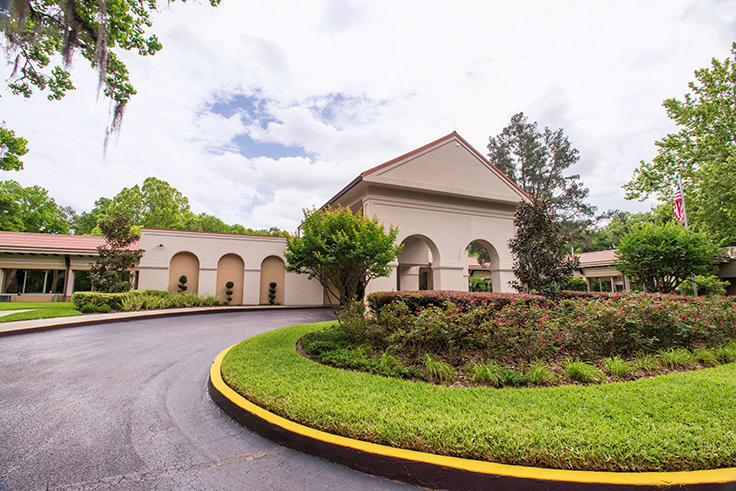
1201 SE 24TH RD, OCALA, FL 34471 (352) 732-2449
For profit - Limited Liability company 180 Beds NHS MANAGEMENT Data: November 2025
Trust Grade
75/100
#244 of 690 in FL
Last Inspection: June 2024

Within standard 12-15 month inspection cycle. Federal law requires annual inspections.

Overview

Ocala Health and Rehabilitation Center has a Trust Grade of B, indicating it is a solid choice, though not without its concerns. It ranks #244 out of 690 in Florida, placing it in the top half of nursing facilities, and #4 out of 11 in Marion County, meaning there are only three local options that are better. Unfortunately, the facility's trend is worsening, with the number of issues increasing from 4 in 2023 to 7 in 2024. Staffing is a relative strength, earning a 4 out of 5 stars with a turnover rate of 34%, which is lower than the state average, but it has less RN coverage than 91% of Florida facilities, meaning there may be missed opportunities for critical oversight. The facility has not incurred any fines, which is a positive sign, but recent inspections revealed concerning incidents, such as improper food storage practices that could risk residents' health and safety. Overall, while there are strengths in staffing and no fines, the increasing number of issues and inadequate RN coverage are important factors for families to consider.

Trust Score
B
75/100
In Florida
#244/690
Top 35%
Safety Record
Low Risk
No red flags
Inspections
Getting Worse
4 → 7 violations
Staff Stability
○ Average
34% turnover. Near Florida's 48% average. Typical for the industry.
Penalties
✓ Good
No fines on record. Clean compliance history, better than most Florida facilities.
Skilled Nurses
⚠ Watch
Each resident gets only 24 minutes of Registered Nurse (RN) attention daily — below average for Florida. Fewer RN minutes means fewer trained eyes watching for problems.
Violations
⚠ Watch
16 deficiencies on record. Higher than average. Multiple issues found across inspections.
★★★★☆
4.0
Overall Rating
★★★★☆
4.0
Staff Levels
★★★★★
5.0
Care Quality
★★★☆☆
3.0
Inspection Score
Stable
2023: 4 issues
2024: 7 issues

The Good

  • 4-Star Staffing Rating · Above-average nurse staffing levels
  • 5-Star Quality Measures · Strong clinical quality outcomes
  • Full Sprinkler Coverage · Fire safety systems throughout facility
  • No fines on record
  • Staff turnover below average (34%)

    14 points below Florida average of 48%

Facility shows strength in staffing levels, quality measures, fire safety.

The Bad

Staff Turnover: 34%

12pts below Florida avg (46%)

Typical for the industry

Chain: NHS MANAGEMENT

Part of a multi-facility chain

Ask about local staffing decisions and management

The Ugly 16 deficiencies on record

Jun 2024 7 deficiencies
CONCERN (D)

Potential for Harm - no one hurt, but risky conditions existed

Assessment Accuracy (Tag F0641)

Could have caused harm · This affected 1 resident

**NOTE- TERMS IN BRACKETS HAVE BEEN EDITED TO PROTECT CONFIDENTIALITY** Based on record review and interview, the facility failed to ensure resident assessment were completed accurately to reflect the...

Read full inspector narrative →
**NOTE- TERMS IN BRACKETS HAVE BEEN EDITED TO PROTECT CONFIDENTIALITY** Based on record review and interview, the facility failed to ensure resident assessment were completed accurately to reflect the resident discharge status for 1 of 3 residents reviewed for discharge, Resident #158. Findings include: Review of Resident #158's physician order dated 3/29/2024 read, Discharge Resident 4/2/24 at 2:00 PM via Medical Transport to [Name of the facility] SNF [Skilled Nursing Facility]. Review of Resident #158's Planned Discharge to Home Instructions dated 4/2/2024 read, Resident moving to [Name of the State]- Follow up with SNF physician. Review of Resident #158's Minimum Data Set (MDS) dated [DATE] under Section A2105 read, 4. Short Term General Hospital. During an interview on 6/26/2024 at 11:10 AM, Staff A, Long Term Care MDS Coordinator, stated that Section A 2105 was entered as a 4. Short term- General Hospital and should have been entered as 3. Skilled Nursing Facility. Resident #158 was sent to a skilled nursing facility out of state. During an interview on 6/26/2024 at 11:16 AM, Staff B, MDS Coordinator, stated that Resident #158 was discharged to a SNF out of state and MDS discharge status was coded in error as discharged to short term- General Hospital and should have been coded as discharged to SNF.
CONCERN (D)

Potential for Harm - no one hurt, but risky conditions existed

Deficiency F0645 (Tag F0645)

Could have caused harm · This affected 1 resident

**NOTE- TERMS IN BRACKETS HAVE BEEN EDITED TO PROTECT CONFIDENTIALITY** Based on record review and interview, the facility failed to ensure the Preadmission Screening and Resident Review (PASRR) was c...

Read full inspector narrative →
**NOTE- TERMS IN BRACKETS HAVE BEEN EDITED TO PROTECT CONFIDENTIALITY** Based on record review and interview, the facility failed to ensure the Preadmission Screening and Resident Review (PASRR) was completed for 1 of 3 residents reviewed for PASRR, Resident #90. Findings include: Review of Resident #90's medical chart showed the resident was admitted to the facility on [DATE] for respite care for one month with diagnoses including unspecified dementia, depression, brief psychotic disorder, and mood disorder due to known physiological condition. Review of Resident #90's progress note authored by Staff C, Social Worker, on 3/23/2023 showed Resident #90's spouse was unsure about the resident's status regarding respite. Review of Resident #90's progress note authored by Staff C, Social Worker, on 4/24/2023 showed the facility educated Resident #90's spouse on the extension process and would send clinicals to the insurance company. Review of Resident #90's progress note authored by Staff C, Social Worker, on 5/2/2023 showed the facility inquired with insurance company if the resident was eligible for long term care and confirmation was obtained. Review of Resident #90's progress note authored by Staff C, Social Worker, on 5/29/2023 showed the late entry for 5/26/2024 indicating that the facility has met with Resident #90's spouse on 5/26/2024 to review overall status. Resident #90's spouse was unable to manage resident at home and requested assistance to apply for long term rehab contract. Review of Resident #90's insurance records showed the resident was authorized for contract nursing home services for respite effective 3/17/2024 through 4/17/2023, and upon expiration of the initial respite stay, an extension was authorized until 6/4/2023 for rehabilitation services. On 5/31/2023, the resident was approved for long term care effective 6/4/2023 to 6/4/2024. Review of PASRR Evaluation Request for Resident #90 showed the request was completed on 3/6/202. Review of Section II showed the resident was admitted for a respite stay. Review of Resident #90's medical chart revealed no results for level I screen for serious mental illness and/or intellectual disability or related conditions. During an interview on 6/26/2024 at 2:22 PM, Staff C, Social Worker, stated, [Resident #90's name] was here only for respite care. After the respite stay, the spouse decided to leave [Resident #90's name] for long term care. The resident's PASRR should have been updated. During an interview on 6/27/2024 at 7:39 AM, the Director of Nursing stated, I was told about [Resident #90's name] PASRR wasn't correct. It should have been caught. Review of the facility policy and procedure titled Social Service Manual with an effective date of 7/15/2009 and the last review date of 1/18/2024 read, Process: Level I Determinations must be signed and dated by an RN [Registered Nurse] at the admitting nursing facility on or before the date of admission. The nursing facility is responsible for ensuring that a Level I screening is completed, submitted and has a Level I Determination and/or a Level II if indicated, on or before nursing home admission and regardless of payment source . The Original documents for the Level I and/or Level II determinations will be retained the medical chart behind the Social Services tab.
CONCERN (D)

Potential for Harm - no one hurt, but risky conditions existed

Quality of Care (Tag F0684)

Could have caused harm · This affected 1 resident

Based on interview and record review, the facility failed to ensure residents received blood pressure medication as ordered by the physician for 1 of 7 residents reviewed for medication administration...

Read full inspector narrative →
Based on interview and record review, the facility failed to ensure residents received blood pressure medication as ordered by the physician for 1 of 7 residents reviewed for medication administration, Resident #43. Findings include: Review of Resident #43's physician order dated 11/16/2022 read, Midodrine HCL 5 mg [milligrams] tablet. 1 tablet by mouth daily. Hold for SBP [Systolic Blood Pressure] >110 Dx [Diagnosis]: Hypotension. Review of Resident #43's Medication Administration Record (MAR) for June 2024 documented the resident received Midodrine 5 mg on 6/9/2024 at 9:00 AM for a blood pressure of 120/80, 6/10/2024 at 9:00 AM for a blood pressure of 122/80, 6/17/2024 at 9:00 AM for a blood pressure of 120/80, 6/18/2024 at 9:00 AM for blood pressure of 120/78 and 6/24/2024 for a blood pressure of 122/74. During an interview on 6/26/2024 at 3:56 PM, the Director of Nursing stated, Nursing staff should follow the physician order and hold the medication when it is ordered to do so. During an interview on 6/26/2024 at 5:08 PM, the Advance Practice Registered Nurse (APRN) #1 stated, Normally staff would check the blood pressure and follow the parameters given. For Midodrine, some guidelines for the systolic are greater than 120 or 110. [Resident #43's name] has not had any problems receiving the medication. I wanted to be conservative due to the resident's age. The parameters of 110 is on the lower side and the medication dosage is minimal. The whole point of parameters is for staff to follow them. Review of the facility policy and procedure titled General Dose Preparation and Medication Administration with the last review date of 1/18/2024 read, Procedure . 3. Prior to administration of medication, facility staff should take all measures required by facility policy and applicable law, including, but no limiting to the following: 3.1 Verify each time a medication is administered that is the correct medication, at the correct dose, at the correct route, at the correct rate, at the correct time, for the correct resident.
CONCERN (D)

Potential for Harm - no one hurt, but risky conditions existed

Deficiency F0810 (Tag F0810)

Could have caused harm · This affected 1 resident

Based on observation, interview, and record review, the facility failed to ensure restriction of the use of assistive devices for fluids was implemented for 1 of 8 residents reviewed for nutrition, Re...

Read full inspector narrative →
Based on observation, interview, and record review, the facility failed to ensure restriction of the use of assistive devices for fluids was implemented for 1 of 8 residents reviewed for nutrition, Resident #26. Findings include: During an observation of Resident #26's lunch tray on 6/24/2024 at 1:30 PM, there were one plastic glass with an opaque lid containing a brown liquid and one white Styrofoam cup with an opaque lid. Both glasses contained drinking straws (photographic evidence obtained). Staff D, Registered Nurse (RN), entered the room, picked up the Styrofoam cup and stated, I'll go get you more water. Review of Resident #26's lunch ticket dated Monday 6/24/2024 read, Mech [mechanical] Soft Rancher's Chicken- 3 Oz [ounces]; Seasoned Mashed Potatoes- 1/2 Cup; Seasoned Collard Greens- 1/2 Cup; Dinner Roll- 1 Ind [individual]; Margarine- 1 Ea [each]; Pumpkin Pie- 1/2 Pc [piece]; Iced tea- 8 Oz; No Straws. During an observation on 6/24/2024 at 1:40 PM in the 100/North Hallway outside of Resident #26's room, Staff D, RN, was holding a Styrofoam cup with a lid and a straw with the Resident #26's room number on it. During an interview on 6/24/2024 at 1:40 PM regarding restrictions of the use of straws for Resident #26, Staff D, RN, stated, I will have to check her meal ticket about straws. During an interview on 6/26/2024 at 11:55 AM, Staff D, RN, stated, We expect CNAs [Certified Nursing Assistants] to read the meal tickets. We are the last line of defense for the residents. I should have known better than to get [Resident #26's name] water and put a straw in it. Review of Resident #26's physician order dated 5/30/2024 read, CCD [Carbohydrate Controlled Diet]/CCHO [Consistent Controlled Carbohydrate] Mechanical Soft thin liquid, no straws. Review of Resident #26's Communication Form completed by the Speech Language Pathologist on 5/30/2024, read, To: Nursing . From: Rehab [rehabilitation services] . Recommendation: Discontinue Reg [regular]/ thin diet consistency. Change to mechanical soft/thin diet consistency . Comments: No straws. Please provide bowl of gravy w/ [with] every lunch [and] dinner. During an interview on 6/26/2024 at 2:45 PM, the Speech Language Pathologist, stated, She [Resident #26] coughs when she drinks with straws. It seems to be related to facial weakness and really poor dentition. There is a possible risk for choking and aspiration pneumonia, but she does pretty well. After my clinical evaluation, watching her, and a swallow study, as a precaution, I said not to use straws. It is more as a precaution. It is better to air at the side of caution than not to do it. It is not a hard absolute, more as a precaution. If it was something we consider harmful, we would do a FMP [Functional Maintenance Plan] where we would have a meeting and train as much staff as possible and involve restorative CNA. For [Resident #26's name], we did not find it necessary to do a FMP. Some of the residents are on the edge and it was really more of a precaution than anything. Review of Resident #26's Fiberoptic Endoscopic Evaluation of Swallowing [FEES] dated 5/30/2024, read, Consistencies Administered: Thin liquids- cup, straw . Aspiration: no aspiration visualized w/ thin liquids, mech soft, regular or mixed consistencies. During an interview on 6/26/2024 at 3:20 PM, the Director of Nursing (DON) stated, Therapy communication goes to the unit manager and the unit manager updates the care plan within a couple of days. If it is serious, we put it on the resident care manager [section of the electronic medical record] for the CNAs. There is an order in the system [regarding Resident #26]. During an interview on 6/27/2024 at 9:25 AM, the DON stated, The order [for Resident #26 not to have straws] goes to dietary and it goes on the [meal] ticket. They [the CNAs] need to check the tickets when they are passing trays.
CONCERN (D)

Potential for Harm - no one hurt, but risky conditions existed

Food Safety (Tag F0812)

Could have caused harm · This affected 1 resident

Based on observation, interview, and record review, the facility failed to ensure foods were stored in a safe manner in 3 of 3 nourishment rooms. Findings include: During a tour of the East Hall nouri...

Read full inspector narrative →
Based on observation, interview, and record review, the facility failed to ensure foods were stored in a safe manner in 3 of 3 nourishment rooms. Findings include: During a tour of the East Hall nourishment room on 6/24/2024 beginning at 9:30 AM with the Certified Dietary Manager, there was no thermometer in the freezer compartment of the refrigerator. There was an ice buildup in the freezer compartment and there was a wire dangling from the ice. During a tour of the North Hall nourishment room on 6/24/2024 beginning at 9:35 AM with the Certified Dietary Manager, there was no thermometer in the freezer compartment of the refrigerator. During a tour of the South Hall nourishment room on 6/24/2024 beginning at 9:38 AM with the Certified Dietary Manager, there was no thermometer in the freezer compartment of the refrigerator. There was an ice buildup in the freezer compartment. There was one undated individual pizza serving in the freezer. There was no thermometer in the cooling compartment of the refrigerator. During an interview on 6/24/2024 beginning at 9:30 AM, the Certified Dietary Manager confirmed there should be thermometers in the nourishment room refrigerators. He acknowledged the freezer compartments of the refrigerators in the East and South Hall needed defrosting. He indicated the individual serving of pizza stored in the freezer compartment of the South Hall refrigerator was undated. Review of the facility policy and procedure titled Leftover Food Storage and Use last reviewed on 1/18/2024, showed the policy read, Process . b. Leftover foods should be covered, labeled and dated. c. Refrigerated leftover foods should be used within 72 hours (three days). If not used within 72 hours, refrigerated foods should be discarded. These foods should be monitored for proper cooling, with times and temperatures recorded on a cooling log. Review of the facility policy and procedure titled Food Storage Temperature Logs last reviewed on 1/18/2024, showed the policy read, Process: In order to prevent food borne illnesses, foods should be stored at proper temperatures. Standard . Temperatures should be monitored and recorded on a food temperature log.
CONCERN (D)

Potential for Harm - no one hurt, but risky conditions existed

Medical Records (Tag F0842)

Could have caused harm · This affected 1 resident

**NOTE- TERMS IN BRACKETS HAVE BEEN EDITED TO PROTECT CONFIDENTIALITY** 2. Review of Resident #39's admission record showed the resident was most recently admitted on [DATE] with diagnoses including t...

Read full inspector narrative →
**NOTE- TERMS IN BRACKETS HAVE BEEN EDITED TO PROTECT CONFIDENTIALITY** 2. Review of Resident #39's admission record showed the resident was most recently admitted on [DATE] with diagnoses including type 2 diabetes mellitus, chronic kidney disease (stage 4), hypokalemia, hypothyroidism, and adult failure to thrive. Review Resident #39's physician order dated 2/13/2024 read, Accu-checks [Blood glucose testing] AC/HS [before meals and at bedtime] cover w/ [with] Novolog [short acting insulin] 100 unit/ml vial . > [greater than] 399 mg /DL [deciliter] 7 U [units] & Call MD [medical doctor]. Special Requirement Brief Instructions . Notify MD for BG [blood glucose] less than 60 mg/dl or greater than 399 mg/dl. Review of Resident #39's physician order dated 5/22/2024 read, Novolin R [regular, human short acting insulin] 100 unit/ml vial. Administer 12 U subcutaneous if BS is > 399. Review of Resident #39's MAR for May and June 2024 for subcutaneous administration of 12 units of Novolin R of blood sugar is greater than 399 showed the resident received the medication on 5/25/2024 at 8:03 PM, on 5/27/2024 at 10:57 AM, on 5/28/2024 at 11:01 AM, on 5/29/2024 at 11:44 AM, on 5/31/2024 at 11:45 AM and 5:04 PM, on 6/1/2024 at 7:50 PM, on 6/2/2024 at 1:31 PM, on 6/4/2024 at 12:55 PM, on 6/11/2024 at 11:33 AM, on 6/12/2024 at 3:07 PM, on 6/14/2024 at 12:59 PM and 3:07 PM, on 6/15/2024 at 10:53 AM, on 6/16/2024 at 12:00 PM, on 6/17/2024 at 3:58 PM and 9:28 PM, on 6/18/2024 at 12:32 PM and 4:33 PM, on 6/19/2024 at 3:12 PM, on 6/20/2024 at 12:47 PM, on 6/22/2024 at 3:12 PM and 7:56 PM, on 6/24/2024 at 11:35 AM, on 6/25/2024 at 10:41 AM, and on 6/26/2024 at 11:07 AM, with no documentation of the blood glucose reading. Review of Resident #39's MAR for May and June 2024 for the order Accu-checks AC/HS cover w/ Novolog 100 unit/ml vial . > 399 mg/DL 7 U & Call MD showed N (Not Administered) documented for 5/25/2024 at 11:30 AM with no BG reading documented, on 5/25/24 at 9:00 PM with BG of 425, on 5/27/2024 at 11:30 AM with BG of 426, on 5/28/2024 at 11:30 AM with BG of 451, on 5/29/2024 at 11:30 AM with BG of 433, on 5/31/2024 at 11:30 AM with BG of 439, on 5/31/2024 at 4:30 PM with BG of 450, on 6/1/2024 with BG of 408, on 6/2/2024 at 11:30 AM with BG of 514, on 6/14/2024 at 11:30 AM with BG of 453, on 6/15/2024 at 11:30 AM with BG of 466, on 6/16/2024 at 11:30 AM with BG of 464, on 6/17/2024 at 4:30 PM with BG of 571 and at 9:00 PM with BG of 412, on 6/18/2024 at 11:30 AM with BG documented as high and at 4:30 PM with BG of 421, on 6/19/2024 at 4:30 PM with BG of 492, on 6/20/2024 at 11:30 AM with BG documented as high, on 6/21/2024 at 4:30 PM with BG of 463, on 6/22/2024 at 4:30 PM with BG of 486 and at 9:00 PM with BG of 500, on 6/24/2024 at 11:30 AM with BG of 433, and on 6/25/2024 at 11:30 AM with BG of 400. Review of Resident #39's progress notes showed no documentation from the nurses or the Advanced Practice Registered Nurse (APRN) #1 to defer from the active order for administration of 7 units of Novolog for blood glucose over 399 and call MD to the active order for administration of 12 units of Novolin R for blood glucose over 399 and not call the MD. Review of Resident #39's progress note dated 5/29/2024 showed the APRN #1 documented, History of present illness . Has been eating more lately with multiple hyperglycemic episodes reported and blood sugars as high as 451 . Plan . Continue medication, MAR reviewed. Review of Resident #39's progress note dated 6/20/2024 showed the APRN #1 documented, History of present illness . Unfortunately continues with hyperglycemic episodes and blood sugars trending between 154 and high will increase with multiple readings in the 400s . Plan . Continue medication, MAR reviewed. During an interview on 6/25/2024 at 2:51 PM while reviewing the two insulin orders on the MAR for June 2024 with the Director of Nursing (DON), the DON stated, The doctor was sick of the nurses calling so they put that order (referring to the Novolin R insulin order to give 12 units of insulin for blood sugars over 399). The nurses will put 'N' [Not administered] for the Novolog sliding scale order if the BS is over 399 and defer to the Novolin R order. Right now, it's confusing and the orders need to be more clear. During an interview on 6/27/2024 at 9:46 AM, the APRN #1 stated, The resident [Resident #39] is very hard to manage for her blood sugars. She will either be hypoglycemic or hyperglycemic. She is very fragile. She is not supposed to be on two insulin orders. I don't know why the pharmacy did that. I have so many medication orders for reconciliation. It's hard to keep up with. The staff communicates her elevated blood sugars with me every day, throughout the day. I am there [at the facility] five days a week. We communicate verbally throughout the day and there is a communication log at the desk that the nursing staff use if I'm not there for any non-critical blood sugar concerns and actions. The nurses and I have agreed that they should follow the orders for insulin and do not need to call me unless the blood sugar is over 450. During an interview on 6/27/2024 at 10:38 AM, Staff H, Licensed Practical Nurse (LPN), stated, I am familiar with the resident [Resident #39] and have administered insulin to her. It's kind of common knowledge to give 12 units of insulin if the blood sugar is over 399. Typically, we use the sliding scale for blood sugars and give the insulin dose according to the blood sugar range. We usually will give 7 units and call the doctor for blood sugars over 399, and then the doctor may order an additional 5 units. We never go over 12 units. There is a separate PRN [as needed] order for this resident to just give the 12 units due to her labile sugars. I don't know why there are to orders, but we just know to go to the PRN order. During an interview on 6/27/2024 at 10:55 AM, Staff I, LPN, stated, I am here each day and am the rounding nurse. I work directly with [the APRN #1's name] and gather the resident information from the communication call log printed sheets in the book here at the nursing station [pointing to the empty call book on the desk]. I am very familiar with the resident [Resident #39] and her labile blood sugars. I don't know why she has two insulin orders. Typically the standard order is to give 7 units of insulin for blood sugars over 399. I think the insulin order to give her 12 units of insulin was supposed to be a one-time order as needed. I am here Monday through Friday, and the nurses communicate her blood sugars to either me or [the APRN #1's name] throughout the day if there are concerns. At night, they would call the on-call provider. During an interview on 6/27/2024 at 11:05 AM, Staff J, Registered Nurse (RN), stated, I am very familiar with the resident [Resident #39]. If the nurses have questions about the elevated blood sugars during the day, [the APRN #1's name] is here every day, but if she is not here, we call the on-call doctor. It's a standard for this resident to give her 12 units of insulin if her blood sugar levels are over 399. It is confusing, it's common knowledge for the nurses caring for her. It could be confusing for a new nurse or a nurse not familiar with her to have two orders. Review of the facility policy and procedure titled Charting and Documentation Guidelines with the last review date of 1/18/2024 read, Purpose: Documentation in medical records of residents, by the interdisciplinary team, should provide: Communication of the resident's care, treatment, response to care, signs, symptoms and progress of the resident to providers of care . Process: I. Rules for charting and documentation: a) Chart all pertinent changes in the resident's condition, reaction to treatments, medications, as well as routine observations . IX. Miscellaneous Documentation: Documentation of various events occurs in the nursing notes and may include . e) Whenever a prn medication is given; the reasons for its use along with the resident's response. Based on observation, interview, and record review, the facility failed to ensure medical records were accurate for 2 of 10 residents reviewed for medication administration, Residents #12, and #39. Findings include: 1. Review of Resident #12's admission record showed the resident was admitted on [DATE] with diagnosis including but not limited to chronic pain syndrome. During an interview on 6/24/2024 at 9:46 AM, Resident #12 stated, I have pain in my legs and take pain medication for the pain. Review of Resident #12's physician order dated 5/13/2024 read, Acetaminophen 325 mg [milligrams] tablet: Administer 2 tablet(s) to equal 650 mg by mouth every 4 hours as needed As Needed, for mild pain. Review of Resident #12's physician order dated 5/13/2024 read, Morphine 20 mg/1 ml [milliliters] syringe administer 0.5 ml by mouth once every 4 hours as needed for pain management. Review of Resident #12's physician order dated 5/13/2024 read, Pain Assessment chart highest degree of pain by scale 0-10 for your shift. Chart q [every] shift. Review of Resident #12's Medication Administration Record (MAR) for Acetaminophen 325 mg for June 2024 showed the resident received the medication on 6/18/2024 at 8:26 PM. Review of Resident #12's MAR for administration of Morphine 0.5 ml for June 2024 documented the resident received the medication on 6/1/2024 at 3:05 AM, 9:32 AM, and 4:56 PM, on 6/2/2024 at 9:38 AM and 4:55 PM, on 6/7/2024 at 6:44 PM, on 6/10/2024 at 1:27 PM and 5:42 PM, on 6/11/2024 at 6:09 AM, on 6/12/2024 at 10:36 AM, on 6/13/2024 at 4:35 AM, on 6/14/2024 at 4:58 AM, on 6/15/2024 at 11:11 AM, on 6/16/2024 at 9:10 AM and 9:16 PM, 6/17/2024 at 4:42 AM, on 6/18/2024 at 8:26 PM, on 6/19/2024 at 5:36 AM, on 6/20/2024 at 11:48 AM and 7:28 PM, and on 6/24/2024 at 1:01 PM. Review of Resident #12's MAR for pain assessment for June 2024 showed the resident's pain level was documented as zero on 6/1/2024 through 6/25/2024 at 6:30 AM and 2:30 PM. Review of Resident #12's progress note dated 6/10/2024 read, Res [resident] on hospice, c/o [complain of] pain in afternoon, morphine given prn [as needed] per MAR and was effective. CNA [certified nursing assistant] attempted 2 times to go RES OOB [out of bed] and RES refused, this nurse attempted 1x [times] and RES refused, PT [Physical Therapist] attempted and RES refused. During an interview on 6/26/2024 at 3:55 PM, the Director of Nursing stated, The nursing staff should chart the pain level at the end of shift and follow what the order says. The staff should accurately document the highest level of pain at the end of the shift. Review of the facility policy and procedure titled Pain Management and Assessment with the last review date of 1/18/2024 read, Purpose: The detection of the presence of pain, determining the frequency and intensity of pain, and identification of effective pain management interventions can help to avoid adverse outcomes that impact the resident/guest(s) functional status and quality of life. Standard . An on-going assessment of pain utilizing either a numeric scale of 0-10 or a verbal descriptor scale will be conducted daily and with evidence of new or worsening pain . Process . II. On-going Pain Assessment . e. Document Pain (1-10), or use verbal descriptors scale, or staff observation for documentation on MAR.
CONCERN (D)

Potential for Harm - no one hurt, but risky conditions existed

Infection Control (Tag F0880)

Could have caused harm · This affected 1 resident

**NOTE- TERMS IN BRACKETS HAVE BEEN EDITED TO PROTECT CONFIDENTIALITY** Based on observation, interview, and record review, the facility failed to ensure staff used appropriate personal protective equ...

Read full inspector narrative →
**NOTE- TERMS IN BRACKETS HAVE BEEN EDITED TO PROTECT CONFIDENTIALITY** Based on observation, interview, and record review, the facility failed to ensure staff used appropriate personal protective equipment (PPE) while providing direct care for 2 of 5 residents on transmission-based precautions, Residents #154 and #96, and failed to ensure staff followed infection control standards by not cleaning the multi-use medical equipment in between resident use, not sanitizing the surface area during medication administration and not cleaning the medication syringe after enteral medication administration to prevent the possible spread of infection and communicable diseases. Findings include: 1. During an observation on 6/26/2024 at 8:45 AM, Residents #154 and #96's room had a sign posted on the door that read, STOP: Special Droplet/Contact Precautions . Everyone must: including visitors, doctors & staff: Clean hands when entering or leaving a room, Wear face mask, Wear eye protection (face shield or goggles), Gown and glove at the door. During an observation on 6/26/2024 at 8:46 AM, Staff G, Certified Nursing Assistant (CNA), opened the door from inside the room of Residents #154 and #96. Staff G was not wearing eye protection (a face shield or goggles). Staff G handed a tied bag of trash to the housekeeper and closed the door from inside the room. During an observation on 6/26/2024 at 8:47 AM, Staff G, CNA, opened the door from inside the room of Residents #154 and #96 and took a roll of clear bags from the housekeeper standing outside the room and closed the door from inside the room. Staff G was not wearing eye protection (a face shield or goggles). During an interview on 6/26/2024 at 8:48 AM, Staff G, CNA, stated, I should have had a face shield on. Both residents are on transmission-based precautions. They are both positive for COVID-19. During an interview on 6/26/2024 at 10:05 AM, the Director of Nursing stated, They [the staff] should be wearing goggles or a face shield when entering the COVID positive room. Review of Resident #154's medical record showed the resident was admitted on [DATE] with diagnoses including acute embolism and thrombosis of unspecified deep veins of the right extremity, dementia, mood disorder, and depression. Further review of the medical record showed Resident #154 tested positive for COVID-19 on 6/24/2024. Review of Resident #154's physician order dated 6/24/2024 read, Respiratory and droplet isolation r/t [related to] positive COVID 19 status. Review of Resident #96's medical record showed the resident was admitted on [DATE] with diagnoses including cognitive communication deficit, shortness of breath, history of falling, dependence on supplemental oxygen, anxiety disorder, major depressive disorder, and dementia. Further review of the medical record showed Resident #96 tested positive for COVID-19 on 6/23/2024. Review of Resident #96 physician order dated 6/23/2024 read, Droplet isolation r/t COVID. Review of the facility policy and procedure titled Response Phase Protocol for COVID-19 with an effective date of 3/13/2020 and last review date of 1/18/2024 read, d. Before entering resident room with an active case (or susceptive case), wear: 1. Gown (fluid resistant or impermeable), 2. Facemask, 3. Eye protection (goggles or face shield), 4. Gloves. 2. During an observation on 6/26/2024 at 8:10 AM, Staff K, Licensed Practical Nurse (LPN), prepared Resident #110's medications and entered the resident's room. Resident #110 was lying in bed. Staff K took Resident #110's blood pressure. Staff K stated she would hold Resident #110's blood pressure medication due to the blood pressure parameters and placed blood pressure cuff on top of Resident #110's bedside table. Staff K gave Resident #110 a cup with water and administered the medications. Staff K placed blood pressure cuff in her pocket and exited the resident room. Staff K performed hand hygiene and began to pour Resident #133's medication. Staff K entered Resident #133's room. Without sanitizing the blood pressure cuff, Staff K used the medical device to take Resident #133's blood pressure. Staff K provided a cup with water to Resident #133 and administered medications. During an interview on 6/26/2024 at 8:30 AM, Staff K, LPN, stated, I should have sanitized the blood pressure cuff in between each resident use. I did not have wipes in my medication cart. During an observation on 6/26/2024 at 8:37 AM, Staff L, LPN, performed hand hygiene and poured all medications and removed a bottle of eye drops for Resident #101. Staff L donned gloves and grabbed two tissues. Staff L entered Resident #101's room and placed both tissues on top of the bedside table without sanitizing or placing a barrier on table. Table surface had areas of shining substance. Staff L moved tissues on top of the bedside table. Both pieces of tissue were in contact with the table surface. Staff L placed the medication cup on the table. Staff L applied eye drops into Resident #101's right eye and handed the resident the tissues resting on the bedside table to clean his eye. During an interview on 6/26/2024 at 8:44 AM, Staff L, LPN, stated, I should have handed the tissues to [Resident #101's name] or have sanitized the bedside table or placed a barrier on the table before placing the tissues down. During an observation on 6/26/2024 at 9:21 AM, Staff H, LPN, poured and crushed all of Resident #69's medications individually. Staff H donned gloves and gown to enter Resident #69's room. Staff H was administering medication and medication syringe fell on the floor. Staff H removed gloves and stood at the door and asked another staff member to bring her another syringe from her medication cart, giving them the medication cart keys. Staff H performed hand hygiene and donned a new pair of gloves. The staff member returned, gave Staff H the new syringe and the cart keys. Staff H put the keys into her pocket and returned to administer Resident #69's medications via gastric tube. Staff finished administering medications and placed medication syringe into a cup without cleaning syringe after administration. Staff H performed hand hygiene and proceeded to go assist another resident. During an interview on 6/26/2024 at 10:14 AM, Staff H, LPN, stated, I should have removed my gloves and performed hang hygiene after I was given the medication cart keys. I did not clean the syringe after I was done. I should have cleaned it. I was going to do that after going to get a zip lock bag for the syringe. During an interview on 6/26/2024 at 3:46 PM, the DON stated, Staff should run down with a wipe for all reusable medical equipment in between each resident use. If the bedside table is soiled, then staff should clean the surface of the table before placing the tissue on the table. The nursing staff should be cleaning the medication syringe after using them for medication administration. Review of the facility policy and procedure titled Blood Pressure Measurements with the last review date of 1/18/2024 read, Equipment Care: Clean the stethoscope and blood pressure cuff with a clean dampened cloth with disinfectant and water. Review of the facility policy and procedure titled General Dose Preparation and Medication Administration with the last review date of 1/18/2024 read, Procedure . 6. After medication administration, facility staff should take all measures required by facility policy and applicable law, including, but not limited to the following . 6.4: Clean any reusable equipment or supplies. Review of the facility policy and procedure titled Medication Administered through an Enteral Tube with the last review date of 1/18/2024 read, Procedure . 19. Clean medication syringe and return to bedside.
Feb 2023 4 deficiencies
CONCERN (E)

Potential for Harm - no one hurt, but risky conditions existed

Respiratory Care (Tag F0695)

Could have caused harm · This affected multiple residents

**NOTE- TERMS IN BRACKETS HAVE BEEN EDITED TO PROTECT CONFIDENTIALITY** 2. ) During an observation on 2/12/23 at 10:25 AM Resident #9, was lying in bed resting calmly with eyes closed, oxygen being ad...

Read full inspector narrative →
**NOTE- TERMS IN BRACKETS HAVE BEEN EDITED TO PROTECT CONFIDENTIALITY** 2. ) During an observation on 2/12/23 at 10:25 AM Resident #9, was lying in bed resting calmly with eyes closed, oxygen being administer at 2.5 liters per minute via nasal cannula with humidifier. During an observation on 2/13/23 at 8:28 AM Resident #9, was eating breakfast in her room, oxygen being administer at 2.5 liters per minute via nasal cannula with humidifier. During an observation on 2/13/23 at 11:20 AM Resident #9, was lying in bed resting calmly with eyes closed, oxygen being administer at 2.5 liters per minute via nasal cannula with humidifier. Review of the face sheet for Resident #9 documented the resident was admitted on [DATE] with diagnosis that included shortness of breath, obstructive pulmonary disease, and dependence on supplemental oxygen. Review of the physician order dated 12/14/22 reads, O2 (Oxygen) On 2LT /Min [2 liters per minute] Via NC [nasal cannula] with Humidifier DX [diagnosis]: SOB [shortness of breath] During an interview on 2/13/23 at 11:47 AM Staff C, RN/Unit Manager, confirmed Resident #9's oxygen was running at 2.5 Liters and Resident #9 has orders for oxygen at 2 Liters with humidifier. Based on observation, interview, and record review the facility failed to ensure respiratory care services were provided consistent with professional standards of practice for oxygen administration for 4 out of 7 residents reviewed for respiratory care. (Resident #15, Resident #129, Resident #156, Resident #9) Findings Include: 1.) During an observation on 2/13/23 at 11:53 AM Resident #15 was observed sitting in bed receiving oxygen through a nasal cannula. The oxygen concentrator was observed set on 2.5 liters of oxygen. Review of the physician orders for Resident #15 dated 8/30/22 read Oxygen @ 2 L/Min [at 2 liters per minute] per nasal cannula PRN (as needed) for short of breath and low oxygen saturations. During an interview on 2/13/23 at 11:30 AM Staff E, South Hall Unit Manager, Registered Nurse (RN), confirmed Resident #15's oxygen was running at 2.5L [liters per minute] and Resident #15 has physician's orders to receive oxygen at 2 liters per minute. During an observation on 2/13/23 at 11:56 AM, Resident #129 was observed sitting in bed receiving oxygen through a nasal cannula. The oxygen concentrator was observed set on 1.5 liters of oxygen. Review of the physician orders for Resident #129 dated 2/12/23 read Apply oxygen at 2 liters per minute via NC [nasal cannula] if O2 Sat [oxygen saturation] was less than 92% or SOB [shortness of breath]. During an interview on 2/13/23 at 11:30 AM Staff E, South Hall Unit Manager, RN, confirmed Resident #129's oxygen was running at 1.5L and the physician's order read 2 liters per minute for oxygen administration. During an observation on 2/12/23 at 10:30 AM, Resident #156 was observed sitting in bed receiving oxygen through a nasal cannula. The oxygen concentrator was observed set on 1.5 liters of oxygen. Review of the physician orders for Resident #156 dated 11/10/22 read Oxygen @ 3 L/Min [liters per minute] per nasal cannula continuous. During an interview on 2/13/23 at 11:40 AM Staff E, South Hall Unit Manager, RN, confirmed Resident #156's oxygen was running at 1.5L [liters per minute] and the physician's orders read 3 liters per minute. During an interview on 2/14/23 at 11:49 AM the Director of Nursing stated, If patients need more or less oxygen a doctor should be called, and orders changed. My expectation of my staff is to follow the doctors' orders. Review of the policy titled Oxygen Administration last review 1/19/23, read Standard. Oxygen should be administered under orders of the attending physician, except in the case of an emergency. In an emergency, oxygen may be administered without physician's orders, however, the order should be obtained immediately after the crisis is under control. Process. 1. Obtain physician's orders for the rate of flow and route of administration of oxygen (i.e. by tank, concentrator, nasal cannula, mask, etc.) 5. Attach the oxygen delivery device ordered by the physician to the oxygen unit (mask, cannula). 8 Check oxygen flowmeter for correct liter flow.
CONCERN (E)

Potential for Harm - no one hurt, but risky conditions existed

Deficiency F0761 (Tag F0761)

Could have caused harm · This affected multiple residents

**NOTE- TERMS IN BRACKETS HAVE BEEN EDITED TO PROTECT CONFIDENTIALITY** Based on observation, interview, and record review, the facility failed to ensure that drugs and biologicals used in the facilit...

Read full inspector narrative →
**NOTE- TERMS IN BRACKETS HAVE BEEN EDITED TO PROTECT CONFIDENTIALITY** Based on observation, interview, and record review, the facility failed to ensure that drugs and biologicals used in the facility were stored and labeled in accordance with currently accepted professional principles in 4 of 6 medication carts (south hall, north back hall, north hall, east hall) and failed to ensure medications were secured (photographic evidence obtained). Findings include: 1.) During an observation of south hall medication cart on [DATE] at 9:15 AM with Staff A, Licensed Practical Nurse (LPN), there was an opened bottle of Latanoprost ophthalmic solution with no open or expiration date and one expired bottle of Dorzolamide HCI ophthalmic solution with open dates [DATE] and [DATE] noted on the same bottle. During an interview on [DATE] at 9:25M Staff A, Licensed Practical Nurse (LPN) stated that the medication should be dated when opened and forgo the expiration date in box. During an observation of the north back hallway medication cart on [DATE] at 9:27 AM with Staff B, LPN, there were five medication cups containing unlabeled medications, one opened Toujeo Solostar insulin pen with no open or expiration date, one opened Novolin insulin pen with no open or expire date, and one open bottle of Pro-stat with no open date. During an interview on [DATE] at 9:36 AM, Staff B, LPN, stated that the medication should be immediately dated and initial when opened. She confirmed medication should be stored in their original bottle. During an observation of the north hall medication cart on [DATE] at 9:38 AM with Staff C, Registered Nurse (RN), there was one expired bottle of Azopt 1% eye drops with an open date [DATE], one expired bottle of Latanoprost 0.005% ophthalmic solution with an open date of [DATE] with instructions to discard after 42 days, one expired bottle of Travoprost 0.004% eye drops with an open date of [DATE], one expired bottle of artificial tears with an opened date of [DATE] and one expired bottle of artificial tears with an open date [DATE]. During an interview on [DATE] at 9:44 AM, Staff C, RN, stated that the expired medication should be removed from the active section of the cart, and they will either go back to pharmacy or the Director of Nursing will destroy them. During an observation of the east hall medication cart on [DATE] at 9:50 AM with Staff D, LPN, there was one expired bottle of Pro-stat with an open date of [DATE], one bottle of fungi care with no original pharmacy packing and no open date, one opened bottle of Timolol with no open date, and a closed package of cookies. During an interview on [DATE] at 9:55 AM, Staff D, LPN, stated that the medication should be dated when opened and the bottle of fungi care should not be in the cart because the treatment was discontinued. During an interview on [DATE] at 12:39 PM the Director of Nursing stated, Medication should be opened and dated. If the medication is expired, staff should reorder and check stock in house. The staff should discard expired medication. 2.) During an observation on [DATE] at 10:14 AM Resident #81 was lying in bed. A bottle of antacid tablets were on the bedside table next to the resident. During an interview on [DATE] at 10:15 AM Resident # 81 stated I don't really know how to take one. During an observation on [DATE] at 10:45 AM, Resident #52 was lying in her bed watching television. An inhaler was observed on Resident #52's bedside table next to resident. During an interview on [DATE] at 10:46 AM, Resident #52 stated I take the inhaler on my own. During an observation on [DATE] at 8:23 AM, Resident #81 was lying in bed having breakfast. A bottle of antacid tablets was observed on the resident's bedside table next to resident. During an observation on [DATE] at 9:10 AM, Resident #81 was lying in bed. A bottle of antacid tablets was observed on the resident's bedside table next to resident. During an interview on [DATE] at 9:14 AM, the Director of Nursing stated, medications should be kept in medication cart. Review of the policy titled Storage and Expiration Dating of Medications, Biologicals last reviewed on [DATE] read Procedure. 4. Facility should ensure that medications and biologicals that: (1) have an expired date on the label; (2) have been retained longer than recommended by manufacturer or supplier guidelines; or (3) have been contaminated or deteriorated, are stored separate from other medications until destroyed or return to the pharmacy or supplier. 5. Once any medication or biological package is opened, Facility should follow manufacturer/supplier guidelines with respect to expiration dates for open medication. Facility staff should record the date opened on the primary medication container (vial, bottle, inhaler) when the medication has a shortened expiration date once opened or opened. 5.4 When an ophthalmic solution or suspension has a manufacturers shortened beyond use date once opened, facility staff should record the date opened and the date to expire on the container. 9. Facility should ensure that the medications and biologicals for each resident are stored in the containers in which they were originally received. 13. Bedside Medication Storage. 13.2. Facility should store bedside medications or biologicals in a locked compartment within the resident's room. 16. Facility should destroy or return all discontinued, outdated/expired, or deteriorated medications or biologicals in accordance with Pharmacy return/destruction guidelines and other Applicable Law, and in accordance with Policy 8.2 (Disposal/Destruction of Expired or Discontinued Medication.)
CONCERN (F)

Potential for Harm - no one hurt, but risky conditions existed

Food Safety (Tag F0812)

Could have caused harm · This affected most or all residents

Based on observation, interview, and record review, the facility failed to ensure all foods were stored, covered, labeled, and discarded in accordance with professional standards for food service safe...

Read full inspector narrative →
Based on observation, interview, and record review, the facility failed to ensure all foods were stored, covered, labeled, and discarded in accordance with professional standards for food service safety in the main kitchen and 2 of 3 nourishment rooms and failed to ensure sanitary standards were maintained in the walk-in cooler, walk-in freezer, and the stock/storage room. Findings include: During an initial tour of the kitchen on 2/12/23 at 09:10 AM with the Certified Dietary Manager (CDM) and the Administrator, the walk-in cooler had a large container labeled Pureed Meat dated 7/23, three unlabeled clear containers of food, one half gallon container of milk with approximately 16 ounces remaining that did not have an opened date on the container. The walk-in freezer had several opened boxes that exposed the food to the elements and the potential for freezer burn, a large buildup of ice under the sprinkler head on the left wall, two breadsticks and a piece of raw fish on the floor, and multiple pieces of trash and debris on the floor under the food racks. The reach-in cooler had one thickened sweetened tea with lemon and one thickened flavored water with no opened date. During an interview on 2/12/23 at 9:30 AM, the CDM confirmed that pureed foods should be discarded after each meal and not saved as a leftover per policy, all boxes in the freezer should be closed to protect the integrity of the food products, the walk-in freezer should not have food product and debris left on the floor and under the food racks and all products should be labeled and dated for storage, or an open date placed on bulk products that had been opened for use in the kitchen and in the nourishment rooms. During a tour of the kitchen on 2/13/23 at 9:20 AM with the Administrator, there were 36 clean fruit dishes and 124 clean dessert plates stored on an open cart that were not inverted or covered, four hood lights that were not working, a flat of 20 raw shell eggs left on the grill top, the clean robot coupe blender with water around the blade and bottom of the bowl, and the test strips for the 3-compartment sink with an expiration date of 2019. No other test strips were available. During an interview on 2/13/23 at approximately 9:45 AM, the CDM confirmed that raw shell eggs should have been stored in an ice bath when pulled from the cooler and returned to the cooler immediately after meal service, the expiration date on the test strips was 2019 and that expired strips may not be reliable for accurate readings for the sanitization of pots and pans. The CDM acknowledged that clean dishes should be either inverted or the top dish covered completely, verified that 4 lights were not working under the stove hood and that the robot coupe blender should be left to completely air dry after being washed, rinsed, and sanitized and not placed back on the base creating a potential wet nesting or allowing potential microorganisms to grow. During a tour of three nourishment rooms with the Administrator on 2/14/23 at 11:30 AM, the east nourishment room had an opened undated container of thickened cranberry cocktail, and the south nourishment room had an opened undated and unlabeled container of Red Bull drink, Pepsi soda, and a bottle of juice stored in the refrigerator. During an interview on 2/14/23 at 11:30 AM, the Administrator confirmed that 2 of 3 nourishment room refrigerators had opened products that did not have an opened date or labeled with a name. Review of the policy titled Leftover Food Storage and Use last reviewed 1/19/23, read, Purpose. To assure that food borne illnesses are avoided. Process. b. Leftover foods should be covered, labeled and dated. c. Refrigerated leftover food should be used within 72 hours (three days). If not used within 72 hours, refrigerated foods should be discarded. h. Pureed foods should not be re-used. Review of the policy titled Food Receipt and Storage last reviewed 1/19/23, read, k. Open food items should be covered, labeled, and dated; opened dry goods should be kept in tightly sealed containers. p. If food items with expiration dates are removed from the original containers, the expiration date should be transferred to the food item and identified as the expiration date. Review of the policy titled Three Compartment Sink Sanitization last reviewed 1/19/23, read, Process. The final rinse should be monitored for the proper temperature, if hot water sanitization is used, and for proper chemical concentration if chemical sanitization is used. Review of the policy titled Cleaning of Miscellaneous Equipment and Utensils last reviewed 1/19/23, read, 16. Food Processor: (after each use) Air dry on clean surface or use clean paper towels or cloth to dry. 18. Freezer: b. Walk-In Type (weekly). Mop floor, Shelves should be pulled out and washed as needed. 35. Refrigerator: (weekly) a. Reach In Type. 3. Check with the supervisor and sort and throw away food not usable or past the storage period.
MINOR (C)

Minor Issue - procedural, no safety impact

Staffing Information (Tag F0732)

Minor procedural issue · This affected most or all residents

Based on observation, interview, and record review the facility failed to post daily nurse staffing information on 1 of 5 days of the survey. Findings include: An observation was made of the posted d...

Read full inspector narrative →
Based on observation, interview, and record review the facility failed to post daily nurse staffing information on 1 of 5 days of the survey. Findings include: An observation was made of the posted daily nurse staffing information on Sunday, 2/12/23, at 9:00 AM at the time of the entrance into the facility. The posted daily nurse staffing information was dated Friday, 2/10/23 and only the day shift was completed on the form. During an interview on 2/14/23 at 1:30 PM, the Executive Director stated that the nurse staffing information is a continuous working schedule and the Staff Development Coordinator is responsible for updating the posted nurse staffing. During an interview on 2/15/23 at 11:00 AM, the Staff Development Coordinator stated it is her responsibility to maintain the daily nurse staffing posting and in her absence, there is an Registered Nurse in the facility that is responsible for the staff posting. Review of policy number NM.I-5, last reviewed 1/19/23 read Each facility shall post daily at the beginning of the shift the number of direct-care staff on duty for each shift.
Aug 2021 5 deficiencies
CONCERN (D)

Potential for Harm - no one hurt, but risky conditions existed

Safe Environment (Tag F0584)

Could have caused harm · This affected 1 resident

**NOTE- TERMS IN BRACKETS HAVE BEEN EDITED TO PROTECT CONFIDENTIALITY** 2) On 8/9/2021 at 10:57 AM, an observation was made of the walls, baseboards, and handrails on the East wing where a resident wa...

Read full inspector narrative →
**NOTE- TERMS IN BRACKETS HAVE BEEN EDITED TO PROTECT CONFIDENTIALITY** 2) On 8/9/2021 at 10:57 AM, an observation was made of the walls, baseboards, and handrails on the East wing where a resident was sitting in the hallway. The resident was observed spitting on the railing and the wall in hallway, and there was brownish-colored residue running down to baseboard. A follow-up observation in the East wing hallway was made on 8/10/2021 at 9:18 AM. The brownish-colored residue was still observed on the walls, baseboard, and handrail. Review of the facility policy and procedure titled, Cleaning-Walls and Ceilings, Baseboards for Housekeeping Services, dated 3/19/2021, states that walls, baseboards, and handrails are to be cleaned with no time frame listed. During an interview on 8/10/21 at 2:01 PM, the Environmental Services Director (ESD) stated that high touch areas are to be cleaned twice daily. An interview with the Administrator was conducted on 8/10/2021 at 12:58 PM while touring the East hallway. The Administrator confirmed the presence of the brownish colored residue from the handrail down the wall including the baseboard to the floor. Based on observation, record review, and interview, the facility failed to ensure proper window repairs in 1 of 11 resident rooms in the secured unit, Resident #15, and failed to ensure sanitary standards in the hallway of 1 of 3 wings, East wing. Findings: 1) On 8/9/2021 at approximately 9:33 AM, an observation of Resident #15 was conducted with Staff C, LPN (Licensed Practical Nurse.) The resident resides in the secured unit, and she has no roommate. The resident was in bed, which was in the low position. The resident was wearing a full, soft cushion helmet. There were no personal items on the walls. There was a dresser and smaller set of drawers in the room with no personal items on top. There was no music or engagement in the room. Additional observations were made at approximately 10:00 AM, 10:10 AM, 10:35 AM, 12:15 PM and 1:00 PM, that revealed the resident was still lying in bed with no music or engagement. A window was located above the resident's bed. There was only one window in the room, and the window had no curtains or blinds for privacy. The window overlooks the courtyard, which is used for family and resident visitations. There was a piece of unfinished plywood completely covering the window side to side, and up to approximately 30 inches in height. The edges of the plywood were splintering, and the bottom of the plywood (closest to the resident's bed) was peeled approximately 3 inches up the board. (Photographic evidence obtained.) During an attempt to interview Resident #15 on 8/9/2021 at approximately 10:00 AM, her eyes were open, and she was rubbing her leg while standing up. She did not make eye contact or look in any particular direction. The resident did not vocalize anything. Review of Resident #15's clinical record revealed she was admitted to the facility on [DATE]. Review of the Progress Notes dated 3/11/2021, revealed the staff boarded up the broken window with cardboard and tape for safety. There was no documentation provided for the exact date the unfinished board was screwed into the window frame. Review of Resident #15's recent psychiatric reports dated 7/17/2021, revealed the Psychiatrist wrote there were no reports of agitation or abnormal behaviors noted. In a Psychiatric Note dated 5/6/2021, the Psychiatrist wrote, cooperative today, reports she is doing well, no agitation or abnormal behavior noted. For 6/3/2021, the Psychiatrist wrote, there is no agitation or abnormal behavior [of] note. Nursing staff reports patient is having intermittent anxiety but Ativan helps. For 6/10/2021, the Psychiatrist wrote, Dementia is persisting, but no other behaviors. No other psychiatric symptoms noted at this time. A Progress Note written by Staff D, LPN on 8/4/2021 at 1:30 AM stated, Resident is unable to make needs known. Review of the cognition section of the resident's Minimum Data Set (MDS) assessment, dated 5/27/2021, revealed a description of severely impaired-never/rarely made decisions. The MDS assessment also noted, resident was unable to complete Brief Interview for Mental Status. During an interview on 8/9/2021 at approximately 9:45 AM, Staff C stated Resident #15 was violent and broke the window. She stated they boarded the window a few months ago to keep the resident from breaking the window again. No further information was provided. During an interview on 8/10/2021 at approximately 1:26 PM, the Administrator verified Resident #15 broke the window on multiple occasions since she was admitted . He verified the resident ripped the blinds and curtains off the windows in the past. He verified the plywood was unfinished, and it had splinters as well as being infection control issue. During an interview on 8/10/2021 at 2:15 PM, the Maintenance Director verified he put the unfinished plywood in place of the window, the last time she broke the window, on 3/11/2021. He verified the unfinished plywood was the facility's response to the repeated broken windows. He verified there were no other plans to replace the wood. No further information was provided.
CONCERN (D)

Potential for Harm - no one hurt, but risky conditions existed

Medication Errors (Tag F0758)

Could have caused harm · This affected 1 resident

**NOTE- TERMS IN BRACKETS HAVE BEEN EDITED TO PROTECT CONFIDENTIALITY** Based on interview and record review, the facility failed ensure that residents' medication regimens were free from unnecessary ...

Read full inspector narrative →
**NOTE- TERMS IN BRACKETS HAVE BEEN EDITED TO PROTECT CONFIDENTIALITY** Based on interview and record review, the facility failed ensure that residents' medication regimens were free from unnecessary medications for 1 of 6 residents reviewed out of a sample of 59 residents, Resident #101. Findings: Review of Resident #101's clinical record revealed the resident was admitted to the facility on [DATE] and re-admitted following a hospital stay on 5/5/2021. The resident's diagnoses included unspecified dementia with behavioral disturbance, major depressive disorder, unspecified mood disorder, anxiety disorder and gastronomy status. Review of the physician's orders for Resident #101 reads, Order date 5/5/2021, Quetiapine Fumarate [brand name Seroquel] 25 milligrams [mg] per g [gastronomy] tube daily. May crush. Mood disorder. Review of the pharmacist consultation report for Resident #101, dated May 6, 2021 through May 6, 2021, reads, Resident [name] was recently admitted with an order for an antipsychotic medication Seroquel 25 (Quetiapine Fumarate) mg q d [every day]. Recommendation: Please attempt a gradual dose reduction with the end goal of discontinuation, while concurrently monitoring for reemergence of target symptoms. Physicians Response: I accept recommendation(s) above, please implement as written. The physician signed the Consultation Report on 5/7/2021. During an interview on 8/11/2021 at 3:30 PM, the Director of Nursing confirmed the pharmacy recommendation for a gradual dose reduction of Seroquel 25 milligrams (mg) once a day (q d) was not acted upon by the facility. The physician accepted the pharmacy recommendation on 5/7/2021 and the facility did not discontinue the medication. Review of the facility policy titled, 9.1 Medication Regimen Review, revision date 6/11/2021, reads, Procedure. 7. Facility should encourage Physician/Prescriber intervention. Facility should encourage Physician/Prescriber or other Responsible Parties receiving the MRR (Medication Regimen Review) and the Director of Nursing to act upon the recommendations contained in the MRR. 7.1. For those issues that required Physician/Prescriber, Facility should encourage Physician/Prescriber to either accept and act upon the recommendations contained within the MRR (Medication Regimen Review), or reject all or some of the recommendations contained in the MRR and provide an explanation as to why the recommendation was rejected.
CONCERN (D)

Potential for Harm - no one hurt, but risky conditions existed

Deficiency F0761 (Tag F0761)

Could have caused harm · This affected 1 resident

Based on observation, interview and record review, the facility failed to ensure medications and biologicals were secured, stored, and labeled properly in 2 of 7 medication storage areas reviewed, the...

Read full inspector narrative →
Based on observation, interview and record review, the facility failed to ensure medications and biologicals were secured, stored, and labeled properly in 2 of 7 medication storage areas reviewed, the North wing medication storage room and the South wing medication storage room. Findings: On 8/9/2021 at 9:40 AM, the North wing medication storage room was observed with Staff A, LPN (Licensed Practical Nurse.) An expired medication was found in the refrigerator: Aplisol 5 T unit, inject 0.1 ML (milliliters) intradermally upon receipt, expires 8/6/2021, for Resident #517. During an interview on 8/9/2021 at 9:40 AM, Staff A, LPN confirmed the expired medication discovered during the observation. On 8/9/2021 at 9:55 AM, the South wing medication storage room was observed with Staff B, RN (Registered Nurse.) Expired medications found in the refrigerator included: 1) Aplisol 5 T unit, 0.1 ML intradermally upon receipt, expires 8/6/2021, for Resident #518; 2) Aplisol 5 T unit, 0.1 ML intradermally upon receipt, expires 8/1/2021, for Resident #519; 3) Aplisol 5 T unit, 0.1 ML intradermally upon receipt, expires 8/1/2021, for Resident #150; 4) Aplisol 5 T unit, 0.1 ML intradermally upon receipt, expires 7/30/2021, for Resident #520; 5) Aplisol 5 T unit, 0.1 ML intradermally upon receipt, expires 8/7/2021, for Resident #164; 6) Aplisol 5 T unit, 0.1 ML intradermally upon receipt, expires 8/3/2021, for Resident #165; and 7) Two (2) boxes containing Influenza Vaccine Afluria Quadrivalent 5 ML Multi-dose vials, expires 6/10/2021. During an interview on 8/9/2021 at 9:55 AM, Staff B, RN confirmed the expired medication discovered during the observation. During an interview on 8/10/2021 at 1:00 PM, the Director of Nursing confirmed that both Staff A, LPN and Staff B, RN had shown her the expired medications, and they should have been removed from their inventory. Review of the facility policy titled, 5.3 Storage and Expiration Dating of Medications, Biologicals, Syringes and Needles, effective 12/1/2007, last revision date 10/28/2019, stated, Procedure: 2. Facility should ensure that medications and biologicals are stored in an orderly manner in cabinets, drawers, carts, refrigerators/freezers of sufficient size to prevent crowding. 4. Facility should ensure that medications and biologicals that; (1) have an expired date on the label; (2) have been contaminated or deteriorated, are stored separate from other medications until destroyed or returned to the pharmacy or supplier. Review of the facility's Pharmacy Services and Procedures Manual, Section 9.1, Medication Regimen Review LTC [Long Term Care] Facilities' Receiving Pharmacy Products and Services from Pharmacy, effective 12/1/2007, revised 6/11/2021, stated, 22. During the period of pandemic precautions and mitigation, Facility staff should perform: 22.1 Routine inspections of all medication storage areas for medication integrity, labeling, temperature, and expiration dates. 22.2 Routine reconciliation and documentation of controlled substances 22.3 Proper medication disposal.
CONCERN (D)

Potential for Harm - no one hurt, but risky conditions existed

Medical Records (Tag F0842)

Could have caused harm · This affected 1 resident

Based on record review and interview, the facility failed to ensure the medical records of 1 of 2 residents reviewed for nutrition were completed to document the meal intake of residents at nutritiona...

Read full inspector narrative →
Based on record review and interview, the facility failed to ensure the medical records of 1 of 2 residents reviewed for nutrition were completed to document the meal intake of residents at nutritional risk for weight loss, out of a total of 59 residents sampled, Resident #104. Findings: Review of Resident #104's progress notes revealed an entry signed by the Certified Dietary Manager, dated 7/9/2021, that documented Resident #104 had lost 6.1% of his body weight in the prior nine days and had a 10.3% weight loss in the prior 22 days. During interview on 8/11/2021 at 8:47 AM, the Certified Dietary Manager confirmed on 7/9/2021 Resident #104 was assessed to have lost 6.1% of his body weight in the prior nine days and lost 10.3% of his body weight in the prior 22 days. Review of Resident #104's care plan, start date 6/14/2021, revealed Resident #104 had a potential for weight loss related to diagnoses of adult failure to thrive, heart disease, skin impairment and dysphagia. Resident #104's care plan documented nutritional interventions that included observing for changes in appetite, encouraging to eat and offering an alternate if meal is refused or less than 50% of meal is consumed. Review of Resident #104's care plan, start date 6/29/2021, revealed Resident #104 had an actual weight loss. Resident #104's care plan documented nutritional interventions that included observing for changes in appetite, encouraging to eat and offering an alternate if meal is refused or less than 50% of meal is consumed. Review of the facility policy titled, Policy Title Charting and Documentation Guidelines, last reviewed 1/15/2021, revealed the following facility standard of practice: PROCESS: II. Rules for Charting and Documentation a) Chart all pertinent changes in the resident's condition, reaction to treatments, medication, as well as routine observations. b) Be concise, accurate and complete and use objective terms. Avoid meaningless entries. c) Document only the facts. Use only approved abbreviations and symbols. d) Chart sufficient information to identify the resident's assessments, plan of care and services. e) Document daily treatments, vital signs and pertinent observations. f) Do not erase errors. Draw one line through the error and write the correction above the error; initial the entry. g) Never use correction fluid or completely mark out an entry. h) Chart legibly. Review of Resident #104's completed care tasks documentation, dated 8/1/2021 through 8/9/2021, revealed the facility failed to complete documentation of the amount of each meal Resident #104 had eaten on five of nine days reviewed. The completed care tasks 8/1/2021 through 8/9/2021 documented the following: 8/1/2021: Breakfast: 75% Lunch: 50% Dinner: 100% 8/2/2021: Breakfast: 25% Lunch: 50% Dinner: No data entered. 8/3/2021: Breakfast: 50 Lunch: 25 Dinner: 0% 8/4/2021: Breakfast: 25% Lunch: No data entered. Dinner: 50% 8/5/2021: Breakfast: 25% Lunch: 0% Dinner: No data entered. 8/6/2021: Breakfast: 25% Lunch: 25% Dinner: No data entered. 8/7/2021: Breakfast: 25% Lunch: 75% Dinner: 75% 8/8/2021: Breakfast: 50% Lunch: 25% Dinner: 25% 8/9/2021: Breakfast: No data entered Lunch: No data entered. Dinner: No data entered. During an interview on 8/10/2021 at 2:12 PM, the Director of Nursing stated that the intake of each resident's meal should be recorded daily in the resident's completed care task documentation. She acknowledged that each resident's meal intake percentage had not been documented consistently. She stated that she had educated staff to complete resident meal intake percentages. She stated that the facility did not have a policy related to recording meal intake. She stated that there was no other documentation available of Resident #104's meal intake percentages.
CONCERN (F)

Potential for Harm - no one hurt, but risky conditions existed

Food Safety (Tag F0812)

Could have caused harm · This affected most or all residents

Based on observations, interviews, and record review, the facility failed to ensure food is stored, prepared, distributed and served in accordance with professional standards for food service safety i...

Read full inspector narrative →
Based on observations, interviews, and record review, the facility failed to ensure food is stored, prepared, distributed and served in accordance with professional standards for food service safety in the areas of the facility's kitchen, nourishment rooms, and hallways. Findings: 1) On 8/9/2021 at 9:06 AM, a walk-through tour of the kitchen was conducted with the Certified Dietary Manager (CDM.) The walk-in cooler had a large container labeled Baked Chicken & Gravy and was displaying a date of 8/4/2021. There were pans of food that were unlabeled and showed pureed without identifying the name of the food on the label. A tour of the stock room located in the kitchen was conducted on 8/9/2021 at 9:15 AM with the CDM. Dented cans were located on the regular shelving for use. A tour of the freezer revealed an open box of cookie dough with the bag opened and exposed and not in a sealed container. A tour of the kitchen revealed a pitcher containing a white powdery substance (similar to food thickener), with a scoop stored inside. There was a date of 6/23/2020 on the lid, and there was no label identifier. An interview was conducted with the CDM on 8/9/2021 at 9:12 AM regarding left over food. The CDM confirmed that all left over foods have a three-day rule, and the identified pan of baked chicken and gravy dated 8/4/2021 should have been discarded on 8/6/2021. The CDM confirmed that all left over foods should be dated and have a label showing the name of the item. The CDM verified that all foods in the freezer and/or cooler should be closed properly to ensure the safety and protection of the food items. During an interview on 8/10/2021 at 11:45 AM, the CDM confirmed that dented cans were mixed with the regular stock. The CDM stated that dented cans should not be used or placed with the regular stock items. Review of policies from the Dietary Services Manual, dated 8/21/2013, revised 8/23/2017, revealed the following: Food Receipt and Storage, which stated, If food items with expiration dates are removed from the original containers, the expiration date and transferred to the food item and identified; Leftover Food Storage and Use, which stated, Pureed food should not be re-used; Leftover Food Storage and Use, which stated, Refrigerated leftover food should be used within 72 hours or 3 days. If not used within 72 hours, refrigerated foods should be discarded; Food Receipt & Storage, which stated, Cans are intact, free of dents, bulging, and swelling. Items that do not meet specification should be set aside. Place dented, bulging, or rusty cans in a separate area; and Refrigerated and frozen items should be checked to be sure items are still cold, frozen and packages are intact. Open items should be kept in tightly sealed containers. 2) During a follow-up tour conducted on 8/10/2021 at 11:45 AM with the Certified Dietary Manager, the microwave door was opened to observe for cleanliness revealing at least three live roaches running around inside the microwave. An interview was conducted with the Administrator on 08/11/2021 at 10:25 AM regarding the facility policy for pest control. The Administrator stated that the kitchen is scheduled twice monthly to be treated for pest however, the serviceman for the pest control company had been delayed due to Covid [COVID-19] and had not been in the facility for two months. Review of the policy from the Dietary Services Manual titled, Insect and Rodent Control, dated February 1, 2002, stated, A contract with a pest control agency, licensed to use pesticides, should be in place at the facility. Signs of insects or rodents in the dietary department should be reported to the maintenance supervisor. 3) On 8/9/2021 at 12:19 PM, an observation was conducted of a food cart being transported to various hallways for delivery. Observation of the tray delivery showed food trays included a lunch meal of chicken and alfredo sauce, vegetable, bread, and a cake for dessert. The food trays were observed being removed from the food cart located in the hallway and then being transported down the hall and delivered to the resident rooms. The cakes on the meal trays being delivered to the rooms was observed to be without any covering or lid. During an interview on 8/10/2021 at 11:45 AM, the CDM confirmed that all foods should be covered for transportation and delivery to the residents. The CDM confirmed that the cakes on the meal trays were not covered on 8/9/2021. 4) A tour of three nourishment rooms was conducted with the CDM on 8/11/2021 at 10:10 AM. Two of three nourishment room refrigerators had sandwiches dated 7/8/2021, but not labeled. Two of three microwaves had multiple spills and dried food inside. A container of yogurt was stored in the nourishment refrigerator without a name or date for the contents. A review of the policy from the Dietary Services Manual titled, Sanitation, dated 8/21/2013, revised 8/23/2017, stated, Dietary should monitor and record the temperatures in the nourishment rooms and assure these units are cleaned daily and as needed. During an interview on 8/11/21 at 10:15 AM, the CDM confirmed the cleaning of the nourishment room refrigerators were a joint effort between the dietary department, nursing, and the housekeeping department. The CDM stated the dietary department is responsible for stocking and recording temperatures in the nourishment rooms daily. The CDM verified that two of three nourishment room refrigerators had sandwiches dated 7/8/2021, but not labeled. The CDM confirmed two of three microwaves had multiple spills and dried food inside. The CDM confirmed that a container of yogurt was stored in the nourishment refrigerator without a name or date for the contents.
Understanding Severity Codes (click to expand)
Life-Threatening (Immediate Jeopardy)
J - Isolated K - Pattern L - Widespread
Actual Harm
G - Isolated H - Pattern I - Widespread
Potential for Harm
D - Isolated E - Pattern F - Widespread
No Harm (Minor)
A - Isolated B - Pattern C - Widespread

Questions to Ask on Your Visit

  • "Can I speak with families of current residents?"
  • "What's your RN coverage like on weekends and overnight?"

Our Honest Assessment

Strengths
  • • No major safety red flags. No abuse findings, life-threatening violations, or SFF status.
  • • No fines on record. Clean compliance history, better than most Florida facilities.
  • • 34% turnover. Below Florida's 48% average. Good staff retention means consistent care.
Concerns
  • • 16 deficiencies on record. Higher than average. Multiple issues found across inspections.
Bottom line: Generally positive indicators. Standard due diligence and a personal visit recommended.

About This Facility

What is Ocala Center's CMS Rating?

CMS assigns OCALA HEALTH AND REHABILITATION CENTER an overall rating of 4 out of 5 stars, which is considered above average nationally. Within Florida, this rating places the facility higher than 99% of the state's 100 nursing homes. This rating reflects solid performance across the metrics CMS uses to evaluate nursing home quality.
How is Ocala Center Staffed?

CMS rates OCALA HEALTH AND REHABILITATION CENTER's staffing level at 4 out of 5 stars, which is above average compared to other nursing homes. Staff turnover is 34%, compared to the Florida average of 46%. This relatively stable workforce can support continuity of care.

What Have Inspectors Found at Ocala Center?

State health inspectors documented 16 deficiencies at OCALA HEALTH AND REHABILITATION CENTER during 2021 to 2024. These included: 15 with potential for harm and 1 minor or isolated issues.
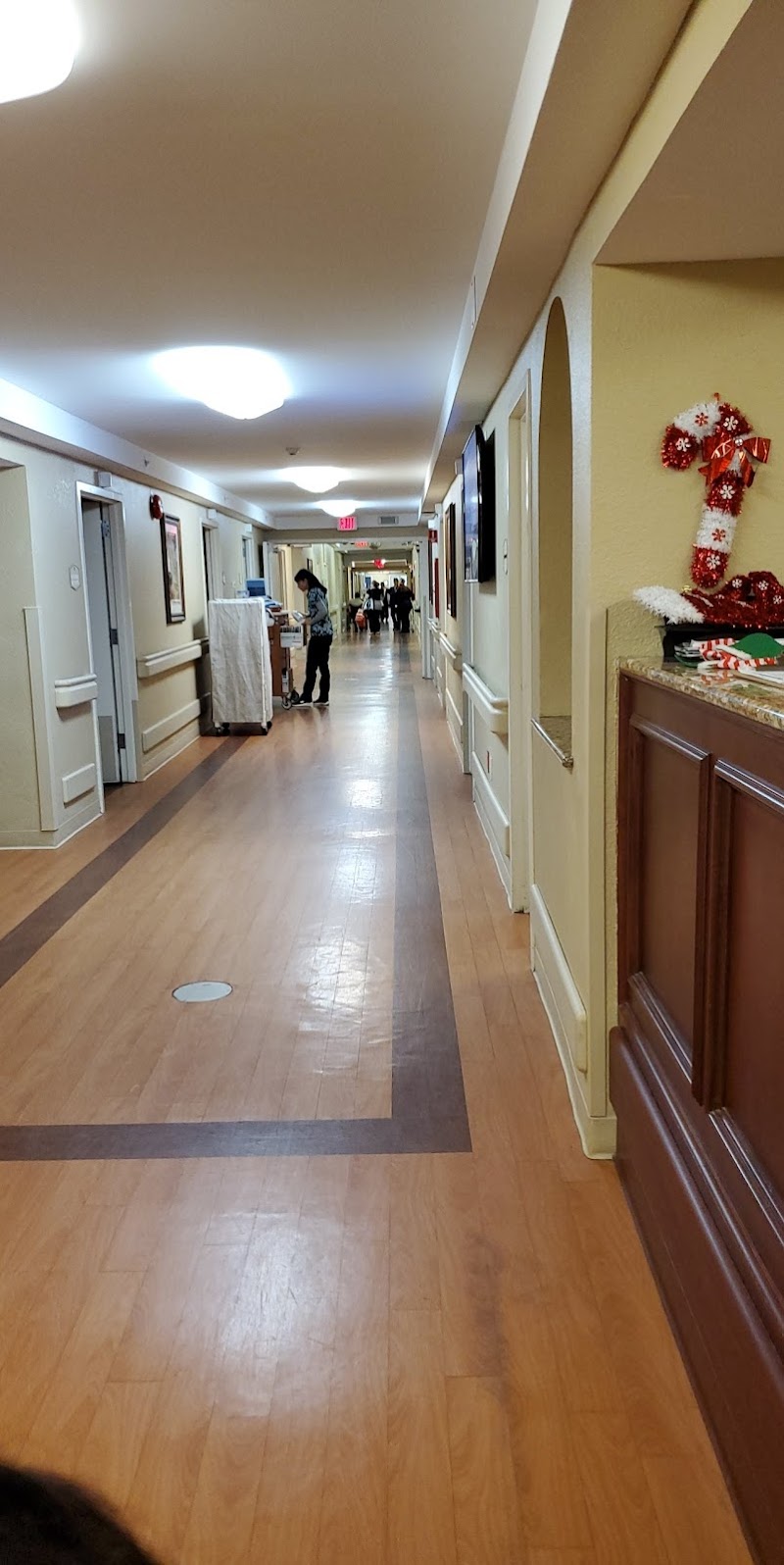
Who Owns and Operates Ocala Center?

OCALA HEALTH AND REHABILITATION CENTER is owned by a for-profit company. For-profit facilities operate as businesses with obligations to shareholders or private owners. The facility is operated by NHS MANAGEMENT, a chain that manages multiple nursing homes. With 180 certified beds and approximately 167 residents (about 93% occupancy), it is a mid-sized facility located in OCALA, Florida.
How Does Ocala Center Compare to Other Florida Nursing Homes?

Compared to the 100 nursing homes in Florida, OCALA HEALTH AND REHABILITATION CENTER's overall rating (4 stars) is above the state average of 3.2, staff turnover (34%) is significantly lower than the state average of 46%, and health inspection rating (3 stars) is at the national benchmark.

What Should Families Ask When Visiting Ocala Center?

Based on this facility's data, families visiting should ask: "Can I visit during a mealtime to observe dining assistance and food quality?" "How do you handle medical emergencies, and what is your hospital transfer rate?" "Can I speak with family members of current residents about their experience?"

Is Ocala Center Safe?

Based on CMS inspection data, OCALA HEALTH AND REHABILITATION CENTER has a clean safety record: no substantiated abuse findings (meaning no confirmed cases of resident harm), no Immediate Jeopardy citations (the most serious violation level indicating risk of serious injury or death), and is not on the Special Focus Facility watch list (a federal program monitoring the lowest-performing 1% of nursing homes). The facility has a 4-star overall rating and ranks #1 of 100 nursing homes in Florida. While no facility is perfect, families should still ask about staff-to-resident ratios and recent inspection results during their visit.

Do Nurses at Ocala Center Stick Around?

OCALA HEALTH AND REHABILITATION CENTER has a staff turnover rate of 34%, which is about average for Florida nursing homes (state average: 46%). Moderate turnover is common in nursing homes, but families should still ask about staff tenure and how the facility maintains care continuity when employees leave.

Was Ocala Center Ever Fined?

OCALA HEALTH AND REHABILITATION CENTER has no federal fines on record. CMS issues fines when nursing homes fail to meet care standards or don't correct problems found during inspections. The absence of fines suggests the facility has either maintained compliance or corrected any issues before penalties were assessed. This is a positive indicator, though families should still review recent inspection reports for the full picture.

Is Ocala Center on Any Federal Watch List?

OCALA HEALTH AND REHABILITATION CENTER is not on any federal watch list. The most significant is the Special Focus Facility (SFF) program, which identifies the bottom 1% of nursing homes nationally based on persistent, serious quality problems. Not being on this list means the facility has avoided the pattern of deficiencies that triggers enhanced federal oversight. This is a positive indicator, though families should still review the facility's inspection history directly.