OCALA OAKS REHABILITATION CENTER


3930 E SILVER SPRINGS BLVD, OCALA, FL 34470 (352) 236-2626
For profit - Corporation 120 Beds SOVEREIGN HEALTHCARE HOLDINGS Data: November 2025
Trust Grade
63/100
#397 of 690 in FL
Last Inspection: August 2025

Inspected within the last 6 months. Data reflects current conditions.

Overview

Ocala Oaks Rehabilitation Center has a Trust Grade of C+, indicating it is slightly above average in quality but not exceptional. It ranks #397 out of 690 facilities in Florida, placing it in the bottom half, and #7 out of 11 in Marion County, meaning only a few local options are better. The facility is improving, with the number of issues decreasing from 8 in 2024 to 7 in 2025. Staffing is rated average with a turnover rate of 42%, which is on par with the state average, but there is concerning RN coverage, being below 86% of Florida facilities. However, there are some weaknesses to consider. The facility has been fined $9,750, which is an average amount, but it still raises concerns about compliance. Specific incidents noted by inspectors include failures to provide timely Medicare notifications for residents and not following physician orders for medications, which could potentially harm residents' health. Overall, while there are strengths in its improvement trend and average staffing, families should weigh these issues carefully when considering Ocala Oaks for their loved ones.

Trust Score
C+
63/100
In Florida
#397/690
Bottom 43%
Safety Record
Low Risk
No red flags
Inspections
Getting Better
8 → 7 violations
Staff Stability
○ Average
42% turnover. Near Florida's 48% average. Typical for the industry.
Penalties
○ Average
$9,750 in fines. Higher than 59% of Florida facilities. Some compliance issues.
Skilled Nurses
⚠ Watch
Each resident gets only 24 minutes of Registered Nurse (RN) attention daily — below average for Florida. Fewer RN minutes means fewer trained eyes watching for problems.
Violations
⚠ Watch
19 deficiencies on record. Higher than average. Multiple issues found across inspections.
★★★☆☆
3.0
Overall Rating
★★★☆☆
3.0
Staff Levels
★★★★☆
4.0
Care Quality
★★★☆☆
3.0
Inspection Score
Stable
2024: 8 issues
2025: 7 issues

The Good

  • 4-Star Quality Measures · Strong clinical quality outcomes
  • Full Sprinkler Coverage · Fire safety systems throughout facility
  • No fines on record
  • Staff turnover below average (42%)

    6 points below Florida average of 48%

Facility shows strength in quality measures, fire safety.

The Bad

3-Star Overall Rating

Near Florida average (3.2)

Meets federal standards, typical of most facilities

Staff Turnover: 42%

Near Florida avg (46%)

Typical for the industry

Federal Fines: $9,750

Below median ($33,413)

Minor penalties assessed

Chain: SOVEREIGN HEALTHCARE HOLDINGS

Part of a multi-facility chain

Ask about local staffing decisions and management

The Ugly 19 deficiencies on record

Aug 2025 7 deficiencies
CONCERN (D)

Potential for Harm - no one hurt, but risky conditions existed

Deficiency F0582 (Tag F0582)

Could have caused harm · This affected 1 resident

Based on record review and interview, the facility failed to ensure residents received the Notice of Medicare Non-Coverage (NOMNC) (Form CMS-10123) within the required two day time frame for 2 of 3 re...

Read full inspector narrative →
Based on record review and interview, the facility failed to ensure residents received the Notice of Medicare Non-Coverage (NOMNC) (Form CMS-10123) within the required two day time frame for 2 of 3 residents, Residents #115 and #116, reviewed for non-coverage notification. Findings include:Review of Resident #115's Notice of Medicare Non-Coverage (NOMNC) (Form CMS-10123) documented the Last Covered day for Part A Services as 6/17/2025. The form was signed on 6/16/2025 by Resident #115. Review of Resident #116's Notice of NOMNC documented the Last Covered day of Part A Services as 3/4/2025 the form was signed on 3/5/2025 by Resident #116's representative. During an interview on 8/14/2025 at 8:48 AM the Administrator stated, The Social Services Director sent the NOMNC for Resident #116 to the resident's representative's email to sign and the facility didn't receive it back until 3/5/2025 so that is why the signature is dated a day after the resident's discharge. A request was made to view the email, no email was provided. During an interview on 8/13/2025 at 11:20 AM, the Social Services Director (SSD) stated, My assistant and I are responsible for the Notice of Medicare Non-Coverage (NOMNC) (Form CMS-10123) review with the residents and/or representatives, their signing the forms, and filing the signed forms appropriately in their medical record. The NOMNC's should be given to the resident 48 hours before the last day of coverage. The SSD confirmed Residents #115 and #116 NOMNC's were not given 48 hours prior to the Medicare A last covered day as required. Review of the policy and procedure titled, Notice Instructions for the Notice of Medicare Non-coverage (NOMNC) CMS-10123 read, A Medicare provider/(Medicare Advantage Plans and cost plans, collectively referred to as plans) must deliver a completed copy of this notice of beneficiaries/enrollees receiving covered skilled nursing, home health, comprehensive outpatient rehabilitation facility and hospice services. The NOMNC must be delivered at least two calendar days before Medicare covered services end or the second to last day of service if care is not being provided daily.
CONCERN (D)

Potential for Harm - no one hurt, but risky conditions existed

Report Alleged Abuse (Tag F0609)

Could have caused harm · This affected 1 resident

Based on interview and record review the facility failed to report an allegation of misappropriation of residents' property, medications. Findings include:During an interview on 08/12/2025 at 8:30 AM ...

Read full inspector narrative →
Based on interview and record review the facility failed to report an allegation of misappropriation of residents' property, medications. Findings include:During an interview on 08/12/2025 at 8:30 AM the Interim Administrator (ADM) stated, The former supervisor was terminated for improper disposition of medications. When asked if the allegation was reported to the Agency For Health Care Administration (AHCA) the ADM stated, I felt a report should have been filed but one had not been. I contacted the previous Administrator related to the incident and was told that she did not feel it rose to the level of any type of reportable offense as the medications were all discontinued medications. Two employees were termed for the offense as one was the alleged perpetrator, and the other had knowledge of the activity of improper disposition of medications.Review of written statement dated 3/31/2025 written by Staff E, Licensed Practical Nurse (LPN) read, I put the medications from the residents in a bag on Saturday night/Sunday morning. I left them at the church on Sunday around 8:10AM. I tried to scan them on the computer and didn't scan. Pharmacy told me long time ago if a medication does not scan the facility can destroy them or the pharmacy can. I cut off the names and facility and I pulled the sticker. I have never donated any meds that were able be scanned.Review of written statement dated 4/2/2025 written by Staff E, LPN, read, I donated medications from the facility and asked permission before I did it from the previous DON [Director of Nursing]. I have donated medications before. Back in Cuban, we donated medication to the church. [Name of Church] asked if they know any places that will donate medications. That's when I asked the previous DON and he said it was ok. I cut off the facility name and patient name and put the medications in a plastic bag and put them in my care. I am helping others who are in need and can't afford medications. It didn't dawn on me to ask new administration or DON. I only donate medications to [Name of church].Review of Staff E, LPN Disciplinary Action Record dated 4/3/2025 read, Terminated for misconduct r/t [related to] disposition of discontinued medication. Corrective Action: Termination.Review of Staff E, LPN Health Care Provider Complaint Form date reported 4/3/2025 read, Complaint Description: On 3/31/2025 employee knowingly and admitted ly removed medication belonging to the facility from the premises.Review of written statement dated 3/31/2025 written by Staff F, Registered Nurse read, [Staff E's name] let me know she was donating medications to the church. I didn't know what she was bringing out. I did know she was taking medications out of the building. A while back it started. I don't know when she started taking them out. I don't know about last weekend. I didn't see her take medications out of the building.Review of Staff F, RN phone interview dated 4/2/2025 read, Yes, I know she was donating medications from the facility she was donating medications to the church. Medications that you cannot return to [Name of pharmacy] expired medications and hospice medications. I did not tell anyone else. Review of Staff F, RN Disciplinary Action Record dated 4/4/2025 read, Terminated for misconduct r/t disposition of discontinued meds. Corrective Actions: Termination.Review of Staff F, RN, Health Care Provider Complaint Form date reported 4/3/2025 read, Complaint Description: On 3/31/2025 [Staff F's name], while working as supervisor, knowingly allowed another employee to remove non-narcotic medications belonging to the facility from the premises.Review of written statement dated 4/1/2025 written by the Regional of Clinical Director (RCD) read, I received the medication list from the pharmacy on the medications that were delivered to the church. I review the manifest from the pharmacy and compared it to the current residents. No resident missed any medications. The medications reviewed were to be returned to the pharmacy.Review of written statement dated 4/3/2025 written by the Director of Clinical Services (DCS) read, On 4/3/2025 this writer spoke with [Previous Administrators Name], the previous DON regarding statement provided by [Staff E's name] which stated [Previous Administrator's Name] told her it was okay to donate the centers discontinued medications. [Previous Administrator's name] stated to this writer he had never told [Staff E's name] it was okay to donate the centers discontinued medications. He stated he did tell her she could donate the expired over the counter medications.Review of investigating police dispatch dated 4/3/2025 documented [Case Number].Review of the Adverse Incident Facility log did not document a report for the incident of alleged misappropriation of residents' medications and investigation by law enforcement.During an interview on 8/14/2025 at 8:05 AM the Director of Nursing (DON) stated, I was the DON at the time of the incident. We discussed what had happened and since the medication was discontinued and the residents were not charged and we had reviewed the medication record and seen no resident was affected we decided not to report it. The facility was the victim because we are the ones that were charged for the medications. Residents are not charged for those medications once they are discontinued.During an interview on 8/14/2025 at 12:18 PM with the Pharmacy Consult stated, They had first said it was the [Name of Pharmacy] driver who was dropping off the medication. I went in and spoke to the Administrator, and I was given more information and after the investigation it was a nurse dropping off the medication at the church not the [Name of Pharmacy] Driver.During an interview on 8/14/2025 at 1:45 PM the Medical Director stated, I was made aware of it [discontinued medication being taken by nursing staff and donating to a church] today prior to today I was not made aware. What could the facility have done different, the medications were already discontinued. Residents were not financially responsible. There were no controlled drugs. There was no harm since the medications were already discontinued and not given to the residents. They might have tried to tell me, I just had open heart surgery, and I have no recollection. I think it should have been reported to the licensing board, it's a unique situation. If it was a controlled substance, then it should have been escalated to the level of reporting it to know whom ever needs to know.During an interview on 8/14/2025 at 2:18PM the Director of Nursing stated, After the discussions we didn't feel there was any harm to the patient and it was more directed to the facility. So, we did not report it.During an interview on 8/14/2025 at 2:23 PM with the ADM stated, It is difficult at first glance its possible it should have been reported. As I hear more about the event no resident was affected and it was the facility medication. However, my initial reaction would be to report the incident.Review of the facility policy and procedure titled Abuse & Neglect Prohibition with a last review date of 12/19/2024 read, Policy: Each resident has the right to be free from mistreatment, neglect, abuse, involuntary seclusion, exploitation, and misappropriation of property. Fundamental Information: Misappropriation of resident property means the deliberate misplacement, exploitation, or wrongful temporary, or permanent use of a resident's belongings or money without the resident's consent. Reporting and Response. 1. The center will report all allegations and substantiated occurrences of abuse, neglect, and misappropriation of property to the state/federal agency and law enforcement officials as designated by state/federal law.
CONCERN (D)

Potential for Harm - no one hurt, but risky conditions existed

Quality of Care (Tag F0684)

Could have caused harm · This affected 1 resident

Based on observation, interview, and record review, the facility failed to ensure physician's orders were followed as prescribed for 1 of 2 residents, Resident #9 sampled for wound care, and failed to...

Read full inspector narrative →
Based on observation, interview, and record review, the facility failed to ensure physician's orders were followed as prescribed for 1 of 2 residents, Resident #9 sampled for wound care, and failed to ensure the administration of intravenous antibiotics per the physician orders for 1 of 2 residents, Resident #114, for residents being administered intravenous therapy. Findings include: 1) During an observation on 8/11/2025 at 9:46 AM Resident #9 was lying in bed. There was a white bordered foam dressing (a wound dressing of an advanced, all-in-one wound dressing that features a central, absorbent foam pad surrounded by a self-adhesive, waterproof breathable border) on Resident #9's lower left leg. The wound dressing was not dated for the date it was changed and did not have the initials of the nurse who provided the wound care. The upper right corner of the dressing was peeling off. (Photographic evidence obtained) During an interview on 8/11/2025 at 9:46 AM Resident #9 stated, I have not had wound care done for four days now. Review of Resident #9’s physician order dated 6/7/2025 read, Wound Care: Left Anterior Shin: Collagen Powder & Calcium Alginate: Cleanse area with wound cleanser and pat dry. Apply Collagen Powder [provides structural support, stimulates new tissue growth, and inactivates harmful enzymes] to wound. Apply Calcium Alginate [this forms a gel to manage wound fluid and protect the wound bed] and cover with ABD [abdominal] pad [serves as a secondary dressing to secure the primary layers and absorb additional drainage]. Wrap with kerlix and secure with tape [used to provide cushioning, protection, and absorption of excess fluid]. Wrap with ACE bandage (wrapping from base of foot and going up) [to secure the dressings in place and to provide compression that helps reduce swelling and improve circulation to the wound area]. Offer resident pain medications 30-60 mins [minutes] prior to treatment, document: Yes= Accepted, NO = Declined - everyday shift for wound care and as needed for wound care. During an interview on 8/13/2025 at 9:24 AM with the Wound Care Nurse stated, I was out for 10 days and normally her dressing is an abdominal pad and gauze wrapped. When I came in on Monday [8/11/2025] I did see that she [Resident #9] had the wrong dressing. I do not know who did the dressing or what happened there. Dressings should be dated and initialed. During an interview on 8/13/2025 at 2:02 PM the Director of Nursing (DON) stated, Nursing staff should follow doctor's orders as they are written. We have had no issues with supplies. Dressing should be applied as per the order, and the dressing should be dated. Review of the facility policy and procedures titled Clean Dressing Change with a last review date of 12/19/2024 read, Purpose: To ensure the licensed nurse or therapist completes dressing change in accordance with State and Federal Regulations, and National Guidelines. Guidance Steps in the Procedure: 1. Verify and review physician's order for procedure. 29. Apply clean dressing as ordered and ensure dressing is dated. 2) Review of Resident #114’s medical record documented the resident was readmitted to the facility 8/11/25 with diagnosis to include sepsis, acute kidney failure, pericardial effusion, protein calorie malnutrition, diabetes, congestive heart failure, colon resection and conversion to open for extracorporeal anastomosis, gastrointestinal hemorrhage, malignant neoplasm of sigmoid colon, colostomy, and malignant neoplasm of rectum. Review of Resident #114’s hospital record documented a physician order for Meropenem [a powerful, broad-spectrum antibiotic used to treat serious bacterial infections] 1 gram IV [intravenously] every 8 hours for 4 doses. During an observation of the medication administration on 8/13/25 at approximately 9:20 AM with Staff B, Licensed Practical Nurse (LPN) for Resident# 114, Staff B administered Meropenem 1 gram IV. Review of the Medication Administration Record (MAR) for the period of 8/12/2025 – 8/13/2025 read Meropenem 1 gram IV administer three times a day, time ranges 0600-1000, 1400-1400 [2:00 PM], 1800-2200 [6:00 PM – 10:00 PM], upon rising, for 4 doses. Meropenem 1 gram IV was administered on 8/12/25 at 9:55 AM, 8/12/25 at 1:15 PM, 8/12/25 at 6:02 PM and on 8/13/25 at 9:22 AM, it was them discontinued following this dose, number four. During an interview on 8/13/25 at approximately 9:35 AM Staff B, LPN stated, “The medication is to be administered upon rising, we have a four-hour window to give the medication.” During an interview on 8/14/25 at 9:55 AM the Director of Nursing stated, “The scheduling of every 8 hours was not discussed with [Physician #1’s name]. The medication [Meropenem] was put into the system as our TID [three times a day] times, not as prescribed every 8 hours. During a telephone interview on 8/14/25 at 10:17 AM Physician #1 stated, “Since it [the administration] was one day, there is no detrimental harm to the patient. The potential for harm would be if this administration schedule continued with elevated levels of Meropenem. If this was an error in giving the medication or misunderstanding in scheduling times that should be corrected.” During a telephone interview on 8/13/25 at 12:25 PM Pharmacy Consultant stated, “The Meropenem order should have been administered as prescribed every 8 hours. Especially with antibiotics there is no flexibility.”
CONCERN (D)

Potential for Harm - no one hurt, but risky conditions existed

Respiratory Care (Tag F0695)

Could have caused harm · This affected 1 resident

**NOTE- TERMS IN BRACKETS HAVE BEEN EDITED TO PROTECT CONFIDENTIALITY** Based on observations, record reviews, staff interviews, the facility failed to ensure oxygen was administered per the physician...

Read full inspector narrative →
**NOTE- TERMS IN BRACKETS HAVE BEEN EDITED TO PROTECT CONFIDENTIALITY** Based on observations, record reviews, staff interviews, the facility failed to ensure oxygen was administered per the physician order for 2 of 5 residents, Residents #18 and #54, sampled for respiratory care and failed to ensure nebulizer masks were in a plastic storage bags when not in use for 1 of 3 residents, Resident #82. Findings include: 1. During an observation on 08/11/25 at 09:20 AM Resident #54 had oxygen administered at via nasal cannula (NC) at 3 liters per minute. Review of Resident #54 medical record documented the resident was admitted to the facility on [DATE] with diagnosis to include acute respiratory failure with hypoxia, chronic obstructive pulmonary disease with (acute) exacerbation, non-ST elevation myocardial infarction, and dependence on supplemental oxygen Review of the physician order for Resident #54, dated 02/19/2025 at 08:50 AM read, “Oxygen via nasal cannula 2 liter per minute (lpm) continuously every shift.” During an interview on 08/13/25 at 12:02 PM the DON stated, “The physician orders should be followed for oxygen administration.” 2. During an observation on 08/11/2025 at 9:15 AM Resident #18 had oxygen administered at 4 lpm via NC. Review of Resident #18’s medical record documented the resident was admitted to the facility on [DATE] with diagnosis to include dependence on supplemental oxygen and shortness of breath. Review of Resident #18’s physician order dated 04/17/2025 at 11:14 AM read, “Oxygen via nasal cannula 2 liter per minute (2L/min) continuously every shift.” During an interview on 08/13/25 at 12:02 PM the DON stated, The physician orders should be followed for oxygen administration. Review of the policy and procedure titled “Oxygen Administration” last revision date on 08/2023, last approved on 12/19/24 read, 1. Check physician’s order. 11. Turn the unit on to the desired flow rate and assess equipment for proper functioning. 3. During an observation on 08/11/2025 at 9:42 AM Resident #82 was lying in bed. Resident #82’s nebulizer treatment mask was lying on top of the nebulizer machine and was not stored in a plastic storage bag. (Photographic evidence obtained) Review of Resident #82’s physician order dated 4/1/2025 read, Ipratropium-Albuterol Inhalation Solution 0.5-2.5 (3) MG [milligram] /3ML [milliliter] (Ipratropium-Albuterol) 3 ml inhale orally every 4 hours as needed for SOB [Shortness of breath] or wheezing. Review of Resident #82’s Medication Administration Record for the month of August documented Ipratropium-Albuterol Inhalation Solution 0.5-2.5 (3) MG/3ML was last administered on 8/10/2025 at 0153 [1:53AM]. During an interview on 8/13/2025 at 9:27 AM Staff C, Unit Manager stated, The nebulizer mask should be in a plastic bag when not in use. During an interview on 8/13/2025 at 2:05 PM the DON stated, Nebulizer masks should be in a bag when not in use. Review of the policy and procedure titled “Aerosol (Nebulizer) Therapy” with a last review dated of 12/19/2024 read, Procedure: 16. Clean nebulizer once treatment is completed. c. Reassemble and place in plastic storage bag.
CONCERN (D)

Potential for Harm - no one hurt, but risky conditions existed

Food Safety (Tag F0812)

Could have caused harm · This affected 1 resident

Based on observations, interviews, and record reviews, the facility failed to ensure kitchen equipment was maintained in a safe and clean operating manner and failed to ensure the cleaning schedule wa...

Read full inspector narrative →
Based on observations, interviews, and record reviews, the facility failed to ensure kitchen equipment was maintained in a safe and clean operating manner and failed to ensure the cleaning schedule was followed for the kitchen and food service equipment.Findings include:During an observation of the kitchen on 08/11/25 beginning at 09:10 AM with the Food Service Director (FSD) the table mounted can opener was observed to have a large amount of brown, black, and rust colored buildup of dirt and food debris. The stove's catch drawer had a heavy buildup of black and brown food particles.During a tour of the kitchen on 08/13/25 beginning at 06:20 AM with the Administrator and FSD, an observation of an additional counter can opener showed the can open had a brown/black discoloration of a clump-like build up visible on the blade. The prep table was observed to have a large area of food debris on the base of the prep table. A stainless-steel counter had a sticky residue around the coffee equipment.During an interview on 8/11/2025 at 9:30 AM the Food Service Director verified the buildup of debris and food particles on the stove equipment and can openers. The FSD confirmed the stove catch-drawer should have been cleaned. Review of a document provided titled Sanitation Survey Form check list dated 2019 documented headings that included: General Sanitation, Refrigerator/Freezers, Stoves, Dish machine, Garbage & Pest Control, Sink Area Three Compartment Sink, Dish room, Equipment, Storeroom, Dining Room, Food Safety, and Personnel.During an interview on 8/13/2025 at 8:55 AM with the Director of Clinical Services (DCS) a blank checklist was reviewed. A request was made to the DCS for completed checklists and the DCS stated, There were none completed.During an interview on 8/13/2025 at approximately 9:25 AM the FSD confirmed the cleaning schedule was not being followed. Review of the policy and procedure titled Kitchen Sanitation dated 8/2023 read; cleaning and sanitation of equipment ensures removal of residual food, chemicals, and bacteria. The Food and Nutrition staff shall maintain the sanitation of the kitchen through compliance with written, comprehensive cleaning schedules developed by the Food and Nutrition Manager or designee. Procedure: List daily cleaning duties on job task and on a Cleaning Schedule. 1. Use the Food and Nutrition Cleaning Tasks & Frequencies as the guideline for equipment cleaning. 2. Post cleaning assignments for each position at least weekly. 3. Initial and date the cleaning schedule upon completion of the assignment.
CONCERN (D)

Potential for Harm - no one hurt, but risky conditions existed

Deficiency F0865 (Tag F0865)

Could have caused harm · This affected 1 resident

Based on interview and record review the facility failed to implement a performance improvement plan related to an identified concern by failing to monitor the effectiveness of the plan when it was id...

Read full inspector narrative →
Based on interview and record review the facility failed to implement a performance improvement plan related to an identified concern by failing to monitor the effectiveness of the plan when it was identified license staff were aware of and/or were removing residents' medications from the facility and donating them to a local organization.Findings include:Review of written statement dated 3/31/2025 written by Staff E, Licensed Practical Nurse (LPN) read, I put the medications from the residents in a bag on Saturday night/Sunday morning. I left them at the church on Sunday around 8:10AM. I tried to scan them on the computer and didn't scan. Pharmacy told me long time ago if a medication does not scan the facility can destroy them or the pharmacy can. I cut off the names and facility and I pulled the sticker. I have never donated any meds that were able be scanned.Review of written statement dated 4/2/2025 written by Staff E, LPN, read, I donated medications from the facility and asked permission before I did it from the previous DON [Director of Nursing]. I have donated medications before. Back in Cuban, we donated medication to the church. [Name of Church] asked if they know any places that will donate medications. That's when I asked the previous DON and he said it was ok. I cut off the facility name and patient name and put the medications in a plastic bag and put them in my care. I am helping others who are in need and can't afford medications. It didn't dawn on me to ask new administration or DON. I only donate medications to [Name of church].Review of Staff E, LPN Disciplinary Action Record dated 4/3/2025 read, Terminated for misconduct r/t [related to] disposition of discontinued medication. Corrective Action: Termination.Review of Staff E, LPN Health Care Provider Complaint Form date reported 4/3/2025 read, Complaint Description: On 3/31/2025 employee knowingly and admitted ly removed medication belonging to the facility from the premises.Review of written statement dated 3/31/2025 written by Staff F, Registered Nurse read, [Staff E's name] let me know she was donating medications to the church. I didn't know what she was bringing out. I did know she was taking medications out of the building. A while back it started. I don't know when she started taking them out. I don't know about last weekend. I didn't see her take medications out of the building.Review of Staff F, RN phone interview dated 4/2/2025 read, Yes, I know she was donating medications from the facility she was donating medications to the church. Medications that you cannot return to [Name of pharmacy] expired medications and hospice medications. I did not tell anyone else. Review of Staff F, RN Disciplinary Action Record dated 4/4/2025 read, Terminated for misconduct r/t disposition of discontinued meds. Corrective Actions: Termination.Review of Staff F, RN, Health Care Provider Complaint Form date reported 4/3/2025 read, Complaint Description: On 3/31/2025 [Staff F's name], while working as supervisor, knowingly allowed another employee to remove non-narcotic medications belonging to the facility from the premises.Review of written statement dated 4/1/2025 written by the Regional of Clinical Director (RCD) read, I received the medication list from the pharmacy on the medications that were delivered to the church. I reviewed the manifest from the pharmacy and compared it to the current residents. No residents missed any medications. The medications reviewed were to be returned to the pharmacy.Review of written statement dated 4/3/2025 written by the Director of Clinical Services (DCS) read, On 4/3/2025 this writer spoke with [Previous Administrators Name], the previous DON regarding statement provided by [Staff E's name] which stated [Previous Administrator's Name] told her it was okay to donate the centers discontinued medications. [Previous Administrator's name] stated to this writer he had never told [Staff E's name] it was okay to donate the centers discontinued medications. He stated he did tell her she could donate the expired over the counter medications.Review of the Quality Assurance and Performance Improvement (QAPI) Committee Performance Improvement Plan initiation date 4/1/2025 read, Issue: Discharge medications given to local church. System: Re-education to all nurses regarding disposition of discontinued medications. They will scan the medications to be returned into [Name of Pharmacy] Monitoring: [Name of Pharmacy] manifest will be reviewed to ensure discontinued medications were returned to the pharmacy. Resolution Date: 7/1/2025.Review of the quality assurance and performance plan did not document what system would be put into place to monitor the effectiveness of the corrective actions.During an interview on 8/14/2025 at approximately 1:10 PM the RCD stated, There was a gap in their QAPI process, and the facility did not have any audits to provide at this time to prove that they were monitoring for compliance after the incident.During an interview on 8/14/2025 at 1:45 PM the Medical Director stated, I was made aware of it [medication being taken by nursing staff and donated] today prior to today I was not made aware. They might have tried to tell me, I just had open heart surgery, and I have no recollection.During an interview on 8/14/2025 at 2:18 PM the Director of Nursing stated, The nurses put the discontinued medications in the return bin in the medication room and scan them into the pharmacy and bag them. It will stay there until pharmacy receives it. There was a break in the process. We did audits and education. After the discussions we didn't feel there was any harm to the patients, and it was more directed to the facility.During an interview on 8/14/2025 at 2:23 PM the Administrator stated, I am not sure they [facility staff] have documentation to show what they did after to monitor after the incident [the removal of medications from the facility]. Typically, if you say you are going to monitor there should be supporting documentation. I am not in a position to say that did not happen.Review of the policy and procedure titled Quality Assurance and Performance Improvement-QAPI with a last review date of 12/19/2024 read, Policy: Each center maintains a Quality Assessment and Assurance QA&A Committee, which is responsible for developing the quality Assessment and Performance Improvement (QAPI) plans. The committee develops, implements, monitors, and maintains appropriate data driven programs that focuses on indicators of the outcomes of care and quality of life; plans of action to address quality issues identified internally or by regulatory agencies. Centers must present evidence of their ongoing QAPI program implementation and compliance with the requirements. Responsibilities: The QAA Committee oversees and identifies all efforts that improve the quality of care in the center by monitoring performance measures, directing improvement actions, and evaluating the effectiveness of quality management activities. Procedure. 3. Develop center specific data collection schedule. A. Follow time frames as indicated on the QAA Committee Calendar, Refer to RM Guide Section 7 QAA/QAPI. b. Adjust the frequency and intensity of data collection based upon center identified issues and priorities. 5. Assign responsibility to collect and report the data. f. Monitor data measure for changes and sustained improvement. g. Measure the success of actions implemented and track performance to ensure improvements are realized and sustained.
CONCERN (D)

Potential for Harm - no one hurt, but risky conditions existed

Deficiency F0925 (Tag F0925)

Could have caused harm · This affected 1 resident

Based on observations, interviews, and record review, the facility failed to ensure an effective pest control program.Findings include:During a tour of the kitchen on 08/13/25 at 6:45 AM with the Admi...

Read full inspector narrative →
Based on observations, interviews, and record review, the facility failed to ensure an effective pest control program.Findings include:During a tour of the kitchen on 08/13/25 at 6:45 AM with the Administrator (ADM) and Food Service Director (FSD), a counter mounted can opener was observed for cleanliness at which time a live insect was observed running around the blade of the can opener. A live insect was observed on the utility care, one was observed on the coffee counter, and one was observed on the ceiling strip on the exterior back wall.During an interview on 08/13/2025 the ADM and FSD confirmed the pest sightings in the dietary department/kitchen. The FSD stated, There have been roaches sighted in the kitchen on numerous occasions in the past couple of weeks and notification has been placed on the pest log.Review of documentation provided by the facility from [Name of the Pest Control Company] dated 5/13/25 titled, [Name of Pest Control Company] Elimination Division read, Location: Kitchen area interior. Findings: Cockroaches noted during service. Cockroaches in kitchen above drop ceiling.Review of documentation provided by the facility from [Name of the Pest Control Company] dated 7/29/25 titled, [Name of Pest Control Company] Elimination Division read, Location: Kitchen area interior. Findings: Cockroaches noted during service. In steam table, behind ovens and dish area.During an interview on 8/13/25 at 8:25 AM with the ADM while reviewing the Pest Control policy and procedure the ADM stated, It is my expectation that pest sightings are reported, placed on the pest logs, and the pest control company notified.Review of the policy and procedure titled Pest Control dated 8/2023, read, Routine inspections are conducted for evidence of pest. Insect or pest sightings are documented in the pest control book and communicated to the maintenance supervisor. Procedure: 2. Train employees on preventative measures, unsanitary conditions. 3. Contract with a commercial licensed pest control vendor for a monthly service with unlimited callback to address problem areas. 4. Keep all food storage and preparation areas clean. 5. Clean up food spills promptly. 6. Store dry foodstuffs in closed containers or bins, including food in resident rooms. 7. Keep center grounds free of trash and brush. Keep the dumpster area clean and the lid closed. 8. Cover exterior openings in the building foundation with screen wire or wire mesh. 9. Maintain intact screens on windows that open. 10. Caulk (and periodically re-caulk) cracks around windows and vents.
May 2024 8 deficiencies
CONCERN (D)

Potential for Harm - no one hurt, but risky conditions existed

MDS Data Transmission (Tag F0640)

Could have caused harm · This affected 1 resident

**NOTE- TERMS IN BRACKETS HAVE BEEN EDITED TO PROTECT CONFIDENTIALITY** Based on record review and interview, the facility failed to transmit resident assessment data within 14 days after completion o...

Read full inspector narrative →
**NOTE- TERMS IN BRACKETS HAVE BEEN EDITED TO PROTECT CONFIDENTIALITY** Based on record review and interview, the facility failed to transmit resident assessment data within 14 days after completion of assessment for 2 of 5 residents reviewed for discharge status, Residents #99, #71. Findings include: Review of Resident #99's admission record showed the resident was admitted to the facility on [DATE] with diagnoses including arthritis, postprocedural septic shock, type 2 diabetes mellitus, hypertension, atrial fibrillation, chronic kidney disease, and ileostomy status, and discharged home on [DATE]. Review of Resident #99's MDS (Minimum Data Set) Discharge Return Not Anticipated Assessment completed on 12/21/2023 showed it was not submitted to CMS (Centers for Medicare and Medicaid Services). Review of Resident #71's admission record showed the resident was admitted to the facility on [DATE] with diagnoses including anemia, congestive heart failure, atrial fibrillation, and acute cholecystitis, and was discharged home on 1/5/2024. Review of Resident #71's MDS Discharge Return Not Anticipated Assessment completed on 1/8/2024 showed it was not submitted to CMS. During an interview on 5/14/2024 at 3:15 PM, the MDS Coordinator confirmed discharge assessments for Resident #71 and #99 were not submitted to CMS. During an interview on 5/15/2024 at 2:44 PM, the Administrator stated, We do not have a policy on submitting the MDS Assessments. We follow the RAI [Resident Assessment Instrument].
CONCERN (D)

Potential for Harm - no one hurt, but risky conditions existed

Deficiency F0688 (Tag F0688)

Could have caused harm · This affected 1 resident

**NOTE- TERMS IN BRACKETS HAVE BEEN EDITED TO PROTECT CONFIDENTIALITY** Based on observation, interview, and record review, the facility failed to ensure residents received appropriate restorative ser...

Read full inspector narrative →
**NOTE- TERMS IN BRACKETS HAVE BEEN EDITED TO PROTECT CONFIDENTIALITY** Based on observation, interview, and record review, the facility failed to ensure residents received appropriate restorative services for 1 of 3 residents reviewed for limited range of motion, Resident #86. Findings include: During an observation on 5/13/2024 at 11:30 AM, Resident #86 was lying in bed. Resident #86's left arm was against her chest in a bent position, and the resident was not using her left arm. During an interview on 5/13/2024 at 11:33 AM, Resident#86 stated, I want therapy, I haven't had therapy in months. When asked what her goal for therapy was, she stated, I want to go home. Review of Resident #86's admission record showed the last admission date of 10/27/2022 with diagnoses that included cerebral infarction, hemiplegia unspecified affecting unspecified side; weakness; and other reduced mobility. During an interview on 5/14/2024 at 9:27 AM, Staff L, Rehabilitation Certified Nursing Assistant (RCNA), stated, [Resident #86's name] is receiving occupational therapy, but I'm not sure if physical therapy is working with her. During an interview on 5/15/2024 at 10:20 AM, the Rehabilitation Director stated, Residents are screened quarterly for the potential need for therapy services. Therapy services resumed for [Resident #86's name] from January 23rd through February 5th [2024]. [Resident #86's name] was receiving therapy services of OT [Occupational Therapy] for upper body strength training, and after February 5th [when OT was discontinued], services were transitioned to RNP [Restorative Nursing Program]. During an interview on 5/16/2024 at 10:23 AM, the Director of Clinical Services stated, I know we have some gaps in documentation for our restorative program. Staff gets instructions from the [physical or occupational] therapists verbally, but it [the instructions] should have been on the restorative evaluation [Restorative Nursing Services Evaluation]. Services for [Resident #86's name] were for the weights three times a week, and if active range of motion was ordered, those services are provided six days a week. Review of Resident #86's occupational therapy Discharge summary dated [DATE] showed the discharge recommendation for restorative nursing program. Review of Resident #86's Restorative Nursing Services Evaluation dated 2/7/2024 showed it read, Focus: [Resident Preferred Name] requires a (Specify Other) Restorative Program. Intervention: Staff will provide 2 pound weights for curls 3x15 with RUE [Right Upper Extremity] and AAROM [Active Assisted Range of Motion] to LUE [Left Upper Extremity] 3x15 with no weight to maintain her UE [Upper Extremity] strength and ROM [Range of Motion]. Pt [patient] being out of bed would be best. Review of Resident #86's task tracking sheet for interventions of the restorative program for April 2024 showed no entry documented for 4/1/2024, 4/3/2024, 4/6/2024, 4/11/2024, 4/17/2024, 4/23/2024, 4/24/2024, 4/25/2024, 4/26/2024, 4/27/2024, 4/29/2024, 4/30/2024. Review of Resident #86's task tracking sheet for interventions of the restorative program for May 2024 showed no entry documented for 5/1/2024, 5/2/2024, 5/3/2024, 5/4/2024, 5/6/2024, 5/7/2024, 5/8/2024, 5/9/2024, and 5/11/2024. Review of the Resident #86's care plan completed on 3/6/2024 read, Focus: [Resident #86's name] requires a [Sic.] Active Assistive Range of Motion Program to L UE. Goal: Resident will maintain current level of function by next review. Interventions: Active Assistive Range of Motion Nursing Restorative Program to L UE. During an interview on 5/16/2024 at 12:54 PM, the Director of Clinical Services stated, There is no policy for restorative. [Resident #86's name] has gaps in the record, which means she has not received the services. During an interview on 5/16/2024 at 1:10 PM, the Director of Rehabilitation Services stated, After the discontinuation of therapy services, when transferring care to the RNP team, the expectation is frequency of services is to be determined by the therapist and included in the Restorative Nursing Services Evaluation. Services are expected to be provided at a minimum of three times a week.
CONCERN (D)

Potential for Harm - no one hurt, but risky conditions existed

Respiratory Care (Tag F0695)

Could have caused harm · This affected 1 resident

**NOTE- TERMS IN BRACKETS HAVE BEEN EDITED TO PROTECT CONFIDENTIALITY** Based on observation, interview, and record review, the facility failed to ensure residents received respiratory care services a...

Read full inspector narrative →
**NOTE- TERMS IN BRACKETS HAVE BEEN EDITED TO PROTECT CONFIDENTIALITY** Based on observation, interview, and record review, the facility failed to ensure residents received respiratory care services as prescribed for 1 of 6 residents reviewed for respiratory care, Resident #51. Findings include: During an observation on 5/13/2024 at 9:28 AM, Resident #51 was lying in bed with a nasal cannula intact in her nares and the oxygen concentrator was running at three and a half liters per minute (3.5 L/min) (Photographic evidence obtained). During an observation on 5/13/2024 at 2:24 PM, Resident #51 was lying in bed with a nasal cannula intact in her nares and the oxygen concentrator was running at 3.5 L/min. During an observation on 5/14/2024 at 8:05 AM, Resident #51 was lying in bed eating breakfast. The nasal cannula was intact in her nares and the oxygen concentrator was running at 3.5 L/min. Review of Resident #51's admission record showed the resident was admitted on [DATE] with diagnoses including Chronic Obstructive Pulmonary Disease (COPD), chronic peripheral venous insufficiency, shortness of breath, and dementia. Review of Resident #51's physician order dated 1/3/2024 showed that the order read, Oxygen via nasal cannula 2 L/min as needed for SOB [shortness of breath]. Review of Resident #51's care plan dated 3/6/2024 showed that the care plan read, Focus: [Resident #51's name] is on Oxygen Therapy r/t [related to] impaired gas exchange/SOB . Interventions: Oxygen settings: The resident has O2 via nasal prongs/mask as prescribed. During an interview on 5/14/2024 at 9:18 AM, Staff C, Licensed Practical Nurse (LPN), Unit Manager, confirmed that the oxygen concentrator was running at 3.5 L/min, and verified that the physician order for Resident #51 was 2 L/min. During an interview on 5/15/2024 at 3:05 PM, the Director of Nursing (DON) stated, I expect staff to follow doctors' orders for oxygen administration. For [Resident #51's name], I expect that the nurse was checking the oxygen concentrator setting at the beginning of each shift and that as nurses, they would check it each time they entered the resident's room. Review of the facility policy and procedure titled Oxygen Administration last reviewed on 8/2023 showed that it read, Purpose: A resident will need oxygen therapy when hypoxemia (low oxygen in blood) occurs. Pulse oximetry monitoring, and clinical examinations determine the adequacy of oxygen therapy. The resident's disease, physical condition, and age will help determine the most appropriate method of administration . Procedure: 1. Check physician's orders . 11. Turn the unit on to the desired flow rate, and assess equipment for proper functioning . 14. Monitor the resident's response to oxygen therapy.
CONCERN (D)

Potential for Harm - no one hurt, but risky conditions existed

Staffing Information (Tag F0732)

Could have caused harm · This affected 1 resident

Based on observation and interview, the facility failed to ensure the posted nurse staffing data included the required information. Findings include: During an observation while conducting the initial...

Read full inspector narrative →
Based on observation and interview, the facility failed to ensure the posted nurse staffing data included the required information. Findings include: During an observation while conducting the initial tour of the facility on 5/13/2024 at 9:00 AM, the nursing staffing data dated 5/13/2024 did not contain the total number and actual hours worked per shift for licensed and unlicensed staff responsible for resident care. During an interview on 5/15/2024 at 8:00 AM, the Administrator confirmed the missing information and stated, The night shift is responsible for the federal posting for staffing. The Staff Coordinator will review the posting for accuracy when she gets here. During an interview on 5/15/2024 at 3:02 PM, the Director of Nursing (DON) stated, The night shift charge nurse is responsible for filling out and posting the nursing staffing for the day, before the end of her shift (7 AM). The day shift starts at 7 AM. During an interview on 5/15/2024 at 3:10 PM, the Staff Development Coordinator stated, The night shift supervisor (11 PM to 7 AM) is responsible for filling out and posting the nursing staffing completely before shift change for the day shift. The night shift supervisor gets the census from the midnight census total. Review of the facility policy and procedures titled Nursing Scheduling/Staffing/Posting last revised in 8/2023 showed that it read, Policy: Scheduling is the responsibility of the Nursing Department in order to provide appropriate staffing to deliver resident care. Procedure . 2. Posted Nurse Staffing Information & Retention: a. Data Requirements: The center must post the following information on a daily basis: 1) Center Name, 2) The current date, 3) The total number and the actual hours worked by the following categories of licensed and unlicensed nursing staff directly responsible for resident care per shift: Registered nurses. Licensed practical nurses or licensed vocational nurses (as defined under State law). Certified nurse aides. 4) Resident census. b. Posting Requirements: The center must post the nurses staffing data specified above on a daily basis at the beginning of each shift. Data must be posted as follows: clear and readable format. In a prominent place readily accessible to residents and visitors.
CONCERN (D)

Potential for Harm - no one hurt, but risky conditions existed

Infection Control (Tag F0880)

Could have caused harm · This affected 1 resident

4. During an observation on 5/13/2024 at 12:23 PM, Resident #314 had his urinal, with drops of urine, on his meal table (Photographic evidence obtained). During an observation on 5/13/2024 at 12:44 PM...

Read full inspector narrative →
4. During an observation on 5/13/2024 at 12:23 PM, Resident #314 had his urinal, with drops of urine, on his meal table (Photographic evidence obtained). During an observation on 5/13/2024 at 12:44 PM, Staff F, CNA, placed Resident #314's food tray on the table next to his urinal. During an interview on 5/13/2024 at 12:44 PM, Resident #314 stated, The urinal fell on the floor and I picked it up and put it on the table. I would rather it be on my bedside table. During an interview on 5/16/2024 at 7:38 AM, Staff G, LPN, stated, The urinal should not be on a table next to a food tray. If I saw that, I would move the urinal, clean the table, and get a new tray for the resident. Based on observation, interview, and record review, the facility failed to ensure staff used appropriate PPE (Personal Protective Equipment) during direct care for 3 of 17 residents reviewed for transmission-based precautions, Residents #60, #92, and #105, and failed to ensure staff followed infection control practice standard for 1 of 7 residents reviewed for dining review, Resident #314, to help prevent the possible spread and transmission of communicable diseases. Findings include: 1. During an observation on 5/15/2024 at 9:38 AM, there was an enhanced barrier precaution signage on Resident #105's room door. Staff H, Licensed Practical Nurse (LPN), entered the resident room. Staff H was at bedside discontinuing the resident's intravenous (IV) catheter tubing. Staff H did not wear a gown. During an interview on 5/15/2024 at 10:15 AM, Staff H, LPN, stated, [Resident #105's name] enhanced barrier precautions are in place for his wound. I did not wear a gown because I was not working on the wound. I was flushing and unplugging his IV. Review of Resident #105's physician order dated 3/20/2024 read, Enhanced Barrier Precautions: DX [diagnosis]: wound every shift for wound. 2. During an observation on 5/15/2024 at 9:47 AM, there was an enhanced barrier precaution signage on Resident #60's room door. Staff J, Certified Nursing Assistant (CNA), entered the resident room without wearing a gown. Staff J was standing next to Resident #60 with towels and a bed pan. Staff J was wearing gloves only and no gown while providing direct care. During an interview on 5/15/2024 at 1:30 PM, Staff J, CNA, stated, I did not know [Resident #60's name] had a wound. Normally, we do walking rounds in the morning, but they did not tell me that the resident was on enhanced barrier precautions. I did not ask the nurse why the sign was posted. I should have asked the nurse. Review of Resident #60's physician order dated 4/5/202024 read, Enhanced Barrier Precautions: Dx: Wound every shift for wound. 3. During an observation on 5/16/2024 at 9:30 AM, Resident #92's room door was closed. There was no signage posted or no personal protective equipment located outside of the room. During an interview on 5/16/2024 at 9:49 AM, Staff K, CNA, stated, [Resident #92's name] has no special precautions that I use when I work with him. I only use gloves when assisting with bathing and making his bed. He goes to dialysis and has a port. During an observation on 5/16/2024 at 11:35 AM, Resident #92 was lying in bed, with a dialysis catheter with one lumen noted on upper right side with a dressing covering the port dated 5/15/2024. Review of Resident #92's physician order dated 4/19/2024 read, Dialysis Port/Catheter: Right chest Monitor dialysis site for S/S [signs and symptoms] infection present. Review of Resident #92's physician orders revealed no order for enhance barrier precautions. Review of Infection Control Line listing did not show Resident #92's name. During an interview on 5/16/2024 at 10:55 AM, the Infection Preventionist stated, Residents need to be part of the enhanced barrier precaution when they have indwelling devices to fight against MDROs [Multidrug Resistant Organisms]. Staff should be wearing gown and gloves. The items are listed on the signage posted on the room door. There will always be a sign posted on the door and orders. I did not know [Resident #92's name] had an external catheter,. He would need to be placed on enhanced barrier precautions. Review of the facility policy and procedures titled Isolation-Categories of Transmission-Based Precautions with the last review date of 12/23/2023 read, Policy: Transmission-Based Precautions are initiated when a resident develops signs and symptoms of a transmissible infection; arrives for admission with symptoms of an infection; or has a laboratory confirmed infection; and is at risk of transmitting the infection to other residents . Enhanced Barrier Precautions: 1. Enhanced Barrier Precautions may be implemented for those with a documented or suspected infection or colonization with a multi-drug resistant organism (MDROs) as defined by the CDC [Centers for Disease Control and Prevention] or have risk of acquiring infections based on portal of entry or indwelling medical devices such as: indwelling urinary catheter, g-tube, central lines, tracheostomy or wounds requiring a dressing; regardless of infection or colonization status, or reported by the Infection Preventionist or laboratory based on the centers' antibiogram when available.
CONCERN (E)

Potential for Harm - no one hurt, but risky conditions existed

Deficiency F0582 (Tag F0582)

Could have caused harm · This affected multiple residents

Based on record review and interview, the facility failed to ensure residents received the Skilled Nursing Facility Advance Beneficiary Notice of Non-coverage (SNF ABN) within the required time frame ...

Read full inspector narrative →
Based on record review and interview, the facility failed to ensure residents received the Skilled Nursing Facility Advance Beneficiary Notice of Non-coverage (SNF ABN) within the required time frame for 2 of 3 residents reviewed for beneficiary notification, Residents #18 and #25. Findings include: Review of Resident #18's CMS (Centers for Medicare and Medicaid Services) Form 20052- SNF Beneficiary Notification Review showed it read, Medicare Part A Skilled Services Episode Start Date: 11/27/2023. Last covered day of Part A Service: 1/4/2024. How was the Medicare Part A Service Termination/Discharge determined? The facility/provider initiated the discharge from Medicare Part A Services when benefit days were not exhausted. 1. Was a SNF ABN, Form CMS-10055 provided to the resident? Other: Explain: Sign copy could not be located for January [2024] discharged date. Review of Resident #18's SNF ABN signed by the resident on 5/15/2024 showed that it read, Beginning on [blank], you may have to pay out of pocket for this care if you do not have other insurance that may cover these costs. Care: Room and Board Ancillary Services. Reason Medicare May Not Pay: Not medically reasonable and necessary. Estimated Cost: $295 per day. Review of Resident #25's CMS Form 20052- SNF Beneficiary Notification Review showed it read, Medicare Part A Skilled Services Episode Start Date: 3/20/24. Last covered day of Part A Service: 4/23/2024. How was the Medicare Part A Service Termination/Discharge determined? The facility/provider initiated the discharge from Medicare Part A Services when benefit days were not exhausted. 1. Was a SNF ABN, Form CMS-10055 provided to the resident? Other: Explain: Sign copy could not be located for April (2024) discharged . Review of Resident #25's SNF ABN signed by the resident's representative on 5/15/2024 showed it read, Beginning on 1/5/2024, you may have to pay out of pocket for this care if you do not have other insurance that may cover these costs. Care: Room and Board Ancillary Services. Reason Medicare May Not Pay: Not medically reasonable and necessary. Estimated Cost: $358 per day. During an interview on 5/16/2024 at 11:20 AM, the Social Services Director stated, I started January 22, 2024. I am responsible for the SNF Beneficiary Notice of non-coverage (SNF ABN) (Form CMS-10055) and the Notice of Medicare Non-Coverage (NOMNC) (Form CMS-10123) review with the resident and/or representatives, their signing the forms, and filing the signed forms appropriately in their medical record. When looking at this yesterday, I could not locate the signed copies of the SNF ABN forms for [Resident #18's name] or [Resident #25's name]. I had the residents sign the forms on 5/15/24, so I have a signed copy on file. The date of 5/15/24 was not an acceptable period of time to have the SNF ABNs signed by them, but because I could not locate a signed copy on their chart, I wanted them to sign one. Review of the facility policy and procedures titled Medicare Denial Letter last reviewed on 8/2023 showed that it read, Policy: Medicare denial letters must be used to notify the resident of Medicare non-coverage at the time of admission or for notification of termination of the benefits following a covered Part A stay. Procedure: SNF ABN. 1. A SNF ABN form will be used to notify the resident of Medicare denial . 5 . The Social Worker or designee will be responsible for completing the appropriate form(s) and delivering the appropriate notice(s) to the resident . b. The resident will be informed via the SNF ABN prior to termination of current services under Medicare or before he/she receives specific items/services which we believe Medicare probably will not pay for. c. If the resident is not capable of handling his or her own affairs, then the responsible party will be notified by telephone and a denial letter mailed to him or her via certified mail, on the same day.
CONCERN (E)

Potential for Harm - no one hurt, but risky conditions existed

Drug Regimen Review (Tag F0756)

Could have caused harm · This affected multiple residents

**NOTE- TERMS IN BRACKETS HAVE BEEN EDITED TO PROTECT CONFIDENTIALITY** Based on observation, interview, and record review, the facility failed to ensure that physician orders following the pharmacist...

Read full inspector narrative →
**NOTE- TERMS IN BRACKETS HAVE BEEN EDITED TO PROTECT CONFIDENTIALITY** Based on observation, interview, and record review, the facility failed to ensure that physician orders following the pharmacist's recommendation were implemented for 1 of 5 residents reviewed for unnecessary medications, Resident #38. Findings include: Review of Resident #38's admission record showed the resident was most recently admitted on [DATE] with diagnoses including heart failure, dementia, rheumatoid arthritis, anxiety disorder, poly osteoarthritis, chronic pain, major depressive disorder, shortness of breath, atrial flutter, rhabdomyolysis, and localized edema. Review of Resident #38's physician orders for Resident #38 showed an order that read, Cyclobenzaprine HCl [Hydrochloric acid] Tablet 5 MG [milligram]. Start Date: 10/25/2023. Give 1 tablet by mouth every 8 (eight) hours as needed for Muscle spasms. Review of Resident #38's MAR for administration of Cyclobenzaprine HCl 5 mg tablet revealed the resident had not received the medication from 2/1/2024 through 4/30/2024. The resident received Cyclobenzaprine HCl 5 mg tablet on 5/1/2024, 5/2/2024 and 5/11/2024. Review of Resident #38's physician orders showed an order that read, Prednisone Oral Tablet 5 MG (Prednisone). Start Date: 04/27/2023. Give 5 mg by mouth one time a day for swelling. Review of Resident #38's Medication Administration Record (MAR) for administration of Prednisone 5 mg tablet revealed the resident received the medication every day from 2/1/2024 through 5/14/2024. Review of Resident #38's Pharmacist Consultation Report for 2/13/2024 through 2/13/2024 showed that it read, Comment: [Resident #38's name] has cognitive impairment and receives Cyclobenzaprine 5 mg every 8 hours PRN [as needed]. Medications with anticholinergic properties and adverse CNS [Central Nervous System] affects can negatively impact cognitive function. Recommendation: Please discontinue Cyclobenzaprine . Physician' Response: I accept the recommendation(s) above, please implement as written. The report was signed by the Physician on 2/16/2024. Review of Resident #38's Pharmacist Consultation Report for 2/13/2024 through 2/13/2024 showed that it read, Comment: [Resident #38's name] has received a routine oral steroid Prednisone 5 mg once daily for swelling. Long-term oral corticosteroid use has been associated with adverse effects (e.g. hyperglycemia, osteoporosis, GI [gastrointestinal] disorders, hypertension, insomnia). Recommendation: Please reevaluate continued Prednisone use and attempt a trial discontinuation . Physician's Response: I accept the recommendation(s) above, please implement as written. The report was signed by the Physician on 2/16/2024. Review of Resident #38's Pharmacist Consultation Report for 3/1/2024 through 3/31/2024 showed that it read, Comment: (issued on 03/12/2024) [Resident #38's name's] prescriber accepted a pharmacy recommendation to discontinue Cyclobenzaprine and Prednisone on 2/14/24, but the order has not yet been processed. Recommendation: Please process the accepted pharmacy recommendation and update the medical record accordingly. There was no signature in the Director of Nursing's signature line and no date. Review of Resident #38's Pharmacist Consultation Report for 4/1/2024 through 4/30/2024 showed that it read, Comment: (issued on 04/09/2024) [Resident #38's name's] prescriber accepted a pharmacy recommendation to discontinue Cyclobenzaprine and Prednisone on 2/14/24, but the order has not yet been processed. Recommendation: Please process the accepted pharmacy recommendation and update the medical record accordingly. There was no signature in the Director of Nursing's signature line and no date. During an interview on 5/16/2024 at 10:15 AM, the Director of Nursing (DON) stated, I turned over the consultation report review to the ADON [Assistant Director of Nursing] in February 2024. I did not review the Consultation Report for March or April 2024 for [Resident #38's name]. The consultation reports came to me by email. I don't remember when the emails started going to her directly or if I had to physically print and give the report to her for February and March 2024. The DON verified that the changes were not made in February, March, or April 2024. Review of the facility policy and procedures titled Medication Regimen Review last reviewed on 8/17/2023, showed that it read, Applicability: This policy 9.1 sets forth procedures relating to the medication regimen review (MRR). Procedure . 8. Facility should encourage Physician/Prescriber or other Responsible Parties receiving the MRR and the Director of Nursing to act upon the recommendations contained in the MRR . 8.2. The attending physician should document in the residents' health record that the identified irregularity has been reviewed and what, if any, action has been taken to address it. 9. Facility should alert the Medical Director where MRRs are not addressed by the attending physician in a timely manner. 12. The attending physician should address the consultant pharmacist's recommendation no later than their next scheduled visit to the facility to assess the resident, either 30 or 60 days per applicable regulation.
CONCERN (E)

Potential for Harm - no one hurt, but risky conditions existed

Medical Records (Tag F0842)

Could have caused harm · This affected multiple residents

**NOTE- TERMS IN BRACKETS HAVE BEEN EDITED TO PROTECT CONFIDENTIALITY** 2. Review of Resident #46's Medication Administration Record for May 2024 showed staff documented blood sugar of 100 and code 11...

Read full inspector narrative →
**NOTE- TERMS IN BRACKETS HAVE BEEN EDITED TO PROTECT CONFIDENTIALITY** 2. Review of Resident #46's Medication Administration Record for May 2024 showed staff documented blood sugar of 100 and code 11 on 5/13/2024 for administration of 45 units of Basaglar KwikPen Subcutaneous Suspension Pen Injector 100 unit/ml subcutaneously at bedtime for hyperglycemia, with the start date of 5/18/2024. Review of Resident #46's Medication Administration Record for April 2024 showed staff documented blood sugar of 97 and code 11 on 4/6/2024, and blood sugar of 77 and code 10 on 4/15/2024 for administration of 45 units of Basaglar KwikPen Subcutaneous Suspension Pen Injector 100 unit/ml subcutaneously at bedtime for hyperglycemia, with the start date of 5/18/2024. During an interview on 5/14/2024 at 1:08 PM, Staff B, Registered Nurse (RN), stated, I go by the insulin order. If the resident has low blood sugar, I will still give the long-acting insulin because it takes a while 4-6 hours. I would not hold it unless ordered by the doctor. For a blood sugar under 70, I would be calling the doctor to notify him. I would make a progress note of the communication with the provider. We go by a sliding scale. We measure the blood sugar levels and see the range. If the level is within critical range, I would reach out to the doctor. Some residents have scheduled short acting, and we would go by what the doctor ordered. The sliding scale is part of the order. If a resident refused medication, I would contact the chain of command, the DON [Director of Nursing] and the provider. I would document it in the system. That is part of the policy for medication administration training in March 2024. During an interview on 5/14/2024 at 1:37 PM, Staff C, Licensed Practical Nurse (LPN)/Unit Manager, stated, If the nurse does not feel comfortable with administrating medication, the staff should contact the provider and let them determine what the action should be. This should be documented in the system. During an interview on 5/14/2024 at 1:37 PM, Staff D, LPN, stated, When I administer insulin, I always check their blood sugars no matter the parameter. Yes, I hold long-acting insulin any time the resident's blood sugar is 100. The residents' blood sugar might run low, and I do not want them to drop and bottom out. I would notify the unit manager and notify the provider. I will document all communication in a progress note. If a resident refuses medication, I would attempt to give it to him again later. If they continue to refuse, I will contact the provider and document it in the system. During an interview on 5/14/2024 at 1:48 PM, the Assistant Director of Nursing (ADON) stated, All communication between nurses and provider should be documented. If it is not documented, it means they didn't do it. During an interview on 5/14/2024 at 1:57 PM, the DON stated, In the event that the nurse feels that a resident's blood sugar is too low, the nurse should notify the physician for directions and orders. The conversation should be recorded in the medical record. If a resident refuses, the staff should notify the physician and responsible party. If there are multiple refusals, I would like staff to document an SBAR [Situation, Background, Assessment, Recommendation] and see if medication needs to be reviewed. During an interview on 5/14/2024 at 4:18 PM, Physician #1 stated, The staff notify me every time they hold the insulin. There is no potential harm to the resident when insulin is held. The staff follow the order in place and are supposed to notify me when the resident's blood sugar is below 60 or higher than 400. During an interview on 5/14/2024 at 4:35 PM, the Medical Director stated, The facility told me today regarding insulin administration. I prefer that nurses make a clinical decision regarding resident safety instead of having the patient have an episode of hypoglycemia. I rather the nurse holds the medication and contacts me. The issue is more about nurses doing a poor job at documenting what they did. During an interview on 5/14/2024 at 5:13 PM, Physician #2 stated, The staff is always calling me when they want to hold the medication or calling my assistants. I do not document all the small things regarding residents, but I am receiving phone calls from nursing staff. Nurses are calling but not documenting, but I cannot put emphasis on that. 3. During an observation on 5/14/2024 at 8:00 AM with the DON, Resident #107 was sitting in his wheelchair in his room. The resident had a single lumen midline located in the resident's left arm with a transparent dressing dated 5/8/2024. Review of Resident #107's physician order dated 5/2/2024 read, Change catheter site dressing 24 hours post midline insertion one time only for 1 day and every evening shift. Review of Resident #107's Medication Administration Record for May 2024 showed staff documented catheter dressing change on a daily basis starting on 5/4/2024 through 5/14/2024. During an interview on 5/14/2024 at 8:11 AM, the DON stated, The staff were not changing the dressing daily, that order needs to be revised. The order should be for only one day and should repeat every seven days. Based on record review and interview, the facility failed to ensure medical records were complete and accurate for 3 of 12 residents reviewed for insulin administration, Residents #39, #46, and #62, and 1 of 3 residents reviewed for peripherally inserted central catheter (PICC) dressing changes, Resident #107. Findings include: 1. Review of Resident #39's admission record showed the resident was admitted to the facility most recently on 2/11/2023 with diagnoses including chronic respiratory failure, type 2 diabetes mellitus, heart failure and chronic obstructive pulmonary disease. Review of Resident #39's Medication Administration Record for March 2024 showed staff documented code 10 (Insulin not required) on 3/1/2024, 3/4/2024, 3/5/2024, 3/6/2024, 3/7/2024, 3/8/2024, 3/11/2024, 3/12/2024, 3/13/2024, 3/14/2024, 3/15/2024, 3/18/2024, 3/19/2024, 3/20/2024, 3/21/2024, 3/22/2024, 3/25/2024, 3/26/2024, 3/27/2024, 3/28/2024, 3/29/2024 and 3/30/2024, and coded 11 (Hold individual med [medication]) on 3/16/2024 for administration of 15 units of Humulin N KwikPen Subcutaneous Suspension Pen Injector 100 unit/ml (milliliter) subcutaneously one time a day for diabetes mellitus, with the start date of 2/14/2024. Review of Resident #39's Medication Administration Record for April 2024 showed staff documented code 10 on 4/1/2024, 4/2/2024, 4/3/2024, 4/4/2024, 4/5/2024, 4/8/2024, 4/9/2024, 4/11/2024, 4/12/2024, 4/15/2024, 4/16/2024, 4/17/2024, 4/18/2024, 4/19/2024, 4/22/2024, 4/23/2024, 4/24/2024, 4/25/2024, 4/26/2024, 4/29/2024 and 4/30/2024 for administration of 15 units of Humulin N KwikPen Subcutaneous Suspension Pen Injector 100 unit/ml subcutaneously one time a day for diabetes mellitus, with the start date of 2/14/2024. Review of Resident #39's Medication Administration Record for May 2024 showed staff documented code 11 on 5/4/2024, and code 10 on 5/1/2024, 5/2/2024, 5/3/2024, 5/6/2024, 5/7/2024, 5/8/2024, 5/9/2024, 5/10/2024, 5/13/2024, and 5/14/2024 for administration of 15 units of Humulin N KwikPen Subcutaneous Suspension Pen Injector 100 unit/ml subcutaneously one time a day for diabetes mellitus, with the start date of 2/14/2024. Review of Resident #39's progress notes did not document regarding insulin not being administered or notification of the physician. Review of Resident #62's admission record showed the resident was readmitted on [DATE], with the diagnoses including acute combined systolic (congestive) and diastolic (congestive) heart failure, type 2 diabetes mellitus without complications, and chronic arial fibrillation. Review of Resident #62's Medication Administration Record for April 2024 showed staff documented code 10 on 5/2/2024 at 6:00 AM for administration of 12 units of Insulin N Subcutaneous Suspension 100 unit/ml subcutaneously every 12 hours for diabetes mellitus, with the start date of 4/12/2024, code 10 on 4/28/2024 at 6:00 AM, and 4/30/2024 at 6:00 AM and 11:00 AM for administration of 2 units of Novolin R FlexPen Injection Solution Pen-Injector 100 unit/ml subcutaneously before meals and at bedtime for diabetes mellitus, with the start date of 4/27/2024, and code 10 on 4/30/2024 for administration of Insulin NPH (Neutral Protamine [NAME]) Subcutaneous Pen-Injector 100 unit/ ml subcutaneously two times a day for diabetes mellitus before breakfast and dinner, with the start date of 4/18/2024. Review of Resident #62's Medication Administration Record for May 2024 showed staff documented code 10 on 5/1/2024 at 11:00 AM and 4:00 PM, 5/2/2024 at 11:00 AM, 5/4/2024 at 6:00 AM, 5/9/2024 at 11:00 AM, 5/10/2024 at 11:00 AM, 5/13/2024 at 11:00 AM and 5/14/2024 at 6:00 AM and code 11 on 5/11/2024 at 4:00 PM, and 5/12/2024 at 11:00 AM and 4:00 PM for administration of 2 units of Novolin R FlexPen Injection Solution Pen-Injector 100 unit/ml subcutaneously before meals and at bedtime for diabetes mellitus, with the start date of 4/27/2024, code 10 on 5/2/2024, 5/6/2024, 5/7/2024 and 5/14/2024, and code 11 on 5/4/2024 for administration of Insulin NPH Subcutaneous Pen-Injector 100 unit/ml subcutaneously two times a day for diabetes mellitus before breakfast and dinner, with the start date of 4/18/2024. Review of Resident #62's progress notes did not document regarding insulin not being administered or notification of physician.
Jan 2023 4 deficiencies
CONCERN (D)

Potential for Harm - no one hurt, but risky conditions existed

Quality of Care (Tag F0684)

Could have caused harm · This affected 1 resident

**NOTE- TERMS IN BRACKETS HAVE BEEN EDITED TO PROTECT CONFIDENTIALITY** Based on observation, interview, and record review, the facility failed to ensure residents received care and services for centr...

Read full inspector narrative →
**NOTE- TERMS IN BRACKETS HAVE BEEN EDITED TO PROTECT CONFIDENTIALITY** Based on observation, interview, and record review, the facility failed to ensure residents received care and services for central venous access devices in accordance with professional standards of practice for 1 of 5 reviewed residents with a central venous access device, Resident #57. Findings include: Review of Resident #57's medical records revealed the resident was admitted on [DATE] with the diagnoses including infection following procedure, deep incisional surgical site, personal history of Methicillin Resistant Staphylococcus Aureus infection, and adult failure to thrive. Review of IV Company Patient Information sheet for Resident #57 revealed a peripherally inserted central catheter (PICC) line had been inserted on 11/9/2022. Review of Omnicare Central Vascular Access Devise (CVAD)- Physician/ Licensed Independent Practitioner (LIP) Order Sheet dated 11/9/2022 and 12/14/2022 for Resident #57 reads, Flushing/Locking orders: Use SASH [Saline/Administer medication/Saline/Heparin] Technique OR SAS [Saline/Administer/Saline] . Non-valved Catheter (SASH) 10 ml [milliliter] NS [normal saline] Before Med, 10 ml NS After med, Then: 5 ml Heparin 10 units/ml . Treatment Orders . Change Needleless Connector: On admission, Q [every] week and PRN [as needed], After blood draws or transfusions . Change Catheter Site Dressing: 24 hours post PICC insertion, On admission, Q week and PRN with transparent dressing, Q 2 days with gauze dressing, Change catheter securement devise with dressing change. Measure external catheter length on admission, with each dressing change and prn. Notify physician/LIP if the external catheter length has changed since last measurement. PICCs: Measure upper arm circumference (10 cm [centimeters] above antecubital) on admission, with each dressing change, and prn. Observe Site: Q 2 hours during continuous therapy, Q shift with intermittent therapy or when not in use, Before and after administration of intermittent medications, During dressing changes, Routinely for S/S [sign and symptoms] infiltration/extravasation at a frequency based on therapy and patient condition, Document in notes at least Q shift considering prescribed therapy and patient condition. Review of Resident #57's Treatment Administration Record (TAR) for November 2022 revealed no documentation on change of PICC 24 hours after insertion. Review of Resident #57's TAR for November 2022, December 2022 and January 2023 revealed no documentation on measurement of external catheter length, upper arm circumference with each dressing change and PRN. Review of the nursing progress notes from November 9, 2022 (date of PICC line insertion) through January 11, 2023 revealed no documentation on change of PICC line dressing 24 hours after insertion or measurement of external catheter length, upper arm circumference with each dressing change and PRN. Review of Omnicare Pump Return Form for Resident #57 revealed the pump was delivered Omnicare IV Department on 12/30/2022. During an interview on 1/11/2023 at 10:10 AM, the Director of Nursing (DON) stated, My expectation is for the nurses to follow doctors' orders as prescribed. The nurses should document according to the doctors' orders. There are no IV medications and no reason for PICC line to still be in place. Once medication was completed, the PICC line should have been discontinued. During an interview on 1/11/2023 at 10:30 AM, Resident #57 stated, I have not received any medicine through the IV. During an interview on 1/12/2023 at 10:00 AM, the DON stated, The IV PICC line was a batch order that populates automatically all PICC line treatment orders. The complete PICC line treatment orders were not in place for [Resident #57's name]. The orders are reviewed daily by us, that was not caught. During an interview on 01/12/2023 at 11:19 AM, the Regional Consultant confirmed they were not able to see any documentation for measurement of external catheter length, upper arm circumference with each dressing change and PRN.
CONCERN (D)

Potential for Harm - no one hurt, but risky conditions existed

Infection Control (Tag F0880)

Could have caused harm · This affected 1 resident

Based on observation, interview, and record review, the facility failed to ensure staff performed hand hygiene during medication administration and followed the accepted infection control practice sta...

Read full inspector narrative →
Based on observation, interview, and record review, the facility failed to ensure staff performed hand hygiene during medication administration and followed the accepted infection control practice standards during IV medication administration to prevent the possible development and transmission of communicable diseases and infections. Findings include: During an observation on 1/11/2023 at 8:40 AM, Staff B, Licensed Practical Nurse (LPN), opened the medication cart and prepared medications for Resident #11. Staff B entered Resident #11's room, handed the medication cup to the resident and verified the resident took the medications. Staff B did not perform hand hygiene. Staff B, then exited the room and opened the medication cart to prepare medications for Resident #42. Staff B entered Resident #42's room, administered the medications and provided a water cup with straw to the resident. During an interview on 1/11/2023 at 8:57 AM, Staff B, LPN, stated, I know I did not sanitize my hands between residents. I should have. During an observation of IV (intravenous) medication administration to Resident #88 on 1/11/2023 at 9:0 AM, Staff C, Registered Nurse (RN), removed medication from the medication cart, entered the resident's room, placed the foam tray on nightstand table. Staff C entered the resident's bathroom and performed hand hygiene. Staff C cleaned the needleless connector with alcohol and administered 10 ml of normal saline. Staff C removed the syringe and needleless connector and laid them on top of the resident's bed linen. Staff C continued to administer the Heparin Flush without cleaning the needleless connector. During an interview on 1/11/2023 at 9:07 AM, Staff C, RN, stated, I should have cleaned the needleless connector again after it touched the sheets. During an interview on 1/12/2022 at 9:44 AM, the Director of Nursing (DON) stated, My expectation is for staff to perform hand hygiene when entering and exiting the room. I do not know what happened with my staff. They must have been nervous. Review of the facility policy and procedure titled Hand Washing/ Hygiene last reviewed on 12/21/2022 reads, Procedure . 2. Alcohol-based hand rub may be used for all other hand hygiene opportunities: a. prior to caring for a resident . d. after caring for a resident including after removing gloves; and e. after contact with resident environment.
CONCERN (E)

Potential for Harm - no one hurt, but risky conditions existed

Deficiency F0761 (Tag F0761)

Could have caused harm · This affected multiple residents

**NOTE- TERMS IN BRACKETS HAVE BEEN EDITED TO PROTECT CONFIDENTIALITY** Based on observation, interview, and record review, the facility failed to ensure the drugs and biologicals used in the facility...

Read full inspector narrative →
**NOTE- TERMS IN BRACKETS HAVE BEEN EDITED TO PROTECT CONFIDENTIALITY** Based on observation, interview, and record review, the facility failed to ensure the drugs and biologicals used in the facility were stored and labeled in accordance with currently accepted professional principles in 4 of 5 medication carts. Findings include: During an observation of Medication Cart #1 (200 West) on [DATE] at 9:07 AM with Staff A, License Practical Nurse (LPN), there were one opened Levemir Insulin Pen with no opened and expiration dates and one expired Prednisolone AC 1% eye drops with an opened date of [DATE]. During an interview on [DATE] at 9:10 AM, Staff A, LPN, stated that the medication should be labeled with opened date and expiration date and the expired mediation should be discarded. During an observation of Medication Cart #2 (200 East) on [DATE] at 9:12 AM with Staff D, LPN, there were two opened Insulin Glargine Pens with no opened and expiration dates, one opened Lispro Solution Pen with no opened and expiration dates, one opened bottle of Dorzolamide HCI 2% eye drops with no opened date, and one opened bottle of Brimonidine Tartrate Solution 2% eye drops with no opened date. During an interview on [DATE] at 9:20 AM, Staff D, LPN, stated, Medication should be labeled with opened and expiration dates. During an observation of Medication Cart #3 (300 West) on [DATE] at 9:28 AM with Staff E, LPN, there was one expired Latanoprost 0.005% eye drops with opened date of [DATE]. During an interview on [DATE] at 9:36 AM, Staff E, LPN, stated, When medication expires, it should come off of the cart and we should get a new one. During an observation of Medication Cart #4 (300 East) on [DATE] at 9:39 M with Staff F, Registered Nurse (RN), there was one opened Timolol Maleate Gel Forming Solution 0.5% eye drops with no opened date. During an interview on [DATE] at 9:42 AM, Staff F, RN, stated that the medication should be labeled with opened and expiration dates. During an interview on [DATE] at 1:53 PM, the Director of Nursing (DON) stated, Medication should be labeled with opened date and expiration date. Expired medication should be discarded. Review of the facility policy and procedure titled Drug Labeling last reviewed on [DATE] reads, Purpose: All drugs and biologicals must be properly labeled and eligible at all times. Procedure .1. Individual prescription drug container labels must contain . expiration date, when applicable.
CONCERN (E)

Potential for Harm - no one hurt, but risky conditions existed

Medical Records (Tag F0842)

Could have caused harm · This affected multiple residents

**NOTE- TERMS IN BRACKETS HAVE BEEN EDITED TO PROTECT CONFIDENTIALITY** Based on observation, interview, and record review, the facility failed to maintain accurate and complete medical records for 3 ...

Read full inspector narrative →
**NOTE- TERMS IN BRACKETS HAVE BEEN EDITED TO PROTECT CONFIDENTIALITY** Based on observation, interview, and record review, the facility failed to maintain accurate and complete medical records for 3 of 5 residents with central venous catheter device, Residents #57, #88, and #101, and for 1 of 3 residents reviewed for gastric tube, Resident #64. Findings include: 1. Review of Resident #64's medical records revealed the resident was admitted on [DATE] with the diagnoses including unspecified fracture of right femur, disorganized schizophrenia, type 2 diabetes mellitus without complications, chronic pulmonary edema, muscle weakness, other abnormalities of gait and mobility, unspecified lack of coordination, psoriasis, essential hypertension, hyperlipidemia, methicillin resistant staphylococcus aureus infection, encounter for other specified surgical aftercare, personal history of COVID-19, small plaque parapsoriasis, anemia, morbid obesity due to excess calories, bipolar disorder, major depressive disorder, recurrent, mild, generalized anxiety disorder, non-pressure chronic ulcer of left heel and midfoot with necrosis of muscle and osteomyelitis. Review of the physician order dated 1/9/2023 for Resident #64 reads, Trazodone HCl Tablet 50 mg, give 0.5 tablet by mouth as needed for at bedtime anxiety. Review of Omnicare Pill Blister Card for Resident #64 reads, Trazodone 50 mg tablet, give 0.5 mg by mouth as needed for bedtime anxiety. Review of Resident #64's Medication Administration Record for January 2023 reads, Trazodone HCl Tablet 50 mg, give 0.5 mg by mouth as needed for at bedtime anxiety. No information was documented for 1/9/2023, 1/10/2023, and 1/11/2023. During an interview on 1/11/2023 at 1:30 PM, the Director of Nursing (DON) stated, Normally we do audits every Monday. It was missed between us and pharmacy. Order should state half a tablet. During an interview on 1/11/2023 at 1:42 PM, the Pharmacist stated, The pharmacist should have called and clarified orders. We have a process in place. Normally we check all elements of the order. During clarification also have a process in place. Checks and balances were missed. 2. During an observation on 1/9/2023 at 10:20 AM, Resident #88 was sitting in a chair in his room with a midline central venous catheter in her right upper arm with a dressing dated 1/3/2023. During an interview on 1/9/2023 at 10:20 AM, Resident #88 stated, Nurses administer my medication through the intravenous catheter. Review of Resident #88's medical records revealed the resident was admitted on [DATE] with the diagnoses including anxiety, unspecified atrial fibrillation, other obstructive and reflux uropathy, history of falling, osteoarthritis of knee, complete traumatic amputation of unspecified foot, level unspecified, sequela, other lack of coordination, type 2 diabetes mellitus with unspecified complications, hyperlipidemia, essential hypertension, chronic kidney disease, stage 3 unspecified, other retention of urine, muscle weakness, other abnormalities of gait and mobility. Review of the physician order dated 12/19/2022 for Resident #88 reads, Change Mid line [sic] dressing every week (transparent dressing) one time a day every Sun [Sunday]. Review of Resident #88's Treatment Administration Record (TAR) for the period from 1/1/2023 through 1/31/2023 revealed staff initials for completion of the dressing change on 1/8/2023. Review of the progress notes dated 1/3/2022 for Resident #88 reads, Objective: Resident went to infectious disease doctor today and returned with orders. This nurse put them in place. He is to return for another appt [appointment] on January 12, 2023 at 1320 [1:20 PM]. Dressing to his PICC [peripherally inserted central catheter] was changed on this shift. Creams applied to body and medications administered as ordered. Resident has suprapubic catheter. No bleeding and no discomfort. Foley bag was changed this shift. VSWNL [vital signs within normal limits]. Call light and fluids in reach. Safety maintained. 3. During an observation on 1/9/2023 at 10:10 AM, Resident #101 was laying in his bed with a PICC line in her right upper arm with the dressing dated 1/4/2023 and gauze under transparent dressing. Review of Resident #101's medical records revealed the resident was admitted on [DATE] with the diagnoses including other osteomyelitis, lower leg, unspecified systolic heart failure, unspecified severe protein calorie malnutrition, type 2 diabetes mellitus with hyperglycemia, unspecified hyperlipidemia, essential hypertension, atherosclerotic heart disease of native coronary artery without angina pectoris, unspecified atrial fibrillation, esophagitis, unspecified without bleeding , gastroesophageal reflux disease without esophagitis, cellulitis of right lower limb, cellulitis of left lower limb, obstructive and reflux uropathy, unspecified, cardiac murmur , retention of urine, history of falling, presence of cardiac pacemaker. Review of the physician order dated 12/29/2022 for Resident #101 reads, PICC line dressing change q week every night shift every Tue [Tuesday]. Review of Resident #101's TAR for the period from 1/1/2023 through 1/31/2023 revealed staff initials for completion of the dressing change on 1/3/2023. During an interview on 1/11/2023 at 10:02 AM, the Director of Nursing (DON) stated that dressings should be done on a weekly basis and she expected the staff to document accurately. 4. Review of Resident #57's medical records revealed the resident was admitted on [DATE] with the diagnoses including infection following procedure, deep incisional surgical site, personal history of Methicillin Resistant Staphylococcus Aureus infection, and adult failure to thrive. During an observation on 1/9/2023 at 11:58 AM, Resident #57 had a peripherally inserted central catheter (PICC) line to right upper arm with the dressing dated 1/2/2023 (photographic evidence obtained). During an observation on 1/10/2023 at 10:51 AM, Resident #57 had a PICC line to right upper arm with the dressing dated 1/2/2023. During an observation on 1/11/2023 at 8:38 AM, Resident #57 had a PICC line to right upper arm with the dressing dated 1/11/2023 (photographic evidence obtained). Review of Resident #57's TAR revealed completion of the PICC line dressing change on 1/3/2023 and on 1/10/2023. Review of the physician order dated 11/10/2022 for Resident #57 reads, Change PICC line dressing every week (transparent dressing) one time a day every Tues [Tuesday]. During an interview on 1/11/2023 at 8:38 AM, Resident #57 stated The nurse changed the dressing sometime last night. They woke me up. I can't remember what time it was. During an interview on 1/11/2023 at 10:10 AM, the DON stated, My expectation was for the nurses to follow doctors' orders as prescribed. The nurses should document according to the doctors' orders. Review of the facility policy and procedure titled Clean Dressing Change last reviewed on 12/21/2022 reads, Procedure. 1. Verify and review physician's order for procedure . 37. Document the completion of dressing change or TAR.
Understanding Severity Codes (click to expand)
Life-Threatening (Immediate Jeopardy)
J - Isolated K - Pattern L - Widespread
Actual Harm
G - Isolated H - Pattern I - Widespread
Potential for Harm
D - Isolated E - Pattern F - Widespread
No Harm (Minor)
A - Isolated B - Pattern C - Widespread

Questions to Ask on Your Visit

  • "Can I speak with families of current residents?"
  • "What's your RN coverage like on weekends and overnight?"

Our Honest Assessment

Strengths
  • • No major safety red flags. No abuse findings, life-threatening violations, or SFF status.
  • • 42% turnover. Below Florida's 48% average. Good staff retention means consistent care.
Concerns
  • • 19 deficiencies on record. Higher than average. Multiple issues found across inspections.
Bottom line: Mixed indicators with Trust Score of 63/100. Visit in person and ask pointed questions.

About This Facility

What is Ocala Oaks Rehabilitation Center's CMS Rating?

CMS assigns OCALA OAKS REHABILITATION CENTER an overall rating of 3 out of 5 stars, which is considered average nationally. Within Florida, this rating places the facility higher than 0% of the state's 100 nursing homes. This mid-range rating indicates the facility meets federal standards but may have areas for improvement.
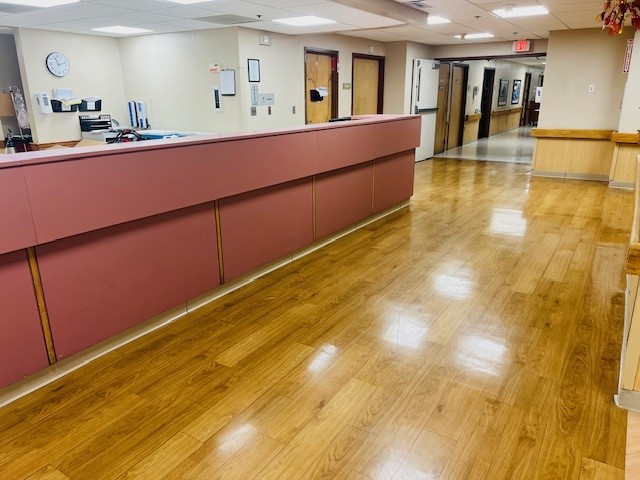
How is Ocala Oaks Rehabilitation Center Staffed?

CMS rates OCALA OAKS REHABILITATION CENTER's staffing level at 3 out of 5 stars, which is average compared to other nursing homes. Staff turnover is 42%, compared to the Florida average of 46%. This relatively stable workforce can support continuity of care. RN turnover specifically is 59%, which is notably high. RNs provide skilled clinical oversight, so turnover in this role can affect medical care quality.

What Have Inspectors Found at Ocala Oaks Rehabilitation Center?

State health inspectors documented 19 deficiencies at OCALA OAKS REHABILITATION CENTER during 2023 to 2025. These included: 19 with potential for harm.
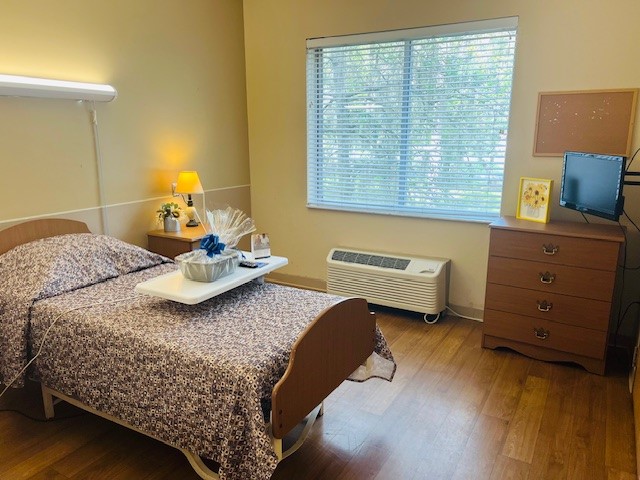
Who Owns and Operates Ocala Oaks Rehabilitation Center?

OCALA OAKS REHABILITATION CENTER is owned by a for-profit company. For-profit facilities operate as businesses with obligations to shareholders or private owners. The facility is operated by SOVEREIGN HEALTHCARE HOLDINGS, a chain that manages multiple nursing homes. With 120 certified beds and approximately 105 residents (about 88% occupancy), it is a mid-sized facility located in OCALA, Florida.
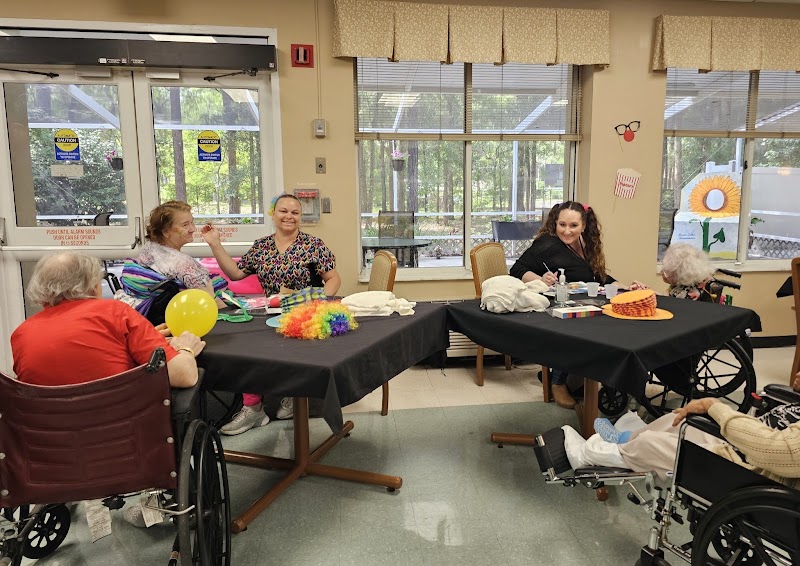
How Does Ocala Oaks Rehabilitation Center Compare to Other Florida Nursing Homes?

Compared to the 100 nursing homes in Florida, OCALA OAKS REHABILITATION CENTER's overall rating (3 stars) is below the state average of 3.2, staff turnover (42%) is near the state average of 46%, and health inspection rating (3 stars) is at the national benchmark.

What Should Families Ask When Visiting Ocala Oaks Rehabilitation Center?

Based on this facility's data, families visiting should ask: "Can I visit during a mealtime to observe dining assistance and food quality?" "How do you handle medical emergencies, and what is your hospital transfer rate?" "Can I speak with family members of current residents about their experience?"

Is Ocala Oaks Rehabilitation Center Safe?

Based on CMS inspection data, OCALA OAKS REHABILITATION CENTER has a clean safety record: no substantiated abuse findings (meaning no confirmed cases of resident harm), no Immediate Jeopardy citations (the most serious violation level indicating risk of serious injury or death), and is not on the Special Focus Facility watch list (a federal program monitoring the lowest-performing 1% of nursing homes). The facility has a 3-star overall rating and ranks #100 of 100 nursing homes in Florida. While no facility is perfect, families should still ask about staff-to-resident ratios and recent inspection results during their visit.

Do Nurses at Ocala Oaks Rehabilitation Center Stick Around?

OCALA OAKS REHABILITATION CENTER has a staff turnover rate of 42%, which is about average for Florida nursing homes (state average: 46%). Moderate turnover is common in nursing homes, but families should still ask about staff tenure and how the facility maintains care continuity when employees leave.

Was Ocala Oaks Rehabilitation Center Ever Fined?

OCALA OAKS REHABILITATION CENTER has been fined $9,750 across 1 penalty action. This is below the Florida average of $33,176. While any fine indicates a compliance issue, fines under $50,000 are relatively common and typically reflect isolated problems that were subsequently corrected. Families should ask what specific issues led to these fines and confirm they've been resolved.

Is Ocala Oaks Rehabilitation Center on Any Federal Watch List?

OCALA OAKS REHABILITATION CENTER is not on any federal watch list. The most significant is the Special Focus Facility (SFF) program, which identifies the bottom 1% of nursing homes nationally based on persistent, serious quality problems. Not being on this list means the facility has avoided the pattern of deficiencies that triggers enhanced federal oversight. This is a positive indicator, though families should still review the facility's inspection history directly.