THE LODGE HEALTHCARE AND REHABILITATION CENTER
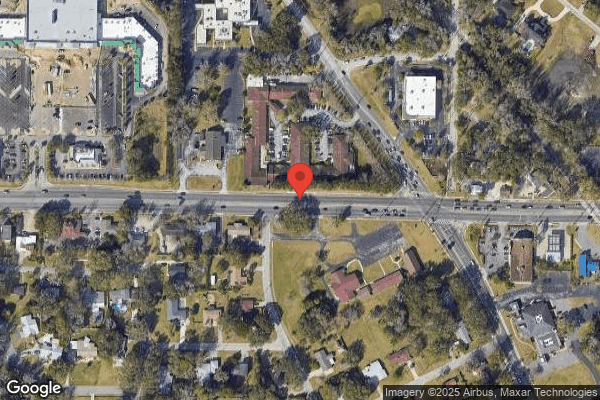

635 SE 17TH STREET, OCALA, FL 34471 (352) 629-7921
For profit - Limited Liability company 99 Beds GOLD FL TRUST II Data: November 2025 1 Immediate Jeopardy citation
Trust Grade
46/100
#433 of 690 in FL
Last Inspection: February 2025

Within standard 12-15 month inspection cycle. Federal law requires annual inspections.

Overview

The Lodge Healthcare and Rehabilitation Center has received a Trust Grade of D, indicating below-average quality and some significant concerns. It ranks #433 out of 690 facilities in Florida, placing it in the bottom half, and #8 out of 11 in Marion County, meaning only three local options are worse. Unfortunately, the facility's performance is worsening, with issues rising from 1 in 2024 to 10 in 2025. Staffing ratings are average at 3 out of 5 stars, with a turnover rate of 42%, which is on par with the state average. However, the nursing staff coverage is concerning, as it is less than that of 83% of Florida facilities, and there are recorded fines of $17,345, which is average but still raises some alarm. Specific incidents have raised concerns: a resident with a peanut allergy was given a snack containing peanuts, resulting in an allergic reaction, and there were lapses in infection control practices, such as improper dressing changes for residents with central venous catheters. Additionally, there was a failure to administer oxygen at the prescribed level for a resident with respiratory issues. While the quality measures rating is excellent at 5 out of 5 stars, these serious deficiencies highlight the need for families to carefully consider the facility's overall care and safety record.

Trust Score
D
46/100
In Florida
#433/690
Bottom 38%
Safety Record
High Risk
Review needed
Inspections
Getting Worse
1 → 10 violations
Staff Stability
○ Average
42% turnover. Near Florida's 48% average. Typical for the industry.
Penalties
✓ Good
$17,345 in fines. Lower than most Florida facilities. Relatively clean record.
Skilled Nurses
⚠ Watch
Each resident gets only 26 minutes of Registered Nurse (RN) attention daily — below average for Florida. Fewer RN minutes means fewer trained eyes watching for problems.
Violations
⚠ Watch
23 deficiencies on record. Higher than average. Multiple issues found across inspections.
★★★☆☆
3.0
Overall Rating
★★★☆☆
3.0
Staff Levels
★★★★★
5.0
Care Quality
★★☆☆☆
2.0
Inspection Score
Stable
2024: 1 issues
2025: 10 issues

The Good

  • 5-Star Quality Measures · Strong clinical quality outcomes
  • Full Sprinkler Coverage · Fire safety systems throughout facility
  • No fines on record
  • Staff turnover below average (42%)

    6 points below Florida average of 48%

Facility shows strength in quality measures, fire safety.

The Bad

3-Star Overall Rating

Near Florida average (3.2)

Meets federal standards, typical of most facilities

Staff Turnover: 42%

Near Florida avg (46%)

Typical for the industry

Federal Fines: $17,345

Below median ($33,413)

Minor penalties assessed

Chain: GOLD FL TRUST II

Part of a multi-facility chain

Ask about local staffing decisions and management

The Ugly 23 deficiencies on record

1 life-threatening
Feb 2025 10 deficiencies 1 IJ
CRITICAL (J)

Immediate Jeopardy (IJ) - the most serious Medicare violation

Deficiency F0806 (Tag F0806)

Someone could have died · This affected 1 resident

**NOTE- TERMS IN BRACKETS HAVE BEEN EDITED TO PROTECT CONFIDENTIALITY** Based on interview and record review, the facility failed to ensure residents with allergies were provided foods that were free ...

Read full inspector narrative →
**NOTE- TERMS IN BRACKETS HAVE BEEN EDITED TO PROTECT CONFIDENTIALITY** Based on interview and record review, the facility failed to ensure residents with allergies were provided foods that were free from allergens for 1 (Resident #297) of 12 residents sampled who had food allergies. Resident #297 had a peanut allergy. On 2/23/2025 at 7:00 PM, Resident #297 was provided with a [NAME] Buddy snack by Staff G, Certified Nursing Assistant. Staff G did not review Resident #297's meal ticket or Resident #297's electronic medical record to determine her allergies. At approximately 10:00 PM Resident #297 consumed several bites of the cookie and began to experience a burning and itching sensation in her throat. Resident #297 notified facility staff and was treated with medication for an allergic reaction. A peanut allergy is a condition that causes the body's germ-fighting immune system to react to peanuts. An allergic response to peanuts usually occurs within minutes after exposure. Peanut allergy signs and symptoms can include skin reactions, such as hives, redness or swelling. Itching or tingling in or around the mouth and throat. Digestive problems, such as diarrhea, stomach cramps, nausea or vomiting. Tightening of the throat and shortness of breath or wheezing. It's one of the most common causes of a life-threatening allergic reaction to food. This life-threatening reaction is known as anaphylaxis. Anaphylaxis is a severe, life-threatening allergic reaction. It can happen seconds or minutes after you've been exposed to something you're allergic to. In anaphylaxis, the immune system releases a flood of chemicals that can cause the body to go into shock. Blood pressure drops suddenly, and the airways narrow, blocking your breathing. The pulse may be fast and weak, and you may have a skin rash. If it is not treated right away, it can be deadly. (Mayo Clinic/Mayoclinic.org) The facility failure to ensure residents with allergies were provided foods that were free from allergens led to the determination of Immediate Jeopardy at a scope and severity of isolated, (J). The facility's actions placed Resident #297, who had a known allergy to peanuts at a likelihood of serious harm, such as difficulty breathing, swelling, anaphylaxis and/or death. The Nursing Home Administrator was notified of the Immediate Jeopardy on February 27, 2025, at 9:22 AM. The Immediate Jeopardy began on February 23, 2025, and was removed on site on February 26, 2025. Findings include: During an interview on 2/24/2025 at 8:20 AM, Resident #297 stated I ate peanuts last night around 10:00 PM and had an allergic reaction. I felt burning in my throat and reported it to nursing. I did not taste the peanuts. The snack was chocolate covered. I received medication for the allergic response. During an interview on 2/26/25 at 7:44 AM, Resident #297 stated, I ate something the other night with peanut butter in it. I can't see very well in the dark and I opened it, I thought it was a chocolate bar. The aide did not tell me what snacks she gave me. She handed me 2 snacks, a long one and a round one. After 2 bites, I tasted the peanut butter, and I got so scared I would swell up again. I first had this happen a couple of months ago. I had a peanut butter and jelly sandwich, and I had my face and tongue swell up. I did go to the emergency room, and they gave me medicine. They put in an IV (intravenous line) and gave me medicine in that. They told me I shouldn't eat peanuts or peanut butter, anything with peanuts in it. I was very frightened that it was going to happen again, so I got my cane, and I got out of bed and found the nurses, I know I should not have tried to walk on my own, but I was just so afraid that I would swell up again. I told them what happened, that I ate something with peanut butter, they helped me back to bed and called the doctor and gave me Benadryl. I had some itching in my throat, but I didn't have any swelling in my face like the last time it happened. I was really frightened, and I just couldn't see the wrapper. It was dark and it looked like chocolate. The nurse got upset and told me I should have looked at the wrapper myself, maybe I should have. I know it's serious and they told me [in the emergency room] it might get worse the next time. Review of the admission Record for Resident #297 documented an admission date of 2/22/2025 with diagnosis that include major depressive disorder, solitary pulmonary nodule (a small mass of dense tissue on the lung), generalized anxiety disorder, atherosclerotic heart disease of native coronary artery (heart disease) without angina pectoris (chest pain), essential (primary) hypertension (high blood pressure), type 2 diabetes mellitus (high blood sugar), chronic obstructive pulmonary disease (a group of lung diseases that cause breathing difficulty), emphysema (a chronic lung disease making it harder to breathe), and asthma (a chronic lung condition that causes inflammation and narrowing of the airways, making it difficult to breathe). A review of the [electronic medical record name] dashboard for Resident #297 read, Allergies: Peanuts, special instructions: Peanut allergy. Review of Resident #297's progress notes dated 2/23/2025 at 2240 (10:40PM) Interact SBAR (situation, background, assessment, recommendation) read, Situation: The Change In Condition/s reported on this CIC (change in condition) Evaluation are/were: Other change in condition. Nursing observations, evaluation, and recommendations are: Patient stated that she ate half cookie [pre-packaged snack labeled [NAME] Buddy] that contains peanuts and didn't realize it. Patient is not presenting with any s/s (signs and symptoms) of an allergic reaction. Patient states that she feels fine. Benadryl administered per orders. Primary Care Provider Feedback: Primary Care Provider responded with the following feedback: A. Recommendations: New order from [Advanced Registered Nurse Practitioner name], NP (Nurse Practitioner), for Benadryl 25 mg (milligrams) every 6 hrs. (hours) as needed to prevent allergic reaction. Review of Resident #297's physician orders dated 2/23/2025 read, diphenhydramine HCL (Hydrochloride Hydrogen) oral capsule 25 mg (Diphenhydramine HCL) give 1 capsule by mouth every 6 hours as needed for allergies for 14 days. Review of Resident #297's medication administration record (MAR) documented that diphenhydramine HCL oral capsule 25 mg (diphenhydramine HCL) give 1 capsule by mouth every 6 hours as needed for allergies was administered on 2/23/2024 at 2245 (10:45 PM) and 2/24/2025 at 0445 (4:45 AM) Review of Resident #297's meal ticket dated 2/24/2025 reads, [Resident #297's Name] Diet: MS (mechanical soft), CCHO (consistent carbohydrate), please send house shake with meal, Food dislikes: ALLERGIC: PEANUTS. During an interview on 2/24/2025 at 2:50 PM, Staff D, Licensed Practical Nurse (LPN) stated 'I worked from 6:45 am to 11:40 PM and Resident [Resident #297's last name] came down the hall walking with her cane to where [Staff E's Name] and I were in the other hallway and said she (Resident #297) had eaten part of a [NAME] buddy and stated. I am allergic to peanuts. We asked what happens when you eat peanuts and the resident stated, I get swelling. [Staff E's name] went to get the Resident's nurse [Staff F's name]. I told the Resident to wait there for the wheelchair. [Staff F's name] brought a wheelchair to her. During a telephone interview on 2/24/2025 at 3:10 PM, Staff E, LPN stated, [Resident #297's name] with a cane was walking down the hallway where [Staff D's name] and I was and stated that she ate a snack that had peanuts in it, and she is allergic to peanuts. I went to get [Staff F's name], the resident's nurse. [Staff F's name] brought a wheelchair to the resident and brought her to her room. During an interview on 2/24/2025 at 3:28 PM, Resident #297, when shown a [NAME] Buddy [a snack that consists of four wafers sandwiched together in a peanut butter mixture and covered with a chocolatey coating] confirmed that was what she ate last night. Review of the Fieldstone Bakery [NAME] Buddy package showed ingredients that included peanut butter and allergy information: Contains wheat, peanuts, soy, milk, egg. May contain tree nuts. [photographic evidence obtained] During an interview on 2/24/2025 at 3:30 PM, the Certified Dietary Manager (CDM) stated A tray ticket is printed for each resident with the diet order, consistency and food allergies listed. Assorted snacks individually wrapped, including cookies and crackers, are placed on a tray and then put on the top of the food carts and delivered to each hallway for the nursing staff to offer residents each evening. During a telephone interview on 2/24/2025 at 4:08 PM, Staff G, Certified Nurse Assistant (CNA) stated, The meal cart comes, and the snacks are on the top of the cart. I will pick up the trays and offer a snack and ask the residents what they want. I gave her (Resident #297) a snack. If a resident has allergies there is a place in the computer that we look at. It will have the allergies listed. I don't recall her having allergies. I did not look over her meal ticket when I picked up her tray. I know close to end of shift {Staff F's name] told me you gave her a [NAME] Buddy. She told me she could not have peanuts. It would have been nice if someone told me. I don't always have time to check on the computer. During a telephone interview on 2/24/2025 at 4:17 PM, Staff F, LPN stated, The meal tray is reviewed by the nurse to make sure the resident is getting the right meal, and the CNA will distribute the snacks. We check if it is a regular diet, mechanical soft, any specifics like allergies to make sure they are not included in the tray. Diet tickets have allergies listed. A nurse came and told me my patient was saying she ate a cookie with peanuts. The resident stated she took a couple of bites and figured it had peanuts. She said it was a [NAME] Buddy. It is our responsibility to know what allergies residents have and not the resident to know what is given to them. During an interview on 2/25/2025 at 8:27 AM, the Director of Nursing (DON) stated, Everyone, all disciplines are responsible for checking allergies of residents. My expectation is for staff to always verify the resident's diet. The ticket does have allergies listed on the ticket as well as dislikes. For snacks when the CNA or staff give out snacks, they should check the diet on the computer to verify if they have a pureed diet, diet texture, allergies or give someone something that they dislike. During a telephone interview on 2/25/2025 at 8:53 AM, Advanced Practice Registered Nurse #1 (APRN), stated I received a call from the nurse stating [Resident #297's name] had eaten a snack with peanuts and the resident is allergic to peanuts. I was told [Resident #297's name] was not having problems. I ordered Benadryl every 6 hours and to call me if there were any problems. My expectation is for staff to be mindful of allergies to safeguard residents from eating food they are allergic to. During an interview on 2/25/2025 at 9:13 AM, the Administrator stated, Everyone in the facility is responsible to be sure a resident's diet order is followed. The CDM (Certified Dietary Manager) visits the resident and documents any allergies and dislikes. The meal ticket lists allergies. My expectation is for staff from top to bottom to follow the facility's policies and procedures. Allergies need to be checked for meals and snacks. During a telephone interview on 2/25/2025 at 9:48 AM, the Medical Director stated My expectation is the physician orders are followed. Diet orders should be followed for meals and snacks. If an allergen is provided to a resident, the physician needs to be notified and 911 called if the resident is emergent as in anaphylaxis reaction which is life threatening. If a resident does receive an allergen then we should be notified so actions can be taken to make sure residents are kept safe. During a telephone interview on 2/25/2025 at 12:06 PM, APRN #1 stated, Allergic reactions are based on the level of severity to the allergen. The reaction can be from mild, hives and itching up to anaphylaxis, a severe, life-threatening allergic reaction that can occur rapidly after exposure to an allergen. During an interview on 2/26/2025 at 8:25AM, the Registered Dietician (RD) stated There should be a mechanism in place to ensure and monitor food allergies are addressed for each resident. But we do not have a list of resident allergies that go with snacks. There are a whole host of problems that can be a potential issue for food allergies. Peanuts and peanut allergies can affect the immune system causing a reaction for the resident and can result in a life-threatening issue of anaphylaxis which can include dizziness, lightheadedness, constriction of airways, drop in blood pressure, rapid pulse. For some people there could also be a skin reaction such as hives, redness, swelling, itching and tingling; also, for some people it could result in a digestive problem such as diarrhea, stomach cramps, nausea and vomiting. It could also be shortness of breath, runny nose, or tightness of the throat. We should have systems to monitor this. During a telephone interview on 2/26 2025 at 8:35 AM, Medical Doctor #1 stated Peanut allergies can result in facial swelling and anaphylaxis which means closure of her airway. I cannot tell you how long she had the allergy. During an interview on 2/26/2025 at 8:37 AM, the Certified Dietary Manager (CDM) stated There was no snack listing. During a telephone interview on 2/26/2025 at 9:19 AM, APRN #2 stated Peanut allergies can be fatal especially if there is a history of facial swelling. Review of the facility policy and procedure titled Provide Diet to Meets Needs of Each Resident with a last review date of 1/28/2025 read, Policy: The purpose of the food and nutrition services (FNS)/dietary department is to provide high quality, nutritious, palatable and attractive meals in safe, sanitary manner. Food will be prepared in a form to accommodate resident allergies, intolerances, and personal, religious, and prescribed by the attending physician or their designee. The Immediate Jeopardy (IJ) was removed onsite on 2/26/2025 after the receipt of an acceptable IJ removal plan. The facility has completed the following steps to remove the immediate jeopardy. On 02/25/2025, an Ad Hoc [Latin meaning for this] Quality Assurance and Performance Improvement (QAPI) meeting and completed a root cause analysis (RCA) related to the provision of the snacks for Resident #297. The RCA yielded that the facility failed to conduct validation of accuracy of provision of snack/diets. On 2/25/2025, the Director of Nursing, Assistant Director of Nursing and Nurse Consultant completed an audit of 97 of 97 residents for accuracy of prescribed diet and allergies. On 2/25/2025, the Director of Nursing and Dietary Consultant completed an audit of resident allergies listed in the electronic medical record with resident and resident representative interviews to confirm accuracy of allergies listed for 97 of 97 residents. On 2/25/2025, the facility initiated the use of a Diet Type Report from the Electronic Health Record during the provision of snacks and meals to ensure the accuracy of diet order, texture and allergies. On 2/25/2025, the facility initiated the use of an Alternative Diet Tool in the dietary department to ensure residents received diets as ordered by the physician or snacks in the correct form and ensuring resident are not allergic to food items when requestion food items form the kitchen. On 2/25/2025 , the facility initiated the use of a Supervisory Monitoring Tool got facility leadership to validate staff are providing appropriate meals and snack per physician orders and validation of allergies using the Diet Type Report. On 2/26/2025, the facility initiated printing meal tickets in color to highlight the red allergies noted on the tickets. On 2/26/2025, residents with food allergies have snacks labeled by the dietary department for them specifically to ensure allergy requirements are maintained. On 2/26/2025, Director of Nursing ad Assistant Director of Nursing/designee educated staff on: Provide Diet to Meet Needs of Each Resident - Policy and Procedure; Allergies-types of allergies, how they effect individuals, emergency response, the medications commonly used to manage allergic reaction and protecting residents from allergic reactions and accuracy of Diet/Snack education. On 2/27/2025, a review of the facility audits documented the DON/designee and dietary consultant conducted a full house audit of 97 residents to determine accuracy of diets and allergies. On 2/27/2025, review of the facility audit tool titled Diet Type Report documented audits were completed for 2/25/2025 and 2/26/2025. On 2/27/2025, review of the resident meal tickets for 12 of 12 residents with allergies were reviewed and allergies were printed in red. On 02/27/2025, a review of the training and education documented 53 of 53 Certified Nursing Assistants, 23 of 23 Licensed Practical Nurses, 5 of 5 Registered Nurses, 23 of 23 rehabilitation therapy staff, 2 of 2 social services staff, 3 of 3 activities staff, 13 of 13 dietary staff, 11 of 11 housekeeping staff and 10 of 10 administrative staff received education on mechanically altered diets/ allergies, emergency response for allergic reactions, medications for allergies, common allergy symptoms in Long Term-Care Residents, and verifying the correct diets/snacks for patients. During staff interviews conducted 2/26/2025 through 2/27/2025, 5 Licensed Practical Nurses, 2 Registered Nurses, 9 Certified Nursing Assistants, 8 rehabilitation therapy staff, 5 dietary staff, 6 environmental staff, the Social Service Assistant, the Activities Director, Registered Dietician, and the Admissions Director all verified receiving the training and verbalized understanding of mechanically altered diets, resident allergies, allergic reactions and verifying allergies and diet prior to providing meals and snacks.
CONCERN (D)

Potential for Harm - no one hurt, but risky conditions existed

Notification of Changes (Tag F0580)

Could have caused harm · This affected 1 resident

Based on observation, interviews, and record reviews, the facility failed to notify the provider and resident representative of a change in condition for 1 (Resident #397) of 5 residents reviewed for ...

Read full inspector narrative →
Based on observation, interviews, and record reviews, the facility failed to notify the provider and resident representative of a change in condition for 1 (Resident #397) of 5 residents reviewed for intravenous therapy. Findings include: During an observation on 2/23/2025 at 10:30 AM, Resident #397 was observed lying in bed with the head of bed elevated. She had a single lumen peripherally inserted central catheter (PICC) line in her right upper arm with a transparent dressing dated 2/9/2025. The dressing was intact around the insertion site but was noted to be partially lifted on the bottom right inside corner and brownish stains on the outside of the dressing. Review of the physician's order for Resident #397 dated 2/13/2025 read, Discontinue IV line right upper extremity [RUE] one time only for dc [discontinue]. Review of the Medication Administration Record (MAR) for Resident #397 documented the PICC line was discontinued on 2/13/2025 by [Staff O's initials] at 1358 [1:58 PM]. During an interview on 2/26/2025 at 9:19 AM, Staff O, Licensed Practical Nurse (LPN) stated, When I documented that the PICC line was discontinued it was a mistake by me. I typically don't check off a task until I have completed the task. During an interview on 2/24/2025 at 2:41 PM the Director of Nursing (DON) stated, [Resident #397's name] had an order for the PICC line to be removed but she refused. I would expect nursing staff to call the doctor and notify him of the refusal and document the information accurately in the residents chart. I did not see any notification in the system [electronic record system] made to the provider or [Resident #397's name] family. Review of Resident #397 progress notes from 2/11/2025 through 2/14/2025 did not document any notification of refusals of PICC line removal to the physician or resident representative. During an interview on 2/25/2025 at 2:53 PM, Resident #397's daughter stated, The only time I have ever been notified by the facility about my mother was when the facility had sent my mother to the hospital or if they had a billing question. I have not had any calls about my mother refusing care regarding her PICC line. During an interview conducted on 2/26/2025 at 1:51 PM, the Advanced Practice Registered Nurse (APRN) #2 stated, I am very familiar with [Resident #397's name]. I am at the facility two to three times a week. I do not recall any communication from the facility staff about any refusals of care for the resident. It would be my expectation that if one of my resident's refused care like the removal of a PICC line, I would be called by the facility so that I can make sure the appropriate orders are in for maintenance. Review of the policy and procedure titled Change in Condition with a last review date of 1/28/2025 read, Policy: It will be the policy of this facility to notify the physician, family, resident, and/or responsible party/resident representative (as is applicable) of significant changes in condition and providing treatment(s) according to the resident's wishes and physician's orders. Procedure: 7. Contact the primary physician to update him/her to the change in condition. In the event the primary physician cannot be notified, attempt to contact the facility's medical director. 11. Notify the family or responsible party/resident representative regarding the resident condition change .
CONCERN (D)

Potential for Harm - no one hurt, but risky conditions existed

Comprehensive Care Plan (Tag F0656)

Could have caused harm · This affected 1 resident

2) During an observation on 2/23/2025 at 9:49 AM, Resident #63 was lying in bed in a hospital gown. Oxygen was being administered at 1 liter per minute via nasal cannula. Review of Resident #63 physic...

Read full inspector narrative →
2) During an observation on 2/23/2025 at 9:49 AM, Resident #63 was lying in bed in a hospital gown. Oxygen was being administered at 1 liter per minute via nasal cannula. Review of Resident #63 physician's order dated 1/19/2025 read, Change oxygen/nebulizer tubing weekly and prn [as needed]. Review of Resident #63's physician's order dated 1/19/2025 read, Oxygen at 2 liters/minute via nasal cannula with humidification when on the concentrator. May be without humidification when on a tank as needed related to Chronic Obstructive Pulmonary Disease. Review of Resident #63's care plan initiated on 1/11/2025 documented Resident #63 had a potential for complications of respiratory distress r/t [related to] s/s [signs and symptoms] of: SOB (Shortness of breath), COPD (Chronic Obstructive Pulmonary Disease) was cancelled on 2/14/2025. During an interview on 2/25/2025 at 3:00 PM, the Director of Nursing (DON) stated, The oxygen focus [care plan] was cancelled and not reinstated into the care plan. I am not sure what happened. During an interview on 2/27/2025 at 8:36 AM, the DON stated, I received a text message from the Regional MDS (Minimum Data Set) Consultant that oversees care plans and she stated that during the 8/2 modification it [oxygen focus] was canceled from her [Resident #63] care plan. Review of the policy and procedure titled Respiratory Care with a last review date of 1/28/2025 read, Policy: It is the policy of this facility to provide respiratory care and safe oxygen administration to meet the needs of the residents. Procedure: 15. The use of oxygen, respiratory conditions/medications or trach [tracheostomy] needs should be reflected in the resident's plan of care. Review of the policy and procedure titled, Comprehensive Assessments and Care Plans with a last review date of 1/28/2025 read, Standard: It will be the standard of this facility to make a comprehensive assessment of a resident's needs, strength, goals, life history and preferences, using the resident assessment instrument (RAI) specified by CMS (Centers for Medicare & Medicaid Services). Guidelines: 1. The facility will conduct initially and periodically a comprehensive, accurate, and standardized reproducible assessment of each residents functional capacity.8. The facility will develop and implement a comprehensive person-centered care plan for each resident, consistent with the resident rights .that includes measurable objectives and timeframe to meet a residents medical, nursing, and mental and psychosocial needs that are identified in the comprehensive assessment. Based on observations, interviews and record reviews, the facility failed to develop and implement a comprehensive care plan for 2 (Resident #63 and #71) of 4 reviewed for respiratory services. Findings include: Review of Resident #71's admission record documented an admission date of 9/20/2024 with diagnosis that included chronic obstructive pulmonary disease, shortness of breath, acute respiratory failure with hypoxia, and pleural effusion (fluid around the lungs). An observation on 2/23/2025 at 9:40 AM, Resident #71's oxygen concentrator was set on 3 liters. An observation on 2/24/2025 at 2:15 PM, Resident #71's oxygen concentrator was set on 3 liters. Review of Resident #71's physician's order dated 9/22/2024 read, Oxygen at 2 liters/minute via nasal cannula with humidification when on the concentrator. May be without humidification when on a tank. Review of Resident #71's care plan dated 7/25/2024 read, [Resident #71's name] has a potential for complication of respiratory distress related to a diagnosis of COPD. Goals included resident will be able to maintain patent airway and will not exhibit signs of respiratory distress daily thru next review. Interventions include administer medication as ordered, O2 sats [Oxygen saturations] as order, Administer O2 as ordered. During an interview on 2/25/2025 at 6:00 AM, the Director of Nursing (DON) stated, It is my expectation that all nursing staff read and follows the care plan and follow the interventions regarding oxygen settings and respiratory care protocols.
CONCERN (D)

Potential for Harm - no one hurt, but risky conditions existed

Quality of Care (Tag F0684)

Could have caused harm · This affected 1 resident

**NOTE- TERMS IN BRACKETS HAVE BEEN EDITED TO PROTECT CONFIDENTIALITY** 4) Review of Resident #301's admission record documented that Resident #301 was admitted to the facility on [DATE] with the foll...

Read full inspector narrative →
**NOTE- TERMS IN BRACKETS HAVE BEEN EDITED TO PROTECT CONFIDENTIALITY** 4) Review of Resident #301's admission record documented that Resident #301 was admitted to the facility on [DATE] with the following diagnoses: type 2 diabetes mellitus with ketoacidosis (a life threatening complication of diabetes that occurs when the body doesn't have enough insulin) without coma, osteomyelitis (a bone infection) of vertebra, thoracic region, severe sepsis with septic shock, atherosclerotic heart disease of native coronary artery (heart disease) without angina pectoris (chest pain), and essential (primary) hypertension. Review of Resident #301's physician's order dated 2/3/2024 reads, Perform accuchecks before meals and at bedtime for type 1 diabetes. Review of Resident #301's Medication Administration Record (MAR) documented blood glucose levels of greater than 400 on 2/4/2025 at 1630 (4:30 PM) of 476, on 2/5/2025 at 1630 of 434, on 2/5/2025 at 2100 (9:00 PM) of 427 and on 2/7/25 at 2100 of 447. Review of Resident #301's nursing progress notes from 2/2/2025 until 2/24/2025 showed no documentation that the physician or nurse practitioner were notified of blood glucose greater than 400. During an interview on 2/24/2025 at 1:47 PM, Resident # 301 stated, My blood sugars are high and low, they have been checking them. When I was first here they were monitoring my accuchecks but not covering them with my normal short acting insulin. I told them and the nurse practitioner. I have been a diabetic for a long time, and I know when my sugars are low and when they are high. I told them I needed to have my short acting insulin, and they didn't call the doctor. During an interview on 2/26/2025 at 8:19 AM, the Director of Nursing stated, I expect staff will document that they have notified the provider when blood sugars are elevated above 400, it is a standard to do this to determine if the resident will need any additional coverage of insulin. The nurse should have called the provider and documented. During an interview on 2/26/2025 at 12:35 PM, Staff G, Licensed Practical Nurse (LPN), stated, I do recall this resident, he [Resident #301] at one time did have accuchecks that were without SSIC (sliding scale insulin coverage). I recall that he [Resident #301] did have several times that his blood sugar was over 400. I did not notify the nurse practitioner or doctor about it. I should have notified them usually they have orders to notify them if the blood sugar is above 400, but this order didn't say that. I just assumed that the doctor didn't want any coverage. I should have called and notified them. A policy and procedure for insulin administration was requested but not received. 2) Review of Resident #301's admission record documented an admission date of 2/2/2025 with the following diagnoses: type 2 diabetes mellitus with ketoacidosis (a life threatening complication of diabetes that occurs when the body doesn't have enough insulin) without coma, osteomyelitis (a bone infection) of vertebra, thoracic region, severe sepsis with septic shock, atherosclerotic heart disease of native coronary artery ( heart disease) without angina pectoris (chest pain), and essential (primary) hypertension. Review of Resident #301's physician's orders for February of 2025 did not include orders for intravenous normal saline flushes. Review of Resident #301's Medication Administration Record (MAR) for the month of February 2025 did not document intravenous normal saline flushes. Review of Resident #301's physician's order dated 2/3/2025 read, Cefepime HCI (Hydrochloride Hydrogen) Solution 1 GM/50ML (1 gram/50 milliliters) use 1 gram intravenously every 8 hours for osteomyelitis until 3/06/2025. Review of Resident #301's physician's order dated 2/3/2025 read, Vancomycin HCI in NaCI (Sodium Chloride) Intravenous Solution 750-0.9 MG/250 ML -% (Vancomycin HCI-Sodium Chloride) use 750 mg (milligrams) intravenously every 12 hours for osteomyelitis until 3/06/2025. Review of Resident #301's physician's order dated 2/3/2025 read, Change dressing post PICC (peripherally inserted central catheter ) insertion and routinely every day shift every 7 day(s) for PICC line placement. Observe site for signs/symptoms of infiltration/extravasation/infection. Review of Resident #301's physician's order dated 2/8/2025 read, Change transparent catheter site dressing every night shift every 7 day(s). Measure external catheter length on admission, with each dressing change and PRN (as needed). Observe site for signs/symptoms of infiltration/extravasation with each dressing change. During an interview on 2/25/2025 at 7:33 AM, Staff L ,Registered Nurse (RN), stated, I do not see any orders in the system [electronic medical record] for saline flushes for [Resident #301's name]. The orders will usually be in the system. During an interview on 2/27/2025 at 8:15 AM, the Director of Nursing (DON) stated, I do not know what happened to the order; at some point it fell off. We would not be able to track if nurses are actually doing the flushes unless the order is in the system. 3) Review of Resident #2's admission record documented an admission date of 12/11/2024 with diagnosis that included essential primary hypertension, unspecified combined systolic and diastolic heart failure, unspecified heart failure, and pulmonary hypertension unspecified. Review of Resident #2's physician's order dated 1/19/2025 read, Midodrine HCI Tablet 10 mg give 1 tablet by mouth three times a day for hypotension hold for SBP (systolic blood pressure) above 140. Review of Resident #2's Medication Administration Record (MAR) for the month of February 2025 documented Midodrine 10 mg was given at 0900 [9:00AM] on 2/3 for a systolic blood pressure (SBP) of 142, on 2/5 for SBP of 150, on 2/7 for a SBP of 143, on 2/8 for a SBP of 147, on 2/11 for a SBP of 142. At 1300 [1:00PM] on 2/3 for a SBP of 142, 2/5 for a SBP of 150, on 2/7 for a SBP of 143, 2/11 for SBP of 142. At 1700 [5:00PM] on 2/3 for SBP of 187, 2/4 for a SBP of 150, 2/5 for a SBP of 143, on 2/7 for a SBP of 143, on 2/10 through 2/12 for a SBP of 142 and on 2/15 for a SBP of 154. During an interview on 2/26/2025 at 10:53 AM the Director of Nursing (DON) stated, The nurses should follow parameters and if they have any questions they should call the doctor to get clarification. During an interview on 2/27/2025 at 11:01 AM the Advance Practice Registered Nurse (APRN) #3, stated, I was not aware staff were administering medication out of parameters. I expect nursing staff to follow my orders and parameters. Based on observations, interviews, and record reviews, the facility failed to ensure that residents received treatment and care in accordance with professional standards of practice for 3 (Resident #2, #301, and #397) of 7 residents reviewed for intravenous lines, medication administration and unnecessary medications. Findings Include: 1) During an observation on 2/23/2025 at 10:30 AM, Resident #397 was observed lying in bed with the head of bed elevated. She had a single lumen peripherally inserted central catheter (PICC) line in her right upper arm with a transparent dressing dated 2/9/2025. The dressing was intact around the insertion site but was noted to be partially lifted on the bottom right inside corner and brownish stains on the outside of the dressing. During an interview conducted on 2/23/2025 at 10:30 AM, Resident #397 stated, I have an IV (intravenous line) for my antibiotics because I have an infection. Review of the admission record documented that Resident #397 was admitted to the facility on [DATE] with diagnosis that included metabolic encephalopathy, dysphagia, oropharyngeal phase, unspecified combined systolic (congestive) and diastolic (congestive) heart failure, morbid (severe) obesity due to excess calories, muscle weakness, anxiety disorder, unspecified, major depressive disorder, recurrent, moderate, acquired absence of kidney, essential (primary) hypertension, chronic kidney disease, unspecified, personal history of other venous thrombosis and embolism, peripheral vascular disease. Review of Resident #397's physician's order dated 1/21/2025 read, Insert/maintain PICC line IV. Review of Resident #397's Medication Administration Record (MAR) documented a physician's order with a start date of 1/21/2025 that read, Meropenem solution reconstituted 1 GM (gram), Use 1 gram intravenously every 8 hours for ESBL (Extended-Spectrum Beta-Lactamases, a bacteria that is resistant to most antibiotics) for 10 days. Review of Resident #397's MAR documented a physician's order with a start date of 1/21/2025 that read, Change transparent dressing. Measure external catheter length, every night shift every wed (Wednesday). Observe site for signs and symptoms of infection, infiltration, and/or extravasation and as needed for leakage, loosening or soiling of dressing. Review of Resident #397's MAR documented a physician's order with a start date of 1/30/2025 that read, Saline Flush Solution (Sodium Chloride Flush), use 10 ml (milliliters) intravenously every 8 hours for line patency [free of blood clots, free flowing] until 2/1/2025 23:59 [11:59 PM] flush with 10 ml normal saline before and after medication administration. Review of Resident #397's MAR documented a physician's order with a start date of 1/30/2025 that read, Monitor IV (Intravenous) Site - RUE (right upper extremity). Review of the physician's order for Resident #397 dated 2/13/2025 read, Discontinue IV line right upper extremity [RUE] one time only for dc [discontinue]. Review of the Medication Administration Record (MAR) for Resident #397 documented the PICC line was discontinued on 2/13/2025 by [Staff O's initials] at 1358 [1:58 PM]. During an interview on 2/26/2025 at 9:19 AM, Staff O, Licensed Practical Nurse (LPN) stated, When I documented that the PICC line was discontinued it was a mistake by me. I typically don't check off a task until I have completed the task. Review of Resident #397 MAR for the month of February 2025 did not document any saline flushes after 2/1/2025 or any monitoring of the IV site every shift since 2/13/2025. During an interview conducted on 2/26/2025 at 1:04 PM, Staff N License Practical Nurse (LPN) stated, I charted that the dressing was changed on 2/12/2025 because when I went to change it, I realized that it had been changed on 2/9/2025 and the dressing would still be good for 7 days from when it was changed. Central line dressings are supposed to be changed every 7 days. If a dressing is not changed on a central line the resident would be at increased risk for getting an infection. During an interview on 2/26/2025 at 8:00 AM with the Medical Director stated, The risk associated with not flushing a central line when it is not in use would be potential of a blood clot and possibly infection. Risk associated with not changing a central line is infection to the resident. When asked about how frequently a central line should be flushed and what is the frequency for dressing changes, he stated, central lines should be flushed at least once a shift and dressing changes for central lines are determined by the facility. During an interview conducted on 2/26/2025 at 1:51 PM with ARNP #2 stated, I do not recall any communication from the facility staff about any refusals of care for the Resident. It is facility protocol for how frequently a PICC is flushed and dressings are changed, I would expect that minimally the PICC would need to be flushed daily to maintain patency. I believe in the facility setting dressing changes for PICC is every 7 days. Infection would be the biggest risk if a central line dressing was not changed as ordered. Not flushing a PICC would likely result in the PICC not staying patent. During an interview on 2/24/2025 at 2:41 PM, the Director of Nursing (DON) stated, (Resident #397's name] had an order for the PICC line to be removed but she refused. As a result of the DC (discontinue) order for the PICC line, all of the other associated orders with the PICC line were also discontinued. I saw the dressing on her arm it was dated in purple, but I can't recall the date that was written. When the PICC line stayed in after the 13th [February], there should have been orders placed in the system to flush the IV. Nursing staff should change the dressing every 7 days. Review of the policy and procedure titled PICC/Midline IV Line with a last review date of 1/28/2025 read, Policy: It will be the policy of this facility to adhere to IV/PICC/Midline administration guidelines as set forth by infection control, state, and federal regulations. Licensed nurse shall provide care according to state and federal law. Dressing Changes: 1. Sterile dressing change using transparent dressings is performed: At least weekly, if the integrity of the dressing has been compromised (wet, loose, or soiled).
CONCERN (D)

Potential for Harm - no one hurt, but risky conditions existed

Respiratory Care (Tag F0695)

Could have caused harm · This affected 1 resident

3. During an observation on 2/24/2025 at 3:17 PM, Resident #65 was observed resting in bed with oxygen at 4 liters via nasal cannula. The oxygen concentrator was on the right side of the residents bed...

Read full inspector narrative →
3. During an observation on 2/24/2025 at 3:17 PM, Resident #65 was observed resting in bed with oxygen at 4 liters via nasal cannula. The oxygen concentrator was on the right side of the residents bed between the bedside nightstand and the head of the bed outside of the residents reach. During an observation on 2/25/2025 at 8:24 AM, Resident #65 was observed with oxygen at 4 liters via nasal cannula. The oxygen concentrator remained outside of the residents reach. Review of Resident #65's admission record documented a diagnosis of chronic obstructive pulmonary disease (a group of lung diseases that cause difficulty breathing), chronic respiratory failure with hypoxia (a serious condition where the body doesn't get enough oxygen and the lungs can't remove enough carbon dioxide), and atherosclerotic heart disease of native coronary artery (heart disease) without angina pectoris (chest pain). Review of Resident #65's physician's order dated 1/19/2025 read, Oxygen at 3 liters/minute via nasal cannula with humidification when on the concentrator. May be without humidification when on a tank every shift related to CHRONIC OBSTRUCTIVE PULMONARY DISEASE, UNSPECIFIED. During an interview on 2/24/2025 at 3:17 PM, Resident #65 stated, I never change the amount of oxygen I am getting, I can't reach the machine, the nurses would if I needed it, but I'm at my normal for breathing. During an interview on 2/24/2025 at 3:18 PM, Staff H, Licensed Practical Nurse (LPN) stated, That is wrong [while observing the concentrator oxygen setting]; her oxygen should be at 3 liters. 2) During an observation on 2/23/2025 at 9:49 AM, Resident #63 was lying in bed in a hospital gown. Resident had oxygen running at 1 liter per minute via a nasal cannula attached to an oxygen concentrator. There was oxygen tubing dated 2/8 hanging from the back of Resident #63's wheelchair which was not bagged. (photographic evidence obtained) Review of Resident #63's physician's orders dated 1/11/2025 read, Change oxygen/nebulizer tubing weekly and prn [as needed], every night shift every sat (Saturday). Review of Resident #63's physician's order dated 1/10/2025 read, Change oxygen/nebulizer tubing weekly and prn, as needed. Review of Resident #63's physician's order dated 1/19/2025 read, Oxygen at 2 liters/minute via nasal cannula with humidification when on the concentrator. May be without humidification when on a tank as needed related to Chronic Obstructive Pulmonary Disease. During an interview on 2/25/2025 at 3:35 PM, the Director of Nursing stated, [Resident #63's Name] has oxygen orders for 2 liters not for 1 liter per minute. The nursing staff should be checking the resident's flow rate to make sure it is correct when they go into the room to check the oxygen saturation. Tubing is to be changed every 7 days or as needed. Review of the policy and procedure titled Respiratory Care with a last review date of 1/28/2025 read, Policy: It is the policy of this facility to provide respiratory care and safe oxygen administration to meet the needs of the residents. Procedure : 1. Verify that there is a physician's order for respiratory procedures or oxygen use. Review the physician order for oxygen administration, nebulizer treatments, inhalers, trach care, chest tube/PleurX [pleural catheter care], BiPAP [Bilevel Positive Airway Pressure], CPAP [Continuous Positive Airway Pressure] or medication administration. 10. Oxygen, trach [tracheostomy], and nebulizer tubing is changed weekly and dated as verification that the tubing was changed. Based on observations, interviews and record reviews, the facility failed to ensure residents received the correct oxygen flow rate for 3 (Resident #63, #65, and #71) of 4 residents reviewed for respiratory services. Findings include: During an observation on 2/23/2025 at 9:40 AM, Resident #71's oxygen concentrator was set on 3 liters. During an observation on 2/24/2025 at 2:15 PM, Resident #71's oxygen concentrator was set on 3 liters. During an interview on 2/24/2025 at 2:18 PM, Resident #71 stated that she does not operate or have knowledge of how to adjust the oxygen concentrator. Review of Resident #71's physician's order dated 9/22/2024 read, Oxygen at 2 liters/minute via nasal cannula with humidification when on the concentrator. May be without humidification when on a tank. During an interview on 2/24/2025 at 2:30 PM, Staff A, License Practical Nurse (LPN), stated the prescribed order calls for the O2 (oxygen) was for 2 liters. Staff A confirmed that the oxygen was set at 3 liters and should have been 2 liters per the physician's order. During an interview on 2/25/2025 at 6:00 AM, the Director of Nursing (DON), stated, My expectation is that all nursing staff read and follows the physician's orders regarding oxygen settings and respiratory care protocols.
CONCERN (D)

Potential for Harm - no one hurt, but risky conditions existed

Unnecessary Medications (Tag F0759)

Could have caused harm · This affected 1 resident

Based on observations, interviews, and record reviews, the facility failed to ensure the medication error rate was not 5 percent or greater. The medication error rate was 6.98 percent. Findings includ...

Read full inspector narrative →
Based on observations, interviews, and record reviews, the facility failed to ensure the medication error rate was not 5 percent or greater. The medication error rate was 6.98 percent. Findings include: During an observation on 2/25/2025 at 8:44 AM, Staff H, Registered Nurse (RN), without hand hygiene began to pour Resident #58's medication. Staff H entered Resident #58's room and without hand hygiene handed Resident #58 his medication cup. Staff H handed Resident #58 his Styrofoam cup which contained water. Staff H handed Resident #58 his nasal spray. Resident #58 self-administered two nasal sprays on each nostril. Staff H performed hand hygiene before exiting Resident #58's room. During an interview on 2/25/2025 at 8:52 AM, Staff H, RN, stated, [Resident #58's Name] should only do one spray per nostril not two sprays in each nostril. We did not follow the physician order. I should have reminded him [Resident #58] he was to do one spray per nostril before handing him the nasal spray. Review of Resident #58's physician's order dated 12/5/2024 read, Fluticasone Propionate Nasal Suspension 50 MCG/ACT (micrograms/actuation nasal spray) 1 spray in both nostrils one time a day for allergy symptoms. During an observation on 2/25/2025 at 9:12 AM, Staff I, License Practical Nurse (LPN), exited Resident #67 's room and did not perform hand hygiene. Staff I was holding a blood pressure machine which she place on top of the medication cart without sanitizing. Staff I entered Resident #247's room and without performing hand hygiene or sanitizing the blood pressure machine took Resident #247's blood pressure. Staff I returned to the medication cart and began to pour Resident #247's medication. Staff I did not have Cetirizine in the medication cart. Staff I entered Resident #247's room and without hand hygiene administered the medication. Staff I, without hand hygiene walked to central supplies to look for Cetirizine and was unable to find it. Staff I walked to another station and asked the nurse if she had the medication. Staff I was handed keys to the 300 medication cart. Staff I opened the 300 hall medication cart and was unable to find the medication. Staff I returned the keys that were given to her. Staff I return to her medication cart and without hand hygiene removed a nicotine patch from the medication cart. Staff I, without hand hygiene entered Resident #247's room and removed a clear nicotine patch from Resident #247 left arm. Staff I placed a 7 mg (milligram) nicotine patch on Resident #247 right arm. During an interview on 2/25/2025 at 9:47 AM, Staff I, LPN, stated, [Resident #247's Name] order for the nicotine patch is 14 mg. I did not pay attention. That was on me. I should have contacted the provider if I see we do not have the correct dose. Review of Resident #247's physician's order dated 2/21/2024 read, Nicotine Patch 24 hour 14MG/24HR [14 milligrams per 24 hours] apply 1 patch transdermal in the morning for nicotine and remove per schedule. During an interview on 2/25/2025 at 12:39 PM, the Pharmacist Consultant stated, If a resident has an order of a dose of nicotine and is given another dose in a patch it is considered a medication error. During an interview on 2/25/2025 at 3:39 PM, the Director of Nursing (DON) stated, I expect nursing staff to follow the physician order and if the medication is not in the medication cart the staff should go and look for the medication in central supply or in the medication room. If the medication is not available, she should contact the provider and notify them the medication is not on hand and get further directions. The nurse should be informing the resident how many sprays to administer before giving him the nasal spray and if she sees that he did the first administration incorrectly stop the resident. Review of the policy and procedure titled Medication Administration with a last review date of 1/28/2025 read, Policy: It will be the policy of this facility to administer medications in a timely manner and as prescribed by the physician, unless otherwise clinically indicated or necessitated by other circumstances such as lack of availability of medication or refusals of medication by the resident. Procedure: 3. Medications should be administered in a timely manner and in accordance with the physician orders. 11. Established facility infection control procedures (e.g., handwashing, antiseptic techniques, gloves isolation precautions, etc.) must be followed during the administration of medications.
CONCERN (D)

Potential for Harm - no one hurt, but risky conditions existed

Deficiency F0761 (Tag F0761)

Could have caused harm · This affected 1 resident

**NOTE- TERMS IN BRACKETS HAVE BEEN EDITED TO PROTECT CONFIDENTIALITY** Based on observations, interviews, and record reviews, the facility failed to ensure that drugs and biologicals used in the faci...

Read full inspector narrative →
**NOTE- TERMS IN BRACKETS HAVE BEEN EDITED TO PROTECT CONFIDENTIALITY** Based on observations, interviews, and record reviews, the facility failed to ensure that drugs and biologicals used in the facility were stored and labeled in accordance with currently accepted professional principles for 2 of 6 medication carts and 2 of 6 hallways reviewed for unsecured medications. Findings include: 1) During an observation on [DATE] at 9:43 AM, Resident #47 was lying in bed. There was a white oval tablet with numbers 112 on top of the nightstand. (photographic evidence obtained) During an interview on [DATE] at 9:43 AM, Resident #47 stated, I do not know what that medication is. During an interview on [DATE] at 3:21 PM, the Director of Nursing stated, The medications should not have been unattended in her [Resident #47] room. 2) During an observation on [DATE] at 10:24 AM, Resident #43 was sitting up in bed. There was a bottle of Aspercreme Lidocaine Cream on top of nightstand. (photographic evidence obtained) During an interview on [DATE] at 10:24 AM, Resident #43 stated, The cream is for my pain. 3) During an observation on [DATE] at 10:26 AM, Resident #48 was lying in bed. There was an unlabeled medication cup with a white cream on top of the bedside table. (photographic evidence obtained) During an interview on [DATE] at 10:26 AM, Resident #48 stated, That is cream that the nurse applies to my back area. During an interview on [DATE] at 3:29 PM, the Director of Nursing (DON) stated, Medication should not be left in resident rooms unattended. 4) During an observation on [DATE] at 11:01 AM with Staff D, Licensed Practical Nurse (LPN), of the 100 Hall medication cart, there was an opened Fluticasone Propionate and Salmeterol inhaler with no open or expiration date, an open Humalog vial with no open or expiration date, an open bottle of Dorzolamide 2% eye drops with no open or expire date, and a bottle of Timolol Maleate 0.5% eye drops with no open or expired date. During an interview on [DATE] at 11:03 AM, Staff D stated, Medication should be labeled once it is open and dated with the expiration date. 5) During an observation on [DATE] at 11:17 AM with Staff K, LPN, of the 500 hall medication cart, there was an opened Incruse Ellipta inhaler that was not dated with the open or expire date, there was an opened Albuterol inhaler with no open or expiration date and an opened Lantus Solostar insulin pen with no open or expiration date. During an interview on [DATE] at 11:25 AM, Staff K stated, Medication should be dated once it is open. During an interview on [DATE] at 10:58 AM, the DON stated, Nursing staff should be labeling the medication when it is opened with the open date and follow manufacturer guidelines for the expiration date in order to discard the medication. Review of the policy and procedure titled Medication/Biological Storage with a last review date of [DATE] read, Policy: It will be the policy of this facility to store medications, drugs and biologicals in a safe, secure and orderly manner. Procedure: 4. The facility shall not use discontinued, outdated up to including (7-Days) or deteriorated medications, drugs or biologicals. 7 Compartments (including, but not limited to, drawers, cabinets, rooms, refrigerators, carts and boxes) containing medications, drugs and biologicals shall be locked when not in use.
CONCERN (D)

Potential for Harm - no one hurt, but risky conditions existed

Food Safety (Tag F0812)

Could have caused harm · This affected 1 resident

Based on observations, interviews, and record reviews, the facility failed to ensure food was safely and properly stored and labeled in the walk-in cooler and freezer and that all equipment was clean,...

Read full inspector narrative →
Based on observations, interviews, and record reviews, the facility failed to ensure food was safely and properly stored and labeled in the walk-in cooler and freezer and that all equipment was clean, in good repair, or disposed of properly. Findings include: A tour was conducted of the kitchen on 2/23/25 at 9:07 AM. An observation was made of the hand washing sink with no paper towels available and of a live roach on the overflowing trash can located at the hand washing sink. A walk-through tour of the kitchen was conducted on 2/23/2025 at 9:12 AM with Staff M, the morning cook. An observation was made of a large pan of raw meat product in the walk-in cooler with no label or date. An observation was made of two large boxes on the floor in the walk-in freezer. An interview was conducted with Staff M, morning cook on 2/23/2025 at 9:15 AM. Staff M stated that the pan of raw meat was pork and that she had not dated or labeled it yet. Staff M stated that the boxes should not have been on the floor in the freezer. A follow-up tour was made to the kitchen on 2/24/2025 at 6:30 AM with the Certified Dietary Manager (CDM). There was an observation of a reach-in cooler located next to the cooking range with an out of order handwritten sign dated 8/29/23. An observation was made of food splashes, a buildup of dirt, and spills located on the sides of the reach-in cooler, the wall behind the cooking range, on the bottom and front of the cooking range, on the interior and exterior of the convection oven, on the storage racks located throughout the kitchen and on the floor area. An out of order handwritten sign was observed on a two-compartment sink. There were two dirty rags observed to be draped over the 3-compartment sink. An interview was conducted with the Certified Dietary Manager (CDM) on 2/24/2025 at 6:37 AM related to pest, equipment ,and food splashes and spills. The CDM stated that pest sighting are reported to maintenance, and she confirmed the spills and splashes on the equipment and walls. The CDM confirmed the out of Order signs were placed on unusable equipment in the kitchen. The CDM stated that she acquired the dirty equipment when she started working approximately three weeks ago. The CDM stated it is her expectation that all policies are followed whether she is personally in the department or not. Review of the policy and procedure titled Food Delivery and Storage, last reviewed on 1/28/2025, read, Policy: It will be the policy of this facility that foods shall be received and stored in a manner that complies with safe food handling practices. Procedure: 6. Food in designated dry storage areas shall be kept off the floor and clear of sprinkler heads, sewage/waste disposal pipes and vents. 8. All foods stored in the refrigerator or freezer will be covered, labeled and dated. Review of the policy and procedure titled Refrigerated Storage, last reviewed on 1/28/2025, read, Policy: Foods and Nutrition Services (FNS) staff should maintain safe refrigerated storage areas. Refrigerated items should be properly stored, labeled and maintained by dietary staff. Procedure: 4. Dietary staff will label, date, and monitor refrigerated food, including, but not limited to leftovers to ensure use by use-by dates, or frozen (where applicable) or discarded.
CONCERN (D)

Potential for Harm - no one hurt, but risky conditions existed

Medical Records (Tag F0842)

Could have caused harm · This affected 1 resident

**NOTE- TERMS IN BRACKETS HAVE BEEN EDITED TO PROTECT CONFIDENTIALITY** 3. Review of Resident #15's admission record documented diagnoses that included non-st elevation (nstemi) myocardial infarction ...

Read full inspector narrative →
**NOTE- TERMS IN BRACKETS HAVE BEEN EDITED TO PROTECT CONFIDENTIALITY** 3. Review of Resident #15's admission record documented diagnoses that included non-st elevation (nstemi) myocardial infarction (heart attack), chronic obstructive pulmonary disease, atrial fibrillation (an irregular heartbeat), type 2 diabetes mellitus without complications, chronic systolic (congestive) heart failure, major depressive disorder, and anxiety disorder. Review of Resident #15's physician's order dated 2/02/2025 reads, Alprazolam Tablet 0.25 MG (milligrams): Give 1 tablet by mouth at bedtime for restlessness related to anxiety disorder, unspecified. Review of Resident #15's physician's order dated 2/20/2025 reads, Alprazolam Tablet 0.25 MG (milligrams): Give 1 tablet by mouth as needed for restlessness related to anxiety disorder, unspecified ) for 14 Days One tablet every HS (hour of sleep) as needed. . Review of Resident #15's February Medication Administration Record (MAR) documented behavior monitoring as n/a (not applicable) on 2/2/2025, 2/4/2025, 2/5/2025, 2/6/2025, 2/7/2025, 2/11/2025, 2/13/2025, 2/14/2025, 2/15/2025, 2/18/2025, 2/19/2025, 2/20/2025 and 2/24/2025 under the behavior code for the day shift and on 2/3/2025, 2/4/2025, 2/5/2025, 2/7/2025, 2/11/2025, 2/17/2025, 2/18/2025, 2/19/2025, 2/21/2025, 2/22/2025, and 2/23/2025 on the evening shift. Review of Resident #15's February MAR reads, Behavior Code - 0 = No behaviors. There is no code n/a. During an interview on 2/25/2025 at 7:00 PM, Staff F, Licensed Practical Nurse (LPN), stated, I do monitor behaviors, documenting NA was a mistake, that was supposed to be no behaviors; that's what I meant. I should have used the numbers and not put that [n/a]. It would be incorrect documentation; I should have documented this correctly. During an interview on 2/26/2025 at 7:10 AM, Staff H, LPN, stated, NA for behavior monitoring, did I do that? Well, I guess that is not what I'm supposed to do, I see I should put 0 in that line. It was not documented correctly, it should be. During an interview on 2/26/2025 at 1:10 PM, the DON stated, All behaviors should be monitored and documented correctly. The nurses should put 0 which means no behaviors, not n/a. This would be incorrect documentation. 2) Review of Resident #2's physician's order dated 1/19/2025 read, Midodrine HCI (Hydrochloride Hydrogen) Tablet 10 mg (milligram) give 1 tablet by mouth three times a day for hypotension hold for SBP (systolic blood pressure) above 140. Review of Resident #2's Medication Administration Record (MAR) for the month of February 2025 for Midodrine 10mg did not include blood pressure readings for the following days at 0900 [9:00 AM] 2/4/2025, 2/6/2025, 2/10/2025, 2/12/2025, 2/13/2025, 2/15/2025, 2/18/2025, 2/19/2025, 2/20/2025, 2/21/2025, 2/22/2025. At 1300 [1:00PM] 2/1/2025, 2/4/2025, 2/6/2025, 2/8/2025, 2/10/2025, 2/12/2025, 2/13/2025, 2/15/2025, 2/18/2025, 2/19/2025, 2/20/2025, 2/21/2025. At 1700 [5:00PM] 2/1/2025 and 2/8/2025. Review of Resident #2's physician's order dated 12/12/2024 read, Isosorbide Mononitrate ER (extended release) Tablet Extended Release 24 Hour 30 MG give 1 tablet by mouth one time a day related to essential (primary) hypertension Hold for SBP <120 (systolic blood pressure less than 120). Review of Resident #2's MAR for the month of February 2025 for Isosorbide Mononitrate ER 30 mg did not include blood pressure readings for the following days at 0900 2/4/2025, 2/6/2025, 2/10/2025, 2/12/2025, 2/13/2025, 2/15/2025, 2/18/2025, 2/19/2025, 2/20/2025, 2/21/2025 and 2/25/2025. During an interview on 2/25/2025 at 12:39 PM, Staff H, Registered Nurse (RN), stated, Normally we will document the blood pressure, and it will show on the MAR. During an interview on 2/26/2025 at 10:53 AM, the Director of Nursing stated, Nursing staff was asked why she just put NA (not applicable) instead of the blood pressure and she said she took the blood pressure just didn't show on the MAR. If the system is asking for blood pressure then it should be included in the MAR. Based on observations, interviews and record reviews, the facility failed to maintain complete and accurately documented medical records for 3 (Resident #2, #301, and #397) of 7 residents reviewed for intravenous lines, medication administration and unnecessary medications. Findings include: Review of the admission record documented that Resident #397 was admitted to the facility on [DATE] with diagnosis that included metabolic encephalopathy, dysphagia, oropharyngeal phase, unspecified combined systolic (congestive) and diastolic (congestive) heart failure, morbid (severe) obesity due to excess calories, muscle weakness, anxiety disorder, unspecified, major depressive disorder, recurrent, moderate, acquired absence of kidney, essential (primary) hypertension, chronic kidney disease, unspecified, personal history of other venous thrombosis and embolism, and peripheral vascular disease. Review of Resident #397's Medication Administration Record (MAR) documented a physician's order with a start date of 1/21/2025 that read, Change transparent dressing. Measure external catheter length, every night shift every wed (Wednesday). Observe site for signs and symptoms of infection, infiltration, and/or extravasation and as needed for leakage, loosening or soiling of dressing. Review of Resident #397's MAR for the month of February 2025 documented a dressing change for central line was done on 2/12/2025. During an observation on 2/23/2025 at 10:30 AM, Resident #397 was observed lying in bed with the head of bed elevated. She had a single lumen peripherally inserted central catheter (PICC) line in her right upper arm with a transparent dressing dated 2/9/2025. The dressing was intact around the insertion site but was noted to be partially lifted on the bottom right inside corner and brownish stains on the outside of the dressing. During an interview on 2/23/2025 at 10:30 AM, Resident #397 stated, I have an IV (intravenous line) for my antibiotics because I have an infection. During an interview on 2/26/2025 at 1:04 PM, Staff N, License Practical Nurse (LPN), stated, I charted that the dressing was changed on 2/12/2025 because when I went to change it, I realized that it had been changed on 2/9/2025 and the dressing would still be good for 7 days from when it was changed. A checkmark in PCC (point click care), would indicate that the medication was given or the task was done. I should not have documented that the dressing was changed but should have made a progress note about why it wasn't done so that my documentation would be accurate. Review of the physician's order for Resident #397 dated 2/13/2025 read, Discontinue IV line right upper extremity [RUE] one time only for dc [discontinue]. Review of the Medication Administration Record (MAR) for Resident #397 documented the PICC line was discontinued on 2/13/2025 by [Staff O's initials] at 1358 [1:58 PM]. During an interview on 2/26/2025 at 9:19 AM, Staff O, Licensed Practical Nurse (LPN) stated, When I documented that the PICC line was discontinued it was a mistake by me. I typically don't check off a task until I have completed the task. During an interview on 2/24/2025 at 2:41 PM, the Director of Nursing (DON) stated, I saw the dressing on her arm it was dated in purple, but I can't recall the date that was written. I would expect nursing staff to document the information accurately in the residents chart. Review of the policy and procedure titled Charting and Documentation with a last review date of 1/28/2025 read, Policy: It is the policy of this facility that services provided to the resident, or any changes in the resident's medical or mental condition, shall be documented in the resident's clinical record as is needed. Procedure: 1. Observations, medications administered, services performed, etc., should be documented in the resident's clinical records. 3. Entries into the clinical record should be made by the appropriate staff members. Staff providing care and services to the resident may contribute to the overall documentation in the clinical record in accordance with state and federal laws.
CONCERN (D)

Potential for Harm - no one hurt, but risky conditions existed

Infection Control (Tag F0880)

Could have caused harm · This affected 1 resident

Based on observations, interviews, and record reviews, the facility failed to follow infection control standards during for hand hygiene for 4 of 7 residents reviewed during medication administration ...

Read full inspector narrative →
Based on observations, interviews, and record reviews, the facility failed to follow infection control standards during for hand hygiene for 4 of 7 residents reviewed during medication administration and follow enhanced barrier precautions for 1 (Resident #78) of 2 for enteral medication administration. Findings include: During an observation on 2/25/2025 at 8:39 AM, Staff H, Registered Nurse (RN), exited a resident room and without performing hand hygiene and began to pour medications for Resident #36. Staff H entered Resident #36's room and without performing hand hygiene handed Resident #36 her medication cup. Staff H handed Resident #36 her Styrofoam cup which contained water. Staff H exited Resident #36's room without performing hand hygiene and returned to the medication cart. Staff H, without hand hygiene, began to pour Resident #58's medication. Staff H entered Resident #58's room and without hand hygiene handed Resident #58 medication cup. Staff H handed Resident #58 his Styrofoam cup. Staff H handed Resident #58 his nasal spray. Staff H performed hand hygiene before exiting Resident #58's room. During an interview on 2/25/2025 at 8:52 AM, Staff H, RN, stated, I perform hand hygiene between every two residents. During an observation on 2/25/2025 at 9:12 AM, Staff I, License Practical Nurse (LPN), exited Resident #67's room and did not perform hand hygiene. Staff I was holding a blood pressure machine which she placed on top of the medication cart without sanitizing it. Staff I entered Resident #247's room and, without performing hand hygiene or sanitizing the blood pressure machine, took Resident #247's blood pressure. Staff I returned to the medication cart and began to pour Resident #247's medications. Staff I did not have Cetirizine in the medication cart. Staff I entered Resident #247's room and, without hand hygiene, administered the medications. Staff I, without hand hygiene walked to central supply to look for Cetirizine and was unable to find it. Staff I walked to another station and asked the nurse if she had the medication. Staff I was handed keys to the 300 medication cart. Staff I opened the 300 hall medication cart and was unable to find the medication. Staff I returned the keys that were given to her. Staff I return to her medication cart and, without hand hygiene, removed a nicotine patch from the medication cart. Staff I, without hand hygiene, entered Resident #247's room and removed a clear nicotine patch from Resident #247's left arm. Staff I placed a 7 mg nicotine patch on Resident #247 right arm. Staff I performed hand hygiene when exiting Resident #247 room. During an interview on 2/25/2025 at 9:47 AM, Staff I stated, I should have done hand hygiene between residents and when coming back from the supply room. I should have sanitized the blood pressure cuff between uses. 2) During an observation on 2/25/2025 at 10:08 AM, Staff J, LPN, entered Resident #78's room which had an enhanced barrier sign posted on his room door and a bin with personal protective equipment outside of the room. Staff J donned gloves but did not don a gown. Staff J administered Resident #78's medications via the gastric tube. During an interview on 2/25/2025 at 12:19 PM, Staff J, LPN, stated, I forgot to do one step. I should have donned a gown before coming into contact with the gastric tube. I was nervous. Review of Resident #78's physician's order dated 1/28/2025 read, Requires enhanced barrier precautions every shift for dialysis and g-tube related end stage renal disease. During an interview on 2/25/2025 at 3:38 PM, the Director of Nursing stated, Staff is expected to perform hand hygiene in between each resident. If the nursing staff is coming into close contact with a resident on enhanced barrier precautions they should wear gloves and gown when providing care. Blood pressure machines should be wiped down and sanitized between each use. Review of the policy and procedure titled, Hand Hygiene with a last date of 1/28/2025 read, Policy: This facility considers hand hygiene the primary means to prevent the spread of infections. Procedure: 2. All personnel shall follow the handwashing/hand hygiene procedures to help prevent the spread of infections to other personnel, residents, and visitors. 5. Use an alcohol-based hand rub containing at least 62% alcohol or alternatively, soap (antimicrobial or non-antimicrobial) and water for the following situations: b. Before and after direct contact with residents. Review of the policy and procedure titled, Enhanced Barrier Precautions with a last review date of 1/28/2025 read, Policy: It will be the policy of this facility to implement enhanced barrier precautions for preventing transmission of novel or targeted multidrug-resistant organisms. Definitions: Enhanced barrier precautions (EBP) refers to the use of gown and gloves for certain residents during specific high-contact resident care activities. Procedure: 4. For residents for whom EBP are indicated, EBP is employed when performing the following High contact resident care activities. g. Device care or use: central line, urinary catheter, feeding tube, tracheostomy/ventilator. Review of the policy and procedure titled Infection Prevention and Control Program with a last review date of 1/28/2025 read, Policy: The primary mission is to establish and maintain an infection prevention and control program designed to provide a safe, sanitary and comfortable environment and to help prevent the development and transmission of communicable disease and infections.
Feb 2024 1 deficiency
CONCERN (D) 📢 Someone Reported This

A family member, employee, or ombudsman was alarmed enough to file a formal complaint

Potential for Harm - no one hurt, but risky conditions existed

Medical Records (Tag F0842)

Could have caused harm · This affected 1 resident

**NOTE- TERMS IN BRACKETS HAVE BEEN EDITED TO PROTECT CONFIDENTIALITY** Based on record review and interview, the facility failed to ensure that the resident records were complete and accurate for 1 o...

Read full inspector narrative →
**NOTE- TERMS IN BRACKETS HAVE BEEN EDITED TO PROTECT CONFIDENTIALITY** Based on record review and interview, the facility failed to ensure that the resident records were complete and accurate for 1 of 3 residents reviewed, Residents #4. Findings include: Review of Resident #4's admission record revealed the resident was admitted on [DATE] with the diagnoses that included cellulitis of right lower limb, cystitis, muscle weakness, difficulty walking, morbid obesity, hypertension, anemia, and hyperlipidemia. Review of Resident #4's physician order dated 12/9/2022 read, Tramadol HCl [Hydrochloride] tablet 50 mg [milligram], give 1 tablet by mouth every 6 hours as needed for pain. Review of Resident #4's Controlled Drug Disposition log revealed that on 1/13/2024 at 5:30 AM, one Tramadol 50 mg tablet was taken from Resident #4's stock by Staff A, Registered Nurse (RN), and wasted by Staff B, Licensed Practical Nurse (LPN). Staff B's initials had a line marked through her initials and error written with Staff B's initials printed beside the error. Review of Resident #4's Medication Administration Record (MAR) for January 2024 revealed no Tramadol HCL tablet 50 mg was administered in January 2024. There was no documentation on 1/13/2024 that Tramadol was refused. Review of Resident #5's physician order dated 11/4/2023 read, Tramadol HCl tablet 50 mg, give 1 tablet by mouth every 8 hours as needed for pain. Review of Resident #5's Controlled Drug Disposition log revealed 27 Tramadol 50 mg tablets were delivered on 12/10/2023. On 1/8/2024, zero Tramadol 50 mg tablet was available. The log shows no Tramadol 50 mg in Resident #5's inventory from 1/8/2024 till 1/20/2024. Review of Resident #5's Medication Administration Record for January 2024 revealed the resident received Tramadol HCL 50 mg tablet on 1/13/2024 at 4:48 PM. During a telephonic interview on 2/23/2024 at 11:10 AM, Staff B, LPN, stated that on 1/13/2024, she was asked to witness a waste for Tramadol 50 mg for Resident #4 by Staff A, RN. Staff B stated, I signed the controlled drug disposition as wasted and then was told that the medication was given to [Resident #5's name]. I crossed my initials off as a witness for waste. During an interview on 2/23/2024 at 3:41 PM, Staff A, RN, stated, I used a Tramadol from [Resident #4's name] supply to administer to [Resident #5's name] because he was in pain. He did not have any Tramadol. We need a witness to get medication out of the pyxis. It takes two nurses, and I could not get another nurse. At change of shift, I told [Staff B's name], so she would sign the narcotic log, so the narcotic count would be correct. I placed waste on there. I was not aware that she marked it out. I have never done this before and will not do it again. During an interview on 2/23/2024 at 3:50 PM, the Director of Nursing stated, The Tramadol issued to [Resident #4's name' was used to medicate [Resident #5's name] and the controlled drug disposition record for [Resident #4's name] was completed inaccurately as a wasted narcotic. Residents' medications are not to be shared and the backup medication emergency kit or pharmacy distribution system (Omnicell) is to be utilized to obtain medication when a resident stock has been depleted. If narcotics are wasted, it requires two nurses and the narcotic must visually be seen to witness a narcotic waste. Review of the facility policy and procedures titled Medication Administration dated 4/1/2022 read, Procedure . 12. Should a drug be withheld, refused, or given other than at the scheduled time, the individual administering the medication will document this in the clinical record. 13. Should a medication be unavailable at the time of medication administration, the nurse should check the EDK/OmniCell system for availability. If medication is not available, the nurse should notify the physician for new orders and contact the pharmacy, as needed . 15. Medications ordered for a particular resident may not be administered to another resident unless permitted by State law or facility policy. Review of the facility policy and procedures titled Medication Destruction dated 4/1/2022 read, Procedures . 6. Records of personnel access, usage, and disposition of controlled medication with sufficient detail to allow reconciliation (e.g., the MAR, proof-of-use sheets, or declining inventory sheets).
Nov 2023 5 deficiencies
CONCERN (D)

Potential for Harm - no one hurt, but risky conditions existed

Assessment Accuracy (Tag F0641)

Could have caused harm · This affected 1 resident

**NOTE- TERMS IN BRACKETS HAVE BEEN EDITED TO PROTECT CONFIDENTIALITY** Based on observation, interview, and record review, the facility failed to ensure minimum data set assessments were accurate for...

Read full inspector narrative →
**NOTE- TERMS IN BRACKETS HAVE BEEN EDITED TO PROTECT CONFIDENTIALITY** Based on observation, interview, and record review, the facility failed to ensure minimum data set assessments were accurate for 1 of 2 residents reviewed for dental services, Resident #75, and 1 of 4 residents reviewed for discharge, Resident #93. Findings include: 1. During an observation on 11/13/2023 at 10:34 AM, Resident #75 was sitting up in bed. Resident #75 had missing teeth on the top and bottom gums. During an interview on 11/13/2023 at 10:34 AM, Resident #75 stated, I am missing teeth, which makes it difficult for me to chew. Review of Resident #75's physician order dated 9/28/2023 reads, Regular diet pureed texture, thin consistency, pt [patient] is vegan, no milk product, no meat, nutritional fruit drink in cup with meals tid [three times a day]. Review of Resident #75's Nutrition Risk Evaluation dated 9/27/2023 reads, 07. Physical/Mental Function: A. Physical and Mental Functioning: b. Out of bed with assistance, motor agitation (tremors, wandering), limited feeding assistance, supervision while eating, chewing or swallowing problems, teeth in poor repair, ill-fitting dentures or refusal to wear dentures, edentulous, taste and sensory changes, unable to communicate needs . Summary: Res [Resident] states she is vegan. States she does not eat any animal products or any food containing animal products such as milk. Res states she avoids regular bread because it is made with milk. Res refused most of lunch due to her belief that the rice and vegetables contained foods she could not eat. Spoke with ST [Speech Therapist] and CDM [Certified Dietary Manager] regarding Res c/o [complain of] not being able to chew well and regarding her refusal of foods. Res difficult to communicate with due to being HOH [hard of hearing]. Dietary and ST to work together to get list of foods Res may eat. Started on Nutritional Fruit Drink in cup for encourage Res to drink supplement. Res would not drink any other supplement due to most contain milk-based protein sources. Has severe loss of subcutaneous fat and muscle wasting. Has hx [history] of low weight and BMI [Body Mass Index]. No routine medications. Will cont [continue] with fruit drink in cup tid with meals. Will recommend MVI [multivitamin] daily. Review of Resident #75's care plan initiated on 9/27/2023 reads, Focus: [Resident #75's name] is at risk for an alteration in nutrition and /or hydration r/t: [related to:] has a chewing problem, receives mechanically altered diet, has variable PO [oral] intake, Strict vegan, Refuses foods made with animal products such a bread, cereals, severe loss of subcutaneous fat tissue and muscle wasting, hx of low wight and BMI, hx small appetite. Review of Resident #75's Medicare 5-Day Minimum Data Set (MDS) dated [DATE] reads, Section L. Oral/ Dental: F. Mouth or Facial pain, discomfort or difficulty with chewing: No. During an interview on 11/15/2023 at 12:53 PM, the MDS Coordinator stated, I am not sure. I was not the person who interview the resident if they interview. I will do a correction since there is documentation regarding shewing difficulty. 2. Review of Resident #93's progress note dated 10/25/2023 reads, Resident d/c [discharged ] today 10.25.23 transporting to [Assisted Living Facility's name]. Referral sent to [Home Health Agency's name and phone number] for skilled nursing, PT [Physical Therapy], OT [Occupational Therapy], med [medication] management, gait balance and ADLs [Activities of Daily Living]. Review of Resident #93's Discharge Return Not Anticipated MDS dated [DATE] reads, Section A. Identification Information. A2105 Discharge Status: 04. Short Term General Hospital (acute Hospital, IPPS). During an interview on 11/16/2023 at approximately 12:45 PM, following the request for the facility policy for MDS assessments, the Regional Nurse Consultant stated the facility followed the RAI (Resident Assessment Instrument) Manual. During an interview on 11/16/2023 at 1:35 PM, the MDS Coordinator stated, That is an error. I will open corrections on that.
CONCERN (D)

Potential for Harm - no one hurt, but risky conditions existed

Deficiency F0692 (Tag F0692)

Could have caused harm · This affected 1 resident

Based on observation, interview, and record review, the facility failed to maintain appropriate parameters of nutritional status for 1 of 5 residents reviewed for nutrition, Resident #75. Findings inc...

Read full inspector narrative →
Based on observation, interview, and record review, the facility failed to maintain appropriate parameters of nutritional status for 1 of 5 residents reviewed for nutrition, Resident #75. Findings include: During an observation of Resident #75 on 11/13/2023 at 1:16 PM, review of the meal ticket reads, Puree Vegan Small Portions. Pureed Mashed Potatoes, Pureed Broccoli Cuts, Hot Coffee or Hot Tea, Orange Nutritious Juice Supplement [marked with NA (not applicable)]. During an interview on 11/13/2023 at 1:16 PM, Resident #75 stated, I am vegan and do not get the protein I need. During an observation of Resident #75 on 11/14/2023 at 8:34 AM, review of the meal ticket reads, Puree Vegan Small Portions. Pureed Oatmeal, Hot Coffee or Hot Tea, Orange Nutritious Juice Supplement [marked with NA (not applicable)]. During an observation of Resident #75 on 11/14/2023 at 12:54 PM, review of the meal ticket reads, Puree Vegan Small Portions. Pureed Buttered Spaghetti, Pureed Italian Vegetable Medley, Hot Tea, Orange Nutritious Juice Supplement [marked with NA (not applicable)]. Review of Resident #75's physician order dated 9/28/2023 reads, Regular diet pureed texture, thin consistency, pt [patient] is vegan, no milk product, no meat, nutritional fruit drink in cup with meals tid [three times a day]. Review of Resident #75's Nutrition Risk Evaluation dated 9/27/2023 reads, 07. Physical/Mental Function: A. Physical and Mental Functioning: b. Out of bed with assistance, motor agitation (tremors, wandering), limited feeding assistance, supervision while eating, chewing or swallowing problems, teeth in poor repair, ill-fitting dentures or refusal to wear dentures, edentulous, taste and sensory changes, unable to communicate needs . Summary: Res [Resident] states she is vegan. States she does not eat any animal products or any food containing animal products such as milk. Res states she avoids regular bread because it is made with milk. Res refused most of lunch due to her belief that the rice and vegetables contained foods she could not eat. Spoke with ST [Speech Therapist] and CDM [Certified Dietary Manager] regarding Res c/o [complain of] not being able to chew well and regarding her refusal of foods. Res difficult to communicate with due to being HOH [hard of hearing]. Dietary and ST to work together to get list of foods Res may eat. Started on Nutritional Fruit Drink in cup for encourage Res to drink supplement. Res would not drink any other supplement due to most contain milk-based protein sources. Has severe loss of subcutaneous fat and muscle wasting. Has hx [history] of low weight and BMI [Body Mass Index]. No routine medications. Will cont [continue] with fruit drink in cup tid with meals. Will recommend MVI [multivitamin] daily. Review of Resident #75's care plan initiated on 9/27/2023 reads, Focus: [Resident #75's name] is at risk for an alteration in nutrition and /or hydration r/t: [related to:] has a chewing problem, receives mechanically altered diet, has variable PO [oral] intake, Strict vegan, Refuses foods made with animal products such a bread, cereals, severe loss of subcutaneous fat tissue and muscle wasting, hx of low wight and BMI, hx small appetite. Review of Resident #75's Nutrition Risk Evaluation dated 10/24/2023 reads, A2. Nutritional Supplement Orders: Nutritional Fruit Drink TID . Summary: BMI indicative of underweight. Resident is experiencing weight loss (77 lbs [pounds] on 10/18, 84 lbs on 9/19). Therapeutically liberal diet may be adequate and appropriate to meet needs and encourage PO intake. Mechanically altered diet may be appropriate for resident with hx of dysphagia. PO intake varies, poor to good. Resident follows a vegan diet. Resident is ordered to receive PO supplement TID. Recommend: PO supplement ProStat 30 ml BID [twice a day] x 30 days. Applesauce cup BID (in between meals). During an interview on 11/15/2023 at 11:46 AM, the Registered Dietician stated, [Resident #75's name] is vegan and is incredibly limited, underweight. She is used to being petite, following vegan diet. We do not offer fortified foods at this facility. I recommended ProStat on the 24. Pre-Albumin low. It was not ordered. I send a sheet that I finish out and send it to the DON [Director of Nursing] and CDM and nursing is supposed to enter the orders. The system we use in the kitchen kicks out items. We should be adding maybe a bean soup for protein. I will follow up and see why it had not been entered. She is not getting enough calories. NA marked next to the supplemental fruit juice is not enough. We would need a substitute. Is the facility out of it, if so, there should be an appropriate substitutes. It is part of her calories and we may not be offering her enough. Ahead of time, we need to make sure we can accommodate a person before admitting. During an interview on 11/16/2023 at 9:27 AM, the Regional CDM stated, There was a shortage with fruit drink and we did not have a substitute. The DON puts in the supplement in the system. During an interview on 11/16/2023 at 9:45 AM, the DON stated, The dietician was supposed to put in her orders into the system. There was a miscommunication. Review of the facility policy and procedure titled Provide Diet to Meets Needs of Each Resident with the last approval date of 1/25/2023 reads, Policy: The purpose of the food and nutrition services (FNS)/ dietary department is to provide high quality, nutritious, palatable and attractive meals in a safe, sanitary manner. Food will be prepared in a form to accommodate residents allergies, intolerances, and personal, religious, and cultural preferences based on reasonable efforts. Therapeutic diets will be served as prescribed by the attending physicians or their designee . Procedure . 3. To promote optimal nutritional status of each resident through medical nutrition therapy (MNT), in accordance with written orders for nutrition care and consistent with each individual physical, cultural and religious needs and personal preferences. Review of the facility policy and procedure titled Weights and Weight Loss with the last approval date of 1/25/2023 reads, Policy: It will be the practice of this facility to implement the following systems regarding weight documentation. Procedure . 5. Significant weight loss shall be addressed by the physician and/or RD [Registered Dietician] through discussion with the resident and/or resident representative for known preferences and desires and development and implementation of interventions to attempt to address the weight loss.
CONCERN (D)

Potential for Harm - no one hurt, but risky conditions existed

Food Safety (Tag F0812)

Could have caused harm · This affected 1 resident

Based on observation, interview, and facility policy and procedure review, the facility failed to ensure the stored food items were labeled and dated. Findings include: During the initial tour of the ...

Read full inspector narrative →
Based on observation, interview, and facility policy and procedure review, the facility failed to ensure the stored food items were labeled and dated. Findings include: During the initial tour of the kitchen on 11/13/2023 at 9:15 AM, there were two bags containing food items with no label or date in the walk-in freezer. During an interview on 11/13/2023 at 9:29 PM, the CDM identified the food as country chicken and confirmed that they are unlabeled. The CDM stated, Everything needs to be dated and marked with the name. During the tour of the facility on 11/13/2023 at 9:33 AM, there were one opened bottle of orange juice with no label and date, and a bag containing three boxes of food items with no date in the refrigerator located in bistro area. During an interview on 11/13/2023 at 9:35 AM, the CDM identified the food items in the undated bags as brisket, mashed potato, and noodles, The CDM confirmed the bottle of orange juice and the food items were not dated. Review of the facility policy and procedure titled P&P Refrigerated Storage issued on 1/1/2022 and last reviewed on 1/25/2023 reads, Policy: Foods and Nutrition Services (FNS) staff should maintain safe refrigerated storage areas. Refrigerated items should be properly stored, labeled and maintained by dietary staff . Procedure . 4. Dietary staff will label, date, and monitor refrigerated food, including, but not limited to leftovers to ensure use by dates, or frozen (when applicable) or discarded. Review of the facility policy and procedure title P&P Foods Brought in From the Outside issued on 4/1/2022 and last reviewed on 1/25/2023 reads, Procedure . 4. Foor Receiving and Storage. a) Upon receiving food and beverages products brought in for residents nursing staff will complete the following . iv) Label containers with food item name and date received . 6) Any item noted without a label and/or date will be discarded.
CONCERN (E)

Potential for Harm - no one hurt, but risky conditions existed

Respiratory Care (Tag F0695)

Could have caused harm · This affected multiple residents

3. During an observation on 11/14/2023 at 9:47 AM, Resident #26 was receiving oxygen at 1.5 liter per minute (lpm). During an observation on 11/15/2023 at 8:25 AM, Resident #26 was receiving oxygen at...

Read full inspector narrative →
3. During an observation on 11/14/2023 at 9:47 AM, Resident #26 was receiving oxygen at 1.5 liter per minute (lpm). During an observation on 11/15/2023 at 8:25 AM, Resident #26 was receiving oxygen at 1.5 lpm. Review of Resident #26's physician orders dated 10/26/2023 reads, Oxygen at 4 liters/minute via nasal canula every shift related to Chronic Respiratory Failure with Hypoxia. During an interview on 11/15/2023 at 8:30 AM, Staff C, LPN, stated that Resident #26's oxygen should be set at 4 lpm. Review of the facility policy and procedure titled Oxygen Administration with the last review date of 1/25/2023 reads, Policy: It is the policy of this facility to provide guidelines for safe oxygen administration. Procedure: 1. Verify that there is a physician's order for this procedure. Review the physician's orders or facility protocol for oxygen administration. Based on observation, interview, and record review, the facility failed to ensure oxygen was administered as prescribed by the physician for 3 of 4 residents reviewed for oxygen administration, Residents #32, #26, and #61. Findings include: 1. During an observation on 11/13/2023 at 10:30 AM, Resident #32 was lying in her bed, with oxygen being administered via nasal cannula at 2 liters per minute. During an observation on 11/14/2023 at 7:56 AM, Resident #32 was sitting on her bed, with oxygen being administered via nasal cannula at 2 liters per minute. Review of Resident #32's physician order dated 9/22/2023 reads, Oxygen at 3 liters/minute- Specify via nasal canula and with or without humidification used. COPD [Chronic Obstructive Pulmonary Disease] every day. During an interview on 11/15/2023 at 9:05 AM, Staff B, License Practical Nurse (LPN), stated, Her oxygen is at 2 liters per minute, and it is supposed to be at 3 liters per minute. During an interview on 11/15/2023 at 9:06 AM, Resident #32 stated, I do not touch the oxygen, maybe an aide does. During an interview on 11/15/2023 at 12:32 PM, the Director of Nursing (DON) stated, [Resident #32's name] is not care planned for changing her oxygen flow rate. [Resident #32's name] orders are definitely 3 liters. 2. During an observation on 11/13/2023 at 10:37 AM, Resident #61 was lying in bed, with oxygen being administered via nasal cannula at 4 liters per minute. During an observation on 11/14/2023 at 8:02 AM, Resident #61 was lying in bed, with oxygen being administered via nasal cannula at 4 liters per minute. Review of Resident #61 physician order dated 10/20/2023 reads, Oxygen at 2 liters/minute via nasal cannula every shift related to Chronic Obstructive Pulmonary Disease. During an interview on 11/15/2023 at 12:36 PM, the DON stated, The oxygen concentrator should read the amount of oxygen that the resident is ordered. If they fiddle with the flow rate, we should care plan those behaviors. Nurses are responsible for making sure the flow rate is at the correct rate.
CONCERN (E)

Potential for Harm - no one hurt, but risky conditions existed

Deficiency F0761 (Tag F0761)

Could have caused harm · This affected multiple residents

Based on observation, interview, and record review, the facility failed to ensure the drugs and biologicals used in the facility were stored in accordance with currently accepted professional principl...

Read full inspector narrative →
Based on observation, interview, and record review, the facility failed to ensure the drugs and biologicals used in the facility were stored in accordance with currently accepted professional principles in 1 of 7 medication carts and failed to ensure the medications were secured in 3 out of 6 units. Findings include: During an observation of 300 Hall Medication Cart on 11/13/2023 at 9:36 AM with Staff A, License Practical Nurse (LPN), there were eight pre-poured medication cups. There were two stacks of three medication cups stacked on top of each other. During an interview on 11/13/2023 at 9:36 AM, Staff A, LPN, stated, I pre-pour all my medication before starting medication pass and label the medication cups. This is how I always do it. It follows the facility protocol. During an observation of 300 Hall Medication Cart on 9:40 AM, the Director of Nursing opened the top drawer and stated to Staff A, LPN, This is not allowed. During an observation of Resident #40's room on 11/13/2023 at 10:43 AM, there was one bottle of Peridex (Chlorhexidine Gluconate 0.12%) Oral Rinse on top of bedside table. During an interview on 11/13/2023 at 10:43 AM, Resident #40 stated, I do not know what that is for. During an observation of Resident #20's room on 11/13/2023 at 10:35 AM, there were two packages of 8 ml (milliliters) Zinc Oxide Formula. During an observation of Resident #6's room on 11/13/2023 at 10:41 AM, there was one container Magnilife Knee Pain Relief Soothing Gels. During an observation of Resident #41's room on 11/13/2023 at 10:31 AM, there was one container of Zinc Oxide Formula Barrier protectant. During an observation of Resident #248's room on 11/13/2023 at 10:24 AM, there was one Normal Saline Flush on top of the bedside table. During an interview on 11/13/2023 at 10:24 AM, Resident #248 stated, The nurse left that in here last night. During an observation of Resident #249's room on 11/13/2023 at 9:54 AM, there was one bottle of Retaine MGD Ophthalmic Emulsion 0.4ml (milliliters) on top of the bedside table. During an interview on 11/16/2023 at 9:53 AM, the Director of Nursing stated, It is not acceptable to pre-pour medication. Staff are supposed to pour medication as they go. You do not know what is in there. That is not normal practice. [names of Residents #6, #20, #40, #41, #248, and #249] are not able to self-administer medications. The residents would need to have a self-assessment and orders in place. Review of the facility policy and procedure titled Medication/Biological Storage with the last review date of 1/25/2023 reads, Policy: It will be the policy of this facility to store medications, drugs and biological in a safe, secure and orderly manner. Review of the facility policy and procedure titled Medication Administration with the last review date of 1/25/2023 reads, Procedure: 1. Only persons licensed or permitted by state guidelines may prepare, administer or record the administration of medications .
May 2023 2 deficiencies
CONCERN (D) 📢 Someone Reported This

A family member, employee, or ombudsman was alarmed enough to file a formal complaint

Potential for Harm - no one hurt, but risky conditions existed

Quality of Care (Tag F0684)

Could have caused harm · This affected 1 resident

**NOTE- TERMS IN BRACKETS HAVE BEEN EDITED TO PROTECT CONFIDENTIALITY** Based on observation, interview, and record review, the facility failed to provide care for peripherally inserted central cathet...

Read full inspector narrative →
**NOTE- TERMS IN BRACKETS HAVE BEEN EDITED TO PROTECT CONFIDENTIALITY** Based on observation, interview, and record review, the facility failed to provide care for peripherally inserted central catheters in accordance with professional standards of practice for 1 of 3 residents reviewed with central venous catheters, Resident #3. Findings include: During an observation on 5/10/2023 at 9:05 AM, Resident #3 had a right upper arm PICC (Peripherally Inserted Central Catheter) line with intravenous antibiotic infusing. The transparent dressing was lifting up and pulling away from skin on the side of the dressing closest to the resident and exposing the insertion site. The dressing was dated 4/27/2023. Review of Resident #3's admission record revealed that the resident was admitted to the facility on [DATE] with diagnoses including osteomyelitis (an infection of the bone), paraplegia, sepsis (a life threatening response to infection that can lead to tissue damage, organ failure and death), acute cystitis (an inflammation of the bladder) with hematuria (blood in the urine), essential (primary) hypertension, generalized anxiety disorder, and acquired absence of left leg above the knee. Review of Resident #3's physician orders dated 4/29/2023 reads, Maintain single lumen PICC line to right upper extremity, measure external catheter length every night shift every seven days with dressing change and measure arm circumference every night shift every seven days with dressing change. During an interview on 5/10/2023 at 9:15 AM, Staff B, Licensed Practical Nurse (LPN), stated, I did give [Resident #3's name] his antibiotic this morning. I did not check the date on his PICC line. I don't know if it needs to be changed. Dressings should be changed if they are loose or every 7 days. I should check the date when I give medicine through the PICC line. During an interview on 5/10/2023 at 11:40 AM, Resident #3 stated, Well, I did refuse to have the dressing changed once it was the middle of the night. I told her to come back later and no one ever did after that. I let the director of nursing change it today. If it was such a big deal, they should have asked again. I would have let them change it. During an interview on 5/10/2023 at 12:35 PM, the Director of Nursing stated, That dressing was dated 4/27 and was not changed according to our policy. The dressing was lifting up and should have been changed. But I looked at the MAR [Medication Administration Record] and he refused to have it changed on 5/2/2023. He did let me change the dressing today. I don't see any indication that anyone else tried to change the dressing after that. Nurses should look at the dressing and document if a resident refuses to get the dressing changed and that they were educated on the possible side effects of not having it changed. There is nothing in the progress notes that anyone tried to change it. This resident does get IV [intravenous] antibiotics three times a day and the PICC line should be checked each time a medication is given including the dressing date when they hang the antibiotics or give flushes. There were multiple opportunities after the resident initially refused that we could have changed the dressing. I do think that we should have changed the dressing before today or at least documented that we tried to change the dressing. I was not aware that the resident refused because of the time of day that they tried to change the dressing. We should offer a different time for the dressing change if a resident does not want the dressing changed at night. We always schedule the PICC line dressings to be changed on the night shift. Review of the facility policy and procedure titled, PICC/midline IV Line issued on 4/1/2022 and approved in 1/2023, reads, Policy: It will be the policy of this facility to adhere to IV/PICC/Midline administration guidelines as set forth by infection control, state, and federal regulations. Licensed nurses shall provide care according to state and federal law. Dressing Changes: 1. Sterile dressing change using transparent dressings is performed: at least weekly, if the integrity of the dressing has been compromised (wet, loose, or soiled).
CONCERN (D) 📢 Someone Reported This

A family member, employee, or ombudsman was alarmed enough to file a formal complaint

Potential for Harm - no one hurt, but risky conditions existed

Deficiency F0761 (Tag F0761)

Could have caused harm · This affected 1 resident

Based on observation, interview, and record review, the facility failed to ensure the drugs and biologicals used in the facility were stored in accordance with currently accepted professional standard...

Read full inspector narrative →
Based on observation, interview, and record review, the facility failed to ensure the drugs and biologicals used in the facility were stored in accordance with currently accepted professional standards. Findings include: 1. During an observation of Resident #7's room on 5/10/2023 at 8:48 AM, there was a medication cup with 12 unlabeled medications on the resident's over-the-bed table. There were no staff in or near the resident's room. Resident #7's roommate, Resident #9, was in the room. During an interview on 5/10/2023 at 8:49 AM, Resident # 9 stated, Oh, she [Resident #7] is not here. They always leave her pills if she isn't here. During an observation of Resident #6's room on 5/10/2023 at 8:55 AM, there was a medication cup on the resident's meal tray with 3 unlabeled medications in the medication cup. During an interview on 5/10/2023 at 8:59 AM, Staff A, Licensed Practical Nurse (LPN), stated, I did leave [Resident #7's name] medications on the table. She wasn't there. I know I shouldn't do that. [Resident #6's name] always takes her medication. I did leave them with her. During an observation of Resident #8's room on 5/10/2023 at 9:02 AM, there were one Albuterol inhaler and one Wixeta inhaler on the resident's over-the-bed table. The inhalers were not in the original pharmacy container and were not labeled with a resident identifier or directions for use. There were no staff in or near the resident's room. Review of Resident #8's medical records revealed no order that the resident may self-administer the medications. During an observation on 5/10/2023 at 9:05 AM, Resident #3 had an Intravenous (IV) Vancomycin infusing. There were 4 ten milliliter normal saline flushes and 3 heparin flushes on Resident #3's bedside table. During an interview on 5/10/202 at 9:05 AM, Resident #3 stated, Oh, they always leave those in case they need to flush my PICC [Peripherally Inserted Central Catheter] line. During an observation of Resident #4's room on 5/10/2023 at 9:10 AM, there were 3 ten milliliter normal saline flushes and 1 heparin flush on the overbed table. During an interview on 5/10/2023 at 9:10 AM, Resident #4 stated, Those [the normal saline and heparin] were left there by the nurse when she hung my antibiotic. During an interview on 5/10/2023 at 11:05 AM, the Director of Nursing (DON) stated, We should not have any medications left at residents' bedsides unless they have orders to self-medicate, and the medications are secured were other residents can't get them. The staff should not leave flushes of saline and heparin at residents' bedsides. Review of the facility policy and procedure titled Medication/Biological Storage issued on 4/1/2022 and approved in 1/2023 reads, Policy: It will be the policy of this facility to store medications, drugs, and biologicals in a safe, secure and orderly manner. Procedure: 1. Medications, drugs and biologicals shall be stored in the packaging, containers or other dispensing systems in which they are received, unless otherwise necessary.
May 2022 5 deficiencies
CONCERN (D)

Potential for Harm - no one hurt, but risky conditions existed

Medical Records (Tag F0842)

Could have caused harm · This affected 1 resident

**NOTE- TERMS IN BRACKETS HAVE BEEN EDITED TO PROTECT CONFIDENTIALITY** Based on observation, interview, and record review, the facility failed to ensure medical records were maintained accurately doc...

Read full inspector narrative →
**NOTE- TERMS IN BRACKETS HAVE BEEN EDITED TO PROTECT CONFIDENTIALITY** Based on observation, interview, and record review, the facility failed to ensure medical records were maintained accurately documented for 3 residents reviewed for medication administration, Residents #137, #138 and #139, in a total sample of 34 residents. Findings include: 1. Review of the medical records for Resident #137 documented the resident was admitted to the facility on [DATE] with the diagnoses to include sepsis unspecified organism, hemiplegia and hemiparesis following cerebral infarction affecting left dominant side, chronic obstructive pulmonary disease, type 2 diabetes mellitus without complications, anxiety disorder, unspecified, hypothyroidism, anemia, unspecified dementia without behavioral disturbances, major depressive disorder, and essential (primary) hypertension. Review of the physician order dated 5/12/2022 for Resident #137 reads, Ampicillin Sodium Solution reconstituted 2 GM [gram], Use 1 application intravenously six times a day for sepsis until 06/06/2022. Review of the physician order dated 5/14/2022 for Resident #137 reads, Saline Flush Solution (Sodium Chloride Flush) use 10 ml [milliliters] intravenously every shift for SASH [Saline Administration Saline Heparin] flush non-valved central line catheter with 10 ml normal saline before medication, then 5 ml heparin 10 units/ml, observe site for signs and symptoms of infection, infiltration, extravasation. Review of the MAR for Resident #137 documented Staff A, Licensed Practical Nurse (LPN), administered Saline flush solution (Sodium Chloride Flush) use 10 ml intravenously every shift for SASH flush non valved central line catheter with 10 ml normal saline before medication, then 5 ml heparin 10 units/ml, observe site for signs and symptoms of infection, infiltration, extravasation on 5/16/2022 day shift, on 5/18/22 day shift, on 5/21/22 day shift and evening shift, on 5/22/22 day shift, on 5/23/22 day shift, and on 5/25/22 day shift. Review of the MAR for Resident #137 documented Staff A, LPN, administered Ampicillin Sodium Solution reconstituted 2 GM use 1 application intravenously six times a day for sepsis until 6/6/2022 on 5/15/22 at 8:00 AM, on 5/16/2022 at 8:00 AM and 12:00 PM, on 5/17/2022 at 8:00 AM and 12:00 PM, on 5/18/2022 at 12:00 PM, on 5/20/2022 at 8:00 AM and 12:00 PM, on 5/21/2022 at 8:00 AM, 12:00 PM and 4:00 PM, on 5/22/2022 at 8:00 AM and 12:00 PM, on 5/23/2022 at 8:00 AM, and on 5/25/1022 at 8:00 AM. During an interview on 5/25/2022 at 12:30 PM, Staff A, LPN, stated, I am not IV [intravenous] certified and I did not administer the IV medications. I did sign for them. I didn't know that I wasn't supposed to sign for them. I asked other nurses to administer these. I had [Staff B, Registered Nurse (RN)'s name] do this. It is wrong. I did not administer these medications I can't. It's wrong to have signed for them. During an interview on 5/25/2022 at 12:50 PM, Staff B, Registered Nurse (RN), stated, I did administer [Resident #137's name] Ampicillin both doses today and [Resident #138's name] Vancomycin. I guess I can't tell you how I preserved the patients' rights to medication administration. I see now that it is wrong. I should have verified the doses of the medication to the orders on the computer and signed that I administered them. I suppose it would be inaccurate documentation if I administer it and someone else signs for it. I shouldn't have done that. During an interview on 5/25/2022 at 1:15 PM, the Director of Nursing (DON) stated, It is not correct documentation, and it is against our medication administration policies, and it shouldn't have been done. 2. Review of the medical records for Resident #138 documented the resident was admitted to the facility on [DATE] with the diagnoses to include unspecified psychosis, osteomyelitis, major depressive disorder. Review of the physician order dated 5/13/2022 for Resident #138 reads, Vancomycin HCL [Hydrochloride] solution use 1000 mg intravenously two times a day related to osteomyelitis unspecified (M86.9) until 06/14/2022. Review of the physician order dated 5/14/2022 for Resident #138 reads, Saline Flush Solution (Sodium Chloride Flush) use 10 ml intravenously every shift for SASH, Flush non-valved central line catheter with 10 ml normal saline before medication, 10 ml normal saline after medication, then 5 ml Heparin 10 units/ml, observe site for signs and symptoms of infection, infiltration, extravasation. Review of the MAR for Resident #138 documented Staff A, LPN, administered Vancomycin HCL solution use 1000 mg intravenously two times a day related to osteomyelitis unspecified until 6/14/2022 on 5/13/2022, 5/16/2022, 5/18/2022, 5/20/2022, 5/21/2022, 5/22/2022 and 5/23/2022, all at 12:00 PM. Review of the MAR for Resident #138 documented Staff A, LPN, administered Saline flush solution [Sodium Chloride Flush] use 10 ml intravenously every shift for SASH flush non valved central line catheter with 10 ml normal saline before medication, 10 ml normal saline after medication, then 5 ml heparin 10 units/ml, observe site for signs and symptoms of infection, infiltration, extravasation on 5/16/2022, 5/17/2022, 5/18/2022, 5/20/2022, 5/21/2022, 5/22/2022, and 5/23/2022 for day shift, and on 5/21/2022 on evening shift. During an interview on 5/25/2022 at 12:45 PM, Staff A, LPN, stated, Those are my initials, but I did not administer these. I got another nurse to do them. I just signed the MAR. During an interview on 5/25/2022 at approximately 1:00 PM, Resident #138 stated, The nurse on the cart today did not hang my medication. The dark haired one did. She has not hung any medications or flushed my PICC. I guess she can't do it. 3. Review of the medical records for Resident #139 documented the resident was admitted to the facility on [DATE] with the diagnoses to include osteomyelitis (an infection of the bone), peripheral vascular disease unspecified, and diabetes mellitus due to underlying condition with diabetic neuropathy. Review of the physician order dated 5/13/2022 for Resident #139 reads, RUE single lumen PICC line. Review of discontinued physician order for Resident #139 reads, Heparin Lock Flush solution 10 Unit/ml. Use 10 ml intravenously every shift for IV ABT, observe site for signs and symptoms of infection, infiltration/extravasation. Review of the MAR for Resident #139 documented Staff A, LPN, administered Heparin Lock Flush solution 10 Unit/ml Use 10 ml intravenously every shift for IV ABT observe site for signs and symptoms of infection, infiltration/extravasation on 5/2/2022, 5/3/2022, and 5/4/2022 for day shift, During an interview on 5/25/2022 at 12:45 PM, Staff A, LPN, stated, I did not administer the heparin flushes on [Resident #139's name]. I had another IV certified nurse do those. During an interview on 5/25/2022 at 1:30 PM, the DON stated, Nurses should never document medications that they did not administer. It is not following facility policy and procedures for administering medications. She should not be documenting medications if she [Staff A] didn't administer them and the nurses who do administer them need to complete the documentation. Review of the facility policy and procedures titled Administering Medications with an approval date of 1/19/2022 reads, Policy Statement. Medications are administered in a safe a timely manner, and as prescribed. Policy Interpretation and Implementation. 1. Only persons licensed and permitted by this state to prepare administer and document the administration of medications may do so . 24. As required or indicated for a medication, the individual administering the medication records in the resident's medical record: . g. The signature and title of the person administering the drug.
CONCERN (E)

Potential for Harm - no one hurt, but risky conditions existed

Notification of Changes (Tag F0580)

Could have caused harm · This affected multiple residents

**NOTE- TERMS IN BRACKETS HAVE BEEN EDITED TO PROTECT CONFIDENTIALITY** 3. Review of Resident #13's admission record revealed the resident was admitted to the facility on [DATE] with diagnoses to incl...

Read full inspector narrative →
**NOTE- TERMS IN BRACKETS HAVE BEEN EDITED TO PROTECT CONFIDENTIALITY** 3. Review of Resident #13's admission record revealed the resident was admitted to the facility on [DATE] with diagnoses to include end stage renal disease, dependence on renal dialysis, chronic obstructive pulmonary disease, chronic viral hepatitis C, and hypertension. Review of the medical records for Resident #13 documented the resident was hospitalized from [DATE] and returned to the facility on 2/8/2022. Review of the progress notes dated 1/29/2022 at 9:22 PM for Resident #13 reads, Received a call stating the patient was taken to ORMC [Ocala Regional Medical Center] from dialysis due to her diarrhea. Informed floor nurse. Review of the progress note dated 1/29/2022 at 11:35 PM for Resident #13 reads, Patient returned from ORMC via stretcher at 11:20 PM. Tylenol administered for elevated temperature of 102.3. O2 [Oxygen] sat [Saturation] on RA [Room Air] 86%. O2 at 2L/min [liters per minute] via NC [Nasal Cannula] initiated. O2 sat on recheck 92% via NC. Review of the progress notes for Resident #13 revealed no family or physician notification of the resident's change in condition. Review of the physician orders for Resident #13 documented no physician orders written to send Resident #13 to the emergency department. Review of the medical records for Resident #13 revealed admission Nursing Comprehensive Evaluation completed on 2/8/2022 for re-admission, hospital discharge summaries for Resident #13's emergency room visit on 1/29/2022, and the inpatient stay from 1/30/2022 through 2/8/2022. Review of Resident #13's admission records documented Resident #13's spouse and Resident #13's son as emergency contacts, listing their telephone numbers. During an interview on 5/24/2022 at 4:00 PM, the DON acknowledged there were no progress notes indicating notification of Resident #13's representative of change in condition. During an interview on 5/25/2022 at 10:35 AM, Resident #13 stated, I like them [the facility] to call my family when I go to the hospital. My husband doesn't have a phone right now, but they can call my son. They know I like him to be called. His number is in there. Review of the facility policy and procedures titled Lab and Diagnostic Test Results - Clinical Protocol with an approval date of 1/19/2022 reads, Identifying Situations that Warrant Immediate Notification. 1. Nursing staff will consider the following factors to help identify situations requiring prompt physician notification concerning lab or diagnostic test results: . Whether the result should be conveyed to a physician regardless of other circumstances (that is, the abnormal result is problematic regardless of any other factors) . Options for Physician Notification. 1. A physician can be notified by phone, fax, voicemail, e-mail, mail, pager, or a telephone message to another person acting as the physician's agent (for example, office staff). a. Facility staff should document information about when, how and to whom the information was provided and the response. This can be done in the Progress Notes section of the medical record. b. Direct voice communication with the physician is the preferred means for presenting any results requiring immediate notification, especially when the resident's clinical status is unstable or current treatment needs review or clarification. Review of the facility policy and procedures titled Change in a Residents Condition or Status with an approval date of 1/19/2022 reads, Policy Statement. Our facility shall promptly notify the resident, his or her Attending Physician, and representative (sponsor) of changes in the resident's medical/mental condition and/or status (e.g., changes in level of care, billing/payments, resident rights, etc.). Policy interpretation and Implementation. 1. The nurse will notify the resident's Attending Physician or physician on call when there has been a(an): . d. significant change in the resident's physical/emotional/mental condition; e. need to alter the resident's medical treatment significantly; . g. need to transfer the resident to a hospital/treatment center . 4. Unless otherwise instructed by the resident, a nurse will notify the resident's representative when: . b. There is a significant change in the resident's physical, mental, or psychosocial status; . e. It is necessary to transfer the resident to a hospital/treatment center. Based on observation, interview, and record review, the facility failed to notify the resident's physician and the resident representative of a significant change in condition for 3 of 4 sampled residents, Residents #13, #51, and #86, in a total sample of 34 residents. Findings include: 1. Review of the medical records for Resident #51 documented the resident was admitted to the facility on [DATE] with the diagnoses to include unspecified dementia, unspecified atrial fibrillation (an irregular heartbeat), chronic embolism and thrombosis of unspecified deep veins of left lower extremity (a blood clot in the legs), protein calorie malnutrition, major depressive disorder, and anxiety disorder. Review of Resident #51's laboratory results for a urine culture and sensitivity dated 5/13/2022, reported on 5/17/2022, reads, Final Report. Critical Result called to [Staff A's name] on 5/17/2022 12:20 PM by [Laboratory Personnel's Name]. Results were read back to caller. Site: Clean Catch. Result > 100,000 CFU/ML [Colony Forming Units/Milliliter] Gram Negative Rods Escherichia Coli. This isolate is Extended Spectrum Betalactamase (ESBL) producing organism (isolate 1). Klebsiella Pneumoniae (isolate 2). This isolate is Extended Spectrum Betalactamase (ESBL) producing organism. Review of the physician orders for Resident #51 dated 5/18/2022 reads, Insert/maintain midline with 1% lidocaine. Review of the physician orders for Resident #51 dated 5/20/2022 reads, Ertapenem Sodium Solution Reconstituted 1 gm [gram]. Use 1 gram intravenously one time a day for Klebsiella pneumoniae ssp pneumoniae and E Coli related to Urinary Tract Infection, site not specified for 14 days. Review of the progress notes for Resident #51 revealed no note notifying the resident's representative or physician of the critical laboratory results. During an interview on 5/23/2022 at 2:05 PM, Staff A, Licensed Practical Nurse (LPN), stated, I did receive the critical lab results call about [Resident #51's name]. I did not call her physician or her family. I guess I should have. 2. Review of the medical records for Resident #86 documented the resident was admitted to the facility on [DATE] with the diagnoses to include quadriplegia, hypothyroidism, traumatic brain injury, dysphagia (difficulty swallowing food and liquids), constipation, right hand contracture, left hand contracture, sacral pressure ulcer unstageable, ESBL resistance, UTI (Urinary Tract Infection), aphasia (a language disorder that affects a person's ability to speak). Review of the progress notes dated 5/17/2022 at 12:22 AM for Resident #86 reads, Laboratory Note. Note text: Resident has an abnormal urinalysis, temperature of 101.7 @ [at] 2345 [11:45 PM], DR [doctor] being notified and sending the order in. Review of Resident #86's laboratory results report dated 5/17/2022 reads, Final Report . Critical Result called to [Staff D, LPN's name] on 5/17/2022 at 12:27 PM by [Laboratory Staff's Name] Results were read back to caller. Result > 100,000 CFU/ML gram negative rods. Escherichia Coli. This isolate is extended spectrum betalactamase (ESBL) producing microorganism. Review of the nursing progress notes for Resident #86 revealed no notification of the resident's physician or family of the critical lab results. Review of the progress notes dated 5/18/2022 at 10:01 PM for Resident #86's reads, Laboratory Note. Note Text: U/A [Urinalysis] reviewed. Results => 100,000 CFU/ML Gram negative Rods Escherichia Coli. This isolate is extended spectrum betalactamase (ESBL) producing microorganism. ESBL production may predict therapeutic failure in some patients treated with drugs such as Penicillins, Ceftazidime, Cefotaxime, Ceftriaxone and Aztreonam ESBL producing strains may be resistant to other agents including aminoglycosides. Result. Escherichia Coli (Isolate 1). Resident started on Nitrofurantoin [an antibiotic]. Review of the physician orders dated 5/20/2022 for Resident #86 reads, Macrobid Capsule 100 MG (Nitrofurantoin Monohyd Macro) Give 1 capsule via G-tube [Gastrostomy Tube] four times a day related to Urinary Tract Infection, site not specified. Review of the progress notes for Resident #86 revealed no family notification of the resident starting an antibiotic. During an interview on 5/24/2022 at 11:20 AM, the Director of Nursing (DON) stated, There is no progress note that states that family was notified of the urine culture results or the start of an antibiotic. I did not document that family was notified when I wrote the progress note. It is our policy to call family and physicians.
CONCERN (E)

Potential for Harm - no one hurt, but risky conditions existed

Comprehensive Care Plan (Tag F0656)

Could have caused harm · This affected multiple residents

**NOTE- TERMS IN BRACKETS HAVE BEEN EDITED TO PROTECT CONFIDENTIALITY** Based on observation, interview, and record review, the facility failed to implement a comprehensive person-centered care plan f...

Read full inspector narrative →
**NOTE- TERMS IN BRACKETS HAVE BEEN EDITED TO PROTECT CONFIDENTIALITY** Based on observation, interview, and record review, the facility failed to implement a comprehensive person-centered care plan for each resident for 2 of 3 sampled residents, Residents #23 and #27, in a total sample of 34 residents. Findings include: 1. During an observation on 5/22/2022 at 11:45 AM, Resident #23 was being administered oxygen at 3 liters per minute via nasal cannula. During an observation on 5/23/2022 at 8:28 AM, Resident #23 was being administered oxygen at 3 liters per minute via nasal cannula. Review of admission records for Resident #23 documented the resident was admitted on [DATE] with the diagnoses to include chronic obstructive pulmonary disease. Review of the physician orders dated 9/23/2021 for Resident #23 reads, Oxygen @ [at] 2 LPM [liters per minute] via NC [nasal cannula] continuous every shift. Review of Section O- Special Treatments, Procedures, and Programs of Resident #23's Minimum Data Set (MDS) dated [DATE], revealed that the resident received supplemental oxygen at the time of assessment. Review of Resident #23's care plan dated 3/12/2022 documented a focus area of potential for complications of respiratory distress, and an intervention to administer oxygen as ordered. During an interview on 5/23/2022 at 8:30 AM, Staff E, Registered Nurse (RN), confirmed Resident #23 had an order to be administered oxygen at 2 liters per minute via nasal cannula, and Resident #23 was currently being administered oxygen at 3 liters per minute via nasal cannula. 2. During an observation on 5/22/2022 at 10:00 AM, Resident #27 was being administered oxygen at 2.5 liters per minute via nasal cannula. During an interview on 5/22/2022 at 10:00 AM, Resident #27 stated he had chronic obstructive pulmonary disease (COPD) and a heart condition, which required him to be on oxygen at all times. Review of the physician order dated 3/28/2022 for Resident #27 reads, Oxygen at 3.5 liters/minute. Review of Resident #27's care plan dated 12/22/2021 documented a focus area of potential for complications of respiratory distress r/t (related to) dx (diagnosis) of COPD (Chronic Obstructive Pulmonary Disease), emphysema, and an intervention to administer oxygen as ordered. During an observation on 5/23/2022 at 8:30 AM, Resident #27 was being administered oxygen at 2.5 liters per minute via nasal cannula. During an interview on 5/23/2022 at 8:45 AM, Staff F, Licensed Practical Nurse (LPN), confirmed Resident #27's oxygen order was for 3.5 liters per minute via nasal cannula, and the current oxygen was running at 2.5 liters per minute. During an interview on 5/23/2022 at 9:00 AM, the Director of Nursing stated it was her expectation that if a physician wrote an order for a resident to receive oxygen at a certain rate, the nursing staff would administer the oxygen at the prescribed rate. Review of the facility policy and procedures titled, Oxygen Administration with revised date of January 2022, reads, Preparation. 1. Verify that there is a physician's order for this procedure. Review the physician's order or facility protocol for oxygen administration. 2. Review the resident's care plan to assess for any special needs of the resident. Review of the facility policy and procedures titled Care Plans, Comprehensive Person-Centered with a revision date of January 2022, reads, Policy Statement. A comprehensive, person-centered care plan that includes measurable objectives and timetables to measurable objectives and timetables to meet the resident's physical, psychosocial and functional needs is developed and implemented for each resident.
CONCERN (E)

Potential for Harm - no one hurt, but risky conditions existed

Quality of Care (Tag F0684)

Could have caused harm · This affected multiple residents

**NOTE- TERMS IN BRACKETS HAVE BEEN EDITED TO PROTECT CONFIDENTIALITY** Based on observation, interview, and record review, the facility failed to ensure the residents received treatment and care in a...

Read full inspector narrative →
**NOTE- TERMS IN BRACKETS HAVE BEEN EDITED TO PROTECT CONFIDENTIALITY** Based on observation, interview, and record review, the facility failed to ensure the residents received treatment and care in accordance with professional standards of practice for peripherally inserted central catheters for 4 of 7 residents with central venous catheters, Residents #22, #51, #70, and #287, in a total sample of 34 residents. Findings include: 1. During an observation of Resident #51 on 5/22/2022 at 9:25 AM, there was a left upper arm midline catheter covered with a transparent dressing with a piece of gauze over the insertion site. The dressing was lifting up and pulling away from skin on the side of the dressing closest to the resident. The dressing was dated 5/19/2022. During an observation Resident #51 on 5/23/2022 at 8:23 AM, there was a left upper arm midline catheter with a dressing date of 5/19/2022. The transparent dressing had a piece of gauze under the dressing. The dressing was lifting up at the edges and pulling away from the skin with the insertion site exposed. Review of the medical records for Resident #51 documented the resident was admitted to the facility on [DATE] with the diagnoses to include unspecified dementia, unspecified atrial fibrillation (an irregular heartbeat), chronic embolism and thrombosis of unspecified deep veins of left lower extremity (a blood clot in the legs), protein calorie malnutrition, major depressive disorder, and anxiety disorder. Review of Resident #51's laboratory results for a urine culture and sensitivity dated 5/13/2022, reported on 5/17/2022, reads, Site: Clean Catch. Result > 100,000 CFU/ML [Colony Forming Units/Milliliter] Gram Negative Rods Escherichia Coli. This isolate is Extended Spectrum Betalactamase (ESBL) producing organism (isolate 1). Klebsiella Pneumoniae (isolate 2). This isolate is Extended Spectrum Betalactamase (ESBL) producing organism. Review of the physician orders for Resident #51 dated 5/18/2022 reads, Insert/maintain midline with 1% lidocaine. Review of the physician orders for Resident #51 dated 5/20/2022 reads, Ertapenem Sodium Solution Reconstituted 1 gm [gram]. Use 1 gram intravenously one time a day for Klebsiella pneumoniae ssp pneumoniae and E Coli related to Urinary Tract Infection, site not specified for 14 days. Review of the physician orders for Resident #51 revealed no additional orders for midline care and dressing changes. Review of Medication Administration Record (MAR) and Treatment Administration Record (TAR) for Resident #51 documented no dressing changes ordered or completed. During an interview on 5/23/2022 at 8:23 AM, Staff A, Licensed Practical Nurse (LPN), stated, I am not IV [Intravenous] certified, so I cannot change her dressing, but it is pulling up and away and needs to be changed. I will get someone to change it. I see there are no orders in her chart for any dressings. We should put those in as soon as we have an order for a PICC [Peripherally Inserted Central Catheter) or a midline. During an interview on 5/23/2022 at 1:26 PM regarding Resident #51's catheter care, the Director of Nursing (DON) stated, When we get a PICC or midline, we should put in orders for dressing changes right away. Any dressing with gauze under it should be changed every 48 hours. I think that this is her initial dressing and should have been changed in twenty-four hours. 2. During an observation of Resident #287 on 5/22/2022 at 1:30 PM, there was a right upper arm double lumen PICC line covered with a transparent dressing with the date of 5/9/2022 on the transparent dressing. During an interview on 5/22/2022 at 1:30 PM, Resident #287 stated, Oh, that hasn't been changed since I was in the hospital. During an observation of Resident #287 on 5/23/2022 at 12:45 PM, the right upper arm double lumen PICC line was covered with a transparent dressing dated 5/9/2022. Review of the medical records for Resident #287 documented the resident was admitted to the facility on [DATE] with the diagnoses to include arthritis due to bacteria, right knee, osteoarthritis right knee, Methicillin Resistant Staphylococcus Aureus (MRSA) infection, malignant neoplasm (cancer) of prostate, unspecified atrial fibrillation, chronic kidney disease unspecified, malignant neoplasm of tonsil, and essential (primary) hypertension. Review of the physician orders dated 5/15/2022 for Resident #287 reads, Change transparent catheter site dressing as needed for soiling or loosening of dressing. Change transparent catheter site dressing every night shift every 7 day(s) . Maintain double lumen PICC to RUE [Right Upper Extremity] every shift for IV [intravenous] ABX [antibiotics] . Measure external catheter length on admission, with each dressing change and PRN [as needed]. Observe site for signs/symptoms of infiltration, extravasation/infection with each dressing change . Measure arm circumference every night shift every 7 day(s) with dressing change. Measure external catheter length every night shift every 7 day(s) with dressing change . Daptomycin solution reconstituted 500 MG [milligram], Use 750 mg intravenously one time a day for right knee related to Methicillin Resistant Staphylococcus Aureus infection as the cause of diseases classified elsewhere for 29 days. During an observation of Resident #287 with the DON on 5/23/2022 at 12:47 PM, the DON confirmed that the PICC line dressing date was 5/9/2022. During an interview on 5/23/2022 at 12:47 PM, the DON stated, He [Resident #287] was admitted on [DATE] and it is policy to change the dressing on admission and every 7 days. I can't tell you why it isn't being done. We cannot evaluate the site if the dressing is not changed. We cannot measure the catheter length or the arm circumference without following the physician orders for PICC line care. 3. During an observation of Resident #70 on 5/23/2022 at 9:10 AM, there was a right upper arm midline catheter with a 2 x 2 gauze under a transparent dressing dated 5/19/2022. Review of the medical records for Resident #70 documented the resident was admitted to the facility on [DATE] with the diagnoses to include chronic obstructive pulmonary disease, type 2 diabetes mellitus with complications, morbid obesity due to excessive calories, peripheral vascular disease, non-pressure chronic ulcer of unspecified part of right lower leg with unspecified severity, unspecified atrial fibrillation, unspecified combined systolic and diastolic heart failure, chronic kidney disease, major depressive disorder, recurrent, moderate and urinary tract infection, site not specified. Review of the physician order dated 5/19/2022 for Resident #70 reads, May insert midline for IV antibiotic therapy . Meropenem Solution reconstituted 1 GM, use 1 gram intravenously every 12 hours for bacterial infection, UTI related to cellulitis of unsuspected part of limb. Review of the medical records for Resident #70 revealed no additional orders related to the midline catheter for dressing changes or flushes. Review of the MAR for Resident #70 documented no dressing changes or flush orders. During an observation of Resident #70 on 5/23/2022 at 1:20 PM, there was a right upper arm midline catheter transparent dressing with a 2 x 2 gauze under the dressing dated 5/19/2022. During an interview on 5/23/2022 at 1:20 PM, Resident #70 stated, That dressing hasn't been changed since they put it in. During an interview on 5/23/2022 at 1:55 PM, the DON confirmed that the midline catheter transparent dressing was dated 5/19/2022 and had gauze under the transparent dressing. During an interview on 5/23/22 at 1:55 PM, the DON stated, [Resident #70's name] did not have orders placed for midline care or dressing changes until yesterday. The staff should have placed the orders when the midline was placed on the 19th. I cannot tell you why they didn't. We change the dressing after the first 24 hours and wouldn't put any gauze under the dressing. We should use a biopatch. I can't tell you why it isn't being done. 4. During an observation of Resident #22 on 5/22/2022 at 10:08 AM, there was a left upper arm midline catheter with one port and clear transparent dressing with a gauze under the dressing. There was no date on the dressing. All four edges of the dressing were curling up. During an observation of Resident #22 on 5/23/2022 at 11:18 AM, there was a left upper arm midline catheter with a clear transparent dressing with a piece of gauze under the dressing. There was no date on the dressing. All four edges of the dressing were curling up. Review of the medical records for Resident #22 documented the resident was admitted to the facility on [DATE] with the diagnoses to include type 2 diabetes mellitus with hyperglycemia, essential (primary) hypertension, other idiopathic peripheral autonomic neuropathy, morbid obesity, hypothyroidism, GERD (Gastroesophageal Reflux Disease), major depressive disorder, ESBL resistance. Review of the physician order dated 5/5/2022 for Resident #22 reads, May insert midline IV using 1% lidocaine one time only for IV ABX for 1 day. Review of the physician order dated 5/6/2022 for Resident #22 reads, Ertapenem Sodium solution reconstituted 1 GM, use 1 gram intravenously one time a day related to Extended spectrum beta lactamase (ESBL) resistance for 10 days. Review of the physician orders for Resident #22 revealed no additional orders for midline care or dressing changes. Review of the MAR for Resident #22 revealed the midline was inserted on 5/6/2022 at 1:43 AM. There were no dressing changes documented on the MAR. Review of the TAR for Resident #22 revealed no dressing changes documented. During an interview on 5/23/2022 at 11:25 AM, Staff E, Registered Nurse (RN), stated, Oh, she [Resident #22] doesn't have a line. That is no longer in. During an interview on 5/23/2022 at 1:20 PM, the DON stated, I don't know why her [Resident #22] midline is still in. It is not being used. The dressing is not dated, and the dressing is compromised. There are no orders for central line care, and I don't see any dressing changes have been completed. It is a standard for dressings to be changed when they are compromised and every 7 days and PRN. During an interview on 5/25/2022 at 7:25 AM, the DON stated, It is a standard that we get orders to change PICC and midline catheter dressings when a resident is admitted , or we get one placed when they need one. All IV certified nurses and RNs know this. They should have gotten the orders and then changed them according to our policies. Review of the facility policy and procedures titled Central Venous Catheter with an effective date of 2/2009, and approval date of 1/19/2022, reads, Purpose: To provide a general procedure regarding central venous catheters. Procedure: I. Site care. 1. Obtain physicians order for dressing change. Refer to Appendix B IV line maintenance . 18. Label dressing with nurse date and your initials . Appendix B. IV Line Access Chart. Effective Date: February 7, 2020. Midline. Site Maintenance. Transparent Dressing Changes. On admission or 24 post insertion, then weekly & PRN. Measure upper arm circumference and exterior catheter length with each dressing change and PRN. PICC. Site Maintenance. Transparent Dressing Changes. On admission or 24 post insertion, then weekly & PRN. Measure upper arm circumference and exterior catheter length with each dressing change and PRN . Dressing change: Gauze should only be used if patients are sensitive to clear transparent dressings and must be changed q [every] 2 days.
CONCERN (F)

Potential for Harm - no one hurt, but risky conditions existed

Infection Control (Tag F0880)

Could have caused harm · This affected most or all residents

**NOTE- TERMS IN BRACKETS HAVE BEEN EDITED TO PROTECT CONFIDENTIALITY** Based on observation, interview, and record review, the facility failed to maintain an infection prevention and program to preve...

Read full inspector narrative →
**NOTE- TERMS IN BRACKETS HAVE BEEN EDITED TO PROTECT CONFIDENTIALITY** Based on observation, interview, and record review, the facility failed to maintain an infection prevention and program to prevent the possible development and transmission of communicable diseases and infections. The facility failed to ensure peripherally inserted central catheter (PICC) dressings were changed in accordance with professional standards of practice for 6 of 7 residents with central venous catheters, Residents #22, #51, #70, #137, #138 and #287, and hand hygiene was performed during medication administration in 6 of 7 observations of medication administration. Findings include: 1. During an observation of Resident #138 on 5/22/2022 at 12:22 PM, there was a double lumen PICC line in the right upper arm dated 5/22/2022, with gauze under the transparent dressing. During an observation of Resident #138 on 5/23/2022 at 9:10 AM, the right upper arm PICC line dressing had 4 unsecured edges to the dressing and was lifting off of the skin. During an interview on 5/23/2022 at 9:10 AM, Resident #138 stated, I told them about this last night. During an interview on 5/23/2022 at 9:15 AM, Staff A, Licensed Practical Nurse (LPN), stated, I will get another nurse to change his dressing. I can't. I am not IV [Intravenous} certified to do that. Review of the medical records for Resident #138 documented the resident was admitted to the facility on [DATE] with the diagnoses to include unspecified psychosis, osteomyelitis, major depressive disorder. Review of the physician order dated 5/13/2022 for Resident #138 reads, Vancomycin HCL [Hydrochloride] solution use 1000 mg intravenously two times a day related to osteomyelitis unspecified (M86.9) until 06/14/2022. Review of the physician order dated 5/14/2022 for Resident #138 reads, Change transparent catheter site dressing as needed for soiling or loosening of dressing. Change transparent catheter site dressing every night shift every 7 day(s), Measure external catheter length on admission, with each dressing change and PRN [as needed]. Observe site for signs/symptoms of infiltration/extravasation/infection with each dressing change. During an interview on 5/23/2022 at 1:42 PM, Resident #138 stated, I have been trying to get this PICC line dressing changed all day now. It needs to be changed. During an interview on 5/23/2022 at 1:57 PM, the Director of Nursing (DON) stated, We need to get that dressing changed. It has been compromised. 2. During an observation of Resident #137 on 5/22/2022 at 1:38 PM, there was a single lumen PICC line in the left upper arm with gauze under the dressing and a date of 5/21/2022. The edges were curling up on the left side of the dressing. During an interview on 5/22/2022 at 1:50 PM, Staff A, LPN stated, The dressing needs to be changed. I will get a nurse to do it. Review of the medical records for Resident #137 documented the resident was admitted to the facility on [DATE] with the diagnoses to include sepsis unspecified organism, hemiplegia and hemiparesis following cerebral infarction affecting left dominant side, chronic obstructive pulmonary disease, type 2 diabetes mellitus without complications, anxiety disorder, unspecified, hypothyroidism, anemia, unspecified dementia without behavioral disturbances, major depressive disorder, and essential (primary) hypertension. Review of the physician order dated 5/14/2022 for Resident #137 reads, Change transparent catheter site dressing as needed for soiling or loosening of dressing. Change transparent catheter site dressing very night shift every 7 day(s). Measure external catheter length on admission, with each dressing change and PRN [as needed]. Observe site for signs/symptoms of infiltration/extravasation/infection with each dressing change. During an observation of Resident #137 on 5/23/2022 at 9:10 AM, there was a single lumen PICC line with gauze under the transparent dressing, dated 5/21/2022. The edges of the dressing were pulling away from the skin and curling up at the edges. During an interview on 5/23/2022 at 4:22 PM, the DON acknowledged that the dressing had gauze under the transparent dressing and the dressing was compromised. 3. During an observation of Resident #51 on 5/22/2022 at 9:25 AM, there was a left upper arm midline catheter covered with a transparent dressing with a piece of gauze over the insertion site. The dressing was lifting up and pulling away from skin on the side of the dressing closest to the resident. The dressing was dated 5/19/2022. During an observation Resident #51 on 5/23/2022 at 8:23 AM, there was a left upper arm midline catheter with a dressing date of 5/19/2022. The transparent dressing had a piece of gauze under the dressing. The dressing was lifting up at the edges and pulling away from the skin with the insertion site exposed. Review of the medical records for Resident #51 documented the resident was admitted to the facility on [DATE] with the diagnoses to include unspecified dementia, unspecified atrial fibrillation (an irregular heartbeat), chronic embolism and thrombosis of unspecified deep veins of left lower extremity (a blood clot in the legs), protein calorie malnutrition, major depressive disorder, and anxiety disorder. Review of the physician orders for Resident #51 dated 5/18/2022 reads, Insert/maintain midline with 1% lidocaine. Review of the physician orders for Resident #51 dated 5/20/2022 reads, Ertapenem Sodium Solution Reconstituted 1 gm [gram]. Use 1 gram intravenously one time a day for Klebsiella pneumoniae ssp pneumoniae and E Coli related to Urinary Tract Infection, site not specified for 14 days. Review of physician orders indicated there were no additional orders for Midline care and dressing changes. Review of Medication Administration Record (MAR) and Treatment Administration Record (TAR) for Resident #51 documented no dressing changes ordered or completed. During an interview on 5/23/2022 at 8:23 AM, Staff A, Licensed Practical Nurse (LPN), stated, I am not IV [Intravenous] certified, so I cannot change her dressing, but it is pulling up and away and needs to be changed. I will get someone to change it. I see there are no orders in her chart for any dressings. We should put those in as soon as we have an order for a PICC [Peripherally Inserted Central Catheter) or a midline. During an interview on 5/23/2022 at 1:26 PM regarding Resident #51's catheter care, the Director of Nursing (DON) stated, When we get a PICC or midline, we should put in orders for dressing changes right away. Any dressing with gauze under it should be changed every 48 hours. I think that this is her initial dressing and should have been changed in twenty-four hours. 4. During an observation of Resident #287 on 5/22/2022 at 1:30 PM, there was a right upper arm double lumen PICC line covered with a transparent dressing with the date of 5/9/2022 on the transparent dressing. During an interview on 5/22/2022 at 1:30 PM, Resident #287 stated, Oh, that hasn't been changed since I was in the hospital. During an observation of Resident #287 on 5/23/2022 at 12:45 PM, the right upper arm double lumen PICC line was covered with a transparent dressing dated 5/9/2022. Review of the medical records for Resident #287 documented the resident was admitted to the facility on [DATE] with the diagnoses to include arthritis due to bacteria, right knee, osteoarthritis right knee, Methicillin Resistant Staphylococcus Aureus (MRSA) infection, malignant neoplasm (cancer) of prostate, unspecified atrial fibrillation, chronic kidney disease unspecified, malignant neoplasm of tonsil, and essential (primary) hypertension. Review of the physician orders dated 5/15/2022 for Resident #287 reads, Change transparent catheter site dressing as needed for soiling or loosening of dressing. Change transparent catheter site dressing every night shift every 7 day(s) . Maintain double lumen PICC to RUE [Right Upper Extremity] every shift for IV [intravenous] ABX [antibiotics] . Measure external catheter length on admission, with each dressing change and PRN [as needed]. Observe site for signs/symptoms of infiltration, extravasation/infection with each dressing change . Measure arm circumference every night shift every 7 day(s) with dressing change. Measure external catheter length every night shift every 7 day(s) with dressing change . Daptomycin solution reconstituted 500 MG [milligram], Use 750 mg intravenously one time a day for right knee related to Methicillin Resistant Staphylococcus Aureus infection as the cause of diseases classified elsewhere for 29 days. During an observation of Resident #287 with the DON on 5/23/2022 at 12:47 PM, the DON confirmed that the PICC line dressing date was 5/9/2022. During an interview on 5/23/2022 at 12:47 PM, the DON stated, He [Resident #287] was admitted on [DATE] and it is policy to change the dressing on admission and every 7 days. I can't tell you why it isn't being done. We cannot evaluate the site if the dressing is not changed. We cannot measure the catheter length or the arm circumference without following the physician orders for PICC line care. 5. During an observation of Resident #70 on 5/23/2022 at 9:10 AM, there was a right upper arm midline catheter with a 2 x 2 gauze under a transparent dressing dated 5/19/2022. Review of the medical records for Resident #70 documented the resident was admitted to the facility on [DATE] with the diagnoses to include chronic obstructive pulmonary disease, type 2 diabetes mellitus with complications, morbid obesity due to excessive calories, peripheral vascular disease, non-pressure chronic ulcer of unspecified part of right lower leg with unspecified severity, unspecified atrial fibrillation, unspecified combined systolic and diastolic heart failure, chronic kidney disease, major depressive disorder, recurrent, moderate and urinary tract infection, site not specified. Review of the physician order dated 5/19/2022 for Resident #70 reads, May insert midline for IV antibiotic therapy . Meropenem Solution reconstituted 1 GM, use 1 gram intravenously every 12 hours for bacterial infection, UTI related to cellulitis of unsuspected part of limb. Review of the medical records for Resident #70 revealed no additional orders related to the midline catheter for dressing changes or flushes. Review of the MAR for Resident #70 documented no dressing changes or flush orders. During an observation of Resident #70 on 5/23/2022 at 1:20 PM, there was a right upper arm midline catheter transparent dressing with a 2 x 2 gauze under the dressing dated 5/19/2022. During an interview on 5/23/2022 at 1:20 PM, Resident #70 stated, That dressing hasn't been changed since they put it in. During an interview on 5/23/2022 at 1:55 PM, the DON confirmed that the midline catheter transparent dressing was dated 5/19/2022 and had gauze under the transparent dressing. During an interview on 5/23/22 at 1:55 PM, the DON stated, [Resident #70's name] did not have orders placed for midline care or dressing changes until yesterday. The staff should have placed the orders when the midline was placed on the 19th. I cannot tell you why they didn't. We change the dressing after the first 24 hours and wouldn't put any gauze under the dressing. We should use a biopatch. I can't tell you why it isn't being done. 6. During an observation of Resident #22 on 5/22/2022 at 10:08 AM, there was a left upper arm midline catheter with one port and clear transparent dressing with a gauze under the dressing. There was no date on the dressing. All four edges of the dressing were curling up. During an observation of Resident #22 on 5/23/2022 at 11:18 AM, there was a left upper arm midline catheter with a clear transparent dressing with a piece of gauze under the dressing. There was no date on the dressing. All four edges of the dressing were curling up. Review of the medical records for Resident #22 documented the resident was admitted to the facility on [DATE] with the diagnoses to include type 2 diabetes mellitus with hyperglycemia, essential (primary) hypertension, other idiopathic peripheral autonomic neuropathy, morbid obesity, hypothyroidism, GERD (Gastroesophageal Reflux Disease), major depressive disorder, ESBL (Extended Spectrum Beta-Lactamase) resistance. Review of the physician order dated 5/5/2022 for Resident #22 reads, May insert midline IV using 1% lidocaine one time only for IV ABX for 1 day. Review of the physician order dated 5/6/2022 for Resident #22 reads, Ertapenem Sodium solution reconstituted 1 GM, use 1 gram intravenously one time a day related to Extended spectrum beta lactamase (ESBL) resistance for 10 days. Review of the physician orders for Resident #22 revealed no additional orders for midline care or dressing changes. Review of the MAR for Resident #22 revealed the midline was inserted on 5/6/2022 at 1:43 AM. There were no dressing changes documented on the MAR. Review of the TAR for Resident #22 revealed no dressing changes documented. During an interview on 5/23/2022 at 11:25 AM, Staff E, Registered Nurse (RN), stated, Oh, she [Resident #22] doesn't have a line. That is no longer in. During an interview on 5/23/2022 at 1:20 PM, the DON stated, I don't know why her [Resident #22] midline is still in. It is not being used. The dressing is not dated, and the dressing is compromised. There are no orders for central line care, and I don't see any dressing changes have been completed. It is a standard for dressings to be changed when they are compromised and every 7 days and PRN. During an interview on 5/25/2022 at 7:25 AM, the DON stated, It is a standard that we get orders to change PICC and midline catheter dressings when a resident is admitted , or we get one placed when they need one. All IV certified nurses and RNs know this. They should have gotten the orders and then changed them according to our policies. Review of the facility policy and procedures titled Central Venous Catheter with an effective date of 2/2009, and approval date of 1/19/2022, reads, Purpose: To provide a general procedure regarding central venous catheters. Procedure: I. Site care. 1. Obtain physicians order for dressing change. Refer to Appendix B IV line maintenance . 18. Label dressing with nurse date and your initials . Appendix B. IV Line Access Chart. Effective Date: February 7, 2020. Midline. Site Maintenance. Transparent Dressing Changes. On admission or 24 post insertion, then weekly & PRN. Measure upper arm circumference and exterior catheter length with each dressing change and PRN. PICC. Site Maintenance. Transparent Dressing Changes. On admission or 24 post insertion, then weekly & PRN. Measure upper arm circumference and exterior catheter length with each dressing change and PRN . Dressing change: Gauze should only be used if patients are sensitive to clear transparent dressings and must be changed q [every] 2 days. 7. During an observation of medication administration on 5/24/2022 at 8:45 AM, Staff D, Licensed Practical Nurse (LPN), was observed exiting a room after administering medications without performing hand hygiene. Staff D returned to the medication cart, unlocked the cart, and began to prepare medications for Resident #10 without performing hand hygiene. During an observation of medication administration on 5/24/2022 at 8:51 AM, Staff D, LPN, locked the medication cart, did not perform hand hygiene when entering Resident #10's room, moved an overbed table, picked up a cup of water and administered the medications to the resident. Staff D exited the room without performing hand hygiene, returned to the medication cart and began preparing medications for another resident. During an observation of medication administration on 5/24/2022 at 8:59 AM, Staff D, LPN, returned to the medication cart and without performing hand hygiene prepared medications for Resident #54. Staff D entered the resident's room without performing hand hygiene and administered the medications. Staff D picked up the resident's meal tray and used napkin, placed a lid over the plate on the tray, exited the room, and placed the meal tray on the delivery cart before returning to the medication cart to prepare medications for another resident without performing hand hygiene. During an observation of medication administration on 5/24/2022 at 9:05 AM, Staff D, LPN, prepared medications for Resident #35, entered the resident's room without performing hand hygiene, elevated the residents head with the bed controls that were next to the resident on the bed, and administered the medications after handing the resident a cup from the overbed table. Staff D did not perform hand hygiene when exiting the room and returned to the medication cart and began preparing medications for another resident. During an interview on 5/24/2022 at 9:08 AM, Staff D, LPN, stated, I did not wash my hands. I should have. We have hand sanitizer right on the cart and in every room. During an observation of medication administration on 5/24/2022 at 9:10 AM Staff E, Registered Nurse (RN), poured medications for Resident #46. Staff E did not perform hand hygiene, locked the medication cart and entered the resident's room without performing hand hygiene. Resident #46 was not available, and Staff E returned to the medication cart without administering the medications and began preparing medications for another resident. Staff E did not perform hand hygiene when leaving the resident's room and returning to the medication cart. During an observation of medication administration on 5/24/2022 at 9:15 AM, Staff E, RN, prepared medications for Resident #67 without performing hand hygiene and entered the resident's room without performing hand hygiene. Staff E removed a cup of water from the resident's meal tray and handed it to the resident and administered the medications. Staff exited the room without performing hand hygiene and began preparing another resident's medications. During an observation of medication administration on 5/24/2022 at 9:20 AM, Staff E, RN, prepared medications for Resident #60 without performing hand hygiene and entered the resident's room without performing hand hygiene. Staff E moved the residents overbed table, removed a cup from the resident's meal tray and administered the medications to the resident. Staff E exited the room without performing hand hygiene, returned to the medication cart and began preparing medications for another resident. During an interview on 5/24/2022 at 9:37 AM, Staff E, RN, stated, I did not wash my hands or use hand sanitizer when I poured meds [medications], went into the resident's rooms or left. I guess I was distracted. Review of the facility policy and procedures titled Administering Medications, with an approval date of 1/19/2022 reads, Policy Statement. Medications are administered in a safe and timely manner and as prescribed. Policy Interpretation and Implementation . 26. Staff follows established infection control procedures (e.g., handwashing, aseptic technique, gloves, isolation precautions, etc.) for the administration of medications, as applicable. Review of the facility policy and procedures titled Hand washing/Hand hygiene, with an approval date of 1/19/2022 reads, Policy Statement. This facility considers hand hygiene the primary means to prevent the spread of infections. Policy Interpretation and Implementation . 2. All personnel shall follow the handwashing/hand hygiene procedures to help prevent the spread of infections to other personnel, residents, and visitors . 7. Use an alcohol-based hand rub containing at least 62% alcohol; or, alternatively, soap (antimicrobial or non-antimicrobial) and water for the following situations . b. Before and after direct contact with residents; c. Before preparing or handling medications . m. After contact with objects (e.g., medical equipment) in the resident's immediate vicinity of the resident.
Understanding Severity Codes (click to expand)
Life-Threatening (Immediate Jeopardy)
J - Isolated K - Pattern L - Widespread
Actual Harm
G - Isolated H - Pattern I - Widespread
Potential for Harm
D - Isolated E - Pattern F - Widespread
No Harm (Minor)
A - Isolated B - Pattern C - Widespread

Questions to Ask on Your Visit

  • "What changes have you made since the serious inspection findings?"
  • "Can I speak with families of current residents?"
  • "What's your RN coverage like on weekends and overnight?"

Our Honest Assessment

Strengths
  • • 42% turnover. Below Florida's 48% average. Good staff retention means consistent care.
Concerns
  • • Multiple safety concerns identified: 1 life-threatening violation(s). Review inspection reports carefully.
  • • 23 deficiencies on record, including 1 critical (life-threatening) violation. These warrant careful review before choosing this facility.
  • • $17,345 in fines. Above average for Florida. Some compliance problems on record.
  • • Grade D (46/100). Below average facility with significant concerns.
Bottom line: Trust Score of 46/100 indicates significant concerns. Thoroughly evaluate alternatives.

About This Facility

What is The Lodge Healthcare And Rehabilitation Center's CMS Rating?

CMS assigns THE LODGE HEALTHCARE AND REHABILITATION CENTER an overall rating of 3 out of 5 stars, which is considered average nationally. Within Florida, this rating places the facility higher than 0% of the state's 100 nursing homes. This mid-range rating indicates the facility meets federal standards but may have areas for improvement.
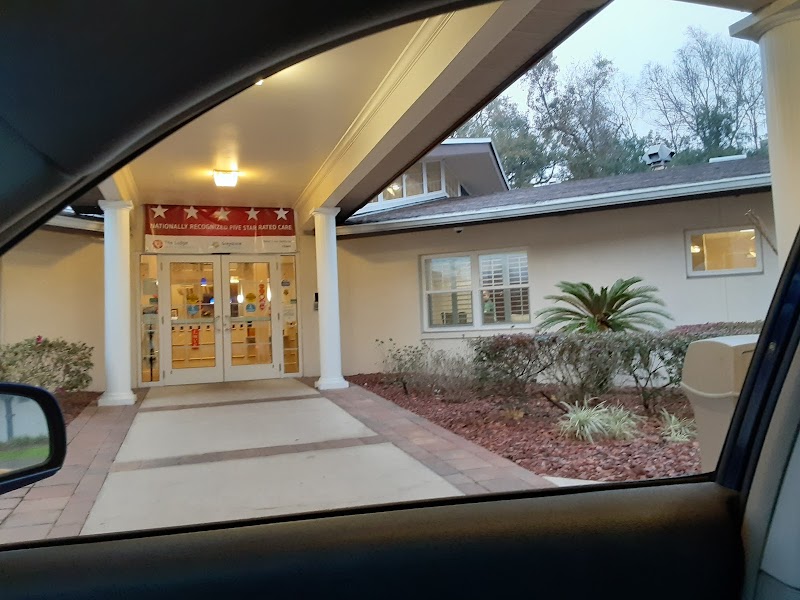
How is The Lodge Healthcare And Rehabilitation Center Staffed?

CMS rates THE LODGE HEALTHCARE AND REHABILITATION CENTER's staffing level at 3 out of 5 stars, which is average compared to other nursing homes. Staff turnover is 42%, compared to the Florida average of 46%. This relatively stable workforce can support continuity of care.

What Have Inspectors Found at The Lodge Healthcare And Rehabilitation Center?

State health inspectors documented 23 deficiencies at THE LODGE HEALTHCARE AND REHABILITATION CENTER during 2022 to 2025. These included: 1 Immediate Jeopardy (the most serious level, indicating potential for serious harm or death) and 22 with potential for harm. Immediate Jeopardy findings are rare and represent the most serious regulatory concerns. They require immediate corrective action.

Who Owns and Operates The Lodge Healthcare And Rehabilitation Center?

THE LODGE HEALTHCARE AND REHABILITATION CENTER is owned by a for-profit company. For-profit facilities operate as businesses with obligations to shareholders or private owners. The facility is operated by GOLD FL TRUST II, a chain that manages multiple nursing homes. With 99 certified beds and approximately 91 residents (about 92% occupancy), it is a smaller facility located in OCALA, Florida.
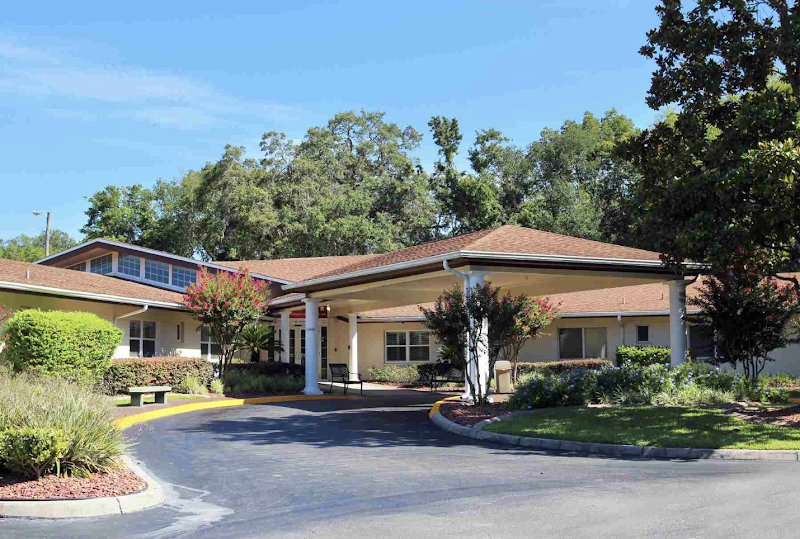
How Does The Lodge Healthcare And Rehabilitation Center Compare to Other Florida Nursing Homes?

Compared to the 100 nursing homes in Florida, THE LODGE HEALTHCARE AND REHABILITATION CENTER's overall rating (3 stars) is below the state average of 3.2, staff turnover (42%) is near the state average of 46%, and health inspection rating (2 stars) is below the national benchmark.

What Should Families Ask When Visiting The Lodge Healthcare And Rehabilitation Center?

Based on this facility's data, families visiting should ask: "What changes have been made since the serious inspection findings, and how are you preventing similar issues?" "Can I visit during a mealtime to observe dining assistance and food quality?" "How do you handle medical emergencies, and what is your hospital transfer rate?" "Can I speak with family members of current residents about their experience?" These questions are particularly relevant given the facility's Immediate Jeopardy citations.

Is The Lodge Healthcare And Rehabilitation Center Safe?

Based on CMS inspection data, THE LODGE HEALTHCARE AND REHABILITATION CENTER has documented safety concerns. Inspectors have issued 1 Immediate Jeopardy citation (the most serious violation level indicating risk of serious injury or death). The facility has a 3-star overall rating and ranks #100 of 100 nursing homes in Florida. Families considering this facility should ask detailed questions about what corrective actions have been taken since these incidents.

Do Nurses at The Lodge Healthcare And Rehabilitation Center Stick Around?

THE LODGE HEALTHCARE AND REHABILITATION CENTER has a staff turnover rate of 42%, which is about average for Florida nursing homes (state average: 46%). Moderate turnover is common in nursing homes, but families should still ask about staff tenure and how the facility maintains care continuity when employees leave.

Was The Lodge Healthcare And Rehabilitation Center Ever Fined?

THE LODGE HEALTHCARE AND REHABILITATION CENTER has been fined $17,345 across 1 penalty action. This is below the Florida average of $33,252. While any fine indicates a compliance issue, fines under $50,000 are relatively common and typically reflect isolated problems that were subsequently corrected. Families should ask what specific issues led to these fines and confirm they've been resolved.

Is The Lodge Healthcare And Rehabilitation Center on Any Federal Watch List?

THE LODGE HEALTHCARE AND REHABILITATION CENTER is not on any federal watch list. The most significant is the Special Focus Facility (SFF) program, which identifies the bottom 1% of nursing homes nationally based on persistent, serious quality problems. Not being on this list means the facility has avoided the pattern of deficiencies that triggers enhanced federal oversight. This is a positive indicator, though families should still review the facility's inspection history directly.