SOLARIS HEALTHCARE EAST ORLANDO


250 SOUTH CHICKASAW TRAIL, ORLANDO, FL 32825 (407) 380-3466
For profit - Limited Liability company 110 Beds SOLARIS HEALTHCARE Data: November 2025
Trust Grade
90/100
#112 of 690 in FL
Last Inspection: June 2025

Inspected within the last 6 months. Data reflects current conditions.

Overview

Solaris Healthcare East Orlando has received a Trust Grade of A, indicating excellent quality and a high level of recommendation. It ranks #112 out of 690 facilities in Florida, placing it in the top half, and #3 out of 37 in Orange County, showing that only two local facilities are rated higher. The facility is improving, with issues decreasing from two in 2024 to one in 2025. Staffing is a strength, with a 4 out of 5-star rating and a turnover rate of 41%, which is slightly below the state average, indicating that staff members tend to stay longer and develop relationships with residents. On the downside, there have been concerns about the facility's responsiveness to resident complaints, as residents reported that their grievances, such as uncomfortable room temperatures and food quality issues, were not addressed in a timely manner. Additionally, there were instances where emergency contacts were not notified of changes in residents' conditions, and medication was not administered as prescribed for one resident, which highlights some areas needing improvement. Overall, while there are notable strengths in staffing and quality measures, the facility faces challenges in communication and adherence to care plans.

Trust Score
A
90/100
In Florida
#112/690
Top 16%
Safety Record
Low Risk
No red flags
Inspections
Getting Better
2 → 1 violations
Staff Stability
○ Average
41% turnover. Near Florida's 48% average. Typical for the industry.
Penalties
✓ Good
No fines on record. Clean compliance history, better than most Florida facilities.
Skilled Nurses
✓ Good
Each resident gets 78 minutes of Registered Nurse (RN) attention daily — more than 97% of Florida nursing homes. RNs are the most trained staff who catch health problems before they become serious.
Violations
○ Average
10 deficiencies on record. Average for a facility this size. Mostly minor or procedural issues.
★★★★★
5.0
Overall Rating
★★★★☆
4.0
Staff Levels
★★★★★
5.0
Care Quality
★★★★☆
4.0
Inspection Score
Stable
2024: 2 issues
2025: 1 issues

The Good

  • 4-Star Staffing Rating · Above-average nurse staffing levels
  • 5-Star Quality Measures · Strong clinical quality outcomes
  • Full Sprinkler Coverage · Fire safety systems throughout facility
  • No fines on record
  • Staff turnover below average (41%)

    7 points below Florida average of 48%

Facility shows strength in staffing levels, quality measures, fire safety.

The Bad

Staff Turnover: 41%

Near Florida avg (46%)

Typical for the industry

Chain: SOLARIS HEALTHCARE

Part of a multi-facility chain

Ask about local staffing decisions and management

The Ugly 10 deficiencies on record

Jun 2025 1 deficiency
CONCERN (E)

Potential for Harm - no one hurt, but risky conditions existed

Grievances (Tag F0585)

Could have caused harm · This affected multiple residents

Based on interview, and record review, the facility failed to act promptly upon the grievances and recommendations of the resident council; and failed to demonstrate an active response for resolution ...

Read full inspector narrative →
Based on interview, and record review, the facility failed to act promptly upon the grievances and recommendations of the resident council; and failed to demonstrate an active response for resolution of their complaints in a timely manner. Findings: On 6/02/25 during the initial resident screening, concerns about repeated complaints made to the facility without resolution were found. Multiple residents expressed they had previously complained at the resident council meetings, but nothing had changed and they felt the facility had never addressed their grievances. Review of the resident council meeting minutes for the prior six months from December 2024 to May 2025, revealed complaints about temperatures inside the facility being too cold were brought up by members during both the December 2024 and January 2025 meetings. The response from the facility revealed minutes from the January meeting indicated maintenance staff were aware to check the room thermostats. Complaints regarding food/nutrition services were brought up during the March 2025 meeting, but review of the April 2025 and May 2025 minutes revealed the facility did not address any resolutions for these grievances initiated during the resident council meeting. On 6/03/25 at 1:04 PM, the Activities Director stated about 12-15 residents regularly attended the monthly resident council meeting. She explained the major issues the council had complained of included issues with food/dietary services and call lights not being answered timely. The Activities Director stated she had informed the Maintenance Director and the Dietary Manager of the issues brought up in the resident council meetings, and they had been working on them. She expressed staff offered blankets and jackets to the residents when they were in other areas of the facility other than their room, and added, when they had 15-25 people in the dining room she didn't think it was cold. The Activities Director explained she invited the department managers to the resident council meetings in order to address issues when they arose. On 6/03/25 at 2:30 PM, the Certified Dietary Manager (CDM) and the Assistant Dietary Manager stated they were not aware of residents having issues with the food at the facility. The CDM stated she was invited to the resident council meeting when she first started at the facility eight months ago in order to introduce herself to residents. The Assistant Dietary Manager stated she had been to one of the meetings a few weeks ago. They acknowledged neither of them regularly attended the resident council's monthly meeting, and had not been aware of the issues resident council members had brought forward. On 6/04/25 at 12:45 PM, the Activities Director explained she took notes and talked to the department managers for the areas where issues were brought up by the resident council. She said if not, she would bring the issues to the facility's morning meeting. The Activities Director conveyed that she learned about the resident council meetings when she was trained to become an Activities Director. She confirmed she had not filed any grievances on behalf of the resident council's concerns and had only filed a grievance for an individual resident once, last year. The Activities Director acknowledged that filing a grievance would leave a paper trail that indicated what the action and resolution was to an issue but said she had never considered writing a grievance for resident council concerns. She confirmed she had invited the dietary department to the resident council meeting twice to discuss food issues, but acknowledged they did not regularly attend. On 6/04/25 at 3:33 PM, the Grievance Officer stated she had not received any grievances from resident council since she was started working at the facility, so she figured they did not have any complaints, and the facility was doing a good job. She recalled, the Activities Director brought up a resident's issue at the morning meeting a couple of weeks previous but could not recall any other issues/concerns from the resident council being brought to the morning meetings. The Grievance Officer confirmed she trained staff regularly to file a grievance if there were any issues that could not be resolved immediately, but she had not received any grievances from the resident council group. On 6/05/25 at 9:34 AM, the Activities Director stated she responded to resident council issues in person by telling them what was done about their concerns. She acknowledged she didn't file an actual grievance for them nor did she always document any action taken. The Activities Director confirmed that repeated issues brought up by residents at the monthly meeting did not have documentation to indicate the issues were addressed or resolved. She acknowledged she should have detailed meeting notes and documentation of grievances for any issues brought up by the resident council meeting in order for the department managers to respond timely and appropriately to the residents' concerns. The facility's policy entitled Filing Grievances and Complaints dated January 2024, indicated the facility would help residents, their representatives and advocates file a grievance; a written summary of the investigation would be provided to the resident; and a copy would be maintained in the grievance log. The facility's policy entitled Resident Council dated January 2024, indicated the facility supported residents' desire to be involved and have input in the operation of the facility. The policy added, grievance/concern forms would be utilized to track issues, their resolution and the facility department related to the issues would be responsible to address the items of concern. The policy indicated minutes from the meetings would include follow-up on prior issues with responses being presented at the next meeting, or sooner if indicated.
Oct 2024 1 deficiency
CONCERN (D) 📢 Someone Reported This

A family member, employee, or ombudsman was alarmed enough to file a formal complaint

Potential for Harm - no one hurt, but risky conditions existed

Investigate Abuse (Tag F0610)

Could have caused harm · This affected 1 resident

**NOTE- TERMS IN BRACKETS HAVE BEEN EDITED TO PROTECT CONFIDENTIALITY** Based on interview, and record review, the facility failed to provide evidence that an abuse allegation was thoroughly investiga...

Read full inspector narrative →
**NOTE- TERMS IN BRACKETS HAVE BEEN EDITED TO PROTECT CONFIDENTIALITY** Based on interview, and record review, the facility failed to provide evidence that an abuse allegation was thoroughly investigated for 1 of 3 residents reviewed for abuse, of a total sample of 3 residents, (#3). Findings: Review of resident #3's medical record revealed an annual Minimum Data Set, dated [DATE] which indicated a Brief Interview for Mental Status score of 9 out of 15, mild to moderate cognitive impairment. On 10/30/24 at 12:30 PM, resident #3 was in her room alert and oriented to herself and place. She recalled an incident that occurred sometime in the past month or two when she reported to staff that a male staff member was rough with her. She was unable to recall who she had told or other details about what happened afterwards. On 10/31/24 at 8:00 AM, the Nightshift Supervisor stated he could recall, a couple of weeks ago resident #3 reported a staff person, whom she described as Certified Nursing Assistant (CNA) A, was rough with her. He said he did not ask resident #3 to explain what she meant by the word rough or to clarify any details of the alleged incident. The Nightshift Supervisor said he did not do a skin assessment for resident #3 at the time of the allegation. He said he did not direct resident #3's assigned female nurse, Registered Nurse (RN) A to do a skin assessment at the time of the allegation either. He said he put the paperwork he completed about resident #3's abuse allegation under the Risk Manager's office door at the end of his shift at approximately 7:00 AM. On 10/31/24 at 11:00 AM, the Risk Manager concurrently reviewed the investigation statements provided by facility staff persons, CNA A, CNA B, RN A, and the Nightshift Supervisor. She verified that resident #3's abuse allegation occurred on 10/23/24 and acknowledged there was no evidence of the time when resident #3's abuse allegation was made to the Nightshift Supervisor, or when the alleged incident occurred. The Risk Manager acknowledged they did not have evidence of verifying with the Nightshift Supervisor, RN A, CNA A, or CNA B regarding the time resident #3's alleged abuse incident occurred, or why the Nightshift Supervisor failed to immediately initiate any investigation into the alleged abuse incident. The Risk Manager did not say how the facility would be able to report any allegations in the required timeframe if they did not know what time the alleged abuse allegation was made. Review of the policy titled Resident Mistreatment, Neglect, and Abuse Prohibition Guidelines most current revision date 1/24/23 indicated that all employees were required to immediately report suspected instances of abuse to their supervisor, Abuse Coordinator, Administrator, and/or Director of Nursing so that the facility could protect the residents and promptly investigate the occurrence. If the alleged violation involved abuse the State Agency, Adult Protective Services, and local law enforcement must be reported to within two hours of the alleged violation.
Sept 2024 1 deficiency
CONCERN (E) 📢 Someone Reported This

A family member, employee, or ombudsman was alarmed enough to file a formal complaint

Potential for Harm - no one hurt, but risky conditions existed

Notification of Changes (Tag F0580)

Could have caused harm · This affected multiple residents

**NOTE- TERMS IN BRACKETS HAVE BEEN EDITED TO PROTECT CONFIDENTIALITY** Based on interview and record review, the facility failed to notify emergency contacts of changes in condition for 2 of 4 reside...

Read full inspector narrative →
**NOTE- TERMS IN BRACKETS HAVE BEEN EDITED TO PROTECT CONFIDENTIALITY** Based on interview and record review, the facility failed to notify emergency contacts of changes in condition for 2 of 4 residents reviewed for falls, of a total sample of 5 residents, (#1 and #4). Findings: 1. Review of the medical record revealed resident #1, an [AGE] year-old female, was admitted to the facility on [DATE] with diagnoses including right side sciatica, osteoarthritis, difficulty walking, and generalized muscle weakness. The admission Record or face sheet contained essential information including resident #1's selected emergency contacts with their associated telephone numbers. The document listed the resident's husband as emergency contact #1 and her daughter was emergency contact #2. Review of the hospital to facility transfer form, dated 5/16/24, revealed resident #1's emergency contact was her husband and his telephone number was the same number transcribed to the facility's admission Record. Review of the Minimum Data Set (MDS) admission assessment with assessment reference date (ARD) of 5/22/24 revealed resident #1 had a Brief Interview for Mental Status (BIMS) score of 12 which showed she had moderate cognitive impairment. The MDS assessment indicated resident #1 felt it was very important to have her family involved in discussions regarding her care. The document revealed the resident, her significant other, and her family were active participants in the assessment process. Review of a Nurses Note dated 6/15/24 at 7:50 PM, revealed the Weekend Registered Nurse (RN) Nursing Supervisor conducted a post-fall assessment for resident #1. The note indicated the resident's husband was notified of the fall incident. A Nurses Note dated 6/15/24 at 10:50 PM, revealed the Weekend RN Nursing Supervisor received an order from the physician for x-rays of resident #1's bilateral hips and pelvis. The medical record did not show resident #1's emergency contacts were notified of the new physician order. On 9/23/24 at 1:22 PM, in a telephone interview, resident #1's daughter stated the facility did not notify the family of her mother's fall on 6/15/24. She explained the resident's husband, emergency contact #1, was made aware of the incident when he visited the facility the following morning, approximately 15 hours after the fall. The resident's daughter stated she informed the facility that nobody called them, and she verified the facility's emergency contact information was correct. She stated she checked family phone records and neither emergency contact received a phone call at the time of the fall or during the overnight shift. Review of the family's phone records from 6/15/24 to 6/16/24 revealed no incoming telephone calls for resident #1's husband and daughter at the time the Weekend Nursing Supervisor indicated she notified the husband, or after she received a new physician order for diagnostic testing. The document showed there were no incoming calls to the resident's emergency contacts during the 7:00 PM to 7:00 AM shift. On 9/23/24 at 2:21 PM, in a telephone interview, the Weekend RN Nursing Supervisor confirmed the facility's protocol was to notify the family after a fall. She explained if she was unable to speak to the family, she would leave a voicemail and inform the nurse on the next shift to follow up. The Weekend RN Nursing Supervisor acknowledged she wrote that she notified the resident's husband but she could not recall details of the conversation. However, she stated she remembered resident #1 had a cell phone and she had verbalized she wanted to call her husband. On 9/24/24 at 10:55 AM, the Administrator, Director of Nursing (DON), and the Director of Quality Management were informed resident #1's family provided phone records that showed they were not notified of her fall. The Administrator reviewed the resident's face sheet and explained there was a home telephone number listed and the nurse might have called that number. The Administrator explained she called the home phone number once and left a message on the answering machine. When informed the home telephone number was listed as a previous phone number, and not an emergency contact number, the Administrator maintained she felt it was appropriate and acceptable to utilize a number provided for resident #1's home. The Director of Quality Management interjected that when the nurses pulled up a resident's information on the electronic medical record, they did not see a printed face sheet with previous addresses and phone numbers. She retrieved resident #1's medical record and validated the spouse and daughter were listed as emergency contacts. The Director of Quality Management stated her expectation was after a fall incident, nurses would call the emergency contacts in the order noted in the medical record. She explained if the resident's first emergency contact was not available, the nurse should attempt to notify the second contact. On 9/24/24 at 11:40 AM, the Admissions Coordinator stated the facility always received residents' emergency contact information with the referral from the hospital, prior to admission. She stated to her knowledge, emergency contacts would be called in the order selected by the resident. She said, We start calling the numbers from the top down. Number 1, then number 2, as many as they have listed. 2. Review of the medical record revealed resident #4, a [AGE] year-old male, was admitted to the facility on [DATE] and re-admitted on [DATE]. His diagnoses included fractures of the right humerus and left radius, right hip osteoarthritis, chronic gout, and generalized muscle weakness. The admission Record or face sheet contained essential information including resident #4's selected emergency contacts with their associated telephone numbers. The document listed the resident's nephews as emergency contacts #1 and #2. Review of the hospital to facility transfer form, dated 7/31/24, revealed resident #4's emergency contacts were his nephews, whose telephone numbers were transcribed accurately onto the facility's admission Record. Review of the MDS admission assessment with ARD of 7/18/24 revealed resident #4 had a BIMS score of 15 which indicated he was cognitively intact. The MDS assessment showed resident #4 felt it was very important to have his family involved in discussions regarding his care. The document revealed the resident was an active participant in the assessment process. Review of a Nurses Note dated 9/22/24 at 5:00 PM revealed resident #4 lost his balance as he walked in his room and fell to the floor. A Change in Condition Evaluation note dated 9/22/24 revealed resident #4's assigned nurse, the Sea Breeze unit's Licensed Practical Nurse (LPN) Unit Manager (UM) documented she notified the resident's physician and his nephew, emergency contact #1, of the fall. The document indicated she notified the resident's nephew on 9/22/24 at 6:00 PM. On 9/23/24 at 10:34 AM, the Sea Breeze LPN UM confirmed resident #4 fell on Sunday, 9/22/24. She explained even though he was not injured, notification of the physician and chosen emergency contact was required. On 9/23/24 at 1:03 PM, in a telephone interview, resident #4's nephew confirmed he was his uncle's health care surrogate and first emergency contact in the event of an accident. He stated he was made aware that his uncle fell yesterday when the facility called this morning, between 8:00 AM and 10:00 AM. He verified he had no voicemail messages from the facility yesterday. On 9/23/24 at 1:36 PM, the DON was informed although resident #4's Change in Condition Evaluation form indicated the Sea Breeze LPN UM notified his nephew of the fall on 9/22/24 at 6:00 PM, the nephew stated he was not notified until the following morning, approximately 14 hours after the incident. On 9/23/24 at 1:41 PM, the Sea Breeze LPN UM explained she called resident #4's nephew yesterday, but he did not answer. She confirmed she did not attempt to call the other listed emergency contact. When asked if she left a voicemail, the LPN UM said, I did not leave a voicemail. I don't know why I didn't leave a voicemail. I don't have an answer. I just don't know. She acknowledged proper notification was therefore not made at the time of the fall. The LPN UM stated her expectation as a UM was nurses would attempt to notify the first emergency contact, and if there was no response, then contact the second person listed. She explained if nurses were unable to contact the family, that information should be documented in the medical record. On 9/23/24 at 1:44 PM, the DON validated the Sea Breeze LPN UM should have left a voicemail message for the nephew since he was emergency contact #1. She indicated the LPN UM could have told the oncoming night shift nurse to attempt notification again. Review of the facility's policy and procedures for Change in a Resident's Condition or Status, revised on 1/25/23, revealed the facility would promptly notify the resident, the attending physician, and the representative of changes in the resident's medical condition or status. The policy indicated the Nursing Supervisor would notify the resident's family or representative when the resident was involved in an accident or incident that resulted in injury.
Oct 2023 3 deficiencies
CONCERN (D)

Potential for Harm - no one hurt, but risky conditions existed

Tube Feeding (Tag F0693)

Could have caused harm · This affected 1 resident

**NOTE- TERMS IN BRACKETS HAVE BEEN EDITED TO PROTECT CONFIDENTIALITY** Based on observation, interview, and record review, the facility failed to verify placement of a gastric feeding tube prior to m...

Read full inspector narrative →
**NOTE- TERMS IN BRACKETS HAVE BEEN EDITED TO PROTECT CONFIDENTIALITY** Based on observation, interview, and record review, the facility failed to verify placement of a gastric feeding tube prior to medication administration for 1 of 2 residents reviewed for Tube Feeding of a total sample of 44 residents, (#68). Findings: Review of the medical record revealed resident #68 was admitted to the facility on [DATE] and readmitted from an acute care hospital on 8/23/23 with diagnoses that included anoxic brain damage, respiratory failure, malnutrition, dependence on ventilator, and gastrostomy (feeding tube) status. The Minimum Data Set admission assessment with Assessment Reference Date of 9/12/23 noted the resident was rarely/never understood, had severely impaired cognitive skills for daily decision making, and did not have any behavioral symptoms. The resident was totally dependent, required two staff to complete Activities of Daily Living (ADLs), and he received nutrition and hydration through a feeding tube. The Comprehensive Care Plan included medication administration with crushed medications administered through a feeding tube, dependency on a feeding tube for nutrition, hydration, and medications with goals the resident would remain free of complications. The interventions instructed nurses to verify the feeding tube placement prior to its use with checks for gastric contents/residual volume. The Order Summary Report showed physician orders from 6/14/23 to 8/24/23 for Enteral (Feeding tube) Check Placement (Continuous/Intermittent and Bolus) check placement before each medication administration, and active physicians orders for nothing by mouth, continuous enteral nutrition with Nepro (Nutrition formula) at 55 ML per hour for 20 hours, and enteral flushes after medication administration. The Medication Administration Record for October 2023 showed from 10/1/23 to 10/5/23, nurses administered medications through resident #68's feeding tube that included Levothyroxine 100 Micrograms (MCG) for thyroid disorder, magnesium oxide 400 Milligrams (MG), Potassium Sodium phosphates, 280-160-250 MG, and Potassium Chloride 20 Milliequivalents (MEQ) for deficiencies, Zinc 50 MG, Juven (supplement), Vitamin C 500 MG, and House Protein 30 Milliliters (ML) for wound healing, Hydrocortisone 10 MG for itching, Keppra 250 MG for seizures, Metoprolol Tartrate 25 MG for blood pressure, Pantoprazole Sodium 40 MG for gastroesophageal reflux disease, Midodrine HCI 15 MG for blood pressure, Renal-Vite multivitamin for kidney failure, and Miralax, 17 Grams (GM), for constipation. On 10/4/23 at 11:53 AM, Registered Nurse (RN) B was observed for Medication Administration for resident #68. RN B did not check for proper feeding tube placement by residual gastric (stomach) contents with a syringe or by listening for gurgling noises with a stethoscope before she manually pushed medications followed by water flushes with a syringe, nine times. On 10/4/23 at 12:19 PM, RN B said nurses were expected to check for proper placement before they administered medications into a feeding tube. RN B acknowledged she had not confirmed proper tube placement before she administered the medications. She said, you're correct I forgot. On 10/4/23 at 2:09 PM, the Seashell Unit Manager said the facility policy instructed nurses to check residual gastric contents prior to medication administration through a feeding tube. She said the normal process was to administer medications by gravity, and not by push. On 10/4/23 at 2:49 PM, the Director of Nursing said she expected nurses to check for proper placement prior to feeding tube use, and gravity administration was preferred. She explained the use of a syringe by manual push could rupture the balloon. Review of the facility's policy titled, 17.2 Checking Gastric Residual Volume (GRV), read, Steps in the Procedure . 4. Attach sixty (60) ml syringe to end of catheter tube. 5. If catheter is clamped, unclamp catheter. 6. Aspirate stomach contents (GRV)
CONCERN (D)

Potential for Harm - no one hurt, but risky conditions existed

Deficiency F0887 (Tag F0887)

Could have caused harm · This affected 1 resident

Based on interview, and record review, the facility failed to provide Corona Virus Disease 2019 (COVID-19) vaccine for 1 of 5 residents and failed to offer the COVID-19 vaccine to 2 of 5 residents out...

Read full inspector narrative →
Based on interview, and record review, the facility failed to provide Corona Virus Disease 2019 (COVID-19) vaccine for 1 of 5 residents and failed to offer the COVID-19 vaccine to 2 of 5 residents out of a total sample of 44 residents reviewed for immunizations, (#33, #64). Findings: 1. Review of resident #33's medical record showed no COVID-19 consent for the year 2022. The care plan initiated 7/24/20 and revised on 1/12/23 revealed a problem for COVID-19 infection with a goal and intervention to administer the COVID-19 vaccine through the pharmacy vaccine clinic. The medical record did not reveal a COVID-19 2022 consent for resident #33. On 10/06/23 at 4:13 PM, the Assistant Director of Nursing (ADON)/Infection Preventionist stated there was no COVID medication administration record from the previous facility where the resident resided. She noted administration would be documented on resident #33's COVID card if she received the COVID-19 vaccine. Review of the COVID-19 card for resident #33 revealed no administration of the vaccine for 2022. The ADON/Infection Preventionist confirmed documentation on the COVID-19 card showed the resident received the vaccine in 2021, not 2022. On 10/06/23 at 4:41 PM, the ADON/Infection Preventionist stated there was no 2022 consent for the COVID-19 vaccine. She validated she did not know if the COVID-19 vaccine was offered to the resident or her representative in the year of 2022. Further review of the medical record revealed no physician orders and no documentation of administration of COVID-19 vaccine being administered in 2022. 2. Review of the medical record revealed resident #64's COVID 19 consent form dated 4/21/22 with comment Verbal consent via daughter . at 7:30 PM, witnessed by 2 nurses on 4/21/22. Review of the facility immunization report revealed COVID-19 vaccine was consented to be received, but there was no documentation of the vaccine being administered. The facility was unable to provide documentation of the medication administration record (MAR) showing administration of the COVID-19 vaccine in 2022. There was no documentation of a physician order to administer the COVID-19 vaccine in 2022. On 10/4/23 at 6:16 PM, the ADON/Infection Preventionist stated newly admitted residents were offered immunizations including COVID-19 vaccine at admission. She explained she kept track of the immunizations and vaccines by printing the census, and then comparing the consent to the residents that received or declined the vaccine. She stated it was her responsibility to ensure COVID-19 vaccine was administered to the residents, and the consents were current. Review of the medical records revealed no consent for the COVID-9 vaccine being offered in 2022 for resident #33. Resident #64's medical record revealed a signed consent for COVID-19 vaccine but no physician order for the vaccine to be administered in 2022. Review of the facility's policy, Vaccination of Residents revised on 8/3/23 showed all residents will be offered vaccines that aid in the preventing of infectious diseases. If vaccines are refused they shall be documented in the medical record.
CONCERN (E)

Potential for Harm - no one hurt, but risky conditions existed

Comprehensive Care Plan (Tag F0656)

Could have caused harm · This affected multiple residents

**NOTE- TERMS IN BRACKETS HAVE BEEN EDITED TO PROTECT CONFIDENTIALITY** Based on observation, interview, and record review, the facility failed to administer blood pressure medication as per plan of c...

Read full inspector narrative →
**NOTE- TERMS IN BRACKETS HAVE BEEN EDITED TO PROTECT CONFIDENTIALITY** Based on observation, interview, and record review, the facility failed to administer blood pressure medication as per plan of care to prevent the systolic blood pressure from rising above 160 for 1 of 1 resident reviewed for unnecessary medications out of a total sample of 44 residents, (#80). Findings: Review of the medical record revealed resident #80 was admitted to the facility on [DATE] from the hospital. His diagnoses included type II diabetes, congestive heart failure, hypertension, and paroxysmal atrial fibrillation. The Minimum Data Set (MDS) 5-day assessment with the assessment reference date (ARD) of 9/14/23 revealed resident's cognition was intact with a Brief Interview Mental Status (BIMS) score of 15 out of 15. Review of resident #80's medical record revealed a care plan related to hypertension, initiated on 9/23/2023. The interventions directed nurses to administer medications as ordered by the physician and monitor the dose to achieve desired effects and minimize adverse consequences, especially when multiple antihypertensives are prescribed simultaneously. Review of the facility's Order Summary Report dated 10/5/2023 revealed resident #80 had a physician order dated 9/22/23 for Clonidine tablet 0.1 milligram (mg) to be administered every 8 hours as needed for hypertension if the resident's Systolic Blood Pressure (SBP) was greater than 160. Review of resident #80's Blood Pressure Summary Report revealed the resident's Systolic Blood Pressure was greater than 160 twelve times from 9/22/23 to 10/5/23 documented by 7 different nurses. Review of the facility's Medication Administration Record (MAR) for 9/22/23 to 10/5/23 revealed the resident never received Clonidine tablet 0.1 mg every 8 hours as needed for hypertension with systolic blood pressure that was greater than 160 as ordered by the physician. ON 10/5/2023 at 2:36 PM, Licensed Practical Nurse (LPN) A stated if a resident had blood pressure medication order with parameters, he would check the resident's blood pressure, administer the blood pressure medication if the blood pressure is within the parameter as ordered, and go back to retake the blood pressure to see if it was affective. LPN A acknowledged the Medication Administration Record noted that resident #80 had Clonidine prescribed as needed if the systolic blood pressure (SBP) was greater than 160 with a start date of 9/22/23. LPN A reviewed the resident's Blood Pressure Summary Report and verified the resident's SBP was over 160 twelve times from 9/2/23 to 10/5/23. He confirmed that on the days he worked, 10/5/23 at 7:51 AM, the resident's blood pressure (BP) was 168/81, on 9/27/23 the BP was 161/81, and on 9/26/23 the BP was 164/82. LPN A stated he did not offer or give the resident the Clonidine 0.1 as prescribed by the provider. He did not provide an answer as to why he did not administer the Clonidine as prescribed. On 10/5/2023 at 3:25 PM, the Unit Manager (UM) on the Cypress Court unit stated that if a resident had a blood pressure medication order with parameters, the nurse should check the BP and administer the prescribed blood pressure medication as ordered. She stated the resident could experience serious complications such as a stroke, chest pain, and/or shortness of breath if the medication was not given for the high blood pressure. The UM reviewed resident #80's provider orders, Blood Pressure Summary Report, and the MAR. She stated the resident's SBP was greater than 160 twelve times from 9/22/23 to 10/5/23, and the resident should have been given the Clonidine as ordered by the physician. On 10/5/2023 at 3:55 PM, the Director of Nursing verified the resident's SBP was greater than 160 twelve times from 9/22/23 to 10/5/23. She acknowledged the resident was not given the blood pressure medication as ordered on the days the resident's SBP was greater than 160 and that the nurses should have followed the physician orders and administered the BP medication. The DON stated it is very important that nurses followed the physician orders if a resident was prescribed BP medication with parameters. The facility's Physician Services Policy noted physician orders will be followed by the center staff. If a physician order is not followed for clinical concerns or per patient's wishes, the physician should be notified and the reason for not following the order must be documented.
Dec 2021 4 deficiencies
CONCERN (D)

Potential for Harm - no one hurt, but risky conditions existed

Assessment Accuracy (Tag F0641)

Could have caused harm · This affected 1 resident

**NOTE- TERMS IN BRACKETS HAVE BEEN EDITED TO PROTECT CONFIDENTIALITY** Based on interview and record review, the facility failed to ensure Minimum Data Set (MDS) assessment accurately reflected healt...

Read full inspector narrative →
**NOTE- TERMS IN BRACKETS HAVE BEEN EDITED TO PROTECT CONFIDENTIALITY** Based on interview and record review, the facility failed to ensure Minimum Data Set (MDS) assessment accurately reflected health conditions regarding insulin for 1 of 3 sampled residents reviewed for resident assessment (#97), and failed to accurately assess for antipsychotic medication for 1 of 5 sampled residents reviewed for unnecessary medications (#94), of a total sample of 44 residents. Findings: 1. Resident #97 was admitted to the facility on [DATE] with diagnoses that included type 2 diabetes. A physician's order read, Dulaglutide 0.75 milligrams (mg.) subcutaneous in the morning every Monday for diabetes. Dulaglutide (Trulicity) is an injectable medication used to lower blood sugar and is not considered insulin. (Retrieved from www.trulicity.com on 12/10/21). Section N, Medications of the admission MDS assessment, with assessment reference date 11/15/21, revealed resident #97 received insulin one day during the last 7 days or since admission. On 12/02/21 at 11:08 AM, the MDS Lead nurse explained she reviewed the pharmacological classification when unfamiliar with a medication. After she reviewed her pharmacological classification resource, she stated Trulicity was not considered an insulin. She indicated resident #97 was not receiving any insulin and confirmed the MDS assessment coded as insulin was inaccurate. On 12/02/21 at 11:20 AM, Registered Nurse (RN) E explained he reviewed the resident's medication orders and Medication Administration Record (MAR) to complete section N of the MDS. RN E stated he used the internet when unsure about a medication. RN E indicated there were many new medications he was unfamiliar with and confirmed he coded the MDS assessment incorrectly. RN E stated, It should not be marked as insulin and stated he knew the MDS was supposed to be accurate. RN E indicated accuracy of the MDS was very important to ensure an accurate care plan. Review of the facility policy titled, MDS revised on 9/16/19 read, Each Interdisciplinary Team member will sign and date the portion of the MDS that he/she completed to certify accuracy. 2. Resident #94 was initially admitted to the facility on [DATE] and readmitted on [DATE]. His diagnoses included dependence on Respirator (ventilator), anxiety disorder, major depressive disorder, and psychosis. A review of the physician's order dated 8/05/2021 noted Quetiapine Fumarate 25 mg. every 12 hours for psychosis. This medication is used to treat certain mental/mood conditions . Quetiapine is known as an anti-psychotic drug. (Retrieved from Webmd.com 12/03/21). The resident's annual MDS assessment, with assessment reference date 11/13/21, section N0410 Medications Received read, Indicate the number of DAYS the resident received the following medications by pharmacological classification . durng the last 7 days . Enter 0 if medication was not received by the resident during the last 7 days. Antipsychotic was coded 7, indicating the resident received antipsychotic medication during the review period. Section N0450 Antipsychotic Medication Review read, Did the resident receive antipsychotic medications since admission/entry or reentry or the prior OBRA (Omnibus Budget Reconciliation Act) assessment, whichever is more recent? This was coded 0 and read, No-Antipsychotics were not received. A review of the resident's MAR for the period November 1-30, 2021, revealed the resident received Quetiapine two times daily, at 9 AM, and 9 PM. On 12/01/21 at 3:05 PM, and on 12/02/21 at 9:30 AM, Advanced Practice Registered Nurse (APRN) F, and RN M stated the resident received antipsychotic medication daily. On 12/02/21 at 10:03 AM, the MDS Licensed Practical Nurse (LPN) stated the MDS assessment was completed by doing a seven-day look back, which included a review of the resident's physician's orders, Medication Administration Record (MAR), and nurses' progress notes. The resident's annual MDS and MAR for the period November 1-30, 2021 was reviewed with the MDS nurse. The MAR revealed the resident received the antipsychotic Quetiapine during the seven-day look back period. The MDS nurse stated the resident's annual MDS was assessed incorrectly, and section N0450 should have been coded 1 Yes- Antipsychotics were received on a routine basis only. The facility's policy MDS, revised on 9/16/2019, read, It is the policy of this facility to provide a comprehensive assessment of the resident's needs . that is completed accurately . according to the Resident Assessment Instrument (RAI) guidelines.
CONCERN (D)

Potential for Harm - no one hurt, but risky conditions existed

Quality of Care (Tag F0684)

Could have caused harm · This affected 1 resident

**NOTE- TERMS IN BRACKETS HAVE BEEN EDITED TO PROTECT CONFIDENTIALITY** Based on observation, interview, and record review, the facility failed to document medication administration accurately, failed...

Read full inspector narrative →
**NOTE- TERMS IN BRACKETS HAVE BEEN EDITED TO PROTECT CONFIDENTIALITY** Based on observation, interview, and record review, the facility failed to document medication administration accurately, failed to follow physician's orders for blood glucose monitoring for 1 of 10 sampled residents reviewed for medication administration (#42), and failed to obtain and document a physician order for treatment for skin tear for 1 of 3 sampled residents reviewed for skin conditions (non-pressure related) (#68), out of a total sample of 44 residents. Findings: 1. Review of the admission Minimum Data Set (MDS) assessment dated [DATE] revealed resident #42's Brief Interview for Mental Status (BIMS) score was 13, which indicated intact cognition. The MDS showed the resident did not reject evaluation or care needed to achieve her goals for health and well-being. Review of resident's #42's medical record revealed a physician's order, dated 11/23/21, which indicated 6 units of Humalog to be administered before meals and at bedtime for diabetes, and to hold for blood glucose less than 150. There was a second order for Humalog, dated 10/06/21, to inject per sliding scale before meals and at bedtime. Humalog mealtime insulins are used to treat people with type 1 or type 2 diabetes for the control of high blood sugar. (Retrieved from www.humalog.com on 12/10/21). Review of resident #42's care plan included diabetes and the risk for further complications, initiated on 10/04/21. The care plan listed interventions that included, Administer insulin . per MD order. Blood glucose checks and notifications per MD orders. On 12/01/21 at 8:46 AM, during observation of medication pass, resident #42 told license practical nurse (LPN) G her blood glucose needed to be checked before breakfast,but it was now too late because she had eaten. The resident said, every day was the same thing. LPN G listened to the resident and responded she needed to check her blood glucose and administer the insulin as ordered. The LPN collected the blood sample with result of 396. LPN G stepped out of the resident's room, checked the Medication Administration Record on her computer, and dialed 10 units on the pen containing Humalog. LPN G returned to resident #42's room and told her she was going to administer 10 units of insulin, to which the resident responded, 10 won't do it. However, LPN G administered insulin on the right upper posterior arm. On 12/01/21 at 9:21 AM and 11:30 AM, LPN explained she was late checking resident #42's blood glucose because 5 of her 19 assigned residents also required blood glucose monitoring. LPN G indicated the order to check insulin was at 8 AM, and breakfast usually came between 7:30 and 8 AM. LPN G verified the order for insulin, stated it was before meals and at bedtime, and indicated it was not checked before the meals as ordered. LPN G indicated it was important to give insulin before meals to accurately determine how much the resident needed to better control her blood glucose level. LPN G confirmed she gave 10 units of Humalog and stated she only saw one order and documented administration of the 10 units. On 12/01/21 at 11:05 AM, the 100-Hall Unit Manager (UM) explained if a physician's order stated to obtain blood glucose before meals it needed to be done before meals. If a resident had already eaten, the nurse could still check the blood glucose then call the physician and report the results and find out if the insulin was to be given or obtain a new order. The UM reviewed resident #42's orders and confirmed she had two orders for Humalog, one for 6 units if blood glucose results were above 150, and another where the amount to be administered was based on a sliding scale. On 12/01/21 at 12:52 PM, the Director of Nursing (DON) explained nurses were to follow physician's orders for insulin administration and blood glucose monitoring. The DON stated a nurse was to obtain blood glucose before meals if that was the physician's order. The DON explained in the event a resident had eaten, she would notify the physician with blood glucose results and get a new order. On 12/01/21 at 2:50 PM, the Advanced Practice Registered Nurse (APRN) explained her expectation would be nurses contact her or the physician if an order could not be followed. The APRN explained she saw resident #42 in the morning and when reviewing the blood glucose readings, she noted the high trends so she entered an order to increase insulin from 6 to 8 units. The APRN explained she based her decision on the review of the blood glucose results documented by the nurses. The APRN stated she wasn't contacted regarding blood glucose checked and insulin administered after the resident had eaten on that morning. The APRN indicated if blood glucose is checked inconsistently, the results will be higher and she would base her treatment on before meals results, as it was ordered. The APRN stated the changes made to insulin were based on the documentation from the nurses, and inconsistent review would result in an inaccurate treatment. Review of the facility policy Physician Orders reviewed on 1/19/18 read, Physician orders will be transcribed, noted, implemented, and followed in a timely manner. Review of the facility policy Dose Preparation and Medication Administration, revised on 1/01/13, read, Facility staff should comply with facility policy, applicable law and the State Operations Manual when administering medications. The procedure included, Administer medications within timeframes specified by facility policy. 2. Resident #68 was initially admitted to the facility on [DATE] and readmitted on [DATE] with diagnoses including Parkinson's Disease, dementia, and diabetes type II. Observations on 11/29/21 at 12:10 PM and on 12/01/21 at 4:24 PM revealed a foam dressing to the resident's right forearm. The dressing was not dated. The resident stated his arm was ripped open during transfer from his bed to his wheelchair. Review of the weekly skin evaluation dated 11/22/21 revealed the resident had a skin tear to his right forearm, and ecchymosis of his right and left forearms. A nurse's progress note, dated 11/22/21, read, observed the resident right forearm bleeding. He has a small skin tear . the resident stated he rubbed it on the arm rest of the wheelchair. This writer cleansed the right forearm with normal saline and applied a dry dressing. Provider informed and new order to apply dressing until heal. An Interdisciplinary Team review note, dated 11/23/21, read that the resident had a skin tear to right forearm . treatment initiated. On 12/01/21 at 4:27 PM, Registered Nurse (RN) A stated a skin assessment was completed for the resident on the 11 PM-7 AM shift weekly and would be documented on the weekly skin assessment evaluation. Any new skin issues would be documented as a change in condition, the physician would be notified and order for treatment obtained. RN A stated she was not sure why resident #68 had the foam dressing to his right forearm. On 12/01/21 at 4:37 PM, observation of the resident's right forearm was conducted with the wound care nurse and the Regional Nurse Consultant. The wound care nurse stated she was not aware of any wound/skin impairment for the resident. The foam dressing was removed by the wound care nurse, and the resident reported he scratched his arm on his wheelchair during transfer. On 12/01/21 at 4:43 PM, the Seashell Unit Manager (UM) stated on 11/22/21, documentation revealed the nurse noted the resident's right arm bleeding, the physician was notified, and a dry dressing was placed. She stated the protocol for any change in condition included skin assessment of the resident, notification of the physician, obtaining treatment orders, documentation of an incident report, and a progress note. A review of the resident's physician orders was conducted with the UM. She verbalized a treatment order was not entered for the resident's skin tear. The UM said the facility did not have standing orders/order for skin tears, and that a physician's order would have to be obtained for treatment. The UM stated LPN B documented in the nurse's notes but did not obtain a physician's order. On 12/02/21 at 9:28 AM, LPN B stated on 11/22/21 she identified the skin tear to the resident's right forearm. She notified the physician, cleansed the area with Normal Saline solution, and applied a foam dressing to the area. LPN B explained the facility's protocol for skin tears included notification of the physician and obtaining orders for treatment. She stated she forgot to enter the physician's order in the resident's electronic clinical record. On 12/02/21 at 11:18 AM, the Director of Nursing (DON) stated LPN B explained to her that she called the physician and initiated treatment for the identified skin tear. The DON stated during the morning clinical meetings, review of physician orders, facility reports and the 24-hour sheet were conducted. She said the absence of a physician's order for the resident's skin tear was missed. The DON verbalized she documented that treatment was initiated, and updated the resident's care plan, for actual skin impairment, but did not check the physician's order sheet to ensure an order was obtained. The DON stated a physician's order for treatment was required. The facility's policy Skin & Wound Care, reviewed on 3/2021, read, The staff nurse will describe and measure the wound, notify physician, obtain orders and notify resident and resident representative when a skin alteration is identified.
CONCERN (D)

Potential for Harm - no one hurt, but risky conditions existed

Deficiency F0697 (Tag F0697)

Could have caused harm · This affected 1 resident

**NOTE- TERMS IN BRACKETS HAVE BEEN EDITED TO PROTECT CONFIDENTIALITY** Based on observation, interview and record review, the facility failed to adequately manage pain for 1 of 3 sampled residents re...

Read full inspector narrative →
**NOTE- TERMS IN BRACKETS HAVE BEEN EDITED TO PROTECT CONFIDENTIALITY** Based on observation, interview and record review, the facility failed to adequately manage pain for 1 of 3 sampled residents reviewed for pain management, of a total sample of 44 residents (#959). Findings: Resident #959 was admitted to the facility on [DATE] with diagnoses including wedge fractures of the first, third, fourth and fifth lumbar vertebrae, and the eleventh and twelfth thoracic vertebrae. Vertebrae are the 33 individual, interlocking bones that form the spinal column (retrieved on 12/03/21 from www.spinehealth.com). An admission evaluation note dated 11/23/21 at 4:40 PM revealed the resident had lower back pain that he described as a score of 4 on a 0 to 10 pain scale. The resident's chart revealed physician orders for Tylenol 650 milligrams (mg.) every 4 hours as needed for pain, and Robaxin 500 mg. every 8 hours as needed for muscle spasms. An Occupational Therapy progress note, dated 11/25/21, revealed resident #959 rated his pain as 10 during activity and 3 at rest. Resident #959's care plan for pain, initiated 11/30/21, revealed a goal that he would verbalize adequate relief of pain or the ability to cope with incompletely relieved pain . On 11/29/21 at 11:52 AM, the resident stated he received only Tylenol for his pain, and it was not effective. He explained he asked the nursing staff to get a stronger medication for his pain. He stated the Physical Therapist (PT) applied ice to his back and it helped his pain, but when he asked a nurse if she could provide ice for his back pain, she refused. Resident #959 stated the nurse told him she did not have a physician order to apply ice. On 12/01/21 at 8:52 AM, resident #959 was in bed. He stated he had been awake since 3:30 AM because he was in pain. He said, I asked for pain medication and the CNA [Certified Nursing Assistant] came back to the room and said the nurse told her I could not have any medication until 9 AM. I could not eat breakfast because I am in too much pain to sit up. Resident #959 rated his current pain level as 9 out of 10, and described it as feeling like someone was stabbing him. He stated he was not able to take a shower on Monday evening, 11/29/21, because of the pain. Two PTs entered the room at that time, and the resident told them he could not participate in therapy because of his pain. The Assistant Director of Nursing (ADON) entered the room and resident #959, informed her of how much pain he was experiencing, and explained he needed stronger pain medication. The ADON stated she thought the resident's physician ordered new pain medication for him on the previous day and offered to check the medical record. The resident's medical record revealed physician orders dated 11/30/21 for Meloxicam 5 mg. twice a day for muscle spasms and a Lidocaine 5% patch for pain. However, review of the Medication Administration Record showed resident #959 did not receive the two new pain medications until 12/01/21. On 12/01/21 at 12:30 PM, resident #959 stated no one ever asked him what an acceptable pain level would be, and he did not recall anyone asking if the Tylenol he received was effective. He said, The doctor came in yesterday and ordered additional medication for me, and so far it is working well. On 12/01/21 at 1:01 PM, CNA H stated resident #959 had complained of pain since admission. She said, I know he did not eat his breakfast this morning because he was having pain. On 12/01/21at 2 PM, Licensed Practical Nurse (LPN) G acknowledged she was assigned to care for resident #959 on Sunday, 11/28/21. She said, When the night nurse gave me report, she said she called the on-call doctor to try to get stronger pain medication for the resident, but the on-call doc [doctor] did not feel comfortable doing that, and told me to call the on-call for day shift to see if I could get something stronger for his pain. I called, but the covering doctor would not prescribe anything because he did not know the resident. On 12/02/21 at 1:39 PM, the Director of Nursing (DON) stated her expectation was that residents' reports of pain would be addressed, and if not controlled with existing medication, the physician should be notified and another order should be obtained. The policy Pain Management Program, reviewed 2/14/18, read, The effectiveness of the interventions implemented to manage the residents pain will be observed and adjustments will be made accordingly based on the resident responses and/or preference.
CONCERN (E)

Potential for Harm - no one hurt, but risky conditions existed

Medical Records (Tag F0842)

Could have caused harm · This affected multiple residents

**NOTE- TERMS IN BRACKETS HAVE BEEN EDITED TO PROTECT CONFIDENTIALITY** 2. Review of resident #28's medical record revealed she was admitted to the facility on [DATE] with diagnoses including Type 2 ...

Read full inspector narrative →
**NOTE- TERMS IN BRACKETS HAVE BEEN EDITED TO PROTECT CONFIDENTIALITY** 2. Review of resident #28's medical record revealed she was admitted to the facility on [DATE] with diagnoses including Type 2 Diabetes, hip fracture, malnutrition and an unstageable pressure ulcer of the sacral region. Resident #28's physician's orders included to apply Collagenase ointment to the sacrum topically every day shift, cleanse with Normal Saline solution, pat dry, apply skin prep to periwound, apply Santyl, Puracol plus, foam dressing, change daily and as needed. This order was started on 10/29/21. The Wound Follow-Up forms, dated 11/23/21 and 11/30/21 and signed by the physician, showed treatment to follow included ¼ Dakin's Solution, Skin Prep, Collagenase, Collagen, Santyl, Puracol, foam dressing and tape. Resident #28's Treatment Administration Record for November and December 2021 showed treatments were done every day with Normal Saline solution. Resident #28's care plan for pressure ulcer, revised on 7/13/21 included an intervention: Administer treatments as ordered and monitor effectiveness. On 12/02/21 at 2:59 PM, LPN J explained she followed residents with wounds in the facility. LPN J indicated her responsibilities included to inspect every admission, obtaining digital pictures of any wounds, calling the physician to obtain orders for treatments, determine the best specialty mattress for the resident, perform weekly skin assessments and notify families of her findings. LPN J explained she rounded with the Wound Care Physician on Tuesdays. She explained she entered wound care orders using the physician's Wound Follow-Up form and confirmed entering resident #28's wound care order. LPN J stated the physician and herself used Dakin's Solution when providing wound care. She stated the order was transcribed incorrectly and confirmed nurses would have followed the physician's order as she entered it. Review of the facility policy Physician Orders reviewed on 1/19/18 read, Physician orders will be transcribed, noted, implemented, and followed in a timely manner. Review of the Job Description for the LPN Staff, not dated, revealed duties and responsibilities that read, Maintains accurate and complete records of nursing care provided. 3. Resident #52 was admitted to the facility on [DATE] with diagnoses that included End Stage Renal Disease (ESRD), hemodialysis (HD), and Type 2 Diabetes. The resident's Quarterly Minimum Data Set (MDS) assessment dated [DATE] revealed her Brief Interview for Mental Status (BIMS) score was 15 out of 15, which indicated an intact cognition. Resident #52's physician's orders included Dialysis on Tuesday, Thursday and Saturday, chair time at 11:40 AM, transport pick up between 10:30 and 11 AM, return between 4 and 4:30 PM. The order started on 7/13/21. Resident #52's Treatment Administration Record (TAR) for November and December 2021 showed treatments for dialysis marked complete on Tuesdays, Thursdays and Saturdays. Resident #52's care plan for renal insufficiency due to ESRD and HD, initiated on 2/07/21, had interventions that read, Dialysis . T [Tuesday], TH [Thursday], S {Saturday] . Dialysis meals to be sent on dialysis days . Tues, Thu, Sat . On 11/30/21 at 10:12 AM, resident #52 sat in a wheelchair near the door of her room and stated she was waiting for transportation to be taken to dialysis. The resident indicated her dialysis chair time was 11:40 AM and she went on Tuesdays and Saturdays. On Thursday, 12/02/21 at 1:29 PM, the resident was asleep in her bed. On 12/02/21 at 1:37 PM, the 100-Hall Unit Manager (UM) explained they have a binder for new residents on dialysis that includes information about chair and pick up times. The UM stated the binder helped the Certified Nursing Assistants (CNAs) be aware of the days and times, so they got the residents ready timely. The UM reviewed resident #52's medical record and indicated resident went to dialysis on Tuesday, Thursday, and Saturday. When asked why resident was sleeping in her room at this time as it was Thursday. The UM reviewed the Pre-Post Dialysis Evaluation forms from 11/02/21 to 11/30/21, and indicated the forms were only completed on Tuesdays and Thursdays. The UM explained the TAR check marks on Tuesday, Thursday, and Saturday during the month of November meant resident went to dialysis those days as there were no exemption code if it was not done. On 12/02/21 at 2:46 PM, the UM contacted the dialysis center to clarify resident #52's dialysis days. She stated she was told resident #52's scheduled dialysis days were Tuesdays and Saturdays since 8/03/21. The UM confirmed there were no progress notes with this information or a physician order that reflected those days. The UM explained if the resident was not picked up or missed dialysis, the nurse would have called the dialysis center and entered a progress note. The UM indicated transportation would had been contacted by the dialysis center. The UM stated there were no notes documenting changes. On 12/02/21 at 5:23 PM, the DON explained the facility coordinated with dialysis any changes of schedule and transportation. The DON indicated dialysis would have contacted the transport company about the changes for resident #52 from 3 to 2 days. The DON indicated she could not remember seeing anything regarding change of days for resident #52. The DON stated a nurse should had called the dialysis center and updated the orders. Review of the facility policy Hemodialysis, reviewed on 4/17/13, read, Orders will be obtained from the attending physician for residents receiving hemodialysis. The procedure included, Communication with be maintained between the facility and the hemodialysis service provider. 4. Resident #86 was admitted to the facility on [DATE] with diagnoses that included Wedge Compression Lumbar Fractures, Osteoarthritis, and Type 2 Diabetes. Resident #86's admission MDS assessment, dated 11/10/2,1 revealed her Brief Interview for Mental Status (BIMS) score was 15 out of 15, which indicated intact cognition. The MDS also showed the resident's functional abilities and activities of daily living as needing extensive assistance for bed mobility, transfer, toilet, and dressing. The MDS revealed resident #86 needed limited assistance for personal hygiene. The MDS indicated the resident did not reject evaluation or care needed to achieve her goals for health and well-being. Resident #86's medical record revealed shower preferred days were Monday and Thursdays during the 3-11 shift. Review of tasks showed showers were given to resident #86 on the following days: 11/08, 11/11, 11/15, 11/18, 11/22, 11/25, 11/29/21. Resident's #86 care plan included impaired vision, impaired physical mobility and ADL self-care performance deficit initiated on 11/9/21. Interventions included resident required extensive assistance with bathing/showers as scheduled and as necessary. On 11/29/21 at 5:04 PM and 11/30/21 11:44 AM, resident #86 stated she had not received any showers in the time she had been in the facility. Resident #86 explained she had received a bed bath once or twice each week and would prefer more often. On 12/01/21 at 4:35 PM, CNA I stated she usually gave showers to her assigned residents after they had dinner. CNA I explained if a resident refused showers, she informed the nurse and documented the refusal but she would offer a bath by the sink or a bed bath. CNA I explained resident #86 had been refusing showers but she had received a bed bath instead. CNA I indicated resident #86 was supposed to get showers on Mondays and Thursdays but the resident had refused, and she had documented the refusal in the computer. On 12/02/21 at 2:27 PM, the 100 Hall UM explained the DON and UMs get alerted of any residents' refusal of showers, among other things, through a dashboard in computer. The UM indicated showers for resident #86 were documented as given. On 12/02/21 at 4:29 PM, CNA I confirmed resident #86 refused showers and had received bed baths. CNA I explained she had the option to select partial or bed bath when documenting the task, but had been entering as showers as a mistake. The CNA I stated she sometimes notified the nurses but knew she was supposed to tell the nurse each time. Based on observation, interview and record review, the facility failed to accurately document medications/creams, ointments according to prescribed orders for 1 of 3 sampled residents reviewed for skin conditions (#24), failed to accurately document Physician's Orders for 1 of 3 sampled residents reviewed for pressure ulcers (#28), and for 1 of 1 resident reviewed for dialysis (#52), and failed to accurately document a partial bath instead of showers for 1 of 2 sampled residents reviewed for activities of daily living (ADLs) (#86), out of a total sample of 44 residents. Findings: 1. Resident #24 was admitted to the facility on [DATE] with the most recent readmission on [DATE]. Her diagnoses included Grover's disease. Grover's disease is a skin condition that causes the appearance of small, red spots. These spots usually develop on the chest or back, but may also form on other parts of the body that also causes itching. (https://rarediseases.info.nih.gov/diseases/6551/Grovers-disease a history of infectious and parasitic diseases and atopic dermatitis). Her Minimum Data Set quarterly assessment reference date 9/09/21, signed as complete on 9/13/21, identified the application of ointments and medications other than to feet. The plan of care for skin impairment, related to rash on back and groin, general body rashes Atopic Dermatitis to back and bilateral upper extremities, was initiated on 2/21/21 and updated most recently 10/12/21. On 11/30/21 at 9:49 AM, resident #24 had a visible reddened and bumpy rash on her exposed right lower arm. The resident said her skin itched and it kept her awake at night. On 11/23/21, the Dermatology Advanced Practice Registered Nurse prescribed Permethrin 5% cream - apply head to toe. Wash off 8 hours later. Repeat application in one week. Diagnoses Grover's disease. A second prescription on 11/23/21 was for Halobetasol 0.05% cream two times a day for two weeks to itchy skin. Followed by Triamcinolone 0.1% cream two times a day for 4 weeks to itchy skin. Review of the order entries for the prescriptions were as follows: 11/23/21 Permethrin Cream 5% apply to skin topically one time a day starting on the 11/24 and ending on the last day of the month for itching until 11/30/21. Apply head to toe wash off 8 hours later. Repeat application in 1 week. 11/23/21 Halobetasol Propionate Cream 0.05% Apply to skin topically two times a day for itching until 12/09/21 to itchy skin. 11/23/21 Triamcinolone Acetonide 0.1% cream apply to skin two times a day for itching until 12/25/21 to itchy skin times 4 weeks. Proof of delivery from the Pharmacy on 11/24/21 at 8:03 AM reflected that Halobetasol Propionate Cream 0.05% and Permethrin Cream 5% was delivered to the facility. The medication administration record (MAR) for November 2021 documented that beginning on 11/24/21, Permethrin cream was given daily by three different nurses, and Triamcinolone Acetonide 0.1% cream was to be given two times a day for itching until 12/25/21 to itchy skin times 4 weeks. On 11/30/21 at 1:15 PM, the Sea Shell Unit Manager was asked about multiple doses of Permethrin given to resident #24 as well as two additional creams ordered by the dermatologist and approved by the physician on 11/23/21. She was not aware that the order for the Permethrin was incorrect. She verbalized that Permethrin was signed as given daily from 11/24 to 11/30/21 by three different nurses as well at the two creams. On 11/30/21 at 3:20 PM, the Director of Nursing (DON) validated that there was an error on the transcription regarding the multiple medication/creams administered. The DON said the nurse faxed the order from the dermatologist to the pharmacy. The pharmacy only delivered one dose of Permethrin. Staff were signing off as given even though the resident did not receive the additional treatments. The orders for Halobetasol and Triamcinolone were also faxed to the pharmacy which only delivered the Halobetasol. Two of the three nurses signed off that Triamcinolone cream was given even though no supply was delivered. The DON contacted Licensed Practical Nurse (LPN) C by phone. LPN C explained to the DON that she gave the medications even though she did not give them. LPN C told the DON that she asked the treatment nurse if she did her treatment and LPN C assumed the treatment nurse did it the creams, so she signed off that it was done. On 12/01/21 at 9:18 AM, RN A said that she signed on the MAR that she gave Halobetasol Propionate cream 0.05% and Triamcinolone Acetonide Cream 0.1% on 11/24/21 at 9 AM and 5 PM. On 12/01/21 09:50 AM, the nurse said, I try to check the orders. I know the first day [11/24/21] I gave her the Permethrin cream and took her to the shower after 8 hours, and discarded the medication. I do not know why the next day it was signed as done. I know it should be given every 14 days. Resident #24 had three different creams for the itching plus Hydroxyzine. On 12/02/21 at 10:59 AM, LPN B said she never provided Permethrin even though she signed that she gave it. She also validated that resident #24 had a lot of skin treatment creams and powders.
Understanding Severity Codes (click to expand)
Life-Threatening (Immediate Jeopardy)
J - Isolated K - Pattern L - Widespread
Actual Harm
G - Isolated H - Pattern I - Widespread
Potential for Harm
D - Isolated E - Pattern F - Widespread
No Harm (Minor)
A - Isolated B - Pattern C - Widespread

Questions to Ask on Your Visit

  • "Can I speak with families of current residents?"
  • "What's your RN coverage like on weekends and overnight?"

Our Honest Assessment

Strengths
  • • Grade A (90/100). Above average facility, better than most options in Florida.
  • • No major safety red flags. No abuse findings, life-threatening violations, or SFF status.
  • • No fines on record. Clean compliance history, better than most Florida facilities.
  • • 41% turnover. Below Florida's 48% average. Good staff retention means consistent care.
Concerns
  • • No significant concerns identified. This facility shows no red flags across CMS ratings, staff turnover, or federal penalties.
Bottom line: Generally positive indicators. Standard due diligence and a personal visit recommended.

About This Facility

What is Solaris Healthcare East Orlando's CMS Rating?

CMS assigns SOLARIS HEALTHCARE EAST ORLANDO an overall rating of 5 out of 5 stars, which is considered much above average nationally. Within Florida, this rating places the facility higher than 99% of the state's 100 nursing homes. This rating reflects solid performance across the metrics CMS uses to evaluate nursing home quality.
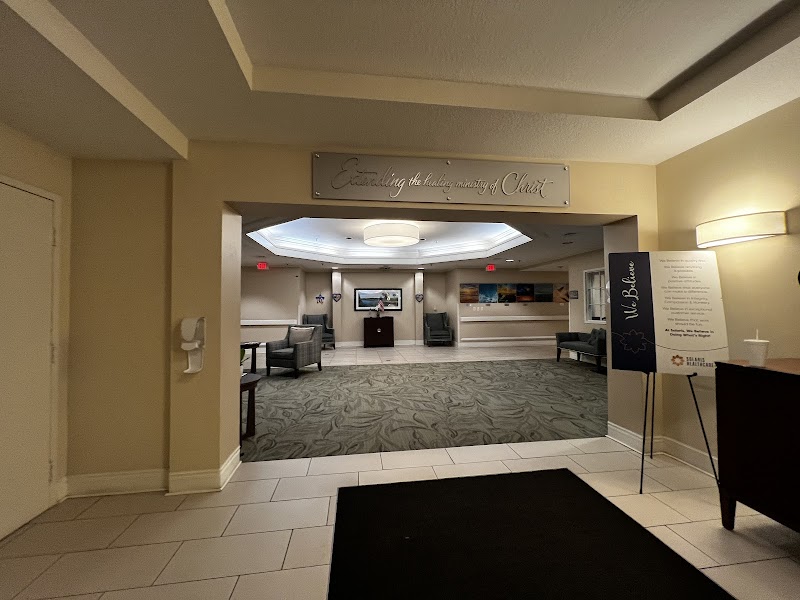
How is Solaris Healthcare East Orlando Staffed?

CMS rates SOLARIS HEALTHCARE EAST ORLANDO's staffing level at 4 out of 5 stars, which is above average compared to other nursing homes. Staff turnover is 41%, compared to the Florida average of 46%. This relatively stable workforce can support continuity of care.

What Have Inspectors Found at Solaris Healthcare East Orlando?

State health inspectors documented 10 deficiencies at SOLARIS HEALTHCARE EAST ORLANDO during 2021 to 2025. These included: 10 with potential for harm.
Who Owns and Operates Solaris Healthcare East Orlando?

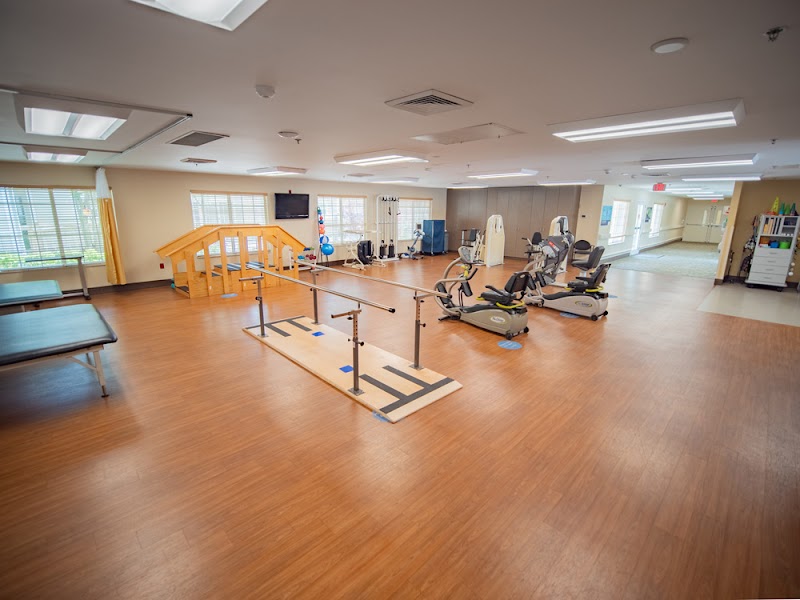
SOLARIS HEALTHCARE EAST ORLANDO is owned by a for-profit company. For-profit facilities operate as businesses with obligations to shareholders or private owners. The facility is operated by SOLARIS HEALTHCARE, a chain that manages multiple nursing homes. With 110 certified beds and approximately 109 residents (about 99% occupancy), it is a mid-sized facility located in ORLANDO, Florida.
How Does Solaris Healthcare East Orlando Compare to Other Florida Nursing Homes?

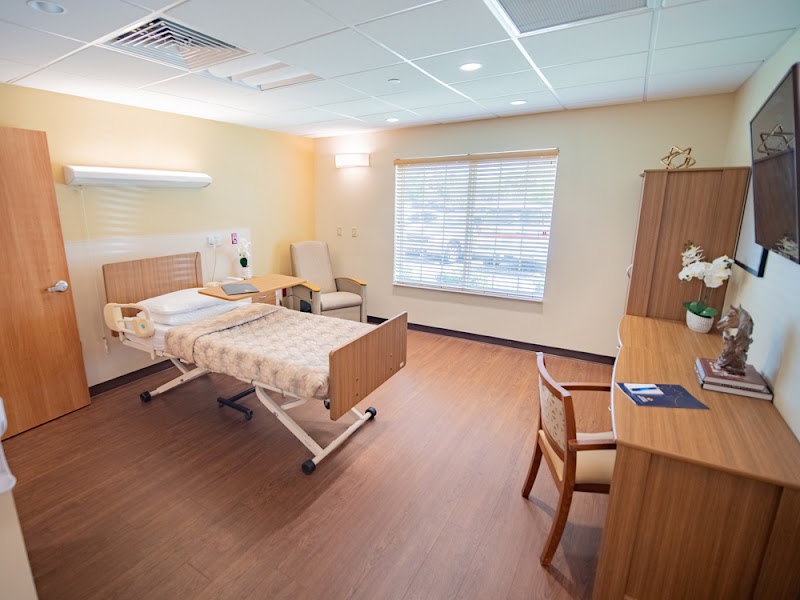
Compared to the 100 nursing homes in Florida, SOLARIS HEALTHCARE EAST ORLANDO's overall rating (5 stars) is above the state average of 3.2, staff turnover (41%) is near the state average of 46%, and health inspection rating (4 stars) is above the national benchmark.

What Should Families Ask When Visiting Solaris Healthcare East Orlando?

Based on this facility's data, families visiting should ask: "Can I visit during a mealtime to observe dining assistance and food quality?" "How do you handle medical emergencies, and what is your hospital transfer rate?" "Can I speak with family members of current residents about their experience?"

Is Solaris Healthcare East Orlando Safe?

Based on CMS inspection data, SOLARIS HEALTHCARE EAST ORLANDO has a clean safety record: no substantiated abuse findings (meaning no confirmed cases of resident harm), no Immediate Jeopardy citations (the most serious violation level indicating risk of serious injury or death), and is not on the Special Focus Facility watch list (a federal program monitoring the lowest-performing 1% of nursing homes). The facility has a 5-star overall rating and ranks #1 of 100 nursing homes in Florida. While no facility is perfect, families should still ask about staff-to-resident ratios and recent inspection results during their visit.

Do Nurses at Solaris Healthcare East Orlando Stick Around?

SOLARIS HEALTHCARE EAST ORLANDO has a staff turnover rate of 41%, which is about average for Florida nursing homes (state average: 46%). Moderate turnover is common in nursing homes, but families should still ask about staff tenure and how the facility maintains care continuity when employees leave.

Was Solaris Healthcare East Orlando Ever Fined?

SOLARIS HEALTHCARE EAST ORLANDO has no federal fines on record. CMS issues fines when nursing homes fail to meet care standards or don't correct problems found during inspections. The absence of fines suggests the facility has either maintained compliance or corrected any issues before penalties were assessed. This is a positive indicator, though families should still review recent inspection reports for the full picture.

Is Solaris Healthcare East Orlando on Any Federal Watch List?

SOLARIS HEALTHCARE EAST ORLANDO is not on any federal watch list. The most significant is the Special Focus Facility (SFF) program, which identifies the bottom 1% of nursing homes nationally based on persistent, serious quality problems. Not being on this list means the facility has avoided the pattern of deficiencies that triggers enhanced federal oversight. This is a positive indicator, though families should still review the facility's inspection history directly.