LEGACY POINTE AT UCF
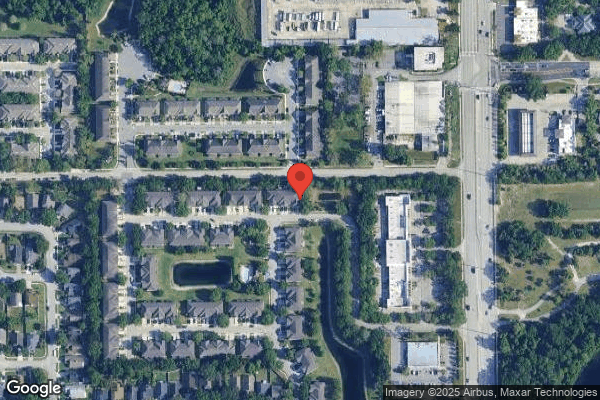

2120 HESTIA LOOP, OVIEDO, FL 32765 (407) 543-6350
Non profit - Corporation 48 Beds Independent Data: November 2025
Trust Grade
50/100
#518 of 690 in FL
Last Inspection: January 2025

Within standard 12-15 month inspection cycle. Federal law requires annual inspections.

Overview

Legacy Pointe at UCF has received a Trust Grade of C, which means it is average in performance, placing it in the middle of the pack among nursing homes. In terms of rankings, it is #518 out of 690 facilities in Florida, putting it in the bottom half, and #8 out of 10 in Seminole County, indicating only two local options are better. The facility's performance is worsening, having increased from 7 issues in 2023 to 8 in 2025. Staffing is a relative strength with a rating of 4 out of 5 stars, but the turnover rate of 56% is concerning, as it exceeds the state average of 42%. While there have been no fines, which is a positive sign, there are concerning incidents, such as failing to provide proper written notification for transfers and lacking transparency in arbitration agreements, which may affect residents' rights and safety. Overall, while there are some strengths, potential families should weigh these issues carefully.

Trust Score
C
50/100
In Florida
#518/690
Bottom 25%
Safety Record
Low Risk
No red flags
Inspections
Getting Worse
7 → 8 violations
Staff Stability
⚠ Watch
56% turnover. Above average. Higher turnover means staff may not know residents' routines.
Penalties
✓ Good
No fines on record. Clean compliance history, better than most Florida facilities.
Skilled Nurses
✓ Good
Each resident gets 73 minutes of Registered Nurse (RN) attention daily — more than 97% of Florida nursing homes. RNs are the most trained staff who catch health problems before they become serious.
Violations
⚠ Watch
15 deficiencies on record. Higher than average. Multiple issues found across inspections.
★★☆☆☆
2.0
Overall Rating
★★★★☆
4.0
Staff Levels
★★★★☆
4.0
Care Quality
★★☆☆☆
2.0
Inspection Score
Stable
2023: 7 issues
2025: 8 issues

The Good

  • 4-Star Staffing Rating · Above-average nurse staffing levels
  • 4-Star Quality Measures · Strong clinical quality outcomes
  • Full Sprinkler Coverage · Fire safety systems throughout facility
  • No fines on record

Facility shows strength in staffing levels, quality measures, fire safety.

The Bad

2-Star Overall Rating

Below Florida average (3.2)

Below average - review inspection findings carefully

Staff Turnover: 56%

Near Florida avg (46%)

Frequent staff changes - ask about care continuity

Staff turnover is elevated (56%)

8 points above Florida average of 48%

The Ugly 15 deficiencies on record

Jan 2025 8 deficiencies
CONCERN (D)

Potential for Harm - no one hurt, but risky conditions existed

Grievances (Tag F0585)

Could have caused harm · This affected 1 resident

**NOTE- TERMS IN BRACKETS HAVE BEEN EDITED TO PROTECT CONFIDENTIALITY** Based on interview, and record review, the facility failed to follow their grievance process for 2 of 2 residents reviewed for g...

Read full inspector narrative →
**NOTE- TERMS IN BRACKETS HAVE BEEN EDITED TO PROTECT CONFIDENTIALITY** Based on interview, and record review, the facility failed to follow their grievance process for 2 of 2 residents reviewed for grievances, of a total sample of 26 residents, (#21 and #443). Findings: 1. Review of resident #21's medical record revealed she was readmitted to the facility on [DATE] with diagnoses including chronic obstructive pulmonary disease, type 2 diabetes, atrial fibrillation, and osteoarthritis. Review of the Minimum Data Set (MDS) quarterly assessment with Assessment Reference Date (ARD) of 10/14/24 revealed resident #21 had a Brief Interview for Mental Status (BIMS) score of 13 out of 15 which indicated she was cognitively intact. On 1/21/25 at 1:48 PM, resident #21 shared she could not find some lotion and a gait belt she had in her room. She stated staff helped her look for the items, but no one had found them. Resident #21 stated while getting care from her aide about a day or two ago, a healed wound had reopened. She said she wished to no longer have that aide provide care to her. She explained the Certified Nursing Assistant (CNA) grabbed her by her hips instead of under her arms when transferring from the toilet to her wheelchair. She indicated she received care for the wound and it was now healing but staff should learn the basics because not all of them knew how to transfer or pivot in the bathroom. She indicated the day after the incident, she shared with staff the details of what occurred and had not seen that girl again. Review of the Grievance Log from November 2024 through 1/21/25 did not include any grievances from resident #21. On 1/23/25 at 1:17 PM, CNA D recalled resident #21 reporting a missing item which she reported to the nurse. She was unsure who the nurse was or when exactly it occurred. CNA D stated she had handed blank grievance forms to resident #21 in the past. She explained resident #21 had completed at least two grievance forms because she received them and dropped them off under the Social Services Director's office door. She stated the last grievance was about a month ago which concerned her medications and the other grievance referred to a caregiver not knowing how to transfer her. She indicated resident #21 completed both forms and left them in the Social Service office, under her door. On 1/24/25 at 10:50 AM, the Social Services Director confirmed she was the Grievance Officer and explained she had a box in the copy room where staff placed grievance forms. She indicated she also had found forms on her office floor when she came in. The Social Services Director shared resident #21 had not expressed many concerns, but the last one concerned the cost of medication which she had mentioned on the care plan meeting held on 1/22/25. The Social Services Director indicated resident #21's concerns did not escalate to a grievance since it was about medication prices and the bill. The Social Services Director shared that during the care plan meeting, resident #21 showed her a copy of the grievance form which she had completed in regard to the cost of getting medication from an outside provider. She indicated she had the Nurse Practitioner address resident #21's concerns the same day. The Social Services Director mentioned she told resident #21 to hold onto the grievance form. The Social Services Director stated she did not get a copy of the grievance but should have. She indicated she figured the issue was addressed at that time and the form was not needed. She explained the grievance forms ensured residents concerns were addressed timely and showed the facility's response. The Social Services Director later provided a copy of grievance resident #21 completed on 12/29/24. Review of Resident/Family Concern/Grievance Form dated 12/29/24 was not completely legible. The form included, Eliquis Request Earlier for (not legible) this is the 2nd med. [medication] Miscommunication on blood work. Dr [physician] requested 2 types. Report return with 2 but only was what I requested. Notified nurse of error and nothing done even of drs [physician] office resubmitted. No meds[medications] until dr [physician] sees blood work. A second page mentioned needing help as cost of medication was $1200.00 and issue started by nurse delayed, getting her late to a doctor's appointment. 2. Review of resident #443's medical record revealed he was admitted to the facility on [DATE] with diagnoses including sepsis due to enterococcus, chronic obstructive pulmonary disease, type 2 diabetes, and sensorineural bilateral hearing loss. Review of the MDS admission assessment with ARD of 1/10/25 revealed resident #443 had a BIMS score of 15 out of 15 which indicated he was cognitively intact. On 1/21/25 at 11:18 AM, resident #443 stated he was hard of hearing, had hearing aids which did not work properly and requested the surveyor speak with his wife. Later at 12:08 PM, resident #443's wife explained her husband was admitted approximately two weeks ago to receive intravenous (IV) antibiotics which were completed on Sunday. She indicated she requested to speak with his physician and for him to be discharged today and his foley to be removed. She shared last Friday they attended a care plan meeting with four staff who were not familiar with her husband's discharge plans and were rushing to get to another meeting. She indicated they were unable to find out what the physician's plan was, and she asked to speak with the physician. She stated his hearing was challenged, and anything discussed with him was lost and confusing. She shared the night he was admitted to the facility was a disaster because the facility did not have the medications, and the contract nurses were not familiar with the facility's operations. She indicated the antibiotics were given every four to six hours at the hospital but the facility was giving it continuously. She indicated her daughter in law came in and spoke with the Director of Nursing (DON) to help sort things out. She mentioned the staff was not cleaning or charging resident #443's hearing aids, she had to clean them, and she requested the batteries to be charged at night. She shared she was worried about him because the facility, seemed ill-prepared for his admission. Review of the Grievance Log for January 2025 revealed one grievance on 1/21/25 for resident #443. The grievance was filed by resident #443's wife. The brief description in the grievance section read, request discharge. Review of resident #443's medical records revealed a Progress Note dated 1/04/25 entered by a nurse which read, Notified stepdaughter [name] of meds that were able to be given to PT (patient). Addressed her other concerns with medication, pharmacy was notified and meds will be delivered to facility ASAP (as soon as possible). On 1/24/25 at 10:34 AM, the Social Services Director indicated she had two grievances for resident #443 although only one showed on the Grievance Log. She explained during the care plan meeting on Friday, resident #443's wife did not go into details about her concerns but was upset about the discharge and they had to cut the meeting short because of other meetings staff had to attend. The Social Services Director indicated she returned to resident #443's room after the other meetings to obtain more details about the concerns mentioned in the care plan meeting. The Social Services Director indicated resident #443's wife mentioned she instead had addressed her concerns with the Nursing Home Administrator (NHA). She stated she did not log in the first grievance in the Grievance Log because she attached it to the grievance dated 1/21/25 as it related to the same issue. On 1/24/25 at 5:37 PM, the NHA stated he spoke with resident #443's wife the day after his admission. He explained she was upset about the medications because they were not the same as at his last place. The NHA mentioned he did not file a grievance form because she was upset about the sending facility, not them, for not letting her know about the new medications. He did not reply when asked about one of the antibiotics which was incorrectly entered and given to resident #443, which would have been reflected in the list of medications she reviewed the day after his admission. Review of the facility's Right to Voice Grievances and Have Grievances Resolved policy dated 4/01/23 read, The community has an identified grievance official who is responsible for tracking grievances, investigation of grievance, overseeing the grievance process and communication to all individuals involved. The facility will maintain evidence demonstrating the results of all grievance for at least 3 years.
CONCERN (D)

Potential for Harm - no one hurt, but risky conditions existed

Deficiency F0761 (Tag F0761)

Could have caused harm · This affected 1 resident

Based on observation, and interview, the facility failed to ensure medications were inaccessible to non-authorized staff and residents in 1 of 1 medication carts on the Blue Unit. Findings: During a ...

Read full inspector narrative →
Based on observation, and interview, the facility failed to ensure medications were inaccessible to non-authorized staff and residents in 1 of 1 medication carts on the Blue Unit. Findings: During a tour of the Blue Unit on 1/22/25 at 8:40 AM, a medication cup with seven pills was left unattended on top of a medication cart. The medication cart was locked. On 1/22/25 at 8:41 AM, Registered Nurse (RN) A stated she left to attend an emergency. She explained a staff member asked her to go to a resident's room and she thought she placed the cup in the medication cart's drawer before stepping away. She indicated the medication cart itself was locked. She stated she knew this was not safe because, any patient or family can grab it, it is a hazard, definitely not supposed to leave [the medicine] outside, unlocked. On 1/22/25 at 10:43 AM, the Assistant Director of Nursing (ADON) explained nurses received computer and hands-on training during orientation, but competencies were not completed. She indicated if a nurse was called away due to an emergency while preparing medications, the expectation was for them to discard the medication in the medication room using a chemical to safely dispose of it, then attend to the emergency. She stated the nurse would have to start getting medications ready again when finished with the emergency since they would not know how long that could take. The ADON indicated medications should not be left unattended, whatsoever because anyone including a resident could come by and take those medications, and it was, not the correct protocol. Review of the facility's policy, Storage of Medications not dated, revealed a purpose to, Ensure that medications are stored in a safe, secure, and orderly manner. The procedure included, Compartments containing medications are locked when not in use. Trays or carts used to transport such items are not to be left unattended .
CONCERN (D)

Potential for Harm - no one hurt, but risky conditions existed

Infection Control (Tag F0880)

Could have caused harm · This affected 1 resident

Based on observation, interview, and record review, the facility failed to adhere to proper infection control practices related to hand hygiene and disinfection of equipment during medication administ...

Read full inspector narrative →
Based on observation, interview, and record review, the facility failed to adhere to proper infection control practices related to hand hygiene and disinfection of equipment during medication administration on 1 of 2 units, (Orange Wing). Findings: During a medication administration pass observation on 1/22/25 at 2:15 PM, Licensed Practical Nurse (LPN) C retrieved a mobile vital signs device from the hallway across from her assigned residents and brought into resident #495's room but did not disinfect the device before using it. Outside resident #495's room a sign was on the door which indicated the resident was on enhanced barrier precautions. Prior to entering the room, she donned a gown and gloves but did not perform hand hygiene. After LPN C obtained resident #495's vital signs, she removed the gown and gloves and exited the room with the mobile vital signs device, which she placed next to the medication cart. She did not perform hand hygiene. LPN C unlocked the medication cart, pulled 2 blister packs which contained medications for resident #495 and poured them in a medication cup. She then crushed the pills and mixed them with applesauce in the medication cup. Later at 2:27 PM, she donned the gown she had previously used which was left ?? by resident #495's door, entered the room and grabbed a pair of gloves. She did not perform hand hygiene and instead donned the gloves and administered the medications. On 1/22/25 at 2:29 PM, LPN C explained she was running late to administer the medication because she had dining room duty. She indicated they had one mobile vital signs device on the unit and it was supposed to be cleaned in between each resident's use. She stated the cleaning consisted of wiping down the blood pressure cuff using bleach wipes. She indicated resident #495 was on enhanced barrier precautions and it was preferable to wipe the equipment after use. She shared she assumed the nurse who used the mobile vital signs device before her had disinfected it. She validated she should have cleaned the device before using it but she did not. LPN C read the sign located on resident #495's door and explained the sign instructed everyone to perform hand hygiene before and after care. She indicated she was an agency nurse and has not received in-service about infection control in the facility. In interviews on 1/22/25 at 10:43 AM, and 1/24/25 at 9:06 AM, the Infection Preventionist (IP) stated nurses' orientation included computer and hands-on training but there were no records of competency forms completed. The IP indicated nurses were expected to perform hand hygiene to avoid cross contamination. The IP shared her responsibilities included ensuring clinical staff were competent with hand hygiene, sanitizing equipment, correctly donning/doffing personal protective equipment, and correct isolation procedures. Review of the facility's policy titled Infection Prevention and control program (IPCP) not dated revealed the facility would establish and maintain an IPCP to provide a safe, sanitary, and comfortable environment and to help prevent the development of communicable diseases and infections. The IPCP included a section for Hand Hygiene which read, The single most important measure to prevent infection Is hand hygiene and continues to be the cornerstone of infection preventions activities. The document revealed All Staff will be trained and competent on performing hand hygiene. Review of the undated policy, Medication Administration revealed general guidelines for medication administration/pass to include washing hands before administering medication to any resident and between contact with other residents or duties.
CONCERN (E)

Potential for Harm - no one hurt, but risky conditions existed

Transfer Notice (Tag F0623)

Could have caused harm · This affected multiple residents

**NOTE- TERMS IN BRACKETS HAVE BEEN EDITED TO PROTECT CONFIDENTIALITY** Based on interview, and record review, the facility failed to provide written Notification of Transfer or Discharge forms to the...

Read full inspector narrative →
**NOTE- TERMS IN BRACKETS HAVE BEEN EDITED TO PROTECT CONFIDENTIALITY** Based on interview, and record review, the facility failed to provide written Notification of Transfer or Discharge forms to the residents or their representative and the Ombudsman for 4 of 4 residents reviewed for hospitalizations, of a total sample of 26 residents, (#10, #25, #31 and #38). Findings: 1. Review of resident #25's medical record revealed she was originally admitted to the facility on [DATE] and readmitted on [DATE] from an acute care hospital. Her diagnoses included myocardial infarction, type 2 diabetes, congestive heart failure, and fracture of right ileum. Review of the Minimum Data Set (MDS) discharge assessment with Assessment Reference Date (ARD) of 8/12/24 revealed resident #25 had an unplanned transfer to a short-term acute care hospital. The record showed additional MDS discharge assessments were completed for unplanned transfers to the hospital on 9/11/24, 11/12/24 and 12/11/24. Review of resident #25's medical record revealed she was transferred to the hospital on 9/11/24 due to low oxygen, on 11/12/24 due to shortness of breath (SOB) and wheezing and on 12/11/24 due to SOB. Review of resident #25's medical record did not contain the Notification of Transfer or Discharge forms for any of the hospitalizations. In interviews on 1/21/25 at 11:28 AM, and on 1/22/25 at 11:52 AM, resident #25 was alert and oriented to person, place, and time. She did not express any concerns with being allowed to return to the facility from her previous hospitalizations for her respiratory issues. 2. Resident #10 was admitted to the facility on [DATE] with diagnoses including chronic systolic congestive heart failure, immunodeficiency, umbilical hernia, hypertension, hypotension and chronic atrial fibrillation. Review of resident #10's medical record revealed he was hospitalized on [DATE] due to low hemoglobin and blood transfusion; on 11/24/24 due to altered level of consciousness and respiratory distress; and on 12/12/24 due to altered mental status and complaint of pain. The medical record did not contain Notification of Transfer or Discharge forms for the hospitalizations. The resident did not return to the facility due to his death at the hospital on [DATE]. 3. Resident #31 was admitted to the facility on [DATE] with diagnoses including cerebral atherosclerosis, Parkinson's disease, acute embolism and thrombosis, vascular dementia with mood disturbance and Alzheimer's Disease. Review of resident #31's medical record revealed he was hospitalized on [DATE] due to fall with complaint of pain and on and 10/31/24 to rule out deep vein thrombosis due to right lower extremity edema. He returned to the facility from his latest hospitalization on 11/03/24 where he currently remained. The medical record did not contain Notification of Transfer or Discharge forms for the hospitalizations. 4. Resident #38 was admitted to the facility on [DATE] with diagnoses including vascular dementia, type 2 diabetes, hypertension, hyperlipidemia, unspecified convulsions, depression and anxiety disorder. Review of resident #38's medical record revealed he was hospitalized on [DATE] due to lethargy and hypoglycemia. The medical record did not contain Notification of Transfer or Discharge forms for the hospitalization. Resident #38 returned to the facility on 1/02/25 where he currently remained. On 1/23/25 at 10:25 AM, the Assistant Director of Nursing (ADON) stated the nurse completed the Notice of Transfer or Discharge form when a resident went to the hospital. She explained she was unaware of who provided the form to the resident or their representative or who notified the Ombudsman office of the transfer. On 1/24/25 at 1:46 PM, the Social Services Director she stated she notified the Ombudsman and completed the Notice of Transfer or Discharge forms for residents who discharged to the community, but not for residents who transferred to the hospital. She was able to provide the log and form for those community discharged resident. She explained she was aware the forms needed to be completed and sent to the Ombudsman but was not aware of who completed the Notice of Transfer or Discharge forms for residents who went to the hospital. On 1/24/25 at 2:38 PM, the Director of Nursing (DON) confirmed nurses were responsible for completing the Notification of Transfer or Discharge form when a resident transferred to the hospital. She acknowledged they were not being completed and she was not able to provide any documentation of them for residents #10, #25, #31 or #38. The DON stated she was not aware of any being completed since she began in December 2024. On 1/24/25 at 2:58 PM, the Administrator stated the DON made him aware of the concern with the Notification of Transfer or Discharge forms. He explained the nurses were supposed to complete the form and Social Services should have sent a log to the Long-Term Care Ombudsman office. The Administrator acknowledged the forms were not being provided to the residents or their representatives or sent to the Ombudsman office upon hospital transfer. He explained they have had a couple of changes in staff and the process fell through the cracks. The facility's policy and procedure for Transfer and Discharge, Voluntary - Notification of State Long-Term Care (LTC) Ombudsman indicated the facility would provide written notification to the State Long-Term Care Ombudsman when a resident has a transfer/emergency admission to the hospital.
CONCERN (E)

Potential for Harm - no one hurt, but risky conditions existed

Deficiency F0726 (Tag F0726)

Could have caused harm · This affected multiple residents

**NOTE- TERMS IN BRACKETS HAVE BEEN EDITED TO PROTECT CONFIDENTIALITY** Based on observation, interview, and record review, the facility failed to ensure nursing staff had the appropriate competencies...

Read full inspector narrative →
**NOTE- TERMS IN BRACKETS HAVE BEEN EDITED TO PROTECT CONFIDENTIALITY** Based on observation, interview, and record review, the facility failed to ensure nursing staff had the appropriate competencies and skill sets required to meet residents' needs for medication administration and storage per nursing standards of care for 3 of 3 nurses reviewed for medication administration and storage. Findings: 1. Review of resident #443's medical record revealed he was originally admitted to the facility on [DATE] and readmitted on [DATE] from an acute care hospital. His diagnoses included sepsis due to enterococcus (bacteria), type 2 diabetes, congestive heart failure and chronic obstructive pulmonary disease. Sepsis is the body's extreme response to an infection. It is a life-threatening medical emergency, (retrieved from www.cdc.gov on 1/29/25). On 1/21/25 at 12:08 PM, resident #443's wife shared the night he was admitted was a disaster. She indicated the only reason her husband was here was for the Intravenous (IV) antibiotics and the facility did not have them. She stated the weekend nurses were contracted staff and not familiar with the facility's operations. She stated her daughter-in-law spoke with the Director of Nursing (DON) to help sort things out. She indicated one medication which was administered every 4 to 6 hours was changed in the facility to continuous. She stated the facility seemed ill-prepared for his admission. Review of a hospital progress notes from the Infectious Disease (ID) physician dated 12/31/24 revealed resident #443 was to continue receiving Ampicillin 12 gram (GM) IV continuously over 24 hours, every 24 hours, and Ceftriaxone 2 GM IV every 12 hours both until 1/19/25. Review of resident #443's physician orders revealed the following two antibiotics orders were entered on 1/04/25: Ceftazidime 2-GM IV one time a day for sepsis until 1/19/25 and Ampicillin 12-GM IV one time a day for sepsis until 1/19/25. These antibiotics were discontinued on 1/06/25 and new orders entered on 1/06/25 for Ampicillin 12-GM IV one time a day for sepsis until 1/19/25 and Ceftriaxone 2-GM IV one time a day for sepsis until 1/19/25. The orders were discontinued again on 1/08/25 and reentered on the same day to Ampicillin 12 GM IV every shift for sepsis until 1/19/25 in Sodium Chloride 0.9% 500 milliliters (ml) infusion, 21 ml/hr (per hour) over 24 hours. Pause to give Ceftriaxone then flush line with normal saline and resume Ampicillin. Ceftriaxone 2-GM IV one time a day for Sepsis, infuse via IV access 2 gm/100 ml normal saline over 30 minutes. Review of resident #443's Medication Administration Record (MAR) revealed Ceftazidime 2 GM IV was scheduled for administration on 1/04/25 at 9:00 AM and 1/05/25 at 4:30 PM and was documented as given both days. The MAR showed Ceftriaxone 2 GM was given once per day from 1/06 to 1/19/25 at 2:00 PM, except on 1/15/25 and 1/16/25 because resident #443 was in the hospital. Review of the progress notes in the medical record showed the following entries: On 1/03/25 a Physician note read, . the nurse consulted [on call group] to assess the patient, to review discharge medications and orders and to ensure safe transition of care. Review of available paperwork and consultation with patient/nurse was completed to identify and manage high risk conditions and medications while awaiting evaluation by primary team . Resident discharged to complete course of Ceftriaxone 2 GM IV QD (every day) and Ampicillin 12 GM QD until January 19, 2025 with weekly labs . On 1/03/25 and admission Note by Licensed Practical Nurse (LPN) B indicated, . All medications reviewed with on call NP (Nurse Practitioner) through [company name] and sent to pharmacy. Awaiting medication delivery from pharmacy. On 1/04/25 at 11:38 AM, by LPN E documented in the medical record, Notified stepdaughter [name] of meds (medications) that were able to be given to PT (patient). Address her other concerns with medication pharmacy was notified and meds will be delivered to facility ASAP (as soon as possible). On 1/04/25 at 11:40 AM, by LPN E documented, Nurse reached out to ID (Infectious Disease) to verify Ampicillin order< tried to leave a message for a return call operator by the name [name] stated that would not be possible that we would have to reach out Monday. On 1/04/25 [name of on call group] note indicated that LPN E reported patient missed his 2:00 AM dose of IV antibiotics as they were not received by the pharmacy at the time. The nurse wanted to make sure it was ok to give them now. Ceftriaxone IV once a day and Ampicillin 12 GM once a day. The note documented they gave the nurse an okay to give the IV antibiotics now that medications were available. On 1/04/25 at 10:19 PM, a progress note documented by LPN F revealed, Resident continues on IV ABT (antibiotic), Ceftriaxone 2 GM qd (every day) and Ampicillin 12 GM in 500 cc (milliliters) NS (normal saline) administered over 24 hours for sepsis. On 1/06/25 at 9:29 PM, an Incident Note documented by LPN B revealed, This nurse incorrectly put in order for medication Ceftriaxone Sodium Injection Solution Reconstituted 2 GM (Ceftriaxone Sodium). Medication order error corrected before pharmacy dispense or before medication administration to resident. Nurse educated on error, this nurse understands error and how to correct and not reoccur. Resident notified. MD (physician) notified. All safety measures in place. On 1/08/25 at 8:56 AM a progress note by the Assistant Director of Nursing (ADON) revealed, Received call from ID regarding clarification of IV antibiotics. Ampicillin to run at 21/hr continuously with a pause to administer Ceftriaxone daily over 30 minutes then resume Ampicillin. Review of the Packing Slip form from the pharmacy showed 3 bags of Ceftazidime 2 GM/100 ml NS and 2 bags of Ampicillin 12 GM/500 ml NS were delivered to the facility on 1/04/25. Review of a Fill History report from the pharmacy showed 3 bags of Ceftriaxone 2 GM/100 ml NS were dispensed on 1/06/25, 4 bags on 1/09/25 and another 3 bags on 1/13/25 for a total of 10 bags. On 1/22/25 at 4:10 PM, LPN B stated she had been working in the facility for a few weeks, received 3 days of training before being allowed to work on her own. She explained she did not have an admission during orientation. LPN B recalled she admitted resident #443 with the assistance of another nurse who completed some of the required assessments and contacted the physician to review the medications. She stated she entered the orders for antibiotics at around 2:00 AM in the medical record. She indicated she faxed the order to the pharmacy and called for confirmation they received it and left for the day. She explained she received a phone call on Monday 1/06/25 around noon asking her to come 45 to 60 minutes early before starting her shift for an in-service. She explained she spoke with the DON and learned she entered one of the antibiotics incorrectly. She stated she was not sure what happened that weekend, and she was under the impression the medications were not delivered until Monday morning. She indicated the medication error was not caught until Monday. She explained she entered Ceftazidime 2 GM instead of Ceftriaxone. She pointed out the incorrect order she created on 1/04/25 at 2:29 AM. She explained the Ampicillin was to run for 24 hours. She indicated when she asked the former ADON for help to clarify the order, her response was she was not a pharmacist or a doctor and did not offer any help. She indicated another nurse offered assistance when she called the pharmacist to clarify how to run the Ampicillin and was told for 23 ½ hours then pause for 30 minutes to administer the Ceftriaxone. She indicated based on the documentation in the medical record, Ceftazidime was administered on 1/04/25 at 9:00 AM by LPN E and on 1/05/24 at 1:00 PM by LPN G . On 1/24/25 at 1:00 PM, the Director of Nursing (DON) indicated during their morning clinical meeting on 1/06/25 they discovered one of the antibiotics listed on the active orders for resident #443 did not match the discharge orders from the hospital. She explained Ceftazidime was entered instead of Ceftriaxone. The DON stated they notified the physician and family, corrected the order, completed a risk manager report, and monitored the resident for adverse effects. Later at 1:34 PM, the DON explained LPN B completed a Medication Error report on 1/06/25. The DON stated she reviewed the report which indicated the medication had not been administered to resident #443. She mentioned she did not review the medical record and did not know Ceftazidime was documented in the MAR as given on 1/04/25 and 1/05/25. She indicated resident #443 was informed of the error but not his family because he was his own person. She indicated resident #443's physician was notified on 1/06/25 and he saw the resident on 1/07/25. She explained only the primary physician was notified of the error, and not the ID Specialist, even though ID ordered the antibiotics. She indicated after the order was corrected and education was provided to the nurses on transcribing medications, nothing else was reviewed. Later at 3:47 PM, the DON corroborated the LPNs needed to be IV certified to administer and handle IV antibiotics and lines. She stated she was waiting on the agency to provide the IV certificate for LPN E. The DON validated LPN B administered the IV medication but she was not IV certified. She reviewed the MAR and stated LPN B administered the IV antibiotics 8 times for resident #443. The DON stated their former ADON was responsible for education of nursing staff and competencies, but was not able to locate any evidence. On 1/24/25 at 4:16 PM, during a telephone interview, the physician validated he was the primary care physician for resident #443 and had seen him during his rounds. He indicated he was not aware of the medication error for resident #443. He explained the antibiotic orders came from the hospital and he questioned the continuous infusion for Ampicillin, so he requested that the facility clarify the order with the ID Specialist. He explained the medications were in the same classification and he could see where someone could commit a clerical error because of the auto-population feature for words when typing the name. He indicated he expected the facility performed good antibiotic stewardship and gave the correct medication. He repeated the medication error, Was never brought to my attention until this very moment. On 1/24/25 at 4:27 PM, during a telephone interview, the Pharmacist Consultant stated he was not aware Ceftazidime was entered incorrectly and administered for resident #443. He confirmed Ceftazidime was included on the original orders sent to the pharmacy and they sent three bags on 1/04/25 to the facility. He shared he was in the facility the previous Friday and last Tuesday but was not made aware of the transcription error on the order. He indicated the one thing that helped avoid an adverse outcome were both antibiotics were in the same class. He indicated he expected the nurses to enter the correct medications as ordered by the physician. Review of the Infectious Disease Consultant progress note dated 1/14/25 read, The patient has been treated with IV Ampicillin q(every) 24 hours and IV Ceftriaxone q 12 hours . Review of the Infectious Disease Consultant Homecare IV Infusion Worksheet showed an entry on 1/14/25 for Diflucan 200 mg (milligram) daily for 7 days. There was no evidence in resident #443's medical record Diflucan was ever given. On 1/24/25 at 5:00 PM, the DON stated she did not have the IV certification for LPN E and could find no competencies for medication administration for the nurses. She indicated she did not find evidence in the medical record the Diflucan (antifungal) order was entered or given to resident #443. She validated the Ceftriaxone was supposed to be administered once daily. 2. On 1/22/25 at 8:51 AM, Registered Nurse (RN) A was observed preparing resident #35's 9:00 AM medications. RN A poured 15 ml of Potassium chloride (KCl) in a medication cup and placed 6 pills including Amlodipine 10 mg, Clopidogrel 75 mg, Furosemide 20 mg, Gabapentin 100 mg, Iferex Nu-Iron 150 mg, and Vitamin C 500 mg in another medication cup. The instructions on the label of the KCL bottle read, dilute in 4 oz (ounces) of cold water and take 15 ml by mouth twice a day. Take with food. In addition to the label attached to the bottle, the bottle included instructions to dilute prior to administration. RN A did not dilute KCl in water. At 9:04 AM, resident #35 drank the KCl and said, Oh God, that stuff is awful. At 9:06 AM, RN A stated she was familiar with resident #35 and said she liked to take the KCl like that. RN A indicated resident #35 did not like the KCl to be mixed with anything, or diluted. She stated she had previously mentioned it to the physician but could not find evidence of her notification in the medical record. KCl for oral solution, May cause gastrointestinal irritation, (retrieved from www.fda.gov on 1/29/25). 3. Review of resident #9's medical record revealed she was readmitted to the facility on [DATE] with diagnoses including cellulitis of the chest wall, type 2 diabetes, heart disease, and cerebrovascular disease. On 1/22/25 at 8:40 AM, during a tour on the Blue Unit, a cup with seven pills was observed unattended on top of the medication cart. A minute later, RN A returned to the medication cart and stated she thought she had locked the medication cup when she left to attend an emergency. RN A counted the pills and stated there were seven pills in the medication cup. RN A validated she was not supposed to leave the pills unattended and unsecured. Review of resident #9's physician orders revealed 10 oral medications were scheduled for 9:00 AM. The medications included Aricept 10 mg, Aspirin 81 mg, Effexor 75 mg, Isosorbide 30 mg, Lisinopril 20 mg, Nifedipine 30 mg, Sertraline 50 mg, Augmentin 500-125 mg, Carvedilol 6.25 mg, and Lactobacillus. Review of the MAR for January 2025 showed the 10 medications were administered by RN A at 9:00 AM. On 1/23/25 at 9:24 AM, RN A explained the day before (1/22/25) resident #9 did not have all her morning medications available in the medication cart and she requested the missing ones from pharmacy. She mentioned Lisinopril, Nifedipine, and Lactobacillus were not available in the medication cart when she prepared the medications. She stated she was going to give them all later when she received them from the pharmacy. She indicated she received the medications later during her shift and gave them to the resident. She clarified Lactobacillus was an over-the-counter medication that was available in the facility. As requested, she showed the Lisinopril and Nifedipine blister packs which contained all 30 pills and none yet used. She looked at the MAR and confirmed all 9:00 AM medications were documented as given incorrectly. She stated she received Lisinopril and Nifedipine after 2:00 PM and, She was not going to lie, that she should have entered code 11 this morning which meant the medication was not available. She reiterated she was not going to lie, and mentioned she was supposed to contact the physician, but did not do it. She said, Yesterday was a hectic day, and after the situation with resident #35 where she did not dilute the KCl she contacted the physician to address that and forgot to mention three medications for resident #9 were not given. She validated she documented she gave all the medications when she did not. On 1/23/25 at 3:16 PM, the Assistant Director of Nursing (ADON) stated it was her and the DONs responsibility to ensure staff were competent to perform their job duties such as medication administration. She stated the previous DON did medication administration competencies on all nurses such as herself. She said she was unable to locate the staff that received competencies on medication administration at this time. She stated the staff nurses trained the new hires on medication administration with the third day of training consisting of the new hire nurses passing medications with supervision. She explained if the new hires did not feel comfortable with being on their own yet and needed more training, it would be offered until they felt comfortable in their role. She indicated she only completed one medication administration competency on one nurse since in her role as ADON. On 1/23/25 at 3:31 PM, the DON stated the nurses received medication administration training with the floor nurses for three days and would receive more training if needed prior to passing medications on their own. She stated they were working on implementing a competency skills fair for the nurses and Certified Nursing Assistants upon hire and annually. The Interim DON indicated she was unable to locate the nurses' competencies prior to her employment in this role. She noted she reviewed the documentation and orders every morning in the stand-up meetings and explained nurses must be IV certified to administer IV medications. She acknowledged she did not complete medication administration competencies for any facility nurses since being the facility's Interim DON. On 01/24/25 at 12:35 PM, the ADON and DON stated they were able to locate the medication administration competencies dated November and December of 2023 for five nurses but were unable to locate any medication administration competencies for 2024. They stated they did not know if the nurses had received medication administration competencies for 2024 and acknowledged the nurses should have received this education annually. They stated they were in the process of completing nursing competencies on medication administration for 2025. The Interim DON acknowledged it was important to validate competencies for nurses annually on medication administration to ensure the residents received the correct medications and were not harmed. The ADON acknowledged the importance for annual medication administration competencies for nurses to ensure they followed evidence-based practice when administering medications for the safety of their residents. Review of the facility's policy, Medication Administration undated, revealed a purpose to, Safely and accurately administer physician-ordered medication to each resident. Review of the facility's policy, Medication Errors and Drug Reactions undated read, All medication errors and drug reactions must be promptly reported to the Director of Nursing, attending physician, pharmacist, resident and/or resident representative.
CONCERN (E)

Potential for Harm - no one hurt, but risky conditions existed

QAPI Program (Tag F0867)

Could have caused harm · This affected multiple residents

Based on interview, and record review of facility documentation, the facility failed to ensure implementation of policies to the extent of including thorough monitoring of previously identified areas ...

Read full inspector narrative →
Based on interview, and record review of facility documentation, the facility failed to ensure implementation of policies to the extent of including thorough monitoring of previously identified areas of concern and adequately tracking performance to ensure the facility had competent nursing staff and infection prevention control measures implemented. Findings: Review of the facility's Quality Assessment and Assurance (QAA) policy not dated revealed the objective was, To provide an ongoing program to monitor quality of care and quality of life for the residents. The document disclosed the responsibility was the Nursing Home Administrator (NHA), the Director of Nursing (DON) and the Medical Director and Designee. The document included the QAA committee would meet at least quarterly or more frequent as necessary, to coordinate and evaluate activities under the QAPI (Quality Assurance and Performance Improvement) program . The committee will develop and implement appropriate plans of action to correct identified quality deficiencies. The facility had deficiencies of F726-Competent Nursing Staff and F880-Infection Prevention and Control during the certification survey of 11/16/23. In the course of the present survey, F726 and F880 were again identified as concerns. As a result of these repeat citations, it was identified there was insufficient auditing and oversight of the previously mentioned citations. During an interview with the NHA and DON on 1/24/25 at 5:37 PM, the NHA explained departments conducted monthly or quarterly audits to identify trends or concerns that were brought in to the QAPI meetings and addressed. He indicated they created Performance Improvement Plans (PIP) after conducting a root cause analysis and implemented actions accordingly. He indicated staff competency was discussed this past December and they planned to introduce admission orders in their QAPI meeting this week but the meeting was not held on Tuesday as planned. He presented a Problem Identification Tools for Staff Competencies form which showed the root cause was the lack of monitoring, change of the orientation process, change of DON and Assistant DON. He explained after they followed the plan of correction from the last survey, it did not stay in place. He shared they monitored for several months, but obviously it did not continue. The DON stated she was not aware of the last survey findings. The NHA indicated the QAPI system did not work, and as a result they they had a lot of work to do and were trying to get the right people in place.
CONCERN (F)

Potential for Harm - no one hurt, but risky conditions existed

Deficiency F0847 (Tag F0847)

Could have caused harm · This affected most or all residents

Based on interview, and record review, the facility failed to ensure that the binding arbitration agreement explicitly granted the resident or their representative the right to rescind the agreement w...

Read full inspector narrative →
Based on interview, and record review, the facility failed to ensure that the binding arbitration agreement explicitly granted the resident or their representative the right to rescind the agreement within 30 calendar days of signing it. Findings: Review of the facility's Nursing admission and Care Agreement revealed an Arbitration Provision in Section I of the agreement. The document contained language stating that agreeing to resolve disputes as set forth herein was not a precondition for receiving medical treatment or for admission. The document language further revealed, (the resident) did also acknowledge that he or she has had the right and opportunity to consult with an attorney prior to signing the admission and Care Agreement and to seek any explanation or clarification desired. The signature line followed a statement which read, The undersigned acknowledge that each of them has read this entire admission and care agreement and understands that by signing this agreement each has waived his/her right to a trial, before a judge or jury, and that each of them voluntarily consents to all of the terms of the agreement. The signature line followed Section A through K. There was no separate section or signature to accept or decline the Arbitration Provision separately from the entire admission and care agreement. The agreement did not contain a statement to inform the resident or resident representative of their right to rescind the agreement within 30 calendar days of signing the agreement. On 1/24/25 at 11:32 AM, the Skilled Nursing Facility admission Coordinator stated she was responsible for meeting with residents or their representatives to get the admission agreement signed. She verified the admission agreement was required to be signed for admission. The admission coordinator stated she informed the resident or representative that the arbitration meant they could not go to court. She acknowledged there was not a specific signature line for the resident or representative to decline the arbitration provision. She stated if they wanted to decline, they could write, declined on that page or draw a line through the provision and initial the page. She acknowledged the arbitration provision did not specify the amount of time the resident or representative had to rescind the document after signing. The admission Coordinator reported that none of the 42 current residents had declined the arbitration provision. On 1/24/25 at 12:00 PM, the Administrator reviewed the arbitration provision and acknowledged it appeared to be part of the required admission agreement. He stated the provision should have a separate signature line as an indicator of whether or not the resident or representative agreed to the arbitration provision. The Administrator acknowledged the wording of the provision did not explicitly grant the resident or resident representative 30 days from the date of signing to rescind the agreement.
CONCERN (F)

Potential for Harm - no one hurt, but risky conditions existed

Deficiency F0848 (Tag F0848)

Could have caused harm · This affected most or all residents

Based on interview, and record review, the facility failed to ensure that the binding arbitration agreement provided for the selection of a neutral arbitrator agreed upon by both parties and provided ...

Read full inspector narrative →
Based on interview, and record review, the facility failed to ensure that the binding arbitration agreement provided for the selection of a neutral arbitrator agreed upon by both parties and provided for the selection of a venue that was convenient to both parties. Findings: Review of the facility's Nursing admission and Care Agreement revealed an Arbitration Provision in Section I of the agreement. The document contained language stating the arbitration would be referred to, conducted by and resolved in accordance with the American Arbitration Association's rules and parameters at a formal arbitration hearing. The provision did not contain a statement which provided for the selection of a neutral arbitrator agreed upon by both parties or the selection of a venue that was convenient to both parties. On 1/24/25 at 11:32 AM, the Skilled Nursing Facility admission Coordinator stated she was responsible for meeting with residents or their representatives to get the admission agreement signed. The admission Coordinator stated she informed the resident or representative that the arbitration meant they would settle outside of a court setting. She acknowledged there was no statement to provide for the selection of a neutral arbitrator or the selection of a venue convenient to both parties. She was unaware of what the rules and parameters were for the American Arbitration Association. The admission Coordinator reported that none of the 42 current residents had declined the arbitration provision. On 1/24/25 at 12:00 PM, the Administrator reviewed the arbitration provision and verified there was no language to inform the resident or representative of their right to choose a neutral arbitrator or for the selection of a venue convenient to them and the facility. He acknowledged the provision should contain all the required details to ensure residents were informed of their rights when signing the arbitration agreement.
Nov 2023 7 deficiencies
CONCERN (D)

Potential for Harm - no one hurt, but risky conditions existed

Deficiency F0561 (Tag F0561)

Could have caused harm · This affected 1 resident

**NOTE- TERMS IN BRACKETS HAVE BEEN EDITED TO PROTECT CONFIDENTIALITY** Based on observation, interview, and record review, the facility failed to honor the right to make a choice regarding a signific...

Read full inspector narrative →
**NOTE- TERMS IN BRACKETS HAVE BEEN EDITED TO PROTECT CONFIDENTIALITY** Based on observation, interview, and record review, the facility failed to honor the right to make a choice regarding a significant aspect of activities of daily living for 1 of 2 residents reviewed for choices, out of a total sample of 13 residents, (#101). Findings: Review of the medical record revealed resident #101 was admitted to the facility on [DATE] with diagnoses including right side weakness and paralysis and a communication disorder following a stroke, chronic pain, and enlarged prostate. The Minimum Data Set (MDS) Quarterly assessment with assessment reference date of 8/15/23 revealed resident #101 was usually able to express ideas and wants if prompted or given time, and usually understood verbal content. The MDS assessment showed the resident required extensive assistance of two staff for bed mobility, toilet use, and personal hygiene. He had functional limitation in range of motion with impairment of both extremities on one side. Resident #101 was frequently incontinent of urine and he used an external catheter. Review of the medical record revealed resident #101 had a care plan for bowel and bladder incontinence related to self-care deficit, mobility impairments, and the need for extensive to total assistance with toileting, initiated on 5/22/23. The interventions included use of disposable briefs for dignity and provision of care after each incontinence episode. The resident had a care plan initiated on 5/15/23 for uses a condom catheter at night time per his preference. Review of resident #101's Order Listing Report for May to November 2023 revealed a physician order dated 8/15/23 for a condom catheter to be applied at bedtime and removed at 8:00 AM. The document included a physician order dated 10/25/23 to hold application of the resident's condom catheter for seven days due to inflammation of the head of his penis. Review of the Treatment Administration Record (TAR) for November 2023 revealed resident #101's condom catheter was not resumed on 11/01/23, when the 7-day hold was completed. As of 11/14/23, documentation on the TAR indicated nurses had not applied the resident's condom catheter at night for the 2-week period after the order's completion date. On 11/13/23 at 12:32 PM, resident #101 explained he was unable to get out of bed and go to the bathroom so he used a urinal instead. He stated during the night, he used to wear a condom catheter attached to a drainage bag, but nurses no longer provided the device. Resident #101 emphasized that his preference was to wear the condom catheter at night to avoid waking up frequently to use the urinal and/or waiting for staff to assist him with the urinal. On 11/14/23 at 9:43 AM, Certified Nursing Assistant A stated resident #101 used a urinal. She confirmed he used to wear a condom catheter at night, but it was discontinued as it caused redness on his penis. On 11/14/23 at 2:32 PM, resident #101's wife stated he was admitted to the facility with a condom catheter and he definitely wanted to continue using one at night. She explained her husband drank a lot of water during the day and without the condom catheter, he woke up several times during the night either to use the urinal, get assistance to empty it or change the bedding if he spilled it. Resident #101's wife confirmed nurses had not applied the condom catheter for almost a month. On 11/14/23 at 5:09 PM, Licensed Practical Nurse (LPN) B recalled resident #101 had an order for a condom catheter on admission to the facility from his home. She confirmed he did not want to use the urinal at night. LPN B acknowledged although the order was listed on the TAR she had not provided the condom catheter during the past two weeks. On 11/15/23 at 9:01 AM, LPN C acknowledged resident #101 had not worn his condom catheter for a while and she usually documented that the device was not in place at the start of the day shift. She recalled she recently spoke to the Advanced Practice Registered Nurse who verified the resident's skin issue was resolved and he could resume using the condom catheter at night. LPN C said, We need to honor choices as [residents] have a right. On 11/15/23 at 9:38 AM, the Director of Nursing (DON) confirmed she discussed use of the condom catheter with resident #101 and his family on several occasions. She said, He absolutely wants to use the condom catheter.There is no reason the resident should not have it if his skin is intact. The DON reiterated resident #101 had the right to choose to use the condom catheter at night if he wanted to do so. Review of the facility's Standards & Guidelines for Exercise of Rights by Resident or Surrogate, effective 3/01/23, revealed an objective to protect and promote the rights of each resident to a dignified existence and self-determination.
CONCERN (D)

Potential for Harm - no one hurt, but risky conditions existed

Quality of Care (Tag F0684)

Could have caused harm · This affected 1 resident

**NOTE- TERMS IN BRACKETS HAVE BEEN EDITED TO PROTECT CONFIDENTIALITY** Based on observation, interview, and record review, the facility failed to provide treatments as ordered to promote wound healin...

Read full inspector narrative →
**NOTE- TERMS IN BRACKETS HAVE BEEN EDITED TO PROTECT CONFIDENTIALITY** Based on observation, interview, and record review, the facility failed to provide treatments as ordered to promote wound healing for 1 of 2 residents reviewed for non-pressure skin conditions, out of a total sample of 13 residents, (#101). Findings: Review of the medical record revealed resident #101 was admitted to the facility on [DATE] with diagnoses including right side weakness and paralysis and a communication disorder following a stroke, and chronic pain. Resident #101 had a care plan initiated on 5/15/23 for risk for pressure and non-pressure skin alterations related to reduced mobility, weakness, and use of antiplatelet drugs. The care plan was revised to show the resident sustained a skin tear on his right hand on 11/08/23. The interventions included administer treatments as ordered and monitor for effectiveness. Review of the Order Listing Report revealed a physician order dated 11/09/23 to cleanse the outer aspect of resident #101's right hand with normal saline, pat dry, apply the dressing, and change daily every day shift. On 11/13/23 at 10:15 AM, resident #101 had a tan-colored dressing on the back of his hand dated 11/12/23. On 11/14/23 at 10:26 AM, the dressing was unchanged on the dorsal surface of resident #101's hand. The resident's assigned nurse, Licensed Practical Nurse (LPN) D, was at the bedside and she validated the dressing was dated 11/12/23. On 11/14/23 at 2:32 PM, the resident still had the right hand dressing dated 11/12/23. On 11/14/23 at approximately 3:15 PM, resident #101's medical record was reviewed. The Treatment Administration Record (TAR) was initialed by LPN C on 11/13/23 and by LPN D on 11/14/23 to indicate the resident's right hand dressing had been changed as ordered. On 11/14/23 at 3:37 PM, during observation of resident #101's right hand dressing with LPN D, she confirmed it was the same dressing, dated 11/12/23. She acknowledged she documented that she did the dressing change during the 7:00 AM to 3:00 PM day shift although the date on the dressing showed it had not been changed since 11/12/23. LPN D said, I was going to do it before I left. On 11/14/23 at 3:57 PM, the Director of Nursing (DON) was informed resident #101's dressing had not been changed for two days despite documentation in the medical record by two nurses to show it had been done. The DON verified nurses should never document that a task was done until it was completed. She stated her expectation was nurses would administer treatments according to the physician's order. The DON explained the purpose of regular wound care and application of treatments was to enable nurses to monitor wound status, evaluate for and avoid complications, and promote wound healing. On 11/15/23 at 9:01 AM, LPN C confirmed she was resident #101's assigned nurse on Monday, 11/13/23. She acknowledged she documented that his right hand dressing change was done, although she did not do it. She said, It was an accident. I know I should not document before doing something. Review of the facility's policy and procedure for Clean Dressing Change revealed a purpose to protect the wound, prevent irritation and infection, and promote healing.
CONCERN (D)

Potential for Harm - no one hurt, but risky conditions existed

Pressure Ulcer Prevention (Tag F0686)

Could have caused harm · This affected 1 resident

**NOTE- TERMS IN BRACKETS HAVE BEEN EDITED TO PROTECT CONFIDENTIALITY** Based on observation, interview, and record review, the facility failed to provide appropriate care and services according to ac...

Read full inspector narrative →
**NOTE- TERMS IN BRACKETS HAVE BEEN EDITED TO PROTECT CONFIDENTIALITY** Based on observation, interview, and record review, the facility failed to provide appropriate care and services according to accepted professional standards related to conducting a pressure wound assessment on admission and applying wound treatment as ordered to promote healing and prevent worsening of a pressure ulcer for 1 of 2 residents reviewed for pressure ulcers, out of a total sample of 13 residents, (#104). Findings: Review of the medical record revealed resident #104 was admitted to the facility on [DATE] with diagnoses including stroke with right side weakness and paralysis, traumatic brain injury, and gastrointestinal hemorrhage. Review of resident #104's Clinical admission form dated 11/13/23 revealed the nurse found the resident's skin was warm and dry, and her skin color and turgor or elasticity were normal. The document indicated there was a new skin issue, a dressing on coccyx (back of body above buttocks). The admission evaluation revealed the wound had tunneling. The National Pressure Injury Advisory Panel defines a pressure injury as localized damage to the skin and underlying soft tissue usually over a bony prominence.The injury can present as intact skin or an open ulcer and may be painful. (Retrieved on 11/27/23 from www.npiap.com). Tunneling wounds are channels which extend from the wound, into or through subcutaneous tissue or muscle. Tunneling can be the result of infection or trauma to the wound or surrounding tissue. Tunneling wounds need careful wound assessment and management. (Retrieved on 11/27/23 from www.woundsource.com). Resident #104 had a care plan for a documented pressure ulcer, initiated on 11/13/23. The goals were to prevent future pressure ulcers, manage the pressure ulcer, and the wound would show signs of improvement. The interventions included evaluate the characteristics of the pressure ulcer, monitor the pressure ulcer for signs of progression or decline, provide wound care according to treatment orders, and refer the resident to a specialized wound management practitioner. A care plan for wound management, initiated on 11/13/23, included the goal that the resident's wound would show signs of improvement. The interventions included measure the pressure ulcer at regular intervals and provide wound care as ordered. Review of Progress Notes revealed a note by Licensed Practical Nurse (LPN) B regarding resident #104's Skin Only Evaluation. The document included the same information documented on the Clinical admission form and indicated the resident's skin issue needs review. The sections of the progress note designated for Completed Clinical Suggestions and Comments were left blank. Review of resident #104's medical record revealed no documentation to show her pressure ulcer was assessed during the 48 hour period since her admission to the facility. The medical record had no information on the number, type, or stage of the wound(s) and no physician order for appropriate pressure pressure-reliving devices. There was no description of the wound's characteristics including signs and symptoms of infection, presence of drainage, or the type of treatment and dressing in place. On 11/13/23 at 10:13 AM, resident #104 stated she was newly admitted to the facility this morning, within the last two hours. She explained she would be receiving wound care services for a wound on her tailbone. On 11/14/23 at 9:23 AM, resident #104 stated a nurse changed her dressing last night. She could not recall the nurse's name or the time the task was completed. On 11/14/23 at 10:02 AM, LPN D stated to her knowledge resident #104 did not have wound care scheduled during the day shift. On 11/15/23 at 9:10 AM, LPN C stated she was the nurse on duty when resident #104 was admitted on the morning of 11/13/23. She explained she did not finish the resident's admission assessment during the day shift nor lift the dressing on her coccyx to assess the wound. LPN C stated resident #104's admission orders included a wound treatment order and she felt the resident should be seen by a wound care physician. She stated the wound care physician was in the facility on 11/13/23 but he did not assess resident #104's wound as she had existing orders from another physician and he had not been consulted. LPN C recalled the wound physician instructed her to follow the current treatment orders as written, until a new order was received. She stated she would do the treatment today as it was scheduled for the day shift. On 11/15/23 at 12:11 PM. LPN C checked resident #104's coccyx and confirmed there was a tan-colored foam dressing dated 11/14/23 in place. She explained she would not be able do the resident's wound care as scheduled as she did not have the necessary supplies. LPN C explained on the day resident #104 was admitted , she noted there was an order for Dakin's solution to cleanse the wound. She said, I was unsure if we had it in-house at that time. Today I checked, and [there was] none in treatment cart. LPN C stated she called the pharmacy and was told the Dakin's solution was scheduled for delivery today. Observation of all treatment cart drawers with LPN C revealed no Dakin's solution. When asked how wound care was done on 11/14/23, as indicated by the date on resident #104's dressing, if the Dakin's solution was not available, LPN C stated she was not sure what the nurse used. Dakin's solution is used to prevent and treat skin and tissue infections that could result from cuts, scrapes and pressure sores. Dakin's solution is a type of hypochlorite solution. It is made from bleach that has been diluted and treated to decrease irritation. Chlorine, the active ingredient in Dakin's solution, is a strong antiseptic that kills most forms of bacteria and viruses. (Retrieved on 11/27/23 from www.webmd.com/drugs/2/drug-62261/dakins-solution/details). Review of the Medication Administration Record (MAR) revealed resident #104 had an admission physician order to flush the sacral wound with full strength Dakin's solution, pack with calcium alginate silver rope, and cover with an absorbent dressing. The wound care with dressing change was scheduled once daily, on the day shift, and as needed. The document was initialed by LPN C on 11/13/23 to show the task was not done as the medication was not available. The MAR was initialed by LPN D on 11/14/23 to indicate she completed resident #104's wound care as ordered. On 11/15/23 at 12:31 PM, the Director of Nursing (DON) stated her expectation was nurses would follow facility processes to obtain medication and/or supplies that were not available. She explained the pharmacy did not stock full strength Dakin's solution and the physician should have been notified. The DON was informed there was no documentation of an admission wound assessment for resident #104. She confirmed the admission nurse was responsible for removing the dressing and evaluating the wound. She acknowledged an LPN's scope of practice did not allow staging of wounds; however, she verified an LPN could measure and describe wounds, and either herself or the wound physician would determine the stage. The DON explained it was essential to obtain initial wound measurements and description on admission for comparison with weekly assessment findings. She confirmed her expectation was nurses would follow accepted standards of practice related to providing wound care as ordered. On 11/15/23 at 1:58 PM, after he assessed resident #104's wound, the attending physician explained her pressure ulcer had a dusky, ischemic appearance. He verified there was no calcium alginate packed into the wound as ordered. He stated his recommendation was a consultation with a wound specialist physician for assessment and possibly a change in wound treatment. The attending physician stated the resident would also require a specialty air mattress for her bed. Review of the facility's policy and procedure for Prevention of Pressure Ulcer/Injury (undated) revealed the purpose to prevent skin breakdown and development of pressure ulcers/injuries. The document indicated if a pressure ulcer was present the licensed nurse would .record condition of the skin, including stage, size, site, depth, color, drainage, and odor as well as treatment provided. The policy instructed nurses to inspect every resident's skin upon admission and once a shift, particularly over bony prominences such as heels and the sacrum.
CONCERN (D)

Potential for Harm - no one hurt, but risky conditions existed

Unnecessary Medications (Tag F0759)

Could have caused harm · This affected 1 resident

**NOTE- TERMS IN BRACKETS HAVE BEEN EDITED TO PROTECT CONFIDENTIALITY** Based on observation, interview, and record review, the facility failed to prevent medication errors for 2 of 6 residents review...

Read full inspector narrative →
**NOTE- TERMS IN BRACKETS HAVE BEEN EDITED TO PROTECT CONFIDENTIALITY** Based on observation, interview, and record review, the facility failed to prevent medication errors for 2 of 6 residents reviewed during the Medication Administration task, out of a total sample of 13 residents, (#101 and #102). There were 3 errors in 31 opportunities for a medication error rate of 9%. Findings: 1. Review of the medical record revealed resident #101 was admitted to the facility on [DATE] with diagnoses including right side weakness and paralysis and a communication disorder following a stroke, and chronic pain. Review of a Health Status Note dated 11/14/23 at 6:40 AM revealed resident #101 had an intermittent, non-productive cough. The Order Listing Report included a physician order dated 11/14/23 for Mucinex Extended Release tablets, give one 600 milligram (mg) tablet every 12 hours for seven days, to treat cough and congestion. On 11/14/23 at 9:35 AM, Licensed Practical Nurse (LPN) D prepared to administer resident #101's scheduled morning medication. She withdrew two tablets Vitamin D 25 micrograms, one tablet Clopidogrel 75 mg, one tablet Escitalopram 20 mg, one capsule Tamsulosin 0.4 mg, and one tablet Rexulti 1 mg. LPN D reviewed the Medication Administration Record (MAR) and stated the resident's Prednisone 20 mg tablets were not available in the medication cart but she would immediately submit a request for the drug to the pharmacy. Reconciliation of the medications administered by LPN D with physician orders and the MAR revealed resident #101 did not receive his scheduled morning dose of Mucinex 600 mg. On 11/14/23 at 11:43 AM, the Director of Nursing (DON) was informed LPN D did not administer resident #101's Mucinex tablet, and she did not verbalize a rationale for holding the medication. The DON stated the Mucinex was an over-the-counter drug that was stocked in the facility by central supply staff. She explained LPN D should have retrieved the medication and administered it ordered. On 11/14/23 at approximately 11:46 AM, when asked why she did not administer resident #101's Mucinex tablet, LPN D stated she did not see it in the medication cart. 2. Review of the medical record revealed resident #102 was admitted to the facility on [DATE] with diagnoses including type 2 diabetes with neuropathy or nerve damage and severe protein-calorie malnutrition. On 11/14/23 at 10:34 AM, LPN D prepared to administer resident #102's scheduled morning medication. She retrieved blister packs and bottles from the medication cart and placed the resident's five pills in individual plastic cups. The medications included Ferrous Sulfate enteric-coated 325 mg tablet and Gabapentin 300 mg capsule, both with prominently placed instructions on the blister packs that read, Swallow Whole. Do Not Chew Or Crush. LPN D explained resident #102's medication had to be crushed as she could not swallow them whole. She crushed all tablets individually including the Ferrous Sulfate enteric-coated tablet and labeled each plastic cup to identify the contents. LPN D then opened the Gabapentin capsule and emptied the powder into a labeled plastic cup. Enteric-coated Ferrous Sulfate tablets should be swallowed whole and never crushed or chewed as doing so can release all of the drug at once, increasing the risk of side effects (retrieved on 11/28/23 from www.webmd.com/drugs/2/drug-4127/ferrous-sulfate-oral/details). The manufacturer's prescribing information for Gabapentin capsules revealed the drug should be swallowed whole with water (retrieved on 11/28/23 from www.drugs.com/pro/gabapentin-capsules.html). On 11/14/23 at 11:13 AM, LPN D began administration of resident #102's medication. She added a spoonful of chocolate pudding to each plastic cup as she gave the tablets. She was prompted to stop the medication administration task before she gave resident #102 the Ferrous Sulfate and Gabapentin tablets and review the blister packs for those medications. She confirmed the blister packs indicated the Ferrous Sulfate and Gabapentin tablets were not to be crushed or chewed. LPN D acknowledged she did not read the instructions when she took the tablets from the blister packs. On 11/14/23 at 11:39 AM, the Director of Nursing (DON) stated her expectation was all nurses would read medication labels carefully and also recognize that enteric-coated tablets and capsules should not usually be altered, opened, or crushed. The DON explained nurses should follow pharmacy instructions as written, and if they had concerns related to a resident's ability to swallow or take medication in the form provided, they should notify the physician. Review of the facility's policy and procedure for General Medication Administration (undated) revealed a purpose to safely and accurately administer physician-ordered medication to each resident. The document listed general guidelines including timely administration as occurring between one hour before and one hour after the scheduled time, following physician orders regarding holding medication, and only crush medications as ordered.Consult a pharmacist before crushing medications if unsure. Some medications that are never to be crushed include: enteric-coated medications.
CONCERN (D)

Potential for Harm - no one hurt, but risky conditions existed

Infection Control (Tag F0880)

Could have caused harm · This affected 1 resident

**NOTE- TERMS IN BRACKETS HAVE BEEN EDITED TO PROTECT CONFIDENTIALITY** Based on observation, interview, and record review, the facility failed to ensure its policy and procedures for clean dressing c...

Read full inspector narrative →
**NOTE- TERMS IN BRACKETS HAVE BEEN EDITED TO PROTECT CONFIDENTIALITY** Based on observation, interview, and record review, the facility failed to ensure its policy and procedures for clean dressing changes reflected accepted Infection Control standards of practice; and failed to adhere to proper Infection Control practices during wound care to prevent cross-contamination for 1 of 2 residents reviewed for pressure ulcers, out of a total sample of 13 residents, (#104). Findings: Review of the medical record revealed resident #104 was admitted to the facility on [DATE] with diagnoses including stroke with right side weakness and paralysis, traumatic brain injury, and gastrointestinal hemorrhage. Review of resident #104's Clinical admission form dated 11/13/23 revealed she had a dressing on coccyx (back of body above buttocks). The resident's medical record revealed a care plan for wound management, initiated on 11/13/23. The goal was her wound would show signs of improvement. The interventions included provide wound care as ordered. Review of the Medication Administration Record revealed resident #104 had a physician order dated 11/15/23 to flush the sacral wound with quarter strength Dakin's solution, pack with calcium alginate, and cover with an absorbent dressing. The Journal of Wound, Ostomy and Continence Nursing describes clean technique for wound care as including strategies to reduce the overall number of microorganisms or to prevent or reduce the risk of transmission of microorganisms. Clean technique involves meticulous handwashing, maintaining a clean environment by preparing a clean field, using clean gloves.and preventing direct contamination of materials and supplies (retrieved on 11/28/23 from www.nursingcenter.com/journalarticle?Article_ID=1320693). The facility's policy and procedure for Clean Dressing Change (undated) revealed the purpose to protect the wound, prevent irritation, promote healing and prevent infection and the spread of infection. The policy listed necessary equipment that included dressings or dressing tray, appropriate container for soiled dressing, two pairs of clean gloves, paper towels or towelette drape, and a waterproof pad. The procedure directed nurses to place a plastic bag near to the foot of the bed for soiled dressing materials, create a clean field with paper towels or towelette drape, open the dressing pack, don clean gloves, remove the soiled dressing, and place it in the plastic bag. The document indicated the nurse would then apply the second pair of clean gloves, pour the ordered solution onto gauze, cleanse the wound, and apply the dressing. The facility's policy and procedure did not reflect current accepted standards of practice for infection prevention and control, as noted by the Centers for Disease Control and Prevention (CDC) in educational material titled, Hand Hygiene in Healthcare Settings. The CDC indicated multiple opportunities for hand hygiene may occur during a single care episode and occasions for hand hygiene included immediately before touching a patient, before moving from work on a soiled body site to a clean body site on the same patient, after touching a patient or the patient's immediate environment, after contact with body fluids or contaminated surfaces, and immediately after glove removal. According to the CDC, the use of Alcohol Based Hand Rub is appropriate for the previously listed circumstances, but if handwashing with soap and water was the selected method, it should done by rubbing hands together vigorously for 15 to 20 seconds (retrieved on 11/28/23 from www.cdc.gov/handhygiene/providers/index.html). On 11/15/23 at 1:33 PM, Licensed Practical Nurse (LPN) C prepared to provide wound care for resident #104. She retrieved packages of gauze and absorbent dressings, a bottle of Dakin's quarter strength solution, a small plastic cup, and a package of calcium alginate from the treatment cart. LPN C entered the resident's room and approached the tray table beside the bed. She pushed the resident's personal belongings to the left side of the tray table and placed the treatment supplies on the right side. She then used her foot to push a trash can closer to the head of the bed. Resident #104 was positioned on her left side in bed with a dressing on her coccyx. LPN C placed a folded washcloth on the bedspread beneath the resident's left hip and donned clean gloves. She removed the soiled dressing, dropped it on the washcloth, and removed her gloves. She dropped the gloves in the trash can and donned two pairs of gloves. Next, LPN C opened a package, removed a gauze pad, and poured Dakin's solution into a small plastic cup. LPN C folded the gauze in half, held it against the lower edge of resident #104's open wound, and poured the solution onto the gauze. She wiped around the edges of the wound and folded, re-moistened, and re-used the same gauze four additional times to cleanse the wound bed and peri-wound areas. LPN C dropped the soiled gauze onto the folded washcloth on bed. She removed the outer pair of gloves, added them to the other soiled items on the washcloth beneath the wound, and opened another package of gauze. LPN C used the gauze to pat the area dry. She realized she did not have a cotton-tipped applicator to pack the calcium alginate into the wound, so she removed her gloves and walked to the treatment cart, without performing hand hygiene, and retrieved the cotton-tipped applicator. LPN C entered the bathroom to wash her hands, and the water ran for approximately seven seconds. She used a paper towel to dry her hands, donned gloves, and completed the wound treatment by packing the wound and applying an absorbent dressing. LPN C collected the soiled items on the bed, threw them in the trash can, and then removed the washcloth. Lastly, she retrieved a pen from her pocket to date and initial the dressing on the resident's coccyx. On 11/15/23 at 1:58 PM, LPN C was informed of concerns related to breaks in infection control during observation of resident #104's wound care. She acknowledged she neither cleaned the tray table nor placed a barrier to create a clean field on which to place the treatment supplies. When asked why she did not change gloves between clean and dirty tasks and perform hand hygiene during the procedure, LPN C said, I double-gloved and took it off. She explained she was not aware that wearing two pairs of gloves was unacceptable or that she had to perform hand hygiene after removal of gloves. LPN C confirmed she did not perform hand hygiene prior to retrieving items from the treatment cart during the procedure.
CONCERN (E)

Potential for Harm - no one hurt, but risky conditions existed

Deficiency F0726 (Tag F0726)

Could have caused harm · This affected multiple residents

Based on interview and record review, the facility failed to ensure nursing staff had the appropriate competencies and skill sets required to meet residents' needs as indicated by the plans of care. F...

Read full inspector narrative →
Based on interview and record review, the facility failed to ensure nursing staff had the appropriate competencies and skill sets required to meet residents' needs as indicated by the plans of care. Findings: Review of the Facility Assessment, effective March 2023, revealed with a census of eight residents, the facility would be staffed with a Director of Nursing (DON) and an Assistant DON (ADON). The document indicated the facility provided care for residents with short-term and long-term rehabilitative needs, physical and cognitive impairments, respiratory conditions, infectious conditions, and diabetes. The Facility Assessment revealed it would admit residents with common diagnoses such as skin ulcers and injuries, urinary incontinence, anemia, and heart disease. Staff competencies required to provide the level and scope of care needed would be evaluated at least annually, and competencies for all nursing staff would address common diagnoses. The document indicated all staff would receive training on Resident Rights and Infection Control and Prevention. Licensed nurses were required to complete additional training on topics that included admission assessment, skin assessment, pressure injury assessment, specialized care such as wound care and dressings, and medication administration. Certified Nursing Assistants (CNAs) were required to complete in-service training on activities of daily living including transfers, use of a gait belt, safe resident handling, and prevention of skin breakdown. The Facility Assessment revealed the job descriptions for nurses and CNAs outlined their job requirements and essential functions, and nursing staff from staffing agencies were expected to meet the same standards as facility personnel. On 11/14/23 at 10:13 AM, Licensed Practical Nurse (LPN) D stated she was hired by the facility about two weeks ago. She stated she had two days of general orientation in the classroom setting and then she worked alongside a nurse for three days. LPN D explained she shadowed the nurse for two days and on the third day, the nurse watched as she completed all tasks for the residents. LPN D stated there was a checklist of skills and the nurse signed off to verify she completed all requirements. She explained today was her first day on her own, and she felt comfortable with her assignment. On 11/14/23 at 9:35 AM, during medication administration, LPN D omitted a resident's medication as it was not available in the medication cart. She did not call the pharmacy or attempt to retrieve the drug from the medication room. On 11/14/23 at 11:13 AM, as she continued medication administration, LPN D failed to read pharmacy instructions written on blister packs of prescribed medication for another resident. She crushed a tablet and opened a capsule, both of which were to be swallowed whole. On 11/14/23 at 11:39 AM, the DON was informed of medication errors made by LPN D. She stated all nurses were expected to read medication instructions and recognize the types and forms of drugs that should be taken whole. The DON stated there was an emergency kit in the medication room, and nurses should check the kit and facility stock to ensure residents received ordered medication. The DON escorted LPN D to the medication room and educated her on retrieval of medication from the emergency kit as the nurse was not knowledgeable of the procedure. Review of the facility's incident log and incident investigation findings revealed on 10/03/23 at approximately 7:45 PM, an agency CNA reported that one of his assigned residents sustained a skin tear when he transferred her from the wheelchair to the shower chair. The investigative report, completed by the DON on 10/04/23, revealed the agency CNA failed to follow the resident's care plan which included the directive to transfer her with assistance of two staff. On 11/14/23 at 12:13 PM, the DON explained the facility worked with a contracted staffing agency that provided a core team of nursing staff. The DON stated the facility attempted to utilize the same agency staff if possible, and if someone did not perform satisfactorily, he/she would not be permitted to return to the facility. The DON confirmed she fulfilled the role of the facility's staff educator, but when asked about how she ensured agency staff were aware of the facility's policies, procedures, and protocols she said, We do not do competencies with agency staff. On 11/15/23 at 4:15 PM, the facility's Administrator confirmed the facility used a contracted staffing agency. He said, There is no competency check done by the facility. We rely on the agency to send us competent nursing staff. On 11/14/23 at 3:57 PM, the DON was informed of a concern related to documentation by two nurses, LPNs C and D, that reflected dressing changes were done on 11/13/23 and 11/14/23 although the task had not been done since 11/12/23. The DON confirmed her expectation was nurses would do treatments according to physician orders and not sign off a task as completed until it was done. On 11/15/23 at 12:31 PM, the DON was informed of concerns regarding a newly admitted resident with a pressure ulcer whose wound had not yet been assessed although she had been in the facility for over 48 hours. She was informed of additional concerns related to staff not informing the physician that the required wound cleansing solution was not available, and not doing wound care as ordered but documenting in the medical record that it was done. The DON confirmed the admission nurse should have evaluated the wound on admission and reviewed treatment options with the physician if there was a problem obtaining supplies. She stated she typically assessed residents with pressure ulcers within 24 hours of admission or discovery of a wound, and she would measure the area and determine the stage of the wound at that time. The DON acknowledged she did not assess the resident's pressure ulcer. On 11/15/23 at 2:15 PM, the DON was informed of infection control concerns noted during a clean dressing change procedure by LPN C. She acknowledged it was concerning that LPN C did not perform hand hygiene and wound cleansing according to professional standards. The DON stated it was disappointing that LPNs C and D did not reach out to her for additional training and/or assistance. When asked about how the facility ensured nursing staff had the necessary skills to care for the residents, the DON said, The nurses are not required to perform these skills for me before they go out onto the floor. They come to us as licensed nurses with the expectation that they have the basic skills of a nurse. I have not had them do return [demonstrations] or skills. The DON stated the facility did not have a skills lab for nurses to practice or perform clinical procedures. She verified there was mandatory online training but nobody looks at staff for competency at this time. The DON stated as the facility census grew, the plan was to hire an ADON who would fulfill the role of Staff Educator. Review of the Nurse Unit Orientation Checklist form revealed the document would be maintained and managed by the DON after completion. The form indicated a nurse mentor would be assigned to a nurse orientee, and both nurses would initial designated areas to verify the topic was completed. The mentor was to note whether the orientee's performance was satisfactory. Unit orientation topics included use of the electronic medical record, reporting and communicating incidents and events, chart reviews such as recording vital signs and weights, completing incident reports and hospital transfers, new admission assessments, and Infection Control which included handwashing and infection prevention. The Nurse Unit Orientation Checklist did not include clinical nursing skills and competencies such as observation of medication administration and wound care. On 11/15/23 at 3:49 PM, the DON stated she was unable to locate the checklist to show LPN D completed required tasks during her orientation to the unit. The DON stated she contacted LPN D's nurse mentor by phone and he informed her the checklist form was in his locker. On 11/16/23 at 9:01 AM, the Human Resources Manager confirmed he was not able to locate competency or orientation checklists for the nurse who was assigned to mentor LPN D. On 11/16/23 at 10:15 AM, the Administrator explained LPN D's orientation checklist was not in her nurse mentor's locker as previously stated by the DON. He provided a photograph he obtained from LPN D who had the checklist her possession. The 3-page document was blank in the areas designated for the mentor's initials and signature and none of the tasks had documentation to show whether LPN D's performance was satisfactory or not. On 11/16/23 at 10:33 AM, the DON reviewed LPN D's orientation checklist and confirmed it was incomplete. She explained she spoke with the nurse mentor and he informed her that LPN D did well. She confirmed she did not ask the mentor for the completed checklist and acknowledged LPN D was permitted to work independently on 11/14/23 without evidence her orientation was completed satisfactorily. The DON explained the Human Resources staff was unable to locate competencies for any member of nursing staff. She stated every nurse, although licensed, should be evaluated for competency. She acknowledged mentor qualifications were not defined and she selected mentors based on their seniority. She said, At this point there is no list of basic required competencies. Review of the job description for Licensed Practical Nurse, revised in January 2021, revealed the LPN cared for residents under the direction of the DON. Essential duties and responsibilities included clinical evaluations and admission process. The document read, To perform this job successfully, an individual must be able to perform each essential duty satisfactorily. Review of the job description for the Director of Nursing, revised in July 2015, revealed she would plan, organize and direct the overall operation of nursing services in accordance with applicable regulations, policies,and guidelines to foster the highest degree of quality care. The DON's essential duties included providing and promoting staff education programs, training direct care staff, supervising all members of the Nursing department and conducting performance evaluations.
MINOR (C)

Minor Issue - procedural, no safety impact

Staffing Information (Tag F0732)

Minor procedural issue · This affected most or all residents

Based on observation, interview, and record review, the facility failed to post required nurse staffing information daily to ensure accurate and comprehensive data was accessible to residents and/or v...

Read full inspector narrative →
Based on observation, interview, and record review, the facility failed to post required nurse staffing information daily to ensure accurate and comprehensive data was accessible to residents and/or visitors. Findings: On 11/13/23 at 8:44 AM, observation of the first floor main entrance lobby revealed no staffing information posting for the skilled nursing facility. On 11/13/23 at 9:35 AM, observation of the second floor foyer and entrance to the skilled nursing unit revealed nurse staffing information was not posted as required. A document titled Nursing Staff on Duty was noted on the wall outside the common dining area but it did not include the resident census and the actual hours worked by specific categories of licensed and unlicensed nursing staff. On 11/14/23 at 9:18 AM, the Nursing Staff on Duty form showed the name of the facility, the date, and first names of nursing staff scheduled for each shift. The document did not provide the census or actual hours for each category of nursing staff to include Registered Nurses, Licensed Practical Nurses, and Certified Nursing Assistants. On 11/14/23 at 12:01 PM, the Healthcare Scheduler confirmed her responsibilities included posting nurse staffing information for the facility every morning. She validated the documents posted on 11/13/23 and 11/14/23 did not include the facility's census or the total actual hours worked by each category of nursing staff per shift each day. The Healthcare Scheduler explained her process was to complete the forms after the postings were taken down. She stated she calculated and entered the actual number of hours worked by each member of nursing staff on the previous day. The Healthcare Scheduler acknowledged she was not aware the number of hours needed to be posted prior to the start of each shift. She stated she had been on staff for about two months and the facility's Administrator and Director of Nursing trained her. However, the Healthcare Scheduler stated she had not yet reviewed the Federal regulations for staffing for skilled nursing facilities, including nurse staffing posting requirements, but she learned things as they came up.
Understanding Severity Codes (click to expand)
Life-Threatening (Immediate Jeopardy)
J - Isolated K - Pattern L - Widespread
Actual Harm
G - Isolated H - Pattern I - Widespread
Potential for Harm
D - Isolated E - Pattern F - Widespread
No Harm (Minor)
A - Isolated B - Pattern C - Widespread

Questions to Ask on Your Visit

  • "Why is there high staff turnover? How do you retain staff?"
  • "Can I speak with families of current residents?"
  • "What's your RN coverage like on weekends and overnight?"

Our Honest Assessment

Strengths
  • • No major safety red flags. No abuse findings, life-threatening violations, or SFF status.
  • • No fines on record. Clean compliance history, better than most Florida facilities.
Concerns
  • • 15 deficiencies on record. Higher than average. Multiple issues found across inspections.
  • • Grade C (50/100). Below average facility with significant concerns.
  • • 56% turnover. Above average. Higher turnover means staff may not know residents' routines.
Bottom line: Mixed indicators with Trust Score of 50/100. Visit in person and ask pointed questions.

About This Facility

What is Legacy Pointe At Ucf's CMS Rating?

CMS assigns LEGACY POINTE AT UCF an overall rating of 2 out of 5 stars, which is considered below average nationally. Within Florida, this rating places the facility higher than 0% of the state's 100 nursing homes. A rating at this level reflects concerns identified through health inspections, staffing assessments, or quality measures that families should carefully consider.

How is Legacy Pointe At Ucf Staffed?

CMS rates LEGACY POINTE AT UCF's staffing level at 4 out of 5 stars, which is above average compared to other nursing homes. Staff turnover is 56%, which is 10 percentage points above the Florida average of 46%. High turnover can affect care consistency as new staff learn residents' individual needs. RN turnover specifically is 64%, which is notably high. RNs provide skilled clinical oversight, so turnover in this role can affect medical care quality.

What Have Inspectors Found at Legacy Pointe At Ucf?

State health inspectors documented 15 deficiencies at LEGACY POINTE AT UCF during 2023 to 2025. These included: 14 with potential for harm and 1 minor or isolated issues.
Who Owns and Operates Legacy Pointe At Ucf?

LEGACY POINTE AT UCF is owned by a non-profit organization. Non-profit facilities reinvest revenue into operations rather than distributing to shareholders. The facility operates independently rather than as part of a larger chain. With 48 certified beds and approximately 43 residents (about 90% occupancy), it is a smaller facility located in OVIEDO, Florida.

How Does Legacy Pointe At Ucf Compare to Other Florida Nursing Homes?

Compared to the 100 nursing homes in Florida, LEGACY POINTE AT UCF's overall rating (2 stars) is below the state average of 3.2, staff turnover (56%) is near the state average of 46%, and health inspection rating (2 stars) is below the national benchmark.

What Should Families Ask When Visiting Legacy Pointe At Ucf?

Based on this facility's data, families visiting should ask: "How do you ensure continuity of care given staff turnover, and what is your staff retention strategy?" "Can I visit during a mealtime to observe dining assistance and food quality?" "How do you handle medical emergencies, and what is your hospital transfer rate?" "Can I speak with family members of current residents about their experience?" These questions are particularly relevant given the facility's high staff turnover rate.

Is Legacy Pointe At Ucf Safe?

Based on CMS inspection data, LEGACY POINTE AT UCF has a clean safety record: no substantiated abuse findings (meaning no confirmed cases of resident harm), no Immediate Jeopardy citations (the most serious violation level indicating risk of serious injury or death), and is not on the Special Focus Facility watch list (a federal program monitoring the lowest-performing 1% of nursing homes). The facility has a 2-star overall rating and ranks #100 of 100 nursing homes in Florida. While no facility is perfect, families should still ask about staff-to-resident ratios and recent inspection results during their visit.

Do Nurses at Legacy Pointe At Ucf Stick Around?

Staff turnover at LEGACY POINTE AT UCF is high. At 56%, the facility is 10 percentage points above the Florida average of 46%. Registered Nurse turnover is particularly concerning at 64%. RNs handle complex medical decisions and coordinate care — frequent RN changes can directly impact care quality. High turnover means new staff may not know residents' individual needs, medications, or preferences. It can also be disorienting for residents, especially those with dementia who rely on familiar faces. Families should ask: What is causing the turnover? What retention programs are in place? How do you ensure care continuity during staff transitions?

Was Legacy Pointe At Ucf Ever Fined?

LEGACY POINTE AT UCF has no federal fines on record. CMS issues fines when nursing homes fail to meet care standards or don't correct problems found during inspections. The absence of fines suggests the facility has either maintained compliance or corrected any issues before penalties were assessed. This is a positive indicator, though families should still review recent inspection reports for the full picture.

Is Legacy Pointe At Ucf on Any Federal Watch List?

LEGACY POINTE AT UCF is not on any federal watch list. The most significant is the Special Focus Facility (SFF) program, which identifies the bottom 1% of nursing homes nationally based on persistent, serious quality problems. Not being on this list means the facility has avoided the pattern of deficiencies that triggers enhanced federal oversight. This is a positive indicator, though families should still review the facility's inspection history directly.