CHATSWORTH AT PGA NATIONAL
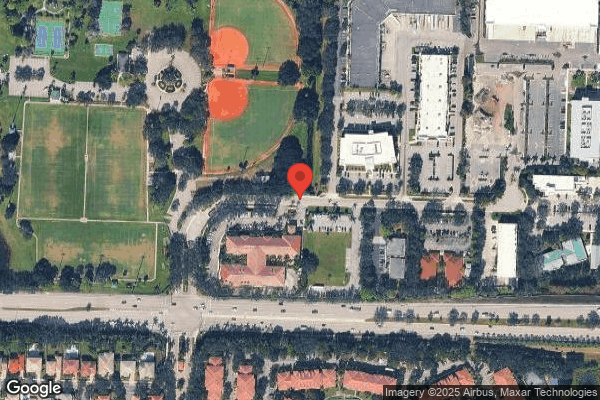
347 HIATT DRIVE, PALM BEACH GARDENS, FL 33418 (561) 227-3200
For profit - Corporation 62 Beds ERICKSON SENIOR LIVING Data: November 2025
Trust Grade
93/100
#18 of 690 in FL
Last Inspection: April 2025

Within standard 12-15 month inspection cycle. Federal law requires annual inspections.

Overview

Chatsworth at PGA National has an excellent Trust Grade of A, indicating it is highly recommended and performs better than most facilities. It ranks #18 out of 690 in Florida, placing it in the top half of the state, and it is the top facility out of 54 in Palm Beach County. The facility is improving, with issues decreasing from 2 in 2024 to 1 in 2025. Staffing is a strong point, earning 5 out of 5 stars with a low turnover rate of 26%, well below the state average, and it boasts more RN coverage than 95% of facilities in Florida. However, there are some concerns; three incidents involved failure to prevent urinary tract infections for residents with catheters, a lack of timely nutritional interventions for a resident, and not honoring a resident's preferred name. Fortunately, there have been no fines, indicating good compliance with regulations. Overall, while the facility has some areas that need improvement, its strengths in staffing and care quality make it a solid choice.

Trust Score
A
93/100
In Florida
#18/690
Top 2%
Safety Record
Low Risk
No red flags
Inspections
Getting Better
2 → 1 violations
Staff Stability
✓ Good
26% annual turnover. Excellent stability, 22 points below Florida's 48% average. Staff who stay learn residents' needs.
Penalties
✓ Good
No fines on record. Clean compliance history, better than most Florida facilities.
Skilled Nurses
✓ Good
Each resident gets 89 minutes of Registered Nurse (RN) attention daily — more than 97% of Florida nursing homes. RNs are the most trained staff who catch health problems before they become serious.
Violations
✓ Good
Only 4 deficiencies on record. Cleaner than most facilities. Minor issues only.
★★★★★
5.0
Overall Rating
★★★★★
5.0
Staff Levels
★★★★☆
4.0
Care Quality
★★★★★
5.0
Inspection Score
Stable
2024: 2 issues
2025: 1 issues

The Good

  • 5-Star Staffing Rating · Excellent nurse staffing levels
  • 4-Star Quality Measures · Strong clinical quality outcomes
  • Low Staff Turnover (26%) · Staff stability means consistent care
  • Full Sprinkler Coverage · Fire safety systems throughout facility
  • No fines on record
  • Staff turnover is low (26%)

    22 points below Florida average of 48%

Facility shows strength in staffing levels, quality measures, staff retention, fire safety.

The Bad

Chain: ERICKSON SENIOR LIVING

Part of a multi-facility chain

Ask about local staffing decisions and management

The Ugly 4 deficiencies on record

Apr 2025 1 deficiency
CONCERN (D)

Potential for Harm - no one hurt, but risky conditions existed

Deficiency F0692 (Tag F0692)

Could have caused harm · This affected 1 resident

**NOTE- TERMS IN BRACKETS HAVE BEEN EDITED TO PROTECT CONFIDENTIALITY** Based on observations, interviews and record review, the facility failed to maintain acceptable parameters of nutritional status...

Read full inspector narrative →
**NOTE- TERMS IN BRACKETS HAVE BEEN EDITED TO PROTECT CONFIDENTIALITY** Based on observations, interviews and record review, the facility failed to maintain acceptable parameters of nutritional status and failed to provide nutritional interventions in a timely manner for 1 of 2 sampled residents reviewed for nutrition (Resident #23). The findings included: Review of the facility's policy titled, Weight Management, dated 06/2021, included the following: Residents will have their weight obtained on admission, re-admission and monthly or at a frequent determined by the interdisciplinary team or provider. Definitions: Significant weight change- As defined in RAI Manual is any unplanned weight change of 5% change over 1 month, 7.5% over 3 months or 10% change over the past 6 months. Procedure: 4.The case associate and or Medication Aide obtains the weight and documents the weight into Touchscreen and or in myUnity. 5. Once weights have been entered into the EMR (Electronic Medical Record), the licensed nurse reviews myUnity's Resident Weight Report/and or Weight Changes +Report for residents obtained on the last day of the Month for any of the following weight changes: a.5 percent (5%) change over 1 month b.7.5 percent (7.5%) change over 3 months or c. 10 percent (10%) change over the past 6 months. 7.When a significant weight change is identified the following will occur: a. PA/CS: The licensed nurse or designee notifies the Dietitian of any resident with a weight change of 5 pounds from the previous weight or a significant weight change. 11. Guest/residents with significant weight change should be discussed in High Risk Rounds/Utilization Review. 12. When a significant weight change is identified, the guest/resident plan of care will be reviewed, evaluated and revised, as applicable, to reflect interventions to support the guest/resident goals and preferences after medical consideration and interdisciplinary discussion. Record review for Resident #23 revealed that the resident was admitted to the facility on [DATE] with diagnoses to include: Alzheimer's Disease, Major Depressive Disorder, Atrial Fibrillation, and Dementia. Review of Section C of the Quarterly Minimum Data Set (MDS) dated [DATE] revealed Resident #23 had a Brief Interview for Mental Status (BIMS) of 00, which indicated that he was severely cognitive impaired. Review of Section GG of the same MDS revealed Resident #23 was dependent on staff assistance for eating/nutrition and all his Activities of Daily Living (ADLs). In addition, review section O revealed Resident #23 was not on the Hospice care program. Review of the Physician's Orders showed Resident #23 had orders dated 10/24/24 for ascorbic acid (vitamin C) 500 mg tablet daily, Vitamin B-12 500 mcg tablet daily, diet: Pureed, Nectar Thick Liquid, continuous; Barrier Cream, apply barrier cream to buttocks 3 times daily and as needed. Review of the Physician's Orders showed Resident #23 had orders dated 12/03/24 for Calcium 600 + Minerals 600 mg (as carbonate) 200-unit tablet daily and on 12/30/24 for cholecalciferol (vitamin D3) 1,250 mcg (50,000 unit) tablet Every 1 Week. Review of the Holistic Care Plan dated 01/29/25 under Nutritional Status documented Resident #23 enjoys eating in the dining room and requires Puree diet with double portions. Care Plan approaches were to provide prescribed diet at every meal; honor food preferences as able; staff to assist with meals as needed; offer fluids throughout the day; encourage oral intake; weigh as prescribed and monitor weights. During an observation conducted on 04/15/25 at 12:09 PM Resident #23 was in the dining room, lunch tray was set on the table and the MDS coordinator assisted the resident, however, the consistency of the food was not pureed and was not the correct lunch tray for Resident #23. At 12:18 PM an observation of Resident 23's tray with correct consistency and appeared to have double portions. Resident #23 was observed opening his mouth wide and eating 100% of his lunch. At this time an interview was conducted with the MDS coordinator, who stated Resident #23 has a good appetite and eats 100% of his meals most of the time. During a second dining observation on 04/16/25 at 12:24 PM, Resident #23 was in the dining room for lunch and was assisted by a Certified Nursing Assistant (CNA) and was eating well. The meal ticket was reviewed and stated double portions. A review of Resident #23's weight log showed that the following weights were recorded: on 10/28/24 upon admission he was at 134.90 pounds, on 02/04/25 he was at 127.00 pounds (7.9 pounds weight loss), and on 04/01/25 he had an additional 6-pound weight loss. This showed a 10.30 percent weight loss from 10/28/24 to 04/01/25. During an interview conducted on 04/16/25 at 10:58 AM with Staff A, Licensed Practical Nurse (LPN), who stated she has worked at the facility for 4 years. She stated the facility does not have a restorative CNA and the CNA assigned to the resident would do the monthly weights. Staff A stated the CNA then would document the weights in the computer and the nurses and the dietitian have access to see the residents' weights. She also stated that weights are done monthly at the beginning of the month unless there's a physician's order for a specific timeline to obtain the resident's weight. Staff A stated she would report any weight changes to the Assisting Director of Nursing (ADON) and then the dietitian will come in and follow up with the resident. Record review of the dietitian nutrition note dated 10/29/24 showed Resident #23's Ideal Body Weight (IBW) was 69 kg (152.1 pounds) and current body weight (BW) was 61 kg (134.90 pounds) with recommendation to continue to follow up per protocol. At this time, no Body Mass Index (BMI) was calculated and no documentation that Resident #23 was at risk for weight loss. Record review of the dietitian nutrition follow up note dated 01/23/25 stated Resident #23 is tolerating puree diet well and staff has reported about 100 percent intake of meals. In addition, she reviewed the weights from 10/28/24 to 01/04/25, however, the dietitian only looked at the weight for 12/04/24 and 01/03/25 and noted Resident #23 has had a small weight decline (2.3 percent weight loss x 1 month), which is not significant. The interventions were to continue to monitor oral intake, body weight and skin integrity, with a goal for weight stabilization. Further review of the chart revealed no nutritional interventions or supplements were ordered at this time. Record review of the dietitian note dated 04/13/25 for Resident #23 evaluation due to recent weight loss of 3.4 percent in a month. She reviewed the last 3 months of Resident #23's weight history and noted the weight loss as not significant. She mentioned Resident #23 is currently on supplements including Vitamin E, Vitamin D3, Calcium with minerals, Vitamin C, and Vitamin B12. She also noted that Resident #23 is considered at risk for weight loss and overall decline due to current medical status. The interventions were to continue monitoring closely, weight trends, and skin integrity. No additional interventions were ordered to address the weight loss. In addition, the dietitian did not review the complete weight history (10/28/24 to 04/01/25). At this time Resident #23 had a weight loss trend of 13.9 pounds since admission which indicated a 10.30 percent weight loss from 10/28/24 to 04/01/25. An interview conducted on 04/16/25 at 12:35 PM with the General Manager for Dining, who stated staff members such as nursing, dietitian and even herself can add a food preference to the residents' chart. She stated these preferences are part of the meal ticket and printed on the Dining Details report daily. She reviewed Resident #23's preferences and noted the double portions preference was entered by the ADON on 11/12/24. During an interview conducted on 04/16/25 at 12:59 PM with the Clinical Dietitian, who stated she has been at the facility since September 2024 and works Part-time at least 20 hours a week. She stated she would receive an email with new admissions, and she usually completes the nutritional assessment within 3 days. For the Long-Term Care (LTC) residents, she conducts assessments quarterly, unless she is requested by family, or if the resident is losing weight. She noted that weight loss is considered if the resident has lost 5 percent in a month, 7.5 percent in 3 months and 10 percent in 6 months. She stated that during her assessments she utilizes her clinical knowledge, low BMI, any wounds the resident may have or if poor intake to assess the resident for risk of weight loss. She noted that a normal BMI is 18.5-25 and under 18.5 is considered excessive weight loss. She stated the facility does offer fortified foods, for breakfast is oatmeal, and the other meal is mashed potatoes to add more calories for the residents who are underweight. She then stated that the residents in this community are usually underweight. She also stated if a resident is losing weight, she would immediately put interventions in place such as Ensure or Glucerna (for diabetic residents) supplements, then fortified foods, the last resort is an appetite stimulant (with a physician's order) and continue evaluation. In addition, she stated she receives the monthly weight changes report via email. The report will include residents that are losing weight and percentage change in 30 days, 90 days and 180 days. At this time, the dietitian was asked to review Resident #23's weight history from admission date and was asked to calculate the weight loss and if it is significant. The dietitian stated, yes it looks significant, let me look at the weights again. She then stated, I missed that. I did not look back to 6 months, only until 02/01/25. She then stated that she was not aware Resident #23 was getting double portions for his meals. A side-by-side review of the clinical monthly weight changes report she received revealed that Resident #23 has a significant weight loss and again she stated, I missed that. Furthermore, the Clinical Dietitian also acknowledged that the current BMI for Resident #23 is 18.4 which indicates that Resident #23 is underweight by 0.1. An interview was conducted on 04/016/25 at 3:00 PM with the ADON and the Director of Nursing (DON). The ADON stated she spoke with Resident #23's son on 11/12/24 and she added double portions as preferences as per the son. In addition, the care plan would note this food preference change and the dietitian was notified. They both stated that the interdisciplinary team (ADON, DON, Social Services, MDS, Activity Manager) holds weekly high-risk rounds, the dietitian does not attend these meetings however, she receives email updates with the monthly weight changes report. ADON also stated that they identified a weight loss for Resident #23 and immediately notified the Clinical Dietitian by email on 04/08/25. Then the High-Risk meeting was conducted on 04/10/25. She acknowledged that the dietitian documentation was done on 04/14/25 and she did not address the significant weight loss. ADON also stated she is the one to update the care plans, however, the dietitian did not advise any recommendations for her to update the nutrition care plan. At this time both ADON and DON acknowledged all findings.
Jan 2024 2 deficiencies
CONCERN (D)

Potential for Harm - no one hurt, but risky conditions existed

Deficiency F0561 (Tag F0561)

Could have caused harm · This affected 1 resident

**NOTE- TERMS IN BRACKETS HAVE BEEN EDITED TO PROTECT CONFIDENTIALITY** Based on record review, observations, and interviews, the facility failed to honor the resident's choice regarding the name that...

Read full inspector narrative →
**NOTE- TERMS IN BRACKETS HAVE BEEN EDITED TO PROTECT CONFIDENTIALITY** Based on record review, observations, and interviews, the facility failed to honor the resident's choice regarding the name that the resident preferred to be called by, as conveyed on the day of admission, and as documented in the resident's records, for 1 of 2 sampled residents (Resident #10), reviewed for choices. The findings included: A review of Resident #10's records revealed that the resident was admitted to the facility on [DATE] with diagnoses of Major depressive disorder, Dementia, unspecified severity with other behavior disorders, and Generalized anxiety disorder. Record review of Resident #10's care plan, dated 01/04/24, related to Engagement and Socialization, documented that the resident had a preferred first name that was different than her legal name. The care plan specified that the resident should be called by her preferred name. The preferred name was entered incorrectly on this care plan. Record review of Resident #10's Initial Physical Therapy Evaluation and Care Plan, dated 12/30/23, documented Resident #10's preferred name in the Precautions Section. An interview was conducted on 01/17/24 at 5:15 PM with Staff B, Certified Nursing Assistant (CNA), in D Hall. When asked what she called Resident #10, Staff B answered, I call her Ms. (legal first name). An observation on 01/18/24 at 9:39 AM revealed Resident #10 being assisted at the sink in her room by Staff G, Physical Therapy Assistant (PTA). While talking to Resident #10, Staff G consistently used the resident's legal first name instead of her preferred name. A phone call interview was conducted with the representative of Resident #10 on 01/19/24 at 10:05 AM. Resident #10's representative stated that, She's never been called (legal first name). Not even as a child. Resident #10's representative reported that on the day of admission she personally informed the facility's physician, the Director of Nursing (DON), the resident's CNA and the Director of Rehabilitation, that they should call Resident #10 (preferred name). She stated, I wanted them to know that it could help them in her care. The representative for Resident #10 also informed the interviewer that she wrote and placed the sign seen in Resident #10's room that says, Call Me (preferred name), on the day of admission. Photographic Evidence Obtained An interview was conducted on 01/19/24 at 10:28 AM, with Staff C, CNA, in Resident #10's room, regarding the sign beside the resident's bed with written instructions. The sign said, Call Me (preferred name). Staff C reported that, We use both names. Her daughter wrote that, because saying (preferred name) calms her. We use (preferred name) to calm her down. An interview was conducted on 01/19/24 at 10:34 AM, in the Rehabilitation Gym with Staff D, Certified Occupational Therapy Assistant (COTA). Staff D reported, She (Resident #10) prefers to be called by (preferred name) Staff D added that the preferred name was, .established in her initial evaluation. An observation on 01/19/24 at 10:45 AM in the dining room, revealed Resident #10 seated with a group led by Staff E, Activity Assistant. Staff E introduced Resident #10 by her surname, rather than her documented preferred name. An interview was conducted on 01/19/24 at 11:12 AM, in D Hall, with Staff F, Registered Nurse (RN). Staff F was asked how she called Resident #10. Staff F replied that she calls Resident #10, Miss (surname), or (nickname), which is the resident's legal first name shortened. An interview was conducted on 01/19/24 at 2:15 PM, in the Rehabilitation Gym with Staff G, PTA. When asked about Resident 10's name, Staff G reported that, Her preference is (preferred name), but I call her (legal first name). I forget. An observation on 01/19/24 at 2:24 PM revealed Staff E, Activity Assistant, entering Resident 10's room. Staff E knocked on Resident #10's door and said, Hi, Ms. (surname). During an interview with the Director of Nursing (DON) in the conference room, on 01/19/24 at 3:03 PM, the DON was asked how she called Resident #10. The DON replied, How do I refer to her? Ms. (surname)?
CONCERN (E)

Potential for Harm - no one hurt, but risky conditions existed

Incontinence Care (Tag F0690)

Could have caused harm · This affected multiple residents

**NOTE- TERMS IN BRACKETS HAVE BEEN EDITED TO PROTECT CONFIDENTIALITY** Based on observation, interview, record review, and policy review, the facility failed to ensure care and services for the preve...

Read full inspector narrative →
**NOTE- TERMS IN BRACKETS HAVE BEEN EDITED TO PROTECT CONFIDENTIALITY** Based on observation, interview, record review, and policy review, the facility failed to ensure care and services for the prevention of Urinary Tract Infections (UTIs) or other complications for 3 of 3 sampled residents who had an indwelling urinary catheter. Nursing staff failed to maintain proper positioning and securing of the catheter tubing for Residents #24 and #45, and failed to educate Resident #38 of the risks of refusing to follow-up with a urology consult and discontinue use of the indwelling urinary catheter. The findings included: Review of the policy Urinary Catheters dated 06/2021 documented, Procedure: 1. Catheter Care . c. Use of proper infection control practices regarding hand washing, catheter care, tubing and the collection bag will be followed at all times. h. Maintain unobstructed urine flow. i. Catheter tubing, bag or spigot cannot touch the floor. 1) Review of the record revealed Resident #24 was admitted to the facility on [DATE] and was ordered an indwelling urinary catheter on 11/14/23 for urinary retention with obstruction. Review of the current Minimum Data Set (MDS) assessment dated [DATE] documented the resident had a Brief Interview for Mental Status (BIMS) score of 1, on a 0 to 15 scale, indicating the resident was severely cognitively impaired. This MDS also documented the resident was dependent upon staff for all Activities of Daily Living (ADLs). During an observation on 01/17/24 at 11:13 AM, the collection bag for the resident's indwelling urinary catheter was noted in a dignity bag hooked to the low bed, with the tubing lying directly on the floor. Sediment was noted in the tubing leading to the drainage bag (Photographic Evidence Obtained). Observation of the resident's thigh revealed the catheter was stretched tightly from the resident's adult brief. A second observation on 01/17/24 at 4:52 PM revealed the indwelling urinary catheter tubing directly on the floor again (Photographic Evidence Obtained). On 01/17/24 at 5:15 PM, Staff B, Certified Nursing Assistant (CNA), was asked about the tubing on the floor and agreed it should not be there. Upon further observation of the resident, the CNA identified an anchor on the innermost aspect of the resident's right thigh, but the catheter was not in the clamp of the anchor. The CNA confirmed the anchor was for the catheter tubing, but when the CNA placed the catheter into the clamp, she failed to do so at the Y connection (a place on the catheter for obtaining a urine sample and used for proper securing) that would keep the catheter from pulling. The CNA was asked if the catheter was secure, and the CNA demonstrated how it moved freely in the clamp on the anchor. At 5:33 PM, the Clinical Manager was asked to assist the CNA, and the catheter was properly placed into the anchor and urinary drainage bag was replaced. An observation of care for Resident #24 was made on 01/18/24 at 10:35 AM with Staff C, CNA, assisted by Staff A, CNA, for positioning of the resident. Proper indwelling catheter and peri-care (personal care) was observed. Upon completion of the care, the CNA covered the resident and stated she was done. The surveyor asked the CNA to observe the catheter at the anchor. When asked what was wrong, the CNA did not know. The catheter was hooked in the anchor in such a way that the catheter was kinked so that urine would not be able to flow freely into the collection bag. The indwelling catheter bag was noted on the floor. When asked what happened, the CNA stated it fell. When asked what she needed to do, the CNA stated she needed to clean it off. The Assistant Director of Nursing (ADON) was brought into the room and notified of the findings. The ADON provided education to the CNA, assisted the CNA on proper catheter positioning, and changed out the indwelling catheter collection bag. 2) Review of the record revealed Resident #45 was admitted to the facility on [DATE] and had an indwelling urinary catheter upon admission. The resident had the indwelling urinary catheter placed prior to admission for inability to void. Review of the current MDS assessment dated [DATE] documented the resident had a BIMS score of 15, on a 0 to 15 scale, indicating the resident was cognitively intact. This MDS also documented the use of an indwelling urinary catheter. A progress note dated 01/12/24 documented Resident #45 went to the urologist, who placed him on an antibiotic for three days. During an interview with Resident #45 on 01/16/24 at 3:34 PM, Staff B, CNA entered the resident's room and proceeded to empty the indwelling urinary catheter leg bag. The CNA donned gloves but failed to don a gown as per their Enhanced Barrier Precautions (EBP), utilized by the facility to protect the resident from infection. The catheter was not anchored in any way and was noted to be stretched tightly down the resident's leg. After the CNA left the room, when asked about the anchor, Resident #45 stated when he first got it (the catheter), they were careful about putting the tube in the anchor, but it comes out. A cloth/Velcro type anchor secure device was noted on the resident's thigh, but not being used. When asked if the urinary catheter was pulling, the resident stated, Now that you mention it . yes. When asked if staff routinely clean the catheter each shift or daily, the resident stated, sometimes they clean it, but would not specify. During an observation on 01/17/24 at 11:57 AM, Resident #45 had just returned from therapy. The resident's urinary catheter leg bag was noted, the tubing was not anchored, and the tubing was taunt (Photographic Evidence Obtained). The urinary catheter tubing was visible to all staff as the resident was wearing shorts. A washcloth was noted over the collection bag as per the resident's request, but part of the catheter was visible along with the unused anchor. On 01/18/24 at about 11:30 AM, the ADON was shown the photo of the lack of catheter anchor for Resident #45 and agreed with the concern. On 01/19/24 at 10:58 AM, when asked who was responsible for ensuring the urinary catheters were properly secured, the Clinical Manager stated it was the nursing teams responsibility, which included the CNAs, nurses, and managers. 3) During an interview on 01/16/24 at 10:51 AM, when asked why she had an urinary catheter, Resident #38 stated, I couldn't walk to the bathroom. They wanted to take it out last week, I think, but I told them no. Think I will ask them to take it out this week or next. When asked if she was aware of the risks of long-term catheter use, the resident stated she knew she could get an infection, but was unaware of any other risks such as difficulty returning back to a normal urinary function, damage to the bladder or urinary tract, or any other possible complication. Review of the record revealed Resident #38 was admitted to the facility on [DATE], transferred back to the hospital on [DATE] related to surgical complications, and returned to the facility on [DATE]. Review of the physician orders revealed an order dated 11/28/23 for a urology consult related to urinary retention. Further review of the record lacked any evidence of this consult. During an interview on 01/17/24 at 4:04 PM, Staff F, Registered Nurse (RN) and usual day shift direct care nurse for Resident #38, stated she was unaware of a urology consult. The Infection Preventionist (IP), who was at the nurses' station at the time of the interview, stated Resident #38 has canceled two urology appointments. When asked if they had attempted to discontinue the catheter, the IP stated they had, but was unable to locate any documentation in the medical record as to when and the outcome. When asked why Resident #38 still had the indwelling catheter, the IP stated, Because the resident chooses not to have the Foley cath (catheter) discontinued. The IP volunteered that at one point the urinary catheter came out, and when asked what happened, the IP stated the resident wanted it back, so they did, but again was unable to provide any supporting documentation of this or the urology consult. During an interview on 01/17/24 at 4:22 PM, when asked about the urology consult for Resident #38, the Central Supply/Transportation/Scheduling person stated she made an appointment with a urologist when the 11/28/23 order came through. The Scheduler stated the appointment was made, but at that time the resident was not able to walk yet, and refused to go to the appointment or have the urinary catheter taken out. The Scheduler, who was also a Licensed Practical Nurse (LPN), stated she educated the resident, who stated she didn't care. When asked if she documented anything anywhere, the Scheduler stated she doesn't do clinical anymore, so she doesn't document in the record, but that she told the nurse. The Scheduler was unable to locate and provide any information about the first appointment at that time. The Scheduler stated that again this month, when she noted the resident was now up and about, she made a second urology appointment for 01/11/24, and provided an Appointment form that documented the appointment for 01/11/24 at 10 AM. The Scheduler stated when she went to remind the resident the day before the appointment, Resident #38 stated she had called and canceled the appointment herself. When asked what she did at that point, the Scheduler stated she spoke with the nurse again. Review of the working nursing schedule for 01/10/24 and 01/11/24 revealed Staff F, RN, was again the resident's direct care nurse. During an interview on 01/17/24 at 4:38 PM, the RN stated she was not made aware that Resident #38 canceled her second urology appointment. The RN stated if she had known she would have educated the resident, called the family if appropriate, notify the physician, and make a note in the record. On 01/19/24 at 11:05 AM, when asked if they had any further information related to the urology consult for Resident #38, the Director of Nursing (DON), stated she reached out to the physician who stated she knew about the canceled urology visit. A side-by-side review of a physician note dated 01/12/24 documented, Urinary retention - Foley catheter medically necessary. Encouraged resident to follow up with urology - Pt (patient) refused. This note, along with the medical record, lacked any documented evidence of education to Resident #38 of the risks of prolonged use of an indwelling urinary catheter.
Sept 2022 1 deficiency
MINOR (B)

Minor Issue - procedural, no safety impact

Medical Records (Tag F0842)

Minor procedural issue · This affected multiple residents

**NOTE- TERMS IN BRACKETS HAVE BEEN EDITED TO PROTECT CONFIDENTIALITY** 3) Review of Resident#36 medical records revealed Resident#36 was admitted to the facility on [DATE] with a diagnosis to include...

Read full inspector narrative →
**NOTE- TERMS IN BRACKETS HAVE BEEN EDITED TO PROTECT CONFIDENTIALITY** 3) Review of Resident#36 medical records revealed Resident#36 was admitted to the facility on [DATE] with a diagnosis to include Traumatic Hemorrhage of Right Cerebrum, Heart Failure, Dysphasia, Difficulty Walking, Pleural Effusion, Acute Pulmonary Edema, Altered Mental Status, Encephalopathy, Pulmonary Hypertension, Cardiomyopathy, Hyperlipidemia, Acute Kidney Failure, Coronary Artery Disease, Anemia, Thrombocytopenia, Atrial Fibrillation and Hypertension. Review of the physician's order revealed Resident#36 diagnosis for the medication did not match what the medication was used for the following medications. -Lexapro 5 mg one time a day for Altered Mental Status, order date 08/22/22 -Xeroform Petrolatum Dressing 4 X 4 every 2 days (to skin tear left elbow) for Essential Hypertension, order date 08/21/22 -Marinol 2.5 mg twice daily for Anemia, order date 08/16/22 -Potassium Chloride Extended Release 10 MEQ one time daily Pleural Effusion, order date 08/13/22 -Lasix 20 mg one time daily for Pleural Effusion, order date 08/13/22 -Voltaren 1% Topical three times daily for Anemia, order date 08/08/22 -Losartan 50 mg 1 tab daily for Anemia, order date 08/01/22 -Omeprazole 20 mg capsule delayed release for Anemia, order date 08/04/22 -Marinol 2.5 mg 1 capsule daily for Anemia, order date 08/16/22 -Xeroform Petrolatum Dressing 4 X4 (to skin tear left lower arm) for Anemia, order date 09/07/22 During an interview on 09/08/22 at 12:55 PM, with Staff A, Licensed Practical Nurse (LPN), she was asked about the diagnosis listed for the medications on the physician's orders. She stated,To order the medications upon admission or when prescribed there is a drop-down box in the computer, but there is only a small list of diagnoses to choose from. We have to click on something so we can order the medication. She stated she believes the MDS Coordinator will update it the next day. During an interview on 09/08/22 at 1:02 PM with the Director of Nursing (DON), she stated, We have to use whatever diagnosis is in the computer to order the medication. The MDS coordinator puts in the right diagnosis with medication the next day. This is happening because we are transitioning to electronic records which began in May 2022. During an interview on 09/08/22 at 1:41 PM with the MDS Coordinator, she stated. The process is that our admission Director emails an admission document to our leadership staff, which includes me on it. It shows the primary diagnosis from hospital. Then the DON scans me the clinicals from the hospital. I don't get the total record or medication reconciliation. For example, right now I am working on a new admission that will arrive in a couple of hours. I received 8 pages for her. From this information, I assign the diagnoses. I do it prior to them coming in so the nurses have something to go by. I am inputting into computer. Then my job is done until patient comes in. I do not review the chart the next day. The ADON and the DON take it into morning meeting and review medication list and diagnosis code, and if they find discrepancies, then they get me involved. Surveyor asked the MDS Coordinator to pull up Resident #36 physician's orders in the computer. She stated the chart would have been reviewed by ADON & DON on 08/02/22. When she reviewed his orders, she stated, It is the nurse that is putting in the diagnosis code. There is a drop-down box, and if diagnosis is not in there, they might have to just put a random one in to get the medication ordered. If there is no diagnosis to match the medication, they should be notifying me, but it is not my responsibility; however, I can fix it. Nobody is trained to put ICD codes except myself, DON, ADON, and my back up in training. We just started in May with new electronic record. If not in drop box, I have to add it but have to know the ICD code. She acknowledged that there are many medications for Resident #36 that do not have the right diagnosis to match the medications. 4) Resident #51 was admitted on [DATE] with diagnoses which included malignant neoplasm of intestinal tract, Chronic Kidney Disease Stage 4, Anemia, Enterocolitis due to Clostridium Difficile, Atrial Fibrillation, Hypertension, and presence of Cardiac Defibrillator. Per Progress Notes, Resident #51 was admitted to Hospice on 07/31/22. At 8:00 PM on 07/31/22, medical transport company arrived to the facility to transport resident to a Hospice facility. Discharge MDS (Minimum Data Set) report dated 07/31/22 documents resident was discharged to hospital instead of Hospice. This error triggered resident to be reviewed for hospitalization during the survey process. On 09/08/22 at approximately 4:30 PM, the Director of Nursing was notified of the documentation error. Based on record review and interview, the facility failed to ensure accurate documentation for 4 of 22 sampled residents. Medication physician orders for Residents #18, #20, and #36 documented improper diagnoses. The Minimum Data Set (MDS) Discharge Report for Resident #51 documented an incorrect discharge location. The findings included: 1) Review of the record revealed Resident #18 was admitted to the facility on [DATE]. Review of the current physician orders documented the following: An order dated 08/04/22 for the medication melatonin, used for insomnia (sleeping issues), documented a diagnosis or reason for use as hyperlipidemia (high cholesterol level). An order dated 08/30/22 for the medication ferrous sulfate (an iron supplement), used to treat low iron blood levels, documented a diagnosis of hyperlipidemia. 2) Review of the record revealed Resident #20 was admitted to the facility on [DATE]. Review of the current physician orders documented the following: An order dated 05/01/22 for Milk of Magnesia, used for constipation, documented a diagnosis or reason for use as hyperlipidemia (high cholesterol level). An order dated 05/01/22 for Glucagon, used to treat very low blood sugar levels, documented a diagnosis of hyperlipidemia. An order dated 05/01/22 for Tizanidine, used for muscle spasms, documented a diagnosis of macular degeneration (an eye disorder). An order dated 05/01/22 for Acetaminophen (Tylenol) used for pain or fever, documented a diagnosis of hyperlipidemia. An order dated 05/01/22 for Calcium-Vitamin D, a mineral supplement used for bone formation and maintenance, documented a diagnosis of hyperlipidemia. An order dated 05/01/22 for Ferrous Sulfate, used to treat low blood levels, documented a diagnosis of hyperlipidemia. An order dated 05/01/22 for Loperamide, used to treat diarrhea, documented a diagnosis of hyperlipidemia. An order dated 05/01/22 for Metoprolol, used to treat high blood pressure, documented a diagnosis of macular degeneration. An order dated 05/01/22 for Omeprazole, used to treat stomach acid, documented a diagnosis of hyperlipidemia. An order dated 05/01/22 for Prednisone, used to decrease inflammation, documented a diagnosis of hyperlipidemia. An order dated 05/01/22 for Vitamin D3, used as a supplement to help absorb calcium, documented a diagnosis of hyperlipidemia. An order dated 05/01/22 for Certavite-Antioxidant (a multivitamin with minerals), documented a diagnosis of hyperlipidemia. An order dated 05/01/22 for Docusate sodium, used for constipation, documented a diagnosis of hyperlipidemia. An order dated 05/01/22 for Clopidogrel, used to prevent blood clots, documented a diagnosis of hyperlipidemia. An order dated 05/01/22 for baby Aspirin, used to prevent heart attacks, strokes or chest pain, documented a diagnosis of hyperlipidemia. An order dated 05/01/22 for Bisacodyl suppository, used to treat constipation, documented a diagnosis of hyperlipidemia. An order dated 05/07/22 for Celecoxib, used to treat inflammation and pain, documented a diagnosis of diabetes. During an interview on 09/06/22 in the afternoon, the Risk Manager/Staff Developer, who was at the nurse's station assisting with the survey process, explained they started using an electronic medical record system in April or May of this year. When asked in general about the same diagnosis used for multiple medications, the Risk Manager/Staff Developer explained with their new electronic system, in order to enter the medications timely, the nurses have to enter whatever primary diagnosis is supplied for that resident from their initial admission information.
Understanding Severity Codes (click to expand)
Life-Threatening (Immediate Jeopardy)
J - Isolated K - Pattern L - Widespread
Actual Harm
G - Isolated H - Pattern I - Widespread
Potential for Harm
D - Isolated E - Pattern F - Widespread
No Harm (Minor)
A - Isolated B - Pattern C - Widespread

Questions to Ask on Your Visit

  • "Can I speak with families of current residents?"
  • "What's your RN coverage like on weekends and overnight?"

Our Honest Assessment

Strengths
  • • Grade A (93/100). Above average facility, better than most options in Florida.
  • • No major safety red flags. No abuse findings, life-threatening violations, or SFF status.
  • • No fines on record. Clean compliance history, better than most Florida facilities.
  • • Only 4 deficiencies on record. Cleaner than most facilities. Minor issues only.
Concerns
  • • No significant concerns identified. This facility shows no red flags across CMS ratings, staff turnover, or federal penalties.
Bottom line: Generally positive indicators. Standard due diligence and a personal visit recommended.

About This Facility

What is Chatsworth At Pga National's CMS Rating?

CMS assigns CHATSWORTH AT PGA NATIONAL an overall rating of 5 out of 5 stars, which is considered much above average nationally. Within Florida, this rating places the facility higher than 99% of the state's 100 nursing homes. This rating reflects solid performance across the metrics CMS uses to evaluate nursing home quality.

How is Chatsworth At Pga National Staffed?

CMS rates CHATSWORTH AT PGA NATIONAL's staffing level at 5 out of 5 stars, which is much above average compared to other nursing homes. Staff turnover is 26%, compared to the Florida average of 46%. This relatively stable workforce can support continuity of care.

What Have Inspectors Found at Chatsworth At Pga National?

State health inspectors documented 4 deficiencies at CHATSWORTH AT PGA NATIONAL during 2022 to 2025. These included: 3 with potential for harm and 1 minor or isolated issues.

Who Owns and Operates Chatsworth At Pga National?

CHATSWORTH AT PGA NATIONAL is owned by a for-profit company. For-profit facilities operate as businesses with obligations to shareholders or private owners. The facility is operated by ERICKSON SENIOR LIVING, a chain that manages multiple nursing homes. With 62 certified beds and approximately 44 residents (about 71% occupancy), it is a smaller facility located in PALM BEACH GARDENS, Florida.

How Does Chatsworth At Pga National Compare to Other Florida Nursing Homes?

Compared to the 100 nursing homes in Florida, CHATSWORTH AT PGA NATIONAL's overall rating (5 stars) is above the state average of 3.2, staff turnover (26%) is significantly lower than the state average of 46%, and health inspection rating (5 stars) is much above the national benchmark.

What Should Families Ask When Visiting Chatsworth At Pga National?

Based on this facility's data, families visiting should ask: "Can I visit during a mealtime to observe dining assistance and food quality?" "How do you handle medical emergencies, and what is your hospital transfer rate?" "Can I speak with family members of current residents about their experience?"

Is Chatsworth At Pga National Safe?

Based on CMS inspection data, CHATSWORTH AT PGA NATIONAL has a clean safety record: no substantiated abuse findings (meaning no confirmed cases of resident harm), no Immediate Jeopardy citations (the most serious violation level indicating risk of serious injury or death), and is not on the Special Focus Facility watch list (a federal program monitoring the lowest-performing 1% of nursing homes). The facility has a 5-star overall rating and ranks #1 of 100 nursing homes in Florida. While no facility is perfect, families should still ask about staff-to-resident ratios and recent inspection results during their visit.

Do Nurses at Chatsworth At Pga National Stick Around?

Staff at CHATSWORTH AT PGA NATIONAL tend to stick around. With a turnover rate of 26%, the facility is 19 percentage points below the Florida average of 46%. Low turnover is a positive sign. It means caregivers have time to learn each resident's needs, medications, and personal preferences. Consistent staff also notice subtle changes in a resident's condition more quickly.

Was Chatsworth At Pga National Ever Fined?

CHATSWORTH AT PGA NATIONAL has no federal fines on record. CMS issues fines when nursing homes fail to meet care standards or don't correct problems found during inspections. The absence of fines suggests the facility has either maintained compliance or corrected any issues before penalties were assessed. This is a positive indicator, though families should still review recent inspection reports for the full picture.

Is Chatsworth At Pga National on Any Federal Watch List?

CHATSWORTH AT PGA NATIONAL is not on any federal watch list. The most significant is the Special Focus Facility (SFF) program, which identifies the bottom 1% of nursing homes nationally based on persistent, serious quality problems. Not being on this list means the facility has avoided the pattern of deficiencies that triggers enhanced federal oversight. This is a positive indicator, though families should still review the facility's inspection history directly.