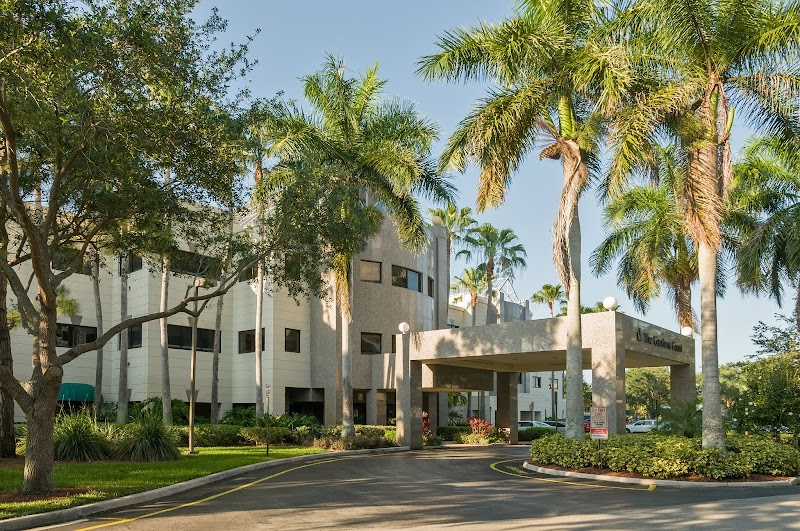

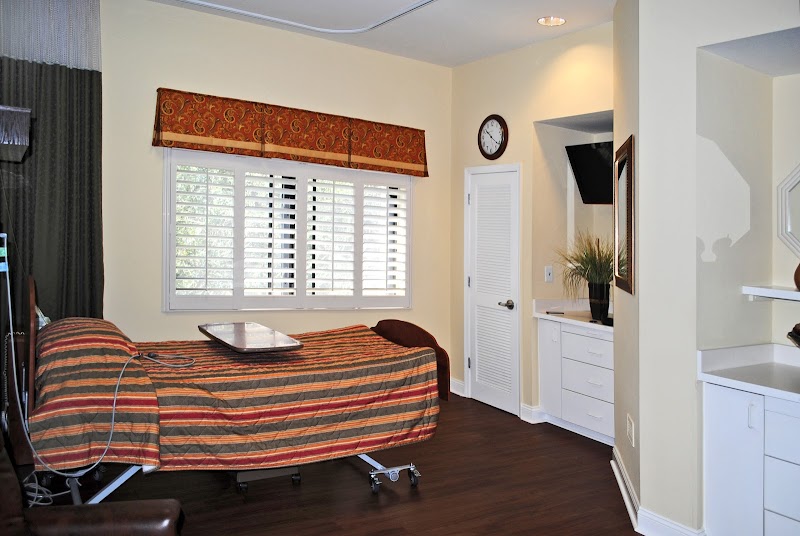
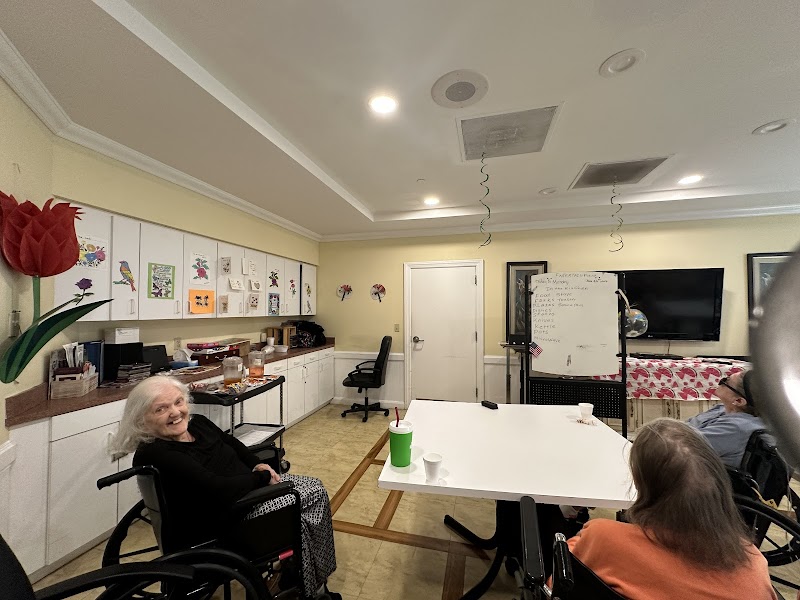
GARDENS COURT

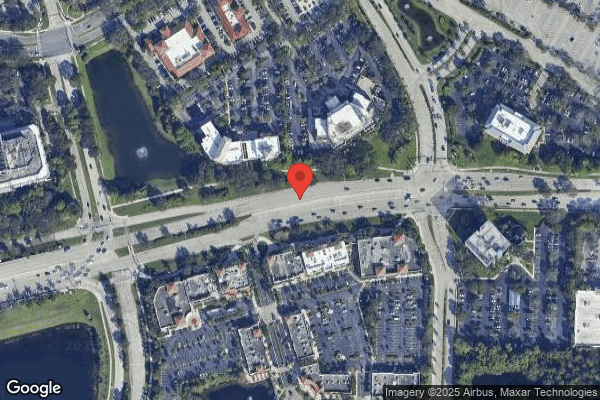
3803 PGA BOULEVARD, PALM BEACH GARDENS, FL 33410 (561) 626-1125
For profit - Corporation 120 Beds LIFE CARE CENTERS OF AMERICA Data: November 2025
Trust Grade
95/100
#39 of 690 in FL
Last Inspection: July 2024

Within standard 12-15 month inspection cycle. Federal law requires annual inspections.

Overview

Gardens Court has an impressive Trust Grade of A+, indicating it is an elite facility that provides top-tier care. It ranks #39 out of 690 nursing homes in Florida, placing it well within the top half of facilities statewide, and #4 out of 54 in Palm Beach County, meaning only three local options are better. However, the facility is experiencing a trend of worsening care, with issues increasing from one in 2023 to two in 2024. Staffing is a strong point, boasting a 5/5 rating and only 21% turnover, which is significantly lower than the state average of 42%, ensuring residents receive consistent care. While there have been no fines, some concerns have been noted, such as failing to treat residents with dignity and not fully documenting medical records, which could affect care quality. Overall, Gardens Court has many strengths but does have some areas that need attention.

Trust Score
A+
95/100
In Florida
#39/690
Top 5%
Safety Record
Low Risk
No red flags
Inspections
Getting Worse
1 → 2 violations
Staff Stability
✓ Good
21% annual turnover. Excellent stability, 27 points below Florida's 48% average. Staff who stay learn residents' needs.
Penalties
✓ Good
No fines on record. Clean compliance history, better than most Florida facilities.
Skilled Nurses
✓ Good
Each resident gets 78 minutes of Registered Nurse (RN) attention daily — more than 97% of Florida nursing homes. RNs are the most trained staff who catch health problems before they become serious.
Violations
○ Average
7 deficiencies on record. Average for a facility this size. Mostly minor or procedural issues.
★★★★★
5.0
Overall Rating
★★★★★
5.0
Staff Levels
★★★★☆
4.0
Care Quality
★★★★★
5.0
Inspection Score
Stable
2023: 1 issues
2024: 2 issues

The Good

  • 5-Star Staffing Rating · Excellent nurse staffing levels
  • 4-Star Quality Measures · Strong clinical quality outcomes
  • Low Staff Turnover (21%) · Staff stability means consistent care
  • Full Sprinkler Coverage · Fire safety systems throughout facility
  • No fines on record
  • Staff turnover is low (21%)

    27 points below Florida average of 48%

Facility shows strength in staffing levels, quality measures, staff retention, fire safety.

The Bad

Chain: LIFE CARE CENTERS OF AMERICA

Part of a multi-facility chain

Ask about local staffing decisions and management

The Ugly 7 deficiencies on record

Jul 2024 2 deficiencies
CONCERN (D)

Potential for Harm - no one hurt, but risky conditions existed

Resident Rights (Tag F0550)

Could have caused harm · This affected 1 resident

**NOTE- TERMS IN BRACKETS HAVE BEEN EDITED TO PROTECT CONFIDENTIALITY** Based on policy review, interview and record review, the facility failed to treat 3 of 4 sampled residents in a dignified manner...

Read full inspector narrative →
**NOTE- TERMS IN BRACKETS HAVE BEEN EDITED TO PROTECT CONFIDENTIALITY** Based on policy review, interview and record review, the facility failed to treat 3 of 4 sampled residents in a dignified manner (Residents #67, #103, and #35). The findings included: Review of the facility policy titled, dignity revised on 09/25/23, documented, each resident has the right to be treated with dignity and respect. Interactions and activities with residents by staff, temporary agency staff, or volunteers must focus on maintaining and enhancing the resident's self-esteem, self-worth, and incorporating the resident's goals, preferences, and choices. Staff must respect the resident's individuality as well as, honor and value their input. All residents will be treated with dignity and respect. 1) Record review revealed Resident #67 was admitted to the facility on [DATE] with diagnoses that included: Anxiety Disorder. The quarterly Minimum Data Set assessment, reference date 06/14/24 recorded a brief interview for mental status score of 15, which indicated Resident #67 was cognitively intact. This MDS recorded no mood/behavior issues. The care plan dated 05/14/24 revealed Resident #67 was very hard of hearing and prefers things written down at times in order to communicate. On 07/08/24 at 10:34 AM, Resident #67 was observed alert and oriented. An interview process was started with her, and during this time, Resident #67 divulged that Staff A, a Certified Nursing Assistant (CNA), threw a wash cloth at her, and Staff A left her in the bathroom by herself and closed the door. Resident #67 also stated Staff A was rough with her during care. Resident #67 further stated that one time Staff A brought in her food tray, and at that time her purse was on the table. Staff A did not remove the purse from the table, but she placed the food tray on the counter. When Resident #67 asked Staff A how long it would take to put the purse on the bed and put the food tray on the table instead of the counter, Staff A screamed at her. Resident #67 stated Staff A was always screaming. Resident #67 denied telling anybody about the concerns because she was afraid of retaliation from Staff A. Resident #67 stated, Please don't tell Staff A or anybody that I said anything, or Staff A will be twice as mean to me, that's why I didn't say anything to the facility. Resident #67 stated she was sure other people had also complained about Staff A. When asked if she felt Staff A was verbally abusing her, Resident #67 stated she did not feel it was abuse but did not like the way she was being treated by Staff A. On 07/10/24 at 12:22 PM, a subsequent interview was held with Resident #67 she voiced she doesn't ever want Staff A in her room, she stated, I don't even want her to look at me. On 07/10/24 at 12:50 PM, an interview was held with the DON (Director of Nursing) and she voiced that she had spoken to Resident #67. The resident explained what happened, when it happened, and told the DON the name of Staff (Staff A). The DON revealed that she believed the resident, based on the information the resident had provided. The DON confirmed that Staff A usually speaks loudly, she has a strong loud tone of voice, and the DON said she has always told Staff A she was too loud and needed to lower her tone of voice and to respect the residents because this is their home. The DON informed Staff A of the accuracy of the events described by Resident #67, and the accuracy of the description the resident gave regarding Staff A. The DON stated, There's no way Resident #67 could make that up. The DON further stated, Staff A could be at the nursing station talking to somebody, and you could hear her all the way at the end of the hallway. 2) Review of the record revealed Resident #103 was admitted to the facility on [DATE]. Review of the current Minimum Data Set (MDS) assessment dated [DATE] revealed Resident #103 was cognitively intact with a Brief Interview for Mental Status (BIMS) score of 14, on 0 to 15 scale, indicating the resident was cognitively intact. This same MDS documented the resident had not exhibited any behaviors and required partial to total assistance for care. During an interview on 07/09/24 at 9:40 AM, Resident #103 stated he only had one complaint. The resident stated, I had trouble with one nurse in the middle of the night. She came in the room and yelled at me that the bed was too high. She was nasty. Resident #103 continued the nurse told him when he gets home he can put the bed as high as he wants, on the roof if he'd like, but not at the facility. When asked if he felt it was verbal abuse, the resident stated no. When asked if he felt as if she treated him with dignity, Resident #103 stated, [ ] no. She came in yelling the bed was too high. She didn't care. she had an attitude. It wasn't very nice telling me to put my bed on the roof. When asked if he reported the event to anyone, Resident #103 explained the next morning when he went to therapy, the therapist asked him how his night was, so he told his therapist what happened. When asked how the therapist responded, Resident #103 stated, They told me I should mention it to someone. When asked if he mentioned it to anyone else, the resident stated no. During an interview on 07/11/24 at 3:38 PM, the Social Services Director denied any knowledge of the event, but agreed it was inappropriate. 3) Review of the record revealed Resident #35 was admitted to the facility on [DATE]. Review of the current MDS dated [DATE] documented a BIMS score of 13, indicating the resident had minimal cognitive impairment. This same MDS documented the resident had not exhibited any behaviors and required partial to total assistance for care. During an interview on 07/09/24 at 11:12 AM, when asked if staff treat him with respect and dignity, Resident #35 stated, A couple of the aides and a nurse are mean. When asked how they are mean, the resident gave an example that at times he doesn't want his blanket over him because it is too heavy, but they make me have the blanket. A heavy blanket was noted over his legs. Resident #35 was unable to give any other examples, but again stated that some of the staff were mean.
CONCERN (D)

Potential for Harm - no one hurt, but risky conditions existed

Medical Records (Tag F0842)

Could have caused harm · This affected 1 resident

**NOTE- TERMS IN BRACKETS HAVE BEEN EDITED TO PROTECT CONFIDENTIALITY** Based on policy review, record review, and interview, the facility failed to ensure complete and accurate documentation in the m...

Read full inspector narrative →
**NOTE- TERMS IN BRACKETS HAVE BEEN EDITED TO PROTECT CONFIDENTIALITY** Based on policy review, record review, and interview, the facility failed to ensure complete and accurate documentation in the medical records for 3 of 28 sampled residents. The record lacked the refusal to utilize an anchor to prevent infections during the use of an indwelling urinary catheter for Resident #44; contained two orders for the use of the indwelling urinary catheter with two different sized catheters for Resident #44; lacked any documentation related to an observed dressing the left elbow of Resident #103, and lacked complete information related to an issue with a wound dressing for Resident #159. The findings included: Review of the policy titled, Nursing Documentation revised 08/10/23 documented, Medical Records . The medical record must also reflect the resident's condition and the care and services provided across all disciplines to ensure information is available to facilitate communication among the interdisciplinary team. The medical record must contain an accurate representation of the actual experience of the resident and include enough information to provide a picture of the resident's progress, including his/her response to treatment and/or services, and changes in his/her condition, plan of care goals, objectives and/or interventions. 1) Review of the record revealed Resident #44 was admitted to the facility on [DATE]. Diagnoses included Urinary Retention with Obstruction. Review of the current Minimum Data Set (MDS) assessment dated [DATE] documented the resident had a Brief Interview for Mental Status (BIMS) score of 14, on a scale of 0 to 15, indicating the resident was cognitively intact. This MDS also documented the use of an indwelling urinary catheter. Review of the record revealed two current orders for the use of an indwelling urinary catheter, one for the use of a size 18 catheter with a 10 cc (cubic centimeter, amount of fluid held) balloon, and the other for a size 20 catheter with a 30 cc balloon. The orders and care plan lacked any information related to the use of an anchoring device, which should be used to help prevent urinary tract infections. During an interview on 07/08/24 at 10:20 AM, Resident #44 stated he was going to the urologist later that day to get his indwelling urinary catheter removed. During an observation on 07/09/24 at 9:15 AM, Resident #44 was in bed and staff at his bedside. The drainage tubing for the urinary catheter was noted. During a subsequent interview on 07/10/24 at 12:03 PM, Resident #44 confirmed he went to the urologist the previous day, the indwelling catheter had been removed, but had to be reinserted. When asked if he had an anchor for the indwelling urinary catheter, Resident #44 responded, I don't like to wear that. On 07/11/24 at 2:38 PM, when asked about the anchor for the indwelling urinary catheter for Resident #44, the Second Floor Unit Manager stated there should be an order for the anchor and the resident should be wearing one. During an observation by the Unit Manager, Resident #44 did not have the anchor and stated he did not want the catheter tied down in any way. The Unit Manager agreed there should be documentation in the medical record regarding the anchor and or refusal. Further review of the record lacked any documentation related to the resident's refusal to wear the anchor, or education as to the risks versus the benefits. 2) Review of the record revealed Resident #103 was admitted to the facility on [DATE], with a readmission after a short hospital stay on 06/14/24. Review of the current MDS assessment dated [DATE] revealed a BIMS score of 14, on a 0 to 15 scale, indicating the resident was cognitively intact. This MDS documented the resident had a skin tear at that time. A progress note dated 06/18/24 by the Wound Care Nurse (WCN) documented the resident had a dry scab formation to his left elbow that was left open to air, or without a dressing. The progress notes and current orders lacked any documentation related to a current issue with the resident's left arm. During an observation on 07/08/24 at 10:43 AM, Resident #103 was in bed and a large gauze wrap was noted to the resident's left elbow. There was no documented date on that dressing. When asked about the dressing, the resident stated he thought there was some oozing or something, but he was unsure. Resident #103 denied any pain and no drainage was noted. On 07/09/24 at 9:24 AM, the same gauze wrap was noted to the resident's left elbow. When asked about the dressing, the resident stated he thought it was bruised and was oozing. There was still no drainage noted. During an interview on 07/11/24 at 1:52 PM, Staff B, Certified Nursing Assistant (CNA) stated the resident did not have any current dressing to his left arm, but she thought there had been one last week, but she was not sure. During an interview on 07/11/24 at 2:21 PM, Staff C, Registered Nurse (RN) explained there was some edema (swelling) and slight oozing to the resident's left elbow, and she thought the dressing had been applied by the Wound Care Nurse but was unsure. The RN stated she had removed the dressing the day before last, indicating on 07/09/24. When asked about the gauze wrap to the left arm of Resident #103 on 07/11/24 at 2:50 PM, the WCN was unaware of any issues or dressings. She reviewed the electronic record and found no documentation related to the elbow and or dressing. Upon observation of the resident at this time, there was no dressing noted and there appeared to be a small round area to the left elbow that had been open or draining but was closed and dry at that time. 3) Review of the record revealed Resident #159 was admitted to the facility on [DATE] with a diagnosis to include aftercare following joint replacement surgery. A current order dated 07/05/24 documented to monitor the left hip surgical site for signs and symptoms of infection. The record lacked any other current orders related to the hip surgery. During an interview on 07/08/24 at 3:02 PM, a wound VAC (machine attached to a wound that provides light suctioning to collect drainage) was noted disconnected from Resident #159 and had been set on the corner of the dresser. When asked why the VAC was not on the wound and or running, Resident #159 stated explained it had been placed by the surgeon during his hip replacement surgery, and he noticed it had stopped this past weekend, on Saturday. Resident #159 stated none of the staff knew what to do, so he called the phone number on the back of the machine. Resident #159 stated the VAC company explained it was scheduled to run for a certain amount of time and then turn off. The VAC company stated it was okay and ensured he had a scheduled follow up appointment with the surgeon. Resident #159 stated he was scheduled to see the surgeon on 07/09/24, the next day. Review of the record revealed a progress noted dated Sunday 07/07/24 at 12:47 PM by the direct care nurse that documented a lack of suctioning noted to the wound VAC. This note documented the wound VAC technical support was called and the nurse was informed the wound VAC was operating as per the intent. The note documented MD notified and made aware. MD stated, 'will see patient.' The note lacked which physician was notified and what care was to be provided regarding the VAC. The record lacked any additional orders at that time. The record lacked any notification to the surgeon. Further review of the record lacked any MD note from 07/07/24. A progress note dated 07/08/24 at 7:19 PM documented notification to the surgeon with interventions that it was OK to disconnect and additional wound dressing instructions. The record lacked any orders for the changes in care as per this MD notification. A progress note dated 07/09/24 at 8:16 AM documented, in part that as per Resident #159, the wound VAC stopped on Saturday 07/06/24, and that the resident had called the wound VAC company. The record lacked any interventions on Saturday. During an interview on 07/11/24 at 3:13 PM, the Weekend Supervisor stated to her knowledge, the VAC stopped on Sunday 07/07/24. The Supervisor agreed the resident had called the wound VAC company (unsure when) and the direct care nurse had also called the company. The Supervisor stated they had called both the attending physician who stated she would see the resident and also the answering service for the surgeon. The Supervisor stated the surgeon's office had told them it was OK that the VAC had stopped running and that they could either replace the wound VAC dressing with an OPT site dressing or leave the wound VAC dressing in place. This information was not documented in the progress notes of 07/07/24 nor was there an order for these interventions.
Jun 2023 1 deficiency
CONCERN (D) 📢 Someone Reported This

A family member, employee, or ombudsman was alarmed enough to file a formal complaint

Potential for Harm - no one hurt, but risky conditions existed

Pressure Ulcer Prevention (Tag F0686)

Could have caused harm · This affected 1 resident

**NOTE- TERMS IN BRACKETS HAVE BEEN EDITED TO PROTECT CONFIDENTIALITY** Based on clinical and administrative record review and staff interview, the facility failed to provide the necessary treatment p...

Read full inspector narrative →
**NOTE- TERMS IN BRACKETS HAVE BEEN EDITED TO PROTECT CONFIDENTIALITY** Based on clinical and administrative record review and staff interview, the facility failed to provide the necessary treatment prescribed by the physician for 1 of 3 sampled residents, reviewed for pressure ulcers (Resident # 1). The findings included: Review of the clinical record for Resident # 1 revealed that the resident was originally admitted to the facility on [DATE]. The resident was admitted to the facility with a pressure ulcer. Review of the Wound Care Notes from April 2023 revealed on 04/05/23, the physician documented that the resident had a Stage IV pressure Injury Sacral region, Osteomyelitis, MRSA (Methicillin-resistant Staphylococcus aureus). The Stage IV decubitus measured 6.5 x 6.5 x 0.3 cm. No surrounding erythema present, 100% granulation tissue within injury. Moderate serous drainage. No odor. Undermining 2 to 5.00 1.5 cm. Left Buttock region: DTI, dusty color; Pink epidermis 3.0 x 1.5 cm superficial excoriation. Plan Irrigate injury at sacrum with Dakins solution. Pack decubitus loosely using Ag Alginate ribbon cover with Hydrocolloid dressing. Change daily and as needed. Clinical record documented the Wound Care physician saw the resident weekly and documented his assessment each week. However, on 05/16/23 the physician noted that the resident's wound was now measuring 8.5 x 13.5 x 0.5, No surrounding erythema present. 80% granulation tissue within injury. Moderate serosanguinous drainage 1+ odor. Undermining from 2 to 5.00 2.8 cm. Plan Wash injury at sacrum with Dakins' solution. Pack decubitus loosely using Dakins' damp gauze, cover with Hydrocolloid dressing. Change daily and as needed. Further review of the Treatment Administration Record for April and May documented a 05/10/23 entry noting sacral wound wash with Dakins' solution 0.25% pack loosely with Alginate cover with Duoderm daily and as needed every day shift. The nurses placed their initials in the appropriate box to indicate that the dressing was completed on 05/11/23 to 05/28/23. An interview was conducted on 06/15/23 at 12:40 PM with the Wound Care Nurse, who stated she changes the dressing four times a week and she rounds with the Wound Care physician on Wednesday. The wound care is done by the floor nurses on the weekend and on Thursday. The resident was admitted with a Stage IV wound. The surveyor further questioned the WCN regarding the change in the physician's order on his 05/16/23 visit when the resident wound changed and was emitting an odor. The Wound Care Physician prescribed for the Dakins' solution gauze to be packed loosely into the wound. The surveyor explained that the implementation of this order was not documented on the TAR. The Wound Care Nurse and the Minimum Data Set Assessment Coordinator also searched the electronic clinical record and were unable to confirm this order was input for May 16, 2023 or thereafter, thus the physician order for the Dakins' gauze pack loosely into the wound was not implemented. A telephone interview was conducted on 06/15/23 at 1:50 PM with the Wound Care Physician. He confirmed he changed the resident's wound care order when he noted that wound had developed an odor and prescribed for the Dakins' Solution wet to dry dressing. The wet to dry Dakins' solution helps decrease the amount of drainage and odor. Once there is improvement and the drainage is decreased he will use the Alginate.
Jan 2022 4 deficiencies
CONCERN (D)

Potential for Harm - no one hurt, but risky conditions existed

Report Alleged Abuse (Tag F0609)

Could have caused harm · This affected 1 resident

**NOTE- TERMS IN BRACKETS HAVE BEEN EDITED TO PROTECT CONFIDENTIALITY** Based on interview and record review, the facility failed to report an adverse incident for 1 of 4 sampled residents reviewed fo...

Read full inspector narrative →
**NOTE- TERMS IN BRACKETS HAVE BEEN EDITED TO PROTECT CONFIDENTIALITY** Based on interview and record review, the facility failed to report an adverse incident for 1 of 4 sampled residents reviewed for falls (Resident #53). The findings included: A review of the facility's policy Area of Focus: Incident and Reportable Event Management, not dated, documented to ensure that all alleged violations involving abuse, neglect, exploitation or mistreatment, including injuries of unknown source and misappropriation of resident property, are reported immediately, but not later than 2 hours after the allegation is made, if the events that cause the allegation involve abuse or result in serious bodily injury, or not later than 24 hours if the event that cause the allegation do not involve abuse and do not result in serious bodily injury, to the administrator of the facility and to other officials (including to the State Survey Agency and adult protective services where state law provides for jurisdiction in long-term care facilities) in accordance with State Law through established procedures. Record review revealed Resident #53 was admitted to the facility on [DATE] with a diagnosis including Multiple Sclerosis. A Comprehensive Assessment, dated 02/17/21, documented the resident had mild cognitive impairment, and required total dependence of two-person assist with bed mobility. Resident #53 was care planned for at risk for falls, dated 08/14/20. An intervention included to assist with activities of daily living as needed. Resident #53 was care planned for activities of daily living self-care performance deficit, dated 10/11/18. Interventions included assistance by staff for bathing/showering and assistance by staff to turn and reposition in bed. Record review revealed a Progress Note dated 05/13/21, at 10:30 AM, that documented: At approximately 10:30 AM while giving morning care the CNA (Certified Nurse Assistant) reported, I lost my balance slipped and fell on the floor causing the resident to roll on her left side and fell out of the bed on top of me. Resident was assessed and stated: I don't remember what happened. I am feeling OK, I don't feel any pain or any discomfort. Resident was assisted back to bed. Small bruise noted to resident left forearm. Denies any c/o (complaints of) pain nor discomfort at this time. Neuro checks in progress, no change noted in health status. Dr (doctor) notified. New order received for X-Ray to left shoulder, elbow and hip. (Family member) made aware. A Progress Note dated 05/13/21, at 4:30 PM, documented Resident #53 was sent out to the hospital for evaluation of a left femur fracture. An interview was conducted with the Assistant Director of Nursing (ADON) on 01/06/22 at 11:00 AM. The ADON stated she was the one who investigated Resident #53's fall on 05/13/21. The ADON acknowledged the comprehensive assessment dated [DATE], that documented the resident required total dependence of two-person assist with bed mobility. The ADON stated the incident was not reported to authorities, including the State Survey Agency.
CONCERN (D)

Potential for Harm - no one hurt, but risky conditions existed

Assessment Accuracy (Tag F0641)

Could have caused harm · This affected 1 resident

**NOTE- TERMS IN BRACKETS HAVE BEEN EDITED TO PROTECT CONFIDENTIALITY** Based on observation, interview and record review, the facility failed to accurately code a Minimum Data Set (MDS) discharge ass...

Read full inspector narrative →
**NOTE- TERMS IN BRACKETS HAVE BEEN EDITED TO PROTECT CONFIDENTIALITY** Based on observation, interview and record review, the facility failed to accurately code a Minimum Data Set (MDS) discharge assessment for Resident #102 and a hearing assessment for Resident #82 for 2 of 22 sampled residents assessed for MDS. The findings included: 1. Resident #82 was admitted to the facility on [DATE] with diagnoses that include Cerebral Athersclerosis, Aortic Valve Stenosis and Unspecified Dementia without behavioral disturbance. In an initial interview with Resident #82 on 01/04/22 at 10:22 AM she stated that she could not hear and to come closer and speak louder. She stated that she did not have a hearing aide. Subsequent interviews with Resident #82 on 01/05/22 at 3:31 PM and 01/06/22 at 9:57 AM revealed the resident could not have a conversation without the surveyor speaking very loud. A review of the resident's admission assessment with an assessment reference date (ARD) of 09/14/21, section B hearing , speech and vision, revealed it was coded as adequate in ability to hear which means no difficulty in normal conversation, social interaction or listening to TV (television). A quarterly MDS with an ARD of 12/15/21 under section B is also coded as adequate in ability to hear. A review of nursing monthly summary notes dated 11/05/21 and 12/07/21 revealed Resident #82's hearing is poor in both ears. On 01/05/22, an interview was conducted with the Social Service Director who stated that Resident #82 can hear adequately and if she could not, it must be new so she will call the family. A review of a Social Service progress note dated 01/05/22 revealed the Social Service Director called her POA (power of attorney) who said that she has had an impairment for sometime, however, as it has been described to him, it appears it has progressed. Hospice provider will be advised to address possible wax build up and/or authorize an ENT consult. In an interview with Staff C, Certified Nursing Assistant (CNA), on 01/06/22 at 1:45 PM, she stated that Resident #82 has been hard of hearing since she came in. An interview was conducted on 01/06/22 at 1:33 PM with Staff B, MDS Coordinator who filled out the MDS for Resident #82 Section B. Staff B stated that he did not have to raise his voice in speaking with her and there were no nurses notes that indicated she was hard of hearing so he coded hearing as adequate. He further stated he will see if it needed to be changed. 2. On 01/05/22 at 1:22 PM, a closed record review for hospitalization was conducted for Resident #102. The discharge MDS was coded as discharge status-acute hospital on [DATE]. A review of the resident's discharge summary note dated 12/17/21 revealed the resident was discharged home on [DATE] via wheelchair with husband. An interview was conducted with Staff A, MDS Coordinator, on 01/06/22 at 9:51 AM. She stated the discharge MDS was incorrect. It should have been coded as entered from hospital and discharged into community and she coded it that she entered from community and discharged to hospital. She further stated that she will modify the MDS now.
CONCERN (D)

Potential for Harm - no one hurt, but risky conditions existed

Deficiency F0685 (Tag F0685)

Could have caused harm · This affected 1 resident

**NOTE- TERMS IN BRACKETS HAVE BEEN EDITED TO PROTECT CONFIDENTIALITY** Based on observation, interview, record review, the facility failed to assess a resident with a hearing deficit for 1(Resident #...

Read full inspector narrative →
**NOTE- TERMS IN BRACKETS HAVE BEEN EDITED TO PROTECT CONFIDENTIALITY** Based on observation, interview, record review, the facility failed to assess a resident with a hearing deficit for 1(Resident #82) of 2 sampled residents reviewed for hearing. The findings included: Resident #82 was admitted to the facility on [DATE] with diagnoses that included Cerebral Athersclerosis, Aortic Valve Stenosis and Unspecified Dementia without behavioral disturbance. In an initial interview with Resident #82 on 01/04/22 at 10:22 AM she stated that she could not hear and to come closer and speak louder. She stated that she did not have a hearing aide. Subsequent interviews with Resident #82 on 01/05/22 at 3:31 PM and 01/06/22 at 9:57 AM revealed the resident could not have a conversation without this surveyor speaking very loud. A review of the resident's admission assessment with an assessment reference date (ARD) of 09/14/21,section B hearing , speech and vision, reveals it was coded as adequate in ability to hear which means no difficulty in normal conversation, social interaction or listening to TV (television). A quarterly MDS with an ARD of 12/15/21 under section B is also coded as adequate in ability to hear. A review of nursing monthly summary notes dated 11/05/21 and 12/07/21 revealed Resident #82's hearing is poor in both ears. On 01/05/22 an interview was conducted with the Social Service Director who stated that Resident #82 can hear adequately and if she could not, it must be new so she will call the family. A review of a Social Service progress note dated 01/05/22 revealed the Social Service Director called her POA (power of attorney) who said that she has had an impairment for sometime, however, as it has been described to him, it appears it has progressed. Hospice provider will be advised to address possible wax build up and/or authorize an ENT consult. Without surveyor intervention, Resident #82 was not assessed for a hearing deficit.
CONCERN (D)

Potential for Harm - no one hurt, but risky conditions existed

Accident Prevention (Tag F0689)

Could have caused harm · This affected 1 resident

**NOTE- TERMS IN BRACKETS HAVE BEEN EDITED TO PROTECT CONFIDENTIALITY** Based on interview and record review, the facility failed to provide adequate supervision of a resident to prevent a fall, resul...

Read full inspector narrative →
**NOTE- TERMS IN BRACKETS HAVE BEEN EDITED TO PROTECT CONFIDENTIALITY** Based on interview and record review, the facility failed to provide adequate supervision of a resident to prevent a fall, resulting in injury, for 1 of 4 sampled residents reviewed for falls (Resident #53). The findings included: A review of the facility's policy Area of Focus: Fall Management, not dated, it was documented to promote patient safety and reduce patient falls by proactively identifying, care planning, and monitoring of patients' fall indicators. The facility must ensure that the resident environment remains as free of accident hazards as is possible, and each resident receives adequate supervision and assistance devices to prevent accidents. The facility will assess the resident upon admission/readmission, quarterly, with change in condition, and with any fall event for any fall risks and will identify appropriate interventions to minimize the risk of injury related to falls. Resident #53 was admitted to the facility on [DATE] with a diagnosis including Multiple Sclerosis. A Comprehensive Assessment, dated 02/17/21, documented the resident had mild cognitive impairment, and required total dependence of two-person assist with bed mobility. Resident #53 was care planned for at risk for falls, dated 08/14/20. An intervention included to assist with activities of daily living as needed. Resident #53 was care planned for activities of daily living self-care performance deficit, dated 10/11/18. Interventions included assistance by staff for bathing/showering and assistance by staff to turn and reposition in bed. Record review revealed a progress note dated 05/13/21, at 10:30 AM, that documented: At approximately 10:30 AM while giving morning care the CNA (Certified Nurse Assistant) reported, I lost my balance slipped and fell on the floor causing the resident to roll on her left side and fell out of the bed on top of me. Resident was assessed and stated: I don't remember what happened. I am feeling OK, I don't feel any pain or any discomfort. Resident was assisted back to bed. Small bruise noted to resident left forearm. Denies any c/o (complaints of) pain nor discomfort at this time. Neuro checks in progress, no change noted in health status. Dr (doctor) notified. New order received for X-Ray to left shoulder, elbow and hip. (Family member) made aware. A Progress Note dated 05/13/21, at 4:30 PM, documented Resident #53 was sent out to the hospital for evaluation of a left femur fracture. A review of the fall investigation of Resident #53 on 05/13/21 revealed a written statement, dated 05/13/21, by Staff D (the CNA involved in the incident). The written statement documented when the CNA turned Resident #53 to change the resident, the CNA slipped on the floor and fell, and the resident fell off the bed on top of the CNA. The CNA documented she rolled the resident off of her and attempted to sit the resident up. The CNA documented she was not able to sit the resident up. The CNA called for help. An interview was conducted with the Assistant Director of Nursing (ADON) on 01/06/22 at 11:00 AM. The ADON stated she was the one who investigated Resident #53's fall on 05/13/21. The ADON acknowledged the comprehensive assessment dated [DATE], that documented the resident required total dependence of two-person assist with bed mobility. The ADON further acknowledged Resident #53's care plan did not specify the resident required an assist of two-persons with activities of daily living. The ADON was not able to provide any documentation of an investigation of why Staff D slipped and fell, or why Resident #53 fell out of bed.
Understanding Severity Codes (click to expand)
Life-Threatening (Immediate Jeopardy)
J - Isolated K - Pattern L - Widespread
Actual Harm
G - Isolated H - Pattern I - Widespread
Potential for Harm
D - Isolated E - Pattern F - Widespread
No Harm (Minor)
A - Isolated B - Pattern C - Widespread

Questions to Ask on Your Visit

  • "Can I speak with families of current residents?"
  • "What's your RN coverage like on weekends and overnight?"

Our Honest Assessment

Strengths
  • • Grade A+ (95/100). Above average facility, better than most options in Florida.
  • • No major safety red flags. No abuse findings, life-threatening violations, or SFF status.
  • • No fines on record. Clean compliance history, better than most Florida facilities.
  • • 21% annual turnover. Excellent stability, 27 points below Florida's 48% average. Staff who stay learn residents' needs.
Concerns
  • • No significant concerns identified. This facility shows no red flags across CMS ratings, staff turnover, or federal penalties.
Bottom line: Generally positive indicators. Standard due diligence and a personal visit recommended.

About This Facility

What is Gardens Court's CMS Rating?

CMS assigns GARDENS COURT an overall rating of 5 out of 5 stars, which is considered much above average nationally. Within Florida, this rating places the facility higher than 99% of the state's 100 nursing homes. This rating reflects solid performance across the metrics CMS uses to evaluate nursing home quality.

How is Gardens Court Staffed?

CMS rates GARDENS COURT's staffing level at 5 out of 5 stars, which is much above average compared to other nursing homes. Staff turnover is 21%, compared to the Florida average of 46%. This relatively stable workforce can support continuity of care.

What Have Inspectors Found at Gardens Court?

State health inspectors documented 7 deficiencies at GARDENS COURT during 2022 to 2024. These included: 7 with potential for harm.

Who Owns and Operates Gardens Court?

GARDENS COURT is owned by a for-profit company. For-profit facilities operate as businesses with obligations to shareholders or private owners. The facility is operated by LIFE CARE CENTERS OF AMERICA, a chain that manages multiple nursing homes. With 120 certified beds and approximately 106 residents (about 88% occupancy), it is a mid-sized facility located in PALM BEACH GARDENS, Florida.

How Does Gardens Court Compare to Other Florida Nursing Homes?

Compared to the 100 nursing homes in Florida, GARDENS COURT's overall rating (5 stars) is above the state average of 3.2, staff turnover (21%) is significantly lower than the state average of 46%, and health inspection rating (5 stars) is much above the national benchmark.

What Should Families Ask When Visiting Gardens Court?

Based on this facility's data, families visiting should ask: "Can I visit during a mealtime to observe dining assistance and food quality?" "How do you handle medical emergencies, and what is your hospital transfer rate?" "Can I speak with family members of current residents about their experience?"

Is Gardens Court Safe?

Based on CMS inspection data, GARDENS COURT has a clean safety record: no substantiated abuse findings (meaning no confirmed cases of resident harm), no Immediate Jeopardy citations (the most serious violation level indicating risk of serious injury or death), and is not on the Special Focus Facility watch list (a federal program monitoring the lowest-performing 1% of nursing homes). The facility has a 5-star overall rating and ranks #1 of 100 nursing homes in Florida. While no facility is perfect, families should still ask about staff-to-resident ratios and recent inspection results during their visit.

Do Nurses at Gardens Court Stick Around?

Staff at GARDENS COURT tend to stick around. With a turnover rate of 21%, the facility is 25 percentage points below the Florida average of 46%. Low turnover is a positive sign. It means caregivers have time to learn each resident's needs, medications, and personal preferences. Consistent staff also notice subtle changes in a resident's condition more quickly. Registered Nurse turnover is also low at 26%, meaning experienced RNs are available to handle complex medical needs.

Was Gardens Court Ever Fined?

GARDENS COURT has no federal fines on record. CMS issues fines when nursing homes fail to meet care standards or don't correct problems found during inspections. The absence of fines suggests the facility has either maintained compliance or corrected any issues before penalties were assessed. This is a positive indicator, though families should still review recent inspection reports for the full picture.

Is Gardens Court on Any Federal Watch List?

GARDENS COURT is not on any federal watch list. The most significant is the Special Focus Facility (SFF) program, which identifies the bottom 1% of nursing homes nationally based on persistent, serious quality problems. Not being on this list means the facility has avoided the pattern of deficiencies that triggers enhanced federal oversight. This is a positive indicator, though families should still review the facility's inspection history directly.