NURSING CENTER AT LA POSADA, THE
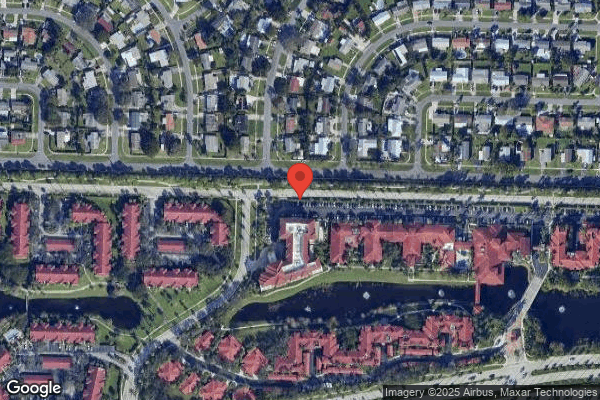

3600 MASTERPIECE WAY, PALM BEACH GARDENS, FL 33410 (561) 514-5000
For profit - Individual 40 Beds KISCO SENIOR LIVING Data: November 2025
Trust Grade
65/100
#394 of 690 in FL
Last Inspection: October 2024

Within standard 12-15 month inspection cycle. Federal law requires annual inspections.

Overview

The Nursing Center at La Posada has received a Trust Grade of C+, indicating a decent standing, slightly above average but not exceptional. It ranks #394 out of 690 facilities in Florida, placing it in the bottom half, and #31 out of 54 in Palm Beach County, meaning there are better local options available. Unfortunately, the facility's trend is worsening, with compliance issues increasing from 3 in 2023 to 6 in 2024. Staffing is relatively strong, rated 4 out of 5 stars, but a high turnover rate of 62% raises concerns about consistency in care. While the center has not incurred any fines, which is a positive sign, recent inspector findings revealed issues such as mold in the kitchen that could lead to foodborne illnesses and failures to provide a balanced diet for residents, underscoring both strengths and weaknesses in their overall care quality.

Trust Score
C+
65/100
In Florida
#394/690
Bottom 43%
Safety Record
Low Risk
No red flags
Inspections
Getting Worse
3 → 6 violations
Staff Stability
⚠ Watch
62% turnover. Above average. Higher turnover means staff may not know residents' routines.
Penalties
✓ Good
No fines on record. Clean compliance history, better than most Florida facilities.
Skilled Nurses
✓ Good
Each resident gets 83 minutes of Registered Nurse (RN) attention daily — more than 97% of Florida nursing homes. RNs are the most trained staff who catch health problems before they become serious.
Violations
○ Average
9 deficiencies on record. Average for a facility this size. Mostly minor or procedural issues.
★★★☆☆
3.0
Overall Rating
★★★★☆
4.0
Staff Levels
★★★★☆
4.0
Care Quality
★★★☆☆
3.0
Inspection Score
Stable
2023: 3 issues
2024: 6 issues

The Good

  • 4-Star Staffing Rating · Above-average nurse staffing levels
  • 4-Star Quality Measures · Strong clinical quality outcomes
  • Full Sprinkler Coverage · Fire safety systems throughout facility
  • No fines on record

Facility shows strength in staffing levels, quality measures, fire safety.

The Bad

3-Star Overall Rating

Near Florida average (3.2)

Meets federal standards, typical of most facilities

Staff Turnover: 62%

16pts above Florida avg (46%)

Frequent staff changes - ask about care continuity

Chain: KISCO SENIOR LIVING

Part of a multi-facility chain

Ask about local staffing decisions and management

Staff turnover is elevated (62%)

14 points above Florida average of 48%

The Ugly 9 deficiencies on record

Oct 2024 6 deficiencies
CONCERN (D)

Potential for Harm - no one hurt, but risky conditions existed

Deficiency F0676 (Tag F0676)

Could have caused harm · This affected 1 resident

**NOTE- TERMS IN BRACKETS HAVE BEEN EDITED TO PROTECT CONFIDENTIALITY** Based on observation, interview, and record review, the facility failed to care and services, as evidenced by lack of supervisio...

Read full inspector narrative →
**NOTE- TERMS IN BRACKETS HAVE BEEN EDITED TO PROTECT CONFIDENTIALITY** Based on observation, interview, and record review, the facility failed to care and services, as evidenced by lack of supervision and assistance, during meals for 1 of 4 sampled residents, Resident #17, reviewed for nutrition. The findings included: Review of the clinical record of Resident #17 revealed the resident was originally admitted on [DATE] and readmitted on [DATE] with diagnoses that included: Fracture of Left Shoulder, Congestive Heart Failure (CHF), Repeated falls, and Psychosis. Review of the current Minimum Data Set (MDS) assessment dated [DATE] noted a Brief Interview for Mental Status (BIMS) score of 2 indicating severe cognitive impairment, and the resident required supervision and touching assistance with eating of meals. Review of the current physician orders dated 10/17/24 documented for a Mechanical Soft / No Added Salt Diet. Review of the current care plan dated 10/18/24 documented the following problems: -Impaired Vision - no documented intervention for staff supervision and assistance with meals. -ADL (Activities of Daily Living) Care - no documentation of intervention for staff supervision and assistance with meals. -Nutrition - no documentation of intervention for staff supervision and assistance with meals. -Cognitive Loss - no documentation of intervention for staff supervision and assistance with meals. Observation of the breakfast meal on 10/28/24 at 8:30 AM noted Resident #17 to be confused and cognitive impaired. Resident #17 was noted to be struggling to eat independently and was spilling food onto front of self. During the 30-minute breakfast observation, it was noted there were no staff to enter the resident's room and provide supervision or assistance with the meal. Resident #17 was noted to be calling out for help during the meal. The resident consumed only 25% food and fluids of the breakfast meal. Observation of lunch meal on 10/28/24 at 12:45 PM noted the meal tray was served to the room of Resident #17. Review of the meal ticket noted that the resident had a No Added salt diet but the resident received a pureed meal. The resident was with cognitive impairment and confusion, the tray set-up was done by nurse who stated to the surveyor 'she needs help with feeding but can't help now and will be back latter'. Continued observation noted the resident to be eating with her hands (pureed beef, and mashed potatoes) and she ate the dessert with her hands first. No further help was noted with the meal from nursing staff. Resident #17 ate less than 50% without assistance and supervision. Three spoons were served with the meal and no other silverware (fork and knife) was provided with the food tray. During the observation of the breakfast meal on 10/29/24 at 8;45 AM, it was noted that the tray was served to the room of Resident #17. Further observation noted that the meal tray ticket documented Mechanical Soft / No Added Salt diet. Further observation noted that the nursing aide set up the meal tray for the resident and left the room. Further observation over the next 15 minutes noted the resident with confusion, yelling out for assistance, and spilling tray foods when attempting to self-feed. It was further noted that the resident was seen by the Unit Secretary who then sat with the resident and the resident was feed the entire meal. Meal consumption was 100% food and fluids. On 10/29/24 at 10:00 AM, the surveyor discussed the observations and record review of Resident #17 with the Director of Nursing (DON). It was discussed that the resident is able to feed with close supervision and assistance by staff with all meals. Further discussed was that the goal would be for the resident to receive assistance and supervision. The DON agreed with the findings that the resident was not receiving the necessary supervision and assistance with meals to maintain independence with eating.
CONCERN (D)

Potential for Harm - no one hurt, but risky conditions existed

Menu Adequacy (Tag F0803)

Could have caused harm · This affected 1 resident

Based on observation, interview, and record review, the approved menu was not followed for 2 of 2 sampled residents, Residents #5, and #195, with physician ordered Pureed diets. The findings included:...

Read full inspector narrative →
Based on observation, interview, and record review, the approved menu was not followed for 2 of 2 sampled residents, Residents #5, and #195, with physician ordered Pureed diets. The findings included: 1. During the review of the approved menu for the lunch meal of 10/27/24, it was documented that the Pureed Diet was to receive 2 Pureed Pancake with 1 ounce of sour cream and 1 ounce of pureed bread. During the observation of the lunch meal on 10/27/24 at 11:45 AM in the second floor satellite serving kitchen, it was noted that the pureed pancakes and pureed bread were not prepared or served. No lunch alternatives were noted to be prepared. Interview with the Food Service Director (FSD) at the time of observation noted that the breakfast / lunch cook failed to review the Pureed menu to ensure that all foods included on the approved pureed menu (pureed potato pancakes and bread) for the lunch meal of 10/27/24 were prepared and served. Review of the facility's diet census for 10/27/24 noted that there were 2 facility residents with physician ordered Pureed diets that included Resident's #5 and #195. 2. During the review of the approved menu for the lunch meal of 10/28/24, it was documented that the Pureed Diet was to receive 4-ounce of Pureed Potatoes O'Brien. During the observation of the lunch meal conducted on 10/28/24 in the second floor satellite serving kitchen, it was noted that the pureed Potatoes O'Brien were not prepared or served. No alternatives were noted to be prepared or served. In an interview with the FSD at the time of the observation, the FSD stated that the breakfast / lunch cook failed to review the pureed menu to ensure that all pureed food ere prepared and served. A review of the facility's diet census for 10/27/24 noted that there were 2 facility residents with physician ordered Pureed diet that included Resident's #5 and #195. 3. During review of the approved menu for the lunch meal of 10/28/24, it was noted that Pureed diets were to receive a serving of Pureed Dread/Roll. During the observation of the lunch meal conducted on 10/29/24 at 11:45 AM in the second floor satellite serving kitchen, it was noted that the Pureed bread was not prepared of served. No other alternates were noted to be prepared or served. In an interview with the FSD at the time of the observation, the FSD stated that the breakfast / lunch cook failed to review the pureed menu to ensure that all pureed foods were prepared and served. A review of the facility's diet census for 10/28/24 noted that there were 2 facility residents with physician ordered Pureed diet that included Resident's #5 and #195.
CONCERN (E)

Potential for Harm - no one hurt, but risky conditions existed

Deficiency F0800 (Tag F0800)

Could have caused harm · This affected multiple residents

**NOTE- TERMS IN BRACKETS HAVE BEEN EDITED TO PROTECT CONFIDENTIALITY** Based on observation, interview, and record review, the facility failed to provide residents with a well-balanced diet that meet...

Read full inspector narrative →
**NOTE- TERMS IN BRACKETS HAVE BEEN EDITED TO PROTECT CONFIDENTIALITY** Based on observation, interview, and record review, the facility failed to provide residents with a well-balanced diet that meets daily nutritional needs that potentially included 40 of the facility 40 residents, and specifically 6 of 6 sampled residents, Residents #5, #14, #17, #25, 195, and #197, with physician ordered Pureed and Mechanical Soft Diets. The findings included: 1. During the review of Cycle Menu #2 which was being utilized during the survey of 10/27/24, it was noted that the cycle menu documented that the breakfast was the only meal that documented an 8-ounce portion of Choice of Milk. Further review of the lunch and dinner meals noted no milk serving documented and stated only 8-ounce beverage. During an interview with the Certified Dietary Manager (CDM) and Food Service Director (FSD), it was discussed that the requirements set by the government standards for development a nutritious diet for adult 55 years of greater was a minimum 16-ounces of milk or equivalent be served per day. The CDM and FSD stated that they were aware of the requirement but attempts to correct the cycle menus were not completed. A nutrition tool was requested for the menu development. A review of the Basic Nutrition / Review Healthy Eating Pattern (DOC 425) and the healthy Eating Pattern Evaluation Sheet (Form 425) was provided by the FSD that documented the following: 1) The Healthy Eating [NAME] currently used in healthcare communities is based on the following five food groups that include: *Milk, Yogurt, and Cheese: 2 or more 8-ounce servings of low-fat or non-fat milk per day, 2 or more 8-ounce servings of yogurt, or 2 or more 2-ounce servings of processed cheese. 2) Age, sex, body, and activity level determines your calorie needs. 3) Number of servings from each food group includes: 2-3 servings of Milk, Yogurt, & Cheese. The required servings of milk could potentially affect 40 of the 40 facility's residents. 2. During the observation of the lunch meal in the satellite kitchen on 10/29/24 at 11:50 AM, it was noted during the review of the approved lunch menu that the [NAME] Salad (1/2 cup) was included on Regular, No Added Salt (NAS), and Carbohydrate Controlled (CCHO) diets. Further review noted that a mock salad or alternate salad was not included for the Mechanical Soft and Puree diet. Interview conducted with the Certified Dietary Manager (CDM) and Food Service Director (FSD) at the time of the review noted that they agreed and were aware of the findings, but they were not able to make changes in the corporate Cycle Menu. A review of the facility's diet manual for Mechanical Soft and Puree Diet noted the following: Mechanical Soft: Difficult to chew foods are to be chopped, ground, shredded, cooked, or altered to make them easier to chew or swallow. Puree Diet: All foods pureed to a smooth pudding like, consistency eliminating the whole chew phase. Pureed diets follow the foods on the regular menu as closely as possible with the main difference being consistency. Following the diet manual review for Mechanical Soft and Puree Diet, it was again discussed with the CDM and FSD on 10/29/23 that an alternate for the [NAME] Salad should have been developed into the Cycle Menu. Review of the facility's Diet Census for 10/27/24 noted that there were currently 2 residents (sampled Residents #5 and #195) with physician ordered Pureed Diet, and 4 residents (sampled Residents #14, #17, #25, and #197) with physician ordered Mechanical Soft Diet. During the review of the facility's current Cycle Menu (# 2) that was in use during the survey of 10/30/24, it was noted that all lunch protein entrees were documented to be served at a minimum of 3-ounces of protein. Further review revealed Cycle Menus #1, #3, #4, and the percentage (%) also documented the lunch protein serving as a minimum 3-ounces (21 grams Protein) of protein. Further review of the approved lunch meal of 10/27/24 noted that the entree to be served was Cheese Blintzes (2) and Sausage Patty (1). A review of the manufacturer's nutrient analysis of the for the Cheese Blintzes noted that the total protein provided in the serving was 6 grams (1.5-ounces Protein) and the Sausage Patty provided 5 grams (less than 1-ounce of Protein). The total protein grams served (Blintzes & Sausage) was 11 grams which was 10 grams short of the required 21 grams. Interview with the CDM and FSD at this time and review of the math calculations of the protein being served revealed they agreed that addition protein foods needed to be included in the lunch meal to ensure a 3-ounce protein portion. The CDM and FSD stated that they are unable to make changes in the corporate Cycle Menus. The protein servings could potentially affect 40 of the facility's 40 residents.
CONCERN (E)

Potential for Harm - no one hurt, but risky conditions existed

Deficiency F0847 (Tag F0847)

Could have caused harm · This affected multiple residents

Based on record review and interviews, the facility failed to ensure the Binding Arbitration Agreements was complied with all the regulatory requirements, that included the Agreement must explicitly g...

Read full inspector narrative →
Based on record review and interviews, the facility failed to ensure the Binding Arbitration Agreements was complied with all the regulatory requirements, that included the Agreement must explicitly grant the resident / representative the right to rescind within 30 days of signing it. This affected 35 residents who had signed the facility's current arbitration agreement for the period of 02/02/21 through 10/24/24. The census at the time of survey was 40 residents. The findings included: On 10/27/24 at 10:58 AM, during entrance conference with the Administrator, she verified that there were residents that have entered into an arbitration agreement. She stated this is done when the residents are admitted and part of their admission packet. She confirmed that no residents at this time have resolved a dispute using arbitration. On 10/28/24 at 12:46 PM, an interview was conducted with the Administrator and the admission Director who was responsible for explaining the arbitration agreement to the residents or responsible party. A review of the list of residents or responsible parties who signed the Voluntary Arbitration Agreement revealed 35 residents had signed. A copy of the Voluntary Arbitration Agreement, which was included in the Facility's admission Packet, was provided for review. During review of the Arbitration Agreement, the following concern was noted: The agreement stated that each party shall have three (3) business days from the execution of this Agreement to cancel the Agreement by notifying the other party in writing, by certified mail return receipt requested, of its desire to cancel. The Administrator and the admission Director were immediately informed of the finding with the Arbitration Agreement. On 10/28/24 at 1:57 PM, an additional interview was conducted with the Administrator and Admissions Director. A revised agreement was presented to the surveyor that now included each party shall have thirty (30) calendar days from the execution of this Agreement to cancel the Agreement by notifying the other party in writing, by certified mail return receipt requested, of its desire to cancel.
CONCERN (E)

Potential for Harm - no one hurt, but risky conditions existed

Deficiency F0848 (Tag F0848)

Could have caused harm · This affected multiple residents

Based on record review and interviews, the facility failed to ensure the Binding Arbitration Agreements was complied with all regulatory requirements, that included the arbitration proceedings shall t...

Read full inspector narrative →
Based on record review and interviews, the facility failed to ensure the Binding Arbitration Agreements was complied with all regulatory requirements, that included the arbitration proceedings shall take place in a venue that is convenient for both parties. This affected 35 residents who signed the facility's current arbitration agreement for the period of 02/02/21 through 10/24/24. The census at the time of survey was 40 residents. The findings included: On 10/27/24 at 10:58 AM, during entrance conference with the Administrator, she verified that there were residents that have entered into an arbitration agreement. She stated this is done when they are admitted and is part of their admission packet. She confirmed that no residents at this time have resolved a dispute using arbitration. On 10/28/24 at 12:46 PM, an interview was conducted with the Administrator and the admission Director who was responsible for explaining the arbitration agreement to the residents or responsible party. A review of the list of residents or responsible parties who signed the Voluntary Arbitration Agreement revealed 35 residents had signed. A copy of the Voluntary Arbitration Agreement, which was included in the Facility's admission Packet, was provided for review. During review of the Arbitration Agreement, the following finding was noted: The Agreement stated that The arbitration proceedings shall take place in the county where the subject facility is located.' The Administrator and the admission Director were immediately informed of the finding with the Arbitration Agreement. On 10/28/24 at 1:57 PM, an additional interview was conducted with the Administrator and Admissions Director. A revised agreement was presented to the surveyor that now included The arbitration proceedings shall take place in the county that is convenient for both parties.
CONCERN (F)

Potential for Harm - no one hurt, but risky conditions existed

Food Safety (Tag F0812)

Could have caused harm · This affected most or all residents

Based on observation, interview, and record review, the facility failed to store, prepare, distribute and serve food in accordance with professional standards for food service safety for potentially 4...

Read full inspector narrative →
Based on observation, interview, and record review, the facility failed to store, prepare, distribute and serve food in accordance with professional standards for food service safety for potentially 40 of 40 facility residents. The findings included: 1. During the initial observation tour of the main kitchen on 10/27/24 at 9:00 AM and accompanied with the facility's Food Service Director (FSD), the following were observed: (a) Observation of the main hallway leading up to the kitchen entry/exit door noted that the exterior of the air-conditioning vent was covered with a black mold type substance. It was discussed with the FSD that the mold could result in food borne illness and required cleaning and sanitizing immediately. Photographic Evidence Obtained. (b) Observation of the produce walk-in refrigerator #1 noted that the exteriors of the 3 fan motor covers were rust laden. The surveyor discussed with the FSD the potential for rust substances to fall into foods and result in food contamination. Photographic Evidence Obtained. (c) Observation of walk-in refrigerator #2 noted that the exterior covers of the 3 fan covers were dust laden. The surveyor discussed with the FSD that the dust was spraying all over the foods being stored within the unit and potentially resulting on food contamination. Photographic Evidence Obtained. (d) Approximately 25 portions of uncovered raw fish was being stored on a rack within walk-in refrigerator #1. The surveyor discussed with the FSD that all raw potentially hazardous foods require proper covering at all times. Photographic Evidence Obtained. (e) Approximately 2 pounds of raw shrimp were being stored with walk-in refrigerator #2 and failed to have a storage and discard date. The surveyor discussed with the FSD that all foods must be properly labeled and dated. Photographic Evidence Obtained. (f) A 5-pond container of Ricotta Cheese was located in walk-in refrigerator #2 with a stamped manufacturers expiration date 07/16/24. The surveyor discussed with the FSD that all foods past the manufacturers expiration date mist be discarded immediately. Photographic Evidence Obtained. (g) The floor area around the entrance door to the walk-in refrigerator was heavily stained and soiled. The surveyor discussed with the FSD that the unit is not being properly cleaned on a regular basis. Photographic Evidence Obtained. (h) Numerous cases (10) of food were noted to be stored on the soiled floor of the walk-in freezer. The surveyor discussed with the FSD that all foods must be store a minimum 6 inches off the floor on properly food storage shelving, and that the freezer floor is not being properly cleaned on a regular basis. (i) Soiled cleaning rags (4) were noted to be stored directly on food preparation and serving surfaces. It was discussed with the FSD that the rags are contamination the food surfaces and that all rags must be stored in a chemical solution when not in use. Photographic Evidence Obtained. (j) Chemical sanitizing levels were performed on 3 sanitizing solution buckets. The test revealed that there was insufficient level of chemical (Quaternary) levels in the water as per regulation. The surveyor discussed with the FSD that all chemical storage rags buckets must meet regulatory requirement. Photographic Evidence Obtained. (k) The wall area at the food preparation sink was black mold laden and required re-caulking to the stainless steel run. The surveyor discussed with the FSD that re-caulking is required and that the area is not being properly cleaned on a regular basis. Photographic Evidence Obtained. (l) The inside and exterior of a food transportation cart located within the 3-compartment sink area was heavily soiled and brown stained. The surveyor discussed with the FSD that the carts are not being properly cleaned on a regular basis. Photographic Evidence Obtained. (m) The exterior of the door entry threshold of the pot storage room was noted to have large areas of peeling paint. The surveyor discussed with the FSD that the paint could potentially enter foods and result in food contamination. Photographic Evidence Obtained. (n) The exteriors of 7 commercial frying skillets were soiled and covered with black carbon matter. The surveyor discussed with the FSD that each time the pans are used the carbon is entering into the food being prepared and resulting in potential food contamination. Photographic Evidence Obtained. (o) Observation of the clean pot and pan equipment storage room noted that a soiled mop bucket was being stored within the room. The surveyor discussed with the FSD that soiled equipment are not to be stored with clean equipment. Photographic Evidence Obtained. (p) The exteriors of the commercial ingredient bins (flour, sugar) were soiled and areas of dried food matter. The surveyor discussed with the FSD that the ingredient bins were not being properly cleaned on a regular basis. Photographic Evidence Obtained. (q) Numerous baking sheet pans (20) were noted to be covered with black carbon substance. The surveyor requested to the FSD to discard the pans and replace them. Photographic Evidence Obtained. (r) Observation of the dish machine noted that the 2 exhaust chutes were not properly attached to the top of the machine as required. The surveyor discussed with the FSD that the issues be repaired as soon as possible. Photographic Evidence Obtained. (s) The stainless-steel dish-runs attached to the dish machine were mold laden and required re-caulking. Photographic Evidence Obtained. (t) The soiled cleaning rags container (1) and the tables cloths container (1) were not made of non-absorbent plastic bags and were not covered. The surveyor discussed with the FSD that the type of material used for storage be plastic and must be covered at all times. Photographic Evidence Obtained. 2. During the observation of the Second Floor Satellite Serving Kitchen conducted on 10/27/24 at 10:00 AM, the following were observed: (a) Soiled mop, broom, dustpan were being hung from one of the room walls, and a soiled mop buckets was also being stored in the food serving area. The surveyor discussed with the FSD that no soiled cleaning equipment is to be stored within the food serving and food storage area. Photographic Evidence Obtained. (b) Observation of the food storage and clean disposable room noted that staff personal belongings (purses - 2) were being stored on food storage shelving. The surveyor discussed with the FSD that soiled personal belongings cannot be stored within the clean storage room. Photographic Evidence Obtained. 3. During the observation of the lunch meal in the Second Floor Satellite Kitchen on 10/27/24 at 11:45 AM, the temperatures of hot and cold foods were taken by staff utilizing the facility's calibrated digital food thermometer. The temperature testing noted that cold foods were not being maintained at the regulatory requirement of 41 degrees F (Fahrenheit) or below. Theses foods included: *Chocolate Pudding = 45 degrees F. *Three Bean Salad = 44 degrees F. *Chicken Salad Platter (4) = 55 degrees F. *Cheese Sandwich (2) = 58 degrees F. *Cottage Cheese platter (3) = 48 degrees F. The surveyor requested to the FSD that the foods not be served until regulatory temperatures were obtained. 4. During the observation of the breakfast meal in the Second Floor Satellite Serving Kitchen on 10/28/24 at 7:30 AM, the temperatures of hot and cold foods were taken by staff utilizing the facility's calibrated digital food thermometer. The temperature testing noted that hot foods were not being held at the regulatory temperature of 135 degrees F or above. These foods included: *Sausage Links (20) were 117 degrees F. The surveyor requested that the sausages not be served until the regulatory temperature of 135 degrees F of higher was obtained and held. On 10/27/24 and 10/28/24, the sanitation issues were discussed and confirmed with the facility's Administrator.
Sept 2023 3 deficiencies
CONCERN (D)

Potential for Harm - no one hurt, but risky conditions existed

Quality of Care (Tag F0684)

Could have caused harm · This affected 1 resident

**NOTE- TERMS IN BRACKETS HAVE BEEN EDITED TO PROTECT CONFIDENTIALITY** Based on observation, record review, policy review and interviews, the facility failed to monitor daily weights and report a sig...

Read full inspector narrative →
**NOTE- TERMS IN BRACKETS HAVE BEEN EDITED TO PROTECT CONFIDENTIALITY** Based on observation, record review, policy review and interviews, the facility failed to monitor daily weights and report a significant weight gain of 9.6 lbs. in one day for 1 of 1 sampled resident diagnosed with congestive heart failure, whose record was reviewed for Death (Resident #33); and failed to follow physician orders and to identify an incorrect dose of medication prepared by the pharmacy that nursing staff were administering to residents for 1 of 5 sampled residents observed during medication pass (Resident #235). The findings included: The facility policy, titled, Notification of Changes Policy, documented, in part, the following: It is the policy of this facility that changes in a resident's condition or treatment are immediately shared with the resident and/or resident representative, according to their authority, and reported to the attending physician or delegate (hereafter designated as the physician). Nurses and other care staff are educated to identify changes in a resident's status and define changes that require notification of the resident and/or their representative, and physician, to ensure best outcomes of care for the resident. Requirements for notification of resident, the resident representative and their physician: 2. A significant change in the resident's physical, mental or psychosocial status. Notification is provided to the physician to facilitate continuity of care and obtain input from the physician about changes, additions to or discontinuation of treatments. The facility's Procedure for Notification of Change, documented, in part, the following: 1. The nurse will immediately notify the resident, resident's physician and the resident representative(s) for the following (list is not all inclusive): b. A significant change in the resident's physical, mental or psychosocial status that is a deterioration in the health, mental or psychosocial status in either life threatening conditions or clinical complication. c. A need to alter treatment significantly (a need to discontinue or change an existing form of treatment due to adverse consequences, or to commence a new form of treatment. 7. Communicate the changes to the rest of the care team and inform the supervisor. 8. Communicate the changes to the staff on the oncoming shift. Review of the record revealed Resident #33 was admitted to the facility on [DATE] and readmitted on [DATE] with diagnoses which included Pneumonia, Pleural Effusion, Pancytopenia, Chronic Obstructive Pulmonary Disease, and Atrial Fibrillation. Review of the [DATE] electronic Medication Administration Record (eMAR) documented a physician order for daily weights - dx [diagnosis] CHF [congestive heart failure]. 3 times per week (Mon, Wed, Fri). Notify physician if weight gain is over 3 lbs. in one day or 5 lbs. in one week every day shift for CHF - monitoring. Start date [DATE]. Review of the [DATE] eMAR documented Resident's weights were recorded each day from [DATE] to [DATE], except for [DATE] due to resident being out to the hospital for drainage of fluids from lungs. Resident #33 had been prescribed Furosemide 20 mg [Lasix] one time per day, one time only, on [DATE], [DATE] and [DATE]. On [DATE], Resident #33's weight was recorded as 227.6 pounds (lbs/#). On [DATE], Resident #33's weight was recorded as 237.2#, a 9.6 lbs. weight gain in one day. There was no documentation from the nursing staff noting this significant weight gain in the one day, and no documentation the resident's health care provider was notified of this significant weight gain. Resident #33 was seen by the physician monitoring his pain on [DATE]. There was no mention in the physician notes of the resident's significant weight gain. The physician did note LE [lower extremities] weakness and edema. The Progress Note on [DATE] documented, Resident admitted with diagnosis of CHF. He is alert, pleasant and cooperative. Lungs sound clear to auscultation, respirations even and unlabored. Resident requires mod/max assist with ADL's, independent with meals with set up by staff . The Progress Note for Resident #33 on [DATE] at 9:47 AM documented the following timeline of events: On rounding on my shift at 6:45pm I spoke with the resident [Resident #33] he stated he was feeling better than the previous day, [Resident #33] was in a stable condition sitting in his chair. When I asked how he was feeling respiratory wise he said he felt much better. I checked his vitals B/P 130/50, RR 18 pulse, 65. Oxygen 96 % on room air. Temperature 97.3 Checked his blood sugar result was 172. The resident received his scheduled medication around 20:00 PM [8:00 PM] along with his Lantus 30 units given subcutaneous right arm. The resident Tolerated the medication well no adverse reaction noted, no signs of hyperglycemia noted. At around 21:30 Pm [9:30 PM] Resident requested a snack for the evening before going to bed At 11:00PM Resident was transferred back to bed stated he had no concerns all ADL was rendered. [Resident #33] applied his C-PAP on, asleep after that, The CNA then rounded frequently. On at around 3:00 am the CNA spoke with [Resident #33] when he needed assistant with the urinal, He had no acute distress at the time around 6:00 am while doing Medpass and rounds the CNA was caring for the residents on her assignment and notice [Resident #33] was blue in color and unresponsive, she then Call out for help I immediately ran in the room checked for a pulse performed a sternal rub and began CPR compressions, second nurse came in to assist with CPR, I called 911, continued with CPR until EMS arrived and had taken over. EMS called code, at 6:30 Police arrived for unexpected death. After the code wife and son was notified, MD/ARNP was notified [sic .except for where Resident's name was removed and replaced by resident number]. On [DATE] at 9:37 AM, Staff E (Registered Nurse) was interviewed. Staff E confirmed that she did provide care for Resident #33 on [DATE] and 07/16 23. She remembered that the resident had CHF. When asked about the resident's weights, Staff E stated, I record the resident's weights, but I don't look at the previous weights. Dietary would look at the weights. Dietary keeps the lists of the weights. Staff E was surprised by the 9.6 weight gain recorded in the resident's eMAR, even though she is the one who entered the weights into the system. Staff E was asked, in the event of such a large weight gain in one day for a CHF resident, who would notify the doctor. The Nurse answered, I don't know who would notify the doctor. Staff E went on to say, The Restorative Aide weighs the resident during the week and puts the weights into the computer. On the weekends, the weekend Aide weighs the resident and hands me the weights, and I put them into the computer because the weekend aide doesn't have access to add the weights. On [DATE] at 10:33 AM, the acting Director of Nursing (DON) stated, In the event of weight concerns for [Resident #33], the nurse would most likely notify the physician's Advanced Registered Nurse Practitioner (ARNP) in the event of any weight concerns, the expectation for CHF residents is that the resident is weighed, the weights are documented, and the doctor is notified depending on the result. On [DATE] at 10:50 AM, the ARNP caring for Resident #33 stated, If I would have been notified of a 10 lb. weight gain in one day for [Resident #33], I would have said, 'That's not accurate,' and told them the resident needs to be weighed again. On [DATE] at 11:09 AM, an interview was conducted with Staff G (CNA). She stated, Every weekend I do weights. I weigh CHF people and people who the nurse requests. I write down the weights on the paper that is for weights, and I give the weights to the nurse. The week goes from Sunday to Saturday. When I weigh on Sunday, I cannot see what the weight was for Saturday because that is on another sheet of paper. The Weight Log for [DATE] was reviewed. The weight recorded by Staff G on [DATE] was confirmed as 237.2, the weight recorded on the eMAR. On [DATE] at 1:57 PM, the Registered Dietitian stated, I review the resident weights on Wednesdays. The Restorative CNA gives me the weights on Monday and Tuesday, and I note any significant changes, and if I notice any big changes, I will ask for a re-weigh. If the concerns remain, I will go to the nurse right away. On [DATE] at 2:13 PM, the DON stated, The IDT [Interdisciplinary team] Management Team review residents' daily weights in the Monday through Friday morning meetings. On Thursdays, the RD [registered dietician] reviews weight changes with the Team. There is a Manager on Duty on weekends, but not always clinical. There is a clinical manager on call every weekend. The management team most likely did not see the weight gain because the resident would have been discharged from the system since he passed at 6 AM. The DON confirmed that the nurse on duty called the police and reported Resident #33's unexpected death. The DON also confirmed at this time that no adverse incident had been reported for this event. No autopsy for Resident #33 was performed. 2. Review of the policy Administering Medications revised [DATE] documented, Policy Interpretation and Implementation . 3. Medications must be administered in accordance with the orders, including any required time frame. 7. The individual administering the medication must check the label more than once to verify the right resident, right medication, right dosage, right time and right method (route) of administration before giving the medication. A medication pass observation was conducted on [DATE] beginning at 10:14 AM with Staff A, Licensed Practical Nurse (LPN) for Resident #235. Staff A, LPN, prepared ten (10) medications to include buspirone 30 mg (milligrams), an anti-anxiety medication. Staff A confirmed she prepared 10 pills. Staff A administered the medications to Resident #235. Review of the physician orders revealed the order dated [DATE] that documented to give a half (1/2) tablet (15 mg) of the buspirone 30 mg dose, twice daily. An observation of the label and packaging of the buspirone with Staff A on [DATE] at approximately 10:45 AM revealed the documented directions to give one half (15 mg) of the 30 mg tablet. Further observation revealed whole pills were packaged in the individual bubbles of the bubble pack. Photographic Evidence Obtained. The observation revealed each pill was scored on one side to be broken in thirds and on the other side to be broken in half. Staff A confirmed she administered a whole tablet, and had not noticed the directions to give one half tablet. Staff A explained that usually the pharmacy would send the package with the half tablet in each dose bubble, whenever there was an order for a half tablet of any medication. Further review of the label and package revealed the medication was filled on [DATE] and six other doses had been administered to Resident #235. Review of the [DATE] Medication Administration Record (MAR) revealed Staff A had administered two of the previous six doses, and three other nurses had provided the other four previous doses.
CONCERN (D)

Potential for Harm - no one hurt, but risky conditions existed

Pharmacy Services (Tag F0755)

Could have caused harm · This affected 1 resident

Based on observation, record review, and interview, the pharmacy failed to send the correct dose of medication (buspirone, an anti-anxiety medication) for 1 of 5 sampled residents observed during the ...

Read full inspector narrative →
Based on observation, record review, and interview, the pharmacy failed to send the correct dose of medication (buspirone, an anti-anxiety medication) for 1 of 5 sampled residents observed during the medication pass observation (Resident #235). The findings included: A medication pass observation was made with Staff A, Licensed Practical Nurse (LPN) on 09/06/23 beginning at 10:14 AM. Staff A administered a 30 mg (milligram) tablet of buspirone to Resident #235. An observation of the label and packaging of the buspirone with Staff A on 09/06/23 at approximately 10:45 AM, revealed the documented directions to give one half (15 mg) of the 30 mg tablet. Further observation revealed whole pills were packaged in the individual bubbles of the bubble pack that was filled on 08/31/23. Photographic Evidence Obtained. Each pill was scored on one side to be broken in thirds and on the other side to be broken in half. Staff A confirmed she administered a whole tablet, and had not noticed the directions to give one half tablet. Staff A explained that usually the pharmacy would send the package with the half tablet in each dose bubble, whenever there was an order for a half tablet of any medication. During an interview on 09/06/23 at 11:46 AM, the Director of Nursing (DON) agreed there were whole pills of the buspirone in the bubble pack. The DON stated he had confirmed with the pharmacy, and confirmed the process should be that the pharmacy put a half pill in the bubble pack for administration when a physician orders half doses. On 09/06/23 at 1:59 PM, two representatives from the pharmacy were noted in the facility checking all of the medications. When asked the process when the physician orders a half tablet, the pharmacy representatives confirmed they would break the tablets in half and package the half dose in the bubble packaging. The pharmacy representatives agreed a whole tablet of buspirone was packaged in the bubble package that was filled on 08/31/23 for Resident #235.
CONCERN (D)

Potential for Harm - no one hurt, but risky conditions existed

Medical Records (Tag F0842)

Could have caused harm · This affected 1 resident

**NOTE- TERMS IN BRACKETS HAVE BEEN EDITED TO PROTECT CONFIDENTIALITY** Based on observations, interviews, and record review, the facility failed to accurately document wound treatments, as evidenced ...

Read full inspector narrative →
**NOTE- TERMS IN BRACKETS HAVE BEEN EDITED TO PROTECT CONFIDENTIALITY** Based on observations, interviews, and record review, the facility failed to accurately document wound treatments, as evidenced by nurses signing off for wound care when not provided and failed to obtain written physician orders for the pressure relieving boots for 1 of 13 sampled residents, Resident #8; and failed to ensure accurate documentation related to residents' discharge, for 1 of 13 sampled residents, Resident #32. The findings included: 1a. Record review revealed Resident #8 was admitted to the facility on [DATE]. Review of the record revealed Resident #8 had a treatment order dated 08/21/23 that documented: Right heel: Cleanse with NSS [Normal Saline], pat dry and apply Hydrogel. Cover with a bordered gauze dressing, every night shift every Mon, Wed, Fri [Monday, Wednesday, Friday]. On 09/05/23 at approximately 3:30 PM, the surveyor asked Staff F, Licensed Practical Nurse (LPN), to view the wound on the right heel of Resident #8. The wound was covered with a bordered gauze dressing and dated 08/31/23 with a night nurse's initials. Photographic Evidence Obtained. Review of the Treatment Administration Records (TAR) for Resident #8, revealed the night nurse had signed for that the treatments were done on Wednesday 08/30/23, Friday 09/01/23, and Monday 09/04/23. (Copy of August and September TAR obtained). Record review revealed a progress note written by the Director of Nursing (DON) on 09/05/23 at 4:00 PM that a follow up wound assessment was conducted regarding a treatment variance to the resident's right heel. An interview was conducted with DON on 09/06/23 at 4:00 PM regarding the right heel dressing that was dated 08/31/23. The DON acknowledged that there had not been a dressing change since 08/31/23, and nurses had been signing on the TAR that dressing changes had been done on Friday 09/01/23 and Monday 09/04/23. b. Record review for Resident #8 revealed that there was an order to off-load heels and encourage Resident to off-load Bilateral heels on pillows when in bed and as needed. There was no evidence of a physician's order for a pressure relieving boot. On 09/05/23 at 2:42 PM, the surveyor observed Resident #8 sitting in her wheelchair with a pressure relieving boot on her right leg. On 09/06/23 at 1:45 PM, Staff D, Registered Nurse / RN, for Resident #8, was asked about when the resident is supposed to wear the boot. Staff D stated she was not aware of the boot but would find out about it. At 3:45 PM, Staff C, Certified Nursing Assistant / CNA, for Resident #8 was interviewed regarding when the resident is supposed to wear the pressure relieving boot, she stated the boot is put on when the resident is in bed or as needed. Additional review of the physician orders for Resident #8, dated 09/06/23, documented an order was added for, Off Load Right Heel with Booty when in bed. During the interview with the DON, he stated Resident #8 came in from the hospital on [DATE], with the pressure relieving boot, and he realized yesterday, 09/05/23, that there was no order for the boot. 2. Review of the record revealed Resident #32 was admitted to the facility on [DATE] and discharged on 06/16/23. Review of a progress note dated 06/17/23, written by Staff B, RN, documented the RN spoke with a family member of Resident #32 who confirmed the resident had been admitted to the hospital, but anticipated her coming back after her discharge from the hospital. Review of the discharge Minimum Data Set (MDS) dated [DATE] documented Resident #32 had been discharged , but her return was not anticipated. During an interview on 09/06/23 at 1:30 PM, when asked what type of MDS would be completed for a resident who was transferred to the hospital, the MDS Coordinator stated she would do a discharge with return anticipated MDS assessment in most cases. When asked specifically about Resident #32, the MDS Coordinator stated she recalled the previous Social Worker told her a family member reported Resident #32 was not returning to the facility, and she recalled changing the discharge MDS assessment from anticipated return to return not anticipated. The MDS Coordinator agreed the progress note by Staff B documented Resident #32 was returning and was unable to find any documented evidence by the previous Social Worker. The MDS coordinator agreed to the contradictory information documented in the resident record. During an interview on 09/07/23 at 9:58 AM, Staff B stated she recalled Resident #32, and stated she had spoken with the family upon transfer to the hospital. Staff B stated the granddaughter stated the resident would more than likely return to the facility. The RN stated she later heard from the previous Social Worker, she thought, that the resident or family had changed their minds, and she would not be returning to the facility. Staff B was unable to locate any documentation from the Social Worker regarding Resident #32 not returning to the facility.
Understanding Severity Codes (click to expand)
Life-Threatening (Immediate Jeopardy)
J - Isolated K - Pattern L - Widespread
Actual Harm
G - Isolated H - Pattern I - Widespread
Potential for Harm
D - Isolated E - Pattern F - Widespread
No Harm (Minor)
A - Isolated B - Pattern C - Widespread

Questions to Ask on Your Visit

  • "Why is there high staff turnover? How do you retain staff?"
  • "Can I speak with families of current residents?"
  • "What's your RN coverage like on weekends and overnight?"

Our Honest Assessment

Strengths
  • • No major safety red flags. No abuse findings, life-threatening violations, or SFF status.
  • • No fines on record. Clean compliance history, better than most Florida facilities.
Concerns
  • • 62% turnover. Above average. Higher turnover means staff may not know residents' routines.
Bottom line: Mixed indicators with Trust Score of 65/100. Visit in person and ask pointed questions.

About This Facility

What is Nursing Center At La Posada, The's CMS Rating?

CMS assigns NURSING CENTER AT LA POSADA, THE an overall rating of 3 out of 5 stars, which is considered average nationally. Within Florida, this rating places the facility higher than 0% of the state's 100 nursing homes. This mid-range rating indicates the facility meets federal standards but may have areas for improvement.

How is Nursing Center At La Posada, The Staffed?

CMS rates NURSING CENTER AT LA POSADA, THE's staffing level at 4 out of 5 stars, which is above average compared to other nursing homes. Staff turnover is 62%, which is 16 percentage points above the Florida average of 46%. High turnover can affect care consistency as new staff learn residents' individual needs. RN turnover specifically is 70%, which is notably high. RNs provide skilled clinical oversight, so turnover in this role can affect medical care quality.

What Have Inspectors Found at Nursing Center At La Posada, The?

State health inspectors documented 9 deficiencies at NURSING CENTER AT LA POSADA, THE during 2023 to 2024. These included: 9 with potential for harm.

Who Owns and Operates Nursing Center At La Posada, The?

NURSING CENTER AT LA POSADA, THE is owned by a for-profit company. For-profit facilities operate as businesses with obligations to shareholders or private owners. The facility is operated by KISCO SENIOR LIVING, a chain that manages multiple nursing homes. With 40 certified beds and approximately 46 residents (about 115% occupancy), it is a smaller facility located in PALM BEACH GARDENS, Florida.

How Does Nursing Center At La Posada, The Compare to Other Florida Nursing Homes?

Compared to the 100 nursing homes in Florida, NURSING CENTER AT LA POSADA, THE's overall rating (3 stars) is below the state average of 3.2, staff turnover (62%) is significantly higher than the state average of 46%, and health inspection rating (3 stars) is at the national benchmark.

What Should Families Ask When Visiting Nursing Center At La Posada, The?

Based on this facility's data, families visiting should ask: "How do you ensure continuity of care given staff turnover, and what is your staff retention strategy?" "Can I visit during a mealtime to observe dining assistance and food quality?" "How do you handle medical emergencies, and what is your hospital transfer rate?" "Can I speak with family members of current residents about their experience?" These questions are particularly relevant given the facility's high staff turnover rate.

Is Nursing Center At La Posada, The Safe?

Based on CMS inspection data, NURSING CENTER AT LA POSADA, THE has a clean safety record: no substantiated abuse findings (meaning no confirmed cases of resident harm), no Immediate Jeopardy citations (the most serious violation level indicating risk of serious injury or death), and is not on the Special Focus Facility watch list (a federal program monitoring the lowest-performing 1% of nursing homes). The facility has a 3-star overall rating and ranks #100 of 100 nursing homes in Florida. While no facility is perfect, families should still ask about staff-to-resident ratios and recent inspection results during their visit.

Do Nurses at Nursing Center At La Posada, The Stick Around?

Staff turnover at NURSING CENTER AT LA POSADA, THE is high. At 62%, the facility is 16 percentage points above the Florida average of 46%. Registered Nurse turnover is particularly concerning at 70%. RNs handle complex medical decisions and coordinate care — frequent RN changes can directly impact care quality. High turnover means new staff may not know residents' individual needs, medications, or preferences. It can also be disorienting for residents, especially those with dementia who rely on familiar faces. Families should ask: What is causing the turnover? What retention programs are in place? How do you ensure care continuity during staff transitions?

Was Nursing Center At La Posada, The Ever Fined?

NURSING CENTER AT LA POSADA, THE has no federal fines on record. CMS issues fines when nursing homes fail to meet care standards or don't correct problems found during inspections. The absence of fines suggests the facility has either maintained compliance or corrected any issues before penalties were assessed. This is a positive indicator, though families should still review recent inspection reports for the full picture.

Is Nursing Center At La Posada, The on Any Federal Watch List?

NURSING CENTER AT LA POSADA, THE is not on any federal watch list. The most significant is the Special Focus Facility (SFF) program, which identifies the bottom 1% of nursing homes nationally based on persistent, serious quality problems. Not being on this list means the facility has avoided the pattern of deficiencies that triggers enhanced federal oversight. This is a positive indicator, though families should still review the facility's inspection history directly.