PROSPER HEALTH AND REHABILITATION CENTER
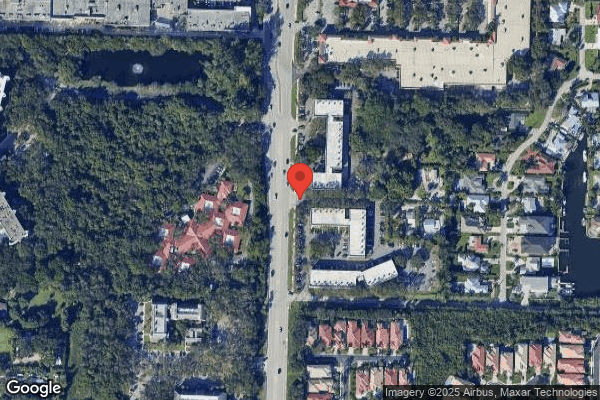
11375 PROSPERITY FARMS ROAD, PALM BEACH GARDENS, FL 33410 (561) 626-9702
For profit - Limited Liability company 120 Beds Independent Data: November 2025
Trust Grade
35/100
#550 of 690 in FL
Last Inspection: April 2024

Within standard 12-15 month inspection cycle. Federal law requires annual inspections.

Overview

Prosper Health and Rehabilitation Center has a Trust Grade of F, indicating significant concerns about the care provided. Ranking #550 out of 690 in Florida places it in the bottom half of facilities statewide, and #48 out of 54 in Palm Beach County shows there are only a few local options that rate better. The facility's trends are improving slightly, with issues decreasing from 14 in 2024 to 3 in 2025, but the current level of 40 total deficiencies remains troubling. Staffing is average with a 3/5 rating, a turnover rate of 43%, and average RN coverage, but the concerning $82,298 in fines suggests ongoing compliance problems. Specific incidents included a resident experiencing verbal abuse and neglect from staff, and another resident had a deflated bed for an extended period, highlighting both serious and minor care issues. While there are some strengths in staffing levels, the overall picture indicates families should carefully consider these significant weaknesses.

Trust Score
F
35/100
In Florida
#550/690
Bottom 21%
Safety Record
Moderate
Needs review
Inspections
Getting Better
14 → 3 violations
Staff Stability
○ Average
43% turnover. Near Florida's 48% average. Typical for the industry.
Penalties
○ Average
$82,298 in fines. Higher than 62% of Florida facilities. Some compliance issues.
Skilled Nurses
○ Average
Each resident gets 39 minutes of Registered Nurse (RN) attention daily — about average for Florida. RNs are the most trained staff who monitor for health changes.
Violations
⚠ Watch
40 deficiencies on record. Higher than average. Multiple issues found across inspections.
★★☆☆☆
2.0
Overall Rating
★★★☆☆
3.0
Staff Levels
★★★☆☆
3.0
Care Quality
★★☆☆☆
2.0
Inspection Score
Stable
2024: 14 issues
2025: 3 issues

The Good

  • Full Sprinkler Coverage · Fire safety systems throughout facility
  • No fines on record
  • Staff turnover below average (43%)

    5 points below Florida average of 48%

Facility shows strength in fire safety.

The Bad

2-Star Overall Rating

Below Florida average (3.2)

Below average - review inspection findings carefully

Staff Turnover: 43%

Near Florida avg (46%)

Typical for the industry

Federal Fines: $82,298

Well above median ($33,413)

Moderate penalties - review what triggered them

The Ugly 40 deficiencies on record

1 actual harm
Aug 2025 1 deficiency
CONCERN (D) 📢 Someone Reported This

A family member, employee, or ombudsman was alarmed enough to file a formal complaint

Potential for Harm - no one hurt, but risky conditions existed

Abuse Prevention Policies (Tag F0607)

Could have caused harm · This affected 1 resident

**NOTE- TERMS IN BRACKETS HAVE BEEN EDITED TO PROTECT CONFIDENTIALITY** Based on observations, interviews and record review, the facility failed to implement written policy and procedures to prevent a...

Read full inspector narrative →
**NOTE- TERMS IN BRACKETS HAVE BEEN EDITED TO PROTECT CONFIDENTIALITY** Based on observations, interviews and record review, the facility failed to implement written policy and procedures to prevent abuse for 3 of 3 abuse allegations affecting Residents #33, #48, #101, #86, and #38, as evidenced by lack of communication by staff to management, lack of documentation of events, and lack of documentation of notification to management, physicians and families. The census at the time of survey was 98 residents. The finding included: Review of the facility’s policy titled, “Abuse, Neglect, Exploitation, Misappropriation, Mistreatment, and Injury of Unknown Origin (ANEMMI)” with a revised date of 03/2025 included in part the following: Training and Prevention: c) what constitutes abuse, neglect, exploitation, misappropriation, mistreatment, and injury of unknown origin. Reporting policies and procedures established by the center. Reporting: Annually notifying covered individuals, of that individuals obligation to comply with the following reporting requirements a) each covered individual shall report to the state agency and one or more law enforcement entities for the political subdivision in which the facility is located nay reasonable suspicion of a crime against any individual who is a resident of, or is receiving care from eh facility b) each covered individual shall report immediately, but no later than 2 hours after forming the suspicion, if the events that cause the suspicion result in serious bodily injury, or not later than 24 hours if the events that cause the suspicion do not result in serious bodily injury. Staff are required to report any allegation of ANEMMI to the facility risk manager, direct supervisor, and/or abuse coordinator immediately upon knowledge of the allegation. Allegations of possible ANEMMI will be reported to state agencies per the federal regulation timeframe. State agencies may include (but are not limited to): Abuse Hotline (Department of Children and Families) State Agencies (Agency for Health Care Administration) Local Law Enforcement. For alleged violations of ANEMMI including injuries of unknown source, the surveyor reviews whether the facility maintains evidence that alleged violations are thoroughly investigated. There is no specific investigation process that the facility must follow, but the facility must thoroughly collect evidence to allow the Administrator to determine what actions are necessary (if any) for the protection of resident. Depending upon the type of allegation received, it is expected that the investigation would include but is not limited to conducting observation of the alleged victim, including any identification of any injuries as appropriate, the location where the alleged situation occurred, interactions and relationships between staff and the alleged victim and/or other resident, and interactions/relationships between resident to other resident. Conducting interviews with as appropriate the alleged victim and representatives, alleged perpetrator, witnesses, practitioner, interviews with personnel from outside agencies such as other investigatory agencies and hospital or emergency room personnel. Conducting record review for pertinent information related to the alleged violation, as appropriate, such as progress notes, financial record, incident reports (if used), reports from hospital / emergency room records, laboratory or x-ray reports, medication administration records, photographic evidence, and reports from other investigatory agencies. Review of the facility’s policy, titled, “Documentation” with a revised date of 01/2024 included in part the following: The following information is to be documented in the resident medical record a) objective observations, b) medications administered, c) treatments or services performed, d) changes in resident’s condition. Documentation in the medical record will be objective (not opiniated or speculative), complete and accurate. 1.Review of the record revealed Resident #86 was initially admitted to the facility 06/19/24 with a primary diagnosis of “Unilateral Primary Osteoarthritis, Right Knee.” Review of the current Minimum Data Set (MDS) assessment dated [DATE] documented Resident #86 had a Brief Interview for Mental Status (BIMS) score of 12, on a 0 to 15 scale, indicating the resident was moderately cognitively intact. Review of the record revealed Resident #38 was admitted to the facility 4/19/22 with a primary diagnosis of “Cerebral Atherosclerosis” (a condition where fatty deposits, called plaque, build up inside the arteries that supply blood to the brain) and a secondary diagnosis of Vascular Dementia, mild, with mood disturbance. Review of the current Minimum Data Set (MDS) assessment dated [DATE] documented Resident #38 had a Brief Interview for Mental Status (BIMS) score of 03, on a 0 to 15 scale, indicating the resident was severely cognitively impaired. An interview was conducted on 07/28/25 at 12:06 PM and when asked about her care, Resident #86 stated on Saturday 07/26/25 that Resident #38 came into her room and Resident #86 tried to re-route her back out when she was punched on both of her hands by Resident #38. Resident #86 stated they did not call a doctor or did imaging and had told them her right hand was in pain; and she had to request for ice herself because she was not given any by staff. Resident #86 stated she was asked by staff to write down her witness statement, “I had to use my injured hand to write it.” Review of Resident #38 and Resident #86’s electronic medical record (EMR) did not reveal documentation from staff of the incident that occurred 07/26/25. Further review of the record did not reveal physician orders or documentation related to this incident for the day of the incident. An interview was conducted on 07/28/25 at 3:23PM with the Administrator and the Director of Nursing (DON). When the resident-to-resident incident between Resident #86 and Resident #38 was discussed, the Administrator and the DON both stated they had not been made aware of the incident. When asked if they could provide documentation from the EMR regarding this occurrence, they were not able to find any documentation in the EMR. The incident had not been investigated because their staff had not made them aware of what had occurred on 07/26/25. On 07/29/25 at 8:55 AM, the Administrator was asked who had been educated on Abuse and Neglect when the incidents occurred and the Administrator stated that only staff involved were educated but the educations were not facility wide. During a follow up interview on 07/29/25 at 9:40AM, Resident #86 stated the police came to talk to her yesterday, asked her what happened and left. When asked for clarification on what staff she had told on 07/26/25 that she had been punched by another resident, Resident #86 stated she couldn’t remember her name, but it was the nurse who was taking care of her who was made aware. Resident #86 stated, “She came in right after it happened.” Review of the Investigation was conducted regarding the incident from 07/26/25, involving Resident #38 and Resident #38 which was reported on 07/28/25 after the surveyors had made the Administrator and DON aware. Witness statements from Staff O, Certified Nursing Assistant (CNA) and Staff D, Licensed Practical Nurse (LPN) were both added to the investigation. Both of these staff members were aware of Resident #86’s allegations the night the incident occurred. Review of the physician orders revealed two new orders: A diagnostic order for the right wrist and fingers named, “WRIST RT 3V* | FINGERS RT 3V”, documented it was sent on 07/28/25 at 4:06PM and another order that documented “apply ice pack to right finger for 20 minutes as needed, every 4 hours for discomfort for 3 Days” dated 07/29/25. Both orders were added 2-3 days after the incident had occurred. A late entry note from Staff D dated 07/28/25 at 10:02 PM documented, “resident informed writer of alleged resident to resident altercation. Writer attempted to interview resident, and she was unwilling to give statement, writer attempted to do a head-to-toe assessment, and she refused. Writer then went into alleged perpetrator room and observed her resting in bed with assigned aide at bedside. MDs and families notified.” No documentation was found to support the notification to the doctor or families made. An interview was conducted with the DON on 07/29/25 at 8:45AM who when asked to provide evidence that the family was notified of the incident for Resident #86, the DON was not able to obtain any documentation in the EMR. A phone interview was conducted on 07/30/25 at 12:00 PM with Staff O, Certified Nursing Assistant/CNA, who recalled the incident from 07/26/25 but was not aware of the incident until Monday 07/28/25. Staff O stated, “Resident #86 did not tell me anything happened on Saturday”. Staff O stated she had not worked with Resident #86 frequently but that night both Resident #38 and Resident #86 were on her assignment. Staff O stated that Resident #86 always makes allegations of other residents hitting her. Staff O stated she was assisting Resident #38 that night and stated she never got out of bed nor is she capable of walking by herself. When asked how she found out about the incident if she was not made aware by Resident #86, Staff O stated that on Monday 07/28/25, she saw the police show up and go into Resident #86’s room; the nurse pulled her aside and told her what happened and then she was asked by the DON to provide a statement. This statement was conflicting with the statement Staff O provided to the facility as part of their investigation. An interview was conducted on 07/30/25 at 1:12 PM with Staff P, Advanced Registered Nurse Practitioner (ARNP), who when asked if she was made aware of the resident-to-resident incident that Resident #86 was involved in, Staff P stated she was made aware over the weekend by several nurses. She could not recall what nurses called her. Staff P stated she gave orders for imaging, Tylenol, Ibuprofen, and ice. Staff P stated Resident #86 had made similar allegations in the past. When asked if she documented her orders or the encounter, Staff P stated she did not document it but had given the orders to the nurses taking care of Resident #86. Staff P stated she would add a late entry note from during the weekend. Review of the late entry note entered by Staff P dated 07/30/25 at 10:23 PM documented, “…There was an incident on 7/26/25, which was reported to me over the weekend via phone by two nurses. [Resident #86] reported a resident attacked her. She reported the resident twisted her right index finger, x-ray of Right hand and wrist were ordered. Patient to apply ice to affected extremity. Patient also with complaints of right knee pain. No evidence of injury. Ice packs provided. Patient to apply ice pack 20 minutes on/off 20 minutes x 3 days. Tylenol / ibuprofen were recommended for pain if needed. These orders were provided to nurses over the weekend, during conversation regarding the incident. X-ray results discussed with patient today. No acute findings…” A phone interview was conducted on 07/30/25 at 1:58 PM and continued on 07/31/25 at 1:00 PM in person with Staff D, LPN. Staff D stated, “[Resident #86] approached the nurses’ station, and said I have just been beat up. I could not see any signs of injury. She stated, the resident who hit her was Resident #38, went to Resident #38’s room and the resident was lying in bed and Staff O was providing care to her.” Staff D stated she voiced to Staff O the allegation that Resident #86 had made against Resident #38; Staff O replied, how she has been in bed. Staff O stated she told her unit manager at the time, Staff Q, (LPN), who told her to get a witness statement from Resident #86. Staff D stated when she went into room and asked to assess Resident #86, the resident threw the paper and pen at her and Staff D left the room. Staff D stated that no statement was received from Resident #86. Staff D stated both residents' doctors and families were notified. The Power of Attorney (POA) for Resident #86 did not call back. Staff D couldn’t recall the name of the ARNP who she notified for Resident #86, she stated the ARNP replied by stating “Okay I will notify the primary attending and if she has any further questions she can reach out tomorrow, thanks. Staff D stated no orders were given on 07/26/25. When asked if she documented the incident or notification to the ARNP, Staff D stated she did not document anything and made a late entry note when the Administrator and DON talked to her about it on Monday, 07/28/25. When asked why she didn’t notify anyone else of the incident she stated she didn’t think the incident could have happened since Resident #38 was bed-bound and Resident #86 always makes allegations that other residents hit her. Staff D stated she understands it is not for her to determine if the incident happened or not and she should have reported it. Staff D stated, “From now on I’m going to document everything that happens.” A phone interview was conducted on 07/31/25 at 12:20PM with Staff Q, LPN, who when asked about the incident regarding Residents #38 and #86, Staff Q recalled that Staff D stated Resident #86 had made an allegation of being hit by another resident (Resident #38). Staff Q told Staff D to take a statement. She had been told by Staff D that Resident #86 kicked her out. Later Staff Q followed up with Resident #86 who refused to talk to her. She stated she also followed up with Resident #38 who was in bed all evening according to an interview Staff D had with Staff O. When asked if she notified anyone else of the incident, Staff Q stated she did not notify anyone else. When asked if she notified a nurse practitioner, she stated she did not call anyone. Staff Q stated she thought there was no way the incident could have happened, so she didn’t notify anyone. When asked about any abuse and neglect educations that were provided prior to this incident, she stated she should report any suspicions of abuse including allegations of abuse. When asked if the incident between Resident #86 and Resident #38 would be considered something to report, Staff Q stated yes, I should have reported it but didn’t because I thought there was no way that could have happened. When asked if Staff Q should have made that determination, Staff Q stated she understood she should have reported the incident, and it was not for her to determine if it happened. When asked if she had documented the incident, she stated she did not. During an interview on 07/31/25 at 3:37 PM, when asked if she was involved in the incident that happened Saturday 07/26/25, Staff N, Registered Nurse (RN), stated she was not working Saturday. Staff D told her about the incident on Monday 07/28/25 and went to assess Resident #86; she got orders for an x-ray and ice since there was already pain medications ordered. Staff N stated she was the one that contacted Staff P on Monday to notify her of the incident. 2. Record review for Resident #48 revealed the resident was originally admitted to the facility on [DATE] with most recent readmission on [DATE] with diagnoses that included in part the following: Transient Cerebral Ischemic Attack, Anxiety Disorder, Major Depressive Disorder Recurrent and Weakness. The MDS assessment dated [DATE] documented in Section C a BIMS score of 15, indicating an intact cognitive response. Record review for Resident #101 revealed the resident was admitted to the facility on [DATE] with diagnoses that included in part the following: Unspecified Dementia Unspecified Severity with Other Behavioral Disturbance, Muscle Weakness (Generalized), Depression, and Unspecified Mood (Affective Disorder). The MDS assessment dated [DATE] documented in Section C a BIMS score of 3, indicating severe cognitive impairment. Review of the Progress Note for Resident #48 with a created date of 07/28/25 with an effective date/time of 07/09/25 at 8:33 PM included in part the following: Late Entry: Resident #48 informed this writer that a male resident (Resident #101) was in her bed. Upon entering the room, Resident #101 was observed sitting on the side of Resident #48’s bed. Resident #101 was redirected to his room and then immediately transferred to another location on the other side of the building. Physician and family were notified. Administrator and DON were made aware. Record review for Resident #101 revealed no documentation of the incident on 07/09/25 involving the resident wandering into Resident #48’s room and crawling into her bed with her present and touching her. There was no documentation of the family or physician being notified. Review of the Report dated 07/09/25 filed by the Administrator involving Residents #48 and #101 documented the following: Staff D, Licensed Practical Nurse (LPN), became aware of the incident on 07/09/25 at 9:00 PM. Resident #48 stated that around 9:00 PM while lying in bed, she felt someone next to her. She identified Resident #101 as the perpetrator. She immediately got out of bed and went to notify the nurse on duty (Staff D, LPN). Resident was assessed by nursing supervisor, her mood was normal no distress noted, skin assessment was completed with no injuries noted. Resident #101 was immediately placed on close monitoring pending further investigation and was removed and relocated to another room on another unit in the facility. Resident #101 was confused and unable to respond to any questions. Psychiatric consult was initiated by the facility. Resident #48 was alert and oriented and able to provide police officer with a statement of events. Summary of the facility’s interviews with the participants included in part the following: Another nurse [Staff E, LPN] came to assist Staff D, LPN. Summary of corrective action(s) taken: Resident #101 was discharged to a memory care unit. Staff education was completed on Alzheimer’s and Dementia. Review of the in-service training from 07/09/25 for nursing staff, titled, “Abuse, Neglect, and Exploitations” by Centers for Medicare and Medicaid Services with no date, included in part, the following: Ensure that all alleged violations involving abuse, neglect, exploitation or mistreatment, including injuries of unknown source and misappropriation of resident property, are reported immediately, but no later than 2 hours after the allegation is made, if the events that cause the allegation involve abuse or result in serious bodily injury, or not later than 24 hours if the events that cause the allegation involve abuse or result in serious bodily injury. Review of the computer based training titled, “Abuse, Neglect, Exploitation, Misappropriation of Property, Mistreatment and Injury of Unknown Source” with no date and was provided to all staff from 07/01/25 to 07/30/25 included in part the following: Facility Reporting and Investigation: Reporting requirements for any suspected occurrence of abuse: Within 2 hours if the events involve abuse or result in serious bodily injury. Reporting Abuse or Suspected Abuse: What to Do: Stay calm and ensure the resident is safe. Report immediately to your supervisor, charge nurse, or administrator. Document what you say or heard – include facts, not assumptions. Follow the facility’s abuse reporting policy. An interview was conducted on 07/28/25 at 9:30 AM with the Administrator who was asked if they have a memory care unit and she said no. She said they have residents with Dementia, but they do not wander. She added we don’t have locked units or wander guards. An interview was conducted on 07/30/25 at 8:55 AM with the Administrator and the Director of Nursing present, when the Administrator was asked about what education has been provided to staff on or after 07/28/25 when they were made aware of the two incidents that happened on 07/26/25, the Administrator stated they have only provided education to the direct staff involved. An interview was conducted on 07/30/25 at 3:52 PM with Staff G, Registered Nurse (RN), who stated she has worked at the facility as and RN since 07/02/25 and before that she was a CNA at the facility for 8 years. She was the nurse who took care of both Residents #48 and #101 on 07/26/25. Staff G stated that on that night, Resident #101 went into Resident #48’s room to use the bathroom and Resident #48 woke up and she had alerted Staff F, Certified Nursing Assistant (CNA), who came into the room and tried to remove Resident #101 but was unable to do so, so she went to get Staff G and they both entered the bathroom, and she spoke to Resident #101 who had taken off his soiled underwear. Resident #101 refused to leave the bathroom and did not want to be touched; they waited until he was finished using the toilet. She spoke to Resident #48 and apologized for the incident and when Resident #101 was finished using the toilet, Staff F and herself were able to escort Resident #101 out of Resident 48’s bathroom and room. Resident #101 did not go back to his room until another Staff H, CNA, came and escorted Resident #101 back to his room. When asked if she documented the incident anywhere either in Resident #48 or Resident #101 medical record, she said no she did not. When asked if she reported the incident to anyone she said 'yes, the following Monday (07/28/25) she reported the incident to DON and the Administrator only after they had asked her about the incident'. When asked if she notified the family for each resident, she said 'no she did not notify the family for either resident'. She also acknowledged she did not notify the physician for either resident. When asked if she has had abuse training, she said yes and had completed it on the Master computer system. The new abuse training had just come out since the incident on 07/26/25 and she started it but has not finished it as of yet. The procedure when something like this happens, she was unaware she needed to inform the family, the physician and needed to report to the DON or Administrator. An interview was conducted on 07/31/25 at 8:40 AM with the Administrator who stated all staff do the abuse training on the computer system annually and they also provide in-service abuse training with each abuse allegation and that it targeted toward the nursing staff. The Administrator stated she feels their abuse education may not be effective, based on the most recent allegations of abuse that neither she nor the DON were made aware of by the staff involved. The Administrator stated she has been working on making a new abuse quiz with scenarios and will start implementing the abuse training with the new quiz today. An interview was conducted on 07/31/25 at 8:50 AM with the Administrator, the [NAME] President of Risk Management (VPRM) and the [NAME] President of Operations (VOO), the VPRM acknowledged they chart by exception, and they will be providing direct education to the nurses involved in the abuse allegations regarding reporting, notifying family and physician and documentation being performed in a timely manner. The VOO added they are looking into changing the abuse training corporate wide. An interview was conducted on 07/31/25 at 12:51 PM with Staff D, LPN, who stated she has worked at the facility for 1 month. When asked about the incident on 07/09/25 involving Residents #48 and #101, the LPN stated Resident #48 approached her to inform her that Resident #101 was in her bed, she got the other nurse (Staff G RN) to help her get Resident #101 out of the bed and move him to a vacant room in another pod. She said she reported it to Resident #48’s daughter and the other nurse reported it to the son for Resident #101. She said she spoke with both nurse practitioners for each resident. The LPN stated she had reported it to the DON and the Administrator that same night and also spoke with a police officer. When asked if she documented the incident in the chart for each resident, she stated she believes so. When asked about abuse training, she said she took the computer-based abuse training upon hire and has not had any additional abuse training. 3. Record review for Resident #48 revealed the resident was originally admitted to the facility on [DATE] with the most recent readmission on [DATE] with diagnoses that included in part the following: Transient Cerebral Ischemic Attack, Anxiety Disorder, Major Depressive Disorder Recurrent and Weakness. The Minimum Data Set (MDS) assessment dated [DATE] documented in Section C that Resident #48 had a Brief Interview of Mental Status (BIMS) score of 15 on a 0-15 scale, indicating the resident was cognitively intact. Record review for Resident #33 revealed the resident was admitted to the facility on [DATE] with diagnoses that included in part the following: Unspecified Sequalae of Cerebral Infarction, Cognitive Communication Deficit, and Unspecified Dementia Unspecified Severity with Agitation. The MDS assessment dated [DATE] documented in Section C that Resident #33 had a BIMS score of 4 on a 0-15 scale, indicating severe cognitive impairment. An interview was conducted on 07/28/25 at 11:37 AM with Resident #48 who was asked if she feels safe in the facility, she replied, “No, just the other night a male resident [Resident #33] came into my room and used my bathroom, and his diaper was partially down, and he was exposed.” Resident #48 reported that this incident happened on Saturday, 07/26/25. When asked if she had advised staff, she reported that she went to the nurse’s station and three staff members (Staff F, G and H) had to come into her room to assist Resident #33 out of her bathroom. Record review for Resident #33 and Resident #48 revealed no documentation of the incident on 07/26/25 involving Resident #33 going into Resident #48’s bathroom and had exposed himself to her when he pulled down his diaper to use the toilet. For both residents, there was no family or physician notification of the incident. On 07/28/25 at 3:18 PM, the Administrator and the Director of Nursing (DON) were asked about the incident on 07/26/25 involving Resident #33 going into Resident #48’s room to use the bathroom and Resident #33 was wearing a diaper that was partially down exposing himself to Resident #33 and that Resident #48 had reported this to Staff F, G and H who assisted Resident #33 out of the room. The Administrator and DON both stated they were not aware of the situation. They both acknowledged there was no documentation of the incident in the residents’ record. A telephone interview was conducted on 07/31/25 at 11:10 AM with Staff F, Certified Nursing Assistant (CNA), who stated she has worked at the facility for 3 years. Staff F stated that on 07/26/25 around 11:20 PM, she was talking at the nursing station and Resident #48 approached the nursing station and asked her to help her get Resident #33 out of her room, he was in her bathroom. When she went to the room of Resident #33, the resident refused to leave stating he was using the bathroom, so she shut the door. She notified Staff G, Registered Nurse (RN), that Resident #33 refused to leave the bathroom. Staff G said to get Staff H, CNA, to assist her in removing Resident #33 and he was able to get Resident #33 out of the bathroom. When asked if she reported the incident to anyone, she said no because the nurse already knew about it. When asked if she had received any training on abuse, she said she did it on the computer and the in-service but was unable to remember the dates. A telephone interview was conducted on 07/31/25 at 11:25 AM with Staff H, CNA, who stated he has worked at the facility since December 2024. When asked about the incident on 07/26/25 with Residents #48 and #33, he stated he was called by another CNA to help get Resident #33 out of Resident #48’s bathroom. Staff H stated he put on gloves and escorted Resident #33 out of the Resident #48’s room. When asked if he had reported this to anyone, he said he did not know there was any issue to report, he just knew Resident #33 was confused. When asked about abuse training, he said he just had an in-service yesterday. An interview was conducted on 07/28/25 at 3:15 PM with the Director of Nursing (DON) who stated she has been in the DON (Abuse Coordinator) role for about 1 year and the Administrator (Risk Manager) who has been at the facility for 3 years. When asked about documentation for an allegation of abuse between Residents #48 and #101, they stated the only documentation for each resident on the day of the incident was a skin assessment done on 07/09/25 for both residents involved. The Administrator and the DON were asked about the incident involving Resident #33 going into Resident #43’s room and was wearing a brief and had pulled down exposing himself to Resident #33 on 07/26/25 and that Resident #33 had reported this to staff who ushered Resident #33 out of the room, they both stated they were not aware of the situation. They both acknowledged there was no documentation of the incident in the resident’s record. The Administrator and the DON were asked about the incident involving Resident #38 and Resident #86 on 07/26/25 where Resident #86 reported to staff that Resident #38 had punched her in the hand and she was asked to produce a written statement for them and was being provided ice for her hand. They both stated they were not aware of the incident. When asked about documentation in the record for each resident involving the incident, they both acknowledged there was no documentation in either of the resident’s record. The Administrator and the DON were asked about the incident involving Resident #81 who had allegation of abuse on 07/09/25 by staff member toward him, the Administrator and DON stated they were aware and acknowledged there was no documentation in the resident’s record.
Jul 2025 2 deficiencies
CONCERN (D) 📢 Someone Reported This

A family member, employee, or ombudsman was alarmed enough to file a formal complaint

Potential for Harm - no one hurt, but risky conditions existed

Report Alleged Abuse (Tag F0609)

Could have caused harm · This affected 1 resident

**NOTE- TERMS IN BRACKETS HAVE BEEN EDITED TO PROTECT CONFIDENTIALITY** Based on record review, interview and policy review, it was determined, the facility failed to report an allegation of abuse. Th...

Read full inspector narrative →
**NOTE- TERMS IN BRACKETS HAVE BEEN EDITED TO PROTECT CONFIDENTIALITY** Based on record review, interview and policy review, it was determined, the facility failed to report an allegation of abuse. The failure affected 1 of 2 sampled residents, Resident #1.The findings included: Review of the facility policy titled Abuse, Neglect, Exploitation, Misappropriation, Mistreatment, and Injury of Unknown Origin (ANEMMI), last revised 03/2025, documents Reporting: Allegations of possible ANEMMI will be reported to state agencies per federal regulation time frame. State agencies may include, Abuse Hotline, State Agencies and Local Law Enforcement.Initial reporting: allegations are reported immediately, but no later than two hours .within five working days of the incident, the facility must provide in its report, sufficient information to describe the results of the investigation and indicate any corrective actions taken. Clinical record review revealed Resident #1 was admitted to the facility on [DATE] for rehabilitation services. Review of the Minimum Data Set admission (MDS) assessment with reference date of 03/13/25 documented the resident was assessed as independent with skills for daily decision making and had no behaviors. The clinical record documented Resident #1 was transferred to the emergency department on 03/30/25, as per the resident request. The clinical record documented Resident #1 was transferred to the emergency department on 03/30/25, as per the resident request. The resident had called 911 alleging the aide hit him over the head, the police and EMS came and the police verified there was no hitting on the video the resident presented. The resident was then taken to the hospital for evaluation. The resident returned the same day, as this is where he was residing at the time.On 07/01/25 at 12:54 PM, the Administrator (NHA) stated that another State Government Agency did not take the case when they called it in, but that then on 04/04/25, the representative showed up to investigate the allegation of abuse for 03/30/25. On 04/04/25, the resident was discharged home, had gone back to the hospital and then to another nursing home facility. Review of the Grievance log documents Resident #1 filed a grievance on 03/31/25, noting the resident states the aide came in the room more than one time to harass him. Review of the Social Worker Assistant note documented the following on the form titled, Resident Interview and Questionnaire Related to Abuse dated 03/31/25 documents as follows:Did you report the alleged abuse? Response, NO.Ask why didn't you report it to the nurse? Response, I called the person that came to mind,Did you report the alleged abuse to any external entities? Response, call 911 and fire rescue arrived. Review of the Police report dated 04/02/25 documents Made contact with Administrator who stated that one of her patients informed her that on 03/30/25, he got hit on the head by a nurse and that she was contacting [another State Government Agency]. The interview with the Administrator conducted on 07/01/25 at 12:54 PM also revealed Resident #1 never reported the allegation of abuse to her. The police came to the facility and reviewed the resident's phone video and determined there was no abuse. The administrator confirmed she contacted [another State Government Agency] for the incident and did not complete the required reporting to the regulatory agency, because she did not feel it met the criteria for abuse. The Administrator stated after the fact and researching the hospital records, she was made aware of the open [another State Government Agency] case alleging the resident was neglected at home, involving one of his family members. An interview with the [another State Government Agency] Investigator conducted on 07/01/25 at 2:37 PM confirmed he was at the facility on 04/04/25 to investigate an allegation of physical abuse for Resident #1. The investigation determined the facility failed to report the allegation of abuse to the regulatory agency.
CONCERN (D) 📢 Someone Reported This

A family member, employee, or ombudsman was alarmed enough to file a formal complaint

Potential for Harm - no one hurt, but risky conditions existed

Deficiency F0627 (Tag F0627)

Could have caused harm · This affected 1 resident

**NOTE- TERMS IN BRACKETS HAVE BEEN EDITED TO PROTECT CONFIDENTIALITY** Based on record review and interview, it was determined, the facility failed to ensure discharge planning was implemented in a s...

Read full inspector narrative →
**NOTE- TERMS IN BRACKETS HAVE BEEN EDITED TO PROTECT CONFIDENTIALITY** Based on record review and interview, it was determined, the facility failed to ensure discharge planning was implemented in a safe manner. The failure affected 1 of 2 sampled residents, Resident #1.The findings included:Clinical record review conducted on 07/01/25 revealed Resident #1 was admitted to the facility on [DATE] with diagnosis of Hemiplegia, Dysphagia, Diabetes, Stroke, and status post Coronary Artery Bypass Graft and Craniotomy.The clinical record documented Resident #1 was transferred to the emergency department on 03/30/25, as per the resident request. The resident had called 911 alleging the aide hit him over the head, the police and EMS (Emergency Medical Services) came, and the police verified there was no hitting on the video the resident presented to them. The resident was then taken to the hospital for evaluation. The resident returned the same day, as this is where he was residing at the time.On 07/01/25 at 12:54 PM, the Administrator (NHA) stated that [another State Government Agency] did not take the case when they called it in, but that on 04/04/25, the representative showed up to investigate the allegation of abuse for 03/30/25.On 04/04/25, the resident was discharged home, had gone back to the hospital that same day (04/04/25), then went to another nursing home facility, and is currently residing at home with family. Review of the Minimum Data Set (MDS) Discharge Assessment, with reference date of 04/04/25, documented the resident required partial to moderate assistance with bathing and dressing, was dependent with transfers and used a manual wheelchair for mobility. The resident was frequently incontinent of bladder and always incontinent of bowel and had an active discharge plan to return to the community. Review of the record documented the resident was alert and oriented to person, place, others, and time. Review of the Physician/Practitioner Progress Notes for service date of 04/02/25 documented: CHIEF COMPLAINT: Need for Assistance with Mobility and ADL's (Activity of Daily Living) secondary to recent caregiver neglect and pneumonia, now with medical debility.PAST MEDICAL HISTORY:CHF (Congestive Heart Failure), CAD (Coronary Artery Disease) with CABG (Coronary Artery Bypass Graft) X 2, HTN (Hypertension) and Brief Psychotic Disorder.HOSPITAL COURSE: . presented to the hospital on [DATE] with heart failure and was admitted to the ICU for Surgical Optimization for planned mitral valve replacement. Post Operative course was complicated by Acute Stroke with subsequent Hemorrhagic conversion, mitral valve thrombus, required emergency decompression craniotomy 2 days later. After rehabilitation, the resident had a readmission to the acute care hospital on 2/17/25 for complaints of caretaker abuse and neglect. Prior Level of Function: Per Family: Patient lived alone and was independent of all ADLs. Current Level of Function per therapists, the resident requires maximal assistance for bed mobility; dependent for transfers and ambulation. Review of the Social Service Notes dated 04/02/25 documented, Met with resident and spoke with [family member-X] via phone to discuss details of requested discharge on [DATE]. Family member requested I speak with [family member-Y]. Detailed message left requesting return phone call. Referral faxed to home health agency for nursing, therapy and home health aide. Referral faxed for a hemi-walker. Family to provide transport. Review of the Social Service Notes dated 04/04/25 documented, Resident did not discharge on [DATE] as his [family member-X] had his house keys and was not responding to phone calls. The [family member] came by today and dropped off the house key. I inquired if she would be at the house, she stated the other [family member] handles that. Spoke with the veteran's home health and they arranged for 30-35 hours per week, per resident request to advise discharge is for today and resident would like to resume services. [Family member] agreed she would check on him but is not available 24/7. Transportation arranged with [company] transport. A message left for [family member] advising her transportation will pick him up between 4:30 to 5 PM, requesting she be at the house. Resident advised. Review of the Discharge Planning/Summary Notes dated 04/04/25 documented, Resident is alert and oriented. Discharge instructions given by writer resident verbalized understanding. Resident left facility with [company] transport, all personal belongings in resident's possession confirmed. Resident escorted out of building via wheelchair by staff and transporter. All safety measures met. Review of the Home Health documentation revealed they were unable to reach the resident or family members on 04/03/25, 04/04/25 and 04/07/25. The facility staff wrote on 04/10/25 that the home health agency would not take Resident #1' s case due to high liability and the facility staff questioned why they did not notify the facility. An interview with the Social Worker (SW) conducted on 07/01/25 at 12:04 PM revealed that upon discharge, Resident #1 already had services set up from the veteran's association, in addition she set up home health services for therapy and nursing follow up. The resident wanted to go home and there was an issue with the [family member], who had the keys to his home, at some point he was living with the [family member] but now he wanted to go back to his own home. The facility set up transportation and two staff members accompanied the resident. The social worker recalled leaving a message with the [family member] to advise her of the time the resident was being transported so she could be present. The SW doesn't know if the family was at home when he arrived but recalls the Medicare agency was having a hard time getting hold of him and that he eventually ended up at the hospital. An interview with the Transporter conducted on 07/01/25 at 1:14 PM revealed himself and another staff followed the transport company to assist with getting Resident #1 home. Upon arrival, they knocked on the door and no one responded then the resident gave him the keys to open the door, and he requested to go into the bed. The bed was very high, and he suggested he sit in the recliner. The resident agreed and the resident was assisted to the recliner and the staff confirmed there was no one else at the house at the time. They left and closed the door. An interview with the Labor Coordinator, conducted on 07/01/25 at 1:20 PM revealed she accompanied the transporter to the resident's home but did not enter the house. An interview with the Director of Nursing and the Administrator conducted on 07/01/25 at 1:54 PM clarified that on 04/04/25, the [another State Government Agency] Investigator came into the facility to review an allegation of unsafe discharge. The family member did not want him home, but Resident #1 wanted to go home and did not appeal the discharge notice. The facility added that the resident was discharged to the same home, that he was previously discharged from another nursing facility. The Administrator was aware the resident was left by himself at the home. An interview with the [another State Government Agency] Investigator conducted on 07/01/25 at 2:37 PM confirmed the visit to the facility on [DATE]. The visit was due to an allegation of abuse, at the same time, he received a notice for unsafe discharge and asked the facility to hold the discharge until he was able to assess the resident. Upon completion of his visit, he asked the facility not to discharge the patient home alone as it was not safe. The [another State Government Agency] Investigator partnered with the local fire rescue to monitor the resident's discharge and also advised the family members that if the patient was discharged home by himself, they could call fire rescue for assistance. The [another State Government Agency] Investigator explained Resident #1 was home alone for over an hour, the family had to call fire rescue to enter the property and was subsequently transferred to a local hospital. Resident #1 was not able to care for self, transfer himself and the family was not willing to care for him. The [another State Government Agency] investigation determined the facility arranged for Resident #1, a vulnerable adult with physical limitations, to be discharged to home with home health services. The resident required maximum assistance with wheelchair mobility, was dependent for transfers in and out of a chair and bed and required substantial assistance with activities of daily living (ADLs). Per the [another State Government Agency] Investigator and the Administrator, Resident #1 had a documented history of caregiver abuse and neglect related to his two family members. The facility staff set up transportation to the home, and was aware of the family dynamics, and subsequently instructed two staff members to follow the resident's transport to home to ensure his safety. Resident #1 was assisted into his home by the facility staff and the transportation company and left alone with no supervision. The facility failed to determine whether appropriate and adequate support was in place, including the capacity and capability of the resident's caregivers at home. There was no evidence that family members, significant others or the resident's representative that should have been involved in this determination, with the resident's permission, were willing participants of the discharge process. The facility actions posed a risk to the resident's wellbeing.
May 2024 1 deficiency
CONCERN (D) 📢 Someone Reported This

A family member, employee, or ombudsman was alarmed enough to file a formal complaint

Potential for Harm - no one hurt, but risky conditions existed

Incontinence Care (Tag F0690)

Could have caused harm · This affected 1 resident

**NOTE- TERMS IN BRACKETS HAVE BEEN EDITED TO PROTECT CONFIDENTIALITY** 2. Record review revealed Resident #67 was admitted to the facility on [DATE] with recent readmission on [DATE], with a diagnosi...

Read full inspector narrative →
**NOTE- TERMS IN BRACKETS HAVE BEEN EDITED TO PROTECT CONFIDENTIALITY** 2. Record review revealed Resident #67 was admitted to the facility on [DATE] with recent readmission on [DATE], with a diagnosis to include End Stage Renal Disease (ESRD). The Minimum Data Set (MDS) assessment, reference date 03/03/24, recorded a Brief Interview for Mental Status (BIMS) score of 06, indicating Resident #67 was moderately cognitively impaired. Clinical record review showed, Resident #67 had a history of UTI (urinary tract infection), as evidenced by antibiotic administration, which started on 09/10/23, of ciprofloxacin 500 mg for 5 Days for UTI. In addition, Resident #67 had an indwelling catheter in place related to a Stage 3 wound of the sacrococcygeal area. On 05/03/24 at 12:38 PM, perineal / catheter care observation was started. The care was being conducted by Staff A, CNA. During the care, it was observed that the anchor to the catheter was not adhered to the resident's skin, to secure and prevent it from being pulled and moving. After the completion of the perineal / catheter care, at 12:43 PM, wound care was commenced by Staff B, Wound Care Nurse. During the wound care, as the staff turned and moved the resident in the bed, the catheter was being pulled, due to it not being secured and adhered with an anchor. When the surveyor pointed to the unattached anchor and brought it to the attention of Staff A and Staff B, Staff A voiced she was going to inform the attending nurse, Staff D, LPN, to apply a new one. Approximately 30 minutes later, a subsequent observation revealed the anchor of the catheter had not been replaced. Based on observation, record review, interview, and policy review, the facility failed to ensure proper care and services for the indwelling urinary catheters for 2 of 3 sampled residents, related to improper catheter care for Resident #1, and failure to properly anchor the indwelling urinary catheters for Residents #1 and #67, for the prevention of urinary tract infections (UTIs). The findings included: Review of the Indwelling Urinary Catheter Care Competency, (not dated), documented, in part, 11. Hold catheter near meatus (insertion site) to prevent pulling when handling and cleanse catheter using clean area of washcloth, washing away from the body and down the catheter at least 3 - 4 inches. Review of the Indwelling Urinary Catheter Insertion/Removal Competency, (not dated), documented, in part, 20. Anchor catheter (thigh if appropriate and coil tubing on bed and attach to mattress). 1. Review of the record revealed Resident #1 was admitted to the facility on [DATE]. Review of the current care plan initiated on 03/26/24, documented the resident was on an antibiotic for a Urinary Tract Infection (UTI). An observation on 05/03/24 at 9:13 AM revealed Resident #1 in bed, with a urinary catheter bag to bedside drainage. The urine in the tubing was very dark and cloudy. Photographic Evidence Obtained An observation of care to the indwelling urinary catheter was made on 05/03/24 at 10:49 AM. Resident #1 had an anchor attached to his thigh, but the catheter tubing was not secured in the anchor. Staff B, Certified Nursing Assistant (CNA), first provided personal care and changed the water basin. The CNA then held the catheter tubing about 8 to 10 inches away from the insertion site, wiping the tubing from the insertion site outward, pulling on the catheter during cleansing. Some visible brown debris was removed from the outside of the catheter tubing as the white washcloth was noted with brown debris. While cleansing the catheter tubing, the tubing that was pulled outward, had a ring of brown debris at the insertion site, that was not cleansed by the CNA. The catheter tubing remained out of the anchor throughout the care and the tubing was pulled taunt during care and while turning the resident from side to side. The CNA applied an adult brief, covered the resident, and went to the resident's bathroom to wash her hands. The CNA confirmed she was done with care. The CNA had not attempted to put the tubing into the anchor and the tubing remained taunt. During an interview on 05/03//24 at 2:44 PM, Staff C, Licensed Practical Nurse (LPN) stated she looked at the catheter this morning during rounds. When asked how the catheter was this morning, the nurse stated it was fine. When asked if she looked at the tubing, she said it was ok. The nurse was unaware of the cloudy urine or the lack of an attached catheter anchor. During an observation and interview on 05/03/24 at approximately 3:00 PM, the Director of Nursing (DON) agreed with the failure to utilize the anchor and that the urine was cloudy and should have been identified and acted upon by the direct care nurse, Staff C.
Apr 2024 10 deficiencies
CONCERN (D)

Potential for Harm - no one hurt, but risky conditions existed

Deficiency F0561 (Tag F0561)

Could have caused harm · This affected 1 resident

**NOTE- TERMS IN BRACKETS HAVE BEEN EDITED TO PROTECT CONFIDENTIALITY** Based on observation, interview and record review, the facility failed to follow the shower schedule for Resident #19 to ensure ...

Read full inspector narrative →
**NOTE- TERMS IN BRACKETS HAVE BEEN EDITED TO PROTECT CONFIDENTIALITY** Based on observation, interview and record review, the facility failed to follow the shower schedule for Resident #19 to ensure he received his 2 showers per week. And the facility failed to ensure a certified nursing assistant communicated Resident #92's desire for outside activities to the Activity Director. The findings included: 1) Clinical record review revealed Resident #19 was admitted to the facility on [DATE] and 01/20/24, with diagnoses that included anxiety disorder, and depression. Review of the quarterly minimum data set (MDS) assessment, reference date 03/12/24, revealed a brief interview for mental (BIMS) status score of 15, which indicated Resident #19 was cognitively intact. This MDS recorded no mood or behavior issue. Further review of this MDS, under section GG for functional abilities and goals, it was documented Resident #19 had impairment on both lower extremities (related to double amputation of his lower extremities). This MDS also documented Resident #19 was dependent with activities of daily living (ADL) care included: toileting, hygiene, Shower/bath, lower body dressing, and chair/bed-to-chair transfer. Review of the comprehensive care plan completed 03/22/24 indicated Resident #19 had an ADL self-care deficit related to chronic medical condition of bilateral below the knee amputation (BKA). Intervention included: Encourage and assist with all ADL tasks as indicated, as tolerated by resident, including locomotion/ambulation, bathing, bed mobility, transfers, toileting tasks, meals, and personal/oral hygiene. Review of February, March and April 2024 progress notes lacked documented evidence of providing showers and/or refusal. On 04/01/24 at 11:17 AM Resident #19 was observed lying in bed, an interview was held with him, he stated that he doesn't get the care he requires, the staff doesn't get him out of bed. He doesn't receive shower as he should, he was supposed to receive shower twice a week, and it doesn't happen, certified nursing assistants said they don't have enough help. On 04/02/24 at approximately 9:00 AM Resident #19 was observed lying in bed. On 04/03/24 at 10:00 AM Resident #19 was noted lying in bed. At 10:28 AM an interview was held with Resident #19 an inquiry was made regarding whether he had a shower this week. He voiced that his scheduled showers are on Tuesdays and Fridays, he hadn't received his shower on Tuesday (4/2/24), the staff didn't get him up as they have lost his Hoyer lift pad. Resident #19 revealed he wanted to get up. On 04/04/24 at 08:52 AM Resident #19 was noted lying in bed. During that time an interview was conducted with the resident, an inquiry was made regarding whether staff got him up and out of bed this week. Resident #19 conveyed that he hasn't gotten up, because they had lost his Hoyer lift pad, they've just brought it back to him today. On 04/04/24 at 1:55 PM an interview was held with the director of nursing (DON), she revealed that the resident's shower schedule was on Tuesdays and Fridays on the 3-11 shift and as needed; he received showers on 03/08/24, 03/15/24, 03/18/24, and 03/29/24. When asked for additional documented evidence of the shower. The DON revealed she was going to obtain the bin that had the shower records. The DON carefully searched the bin and voiced that she didn't find any additional documented shower for March and April 2024 for Resident #19. The DON further revealed Resident #19 should have received a shower on 04/02/24, there was no documented evidence of shower. She added the last documented shower was on 03/29/24. During the interview process the DON was made aware of concern related to Resident #19 hasn't gotten up for 3 days during the survey process due to his Hoyer pad not being available, it was found in another resident room at the North unit. The DON advised that they'd found the Hoyer pad in another resident' room and they took it to the laundry. 2) Review of the record revealed Resident #92 was admitted to the facility on [DATE]. Review of the current Quarterly Minimum Data Set (MDS) assessment dated [DATE] revealed Resident #92 had a Brief Interview for Mental Status (BIMS) score of 15, on a 0 to 15 scale, indicating the resident was cognitively intact. Review of the admission MDS dated [DATE] documented it was very important for the resident to go outside. During an interview on 04/01/24 at 12:48 PM, Resident #92 stated she would like to go outside. Resident #92 stated she had asked the Certified Nursing Assistants (CNAs) to go outside, and they told her there were not permitted to take her out. Resident #92 stated she has asked staff, but has to wait for her friend to come and take her outside. When asked if the activity staff or any other staff have offered to take her outside, the resident stated none have offered. During an interview on 04/04/24 at 12:20 PM, the Activity Director stated if the CNAs would have told her the resident wanted to go outside, she or her staff would have taken her out. During a supplemental interview on 04/04/24 at 12:44 PM, in the presence of the Activity Director, when asked again about going outside, Resident #92 stated the CNAs tell her they don't have time to take her outside as they are too busy.
CONCERN (D)

Potential for Harm - no one hurt, but risky conditions existed

Deficiency F0582 (Tag F0582)

Could have caused harm · This affected 1 resident

Based on record review and interview, the Facility failed to provide appropriate beneficiary notices for 3 of 3 sampled residents reviewed for Beneficiary Protection Notification (Residents #58, #110,...

Read full inspector narrative →
Based on record review and interview, the Facility failed to provide appropriate beneficiary notices for 3 of 3 sampled residents reviewed for Beneficiary Protection Notification (Residents #58, #110, and #89). The findings included: On 04/02/24 at 10:20 AM, the Administrator was provided a sample list of 3 residents who had been, or still were, residents in the facility and had been discharged from Medicare Part A services. A SNF Beneficiary Protection Notification (BPN) Review Worksheet (Form CMS-20052) was provided to be completed for each resident. On 04/02/24, the following documentation was provided by the Administrator: 1) Resident #58's BPN Review worksheet showed Resident's last covered day of Part A Services was on 12/05/23. The facility had initiated the discharge from Part A Services when benefit days were not exhausted. Based on record review, this resident remained in the facility. The facility provided Resident #58 with a NOMNC (CMS Form 10123) on 12/05/23. Based on regulation, The NOMNC ( Form CMS 10123), is given by the facility to all Medicare beneficiaries at least two (2) days before the end of a Medicare covered Part A stay. Resident #58 received his NOMNC on the day his Part A services were ending. Also, due to the fact that this resident chose to remain in the facility, he should have also been provided with a Skilled Nursing Facility Advanced Beneficiary Notice of Non-coverage (SNF ABN, CMS Form 10055), but he never received this notice. It is the facility's responsibility to inform the beneficiary about potential non-coverage and the option to continue services with the beneficiary accepting financial responsibility for those services. 2) Resident #110's BPN Review worksheet showed Resident's last covered day of Part A Services was on 02/19/24. The facility had initiated the discharge from Part A Services when benefit days were not exhausted. Based on record review, this resident remained in the facility. The facility provided Resident #110 with a NOMNC (CMS Form 10123) on 02/19/24. Resident #110 was not provided a copy of the NOMNC least two days before the end of a Medicare covered Part A stay. Resident #110 received his NOMNC on the day his Part A services were ending. Also, due to the fact that this resident chose to remain in the facility, he should have been provided with a SNF ABN (CMS Form 10055), which he did not receive. 3) For Resident #89, no completed BPN worksheet or copy of the Resident's NOMNC was provided to this surveyor for review. However, documentation was provided showing that at the end of Resident #89's Part A services, the Resident's representative requested an expedited appeal of the decision to discharge the Medicare beneficiary. An Expedited Appeal Documentation Request was sent to the Facility's Social Services Director on 02/24/24 requesting specific documentation for the appeal (copy of the Notice of Medicare Non-Coverage, copy of the Detailed Explanation of Non-Coverage, and copy of specific items in the beneficiary's medical record from the last 7 days). The form stated, Failure to submit the information requested above could affect the decision of the Medicare QIO regarding the appeal of the termination of coverage notice. The Appeal was rejected on 03/08/24 due to the BFCC-QIO [Beneficiary and Family Centered Care Quality Improvement Organization] received insufficient medical records or other necessary documents within the required time frame. On 04/03/24 at 2:30 PM, the Administrator stated that a new Social Services Director was just recently hired and was not here at the time the notices for Residents #58, #110, and #89 were provided, so she would not have any further information to provide. The Administrator was unaware that a second beneficiary notice, SNF ABN (CMS Form 10055), was required when a resident was discharged from Part A services with benefit days remaining and chose to remain in the facility.
CONCERN (D)

Potential for Harm - no one hurt, but risky conditions existed

ADL Care (Tag F0677)

Could have caused harm · This affected 1 resident

**NOTE- TERMS IN BRACKETS HAVE BEEN EDITED TO PROTECT CONFIDENTIALITY** Based on observation, interview, record review, and policy review, the facility failed to ensure timely Activities of Daily Livi...

Read full inspector narrative →
**NOTE- TERMS IN BRACKETS HAVE BEEN EDITED TO PROTECT CONFIDENTIALITY** Based on observation, interview, record review, and policy review, the facility failed to ensure timely Activities of Daily Living (ADL) care for 3 of 6 sampled residents, as evidenced by a lack of timely incontinence care for Residents #23 and #89, failure to trim a fingernail for Resident #23, and failure to ensure mouth care for Resident #1. The findings included: Review of the policy ADL Care and Services, revised 01/2024 documented, Procedure: . 4. Appropriate care and services will be provided for residents who are unable to carry out ADLs independently, with the consent of the resident and in accordance with the plan of care, including appropriate support and assistance with: a. Hygiene (bathing, dressing, grooming, nail care, and oral care); . c. Elimination (toileting) . 1) Review of the record revealed Resident #23 was admitted to the facility on [DATE], admitted to Hospice services on 03/04/22, and moved to her current room on 07/14/22. Review of the Annual Minimum Data Set (MDS) assessment dated [DATE], revealed Resident #23 was severely cognitively impaired and dependent upon staff for all ADL care. This MDS also documented Resident #23 was always incontinent of bowel and bladder. Review of the current care plan initiated on 07/02/20 documented Resident #23 was at risk for further skin alteration related to limited mobility and a history of sacral pressure injuries and moisture associated dermatitis. Interventions included to provide incontinent care as needed. A care plan initiated on 07/23/20 documented the resident was incontinent of urine and dependent upon staff for care. This care plan also documented to provide incontinent care as needed. During a medication pass observation for Resident #23 on 04/03/24 at 4:54 PM, a urine odor was noted. Staff K, Registered Nurse (RN) administered medications through a PEG tube (a feeding tube surgically placed in the stomach). Upon start of the administration, a towel was noted around the end of the feeding tube. Upon completion of the medication administration the RN washed his hands and stated he was done. The RN was asked to observe if Resident #23 needed incontinence care. Upon further observation, the adult brief and draw pad was noted to be soiled. The RN stated he would ask a Certified Nursing Assistant (CNA) to clean her up. During the continued observation on 04/03/24, Staff G and Staff H, both CNAs, disrobed Resident #23, who was noted to be saturated with both tube feeding and urine around and on the adult brief, onto the draw sheet, a bath towel/blanket folded in four, and soaked through the draw sheet onto the fitted sheet. A very strong urine odor was noted upon disrobement. Two large, healed pressure injuries were noted to the buttock. When asked about change of shift process at 3 PM and their routine, Staff G, CNA, explained they do not do any walking rounds with the previous shift. The CNA stated they get their assignment and do a quick round, but don't pull down sheets or blankets, then they are expected to do vitals first, and then pass water, because hydration is a priority. The CNA stated they were unaware the resident needed to be changed. The CNAs needed to provide a full bed bath due to the incontinence. During the bath, the fingers of the resident's right hand were curled closed. Upon opening the resident's fingers, the third fingernail to the resident's left hand was noted to be extremely long and in need of trimming. During an observation on 04/04/24 at 8:56 AM, the Director of Nursing (DON), agreed with the excessively long fingernail that needed trimming. Resident #23 again had the fingers of her left hand curled up. A strong urine odor was again noted, and the DON agreed the resident needed incontinence care, noting urine on the draw pad.e for Residents #23 and #89, failure to trim a fingernail for Resident #23, and failure to ensure mouth care for Resident #1. 2) Review of the record revealed Resident #89 was admitted to the facility on [DATE] and had resided on the 200 pod the entire time. Review of the admission MDS assessment dated [DATE] documented the resident was totally dependent on staff for all ADL care, and the resident was frequently incontinent of both bowel and bladder. Review of the current care plan initiated on 01/02/24 documented Resident #89 had an ADL self-care deficit. A care plan initiated on 01/26/24 documented the resident was at risk for complications related to bowel and/or bladder incontinence, and staff were to provide incontinence care with each incontinence episode as tolerated. During an interview on 04/01/24 at 11:40 AM, the son of Resident #89 stated his mother was up in a wheelchair yesterday for first time in 21 days, but then had to beg to get her back into bed. The son explained staff got her up out of bed and into her wheelchair at about 2 PM, and did not get her back into bed until nearly 10 PM. The son explained that either he or his sister are with their mother 24 hours a day. During an interview on 04/01/24 at 4:38 PM, the daughter of Resident #89 stated, It's a fight with staff to get mom out of bed and fight to get back (into bed). The daughter explained the previous day her mom was up in the chair for 7 or 8 hours, and when staff put her back to bed, she was saturated. When asked if the urine went through to the mechanical lift sling, the daughter stated it did, and then motioned over the sling in a circular motion, showing a large area of where the sling was previously wet. The daughter explained staff do get her up for a shower twice weekly, but then put her back into bed as soon as the shower is done. The daughter explained that her mother gets antsy being in bed all of the time and will start to fidget. 3) Review of the record revealed Resident #1 was admitted to the facility on [DATE], and moved to her current room on 03/28/24, after a short-term hospital stay. Review of the Quarterly MDS assessment dated [DATE] documented the resident was totally dependent upon staff for all ADL care. Review of current orders revealed Resident #1 received nutrition via a feeding tube and did not take in any oral food or fluids. An observation on 04/02/24 at 9:04 AM revealed Resident #1 was in need of mouth care, with a white coating noted over her teeth. During an observation on 04/02/24 at 2:05 PM, Staff P, CNA, was just finishing up with personal care, and Staff I, Registered Nurse (RN) was providing a breathing treatment. Observation after the breathing treatment revealed the resident's mouth needed to be cared for, as the white coating was still noted over her teeth. On 04/03/24 at 10:58 AM, a white accumulation of secretions was observed on the bottom lip of Resident #1. The resident's teeth appeared the same as the previous day. After a wound care observation with Staff I, RN and the Wound Care Nurse, the buildup of white accumulated secretions was noted covering half of the resident's bottom lip. When asked about mouth care and the observed white accumulation on the resident's bottom lip, the Wound Care Nurse was able to remove the accumulated secretions with a gloved hand, and stated she would provide additional mouth care.
CONCERN (D)

Potential for Harm - no one hurt, but risky conditions existed

Pressure Ulcer Prevention (Tag F0686)

Could have caused harm · This affected 1 resident

**NOTE- TERMS IN BRACKETS HAVE BEEN EDITED TO PROTECT CONFIDENTIALITY** Based on observation, interview, and record review, the facility failed to ensure a specialty air mattress and protective boots ...

Read full inspector narrative →
**NOTE- TERMS IN BRACKETS HAVE BEEN EDITED TO PROTECT CONFIDENTIALITY** Based on observation, interview, and record review, the facility failed to ensure a specialty air mattress and protective boots were provided for 1 of 2 sampled residents. Resident #1 was identified as having a facility acquired pressure injury. The findings included: Review of the record revealed Resident #1 was admitted to the facility on [DATE] and was moved to her current room after a short hospitalization stay on 03/28/24. Review of the current Quarterly Minimum Data Set (MDS) assessment dated [DATE] documented the resident was totally dependent upon staff for all Activities of Daily Living and had three current pressure injuries. A care plan initiated on 01/11/24 documented Resident #1 had a pressure injury to her sacrum and an intervention included the use of a pressure relieving/reducing mattress as ordered or indicated. A care plan initiated on 03/21/24 documented the resident had a stage 2 pressure injury to her left heel. This care plan lacked the intervention of offloading the resident's heels or the use of protective boots. Review of the physician wound care progress notes dated 03/26/24 and 04/02/24 both documented the use of a low air loss mattress and offloading heel protective boots. Review of the current orders lack these interventions. An observation on 04/01/24 at 4:23 PM revealed Resident #1 in bed, lying on her back on a regular mattress. The resident did not have on any protective boots. An observation on 04/02/24 at 2:05 PM revealed Resident #1 lying on her back, slightly leaning to her right side on the regular mattress. Bilateral boots were not noted. On 04/03/24 at 10:58 AM, Resident #1 was observed lying on her back, slightly leaning to her right side, on the regular mattress. A wound care observation was made on 04/03/24 at 2:39 PM with Staff I, Registered Nurse (RN) and the wound care nurse. When asked about a specialty air mattress, the wound care nurse confirmed Resident #1 did have one while residing in her room on the other unit, prior to her hospitalization. The wound care nurse confirmed she had not noticed the lack of the specialty air mattress since her return to the facility on [DATE], six days earlier. During an observation on 04/03/24 at 3:40 PM with the Unit Manager, a specialty air mattress was noted on the bed in the room occupied by Resident #1 prior to hospitalization. When asked why the air mattress was not being currently used by Resident #1, the Unit Manager stated the wound care nurse usually catches these things.
CONCERN (D)

Potential for Harm - no one hurt, but risky conditions existed

Deficiency F0698 (Tag F0698)

Could have caused harm · This affected 1 resident

**NOTE- TERMS IN BRACKETS HAVE BEEN EDITED TO PROTECT CONFIDENTIALITY** Based on record review and interview, the facility failed to ensure documented provision of dialysis and ongoing communication w...

Read full inspector narrative →
**NOTE- TERMS IN BRACKETS HAVE BEEN EDITED TO PROTECT CONFIDENTIALITY** Based on record review and interview, the facility failed to ensure documented provision of dialysis and ongoing communication with the dialysis facility for 1 of 1 sampled resident (Resident #55). The findings included: Review of the policy, Dialysis Care revised 08/2023 documented, Standard: To encourage residents' compliance with dialysis schedule/appointment, . Procedure: 2. Facility personnel will provide information that is useful or necessary for the care of the resident to the dialysis center as needed. 4. Correspondence from the dialysis center will be addressed by facility staff and will be recorded in the plan of care as indicated. Review of the record revealed Resident #55 was admitted to the facility on [DATE]. Review of the orders revealed Resident #55 was scheduled for dialysis services at a dialysis center on Monday, Wednesdays, and Fridays. On 04/04/24 in the afternoon, staff at the North nurses' station were asked how the facility ensures ongoing communication with the dialysis centers. Nursing staff sitting in the area handed the surveyor a binder labeled Dialysis. During a side-by-side review of the record and the dialysis binder with the Director of Nursing (DON) on 04/04/24 at 4:14 PM, to review the provision of dialysis and communication for the month of March 2024, the following was noted: The Dialysis Communication Forms for Resident #55 were not found for 03/01/24, 03/06/24, 03/08/24, 03/11/24, 03/13/24, 03/15/24, 03/25/24, and 03/29/24. Progress notes lacked evidence Resident #55 went to the dialysis center, or the refusal of services, on 03/08/24. Progress notes lacked any documentation related to dialysis on Friday 03/22/24, but did note the resident went to the dialysis center on Saturday 03/23/24. Progress notes lacked any information related to the resident's return from dialysis on 03/29/24.
CONCERN (D)

Potential for Harm - no one hurt, but risky conditions existed

Medical Records (Tag F0842)

Could have caused harm · This affected 1 resident

**NOTE- TERMS IN BRACKETS HAVE BEEN EDITED TO PROTECT CONFIDENTIALITY** 4) Record review revealed Resident #53 was admitted to the facility on [DATE] with diagnoses included: macular degeneration (los...

Read full inspector narrative →
**NOTE- TERMS IN BRACKETS HAVE BEEN EDITED TO PROTECT CONFIDENTIALITY** 4) Record review revealed Resident #53 was admitted to the facility on [DATE] with diagnoses included: macular degeneration (loss in the center of the field of vision). The annual minimum data set (MDS) assessment, reference date 02/29/24, recorded a brief interview for mental status score of 13, which indicated Resident #53 was cognitively intact. This MDS recorded Resident #53 exhibited moods related to little interest or pleasure in doing things. No behavior exhibited. Under section GG for functional abilities and goals, it indicated Resident #53 required set up or clean-up assistance with eating. On 04/01/24 at 9:24 AM Resident #53 was observed lying in bed covered up, his breakfast tray was on the table, untouched. He did not try to eat his food. At 9:42 AM Resident #53 did not eat anything, at 9:43 AM Staff S, a certified nursing assistant removed the tray from his possession. During that time an interview was held with Staff S, she voiced that Resident #53 doesn't like to eat, he only drinks his juice. Staff S added he would look at the tray and send it back. She encouraged him to eat by trying to feed him and he refused. On 04/02/24 at 9:18 AM Resident #53 was noted lying in bed, his breakfast tray was on the table untouched, the tray included: fried egg, waffle, oatmeal, low fat milk 1%, mighty chocolate shake, and orange juice. This surveyor informed the resident that his tray was on the table, the surveyor asked him if he was going to eat. He voiced I don't want to eat. The surveyor then encouraged him to eat. He sat up, drank the milk and the nutritional shake, then laid back down. The surveyor encouraged him to drink the juice, he said he will drink it when he is ready. He continued to lay down. When inquired if he would like to have assistance with feeding, the surveyor would get staff to assist him, he vehemently said no I can feed myself. At 9:23 AM he sat up and continued to drink the milk, then he drank the orange juice. On 04/03/24 at 9:53 AM an observation was conducted on Resident #53 he was noted lying in bed, covered up. His tray was not on the table. The tray was found in the food cart, the food and drinks were untouched, he did not eat. On 04/03/24 at 1:05 PM an observation was made on Resident #53, he was noted lying in bed, the lunch tray was on the table. He drank his juice but did not eat the food. The surveyor encouraged him to eat but he refused. He sat up on the bed, but he did not attempt to eat the food. On 04/04/24 at 9:17 AM an observation was conducted in the resident's room, he was noted lying in bed, covered up. The tray was not on the table. During that time Staff T, a CNA came into the room. Staff T revealed that she was assigned to Resident #53. When asked did Resident #53 eat? She pleasantly said, oh yes, he ate 75%, when asked to see the tray, she removed the tray from the food cart, all the food was on the plate, he did not eat. The food in the tray included: fried eggs, toast with butter spread on it, a cup with some brown sugar, orange juice and a vanilla nutritional drink. He had a bowl of cold cereal (frosted flakes) on the table which was not open. The attending nurse (Staff U) was present at the 500 pod during that time. When asked Staff U did Resident #53 consumed 75% of the breakfast, Staff U looked at the tray, Staff U said no, that's not 75%, that's not even 25%. Staff U then divulged that the resident would drink his juice and nutritional drink, Staff U removed the drinks from the tray and brought it back to the resident. When asked Staff T what percentage or amount she was going to document for the meal consumption, she voiced she was going to document 75%. On 04/04/24 at 9:49 AM an interview was held with the registered/license dietitian (RD, LDN) regarding Resident #53, and a side-by-side review of the resident's record was conducted with the RD, a review of the ADL task for the amount/percentage of meal consumption was conducted. The RD was made aware of all the meal observations which were conducted during the survey process from (04/01 to 04/04/24). During the review, it was revealed there was lack of documentation and inconsistent documentation of the meal's consumption. It was revealed that on 3/26, and 3/27 there was no documentation for breakfast and lunch. On 3/28 no documentation for breakfast. 3/29 no documentation for dinner. 4/1, 4/2, and 4/3 no documentation for breakfast consumption. The RD acknowledged the findings. The RD was also made aware of the concern related to the incorrect amount of meal consumption Staff T said the Resident had consumed this morning. The RD was shown a picture of the tray, she was made aware that Staff T revealed the Resident consumed 75% of the breakfast. The RD agreed that it wasn't 75% consumption. The RD voiced that she relied on documentation of meals consumptions to make changes for the resident. The RD stated that accurate documentation would give insight on how much food the resident is being ingested to let her know if she needed to add additional interventions, adding supplements and update food preferences. She acknowledged the lack of documentation and inconsistent documentation of meal consumption. 2). Resident #5 was initially admitted to the facility on [DATE]. An admission MDS, date 09/15/23 documented that the resident's diagnoses on admission included Dementia and Depression. Review of Resident #5's electronic health record revealed that the resident did not had a Pre-admission Screen and Resident Review (PASARR). On 04/02/24 at 10:48 AM, the Medical Records Clerk was unable to locate the documentation in Resident #5's paper-based charts. On 04/02/24 11:17 AM, the DON and Administrator were unable to locate the documentation in the resident's electronic and paper-based health records. On 04/02/24 12:19 PM, the Administrator stated that the resident came from another facility and has reached out to them for PASARR documentation. On 04/02/24 at 12:48 PM, the Administrator provided a copy of the resident's Level I PASRR dated 09/07/23 - Level II not required. 3). Resident #98 was admitted to the facility on [DATE]. According to the resident's most recent full assessment, an admission MDS, dated [DATE], Resident #98 had a BIMS score of 08. The MDS documented that Resident #98's height was 68 inches (5 feet 8 inches tall). A Patient Transfer form from the Hospital, dated 01/11/24, documented that Resident #98 was 6 feet 5 inches tall (77 inches). An admission Nursing Evaluation dated 01/11/24 (upon admission to the facility) documented that the resident was 68 inches tall. A Nutrition Evaluation dated 01/18/24 documented that Resident #98 was 68 inches tall. During an interview with Resident #98, on 04/03/24 at 9:07 AM, Resident #98 was in bed with the head of his bed raised and breakfast on the resident's over bed table. During an interview with Resident #98, he stated, I am 6 foot 5 and I don't fit in this bed. During an interview , on 04/03/24 at approximately 9:30 AM, with the Director of Rehabilitation, the Director of Rehabilitation agreed that the resident was significantly more that 68 inches based on being taller than he was at over 6 feet tall. During an interview, on 04/04/24 at approximately 12:30 PM, with the Registered Dietitian (RD), the RD was made aware of the Nutrition Assessment documenting the incorrect measurement of Resident #98 being 68 inches. The RD agreed that the resident was not 68 inches and stated that she would reassess the resident for nutritional needs based on the resident being 6 foot 5 inches tall (77 inches). Based on observation, interview and record review, the facility failed to ensure complete and accurate medical records for 4 of (Residents #20, #5, #98, #53, and #55). The findings included: 1) Resident #20 had the following current orders documented on her March 2024 electronic medication and treatment administration record (eMAR/eTAR): a) Treatment for Bilateral Buttocks: Cleanse with soap and water, pat dry, and apply Zinc Oxide every shift for prevention. b) Mupirocin External Ointment 2 % Apply to Mid back topically every day shift for wound care; Cleanse wound to mid back with Dakin's, pat dry, apply skin prep to peri wound, lightly fill wound with plain packing strip moistened with mupirocin, change daily and PRN (as needed). c) Nystop External Powder 100000 unit/gm apply to sacrum topically twice daily for rash d) Body audit daily every day shift for Skin observation e) Behavior monitoring every shift. A review of the March 2024 eMAR and eTAR showed no staff initials signifying completion of the above tasks for day shift on 03/29/24, nor was there any documentation stating why tasks were not completed. On 04/04/24 at 6:15 PM, the Director of Nursing and Administrator were informed of missing initials/documentation in the medication and treatment records. 5) Review of the record revealed Resident #55 was admitted to the facility on [DATE]. Review of the current admission Minimum Data Set (MDS) assessment dated [DATE] documented the resident had a Brief Interview for Mental Status (BIMS) score of 13, on a 0 to 15 scale, indicating the resident was cognitively intact. During an interview on 04/01/24 at 2:24 PM and again on 0402/24 at 1:14 PM, Resident #55 confirmed she was scheduled for outpatient dialysis services on Mondays, Wednesday, and Fridays, but there had been confusion about the transportation time. Resident #55 stated she received her treatments through a port in her right chest wall with two lines and had never had a fistula. Resident #55 stated she had an indwelling urinary catheter previously, but it had been removed. Further review of the record revealed the following duplications or inappropriate orders and incorrect documentation in the progress notes for Resident #55: a) There were three contradictory active orders related to the transportation service, dialysis center, pickup time, and dialysis chair time (time the treatment was to start). An order dated 02/13/24 documented the dialysis center as North Palm Beach dialysis center, with a pick up time of 7:30 AM by Modiv transportation, and a chair time of 8:30 AM. An order dated 02/27/24 documented the dialysis center as Davita, lacked a pickup time but had transportation with MK Unlimited, and a chair time of 9:30 AM. An order dated 03/22/24 lacked the dialysis center, lacked the name of the transportation service, but documented a pickup time of 8:45 AM, and lacked a chair time. b) There were four orders related to the resident's fistula, that the resident never had. An order dated 02/13/24 documented no blood pressure in the right arm. This order would be relevant if the resident had a fistula in that arm. An order dated 02/14/24 documented to gently palpate/auscultate bruit/thrill to right arm shunt/fistula every shift. If unable to obtain, notify the physician. An order dated 02/14/24 documented to monitor the right arm shunt/fistula for signs and symptoms of infection, temperature changes, swelling, pain, bleeding or other discharge, and any other abnormal findings. Document every shift and notify physician of abnormal findings. An order dated 02/14/24 documented to monitor the presence of a thrill and bruit to the right arm. c) There were two orders related to an indwelling urinary catheter. An order dated 03/13/24 documented to irrigate the urinary catheter for blockage, leakage, increased sediment, or decreased output. An order dated 03/31/24 documented to maintain the indwelling urinary catheter. On or about 03/30/24 the progress notes stopped documenting about the urinary catheter, but lacked how, why, or when the urinary catheter was discontinued. d) Progress notes dated 03/27/24 documented Resident #55 was sent to the hospital and returned from the hospital related to fistula malfunctioning. e) There were two active orders related to obtaining blood sugar levels and when to notify the physician. An order dated 02/13/24 documented to obtain the blood sugar levels twice daily and to call the physician if the result was more than 200. An order dated 03/24/24 documented a sliding scale insulin regimen and to call the physician if the blood sugar was greater than 351. During an interview and side-by-side review of the record on 04/04/24 at 4:14 PM, the Director of Nursing (DON) explained the nurses were not discontinuing the previous orders upon receipt of new orders. The DON agreed that all the orders were showing on the electronic Medication Administration Record (MAR), which could be confusing. The staff also documented they were following all of the above contradictory or inappropriate orders.
CONCERN (D)

Potential for Harm - no one hurt, but risky conditions existed

Antibiotic Stewardship (Tag F0881)

Could have caused harm · This affected 1 resident

**NOTE- TERMS IN BRACKETS HAVE BEEN EDITED TO PROTECT CONFIDENTIALITY** Based on record review and interview, the facility failed to ensure timely provision of physician ordered antibiotics for 1 of 1...

Read full inspector narrative →
**NOTE- TERMS IN BRACKETS HAVE BEEN EDITED TO PROTECT CONFIDENTIALITY** Based on record review and interview, the facility failed to ensure timely provision of physician ordered antibiotics for 1 of 1 sampled resident (Resident #78). The findings included: Review of the record revealed Resident #78 was admitted to the facility on [DATE]. Review of the current Quarterly Minimum Data Set (MDS) assessment dated [DATE] documented the resident had a Brief Interview for Mental Status (BIMS) score of 15, on a 0 to 15 scale, indicating she was cognitively intact. A progress note dated 03/31/24 at 12:06 PM, by Staff N, the physician, revealed Resident #78 complained of a cough. The physician's plan included the initiation of the IV (intravenous) antibiotic Zosyn, to be given every 6 hours for seven days. Further review of the record revealed an order dated 03/31/24 at 12:41 for the placement of a midline (intravenous access). The order for the Zosyn was entered into the electronic medical record on 03/31/24 at 12:51 by Staff M, Registered Nurse (RN). A progress note written by Staff M, RN, on 03/31/24 at 2:44 PM revealed the IV access nurse was in the facility to insert the midline. Review of the March 2024 Medication Administration Record (MAR) revealed the Zosyn was not administered on 03/31/24 at 6:00 PM or on 04/01/24 at 12:00 AM. The Zosyn was started on 04/01/24 at 6:00 AM. During an observation and interview on 04/01/24 at 3:12 PM, Resident #78 was in bed and stated she had been in bed all day. The resident appeared ill and confirmed she had been diagnosed with pneumonia over the weekend. When asked about the IV antibiotics observed in the room, Resident #78 stated they had started that morning. An observation and interview on 04/02/24 at 1:30 PM revealed Resident #78 remained in bed, was feeling a little better, but stated she was still ill. During an interview on 04/04/24 at 10:17 AM, when asked about the process to initiate an ordered IV antibiotic for a current resident at the facility, Staff W, Licensed Practical Nurse (LPN) explained she would call to have the IV access staff to come to insert a midline and they would usually come within an hour or two. The LPN stated, Then we can start the IV (antibiotic) right away. The LPN explained they have many IV antibiotics in their in-house stock. When asked about Zosyn, the LPN thought they had it in stock, but was not sure. An observation of the in-house stock revealed two vials of the IV Zosyn that had been ordered for Resident #78. The LPN further explained if the antibiotic was not in-house, they could call their pharmacy and have a drop ship delivered, explaining it would be delivered in one to two hours. During an interview on 04/04/24 at 10:31 AM, the Unit Manager was unaware of the delay in starting the Zosyn for Resident #78. On 04/04/24 at 10:47 AM, Staff L, LPN, who introduced herself as the Weekend Supervisor, explained she thought Staff N, physician, told Staff M, the Registered Nurse (RN) who took the IV antibiotic order, to finish the oral (pill form) of the previously ordered antibiotics prior to starting the IV. The Weekend Supervisor stated that was why the IV antibiotic was delayed. Upon further review of the record with the Weekend Supervisor, she agreed this was not documented in the record, and the oral form of the antibiotics had just started and were ordered for several days. The Weekend Supervisor sent a text to Staff L, who responded the physician was in the building an told her to continue the oral antibiotics until they received the IV antibiotics from the pharmacy. During a phone interview on 04/04/24 at 11:06 AM, Staff L, LPN stated the physician told her to give the oral antibiotic until the IV antibiotics were delivered from the pharmacy. When asked if she was aware the medication was in the Pyxis, the in-house dispensing system, the nurse stated she was unaware. During a phone interview on 04/04/24 at 11:10 AM, when asked if he was aware of the delay in starting the IV antibiotic for Resident #78, Staff N, physician, stated he thought there was a problem getting the IV started. The physician was informed the IV line (midline) was in place about 2 PM on 03/31/24, and that the resident did not get the 6:00 PM or midnight dose. When asked if this was appropriate or his intent, Staff N, physician, stated he would have liked the IV antibiotic to start as soon as able.
CONCERN (E)

Potential for Harm - no one hurt, but risky conditions existed

Deficiency F0558 (Tag F0558)

Could have caused harm · This affected multiple residents

**NOTE- TERMS IN BRACKETS HAVE BEEN EDITED TO PROTECT CONFIDENTIALITY** 3). Resident #260 was admitted to the facility on [DATE]. According to the resident's most recent full assessment, an admission ...

Read full inspector narrative →
**NOTE- TERMS IN BRACKETS HAVE BEEN EDITED TO PROTECT CONFIDENTIALITY** 3). Resident #260 was admitted to the facility on [DATE]. According to the resident's most recent full assessment, an admission readmission Nursing Evaluation, dated 03/27/24, Resident #260 was alert, easily arousable and oriented to person place time situation. During an interview, on 04/01/24 at 11:01 AM, with Resident #260, Resident #260 stated that the bed was not inflating properly on the resident's right side. Resident #260 stated that she had been laying like that in the bed since admission. The mattress was observed to be deflated on the resident's right side. During an interview, on 04/01/24 at 11:10 AM, with Staff A, CNA, when asked about the bed that Resident #260 was provided, Staff A replied, she has been in that bed since at least yesterday (03/31/24). We didn't have any Maintenance on Sunday to address the bed. I came in yesterday and the bed was like that. During an interview, on 04/01/24 at 11:20 AM, with the Director of Environmental Services, when the concern was brought to his attention, the Director of Environmental Services stated, she was on a regular bed and she was rolling out and we got her a bed with bolsters and we changed it out on Saturday and she sleeps on the side that is lower at the edge. They tried to get her to sleep in the middle. We have to check Central Supply to get her a wider bed. They just told me about it on Saturday. My assistant was here yesterday. During an interview, on 04/03/24 at 11:03 AM, with Staff E, Maintenance Assistant, when asked about the resident's bed, Staff E replied, Her bed was like that on Friday and I wasn't made aware of it until Saturday. It was already going, and she leaned to the right. Friday I left at 4:30 and didn't know anything about it until Saturday. They said that she was leaning on one side of the bed. I went to the room and seen what was going on with the bed to see if I could fix the situation. She was leaning to the right. That is an air mattress, when you use the dermaflow mattress it is designed to keep the resident in the center of the mattress so that they don't fall, it prevents them from rolling off of the bed. It looked like it was deflated, she was leaning to one side. She told one of the CNAs and the CNA brought it to my attention while I was over there. 4). Resident #98 was admitted to the facility on [DATE]. According to the resident's most recent full assessment, an admission MDS, dated [DATE], Resident #98 had a BIMS score of 08. The MDS documented that Resident #98's height was 68 inches (5 feet 8 inches tall). A Patient Transfer form from the Hospital, dated 01/11/24, documented that Resident #98 was 6 feet 5 inches tall (77 inches). An admission Nursing Evaluation dated 01/11/24 (upon admission to the facility) documented that the resident was 68 inches tall. A Nutrition Evaluation dated 01/18/24 documented that Resident #98 was 68 inches tall. During an interview with Resident #98, on 04/03/24 at 9:07 AM, Resident #98 was in bed with the head of his bed raised and breakfast on the resident's over bed table. It was noted that Resident #98 had both feet pressed firmly against the foot board of the bed and legs bent at the knees and appeared to be uncomfortable in the bed in it's position. When asked about the observation, Resident #98 stated that the bed was not comfortable. Resident #98 stated, I am 6 foot 5 and I don't fit in this bed. During an interview, on 04/03/24 at 10:59 AM, with the Director of Environmental Services, the concern was brought to his attention. The Director of Environmental Services confirmed that the resident was on a standard air mattress and that he and his staff would provide a larger bed for the resident. On 04/04/24 at 10:10 AM, the staff responsible for Central Supply stated, I order supplies once a week, and when I see we are running low on something, I will put an order in. I just put in an order for 38 Hoyer lift slings yesterday. When asked how many slings are currently in Central Supply, she stated, I have only 1 sling here in Central Supply right now. There are also some out in the residents' rooms. This staff member was unable to state when the slings were due for arrival. She stated, I would have to contact the corporate office to get tracking information for the delivery date. Based on observation, interview, and record review, the facility failed to ensure the provision of mechanical lift slings (used for the Hoyer lifts) for 7 of 12 sampled residents who require a mechanical lift for transferring (Residents #1, #18, #19, #44, #67, #89, and #100). Three of 12 sampled residents had a lift sling, but there was no name on the sling to identify it to the resident, as per the facility process (Resident #20, #23, #63). Eleven of 13 random non-sampled residents either did not have a lift sling, had one with no name on it, or had one belonging to another resident. At the time of the survey there were 24 residents who were assessed as needing the mechanical lift for transferring. The facility also failed to provide a wheelchair for 1 of 1 sampled resident (Resident #89), and failed to ensure proper bed and or mattress for 2 of 2 sampled residents (Residents #98 and #260). The findings included: 1) On 04/04/24 at 2:00 PM when asked for a policy for mechanical lift transfers, the regional consultant stated the facility did not have one. Review of the record revealed Resident #89 was admitted to the facility on [DATE] and had resided on the 200 pod the entire time. Review of the admission Minimum Data Set (MDS) assessment dated [DATE] documented the resident was totally dependent on staff for transferring. Review of the current care plan initiated on 01/02/24 documented Resident #89 had a self-care deficit and used a mechanical lift for transfers. During an interview on 04/01/24 at 11:40 AM, the son of Resident #89 stated yesterday was the first time in 21 days that his mother had been up out of bed. When asked why, the son explained the staff can never find a lift sling, and they had finally gotten another one yesterday. The son stated they had brought in their own sling and it was now lost. The son explained that either he or his sister are with their mother 24 hours a day, explaining they sleep on a recliner chair. During an interview on 04/01/24 at 5:09 PM, the daughter of Resident #89 stated she was told to bring in her mother's own wheelchair as they were running low on them. An observation at that time revealed her personal blue wheelchair, similar to a facility companion chair. Facility wheelchairs were black. During a supplemental interview on 04/03/24 at 10:44 AM, the daughter volunteered staff were always having trouble finding the mechanical lift slings to transfer her mother out of the bed and into her wheelchair. The daughter stated she brought her own lift sling in, and it was now lost, showed the surveyor that the current lift sling in the room that had the name of Resident #19 hand written on the label (Photographic Evidence Obtained). The last lift sling the staff had for her mother belonged to a resident on the 300 pod. The daughter stated she thought maybe the resident from the 300 pod had been discharged , but she walked over to that unit, and the resident was still at the facility. On 04/03/24 at 11:01 AM, Staff F, Personal Care Attendant (PCA) returned the personal mechanical lift sling to Resident #89. The PCA stated he found it in a plastic bag, noted the name of Resident #89 on the sling, and so he returned it. During an interview on 04/03/24 at 12:04 PM, Resident #19, who resided on the 600 pod, stated he did not have his lift sling. The resident stated he was upset as staff had not been able to get him up all week because his lift sling was missing. Resident #19 stated it was sent to the laundry on Friday and he hadn't seen it since. The resident became upset, and stated he had a medical appointment in two days, and the facility better find it. During an interview on 04/03/24 at 12:15 PM, the Nursing Home Administrator (NHA) was made aware that the lift sling belonging to Resident #19 was found by the surveyor, in the room of Resident #89. The NHA stated she was made aware of the missing lift sling the previous day. The NHA stated every resident who was transferred via the mechanical lift should have their own lift sling with their name on it. The NHA went to the room of Resident #89 to get the lift pad for Resident #19, so she could take it to laundry. The daughter of Resident #89 was in the room and stated her mother had never had a lift sling from the facility, designated for her mother. The NHA stated she was unaware the daughter had brought in her own lift sling. On 04/03/24 at 12:20 PM, the Central Supply staff was observed with a lift sling and wrote the name of Resident #89 on the label. The Central Supply staff stated she only had one more sling available at that time, but had ordered four the previous week. On 04/03/24 beginning at 3:40 PM interviews and observations with the Unit Manager, were completed for the 24 residents who were identified as needing a mechanical lift for transfers. With permission from each resident, observations were made in search of the mechanical lift slings. The following was identified for the sampled residents: a) Resident #20 had a mechanical lift sling in her dresser drawer without a name on it, but the resident stated that was not the one that staff used for her transfers. The resident had no idea where staff were obtaining the sling for her use. b) Resident #23 had a lift sling in a dresser drawer that did not have a name on it. c) Resident #63 had a lift sling with no name. d) No lift sling was found for Resident #67. e) No lift sling was found for Resident #44. f) The lift sling for Resident #19 had been found earlier by the surveyor in the room of Resident #89. g) No lift sling was found for Resident #1. h) No lift sling was found for Resident #18. i) Resident #100 had the lift sling for Resident #67. Eleven of 13 additional random non-sampled residents either did not have a lift sling, had one with no name on it as per facility stated process, or had one belonging to another resident. During these observations, the Unit Manager agreed each resident who was assessed as needing a mechanical lift sling, should have one. The Unit Manager agreed with the above findings.
CONCERN (E)

Potential for Harm - no one hurt, but risky conditions existed

Tube Feeding (Tag F0693)

Could have caused harm · This affected multiple residents

**NOTE- TERMS IN BRACKETS HAVE BEEN EDITED TO PROTECT CONFIDENTIALITY** 3) Record review revealed Resident #67 was admitted to the facility on [DATE] and 02/28/24 with diagnoses including: Cerebral va...

Read full inspector narrative →
**NOTE- TERMS IN BRACKETS HAVE BEEN EDITED TO PROTECT CONFIDENTIALITY** 3) Record review revealed Resident #67 was admitted to the facility on [DATE] and 02/28/24 with diagnoses including: Cerebral vascular accident, hemiparesis (one side weakness), and Malnutrition. Review of the admission minimum data set (MDS) assessment, reference date 03/03/24, recorded a brief interview for mental status score of 06, which indicated Resident #67 was moderately cognitively impaired. This MDS recorded no mood and behavior issue. Review of physician order dated 03/04/24 for enteral feeding of Osmolite 1.5 at 70ml/hr x 20 hours or until 1400ml has infused. Diet order as of 02/29/24 was nothing by mouth (NPO). Review of nutrition assessment dated [DATE] recorded Resident #67 was at risk for malnutrition, her diet was NPO, enteral feeding was the sole source of nutrition at this time. Review of care plan completed 03/27/24 indicated Resident #67 required tube feeding for nutritional needs. She was at risk for alteration nutrition/hydration related to increased nutrient needs. Interventions included: Explain and reinforce to the resident the importance of maintaining the diet ordered. Provide, and serve diet as ordered. On 04/01/24 at 11:05 AM Resident #67 was noted lying in bed sleeping, the tube feeding was off, there was a bottle of osmolite formula hanging on the feeding pole, the bottle had 200 ml remaining. There was a basin on the bedside table, there were wet napkins inside the basin. On 04/02/24 at 8:45 AM Resident #67 was noted lying in bed, she was connected to the feeding tube, she was receiving feeding formula of Jevity 1.5 cal at 70 ml/hr. There was a basin on the bedside table, there were wet napkins inside the basin. An interview process was started with Resident #67, she conveyed she has been spitting up and she doesn't know what the cause may be. On 04/03/24 at 10:22 AM Resident #67 was noted lying in bed, she was receiving tube feeding of Osmolite 1.5 cal at 70ML/hr. There was a basin on the table, and wet napkins inside the basin. Resident #66 revealed she has been spitting up and her mouth tasted bitter, she reported to the nurse who said it may be due to the medications she's taking. On 04/04/24 at 10:04 AM an interview was held with the registered dietitian (RD), she voiced Resident #67's diet was Osmolite formula, to be on at 2 PM and off at 10 AM. The RD revealed Osmolite and Jevity are similar, but Osmolite is gentler in the stomach, as far as calorie wise and protein wise, they're pretty much the same. When asked, would she expect the nurses to use the formulars interchangeably, would nurses provide Osmolite one day and Jevity the next day, the RD stated the order says Osmolite. They must follow the order. The RD was asked if she was aware that the resident has been spitting up and she reported her mouth tasted bitter. The RD revealed that she was not aware. On 04/04/24 at 11:13 AM an interview was held with Staff Q, a license practical nurse ( LPN). An inquiry was made regarding which feeding formula Resident #67 received on 04/02/24. Staff Q revealed, around 11:00 AM when she checked Resident #67, she realized that the resident was receiving the wrong feeding formula (Jevity 1.5 cal instead of Osmolite 1.5 cal). She took it down, and hanged Osmolite but the feeding wasn't going to start until 2 PM. She voiced she usually checks the resident early in the morning when she comes in, but that day she didn't get a chance to check her until later. When inquired regarding Resident #67's had been spitting up. Staff Q divulged a certified nursing assistant had informed her the resident was spitting up, but she doesn't know why she was spitting up. On 04/04/24 at 11:24 AM an interview was held with Staff R, a certified nursing assistant (CNA), she voiced that she had informed the attending nurse (Staff Q) regarding Resident #67 had been spitting up. Staff R stated, it is like every minute her mouth is filled up. On 04/04/24 at 1:19 PM an additional interview was held with Staff Q; an inquiry was made whether she notified the registered dietitian or the speech therapist that the resident was spitting up. She stated no. Based on observations, interviews and record reviews, the facility failed to provide nutrition via enteral tube feeding as ordered for 4 of 4 residents reviewed for tube feeding (Residents #100, 29, 67, 1). The findings included: 1) Resident #100 was admitted to the facility on [DATE] to 02/12/24 and most recently readmitted to the facility on [DATE] after being sent out to the hospital for pulling out her Peg tube. According to the resident's most recent full assessment, a 5-day Minimum Data Set (MDS), dated [DATE], Resident #100 had a Brief Interview for Mental Status (BIMS) score of 06, indicating severe cognitive impairment. Resident #100's diagnoses at the time of the MDS included: Hemiplegia following CVA affecting left non-dominant side, renal insufficiency, Diabetes, CVA, Malnutrition, Gastrostomy status, Dysphagia following cerebral infarction, Dysphagia. Resident #100's diet orders included: NPO (nothing by mouth) diet, 01/29/24. Enteral Feed - Resident on enteral feeding of Glucerna 1.5 via pump at the rate of 50ml/hr to start at 1400 until completion of 1000ml. Autoflush with H2O at 50ml/hr x 20 hours. - 01/29/24. Resident #100's Care plan for Tube feeding, dated 02/06/24, documented, Resident requires tube feeding related to Dysphagia The goals of the care plan included: o Resident will remain free of side effects or complications related to tube feeding through review date. Target date 05/30/24. o Resident will maintain adequate nutritional and hydration status through review date. Target Date: 05/30/2024. Interventions to the care plan included: o Follow physician orders regarding nutrition order and flushes. o NPO o RD to monitor/evaluate quarterly and PRN. o TURN OFF feeding during care when head of bed (HOB) is down On 04/01/24 at 9:49 AM Resident #100 was observed in bed with tube feeding (TF) initiated at 50 milliliters per hour (ml/hr). The date mark on the container documented that it was initiated on 04/01/24 at 00:05. At the time of the observation, there was approximately 950 ml remaining in the 1000 ml container of supplement. At a rate of 50 ml/hr, Resident #100 should have received 450 ml of the supplement in the 9 hours that the pump had been initiated. On 04/03/24 at 8:38 AM, Resident #100 was observed in bed with tube feeding initiated at 50 ml/hr. The date mark on the container of supplement documented that it was initiated on 04/02/24 at 6:30 PM. At the time of the observation, there was approximately 450 ml remaining in the 1000 ml container of the supplement. At a rate of 50 ml/hr, Resident #100 should have received 700 ml of the supplement in the 14 hours that the pump had been initiated. During an interview, on 04/04/24 at 7:23 AM, with Staff B, LPN and Staff C, RN, when asked about the feeding being stopped at any time during her shift, Staff B replied, not at all. I stopped it at around 2 AM and gave her medication and started it again and at 5. I stopped for medication and started again. Normally it if stops there is an alarm. I stopped for 10-15 minutes twice on my shift for her to be changed. Staff C stated that she did not stop the feeding during her shift (3-11). Staff C stated, the time on the bottle (date mark) is not right. When I started my shift there was one warning. It was a warning from the first shift, and I stopped it at around 2 PM for bowling. When she came back, I resumed the one that she had. On the second shift, I hung the other one at around 19:00 (7:00 PM). Sometimes when the CNA change her, they stop it. I did not stop it during my second shift, I did not stop the feeding for any reason. I have to stop her for medications for 10-15 minutes depending on how her pain is. Review of Resident #100's electronic health records revealed no documentation to justify not having met the order for tube feeding. 2). Resident #29 was admitted to the facility on [DATE]. According to the resident's most recent full assessment, a Quarterly MDS, dated [DATE], Resident #29 had a BIMS score of 10, indicating moderate cognitive impairment. Resident #29's diagnoses at the time of the MDS included: Anemia, Hyponatremia, Anxiety disorder, Depression, Dysphagia. Resident #29's care plan for nutrition, initiated on 07/20/23 with a revision date of 08/28/23, documented, Resident is at risk for alteration in nutrition/hydration related to mechanically altered diet, PEG feeding, poor p.o. intake, depression, anxiety. The goal of the care plan was documented as, The resident will tolerate current diet and tube feeding & flushes order through next review. Initated 07/20/23 with a revision date of 03/27/24 and a target date of 06/18/24. Interventions to the care plan included: Honor preferences. Monitor tolerance to tube feeding. Provide tube feeding & flushes per MD order. RD to evaluate and make diet change recommendations PRN (as needed). Resident 29's diet orders included: Diet orders included: Regular diet, Pureed texture, Thin consistency - 07/20/23. Enteral feed - Resident on enteral feeding of Jevity 1.5 via pump at the rate of 50ml/hr to start at 2230 and stop at 0830 (500ml) Autoflush with H2O at 60ml/hr. On 04/02/24 8:36 AM resident noted not to be in her room with the tube feeding at the resident's bedside. The date mark on 1000 ml container of Jevity 1.5 documented initiated on 04/01/24 at 10:30 PM with approximately 650 ml remaining. At a rate of 50 ml/hr, resident should have received 500 ml of the supplement in the 10 hours since being initiated. On 04/03/24 at 8:52 AM, Resident #29 was observed in the common area of the pod eating breakfast independently with TF still attached and initiated at 50 ml/hr. At the time of the observation, there was approximately 600 ml remaining of the 1000 ml container. The date mark on container documented initiated on 04/02/24 at 21:00 (9:00 PM - an hour and a half earlier than the order dictated). At a rate of 50 ml/hr, Resident #29 should have received 650 ml of the supplement. During an interview, on 04/04/24 at 7:17 AM, with Staff D, LPN, when asked about the tube feeding order for Resident #29, Staff D replied, the previous shift started at 10:30 PM and she goes until 8:30 AM. Staff D confirmed observation of 1000 ml container, and stated, when they clean her, they stop and start again. It takes10-15 to clean and change her every 2 hours. Review of the resident's records revealed no documentation to justify not providing tube feeding as ordered. On 04/04/24 at 8:32 AM, with the Registered Dietitian (RD), the Administrator and the Director of Nursing (DON), when asked about the order for Resident #29, the RD stated that the tube feeding should be from 10:30 PM to 8:30 AM until 500 ml of the supplement has been infused. 4) Review of the record revealed Resident #1 was admitted to the facility on [DATE] and moved to her current room on 03/28/24 after a short hospitalization. Review of the current Quarterly MDS assessment dated [DATE] documented the resident was fed entirely via a tube. Review of the current order dated 03/20/24 documented Resident #1 was to receive Jevity 1.5 calorie at 50 milliliters (ml) per hour, continuously for 20 hours. This order also documented an auto water flush of 35 ml per hour for 20 hours was to be administered. The order was updated on 04/04/24, after surveyor intervention, to read the Jevity was to run until 1000 ml (a full container) was infused. On 04/01/24 at 4:03 PM, the tube feeding pump did not appear to be running. Staff I, Registered Nurse (RN), entered the room. When asked if the tube feeding was running, the nurse went to the pump, appeared to have difficulty, and stated she was going to get help. The RN returned, stated it had been running earlier, but it had suddenly stopped. (Photographic Evidence Obtained). Staff V, RN, came into the room and set the feeding pump. When asked the rates of administration for the feeding and water flush, both RNs stated they were the same at 50 ml per hour. This was observed by the surveyor. During an observation on 04/02/24 at 9:04 AM, the water flush remained at 50 ml per hour, instead of the ordered 35 ml per hour (Photographic Evidence Obtained). On 04/03/24 at 2:39 PM, Staff I, RN, changed the tube feeding canister and tubing setup, and started the feeding pump. When she was finished, Staff I was asked to show the surveyor the settings for both the feeding and the water flush, and they were both noted to be running at 50 ml per hour. Observation of the water flush bag revealed a label that documented the water flush was to run at 35 ml per hour. Both Staff I, RN, and the wound care nurse agreed, and the rate for the water flush was changed to 35 ml per hour. An observation on 04/04/24 at 11:28 AM revealed the tube feeding pump was off, the tube feeding tube was still hooked to Resident #1, and there was 300 ml of formula left in the container. The current orders were reviewed and documented the tube feeding was to continue until all 1000 ml were administered. During an interview on 04/04/24 at 11:40 AM, when asked the status of the tube feeding, Staff J, Licensed Practical Nurse (LPN), stated she had turned it off at 10 AM, because, that is what the orders says. The LPN stated, but I saw the order to administer the 1000 ml and wasn't sure what to do. The LPN agreed the full 1000 ml container was not provided to Resident #1.
CONCERN (E)

Potential for Harm - no one hurt, but risky conditions existed

Deficiency F0726 (Tag F0726)

Could have caused harm · This affected multiple residents

**NOTE- TERMS IN BRACKETS HAVE BEEN EDITED TO PROTECT CONFIDENTIALITY** Based on observation, record review, interview, and policy review, the facility failed to ensure competent nursing staff during ...

Read full inspector narrative →
**NOTE- TERMS IN BRACKETS HAVE BEEN EDITED TO PROTECT CONFIDENTIALITY** Based on observation, record review, interview, and policy review, the facility failed to ensure competent nursing staff during care for 2 of 8 sampled residents observed. Staff failed to ensure an order for the use of oxygen and failed to replace an empty water bottle for the oxygen of Resident #1; failed to ensure proper order of care for the wound and tube feeding for Resident #1, failed to ensure competency for setting the tube feeding pump for Resident #1, and failed to properly administer medications through the PEG tube (feeding tube surgically placed in the stomach) for Resident #23. The findings included: 1) Review of the policy Oxygen Administration revised 12/2023 documented, General Guidelines: 1. Oxygen therapy is administered by way of an oxygen mask, nasal cannula, and/or other device per physicians' orders and/or facility protocol. Observations on 04/01/24 at 4:03 PM, on 04/02/24 at 9:04 AM and 2:05 PM, and on 04/03/24 at 10:58 AM, all revealed Resident #1 wearing humidified oxygen via nasal cannula. Review of the record revealed Resident #1 was admitted to the facility on [DATE], and moved to her current room on 03/28/24, after a short hospital stay. Review of the current orders lacked any oxygen administration order. An observation on 04/03/24 at 2:39 PM revealed the continued oxygen administration, but the water container that provided the humidified oxygen was empty. On 04/04/24 at 11:28 AM, the water bottle for the humidified oxygen was empty. A current care plan initated on 04/10/23 documented Resident #1 required oxygen therapy related to ineffective gas exchange. During an interview on 04/04/24 at 11:40 AM, when asked what she looks for when a resident is on oxygen, Staff J, Licensed Practical Nurse (LPN), explained she monitors lung sounds and oxygen levels, ensures the tubing is changed, and looks at the water bottle when humidified oxygen is used. Staff J volunteered she noticed during her 7 AM rounds this morning, that two of her residents needed new water bottles for their oxygen, as they were both empty. When asked which residents, Staff J named Resident #1, and further stated she hadn't had a chance to get them yet. During a side-by-side review of the record, Staff J was unable to locate a current order for the resident's oxygen use, and stated the resident needs the oxygen as her oxygen saturation was 94% this morning on 3 liters of oxygen. 2) A request was made on 04/03/24 in the morning to observe wound care. Staff I, Registered Nurse (RN) stated she would be doing wound care and changing the tube feeding set about 2:15 PM. The surveyor requested to observe both procedures. On 04/03/24 at 2:39 PM, wound care was provided by Staff I, RN, accompanied by the wound care nurse. When asked who usually provided the wound care, the wound care nurse explained she does the weekly rounds with the wound care physician and does care for the surgical wounds, but the direct care nurses complete the care for the long term residents and other wounds that are not surgical. The wound care nurse was asked to allow Staff I, RN, to complete the care without cueing, unless she felt it necessary, as the wound care nurse normally is not with the direct care nurses during wound care. Staff I, RN set up supplies to change the tube feeding set and to provide wound care. Both nurses donned gloves and gowns upon entering the room. Staff I, RN, opted to start with the wound care to the resident's sacral wound. The wound care nurse needed to cue Staff I during the cleaning of the wound, cued her to change gloves after cleaning the wound, and cued her during the process of applying the gentamicin ointment. Staff I then removed her gloves, washed her hands, and applied new gloves, but did not change her gown. Staff I primed the tubing for the feeding, and hooked it up to the resident's PEG tube, her contaminated gown touching the bed and tube feeding equipment. The wound care nurse also cued Staff I to flush the feeding tube. Upon completion, when an incorrect water flush rate was identified by the surveyor, Staff I, was unable to reprogram the pump and needed the wound care nurse to complete the change. Staff I had been observed on 04/01/24 at 4:03 PM having difficulty with the feeding tube machine and needed to ask another nurse to set up the pump to administer the feeding and water flush. When asked the order in which procedures are to be done for residents, specifically clean and dirty procedures, the wound care nurse stated the clean procedure should be completed first, followed by the dirty procedure. The wound care nurse agreed Staff I should have changed the tube feeding set prior to doing the wound care, or change her gown as needed between procedures if done out of appropriate order. 3) Review of the policy Administering Medications through an Enteral Tube revised November 2018 documented, 12. Administer medication by gravity flow. a. Pour diluted medication into the barrel of the syringe while holding the tubing slightly above the level of insertion. b. Open the clamp and deliver medication slowly. c. Begin flush before the tubing drains completely. 14. When the last of the medication begins to drain from the tubing, flush with 15 ml (milliliters) warm purified water (or prescribed amount). 15. Quickly clamp the tubing when the flush is complete. Remove syringe. A medication pass observation for Resident #23 was made on 04/03/24 beginning at 4:54 PM, with Staff K, Registered Nurse (RN). The RN prepared 10 ml of liquid colace, along with two 10 ml water flushes for before and after administration. The amount was verified by the RN. Upon entering the room, Staff K checked for residual by pulling back on the syringe that he attached to the PEG. There was none. The RN removed the plunger of the syringe, attached the syringe back onto the PEG and poured 10 ml of water into the tube followed by pushing 30 ml of air through the tube. The RN then removed the syringe, took out the plunger, reattached the syringe and administered the medication. The RN then pushed 30 to 60 ml of air through the tube. The RN followed the same procedure for the last 10 ml water flush. During the administration of the water and the medication, the fluid were observed running out the opened side port of the PEG tube. A pink stain, the color of the medication, was noted on the towel below the PEG. The RN did not notice the water and medication coming out of the PEG tube or the pink stain on the towel. When brought to his attention, the RN stated he would do it again. Staff K obtained another dose of the colace along with two 10 ml water flushes, and administered the water and medication in the same manner, providing 30 to 60 ml of air between each step. When asked why he was pushing air into the resident's tube, Staff K stated, Because you are here. I saw it go down.
Mar 2024 3 deficiencies
CONCERN (D) 📢 Someone Reported This

A family member, employee, or ombudsman was alarmed enough to file a formal complaint

Potential for Harm - no one hurt, but risky conditions existed

Comprehensive Assessments (Tag F0636)

Could have caused harm · This affected 1 resident

**NOTE- TERMS IN BRACKETS HAVE BEEN EDITED TO PROTECT CONFIDENTIALITY** Based on clinical and administrative record review and interview, the facility failed to ensure timely completion of the Compreh...

Read full inspector narrative →
**NOTE- TERMS IN BRACKETS HAVE BEEN EDITED TO PROTECT CONFIDENTIALITY** Based on clinical and administrative record review and interview, the facility failed to ensure timely completion of the Comprehensive Assessments for 2 of 3 sampled resident, Residents #2 and #3, as evidenced by lack of timely initial and periodically a comprehensive, accurate, standardized reproducible assessment of each resident's functional capacity. The findings included: 1. Review of the clinical record for Resident #2 on 03/05/24 revealed the resident was admitted to the facility on [DATE]. Review of the record failed to provide evidence that the resident had a Comprehensive Assessment completed for the resident. The Minimum Data Set (MDS) is part of the U.S. federally mandated process for clinical assessment of all residents in Medicare or Medicaid-certified nursing homes. It is a core set of screening, clinical and functional status elements, including common definitions and coding categories, which forms the foundation of a comprehensive assessment. Review of the electronic record, MDS, noted that the resident's initial assessment was in process, showing all areas were red and incomplete 36 days later. An interview was conducted on 03/05/24 at 3:12 PM with the MDS Coordinator, who, when asked about the resident's MDS, stated, It's just late. She further explained that they are behind on completing MDSs. She stated she started at the facility in July and the facility was behind then and we remain behind now. She further confirmed that the MDS is to be completed within 14 days after admission. 2. Review of the clinical record for Resident #3 on 03/05/24 revealed that the facility initiated a significant change MDS on 02/07/24. On 03/05/24, 27 days later, the MDS remained incomplete. An interview was conducted on 03/05/25 at approximately 4:30 PM with the MDS Coordinator, who stated they created the Significant Change MDS assessment for the resident and again stated that It's just late.
CONCERN (D) 📢 Someone Reported This

A family member, employee, or ombudsman was alarmed enough to file a formal complaint

Potential for Harm - no one hurt, but risky conditions existed

Deficiency F0692 (Tag F0692)

Could have caused harm · This affected 1 resident

**NOTE- TERMS IN BRACKETS HAVE BEEN EDITED TO PROTECT CONFIDENTIALITY** Based on clinical and administrative record review and interview, the facility failed to provide evidence that an accurate nutri...

Read full inspector narrative →
**NOTE- TERMS IN BRACKETS HAVE BEEN EDITED TO PROTECT CONFIDENTIALITY** Based on clinical and administrative record review and interview, the facility failed to provide evidence that an accurate nutritional assessment was completed for 1 of 2 sampled residents reviewed for weight loss, Resident #1, who experienced a weight loss. The findings included: 1. Review of the clinical record for Resident # 1 revealed the resident was admitted to the facility on [DATE] with a diagnosis that included Chronic Respiratory Failure with Hypoxia. The resident has a gastrotomy tube (GT / PEG) receiving enteral tube feeding. On 10/05/23, the facility had identified a concern that the resident required tube feeding (GT) related to Dysphagia, CVA (cerebral vascular accident); and had elevated needs for wound healing. The tube feeding provided the resident's sole source of nutrition and had remained NPO (nothing by mouth). Review of the resident's admissions and discharges documented the following: -transferred to the hospital on [DATE]; returned on 10/29/23. -transferred to hospital on [DATE]; returned on 11/13/23. -transferred to hospital on [DATE]; returned on 01/03/24. -discharged to hospital on [DATE]. Review of the resident's documented weights included a stable weight until November 13, 2023, at which time the resident was readmitted from a hospitalization. The resident had experienced a significant weight loss of 17.6 pounds, going from a recorded weight of 176 pounds (of 10/30/24, prior to hospitalization) to 158.4 pounds (on readmission). Additional documented weights for the resident were as follows: 11/14/23 - 156.7 pounds. 11/15/23 - 156.6 pounds. 11/22/23 -154 pounds. 11/29/23 - 152.6 pounds. 12/06/23 - 153 pounds. 12/13/23 - 152.1 pounds. 01/03/24 - 148 pounds. 01/04/24 -147.6 pounds. 01/05/24 - 147.8 pounds. 01/06/24 - 147.8 pounds. This calculated to 8.9-pound weight loss from 11/14/23 to 01/06/24. Further review of the clinical record revealed on 11/14/23, a Malnutrition Risk and Morbid Obesity Assessment was completed by the Dietitian. This assessment did not address the resident's weight loss noted on readmission of 11/13/24. The record review revealed there was not another assessment completed by the Dietitian until 01/15/24. An interview was conducted on 03/05/24 at 12:15 PM with the Assistant Director of Nursing (ADON), who stated the resident started vomiting and the resident's tube feeding was placed 'on hold'. The resident had returned to the hospital for a few days and had returned to the facility with the noted weight loss. An interview was conducted on 03/05/24 at 1:36 PM with the Dietitian, who confirmed the 11/14/23 assessment was inaccurate and did not reflect the resident's noted weight loss after hospitalization. She stated she is not sure why she would have noted the old weight instead of the new weight. When the resident came back to the facility after the hospitalization, the tube feeding was decreased to 55 ml/hr and they had gradually increased the resident's feeding to 70 ml/per hour. Review of the facility's policy regarding the Dietitian, documented the Dietitian is responsible for completing the basic requirements of clinical nutritional assessment and documentation for all residents. The policy also included the following: c. High-Risk Residents are those who are identified as but not limited to, residents with pressure sores, receives enteral feeding, receives hemodialysis, and hospice. High risk residents will be evaluated on a monthly and/or as needed basis depending on presence of acute changes. d. Significant/Severe weight change are those residents who are identified with a significant/Severe weight loss or gain of 5% or more in 1 month; 7.5 % or more in 3 months; and 10% or more in 6 months. i. Significant/Severe weight change notes will be completed using a template in the progress note. ii. Upon completion, the RD will update/revise the care plan as indicated and document a care plan note referencing the completion of the assessment. There was no evidence that the assessments were completed by the Dietitian.
CONCERN (D) 📢 Someone Reported This

A family member, employee, or ombudsman was alarmed enough to file a formal complaint

Potential for Harm - no one hurt, but risky conditions existed

Respiratory Care (Tag F0695)

Could have caused harm · This affected 1 resident

**NOTE- TERMS IN BRACKETS HAVE BEEN EDITED TO PROTECT CONFIDENTIALITY** Based on observation, clinical and administrative record review and interview, the facility failed to ensure the staff maintaine...

Read full inspector narrative →
**NOTE- TERMS IN BRACKETS HAVE BEEN EDITED TO PROTECT CONFIDENTIALITY** Based on observation, clinical and administrative record review and interview, the facility failed to ensure the staff maintained the resident's respiratory supplies and equipment that are consistent with acceptable standards of practice and physician orders, as evidenced by the observation of multiple resident's respiratory supplies not dated, were expired or were improperly stored. The findings included: Review of the facility's policy, titled, Cleaning and Disinfection of Resident-Care Items and Equipment, documented, in part, Resident-care equipment, including reusable items and durable medical equipment will be cleaned and disinfected according to current CDC recommendations for disinfection and the OHSA Bloodborne Pathogens Standard. b. Semi-critical items consist of items that may come in contact with mucous membranes or non-intact skin (e.g., respiratory therapy equipment). Such devices should be free from all microorganisms, although small numbers of bacterial spores are permissible. Physician order prescribes for the oxygen tubing and Nebulizer kit tubing to be changed weekly and as needed. An observational tour of the facility on [DATE] revealed the facility did not aseptically maintain the respiratory supplies by ensuring they were appropriately dated, changed and/or stored to ensure adherence of sanitary and infection control conditions. Observation revealed the following: On the 200 wing: room [ROOM NUMBER] W - the Nebulizer tubing was dated [DATE]. room [ROOM NUMBER] W - Nebulizer kit was not dated and left open to the air. The equipment was also left out in the open. It was stored on top of the nightstand. The resident also has a CPAP (continuous positive airway pressure) machine and is on oxygen. room [ROOM NUMBER] W - Nebulizer kit was not stored in a plastic bag. The Nebulizer kit was left out in the open on top of the nightstand. On the 300 wing: room [ROOM NUMBER] W - Nebulizer kit was dated [DATE], 11 days ago and the Nebulizer kit was left out in the open, on top of the Nebulizer machine stored on the nightstand. The surveyor returned to the resident's room on [DATE] and the Nebulizer kit dated [DATE] remained. room [ROOM NUMBER] W - there was no date on the Nebulizer tubing. On the 400 wing: room [ROOM NUMBER] - there was no date on oxygen tubing. On the 500 wing: room [ROOM NUMBER] W - the Nebulizer kit and oxygen did not have a date on tubing. room [ROOM NUMBER] W - there was no date on the oxygen tubing. room [ROOM NUMBER] D - the Nebulizer tubing was open to air and it was not stored in a bag. An interview was conducted on [DATE] at approximately 4:30 PM with the Administrator. Reviewed with the Administrator that the surveyor observed multiple residents equipment, whose respiratory supplies were not dated, left open and some were beyond being changed one week ago.
Oct 2023 3 deficiencies
CONCERN (D) 📢 Someone Reported This

A family member, employee, or ombudsman was alarmed enough to file a formal complaint

Potential for Harm - no one hurt, but risky conditions existed

Deficiency F0657 (Tag F0657)

Could have caused harm · This affected 1 resident

**NOTE- TERMS IN BRACKETS HAVE BEEN EDITED TO PROTECT CONFIDENTIALITY** Based on record review and interview, the facility failed to ensure each resident's person-centered comprehensive care plan was ...

Read full inspector narrative →
**NOTE- TERMS IN BRACKETS HAVE BEEN EDITED TO PROTECT CONFIDENTIALITY** Based on record review and interview, the facility failed to ensure each resident's person-centered comprehensive care plan was reviewed and revised by an Interdisciplinary Team (IDT) composed of individuals with direct care knowledge of the resident and his/her needs. This impacted 1 of 2 sampled residents, Resident #1, reviewed for care plans. The findings included: Clinical record review conducted on 10/03/23 revealed Resident #1 was admitted to the facility on [DATE] with diagnosis that included Cerebrovascular Accident (CVA/stroke). Review of Resident #1's Minimum Data Set (MDS), admission assessment with reference date of 06/29/23, revealed the resident was assessed as moderately impaired for skills of daily decision making and required extensive assistance with activity of daily living (ADLs). Review of Resident #1's Interdisciplinary Team (IDT) Care Conference of 07/05/23 revealed no registered nurse with direct care responsibility for the resident, no nurse aide / certified nursing assistant with direct care responsibility for the resident, and no therapist with direct care responsibility participated in the care conference. Interview with the Administrator, Director of Nursing and Regional Nurse Consultant on 10/04/23 at 2:23 PM, confirmed the document provided did not validate participation of direct care staff. The administrator will look for further details.
CONCERN (D) 📢 Someone Reported This

A family member, employee, or ombudsman was alarmed enough to file a formal complaint

Potential for Harm - no one hurt, but risky conditions existed

Quality of Care (Tag F0684)

Could have caused harm · This affected 1 resident

**NOTE- TERMS IN BRACKETS HAVE BEEN EDITED TO PROTECT CONFIDENTIALITY** Based on record review, policy reviews, and interview, the facility failed to ensure care and services were provided to 1 of 2 s...

Read full inspector narrative →
**NOTE- TERMS IN BRACKETS HAVE BEEN EDITED TO PROTECT CONFIDENTIALITY** Based on record review, policy reviews, and interview, the facility failed to ensure care and services were provided to 1 of 2 sampled residents, Resident #1, that included failure to implement recommended discharge instructions for follow up diagnostic studies, failure to obtain recommended consults and failure to communicate and coordinate with the resident's responsible party the changes in treatment plan; and facility staff failed to report a skin injury, and subsequently did not investigate and implement additional interventions to minimize reoccurrence for 1 of 2 sampled residents, Resident #1. The findings included: 1. Clinical record review conducted on 10/03/23 revealed Resident #1 was admitted to the facility on [DATE] for rehabilitation services. The resident's diagnosis included Cerebrovascular Accident (CVA/stroke) with severe deficits. Review of the Minimum Data Set (MDS) admission assessment with reference date 06/29/23 revealed the resident was assessed as moderately impaired for skills of daily decision making. Review of the Baseline plan of care dated 06/22/23 and comprehensive plan initiated on 07/13/23 documented the resident has altered cardiovascular status related to Atrial Fibrillation, High Cholesterol and Hypertension. Review of the discharge instructions from the acute care setting dated 06/22/23 indicated Resident #1 had instructions for a follow up CT (computerized tomography) scan to determine if the anticoagulation therapy could be restarted and to follow up with the cardiologist and the neurologist. The hospital records validated Resident #1 was receiving Heparin, anticoagulation medication and Aspirin while hospitalized . Review of the clinical record failed to provide evidence of the completion of the follow up CT scan and referrals for the cardiology and neurology appointments. The medication administration records dated 06/2023 through 08/2023 indicated the resident did not receive anticoagulation therapy. Interview with the Director of Nursing, Regional Nurse Consultant and Administrator on 10/03/23 at 3:45 PM revealed, after review of the record, there was no evidence the CT study was completed or the follow up appointments were scheduled. The resident had an outside care manager who arranged the necessary appointments. Interview with the Case Manager conducted on 10/04/23 at 9:15 AM revealed the family members contracted her services weeks after the resident admission to the facility and the facility staff did not make her aware of the need of cardiology and neurology follow up appointments. Interview with the Physician on 10/04/23 at 12:35 PM revealed, as the attending physician and based on the clinical findings, the resident had a large middle cerebral artery stroke and was at high risk for bleeding, and the recommended CT was not done. The physician stated he was not going to resume anticoagulation for Resident #1, so the CT was unnecessary and he is not ordering unnecessary tests. The physician added the recommendations for cardiology and neurology were nebulous, as the resident was stable. The physician was asked if the changes in the plan of care were discussed and agreeable to the family members making decisions for Resident #1, who stated he could not recall specific discussions and acknowledged that there is no documentation to validate discussions regarding the omission of the follow up studies, anticoagulation therapy and follow up appointments. The investigation determined that the facility staff and physician failed to follow hospital recommendations for after discharge care. The physician failed to communicate to the responsible party the changes in treatment plan regarding anticoagulation therapy and recommended studies and consults for a resident who sustained a cerebrovascular accident and was receiving anticoagulation therapy at the acute setting. The facility and physician failed to document clinical rationale for the change in treatment plan and failed to provide clinical rationale for not obtaining recommended consults. Resident #1 developed multiple blood clots requiring re-hospitalization. 2. Review of the facility policy, titled, Accidents/Incidents, revised February 2008 documented, in part, The Medical Director shall consult with the Administrator and Director of Nursing regarding accidents and incidents, and make recommendations about preventative approaches and corrective actions. Review of the facility policy, titled, Skin Tears, Abrasions and Minor Breaks, Care of, revised September 2013, documented, in part, Purpose The purpose of this procedure is to guide the prevention and treatment of abrasions, skin tears, and minor breaks in the skin. Preparation 1. Obtain a physician's order as needed. Document physician notification in medical record. 2. Review the resident's care plan, current orders, and diagnoses to determine resident needs. 3. Check the treatment record. 4. Generate Non-Pressure form and complete. 5. Assemble the equipment and supplies as needed. General Guidelines 1. An abrasion is an area on the skin that has been damaged by friction, scraping, rubbing or trauma. A skin tear is the disruption of epidermis resulting in a lifting or friction of the skin. 2. If the wound is bleeding, gently apply a compress with pressure over the wound and reinforce the compress as needed to control any bleeding . Cleanse the wound with the ordered cleanser. Use a syringe to irrigate the wound, if ordered. If using gauze, use a clean gauze for each cleansing stroke. Clean from the least contaminated area to the most contaminated area (usually, from the center outward). 17. Use dry gauze to pat the wound dry. 18. Apply the ordered dressing and secure with tape or bordered dressing per order. (Note: Use non-allergenic tape as indicated.) Label with date and initials to top of dressing. Documentation Record the following information in the resident's medical record: 1. Complete in-house investigation of causation. 2. Generate Non-Pressure form. 3. Document physician and family notification, and resident education (if completed) in medical record. 4. How the resident tolerated the procedure. 5. Any problems or resident complaints related to the procedure. 6. Any complications related to the abrasion (e.g., pain, redness, drainage, swelling, bleeding, decreased movement). 7. If the resident refused the treatment, the reason for refusal and the resident's response to the explanation of the risks of refusing the procedure, the benefits of accepting and available alternatives. 8. Interventions implemented or modified to prevent additional abrasions (e.g., clothes that cover arms and legs). 9. When an abrasion/skin tear/bruise is discovered, complete a Report of Incident/ Accident. Reporting 1. Notify the responsible family member. Physician notification may be routine (that is, non-immediate) if the abrasion is uncomplicated or not associated with significant trauma. 2. Notify the physician of any abnormalities (i.e., excessive bleeding, localized swelling, redness, drainage, tenderness, pain etc.). 3. Report other information in accordance with facility policy/guideline and professional standards of practice. Clinical record review conducted on 10/03/23 revealed Resident #1 was admitted to the facility on [DATE] for rehabilitation services. The Minimum Data Set admission assessment with reference date 06/29/23 revealed the resident was assessed as moderately impaired for skills of daily decision making, required extensive assistance with activity of daily living and had no skin conditions. Review of the Baseline plan of care dated 06/22/23 and comprehensive plan initiated on 07/13/23 documented the resident is at risk for skin impairment related to incontinence, weakness and decreased mobility. The interventions included: Monitor and observe skin while providing routine care. Notify nurse for any area of concern as indicated and preventative skin treatments as ordered and indicated, as tolerated by resident. The record indicated Resident #1 sustained an injury on 06/30/23. The nurse documented that while assisting the resident back to bed after physical therapy, a small scab on patients left shin came off with scant amount of blood. The skin was cleansed with normal saline and a band aid was placed over the scab. Review of the incident logs dated 06/01/23 through 10/03/23 failed to include an incident related to Resident #1. Interview with the Director of Nursing, Administrator and Regional Nurse Consultant on 10/03/23 at approximately 3:55 PM confirmed there is no incident report for the injury and there is no further documentation of the skin injury or treatments. The nurse who wrote the note is no longer employed at the facility. The investigation determined the nursing staff failed to follow policies and procedures for the skin injury sustained by Resident #1.
CONCERN (D) 📢 Someone Reported This

A family member, employee, or ombudsman was alarmed enough to file a formal complaint

Potential for Harm - no one hurt, but risky conditions existed

Deficiency F0726 (Tag F0726)

Could have caused harm · This affected 1 resident

**NOTE- TERMS IN BRACKETS HAVE BEEN EDITED TO PROTECT CONFIDENTIALITY** Based on observation, record review, policy review and interview, the nursing staff were unable to demonstrate competency relate...

Read full inspector narrative →
**NOTE- TERMS IN BRACKETS HAVE BEEN EDITED TO PROTECT CONFIDENTIALITY** Based on observation, record review, policy review and interview, the nursing staff were unable to demonstrate competency related to the provision of nursing assessments and reporting changes in condition. This failure affected 2 of 2 sampled residents, Residents #1 and #2. The findings included: 1. Clinical record review conducted on 10/03/23 revealed Resident #1 was admitted to the facility on [DATE] for rehabilitation services. The resident's diagnosis included Cerebrovascular Accident (CVA/stroke) with severe deficits. The Minimum Data Set (MDS) admission assessment with reference date 06/29/23 revealed the resident was assessed as moderately impaired for skills of daily decision making, required extensive assistance with activity of daily living (ADLs) and had no skin conditions. The baseline plan of care dated 06/22/23 and comprehensive plan initiated on 07/13/23 documented the resident has altered cardiovascular status related to Atrial Fibrillation, High Cholesterol and Hypertension. The interventions included: Notify Medical Doctor of significant abnormalities and changes as ordered / indicated. Review of the Progress Notes dated 08/01/23 documented the following: the resident was found to have left lower extremity swelling; the family at bedside had concerns; and the physician was notified and gave an order for a doppler study. Further review of the record failed to provide evidence of a detailed assessment, including relevant and pertinent information about the resident's condition, to ascertain the level of the change of condition. Interview with Staff A, Licensed Practical Nurse on 10/03/23 at 11:30 AM, revealed she was the nurse caring for Resident #1 on 08/01/23. The staff recalled the family had concerns that the resident's leg was swollen, could not remember which leg but she went to the room and assessed the resident. The staff verified the resident's leg was swollen and she had not noticed the swelling before. Staff A did not recall the temperature of the leg, degree of edema or if she checked pedal pulses, but told the family she was calling the doctor and obtained an order for a Doppler as requested. In an interview with the Director of Nursing (DON), conducted on 10/03/23 at 1:20 PM, the DON explained that on 08/01/23 she went to assess Resident #1, and touched both legs and asked the resident if she was in pain, the family was there and the resident kept saying pain, no matter where she touched, when she touched her left arm, her right hand, she was very repetitive in her words. The DON then obtained an order for an x-ray of the right leg based on the resident's complaint of pain. Interview with the DON, Administrator and Regional Nurse Consultant on 10/03/23 starting at 3:45 PM revealed the DON clarified she assessed the resident after the family voiced concerns and denied the resident had any swelling to her legs. The DON again stated the resident complained of pain when touched, even though she complained of pain in all areas touched, this was her typical behavior, repeating the word pain over and over. They decided to do an x-ray of the right leg, to ensure there was no injury. After the x-ray was negative, they did the Doppler to the left leg since the family complained about the swelling. Interview with the DON, Administrator and Regional Nurse Consultant on 10/04/23 at 2:23 PM confirmed the DON assessed the resident after the family voiced concerns of swelling to leg, and restated she did not see swelling. The DON acknowledged she did not document the assessment and findings, stating she thought the primary nurse was going to document. The investigation determined the nursing staff did not show competency in prompt identification of changes in condition; the facility nursing staff failed to identify the change in condition prior to family notification; the nursing staff failed to conduct a detailed and pertinent assessment of the resident's condition, including the degree of the edema, skin color, sensation, temperature, presence or absence of pulses and degree and location of pain to ensure pertinent information was relayed to the physician for appropriate treatment. 2. Review of the facility policy, titled, Change in a Resident's Condition or Status, revised May 2017, documented, in part, the following: Policy Statement Our facility shall promptly notify the resident, his or her Attending Physician, and representative (sponsor) of changes in the resident's medical / mental condition and/or status (e.g., changes in level of care, billing / payments, resident rights, etc.). Policy Interpretation and Implementation 1. The nurse will notify the resident's Attending Physician or physician on call when there has been a(an): a. accident or incident involving the resident; b. discovery of injuries of an unknown source; c. adverse reaction to medication; d. significant change in the resident's physical/emotional/mental condition; e. need to alter the resident's medical treatment significantly; f. refusal of treatment or medications two (2) or more consecutive times); g. need to transfer the resident to a hospital/treatment center; h. discharge without proper medical authority; and/or i. specific instruction to notify the Physician of changes in the resident's condition. 2. A significant change of condition is a major decline or improvement in the resident's status that: a. Will not normally resolve itself without intervention by staff or by implementing standard disease related clinical interventions (is not self-limiting); b. Impacts more than one area of the resident's health status; c. Requires interdisciplinary review and/or revision to the care plan; and d. Ultimately is based on the judgment of the clinical staff and the guidelines outlined in the Resident Assessment Instrument. 3. Prior to notifying the Physician or healthcare provider, the nurse will make detailed observations and gather relevant and pertinent information for the provider, including (for example) information prompted by the Interact SBAR Communication Form. 4. Unless otherwise instructed by the resident, a nurse or designee will notify the resident's representative by phone when: a. The resident is involved in any accident or incident that results in an injury including injuries of an unknown source; b. There is a significant change in the resident's physical, mental, or psychosocial status; c. There is a need to change the resident's room assignment; d. A decision has been made to discharge the resident from the facility; and/or e. It is necessary to transfer the resident to a hospital/treatment center. 5. Except in medical emergencies, notifications will be made within twenty-four (24) hours of a change occurring in the resident's medical/mental condition or status. 6. Regardless of the resident's current mental or physical condition, a nurse or healthcare provider will inform the resident of any changes in his/her medical care or nursing treatments. 7. In addition to notifying the resident and/or representative, the state mental health agency or state intellectual disability agency will be notified within 24 hours of a significant change in the mental or physical condition of a resident with a mental disorder or intellectual disability. 8. The nurse will record in the resident's medical record information relative to changes in the resident's medical/mental condition or status. 9. If a significant change in the resident's physical or mental condition occurs, a comprehensive assessment of the resident's condition will be conducted as required by current OBRA regulations governing resident assessments and as outlined in the MDS RAI Instruction Manual. 10. The business office manager or designee will verify the address and telephone number of the resident's family or representative (sponsor) on a quarterly basis. Any noted changes will be reported to the Director of Nursing Services to ensure that such information is changed in the resident's medical record. 11. A representative of the business office will notify the resident, his/her family, or representative (sponsor), when: a. There is a change in the resident's billing; b. There is a change in the resident's level of care status; c. There is a change in resident rights under federal or state law or regulations; and/or d. There is a change in the rules of the facility that affects the rights or responsibilities of the resident. Observation of care conducted on 10/03/23 at 12:50 PM, revealed Staff B, Certified Nursing Assistant (CNA), providing incontinence care for Resident #2. After the completion of care, it was noted Resident #2 had swelling to bilateral ankles and feet. The CNA was asked to remove the resident's nonskid socks, as the socks were tight around the ankle. The aide removed the socks and an imprint of the pattern of the socks was visible to bilateral ankles. Staff B was asked if the resident always had swollen ankles and feet, who replied she is not the permanent aide, but 'floats' and was not sure. Observation of care conducted on 10/03/23 at 3:00 PM revealed the Director of Nursing (DON) accompanied the surveyor to Resident #2's room and was asked to check the resident's feet. The DON did so and was asked if the resident's ankles and feet were swollen. After touching the feet multiple times, the DON stated yes, maybe plus one edema, and explained the resident was up in the chair, and that could be the reason why. The DON proceeded to cover up the resident and was asked if the resident had palpable pedal pulses. The DON then checked for pulses and replied yes, she does. The DON was made aware of the observation and interview with the aide and proceeded to walk to the nurse's desk. The surveyor asked Staff C, Licensed Practical Nurse (LPN), assigned to care for Resident #2, if she was aware of the resident's swelling to her ankles and feet, who stated 'no, the resident was up in the chair most of the day, and she did not notice it' Staff C confirmed the aide did not report it to her. Record review conducted on 10/03/23 verified the nursing staff has not documented the resident had swelling and in addition, the most recent physician's notes dated 09/23/23 document the resident had no swelling. The investigation validates the nursing staff did not display competency in identifying and reporting a change in condition, and performing a pertinent nursing assessment.
Jun 2023 2 deficiencies
CONCERN (D) 📢 Someone Reported This

A family member, employee, or ombudsman was alarmed enough to file a formal complaint

Potential for Harm - no one hurt, but risky conditions existed

Investigate Abuse (Tag F0610)

Could have caused harm · This affected 1 resident

Based on record review and interview, the facility failed to implement corrective actions to minimize allegations of abuse and injuries to residents with dementia and behavioral symptoms directed towa...

Read full inspector narrative →
Based on record review and interview, the facility failed to implement corrective actions to minimize allegations of abuse and injuries to residents with dementia and behavioral symptoms directed towards others. The failure affected 2 of 5 sampled residents, Residents #2 and #4. The findings included: 1. Record review conducted on 06/21/23 revealed the facility had an allegation of abuse on 05/02/23 regarding Resident #2. Review of the progress notes dated 05/02/23 documented as follows: 'The resident pointed out to me that she has two skin tears on both forearms. When asked what happened patient states that early this morning, the aide came in to change her, she told the aide she was not soiled and did not want to be changed, she said the aide grabbed her by her both arms and rolled her to be changed and she started screaming, then the nurse came in. The resident was evaluated for injuries, bruise found to left upper arm and call made to family member and the physician was notified.' The facility reported the allegation of abuse and investigated the event. The facility's corrective action included staff education regarding working with difficult and combative residents and informed of sustained skin conditions. Further review of the documents provided failed to include evidence the facility completed the corrective actions to minimize reoccurrence. Interview with Staff A, Certified Nursing Assistant (CNA), conducted by phone on 06/22/23 at 9:51 AM revealed on 05/02/23, she was floated to another unit, she did not know the resident, was not aware the resident had dementia and did not know the resident did not want to be changed, so she proceeded to do so and the resident started to fight her and called her names, then she called the nurse. The resident sustained skin tears. Staff A confirmed she had not received training regarding how to handle difficult and combative residents since the event occurred. Interview with the Administrator on 06/22/23 starting at 12:03 PM confirmed there was no evidence of the education to the staff regarding how to handle difficult residents that are combative. The administrator also confirmed there was no evidence Staff A, the aide involved in the event, had completed Dementia training. The Administrator noted the facility had gone through a change of ownership and the personnel records were no longer available for the previous owner. 2. Review of a second incident dated 06/01/23 revealed Resident #4 sustained a skin tear and a red eye during care. The description of the incident documented the aide called the nurse to the room and observed redness on the resident's left eye and a skin tear on the right arm. The aide stated when she was providing care, the resident was fighting, and she held his arm, and the resident sustained a skin tear and then the resident's finger went on his eye. The facility provided care to the skin injury and notified the resident's daughter and physician. Interview with the Director of Nursing (DON) conducted on 06/21/23 at 2:29 PM revealed Patient #4 is very combative, the aide was providing care, the resident was fighting, the aide held his hand and the resident hit his eye causing redness. The facility did not investigate or implemented corrective measures. There were no complaints or allegations of abuse, but the facility had completed the event report due to the injury. The second incident validates the facility staff lacked the necessary skills to deal with residents with dementia and behaviors, to minimize risk of injuries and possible abuse.
CONCERN (D) 📢 Someone Reported This

A family member, employee, or ombudsman was alarmed enough to file a formal complaint

Potential for Harm - no one hurt, but risky conditions existed

Accident Prevention (Tag F0689)

Could have caused harm · This affected 1 resident

**NOTE- TERMS IN BRACKETS HAVE BEEN EDITED TO PROTECT CONFIDENTIALITY** Based on record review and interview, the facility failed to thoroughly investigate and adequately supervise a resident for a fa...

Read full inspector narrative →
**NOTE- TERMS IN BRACKETS HAVE BEEN EDITED TO PROTECT CONFIDENTIALITY** Based on record review and interview, the facility failed to thoroughly investigate and adequately supervise a resident for a fall affecting 1 of 3 sampled residents, Resident #1, who sustained a fracture. The findings included: Clinical record review conducted on 06/21/23 revealed Resident #1 was admitted to the facility on [DATE] with diagnosis to include Dementia. The Initial nursing assessment, dated 03/14/23, documented the resident had a fall prior to admission and no interventions were identified at the time of the assessment. Review of the admission Minimum Data Set (MDS) assessment with reference date of 03/20/23, documented Resident #1's cognition level was assessed as moderately impaired; the resident had no behaviors and required limited assistance with walking, extensive assistance with transfers, the balance was not steady, and was able to stabilize with staff assistance. The resident was frequently incontinent of bladder, had a fall prior to admission and a fall with major injury during admission. Resident #1 was receiving antipsychotic, antianxiety, diuretics, opioids, and antidepressant medications. Review of the Care Plan, dated 03/20/23, documented the resident is at risk for further falls due to history of falls, unsteady gait. The interventions included: Encourage to transfer and change positions slowly, have commonly used articles within easy reach, provide assist to transfer and ambulate as needed, and staff to provide frequent rounds. Pertinent progress notes revealed Resident #1 had confusion and required close supervision for safety. Review of progress notes, dated 03/16/23, documented the resident was 'alert and disoriented; Repeatedly tightening soft neck brace; unable to redirect; neck brace removed and placed in top chest drawer in patient's room .After supper heard patient yelling in room stating a space ship with shape shifter took her husband and child, unable to reorient, patient's volume kept increasing; patient hitting at supplies on bedside table, pulling on privacy curtain; patient became combative with attempt to remove curtains from her hand; Assigned staffs transferred patient to wheelchair and took to common area, patient continues to yell and swear; After a while patient got up, walked towards the lamp and hit the lamp with her hand, which then fell of the table, the bulb in the lamp broke, patient had no injury; and Staff then had patient one and one for safety.' Review of the progress notes, dated 03/16/23, documented the resident continues with confusion stating she was outside of a hospital and police picked her up and she ran away and she was not supposed to be here she was supposed to be in a special section at the hospital, patient then scream ''I want to know why the f*k I'm here; .Resident noted walking without assistance staff went and assisted patient. Education provided on using call light. Review of the Physician's orders and medication administration records (MARs) indicated the resident was prescribed antianxiety medications on 03/18/23. Review of the progress notes, dated 03/19/23, documented 'Resident noted on floor lying on her right side inside room next to bed. [NAME] noted next to bed. When questioned, resident stated that she was trying to go to bathroom when she slipped. Resident was assisted back to bed. Skin assessed; no skin tear noted. Range of motion. Neuro check initiated no change noted in mental status. Vital signs 106/50, [NAME] 69, oxygen saturation 96 percent on room air, temperature 97.2, and respirations 18. The resident complained of pain to right leg. Physician notified. Family notified. Encourage patient to call for assistance and reminding patient to keep non-skid socks on when ambulating with walker.' Review of the results of the X-Ray of the right femur dated 03/20/23 documented acute right subcapital fracture. Resident #1 was transferred to the hospital and did not return to the facility. Interview with the Administrator on 06/22/23 at 12:03 PM revealed the facility investigated the 'fall with fracture' involving Resident #1. The resident was able to ambulate with the walker and the Administrator confirmed the investigation provided did not address the level of supervision provided prior to the fall. The administrator acknowledged the resident was exhibiting unsafe behaviors and stated she would look for additional documentation. A subsequent interview with the Administrator, Director of Nursing and the Regional Consultant conducted on 06/22/23 at 1:47 PM revealed they have been trying to locate the aide's documentation, to validate supervision, but due to the change of ownership, the documentation is no longer available to them. The facility staff was informed a thorough investigation would include the interventions and supervision provided to the resident prior to the injury. Review of the facility investigation conducted on 06/21/23 and 06/22/23 revealed the timeline, statements from the staff on duty and summary of the event failed to address the level of supervision provided to Resident #1. There is no documentation to validate the facility provided appropriate supervision to prevent the injury.
Mar 2023 4 deficiencies 1 Harm
SERIOUS (G) 📢 Someone Reported This

A family member, employee, or ombudsman was alarmed enough to file a formal complaint

Actual Harm - a resident was hurt due to facility failures

Free from Abuse/Neglect (Tag F0600)

A resident was harmed · This affected 1 resident

**NOTE- TERMS IN BRACKETS HAVE BEEN EDITED TO PROTECT CONFIDENTIALITY** Based on interview, record review, and policy review, the facility failed to ensure 1 of 4 sampled residents, Resident #2, was f...

Read full inspector narrative →
**NOTE- TERMS IN BRACKETS HAVE BEEN EDITED TO PROTECT CONFIDENTIALITY** Based on interview, record review, and policy review, the facility failed to ensure 1 of 4 sampled residents, Resident #2, was free from verbal abuse and neglect. Staff A, Registered Nurse (RN), verbally abused Resident #2 on 01/14/23 at about 1:00 AM, as witnessed by four staff (Staff D, Registered Nurse (RN); Staff G, RN; Staff H, Licensed Practical Nurse (LPN); and Staff I, Certified Nursing Assistant (CNA)), and overheard by the Director of Nursing via phone. The facility also neglected to provide ordered pain medications for approximately 13 hours as per staff interviews (staff verbalized Resident #2 was admitted [DATE] at 12:30 PM and staff verbally said she received pain medication on 01/14/23 at about 2:00 AM but not documented) or approximately 17 hours as per documentation (the record documented Resident #2 was admitted on [DATE] at 3:00 PM and received pain medication on 01/14/23 at 8:35 AM). The findings included: Review of the policy, titled, Patient Protection - Abuse, Neglect, Mistreatment and Misappropriation Prevention, dated 10/2021, documented, Overview: . The most critical step toward detecting and preventing abuse is acknowledging that no one should be subjected to violent, abusive, humiliating, exploitive or neglectful behavior. Definitions: . Verbal Abuse is defined as the use of oral, written, or gestured language that willfully includes disparaging and derogatory terms to patients or their families, or within hearing distance, regardless of their age, ability to comprehend, or disability. Neglect is the failure of the facility, it's employees or service providers to provide goods and services to a resident that are necessary to avoid physical harm, pain, mental anguish, or emotional distress. Freedom from abuse, neglect, and exploitation. The resident has the right to be free from abuse, neglect . (a) The facility must (1) Not use verbal, mental, sexual, or physical abuse. Review of the record revealed Resident #2 was admitted to the facility on [DATE] at 2:58 PM, as per the 'Quick A/D/T' (admission / Discharge / Transfer) documentation. The resident's diagnoses included cancer and palliative care. The resident was discharged to a hospital in-house hospice on the afternoon of 01/14/23. A progress note on 01/13/23 at 3:16 PM by Staff B, Licensed Practical Nurse (LPN), documented the resident was admitted via a wheelchair, accompanied by family members. This note revealed the oncoming nurse was made aware. The Referral Communication Form for Resident #2 documented the resident was being admitted from home. An admission Evaluation by Staff C, LPN, initiated on 01/13/23 at 2:57 PM, and completed on 01/14/23 between the times of 1:12 PM and 2:25 PM, documented Resident #2 was admitted accompanied by paramedics. The surveyor confirmed the resident was admitted from home. This evaluation documented the orders were verified with the Medical Practitioner on 01/13/23 at 12:00 AM (midnight), a time prior to admission. The Drug Regimen review of this evaluation documented there were no issues identified and to continue with discharge medications as provided by home-hospice. The admission evaluation's vital signs were documented on a piece of paper as being within normal limits (WNL). Vital signs were automatically generated onto the admission Evaluation form with the most recent value documented in the electronic medical record as being WNL. The documented vital signs on this admission Evaluation were also dated 01/14/23 between the times of 1:12 PM and 2:25 PM. On this admission evaluation, initiated on 01/13/23 at 2:57 PM and completed on 01/14/23, Resident #2's pain was assessed to be at 9 on a scale of 0 to 10, with a goal pain level of 3. Review of the Medication Administration Record (MAR) of 01/14/23 prior to approximately 1:00 AM, documented the pain level as 0 (zero). The MAR on 01/14/23 for day shift (7 AM - 3 PM) also documented the pain level as 0. Review of the physician orders revealed six different scheduled and as needed (PRN) medications for pain to include Methadone every 12 hours, Oxycodone every 3 hours as needed, Lyrica every 12 hours as needed, Morphine solution every hour as needed, Meloxicam once daily, and a Tylenol Suppository every 8 hours as needed. Review of the corresponding January 2023 Medication Administration Record (MAR) documented the first provision of pain medication was on 01/14/23 at 8:35 AM, which was approximately 17 hours after the documented admission. During an interview on 02/28/23 at 12:09 PM, Staff C, LPN and the day nurse who completed the documented admission Evaluation for Resident #2, described the admission process to include a review of the admission paperwork prior to the arrival of the resident, completing a rapid COVID test to ensure proper room placement, introductions and orientation to the room, obtaining vital signs, and completion of a head-to-toe assessment, which the nurse indicated could be completed in about 10 minutes. The LPN stated she would then go to the computer and do the Quick A/D/T, review the orders and medications with the physician or nurse practitioner, along with the resident or family, enter the orders, and then complete the assessment in the computer. When asked the process if there were pain medications, the LPN stated the prescription should be immediately faxed over to the pharmacy to 'get that going'. The LPN clarified that she also fills out an authorization to remove the medication from the Omnicell (an automated medication dispensing system), along with making a call to the pharmacy. During this continued interview, Staff C, LPN, was asked to look up Resident #2 in the electronic record. Upon review, the LPN stated she did not recall the resident, but determined she was assisting Staff B, who was new at the time, with the admission. When asked about her assessment of a pain level of 9, the LPN reviewed the record and was unable to provide any evidence Resident #2 was provided medication and / or what happened to treat the resident's voiced pain. The LPN explained that sometimes one nurse would do the assessment, and another would take care of the orders. The LPN confirmed a resident who was admitted with a pain level of 9 should have had some provision of medication and / or let the oncoming nurse know if it was at shift change. During an interview on 02/28/23 at 3:07 PM, the current HR (Human Resource) Director, who was the Admissions Coordinator at the time of the event, explained Resident #2 was scheduled to arrive at the facility on 01/13/23 at 8:00 AM, but arrived while he was at lunch around noon. The HR Director explained there was some confusion related to the rooms, so the spouse of Resident #2 insisted on waiting in the lobby until the HR Director was available. The HR Director stated he spoke with the resident and family upon his return from lunch, and assisted them to the room. The HR Director stated Resident #2 would have been to the room by 12:15 or 12:30 PM. This would indicate Resident #2 failed to receive any pain medications for approximately 13 hours as per staff interviews. Review of the orders and paper admission records revealed the following: The order for Methadone 10 mg (milligrams) every 12 hours for pain was created in the electronic record on 01/13/23 at 6:42 PM by Staff D, RN (Registered Nurse), to start on 01/13/23 at 9 PM. The order was updated by Staff E, RN on 01/13/23 at 11:33 PM to start on 01/14/23 at 9 PM, and then by the Director of Nursing (DON) on 01/14/23 at 10:40 AM to start on 01/14/23 at 9 AM. The paper chart revealed a hard copy prescription for the Methadone as ordered, with a fax time stamp of 01/13/23 at 5:30 PM. The order for Oxycodone 5 mg every 3 hours for pain was created on 01/14/23 at 10:34 AM by the DON, to start as of 01/13/23 at 7 PM. The paper chart revealed a hard copy prescription for the Oxycodone as ordered, with a fax time stamp of 01/13/23 at 5:29 PM. The order for the Lyrica 150 mg every 12 hours as needed for nerve pain was created by Staff D, RN on 01/13/23 at 7:03 PM, and updated by Staff F, LPN, on 01/13/23 at 11:28 PM to start on 01/14/23 at 9 AM. The paper chart revealed a hard copy prescription for the Lyrica as ordered, with a fax time stamp of 01/13/23 at 5:29 PM and a second time-stamped 01/13/23 at 6:22 PM. The paper chart also contained a Fax Message from Omnicare pharmacy to the facility, with a time stamp of 01/14/23 at 7:28 PM that the Lyrica was not in the E-kit (emergency medication kit). The record lacked any other documentation related to this medication. The order for the Morphine solution to be given every hour as needed was created by Staff D, RN on 01/13/23 at 6:56 PM, with no documented changes or updates. The paper chart revealed a hard copy prescription for the Morphine Solution as ordered, with a fax time stamp of 01/13/23 at 6:22 PM. The order for the Mobic 15 mg once daily for pain was created by Staff D, RN on 01/13/23 at 6:42 PM, with no documented changes or updates. The paper chart revealed a hard copy prescription for the Mobic as ordered, with a fax time stamp of 01/13/23 at 5:30 PM. The order for the Tylenol Suppository 650 mg every 8 hours as needed for pain was created by Staff D, RN on 01/13/23 at 18:42 (6:42 PM), with no documented changes or updates. The paper chart revealed a hard copy prescription for the Tylenol Suppository as ordered, with a fax time stamp of 01/13/23 at 5:32 PM. Review of Resident #2's medication list provided by the Hospice provider, documented all of the above pain medications with no discrepancies identified. The faxed time-stamp documented 01/13/23 at 4:48 PM. During an interview on 02/28/23 at 1:57 PM, when asked about the lack of provision of medication for Resident #2, the Director of Nursing (DON) stated there was some back and forth with getting the physical scripts from the physician. The DON stated the medication list the resident came in with was not the same as the medication requisition from the physician. The DON was only able to locate and provide one medication list from the Hospice provider in the paper chart of admission documents. The DON located the pain medication prescriptions and authorizations filled out by the facility staff, but none had been sent back from the pharmacy as authorized. The DON also stated the pain medications were not available in the Omnicell. When asked what the nurse should do if a medication was not available in the Omnicell, the DON stated the nurse should reach out to physician and see if it could be changed to a medication that was available at the facility. The DON agreed there was no evidence of this in the resident's record, and agreed the admission was not handled appropriately. When asked if the facility reported the failure to provide pain medications to Resident #2 in a timely manner as neglect, the DON stated he thought it was reported as abuse. Review of the mentioned abuse report documented an allegation of abuse by Staff A, RN on 01/14/23 at 1:00 AM. This report documented, On 1/4/2023 [incorrect date] at 1am Resident [name of resident] requested anxiolytic [anxiety medication, which was also incorrect information] medication from nurse [name of Staff A]. [Name of Staff A] went on break and after returning to floor became verbal [sig] abusive to nurse [name of Staff G] and resident. This report further described the DON overheard an argument between the nurses while speaking with the resident on the phone. This report further documented the evidence showed Staff A, RN, was yelling and abusive toward another staff member, thus Resident #2 was not abused or neglected by the action of Staff A. Review of the written statement by Staff G, witness RN, incorrectly dated 01/04/23, did indicate Staff A was verbally abusive toward him. A supplemental written statement by Staff G dated 01/18/23 documented he was at the nurse's station when Resident #2 came out of her room asking for a pain pill. This statement stated Staff D asked Staff A, the resident's direct care RN, to call the pharmacy for the pain pill, when Staff A responded, the patient needed to stop whining, at which time the two nurses started arguing. Review of a witness statement by Staff H, LPN, dated 01/18/23 described a verbal altercation between Staff A and Staff D, that included Staff A saying in front of the nurses and Resident #2, I did tell the patient she was whining all day. This witness statement documented Resident #2 stated she did not want Staff A to be her nurse and that she needed to be fired. Review of a witness statement from Staff I, Certified Nursing Assistant (CNA) dated 01/18/23 documented a verbal argument between Staff A and Staff D, to include numerous swear words, that the resident was whining all night, and that Staff A stated she was not going to do anything, all of which was in front of Resident #2. The investigation lacked any written statement from Staff D, the nurse who was the main victim of Staff A's verbal abuse, besides Resident #2. During an interview on 02/28/23 at approximately 3:30 PM, the NHA (Nursing Home Administrator) was informed the investigation lacked a witness statement from Staff D, the second night shift nurse on the unit, and that at least one of the statements that was included in the investigation contained information that the resident was present during the nurse's altercation and that comments were directed at Resident #2. When asked why it wasn't substantiated, the NHA stated she was told the altercation only involved the nurses, not the resident. When asked if she reviews the investigation, the NHA stated the team reviews them during morning meetings. During a phone interview on 03/01/23 at 8:24 AM, Staff D, night RN, explained Staff A, the second night nurse on the unit, had gone on break when Resident #2 came to nurse's station, said she was in pain, and stated that she was supposed to get IV (intravenous) morphine. Staff D stated she explained to the resident they did not have IV morphine in the Omnicell, but they did have other medications available. Staff D explained to Resident #2 that they could call the pharmacy and get authorization to pull the medication for her. Staff D stated the resident responded that was good because her nurse (Staff A) told her they could not get any medications until the next day. Staff D explained when Staff A returned from break, she told Staff A that Resident #2 was in pain and was asking for medications. Staff D stated that Staff A said, I already heard about her, and she is trouble and she won't get anything for pain. Staff D stated she explained to Staff A that she could not talk like that, and Staff A began yelling and cursing, in front of Resident #2. Staff D stated she called the DON because Staff A was 'out of control. When asked if Resident #2 was present during the altercation, Staff D stated the resident was right there at nurse's station during the entire event. Staff D explained Resident #2 as alert and oriented, not giving any of the staff a hard time, but that she was just in pain and wanted her medications. Staff D further stated the DON came into the facility and took over for Staff A, and Staff D thought they were able to get Resident #2 medications by about 2:00 AM. Review of the record lacked any documented evidence of the provision of any type of pain medication until 01/14/23 at 8:35 AM. During the continued phone interview, when asked if Staff A's yelling and cursing was directed at her or the resident, Staff D stated it was directed at both the nurses and the resident. Staff D stated Staff A looked right at Resident #2 and stated, I already told you, you are not getting anything until tomorrow.
CONCERN (D) 📢 Someone Reported This

A family member, employee, or ombudsman was alarmed enough to file a formal complaint

Potential for Harm - no one hurt, but risky conditions existed

Report Alleged Abuse (Tag F0609)

Could have caused harm · This affected 1 resident

**NOTE- TERMS IN BRACKETS HAVE BEEN EDITED TO PROTECT CONFIDENTIALITY** Based on interview, record review, and policy review, the facility failed to ensure 1 of 4 allegations of abuse was reported to ...

Read full inspector narrative →
**NOTE- TERMS IN BRACKETS HAVE BEEN EDITED TO PROTECT CONFIDENTIALITY** Based on interview, record review, and policy review, the facility failed to ensure 1 of 4 allegations of abuse was reported to the State Survey Agency and the Florida Department of Children and Families (adult protective services via the Abuse Hotline) no later than two hours after witnessed verbal abuse toward Resident #2. Staff A, Registered Nurse (RN), verbally abused Resident #2 on 01/14/23 at about 1:00 AM as witnessed by four staff (Staff D, RN; Staff G, RN; Staff H, Licensed Practical Nurse (LPN); and Staff I, Certified Nursing Assistant (CNA)), and overheard by the Director of Nursing (DON) via phone. The findings included: Review of the policy, titled, Patient Protection - Abuse, Neglect, Mistreatment and Misappropriation Prevention, dated 10/2021, documented, Freedom from abuse, neglect, and exploitation. (c) In response to allegations of abuse, neglect, exploitation, or mistreatment, the facility must: (1) Ensure that all alleged violations involving abuse, neglect, . are reported immediately, but not later than 2 hours after the allegation is made, if the events that cause the allegation involve abuse or result in serious bodily injury, or not later than 24 hours if the events that cause the allegation do not involve abuse and do not result in serious bodily injury, to the Administrator of the facility and to other officials (including to the State Survey Agency and adult protective services where state law provides for jurisdiction in long-term care facility) in accordance with State law through established procedures. Review of the record revealed Resident #2 was admitted to the facility on [DATE]. The resident's diagnoses included cancer and palliative care. The resident was discharged on 0/14/23 in the afternoon to an in-house hospital hospice unit. During an interview on 02/28/23 at 1:57 PM, while discussing a concern related to the lack of pain medication, the DON stated he thought it was reported as abuse. Review of the mentioned abuse report documented an allegation of abuse by Staff A, RN on 01/14/23 at 1:00 AM. This report documented, On 1/4/2023 (incorrect date) at 1am Resident (name of resident) requested anxiolytic (anxiety medication, which was also incorrect information) medication from nurse (name of Staff A). (Name of Staff A) went on break and after returning to floor became verbal [sig] abusive to nurse (name of Staff G) and resident. This report further described the DON overheard an argument between the nurses while speaking with the resident on the phone. This report documented the Abuse Registry was notified on 01/19/23, five days after the witnessed verbal abuse. Review of the corresponding Status Log for this report revealed the facility submitted the Immediate report on 01/16/23 at 9:02 PM, two days after the witnessed verbal abuse. During a phone interview on 03/01/23 at 8:24 AM, Staff D, night RN, explained the event of 01/14/23 at approximately 1:00 AM, as she was the second direct care nurse on the unit. Staff D explained when Staff A returned from break, she told Staff A that Resident #2 was in pain and was asking for medications. Staff D stated Staff A said, I already heard about her, and she is trouble and she won't get anything for pain. Staff D stated she explained to Staff A that she could not talk like that, and Staff A began yelling and cursing, in front of Resident #2. Staff D stated she called the Director Of Nurses (DON) because Staff A was 'out of control. When asked if Resident #2 was present during the altercation, Staff D stated the resident was right there at nurse's station during the entire event. Staff D explained Resident #2 as alert and oriented, not giving any of the staff a hard time, but that she was just in pain and wanted her medications. Staff D further stated the DON came into the facility and took over for Staff A, and Staff D thought they were able to get Resident #2 medications by about 2:00 AM. Review of the record lacked any documented evidence of the provision of any type of pain medication until 01/14/23 at 8:35 AM. During the continued phone interview, when asked if Staff A's yelling and cursing was directed at her or the resident, Staff D stated it was directed at both the nurses and the resident. Staff D stated Staff A looked right at Resident #2 and stated, I already told you, you are not getting anything until tomorrow. During an interview on 02/28/23 at approximately 3:30 PM, the NHA confirmed she failed to report the allegation of abuse in a timely manner. An email confirmation on 02/28/23 from adult protective services confirmed the report from the facility was generated on 01/17/23, three days after the occurrence of verbal abuse toward Resident #2.
CONCERN (D) 📢 Someone Reported This

A family member, employee, or ombudsman was alarmed enough to file a formal complaint

Potential for Harm - no one hurt, but risky conditions existed

Investigate Abuse (Tag F0610)

Could have caused harm · This affected 1 resident

**NOTE- TERMS IN BRACKETS HAVE BEEN EDITED TO PROTECT CONFIDENTIALITY** 2. Resident #1 was admitted to the facility on [DATE] with diagnoses which included Hypertension, GERD (Gastroesphageal Reflux D...

Read full inspector narrative →
**NOTE- TERMS IN BRACKETS HAVE BEEN EDITED TO PROTECT CONFIDENTIALITY** 2. Resident #1 was admitted to the facility on [DATE] with diagnoses which included Hypertension, GERD (Gastroesphageal Reflux Disease), Pneumonia, Hyponatremia, Hyperkalemia, Hyperlipidemia, Hip Fracture, Dementia, Parkinson's Disease and Depression. Review of admission MDS (Minimum Data Set assessement), dated 12/06/22, documented Resident #1 was extensive to total assist for all Activities of Daily Living (ADLs), except for eating, which required supervision. Review of the 'Injury of Unknown Source' report filed by the facility on 01/09/23, Resident #1 was found with swelling and discoloration to left hand. The resident had a fall within the past week but denied any pain or discomfort on assessment by nurse; the Physician was notified, and new orders were received for x-ray of the affected palm; and The wife was notified of the swelling and pain. Review of the progress notes on 01/05/23 documented Resident #1 was found on the floor during rounds. He was near the closet door, stating he was trying to get to the bathroom. He was assisted into his wheelchair with the help of this nurse and the assigned CNA. Upon skin assessment, a skin tear was noted on the left elbow. It was cleaned and a dressing was placed. Neuro checks initiated. Family member and Physician was notified. Resident #1 was educated on using the call bell to ask for assistance. After the x-ray result was received, it was noted the resident had an oblique fracture of the distal shaft of the proximal phalanx of the index finger. The physician was notified, and new orders were received to transfer the resident to an acute care hospital for evaluation and treatment. The resident's spouse was notified of the fracture and orders were received to transfer the resident to the local hospital for evaluation. On 01/09/23, Resident #1 was transferred to a hospital for treatment after x-ray showed fracture to left index finger. Resident returned back to facility the same day. A day-one report was sent to the Agency. Local police department was notified. Resident #1 was transferred to an acute care hospital for evaluation and treatment. Review of the investigation notes for the incident involving Resident #1 showed only one witness statement was obtained by the facility. This statement was from the Unit Manager of the Turtle Bay unit. She wrote in her statement, On 01/08/12 around 2200 [10:00 PM] patient was observed self-propelling in wheelchair and rubbing his left index finger. Resident was unable to state what happened due to cognitive impairment. Prior to observation, patient had been self-propelling in wheelchair throughout the community looking for his wife. Left index finger has some redness, swollen and c/o [complained of] some discomfort. X-ray order and was completed. Results received and sent to MD [medical doctor] who gave orders to send patient to [local hospital] ER for further care. On 02/23/23 at 3:25 PM, the Unit Manager of Turtle Bay confirmed that there were no further interviews conducted with Resident #1's personal care staff from date of a recorded fall until the date and time the injury to finger was witnessed to try to ascertain when or how injury occurred. Based on interview, record review, and policy review, the facility failed to ensure 2 of 4 reportable events, an allegation of verbal abuse toward Resident #2 and an injury of unknown origin for Resident #1, were thoroughly investigated. The findings included: Review of the policy, titled, Patient Protection - Abuse, Neglect, Mistreatment and Misappropriation Prevention, dated 10/2021, documented, . (c) In response to allegations of abuse, neglect, exploitation, or mistreatment, the facility must:(2) Have evidence that all alleged violations are thoroughly investigated. The investigation process includes: . Conduct Interviews . Analyze findings . 1. Review of the record revealed Resident #2 was admitted to the facility on [DATE]. The resident's diagnoses included cancer and palliative care. The resident was discharged to a hospital's in-house hospice unit on 01/14/23 in the afternoon. During an interview on 02/28/23 at 1:57 PM, while discussing a concern related to the lack of pain medication for Resident #2 when asked if the concern was reported and or investigated as neglect, the Director of Nursing (DON) stated he thought it was reported as abuse. Review of the mentioned abuse report documented an allegation of abuse by Staff A, RN (Registered Nurse), on 01/14/23 at 1:00 AM. This report documented, On 1/4/2023 (incorrect date) at 1am Resident (name of resident) requested anxiolytic (anxiety medication, which was also incorrect information) medication from nurse (name of Staff A). (Name of Staff A) went on break and after returning to floor became verbal [sig] abusive to nurse (name of Staff G) and resident. This report further described the DON [Director of Nursing] overheard an argument between the nurses while speaking with the resident on the phone. Further review of the investigation revealed the Nursing Home Administrator (NHA) had reported on 01/17/23 to adult protective services via email, that there were four witnesses to the verbal abuse, although the report to the state only indicated one witness. Review of the written statement by Staff G, witness RN, incorrectly dated 01/04/23, indicated Staff A, RN was verbally abusive toward him. A supplemental written statement by Staff G dated 01/18/23 documented he was at the nurse's station when Resident #2 came out of her room asking for a pain pill. This statement documented Staff D asked Staff A, the resident's direct care RN, to call the pharmacy for the pain pill, when Staff A responded the patient needed to stop whining, at which time the two nurses started arguing. Review of a witness statement by Staff H, LPN, dated 01/18/23 described a verbal altercation between Staff A and Staff D, that included Staff A saying in front of the nurses and Resident #2, I did tell the patient she was whining all day. This witness statement documented Resident #2 stated she did not want Staff A to be her nurse and that she needed to be fired. Review of a witness statement from Staff I, Certified Nursing Assistant (CNA), dated 01/18/23 documented a verbal argument between Staff A and Staff D, to include numerous swear words, that the resident was whining all night, and that Staff A stated she was not going to do anything, all of which was in front of Resident #2. The investigation lacked any written statement from Staff D, the second nurse on the unit, who was also the main victim of Staff A's verbal abuse, besides Resident #2. During an interview on 02/28/23 at approximately 3:30 PM the NHA (Nursing Home Administrator) was informed the investigation lacked a witness statement from Staff D, the second night shift nurse on the unit, and that at least one of the statements that was included in the investigation contained information that the resident was present during the nurse's altercation and that comments were directed at Resident #2. When asked why it wasn't substantiated by them, the NHA stated she was told the altercation only involved the nurses, not the resident. When asked if she reviews the investigation, the NHA stated the team reviews them during morning meetings. During a phone interview on 03/01/23 at 8:24 AM, Staff D, night RN, explained Staff A, the second night nurse on the unit, had gone on break when Resident #2 came to nurse's station and said she was in pain, and stated that she was supposed to get IV (intravenous) morphine. Staff D stated she explained to the resident they did not have IV (intravenous) morphine in the Omnicell, but they did have other medications available. Staff D explained to Resident #2 that they could call the pharmacy and get authorization to pull the medication for you. Staff D stated the resident responded that was good because her nurse (Staff A) told her they could not get any medications until the next day. Staff D went on to explain when Staff A returned from break, she told Staff a that Resident #2 was in pain and was asking for medications. Staff D stated Staff A said, I already heard about her, and she is trouble and she won't get anything for pain. Staff D stated she explained to Staff A that she could not talk like that, and Staff A began yelling and cursing, in front of Resident #2. Staff D stated she called the DON because Staff A was 'out of control. When asked if Resident #2 was present during the altercation, Staff D stated the resident was right there at nurse's station during the entire event. Staff D explained Resident #2 as alert and oriented, not giving any of the staff a hard time, but that she was just in pain and wanted her medications. Staff D further stated the DON came into the facility and took over for Staff A, and Staff D thought they were able to get Resident #2's medications by about 2:00 AM. Review of the record lacked any documented evidence of the provision of any type of pain medication until 01/14/23 at 8:35 AM. During the continued phone interview, when asked if Staff A's yelling and cursing was directed at her or the resident, Staff D stated it was directed at both the nurses and the resident. Staff D stated Staff A looked right at Resident #2 and stated, I already told you, you are not getting anything until tomorrow.
CONCERN (D) 📢 Someone Reported This

A family member, employee, or ombudsman was alarmed enough to file a formal complaint

Potential for Harm - no one hurt, but risky conditions existed

Pharmacy Services (Tag F0755)

Could have caused harm · This affected 1 resident

**NOTE- TERMS IN BRACKETS HAVE BEEN EDITED TO PROTECT CONFIDENTIALITY** Based on interview, record review, and policy review, the facility failed to ensure the provision of pain medications in a timel...

Read full inspector narrative →
**NOTE- TERMS IN BRACKETS HAVE BEEN EDITED TO PROTECT CONFIDENTIALITY** Based on interview, record review, and policy review, the facility failed to ensure the provision of pain medications in a timely manner for 1 of 4 sampled residents, as evidenced by: Resident #2 did not receive ordered pain medications for approximately 13 hours as per staff interviews (staff verbalized Resident #2 was admitted [DATE] at 12:30 PM and staff verbally said she received pain medication on 01/14/23 at about 2:00 AM) or approximately 17 hours as per documentation (the record documented Resident #2 was admitted on [DATE] at 3:00 PM and received pain medication on 01/14/23 at 8:35 AM). The findings included: Review of the policy, titled, Medication delivery acceptance, long-term care, reviewed 05/20/22, documented, Introduction: Federal regulations require long-term care facilities to provide medications from their own pharmacy or obtain them under an agreement with another pharmacy. Long-term care facilities without an on-site pharmacy need to arrange for medication deliver from off-site pharmacies. The facility's licensed nursing staff is responsible for collaborating with the off-site pharmacy for ordering and receiving such medication deliveries.The off-site pharmacy must ensure that the delivery schedule doesn't interrupt the resident's prescribed treatment plan . Ordering and receiving controlled substances: . Special Considerations: If a resident requires an emergency medication, notify the designated pharmacist to determine whether the medication is available in the long-term care facility's emergency medication supply. If it isn't available, the off-site pharmacy should make an emergency medication delivery, if indicated, to prevent a treatment delay. Review of the record revealed Resident #2 was admitted to the facility on [DATE] at 2:58 PM, as per the Quick A/D/T (admission / Discharge / Transfer) documentation. The resident's diagnoses included cancer and palliative care. The resident was discharged to a hospital in-house hospice unit during the evening of 01/14/23 at approximately 9:00 PM. A progress note on 01/13/23 at 3:16 PM by Staff B, Licensed Practical Nurse (LPN), documented the resident was admitted via a wheelchair, accompanied by family members. This note revealed the oncoming nurse was made aware. The Referral Communication Form for Resident #2 documented the resident was being admitted from home. An admission Evaluation by Staff C, LPN, initiated on 01/13/23 at 2:57 PM, and completed on 01/14/23 between the times of 1:12 PM and 2:25 PM, documented Resident #2 was admitted accompanied by a paramedic (but surveyor confirmed the resident was admitted from home). This evaluation documented the orders were verified with the Medical Practitioner on 01/13/23 at 12:00 AM (midnight), a time prior to admission. The Drug Regimen Review of this evaluation documented there were no issues identified and to continue with discharge medications as provided by the home-hospice. The admission evaluation's vital signs were documented on a piece of paper as being within normal limits. Vital signs are automatically generated onto the admission Evaluation form with the most recent value documented in the electronic medical record as being WNL. The documented vital signs on this admission Evaluation were also dated 01/14/23 between the times of 1:12 PM and 2:25 PM. On this admission evaluation, initiated on 01/13/23 at 2:57 PM and completed on 01/14/23 between the times of 1:12 PM and 2:25 PM, Resident #2's pain was assessed to be at 9 on a scale of 0 to 10, with a goal pain level of 3. Review of the Medication Administration Record (MAR) of 01/14/23 prior to approximately 1:00 AM, documented the pain level as 0 (zero). The MAR on 01/14/23 for day shift (7 AM - 3 PM) also documented the pain level as 0. Review of the physician orders revealed six different scheduled and as needed (PRN) medications for pain were available, to include Methadone every 12 hours, Oxycodone every 3 hours as needed, Lyrica every 12 hours as needed, Morphine solution every hour as needed, Meloxicam once daily, and a Tylenol Suppository every 8 hours as needed. Review of the corresponding January 2023 Medication Administration Record (MAR) documented the first provision of pain medication was on 01/14/23 at 8:35 AM, which was approximately 17 hours after the documented admission. During an interview on 02/28/23 at 12:09 PM, Staff C, LPN and day nurse who completed the documented admission Evaluation for Resident #2, described the admission process to include a review of the admission paperwork prior to the arrival of the resident, completing a rapid COVID test to ensure proper room placement, introductions and orientation to the room, obtaining vital signs, and completion of a head-to-toe assessment, which the nurse indicated could be completed in about 10 minutes. The LPN stated she would then go to the computer and do the Quick A/D/T, review the orders and medications with the physician or nurse practitioner, along with the resident or family, enter the orders, and then complete the assessment in the computer. When asked the process if there were pain medications, the LPN stated the prescription should be immediately faxed over to the pharmacy to get that going. The LPN clarified that she also fills out an authorization to remove the medication from the Omnicell (an automated medication dispensing system), along with making a call to the pharmacy. During this continued interview, Staff C, LPN, was asked to look up Resident #2 in the electronic record. Upon review, the LPN stated she did not recall the resident, but determined she was assisting Staff B, who was new at the time, with the admission. When asked about her assessment of a pain level of 9, the LPN reviewed the record and was unable to provide any evidence Resident #2 was provided medication and or what happened to treat the resident's voiced pain. The LPN explained that sometimes one nurse would do the assessment, and another would take care of the orders. The LPN confirmed a resident who was admitted with a pain level of 9 should have had some provision of medication and or let the oncoming nurse know if it was at shift change. During an interview on 02/28/23 at 3:07 PM, the current HR (Human Resources) Director, who was the Admissions Coordinator at the time of the event, explained Resident #2 was scheduled to arrive at the facility on 01/13/23 at 8:00 AM, but arrived while he was at lunch, around noon. The HR Director explained there was some confusion related to the rooms, so the spouse of Resident #2 insisted on waiting in the lobby until the HR Director was available. The HR Director stated he spoke with the resident and family upon his return from lunch, and assisted them to the room. The HR Director stated Resident #2 would have been to the room by 12:15 or 12:30 PM. This would indicate Resident #2 failed to receive any pain medications for approximately 13 hours as per staff interviews. Review of the orders and paper admission records revealed the following: a. The order for Methadone 10 mg (milligrams) every 12 hours for pain was created in the electronic record on 01/13/23 at 6:42 PM by Staff D, RN, to start on 01/13/23 at 9 PM. The order was updated by Staff E, RN on 01/13/23 at 11:33 PM to start on 01/14/23 at 9 PM, and then by the Director of Nursing (DON) on 01/14/23 at 10:40 AM to start on 01/14/23 at 9 AM. The paper chart revealed a hard copy prescription for the Methadone as ordered, with a fax time stamp of 01/13/23 at 5:30 PM. b. The order for Oxycodone 5 mg every 3 hours for pain was created on 01/14/23 at 10:34 AM by the DON, to start as of 01/13/23 at 7 PM. The paper chart revealed a hard copy prescription for the Oxycodone as ordered, with a fax time stamp of 01/13/23 at 5:29 PM. c. The order for the Lyrica 150 mg every 12 hours as needed for nerve pain was created by Staff D, RN on 01/13/23 at 7:03 PM, and updated by Staff F, LPN, on 01/13/23 at 11:28 PM to start on 01/14/23 at 9 AM. The paper chart revealed a hard copy prescription for the Lyrica as ordered, with a fax time stamp of 01/13/23 at 5:29 PM and a second time-stamped 01/13/23 at 6:22 PM. The paper chart also contained a Fax Message from Omnicare pharmacy to the facility, with a time stamp of 01/14/23 at 7:28 PM that the Lyrica was not in the e-kit (emergency medication kit). The record lacked any other documentation related to this medication. d. 6:56 PM, with no documented changes or updates. The paper chart revealed a hard copy prescription for the Morphine Solution as ordered, with a fax time stamp of 01/13/23 at 6:22 PM. e. The order for the Mobic 15 mg once daily for pain was created by Staff D, RN on 01/13/23 at 6:42 PM, with no documented changes or updates. The paper chart revealed a hard copy prescription for the Mobic as ordered, with a fax time stamp of 01/13/23 at 5:30 PM. f. The order for the Tylenol Suppository 650 mg every 8 hours as needed for pain was created by Staff D, RN on 01/13/23 at 18:42 PM, with no documented changes or updates. The paper chart revealed a hard copy prescription for the Tylenol Suppository as ordered, with a fax time stamp of 01/13/23 at 5:32 PM. Review of Resident #2's medication list provided by the Hospice provider, documented all of the above pain medications with no discrepancies identified. The faxed time-stamp documented 01/13/23 at 4:48 PM, as the date and time the orders were received via fax from the Hospice to the facility. During an interview on 02/28/23 at 1:57 PM, when asked about the lack of provision of medication for Resident #2, the Director of Nursing (DON) stated there was some back and forth with getting the physical scripts from the physician. The DON stated the medication list the resident came in with was not the same as the medication requisition from the physician. The DON was only able to locate and provide one medication list from the Hospice provider in the paper chart of admission documents. The DON located the pain medication prescriptions and authorizations filled out by the facility staff, but none had been sent back from the pharmacy as authorized. The DON also stated the pain medications were not available in the Omnicell. When asked what the nurse should do if a medication was not available in the Omnicell, the DON stated the nurse should reach out to physician and see if it could be changed to a medication that was available at the facility. The DON agreed there was no evidence of this in the resident's record, and agreed the admission was not handled appropriately.
Jan 2023 9 deficiencies
CONCERN (D)

Potential for Harm - no one hurt, but risky conditions existed

Resident Rights (Tag F0550)

Could have caused harm · This affected 1 resident

**NOTE- TERMS IN BRACKETS HAVE BEEN EDITED TO PROTECT CONFIDENTIALITY** Based on observation, interview and record review, the facility failed to ensure 3 of 3 sampled residents were spoken to and tre...

Read full inspector narrative →
**NOTE- TERMS IN BRACKETS HAVE BEEN EDITED TO PROTECT CONFIDENTIALITY** Based on observation, interview and record review, the facility failed to ensure 3 of 3 sampled residents were spoken to and treated in a dignified manner (Residents #303, #304, and #305). The findings included: 1. Review of the record revealed Resident #303 was admitted to the facility on [DATE] and resided on the 200 Unit. Review of the admission progress note, dated 12/29/22 at 7:22 PM, documented she was alert and oriented. This note revealed the resident had a mass to her left arm, with a biopsy incision, sutures, and a dressing. During an interview on 01/03/23 at 11:31 AM, when asked if staff treated her with respect and dignity, Resident #303 became weepy and explained that she was unable to fully use her right arm because of a childhood deformity, and was currently unable to use her left because of a surgical procedure. The resident continued to explain she was choking on phlegm the other night and could not reach the Kleenex. Resident #303 stated a nurse came in and just threw the Kleenex at her. When asked how that made her feel, Resident #303 stated, I'm sure she was busy, but it was unkind. When asked if she told someone about the event, Resident #303 stated she thought she had, but was unsure to whom. During an interview on 01/06/23 at 2:00 PM, the Social Services Director (SSD) stated she was unaware of the described event but agreed with the concern. 2. Review of the record revealed Resident #304 was admitted to the facility on [DATE] and resided on the 200 pod. Review of the admission note documented Resident #304 as alert and oriented, pleasant and nice. During an interview on 01/03/23 at 1:35 PM, when asked if she was treated with respect and dignity, Resident #304 hesitated then explained the first night she was there, she used the call light to get help, and the CNA (Certified Nursing Assistant) came in and said, What do you want. Why are you bothering me. I have 19 others to take care of. Resident #304 stated the same CNA came in later after her roommate was admitted and acted the same way. Resident #304 further stated the way the CNAs look at you, and they don't say good morning or good night. When asked how she feels about that, Resident #304 stated it made her feel bad. The resident stated she just wanted to get out of there. Resident #304 stated she sometimes she used the call light and could see and hear them cracking up out there like it's a party, and nobody came in to help her. When asked if she spoke to anyone about her concerns, Resident #304 stated she believed she had because she was so upset, but did not remember to whom. Review of the grievance log lacked any entry for Resident #304. During the interview on 01/06/23 beginning at 2:00 PM, the Social Services Director (SSD) stated she was unaware of the described event but agreed with the concern. 3. Review of the record revealed Resident #305 was admitted to the 200 pod on 12/30/22. During an interview and observation on 01/03/23 at 11:11 AM, Resident #305 stated she would love a cup of decaf coffee. The resident explained she was a cardiac patient and could not have caffeine, and had been asking for decaf coffee since she was admitted to the facility. Resident #305 stated when she asked the staff for decaf, they tell her they don't have any. During a subsequent interview and observation on 01/03/23 at 12:23 PM, Resident #305 was eating her dessert but had not touched the spaghetti and meatballs. The resident stated she does not like pasta, and pointed out that her food menu documented dislikes pasta. On 01/03/23 at 12:30 PM, Resident #305 stated that someone came in and wanted to know if she was done (with the lunch), but didn't take time to offer anything else. The resident stated, I think she was in a hurry. On 01/04/23 at 4:23 PM, Resident #305 stated she again asked for decaf coffee that morning and did not get any. During an interview on 01/04/23 at 4:34 PM, the Kitchen Manager was told about Resident #305's request for decaf coffee. The Kitchen Manager stated he had plenty of decaf and would go speak with the resident. During an interview on 01/05/23 at 12:08 PM, Resident #305 explained the Kitchen Manager spoke with her the previous night and said, What do you mean they tell you we don't have decaf. We have plenty of it. Resident #305 stated the staff bring in the trays, drop them off and walk right back out the door, not waiting even a second to see if you need anything else. Resident #305 then stated, And there is a new line they are using (referring to responses by the CNAs). The resident explained they answer her with the comment, It's not on me. Resident #305 stated, Either they are too busy or just too lazy to go pour a cup of coffee. During the interview on 01/06/23 beginning at 2:00 PM, the Social Services Director (SSD) stated she was unaware of the described event but agreed with the concern.
CONCERN (D)

Potential for Harm - no one hurt, but risky conditions existed

Comprehensive Care Plan (Tag F0656)

Could have caused harm · This affected 1 resident

**NOTE- TERMS IN BRACKETS HAVE BEEN EDITED TO PROTECT CONFIDENTIALITY** Based on observation, interview and record review, the facility failed to develop and update care plans to reflect the status of...

Read full inspector narrative →
**NOTE- TERMS IN BRACKETS HAVE BEEN EDITED TO PROTECT CONFIDENTIALITY** Based on observation, interview and record review, the facility failed to develop and update care plans to reflect the status of behaviors such as combativeness, agitation and wandering; and the use of antianxiety and antibiotic medications for 1 of 23 sampled residents, Resident #36. The findings included: Clinical record review revealed Resident #36 was admitted to the facility on [DATE] with diagnoses that included: Fracture and Parkinson's Disease. The admission minimum data set (MDS), assessment reference date 10/19/22, revealed a brief interview for mental status (BIMS) score of 03, indicating Resident #36 was cognitively impaired. This MDS recorded that Resident #36 had no behavior issue, it indicated behavior was not exhibited. The clinical records revealed care plans was initiated on 10/12/22. The care plans were started to be reviewed on 10/25/22 with review completion date on 12/13/22. Further review of clinical records revealed the following Physician orders: a. dated 11/21/22, Ativan Injection solution 2 MG/ML (Lorazepam), Inject 0.5 mg intramuscularly every 8 hours as needed for anxiety for 14 Days. b. 12/02/22, Ciprofloxacin gives 500 mg by mouth two times a day for urinary tract infection UTI [urinary tract infection] for 7 Days. c. 12/05/22, Ativan injection solution 2 MG/ML (Lorazepam), inject 0.5 mg intramuscularly every 8 hours as needed for anxiety for 14 Days. d. 01/03/23, Lorazepam injection solution 2 MG/ML, inject 0.25 ml intramuscularly every 8 hours as needed for anxiety/agitation for 14 Days. Review of additional clinical records revealed the following progress notes below: a. dated 10/20/22 written at 8:10 AM indicated Resident #36 was alert with confusion, Resident (#36) was very agitated during the night, walked without walker, CNA [Certified Nursing Assistant] found in the bathroom washing her clothes, she was redirected. b. clinical progress note dated 11/08/22 written at 6:35 AM indicated Resident #36 was alert with confusion, Resident (#36) had been up almost all night walking around with her walker or with wheel chair walking in the resident's room door to door, she packed her clothes too; she was redirected and she started walking again; sometimes Resident (#36) was very agitated, jumping, shaking, yelling; the nurse gave her the medications scheduled, plus as needed pain medication, it was not effective; the nurse called the medical doctor (MD) to explain the mood and behavior of Resident (#36); we have to do something. We continue to monitor the Resident (#36). c. clinical progress note dated 11/08/22 written at 10:30 AM indicated writer was going to enter another resident's room and observed Resident (#36) walking out from her bathroom with left hand holding a trash bag and right hand noted with a glove on. Observed Resident (#36) attempting to grab a tissue from the floor. Upon entering the room, resident sustained a fall and hit her hand on the back of the bathroom door, Resident (#36) landed on her buttocks. d. clinical progress note dated 11/11/22 written at 7:38 AM indicated Resident #36 was alert with confusion, Resident (#36) was very agitated during the night, walking around all over 400 POD, attempted to open resident's rooms, combative, she was redirected; resident became calm by 4 AM; Residentn#36 continued antibiotic by mouth for pneumonia. e. clinical progress note dated 11/11/22 written at 10:52 PM indicated Resident #36 was alert and verbally responsive. Antibiotic in progress for pneumonia. Resident (#36) remained with excessive agitation. Refusing to stay in bed or sit quietly. f. clinical progress note dated 11/20/22 written at 8:47 PM revealed Resident (#36) was very agitated during this shift unable to stay in bed or seating down. Resident (#36) was crawling on the floor. Ativan prn 0.5mg was administer as prescribed. g. clinical progress note dated 12/02/22 written at 1:38 PM revealed new order received for Cipro 500mg twice a day for 7 days. h. clinical progress note dated 12/02/22 written at 2:40 PM antibiotic started for urinary tract infect (UTI). First dose given immediately upon receiving physician order. Resident (#36) received at 2 PM. i. clinical progress note dated 12/05/22 written at 9:00 PM revealed Resident #36 was extremely agitated, refusing to sit down. Resident #36 swinging arms, kicking her legs. Ativan given per order. j. clinical progress note dated 12/22/22 written at 06:30 AM revealed Resident (#36) was alert with confusion, Resident (#36) was agitated during the night, we put her to bed several times, she refused to stay in, Ativan 0.25 ml administered to right arm at 3:40 AM. k. clinical progress note dated 01/02/23 written at 5:13 PM indicated Resident #36 was throwing items off table, attempting to ambulate times 7. l. progress note dated 01/02/23 written at 5:32 PM documented Resident #36 threw a bowl of soup hitting a CNA. Resident #36 threatening staff, throwing anything she can get her hands on. Review of the November and December 2022 medication administration records (MARs) documented Resident #36 had received the following medications: Azithromycin (antibiotic) on 11/09 through 11/13/22 at 0900 [9:00 AM] and 11/19/22 at 0900. Ativan injection solution 2 MG/ML (Lorazepam), inject 0.5 mg intramuscularly (IM) was administered on 11/18 through 11/21, 11/24, 11/25, 11/27 and 11/28/22. Ciprofloxacin oral tablet 500 mg was administered from 12/02 through 12/09/22. Ativan injection Solution 2 MG/ML (Lorazepam) 0.5 mg injected intramuscularly on 12/04 through 12/08/22, 12/13 through 12/16/22, 12/21, 12/22, 12/26, 12/27/22, and 12/29 through 12/31/22. Ativan injection solution 2 MG/ML (Lorazepam) injected 0.25 mg intramuscularly on 01/01/23 and 01/03/23. On 01/06/23 at 12:42 PM, a side-by-side review of Resident #36's record was conducted with Staff A, the MDS coordinator, who acknowledged the lack of care plans development and the lack of updated care plans to reflect Resident #36's status of behaviors such as: combativeness, agitation and wandering; and the use of antianxiety and antibiotic medications.
CONCERN (D)

Potential for Harm - no one hurt, but risky conditions existed

Quality of Care (Tag F0684)

Could have caused harm · This affected 1 resident

**NOTE- TERMS IN BRACKETS HAVE BEEN EDITED TO PROTECT CONFIDENTIALITY** Based on observation, interview, and record review, the facility failed to ensure timely treatment of a fungal rash for 1 of 4 s...

Read full inspector narrative →
**NOTE- TERMS IN BRACKETS HAVE BEEN EDITED TO PROTECT CONFIDENTIALITY** Based on observation, interview, and record review, the facility failed to ensure timely treatment of a fungal rash for 1 of 4 sampled residents reviewed for non-pressure ulcer skin conditions (Resident #306). The findings included: Review of the record revealed Resident #306 was admitted to the facility on [DATE]. Review of the admission Evaluation dated 12/31/22 at 9:45 PM documented redness and a rash to the resident's sacrum and groin. A subsequent admission progress note dated 12/31/22 at 11:11 PM documented redness and rashes noted to both groin and buttock, and that medications were verified with the physician. Review of the physician orders lacked any type of skin treatment for the rash until 01/04/23. The physician's order dated 01/04/23 documented to apply Zinc Oxide ointment topically every shift until antifungal cream was available, and then to apply Nystatin External Cream topically every shift for 21 days for an acute fungal rash. The resident's base line care plan lacked any skin issues or interventions. The initial Nurse Practitioner's note and assessment dated [DATE] lacked any documented fungal rash. During an observation on 01/04/23 at 10:34 AM, Staff H, Licensed Practical Nurse (LPN), was noted opening a new tube of Zinc Oxide at the bedside of Resident #306. Upon observation of the resident, a diverse bright red bumpy rash was noted to the buttock and groin area. Upon application of the ointment, Resident #306 was heard moaning and seen grimacing. After the observation, Staff E, Nurse Practitioner, was stating in the common area near the room of Resident #306 and was overheard asking the LPN if she needed anything for the resident. The LPN was overheard informing the Nurse Practitioner of the rash and the need for treatment. During an interview on 01/06/23 at 11:52 AM, Staff H was asked the process if a resident was admitted with a rash. Staff H explained she would notify the physician or nurse practitioner to discuss the rash and obtain an order. The LPN also explained they had a standard protocol to apply Zinc oxide until any ordered medication arrived. Staff H agreed there were no orders or treatment provided for Resident #306's fungal rash until 01/04/23, four days after admission to the facility.
CONCERN (D)

Potential for Harm - no one hurt, but risky conditions existed

Deficiency F0697 (Tag F0697)

Could have caused harm · This affected 1 resident

**NOTE- TERMS IN BRACKETS HAVE BEEN EDITED TO PROTECT CONFIDENTIALITY** Based on observation, interview and record review, the facility failed to ensure the provision of ordered pain medications for 1...

Read full inspector narrative →
**NOTE- TERMS IN BRACKETS HAVE BEEN EDITED TO PROTECT CONFIDENTIALITY** Based on observation, interview and record review, the facility failed to ensure the provision of ordered pain medications for 1 of 2 sampled residents (Resident #304). The findings included: Review of the record revealed Resident #304 was admitted to the facility on [DATE]. Review of the admission Evaluation and baseline care plan dated 12/22/22 at 11:09 PM documented the resident had additional diagnoses of fibromyalgia and neuropathy, both of which can be painful. This admission assessment documented the resident had frequent pain relieved by medication, and the baseline care plan documented to provide medications as ordered. During an observation and interview on 01/03/23 at 1:23 PM, Resident #304 was lying in bed, grimacing, and moaning. When asked what was wrong, Resident #304 stated she had not had her pain medication since yesterday, and finally got it about 30 minutes ago. Resident #304 explained when she asked for pain medication yesterday, the nurse sent in an aide to tell her they only had Tylenol and the pharmacy was supposed to deliver the pain medication. When asked what medication she was taking, Resident #304 stated she takes oxycodone 10/325 mg (milligrams) every six hours. Staff I, Occupational Therapist (OT), was in the resident's room applying ice to her back for pain. Resident #304 continued to explain she also had issues getting her pain medications in the past. Resident #304 stated she had recently had back surgery and was scheduled to go to the surgeon's office the next day to get the staples removed. Review of the current orders and December 2022 and January 2023 Medication Administration Records (MARs) revealed Resident #304 had a current order for Percocet (oxycodone with acetaminophen/Tylenol) 10/325 mg, two tablets to be given four times daily, at midnight, 6 AM, 12 noon, and 6 PM. Further review of the MARs and corresponding progress notes revealed the following: On 12/31/22 at 6 PM, the Percocet 10/325 mg tablets were not administered as they were not available in the Omnicell (medication storage system) and they were awaiting delivery from the pharmacy. On 01/01/23 at midnight, the Percocet 10/325 mg tablets were not administered as they were not available and pending delivery from the pharmacy. On 01/01/23 at 6 AM, the Percocet 10/325 mg tablets were not administered as they were not available and pending delivery from the pharmacy. On 01/03/23 at midnight, the Percocet 10/325 mg tablets were not administered as they were not available in the Omnicell, and they were waiting for pharmacy to drop ship them. On 01/03/23 at 6 AM, the Percocet 10/325 mg tablets were not administered as they were not available, and they were waiting for pharmacy to drop ship them. Review of these MARs indicated Resident #304 did not receive her any pain medications from 12/31/22 at 6 PM until 01/01/23 at 12 noon, and then again from 01/03/23 at midnight until 01/03/23 at 12:34 PM, missing 5 ordered doses over the four days. During an interview on 01/04/23 at 3:45 PM, Staff I, OT, stated Resident #304 had told her she was supposed to get her pain medication on 01/03/23 at 6AM, and she had just gotten in when she was applying the ice to her back for additional pain relief. During an interview on 01/05/23 at 10:54 AM, Staff G, Registered Nurse (RN), was asked the process when pain medications were not available in the medication cart. The RN explained she would check to see the last time the medication was given, review the orders, look in the paper chart to find the hard copy prescription, and fax it to the pharmacy. The RN would also request an authorization to obtain the medication from the Omnicell. During an interview and side-by-side review of the record on 01/05/23 at 12:39 PM, 100/200/300 Unit Manager agreed with the failure to provide the pain medications as per orders for Resident #304. The Unit Manager stated the process was the nurses were to use the Omnicell, as there were both 5/325 mg and 10/325 mg doses available. The Unit Manager explained that if there was none in the Omnicell, then the nurses should call the pharmacy for a 'drop ship,' which would mean the pharmacy would deliver the medications within the hour, utilizing a nearby pharmacy. The Unit Manager stated they had been having trouble with the pharmacy and were in the process of changing pharmacies.
CONCERN (D)

Potential for Harm - no one hurt, but risky conditions existed

Deficiency F0757 (Tag F0757)

Could have caused harm · This affected 1 resident

**NOTE- TERMS IN BRACKETS HAVE BEEN EDITED TO PROTECT CONFIDENTIALITY** Based on record review and staff interview, the facility failed to ensure staff adequately monitored Blood Pressure and provided...

Read full inspector narrative →
**NOTE- TERMS IN BRACKETS HAVE BEEN EDITED TO PROTECT CONFIDENTIALITY** Based on record review and staff interview, the facility failed to ensure staff adequately monitored Blood Pressure and provided Blood Pressure medications as per physician-ordered parameters for 2 of 5 sampled residents reviewed for unnecessary medications (Residents #6 and #17). The findings included: 1. Resident #6 was admitted with diagnosis to include Coronary Artery Disease. Resident #6's Care Plan, initiated on 06/06/19 and last revised on 12/28/22, documented Resident #6 had Cardiac Disease related to Hyperlipidemia, Hypertension, and Coronary Artery Bypass with stents. The interventions included, Administer medications as ordered, obtain vital signs as indicated. A review of the December 2022 electronic Medication Administration Record (e-MARs) showed orders for the following blood pressure medications with parameters: Metoprolol 25 mg bid [twice daily] for HTN (Hypertension), hold for SBP (systolic blood pressure) < [less than] 110, HR (heart rate) <60. Clonidine HCI 0.1 mg q 8 hrs [every 8 hours] as needed for HTN, for SBP > [greater than] 160. Blood Pressure and Heart rates were to be monitored twice a day. The Blood Pressure and Heart Rate were not recorded at 5:00 PM and the 5:00 PM, and blood pressure medications were not initialed as given on 12/03/22, 12/05/22, 12/06/22, 12/13/22, 12/14/22, 12/20/22, 12/24/22, 12/25/22, and 12/28/22. On 01/06/23 at 2:15 PM, the Director of Nursing (DON) was informed of the missing monitoring and administration of Blood Pressure medications for the month of December 2022. He acknowledged the missing documentation on the eMAR. On 01/06/23 at 2:50 PM, the DON brought copies of additional Progress Notes for dates and times medication and BP/HR monitoring were missing from eMAR. On 12/06/22, the nurse's note documented BP is 104/50 and HR is 55 On 12/25/22 at 17:33 (5:33 PM), the nurse's note documented, Heart rate 47; On 12/27/22 at 17:42 (5:42 PM), the nurse documented HR=55. On all other days noted above, the Progress Note for 17:00 (5:00 PM) medication times only documented the physician order: Metoprolol Tartrate Tablet 25 mg give 25 mg by mouth two times a day for HTN Hold for SBP less than 110, hr<60. There is no documentation as to why medication was not provided. 2. Review of the record revealed Resident #17 was admitted to the facility on [DATE] with diagnosis to include Hypertension (high blood pressure). Review of the current order revealed Resident #17 was ordered Metoprolol 25 mg (milligrams) twice daily on Monday, Wednesday, and Friday, and once daily on Tuesday, Thursday, and Saturday. These two physician orders documented the nurses were to hold the medication if the resident's systolic blood pressure reading (the top number) was less than 110 or his pulse was less than 60 beats per minute. Review of the December 2022 and January 2023 Medication Administration Records (MARs) lacked any documented blood pressure or pulse readings for the Metoprolol administrations on Tuesday, Thursday. and Saturday. Review of the blood pressure and pulse summary records lacked any documented values on 12/08/22 and 12/10/22 at or around the 5 PM medication administration time. Further review of the December 2022 MAR revealed Resident #17 had a blood pressure reading of 100/66 on 12/30/22 at 9:00 AM and the resident was provided the medication outside of the physician ordered parameters. During an interview on 01/06/23 at 12:08 PM, Staff H, Licensed Practical Nurse (LPN), confirmed there should be blood pressure and pulse monitoring before the administration of all doses of Metoprolol, and agreed there was none documented on the MARs for the Tuesday, Thursday, Saturday doses. The LPN did identify some of the readings in the vital sign summaries but could not confirm consistent monitoring as per the physician orders.
CONCERN (D)

Potential for Harm - no one hurt, but risky conditions existed

Deficiency F0761 (Tag F0761)

Could have caused harm · This affected 1 resident

**NOTE- TERMS IN BRACKETS HAVE BEEN EDITED TO PROTECT CONFIDENTIALITY** Based on observation and interview, the facility failed to ensure medications were secured for 1 of 6 medication carts, utilized...

Read full inspector narrative →
**NOTE- TERMS IN BRACKETS HAVE BEEN EDITED TO PROTECT CONFIDENTIALITY** Based on observation and interview, the facility failed to ensure medications were secured for 1 of 6 medication carts, utilized by two different nurses on the 400 pod. The findings included: On 01/03/23 at 12:30 PM, the 400-pod medication cart was observed left unlock and unattended. Staff C, a licensed practical nurse (LPN), was in room [ROOM NUMBER] assisting residents, at the location where the medication cart was placed. Staff C would not have been able to see the medication cart. At 12:33 PM, when Staff C came out the room, she was made aware of the unlock medication cart. She acknowledged the finding. On 01/04/22 at 10:31 AM, the 400-medication cart was left unlock and unattended. The nurse went to administer medications in room [ROOM NUMBER]. During that time, Resident #36 (a resident with confusion, BIMS of 03), was observed sitting immediately next to the medication cart. Resident #36 was observed touching the medication cart. There were 3 other residents with confusion sitting on the 400 pod. The surveyor kept watch of the medication cart until Staff B, LPN, came out the room at 10:35 AM. During this time, the surveyor notified Staff B of the unlock medication cart, who stated thank you, yeah I needed to make sure the medication cart is kept lock, especially with this resident next to the medication cart (referring to Resident #36). She then proceeded to lock the medication cart. Photographic Evidence Obtained. On 01/06/23 at 1:17 PM, an interview was held with the Director Of Nursing (DON). He was shown photographic evidence of the unlock medication carts. He acknowledged the findings.
CONCERN (E)

Potential for Harm - no one hurt, but risky conditions existed

Deficiency F0657 (Tag F0657)

Could have caused harm · This affected multiple residents

**NOTE- TERMS IN BRACKETS HAVE BEEN EDITED TO PROTECT CONFIDENTIALITY** 6. Record review for Resident #36 revealed review and revision of the admission care plan were started on 10/25/22 with completi...

Read full inspector narrative →
**NOTE- TERMS IN BRACKETS HAVE BEEN EDITED TO PROTECT CONFIDENTIALITY** 6. Record review for Resident #36 revealed review and revision of the admission care plan were started on 10/25/22 with completion on 12/13/22, and a care conference held on 12/13/22 with nurse, dietary, and social services. There was no evidence of certified nursing assistance (CNA) participation in this care plan review. On 01/06/23 at 3:27 PM, a side-by-side review of Resident #36's record was held with Staff A, MDS coordinator. In interview, she agreed there was no evidence of CNA participation in this care plan review. 7. Record review for Resident #49 revealed review and revision of the admission care plan were started on 08/03/22 with completion on 08/04/22, and a care conference held on 11/08/22 with nurse, activity and dietary. There was no evidence of CNA participation in this care plan review. On 01/06/23 at 3:29 PM, a side-by-side review of Resident #49's record was held with Staff A. In interview, she agreed there was no evidence of CNA participation in this care plan review. 8. Record review for Resident #81 lacked evidence of care plan review following the completion of the quarterly MDS assessment dated [DATE]. It was revealed the last care conference was held on 05/20/22 with the unit manager, activity, dietary, social services, and the doctor. There was no evidence of CNA participation in this care plan review. On 01/06/23 at 3:31 PM, a side-by-side review of Resident #81's record was held with Staff A. In interview, she agreed with the findings. 4. On 01/03/23 at 10:15 AM, an interview was conducted with Resident #27. The resident has a BIMS (Brief Interview for Mental Status) of 15, which indicated the resident has intact cognition. He was asked if anyone at the facility has conducted a meeting with him concerning his care and goals for his stay at the facility. The resident stated he has not had any meetings recently and he isn't sure what his next step is for his stay at the facility. Review of Resident #27's diagnoses included encounter for orthopedic aftercare following surgical amputation of left leg above the knee and was dated 08/27/22 also included an acquired absence of right leg above the knee with a date of 10/05/22. The MDS (Minimal Data Set which includes assessment of all residents in Medicare or Medicaid certified nursing homes) was reviewed for Resident #27. On 09/02/22 and 10/20/22, an assessment was completed by the facility to include a significant changed had occurred with Resident #27. Reviewed of the resident's documentation revealed an IDT (Interdisciplinary Team) meeting was never held with the resident to discuss his care or his goals following the amputation of his left leg in 08/22 and amputation of his right leg in 10/22. On 01/06/23 at 9:21 AM, an interview was conducted with Staff A, (RN MDS Coordinator) who stated 'we do not conduct the IDT meetings'. She stated we gather the information and give it to the Social Services department and the Social Service Director conducts the meetings. On 01/06/23 at 09:26 AM, an interview was conducted with the Social Service Director. She reviewed Resident #27's chart and was unable to locate any IDT meeting since 07/14/22. She stated no meetings were completed after the significant changes were documented following the resident's left and right leg amputations. Based on record review, interview, and policy review, the facility failed to ensure care plan meetings were completed timely and/or with participation by the interdisciplinary team (IDT), such as the Certified Nursing Assistant (CNA) and residents for 8 of 23 sampled residents reviewed for care plans meetings (Residents #13, #53, #6, #27, #17, #36, #49, and #81). The findings included: A review of the policy, titled, Social Services Guidelines - Documentation, revealed, in part, The interdisciplinary care conference is the culmination of the care planning process and is held in conjunction with MDS (Minimum Data Set) activity. The interdisciplinary team (IDT) includes representatives from nursing, including a nursing assistant familiar with the care of the patient, dietary, social services, activities, and rehabilitation team, if involved in the care of the patient. prior to the care conference, the patient is assessed through the MDS assessment process, and based on the findings for each care area, care plans are written and, or revised together with the patient, patient representative, and family. The care conference is then scheduled to be held within seven [7] days of the close of the MDS. The purpose of the care conference is for the IDT to review their current findings and their focus moving forward. Social services oversee the coordination of the care conference and typically facilitate the care conference meeting. The patient, patient representative, and family are invited to attend and participate in the care conference. However, the care conference is held with the IDT even if the patient, patient representative, and family choose not to attend. The patient and/or patient representative may request a care conference to be scheduled at any time. Documentation for the care conference is completed in PCC (Point Click Care electronic medical record program) using a care plan progress note. Only one interdisciplinary note is written summarizing the care conference discussion and it should start by identifying the individuals present. Staff members and visiting professional are always identified by title, not name. Family members and others invited by the patient, and family are listed by name. Timely and accurate documentation serves as credible evidence that patients' psychosocial needs are being evaluated and medically related social services are being provided. 1. In an interview with Resident #13 on 01/05/23 at 9:05 AM, it was revealed she had not been informed of what is happening with her care and has never attended a care plan meeting. The resident stated that her daughter gets invited to meetings but that she does not. The resident stated she does not understand why they do not take her to the meetings when they get her up every day and could wheel her down to where the meetings take place. The resident stated that she has all her faculties, makes her own decisions, and would like to be part of the care planning or at least informed of what is going on with her care while in this facility. Medical record review for Resident #13 revealed the resident was admitted to the facility on [DATE]. A review of the Minimum Data Set (MDS), dated [DATE], a quarterly assessment, revealed the resident has a BIMS (Brief interview for Mental Status) of 14, which revealed the resident is cognitively intact. Further review of the record does not reveal documentation of any care plan meetings until 01/04/23. The resident was admitted on [DATE] and the 5-day admission assessment was completed on 06/21/22. There was no care plan meeting documented after this assessment. A quarterly assessment was completed on 09/21/22 and there was no care plan meeting documented following this assessment. There was a quarterly assessment completed on 12/22/22. A care plan meeting was conducted on 01/04/23, but the resident was not included in that meeting. An interview conducted on 01/05/23 at 12:40 PM with the Social Services Director (SSD) and the administrator revealed there was a care plan meeting done yesterday (01/04/23) for this resident and the daughter attended by phone. The SSD stated the daughter works full time so attends meetings by phone and does visit at night. The SSD stated the daughter is trying to work around the fact that the resident believes she is going home to stay with her, and the daughter stated that is not happening. The administrator stated if the resident is a BIMS of 14, then she should be included in her care plan meetings. The SSD stated they invite residents to care plan meetings in person and families are called a week prior to the meeting by the receptionist. It is documented by the SSD that the resident was invited to the care plan meeting but refused. A subsequent interview with Resident #13 on 01/05/23 at 2:00 PM revealed the resident was aware her daughter attended a care plan meeting after it was over but stated she was not invited to the care plan meeting. 2. Medical record review for Resident #53 revealed the resident was admitted to the facility on [DATE]. A comprehensive assessment was completed on 11/02/22 and there is no documentation of a care plan meeting for this resident. 3. Resident #6 was admitted to the facility on [DATE]. During interview with Resident #6 on 01/03/23, she stated that she did not recall anyone discussing her plan of care or attending a care plan meeting. On 12/28/22, a Care Plan Conference Note documented, Care conference held .The patient did not attend. The patient was invited and chose not to attend . During the interview on 01/03/23, Resident #6 stated she did not recall ever being invited to attend a care plan meeting at that time. Resident #6 has a BIMS of 13, which indicated she is cognitively intact. A review of the MDS Assessments and Care Plan Meetings conducted for Resident #6 in 2022 showed that a previous quarterly MDS assessment was completed on 09/15/22, but no Care Plan meeting was ever conducted following this September 2022 assessment. 5. Review of the record reviewed Resident #17 was admitted to the facility on [DATE]. Further review revealed the most recent Minimum Data Set (MDS) assessment was completed 09/28/22. The record lacked any evidence of a care plan meeting with participation of the IDT (Interdisciplinary Team), the resident and or his representative. During an interview on 01/06/23, the Social Services Director (SSD) stated Resident #17 was scheduled to have a care plan meeting soon, in conjunction with the current quarterly assessment dated [DATE]. The SSD was asked to locate and provide evidence of the care plan meeting in conjunction with the September 2022 MDS assessment. During a subsequent interview on 01/06/23 at 12:10 PM, the SSD stated she was unable to find any evidence of a previous care plan meeting.
CONCERN (E)

Potential for Harm - no one hurt, but risky conditions existed

Infection Control (Tag F0880)

Could have caused harm · This affected multiple residents

**NOTE- TERMS IN BRACKETS HAVE BEEN EDITED TO PROTECT CONFIDENTIALITY** 7. Clinical record review revealed Resident #49 was initially admitted to the facility on [DATE] with a re-admission on [DATE]. ...

Read full inspector narrative →
**NOTE- TERMS IN BRACKETS HAVE BEEN EDITED TO PROTECT CONFIDENTIALITY** 7. Clinical record review revealed Resident #49 was initially admitted to the facility on [DATE] with a re-admission on [DATE]. The 5-day MDS assessment, reference date 11/11/22, recorded a Brief Interview for Mental Status (BIMS) score of 07, indicating Resident #49 was moderately cognitively impaired. This MDS recorded no moods or behavior issues. This MDS documented Resident #49 required extensive assistance by 2 plus persons with activity of daily living, and that Resident #49 had an indwelling catheter in place due to neurogenic bladder (condition of lack bladder control). Resident #49 had pertinent diagnoses to include neurological conditions, septicemia, urinary tract infection (UTI) in the last 30 days and non-Alzheimer's dementia. Additional progress note dated 07/18/22 revealed Resident #49 was a [AGE] year-old female admitted to facility for long-term care from another skilled nursing facility. Resident #49 was with diagnosis of UTI on antibiotic by mouth. Further review of Resident #49'sclinical record revealed the following Physician orders: dated 11/08/22 maintain 16 F indwelling foley catheter every shift for Neurogenic Bladder. 01/04/23 Urinalysis/culture and sensitivity. 01/06/23 Nitrofurantoin (antibiotic) oral capsule give 100 mg by mouth two times a day for UTI for 7 Days. Review of the comprehensive care plan with revision completion date 11/08/22, indicated Resident #49 uses an indwelling urinary catheter due to neurogenic bladder due to Multiple sclerosis. Another comprehensive care plan revealed Resident #49 was on antibiotic therapy related to sepsis. Review of a nurse practitioner progress note, dated 01/03/23, written at 9:00 AM, documented Resident #49 had a chief complaint of acute UTI. The progress note indicated Resident (#49) was 'being seen today with complaints of new onset of mild pelvic discomfort with urination that has been present for 1-3 days. Associated symptoms include flank pain. Exacerbating factors include history of frequent UTIs, urinary retention, presence of foley catheter. Past treatments include oral antibiotic. There is positive pelvic tenderness. Resident (#49) seen today due to medical history and vast differential diagnosis to consider, as well as concerns for potential for skin breakdown, infection with medical decline to include Polynephritis (kidney infection), sepsis (infection in the blood stream) and death.' Another progress note dated 01/05/2023 written at 12:00 PM by the nurse practitioner indicated a chief complaint of UTI. The progress noted revealed Resident #49 was '[AGE] year-old female with history of recurrent UTI with chronic foley for complaint of pelvic discomfort 3 days ago. Her white blood cells (WBC) were slightly elevated at 12.7 and neutrophils at 80.7, urinalysis was suspicious with pending result of culture and sensitivity. Her BUN [blood, urea nitrogen] is 70 with creatinine at 1.06 urine amber. Staff said she has been drinking but said she looks pale and dry. Pt seen today due to multiple chronic medical conditions leading to significant risk for increased discomfort, recurrent falls, poor progression in therapy, worsening condition, and rehospitalization.' On 01/03/23 at 9:24 AM, an observation was conducted on Resident #49 who was noted lying in bed alert with some confusion. She had a foley catheter in place, in which the catheter bag was observed touching the floor, while the bed was in low position, and the bed remote was located out of Resident #49's reach (towards the foot of the bed). During this time, Resident #49 was constantly moaning of pain touching her private area stating, it hurts. At 9:31 AM, the nurse practitioner (NP) was observed standing next to Resident #49's room. The surveyor made her aware Resident #49 was moaning with pain and the NP stated, she's had recurrent UTIs, she's always like that. On 01/06/23 at 1:20 PM an interview was held with the Director Of Nursing (DON), who was made aware of Resident #49's foley bag being on the floor. Photographic Evidence Obtained and was shown to the DON. He acknowledged the findings. 8. On 01/05/23 at 11:45 AM, perineal and catheter care observation on Resident #49 was conducted by Staff D, Certified Nursing Assistant. After the care, Staff D, had a tube of zinc oxide 20%, which she was observed applying on Resident #49's groin area. When inquired about the zinc oxide, Staff D had shown the surveyor the tube, which had another resident's name written on it from the pharmacy. At this time, Staff F, Licensed Practical Nurse (LPN), obtained the Zinc oxide from Staff D, acknowledged the incorrect resident's name, and took the Zinc outside the room. 3. Review of the record revealed Resident #53 was admitted to the facility on [DATE] and was transferred to the designated COVID-19 unit on 12/26/22 after having tested positive for the COVID-19 virus. Review of the Assessment tab in the EMR lacked the initiation of the COVID-19 monitoring as of the facility outbreak date of 12/22/22 and lacked any additional COVID-19 monitoring until after surveyor questioning on 01/05/23. Review of the Oxygen Saturation Summary did not identify any oxygen saturation monitoring for Resident #53, since the COVID-19 outbreak on 12/22/22 until 01/05/23. 4. Review of the record revealed Resident #65 was admitted to the facility on [DATE] and was transferred to the designated COVID-19 unit on 12/29/22 after having tested positive for the COVID-19 virus. Review of the Assessment tab in the EMR lacked the initiation of the COVID-19 monitoring as of the facility outbreak date of 12/22/22 and lacked any additional COVID-19 monitoring until after surveyor questioning on 01/05/23. Review of the Oxygen Saturation Summary did not identify any oxygen saturation monitoring for Resident #65, since the COVID-19 outbreak on 12/22/22. 5. Review of the record revealed Resident #355 was admitted to the facility on [DATE] and was transferred to the designated COVID-19 unit on 12/25/22 after having tested positive for the COVID-19 virus. Review of the Assessment tab in the EMR lacked the initiation of the COVID-19 monitoring as of the facility outbreak date of 12/22/22 and lacked any additional COVID-19 monitoring until after surveyor questioning on 01/05/23. Review of the Oxygen Saturation Summary did not identify any oxygen saturation monitoring for Resident #53, since the COVID-19 outbreak on 12/22/22 until 01/05/23. In an interview with the Director of Nursing (DON) on 01/05/23 at approximately 2:30 PM, the DON stated that he could not locate vital signs / COVID monitoring in Resident #355's record either. On 01/05/23 at approximately 3:30 PM, the administrator provided a handwritten copy of vital sign monitoring from the COVID unit for Resident 355. The form included blood pressure and temperature. The oxygen saturation was not monitored. This form was dated from 12/25/22 until 01/01/23. There was no monitoring documented prior to 12/25/22 and no further monitoring noted after 01/01/23 until 01/05/23, after surveyor intervention. 6. During an observation on 01/03/23 at 4:06 PM and 01/05/23 at 9:43 AM, Resident #53 was noted lying in a low bed. An indwelling urinary catheter bag was noted hanging from the bed frame, and directly on the floor. The catheter bag contained a dignity flap but lacked any covering or protection from the floor. Photographic Evidence Obtained. An interview was conducted with Staff J, Certified Nursing Assistant (CNA), on 01/05/23 at 12:40 PM regarding Resident #53 catheter bag. Staff J stated that the bags are to never touch the floor. They are emptied at least once per shift and more often if needed. They are to be hung below the bladder but off of the floor. During an observation on 01/06/23 at 10:45 AM, Resident #53 was noted lying in bed with eyes closed. The bed was in the low position and the indwelling catheter bag was hanging on the side of the bed frame and directly on the floor. The catheter bag contained a dignity flap but lacked any covering or protection from the floor. Photographic Evidence Obtained. Based on observation, interview, record review and policy review, the facility failed to maintain an infection prevention and control program to prevent the development and transmission of communicable diseases and infections for 6 of 7 sampled residents, as evidenced by: Staff failed to ensure COVID-19 symptom monitoring for Residents #17, #306, #65, #53, and #355; failed to ensure proper indwelling urinary catheter maintenance and care for Residents #53 and #49; and failed to ensure an ointment belonging to another resident was not used for Resident #49. The findings included: Review of the policy COVID-19 Clinical Monitoring and Measures Plan, dated 10/10/22, documented, Standard Measures: Complete COVID-19 Screening UDA, including vital signs on all symptomatic patients. Enhanced Measures: Enhanced Measures become effective when any employee presents with a positive COVID-19 test OR a resident test [sig] positive AND was not previously being cared for in transmission based (airborne-droplet) precautions prior to testing. Enhanced Measures are those implemented above and beyond Standard Measures outlined above. Complete COVID-19 Screening UDA, including vital signs on all patients residing on the affected unit/hall every shift. For symptomatic patients no on the affected unit/hall, complete COVID-19 Screening UDA daily. As per the Nursing Home Administrator (NHA) who provided the policy, the COVID-19 Screening UDA would be documented under the Assessment tab in the electronic medical record (EMR) as COVID-19 Surveillance. Review of the policy, titled, Catheter Care: Indwelling Catheter-Resident Service . Procedure: . 11. Secure catheter tubing to resident's leg using a securement device or Velcro leg strap as ordered and clinically indicated - prevents traction on the urethra. 12. Check that tubing is not looped, kinked, clamped or positioned above the level of the bladder and off the floor - place bag in catheter bag holder if appropriate. Review of the COVID-19 daily line listing revealed the facility had their first COVID-19 positive result on 12/22/22, placing the facility in outbreak mode, whereas their above mentioned Enhanced measured would have been initiated. 1. Review of the record revealed Resident #17 was admitted to the facility on [DATE] and was transferred to the designated COVID-19 unit on 12/29/22 after having tested positive for the COVID-19 virus. Review of the Assessment tab in the EMR (electronic medical record) lacked the initiation of the COVID-19 monitoring as of the facility outbreak date of 12/22/22 and lacked any additional COVID-19 monitoring until after surveyor questioning on 01/05/23. Review of the Oxygen Saturation Summary identified only one reading obtained on 01/03/23 for Resident #17, since the COVID-19 outbreak on 12/22/22. 2. Review of the record revealed Resident #306 was admitted to the facility on [DATE], at which time she tested negative for the COVID-19 virus. Review of the Assessment tab in the EMR revealed one COVID-19 Surveillance monitoring on 12/31/22, and lacked any addition monitoring until 01/05/23, after surveyor questioning. The COVID-19 Surveillance dated 01/05/23 and 01/06/23 both documented the vital signs from admission [DATE]). Further review of the record revealed the order dated 12/31/22 to obtain COVID-19 SARS-CoV2 antigen test on Day 1 (12/31/22), Day 3 (01/02/23), and Day 5 (01/04/23). This order incorrectly scheduled the COVID-19 testing to be done on 12/31/22, 01/03/23, and 01/05/23. Resident #306 tested positive on 01/03/23. During an interview and side-by-side review of the record on 01/06/23 at 11:52 AM, Staff H, Licensed Practical Nurse (LPN), confirmed the COVID-19 monitoring assessments were documented under the Assessment tab in the EMR, stating they just started that this week. Staff H agreed to the lack of documented COVID-19 monitoring for Resident #306.
MINOR (C)

Minor Issue - procedural, no safety impact

Staffing Information (Tag F0732)

Minor procedural issue · This affected most or all residents

Based on observation, interview and record review, the facility failed to ensure posting of staffing hours daily for 6 of 9 days reviewed. The findings included: On 01/03/23 at 9:10 AM, an inquiry w...

Read full inspector narrative →
Based on observation, interview and record review, the facility failed to ensure posting of staffing hours daily for 6 of 9 days reviewed. The findings included: On 01/03/23 at 9:10 AM, an inquiry was made of the Director Of Nursing (DON), and the surveyor requested about posting of staffing hours. The DON stated, it should be posted in the front lobby. The DON subsequently proceeded to go to the front lobby accompanied with the surveyor in search of the staffing hours. When we arrived, the staffing hours that were posted was dated 12/28/22, there were other staffing hours dated from 12/02-through 12/27/22. The current staffing hours were not posted. When inquired about who was responsible to post the staffing hours, the receptionist stated, it was supposed to be the business office staff. The DON stated no, it was supposed to be the staffing coordinator, but the staffing coordinator was currently out on medical leave. At 9:19 AM, the DON went to the business office and obtained the current staffing hours dated 01/03/22 and placed it at the front desk.
Oct 2021 5 deficiencies
CONCERN (D)

Potential for Harm - no one hurt, but risky conditions existed

Deficiency F0679 (Tag F0679)

Could have caused harm · This affected 1 resident

**NOTE- TERMS IN BRACKETS HAVE BEEN EDITED TO PROTECT CONFIDENTIALITY** Based on observations, record review and staff interview, the facility failed to provide individual activities for bed bound and...

Read full inspector narrative →
**NOTE- TERMS IN BRACKETS HAVE BEEN EDITED TO PROTECT CONFIDENTIALITY** Based on observations, record review and staff interview, the facility failed to provide individual activities for bed bound and/or cognitively impaired residents based on their comprehensive assessments, care plans and personal preferences to support their physical, mental, and psychosocial well-being for 5 of 5 sampled residents (Resident #16, #43, #52, #69, and #73) reviewed for activities. The findings included: 1) Record review revealed Resident #16 has diagnoses which include Cerebrovascular Disease, Psychotic Disorder with Delusions, Dementia with Behaviors, Anxiety Disorder, Repeated Falls, Major Depressive Disorder, and Alzheimer's. Her most recent quarterly MDS (Minimum Data Set) assessment, dated 07/11/21, documents a Brief Interview for Mental Score (BIMS) of 3, indicating severe cognitive impairment. Resident #16's Annual MDS, dated [DATE], documents for her Activity Preferences that it was very important for this resident to listen to music she likes and to participate in religious services. It was somewhat important to be around animals, such as pets, do things with groups of people, and for her to do her favorite activities. Resident #16's Care Plan, dated 07/11/21, documents, [Resident #16] has Alzheimer's Disease and needs assistance with activities she enjoys. Examples: listening to a variety of music, current events, social special events, conversation with others. Some of the interventions included in her Care Plan were: a) being assisted to/from events as tolerated by resident. b) being encouraged to continue to visit/talk with family, peers, and staff. c) being encouraged to participate in things which she states she enjoys such as Catholic related activities, music and visiting with family, peers, and staff. The most recent Recreation/Activity Evaluation dated 03/11/21 due to Significant Change, documents: Resident likes to keep busy .Pets, Children and Grandchildren, and current events are all current interests. The last Activity Progress Note was dated 03/11/21, and it instructs to refer to evaluation for details. During the survey process from 10/11/21 to 10/14/21, the following observations of Resident #16 were made: On 10/11/21 at 10:35 AM, the resident was sleeping in her bed; there was no TV available to this resident in the resident's room, nor was there any music playing. On 10/11/21 at 12:50 PM, the resident was laying in bed; no activity being completed. No TV available in the room, and no music was playing. There were no interactions with staff. On 10/12/21 at 10:00 AM, the resident was sleeping in her bed. No TV available in the room, and no music playing. On 10/12/21 at 1:43 PM, the resident was in bed, wiyh the head of the bed elevated. The resident was awake, but no activities were being completed. No TV in the room, no music playing, and no interactions with staff. On 10/13/21 at 10:07 AM, the resident was in bed sleeping. No TV in the room and no music playing. On 10/14/21 at 11:58 AM, the resident was in bed sleeping and dressed in hospital gown. No TV in the room, and no music playing. A review of One to One Activity Documentation shows that in the months of August, September, and October, the only 1:1 activity being done with Resident #16 was Socializing/Conversing and television, both of which were occurring on the same day. In August, the dates of Socializing/Conversing and TV were on the 3rd, 7th, 10th, 14th, and 21st. In September, the dates of Socializing/Conversing and TV were on the 2nd, 7th, 14th, and 21st. In October, the dates of Socializing/Conversing and TV were on 1st and 7th. The activity notes regarding the dates noted on the log document that the Socializing/Conversing entailed activity staff entering the room and spending and unknown and undocumented amount of time conversing with the resident. There is no documentation regarding Television activity, except as noted above. On the days of observation during the survey, it was noted that Resident #16 had no television available for her viewing in her room. 2) Record review revealed Resident #43 has diagnoses which include Cerebral Infarction, Gastrostomy, Aphasia, Non-Traumatic Intracranial Hemorrhage, and Dementia. Resident #43's Annual MDS, dated [DATE], records the resident's BIMS as a 0 on scale of 0-15. Resident 43's Activity Preferences noted it being somewhat important for this resident to have books, newspapers, and magazines; listen to music he likes, keep up with the news, participate in his favorite activities, and participate in religious services or programs. Resident #43's Care Plan, currently revised on 02/25/21, documents that Resident #43 once enjoyed activities such as singing, listening to gospel and R&B (Rhythm and Blues) music and being around family. The Care Plan interventions are to include: a) being assisted with transport to & from activities and events of choice. b) encourage for his wife to continue to visit for support. c) invite/encourage to participate and observe activities of choice such as religion, music related activities such as R&B and Gospel. d) offering activity program directed toward specific interests/needs. Examples: listening to gospel and R&B music and visiting/talking with family and friends. e) provide 1:1 room visits for socialization weekly. The most recent Annual Recreation/Activity Evaluation, dated 08/27/21, documented: Resident was a former Pastor. He likes to spend time relaxing and enjoys participation in independent leisure activities. Resident is interested in Children and Grandchildren, and Current events. During the survey process from 10/11/21 to 10/14/21, the following observations of Resident #43 were made: On 10/11/21 at 10:00 AM, 11:30 AM, 12:30 PM and 2:00 PM, Resident #43 was observed laying in his bed, no TV (television) on, and not receiving any socialization. Resident #43's roommate did have his music playing fairly loudly in the room during these observations. On 10/12/21 at 1:40 PM, Resident #43 was observed laying in his bed, his roommate was playing his music. No TV was on for viewing for this resident On 10/13/21 at 10:01 AM, Resident #43 was in bed; the roommate had his music playing. On 10/13/21 at 12:33 PM, Resident #43 was in bed; no music was being played by the roommate. Further observation revealed Resident #43 does have a small TV in his room, but it was not on during observation. On 10/14/21 at 11:59 AM, Resident #43 was observed laying in bed, staring at the ceiling. On 10/14/21 at 12:00 PM, during an interview Resident #43's roommate stated that Resident #43 doesn't do any activities, but his wife will come and visit him through the window, or they will bring a phone to him when his wife calls. The review of One to One Activity Documentation shows that in the months of August, September, and October2021, the only 1:1 activities being done with Resident #43 are Socializing/Conversing and television, both of which are occurring on the same day. Further review revealed in August, the dates of Socializing/Conversing and TV were on the 3rd, 7th, 17th, and 21st. In September, the dates of Socializing/Conversing and TV were on the 3rd, 8th, 14th, 18th, and 25th. In October, the dates of Socializing/Conversing and TV were on 1st and 7th. The activity notes regarding the dates noted on the log document that the Socializing/Conversing entailed activity staff entering room and spending and unknown and undocumented amount of time conversing with the resident, and visits by resident's wife. There is no documentation regarding Television activity, except as noted above. 3) Record review revealed Resident #52 has diagnoses which include Orthopedic aftercare, Fracture of Femur, Displaced Fracture of Left Femur, Hip fracture, Disorders of Bone Density and Structure of Right Shoulder, Gastrostomy, Dementia, Disorders of the Brain, Reduced mobility, and Chronic Pain Syndrome. Resident #52's Annual MDS, dated [DATE], records the resident's BIMS as a 4 on scale of 0-15, indicating severe cognitive impairment. Resident 52's Activity Preferences noted it being somewhat important for this resident to have books, newspapers, and magazines; listen to music she likes, keep up with the news, and participate in her favorite activities. Resident #52's Care Plan, dated 08/26/21, documents that she enjoys/enjoyed activities such as reading, being around family, and music. She needs reminders about the activities, which she states she enjoys. The Care Plan interventions include: a) encourage participation in one-to-one visits 2x's per week. b) encourage participation of activities of choice examples: music related such as Jazz, tv programs of choice, and socialization. c) encouraged to continue talking with family and friends. d) offer one to one visits 2x's a week with activity staff with items of interest examples: Jazz music, conversation, reminiscence, and socialization. e) provided supplies/materials for jazz music, magazines of choice, conversation. During the survey process from 10/11/21 to 10/14/21, the following observations of Resident #52 were made: On 10/11/21 at 10:02 AM, 11:33 AM, 12:33 PM and 1:30 PM, Resident was observed in bed. On 10/12/21 at 10:07 AM, Resident was sleeping in bed. On 10/12/21 at 01:42 PM, Resident in room sleeping on her side. On 10/13/21 at 10:06 AM, Resident was receiving care from CNA. On 10/13/21 at 12:37 PM Resident was sleeping in bed; TV was on in her room, but the picture quality was poor. The review of One to One Activity Documentation shows that in the months of August, September, and October 2021, the only 1:1 activity being done with Resident #52 are Socializing/Conversing and television, both of which are occurring on the same day. In August, the dates of Socializing/Conversing and TV were on the 3rd, 7th, 10th, 14th, and 21st. In September, the dates of Socializing/Conversing and TV were on the 1st, 8th, 14th, 18th, and 24th. In October, the dates of Socializing/Conversing and TV were on 1st and 7th. The activity notes regarding the dates noted on the log document that the Socializing/Conversing entailed activity staff entering room and spending and unknown and undocumented amount of time conversing with the resident. There was no documentation regarding Television activity, except as noted above, On 10/12/21 at 9:30 AM, there were only 2 residents observed sitting in the dining/activity area on POD 5. There was no coffee being served. The TV was turned on and set to a news/talk program. During an interview on 10/12/21 at 1:50 PM, the Activities Director confirmed that all 1:1 activities were recorded in the One-to-One activity binder by her activity assistant. She stated she was newly hired to this position. She stated that the activity for News and Current events consisted of the residents watching news on TV. 4) During routine observations conducted of Resident #69 on 10/11-13/21 from 8 AM through 4 PM, it was noted that the resident remained in bed, cognitively impaired, and had no in room activities provided to the resident. It was noted that the resident had a personal TV that was not turned on and did not have a radio at bedside for listening to music. A review of the clinical record for Resident #69 noted the following: Date Of admission: [DATE]- Original Diagnoses: Dementia w/o Behaviors, Assistance Needed with Personals Care Current MDS: dated 9/8/21 Section C: BIMS=4 (Cognitive Impairment Section G: Extensive Assist with Locomotion/Transfer Section F: Activity - Music Very Important A review of Progress Noted noted no current notes concerning Activities or Recreation Assessments: Further review noted an Activity Assessment conducted on 3/4/21 that documented the following: a) Likes to relax with own leisure activity's b) No interest in group or outdoor activities c) Past Religious Activity with little current interest Review of current care plan noted the following: a) Resident enjoys listening to music, TV, Movies, Religious Catholic .Prefers to stay in room, listening to music, TV, vies, and talking with family and friends b) Interests: Current Events/Music, talking-conversation /TV, Radio, c) Likes independent Activities Interview with the Director of Activities on 10/13/21 noted that she has only been employed at the facility for approximately 3 weeks. She further stated that she has not been able to interact and become familiar with all the residents and did not know which residents required in room [ROOM NUMBER]:1 activities. She further stated that there is only one other full time activity aide which would mean there are 4 days that there is only one activity staff working, which would included in-room [ROOM NUMBER]:1:1 activity's , group activity's, Covid-19 assignments, and performing resident activity assessments and care plans. A review of the Daily Recreational Participation Documentation for September and October 2021 documented only Television and Independent Socializing activity's performed with the resident. It was discussed with the Director of Activity on 10/13/21 that the resident did not have a television in the room. 5) During routine observations of Resident #73 conducted hourly from 8 AM to 3 PM on 10/11-13/21 it was noted the resident to be in bed and cognitively impaired. It was also noted that the resident did not have a personal television and had a clock radio. television was not on during any observations and no in-room [ROOM NUMBER]:1 activity's were conducted with the resident. A Review of clinical record of Resident #73 on 10/12-13/21 noted the following: Date Of admission: [DATE] (original admission date) Diagnoses: Muscle Wasting and Atrophy, DM, Pro-Calorie Malnutrition , ASHD, History of Falling Review of current MDS dated [DATE] noted the following: Section C: BIMS=6 (Some Cognitive Impairment) Section G: ADL's - Total Locomotion & Transfer Review of Progress Notes: 09/30/21 - Resident continues to decline, unable to be out of bed for more than 1 hour, very weak and fatigued, Requires total care with ADL's , No Recreational /Activity Notes located - no Updated activity assessment Review of Recreational Assessments: 10/29/20 : Only no further to present Occupation - Banking No Interest in group or outside activities Enjoys independent activities Interests - current events, Music, talking, TV-Radio, Review of Resident #73's Current Care Plan for Activities dated 1/22/02 it was noted the plan included, participate in small groups related to activities of choice such as soccer circle, special events, socials, and tactile puzzles. Interview with Director of Activities on 10/13/21 noted that she has started position just 3 weeks ago and did not know all the residents in this short time . She stated that there is only 1 other activity position besides herself, which means that there is only 1 activity person 4 days per week to perform in room activities, group activities, and Covid-19 visitations . It was also discussed with the Director that Resident #73 did not have a personal television and had a clock radio that was never observed on for the resident. Review of the Daily Activity Participation Documentation for last months provided by the Director revealed: October 2021 - TV on 8 of 13 days (No TV in room) , Socializing 8 of 13 days September 2021 - No Log provided August 2021 - hospitalized 08/01-09/21, TV, Socializing, Reminiscing - 23 of 25 days (NO TV in room).
CONCERN (D)

Potential for Harm - no one hurt, but risky conditions existed

Accident Prevention (Tag F0689)

Could have caused harm · This affected 1 resident

**NOTE- TERMS IN BRACKETS HAVE BEEN EDITED TO PROTECT CONFIDENTIALITY** Based on observation, interview, and record review, it was determined that the facility failed ensure that the environment remai...

Read full inspector narrative →
**NOTE- TERMS IN BRACKETS HAVE BEEN EDITED TO PROTECT CONFIDENTIALITY** Based on observation, interview, and record review, it was determined that the facility failed ensure that the environment remained free of accident hazards that included excessive hot water temperatures in the resident rooms for 2 (100 and 200 Pod) of 6 residential Pods. The findings included: During the observation tour of the 200 POD on 10/11/21 at 10 AM, it was noted that the temperature of the hot water in the bathroom of room [ROOM NUMBER] was hot/scalding to the touch. At the request of the surveyor the temperature of the hot water was taken with the facility's calibrated bayonet thermometer and was recorded at 120 degrees F. The Maintenance Director who accompanied the surveyor stated that room temperatures are checked randomly and do not exceed 110 degrees F. The Director also stated that there are 2 hot water heaters that supply the North Wings Pods (100 & 200) . The boiler room was also observed that houses the hot water heaters and it was noted that the heater was set to 150 degrees F due to Legionnaires Disease and the mixing valve to the resident room was reading 110 degrees F. Hot water Temperatures in various rooms on the 200 and 100 PODS were also recorded at 120 degrees F. A review of random hot waters checks was conducted on 10/11/21 at 1:15 PM with the Administrator. The findings included: room [ROOM NUMBER] (11:30 AM = 107 F room [ROOM NUMBER] (11:30 AM) = 111 F room [ROOM NUMBER] (11:45 AM = 111 F room [ROOM NUMBER] (11:45 AM) = 111 F On 10/13/21 the Administrator submitted a invoice dated 10/11/21 from a contracted plumbing company that documented that there mixing valve of the 2 hot water heaters located on the South 100 & 200 Pods was rusted and internal springs were broken which caused the spike in the hot water temperature. A new mixing valve was installed and hot water temperatures would return to safe temperature set at 110 degrees F. The Administrator also provided pictures of the mixing valve which clearly showed the extent of the rust and broken springs. During a follow up on 10/11/21 at 1:30, the surveyor observed hot water temperatures in resident rooms located on 100 & 200 Pods which were noted to be below scalding/burring temperature at approximately 110 degrees F. Review of temperature logs conducted on 10/12-14/21 noted that the hot water temperatures in both the 100 and 200 Pods were at a safe temperature of approximately 105 - 110 degrees F.
CONCERN (D)

Potential for Harm - no one hurt, but risky conditions existed

Respiratory Care (Tag F0695)

Could have caused harm · This affected 1 resident

**NOTE- TERMS IN BRACKETS HAVE BEEN EDITED TO PROTECT CONFIDENTIALITY** Based on observations, interview and record review, the nursing staff failed to ensure 1 of 1 sampled resident reviewed for resp...

Read full inspector narrative →
**NOTE- TERMS IN BRACKETS HAVE BEEN EDITED TO PROTECT CONFIDENTIALITY** Based on observations, interview and record review, the nursing staff failed to ensure 1 of 1 sampled resident reviewed for respiratory care (Resident #18) was provided Oxygen therapy per physician's order. The findings included: Record review revealed Resident #18 was admitted to the facility on [DATE] with diagnoses which included Pneumonia, Heart Failure, COPD, Acute Respiratory Failure, and Pleural Effusion. On 10/11/21 at 10:30 AM, Resident #18's Oxygen (O2) concentrator was observed to be set at 3.5 liters per minute (lpm); O2 tubing was dated 9/29/21 (photographic evidence obtained). A review of the electronic Treatment Administration Record (eTAR) and physician's orders related to Oxygen therapy for Resident #18 showed a Physician's order, dated 08/16/21, for Oxygen at 2 liters via Nasal Cannula for every shift for COPD. On 10/11/21 at 12:35 PM, Staff A (Licensed Nurse assigned to POD 5) was notified to check O2 order and O2 concentrator setting for Resident #18. This nurse went into Resident #18's room and adjusted the O2 flow from 3.5 to 2 lpm. She also verified tubing was dated for 09/29/21. She thanked me for informing her of the incorrect setting on the O2 concentrator. On 08/14/21, a review of the eTAR showed that the previous Physician's Order for Oxygen was discontinued on 08/13/21, and a new order dated 08/13/21 was instituted. The new Physician's Order documented Oxygen at 2l via N/C for copd every shift for copd. The new order contained no change in dosage or instructions.
CONCERN (D)

Potential for Harm - no one hurt, but risky conditions existed

Laboratory Services (Tag F0770)

Could have caused harm · This affected 1 resident

**NOTE- TERMS IN BRACKETS HAVE BEEN EDITED TO PROTECT CONFIDENTIALITY** Based on interview and record review, the facility failed to obtain physician ordered laboratory tests for 1 of 5 sampled reside...

Read full inspector narrative →
**NOTE- TERMS IN BRACKETS HAVE BEEN EDITED TO PROTECT CONFIDENTIALITY** Based on interview and record review, the facility failed to obtain physician ordered laboratory tests for 1 of 5 sampled resident reviewed (Resident #72). The findings included: On 10/12/21 at 3:11 PM clinical records review for Resident #72; revealed a Physician's order dated 09/01/21 for the following laboratory tests: 1. TSH (Thyroid-stimulating hormone), the thyroid is a small, butterfly-shaped gland located near the throat, the thyroid makes hormones that plays an important role in regulating weights, body temperature, muscles strength and mood. 2. HGBA1c (hemoglobin A1c) a test that measures the amount of blood sugar attached to hemoglobin. Resident #72's records lacked evidence of these ordered test and there was no documentation of the reason for the omission of these labs. On 10/13/21 at 2:54 PM a side by side review of Resident #72's records and interview was conducted with the Director of Nursing (DON), an inquiry was made of the mentioned laboratory test results. The DON showed a lab requisition dated 09/01/21 that documented someone else is coming to do the blood culture. On 10/13/21 at 2:56 PM a request was made for the DON to call the laboratory regarding the said lab test, the DON proceeded to call the laboratory on speaker phone, the representative indicated that he pulled the requisition, he did not see the TSH and HGbA1c. He did not see a lab entry for 09/01/21 for the mentioned labs. On 10/13/21 at 3:16 PM the DON was on speaker phone with the laboratory supervisor, she confirmed the TSH, and the HGbA1c was not available. On 10/14/21 approximately at 09:30 AM the DON indicated he has contacted the care provider today (10/14/21), the care provider re-ordered the said labs again. The DON presented a lab order dated 10/14/21 for HGBA1c and TSH. Additional records reviewed (nursing notes, census, MDS (Minimum Data Set), Physician orders) revealed Resident #72 was re-admitted to the facility on [DATE] with diagnoses included: progressive neurological conditions, and Atrial fibrillation. The significant Change /Medicare - 5 day minimum data set (MDS) assessment, reference date 09/03/2021 indicated a brief interview for mental status score of 15 indicating Resident #72's cognition was intact. This MDS coded Resident #72's Mood was feeling down, depressed, or hopeless for 7-11 days. He had trouble falling or staying asleep or sleeping too much for 7-11 days. He was feeling tired or having little energy for 7-11 days.
CONCERN (D)

Potential for Harm - no one hurt, but risky conditions existed

Deficiency F0810 (Tag F0810)

Could have caused harm · This affected 1 resident

Based on observation, interview, and record review, it was determined that the facility failed to ensure 1 (Resident #69) of 4 sampled residents reviewed for Nutrition was assessed and provided with a...

Read full inspector narrative →
Based on observation, interview, and record review, it was determined that the facility failed to ensure 1 (Resident #69) of 4 sampled residents reviewed for Nutrition was assessed and provided with adaptive eating equipment that included all drinking cups and mugs to be provided with lids and straws. The findings included: Observation conducted of Resident #69 on 10/12/21 at 12:15 PM noted the food tray was served to the room of Rresident #69. Further observation noted the diet tray card to document all drinking cups to have lids and straws and mug with a lid and straw. Observation of the resident during the meal noted that only a mug with a lid and straw was provided for the hot tea and no cups with lids and straws were provided for the 3 cold beverages. The resident was noted to be blind but eats independently with set-up from staff. It was also noted that the resident requested to eat from a semi reclining position and spillage from the hot and cold beverages was at a high potential. During this observation, Staff stated that the resident requested beverages to be served in a cup and mugs with all having a lid and straw. Observation of the breakfast meal on 10/13/21 at 8 AM noted the food tray served to the room of Resident #69. The Resident was served a Mechanical Soft/No Added Salt, Enhanced Diet. The Resident was noted to be alert and blind and Hard of Hearing. Staff stated she is able to fed self with set up and requests to be in a semi lying position during eating. Review of the diet tray card noted documentation to provide cup with lids and straws and mug with lid and straw. Observation of the tray noted only the coffee was provided with a lid and straw. Three other cold beverages including a milkshake, a nutritional juice drink, and apple juice were provided with straws but no lids provided. Further observation of the meal noted that due to the residents request to be in a semi lying position that there was the potential to spill the hot and cold beverages . Interview with Occupational Therapist (OT) on 10/13/21 noted that the resident request to feed self in a reclining position and because of that there was a potential to spill hot & cold beverages. The issues was brought to the care plan team and a decision was made to require all cups (hot & cold to have secure lids and straw to prevent spillage . It was also discussed the trial of Sippy Cup to better reduce spillage and also discussed the potential for mouth and throat burns from the use of a straw and resident is also blind and eats independently . The OT stated that the resident would be screened for the use of adaptive drinking cups on 10/13/ or 10/14 and the findings will be discussed with the surveyor. It was confirmed during the interview that the resident is not being provided with the cups with lids and straws on a regular basis. Interview conducted with the facility's Registered Dietitian on 10/13/21 also confirmed that she was not made aware that the resident was not receiving insulated cups, drinking cups, lids, and straws on a regular basis. The Dietitian also stated that the resident's current care plan documented that the cups, lids, straws were documented on the resident's nutritional care plan. A review of the clinical record of Resident #69 on 10/13/21 noted the following: MDS: dated 9/8/21 Sec C: BIMS= 4 (Cognitive Impairment) Sec G: Eat = Requires Set Up/Supervision Sec K : No Swallow issues, 62/112#, NO weight loss/gain Sec L: No dental /mouth issues Physician Ordered: Mechanical Soft, No Added Salt, and Enhanced Food Diet
Understanding Severity Codes (click to expand)
Life-Threatening (Immediate Jeopardy)
J - Isolated K - Pattern L - Widespread
Actual Harm
G - Isolated H - Pattern I - Widespread
Potential for Harm
D - Isolated E - Pattern F - Widespread
No Harm (Minor)
A - Isolated B - Pattern C - Widespread

Questions to Ask on Your Visit

  • "Can I speak with families of current residents?"
  • "What's your RN coverage like on weekends and overnight?"

Our Honest Assessment

Strengths
  • • 43% turnover. Below Florida's 48% average. Good staff retention means consistent care.
Concerns
  • • 40 deficiencies on record, including 1 serious (caused harm) violation. Ask about corrective actions taken.
  • • $82,298 in fines. Extremely high, among the most fined facilities in Florida. Major compliance failures.
  • • Grade F (35/100). Below average facility with significant concerns.
Bottom line: Trust Score of 35/100 indicates significant concerns. Thoroughly evaluate alternatives.

About This Facility

What is Prosper Center's CMS Rating?

CMS assigns PROSPER HEALTH AND REHABILITATION CENTER an overall rating of 2 out of 5 stars, which is considered below average nationally. Within Florida, this rating places the facility higher than 0% of the state's 100 nursing homes. A rating at this level reflects concerns identified through health inspections, staffing assessments, or quality measures that families should carefully consider.

How is Prosper Center Staffed?

CMS rates PROSPER HEALTH AND REHABILITATION CENTER's staffing level at 3 out of 5 stars, which is average compared to other nursing homes. Staff turnover is 43%, compared to the Florida average of 46%. This relatively stable workforce can support continuity of care. RN turnover specifically is 70%, which is notably high. RNs provide skilled clinical oversight, so turnover in this role can affect medical care quality.

What Have Inspectors Found at Prosper Center?

State health inspectors documented 40 deficiencies at PROSPER HEALTH AND REHABILITATION CENTER during 2021 to 2025. These included: 1 that caused actual resident harm, 38 with potential for harm, and 1 minor or isolated issues. Deficiencies causing actual harm indicate documented cases where residents experienced negative health consequences.

Who Owns and Operates Prosper Center?

PROSPER HEALTH AND REHABILITATION CENTER is owned by a for-profit company. For-profit facilities operate as businesses with obligations to shareholders or private owners. The facility operates independently rather than as part of a larger chain. With 120 certified beds and approximately 105 residents (about 88% occupancy), it is a mid-sized facility located in PALM BEACH GARDENS, Florida.

How Does Prosper Center Compare to Other Florida Nursing Homes?

Compared to the 100 nursing homes in Florida, PROSPER HEALTH AND REHABILITATION CENTER's overall rating (2 stars) is below the state average of 3.2, staff turnover (43%) is near the state average of 46%, and health inspection rating (2 stars) is below the national benchmark.

What Should Families Ask When Visiting Prosper Center?

Based on this facility's data, families visiting should ask: "Can I visit during a mealtime to observe dining assistance and food quality?" "How do you handle medical emergencies, and what is your hospital transfer rate?" "Can I speak with family members of current residents about their experience?"

Is Prosper Center Safe?

Based on CMS inspection data, PROSPER HEALTH AND REHABILITATION CENTER has a clean safety record: no substantiated abuse findings (meaning no confirmed cases of resident harm), no Immediate Jeopardy citations (the most serious violation level indicating risk of serious injury or death), and is not on the Special Focus Facility watch list (a federal program monitoring the lowest-performing 1% of nursing homes). The facility has a 2-star overall rating and ranks #100 of 100 nursing homes in Florida. While no facility is perfect, families should still ask about staff-to-resident ratios and recent inspection results during their visit.

Do Nurses at Prosper Center Stick Around?

PROSPER HEALTH AND REHABILITATION CENTER has a staff turnover rate of 43%, which is about average for Florida nursing homes (state average: 46%). Moderate turnover is common in nursing homes, but families should still ask about staff tenure and how the facility maintains care continuity when employees leave.

Was Prosper Center Ever Fined?

PROSPER HEALTH AND REHABILITATION CENTER has been fined $82,298 across 8 penalty actions. This is above the Florida average of $33,902. Fines in this range indicate compliance issues significant enough for CMS to impose meaningful financial consequences. Common causes include delayed correction of deficiencies, repeat violations, or care failures affecting resident safety. Families should ask facility leadership what changes have been made since these penalties.

Is Prosper Center on Any Federal Watch List?

PROSPER HEALTH AND REHABILITATION CENTER is not on any federal watch list. The most significant is the Special Focus Facility (SFF) program, which identifies the bottom 1% of nursing homes nationally based on persistent, serious quality problems. Not being on this list means the facility has avoided the pattern of deficiencies that triggers enhanced federal oversight. This is a positive indicator, though families should still review the facility's inspection history directly.