WATERS EDGE HEALTH AND REHABILITATION
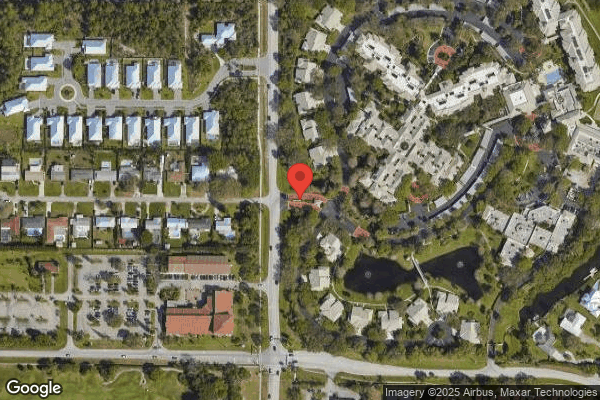
1500 SW CAPRI ST, PALM CITY, FL 34990 (772) 223-5863
For profit - Corporation 36 Beds LIFE CARE SERVICES Data: November 2025
Trust Grade
93/100
#143 of 690 in FL
Last Inspection: May 2025

Inspected within the last 6 months. Data reflects current conditions.

Overview

Waters Edge Health and Rehabilitation has received an excellent Trust Grade of A, indicating they are highly recommended for care. They rank #143 out of 690 facilities in Florida, placing them in the top half, and they are the best option among six nursing homes in Martin County. The facility is improving, having reduced their issues from 2 in 2024 to 1 in 2025. Staffing is a strength, with a rating of 5 out of 5 stars and a low turnover rate of 26%, which is significantly better than the state average of 42%. However, there are some concerns regarding infection control practices, as inspectors noted failures to use personal protective equipment properly during resident care, which could pose health risks. Overall, while the facility excels in many areas, families should be aware of these weaknesses as they consider their options.

Trust Score
A
93/100
In Florida
#143/690
Top 20%
Safety Record
Low Risk
No red flags
Inspections
Getting Better
2 → 1 violations
Staff Stability
✓ Good
26% annual turnover. Excellent stability, 22 points below Florida's 48% average. Staff who stay learn residents' needs.
Penalties
✓ Good
No fines on record. Clean compliance history, better than most Florida facilities.
Skilled Nurses
✓ Good
Each resident gets 65 minutes of Registered Nurse (RN) attention daily — more than 97% of Florida nursing homes. RNs are the most trained staff who catch health problems before they become serious.
Violations
○ Average
9 deficiencies on record. Average for a facility this size. Mostly minor or procedural issues.
★★★★★
5.0
Overall Rating
★★★★★
5.0
Staff Levels
★★★★★
5.0
Care Quality
★★★★★
5.0
Inspection Score
Stable
2024: 2 issues
2025: 1 issues

The Good

  • 5-Star Staffing Rating · Excellent nurse staffing levels
  • 5-Star Quality Measures · Strong clinical quality outcomes
  • Low Staff Turnover (26%) · Staff stability means consistent care
  • Full Sprinkler Coverage · Fire safety systems throughout facility
  • No fines on record
  • Staff turnover is low (26%)

    22 points below Florida average of 48%

Facility shows strength in staffing levels, quality measures, staff retention, fire safety.

The Bad

Chain: LIFE CARE SERVICES

Part of a multi-facility chain

Ask about local staffing decisions and management

The Ugly 9 deficiencies on record

May 2025 1 deficiency
CONCERN (D)

Potential for Harm - no one hurt, but risky conditions existed

Infection Control (Tag F0880)

Could have caused harm · This affected 1 resident

**NOTE- TERMS IN BRACKETS HAVE BEEN EDITED TO PROTECT CONFIDENTIALITY** Based on observation, interview, and record review, the facility failed to implement their infection control program as evidence...

Read full inspector narrative →
**NOTE- TERMS IN BRACKETS HAVE BEEN EDITED TO PROTECT CONFIDENTIALITY** Based on observation, interview, and record review, the facility failed to implement their infection control program as evidenced by failure to use Personal Protective Equipment (PPE) while providing care for 1 of 1 sampled residents on Enhanced Barrier Precautions (EBP) observed for catheter care, Resident #29. The findings included: Review of the Centers for Disease Control and Prevention (CDC) guidance recommends wearing PPE for resident on EBP. The article titled Implementation of Personal Protective Equipment Use in Nursing Homes to Prevent Spread of Multidrug-resistant Organisms (MDROs) states, Enhanced Barrier Precautions [EBP] are an infection control intervention designed to reduce transmission of resistant organisms that employs targeted gown and glove use during high contact resident care activities. The guidance can be found at: https://www.cdc.gov/long-term-care-facilities/hcp/prevent-mdro/ppe.html. Review of the policy titled Enhanced Barrier Precautions documented, 1. Enhanced barrier precautions are used as an infection prevention and control intervention to reduce the spread of multi-drug-resistant organisms to residents. 2. EBP employ targeted gown and glove use during high contact resident care activities when contact precautions do not otherwise apply. a. Gloves and gowns are applied prior to performing the high contact resident care activity .3. Examples of high contact resident care activities requiring the use of gown and gloves for EBPs include: a. dressing; b. bathing/showering; c. transferring; d. providing hygiene . f. changing briefs or assisting with toileting; g. device care or use (central line, urinary catheter, feeding tube, tracheostomy/ventilator, etc.) . Review of the record revealed Resident #29 was admitted to the facility on [DATE]. Review of the current Minimum Data Set (MDS) assessment dated [DATE] documented Resident #29 had a Brief Interview for Mental Status (BIMS) score of 15, on a 0 to 15 scale, indicating the resident was cognitively intact. Review of the current physician orders revealed Resident #29 had an indwelling urinary catheter and an order that stated, EBP-Enhanced Barrier Precautions due to Foley Catheter every day and night shift. Review of the care plan dated 05/02/25 documented, Resident is at risk for recurrent infection due to history of UTI/ESBL [Urinary Tract Infection / Extended-Spectrum Beta-Lactamase, bacteria that has developed resistance to many common antibiotics] in his urine. He has history of frequent straight catheter prior to admission and now has an indwelling catheter in place . Interventions / Tasks: Maintain EBP while providing care to catheter. A catheter care observation was conducted on 05/29/25 at 9:20AM with Staff A, Certified Nursing Assistant (CNA). Upon entering the room, a sign titled Enhanced Barrier Precautions was observed on Resident #29's door. Staff A had a mask on and began the care by performing hand hygiene and donning gloves. Staff A was not observed putting on a gown. Staff A continued by prepping supplies, cleansing the tubing catheter, providing peri-care, and switching the regular urinary collection bag to a urinary leg bag. Hand hygiene was performed and new gloves were donned. Per Resident #29's request, Staff A adjusted the leg bag tighter to his leg. Staff A went outside of the resident's door (where the EBP gowns were located) and grabbed another box of gloves located right next to the hanging organizer of PPE. No gown was observed to be worn by Staff A. Staff A continued to provide care to Resident #29 that consisted of: changing of briefs, dressing, grooming, bed bath, (ADL- Activites of Daily Living) care, and transferring the Resident from the bed to the wheelchair and then to the sink. This was all performed during approximately 45 minutes of direct care without the use of a gown. During an interview on 05/29/25 at 10:05 AM, when asked if she knew what the EBP sign at the resident's door means, Staff A stated, It means I have to wear a gown when providing care. When asked if there was a reason she didn't wear a gown, Staff A stated she forgot and should have worn it. Observation of the sign located outside Resident #29's doorway stated, Enhanced barrier precautions: . Providers and Staff must also: Wear gloves and a gown for the following High-Contact Resident Care Activities: Dressing, Bathing / Showering, Transferring, Changing Linens, Providing Hygiene, Changing briefs or assisting with toileting, Device care or use: central line, urinary catheter, feeding, tracheostomy, and Wound care: any skin opening requiring a dressing. During an interview with Resident #29 on 05/29/25 at 11:42 AM, when asked if staff wear a gown when providing catheter care, he stated they typically wear it but sometimes they forget. An interview was conducted on 05/29/25 at 1:35 PM, the Infection Preventionist and the Director of Nursing (DON) were present, related to infection control findings. When asked who should be on EBP, the Infection Preventionist stated anyone who has an indwelling medical device, surgical wound, vascular wounds, wounds that are not fully closed, ostomies, gastrostomy tubes, or foleys (urinary catheters). When asked staff are expected to do with a residnet on EBP, the DON stated they should wear a gown and gloves during high touch care such as hands on ADL care and transfers. The Infection Preventionist and DON were informed a gown was not worn by Staff A during catheter care and the DON stated Staff A knows to wear it but was probably nervous. They both agreed with the findings.
Feb 2024 2 deficiencies
CONCERN (D)

Potential for Harm - no one hurt, but risky conditions existed

Respiratory Care (Tag F0695)

Could have caused harm · This affected 1 resident

**NOTE- TERMS IN BRACKETS HAVE BEEN EDITED TO PROTECT CONFIDENTIALITY** Based on observation, interview, record review, and policy review, the facility failed to ensure appropriate respiratory assessm...

Read full inspector narrative →
**NOTE- TERMS IN BRACKETS HAVE BEEN EDITED TO PROTECT CONFIDENTIALITY** Based on observation, interview, record review, and policy review, the facility failed to ensure appropriate respiratory assessment or knowledge of possible medication side effects for 1 of 1 sampled resident, Resident #24, who received a nebulizer treatment. The findings included: Review of the policy, titled, Administering Medications through a Small Volume (Handheld) Nebulizer, revised October 2010, documented, in part, Steps in the Procedure: . 6. Obtain baseline pulse, respiratory rate and lung sounds. 18. Approximately five minutes after treatment begins (or sooner if clinical judgement indicates) obtain the resident's pulse. 19. Monitor for medication side effects, including rapid pulse, restlessness and nervousness throughout the treatment. 26. Obtain post-treatment pulse, respiratory rate and lung sounds. Documentation: The following information should be recorded in the resident's medical record. 5. Pulse, respiratory rate and lung sounds before and after the treatment. 6. Pulse during treatment. Review of the record revealed Resident #24 was admitted to the facility on [DATE]. Review of the current orders of 02/16/24 revealed a nebulizer treatment (medication administered via an aerosol to distribute medications into the lungs) of ipratropium - albuterol was to be administered four times daily, at 6:00 AM, 11:00 AM, 5:00 PM, and 11:00 PM. Further review of the record lacked any type of documented respiratory assessment with the administration of the medication. During an observation on 02/21/24 at 5:56 PM, Staff C, Registered Nurse (RN), obtained the ordered nebulizer treatment medication and went into the room of Resident #24. The RN put the medication into the nebulizer machine, applied the nebulizer mask to the resident, started the treatment, and sat down next to the resident. Staff C failed to do any type of assessment. The RN stated she was just going to sit here for the 15 minutes, and when I'm done I will clean out the machine, and that's it. The surveyor waited in the room about five minutes and then reviewed and confirmed with Staff C that she had put the medication into the nebulizer, started it, and was going to wait 15 minutes. The RN confirmed that was all she had done and was all that she was going to do. When asked if there was any type of assessment to complete, the RN stated, If I hear some wheezing I would listen to her lungs, but this is a routine treatment for her. When asked if there were any other possible side effects associated with the nebulizer medication, Staff C stated, Oh there may be nausea, GI (gastrointestinal/stomach and intestines) upset, shortness of breath, and wheezing. When asked about obtaining an oxygen level or pulse rate, the RN stated, Oh yea, I would do that after the treatment.
CONCERN (E)

Potential for Harm - no one hurt, but risky conditions existed

Infection Control (Tag F0880)

Could have caused harm · This affected multiple residents

**NOTE- TERMS IN BRACKETS HAVE BEEN EDITED TO PROTECT CONFIDENTIALITY** Based on policy review, Centers for Disease Control (CDC) recommendation review, observation, interview, and record review, the ...

Read full inspector narrative →
**NOTE- TERMS IN BRACKETS HAVE BEEN EDITED TO PROTECT CONFIDENTIALITY** Based on policy review, Centers for Disease Control (CDC) recommendation review, observation, interview, and record review, the facility failed to ensure appropriate infection control practices as evidenced by the failure to ensure PPE (personal protective equipment) use during COVID outbreak testing for 2 of 2 sampled residents observed, Residents #1 and #11; failed to fully implement their Enhanced Barrier Precautions (EBP) policy for 3 of 3 sampled residents who were not on EBP (Residents #2, #17, and #138), and 2 additional random residents (Residents #25 and #188); failed to implement appropriate infection prevention practices for eye drop administration and blood glucose monitoring for 3 of 7 sampled residents observed during the medication pass observation, Resident #3, #18 and #28; and failed to assist 11 of 11 residents, who ate independently or with minimal assistance, with hand hygiene prior to meals in the main dining room, that included random residents and sampled residents, Residents #15, #20, and #27. The census at the time of the survey was 30. The findings included: 1. On 02/20/24 at 8:40 AM, observation of medication administration was conducted with Staff A, Registered Nurse (RN) for Resident #28. Resident #28 was sitting in front of her closet picking out clothes to get ready for the day. Staff A approached Resident #28 with her medications in a medicine cup, Staff A asked Resident #28 if she wanted the pills to be poured into her hands as usual. Resident #28 stated yes. Staff A subsequently poured a total of 8 pills into Resident #28's hand without offering her hand hygiene and/or without asking if she had cleaned her hands. The resident had the pills in her left hand and picked the pills with her right hand and put the pills in her mouth. 2. Review of the CDC guideline last updated 04/04/22, indicated that Personnel collecting specimens or working within 6 feet of patients suspected to be infected with SARS-CoV-2 should maintain proper infection control and use recommended personal protective equipment (PPE), which could include an N95 or higher-level respirator (or face mask if a respirator is not available), eye protection, gloves, and a lab coat or gown. On 02/20/24 at 11:44 AM, COVID testing observation was conducted with the Infection Preventionist (IP), License Practical Nurse (LPN). The test was being conducted on Resident #1 and Resident # 11. This test was being conducted related to a COVID outbreak in the facility, whereas the two mentioned residents were exposed with the positive resident during dining. The facility's testing process was as follows: they conducted testing with COVID outbreak on day 1, day 3 and day 5. This testing on 02/20/24 at 11:44 AM was day 3 testing. The IP donned gloves, she had eyeglasses, no mask, and no gown or lab coat. She swabbed Resident #1's nostrils and conducted the test. She said she was going to wait 15 minutes for the result. She sanitized her hands and was waiting in front of the room. Subsequently at 11:49 AM, she voiced she was going to leave the test in the resident room and moved on to Resident #11 to test her. The IP was encouraged to do what she normally does, and to not rush the process for the surveyor. She voiced her normal process was to wait for 15 minutes, and she then encouraged to wait. At 11:50 AM, the IP went to test Resident #11. The IP did not wear PPE (to include mask and gown) while she was testing Resident #11. On 02/21/24 at 11:50 AM, an interview process was started with the IP, and an inquiry was made regarding the facility's process for doing outbreak testing for COVID. The IP explained when somebody is positive, we contact trace them. The main hall where the residents are, we would do a rapid test, day 1, day 3 and day 5. If any resident tests positive, we isolate them, and contact the Department of Health (DOH), and upload all the negative and positive in the DOH portal. When the surveyor inquired about why she did not wear PPE during the outbreak testing yesterday (2/20), she voiced she did not wear PPE because it was day 3 testing, but with day 1 she would have worn PPE. A side-by-side review of the CDC guideline was conducted with the IP, who agreed she should have worn PPE during the testing. 3. A request of the facility's Policies and Procedures for the facility's Infection Prevention and Control Program was made to the Nursing Home Administrator (NHA). The facility provided a binder which included their policy for the use of Enhanced Barrier Precautions (EBP). During the review of their infection program with the Infection Preventionist (IP), it was revealed that the facility had put into place the use of EBP. Review of the policy, titled, Enhanced Barrier Precautions, dated August 2022, indicated EBPs are used as an infection prevention and control intervention to reduce the spread of multi-drug resistant organisms (MDROs) to residents. 2) EBPs employ targeted gown and glove use during high contact resident care activities when contact precautions do not otherwise apply. 5) EBPs are indicated (when contact precautions do not otherwise apply) for residents with wounds and/or indwelling medical devices regardless of MDROs colonization. 6) EBPs remain in place for the duration of the resident's stay or until resolution of the wound or discontinuation of the indwelling medical device that places them at increased risk. Review of CDC (Centers for Disease Control and prevention) guideline for EBP, last updated 07/12/22, explained that as many as 50% of nursing home residents are infected and or colonized with MDROs that go undetected. Focusing only on residents with active infection fails to address the continued risk of transmission from residents with MDROS colonization, who by definition have no symptoms of illness. MDROS colonization may persists for long periods of time (e.g., months), which contributes to the silent spread of MDROs. Expanded residents for whom EBP applies to include any residents with an indwelling medical device or wound (regardless of MDRO colonization of infection status). Enhanced Barrier Precautions expanded the use of PPE and refer to the use of gown, and goggles during high-contact resident care activities that provide opportunities for transfer of MDROs to the staff hands and clothing. MDROs may be indirectly transferred from resident to resident during these high-contact care activities. Nursing home residents with wounds and indwelling medical devices are at especially high risk of both acquisition of and colonization with MDROs. The use of gown and gloves for high-contact resident care activities is indicated, when contact precautions do not otherwise apply, for nursing home residents with wounds and/or indwelling medical devices regardless of MDRO colonization as well as for residents with MDRO infection or colonization. During the survey process, from 02/19/24 through 02/22/24, there were no residents on EBP. There was no signage or (Personal Protective Equipment) PPE kits in place at the residents doorways. The Infection Preventionist (IP) was asked to provide a list of current residents who had a wound or indwelling device. Review of this list revealed the following: Resident #2 was admitted to the facility on [DATE], currently had an indwelling urinary catheter, and a pressure injury to the sacrum. The resident was ordered Gentamycin ointment for 14 days as of 01/04/24, for a wound infection. Cloudy urine was observed in the resident's indwelling urinary drainage tube on 02/20/24 at 8:50 AM, and the resident was currently being treated for a Urinary Tract Infection (UTI). Resident #17 was admitted to the facility on [DATE] after hospitalization for a leg fracture. The resident had a metal external immobilizer to her left lower leg with redness observed to the surgical wound. The resident was ordered the antibiotics Cephalexin every 6 hours for 28 days as of 01/30/24 and Doxycycline twice daily for 14 days as of 02/06/24, both as prophylactic measures. Resident #25 was admitted to the facility on [DATE] and had an ostomy (surgical opening) in her abdomen. Resident #138 was admitted to the facility on [DATE] and was being fed via a PEG (percutaneous endoscopic gastrostomy/surgical placement of a feeding tube into the stomach). Resident #188 was admitted to the facility on [DATE] and had an open wound to the heel. These five residents should have been on EBP as per facility policy. During an interview on 02/21/24 at 11:50 AM, the IP confirmed as part of the infection control process, the facility utilized EBP. The IP further explained they only initiate EBP if there was a current resident on an antibiotic and was colonized with an MDRO. During an interview on 02/22/24 in the afternoon, the Director of Nursing (DON) was shown the current CDC guidelines, which was the source of their EBP policy. Upon review of the information, the DON agreed they had not fully implemented their EBP policy to include any resident with an open wound or indwelling device. 6. On 02/19/24 at 12:15 PM, observations were made in the dining room. There were 11 residents being assisted into the main dining room by staff. Of the 11 residents, 8 residents did not need assistance with their meals. There is a second dining room for residents who are totally independent with meals and had 3 residents in that dining room. Further observations were made that the staff did not offer any hand hygiene to the residents prior to their meal. On 02/20/24 at 12:05 PM, residents were observed to be brought into the dining room from the common area/activity area for lunch. Observations made by another surveyor revealed she did not see residents being offered hand sanitizer / hand hygiene prior to being served food. On 02/21/24 at 12:05 PM, residents were observed coming into the dining room with assistance of staff. They were not offered hand hygiene prior to their meal. On 02/22/24 at 12:05 PM, residents were observed coming into dining room from the common area/activity area. There were 8 residents in the main dining room with 5 residents who were independent for eating meals. The surveyor did not observe residents being offered hand hygiene or hand sanitization prior to their meal. In the secondary dining room for independent eating, there were three residents, a staff and private aide sitting at a table. During an interview on 02/22/24 at 11:38 am, with Staff D, CNA (Certified Nursing Assistant), she stated that she would wash the residents hands before and after eating, and wash them with wash cloth after getting up in morning. She was asked if she hand sanitizes or washes hands of the resident prior to a meal. She stated she will usually wash after eating but not before, During an interview on 02/22/24 at 11:47 AM, with Staff E, Agency Nurse, she stated she makes sure she washes her hands but not residents before meal. During an interview on 02/22/24 at 12:09 PM, with the Dietary Manager (DM), she was asked if staff are supposed to do hand hygiene with the residents prior to having a meal. She stated that the nursing staff is supposed to bring hand wipes prior to a meal. She stated it is her understanding that they had a cart and uses hand sanitizer or with wipes prior to eating but they took it away as one of the residents was taking the wipes. She acknowledged that the staff were not doing hand hygiene with the residents prior to a meal the last three days. She then asked a staff member where the wipes were that are kept in the corner, and they started in the other dining room. The surveyor and dietician walked over to that dining area and did not observe any hand wipes. 4. During a medication pass observation for Resident #18 on 02/21/24 at 4:36 PM, Staff C, Registered Nurse (RN), gathered medications to include an eye drop. The RN went into the resident's room with the medication vial in the labeled box, administered the eye drops, placed the vial of eye drops back into the box, and dropped the box into her lab coat pocket, that was bulging out with other items in it. The RN then went into the resident's bathroom, washed her hands, returned to the medication cart, and placed the now contaminated box into the clean medication cart. During an interview on 02/21/24 at 5:00 PM, when asked about the eye drops in her pocket, the RN questioned, It's a problem even if they are in the box?. When told the box was now contaminated from her pocket and placed into the clean medication cart, the RN stated, Oh yea. 5. Review of the policy, titled, Blood Sampling - Capillary (Finger Sticks), revised September 2014 documented, Steps in the Procedure: . 3. Place blood glucose monitoring device on clean field. 8. Following the manufacturer's instructions, clean and disinfect reusable equipment, parts, and/or devices after each use. 11. Replaced blood glucose monitoring device in storage area after cleaning. During a medication pass observation for Resident #3 on 02/21/24 at 4:44 PM, Staff C, RN, obtained the needed supplies to obtain a blood glucose (sugar) level to include the glucometer (the machine used to obtain the blood sugar level at the bedside). The RN put the supplies in her hand, grabbed a tissue, placed the tissue on the resident's over the bed table placing the lancet, and alcohol wipes on the tissue, and placed the glucometer directly on the over the bed table, that was being used by Resident #3 as evidenced by her personal belonging on the table. Staff C obtained the blood sample and blood sugar level, and returned to the medication cart. The RN properly disposed of the supplies, but placed the glucometer back into the clear plastic storage bag, and placed the bag on top of the medication cart. Staff C proceeded to draw up and provide insulin to Resident #3, returned to the medication cart, and placed the glucometer back into the top drawer of the cart. Staff C provided an additional medication to Resident #3, assisted the resident with dinner set-up, and returned back to the medication cart, stating she was ready to move on to the next resident. During the continued observation and interview on 02/21/24 at 5:00 PM, when asked if she had any additional residents who needed a blood sugar level, the RN stated she did not. When prompted if she was done with the glucometer, Staff C, RN, stated No, I need to clean it. I don't know why I put it back in the cart.
Nov 2022 6 deficiencies
CONCERN (D)

Potential for Harm - no one hurt, but risky conditions existed

Comprehensive Care Plan (Tag F0656)

Could have caused harm · This affected 1 resident

**NOTE- TERMS IN BRACKETS HAVE BEEN EDITED TO PROTECT CONFIDENTIALITY** 3. Record review revealed Resident #12 was admitted to the facility on [DATE]. The admission MDS assessment, reference date 10/1...

Read full inspector narrative →
**NOTE- TERMS IN BRACKETS HAVE BEEN EDITED TO PROTECT CONFIDENTIALITY** 3. Record review revealed Resident #12 was admitted to the facility on [DATE]. The admission MDS assessment, reference date 10/18/22, revealed a BIMS score of 15, indicating Resident #12 was cognitively intact. This MDS recorded the activity preferences as follows: 'Somewhat important to have books, newspaper, and magazines to read. Somewhat important to listen to music he likes. Somewhat important to be around animals such as pets. Very important to keep up with the news. Somewhat important to do things with group of people. Very important to do favorite activities. Very important to go outside to get fresh air when whether is good, and somewhat important participate in religious services or practices.' It was documented that Resident #12's care plans were reviewed on 10/27/22, with the participation of required IDT (Interdisciplinary Team) members. Further review of Resident #12's records lacked any documented evidence of care plans specific for activity. On 11/14/22 at 12:07 PM, a side-by-side review of Resident #12's records and interview were held with the MDS coordinator, who acknowledged there were no care plans initiated for activities. Based on record review and interview, the facility failed to ensure care plans were developed for activities and anticoagulant for 3 of 11 sampled residents, Resident #8, Resident #24 and Resident#12, reviewed for care plans. The findings included: 1. Review of Resident #8's records revealed Resident #8 was admitted to the facility on [DATE] with diagnoses to include: Malignant Neoplasm, Cognitive Communication, Major Depressive Disorder, Epilepsy, Anxiety Disorder, Muscle Weakness and Dementia. Review of the quarterly MDS (Minimum Data Set) documented the resident did not have a Brief Interview for Mental Status (BIMS) Score, indicating the resident's cognition was severely impaired. Review of Resident #8's progress notes documented: activities is spending 1:1 time with the resident. Review of the care plans revealed he did not have a care plan for activities. 2. Review of Resident #24's records revealed the resident was admitted to the facility on [DATE] with diagnoses to include: Parkinson's Disease, Atrial Fibrillation, Coronary Artery Disease, Short of Breath, Major Depressive Disorder, Marasmic Kwashiorkor and Dementia. A review of the comprehensive MDS, dated [DATE], documented the resident had a BIMS of 99, indicating the resident's cognition was severely impaired. Further review of the MDS documented the resident had been on an anticoagulant medication for 7 days prior. The physician orders document resident is currently taking an anticoagulant, Eliquis 5 MG every 12 hours. Review of Resident #24's care plans revealed there is no care plan for anticoagulant use or for activities.
CONCERN (D)

Potential for Harm - no one hurt, but risky conditions existed

Deficiency F0679 (Tag F0679)

Could have caused harm · This affected 1 resident

**NOTE- TERMS IN BRACKETS HAVE BEEN EDITED TO PROTECT CONFIDENTIALITY** Based on observation, record review and interviews, the facility failed to ensure ongoing activities were provided for 1 of 3 sa...

Read full inspector narrative →
**NOTE- TERMS IN BRACKETS HAVE BEEN EDITED TO PROTECT CONFIDENTIALITY** Based on observation, record review and interviews, the facility failed to ensure ongoing activities were provided for 1 of 3 sampled residents, Resident#24, reviewed for activities. The findings included: Review of Resident #24 records revealed an admission to the facility on [DATE] with diagnoses to include Parkinson's Disease, Atrial Fibrillation, Coronary Heart Disease, Major Depressive Disorder, Short of Breath, Marasmic Kwashiorkor, and Dementia. Resident #24 was currently on Hospice care. Review of her comprehensive MDS (Minimum Data Set), dated 11/25/22, revealed a Brief Interview for Mental Status (BIMs) Score of 99, indicating her cognition was severely impaired. Further review of her section F: Activity Preferences documented: Very Important: Listening to music is very important to her; Books, newspapers, and magazines to read; be around animals such as pets, to do favorite activities; and go outside and get fresh air is somewhat important to her. Review of her care plans revealed she did not have an activities' care plan. Observations of Resident #24 were made throughout the survey process on 11/07/22, 11/08/22, 11/14/22 and 11/15/22. Resident #24 was always observed in her bed or in her high back wheelchair in her room. The resident was never observed in activities, nor was she observed with activity staff coming to see her, during the survey. Throughout the 4-day survey, activities were observed going on in the activities room, but Resident #24 was not observed in attendance at these activities. Review of the Resident #24's activity progress notes documented the following four notes: On 07/30/22, Staff M documented the resident is alert to self with one-word answers. Enjoys listening to 40's big band music on her tv. likes to look at picture magazines especially animals. On 11/03/22, the Social Service Director documented the resident is verbal but unable to follow conversational exchanges; Resident displays some mood issues as evidenced by appearing tired, sleeping more, and problems with conversation; on hospice; and will attend group activities and listen/watch tv in her room. On 11/14/22, during the survey process, it was brought to the Activities Director's attention that the surveyor was reviewing activities for this resident. The Activities Director was home on this day and imputed the following note: 'On 11/14/22, Resident #24 continues to be a Long-Term Care resident, alert to self with confusion, forget fullness and hallucinations. Family is very supportive and visit regularly. Daughter takes her outside for fresh air when she visits. Staff visits daily for friendly visits. She attends group activities to be around others. She likes music programs and socials. Staff takes her to and from groups. She is under hospice care. She has been sleeping more. Staff will continue to visit with her and bring her to groups of interest.' On 11/14/22 at 2:58 PM: 'a 1:1 visitation provided by activities' assistant to Resident#24 this afternoon. She was in her broda chair by her bedside. I spoke with here and read today's [NAME] she mumbled some words and opened her eyes. I asked if she would like to hear some music. She mumbled what sounded like a yes before leaving I put the television on 'sounds of the season'.' Review of the Daily Activities Log that was inputted into the Kiosk by activities' staff documented the following: 08/02/22, family under individual activity 09/04/22, family under individual activity Family outside 10/30/22, Family 11/13/22, Family 11/14/22, 1:1. During an interview on 11/07/22 at 11:53 AM, with the resident's family member, she stated she was not sure if [the resident] goes to activities but she would benefit from it, and she cannot participate but she can sit and listen. During an interview on 11/14/22 at 9:45 AM with Staff L, Activities Assistant, she stated Resident #24 does not come to activities, she likes to be inside her room, we will go in and see her and the Certified Nursing Assistants (CNAs) will bring her out in her chair. She was asked where they document the resident had activities. Staff L stated we will document on the screen on the wall. She was then asked if she could show documentation of activities for or with this resident, and she acknowledged she had never documented on the resident coming to activities. During an interview on 11/14/22 at 1:40 PM with the Activities Director, she stated Resident #24 is up in morning; she comes to things for socialization; she doesn't participate; and likes music, exercise program. She stated the Activities Assistants put in a note and which resident went to activities for the day. During an interview on 11/15/22 at 1:51 PM with Staff M, Activities Assistant, Staff M stated Resident #24 will come out sometimes in morning or when we do activities in the atrium; if she is up, I will include her in group; I will bring her into activities; and we document on the kiosk in the hallway.
CONCERN (D)

Potential for Harm - no one hurt, but risky conditions existed

Deficiency F0688 (Tag F0688)

Could have caused harm · This affected 1 resident

**NOTE- TERMS IN BRACKETS HAVE BEEN EDITED TO PROTECT CONFIDENTIALITY** Based on observation, interview, and record review, the facility failed to ensure care and services for residents with limited r...

Read full inspector narrative →
**NOTE- TERMS IN BRACKETS HAVE BEEN EDITED TO PROTECT CONFIDENTIALITY** Based on observation, interview, and record review, the facility failed to ensure care and services for residents with limited range of motion (ROM) was provided for 2 of 2 sampled residents reviewed, Residents #14 and #18. The findings included: 1. Record review revealed Resident #14 was admitted to the facility on [DATE] with diagnoses that included: Non-traumatic Brain Dysfunction and Alzheimer's disease. The quarterly minimum data set (MDS) assessment, reference date 08/18/22, revealed there was no Brief Interview for Mental Status (BIMS) score, indicating Resident #14 was rarely/never understood. There were no behaviors recorded in this MDS. The MDS recorded Resident #14 required total assistance by staff for activity of daily living (ADLs) care. Review of care plan, effective date of 10/18/22, documented Resident #14 had stiffness to bilateral hands. The intervention included: Resident #14 was to have palm guards in place daily, may remove for skin checks and hygiene. On 11/07/22 at 1:50 PM, Resident #14 was observed lying in bed, her hands were tightly closed and there was no splint or palm guard in place. On 11/08/22 at 10:35 AM, Resident #14 was observed lying in bed with no splint or palm guard in place. On 11/08/22 at 11:44 AM, Resident #14 was observed sitting in her wheelchair in her room, both hands were tightly closed, and there was no splint or palm guard in place. On 11/08/22 at 12:30 PM, Resident #14 was observed sitting in her wheelchair in her room, both hands were tightly closed and there was no splint or palm guard in place. On 11/14/22 at 10:33 AM, Resident #14 was observed sitting in her wheelchair in room by herself, she had just received morning care, her hands tightly closed and there was no splint or palm guard noted in place. On 11/14/22 at 11:21 AM, an observation was made of Resident #14 accompanied with the Director Of Nursing (DON), who acknowledged that Resident #14's hands were tightly closed and there was no splint or palm guard in place. She voiced there should be palm guard or rolls in her hands. She added she was going to find out what happened to the palm guards. On 11/14/22 at 1:01 PM, Resident #14 was observed being assisted with feeding by Staff D, Certified Nursing Assistant (CNA). During this time, Resident #14 was observed with palm guards applied to both hands. During an interview with Staff D, she stated she failed to apply the palm guards to the resident's hands this morning. 2. Record review revealed Resident #18 was admitted to the facility on [DATE] with diagnoses that included: Non-traumatic Brain Dysfunction, Arthritis, Alzheimer's Disease, and Dementia. The annual MDS assessment, reference date 09/15/22, revealed no documented BIMS score, inidcating Resident #18 is rarely/never understood. There were no behaviors recorded in this MDS. This MDS further revealed Resident #18 required total assistance by staff with ADLs care. Review of care plans, revision date 09/29/22, documented Resident #18 had tightness to left hand, BL knee and right ankle. Resident #18 was immobile and needed assistance with range of motion (ROM). Intervention included: ensure resident was wearing resting hand splint to the left hand daily as tolerated. On 11/07/22 at 9:29 AM, Resident #18 was observed sitting in wheelchair. She had a private aide who revealed 'she was a paid companion;' and she is here every day with Resident #18. Resident #18 was observed with both hands tightly closed. The left hand was tighter than the right hand. When inquired about hand splint or palm guard, the aide showed demonstration of the hands being able to open. She stated I usually apply the palm guard to her hands, but I've been trying to keep her nails nice. At the time, there was no hand splints or palm guard in place. On 11/07/22 At 1:57 PM, Resident #18 was observed lying in bed, both hands were tightly closed, no splint in place. On 11/08/22 at 10:08 AM, Resident #18 was observed in room, sitting in her wheelchair accompanied by the private aide. Resident #18 kept both hands tightly closed, and agian she was not wearing hand splint. The private aide showed that Resident #18 could open her hands with assistance, otherwise, she kept her hands tightly closed. On 11/08/22 at 12:27 PM, Resident #18 was observed sitting in the room by herself, both hands kept tightly closed and there were no splints in place to the hands.
CONCERN (D)

Potential for Harm - no one hurt, but risky conditions existed

Incontinence Care (Tag F0690)

Could have caused harm · This affected 1 resident

**NOTE- TERMS IN BRACKETS HAVE BEEN EDITED TO PROTECT CONFIDENTIALITY** Based on observation, interview, and record review, the facility failed to ensure proper positioning of a catheter bag and tubin...

Read full inspector narrative →
**NOTE- TERMS IN BRACKETS HAVE BEEN EDITED TO PROTECT CONFIDENTIALITY** Based on observation, interview, and record review, the facility failed to ensure proper positioning of a catheter bag and tubing for 1 of 1 sampled resident reviewed with a history of urinary tract infection (UTI), Resident #1. The findings included: On 11/14/22 at 10:17 AM, Resident #1 was observed lying in bed, the bed was at low position, and the catheter bag at the bedside was observed with scant hematuria (bloody urine). The catheter bag and tubing were observed touching the floor. When Resident #1 was asked if she had lowered the bed to low position, she stated, 'no, they did' (referring to the staff). On 11/15/22 at 09:07 AM, Resident #1 was observed lying in bed, and the catheter bag was positioned on the floor without protection. Record review revealed Resident #1 was admitted to the facility on [DATE] with diagnosis that included: Neurogenic Bladder (a urinary condition due to lack of bladder control). The significant change minimum data set (MDS) assessment, reference date 09/11/22, recorded a Brief Interview for Mental Status (BIMS) score of 14, indicating Resident #1 was cognitively intact. There were no behaviors recorded in this MDS. This MDS revealed Resident #1 required extensive assistance by staff with activity of daily living (ADLs) care. Review of Physician orders, dated 02/21/20, revealed: Cephalexin 500 mg by mouth every 6 hours for Urinary Tract Infection (UTI), which ended 02/24/20; and on 03/24/20, Cephalexin 500 mg by mouth every four times daily for UTI, which ended 03/25/20. Review of care plan, revision date 09/29/22, documented Resident #1 had an infection of the urinary tract. She was at risk for recurrent infection due to use of a suprapubic catheter (SPC) being in place. She goes out to a urologist biweekly for a catheter change. Review of progress notes revealed the following: On 08/19/22 at 7:37 AM, Resident #1 'was noted with increased confusion on this shift. Resident #1 also had hematuria noted in Supra Pubic catheter bag; Medical doctor was notified; Laboratory was due on 08/22/22 were drawn today with a urinalysis, culture and sensitivity (UA, C&S) per the medical doctor to rule out UTI; The laboratory was called to pick up the urine and the laboratory tech was in to pick up the urine.' On 08/19/22 at 7:38 AM, the laboratory was contacted at 7 AM to request labs results to be faxed to the facility; The laboratory results were faxed over promptly; The nurse sent the labs over to the medical doctor who stated that urinalysis showed chronic bacteriuria, and he will wait for the C&S before any further instructions. On 08/20/22 at 8:38 PM, First dose of Cipro (antibiotic) was administered [to Resident #1] for bacteremia (presence of bacteria in the urine). On 10/06/22 at 1:33 PM, a noted indicated Resident #1 was started on antibiotic therapy by mouth for bacteriuria on prior shift. On 11/14/22 at 7:02 PM, a note revealed Resident #1 suprapubic catheter noted with gross hematuria output of 200cc this AM. On 11/14/22, beginning at 11:29 AM, an interview was held with the Director Of Nursing (DON) and she was made aware of concern related to catheter bag and tubing observed on the floor. Photographic Evidence had been Obtained. The photographic evidence was shown to the DON. On 11/15/22, beginning at 9:43 AM, another interview was held with the DON; she was made aware again that the catheter bag was observed on the floor today (11/15/22) at 9:06 AM. On 11/15/22 at 09:49 AM, an interview was held with the infection control (IC) nurse. Photographic Evidence had been Obtained. The photographic evidence of the catheter bag being on the floor was shown to the IC nurse, who acknowledged the finding.
CONCERN (D)

Potential for Harm - no one hurt, but risky conditions existed

Deficiency F0692 (Tag F0692)

Could have caused harm · This affected 1 resident

**NOTE- TERMS IN BRACKETS HAVE BEEN EDITED TO PROTECT CONFIDENTIALITY** Based on observation, record review, and interview, the facility failed to act upon a decline in eating ability, ensure consiste...

Read full inspector narrative →
**NOTE- TERMS IN BRACKETS HAVE BEEN EDITED TO PROTECT CONFIDENTIALITY** Based on observation, record review, and interview, the facility failed to act upon a decline in eating ability, ensure consistent meal intake information, and failed to assist and encourage 1 of 1 sampled resident reviewed for weight loss (Resident #16). The findings included: Review of the record revealed Resident #16 was admitted to the facility on [DATE]. Review of the current Minimum Data Set (MDS) assessment dated [DATE] documented Resident #16 had a Brief Interview for Mental Status (BIMS) score of 4 on a 0 to 15 scale, indicating the resident was severely cognitively impaired. Further review of this assessment revealed the resident needed the limited assist of one person for eating. Review of the previous MDS dated [DATE] revealed Resident #16 needed only supervision and set up of meals, indicating a decline in ability to feed herself. Review of the current care plans for Resident #16 revealed the following: Effective 02/20/21 to present, the resident had a noted functional decline in self-care, to include feeding. Interventions included to encourage the resident to do as much as able and to promote independence by encouraging active participation. This care plan also instructed staff to use verbal cues to provide instructions. Effective 02/27/21 to present, cognitive skills for daily decision making are impaired - decisions poor; cues/supervision required. Interventions included to remind, redirect, and reorient as needed. Repeat instructions as necessary. Effective 02/21/21 to present, the resident was at nutritional risk related to multiple comorbidities to include dementia. This care plan lacked any intervention related to providing direction or encouragement. An observation on 11/07/22 at 12:11 PM revealed Resident #16 sitting in her room with a lunch tray on an over-the-bed table located to the resident's left side, and not in front of her. The resident was just sitting there, staring at her tray, which was unopened and untouched. When asked if she was going to eat, the resident stated, when they come help me. At 12:16 PM the resident was seen standing in her doorway. The Social Services Director (SSD) assisted the resident into the common area. On 11/07/22 at 12:26 PM, Resident #16 was observed going back into her room for a few minutes, the lunch tray still untouched, then back out into the hall, and headed back to the common area. As a dietary staff passed by, the staff asked the resident about her lunch, and then told the resident she had some ice cream in there (referring back to her room). Resident #16 continued out of her room and went back to common area. The dietary staff asked if she wanted coffee and the resident stated yes. On 11/07/22 at 12:32 PM, Resident #16 went into the main dining room, just off the common area, with the empty coffee cup, and sat down at a table. Her lunch tray remained in her room. At 12:35 PM, Resident #16 was given chocolate ice cream. At 12:37 PM, Staff K, a Certified Nursing Assistant (CNA), noticed the lunch tray in the resident's room, found the resident in the main dining room, and brought the tray to Resident #16, who started eating. On 11/07/22 at 12:44 PM, Resident #16 was no longer in the dining room and the lunch tray had been removed. When asked how much lunch Resident #16 consumed, the Registered Dietician stated she ate about 40% of the lunch. Documentation provided during the survey, and reviewed after the survey, revealed Staff K documented Resident #16 at 75% of the lunch meal on 11/07/22. An observation on 11/08/22 at 12:35 PM revealed the lunch tray for Resident #16 was taken to her room. Resident #16 self-propelled to the main dining room and staff brought her the lunch tray. Staff D, CNA, uncovered the lunch plate and questioned, Are you gonna eat your sandwich? Resident #16 pointed to the soup, and the CNA asked the resident if she wanted her to uncover it. Resident #16 reached over to the soup, started to uncover it, then covered it back up. Staff did not assist nor stay at the table. At 12:40 PM, the resident picked up the covered ice cream and returned it to the tray, then looked at the soup again, picking up the covered dish. Resident #16 then took her sandwich, dipped it into her coffee, and took one bite, putting the sandwich back on the plate. At 12:42 PM, Resident #16 tried to get the attention of dietary staff, who looked her way and kept going, leaving the dining room. Resident #16 put her mask back up over her mouth, which had remained hooked to her ears and just barely below her mouth the entire meal, and just sat back and looked at her tray. At 12:44 PM Staff D, Registered Nurse (RN)/the MDS Coordinator, walked over to the resident and stated, You're not eating; what is going on. Do you want something different. A dietary aide went back to the table and stated she just wanted the ice cream today. Staff D opened the magic cup ice cream, encouraged her to eat it, which the resident did independently. The RN left and the resident continued eating. At 12:50 PM, Staff D returned and asked the resident if she was good. Resident #16 stated, I'm not eating much of this. Observation revealed the soup and cookie remain covered. Resident #16 continued eating, her mask barely below her mouth the entire meal. Staff, including the MDS Coordinator, dietary staff, and the RD, did not assist or encourage her to remove the mask. On 11/14/22 at 12:11 PM, Staff E, CNA, set up the lunch tray for Resident #16, who was sitting in her recliner in her room. The CNA unwrapped the main plate and uncovered the soup. The CNA put a spoon into the soup and left the room. The surveyor remained in the hallway within view of the resident's room. Observations of Resident #16 in her room at 12:14 PM, 12:20 PM, and at 12:43 PM revealed the resident had pushed the over-the-bed table away from herself, and she was sitting back in the recliner chair with her eyes closed. At 12:55 PM, Staff H, Occupational Therapist (OT), went into the resident's room, and took Resident #16 across the hall to therapy. When asked if the resident said anything about lunch, the OT stated, No she didn't say anything about lunch. When asked if she asked Resident #16 if she was finished with lunch, the OT stated she did ask, and the resident stated she was done. The resident's lunch tray remained in her room, untouched. Photographic Evidence Obtained. On 11/14/22 at 1:00 PM, Staff E noticed the resident's room light was off. The CNA went into room, turning on the light, and stated, Are you OK looking for the resident. The CNA left the room not finding the resident, turned off the light, and went back to gathering finished lunch trays from other residents. At 1:28 PM, Staff G, CNA, took the uneaten lunch tray from the room, put it in the dining cart, and removed the cart from the unit. Review of the meal intake for 11/14/22 lacked any documented amount of consumption. On 11/15/22 at 8:16 AM, Resident #16 was observed sitting up in her recliner chair with the breakfast tray on her lap. The resident's eyes were closed, and she had not eaten anything. As per the meal schedule and the RD, breakfast trays were usually delivered at 7:10 AM. At 8:23 AM, the resident's tray had been taken from her room and identified on the dirty food cart. Resident #16 ate less than a half of a slice of toast. Photographic Evidence Obtained. Review of documented weights for Resident #16 revealed a weight of 142.8 pounds on 03/02/22, and a weight of 120.8 pounds on 04/01/22, indicating a loss of 15.41% during that 30-day period. At that time, the magic cup nutritional supplement was added and more frequent weights for one month were obtained by staff. The documented weight for Resident #16 on 11/03/22 was 123.6 pounds. On 11/15/22 at 8:53 AM, the surveyor requested staff to obtain a current weight for Resident #16. The weight obtained at this time was 117.0 pounds, indicating a weight loss of 5.34% in twelve days. The most current nutritional assessment and or nutritional note for Resident #16 was dated 10/21/22. This note documented a 1.18% weight gain in 30 days, a 2.40% gain in 90 days, and a 6.13% gain in 6 months, with a weight of 128.2 pounds as of 10/01/22. During an interview on 11/15/22 at 10:35 AM, the RD explained Resident #16 has Dementia, goes back and forth from her room to the dining room, has multiple supplements in place, and likes to sit in the common area in the evening and have snacks. When asked the process for obtaining weights related to the frequency, the RD explained a new resident was weighed at least weekly the first month, and that all residents were weighed at minimum monthly. The RD explained she uses the weights, the intake records, her observations, and any voiced concerns as a guide if weights are needed more often than monthly. When asked what interventions besides the nutritional supplements have been tried for Resident #16, the RD stated she has asked the resident her preferences. The RD further explained if the resident is not eating well, her staff will ask the resident if she wants something different. The RD stated the staff always check on her and she can have whatever she wants. When asked if they have tried sitting with the resident and encouraging her, the RD stated she believes they have tried that in the past but didn't think it worked. The RD confirmed there was no current restorative program at the facility, which would be used to encourage meal consumption for those that needed extra guidance. During an interview on 11/15/22 at 1:39 PM, Staff H, OT, explained Resident #16 was being seen for a decline in dressing, toileting, and bathing. The OT stated the resident was not currently being seen related to a decline in eating. The OT stated in the past they determined the resident could feed herself but had more of a motivation and cognition problem. When asked about encouraging the resident to eat, the OT stated sometimes the encouragement helped. When asked if she had been told Resident #16 wasn't eating recently, the OT stated she had not been told. During an interview on 11/15/22 at 1:44 PM, the Speech Therapist (ST) confirmed Resident #16 was currently on caseload for cognition issues, not for eating problems. The ST stated when she was on caseload a while back related to possible swallowing issues, the resident could tolerate a regular diet with thin liquids, but needed encouragement. When asked if she was encouraged now, would the resident understand, and the ST stated she would, but she also sometimes says no and will hold on to her no answer. Review of the meal intake record from 11/01/22 through 11/14/22 revealed a lack of documented meal consumption percentages for 13 of 42 meals. Of the documented meal intakes, the resident refused four meals, ate only 'bites' for one meal, ate 25% for 10 meals, 50% for 9 meals, 75% for 4 meals (one of which was observed as inaccurate during the survey), and 100% of one meal.
CONCERN (D)

Potential for Harm - no one hurt, but risky conditions existed

Deficiency F0761 (Tag F0761)

Could have caused harm · This affected 1 resident

**NOTE- TERMS IN BRACKETS HAVE BEEN EDITED TO PROTECT CONFIDENTIALITY** Based on policy review, observation and interview, the facility failed to ensure proper storage of medications in 1 of 2 medicat...

Read full inspector narrative →
**NOTE- TERMS IN BRACKETS HAVE BEEN EDITED TO PROTECT CONFIDENTIALITY** Based on policy review, observation and interview, the facility failed to ensure proper storage of medications in 1 of 2 medication carts observed on the Gardenia Hall and 1 of 1 treatment carts observed on the Gardenia Hall. The findings included: 1. The Policy, Storage of Medications, revised November 2020, indicated the facility stores all drugs and biologicals in a safe, secure, and orderly manner. Under policy interpretation and implementation, #6 revealed compartments (including, but not limited to, drawers, cabinets, rooms, refrigerators, carts, and boxes) containing drugs and biologicals are locked when not in use. Unlocked medication carts are not left unattended. On 11/07/22 at 9:13 AM, while standing at the Gardenia unit, the medication cart was observed left opened, and unlock, while unattended. Several staff walked by the medication cart without acknowledging it. At that time, the attending nurse, Staff B, Registered Nurse (RN) was in room [ROOM NUMBER]. The medication cart was facing forward located between rooms [ROOM NUMBERS], and it was not positioned in a place where the nurse could have been able to monitor it. At 9:18 AM, a housekeeping staff walked by without acknowledging the opened medication cart. At 9:19 AM, a Certified Nursing Assistance (CNA) walked by the opened medication cart without acknowledging it. At 9:21 AM, Staff B returned to the hallway and attended to the medication cart. At 9:22 AM, an interview was conducted with Staff B and he confirmed the cart was left opened and unlock and shouldn't have been. On 11/14/22 at 10:56 AM, while at the Gardenia unit, the treatment cart was noted unlock and unattended. On 11/14/22 at 11:24 AM, an interview was held with the Director Of Nursing (DON). Photographic Evidence had been Obtained of the medication cart which was left unlock and opened. The photographic evidence was shown to the DON who acknowledged the finding, stating, she would be doing in-services with the staff. 2. An observation of wound care was made on 11/14/22 beginning at 10:55 AM with Staff F, Licensed Practical Nurse (LPN). Staff F took supplies into the room of Resident #5, and provided the wound care, leaving the locked cart near the room in the Magnolia Hall. Staff F finished care at about 11:05 AM, cleaned up the area, disposed of the trash, hand sanitized and returned to her cart to document the care. Staff F then went to the treatment cart, which was now located at the entrance of the Gardenia Hall (the other unit), and noticed it was unlocked and unattended. Staff F stated she had locked the cart and left it outside of Resident #5's room, and that someone must have moved it. An observation by another surveyor on 11/14/22 at 10:56 AM revealed the treatment cart at the entrance of the Gardenia Hall, unlocked and unattended. During an interview on 11/14/22 at 11:14 AM, Staff J (LPN) and the only other direct care nurse in the facility, confirmed she had moved the treatment cart from the Magnolia Hall and brought it to the current location at the entrance of the Gardenia Hall, to stock the cart. When asked if there was a reason, she had left it open, Staff J stated, not really . but I was having problems with my contact lenses. Resident #16, who is cognitively impaired and was observed multiple times during the survey, self-propelling from her room on the Gardenia unit to the common area, passed the area where the unlock cart was located.
Understanding Severity Codes (click to expand)
Life-Threatening (Immediate Jeopardy)
J - Isolated K - Pattern L - Widespread
Actual Harm
G - Isolated H - Pattern I - Widespread
Potential for Harm
D - Isolated E - Pattern F - Widespread
No Harm (Minor)
A - Isolated B - Pattern C - Widespread

Questions to Ask on Your Visit

  • "Can I speak with families of current residents?"
  • "What's your RN coverage like on weekends and overnight?"

Our Honest Assessment

Strengths
  • • Grade A (93/100). Above average facility, better than most options in Florida.
  • • No major safety red flags. No abuse findings, life-threatening violations, or SFF status.
  • • No fines on record. Clean compliance history, better than most Florida facilities.
  • • 26% annual turnover. Excellent stability, 22 points below Florida's 48% average. Staff who stay learn residents' needs.
Concerns
  • • No significant concerns identified. This facility shows no red flags across CMS ratings, staff turnover, or federal penalties.
Bottom line: Generally positive indicators. Standard due diligence and a personal visit recommended.

About This Facility

What is Waters Edge's CMS Rating?

CMS assigns WATERS EDGE HEALTH AND REHABILITATION an overall rating of 5 out of 5 stars, which is considered much above average nationally. Within Florida, this rating places the facility higher than 99% of the state's 100 nursing homes. This rating reflects solid performance across the metrics CMS uses to evaluate nursing home quality.

How is Waters Edge Staffed?

CMS rates WATERS EDGE HEALTH AND REHABILITATION's staffing level at 5 out of 5 stars, which is much above average compared to other nursing homes. Staff turnover is 26%, compared to the Florida average of 46%. This relatively stable workforce can support continuity of care.

What Have Inspectors Found at Waters Edge?

State health inspectors documented 9 deficiencies at WATERS EDGE HEALTH AND REHABILITATION during 2022 to 2025. These included: 9 with potential for harm.

Who Owns and Operates Waters Edge?

WATERS EDGE HEALTH AND REHABILITATION is owned by a for-profit company. For-profit facilities operate as businesses with obligations to shareholders or private owners. The facility is operated by LIFE CARE SERVICES, a chain that manages multiple nursing homes. With 36 certified beds and approximately 32 residents (about 89% occupancy), it is a smaller facility located in PALM CITY, Florida.

How Does Waters Edge Compare to Other Florida Nursing Homes?

Compared to the 100 nursing homes in Florida, WATERS EDGE HEALTH AND REHABILITATION's overall rating (5 stars) is above the state average of 3.2, staff turnover (26%) is significantly lower than the state average of 46%, and health inspection rating (5 stars) is much above the national benchmark.

What Should Families Ask When Visiting Waters Edge?

Based on this facility's data, families visiting should ask: "Can I visit during a mealtime to observe dining assistance and food quality?" "How do you handle medical emergencies, and what is your hospital transfer rate?" "Can I speak with family members of current residents about their experience?"

Is Waters Edge Safe?

Based on CMS inspection data, WATERS EDGE HEALTH AND REHABILITATION has a clean safety record: no substantiated abuse findings (meaning no confirmed cases of resident harm), no Immediate Jeopardy citations (the most serious violation level indicating risk of serious injury or death), and is not on the Special Focus Facility watch list (a federal program monitoring the lowest-performing 1% of nursing homes). The facility has a 5-star overall rating and ranks #1 of 100 nursing homes in Florida. While no facility is perfect, families should still ask about staff-to-resident ratios and recent inspection results during their visit.

Do Nurses at Waters Edge Stick Around?

Staff at WATERS EDGE HEALTH AND REHABILITATION tend to stick around. With a turnover rate of 26%, the facility is 20 percentage points below the Florida average of 46%. Low turnover is a positive sign. It means caregivers have time to learn each resident's needs, medications, and personal preferences. Consistent staff also notice subtle changes in a resident's condition more quickly.

Was Waters Edge Ever Fined?

WATERS EDGE HEALTH AND REHABILITATION has no federal fines on record. CMS issues fines when nursing homes fail to meet care standards or don't correct problems found during inspections. The absence of fines suggests the facility has either maintained compliance or corrected any issues before penalties were assessed. This is a positive indicator, though families should still review recent inspection reports for the full picture.

Is Waters Edge on Any Federal Watch List?

WATERS EDGE HEALTH AND REHABILITATION is not on any federal watch list. The most significant is the Special Focus Facility (SFF) program, which identifies the bottom 1% of nursing homes nationally based on persistent, serious quality problems. Not being on this list means the facility has avoided the pattern of deficiencies that triggers enhanced federal oversight. This is a positive indicator, though families should still review the facility's inspection history directly.