AVIATA AT COUNTRYSIDE
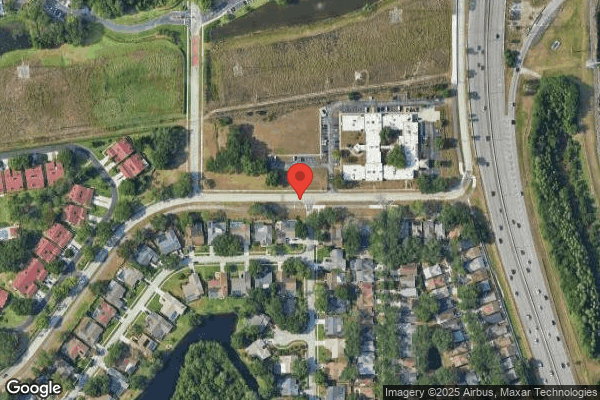
3825 COUNTRYSIDE BLVD N, PALM HARBOR, FL 34684 (727) 784-2848
For profit - Individual 120 Beds AVIATA HEALTH GROUP Data: November 2025
Trust Grade
65/100
#319 of 690 in FL
Last Inspection: September 2024

Within standard 12-15 month inspection cycle. Federal law requires annual inspections.

Overview

Aviata at Countryside has a Trust Grade of C+, indicating it is slightly above average but not exceptional. It ranks #319 out of 690 facilities in Florida, placing it in the top half of all nursing homes, and #14 out of 64 in Pinellas County, meaning there are only 13 local options that are better. The facility is improving, with issues decreasing from 6 in 2024 to just 1 in 2025. Staffing is a strength, with a 4/5 star rating and a turnover rate of 31%, which is well below the state average, suggesting that staff are stable and experienced. However, there are some concerning incidents; for example, there were failures in infection control practices, such as staff not wearing personal protective equipment appropriately and not conducting proper hand hygiene during care. Additionally, a care plan related to a resident's behavior following a reported incident was not updated, highlighting potential gaps in individualized care. Overall, while there are strengths in staffing and improvement trends, families should be aware of the facility's recent issues with infection control and care plan management.

Trust Score
C+
65/100
In Florida
#319/690
Top 46%
Safety Record
Low Risk
No red flags
Inspections
Getting Better
6 → 1 violations
Staff Stability
○ Average
31% turnover. Near Florida's 48% average. Typical for the industry.
Penalties
✓ Good
No fines on record. Clean compliance history, better than most Florida facilities.
Skilled Nurses
✓ Good
Each resident gets 75 minutes of Registered Nurse (RN) attention daily — more than 97% of Florida nursing homes. RNs are the most trained staff who catch health problems before they become serious.
Violations
⚠ Watch
17 deficiencies on record. Higher than average. Multiple issues found across inspections.
★★★☆☆
3.0
Overall Rating
★★★★☆
4.0
Staff Levels
★★★★☆
4.0
Care Quality
★★★☆☆
3.0
Inspection Score
Stable
2024: 6 issues
2025: 1 issues

The Good

  • 4-Star Staffing Rating · Above-average nurse staffing levels
  • 4-Star Quality Measures · Strong clinical quality outcomes
  • Full Sprinkler Coverage · Fire safety systems throughout facility
  • No fines on record
  • Staff turnover below average (31%)

    17 points below Florida average of 48%

Facility shows strength in staffing levels, quality measures, fire safety.

The Bad

3-Star Overall Rating

Near Florida average (3.2)

Meets federal standards, typical of most facilities

Staff Turnover: 31%

15pts below Florida avg (46%)

Typical for the industry

Chain: AVIATA HEALTH GROUP

Part of a multi-facility chain

Ask about local staffing decisions and management

The Ugly 17 deficiencies on record

Feb 2025 1 deficiency
CONCERN (D) 📢 Someone Reported This

A family member, employee, or ombudsman was alarmed enough to file a formal complaint

Potential for Harm - no one hurt, but risky conditions existed

Comprehensive Care Plan (Tag F0656)

Could have caused harm · This affected 1 resident

**NOTE- TERMS IN BRACKETS HAVE BEEN EDITED TO PROTECT CONFIDENTIALITY** Based on record review and interviews, the facility did not ensure a care plan was updated to include individualized interventio...

Read full inspector narrative →
**NOTE- TERMS IN BRACKETS HAVE BEEN EDITED TO PROTECT CONFIDENTIALITY** Based on record review and interviews, the facility did not ensure a care plan was updated to include individualized interventions related to behaviors after a reported sexual event were included in the care plan for one (#1) of two residents reviewed. Findings included: On 2/18/25 at 12:25 p.m., an interview with Staff A, Physical Therapy Assistant (PTA) revealed she had witnessed a reported event that occurred on 10/1/24, where Resident #1 was involved. She stated, [Resident name] was actively performing a sexual act on another resident. Staff A, PTA stated Resident #1 was grinning/smiling. She stated she asked Resident #1 what he was doing, but she couldn't recall if he answered. She stated Resident #1 is not known to her as he was not the resident she was working with for PT (Physical Therapy), but it was the other resident who was on her caseload. Review of Resident #1's admission record revealed an admission date of 5/28/22 with diagnoses to include muscle wasting and atrophy, not elsewhere classified, multiple sites, anxiety disorder, unspecified, major depressive disorder, recurrent, unspecified, unspecified dementia, unspecified severity, without behavioral disturbance, psychotic disturbance, mood disturbance, and anxiety, and cognitive communication deficit. Review of Resident #1's record revealed he had documented behaviors of self-exposure that had not been added to the care plan prior to the incident that occurred on 10/1/24. The review further showed there were no added interventions related to Resident #1 performing sexual acts on other residents or interventions to prevent future incidents. Record review revealed the following: Review of Resident #1's current care plan revealed [Resident name] has behaviors (playing with penis outside clothes) r/t [related to] Dementia, personal choice, with a date initiated/revised on 10/1/24. Review of goals for this care plan focus revealed the following, [Resident name] will have fewer episodes of penis showing by review date. Date initiated: 10/01/2024. Revision on: 10/01/2024. Target date: 05/29/2025. Review of interventions for this care plan focus included the following, Anticipate and meet The resident's needs . Assist the resident to develop more appropriate methods of coping and interacting. Encourage the resident to express feelings appropriately. Caregivers to provide opportunity for positive interaction, attention. Stop and talk with him/her when passing by. If reasonable, discuss the resident's behavior. Explain/reinforce why behavior is inappropriate and/or unacceptable to the resident. Intervene as necessary to protect the rights and safety of others. Approach/Speak in calm manner. Divert attention. Remove from situation and take to alternate location as needed. Review of Resident #1's psychiatric assessments and progress notes revealed the following on date of service 11/30/23, Reason for Visit: Exposing himself to female residents. History of Present Illness: . Nursing staff reports pt. [patient] exposing his genitals to passing female residents, then puts it back under his shorts. Discussed options with [family member] via phone. She would like to utilize pharmacologic intervention and bring in some long sweat pants to hopefully prevent himself from exposing his genitals . next f/u [follow up]: prn [as needed]. Review of Resident #1's care conference record quarterly assessment, dated 11/30/23, revealed the following, .Comments: . [family member] concerned about recent touching behaviors and will be bringing long leg sweatpants for when he is up in wheelchair. Review of Resident #1's active physician orders revealed the following: Depakote Oral Tablet Delayed Release 250 Milligrams [MG] (Divalproex Sodium). Give 1 tablet by mouth twice daily for mood disorder. Start date 2/15/24. Donepezil Hydrochloride (HCI) Oral Tablet 10 MG (Donepezil Hydrochloride). Give 1 tablet by mouth one time a day related to unspecified dementia without behavioral disturbance. Start date 9/7/22. Fluoxetine HCI Oral Capsule 20 MG (Fluoxetine HCI). Give 1 capsule by mouth daily related to major depressive disorder, recurrent, unspecified. Start date 9/14/24. On 2/18/25 at 2:35 p.m., an interview with Staff C, Advanced Practice Registered Nurse (APRN) revealed she was not aware Resident #1 had a history of exposing himself or sexual behaviors prior to 10/1/24. She replied, Yes and no, when asked if the documented history of exposing himself could have been a precursor to the event that occurred on 10/1/24. Staff C, APRN stated she has follow-up encounters with the resident, Every four weeks or so. She confirmed she followed Resident #1 for his psychiatric diagnoses. Staff C, APRN stated she reviewed resident's behaviors and/or any issues with facility staff. She said nobody had communicated to her about sexual behaviors prior to 10/1/24. On 2/18/25 at 2:48 p.m., an interview with Staff B, Certified Nursing Assistant (CNA) revealed on the day the event occurred, she was walking down the hall looking in resident's rooms. She stated Staff A, PTA observed the contact between the two residents first. Staff B, CNA stated Resident #1, Is not supposed to be in females room. She stated, When he's in another person's room, he's up to no good. Staff B, CNA stated that's the only event she knew about regarding Resident #1. She said Resident #1 was not exposed during the event she observed on 10/1/24. Staff B, CNA stated Resident #1 liked to expose his genitals and, Play with himself. Staff B, CNA stated she doesn't think he does it towards someone or he intended to show people. She stated, That's just him. On 2/18/25 at 3:58 p.m., an interview was conducted with the Nursing Home Administrator (NHA) regarding the 10/1/24 reported incident between Resident #1 and another resident. The NHA stated as a result of the investigation, Resident #1's care plan was updated with a goal, To reduce number of exposures. He stated Resident #1's care plan in place correlates with the event on 10/1/24. The NHA confirmed there were no interventions in place prior to 10/1/24 even though the resident had known behaviors He confirmed through his interviews with the staff who witnessed the resident's contact, there were observations of Resident #1 exposing himself, and performing a sexual act on another resident. The NHA stated Staff B, CNA's feedback was the resident had a history of exposing himself. He stated there had been no incident of Resident #1 exposing himself since he became the NHA at this facility. The NHA stated he was not aware of a psychiatry note from 11/2023 about Resident #1 exposing himself to female residents. He stated during the investigation he did not review previous records. The NHA stated the previous Director of Nursing (DON) would have reviewed the psychiatry note from 11/2023, brought it to the Interdisciplinary team (IDT) meeting, and discussed as a team/collaborated on interventions to update Resident #1's care plan. On 2/19/25 at 10:16 a.m., an interview with the NHA revealed Resident #1's [NAME] and care plan, Could be more meaningful. He stated the current care plan in place is for exposing himself and confirmed there were no interventions in place specific to the event that occurred on 10/1/24 when Resident #1 was observed in a sexual act with another resident. Review of the facility's policy titled Plans of Care, dated 11/30/24 and a revision date of 9/25/17 revealed the following, . Procedure: . Review, update and/or revise the comprehensive plan of care based on changing goals, preferences and needs of the resident in response to current interventions after the completion of each OBRA (Omnibus Budget Reconciliation Act) MDS (Minimum Data Set) assessment (except discharge assessments), and as needed. The interdisciplinary team shall ensure the plan of care addresses any resident needs and that the plan is oriented toward attaining or maintaining the highest practicable physical, mental and psychosocial well-being.
Sept 2024 5 deficiencies
CONCERN (D)

Potential for Harm - no one hurt, but risky conditions existed

Deficiency F0578 (Tag F0578)

Could have caused harm · This affected 1 resident

**NOTE- TERMS IN BRACKETS HAVE BEEN EDITED TO PROTECT CONFIDENTIALITY** Based on observation, interview, and record review, the facility failed to ensure advance directives were updated per resident's...

Read full inspector narrative →
**NOTE- TERMS IN BRACKETS HAVE BEEN EDITED TO PROTECT CONFIDENTIALITY** Based on observation, interview, and record review, the facility failed to ensure advance directives were updated per resident's request for two (#406, #455) of 22 residents sampled. Findings included: A review of Resident #406's admission Record revealed she had diagnoses which included chronic kidney disease stage 3 and chronic systolic congestive heart failure. A review of Resident #406's physician's order dated [DATE] revealed full code. A review of Resident #406's 5-day Medicare Minimum Data Set (MDS) dated [DATE], revealed: Section C - Brief Interview for Mental Status (BIMS) 14 which indicated intact cognition. A review of Resident #406's care plans revealed a care plan initiated on [DATE] by the Director of Social Services for full code. A review of Resident #406's Electronic Medical Record (EMR) documents revealed an Advance Directives Discussion Document signed by Resident #406 and the Director of Social Services on [DATE] which indicated Resident #406 wished to have Cardiopulmonary Resuscitation (CPR) withheld. During an interview on [DATE] at 3:59 p.m., the Director of Social Services stated she told the resident to sign her part of the Advance Directives Discussion Document and then she would have the physician sign his part so it could be uploaded into the [electronic medical record (EMR)]. She stated residents could not be put into the [EMR] as a DNR (Do Not Resuscitate) until the doctor signed the form. She stated the resident knew the physician still needed to sign the form. She stated if the resident went into cardiac arrest, they would have to give her CPR because the DNR had not been signed yet. She stated she did not know how long it would take for the DNR to be signed, but it usually took a couple of days. During an interview on [DATE] at 4:20 p.m., Resident #406 stated if she were to stop breathing, she would not want to be hooked up to hoses and all the gear. She stated she did not really know what would happen, but she thought they would leave her and not try to bring her back. She remembered signing the DNR form and thought it was in effect now. A review of Resident #406's physician's order dated [DATE] revealed the order for full code was discontinued on [DATE] at 9:30 a.m. An order dated [DATE] revealed do not resuscitate with an indefinite end date. A review of Resident #406's EMR documents revealed the Advance Directives Discussion Document signed by resident #406 and the Director of Social Services dated [DATE] was no longer in the resident's documents. A DNR order document signed by the resident on [DATE] and signed by the physician on [DATE] was uploaded into the EMR on [DATE]. An Advance Directives Discussion Document signed by the resident, unsigned by facility staff, dated [DATE] indicated the resident wanted CPR withheld and was uploaded into the EMR on [DATE]. Review of admission Records showed Resident #455 was admitted with diagnoses which included spastic hemiplegia affecting right dominant side and respiratory failure with hypoxia or hypercapnia. Review of Resident #455's orders on [DATE] showed an active order for Do Not Resuscitate that was put in place on [DATE]. Review of the Advanced Directives Discussion Form dated [DATE] was signed by the resident saying he would like Cardiopulmonary Resuscitation (CPR) to be performed if needed. An interview was conducted on [DATE] at 2:51 p.m. with Staff C, RN. She said the nurses looked at the computer charting program dashboard to see a resident's code status. She said the code status on the dashboard came from the orders. An interview as conducted on [DATE] at 3:32 p.m. with Staff D, LPN. She reviewed Resident #455's medical record and confirmed he was listed as Do Not Resuscitate (DNR). An interview was conducted on [DATE] at 3:24 p.m. with the Social Services Director (SSD). She said she had a discussion with all residents, filled out the Advanced Directives Discussion Form and had the resident sign. She said she compared the form to the orders to make sure it matched. When asked if she compared every form to orders she said if there was a resident that wanted to change to DNR she let nursing know. The SSD reviewed Resident #455's Advanced Directives Discussion Form and confirmed it was signed saying he would like to have CPR performed in an emergency. She also reviewed Resident #455's orders and confirmed he had a DNR order in place. The SSD had no explanation as to why Resident #455's code status orders had not been changed. An observation was conducted on [DATE] at 3:34 p.m. of the SSD speaking with Resident #455. She confirmed with the resident that he did want CPR to be performed in case of an emergency. The resident said he did. An interview was conducted on [DATE] at 3:40 p.m. with the Nursing Home Administrator. He reviewed Resident #455's medical record. He said when the Advanced Directives Discussion Form was completed on [DATE] and the resident signed saying he would like CPR to be performed, the order should have been changed immediately. A follow-up interview was conducted on [DATE] at 3:58 p.m. with the NHA and the Assistant Director of Nursing (ADON). The ADON reviewed the record of Resident #405 and confirmed she had a Full Code order in place. She reviewed the resident's Advanced Directives Discussion Form and confirmed the resident signed the document saying she did not want CPR to be performed in an emergency. The NHA said there had been a breakdown in communication in the cases of Residents #455 and #405. The ADON said in both cases, social services did not communicate to nursing so they could call the doctors and get orders changed. The ADON confirmed there was no documentation for either resident that a doctor had been contacted about the change in code status requests. The NHA agreed that if either resident had coded over the previous weekend, it would have been an issue. The ADON and NHA both stated the residents' doctors should have been notified immediately of the change in code status request by each resident. Review of a facility policy titled Advanced Directive, revised [DATE] showed the following: Policy: The center will abide by state and federal laws regarding advanced directives. The center will honor all properly executed advanced directives that have been provided by the resident and/or resident representative. Process: 4. Upon completion of Advanced Directives Discussion Form Document, Social Services or nurse will notify the physician of the resident's wishes and procure a state approved Do Not Resuscitate Order, if necessary. Notification will be documented in the medical record 5. Upon notification from resident and/or resident representative of the desire to change or revoke an advanced directive, or any issue concerning the capacity comma the physician will be notified and the medical record will be modified accordingly.
CONCERN (D)

Potential for Harm - no one hurt, but risky conditions existed

Unnecessary Medications (Tag F0759)

Could have caused harm · This affected 1 resident

Based on observation, record review, and interview, the facility failed to ensure that the medication error rate was less than 5.00%. Twenty-eight medication administration opportunities were observed...

Read full inspector narrative →
Based on observation, record review, and interview, the facility failed to ensure that the medication error rate was less than 5.00%. Twenty-eight medication administration opportunities were observed and seven errors were identified for four (#59, #55, #44, and #66) of four residents observed. These errors constituted a 25% medication error rate. Findings included: 1. On 9/17/24 at 9:32 a.m., an observation of medication administration with Staff E, Registered Nurse (RN), was conducted with Resident #59. The staff member dispensed the following oral medications: - Lamotrigine 25 milligram (mg) - 2 tablets - Amlodipine 10 mg tablet - Sertraline 25 mg tablet - Folic Acid 400 microgram (mcg) tablet - 2 tablets The staff member turned from the medication cart and entered the resident room, Staff A was asked to confirm dispensing 5 tablets, the staff member applied a glove removing one of the tablets of Folic acid stating 2 tablets of Folic Acid had been poured into the cup. Staff A confirmed dispensing 5 tablets after the removal of the second Folic acid tablet. Review of Resident #59's Medication Administration Record showed the resident was to receive Folic Acid Oral Tablet 1 mg - Give 1 tablet by mouth once daily related to Anemia, unspecified. The order was started on 1/20/23. 2. On 9/17/24 at 9:38 a.m. an observation of medication administration with Staff E, RN, was conducted with Resident #55. The staff member dispensed the following medications: - gabapentin 600mg tab - one long caplet in bottom drinking cup - Citalopram 10 mg tablet - Clopidogrel 75 mg tablet - Eliquis 5 mg tablet - Hydrochlorothiazide 25 mg tablet - Isosorbide mono 30 mg Extended Release (ER) tablet - Lisinopril 2.5 mg tablet - Metoprolol Succinate 25 mg ER tablet - Nifedipine 30 mg ER tablet - Tamsulosin 0.4 mg tablet - Insulin Glargine The staff member primed the insulin pen with 2 units, removed the used needle then applied another needle. Staff E dialed the insulin pen to 4 units then was asked to verify the dosage, the staff member dialed the pen to 5 units. Staff E confirmed dispensing 10 tablets. The staff member watched as the resident swallowed the oral tablets before injecting 5 units of the long-acting insulin into the right lower quadrant (RLQ) of the resident. Staff E reported having to go to the electronic medication dispenser on the north unit as they changed the dosage of Resident #55's Xanax. The staff member was unable to obtain the ordered Xanax from the medication dispenser. Staff E spoke with an unknown nursing supervisor who informed Staff E that psych was in the building and was reviewing the order. Review of Resident #55's Medication Administration Record (MAR) showed the following physician orders: - Lantus SoloStar Subcutaneous solution Pen-injector 100 unit/milliliter (mL) (Insulin Glargine) - Inject 5 unit subcutaneously one time a day for diabetes. Hold for blood glucose level (BGL) < (less than) 100. The observation did not show a blood glucose level had been obtained for the resident prior to the injection. - Xanax Oral Tablet 0.5 mg (Alprazolam) - Give 1 tablet by mouth three times a day related to unspecified anxiety disorder. Hold for sedation. The medication was started on 9/12/24 and scheduled for 9:00 a.m., 1:00 p.m., and 5:00 p.m. Review the Resident #55's MAR, on 9/17/24 at 11:25 a.m. revealed the resident had not received the 9:00 a.m. scheduled dose of Xanax. Review of Resident #55's MAR, printed on 9/17/24 at 1:36 p.m. showed the physician order had not been changed and the resident had not received the scheduled 9:00 a.m. dose of Xanax. Review of a progress note, effective 9/17/24 at 12:53 p.m., for Resident #55, which was provided by the facility, showed Resident currently out of Xanax 0.5 mg. The note revealed the facility obtained authorization to use the Xanax 0.25 mg in the cart and Two tablets will be administered for resident 1300 doses. On 9/17/24 at 10:01 a.m., an observation of the medication profiles on one hall with Staff A, RN, showed 10 resident profiles were colored red, showing the involved residents had late medications/documentation. The staff member reported not signing off on medications until finished. 3. On 9/17/24 at 10:05 a.m., an observation of medication administration with Staff A, RN, was conducted with Resident #44. The observation showed the resident's Eliquis profile was colored red, revealing the medication was late. The staff member stated the resident did not have the Eliquis and would have to look over there pointing towards the 200 hallway. The staff member dispensed the following medications: - Amlodipine 5 mg tablet - Multi Vitamin (without minerals) tablet - Loratadine 10 mg over-the-counter (otc) tablet - Artificial Tears eye drops - Vitamin E 180 mg (400 International Unit (IU)) otc tablet Staff A entered Resident #44's room, administered one drop of Artificial Tears into the resident's left eye then one drop into the right eye, returning to the med cart in an attempt to locate the bottle's box (which was lying on bedside dresser), returned to the resident's bedside and administered the oral medications. The staff member pushed the cart away from the doorway and went to the 200-hall med room. Staff A attempted to obtain Resident #44's Eliquis from the electronic medication dispenser, returned to the cart, reviewed spelling of the medication, then on 9/17/22 at 10:22 a.m. Staff A obtained 2 - 2.5 mg tablets of Eliquis, returning to the resident's room where two aides were performing care for the resident. After the resident was repositioned, on 9/17/24 at 10:28 a.m., Staff A administered 2 tablets of 2.5 mg Eliquis. Review of Resident #44's Medication Administration Record revealed the resident was scheduled at 9:00 a.m. to receive Eliquis. 4. On 9/17/24 at 10:32 a.m. an observation of medication administration with Staff A, RN, was conducted with Resident #66. The observation showed the resident's Vitamin B-12 and Polyethylene Glycol orders were colored red, revealing the medication was late. The staff member dispensed the following medications: - Vit B-12 1000 mcg otc - 2 tablets (2000 mcg) - ClearLax capful - Docusate Sodium 100 mg tablet - Senna S 8.6-50mg tab (sennoside and docusate) - 2 tablets - Sodium chloride 1 gram (gm) tablet - Vitamin D 25 mcg (1000 iu) - 2 tablets. The staff member confirmed dispensing 8 oral tablets and one liquid. The staff member entered the resident's room and observed the resident take the medication. Review of the Resident #66's Medication Administration Record (MAR) showed the following physician order: - Cyanocobalamin oral tablet 500 mcg - Give 2 tablets by mouth one time a day for B12 deficiency (1000 mcg), scheduled for 9:00 a.m. - ClearLax, scheduled for 9:00 a.m. - Senna 8.6 mg tablet - Give 2 tablets by mouth twice daily (BID) for constipation. The observation showed the resident received tablets of senna and docusate. An interview was conducted with the Director of Nursing (DON) on 9/18/24 at 11:00 a.m. The findings of medication administration was reviewed and discussed with the DON. The DON stated physicians should be notified of late medications when staff know there going to be late. She stated they all use their cell phones so they have them (available). The DON stated blood glucose levels should be taken when the insulin is due. She reported they were fixing the orders to add parameters. The DON stated the physician should bed notified right then when a medication was not available. Review of the policy - Oral Administration of Medication, revised 8/15/19, instructed the following procedures: - Review physician's order. - Review the MAR or EMAR should there be any uncertainties verify the MAR or EMAR with the physician's order sheet (POS) and seek clarification as indicated. - Compare the medication unit/ dose label against the MAR or EMAR prior to returning the medication container or card to the medication cart or disposing of the empty container; and prior to supporting the resident to accept and ingesting the medication. Review of the policy - Administering Medications, revised April 2019, revealed Medications are administered in a safe and timely manner, and as prescribed. The implementation of the policy showed the following: - Medications are administered in accordance with prescribers orders, including any required time frame. - Medications are administered within one (1) hour of their prescribed time, unless otherwise specified (for example, before and after meal orders). - The individual in administering the medication checks the label THREE (3) times to verify the right resident, right medication, right dosage, right time, and right method (route) of administration before giving the medication. - The following information is checked/ verify for each resident prior to administering medications: - a. Allergies to medications; and - b. Vital signs, if necessary.
CONCERN (D)

Potential for Harm - no one hurt, but risky conditions existed

Deficiency F0761 (Tag F0761)

Could have caused harm · This affected 1 resident

**NOTE- TERMS IN BRACKETS HAVE BEEN EDITED TO PROTECT CONFIDENTIALITY** Based on observation, record review, and interview, the facility failed to ensure one (South Front) of five carts were locked wh...

Read full inspector narrative →
**NOTE- TERMS IN BRACKETS HAVE BEEN EDITED TO PROTECT CONFIDENTIALITY** Based on observation, record review, and interview, the facility failed to ensure one (South Front) of five carts were locked when unattended, failed to date medications with limited life when opened in one (South Front) of five med carts, failed to ensure three medical devices were discarded when expired, and failed to ensure medications were stored appropriately in four ( #302, #304, #305, and #306) of 14 resident rooms sampled. Findings included: On [DATE] at 3:40 p.m., the South Front medication cart was reviewed with Staff E, RN. During the observation Staff E left the keys to the unlocked medication cart in the lock, leaving the area to speak with an unknown staff who was standing in a doorway on the other side of the nursing station. Staff E had her back to the med cart, with this writer and a confused unknown resident at the med cart. The observation revealed an undated bottle of Latanoprost (Xalatan) 0.005% ophthalmic drops. The clear bag holding the box of Latanoprost revealed an open date of [DATE] and expiration date of [DATE]. On [DATE] at 3:42 p.m., the South unit medication room was observed with Staff E. The observation revealed two expired silicone urinary catheters ([DATE]) and one expired latex urinary catheter ([DATE]) in a drawer containing multiple other urinary catheters. Review of the website, Medlineplus.gov (https://medlineplus.gov/druginfo/meds/a697003.html) revealed information regarding storage of Latanoprost was Once opened, the bottle can be kept at room temperature for either 6 weeks (Xalatan) or 30 days (lyuzeh). On [DATE] at 12:42 p.m. an observation was conducted in room [ROOM NUMBER] B. Three medications were sitting on the resident's nightstand: hydrogen peroxide, soothing nerve pain spray and antifungal powder. On [DATE] at 12:00 p.m. an observation occurred in room [ROOM NUMBER] A. A medication was sitting on the resident's nightstand: antifungal powder. On [DATE] at 11:57 a.m. an observation occurred in room [ROOM NUMBER] A. Two medications were sitting on the resident's nightstand: wound cleanser and antifungal powder. On [DATE] at 11:55 a.m. an observation occurred in room [ROOM NUMBER] B. A medication was sitting on the resident's nightstand: antifungal powder. On [DATE] at 11:54 a.m. an observation occurred in room [ROOM NUMBER] B. Two medications were sitting on the resident's nightstand: bottle of multi-vitamin for 50+ and soothing throat spray. On [DATE] at 8:54 a.m. an observation occurred in room [ROOM NUMBER] A. Two medications were sitting on the resident's nightstand: wound cleanser and antifungal powder. During an interview on [DATE] at 1:00 p.m. Staff H, Registered Nurse (RN) said medications should not be left at bedside. During an interview on [DATE] at 3:30 p.m. the Director of Nursing (DON) stated medications should not be left at the resident's bedside. Antifungals, wound sprays and other over the counter medications are considered in the category of medications and no they should not be left in resident rooms. Photographic Evidence Obtained. Review of the facility's policy and procedure titled 5.0 Medication Storage, not dated revealed: Policy - medications will be stored in a manner that maintains the integrity of the product and ensures the safety of the residents and is in accordance with the Florida Department of health guidelines. Procedure: A. With the exception of emergency drug kits, all medications will be stored in a locked cabinet, cart or medication room that is accessible only to authorized personnel . B. Would you take the head to the left medications for external use will be stored separately from medications for internal use. Ophthalmic, otic and nasal products will be stored separately from other medications for internal use. F. Expired, discontinued and/or contaminated medications Review of the policy - Administering Medications, revised [DATE], revealed Medications are administered in a safe and timely manner, and as prescribed. The policy interpretation and implementation included the following: - The expiration/ beyond use date on the medication label is checked prior to administering. When opening a multi-dose container, the date opened is recorded on the container. - During the administration of medications, the medication cart is kept closed and locked when out of sight of the medication nurse or aide. It may be kept in the doorway of the resident's room, with open drawers facing inward and all other sides closed. No medications are kept on top of the cart. The cart must be clearly visible to the personnel administering medications, and all outward sides must be inaccessible to residents or others passing by.
CONCERN (D)

Potential for Harm - no one hurt, but risky conditions existed

Dental Services (Tag F0791)

Could have caused harm · This affected 1 resident

**NOTE- TERMS IN BRACKETS HAVE BEEN EDITED TO PROTECT CONFIDENTIALITY** Based on observation, interview and record review, the facility failed to coordinate dental services in accordance with professi...

Read full inspector narrative →
**NOTE- TERMS IN BRACKETS HAVE BEEN EDITED TO PROTECT CONFIDENTIALITY** Based on observation, interview and record review, the facility failed to coordinate dental services in accordance with professional standards of practice for one (#75) of six residents sampled. Findings Included: During an interview and observation on 9/16/2024 at 11:52 a.m., Resident # 75 was observed to have missing and broken teeth on the lower jaw. Resident #75 stated the teeth caused him pain and had seen the dentist months ago but no follow up had occurred. Resident #75 stated everyone knew but no one did anything and he continued with pain regarding his teeth. Review of the facility admission record showed Resident #75 was admitted to the facility with diagnoses to include but not limited to Normal Pressure Hydrocephalus, Type 2 diabetes, chronic obstructive pulmonary disease (COPD), mild bipolar disorder, joint pain, and other comorbidities. Review of the quarterly Minimum Data Set (MDS) dated [DATE], showed in Section C- Cognitive Patterns, a Brief Interview for Mental Status (BIMS) score of 13/15 which indicated intact cognition. Review of the dental care plan focus, with a revision date of 5/3/24 and target date of 8/27/2024, showed Resident #75 had full a denture on the top with natural missing teeth on the bottom. The care plan goal for Resident #75 would be free of infection, pain or bleeding in the oral cavity by review date. Review of the care plan intervention showed: Administer medications as ordered. Monitor/document for side effects and effectiveness; Coordinate arrangements for dental care, transportation as needed/as ordered; and provide mouth care as per personal hygiene. Review of Resident #75's Dental Service Report from Vendor A, dated 4/18/2024 revealed, Patient presents for consult regarding exam for lower partial. Patient originally states he wants to have all lower teeth extracted and complete dentures. Patient considering lower partial, #25 would need to be extracted prior to making a lower temp partial, pending approval. Review of the Resident #75's Dental Service Report dated 5/2/2024 revealed, Resident was interested in extracting tooth #25, pending medical clearance. Approval granted per spouse. Review of the Resident #75's Dental Service Report from Vendor B dated 8/16/2024 revealed, Resident presented for initial exam and teeth cleaning. No images completed due to camera malfunction. Resident denied pain or discomfort. During a follow-up interview with Resident #75 on 9/18/2024 at 12:11 p.m., he stated, The dentist came and cleaned my teeth. The dental person did not have any comments regarding my interest in my broken teeth as the x-ray machine was not working. No follow up has occurred, my pain has not been awful as I receive pain medication for my joints and headaches. On 9/18/2024 at 12:57 p.m., an interview was conducted with the Regional Social Service Director (RSSD). The RSSD reviewed both Vendor's information and stated, there seems to have been a disconnect with the Vendor transitions. I will contact Vendor B for follow up. Review of the facility policy titled, Dental Services revision date 11/27/2017, showed Policy: the center will contract with the dentist licensed by the board of dentistry to provide routine and 24 hour emergency dental services. Procedures: . * the nurse or designee will if necessary or if requested assist the patient/good resident in making the appointment and arranging for transportation to and from the dentist office. * Residents with lost or damaged dentures will be referred promptly within three days to the dentist. * If a referral does not occur within three days the nurse will evaluate and document changes and ability to eat and drink. Review ability with physician and obtain orders as indicated.
CONCERN (E)

Potential for Harm - no one hurt, but risky conditions existed

Infection Control (Tag F0880)

Could have caused harm · This affected multiple residents

**NOTE- TERMS IN BRACKETS HAVE BEEN EDITED TO PROTECT CONFIDENTIALITY** Based on observations, record reviews, and interviews the facility failed to implement an effective Infection Control program r...

Read full inspector narrative →
**NOTE- TERMS IN BRACKETS HAVE BEEN EDITED TO PROTECT CONFIDENTIALITY** Based on observations, record reviews, and interviews the facility failed to implement an effective Infection Control program related to 1. failure to ensure third-party vendors wore Personal Protective Equipment (PPE) appropriately and per posted instructions for one (#37) out of two residents under Contact isolation on one of two units, 2. failed to ensure staff conducted hand hygiene and donned PPE while providing high contact care activities per posted Enhanced Barrier Precautions for one (#44) of four residents observed during medication administration, 3. failed to cover respiratory masks when not in use for one (#5) of three sampled residents, 4. failed to ensure contact precautions were put in place in a timely manner for one (#457) of two sampled residents, and 5. failed to ensure proper storage of food trays for one of four meal carts. Findings included: 1. On 9/16/24 at 10:11 a.m., showed the door to Resident #37's room was posted with a Contact Precaution sign. The observation showed a female visitor was in the room and was not wearing any Personal Protective Equipment (PPE). The resident was not observed in the room. On 9/16/24 at 11:14 a.m. Resident #37 was observed propelling wheelchair in hallway. On 9/16/24 at 11:59 a.m. an unknown visitor was observed standing within inches of Resident #37's bed with a tablet sitting on the over-bed table doing what appeared to be a tele-health visit with an unknown person. The unknown visitor was not wearing any PPE. On 9/16/24 at 12:04 p.m., the visitor/vendor came out of room with the healthcare vendor still on tablet. The visitor stated oh when asked about the signage on door and confirmed PPE should have been worn and would go sanitize hands. On 9/17/24 at 8:32 a.m. Resident #37 was observed in room lying on bed. The door to the room continued to posted for Contact Precautions. Review of Resident #37's admission Record revealed the resident was admitted with diagnoses which included but not limited to Enterocolitis due to Clostridium difficile not specified as recurrent, dehiscence of amputation stump, and type 2 diabetes mellitus with diabetic neuropathy. Review of Resident #37's laboratory results revealed a report, dated 9/10/24, of positive C. Diff toxin amplified probe. Review of Resident #37's physician orders showed orders for: - Isolation type - (Contact) every shift for C. Diff until 10/14/24 (at) 23:59. The order started on 9/11/24 and scheduled to end on 10/10/24. - Vancocin 125 milligram (mg) (Vancomycin) - Give 1 capsule by mouth every 6 hours related to Enterocolitis due to Clostridium difficile not specified as recurrent for 14 days, started on 9/11/24 and scheduled to end on 9/24/24. Review of the facility's Contact Precautions sign posted at Resident #37's door instructions: Contact Precautions In Addition To Standard Precautions. STOP All Family and visitors: Please report to nurses station or see staff BEFORE entering room. Everyone MUST: Perform hand hygiene with alcohol-based hand rub (ABHR) or soap and water before entering and exiting. Wear Gown - Before entering and remove upon exiting. Wear Gloves - Before entering and remove upon exiting. 2. On 9/17/24 at 10:05 a.m. Staff A, Registered Nurse (RN) was observed dispensing medications for Resident #44. The door to the resident's room was posted for Enhanced Barrier Precautions. The staff member donned gloves without performing hand hygiene, administered eye drops, and removed gloves without performing hand hygiene. Staff A left the area to obtain a medication from the electronic medication dispenser returning to Resident #44's room as aides were performing hygiene for the resident. The observation showed neither of the aides were wearing PPE during incontinency care of the resident. One of the unknown aides left the room, Staff A asked Staff F, Certified Nursing Assistant (CNA) to assist with repositioning the resident. Staff A did not dress in a gown nor don gloves as the folded blanket was used to lift resident up in bed. The staff member administered the medication (obtained from electronic dispenser) to the resident. On 9/17/24 at 10:32 a.m. Staff A was observed dispensing and administering medications for Resident #66. The staff member was not observed performing hand hygiene in between the repositioning of Resident #44 and dispensing medications for Resident #66. An interview was conducted with Staff A on 9/17/24 at 10:41 a.m. The staff member confirmed not wearing gown or gloves when assisting in lifting Resident #44 in bed and confirmed the two aides had not been wearing gowns when changing the resident. Staff A confirmed no hand hygiene had been performed. Review of Resident #44's physician orders revealed an order dated 9/11/24 at 10:33 a.m., Enhanced Barrier Precautions every shift for skin. 3. An observation on 09/16/24 at 10:51 a.m., revealed Resident #5's nebulizer mask laid on top of the provided respiratory storage bag on the nightstand at bed side. Photographic evidence obtained. During an interview on 09/16/24 at 10:51 a.m., Resident #5 stated she used the nebulizer mask and nebulizer machine daily. Resident #5 stated when the nebulizer treatment was over the nurse took the nebulizer mask and laid it right there pointing to the mask that laid on top of the provided respiratory storage bag on the nightstand at bed side. Review of the admission Record showed Resident #5 was admitted to the facility with diagnoses that included but not limited to Chronic Obstructive Pulmonary Disease with (Acute) Exacerbation, Chronic Obstructive Pulmonary Disease unspecified, Unspecified Asthma uncomplicated and shortness of breath. Review of the Order Summary Report showed the following physician order.: - Ipratropium-Albuterol Inhalation Solution 0.5-2.5 (3) MG [milligrams]/ML [milliliters]- 3 ml inhale orally every 4 hours as needed for Nebulizer Respirator. Check lung sounds, heart rate, ad respirations pre-post - nebulizer treatment. Record minutes of nebulizer treatment. - Budesonide Inhalation Suspension 0.5 MG/2 ML- 2 ml inhale orally twice daily related to Chronic Obstructive Pulmonary Disease with (Acute) Exacerbation acute respiratory failure with hypoxia. Respiratory: Check lung sounds, heart rate, and respirations pre- and post-nebulizer treatment. Record minutes of nebulizer treatment. - Arformoterol Tartrate Inhalation Nebulizer Solution 15 MCG [microgram]/2 ML- 2 ml inhale orally via nebulizer every morning and at bedtime related to Chronic Obstructive Pulmonary Disease with (Acute) Exacerbation acute respiratory failure with hypoxia. Respiratory: Check lung sounds, heart rate, and respirations pre- and post-nebulizer treatment. Record minutes of nebulizer treatment. Review of the Medicare 5-Day Minimum Data Set (MDS) showed Resident #5 had a Brief Interview for Mental Status (BIMS) score of 12 which indicated moderate cognitive impairment. Review of Resident #5's Care Plan showed Focus- [Resident #5] is at risk for complications related to diagnosis COPD with exacerbations, respiratory failure, interstitial lung disease, pneumonia. Goal- [Resident #5] will be free of sign and symptoms of respiratory distress requiring hospitalization through review date. Interventions: Monitor for difficulty breathing on excerption. Remind not to push beyond endurance. Monitor for s (sign)/sx (symptoms) of acute respiratory insufficiency. Anxiety, Confusion, Restlessness Monitor/Document/Report PRN (as needed) any s/sx of respiratory infection. Oxygen setting 02 via nasal prongs as ordered and as needed. During an interview on 09/18/24 at 12:04 p.m., the DON stated that any nebulizer masks would need to be stored in the respiratory bag when not in use to be sure the mask stayed clean and sanitary. Review of the facility's policy Nebulizer (small volume nebulizer) revised date 03/20/18 showed, Small nebulizers are used to deliver medication aerosols to the respiratory tract to relieve bronchospasm, to deliver medications, to improve the effectiveness of the cough and to relieve mucosa edema . Procedure: Place entire unit in a bag to be maintained in the resident's room. 4. An observation was conducted on 9/16/24 at 11:30 a.m. of Resident #457's room with no transmission-based precaution sign on the door and no PPE at the door. Photographic evidence obtained. Review of Resident #457's orders showed an order, dated 9/13/24, for contact precautions. There was a discontinued order that started on 9/3/24 and ended on 9/6/24. There was an active order, dated 9/13/24, for Meropenem Intravenous Solution (an anti-infective agent) 1 gram every 12 hours for ESBL of urine. Review of admission Records showed Resident #457 was admitted on [DATE] and re-admitted on [DATE] with diagnoses including urinary tract infection (UTI) and extended spectrum beta lactamase (ESBL) resistance. Review of the [patient transfer form] dated 9/1/24, showed UTI, ESBL in urine and Contact Precautions. The [patient transfer form] dated 9/13/24, showed resident continued to have ESBL in the urine. An interview was conducted on 9/16/24 at 12:56 p.m. with the facility's Infection Preventionist (IP). The IP confirmed there was no sign on Resident #457's door and the resident had contact precaution orders. The IP said a contact precaution sign and PPE should have been placed on the door immediately upon admission. An interview was conducted on 9/16/24 at 4:27 p.m. with the Director of Nursing (DON). She said contact precautions should have been put in place with a sign on the door and PPE when she was admitted . 5. An observation was conducted on 9/16/24 of lunch trays being delivered on the 200 hall. Staff B, Certified Nursing Assistant (CNA) was observed taking a dirty breakfast tray out of a resident room and placing it in the tray cart above the clean lunch trays that were being delivered. A second dirty tray was also observed to be in the tray cart with clean lunch trays. Photographic evidence obtained. An interview was conducted on 9/16/24 at 12:01 p.m. with Staff B, CNA. She confirmed dirty trays had been placed in the cart with clean trays. When asked if dirty trays should be placed in the cart with clean trays, she said no. When asked if she knew where to put dirty trays she did not seem to understand the question and nodded. An interview was conducted on 9/18/24 at 2:24 p.m. with the Certified Dietary Manager (CDM). She said dirty trays that were in resident rooms when the next meal was delivered should be put in a plastic bag and taken to the baking cart that was in the dining room. She said it stayed there for staff to put dirty trays on. The CDM said a dirty meal tray should never be placed in the tray cart while clean/new food trays were still in it. She agreed it was an infection control concern. An interview was conducted on 9/18/24 2:50 p.m. with the DON. She said dirty lunch trays should not be placed in a cart with clean lunch trays. She said dirty lunch trays that had not been picked up should be taken directly to the kitchen. An interview was conducted on 9/19/24 at 9:42 a.m. with the facility's Infection Preventionist (IP). She said all staff and visitors should always follow the precaution sign posted on the door. If a room was on contact precautions, everyone should put on a gown and gloves prior to entering the room every time. She said if a resident was on enhanced barrier precautions staff should wear a gown and gloves any time they were giving care to the resident, including transferring, pulling up in bed, dressing, or touching anything to do with an opening on the body (e.g. catheter, IV, etc). The IP said during medication administration nurses were educated to wash hands before and after entering a resident room. She said hands should be washed between each resident's medication administration. The IP confirmed dirty food trays should not be placed in a food cart with clean food trays. She said that was disgusting and was an infection risk. The IP also stated respiratory masks should always be stored in the plastic bag at the bedside. She said nurses knew they were not to be left out on the bedside table. The IP said when a resident was admitted or had new orders, the precaution signs should be placed immediately. She said nurses knew where the signs, PPE carts, and supplies were. Review of the Enhanced Barrier Precaution sign, provided by the facility revealed: STOP ENHANCED BARRIER PRECAUTIONS EVERYONE MUST: Clean their hands, including before entering and when leaving the room. PROVIDERS AND STAFF MUST ALSO: Wear gloves and a gown for the following High-Contact Resident Care Activities. Dressing, bathing/ showering, transferring, changing linens, providing hygiene, changing briefs or assisting with toileting, device care or use: central line, urine catheter, feeding tube, tracheostomy. Wound care: any skin opening requiring a dressing. Do not wear the same gown and gloves for the care of more than one person. Review of the policy - Administering Medications, revised April 2019, revealed staff follows established facility infection control procedures (e.g. Hand washing, antiseptic technique, gloves, isolation precautions, etc.) For the administration of medications, as applicable. Review of the policy - Hand Hygiene, revised 2/5/21, showed The CDC defines hand hygiene as cleaning your hands by using either handwashing (washing with soap and water), antiseptic hand wash, or antiseptic rubs (i.e. alcohol based sanitizer including foam or gel). The purpose was To reduce the spread of germs in the health care setting. The process included when hand hygiene should be performed as After contact with inanimate objects (including medical equipment) in the immediate patient vicinity and after glove removal. The policy revealed use of soap and water to perform hand hygiene is recommended when caring for a resident(s) with known or suspected Clostridium difficile, when caring for a resident(s) with known or suspected infectious diarrhea or Norovirus outbreaks. Review of the policy - Infection Control revealed The facility's infection control policies and practices are intended to facilitate maintaining a safe, sanitary, and comfortable environment and to help prevent and manage transmission of diseases and infections. - 1. The facilities infection control policies and practices apply equally to all personnel, consultants, contractors, residents, visitors, volunteer workers, and the general public alike, regardless of race, color, creed, national origin, religion, age, sex, handicap, marital or veteran status, or payor source. - 4. All personnel will be trained on their infection control policies and practices upon higher and periodically thereafter, including where and how to find the use of pertinent procedures and equipment related to infection control period the depth of employee training shall be appropriate to the degree of direct resident contact in job responsibilities.
Mar 2024 1 deficiency
CONCERN (D) 📢 Someone Reported This

A family member, employee, or ombudsman was alarmed enough to file a formal complaint

Potential for Harm - no one hurt, but risky conditions existed

Grievances (Tag F0585)

Could have caused harm · This affected 1 resident

Based on record review and interviews, the facility failed to ensure a response to a billing grievance was responded to for one (Resident #1) of two residents reviewed for grievance process of thirtee...

Read full inspector narrative →
Based on record review and interviews, the facility failed to ensure a response to a billing grievance was responded to for one (Resident #1) of two residents reviewed for grievance process of thirteen sampled residents. Findings included: An interview was conducted on 03/19/2024 at 12:09 p.m. with a family member of Resident #1. The family member stated she was able to review the Medicaid Access Portal, which showed the resident's patient liability to be $1751.07 per month. The family member stated she overpaid, and she wanted a refund for the overpayment and the facility was sending her bills. The family member stated she called Business Office Manager (BOM) (former) about the billing error. The family member said she e-mailed a copy of the Notice of Case Action to (BOM/former), she stated the date on the e-mail was January 8th, 2024. Continuing, she stated I have not heard back, but I received another bill yesterday for $58.37. A record review of the business account for Resident #1, the Activity Report, documented on 01/08/2024, recd (received) call from [family member], she feels that we have the incorrect pt (patient) liab (liability); checked flmmis (Florida Medicaid Management Information System) and it matches our system, she is reaching out to DCF (Department of Children and Families.) An interview was conducted on 03/20/2024 at 4:45 p.m. with the Regional Business Office Manager (RBOM). She confirmed Resident #1 was currently being sent a bill for $58.37. The $58.37 was for one day in September 2023. Resident #1's bed had been held while he was in the hospital, Medicaid had been billed, and the last day of the bed hold was 09/02/2024. The RBOM confirmed the resident's family member had called in 01/2024 and by the notes in the account activity, the family member had questioned the patient liability. The RBOM confirmed the patient liability had changed from 08/2023 to 09/2023, but she did not know the reason for the change. When asked if the business office writes grievances for billing issues, the RBOM stated, maybe if the resident was current and he states he does not understand his bill, but, typically the concern is taken care of in the business office notes. The RBOM stated the former BOM took her vacation and left two weeks ago, and the RBOM confirmed she could tell from the business activity notes if the family member had been followed up with. A review of the facility's policy and procedure, Complaint/ Grievance, N-1042, last revised 10/24/2024, documented the policy: the Center will support each resident's right to voice a complaint/ grievance without fear of discrimination or reprisal. The center will make prompt efforts to resolve the complaint/ grievance and informed (sic) the resident of progress towards resolution. Grievances will be reviewed by the Quality Assurance Performance Improvement Committee .The Center will inform residents of the right to file a grievance orally and in writing, the right to file grievances anonymously, the contact information of the Grievance Officer, a reasonable time frame for completing the review of the grievance, the right to obtain a written decision regarding the grievance, and contact information of independent entities with who grievances may be filed (State agency, Ombudsman, Quality Improvement Organizations. The Executive Director will designate a Grievance Officer at the facility. Procedure: 1. An employee receiving a complaint/grievance from a resident, family member and/ or visitor will initiate a Complaint/ Grievance form . 2. Original grievance forms are then submitted to the Grievance Officer/ designee for further action. 3. The Grievance Officer/ designee shall act on the grievance and begin follow up of the concern or submit it to the appropriate department director for follow-up. 4. The grievance follow-up should be completed in reasonable time frame; this should not exceed 14 days. 5. The findings of the grievance shall be recorded on the Complaint/ Grievance Form. 6. The results will be forwarded to the Executive Director for review and filing. 7. The Grievance Official will log complaints/ grievances in Monthly Grievance log. 8. The individual voicing the grievance will receive follow up communication with the resolution, a copy of the grievance resolution will be provided to the resident upon request.
Mar 2023 1 deficiency
CONCERN (D) 📢 Someone Reported This

A family member, employee, or ombudsman was alarmed enough to file a formal complaint

Potential for Harm - no one hurt, but risky conditions existed

Deficiency F0692 (Tag F0692)

Could have caused harm · This affected 1 resident

**NOTE- TERMS IN BRACKETS HAVE BEEN EDITED TO PROTECT CONFIDENTIALITY** Based on record review and interview, the facility failed to ensure resident weights were appropriately monitored and failed to ...

Read full inspector narrative →
**NOTE- TERMS IN BRACKETS HAVE BEEN EDITED TO PROTECT CONFIDENTIALITY** Based on record review and interview, the facility failed to ensure resident weights were appropriately monitored and failed to implement the their policy related to weights for two (Residents #4, #9) of nine sampled residents. Findings included: 1. Review of the facility policy titled Weighing the Resident with an effective date of 11/30/2014 and a revision date of 5/6/2022 revealed the following: Residents will be weighed unless ordered otherwise by the physician: -Admission/re-admission -Weekly x 4 weeks -Monthly thereafter -As needed 2. A review of Resident #4's record revealed the resident was admitted to the facility on [DATE] and was discharged [DATE]. The resident had a Brief Interview For Mental Status (BIMS) score of 13, dated 9/15/22, which indicated intact cognition. A review of the residents Discharge Instructions from the discharging hospital dated 9/8/22, revealed the resident's diagnosis included Weight loss A review of the resident's weights and vitals section of the electronic record revealed one weight entry dated 9/15/22 with a weight of 168.6. Continued review of the resident's weight revealed no other weight entries recorded. A review of the admission Data Collection dated 9/8/22 revealed that there was no weight recorded. A review of the initial Nutrition Evaluation dated 9/14/22 revealed there was no weight recorded. The document revealed the following: -Diet order regular, mech [mechanical] soft, thin liquids -Full upper dentures-no reported issues w/[with]diet tolerance/fit -hx [history] reported 30 lb [pound] wt [weight] loss prior to admit r/t [related to] poor PO [by mouth] in previous SNF[Skilled Nursing Facility] Hospital wt 180# -Hospital BMI [Body Mass Index] 23.2 -Usual weight range 180 -IBW [Ideal Body Weight] range 171-209 -Plan- 1. Multivitamin w/min QD [everyday]; 2. House shake BID [two times a day] w/ breakfast and dinner 3. Obtain weight for review A review of the Social Service note dated 9/9/22 at 15:51 (3:51 p.m.) revealed, Spoke with pts son, Pt was Ind prior and has 24-hour caregivers at home w his wife. At last, SNF pt didn't eat, lost over 30 Ibs, and lost motivation. Son asked for us to have an open line of communication and to encourage eating as much as possible. He said they'd be ready to take him home at any time, and would likely be requesting a hospice referral for additional services at home. A review of the Standards of Care dated 9/15/22 at 3:16 p.m. revealed, Weight loss/gain: Weight 168.6# Regular dysphagia mechanical soft diet ordered. House shakes with breakfast and dinner x 30 days ordered A review of the Social Service note dated 9/20/22 10:34 a.m. revealed, Had care plan meeting with IDT [Interdisciplinary Team] and son via phone. Went over his progress from therapy, explained we'd like to continue working with Pt. Son had concerns with low appetite Pt has had and due to Pt losing weight, family requesting for NSG [Nursing] to reach out to discuss their request for Pt to get sent to the hospital for a Peg tube to be inserted. NSG notified A review of the Nursing progress note dated 9/20/22 11:56 a.m. revealed, Spoke with residents son they are requesting that resident goes out to the hospital so they can request a consult in the ER to have a peg tube placed, previously was going to have peg tube placed but then held off to see if resident appetite would get better. MD [Medical Doctor] notified and order given to transfer to ER [Emergency Room]. A review of the residents care plan dated 9/14/22 related to nutritional problems revealed interventions to include Weigh per protocol 3. A review of Resident #9's record revealed the resident was admitted to the facility on [DATE] and readmitted on [DATE]. The resident had a BIMS score of 14, dated 2/2/23, which indicated intact cognition. A review of the resident's weights revealed her first recorded weight was on 2/1/23, six days after admission with a weight of 126.6. Continued review of the resident's record revealed she was readmitted to the facility on [DATE] and there was no recorded weight until 2/20/23, three days after re-admission with a weight of 118. A review of the admission data collection document dated 1/26/23, revealed there was no weight recorded. A review of the admission nutrition evaluation dated 2/7/23, revealed a most recent weight of 126.6 obtained on 2/1/23 six days after admission. A review of the readmission data collection dated 2/17/23, revealed a most recent weight of 127.0 dated 2/9/23 from the residents previous admission. 4. An interview with the Assistant Director of Nursing (ADON) on 3/30/23 at 2:15 p.m., revealed the facility utilized a policy for weights and for new admissions, weights were done at the time of admission. An interview on 3/30/23 at 2:23 p.m. with the Nursing Home Administrator (NHA) revealed resident weights were obtained upon admission on the first day the resident was in the facility.
Sept 2022 8 deficiencies
CONCERN (D)

Potential for Harm - no one hurt, but risky conditions existed

Resident Rights (Tag F0550)

Could have caused harm · This affected 1 resident

**NOTE- TERMS IN BRACKETS HAVE BEEN EDITED TO PROTECT CONFIDENTIALITY** Based on observation, interview, and record review, the facility failed to honor resident rights to privacy for all residents, b...

Read full inspector narrative →
**NOTE- TERMS IN BRACKETS HAVE BEEN EDITED TO PROTECT CONFIDENTIALITY** Based on observation, interview, and record review, the facility failed to honor resident rights to privacy for all residents, by not ensuring that residents quality of life was enhanced on two of three (100 Hall, 300 Hall) resident hallways related to staff knocking and waiting to be invited into resident rooms. Findings included: Review of the facility policy titled Privacy with an effective date of 11/30/2014 revealed the following: It is the policy of The Company to give all residents the opportunity for privacy. 2. Residents' privacy will always be respected. 1. Observations on 09/19/22 at 11:55 A.M., during the delivery of midday meal trays on the 300 hall, revealed multiple staff members were noted to deliver meal trays to multiple residents on the 300 hall. At that time, multiple staff persons were noted to enter multiple resident rooms without knocking on the room doors and did not wait to be invited into the rooms by the residents. An interview on 09/19/22 at 11:58 A.M., with Staff E, Registered Nurse (RN), Assistant Director of Nursing (ADON), confirmed she entered a resident room on the 300 hall without first knocking or being invited into the resident's room. She stated she was in a rush. She said the process was to first knock on the door and wait for the resident to respond to entry into the room. Observations on 09/19/22 at 12:03 P.M., during the delivery of midday meal trays on the 100 hall, revealed multiple staff members were noted to deliver meal trays to multiple resident rooms. At that time, multiple staff persons were noted to enter multiple resident rooms without knocking on the room doors and did not wait to be invited into the rooms by the residents. On 09/19/22 at 12:08 P.M., Staff K, RN was observed to enter into room [ROOM NUMBER] without first knocking. Staff K acknowledged she entered the room without the residents permission and said she was in a rush as the resident was going out on an appointment. On 09/19/22 at 12:11 P.M., Staff L, Certified Nursing Assistant (CNA) was observed to enter into two rooms on the 100 hall without knocking to deliver meal trays. In an interview at this time with Staff L, she acknowledged she did not knock on the residents' doors before entering the rooms. She said she knew she was supposed to knock and wait for the residents to respond before entering the rooms. On 09/19/2022 at 11:45 A.M., a brief tour of the facility was conducted and staff were observed interacting with residents. Staff were observed in multiple hallways delivering meal trays. Observations were made of Staff I, CNA, delivering food trays to rooms in hallway 300 and not knocking prior to entry. When interviewed, Staff I said she typically knocked on the residents' doors before entering but failed to knock during the observation because the residents were expecting her to deliver their meals. On 09/19/2022 at 11:49 A.M., Staff H was observed assisting with delivering food trays to residents in hallway 300 and entering rooms without knocking. An interview was conducted, and staff member H was asked about the facility protocol as it pertains to resident's rights and entering rooms. CNA H stated that the staff are taught to knock before entering a room but that she just was not thinking at the time of the observation. On 09/19/2022 at 11:52 A.M. Staff J, CNA was observed delivering food trays to several residents in hallway 100 and failing to knock before entering the residents room. In an interview with Staff J, after the observation, she said she did not knock because she was expected. She said all the staff were expected and trained to knock before entering a residents room. On 09/22/2022, the Director of Nursing provided a copy of the facility's policy and procedure for resident's rights with an effective date of 11/30/2014. The policy stated: It is the policy of the company to give all residents the opportunity for privacy. Procedure: 1. Nursing home staff will recognize that residents and their families need a place of privacy. 2. Residents Privacy will always be respected. 3. Facility will provide time and space for privacy.
CONCERN (D)

Potential for Harm - no one hurt, but risky conditions existed

Deficiency F0582 (Tag F0582)

Could have caused harm · This affected 1 resident

Based on record review and interview, the facility failed to ensure two (Residents #71, #92) of three residents sampled for Beneficiary Notice, received the correct Beneficiary Notice when discharged ...

Read full inspector narrative →
Based on record review and interview, the facility failed to ensure two (Residents #71, #92) of three residents sampled for Beneficiary Notice, received the correct Beneficiary Notice when discharged from a Medicare covered Part A stay and remained in the facility. Findings Included: Review of documentation provided by the facility's Director of Social Services related to Beneficiary notification for Resident #71 revealed his last covered Medicare Part A day was 8/12/22 and he remained in the facility. Documentation on the SNF Beneficiary Protection Notification Review form revealed a SNF ABN Form CMS -10055 (Skilled Nursing Facility Advance Beneficiary Notice of Non-Coverage (SNFABN)) form was not provided to the resident. Continued review of the form revealed a hand written note under Other Explain which indicated Resident is LTC [Long Term Care] here. No DC [Discharge]/Transfer Review of documentation provided by the facility's Director of Social Services related to Beneficiary notification for Resident #92 revealed her last covered Medicare Part A day was 6/16/22 and she remained in the facility. Documentation on the SNF Beneficiary Protection Notification Review form revealed a SNF ABN Form CMS -10055 form was not provided to the resident. Continued review of the form revealed a hand written note under Other Explain which indicated Resident is LTC here. No DC/Transfer An interview on 09/22/22 at 2:18 p.m., with the Social Service Director, revealed she did not provide Resident's #71 and #92 with a CMS-10055 form, and did not realize that the CMS form 10055 should have been issued to the resident. She reported she was unaware that for residents who stay long term care were to receive both forms. Review of the facility policy titled Advance Beneficiary Notice-ABN with an effective date of 11/30/2014 and a revision date of 1/10/2015 revealed the following: 1. The facility will give a completed copy of the ABN far enough in advance that the beneficiary or representative has time to consider the options and make an informed choice.
CONCERN (D)

Potential for Harm - no one hurt, but risky conditions existed

Comprehensive Care Plan (Tag F0656)

Could have caused harm · This affected 1 resident

**NOTE- TERMS IN BRACKETS HAVE BEEN EDITED TO PROTECT CONFIDENTIALITY** Based on observation, interview, and record review, the facility failed to develop a care plan related to interventions for the ...

Read full inspector narrative →
**NOTE- TERMS IN BRACKETS HAVE BEEN EDITED TO PROTECT CONFIDENTIALITY** Based on observation, interview, and record review, the facility failed to develop a care plan related to interventions for the use of compression stockings for one (Resident #31) of a sample of 34 residents. Findings included: A review of the medical record for Resident#31 revealed a physician's order dated 9/2/2022 for Compression Stockings at HS (evenings) for dependent bi-lateral feet swelling. Remove stockings before bed. Encourage resident to elevate feet as tolerated. Start date 9/2/2022 and on 9/3/2022 Compression stockings in a.m. for depended bilateral feet swelling APPLY STOCKINGS IN THE AM and remove in PM before bed. Encourage resident to elevate feet as tolerated-Start ate 9/3/2022. Resident #31 was admitted to the facility on [DATE] and had a re-admission date of 10/31/2022 with multiple diagnoses including but not limited to edema, ataxia following cerebral infarction, and Alzheimer's Disease. On 09/20/2022 at 12:58 p.m., an observation was made of Resident #31. His legs appeared very swollen and red. The Resident did not have any compression stockings on during this observation. On 9/20/2022 at 1:05 p.m., an interview with Staff A, Licensed Practical Nurses (LPN), was conducted. She said, The resident has an order for support stockings to be applied on the resident in the evenings and off during the day, I make sure I document that he doesn't have any on during the day, but you would think he should wear them during the day. An observation was made of Resident #31 on 09/20/22 at 2:26 p.m. in his room. Resident #31 was sitting up in his wheelchair near his bed. He was observed with red non-skid socks on. He was observed with edema on his lower bilateral extremities. When asked about his compression stockings he looked at his feet and stated he had on his red socks. An observation on 09/20/22 at 3:08 p.m. revealed Resident #31 sitting on the side of his bed with red non-slip socks on but with no compression stockings. On 09/21/22 at 9:29 a.m. an observation of Resident #31 was made. The resident was sitting at his doorway in his wheelchair sleeping; the resident was observed with a pair of red non-slip socks. No compression stockings were observed on the resident or in his room. On 09/21/22 at 9:48 a.m. an interview with the Director of Nursing (DON) was conducted in regard to the resident not having his compression stockings on or refusal of any care. The DON said any refusals must be documented in the care plan and nursing notes. On 09/21/22 at 10:20 a.m., the DON and surveyor made an observation of Resident #31 in his room, the resident did not have on his compression stockings. The DON asked permission to search his chest of drawers for the stockings. They were not found. The resident stated he had not seen them. Although he did refuse to wear them at times, there should be documentation in his medical record under nursing notes. The DON said the nurse had read the order wrong and believed that the order read: No compression stockings in the A.M. and only in the evening. She was documenting the resident was not wearing the compression stockings. On 9/21/2022 at 10:54 a.m., an interview with the DON and review of the resident's care plan was conducted. The DON confirmed a plan of care had not been developed for the use compression stockings for Resident #31. The facility provided their policy for Plans of Care with an effective date of 11/30/2014 and revision date of 9/25/2017 which reads: The interdisciplinary team shall ensure that the plan of care addressees any resident needs and that the plan is oriented toward attaining or maintaining the highest practicable physical, mental and psychosocial well-being.
CONCERN (D)

Potential for Harm - no one hurt, but risky conditions existed

Deficiency F0685 (Tag F0685)

Could have caused harm · This affected 1 resident

**NOTE- TERMS IN BRACKETS HAVE BEEN EDITED TO PROTECT CONFIDENTIALITY** Based on observation, interview, and record review, the facility failed to make aggressive attempts to ensure that one (Resident...

Read full inspector narrative →
**NOTE- TERMS IN BRACKETS HAVE BEEN EDITED TO PROTECT CONFIDENTIALITY** Based on observation, interview, and record review, the facility failed to make aggressive attempts to ensure that one (Resident #23) of 34 sampled residents received appropriate treatment and assistive devices to maintain their hearing abilities. Findings included: On 09/19/22 at 11:53 a.m., an observation and interview with Resident #23 was conducted. The resident was sitting up in bed watching TV. The resident said he was hard of hearing and reported he were bilateral hearing aids and the left hearing aide needed new batteries. He reported he told a staff person last week and they said they would take care of it but nothing had been done. Review of #23's current physician orders revealed there were no orders related to hearing aid use, maintenance of hearing aids, or storage or monitoring of hearing aids. Review of the quarterly Minimum Data Set (MDS) dated [DATE] revealed the following: -Adequate hearing with hearing aid or hearing appliances -Hearing aid not used Review of the admission assessment dated [DATE] revealed the following -hearing difficulty R and L Review of Resident #23's care plan dated 1/4/22 with revision date on 2/9/22 related to Has a communication problem r/t Hearing deficit, B/L hearing aids. Continued review of the care plan revealed the interventions related to this care plan included the following: -Ensure hearing aid to bilateral ears -Monitor/document/report PRN any changes in : ability to communicate, Potential contributing factors for communication problems, Potential for improvement. An interview on 09/21/22 at 12:25 p.m., with Resident #23 revealed he did not have any issues with hearing today as his wife (Resident of the facility and shares a room with him) was able to change his batteries to his hearing aid. He reported that he could not change his own batteries as he had Parkinson and his hands were not steady. An interview on 09/21/22 at 12:27 p.m. with Staff M, Registered Nurse (RN) revealed she was the nurse assigned to Resident #23 and she did not know if the resident wore hearing aids. Staff M reviewed the electronic record via the computer mounted on top of her medication cart and was unable to verbalize if the resident required the use of hearing aids to communicate. An interview on 09/21/22 at 1:11 p.m. with the Director of Nursing (DON) revealed the use of hearing aids would be on the residents care plan which should pull over onto the [NAME]. She reported nurses were able to see the care plan and the Certified Nursing Assistants (CNA) could see the [NAME]. She reported some residents kept their hearing aids others did not, depending on their abilities. The DON reported hearing aids were monitored by CNA's and nurses. At this time, the DON reviewed the resident's record and confirmed the hearing aid was not on the [NAME] which would not allow the CNA's to know to monitor for the hearing aides. She confirmed there was no physician order to monitor the use of the hearing aids and said the nurse should have known even though there was no order to monitor the hearing aid. Review of the facility policy titled Care of Hearing Aid with an effective date of 11/30/2014 and a revision date of 9/1/17 revealed that as part of the procedure staff are to Check batteries, if hearing aid is not functioning, replace with new battery. Spare battery should always be available. Batteries should last 1 to 2 weeks.
CONCERN (D)

Potential for Harm - no one hurt, but risky conditions existed

Respiratory Care (Tag F0695)

Could have caused harm · This affected 1 resident

Based on observations, interview, and record review, the facility failed to provide appropriate respiratory services for one (Resident #14)of two residents sampled for respiratory care. Findings inclu...

Read full inspector narrative →
Based on observations, interview, and record review, the facility failed to provide appropriate respiratory services for one (Resident #14)of two residents sampled for respiratory care. Findings included: Observations of Resident #14 on 09/19/22 at 2:40 p.m. revealed the resident in bed in her room with a nebulizer treatment in progress. The resident was noted with her oxygen tubing in her nasal cannula with oxygen running and nebulizer face mask over mouth but away from the nose. The nurse was not in the vicinity of the resident's room and was noted to be four rooms down the hall and past the double doors. While standing down the hall on 09/19/22 at 2:45 p.m. the nurse announced she needed to go check on her treatment, then walked down the hall and entered Resident #14's room. The nurse was noted to fix the mask over the resident's nose. During an interview with Staff A, Licensed Practical Nurse (LPN), she confirmed she fixed the nebulizer mask on the residents face. She reported she did not stay with the resident during the treatment as she was used to the resident and knew she did not have any adverse reactions to her respiratory treatment. She reported she usually followed up when the resident was done with the treatment. She reported the treatment usually took 10-15 minutes and she did not stay with the resident during that time. Observations on 09/20/22 at 7:26 a.m., of Resident #14 revealed the resident lying in bed actively receiving a nebulizer treatment. The resident was noted to have her oxygen mask on via nasal cannula. The resident was noted to lift the nebulizer mask up to her forehead scratch her face and replace the mask. An interview on 09/20/22 at 7:30 a.m., with the resident revealed she breathed through her nose. While in the room, the resident's nebulizer machine fell to the floor from her nightstand. A Certified Nursing Assistant (CNA) in the room, assisting the residents roommate, picked up the nebulizer machine and placed it on the night stand. She checked the nebulizer and told resident she was finished with the treatment. The CNA removed the nebulizer mask from the resident's face and placed it face down on top of the nebulizer machine. An interview with Staff F, CNA at this time, revealed she took the nebulizer mask off of the resident because the treatment was finished. Observations on 09/20/22 at 7:32 a.m., revealed Staff A, LPN entered the resident's room and stood by doorway. Staff F, CNA told the nurse she had taken off the resident's nebulizer mask as the resident was done with her treatment, the nurse responded by saying ok and told the CNA that she would be back and proceeded to leave Resident #14's room. At this time, the nurse did not check on the status of the resident after her nebulizer treatment. Review of the residents physician orders revealed current orders for the following -Ipratropium-Albuterol Sol 0.5-2.5 (3) MG/3 ml 3 ml inhale orally four times daily related to Dyspnea -Oxygen -5 L/min via NC continuous as tolerated -Budesonide inhalation Suspension 0.5 mg/2 ml-2 ml inhale orally every 12 hours for COPD ok to mix with duoneb per MD -Change tubing, mask and / or nasal cannula weekly. may change sooner as needed. Review of the resident's care plan dated 7/2/21, related to behaviors of taking oxygen off at times had interventions that included, Administer medication as ordered. Monitor/document for side effects and effectiveness. An interview on 09/20/22 at 3:03 p.m., with the Director of Nursing (DON) revealed the use of oxygen via nasal cannula while receiving a nebulizer treatment via a nebulizer mask would be dependent on the resident. She reported for Resident #14, she would struggle without the oxygen, so she would stay on it during the nebulizer treatment. She said the nurse should be within eyesight to monitor the resident throughout the whole treatment. She reported the nurse should be removing the mask, not the CNA. She should have orders to listen to the lungs. The DON reported the nebulizer mask should be put into the bag and not left face down on the nebulizer machine. Review of the facility policy titled Nebulizer (small volume nebulizer) with and effective date of 11/30/2014 and a revision date of 3/20/2018 revealed the following: Evaluate the resident's response and effectiveness of treatment by evaluating breath sounds, pulse rate, oxygen saturation and respiratory rate.
CONCERN (D)

Potential for Harm - no one hurt, but risky conditions existed

Unnecessary Medications (Tag F0759)

Could have caused harm · This affected 1 resident

Based on observations, record reviews, and interviews, the facility failed to ensure the medication error rate was less than 5.00%. Thirty medication administration opportunities were observed and fou...

Read full inspector narrative →
Based on observations, record reviews, and interviews, the facility failed to ensure the medication error rate was less than 5.00%. Thirty medication administration opportunities were observed and four errors were identified for two (Residents #247 and #68) of four residents observed. These errors constituted a 13.33% medication error rate. Findings included: 1. On 9/20/22 at 9:42 a.m., an observation of medication administration with Staff B, Registered Nurse (RN), was conducted with Resident #247. Staff B dispensed the following medications: - Acetaminophen 325 milligram (mg) - 2 tablets - Loratadine 10 mg tablet - Meclizine 25 mg tablet - Diltiazem 60 mg tablet - Polyethylene Glycol 3350 - 17 grams - Folic Acid 1 mg tablet - Montelukast 10 mg tablet - Potassium Chloride Extended Release (ER) 20 milliequivalent (meq) tablet - Spironolactone 25 mg tablet - Torsemide 20 mg tablet The RN identified the resident was to receive a 100 microgram (mcg) tablet of Vitamin B12 but the medication cart had 1000 mcg tablets and she would have to check with central supply for the correct dosage. The RN also stated Resident #247 was to receive Linzess but will have to come back as the medication was not located in the medication cart. Staff B confirmed she was administering 10 tablets/capsules to Resident #247. A review of the September Medication Administration Record (MAR) indicated that staff member ljd documented the dispensed medications had been administered and AM96 had administered Resident #247's Vitamin B12 and Linzess (linaclotide). 2. On 9/20/22 at 10:02 a.m., an observation of medication administration with Staff B was conducted with Resident #68. The staff member dispensed the following medications: - Zofran 4 mg tablet - Celecoxib 200 mg capsule - Atenolol 25 mg tablet - Multi-Vitamin tablet - Ofev 150 mg tablet - Venlafaxine 37.5 mg tablet After obtaining the requested Zofran from the electronic dispensary the staff member popped the medication onto the top of medication cart, missing the medication cup. She used a spoon to pick up the Zofran tablet and placed it into a medication cup, then the staff member began to dispense a Celecoxib capsule into the medication cup. The staff member was stopped and confirmed that the top of the medication cart was not clean and that the Zofran tablet should be discarded. Staff B removed the tablet and obtained another Zofran tablet from the cart. She reported Resident #68 was to be administered Ipratropium Bromide nasal spray but guess they ran out of it, going to have to call pharmacy. The review of Resident #68's MAR identified that Resident #68 was ordered by the physician: - Multiple Vitamin with (w/) minerals - one tablet by mouth daily. The MAR indicated that Staff B had administered the Multi Vitamin with mineral versus the observed Multi Vitamin which did not include minerals. The MAR did not identify the resident's Ipratropium nasal spray had been administered. An interview was conducted at 2:27 p.m. on 9/22/22 with the Director of Nursing (DON). She confirmed the findings that AM96 had signed the MAR indicating that Resident #247's Linzess and Vitamin B12 had been administered. She stated that AM96 was her designated initials and that she had not administered any medications on 9/20/22. She was unsure of why the MAR identified that she had administered the medications. On 9/22/22 at 2:46 p.m., the DON provided Resident #247 and #68's MAR's and stated she had struck out the documentation that she had given the medications and would be doing a medication error report. The policy, General Dose Preparation and Medication Administration, effective 12/1/07 and revised 5/1/10, 1/1/13, and 1/1/22, indicated that Facilty staff should also refer to Facility policy regarding medication administration and should comply with Applicable Law and the State Operations Manual when administering medications. The policy identified: - 3.5 If a medication which is not in a protective container is dropped, Facility staff should discard it according to Facility policy. - 3.7 Facility staff should verify that the medication name and dose are correct when compared to the medication order on the medication administration record.
CONCERN (D)

Potential for Harm - no one hurt, but risky conditions existed

Deficiency F0761 (Tag F0761)

Could have caused harm · This affected 1 resident

**NOTE- TERMS IN BRACKETS HAVE BEEN EDITED TO PROTECT CONFIDENTIALITY** Based on observations, interviews, and record review, the facility failed to ensure prescribed medications and biologicals were ...

Read full inspector narrative →
**NOTE- TERMS IN BRACKETS HAVE BEEN EDITED TO PROTECT CONFIDENTIALITY** Based on observations, interviews, and record review, the facility failed to ensure prescribed medications and biologicals were appropriately stored for one (Resident #95) of twenty-three sampled residents and one of two treatment carts left unlocked and unattended. Findings included: 1. An observation of Resident #95 was conducted on 09/19/22 at 11:34 a.m. A bottle of Nystatin powder was on the overbed table. The resident stated the staff left it there because they had to use it again later. An observation was made on 09/20/22 at 8:23 a.m. of a bottle of Nystatin powder on the overbed table. Photographic evidence was obtained. An interview was conducted with the Director of Nursing (DON) on 09/21/22 at 8:36 a.m. She said the expectations were the medication should be stored locked in the medication room or on the medication cart. The bottle of Nystatin powder was brought from home due to the brand being different than the one used in the facility. She stated yesterday, 09/20/22, she went into Resident #95's room and talked to him about the importance of having his Nystatin powder kept on the medication cart. The DON said she spoke with the resident and told him that his wife did not need to bring in the bottle, due to the facility having it ordered and on the medication for him. A review of Resident #95's orders revealed an order for Nystatin powder, to be applied to the sacrum topically every shift. Start date of 03/29/22. No indication was found for self-administration of the medication. Review of the Admission/readmission Data Collection dated 03/02/22 revealed in Section O. entitled Medication Review, Resident #95 does not self-administer medication. 2. On 9/19/22 at 1:33 p.m., an observation was conducted of a treatment cart parked outside of room [ROOM NUMBER], on top of the treatment cart was a bottle of Ammonium Lactate 12% and a tube of Voltaren. The door to room [ROOM NUMBER] was closed. Staff K, Registered Nurse (RN) came out of room [ROOM NUMBER] at 1:36 p.m. and confirmed Ammonium Lactate and Voltaren were medications and should not be stored on top of the treatment cart.
CONCERN (D)

Potential for Harm - no one hurt, but risky conditions existed

Deficiency F0885 (Tag F0885)

Could have caused harm · This affected 1 resident

**NOTE- TERMS IN BRACKETS HAVE BEEN EDITED TO PROTECT CONFIDENTIALITY** Based on observations, policy review, and interview, the facility failed to ensure residents, resident representatives, and visi...

Read full inspector narrative →
**NOTE- TERMS IN BRACKETS HAVE BEEN EDITED TO PROTECT CONFIDENTIALITY** Based on observations, policy review, and interview, the facility failed to ensure residents, resident representatives, and visitors were notified of the facility's COVID-19 status following the admission of one (Resident #154) of one resident sampled for being admitted with COVID-19 virus. Findings included: A review was completed of the facility's COVID-19 infection resident listing. The review identified Resident #154 tested positive on 9/8/22 and suffered no symptoms. The record review for Resident #154 identified the resident was admitted to the facility on [DATE] with a primary diagnosis of COVID-19. The transferring facility's History and Physical indicated that the resident had tested positive for COVID-19 and had started symptoms on 9/9/22. The Order Audit Report for Resident #154 included a completed physician order for Droplet isolation until 9/18/22. After review of the automated call list, the DON said she did not notify residents and/or families of the COVID status of the facility following the admission of Resident #154. The DON said since the resident had tested positive at the hospital she did not notify the residents and/or families there was a COVID+ person in the facility. The DON stated she did not know she had to (notify the families and residents), the Regional Director of Clinical Services (RDCS) nodded her head and said yes all COVID (cases) in the building. After the above mentioned call list was reviewed, the DON provided the last call log that notified residents and/or families of the COVID positivity status of the facility. The call log was dated 8/17/22 and indicated four cases of COVID-19 was being treated at the facility. This call log was dated 27 days prior to Resident #154's admission to the facility. The facility's COVID-19 Pandemic Plan, dated 3/2/20 and revised 3/11/22, identified that Residents and resident representatives will be notified: - By 5 p.m. the next calendar day following the occurrence of either a single confirmed infection of COVID-19 OR three or more residents or staff with new-onset of respiratory symptoms occurring within 72 hours of each other. - Cumulative update weekly OR by 5 p.m. the next calendar day following the subsequent occurrence of each confirmed infection of COVID-19 or three or more residents or staff with new onset of respiratory symptoms occurring within 72 hours of each other.
Mar 2021 1 deficiency
CONCERN (D)

Potential for Harm - no one hurt, but risky conditions existed

Notification of Changes (Tag F0580)

Could have caused harm · This affected 1 resident

**NOTE- TERMS IN BRACKETS HAVE BEEN EDITED TO PROTECT CONFIDENTIALITY** Based on observations, staff interviews and review of the medical record, the facility failed to notify the Physician of behavio...

Read full inspector narrative →
**NOTE- TERMS IN BRACKETS HAVE BEEN EDITED TO PROTECT CONFIDENTIALITY** Based on observations, staff interviews and review of the medical record, the facility failed to notify the Physician of behaviors and behavioral changes for one of nineteen sampled residents, (#7). Following admission, the resident presented with refusal of care, hitting, and yelling behaviors, in which the Physician was not notified. Findings included: On 3/15/2021 at 12:30 p.m., while standing outside resident #7's room, staff went in to set up and serve the meal tray. Resident #7 was first observed in her room and in bed since 9:10 a.m. While staff were serving resident #7 her meal, Resident #7 was overheard telling staff, I don't want it, leave me alone. The staff member was overheard to ask if she wanted to order something else, and Resident #7 was overheard, get the ____out, leave me alone. After leaving Resident #7's room, an interview was conducted with Employee A, who was asked why resident #7 was yelling out. Employee A indicated that Resident #7 had been presenting with behaviors since her admission and that she just likes to stay in her room, in bed, and wants to be left alone. Employee A was asked if she and other staff tell the nurse of these behaviors. She indicated that she had. On 3/15/2021 at 1:30 p.m., the unit nurse, Employee B, was asked if she knew about Resident #7 presenting with behaviors of calling out and yelling. She said that she was aware and believed the Physician was aware. Employee B indicated that Resident #7 mostly wants to be left alone and had been exhibiting yelling out, screaming and attempting to hit staff since her admission. On 3/16/2021 review of Resident #7's medical record found she was admitted to the facility on [DATE]. Review of the advance directives determined Resident #7 was her own decision maker. Review of the admission diagnoses sheet revealed diagnoses to include but not limited to: Anxiety and Depression. Review of the current Minimum Data Set (MDS) 5 day assessment, dated 3/7/2021, revealed a Cognition/Brief Interview Mental Status (BIMS) score of 13 of 15; which indicated Resident #7 was cognitively intact, interviewable and able to make her own decisions. The mood/behavior section of the MDS revealed Resident #7 did not present with any behaviors during the five days assessed. Review of the dated electronic progress notes found: - 2/11/2021 13:29 - Writer and another nurse spoke with resident, confused, states, I had a fall last night and my head hurts that is why I'm here at the hospital. Writer reoriented resident, reminded she was in rehab and fell at home, resident stated, you are right, I did not fall last night, I slept through the entire night and I was warm. Continues to tell writer where she grew up. - 2/15/2021 0:400 - Writer was returning to nurse station from rounding with second nurse when both parties heard a loud thud. Both nurses began going room to room to investigate noise when entering resident's room the following was noted. Resident was lying on the floor next to the right side of her bed on the fall mat. Bed was in low position. Resident was lying on her left side with bilat legs pulled up towards her abdomen and the left side of her face and head laying on the baseboard. Resident was alert with eyes opened. Resident noted to be agitated and stating she was sorry. MD paged. EMS initiated. Xfer to Hospital and Daughter contacted and agreed. - 3/15/2021 05:00 - During morning rounds patient refused to have brief changed. She began clawing at the Aid's shirt and back punched me in my stomach. Pt stated get the ____ out, leave me alone. No injuries reported. Pt made comfortable. On 3/17/2021 at 10:00 a.m. the Assistant Director of Nursing confirmed the nurse progress notes did not reflect if the Physician was notified of behaviors to include being agitated, hitting staff, throwing things and or refusing care. She stated she would contact the nurse who documented the behaviors to see if she verbally notified the Physician of those behaviors. At approximately 12:00 p.m., the Assistant Director of Nursing reported she had spoken to the nurse and the nurse indicated she did call the Physician to let him know of results. An interview with the nurse by the survey team could not be obtained. On 3/17/2021 at 2:55 p.m., a phone interview was conducted with the resident's Physician. He indicated he was well aware of the resident and has been notified by staff around her admission time and within the last week related to things such as wounds, a Urinary Tract Infection, skin tear, and urinary incontinence. He revealed that staff had not spoken with him or his medical team related to the behaviors to include presenting with hitting, spitting, clawing at staff, refusing of care and treatment. He confirmed that he was not notified of her mood as well. Through interview with both Employees A and B, Resident #7's Physician and review of the above nurse progress notes, it was found that the Physician was not notified of behaviors to include hitting, calling out, yelling, and refusing care. On 3/17/2021 at 3:00 p.m. the Nursing Home Administrator provided the Notification of change of condition policy and procedure, with last revision date 12/16/2020 for review. Policy revealed, The Center to promptly notify the Patient/Resident, the attending Physician, and the Resident Representative when there is a change in the status or condition. The Procedure section revealed, The nurse to notify the attending physician and representative when there is a(n); Significant change in the patient/resident's physical, mental, or psychosocial status, Patient/Resident consecutively refuses medication and/or treatment (i.e. two or more times).
Understanding Severity Codes (click to expand)
Life-Threatening (Immediate Jeopardy)
J - Isolated K - Pattern L - Widespread
Actual Harm
G - Isolated H - Pattern I - Widespread
Potential for Harm
D - Isolated E - Pattern F - Widespread
No Harm (Minor)
A - Isolated B - Pattern C - Widespread

Questions to Ask on Your Visit

  • "Can I speak with families of current residents?"
  • "What's your RN coverage like on weekends and overnight?"

Our Honest Assessment

Strengths
  • • No major safety red flags. No abuse findings, life-threatening violations, or SFF status.
  • • No fines on record. Clean compliance history, better than most Florida facilities.
  • • 31% turnover. Below Florida's 48% average. Good staff retention means consistent care.
Concerns
  • • 17 deficiencies on record. Higher than average. Multiple issues found across inspections.
Bottom line: Mixed indicators with Trust Score of 65/100. Visit in person and ask pointed questions.

About This Facility

What is Aviata At Countryside's CMS Rating?

CMS assigns AVIATA AT COUNTRYSIDE an overall rating of 3 out of 5 stars, which is considered average nationally. Within Florida, this rating places the facility higher than 0% of the state's 100 nursing homes. This mid-range rating indicates the facility meets federal standards but may have areas for improvement.
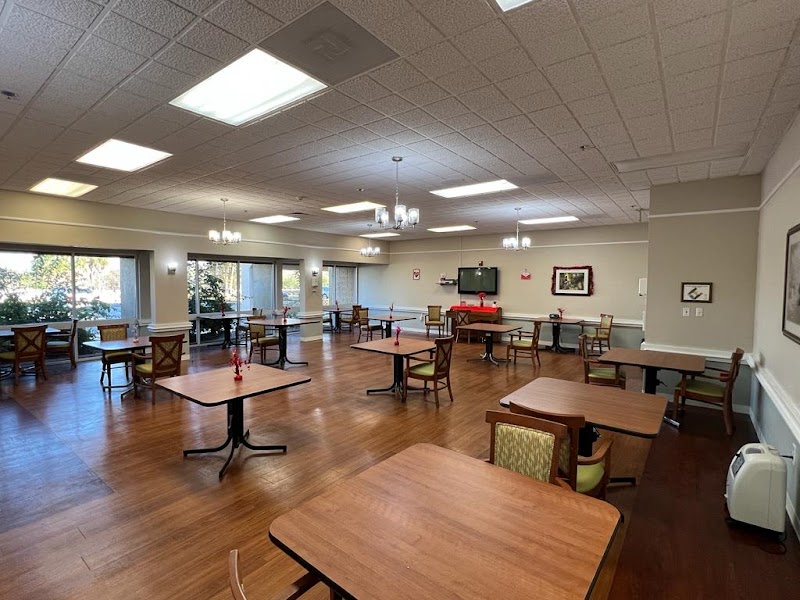
How is Aviata At Countryside Staffed?

CMS rates AVIATA AT COUNTRYSIDE's staffing level at 4 out of 5 stars, which is above average compared to other nursing homes. Staff turnover is 31%, compared to the Florida average of 46%. This relatively stable workforce can support continuity of care.

What Have Inspectors Found at Aviata At Countryside?

State health inspectors documented 17 deficiencies at AVIATA AT COUNTRYSIDE during 2021 to 2025. These included: 17 with potential for harm.
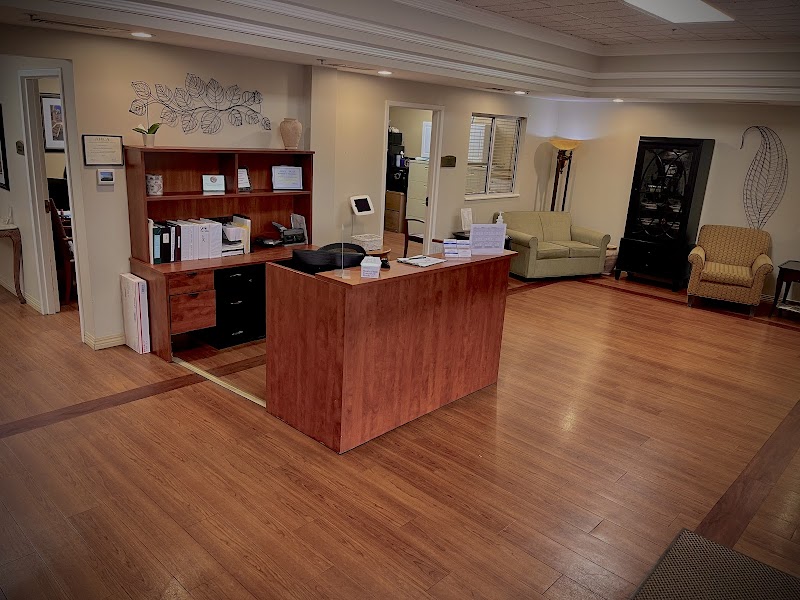
Who Owns and Operates Aviata At Countryside?

AVIATA AT COUNTRYSIDE is owned by a for-profit company. For-profit facilities operate as businesses with obligations to shareholders or private owners. The facility is operated by AVIATA HEALTH GROUP, a chain that manages multiple nursing homes. With 120 certified beds and approximately 113 residents (about 94% occupancy), it is a mid-sized facility located in PALM HARBOR, Florida.
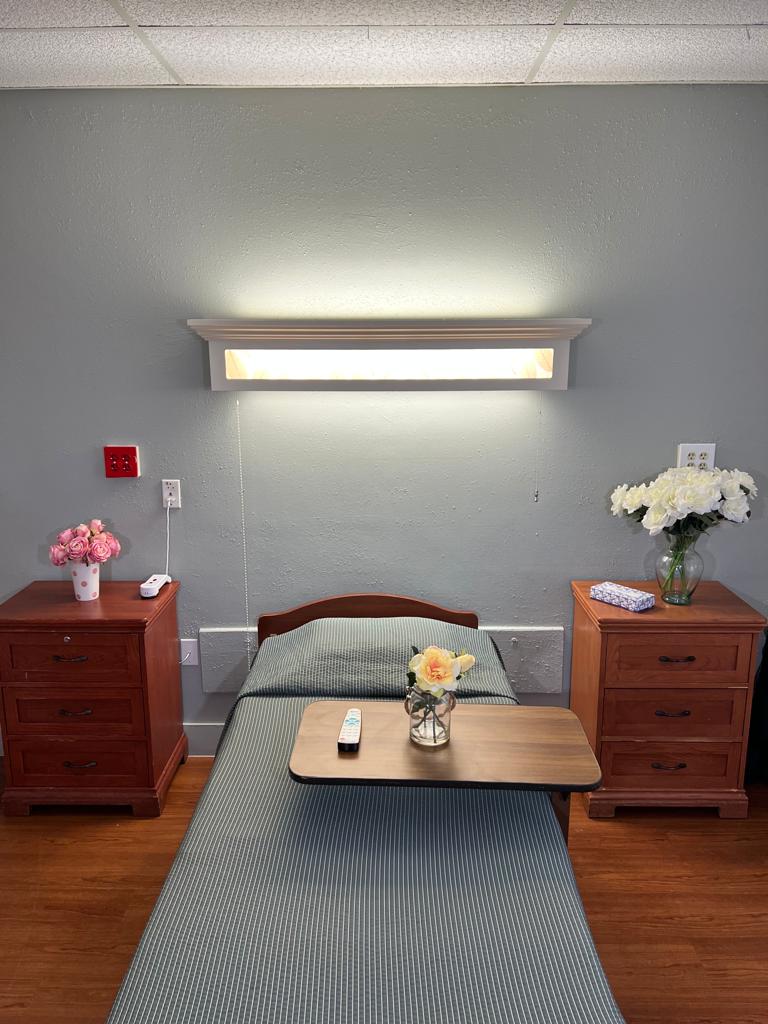
How Does Aviata At Countryside Compare to Other Florida Nursing Homes?

Compared to the 100 nursing homes in Florida, AVIATA AT COUNTRYSIDE's overall rating (3 stars) is below the state average of 3.2, staff turnover (31%) is significantly lower than the state average of 46%, and health inspection rating (3 stars) is at the national benchmark.

What Should Families Ask When Visiting Aviata At Countryside?

Based on this facility's data, families visiting should ask: "Can I visit during a mealtime to observe dining assistance and food quality?" "How do you handle medical emergencies, and what is your hospital transfer rate?" "Can I speak with family members of current residents about their experience?"

Is Aviata At Countryside Safe?

Based on CMS inspection data, AVIATA AT COUNTRYSIDE has a clean safety record: no substantiated abuse findings (meaning no confirmed cases of resident harm), no Immediate Jeopardy citations (the most serious violation level indicating risk of serious injury or death), and is not on the Special Focus Facility watch list (a federal program monitoring the lowest-performing 1% of nursing homes). The facility has a 3-star overall rating and ranks #100 of 100 nursing homes in Florida. While no facility is perfect, families should still ask about staff-to-resident ratios and recent inspection results during their visit.

Do Nurses at Aviata At Countryside Stick Around?

AVIATA AT COUNTRYSIDE has a staff turnover rate of 31%, which is about average for Florida nursing homes (state average: 46%). Moderate turnover is common in nursing homes, but families should still ask about staff tenure and how the facility maintains care continuity when employees leave.

Was Aviata At Countryside Ever Fined?

AVIATA AT COUNTRYSIDE has no federal fines on record. CMS issues fines when nursing homes fail to meet care standards or don't correct problems found during inspections. The absence of fines suggests the facility has either maintained compliance or corrected any issues before penalties were assessed. This is a positive indicator, though families should still review recent inspection reports for the full picture.

Is Aviata At Countryside on Any Federal Watch List?

AVIATA AT COUNTRYSIDE is not on any federal watch list. The most significant is the Special Focus Facility (SFF) program, which identifies the bottom 1% of nursing homes nationally based on persistent, serious quality problems. Not being on this list means the facility has avoided the pattern of deficiencies that triggers enhanced federal oversight. This is a positive indicator, though families should still review the facility's inspection history directly.