COMMUNITY HEALTH AND REHABILITATION CENTER


3611 TRANSMITTER ROAD, PANAMA CITY, FL 32404 (850) 588-4643
For profit - Limited Liability company 120 Beds Independent Data: November 2025
Trust Grade
80/100
#199 of 690 in FL
Last Inspection: August 2025

Inspected within the last 6 months. Data reflects current conditions.

Overview

Community Health and Rehabilitation Center in Panama City has a Trust Grade of B+, indicating it is above average and recommended for families seeking care. It ranks #199 out of 690 facilities in Florida, placing it in the top half, but is #4 out of 5 in Bay County, meaning only one nearby option is better. The facility is improving, with the number of reported issues decreasing from 5 in 2024 to 4 in 2025. While staffing is average with a 3 out of 5 star rating and a turnover rate of 52%, which is close to the state average, there is concerningly less RN coverage than 99% of facilities in Florida. Recent inspector findings raised some alarms, including a failure to ensure sufficient nurse staffing, resulting in five residents not receiving their prescribed medications due to a nurse being absent for a night shift. Additionally, there were discrepancies in the accounting of controlled substances for some residents, which could pose risks. Observations also showed that residents' personal items were not stored or labeled properly, leading to concerns about hygiene and organization. Overall, while the center has strengths such as a good trust grade and improving trends, families should be aware of these weaknesses before making a decision.

Trust Score
B+
80/100
In Florida
#199/690
Top 28%
Safety Record
Low Risk
No red flags
Inspections
Getting Better
5 → 4 violations
Staff Stability
⚠ Watch
52% turnover. Above average. Higher turnover means staff may not know residents' routines.
Penalties
✓ Good
No fines on record. Clean compliance history, better than most Florida facilities.
Skilled Nurses
⚠ Watch
Each resident gets only 18 minutes of Registered Nurse (RN) attention daily — below average for Florida. Fewer RN minutes means fewer trained eyes watching for problems.
Violations
⚠ Watch
11 deficiencies on record. Higher than average. Multiple issues found across inspections.
★★★★☆
4.0
Overall Rating
★★★☆☆
3.0
Staff Levels
★★★☆☆
3.0
Care Quality
★★★★☆
4.0
Inspection Score
Stable
2024: 5 issues
2025: 4 issues

The Good

  • Full Sprinkler Coverage · Fire safety systems throughout facility
  • No fines on record

Facility shows strength in fire safety.

The Bad

Staff Turnover: 52%

Near Florida avg (46%)

Higher turnover may affect care consistency

The Ugly 11 deficiencies on record

Aug 2025 4 deficiencies
CONCERN (D)

Potential for Harm - no one hurt, but risky conditions existed

Safe Environment (Tag F0584)

Could have caused harm · This affected 1 resident

**NOTE- TERMS IN BRACKETS HAVE BEEN EDITED TO PROTECT CONFIDENTIALITY** Based upon observations, the facility failed to ensure residents had a clean and sanitary environment as evidenced by residents'...

Read full inspector narrative →
**NOTE- TERMS IN BRACKETS HAVE BEEN EDITED TO PROTECT CONFIDENTIALITY** Based upon observations, the facility failed to ensure residents had a clean and sanitary environment as evidenced by residents' personal items not labeled and stored appropriately for each resident in 5 out of 9 rooms sampled.The findings include:An observation was made on the north hallway of Unit 2 on 8/25/25 at 11:00 AM. The following issues were observed:In room [ROOM NUMBER], personal items were not labeled and not separated for each resident residing in the room. In room [ROOM NUMBER], a bedpan was sitting in the bathroom in between the handrail and wall and was not bagged.In room [ROOM NUMBER], a resident's urinal was hanging on the garbage can next to the bed out of the resident's reach.In room [ROOM NUMBER], a bedpan was observed in the bathroom sitting between the handrail and the wall.A second observation was made on this hall on 8/25/25 at 3:00 pm. The following issues were observed.In room [ROOM NUMBER], the personal items sitting in the resident's bathroom was still not labeled or separated for each resident residing in the room.The bedpans in room [ROOM NUMBER] and 236 were still not labeled or bagged and sitting in bathroom in between the handrail and wall.room [ROOM NUMBER]'s urinal was still lying on its side on the bedside cabinet next to the bed. Additional observations made on 08/26/25 at 08:30 am, 11:30 am, and 3:35 pm, on 8/27/2025 at 9:01 am, and 12:00 noon revealed these issues remained uncorrected. In addition on 8/27/2025, room [ROOM NUMBER] was observed with a urine graduate sitting on the handrail in the bathroom.
CONCERN (D)

Potential for Harm - no one hurt, but risky conditions existed

Quality of Care (Tag F0684)

Could have caused harm · This affected 1 resident

Based on observation, staff interview, record reviews, and policy review, the facility failed to ensure the provision of care in accordance with professional standards by not ensuring that wound care ...

Read full inspector narrative →
Based on observation, staff interview, record reviews, and policy review, the facility failed to ensure the provision of care in accordance with professional standards by not ensuring that wound care was provided as stated in the physician order in a timely manner and failed to assess and document a newly identified skin impairment for 2 of 2 residents sampled for non-pressure related skin impairments. (Resident #9 and #106)The findings include: Resident #106 On 8/25/25 at approximately 12:00 PM, an interview and observation was conducted with Resident #106. A Negative Pressure Wound Device (wound vac) was sitting on the bed with the hose not connected to Resident #106. The resident stated it was removed by the nurse at approximately 6:00 AM on 08/25/25 due to becoming loose from the dressing to the lower back surgical wound. A gauze with tape was noted on the lower back with no date present. A Peripherally Inserted Central Catheter (PICC) was in place to the inner right upper arm with the date of 8/14 written on the dressing. On 8/25/25 at approximately 2:05 PM, an observation of Resident #106 was conducted with Nurse A, a Licensed Practical Nurse (LPN). Nurse A (LPN) explained that she was going to replace the Negative Pressure Device and change the PICC line dressing today (8/25/25). Nurse A explained the PICC line dressing was to be changed every Sunday evening. A review of the resident's medical record revealed a physician order on 8/8/25 to apply a wound vac to the surgical incision wound. There was a note by the Nurse Practitioner on 8/11/25 that the wound vac was not started on the resident. Review of the treatment record revealed the following physician's order, Negative pressure wound device settings @ 125mmhg continuous. Cleanse area with Normal saline, pat dry, skin prep peri-wound, apply sponge, secure with negative pressure wound dressing. Every evening shift every 3 day(s) for Negative Pressure Utilization Eval for pain prior to, during, and after treatment and medicate as needed. Monitor site for S/S of infection and notify the Practitioner as needed. Start Date 8/11/25. The resident's medical record revealed the following physician's order for dressing change, Change every week and PRN. Measure length of line and circumference of arm upon admission and insertion then weekly. To measure length, start from hub of PICC line to insertion site on forearm, to measure arm circumference measure at the insertion site around the forearm. Continue weekly until line discontinued. Document the length of line & circumference of arm upon admission and insertion below.MID LINE LENGTH: ____13___cm. ARM CIRCUMFERENCE: _25______cm. every evening shift every 7 days for intravenous maintenance. Report signs and symptoms of infections and/or infiltration and/or dislodgement to MD. Change dressing weekly and document measurement of line as needed for IV maintenance. Start Date 8/14/2025. On 8/26/25 at approximately 2:00 PM, the Negative Pressure Wound Device was still on the bed not connected to Resident #106. The PICC line dressing was dated 8/25/25. On 8/26/25 at approximately 3:00 PM, the Negative Pressure Device and dressing change was being completed by Nurse A (LPN) and ADON. At this time the ADON explained the facility had to order more supplies and wait on them to arrive on 8/26/25 to change dressing. The facility policy and procedure titled Catheter Insertion and Care states, The purpose of the policy was to change dressings according to physician orders. Step 1of the policy and procedure listed that central venous catheter dressings will be changed at specific intervals, or when needed, to prevent catheter-related infections that are associated with contaminated, loosened, soiled, or wet dressings. The review of the policy and procedure titled Dressing Change-Non-Sterile and Sterile was conducted. Step 1 of the policy and procedure listed to verify physician order for most current treatment order. Resident #9: An observation of Resident #9 was conducted on 8/25/25 at 2:02 PM. The resident was observed to have a blister on her right lower leg about the size of a quarter. Another observation of Resident #9 was conducted with the Assistant Director of Nursing (ADON) on 8/27/25 at 2:03 PM. A white dressing dated 8/26 was observed in place on the resident's right lower leg. The ADON removed the dressing and stated a blister was under the dressing and was intact. Review of the resident's electronic medical record on 8/27/25 revealed there was no documentation of the blister on the resident's right lower leg and no physician order for a dressing to the blister. A follow-up interview was conducted with the ADON on 8/27/25 at 2:10 PM. The ADON reviewed the electronic medical record and stated there was no documentation of the blister and no physician order for the dressing that was on the resident's right lower leg. She also confirmed the resident's weekly skin check that was due on 8/26/25 was not completed. The facility policy Notification of Change in Condition (CCHC 0625 2016) states, When a resident is determined to have a change in condition, the licensed nurse will evaluate the resident and notify the family/legal representative and the health care provider. Employees shall communicate any information about a resident's status change to the appropriate licensed personnel upon observation. A licensed nurse will perform an evaluation and notify the Health Care Provider as indicated. A licensed nurse is to notify the family/legal representative/resident regarding the resident's change in condition and any new plan of care. The licensed nurse is to implement treatment interventions and any received physician orders. The licensed nurse is to document the notification of change to the family/legal representative/resident and Health Care Provider in the medical record.
CONCERN (D)

Potential for Harm - no one hurt, but risky conditions existed

Food Safety (Tag F0812)

Could have caused harm · This affected 1 resident

Based on observation and interview, the facility failed to maintain sanitary food practices and ensure kitchen staff wore required hair covering while preparing resident meals. The findings include:On...

Read full inspector narrative →
Based on observation and interview, the facility failed to maintain sanitary food practices and ensure kitchen staff wore required hair covering while preparing resident meals. The findings include:On 08/25/2025 at approximately 10:30AM, during kitchen tour with Food Service Director observed staff K cooking lunch without a hair net. Food Service Director asked staff if staff K was wearing a hair net. Staff K stated, No, I am not wearing one. During the same tour at approximately 10:55AM observed in the vegetable freeze a 16 oz Pepsi on the top shelf. Interviewed Food Service Director confirming the drink belong to a staff member. On 8/28/25 at approximately 9:33AM observed staff J cooking meal without facial covering for beard and mustache. Food Service Director informed staff J to put facial covering on. After reviewing emergency food, staff J was still without facial covering. Food Service Director informed staff J to leave the area to put facial covering on.
CONCERN (D)

Potential for Harm - no one hurt, but risky conditions existed

Deficiency F0914 (Tag F0914)

Could have caused harm · This affected 1 resident

**NOTE- TERMS IN BRACKETS HAVE BEEN EDITED TO PROTECT CONFIDENTIALITY** Based on observations and staff interviews, the facility failed to ensure each resident bedroom was equipped to provide full vis...

Read full inspector narrative →
**NOTE- TERMS IN BRACKETS HAVE BEEN EDITED TO PROTECT CONFIDENTIALITY** Based on observations and staff interviews, the facility failed to ensure each resident bedroom was equipped to provide full visual privacy for 1 of 19 sampled resident bedrooms. (room [ROOM NUMBER])An observation of room [ROOM NUMBER]A was conducted on 8/26/25 at 2:09 PM. The room was occupied by a resident. The privacy curtain was observed to be about 3 feet too short in width to provide full visual privacy of the resident. In addition, the existing curtain was stuck and would not pull in the curtain track. Another observation of room [ROOM NUMBER]A was conducted on 8/27/25 at 10:07 AM with the Housekeeping Supervisor. She observed the curtain and stated the track was coming loose from the ceiling and confirmed the curtain was too short in length to provide full visual privacy. (Photographic evidence was obtained.) She stated she had a list of rooms regarding privacy curtain issues that was created on 8/26/25 and room [ROOM NUMBER] was included on the list.
Jun 2024 5 deficiencies
CONCERN (D)

Potential for Harm - no one hurt, but risky conditions existed

Deficiency F0554 (Tag F0554)

Could have caused harm · This affected 1 resident

Based on observation, staff interview, resident interview, and records review, the facility failed to ensure the interdisciplinary team assessed and determined residents were capable of self-administr...

Read full inspector narrative →
Based on observation, staff interview, resident interview, and records review, the facility failed to ensure the interdisciplinary team assessed and determined residents were capable of self-administration of medications prior to allowing 2 of 4 residents sampled for medication administration to self-administer medications. (Residents #32 and #61) The findings include: During the observation of medication administration on 06/04/2024 at 9:13 AM with Registered Nurse (RN) I, it was observed that oral medications, including a schedule II medication, Hydrocodone-Acetaminophen Tablet 5-325 milligrams (mg) (a medication used for pain), were placed in a medicine cup and left at the bedside for Resident #61 to self-administer. Following this observation, an interview was completed with RN I. She said that Resident #61 was not assessed for self-administration. An observation on 6/4/2024 at about 9:20 AM found Resident #32 with 8 pills loose on the breakfast tray in front of him/her. (photographic evidence obtained) During a follow up interview on 6/4/24 at about 9:30 AM with RN I, she stated she was told there are a number of residents in the facility she can trust to take their medications. RN I said no residents were assessed for self-administration of medications. A review of medical records revealed the medications administered to Resident #32 included: Tradjenta 5 mg (a medication to treat diabetes) Thiamine HCl 100 mg (a mineral supplement) Tenormin 50 mg (used to treat high blood pressure) Tamsulosin HCl Capsule 0.4 mg (used to treat enlarged prostate) Spironolactone 100 mg (used to treat high blood pressure) Oxycodone Hydrochloride 10 mg (Resident #32 said this medication was not administered with other medications during the observation/interview on 06/04/2024) Prednisone 20 mg (used to treat arthritis) Multiple Vitamins-Minerals Furosemide 40 mg (a high blood pressure medication) Folic Acid Tablet 1 mg (a mineral supplement) Aspirin Oral Tablet (used to treat cardiovascular risks) Medications left at bedside for Resident #61 to self-administer: Simethicone Oral 1 tablet (used to treat gas) Sennosides-Docusate Sodium Tablet 8.6-50 mg (a laxative) Losartan Potassium Oral Tablet 50 mg (a high blood pressure medication) Lasix Tablet 20 mg (a diuretic) Lamictal Oral Tablet 100 mg (used to treat bipolar disorder) Hydralazine HCl Tablet 25 mg (a high blood pressure medication) GlycoLax Powder mg (a laxative) Duloxetine HCl Capsule Delayed Release Particles 60 mg (an antidepressant) Cetirizine HCl Tablet 10 mg (an antihistamine) Carvedilol Tablet 25 mg (a high blood pressure medication) Alprazolam Oral Tablet 0.25 mg (an anti-anxiety medication) Acetaminophen 325 mg A review of facility Policy for Medication Pass Guideline included the following: Procedure section #9 Administration of medication: Remain with resident until administration of medications complete.
CONCERN (D)

Potential for Harm - no one hurt, but risky conditions existed

Quality of Care (Tag F0684)

Could have caused harm · This affected 1 resident

Based on observation, resident interview, staff interview, record review and policy review, the facility failed to ensure that wound assessments, dressing changes and wound care were provided in accor...

Read full inspector narrative →
Based on observation, resident interview, staff interview, record review and policy review, the facility failed to ensure that wound assessments, dressing changes and wound care were provided in accordance with physician orders and facility policy for 2 of 3 residents sampled for wound care observations (Resident #7 & #24). The findings include: Resident #24: On 6/3/24 at approximately 11:46 AM, an interview and observation was conducted with Resident #24. The surveyor entered the room as the resident repeatedly said, help me, help me. The resident indicated she wanted to get up. The resident showed the surveyor her left leg. She indicated that her leg was bothering her. Resident #24 had a small, round, uncovered open area lateral to her left knee. Her left lower leg had a dressing. The dressing was dated 5/30 (4 days ago). The dressing had visible dried brown drainage present. (photographic evidence obtained) On 6/4/24 a review of Resident #24's record was conducted. A review of the progress notes and hospital discharge summary from 5/29/24 for Resident #24 revealed that the resident had been in the hospital for treatment of an infected post-surgical wound after surgical repair of a fracture of the left lower leg. She was treated for a systemic infection related to the infected wound. Resident #24 was discharged with an intravenous (IV) access and orders to receive IV antibiotics to treat the infection along with orders for daily dressing changes to the area. The record indicated that the resident was readmitted to the facility from the hospital on 5/29/24. A review of the current physician orders was conducted for Resident #24. There was an order to loosely fill cavity to left knee with ¼ inch iodoform gauze and cover with dry dressing daily and as needed (PRN) if soiled or dislodged for wound management with a start date of 6/1/24. There was also a physician order for a Calcium Alginate Dressing to left lateral leg every day shift for skin management, evaluate for pain prior, during, and after treatment and medicate as needed. Monitor site for signs and symptoms of infection and notify MD (medical doctor) if issues are detected. Cleanse with wound care cleanser, Dakin's to wound bed, calcium Alginate Ag and dry dressing daily and prn if soiled with a start date of 6/1/24. A review of the June 2024 Treatment Administration Record (TAR) for Resident #24 was conducted. Regarding the physicians order to loosely fill cavity to left knee with ¼ inch iodoform gauze and over with dry dressing daily, the TAR was not initialed on 6/2/24 indicating this treatment had not been completed. Regarding the physician order for the Calcium Alginate Ag Dressing to left lateral leg every day shift, for skin management eval for pain prior during and after treatment and medicate as needed (PRN), monitor site for signs and symptoms of infection and notify MD, Cleanse with Wound care cleanser, Dakin's to wound bed, calcium Alginate Ag and dry dressing daily and prn if soiled was not initiated on 6/1/24 or 6/2/24 indicating that the dressing had not been changed on those dates. On 6/4/24 at approximately 9:45 AM, Resident #24 was observed to have no dressing over her left knee. The dressing on the left lateral leg was clean dry and dated 6/4/24. On 6/5/24 at approximately 10:40 AM, an interview was conducted with Nurse A, a Licensed Practical Nurse (LPN). Wound care was observed for Resident #24. When the observation was conducted, there was no dressing on Resident #24's left knee. Nurse A loosely filled the cavity to left knee with ¼ inch iodoform gauze and covered the area with a dry dressing. Nurse A LPN was shown the image taken on 6/3/24 with the dressing dated 5/30/24 and no cover over wound on left knee. Nurse A explained that she has been caring for Resident #24 on day shift this week since 6/3/24. She indicated that Resident #24 often removes the dressing over the left knee herself. She also explained that Resident #24 had been discharged from the hospital recently and that she did not realize that daily dressing changes were ordered for the wound on the left lower leg until 6/4/24 when she changed the dressing as ordered. On 6/6/24 at approximately 9:40 AM, an interview was conducted with the Director of Nursing (DON). She was shown the image taken on 6/3/24 of Resident #24's leg with the missing dressing and an old dressing dated 5/30/24 in place. The DON agreed that the dressing on the lower leg should have been changed as ordered. The DON was asked to provide a copy of the facility policy regarding dressing changes and administration of medications and treatments. A review of the facility policy titled Dressing Change was conducted. The purpose of the policy states to change dressings according to physician orders. Step 1 of the procedure listed to verify physician order for most current treatment order. A review of the facility policy titled Medication Pass Guidelines was conducted. The policy indicated that medications should be administered in accordance with frequency prescribed by the physician and that patient refusal should be documented in the record. Resident #7 On 6/4/24, a review of the current physician orders was conducted for Resident #7. She had an order to have a wound to the right sacrum cleansed with wound cleanser pat dry and then mepilex dressing applied every day shift every three days for wound management. The start date for the order was on 4/22/24. A review of the June 2024 Treatment Administration Record (TAR) for Resident #7 was conducted. The physicians order Cleanse wound to right sacrum with wound cleanser pat dry and apply a mepilex dressing every day shift every three days for wound management. Start date 4/22/24. was initialed on the TAR on 6/3/24 indicating this treatment had been completed. A review was also conducted of the May 2024 TAR. The treatment was signed off as being done every 3 days except 5/19/24. A review of the progress notes and evaluations revealed no documentation that the wound had healed. The last weekly skin evaluation was dated 4/30/24. The current care plan indicated that the resident had a wound to the sacrum in the at risk for alteration in nutrition/hydration focus area. The potential for impaired skin integrity area indicated that the resident had a history of shearing of her bottom. On 6/4/24 at approximately 8:15 AM, an interview was conducted with Resident #7. She was asked if she had any wounds or open areas on her skin. Resident #7 said she had no open areas. Resident #7 explained that she had a wound previously but she does not have any open areas on her skin presently. On 06/04/24 at 1:41 PM, Nurse A, a Licensed Practical Nurse (LPN), was asked if she could observe the wound on Resident #7's sacrum. Nurse A, LPN asked Resident #7 to turn over in the bed. She had no wound, no abnormality of her skin anywhere on her lower back or sacrum, and no dressing present. Nurse A explained she never put a dressing on Resident #7 because there was no wound. She offered to put a dressing over the resident's sacrum. Nurse A was asked if she had considered contacting the physician to have the order discontinued. Nurse A did not respond. Nurse A was asked how often skin assessments are completed for the residents and pointed out that Resident #7 did not have a documented skin assessment since 4/30/24. She explained that skin assessments are normally completed weekly and confirmed that 4/30/24 was the last skin assessment for Resident #7 in the chart. On 6/6/24 at approximately 9:40 AM an interview was conducted with the Director of Nursing (DON). She was notified that the Resident #7 observations conducted with Nurse A revealed that Resident #7 longer had a wound on her sacrum. However, wound care was being documented as being done on both May and June TARs. She indicated that the resident likely returned from the hospital in April with the order and it has not been discontinued. The DON indicated that this would be addressed. The DON was asked to provide a copy of the facility policy regarding dressing changes and administration of medications and treatments.
CONCERN (D)

Potential for Harm - no one hurt, but risky conditions existed

Tube Feeding (Tag F0693)

Could have caused harm · This affected 1 resident

**NOTE- TERMS IN BRACKETS HAVE BEEN EDITED TO PROTECT CONFIDENTIALITY** Based on observation, interview, and record review, the facility failed to follow physician orders for tube feeding formula for ...

Read full inspector narrative →
**NOTE- TERMS IN BRACKETS HAVE BEEN EDITED TO PROTECT CONFIDENTIALITY** Based on observation, interview, and record review, the facility failed to follow physician orders for tube feeding formula for 1 of 1 resident reviewed for tube feeding. (Resident #26) The findings include: During a tour of the facility conducted on 06/03/24 at 11:45 AM, Resident #26 was observed lying in her bed with tube feeding hanging but not infusing. The bottle of tube feeding formula that was observed was Jevity 1.5 (photographic evidence obtained). A second observation was conducted on 06/03/24 at 2:30 PM of Resident #26's tube feeding infusing-the bottle infusing was Jevity 1.5 formula. Initial review of Resident #26's record revealed the tube feeding order written by the physician on 09/24/23 was for Jevity 1.2 formula. This indicates Resident #26 was receiving the wrong tube feeding formula. Resident #26 was last readmitted to the facility on [DATE]. Review of Resident #26's medical history revealed she has a history of Cancer, Difficulty Swallowing, and Gastrostomy Tube Dependency. An interview was conducted with Staff A, a Licensed Practical Nurse, on 06/05/24 at 1:53 PM. Staff A confirmed she was assigned to Resident #26 on 06/03/24. She stated Resident #26's tube feeding bottle was changed by the night shift staff and that she was responsible for stopping it at 10:00 AM and restarting it at 12:00 PM each day, per the physician order. Staff A stated she had not noticed the wrong tube feeding formula was infusing during her shift on 06/03/24. An interview was conducted with the Registered Dietitian on 06/05/24 at 11:40 AM. She stated she was aware that Resident #26 was ordered to receive Jevity 1.2 formula. She said at times, if there were to be a lack of Jevity 1.2, it would be fine for the facility staff to substitute and give a resident Jevity 1.5 instead. She stated she did not know if this was why the staff had chosen to give the incorrect formula on 06/03/24. An interview was conducted with Staff D, the Central Supply Coordinator, on 06/05/24 at 1:15 PM. Staff D stated that the facility did not have a lack of Jevity 1.2 over the weekend or on 06/03/24. She confirmed there was Jevity 1.2 available for the staff to administer to Resident #26. An interview was conducted with the facility's Director of Nursing on 06/05/24 2:18 PM. She stated that she was unaware that Resident #26 had received the wrong tube feeding formula on 06/03/24.
CONCERN (D)

Potential for Harm - no one hurt, but risky conditions existed

Respiratory Care (Tag F0695)

Could have caused harm · This affected 1 resident

Based on observations, record reviews, interviews, and policy review, the facility failed to obtain physician orders to administer oxygen for 1 of 4 residents sampled for respiratory care. (Resident #...

Read full inspector narrative →
Based on observations, record reviews, interviews, and policy review, the facility failed to obtain physician orders to administer oxygen for 1 of 4 residents sampled for respiratory care. (Resident #15) The findings include: On 6/3/24 at 12:04 PM, 6/4/24 at 12:48 PM and 3:16 PM, and 6/5/24 at 8:45 AM, Resident #15 was observed in bed receiving humidified oxygen via nasal cannula at 1.5 liters (L) from an oxygen concentrator. On 6/5/24 at 11:17 AM, Resident #15 was observed sitting up in a wheelchair in the hall near their room receiving oxygen via nasal cannula at 2 L from portable oxygen tank. On 6/3/24, a record review was conducted for Resident #15. The record review included a review of the current and discontinued/completed physician orders. There were no orders for oxygen therapy. On 6/5/24 at 8:46 AM, an interview was conducted with Resident #15, who stated they have been using oxygen for 2 to 3 weeks prior to admission to the facility and has been on oxygen continuously since admission to the facility. On 6/5/24 at 10:23 AM, an interview was conducted with Staff H, a Registered Nurse caring for Resident #15. She reviewed the resident's electronic medication administration record and verbally agreed there was no order for oxygen and stated the night shift nurse told her the resident was on oxygen when she gave her report this morning and wrote it on the report sheet that the resident was on 2 L oxygen via nasal cannula. On 6/5/24 at 10:30 AM, an interview was conducted with the Assistant Director of Nursing (ADON), who reviewed the resident's orders and verbally agreed there were no orders for the oxygen and stated she will find out why she was placed on oxygen. On 6/5/24 at 2:16 PM, an interview was conducted with the ADON, who acknowledged that there was no order for the oxygen but it has now been fixed and they have the order for oxygen. On 6/5/24 A review of the policy Daily Review of Physician's Orders, 2015 was conducted. The policy read as follows: Procedure 1. The nurse will review the Physician order section of the medical record daily. 4. The nurse should identify any transcription issue or omission and: Notify supervisor Document on the 24 hour report Take action to correct
CONCERN (D)

Potential for Harm - no one hurt, but risky conditions existed

Infection Control (Tag F0880)

Could have caused harm · This affected 1 resident

**NOTE- TERMS IN BRACKETS HAVE BEEN EDITED TO PROTECT CONFIDENTIALITY** Based on observation, interview, and record review, the facility failed to maintain proper infection control protocol for 1 of 1...

Read full inspector narrative →
**NOTE- TERMS IN BRACKETS HAVE BEEN EDITED TO PROTECT CONFIDENTIALITY** Based on observation, interview, and record review, the facility failed to maintain proper infection control protocol for 1 of 1 resident reviewed for transmission based precautions. (Resident #44) The findings included: During a tour of the facility conducted on 06/03/24 at 11:45 AM, Resident #44's room door had an isolation sign for Enhanced Barrier Precautions. An initial review of Resident #44's record revealed a physician's order written on 06/02/24 for Contact Isolation. Further review of Resident #44's record revealed this Contact Isolation order was written due to Resident #44 having an Extended Spectrum Beta-Lactamase (ESBL) infection in her urine requiring the use of Macrobid (an oral antibiotic) from 05/26/24 to 06/09/24. Resident #44 was last readmitted to the facility on [DATE]. A review of Resident #44's medical history revealed she had a history of Chronic Kidney Disease, Urinary Tract Infections, and Dementia. Continued observations were conducted on 06/04/24 and 06/05/24 revealed the Enhanced Barrier Precautions sign on Resident #44's door was not the correct Contact Isolation sign. An interview was conducted with Staff A, Licensed Practical Nurse on 06/05/24 at 1:53 PM. Staff A confirmed she was the nurse assigned to Resident #44 for the week. When asked if Resident #44 was in isolation, she said she was in isolation because she had something going on with her urine but was unable to provide more information without consulting the electronic health record. Staff A reviewed Resident #44's chart and verbalized that Resident #44 was supposed to be on Contact Isolation. When showed the room door, Staff A stated she did not know why there was not a Contact Isolation sign on the door. An interview was conducted with Staff B, Certified Nursing Assistant (CNA) on 06/05/24 at 2:00 PM. Staff B confirmed she was the CNA assigned to Resident #44 for the week. When asked if Resident #44 was in isolation for any reason, she stated Resident #44 was not on isolation. An interview was conducted with the facility's Director of Nursing on 06/05/24 at 2:18 PM. She stated that she was unaware that Resident #44 had an order for Contact Isolation.
Aug 2023 1 deficiency
CONCERN (E) 📢 Someone Reported This

A family member, employee, or ombudsman was alarmed enough to file a formal complaint

Potential for Harm - no one hurt, but risky conditions existed

Deficiency F0725 (Tag F0725)

Could have caused harm · This affected multiple residents

Based on record review, staff interviews, and resident interview the facility failed to ensure sufficient nurse staffing on all shifts resulting in 5 of 5 sampled residents not receiving physician ord...

Read full inspector narrative →
Based on record review, staff interviews, and resident interview the facility failed to ensure sufficient nurse staffing on all shifts resulting in 5 of 5 sampled residents not receiving physician ordered medications on the morning of 8/26/23. (Residents #1,# 2, #3, #4, and #5) The findings include: Review of the staff assignment sheet for 11:00 PM-7:00 AM shift beginning on 8/25/23 and ending on 8/26/23 revealed the south unit had only one nurse for the shift (Employee A, who is a licensed practical nurse (LPN)). The other nurse that was scheduled did not report to work for the assigned shift. An interview was conducted with the Administrator on 8/31/23 at 10:53 AM. The Administrator stated that, on the 8/25/23 11:00 PM-7:00 AM shift, the facility had 3 nurses scheduled to work, but one nurse was absent. The Director of Nursing (DON) nor himself were notified the nurse did not report for work until about 3:00 AM on 8/26/23. They attempted to find a nurse to come in but were not successful. He stated the DON had worked from 7 AM - 11 PM on 8/25/23 and had worked as on the floor for the 3:00 PM-11:00 PM shift on the south hall on 8/25/23. They were aware medications were not administered as ordered. The physician was notified, but no new orders were given. An additional interview was conducted with the Administrator on 8/31/23 at 12:24 PM. He stated that after the DON had worked 3:00 PM- 11:00 PM on medication cart 2 south unit on 8/25/23 that she then counted medications and gave cart 2 to Employee A (LPN). Employee A also counted medications and took over medication cart 1 on the south unit because the DON informed Employee A that the additional 11:00 PM - 7:00 AM nurse was on the way to the facility. When asked why a nurse did not come to assist with the 6:00 AM medication pass on 8/26/23, he stated they were not able to find a nurse to assist. He stated the resident census was 60 on 8/25/23 on the south unit. An interview was conducted with Employee B, a Certified Nursing Assistant (CNA), on 8/31/23 at 2:55 PM. Employee B stated she worked the 11:00 PM - 7:00 AM shift beginning on 8/25/23 on the north hall. She stated there was only one nurse on the south hall that night. She did not realize there were only 2 nurses in the facility the night of 8/25/23 until after 2:30 AM on 8/26/23 when Employee A came and told her the 3rd scheduled nurse did not show for work. A telephone interview was conducted with the DON on 8/31/23 at 3:08 PM. The DON stated she was not aware medications were not administered on the south unit on 8/26/23 until a nurse texted her on 8/27/23. She stated she was relieved on 8/25/23 of her 3:00 PM-11:00 PM shift by Employee A (LPN) and was not aware the other scheduled nurse did not show until around 3:00 AM on 8/26/23 when the nurse called and left her a message. She stated she has been out of the facility since Tuesday (8/29/23) and had not yet addressed the medications that were not administered on 8/26/23. A telephone interview was conducted with Employee A (LPN) on 8/31/23 at 3:16 PM. The nurse stated she was the only nurse on the south unit for the 11:00 PM-7:00 AM shift beginning on 8/25/23 and ending on 8/26/23 and was responsible for 58-60 residents. The Director of Nursing (DON) reported that another nurse was coming in but was running late. The DON had worked the 3:00 PM- 11:00 PM shift on the south unit and asked her to take both medication carts 1 and 2 on the south unit. Employee A stated she attempted to inform the DON of the situation by texting the DON around 1:30 AM on 8/26/23, and then attempted to call around 2:00 AM on 8/26/23, but the call went to voicemail. She notified the nurse on the north unit, and they attempted to call the DON again, but the call still went to voicemail. The DON called back around 3:30 AM on 8/26/23 and stated she was under the assumption that a nurse was supposed to come in. Employee A stated none of the residents on south medication cart 2 had received morning medications, blood sugar checks, or insulin as ordered by the physician on the morning of 8/26/23. She could not administer medications to 60 residents, but she did check on the residents to ensure they were stable. No one came in to assist her on the shift and she did not know if the DON attempted to call anyone in. She reported to the 7:00 AM- 3:00 PM nurse that came in on 8/26/23 that the residents on south medication cart 2 had not received their morning medications. An interview was conducted with Resident #3 on 8/31/23 at 2:12 PM. She stated she had missed a few of the morning doses of her physician ordered insulin. A review of Resident #1's August 2023 medication administration record (MAR) revealed the resident had physician orders receive insulin glargine 32 units subcutaneous daily at 6 AM, hydralazine 25 mg one by mouth every 8 hours at 6 AM, 2 PM, and 10 PM, and blood glucose checks every morning at 6:30 AM. The MAR was blank for the 6 AM medications and the 6:30 AM blood glucose check on 8/26/23. A review of Resident #2's August 2023 MAR revealed the resident had physician orders to receive levothyroxine 175 mg by mouth daily at 6 AM. The MAR was blank for the 6 AM dose on 8/26/23. A review of Resident #3's August 2023 MAR revealed that the resident had physician orders to receive Novolog insulin 10 units subcutaneous before meals with a dose at 6:30 AM and a blood glucose check at 6:30 AM daily. The MAR was blank for the administration of the insulin and blood glucose check at 6:30 AM on 8/26/23. A review of Resident #4's August 2023 MAR revealed the resident had physician orders for insulin glargine 30 units subcutaneous daily at 6 AM, omeprazole 40 mg by mouth every morning at 6 AM, and a blood glucose check at 6:30 AM daily. The MAR was blank for the administration of the insulin, omeprazole, and blood glucose check at 6:30 AM on 8/26/23. A review of Resident #5's August 2023 MAR revealed the resident had physician orders for Zoloft 100 mg by mouth daily at 6 AM, pantoprazole sodium 40 mg by mouth twice daily with a dose scheduled for 6 AM, sucralfate 1 gram by mouth before meals and at bedtime with a dose scheduled for 6:30 AM, and a blood glucose check before meals and at bedtime with one scheduled for 6:30 AM daily. The MAR was blank for the 6 AM and 6:30 AM doses of medications and the 6:30 AM blood glucose check. Review of the facility assessment (updated 7/19/23) revealed on page 8 that the facility's overall staffing plan is based on an hours per patient day basis and utilizes both historical and current labor data, census, census mix, resident acuity, all resident care and support needs, and an analysis of how well the facility met/is meeting all of the needs of the resident population. The facility is to meet this overall staffing plan on a constant basis and adjust as needed for changes in census, acuity, and resident care and support needs.
Mar 2023 1 deficiency
CONCERN (E)

Potential for Harm - no one hurt, but risky conditions existed

Pharmacy Services (Tag F0755)

Could have caused harm · This affected multiple residents

Based on interviews, record reviews and policy reviews, the facility failed to ensure accurate accounting of controlled substances for 3 of 7 residents sampled (Residents #20, #57, and #155). The fin...

Read full inspector narrative →
Based on interviews, record reviews and policy reviews, the facility failed to ensure accurate accounting of controlled substances for 3 of 7 residents sampled (Residents #20, #57, and #155). The findings include: A review was conducted of the controlled drug declining inventory sheets and the electronic medication administration record. The following discrepancies were identified: Resident # 155 Diazepam (anxiety) 2 mg (milligrams) - 6 tablets were marked as on hand on 3/9/23 on the Controlled Drug Declining Inventory Sheet. Further review of the sheet revealed that one tablet of diazepam was administered on 3/9/23 at 8:30 AM, 3:00 PM, and 9:00 PM, 3/10/23 at 3:00 AM, 1:30 PM, and 11:00 PM, equaling 6 tablets with zero tablets remaining. However, review of the Medication Administration Record (MAR) for March 2023 revealed the medication was documented as administered 4 times (3/9/23 at 8:21 AM and 2:56 PM and 3/10/23 at 11:10 AM and 11:11 PM) indicating that there should be 2 tablets remaining and not zero as documented on the controlled drug inventory sheet. There were 2 tablets that were not documented as given to the resident but were noted as removed from the controlled drug inventory. Resident # 57 Hydrocodone (pain) 10 mg/325 mg - 18 tablets were marked as on hand on 2/17/23 on the Controlled Drug Declining Inventory Sheet. Further review of the sheet revealed that one tablet of Hydrocodone was given on 2/17/23, 2/18/23, 2/20/23 at 6:00 AM and 8:00 PM, 2/21/23 and there was a notation that a tablet was wasted, and the count was decreased to 12 however no date is noted, 2/25/23, 2/27/23, 3/3/23, 3/5/23, 3/7/23, 3/11/23, and 3/14/23 - equaling 14 tablets with 5 tablets noted as remaining on 3/14/23. However, review of the MARs for February and March of 2023 revealed the medication was documented twice as being administered to resident #57, (2/17/23 and 2/18/23) indicating that there should be 16 tablets remaining and not 5 as documented on the controlled drug inventory sheet. There were 11 tablets that were not documented as given to the resident but were noted as removed from the controlled drug inventory. Resident # 20 Clonazepam (anxiety) 0.5 mg - 15 tablets were marked as on hand on 1/20/23 on the Controlled Drug Declining Inventory Sheet. Further review of the sheet revealed that one tablet of the Clonazepam was given on 1/20/23, 1/24/23; 2/1/23, 2/2/23, 2/8/23, 2/11/23, 2/16/23, 2/22/23, and 2/27/23, equaling 9 tablets with 6 tablets noted as remaining on 2/27/23. However, review of the MAR for January 2023-March 2023 revealed the medication was documented as administered 6 times (1/24/23, 2/1/23, 2/2/23, 2/8/23, 2/22/23 and 2/27/23) indicating that there should be 9 tablets remaining and not 6 as documented on the controlled drug inventory sheet. There were 3 tablets that were not documented as given to the resident but were noted as removed from the controlled drug inventory. An interview was conducted on 3/15/2023 at approximately 11:45 AM with the Director of Nursing (DON). The DON stated, I am responsible for making sure the reconciliations are completed with controlled substances. An interview was conducted on 3/16/2023 at approximately 8:27 AM, with the Administrator and the DON regarding the discrepancies on the controlled drug sheets and the MAR. The Administrator stated that a Performance Improvement Plan (PIP) had been completed in November 2022 regarding missing narcotics. The Administrator stated the PIP was done for ten days. She stated that staff were also educated during that time. The Administrator reported no errors were documented for November 2022. The Director of Nursing stated a random sample was completed for narcotics in December 2022 and revealed no discrepancies. A policy review was conducted on 3/15/2023 of the Controlled Substance Storage, which was dated January 2018. The policy states that medications included in the Drug Enforcement Administration classification as controlled substances are subject to special handling, storage, disposal, and recordkeeping in the facility in accordance with federal and state laws and regulations. The policy states, The Director of Nursing in collaboration with the Pharmacist will maintain the facility's compliance of controlled substances. The Director of Nursing is to document discrepancies and report to the Administrator any irreconcilable discrepancies. The controlled substance accountability record is kept in the MAR or designated book. The records are submitted to the Director of Nursing and kept on file for five years.
Understanding Severity Codes (click to expand)
Life-Threatening (Immediate Jeopardy)
J - Isolated K - Pattern L - Widespread
Actual Harm
G - Isolated H - Pattern I - Widespread
Potential for Harm
D - Isolated E - Pattern F - Widespread
No Harm (Minor)
A - Isolated B - Pattern C - Widespread

Questions to Ask on Your Visit

  • "Can I speak with families of current residents?"
  • "What's your RN coverage like on weekends and overnight?"

Our Honest Assessment

Strengths
  • • Grade B+ (80/100). Above average facility, better than most options in Florida.
  • • No major safety red flags. No abuse findings, life-threatening violations, or SFF status.
  • • No fines on record. Clean compliance history, better than most Florida facilities.
Concerns
  • • 11 deficiencies on record. Higher than average. Multiple issues found across inspections.
Bottom line: Generally positive indicators. Standard due diligence and a personal visit recommended.

About This Facility

What is Community Center's CMS Rating?

CMS assigns COMMUNITY HEALTH AND REHABILITATION CENTER an overall rating of 4 out of 5 stars, which is considered above average nationally. Within Florida, this rating places the facility higher than 99% of the state's 100 nursing homes. This rating reflects solid performance across the metrics CMS uses to evaluate nursing home quality.
How is Community Center Staffed?

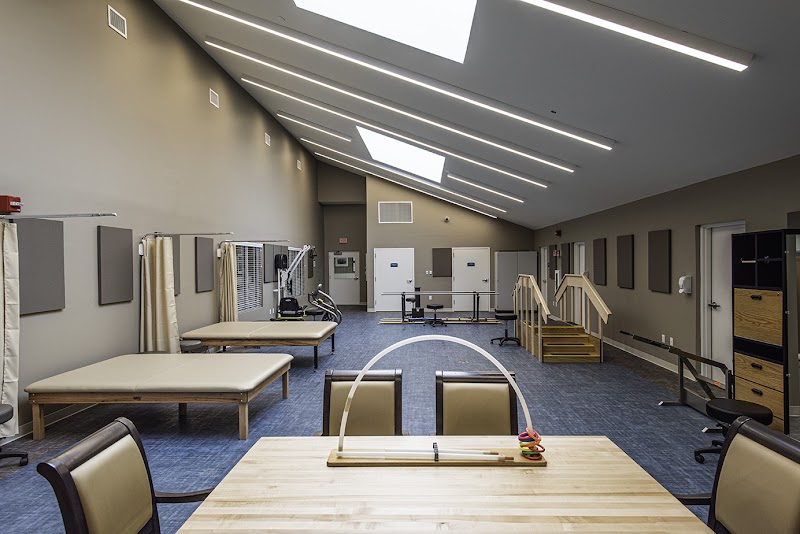
CMS rates COMMUNITY HEALTH AND REHABILITATION CENTER's staffing level at 3 out of 5 stars, which is average compared to other nursing homes. Staff turnover is 52%, compared to the Florida average of 46%. RN turnover specifically is 67%, which is notably high. RNs provide skilled clinical oversight, so turnover in this role can affect medical care quality.

What Have Inspectors Found at Community Center?

State health inspectors documented 11 deficiencies at COMMUNITY HEALTH AND REHABILITATION CENTER during 2023 to 2025. These included: 11 with potential for harm.
Who Owns and Operates Community Center?

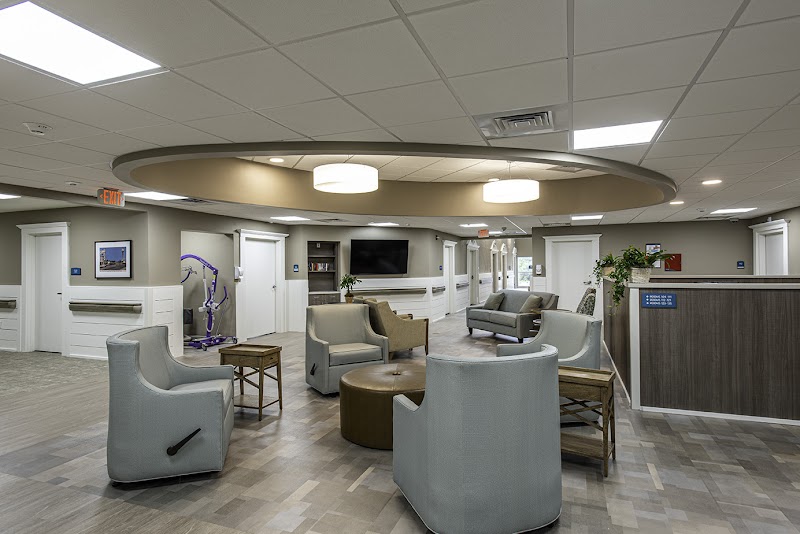
COMMUNITY HEALTH AND REHABILITATION CENTER is owned by a for-profit company. For-profit facilities operate as businesses with obligations to shareholders or private owners. The facility operates independently rather than as part of a larger chain. With 120 certified beds and approximately 93 residents (about 78% occupancy), it is a mid-sized facility located in PANAMA CITY, Florida.

How Does Community Center Compare to Other Florida Nursing Homes?

Compared to the 100 nursing homes in Florida, COMMUNITY HEALTH AND REHABILITATION CENTER's overall rating (4 stars) is above the state average of 3.2, staff turnover (52%) is near the state average of 46%, and health inspection rating (4 stars) is above the national benchmark.

What Should Families Ask When Visiting Community Center?

Based on this facility's data, families visiting should ask: "Can I visit during a mealtime to observe dining assistance and food quality?" "How do you handle medical emergencies, and what is your hospital transfer rate?" "Can I speak with family members of current residents about their experience?"

Is Community Center Safe?

Based on CMS inspection data, COMMUNITY HEALTH AND REHABILITATION CENTER has a clean safety record: no substantiated abuse findings (meaning no confirmed cases of resident harm), no Immediate Jeopardy citations (the most serious violation level indicating risk of serious injury or death), and is not on the Special Focus Facility watch list (a federal program monitoring the lowest-performing 1% of nursing homes). The facility has a 4-star overall rating and ranks #1 of 100 nursing homes in Florida. While no facility is perfect, families should still ask about staff-to-resident ratios and recent inspection results during their visit.

Do Nurses at Community Center Stick Around?

COMMUNITY HEALTH AND REHABILITATION CENTER has a staff turnover rate of 52%, which is 6 percentage points above the Florida average of 46%. Moderate turnover is common in nursing homes, but families should still ask about staff tenure and how the facility maintains care continuity when employees leave.

Was Community Center Ever Fined?

COMMUNITY HEALTH AND REHABILITATION CENTER has no federal fines on record. CMS issues fines when nursing homes fail to meet care standards or don't correct problems found during inspections. The absence of fines suggests the facility has either maintained compliance or corrected any issues before penalties were assessed. This is a positive indicator, though families should still review recent inspection reports for the full picture.

Is Community Center on Any Federal Watch List?

COMMUNITY HEALTH AND REHABILITATION CENTER is not on any federal watch list. The most significant is the Special Focus Facility (SFF) program, which identifies the bottom 1% of nursing homes nationally based on persistent, serious quality problems. Not being on this list means the facility has avoided the pattern of deficiencies that triggers enhanced federal oversight. This is a positive indicator, though families should still review the facility's inspection history directly.