GULFPORT NURSING CENTER

1430 PASADENA AVE S, PASADENA, FL 33707 (727) 347-1257
For profit - Limited Liability company 126 Beds BENJAMIN LANDA Data: November 2025 10 Immediate Jeopardy citations
Trust Grade
0/100
#638 of 690 in FL
Last Inspection: June 2025

Inspected within the last 6 months. Data reflects current conditions.

Overview

Gulfport Nursing Center in Pasadena, Florida has received a Trust Grade of F, indicating significant concerns about its care quality. It ranks #638 out of 690 facilities in Florida, placing it in the bottom half, and #55 out of 64 in Pinellas County, meaning there are few local options that are better. While the facility is showing some improvement, with the number of issues decreasing from 19 in 2023 to 10 in 2025, the overall situation remains serious. Staffing is a concern as it has a rating of 2 out of 5 stars and a high turnover rate of 84%, far above the state average of 42%. Additionally, the facility has incurred $504,025 in fines, indicating repeated compliance problems that are higher than 98% of Florida facilities. Specific incidents highlight critical issues, such as a failure to properly use mechanical lifts for resident transfers, resulting in a serious injury that required surgical intervention. Another finding showed that nursing staff were not adequately trained, leading to medication reconciliation errors for returning residents. While there is average RN coverage, the overall high rate of issues, fines, and staff turnover raises significant red flags for families considering this nursing home.

Trust Score
F
0/100
In Florida
#638/690
Bottom 8%
Safety Record
High Risk
Review needed
Inspections
Getting Better
19 → 10 violations
Staff Stability
⚠ Watch
84% turnover. Very high, 36 points above average. Constant new faces learning your loved one's needs.
Penalties
⚠ Watch
$504,025 in fines. Higher than 92% of Florida facilities. Major compliance failures.
Skilled Nurses
○ Average
Each resident gets 35 minutes of Registered Nurse (RN) attention daily — about average for Florida. RNs are the most trained staff who monitor for health changes.
Violations
⚠ Watch
33 deficiencies on record. Higher than average. Multiple issues found across inspections.
★☆☆☆☆
1.0
Overall Rating
★★☆☆☆
2.0
Staff Levels
★★★☆☆
3.0
Care Quality
★☆☆☆☆
1.0
Inspection Score
Stable
2023: 19 issues
2025: 10 issues

The Good

  • Full Sprinkler Coverage · Fire safety systems throughout facility
  • No fines on record

Facility shows strength in fire safety.

The Bad

1-Star Overall Rating

Below Florida average (3.2)

Significant quality concerns identified by CMS

Staff Turnover: 84%

38pts above Florida avg (46%)

Frequent staff changes - ask about care continuity

Federal Fines: $504,025

Well above median ($33,413)

Significant penalties indicating serious issues

Chain: BENJAMIN LANDA

Part of a multi-facility chain

Ask about local staffing decisions and management

Staff turnover is very high (84%)

36 points above Florida average of 48%

The Ugly 33 deficiencies on record

10 life-threatening
Jun 2025 10 deficiencies 2 IJ
CRITICAL (J) 📢 Someone Reported This

A family member, employee, or ombudsman was alarmed enough to file a formal complaint

Immediate Jeopardy (IJ) - the most serious Medicare violation

Free from Abuse/Neglect (Tag F0600)

Someone could have died · This affected 1 resident

**NOTE- TERMS IN BRACKETS HAVE BEEN EDITED TO PROTECT CONFIDENTIALITY** Based on interviews and record review, the facility failed to protect the resident's right to be free from neglect related to pr...

Read full inspector narrative →
**NOTE- TERMS IN BRACKETS HAVE BEEN EDITED TO PROTECT CONFIDENTIALITY** Based on interviews and record review, the facility failed to protect the resident's right to be free from neglect related to proper use of mechanical lifts during transfers for two residents (#14 and #4) out of 21 residents dependent on mechanical lifts for transfers. The facility neglected to properly assess Resident #14 for the use of a mechanical lift and failed to educate staff to implement proper transfer methods, resulting in a major injury that occurred on 05/12/2025 resulting in Resident #14 being transferred to a higher level of care and required surgical repair of a spiral comminuted fracture of the right femur. The facility's neglect resulted in physical pain and psychosocial suffering for Resident #14. This neglect created a situation that resulted in a worsened condition and the likelihood for serious injury and or death to Resident #14 and Resident #4 and resulted in the determination of Immediate Jeopardy on 05/12/2025. The findings of Immediate Jeopardy were determined to be removed on 06/13/2025 and the severity and scope was reduced to a D after verification of removal of immediacy of harm. Findings Included: 1. Review of Resident #14's Information Record, dated 06/11/2025, revealed Resident #14 was originally admitted to the facility on [DATE] with diagnoses of primary osteoarthritis, dementia, need for assistance with personal care, cognitive communication deficit. Review of the admission Minimum Data Set (MDS) dated [DATE] showed a Brief Interview for Mental Status (BIMS) score of 00, indicating severe cognitive impairment. Section C0100 showed the resident is rarely/never understood. Review of Resident #14's physician orders, dated 05/12/2025, showed the resident had an active order to send resident to the emergency room (ER) for evaluation and treatment of right hip pain, one time, only for one day. Review of Resident #14's Kardex (a document used by staff with specific instructions for a resident's care needs) showed transferring Functional Abilities (GG): Bed-to-Chair Transfer, sit-to stand (mechanical lift). The Kardex was updated during the survey on 6/11/2025 showing the resident was totally dependent on staff for transferring, requiring a mechanical lift with two staff assistance for transfers. A review of the Care Plan for Resident #14 revealed a Focus: [Resident #14] has limited physical mobility related to disease process, senile degeneration of brain Weakness, initiated on 12/25/2025. The goal showed Resident #14 will remain free of complication related to immobility, including contractures, thrombus formation, skin-breakdown, fall related to injury through next review date, initiated 12/25/2025 and revised on 06/09/2025. The interventions showed Resident #14 was non-weight bearing, initiated on 06/10/2025. Review of a Change in Condition form, dated 05/12/2025, showed Resident #14's right hip appeared displaced, she had decreased functional mobility compared to her baseline, and experienced new pain. Her non-verbal signs of pain were described as screaming. Resident #14 was transported to the hospital on [DATE] by emergency transport. Review of a local hospital record, dated 5/12/2025, showed Resident #14 to be a [AGE] year-old female who resides at [Name of Facility] with history of dementia presented to the local hospital emergency room with chief complaint of right lower extremity pain after falling out of bed, X-rays taken in the emergency room revealed a displaced spiral subtrochanteric fracture of the right femur with severe osteopenia, also questionable right inferior pubic rami fracture noted as well. Plan for open reduction and internal fixation of the right femur. Review of a local hospital radiology report, dated 5/12/2025, showed: X-ray of the hip unilateral with pelvis when performed; 2-3 view Comparison: No prior. Findings noted: Spiral comminuted fracture in the subtrochanteric portion of the right femur which spirals into the proximal shaft and is displaced and impacted with the proximal portion of the femur rotated laterally. Questionable fracture of the inferior public ramus on the right. Review of a local hospital operative report, dated 5/12/2025, revealed Resident #14 had an open reduction and internal fixation of right hip subtrochanteric fracture with [Medical Equipment Company] 340 x 10 millimeters (mm) intramedullary (IM) rod with 95 millimeters proximal lag screw and 45 millimeters (mm) distal set screw .Incision was irrigated with antibiotic solution. Closure was performed with #1 [Surgical Suture] for the fascial [connective tissue that surrounds and supports bones, muscles, nerves, blood vessels, and organs throughout the body.] closure, 2-0 [Surgical Suture] subcutaneous, and standard skin staples. Xeroform dry dressing was applied. A review of a local hospital progress note, dated 5/19/2025, showed Resident #14 was hospitalized due to a right hip fracture after a fall from bed at the patient's nursing home. She underwent right hip open reduction and internal fixation (ORIF) on 5/13/2025. Resident #14 had intermittently elevated temperatures since 5/13/2025 with no infectious source identified. Acute intertrochanteric fracture of the right femur with varus angulation and mild displacement. Lesser trochanteric avulsion fragment is mildly displaced. No dislocation. No other fractures are identified. Moderate right and mild left hip arthrosis. Conclusion: Acute fracture of the right hip. A review of the Physician Order Summary Report for Resident #14, dated 06/12/2025, revealed the following: -Weekly Skin Sweeps, every day shift, every Tue (Tuesday) for skin observation. -Acetaminophen Oral Tablet (Acetaminophen) Give 1000 milligram (mg) by mouth every 12 hours related to Abnormal Posture: Pain Disorder with related psychological facture - Assess resident for pain every shift; Non-pharmacological interventions: 1 = relaxations, 2 = light touch, 3 = I (pharmaceutical name), 4 = exercise, 5 = music, 6 = N/A, 7= other see progress note. Document corresponding code and pain level in supplemental documentation every shift for monitor - start on 5/21/2025, -Eliquis Oral Tablet 2.5 milligram (mg) (Apixaban) Give 1 tablet by mouth two times a day for status post (s/p) surgery - started on 5/21/2025 -Tramadol Hydrochloride Oral Tablet 50 mg (Tramadol HCI) Give 1 tablet by mouth every 4 hours as needed for pain - started on 5/20/025 - Right Hip Staples: gently cleanse area, dry, cover with long border dressing every shift for Infection Preventions - Start 05/24/2025 - Non-Weight Bearing for 3 weeks every shift for wound care for 21 days. Review of the Medical Administration Records (MAR) for Resident #14, dated May and June 2025, showed Resident #14's pain levels were assessed after she was admitted back to the facility on every shift. The review showed Tramadol was administered on May 27th with a pain level marked 7 out of 10; on May 28th pain level was marked as 7 out of 10; and on June 3rd the pain level was marked as 6 out of 10, meaning the pain levels were very strong keeping Resident #14 from doing things. Source: https://healthy.kaiserpermanente.org/health-wellness/health-encyclopedia/he.learning-about-the-0-to-10-pain-scale.abs0043 An interview was conducted on 6/10/2025 at 12:08 p.m. with Staff F, Certified Nursing Assistant (CNA) /Restorative Aide. He stated the resident was dependent on transfers with two-person assistance using the mechanical lift. He stated he assisted Staff Q, CNA, with transferring Resident #14 using a mechanical lift to get her in and out of bed in the morning and afternoon on the day she was sent to the hospital (5/12/25). He stated when they got the resident up in the morning, there was nothing wrong with her leg, but when they transferred her back into bed, he noticed something wrong with her leg. He said, her leg looked out of place. He stated he called the Assistant Director of Nursing (ADON) immediately to check the resident out. During an interview conducted on 06/10/2025 at 12:24 p.m. with Staff L, Licensed Practical Nurse (LPN), she stated she was familiar with Resident #14 and was usually the nurse assigned to the resident. She stated when she arrived at work, Resident #14 was being sent out to the hospital for evaluation. She stated she went down to the resident's room to check on her. When she arrived at the room, Staff F, CNA asked her if the resident had any pain the day before. She reported the resident was just fine and there was nothing unusual going on with her yesterday. Staff L, LPN said, When I touched Resident #14's leg, [the resident] yelled out like she was in pain. She stated the resident screamed out in pain and said, Lord, it hurts. Staff L, LPN said the resident returned back to the facility with thirty-nine staples in her right leg. Staff L, LPN said, To be honest, I don't know what happened to her because she was just fine the day before. An interview was conducted on 06/10/2025 at 1:01 p.m. with Resident #14's Primary Care Provider (PCP). He stated he was notified the resident was going to the ER. The PCP said, It's kind of sketchy what happened to her. He stated that the chief complaint note from the hospital showed that she had fallen at the facility, but no one told him that was what happened. He stated these types of fracture happen a lot with very frail elderly people, whenever they have a fall or do a sharp turn and then fall. He said he did not look at the radiology report to see what type of fracture the resident had sustained. During an interview conducted on 06/10/2025 at 1:23 p.m. with the ADON, she stated she remembered coming down the hall when she heard Resident #14 yelling. The ADON said she stopped and was getting ready to knock on the door as Staff Q, CNA, opened the door to tell her she needed to check the resident out. The ADON stated as she entered the room, Staff F, CNA was in the room and the mechanical lift was next to the bed. She stated when she looked over at Resident #14, she noticed her right hip bulging out of place and swollen. She said she immediately went to get the Director of Nurses (DON). The ADON said the DON came to the room, did a visual assessment on Resident #14, and had her send the resident out to the local hospital for further evaluation. She stated she received a call from the resident's family member asking what happened to [Resident #14]. The ADON stated the family member reported having to sign consent because the resident had to have surgery due to a fracture. An interview was conducted on 06/10/2025 at 1:54 p.m. with the DON and the Nursing Home Administrator (NHA). The DON reviewed her statement and said she noted at approximately 1400 (2 p.m.) on 5/12/2025, the ADON came to the administrator's office reporting an emergency. The DON stated she went down to the resident's room, and the assigned 7:00 a.m. to 3:00 p.m. CNA showed her Resident #14's right hip, which appeared to be swollen and appeared to be a different size than the left hip. The NHA stated Resident #14 appeared to be in pain in the right hip. The DON stated she gave the ADON the directive to send the resident to the hospital ASAP (as soon as possible). The DON made recommendations to notify the provider and the [family member]. The NHA stated they were shocked when the [family member] called the DON and stated the resident needed to have surgery. The NHA stated they contacted the hospital to get an update on her status and to request records to see what type of fracture the resident had suffered. The NHA stated when they got the hospital medical records, it was noted the resident had suffered a fracture due to a fall. The NHA stated they interviewed everyone who worked on the unit that day and gathered information from the resident roommate. The NHA stated the Emergency Medical Services (EMS) Run Report came back two weeks later, showing nursing had reported the resident had right hip pain related to a fall. The NHA stated there was a discrepancy on the reporting, as he had interviewed his nurses and no one said the resident had fallen. The NHA stated they were under the impression that it was the sling or pressure from the mechanical lift that was the cause of her dislocated hip. The DON stated she did not have a good answer as to who was responsible for assessing residents for use of mechanical lift and sling sizes. The DON said, The aides are familiar with the residents, so they know what size sling to use on a resident. The DON stated typically when the CNA goes through orientation, another aide provides the new CNA with training on using the mechanical lift. She stated she and the ADON interviewed the resident's roommate, who reported not having noticed anything different with Resident #14 and not seeing the resident on the floor. The DON stated she interviewed the CNAs, and they stated they assisted Resident #14 from her chair back in bed using the mechanical lift. The DON stated Resident #14 has always used a mechanical lift, but this was the first time an incident had happened during her transfer. The NHA stated after they were notified about the incident, they conducted inspections on their mechanical lift and slings. They all checked out to be working properly and in good condition. The NHA stated they concluded two experienced CNAs transferred Resident #14 on the day of the incident and the resident experienced pain. The DON and doctor were notified, and the resident was sent out to the hospital. During an interview conducted on 06/11/2025 at 9:13 a.m. with Staff Q, CNA, she said, On 5/12/2025 it was a regular day and routine with assisting Resident #14. She stated she gets the resident up after breakfast on Mondays, Wednesdays and Fridays. She stated she changed the resident, got her dressed, then put the sling underneath the resident to get her ready to transfer her using the mechanical lift. She stated she got Staff F, CNA to assist her with the transfer. She said after they placed Resident #14 in her chair, Staff F, CNA checked to make sure the resident was positioned in her chair properly and placed her footrest onto her chair. Then she placed Resident #14 outside of her room door. She said later the resident was taken to the television room by an unidentified staff member. She stated when they got Resident #14 up she did not see anything unusual, and the resident did not show any signs of pain. She said when she and Staff F, CNA put Resident #14 back to bed using the mechanical lift, they lifted the resident's dress to remove the sling, Staff F, CNA noticed swelling on the resident's right hip. She stated when she saw Resident #14's hip, she knew it was popped out of place. She stated she knows the resident was a mechanical lift transfer, but there was no documentation in the computer showing the type of lift the resident requires. She said she knew how to use a mechanical lift because she was a veteran nurse's aide but had not received a visual demonstration on how to properly lift a resident. She said she has not gotten Resident #14 out of bed since she returned back to the facility on 5/20/2025. An interview was conducted on 06/11/2025 at 10:12 a.m. with the Director of Rehabilitation (DOR). He stated nursing sets the resident's transfer status based on the information from the Agency for Health Care Administration (AHCA) form 3008. He stated, Per therapy standards, if the resident was max-dependent, they are automatically a mechanical lift with two-person assistance. The DOR stated they do not give formal training to staff regarding safe use of a mechanical lift, and they do not perform demonstration with the mechanical lifts. He stated he talks to staff about positioning, having a second person when using the lifts, and staff needing to talk to their residents during the transfer. The DOR confirmed since he had been at the facility he had not provided any training for mechanical lifts with staff. The DOR stated Resident #14 was picked up for therapy on 05/21/2025 for Occupational Therapy and on 05/24/2025 for Physical Therapy. He stated prior to the incident, the resident had not been seen by therapy. He confirmed the resident required a mechanical lift and a two-person transfer. The DOR stated he did not have an assessment for the use of the mechanical lift for Resident #14. He stated he was not involved with sizing residents for sling use. The DOR looked through therapy evaluations for Resident #14 and stated he did not see any evaluation done for the use of the mechanical lift. An interview conducted with the Medical Director on 06/12/2025 at 11:32 a.m. revealed he was involved in the QA (Quality Analysis) process. He stated the facility follows up on his recommendations. He stated the NHA calls him regarding incidents in the facility, but he is not involved in everything. They call him for incidents like medication errors and an injury of an unknown source. He stated he was notified about a patient that ended up with a hip fracture but there was no fall involved. He stated he told them to continue education with the staff on how to care for elderly patients. He stated there were many things that could have happened to contribute to the resident's fracture. 2. On 06/09/2025 at 9:30 a.m. Staff Q, CNA was observed coming out of Resident #4's room with a mechanical lift, by herself. In an interview, Staff Q, CNA confirmed she had just transferred Resident #4 by herself using the mechanical lift. She stated there should have been two staff. A review of an admission Record dated 06/11/2025 showed Resident #4 was admitted to the facility on [DATE] with diagnoses to include but not limited to chronic obstructive pulmonary disease (COPD), unspecified, Communication deficit, need for assistance with personal care, and restless leg syndrome. During an interview with Resident #4 conducted on 06/09/2025 at 10:00 a.m., she stated there was always one CNA in the room when she is transferred to her wheelchair or bed using the Mechanical lift. Resident #4 stated this made her nervous. A review of the Minimum Data Set (MDS), dated [DATE], revealed Resident #4 had a Brief Interview of Mental Status score of 13 out of 15, indicating the resident was cognitively intact. Review of Resident #4's Kardex section (GG) - Bed-to-Chair Transfer showed, Sit-to Stand (a type of mechanical lift), is totally dependent on staff for transferring. The Kardex did not specify the number of staff required for the transfer. During an interview conducted on 06/09/2025 at 3:00 p.m., with the ADON, he stated she told Staff Q, CNA she cannot transfer residents with a mechanical lift by herself. She stated she must have another person with her for safety when transferring a resident using a mechanical lift. An interview was conducted on 06/10/2025 at 1:00 p.m. with the DON. She confirmed mechanical lifts always require two people when used to transfer a resident. She stated this would be the best practice, to ensure the safety of the resident. Review of a facility policy titled Lifting Machine, Using a Mechanical, dated 6/12/25, showed, the purpose of this procedure is to establish the general principles of safe lifting using a mechanical lifting device. It is not a substitute for manufacturer's training or instructions. General Guidelines: 1. At least two (2) nursing assistants are needed to safely move a resident with a mechanical lift. 2. Mechanical lifts may be used for tasks that require: a. Lifting a resident from the floor. b. Transferring a resident from bed to chair. c. Lateral transfers. d. Lifting limbs. e. Toileting or bathing; or f. Repositioning. 3. Types of lifts that may be available in the facility are: a. Floor-based full body sling lifts b. Overhead full body sling lifts; and c. Sit-to-stand lifts. 4. Lift design and operation vary across manufacturers. Staff must be trained and demonstrate competency using the specific machines or devices utilized in the facility. Steps in the Procedure 1. Before using a lifting device, assess the resident's current condition, including: a. Physical: 1. Can the resident assist with transfer? 2. Is the resident's weight and medical condition appropriate for the use of a lift? b. Cognitive/Emotional: 1. Can the resident understand and follow instructions? 2. Does the resident express fear or appear anxious about the use of a lift? 3. Is the resident agitated, resistant, or combative? 2. Measure the resident for proper sling size and purpose, according to manufacturer's instructions. 3. Select a sling bar that is appropriate for the resident's size and the task. 4. Prepare the environment: a. Clear an unobstructed path for the lift machine. b. Ensure there is enough room to pivot. c. Position the lift near the receiving surface; and d. Place the lift at the correct height. 5. Make sure the battery is charged. 6. Test the lift controls. Ensure the emergency release feature works. 7. Make sure the lift is stable and lock Review of a facility policy titled Abuse, Neglect and Misappropriation of Property, revised 5/8/19, showed: It is the organization's intention to prevent the occurrence of abuse, neglect, exploitation, injuries of unknown origin, and misappropriation of resident property, and to assure that all alleged violations of federal or State laws which involve abuse, neglect, exploitation, injuries of unknown origin and misappropriation of resident property are investigated, and reported immediately to the Facility Administrator, the State Survey Agency, and other appropriate State and local agencies in accordance with Federal and State law. Definitions: Injury of Unknown Source: Means an injury that meets both of the following conditions: (1) the source of the injury was not observed by any person, or the source of the injury could not be explained by the resident; and (2) the injury is suspicious because of the extent of the injury; or the location of the injury (for instance, the injury is located in an area not generally vulnerable to trauma); or the number of injuries observed at one particular point in time; or the incidence of injuries over time. Such occurrences will be investigated by the Administrator, Director of Nursing, or designee as outlined below in the investigation guidelines. Serious Bodily Injury: The term serious bodily injury is defined as an injury involving extreme physical pain; involving substantial risk of death; involving protracted loss or impairment of the function of a bodily member, organ, or mental faculty; or requiring medical intervention such as surgery, hospitalization, or physical rehabilitation. Procedure: B. Training: 1. During orientation, all new Stakeholders, contractors and volunteers will be trained on reporting allegations of abuse; and notify the stakeholders, contractors, and volunteers of the individual's obligation to comply with the reporting requirements of the: Affordable Care Act section 1150 B (Elder Justice Act). Documentation of such training will be kept in each person's personnel file. Employees of the Contractor may be trained by the contractor, so long as such training meets the following requirements, and the contractor certifies that each of its employees providing services at the facility has completed and passed such training. Prevention: 1. Upon admission and periodically there after each resident will have an evaluation completed which identifies potential vulnerabilities such as cognitive, physical, psychosocial, environn1ent and communication concerns. 2. The plan of care will address identified vulnerabilities. Investigation Guidelines: 1. The Facility Administrator will investigate all allegations, reports, grievances and incidents that potentially could constitute allegations of abuse, injuries of unknown source, exploitation, or suspicions of crime as defined in this document. The Facility Administrator may delegate some or all of the investigation to the Director of Nursing, Medical Director or other subject matter experts as appropriate, but the Facility Administrator retains the ultimate responsibility to oversee and complete the investigation, and to draw conclusions regarding the nature of the incident. Review of a facility policy titled Accidents and Incidents - Investigating and Reporting, dated 6/12/25, showed a policy statement: All accidents or incidents involving residents, employees, visitors, vendors, etc., occurring on our premises shall be investigated and reported to the Administrator. Policy Interpretation and Implementation (1.) The Nurse Supervisor/Charge Nurse and/or the department director or supervisor shall promptly initiate and document investigation of the accident or incident. The facility's immediate actions to correct the deficient practice and remove the Immediate Jeopardy, received on 6/13/25, included: 1. On 6/12/25 at 2:00 p.m. the Administrator held an Emergency Information Sharing Ad-Hoc Meeting regarding Mechanical Lift Safety Plan at 3:00 p.m. 2. The Assistant Director of Nursing on 6/12/2025 provided education to nursing staff of 2-person lift and mechanical lift policy. Education of nursing staff reached 100%. Of the nursing staff 85% were educated in-person, while the remaining 15% were sent education material through a direct messaging program. 3. The Director of Nursing and ADON initiated Skills Competencies for Mechanical Lift for nursing staff on 6/12/25. At this time, 100% of nursing staff have the competencies completed. 4. On 6/11/25, the MDS Coordinator began updating Care plans for residents to reflect the transfer status of residents. 6/13/25. At this time, 100% of care plans have been updated. 5. On 6/12/25, a Kardex audit was initiated by the Director of Nursing confirming the lift status of residents. Currently the Kardex audit indicates 100% Kardex's have been updated with mechanical lift status. 6. A daily observational audit conducted by the Director of Nursing (or designee) to validate that staff are transferring residents based on the care plan/Kardex. This audit started on 6/12/25 and will report to the monthly QAPI meeting. 7. Manufacturer guidelines on the slings' size have been posted in the clean utility rooms on 6/12/25. 8. The therapy department assesses the lift and transfer status of residents. This information is shared with the nursing staff in the daily clinical meeting and changes reviewed at the weekly Standards of Care Meeting (SOC). The rehab staff have reassessed Resident #4 on June 13, 2025. Resident #14 cannot currently be assessed for transfer status due to pending medical clearance. Verification of the facility's removal plan was conducted by the survey team on 6/13/2025. All steps contained in the removal plan were reviewed and verified. Interviews were conducted with facility staff, licensed nurses, nursing assistants and therapy staff. Thirty-one (31) nursing staff members and therapy staff confirmed having received in-services on topics to include use of mechanical lifts, care plan, care plan/ Kardex review, Mechanical lift use/2-persons transfer, and sling sizes. 100% of staff completed in-services on 6/12/2025, voicing an understanding of the policies and processes required to provide competent care for residents. The staff interviewed have worked across all shifts. A review of the sign-in sheets was conducted to verify education, and training was completed as outlined in the Immediate Jeopardy removal plans. Based on verification of the facility's Immediate Jeopardy removal plan, the immediate jeopardy was determined to be removed on 6/13/2025 and the non-compliance was reduced to a scope and severity of D.
CRITICAL (J) 📢 Someone Reported This

A family member, employee, or ombudsman was alarmed enough to file a formal complaint

Immediate Jeopardy (IJ) - the most serious Medicare violation

Deficiency F0726 (Tag F0726)

Someone could have died · This affected 1 resident

**NOTE- TERMS IN BRACKETS HAVE BEEN EDITED TO PROTECT CONFIDENTIALITY** Based on observations, interviews, and record review, the facility failed to ensure licensed nursing staff were knowledgeable an...

Read full inspector narrative →
**NOTE- TERMS IN BRACKETS HAVE BEEN EDITED TO PROTECT CONFIDENTIALITY** Based on observations, interviews, and record review, the facility failed to ensure licensed nursing staff were knowledgeable and competent to provide care and services to include safe mechanical lift transfers for two residents (#4 and #14) out of twenty-one dependent residents sampled. This failure created a situation that resulted in a worsened condition and the likelihood for serious injury and or death to Resident #14, with potential to affect all residents who are dependent on mechanical lifts for transfers. This failure resulted in the determination of Immediate Jeopardy on 06/13/2025. The findings of Immediate Jeopardy were determined to be removed on 6/13/2025 and the severity and scope was reduced to a D after verification of removal of immediacy of harm. Findings Included: 1. On 6/10/2025 at 3:20 p.m. an interview was conducted with six Certified Nursing Assistants (CNAs) Staff C, H, I, E, J, K, and two Licensed Practical Nurses (LPN) Staff G and L. They stated in order to find out what residents on their shift assignment require mechanical lift transfers, they will find and identify the information on the care planning section of the Kardex (A document used by staff with instructions specific to the resident's care needs). The nursing staff confirmed while using the mechanical lift to transfer a resident, two staff members must be present to ensure safety. The CNAs stated in order to know what type and size of sling to use with the mechanical lift, they make a general observation and self-assessment of the size of the resident and will pick a color-coded sling that best matches. The staff confirmed there were no directions on what sling goes to each resident who requires mechanical lift transfers. The staff members could not confirm they had received specific education at this facility, regarding the use of mechanical lifts. On 6/11/2026 at 6:40 a.m. an interview was conducted with CNAs Staff M, F, N, and LPNs Staff O, and P. The nursing staff confirmed while using the mechanical lift to transfer a resident, two staff members must be present to ensure safety. The CNAs stated in order to know what type and size of sling to use with the mechanical lift, they make a general observation and self-assessment of the size of the resident and will pick a color-coded sling that best matches. The staff confirmed there were no directions on what sling goes to each resident who requires mechanical lift transfers. The staff members could not confirm they had received specific education at this facility, regarding the use of mechanical lifts. On 06/09/2025 at 9:30 a.m. Staff Q, CNA was observed coming out of Resident #4's room with a mechanical lift, by herself. In an interview, Staff Q, CNA confirmed she had just transferred Resident #4 by herself using the mechanical lift. She stated there should have been two staff. A review of an admission Record dated 06/11/2025 showed Resident #4 was admitted to the facility on [DATE] with diagnoses to include but not limited to chronic obstructive pulmonary disease (COPD), unspecified, Communication deficit, need for assistance with personal care, and restless leg syndrome. During an interview with Resident #4 conducted on 06/09/2025 at 10:00 a.m., she stated there was always one CNA in the room when she is transferred to her wheelchair or bed using the Mechanical lift. Resident #4 stated this made her nervous. A review of the Minimum Data Set (MDS), dated [DATE], revealed Resident #4 had a Brief Interview of Mental Status score of 13 out of 15, indicating the resident was cognitively intact. Review of Resident #4's Kardex section (GG) - Bed-to-Chair Transfer showed, Sit-to Stand (a type of mechanical lift), is totally dependent on staff for transferring. The Kardex did not specify the number of staff required for the transfer. During an interview conducted on 06/09/2025 at 3:00 p.m., with the ADON, he stated she told Staff Q, CNA, she could not transfer residents with a mechanical lift by herself. She stated she must have another person with her for safety when transferring a resident using a mechanical lift. An interview was conducted on 06/10/2025 at 1:00 p.m. with the DON. She confirmed mechanical lifts always require two people when used to transfer a resident. She stated this would be the best practice, to ensure the safety of the resident. An interview was conducted on 6/10/2025 at 3:00 p.m. with the Minimum Data Set (MDS) Coordinator, Staff U, LPN. She stated the CNAs use the resident's Kardex to know what type of assistance the resident required during their transfer. She stated about two years ago the facility changed their electronic medical record system and she did not update any of the resident's transfer care plans/ Kardex section to reflect the specific resident's transfer status. She stated Resident #14's information on her Kardex was not correct because the resident cannot use a Sit-to -Stand lift to transfer. She stated the resident required a mechanical lift with two staff present. Staff U stated Resident #4's Kardex was not correct either. She stated they would be revising and updating the care plans. 2. Review of Resident #14's Information Record, dated 06/11/2025, revealed Resident #14 was originally admitted to the facility on [DATE] with diagnoses of primary osteoarthritis, dementia, need for assistance with personal care, cognitive communication deficit. Review of the admission Minimum Data Set (MDS) dated [DATE] showed a Brief Interview for Mental Status (BIMS) score of 00, indicating severe cognitive impairment. Section C0100 showed the resident is rarely/never understood. Review of Resident #14's physician orders, dated 05/12/2025, showed the resident had an active order to send resident to the emergency room (ER) for evaluation and treatment of right hip pain, one time, only for one day. Review of Resident #14's Kardex (a document used by staff with specific instructions for a resident's care needs) showed transferring Functional Abilities (GG): Bed-to-Chair Transfer, sit-to stand (mechanical lift). The Kardex was updated during the survey on 6/11/2025 showing the resident was totally dependent on staff for transferring, requiring a mechanical lift with two staff assistance for transfers. A review of the Care Plan for Resident #14 revealed a Focus: [Resident #14] has limited physical mobility related to disease process, senile degeneration of brain Weakness, initiated on 12/25/2025. The goal showed Resident #14 will remain free of complication related to immobility, including contractures, thrombus formation, skin-breakdown, fall related to injury through next review date, initiated 12/25/2025 and revised on 06/09/2025. The interventions showed Resident #14 was non-weight bearing, initiated on 06/10/2025. Review of a Change in Condition form, dated 05/12/2025, showed Resident #14's right hip appeared displaced, she had decreased functional mobility compared to her baseline, and experienced new pain. Her non-verbal signs of pain were described as screaming. Resident #14 was transported to the hospital on [DATE] by emergency transport. Review of a local hospital record, dated 5/12/2025, showed Resident #14 to be a [AGE] year-old female who resides at [Name of Facility] with history of dementia presented to the local hospital emergency room with chief complaint of right lower extremity pain after falling out of bed, X-rays taken in the emergency room revealed a displaced spiral subtrochanteric fracture of the right femur with severe osteopenia, also questionable right inferior pubic rami fracture noted as well. Plan for open reduction and internal fixation of the right femur. Review of a local hospital radiology report, dated 5/12/2025, showed: X-ray of the hip unilateral with pelvis when performed; 2-3 view Comparison: No prior. Findings noted: Spiral comminuted fracture in the subtrochanteric portion of the right femur which spirals into the proximal shaft and is displaced and impacted with the proximal portion of the femur rotated laterally. Questionable fracture of the inferior public ramus on the right. Review of a local hospital operative report, dated 5/12/2025, revealed Resident #14 had an open reduction and internal fixation of right hip subtrochanteric fracture with [Medical Equipment Company] 340 x 10 millimeters (mm) intramedullary (IM) rod with 95 millimeters proximal lag screw and 45 millimeters (mm) distal set screw .Incision was irrigated with antibiotic solution. Closure was performed with #1 [Surgical Suture] for the fascial [connective tissue that surrounds and supports bones, muscles, nerves, blood vessels, and organs throughout the body.] closure, 2-0 [Surgical Suture] subcutaneous, and standard skin staples. Xeroform dry dressing was applied. A review of a local hospital progress note, dated 5/19/2025, showed Resident #14 was hospitalized due to a right hip fracture after a fall from bed at the patient's nursing home. She underwent right hip open reduction and internal fixation (ORIF) on 5/13/2025. Resident #14 had intermittently elevated temperatures since 5/13/2025 with no infectious source identified. Acute intertrochanteric fracture of the right femur with varus angulation and mild displacement. Lesser trochanteric avulsion fragment is mildly displaced. No dislocation. No other fractures are identified. Moderate right and mild left hip arthrosis. Conclusion: Acute fracture of the right hip. A review of the Physician Order Summary Report for Resident #14, dated 06/12/2025, revealed the following: -Weekly Skin Sweeps, every day shift, every Tue (Tuesday) for skin observation. -Acetaminophen Oral Tablet (Acetaminophen) Give 1000 milligram (mg) by mouth every 12 hours related to Abnormal Posture: Pain Disorder with related psychological facture - Assess resident for pain every shift; Non-pharmacological interventions: 1 = relaxations, 2 = light touch, 3 = I (pharmaceutical name), 4 = exercise, 5 = music, 6 = N/A, 7= other see progress note. Document corresponding code and pain level in supplemental documentation every shift for monitor - start on 5/21/2025, -Eliquis Oral Tablet 2.5 milligram (mg) (Apixaban) Give 1 tablet by mouth two times a day for status post (s/p) surgery - started on 5/21/2025 -Tramadol Hydrochloride Oral Tablet 50 mg (Tramadol HCI) Give 1 tablet by mouth every 4 hours as needed for pain - started on 5/20/025 - Right Hip Staples: gently cleanse area, dry, cover with long border dressing every shift for Infection Preventions - Start 05/24/2025 - Non-Weight Bearing for 3 weeks every shift for wound care for 21 days. Review of the Medical Administration Records (MAR) for Resident #14, dated May and June 2025, showed Resident #14's pain levels were assessed after she was admitted back to the facility on every shift. The review showed Tramadol was administered on May 27th with a pain level marked 7 out of 10; on May 28th pain level was marked as 7 out of 10; and on June 3rd the pain level was marked as 6 out of 10, meaning the pain levels were very strong keeping Resident #14 from doing things. Source: https://healthy.kaiserpermanente.org/health-wellness/health-encyclopedia/he.learning-about-the-0-to-10-pain-scale.abs0043 An interview was conducted on 6/10/2025 at 12:08 p.m. with Staff F, Certified Nursing Assistant (CNA) /Restorative Aide. He stated the resident was dependent on transfers with two-person assistance using the mechanical lift. He stated he assisted Staff Q, CNA, with transferring Resident #14 using a mechanical lift to get her in and out of bed in the morning and afternoon on the day she was sent to the hospital (5/12/25). He stated when they got the resident up in the morning, there was nothing wrong with her leg, but when they transferred her back into bed, he noticed something wrong with her leg. He said, her leg looked out of place. He stated he called the Assistant Director of Nursing (ADON) immediately to check the resident out. During an interview conducted on 06/10/2025 at 12:24 p.m. with Staff L, Licensed Practical Nurse (LPN), she stated she was familiar with Resident #14 and was usually the nurse assigned to the resident. She stated when she arrived at work, Resident #14 was being sent out to the hospital for evaluation. She stated she went down to the resident's room to check on her. When she arrived at the room, Staff F, CNA asked her if the resident had any pain the day before. She reported the resident was just fine and there was nothing unusual going on with her yesterday. Staff L, LPN said, When I touched Resident #14's leg, [the resident] yelled out like she was in pain. She stated the resident screamed out in pain and said, Lord, it hurts. Staff L, LPN said the resident returned back to the facility with thirty-nine staples in her right leg. Staff L, LPN said, To be honest, I don't know what happened to her because she was just fine the day before. An interview was conducted on 06/10/2025 at 1:01 p.m. with Resident #14's Primary Care Provider (PCP). He stated he was notified the resident was going to the ER. The PCP said, It's kind of sketchy what happened to her. He stated that the chief complaint note from the hospital showed that she had fallen at the facility, but no one told him that was what happened. He stated these types of fracture happen a lot with very frail elderly people, whenever they have a fall or do a sharp turn and then fall. He said he did not look at the radiology report to see what type of fracture the resident had sustained. During an interview conducted on 06/10/2025 at 1:23 p.m. with the ADON, she stated she remembered coming down the hall when she heard Resident #14 yelling. The ADON said she stopped and was getting ready to knock on the door as Staff Q, CNA, opened the door to tell her she needed to check the resident out. The ADON stated as she entered the room, Staff F, CNA was in the room and the mechanical lift was next to the bed. She stated when she looked over at Resident #14, she noticed her right hip bulging out of place and swollen. She said she immediately went to get the Director of Nurses (DON). The ADON said the DON came to the room, did a visual assessment on Resident #14, and had her send the resident out to the local hospital for further evaluation. She stated she received a call from the resident's family member asking what happened to [Resident #14]. The ADON stated the family member reported having to sign consent because the resident had to have surgery due to a fracture. An interview was conducted on 06/10/2025 at 1:54 p.m. with the DON and the Nursing Home Administrator (NHA). The DON reviewed her statement and said she noted at approximately 1400 (2 p.m.) on 5/12/2025, the ADON came to the administrator's office reporting an emergency. The DON stated she went down to the resident's room, and the assigned 7:00 a.m. to 3:00 p.m. CNA showed her Resident #14's right hip, which appeared to be swollen and appeared to be a different size than the left hip. The NHA stated Resident #14 also appeared to be in pain in the right hip. The DON stated she gave the ADON the directive to send the resident to the hospital ASAP (as soon as possible). The DON made recommendations to notify the provider and the [family member]. The NHA stated they were shocked when the [family member] called the DON and stated the resident needed to have surgery. The NHA stated they contacted the hospital to get an update on her status and to request records to see what type of fracture the resident had suffered. The NHA stated when they got the hospital medical records, it was noted the resident had suffered a fracture due to a fall. The NHA stated they interviewed everyone who worked on the unit that day and also gathered information from the resident roommate. The NHA stated the Emergency Medical Services (EMS) Run Report came back two weeks later, showing nursing had reported the resident had right hip pain related to a fall. The NHA stated there was a discrepancy on the reporting, as he had interviewed his nurses and no one said the resident had fallen. The NHA stated they were under the impression that it was the sling or pressure from the mechanical lift that was the cause of her dislocated hip. The DON stated she did not have a good answer as to who was responsible for assessing residents for use of mechanical lift and sling sizes. The DON said, The aides are familiar with the residents, so they know what size sling to use on a resident. The DON stated typically when the CNA goes through orientation, another aide provides the new CNA with training on using the mechanical lift. She stated she and the ADON interviewed the resident's roommate, who reported not having noticed anything different with Resident #14 and not seeing the resident on the floor. The DON stated she interviewed the CNAs, and they stated they assisted Resident #14 from her chair back in bed using the mechanical lift. The DON stated Resident #14 has always used a mechanical lift, but this was the first time an incident had happened during her transfer. The NHA stated after they were notified about the incident, they conducted inspections on their mechanical lift and slings. They all checked out to be working properly and in good condition. The NHA stated they concluded two experienced CNAs transferred Resident #14 on the day of the incident and the resident experienced pain. The DON and doctor were notified, and the resident was sent out to the hospital. During an interview conducted on 06/11/2025 at 9:13 a.m. with Staff Q, CNA, she said, On 5/12/2025 it was a regular day and routine with assisting Resident #14. She stated she gets the resident up after breakfast on Mondays, Wednesdays and Fridays. She stated she changed the resident, got her dressed, then put the sling underneath the resident to get her ready to transfer her using the mechanical lift. She stated she got Staff F, CNA to assist her with the transfer. She said after they placed Resident #14 in her chair, Staff F, CNA checked to make sure the resident was positioned in her chair properly and placed her footrest onto her chair. Then she placed Resident #14 outside of her room door. She said later the resident was taken to the television room by an unidentified staff member. She stated when they got Resident #14 up she did not see anything unusual, and the resident did not show any signs of pain. She said when she and Staff F, CNA put Resident #14 back to bed using the mechanical lift, they lifted the resident's dress to remove the sling, Staff F, CNA noticed swelling on the resident's right hip. She stated when she saw Resident #14's hip, she knew it was popped out of place. She stated she knows the resident was a mechanical lift transfer, but there was no documentation in the computer showing the type of lift the resident requires. She said she knew how to use a mechanical lift because she was a veteran nurse's aide but had not received a visual demonstration on how to properly lift a resident. She said she has not gotten Resident #14 out of bed since she returned back to the facility on 5/20/2025. An interview was conducted on 06/11/2025 at 10:12 a.m. with the Director of Rehabilitation (DOR). He stated nursing sets the resident's transfer status based on the information from the Agency for Health Care Administration (AHCA) form 3008. He stated, Per therapy standards, if the resident was max-dependent, they are automatically a mechanical lift with two-person assistance. The DOR stated they do not give formal training to staff regarding safe use of a mechanical lift, and they do not perform demonstration with the mechanical lifts. He stated he talks to staff about positioning, having a second person when using the lifts, and staff needing to talk to their residents during the transfer. The DOR confirmed since he had been at the facility he had not provided any training for mechanical lifts with staff. The DOR stated Resident #14 was picked up for therapy on 05/21/2025 for Occupational Therapy and on 05/24/2025 for Physical Therapy. He stated prior to the incident, the resident had not been seen by therapy. He confirmed the resident required a mechanical lift and a two-person transfer. The DOR stated he did not have an assessment for the use of the mechanical lift for Resident #14. He stated he was not involved with sizing residents for sling use. The DOR looked through therapy evaluations for Resident #14 and stated he did not see any evaluation done for the use of the mechanical lift. An interview conducted with the Medical Director on 06/12/2025 at 11:32 a.m. revealed he was involved in the QA (Quality Analysis) process. He stated the facility follows up on his recommendations. He stated the NHA calls him regarding incidents in the facility, but he is not involved in everything. They call him for incidents like medication errors and an injury of an unknown source. He stated he was notified about a patient that ended up with a hip fracture but there was no fall involved. He stated he told them to continue education with the staff on how to care for elderly patients. He stated there were many things that could have happened to contribute to the resident's fracture. An interview was conducted on 6/12/2025 at 2:00 p.m. with the Assistant Director of Nurses (ADON). She stated she had not done any competencies with the nursing staff regarding the use of Mechanical lifts. Review of a facility document titled, Facility Assessment 2025 - Name of Facility showed under purpose, the Facility Assessment is a complete review of internal human and physical resources required by the facility to care for residents competently during day to day and emergency operations. The facility assessment identifies your capabilities as a skilled nursing services provider. The facility Assessment will be the basis for surveyors to ascertain whether you are prepared to competently take care of the population you have identified that you serve. The tool is organized in three parts: 2. Services and care offered based on resident needs (includes types of care your resident population requires; the focus is not to include individual level care plans in the facility assessment). 3. Facility resources needed to provide competent care for residents, including staff, staffing plan, staff training/education and competencies, education and training, physical environment and building needs, and other resources, including agreements with third parties. Under heading: Complete the Facility Assessment 7. The goal is to make decisions about needed resources, including direct care staff needs, as well as their capabilities to provide services to the residents in the facility. Review of a Job Description tiled, Nursing Home Administrator showed under Position Summary: The Administrator oversees the overall operation of the nursing home, ensuring regulatory compliance, financial health, resident satisfaction, and team management. Key Responsibilities: Manage daily operations and ensure quality care delivery. Lead department heads and coordinate administrative activities. Ensure compliance with state and federal regulations (e.g., CMS [Centers for Medicare & Medicaid Services]). Oversee budgeting, billing, and financial planning. Represent the facility in community and regulatory matters. Review of a Job Description tiled, Director of Nursing (DON) showed under Position Summary: The DON is responsible for the overall management of the nursing department, including policy development, staff supervision, and regulatory compliance. Key Responsibilities: Lead and manage the nursing team to deliver high-quality care. Oversee recruitment, training, and scheduling of nursing staff. Ensure documentation meets legal and regulatory requirements. Conduct quality assurance and performance reviews. Facility immediate actions to remove the Immediate Jeopardy received on 6/13/25 included: 1. On 6/12/25 at 2:00 p.m. Administrator held an Emergency Information Sharing Ad-Hoc Meeting regarding Mechanical Lift Safety Plan scheduled at 3 p.m. 2. Assistant Director of Nursing on 6/12/2025 provided education to nursing staff of 2- person lift and mechanical lift policy. Education of nursing staff reached 100%. Of the nursing staff 85% were educated in-person while the remaining 15% were sent education material through a direct messaging program. 3. Director of Nursing and ADON initiated Skills Competencies for Mechanical Lift for nursing staff on 6/12/25. At this time, 100% of nursing staff have competencies completed. 4. On 6/11/25 the MDS Coordinator began updating Care plans for residents to reflect the transfer status of residents. 6/13/25. At this time, 100% of care plans have been updated. 5. On 6/12/25 A Kardex audit has been initiated by the Director of Nursing confirming the lift status of residents. Currently Kardex audit indicates 100% Kardex's have been updated with mechanical lift status. 6. A daily observational audit conducted by the Director of Nursing (or designee) to validate staff are transferring residents based on the care plan/Kardex. This audit started on 6/12/25 and will report to the monthly QAPI meeting. 7. Manufacturer guidelines of the slings size have been posted in the clean utility rooms on 6/12/25. 8. The therapy department assesses the lift and transfer status of residents. This information is shared with the nursing staff in the daily clinical meeting and changes reviewed at weekly Standards of Care Meeting (SOC). The rehab staff have reassessed Resident #4 on June 13, 2025. Resident #14 cannot currently be assessed for transfer status pending medical clearance. Verification of the facility's removal plan was conducted by the survey team on 6/13/2025. All steps contained in the removal plan were reviewed and verified. Interviews were conducted with facility staff, licensed nurses, Nursing assistants and therapy staff. 31 nursing staff members and therapy staff confirmed having received in-services on topics to include use of mechanical lifts, care plan, care plan/ Kardex review, Mechanical lifts use/ 2- persons transfer, and sling sizes. 100% of staff completed in-services on 6/12/2025 voicing an understanding of the policies and processes required to provide competent care for residents. The staff interviewed have worked across all shifts. A review of the sign-in sheets was conducted to verify education, and training was completed as outlined in the IJ removal plans. Based on verification of the facility's Immediate Jeopardy removal plan the immediate jeopardy was determined to be removed on 6/13/2025 and the non-compliance was reduced to a scope and severity of D.
CONCERN (D)

Potential for Harm - no one hurt, but risky conditions existed

Deficiency F0645 (Tag F0645)

Could have caused harm · This affected 1 resident

**NOTE- TERMS IN BRACKETS HAVE BEEN EDITED TO PROTECT CONFIDENTIALITY** Based on record review and staff interview, the facility failed to complete/update the Pre-admission Screening and Resident Revi...

Read full inspector narrative →
**NOTE- TERMS IN BRACKETS HAVE BEEN EDITED TO PROTECT CONFIDENTIALITY** Based on record review and staff interview, the facility failed to complete/update the Pre-admission Screening and Resident Reviews (PASARRs) for residents with a mental disorder and individuals with intellectual disability following qualifying mental health diagnoses for two (#39, #40) of six residents reviewed for PASARRs. Findings included: 1 Review of the admission record showed Resident #40 was admitted to the facility on [DATE] and readmitted on [DATE] with diagnoses to include anxiety disorder-1/14/25 and bipolar II disorder. Review of a level I PASARR for Resident #40 dated 11/12/24 revealed a substance abuse diagnosis was the only qualifying diagnoses checked. The review showed the Level I PASARR was incomplete, and a level II was not submitted for consideration following qualifying diagnoses. 2. Review of Resident #39's admission record revealed an admission date of 02/14/2025. Resident #39 was admitted to the facility with diagnosis to include major depressive disorder, recurrent, moderate, and generalized anxiety disorder. Review of Resident #39's PASRR dated 01/21/2025 revealed Section I: A. Mental Illness (MI) or suspected MI was blank. During an interview on 06/12/2025 at 11:36 a.m., the Social Services Director confirmed Resident #39's PASARR did not reflect any diagnosis. Review of the facility's undated policy titled PASARR Completion Policy revealed: Policy: The Center will make sure that all admission have the appropriate Patient Assessment and Resident Review (PASRR) completed.
CONCERN (D)

Potential for Harm - no one hurt, but risky conditions existed

ADL Care (Tag F0677)

Could have caused harm · This affected 1 resident

**NOTE- TERMS IN BRACKETS HAVE BEEN EDITED TO PROTECT CONFIDENTIALITY** Based on observations, record review and interviews, the facility failed to provide Activities of Daily Living (ADL) transfers f...

Read full inspector narrative →
**NOTE- TERMS IN BRACKETS HAVE BEEN EDITED TO PROTECT CONFIDENTIALITY** Based on observations, record review and interviews, the facility failed to provide Activities of Daily Living (ADL) transfers for one resident (#101) of fourty sampled residents related to choosing to get out from bed and to the wheelchair. Findings included: On 6/9/2025 at 11:15 a.m. Resident #101 was visited while in his room. Resident #101 was observed to be large in stature and was noted lying under the covers in a large bed. His over the bed table was placed in front of him with various things to include electronic phone devices, magazine, full cup of hydration that was dated for the current day 6/9/2025. The call light was placed within his reach and he was not presenting with any behaviors, pain or discomfort. Resident #101 revealed he was admitted at the facility about two weeks ago and that he came from the hospital to receive Physical Therapy for his right foot. He revealed he had broken his ankle and at this point he needs staff to assist him with transfers from out of bed to his wheelchair and needing assistance with showering/bathing, and dressing. Resident #101 revealed since his admission, and in the first few days, two staff members with use of a mechanical lift would assist and transfer him out from bed and to his wheelchair so he could go outside his room and to resident group activity of choice. Resident #101 expressed as of late and within the past week, he has been having problems getting staff to assist him up out from bed. He believed that since he was large in stature, staff did not want to take the time to get the mechanical lift and get him up out from bed. He revealed there have been times when he wanted to get up out from bed and staff would keep telling him they would get back to him and they never got back to him. He revealed he has been lying in bed all the time lately. Resident #10 confirmed there are days where he does not want to get out of bed due to pain in his right foot, but he can think of at least three times the past week where he wanted to attend Bingo activities and staff did not get him up out of bed to his wheelchair. On 6/10/2025 at 8:13 a.m., 11:00 a.m., 2:00 p.m. and 3:30 p.m. Resident #101 was observed in his room and lying in bed under his covers. He was noted with the call light placed within his reach. Resident was utilizing his personal electronic phone device and permitted another interview. Resident was asked if staff asked if he wanted up out from bed at all today and he revealed that he had noted to the aide this morning that he wanted to go to a group activity Bingo, and they never came back to get him out from bed to the wheelchair in time. On 6/10/2025 at 11:34 a.m. an interview was obtained with two Certified Nursing Assistants, Staff C and K, who worked on the same hall where Resident #101 resided. Staff C and K both revealed resident always refuses to get up from bed and to the wheelchair. Staff C revealed she offers but he refuses to get out of bed. Staff C and K both confirmed Resident #101 requires a mechanical lift with two person assist with transfers. Both Staff C and K revealed Resident #101 requires a large sling and mechanical lift, which is always available to use. On 6/11/2025 at 10:33 a.m. Resident #101 was visited while in his room. He appeared upset and was tearing up. He mentioned he was just feeling overwhelmed with family things and overwhelmed with his foot cast. Resident #101 revealed he was asked today if he wanted out from bed to the wheelchair and he was surprised they asked, but declined today because of the way he was feeling. The resident confirmed again that staff would not get him up and out from bed to the wheelchair many days since his admission on [DATE]. He again revealed that he would have liked to go to various group activities but staff would never come to get him out from bed to his wheelchair. On 6/12/2025 the monthly activities board for the month of 6/2025 was observed near the activities room, as well as in Resident #101's room. This activity calendar was gone over with Resident #101 and he confirmed the following activities he would have liked to get up out from bed to attend. However, staff had not offered and assisted him out from bed to his wheelchair. a. On 6/1/2025 - 3:30 p.m. Puzzles/Games. Resident #101 was not assisted up out from bed for this activity. b. On 6/3/2025 - 10:30 a.m. Arts/Crafts, 2:00 p.m. Bingo. Resident #101 was not assisted up out from bed for this activity. c. On 6/4/2025 - 2:00 p.m. Bingo. Resident #101 was not assisted up out from bed for this activity. d. On 6/6/2025 - 10:30 a.m. Wii Bowling, 2:00 p.m. Ice Cream Social. Resident #101 was not assisted up out from bed for this activity. e. On 6/7/2025 - 3:30 p.m. Puzzles/Games. Resident #101 was not assisted up out from bed for this activity. f. On 6/8/2025 - 3:30 p.m. Puzzles/Games, 6:30 p.m. Movie. Resident #101 was not assisted up out from bed for this activity. g. On 6/9/2025 - 2:00 p.m. Bingo. Resident #101 was not assisted up out from bed for this activity. 6/11/2025 at 11:15 a.m. an interview with the Activities Director revealed she is responsible for maintaining and conducting all activities as prescribed on the Activities calendar but it's the direct care staff responsibility to get the residents up an dressed for the day. She confirmed for those residents who require assistance getting up out from bed to a wheelchair, direct care staff do that as well. The Activities Director revealed she was aware of Resident #101 and has a good rapport with him. She revealed he is in his room a lot, and when he was first admitted , he would be up and out from bed and had attended many group activities. She revealed the past few weeks he has been in his room more. The Activities Director confirmed Resident #101 is larger in size and requires the use of a mechanical lift with two person assist out from bed and back into bed. The Activities Director revealed there have been times that she could remember of her inviting Resident #101 to an activity and with the resident accepting of the activity. She would tell the direct care staff to include the Certified Nursing Assistant (CNA), but would find out he never was assisted up and out from bed. She revealed there have been several occasions where she could remember he wanted to get up out from bed, but staff did not assist him. The Activities Director revealed Resident #101 will at times refuse to get out from bed due to pain in his foot, but she can remember times where he was excited to get up out from bed, but was never assisted out and to his wheelchair. Review off Resident #101's medical record revealed he was admitted to the facility for rehabilitation/therapy on 5/29/2025. Review of the advance directives revealed Resident #101 was his own decision maker. Review of the diagnosis sheet revealed diagnoses to include but not limited to: Fracture of Right lower leg, Morbid Severe Obesity, Acute and Chronic Respiratory Failure, Pain in leg, Need for assistance with personal care, Muscle weakness, Difficulty with walking, COPD, Major Depression. Review of the current admission Minimum Data Set (MDS) assessment revealed it had not been completed and was still in process. Review of the hospital discharge assessment (form 3008) dated 5/26/2025, revealed Resident #101 was able to make his own health care decisions and was alert and oriented. Review of the Admission/Data collection nursing assessment dated [DATE] revealed; Resident was alert/oriented x3 with memory Ok. Review of the nurse progress notes/assessments dated, revealed; a. 6/2/2025 09:58 Evaluation - Brief Interview Mental Status or BIMS summary score = 15, which indicated the resident was interviewable and able to make his medical and daily decisions. b. 6/2/2025 13:06 Community Life note - Is fully alert an oriented times three. Has good long short term memory, good attention span, makes needs known. This writer spoke to him at length about his leisure interests and writer brought him a new large print bible to keep and as well, a new word search puzzle book, adult coloring pages and a new box of colored pencils, which he thanked writer and was glad to have the items. He is passive, sedentary individual. He likes to surf the internet, loves sports on tv, is a football fan, wrestling fan, baseball fan, basketball fan, plays Bingo on his phone, likes horror movies and will participate in Bingo and games once he gets acclimated to the facility. Review of the current care plans with a next review date 8/27/2025 revealed; 1. Resident is independent for meeting emotional, intellectual , physical, and social needs. Is a b ig fan of horror and comedy movies. Plays tv games to include bingo, monopoly on his phone, does social media, surfing the internet. Enjoys games such as Bingo. Welcomes visits for social interaction and reminiscing. Is willing to try out activities of his choice, with interventions in place to include: All staff to converse with resident while providing care, Establish and record the resident's prior level of activity involvement and interests by talking with the resident, caregivers, and resident's representatives on admission and necessary, Introduce the resident to residents with similar background, interests and encourage/facilitate interaction, Invite the resident to scheduled activities, Provide a program of activities that is of interest and empowers the resident by encouraging choice, self expression and responsibility, Provide with a community calendar. 2. Resident has nutrition problems related to morbidly obese status, limited mobility, actual skin breakdown, Status Post fracture, on therapeutic diet, and at high risk for future nutrition alterations. Resident refuses to follow fluid restrictions at present, with interventions in place. 3. Resident has an Activities of Daily Living (ADL) self care performance deficit related to fatigue , limited mobility with interventions in place to include: TRANSFER = The resident is totally dependent on 2 staff for transferring, requires Mechanical Lift with 2 staff assistance for transfers. There was no documentation in the resident's medical record to include any of the activities assessments, social service assessments, nurse progress notes, and or care plans that supported he refuses to get up out from bed daily. Further, there were no Certified Nursing Assistant ADL task sheets that supported Resident #101 refuses to get up out of bed for the day. On 6/12/2025 at 9:00 a.m. an interview with the Director of Nursing (DON) confirmed she was knowledgeable with Resident #101 and his ADL staff assistance requirement. She revealed he is morbidly obese, has a cast on his right lower leg and he cannot get up out from bed on his own. She revealed he requires two person staff assistance with the use of a mechanical lift. The DON revealed she had seen the resident up and out from bed and at group activities at times during the first week or so of his admission. She confirmed she had not seen him out of bed and at activities the past couple of weeks. The DON revealed the shift direct staff and staff who are assigned to the resident are to offer and assist him out of bed per his choice, but did not know if her staff had been offering him on a daily basis. The DON confirmed due to the resident's size, that should not stop staff from offering and assisting him up out from bed on a daily basis. She revealed Resident #101 does refuse to get up out from bed at times, but was not able to show documentation to support this. On 6/12/2025 at 10:00 a.m. the Director of Nursing (DON) provided the Activities of Daily Living (ADL), Supporting Policy and Procedure with a last revision date of March, 2018 for review. The Policy Statement revealed; Residents will be provided with care, treatment and services as appropriate to maintain or improve their ability to carry out activities of daily living (ADLs). Residents who are unable to carry out activities of daily living independently will receive the services necessary to maintain good nutrition, grooming and personal and oral hygiene. The Policy Interpretation and Implementation section revealed; 1 . Residents are provided with care, treatment, and services to ensure their activities of daily living (ADLs) do not diminish unless the circumstances of their clinical condition(s) demonstrate diminishing ADLs are unavoidable. 5 . Appropriate care and services are provided for residents who are unable to carry out ADLs independently, with the consent of the resident, and in accordance with the plan of care, including appropriate support and assistance with: a . Hygiene (bathing, dressing, grooming, and oral care); b . Mobility (transfer and ambulation, including walking). 7 . A resident's ability to perform ADL is measured using clinical tools, including the MDS. Functional decline and improvement are evaluated using the following MDS definitions: e . Substantial/maximal assistance - if the helper does more than half the effort. Helper lifts or holds trunk or limbs and provides more than half the effort.
CONCERN (D)

Potential for Harm - no one hurt, but risky conditions existed

Deficiency F0688 (Tag F0688)

Could have caused harm · This affected 1 resident

**NOTE- TERMS IN BRACKETS HAVE BEEN EDITED TO PROTECT CONFIDENTIALITY** Based on observations, interviews and record review, the facility failed to ensure a contracture management program was provided...

Read full inspector narrative →
**NOTE- TERMS IN BRACKETS HAVE BEEN EDITED TO PROTECT CONFIDENTIALITY** Based on observations, interviews and record review, the facility failed to ensure a contracture management program was provided for one resident (#20) of four sampled residents related to donning a hand splint/carrot splint to prevent further range of motion decline. Findings included: On 6/9/2025 at 10:30 a.m., 12:50 p.m., 2:00 p.m., and 2:50 p.m., Resident #20 was observed noted in her room and lying in a low bed and under the covers. Her legs were observed sticking out from the bed linen and with the Head Over Bed (HOB) at approximately twenty degrees. Resident #20 was observed flailing her hands in the air, but did not appear to be in any distress. Resident #20's Left upper extremity (Left Hand) was observed contracted. Neither of her hands were observed with splints, hand carrots or orthotics on. Further observations in her room revealed there were no splints/hand carrots laying on them. Resident #20 was not able to be interviewable. On 6/9/2025 at 2:55 p.m. an interview with the resident's assigned Certified Nursing Assistant (CNA) Staff E, confirmed Resident #20 did not have a palm guard/splint or hand carrot in her left hand today. She revealed that is something the Restorative Aide puts on in the a.m., and not the CNAs. She was not sure why the resident was not wearing the hand splint/carrot and has seen her with it on during other days. On 6/10/2025 at 7:24 a.m. Resident #20 was observed in her room and lying in bed and under the covers with HOB approximately thirty-five degrees. During the observation and interview with the the Restorative Aide Staff F, he revealed it was his job to come in and check out the resident for positioning and to include her hand splint/hand carrot. Resident #20 was observed with a wool hand splint/hand carrot on her left hand and Staff F was inspecting/assessing her hand with the splint/carrot. Staff F revealed the splint should be on all the times during the day shift and as the resident tolerates it. Staff F confirmed he was the only Restorative Aide at the facility and it is his responsibility to assess, apply/don splints and report the status of the resident with her left hand contracture splinting on a daily basis. Staff F confirmed he was not at the facility on Monday, 6/9/2025 and/ was not aware if the splint was on or not. He revealed nobody had mentioned to him of the splint/orthotic status from the day before. Staff F confirmed Resident #20 would not have the ability to don and doff the left hand splint/hand carrot herself. On 6/10/2025 at 11:10 a.m. an interview with the floor nurse Staff G confirmed Restorative Aide Staff F was off on Monday, 6/9/2025 and she did not remember if other staff had donned her left hand splint/carrot on that day. Staff G further revealed usually nursing would put don/doff hand splints/carrots for those who require them, when the Restorative Aide Staff F is off and not working at the facility. Further interview with Staff G revealed the Medication Administration Record (MAR), and Treatment Administration Record (TAR) are documented to show if the resident accepted and wore the splint during the day. She was not aware Resident #20 was not wearing her left hand splint/hand carrot on Monday 6/9/2025, but revealed it was documented in the MAR and TAR that it was. She was not able to answer why the MAR and TAR was documented as Resident #20 was wearing her splint/hand carrot, when she did not have it on that day. On 6/11/2025 at 7:08 a.m., 8:00 a.m., 8:41 a.m., and 8:51 a.m. Resident #20 was observed in her room, lying in bed under the covers and with the call light placed within her reach. Both of Resident #20's upper extremities were exposed out from the bed linen and positioned upwards and with hands next to her face. Her left hand was noted without any splint/hand carrots in place. Further observation revealed no splint/hand carrot lying on the bed, top of the bed dressers or top of the over the bed table. At 8:59 a.m. the Restorative Aide Staff F was observed to come out from the resident's room, and had gone in the room after the resident was observed last by the State Surveyor at 8:51 a.m. The room was approached again and from the hallway Resident #20 was observed in bed and with both of her extremities exposed, to include her hands. Her left hand was observed now with the splint/carrot in place. She was not presenting with any behaviors, pain or discomfort at the time of that observation. Review of Resident #20's medical record revealed she was admitted to the facility for long term care on 10/30/2019 and readmitted on [DATE]. Review of the advance directives revealed Resident #20 had a responsible party to make her medical and financial decisions. Review of the diagnosis sheet revealed diagnoses to include but not limited to: Epilepsy, Need for assistance with personal care, Contracture of muscle, Muscle weakness, Lack of coordination, Abnormal posture, Acute pain due to trauma, Adjustment disorder, Seizures or Convulsions. Review of the current Physician's Order Sheet (POS) dated for the month 6/2025 revealed orders to include but not limited to: 4. Patient to wear resting hand splint on LUE 4-6 hours or as tolerated. Checking skin and pain before and after (every DAY shift) and with order date (4/9/2025). 5. Restorative maintenance program as indicated with order date 2/5/2024. Note: There was nothing specified as to what the program entailed. Review of the current Minimum Data Set (MDS) Annual assessment, dated 3/25/2025, revealed; (Cognition/Brief Interview Mental Status or BIMS score 00 of 15, which indicated the resident is not able to speak related to her care and services, medical needs); (Mood - None documented as exhibited during this timeframe); (Behaviors - None documented as exhibited during this timeframe); (ADL - UPPER EXTREMITIES - Impairment to one side, LOWER EXTREMITIES - Impairment one side, All ADLs require Substantial/Maximal assistance from staff); (Skin - Use of pressure relieving device for bed); (Active dx. included - Contracture of muscle unspecified). Review of the Quarterly data collection dated 2/11/2025 section (H) for Physical Functioning, revealed the resident utilizes splint/brace (splint to left upper extremity), Other (Bolsters, while in bed, on each side for safety). Review of the Quarterly data collection dated 5/11/2025 section (H) for Physical Functioning, revealed the resident utilizes splints/brace (splint) to left upper extremity. Review of the nurse progress notes dated from 2/1/2025 though to 6/11/2025 revealed: 1. 4/8/2025 10:59 - IDT met today to review and discuss the resident's skin impairment. Yesterday, the restorative aide trimmed the resident's left hand fingernails to prevent digging in her left palm. Resident has left hand/left fingers contracture. Treatment orders in place and therapy provided with screen. 2. 5/31/2025 06:30 Med Admin - Left Palm: Gently cleanse palm and between all fingers. Dry thoroughly, apply small roll of gauze or cloth between pam and curled fingers two times a day for skin integrity. Note: There were no notes dated from 2/1/2025 though to 6/11/2025 with any type of documented evidence of Resident #20 ever refusing to wear her left hand splint/hand carrot. Review of the current care plans with a next review date 9/21/2025 revealed the following but not limited to: a.) Cognitive impairment deficits dependent on staff for ADLs with interventions in place as reviewed. b.) Restorative: Resident has actual contractures/impaired functional range of motion to the left hand. Palm guard/splint or a left hand carrot. PROM BUE and BLE with interventions in place to include: Observe skin condition under splint and report any areas of concern, Restorative nursing apply left hand splint in the am and remove in the afternoon. c.) Dependent on staff and has contractures in her extremities, with interventions in place as reviewed. d.) Has limited physical mobility r/t contractures, weakness, with interventions in place to include: LOCOMOTION - Resident is totally dependent on staff for locomotion using a wheelchair, Nursing Rehab/Restorative : Passive ROM program #1 PROM to BUE and BLE, palm guard/splint or left hand carrot. The observation on 6/9/2025 revelaed Resident #20 was observed not wearing or provided with assistance to wear her left hand splint/hand carrot. It was noted through review of the care plan and physician's orders, that she wear the splint/carrot daily in the a.m. and to remove in the afternoon. Further, on 6/10/2025 Resident #20's left hand splint/carrot was to donned or assisted with until 9:00 a.m., and should have been offered and assisted with it on earlier in the morning. Review of the Medication Administration Record (MAR) and Treatment Administration Record (TAR) for the month of 6/2025 revealed: 1. Patient to wear resting hand splint on LUE 4-6 hours or as tolerated. Checking skin and pain before and after every day shift with start date 4/9/2025. Review of dates 6/1/25 - 6/10/2025 revealed documentation as this task was completed. However, on 6/9/2025 revealed resident was not wearing the splint at all, during the entire 7-3 shift. On 6/11/2025 at 9:24 a.m. an additional interview was obtained with the Restorative Aide Staff F, who again confirmed he was the only Restorative Aide working at the facility. Staff F revealed it's his responsibility to maintain PROM, ROM and Contracture management on the handful of residents that have contractures in the building. He revealed he follows the care planning interventions and documents when he dons and doffs the splints/hand carrots, etc. Staff F revealed for Resident #20, he evaluates her hands and assesses for pain or skin problems. He then revealed if skin is clear and the resident will let him, he will apply the splint. Staff F revealed he documents the status of the splint if he is able to apply it or not in the electronic medical record. He did not know how the nurse identifies and documents whether it was applied on or not. Staff F revealed on the days he is not here at the facility, pertaining to his days off, usually the CNAs or Nurses can apply the splints/carrots. He did not know how they would know what to look out for as part of skin assessment, but he believed the aides should apply those contracture management splints/hand carrots. Staff F was unaware of Resident #20 not having her splint/carrot on her Left hand on 6/9/2025, when he had a day off that day and confirmed on 6/11/2025 Resident #20 should have had her left hand splint/carrot on earlier in the a.m. Staff F revealed Resident #20 has at times refused to wear the splint/hand carrot, but there had not been many times. He did not have any type of documentation to support Resident #20 ever refused to wear the splint/hand carrot. On 6/11/2025 at 9:43 a.m. another interview with the floor nurse Staff G, and who had had Resident #20 on her routine assignments, was interviewed with relation to her contracture management program. Staff G was aware Resident #20 has contractures, specifically on her Left hand. She confirmed Resident #20 is on a Restorative Nursing contracture management program. She confirmed the facility only has one Restorative Aide Staff F, who conducts PROM/ROM and doning and doffing of splints/orthotics/hand carrots. Staff G revealed she remembered Staff F was off on Monday 6/9/2025 and so nursing would have applied the Left hand carrot. She revealed she believed Resident #20 was refusing the hand carrot, but she did not reflect this in any progress notes in the past. Staff F revealed Resident #20 does refuse the hand carrot but she was not aware that behavior needed to be documented. She confirmed if it was not documented then there would not be any opportunity for the Interdisciplinary Care Plan team to evaluate and figure out alternative interventions. She confirmed there were no notes/documentation regarding behaviors of Resident #20 refusing to wear hand splints/carrots. On 6/12/2025 at 10:00 a.m. the Director of Nursing (DON) provided the Contracture Management Program coding information policy and procedure, with no date, for review. This policy refers to billing and coding. However, the DON confirmed this would be the policy they use for contracture and splinting program. The policy revealed; You can pick up patients just for splinting but it needs to be tied into a functional component. Identifying patients for contracture management program; - Routine therapy screens (ROM assessment) - Referrals from nursing (increased difficulty performing care, skin breakdown, etc.) Orthotic(s) management and training (including assessment and fitting when not otherwise reported), upper extremity(s), lower extremity(s) and/or trunk. Checkout for orthotic/prosthetic use, established patient. Therapy process to include 4 . OT/PT discharge a . Complete splint care plan and wearing schedule and give to nursing/restorative.
CONCERN (D)

Potential for Harm - no one hurt, but risky conditions existed

Deficiency F0694 (Tag F0694)

Could have caused harm · This affected 1 resident

Based on observations, record reviews, and interviews, the facility failed to provide care and services according to professional standards of practice and facility policy, failed to prepare IV (intra...

Read full inspector narrative →
Based on observations, record reviews, and interviews, the facility failed to provide care and services according to professional standards of practice and facility policy, failed to prepare IV (intravenous) medications immediately before administering and failed to prime IV tubing for one resident (#301) of one resident observation of parenteral fluids administration. Findings included: During an observation on 6/10/25 at 8:14 A.M., Staff L, Licensed Practical Nurse (LPN) preparing and administering IV antibiotic to Resident #301. Staff L, LPN removed a reconstituted vial labeled Cefepime 2 gm (grams)containing clear liquid fluid, which was attached to a medication bag containing clear liquid. Staff L, LPN said she combined the powered antibiotic and fluid in the medication bag at the beginning of her shift. While standing at the medication cart, Staff L, LPN, spiked the IV bag with IV tubing and was unable to remove all the liquid from the vial. Staff L, LPN disposed of the medication and retrieved a different vial containing a Cefepime (white powder) and a new medication bag of fluid. Staff L, LPN prepared the antibiotics for a second time. She spiked the medication bag IV tubing and attempted to prime the tuning over the trash can where she was unable to clear the air from the tubing. Staff L, LPN attached the medication bag on the IV pole hook and completed the process air removal. Next she flushed Resident #301's right upper arm midline with the normal saline 10 ml and connected tubing to and bag containing Cefepime 2 gm. Staff L, LPN started the medication infusion by IV pump. During an interview on 6/10/25 at 12:29 A.M. the Director of Nursing (DON) said Staff L, LPN is expected to prepare medications immediately before administering and follow the facility policy when administering medications. Review of policy provided by the facility, untitled and undated, showed Policy: once a physician's order for intermittent infusion therapy, the nurse must verify the identity of the patient and the ordered medication. Procedure includes .7. Hand the container from the IV pole, apply pressure to the drip chamber, and fill 1/3 to ½ full. 8. Slowly open roller clamp which allows solution to fill the IV tubing, clearing it of air.
CONCERN (D)

Potential for Harm - no one hurt, but risky conditions existed

Deficiency F0742 (Tag F0742)

Could have caused harm · This affected 1 resident

Based on observations, interviews and record reviews the facility failed to develop a Post-Traumatic Stress Disorder (PTSD) care plan for one resident (#44) of two reviewed for mood and behavior. Fin...

Read full inspector narrative →
Based on observations, interviews and record reviews the facility failed to develop a Post-Traumatic Stress Disorder (PTSD) care plan for one resident (#44) of two reviewed for mood and behavior. Findings included: Review of Resident 44's admission record revealed an admission date of 4/5/25 with diagnoses to include multiple fractures of the femur, acetabulum, ulna, left foot, lung contusion, and a diagnosis of PTSD was not listed. The review showed the injuries were sustained during a motor vehicle collision with one casualty. Resident #44's order summary report, dated 6/11/25 showed Prazosin HCL 4mg (milligrams) at bedtime for PTSD nightmares, Temazepam 15mg at bedtime for insomnia. Review of Resident #44's Minimum Data Set (MDS) admission, dated 4/12/25, Section C, Cognitive Pattern showed Brief Interview for Mental Status (BIMS) summary score of 15, indicating intact cognition. Review of Resident #44's Preadmission Screening and Resident Review (PASARR), Level 1 screen, section I, did not show diagnosis for Mental Illness (MI) or suspected MI. A follow-up PASARR was not completed. Review of Resident #44's care plan, last review completed on 5/1/25 did not show a care plan focused on mood/behavior or PTSD. Review of Resident #44's social services progress note, dated 4/7/25 showed he was involved in a very bad accident that resulted in the death of his [family member]. The intervention showed refer to psych services. Review of Resident #44's Behavioral Science Note, dated 4/10/25, diagnosis include adjustment disorder with anxiety and major depressive disorder (MDD). Order to continue Melatonin for insomnia. Continue to monitor moods and behaviors. Plans included .discuss plans with nursing staff to assist with implementation and treatment plan. Review of Resident #44's Behavioral Science Note, dated 4/17/25, showed panic attacks, excessive worry/anxiety. Order to discontinue Melatonin and start Remeron for depression. Continue to monitor moods and behaviors. Plans include .discuss plans with nursing staff to assist with implementation and treatment plan. Review of Resident #44's Behavioral Science Note, dated 5/15/25, showed, panic attacks, excessive worry/ anxiety mostly in the evening sleep. Additional diagnoses include generalized anxiety disorder (GAD) and insomnia disorder, with non-sleep disorder mental comorbidity, episodic. Orders include continue Temazepam for insomnia, increase Prazosin to 4mg for PTSD related to nightmares. Continue to monitor moods and behaviors. Plans include .discuss plans with nursing staff to assist with implementation and treatment plan. During an interview and observation on 6/9/25 at 10:08 A.M. Resident #44 was observed lying in bed, using gestures and limited words said, speaks [Language] only and is at the facility for therapy. During an interview and observation on 6/10/25 at 5:00 P.M. Resident #44 was lying in bed eating dinner. An electronic translations program was used to communicate. Resident #44 said, sometimes he gets anxious, and he is not sure the medication is working much. The anxiety goes away after a while, nothing helps it just hits me. Resident #44 said the anxiety goes away after a while, and he does not have anxiety related triggers. During an interview on 6/10/25 at 2:58 PM the Social Service Director (SSD), said he on admission reviews and looks for accuracy of the PASARR. If there is a discrepancy he notifies the Director of Nursing (DON) to resubmit the PASARR form to [vendor]. When residents have new MI diagnoses he revises the form and submits it to the [Vendor]. The SSD said he attends the monthly meeting with the behavioral health provider. The SSD said he was not aware of Resident #44's PTSD diagnosis and a care plan related to the diagnosis should have been created. The SSD said the MDS coordinator is responsible for updating care plans. During an interview on 6/10/25 at 3:20 P.M. the MDS coordinator, said on admission she reviews each residents Medical Certification for Medicaid Long-Term Care Services (3008 form), hospital discharge summary and other paperwork for diagnoses. The MDS coordinator stated it is her responsibility to update care plans, and she does not routinely review the behavioral health provider's notes. She said a care plan should have been developed for Resident #44's PTSD diagnosis. The MDS coordinator said, I missed the Prazosin order. Review of the facility's PASARR Completion Policy, undated, policy statement: The Center will make sure that all admissions have the appropriate Patient Assessment and Resident Review completed. Practice Guidelines: Center Administrator will designate either the admission director or social worker to make sure that PASARR .is done on all potential residents. The facility's PASARR Completion Policy did not include a process to update the PASARR when a resident has a new diagnosis for MI or suspected MI.
CONCERN (E)

Potential for Harm - no one hurt, but risky conditions existed

Infection Control (Tag F0880)

Could have caused harm · This affected multiple residents

Based on observations, interviews and manufacture recommendations, the facility failed to ensure two of the two washing machines' chemical levels adhered to regulations and industry standards. Finding...

Read full inspector narrative →
Based on observations, interviews and manufacture recommendations, the facility failed to ensure two of the two washing machines' chemical levels adhered to regulations and industry standards. Findings included: During an interview and observation of the laundry room conducted on 6/11/25 at 1:53 P.M., the Environmental Services (EVS) Director said he did not know when the washing machines' chemical dispensers were checked/calibrated to ensure the appropriate amount of chemicals were dispensed into each load. The EVS director was not aware of scheduled maintenance of the chemical dispensers by the vendor. During an interview on 6/11/25 at 2:38 P.M. the Nursing Home Administrator (NHA) was unable to provide invoices showing the chemical dispensers were checked/calibrated and stated the vendor was not scheduled to calibrate the chemical dispenser on a routine basis. During a follow-up interview on 6/11/25 at 3:14 P.M. the NHA said the chemical dispenser vendor had been scheduled to check and service the chemical dispensers. The NHA could not show regular machine inspections were completed prior to this day. Review of a [Name of Vendor] service form dated 6/12/25 showed: Request description: Chemical did not seem to be correctly pulling from the buckets to the machine. A Review of [Name of Vendor] Chemical Dispenser Manual retrieved on 6/14/25 revealed: A Comprehensive Guide section titled operations and usage, showed .Understanding the operating principles and usage guidelines is crucial for maximizing performance and minimizing potential risks .The monitoring and maintenance section showed . Regular monitoring and maintenance are crucial for optimal performance and extended lifespan. This includes checking chemical levels, cleaning the dispenser, and inspecting any signs of wear or damage. Always consult the [ name of Vendor] chemical dispenser manual for specific instructions .the manual will provide detailed information on dispensing modes, dilution ratios, safety precautions, and maintenance procedures. (Photographic Evidence obtained). A policy related to maintaining facility equipment was requested and was not provided during the survey.
CONCERN (F)

Potential for Harm - no one hurt, but risky conditions existed

Deficiency F0628 (Tag F0628)

Could have caused harm · This affected most or all residents

Based on record review and interviews, the facility failed to notify the Long-Term Care Ombudsman in writing of transfers and discharges for five residents (#48, #34, #304, #302, and #17) out of eight...

Read full inspector narrative →
Based on record review and interviews, the facility failed to notify the Long-Term Care Ombudsman in writing of transfers and discharges for five residents (#48, #34, #304, #302, and #17) out of eight residents reviewed. Findings included: Review of the Resident #302's admission record showed 5/8/25, admission date. Review of Resident # 302's Nursing Home Transfer and Discharge Notice (NHTDN), dated 5/19/25 did not show the local Long Term Care Ombudsman was notified of the transfer to the hospital. Review of the Resident #48's admission record showed 5/19/25, initial admission date and 6/3/25 admission date. Review of Resident # 48's NHTDN notice dated 5/27/25 did not show the local Long Term Care ombudsman was notified of transfer to the hospital. Review of the Resident #34's admission record showed 7/22/24, initial admission date and 5/17/25 admission date. Review of Resident # 34's NHTDN notice dated 4/22/25 did not show the local Long Term Care Ombudsman was notified of transfer to the hospital. Review of the Resident #17's admission record showed 6/26/25, initial admission date. Review of Resident #17's NHTDN notice dated 6/3/25 did not show the local Long Term Care Ombudsman was notified of transfer to the hospital. Review of the Resident #304's admission record showed 6/5/25, initial admission date. Review of Resident # 304's NHTDN notice, dated 6/6/25 did not show the local Long Term Care Ombudsman was notified of the transfer to the hospital. Review of the facility's Admission/ Discharge report, discharges between 5/11/25 and 6/11/25 showed nine residents were transferred to an acute care the hospital. During an interview on 6/11/25 at 4:30 P.M. the Social Services Director said he has not notified the local Long Term Care Ombudsman of the names of the residents transferred to the hospital. During an interview on 6/11/25 at approximately 5:10 P.M. the Nursing Home Administrator said the facility does not have documentation regarding the local Long Term Care Ombudsman notification of hospital transfers. On 6/13/25 the following email was received from the local Long-Term Care Ombudsman Program District Manager. The email showed, I really have no way to determine when we last received their discharges (notifications) The system is in the process of changing, but until official they should send the documents to our fax . they should complete the forms as instructed. Review of the facility's admission and Discharge/Transfer Notice Policy, undated:, showed the following: Purpose- the policy outlines the procedures to ensure timely, lawful and compassionate communication regarding the admission, discharge and transfer of residents in accordance with Florida law . and federal CMS regulations. 4D. Notice recipients .Florida Long Term Care Ombudsman .8. Staff Training-Relevant staff will be trained at hire and annually on Florida and CMS discharge/transfer regulations. Enforcement and Compliance .The administrator or their designee is responsible for oversight of all admissions discharge/transfer procedures and compliance.
CONCERN (F)

Potential for Harm - no one hurt, but risky conditions existed

Deficiency F0727 (Tag F0727)

Could have caused harm · This affected most or all residents

Based on record review and interviews, the facility failed to have eight consecutive Registered Nurse (RN) hours 7 days a week. Findings Included: Review of Payroll Based Journal (PBJ) Data for Fiscal...

Read full inspector narrative →
Based on record review and interviews, the facility failed to have eight consecutive Registered Nurse (RN) hours 7 days a week. Findings Included: Review of Payroll Based Journal (PBJ) Data for Fiscal Year (FY) Quarter 1 2025 (October 1-December 31) revealed no RN Hours were Triggered on 10/05/2024; 10/12/2024; 10/13/2024; 10/19/2024; 10/26/2024; 10/27/2024; 11/09/2024; 11/10/2024; 11/16/2024; 11/23/2024; 11/24/2024; 11/30/2024 and 12/15/2024. Review of Daily timecard reports dated 10/05/2024, 10/12/2024, 10/13/2024, 10/19/2024, 10/27/2024, 11/09/2024, 11/10/2024, 11/16/2024, 11/23/2024, 11/24/2024, 11/30/2024 and 12/15/2024 revealed no RN Hours. During an interview on 06/12/2025 at 11:58 a.m., Staff R, Staffing Coordinator, stated she is responsible for making the schedules for the RN's and Certified Nursing Assistants (CNA). She siad, It's been a while since I have had any training. Human Resources (HR) is responsible for submitting the data to PBJ. She stated they do not have enough RNs and currently have concerns with nursing hours. She stated in October and November of 2024 they had a hard time retaining nurses to work and were utilizing agency nurses. She stated in October and November of 2024 there was a nurse who did not work on Saturdays because of religious reasons and the other nurse they had only worked Monday through Friday. During an interview on 6/12/2025 at 12:24 p.m., Staff S, HR, stated their payroll company submits the hours to PBJ. She stated she was responsible for ensuring that all the staff's hours are put into the payroll system if staff miss clocking in or out. She stated they did not have any more than normal turnover with nurses in October and November of 2024. She stated this was during the hurricanes and a lot of the staff were working in a different building. She reviewed the timecard reports and stated there were no RN Hours on the reports for 10/05/2024, 10/12/2024, 10/13/2024, 10/19/2024, 10/27/2024, 11/09/2024, 11/10/2024, 11/16/2024, 11/23/2024, 11/24/2024, 11/30/2024 and 12/15/2024. During an interview on 06/12/2025 at 12:43 p.m., the Nursing Home Administrator (NHA), stated he started in April 2025 with the building. He stated they had recently discovered there were opportunities for improvement to ensure they were encompassing all their nursing hours. They recently discovered there were agency nursing hours that were not submitted to the payroll company, making their PBJ hours incorrect. He stated for October and November 2024 he was not at this facility, but can only guess that the hurricane had something to do with their hours not being recorded correctly. He siad, Maybe the power was out and the time clock system may not have been able to capture all of the staff's hours. The NHA stated his expectations were for the building to meet and exceed the requirements for nursing hours. Review of the facilities undated policy titled Staffing revealed, Policy Statement showed - Our facility provides sufficient numbers of staff with the skills and competency necessary to provide care and services for all residents in accordance with resident care plans in the facility assessment. Policy Interpretation and Implementation 1. Licensed nurses and certified nursing assistants are available 24 - hours a day to provide direct resident care services 4. Direct care staffing information per day (including agency and contract staff) it submitted to the CMS Payroll-Based Journal system on the schedule specified by CMS (Centers for Medicare and Medicaid Services), but no less than once a quarter.
Aug 2023 1 deficiency 1 IJ
CRITICAL (J) 📢 Someone Reported This

A family member, employee, or ombudsman was alarmed enough to file a formal complaint

Immediate Jeopardy (IJ) - the most serious Medicare violation

Deficiency F0726 (Tag F0726)

Someone could have died · This affected 1 resident

**NOTE- TERMS IN BRACKETS HAVE BEEN EDITED TO PROTECT CONFIDENTIALITY** Based on record review, policy and procedure review, and interviews with facility staff, agency nursing staff, and the key manag...

Read full inspector narrative →
**NOTE- TERMS IN BRACKETS HAVE BEEN EDITED TO PROTECT CONFIDENTIALITY** Based on record review, policy and procedure review, and interviews with facility staff, agency nursing staff, and the key management staff the facility failed to ensure the nursing staff received adequate orientation and training to ensure competency in completing the admission/readmission process in a timely manner for one resident (#1) out of three residents reviewed for re-admission. The facility failed to ensure nursing staff received adequate orientation and training to ensure competency in completing the medication reconciliation. The facility nursing staff failed to reconcile the medication by not entering the physician orders into the facility's system to ensure nursing staff administered medication according to the physician orders for three residents (#1, #11, and #19) out of three residents reviewed for re-admission to the facility. Resident #1 returned to the facility on 7/28/23 from the hospital. Upon return, the facility did not implement admission procedures. The resident was not entered into the facility census and the physician ordered medication was not entered in the computer. Resident #1 did not receive her medication from 7/28/23 at 2:07 p.m. until she transferred out and arrived at the Emergency Department (ED) on 7/30/23 at 11:55 a.m. Resident #11 was also re-admitted to the facility on [DATE] after being in the hospital for two days for a scheduled procedure. Upon return to the facility at 1:15 p.m. on 7/28/23, the resident did not receive her medication for the rest of the day. Resident #11 was not administered her physician ordered antidepressants, antianxiety medication, other the counter medication, or medication she takes to treat her Parkinson's disease until 7/30/23. Resident #19's August Medication Administration Record (MAR) showed the resident had missed multiple doses of seizure and pain medication on 7/29/23 and 7/30/23 when her orders were not entered correctly upon re-admission to the facility on 7/29/23. Resident #19's primary care physician said missing regularly scheduled medications put the resident at higher risk for increased seizures and lowered the threshold for breakthrough seizures. This failure created a situation that resulted in a worsened condition and the likelihood for serious injury and or death to Resident #1, #11, and #19 and resulted in the determination of Immediate Jeopardy on 07/28/23. The findings of Immediate Jeopardy were determined to be removed on 8/11/23 and the severity and scope was reduced to a D. Findings included: 1. An interview was conducted on 8/9/23 at 12:52 p.m. with the Director of Nursing (DON). The DON stated they had not done education on charting on a resident if the resident is not in the computer system or if the system is down. She said if she was a floor nurse, she would have probably questioned Resident #1 not being in the system or not having medications. The DON said at the time of the incident (7/28/23 to 7/30/23) paper charting options were not available to staff. Review of the Public Health Information Audit Log for Resident #1 showed Resident #1 was not re-entered into the facility census until 7/29/23 at 10:06 p.m. by Staff G, Licensed Practical Nurse (LPN) [agency staff]. From the time of re-admission on [DATE] at 2:07 p.m. until 7/29/23 at 10:06 p.m., Resident #1 did not show up in the facility computer charting system as being in the building. Review of the Medical Certification for Medicaid Long-term Care Services and Patient Transfer form (Agency for Health Care Administration [AHCA] Form 3008) showed Resident #1 was discharged from the hospital on 7/28/23 at 1:00 p.m. She had a diagnosis of urinary tract infection (UTI) and altered mental status (AMS) and was listed as being on Enhanced Contact Isolation Precautions. The Discharge Medications were listed as the following unchanged scheduled medications: -Apixaban 5 milligram (mg) tablet. Twice a day. Next dose was due on 7/28/23 at 9:00 p.m. -Aspirin 81 mg tablet. Once a day. Next dose was due on 7/29/23 at 9:00 a.m. -Bumetanide (Bumex) 2 mg. Once a day. Next dose was due on 7/29/23 at 9:00 a.m. -Carbidopa-levodopa (Sinemet 25 mg-100 mg oral tablet.) 1 tablet four times a day. Next dose due not listed. -Cranberry (Azo-Cranberry oral tablet.) 450 mg by mouth once a day. Next dose was due on 7/29/23 at 9:00 a.m. - Divalproex Sodium (Depakote) 500 mg delayed release tablet. 1 tablet twice a day. Next dose due not listed. -Docusate (Colace 100 mg oral capsule) 1 capsule every 12 hours. Next does due on 7/28/23 at 9:00 p.m. -Escitalopram (Lexapro 20 mg oral tablet.) 1 tablet once a day. Next dose due on 7/29/23 at 9:00 a.m. -Levothyroxine 125 microgram (mcg) oral tablet. 1 tablet once a day. Next dose due on 7/29/23 at 9:00 a.m. -Magnesium hydroxide (Milk of Magnesia 8% oral suspension.) 30 milliliters (ml) once a day as needed for constipation. Next dose due on 7/28/23 at 9:00 p.m. -Multivitamin with minerals. 1 tablet once a day. Next dose due on 7/29/23 at 9:00 a.m. -Omeprazole 20 mg delayed release capsule. 1 capsule once a day. Next dose due on 7/29/23 9:00 a.m. -Potassium chloride 10 milliequivalents (mEq) extended-release oral tablet. 1 tablet three times a day. Next dose due at 7/28/23 9:00 p.m. -Risperidone (Risperdal 0.5 mg oral tablet.) 1 tablet once a day. Next dose due on 7/28/23 at 9:00 p.m. Review of admission Record showed Resident #1 was originally admitted to the facility on [DATE] and had a re-admission date of 7/28/23 with diagnoses to include anxiety disorder, bipolar disorder, Parkinson's disease, chest pain, schizophrenia, venous insufficiency, acute embolism and thrombosis of deep veins of left lower extremities, and depression. Review of progress notes showed Resident #1 was sent to the hospital for evaluation for increased confusion on 7/25/23. The Emergency Medical Services (EMS) Patient Care Report showed the resident returned to the facility on 7/28/23 at 2:07 p.m. with Staff L, Licensed Practical Nurse (LPN) [agency staff] signing as accepting the resident at 2:16 p.m. Review of the July 2023 MAR showed Resident #1 did not receive any of the ordered medications from the time of her re-admission on [DATE] at 2:07 p.m. until 7/30/23 when the resident was sent to the Emergency Department for acute care at 10:30 a.m. The first documentation following Resident #1's re-admission to the facility was a progress note on 7/30/23 at 2:43 p.m. The progress note written by Staff F, Registered Nurse (RN) showed the following: Seizure activity noted for 15 minutes. Resident sent to ER [Emergency room] to be evaluated and Tx [treated.] Per MD's [medical doctor] orders. POA [Power of attorney] and MD notified. An interview was conducted on 8/8/23 at 11:48 a.m. with the Director of Nursing (DON). The DON said Staff H, Licensed Practical Nurse/Unit Manager (LPN/UM) was assigned to Resident #1 when the resident came back to the facility on 7/28/23, but Staff H, LPN/UM was doing treatments on other residents and didn't do any assessments. The DON said Staff H, LPN/UM gave report to Staff J, LPN telling her she needed to do the admission. The DON said Staff J, LPN said she told Staff H, LPN/UM she didn't know how to use the facility's charting system and would need assistance. The DON said, Long story short, the admission wasn't completed as far as medications being entered into the computer. The DON said she thinks Staff H, LPN/UM had A really busy day. She had a fall that day and I forgot what the other things that were happening. I think it was a COVID testing day; maybe just super busy and she was doing treatments. The DON said Staff H, LPN/UM never actually made it into Resident #1's room. She said the next day, 7/29/23, Resident #1's medications were still not entered into the computer and the resident wasn't even entered into the facility census until Saturday night, 7/29/23, at 10:22 p.m. During a follow-up interview with the DON on 8/8/23 at 2:12 p.m., she stated she would consider it unusual for staff to provide care and not document. An interview was conducted on 8/9/23 at 11:17 a.m. with the DON. The DON was asked how agency nurses were educated on doing a resident admission prior to this incident, she said, It is nursing 101. All nurses know how to do an assessment. When asked if there had been information or training about doing an admission prior to this incident she said, No, not that I know of, no. An interview was conducted on 8/8/23 at 3:05 p.m. with Staff H, LPN/Unit Manager (UM.) Staff H, LPN/UM confirmed she was working on 7/28/23 as the Unit Manager and was assigned to a medication cart including the room Resident #1 was re-admitted too. Staff H, LPN/UM said typically if a resident comes in the facility after 2:30 p.m. the nurse coming on for the 3:00 p.m. to 11:00 p.m. shift would do their admission. She said when Resident #1 came into the facility, she was in another resident's room doing treatments. She said when she came back to the nurses' station around 2:35 p.m. the other nurse on duty (Staff L, LPN/agency staff) informed her Resident #1 had returned. Staff H, LPN/UM said she saw the resident was in her room with her private sitter and the resident looked comfortable and fine. She said she continued with a few more treatments she had to complete for other residents. Staff H, LPN/UM said the evening nurse (Staff J, LPN/agency staff) came on for her 3:00 p.m. to 11:00 p.m. shift and she gave her report and let her know Resident #1 had returned and her admission needed to be done. She said that nurse should have been the one to do the assessment and put physician orders in the computer. Staff H, LPN/UM said she was basing which nurse was responsible for the admission on the time she was told the resident had arrived which was close to 2:40 p.m. She said the nurse that took over from her was an agency nurse (Staff J, LPN) who had been to the facility a few times in the previous month or so. Staff H, LPN/UM said she previously showed Staff J, LPN how to enter orders and do a medication pass in the facility's electronic charting system. Staff H, LPN/UM said on 7/28/23 Staff J, LPN didn't ask her for any help or instructions. She said she told Staff J, LPN that she had to finish some treatments then she would be in her office doing her charting if she needed anything. Staff H, LPN/UM said she was in her office until 8:30 p.m. and if Staff J, LPN would have asked her for help she would have assisted. Staff H, LPN/UM said she had been very busy during her shift. They had a call out (staff member not able to work their shift) and she had to work a floor assignment. She said she had a resident fall and multiple residents test positive for COVID and she was getting orders for all of those residents. Staff H, LPN/UM said she asked the Director of Nursing (DON) and the first floor UM (Staff P, LPN/UM) for help. She said that morning the DON had come up and asked her if she needed help passing medication and I told her that I didn't need help with medications. She said she was also informed she was getting three admissions that day. Staff H, LPN/UM said the first floor UM said that she would help her with orders if Staff H, LPN/UM got three admissions. Staff H, LPN/UM said when the first admission arrived, she messaged the first floor UM and got no response. Staff H, LPN/UM said the DON texted her after 4:00 p.m. Staff H, LPN/UM read a text message from the DON that stated, I am sorry you are having a bad day. I don't know what you expect . If you needed help [Staff P, LPN/UM] or myself would have gladly helped. I thought you would be off the cart by 3:00 . I am sorry if this makes you mad. Staff H, LPN/UM said she told the DON she didn't need help with medications, but the DON and Staff P, LPN/UM knew what all was going on her unit. She said they were both texting her saying she had medications in the red (meaning they are late) and admission audits needed to completed from previous days. Staff H, LPN/UM said she shouldn't have to call and say, Can someone help again. We are supposed to be a team. She said she told the DON she wasn't still on the medication cart at 3:00 p.m. but had several dressing changes to do, still had to enter orders for the COVID positive residents, do the incident report for the fall, and there were two residents sending themselves to the hospital. She let her know the other 7:00 a.m.-3:00 p.m. nurse was an agency nurse and asking for her help and her relieving nurse was agency and she was a little late and not that familiar with the facility's charting system and she wasn't sure what was going to get done with the admission. Staff H, LPN/UM said she told the DON she had to work on these several things and then she had to go because she had been there since 6:45 p.m. Staff H, LPN/UM said she texted the DON, I don't know how I'm being angry if I'm simply saying I have a lot on my plate to complete and can't take on something else right now. That's also a sign to help a friend or a teammate is it not? I put a question mark I said this could go on and on, but I don't want to keep going on about it because I need to get my stuff done to get out of here, so she (DON) responded OK. Staff H, LPN/UM said she knew the agency nurse relieving her wasn't fully aware of the admission process and all the assessments they do to complete a full admission. She said she let the agency nurse know she would be in her office finishing her work if she needed help. Staff H, LPN/UM said she was at work until 8:30 p.m. and she was never asked for help. She said she even called the weekend supervisor (Staff D, LPN) on Saturday morning at 8:15 a.m. She said she asked Staff D, LPN to check and make sure the assessments were completed and look at the admission to make sure it was completed due to the 3:00 p.m. -11:00 p.m. nurse being agency. She said Staff D, LPN told her she would look at it. Staff H, LPN/UM said she would have expected the agency nurse that got report from her to put the orders in and she thought Staff D, LPN would review it. Staff H, LPN/UM said she had worked at the facility about four weeks and had not really gotten an orientation and had no training on the admission process. An interview was conducted on 8/9/23 at 2:30 p.m. with Staff J, LPN/agency staff. Staff J, LPN said 7/28/23 from 3:00 p.m. to 11:00 p.m. was her first time caring for Resident #1. Staff J, LPN said she knew there were orders for the resident, but she was never trained on admissions in the electronic medical record system the facility uses. She stated Staff H, LPN/UM told her she was going to complete the orders later that night. Staff J, LPN said she did take care of the resident and made sure she was repositioned, had dinner, and asked if she was in pain. She said she was seen and taken care of, but she did not give her any medications. Staff J, LPN said she did not inform anyone about the problem because Staff H, LPN/UM, that took care of the resident the previous shift, said she was going to take care of it and there was no one else in the building. She also said she did not do an admission assessment as the resident had arrived on the previous shift. Staff J, LPN said she put in a late entry progress note when she came to the facility on 8/1/23. An interview was conducted on 8/9/23 at 12:43 p.m. with Staff K, Certified Nursing Assistant (CNA)[agency staff]. Staff K, CNA confirmed he cared for Resident #1 on 7/28/23 3:00 p.m. to 11:00 p.m. He said the resident was in the bed when his shift started, she was responsive, good-natured, and communicated. He said he provided incontinence care, and she did get a food tray. He said he is an agency CNA and did not have a password to get into the computer system until later in the day. He said he documented on paper but didn't know where that went. He said it was just a piece of paper he was writing on. He said he did not notify anyone he couldn't document on Resident #1. He said a staff CNA gave him a report on Resident #1, but he could not read it. An interview was conducted on 8/10/23 at 10:50 a.m. with Staff G, LPN (agency staff). Staff G, LPN confirmed she cared for Resident #1 on 7/29/23 from 7:00 a.m. to 11:00 p.m. She said she is an agency nurse, and that was her first time at this facility. She said Resident #1 had just been re-admitted to the facility. Staff G, LPN said Resident #1 was not in the electronic medical record system. She said she notified Staff D, LPN, the Weekend Supervisor, who let her know she would get to putting the resident and orders in. Staff G, LPN said she was a late call in, and she got to the unit around 8:00 a.m. She said she notified Staff D, LPN that Resident #1 was not in the system for the first time around 8:30 a.m. She said she checked with Staff D, LPN about four times throughout the day asking if the resident's admission was completed yet. She said each time she was told by Staff D, LPN, she was working on. Staff G, LPN said she typically doesn't do admissions and she had not be trained to do them. She said she did find it odd doing the admission would take so long. She also said she did not administer any medication because she didn't know what medications Resident #1 was on and the resident didn't request any medications. Staff G, LPN said she did assess the resident and do vitals. She also said the CNA cared for the resident. She said she wrote the notes in her notebook but was not able to chart on the resident since she was not in the system. She said she did not have any paper charting options. Staff G, LPN said the DON called her a couple of days later and asked her to write a statement and write her resident assessment on paper. She said finally around 10:00 p.m. when she went to the Weekend Supervisor (Staff D, LPN) for the last time, Staff D, LPN told her how to enter the resident into the census on the electronic medical record and she did so at that time. An interview was conducted on 8/9/23 at 11:50 a.m. with Staff F, Registered Nurse (RN). Staff F, RN confirmed he cared for Resident #1 on Sunday 7/30/23 and he had also taken care of her previously. He said he got report on his residents and proceeded to start his medication pass and assessments. He said when he got to Resident #1, maybe around 9:00 or 9:15 a.m., he saw her MAR for 7/30/23 was empty and he went to the room to confirm she was really there. He said when he reached her, he knew something was different. He said Resident #1 was slightly unresponsive and couldn't talk. He said the resident's eyes were sort of shaking, closing and opening, closing and opening. Staff F, RN said this was not how the resident was before. He said after about 5 minutes the resident revived and could communicate. He said she was not responding the way she should and when he saw there was no medication, he knew she needed to be assessed in case this was due to missing her medication. Staff F, RN said he called 911 and notified the doctor that Resident #1 was being sent out for seizure activity and there had been no medication orders in the system. An interview was conducted on 8/9/23 at 10:16 a.m. with the DON. She said she would have expected Staff D, LPN, the weekend supervisor, to review the census and make sure the admission was accurate. She said, It is part of her job responsibilities. She said she would have expected her to fix the issues, especially since Staff H, LPN/UM called her to check on it. The DON said Staff D, LPN should be reconciling the census on the weekends. The DON confirmed no documentation was entered for Resident #1 from the time of her readmission on [DATE] until she was being sent to the Emergency Department on 7/30/23. She said the notes in the computer now were late entry notes and the paper documentation was done a few days later when staff came in to give their statements. An interview was conducted on 8/9/23 at 10:40 a.m. with the Assistant Director of Nursing (ADON.) He stated he was called Sunday and the nurse (Staff F, RN) told him nothing was being done on Resident #1 and there were no orders in the system. Staff F, RN told the ADON the resident was being sent to the hospital. The ADON asked him, What do you mean there are no orders, if the resident was in the building they should have been admitted . He said he logged into the system from home and saw there were no progress notes or orders for Resident #1. He said he called Staff D, LPN, the weekend supervisor, and asked if he was seeing it correctly or was his system messed up. He asked her, didn't you review the chart, that is what the weekend manager is supposed to do. The ADON said Staff D, LPN said the resident was in the facility since Friday and the admission should have already been done. The ADON said he called Staff H, LPN/UM and she read him text messages between her and the DON. He said on the texts, Staff H, LPN/UM had asked for help and the DON told her she was sure the first floor UM (Staff P, LPN/UM) was going to help. The ADON said Friday evening (7/28/23) he left the building between 8:00-9:00 p.m., at the same time as Staff H, LPN/UM. He said on Friday (7/28/23) he was in the building, but no one asked him for help. He said he spoke with the agency nurse (Staff J, LPN) before he left that evening. He said she was working on her medication cart at the time, and they talked for about 30 minutes. He said the nurse never told him she didn't know how to use their charting system, she never asked for help, or mentioned the admission not being done. The ADON said the DON, Staff H, LPN/UM and the first floor UM (Staff P, LPN/UM) all knew multiple admissions were coming in. He said no one told him the residents were in the building. He said Staff H, LPN/UM was having to work a cart and could not do the management part. The ADON said there seemed to be a breakdown in communication regarding when the resident arrived and what time the nurse found out the resident was in the facility. He said the weekend supervisor (Staff D, LPN) also did not follow up and ensure the admission was done. He said each agency nurse (Staff J, LPN, Staff O, LPN, and Staff G, LPN) didn't question and follow through with why the resident wasn't in the computer, adding to the problem. He said he did find it odd the UM was having to work the floor. He said he has only seen that one time and that time an agency nurse was called in to take the assignment so the UM could do the managerial duties. He said no one has given him an answer as to why no one was called in on Friday, 7/28/23. The ADON said he had not been trained by the facility on doing an admission. He said being a nurse for so long, he could figure it out if he needed to. He said he has seen an admission check list when they review admissions in the morning meetings. He said he used to work the cart at least once a week but has not done an admission. He said he has asked for training on it and will have to see when that happens. The ADON said the facility has an orientation binder for agency nurses to go through before they work in the facility. He retrieved the binder and confirmed there was no information in the binder on completing a resident admission or re-admission. Multiple attempts were made from 8/8/23 to 8/9/23 to contact Staff D, LPN/Weekend Supervisor via the phone number provided and no contact was made. Attempts were made by the facility staff and the ADON confirmed Staff D would not respond to their attempts as well. An interview was conducted on 8/9/23 at 2:43 p.m. with Resident #1's primary care physician. He stated he does not recall being notified the resident had returned to the facility on Friday, 7/28/23. He also said he was not notified Resident #1 had missed any medications until Monday, 7/31/23. He said the expectation is medication orders should be followed when a resident is admitted . An interview was conducted on 8/10/23 at 12:14 p.m. with the DON. The DON said she felt Resident #1 was taken care of but what happened was wrong, absolutely. She added that is was wrong nursing practice. She said they treated the incident as a medication error. A facility provided document titled Incident Timeline, undated, showed the facility completed audits of the three other re-admission on the weekend of 7/28/23 to 7/30/23; this would include Resident #19 and #11. The facility showed no other admissions were missing medication order and there were no errors noted. 2. Review of admission Record showed Resident #19 was admitted on [DATE] with a readmission date of 7/29/23, diagnoses included epilepsy, anoxic brain damage, acute respiratory disease, history of sudden cardiac arrest, acute embolism and thrombosis or left axillary vein, and conversion disorder with seizures or convulsions. Review of progress notes for Resident #19, dated 7/29/23 at 6:05 p.m., showed the following: Resident arrived to facility via Stretcher, unaccompanied by family. No personal belongings brought with resident. Dischage [sic] medication list given to writer by EMT [Emergency Medical Technician.] Allergies noted to be Penicillin, ASA [aspirin,] Depakote, and CABamazepine [sic.] Resident unable to verbally confirm Allergy. REsidnet [sic] is alert, and can intermittently follow simple commands. RE-oriented to room, call light, bed controls, lights and rooms=ates [sic.] Unable to verbalize understanding. Resident is currently resting in bed. so [sic] S&S [signs and symptoms] of distress or pain noted. The admission Pain Assessment for Resident #19 was reviewed. It showed it was completed on 7/29/23 at 9:24 p.m. by Staff D, LPN, the weekend supervisor. The Pain Assessment noted the resident had Vocal complaints of pain and Facial expression (grimaces, winces, wrinkled forehead, furrowed brow, clenched teeth or jaw). The admission Assessment showed it was completed by Staff G, LPN on 7/29/23 at 10:06 p.m. and noted no seizure activity and the Wong-Baker FACES pain level showed, A little more pain. The Wong-Baker FACES pain scale is a pain scale that uses facial expressions to rate pain for those that have difficulty communicating. Review of the Hospital Discharge Medications showed medications to continue including the following: - Baclofen 20 mg every 6 hours - Clonazepam (Klonopin) 2 mg 3 times a day - Lacosamide (Vimpat) 300 mg 2 times a day - Lamotrigine (Lamictal) 200 mg 2 times a day - Levetiracetam (Keppra) 15 ml every 12 hours - Oxycodone/APAP (Percocet 5-325) 1 tab every 8 hours. Review of Resident 19's July 2023 MAR showed her medication orders were discharged on 7/29/23 and put in to restart on 7/30/23. The medications were not set to begin upon her return to the facility on 7/29/23 at 6:05 p.m. The July 2023 MAR showed the resident was taking Clonazepam (Klonopin) 2 mg 3 times a day for epilepsy. The resident missed one dose of Klonopin on Saturday, 7/29/23, at 10:00 p.m. She received four doses of Klonopin on Sunday, 7/30/23, instead of the ordered three doses. The July 2023 MAR showed the resident was taking Lacosamide (Vimpat) 300 mg 2 times a day for epilepsy. The resident missed three doses, one on 9:00 p.m. on Saturday, 7/29/23, and two on Sunday, 7/30/23, at 9:00 a.m. and 9:00 p.m. The July 2023 MAR showed the resident was taking Lamotrigine (Lamictal) 200 mg 2 times a day for epilepsy. The resident missed one dose of Lamictal on Saturday, 7/29/23, at 9:00 p.m. The July 2023 MAR showed the resident was taking Levetiracetam (Keppra) 15 ml every 12 hours for epilepsy. The resident missed one dose of Keppra on Saturday, 7/29/23, at 9:00 p.m. The July 2023 MAR showed the resident was taking Oxycodone/APAP (Percocet 5-325) 1 tab every 8 hours for pain. The resident missed one dose of Percocet on Saturday, 7/29/23, at 10:00 p.m.and three doses on Sunday, 7/30/23, at 6:00 a.m., 2:00 p.m., and 10:00 p.m. Review of the July and August 2023 MAR showed regular pain monitoring was not in place from 7/30/23 through 8/7/23. Review of Resident #19's SBAR (Situation, Background, Assessment, Recommendation) Communication Form, dated 8/7/23 at 10:10 a.m., showed the resident was found by staff with her g-tube (gastrostomy tube) on the bed next to her, fully intact. The resident was transported to the hospital. Review of Resident #19's August 2023 MAR showed the resident did not miss her seizure medication on 8/7/23 due to her PEG tube being dislodged. The resident missed her seizure medication 8 and 9 days prior when her orders were not entered correctly. The seizure medication included: - Clonazepam (Klonopin) 2 mg 3 times a day - Lacosamide (Vimpat) 300 mg 2 times a day - Lamotrigine (Lamictal) 200 mg 2 times a day - Levetiracetam (Keppra) 15 ml every 12 hours An interview was conducted on 8/11/23 at 11:28 a.m. with Resident #19's primary care physician. He stated the provider should be called when a resident returns to the facility to activate medications and nurses should administer the medications accordingly. The physician said he was not notified Resident #19 missed her anti-seizure and pain medications. He said on the weekends, the provider will make a 3-day emergency dispersal if needed. The physician said his office has doctors available 24 hours a day 7 days a week. He said, There is no reason for missed doses. He said for Resident #19 the specific effects of missing 3 or 4 doses of medication are unknown, but missing regularly scheduled medications puts the resident at higher risk for increased seizures and lowers the threshold for breakthrough seizures. An interview was conducted on 8/10/23 at 5:17 p.m. with the DON and the Regional Clinical Reimbursement Nurse (RCRN). The DON said she didn't know why Resident #19 did not get her medications. She said normally when a resident transfers out of the facility, all of the medications go back to the pharmacy. She said, They may not have had a script [prescriptions]. I don't know if we had the medication in the EDK [Emergency Drug Kit.] I will have to check. The facility's emergency medication stock is in the electronic dispensing machine. During a follow-up interview on 8/11/23 at 10:55 a.m., the DON said if the medications are unavailable, the pharmacy should be called. 3. Review of admission Record showed Resident #11 was admitted to the facility on [DATE] and a re-admission date of 7/29/23 with diagnoses including Alzheimer's disease, adult failure to thrive, Parkinson's disease, depression, unspecified convulsions, anxiety, chronic pain, and schizoaffective disorder. Resident #11 was re-admitted at 1:15 p.m. on 7/29/23 following a planned procedure on 7/27/23 performed at an acute care facility. An email sent to the management staff from the facility's admission Director on 7/29/23 at 10:21 a.m. showed Resident #11 was arriving after lunch. Review of the Observation Detail Report for Resident #11, dated 7/29/23 at 6:31 p.m., showed the resident arrived by ambulance with a family member. The report identified the resident had disorganized thinking, impaired memory, and had a gastric/enteral tube. Review of a progress note for 7/29/23 (at 6:22 p.m.) showed Resident #11 returned from an acute care facility as a readmission, vitals were within normal limits (wnl), skin was intact, had a new gtube and showed the resident was to receive bolus nutrition 6 times a day which had been tolerated. The one progress note for 7/29/23 did not show the physician was notified of the resident's return or that medications had been reconciled with the physician. The Medical Certificati[TRUNCATED]
Jun 2023 1 deficiency
CONCERN (D) 📢 Someone Reported This

A family member, employee, or ombudsman was alarmed enough to file a formal complaint

Potential for Harm - no one hurt, but risky conditions existed

Deficiency F0563 (Tag F0563)

Could have caused harm · This affected 1 resident

**NOTE- TERMS IN BRACKETS HAVE BEEN EDITED TO PROTECT CONFIDENTIALITY** Based on interviews and record reviews, the facility failed to honor resident's rights for visitation for one (Resident #1) of t...

Read full inspector narrative →
**NOTE- TERMS IN BRACKETS HAVE BEEN EDITED TO PROTECT CONFIDENTIALITY** Based on interviews and record reviews, the facility failed to honor resident's rights for visitation for one (Resident #1) of thirteen sampled residents. Findings included: A review of Resident #1's medical record revealed Resident #1 was admitted to the facility on [DATE] with diagnoses of traumatic subdural hemorrhage and dementia. A review of Resident #1's progress notes revealed a note, dated 4/12/2023 at 8:07 PM, resident returned to the facility from the hospital with her family member present. The family was told her visit would be supervised and visiting hours were over at 8:00 PM. A note dated 4/12/2023 at 9:55 PM revealed Resident #1's family member was informed by the nurse her visit would be supervised and she would have to leave after thirty minutes because it was already 8:00 PM. Resident #1's family member became upset and expressed to the nursing staff she was told she could visit any time she wanted. A note dated 5/3/2023 at 3:55 PM revealed Resident #1's family member was informed by nursing staff visiting hours were over. A note dated 5/11/2023 at 8:35 PM revealed Resident #1's family member left the facility after being reminded multiple times about visiting hours. A review of Resident #1's Continuity of Care Document revealed Resident #1's family member was listed as Next of kin. An interview was conducted on 6/6/2023 at 3:57 PM with the facility's Nursing Home Administrator (NHA). The NHA stated Resident #1's family member had no restrictions on visitation but the facility had some concerns with the family member interfering in Resident #1's care. The NHA stated Resident #1's representative was contacted several times to report the issues related to the family member's interference with Resident #1's care but a call was not returned regarding limiting or supervising visitation. The NHA also stated there had been no restrictions placed on Resident #1's family member's visitation because Resident #1's representative did not state to do so. The NHA stated the facility does not have visitation hours and would not expect nursing staff to implement visitation hours without the resident or the resident representatives approval. An interview was conducted on 6/7/2023 at 11:36 AM with Staff K, Licensed Practical Nurse (LPN). Staff K, LPN stated she had worked for the facility for about two weeks. Staff K, LPN also stated during orientation, she was told facility visitation hours were from 8:00 AM to 8:00 PM. Staff K, LPN stated if she saw a visitor in the facility after 8:00 PM, she would let them know it was past visiting hours and they would need to wrap it up and return the following day. Staff K, LPN also stated her orientation was conducted by Staff A, Registered Nurse (RN) Staff Developer (SD). An interview was conducted on 6/7/2023 at 2:19 PM with Staff A, RN SD. Staff A, RN SD stated new employees were not educated on visitation hours because the facility does not have visitation hours and visitors are able to come to the facility whenever they wants. A review of the facility policy titled Visitation revealed under the section titled Procedure the facility will permit residents to received visitors of his or her own choosing at the time of his or her choosing, subject to the resident's right to deny visitation when applicable, and in a manner that does not impose on the rights of another resident. The facility will provide immediate access to any resident by the resident representative or immediate family and other relatives of the resident, subject to the resident's right to deny or withdraw consent at any time. Visitors may enjoy full and equal visitation privileges consistent with resident preference.
Apr 2023 8 deficiencies 7 IJ
CRITICAL (J) 📢 Someone Reported This

A family member, employee, or ombudsman was alarmed enough to file a formal complaint

Immediate Jeopardy (IJ) - the most serious Medicare violation

Free from Abuse/Neglect (Tag F0600)

Someone could have died · This affected 1 resident

**NOTE- TERMS IN BRACKETS HAVE BEEN EDITED TO PROTECT CONFIDENTIALITY** Based on record review, interviews, facility documentation, and policy review, the facility failed to prevent one (Resident #1) ...

Read full inspector narrative →
**NOTE- TERMS IN BRACKETS HAVE BEEN EDITED TO PROTECT CONFIDENTIALITY** Based on record review, interviews, facility documentation, and policy review, the facility failed to prevent one (Resident #1) of three residents reviewed for gastric tube medications administration was free from neglect as evidenced by neglecting to give medications per physician orders, neglecting to notify the provider of an abnormal chest X-ray result, and neglecting to monitor the resident after a medication error. Resident #1 had a gastric tube placed on 5/4/2022 and had a physician order to receive nothing by mouth. All of Resident #1's medication orders indicated the route of administration was through her gastric tube. On 4/14/23 at approximately 8:45 a.m. Staff L, Agency, Registered Nurse (RN) neglected to ensure she received an accurate resident assignment and report, neglected to review physician orders, neglected to clarify missing medications, neglected to inquire about enteral feeding orders, and neglected to review Resident #1's cognition status before asking Resident #1 if she was ready to take her medications. Staff L, Agency RN then proceeded to administer approximately four to five tablets of Resident #1's medications orally causing Resident #1 to sustain respiratory complications that required suctioning. Resident #1 continued to have respiratory complications which required suctioning throughout the day and her lungs sounded congested. The Advanced Registered Nurse Practitioner was notified and ordered a chest X-ray to rule out aspiration/pneumonia. The chest X-ray resulted on 4/14/23 at 7:07 p.m. and revealed Resident #1 had slight right lower lobe and modest right upper lobe infiltrates [When interpreting the x-ray, the radiologist will look for white spots in the lungs (called infiltrates) that identify an infection. This exam will also help determine if you have any complications related to pneumonia such as abscesses or pleural effusions (fluid surrounding the lungs). Pneumonia | Lung inflammation - Diagnosis, Evaluation and Treatment, radiologyinfo.org, https://www.radiologyinfo.org > info > pneumonia]. Review of a nursing note dated 4/15/23 at 6:15 a.m., written by Staff M, Agency, LPN (Licensed Practical Nurse), showed at approximately 5:45 a.m. Resident #1 was found in her room to be without breath, pulse, and blood pressure and the body was being released to the funeral home. There was no documentation showing Resident #1 had vital signs monitored from 4/14/23 at 10:38 a.m. until her death. There was no documentation showing Resident #1's physician was notified of the abnormal X-ray results. There was no documentation that indicated Resident #1 was closely monitored from approximately 1:50 p.m., when the resident received X-ray orders as a result of her change in condition, until her death on 4/15/23 at approximately 5:45 a.m. This failure created a situation that resulted in a worsened condition and death to Resident #1 and resulted in the determination of Immediate Jeopardy beginning on 4/14/23. The findings of Immediate Jeopardy were determined to be removed on 4/27/23 and the scope and severity reduced to a D. Findings included: Review of Resident #1's face sheet revealed she was an [AGE] year-old female admitted on [DATE] with medical diagnoses that included but were not limited to, gastrostomy status (since 5/4/22), dysphagia, oropharyngeal phase, need for assistance with personal care oral phase, vascular dementia with behavioral disturbances. Review of Resident #1's quarterly Minimum Data Set assessment dated [DATE], section C, cognitive patterns, revealed a brief interview for mental status (BIMS) score of 5 out of 15 which indicated severely impaired cognition. Review of Section K, Swallowing/Nutritional status revealed .Feeding tube-nasogastric or abdominal (PEG) [percutaneous endoscopic gastrostomy tube] . A physician's order review revealed a diet order for NPO (nothing by mouth), this order started on 10/6/2022 and was discontinued after her death on 4/17/23. A physician's order which started on 5/19/22 and was discontinued on 4/17/23 revealed May crush medications unless contraindicated. A physician's order which started on 5/19/22 and was discontinued on 4/17/23 revealed Enteral feeding: Flush tube with 30cc [cubic centimeter] water before and after every administering [sic] medications and 5cc between each medication every shift day evening night. Review of the speech therapy discharge summary with a date of service of 5/9/22-5/16/22, revealed on 5/2/22 a MBSS (modified barium swallow study) was completed, and the resident became NPO due to severe pharyngeal stasis and deep penetration to VF (video fluoroscopy) without clearance. A percutaneous endoscopic gastrostomy (PEG) tube was placed on 5/4/22 and the resident was discharged from speech therapy on 5/16/22 with orders for NPO with PEG placement for all nutrition/hydration/medication; severe impairment. Review of the nursing progress note dated 4/14/23 at 9:47 a.m. written by Staff L, Agency, LPN [sic] revealed the following documentation. This RN was given report by night shift stating that this pt [patient] was on assignment and took meds whole. Both nurses attempted to locate report sheets unsuccessfully. Verbal report given with handwritten notes for how pts [patients] take meds [medications]. This RN was not informed that this pt had a PEG tube or was confused. This RN went into pt room and verified pt, spoke to pt stating had her medications and asked pt to verify that she took pill whole. Pt stated yes so RN proceeded. Pt immediately started coughing and RN had pt spit meds out. Pt was speaking and following commands but said she still felt that something was stuck. This RN went and sought out help and informed staff RN of what had taken place and was informed at that time that this pt was not on her assignment. Pt was suctioned to get rest of meds out of mouth. Pt still speaking and not in any apparent distress. NP [Nurse Practitioner] [Resident #1's NP] notified as well as pt [Family Member], Both said thanks for letting them know. No new orders at this time. Event report to follow. A nursing note dated 4/14/23 at 1:50 p.m., written by the Assistant Director of Nursing (ADON), revealed the following documentation. Resident received medication by mouth this am [morning]. Frequent monitoring is ongoing, resident lungs sounds congesting [sic] with moist and productive cough. Resident Continues [sic] to receive suctioning as needed and tolerated well. Start [sic] chest X-ray order received to r/o [rule out] aspiration/pneumonia. Noted as ordered, resident daughter notified of new order via phone states that's a good idea. Claim number for X-ray A nursing note dated 4/15/23 at 6:15 a.m., written by Staff M, Agency, Licensed Practical Nurse (LPN), revealed the following documentation. @ [at] approx. [approximately] 5:45 a.m., the CNA [Certified Nursing Assistant] reported to this nurse that res [resident] was not breathing, this nurse toke [sic] a second nurse and upon entering the room, note res chest was not rising and falling, did not feel no movement and was unable to palpate or auscultate a pulse or a B/p [blood pressure], the second nurse also verified these findings. This nurse notified the daughter, The Dr., and the fugneral [sic] home and are now waiting for them to come have the body released to them. A phone interview was conducted on 4/26/23 at 9:16 a.m. with Staff L, Agency RN. She stated I am a Registered Nurse. This was my first time at the facility, I had not received any education at that facility. When I came on shift on 4/14/23 the night nurse and myself couldn't find a report sheet. The report sheet normally has the doctors name, code status, how the residents take meds and other notes or information about the patient. When we couldn't find a report sheet, the night shift nurse ended up writing on a piece of paper what she knew about the residents. She told me [Resident #1] was alert, oriented, and took her pills whole. Another agency nurse was supposed to be on the other medication cart, but she called off late and the ADON was on the med [medication] cart. After I got report I went to each room that I was told were my patients. Typically, you would know who's on your assignment by the report sheet, but we couldn't find it. I was trying to be as careful as possible because I was not familiar with these patients. I was trying to see what I can see from the MAR [medication administration record] and speaking with the patients. Around 8:45 a.m. to 9:00 a.m. I talked to [Resident #1] and I asked her how she was doing this morning and she said fine, and I said here are your medications, are you ready to take them and she said yes, and she opened her mouth. Mostly what [Resident #1] had was just vitamins, ones that the facility provided, she had one or two medications that were not vitamins but that's not atypical to not have some medications on the cart [medication cart]. So, I didn't question that. They were all pills, no liquid. I saw on the MAR something about a tube feed, and I remember thinking well that's weird she didn't tell me anything about that. My thought was I would look further into that and ask questions after I got my meds done because the tube feeding order wasn't due yet. So, when I put the meds in her mouth she started coughing immediately, I already had the bed positioned sitting up so they have a better way to swallow, and I had my gloves on and I scooped everything out of her mouth that I could get, and she said there's still something there. I administered about five pills. The first time I scooped out of her mouth I scooped three pills. She continued to talk to me throughout the whole process and was able to make her needs known and at that point I asked [ADON] for help. She grabbed the suction. We went into the patient's room, and she [Resident #1] would cough occasionally when we went back into the room. She said there was still something stuck and we told her we were going to suction her, and she said okay, and she opened her mouth. As we were standing there [ADON] was saying this patient is confused, she's not alert and oriented and she doesn't take anything by mouth. At that point I was made aware that this wasn't even my patient for the day. I went into the bathroom and cried because I was not really prepared for that type of situation. One, I felt so bad because this could have been prevented in multiple ways. The shift reports that are supposed to be readily available and they weren't that day. The MAR did not indicate the route of administration and that's what made me so confused because it did not indicate that meds were supposed to be given by g-tube [gastric tube]. And even after the situation I went back to make sure I didn't miss anything on the MAR, and I didn't find anything indicating this patient was NPO. In order to do that you would have to go out of the MAR and go into the medical record and with me not being familiar with this patient I should have done that earlier. After the fact, when I looked, it said she was NPO, and she had the bolus tube feed however I did not find anything about her being confused. When I pulled up the resident's MAR, I did not have to pull up a different unit or change a filter on the MAR to another unit. After she [Resident #1] was suctioned, she was still speaking, we asked if she was okay, she said yes, I took her vital signs everything was within normal limits except her blood pressure was a little bit elevated but everything else was within normal limits. Afterwards I talked to [ADON] and my agency because I didn't feel comfortable for myself, and I felt it wasn't safe for the residents. I told [ADON] the same thing and she said I couldn't leave unless I was replaced because it was only me and her on the carts. That's when she pulled a report sheet for me with my assignment, I honestly don't know where she got the sheet. I did an event report, I called the nurse practitioner, and I called the patient's daughter. They [facility staff] were all just not wanting me to leave. I was just blown away because I have never had that happen. I'm used to a very organized facility, and this was a very unorganized situation. I always thought I was careful and now I have to be more careful and making sure I'm given the right report and making sure things match up. The ARNP [Advanced Registered Nurse Practitioner] did come up and see the patient and she told me no new orders because the patient was stable, she even told me that on the phone when I called. But then later on in the afternoon they did order a chest X-ray to verify the patient had not aspirated and the daughter was notified also of the X-ray. I kept my cart [medication cart] by the patient's room and every time I would come out of a room I would go into her room and a couple times I took her vital signs. I think I charted my vitals and the monitoring. She had coughed a little bit and at one point I did suction her again. I did not listen to her lungs. I was not able to be replaced so I told them I was not going to do my second shift and I let them know this more than 2 hours in advance. When it was time to go, they did not have anyone to cover for me. I stayed late till about 3:45 p.m. and [ADON] ended up counting my narcotics with me and taking my report and I left. [ADON] was the only one on the floor when I left because I hung around waiting for relief and eventually, she told me okay I'll take report because relief is on the way. [ADON] stated to me these things happen all the time we called the doctor, we called the family, and we did what we were supposed to do but that did not make me feel better. A phone interview was conducted on 4/24/23 at 4:51 p.m. with Resident #1's Advanced Registered Nurse Practitioner (ARNP). She stated, I am familiar with [Resident #1]. I am aware of the nurse giving the resident oral medications when she was supposed to receive her medications through her g-tube. I was in the building when the nurse called me and told me she gave the resident oral medications when they were supposed to go through her g-tube. I told her I would be right up that I was in the building. I assessed the patient, and she was not in any respiratory distress. I listened to her lungs, and they were clear, she was not gasping or choking or coughing. I went and spoke with the nurse and the ADON, who was on a cart but on a different unit or assignment. Then, it was the weekend, and the ADON requested a chest X-ray, and I okayed it. I'm not typically on call on the weekends but I do answer my phone for the residents. The chest X-ray did get done. I took a picture of it because I knew this was going to be an issue and come up again. It says date of service 4/14/23 at 7:00 p.m. conclusion, slight right lower lobe and modest right upper lobe infiltrate . The patient isn't alert and oriented at baseline, so she didn't complain about any pain or distress or discomfort. At this time, the nurse was on the phone with her agency trying to get released because she was upset by what happened. The ADON was on the same unit and when I talked to her, she told me, 'I don't even know why she even gave the patient the medications because that wasn't her patient' .They didn't call me to tell me the patient had passed away and when I got there on Tuesday [4/18/23] for my rounds around 9:30 a.m. that's when I heard she died, I'm shocked. I had to call and get the X-ray results. I had the nurse, Staff J, LPN, call the X-ray company to request them and they then faxed them over and I waited at the fax to get it. I reviewed it [the imaging] and that's when I found out she died, right before I went into the room. This was definitely a medical error on the nurse's part I would expect the nurse would have stopped everything when she realized there was no medications in her cart and investigated why. The first thing I noticed when I went into the room was suction at the bedside and what made me question it was if someone is NPO there is no need to have suction at the bedside. The nurses did not set up the suction at the bedside that day it was already available. Since February, I have not had any concerns with this patient. The resident was stable, there was no indication that she would be dying anytime soon, the resident does not have a respiratory history to my knowledge, and she was ordered to receive her medications through her g-tube. She should not have had anything by mouth. An interview was conducted on 4/25/23 at 1:52 p.m. with the ADON, she stated, On Friday [4/14/23] the nurse that was supposed to work a cart [medication cart] called off late so I ended up working the cart upstairs on the second floor, I was assigned the front hall. I was on the low side and the other agency nurse was on the high side. I started from room [ROOM NUMBER] to 217 plus I had room [ROOM NUMBER] bed A and B. The ADON indicated she was assigned to be Resident #1's nurse. The ADON also stated, As I was giving medication on my side the agency nurse came to me and she said 'I need your help, I need your help, I gave [Resident #1] her medications and she started to choke I did not realize that she was a peg tube. I was told in report that she took her medication whole.' She [Resident #1] confirmed to me that she took her medication whole and then she started choking and then I realized she was a peg tube patient .' I want to say about 9:00 a.m. she [Staff L, Agency, RN] came to me and told me about the medication error. Because she told me it was about [Resident #1] I know she is a PEG tube patient. So, I stopped at the emergency code cart and grabbed the suction. Then we got to the room and [Resident #1] was talking and I noticed some pills because the nurse did tell me she tried to get the pills out by having her cough and stuff. I saw two pills on the floor. [Resident #1] was acting herself, confused, combative, resistive to care, but she was talking not making sense, but she was talking and coughing, I plugged in the suction machine, and she did sound kind of congested, so I did suction her I asked the other nurse to check the pulse ox [oximeter] because she had it in her hand at that time. I don't remember what her pulse ox reading was but myself and the other nurse were in the resident's room for a good 15-20 minutes suctioning her and making sure she was okay. Then I asked the nurse to call the nurse practitioner, to call the residents daughter, and to document, and to do the event report. The nurse practitioner came in and I told her about what happened, and she told me 'I know the nurse called me,' and she told me she was going to see the patient. The fluid that I suctioned out was not really clear it was milk-like or cloudy color so I was assuming that because of the color of the suctioned fluid that I got more pills out so I told the nurse practitioner that and I asked her if I could still give her, her medications through her peg tube and she said yes. That was about an hour after the incident. Once the resident was safe, I asked the nurse where did you get her medications to give it to her. Because that residents' medications was on my medication cart. I'm not going to lie I did not hear what she said but she did not have one card of [Resident #1's] medications on her medication cart .I don't remember ever leaving my cart unlocked. And I said to her [Staff L, Agency RN] if you did not have one card of her medications wouldn't that be a trigger for you to stop and ask a question. She said, 'well I asked the resident if she took the medications whole and she said yes.' [Resident #1's] bedside table was next to her bed, and it had the flush cup with the syringe [g-tube supplies] and I asked, that didn't trigger you to think she doesn't take her meds whole? And she said, 'well I got in report she takes her meds whole.' The ADON continued to say I have no idea whose medications she administered to [Resident #1]. The night nurse that was on shift before the agency nurse [Staff L, Agency, RN] did not have the right report sheet we use, it was a handwritten report sheet. When the agency nurse [Staff L, Agency, RN] showed me her report sheet she got from the nurse on shift before her, I looked at it but I did not look at it closely to see what was written on it but I told her [Staff L, Agency RN] that this is a teaching moment for you because then I took her to the nurses' station and showed her in the blue folder is where she can find the report sheets. I didn't document this, but I went back almost every 30 minutes to 40 minutes to check on [Resident #1]. When I didn't go back, the other nurse went back. I suctioned the resident two or three more times throughout the shift and the other nurse went back to check on her, I don't know if she suctioned her too. Then maybe it was around 1:00 p.m. I asked the CNA's [Certified Nursing Assistants] to get [Resident #1] up and put her at the nurse's station because that's where she normally sits, and she sounded fine. Then I asked the CNAs to put her back to bed. And around 1:50 p.m. she [Resident #1] sounded congested and that's when I asked the Nurse Practitioner to order a chest X-ray for her. I ordered the chest X-ray, and they came around 6:00 or 7:00 p.m Around 5:30/6:00 p.m. is when a nurse came and relieved me from my shift. I told the nurse what happened earlier that day and I told her that we have been monitoring her and I told her to pay attention and listen to her lungs and suction her as needed and I had gotten an order for the suction, and I told her that the X-ray needs to be taken then I told her to follow up. I don't know if the nurse did follow up on the results of the X-ray because I don't recall seeing any documentation . I received a text from the same nurse that relieved me because she ended up working 11:00 p.m.-7:00 a.m. and she said she went around 1:00 a.m., at the scheduled time, to bolus feed the patient [Resident #1] then the CNA's told her the patient wasn't breathing around 5:45 a.m. We don't do clinical meetings on weekends. On 4/17/23 we went over the patient had expired, they notified the daughter, and the morgue, stuff like that. There was no discussion about the medication error because I was involved so I know what we did, and we did everything. There was nothing to follow up on. When I asked the nurse to do the event [event report], she didn't do it. I ended up doing the event [event report] myself. We did end up discussing the event and what happened. I don't remember what day it was, but I did check for the X-ray, and I asked the nurse, [Staff J, LPN], did you get the X-ray? Can you call for the X-ray? We got the X-ray. It said there was infiltration of her lungs. Sometimes they [radiology company] will fax the results to us and sometimes we will call to ask if they can fax it to us. Receiving the reports, it's getting a tiny bit better now . I have been here for less than two years, but I cannot recall her [Resident #1] having respiratory issues. As long as I have been here the resident has always been NPO. On 04/25/23 at 3:46 p.m., an interview was conducted with Staff N, CNA. He stated he knew Resident #1 quite well. She was normally talkative and lively. She would carry a conversation though not always coherent. She was herself up until the last minute. This CNA stated he worked a double shift the day the resident was given the wrong medication. He stated he worked 7:00 a.m. - 3:00 p.m. and then 3:00p.m. - 11:00 p.m. He stated on that day, the resident was not herself after ingesting the medication. He said, she was groggy and was regurgitating all day. She acted like she was trying to throw up or like she had something in her throat. He stated this was not the resident's normal behavior. I had never seen her like that. She did not speak much after the medication incident. This staff member stated he learned the resident had passed away when he returned to work on Monday 4/17/23. Review of Resident #1's April medication administration record revealed on 4/14/23 between the hours of 7:00 a.m. to 11:00 a.m. Staff L, Agency RN documented the administration of 1 tablet of Cholecalciferol 25mcg(micrograms), 1 tablet of docusate sodium 100mg (milligrams), 2 tablets of acetaminophen 650mg. Staff L, Agency RN also signed off on the administration of Resident #1's order for ferrous sulfate tablet, 325mg (65mg iron) amount to administer: 7.5ml [milliliters]. Staff L, Agency RN documented Resident #1 did not receive her ordered Seroquel 300mg because Drug/Item Unavailable. The documentation revealed Resident #1 received approximately four to five tablets of medication. Each one of Resident #1's medication orders indicated her medication should be administered through her gastric tube. Review of a physician's order with a start date od 4/14/23 and an end date of 4/17/23 revealed PA Chest: LAT [lateral] Chest: Special instructions: Start [sic] chest X-ray to r/o aspiration/pneumonia once a day 07:00-23:00 [7:00 a.m.-11:00 p.m.]. Review of Resident #1's chest X-ray 2 view, with a date of service of 4/14/2023 and a report date and time of 4/14/23 at 7:07 p.m. revealed the following documentation. Conclusion: Slight right lower lobe and modest right upper lobe infiltrates (substances denser than air). This was electronically signed by the interpreting Physician on 4/14/23 at 7:07 p.m. Review of the medical record did not show a note documenting that Resident #1's physician was informed of the abnormal chest X-ray results. Review of the Facility Event Summary Report dated 4/14/23 at 10:14 a.m. revealed. Resident Name: [Resident #1] Event Type: Medication Error Creator: [Staff L, Agency, LPN] [sic] STAT [without delay]: no Status: in progress Open/Closed: Closed Closed Date/by: 4/14/23 [Staff L, Agency, LPN] [sic] Description: RN given report by night shift stating this pt was on assignment and took meds whole. Night shift nurse and this RN attempted to locate assignment sheets unsuccessfully. This RN went into pt room, verified pt, and asked pt if she was able to take meds [medications]. Pt stated yes and opened her mouth. RN administered meds and pt immediately began to cough. RN grabbed napkin and asked pt to spit them out. Pt spit pills out into napkin and told RN that she still felt something was stuck. Pt still able to speak and cough through event. RN verified on report paper that was given with writing that had right pt and then went to seek out staff RN who stated that this pt is confused, NPO, and not on this RN assignment. PT suctioned to remove rest of meds. [Resident #1's Nurse Practitioner] notified as well as [Family Member]. No new orders at this time and [Family Member] thankful for information. Attending faxed: No Physician notified: Yes, date and time 4/14/23 10:30 a.m. Note: no new orders Family notified: Yes, date and time 4/14/23 10:30 a.m. Note: blank Care plan reviewed: Yes, date and time 4/14/23 10:30 a.m. Note: blank Evaluation: pt being monitored Further review of the Facility Event Summary Report dated 4/14/23 at 5:56 p.m. revealed Resident Name: [Resident #1] Event Type: Medication Error Creator: [ADON] STAT: No Status: completed Open/Closed: Open Closed Date/BY: blank e-signed: blank Description: Medication error Review of Resident #1's vital signs revealed on 4/14/23 at 10:38 a.m. the resident's oxygen saturation reading was 91% on room air, her pulse was high at 122 beats per minute. Her respiratory rate was 16 breaths per minute, and her blood pressure was 178/87 mm HG (millimeters of mercury). According to the Cleveland Clinic, normal adult vital signs ranges include blood pressure, 90/60 to 120/80, Pulse 60 to 100 beats per minute, respiratory rate 12 to 18 breaths per minute. https://my.clevelandclinic.org/health/articles/10881-vital-signs. Also, according to the Cleveland Clinic, a healthy oxygen saturation is typically above 90%. https://health.clevelandclinic.org/should-you-get-a-pulse-oximeter-to-measure-blood-oxygen-levels/. There were no other vitals documented in the medical record after 4/14/23 at 10:38 a.m. Further review of Resident #1's vital signs obtained in the month of April revealed her oxygen saturations were 96% and 99%. Her documented pulse readings for the month of April were between 74 beats per minute and 96 beats per minute and her blood pressures were between 116/57 mm Hg and 146/62 mm Hg. On 4/24/23 at 3:30 p.m., an interview was conducted with Staff J, LPN. She stated she had worked at the facility since 2019 and worked with Resident #1 every time she worked. She indicated she was very close with Resident #1, and it broke her heart when she found out she died. She said she could not understand how the nurse could have given the medications orally because all her orders said to administer her medications by g-tube and her diet order said she's NPO. Staff J, LPN said Resident #1 was alert, very confused, but a sweetheart and could be feisty at times. Staff J, LPN indicated Resident #1 had pneumonia before but that was a very long time ago and even then, her oxygen saturations were always good. Staff J, LPN indicated that other than having the pneumonia a long time ago Resident #1 did not have a history of any respiratory distress. On 04/25/23 at 3:50 p.m., an interview was conducted with Staff O, CNA, who had worked at the facility for two years. She stated she worked with the resident often, but not during the time of the incident. She stated she knew the resident well, she was out-going, vocal and could hold a conversation. She stated she worked weekends and had last seen the resident the weekend before. She stated the resident was herself as far as her behaviors were concerned. She was not sick, at least not the last time I saw her . On 04/25/23 at 3:53 p.m., an interview was conducted with Staff P, CNA. She stated she worked with the resident sometimes and was working the night she passed but was not assigned to the resident. She stated she was in her assigned area throughout the night. She stated she did not observe any unusual behavior or incident. There was no commotion at any given time. She stated, everyone was doing their usual thing, and she mostly stayed at her assigned area. She stated from the nurse's unit she could see the resident's room. She said, I did not notice unusual activity throughout the night. She stated the CNA who was assigned to the resident had notified her that the Resident had passed away . On 04/25/23 at 3:57 p.m., an interview was conducted with Staff Q, CNA. She stated she knew the resident very well. She stated as far as she was concerned the resident was her herself. There was nothing unusual when I last saw her, probably two days prior to the incident. She stated the resident had her personality and would scream at you every once in a while . On 4/24/23 at 4:06 p.m. an interview was conducted with the Director of Rehab. She stated . She [Resident #1] is not able to respond to a question appropriately. She is verbal but clearly expressing wants and needs, she's not able to do that, she's not nonverbal but she was nonsensical. Her vascular dementia, psych diagnoses, confusion, and she's a silent aspirator and that is what lead her to staying NPO because she did have the g-tube replaced. Speech [Speech Therapy] had tried to put her on a pleasure diet but due to her confusion, she did not have the compensatory strategies for safe swallowing. She wasn't able to comprehend and follow through with swallowing. When she first came in, she did not have a peg tube, then she was starting to cough and choke more. Then later during her stay she got the peg tube. There has been a decline as she has been here [at the facility]. There was no confusion, she was NPO. If I went in with food she would say yes because she doesn't understand she can't have that. She has no awareness of her deficit. The Director of Rehabilitations indicated she was not here [at the facility] [TRUNCATED]
CRITICAL (J) 📢 Someone Reported This

A family member, employee, or ombudsman was alarmed enough to file a formal complaint

Immediate Jeopardy (IJ) - the most serious Medicare violation

Report Alleged Abuse (Tag F0609)

Someone could have died · This affected 1 resident

**NOTE- TERMS IN BRACKETS HAVE BEEN EDITED TO PROTECT CONFIDENTIALITY** Based on interviews with the Nursing Home Administrator, the Director of Nursing, Assistant Director of Nursing, nursing staff, ...

Read full inspector narrative →
**NOTE- TERMS IN BRACKETS HAVE BEEN EDITED TO PROTECT CONFIDENTIALITY** Based on interviews with the Nursing Home Administrator, the Director of Nursing, Assistant Director of Nursing, nursing staff, certified nursing staff, the resident's family member, attending Physician, Nurse Practitioner and Medical Director, review of the of the facilities policies and the resident's medical record, the facility failed to prevent and report neglect for one (Resident #1) of three residents reviewed for gastric tube medications administration. The facility failed to prevent and report neglect for Resident #1 who had a known cognitive deficit, a gastric tube in place, who had an order to receive nothing by mouth and orders to receive her medications through her gastric tube. On [DATE] Staff L, Agency, Registered Nurse (RN) neglected to ensure she received an accurate resident assignment and report, neglected to review physicians orders, neglected to clarify missing medications, neglected to inquire about enteral feeding orders, and neglected to review Resident #1's cognitive status before asking Resident #1 if she was ready to take her medications. Staff L, Agency, RN proceeded to administer approximately 4-5 tablets of medications orally to Resident #1. Resident #1 sustained immediate respiratory complications that required her to be suctioned. Resident #1 was neglected to be closely monitored after a medication error occurred. Approximately five hours after the medication error occurred Resident #1 sustained a change in her respiratory status requiring a STAT (without delay) chest X-ray to rule out aspiration/pneumonia. The X-ray resulted on [DATE] at 7:07 p.m. and the facility neglected to inform a physician of the abnormal X-ray result and on [DATE] at approximately 5:45 a.m., Resident #1 died, and her body was transported to a funeral home. This failure created a situation that resulted in a worsened condition and death to Resident #1 and resulted in the determination of Immediate Jeopardy beginning on [DATE]. The findings of Immediate Jeopardy were determined to be removed on [DATE] and the scope and severity reduced to a D. Findings included: Review of the facility's reportable events log for the month of April revealed no reportable events related to Resident #1. The Nursing Home Administrator (NHA)was interviewed on [DATE] at 11:10 a.m. He said, The nurse documented, from my recollection, to paraphrase, she administered PO [by mouth] meds to a NPO [nothing by mouth] patient then had requested for her to spit them out, resident responded by spitting the meds out, and the ADON [Assistant Director of Nursing] who was present, adjacent on the hallway she was working a cart that day. I had an ice machine issue so I had come in for that and the ADON said can you talk to the nurse, so I did, and she [Staff L, Agency, Registered Nurse [RN] was acting strange, she said her shift report is not great and she said she had a problem with shift report. When I talked to her, she had the computer screen pulled up and it said, clearly highlighted, that the patient was NPO. She said the patient spit the meds out and the patient was suctioned. This is an agency nurse, and I was there to calm her down. I literally just pointed to the screen and on the left-hand side of the screen, I'm assuming it was the MAR [medication administration record], it was blue I believe, maybe green, you'll have to excuse me I'm colored blind, it was rectangular, it was enough for me to look up and it was there that the patient was NPO. So, then I called [employee of the agency company], he is an employee of [Agency Company], the nursing agency, and he is the individual who is the one I call when I have a concern about one of their staff members acting weird and I communicated my concern with [employee of the agency company] and I talked to him and told him she was acting weird, I felt she was acting odd because the nurse kept saying I have to go, I gotta go, and I said wait you can't abandon your shift and [employee of the agency company] said that he got the message that she wanted leave. And at that point I said okay let's put her on the do not return list. She [Staff L, Agency, RN] initially stated her report was good and her report came from another [Agency Company] nurse. I saw her report had typed information and handwritten information on it. and I told her here is your report, here is your computer, and I said you can't leave. You're not walking out right now. Then she seemed to calm down and proceed with her assignment. I don't know when she left. That was one of a thousand, many things, in a day. She was scheduled to work 7-3 [7:00 a.m.- 3:00 p.m.] and 3-11 [3:00 p.m.-11:00 p.m.] on [DATE]. I was made aware of a med [medication] error on [DATE], let's call it early morning, of the wrong route and the patient spit the pills out and needed suction . I know she died. I found out the following day. I don't recollect how I was made aware she died. I don't recall. We have morning meetings five days a week Monday through Friday. There's a clinical meeting from 9:00 a.m.-9:30 a.m. I believe that in the morning meeting on Friday [DATE] the ADON was on the cart. She told me there was two call outs and that's when the ADON says to me can you talk to this nurse because she was holding down the cart and she couldn't be as involved. There was a clinical meeting that day [[DATE]], but it was a bit shortened given the ADON had to go on the cart .An event that occurs over the weekend are reviewed on Monday morning unless it is a reportable event then it would be reported at the time of the event. As part of the census piece of the morning meeting I was made aware the resident passed. At that point I did read the note and as far as her spitting the meds out and being suctioned I did not see how that had anything to do with her passing, also that the family was made aware of both the incident and her passing. I did not see any connectivity .The staff says she follows commands she's a politely delightful lady. I glanced at her when I went up to talk to the agency nurse and she was in a low bed, she was not in distress, she did make eye contact with me. She did not appear to be in any distress from my perspective. We don't typically report med [medication] errors to the abuse hotline. I did not report the med error to the abuse hotline. Sitting here right now, she spit the meds out and she was suctioned. Review of Resident #1's face sheet revealed she was an [AGE] year-old female admitted on [DATE] with medical diagnoses that included but were not limited to, gastrostomy status (since [DATE]), dysphagia, oropharyngeal phase, need for assistance with personal care oral phase, vascular dementia with behavioral disturbances. Review of Resident #1's quarterly Minimum Data Set assessment dated [DATE], section C, cognitive patterns, revealed a brief interview for mental status (BIMS) score of 5 out of 15 which indicated severely impaired cognition. Review of Section K, Swallowing/Nutritional status revealed .Feeding tube-nasogastric or abdominal (PEG) [percutaneous endoscopic gastrostomy tube] . A physician's order review revealed a diet order for NPO, this order started on [DATE] and was discontinued after her death on [DATE]. A physician's order which started on [DATE] and was discontinued on [DATE] revealed May crush medications unless contraindicated. A physician's order which started on [DATE] and was discontinued on [DATE] revealed Enteral feeding: Flush tube with 30cc [cubic centimeter] water before and after every administering medications [sic] and 5cc between each medication every shift day evening night. Review of the speech therapy discharge summary with a date of service of [DATE]-[DATE], revealed on [DATE] a MBSS (modified barium swallow study) was completed, and the resident became NPO due to severe pharyngeal stasis and deep penetration to VF (video fluoroscopy) without clearance. A percutaneous endoscopic gastrostomy (PEG) tube was placed on [DATE] and the resident was discharged from speech therapy on [DATE] with orders for NPO with PEG placement for all nutrition/hydration/medication; severe impairment. Review of the nursing progress note dated [DATE] at 9:47 a.m. written by Staff L, Agency, LPN [sic] RN revealed the following documentation. This RN was given report by night shift stating that this pt [patient] was on assignment and took meds whole. Both nurses attempted to locate report sheets unsuccessfully. Verbal report given with handwritten notes for how pts [patients] take meds [medications]. This RN was not informed that this pt had a PEG tube or was confused. This RN went into pt room and verified pt, spoke to pt stating had her medications and asked pt to verify that she took pill whole. Pt stated yes so RN proceeded. Pt immediately started coughing and RN had pt spit meds out. Pt was speaking and following commands but said she still felt that something was stuck. This RN went and sought out help and informed staff RN of what had taken place and was informed at that time that this pt was not on her assignment. Pt was suctioned to get rest of meds out of mouth. Pt still speaking and not in any apparent distress. NP [Nurse Practitioner] [Resident #1's NP] notified as well as pt daughter [Family member], Both said thanks for letting them know. No new orders at this time. Event report to follow. A nursing note dated [DATE] at 1:50 p.m., written by the ADON, revealed the following documentation. Resident received medication by mouth this am [morning]. Frequent monitoring is ongoing, resident lungs sounds congesting [sic] with moist and productive cough. Resident Continues [sic] to receive suctioning as needed and tolerated well. Start [sic] chest X-ray order received to r/o [rule out] aspiration/pneumonia. Noted as ordered, resident daughter notified of new order via phone states that's a good idea. Claim number for X-ray A nursing note dated [DATE] at 6:15 a.m., written by Staff M, Agency, Licensed Practical Nurse (LPN), revealed the following documentation. @ [at] approx. [approximately] 5:45 a.m., the CNA [Certified Nursing Assistant] reported to this nurse that res [resident] was not breathing, this nurse toke [sic], a second nurse and upon entering the room, note res chest was not rising and falling, did not feel no movement and was unable to palpate or auscultate a pulse or a B/p [blood pressure], the second nurse also verified these findings. This nurse notified the daughter, The Dr. and the fugneral [sic] home and are now waiting for them to come have the body released to them. A phone interview was conducted on [DATE] at 9:16 a.m. with Staff L, Agency, RN. She stated I am a Registered Nurse [RN]. This was my first time at the facility, I had not received any education at that facility. When I came on shift on [DATE] the night nurse and myself couldn't find a report sheet. The report sheet normally has the doctors name, code status, how the residents take meds and other notes or information about the patient. When we couldn't find a report sheet, the night shift nurse ended up writing on a piece of paper what she knew about the residents. She told me [Resident #1] was alert, oriented, and took her pills whole. Another agency nurse was supposed to be on the other medication cart, but she called off late and the ADON was on the med [medication] cart. After I got report I went to each room that I was told were my patients. Typically, you would know who's on your assignment by the report sheet, but we couldn't find it. I was trying to be as careful as possible because I was not familiar with these patients. I was trying to see what I can see from the MAR and speaking with the patients. Around 8:45 a.m. to 9:00 a.m. I talked to [Resident #1] and I asked her how she was doing this morning and she said fine, and I said here are your medications, are you ready to take them and she said yes, and she opened her mouth. Mostly what [Resident #1] had was just vitamins, ones that the facility provided, she had one or two medications that were not vitamins but that's not atypical to not have some medications on the cart [medication cart]. So, I didn't question that. They were all pills, no liquid. I saw on the MAR something about a tube feed, and I remember thinking well that's weird she didn't tell me anything about that. My thought was I would look further into that and ask questions after I got my meds done because the tube feeding order wasn't due yet. So, when I put the meds in her mouth she started coughing immediately, I already had the bed positioned sitting up so they have a better way to swallow, and I had my gloves on and I scooped everything out of her mouth that I could get, and she said there's still something there. I administered about 5 pills. The first time I scooped out of her mouth I scooped 3 pills. She continued to talk to me throughout the whole process and was able to make her needs known and at that point I asked [ADON] for help. She grabbed the suction. We went into the patient's room, and she [Resident #1] would cough occasionally when we went back into the room. She said there was still something stuck and we told her we were going to suction her, and she said okay, and she opened her mouth. As we were standing there [ADON] was saying this patient is confused, she's not alert and oriented and she doesn't take anything by mouth. At that point I was made aware that this wasn't even my patient for the day. I went into the bathroom and cried because I was not really prepared for that type of situation. One, I felt so bad because this could have been prevented in multiple ways. The shift reports that are supposed to be readily available and they weren't that day. The MAR did not indicate the route of administration and that's what made me so confused because it did not indicate that meds were supposed to be given by g-tube [gastric tube]. And even after the situation I went back to make sure I didn't miss anything on the MAR, and I didn't find anything indicating this patient was NPO. In order to do that you would have to go out of the MAR and go into the medical record and with me not being familiar with this patient I should have done that earlier. After the fact, when I looked, it said she was NPO, and she had the bolus tube feed however I did not find anything about her being confused. When I pulled up the resident's MAR, I did not have to pull up a different unit or change a filter on the MAR to another unit. After she [Resident #1] was suctioned, she was still speaking, we asked if she was okay, she said yes, I took her vital signs everything was within normal limits except her blood pressure was a little bit elevated but everything else was within normal limits. Afterwards I talked to [ADON] and my agency because I didn't feel comfortable for myself, and I felt it wasn't safe for the residents. I told [ADON] the same thing and she said I couldn't leave unless I was replaced because it was only me and her on the carts. That's when she pulled a report sheet for me with my assignment, I honestly don't know where she got the sheet. I did an event report, I called the nurse practitioner, and I called the patient's daughter. They [facility staff] were all just not wanting me to leave. I was just blown away because I have never had that happen. I'm used to a very organized facility, and this was a very unorganized situation. I always thought I was careful and now I have to be more careful and making sure I'm given the right report and making sure things match up. The ARNP [Advanced Registered Nurse Practitioner] did come up and see the patient and she told me no new orders because the patient was stable, she even told me that on the phone when I called. But then later on in the afternoon they did order a chest X-ray to verify the patient had not aspirated and the daughter was notified also of the X-ray. I kept my cart [medication cart] by the patient's room and every time I would come out of a room I would go into her room and a couple times I took her vital signs. I think I charted my vitals and the monitoring. She had coughed a little bit and at one point I did suction her again. I did not listen to her lungs. I was not able to be replaced so I told them I was not going to do my second shift and I let them know this more than two hours in advance. When it was time to go, they did not have anyone to cover for me. I stayed late till about 3:45 p.m. and [ADON] ended up counting my narcotics with me and taking my report and I left. [ADON] was the only one on the floor when I left because I hung around waiting for relief and eventually, she told me okay I'll take report because relief is on the way. [ADON] stated to me these things happen all the time we called the doctor, we called the family, and we did what we were supposed to do but that did not make me feel better. An interview was conducted on [DATE] at 1:52 p.m. with the ADON, she stated, On Friday [[DATE]] the nurse that was supposed to work a cart [medication cart] called off late so I ended up working the cart upstairs on the second floor, I was assigned the front hall. I was on the low side and the other agency nurse was on the high side. I started from room [ROOM NUMBER] to 217 plus I had room [ROOM NUMBER] bed A and B. The ADON indicated she was assigned to be Resident #1's nurse. The ADON also stated, As I was giving medication on my side the agency nurse came to me and she said 'I need your help, I need your help, I gave [Resident #1] her medications and she started to choke I did not realize that she was a peg tube. I was told in report that she took her medication whole. She [Resident #1] confirmed to me that she took her medication whole and then she started choking and then I realized she was a peg tube patient' .I want to say about 9:00 a.m. she [Staff L, Agency, RN] came to me and told me about the medication error. Because she told me it was about [Resident #1] I know she is a peg tube patient. So, I stopped at the emergency code cart and grabbed the suction. Then we got to the room and [Resident #1] was talking and I noticed some pills because the nurse did tell me she tried to get the pills out by having her cough and stuff. I saw two pills on the floor. [Resident #1] was acting herself, confused, combative, resistive to care, but she was talking not making sense, but she was talking and coughing, I plugged in the suction machine, and she did sound kind of congested, so I did suction her I asked the other nurse to check the pulse ox [oximeter] because she had it in her hand at that time. I don't remember what her pulse ox reading was but myself and the other nurse were in the resident's room for a good 15-20 minutes suctioning her and making sure she was okay. Then I asked the nurse to call the nurse practitioner, to call the residents daughter, and to document, and to do the event report. The nurse practitioner came in and I told her about what happened, and she told me 'I know the nurse called me,' and she told me she was going to see the patient. The fluid that I suctioned out was not really clear it was milk-like or cloudy color so I was assuming that because of the color of the suctioned fluid that I got more pills out so I told the nurse practitioner that and I asked her if I could still give her, her medications through her peg tube and she said yes. That was about an hour after the incident. Once the resident was safe, I asked the nurse where did you get her medications to give it to her. Because that residents' medications was on my medication cart. I'm not going to lie I did not hear what she said but she did not have one card of [Resident #1's] medications on her medication cart .I don't remember ever leaving my cart unlocked. And I said to her [Staff L, Agency RN] if you did not have one card of her medications wouldn't that be a trigger for you to stop and ask a question. She said, 'well I asked the resident if she took the medications whole and she said yes.' [Resident #1's] bedside table was next to her bed, and it had the flush cup with the syringe [g-tube supplies] and I asked, that didn't trigger you to think she doesn't take her meds whole? And she said, 'well I got in report she takes her meds whole.' The ADON continued to say I have no idea whose medications she administered to [Resident #1]. The night nurse that was on shift before the agency nurse [Staff L, Agency, RN] did not have the right report sheet we use, it was a handwritten report sheet. When the agency nurse [Staff L, Agency, RN] showed me her report sheet she got from the nurse on shift before her, I looked at it but I did not look at it closely to see what was written on it but I told her [Staff L, Agency RN] that this is a teaching moment for you because then I took her to the nurses' station and showed her in the blue folder is where she can find the report sheets. I didn't document this, but I went back almost every 30 minutes to 40 minutes to check on [Resident #1]. When I didn't go back, the other nurse went back. I suctioned the resident two or three more times throughout the shift and the other nurse went back to check on her, I don't know if she suctioned her too. Then maybe it was around 1:00 p.m. I asked the CNAs to get [Resident #1] up and put her at the nurses' station because that's where she normally sits, and she sounded fine. Then I asked the CNAs to put her back to bed. And around 1:50 p.m. she [Resident #1] sounded congested and that's when I asked the Nurse Practitioner to order a chest X-ray for her. I ordered the chest X-ray, and they came around 6:00 or 7:00 p.m . Around 5:30/6:00p.m. is when a nurse came and relieved me from my shift. I told the nurse what happened earlier that day and I told her that we have been monitoring her and I told her to pay attention and listen to her lungs and suction her as needed and I had gotten an order for the suction and I told her that the X-ray needs to be taken then I told her to follow up. I don't know if the nurse did follow up on the results of the X-ray because I don't recall seeing any documentation . I received a text from the same nurse that relieved me because she ended up working 11:00 p.m.-7:00 a.m. and she said she went around 1:00 a.m., at the scheduled time, to bolus feed the patient [Resident #1] then the CNA's told her the patient wasn't breathing around 5:45 a.m. We don't do clinical meetings on weekends. On [DATE] we went over the patient [Resident #1] had expired, they notified the daughter, and the morgue, stuff like that. There was no discussion about the medication error because I was involved so I know what we did, and we did everything. There was nothing to follow up on. When I asked the nurse to do the event [event report] she didn't do it. I ended up doing the event myself . On that Monday [DATE] I attended the morning meeting, the entire team was there, myself, Unit Manager was there, Therapy Director, activities, social services, Administrator, Dietary manger, I'm not sure if laundry director and maintenance was there but the DON was not here, she was on vacation. For the morning meetings, with the Administrator, all the department heads are at that meeting. At this morning meeting the event was not discussed . At morning meeting, I don't recall if the death of the resident was discussed. But there is a census discussion because admission talks about who went to the hospital, who was admitted , and who died. There was not a discussion about it, but it was probably mentioned because we go over the census. I don't remember what day it was, but I did check for the X-ray, and I asked the nurse, [Staff J, LPN], did you get the X-ray? Can you call for the X-ray? We got the X-ray and it said there was infiltration of her lungs. Sometimes they [radiology company] will fax the results to us and sometimes we will call to ask if they can fax it to us. Receiving the reports, it's getting a tiny bit better now . I have been here for less than two years, but I cannot recall her [Resident #1] having respiratory issues. As long as I have been here the resident has always been NPO. A phone interview was conducted on [DATE] at 4:51 p.m. with Resident #1's Advanced Registered Nurse Practitioner (ARNP). She stated I am familiar with [Resident #1]. I am aware of the nurse giving the resident oral medications when she was supposed to receive her medications through her g-tube. I was in the building when the nurse called me and told me she gave the resident oral medications when they were supposed to go through her g-tube. I told her I would be right up that I was in the building. I assessed the patient, and she was not in any respiratory distress. I listened to her lungs, and they were clear, she was not gasping or choking or coughing. I went and spoke with the nurse and the ADON, who was on a cart but on a different unit or assignment. Then, it was the weekend, and the ADON requested a chest X-ray, and I okayed it. I'm not typically on call on the weekends but I do answer my phone for the residents. The chest X-ray did get done. I took a picture of it because I knew this was going to be an issue and come up again. It says date of service [DATE] at 7:00 p.m. conclusion, slight right lower lobe and modest right upper lobe infiltrate [When interpreting the x-ray, the radiologist will look for white spots in the lungs (called infiltrates) that identify an infection. This exam will also help determine if you have any complications related to pneumonia such as abscesses or pleural effusions (fluid surrounding the lungs). Pneumonia | Lung inflammation - Diagnosis, Evaluation and Treatment, radiologyinfo.org, https://www.radiologyinfo.org > info > pneumonia]. The patient isn't alert and oriented at baseline, so she didn't complain about any pain or distress or discomfort. At this time, the nurse was on the phone with her agency trying to get released because she was upset by what happened. The ADON was on the same unit and when I talked to her, she told me, 'I don't even know why she even gave the patient the medications because that wasn't her patient .' They didn't call me to tell me the patient had passed away and when I got there on Tuesday [[DATE]] for my rounds around 9:30 a.m. that's when I heard she died, I'm shocked. I had to call and get the X-ray results. I had the nurse, Staff J, LPN, call the X-ray company to request them and they then faxed them over and I waited at the fax to get it. I reviewed it [the imaging] and that's when I found out she died, right before I went into the room. This was definitely a medical error on the nurse's part I would expect the nurse would have stopped everything when she realized there was no medications in her cart and investigated why. The first thing I noticed when I went into the room was suction at the bedside and what made me question it was if someone is NPO there is no need to have suction at the bedside. The nurses did not set up the suction at the bedside that day it was already available. Since February, I have not had any concerns with this patient. The resident was stable, there was no indication that she would be dying anytime soon, the resident does not have a respiratory history to my knowledge, and she was ordered to receive her medications through her g-tube. She should not have had anything by mouth. On [DATE] at 3:46 p.m., an interview was conducted with Staff N, CNA. He stated he knew Resident #1 quite well. She was normally talkative and lively. She would carry a conversation though not always coherent. She was herself up until the last minute. This CNA stated he worked a double shift the day the resident was given the wrong medication. He stated he worked 7:00 a.m. - 3:00 p.m. and then 3:00 p.m. - 11:00 p.m. He stated on that day, the resident was not herself after ingesting the medication. He said, she was groggy and was regurgitating all day. She acted like she was trying to throw up or like she had something in her throat. He stated this was not the resident's normal behavior. I had never seen her like that. She did not speak much after the medication incident. This staff member stated he learned the resident had passed away when he returned to work on Monday [DATE]. A phone interview was conducted on [DATE] at 10:26 a.m. with Resident #1's family member. She stated, I live away, I am actually getting ready to leave for her [Resident #1] funeral this morning. It's not that her death wasn't unexpected, my mom has had deteriorating heath for years and she had a feeding tube. They [the facility] would get her up and stuff. The last time I saw my mom was June of last year. I feel she has deteriorated over the last few years. And not just at that nursing facility at her ALF [Assisted Living Facility] she was deteriorating, and I don't know, I don't want to press any issues. The only thing I know and I don't know if it has anything to with it or not but, the day before her death a nurse, who must have been unfamiliar with my mom had taken my mom's medications to her and asked my mother if she can take her pills, my mom said yes and I mean, don't ask my mother a question like that she can't answer you. Mom immediately started choking and she spit some of the pills out and they had to suction her, and they told me they think they got it all out. However, that afternoon they called me and told me they were going to do an X-ray to rule out aspiration. I never heard anything back about that. I don't know if the X-ray was done or what it said if it was done. I hate if that's what happened to my mom. I guess they went in, and she was sleeping, and she was breathing, then they went in again and checked on her and she wasn't breathing . An interview was conducted with the Director of Nursing (DON) on [DATE] at 5:50 p.m. She said, I was on vacation for the past seven days, I left on [DATE] and I came back this morning [DATE]. So, I only know what I have read. From the notes that I read I had an agency nurse here and she gave her meds and not through the g-tube because she is NPO. My ADON was here, and she is the one who was covering for me. I'm not sure if my ADON was here at the time of the event. I tried to call her. My expectation was to follow up and it seems like they did that. From reading the notes it seems like they suctioned all the meds out and they ordered a chest X-ray, and my expectation is to follow through and keep the patient safe . The process of change of shift report is to go over the status of each resident. To go over if they are NPO, if they're on IV [intravenous] meds, stuff like that. That happens at change of shift for not just the nurses but the CNA's as well . I see her [Resident #1] BIMS is four. I would not expect the nurse to be asking the resident how they take their pills. That would not be accurate. I would expect the nurse to have read the assignment sheet and when she pulled up all the residents meds it says via g-tube and the diet order was NPO. If you're pulling up the medications to make sure you're giving the medication to the correct resident, the correct dose, the correct route. She would have seen that the patient gets her meds through her g-tube. Agency nurses that are coming here for the first time. We actually have them come 30 minutes earlier to show them how this facility works. We don't teach them how to be a nurse and how to pass meds, but we do teach them how this facility works. I'm not sure if she has worked here before .We have a separate system for our X-ray results. In order to have an X-ray there has to be an order and that looks like it was ordered at 1:50 p.m. on [DATE] and it was ordered STAT [without delay) and usually that's done within four hours. The DON reviewed the medical record and confirmed she did not see any documentation related to the physician being notified of the chest X-ray results .What I know is that she [Resident#1] was given medication in the wrong route, I need to look at the X-ray to see what that showed, then she expired. I cannot say what her cause of death was. I cannot say what I would have done differently because I still have questions about the event, and I have not spoke to the ADON. So, I am still doing my inve[TRUNCATED]
CRITICAL (J) 📢 Someone Reported This

A family member, employee, or ombudsman was alarmed enough to file a formal complaint

Immediate Jeopardy (IJ) - the most serious Medicare violation

Investigate Abuse (Tag F0610)

Someone could have died · This affected 1 resident

**NOTE- TERMS IN BRACKETS HAVE BEEN EDITED TO PROTECT CONFIDENTIALITY** Based on medical record review, facility policy review, facility document review, and interviews with the Nursing Home Administr...

Read full inspector narrative →
**NOTE- TERMS IN BRACKETS HAVE BEEN EDITED TO PROTECT CONFIDENTIALITY** Based on medical record review, facility policy review, facility document review, and interviews with the Nursing Home Administrator, the Director of Nursing, Assistant Director of Nursing, nursing staff, certified nursing staff, the resident's family member, attending Physician, Nurse Practitioner, and Medical Director, the facility failed to fully investigate the neglectful events surrounding an unexpected death for one (Resident #1) out of three residents reviewed for gastric tube medications administration. Resident #1 was a known cognitively impaired, clinically stable resident who had orders to receive nothing by mouth, and orders to receive her medications through her gastric tube. On [DATE] Staff L, Agency, Registered Nurse (RN) neglected to ensure she received an accurate resident assignment and report, neglected to review physicians orders, neglected to clarify missing medications, neglected to inquire about enteral feeding orders, and neglected to review Resident #1's cognitive status before asking Resident #1 if she was ready to take her medications Staff L, Agency, RN proceeded to administer approximately 4-5 tablets of medications orally to Resident #1. Resident #1 sustained immediate respiratory complications that required her to be suctioned. Resident #1 was neglected to be closely monitored after a medication error occurred. Approximately five hours after the medication error occurred Resident #1 sustained a change in her respiratory status requiring a STAT (without delay) chest X-ray to rule out aspiration/pneumonia. The X-ray resulted on [DATE] at 7:07 p.m. and the facility neglected to inform a physician of the abnormal X-ray result and on [DATE] at approximately 5:45 a.m. Resident #1 died. This failure created a situation that resulted in a worsened condition and death to Resident #1 and resulted in the determination of Immediate Jeopardy beginning on [DATE]. The findings of Immediate Jeopardy were determined to be removed on [DATE] and the scope and severity reduced to a D. Findings included: The Nursing Home Administrator (NHA)was interviewed on [DATE] at 11:10 a.m. He said, The nurse documented, from my recollection, to paraphrase, she administered PO [by mouth] meds to a NPO [nothing by mouth] patient then had requested for her to spit them out, resident responded by spitting the meds out, and the ADON [Assistant Director of Nursing] who was present, adjacent on the hallway she was working a cart that day. I had an ice machine issue so I had come in for that and the ADON said can you talk to the nurse, so I did, and she [Staff L, Agency, RN] was acting strange, she said her shift report is not great and she said she had a problem with shift report. When I talked to her, she had the computer screen pulled up and it said, clearly highlighted, that the patient was NPO. She said the patient spit the meds out and the patient was suctioned. This is an agency nurse, and I was there to calm her down. I literally just pointed to the screen and on the left-hand side of the screen, I'm assuming it was the MAR [medication administration record], it was blue I believe, maybe green, you'll have to excuse me I'm colored blind, it was rectangular, it was enough for me to look up and it was there that the patient was NPO. So, then I called [employee of the agency company], he is an employee of [Agency Company], the nursing agency, and he is the individual who is the one I call when I have a concern about one of their staff members acting weird and I communicated my concern with [employee of the agency company] and I talked to him and told him she was acting weird, I felt she was acting odd because the nurse kept saying I have to go, I gotta go, and I said wait you can't abandon your shift and [employee of the agency company] said that he got the message that she wanted leave. And at that point I said okay let's put her on the do not return list. She [Staff L, Agency, RN] initially stated her report was good and her report came from another [Agency Company] nurse. I saw her report had typed information and handwritten information on it. and I told her here is your report, here is your computer, and I said you can't leave. You're not walking out right now. Then she seemed to calm down and proceed with her assignment. I don't know when she left. That was one of a thousand, many things, in a day. She was scheduled to work 7-3 [7:00 a.m.- 3:00 p.m.] and 3-11 [3:00 p.m.-11:00 p.m.] on [DATE]. I was made aware of a med [medication] error on [DATE], let's call it early morning, of the wrong route and the patient spit the pills out and needed suction . I know she died. I found out the following day. I don't recollect how I was made aware she died. I don't recall. We have morning meetings five days a week Monday through Friday. There's a clinical meeting from 9:00 a.m. - 9:30 a.m. I believe that morning meeting on Friday [DATE] the ADON was on the cart. She told me there was two call outs and that's when the ADON says to me can you talk to this nurse because she was holding down the cart and she couldn't be as involved. There was a clinical meeting that day [[DATE]], but it was a bit shortened given the ADON had to go on the cart .An event that occurs over the weekend are reviewed on Monday morning unless it is a reportable event then it would be reported at the time of the event. As part of the census piece of the morning meeting I was made aware the resident passed. At that point I did read the note and as far as her spitting the meds out and being suctioned I did not see how that had anything to do with her passing, also that the family was made aware of both the incident and her passing. I did not see any connectivity .The staff says she follows commands she's a politely delightful lady. I glanced at her when I went up to talk to the agency nurse and she was in a low bed, she was not in distress, she did make eye contact with me. She did not appear to be in any distress from my perspective. We don't typically report med [medication] errors to the abuse hotline. I did not report the med error to the abuse hotline. Sitting here right now, she spit the meds out and she was suctioned. Review of the facility's reportable events log for the month of April revealed no reportable events related to Resident #1. Review of Resident #1's face sheet revealed she was an [AGE] year-old female resident admitted on [DATE] with medical diagnoses that included but were not limited to, gastrostomy status (since [DATE]), dysphagia, oropharyngeal phase, need for assistance with personal care oral phase, vascular dementia with behavioral disturbances. Review of Resident #1's quarterly Minimum Data Set assessment dated [DATE], section C, cognitive patterns, revealed a brief interview for mental status (BIMS) score of 5 out of 15 which indicated severely impaired cognition. Review of Section K, Swallowing/Nutritional status revealed .Feeding tube-nasogastric or abdominal (PEG) [percutaneous endoscopic gastrostomy tube] . A physician's order review revealed a diet order for NPO, this order started on [DATE] and was discontinued after her death on [DATE]. A physician's order which started on [DATE] and was discontinued on [DATE] revealed May crush medications unless contraindicated. A physician's order which started on [DATE] and was discontinued on [DATE] revealed Enteral feeding: Flush tube with 30cc [cubic centimeter] water before and after every administering medications [sic] and 5cc between each medication every shift day evening night. Review of the speech therapy discharge summary with a date of service of [DATE]-[DATE], revealed on [DATE] a MBSS (modified barium swallow study) was completed, and the resident became NPO due to severe pharyngeal stasis and deep penetration to VF (video fluoroscopy) without clearance. A percutaneous endoscopic gastrostomy [PEG] tube was placed on [DATE] and the resident was discharged from speech therapy on [DATE] with orders for NPO with PEG placement for all nutrition/hydration/medication; severe impairment. Review of the nursing progress note dated [DATE] at 9:47 a.m. written by Staff L, Agency, LPN [sic] revealed the following documentation. This RN was given report by night shift stating that this pt [patient] was on assignment and took meds whole. Both nurses attempted to locate report sheets unsuccessfully. Verbal report given with handwritten notes for how pts [patients] take meds [medications]. This RN was not informed that this pt had a PEG tube or was confused. This RN went into pt room and verified pt, spoke to pt stating had her medications and asked pt to verify that she took pill whole. Pt stated yes so RN proceeded. Pt immediately started coughing and RN had pt spit meds out. Pt was speaking and following commands but said she still felt that something was stuck. This RN went and sought out help and informed staff RN of what had taken place and was informed at that time that this pt was not on her assignment. Pt was suctioned to get rest of meds out of mouth. Pt still speaking and not in any apparent distress. NP [Nurse Practitioner] [Resident #1's NP] notified as well as pt daughter [Family Member], Both said thanks for letting them know. No new orders at this time. Event report to follow. A nursing note dated [DATE] at 1:50 p.m., written by the ADON, revealed the following documentation. Resident received medication by mouth this am [morning]. Frequent monitoring is ongoing, resident lungs sounds congesting [sic] with moist and productive cough. Resident Continues [sic] to receive suctioning as needed and tolerated well. Start [sic] chest X-ray order received to r/o [rule out] aspiration/pneumonia. Noted as ordered, resident daughter notified of new order via phone states that's a good idea. Claim number for X-ray A nursing note dated [DATE] at 6:15 a.m., written by Staff M, Agency, Licensed Practical Nurse (LPN), revealed the following documentation. @ [at] approx. [approximately] 5:45 a.m., the CNA [Certified Nursing Assistant] reported to this nurse that res [resident] was not breathing, this nurse toke [sic], a second nurse and upon entering the room, note res chest was not rising and falling, did not feel no movement and was unable to palpate or auscultate a pulse or a B/p [blood pressure], the second nurse also verified these findings. This nurse notified the daughter, The Dr. and the fugneral [sic] home and are now waiting for them to come have the body released to them. A phone interview was conducted on [DATE] at 9:16 a.m. with Staff L, Agency, RN. She stated I am a Registered Nurse. This was my first time at the facility, I had not received any education at that facility. When I came on shift on [DATE] the night nurse and myself couldn't find a report sheet. The report sheet normally has the doctors name, code status, how the residents take meds and other notes or information about the patient. When we couldn't find a report sheet, the night shift nurse ended up writing on a piece of paper what she knew about the residents. She told me [Resident #1] was alert, oriented, and took her pills whole. Another agency nurse was supposed to be on the other medication cart, but she called off late and the ADON was on the med [medication] cart. After I got report I went to each room that I was told were my patients. Typically, you would know who's on your assignment by the report sheet, but we couldn't find it. I was trying to be as careful as possible because I was not familiar with these patients. I was trying to see what I can see from the MAR and speaking with the patients. Around 8:45 a.m. to 9:00 a.m. I talked to [Resident #1] and I asked her how she was doing this morning and she said fine, and I said here are your medications, are you ready to take them and she said yes, and she opened her mouth. Mostly what [Resident #1] had was just vitamins, ones that the facility provided, she had one or two medications that were not vitamins but that's not atypical to not have some medications on the cart [medication cart]. So, I didn't question that. They were all pills, no liquid. I saw on the MAR something about a tube feed, and I remember thinking well that's weird she didn't tell me anything about that. My thought was I would look further into that and ask questions after I got my meds done because the tube feeding order wasn't due yet. So, when I put the meds in her mouth she started coughing immediately, I already had the bed positioned sitting up so they have a better way to swallow, and I had my gloves on and I scooped everything out of her mouth that I could get, and she said there's still something there. I administered about 5 pills. The first time I scooped out of her mouth I scooped three pills. She continued to talk to me throughout the whole process and was able to make her needs known and at that point I asked [ADON] for help. She grabbed the suction. We went into the patient's room, and she [Resident #1] would cough occasionally when we went back into the room. She said there was still something stuck and we told her we were going to suction her, and she said okay, and she opened her mouth. As we were standing there [ADON] was saying this patient is confused, she's not alert and oriented and she doesn't take anything by mouth. At that point I was made aware that this wasn't even my patient for the day. I went into the bathroom and cried because I was not really prepared for that type of situation. One, I felt so bad because this could have been prevented in multiple ways. The shift reports that are supposed to be readily available and they weren't that day. The MAR did not indicate the route of administration and that's what made me so confused because it did not indicate that meds were supposed to be given by g-tube [gastric tube]. And even after the situation I went back to make sure I didn't miss anything on the MAR, and I didn't find anything indicating this patient was NPO. In order to do that you would have to go out of the MAR and go into the medical record and with me not being familiar with this patient I should have done that earlier. After the fact, when I looked, it said she was NPO, and she had the bolus tube feed however I did not find anything about her being confused. When I pulled up the resident's MAR, I did not have to pull up a different unit or change a filter on the MAR to another unit. After she [Resident #1] was suctioned, she was still speaking, we asked if she was okay, she said yes, I took her vital signs everything was within normal limits except her blood pressure was a little bit elevated but everything else was within normal limits. Afterwards I talked to [ADON] and my agency because I didn't feel comfortable for myself, and I felt it wasn't safe for the residents. I told [ADON] the same thing and she said I couldn't leave unless I was replaced because it was only me and her on the carts. That's when she pulled a report sheet for me with my assignment, I honestly don't know where she got the sheet. I did an event report, I called the nurse practitioner, and I called the patient's daughter. They [facility staff] were all just not wanting me to leave. I was just blown away because I have never had that happen. I'm used to a very organized facility, and this was a very unorganized situation. I always thought I was careful and now I have to be more careful and making sure I'm given the right report and making sure things match up. The ARNP [Advanced Registered Nurse Practitioner] did come up and see the patient and she told me no new orders because the patient was stable, she even told me that on the phone when I called. But then later on in the afternoon they did order a chest X-ray to verify the patient had not aspirated and the daughter was notified also of the X-ray. I kept my cart [medication cart] by the patient's room and every time I would come out of a room I would go into her room and a couple times I took her vital signs. I think I charted my vitals and the monitoring. She had coughed a little bit and at one point I did suction her again. I did not listen to her lungs. I was not able to be replaced so I told them I was not going to do my second shift and I let them know this more than two hours in advance. When it was time to go, they did not have anyone to cover for me. I stayed late till about 3:45 p.m. and [ADON] ended up counting my narcotics with me and taking my report and I left. [ADON] was the only one on the floor when I left because I hung around waiting for relief and eventually, she told me okay I'll take report because relief is on the way. [ADON] stated to me these things happen all the time we called the doctor, we called the family, and we did what we were supposed to do but that did not make me feel better. A phone interview was conducted on [DATE] at 4:51 p.m. with Resident #1's Advanced Registered Nurse Practitioner (ARNP). She stated I am familiar with [Resident #1]. I am aware of the nurse giving the resident oral medications when she was supposed to receive her medications through her g-tube. I was in the building when the nurse called me and told me she gave the resident oral medications when they were supposed to go through her g-tube. I told her I would be right up that I was in the building. I assessed the patient, and she was not in any respiratory distress. I listened to her lungs, and they were clear, she was not gasping or choking or coughing. I went and spoke with the nurse and the ADON, who was on a cart but on a different unit or assignment. Then, it was the weekend, and the ADON requested a chest X-ray, and I okayed it. I'm not typically on call on the weekends but I do answer my phone for the residents. The chest X-ray did get done. I took a picture of it because I knew this was going to be an issue and come up again. It says date of service [DATE] at 7:00 p.m. conclusion, slight right lower lobe and modest right upper lobe infiltrate [When interpreting the x-ray, the radiologist will look for white spots in the lungs (called infiltrates) that identify an infection. This exam will also help determine if you have any complications related to pneumonia such as abscesses or pleural effusions (fluid surrounding the lungs). Pneumonia | Lung inflammation - Diagnosis, Evaluation and Treatment, radiologyinfo.org, https://www.radiologyinfo.org > info > pneumonia]. The patient isn't alert and oriented at baseline, so she didn't complain about any pain or distress or discomfort. At this time, the nurse was on the phone with her agency trying to get released because she was upset by what happened. The ADON was on the same unit and when I talked to her, she told me, 'I don't even know why she even gave the patient the medications because that wasn't her patient .' They didn't call me to tell me the patient had passed away and when I got there on Tuesday [[DATE]] for my rounds around 9:30 a.m. that's when I heard she died, I'm shocked. I had to call and get the X-ray results. I had the nurse, Staff J, LPN, call the X-ray company to request them and they then faxed them over and I waited at the fax to get it. I reviewed it [the imaging] and that's when I found out she died, right before I went into the room. This was definitely a medical error on the nurse's part I would expect the nurse would have stopped everything when she realized there was no medications in her cart and investigated why. The first thing I noticed when I went into the room was suction at the bedside and what made me question it was if someone is NPO there is no need to have suction at the bedside. The nurses did not set up the suction at the bedside that day it was already available. Since February, I have not had any concerns with this patient. The resident was stable, there was no indication that she would be dying anytime soon, the resident does not have a respiratory history to my knowledge, and she was ordered to receive her medications through her g-tube. She should not have had anything by mouth. An interview was conducted on [DATE] at 1:52 p.m. with the ADON, she stated, On Friday [[DATE]] the nurse that was supposed to work a cart [medication cart] called off late so I ended up working the cart upstairs on the second floor, I was assigned the front hall. I was on the low side and the other agency nurse was on the high side. I started from room [ROOM NUMBER] to 217 plus I had room [ROOM NUMBER] bed A and B. The ADON indicated she was assigned to be Resident #1's nurse. The ADON also stated, As I was giving medication on my side the agency nurse came to me and she said 'I need your help, I need your help, I gave [Resident #1] her medications and she started to choke I did not realize that she was a peg tube. I was told in report that she took her medication whole. She [Resident #1] confirmed to me that she took her medication whole and then she started choking and then I realized she was a peg tube patient' .I want to say about 9:00 a.m. she [Staff L, Agency, RN] came to me and told me about the medication error. Because she told me it was about [Resident #1] I know she is a peg tube patient. So, I stopped at the emergency code cart and grabbed the suction. Then we got to the room and [Resident #1] was talking and I noticed some pills because the nurse did tell me she tried to get the pills out by having her cough and stuff. I saw two pills on the floor. [Resident #1] was acting herself, confused, combative, resistive to care, but she was talking not making sense, but she was talking and coughing, I plugged in the suction machine, and she did sound kind of congested, so I did suction her I asked the other nurse to check the pulse ox [oximeter] because she had it in her hand at that time. I don't remember what her pulse ox reading was but myself and the other nurse were in the resident's room for a good 15-20 minutes suctioning her and making sure she was okay. Then I asked the nurse to call the nurse practitioner, to call the residents daughter, and to document, and to do the event report. The nurse practitioner came in and I told her about what happened, and she told me 'I know the nurse called me,' and she told me she was going to see the patient. The fluid that I suctioned out was not really clear it was milk-like or cloudy color so I was assuming that because of the color of the suctioned fluid that I got more pills out so I told the nurse practitioner that and I asked her if I could still give her, her medications through her peg tube and she said yes. That was about an hour after the incident. Once the resident was safe, I asked the nurse where did you get her medications to give it to her. Because that residents' medications was on my medication cart. I'm not going to lie I did not hear what she said but she did not have one card of [Resident #1's] medications on her medication cart .I don't remember ever leaving my cart unlocked. And I said to her [Staff L, Agency RN] if you did not have one card of her medications wouldn't that be a trigger for you to stop and ask a question. She said, 'well I asked the resident if she took the medications whole and she said yes.' [Resident #1's] bedside table was next to her bed, and it had the flush cup with the syringe [g-tube supplies] and I asked, that didn't trigger you to think she doesn't take her meds whole? And she said, 'well I got in report she takes her meds whole.' The ADON continued to say I have no idea whose medications she administered to [Resident #1]. The night nurse that was on shift before the agency nurse [Staff L, Agency, RN] did not have the right report sheet we use, it was a handwritten report sheet. When the agency nurse [Staff L, Agency, RN] showed me her report sheet she got from the nurse on shift before her, I looked at it but I did not look at it closely to see what was written on it but I told her [Staff L, Agency RN] that this is a teaching moment for you because then I took her to the nurses' station and showed her in the blue folder is where she can find the report sheets. I didn't document this, but I went back almost every 30 minutes to 40 minutes to check on [Resident #1]. When I didn't go back, the other nurse went back. I suctioned the resident two or three more times throughout the shift and the other nurse went back to check on her, I don't know if she suctioned her too. Then maybe it was around 1:00 p.m. I asked the CNAs to get [Resident #1] up and put her at the nurses' station because that's where she normally sits, and she sounded fine. Then I asked the CNAs to put her back to bed. And around 1:50 p.m. she [Resident #1] sounded congested and that's when I asked the Nurse Practitioner to order a chest X-ray for her. I ordered the chest X-ray, and they came around 6:00 or 7:00 p.m . Around 5:30/6:00 p.m. is when a nurse came and relieved me from my shift. I told the nurse what happened earlier that day and I told her that we have been monitoring her and I told her to pay attention and listen to her lungs and suction her as needed and I had gotten an order for the suction and I told her that the X-ray needs to be taken then I told her to follow up. I don't know if the nurse did follow up on the results of the X-ray because I don't recall seeing any documentation . I received a text from the same nurse that relieved me because she ended up working 11:00 p.m. - 7:00 a.m. and she said she went around 1:00 a.m., at the scheduled time, to bolus feed the patient [Resident #1] then the CNA's told her the patient wasn't breathing around 5:45 a.m. We don't do clinical meetings on weekends. On [DATE] we went over the patient [Resident #1] had expired, they notified the daughter, and the morgue, stuff like that. There was no discussion about the medication error because I was involved so I know what we did, and we did everything. There was nothing to follow up on. When I asked the nurse to do the event [event report] she didn't do it. I ended up doing the event myself . On that Monday [DATE] I attended the morning meeting, the entire team was there, myself, Unit Manager was there, Therapy Director, activities, social services, Administrator, Dietary manger, I'm not sure if laundry director and maintence was there but the DON [Director of Nursing] was not here she was on vacation. For the morning meetings, with the Administrator, all the department heads are at that meeting. At this morning meeting the event was not discussed . At morning meeting, I don't recall if the death of the resident was discussed. But there is a census discussion because admission talks about who went to the hospital, who was admitted , and who died. There was not a discussion about it, but it was probably mentioned because we go over the census. I don't remember what day it was, but I did check for the X-ray, and I asked the nurse, [Staff J, LPN], did you get the X-ray? Can you call for the X-ray? We got the X-ray it said there was infiltration of her lungs. Sometimes they [radiology company] will fax the results to us and sometimes we will call to ask if they can fax it to us. Receiving the reports, it's getting a tiny bit better now . I have been here for less than two years, but I cannot recall her [Resident #1] having respiratory issues. As long as I have been here the resident has always been NPO. An interview was conducted with the DON on [DATE] at 5:50 p.m. she said, I was on vacation for the past seven days, I left on [DATE] and I came back this morning [DATE]. So, I only know what I have read. From the notes that I read I had an agency nurse here and she gave her meds and not through the g-tube because she is NPO. My ADON was here, and she is the one who was covering for me. I'm not sure if my ADON was here at the time of the event. I tried to call her. My expectation was to follow up and it seems like they did that. From reading the notes it seems like they suctioned all the meds out and they ordered a chest X-ray and my expectation is to follow through and keep the patient safe . The process of change of shift report is to go over the status of each resident. To go over if they are NPO, if they're on IV [intravenous] meds, stuff like that. That happens at change of shift for not just the nurses but the CNA's as well . I see her [Resident #1] BIMS is four. I would not expect the nurse to be asking the resident how they take their pills. That would not be accurate. I would expect the nurse to have read the assignment sheet and when she pulled up all the residents meds it says via g-tube and the diet order was NPO. If you're pulling up the medications to make sure you're giving the medication to the correct resident, the correct dose, the correct route. She would have seen that the patient gets her meds through her g-tube. Agency nurses that are coming here for the first time. We actually have them come 30 minutes earlier to show them how this facility works. We don't teach them how to be a nurse and how to pass meds but we do teach them how this facility works. I'm not sure if she has worked here before .We have a separate system for our X-ray results. In order to have an X-ray there has to be an order and that looks like it was ordered at 1:50 p.m. on [DATE] and it was ordered STAT [without delay] and usually that's done within four hours. The DON reviewed the medical record and confirmed she did not see any documentation related to the physician being notified of the chest X-ray results .What I know is that she [Resident#1] was given medication in the wrong route, I need to look at the X-ray to see what that showed, then she expired. I cannot say what her cause of death was. I cannot say what I would have done differently because I still have questions about the event, and I have not spoke to the ADON. So, I am still doing my investigation for myself. A phone interview was conducted on [DATE] at 10:26 a.m. with Resident #1's family member. She stated, I live away, I am actually getting ready to leave for her [Resident #1] funeral this morning. It's not that her death wasn't unexpected, my mom has had deteriorating heath for years and she had a feeding tube. They [the facility] would get her up and stuff. The last time I saw my mom was June of last year. I feel she has deteriorated over the last few years. And not just at that nursing facility at her ALF [Assisted Living Facility] she was deteriorating, and I don't know, I don't want to press any issues. The only thing I know and I don't know if it has anything to with it or not but, the day before her death a nurse, who must have been unfamiliar with my mom had taken my mom's medications to her and asked my mother if she can take her pills, my mom said yes and I mean, don't ask my mother a question like that she can't answer you. I guess mom immediately started choking and she spit some of the pills out and they had to suction her, and they told me they think they got it all out. However, that afternoon they called me and told me they were going to do an X-ray to rule out aspiration. I never heard anything back about that. I don't know if the X-ray was done or what it said if it was done. I hate if that's what happened to my mom. I guess they went in, and she was sleeping and she was breathing, then they went in again and checked on her and she wasn't breathing . On [DATE] at 3:46 p.m., an interview was conducted with Staff N, CNA. He stated he knew Resident #1 quite well. She was normally talkative and lively. She would carry a conversation though not always coherent. She was herself up until the last minute. This CNA stated he worked a double shift the day the resident was given the wrong medication. He stated he worked 7:00 a.m. - 3:00 p.m. and then 3:00 p.m. - 11:00 p.m. He stated on that day, the resident was not herself after ingesting the medication. He said, she was groggy and was regurgitating all day. She acted like she was trying to throw up or like she had something in her throat. He stated this was not the resident's normal behavior. I had never seen her like that. She did not speak much after the medication incident. This staff member stated he learned the resident had passed away when he returned to work on Monday [DATE]. Review of Resident #1's April medication administration
CRITICAL (J) 📢 Someone Reported This

A family member, employee, or ombudsman was alarmed enough to file a formal complaint

Immediate Jeopardy (IJ) - the most serious Medicare violation

Accident Prevention (Tag F0689)

Someone could have died · This affected 1 resident

**NOTE- TERMS IN BRACKETS HAVE BEEN EDITED TO PROTECT CONFIDENTIALITY** Based on observation, record review, interviews, facility documentation review, and policy review, the facility failed to provid...

Read full inspector narrative →
**NOTE- TERMS IN BRACKETS HAVE BEEN EDITED TO PROTECT CONFIDENTIALITY** Based on observation, record review, interviews, facility documentation review, and policy review, the facility failed to provide adequate supervision to ensure safety for one Resident (Resident #2) out of twelve Residents identified as a high elopement risk. Resident #2 was a newly admitted resident to the facility, who was confused and disoriented. On 05/12/2023 Resident # 2 was found wandering outside of the facility, in the middle of the night, with her bags and looking for her car. This failure resulted in the determination of Immediate Jeopardy on 05/12/23 at a scope and severity of (J) due to the likelihood for serious injury and/or death to Resident #2, and the likelihood of similar accidents for other residents. The facility Administrator was notified of the Immediate Jeopardy on 06/07/23 at 5:21pm. It was determined that the Immediate Jeopardy was removed on 06/08/23 and F689 was reduced to a severity and scope of D after verification of removal of immediacy of harm. Findings included: A review of Resident #2's medical record showed, Resident #2 was admitted to the facility on [DATE] to room near the main lobby and front entrance with the diagnoses of Alcohol abuse with intoxication, Alcohol dependence with withdrawal, Alcohol use, unspecified with intoxication delirium, Generalized anxiety disorder, post-traumatic stress disorder, Tremor and Alcohol abuse with withdrawal delirium. An Admissions Observation form showed In Progress with no information completed in the form (photographic evidence obtained) as of 06/06/23. A review of hospital records revealed: -The History and Physical (H&P) dated 05/06/23 showed that Resident #2 remained confused at times. The H&P revealed Resident #2 showed confusion, gait problems and weakness. The diagnosis, assessment and plan within the H&P showed Resident #2 had Delirium, Tremors, and acute alcohol withdrawal syndrome. The plan showed, Resident #2 would be discharged to a skilled nursing facility for rehabilitation. -A progress note dated 05/10/23 at 6:18pm stated, Resident arrived to facility on stretcher by [Ambulance Company] around 1700. Alert with confusion, gate unsteady, skin check performed, scab noted on right ankle and right forearm, pressure dressing on left forearm, x in permanent marker noted on top of both feet, dinner meal offered and refused, will continue to monitor. A review of the facility's physical therapy note dated 05/11/23 showed Resident #2 precautions included fall risk and confusion. Physical therapy evaluated and completed a plan of treatment on 05/11/23. The plan for services were skills inventions to address Gait training focused on correct sequencing and hand foot placement during gait with assistive devices. Skilled interventions to include focused on dynamic activities while standing, gross motor coordination, transfer training to increase functional task performance. An additional physical therapy note dated 05/12/23 showed Resident #2 precautions included fall risk and confusion. Resident #2 required verbal instruction required due to compromised balance, functional activity tolerance, safety awareness, and strength to enhance muscle strength and improve muscle endurance in order to improve ability to ambulate with assistive device. Working on dynamic standing balance to sit to stand. Pt [Resident #2] unsteady with difficulty with sit to stand. Pt [Resident #2] cooperative but requires instruction and manual assist at times to maintain balance. Gait training using a single cane for 30 feet x 2 CGA [Contact Guard Assist] with assist of 1. Balance fair. The response to treatment showed Resident #2, actively participates, complaint with skilled interventions and required extra time to process new information. A progress note written by Staff B Unit Manager, Registered Nurse (RN) dated 05/12/23 at 7:45am showed, Writer was informed by agency nurse on the second floor that while she was coming back into the building from her 15-minute break she observed resident in the parking lot with her belongings and the resident stated, I am looking for my car per the agency nurse. The agency nurse informed the writer that she assisted resident back into the building and notified the nurse who was taking care of the resident. Writer notified Director of Nursing (DON), and Nurse Practitioner (NP) of the situation. Continued review of Resident #2's medical record revealed Behavioral: Resident is at risk for elopement as evidence by increased elopement observations score and or actual attempts to elope secondary to delirium was added to the care plan on 05/12/23. An elopement evaluation dated 05/12/23 at 4:35pm showed, Resident #2 was ambulatory, was a new admission who had made statements questioning the need to be in the facility, was cognitively impaired, had poor decision making skills, and/or pertinent diagnosis of anxiety, depression, had a history of wandering, made statements of wanting to leave and displayed behaviors of elopement which resulted in a score of being a Resident with high risk of Elopement. The elopement evaluation was completed after Resident #2's elopement incident, and with no other elopement evaluations completed between admission and the elopement incident present in the clinical record. There were no nursing skin assessments available in Resident #2's medical record after the elopement incident. The medical record showed only one progress note dated 05/12/23 at 7:45am written by Staff B Unit Manager, Registered Nurse (RN) who notified the Director of Nursing (DON), and Nurse Practitioner (NP). There was no documentation in the medical record that would indicate the resident's family or physician were notified. During an interview on 06/05/23 at 10:30 am, Staff A Staff Development Coordinator (SDC) Registered Nurse (RN) stated he had not conducted any elopement training/in-services for staff in the facility since being employed at the facility as of 02/27/23. Review of the facility's list of Residents with high elopement risk on 06/05/23 showed Resident #2's name was on the list. During an interview on 06/05/23 at 11:20 am, the Administrator stated, Resident #2 was considered a high elopement risk while in the facility, however Resident #2 was not in the facility now and was discharged home. During an interview on 06/05/23 at 12:45pm, Staff J Certified Nursing Assistant (CNA) stated he had been employed at the facility for a few years now and he had not participated in any elopement drills that he could recall. During an interview on 06/05/23 at 12:48pm, Staff F Certified Nursing Assistant (CNA) stated she had been employed at the facility for a few years now and usually the maintenance department conducts the elopement drills, but the facility had not had one in a long time. During an interview on 06/05/23 at 1:07pm, Staff B Unit Manager, Registered Nurse (RN) stated, the Agency Nurse [Staff C] approached her the morning of 05/12/23 and informed her that Resident #2 had eloped and was found outside looking for her car around 5:00am. Staff B RN stated since Resident #2 was already safely back in the facility and accounted for, she made a note in the Resident #2's chart and informed supervisors of the elopement that occurred on nightshift. Staff B RN stated the facility did not have any elopement drills while she worked in the facility. During a phone interview on 06/05/23 at 3:04 pm, Staff C Agency Nurse, Registered Nurse (RN) stated, the Administrator just called me a few minutes ago and told me the state would be calling soon and advised me to not answer the phone. Staff C RN stated the night of the elopement on 05/12/23 she was outside on her 15-minute break, and she found Resident #2 outside at the front of the building alone. Staff C RN stated Resident #2 was confused and was looking for her car. Staff C RN stated she escorted Resident #2 back into the facility and reported the elopement incident to Staff D Licensed Practical Nurse (LPN), Night Supervisor, who was sleeping at the time. Staff C RN stated Staff D LPN woke up, responded yeah ok and went back to sleep. Staff C RN stated she was not comfortable with the response of the night shift supervisor, so she also reported the elopement incident to Staff B Day shift Unit Manager, RN when she arrived for work. Staff C RN stated the reason she did not document the elopement incident was because Resident #2 was not her assigned resident. During an additional phone interview on 06/07/23 at 10:47am, Staff C Agency Nurse, RN stated she was parked on the left side of the facility in the parking lot when facing the facility. Staff C RN stated when she walked back to the front door entrance there was a lady identified as Resident #2 standing adjacent to the front door near the exit driveway, and close to the road. Staff C RN remembered there were cars passing by on the road and stated that [name of street] is always a busy road. Staff C RN stated, She is lucky it was nighttime or there would be a lot more cars on that road. Resident #2 was closer to the road than the front door. Staff C RN stated when she approached, Resident #2 was very disoriented and confused. Staff C RN stated Resident #2 kept asking where her car was. Staff C RN stated Resident #2's gait was unsteady, but she was able to ambulate. During an interview on 6/5/2023 at 3:59 pm, Staff D Night Shift Supervisor Licensed Practical Nurse (LPN) stated, I worked with Resident #2 on 100 hall the night of 5/11/23. Staff D LPN confirmed she was the assigned nurse to Resident #2 the night of 05/11/23 to the morning of 05/12/23, the shift that Resident #2 eloped. Staff D LPN recalled Resident #2 was alert with confusion. Staff D LPN stated Resident #2 was very disoriented and did not know much of her physical surroundings. Staff D LPN stated Resident #2 was able to complete most of her Activities of Daily Living (ADLs) herself, so I didn't have much care to provide to her, continuing [Resident #2] was just very confused. Staff D LPN stated she last recalled seeing Resident #2 around 5am when she provided Resident #2's roommate some medication. During an interview on 06/05/23 at 3:44pm, Staff E Rehabilitation Director (RD) stated she remembered Resident #2 very well. Staff E RD stated Resident #2 was admitted to the facility with her cane and could ambulate anywhere, although she was not safe. Staff E RD elaborated and stated Resident #2 was not safe because Resident #2 had poor safety awareness. Staff E RD stated that Resident #2 could hold a conversation but had poor cognition and confusion of the surroundings and physical environment. Staff E RD confirmed Resident #2 had an elopement incident, remembered the incident was talked about in the morning care plan meeting, and that was why Resident #2 was moved upstairs. Staff E RD stated the therapy department evaluated Resident #2 on 05/11/23. Staff E RD stated she remembered Resident #2 was ambulatory, had poor cognition with poor safety awareness and had a lot of confusion. Staff E RD stated usually when a Resident was that confused and could ambulate, the resident would get immediately assigned to a room upstairs to alleviate the possibility of elopement. The RD stated, the morning of 05/12/23 after Resident #2 eloped, during the care plan meeting was when the team chose to add elopement to the care plan and move Resident #2 upstairs to the secure unit. During an interview on 06/05/2023 at 4:00pm with an employee who wished to remain anonymous, the employee confirmed a care plan meeting for Resident #2 occurred the morning of 05/12/23 where Resident #2's elopement incident was discussed. The employee stated the Administrator informed the care plan staff he was not defining the incident as an elopement even though the clinical staff disagreed. The employee stated the incident was never thoroughly investigated or reported. During an interview on 06/05/23 at 4:07 pm, Staff F Certified Nursing Assistant (CNA) stated she worked with Resident #2 on 100-hall the night of 05/11/23 into the morning of 05/12/23. Staff F CNA stated Resident #2 was very confused and combative from day one. During an interview on 06/06/23 at 11:00am, the Administrator stated he defined elopement as an unobserved danger to a Resident where a lot of time had passed and places a Resident in harm's way. The Administrator stated he was familiar with the 05/12/23 incident regarding Resident #2. The Administrator stated Resident #2 had followed Staff C Agency Nurse, RN outside on break. The Administrator stated the facility Maintenance Department tested all the doors and they all passed inspection so the only way Resident #2 could have gotten out of the facility had to be by drafting, which he defined as following Staff C Agency Staff RN outside on break that night. The Administrator stated he was notified the morning of the incident but could not recall who informed him. The Administrator stated the care plan team decided to move Resident #2 up to the second floor because she was confused and looking for her car. The Administrator stated he did not feel Resident #2 was in any danger based on the statement the Director of Nursing (DON) got from Staff C Agency Nurse RN. The Administrator stated the witness statement showed the resident followed Staff C Agency Nurse RN out the door and Staff C Agency Staff RN turned around and brought Resident #2 back in. The Administrator stated the administrative team went back and forth as to what time the incident occurred and concluded it must have been around 5:30 am. The Administrator stated that Resident #2 was found in the parking lot not really near the road, so I do not think she was in danger. The Administrator stated Staff A Staff Development Coordinator (SCD), RN could provide documentation on elopement training provided to staff after Resident #2's incident. A review of a witness statement dated 05/12/23, provided by the Administrator for review, on 06/06/23 showed, Nurse [Agency Nurse Initials] RN went on 15-minute break exiting front door in lobby. Resident [Resident #2's initials] followed out through and was noticed by [Agency Nurse initials] RN and returned inside facility. [Agency Nurse initials] RN notified [Night shift Supervisor initials] Nurse Supervisor as she was returned to room. The witness statement was signed by the Director of Nursing and showed, interview with agency nurse. During a phone interview on 06/06/23 at 11:48am, Staff C Agency Nurse, Registered Nurse (RN) stated, I did not speak to the DON, and I have never made a witness statement about the incident. Staff C RN stated no one followed her out the front door and it was not until the end of the 15-minute break that she found Resident #2 wandering in the front of the facility near the road. Staff C RN stated again, I reported the incident to the night shift supervisor who was sleeping and said, yeah, ok and laid her head back down to sleep. Staff C RN stated, that was why I stayed to inform the day shift unit manager about the incident. During an interview on 06/06/23 at 12:36pm, the Director of Nursing (DON) stated yes, the initial on the bottom of the Agency Nurse witness statement dated 05/12/23 was hers, saying That is my signature. During an interview on 06/06/23 at 2:10 pm, Staff G admission Liaison stated she was the one who made the decisions on who got admitted to the facility or not. Staff G Admissions Liaison stated the facility did not accept anyone who was in active delirium tremens (DTs) [defined as severe alcohol withdrawal symptoms such as shaking, confusion, and hallucinations] and the Resident must be out of DTs to be admitted . The Admissions Liaison said the facility also did not accept elopement risk residents unless the person, who was classified as an elopement risk, was wheelchair bound and could not physically wander or elope. Staff G admission Liaison stated someone who was confused and able to ambulate would be classified as a higher elopement risk. Staff G admission Liaison stated if that was the case, I will meet with the family to ensure they are comfortable with the Resident being on the more secure 2nd floor and if they are we will admit them to the second floor. The admission Liaison stated the facility would not admit anyone with a higher elopement risk to the first floor because of the front door and the busy street. Staff G admission Liaison stated, if a Resident was questionable for elopement, the protocol would be to admit to a room close to the nurse station and furthest away from an exit door. Staff G Admissions Liaison could not recall Resident #2 to discuss specific details. An observation on 06/06/23 at 2:30 pm showed Resident #2's first floor Room as located down the 100- hallway near the front entrance of the facility and lobby area. Resident #2's first floor room was the first room on the left side of the hallway when an individual entered the facility's front door and walked through the lobby. Resident #2's first floor room was the closest room to the front door exit in the 100-hallway. Photographic evidence was obtained. A review of the Maintenance Department door audits, provided by the Administrator for review, for the dates of 05/06/23 to 05/12/23 showed documentation that all doors passed. During an interview on 06/06/23 at 3:08pm, the Maintenance Director stated exit doors are always locked, and the front door was always locked and under keypad. The Maintenance Director stated the facility's exit doors were audited daily and put in the logbook. The maintenance logbook was reviewed with pass by each exit door audited that included 1st floor east exit door, 1st floor west exit door, 1st floor at Resident #2's room, 2nd floor by room [ROOM NUMBER],2nd floor by room [ROOM NUMBER], 2nd floor by room [ROOM NUMBER], 2nd floor by room [ROOM NUMBER], Employee entrance door, front door, Kitchen door, physical therapy department door, and patio door for the dates of 04/29/23 to 05/26/23. The Maintenance Director stated facility's exit doors were routinely audited daily and not based solely on elopements or incidents that have occurred at the facility. A review of an additional second witness statement dated 06/05/23, provided by the Administrator for review, showed a statement from Staff D LPN. The witness statement was dated 06/05/23 regarding the elopement incident that occurred with Resident #2 on 05/12/23. During an interview on 06/06/23 at 5:00 pm, the Director of Nursing (DON) explained how the elopement decision was made based on Resident #2's elopement evaluation form dated 05/12/23. The DON stated using this elopement evaluation form Resident #2 would have been considered as a high elopement risk and proceed to behavioral elopement care plan. The DON stated based on Resident #2's active DTs, behaviors, behavioral medications, and history, I would still indicate her as an elopement risk on 05/11/23 prior to the elopement. The DON stated she did not know why the admissions observation evaluation form was not completed by the nurse as it was her expectation it be completed on admission. During an interview on 06/06/23 at 9:00pm, Staff D Nighttime Nursing Supervisor, Licensed Practical Nurse (LPN) stated that she did complete a witness statement for the 05/12/23 elopement incident on 06/05/23. Staff D LPN stated she talked with the DON on the phone at approximately 8:00am on 05/12/23; the DON asked her to confirm if the elopement occurred and if it was reported to her. Staff D LPN stated she informed the DON the Agency Nurse reported the incident to her, and the DON informed her that she would need a witness statement as the elopement was a reportable event. Staff D LPN stated she was approached on 06/05/23 and was asked for her witness statement in writing regarding the 05/12/23 incident so she wrote it up on 06/05/23 as requested. During an interview on 06/07/23 at 9:45am, the Administrator confirmed there were no working security cameras in the facility and no video to review of the incident on 05/12/23. During an interview on 06/07/23 at 10:38 am, the Director of Nursing stated when she assessed Resident #2 on the elopement evaluation dated 05/12/23 she observed Resident #2 having tremors. The DON stated Resident #2 continued to show a lot of confusion and appeared to be having some hallucinations. The DON confirmed Resident #2 was prescribed both Lithium and Valium (sedative medications) and said those medications would have also made Resident #2 a risk for elopement. An observation of [name of road] in front of the facility revealed a six (6) lane highway. Observation showed the road consisted of two Northbound lanes with a third outside lane designated for bus/turn lane and two Southbound lanes with a third outside lane designated for bus/turn lane. There was a median separating the 3 northbound lanes from the southbound lanes. [name of road] had a total of six (6) lanes. Photographic evidence was obtained. The facility's policy review titled, Elopement not dated showed, Elopement includes when a resident leaves the premise or a safe area without authorization and/or necessary supervision placing the resident at risk for harm or injury. The policy showed the steps for when a Resident who was missing was found that included: a. Examine the resident for possible injuries; b. Notify the Attending Physician for consultation; c. Notify the facility Administrator or designee: d. Notify the resident's designated representative; e. Discuss with the Administrator, DONS, or designee if it is prudent to provide the resident with 1:1 or other level of supervision; f. Complete the facility appropriate report to document the event; and g. Complete appropriate documentation to include in the resident's medical record. Facility immediate actions to remove the Immediate Jeopardy included: 1. Identification of Residents Affected or Likely to be Affected: Include actions that were performed to address the citation for recipients who have suffered, or are likely to suffer, a serious adverse outcome as a result of the facility's noncompliance and the date the corrective actions were completed. (Alleged Completion Date: 06/08/23) o Affected Resident discharged from facility on 5/26/23. o Contract Nurse involved in 5/12/23 resident elopement classified as Do Not Return. o Remaining residents reassessed via the Nurse Management team for elopement risk and added to elopement book/ binder where indicated. 2. Actions to Prevent Occurrence/Recurrence: Include actions the facility will take to alter the process or system failure to prevent a serious adverse outcome from occurring or recurring, by whom and when those actions were completed. (Completion Date: 06/07/23) o SDC reeducation of staff related to elopement with focus on preventing drafting of residents near exit doors. o The Maintenance Director inspected and tested facility magnetic locking exit doors and associated alarm systems, verifying door systems to be working as designed. o SDC conducted an elopement drill to test and reinforce staff response to a potentially missing patient/ resident. o Frequency of facility elopement drills increased to two times monthly. o Frequency of elopement Inservice / re-education increased to once per month for 6 months. o DON or designee to conduct five times weekly review of newly admitted / readmitted residents elopement assessment. Verification of the facility's removal plan was conducted by the survey team on 06/08/23. During an interview on 06/08/23 at 1:59pm, the Administrator stated he had received training, which defined an elopement was a Resident who leaves without permission or a Resident who leaves an area they are assigned. Verification of staff training on Elopement policy and procedures was conducted on 06/08/23. The survey team reviewed records of provided in-service trainings, as well as staff sign-in/roster sheets for training. Verification of an elopement drill conducted on 06/07/23 was reviewed. On 06/08/2023, interviews were conducted with 41 out of 82 staff, which included nine (9) licensed nurses, 13 CNAs and 19 administrative/other disciplinary staff. The staff members were able to state they had been trained and were knowledgeable about the new policies. Based on verification of the facility's Immediate Jeopardy removal plan, the Immediate Jeopardy was determined to be removed on 06/08/23 and the non-compliance was reduced to a scope and severity of D.
CRITICAL (J) 📢 Someone Reported This

A family member, employee, or ombudsman was alarmed enough to file a formal complaint

Immediate Jeopardy (IJ) - the most serious Medicare violation

Deficiency F0726 (Tag F0726)

Someone could have died · This affected 1 resident

**NOTE- TERMS IN BRACKETS HAVE BEEN EDITED TO PROTECT CONFIDENTIALITY** Based on record review, interviews, facility documentation, and policy review, the facility failed to provide competent staff, t...

Read full inspector narrative →
**NOTE- TERMS IN BRACKETS HAVE BEEN EDITED TO PROTECT CONFIDENTIALITY** Based on record review, interviews, facility documentation, and policy review, the facility failed to provide competent staff, to ensure residents who required gastric tube medication administration received medications as ordered and to ensure follow-up monitoring occurred after a medication error for one (Resident #1) of three residents reviewed for gastric tube medication administration. The facility failed to have competent staff due to the lack of orientation provision to Agency staff, lack of timely communication to the Advanced Registered Nurse Practitioner (ARNP) and physician of X-Ray results, and lack of physician knowledge of who his patients were in the facility. Resident #1 had a gastric tube placed on 5/4/2022 and had a physician order to receive nothing by mouth. All of Resident #1's medication orders indicated the route of administration was through her gastric tube. On 4/14/23 at approximately 8:45 a.m. Staff L, Agency, Registered Nurse (RN) failed to ensure she received an accurate resident assignment and report, failed to review physician orders, failed to clarify missing medications, failed to inquire about enteral feeding orders, and failed to review Resident #1's cognition status before asking Resident #1 if she was ready to take her medications. Staff L, Agency RN then proceeded to administer approximately four to five tablets of Resident #1's medications orally causing Resident #1 to sustain respiratory complications that required suctioning. Resident #1 continued to have respiratory complications which required suctioning throughout the day and her lungs sounded congested. The Advanced Registered Nurse Practitioner was notified and ordered a chest X-ray to rule out aspiration/pneumonia. The chest X-ray resulted on 4/14/23 at 7:07 p.m. and revealed Resident #1 had slight right lower lobe and modest right upper lobe infiltrates [When interpreting the x-ray, the radiologist will look for white spots in the lungs (called infiltrates) that identify an infection. This exam will also help determine if you have any complications related to pneumonia such as abscesses or pleural effusions (fluid surrounding the lungs). Pneumonia | Lung inflammation - Diagnosis, Evaluation and Treatment, radiologyinfo.org, https://www.radiologyinfo.org > info > pneumonia]. Review of a nursing note dated 4/15/23 at 6:15 a.m., written by Staff M, Agency, LPN (Licensed Practical Nurse), showed at approximately 5:45 a.m. Resident #1 was found in her room to be without breath, pulse, and blood pressure and the body was being released to the funeral home. There was no documentation showing Resident #1 had vital signs monitored from 4/14/23 at 10:38 a.m. until her death. There was no documentation showing Resident #1's physician was notified of the abnormal X-ray results. There was no documentation that indicated Resident #1 was closely monitored from approximately 1:50 p.m., when the resident received X-ray orders as a result of her change in condition, until her death on 4/15/23 at approximately 5:45 a.m. These failures created a situation that resulted in a worsened condition and death to Resident #1 and resulted in the determination of Immediate Jeopardy beginning on 4/14/23. The findings of Immediate Jeopardy were determined to be removed on 4/27/23 and the scope and severity reduced to a D. Findings included: Review of Resident #1's face sheet revealed she was an [AGE] year-old female admitted on [DATE] with medical diagnoses that included but were not limited to, gastrostomy status (since 5/4/22), dysphagia, oropharyngeal phase, need for assistance with personal care oral phase, vascular dementia with behavioral disturbances. Review of Resident #1's quarterly Minimum Data Set assessment dated [DATE], section C, cognitive patterns, revealed a brief interview for mental status (BIMS) score of 5 out of 15 which indicated severely impaired cognition. Review of Section K, Swallowing/Nutritional status revealed .Feeding tube-nasogastric or abdominal (PEG) [percutaneous endoscopic gastrostomy tube] . A Physician's order review revealed a diet order for NPO (nothing by mouth), this order started on 10/6/2022 and was discontinued after her death on 4/17/23. A Physician's order which started on 5/19/22 and was discontinued on 4/17/23 revealed May crush medications unless contraindicated. A Physician's order which started on 5/19/22 and was discontinued on 4/17/23 revealed Enteral feeding: Flush tube with 30cc [cubic centimeter] water before and after every administering medications [sic] and 5cc between each medication every shift day evening night. Review of the speech therapy discharge summary with a date of service of 5/9/22-5/16/22, revealed on 5/2/22 a MBSS (modified barium swallow study) was completed, and the resident became NPO due to severe pharyngeal stasis and deep penetration to VF (video fluoroscopy) without clearance. A percutaneous endoscopic gastrostomy (PEG) tube was placed on 5/4/22 and the resident was discharged from speech therapy on 5/16/22 with orders for NPO with PEG placement for all nutrition/hydration/medication; severe impairment. A nursing progress note dated 4/14/23 at 9:47 a.m. written by Staff L, Agency, LPN [sic] revealed the following documentation. This RN [Registered Nurse] was given report by night shift stating that this pt [patient] was on assignment and took meds whole. Both nurses attempted to locate report sheets unsuccessfully. Verbal report given with handwritten notes for how pts [patients] take meds [medications]. This RN was not informed that this pt had a PEG tube or was confused. This RN went into pt room and verified pt, spoke to pt stating had her medications and asked pt to verify that she took pill whole. Pt stated yes so RN proceeded. Pt immediately started coughing and RN had pt spit meds out. Pt was speaking and following commands but said she still felt that something was stuck. This RN went and sought out help and informed staff RN of what had taken place and was informed at that time that this pt was not on her assignment. Pt was suctioned to get rest of meds out of mouth. Pt still speaking and not in any apparent distress. NP [Nurse Practitioner] [Resident #1's NP] notified as well as pt daughter [Family member], Both said thanks for letting them know. No new orders at this time. Event report to follow. A nursing note dated 4/14/23 at 1:50 p.m., written by the Assistant Director of Nursing (ADON), revealed the following documentation. Resident received medication by mouth this am [morning]. Frequent monitoring is ongoing, resident lungs sounds congesting [sic] with moist and productive cough. Resident Continues [sic] to receive suctioning as needed and tolerated well. Start [sic] chest X-ray order received to r/o [rule out] aspiration/pneumonia. Noted as ordered, resident daughter notified of new order via phone states that's a good idea. Claim number for X-ray A nursing note dated 4/15/23 at 6:15 a.m., written by Staff M, Agency, Licensed Practical Nurse (LPN), revealed the following documentation. @ [at] approx. [approximately] 5:45 a.m., the CNA [Certified Nursing Assistant] reported to this nurse that res [resident] was not breathing, this nurse toke [sic], a second nurse and upon entering the room, note res chest was not rising and falling, did not feel no movement and was unable to palpate or auscultate a pulse or a B/p [blood pressure], the second nurse also verified these findings. This nurse notified the daughter, The Dr. and the fugneral [sic] home and are now waiting for them to come have the body released to them. A phone interview was conducted on 4/26/23 at 9:16 a.m. with Staff L, Agency, RN. She stated I am a Registered Nurse. This was my first time at the facility, I had not received any education at that facility. When I came on shift on 4/14/23 the night nurse and myself couldn't find a report sheet. The report sheet normally has the doctors name, code status, how the residents take meds and other notes or information about the patient. When we couldn't find a report sheet, the night shift nurse ended up writing on a piece of paper what she knew about the residents. She told me [Resident #1] was alert, oriented, and took her pills whole. Another agency nurse was supposed to be on the other medication cart, but she called off late and the ADON was on the med cart. After I got report I went to each room that I was told were my patients. Typically, you would know who's on your assignment by the report sheet, but we couldn't find it. I was trying to be as careful as possible because I was not familiar with these patients. I was trying to see what I can see from the MAR [medication administration record] and speaking with the patients. Around 8:45 a.m. to 9:00 a.m. I talked to [Resident #1] and I asked her how she was doing this morning and she said fine, and I said here are your medications, are you ready to take them and she said yes, and she opened her mouth. Mostly what [Resident #1] had was just vitamins, ones that the facility provided, she had one or two medications that were not vitamins but that's not atypical to not have some medications on the cart. So, I didn't question that. They were all pills, no liquid. I saw on the MAR something about a tube feed, and I remember thinking well that's weird she didn't tell me anything about that. My thought was I would look further into that and ask questions after I got my meds done because the tube feeding order wasn't due yet. So, when I put the meds in her mouth she started coughing immediately, I already had the bed positioned sitting up so they have a better way to swallow, and I had my gloves on and I scooped everything out of her mouth that I could get, and she said there's still something there. I administered about five pills. The first time I scooped out of her mouth I scooped 3 pills. She continued to talk to me throughout the whole process and was able to make her needs known and at that point I asked [ADON] for help. She grabbed the suction. We went into the patient's room, and she [Resident #1] would cough occasionally when we went back into the room. She said there was still something stuck and we told her we were going to suction her, and she said okay, and she opened her mouth. As we were standing there [ADON] was saying this patient is confused, she's not alert and oriented and she doesn't take anything by mouth. At that point I was made aware that this wasn't even my patient for the day. I went into the bathroom and cried because I was not really prepared for that type of situation. One, I felt so bad because this could have been prevented in multiple ways. The shift reports that are supposed to be readily available and they weren't that day. The MAR did not indicate the route of administration and that's what made me so confused because it did not indicate that meds were supposed to be given by g-tube [gastric tube]. And even after the situation I went back to make sure I didn't miss anything on the MAR, and I didn't find anything indicating this patient was NPO. In order to do that you would have to go out of the MAR and go into the medical record and with me not being familiar with this patient I should have done that earlier. After the fact, when I looked, it said she was NPO, and she had the bolus tube feed however I did not find anything about her being confused. When I pulled up the resident's MAR, I did not have to pull up a different unit or change a filter on the MAR to another unit. After she [Resident #1] was suctioned, she was still speaking, we asked if she was okay, she said yes, I took her vital signs everything was within normal limits except her blood pressure was a little bit elevated but everything else was within normal limits. Afterwards I talked to [ADON] and my agency because I didn't feel comfortable for myself, and I felt it wasn't safe for the residents. I told [ADON] the same thing and she said I couldn't leave unless I was replaced because it was only me and her on the carts. That's when she pulled a report sheet for me with my assignment, I honestly don't know where she got the sheet. I did an event report, I called the nurse practitioner, and I called the patient's daughter. They [facility staff] were all just not wanting me to leave. I was just blown away because I have never had that happen. I'm used to a very organized facility, and this was a very unorganized situation. I always thought I was careful and now I have to be more careful and making sure I'm given the right report and making sure things match up. The ARNP [Advanced Registered Nurse Practitioner] did come up and see the patient and she told me no new orders because the patient was stable, she even told me that on the phone when I called. But then later on in the afternoon they did order a chest X-ray to verify the patient had not aspirated and the daughter was notified also of the X-ray. I kept my cart [medication cart] by the patient's room and every time I would come out of a room I would go into her room and a couple times I took her vital signs. I think I charted my vitals and the monitoring. She had coughed a little bit and at one point I did suction her again. I did not listen to her lungs. I was not able to be replaced so I told them I was not going to do my second shift and I let them know this more than two hours in advance. When it was time to go, they did not have anyone to cover for me. I stayed late till about 3:45 p.m. and [ADON] ended up counting my narcotics with me and taking my report and I left. [ADON] was the only one on the floor when I left because I hung around waiting for relief and eventually, she told me okay I'll take report because relief is on the way. [ADON] stated to me these things happen all the time we called the doctor, we called the family, and we did what we were supposed to do but that did not make me feel better. A phone interview was conducted on 4/24/23 at 4:51 p.m. with Resident #1's Advanced Registered Nurse Practitioner (ARNP). She stated, I am familiar with [Resident #1]. I am aware of the nurse giving the resident oral medications when she was supposed to receive her medications through her g-tube. I was in the building when the nurse called me and told me she gave the resident oral medications when they were supposed to go through her g-tube. I told her I would be right up that I was in the building. I assessed the patient, and she was not in any respiratory distress. I listened to her lungs, and they were clear, she was not gasping or choking or coughing. I went and spoke with the nurse and the ADON, who was on a cart but on a different unit or assignment. Then, it was the weekend, and the ADON requested a chest X-ray, and I okayed it. I'm not typically on call on the weekends but I do answer my phone for the residents. The chest X-ray did get done. I took a picture of it because I knew this was going to be an issue and come up again. It says date of service 4/14/23 at 7:00 p.m. conclusion, slight right lower lobe and modest right upper lobe infiltrate . The patient isn't alert and oriented at baseline, so she didn't complain about any pain or distress or discomfort. At this time, the nurse was on the phone with her agency trying to get released because she was upset by what happened. The ADON was on the same unit and when I talked to her, she told me, 'I don't even know why she even gave the patient the medications because that wasn't her patient .' They didn't call me to tell me the patient had passed away and when I got there on Tuesday [4/18/23] for my rounds around 9:30 a.m. that's when I heard she died, I'm shocked. I had to call and get the X-ray results. I had the nurse, Staff J, LPN, call the X-ray company to request them and they then faxed them over and I waited at the fax to get it. I reviewed it [the imaging] and that's when I found out she died, right before I went into the room. This was definitely a medical error on the nurse's part I would expect the nurse would have stopped everything when she realized there was no medications in her cart and investigated why. The first thing I noticed when I went into the room was suction at the bedside and what made me question it was if someone is NPO there is no need to have suction at the bedside. The nurses did not set up the suction at the bedside that day it was already available. Since February, I have not had any concerns with this patient. The resident was stable, there was no indication that she would be dying anytime soon, the resident does not have a respiratory history to my knowledge, and she was ordered to receive her medications through her g-tube. She should not have had anything by mouth. An interview was conducted on 4/25/23 at 1:52 p.m. with the ADON, she stated, On Friday [4/14/23] the nurse that was supposed to work a cart [medication cart] called off late so I ended up working the cart upstairs on the second floor, I was assigned the front hall. I was on the low side and the other agency nurse was on the high side. I started from room [ROOM NUMBER] to 217 plus I had room [ROOM NUMBER] bed A and B. The ADON indicated she was assigned to be Resident #1's nurse. The ADON also stated, As I was giving medication on my side the agency nurse came to me and she said 'I need your help, I need your help, I gave [Resident #1] her medications and she started to choke I did not realize that she was a peg tube. I was told in report that she took her medication whole. She [Resident #1] confirmed to me that she took her medication whole and then she started choking and then I realized she was a peg tube patient .' I want to say about 9:00 a.m. she [Staff L, Agency, RN] came to me and told me about the medication error. Because she told me it was about [Resident #1] I know she is a PEG tube patient. So, I stopped at the emergency code cart and grabbed the suction. Then we got to the room and [Resident #1] was talking and I noticed some pills because the nurse did tell me she tried to get the pills out by having her cough and stuff. I saw two pills on the floor. [Resident #1] was acting herself, confused, combative, resistive to care, but she was talking not making sense, but she was talking and coughing, I plugged in the suction machine, and she did sound kind of congested, so I did suction her I asked the other nurse to check the pulse ox [oximeter] because she had it in her hand at that time. I don't remember what her pulse ox reading was but myself and the other nurse were in the resident's room for a good 15-20 minutes suctioning her and making sure she was okay. Then I asked the nurse to call the nurse practitioner, to call the residents daughter, and to document, and to do the event report. The nurse practitioner came in and I told her about what happened, and she told me 'I know the nurse called me,' and she told me she was going to see the patient. The fluid that I suctioned out was not really clear it was milk-like or cloudy color so I was assuming that because of the color of the suctioned fluid that I got more pills out so I told the nurse practitioner that and I asked her if I could still give her, her medications through her peg tube and she said yes. That was about an hour after the incident. Once the resident was safe, I asked the nurse where did you get her medications to give it to her. Because that residents' medications was on my medication cart. I'm not going to lie I did not hear what she said but she did not have one card of [Resident #1's] medications on her medication cart .I don't remember ever leaving my cart unlocked. And I said to her [Staff L, Agency, RN] if you did not have one card of her medications wouldn't that be a trigger for you to stop and ask a question. She said, 'well I asked the resident if she took the medications whole and she said yes.' [Resident #1's] bedside table was next to her bed and it had the flush cup with the syringe [g-tube supplies] and I asked, that didn't trigger you to think she doesn't take her meds whole? And she said, 'well I got in report she takes her meds whole.' The ADON continued to say I have no idea whose medications she administered to [Resident #1]. The night nurse that was on shift before the agency nurse [Staff L, Agency, RN] did not have the right report sheet we use, it was a handwritten report sheet. When the agency nurse [Staff L, Agency, RN] showed me her report sheet she got from the nurse on shift before her, I looked at it but I did not look at it closely to see what was written on it but I told her [Staff L, Agency RN] that this is a teaching moment for you because then I took her to the nurses' station and showed her in the blue folder is where she can find the report sheets. I didn't document this, but I went back almost every 30 minutes to 40 minutes to check on [Resident #1]. When I didn't go back, the other nurse went back. I suctioned the resident two or three more times throughout the shift and the other nurse went back to check on her, I don't know if she suctioned her too. Then maybe it was around 1:00 p.m. I asked the CNAs [Certified Nursing Assistants] to get [Resident #1] up and put her at the nurse's station because that's where she normally sits and she sounded fine. Then I asked the CNAs to put her back to bed. And around 1:50 p.m. she [Resident #1] sounded congested and that's when I asked the Nurse Practitioner to order a chest X-ray for her. I ordered the chest X-ray, and they came around 6:00 or 7:00 p.m Around 5:30/6:00 p.m. is when a nurse came and relieved me from my shift. I told the nurse what happened earlier that day and I told her that we have been monitoring her and I told her to pay attention and listen to her lungs and suction her as needed and I had gotten an order for the suction, and I told her that the X-ray needs to be taken then I told her to follow up. I don't know if the nurse did follow up on the results of the X-ray because I don't recall seeing any documentation . I received a text from the same nurse that relieved me because she ended up working 11:00 p.m.-7:00 a.m. and she said she went around 1:00 a.m., at the scheduled time, to bolus feed the patient [Resident #1] then the CNA's told her the patient wasn't breathing around 5:45 a.m. We don't do clinical meetings on weekends. On 4/17/23 we went over the patient had expired, they notified the daughter, and the morgue, stuff like that. There was no discussion about the medication error because I was involved so I know what we did, and we did everything. There was nothing to follow up on. When I asked the nurse to do the event [event report], she didn't do it. I ended up doing the event [event report] myself. We did end up discussing the event and what happened. I don't remember what day it was, but I did check for the X-ray, and I asked the nurse, [Staff J, LPN], did you get the X-ray? Can you call for the X-ray? We got the X-ray. It said there was infiltration of her lungs. Sometimes they [radiology company] will fax the results to us and sometimes we will call to ask if they can fax it to us. Receiving the reports, it's getting a tiny bit better now . I have been here for less than two years, but I cannot recall her [Resident #1] having respiratory issues. As long as I have been here the resident has always been NPO. Review of Resident #1's April medication administration record (MAR) revealed on 4/14/23 between the hours of 7:00 a.m. to 11:00 a.m. Staff L documented the administration of 1 tablet of Cholecalciferol 25mcg(micrograms), 1 tablet of docusate sodium 100mg (milligrams), 2 tablets of acetaminophen 650mg. Staff L also signed off on the administration of Resident #1's order for ferrous sulfate tablet, 325mg (65mg iron) amount to administer: 7.5ml. Staff L documented Resident #1 did not receive her ordered Seroquel 300mg because Drug/Item Unavailable. The documentation revealed Resident #1 received approximately four to five tablets of medication. Each one of Resident #1's medication orders indicated her medication should be administered through her gastric tube. On 04/25/23 at 3:46 p.m., an interview was conducted with Staff N, CNA. He stated he knew Resident #1 quite well. She was normally talkative and lively. She would carry a conversation though not always coherent. She was herself up until the last minute. This CNA stated he worked a double shift the day the resident was given the wrong medication. He stated he worked 7:00 a.m. - 3:00 p.m. and then 3:00 p.m. - 11:00 p.m. He stated on that day, the resident was not herself after ingesting the medication. He said, she was groggy and was regurgitating all day. She acted like she was trying to throw up or like she had something in her throat. He stated this was not the resident's normal behavior. I had never seen her like that. She did not speak much after the medication incident. This staff member stated he learned the resident had passed away when he returned to work on Monday 4/17/23. On 4/24/23 at 4:06 p.m. an interview was conducted with the Director of Rehab. She stated . She [Resident #1] is not able to respond to a question appropriately. She is verbal but clearly expressing wants and needs, she's not able to do that, she's not nonverbal but she was nonsensical. Her vascular dementia, psych diagnoses, confusion, and she's a silent aspirator and that is what lead her to staying NPO because she did have the g-tube replaced. Speech [Speech Therapy] had tried to put her on a pleasure diet but due to her confusion, she did not have the compensatory strategies for safe swallowing. She wasn't able to comprehend and follow through with swallowing. When she first came in, she did not have a peg tube, then she was starting to cough and choke more. Then later during her stay she got the peg tube. There has been a decline as she has been here [at the facility]. There was no confusion, she was NPO. If I went in with food she would say yes because she doesn't understand she can't have that. She has no awareness of her deficit. The Director of Rehabilitations indicated she was not here [at the facility] at the time of the event. She also indicated the Director of Nursing, and the Staff Development Coordinator were out of town all last week and not here at the time of the event either. But she confirmed there was a meeting which included the ADON, the Nursing Home Administrator (NHA) and other managers. She indicated at the time of the meeting she read the notes and it was clear the resident died from taking oral medications and she verbalized during the meeting that this was not right. The Director of Rehab indicated she had just ordered Resident #1 a custom wheelchair and the resident had been making progress and was able to tolerate sitting up in the wheelchair for four hours. On 4/24/23 at 3:30 p.m., an interview was conducted with Staff J, LPN. She stated she had worked at the facility since 2019 and worked with Resident #1 every time she worked. She indicated she was very close with Resident #1, and it broke her heart when she found out she died. She said she could not understand how the nurse could have given the medications orally because all her orders said to administer her medications by g-tube and her diet order said she's NPO. Staff J, LPN said Resident #1 was alert, very confused, but a sweetheart and could be feisty at times. Staff J, LPN indicated Resident #1 had pneumonia before but that was a very long time ago and even then, her oxygen saturations were always good. Staff J, LPN indicated that other than having the pneumonia a long time ago Resident #1 did not have a history of any respiratory distress. On 04/25/23 at 3:50 p.m., an interview was conducted with Staff O, CNA, who had worked at the facility for two years. She stated she worked with the resident often, but not during the time of the incident. She stated she knew the resident well, she was out-going, vocal and could hold a conversation. She stated she worked weekends and had last seen the resident the weekend before. She stated the resident was herself as far as her behaviors were concerned. She was not sick, at least not the last time I saw her . On 04/25/23 at 3:53 p.m., an interview was conducted with Staff P, CNA. She stated she worked with the resident sometimes and was working the night she passed but was not assigned to the resident. She stated she was in her assigned area throughout the night. She stated she did not observe any unusual behavior or incident. There was no commotion at any given time. She stated, everyone was doing their usual thing, and she mostly stayed at her assigned area. She stated from the nurse's unit she could see the resident's room. She said, I did not notice unusual activity throughout the night. She stated the CNA who was assigned to the resident had notified her that the Resident had passed away . A phone interview was conducted on 4/27/23 at 10:26 a.m. with Resident #1's family member. She stated, I live away, I am actually getting ready to leave for her [Resident #1] funeral this morning. It's not that her death wasn't unexpected, my mom has had deteriorating heath for years and she had a feeding tube. They [the facility] would get her up and stuff. The last time I saw my mom was June of last year. I feel she has deteriorated over the last few years. And not just at that nursing facility at her ALF [Assisted Living Facility] she was deteriorating, and I don't know, I don't want to press any issues. The only thing I know and I don't know if it has anything to with it or not but, the day before her death a nurse, who must have been unfamiliar with my mom had taken my mom's medications to her and asked my mother if she can take her pills, my mom said yes and I mean, don't ask my mother a question like that she can't answer you. I guess mom immediately started choking and she spit some of the pills out and they had to suction her, and they told me they think they got it all out. However, that afternoon they called me and told me they were going to do an X-ray to rule out aspiration. I never heard anything back about that. I don't know if the X-ray was done or what it said if it was done. I hate if that's what happened to my mom. I guess they went in, and she was sleeping and she was breathing, then they went in again and checked on her and she wasn't breathing . Review of a physician's order with a start date of 4/14/23 and an end date of 4/17/23 revealed PA Chest: LAT [lateral] Chest: Special instructions: Start [sic] chest X-ray to r/o aspiration/pneumonia once a day 07:00-23:00 [7:00 a.m. - 11:00p.m.]. Review of Resident #1's chest X-ray 2 view, with a date of service of 4/14/2023 and a report date and time of 4/14/23 at 7:07 p.m. revealed the following documentation. Conclusion: Slight right lower lobe and modest right upper lobe infiltrates [substances denser than air]. This was electronically signed by the interpreting physician on 4/14/23 at 7:07 p.m. Review of the medical record did not show a note documenting that Resident #1's physician was informed of the abnormal chest X-ray results. Review of Resident #1's vital signs revealed on 4/14/23 at 10:38 a.m. the resident's oxygen saturation reading was 91% on room air, her pulse was high at 122 beats per minute. Her respiratory rate was 16 breaths per minute, and her blood pressure was 178/87 mm HG (millimeters of mercury). According to the Cleveland Clinic, normal adult vital signs ranges include blood pressure, 90/60 to 120/80, Pulse 60 to 100 beats per minute, respiratory rate 12 to 18 breaths per minute. https://my.clevelandclinic.org/health/articles/10881-vital-signs. Also, according to the Cleveland Clinic, a healthy oxygen saturation is typically above 90%. https://health.clevelandclinic.org/should-you-get-a-pulse-oximeter-to-measure-blood-oxygen-levels/. There were no other vitals documented in the medical record after 4/14/23 at 10:38 a.m. Further review of Resident #1's vitals obtained in the month of April revealed her oxygen saturations were 96% and 99%. Her documented pulse readings for the month of April were bet[TRUNCATED]
CRITICAL (J) 📢 Someone Reported This

A family member, employee, or ombudsman was alarmed enough to file a formal complaint

Immediate Jeopardy (IJ) - the most serious Medicare violation

Deficiency F0760 (Tag F0760)

Someone could have died · This affected 1 resident

**NOTE- TERMS IN BRACKETS HAVE BEEN EDITED TO PROTECT CONFIDENTIALITY** Based on record review, interviews, facility documentation and policy review the facility failed to ensure one (Resident #1) of ...

Read full inspector narrative →
**NOTE- TERMS IN BRACKETS HAVE BEEN EDITED TO PROTECT CONFIDENTIALITY** Based on record review, interviews, facility documentation and policy review the facility failed to ensure one (Resident #1) of three residents reviewed for medication administration was free from a significant medication error as evidenced by the administration of medications orally for Resident #1 who was ordered to receive nothing by mouth. Resident #1 had a gastric tube placed on 5/4/2022 and had a physician order to receive nothing by mouth. All of Resident #1's medication orders indicated the route of administration was through her gastric tube. On 4/14/23 at approximately 8:45 a.m. Staff L, Agency, Registered Nurse (RN) administered approximately four to five tablets of Resident #1's medications orally causing Resident #1 to sustain respiratory complications that required suctioning. Resident #1 continued to have respiratory complications which required suctioning throughout the day and her lungs sounded congested. The Advanced Registered Nurse Practitioner was notified and ordered a chest X-ray to rule out aspiration/pneumonia. The chest X-ray resulted on 4/14/23 at 7:07 p.m. and revealed Resident #1 had slight right lower lobe and modest right upper lobe infiltrates [When interpreting the x-ray, the radiologist will look for white spots in the lungs (called infiltrates) that identify an infection. This exam will also help determine if you have any complications related to pneumonia such as abscesses or pleural effusions (fluid surrounding the lungs). Pneumonia | Lung inflammation - Diagnosis, Evaluation and Treatment, radiologyinfo.org, https://www.radiologyinfo.org > info > pneumonia]. The resident's providers were not informed of the abnormal X ray results. Review of a nursing note dated 4/15/23 at 6:15 a.m., written by Staff M, Agency, LPN (Licensed Practical Nurse), showed at approximately 5:45 a.m. Resident #1 was found in her room to be without breath, pulse, and blood pressure and the body was being released to the funeral home. This failure created a situation that resulted in a worsened condition and death to Resident #1 and resulted in the determination of Immediate Jeopardy beginning on 4/14/23. The findings of Immediate Jeopardy were determined to be removed on 4/27/23 and the scope and severity reduced to a D. Findings included: Review of Resident #1's face sheet revealed she was an [AGE] year-old female admitted on [DATE] with medical diagnoses that included but were not limited to, gastrostomy status (since 5/4/2022), dysphagia, oropharyngeal phase, need for assistance with personal care oral phase, vascular dementia with behavioral disturbances. Review of Resident #1's quarterly Minimum Data Set assessment dated [DATE], section C, cognitive patterns, revealed a brief interview for mental status (BIMS) score of 5 out of 15 which indicated severely impaired cognition. Review of Section K, Swallowing/Nutritional status revealed .Feeding tube-nasogastric or abdominal (PEG) [percutaneous endoscopic gastrostomy tube] . Physicians order review revealed a diet order for NPO (nothing by mouth), this order started on 10/6/2022 and was discontinued after her death on 4/17/23. Physician's order which started on 5/19/22 and was discontinued on 4/17/23 revealed May crush medications unless contraindicated. A physician's order which started on 5/19/22 and was discontinued on 4/17/23 revealed Enteral feeding: Flush tube with 30cc [cubic centimeter] water before and after every administering medications [sic] and 5cc between each medication every shift day evening night. Review of the speech therapy discharge summary with dates of service of 5/9/22 to 5/16/22, revealed on 5/2/22 a MBSS (modified barium swallow study) was completed, and the resident became NPO due to severe pharyngeal stasis and deep penetration to VF (video fluoroscopy) without clearance. A percutaneous endoscopic gastrostomy (PEG) tube was placed on 5/4/22 and the resident was discharged from speech therapy on 5/16/22 with orders for NPO with PEG placement for all nutrition/hydration/medication; severe impairment. A phone interview was conducted on 4/26/23 at 9:16 a.m. with Staff L, Registered Nurse (RN), a staffing agency employee. She stated I am a Registered Nurse. This was my first time at the facility, I had not received any education at that facility. When I came on shift on 4/14/23 the night nurse and myself couldn't find a report sheet. The report sheet normally has the doctors name, code status, how the residents take meds [medications] and other notes or information about the patient. When we couldn't find a report sheet, the night shift nurse ended up writing on a piece of paper what she knew about the residents. She told me [Resident #1] was alert, oriented, and took her pills whole. Another agency nurse was supposed to be on the other medication cart, but she called off late and the ADON [Assistant Director of Nursing] was on the med cart. After I got report I went to each room that I was told were my patients. Typically, you would know who's on your assignment by the report sheet, but we couldn't find it. I was trying to be as careful as possible because I was not familiar with these patients. I was trying to see what I can see from the MAR [medication administration record] and speaking with the patients. Around 8:45a.m. to 9:00 a.m. I talked to [Resident #1] and I asked her how she was doing this morning and she said fine, and I said here are your medications, are you ready to take them and she said yes, and she opened her mouth. Mostly what [Resident #1] had was just vitamins, ones that the facility provided, she had one or two medications that were not vitamins but that's not atypical to not have some medications on the cart. So, I didn't question that. They were all pills, no liquid. I saw on the MAR something about a tube feed, and I remember thinking well that's weird she didn't tell me anything about that. My thought was I would look further into that and ask questions after I got my meds done because the tube feeding order wasn't due yet. So, when I put the meds in her mouth she started coughing immediately, I already had the bed positioned sitting up so they have a better way to swallow, and I had my gloves on and I scooped everything out of her mouth that I could get, and she said there's still something there. I administered about 5 pills. The first time I scooped out of her mouth I scooped 3 pills. She continued to talk to me throughout the whole process and was able to make her needs known and at that point I asked [ADON] for help. She grabbed the suction. We went into the patient's room, and she [Resident #1] would cough occasionally when we went back into the room. She said there was still something stuck and we told her we were going to suction her, and she said okay, and she opened her mouth. As we were standing there [ADON] was saying this patient is confused, she's not alert and oriented and she doesn't take anything by mouth. At that point I was made aware that this wasn't even my patient for the day. I went into the bathroom and cried because I was not really prepared for that type of situation. One, I felt so bad because this could have been prevented in multiple ways. The shift reports that are supposed to be readily available and they weren't that day. The MAR did not indicate the route of administration and that's what made me so confused because it did not indicate that meds were supposed to be given by g-tube [gastric tube]. And even after the situation I went back to make sure I didn't miss anything on the MAR, and I didn't find anything indicating this patient was NPO. In order to do that you would have to go out of the MAR and go into the medical record and with me not being familiar with this patient I should have done that earlier. After the fact, when I looked, it said she was NPO, and she had the bolus tube feed however I did not find anything about her being confused. When I pulled up the resident's MAR, I did not have to pull up a different unit or change a filter on the MAR to another unit. After she [Resident #1] was suctioned, she was still speaking, we asked if she was okay, she said yes, I took her vital signs everything was within normal limits except her blood pressure was a little bit elevated but everything else was within normal limits. Afterwards I talked to [ADON] and my agency because I didn't feel comfortable for myself, and I felt it wasn't safe for the residents. I told [ADON] the same thing and she said I couldn't leave unless I was replaced because it was only me and her on the carts. That's when she pulled a report sheet for me with my assignment, I honestly don't know where she got the sheet. I did an event report, I called the nurse practitioner, and I called the patient's daughter. They [facility staff] were all just not wanting me to leave. I was just blown away because I have never had that happen. I'm used to a very organized facility, and this was a very unorganized situation. I always thought I was careful and now I have to be more careful and making sure I'm given the right report and making sure things match up. The ARNP [Advanced Registered Nurse Practitioner] did come up and see the patient and she told me no new orders because the patient was stable, she even told me that on the phone when I called. But then later on in the afternoon they did order a chest X-ray to verify the patient had not aspirated and the daughter was notified also of the X-ray. I kept my cart [medication chart] by the patient's room and every time I would come out of a room I would go into her room and a couple times I took her vital signs. I think I charted my vitals and the monitoring. She had coughed a little bit and at one point I did suction her again. I did not listen to her lungs. I was not able to be replaced so I told them I was not going to do my second shift and I let them know this more than 2 hours in advance. When it was time to go, they did not have anyone to cover for me. I stayed late till about 3:45 p.m. and [ADON] ended up counting my narcotics with me and taking my report and I left. [ADON] was the only one on the floor when I left because I hung around waiting for relief and eventually, she told me okay I'll take report because relief is on the way. [ADON] stated to me these things happen all the time we called the doctor, we called the family, and we did what we were supposed to do but that did not make me feel better. An interview was conducted on 4/25/23 at 1:52 p.m. with the ADON, she stated, On Friday [4/14/23] the nurse that was supposed to work a cart [medication cart] called off late so I ended up working the cart upstairs on the second floor, I was assigned the front hall. I was on the low side and the other agency nurse was on the high side. I started from room [ROOM NUMBER] to 217 plus I had room [ROOM NUMBER] bed A and B. The ADON indicated she was assigned to be Resident #1's nurse. The ADON also stated, As I was giving medication on my side the agency nurse came to me and she said 'I need your help, I need your help, I gave [Resident #1] her medications and she started to choke I did not realize that she was a peg tube. I was told in report that she took her medication whole. She [Resident #1] confirmed to me that she took her medication whole and then she started choking and then I realized she was a PEG tube patient' .I want to say about 9:00 a.m. she [Staff L, Agency, RN] came to me and told me about the medication error. Because she told me it was about [Resident #1] I know she is a peg tube patient. So, I stopped at the emergency code cart and grabbed the suction. Then we got to the room and [Resident #1] was talking and I noticed some pills because the nurse did tell me she tried to get the pills out by having her cough and stuff. I saw two pills on the floor. [Resident #1] was acting herself, confused, combative, resistive to care, but she was talking not making sense, but she was talking and coughing, I plugged in the suction machine, and she did sound kind of congested, so I did suction her I asked the other nurse to check the pulse ox [oximeter] because she had it in her hand at that time. I don't remember what her pulse ox reading was but myself and the other nurse were in the resident's room for a good 15-20 minutes suctioning her and making sure she was okay. Then I asked the nurse to call the nurse practitioner, to call the resident's daughter, and to document, and to do the event report. The nurse practitioner came in and I told her about what happened, and she told me I know the nurse called me, and she told me she was going to see the patient. The fluid that I suctioned out was not really clear it was milk-like or cloudy color so I was assuming that because of the color of the suctioned fluid that I got more pills out so I told the nurse practitioner that and I asked her if I could still give her, her medications through her peg tube and she said yes. That was about an hour after the incident. Once the resident was safe, I asked the nurse where did you get her medications to give it to her. Because that residents' medications was on my medication cart. I'm not going to lie I did not hear what she said but she did not have one card of [Resident #1's] medications on her medication cart .I don't remember ever leaving my cart unlocked. And I said to her [Staff L, Agency RN] if you did not have one card of her medications wouldn't that be a trigger for you to stop and ask a question. She said well I asked the resident if she took the medications whole and she said yes. [Resident #1's] bedside table was next to her bed, and it had the flush cup with the syringe [g-tube supplies] and I asked, that didn't trigger you to think she doesn't take her meds whole? And she said well I got in report she takes her meds whole. The ADON continued to say I have no idea whose medications she administered to [Resident #1]. The night nurse that was on shift before the agency nurse [Staff L, Agency, RN] did not have the right report sheet we use, it was a handwritten report sheet. When the agency nurse [Staff L, Agency, RN] showed me her report sheet she got from the nurse on shift before her, I looked at it but I did not look at it closely to see what was written on it but I told her [Staff L, Agency RN] that this is a teaching moment for you because then I took her to the nurses' station and showed her in the blue folder is where she can find the report sheets. I didn't document this, but I went back almost every 30 minutes to 40 minutes to check on [Resident #1]. When I didn't go back, the other nurse went back. I suctioned the resident two or three more times throughout the shift and the other nurses went back to check on her, I don't know if she suctioned her too. Then maybe it was around 1:00 p.m. I asked the CNA's [Certified Nursing Assistants] to get [Resident #1] up and put her at the nurses' station because that's where she normally sits, and she sounded fine. Then I asked the CNAs to put her back to bed. And around 1:50 p.m. she [Resident #1] sounded congested and that's when I asked the Nurse Practitioner to order a chest X-ray for her. I ordered the chest X-ray, and they came around 6:00 or 7:00 p.m Around 5:30/6:00 p.m. is when a nurse came and relieved me from my shift. I told the nurse what happened earlier that day and I told her that we have been monitoring her and I told her to pay attention and listen to her lungs and suction her as needed and I had gotten an order for the suction and I told her that the x-ray needs to be taken then I told her to follow up. I don't know if the nurse did follow up on the results of the x-ray because I don't recall seeing any documentation . I received a text from the same nurse that relieved me because she ended up working 11:00 p.m.-7:00 a.m. and she said she went around 1:00 a.m., at the scheduled time, to bolus feed the patient [Resident #1] then the CNAs told her the patient wasn't breathing around 5:45 a.m. I don't remember what day it was, but I did check for the x-ray and I asked the nurse, [Staff J, LPN], did you get the x-ray? Can you call for the x-ray? We got the x-ray it said there was infiltration of her lungs. Sometimes the [radiology company] will fax the results to us and sometimes we will call to ask if they can fax it to us. Receiving the reports, it's getting a tiny bit better now . I have been here for less than two years, but I cannot recall her [Resident #1] having respiratory issues. As long as I have been here the resident has always been NPO. A phone interview was conducted on 4/24/23 at 4:51 p.m. with Resident #1's Advanced Registered Nurse Practitioner (ARNP). She stated I am familiar with [Resident #1]. I am aware of the nurse giving the resident oral medications when she was supposed to receive her medications through her G-tube. I was in the building when the nurse called me and told me she gave the resident oral medications when they were supposed to go through her G-tube. I told her I would be right up that I was in the building. I assessed the patient, and she was not in any respiratory distress. I listened to her lungs, and they were clear, she was not gasping or choking or coughing. I went and spoke with the nurse and the ADON, who was on a cart but on a different unit or assignment. Then, it was the weekend, and the ADON requested a chest X-ray, and I okayed it. I'm not typically on call on the weekends but I do answer my phone for the residents. The chest X-ray did get done. I took a picture of it because I knew this was going to be an issue and come up again. It says date of service 4/14/23 at 7:00 p.m. conclusion, slight right lower lobe and modest right upper lobe infiltrate . The patient isn't alert and oriented at baseline, so she didn't complain about any pain or distress or discomfort. At this time, the nurse was on the phone with her agency trying to get released because she was upset by what happened. The ADON was on the same unit and when I talked to her, she told me, 'I don't even know why she even gave the patient the medications because that wasn't her patient .' They didn't call me to tell me the patient had passed away and when I got there on Tuesday [4/18/23] for my rounds around 9:30 a.m. that's when I heard she died, I'm shocked. I had to call and get the x-ray results. I had the nurse, Staff J, LPN, call the X-ray company to request them and they then faxed them over and I waited at the fax to get it. I reviewed it [the imaging] and that's when I found out she died, right before I went into the room. This was definitely a medical error on the nurse's part I would expect the nurse would have stopped everything when she realized there was no medications in her cart and investigated why. The first thing I noticed when I went into the room was suction at the bedside and what made me question it was if someone is NPO there is no need to have suction at the bedside. The nurses did not set up the suction at the bedside that day it was already available. Since February, I have not had any concerns with this patient. The resident was stable, there was no indication that she would be dying anytime soon, the resident does not have a respiratory history to my knowledge, and she was ordered to receive her medications through her G-tube. She should not have had anything by mouth. On 04/25/23 at 3:46 p.m., an interview was conducted with Staff N, CNA. He stated he knew Resident #1 quite well. She was normally talkative and lively. She would carry a conversation though not always coherent. She was herself up until the last minute. This CNA stated he worked a double shift the day the resident was given the wrong medication. He stated he worked 7:00 a.m. - 3:00 p.m. and then 3:00 p.m. - 11:00 p.m. He stated on that day, the resident was not herself after ingesting the medication. He said, she was groggy and was regurgitating all day. She acted like she was trying to throw up or like she had something in her throat. He stated this was not the resident's normal behavior. I had never seen her like that. She did not speak much after the medication incident. This staff member stated he learned the resident had passed away when he returned to work on Monday 4/17/23. Review of the nursing progress note dated 4/14/23 at 9:47 a.m. written by Staff L, Agency, LPN [sic] the following documentation. This RN was given report by night shift stating that this pt [patient] was on assignment and took meds whole. Both nurses attempted to locate report sheets unsuccessfully. Verbal report given with handwritten notes for how pts take meds. This RN was not informed that this pt had a PEG tube or was confused. This RN went into pt room and verified pt, spoke to pt stating had her medications and asked pt to verify that she took pill whole. Pt stated yes so RN proceeded. Pt immediately started coughing and RN had pt spit meds out. Pt was speaking and following commands but said she still felt that something was stuck. This RN went and sought out help and informed staff RN of what had taken place and was informed at that time that this pt was not on her assignment. Pt was suctioned to get rest of meds out of mouth. Pt still speaking and not in any apparent distress. NP [Nurse Practitioner] [Resident #1's NP] notified as well as pt [Family member], Both said thanks for letting them know. No new orders at this time. Event report to follow. A nursing note dated 4/14/23 at 1:50 p.m., written by the Assistant Director of Nursing (ADON), revealed the following documentation. Resident received medication by mouth this am [morning]. Frequent monitoring is ongoing, resident lungs sounds congesting [sic] with moist and productive cough. Resident Continues [sic] to receive suctioning as needed and tolerated well. Start [sic] chest X-ray order received to r/o [rule out] aspiration/pneumonia. Noted as ordered, resident daughter notified of new order via phone states that's a good idea. Claim number for X-ray A nursing note dated 4/15/23 at 6:15 a.m., written by Staff M, Agency, LPN, revealed the following documentation. @ [at] approx. [approximately] 5:45 a.m., the CNA reported to this nurse that res [resident] was not breathing, this nurse toke [sic], a second nurse and upon entering the room, note res chest was not rising and falling, did not feel no movement and was unable to palpate or auscultate a pulse or a B/p [blood pressure], the second nurse also verified these findings. This nurse notified the daughter, The Dr. and the fugneral [sic] home and are now waiting for them to come have the body released to them. Review of Resident #1's April medication administration record (MAR) revealed on 4/14/23 between the hours of 7:00 a.m. to 11:00 a.m. Staff L, Agency, LPN, documented the administration of 1 tablet of Cholecalciferol 25mcg(micrograms), 1 tablet of docusate sodium 100mg (milligrams), 2 tablets of acetaminophen 650mg. Staff L, Agency LPN, also signed off on the administration of Resident #1's order for ferrous sulfate tablet, 325mg (65mg iron) amount to administer: 7.5ml [milliliters]. Staff L, Agency, LPN, documented Resident #1 did not receive her ordered Seroquel 300mg because Drug/Item Unavailable. The documentation revealed Resident #1 received approximately four to five tablets of medication. Each one of Resident #1's medication orders indicated her medication should be administered through her gastric tube. Review of a physician's order with a start date of 4/14/23 and an end date of 4/17/23 revealed PA Chest: LAT [lateral] Chest: Special instructions: Start [sic] chest X-ray to r/o aspiration/pneumonia once a day 07:00-23:00 [7:00 a.m.-11:00 p.m.]. Review of Resident #1's chest X-ray 2 view, with a date of service of 4/14/2023 and a report date and time of 4/14/23 at 7:07 p.m. revealed the following documentation Conclusion: Slight right lower lobe and modest right upper lobe infiltrates (substances denser than air). This was electronically signed by the interpreting Physician on 4/14/23 at 7:07 p.m. Review of the medical record did not show a note documenting that Resident #1's physician was informed of the abnormal chest X-ray results. Review of the Facility Event Summary Report dated 4/14/23 at 10:14 a.m. revealed, Resident Name: [Resident #1] Event Type: Medication Error Creator: [Staff L, Agency, LPN] [sic] STAT: no Status: in progress Open/Closed: Closed Closed Date/by: 4/14/23 [Staff L, Agency, LPN] [sic] Description: RN given report by night shift stating this pt was on assignment and took meds whole. Night shift nurse and this RN attempted to locate assignment sheets unsuccessfully. This RN went into pt room, verified pt, and asked pt if she was able to take meds [medications]. Pt stated yes and opened her mouth. RN administered meds and pt immediately began to cough. RN grabbed napkin and asked pt to spit them out. Pt spit pills out into napkin and told RN that she still felt something was stuck. Pt still able to speak and cough through event. RN verified on report paper that was given with writing that had right pt and then went to seek out staff RN who stated that this pt is confused, NPO, and not on this RN assignment. PT suctioned to remove rest of meds. [Resident #1's Nurse Practitioner] notified as well as [Family Member]. No new orders at this time and [Family Member] thankful for information. Attending faxed: No Physician notified: Yes, date and time 4/14/23 10:30 a.m. Note: no new orders Family notified: Yes, date and time 4/14/23 10:30 a.m. Note: blank Care plan reviewed: Yes, date and time 4/14/23 10:30 a.m. Note: blank Evaluation: pt being monitored Further review of the Facility Event Summary Report dated 4/14/23 at 5:56 p.m. revealed Resident Name: [Resident #1] Event Type: Medication Error Creator: [ADON] STAT: No Status: completed Open/Closed: Open Closed Date/BY: blank e-signed: blank Description: Medication error Review of Resident #1's vitals revealed on 4/14/23 at 10:38 a.m. the resident's pulse oxygen reading was 91% on room air, her pulse was high at 122 beats per minute. Her respiratory rate was 16 breaths per minute, and her blood pressure was 178/87 mm HG (millimeters of mercury). According to the Cleveland Clinic, normal adult vital signs ranges include blood pressure, 90/60 to 120/80, Pulse 60 to 100 beats per minute, respiratory rate 12 to 18 breaths per minute. https://my.clevelandclinic.org/health/articles/10881-vital-signs. Also, according to the Cleveland Clinic, a healthy oxygen saturation is typically above 90%. https://health.clevelandclinic.org/should-you-get-a-pulse-oximeter-to-measure-blood-oxygen-levels/. There were no other vitals documented in the medical record after 4/14/23 at 10:38 a.m. Further review of Resident #1's vitals obtained in the month of April revealed her oxygen saturations were 96% and 99%. Her documented pulse readings for the month of April were between 74 beats per minute and 96 beats per minute and her blood pressures were between 116/57 mm Hg and 146/62 mm Hg. On 4/24/23 at 4:06 p.m. an interview was conducted with the Director of Rehab. She stated . She [Resident #1] is not able to respond to a question appropriately. She is verbal but clearly expressing wants and needs, she's not able to do that, she's not nonverbal but she was nonsensical. Her vascular dementia, psych diagnoses, confusion, and she's a silent aspirator and that is what lead her to staying NPO because she did have the g-tube replaced. Speech [Speech Therapy] had tried to put her on a pleasure diet but due to her confusion, she did not have the compensatory strategies for safe swallowing. She wasn't able to comprehend and follow through with swallowing. When she first came in, she did not have a peg tube, then she was starting to cough and choke more. Then later during her stay she got the peg tube. There has been a decline as she has been here [at the facility]. There was no confusion, she was NPO. If I went in with food she would say yes because she doesn't understand she can't have that. She has no awareness of her deficit. The Director of Rehab indicated she was not here [at the facility] at the time of the event. She also indicated the Director of Nursing, and the Staff Development Coordinator were out of town all last week and not here at the time of the event either. But she confirmed there was a meeting which included the ADON, the Nursing Home Administrator (NHA) and other managers. She indicated at the time of the meeting she read the notes and it was clear the resident died from taking oral medications and she verbalized during the meeting that this was not right. The Director of Rehab indicated she had just ordered Resident #1 a custom wheelchair and the resident had been making progress and was able to tolerate sitting up in the wheelchair for 4 hours. On 4/24/23 at 3:30 p.m., an interview was conducted with Staff J, LPN. She stated she had worked at the facility since 2019 and worked with Resident #1 every time she worked. She indicated she was very close with Resident #1, and it broke her heart when she found out she died. She said she could not understand how the nurse could have given the medications orally because all her orders said to administer her medications by G-tube and her diet order said she's NPO. Staff J, LPN said Resident #1 was alert, very confused, but a sweetheart and could be feisty at times. Staff J, LPN indicated Resident #1 had pneumonia before but that was a very long time ago and even then, her oxygen saturations were always good. Staff J, LPN indicated that other than having the pneumonia a long time ago Resident #1 did not have a history of any respiratory distress. On 04/25/23 at 3:53 p.m., an interview was conducted with Staff P, CNA. She stated she worked with the resident sometimes and was working the night she passed but was not assigned to the resident. She stated she was in her assigned area throughout the night. She stated she did not observe any unusual behavior or incident. There was no commotion at any given time. She stated, everyone was doing their usual thing, and she mostly stayed at her assigned area. She stated from the nurse's unit she could see the resident's room. She said, I did not notice unusual activity throughout the night. She stated the CNA who was assigned to the resident had notified her that the Resident had passed away . The Nursing Home Administrator (NHA)was interviewed on 4/25/23 at 11:10 a.m. He said The nurse documented, from my recollection, to paraphrase, she administered PO [by mouth] meds to a NPO patient then had requested resident responded by spitting the meds out, and the ADON who was present, adjacent on the hallway she was working a cart that day. I had an ice machine issue so I had come in for that and the ADON said can you talk to the nurse, so I did, and she was acting strange, she said her shift report is not great and she said she had a problem with shift report. When I talked to her, she had the computer screen pulled up and it clearly highlighted that the patient was NPO. She said the patient spit the meds out and the patient was suctioned. This is an agency nurse, and I was there to calm her down. I literally just pointed to the screen and on the left-hand side of the screen, I'm assuming it was the MAR, it was blue I believe, maybe green, you'll have to excuse me I'm colored blind, it was rectangular, it was enough for me to look up and it was there that the patient was NPO. So, then I called [employee of the agency company], he is an employee of [Agency Company], the nursing agency, and he is the individual who is the one I call when I have a concern about one of their staff members acting weird and I communicated my concern with [employee of the agency company] and I talked to him and told him she was acting weird, I felt she was acting odd because the nurse kept saying I have to go, I gotta go, and I said wait you can't abandon your shift and [employee of the agency company] said that he got the message that she wanted leave. [TRUNCATED]
CRITICAL (J) 📢 Someone Reported This

A family member, employee, or ombudsman was alarmed enough to file a formal complaint

Immediate Jeopardy (IJ) - the most serious Medicare violation

Medical Records (Tag F0842)

Someone could have died · This affected 1 resident

**NOTE- TERMS IN BRACKETS HAVE BEEN EDITED TO PROTECT CONFIDENTIALITY** Based on observations, interviews, and record reviews, the facility failed to ensure medical records contained accurate document...

Read full inspector narrative →
**NOTE- TERMS IN BRACKETS HAVE BEEN EDITED TO PROTECT CONFIDENTIALITY** Based on observations, interviews, and record reviews, the facility failed to ensure medical records contained accurate documentation related to wound care for one (Resident #7) of thirteen sampled residents. Findings included: A review of Resident #7's medical record revealed Resident #7 was admitted to the facility on [DATE] with diagnoses of need for assistance with personal care, muscle weakness, and hypertension. An observation was conducted on 6/5/2023 at 10:05 AM of Resident #7 inside of the resident's room. Resident #7 was sitting in her room in her wheelchair and was receiving medications from Staff L, Licensed Practical Nurse (LPN). Resident #7 was observed to have bandages to her bilateral upper and lower extremities. A wound was observed to Resident #7's left lateral forearm at the level of the elbow covered with a dried up yellow colored fabric. A soiled gauze wrap was observed wrapped around Resident #7's lower left forearm dated 6/2/23. A wrapped gauze dressing was observed to Resident #7's left shin area dated 6/2/23. A soiled wrapped gauze dressing was observed to Resident #7's right forearm with no date documented on the dressing. Resident #7 stated the dressings were supposed to be changed every day but was not able to state when the dressings were last changed. An interview was conducted following the observation with Staff L, LPN. Staff L, LPN stated they didn't change them when referring to the dressings and addressed the dressings on Resident #7's left forearm and left shin were dated 6/2/23. Staff L, LPN stated she wrote the treatment down on her report sheet and she would change the dressings later. Staff L, LPN did not attempt to perform wound care for Resident #7 during the observation. A review of Resident #7's Minimum Data Set (MDS) assessment dated [DATE] revealed under Section C - Cognitive Patterns a Brief Interview for Mental Status (BIMS) score of 13, indicating Resident #7 was cognitively intact. A review of Resident #7's physician's orders revealed the following orders: - An order dated 5/9/23 to cleanse wound to the left elbow with normal saline (NS), pat dry, apply xeroform to wound bed, and cover with dry dressing once daily on the 7:00 AM to 3:00 PM (Day) shift. - An order dated 5/2/23 to cleanse wound to the left distal leg with NS, pat dry, apply xeroform to wound bed, cover with gauze, wrap with kerlix, and secure with tape once daily on the Day shift. - An order dated 5/2/23 to cleanse wound to left lower arm with NS, pat dry, apply xeroform to wound bed, cover with gauze, wrap with kerlix, and secure with tape once daily on the Day shift. - An order dated 5/2/23 to cleanse wound to the left proximal leg with NS, pat dry, apply xeroform to wound bed, cover with gauze, wrap with kerlix, and secure with tape once daily on the Day shift. - An order dated 5/9/23 to apply skin prep to the right lower arm every shift. Resident #7's physician's orders did not reveal a dressing order for the right forearm. An interview was conducted on 6/6/2023 at 3:42 with the facility's Director of Nursing (DON). The DON stated the nurse on the floor is responsible for performing everyday wound care treatments. The DON stated she would expect the nurse to notify the administrative nursing team, such as herself or the Assistant Director of Nursing if a wound care treatment was not performed so one of them could perform the treatment if needed. The DON also stated she would expect the nurse to notify the resident's physician and family if wound care was not completed as ordered and she would not expect nursing staff to document wound care as completed if it was not completed. A review of the facility policy titled Physician Services, with no effective date, revealed under the section titled Procedure all physician orders will be followed as prescribed and if not followed the reason shall be recorded on the resident's medical record during that shift. A review of the facility policy titled Documentation, with no effective date, revealed under the section titled Policy the clinical team shall document all relevant data and information pertaining to the provision of care and services to the residents in the medical record. Any and all forms of documentation by a clinician should be recorded according to accepted professional standards of practice. The policy also revealed under the section titled Purpose documentation is relevant as evidence of clinical practice. Documentation demonstrates the clinician's accountability and records his or her care and services. Failure to keep and maintain certain documentation as required by regulatory agencies, falsifying documentation, and incomplete or inaccurate documentation, may be found to constitute unprofessional conduct.
CONCERN (D) 📢 Someone Reported This

A family member, employee, or ombudsman was alarmed enough to file a formal complaint

Potential for Harm - no one hurt, but risky conditions existed

Quality of Care (Tag F0684)

Could have caused harm · This affected 1 resident

**NOTE- TERMS IN BRACKETS HAVE BEEN EDITED TO PROTECT CONFIDENTIALITY** Based on observations, interviews with residents, family members, facility staff and review of records, the facility failed to e...

Read full inspector narrative →
**NOTE- TERMS IN BRACKETS HAVE BEEN EDITED TO PROTECT CONFIDENTIALITY** Based on observations, interviews with residents, family members, facility staff and review of records, the facility failed to ensure residents received care in accordance with professional standards for 3 of 4 residents related to failure to administer medications in a timely manner for Resident #2, failure to provide Activities of Daily Living (ADL) care for Resident #2 and #3 and failure to assess a fall for #2 and failure to assess an injury of unknown origin for Resident #4. Findings included: On 4/24/23 at 1:41 p.m., an interview was conducted with Resident #2's family member. He stated his main concern was lack of care and concern. He stated he had complained to the administration because the nurses were not applying Lidocaine pain patches on Resident #2. He stated most of the time she would not have them on, or if they did, they were not applied or removed in a timely manner. The family member stated on 03/25/23, at 1:10 p.m., he took a picture of the resident with pain patches from the previous day [03/24/23]. The family member said, I spoke to the nurse on duty, and she said, and I quote, I am going to lunch, I will take care of it when I return. I am the only one here. At 2:15 p.m., she put the patches on her lower legs and did not do her back patch. The nurse left for lunch and said, I need help to move her. When I get help, I will change her back patch. He stated she was finally assisted at 2:40 p.m. and that was when they applied pain patches that should have been applied at 9:00 a.m. per doctor's orders. The family member stated on 03/24/23, he had visited the resident and noted that she was soiled and had not been changed for hours. He stated they left soiled laundry in her room and covered it with her blanket. He stated when the resident calls out for staff, they close the door on her and hide the call light. He stated Hospice had notified the family that Resident #2 had fallen on 03/26/23 at approximately 11:00 a.m., and the Responsible Party (RP) was not notified. He stated he had expressed concerns that her bed was too high. Review of the record showed Resident #2 was admitted to the facility on [DATE] with diagnoses to include unspecified dementia, unspecified severity without behavioral disturbance, psychotic disturbance, mood disturbance and anxiety, pain in unspecified knee, muscle weakness and need for assistance with personal care. Review of an MDS (minimum data set) dated 02/22/23, showed in section C, Resident #2 had a Brief Interview for Mental Status (BIMS) score of 07 which indicated severe cognitive impairment. Section G, functional status showed the resident required extensive assistance for ADLs to include bed mobility, toilet use and personal hygiene. A care plan for Resident #2 with a revision date 03/28/23, showed a problem category ADL deficit related to weakness, decreased mobility. Approaches included to ensure call light is within reach while she is in bed, she is independent to supervision with ADLs as tolerated. Monitor for decrease in activity tolerance or abilities, set up assistance as needed for hygiene, transfers, toileting, dressing and eating. A care plan category, pain showed the resident has complaints of chronic pain related to osteoarthritis, weakness, and neuropathy. Approaches included administering medications and treatments as ordered, evaluate effectiveness of pain management interventions. On 04/24/23 at 11:00 a.m., Resident #2 was observed in her room lying in bed. Her bed was noted high above this surveyor's waistline. The resident did not respond to the interview. Her Oxygen was noted disconnected from the concentrator that was still running. It was noted that the resident was not receiving her oxygen, even though the cannula was in her nose. Resident #2's call light was noted on the floor, far from reach positioned between the resident's nightstand and the concentrator. The resident's Lidocaine patch was noted on top of her dresser with the date 4/24/23. Two clean towels, a brief, and a clean gown were noted placed on the bed. On 04/24/23 at 11:05 a.m., an interview was conducted with Staff A, Licensed Practical Nurse (LPN). She stated she had just applied the resident's patches to both knees but could not apply the one in the back. She stated the resident required two person's assistance and there were only two aides assigned to the first floor. Staff A said, They cannot get to everything. It is too much considering the level of care. She stated she was waiting for the CNAs (Certified Nursing Assistant) to change her and then she would apply the back patch. They have not gotten to her yet. Staff A reviewed the orders and confirmed the physician orders showed to apply patches at 9:00 a.m. and removed at 9:00 p.m. Staff A stated this resident fidgets and may have pulled out the oxygen tubing from concentrator. She stated the call light should have been clipped on the bed, for the resident to access. It should have been placed within reach. Review of Resident #2's Medication Administration Record (MAR) revealed Resident #2 had an order to administer Lidocaine 4% adhesive patch, medicated, once a day. Instructions: 4% topical once a day, apply to knees left and right in the morning and remove in the evening after 12 hours. On 9 a.m. and off 9 p.m. Diagnosis pain in leg unspecified and other low back pain, initiated on 01/11/23. Review of a document for Resident #2 titled, Medication Administration History, dated 02/24/23 to 04/24/23, showed the resident received her Lidocaine pain patches late or did not receive them with 51 occurrences noted. On 4/24/23 at 3:35 p.m., an interview was conducted with the Staff Development Coordinator, He stated the nurses should document medication administration following the actual administration. He said, They have an hour before and an hour after to administer and document medications. Staff Development Coordinator reviewed the resident's record and said, This does not make sense, there are too many late entries. I will follow -up. On 04/25/23 at 12 p.m., Resident #2 was observed in her room lying in bed. She stated she had not received her morning meds and it was now 12:00 p.m. The resident stated she was waiting for the nurse. She stated she had put her call light and a CNA had said the nurse would be right over. The resident said, It is now noon, and she has not been around yet. This is not the first time. I could not tell you how often this happens. I do not know why. On 04/25/23 at 11:56 a.m., an interview was conducted with Staff D, LPN [name of agency]. She was observed prepping meds for another resident down the hall from Resident #2's room. She confirmed Resident #2 had not received her morning meds yet. Staff D stated she was the only nurse assigned to the first floor. It was her first time at this facility. Staff D said, Someone called in. I am doing the best I can. I will get to her as soon as I can. A review of Resident #2's MAR revealed on 4/25/23 the resident received her 9:00 a.m. medications at 12:10 p.m. On 04/25/23 at 11:58 a.m., an interview was conducted with Staff D RN/UM. She stated she was aware the resident's medications were late. She stated she did not know why it was taking the nurse so long. Staff D said, Yes, a lot is going on. She is the only nurse, but I helped her cover the other side of the hall. I applied Resident #2's patches but did not give her the other morning meds. I had some residents to send out and I am helping cover the cart. Staff D stated she had not had a moment to discuss the staffing concerns with the Director of Nursing (DON). On 04/24/23 at 12:58 p.m., Resident #2 was observed lying in bed. The Resident stated she just had lunch and was soiled. She stated she needed to be toileted. She stated she had not been changed all morning. An observation was made of the resident's clean brief, towels, and gown on top of her bed. On 04/24/23 at 1:05 p.m., an interview was conducted with Staff B, CNA assigned to the resident. She stated they check residents every two hours. She stated they check if they are wet, soiled and ask if they needed to be changed. She confirmed that she arrived at work at 7:00 a.m. and as of 1:00 p.m., had not checked this resident, or changed her. She stated she had a couple of residents who had to go out for dialysis, and she needed to get them ready first. She stated she had a few other residents who needed to shower. She stated she would go in now. On 4/24/23 at 1:20 p.m., Staff B, CNA was observed leaving Resident #2's room having assisted the resident. She stated she was sorry it took a long time. She said, I had a lot to do this morning. On 04/24/23 at 1:10 p.m., an interview was conducted with the Staff Development Coordinator, RN. He stated their expectation is to toilet residents every two hours. He stated he could not explain why they had not changed her. On 04/24/23 at 1:15 p.m., an interview was conducted with Staff D Registered Nurse, RN/Unit Manager (UM). She stated resident's medications should be administered, timely and as ordered. She stated this included pain patches. Staff D said, medications should not be two hours late. Staff D stated the resident's call light should not be out of reach, it should be clipped to their covers. She stated this resident fidgets and might have knocked off her oxygen. She stated the nurses should check on her frequently to ensure the oxygen was connected. She stated the nurses were expected to administer medications as ordered and document right away. She said, I do not know what happened. The CNAs working today are the best, they have a lot to do. Nonetheless, the resident should not wait that long to be toileted. She stated the expectation was to check or toilet each resident at least every 2 hours and as needed. On 04/25/23 at 12:05 p.m., an interview was conducted with the DON. She stated the family member interacted with the facility quite often, almost on a daily basis. She stated the family member had reported concerns with medications/pain patches not being administered and sometimes the family member was right. The DON stated he had explained to the family member that the patches should be put on from 9:00 a.m. to 9:00 p.m. The DON said, A couple times I saw they were on and a couple times they were not. The DON stated the late medication entries were a problem, however it could be just late documentation as noted. She stated the nurses had an hour before and an hour after to administer medications and document. She stated regarding the incident on 04/24/23, the nurse was waiting to get assistance, she laid the patch at bedside. The DON said, This is not an acceptable practice. The morning meds should be administered between 8:00 a.m. and 10:00 a.m. The DON said, we have had to use agency staff, like everyone else. It is a problem with the nurses calling in. We are using agency nurses who are unreliable. We are working with too many agency staff. The DON stated if the floor was having problems meeting the resident's needs, they should have let her know. The DON stated their policy was to administer medications within 2 hours. She stated she would see what was going on. Review of Resident's #2 record revealed a progress note dated 03/26/23 showing, Resident found sitting on the floor by this nurse. Resident stated that she was trying to get out of this place. Resident denies any pain or discomfort. Resident vitals obtained and are within normal limits. Resident assisted back to bed with two person assist via Hoyer lift. A review of the facility's incident log showed this fall was not documented. A review of the record showed an event note entered on 04/25/23 at 9:48 a.m. related to a fall on 3/26/23. The DON wrote, per nurse note, resident found sitting on floor next to bed on floor mats at 7.26 a.m. [This is a late entry]. The event notifications to the physician, family and care plan updates post fall were noted blank. On 04/25/23 at 12:51 p.m., an interview was conducted with the DON regarding the fall on 3/26/23. The DON said, I reviewed the record and did not see anything other than the nurses note. I entered a note today and noted it was a late entry. I do not have any other details regarding that fall. I do not see any assessments. I am dealing with agency nurses whose follow through is lacking. The DON stated anytime a resident is found on the floor, or with any injury, they should assess and notify the physician. She stated they should notify the family and follow the doctor's orders. She stated if there was an unwitnessed fall, the nurse should initiate neuro checks if they suspect a resident had hit their head. The DON stated failure to assess and report a fall was not their practice. The DON said, no they should document, they should report. They should complete an event. On 04/25/23 at 1:15 p.m., an interview was conducted with the Staff Development Coordinator. He stated he had started in-services for all nursing staff, RN's, LPNs, and CNAs about the process of evaluating a situation and reporting. He stated he had educated 24 nursing department staff, to include unit managers and the ADON and the DON. The in-service was on-going, it was about standard procedures. Nursing staff were to report all incidents at the time of occurrence, such as resident to resident interaction, falls, bruises of unknown injury. These required an immediate report. He stated they report to the NHA who was the Risk manager. 04/24/23 at 10:45 a.m., Resident #4 was observed laying on his bed. He was noted with severe bruising to his right eye and a small laceration above the same eye. The eye was noted with red color around the eye and some dark/blue areas. The resident stated he thought he had suffered a nightmare and had fallen and hit his head on the bathroom sink. He said, it hurts really bad, I have not been the same since. I have a headache, the nurse gave me Tylenol. My eyes are blurry. I am in so much pain, it is taking me 20 minutes to get from the bed to the bathroom. Normally I am out and about. It hurts. The resident stated he had not seen a physician since the incident. The resident could not confirm when the incident happened. He stated it was sometime over the weekend. A review of incident log showed no incidents related to the fall. A review of Resident #4's record showed he was admitted on [DATE] with diagnoses to include acute kidney failure, brief psychotic disorder, anxiety disorder, muscle weakness, difficulty walking, other abnormalities of gait and need for assistance with personal care. An admission MDS assessment dated [DATE] showed a BIMS score of 3, which indicated severe impairment. Section G showed the resident required supervision for bed mobility, transfers, walking in room, and toileting and personal hygiene. A review of a care plan related to falls for Resident #4, start date 03/31/23, showed the resident was at risk for falls related to history of falls, diagnosis of behaviors and psychosis. The approach showed call light within reach while in bed, keep bed in lowest position, keep frequently used objects within easy reach, provide assistance with ADLs as needed and provide cues for safety awareness as needed. A review of Resident #4's progress note dated 04/18/23 revealed a weekly skin check indicating skin impairment was not noted. An admission progress note dated 03/30/23 showed Resident #4's skin was clear. On 04/24/23 at 1:10 p.m., an interview was conducted with the Staff Development Coordinator. He stated he had just spoken with the resident. He stated he saw the bruising on his face. The Staff Development Coordinator stated the resident's face looked like he faced some kind of trauma. Staff Development Coordinator said, He did not have that bruising on Friday. I will complete an incident report. Review of a progress noted entered on 4/24/23 by the Staff Development Coordinator showed Resident noted to have erythema to soft tissue around the right eye. Resident stated, I was having a nightmare and hit my face on the sink in the bathroom. The resident could not be specific as to when it happened, or if it were the night before or 2 or 3 nights before. The Resident was seen by this writer on Friday 4/21/23 during the 7:00 a.m.- 3:00 p.m. shift and had no noted erythema at the time to any part of the face. Risk Manager/administrator/ DON, ARNP made aware. An interview was conducted with the DON and the Staff Development Coordinator on 04/24/23 at 3:13 p.m. The DON stated the resident did not report the incident at all. She stated the resident reported having a nightmare and he said he hit his head and eye on the sink and bruised his eye. The DON stated the resident did not tell the nurses. He has a BIMS of 03 (indicating severe impairment). The DON stated the resident did not have a significant change. The Staff Development Coordinator stated he had spoken with the resident and once he learned of the injury, he informed the management and submitted an event report. He stated they had initiated an investigation and notified the ARNP (Advanced Registered Nurse Practitioner) who stated she would see the resident the following day. The Staff Development Coordinator stated he had assessed the resident and he did not complain of pain. The DON stated the protocol for unwitnessed fall with a head injury is to notify physician, initiate neuro checks, and send the resident out as instructed. Staff Development Coordinator stated he did not think anyone notified the ARNP over the weekend. He stated he had left a voicemail for the responsible party. The DON stated they would complete skin and pain assessments. The Staff Development Coordinator stated he would investigated why no one reported or documented anything related to the bruising on the resident's eye. On 04/24/23 at 5:45 p.m., an interview was conducted with the Social Services Director (SSD), the facility's Abuse Coordinator. The SSD said, I heard that he had a black eye and a reportable was submitted by the administrator. I would normally report all abuse incidents. The criteria was anything physical, financial, sexual abuse, anything that was out of normal, skin conditions that were not there before like unknown bruises. The SSD stated he did not know the process of reporting or investigating incidents that happened over the weekend. The SSD said, I do not know the process, someone would call me or NHA. The SSD confirmed the Nursing Home Administrator (NHA) was notified today. The SSD stated an incident of unknown bruising should have been assessed and reported within two hours. An interview was conducted with Staff F, LPN agency on 04/24/23 at 2:55 p.m. She stated she heard there was a resident with a black eye. She did not know anything about him. He was not my patient. She stated no one seemed to know what happened or when it happened. On 04/24/23 at 2:57 p.m., an interview was conducted with Staff G, LPN agency assigned to the resident. She stated she did not know the resident had an eye injury until around noon. She stated when she saw him earlier, she had noticed the bruising on the eye but did not know if this was normal for the resident or if the bruising was old. She stated the resident did not report any pain. Staff G said, The injury looked 2 or 3 days old. She stated she did not report her observations earlier in the morning saying, I do not know these residents. I did not know when or how it happened. I did not ask questions. I did not report to anyone. The LPN stated she had not completed any skin or pain assessments. She stated she would speak to the resident and ask if he was in pain. On 04/25/23 at 10:22 a.m., a follow-up was conducted with the Advanced Registered Nurse Practitioner (ARNP). She stated she was familiar with the resident. The ARNP said, I did his initial admission. He did not have any bruising or notable injuries. She stated she had just been notified the resident had an injury to his face. She stated if a resident had an unknown injury and had appeared to have hit their head, she would expect a physician to be notified. She stated she is not on-call for this facility but had given them her cell phone to reach her anytime. She stated this was her patient and she would have expected to be notified of the eye injury. She stated she would assess the resident and follow-up. On 04/25/23 at 10:50 a.m., an interview was conducted with the NHA. The NHA stated he was notified Resident #4 had a bruise of unknown origin at approximately 12:09 p.m., on 04/24/23. He stated, Staff Development Coordinator had reported that he did not know what happened to the resident. The NHA stated he was not notified when the injury occurred. He said, When I was informed yesterday, I collected statements. The resident had reported three different times he had slipped and hit his head in the bathroom sink. The NHA stated the resident was on Eliquis. He did not indicate interaction with anyone, such as having been hit. The NHA stated two CNAs had reported seeing discoloration on the resident's face. The NHA stated from his assessment, the injury happened prior to either Sunday 7-3 a.m. or 3-11 p.m. shift. The NHA stated the Sunday nurse had indicated that in the afternoon the resident's eye was red, not black, she said to him his eye was red and asked was he rubbing it. He was not able to respond. The NHA said, my inclination was that the discoloration came in sometime on Sunday into Monday. The staff should have reported the observed discoloration of skin or if the skin had any changes that were not there before. The NHA stated he could not confirm if any skin assessments had been completed. The NHA said, I would expect them to assess and report any changes in condition to me so I can investigate. He stated he had notified the police and an investigation was on-going. On 4/24/23 at 2:50 p.m., Resident #3 was observed in his room, lying on his bed. The resident did not say much and spoke quietly. He responded to yes and no questions. The resident was noted with a beard and long hair. The resident stated he would like his beard shaved or trimmed. A review of Resident #3's record showed he was admitted on [DATE] with diagnoses to include heart failure, end stage renal disease, hyperlipidemia, difficulty in walking and need for assistance with personal care. An admission MDS assessment dated [DATE] showed a BIMS score of 04, indicating severe cognitive impairment. Section G showed the resident required limited assistance with one-person physical assistance for transfers, toileting, showers, and personal hygiene. A care plan for Resident #3, start date 09/06/22, category ADLs functional status/rehabilitation showed a self-care deficit as evidenced by weakness, cognitive impairment, being non-verbal due to a CVA (cerebrovascular accident) with residual aphasia. The approach showed to provide ADL care to ensure daily needs are met. On 4/24/23 at 3:02 p.m., an interview was conducted with Staff H, CNA. She stated the resident was scheduled to shower two times a week on Tuesdays and Fridays. She stated the resident would be shaved or showered tomorrow, Tuesday. She stated if the resident requested to shower /shave on a day he was not assigned, she would assist him. A review of Resident #3's shower logs, dated 01/01/23 to 04/25/23 revealed the resident had 32 shower/bath scheduled on Tuesdays and Wednesdays. The review further showed the resident received 13 of the 32 showers/baths. On 04/25/23 at 10:20 a.m., an interview was conducted with Staff I, CNA. Staff I stated they document resident's showers in the shower log. He stated in the shower log, they indicate if a resident received nail care or if their beard was trimmed and if the resident refused shower/bath. An interview was conducted with Staff J, LPN on 04/25/23 at 10:23 a.m. She stated if a resident refused a shower/bath, the CNAs were to notify the nurse who entered a note in the resident's record. She stated she did not know the resident had concerns with showers. No one had said anything. Staff J stated she would check with the resident to see what he needed. On 04/25/23 at 10 a.m., an interview was conducted with Staff K, CNA/ Medical Records. She stated the CNAs document showers. They completed shower sheets. She stated if a resident refused to shower or take a bath, it would be noted. Staff K stated if a resident refused, a nurse should be notified. She stated their practice was for the residents to receive at least 2-3 showers per week, or per preference. On 04/25/23 at 2:50 p.m., an interview was conducted with the Assistant Director of Nursing (ADON). The ADON stated the resident did speak English. She stated she would have a staff member who spoke Spanish to ask him about the shaving. The ADON stated related to showers, there was an understanding not to give the residents with a dialysis ports showers with fear of wetting the port. The ADON said, Depending on who is working, the resident can have an actual shower. You just have to be able to protect the port. I can do it. If the resident does not receive a shower, the CNAs should give a complete bed bath. The nurse should still do head to toe skin checks. The ADON stated a complete bath included to complete skin checks and ensure there were no new skin impairments. She stated the CNAs should be completing the shower logs indicating if the resident accepted shower if the resident accepted a bed bath, or if they refused. The ADON stated the shower sheets should be completed fully to include nails and beard care as applicable. On 04/25/23 at 12:51 p.m., the DON stated she had spoken to the resident's family member several times. She stated if the family member had shower concerns, I would have addressed them. She stated the resident received showers and sometimes he refused. The DON provided shower logs which revealed the resident received 13 documented showers out of 32 opportunities, without documented refusals. A review of a facility policy titled, Falls Prevention Program, effective 10/16, showed all residents/patients are assessed for risk for falls on admission, readmission, trains quality and transfers and after a fall. When risk is identified, the fall risk intervention protocol is implemented. The interdisciplinary team participates in the falls prevention program. Under procedure: after one fall, 1. Unit nurse completing the incident report reviews and updates the comprehensive care plan identifying new interventions. 2. Physician evaluates residents and considers any necessary referrals for lab tests. 3. If a resident is receiving psychoactive medications and or five or more medications, refer to the pharmacist. 4. Rehab screen PT/OT, if indicated. 5. Discuss at Falls Committees after morning report. Review of a facility policy titled, Fall Risk Protocols, revised 09/22, showed it is the policy of the facility to reduce the risk of falls for residents. Any intervention can and should be implemented as soon as necessary. They must be implemented as outlined below: On admission, readmission, hospital return, quarterly, and after a fall, the charge nurse completes the fall risk assessments. Triggers on the fall risk assessment should be immediately identified to determine the most appropriate plan of care for the resident . , initiate a fall care plan immediately, indicate fall risk on 24-hour report at time of admission, note fall risk on resident care summary, physician evaluates resident/patient and considers any necessary referrals (PT/OT), or lab tests, psychiatry, psychologist etc. The nurse places on high alert fall safety observation 30 minutes oh one hour. The nurse requests a rehab screen (PT/OT). All falls will be reviewed by the Falls Committee daily after the morning report to discuss further interventions. A review of an undated facility policy titled, Reporting of Reasonable Suspicion of a Crime and Alleged Violations, showed the facility will develop and operationalize policies and procedures for screening and training employees, protection of residents and for the prevention, identification, investigation, and reporting of abuse, neglect, mistreatment, misappropriation of property, to include the use of physical or chemical restraints. The purpose is to assure the facility is doing all that is within its control to prevent occurrences. 3. In response to allegations of abuse, neglect , exploitation or mistreatment, the facility will: Ensure that all alleged violations involving abuse, neglect, exploitation, or mistreatment, including injuries of unknown source and misappropriation of resident property, are reported immediately, but no later than 2 hours after the allegation is made . 4. In response to allegations of abuse, neglect, exploitation, or mistreatment, the facility will a. Have evidence that all alleged violations are thoroughly investigated. b. Prevent further potential abuse, neglect, exploitation, mistreatment while the investigation is in progress. c. Report the results of all investigation to the administrator or his or her designated representative and to other officials in accordance with state law, including to the state survey agency, within five working days of the incident, and if the alleged violation is verified appropriate corrective action must be taken. A review of an undated facility policy titled, Activities of Daily Living (ADL's)/maintaining abilities, showed it is the policy of the facility to specify the responsibility to create and sustain an environment that humanizes and individualizes each resident's quality of life by ensuring all staff across all shifts and departments, understand the principles of quality of life, and honor and support these principles for each resident, and that the care and services provided are person centered, an honor and supports each resident's preferences, choices values and beliefs. (3) the facility will provide care and services for the following activities of daily living Hygiene- bathing, dressing, grooming, an oral care. Elimination - toileting. (4) a resident who is unable to carry out activities of daily living will receive the necessary services to maintain good nutrition, grooming and personal and oral hygiene . A review of an undated facility policy titled, Resident Rights - Exercise of Rights, showed the residents have rights guaranteed to them under federal and state laws and regulations. Each resident has the right to be treated with dignity and respect. All activities and interactions with residents by any staff, temporary agency staff or volunteers must focus on assisting the resident in maintaining and enhancing his or her self-esteem and self-worth and incorporating the residents goals, preferences, and choices. When providing care and services, staff will respect each residents individuality as well as honor and value and their input.
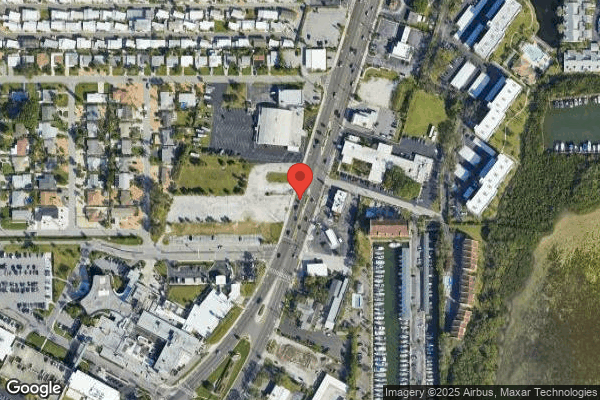
Mar 2023 9 deficiencies
CONCERN (D)

Potential for Harm - no one hurt, but risky conditions existed

PASARR Coordination (Tag F0644)

Could have caused harm · This affected 1 resident

**NOTE- TERMS IN BRACKETS HAVE BEEN EDITED TO PROTECT CONFIDENTIALITY** Based on record review, staff interviews, and review of the facility's policy, the facility failed to complete the Preadmission ...

Read full inspector narrative →
**NOTE- TERMS IN BRACKETS HAVE BEEN EDITED TO PROTECT CONFIDENTIALITY** Based on record review, staff interviews, and review of the facility's policy, the facility failed to complete the Preadmission Screening and Resident Review (PASARR) Level II upon a new qualifying mental health diagnosis for one resident (#39) of three residents sampled for PASARR Level II. Findings included: Review of Resident #39's Face Sheet revealed he had a current admission on [DATE] and a latest return on 9/25/22 with diagnoses to include major depressive disorder, recurrent, mild admission diagnosis, other specified depressive episodes diagnosis date of 10/19/2020, generalized anxiety disorder dated 10/19/2020, mood disorder due to known physiological condition with major depressive-like episode, schizotypal disorder 6/17/2022, psychotic disorder with hallucinations due to known physiological condition. dated 2/26/21, major depressive disorder, single episode, moderate dated 2/9/21, anxiety disorder due to known physiological condition dated 1/7/21, other psychotic disorder not due to a substance or known physiological condition. dated 10/19/2020, depression dated 10/15/2020, and schizophreniform disorder dated 10/19/2020. Review of Resident #39's Preadmission Screening and Resident Review (PASARR) dated 6/10/22 revealed a qualifying mental health diagnosis of depression only and that no PASARR Level II was required. Further PASARR review was conducted and revealed Resident #39 had another PASARR dated 2/7/22 and revealed a qualifying mental health diagnosis of anxiety and depression disorders and that no PASARR Level II was required. Review of the admission Minimum Data Set (MDS), dated [DATE], Section I - Active Diagnoses revealed diagnoses of anxiety and depression. Further MDS review of Section I - Active Diagnoses revealed the Quarterly MDS, dated [DATE] and 8/30/22, as well as a significant change MDS, dated [DATE], all revealed medical diagnoses of anxiety, depression, psychiatric disorder (other than schizophrenia), and schizophrenia. Review of the medical record revealed the resident was not assessed for a PASARR Level II. An interview was conducted on 03/29/23 at 3:53 p.m. with the Social Services Director. He stated he does not have anything to do with PASARRs, usually admission handles them when a resident first comes in. An interview was conducted on 3/30/23 at 9:57 a.m. with the Director of Nursing (DON), she indicated PASARRs are the responsibility of the Social Services Director, but she confirmed Resident #39's PASARRs do not indicate a diagnosis for schizophrenia. She confirmed for a new qualifying mental health diagnosis, PASARRs should be updated. Then a Level II PASARR should be completed. Review of the facility's Coordination- Pre-admission Screening and Resident Review (PASRR) Program, policy, undated, revealed: .5. A nursing facility must notify the state mental health authority or state intellectual disability authority, as applicable, promptly after a significant change in the mental or physical condition of a resident who has mental illness or intellectual disability for resident review.
CONCERN (D)

Potential for Harm - no one hurt, but risky conditions existed

Incontinence Care (Tag F0690)

Could have caused harm · This affected 1 resident

**NOTE- TERMS IN BRACKETS HAVE BEEN EDITED TO PROTECT CONFIDENTIALITY** Based on record reviews and interviews, the facility failed to ensure one resident (#47) with an indwelling catheter received tr...

Read full inspector narrative →
**NOTE- TERMS IN BRACKETS HAVE BEEN EDITED TO PROTECT CONFIDENTIALITY** Based on record reviews and interviews, the facility failed to ensure one resident (#47) with an indwelling catheter received treatment and care in accordance with professional standards of practice related to not administering an antibiotic for five days after receiving a positive lab result for a Urinary Tract Infections (UTI) of seven residents with indwelling catheters. Findings included: The Resident Face Sheet revealed Resident #47 was readmitted into the facility on [DATE] with diagnoses that included obstructive and reflex uropathy, unspecified urethral stricture, UTI, unspecified abnormal findings in urine, and benign prostatic hyperplasia without lower urinary tract symptoms. Section C Cognitive Patterns of the Minimum Data Set (MDS), dated [DATE], indicated Resident #47 had a Brief Interview for Mental Status (BIMS) score of 03 out of 15, indicating severe impairment. A review of the Physician Order Report dated 02/28/23 to 03/30/23 revealed the following orders: 02/20/23 supra pubic catheter size 12 Fr (French) 10 ml (milliliter) balloon DX (diagnosis): urinary retention, every shift; Day 07:00 - 15:00 (3:00 p.m.), Evening 15:00 - 23:00 (11:00 p.m.), Night 23:00 - 07:00; 03/11/23 ammonia; urine culture and sensitivity if indicated; urinalysis; 03/13/23 complete blood count with differential platelets; urinalysis; urine culture; 03/21/23-03/31/23 cipro tablet 500mg (milligrams) for diagnosis of UTI twice a day; and 03/20/23-03/31/23 contact isolation: remove isolation cart when antibiotic is completed. A review of the Medication Administration Record (MAR) dated 03/01/23 to 03/23/23 revealed the following: ammonia; urine culture and sensitivity if indicated; urinalysis was completed on March 11th ; complete blood count with differential platelets; urinalysis; urine culture was completed on March 13th ; cipro tablet 500mg for diagnosis of UTI twice a day was administered on March 21st to March 30th ; and contact isolation was started on March 20th and continued to March 30th . The lab results dated 03/14/23 indicated the resident had an organism of Escherichia coli and was positive for ESBL (extended spectrum beta-lactamase). Resident Progress Notes revealed the following: 02/27/23- The resident had dark yellow urine; 03/14/23 Urinalysis ordered and obtained via catheter; 03/16/23- Lab result received was positive for UTI. Oncoming to follow up with result; 03/20/23- Urine culture and sensitivity result received. The doctor in the facility reviewed the results. Verbal order received for by mouth antibiotics related to extended spectrum beta-lactamase (ESBL). Repeat urinalysis on day 12th. Contact isolation initiated. Suprapubic catheter not leaking. Dark urine in bag and fluids encouraged; and 03/23/23- The resident returned from the hospital with a diagnosis of UTI. The care plan created on 2/22/23 for an Indwelling Catheter revealed a goal as, Resident will remain free of infection as evidenced by normal vital signs and absence of pain or retention. The Approaches included: monitor characteristics of urine (odor, color, blood in urine), provide catheter care as ordered. There was no care plan or approaches initiated related to a UTI. On 03/30/23 at 11:46 a.m., the Director of Nursing (DON) reported the doctor should be contacted as soon as the results are received for labs. The DON stated the progress note written on 03/16/23 was written by the ADON (Assistant Director of Nursing) and that she could provide more information about when the doctor was contacted. On 03/30/23 at 11:49 a.m., the ADON reported she contacted the doctor on 03/16/23 and the doctor was supposed to call back after she reviewed the labs. The ADON reported the doctor stated she wanted to review the labs before deciding what medication she would put the resident on. The doctor was in another facility at this time. The doctor did not call back on that day. The ADON confirmed the resident did not start the antibiotic for the UTI until 03/21/23.
CONCERN (D)

Potential for Harm - no one hurt, but risky conditions existed

Pharmacy Services (Tag F0755)

Could have caused harm · This affected 1 resident

**NOTE- TERMS IN BRACKETS HAVE BEEN EDITED TO PROTECT CONFIDENTIALITY** Based on observation, interview and record review the facility failed to provide medications as ordered for one resident (#39) o...

Read full inspector narrative →
**NOTE- TERMS IN BRACKETS HAVE BEEN EDITED TO PROTECT CONFIDENTIALITY** Based on observation, interview and record review the facility failed to provide medications as ordered for one resident (#39) out of five residents reviewed for unnecessary medications. Findings included: An interview was conducted on 03/27/23 at 10:05 a.m. with Resident #39. He was observed to be in his wheelchair sitting in the doorway to his room. Resident #39 stated .sometimes they run out of my Parkinson medication. It happened a week and a half ago. For the last week I haven't been getting my sleeping pill either. On 03/27/23 at 10:10 a.m. the Nursing Home Administrator was overheard stating to Resident #39 she's calling the pharmacist to get you something and I'll figure out what the deal is. Review of Resident #39's Face Sheet revealed he was initially admitted to the facility on [DATE]. His diagnoses to include Parkinson's disease, insomnia, type 2 diabetes mellitus with diabetic neuropathy, anxiety disorder, major depressive disorder, and absence of right leg below the knee. Review of Resident #39's current physician orders revealed an order for Carbidopa-levodopa 25-250mg(milligrams) four times a day for Parkinson's disease, which started on 2/15/23. An order for Eliquis 5mg tablet twice a day for acquired absence of right leg below the knee, which started on 9/25/22; Jardiance 25mg one a day for type 2 diabetes mellitus with diabetic neuropathy, which started on 9/25/22; and Temazepam 15mg once a day for insomnia, which started on 9/25/22. Review of Resident #39's March 2023 Medication Administration Record (MAR) revealed: -Eliquis 5mg was not administered on 3/21/23 7:00 a.m.-11:00 a.m. Not administered: Drug/Item Unavailable, and on 3/22/23 7:00 a.m.-11:00 a.m. Not administered: Drug/Item Unavailable. -Jardiance 25mg was not administered on 3/27/2023 7:00a.m.-3:00p.m. Not administered: Other Comment: Medication not available to administer. -Temazepam 15mg was not administered on 3/14/23 HS [hours of sleep] Not administered: Drug/Item Unavailable. 3/16/23 HS Not administered: Drug/Item Unavailable. 3/17/23 HS Not administered: Drug/Item Unavailable. 3/20/23 HS Not administered: Drug/Item Unavailable. 3/22/23 HS Not administered: Drug/Item Unavailable. 3/23/23 HS Not administered: Drug/Item Unavailable. 3/24/22 HS Not administered: Drug/Item Unavailable. 3/25/23 HS Not administered: Drug/Item Unavailable. 3/26/23 HS Not administered: Other. 3/27/23 HS Not administered: Drug/Item Unavailable. Review of February 2023 and March 2023 MARs revealed Carbidopa-levodopa 25-250mg was not administered on: 2/3/23 at 12:00 p.m. Not administered: Drug/Item Unavailable. 3/27/23 at 4:00 p.m., Not administered: Drug/Item Unavailable. 3/27/23 at 8:00 p.m., Not administered: Drug/Item Unavailable. 3/28/23 at 8:00 a.m., Not administered: Drug/Item Unavailable comment: Pharmacy called to restock medication. 3/28/23 at 12:00 p.m. Not administered: On Hold Comment: awaiting delivery from pharmacy. Further medical record review was conducted and there was no evidence the physician was notified of the above missed medications. An interview was conducted on 03/29/23 at 12:40 p.m. with Resident #39. He stated, It seems like they are running out of my medications all the time. Last night I still didn't get my sleeping pill and I was up and down all night. I woke up at 3:00 a.m. and 5:00 a.m. I also have not been getting my Parkinson's medications, I got them today, but previously I had not gotten them, and I had extra tremors and cramping. My muscles tightened up. An interview was conducted on 3/29/23 at 12:49 p.m. with Staff N, License Practical Nurse (LPN) and she indicated today was her first day at the facility and confirmed Resident #39 was on her assignment. She indicated she had his Parkinson's medications available and she has had all his other medications available to administer; except he ran out of his pain medication, which she was able to pull from the emergency drug kit and the pharmacy stated they would be delivering a new medication pack at 2:00 p.m. So, he would not miss any doses. She opened her secured narcotic box in her medication cart and Resident #39's Temazepam blister pack was in the narcotic box without any missing medications. She confirmed the medication was delivered on 3/28/2023 and that it indicated the date on the blister pack. (Photographic Evidence Obtained) Review of Resident #39's care plan revealed it was last reviewed/revised on 3/28/23. It revealed, Resident has diagnosis of Depression, Anxiety, Psychosis, Insomnia with antipsychotic, antianxiety, antidepressant, and hypnotic use; and is at risk for drug related: Hypotension, gait disturbance, cognitive impairment, behavioral impairment, ADL (activities of daily living) decline, Decreased appetite, abnormal involuntary movements. Goal: Resident will be free from drug related signs and symptoms. Approaches included but are not limited to administer medications as ordered. Review of Resident #39's anticoagulant care plan, last edited on 3/28/23, revealed: Resident is at risk for abnormal bleeding or hemorrhage because of anticoagulant usage; Goal: Resident will remain free from signs and symptoms of abnormal bleeding over the next 30 days . Approaches included to administer anticoagulant as currently prescribed. An interview was conducted on 3/30/23 at 10:00 a.m. with the Director of Nursing (DON) she indicated it is her expectation that meds are given as ordered. She stated it is hard with agency staff and not having the continuity of care and follow-up. She also indicated new admission, pharmacy recommendations and medications are reviewed every morning at the morning meeting. [Resident #39] has a significant psych history, we review him every Thursday at our psych meeting. He will sit in his wheelchair and doze off and then wake up and say he did not get his medications. He will also refuse medications at times but the staff need to document refusals rather than document medication not available. Review of the facility's Medication Administration policy, last revised 10/2021, revealed Policy: all medications for residents are ordered by physician/ NP [nurse practitioner] and our administered by licensed nursing personnel. Medication orders must include dosage, route, frequency, duration and reason for the medication. Unless otherwise specified by the physician/MD, orders will continue until the next monthly orders and will be reviewed and reordered as indicated by the physician every 28-30 days. Responsibility of the nursing professional is to be aware of the classification, action, correct dosage and side effects of a medication before administration. Medications are ordered and used only in specific dosages, at specific intervals of administration and for the specific treatment purpose for which each medication is indicated by the identified recorded condition. Medications will be administered following the 5 Rights: right resident, right medication, right dose, right time, and right route. The pharmacy will send a 30 [sic] supply of medications on monthly renewals. One blister pack of each medication is kept in the top drawer for use, and the surplus blister packs are kept in the bottom drawer of the cart. Overflow of the blister packs may be stored in the medication room, if there is no room in the medication cart. Standards of Practice: .11. If a medication is ordered but not present: a. Check entire cart b. Notify supervisor c. Call pharmacy to obtain medication d. If med [medication] cannot be located, call physician for any changes of orders e. Unavailable medications are to be documented in the 24 hours report and carried until medication has been obtained and administered. A Medication Error Report is to be completed .
CONCERN (D)

Potential for Harm - no one hurt, but risky conditions existed

Unnecessary Medications (Tag F0759)

Could have caused harm · This affected 1 resident

Based on observation, interview and record review, the facility did not ensure that the medication error rate was below 5.00%. A total of twenty-five medications were observed, and two errors were ide...

Read full inspector narrative →
Based on observation, interview and record review, the facility did not ensure that the medication error rate was below 5.00%. A total of twenty-five medications were observed, and two errors were identified for two (2) (Residents #9, 18) of five (5) residents observed. These errors constituted a medication error rate of 12 percent. Findings included: On 03/28/2023 at 08:22 a.m., an observation of medication administration with Staff K, Licensed Practical Nurse, (LPN), was conducted with Resident #18. Staff K, (LPN) obtained Blood Glucose reading prior of 251, and was observed administering the following: -Novolog Flex-Pen U-100 Insulin -Levemir Flex-Touch Pen U-100 Insulin An immediate interview was conducted with Staff K, (LPN) who confirmed that she put a needle on Novolog Flex Pen, dialed 20 units (14 units and then 6 units sliding scale per sliding scale) and then dialed 45 units on Levemir Flex-Touch Pen U-100 Insulin without first priming each pen. Staff K, (LPN) stated I was taught to dial it up to the dose, never about priming the insulin pen. Record review of active physician orders for the Resident #18 revealed: dated 01/27/2023 Novolog Flex-Pen Unit 100 Units/Milliliters (ML) (3 ML) 14 U, plus sliding scale before meals and bedtime; and 01/26/2023 Levemir Flex-Touch Pen (ML) (3 ML) Inject 45 U subcutaneously twice a day subcutaneously both for Diagnosis of Type 2 Diabetes, Mellitus with hyperglycemia. Manufacturer instructions for Priming the Novolog Pen for users are as follows: https://www.novologpro.com/administration-options/insulin-pens.html Before each injection small amounts of air may collect in the cartridge during normal use. To avoid injecting air and to ensure proper dosing: - E. Turn the dose selector to 2 units. - F. Hold your NovoLog Flex Pen with the needle pointing up. Tap the cartridge gently with your finger a few times to make any air bubbles collect at the top of the cartridge. - G. Keep the needle pointing upwards, press the push button all the way in. The dose selector turns to 0. A drop of insulin should appear at the needle tip. If not, change the needle and repeat the procedure no more than 6 times. According to manufacturer instructions for Levemir Flex-Touch Pen: https://www.novomedlink.com/content/dam/novonordisk/novomedlink/new/diabetes/patient/product/library/documents/levemir-flexpen-quick-guide.pdf Step 2: Attach a new needle. Step 3: Before each injection, prime your pen by performing an air shot. Turn the dose selector to select 2 units. Holding your pen with the needle pointing up, tap the cartridge gently with your finger a few times to make any air bubbles collect at the top of the cartridge. Press and hold the green push button. Make sure a drop of insulin appears at the needle tip. Step 4: Select your dose. On 03/29/2023 at 08:25 a.m., an observation of Staff I, Registered Nurse, (RN) obtaining a Blood Glucose of 165, medication administration was conducted with Resident #9 administering Humalog Kwik-Pen Insulin (Lispro) U-100. Staff I, (RN) was observed not priming the insulin pen first and dialing the to 6 units. An immediate interview was conducted with staff I, (RN) who stated No, I don't know about priming the pen, I never heard of it, it's not like drawing up from a bottle, it is foolproof, and there is no way to suck air into it. A record review of active physician orders for the Resident #9 read as follows: Dated 01/30/2023 Humalog Kwik Pen Insulin (insulin lispro) 100 unit/ml, 6 units before meals three times a day, for Diagnosis of Type 2 Diabetes, Mellitus with hyperglycemia. According to manufacturer instruction insert for priming Humalog Kwik-Pen Insulin (Lispro) U-100, https://pi.lilly.com/us/humalog-kwikpen-um.pdf Priming your Pen: -Prime before each injection. - Priming your Pen means removing the air from the Needle and Cartridge that may collect during normal use and ensures that the Pen is working correctly. -If you do not prime before each injection, you may get too much or too little insulin. -Step 6: - To prime your Pen, turn the Dose Knob to select 2 units. Step 7: - Hold your Pen with the Needle pointing up. Tap the Cartridge Holder gently to collect air bubbles at the top. Step 8: - Continue holding your Pen with Needle pointing up. Push the Dose Knob in until it stops, and 0 is seen in the Dose Window. Hold the Dose Knob in and count to 5 slowly. You should see insulin at the tip of the Needle. - If you do not see insulin, repeat priming steps 6 to 8, no more than 4 times. - If you still do not see insulin, change the Needle, and repeat priming steps 6 to 8. Small air bubbles are normal and will not affect your dose. An interview was conducted with the Staff L, RN, Unit Manager (UM), on 03/28/2023 at 11:42 a.m., who was asked to describe the facility procedure for drawing up insulin from a Flex-Pen or a Kwik-Pen. Staff L, (UM) revealed insulin pens are only primed with two (2) units, when you initially use for the first time, but thereafter, you do not need to prime them prior to administering to residents. A facility provided policy titled, Procedure Medication Insulin Pens, revision date 6/2022, Page 01 of Page 02 reads under Procedure as 9. Prime pen and clear air from needle if first time use of pen. There after pen do not need to be primed. Turn the needle selector to knob at end of pen to 1 or 2 units. Hold pen with needle pointing upward. Press dose know up completely and watch for insulin drop or stream to appear. Repeat, if necessary, until insulin is seen at needle tip. The dial should be back to zero after completing the priming step. During a telephone interview conducted with the Pharmacy Consultant on 03/29/2023 at 01:45 p.m., she was informed of the observations, and confirmed that despite the facility policy reading Prime pen and clear air from needle if first time use of pen. There after pens do not need to be primed. She stated, As per the package inserts from both manufacturers Novo Nordisk and Lilly for insulin pens that were used during those observations, they do require priming before dialing up the dose and administering the insulin. An interview was conducted with the Director of Nursing (DON) on 03/29/2023 at 02:03 p.m. During the interview the DON was informed of the observations conducted of medication administration for Resident's #9 and #18; and Staff not priming prefilled insulin Flex-Pens, and Kwik Pens prior to dialing doses up for administration to them. The policy was reviewed with the DON and she stated I train my nurses from what the policy states. I will inform the corporate office of what we spoke about and that they need to change their policy to reflect what the package inserts say and to prime it each time prior to administration.
CONCERN (E) 📢 Someone Reported This

A family member, employee, or ombudsman was alarmed enough to file a formal complaint

Potential for Harm - no one hurt, but risky conditions existed

Safe Environment (Tag F0584)

Could have caused harm · This affected multiple residents

**NOTE- TERMS IN BRACKETS HAVE BEEN EDITED TO PROTECT CONFIDENTIALITY** Based on observations, interviews and facility record review, the facility failed to maintain a clean, sanitary and homelike env...

Read full inspector narrative →
**NOTE- TERMS IN BRACKETS HAVE BEEN EDITED TO PROTECT CONFIDENTIALITY** Based on observations, interviews and facility record review, the facility failed to maintain a clean, sanitary and homelike environment related to 1. unclean surfaces and resident equipment in two community shower rooms (first floor and second floor) of two community shower rooms, 2. a stained privacy curtain, an unclean floor and air conditioning vent as well as missing caulking in one resident room and bathroom (room [ROOM NUMBER]), and 3. broken and missing floor and wall tiles in one out of one laundry room for four days (3/27/2023, 3/28/2023, 3/29/2023, and 3/30/2023) of four days observed. Findings included: 1. The first-floor community shower room was observed on 3/30/2023 at 9:20 a.m. and 12:00 p.m. with black bio growth along the tile grout lines on all three sides of the floor. The floor tiles leading to the drain on one side were cracked and had black bio growth on them. The shower chair had a brown oxidized area around the white plastic tubing joints of the shower chair on four of four wheels. The joints on the shower chair had pink bio growth around them. The bathtub had a large yellowish colored ring on the inside of the tub wall under the faucet, and within that spot was a large ring and a brown substance that ran from the drain up about half the side of the wall, under the faucet. In addition, surrounding the drain a green hairy bio growth was observed. (Photographic Evidence Obtained) The second-floor community shower room was observed on 3/30/2023 at 9:30 a.m. and 12:15 p.m. and revealed the shower stall floor had numerous spots of black bio growth in the grout, especially where the floor meets the wall tiles. The drain had a porous surface with black bio growth around the outside edge. The four shower chair wheels had an oxidized brown substance where the wheels met and connected. All of the joints of the chair had pink bio growth surrounding them. The shower bed cushion was raised and underneath this cushion was a mesh area that held the cushion in place. Approximately three feet of this mesh area had pink, yellow and brown substances along the mesh, and areas of the mesh had clumps of hair and hair strands throughout the mesh base. The bathtub had a white expandable tube, which had hair and black bio growth on it. A hair pic and other miscellaneous resident equipment were observed covered in dust. (Photographic Evidence Obtained) 2. Resident room [ROOM NUMBER] was observed on 3/27/2023 at 10:50 a.m., 3/28/2023 at 2:30 p.m., 3/29/2023 at 11:00 a.m., with black bio growth on the outside vents to the air conditioner window unit, directly next to the bed B. The room privacy curtain in between bed A and B was stained with several lines of a yellowish liquid, the call light and phone cord were laying on floor and had dirt/dust on them. The room floor between bed A and B had a sticky substance that had no color. A floor mat was observed up against the wall in between bed A and B with dirt and drops of a liquid over the entire surface. In addition, the bathroom floor had missing tile(s) and the caulking at the toilet bowl base was cracked and absent in some areas. (Photographic Evidence Obtained) On 3/30/2023 at 11:30 a.m. an interview was conducted with Staff F, Housekeeper. She stated she cleans (sweeps and mops) the shower and resident rooms one time per day. She stated resident equipment is cleaned on a weekly basis. If they are unable to get a mark up, they utilize a degreaser and other chemicals. If something needs repair, I will notify my supervisor. On 3/30/2023 at 11:31 a.m. an interview was conducted with Staff G, Housekeeping Account Manager. Staff G stated his expectation for the cleaning of the shower and resident rooms is that they are completed daily, and weekly for cleaning of resident equipment. He stated the certified nursing assistants (CNAs) complete the cleaning of resident equipment, after each resident's use. If repair is needed for something, an entry is placed in the maintenance log book for follow up. On 3/30/2023 at 11:32 a.m. an interview was conducted with Staff D, Licensed Practical Nurse (LPN). She stated the expectation for resident equipment cleaning is after each resident use with a disinfectant. On 3/30/2023 at 11:33 a.m. an interview was conducted with Staff H, CNA. She stated she cleans the shower chair after each use with bleach wipes. If there is an issue, we report it in the maintenance book. Staff H went into the second floor shower room and stated, It always looks like this. She indicated they (CNAs) wipe off the equipment after resident usage. A review of the facility's policy and procedure titled, Housekeeping In-Service 5-step Daily Patient Room Cleaning, dated 1/1/2000 revealed: To show housekeeping employees the proper cleaning method to sanitize a patient's room or any area in the healthcare facility. The 5-Step patient cleaning procedure consisted of: 1. Empty Trash 2. Horizontal Surfaces to include work clockwise around the room hitting all surfaces. Clean tabletops, headboards, windowsills, chairs - should all be done. 3. Spot Clean walls 4. Dust mop areas to include the entire floor, especially behind dressers and beds, all corners and along all baseboards must be dust mopped to prevent buildup. 5. Damp map areas to include the floor and most important area of a patient's room to disinfect the floor. A review of the facility's policy and procedure titled, Housekeeping In-Service 7-step Daily Washroom Cleaning, dated 1/1/2000 revealed: To show Housekeeping employees the proper method to sanitize a washroom bathroom in a long-term care facility. The 7-Step patient Washroom Cleaning procedure consisted of: 1. Check Supplies 2. Empty Trash 3. Dust mop floor, as with the trash, always dust mop the floor before you bring any water into a room. A dust mop will stick to the floor if you spill or drip water when cleaning sinks. 4. Clean and Sanitize Sink and Tub, 5. Clean and Sanitize Commode 6. Spot Clean Walls and or Partitions 7. Damp Mop Floor, use proper mop and germicide solution to disinfect the floor, be sure to run mop along edges and never push dirt into corners, using a figure 8 motion, work your way out of the door. 2. A tour of the facility's laundry room was conducted on 03/30/2023 at 10:38 a.m. and the washing side of the laundry room was observed to have broken wall tiles with exposed wall. The floor of the washing side of the laundry room was observed to have broken, and loose tiles on the floor with exposed, dirty concrete floors. (Photographic Evidence Obtained) An interview was conducted with Staff M, Laundry Aide and he stated he washes resident clothes and linens in the washing room and transports their clean clothes into the drying room. He stated the floor and the walls have been in that condition for a long time. He was unable to recall exactly how long. An interview was conducted with the Nursing Home Administrator (NHA) and the Maintenance Director on 3/30/2023 at 10:50 a.m. The Maintenance Director stated he was aware of the walls and the floor in the laundry room, but his priority was the resident rooms, then move out to the laundry room. Review of the facility's policy and procedure titled, Infection Control-Cleaning and Disinfecting/Non-Critical Care and Shared Equipment, undated, revealed: Intent: It is the policy of the facility to ensure that appropriate infection prevention and control measures are taken to provide a safe, sanitary, and comfortable environment to prevent the spread of infection in accordance with State and Federal Regulations, and national guidelines. Procedure: 1. Cleaning and disinfecting of the facility, including resident rooms is completed in accordance with environmental services policies and procedures. 2. Resident rooms, including rooms of residence on transmission-based precautions, are clean daily .
CONCERN (E)

Potential for Harm - no one hurt, but risky conditions existed

Food Safety (Tag F0812)

Could have caused harm · This affected multiple residents

Based on observations, interviews and facility record review, the facility failed to ensure the food preparation and cooking areas were clean and sanitary related to rusted food preparation tables, wa...

Read full inspector narrative →
Based on observations, interviews and facility record review, the facility failed to ensure the food preparation and cooking areas were clean and sanitary related to rusted food preparation tables, walls and pipes caked with grease and food debris, a ceiling vent with chipped paint directly above the food service station and an unclean ice machine in one of one kitchen for three days (3/27/2023, 3/29/2023 and 3/30/2023) of four days observed. Findings included: On 3/27/2023 an initial kitchen tour was conducted at 9:20 a.m. and the Regional Dietary Manager (RDM) revealed she was just filling as the facility's Dietary Manager. The following was observed (Photographic Evidence Obtained): 1. The metal shelf above a food preparation station, located at the side of the stove/range and behind the steam table revealed an eaten banana with only the peel, and a personal phone/electronic communication device. 2. A two metal shelf food preparation table, positioned on the right side of the steam table was observed with the bottom two shelves soiled, with paint chipped and many rusted/oxidized areas. The shelves had various packaged food products, and kitchen equipment stored on them. 3. A small metal table behind the steam table and near the stove/range was observed with a mixer on it. The legs of the mixer and the top of the table were observed with built up food debris and oxidation. 4. A large metal side food preparation table, with the mechanical can opener was observed with heavy rusting and paint chipping on the entire side, where the can opener was positioned. 5. The left side of the stove/range was observed with several metal pipes, all white in color, leading from the stove to the side wall. The pipes were observed with what appeared to be heavy grease and food debris build up. Further observation revealed metal exposed pipes that were rusted and oxidized. 6. The ceiling area over and at the side of the steam table was observed with a long line of a yellow in color gel substance. The line was approximately two inches wide by two feet long. The gel substance was also observed with a slow drip down towards the steam table and floor. Staff in the kitchen were not able to determine what the substance was or where it came from. 7. The top surface of the dish washing machine was observed with tan and white in color crumbled debris. The debris was stuck and caked on the entire right side of the machine surface. The RDM confirmed the debris and indicated the top surface of the machine should be clean. She confirmed the surface debris appeared as if it has been there for a long period of time. 8. The ice machine's plastic ice chute was observed. The edges of the ice chute had pink and black bio growth on it. The RDM confirmed the bio growth and did not know immediately who was responsible for cleaning and maintaining the machine. She confirmed the chute should be free from bio growth and would have staff take care of it. During a kitchen tour conducted on 3/29/2023 at 11:30 a.m., with an Interim Dietary Manager, who was filling in from another facility, the following areas were observed (Photographic Evidence Obtained): 1. The metal shelf above a food preparation station, located at the side of the stove/range and behind the steam table revealed an eaten banana with only the peel, and a personal phone/electronic communication device. 2. A two metal shelf food preparation table, positioned on the right side of the steam table was observed with the bottom two shelves soiled, with paint chipped and many rusted/oxidized areas. The shelves had various packaged food products, and kitchen equipment stored on them. 3. A small metal table behind the steam table and near the stove/range was observed with a mixer on it. The legs of the mixer and the top of the table were observed with built up food debris and oxidation. 4. A large metal side food preparation table, with the mechanical can opener was observed with heavy rusting and paint chipping on the entire side, where the can opener was positioned. 5. The left side of the stove/range was observed with several metal pipes, all white in color, leading from the stove to the side wall. The pipes were observed with what appeared to be heavy grease and food debris build up. Further observation revealed metal exposed pipes that were rusted and oxidized. 6. The ceiling area over and at the side of the steam table was observed with a long line of a yellow in color gel substance. The line was approximately two inches wide by two feet long. The gel substance was also observed with a slow drip down towards the steam table and floor. During a kitchen tour conducted on 3/30/2023 at 8:50 a.m. with an Interim Certified Dietary Manager, who was filling in from another facility, the following areas were observed (Photographic Evidence Obtained): 1. A two metal shelf food preparation table, positioned on the right side of the steam table was observed with the bottom two shelves soiled, with paint chipped and many rusted/oxidized areas. The shelves had various packaged food products, and kitchen equipment stored on them. 2. The left side of the stove/range was observed with several metal pipes, all white in color, leading from the stove to the side wall. The pipes were observed with what appeared to be heavy grease and food debris build up. Further observation revealed metal exposed pipes that were rusted and oxidized. 3. The ceiling vent above the food preparation table had paint chipping and dust and debris on the slats of the vent. 4. The ceiling area over and at the side of the steam table was observed with a long line of a yellow in color gel substance. The line was approximately two inches wide by two feet long. The gel substance was also observed with a slow drip down towards the steam table and floor. 5. The ice machine filter had a dust like appearance on the vent and on the inside of the machine a pink and black bio growth observed. The Interim Certified Dietary Manager confirmed the observation and requested the cook to clean the area. During this tour the Interim Certified Dietary Manager confirmed the food preparation and cooking areas needed to be cleaned and or repaired. A review of the policy and procedure titled, Environment, revised on 9/2017, revealed: All food preparation areas, food services areas, and dining areas will be maintained in a clean and sanitary condition. The procedure section revealed; 1. The Dining Services Director will ensure that the kitchen is maintained in a clean and sanitary manner, including floors, walls, ceilings, lighting, and ventilation. 2. The Dining Service Director will ensure that all employees are knowledgeable in the proper procedures for cleaning and sanitizing of all food service equipment and surfaces. 3. All food contact surfaces will be cleaned and sanitized after each use. 4. The Dining Service Director will ensure that a routine cleaning schedule is in place for all cooking equipment, food storage areas, and surfaces. A review of the policy and procedure titled, Equipment, revised on 9/2017, revealed: All food service equipment will be clean, sanitary, and in proper working order. The procedure section revealed; 1. All equipment will be routinely cleaned and maintained in accordance with manufacturer's directions and training materials. 2. All staff members will be properly trained in the cleaning and maintenance of all equipment. 3. All food contact equipment will be cleaned and sanitized after each use. 4. All non-food contact equipment will be clean and free of debris. 5. The Dining Services Director will submit requests for maintenance or repair to the Administrator and/or Maintenance Director as needed. 6. The Dining Services Director will notify the Administrator when repairs are completed. 7. Copies of service repairs and preventative maintenance reports will be submitted monthly.
CONCERN (E)

Potential for Harm - no one hurt, but risky conditions existed

Room Equipment (Tag F0908)

Could have caused harm · This affected multiple residents

Based on observations, interviews and facility record review the facility failed to ensure one of one dish washing machines was operating effectively for one day (3/27/2023) of four days observed. Fi...

Read full inspector narrative →
Based on observations, interviews and facility record review the facility failed to ensure one of one dish washing machines was operating effectively for one day (3/27/2023) of four days observed. Findings included: On 3/27/2023 at 9:12 a.m. the kitchen was toured with a Regional Dietary Manager (RDM), who she stated she was filling in at the center. The RDM revealed the kitchen does operate with a low temperature dish washing machine and staff were in the process of running it at this time. The RDM provided the dish machine temperature log for review and indicated she believed that an outside maintenance service for the dish machine has not been needed to come out and service the machine. She, along with Staff B, Dietary Aide and Staff A, Dietary Aide revealed there had not been any problems with the machine lately. At this time, Staff B stated she was unsure of what type of dish machine they used. She stated, I only scrape (the food off the plates), I don't run it; someone else runs it. Staff A, Dietary Aide revealed she operated the dish machine. She stated they had run the machine that morning. She again, confirmed she ran crates of dishes through already. Staff A confirmed the dish machine operated at low wash and rinse temperatures with a sanitizer solution. She was unsure what the wash and rinse temperatures should reach. She indicated the litmus paper (sanitizer test strip) should be dark purple. Staff A and the RDM started to look for the dish machine specification sticker to validate what the temperatures should be. Staff A replied, The wash cycle temperature should reach at least 120 degree Fahrenheit (F) , and the rinse cycle temperature should reach at least 120 degree F. Staff A and the RDM were asked to run a dish machine for demonstration. Staff A confirmed the machine did not need to be primed and it was working fine. On 3/27/23 at 9:25 a.m. the first dish machine demonstration was observed and revealed: Wash temperature reached 135 degrees F.; Rinse temperature reached 140 degrees F. Staff A then grabbed the tube of litmus paper to demonstrate the sanitizer cycle. She waited for the crate of dishes to come out of the end of the machine and then placed a test strip on a bowl that had water on it. The litmus paper did not change color and remained the original white color. The color legend on the side of the sanitizer test strip bottle revealed 50 - 100 parts per million (ppm) should be a medium to dark purple in color. Staff A confirmed the litmus paper did not change color. Staff A stated the color should have been a deep purple. (Photographic Evidence Obtained) At 9:31 a.m., a second dish machine demonstration was observed and Staff A grabbed the tube of litmus paper to demonstrate the sanitization. She waited for the crate of dishes to come out of the end of the machine and then placed a test strip on the bowl that had water on it. The litmus paper did not change color and remained the original white color. Staff A confirmed the litmus paper did not change color. (Photographic Evidence Obtained) After this demonstration, the RDM revealed she would need to prime the sanitizer pump. She reached up on top of the dish machine and pressed a button several times. She revealed that pressing the button and priming the system should enable the sanitizer to come through now. At 9:40 a.m., a third dish machine demonstration was observed and Staff A waited for the crate of dishes to come out of the end of the machine and then placed a test strip on bowl that had water on it. The litmus paper did not change color and remained the original white color. Staff A confirmed the litmus paper did not change color (Photographic Evidence Obtained). The RDM revealed she was now not sure what the problem was and she would have to call the outside dish machine service company out to investigate the issue. The RDM revealed all dishes would still be washed through the dish machine, but staff would now take the dishes to the three compartment sink and run them through the sanitizer there. On 3/27/2023 at 2:00 p.m. the RDM indicated the outside dish machine service company came out and nothing was wrong with the machine itself. They determined the issue was the probe that runs the sanitizing solution to the machine was not inserted into the sanitizer solution far enough. She indicated this was resolved, and staff were educated. Review of the facility's policy and procedure titled, Equipment, revised on 9/2017, revealed: Policy and Procedure: All food service equipment will be clean, sanitary, and in proper working order. The procedure section revealed; 1. All equipment will be routinely cleaned and maintained in accordance with the manufacturer's directions and training materials. 2. All staff members will be properly trained in the cleaning and maintenance of all equipment. 3. All food contact equipment will be cleaned and sanitized after each use. 4. All non-food contact equipment will be clean and free of debris. 5. The Dining Services Director will submit requests for maintenance or repair to the Administrator and/or Maintenance Director as needed. 6. The Dining Services Director will notify the Administrator when repairs are completed.
CONCERN (E)

Potential for Harm - no one hurt, but risky conditions existed

Safe Environment (Tag F0921)

Could have caused harm · This affected multiple residents

**NOTE- TERMS IN BRACKETS HAVE BEEN EDITED TO PROTECT CONFIDENTIALITY** Based on observation and interview the facility failed to provide a safe environment for two (First Floor Hallway and Second Flo...

Read full inspector narrative →
**NOTE- TERMS IN BRACKETS HAVE BEEN EDITED TO PROTECT CONFIDENTIALITY** Based on observation and interview the facility failed to provide a safe environment for two (First Floor Hallway and Second Floor) of two units regarding unlocked storage rooms containing potentially hazardous supplies and chemicals. Findings included: 1. On 3/27/2023 at 11:18 a.m. the first-floor hallway was observed as a short hallway with occupied resident rooms (room [ROOM NUMBER] and 112) and administrative offices. Room numbers 113 and 115, at the end of the hall, were both observed to be storage rooms for maintenance items; both rooms were unlocked. The door to room [ROOM NUMBER] had a round doorknob with key access, the door to room [ROOM NUMBER] had a door handle with no locking mechanism and was fully open. The items in the rooms included: full paint thinner cans; full and opened cans of paint; multiple cans and containers of paint thinner, exterior primer, spackle, caulk; hand tools and electric/battery powered tools, light bulbs lying around and empty metal bed frames. One resident resided in each room [ROOM NUMBER] and 112, both were mobile with devices. On 3/27/2023 between 11:15 a.m. to 2:20 p.m., four observations were made on the first-floor hallway. The door to room [ROOM NUMBER] was fully open. At least 5 residents were observed wandering, walking or self-propelling in wheelchairs near rooms [ROOM NUMBERS]. One resident was observed to walk past room [ROOM NUMBER], look inside and continued walking. On 3/27/2023 at 2:22 p.m. an interview was conducted with the Maintenance Director (MD) regarding resident rooms 113/115. He stated when he is not in the center, he locks the doors. He continued to state, The doors are not locked if I am here, as I am going in and out of the rooms. The MD confirmed room [ROOM NUMBER] did have a doorknob that locked. He opened the unlocked door and confirmed the room was being utilized as storeroom where he fixed beds and does other various maintenance activities. In room [ROOM NUMBER], he stated this room is just the same and confirmed the door was open and the door handle did not have a lock. He said it should have a doorknob that locks, and stated this was just missed. The MD confirmed the hazard potential of the rooms. On 3/27/2023 at 2:45 p.m. the MD stated he locked the doors, and they will be kept locked at all times. 2. On 3/30/2023 at 9:10 a.m. an observation was conducted with the Interim Certified Dietary Manager (CDM) from another center, of the second-floor, containing 46 residents. Located in the center of the unit, a door with a keypad labeled Medical Supplies and Clean Utility was observed to be unlocked. Inside the room, near the door, was an unlocked treatment cart with a note affixed to it Do Not Lock; medical supplies such as syringes, alcohol prep pads, gauze, ointments and lancet devices were observed inside the cart. Items in the room included an unlabeled container of honey thick substance, orange in color, an unlabeled gallon sized bottle of a clear liquid, shampoo, lotion, razors, and other personal care products. During survey there were multiple observations on this floor of residents walking, wandering and self-propelling in wheelchairs past this room. Residents on the second floor have to have a code to get on the elevator to assist in providing safety due to cognitive deficits. On 3/30/2023 at 12:15 p.m. an interview and observation was conducted with Staff E, CNA, regarding the Medical Supplies and Clean Utility room. The door was observed to be locked. Staff E, CNA said the lock usually does not work, and the door is open. He is not sure why it is locked right now. He opened the door with a code, closed the door then reopened the door, no code was needed the second time. On 3/30/2023 at 12:20 p.m. an interview was conducted with Staff H, CNA stated that the Medical Supplies and Clean Utility door was usually unlocked. She does not even know if there is a code as she has never had to utilize one. On 3/30/2023 at 12:30 p.m. an interview conducted with Staff D, RN stated the Medical Supplies and Clean Utility door should lock. The keypad lock usually does not work, and the door is usually open. Although the door does locks at times, it is unpredictable. On 3/30/2023 at 10:30 a.m. an interview conducted with the Nursing Home Administrator, (NHA). He stated that the storage rooms should be locked. Policies and procedures regarding the storage of hazardous liquids and supply storage were requested on 3/30/2023. The requested policies and procedures were not provided for review.
CONCERN (F) 📢 Someone Reported This

A family member, employee, or ombudsman was alarmed enough to file a formal complaint

Potential for Harm - no one hurt, but risky conditions existed

QAPI Program (Tag F0867)

Could have caused harm · This affected most or all residents

**NOTE- TERMS IN BRACKETS HAVE BEEN EDITED TO PROTECT CONFIDENTIALITY** Based on observation, interview, and review of facility policy, the facility failed to implement an effective Quality Assurance ...

Read full inspector narrative →
**NOTE- TERMS IN BRACKETS HAVE BEEN EDITED TO PROTECT CONFIDENTIALITY** Based on observation, interview, and review of facility policy, the facility failed to implement an effective Quality Assurance and Performance Improvement (QAPI) program to correct previously cited deficiencies related to 1.) failing to ensure Level II Preadmission Screening and Resident Review (PASRR) was completed for three (Resident #4, Resident #5, and Resident #6) of thirteen sampled residents (F644), 2.) failing to ensure a medication error rate of less than five percent for two (Resident #7 and Resident #8) of thirteen sampled residents (F759), 3.) failing to prevent neglect related to adequate supervision to ensure safety for one (Resident #2) out of twelve identified as a high elopement risk (F600), 4.) failing to report an elopement incident for one (Resident #2) of one resident reviewed (F609), 5.) failing to thoroughly investigate an elopement incident for one (Resident #2) of one residents reviewed (F610), and 6.) failing to ensure care was provided in accordance with professional standards of practice by failing to provide wound care for one (Resident #7) of thirteen sampled residents (F684) during a revisit survey conducted 6/5/2023 to 6/8/2023. Findings included: 1.) During record review of the facility plan of correction from the annual survey ending 3/30/2023 a PASARR audit had been completed related to 10 residents with qualifying mental health diagnoses. Review of the audit titled PSSAR dated 4/28/2023 confirmed that residents 4,5,6 had the following note next to their name : Not complete ( in progress). An interview with the director of social services on 6/5/2023 at 2:00 p.m. confirmed that it was his responsibility to ensure that the required Level II PASARRs were completed as required. He stated that he did follow up on the audit dated 4/28/23 , but did not understand that the Level II assessments had to be submitted as stated in the plan of correction, just that the audit was completed by the date listed in the plan of correction as 4/30/23. He confirmed at that time that he had not submitted the Level II PASARRs and he was still gathering information to submit. He stated I have a lot of other things to do, so I did not get to it. Record review of the face sheet for Resident #4 confirmed that he was admitted to the facility on [DATE] and had a qualifying mental health diagnosis of schizoaffective disorder, bipolar type ( Admission) listed. The audit sheet confirmed that the Level II PASARR was not complete - still in progress. There was no other documentation to review that would confirm that the Level II had been submitted for completion. Record review of the face sheet for Resident #5 confirmed that he was initially admitted to the facility on [DATE] with qualifying mental health diagnoses to include bipolar disorder, schizophrenia and anxiety disorder due to known physiological condition. The audit sheet titled PSSAR confirmed that the Level II PASARR was not complete- still in progress. There was no other documentation to review that would confirm that the Level II had been submitted for completion. Record review of the face sheet for Resident #6 confirmed that he was initially admitted on [DATE] with qualifying diagnoses to include psychotic disturbance, mood disturbance and anxiety. The audit sheet titled PSSAR confirmed that the Level II PASARR was not complete- still in progress. There was no other documentation to review that would confirm that the Level II had been submitted. Review of the facility plan of correction from the annual survey ending 3/30/23 confirmed that the required Level II PASARRs would be completed by the plan of correction date of 4/30/23. 2.) A review of Resident #7's medical record revealed Resident #7 was admitted to the facility on [DATE] with diagnoses of need for assistance with personal care, muscle weakness, and hypertension. A review of Resident #7's physician's orders revealed the following orders: - An order, dated 6/4/2023 for azithromycin 250 milligrams (mg) by mouth (PO) one time daily on the 7:00 AM to 3:00 PM (Day) shift. - An order, dated 3/13/2023 for calcium carbonate 500 mg PO twice daily administered between the hours of 7:00 AM to 11:00 AM and 7:00 PM to 11:00 PM. - An order, dated 3/13/2023 for cholecalciferol 25 micrograms (mcg) PO once daily at 9:00 AM. - An order, dated 6/2/2023 for Claritin 10 mg PO once daily on the Day shift. - An order, dated 3/29/2023 for Colace 100 mg PO twice daily administered between the hours of 7:00 AM to 11:00 AM and 7:00 PM to 11:00 PM. - An order, dated 3/14/2023 for Eliquis 5 mg PO twice daily administered between the hours of 7:00 AM to 11:00 AM and 7:00 PM to 11:00 PM. - An order, dated 3/29/2023 for ferrous sulfate 325 mg PO twice daily administered between the hours of 7:00 AM to 11:00 AM and 7:00 PM to 11:00 PM. - An order, dated 3/14/2023 for folic acid 1 mg PO once daily administered between the hours of 7:15 AM to 11:00 AM. - An order, dated 3/19/2023 for lidocaine 5% adhesive patch topical to the back once daily, on at 9:00 AM, off at 9:00 PM. - An order, dated 3/13/2023 for magnesium 400 mg PO once every other day on the Day shift. - An order, dated 5/12/2023 for metoprolol succinate 100 mg PO once daily at 9:00 AM. - An order, dated 6/2/2023 for multivitamin tablet, one tablet PO once daily on the Day shift. An observation of medication administration was conducted on 6/5/2023 at 10:05 AM with Staff L, Licensed Practical Nurse (LPN). Staff L, LPN prepared the following medications for administration to Resident #7: - azithromycin 250 mg. - calcium carbonate 500 mg. - cholecalciferol 25 mcg. - Claritin 10 mg. - Colace 100 mg. - Eliquis 5 mg. - ferrous sulfate 325 mg. - folic acid 1 mg. - lidocaine 5% adhesive patch. - magnesium 400 mg. - metoprolol succinate 100 mg. - multivitamin tablet. Prior to the procedure, Staff L, LPN assessed Resident #7's blood pressure and heart rate. Resident #7's metoprolol succinate was held due to ordered medication parameters. Staff L, LPN gathered the medications and entered Resident #7's room. Staff L, LPN administered PO medications to Resident #7 without difficulty. Staff L, LPN applied a lidocaine 5% topical patch to Resident #7's back. After administering Resident #7's medications, Staff L, LPN exited the room. Staff L, LPN opened the laptop on the medication cart, reviewed the medication orders, and addressed medications were being administered late as evidence by the order in the medication administration record turning red. Staff L, LPN stated all this red and I can't get any help. Staff L, LPN was not observed asking for assistance during the observation of medication administration to Resident #7. A review of Resident #8's medical records revealed Resident #8 was admitted to the facility on [DATE] with diagnoses of Parkinson's disease and hypertensive heart disease. A review of Resident #8's physician's orders revealed the following orders: - An order, dated 4/4/2023 for aspirin 81 mg PO once daily at 9:00 AM. - An order, dated 4/4/2023 for metoprolol tartrate 50 mg PO twice daily at 7:00 AM and 7:00 PM. - A order, dated 2/23/2023 for Sinemet 25 mg-100 mg PO four times daily at 8:00 AM, 12:00 PM, 4:00 PM, and 8:00 PM. An observation of medication administration was conducted on 6/6/2023 at 9:35 AM with Staff M, LPN. Staff M, LPN prepared the following medications for administration to Resident #8: - aspirin 81 mg. - metoprolol tartrate 50 mg. - Sinemet 25 mg-100 mg. Staff M, LPN gathered the medications and entered Resident #8's room. Staff M, LPN administered medications by mouth to Resident #8 without difficulty and exited the room. An interview was conducted on 6/6/2023 at 2:03 PM with Staff M, LPN. Staff M, LPN stated if medications are administered late, it is documented in the resident's electronic medication administration record (eMAR) and the resident's physician should be notified. Staff M, LPN stated she told the ARNP about administering medications late to Resident #8 but she did not document the communication in the resident's chart. Staff M, LPN stated it would be fine to administer Resident #8's medications late because the resident receives the same medications every day and nothing has changed in the orders. Staff M, LPN stated she would notify the resident's physician after administering the medication late and not before administering medications. An interview was conducted on 6/6/2023 at 3:30 PM with the facility's Director of Nursing (DON). The DON stated she would expect the nursing staff to follow the six rights of medication administration, which include the right medication, right dose, right resident, right route, at the right time, and the resident has the right to refuse. The DON stated if the nurse was not following the rights of medication administration, it could result in a medication error due to not following the physician's orders. The DON stated if a medication is administered late, a reason must be documented in the residents eMAR and the resident's physician and family should be notified. The DON stated the resident's physician should be notified prior to administering a medication later in case they have to change the order. The DON stated if a nurse was passing medications late and needed help they could notify herself or any other available nurse to assist in medication administration. A review of the facility policy titled Medication Administration, with no effective date, revealed under the section titled Policy medications are ordered and used only in specific dosages, at specific intervals of administration, and for the specific treatment purpose for which each medication is indicated by the identified recorded condition. Medications will be administered following the five rights; right resident, right medication, right dose, right time, and right route. The policy also revealed under the section titled Standards of Practice the responsibility for administration of drug rests entirely with the nurse. The physician may elect to order medications at intervals different from the standard medication administration times. The order will indicate the change of the times to be administered. The policy revealed under the section titled Additional Information all medications must be administered within one hour before and one hour after the scheduled time. If medication is given outside the two hour window, the physician must be informed. 3.), 4.), and 5.) A review of Resident #2's medical record showed, Resident #2 was admitted to the facility on [DATE] to room near the main lobby and front entrance with the diagnoses of Alcohol abuse with intoxication, Alcohol dependence with withdrawal, Alcohol use, unspecified with intoxication delirium, Generalized anxiety disorder, post-traumatic stress disorder, Tremor and Alcohol abuse with withdrawal delirium. An Admissions Observation form showed In Progress with no information completed in the form (photographic evidence obtained) as of 06/06/23. A review of hospital records revealed: -The History and Physical (H&P) dated 05/06/23 showed that Resident #2 remained confused at times. The H&P revealed Resident #2 showed confusion, gait problems and weakness. The diagnosis, assessment and plan within the H&P showed Resident #2 had Delirium, Tremors, and acute alcohol withdrawal syndrome. The plan showed, Resident #2 would be discharged to a skilled nursing facility for rehabilitation. -A progress note dated 05/10/23 at 6:18pm stated, Resident arrived to facility on stretcher by [Ambulance Company] around 1700. Alert with confusion, gate unsteady, skin check performed, scab noted on right ankle and right forearm, pressure dressing on left forearm, x in permanent marker noted on top of both feet, dinner meal offered and refused, will continue to monitor. A review of the facility's physical therapy note dated 05/11/23 showed Resident #2 precautions included fall risk and confusion. Physical therapy evaluated and completed a plan of treatment on 05/11/23. The plan for services were skills inventions to address Gait training focused on correct sequencing and hand foot placement during gait with assistive devices. Skilled interventions to include focused on dynamic activities while standing, gross motor coordination, transfer training to increase functional task performance. An additional physical therapy note dated 05/12/23 showed Resident #2 precautions included fall risk and confusion. Resident #2 required verbal instruction required due to compromised balance, functional activity tolerance, safety awareness, and strength to enhance muscle strength and improve muscle endurance in order to improve ability to ambulate with assistive device. Working on dynamic standing balance to sit to stand. Pt [Resident #2] unsteady with difficulty with sit to stand. Pt [Resident #2] cooperative but requires instruction and manual assist at times to maintain balance. Gait training using a single cane for 30 feet x 2 CGA [Contact Guard Assist] with assist of 1. Balance fair. The response to treatment showed Resident #2, actively participates, complaint with skilled interventions and required extra time to process new information. A progress note written by Staff B Unit Manager, Registered Nurse (RN) dated 05/12/23 at 7:45am showed, Writer was informed by agency nurse on the second floor that while she was coming back into the building from her 15-minute break she observed resident in the parking lot with her belongings and the resident stated, I am looking for my car per the agency nurse. The agency nurse informed the writer that she assisted resident back into the building and notified the nurse who was taking care of the resident. Writer notified Director of Nursing (DON), and Nurse Practitioner (NP) of the situation. Continued review of Resident #2's medical record revealed Behavioral: Resident is at risk for elopement as evidence by increased elopement observations score and or actual attempts to elope secondary to delirium was added to the care plan on 05/12/23. An elopement evaluation dated 05/12/23 at 4:35pm showed, Resident #2 was ambulatory, was a new admission who had made statements questioning the need to be in the facility, was cognitively impaired, had poor decision making skills, and/or pertinent diagnosis of anxiety, depression, had a history of wandering, made statements of wanting to leave and displayed behaviors of elopement which resulted in a score of being a Resident with high risk of Elopement. The elopement evaluation was completed after Resident #2's elopement incident, and with no other elopement evaluations completed between admission and the elopement incident present in the clinical record. There were no nursing skin assessments available in Resident #2's medical record after the elopement incident. The medical record showed only one progress note dated 05/12/23 at 7:45am written by Staff B Unit Manager, Registered Nurse (RN) who notified the Director of Nursing (DON), and Nurse Practitioner (NP). There was no documentation in the medical record that would indicate the resident's family or physician were notified. Review of the facility's May 2023 reportable event log showed Resident #2's elopement incident was not logged or reported. During an interview on 06/05/23 at 10:30 am, Staff A Staff Development Coordinator (SDC) Registered Nurse (RN) stated he had not conducted any elopement training/in-services for staff in the facility since being employed at the facility as of 02/27/23. Review of the facility's adverse log showed on 06/05/23 no adverse incidents to report. Review of the facility's list of Residents with high elopement risk on 06/05/23 showed Resident #2's name was on the list. During an interview on 06/05/23 at 11:20 am, the Administrator stated, Resident #2 was considered a high elopement risk while in the facility, however Resident #2 was not in the facility now and was discharged home. During an interview on 06/05/23 at 12:45pm, Staff J Certified Nursing Assistant (CNA) stated he had been employed at the facility for a few years now and he had not participated in any elopement drills that he could recall. During an interview on 06/05/23 at 12:48pm, Staff F Certified Nursing Assistant (CNA) stated she had been employed at the facility for a few years now and usually the maintenance department conducts the elopement drills, but the facility had not had one in a long time. During an interview on 06/05/23 at 1:07pm, Staff B Unit Manager, Registered Nurse (RN) stated, the Agency Nurse [Staff C] approached her the morning of 05/12/23 and informed her that Resident #2 had eloped and was found outside looking for her car around 5:00am. Staff B RN stated since Resident #2 was already safely back in the facility and accounted for, she made a note in the Resident #2's chart and informed supervisors of the elopement that occurred on nightshift. Staff B RN stated the facility did not have any elopement drills while she worked in the facility. During an interview on 06/05/23 at 1:22pm, the Director of Nursing (DON) stated the facility had no elopement events since being employed at the facility as of 07/13/21. During a phone interview on 06/05/23 at 3:04 pm, Staff C Agency Nurse, Registered Nurse (RN) stated, the Administrator just called me a few minutes ago and told me the state would be calling soon and advised me to not answer the phone. Staff C RN stated the night of the elopement on 05/12/23 she was outside on her 15-minute break, and she found Resident #2 outside at the front of the building alone. Staff C RN stated Resident #2 was confused and was looking for her car. Staff C RN stated she escorted Resident #2 back into the facility and reported the elopement incident to Staff D Licensed Practical Nurse (LPN), Night Supervisor, who was sleeping at the time. Staff C RN stated Staff D LPN woke up, responded yeah ok and went back to sleep. Staff C RN stated she was not comfortable with the response of the night shift supervisor, so she also reported the elopement incident to Staff B Day shift Unit Manager, RN when she arrived for work. Staff C RN stated the reason she did not document the elopement incident was because Resident #2 was not her assigned resident. During an additional phone interview on 06/07/23 at 10:47am, Staff C Agency Nurse, RN stated she was parked on the left side of the facility in the parking lot when facing the facility. Staff C RN stated when she walked back to the front door entrance there was a lady identified as Resident #2 standing adjacent to the front door near the exit driveway, and close to the road. Staff C RN remembered there were cars passing by on the road and stated that [name of street] is always a busy road. Staff C RN stated, She is lucky it was nighttime or there would be a lot more cars on that road. Resident #2 was closer to the road than the front door. Staff C RN stated when she approached, Resident #2 was very disoriented and confused. Staff C RN stated Resident #2 kept asking where her car was. Staff C RN stated Resident #2's gait was unsteady, but she was able to ambulate. During an interview on 6/5/2023 at 3:59 pm, Staff D Night Shift Supervisor Licensed Practical Nurse (LPN) stated, I worked with Resident #2 on 100 hall the night of 5/11/23. Staff D LPN confirmed she was the assigned nurse to Resident #2 the night of 05/11/23 to the morning of 05/12/23, the shift that Resident #2 eloped. Staff D LPN recalled Resident #2 was alert with confusion. Staff D LPN stated Resident #2 was very disoriented and did not know much of her physical surroundings. Staff D LPN stated Resident #2 was able to complete most of her Activities of Daily Living (ADLs) herself, so I didn't have much care to provide to her, continuing [Resident #2] was just very confused. Staff D LPN stated she last recalled seeing Resident #2 around 5am when she provided Resident #2's roommate some medication. During an interview on 06/05/23 at 3:44pm, Staff E Rehabilitation Director (RD) stated she remembered Resident #2 very well. Staff E RD stated Resident #2 was admitted to the facility with her cane and could ambulate anywhere, although she was not safe. Staff E RD elaborated and stated Resident #2 was not safe because Resident #2 had poor safety awareness. Staff E RD stated that Resident #2 could hold a conversation but had poor cognition and confusion of the surroundings and physical environment. Staff E RD confirmed Resident #2 had an elopement incident, remembered the incident was talked about in the morning care plan meeting, and that was why Resident #2 was moved upstairs. Staff E RD stated the therapy department evaluated Resident #2 on 05/11/23. Staff E RD stated she remembered Resident #2 was ambulatory, had poor cognition with poor safety awareness and had a lot of confusion. Staff E RD stated usually when a Resident was that confused and could ambulate, the resident would get immediately assigned to a room upstairs to alleviate the possibility of elopement. The RD stated, the morning of 05/12/23 after Resident #2 eloped, during the care plan meeting was when the team chose to add elopement to the care plan and move Resident #2 upstairs to the secure unit. During an interview on 06/05/2023 at 4:00pm with an employee who wished to remain anonymous, the employee confirmed a care plan meeting for Resident #2 occurred the morning of 05/12/23 where Resident #2's elopement incident was discussed. The employee stated the Administrator informed the care plan staff he was not defining the incident as an elopement even though the clinical staff disagreed. The employee stated the incident was never thoroughly investigated or reported. During an interview on 06/05/23 at 4:07 pm, Staff F Certified Nursing Assistant (CNA) stated she worked with Resident #2 on 100-hall the night of 05/11/23 into the morning of 05/12/23. Staff F CNA stated Resident #2 was very confused and combative from day one. During an interview on 06/06/23 at 11:00am, the Administrator stated he defined elopement as an unobserved danger to a Resident where a lot of time had passed and places a Resident in harm's way. The Administrator stated he was familiar with the 05/12/23 incident regarding Resident #2. The Administrator stated Resident #2 had followed Staff C Agency Nurse, RN outside on break. The Administrator stated the facility Maintenance Department tested all the doors and they all passed inspection so the only way Resident #2 could have gotten out of the facility had to be by drafting, which he defined as following Staff C Agency Staff RN outside on break that night. The Administrator stated he was notified the morning of the incident but could not recall who informed him. The Administrator stated the care plan team decided to move Resident #2 up to the second floor because she was confused and looking for her car. The Administrator stated he did not feel Resident #2 was in any danger based on the statement the Director of Nursing (DON) got from the Agency Nurse RN. The Administrator stated the witness statement showed the resident followed the Agency Nurse RN out the door and Agency Staff RN turned around and brought Resident #2 back in. The administrator stated based on the DON witness statement from Staff C Agency Nurse, RN, he determined it was not a reportable incident. The Administrator stated the administrative team went back and forth as to what time the incident occurred and concluded it must have been around 5:30 am. The Administrator stated that Resident #2 was found in the parking lot not really near the road, so I do not think she was in danger. The Director of Nursing got a statement, and we investigated the incident on 05/12/23. The Administrator stated Staff A Staff Development Coordinator (SCD), RN could provide documentation on elopement training provided to staff after Resident #2's incident. A review of a witness statement dated 05/12/23, provided by the Administrator for review, on 06/06/23 showed, Nurse [Agency Nurse Initials] RN went on 15-minute break exiting front door in lobby. Resident [Resident #2's initials] followed out through and was noticed by [Agency Nurse initials] RN and returned inside facility. [Agency Nurse initials] RN notified [Night shift Supervisor initials] Nurse Supervisor as she was returned to room. The witness statement was signed by the Director of Nursing and showed, interview with agency nurse. During a phone interview on 06/06/23 at 11:48am, Staff C Agency Nurse, Registered Nurse (RN) stated, I did not speak to the DON, and I have never made a witness statement about the incident. Staff C RN stated no one followed her out the front door and it was not until the end of the 15-minute break that she found Resident #2 wandering in the front of the facility near the road. Staff C RN stated again, I reported the incident to the night shift supervisor who was sleeping and said, yeah, ok and laid her head back down to sleep. Staff C RN stated, that was why I stayed to inform the day shift unit manager about the incident. During an interview on 06/06/23 at 12:36pm, the Director of Nursing (DON) stated yes, the initial on the bottom of the Agency Nurse witness statement dated 05/12/23 was hers, saying That is my signature. During an interview on 06/06/23 at 2:10 pm, Staff G admission Liaison stated she was the one who made the decisions on who got admitted to the facility or not. Staff G Admissions Liaison stated the facility did not accept anyone who was in active delirium tremens (DTs) [defined as severe alcohol withdrawal symptoms such as shaking, confusion, and hallucinations] and the Resident must be out of DTs to be admitted . The Admissions Liaison said the facility also did not accept elopement risk residents unless the person, who was classified as an elopement risk, was wheelchair bound and could not physically wander or elope. Staff G admission Liaison stated someone who was confused and able to ambulate would be classified as a higher elopement risk. Staff G admission Liaison stated if that was the case, I will meet with the family to ensure they are comfortable with the Resident being on the more secure 2nd floor and if they are we will admit them to the second floor. The admission Liaison stated the facility would not admit anyone with a higher elopement risk to the first floor because of the front door and the busy street. Staff G admission Liaison stated, if a Resident was questionable for elopement, the protocol would be to admit to a room close to the nurse station and furthest away from an exit door. Staff G Admissions Liaison could not recall Resident #2 to discuss specific details. An observation on 06/06/23 at 2:30 pm showed Resident #2's first floor Room as located down the 100- hallway near the front entrance of the facility and lobby area. Resident #2's first floor room was the first room on the left side of the hallway when an individual entered the facility's front door and walked through the lobby. Resident #2's first floor room was the closest room to the front door exit in the 100-hallway. Photographic evidence was obtained. A review of the Maintenance Department door audits, provided by the Administrator for review, for the dates of 05/06/23 to 05/12/23 showed documentation that all doors passed. During an interview on 06/06/23 at 3:08pm, the Maintenance Director stated exit doors are always locked, and the front door was always locked and under keypad. The Maintenance Director stated the facility's exit doors were audited daily and put in the logbook. The maintenance logbook was reviewed with pass by each exit door audited that included 1st floor east exit door, 1st floor west exit door, 1st floor at Resident #2's room, 2nd floor by room [ROOM NUMBER], 2nd floor by room [ROOM NUMBER], 2nd floor by room [ROOM NUMBER], 2nd floor by room [ROOM NUMBER], Employee entrance door, front door, Kitchen door, physical therapy department door, and patio door for the dates of 04/29/23 to 05/26/23. The Maintenance Director stated facility's exit doors were routinely audited daily and not based solely on elopements or incidents that have occurred at the facility. A review of an additional second witness statement dated 06/05/23, provided by the Administrator for review, showed a statement from Staff D LPN. The witness statement was dated 06/05/23 regarding the elopement incident that occurred with Resident #2 on 05/12/23. During an interview on 06/06/23 at 3:57pm, the Administrator stated the facility did investigate the incident on 05/12/23, however the Administrator stated he could confirm he had a conversation with the Staff D Night Shift Supervisor Licensed Practical Nurse (LPN) on 05/12/23 but just did not write anything down. The Administrator stated he had Staff D LPN write out her written statement on 06/05/23. The Administrator stated he used the information from his undocumented conversation with the Staff D LPN on 05/12/23 and the witness statement from the DON with Staff C Agency Nurse, Registered Nurse (RN) to determine that the incident was not an elopement. During an interview on 06/06/23 at 5:00 pm, the Director of Nursing (DON) explained how the elopement decision was made based on Resident #2's elopement evaluation form dated 05/12/23. The DON stated using this elopement evaluation form Resident #2 would have been considered as a high elopement risk and proceed to behavioral elopement care plan. The DON stated based on Resident #2's active DTs, behaviors, behavioral medications, and history, I would still indicate her as an elopement risk on 05/11/23 prior to the elopement. The DON stated she did not know why the admissions observation evaluation form was not completed by the nurse as it was her expectation it be completed on admission. During an interview on 06/06/23 at 9:00pm, Staff D Nighttime Nursing Supervisor, Licensed Practical Nurse (LPN) stated that she did complete a witness statement for the 05/12/23 elopement incident on 06/05/23. Staff D LPN stated she talked with the DON on the phone at approximately 8:00am on 05/12/23; the DON asked her to confirm if the elopement occurred and if it was reported to her. Staff D LPN stated she informed the DON the Agency Nurse reported the incident to her, and the DON informed her that she would need a witness statement as the elopement was a reportable event. Staff D LPN stated she was approached on 06/05/23 and was asked for her witness statement in writing regarding the 05/12/23 incident so she wrote it up on 06/05/23 as requested. During an interview on 06/07/23 at 9:45am, the Administrator confirmed there were no working security cameras in the facility and no video to review of the incident on 05/12/23. During an interview on 06/07/23 at 10:38 am, the Director of Nursing stated when she assessed Resident #2 on the elopement evaluation dated 05/12/23 she observed Resident #2 having tremors. The DON stated Resident #2 continued to show a lot of confusion and appeared to be having some hallucinations. The DON confirmed Resident #2 was prescribed both Lithium and Valium (sedative medications) and said those medications would have also made Resident #2 a risk for elopement. An observation of [name of road] in front of the facility revealed a six (6) lane highway. Observation showed the road consisted of two Northbound lanes with a third outside lane designated for bus/turn lane and two Southbound lanes with a third outside lane designated for bus/turn lane. There was a median separating the 3 northbound lanes from the southbound lanes. [name of road] had a total of six (6) lanes. Photog[TRUNCATED]
Jul 2021 4 deficiencies
CONCERN (D)

Potential for Harm - no one hurt, but risky conditions existed

Comprehensive Care Plan (Tag F0656)

Could have caused harm · This affected 1 resident

Based on observation, interview, and record review the facility failed to develop and implement a care plan related to nutritional supplements for one resident (#63) out of 18 sampled residents. Find...

Read full inspector narrative →
Based on observation, interview, and record review the facility failed to develop and implement a care plan related to nutritional supplements for one resident (#63) out of 18 sampled residents. Findings included: On 06/29/21 at 5:34 p.m., Resident #63 was observed in her room, eating dinner independently. Her meal ticket revealed the item nutritional treat which was not observed on her tray. Photographic evidence obtained. On 06/30/21 at 12:05 p.m., Resident #63 was observed in the dining room, eating lunch. Her meal ticket revealed the item nutritional treat which was not observed on her tray. There was a container of orange sherbet on her tray. Staff E, Licensed Practical Nurse (LPN) was in the dining room assisting residents. She said she did not know if the sherbet counted as the nutritional treat and called for Staff F, LPN to provide clarification. Staff F said that sherbet or ice cream was considered a nutritional treat. Photographic evidence obtained. Review of Resident #63's medical record revealed an initial admission date of 10/06/20. Diagnoses included dementia, Alzheimer's disease, anxiety, and major depressive disorder. The record revealed a significant weight loss of 5.55% between 05/25/21-06/17/21. Physician orders dated 06/25/21 were for nutritional treat with lunch and dinner meals. The care plan revealed a focus area for nutritional status, but interventions did not include the nutritional treat with lunch and dinner meals. On 06/30/21 at 2:40 p.m., an interview was conducted with Staff G, LPN, Unit Manager. She confirmed that the nutritional treat was supposed to be a fortified ice cream product supplement. On 07/01/21 at 11:57 a.m., the Director of Nursing (DON), Assistant Director of Nursing (ADON), and Administrator (NHA), were observed checking trays on the lunch cart for Resident #63's unit. The DON was interviewed and said she was checking to make sure Resident #63 had a [brand name] fortified ice cream supplement on her lunch tray. The DON confirmed that sherbet was not considered a nutritional treat, and that the facility definition of nutritional treat was a [brand name] fortified ice cream supplement. On 07/01/21 at 2:31 p.m., an interview with the Certified Dietary Manager (CDM) was conducted. She revealed that the kitchen was responsible for ensuring that supplements were put on meal trays and that the facility had run out of the [brand name] fortified ice cream supplements on Tuesday night (06/29/21). She said a sister facility brought some over Wednesday morning, 06/30/21, and confirmed that there was never a time during that week that the supplement was unavailable. The CDM said that the process for putting ordered items on meal trays prior to 07/01/21 had been that one aide called out items on the meal ticket and another aide was responsible for putting items like supplements on the tray. She said the morning of 07/01/21, she had started a new process which was that the CDM would check every tray with the meal ticket before it went into the delivery cart. She said, I don't know how they (nutritional supplements) got missed [for Resident #63] .I think the girls were nervous and tried to make everything perfect and faltered. Review of facility policy titled, Comprehensive Care Plans, last revised 07/19/18 revealed that a person-centered comprehensive care plan to meet the resident's medical, nursing, mental, and psychological needs was developed for each resident. The policy revealed that care plans were ongoing and revised as information about the resident and their condition changed.
CONCERN (D)

Potential for Harm - no one hurt, but risky conditions existed

Medication Errors (Tag F0758)

Could have caused harm · This affected 1 resident

Based on record review, interview, and policy review, the facility failed to ensure that PRN (as needed) psychotropic medications were limited to 14 days of use unless otherwise directed by the prescr...

Read full inspector narrative →
Based on record review, interview, and policy review, the facility failed to ensure that PRN (as needed) psychotropic medications were limited to 14 days of use unless otherwise directed by the prescribing physician for one (Resident #63) of five residents sampled for unnecessary medications. Findings included: Record review of Resident #63 revealed an initial admission date of 10/06/20. Diagnoses included vascular dementia with behavioral disturbance, Alzheimer's disease, generalized anxiety, and major depressive disorder A review of Resident #63's active physician orders revealed a start date of 06/03/21 for Lorazepam-Schedule IV tab 0.5 mg (milligram) to be given PRN for anxiety, with an open-ended end date. A review of the Minimum Data Set (MDS) assessment, dated 06/08/21, revealed a Brief Interview of Mental Status (BIMS) score of 04, indicating Resident #63 had severe cognitive impairment. A review of the pharmacist interim medication regimen reviews (MRR) dated 04/15/21 and 05/18/21 revealed that there were no recommendations made by the consultant pharmacist. A review of the MRR dated 06/15/21, revealed that the consultant pharmacist recommended the medication Lorazepam be discontinued on 06/15/21. On 07/01/21 at 4:20 p.m., an interview with the Director of Nursing (DON) was conducted. She confirmed that she received and reviewed the recommendation from the consultant pharmacist. She stated that she intended to make the changes, but she must have forgot to click the button, due to being summoned elsewhere. She confirmed that there was a 14-day maximum use of PRN psychotropic medication and that was the expectation at the facility. She said she was currently in the process of putting together a plan that would ensure that MRR recommendations were followed. An attempt was made to reach the consulting pharmacist by telephone on 07/02/21 with no response received. A review of the facility policy titled, Psychotropic Medications, last revised 09/05/18, revealed the pharmacist and/or consulting pharmacist monitored psychotropic drug use in the facility to ensure the medications were not used in excessive doses or for excessive duration. The policy revealed the pharmacist was to document a separate report of irregularities and notify the attending physician, medical director, and the DON. The policy also revealed that the pharmacist performed a monthly drug regimen review and participated in the Interdisciplinary quarterly review of residents on psychotropic medications.
CONCERN (E)

Potential for Harm - no one hurt, but risky conditions existed

Staffing Information (Tag F0732)

Could have caused harm · This affected multiple residents

Based on observation, interview, and policy review, the facility failed to post Nursing Staffing information that included all the required elements on three of three days observed. Findings included:...

Read full inspector narrative →
Based on observation, interview, and policy review, the facility failed to post Nursing Staffing information that included all the required elements on three of three days observed. Findings included: Posted Staffing Data was observed on 06/28/21 at 11:42 A.M. in the lobby of the facility. The posting was dated 06/27/21; numbers of staff by discipline and shift were posted however the column titled 'actual hours' was blank. Posted Staffing Data was observed on 06/29/21 at 10:33 A.M. in the lobby of the facility. The posting was dated 06/28/21; numbers of staff by discipline and shift were posted however the column titled 'actual hours' was blank. Photographic evidence was obtained. Posted Staffing Data was observed on 06/30/21 at 9:33 A.M. in the lobby of the facility. The posting was dated 06/29/21; numbers of staff by discipline and shift were posted however the column titled 'actual hours' was blank. Photographic evidence was obtained. During an interview conducted with the Nursing Home Administrator (NHA) on 06/30/21 at 12:01 P.M., the NHA stated staffing numbers are completed by the Staffing Coordinator and posted in the front lobby daily. The posting was reviewed with the NHA, and she confirmed no data was entered or posted relating to actual hours worked. She said she was not aware that the actual staffing hours needed to be completed and posted. The NHA also confirmed all staffing data should be posted for the current date. Review of a facility-provided policy titled 'Posting of Nurse Staffing' and dated 6/28/18 revealed: Skilled Nursing Facilities and Nursing Facilities are required to post, on a daily basis, the actual hours and total number of hours worked by licensed and unlicensed nursing staff who are directly responsible for resident care on each shift in the facility. 1. On a daily basis, at the beginning of the shift, the facility must have posted or available for review the following data: -the total number and actual hours worked by the following categories of licensed and unlicensed nursing staff directly responsible for resident care per shift: a. Registered Nurses b. Licensed Practical Nurses or Licensed Vocational Nurses c. Certified Nurse Aides
CONCERN (E)

Potential for Harm - no one hurt, but risky conditions existed

Food Safety (Tag F0812)

Could have caused harm · This affected multiple residents

Based on observations, staff interviews, facility policy and record review, the facility failed to maintain the kitchen in a safe and sanitary manner as evidence by 1. Failure to ensure that staff per...

Read full inspector narrative →
Based on observations, staff interviews, facility policy and record review, the facility failed to maintain the kitchen in a safe and sanitary manner as evidence by 1. Failure to ensure that staff personal items were stored away from the food preparation area, 2. Failed to ensure one of one reach-in refrigerator and one of one reach-in freezer had an inside temperature gauge to monitor for accurate temperatures, 3. Failure to ensure water was not pooling on dishware prior to lunch service, 4. Failure to ensure one of one dish machine was operating in accordance with manufacturer standards for washing and rinsing temperatures, and 5. Failure to ensure dietary staff wore gloves while handling food in the tray line. Findings included: On 6/28/2021 at 09:33 a.m., an initial tour of the kitchen was conducted with Staff A, Facility Cook. She indicated that the Certified Dietary Manager (CDM) was on vacation and that she oversaw the kitchen, when the CDM was not around. The findings were as follows. 1. An observation of the food preparation table revealed one large purple coffee cup, an open can of ginger ale, a sharpie permanent marker, two used towels, a pair of blue oven safety gloves, a cardboard box, spices, a dirty spoon, bread in a wrapper, spray oil, and frozen Frankfurters that were taken out to thaw on the table. (Photographic Evidence obtained.) Staff A said that the personal items were hers. She further stated, I have not had time to throw the can away. Staff A took the open ginger ale can and threw it in a nearby garbage receptacle. She removed her personal coffee cup off the preparation table and placed it in the CDM's empty office. 2. At 10:00 a.m., an observation was conducted of the reach-in refrigerator and revealed that there was no temperature gauge located inside the refrigerator to take accurate temperatures. Next to the refrigerator was the reach-in freezer which stored ice cream and frozen desserts. The reach in freezer did not have a temperature gauge located inside of it to take accurate temperatures. An observation of the temperature logs outside the reach-in refrigerator and reach-in freezer revealed that for the month of June 2021, the temperature logs for both had not been completed for the morning shift since 6/22/21 and the afternoon shift had not been completed since 6/25/2021. In an interview with Staff A, she indicated she did not know why there were no temperature gauges in both the refrigerator or the freezer and could not answer why the temperature logs were incomplete. Facility policy 019, Revised 9/2017, Page 01 of 01, titled Food Storage, under Procedures read: 4. An accurate thermometer will be kept in each refrigerator and freezer. A written record of daily temperatures will be recorded. 3. An observation was conducted of the dishware placed on four wheeled carts in the kitchen and revealed wet nesting between all dishes that were stacked on top of each other and not dried completely. Staff C was shown the dishware and confirmed there was water located on the dishware. Photographic evidence obtained. 4. An observation was conducted of the low temperature dish machine, with chemical sanitizer. During the observation, Staff C, Dietary Aide filled a dish tray with kitchen utensils and empty food containers then ran it through the dish machine. The temperature gauge on the bottom of the machine did not move from 115 degrees. Staff C indicated that the dish machine had to be run three times for it to work. Staff C then confirmed after the third time that the temperature gauge was not moving and could not provide further information because she said she was new to the facility. The manufacturer specifications on the side of the machine revealed that for [model number], the minimum wash and rinse temperatures were to be at 120 degrees Fahrenheit. An interview was conducted on 06/28/2021 at 10:32 a.m., with the Nursing Home Administrator (NHA). During the interview she was informed that the dish machine, with chemical sanitizer was not operating according to the manufacturer's specifications. The NHA indicated that she understood that the safety of the facility residents was important and that she would cease all kitchen staff from using the kitchen dish machine. She stated, I'm finding the Maintenance Director to see if it is a hot water heater problem, and we have paper plates to use if we need to. During a later interview with the NHA at 11:02 a.m., she revealed that the Maintenance Director adjusted the hot water heater, and that the facility called [name of the dish machine company] to come out to the facility to service the equipment. The NHA also revealed that the facility would serve all meals using disposable plates, utensils and cups until the dish machine was fixed. An interview was conducted with the Operations Consultant and the District Manager on 06/28/2021 at 12:55 p.m. Both confirmed that the dish machine was not operating correctly. The Operations Consultant stated I told the staff not to do any ware washing in the dishwasher till we get it repaired. The facility provided a policy titled, Ware Washing Policy 022, Revised 9/2017, Page 01 of 01 under Procedures it read as follows. 1. The Dining Services staff will be knowledgeable in the proper technique for processing dirty dishware through the dish machine, and proper handling of sanitized dishware. 2. All dish machine water temperatures will be maintained in accordance with manufacturer recommendations for high temperature or low temperature machines. 3. Temperature and/or sanitizer concentration logs will be completed, as appropriate. 4. All dishware will be air dried and properly stored. The Operations Consultant in a subsequent interview on 6/30/2021 at 11:23 a.m., indicated that the [name of the dish machine company] service representative was on site and confirmed that the temperature was not within minimum standards, it was at 118 degrees, of 120 degrees for washing and rinsing. The Operations Consultant revealed that the dish machine water must be manually drained before kitchen staff use it. A schedule for using the dish machine only and not running other water sources in the kitchen was made. The three compartment sink also had a schedule for use. He further indicated that either a separate stand-alone heater needed to be purchased since the dish machine did not have an internal heating source, or the facility would find an alternative solution to heat the dish machine as well as maintain hot water sources throughout the kitchen. 5. During the comprehensive kitchen assessment conducted on 6/30/2021 at 11:41 a.m., it was observed that Staff B, while working on the food line, did not have on gloves. During the observation, Staff B's long fingernails were observed to be touching the mash potatoes on a plate, and several other food items numerous times. The Operations Department Consultant was overseeing the line and was informed of the observations. He confirmed the non-gloved hands of Staff B whose nails touched plates and food. He stated, Yes I do now notice it, and it aggravates me. He then told Staff B to put gloves on.
Understanding Severity Codes (click to expand)
Life-Threatening (Immediate Jeopardy)
J - Isolated K - Pattern L - Widespread
Actual Harm
G - Isolated H - Pattern I - Widespread
Potential for Harm
D - Isolated E - Pattern F - Widespread
No Harm (Minor)
A - Isolated B - Pattern C - Widespread

Questions to Ask on Your Visit

  • "What changes have you made since the serious inspection findings?"
  • "What safeguards are in place to prevent abuse and neglect?"
  • "Why is there high staff turnover? How do you retain staff?"
  • "Can I speak with families of current residents?"
  • "What's your RN coverage like on weekends and overnight?"

Our Honest Assessment

Strengths
  • • Licensed and certified facility. Meets minimum state requirements.
Concerns
  • • Multiple safety concerns identified: Federal abuse finding, 10 life-threatening violation(s), Special Focus Facility, $504,025 in fines. Review inspection reports carefully.
  • • 33 deficiencies on record, including 10 critical (life-threatening) violations. These warrant careful review before choosing this facility.
  • • $504,025 in fines. Extremely high, among the most fined facilities in Florida. Major compliance failures.
  • • Grade F (0/100). Below average facility with significant concerns.
Bottom line: This facility has a substantiated abuse finding. Extreme caution advised. Explore alternatives.

About This Facility

What is Gulfport Nursing Center's CMS Rating?

CMS assigns GULFPORT NURSING CENTER an overall rating of 1 out of 5 stars, which is considered much below average nationally. Within Florida, this rating places the facility higher than 0% of the state's 100 nursing homes. A rating at this level reflects concerns identified through health inspections, staffing assessments, or quality measures that families should carefully consider.

How is Gulfport Nursing Center Staffed?

CMS rates GULFPORT NURSING CENTER's staffing level at 2 out of 5 stars, which is below average compared to other nursing homes. Staff turnover is 84%, which is 38 percentage points above the Florida average of 46%. High turnover can affect care consistency as new staff learn residents' individual needs. RN turnover specifically is 80%, which is notably high. RNs provide skilled clinical oversight, so turnover in this role can affect medical care quality.

What Have Inspectors Found at Gulfport Nursing Center?

State health inspectors documented 33 deficiencies at GULFPORT NURSING CENTER during 2021 to 2025. These included: 10 Immediate Jeopardy (the most serious level, indicating potential for serious harm or death) and 23 with potential for harm. Immediate Jeopardy findings are rare and represent the most serious regulatory concerns. They require immediate corrective action.

Who Owns and Operates Gulfport Nursing Center?

GULFPORT NURSING CENTER is owned by a for-profit company. For-profit facilities operate as businesses with obligations to shareholders or private owners. The facility is operated by BENJAMIN LANDA, a chain that manages multiple nursing homes. With 126 certified beds and approximately 49 residents (about 39% occupancy), it is a mid-sized facility located in PASADENA, Florida.

How Does Gulfport Nursing Center Compare to Other Florida Nursing Homes?

Compared to the 100 nursing homes in Florida, GULFPORT NURSING CENTER's overall rating (1 stars) is below the state average of 3.2, staff turnover (84%) is significantly higher than the state average of 46%, and health inspection rating (1 stars) is much below the national benchmark.

What Should Families Ask When Visiting Gulfport Nursing Center?

Based on this facility's data, families visiting should ask: "What changes have been made since the serious inspection findings, and how are you preventing similar issues?" "What safeguards and monitoring systems are in place to protect residents from abuse or neglect?" "How do you ensure continuity of care given staff turnover, and what is your staff retention strategy?" "Can you walk me through typical staffing levels on day, evening, and night shifts?" These questions are particularly relevant given the facility's Immediate Jeopardy citations, the substantiated abuse finding on record, the facility's high staff turnover rate, and the below-average staffing rating.

Is Gulfport Nursing Center Safe?

Based on CMS inspection data, GULFPORT NURSING CENTER has documented safety concerns. The facility has 1 substantiated abuse finding (meaning confirmed case of resident harm by staff or other residents). Inspectors have issued 10 Immediate Jeopardy citations (the most serious violation level indicating risk of serious injury or death). The facility is currently on the Special Focus Facility watch list (a federal program monitoring the lowest-performing 1% of nursing homes nationwide). The facility has a 1-star overall rating and ranks #100 of 100 nursing homes in Florida. Families considering this facility should ask detailed questions about what corrective actions have been taken since these incidents.

Do Nurses at Gulfport Nursing Center Stick Around?

Staff turnover at GULFPORT NURSING CENTER is high. At 84%, the facility is 38 percentage points above the Florida average of 46%. Registered Nurse turnover is particularly concerning at 80%. RNs handle complex medical decisions and coordinate care — frequent RN changes can directly impact care quality. High turnover means new staff may not know residents' individual needs, medications, or preferences. It can also be disorienting for residents, especially those with dementia who rely on familiar faces. Families should ask: What is causing the turnover? What retention programs are in place? How do you ensure care continuity during staff transitions?

Was Gulfport Nursing Center Ever Fined?

GULFPORT NURSING CENTER has been fined $504,025 across 6 penalty actions. This is 13.2x the Florida average of $38,119. Fines at this level are uncommon and typically indicate a pattern of serious deficiencies, repeated violations, or failure to correct problems promptly. CMS reserves penalties of this magnitude for facilities that pose significant, documented risk to resident health or safety. Families should request specific documentation of what issues led to these fines and what systemic changes have been implemented.

Is Gulfport Nursing Center on Any Federal Watch List?

GULFPORT NURSING CENTER is currently an SFF Candidate, meaning CMS has identified it as potentially qualifying for the Special Focus Facility watch list. SFF Candidates have a history of serious deficiencies but haven't yet reached the threshold for full SFF designation. The facility is being monitored more closely — if problems continue, it may be added to the official watch list. Families should ask what the facility is doing to address the issues that led to this status.