GLADES WEST REHABILITATION AND NURSING C
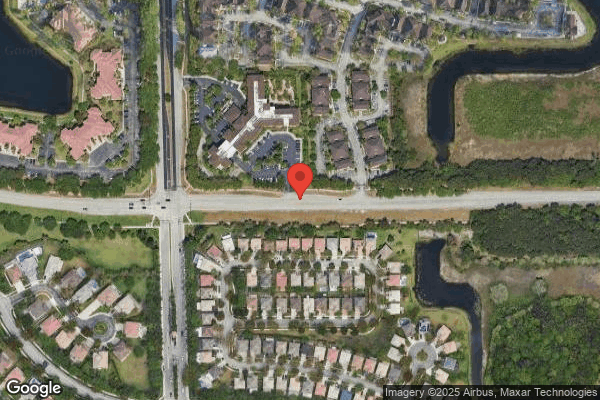

15955 BASS CREEK ROAD, PEMBROKE PINES, FL 33027 (954) 437-3422
For profit - Individual 120 Beds Independent Data: November 2025
Trust Grade
95/100
#40 of 690 in FL
Last Inspection: June 2024

Within standard 12-15 month inspection cycle. Federal law requires annual inspections.

Overview

Glades West Rehabilitation and Nursing Center has received a Trust Grade of A+, indicating it is an elite facility with top-tier care. Ranked #40 out of 690 in Florida and #3 out of 33 in Broward County, it stands in the top half of both state and county rankings, showcasing its competitive position. The facility's performance has been stable, reporting only one issue in both 2023 and 2024, with staffing rated 4 out of 5 stars and a low turnover rate of 21%, significantly better than the state average. While there are no fines on record, some concerns include inadequate food service safety practices and failure to follow physician orders for a resident's skin tear treatment, highlighting areas for improvement. Overall, Glades West offers strong nursing care but does have specific weaknesses that families should be aware of.

Trust Score
A+
95/100
In Florida
#40/690
Top 5%
Safety Record
Low Risk
No red flags
Inspections
Holding Steady
1 → 1 violations
Staff Stability
✓ Good
21% annual turnover. Excellent stability, 27 points below Florida's 48% average. Staff who stay learn residents' needs.
Penalties
✓ Good
No fines on record. Clean compliance history, better than most Florida facilities.
Skilled Nurses
✓ Good
Each resident gets 69 minutes of Registered Nurse (RN) attention daily — more than 97% of Florida nursing homes. RNs are the most trained staff who catch health problems before they become serious.
Violations
○ Average
6 deficiencies on record. Average for a facility this size. Mostly minor or procedural issues.
★★★★★
5.0
Overall Rating
★★★★☆
4.0
Staff Levels
★★★★★
5.0
Care Quality
★★★★★
5.0
Inspection Score
Stable
2023: 1 issues
2024: 1 issues

The Good

  • 4-Star Staffing Rating · Above-average nurse staffing levels
  • 5-Star Quality Measures · Strong clinical quality outcomes
  • Low Staff Turnover (21%) · Staff stability means consistent care
  • Full Sprinkler Coverage · Fire safety systems throughout facility
  • No fines on record
  • Staff turnover is low (21%)

    27 points below Florida average of 48%

Facility shows strength in staffing levels, quality measures, staff retention, fire safety.

The Bad

No Significant Concerns Identified

This facility shows no red flags. Among Florida's 100 nursing homes, only 1% achieve this.

The Ugly 6 deficiencies on record

Jun 2024 1 deficiency
CONCERN (D)

Potential for Harm - no one hurt, but risky conditions existed

Quality of Care (Tag F0684)

Could have caused harm · This affected 1 resident

**NOTE- TERMS IN BRACKETS HAVE BEEN EDITED TO PROTECT CONFIDENTIALITY** Based on record review, observations, and interviews, the facility failed to obtain physician orders for a skin tear sustained d...

Read full inspector narrative →
**NOTE- TERMS IN BRACKETS HAVE BEEN EDITED TO PROTECT CONFIDENTIALITY** Based on record review, observations, and interviews, the facility failed to obtain physician orders for a skin tear sustained during a fall and failed to perform a dressing change as per professional standards for 1 of 1 sampled resident (Resident #111) reviewed for skin tears. The findings included: Review of the facility's policy, titled, Skin Tear-Abrasions and Minor Breaks, Care of, revised on 09/2013, documented, in part, .establish a clean field .steps in the procedure .wash and dry your hands thoroughly, put on gloves, loosen tape and remove soiled dressing, pull glove over dressing and discard . wash and dry your hands thoroughly .put on clean gloves .cleanse the wound with ordered cleanser, if using gauze, use clean gauze for each cleansing stroke., clean from the least contaminated area to the most contaminated area (usually, from the center outward) . Review of the facility's policy, titled, Handwashing/Hand Hygiene, revised on 08/2015 documented, in part, .use alcohol-based hand rub .or, alternatively, soap and water for the following situations: .after removing gloves .hand hygiene is the final step after removing and disposing of personal protective equipment .perform hand hygiene before applying non-sterile gloves . Review of Resident #111's clinical record documented an admission on [DATE] with no readmissions. The resident's diagnoses included Cerebral Infarction, Memory Deficit Following Cerebral Infarction, Pneumonia, and Major Depressive Disorder. Review of Resident #111's Minimum Data Set (MDS) admission assessment dated [DATE] documented a Brief Interview of the Mental Status (BIMS) score of 15, indicating the resident had no cognition impairment. The assessment documented under Functional Abilities and Goals the resident needed supervision to partial assistance from the staff to complete the activities of daily living (ADLs). Review of Resident #111's care plan titled, (Resident's name) is at risk for falls and/or fall related injury related to: generalized weakness, limited endurance, impaired balance, unsteady gait, requires staff assist with transfers and ambulation .06/12/24 Resident fell in his room sustained skin tear to right elbow, treatment applied. The care plan was initiated on 05/29/24 and revised on 06/12/24. The care plan documented an intervention that read . Perform frequent checks of resident . The resident's care plan titled, (Resident's name) has a potential for skin impairment / pressure ulcers and is noted to have skin impairment as follows: -gluteal skin tear-groin rash/redness . The care plan was initiated on 05/29/24. Resident #111's skin care plan did not address the resident's skin tear sustained on 06/12/24. Review of Resident #111's clinical record lacked evidence of a written physician order for the resident's skin tear to the right elbow, sustained during a fall on 06/12/24. Review of the resident's Treatment Administration Record (TAR) for June 2024 lacked written evidence of the right elbow skin tear care and treatment. On 06/17/24 at 12:30 PM, observation revealed Resident #111 in his room sitting in a wheelchair. Further observation revealed a dressing on the resident's right elbow, and the dressing date was unreadable. An interview was conducted with the resident who stated that he fell last week ago and the dressing on his right elbow was placed there then. On 06/18/24 at 11:15 AM, observation revealed Resident #111 in his room sitting in a wheelchair. An interview was conducted with the resident who stated he just came back from therapy. Further observation revealed the resident continued to have the same dressing on the right elbow with an unreadable date as observed on 06/17/24. Consequently, a side-by-side observation of the resident's right elbow dressing was conducted with Staff A, Registered Nurse (RN). Staff A asked the resident if he took a shower and the resident replied Yes. The resident was asked when they put the dressing on his elbow and stated, 'when he fell' and did not recall when the last time was the dressing was changed. Staff A was not aware the resident had a dressing on his elbow. On 06/18/24 at 11:18 AM, a side-by-side review of Resident #111's clinical record was conducted with Staff A, RN. The review revealed a nursing progress note dated 06/12/24 that documented the resident had a fall and sustained a right elbow skin tear. Staff A confirmed there was not a physician's order for the resident's right elbow dressing changes. On 06/18/24 at 11:34 AM, observation for Resident #111's right elbow's dressing care performed by Staff A, RN started. Staff A retrieved a bottle of normal saline solution, a wad of gauze, one bordered dressing, and one Xeroform dressing placed them on a foam tray, entered the resident's room and placed the tray on top of the dresser. Staff A stated the facility protocol for skin tears was to use Xeroform gauze. Observation revealed Staff A performed hand washing, donned a disposable gown and a pair of gloves, placed a red bag on top of the bed and removed Resident #111's right elbow dressing. Observation revealed the soiled dressing had a dried yellow colored gauze, with dried blood, and the resident had a skin (flap) tear. Staff A was asked for the tear measurements and stated it was about one centimeter by 0.5 centimeter (cm). Further observation revealed Staff A folded the soiled dressing gauze in his gloved left-hand fist and discarded it into the red bag. Continued observation revealed Staff A wearing the same pair of gloves, cleaned the skin tear with a soaked saline gauze with a back-and-forth motion, multiple strokes with the same gauze. Staff A discarded the gauze and with the same pair of gloves, retrieved another saline soaked gauze and cleaned the skin tear area back and forth then applied Xeroform gauze to the skin tear. Further observation revealed Staff A removed the pair of gloves and without performing hand hygiene, donned another pair of clean gloves then applied a bordered dressing to the right elbow. Staff A removed the pair of gloves, removed the gown, and reached into his pocket to retrieve a sharpie marker to date the dressing. Staff A then, without hand hygiene, pulled the privacy curtains opened and donned gloves to tighten up the biohazard bag and discard it. On 06/18/24 at 12:15 PM, an interview was conducted with the facility's Wound Care Nurse (WCN) who stated when a resident sustains a skin tear, the floor nurse will write a progress note, and an incident report. The WCN added the nurses usually reports it to her, she would assess, put a treatment order in and will initiate the treatment. The WCN stated she would do measurements and write the type of wound, and if she was not in the facility the floor nurses initiate the treatment and can put an order in for care. During the interview, the WCN added she had a skin care communication slip that the floor nurses can do and leave it for her either on top of the treatment cart or on each floor wound care binder available to them. The WCN stated she was not aware of Resident #111's skin tear to the right elbow sustained during a fall on 06/12/24. On 06/18/24 at 1:35 PM, an interview was conducted with the Director of Nursing (DON) who stated that on 06/12/24, the floor nurse completed Resident #111's fall incident report that indicated the resident had sustained a skin tear to the right elbow but did not initiate the facility's protocol for skin tear care. On 06/19/24 at 9:30 AM, a joint telephone interview was conducted with Staff B, RN and the DON. Staff B stated Resident #111 was trying to go to the bathroom using the walker and the walker did not roll and he fell. Staff B added the resident sustained a skin tear, she cleaned it with normal saline and applied a Tegaderm dressing to the tear. Staff B stated she called the physician and the resident's daughter right after the incident but did not get a reply and informed the nursing supervisor to follow up on. Staff B was apprised that there was a yellowish color gauze under the bordered dressing and the date was unreadable, Staff B added someone else must have changed the dressing because she did not put a yellow (Xeroform) gauze. Staff B was asked if the facility had a protocol for her to follow when the resident sustained a skin tear and stated she did not know. Staff B was apprised there was not a physician's order for Resident #111's skin tear to the right elbow sustained during the fall on 06/12/24. The DON stated the facility has a Skin Tear Protocol batch order, that the nurse needed to activate when it happened, and this was not done by Staff B. On 06/19/24 at 9:40 AM, a joint interview was conducted with the DON and the Staff Development Educator (SDE). The SDE stated the nurses were educated related to the Skin Tear Protocol and how to utilize it. On 06/19/24 at 10:03 AM, a joint interview was conducted with the DON and the Nursing Supervisor. The Nursing Supervisor stated that she recalled Staff B informed her that Resident #111 had a fall and submitted the incident report. The Supervisor stated she then passed the incident report to the DON for the morning meeting. The DON stated she received the report, did the investigation, the MDS coordinate did the care plan, and therapy assessed. The DON was apprised the Wound Care Nurse was not made aware of the resident's skin tear. The DON acknowledged this. The Nursing Supervisor and the DON were apprised of the concerns related to Resident #111's right elbow dressing, the unreadable date of the dressing change, and the lack of physician order to address the resident's right elbow skin tear. On 06/19/24 at 11:24 AM, an interview was conducted with Staff A, RN, who was apprised of wearing the same pair of gloves during Resident #111's right elbow dressing change observation on 06/18/24. Staff A stated he should have removed the gloves after he cleaned the skin tear, performed hand washing or hand sanitation, and donned gloves before applying the treatment (Xeroform gauze).
Apr 2023 1 deficiency
CONCERN (D)

Potential for Harm - no one hurt, but risky conditions existed

Deficiency F0761 (Tag F0761)

Could have caused harm · This affected 1 resident

**NOTE- TERMS IN BRACKETS HAVE BEEN EDITED TO PROTECT CONFIDENTIALITY** 3) During the initial meal observation conducted on 04/03/23 12:10 PM, the surveyor noted that Resident #24 had an open bottle o...

Read full inspector narrative →
**NOTE- TERMS IN BRACKETS HAVE BEEN EDITED TO PROTECT CONFIDENTIALITY** 3) During the initial meal observation conducted on 04/03/23 12:10 PM, the surveyor noted that Resident #24 had an open bottle of Tums Calcium Chews and an open jar of Vicks Vaporub ointment on her bedside table. The surveyor asked Resident #24 if these were her medications. Resident #24 said yes, I get heart burn when I eat. Record review revealed a Medicare 5-Day Minimum Data Set (MDS) assessment was done on 01/25/23. This MDS documented Resident #24 had a Brief Interview of Mental Status (BIMS) score of 15, which indicates she was cognitively intact. Review of Resident #24's Physician Orders revealed an order was written on 04/04/23 at 11:57 AM by the facility's Director of Nursing (DON) for Calcium Carbonate 500 mg give 1 tablet by mouth after meals and at bedtime for prophylaxis. Further review of the orders revealed there was no prior order for Calcium Carbonate. Review of Resident #24's medical record revealed there was no assessment documented or Care Plan in place regarding Resident #24 being safe to self-administer medications. Further record review revealed an Order Note was written by the facility's DON on 04/04/23 at 12:00 PM which states, Resident and daughter educated on OTC [sic: over the counter] medications being available upon request to MD [sic: doctor] for nursing staff to administer to resident as needed or scheduled depending on resident needs and MD order, daughter and resident verbalized understanding. An interview was conducted with the facility's DON on 04/04/23 at 6:15 PM regarding the note written earlier that day. The DON stated she observed the Tums bottle when she entered Resident #24's room that day to collect her lunch tray. She said she immediately called Resident #24's daughter and explained to both that residents cannot keep medications in their rooms without the staff's knowledge. Based on observations, interviews and record review, the facility failed to store medications in a safe and secure manner for 4 out of 21 sampled residents reviewed for medications at the bedside (Resident #60, #62, #24, #67). The findings included: Review of the facility's policy titled, Storage of Medications included: The facility shall store all drugs and biologicals in a safe, secure, and orderly manner. The nursing staff shall be responsible for maintaining medication storage and preparation areas in a clean, safe, and sanitary manner. Drugs shall be stored in an orderly manner in cabinets, drawers, carts, or automatic dispensing systems. Each resident's medications shall be assigned to an individual cubicle, drawer, or other holding area to prevent the possibility of mixing medications of several residents. 1. During an observation conducted on 04/03/23 at 11:30 AM in Resident #60's room there were medications on the resident's overbed table that included TKO 8 infused tincture 300 mg with an expiration date of 12/2022, Venelex wound ointment (no expiration date), Systane Lubricant eye drops with an expiration date of 07/2024, and Melatonin 10mg with an expiration date of 06/2024 (Photographic Evidence Obtained). During an interview conducted on 04/03/23 at 11:35 AM with Resident #60 when asked about the medications on her overbed table, she stated the ointment is not hers, she found it in one of the nightstand drawers. She stated the eye drops are for dry eyes. She said the TKO 8 infused tincture and the Melatonin help her sleep. She stated she was prescribed the Melatonin but told staff she did not want to take it every night (because it can be addictive) and the staff had the Melatonin discontinued, so her daughter brought the Melatonin in for her. During second observation conducted on 04/04/23 at 10:10 AM in the room for Resident #60, on the overbed table next to the resident was included TKO 8 infused tincture 300 mg with an expiration date of 12/2022, and Systane Lubricant eye drops. During an interview conducted on 04/04/23 at 10:15 AM with Staff A, Registered Nurse (RN), she acknowledged that there were medications of TKO 8 infused tincture 300 mg with an expiration date of 12/2022, and Systane Lubricant eye drops at the bedside. When asked if Resident #60 had been assessed for self-administration of medications, she said no. She immediately took the medications and stated that no resident is to have medications unlocked at the bedside. 2. During an observation on 04/04/23 at 7:45 AM Resident #62 was resting in bed, upon closer observation there were 2 bottles of Cystex UTI (Urinary Tract Infection) Prebiotic cranberry liquid on the resident's overbed table. During an interview conducted on 04/04/23 at 10:25 AM with Resident #62, when asked what had happened to her 2 bottles of Cystex UTI Prebiotic cranberry liquid that were on her overbed table, she stated she had no idea, she knows the nurses have given her cranberry medication in the past. During an interview conducted on 04/04/23 at 10:27 AM with Staff A, Registered Nurse (RN), she stated that Resident #62 had not been assessed to self-administer medications and she should not have had any medications unlocked at the bedside. 4) Resident #67 was re-admitted to the facility on [DATE] with diagnoses which included Cerebral Infarction, Diabetes Mellitus Type II, Atherosclerotic Heart Disease and Peripheral Vascular Disease. He had a Brief Interview Mental Status (BIM) score of 13 (cognitively intact). During an observational screening tour conducted on 04/03/23 at 11:30 AM it was noted on the bedside table of Resident #67 that there was a plastic tube container of over-the-counter (OTC) Vicks Vapor inhaler nasal decongestant main active ingredient Levmetamfetamine (l-Desoxyephedrine) 50 mg; with no expiration date. (Photographic evidence was obtained). On 04/03/23 at 11:32 AM, during a brief interview with the resident, he stated that the Vicks Vapor inhaler was his, brought from home and added that he uses it whenever he has a stuffy nose. On 04/03/23 at 3:50 PM, during a second observational tour, it was still noted on the bedside table of Resident #67, that there was a plastic tube container of OTC Vicks Vapor inhaler nasal decongestant. 04/04/23 at 1:57 PM, during a third observational tour, it was still noted on the bedside table of Resident #67, that there was a plastic tube container of OTC Vicks Vapor inhaler nasal decongestant. 04/05/23 10:48 AM, during a fourth observational tour, it was still noted on the bedside table of Resident #67, that there was a plastic tube container of OTC Vicks Vapor inhaler nasal decongestant. An interview was conducted with Staff B, a Licensed Practical Nurse (LPN), on 04/05/23 at 10:55 AM, regarding the plastic tube container of OTC Vicks Vapor inhaler nasal decongestant. She acknowledged that the medication should not have been there and should have been properly secured. An interview was conducted with Staff A, a Registered Nurse (RN), Unit Manager for the 2nd and 3rd floor), on 04/05/23 at 10:59 AM regarding the plastic tube container of OTC Vicks Vapor inhaler nasal decongestant. She further acknowledged that the medication should not have been there and should have been properly secured. The plastic tube container of OTC Vicks Vapor inhaler nasal decongestant was not removed, until after surveyor inquisition/intervention. There was no assessment performed for this resident to ensure that he was able to safely and responsibly administer his own medication at the bedside; the facility administers the medications for him, per Staff A, a Registered Nurse (RN)/Unit Manager (UM) for the 2nd and 3rd floor. The Director of Nursing (DON) further acknowledged and recognized that Resident #67's, unattended and unsecured medication should not have been left at his bedside and should have been properly secured; this was not done.
Jan 2022 4 deficiencies
CONCERN (D)

Potential for Harm - no one hurt, but risky conditions existed

ADL Care (Tag F0677)

Could have caused harm · This affected 1 resident

**NOTE- TERMS IN BRACKETS HAVE BEEN EDITED TO PROTECT CONFIDENTIALITY** Based on observations, interviews, and record review, the facility failed to provide fingernail grooming for 1 of 1 sampled resi...

Read full inspector narrative →
**NOTE- TERMS IN BRACKETS HAVE BEEN EDITED TO PROTECT CONFIDENTIALITY** Based on observations, interviews, and record review, the facility failed to provide fingernail grooming for 1 of 1 sampled residents reviewed for activities of daily living, (Resident #54). The findings included: Review of the facility's policy titled, Fingernails/Toenails Care, revised on February 2018, documented the following: Nail care includes daily cleaning and regular trimming. Review of the Certified Nursing Assistant (CNA), job description provided by the facility documented the following: Assist residents with nail care (i.e. clipping, trimming, and cleaning fingernails). Check each resident routinely to ensure that his or her personal care needs are being met in accordance with his/her wishes. Review of the Licensed Practical (LPN), Job Description provided by the facility documented the following: Ensure that personnel providing direct care to residents are providing such care in accordance with the residents' care plan and wishes. Review of the record showed that Resident #54 was admitted to the facility on [DATE] with the following diagnoses: Muscle Weakness, Epilepsy, Polyosteoarthritis, and Major Depressive Disorder. Review of Section C of the Minimum Data Set (MDS) assessment dated [DATE] documented that Resident #54 had a Mental Status Score of 13, which indicated she was cognitively intact. Review of Section G of the MDS dated [DATE] documented that Resident #54 required extensive, one person assistance with personal hygiene. Review of the Care Plan dated 10/11/2021 documented that Resident #54 had a self- care deficit with dressing, grooming, and bathing, as evidence needing assistance with personal care tasks and mobility skills. Interventions: Assist with nail shaping, keep nails short and clean. During an observation conducted on 01/03/2022 at 10:57 AM, it was observed the resident's nails were long extending past her finger tips. She also confirmed her nails were longer that she preferred them to be. During subsequent visits on 01/04/2022 at 12:35 PM and 01/05/2022 at 7:56 AM the surveyor noticed resident's nails had not been trimmed. As before her nails extended past her fingertips. During an interview conducted on 01/05/2022 at 8:57 AM with Staff E, CNA (Certified Nursing Assistant), who stated she has worked at the facility for 6 years. She stated nurses were responsible for trimming nails, and that she checked resident's nails everyday. When asked if she documents when residents nails need to be trimmed she stated, I don't document, I just tell the Nurse. During an interview on 01/05/2022 at 9:13 AM with Staff D, LPN (Licensed Practical Nurse), she confirmed that it was the nurse's responsibility to trim resident's nails and that the CNA is responsible for notifying the nurse of resident's whose nails need trimming. At that time, the surveyor asked Staff D, to accompany her into the resident room to see the condition of Resident #54's nails. Staff D, upon looking at resident's nails agreed they were long and needed to be trimmed. Staff D then told the resident she would return to trim her nails.
CONCERN (D)

Potential for Harm - no one hurt, but risky conditions existed

Deficiency F0808 (Tag F0808)

Could have caused harm · This affected 1 resident

Based on observation, interview, and record review, it was determined that the facility failed to follow therapeutic diets (Fluid Restriction) prescribed by the attending physician for 1 (Resident #77...

Read full inspector narrative →
Based on observation, interview, and record review, it was determined that the facility failed to follow therapeutic diets (Fluid Restriction) prescribed by the attending physician for 1 (Resident #77) of 9 residents sampled for nutrition review. The findings included: During the observation of the breakfast meal on 01/05/21 at 8 AM, it was noted that the tray was served to the room of Resident #77. Observation of the resident tray ticket documented - Renal /No Added salt /CCHO, and 1000 cc Fluid Restriction. Further observation noted the tray ticket to document : 8 ounces of 2% milk, 6 ounces Coffee, and 1 creamer. Observation of the noted the following fluids were served: 8 ounces 2% milk, and 2 portions of-6-8 ounces of coffee. The alert resident stated to the surveyor that she is aware of her fluid restriction and that she receives the same amount of fluids for breakfast daily. Following the observation the surveyor requested the Director of Nursing (DON) and Registered Dietitian to come to the room of the resident to view the resident's breakfast tray. The DON and Dietitian confirmed that the Fluid Restriction for the breakfast meal was not being followed and that an additional 180-240 cc of coffee was served in error. The DON stated that she was unaware if the additional fluids on the tray were provided by dietary or nursing department. During the review of the clinical record of Resident #77 on 01/05/22, it was noted a re-admission date of 11/7/21 with diagnoses that included; Renal Failure, End Stage Renal Disease, and Dependence of Dialysis (3 X per week) . Further review noted current physician orders dated for Fluid Restriction - 1000 ml/per day: that included 600 ml from dietary per day and 360 ml from nursing per day.
CONCERN (E)

Potential for Harm - no one hurt, but risky conditions existed

Menu Adequacy (Tag F0803)

Could have caused harm · This affected multiple residents

Based on obseervation, interview, and record review, it was determined that the facility failed to follow the approved menu portions for 31 residents on pureed diets, which included Resident #28, #30,...

Read full inspector narrative →
Based on obseervation, interview, and record review, it was determined that the facility failed to follow the approved menu portions for 31 residents on pureed diets, which included Resident #28, #30, #86, #108, for 15 residents on thickened liquids, including Resident #30, #45, #95 for residents with mechanical soft ground meats total of 9, including Resident #28, #54, #85, and for residents on mechanical soft diets for 17 residents, including Resident #31, #79, and #99. 1) During the initial sanitation tour of the main kitchen on 01/03/22 at 9 AM, accompanied by the Dietary Manager (DM), it was noted that there were approximately 25 portions of thickened milks that were portioned into disposable condiments cups. The DM stated that each serving of the thickened milk was a minimum 4 ounce portion, which also noted that the facility's Registered Dietitian to state the minimum required half portion of thickened milk was also 4 ounces. The surveyor cautioned the DM that the disposable condiment cups are only 3 ounce portions and requested that a sample of the thickened milks be measured. It was noted that the dietary department failed to have a measuring cup and that the nursing department was able to provide the dietary department with a disposable measuring cup that are utilized for resident medication pass. The sample (2 portions) were measured by the DM and recorded at a minimum 2.5-3 ounces. Review of the facility's diet census form for 01/03/22 noted that there were 15 residents with physician ordered thickened liquids (nectar 7 honey thick). Of the 15 residents, 3 residents were noted to be sampled that included Resident's #30, #45, and 395. 2) During the review of the approved menu for the breakfast of 01/04/22, it was noted the following to be served to the residents: * #12 scoop (2 ounces) of pureed eggs for pureed diets. * #12 scoop (2 ounces) of pureed bread for pureed diets. During the observation of the breakfast meal in the main kitchen of 01/04/22, it was noted at 7:30 AM, the following were noted: * #20 scoop (1 ounce) was being used as a serving of pureed eggs to residents requiring pureed diets * #20 scoop (1 ounce) was being used as a serving of pureed bread to residents requiring pureed diets. Review of the facility diet census form for 01/03/22 it was noted that there were 31 residents with physician ordered pureed diet. Of the 31 residents, it was noted that 4 were noted to be sampled residents that included, Resident #28, #30, #86, and #108. 3) During the review of the approved menu for the lunch meal of 01/05/22 , the following foods were to be served to the residents: * 4 Ounces chopped Chicken Fricassee for Mechanical Soft Diets * 4 ounces ground Chicken Fricassee for Mechanical Soft Diets * 4 ounces Pureed Mandarin Oranges for Pureed diets. Review of the facility diet census for 01/03/22, it was noted that there were 26 residents with physician ordered Mechanical Soft Diets and Mechanical Soft Ground meats. Of the 26 residents it was noted that 6 were sampled residents that included Resident #28, #54, #85, #31, #79, and #99. During the observation of the lunch meal in the main kitchen on 01/05/22 the following were noted: * 3 ounce spoodle of chopped Chicken Fricassee was being used as a serving to residents requiring mechanical soft diets. * 3 ounce spoodle of ground Chicken Fricassee was being used as a serving to residents requiring mechanical soft diets. * NO pureed Mandarin Oranges were prepared for residents pureed diets. Interview with the Dietary Manager and Registered Dietitian at the time of observation confirmed that the approved menu for the lunch meal of 01/05/22 was not being followed. 4) During the observation of the lunch meal of 01/05/22 at 11:30 AM, in the main kitchen it was noted that residents receiving pureed diets were being served a portion of plain cooked pureed chicken topped with a pureed tomato. Review of the standardized recipe for Chicken Fricassee noted that a pureed portion of the Chicken Fricassee with bones removed was to be served for pureed diets. Interview with the Dietary Manager at the time of the recipe review stated that he was unaware of the pureed recipe and also was not aware that all foods should be prepared and pureed as the regular recipe.
CONCERN (F)

Potential for Harm - no one hurt, but risky conditions existed

Food Safety (Tag F0812)

Could have caused harm · This affected most or all residents

Based on observation and interview, it was determined that the facility failed to store, prepare, distribute and serve food in accordance with professional standards for food service safety that inclu...

Read full inspector narrative →
Based on observation and interview, it was determined that the facility failed to store, prepare, distribute and serve food in accordance with professional standards for food service safety that include: ensure the dishware is properly sanitized, ensure staff wear hair restraints in food serving and preparation areas, and ensure damaged food cans are eliminated from potential use. The findings include: During the initial food service sanitation tour conducted on 01/03/22 at 9 AM, accompanied with the Dietary Manager and Registered Dietitian, the following were noted: 1) The Dietary Manager (DM) was noted to be working in the food preparation and serving area. During the introduction with the surveyor, it was noted that he had a full beard and was not wearing a beard protector. The surveyor requested the DM to don a beard protector at that time and to remain on at all times while in and part of the Dietary Department . 2) Observation of the dish machine noted that the machine was in use and being loaded with dish racks by 2 dietary staff (Staff A & B). The DM stated that the machine sanitizes dishes via high temperature rinse. An observation of the temperature gauges noted that the wash temperature reached a maximum of 120 degrees F and a final rinse temperature of 129 degrees F. During an interview with Staff A & B, it was noted that they did not have knowledge of the regulatory temperature requirements for the high temperature dish machine. The surveyor requested additional test racks be put through the dish machine, however the final rinse maximum temperature was recorded at 129 degrees F. The surveyor reviewed the regulatory requirements with the DM which included: wash- minimum temperature of 150 degrees F and 180 degrees F - minimum final rinse temperature. The surveyor requested that the DM utilize disposable dishware until the dish machine temperature issue was resolved. On 01/03/22 at 2:30 PM the DM approached the surveyor and stated that the dish machine temperature issue was resolved and could the surveyor observe the machine. At 2:45 PM the dish machine temperatures were observed by the surveyor and it was noted that the wash was recorded at 130 degrees F and the final rinse recorded at 153 degrees F . The surveyor requested that the use of disposable dishware be continued for all resident meals until the the dish machine temperature was resolved. On 01/06/22 the DM informed the surveyor that the dish machine temperature issues had been repaired and resolved. Observation of the dish machine temperature gauges noted that the that the wash temperature was sustained at above 150 degrees F and final rinse temperature of 180 degrees F. 3) During the tour it was noted that Staff C was bagging silverware and stacking meal trays. Further observation noted that Staff C was wiping the silverware and trays with a soiled cleaning rag. The surveyor requested to the DM that Staff C stop and cease the procedure at once, and also requested that the silverware and dining trays be re-sanitized prior to the next use. 4) During the observation of the dry storage room, it was noted the DM to state that the room does not store/house any dented cans. Observation of the can storage rack noted a large dented #10 can of Red & [NAME] Peppers. The surveyor requested that the dented vegetable can be removed from potential use and requested that all cans within the room be observed for dents. 5) During the kitchen tour it was noted that a male in civilian clothing without a hair net was present in the food preparation and serving area. The person was designated by the DM as the Director of Housekeeping/Maintenance. The surveyor requested the Director to leave the department immediately. The surveyor discussed with the DM that only dietary staff are allowed within the department unless repairs are needed. It was also discussed that all staff entering the department must don hair net, and proper PPE.
Understanding Severity Codes (click to expand)
Life-Threatening (Immediate Jeopardy)
J - Isolated K - Pattern L - Widespread
Actual Harm
G - Isolated H - Pattern I - Widespread
Potential for Harm
D - Isolated E - Pattern F - Widespread
No Harm (Minor)
A - Isolated B - Pattern C - Widespread

Questions to Ask on Your Visit

  • "Can I speak with families of current residents?"
  • "What's your RN coverage like on weekends and overnight?"

Our Honest Assessment

Strengths
  • • Grade A+ (95/100). Above average facility, better than most options in Florida.
  • • No major safety red flags. No abuse findings, life-threatening violations, or SFF status.
  • • No fines on record. Clean compliance history, better than most Florida facilities.
  • • 21% annual turnover. Excellent stability, 27 points below Florida's 48% average. Staff who stay learn residents' needs.
Concerns
  • • No significant concerns identified. This facility shows no red flags across CMS ratings, staff turnover, or federal penalties.
Bottom line: Generally positive indicators. Standard due diligence and a personal visit recommended.

About This Facility

What is Glades West Rehabilitation And Nursing C's CMS Rating?

CMS assigns GLADES WEST REHABILITATION AND NURSING C an overall rating of 5 out of 5 stars, which is considered much above average nationally. Within Florida, this rating places the facility higher than 99% of the state's 100 nursing homes. This rating reflects solid performance across the metrics CMS uses to evaluate nursing home quality.

How is Glades West Rehabilitation And Nursing C Staffed?

CMS rates GLADES WEST REHABILITATION AND NURSING C's staffing level at 4 out of 5 stars, which is above average compared to other nursing homes. Staff turnover is 21%, compared to the Florida average of 46%. This relatively stable workforce can support continuity of care.

What Have Inspectors Found at Glades West Rehabilitation And Nursing C?

State health inspectors documented 6 deficiencies at GLADES WEST REHABILITATION AND NURSING C during 2022 to 2024. These included: 6 with potential for harm.
Who Owns and Operates Glades West Rehabilitation And Nursing C?

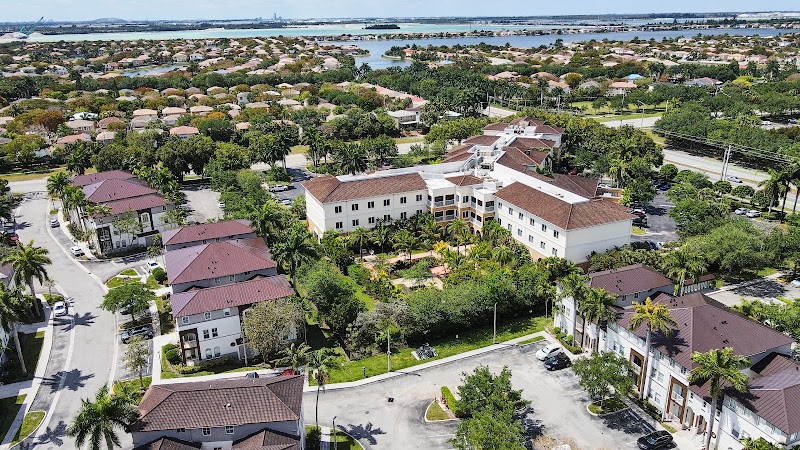
GLADES WEST REHABILITATION AND NURSING C is owned by a for-profit company. For-profit facilities operate as businesses with obligations to shareholders or private owners. The facility operates independently rather than as part of a larger chain. With 120 certified beds and approximately 114 residents (about 95% occupancy), it is a mid-sized facility located in PEMBROKE PINES, Florida.

How Does Glades West Rehabilitation And Nursing C Compare to Other Florida Nursing Homes?

Compared to the 100 nursing homes in Florida, GLADES WEST REHABILITATION AND NURSING C's overall rating (5 stars) is above the state average of 3.2, staff turnover (21%) is significantly lower than the state average of 46%, and health inspection rating (5 stars) is much above the national benchmark.

What Should Families Ask When Visiting Glades West Rehabilitation And Nursing C?

Based on this facility's data, families visiting should ask: "Can I visit during a mealtime to observe dining assistance and food quality?" "How do you handle medical emergencies, and what is your hospital transfer rate?" "Can I speak with family members of current residents about their experience?"

Is Glades West Rehabilitation And Nursing C Safe?

Based on CMS inspection data, GLADES WEST REHABILITATION AND NURSING C has a clean safety record: no substantiated abuse findings (meaning no confirmed cases of resident harm), no Immediate Jeopardy citations (the most serious violation level indicating risk of serious injury or death), and is not on the Special Focus Facility watch list (a federal program monitoring the lowest-performing 1% of nursing homes). The facility has a 5-star overall rating and ranks #1 of 100 nursing homes in Florida. While no facility is perfect, families should still ask about staff-to-resident ratios and recent inspection results during their visit.

Do Nurses at Glades West Rehabilitation And Nursing C Stick Around?

Staff at GLADES WEST REHABILITATION AND NURSING C tend to stick around. With a turnover rate of 21%, the facility is 25 percentage points below the Florida average of 46%. Low turnover is a positive sign. It means caregivers have time to learn each resident's needs, medications, and personal preferences. Consistent staff also notice subtle changes in a resident's condition more quickly. Registered Nurse turnover is also low at 30%, meaning experienced RNs are available to handle complex medical needs.

Was Glades West Rehabilitation And Nursing C Ever Fined?

GLADES WEST REHABILITATION AND NURSING C has no federal fines on record. CMS issues fines when nursing homes fail to meet care standards or don't correct problems found during inspections. The absence of fines suggests the facility has either maintained compliance or corrected any issues before penalties were assessed. This is a positive indicator, though families should still review recent inspection reports for the full picture.

Is Glades West Rehabilitation And Nursing C on Any Federal Watch List?

GLADES WEST REHABILITATION AND NURSING C is not on any federal watch list. The most significant is the Special Focus Facility (SFF) program, which identifies the bottom 1% of nursing homes nationally based on persistent, serious quality problems. Not being on this list means the facility has avoided the pattern of deficiencies that triggers enhanced federal oversight. This is a positive indicator, though families should still review the facility's inspection history directly.