PINELLAS PARK FL OPCO, LLC
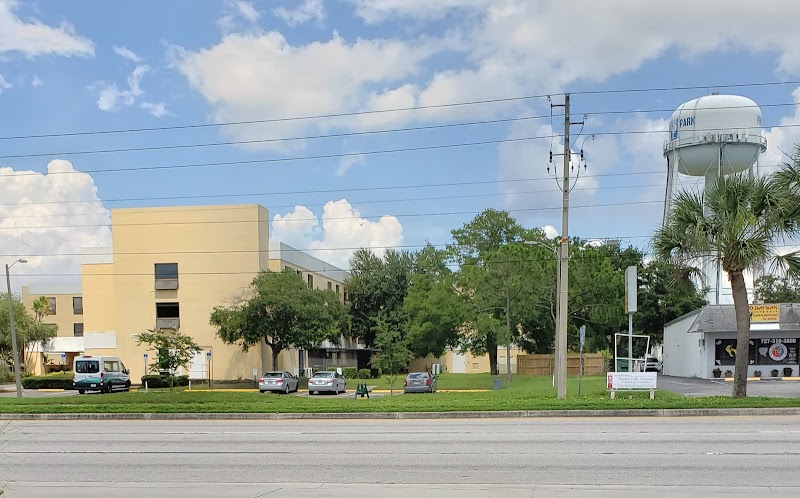
8701 49TH ST N, PINELLAS PARK, FL 33782 (727) 546-4661
For profit - Corporation 120 Beds PLAINVIEW HEALTHCARE PARTNERS Data: November 2025 2 Immediate Jeopardy citations
Trust Grade
24/100
#547 of 690 in FL
Last Inspection: December 2023

Within standard 12-15 month inspection cycle. Federal law requires annual inspections.

Overview

Pinellas Park FL Opco, LLC has received a Trust Grade of F, indicating significant concerns about the facility's quality of care, placing it in the bottom tier of nursing homes. It ranks #547 out of 690 in Florida and #41 out of 64 in Pinellas County, meaning it is in the bottom half of all local facilities. The facility is, however, showing signs of improvement, having reduced issues from 8 in 2023 to 2 in 2025. Staffing is a notable strength, with a 0% turnover rate, which is well below the state average, suggesting that employees are stable and familiar with the residents. However, the facility has faced serious deficiencies, including a critical incident where a resident suffered second-degree burns due to negligence during meal service, highlighting significant safety concerns. Additionally, the facility incurred an average of $19,734 in fines, which could reflect ongoing compliance issues.

Trust Score
F
24/100
In Florida
#547/690
Bottom 21%
Safety Record
High Risk
Review needed
Inspections
Getting Better
8 → 2 violations
Staff Stability
○ Average
Turnover data not reported for this facility.
Penalties
✓ Good
$19,734 in fines. Lower than most Florida facilities. Relatively clean record.
Skilled Nurses
○ Average
RN staffing data not reported for this facility.
Violations
⚠ Watch
21 deficiencies on record. Higher than average. Multiple issues found across inspections.
★★☆☆☆
2.0
Overall Rating
☆☆☆☆☆
0.0
Staff Levels
★★★☆☆
3.0
Care Quality
★★☆☆☆
2.0
Inspection Score
Stable
2023: 8 issues
2025: 2 issues

The Good

  • Full Sprinkler Coverage · Fire safety systems throughout facility
  • No fines on record

Facility shows strength in fire safety.

The Bad

2-Star Overall Rating

Below Florida average (3.2)

Below average - review inspection findings carefully

Federal Fines: $19,734

Below median ($33,413)

Minor penalties assessed

Chain: PLAINVIEW HEALTHCARE PARTNERS

Part of a multi-facility chain

Ask about local staffing decisions and management

The Ugly 21 deficiencies on record

2 life-threatening
Apr 2025 2 deficiencies
CONCERN (E) 📢 Someone Reported This

A family member, employee, or ombudsman was alarmed enough to file a formal complaint

Potential for Harm - no one hurt, but risky conditions existed

Deficiency F0761 (Tag F0761)

Could have caused harm · This affected multiple residents

**NOTE- TERMS IN BRACKETS HAVE BEEN EDITED TO PROTECT CONFIDENTIALITY** Based on observations, interviews, and record review, the facility failed to ensure all drugs used in the facility were labeled ...

Read full inspector narrative →
**NOTE- TERMS IN BRACKETS HAVE BEEN EDITED TO PROTECT CONFIDENTIALITY** Based on observations, interviews, and record review, the facility failed to ensure all drugs used in the facility were labeled in accordance with clinical professional standards, on two of two floors and two of six medication carts. Findings included: On [DATE] at 12:07 P.M., during observation and interview with Staff A, Registered Nurse (RN), Staff A, RN opened the top drawer of a medication cart. During an inspection of the medication cart, labeling of two translucent brown medication bottles containing eye drops had labels affixed with the following information: Notice to discard after forty-two days, with space to write the medication expiration date after the medication is first used and a yellow label with space to write the medication open date, expiration date, and staff initials. No information was written on the label. The inspection also revealed an insulin injector pen with a label to document the date opened of the medication, instructions to discard after 28 days, and an orange label with instructions, do not use after with space to write the date. The medication did not have dates documented. During an interview, Staff A, RN, said she did not know the expiration dates for the eye drops and insulin and the labels should have been dated. (Photographic Evidence Obtained) On [DATE] at 12:20 P.M. during an observation of a 2nd floor medication storage cart and interview with Staff B, Licensed Practical Nurse (LPN) , there was one insulin injector pen labeled [DATE] as the open date and discard date was not listed. Staff B, LPN said the insulin pen should be discarded 28 days after the first use. She immediately removed the insulin injector pen from the medication cart. During an interview on [DATE] at 12:40 P.M, the Director of Nursing (DON) said when medications are first used, the facility expects staff to write the medication expiration dates on the labels. Review of the facility's policy titled Medication Administration, implemented on [DATE], showed: Policy: Medications are administered by licensed nurses, . and in accordance with professional standards of practice, in a manner to prevent contamination or infection. Policy Explanation and Compliance Guidelines: . 12. Identify the expiration date. If expired, notify the nurse manager.
CONCERN (F) 📢 Someone Reported This

A family member, employee, or ombudsman was alarmed enough to file a formal complaint

Potential for Harm - no one hurt, but risky conditions existed

Food Safety (Tag F0812)

Could have caused harm · This affected most or all residents

Based on observations, interviews, and policy reviews, the facility failed to ensure kitchen equipment and surfaces were maintained in a clean and sanitary manner, hand washing sink was accessible wit...

Read full inspector narrative →
Based on observations, interviews, and policy reviews, the facility failed to ensure kitchen equipment and surfaces were maintained in a clean and sanitary manner, hand washing sink was accessible with the supplies needed, and the overhead lighting was adequate in one of one kitchen. Findings included: On 4/21/25 between 9:40 a.m. and 10:45 a.m., a tour of the facility kitchen was conducted with the Certified Dietary Manager (CDM) and the Dietary Supervisor. The following were observed during the kitchen tour: - The handwashing sink located in the food preparation area was on the floor. There were three holes penetrating the wall, surrounded by wrinkled paper-like outer wall material and exposed dry, chalklike material. An uncapped white plastic accordion style drainpipe extended from the wall. The Certified Dietary Manager (CDM) said the handwashing sink fell off the wall and has been out of service for approximately two weeks. The CDM said the sink in the dishwashing area was available for staff. The sink in the dishwashing area was blocked by a dish rack cart, the paper towel dispenser was empty, and a trash can was not beside the sink. Pieces of food partially blocked the flow of water in the sink. - The commercial ice maker had dry white, tan, and black mineral like material around the perimeter of the ice storage bin and on three sides of the exterior surface. Mineral-like material was on the floor below the ice machine. The CDM said the ice machine vendor routinely cleans the ice machine. - The kitchen lighting was inadequate and there were five separate florescent ceiling lights not luminating. The CDM was unsure how long the lights had not been working. - The floor drain in the dessert preparation had brown/grey standing liquid approximately 1 inch below the floor. The grate cover of the drain was on the floor approximately 8 inches from the drain. - The industrial can opener located in the dessert preparation area was rusted with black substance around the tip of the blade. The CDM said a replacement opener was requested. - In the walk-in refrigerator and freezer, there was a used glove laying on the top shelf of a plastic cart, prepackaged food containers and trash lying on the floor, an open beverage can, and a carton of chocolate milk. The floors were covered with a thick layer of black, grey, and brown substance. The CDM said the kitchen cleaning checklist included cleaning the refrigerator and freezer. - The bottom shelves of the metal food preparation tables throughout the kitchen had brown rust appearing spots and a large crumbs and dry substances. - A red sanitizing bucket on the shelf below the steam table, with approximately ½ inch of cloudy liquid in a blue and white patterned cleaning cloth. Wet, cream-colored crumbs and a cooked noodle was on top of the cleaning cloth. The observation was completed after breakfast was served. The CDM said the solution in the cleaning buckets are changed every two hours and said the bucket was last changed during the previous shift. - The kitchen floor perimeters and under equipment had debris and dirt build up. The floor appeared sticky and rough and the grout between the tiles discolored. (Photographic Evidence Obtained) During an interview on 4/23/25 at 9:11 a.m., Staff D, Dietary Aide (DA), said every morning there are dishes from the previous evening and the food carts are disgusting and must be wiped down. Staff D, DA said she tried to keep everything clean but can only do so much. The handwashing sink has been broken for a few weeks. The walk-in refrigerator and freezer are cleaned weekly. Staff D, DA said there is not a schedule to deep clean the kitchen. The can opener is typically cleaned by the night cook. Staff D, DA cleans the can opener when it is noticed to be dirty. During an interview on 4/23/25 at 9:15 a.m., Staff E, DA, said each morning there are dirty dishes in the dish area, and it does not look like the night shift cleans. The facility does not have a routine to clean the entire kitchen. The hand washing sink has been broken for a few weeks. Staff E, DA said the walk-in refrigerator and freezers are cleaned weekly. During an interview on 4/23/25 at 10:13 a.m., the Dietary Supervisor said a cleaning schedule is posted in the kitchen and should be completed by the end of each shift. There has been concerns with the night shift not cleaning and this morning there were dirty dishes. The Dietary Supervisor said she checks to see what was cleaned the night before and before the day shift goes home she verifies everything was cleaned. The kitchen was deep cleaned in March 2025. Cleaning the can opener is assigned to the cook, the dietary aid assigned to desserts. The ice machine gets wiped down and is typically cleaned when it is serviced. The hand washing sink fell and it has not been up for about two weeks. There are a few lights that still need to be fixed. She checks the dish machine with the aides every morning to ensure it is running properly. During an interview on 4/23/25 at 10:15 a.m., after the Nursing Home Administrator (NHA) reviewed the photographic evidence of the kitchen taken on 4/21/25, the NHA said she was aware the sink was fixed, fell from the wall, and it was being worked on. She expected the kitchen to be cleaned. Review of the facility's Employee Cleaning List revealed listed tasks to be completed by the morning and evening cooks and the morning and evening dietary aids. Some of the daily tasks listed include, wash can opener, wipe down prep tables, sweep and mop walk in cooler floor, sweep freezer floor, wipe down ice machine, and polish. From 4/1/25 to 4/22/25, all daily tasks were documented as completed. Review of the facility's Dietary Aide Job Description, last updated on 9/4/20, showed under Job Summary, a dietary aide will keep food preparation areas sanitized and orderly. Review of the facility's Dietary [NAME] Job Description, undated, revealed under Additional Tasks, Ensures the department, necessary equipment and supplies are cleaned and maintained in a safe manner. Review of the facility's Certified Dietary Manager Job Description, undated, showed under Job Summary, . Dietary Department is maintained in a clean, safe and sanitary manner.
Dec 2023 6 deficiencies
CONCERN (D)

Potential for Harm - no one hurt, but risky conditions existed

Deficiency F0657 (Tag F0657)

Could have caused harm · This affected 1 resident

Based on observations, interviews, and record review the facility failed to ensure the care plan for one resident (#18) out of 36 sampled residents was reviewed and revised to accurately reflect the f...

Read full inspector narrative →
Based on observations, interviews, and record review the facility failed to ensure the care plan for one resident (#18) out of 36 sampled residents was reviewed and revised to accurately reflect the fluid intake of the resident. Findings included: A review of Resident #18's admission Record revealed an admission date of 6/1/23 and included diagnoses not limited to hypo-osmolality and hyponatremia (sodium levels in blood are abnormally low), other specified disease of biliary tract, unspecified neuromuscular dysfunction of bladder, and presence of urogenital implants. An observation conducted on 12/14/23 at 8:25 a.m. revealed Resident #18 lying in bed, with an approximate half full large-sized bottle of commercially-produced water and a facility-provided foam cup on the over-bed table next to the resident's bed. A review of Resident #18's active care plan, initiated on 6/1/23, showed a Focus for ADL (Activities of Daily Living) related to the resident's self-care performance deficit which included an intervention, dated 8/15/23, instructing staff of NO WATER CUP AT BEDSIDE (on a fluid restriction). The Focus revealed the resident was non-adherent with medication regime causing an alteration in functional abilities. Further review of the resident's care plan revealed a Focus, initiated on 7/23/23, indicating the resident had dehydration or potential fluid deficit r/t (related to) diuretic medication usage. The interventions of this Focus included: - Encourage the resident to drink fluids of choice, initiated on 7/23/23; - Ensure that (resident) has cold water whenever possible, initiated 7/23/23; and - Educate the resident/family/caregivers on importance of fluid intake, initiated 7/23/23. The review of Resident #18's current, as of 12/14/23, and discontinued physician orders did not reveal a current physician order revealing the resident's fluid restriction. A review of discontinued physician orders revealed an order, started on 8/18/23 and discontinued on 8/23/23, of the resident had been on a fluid restriction of 1500 milliliters (mL) per day. On 12/14/23 at 9:58 a.m. the Director of Nursing stated Resident #18 was not on fluid restrictions. She stated the resident was on hospice (services) so it was all about quality of life. An interview was conducted on 12/14/23 at 3:33 p.m. with Staff B, Licensed Practical Nurse/Unit Manager (LPN/UM) and Staff C, Minimum Data Set Coordinator. Staff B, LPN/UM stated Resident #18 was not on fluid restrictions. Staff C stated a care plan was changed when there was a change (in condition) and quarterly. Staff B and C reviewed Resident #18's care plan and confirmed the active intervention showed the resident was on fluid restrictions. Staff C stated it (care plan) should have been revised and she missed it. Staff C reported being responsible for all care plans in the whole building.
CONCERN (D)

Potential for Harm - no one hurt, but risky conditions existed

Deficiency F0699 (Tag F0699)

Could have caused harm · This affected 1 resident

**NOTE- TERMS IN BRACKETS HAVE BEEN EDITED TO PROTECT CONFIDENTIALITY** Based on observations, record review, and interviews, the facility failed to ensure one resident (#17) of one sampled resident, ...

Read full inspector narrative →
**NOTE- TERMS IN BRACKETS HAVE BEEN EDITED TO PROTECT CONFIDENTIALITY** Based on observations, record review, and interviews, the facility failed to ensure one resident (#17) of one sampled resident, who was diagnosed with Post Traumatic Stress Disorder (PTSD), was provided care and services to account for experiences and preferences, nor did staff address the resident's needs by minimizing triggers and/or re-traumatization. Resident #17's direct care staff were unaware of trauma behaviors, and were not aware of what to monitor for, with relation to PTSD behaviors. Findings included: On 12/11/23 at 12:05 p.m., Resident #17 was observed in bed in her room. During an attempt to interview Resident #17, she was asked if staff were providing appropriate care to her. She yelled, No! She was then asked if she would like to explain, and she yelled I'm not telling you! A review of the admission Record showed Resident #17 was originally admitted to the facility on [DATE] with diagnoses to included bipolar disorder, current episode manic severe with psychotic features, major depressive disorder, anxiety disorder, and PTSD. Section C Cognitive Patterns of the quarterly Minimum Data Set (MDS) dated [DATE] showed Resident #17 had a Brief Interview for Mental Status (BIMS) score of 14 out of 15 indicating cognitively intact. Section D Mood showed Resident #17 was feeling down, depressed, or hopeless for 2-6 days over the last two weeks. Section E Behavior indicated Resident #17 showed verbal behavioral symptoms directed toward others 1 to 3 days and rejection of care 1 to 3 days. Section I Active Diagnoses showed Resident #17 had diagnoses to include anxiety disorder, depression, bipolar disorder, and PTSD. Review of the Complete Evaluation dated 12/14/20 (upon admission) completed by the psychiatric nurse practitioner showed Resident #17 reported a history of bipolar disorder, PTSD, and anxiety. Reports that bipolar has been life long and anxiety and PTSD symptoms started after she served in the military. The last Social Services Trauma Screen dated 10/01/22 revealed the resident did not have a history of trauma and/or PTSD. A review of the Progress Notes revealed the following: A psychiatry follow up note dated 12/11/23 showed summaries of the past notes to reveal the following: on 04/11/23, the patient was anxious, on 05/15/23, the patient was anxious, on 05/18/23, the patient was depressed and anxious, on 07/31/23, the patient was depressed, on 08/10/23, the patient was depressed, on 08/24/23, the patient had insomnia, on 09/11/13, the patient was depressed, and on 10/12/23, the patient was depressed. A medication administration note dated 12/10/23 indicated the resident refused and smacked the writer's hand that was holding the medication. A dietary note dated 11/21/23 revealed Resident #17 utilized a melamine dinner plate because of her history of throwing her meal trays. An Interdisciplinary Team (IDT) Care Conference note dated 11/19/23 revealed Resident #17 had behaviors of having delusions, anxiety, occasional yelling out and inappropriate language. A psychiatry (psych) subsequent note dated 11/13/23 showed the resident was more alert and had mild symptoms of depression. Patient reports she was feeling a little anxious. A psychiatry subsequent note dated 09/13/23 showed the resident was seen due to being unstable. Patient had been with increased confusion. The patient was non-compliant with medication and had periods of agitation. Nurse reported patient refused medications intermittently. Review of the progress notes dated from 11/01/2023 to present did not reveal any specific behaviors related to PTSD, nor did the notes or psych. services notes indicate any past PTSD behaviors. It could not be determined why Resident #17 had a diagnosis of PTSD. The only reference showing the resident had a history of PTSD was from the Complete Evaluation dated 12/14/20 (upon admission) completed by the psychiatric nurse practitioner. The behavior care plan initiated on 02/07/23 revealed a focus area to include the following: Resident #17 was at risk for impaired or inappropriate behaviors related to diagnoses of bipolar disorder with delusions, manic psychosis, paranoia, PTSD, and the discontinuation of psychotropic medications due to her refusals. She will throw her meal tray onto the floor, will not eat, kicks, hits, yells obscenities, and also refuses medications. She had delusional thoughts and relived past trauma events associated with diagnosis of PTSD, history of confabulation, and associates based events with current present time. Interventions included anticipate and meet her basic needs, apply topical antianxiety and anti-psychotic medications as ordered, and minimize potential for the resident's disruptive behaviors of kicking over meal trays by offering as needed antianxiety medications and reapproaching and offering meals after antianxiety medications given. The mood care plan initiated on 07/19/23 revealed a focus area to include the following: Potential for mood state issues related to delusions, bipolar with psychotic features, manic psychosis, and PTSD. Resident had tendency to relive past trauma and/or confabulates past events or overheard events as reality. Interventions included consultation with psychological/psychiatric per order, encourage and allow open expression of feelings, observe for effectiveness/side effects of medications as ordered, and reinforce appropriate expression of feelings. Per review of the PTSD care plans, it did not specify a reason or specific behavior related to trauma. The care plan did not specify what types of behaviors she would need to be monitored for, nor did it mention what type of behaviors that needed to be reported to the Physician with regards to past trauma. Training related to PTSD specifically for Resident #17 was requested and not provided. On 12/14/23 at 09:00 a.m., Staff F, Certified Nursing Assistant (CNA), stated she works with Resident #17 every Tuesday, Wednesday, and Thursday. The resident moved to another unit, but staff brought her back to the unit that she was in now so Staff F, CNA, could be her aide due to her being calmer. She had to be in a private room due to behaviors. She was screaming at the top of her lungs saying men were climbing in the window to rape her. She would sometimes say it was staff and other men. Resident #17 had moments where she would scream at the top of her lung and when you go in the room, she would say that was not her screaming. The resident would turn the call light on and say she didn't turn it on when entering the room to see what she needed. Two staff members must always provide care to her due to her attacking staff and throwing herself on the floor. The resident likes to hit you from the back. She once snatched a housekeeper by her hair from the back. She now has cancer and was upset about that. She was also upset about her son not being able to see her in the facility. Something happened between them before she came here, stated Staff F, CNA. Resident #17 reported to her that she sees a shadow who was a tall male CNA in her room, and he was having sex with everyone on the unit. Staff F, CNA, reported she was aware that the resident had PTSD because the resident told her she had PTSD and it had something to do with the military. She was never told by staff that the resident had PTSD and they have never discussed any triggers with her. Staff have told her to report behaviors, but nothing related to her having PTSD. Staff F, CNA, reported she just usually lets the nurse know the resident was yelling. She revealed nobody had ever told her that Resident #17 had PTSD nor has anyone explained to her the reason for PTSD and how to look for behaviors related to any type of trauma. She also confirmed she had not been educated or in serviced with relation to PTSD behavior monitoring specifically for Resident #17. On 12/14/23 at 9:16 a.m., Staff G, Registered Nurse (RN), reported she had Resident #17 routinely. The resident was very isolated, down, and sad about the situation with her having cancer. Staff G, RN, reported Resident #17 had PTSD on her list of diagnoses, but she did not know why. She reported she was not aware of any triggers to look for related to PTSD. She monitors the resident for behaviors related to her medications. She also confirmed she had not been educated or in serviced with relation to PTSD behavior monitoring specifically for Resident #17. On 12/14/23 at 9:57 a.m., an interview was conducted with Staff A, Social Worker, Administrator in Training, and the Administrator. Staff A, Social Worker, Administrator in Training, stated she assisted the social services director with completing assessments. For residents with PTSD, they would complete the trauma informed screening to get more history on the diagnosis. The Administrator stated they would ask psych to see the resident to see if the resident needed any assistance related to the trauma. PTSD would be placed on the care plan specifically related to the incident. The Administrator confirmed Resident #17 had PTSD as it was listed on her face sheet. She reported the care plan stated the resident relives events associated with PTSD. At 10:05 a.m., the Administrator stated she would review the psych notes to see why the resident had PTSD. She reported the resident had tons of psych notes. A trauma informed screening was completed related to the hurricane evacuation. The trauma informed screen from October did not show anything related to PTSD and the old trauma informed screening was retired. The Administrator stated she found a psych note that indicated the resident reported PTSD started after she served in the military. She stated she expected psych to do a deeper dive to see what happened in the military with the resident. She stated, It doesn't appear that a deeper dive was conducted. The Administrator stated the provider did not do a deeper dive to provide staff with additional education on the PTSD diagnosis. She stated psych seen all residents last year in October and if something would have triggered on the trauma informed screening, she expects psych to follow up. On 12/14/23 at 10:48 a.m., the Director of Nursing (DON) reported a trauma informed screening should be completed for residents with PTSD. You must find out if the resident was comfortable talking about the trauma to find out the triggers. The care plan should be very individualized, and it should be listed on the care plan for the sake of communication and on the [NAME]. If the patient had triggers, they should be on the care plan. There needs to be a conversation. Psych must be involved and the interprofessional team. Let's dig into it and find out what happened and what are the triggers to avoid re-traumatization stated the DON. The care plan was very individualized, and you need to see what's the root cause to avoid causing any problems for other people. Best practice was to educate the staff, specifically to the resident. The policy provided by the facility, Trauma Informed Care implemented on 09/07/22 revealed the following: Policy: It is the policy of this facility to provide care and services which, in addition to meeting professional standards, are delivered using approaches which are culturally-competent, account for experiences and preferences, and address the needs of trauma survivors by minimizing triggers and/or re-traumatization. 2. The facility will use a multi-pronged approach to identifying a resident's history of trauma, as well as his or her cultural preferences. 4. The facility will collaborate with resident trauma survivors, and as appropriate, the resident's family, friends, the primary care physician, and any other health care professionals to develop and implement individualized care plan interventions. 6. The facility will identify triggers which may re-traumatize residents with a history of trauma. Trigger specific interventions will identify ways to decrease the resident's exposure to triggers which re-traumatize the resident, as well as identify ways to mitigate or decrease the effect of the trigger on the resident, and will be added to the residents care plan.
CONCERN (D)

Potential for Harm - no one hurt, but risky conditions existed

Deficiency F0757 (Tag F0757)

Could have caused harm · This affected 1 resident

**NOTE- TERMS IN BRACKETS HAVE BEEN EDITED TO PROTECT CONFIDENTIALITY** Based on observations, record reviews, and interviews, the facility failed to administer antibiotics for the duration as prescri...

Read full inspector narrative →
**NOTE- TERMS IN BRACKETS HAVE BEEN EDITED TO PROTECT CONFIDENTIALITY** Based on observations, record reviews, and interviews, the facility failed to administer antibiotics for the duration as prescribed by the provider for one resident (#72) out of five residents sampled for unnecessary medications. Findings included: Review of Resident #72's admission Record revealed the resident was admitted on [DATE] and included diagnoses not limited to unspecified obstructive and reflux uropathy and unspecified protein-calorie malnutrition. On 12/11/23 at 10:01 a.m., Resident #72's door held an isolation caddy and was posted with a sign showing Contact Precautions, the resident and roommate was not observed in the room. An interview was conducted with Staff B, Licensed Practical Nurse/Unit Manager (LPN/UM), on 12/11/23 at 10:07 a.m. The staff member stated Resident #72 was on contact precautions due to extended spectrum beta-lactamase (ESBL) in the urine. The staff member reported not knowing where the resident was. The staff member stated, on 12/11/23 at 10:08 a.m., the resident was downstairs in the Dining Room drinking hot chocolate. On 12/14/23 at 8:22 a.m., Resident #72 was observed lying bed, the door to the room was posted for Contact precautions. Review of Resident #72's December 2023 Medication Administration Record (MAR) revealed on 12/3/23 at 5:00 p.m. the facility received an order for the antibiotic, Ciprofloxacin 500 milligram (mg) to be administered two times a day for Urinary Tract Infection (UTI) for 7 days. The MAR showed the order was administered at 5:00 p.m. on 12/3/23, held at 9:00 a.m. on 12/4/23, and was discontinued at 1:18 p.m. on 12/4/23. A continued review of Resident #72's December MAR showed the resident was to be on contact isolation for ESBL in urine from 12/5 to 12/12/23. The MAR revealed an order for Ertapenem Sodium injection solution reconstituted 1 gram (GM) - inject 1 gram intramuscularly every 24 hours for UTI for 7 days, started on 12/5/23. The MAR showed the 12/5/23 dose of the antibiotic was not administered and was administered on 12/6, 12/7, 12/8, 12/9, 12/10, and 12/11/23, revealing Resident #72 received 6 out of the 7 ordered doses of the antibiotic. During an interview on 12/14/23 at 2:24 p.m., the Director of Nursing (DON) confirmed Resident #72 had been on an antibiotic for ESBL in urine, it's concluded. The DON reviewed Resident #72's December MAR and confirmed the resident had not received the antibiotic for the ordered 7 days. She stated the resident had been started on Cipro but that doesn't count. During an interview on 12/14/23 at 11:03 a.m., an request was made to the Director of Nursing to provide the policy for Medication Administration, it was not received.
CONCERN (D)

Potential for Harm - no one hurt, but risky conditions existed

Unnecessary Medications (Tag F0759)

Could have caused harm · This affected 1 resident

**NOTE- TERMS IN BRACKETS HAVE BEEN EDITED TO PROTECT CONFIDENTIALITY** Based on observations, record reviews, and interviews the facility failed to ensure the medication error rate was less than 5.00...

Read full inspector narrative →
**NOTE- TERMS IN BRACKETS HAVE BEEN EDITED TO PROTECT CONFIDENTIALITY** Based on observations, record reviews, and interviews the facility failed to ensure the medication error rate was less than 5.00%. Thirty-three medication administration opportunities were observed and seven errors were identified for three residents (#30, #77, and #64) of five residents observed. These errors constituted a 21.21% medication error rate. Findings included: 1. On 12/13/23 at 8:17 a.m., an observation of medication administration with Staff D, Licensed Practical Nurse (LPN) was conducted with Resident #30. Staff D dispensed the following medications: - Albuterol Sulfate 90 microgram (mcg) handheld inhaler - Budesonide Formoterol 80/4.5 handheld inhaler - Vitamin C 500 milligram (mg) over-the-counter (otc) tablet - Hydrocortisone 20 mg tablet - Lisinopril 10 mg tablet - Risperidone 0.5 mg - 2 tablets - Potassium Chloride 10 milliequivalent (meq) Extended Release (ER) tablet. Staff D poured approximately 120 milliliters (mL) of nutritional supplement in a plastic cup and confirmed dispensing 2 (handheld) inhalers and 6 oral tablets. The staff member administered one puff of the Albuterol inhaler, then offered the nutritional supplement to the resident, who accepted a sip of it. Staff D administered the oral medications, offering the resident a sip of the nutritional supplement, and administered one inhalation of Budesonide, again offering the resident a sip of the supplement. An unknown aide moved the resident from the hallway into the resident room and the staff member entered the resident's bathroom, dispensing of the nutritional supplement (as evidence of returning to hall without cup) and washing hands before returning to the medication cart. Review of Resident #30's Medication Administration Record (MAR) showed the following physician orders and documentation: - Ascorbic Acid 500 mg tablet - Give 2 tablet by mouth one time a day for Vitamin supplement. Staff D documented this order had been administered despite only one tablet having been dispensed and confirmed. - Potassium Chloride Oral Solution - Give 10 meq by mouth one time a day for vitamin supplement. Staff D administered one tablet of Potassium stating the liquid Potassium was on order must be a new order. Staff D documented 10 meq of Potassium Oral Solution had been administered. - Albuterol Sulfate HFA 108 (90 base) microgram (mcg/act) aerosol solution - Give 2 puffs by mouth four times a day for shortness of breathing (sob), wheezing. Staff D documented this order had been administered despite the observation of one puff had been administered. - Symbicort Inhalation Aerosol 80-4.5 mcg/act (Budesonide Formoterol Fumarate Dihydrate) - 2 puffs inhale orally two times a day for wheezing. Rinse mouth after use. The observation showed one puff was administered and Resident #30 was given and swallowed nutritional supplement after the administration. - Fluticasone-Salmeterol Inhalation Aerosol Powder Breath Activated 250-50 mcg/act (Fluticasone-Salmeterol),- 1 puff inhale orally two times a day for wheezing/shortness of breath (sob), rinse mouth after use. Staff D documented the administration of this inhaler. The observation and confirmation by Staff D of 2 inhalers had been dispensed showed this inhaler had not been administered. The Medication Admin Audit Report, dated 12/14/23, revealed Staff D had documented this medication had been administered at 8:26 a.m. on 12/13/23 along with the other observed medications. The website, Medlineplus.gov, (https://medlineplus.gov/druginfo/meds/a623022.html) educated users of Symbicort (Budesonide-Formoterol Fumarate Dihydrate) After inhalation, rinse your mouth with water and spit the water out; do not swallow the water. The observation of administration to Resident #30 did not reveal Staff D had offered water to the resident. 2. On 12/13/23 at 8:44 a.m., an observation of medication administration with Staff E, Registered Nurse (RN) was conducted with Resident #77. Staff E dispensed the following medications: - Aspirin 81 mg chewable over-the-counter (otc) tablet - Vitamin B12 1000 microgram (mcg) otc tablet - Cranberry 425 mg otc tablet - Docusate sodium 100 mg otc geltab - Vitamin D3 5000 international unit (iu) (125 mcg) otc tablet - Calcium + D3 600 mg/10 mcg otc tablet - Simethicone 80 mg chewable otc tablet - Xifaxan 550 mg tablet - Gabapentin 600 mg tablet - Cyclobenzaprine 10 mg tablet - Oxycodone 10 mg tablet. Staff E informed Resident #77 of the unavailability of the scheduled Lactulose and Advair. The staff member reported and documented the physician would be/had been notified of the unadministered medications. During the observed administration Resident #77 refused the tablet of Simethicone. Review of Resident #77's December Medication Administration Record (MAR) showed an order for Cranberry Oral Tablet 450 mg - Give 1 tablet by mouth one time a day for urinary health maintenance. Staff E had documented 450 mg's of Cranberry had been administered despite the observed administration of a 425 mg tablet of Cranberry. 3. On 12/13/23 at 11:35 a.m., an observation of medication administration with Staff E, RN was conducted with Resident #64. The staff member obtained a blood glucose level of 315 from the resident. The staff member removed a Novolog Flexpen prescribed to the resident, dialed the insulin pen to 8 units (per sliding scale), applied a needle to the pen, and injected into the resident's upper left arm. The observation revealed Staff E had not primed the Novolog insulin pen prior to injection. Immediately following the observation, on 12/13/23 at 11:45 a.m., Staff E reported never heard of priming the insulin pen or giving an airshot. The staff member demonstrated the process used and reported turning the pen with needle facing floor so the air pocket rose to the top then moves it into position to inject. The manufacturer instructions for the use of a Novolog Flexpen, located at https://www.novologpro.com/administration-options/insulin-pens.html, revealed Giving the airshot before each injection. Before each injection small amounts of air may collect in the cartridge during normal use. To avoid injecting air and to ensure proper dosing. The instructions read: - - E. Turn the dose selector to select 2 units; - F. Hold your Novolog FlexPen with the needle pointing up. Tap the cartridge gently with your finger a few times to make any air bubbles collect at the top of the cartridge. - G. Keep the NovoLog® FlexPen® needle pointing upwards, press the push-button all the way in. The dose selector returns to 0. A drop of insulin should appear at the needle tip. If not, change the needle and repeat the procedure no more than 6 times. If you do not see a drop of insulin after 6 times, do not use the NovoLog® FlexPen® and contact Novo Nordisk at [PHONE NUMBER]. A small air bubble may remain at the needle tip, but it will not be injected. During an interview on 12/14/23 at 10:58 a.m., the Director of Nursing (DON) stated the expectation was for staff to administer medications per the 5 rights: right time, right dose, right route, right patient, and right medication. A review of the observed errors was disclosed to the DON. During the interview on 12/14/23 at 11:03 a.m., the DON confirmed the Novolog (insulin) pen was supposed to be primed prior to use and staff were just educated on the priming of insulin pens due to having to order needles from pharmacy so staff were told to remember to prime the pens. She stated Staff E's statement of being unaware to prime the pen was not true. The DON stated she agreed with findings related to Resident #30, #77, and 64. A request was made to the DON for the facility's Medication Administration policy and an insulin pen procedure which was not received.
CONCERN (E)

Potential for Harm - no one hurt, but risky conditions existed

PASARR Coordination (Tag F0644)

Could have caused harm · This affected multiple residents

**NOTE- TERMS IN BRACKETS HAVE BEEN EDITED TO PROTECT CONFIDENTIALITY** 6. Review of the admission Record showed Resident #22 was admitted on [DATE], with diagnoses to include major depressive disorde...

Read full inspector narrative →
**NOTE- TERMS IN BRACKETS HAVE BEEN EDITED TO PROTECT CONFIDENTIALITY** 6. Review of the admission Record showed Resident #22 was admitted on [DATE], with diagnoses to include major depressive disorder recurrent moderate, schizoaffective disorder bipolar type and generalized anxiety. Review of the PASARR Level I, completed on 10/24/19, showed, in Section 1 Part A, anxiety as the only listed diagnosis. Section IV PASARR Screen Completion showed that a Level II PASARR was not required. Review of the electronic medical record (EMR) revealed the diagnosis of schizoaffective disorder, bipolar type was added on 5/16/23. On 5/25/23 diagnoses of major depressive disorder and generalized anxiety were added to the EMR. Review of the medical record revealed Resident #22 was not assessed for a PASARR Level II when the new diagnoses were added to resident's EMR in May of 2023. Review of Resident #22's care plan revealed diagnoses to include major depressive disorder, generalized anxiety disorder, and schizoaffective disorder bipolar type. Review of the care plan revealed: Focus, created on 11/19/19, initiated on 5/26/23, and revised on 9/28/23, [Resident #22] has a potential for alteration in communication r/t [related to] use of psychotropic medication and a past history of CVA [cerebral vascular accident]. Strengths: she is able to hear at normal tones and is able to communicate her needs to staff members. Focus, initiated on 6/21/23 and revised on 6/26/23, Anti-Anxiety Care Plan Resident is at risk for adverse side effects related to use of anti-depressant medication. Focus, initiated on 5/26/23, Antidepressant Care Plan [Resident #22] is at risk of experiencing adverse side effects associated with her use of antidepressant medication. Focus, initiated on 5/26/23, [Resident #22] has a potential for alteration in thought process r/t: has periods of forgetfulness, psych dx [diagnosis] bipolar disorder d/o [disorder], anxiety disorder d/o, MDD [major depressive disorder]. Focus, created on 11/19/19, initiated 5/26/23 and revised on 6/21/23, [Resident #22] has an alteration OR potential for alteration in mood AEB [as evidenced by] c/o [complaint of] or displays the following: has trouble falling or staying asleep, has dx of anxiety, has dx of bipolar d/o, has dx of depression. Review of a progress note by [provider], dated 12/11/23, showed the reason for visit due to staff reporting patient exhibiting increase irritability and agitation yelling out continuously for staff assist till assisted by staff. States per staff and resident interview and resident is unstable. Assessment is that behavior is related to underlying mood disorder causing daily distress to resident with plan to complete medication changes. Increasing Valproic acid to 250 mg (milligrams) PO TID (by mouth three times per day). Interview conducted on 12/13/23 at 1:58 p.m. with Staff A, SW/AIT stated Resident #22 should have had a new PASARR completed when the new diagnosis of schizoaffective disorder, bipolar type was added on 7/9/2023 to see if it would have prompted for a Level II PASARR. 4. Review of Resident #15's admission Record showed the resident was admitted originally on 10/22/19 and readmitted on [DATE] with diagnoses to include unspecified dementia, unspecified severity, without behavioral disturbance, psychotic disturbance, mood disturbance, anxiety, schizoaffective disorder, bipolar type, and major depressive disorder, recurrent, unspecified. Review of Resident #15's PASARR Level I, dated 10/17/19, revealed bipolar disorder as a qualifying mental health diagnosis, and that a PASARR Level II was not required. 5. Review of Resident #97's admission Record showed the resident was admitted originally on 03/02/22 and readmitted on [DATE] with diagnoses to include Down Syndrome unspecified, unspecified dementia unspecified severity, without behavioral disturbance, psychotic disturbance, mood disturbance and anxiety, major depressive disorder, recurrent moderate, and generalized anxiety disorder. Review of Resident #97's PASARR Level I, dated 10/21/19, revealed bipolar disorder as a qualifying mental health diagnosis, and that a PASARR Level II was not required. During an interview on 12/13/23 at 1:00 p.m., Staff A, SW/AIT said she had been trained on how to complete and update the PASARR forms. She stated the PASARRs should be resubmitted when there is a change in the diagnoses or if there is a sufficient change with a resident mental status to see if the resident qualifies for a Level II (PASARR). PASARRs for newly admitted residents are reviewed during morning meeting by the interdisciplinary team to ensure the accuracy of the PASARRs. She said she was not the actual director of Social Services so she can't explain how the director is notified when new diagnoses are added, or when a resident has a change in order to submit for a Level II change. She stated the way the system is in [provider name], once they put the information in the system it would automatically trigger for a Level II PASARR to be completed. Resident #15's and #97's PASARRs should have been updated and resubmitted for a Level II and both residents' PASARRs needed to be updated. 7. Review of the admission Record for Resident #100 showed the resident was admitted on [DATE] with diagnoses of muscle wasting and atrophy and mixed receptive expressive language disorder. Review of Resident #100's PASARR Level I Assessment, dated 08/11/22, revealed no qualifying mental health diagnosis and that a PASARR Level II was not required. Review of Resident #100's medical record revealed a new diagnosis of psychotic disorder with delusions due to known physiological condition documented on 03/06/23 and the resident was not assessed for PASARR Level II. Review of Section I Active Diagnoses of the Minimum Data Set (MDS), dated [DATE], revealed a diagnosis of psychotic disorder and the resident was not assessed for PASARR Level II. A review of the care plan, initiated 05/03/23, showed a Focus area to include Resident #100 received an antipsychotic medication as ordered to help alleviate symptoms associated with psychotic disorder with delusions due to known physiological condition. He had episodes of extreme anxiousness, his anxiety escalates suddenly, and he was hostile and physically threatening. Interventions included to approach him calmly and attempt redirection with any of his behavioral outbursts as able. On 12/13/23 at 1:58 p.m., Staff A, SW/AIT confirmed the PASARR Level I did not reflect Resident #100's current psychiatric diagnosis and a PASARR Level II was not completed. Review of facility policy titled, Resident Assessment - Coordination with PASARR Program, dated 09/07/2022, showed: Policy: This facility coordinates assessment with the preadmission screening and resident review ( PASARR) program under Medicaid to ensure that individual with a mental disorder, intellectual disability, or a related condition receives care and services in the most integrated setting appropriate to their needs. Policy Explanation and Compliance Guidelines: 1. All applicants to this facility will be screened for serious mental disorders or intellectual disabilities and related conditions in accordance with the Stat's Medicaid rules for screening. a. PASARR level I -initial pre-screening that is completed prior to admission. i. Negative Level I Screen -permits admission to proceed and ends the PASARR process unless a possible serious mental disorder or intellectual disability arises later. 6. The Social Services Director shall be responsible for keeping track of each resident's PASARR screening status and referring to the appropriate authority. Based on record review, and interviews the facility failed to ensure the accuracy and revision of Preadmission Screening and Resident Review (PASARR) for seven residents (#1, #22, #50, #72, #100, #15, and #97) out of 36 sampled residents. Findings included: 1. A review of Resident #1's admission Record showed the resident was admitted on [DATE] with diagnoses not limited to subsequent encounter (for) diffuse traumatic brain injury with loss of consciousness of unspecified duration, unspecified dementia unspecified severity without behavioral disturbance, psychotic disturbance, mood disturbance, and anxiety, unspecified bipolar disorder, unspecified anxiety disorder, and other seizures. Review of Resident #1's PASARR Level I, dated 11/22/22, did not include the resident's qualifying mental health diagnosis of anxiety disorder or the intellectual disability related condition of traumatic brain injury, and showed no PASARR Level II was required. Review of the Quarterly Minimum Data Set (MDS) with a target date of 8/1/23, and a 5-Day scheduled MDS, with a target date of 9/18/23, revealed Resident #1's diagnoses of traumatic brain injury and anxiety disorder. Review of the resident's Annual MDS, with a target date of 10/28/23, did not include the resident's diagnoses of anxiety disorder, or depression (other than bipolar) and did reveal the diagnosis of traumatic brain injury. Review of the medical record revealed Resident #1's PASARR Level I was not revised by the facility following admission to include the mental health illness of anxiety disorder or the related condition of traumatic brain injury. Review of the medical record revealed the resident was not assessed for a PASARR Level II. During an interview on 12/13/23 at 2:13 p.m. Staff A, Social Worker/Administrator-in-training (SW/AIT) stated she was able to redo PASARRs as she had been a social worker for a long time. Staff A reviewed Resident #1's PASARR and medical diagnoses and confirmed the PASARR should have been redone to capture the resident's diagnoses of anxiety and traumatic brain injury. 2. A review of Resident #50's admission Record and comprehensive assessments showed the resident was admitted on [DATE] with diagnoses not limited to schizophrenia and moderate major depressive disorder. Review of Resident #50's PASARR Level I, dated 5/3/18, did not include the resident's qualifying mental health diagnosis of depression. The resident's PASARR Level II Summary Report, dated 5/24/18, did not include the diagnosis of depression. Review of Resident #50's Annual Minimum Data Set (MDS) with a target date of 4/28/23, Change in Status Assessment with a target date of 6/8/23, and a Quarterly MDS with target date of 9/8/23, revealed a diagnosis of depression (other than bipolar). Review of the medical record revealed Resident #50's PASARR Level I was not revised to include the resident's diagnosis of depression nor was the resident's PASARR Level II re-evaluated. During an interview on 12/13/23 at 1:59 p.m., Staff A, SW/AIT reviewed Resident #50's PASARR and medical diagnoses and said the PASARR should have been redone so it could have captured the resident's diagnosis of major depressive disorder. 3. A review of Resident #72's admission Record showed the resident was admitted on [DATE] with diagnoses not limited to unspecified severity (of) unspecified dementia without behavioral disturbance, psychotic disturbance, mood disturbance, and anxiety, unspecified mood disorder due to known physiological condition, unspecified recurrent major depressive disorder, and unspecified anxiety disorder. Review of Resident #72's PASARR Level I, dated 3/9/22, did not reveal the resident's diagnoses of unspecified mood disorder due to known physiological condition and unspecified anxiety disorder and that no PASARR Level II was required. Review of Resident#72's Quarterly MDS, with a target date of 8/9/23, revealed the resident's diagnosis of anxiety disorder. Review of the Annual MDS, with a target date of 10/31/23, included the diagnosis of anxiety disorder. During an interview on 12/13/23 at 2:09 p.m. Staff A, SW/AIT reviewed Resident #72's PASARR and medical diagnoses and stated the PASARR should have been revised to capture the resident's mood and anxiety disorders. Staff A stated she couldn't say if the resident needed a PASARR Level II.
CONCERN (E)

Potential for Harm - no one hurt, but risky conditions existed

Food Safety (Tag F0812)

Could have caused harm · This affected multiple residents

Based on observation, interview, and review of the facility's policy, the facility failed to ensure opened food was labeled and dated in one of one kitchen. Findings included: On 12/11/23 at 9:30 a....

Read full inspector narrative →
Based on observation, interview, and review of the facility's policy, the facility failed to ensure opened food was labeled and dated in one of one kitchen. Findings included: On 12/11/23 at 9:30 a.m., an initial tour of the kitchen was conducted with the Assistant Dietary Manager. The following was observed in the reach in cooler: opened sliced cheese wrapped in saran wrap with no date, opened ham wrapped in saran wrap with no date, an opened bag of diced chicken with no date, and an opened bag of shredded cheese with no date. In addition, a container of liquid substance with no label or date was observed underneath the food preparation table. (Photographic Evidence Obtained) The Assistant Dietary Manager stated he wasn't sure what was in the container while smelling it. Additionally, an opened bag of biscuits with no date was observed in the walk-in freezer. All findings were confirmed by the Assistant Certified Dietary Manager during the tour. The policy provided by the facility and titled, Date Marketing for Food Safety, undated, revealed the following: Policy The facility adheres to a date marking system to ensure the safety of ready-to-eat, time/temperature control for safety food. Policy Explanation and Compliance Guidelines for Staffing: 2. The food shall be clearly marked to indicate the date or day by which the food shall be consumed or discarded. 3. The individual opening or preparing a food shall be responsible for date marking the food at the time the food is opened or prepared. 4. The marking system shall consist of a color-coded label, the day/date of opening, and the day/date the item must be consumed or discarded. 7. The Dietary Manager, or designee, shall spot check refrigerators weekly for compliance, and document accordingly. Corrective action shall be taken as needed.
Sept 2023 2 deficiencies 2 IJ
CRITICAL (J) 📢 Someone Reported This

A family member, employee, or ombudsman was alarmed enough to file a formal complaint

Immediate Jeopardy (IJ) - the most serious Medicare violation

Free from Abuse/Neglect (Tag F0600)

Someone could have died · This affected 1 resident

**NOTE- TERMS IN BRACKETS HAVE BEEN EDITED TO PROTECT CONFIDENTIALITY** Based on observations, interviews, record review, physician interview, and facility policy review the facility failed to protect...

Read full inspector narrative →
**NOTE- TERMS IN BRACKETS HAVE BEEN EDITED TO PROTECT CONFIDENTIALITY** Based on observations, interviews, record review, physician interview, and facility policy review the facility failed to protect the resident's right to be free from neglect, to ensure one Resident (#1) out of 13 residents with hemiparesis and hemiplegia diagnoses was provided care and assistance to prevent an injury from a burn during meal service times. Resident #1 suffered pain, infection of the skin and subcutaneous issue, and permanent body disfigurement related to scarring as a result of the facility's neglect to ensure this resident's safety during meal service. The facility neglected to provide care and services during a meal to a vulnerable resident with physical limitations, resulting in findings of Immediate Jeopardy on 8/16/23. The findings of Immediate Jeopardy were determined to be removed on 9/29/23 and the severity and scope was reduced to a D after verification of removal of immediacy of harm. Findings included: Review of a Resident Information Record dated 09/29/23 showed Resident #1 was originally admitted to the facility on [DATE] and readmitted on [DATE]. The resident was her own responsible party. She was admitted with diagnoses to include Chronic Obstructive Pulmonary Disease (COPD) with acute exacerbation, hemiplegia and hemiparesis following cerebral infarction affecting left non-dominant side, Dysphagia following cerebral infarction. Review of the physician's active orders dated 09/29/23 showed Resident #1 was on a regular diet, pureed texture, nectar thickened fluids consistency for nutrition related to COPD. An interview and observation were conducted on 09/28/23 at 10:00 a.m. with Resident #1. The resident was observed to be in her wheelchair with her portable oxygen on via nasal cannula. The resident appeared clean, well-kept, and dressed in day clothes. She was observed to have a bandage on her left forearm dated 09/27/23, 7a.m-3 p.m. and signed. The resident said, I burned myself. She said it was carelessness. I picked up the soup, it was in a cup, and it was just falling on me like a waterfall. It hurts, the pain is an 8 to 10, achy and throbbing. I cannot move my left arm, it is paralyzed. The resident stated she did not need help with eating. On 09/28/23 at 12:04 p.m., Resident #1 was observed in the dining room for lunch. The resident was observed sitting in her wheelchair with three other residents at the table. The resident was observed leaning to her left. Her right arm was stretched out on the table, trying to reach the spoon in front of her. The resident was served pureed brat (sausage), mashed potatoes with gravy and apple juice. Resident #1 used only her right arm. Her left arm had a contracture. On 09/28/23 at 4:30 p.m., an interview was conducted with the DOR and Staff L, OT. Staff L stated Resident #1 had hemiplegia weakness on core muscles and had recently worked with her on wheelchair mobility, self-feeding, lower-level ADLs, and positioning. Staff L stated Resident #1 tended to lean posteriorly for lower leg support. Staff L stated she tried to adjust the resident's wheelchair to manage trunk stance. Staff L said, She had a positioning trough which was closer to her a lap and would impact how far she sat from the table. I switched it to a lap tray. The original one which she had at the time of the accident did not work. She tends to lean to the left. Her hips should be positioned better to support her trunk. Since her last hospital visit, she has been weaker. She has a bunch of comorbidities and weakness post-hospitalization. The DOR stated they looked to see if she needed adaptive equipment and determined she did not. She needed a regular cup to allow better grip. Staff L said, we determined using a [disposable foam] cup was not appropriate for her use. It was not the safest for her. She should have been served with regular kitchen wear. On 09/28/23 at 4:23 p.m., hot liquid assessments for Resident #1 were reviewed with the DON and the ADON. The DON stated if the assessment resolved in 2 or more checkmarks of yes, it would indicate the resident was at risk of burns. The assessments conducted on 12/22/23 and 08/17/23 showed the resident scored a 2 indicating the resident was not at risk. The assessments revealed on question 2, Functional limitations and contractures, the resident was observed not to have any limitations, contrary to her history of left side impairment. The DON said, We learned the assessment is not a good tool for this situation because she had a dominant side that was functional, her right side, even though she was totally impaired on her left side. She stated the impairment affected Resident #1's trunk control and positioning. The DON stated they were looking at other factors that may have contributed to the incident such as impaired judgement. Review of an OT treatment note date 08/17/23 showed, Patient custom wheelchair is modified to provide additional support to L UE (left upper extremities) as currently used trough is ineffective as patient is contracted and limbs falls off due to poor fit of device. Device is removed and lap tray installed. Review of an OT treatment note date 08/28/23 showed, Patient is observed in dining room as she returns from hospital following spillage of hot liquids. Screen is completed and a number of factors appear to have contributed to the accident. OT to address positioning primarily to ensure patient is optimal level of neutral, to ensure good body to table/food distance and fine motor control to ensure that self-feeding is managed at maximum level of 1, and safety with potential need for adaptive equipment to manage hot liquids. Review of a document titled, Occupational Therapy Treatment Encounter Note(s) showed on 08/18/23, an assessment was conducted on Resident #1 as follows, splint applied to left hand/wrist and lap tray installed for light sustained stretch. 2. Right upper extremity is flexion/abduction and with digits in extension results to promote normalized position of effected limb, prevent worsening of contractures. Patient educated on safe mobility while in chair using compensatory movement patterns. PN (Proprioception) completed and self-feeding goals incorporated into patient's plan of care due to event related to spilling hot soup. Recommendations made related to proper positioning to allow for increased safety and independent self-feeding. AE (Acute exacerbation) to be trialed as per patient needs. Patient stated understanding of need for upright sitting so that table/food is easily accessible. Staff collaboration with good return demonstrated. Modifications to chair continues as per patient response and further need to address safety slip and fall from chair and spilling of soup both of which appear to be related to positioning. Chair is dumped appropriately to ensure hips remain centered with decreased tendency for posterior pelvic tilt. Additional support posteriorly to increased height of back support to promote mid trunk flexion. Further head support is placed to ensure head remains in alignment and in neutral. The above modifications allow for optimal ability to participate in tabletop activities, namely self-feeding. Continue to monitor for safety and patient comfort. Review of a Resident Information Record dated 09/29/23 showed on 8/17/23 new diagnoses were added. A burn of second degree of left forearm sequela, a burn of second degree of abdominal wall sequela and a burn of second degree of other site of trunk, subsequent encounter. On 8/25/23 a new diagnosis of local infection of the skin subcutaneous tissue, unspecified was indicated. Review of a progress note dated 08/16/23 at 22:30, Resident spilled soup while eating dinner. Abdomen with clear fluid filled blister, forearm with open area. MD and family notified. Skin prep applied to blister, forearm cleansed with NS (normal saline), TAO ([NAME] Antibiotic Ointment) and wrapped with gauze. Therapy screen completed. Site is painful . Review of an 8/17/23 the SBAR (Situation Background Assessment Recommendation) revealed resident received a burn to her left lower abdomen and left lower arm PCP (primary care physician) responded with orders to cleanse with TAO and dressing applied. The SBAR dated 08/17/23, marked [late entry] signed by the ADON (Assistant Director of Nursing) showed, A Change in Condition (CIC) evaluation was conducted following a trauma incident. Resident received burn to resident's left lower abdomen and left arm. PCP was contacted with instructions to cleanse with NS TAO and dressing applied. A skin observation note dated 08/17/23, signed by the ADON, showed, Resident has new skin impairment. Resident received burn to her abdomen and left lower arm from hot liquid. Abdomen - left lower abdomen measurements 15 cm x 8 cm, left lower arm 9 cm x 6.5 am. An SBAR assessment was completed for new skin impairment. Treatment orders were obtained. Responsible party was notified. Review of Resident #1's Medication Administration Record (MAR) dated 08/01/23 to 08/31/23 revealed Resident #1 received new medications related to burn wounds as follows: Ascorbic Acid Tablet 500 milligram. Give 1 tablet by mouth one time a day for supplement to promote wound healing. Medication was administered from 08/18/23 to 08/21/23. Stat oral liquid - Protein. Give 45 ml (milliliters) by mouth two times a day for wound healing. Medication was administered from 08/18/23 to 08/21/23. Doxycycline Monohydrate 100 mg capsule. Give 1 tablet orally two times a day for wound burn for 14 days. Medication was administered from 08/18/23 to 08/21/23. Norco Oral Tablet 5-325 mg. Give 1 tablet by mouth every 4 hours as needed for pain. Medication was administered from 08/17/23 to 08/20/23 for complaint of left arm and abdomen burned areas. Review of Resident #1's Medication Administration Record (MAR) dated 09/01/23 to 09/30/23 revealed Resident #1 continued to receive new medications related to burn wounds as follows: Doxycycline Hyclate oral tablet 100 mg. Give 1 tablet by mouth two times a day for cellulitis for 14 days. Stat oral liquid - Amino acids Protein hydrolysate. Give 45 ml (milliliters) by mouth two times a day for wound healing for 30 days. Tramadol HCI tablet 50 mg. Give 1 tablet by mouth every 6 hours as needed for moderate and severe pain. Norco Oral Tablet 5-325 mg. Give 1 tablet by mouth every 6 hours as needed for pain. The care plan showed an ADL focus revised on 08/18/23, showing the resident had an ADL self-care performance deficit associated with limited mobility, CVA (Cerebral Vascular Accident) with the left sided hemiplegia. Interventions related to eating showed the resident was able to feed self after set up. The care plan showed a focus indicating Resident #1 was at risk for injury related to hot liquids due to poor trunk control initiated on 08/19/23. Interventions included to complete hot liquid evaluation as scheduled, fluids were served at proper temperature, occupational therapy to screen with decline in function, and ensure resident maintained upright position when served hot liquids. Review of skin/wound care notes for Resident #1 revealed: On 08/17/23 resident was seen. History of present illness (HPI), Location: Left forearm and left lower abdomen. Quality: Patient is able to advise if in pain, Severity: Moderate, Timing: When palpitated burn, Context: 2nd degree burn. Modifying factors: pain is relieved with medication. Associated Signs and Symptoms: Limited mobility; history MRSA (Methicillin-Resistant Staphylococcus Aureus) HPI Description: As per nursing staff this was an acquired burn from soup, patient has had a CVA which limits use of her abilities . Doxycycline for cellulitis associated with wound. Diagnosis included: Burn of second degree of abdominal wall, initial encounter and burn of second degree of left upper arm, initial encounter. Orders: Doxycycline 100 mg po BID x 14 days. Wound Care: Cleanse wound with normal saline and Xeroform dressing. Wound #3: Left forearm, Partial thickness 9.0 cm length x 6.5cm width 45.946 cm^2 area. Wound #4: Left abdomen, Partial thickness, 15 cm length x 8cm width 94.248 cm^2 area, erythema, peri wound tenderness. On 09/11/23 Resident #1 was seen for wound care. Wound #1 Partial thickness wound, wound bed has slough present 75% of wound bed covered in serous drainage, moderate no odor, No tunnelling/undermining present. Well defined wound edges no signs of infection observed, wound is unchanged. Wound #2 Full thickness wound, wound bed has slough tissue 75% of wound bed covered with serosanguineous drainage, moderate amount of discharge well defined wound edges, no signs of infection. Wound is unchanged from previous. Left Abdomen: length 3.5cm/ width 12 cm / depth 0.1 cm Left forearm: length 8cm / width 2cm / depth 0.1cm. On 9/11/23 wound care was provided. Weeks of treatment: 3. Left arm: Partial thickness burn. Patient consented to debridement. Wound description: Full thickness without exposed support structures. Wound Margin: Distinct, outline attached. Under Assessments: Wound #3, pre-procedure diagnosis of wound #3 is a second-degree burn located on the left forearm. There was an excisional of skin/subcutaneous tissue debridement with a total of 12 square centimeters performed by the wound doctor. Blade material removed includes subcutaneous tissue after achieving pain control using Lidocaine. A minimum amount of bleeding was controlled with pressure. Round #4: pre procedure diagnosis of wound #4 is a second-degree burn located on the left abdomen, lower quadrant. There was an excisional skin/subcutaneous tissue debridement with a total of 24 square centimeters performed by the wound doctor. Blade material removed includes subcutaneous tissue after achieving pain control using Lidocaine. A minimum amount of bleeding was controlled with pressure. On 9/25/23 Resident #1 was seen for wound care. The wound assessment note showed, Resident #1 has wounds, MD notification 09/25/23, Family notification 09/25/2023, Followed by wound care. Resident denied pain, no new orders received care Resident aware of wound progress and orders, care plan reviewed and updated. Abdomen-Wound #1: Full-thickness wound, wound bed has slough present, 50% of wound covered . Epithelizing wound edges. There are signs of infection present. Wound shows signs of improvement. Left forearm: Wound#2: Partial thickness wound, wound bed have slough tissue present. 75% of wound bed covered .scant drainage, epithelializing wound edges. Wound shows improvement. Abdomen: 2.5cm L/ 10.0cm W/ 0.1cm D and Left Forearm: 4.5cm L/ 1.4 cm W/ 0.1 cm D. On 09/28/23 at 3:16 p.m., an interview was conducted with Staff G, CNA. He stated he was assigned to Resident #1 the day she was burned. He stated he was working in the dining room with the evening supervisor (Staff J, RN) and was assisting passing coffee and juice to the residents, but not the tomato soup. He stated the meal was already served and the residents were eating. He stated [Resident #1] did not ask him for soup. He said, I believe someone else passed the soup to her. In the middle of them eating, one of the resident's on the same table called me and said [Resident#1] had spilled something on herself. I went to the kitchen, asked for cold water and a towel, and wiped her up. I took her to her room to change her clothes. I did not notice any difference in her skin when I was wiping her at that time. There were blisters later in the evening. I did not know she was badly burned at that time. I told the nurse [Staff K, LPN] when I observed the blisters. She helped me change her. She saw her skin. It was pink/red. On 09/28/23 at 3:25 p.m., a telephone interview was conducted with Staff K, LPN (agency). She stated she remembered she was passing medications after dinner when a CNA (Staff G) stated (Resident #1) had spilled hot soup on herself and asked for help changing her. Staff K said, In that moment, I saw her arm. It was red. I called the supervisor [Staff J, RN] just to make her aware of the redness. l saw the redness in her left chest and stomach area. It did not look like a burn until I went in when the aide was changing her for bed. He [Staff G] came and got me because the areas were starting to blister. I notified the supervisor again and she called the MD and notified the DON. I did not think it would blister that quickly. Within 2 hours she was full of blisters on her left arm and stomach. Staff K stated the resident did not complain of pain at the moment. She stated the resident's skin was irritated. Staff K stated she wrote a progress note and received doctor's orders to treat the burned areas. On 09/28/23 at 09:15 a.m., an interview was conducted with Staff F, Certified Dietary Manager (CDM)/Kitchen Manager. She stated Resident #1 was burned with soup on 08/16/23. She stated the incident happened in the dining room. Staff F said, I don't know exactly who served the soup. The dish machine was not working, we used regular serving bowls for all the other residents and a disposable foam cup for [Resident #1]. The resident did not receive soup with her tray. She requested and received tomato soup after we were done serving. The resident was served hot tomato soup in an 8-ounce disposable foam cup because we were out of bowls. I did not know if she required special equipment. It was a last-minute request. I don't think we in the kitchen knew whom the soup was going to. Staff F stated the soup was requested outside of the tray line and was taken straight to the resident upon preparing it. She stated they conducted an investigation and determined the resident's dexterity was the problem, more than the beverage itself. She said, the problem was not the beverage which was served or the container in which it was served. It was the resident's dexterity. Staff F stated dexterity meant the resident's ability to use her hands. She stated Resident #1 had some limitations. She confirmed the resident was served hot soup in a disposable foam cup and consequently suffered burns. Staff F stated they should have considered lag time the time it takes from the moment food is scooped into a serving dish and when it is served to the resident. She stated that would have helped the soup to cool down. On 09/28/23 at 2:18 p.m., an interview was conducted with Staff E, Activities/CNA. She stated she assisted residents with little things like getting water. She stated she was working in the dining room and was assisting with serving when Resident #1 burned herself with hot soup. She stated Resident #1 sat in the far-right corner of the dining room, probably 10 steps from the serving window. She stated the resident did not need assistance with feeding at the time, but she was now at the new restorative table, meaning her diet was downgraded and someone had to sit with her. Staff E stated the resident was served tomato soup because she had requested it. Staff E stated she went to the window and asked Staff A, the Cook, for the soup. She stated she heard Staff A say they were out of bowls. She stated she heard Staff F, CDM/ Kitchen Manager instruct Staff A to put the tomato soup in a coffee cup. Staff E stated she did not see how the soup was prepared. She confirmed she received the soup from Staff A in a disposable foam cup and handed it to Staff G, CNA who was assigned to the resident. Staff E stated she could not recall the soup being hot to touch. She stated she handed it to Staff G who brought it to the resident. Staff E stated she was at the front of the dining room when she heard Staff G stating he needed a towel because (Resident #1) had wasted the tomato soup. Staff E stated she grabbed a towel from the service counter and handed it to Staff G. Staff E stated at the time she did not realize Resident #1 had suffered significant burns. On 09/28/23 at 2:30 p.m., an interview was conducted with Staff H, Corporate Registered Dietician (RD). She said, the facility's policy is not specific to re-heating meals, however you would assist a resident if food needed to be re-heated. It should be heated to 165 degrees for 15 seconds. You check the temperature, and if it is above 180 degrees you wait for it to cool before you serve. She stated the facility staff failed to wait for the soup to cool down prior to serving it. She stated she would not recommend putting food in a microwave for 3 minutes and serving it without checking temperature. Staff H stated different microwaves heat at different levels so she would expect to stop and check after every 15 seconds. She stated there was no regulation on how hot is too hot. She stated she would expect staff to check the temperature every 15 seconds during the re-heating process. Staff H said, Everyone should use common sense. Staff H stated Resident #1 requested and received some soup which she picked up from the rim of the cup and she had put her finger through it. Staff H stated the resident spilled the soup on herself, causing the burns. She stated the resident had some blistering that appeared later from the soup burn. Staff H confirmed the blisters were caused by hot soup. She stated blistering occurred at temperatures above 125 degrees. On 09/28/23 at 2:40 p.m., a telephone interview was conducted with Staff I, Facility RD. She stated she was informed a resident had burned themselves with hot soup. She stated they immediately started in-services on hot liquids. Staff I stated she expected foods and liquids to be served at proper temperatures. She said, I heard the resident was having trouble holding the cup because she was served in a [disposable foam] cup. I don't know how she burned that quickly. She stated they had regular soup dishes, but the dish machine was down. Staff I stated the policy on re-heating any food was to heat it, bring it to temperature and then re-test the temperature. Staff I said, We should test the temperature after heating and before you bring it out to the resident. On 09/28/23 at 2:53 p.m., an interview was conducted with Staff J, RN/evening Supervisor. She stated she was working the day Resident #1 burned with soup. Staff J said, I was in the dining room during dinner and a CNA, I can't remember whom, said that [Resident #1] spilled soup on herself. That CNA cleaned her up with soap and water wiped her up and she was fine. Her skin was pink at that time. Later, before the end of the shift, I checked on her. Her abdomen on the left side and her left arm were pink and red in color. You could tell the hot soup had scalded her skin but there were no blisters at the time. Staff J stated she forgot to document her observations. She stated she did not put in any skin assessments or progress notes. She stated she called the doctor and the DON. She said, There were no orders at that time. It was too busy that night I had other patients to take care of and I forgot to write something. Staff J stated she entered her notes a couple days later. On 09/28/23 at 3:39 p.m., an interview was conducted with the DON. She stated she received a phone call from the evening supervisor (Staff J, RN) around 10:30 p.m. and was notified Resident #1 spilled hot soup on herself and she had no issues. The MD had also been notified. The DON stated the following day she read the 24-hour report and called Staff J to review the incident. She stated they went through the report again because the resident had developed blisters. The DON stated she had the Assistant Director of Nursing (ADON) assess Resident #1. The ADON reported to the DON the resident had open blisters on her abdomen and left arm. The DON stated she initiated an investigation and spoke to the staff to see what had happened. She stated they called the doctor who came in and saw the resident. The DON said, My investigation from my perspective was that it appeared to be an isolated incident which prompted further assessments like hot liquid assessments for all the residents. The DON stated there were no other residents who complained about safety of hot liquids. She stated they did skin checks and mouth checks, and no concerns were observed. The DON said, The incident prompted us to start working with OT [Occupational Therapy] on the way residents who have CVA [cerebrovascular accidents], and physical limitations are more at risk especially due to positioning. The DON stated OT referrals were made for those who were identified to be at risk. On 09/28/23 at 4:03 p.m., an interview was conducted with the ADON. She stated the following day they had reviewed the 24-hour report and read Resident #1 spilled soup on herself. She stated originally the report showed just pink skin was observed. The ADON stated she conducted an assessment on Resident #1 and at the time blisters had developed on her left arm and stomach area. The ADON stated she interviewed the staff to find out what had happened and contacted the family and the doctor. The ADON said, We did not know what really happened. I learned she was in the dining room and wasted soup on her arm. I received orders from the doctor. I did a CIC and skin sweep on her. I observed she had red and pink areas, and the first layer of skin was not there. Her skin had rolled to the side. It had blistered and broken on her stomach. We notified the wound care doctor. The ADON stated her investigation revealed the hot soup was provided to the resident in a (disposable foam) cup. She stated the soup was hot, just made out of the kitchen. The ADON stated when Resident #1 went to pick it up it, it fell over. The ADON stated Resident #1 had prior CVA and left side weakness. The ADON stated the resident required accommodation with meal set up which meant to open everything for her and place within reach. The ADON stated resident #1 fed herself and only needed supervision. The ADON said, It was an accident, we can improve on a lot of things. It was not intentional. It made me look at things differently, like consider other factors including positioning and diagnosis. The ADON stated supervision in the dining room was provided by the nurses and the CNAs. She stated they should know each resident's meal preferences, positioning, and level of supervision. On 09/28/23 at 4:30 p.m., an interview was conducted with the DOR and Staff L, OT. Staff L stated Resident #1 had hemiplegia weakness on core muscles and had recently worked with her on wheelchair mobility, self-feeding, lower-level ADLs, and positioning. Staff L stated Resident #1 tended to lean posteriorly for lower leg support. Staff L stated she tried to adjust the resident's wheelchair to manage trunk stance. Staff L said, She had a positioning trough which was closer to her a lap and would impact how far she sat from the table. I switched it to a lap tray. The original one which she had at the time of the accident did not work. She tends to lean to the left. Her hips should be positioned better to support her trunk. Since her last hospital visit, she has been weaker. She has a bunch of comorbidities and weakness post-hospitalization. The DOR stated they looked to see if she needed adaptive equipment and determined she did not. She needed a regular cup to allow better grip. Staff L said, we determined using a [disposable foam] cup was not appropriate for her use. It was not the safest for her. She should have been served with regular kitchen wear. On 09/28/23 at 5:01 p.m., a follow-up interview was conducted with Staff F, CDM. She stated the microwave in the kitchen was used to reheat food. She said, we do not use it a whole lot. If I do, I will put the food to be warmed in a microwavable bowl and heat it to 165 degrees for 15 seconds and if the temperature is greater than 180 degrees, wait to send it out. Staff F stated they had established a holding/cooling/lag time/rest period for anything 180 degrees and above. Staff F confirmed prior to this day, 09/28/23, she had provided education on monitoring food temperatures on the tray line, but not necessarily on re-heating food in the microwave. A telephone interview was conducted on 09/28/23 at 11:26 a.m. with Resident #1's wound care Physician. He stated he saw her wounds to the left forearm and the left abdomen right after the burns occurred and initially there was blistering but then both wounds developed necrotic tissue. He stated both wounds had to be debrided to remove the necrotic tissue. He stated during that procedure lidocaine was used to numb the area, a 13-inch blade was used to cut out the necrotic tissue, a compression gauze was used to stop the bleeding and treatment dressings were applied to both wounds. He stated the abdomen wound developed an infection of cellulitis and antibiotics were ordered. He said, Both of the wounds were improving, but once you have a wound, you will lose your skin, granulated tissue will grow back, and [Resident #1] will have permanent scarring. That goes for any wound. A telephone interview was conducted with Resident #1's Primary Care Physician (PCP) on 09/29/23 at 10:38 a.m. He stated he had been working with Resident #1 for 5 years and was very familiar with her. He stated he was made aware of the resident getting burned by soup. He stated he saw her the day after it happened, and he could not recall what degree of burns she had sustained. He stated they had been treating the wounds and had seen the resident weekly including yesterday, (09/28/23), he stated the wounds were covered, clean, and intact and the resident appeared to be comfortable. On 09/28/23 at 5:16 p.m., an interview was conducted with the Nursing Home Administrator (NHA), Regional Nurse Consultant (RNC) and the DON. The NHA said, on 08/17/23 during stand-up meeting the 24-hour report revealed Resident #1 had spilled soup on herself while attempting to drink it. The NHA stated she contacted the state abuse agency and the police department and reported the incident as abuse and the report was not accepted. She stated the resident was assessed and had blisters on her upper abdomen and left arm. The NHA stated the DON had interviewed the resident and she had said her thumb had punched a hole in the cup causing it to spill on her. The NHA said, We focused on maintaining appropriate dietary temperatures and serving food in suitable containers. In the investigation we reviewed temperature logs and saw the soup was documented to have been served at 180 degrees. I interviewed the [NAME] (Staff A). I asked him how he served the soup he said he served it in a [disposable foam] cup. The NHA stated they suspended Staff A pending investigation. She stated on 08/22/23 they educated dietary staff on ensuring food temperatures are taken at the beginning and end of meal service and if the dish machine malfunctions, the [NAME] will make menu adjustments to ensure hot liquids are not served if they did not have appropriate dishes. The NHA stated they educated staff not to serve soup in paper products. The NHA stated on 08/22/23 a QAPI (Quality Assurance Performance Improvement) was held at which they determined the burn was not caused by their staff negligence. The NHA said, The root cause was the type of container the soup was served in. The resident squeezed the cup while she was drinking and that caused the thumb to go through the cup causing the soup to spill on the resident. The RNC stated the resident chose not to use the spoon. The RNC said, We determined if the resident would have used a different container, the soup would have been okay. The resident caused the accident because her nails poked the cup. She did not want to cut her nails and she did not want to use the spoon. The RNC confirmed it was their responsibility to ensure the resident had an appropriate container for the soup. The NHA stated on 09/28/23 they re-interviewed Staff A, [NAME] because they heard the surveyors were asking about re-heating food. The NHA stated Staff A said he had served two soups that day, a veggie s[TRUNCATED]
CRITICAL (J) 📢 Someone Reported This

A family member, employee, or ombudsman was alarmed enough to file a formal complaint

Immediate Jeopardy (IJ) - the most serious Medicare violation

Accident Prevention (Tag F0689)

Someone could have died · This affected 1 resident

**NOTE- TERMS IN BRACKETS HAVE BEEN EDITED TO PROTECT CONFIDENTIALITY** Based on observations, interviews, record review, physician interview, and facility policy review, the facility failed to ensure...

Read full inspector narrative →
**NOTE- TERMS IN BRACKETS HAVE BEEN EDITED TO PROTECT CONFIDENTIALITY** Based on observations, interviews, record review, physician interview, and facility policy review, the facility failed to ensure one Resident (#1) out of 13 residents with hemiparesis and hemiplegia diagnoses were free from hazards during meal service. Resident #1 is a vulnerable adult with a history of hemiplegia and hemiparesis affecting the left non-dominant side, dysphagia, and muscle weakness. On 08/16/23, during evening meal service, Resident #1 requested a bowl of soup. The facility staff provided Resident #1 with a cup of bubbling hot tomato soup that had been warmed in a microwave for approximately 3-4 minutes and was not cooled prior to serving. The soup was served in an 8-ounce disposable foam cup and was not checked for temperature before it was served to Resident #1. The resident who does not have use of her left arm reached to the hot cup with her right arm, dropped the cup of soup on herself and suffered 2nd degree burns to her left forearm and the left side of her abdomen. Resident #1 suffered pain, infection of the skin and subcutaneous tissue and permanent body disfigurement related to scarring as a result of the facility's failure to ensure this resident's safety during meal service. The facility's failure to monitor food temperatures prior to food service and failure to provide supervision and assistance to a vulnerable resident with physical limitations resulted in the determination of Immediate Jeopardy on 8/16/23. The findings of Immediate Jeopardy were determined to be removed on 9/29/23 and the severity and scope was reduced to a D after verification of removal of immediacy of harm. Findings included: Review of a Resident Information Record dated 09/29/23 showed Resident #1 was originally admitted to the facility on [DATE] and readmitted on [DATE]. The resident was her own responsible party. She was admitted with diagnoses to include Chronic Obstructive Pulmonary Disease (COPD) with acute exacerbation, hemiplegia and hemiparesis following cerebral infarction affecting left non-dominant side, Dysphagia following cerebral infarction. Review of the physician's active orders dated 09/29/23 showed Resident #1 was on a regular diet, pureed texture, nectar thickened fluids consistency for nutrition related to COPD. An interview and observation was conducted on 09/28/23 at 10:00 a.m. with Resident #1. The resident was observed to be in her wheelchair with her portable oxygen on via nasal cannula. The resident appeared clean, well-kept, and dressed in day clothes. She was observed to have a bandage on her left forearm dated 09/27/23, 7a.m-3 p.m. and signed. The resident said, I burned myself. She said it was carelessness. I picked up the soup, it was in a cup, and it was just falling on me like a waterfall. It hurts, the pain is an 8 to 10, achy and throbbing. I cannot move my left arm, it is paralyzed. The resident stated she did not need help with eating. On 09/28/23 at 12:04 p.m., Resident #1 was observed in the dining room for lunch. The resident was observed sitting in her wheelchair with three other residents at the table. The resident was observed leaning to her left. Her right arm was stretched out on the table, trying to reach the spoon in front of her. The resident was served pureed brat (sausage), mashed potatoes with gravy and apple juice. Resident #1 used only her right arm. Her left arm had a contracture. Review of a Minimum Data Set (MDS) dated [DATE] showed the resident had a Brief Interview Mental Status (BIMS) score of 12, which indicated moderate cognitive impairment. Section G - Functional status showed the resident was totally dependent on staff for Activities of Daily Living (ADLS) to include bed mobility, dressing, personal hygiene, and toileting with a two-person physical assistance required. The resident was totally dependent on staff for locomotion on and off unit. Resident #1 required supervision and set up for eating. Section G0400 assessment of functional limitation Range of Motion (ROM) showed on her upper extremities, Resident #1 was impaired on one side of the shoulder, elbow, wrist, and hand. The lower extremity evaluation revealed impairment on one side to the hip, knee, ankle, and foot. Section G0600 mobility assessment showed the resident used a wheelchair. Section K assessment of swallowing and nutritional status showed the resident had possible symptoms of swallowing disorder due to coughing or choking during meals or when swallowing. Section K0510 showed the resident received a mechanically altered diet. On 09/28/23 at 12:20 p.m., an interview was conducted with Staff A, Cook. He stated he was the evening cook, and he was on duty on 08/16/23 the day Resident #1 was burned with hot soup. He stated they had already finished serving dinner when a Certified Nursing Assistant (CNA) came and requested soup for a resident. He stated he could not remember who the CNA was and did not know the resident who was to receive the soup. He said, I had a small amount of tomato soup left. I normally make it for 3-4 residents. The tomato soup was an additional option to the meal. It was already cold. I put it in the microwave. I heated it for 3-4 minutes and gave it to the CNA in a [disposable foam] cup. When it came out of the microwave, it was hot and steamy just like any other foods. It was bubbling hot. I put it in a [disposable foam] cup because we did not have any regular dishes. The dishwasher was not working. I filled it to the top. It was a small cup. I handed it to the CNA. I think it had a lid, but it was one of those that don't stay on. The [NAME] confirmed he did not wait for the soup to cool down before handing it to the CNA to serve Resident #1. Staff A said, honestly I did not check the temperature. Staff A stated the next thing he heard was a resident was burned by the tomato soup. He said, it was the CNA's fault. The CNA should not have given it to her like that. She should have known it was hot. He stated he did not know the facility's expectation on re-heating food in the microwave. Staff A stated if he knew the resident had use of only one arm, he would have made sure it was cooler. Staff A said, I did not expect the resident was going to pick it up and put it in her mouth straight away. Staff A stated what he could have done differently was not serve that soup all together. A wound observation was conducted on 09/28/23 at 12:44 p.m. with Staff B, Licensed Practical Nurse (LPN) Agency. She performed wound care on Resident #1's left arm burn, and her left abdomen burn. When Staff B removed Resident #1's left arm bandage she stated, Wow that looks better the wound was observed to be clean, linear from her upper forearm, just below her antecubital, down to her mid forearm that tapered down to a point. The wound bed was reddish pink and contained slough to the lower left portion of the wound edge. Staff B stated I saw the wounds the day after this happened and this wound was long. It went from above her antecubital down to her forearm about 9 centimeters (CM) long and 2CM wide. You can see the pink areas around the wound, that's the scarring. Staff B removed the resident's left abdominal dressing and said yeah, this one looks better too. The wound was clean, wide, linear, and wrapped around from the front of the abdomen to her side. The wound bed was pink with 2 separate white areas that were deeper than the rest of the wound. The wound had a light purple border surrounding the wound. Staff B said this wound is deeper, and it was the worst of the 2 wounds. It used to take 2 boarder dressings to cover it but now it only needs one and you can also see the scarring around the wound, so it became smaller. Staff B confirmed Resident #1 received antibiotics for the abdominal wound. During the wound observation on 09/28/23 at 12:44 p.m., Resident #1 said I went to the ICU (Intensive Care Unit) and the doctor said my burns were bad and that I needed to have a burn doctor come look at them and they might have to send me to [a local hospital burn unit] but, the burn doctor came and said they didn't need to transfer me to the other hospital that they weren't that bad. I used to have a spot on my [chest] but that's all healed up. And they tell me they are getting better. My stomach is more tender than the other one. Review of a Resident Information Record dated 09/29/23 showed on 8/17/23 new diagnoses were added. A burn of second degree of left forearm sequela, a burn of second degree of abdominal wall sequela and a burn of second degree of other site of trunk, subsequent encounter. On 8/25/23 a new diagnosis of local infection of the skin subcutaneous tissue, unspecified was indicated. Review of an undated article titled, Burn depth. Nature Reviews Disease Primers, showed burns extending into the underlying skin layer (dermis) are classed as partial thickness or second-degree. These burns frequently form painful blisters. These burns range from superficial partial thickness, which are homogenous, moist, hyperemic and blanch, to deep partial thickness, which are less sensate, drier, may have a reticular pattern and do not blanch. Source: https://www.nature.com/articles/s41572-020-0145-5/figures/1 Review of Hospital records showed Resident #1 was admitted to [name of hospital] on 08/21/2023 and discharged on 08/25/23. The resident was admitted to the ICU (intensive care unit) with acute respiratory failure. During her stay, Resident #1 was seen for burn wounds. On 08/21/23, the record showed Resident #1 had a left forearm burn, left abdominal burn and a left nipple burn. The hospital admission record showed a dermatology/integumentary assessment was conducted revealing erythematous patch with fluid-filled bullae and medial forearm consistent with burn, no evidence of purulent drainage, no warmth. Hospital records revealed photographic evidence of Resident #1's burns showing an abdomen burn on the left side extending from below her naval towards her left side and a left arm burn showed an elongated wound from mid arm to triceps muscle, above her elbow. Review of Hospital care notes showed on 08/22/23 patient [Resident #1] was examined at bedside. Wound care saw her the day before and wrapped her burns and applied Silvadene on her abdomen/left forearm. The patient stated she was in no pain as long as she was taking her medications. A hospital care note dated 08/24/23 showed Resident #1 stated her burns are hurting this morning. On 8/25/23, Patient stated that her burns are slightly painful this morning. Patient's left forearm and abdominal burn marks were covered with bandages and maintained by wound care with application of silver sulfadiazine cream. Review of a progress note marked late entry effective 08/16/23 by Staff C, Registered Nurse (RN) evening Supervisor showed Resident in main dining room on first floor, summoned by one of the CNAs, resident had slipped [sic] soup on herself. Went to resident assessed resident. Resident left arm and left side of abdomen pink/red in color. Resident was cleaned up in dining room. Immediately resident was brought in resident's w/c [wheelchair] to room, washed areas with soap and water and changed into clean gown by CNA. Reported to primary nurse to monitor resident. Notified DON [Director of Nursing]. Notified [name of doctor], Primary Care Physician [PCP] and did not respond with any orders. 2200 checked on resident before end of shift - resident in bed resting quietly, site to abdomen and left arm remained pink/red. Resident stated feels better, no blisters at this time. Left OTA [Open to Air]. MD [Medical Doctor] notified by assigned nurse. Review of a progress note dated 08/16/23 at 22:30, Resident spilled soup while eating dinner. Abdomen with clear fluid filled blister, forearm with open area. MD and family notified. Skin prep applied to blister, forearm cleansed with NS (normal saline), TAO ([NAME] Antibiotic Ointment) and wrapped with gauze. Therapy screen completed. Site is painful . Review of an 8/17/23 the SBAR (Situation Background Assessment Recommendation) revealed resident received a burn to her left lower abdomen and left lower arm PCP responded with orders to cleanse with TAO and dressing applied. The SBAR dated 08/17/23, marked [late entry] signed by the ADON (Assistant Director of Nursing) showed, A Change in Condition (CIC) evaluation was conducted following a trauma incident. Resident received burn to resident's left lower abdomen and left arm. PCP was contacted with instructions to cleanse with NS TAO and dressing applied. An IDT (Interdisciplinary Team) note dated 08/17/23 revealed, Resident alert and oriented, able to make complex needs known. Recent BIMS on 06/30/23 score of 13. Spoke with resident regarding accident with soup, resident states the following, Resident decided not to use available spoon and when picking up cup of soup by brim to bring it to face and consume, resident's nail was caught in cup and soup spilled .Abdomen assessed with clear fluid filled blisters observed without erythema to surrounding site, site measuring 18 x 8 cm (centimeters), left arm assessed with popped blisters, measuring 9 x 6.5 cm. MD notified by assigned nurse at the time of incident with NO (new orders) to cleanse with normal saline, TAO and dry dressing and skin prep to closed blister. MD in to see resident on this day and telehealth visit completed by wound doctor with new orders along with antibiotics. Therapy screen referral completed for dexterity assessment and ADL assessment related to eating. Hot liquid screen completed. Plan of care reviewed and updated. A physician's progress note dated 08/17/23 revealed, patient scalded herself on hot soup causing a second-degree burn patient was eating hot soup when it accidentally fell on her lap and scalded her thigh, Silvadene cream BID (twice daily) is ordered to affected areas x 14 days as well as wound care. A skin observation note dated 08/17/23, signed by the ADON, showed, Resident has new skin impairment. Resident received burn to her abdomen and left lower arm from hot liquid. Abdomen - left lower abdomen measurements 15 cm x 8 cm, left lower arm 9 cm x 6.5 am. An SBAR assessment was completed for new skin impairment. Treatment orders were obtained. Responsible party was notified. Review of Resident #1's Medication Administration Record (MAR) dated 08/01/23 to 08/31/23 revealed Resident #1 received new medications related to burn wounds as follows: Ascorbic Acid Tablet 500 milligram. Give 1 tablet by mouth one time a day for supplement to promote wound healing. Medication was administered from 08/18/23 to 08/21/23. Stat oral liquid - Protein. Give 45 ml (milliliters) by mouth two times a day for wound healing. Medication was administered from 08/18/23 to 08/21/23. Doxycycline Monohydrate 100 mg capsule. Give 1 tablet orally two times a day for wound burn for 14 days. Medication was administered from 08/18/23 to 08/21/23. Norco Oral Tablet 5-325 mg. Give 1 tablet by mouth every 4 hours as needed for pain. Medication was administered from 08/17/23 to 08/20/23 for complaint of left arm and abdomen burned areas. Review of Resident #1's Medication Administration Record (MAR) dated 09/01/23 to 09/30/23 revealed Resident #1 continued to receive new medications related to burn wounds as follows: Doxycycline Hyclate oral tablet 100 mg. Give 1 tablet by mouth two times a day for cellulitis for 14 days. Stat oral liquid - Amino acids Protein hydrolysate. Give 45 ml (milliliters) by mouth two times a day for wound healing for 30 days. Tramadol HCI tablet 50 mg. Give 1 tablet by mouth every 6 hours as needed for moderate and severe pain. Norco Oral Tablet 5-325 mg. Give 1 tablet by mouth every 6 hours as needed for pain. Review of a care plan for Resident #1 showed a focus initiated on 08/17/23, [Resident #1] has 2nd degree burns on her left forearm, LLQ (left lower quadrant) of abdomen. The resident sustained these burns while attempting to pick up a cup of soup (with her unaffected hand) and bring it to her mouth. Interventions included to document weekly length x width x depth x odor, progress, or lack of progress. Provide protein and other nutritional supplements to promote wound healing as ordered. Provide wound care to affected areas as ordered. Report signs and symptoms of infection, failure to heal, abnormalities, maceration, etc. of burned area to MD. The care plan showed an ADL focus revised on 08/18/23, showing the resident had an ADL self-care performance deficit associated with limited mobility, CVA (Cerebral Vascular Accident) with the left sided hemiplegia. Interventions related to eating showed the resident was able to feed self after set up. The care plan showed a focus indicating Resident #1 was at risk for injury related to hot liquids due to poor trunk control initiated on 08/19/23. Interventions included to complete hot liquid evaluation as scheduled, fluids were served at proper temperature, occupational therapy to screen with decline in function, and ensure resident maintained upright position when served hot liquids. Review of skin/wound care notes for Resident #1 revealed: On 08/17/23 resident was seen. History of present illness (HPI), Location: Left forearm and left lower abdomen. Quality: Patient is able to advise if in pain, Severity: Moderate , Timing: When palpitated burn, Context: 2nd degree burn. Modifying factors: pain is relieved with medication. Associated Signs and Symptoms: Limited mobility; history MRSA (Methicillin-Resistant Staphylococcus Aureus) HPI Description: As per nursing staff this was an acquired burn from soup, patient has had a CVA which limits use of her abilities . Doxycycline for cellulitis associated with wound. Diagnosis included: Burn of second degree of abdominal wall, initial encounter and burn of second degree of left upper arm, initial encounter. Orders: Doxycycline 100 mg po BID x 14 days. Wound Care: Cleanse wound with normal saline and Xeroform dressing. Wound #3: Left forearm, Partial thickness 9.0 cm length x 6.5cm width 45.946 cm^2 area. Wound #4: Left abdomen, Partial thickness, 15 cm length x 8cm width 94.248 cm^2 area, erythema, peri wound tenderness. On 09/11/23 Resident #1 was seen for wound care. Wound #1 Partial thickness wound, wound bed has slough present 75% of wound bed covered in serous drainage, moderate no odor, No tunnelling/undermining present. Well defined wound edges no signs of infection observed, wound is unchanged. Wound #2 Full thickness wound, wound bed has slough tissue 75% of wound bed covered with serosanguineous drainage, moderate amount of discharge well defined wound edges, no signs of infection. Wound is unchanged from previous. Left Abdomen: length 3.5cm/ width 12 cm / depth 0.1 cm Left forearm: length 8cm / width 2cm / depth 0.1cm. On 9/11/23 wound care was provided. Weeks of treatment: 3. Left arm: Partial thickness burn. Patient consented to debridement. Wound description: Full thickness without exposed support structures. Wound Margin: Distinct, outline attached. Under Assessments: Wound #3, pre-procedure diagnosis of wound #3 is a second-degree burn located on the left forearm. There was an excisional of skin/subcutaneous tissue debridement with a total of 12 square centimeters performed by the wound doctor. Blade material removed includes subcutaneous tissue after achieving pain control using Lidocaine. A minimum amount of bleeding was controlled with pressure. Round #4: pre procedure diagnosis of wound #4 is a second-degree burn located on the left abdomen, lower quadrant. There was an excisional skin/subcutaneous tissue debridement with a total of 24 square centimeters performed by the wound doctor. Blade material removed includes subcutaneous tissue after achieving pain control using Lidocaine. A minimum amount of bleeding was controlled with pressure. On 9/25/23 Resident #1 was seen for wound care. The wound assessment note showed, Resident #1 has wounds, MD notification 09/25/23, Family notification 09/25/2023, Followed by wound care. Resident denied pain, no new orders received care Resident aware of wound progress and orders, care plan reviewed and updated. Abdomen-Wound #1: Full-thickness wound, wound bed has slough present, 50% of wound covered . Epithelizing wound edges. There are signs of infection present. Wound shows signs of improvement. Left forearm: Wound#2: Partial thickness wound, wound bed have slough tissue present. 75% of wound bed covered .scant drainage, epithelializing wound edges. Wound shows improvement. Abdomen: 2.5cm L/ 10.0cm W/ 0.1cm D and Left Forearm: 4.5cm L/ 1.4 cm W/ 0.1 cm D. On 09/28/23 at 3:16 p.m., an interview was conducted with Staff G, CNA. He stated he was assigned to Resident #1 the day she was burned. He stated he was working in the dining room with the evening supervisor (Staff J, RN) and was assisting passing coffee and juice to the residents, but not the tomato soup. He stated the meal was already served and the residents were eating. He stated [Resident #1] did not ask him for soup. He said, I believe someone else passed the soup to her. In the middle of them eating, one of the resident's on the same table called me and said [Resident#1] had spilled something on herself. I went to the kitchen, asked for cold water and a towel, and wiped her up. I took her to her room to change her clothes. I did not notice any difference in her skin when I was wiping her at that time. There were blisters later in the evening. I did not know she was badly burned at that time. I told the nurse [Staff K, LPN] when I observed the blisters. She helped me change her. She saw her skin. It was pink/red. On 09/28/23 at 3:25 p.m., a telephone interview was conducted with Staff K, LPN (agency). She stated she remembered she was passing medications after dinner when a CNA (Staff G) stated (Resident #1) had spilled hot soup on herself and asked for help changing her. Staff K said, In that moment, I saw her arm. It was red. I called the supervisor [Staff J, RN] just to make her aware of the redness. l saw the redness in her left chest and stomach area. It did not look like a burn until I went in when the aide was changing her for bed. He [Staff G] came and got me because the areas were starting to blister. I notified the supervisor again and she called the MD and notified the DON. I did not think it would blister that quickly. Within 2 hours she was full of blisters on her left arm and stomach. Staff K stated the resident did not complain of pain at the moment. She stated the resident's skin was irritated. Staff K stated she wrote a progress note and received doctor's orders to treat the burned areas. An interview was conducted with Staff D, LPN, Unit Manager on 09/28/23 at 10:05 a.m. She said, [Resident #1] was burned by a hot liquid. I was not here that day. She was burned on her abdomen and her arm. What we found out is her nail or something had put a hole in the cup, and it spilled on her and burned her. Her dressings get changed daily and every Monday she is seen by the wound care physician. I saw the wounds on Monday with the wound care physician and they are both getting better. Both of the wounds are superficial. The abdomen wound has sloughing and the skin around it is red. After she was burned, she had cellulitis around the wound and was on antibiotics for 10 days, but I think she has completed them. Staff D stated the antibiotics would help the wounds get better. She stated the wound on the arm did not have any slough and it was also improving. On 09/28/23 at 09:15 a.m., an interview was conducted with Staff F, Certified Dietary Manager (CDM)/Kitchen Manager. She stated Resident #1 was burned with soup on 08/16/23. She stated the incident happened in the dining room. Staff F said, I don't know exactly who served the soup. The dish machine was not working, we used regular serving bowls for all the other residents and a disposable foam cup for [Resident #1]. The resident did not receive soup with her tray. She requested and received tomato soup after we were done serving. The resident was served hot tomato soup in an 8-ounce disposable foam cup because we were out of bowls. I did not know if she required special equipment. It was a last-minute request. I don't think we in the kitchen knew whom the soup was going to. Staff F stated the soup was requested outside of the tray line and was taken straight to the resident upon preparing it. She stated they conducted an investigation and determined the resident's dexterity was the problem, more than the beverage itself. She said, the problem was not the beverage which was served or the container in which it was served. It was the resident's dexterity. Staff F stated dexterity meant the resident's ability to use her hands. She stated Resident #1 had some limitations. She confirmed the resident was served hot soup in a disposable foam cup and consequently suffered burns. Staff F stated they should have considered lag time the time it takes from the moment food is scooped into a serving dish and when it is served to the resident. She stated that would have helped the soup to cool down. Review of a document titled, Food Temperature Chart, dated 08/16/23, showed soup was served for dinner. The log revealed acceptable temperature range for soup should be between 140-165 degrees Fahrenheit. The log confirmed at tray line the temperature of the soup was recorded at 180 degrees Fahrenheit. Review of a PubMed article titled, Hot Soup! Correlating the severity of liquid scald burns and biomedical properties, dated May 2016, revealed, While the temperature of the soup is obviously the most important fact in determining the degree of burn, we also find that more viscous fluids result in more severe burns, as the slower flowing thicker fluids remain in contact with the skin for longer. Furthermore, other factors can also increase the severity of burn such as a higher initial fluid temperature, a greater fluid thermal conductivity, or a higher thermal capacity of the fluid. Our combined experimental and numerical investigation finds that for average skin properties a very viscous fluid at 100°C, the fluid must be in contact with the skin for around 15-20s (seconds) to cause second degree burns, and more than 80s to cause a third- degree burns. Source: https://pubmed.ncbi.nlm.nih.gov/26796241/ On 09/28/23 at 12:08 p.m., an interview was conducted with the Director of Rehabilitation (DOR). She was observed assisting residents in the dining room during a meal. She stated Resident #1 used her right hand only. She stated the resident fed herself. She stated the resident had not been herself since the burn incident and had shown decreased performance. She stated they had offered to assist the resident with her meal and moved her to the restorative table. She stated all residents required supervision for safety during meal and support for positioning as needed. On 09/28/23 at 2:18 p.m., an interview was conducted with Staff E, Activities/CNA. She stated she assisted residents with little things like getting water. She stated she was working in the dining room and was assisting with serving when Resident #1 burned herself with hot soup. She stated Resident #1 sat in the far-right corner of the dining room, probably 10 steps from the serving window. She stated the resident did not need assistance with feeding at the time, but she was now at the new restorative table, meaning her diet was downgraded and someone had to sit with her. Staff E stated the resident was served tomato soup because she had requested it. Staff E stated she went to the window and asked Staff A, the Cook, for the soup. She stated she heard Staff A say they were out of bowls. She stated she heard Staff F, CDM/ Kitchen Manager instruct Staff A to put the tomato soup in a coffee cup. Staff E stated she did not see how the soup was prepared. She confirmed she received the soup from Staff A in a disposable foam cup and handed it to Staff G, CNA who was assigned to the resident. Staff E stated she could not recall the soup being hot to touch. She stated she handed it to Staff G who brought it to the resident. Staff E stated she was at the front of the dining room when she heard Staff G stating he needed a towel because (Resident #1) had wasted the tomato soup. Staff E stated she grabbed a towel from the service counter and handed it to Staff G. Staff E stated at the time she did not realize Resident #1 had suffered significant burns. On 09/28/23 at 2:30 p.m., an interview was conducted with Staff H, Corporate Registered Dietician (RD). She said, the facility's policy is not specific to re-heating meals, however you would assist a resident if food needed to be re-heated. It should be heated to 165 degrees for 15 seconds. You check the temperature, and if it is above 180 degrees you wait for it to cool before you serve. She stated the facility staff failed to wait for the soup to cool down prior to serving it. She stated she would not recommend putting food in a microwave for 3 minutes and serving it without checking temperature. Staff H stated different microwaves heat at different levels so she would expect to stop and check after every 15 seconds. She stated there was no regulation on how hot is too hot. She stated she would expect staff to check the temperature every 15 seconds during the re-heating process. Staff H said, Everyone should use common sense. Staff H stated Resident #1 requested and received some soup which she picked up from the rim of the cup and she had put her finger through it. Staff H stated the resident spilled the soup on herself, causing the burns. She stated the resident had some blistering that appeared later from the soup burn. Staff H confirmed the blisters were caused by hot soup. She stated blistering occurred at temperatures above 125 degrees. On 09/28/23 at 2:40 p.m., a telephone interview was conducted with Staff I, Facility RD. She stated she was informed a resident had burned themselves with hot soup. She stated they immediately started in-services on hot liquids. Staff I stated she expected foods and liquids to be served at proper temperatures. She said, I heard the resident was having trouble holding the cup because she was served in a [disposable foam] cup. I don't know how she burned that quickly. She stated they had regular soup dishes, but the dish machine was down. Staff I stated the policy on re-heating any food was to heat it, bring it to temperature and then re-test the temperature. Staff I said, We should test the temperature after heating and before you bring it out to the resident. On 09/28/23 at 2:53 p.m., an interview was conducted with Staff J, RN/evening Supervisor. She stated she was working the day Resident #1 burned with soup. Staff J said, I was in the dining room during dinner and a CNA, I can't remember whom, said that [Resident #1] spilled soup on herself. That CNA cleaned her up with soap and water wiped her up and she was fine. Her skin was pink at that time. Later, before the end of the shift, I checked on her. Her abdomen on the left side and her left arm were pink and red in color. You could tell the hot soup had scalded her skin but there were no blisters at the time. Staff J stated she forgot to document her observations. She stated she did not put in any skin assessments or progress notes. She stated she called the doctor and the DON. She said, There were no orders at that time. It was too busy that night I had other patients to take care of and I forgot to write something. Staff J stated she entered her notes a couple days later. On 09/28/23 at 3:39 p.m., an interview was conducted with the DON. She stated she received a phone call from the evening supervisor (Staff J, RN) around 10:30 p.m. and was notified Resident #1 spilled hot soup on herself and she had no[TRUNCATED]
Sept 2021 3 deficiencies
CONCERN (D)

Potential for Harm - no one hurt, but risky conditions existed

Quality of Care (Tag F0684)

Could have caused harm · This affected 1 resident

**NOTE- TERMS IN BRACKETS HAVE BEEN EDITED TO PROTECT CONFIDENTIALITY** Based on observation, interview, and record review the facility failed to ensure 1. one newly admitted resident (#161) out of 11...

Read full inspector narrative →
**NOTE- TERMS IN BRACKETS HAVE BEEN EDITED TO PROTECT CONFIDENTIALITY** Based on observation, interview, and record review the facility failed to ensure 1. one newly admitted resident (#161) out of 11 new admissions sampled received physician ordered medications for pain and chronic obstructive pulmonary disease (COPD) the night of admission, and 2. failed to ensure three low air loss mattresses for residents (#90, #76 & #82) were set according to the residents' needs and manufacturer's instructions for three of four days observed of sixteen residents with air mattresses. Findings included: 1. During an interview with Resident #161 on 9/28/21 at 9:27 a.m. the resident stated on Thursday, 9/23/21 he arrived at the facility at 5:45 p.m. and did not receive any pain medication or breathing treatments for his COPD until 8:00 a.m. the next morning (9/24/21). The resident stated he had back surgery and lifted his left hand that was in a splint and stated these are the reason he had pain. Resident #161 was observed with oxygen at 3 liters and stated he needed his breathing treatments around the clock and did not get them the night he came in. He stated he went all night without pain medications or Albuterol until 8:00 a.m. the next morning. During an interview with Resident #161 on 9/29/21 at 9:20 a.m. the resident stated he was still upset that he did not get his medication the night of his admission on [DATE] for pain and COPD and his friend had called the police for him, which did not help and he received his medication the next morning around 8:00 a.m. Resident #161 said the nurse did not come back in to check on him that night after the police left until 8:00 a.m. the next morning. During an interview with Staff E, Licensed Practical Nurse (LPN) on 9/29/21 at 9:23 a.m. he stated new residents should receive medications the night they are admitted and the facility has an emergency drug kit (EDK) that includes pain medication and breathing treatments. If they are not in the EDK the pharmacy has a 10:00 p.m. delivery depending on when the medications are put in the computer. Staff E, LPN confirmed a resident admitted at 5:45 p.m. should be able to get meds (medications) at 9:00 p.m. or on the 10:00 p.m. delivery if entered timely. If they need to, they can use the EDK and should not have to wait until morning. An interview on 9/29/21 at 11:04 a.m. with Staff F, LPN confirmed the pharmacy delivers the EDK twice a week and replaces the box. The EDK kit on the third floor contains non narcotics such as Albuterol which Staff F, LPN confirmed was available in the box and confirmed Resident #161 did not have medications removed from the box. Staff F, LPN said the EDK with controlled substances was on the third floor and stated the pharmacy delivers medication three times daily around 3 or 4 p.m., 10 p.m. to midnight and 6 a.m. so the resident should not have to wait until 8:00 a.m. to get medications if they were admitted at 5:45 p.m. An interview with Staff A, LPN on 9/29/21 at 11:32 a.m. stated the process would be to call the pharmacy and get a code to pull the narcotic. The narcotic would be pulled by two nurses and signed off. Staff A, LPN confirmed the EDK was not used to provide Percocet 5/325 mg (milligram) which was available in the EDK for Resident #161 on 9/23/21. Staff A, LPN confirmed the last entry to the narcotic EDK was on 9/2/21. Staff A, LPN confirmed all Controlled Substance logs were observed and no other entries were found. During an interview with Staff C, LPN on 9/29/21 at 4:28 p.m. he stated the resident's (#161) priorities are his breathing treatments and he wants them on time for his COPD and his pain medication. Review of admission Record revealed Resident #161 was admitted on [DATE] at 5:45 p.m. for COPD exacerbation. Review of the admission note dated 9/23/21 at 5:45 p.m. documented the resident was admitted for COPD exacerbation. Oxygen 96% on 3 liters, blood pressure 113/85 and pulse of 20. Resident is alert and oriented times three. All medications to continue as ordered at time of admission. Review of the physician orders to start on 9/23/21 at 9:00 p.m. revealed: *Ipratropium-albuterol four times a day for COPD; order entered on 9/24/21 at 12:04 a.m. and discontinued on 9/24/21 at 10:08 a.m. A review of the Medication Admin Audit Report dated 9/29/21 revealed this medication was given for first time on 9/24/21 at 8:07 a.m. Review of the EDK kit revealed this medication was available on 9/23/21. *Ipratropium-albuterol inhale orally every four hours for COPD order entered on 9/24/21 at 10:08 a.m. treatment started at noon on 9/24/21. *Lidoderm patch 5% - apply to back topically two times a day for pain entered on 9/24/21 at 12:05 a.m. first treatment given on 9/24/21 at 8:05 a.m. *Prednisone 5 mg one tablet at bedtime related to COPD entered on 9/24/21 at 12:08 a.m. discontinued on 9/24/21 at 9:13 a.m. A review of the Medication Admin Audit Report dated 9/29/21 revealed this medication was not given. This medication was available in the EDK kit on 9/23/21. *Prednisone 5 mg one tablet at bedtime related to COPD entered on 9/24/21 at 9:13 a.m. *Percocet tablet 5-325 mg one tablet every 6 hours as needed for pain middle finger, back pain related to spinal stenosis was entered on 9/23/21 at 5:45 p.m. A review of the Medication Admin Audit Report dated 9/29/21 and the Medication Administration Record for September 2021 revealed this medication was not given until 9/24/21 at 8:07 a.m. with a pain of 6. The medication was available in the narcotic EDK on 9/23/21. An interview on 9/29/21 at 12:24 p.m. with the Director of Nursing (DON) about Resident #161 revealed the resident wanted his pain medications after admission and stated he could not have them when asked due to the nurse needing to verify the medications with the physician and get the medications entered into the computer, so the pharmacy would deliver them on the next run. The DON stated the resident was upset about not getting his pain medications and called the police. The DON stated a night nurse called about 9:30 p.m. on 9/23/21 to update about a fall then gave the phone to Staff C, LPN who then stated the police were in the building about Resident #161 not getting his medications but confirmed he would get them soon. The DON confirmed she was not aware Resident #161 did not receive any medications until 8:00 am. the next day. The DON stated she came in the next morning and was told in morning meeting the resident received his medication and felt an investigation to the incident was unnecessary. The DON stated that residents have to wait until the nurse gets the medication entered in the computer after verifying with the physician, and was not concerned that the resident had to call the police and felt the process was followed by the nurse. Review of facility policy titled, Emergency Pharmacy Service & Emergency Kits, Policy #3.5, revised on 8/20, revealed: Emergency pharmacy service is available 24 hours a day. Emergency needs for medication are met by using the facility's approved medication supply or by special order for the provider pharmacy. 2. The facility should ensure there is a physician on call 24/7 and telephone numbers are posted at nursing stations . 4. The pharmacy supplies emergency or STAT (immediate) medications according to the pharmacy provider agreement . 6. The emergency supply along with a list of supply contents and expiration dates are maintained in the medication room, or in accordance with facility policy and state regulations. Review of facility policy titled, Medication and Treatment Orders, revised on 7/16, revealed: Orders for medication and treatments will be consistent with principles of safe and effective order writing. Review of facility policy titled, Administering Medications, revised 4/19, revealed: Medications are administered in a safe and timely manner, and as prescribed . 7. Medications are administered within one hour of their prescribed time, unless otherwise specified. 2. During an observation of Resident #90 on 9/27/21 at 11:40 a.m. the resident was observed sitting up on a low air loss mattress with bolsters. Observation of the mattress settings included no cycling, comfort set at 900 pounds, therapy setting on static, and auto firm. An observation of Resident #90 on 9/28/21 at 9:30 a.m. revealed the resident sitting up on the air mattress with bolsters. An observation of the mattress settings included no cycling, comfort set at 900 pounds, therapy setting on static, and auto firm. Review of the admission Record for Resident #90 revealed an admission date of 8/30/21 and diagnoses to include COPD, pain in right hip, dementia and severe sepsis without septic shock. The care plan initiated on 9/9/21 documented a focus of [Resident #90] has a potential for skin impairment/pressure ulcers r/t (related to): impaired mobility, requires staff assist to turn and reposition, incontinence of bowel & has a indwelling catheter. The interventions included to turn and reposition to promote offloading of pressure. During an interview with the Maintenance Director on 9/29/21 at 4:04 p.m. he stated Staff H, orders the air mattress and should be completing the settings on the beds. The Maintenance Director confirmed his department inflates the mattress on the highest setting since they take so long to blow up and then the mattress is set automatically after that but they are not in charge of changing the settings once they inflate the mattress. Observation of Resident #90's mattress setting on 9/29/21 at 4:40 p.m. with Staff H, she stated Resident #90's bed is Hard and confirmed the mattress setting of 900 pounds and reduced the mattress setting to 270 pounds for the resident and left the mattress set on static. Staff H, Certified Nursing Assistant(CNA)/Medical Records stated she has maintenance put the mattresses on the beds and inflate them as the facility owns the mattresses. Staff H, confirmed she did not have the manufacturer's instructions for use on any of the low air loss mattresses and could not confirm who set the mattresses for the resident's needs. Observations of Resident 76's mattress were conducted on 9/28/21 at 12:25 p.m. and 9/29/21 at 9:37 a.m. and the setting was on static (no movement) for therapy for both observations. A review of the admission Record for Resident #76 revealed an admission date of 8/5/2020 with diagnoses of dementia, and chronic pain syndrome. Observations of Resident #82's mattress were conducted on 9/28/21 at 8:32 a.m., 9/29/21 at 12:21 p.m. and 9/29/21 at 6:40 p.m. and the setting was on static (no movement) for therapy for all observations. A review of the admission Record for Resident #82 revealed an admission date of 7/29/21 with diagnoses to include COPD, sepsis, and anoxic brain damage. During an interview on 9/29/21 at 4:49 p.m. Staff G, LPN/Wound Care Nurse, stated she was unsure who enters the settings on the mattress after its set up and stated she looks to make sure the mattress is functioning but does not verify the settings. Staff G, LPN confirmed that the low air loss mattress should have an order to check settings and function and will include them for all resident's with a low air loss mattress. During an interview with the Director of Nursing (DON) on 9/29/21 at 5:35 p.m., she stated Staff G, LPN would complete the Braden Scale, an assessment on every admission, and look at preadmission wounds to determine the need for an air mattress. Staff G, LPN would add an air mattress if the resident needed one. The DON stated the low air loss mattresses are all the same. Central supply usually orders the air mattresses which belong to us (facility). The DON confirmed the air mattress set at 900 pounds for a resident about 136 pounds was really hard with bolsters and was not appropriate for the resident. During an interview with Staff H, CNA/Medical Records on 9/30/21 at 4:30 p.m. she provided the revised low air loss mattress list for the residents and confirmed the settings were corrected for all of them (to include #76 and #82). She confirmed that Resident #90 was not a candidate for a low air loss mattress and was placed on a different mattress. Review of the facility policy for Support Surface Guidelines revised September 2013, revealed: The purpose of this procedure is to provide guidelines for the assessment of appropriate pressure reducing and relieving devices for residents at risk of skin breakdowns. 3. Support surfaces are modifiable. Individual resident needs differ. 4. Elements of support surfaces are critical to pressure ulcer prevention and general safety include pressure redistribution, moisture control, shear reduction, heat dissipation/temperature control, friction control, infection control, flammability and life expectancy.
CONCERN (D)

Potential for Harm - no one hurt, but risky conditions existed

Deficiency F0698 (Tag F0698)

Could have caused harm · This affected 1 resident

Based on interview and record review the facility failed to provide care and services consisted with professional standards of practice related to the provision of hemodialysis when they failed to ens...

Read full inspector narrative →
Based on interview and record review the facility failed to provide care and services consisted with professional standards of practice related to the provision of hemodialysis when they failed to ensure communication with the dialysis facility regarding care and services for one resident (#5) out of seven facility residents receiving hemodialysis. Findings included: Resident #5 was interviewed on 09/29/21 at 12:09 p.m. She confirmed that she received hemodialysis treatments three times a week at an outpatient treatment center and confirmed that she had received treatment as scheduled the day before (09/28/21). Review of the medical record for Resident #5 revealed an admission Record with diagnoses including end stage renal disease, dependence on renal dialysis, and type 2 diabetes. Review of physician orders for September 2021 revealed an order for hemodialysis treatment at an outpatient provider every Tuesday, Thursday, and Saturday. Physician orders also revealed the resident received daily insulin for diabetic management. Her care plan, initiated on 11/4/19, revealed a focus area for the potential for complications related to hemodialysis treatment, and interventions to include, Complete dialysis communicate tool on dialysis days and review upon return from dialysis. Review of the Dialysis Communication Sheet between the facility and the dialysis provider revealed a section to be completed by the facility prior to dialysis which included vital signs, most recent blood sugar if insulin dependent diabetic and time insulin given, medications given prior to dialysis, and any changes or special instructions since last dialysis. The sheet also included a section to be completed by the dialysis center which included pre and post treatment weight, vitals, blood sugar, status of access/shunt, any lab results, medications given, complications if any, dietary instructions for facility, and condition of resident upon transfer back to facility. Review of the Dialysis Communication Sheets for Resident #5 for August 2021 and September 2021 revealed multiple missing entries for 12 of the 15 scheduled hemodialysis treatments: 9/28/21: incomplete entries by facility nurse, no entry from dialysis center, 9/25/21: no entry from dialysis center, 9/23/21: incomplete entry from dialysis center (vitals only), 9/16/21: no entry from dialysis center, 9/14/21: no entry from dialysis center, 9/11/21: no entry from dialysis center, 9/9/21: no entry from dialysis center, 9/4/21: incomplete entry by facility & no entry from dialysis facility, 8/28/21: incomplete entry by facility & no entry from dialysis facility, 8/26/21: incomplete entry by facility & no entry from dialysis facility, 8/21/21: no entry from dialysis center, 8/14/21: no entry from dialysis center. An interview was conducted with Staff A, Licensed Practical Nurse (LPN) on 09/29/21 at 12:32 p.m. She confirmed she was the assigned nurse that day for Resident #5, and cares for her often. The Dialysis Communication Sheets were reviewed with Staff A including those for dates 9/28, 9/25, 9/23, and 9/16 which she confirmed had been prepared and signed by her. She confirmed the sheets were missing entries from the dialysis center and/or had incomplete entries. She said that it was hit or miss whether the dialysis center completed their section of the form. She could not provide a concrete response for what the facility expectation was when she received an incomplete form, but did confirm she was supposed to call the dialysis center and get the information if it was missing. Regarding the incomplete sheet from 09/28/21 she said, I called yesterday, and they said they would send the sheet with the next one. An interview was conducted with the Director of Nursing (DON) on 09/29/21 at 4:03 p.m. The incomplete Dialysis Communication Sheets were reviewed with her, and she confirmed they were not complete and said that was not acceptable. She said the expectation was that if a nurse received an incomplete form, they were to call the dialysis enter and ask for the information via verbal report or via fax. She said that a nurse's signature on the bottom section of the form titled facility to complete this section upon return from dialysis meant they were attesting that the form was reviewed and complete. She said she had not been made aware sheets were not being completed, and said, All the nurses have been trained and oriented on what to do, and said, Unit managers should be auditing the sheets the day after for completion. Review of facility policy titled, End-Stage Renal Disease, Care of a Resident with, revised September 2010, revealed that education and training of staff included specifics on the type of assessment data that must be gathered about the resident's condition on a daily or per shift basis. The policy outlined that agreements between the facility and contracted dialysis providers included how information would be shared between facilities about resident's care.
CONCERN (D)

Potential for Harm - no one hurt, but risky conditions existed

Deficiency F0761 (Tag F0761)

Could have caused harm · This affected 1 resident

Based on observation, interview and facility policy review, the facility failed to store a medication in a sanitary manner for one resident (#262) of eight residents sampled during the task of medicat...

Read full inspector narrative →
Based on observation, interview and facility policy review, the facility failed to store a medication in a sanitary manner for one resident (#262) of eight residents sampled during the task of medication administration. Findings included: An observation of a medication administration was performed on 09/29/21 at 9:38 a.m. Staff A, Licensed Practical Nurse (LPN) brought the manufacturer's external packaging box for Spiriva Respimat from the medication cart into Resident 262's room. Staff A placed the packaging on a bedside table while she withdrew the medication to administer the dose. Staff A, LPN then placed the medication back into the box, picked it up and went into the bathroom where she placed the medication box down on top of the toilet tank to perform hand hygiene. She then picked up the box, exited the room and returned the box to the medication cart amongst the other medications. A review of the facility's policy titled, Storage of Medications, revised in November of 2020, revealed under Policy Interpretation and Implementation Section, 3. The nursing staff is responsible for maintaining medication storage and preparation areas in a clean, safe, and sanitary manner. The Consultant Regional Director of Clinical Services confirmed during an interview on 09/30/21 at 5:30 p.m. the Storage of Medications policy does not address contamination mitigation related to multi-use medication containers, and stated the nurse should place the medication on a barrier in the room, or simply not take the external packaging into the resident's room.
Jan 2020 8 deficiencies
CONCERN (D)

Potential for Harm - no one hurt, but risky conditions existed

Deficiency F0577 (Tag F0577)

Could have caused harm · This affected 1 resident

Based on observations, interview and record review the facility failed to ensure that the results of the most recent state or federal surveys were readily accessible to residents, or visitors where th...

Read full inspector narrative →
Based on observations, interview and record review the facility failed to ensure that the results of the most recent state or federal surveys were readily accessible to residents, or visitors where those wishing to examine the survey results do not have to ask to see them. Findings included: Observations on the first day of the survey on 1/26/20 at 9:38 AM of the facility lobby revealed a sign posted behind a glass panel that indicated that The facility maintains items required to be publicly posted in a binder located in the front lobby. Inspection of the front lobby revealed that there was no binder containing survey results that was visible or accessible to residents or visitors. It was noted that there were several binders located behind the reception desk stored with the spine of each binder visible to only those who are behind the desk. It was noted that there was one binder that had a blank spine. This binder was removed from where it was stored for a closer inspection. Inspection of this binder revealed that the front cover indicated publicly posted information. Upon review of the contents of this binder it was noted that the contents included recent state and federal survey results. This binder could not be seen or reached by visitors or residents. Interview on 1/28/20 at 11:02 AM with a group of alert and oriented residents revealed that the group reported that they were not aware of the location of the survey results, so that they could access them without asking. Interview on 1/28/20 at 12:24 PM with the Nursing Home Administrator revealed that the survey results are at the front desk, and that it is kept behind the reception desk, and if someone wanted to see them they would need to ask the receptionist for them. Review of the facility policy tilted Examination of Survey Results with a revised date of April 2017 revealed that 3. Survey reports, certifications, complaint investigations and plans of correction for the preceding three years are available for any individual to review upon request.
CONCERN (D)

Potential for Harm - no one hurt, but risky conditions existed

Deficiency F0676 (Tag F0676)

Could have caused harm · This affected 1 resident

**NOTE- TERMS IN BRACKETS HAVE BEEN EDITED TO PROTECT CONFIDENTIALITY** Based on observations, interview and record review the facility failed to ensure that needed services related to communication w...

Read full inspector narrative →
**NOTE- TERMS IN BRACKETS HAVE BEEN EDITED TO PROTECT CONFIDENTIALITY** Based on observations, interview and record review the facility failed to ensure that needed services related to communication were provided for 1 of 50 (#12) sampled residents. Findings included: Observations of Resident #12 on 1/26/20 at 10:14 AM revealed that the resident was sitting up in his bed with a trapeze overhead, and the TV on. The resident started to communicate by gestures and motioned for this surveyor to pass him a dry erase board and dry erase marker, which was located on the bedside table which was out of the reach of the resident. Review of the resident medical record revealed that this resident had diagnoses that included Aphasia. Observations on 1/28/20 at 8:15 AM of Resident #12 revealed him lying in bed watching TV. The resident tried to communicate to this surveyor with gestures, but could not be understood. This surveyor questioned the resident as to where his dry erase pen and board were; the resident pointed to the radiator. This surveyor assisted the resident by giving him the dry erase board which was on the radiator and out of the reach of the resident, but was unable to locate the dry erase pen. (Photographic evidence obtained) Observations on 1/28/20 at 8:36 AM of Staff A, Licensed Practical Nurse (LPN), revealed that she was communicating with the resident and found the residents dry erase pen under his bed. She reported that the residents basic means of communication is his dry erase board, she confirmed that the dry erase board should be in his reach, but for some reason she always found it out of his reach. At this time the resident with gestures and writing indicated that the fat girl always leaves it out of his reach. Review of the Quarterly Minimum Data Set, dated [DATE] revealed that this resident had unclear speech, is usually understood and usually understands others Review of the care plan with a revision date of 7/22/19 that the resident has an alteration in communication ability r/t (related to): (hx of CVA, history of cerebrovascular accident) AEB (as evidenced by): has absence of speech, dx(diagnosis)of aphasia, writes for communication, uses gestures (pointing, nodding head). Interventions include Utilize communication board as needed. Interview on 1/28/20 at 12:12 PM with the Director of Nursing (DON) revealed that the resident communicates using the communication board. She reported that the communication board should be with the resident, and not out of reach. A request was made for a facility policy related to communication, which was not provided.
CONCERN (D)

Potential for Harm - no one hurt, but risky conditions existed

Incontinence Care (Tag F0690)

Could have caused harm · This affected 1 resident

Based on observation, interview and record review the facility failed to ensure that for each resident who has a an indwelling urinary catheter in place that there is appropriate justification for the...

Read full inspector narrative →
Based on observation, interview and record review the facility failed to ensure that for each resident who has a an indwelling urinary catheter in place that there is appropriate justification for the use of the indwelling catheter for 1 of 50 (#168) sampled residents. Findings included: Observations of Resident #168 on 1/28/20 at 9:09 AM revealed that the resident had an indwelling urinary catheter in place. Review of the residents current physician orders revealed that on 1/14/20 the reason for the catheter was Urinary retention. Review of the hospital urology progress note dated 1/9/20 identified the resident with a diagnosis of urinary retention. Review of the 3008 transfer form dated 1/9/20 indicated that an area was checked off indicating urinary retention due to: ________(this area was left blank). Interview on 1/29/20 at 10:38 AM with the Director of Nursing (DON) revealed that she was not that familiar with Resident #168 and would need to research why the resident had a catheter. Interview on 1/29/20 at 1:47 PM with the DON revealed that the resident's diagnosis for the catheter is urinary retention. She was unable to verbalize or present any information that would indicate the cause of the urinary retention. She reported that there should have been a clarification. Interview on 1/29/20 at 2:49 PM with the DON revealed that she contacted the physician and received a clarification and that the reason for the catheter is to aide in wound healing. She provided a new physician order and an updated care plan. Review of the facility policy titled Urinary Continence and Incontinence-Assessment and Management with a revised date of October 2010 revealed the following: 4. Indwelling urinary catheters will be used sparingly, for appropriate indications only.
CONCERN (D)

Potential for Harm - no one hurt, but risky conditions existed

Deficiency F0698 (Tag F0698)

Could have caused harm · This affected 1 resident

**NOTE- TERMS IN BRACKETS HAVE BEEN EDITED TO PROTECT CONFIDENTIALITY** Based on interview and record review the facility failed to provide care consistent with professional standards of practice for ...

Read full inspector narrative →
**NOTE- TERMS IN BRACKETS HAVE BEEN EDITED TO PROTECT CONFIDENTIALITY** Based on interview and record review the facility failed to provide care consistent with professional standards of practice for one (25#) of one dialysis residents reviewed of 5 total dialysis residents in the facility. Findings included: An observation of Resident #25 on 01/27/20 at 12:15 p.m. revealed the resident was being assisted with her lunch meal. A review of Resident #25's clinical record admission Record showed an admission of 4/19/18, with diagnoses that included End Stage Renal Disease. The Quarterly Minimum Data Set (MDS) Assessment, dated 10/30/19, coded resident as receiving dialysis in Section O. The Quarterly MDS, dated [DATE], Section C, showed a Brief Interview Mental Status score of 13 (cognitively intact). A clinical record review of resident's re-admission Physician's Orders revealed resident to dialysis center every Tuesday, Thursday, Saturday (1/27/2020). Palpate the access site to feel the Thrill or use stethoscope to hear the Whoosh or Bruit of blood flow through the access site post dialysis Tues., Thurs., Sat (1/27/2020). Check dialysis site access site for signs of infection (warmth, redness, tenderness or edema) when performing routine care at regular intervals every shift site to upper left arm (1/27/2020). Do not use the access site (LEFT) arm to take blood pressure, blood samples, administer IV fluids, or give injections (1/27/2020). Dialysis access site: L arm Type of access: fistula (1/27/2020). A review of Resident #25's Care Plan, dated 1/13/2020 and updated on 1/23/2020, revealed a Nursing focus of Resident has potential for complications r/t (related to) hemodialysis for treatment of ESRD (End Stage Renal Disease). Shunt site: left arm. Receives dialysis on Tues/Thurs/Sat. at the contracted dialysis center (1/23/2020). The interventions included: Complete dialysis communicate tool on dialysis days and review upon return from dialysis (11/4/2019). Adjust medication schedule as required to accommodate for dialysis treatment (11/4/19). Vital signs as ordered and as needed. do NOT obtain BP reading from shunted arm (11/4/19). Labs as ordered- do NOT obtain blood draws from shunt site. Obtain lab values from dialysis center as needed; report results to physician as indicated (11/4/19). Monitor for bruit and thrill at shunt site (11/4/19). Observe for shunt site for changes in skin integrity and for s/sx of infection; notify physician if noted (11/4/19). Observe for s/sx (signs and symptoms) of complications such as bleeding, fluid volume overload, dehydration, hemorrhage, infection, notify physician if noted (11/4/19). A review of the Dialysis Services Agreement, dated January 2,2018, revealed terms of service, dialysis center obligations, care facility obligations, payment for services, insurance, Indemnification, termination of agreement, access to books and records, and miscellaneous provisions including compliance. A review of the Dialysis Communication Form, dated 1/16/2020: Document from the dialysis center showed, ***Please remember to remove bandages; will damage fistula when left on. A review of the Dialysis Communication form, dated 1/18/20 from the dialysis center, showed Needs hygiene - malodorous. Please remove bandages! CANNOT stay on more than 24 hours. A review of the Dialysis Communication form, dated 1/21/2020 from the dialysis center, revealed Pt came in with bandage and sutures despite directions taken with pt. after last TX (treatment). Pt. also smells like she has not been bathed. A review of communication sheet from Dialysis form dated, 1/28/2010, revealed Pt access must have bandages removed after 24 hours!!! Called facility and spoke with (Staff member). A review of the Medication Administration Record/Treatment Administration Record for January 2020 revealed, Check dialysis access site for signs of infection when routine care at regular intervals every shift site to left upper arm every shift. Ordered 1/13/20 and d/c (discontinued) 1/27/20. There were no orders to remove the pressure bandage 24 hours after dialysis treatment. An interview was conducted on 01/29/20 at 08:43 a.m. with Staff member G., RN, Unit Manager. She has been at the facility over a year. She stated her staff nurse is responsible for checking the communication form. When Resident #25 comes back from the dialysis, the bandage is to be removed within 24 hours and the staff nurse should be changing the bandage as requested by the dialysis center. The Unit Manager stated, on Wednesdays, Fridays, and Sundays, the bandages will be scheduled to be removed. The Unit Manager submitted an order on 1/28/2019. She stated after she received several requests from the center to make sure resident's bandage was changed, Staff member G made an order to administer the treatment. On 01/29/20 at 02:45 p.m., an interview was conducted with the Director of Nursing (DON), RN. She stated, the expectation is to follow the instructions of the dialysis center and if they (the facility nursing staff) have a question they can call the dialysis center for clarification. The DON revealed the Unit Manager (Staff Member G) added the order to remove the bandage on 1/28/20 for nursing staff to comply. On 01/29/20 at 06:56 p.m., an interview was conducted with the Assistant Director of Nursing. She stated and verified the nurses are supposed to check the dressings and check the dialysis center communication book on the day after the treatment. She stated, the pressure bandage should be removed the following day after dialysis. On 01/29/20 at 06:59 p.m., an interview was conducted with Staff member O, LPN. She stated when the resident returns from dialysis, she checks the vitals, gets resident a snack and asks Certified Nursing Assistant to check for personal care. Staff member O stated she completes the communication form upon resident's return. A review of the Policy and Procedure on End Stage Renal Disease, Care of a Resident, revised October 2010, revealed the Policy Statement: Resident with end-stage renal disease (ESRD) will be cared for according to currently recognized standards of care. The Policy Interpretation and Implementation revealed at 1. Staff caring for residents with ESRD, including resident receiving dialysis care outside of the facility, shall be trained in the care and special needs of these residents. 2. Education and training of staff includes, specifically: g. The care of grafts and fistulas. Under Documentation the policy revealed, The general medical nurse should document in the resident's medical record every shift as follows: 4. Any part of report from dialysis nurse post-dialysis being given. 5. Observations post- dialysis.
CONCERN (D)

Potential for Harm - no one hurt, but risky conditions existed

Pharmacy Services (Tag F0755)

Could have caused harm · This affected 1 resident

**NOTE- TERMS IN BRACKETS HAVE BEEN EDITED TO PROTECT CONFIDENTIALITY** Based on observation, record review, and interviews the facility failed to accurately account for controlled substances and disp...

Read full inspector narrative →
**NOTE- TERMS IN BRACKETS HAVE BEEN EDITED TO PROTECT CONFIDENTIALITY** Based on observation, record review, and interviews the facility failed to accurately account for controlled substances and dispose of controlled substances in a timely manner after the discontinuation of the medication or the discharge of the resident in one (300-1) out of three medication carts reviewed for medication storage and labeling. Findings included: An observation of the medication cart #1 on the 300-hall was conducted, on 1/29/20 at 3:01 p.m., with Staff Member C, Licensed Practical Nurse (LPN). Staff Member C stated the outgoing/oncoming nurses count the medication cards and the tablets/capsules with each other before and after each shift. The observation revealed a blister-pack card with contained Tramadol 50 milligram (mg) tablets. The Controlled Drug Disposition for the medication indicated 20 tablets were on hand and a tablet was last administered on 1/28/20. A count of the medication inside the blister-packs indicated 19 tablets. Staff Member C confirmed the count of 19 tablets. The staff member stated she was told in report that Staff Member D, LPN, had administered a tablet at 9:50 a.m. on 1/29/20. Staff Member D arrived to the cart and verified the package contained 19 tablets and one was given at 9:50 a.m. which was not documented. During the observation of the medication cart controlled substance drawer revealed several blister packs of medications and an envelope containing one patch of Fentanyl separated from other controlled medications. Staff Member C indicated the medications were either discontinued or the resident had been discharged . The blister packs contained the following medications: - Twenty-four Tramadol 50mg tablets. The last administration date was 12/24/19. The instructions indicated 2 tablets by mouth every 8 hours as needed pain. - One 50 microgram/hour (mcg) Fentanyl patch. The Controlled Drug Disposition indicated the medication had been discontinued. The last administration date was 12/29/19. The return-not anticipated Minimum Data Set, dated [DATE], indicated the resident was discharged on 12/31/19. Staff Member C confirmed the resident had been discharged . - Twenty-three tablets of Hydrocodone - Acetaminophen (APAP) 5/325 mg tablets. The last day of administration was 12/30/19. Per the return-not anticipated Minimum Data Set, dated [DATE], indicated the resident was discharged on 12/31/19. Staff Member C confirmed the resident had been discharged . - Twenty-nine tablets of Tramadol 50 mg tablets. The Controlled Drug Disposition indicated the medication was last administered on 5/13/19. On 1/29/20 at 4:18 p.m., the Director of Nursing stated her expectation was for narcotics to be verified and counted every shift; before and after. When asked how often narcotics are destroyed, the Director stated usually 2-3 times a week. The Director stated she was only one person and would expect staff to notify her or flag her down if controlled substances needed to be destroyed. The policy titled, Controlled Substances, dated 2001 and revised December 2012, indicated the facility shall comply with all laws, regulations, and other requirements to handling, storage, disposal, and documentation of schedule II and other controlled substances. The policy interpretation and implementation revealed nursing staff must count controlled medications at the end of each shift, the nurse coming on duty and the nurse going off duty must make the count together, and document and report any discrepancies to the Director of Nursing Services. The policy titled, Discarding and Destroying Medications, dated 2001 and revised October 2014, indicated medications will be disposed of in accordance with federal, state, and local regulations governing management of non-hazardous pharmaceuticals, hazardous waste, and controlled substances. The policy identified destruction of a controlled substance must tender it non-retrievable, meaning the process permanently alters the physical or chemical properties of the substance so that it is no longer available or usable, and cannot be illegally diverted.
CONCERN (D)

Potential for Harm - no one hurt, but risky conditions existed

Deficiency F0760 (Tag F0760)

Could have caused harm · This affected 1 resident

**NOTE- TERMS IN BRACKETS HAVE BEEN EDITED TO PROTECT CONFIDENTIALITY** Based on observations, record review, and interview the facility failed to ensure one (#61) out of six residents sampled for use...

Read full inspector narrative →
**NOTE- TERMS IN BRACKETS HAVE BEEN EDITED TO PROTECT CONFIDENTIALITY** Based on observations, record review, and interview the facility failed to ensure one (#61) out of six residents sampled for use of unnecessary medications was free of significant medication error in regards to the resident not receiving an anticoagulant according to physician orders. Findings included: Resident #61 was admitted on [DATE] and re-admitted on [DATE]. The admission Record included diagnoses of presence of cardiac pacemaker, unspecified atrial fibrillation, and unspecified peripheral vascular disease. An observation of Resident #61, on 1/26/20 at 12:49 p.m., revealed a resident sitting in a wheelchair next to his bed. During the observation, Resident #61 stated his blood glucose had crashed today and the nurse had to give him orange juice. On 1/28/20 at 9:45 a.m., the resident was observed sitting in the lobby with other residents awaiting a Resident Council meeting, and on 1/29/20 at 10:28 a.m., Resident #61 was observed propelling self in a wheelchair from the lobby area towards the elevator. A review of Resident #61's January Medication Administration Record (MAR) revealed the resident received Coumadin 7.5 milligrams (mg) at bedtime from 1/1 to 1/6/20. The MAR indicated Resident #61 was hospitalized on [DATE] prior to the administration. The acute facility's discharge medication indicated the Resident was to receive Warfarin (Coumadin) 7.5 mg daily. The MAR indicated Resident #61 received 7.5 mg at bedtime on 1/11 - 1/13/20. A sheet of telephone orders indicated the last order written was, on 1/13/20, regarding the resident's Wellbutrin and did not address the resident's dosage of Coumadin. The review of PT/Prothrombin time and International Normalized Ratio (INR) results indicated the following: - 1/14/20: PT/INR - 23.3/1.95. A notation indicated an order to increase Coumadin 10 mg for 2 days then 8 mg daily, and to discontinue (d/c) previous order. The notation was undated and unsigned by the person giving or taking the order. - 1/21/20: PT/INR - 29.5/2.45. A notation on the results sheet indicated no new orders at this time (NNO @ this time). - 1/28/20: PT/INR - 71.10/5.81. The notation on the results sheet instructed staff to hold x 3 days and recheck. The MAR indicated Resident #61 did not receive Coumadin on 1/14/20 and received Coumadin 10 mg on 1/15 - 1/16/20. The MAR revealed an order for Coumadin 4 mg - 2 tablets (8 mg) one time a day, the daily administration was x'd out and did not reveal the resident received 8 mg of Coumadin during the month of January. Per the MAR, Resident #61 did not receive Coumadin on 1/17/20. The Attending physician note, dated 1/17/29, instructed staff to continue Warfarin Sodium (Coumadin) 5 mg orally once a day for paroxysmal atrial fibrillation and the hospital and current medication lists were reconciled. The MAR revealed Resident #61 was administered 5 mg of Coumadin on 1/18-1/19/20 and 1/25-1/26/20 per an order for Coumadin 5 mg on Saturday and Sunday. Resident #61 received 7.5 mg on 1/20-1/24 and 1/27/20 per a physician order. The progress notes for Resident #61 indicated the following: - 1/14/20: Coumadin increased to 10 mg x 2 days then 8 mg daily. - 1/21/20: PT/INR received and nno orders at this time - 1/28/20: received PT/INR results and physician notified with new orders to hold (Coumadin) for 3 days and recheck. The progress notes did not reveal any other documentation of a change of Resident #61's Coumadin dosage. During an interview, on 1/29/20 at 4:37 p.m., Staff Member A, Licensed Practical Nurse (LPN), confirmed she was Resident #61's usual nurse. Staff Member A stated she does not always write a telephone order, sometimes the physician gives a verbal order directly, but does make a note in the computer regarding the order. The staff member confirmed she wrote the order on 1/14/20 for increasing the Coumadin to 10 mg and stated she spoke with the Nurse Practitioner (NP) on 1/21/20 regarding the resident's PT/INR results and did not receive an order to change the dosage. Staff Member A confirmed she had spoken with the NP on 1/28/20 and received the order to hold the residents Coumadin for 3 days. A review of Resident #61's orders with the LPN was conducted, she confirmed the resident had received 7.5 mg of Coumadin on Monday - Friday and 5 mg on Saturday and Sunday. She stated a new order was received to increase the Coumadin to 10 mg for 2 days then to decrease the dosage to 8 mg daily. When asked where the order for 5 mg had come from and why the 8 mg of Coumadin was discontinued on the same day it was to be started, she stated she did not know. The LPN stated the documentation could be off if a nurse was using the same computer as she used to review, as the date on the screen was 1/30/19 at 5:11 p.m. The staff member verified there was no telephone order written to decrease Coumadin to 7.5 and 5 mg. She stated, I'm sorry I just don't know where it came from. Resident #61's care plan indicated the resident was at risk for abnormal bleeding and increased bruising related to (r/t) use of anticoagulant/aspirin (ASA) for the treatment of atrial fibrillation (a-fib). The interventions instructed nursing staff to obtain labs/diagnostics as ordered, report results to physician, and follow up as needed.
CONCERN (D)

Potential for Harm - no one hurt, but risky conditions existed

Food Safety (Tag F0812)

Could have caused harm · This affected 1 resident

Based on observation, interview, and facility record review, the facility failed to properly store and label food items in the kitchen refrigerator, and failed to appropriately maintain the freezer co...

Read full inspector narrative →
Based on observation, interview, and facility record review, the facility failed to properly store and label food items in the kitchen refrigerator, and failed to appropriately maintain the freezer compartments for two of two refrigerators in the 2nd and 3rd floor nursing unit nourishment rooms. Findings included: At 9:52 a.m., an observation in the dry storage area revealed (3) spaghetti pastas wrapped in plastic wrap with no date. Photographic evidence obtained. Dented cans were stored on the second shelf from bottom with no sign indicated dented cans. The Kitchen manager stated the sign fell off. During the initial tour on 01/26/20 at 10:03 a.m., an observation of the Walk in Cooler, there were (2) plastic wrapped portions of bologna had no date. Photographic evidence obtained. Further review of the walk-in-cooler revealed a lunch bag for a dialysis resident dated 1/16/2020. Photographic evidence obtained. The Kitchen Manager stated the resident is no longer in the building. The Kitchen Manager discarded the dialysis lunch bag. At 10: 21 a.m., a tour of the Freezer revealed a bag of frozen potatoes opened with no date. Photographic evidence obtained. A second tour of the kitchen was conducted on 01/28/20 at 01:29 p.m. with the Certified Dietary Manager (CDM) and Kitchen Manager. At 2:08 p.m., an observation of the 2nd floor Nourishment Room revealed there was no thermometer in the refrigerator/freezer. The CDM stated she took it out earlier so the kitchen could calibrate it. The freezer was observed with built-up ice on the sides and bottom of freezer compartment. Photographic evidence obtained. The Kitchen Manager verified and stated, Dietary is responsible for making sure the refrigerators and freezers are cleaned and defrosted. The maintenance department works together to keep it clean. At 2:12 p.m., an observation of the 3rd floor Nourishment Room revealed the refrigerator/freezer displayed built up ice in the freezer compartment. Photographic evidence obtained. 01/28/20 01:29 PM - A second tour of the kitchen was conducted with the CDM and Dietary Manager. During the tour, an interview was conducted with staff member J, Cook. She was observed cooking sausage and potatoes for the dinner meal on the grill. She stated if she is putting away food during prep, you are to wrap up the product and write the open date and label the item. On 1/28/20 at 2:25 p.m., an interview was conducted with staff member K, Dietary Aide, employed 1 year. She stated her job is to set-up tray line, check trays, prepare desserts and snacks. Staff member K revealed if making a sandwich, it is wrapped and dated. An interview was conducted with the Administrator on 01/29/20 at 05:31 p.m. He verified and stated it is the responsibility of the kitchen to maintain the cleanliness of the nourishment room refrigerators by defrosting the freezers. He stated the housekeeping department cleans the floors, dietary cleans the inside and the maintenance department helps to remove the refrigerators for thorough cleaning. A review of the Policy and for Food Receiving and Storage, no date of creation, revealed, Foods shall be received and stored in a manner that complies with safe food handling practices. The Interpretation and Implementation revealed, #6. Dry foods that are that are stored in bins will be removed from original packaging, labeled and dated (use by date). #7. All foods stored in the refrigerator or freezer will be covered, labeled, and dated (use by date). #13 c. revealed, Food items and snacks kept on the nursing unit must be maintained: Refrigerators must have working thermometers and be monitored for temperature according to state-specific guidelines. #15. revealed, Soaps, detergents, cleaning compounds or similar substances will be stored in separate storage areas from the food storage. A review of the facility policy and procedure on Cleaning Guidelines for Refrigerators, no date of creation, revealed, #1. Remove all food from the refrigerator. Sort out and throw away all that is not usable. The facility did not submit a policy and procedure for cleaning guidelines for freezers.
CONCERN (D)

Potential for Harm - no one hurt, but risky conditions existed

Infection Control (Tag F0880)

Could have caused harm · This affected 1 resident

Based on observations, interview and record review the facility failed to ensure that staff followed appropriate infection control procedures related to handwashing after providing personal care. Find...

Read full inspector narrative →
Based on observations, interview and record review the facility failed to ensure that staff followed appropriate infection control procedures related to handwashing after providing personal care. Findings included: Observations on 1/27/20 at 7:53 AM of Staff B, CNA (Certified Nursing Assistant) revealed this staff person was walking down the hall on the third floor using 2 fingers to hold a glove which was holding and carrying a clear garbage bag that contained soiled items. The CNA was observed to open the door of the soiled utility room throw the soiled bag in, while holding the door open with his left foot. A resident was noted to engage the CNA in a conversation related to his need for coffee, at this time the CNA then approached the resident to confirm how he wanted his coffee. When the conversation was done the CNA walked down the hallway and went to the nutrition room located by the nurses station on the 3rd floor, opened the door and walk in and proceeded to make a cup of coffee. While in the nutrition room another staff person entered and asked the CNA to make a second cup of coffee for another resident. The CNA was observed to make both cups of coffee and take them out to the nurses station where both residents were waiting and proceeded to hand the cups of coffee to the residents. At 8:00 AM this surveyor intervened and asked the CNA to make fresh coffee for the 2 residents. Interview with Staff B, CNA on 1/27/20 at 8:01 AM confirmed that he did not wash his hands after handling soiled items and before making the coffee for residents. He reported that he was distracted by a resident. He reported that he knows that he is supposed to wash his hands before and after resident care. Interview on 1/29/20 at 4:52 PM with the Director of Nursing (DON) revealed that she was made aware of the incident and that the staff person reported that he did wash his hands. She reported that all staff have been trained in universal precautions and to wash hands in between each resident. Review of the facility policy titled Handwashing/Hand Hygiene, with a revised date of August 2015 revealed the following: 7. Use an alcohol-based hand rub containing at least 62% alchol; or, alternatively, soap (antimicrobial or non-antimicrobial) and water for the following situations: b. Before and after direct contact with residents; p. Before and after assisting a resident with meals;
Understanding Severity Codes (click to expand)
Life-Threatening (Immediate Jeopardy)
J - Isolated K - Pattern L - Widespread
Actual Harm
G - Isolated H - Pattern I - Widespread
Potential for Harm
D - Isolated E - Pattern F - Widespread
No Harm (Minor)
A - Isolated B - Pattern C - Widespread

Questions to Ask on Your Visit

  • "What changes have you made since the serious inspection findings?"
  • "Can I speak with families of current residents?"
  • "What's your RN coverage like on weekends and overnight?"

Our Honest Assessment

Strengths
  • • Licensed and certified facility. Meets minimum state requirements.
Concerns
  • • Multiple safety concerns identified: 2 life-threatening violation(s). Review inspection reports carefully.
  • • 21 deficiencies on record, including 2 critical (life-threatening) violations. These warrant careful review before choosing this facility.
  • • $19,734 in fines. Above average for Florida. Some compliance problems on record.
  • • Grade F (24/100). Below average facility with significant concerns.
Bottom line: Trust Score of 24/100 indicates significant concerns. Thoroughly evaluate alternatives.

About This Facility

What is Pinellas Park Fl Opco, Llc's CMS Rating?

CMS assigns PINELLAS PARK FL OPCO, LLC an overall rating of 2 out of 5 stars, which is considered below average nationally. Within Florida, this rating places the facility higher than 0% of the state's 100 nursing homes. A rating at this level reflects concerns identified through health inspections, staffing assessments, or quality measures that families should carefully consider.
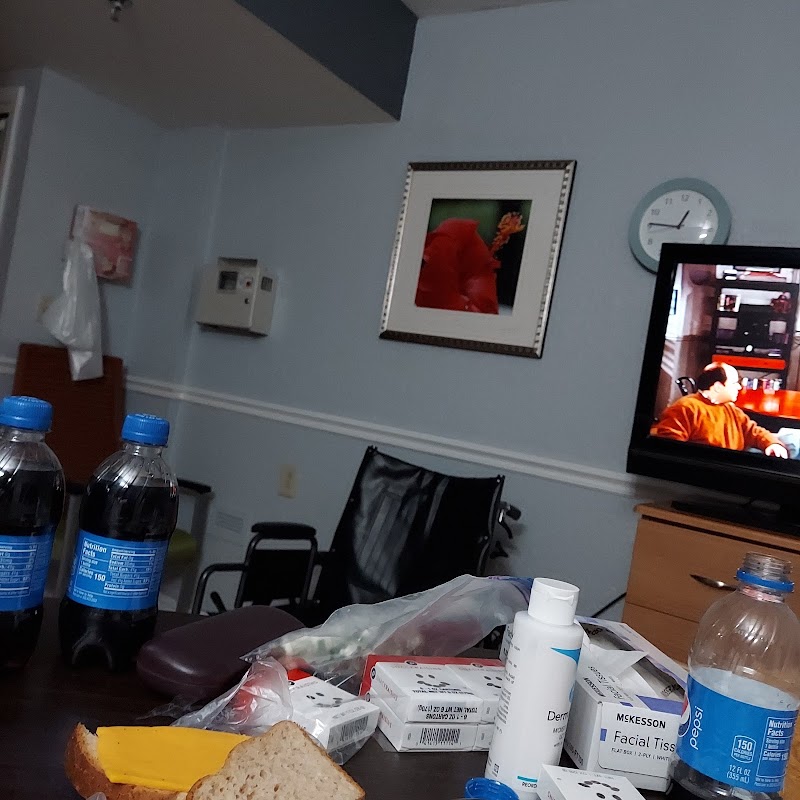
How is Pinellas Park Fl Opco, Llc Staffed?

Detailed staffing data for PINELLAS PARK FL OPCO, LLC is not available in the current CMS dataset.
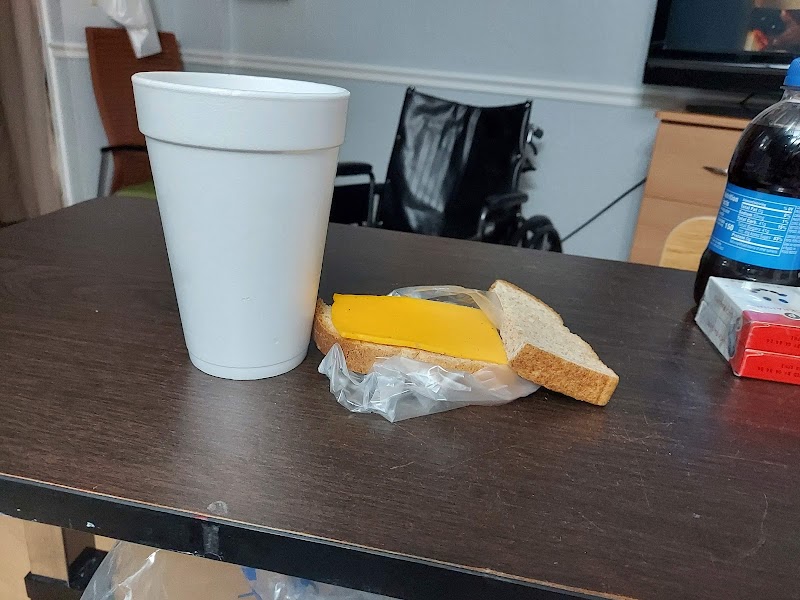
What Have Inspectors Found at Pinellas Park Fl Opco, Llc?

State health inspectors documented 21 deficiencies at PINELLAS PARK FL OPCO, LLC during 2020 to 2025. These included: 2 Immediate Jeopardy (the most serious level, indicating potential for serious harm or death) and 19 with potential for harm. Immediate Jeopardy findings are rare and represent the most serious regulatory concerns. They require immediate corrective action.
Who Owns and Operates Pinellas Park Fl Opco, Llc?

PINELLAS PARK FL OPCO, LLC is owned by a for-profit company. For-profit facilities operate as businesses with obligations to shareholders or private owners. The facility is operated by PLAINVIEW HEALTHCARE PARTNERS, a chain that manages multiple nursing homes. With 120 certified beds and approximately 0 residents (about 0% occupancy), it is a mid-sized facility located in PINELLAS PARK, Florida.

How Does Pinellas Park Fl Opco, Llc Compare to Other Florida Nursing Homes?

Compared to the 100 nursing homes in Florida, PINELLAS PARK FL OPCO, LLC's overall rating (2 stars) is below the state average of 3.2 and health inspection rating (2 stars) is below the national benchmark.

What Should Families Ask When Visiting Pinellas Park Fl Opco, Llc?

Based on this facility's data, families visiting should ask: "What changes have been made since the serious inspection findings, and how are you preventing similar issues?" "Can I visit during a mealtime to observe dining assistance and food quality?" "How do you handle medical emergencies, and what is your hospital transfer rate?" "Can I speak with family members of current residents about their experience?" These questions are particularly relevant given the facility's Immediate Jeopardy citations.

Is Pinellas Park Fl Opco, Llc Safe?

Based on CMS inspection data, PINELLAS PARK FL OPCO, LLC has documented safety concerns. Inspectors have issued 2 Immediate Jeopardy citations (the most serious violation level indicating risk of serious injury or death). The facility has a 2-star overall rating and ranks #100 of 100 nursing homes in Florida. Families considering this facility should ask detailed questions about what corrective actions have been taken since these incidents.

Do Nurses at Pinellas Park Fl Opco, Llc Stick Around?

PINELLAS PARK FL OPCO, LLC has not reported staff turnover data to CMS. Staff turnover matters because consistent caregivers learn residents' individual needs, medications, and preferences. When staff frequently change, this institutional knowledge is lost. Families should ask the facility directly about their staff retention rates and average employee tenure.

Was Pinellas Park Fl Opco, Llc Ever Fined?

PINELLAS PARK FL OPCO, LLC has been fined $19,734 across 1 penalty action. This is below the Florida average of $33,276. While any fine indicates a compliance issue, fines under $50,000 are relatively common and typically reflect isolated problems that were subsequently corrected. Families should ask what specific issues led to these fines and confirm they've been resolved.

Is Pinellas Park Fl Opco, Llc on Any Federal Watch List?

PINELLAS PARK FL OPCO, LLC is not on any federal watch list. The most significant is the Special Focus Facility (SFF) program, which identifies the bottom 1% of nursing homes nationally based on persistent, serious quality problems. Not being on this list means the facility has avoided the pattern of deficiencies that triggers enhanced federal oversight. This is a positive indicator, though families should still review the facility's inspection history directly.