COMMUNITY CONVALESCENT CENTER
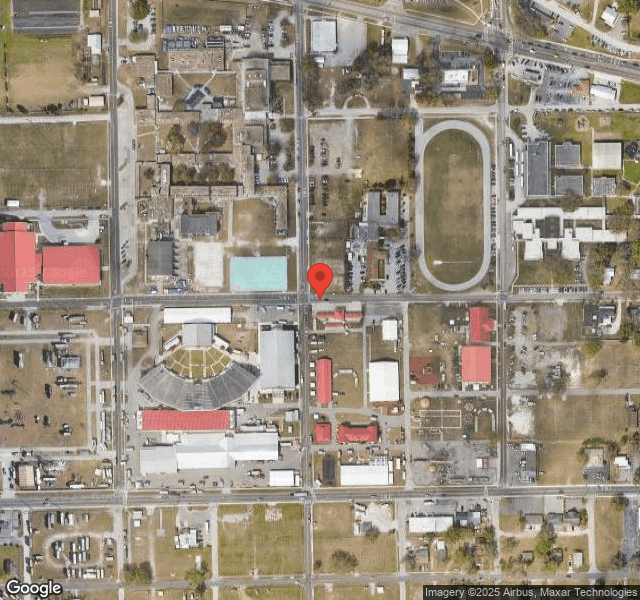
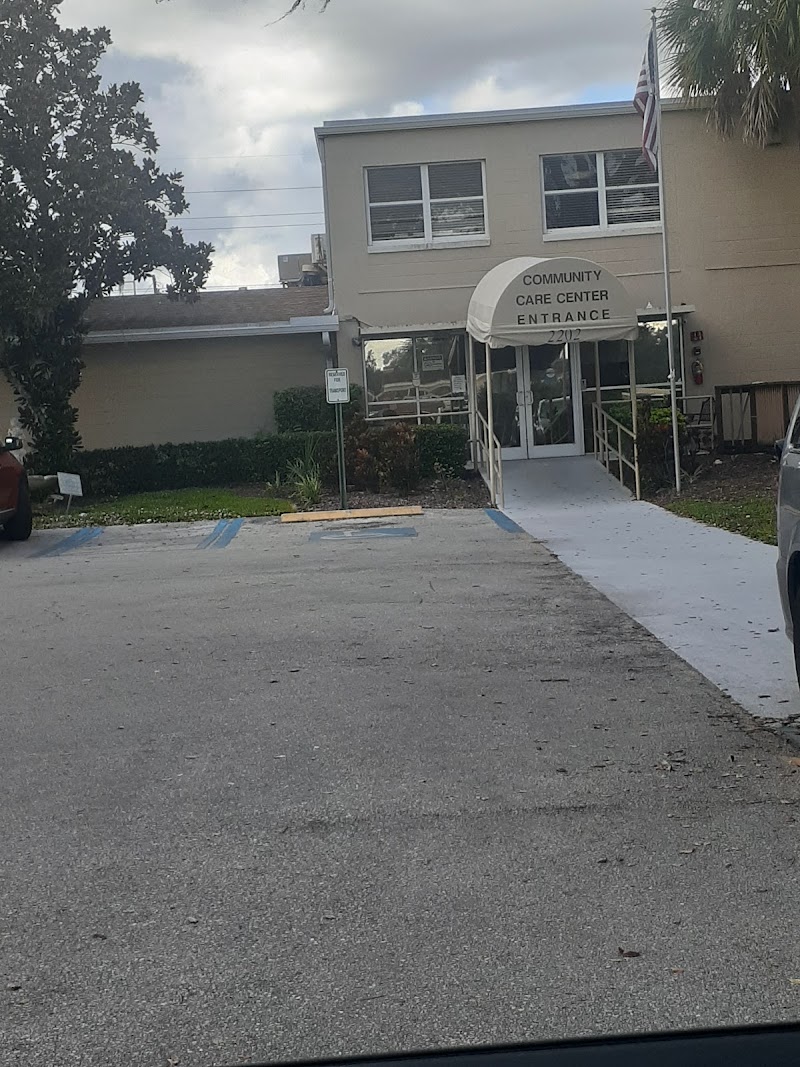
2202 W OAK AVE, PLANT CITY, FL 33563 (813) 754-3761
Non profit - Corporation 120 Beds SENIOR HEALTH SOUTH Data: November 2025 3 Immediate Jeopardy citations
Trust Grade
0/100
#625 of 690 in FL
Last Inspection: August 2025

Inspected within the last 6 months. Data reflects current conditions.

Overview

Community Convalescent Center in Plant City, Florida, has received a Trust Grade of F, indicating poor performance with significant concerns about care quality. It ranks #625 out of 690 nursing homes in Florida, placing it in the bottom half of facilities statewide, and #26 out of 28 in Hillsborough County, meaning there are very few local options that are worse. The facility is worsening, with issues increasing from 4 reported in 2024 to 22 in 2025, which raises serious red flags for families considering this home. Staffing is a concern, with a low rating of 1 out of 5 and a high turnover rate of 45%, suggesting instability among caregivers. Additionally, the facility faces alarming fines totaling $175,586, which is higher than 93% of Florida nursing homes, indicating repeated compliance problems. Specific incidents raise serious concerns: one resident was left unsupervised during meals despite needing assistance due to swallowing difficulties, which posed a choking risk. Another critical finding highlighted that the facility failed to implement necessary care plan interventions for this same resident, further emphasizing a lack of attention to individual care needs. While the facility has average quality measures, the overall picture shows significant weaknesses that families should carefully consider.

Trust Score
F
0/100
In Florida
#625/690
Bottom 10%
Safety Record
High Risk
Review needed
Inspections
Getting Worse
4 → 22 violations
Staff Stability
⚠ Watch
45% turnover. Above average. Higher turnover means staff may not know residents' routines.
Penalties
✓ Good
$175,586 in fines. Lower than most Florida facilities. Relatively clean record.
Skilled Nurses
⚠ Watch
Each resident gets only 21 minutes of Registered Nurse (RN) attention daily — below average for Florida. Fewer RN minutes means fewer trained eyes watching for problems.
Violations
⚠ Watch
41 deficiencies on record. Higher than average. Multiple issues found across inspections.
★☆☆☆☆
1.0
Overall Rating
★☆☆☆☆
1.0
Staff Levels
★★★☆☆
3.0
Care Quality
★☆☆☆☆
1.0
Inspection Score
Stable
2024: 4 issues
2025: 22 issues

The Good

  • Full Sprinkler Coverage · Fire safety systems throughout facility
  • No fines on record

Facility shows strength in fire safety.

The Bad

1-Star Overall Rating

Below Florida average (3.2)

Significant quality concerns identified by CMS

Staff Turnover: 45%

Near Florida avg (46%)

Higher turnover may affect care consistency

Federal Fines: $175,586

Well above median ($33,413)

Significant penalties indicating serious issues

Chain: SENIOR HEALTH SOUTH

Part of a multi-facility chain

Ask about local staffing decisions and management

The Ugly 41 deficiencies on record

3 life-threatening
Aug 2025 19 deficiencies
CONCERN (D)

Potential for Harm - no one hurt, but risky conditions existed

Grievances (Tag F0585)

Could have caused harm · This affected 1 resident

Based on record reviews and interviews, the facility failed to ensure the grievance process was followed for one resident (#45) and Resident Council members out of three residents reviewed for grievan...

Read full inspector narrative →
Based on record reviews and interviews, the facility failed to ensure the grievance process was followed for one resident (#45) and Resident Council members out of three residents reviewed for grievances. Findings included: On 8/27/25 at 1:13 p.m., an interview with Resident #45 revealed that the resident has been missing three pairs of cargo pants, has had a second pair of pants discolored/damaged from laundry, and complains that staff is not taking his soiled linens daily to be washed. Resident #45 expressed that the facility has yet to replace the damaged and lost items despite advising Resident #45 that they will be replaced and creating a grievance for each occasion. A review of Resident #45's admission record revealed an original admission date of 2/15/2024, and a re-admission date of 8/14/2025 with diagnosis to include type 2 diabetes, and chronic kidney disease. Review of the facility's Grievance Log dated from August 2024-August 2025 showed two documented grievances for Resident #45 in regard to laundry. A review of Resident #45's Grievance/Concern Report dated 11/23/2024 initiated by Resident #45, revealed Resident #45 reported three pairs of cargo pants are missing. The conclusions for grievance dated 11/23/24 revealed a hand written note stating Unable to locate 3 pairs of cargo pants. The grievance report was not checked off on whether the issue was resolved or not. The Date Assigned for this grievance was 11/25/24, and Date Resolved By is empty. A review of Resident #45's Grievance/Concern Report dated 2/26/25 , revealed one pair of green pants were sent to the laundry and came back a rust color. Resident #45 expressed Certified Nursing Assistant (CNA) staff are not taking dirty clothes to the soiled linen room daily. The facility noted the follow-up plan was for the laundry supervisor to check the chemicals in the washing machine, and for CNAs to remove soiled linens from the resident's room. The conclusions for grievance dated 2/26/25 were Resident #45's pants were discolored from laundry, CNAs are to pick up the resident's linens, and the facility will order Resident #45 new pants. The Date Assigned for this grievance was 2/26/25, and Date Resolved By is 2/28/25. The grievance report Resolution was checked as Not Confirmed. 2. During a resident council meeting on 8/25/2025 at 3:06PM, multiple residents mentioned that the facility is slow acting on grievances and grievances being completed, especially in regard to laundry. Residents were experiencing missing and damaged clothing and have not heard back on a conclusion with grievances made pertaining to laundry. On 8/27/25 at 1:38 p.m., an interview was conducted with the Nursing Home Administrator (NHA). The NHA reported she cannot tell what has been done in regard to the grievances made by Resident #45. The NHA explained Resident #45's pants were not returned because they probably did not have an identification label and were not on the resident's inventory sheet. The NHA said clothing items that do not have a label, go on a No Name rack so staff can go and look for any missing items of residents, but Resident #45's missing items were not found there. The NHA expressed expectations were for Resident #45 to be reeducated on the process and policy of purchasing items and at least advising the Certified Nursing Assistant (CNA) or Nurse to label and add the items to the resident's inventory sheet. The NHA confirmed even though the grievances were marked as complete, there was no follow up or course of action describing the action taken by the Social Worker, and that grievances should only be marked as completed as soon as Resident #45's pants were purchased back and received by the facility. The NHA verified that the marked completed grievances were not followed out as notated, and there is no receipt or proof of repurchase by the facility. A review of the facility's Grievance/Concern Management Policy & Procedure, with an effective date of May 2025 revealed that rights also include the right to prompt efforts by the facility to resolve resident concerns, including concerns/grievances with respect to the behavior of other residents. Social services will monitor and document resident/representative satisfaction upon completion of the investigation and the summary of findings/conclusion. The facility leadership team will review and discuss concerns and the progress of an investigation(s) and resolution(s). Concerns are tracked, trended, and reported in the monthly Quality Assessment, Assurance and Compliance Committee Meeting. Complete a concern report investigation with summary and conclusion. Social Services staff will provide information regarding compliance line information for unresolved concerns.
CONCERN (D)

Potential for Harm - no one hurt, but risky conditions existed

Deficiency F0645 (Tag F0645)

Could have caused harm · This affected 1 resident

**NOTE- TERMS IN BRACKETS HAVE BEEN EDITED TO PROTECT CONFIDENTIALITY** Based on observations, record reviews, and interviews the facility failed to complete a Level II Pre-admission Screening and Res...

Read full inspector narrative →
**NOTE- TERMS IN BRACKETS HAVE BEEN EDITED TO PROTECT CONFIDENTIALITY** Based on observations, record reviews, and interviews the facility failed to complete a Level II Pre-admission Screening and Resident Review (PASRR) for one resident (#3) and failed to ensure the accuracy of a Level I PASRR for one resident (#4) out of thirty-five initial pool residents. On 8/24/25 at 12:25 p.m. Resident #3 was observed lying in bed, with eyes closed and rhythmically breathing. Review of Resident #3’s admission Record showed the resident had been admitted on [DATE]. The record included diagnoses not limited to unspecified bipolar disorder, unspecified insomnia, and unspecified depression. Review of Resident #3’s PASRR dated 7/11/25 revealed it was completed at this facility and showed the resident had diagnoses of bipolar disorder, depressive disorder, and Post-Traumatic Stress Disorder (PTSD). The screening showed the resident was exhibiting signs and symptoms (s/s) of depression as spouse recently passed. The decision-making portion of the PASRR did not reveal the resident had any disorder resulting in functional limitations, did not typically have any issues with interpersonal functioning, concentration, persistence or pace, and/or adaption to change. The screening completion showed the resident did not have a diagnosis or suspicion of serious mental illness or intellectual disability therefore a Level II PASRR evaluation was not required. Review of Resident #3’s Care Plan revealed a focus for Trauma Informed Care – PTSD diagnosis due to being a war veteran and used psychotropic medications to manage bipolar disorder and insomnia. An interview was conducted on 8/27/25 at 5:33 p.m. with the Director of Clinical Reimbursement (DCR). The DCR stated if a resident had a diagnosis of PTSD and bipolar and stayed in the facility longer than 30 days a Level II PASRR was needed. 2. A review of Resident #4‘s admission Record revealed an original admission date of 1/2/2023, and a re-admission date of 6/17/2025. The diagnoses included depression (1/5/23), insomnia (1/9/23), and anxiety (9/22/23). A review of Resident #4‘s Level I PASRR, dated 1/9/23, under Section I-Part A MI (Mental Illness) or suspected MI, indicated only depressive disorder. On 8/27/2025 at 2:36 p.m., during an interview the DCR said that updating PASRRs are the responsibility of Social Services, but the Minimum Data Set personnel do a PASRR if anything such as new diagnoses needs to be added. The DCR mentioned that she started doing this task “maybe a week ago to help out.” The DCR revealed that the PASRR process starts when the admissions packet is received. A review is done and if corrections need to be made, then they are corrected. The DCR is not sure if there is a review process for PASRRs on a regular basis and the DCR only reviews them if a change of diagnosis is made. The DCR confirmed that the PASRR for Resident #4 is missing anxiety, and mentioned that she knows some PASRRs list insomnia, but not sure if it has to be documented on the PASRR for a resident. The DCR mentioned that she is not sure why the PASRR for Resident #4 is not updated with the new diagnosis from 2023, or when Resident #4 was re-admitted to the facility. A review of the facility’s PASRR-Requirements for Completion Policy, with an effective date of August 2025 revealed that “Preadmission screening will be conducted prior to admission as the PASRR process is a federally mandated pre-admission screening program… required to be performed on all individuals prior to admission to a Nursing Home.” . “The screening is reviewed by Admissions for suspicion of serious mental illness and intellectual disability to ensure appropriate placement in the least restrictive environment and to identify the need to provide applicants with needed specialized services.” . “The facility administration will confirm a Level I review has been completed prior to transfer to the SNF setting.” . “Determine if a serious mental illness and / or intellectual disability or a related condition exists while reviewing the PASRR form completed by the Acute Care Facility. (Trigger for Level II Completion)” . “If Serious Mental Illness or ID [intellectual disability] is indicated, determine if the resident will be admitted from a hospital for an acute care stay and the attending physician has certified that the individual is likely to require less than 30-days of Nursing Facility services. Assure that the certificate is signed and dated.” . “If the admission is a provisional admission, the Social Service Director must start a tickler file and assure the Level II is completed within the state specified time frame.” . “If the preadmission screening requires a Level II evaluation submit all required documents to CARES timely, so that a Level II can be completed within the required time frames.”
CONCERN (D)

Potential for Harm - no one hurt, but risky conditions existed

Deficiency F0676 (Tag F0676)

Could have caused harm · This affected 1 resident

**NOTE- TERMS IN BRACKETS HAVE BEEN EDITED TO PROTECT CONFIDENTIALITY** Based on observations, record reviews, and interviews the facility failed to provide nail care for two residents (#97 and #45) o...

Read full inspector narrative →
**NOTE- TERMS IN BRACKETS HAVE BEEN EDITED TO PROTECT CONFIDENTIALITY** Based on observations, record reviews, and interviews the facility failed to provide nail care for two residents (#97 and #45) out of five residents sampled for activities of daily living.Findings included: 1. On 8/24/25 at 12:35 p.m. Resident #97 was observed lying in bed. The resident was very pleasant and answered questions appropriately. The observation revealed the resident’s fingernails on both hands extended approximately 1/3 to ½ inch past the fingertips and were discolored. The resident reported not wanting long fingernails and staff had not offered to cut them. Resident #97 said it had been at least one month since the fingernails had been clipped. On 8/26/25 at 12:03 p.m. Resident #97 was observed with fingernails 1/3 to ½ inch past the tips of the fingers. The fingernails were discolored with a dark substance. The resident stated staff had not offered to cut them and yes, the resident would allow them to do so. On 8/27/25 at 9:09 a.m. Resident #97’s fingernails continued to be long and discolored. Review of Resident #97s admission Record showed the resident was admitted on [DATE]. The record included diagnoses not limited to unspecified dementia unspecified severity without behavioral disturbance, psychotic disturbance, mood disturbance, and anxiety, muscle wasting and atrophy not elsewhere classified multiple sites, other lack of coordination, and adult failure to thrive. Review of Resident #97s Certified Nursing Assistant (CNA) tasks showed staff are to perform nail care with personal hygiene/oral care. The task documentation showed the resident was to receive nail care as needed (prn). The documentation revealed staff had documented nail care had been provided eight out of twenty-seven days, and nail care had not been provided on the resident’s shower days of 8/5/25, 8/12/25, 8/15/25, 8/19/25, 8/22/25, and 8/26/25. The documentation showed the resident was to receive a shower on the 3:00 p.m. – 11:00 p.m. shift on Tuesdays and Fridays and showed the resident had not received a shower on Tuesday 8/5/25 and Tuesday 8/12/25, revealing the resident had three showers in 15 days. Review of Resident #97s care plan showed the resident had an ADL self-care performance deficit related to (r/t) weakness (and) activity intolerance. The interventions showed CNAs were to set up for oral care and personal hygiene and assist of one for bathing. The care plan revealed the resident had impaired cognitive function/dementia or impaired thought process related to (r/t) dementia and instructed staff to explain care before providing it, ask yes/no questions in order to determine the resident’s needs, and to request feedback to ensure understanding. The care plan did not include any focuses and/or interventions related to the resident’s behavior of refusing care. An interview was conducted on 8/27/25 at 11:27 a.m. with the Nursing Home Administrator (NHA). The NHA stated staff could clip fingernails on certain residents and diabetics would put on list for podiatry to see. The NHA reported believing podiatry could clip fingernails also, can file them down. An interview was conducted on 8/27/25 at 1:38 p.m. with the Director of Nursing (DON). The DON reported aides and nurses could cut fingernails and fingernails are cut by nurses for diabetic (resident's). 2. On 8/24/25 at 11:56 a.m., an observation of Resident #45 revealed long fingernails that had a dark brown substance caked underneath. On 8/27/25 at 1:13 p.m., an interview with Resident #45 revealed the resident preferred to be showered, and nails clipped and upkept. Resident #45 stated that the staff never mentions anything about cutting his nails, and that he would prefer them to be cut, Resident #45 also revealed that the staff has been cutting his toenails only once every two months. Resident #45 would independently cut their nails if they had the supplies to do so. Resident #45 had a scheduled shower on 8/25/25 and was still observed with long, dirty fingernails. A review of Resident #45’s admission record revealed an original admission date of 2/15/2024, and a re-admission date of 8/14/2025. A review of Resident #45’s care plan revealed ADL instruction to “Check nail length and trim and clean on bath day and as necessary. Report any changes to the nurse.” A review of Resident #45’s quarterly Minimum Data Set (MDS) assessment dated [DATE] revealed section GG- Functional Abilities, the resident required supervision or touching assistance for shower/bathe self-assessment and is independent for personal hygiene. A review of Resident #45’s Nail Care task, with a look back over the last 30 days, revealed that Resident #45 did not receive nail care on 7/31/25, 8/2/25, 8/4/25, 8/15/25, 8/16/25, 8/17/25, 8/18/25, 8/20/25, and 8/24/25 marked as “No Nail Care.” A review of Resident #45’s bathing log revealed a shower schedule for Monday and Thursday during the evening shift. The Administrator was requested to provide the past 60 days of shower logs for Resident #45 but was only able to find shower logs for 8/18/25-8/25/25. Review of shower sheets for 8/18/25 and 8/21/25 revealed no answer was indicated for the question, “Does the resident need his/her toenails cut?” An interview on 8/27/25 at 10:56 a.m., with Staff T, Certified Nursing Assistant (CNA) said Resident #45 does not refuse ADL and nail care often, and that refusals for ADL care are documented on the resident’s shower sheets and tasks, but the reason for refusal is written in “from time to time, but most of the time it is just documented as ‘refused.” Staff T, CNA mentioned that the nurse is made aware when refusals for ADL care are made. An interview was conducted on 8/27/25 at 5:25 p.m., with Staff Q, CNA. Staff Q, CNA said “not sure” if ADL care is provided for Resident #45 and her other residents when she is pulled to do kitchen duties. Staff Q, CNA mentioned she provides ADL care for Resident #45 when she has the time and is availability to complete the task. An interview on 8/27/25 at 4:57 p.m., the Director of Nursing (DON) revealed that ADL care should be provided to residents on the following shift and day if the resident is not available for care or refuses care and should be documented along with the reason for refusal on the resident’s shower sheet. The DON reviewed Resident #45’s fingernail photograph and confirmed the state of Resident #45’s nails are not acceptable. A review of the facility’s Care and/or Treatment Declination revealed “The form will be completed and signatures obtained on all residents who choose not to accept the recommended care and/or treatment.” … “Record exactly what the resident/resident representative gives as a reason for refusing the proposed care/treatment plan.” An interview was conducted on 8/27/25 at 6:05 p.m. with the Regional [NAME] President (RVP). The RVP stated the facility did not have an ADL policy. (Photographic evidence obtained)
CONCERN (D)

Potential for Harm - no one hurt, but risky conditions existed

ADL Care (Tag F0677)

Could have caused harm · This affected 1 resident

**NOTE- TERMS IN BRACKETS HAVE BEEN EDITED TO PROTECT CONFIDENTIALITY** Based on observations, record reviews and interviews, the facility failed to provide assistance out of the bed for one dependent...

Read full inspector narrative →
**NOTE- TERMS IN BRACKETS HAVE BEEN EDITED TO PROTECT CONFIDENTIALITY** Based on observations, record reviews and interviews, the facility failed to provide assistance out of the bed for one dependent resident (#127) out of four residents sampled.On 08/24/2025 at 10:00 a.m., Resident #127 was observed lying down in bed with her call light within reach. She said staff will not assist her on the toilet whenever she asked them.On 08/24/2025 at 1:00 p.m., and on 08/24/2025 at 11:00 a.m., Resident #127 was observed lying down in bed. She said she has not been able to go to activities because staff will not get her up.Review of Resident #127's admission Record revealed Resident #127 was admitted to the facility on [DATE] with diagnoses to include but not limited to muscle wasting and atrophy, not elsewhere classified, multiple sites, unspecified fracture of right femur, sequela, type 2 diabetes mellitus with unspecified complications.Review of Minimum Data Set (MDS) dated [DATE] revealed a Brief Interview for Mental Status (BIMS) score of 13 out of 15, indicated intact cognitive abilitiesReview of Resident #127's activity of daily living (ADL) care plan with an initiated date of 08/15/2025 revealed a focus for Resident #127 has an ADL self-care performance deficit. The care plan goals revealed will prevent decline in ADL self-performance through next review (revision date 08/20/2025). The care plan interventions for transfer revealed Resident #127 is an assist of one staff participation with transfers. Date initiated 08/15/2025, revision date 08/27/2025.On 08/25/2025 at 1:00 p.m. an interview was conducted with Staff AA. Certified Nursing Assistant, CNA. Staff AA said she has taken care of Resident #127 for a week. Staff AA said Resident #127 is a two person assist with the mechanical lift. She said she has not assisted Resident #127 out the bed. Staff AA said she only gets residents up whenever they ask her to get up.On 08/27/2025 at 10: 41a.m., an interview was conducted with the Director of Nursing (DON). The DON said every resident should be offered to get out the bed. It is not acceptable for staff to say they are not getting their residents up because the residents did not ask them to.Review of the Certified Nursing Assistant (CNA) Job Description, dated 07/1/2019, revealed Summary of position: Under the supervision and guidance of a licensed nurse Registered Nurse or License Practical Nurse (RN/ LPN), well as other work on the unit which supports the patient environment. The CNA assists staff to ensure optimal patient care and assists the healthcare team to provide and maintain a clean, safe, and attractive environment for patients. Work will include components of direct patient care, nutrition, observation, documentation, transportation of patients and supplies, hygiene and general maintenance of the residents/ patient's environment.Essential Duties and Responsibilities (To be completed without harming or injuring the resident/patient, co-worker, self, or others):Assists with lifting, turning, moving, positioning, and transporting residents/patients into and out of beds, chairs, bathtubs, wheelchairs, lefts, etc.Transfer residents/ patient safety. Some examples are, but not limited to: Bed to a wheelchair or wheelchair to bed.
CONCERN (D)

Potential for Harm - no one hurt, but risky conditions existed

Deficiency F0687 (Tag F0687)

Could have caused harm · This affected 1 resident

**NOTE- TERMS IN BRACKETS HAVE BEEN EDITED TO PROTECT CONFIDENTIALITY** Based on observations, record reviews, and interviews the facility failed to assess and obtain podiatry services for one (#114) ...

Read full inspector narrative →
**NOTE- TERMS IN BRACKETS HAVE BEEN EDITED TO PROTECT CONFIDENTIALITY** Based on observations, record reviews, and interviews the facility failed to assess and obtain podiatry services for one (#114) of one resident sampled for foot care and podiatry needs. Findings included: On 8/26/25 at 12:21 p.m., Resident #114 was observed lying in bed. The resident reported wanting to keep fingernails long however needs a podiatrist to cut toenails.On 8/26/25 at 12:35 p.m. an observation was conducted with Staff K, Licensed Practical Nurse (LPN) of Resident #114s toenails on both feet. The toenails were malformed lifting up from nailbed, thickened grayish brown in color, and extending past the tip of toes.An interview was conducted on 8/26/25 at 12:38 p.m. with Staff K. The staff member placed the resident's name in the Social Service folder and stated the resident was on the list for Social Worker to put on the podiatry list. Staff K stated the aides see resident daily and the issue with Resident #114s toenails was not brought to the staff members attention.Review of Resident #114s admission Record showed the resident was admitted on [DATE] and readmitted on [DATE]. The record included diagnoses not limited to chronic respiratory failure unspecified whether with hypoxia or hypercapnia, end stage renal disease, and dependence on renal dialysis.Review of Resident #114s physician orders showed an order dated 5/19/25 to allow for Opthalmic, Auditory, Psychological, Psychiatric, Dental, Physiatry, and Podiatry services as needed. Review of Resident #114s comprehensive assessment, dated 5/25/25 revealed a Brief Interview of Mental Status (BIMS) score of 15 of 15, indicating an intact cognition.Review of Resident #114s Certified Nursing Assistant (CNA) documentation showed the resident received nail care as needed (PRN), which did not differentiate between fingernails or toenails, as needed on 10 of twenty-seven opportunities.Review of Resident #114s care plan revealed the resident had the preference/choice of refusing recommended supplements at times. The preference/choice focus did not show the resident had refused nail care and/or podiatry care. The care plan had an Activity of Daily Living self-care performance deficit and interventions showed the resident required personal hygiene with one assist.An interview was conducted on 8/27/25 at 11:27 a.m. with the Nursing Home Administrator (NHA). The NHA stated nursing was to put in a referral for the ancillary services and did not know how often podiatry comes on a monthly basis. The NHA stated the expectation is if nursing saw an issue with a resident's feet they would notify the Social Worker of need to see the podiatrist and had heard the Social Worker ask during clinical meetings if anyone needed to see ancillary services.An interview was conducted on 8/27/25 at 1:38 p.m. with the Director of Nursing (DON). The DON stated aides and nurses would document in the Plan of Care (POC) and it would alert nursing management team to notify Social Services who is the one to put on the list to see podiatry. The podiatrist comes in monthly. The DON stated aides are supposed to let nurses know if there was an issue with toenails so nurses can assess and allow for nursing management know of an issue. The DON reported not remembering if podiatry had been at the facility the month of August.Review of Care Plan - Interdisciplinary Plan of Care from Interim to Meeting, effective February 2024, revealed The facility shall support that each resident must receive, and the facility must provide the necessary care and services to attain or maintain the highest practical physical, mental, and psychosocial well-being, in accordance with the comprehensive assessment and plan of care.
CONCERN (D)

Potential for Harm - no one hurt, but risky conditions existed

Accident Prevention (Tag F0689)

Could have caused harm · This affected 1 resident

**NOTE- TERMS IN BRACKETS HAVE BEEN EDITED TO PROTECT CONFIDENTIALITY** Based on observations, record reviews, and interviews the facility failed to initiate care plan interventions related to the pla...

Read full inspector narrative →
**NOTE- TERMS IN BRACKETS HAVE BEEN EDITED TO PROTECT CONFIDENTIALITY** Based on observations, record reviews, and interviews the facility failed to initiate care plan interventions related to the placement and functioning of an electronic wander device for one (#97) of one resident sampled and to ensure staff followed protocol when a door alarm system alerted of an issue. Findings included: On 8/24/25 at 12:35 p.m. Resident #97 was observed in a room near the end of the 100 high hallway. The resident was very pleasant and able to answer questions appropriately. On 8/24/25 at 1:55 p.m. an alarm for the exterior double doors at the end of the 100 high hall was beeping. Staff N, Certified Nursing Assistant (CNA) was observed passing ice to two residents on the hallway, then the staff member went to the end of the hallway and shut off the alarm (keypad). The staff member did not look outside of the door. On 8/25/25 at 11:34 a.m. the alarm for the exterior double doors at the end of the 100-high hall was alarming. Resident #97 was observed lying in bed. On 8/26/25 at 12:01 p.m. Staff K, Licensed Practical Nurse (LPN) was observed shutting off the door alarm to the exterior double doors at the 100 high hall without checking the door. On 8/26/25 at 12:03 p.m. Resident #97 was observed in room, wearing short non-slip socks. The resident was not wearing an elopement bracelet on either wrist and did not appear to be wearing one on either ankle. The resident stated the bracelet was to big and having small wrists. An interview was conducted on 12:09 p.m. Staff K stated Resident #97's elopement bracelet should be on the resident's left ankle as most of the time it's on the left. On 8/26/25 at 12:11 p.m. an observation was conducted with Resident #97. The resident pulled both socks to the heel and no elopement bracelet was observed on either. An interview was conducted on 8/26/25 at 12:13 p.m. with Staff L, CNA. The assigned staff member stated Resident #97 does not leave room except with therapy and does not have an elopement bracelet. The resident has a wheelchair but barely used it except with therapy. Staff L reported the resident empties catheter bag by self and takes self to the bathroom. Staff K was observed in the hallway on 8/26/25 at 12:17 p.m. and stated it looked like the resident had taken the bracelet off. The staff member reported at 12:24 p.m. to finding the transmitter in Resident #97s sheets and stated (pronoun) took it off clean. Review of Resident #97s admission Record showed the resident was admitted on [DATE] and included diagnoses not limited to Unspecified dementia unspecified severity without behavioral disturbance, psychotic disturbance mood disturbance, and anxiety and other lack of coordination. Review of the CNA bedside tasks revealed Resident #97 was independent with bed mobility and was ambulatory with walker and wheelchair requiring supervision. The monitoring portion of the tasks did not include the monitoring for elopement. Review of Resident #97s care plan showed the resident was at risk for elopement, initiated on 8/4/25 and revised on 8/24/25. The goal showed the resident would not exit the facility without staff knowledge or appropriate supervision, initiated on 8/4/25 and on 8/24/25. The interventions included:- Apply electronic wander bracelet (check function after placed), initiated on 8/4/25 for Registered Nurse/Licensed Practical Nurse (RN/LPN), Unit Manager (UM) and Director of Nursing (DON).- Apply electronic wander bracelet due to elopement risk, initiated on 8/4/25 for RN/LPN.- Communicate to staff regarding resident elopement risk, initiated 8/4/25.- Verify the location of the electronic wander bracelet during routine care, initiated 8/4/25 for the RN, LPN, and CNA. Review of Resident #97s Treatment Administration Record (TAR) revealed the following:- Dated 8/24/25 for Electronic Wander Bracelet: check function with the transponder daily on night shift. Replace electronic wander bracelet if not working correctly every night shift.- Dated 8/24/25 at 1:04 p.m. for Electronic Wander Bracelet: check placement daily every shift. The order was discontinued on 8/26/25 at 12:25 p.m. and showed the placement was not checked on the day shift of 8/25/25. The order did not reveal the location of the wander bracelet.- Dated 8/26/25 at 12:25 p.m. for Electronic Wander Bracelet: check placement to left ankle daily every shift. An interview was conducted on 8/27/25 at 1:54 p.m. with the DON. The DON stated Resident #97 had dementia and able to be mobile so was considered an elopement risk. The DON reported never seeing the resident out of bed and should do another (elopement) assessment. She reported when a door alarm sounded staff should be going to the door to ensure a resident had not gone out the door, go outside and check grounds, and do a facility sweep. Staff should be making sure nobody went out the door. Review of the policy, Elopement - Facility Practices, dated October 2021, revealed The facility team will assess the environment to identify potential risk associated with the elopement. Facility interventions will be developed and implemented to reduce the risk of elopement and/ or hazards associated with the elopement.1. Assess the security of potential internal environmental risk factors including, but not limited to the following:- elevators- exit doors- screens- stairwells- windows2. Maintain door alarms and wander control systems in proper working order.4. Review and correct deficiencies and practices as they relate to the following, including, but not limited to:- Cueing devices/ monitors- Resident/ Patient identification systems- Response to alarms- Testing of alarms7. Validate, through observation, the resident/ patient is wearing an electronic device every shift as indicated in document on the TAR.8. Validate daily that the electronic device is properly functioning and document um the TAR.
CONCERN (D)

Potential for Harm - no one hurt, but risky conditions existed

Deficiency F0692 (Tag F0692)

Could have caused harm · This affected 1 resident

**NOTE- TERMS IN BRACKETS HAVE BEEN EDITED TO PROTECT CONFIDENTIALITY** Based on record reviews and interviews, the facility failed to maintain acceptable parameters of nutritional status, such as bod...

Read full inspector narrative →
**NOTE- TERMS IN BRACKETS HAVE BEEN EDITED TO PROTECT CONFIDENTIALITY** Based on record reviews and interviews, the facility failed to maintain acceptable parameters of nutritional status, such as body weight for two (Resident #3 and #28) of three residents sampled. Review of Resident #28s admission Record revealed the resident was admitted on [DATE] and included diagnoses not limited to Muscle Wasting and Atrophy not elsewhere classified multiple sites, Iron Deficiency Anemia, Oropharyngeal Phase Dysphagia, Type 2 Diabetes Mellitus, and Depression. Review of Resident #28s weight summary showed on 4/3/25 the resident weighed 233.6# via mechanical lift, on 5/14/25 the resident weighed 224# via mechanical lift, a weight loss of 9.6#s and weight loss of 4.11%, and on 8/12/25 the resident weighed 198.2# via mechanical lift, a total weight loss of 35.4# and a total weight loss of 15.15% since admission. Review of Resident #28s Weight Change Note created on 8/18/25 by the Dietitian showed the resident triggered for significant weight loss. “Weight loss not new. Weight loss related to fluid shifts with lymphedema and diuretic treatment (Tx). No new recommendations at this time. Continue current plan of care. Will monitor and follow accordingly.” Review of Resident #28s Care Plan showed the resident is at nutritional risk related to recent hospitalization, IVFs in hospital, Advanced age, High BMI, Therapeutic diet, requires assistance with all ADL's, predicted sub-optimal oral (PO) intake, Psychotropic medications, Diuretic Tx (may affect weight/electrolytes), BLE edema, weight loss is anticipated as edema resolves, dependent on oxygen (O2), altered labs, and impaired skin integrity. The focus was initiated on 04/04/25. The goal was to maintain nutritional intake and initiated on 4/4/25. The interventions, initiated on 4/10/25, were monitor weight changes, diet as ordered, fluids as ordered, Registered Dietitian consult & follow as needed (PRN), supplements as ordered, report results to Medical Doctor (MD) and follow up as indicated, Observe/document as indicated: Meal Consumption, Amount assistance needed with meal, tolerance to diet/fluids, and Notify/Report to physician as needed. The interventions did not show any intervention was added after the resident’s significant weight loss was discovered. Review of Resident #28s Physician Order Summary Report showed an order written on 4/3/25 allowing to Delegate to dietitian the responsibility to alter, change, or modify dietary orders including oral supplements, measurement of height and weight, modification to or addition of diet restrictions/therapeutics, downgrade of diet consistency in consultation with SLP when needed, enteral feeding and water flushes. The order report showed Resident #28 was to receive a house diet of House diet, Regular texture, Regular (Thin) consistency for Diet. The order report showed Resident #28 may not have dietary liberties on special occasions. The Order Summary Report did not include the dietician’s recommendation for weekly weights. On 8/24/25 at 12:00 P.M. Resident #28 was observed laying in bed with eyes opened, and her bilateral lower extremities were red and appeared puffy. During an interview on 8/24/25 at 12:00 P.M. with Resident #28, she stated she has lost 40 pounds since she was admitted . She said, “I don’t eat the food, it’s gross.” She said when she asks for something different, the staff tell her no. She said she is not offered snacks. During an interview on 8/26/25 at 4:35 P.M with Staff D, she stated she could not answer questions because she was the Regional Dietitian. She said a new dietitian was hired and she started training today, 8/26/25. She said the Dietitian’s last day was yesterday. During an interview on 8/27/25 at 3:00 P.M. with the DON, she stated the dietitian looks at the weights and then decides the appropriate supplement. She said she doesn’t see any supplements for this resident. She said the dietitian will put the orders in for whatever supplement is needed to promote a stable weight. She said she didn’t know the resident had significant weight loss. She said the resident is on two diuretics. On 8/24/25 at 12:25 p.m. Resident #3 was observed lying in bed, with eyes closed and rhythmically breathing. On 8/26/25 at 12:26 p.m. Resident #3 reported losing weight, does not like the pureed diet and it’s the same thing every day. The resident reported having the one top denture (no bottom) and could not eat the food. Review of Resident #3s admission Record revealed the resident was admitted on [DATE] and included diagnoses not limited to Muscle wasting and atrophy not elsewhere classified multiple sites, (generalized) muscle weakness, oropharyngeal phase dysphasia, and gastro-esophageal reflux disease without esophagitis. Review of Resident #3s Weight Summary showed on 7/4/25 the resident weighed 158.8 pounds (#) via mechanical lift, on 7/10/25 (6 days later) the resident weighed 152.1# via mechanical lift (a weight loss of 6.7#s, loss of 4.22%), and on 8/8/25 the resident weighed 145.6# via mechanical lift (a weight loss of 13.2#’s), a loss of 8.31% in 32 days. The summary did not include any further weights for the resident. Review of Resident #3s Nutrition Evaluation assessment dated [DATE] showed the resident was receiving a pureed diet with nectar-thick liquids and ate 0-100% of the meals. The evaluation showed the resident was slightly overweight for height with a Body Mass Index of 24.5, was noted with a weight loss of 4.2% in 7 days and was not meeting estimated needs. The note revealed the dietician would follow up quarterly. Review of Resident #3s Nutritional Risk Evaluation Monthly dated 8/11/25 showed the resident had triggered for significant weight loss (145.6#), was receiving a pureed house diet with mildly thick liquids with no supplements/nourishments. The evaluation showed the resident’s intake was 26-75% of estimated needs and there was a greater than/equal (>=) 5% weight loss in 1 month, >= 7.5% in 3 months or >=10% in 6 months. The resident was not receiving enteral feeding and estimated 2000-2300 kilocalories per day, with the current intake did not meet the estimated needs. The documented goals and interventions showed the resident on a antidepressant which may increase appetite, recommended adding liquid nutritional supplement of 120 milliliters (mL) twice daily for an additional 510 kcal/day and 20 grams of protein/day, and weekly weights. The note showed the resident was discussed with the Interdisciplinary Team (IDT) and the dietician would monitor and follow accordingly. Review of Resident #3s Situation, Background, Appearance, and Review (SBAR), dated 8/13/25 by the Director of Nursing (DON) showed the resident’s weight loss started on 8/11/25 and it was unknown if the condition, symptom, or sign had occurred before. The weight was noted as 145.6# on 8/8 and the last weight prior was on 7/10/25 of 152.1#. The evaluation revealed no change was observed in the mental or functional status of the resident. The primary care clinician (unnamed) was notified on 8/13/25 at 12:00 p.m. with a recommendation of “supplement bolus feedings”. The nursing note did not include any further information. Review of Resident #3s Care Plan showed the resident was at nutritional risk related to recent hospitalization, advanced age, recent loss of spouse, high BMI, therapeutic & mechanically altered diet/fluids, require assistance with all Activities of Daily Living (ADLs), predicted sub-optimal oral (po) intake, dependent on supplemental oxygen (O2), psychotropics, antibiotics (abt), altered labs, impaired skin integrity, and diagnosis/history: urinary tract infection (UTI), atrophy, dysphagia, Coronary Artery Disease (CAD), hypertension (HTN), hyperlipidemia (HLD), hypothyroidism, insomnia, bipolar depression, atrial fibrillation (a-fib), and post-traumatic stress disorder (PTSD), weight – history of (h/o) weight loss. The focus was initiated on 7/4/25 and revised on 8/11/25. The goal was to maintain nutritional intake and included an intervention to monitor weight changes. The interventions did not show any intervention was added after the resident’s significant weight loss was discovered. Review of Resident #3s Physician Order Summary Report showed an order written on 7/4/25 allowing to Delegate to dietitian the responsibility to alter, change, or modify dietary orders including oral supplements, measurement of height and weight, modification 2 or addition of diet restrictions/ therapeutics, downgrade of diet consistency in consultation with SLP when needed, enteral feeding and water flushes. The orders showed the resident was to receive a house diet of Pureed PU 4 (pureed/extremely thick) texture, nectar/mildly thick (MT2) consistency. The report included an order dated 8/11/25 to start on 8/12/25 for 120 mL’s of liquid nutritional supplement to be administered orally (po) twice daily (BID). The report showed the resident was also to receive the following supplements: 22.5 milligram (mg) of the antidepressant, Mirtazapine (active as of 7/9/25), 25 microgram (mcg) of cholecalciferol (Vitamin D) for vitamin deficiency (active as of 7/4/25), and 325 mg Ferrous Sulfate for iron deficiency (active as of 7/4/25). The Order Summary Report did not include the dietician’s recommendation for weekly weights. Review of Resident #3s Speech Therapy notes showed Speech/Language Pathologists (SLP) had been working with the resident. A note on 7/15/25 showed Staff J, SLP saw the resident to encourage oral intake and assess tolerance of puree diet and direct thin liquid trials. A SLP note on 7/17/25 showed the resident had complained about puree texture but had informed the SLP of being unable to get soft bite-sized foods down. A trial was conducted with soft/mashable snack which the resident reported a preference. The SLP educated the resident on limitations to various types of food. Review of SLP notes showed the resident was seen by this therapy on 7/23, 7/25, 8/6, 8/11, 8/12, 8/15, 8/19, 8/20, 8/22, 8/25, and 8/26/25. The notes did not reveal the SLPs were aware of the resident’s weight loss. An interview was conducted on 8/27/25 at 10:03 a.m. with Staff J. The staff member reported seeing Resident #3 for dysphagia, the resident did not like the puree diet and was trialing soft/bite size solids. Staff J reported being unaware of the resident’s weight loss. Staff J stated typically would know if there was weight loss, the dietician would prescribe supplements to increase caloric values and sometimes would let the staff member know about weight loss. The staff member stated would have expected collaboration regarding where the resident was in the process, interdisciplinary collaboration is crucial. An interview was conducted on 8/26/25 at 4:35 p.m. with the Director of Nursing (DON). The DON stated the Regional Dietitian was not allowed to answer questions. During an interview on 8/27/25 at 1:47 p.m. the Director of Nursing (DON) stated psychiatry had reported Resident #3 was really depressed and started on a supplement, 120 mL’s of liquid nutritional supplement twice daily. The DON stated the expectation was a collaboration between the dietitian and speech therapy (SLP). The DON stated the facility does weekly weights on the resident, then reviewed the orders and reported not seeing an order for the weekly weights. The nursing director reported the dietitian would have put the order for weekly weights in, didn’t see weekly weights just monthly weights. The DON reported the Director of Rehab (DoR) was included in clinical meetings and she had informed the director of Resident #3s weight loss and would have expected the DoR to inform SLP of the weight loss. Review of the policy – Weight Management, effective February 2025, showed, Weights are completed on admission and readmission, then weekly for four (4) weeks, then monthly unless physician orders more frequently. Residents with weight loss of 5% in 30 days, 7.5% in three (3) months, and 10% and six (6) months require physician notification, and resident/ resident representative notification. Speech therapy (ST) and/ or occupational therapy (OT) are notified as needed. Documentation of notification(s) is documented in the progress notes. The care plan and Kardex are updated with interventions. Weight loss is reviewed in Standards of Care (SOC) with the Interdisciplinary team (IDT). The SOC, areas assessed and discussed may include, but may not be limited to pain management, psychotropic use, depression, dental or oral concerns, nausea, vomiting, diarrhea, Constipation, food dislikes and dislikes, in a deadline in the ability to feed self, chew or swallow. If a resident with weight loss chooses not to take a supplement, try other nutrition interventions such as use of fortified foods or snacks. Registered Dietitian provides recommendations directly to the Director of Nursing. DON assigns follow up to Unit Managers on the next business days. Follow up response is turned into DON with verification of completion.
CONCERN (D)

Potential for Harm - no one hurt, but risky conditions existed

Deficiency F0694 (Tag F0694)

Could have caused harm · This affected 1 resident

Based on observations, record reviews, and interviews the facility failed to ensure the intravenous catheter dressing for one (#97) of one resident sampled for catheter dressing was changed per profes...

Read full inspector narrative →
Based on observations, record reviews, and interviews the facility failed to ensure the intravenous catheter dressing for one (#97) of one resident sampled for catheter dressing was changed per professional standards and per facility expectation. Findings included:On 8/24/25 at 12:40 p.m. Resident #97 was observed lying in bed. The observation showed the resident had a single lumen peripherally inserted central catheter (PICC) inserted into the right upper arm. The area under the clear inclusive dressing showed a dark dry-looking substance and a red wet-looking substance. The dressing was dated 8/19. On 8/27/25 at 9:09 a.m. Resident #97s PICC line dressing was observed, the dressing continued to be soiled and dated 8/19. Review of Resident #97s physician orders, active as of 8/27/25 at 3:24 p.m. showed orders dated 8/15/25 instructing to Change Intravenous (IV) dressing every 7 days as well as as needed (PRN) for soiling and /or dislodgement as needed and Change IV dressing every 7 days as well as PRN for soiling and/or dislodgement every evening shift every 7 day(s). Review of Resident #97s August 2025 Medication Administration Record (MAR) showed nursing staff had changed the dressing on the evening shift of 8/16 and 8/23/25. The MAR showed staff had not changed the dressing as needed for soiling and/or dislodgement. During an interview on 8/27/25 at 1:54 p.m. the Director of Nursing (DON) reported Resident #97s MAR showed the dressing was changed on 8/23 and it should not have been documented as done if it wasn't done. An observation was conducted on 8/27/25 at 2:11 p.m. the DON and the Regional Nurse Consultant (RNC) of Resident #97s PICC line dressing. The resident was pleasant and accommodating allowing for the observation. The DON confirmed the date of 8/19 on the dressing, not 8/23 and stated the dressing should be changed every 7 days and it should have been changed. The DON informed the resident she would be in to change it. Review of the policy - Infection Prevention Measures, dated 10/24, revealed the purpose was to Apply infection prevention principles to reduce the risk of infusion-related infections. The policy revealed Infection prevention measures are implemented for all infusion therapy procedures to prevent infusion and vascular access device related infections. Transparent, semi-permeable membrane (TSM) dressings are changed a minimum of every 7 days and PRN whenever the dressing integrity becomes disrupted, becomes wet, loose, or soiled or if skin integrity is compromised under the dressing.
CONCERN (D)

Potential for Harm - no one hurt, but risky conditions existed

Staffing Information (Tag F0732)

Could have caused harm · This affected 1 resident

Based on observation, record review and interviews the facility failed to post the Daily Nursing Staffing form appropriately.Findings Included: During an observation on 08/24/2025 at 9:00 a.m., the Da...

Read full inspector narrative →
Based on observation, record review and interviews the facility failed to post the Daily Nursing Staffing form appropriately.Findings Included: During an observation on 08/24/2025 at 9:00 a.m., the Daily Nursing Staffing form was located on the wall near the reception area. The date on the form was 08/21/2025. (Photographic Evidence Obtained)During multiple observations from 08/24/2025 thru 08/27/2025 revealed the Daily Nursing Staffing form was not posted on the 2nd floor. During an interview on 08/27/2025 at 12:30 p.m., Staffing Coordinator stated the daily nursing staffing form is only posted at the entrance. The supervisor is responsible for updating and posting the form on the weekends.During an Interview on 08/27/2025 at 2:06 p.m., the Nursing Home Administrator (NHA) stated the daily nursing staffing form is only posted up front. Nurse management or staffing is responsible for posting the form. The nursing staffing form should be posted each day. The facility did not have a policy related to this cite.
CONCERN (D)

Potential for Harm - no one hurt, but risky conditions existed

Unnecessary Medications (Tag F0759)

Could have caused harm · This affected 1 resident

Based on observation, record review, and interview the facility failed to ensure the medication error rate was less that 5.00%. Thirty medication administration opportunities were observed and two err...

Read full inspector narrative →
Based on observation, record review, and interview the facility failed to ensure the medication error rate was less that 5.00%. Thirty medication administration opportunities were observed and two errors were identified for one (#17) of five residents observed. These errors constituted a 6.67% medication error rate.Findings included: On 8/26/25 at 9:13 a.m., an observation of medication administration with Staff Member I, Licensed Practical Nurse (LPN), was conducted with Resident #17. The staff member dispensed the following medications:- Amolodipine 5 milligram (mg) oral tablet- Buspirone 5 mg oral tablet- Famotidine 10 mg over the counter (otc) tablet - 2 tablets- Ferrous sulfate 325 mg otc tablet- Polyethylene glycol 3350 1 capful powder- Potassium chloride Extended Release (ER) 20 milliequivalents (meq)- Senna 8.6 mg otc tablet- Sodium Chloride 1 gm, 15.4 grain otc tabletThe staff member reported having to see about changing the resident's lactobacillus tablet to the house probiotic and change the docusate from capsule to tablet. The staff member confirmed dispensing 9 medications. Staff I received order from provider (who was in the facility) to change docusate from capsule to tablet and lactobacillus to saccharomyces. The staff member changed the orders in the electronic medication profile and administered the 9 medications to the resident. On 8/26/25 at 9:36 a.m. Staff I electronically signed the medications had been administered. Review of Resident #17s August 2025 Medication Administration Record (MAR) showed an order dated 8/13/25 and discontinued on 8/26/25 at 9:33 a.m. for Docusate Sodium Oral Capsule - Give one tablet by mouth every 12 hours for constipation. The MAR showed Staff I had documented 9 other/see nurse's notes. An order for Docusate Sodium Oral tablet 100 mg - Give 1 tablet by mouth every 12 hours for constipation was ordered on 8/26/25 at 9:32 a.m and scheduled to begin at 9 p.m. on 8/26/25. The order for Resident #17s Floranex (Lactobacillus) was ordered on 8/13/25 for two times a day (9 a.m. and 5 p.m.) for probiotic and showed the medication was a otc medication provided by the facility and pharmacy was not to send. The order was discontinued on 8/26/25 at 9:30 a.m. and Staff I had documented 9. An order was written on 8/26/25 at 9:30 a.m. for Saccharomyces boulardii - one capsule by mouth two times a day for gastrointestinal (GI) upset. The order was scheduled to begin on 8/26 at 5:00 p.m. An interview was conducted on 8/27/25 at 8:31 a.m. with the Director of Nursing (DON). The observation of Resident #17s medication administration was reviewed and the DON stated both medications should have been given after the orders were changed. Review of the policy - Medication Administration Orals, dated 11/17, revealed the policy was to administer oral medications in an organized, accurate, and safe manner. The procedure included the instructions for staff to:5. Review and confirm medication orders for each individual resident on the medication administration record PRIOR to administering medication.6. Perform hand hygiene.7. Pour the correct number of tablets or capsules into the medication cup, taking care to avoid touching any medication unless wearing gloves.
CONCERN (E)

Potential for Harm - no one hurt, but risky conditions existed

Safe Environment (Tag F0584)

Could have caused harm · This affected multiple residents

**NOTE- TERMS IN BRACKETS HAVE BEEN EDITED TO PROTECT CONFIDENTIALITY** Based on observations, interviews, and record review, the facility failed to provide a building in good repair, related to clean...

Read full inspector narrative →
**NOTE- TERMS IN BRACKETS HAVE BEEN EDITED TO PROTECT CONFIDENTIALITY** Based on observations, interviews, and record review, the facility failed to provide a building in good repair, related to cleanliness, holes in walls, bio growth and unpainted walls in two wings (100 East, 200 East) of the four facility wings toured. Findings included: During a tour of the facility on 08/24/2025 at 9:30 a.m., it was observed, room [ROOM NUMBER] had a hole in the wall, room [ROOM NUMBER] had a peeling ceiling, room [ROOM NUMBER] had a hole in the wall and unpainted wall, room [ROOM NUMBER] had an unpainted wall, room [ROOM NUMBER] had no baseboards and unpainted walls, room [ROOM NUMBER] had a hole in the wall, room [ROOM NUMBER] had a hole in the wall, room [ROOM NUMBER] had an unpainted wall and bio growth on the window sill.During a tour of the facility on 08/27/2025 at 1:23 p.m., it was observed, room [ROOM NUMBER] had a hole in the wall, room [ROOM NUMBER] had a peeling ceiling, room [ROOM NUMBER] had a hole in the wall and unpainted wall, room [ROOM NUMBER] had an unpainted wall, room [ROOM NUMBER] had no baseboards and unpainted walls, room [ROOM NUMBER] had a hole in the wall, room [ROOM NUMBER] had a hole in the wall, room [ROOM NUMBER] had an unpainted wall and bio growth on the window sill. During an interview with the Maintenance Director (MD) on 08/26/25 at 11:15 a.m., the MD stated, I have previously worked in long term care facilities and have an extensive background in facility maintenance. The MD said it is the MD's responsibility to maintain the building, all the equipment and the items in the facility, including mechanical and electrical. I had planned to do a comprehensive room-to-room review; however, I had not gotten that done to date. Residents can report issues with their rooms to any staff member. Once reported, the staff puts the work order into the electronic reporting system. The MD said a notification is alerted to the cell phone that there is a work order in the electronic reporting system. From there the MD prioritizes as to what gets fixed first. The system allows the MD to prioritize based on the MD experience. Once the prioritization is determined, then we just start at the top or request items from a vendor for repair and then make the necessary repairs. During a tour on 08/26/2025 at 2:10 p.m. with the MD, of rooms,122, 218, 223, 224, 225, 227, 228 and 229, the MD stated, I have no answer for the issues with the rooms.During a tour on 08/27/25 at 3:15 p.m. with the MD of room [ROOM NUMBER], the MD stated, we do not currently have any resolution to fixing the ceiling or moving the residents out of the area. Review of an unsigned undated document named, work orders open and in progress, showed only one room [ROOM NUMBER], was identified as having wall damage. Review of an undated, unsigned, job description titled Maintenance Director, showed the Maintenance Director is responsible for the overall maintenance of the facility and provides direction for all activities related to plant operations. The maintenance director ensures the facility, equipment and utilities are maintained in good working order and facility grounds are properly maintained in accordance with the facility policies and state and federal regulations.The essential Duties and Responsibilities showed:Perform minor repairs and supervise the day-to-day repair, improvement and preventative maintenance of the facility to ensure that machines continue to run smoothly, building systems operate efficiently, or the physical condition of facility does not deteriorate.Make job assignments and set priorities. Review of the facility's policy and procedure, dated 08/2024 titled Physical Environment, showed the facility will provide a safe, clean, comfortable, and home-life environment is provided for each resident, allowing the use of personal belongings to the greatest extent possible. Sufficient space and equipment in dining, health services, recreation, and program areas are provided to enable staff to provide residents with needed services. All essential mechanical, electrical, and resident care equipment is maintained in safe operating condition through the facility's Preventative Maintenance Program. (Photographic Evidence Obtained)
CONCERN (E)

Potential for Harm - no one hurt, but risky conditions existed

Deficiency F0679 (Tag F0679)

Could have caused harm · This affected multiple residents

Based on observations, interviews, and facility policy review, the facility failed to provide activities on three out of four days observed.Findings included:On 08/24/2025 at10:30 a.m., and 1:30 p.m.,...

Read full inspector narrative →
Based on observations, interviews, and facility policy review, the facility failed to provide activities on three out of four days observed.Findings included:On 08/24/2025 at10:30 a.m., and 1:30 p.m., an observation was made revealing no activities were conducted throughout the day as scheduled.On 08/25/2025 at 9:30 a.m.,10:30 a.m., 11:15 a.m., 1:40 p.m. and 3:30 p.m., observations were made revealing no activities were conducted throughout the day as scheduled.Review of an Activity Calendar for the month of August of 2025, revealed on 8/24/2025 activities were scheduled at 10:30 a.m. for Pokeno 2, 1:30p.m. Blackjack, and 3:30 p.m. [Church]. On 8/25/25 activities were scheduled at 9:30 a.m. Room Visits 1,2 10:30 a.m. Movement and Music. 11:15 a.m. Sing a Long. 1:45 p.m. Bingo 1. 3:30 p.m. Movie Monday. On 08/26/2025 at 9:30a.m. Room Visits 1,2 10:30 a.m. Trivia, 1:45 p.m. [Church], 2:30 p.m. Blackjack 2, and 4:00 p.m. Game Time.On 08/27/2025 at 10:41 a.m., an interview was conducted with the Director of Nurses (DON). The DON said activities were not conducted because the Activity Director has been out since last Friday. She said the person they had assigned to cover activities had called out and there was no one to conduct activities.On 08/27/2025 at 4:00 p.m., an interview was conducted with the Nursing Home Administrator (NHA). The NHA said when the Activity Director is out there should be someone covering activities for the residents. If staff were aware the person assigned to activities had called off, then there should have been someone pulled to conduct activities for the residents.Review of the facility policy titled, Activities Overview Effective Date October 2021, revealed policy: Activities Department employees will provide activities that include sensitivity and an understanding of each individual resident's needs and requirements including medical, emotional, spiritual, therapeutic, and recreational needs, The Activity Programs will reflects individual needs and provide/promote the following: Activity will be provided at a frequency to meet the individual needs of the residents.
CONCERN (E)

Potential for Harm - no one hurt, but risky conditions existed

Deficiency F0883 (Tag F0883)

Could have caused harm · This affected multiple residents

Based on record reviews and interviews, the facility failed to ensure residents were offered the Influenza vaccine annually and offered the Pneumococcal Vaccine for four (Resident #3, #88, #110, and #...

Read full inspector narrative →
Based on record reviews and interviews, the facility failed to ensure residents were offered the Influenza vaccine annually and offered the Pneumococcal Vaccine for four (Resident #3, #88, #110, and #119) of five residents sampled. Review of Resident #3, #88, and #119 records showed the resident was not offered the Influenza Vaccine. Review of Resident #110 records showed the resident was offered the Influenza Vaccine and no documentation that indicated the resident received the Influenza Vaccine.Review of Resident #88 and #119 records showed the resident was not offered the Pneumococcal Vaccine. Review of Resident #3 records showed the resident was offered the Pneumococcal Vaccine and no documentation that indicated the resident received the Pneumococcal Vaccine.An interview with the Director of Nursing (DON) on 8/27/2025 at 2:25 P.M. was conducted. She said she is the facility's dedicated Infection Preventionist. She said she is waiting on a new code from Florida Shots. She said she hasn't checked any of the residents' immunization status. She said her expectation is the residents are offered Influenza, Pneumonia, and COVID vaccine every 5 years. She said she hasn't educated any residents at the facility, but there should be a form the staff completes when the education is provided. Review of the facilities policy titled, Immunizations - Pneumococcal, Influenza, and Other Recommended Vaccinations effective in December 2024, reads, Influenza vaccine will be administered by a licensed nurse who is following the facility's protocol to obtain an order on admission for the administration of an annual influenza vaccine injection. Immunization will be offered from October to March. The Infection Prevention Coordinator/DON will coordinate the Influenza and Pneumococcal immunizations. The facility will continue to offer vaccines to unvaccinated persons and newly admitted residents all throughout the Influenza season as recommended. The Procedure section of the policy reads, 2. Obtain consent for immunization or immunization declination on the Pneumococcal and Annual Influenza Vaccination Information and Request Form. The Influenza vaccination will be offered annually, and a new request form will be signed annually, and a new physician order will be obtained. 3. Obtain a physician order for all vaccines to include Influenza, COVID-19, or booster and the Pneumococcal (if indicated) immunization. 6. Document the administration of the vaccination in the electronic medical record.
CONCERN (E)

Potential for Harm - no one hurt, but risky conditions existed

Deficiency F0887 (Tag F0887)

Could have caused harm · This affected multiple residents

Number of residents sampled: Number of residents cited: Based on record reviews and interviews, the facility failed to ensure residents were offered the COVID Vaccine for three (Resident #3, #88, and ...

Read full inspector narrative →
Number of residents sampled: Number of residents cited: Based on record reviews and interviews, the facility failed to ensure residents were offered the COVID Vaccine for three (Resident #3, #88, and #119) of five residents sampled.Review of Resident #3 records showed the resident was not offered the COVID Vaccine. Review of Resident #88 and #119 records showed the resident was offered the COVID Vaccine and no documentation that indicated the resident received the COVID Vaccine.An interview with the Director of Nursing (DON) on 8/27/2025 at 2:25 P.M. was conducted. She said she is the facility's dedicated Infection Preventionist. She said she is waiting on a new code from Florida Shots. She said she hasn't checked any of the residents' immunization status. She said her expectation is the residents are offered Influenza, Pneumonia, and COVID vaccine every 5 years. She said she hasn't educated any residents at the facility, but there should be a form the staff completes when the education is provided.Review of the facilities policy titled, Immunizations - Pneumococcal, Influenza, and Other Recommended Vaccinations effective in December 2024, reads, Influenza vaccine will be administered by a licensed nurse who is following the facility's protocol to obtain an order on admission for the administration of an annual influenza vaccine injection. Immunization will be offered from October to March. The Infection Prevention Coordinator/DON will coordinate the Influenza and Pneumococcal immunizations. All residents, regardless of age and medical condition, will be offered the COVID-19 primary series vaccinations and all eligible and recommended boosters unless there is documented evidence of prior administration, documented medical contraindication, refusal, or no order. The Procedure section of the policy reads, 1. COVID-19 primary series and any boosters - Document dates and types in the immunization tab in the medical record. 2. Obtain consent for immunization or immunization declination on the Pneumococcal and Annual Influenza Vaccination Information and Request Form; and on the COVID-19 Vaccination or boosters on the vaccination consent or declination forms. 3. Obtain a physician order for all vaccines to include Influenza, COVID-19, or booster and the Pneumococcal (if indicated) immunization. 6. Document the administration of the vaccination in the electronic medical record.
CONCERN (F)

Potential for Harm - no one hurt, but risky conditions existed

Deficiency F0802 (Tag F0802)

Could have caused harm · This affected most or all residents

Based on observations, interviews and record review the facility failed to ensure sufficient kitchen staff for four out of eight days reviewed.Findings Included:During an observation on 08/24/2025 at ...

Read full inspector narrative →
Based on observations, interviews and record review the facility failed to ensure sufficient kitchen staff for four out of eight days reviewed.Findings Included:During an observation on 08/24/2025 at 9:23 a.m., three staff members Staff P, Cook, Staff Q, Certified Nursing Assistant (CNA) and Staff R, Dietary Aide were observed in the kitchen area.Review of the punch detail report for dietary staff for 07/24/2025 thru 08/25/2025 revealed:08/24/2025 one cook and one dietary aide clocked in for the morning shift.08/22/2025 one cook and one dietary aide clocked in for the afternoon shift.08/18/2025 one cook and one dietary aide clocked in for the afternoon shift.08/17/2025 one cook and one dietary aide clocked in for the afternoon shift.Review of Staff Q, CNA and Staff N, CNA punch detail report dated 07/24/2025 thru 08/25/2025 revealed, Staff Q, CNA worked as a dietary aide 4.25 hours and Staff N, CNA worked as a dietary aide 16.00 hours.During an interview on 08/24/2025 at 11:09 a.m. Staff P, Cook, stated I was the only person in the kitchen this morning. This is normal when I work. People are scheduled off and they don't cover the position. Staff R, Dietary Aide just started and is in training. When we are short in the kitchen, they will send a CNA to help. I served breakfast on Styrofoam, and some residents got plastic ware because I did not have anyone to do the dishes. Breakfast was served late this morning because I did not have help in the kitchen.During an interview on 08/24/2025 at 1:59 p.m., Staff N, CNA stated she was called in to work at 10:30 a.m. this morning. We always work short on the floor because kitchen staff call off and they take CNAs off the floor. When they pull me from the floor to work in the kitchen, they don't cover my assignment, and it causes residents to not get showers. If state was not here, they would not have called me in to fill in on the floor.During an interview on 08/25/2025 at 9:50 a.m., Staff S, Food Services Manager (Interim Certified Dietary Manager) stated she was not sure if the kitchen was fully staffed. She was asked to come and cover because the Dietary Manager is out. She would have to check with the Nursing Home Administrator to confirm how many staff the kitchen had and if it is fully staffed. She thinks they are interviewing for kitchen positions as well.During an interview on 08/27/2025 at 12:30 p.m., the Staffing Coordinator stated CNA's have had to fill in in the kitchen. But it's not frequent. If they need help in the kitchen, and if they let her know ahead of time and she will make sure there is staff to be able to help in the kitchen. They called her on Sunday 08/24/2025 and asked if the aides can go in the kitchen. Most of the time we have an overflow with aides on the weekends. If a CNA is moved from the floor to the kitchen the supervisor is responsible for adjusting the assignments on the floor. She is not responsible for the kitchen staff schedule; the Dietary Manager is the one who does that schedule and takes calls for call outs.During an interview on 8/27/2025 at 5:25 p.m., Staff Q, CNA stated she is asked to help in the kitchen a few times a month. I was most recently pulled from the floor to work in the kitchen on 8/21 and 08/24. When I cover in the kitchen no one covers my assignments on the floor. During an interview on 08/27/2025 at 2:45 p.m., the Nursing Home Administrator (NHA) stated on Sunday (08/24/2025) they had call outs in the kitchen, so they used a CNA from the floor to help in the kitchen. She stated when they have call outs in the kitchen the Dietary Manager is responsible for getting coverage or they should come in and cover the shift. CNA's are pulled from the floor to help in the kitchen. CNAs are not given any additional training when working in the kitchen because they are only helping with tray service. They already do tray service on the floor so they would not need any additional training. If kitchen staff are not coming into their shift this would cause a delay in meal services to residents.Review of the facility policy titled Staffing, dated August 2024 revealed.The projected staffing plans are reevaluated on an ongoing basis and response to changes in the facility, resident population, or other circumstances. Staffing is monitored on an ongoing basis through reviews conducted by the facility. The facility administrator and director of nursing should evaluate staffing on a daily basis. Ongoing Monitoring 1. Monitor open positions and call offs throughout the day and respond to staffing needs as needed. 2.Evaluate the adequacy and appropriateness of facility specific projected staffing plans throughout the day.
CONCERN (F)

Potential for Harm - no one hurt, but risky conditions existed

Food Safety (Tag F0812)

Could have caused harm · This affected most or all residents

Based on observation, interviews and record review the facility failed to provide a clean and sanitary environment in the kitchen related to undated, unlabeled food items, properly disposing of food i...

Read full inspector narrative →
Based on observation, interviews and record review the facility failed to provide a clean and sanitary environment in the kitchen related to undated, unlabeled food items, properly disposing of food items, and following hand hygiene practices for staff. Findings Included: On 8/24/2025 at 9:21 a.m., an initial tour of the facility’s kitchen revealed Staff P, Cook, preparing breakfast plates, and Staff Q, Certified Nursing Assistant (CNA) plating trays. Food trays on a meal cart were observed with Styrofoam containers. A three compartment sink behind the cook side of the meal service line was observed with dirty pots and pans. On the sink was a bag of boiled eggs and bags of pancakes. Clean plate covers next to an open trashcan near the dish washing area. (photographic evidence obtained) On 8/24/25 at 9:24 a.m., an observation of Staff P, [NAME] doing multiple tasks in between plating breakfast without proper glove and hand hygiene being taken was made. On 8/24/25 at 9:25 a.m., an observation of the kitchen’s dishwashing temperature log had multiple dates missing: 8/2/25, 8/9/2025, 08/10/25, 8/16/25, 8/18/25. For the date on the dishwashing temperature log of 8/22/25 at 9:25 a.m., the breakfast and lunch temperature check was already filled out. On 8/24/25 at 9:28 a.m., an observation of the walk in fridge revealed, no temperature log. An observation of the Inside of the walk in fridge revealed 1 open gallon of milk, prepared fruit bowls with an open mouth hole as coverings, a food service tray with clear cups with red and yellow liquids, a silver dish with a clear plastic covering, a clear container with a blue lid, and a clear container with a green lid all undated and unlabeled. On the top of a gray metal rack there was a box of “Smoked Ham and Water Product”, an opened package of sliced ham wrapped in plastic wrap, underneath on the second shelf was a gray food service tray with clear cups with an orange liquid covered with slitted lids. On the same shelf a metal container with two cantaloupes were observed with white and gray bio growth. On another gray metal rack was a clear container with a white substance with black hand writing “made 04/18”, a white block wrapped in plastic wrap, a brown bag secured with rubber bands, a clear bag of lettuce, a box of cucumbers with several cucumbers showing soft, sunken spots, covered in fuzzy white and green bio growth, a box of tomatoes with several tomatoes showing soft, sunken spots covered in black and white bio growth, and three boxes of raw chicken in bags with “08/21” hand written on the box. (photographic evidence obtained) On 8/24/25 at 9:30 a.m., an observation of the walk-in freezer revealed the freezer door was frozen shut. The floor within the freezer had a thick slippery ice build-up. Many items in the walk-in freezer were observed opened, unlabeled and not dated, such as tater tots, pie crusts, and breakfast sausage patties. (photographic evidence obtained) On 08/24/2025 at 9:40 a.m., an observation of the dry storage area revealed an open white bag of tortilla chips, two open clear and blue bags of uncooked pasta, an open lidless liquid thickener carton, an open bottle of soy sauce all undated with no open date. On the floor of the dry storage room underneath a metal was a brown dried substance. (photographic evidence) On 08/24/2025 at 11:40 a.m., an observation of the first floor nourishment room revealed on top of the fridge was a pink and white box of meal replacement shakes. Inside of the refrigerator several items were identified to be undated with no resident information. Items included a clear bottle with a red and yellow label, a clear jar with a purple lid, several gray and brown grocery bags with containers inside, a yellow bag with a clear container with the date “08/3/2025”, clear cups with a sticky brown substance, and an open clear container with a black label, and a white bag with a Styrofoam container with green and white bio growth on an unidentifiable item. An observation of the freezer revealed a clear cup with a white label, and a red and white candy wrapper. (photographic evidence obtained) On 08/24/2025 at 11:50 a.m., an observation of the second floor nourishment room revealed on top of the fridge a brown box with an open undated blue box. Inside the refrigerator was three unlabeled yogurts, an open clear bottle with a blue label, a yellow bag with a container inside, a can of soda with brown writing, an open undated carton of liquid thickener, and three clear zip lock bags with black writing “8/23” with a clear and white separating liquid. On 08/24/2025 at 3:50 p.m., an observation of Staff X, Dietary Aide revealed her cutting cucumbers. Behind her was a box of cucumbers with several cucumbers showing soft, sunken spots, covered in fuzzy white and green bio growth. On 08/25/2025 at 9:50 a.m., an observation of a brown box with coffee was observed on a metal shelf next to a red handled bucket with a clear liquid and a blue rag. On 08/26/2025 at 1:30 p.m., an observation of the dish machine area revealed a brown insect stuck to the wall. Underneath the dish machine on a metal wire rack there were food particles. An observation of the garbage disposal revealed black winged insects stuck to a hose. In the sink of the garbage disposal there was food particles. Black bio growth was observed on the wall and sink of the dish area. Underneath the clean side of the dish machine was an unpainted, peeling wall with a brown and black build up. Review of the facility’s Food Temperature logs for August revealed: On 08/02, 08/03, 08/05, 08/06, 08/07, 08/08, 08/11, 08/12, 08/13, 08/14, 08/19, 08/20, and 08/22 dinner temperatures were not recorded. On 08/01, 08/04, 08/09, 08/10, 08/15, 08/16, and 08/17 the food temperature logs were blank. There were no temperature logs for 08/18, 08/23 or 08/24. The facility was asked to provide four weeks of kitchen cleaning logs. This was not provided during the time of the survey. On 8/24/25 at 9:54 a.m., an interview with Staff P, [NAME] revealed the chicken stored in the walk-in fridge was pulled in preparation for todays lunch. On 8/24/25 at 1:20 p.m., Staff X, Dietary Aide, was on the prep line and was observed changing tasks during the tray prep line and performing no hand wash in between tasks. [NAME] line staff was observed scratching their head, and picking items up off of the floor, and proceeding to continue line prep duties without a glove change or hand wash. A bin of single-serve milk cartons was also viewed sitting on the prep line with no ice to keep them cool while lunch was being plated on trays. On 08/24/2025 at 4:00 p.m., Staff X, Dietary Aide, stated the cucumbers she was cutting did have bio growth on them and were soft to the touch. “I am cutting off the bad parts and washing them really well. Yes, I am going to serve them for dinner tonight.” On 08/24/2025 at 4:03 p.m., the Nursing Home Administrator stated she would have to look to see what the policy is for food storage and when food should be discarded. “We will call someone to go get new cucumbers and discard of those.” On 8/25/25 at 9:59 a.m., Staff W, Dietary Aide was observed doing a temperature check on the low-temperature dishwasher. Staff W, Dietary Aide took off her gloves after running the dishes and began to do a temperature check on the dishwasher without a hand-wash after completing a dish run-through. Staff S, Dietary Aide stated only dietary aids do the temperature dish check, and that new staff have not yet been educated on performing temperature checks on the dishwasher. On 8/26/25 at 11:25 a.m., Staff V, Cook, was observed performing the temperature check of foods and the tray prep line for lunch. During this observation is was noted that Staff V, [NAME] was performing multiple different tasks, i.e., cooking food on the stove and going back to plating food, performing temperature checks on foods in between plating lunch trays with no hand hygiene in-between. Staff P, [NAME] was also observed assisting in tray line and changing tasks with no hand hygiene being performed or gloves being worn. Staff S, Food Service Manager was observed performing tasks to assist Staff V, [NAME] with getting foods ready to be served without completing hand hygiene in-between every task. On 8/26/25 at 2:58 p.m., an interview with Staff V, [NAME] revealed that a in service education pertaining to the storing of food items was completed back in “May or June,” and a large focus was on labeling and dating food items as they come into the facility and are used. Staff V, [NAME] mentioned that if an item does not have a label it needs to be thrown away, and that if an item was dated back in April, it needs to be thrown out. Staff V, [NAME] revealed that if there is raw chicken stored in the walk-in fridge, it needs to be thrown out in three days. Staff V, [NAME] revealed that the kitchen has a daily, weekly, and monthly cleaning schedule. They used to do a deep cleaning once a month but is unsure what happened to do that. Staff V, [NAME] mentioned that hand hygiene needs to be performed after completing each task before moving on to the next task. Staff V, [NAME] explained that if a box of food is old or has bio growth on it the entire box should be discarded and not served. During an interview on 08/27/2025 at 10:43 a.m., Staff Y, CNA stated dietary is the one who is responsible for the fridge in the nourishment rooms. They have a temp log they keep but dietary is responsible for the fridge and cleaning it out. During an interview on 08/27/2025 at 10:54 a.m., Staff Z, CNA stated dietary is responsible for cleaning the nourishment rooms. On 8/27/25 at 2:45p.m., an interview was conducted with the Nursing Home Administrator, Regional Dietitian, Staff S, Food Service Manager, and Dietician revealed the NHA stated dishes are expected to be ran after every meal, all seven days of the week. Staff S, Food Service Manager explained it is the duty of the food service manager to do daily checks during morning walk-through of the dishwashing, fridge, freezer, and temperature logs to ensure that they are being completed on a daily and timely basis, and that all kitchen cleaning and temperature logs should be put into the file after they are completed. We were not able to locate any cleaning logs for the month of August. Dating and labeling expectations for open containers is all foods get a date and are labeled when they first come into the facility, and immediately after they are opened. This process goes for all items in the fridges, freezers, and dry storage areas, and if an item is not labeled it is to be discarded. Raw meat are to be pulled no more than 3 days before they are going to be prepared and put into the fridge either in their container or on a sheet pan. If there are contaminated or foods with bio growth in the fridges, freezers, or dry storage they are to be thrown away, not washed, skinned and served. Food items in the fridge or freezer are not to be near any raw meats, and should have coverings with no holes. All staff in the kitchen are to wash their hands prior to each shift, and in between each change of task. All staff are responsible for cleaning the nourishment rooms. Nourishment rooms should be gone through weekly to ensure they are clean and items are being discarded. A review of the facility’s safe handling, storage, and reheating of food from visitors or outside source- Policy & Procedure revealed that “Residents will be assisted in properly storing and safely consuming food items brought into the facility for residents by visitors.” . “When food items are intended for later consumption, the nursing staff will: 1. Ensure the food item(s) are in sealed container, stored in the nourishment room/pantry refrigerator label with the current date and name of the resident. 2. Food will be stored for up to 3 days and then discarded.” . “Temperatures will be logged” . “Food and Nutrition Services department is responsible for cleaning the refrigerator weekly. Nursing staff will check the refrigerator daily for temperature, expired food, and is responsible for cleaning up spills on an as needed basis.” A review of the facility’s Cleaning and Sanitizing Policy and Procedure revealed that “The facility promotes a safe, clean and sanitary environment for its employees, residents and visitors. The food and Nutrition Services team maintains clean and sanitary kitchen facilities. Walls, floors, ceiling, equipment, dishware and utensils are clean and/or sanitized and in good, working order.” . “The Food Service Manager will review the completed Food and Nutrition Services Master and Cleaning Schedule to ensure all kitchen equipment in the operation is included.” . “The Food and Service Manager or designee will inspect kitchen sanitation Daily, Weekly, and Monthly using the Kitchen Sanitization Checklist.” . “The Food Service Manager will train new staff on proper cleaning techniques and appropriate cleaning agents to use.” . “Food and Nutrition Services staff will follow appropriate procedures for cleaning and sanitizing kitchen equipment.” . “Record dish machine temperatures and chemical saturation PPM three (3) times daily using the Dish machine Log to ensure dishes are clean and sanitized.” . “Ensure no cross contact occurs; change gloves and wash hands when working from dirty to clean.” . “Cover trashcans with a lid when not in use and when taking them to the dumpster.” A review of the facility’s Dish Machine Policy & Procedure indicated “To monitor dish machine temperatures and chemical saturation (parts per million [PPM]) for both high and low temperature machines at each meal prior to dishwashing to assure proper cleaning and sanitizing of dishes.” . “Record wash and rinse temperatures under appropriate meal and column initial.” A review of the facility’s Hand Washing and Glove Use Policy & Procedure revealed “Hand washing is a vital role in infection control, reducing the surface microorganisms on our hands.” . “Hands must be washed prior to beginning work, after using the restroom, after smoking, when working with different food sources, following contact with unsanitary surfaces, and before wearing gloves.” . “Gloves should be changed frequently, single use task.” . “Hands must be washed between changing gloves.” A review of the facility’s Storage Policy & Procedure revealed “To store food and dishware in a safe manner.” Dry Storage Procedure instructed to “Label products with delivery dates indicating the month and year of the product was received. Discard food by expiration or use by date.” . “Store baking ingredients and cereal in original containers or plastic containers with lids and label include the expiration or use by date.” . “Never store scoops in ingredient bins or ice machines. Always place in a separate container.” . “Pour contents of opened canned goods into plastic containers with label and date and place into refrigerator storage.” . “Dry goods may be placed in plastic bags and sealed or placed in plastic containers with label including expiration or use by date.” Refrigerator Storage Procedure instructed to “Store raw meat away from vegetables and cooked foods. Raw and/or thawing meat must be stored on the bottom shelves of the unit to prevent dropping on other foods.” . “Label products with delivery date indicating month and year the product was received.” . “Discard refrigerated leftovers after 72 hours.” . “Cover all pre-dished items with plastic wrap or foil to prevent off-flavors, drying, and/or cross-contamination.” . “Label all prepared items with the product name, preparation date and use by date.” . “Record temperatures of all refrigeration units during each shift, every day using the Refrigerator Log.” Freezer Storage Procedure states to “Label products with delivery date indicating month and year the product was received.” … “Label all prepared items with the product name, preparation date and use by date.” … “Record temperatures of all freezer units during each shift, every day using the Freezer Log.” A review of the facility’s Preparation Policy and Procedure revealed “To conserve nutritive value, enhance flavor, and prevent foodborne illness.” … “Wash hands properly and as often as needed. Note: Wash hands prior to putting on gloves and after taking off gloves.” … “Change gloves: With each new task.” … “Discard foods: Contaminated”
CONCERN (F)

Potential for Harm - no one hurt, but risky conditions existed

Deficiency F0838 (Tag F0838)

Could have caused harm · This affected most or all residents

**NOTE- TERMS IN BRACKETS HAVE BEEN EDITED TO PROTECT CONFIDENTIALITY** Based on record review and interviews the facility failed to update the facility-wide assessment to determine emergency plans, s...

Read full inspector narrative →
**NOTE- TERMS IN BRACKETS HAVE BEEN EDITED TO PROTECT CONFIDENTIALITY** Based on record review and interviews the facility failed to update the facility-wide assessment to determine emergency plans, staff competencies needed for care of residents with different types of acuities and specific staffing needs for each shift.Findings Included: Review of the facility assessment dated [DATE] revealed there was not a section for emergency plans, staff competencies needed for care of residents with different types of acuities and specific staffing needs for each shift.During an interview on 08/27/2025 at 12:30 p.m., the Staffing Coordinator stated she staffs the facility daily to meet the needs of the residents based off of the daily census. She was unsure what the facility assessment was.During an Interview on 08/27/2025 at 2:06 p.m., the Nursing Home Administrator stated she just updated the facility assessment in July when she first got to the building so she would have a snapshot of the building. The facility assessment asses every aspect of the facility, residents, services, and list any employees and tracks their length of employment. It also includes any services we provide and how many residents need those services. You use the assessment to identify if there are any areas that need improvement. The facility did not provide a policy related to this cite.
CONCERN (F)

Potential for Harm - no one hurt, but risky conditions existed

Infection Control (Tag F0880)

Could have caused harm · This affected most or all residents

**NOTE- TERMS IN BRACKETS HAVE BEEN EDITED TO PROTECT CONFIDENTIALITY** Based on observations, record reviews, and interviews the facility failed to implement an effective Infection Control program re...

Read full inspector narrative →
**NOTE- TERMS IN BRACKETS HAVE BEEN EDITED TO PROTECT CONFIDENTIALITY** Based on observations, record reviews, and interviews the facility failed to implement an effective Infection Control program related to ensuring meal carts were closed when unattended not offering residents hand hygiene prior to meals on one (100-high) of 4 hallways and two dining rooms observed, failed to remove red-stained towel from under one (#114) of one dialysis resident, failed to ensure sharps container was managed in a manner promoting safety, and failed to ensure one of one laundry room was clean. Findings included: An observation on 8/24/25 at 9:12 A.M. of a meal tray cart on the first floor was opened and contained multiple unused food trays. The food is contained in Styrofoam trays. An additional meal cart was observed at 9:15 A.M. on second floor was opened and contained multiple unused food trays. The food to be served to the residents are contained in foam take out trays. A tour of the Laundry Room on 8/27/25 at 1:00 P.M. revealed a personal cell phone on the table for folding linens. The wall air conditioning unit accordion panels behind the table for folding linens had dust and the unit was running. A floor fan facing toward the table for folding linens was resting on two black milk crates and on running high speed. There was dust wrapping the cage of the fan. In the room with 3 dryers, dryer number (#) 2 was not working and clothes were inside the dryer. The vents under dryer #1 and dryer #3 contained small balls of lint in the corners. The other room had 2 washers. The blue washer (#1) was running, while the other washer (#2) was not running. The front of the washer #2 contained three uncleanable porous foam tubes with crusty unknown substances on under the door of the washer. In front of washer #2 contained a folded wet and soiled blanket. There was a soiled folded blanket sitting on milk crate behind the washers next to drainage area. There was a rusty and uncleaned flap above the door on washer #2. The floor around both washers were dirty, unkept, and contained water stains. An interview with Staff E on 8/27/25 at 1:00 P.M. was conducted. He said the wall air conditioning unit accordion panels behind the table for folding linens are cleaned every week. He said the room where the staff folds the laundry is cleaned every morning. He said that dryer #2 is not working and maintenance has ordered the part. He said the front of the washer #2, the three uncleanable porous foam tubes has been there since before he started. He said he was unaware of the blanket behind the washers. He said the blanket in front of the washer was placed there because there is a leak under the floor of washer #2. An interview with Staff F on 8/27/25 at 1:05 P.M. was conducted. She said she cleans the floor fan facing toward the table for folding linens with a toothbrush to remove the dust. She said she is using dryer #2 as storage for clean clothes because her table where she folds clothes is full and she didn’t want to stop the dryer with the wet linens. An interview with Staff G on 8/27/25 at 1:19 P.M. was conducted. He said he started here on 7/8/25. He said he noticed the porous foam tubes on washer #2 after he started working here. A review of the facility policy titled, “Infection Prevention and Control Program” effective in October 2021, reads “The Infection Prevention and Control Program (IPCP) is comprehensive program that addresses detection, prevention and control of infections and communicable diseases among residents, visitors, volunteers, those individuals providing services under contractual agreement and personnel. The goals of the IPCP are to: a: Provision of a safe sanitary, and comfortable environment; b: Decrease the risk of infection and communicable diseases development and transmission to residents, volunteers, visitors, individuals providing services under a contractual arrangement and personnel; d: Identify and correct problems relating to infection control and prevention practices.” The major activities of the program are: a: Surveillance of infections and communicable diseases; b: Antibiotic Stewardship; c: Implementation of infection control and prevention measures; d: Prevention of Infection and Communicable Diseases. On 8/24/25 at 9:28 a.m. an observation was conducted on the 100-high hallway showing meal trays with foam food containers and utensils placed directly onto paper napkins. The observation showed staff leaving the cart open and unattended in the hallway outside of room [ROOM NUMBER] while other meal trays were delivered. On 8/24/25 at 2:17 p.m. an observation showed a wheeled cart with 3 shelves contained 4 meals brought to the 100-high hallway. The meal trays contained covered plates and cups while eating utensils were left open to the environment and unattended while staff passed the meal trays. On 8/24/25 at 11:23 a.m. Resident #114 was observed with a towel stained with bright red spots under the left upper arm. The resident stated the dialysis site had started bleeding the other day. The dressing on the resident’s left upper arm was white without staining. The resident reported dialysis time was on Monday, Wednesday, and Fridays. On 8/24/25 at 4:32 p.m. Resident #114 was observed with fingernails extending approximately ½ inch past fingertips. The fingernails appeared to be dirty with unknown substance. On 8/26/25 at 12:21 p.m. Resident #114 reported wanting to keep fingernails long and staff do not offer hand hygiene before meals. Review of Resident #114s comprehensive assessment, dated 5/25/25 revealed a Brief Interview of Mental Status (BIMS) score of 15 of 15, indicating an intact cognition. On 8/26/25 at 12:31 p.m. the meal cart for 100-high arrived on the hall, Staff L, Certified Nursing Assistant (CNA) was sitting behind the nursing station and at 12:32 p.m. Staff O, CNA came out of a resident’s room on the hallway. On 8/26/25 at 12:41 p.m. Staff K, Licensed Practical Nurse (LPN) began checking trays in the meal cart. On 8/26/25 at 12:44 p.m. Staff L, CNA was observed delivering a meal tray to a resident in room [ROOM NUMBER] without offering hand hygiene to the resident and Staff O delivered a tray to a resident in room [ROOM NUMBER] without offering hand hygiene. On 8/24/25 at 11:10 a.m., a sharps container attached to a treatment cart parked next to the nursing station on the first floor was overfilled with syringes. The observation showed syringes were sticking out of the container. The sharps container label read “Do not fill above this line”. The contents of the container was clearly above the line. Review of the facility policy - Hand Hygiene effective October 2021 did not address providing residents with hand hygiene. Photographic evidence was obtained.
CONCERN (F)

Potential for Harm - no one hurt, but risky conditions existed

Antibiotic Stewardship (Tag F0881)

Could have caused harm · This affected most or all residents

Based on record reviews and interviews, the facility failed to implement its protocol for antibiotic use and failed to monitor actual antibiotic use. On review, the monitoring was not completed for fo...

Read full inspector narrative →
Based on record reviews and interviews, the facility failed to implement its protocol for antibiotic use and failed to monitor actual antibiotic use. On review, the monitoring was not completed for four months. A review of the Antibiotic Stewardship Book on 8/27/25 at 1:40 P.M. revealed the antibiotic surveillance for August 2025 was missing. A review of May, June, and July 2025 revealed the surveillance forms are incomplete. The forms did not have the required information based on policy. The forms contained spaces for required documentation to be completed. The book did not contain mapping of infections throughout the building for months May 2025 through August 2025. An interview with the Director of Nursing (DON) on 8/27/25 at 2:25 P.M. was conducted. She said she is the facility's dedicated Infection Preventionist. She said the Antibiotic Stewardship Policy is reviewed annually. She said she uses McGeer's Criteria form and mapping for surveillance of infections. She could not locate a copy of the form. She said her expectation is that the nurse fills out the top form and she fills out the bottom portion. She said she hasn't educated the nurses on properly filling out the forms. She said she could not locate the surveillance documentation for August 2025. The DON said she always starts making the surveillance list at the end of the month, and then she documents on the facility map where each infection is located. She said she hasn't educated the staff on infection control. She said the interdisciplinary team reviews Antibiotic Stewardship in Quality Assurance meetings monthly but could not provide evidence of discussion for May, June, and July 2025. She could not locate a copy of the point prevalence rate for May, June, and July 2025. She said she doesn't allow physicians to write antibiotic orders prophylactically. A review of the facility's policy Antibiotic Stewardship - Tracking: Monitoring Antibiotic Prescribing, Use, and Resistance, effective in April 2017, revealed the procedure is Residents will have complete clinical assessment documentation at the time of the antibiotic prescription. Audits of antibiotic prescriptions for completeness of documentation, regardless of whether the antibiotic was initiated in the facility or a transferring facility. Antibiotic prescribing elements will be addressed for the presence: 1. Dose; 2. Route; 3: Duration; 4. Start Date; 5. End Date; 6: Planned days of therapy; 7. Indication. The policy revealed community acquired infection antibiotic prevalence data will be monitored and information presented during the monthly Quality Assurance and Performance Improvement Committee meeting, by the Infection Preventionist. The policy revealed by tracking antibiotic usage of those residents admitted into the facility, the total risk of individuals at risk for complications from antibiotic use can be followed. The policy revealed when providing point prevalence rates, the Infection Preventionist will obtain census information from the electronic documentation system and generate a midnight census report for the date in question. New antibiotic starts will be monitored by the Infection Preventionist as part of their surveillance activities.
Apr 2025 3 deficiencies 3 IJ
CRITICAL (J) 📢 Someone Reported This

A family member, employee, or ombudsman was alarmed enough to file a formal complaint

Immediate Jeopardy (IJ) - the most serious Medicare violation

Free from Abuse/Neglect (Tag F0600)

Someone could have died · This affected 1 resident

**NOTE- TERMS IN BRACKETS HAVE BEEN EDITED TO PROTECT CONFIDENTIALITY** Based on observations, interviews with the nursing staff, Nursing Home Administrator, the Director of Nursing, the resident's pr...

Read full inspector narrative →
**NOTE- TERMS IN BRACKETS HAVE BEEN EDITED TO PROTECT CONFIDENTIALITY** Based on observations, interviews with the nursing staff, Nursing Home Administrator, the Director of Nursing, the resident's primary care physician, and review of the resident's medical record and facility policies, the facility failed to protect the resident's right to be free from neglect by not ensuring one resident (#2) of three residents dependent upon staff to feed at meal times, was provided supervision and services related to the resident's difficulty swallowing and history of cerebral infarction and dementia. The facility staff failed to ensure the safety of Resident #2; on 3/27/2025 at approximately 5:15 p.m., Resident #2 was provided a covered food tray in the resident's room by facility staff. Resident #2 consumed a portion of her dinner meal unsupervised and without assistance. The facility failed to take action to prevent the resident from choking by not providing supervision during the resident's meal and not checking the resident's plan of care prior to providing the meal to the resident. At approximately 5:38 p.m., Staff A, Licensed Practical Nurse discovered Resident #2 unresponsive after being alerted by Resident #2's roommate. Resident #2 required use of the Heimlich maneuver and cardiopulmonary resuscitation (CPR) by facility staff and Emergency Medical Services (EMS) staff due to suspected choking and being found without a pulse or respirations. Resident #2 was transported to the hospital where she expired. The failure created a situation that resulted in Resident #2's death and resulted in the determination of Immediate Jeopardy on 3/27/2025. The findings of Immediate Jeopardy were determined to be removed on 4/16/2025 and the severity and scope was reduced to a D. Findings included: A review of the facility policy titled Abuse Prevention Program, last reviewed in November 2024, revealed under the section titled Policy, the facility had designated and implemented processes, which strive to reduce the risk of abuse, neglect, exploitation, mistreatment, and misappropriation of resident's property. The policy defines neglect as failure of the facility, its employees or service providers to provide good and services to a resident that are necessary to avoid physical harm, pain, mental anguish or emotional distress. A review of Resident #2's medical record Resident #2 was admitted to the facility on [DATE] with diagnoses of displaced intertrochanteric fracture of left femur, subsequent encounter for closed fracture with routine healing; hemiplegia and hemiparesis following cerebral infarction affecting left non-dominant side; dementia in other diseases classified elsewhere, moderate, without behavioral disturbance, psychotic disturbance, mood disturbance, and anxiety; muscle weakness; and dysphagia, oropharyngeal phase. A review of Resident #2's preadmission Medical Certification for Medicaid Long Term Care Services and Patient Transfer Form, with a Physician Certification date of 3/17/2025 revealed under Section C: Decision Making Capacity (Patient) Resident #2 required a surrogate for medical decision making. The transfer form revealed under Section U: Nutrition/Hydration, Resident #2 required assistance with eating. Section U: Mental/Cognitive Status at Transfer revealed Resident #2 was alert and disoriented but could follow simple instructions. A review of Resident #2's Admission/readmission Data Collection assessment dated [DATE] revealed under section C: Body System Review, Resident #2 had no natural teeth or dentures and was on a mechanically altered diet. The assessment revealed under section D: Mobility/ADL/ROM (Activities of Daily Living/Range of Motion), Resident #2 was dependent on staff with eating. Resident #2's care plan was updated with a Focus: (Resident #2) has an ADL Self Care Performance Deficit. Interventions included assist of one staff with eating and dependent upon staff to feed. A review of the facility policy titled Admission/readmission Data Collection, effective October 2021 revealed the Resident's Admission/readmission Data Collection will provide a comprehensive description of the Resident's status on admission. The assessment is designed to identify past history, current findings, and factors that may put the Resident at risk. A review of Resident #2's March 2025 Order Summary Report revealed the following orders: - Renal diet mechanical soft/soft and bite-sized texture, regular (thin) consistency. Dated 3/18/2025. - Full resuscitation. Dated 3/17/2025. - Speech Therapy Clarification resident to be seen 5 times per week for 6 weeks for focus on dysphagia management, resident/caregiver education, discharge planning with group treatment when appropriate/and do planning. Dated 3/19/2025. - Renal diet, regular texture, regular (thin) consistency. Dated 3/17/2025 and discontinued on 3/18/2025. A review of Resident #2's care plan revealed a Focus area of the resident has an ADL self-care performance deficit. Interventions included an assist of 1 for eating and dependent upon staff to feed. Resident #2's care plan revealed a Focus are of the resident has impaired cognitive function/dementia or impaired thought process related to dementia. Interventions included to provide orientation and validation, and cue, reorient, and supervise as needed. A review of Resident #2's Minimum Data Set (MDS) assessment with an Assessment Reference Date (ARD) of 3/19/2025 revealed under Section C - Cognitive Patterns, a Brief Interview for Mental Status (BIMS) score of 11, which indicated moderate cognitive impairment. The assessment revealed under Section GG - Functional Abilities, Resident #2 required substantial/maximal assistance (helper does more than half the effort) with eating. The assessment revealed under Section K - Swallowing/Nutritional Status, Resident #2 had coughing or choking during meals or when swallowing medications and had a mechanically altered diet on admission and while a resident in the facility. A review of Resident #2's Change in Condition Situation, Background, Assessment, and Recommendation (SBAR) Communication Form dated 3/27/2025 and authored by Staff A, Licensed Practical Nurse (LPN), revealed under the section titled Mental Status Evaluation (compared to baseline; check all changes that you observe), Unresponsiveness, was checked. Under the section titled Functional Status Evaluation (compared to baseline; check all changes that you observe), Other (describe) was checked with a description symptom or sign of aspirated documented. The form revealed the following under Appearance: Writer was across the hall at [room number] providing medication. Writer turned to go to [Resident #2's room], [Resident #2's roommate] said to writer that, you need to look at [Resident #2]. Writer assessed resident, resident was unresponsive, writer called a code blue and grabbed the crash cart. Other nurses arrived and we began CPR, because the resident was eating dinner before going unconscious, we then began the Heimlich maneuver. The [Emergency Medical Services personnel] arrived and took over. A review of an ambulance run report dated 3/27/2025 revealed two EMS personnel (E2 and R1) were dispatched and responded to the facility after notification of Resident #2 being unresponsive. The run report included the following: E2 and R1 responded to a medical call. E2 was first on scene and found a 76 [year old] female in a nursing home in cardiac arrest. E2 began ACLS [Advanced Cardiac Life Support] procedures and CPR was initiated. E2 began CPR and ventilations per AHA [American Heart Association] guidelines. [Patient] was positioned in bed with [cervical] spine board to support CPR. Staff on scene state the [patient] appeared to be choking and they began the Heimlich maneuver. [Patient] became unresponsive and was laid supine as E2 walked into the room. E2 performed CPR and ventilations per AHA until R1 arrived . No pulse Asystole. R1 arrived and assisted E2 in establishing ALS [Advanced Life Support] interventions. A suction was provided and utilized to removed emesis and food from the patients airway. A pulse check rhythm check was performed again after 2 minutes with no pulse, [patient] in asystole. CPR and ventilations were resumed per AHA throughout the duration of the call with a pulse check rhythm check every 2 minutes . Around 10 cycles of CPR were performed throughout the duration of the arrest. After the current cycle finished, a pulse check was performed, pulse present with sinus rhythm. ROSC [Return of Spontaneous Circulation] procedures were initiated. [Patient] was prepped for transport and transferred to the stretcher and secured. [Patient] placed into the rescue and emergency transport to [local hospital] started. [Patient] interventions were reassessed and intact. Pulse still present. A blood pressure was obtained and recorded. Pulse check performed on arrival of ER [Emergency Room], pulse present . The section of the run report titled Specialty Patient - CPR revealed the following: Cardiac Arrest Etiology: Respiratory/Asphyxia Estimated time of arrest: 4-6 Minutes The run report revealed the following Incident Times: Call received: 17:41 (5:41 p.m.) En Route: 17:44 (5:44 p.m.) On scene: 17:50 (5:50 p.m.) Depart scene: 18:18 (6:16 p.m.) At destination: 18:26 (6:26 p.m.) According to the Cleveland Clinic, the Heimlich maneuver is a first-aid method for choking that you can use on adults and children. Another name for the Heimlich maneuver is abdominal thrusts, because it involves thrusting into the abdominal area. It is a quick and life-saving method, but you should only use it on conscious people who can not breathe on their own. https://my.clevelandclinic.org/health/treatments/21675-heimlich-maneuver According to the Mayo Clinic, choking occurs when a foreign object lodges in the throat or windpipe, blocking the flow of air. In adults, a piece of food often is the culprit. Because choking cuts off oxygen to the brain, give first aid as quickly as possible. The universal sign for choking is hands clutched to the throat. If the person does not give the signal, look for these indications: - Inability to talk - Difficulty breathing or noisy breathing - Squeaky sounds when trying to breathe - Cough, which may either be weak or forceful - Skin, lips, and nails turning blue or dusky - Skin that is flushed, then turns pale or bluish in color - Loss of consciousness https://www.mayoclinic.org/first-aid/first-aid-choking/basics/art- 637#:~:text=To%20perform%20abdominal%2 0thrusts%20([MEDICATION(S)]%20maneuver)%20on%20yourself%2C%20place, do%20in%20a%20choking%20emergency A review of Resident #2's Emergency Department Documents dated 3/27/2025 revealed EMS reported Resident #2 was found unresponsive in her room with vomiting and fluid all over. Upon EMS arrival, Resident #2 was pulseless and in PEA (Pulseless Electrical Activity) cardiac arrest. On arrival to the ER, initial evaluation and pulse check demonstrated recurrent cardiopulmonary arrest. Resident #2 had a significant amount of oropharyngeal and aspiration output after ET (endotracheal) tube placement. The section of the documents titled Medical Decision Making revealed Resident #2 had no signs of significant neurofunction and had prolonged oxygen deprivation due to either prolonged downtime or severe aspiration. The section of the documents titled Assessment/Plan revealed Resident #2 had diagnoses of cardiopulmonary arrest and aspiration into airway (unspecified foreign body in respiratory tract, part unspecified causing other injury, initial encounter). An interview was conducted on 4/14/2025 at 1:14 p.m. with Resident #6, former roommate of Resident #2. Resident #6 stated she was Resident #2's roommate during the duration of her stay at the facility and would regularly see the resident's daughter coming in to feed the resident, but never witnessed facility staff assisting the resident with her meals. Resident #6 stated on 3/27/2025 during the dinner meal, she witnessed Resident #2 feeding herself and the resident, was eating as fast as she could get it in there. Resident #6 noticed Resident #2 had food coming out of her mouth and was no longer swallowing food, which is when she notified the nurse who was across the hallway Resident #2 needed help. Resident #6 stated the nurse entered the room to check on Resident #2 and ran down the hallway. Resident #6 stated she heard code blue followed by their room number on the overhead speaker and the entire room filled up with people. Resident #6 stated the following day she was informed by Resident #2's daughter the resident passed away. A review of Resident #6's MDS assessment with an ARD of 4/9/2025 revealed under Section C - Cognitive Patterns, a BIMS score of 15, which indicated the resident was cognitively intact. An interview was conducted on 4/14/2025 at 3:11 p.m. with the facility's Nursing Home Administrator (NHA), Director of Nursing (DON), and Regional [NAME] President of Operations (VPO). The NHA stated on 3/28/2025, an allegation of neglect was reported to her by Resident #2's daughter when she came to the facility to gather Resident #2's belongings. The NHA stated she was told by Resident #2's daughter, I know she choked on her food and that's why she was sent to the emergency room, prompting them to initiate an investigation. The DON stated they conducted interviews with the staff involved during the incident and discovered staff performed CPR on Resident #2 as well as the Heimlich maneuver because there was concern the resident may have had something in their airway and there was vomit in the resident's mouth during the CPR. The NHA stated Resident #2 aspirated during the incident and was suctioned by staff. The DON stated facility developed the following timeline of events through interviews with staff: - On 3/27/2025 around 3:00 p.m., Resident #2 was observed by facility staff in her room, with no signs of distress and at her baseline level. Resident #2's care was assigned to Staff A, LPN and Staff B, Certified Nursing Assistant (CNA). - On 3/27/2025 around 5:15 p.m., Staff B, CNA and her hall partner Staff C, CNA passed meal trays in Resident #2's hall while Staff A, LPN performed blood glucose checks and medication administration for other residents in the hall. Resident #2 was provided a dinner tray in her room by Staff C, CNA, which was left on the bedside table in front of her after the resident stated she did not want it. After passing meal trays, Staff B, CNA, looked into Resident #2's room and saw her upright in bed and eating without difficulty. Staff B, CNA went to another resident's room to assist the resident with dining. - On 3/27/2025 at 5:38 p.m., Staff A, LPN entered Resident #2's room to administer medications to Resident #6. Resident #6 told Staff A, LPN she needed to first check on Resident #2. Resident #2 was observed upright in the bed with her head to the side and unresponsive. At that time, Staff A, LPN ran from the room to call a Code Blue overhead and grabbed the emergency cart. Staff A, LPN verified Resident #2's code status as a Full Code and responded back to the room. Staff D, CNA responded to the resident's room and began life saving measures, including CPR, on Resident #2. Staff E, LPN, Staff F, LPN, and Staff G, LPN all responded to Resident #2's room and assisted in providing CPR. During the CPR, Resident #2 had an episode of vomiting and regained a pulse and respirations, verified by Staff E, LPN by palpation and by attaching a pulse oximeter to the resident's finger. Staff sat Resident #2 up in the bed and performed the Heimlich maneuver on the resident. No food or vomit came out of Resident #2's mouth during the performance of the Heimlich maneuver. During the event, at 5:43 p.m., a staff member called 911. - On 3/27/2025 at approximately 5:58 p.m., Emergency Medical Services (EMS) arrived. Resident #2 became unresponsive without a pulse or respirations shortly after arrival of EMS and CPR was initiated by EMS. Per interview with Staff H, LPN, who was near the facility entrance when EMS left with Resident #2, Resident #2 had a pulse on the monitor and was intubated by EMS when she was being taken out of the facility and to the hospital. The DON stated the next day on 3/28/2025, all information relating to the incident was collected to ensure the Code Blue process was properly executed and all CPR certifications of the involved staff were verified. The DON stated Resident #2's dinner meal was verified and the resident received the appropriate diet, but not the food she was supposed to receive per her diet slip. Resident #2 received potato salad on her dinner tray instead of rice with thick gravy. The DON addressed Resident #2's care plan revealed she required assistance of one staff member with dining, but the care plan did not indicate the resident could not feed herself. The DON stated Resident #2 was evaluated by the Speech Language Pathologist (SLP), who determined the resident was able to feed herself, but would consume food too quickly at times. The DON addressed Resident #2's care plan did not include anything related to the resident consuming food too quickly and stated none of the staff interviewed spoke about the resident consuming food too fast. The DON stated upon investigation and interview with staff, they determined Staff C, CNA was the staff member who passed the meal tray to Resident #2 and did not check the resident's plan of care prior to passing the meal tray and was not told the resident required assistance. The DON stated they could not verify if Resident #2 choked on her food during the meal due to documentation stating the resident had aspirate, which could have been from the CPR performed on the resident. The NHA stated after the facility investigation the concern, they substantiated the allegation of neglect due to Resident #2 receiving the wrong food on her meal tray and not being provided assistance with the meal per the plan of care. The DON stated the facility separated employment from Staff A, LPN, Staff B, CNA, Staff C, CNA, and Staff I, [NAME] following the incident. A telephone interview was attempted on 4/15/2025 at 9:48 a.m. with Staff D, CNA, who performed CPR on Resident #2 when she was found unresponsive on 3/27/2025. Staff D, CNA did not answer the phone call and a message was left for call back. The phone call was not returned by Staff D, CNA. A telephone interview was attempted on 4/15/2025 at 10:10 a.m. with Staff C, CNA, who provided Resident #2's dinner meal tray on 3/27/2025. Staff C, CNA did not answer the phone call and a message was left for call back. The phone call was not returned by Staff C, CNA. A telephone interview was attempted on 4/15/2025 at 10:21 a.m. with Staff I, Cook, who prepared Resident #2's dinner meal tray on 3/27/2025. Staff I, [NAME] did not answer the phone call and a message was left for call back. The phone call was not returned by Staff I, Cook. A telephone interview was attempted on 4/15/2025 at 10:28 a.m. with Staff J, Dietary Aide, who verified the contents of Resident #2's dinner meal tray on 3/27/2025. Staff J, Dietary Aide did not answer the phone call and a message was left for call back. The phone call was not returned by Staff J, Dietary Aide. A telephone interview was conducted on 4/15/2025 at 10:45 a.m. with Staff B, CNA, who was Resident #2's assigned CNA on 3/27/2025. Staff B, CNA stated the dinner meal arrived on her floor around 5:15 p.m. while she was assisting another resident with a shower. Two other CNA's came to the floor to pass dinner meals to the residents, including Resident #2. Staff B, CNA stated after seeing Resident #2 was set up with her dinner meal, she went to another resident's room to assist the resident with eating. While feeding the other resident, the staff member heard a Code Blue over the facility's intercom system and ran to Resident #2's room. Staff B, CNA observed Resident #2 laid flat in the bed with food on her gown and around her mouth and other staff members began CPR on the resident. Staff B, CNA stated when she asked what happened with the resident, Staff A, LPN told her Resident #2 was choking on her food. Staff A, LPN called 911 from her cell phone and passed the phone to Staff B, CNA while she continued CPR on Resident #2. Staff B, CNA stated once EMS arrived at the facility, they continued CPR on the resident. Staff B, CNA stated Resident #2 usually fed herself at meal times and was not fed by the facility staff. Review of the facility policy titled Dining Program, effective June 2024, revealed under Policy, the nursing staff assists residents in need of assistance during mealtimes. An interview was conducted on 4/15/2025 at 11:28 a.m. with Staff K, Speech Language Pathologist (SLP). Staff K, SLP stated when Resident #2 was admitted to the facility she was on a regular diet but did not have any teeth and did not wear dentures. Staff K, SLP verified from Resident #2's previous facility the resident received a mechanical soft diet. Staff K, SLP stated a trial was conducted, which determined a mechanical soft diet with bite size food was an appropriate diet for the resident. Staff K, SLP stated she educated Resident #2's direct care staff regarding providing set-up assistance for the resident, sitting the resident up 90 degrees in bed for meals prior to the resident eating, and monitoring the resident to ensure she was eating safely. Staff K, SLP stated she did not witness the resident choking or having difficulty swallowing during trials, but the resident would occasionally take consecutive sips of liquids before swallowing what was already in her mouth. Staff K, SLP recommended the resident have supervision during her meals due to the resident's dementia and safe swallowing reminders might not be retained be the resident. Staff K, SLP stated she wanted nursing staff present in the room during meals to ensure the resident was safe during her meals, which was the level of supervision the resident had at her previous facility. Staff K, SLP stated she would expect nursing staff to put interventions in the care plan and communicate any recommendations she provides so all other nursing staff were aware. Staff K, SLP informed Resident #2's physician of the recommendations, who signs and approves the resident's orders. An interview was conducted on 415/2025 at 11:53 a.m. with Staff G, LPN. Staff G, LPN stated on 3/27/2025, she was working on the first floor of the facility when she heard a Code Blue on the overhead speaker. Staff G, LPN responded to Resident #2's room, which was on a different floor, and witnessed about four people already in the resident's room assessing the resident. Staff G, LPN stated Resident #2 appeared sitting upright in bed, was unresponsive, and appeared to be losing color. She was asked by Staff E, LPN for assistance in providing the Heimlich maneuver to Resident #2, so Staff G, LPN got onto the bed and behind the resident to perform the Heimlich maneuver. Staff G, LPN stated she put her hands in front of Resident #2's upper abdominal region and performed thrusts in an upward position. After a few thrusts, Resident #2 had an episode of vomiting, which the staff member described as watery and without solids. Staff G, LPN stated they performed the Heimlich maneuver on the resident because they suspected the resident may have had something in their airway and the resident's oxygen level was dropping. Staff G, LPN stated once she became fatigued, another staff member, who she was unable to state the name of, performed the Heimlich maneuver on the resident with no results. Staff G, LPN stated EMS arrived shortly after and stated, we kind of got out of the way. Staff G, LPN stated she returned to her floor after EMS arrived. An interview was conducted on 4/15/2025 at 12:21 p.m. with Staff A, LPN, who was Resident #2's assigned nurse on 3/27/2025. Staff A, LPN stated when Resident #2 was first admitted to the facility, she was on a regular diet. After speaking with Resident #2's daughter, she found out the resident was previously receiving a mechanical soft diet and changed the resident's diet order. Staff A, LPN stated on 3/27/2025, she was passing medications and went into Resident #2's room to administer medications to Resident #6. Resident #6 informed her to check on Resident #2 because she saw the resident eating and point to her mouth as if she could not breathe. Staff A, LPN stated Resident #2 appeared unresponsive with food all over her chest. Staff A, LPN put a pulse oximeter on Resident #2's finger and did not get a pulse reading, so she ran to call a Code Blue and retrieve the emergency cart. Staff A, LPN stated when she returned to the resident's room, a CNA was already doing CPR on the resident. Staff A, LPN retrieved a bag valve mask and applied it to Resident #2 while attempting to maintain the resident's airway. Staff A, LPN stated other nursing staff responded to the room and they eventually discovered a pulse using the pulse oximeter. Once they determined the resident had a pulse, they stopped CPR and began to perform the Heimlich maneuver on Resident #2 until EMS personnel arrived at the room. Staff A, LPN stated Resident #2 had an episode of emesis during the Heimlich maneuver, which was of a watery consistency. EMS personnel checked for the resident's pulse and the resident was still unresponsive, so they laid the resident back onto the bed and began CPR. Staff A, LPN stated EMS took Resident #2 to the hospital. The staff member stated Resident #2 fed herself and no staff assisted the resident since her admission. Staff A, LPN stated she did not look at Resident #2's care plan to determine if the resident required assistance and was told in the shift report the resident did not require assistance with dining. Staff A, LPN stated you just know, because this resident was an independent eater and had never needed help before. An interview was conducted on 4/16/2025 at 10:08 a.m. with Staff L, LPN and Clinical Reimbursement Specialist (CRS) and Staff M, Clinical Reimbursement Consultant (CRC). Staff L, LPN CRS stated resident care plans are developed using physician orders, hospital documentation, and interviews with the resident and/or the resident's family members, and would include anything needed to provide care to the resident. Staff L, LPN CRS stated everybody has access to the resident's care plan and can see the interventions in the care plans. Staff M, CRC stated staff should be following resident care plans if the care plan shows a resident was dependent on dining with an assist of one staff member. An assist of one staff member means the staff member would be physically assisting the resident with eating. Staff M, CRC stated interventions from the care plan are pulled over into the CNA charting system, which can be viewed by the CNA staff providing care to the resident. An interview was conducted on 4/16/2025 at 12:17 p.m. with the facility's Medical Director (MD), who was Resident #2's primary care provider. The MD stated Resident #2 was initially admitted to the facility for a fractured hip and was receiving physical and occupational therapy. The resident had dementia, diabetes, mild congestive heart failure, and pulmonary hypertension, among other comorbidities. The MD stated the resident was not able to get out of the bed safely due to the hip fracture, so the resident had all of her meals in the bed and the MD, would guess she would need assistance with all of them. The MD stated he was aware the resident had a previous cerebral vascular accident (CVA), but did not think she had a problem with her swallowing because the CVA was not a recent issue. The MD stated he was not aware the resident required supervision with her meals and would think the resident was a self-feeder. The MD stated his knowledge of the event on 3/27/2025 came from the NHA, who told him the resident was found unresponsive in bed and required CPR and use of the Heimlich maneuver before being transported to the hospital. He said he did not review any of the resident's hospital documentation but there was concern the resident could have aspirated. An interview was conducted on 4/16/2025 at 12:35 p.m. with Resident #2's daughter and emergency contact (EC). The EC stated in 2021, Resident #2 suffered a massive stroke and required nursing home care due to the resident's inability to care for herself. After suffering a fall with hip fracture at a previous facility, she decided to place the resident at this facility. The EC stated when at the previous facility, Resident #2 was provided a mechanical soft diet and needed supervision during meals because the resident could not feel food on the left side of her mouth and would pocket food. The EC observed Resident #2's meal tray left in the resident's room on several occasions and never observed staff assisting the resident or providing supervision to the resident during meals, even after informing the facility of the resident's needs several times. The EC stated when Resident #2 would attempt to feed herself, she would get food all over her and was not aware of how much food she was putting in her mouth. The EC was at work when she received a call from the facility informing her Resident #2 was unresponsive. When the EC asked the facility staff if the resident choked, they told her she was unresponsive and they were assessing the situation. The facility called the EC back appropriately five minutes later and was informed EMS personnel were taking Resident #2 to the hospital. During the phone call, the EC asked facility staff if Resident #2 choked on her food and the facility staff responded, I believe so. The EC stated Resident #2 passed away later that night on 3/27/2025. The facility's immediate actions to remove the Immediate Jeopardy included: - On 3/27/2025, Resident #2 discharged to the hospital and has not returned to the facility. - The facility incorporated an additional notification on resident meal tickets through the meal tracker system to ensure facility staff are aware of the care and services needed by residents to include supervision and/or assistance during mealtimes in order to prevent further instances of neglect. The addition of this tray ticket notification indicator was complete on 4/3/2025. - The DON and NHA received directed education by the Regional Nurse Consultant on 3/29/2025 regarding abuse, neglect, and misappropriation as they relate to ensuring proper resident supervision and/or assistance during meals. - A total of 109 out of 109 facility staff were provided education by the DON or designee regarding abuse, neglect, and misappropriation as they relate to ensuring proper resident supervision and/or assistance during meals. Education was provided to 28 out of 28 contracted staff members regarding abuse, neglect, and misappropriation. A total of 104 out of 104 nursing and therapy staff were provided education by the DON or designee on ensuring proper resident supervision and/or assistance during meals. Education regarding the added notification on resident meal tickets was provided including the meaning of the indicator and what to do when they see it. This education was 100% completed on 4/13/2025. - An ad hoc Quality Assurance Meeting was held with the MD regarding removal plan activities. This meeting was held on 3/31/2025. Verification of the facility's removal actions was conducted by the survey team on 4/16/2025. Review of facility education was conducted. Staff roster provided by NHA and DON. All facility staff were educated related to abuse, neglect, exploitation, and misappropriation, completed on 4/13/2025. All nursing, therapy staff, and department heads were educated related to tray ticket indication of need for dining assistance/dependent diners/staff role during meal times and the all hands dining process, completed on 4/13/2025. Observations were conducted 4/14/2025 at 11:30 a.m. and on 4/16/2025 at 5:00 p.m. of the facility's meal service process.[TRUNCATED]
CRITICAL (J) 📢 Someone Reported This

A family member, employee, or ombudsman was alarmed enough to file a formal complaint

Immediate Jeopardy (IJ) - the most serious Medicare violation

Comprehensive Care Plan (Tag F0656)

Someone could have died · This affected 1 resident

**NOTE- TERMS IN BRACKETS HAVE BEEN EDITED TO PROTECT CONFIDENTIALITY** Based on observations, interviews with the nursing staff, Nursing Home Administrator, the Director of Nursing, the resident's pr...

Read full inspector narrative →
**NOTE- TERMS IN BRACKETS HAVE BEEN EDITED TO PROTECT CONFIDENTIALITY** Based on observations, interviews with the nursing staff, Nursing Home Administrator, the Director of Nursing, the resident's primary care physician, and review of the resident's medical record and facility policies, the facility failed to implement care plan interventions to provide supervision and assistance during meals for one resident (#2) of three residents dependent upon staff to feed at meal times, related to the resident's difficulty swallowing and history of cerebral infarction and dementia. The facility staff failed to ensure the safety of Resident #2; on 3/27/2025 at approximately 5:15 p.m., Resident #2 was provided a covered food tray in the resident's room by facility staff. Resident #2 consumed a portion of her dinner meal unsupervised and without assistance in accordance with the plan of care. The facility failed to take action to prevent the resident from choking by not providing supervision during the resident's meal and not checking the resident's plan of care prior to providing the meal to the resident. At approximately 5:38 p.m., Staff A, Licensed Practical Nurse discovered Resident #2 unresponsive after being alerted by Resident #2's roommate. Resident #2 required use of the Heimlich maneuver and cardiopulmonary resuscitation (CPR) by facility staff and Emergency Medical Services (EMS) staff due to suspected choking and being found without a pulse or respirations. Resident #2 was transported to the hospital where she expired. The failure created a situation that resulted in Resident #2's death and resulted in the determination of Immediate Jeopardy on 3/27/2025. The findings of Immediate Jeopardy were determined to be removed on 4/16/2025 and the severity and scope was reduced to a D. Findings included: A review of Resident #2's medical record Resident #2 was admitted to the facility on [DATE] with diagnoses of displaced intertrochanteric fracture of left femur, subsequent encounter for closed fracture with routine healing; hemiplegia and hemiparesis following cerebral infarction affecting left non-dominant side; dementia in other diseases classified elsewhere, moderate, without behavioral disturbance, psychotic disturbance, mood disturbance, and anxiety; muscle weakness; and dysphagia, oropharyngeal phase. A review of Resident #2's preadmission Medical Certification for Medicaid Long Term Care Services and Patient Transfer Form, with a Physician Certification date of 3/17/2025 revealed under Section C: Decision Making Capacity (Patient) Resident #2 required a surrogate for medical decision making. The transfer form revealed under Section U: Nutrition/Hydration, Resident #2 required assistance with eating. Section U: Mental/Cognitive Status at Transfer revealed Resident #2 was alert and disoriented but could follow simple instructions. A review of Resident #2's Admission/readmission Data Collection assessment dated [DATE] revealed under section C: Body System Review, Resident #2 had no natural teeth or dentures and was on a mechanically altered diet. The assessment revealed under section D: Mobility/ADL/ROM (Activities of Daily Living/Range of Motion), Resident #2 was dependent on staff with eating. Resident #2's care plan was updated with a Focus: (Resident #2) has an ADL Self Care Performance Deficit. Interventions included assist of one staff with eating and dependent upon staff to feed. A review of the facility policy titled Admission/readmission Data Collection, effective October 2021 revealed the Resident's Admission/readmission Data Collection will provide a comprehensive description of the Resident's status on admission. The assessment is designed to identify past history, current findings, and factors that may put the Resident at risk. A review of Resident #2's care plan revealed a Focus area of the resident has an ADL self-care performance deficit. Interventions included an assist of 1 for eating and dependent upon staff to feed. Resident #2's care plan revealed a Focus are of the resident has impaired cognitive function/dementia or impaired thought process related to dementia. Interventions included to provide orientation and validation, and cue, reorient, and supervise as needed. A review of Resident #2's Minimum Data Set (MDS) assessment with an Assessment Reference Date (ARD) of 3/19/2025 revealed under Section C - Cognitive Patterns, a Brief Interview for Mental Status (BIMS) score of 11, which indicated moderate cognitive impairment. The assessment revealed under Section GG - Functional Abilities, Resident #2 required substantial/maximal assistance (helper does more than half the effort) with eating. The assessment revealed under Section K - Swallowing/Nutritional Status, Resident #2 had coughing or choking during meals or when swallowing medications and had a mechanically altered diet on admission and while a resident in the facility. A review of Resident #2's March 2025 Order Summary Report revealed the following orders: - Renal diet mechanical soft/soft and bite-sized texture, regular (thin) consistency. Dated 3/18/2025. - Full resuscitation. Dated 3/17/2025. - Speech Therapy Clarification resident to be seen 5 times per week for 6 weeks for focus on dysphagia management, resident/caregiver education, discharge planning with group treatment when appropriate/and do planning. Dated 3/19/2025. - Renal diet, regular texture, regular (thin) consistency. Dated 3/17/2025 and discontinued on 3/18/2025. A review of Resident #2's Change in Condition Situation, Background, Assessment, and Recommendation (SBAR) Communication Form dated 3/27/2025 and authored by Staff A, Licensed Practical Nurse (LPN), revealed under the section titled Mental Status Evaluation (compared to baseline; check all changes that you observe), Unresponsiveness, was checked. Under the section titled Functional Status Evaluation (compared to baseline; check all changes that you observe), Other (describe) was checked with a description symptom or sign of aspirated documented. The form revealed the following under Appearance: Writer was across the hall at [room number] providing medication. Writer turned to go to [Resident #2's room], [Resident #2's roommate] said to writer that, you need to look at [Resident #2]. Writer assessed resident, resident was unresponsive, writer called a code blue and grabbed the crash cart. Other nurses arrived and we began CPR, because the resident was eating dinner before going unconscious, we then began the Heimlich maneuver. The [Emergency Medical Services personnel] arrived and took over. According to the Cleveland Clinic, the Heimlich maneuver is a first-aid method for choking that you can use on adults and children. Another name for the Heimlich maneuver is abdominal thrusts, because it involves thrusting into the abdominal area. It is a quick and life-saving method, but you should only use it on conscious people who can not breathe on their own. https://my.clevelandclinic.org/health/treatments/21675-heimlich-maneuver An interview was conducted on 4/14/2025 at 1:14 p.m. with Resident #6, former roommate of Resident #2. Resident #6 stated she was Resident #2's roommate during the duration of her stay at the facility and would regularly see the resident's daughter coming in to feed the resident, but never witnessed facility staff assisting the resident with her meals. Resident #6 stated on 3/27/2025 during the dinner meal, she witnessed Resident #2 feeding herself and the resident, was eating as fast as she could get it in there. Resident #6 noticed Resident #2 had food coming out of her mouth and was no longer swallowing food, which is when she notified the nurse who was across the hallway Resident #2 needed help. Resident #6 stated the nurse entered the room to check on Resident #2 and ran down the hallway. Resident #6 stated she heard code blue followed by their room number on the overhead speaker and the entire room filled up with people. Resident #6 stated the following day she was informed by Resident #2's daughter the resident passed away. A review of Resident #6's MDS assessment with an ARD of 4/9/2025 revealed under Section C - Cognitive Patterns, a BIMS score of 15, which indicated the resident was cognitively intact. An interview was conducted on 4/14/2025 at 3:11 p.m. with the facility's Nursing Home Administrator (NHA), Director of Nursing (DON), and Regional [NAME] President of Operations (VPO). The NHA stated on 3/28/2025, an allegation of neglect was reported to her by Resident #2's daughter when she came to the facility to gather Resident #2's belongings. The NHA stated she was told by Resident #2's daughter, I know she choked on her food and that's why she was sent to the emergency room, prompting them to initiate an investigation. The DON stated they conducted interviews with the staff involved during the incident and discovered staff performed CPR on Resident #2 as well as the Heimlich maneuver because there was concern the resident may have had something in their airway and there was vomit in the resident's mouth during the CPR. The NHA stated Resident #2 aspirated during the incident and was suctioned by staff. The DON stated facility developed the following timeline of events through interviews with staff: - On 3/27/2025 around 3:00 p.m., Resident #2 was observed by facility staff in her room, with no signs of distress and at her baseline level. Resident #2's care was assigned to Staff A, LPN and Staff B, Certified Nursing Assistant (CNA). - On 3/27/2025 around 5:15 p.m., Staff B, CNA and her hall partner Staff C, CNA passed meal trays in Resident #2's hall while Staff A, LPN performed blood glucose checks and medication administration for other residents in the hall. Resident #2 was provided a dinner tray in her room by Staff C, CNA, which was left on the bedside table in front of her after the resident stated she did not want it. After passing meal trays, Staff B, CNA, looked into Resident #2's room and saw her upright in bed and eating without difficulty. Staff B, CNA went to another resident's room to assist the resident with dining. - On 3/27/2025 at 5:38 p.m., Staff A, LPN entered Resident #2's room to administer medications to Resident #6. Resident #6 told Staff A, LPN she needed to first check on Resident #2. Resident #2 was observed upright in the bed with her head to the side and unresponsive. At that time, Staff A, LPN ran from the room to call a Code Blue overhead and grabbed the emergency cart. Staff A, LPN verified Resident #2's code status as a Full Code and responded back to the room. Staff D, CNA responded to the resident's room and began life saving measures, including CPR, on Resident #2. Staff E, LPN, Staff F, LPN, and Staff G, LPN all responded to Resident #2's room and assisted in providing CPR. During the CPR, Resident #2 had an episode of vomiting and regained a pulse and respirations, verified by Staff E, LPN by palpation and by attaching a pulse oximeter to the resident's finger. Staff sat Resident #2 up in the bed and performed the Heimlich maneuver on the resident. No food or vomit came out of Resident #2's mouth during the performance of the Heimlich maneuver. During the event, at 5:43 p.m., a staff member called 911. - On 3/27/2025 at approximately 5:58 p.m., Emergency Medical Services (EMS) arrived. Resident #2 became unresponsive without a pulse or respirations shortly after arrival of EMS and CPR was initiated by EMS. Per interview with Staff H, LPN, who was near the facility entrance when EMS left with Resident #2, Resident #2 had a pulse on the monitor and was intubated by EMS when she was being taken out of the facility and to the hospital. The DON stated the next day on 3/28/2025, all information relating to the incident was collected to ensure the Code Blue process was properly executed and all CPR certifications of the involved staff were verified. The DON stated Resident #2's dinner meal was verified and the resident received the appropriate diet, but not the food she was supposed to receive per her diet slip. Resident #2 received potato salad on her dinner tray instead of rice with thick gravy. The DON addressed Resident #2's care plan revealed she required assistance of one staff member with dining, but the care plan did not indicate the resident could not feed herself. The DON stated Resident #2 was evaluated by the Speech Language Pathologist (SLP), who determined the resident was able to feed herself, but would consume food too quickly at times. The DON addressed Resident #2's care plan did not include anything related to the resident consuming food too quickly and stated none of the staff interviewed spoke about the resident consuming food too fast. The DON stated upon investigation and interview with staff, they determined Staff C, CNA was the staff member who passed the meal tray to Resident #2 and did not check the resident's plan of care prior to passing the meal tray and was not told the resident required assistance. The DON stated they could not verify if Resident #2 choked on her food during the meal due to documentation stating the resident had aspirate, which could have been from the CPR performed on the resident. The NHA stated after the facility investigation the concern, they substantiated the allegation of neglect due to Resident #2 receiving the wrong food on her meal tray and not being provided assistance with the meal per the plan of care. The DON stated the facility separated employment from Staff A, LPN, Staff B, CNA, Staff C, CNA, and Staff I, [NAME] following the incident. A review of an ambulance run report dated 3/27/2025 revealed two EMS personnel (E2 and R1) were dispatched and responded to the facility after notification of Resident #2 being unresponsive. The run report included the following: The section of the run report titled Specialty Patient - CPR revealed the following: Cardiac Arrest Etiology: Respiratory/Asphyxia Estimated time of arrest: 4-6 Minutes A review of Resident #2's Emergency Department Documents dated 3/27/2025 revealed EMS reported Resident #2 was found unresponsive in her room with vomiting and fluid all over. Upon EMS arrival, Resident #2 was pulseless and in PEA (Pulseless Electrical Activity) cardiac arrest. On arrival to the ER, initial evaluation and pulse check demonstrated recurrent cardiopulmonary arrest. Resident #2 had a significant amount of oropharyngeal and aspiration output after ET (endotracheal) tube placement. The section of the documents titled Medical Decision Making revealed Resident #2 had no signs of significant neurofunction and had prolonged oxygen deprivation due to either prolonged downtime or severe aspiration. The section of the documents titled Assessment/Plan revealed Resident #2 had diagnoses of cardiopulmonary arrest and aspiration into airway (unspecified foreign body in respiratory tract, part unspecified causing other injury, initial encounter). According to the Mayo Clinic, choking occurs when a foreign object lodges in the throat or windpipe, blocking the flow of air. In adults, a piece of food often is the culprit. Because choking cuts off oxygen to the brain, give first aid as quickly as possible. The universal sign for choking is hands clutched to the throat. If the person does not give the signal, look for these indications: - Inability to talk - Difficulty breathing or noisy breathing - Squeaky sounds when trying to breathe - Cough, which may either be weak or forceful - Skin, lips, and nails turning blue or dusky - Skin that is flushed, then turns pale or bluish in color - Loss of consciousness https://www.mayoclinic.org/first-aid/first-aid-choking/basics/art- 637#:~:text=To%20perform%20abdominal%2 0thrusts%20([MEDICATION(S)]%20maneuver)%20on%20yourself%2C%20place, do%20in%20a%20choking%20emergency A telephone interview was conducted on 4/15/2025 at 10:45 a.m. with Staff B, CNA, who was Resident #2's assigned CNA on 3/27/2025. Staff B, CNA stated the dinner meal arrived on her floor around 5:15 p.m. while she was assisting another resident with a shower. Two other CNA's came to the floor to pass dinner meals to the residents, including Resident #2. Staff B, CNA stated after seeing Resident #2 was set up with her dinner meal, she went to another resident's room to assist the resident with eating. While feeding the other resident, the staff member heard a Code Blue over the facility's intercom system and ran to Resident #2's room. Staff B, CNA observed Resident #2 laid flat in the bed with food on her gown and around her mouth and other staff members began CPR on the resident. Staff B, CNA stated when she asked what happened with the resident, Staff A, LPN told her Resident #2 was choking on her food. Staff A, LPN called 911 from her cell phone and passed the phone to Staff B, CNA while she continued CPR on Resident #2. Staff B, CNA stated once EMS arrived at the facility, they continued CPR on the resident. Staff B, CNA stated Resident #2 usually fed herself at meal times and was not fed by the facility staff. Review of the facility policy titled Dining Program, effective June 2024, revealed under Policy, the nursing staff assists residents in need of assistance during mealtimes. Review of the facility Job Description for Certified Nursing Assistants revealed under Summary of Position, the CNA Is responsible for assisting with direct residents/patients care within the scope of their practice as well as other work on the unit which supports the patient environment. The section titled Essential Duties and Responsibilities revealed direct care responsibilities include participating and receiving the nursing report upon reporting to duty, report and record observations of resident's/patient's conditions, and ensuring each resident's personal care needs are being met in accordance with the resident's/patient's wishes. An interview was conducted on 4/15/2025 at 11:28 a.m. with Staff K, Speech Language Pathologist (SLP). Staff K, SLP stated when Resident #2 was admitted to the facility she was on a regular diet but did not have any teeth and did not wear dentures. Staff K, SLP verified from Resident #2's previous facility the resident received a mechanical soft diet. Staff K, SLP stated a trial was conducted, which determined a mechanical soft diet with bite size food was an appropriate diet for the resident. Staff K, SLP stated she educated Resident #2's direct care staff regarding providing set-up assistance for the resident, sitting the resident up 90 degrees in bed for meals prior to the resident eating, and monitoring the resident to ensure she was eating safely. Staff K, SLP stated she did not witness the resident choking or having difficulty swallowing during trials, but the resident would occasionally take consecutive sips of liquids before swallowing what was already in her mouth. Staff K, SLP recommended the resident have supervision during her meals due to the resident's dementia and safe swallowing reminders might not be retained be the resident. Staff K, SLP stated she wanted nursing staff present in the room during meals to ensure the resident was safe during her meals, which was the level of supervision the resident had at her previous facility. Staff K, SLP stated she would expect nursing staff to put interventions in the care plan and communicate any recommendations she provides so all other nursing staff were aware. Staff K, SLP informed Resident #2's physician of the recommendations, who signs and approves the resident's orders. A review of Resident #2's SLP Evaluation & Plan of Treatment, initiated 3/19/2025, revealed under Plan of Treatment, treatment approaches may include treatment of swallowing dysfunction and/or oral function for feeding and evaluation of oral and pharyngeal swallow function. The Evaluation & Plan of Treatment revealed the following under Initial Assessment/Current Level of Functioning & Underlying Impairments: Patient was admitted to the facility on regular/thin liquids diet from the hospital, however, nursing downgraded and referred to Speech Therapy due to patient complaints of difficulty masticating. Per daughter, patient was previously receiving mechanical soft/thin diet at her previous facility. Patient presents for a BSE (Bedside Swallowing Evaluation) to assess current swallow function. The Evaluation & Plan of Treatment revealed under Objective Tests/Measures & Additional Analysis, Resident #2 displayed behaviors impacting safety of decreased safety awareness and poor self-monitoring skills. The section titled Recommendations revealed recommendations for close supervision of oral intake. The Evaluation & Plan of Treatment was signed by the resident's physician on 3/24/2025. An interview was conducted on 415/2025 at 11:53 a.m. with Staff G, LPN. Staff G, LPN stated on 3/27/2025, she was working on the first floor of the facility when she heard a Code Blue on the overhead speaker. Staff G, LPN responded to Resident #2's room, which was on a different floor, and witnessed about four people already in the resident's room assessing the resident. Staff G, LPN stated Resident #2 appeared sitting upright in bed, was unresponsive, and appeared to be losing color. She was asked by Staff E, LPN for assistance in providing the Heimlich maneuver to Resident #2, so Staff G, LPN got onto the bed and behind the resident to perform the Heimlich maneuver. Staff G, LPN stated she put her hands in front of Resident #2's upper abdominal region and performed thrusts in an upward position. After a few thrusts, Resident #2 had an episode of vomiting, which the staff member described as watery and without solids. Staff G, LPN stated they performed the Heimlich maneuver on the resident because they suspected the resident may have had something in their airway and the resident's oxygen level was dropping. Staff G, LPN stated once she became fatigued, another staff member, who she was unable to state the name of, performed the Heimlich maneuver on the resident with no results. Staff G, LPN stated EMS arrived shortly after and stated, we kind of got out of the way. Staff G, LPN stated she returned to her floor after EMS arrived. An interview was conducted on 4/15/2025 at 12:21 p.m. with Staff A, LPN, who was Resident #2's assigned nurse on 3/27/2025. Staff A, LPN stated when Resident #2 was first admitted to the facility, she was on a regular diet. After speaking with Resident #2's daughter, she found out the resident was previously receiving a mechanical soft diet and changed the resident's diet order. Staff A, LPN stated on 3/27/2025, she was passing medications and went into Resident #2's room to administer medications to Resident #6. Resident #6 informed her to check on Resident #2 because she saw the resident eating and point to her mouth as if she could not breathe. Staff A, LPN stated Resident #2 appeared unresponsive with food all over her chest. Staff A, LPN put a pulse oximeter on Resident #2's finger and did not get a pulse reading, so she ran to call a Code Blue and retrieve the emergency cart. Staff A, LPN stated when she returned to the resident's room, a CNA was already doing CPR on the resident. Staff A, LPN retrieved a bag valve mask and applied it to Resident #2 while attempting to maintain the resident's airway. Staff A, LPN stated other nursing staff responded to the room and they eventually discovered a pulse using the pulse oximeter. Once they determined the resident had a pulse, they stopped CPR and began to perform the Heimlich maneuver on Resident #2 until EMS personnel arrived at the room. Staff A, LPN stated Resident #2 had an episode of emesis during the Heimlich maneuver, which was of a watery consistency. EMS personnel checked for the resident's pulse and the resident was still unresponsive, so they laid the resident back onto the bed and began CPR. Staff A, LPN stated EMS took Resident #2 to the hospital. The staff member stated Resident #2 fed herself and no staff assisted the resident since her admission. Staff A, LPN stated she did not look at Resident #2's care plan to determine if the resident required assistance and was told in the shift report the resident did not require assistance with dining. Staff A, LPN stated you just know, because this resident was an independent eater and had never needed help before. A review of the facility policy titled Care Plan - Interdisciplinary Plan of Care from Interim to Meeting, effective February 2024, revealed under the section titled Policy, the facility shall support that each resident must receive, and the facility must provide the necessary care and services to attain or maintain the highest practicable physical, mental, and psychosocial well-being, in accordance with the comprehensive assessment and plan of care. The facticity shall assess and address care issues that are relevant to individual residents, to include, but may not be limited to, monitoring resident condition, and responding with appropriate interventions. An interview was conducted on 4/16/2025 at 10:08 a.m. with Staff L, LPN and Clinical Reimbursement Specialist (CRS) and Staff M, Clinical Reimbursement Consultant (CRC). Staff L, LPN CRS stated resident care plans are developed using physician orders, hospital documentation, and interviews with the resident and/or the resident's family members, and would include anything needed to provide care to the resident. Staff L, LPN CRS stated everybody has access to the resident's care plan and can see the interventions in the care plans. Staff M, CRC stated staff should be following resident care plans if the care plan shows a resident was dependent on dining with an assist of one staff member. An assist of one staff member means the staff member would be physically assisting the resident with eating. Staff M, CRC stated interventions from the care plan are pulled over into the CNA charting system, which can be viewed by the CNA staff providing care to the resident. An interview was conducted on 4/16/2025 at 12:17 p.m. with the facility's Medical Director (MD), who was Resident #2's primary care provider. The MD stated Resident #2 was initially admitted to the facility for a fractured hip and was receiving physical and occupational therapy. The resident had dementia, diabetes, mild congestive heart failure, and pulmonary hypertension, among other comorbidities. The MD stated the resident was not able to get out of the bed safely due to the hip fracture, so the resident had all of her meals in the bed and the MD, would guess she would need assistance with all of them. The MD stated he was aware the resident had a previous cerebral vascular accident (CVA), but did not think she had a problem with her swallowing because the CVA was not a recent issue. The MD stated he was not aware the resident required supervision with her meals and would think the resident was a self-feeder. The MD stated his knowledge of the event on 3/27/2025 came from the NHA, who told him the resident was found unresponsive in bed and required CPR and use of the Heimlich maneuver before being transported to the hospital. He said he did not review any of the resident's hospital documentation but there was concern the resident could have aspirated. An interview was conducted on 4/16/2025 at 12:35 p.m. with Resident #2's daughter and emergency contact (EC). The EC stated in 2021, Resident #2 suffered a massive stroke and required nursing home care due to the resident's inability to care for herself. After suffering a fall with hip fracture at a previous facility, she decided to place the resident at this facility. The EC stated when at the previous facility, Resident #2 was provided a mechanical soft diet and needed supervision during meals because the resident could not feel food on the left side of her mouth and would pocket food. The EC observed Resident #2's meal tray left in the resident's room on several occasions and never observed staff assisting the resident or providing supervision to the resident during meals, even after informing the facility of the resident's needs several times. The EC stated when Resident #2 would attempt to feed herself, she would get food all over her and was not aware of how much food she was putting in her mouth. The EC was at work when she received a call from the facility informing her Resident #2 was unresponsive. When the EC asked the facility staff if the resident choked, they told her she was unresponsive and they were assessing the situation. The facility called the EC back appropriately five minutes later and was informed EMS personnel were taking Resident #2 to the hospital. During the phone call, the EC asked facility staff if Resident #2 choked on her food and the facility staff responded, I believe so. The EC stated Resident #2 passed away later that night on 3/27/2025. The facility's immediate actions to remove the Immediate Jeopardy included: - On 3/27/2025, Resident #2 discharged to the hospital and has not returned to the facility. - An audit was completed on 3/29/2025 of care plans for current residents, totaling 115, related to necessary dietary interventions to ensure that residents requiring assistance receive appropriate care during mealtimes as per the resident care plan and [CNA documentation system]. The audits for meal tray accuracy and appropriate level of assistance were initiated 3/31/2025 and is currently ongoing. There are currently 50 audits at this time. The tray line audit reviewing adequate consistency and items matching meal tickets was initiated on 4/1/2025 and is ongoing, there are currently 118 audits at this time. - The DON and NHA received directed education by the Regional Nurse Consultant on 3/29/2025 on ensuring that resident care plans are implemented during meal times and ensuring that staff have knowledge of the resident care plan/[CNA documentation system] interventions. - A total of 90 out of 90 Licensed nursing staff and Certified Nursing Assistants were provided education by the DON or designee on ensuring that resident care plans are implemented during meal times and ensuring that staff have knowledge of the resident care plan/[CNA documentation system] interventions. This education was 100% completed on 4/13/2025. - An ad hoc Quality Assurance Meeting was held with the MD regarding removal plan activities. This meeting was held on 3/31/2025. Verification of the facility's removal actions was conducted by the survey team on 4/16/2025. Review of facility education was conducted. Staff roster provided by NHA and DON. All facility Licensed nursing staff and Certified Nursing Assistants were educated on ensuring that resident care plans are implemented during meal times and ensuring that staff have knowledge of the resident care plan/CNA documentation system interventions, completed on 4/13/2025. Four additional resident records reviewed to verify care plan interventions related to assisted dining. All resident records reviewed revealed care plan interventions related to assisted dining and need for assistance. Observations were conducted 4/14/2025 at 11:30 a.m. and on 4/16/2025 at 5:00 p.m. of the facility's meal service process. Nursing staff were observed verifying meal tickets with the resident tray before handing the tray to CNA staff to provide to residents, who verified the meal tickets match the resident tray. Nursing staff observed holding resident meal trays with NURSING on the meal ticket, indicating the resident requires assistance with the meal. Nursing staff observed assisting residents with meals as required. Staff were observed providing direct supervision during meals held in facility dining rooms. Interviews were conducted with 37 facility nursing staff members, including 4 Registered Nurses, 8 LPNs, and 25 CNAs. The staff members were able to state that they had been trained and were knowledgeable about the subject matter regarding implementation of resident care plans and care plan/CNA documentation system interventions. Based on verification of the facility's Immediate Jeopar[TRUNCATED]
CRITICAL (J) 📢 Someone Reported This

A family member, employee, or ombudsman was alarmed enough to file a formal complaint

Immediate Jeopardy (IJ) - the most serious Medicare violation

Accident Prevention (Tag F0689)

Someone could have died · This affected 1 resident

**NOTE- TERMS IN BRACKETS HAVE BEEN EDITED TO PROTECT CONFIDENTIALITY** Based on observations, interviews with the nursing staff, Nursing Home Administrator, the Director of Nursing, the resident's pr...

Read full inspector narrative →
**NOTE- TERMS IN BRACKETS HAVE BEEN EDITED TO PROTECT CONFIDENTIALITY** Based on observations, interviews with the nursing staff, Nursing Home Administrator, the Director of Nursing, the resident's primary care physician, and review of the resident's medical record and facility policies, the facility failed to ensure one resident (#2) of three residents dependent upon staff to feed at meal times, was provided supervision and services related to the resident's difficulty swallowing and history of cerebral infarction and dementia. The facility staff failed to ensure the safety of Resident #2; on 3/27/2025 at approximately 5:15 p.m., Resident #2 was provided a covered food tray in the resident's room by facility staff. Resident #2 consumed a portion of her dinner meal unsupervised and without assistance. The facility failed to take action to prevent the resident from choking by not providing supervision during the resident's meal and not checking the resident's plan of care prior to providing the meal to the resident. At approximately 5:38 p.m., Staff A, Licensed Practical Nurse discovered Resident #2 unresponsive after being alerted by Resident #2's roommate. Resident #2 required use of the Heimlich maneuver and cardiopulmonary resuscitation (CPR) by facility staff and Emergency Medical Services (EMS) staff due to suspected choking and being found without a pulse or respirations. Resident #2 was transported to the hospital where she expired. The failure created a situation that resulted in Resident #2's death and resulted in the determination of Immediate Jeopardy on 3/27/2025. The findings of Immediate Jeopardy were determined to be removed on 4/16/2025 and the severity and scope was reduced to a D. Findings included: A review of Resident #2's Change in Condition Situation, Background, Assessment, and Recommendation (SBAR) Communication Form dated 3/27/2025 and authored by Staff A, Licensed Practical Nurse (LPN), revealed under the section titled Mental Status Evaluation (compared to baseline; check all changes that you observe), Unresponsiveness, was checked. Under the section titled Functional Status Evaluation (compared to baseline; check all changes that you observe), Other (describe) was checked with a description symptom or sign of aspirated documented. The form revealed the following under Appearance: Writer was across the hall at [room number] providing medication. Writer turned to go to [Resident #2's room], [Resident #2's roommate] said to writer that, you need to look at [Resident #2]. Writer assessed resident, resident was unresponsive, writer called a code blue and grabbed the crash cart. Other nurses arrived and we began CPR, because the resident was eating dinner before going unconscious, we then began the Heimlich maneuver. The [Emergency Medical Services personnel] arrived and took over. According to the Mayo Clinic, choking occurs when a foreign object lodges in the throat or windpipe, blocking the flow of air. In adults, a piece of food often is the culprit. Because choking cuts off oxygen to the brain, give first aid as quickly as possible. The universal sign for choking is hands clutched to the throat. If the person does not give the signal, look for these indications: - Inability to talk - Difficulty breathing or noisy breathing - Squeaky sounds when trying to breathe - Cough, which may either be weak or forceful - Skin, lips, and nails turning blue or dusky - Skin that is flushed, then turns pale or bluish in color - Loss of consciousness https://www.mayoclinic.org/first-aid/first-aid-choking/basics/art- 637#:~:text=To%20perform%20abdominal%2 0thrusts%20([MEDICATION(S)]%20maneuver)%20on%20yourself%2C%20place,do%20in%20a%20choking%20emergency. A review of Resident #2's medical record Resident #2 was admitted to the facility on [DATE] with diagnoses of displaced intertrochanteric fracture of left femur, subsequent encounter for closed fracture with routine healing; hemiplegia and hemiparesis following cerebral infarction affecting left non-dominant side; dementia in other diseases classified elsewhere, moderate, without behavioral disturbance, psychotic disturbance, mood disturbance, and anxiety; muscle weakness; and dysphagia, oropharyngeal phase. A review of Resident #2's preadmission Medical Certification for Medicaid Long Term Care Services and Patient Transfer Form, with a Physician Certification date of 3/17/2025 revealed under Section C: Decision Making Capacity (Patient) Resident #2 required a surrogate for medical decision making. The transfer form revealed under Section U: Nutrition/Hydration, Resident #2 required assistance with eating. Section U: Mental/Cognitive Status at Transfer revealed Resident #2 was alert and disoriented but could follow simple instructions. A review of Resident #2's Admission/readmission Data Collection assessment dated [DATE] revealed under section C: Body System Review, Resident #2 had no natural teeth or dentures and was on a mechanically altered diet. The assessment revealed under section D: Mobility/ADL/ROM (Activities of Daily Living/Range of Motion), Resident #2 was dependent on staff with eating. Resident #2's care plan was updated with a Focus: (Resident #2) has an ADL Self Care Performance Deficit. Interventions included assist of one staff with eating and dependent upon staff to feed. A review of the facility policy titled Admission/readmission Data Collection, effective October 2021 revealed the Resident's Admission/readmission Data Collection will provide a comprehensive description of the Resident's status on admission. The assessment is designed to identify past history, current findings, and factors that may put the Resident at risk. A review of Resident #2's March 2025 Order Summary Report revealed the following orders: - Renal diet mechanical soft/soft and bite-sized texture, regular (thin) consistency. Dated 3/18/2025. - Full resuscitation. Dated 3/17/2025. - Speech Therapy Clarification resident to be seen 5 times per week for 6 weeks for focus on dysphagia management, resident/caregiver education, discharge planning with group treatment when appropriate/and do planning. Dated 3/19/2025. - Renal diet, regular texture, regular (thin) consistency. Dated 3/17/2025 and discontinued on 3/18/2025. A review of Resident #2's care plan revealed a Focus area of the resident has an ADL self-care performance deficit. Interventions included an assist of 1 for eating and dependent upon staff to feed. Resident #2's care plan revealed a Focus are of the resident has impaired cognitive function/dementia or impaired thought process related to dementia. Interventions included to provide orientation and validation, and cue, reorient, and supervise as needed. A review of Resident #2's Minimum Data Set (MDS) assessment with an Assessment Reference Date (ARD) of 3/19/2025 revealed under Section C - Cognitive Patterns, a Brief Interview for Mental Status (BIMS) score of 11, which indicated moderate cognitive impairment. The assessment revealed under Section GG - Functional Abilities, Resident #2 required substantial/maximal assistance (helper does more than half the effort) with eating. The assessment revealed under Section K - Swallowing/Nutritional Status, Resident #2 had coughing or choking during meals or when swallowing medications and had a mechanically altered diet on admission and while a resident in the facility. An interview was conducted on 4/14/2025 at 1:14 p.m. with Resident #6, former roommate of Resident #2. Resident #6 stated she was Resident #2's roommate during the duration of her stay at the facility and would regularly see the resident's daughter coming in to feed the resident, but never witnessed facility staff assisting the resident with her meals. Resident #6 stated on 3/27/2025 during the dinner meal, she witnessed Resident #2 feeding herself and the resident, was eating as fast as she could get it in there. Resident #6 noticed Resident #2 had food coming out of her mouth and was no longer swallowing food, which is when she notified the nurse who was across the hallway Resident #2 needed help. Resident #6 stated the nurse entered the room to check on Resident #2 and ran down the hallway. Resident #6 stated she heard code blue followed by their room number on the overhead speaker and the entire room filled up with people. Resident #6 stated the following day she was informed by Resident #2's daughter the resident passed away. A review of Resident #6's MDS assessment with an ARD of 4/9/2025 revealed under Section C - Cognitive Patterns, a BIMS score of 15, which indicated the resident was cognitively intact. A review of the facility policy titled CPR Code Status Orders & Response, last revised in February 2023 revealed under the section titled Procedure for Initiating CPR, upon identification that a resident is unresponsive, the person making the identification will check for pulse and respirations, and immediately call for help; loudly calling Code Blue Room (#). Staff will respond to room with medical record and emergency cart. Code Status and resident will be verified by 2 identifiers such as [electronic health record] photo, armband, with another nursing care center personnel if resident is a full code CPR will be initiated. An interview was conducted on 4/14/2025 at 3:11 p.m. with the facility's Nursing Home Administrator (NHA), Director of Nursing (DON), and Regional [NAME] President of Operations (VPO). The NHA stated on 3/28/2025, an allegation of neglect was reported to her by Resident #2's daughter when she came to the facility to gather Resident #2's belongings. The NHA stated she was told by Resident #2's daughter, I know she choked on her food and that's why she was sent to the emergency room, prompting them to initiate an investigation. The DON stated they conducted interviews with the staff involved during the incident and discovered staff performed CPR on Resident #2 as well as the Heimlich maneuver because there was concern the resident may have had something in their airway and there was vomit in the resident's mouth during the CPR. The NHA stated Resident #2 aspirated during the incident and was suctioned by staff. The DON stated facility developed the following timeline of events through interviews with staff: - On 3/27/2025 around 3:00 p.m., Resident #2 was observed by facility staff in her room, with no signs of distress and at her baseline level. Resident #2's care was assigned to Staff A, LPN and Staff B, Certified Nursing Assistant (CNA). - On 3/27/2025 around 5:15 p.m., Staff B, CNA and her hall partner Staff C, CNA passed meal trays in Resident #2's hall while Staff A, LPN performed blood glucose checks and medication administration for other residents in the hall. Resident #2 was provided a dinner tray in her room by Staff C, CNA, which was left on the bedside table in front of her after the resident stated she did not want it. After passing meal trays, Staff B, CNA, looked into Resident #2's room and saw her upright in bed and eating without difficulty. Staff B, CNA went to another resident's room to assist the resident with dining. - On 3/27/2025 at 5:38 p.m., Staff A, LPN entered Resident #2's room to administer medications to Resident #6. Resident #6 told Staff A, LPN she needed to first check on Resident #2. Resident #2 was observed upright in the bed with her head to the side and unresponsive. At that time, Staff A, LPN ran from the room to call a Code Blue overhead and grabbed the emergency cart. Staff A, LPN verified Resident #2's code status as a Full Code and responded back to the room. Staff D, CNA responded to the resident's room and began life saving measures, including CPR, on Resident #2. Staff E, LPN, Staff F, LPN, and Staff G, LPN all responded to Resident #2's room and assisted in providing CPR. During the CPR, Resident #2 had an episode of vomiting and regained a pulse and respirations, verified by Staff E, LPN by palpation and by attaching a pulse oximeter to the resident's finger. Staff sat Resident #2 up in the bed and performed the Heimlich maneuver on the resident. No food or vomit came out of Resident #2's mouth during the performance of the Heimlich maneuver. During the event, at 5:43 p.m., a staff member called 911. - On 3/27/2025 at approximately 5:58 p.m., Emergency Medical Services (EMS) arrived. Resident #2 became unresponsive without a pulse or respirations shortly after arrival of EMS and CPR was initiated by EMS. Per interview with Staff H, LPN, who was near the facility entrance when EMS left with Resident #2, Resident #2 had a pulse on the monitor and was intubated by EMS when she was being taken out of the facility and to the hospital. The DON stated the next day on 3/28/2025, all information relating to the incident was collected to ensure the Code Blue process was properly executed and all CPR certifications of the involved staff were verified. The DON stated Resident #2's dinner meal was verified and the resident received the appropriate diet, but not the food she was supposed to receive per her diet slip. Resident #2 received potato salad on her dinner tray instead of rice with thick gravy. The DON addressed Resident #2's care plan revealed she required assistance of one staff member with dining, but the care plan did not indicate the resident could not feed herself. The DON stated Resident #2 was evaluated by the Speech Language Pathologist (SLP), who determined the resident was able to feed herself, but would consume food too quickly at times. The DON addressed Resident #2's care plan did not include anything related to the resident consuming food too quickly and stated none of the staff interviewed spoke about the resident consuming food too fast. The DON stated upon investigation and interview with staff, they determined Staff C, CNA was the staff member who passed the meal tray to Resident #2 and did not check the resident's plan of care prior to passing the meal tray and was not told the resident required assistance. The DON stated they could not verify if Resident #2 choked on her food during the meal due to documentation stating the resident had aspirate, which could have been from the CPR performed on the resident. The NHA stated after the facility investigation the concern, they substantiated the allegation of neglect due to Resident #2 receiving the wrong food on her meal tray and not being provided assistance with the meal per the plan of care. The DON stated the facility separated employment from Staff A, LPN, Staff B, CNA, Staff C, CNA, and Staff I, [NAME] following the incident. A review of an ambulance run report dated 3/27/2025 revealed two EMS personnel (E2 and R1) were dispatched and responded to the facility after notification of Resident #2 being unresponsive. The run report included the following: E2 and R1 responded to a medical call. E2 was first on scene and found a 76 [year old] female in a nursing home in cardiac arrest. E2 began ACLS [Advanced Cardiac Life Support] procedures and CPR was initiated. E2 began CPR and ventilations per AHA [American Heart Association] guidelines. [Patient] was positioned in bed with [cervical] spine board to support CPR. Staff on scene state the [patient] appeared to be choking and they began the Heimlich maneuver. [Patient] became unresponsive and was laid supine as E2 walked into the room. E2 performed CPR and ventilations per AHA until R1 arrived . No pulse asystole. R1 arrived and assisted E2 in establishing ALS [Advanced Life Support] interventions. A suction was provided and utilized to removed emesis and food from the patients airway. A pulse check rhythm check was performed again after 2 minutes with no pulse, [patient] in asystole. CPR and ventilations were resumed per AHA throughout the duration of the call with a pulse check rhythm check every 2 minutes . Around 10 cycles of CPR were performed throughout the duration of the arrest. After the current cycle finished, a pulse check was performed, pulse present with sinus rhythm. ROSC [Return of Spontaneous Circulation] procedures were initiated. [Patient] was prepped for transport and transferred to the stretcher and secured. [Patient] placed into the rescue and emergency transport to [local hospital] started. [Patient] interventions were reassessed and intact. Pulse still present. A blood pressure was obtained and recorded. Pulse check performed on arrival of ER [Emergency Room], pulse present . The section of the run report titled Specialty Patient - CPR revealed the following: Cardiac Arrest Etiology: Respiratory/Asphyxia Estimated time of arrest: 4-6 Minutes The run report revealed the following Incident Times: Call received: 17:41 (5:41 p.m.) En Route: 17:44 (5:44 p.m.) On scene: 17:50 (5:50 p.m.) Depart scene: 18:18 (6:16 p.m.) At destination: 18:26 (6:26 p.m.) A review of Resident #2's Emergency Department Documents dated 3/27/2025 revealed EMS reported Resident #2 was found unresponsive in her room with vomiting and fluid all over. Upon EMS arrival, Resident #2 was pulseless and in PEA (Pulseless Electrical Activity) cardiac arrest. On arrival to the ER, initial evaluation and pulse check demonstrated recurrent cardiopulmonary arrest. Resident #2 had a significant amount of oropharyngeal and aspiration output after ET (endotracheal) tube placement. The section of the documents titled Medical Decision Making revealed Resident #2 had no signs of significant neurofunction and had prolonged oxygen deprivation due to either prolonged downtime or severe aspiration. The section of the documents titled Assessment/Plan revealed Resident #2 had diagnoses of cardiopulmonary arrest and aspiration into airway (unspecified foreign body in respiratory tract, part unspecified causing other injury, initial encounter). A telephone interview was attempted on 4/15/2025 at 9:48 a.m. with Staff D, CNA, who performed CPR on Resident #2 when she was found unresponsive on 3/27/2025. Staff D, CNA did not answer the phone call and a message was left for call back. The phone call was not returned by Staff D, CNA. A telephone interview was attempted on 4/15/2025 at 10:10 a.m. with Staff C, CNA, who provided Resident #2's dinner meal tray on 3/27/2025. Staff C, CNA did not answer the phone call and a message was left for call back. The phone call was not returned by Staff C, CNA. A telephone interview was attempted on 4/15/2025 at 10:21 a.m. with Staff I, Cook, who prepared Resident #2's dinner meal tray on 3/27/2025. Staff I, [NAME] did not answer the phone call and a message was left for call back. The phone call was not returned by Staff I, Cook. A telephone interview was attempted on 4/15/2025 at 10:28 a.m. with Staff J, Dietary Aide, who verified the contents of Resident #2's dinner meal tray on 3/27/2025. Staff J, Dietary Aide did not answer the phone call and a message was left for call back. The phone call was not returned by Staff J, Dietary Aide. A telephone interview was conducted on 4/15/2025 at 10:45 a.m. with Staff B, CNA, who was Resident #2's assigned CNA on 3/27/2025. Staff B, CNA stated the dinner meal arrived on her floor around 5:15 p.m. while she was assisting another resident with a shower. Two other CNA's came to the floor to pass dinner meals to the residents, including Resident #2. Staff B, CNA stated after seeing Resident #2 was set up with her dinner meal, she went to another resident's room to assist the resident with eating. While feeding the other resident, the staff member heard a Code Blue over the facility's intercom system and ran to Resident #2's room. Staff B, CNA observed Resident #2 laid flat in the bed with food on her gown and around her mouth and other staff members began CPR on the resident. Staff B, CNA stated when she asked what happened with the resident, Staff A, LPN told her Resident #2 was choking on her food. Staff A, LPN called 911 from her cell phone and passed the phone to Staff B, CNA while she continued CPR on Resident #2. Staff B, CNA stated once EMS arrived at the facility, they continued CPR on the resident. Staff B, CNA stated Resident #2 usually fed herself at meal times and was not fed by the facility staff. Review of the facility policy titled Dining Program, effective June 2024, revealed under Policy, the nursing staff assists residents in need of assistance during mealtimes. An interview was conducted on 4/15/2025 at 11:28 a.m. with Staff K, Speech Language Pathologist (SLP). Staff K, SLP stated when Resident #2 was admitted to the facility she was on a regular diet but did not have any teeth and did not wear dentures. Staff K, SLP verified from Resident #2's previous facility the resident received a mechanical soft diet. Staff K, SLP stated a trial was conducted, which determined a mechanical soft diet with bite size food was an appropriate diet for the resident. Staff K, SLP stated she educated Resident #2's direct care staff regarding providing set-up assistance for the resident, sitting the resident up 90 degrees in bed for meals prior to the resident eating, and monitoring the resident to ensure she was eating safely. Staff K, SLP stated she did not witness the resident choking or having difficulty swallowing during trials, but the resident would occasionally take consecutive sips of liquids before swallowing what was already in her mouth. Staff K, SLP recommended the resident have supervision during her meals due to the resident's dementia and safe swallowing reminders might not be retained be the resident. Staff K, SLP stated she wanted nursing staff present in the room during meals to ensure the resident was safe during her meals, which was the level of supervision the resident had at her previous facility. Staff K, SLP stated she would expect nursing staff to put interventions in the care plan and communicate any recommendations she provides so all other nursing staff were aware. Staff K, SLP informed Resident #2's physician of the recommendations, who signs and approves the resident's orders. A review of Resident #2's SLP Evaluation & Plan of Treatment, initiated 3/19/2025, revealed under Plan of Treatment, treatment approaches may include treatment of swallowing dysfunction and/or oral function for feeding and evaluation of oral and pharyngeal swallow function. The Evaluation & Plan of Treatment revealed the following under Initial Assessment/Current Level of Functioning & Underlying Impairments: Patient was admitted to the facility on regular/thin liquids diet from the hospital, however, nursing downgraded and referred to Speech Therapy due to patient complaints of difficulty masticating. Per daughter, patient was previously receiving mechanical soft/thin diet at her previous facility. Patient presents for a BSE (Bedside Swallowing Evaluation) to assess current swallow function. The Evaluation & Plan of Treatment revealed under Objective Tests/Measures & Additional Analysis, Resident #2 displayed behaviors impacting safety of decreased safety awareness and poor self-monitoring skills. The section titled Recommendations revealed recommendations for close supervision of oral intake. The Evaluation & Plan of Treatment was signed by the resident's physician on 3/24/2025. An interview was conducted on 415/2025 at 11:53 a.m. with Staff G, LPN. Staff G, LPN stated on 3/27/2025, she was working on the first floor of the facility when she heard a Code Blue on the overhead speaker. Staff G, LPN responded to Resident #2's room, which was on a different floor, and witnessed about four people already in the resident's room assessing the resident. Staff G, LPN stated Resident #2 appeared sitting upright in bed, was unresponsive, and appeared to be losing color. She was asked by Staff E, LPN for assistance in providing the Heimlich maneuver to Resident #2, so Staff G, LPN got onto the bed and behind the resident to perform the Heimlich maneuver. Staff G, LPN stated she put her hands in front of Resident #2's upper abdominal region and performed thrusts in an upward position. After a few thrusts, Resident #2 had an episode of vomiting, which the staff member described as watery and without solids. Staff G, LPN stated they performed the Heimlich maneuver on the resident because they suspected the resident may have had something in their airway and the resident's oxygen level was dropping. Staff G, LPN stated once she became fatigued, another staff member, who she was unable to state the name of, performed the Heimlich maneuver on the resident with no results. Staff G, LPN stated EMS arrived shortly after and stated, we kind of got out of the way. Staff G, LPN stated she returned to her floor after EMS arrived. According to the Cleveland Clinic, the Heimlich maneuver is a first-aid method for choking that you can use on adults and children. Another name for the Heimlich maneuver is abdominal thrusts, because it involves thrusting into the abdominal area. It is a quick and life-saving method, but you should only use it on conscious people who can not breathe on their own. https://my.clevelandclinic.org/health/treatments/21675-heimlich-maneuver An interview was conducted on 4/15/2025 at 12:21 p.m. with Staff A, LPN, who was Resident #2's assigned nurse on 3/27/2025. Staff A, LPN stated when Resident #2 was first admitted to the facility, she was on a regular diet. After speaking with Resident #2's daughter, she found out the resident was previously receiving a mechanical soft diet and changed the resident's diet order. Staff A, LPN stated on 3/27/2025, she was passing medications and went into Resident #2's room to administer medications to Resident #6. Resident #6 informed her to check on Resident #2 because she saw the resident eating and point to her mouth as if she could not breathe. Staff A, LPN stated Resident #2 appeared unresponsive with food all over her chest. Staff A, LPN put a pulse oximeter on Resident #2's finger and did not get a pulse reading, so she ran to call a Code Blue and retrieve the emergency cart. Staff A, LPN stated when she returned to the resident's room, a CNA was already doing CPR on the resident. Staff A, LPN retrieved a bag valve mask and applied it to Resident #2 while attempting to maintain the resident's airway. Staff A, LPN stated other nursing staff responded to the room and they eventually discovered a pulse using the pulse oximeter. Once they determined the resident had a pulse, they stopped CPR and began to perform the Heimlich maneuver on Resident #2 until EMS personnel arrived at the room. Staff A, LPN stated Resident #2 had an episode of emesis during the Heimlich maneuver, which was of a watery consistency. EMS personnel checked for the resident's pulse and the resident was still unresponsive, so they laid the resident back onto the bed and began CPR. Staff A, LPN stated EMS took Resident #2 to the hospital. The staff member stated Resident #2 fed herself and no staff assisted the resident since her admission. Staff A, LPN stated she did not look at Resident #2's care plan to determine if the resident required assistance and was told in the shift report the resident did not require assistance with dining. Staff A, LPN stated you just know, because this resident was an independent eater and had never needed help before. An interview was conducted on 4/16/2025 at 10:08 a.m. with Staff L, LPN and Clinical Reimbursement Specialist (CRS) and Staff M, Clinical Reimbursement Consultant (CRC). Staff L, LPN CRS stated resident care plans are developed using physician orders, hospital documentation, and interviews with the resident and/or the resident's family members, and would include anything needed to provide care to the resident. Staff L, LPN CRS stated everybody has access to the resident's care plan and can see the interventions in the care plans. Staff M, CRC stated staff should be following resident care plans if the care plan shows a resident was dependent on dining with an assist of one staff member. An assist of one staff member means the staff member would be physically assisting the resident with eating. Staff M, CRC stated interventions from the care plan are pulled over into the CNA charting system, which can be viewed by the CNA staff providing care to the resident. An interview was conducted on 4/16/2025 at 12:17 p.m. with the facility's Medical Director (MD), who was Resident #2's primary care provider. The MD stated Resident #2 was initially admitted to the facility for a fractured hip and was receiving physical and occupational therapy. The resident had dementia, diabetes, mild congestive heart failure, and pulmonary hypertension, among other comorbidities. The MD stated the resident was not able to get out of the bed safely due to the hip fracture, so the resident had all of her meals in the bed and the MD, would guess she would need assistance with all of them. The MD stated he was aware the resident had a previous cerebral vascular accident (CVA), but did not think she had a problem with her swallowing because the CVA was not a recent issue. The MD stated he was not aware the resident required supervision with her meals and would think the resident was a self-feeder. The MD stated his knowledge of the event on 3/27/2025 came from the NHA, who told him the resident was found unresponsive in bed and required CPR and use of the Heimlich maneuver before being transported to the hospital. He said he did not review any of the resident's hospital documentation but there was concern the resident could have aspirated. An interview was conducted on 4/16/2025 at 12:35 p.m. with Resident #2's daughter and emergency contact (EC). The EC stated in 2021, Resident #2 suffered a massive stroke and required nursing home care due to the resident's inability to care for herself. After suffering a fall with hip fracture at a previous facility, she decided to place the resident at this facility. The EC stated when at the previous facility, Resident #2 was provided a mechanical soft diet and needed supervision during meals because the resident could not feel food on the left side of her mouth and would pocket food. The EC observed Resident #2's meal tray left in the resident's room on several occasions and never observed staff assisting the resident or providing supervision to the resident during meals, even after informing the facility of the resident's needs several times. The EC stated when Resident #2 would attempt to feed herself, she would get food all over her and was not aware of how much food she was putting in her mouth. The EC was at work when she received a call from the facility informing her Resident #2 was unresponsive. When the EC asked the facility staff if the resident choked, they told her she was unresponsive and they were assessing the situation. The facility called the EC back appropriately five minutes later and was informed EMS personnel were taking Resident #2 to the hospital. During the phone call, the EC asked facility staff if Resident #2 choked on her food and the facility staff responded, I believe so. The EC stated Resident #2 passed away later that night on 3/27/2025. The facility's immediate actions to remove the Immediate Jeopardy included: - On 3/27/2025, Resident #2 discharged to the hospital and has not returned to the facility. - The facility incorporated an additional notification on resident meal tickets through the meal tracker system to ensure facility staff are aware of the care and services needed by residents to include supervision and/or assistance during mealtimes in order to prevent further instances of neglect. The addition of this tray ticket notification indicator was complete on 4/3/2025. - The DON and NHA received directed education by the Regional Nurse Consultant on 3/29/2025 regarding ensuring proper resident supervision and/or assistance during meals is occurring. - A total of 104 out of 104 nursing and therapy staff were provided education by the DON or designee on ensuring proper resident supervision and/or assistance during meals. Education regarding the added notification on resident meal tickets was provided including the meaning[TRUNCATED]
Feb 2024 4 deficiencies
CONCERN (D) 📢 Someone Reported This

A family member, employee, or ombudsman was alarmed enough to file a formal complaint

Potential for Harm - no one hurt, but risky conditions existed

Deficiency F0745 (Tag F0745)

Could have caused harm · This affected 1 resident

**NOTE- TERMS IN BRACKETS HAVE BEEN EDITED TO PROTECT CONFIDENTIALITY** Based on interview and record review, the facility failed to arrange and provide transportation to medical appointments for 2 ou...

Read full inspector narrative →
**NOTE- TERMS IN BRACKETS HAVE BEEN EDITED TO PROTECT CONFIDENTIALITY** Based on interview and record review, the facility failed to arrange and provide transportation to medical appointments for 2 out of 4 sampled residents (#11 and #14). Findings included: 1. Resident #11 was admitted on [DATE] and readmitted on [DATE]. Review of the admission record showed diagnoses included but not limited to difficulty walking, muscle wasting, convulsions, chronic pain syndrome. Review of the progress notes showed on 01/15/2024 the Advanced Registered Nurse Practitioner (ARNP) documented, pt reports still has not gotten her scheduled to see spinal specialist following MRI results. Will speak to DON to see if this can get expedited as pt would like to see spine specialist before she moves to an [name of assisted living facility]. During an interview on 02/06/2024 at 1:45 p.m. the Director of Nursing (DON) reviewed ARNP note. She stated, I will look into it and get back with you. During an interview on 02/06/2024 at 3:05 p.m. Resident #11 stated, I still had not gone to the spinal doctor. I hope you can help arrange it. During an interview on 02/06/2024 at 5:15 p.m. the Director of Nursing (DON) stated that there was only one spinal doctor that would take Resident #11's insurance and they were in Wauchula. She stated the Unit Manager told her that the resident was supposed to be working out the transportation herself, but it has not happened. The DON verified that there was no documentation in the chart regarding this medical appointment. The DON verified there was no documentation that there had been any follow-up. The DON stated she would follow up regarding the appointment and see if they could find her a physician closer. 2. Resident #14 was admitted on [DATE], readmitted on [DATE] and discharged on 02/01/2024. Review of the admission record showed diagnoses included but not limited to fibromyalgia, history of malignant neoplasm of ovary. During an interview on 02/06/2024 at 12:24 p.m., The medical records clerk stated she did not have a green sheet regarding transportation for Resident #14 for 12/16/2024. During an Interview on 02/06/2024 at 1:45 p.m. with DON, she stated, I will have to look into it. During an interview on 02/06/2024 at 5:15 p.m. the DON stated that Resident #14 was in isolation from 12/15/2023 to 12/23/2024 and her follow up appointment with the oncologist was scheduled for 12/16/2023. The resident then went to the hospital on [DATE] and returned on 12/28/2023. When she returned to the facility from the hospital a new order for the oncologist's appointment was not created. The DON agreed they should have followed up on the oncology appointment on her return from the hospital. Review of the facility's policy, Transportation Services, effective February 2021 showed the facility will assist the and /or provide resident / patient transportation services when needed to ensure that each resident / patient receives a complete continuum of services. Procedure: 1. Enter outside appointments on a calendar. 2. obtain transportation preferences .3. Schedule transportation as soon as date and time of appointment is known. 4. Communicate date and time for which the transportation has been scheduled to the staff. 5. Assure resident / patient, family, or legal representative is notified of the appointment. 6. Assure resident / patient is up, dressed, and ready for the scheduled appointment.
CONCERN (D) 📢 Someone Reported This

A family member, employee, or ombudsman was alarmed enough to file a formal complaint

Potential for Harm - no one hurt, but risky conditions existed

Medical Records (Tag F0842)

Could have caused harm · This affected 1 resident

**NOTE- TERMS IN BRACKETS HAVE BEEN EDITED TO PROTECT CONFIDENTIALITY** Based on record reviews and interviews, the facility failed to ensure the medical record of two (#1 and #10) of 4 residents was ...

Read full inspector narrative →
**NOTE- TERMS IN BRACKETS HAVE BEEN EDITED TO PROTECT CONFIDENTIALITY** Based on record reviews and interviews, the facility failed to ensure the medical record of two (#1 and #10) of 4 residents was complete and contained accurately documented incidents requiring a transfer to an higher level of care. Findings included: 1. Review of Resident #1's admission Record showed the resident was originally admitted on [DATE] and later re-admitted on [DATE]. The admission Record revealed the resident's diagnoses included fibromyalgia, unspecified quadriplegia, and mild dementia in other diseases classified elsewhere without behavioral disturbance, psychotic disturbance, mood disturbance, and anxiety. Review of a Situation, Background, Appearance, and Review and Notify (SBAR) communication form dated 9/13/23 showed Resident #1 had a change in skin color or condition. The evaluation revealed there was no changes observed in the resident's mental status or functional status and the behavioral, respiratory, cardiovascular, abdominal/gastrointestinal, genitourinary/urine, pain, and neurological evaluations were not clinically applicable to the change in condition. The form showed in the available check off boxes the resident had a laceration however the Describe symptoms or signs was blank. The appearance section of the form, instructed staff to Summarize your observations and evaluation, the section was void of any description or other information. The Review and Notify section revealed the Primary Care Clinician was notified on 9/13/23 at 3:00 p.m. and did not reveal the recommendations received from the primary however the testing and interventions showed [name of hospital]. The nursing note section was empty without description of the resident's laceration, the status of the resident, or how the laceration had occurred. Review of Resident #1's Change in Condition evaluation dated 9/13/23 at 12:31 a.m, showed the resident had a change in skin color or condition and At the time of evaluation resident/patient vital signs, weight, and blood sugar were : 124/80 (blood pressure), 86 (pulse), 20 (respiration rate), 97.8 (temperature), and 97% (pulse oximetry), revealing the date the vital signs were obtained on 9/10/23 at 8:35 p.m., three days prior to the incident. The evaluation did not reveal the location of the laceration, the description of the laceration, or the status of the resident. Review of Resident #1's progress note, Hospital Transfer Evaluation Summary showed the resident had a skin condition related to the left heel and sacrum at the time of transfer. The comment section of the summary was without documentation. Review of the Skilled Nursing Facility/Nursing Facility (SNF/NF) to Hospital Transfer Form, showed Resident #1 was most recently admitted on [DATE], reason for transfer was skin tear/laceration and the vital signs of the resident were obtained on 9/10/23. The form revealed the resident was dependent in Activities of Daily Living (ADL) except for eating and was alert, disoriented but could follow simple instructions. The transfer showed the resident was sent to South Florida Baptist hospital on 7/27/23 at 3:00 a.m. from the facility. The form did reveal the resident had pressure ulcers to the left heel and sacrum and a laceration to the left lower leg. Review of a progress note, dated 9/13/23 at 5:00 a.m., revealed Resident #1 had returned to the facility from [name of hospital] following an evaluation and treatment of a laceration to the left lower leg. The note showed the resident was ordered an oral antibiotic, Clindamycin four times a day for 7 days. The resident was noted with 9 sutures to the wound and edges are well approximated. Review of further progress notes, dated 9/13/23 at 8:23 a.m., showed the Director of Nursing had documented The Resident is Confused. Review of the Facility Incidents by Incident Type for dates 9/5/23 to 2/5/24, did not reveal Resident #1 had a skin alteration , unwitnessed fall, witnessed fall, or other incident on 9/13/23. An interview was conducted on 2/6/24 at 3:16 p.m. with the Director of Risk Management (DRM) and the Nursing Home Administrator (NHA). The DRM stated Resident #1 had hit her leg on the wheelchair and had behaviors of getting out of bed and frailing around. The director stated the reason the skin alteration was not on the facility log was due to there not being an incident report. The DRM read the only witness statement obtained, from the nurse, revealed the Certified Nursing Assistant (CNA) on duty made me aware that resident appeared to have struck her leg on the wheelchair next to the bed. The DRM stated it would have been nice to (have) additional information regarding the laceration in the chart, what happened, that a pressure dressing had to be applied. She stated she could find out who the CNA was, and a root cause (analysis) determined the resident had hit her leg on the wheelchair and it did not rise to the level of injury of unknown origin. An interview on 2/6/24 at 4:11 p.m., the Regional Nurse Consultant (RNC) stated the facility did not have a documentation policy. She stated the facility charts change in conditions, skilled, and by exception, which included events and follow-ups. The RNC agreed the record should have more information regarding the laceration. 2 Review of Resident #10's admission Record showed the resident was originally admitted on [DATE] and re-admitted on [DATE]. The record included diagnoses not limited to multiple sclerosis, chronic pain syndrome, and cause unspecified cardiac arrest. Review of Resident #10's census report showed the resident was transferred out to the hospital on [DATE] and transferred in from the hospital on [DATE]. Review of Resident #10's physician orders revealed the following orders were written on 12/20/23: - Cyclobenzaprine (Musculoskeletal therapy agents - chemical), 5 milligram (mg) by mouth three times a day for muscle spasms for 14 days. This order was created by and revised on 12/20/23 at 10:39 a.m. by the Advanced Registered Nurse Practitioner (ARNP). The order was confirmed by Staff B, Registered Nurse (RN) on 12/20/23 at 12:38 p.m. - Discontinue (D/C) Baclofen. START Tizanidine 4 mg by mouth every (q) 8 hours for muscle spasms. The handwritten order was signed by the Rehabilitation Physician Assistant on 12/20/23 and showed Staff B received the order on 12/20/23, time undocumented. Review of the website, Medlineplus.gov, revealed the medication, Tizanidine is in a class of medications called skeletal muscle relaxants. Review of the website, Drugs.com, showed the drug interaction between Flexeril (Cyclobenzaprine) and Tizanidine showed a moderate interaction and Using Tizanidine together with Cyclobenzaprine may increase side effects such as dizziness, drowsiness, confusion, and difficulty concentrating. Some people, especially the elderly, may also experience impairment in thinking, judgment, and motor coordination. In addition, these medications may also have additive effects in lowering your blood pressure. You may experience headache, dizziness, lightheadedness, fainting, and/or changes in pulse or heart rate. These side effects are most likely to be seen at the beginning of treatment, following a dose increase, or when treatment is restarted after an interruption. The website revealed The recommended maximum number of medicines in the 'muscle relaxants' category to be taken concurrently is usually one. Your list includes two medicines belonging to the 'muscle relaxants' category: - Flexeril (Cyclobenzaprine) - Tizanidine Note: In certain circumstances, the benefits of taking this combination of drugs may outweigh any risks. Always consult your healthcare provider before making changes to your medications or dosage. The December Medication Administration Record (MAR) showed Resident #1's Cyclobenzaprine was administered twice on 12/20, three times on 12/21/23, then discontinued. Review of Resident #10's progress notes revealed the following: - Signed by ARNP [advanced registered nurse practitioner] on 12/22/23 at 8:07 p.m., showed the resident complained of dysuria and a urinanalysis would be ordered. - a progress note, effective 12/24/23 at 2:22 p.m., showed the resident was noted with altered mental status, hallucinations, (and) unclear statements. The note showed the ARNP ordered a midline placement with Irtapenem daily for 10 days and STAT labs. A family member requested a leave of absence for the resident and the resident and family member was unwilling to stay at facility for treatment. - An ARNP progress note, signed 12/25/23 at 9:14 a.m., showed Resident #1 was status post left lobectomy secondary to cancer and has been bedridden for the last 2 years secondary to Multiple Sclerosis and has not been able to get into a local neurologist. The note revealed the urinanalysis suggested an urinary tract infection and the resident was started on an oral antibiotic. - An eINTERACT Situation, Background, Appearance, and Review and Notify (SBAR), dated 12/25/23 at 9:55 p.m., showed the resident had developed altered mental status. The observation section revealed the resident was started on oral antibiotics which was discontinued on 12/24 and ordered intramuscularly injectable antibiotic, and showed the resident stated people were in the room that were not, events taking place that did not, and did not recognize husband. The note showed the resident had disorganized thinking, having difficulty concentrating, little to no urine output, and elevated heart rate. The Physical Medicine Rehabilitation Follow-up Evaluation, dated 12/27/23 at 12:06 a.m., (completed after resident discharged ) showed a date of service, 12/8/23, and the resident's multiple medical issues necessitated frequent clinical evaluations, placing them at moderate risk for readmission without proper care. Neglecting regular monitoring and management may result in symptom exacerbation and complications, possibly requiring hospitalizations. The evaluation was signed by the Rehabilitation Physician Assistant (PA) and documented 19 days after the date of service. Review of a progress note, dated 12/27/23 at 11:42 p.m., revealed Resident #10 was readmitted to the facility. Review of a social service note, dated 12/28/23 at 3:18 p.m., revealed the resident was re-admitted last evening from hospital stay for AMS secondary to UTI. The note showed the resident and family member wished to be discontinued today. A physician order was obtained to discharge. Review of Physical Medicine and Rehabilitation Initial Evaluation, effective 12/28/23 at 10:08 p.m., revealed the date of service was 12/12/23 (16 days before documentation) and the resident was seen lying in bed, denied pain, and had increased muscle tone in bilateral legs. The evaluation was signed by the Rehabilitation PA. Review of Physical Medicine Rehabilitation Follow-up Evaluation, dated 1/8/24 at 10:45 p.m. (11 days after resident discharged ) showed the date of service was 12/15/23 (24 days before the documentation) and signed by the Rehabilitation PA. Review of Physical Medicine Rehabilitation Follow-up Evaluation, dated 1/10/24 at 3:07 p.m., (13 days after Resident #10 discharged from the facility) and the date of service was 12/19/23 (22 days prior to the documentation), showed the resident was bedridden and Baclofen was recently increased to 20 mg every (q) hours but it does not seem to be controlling (pronoun) pain. I discussed changing to a different muscle relaxer with patient and (pronoun) agrees to this. Review of a late entry note, signed by the ARNP and effective on 12/27/23 at 11:59 p.m., showed Resident #10 was sent to the Emergency Department on 12/25/23 after having increased confusion over the weekend. Patient (Pt) at the time was being treated with a antibiotics for UTI since 12/22/23. After investigating possible cause for change in mentation, it was discovered that pt had been prescribed two different types of muscle relaxers that were started on the same day by two different providers. Spoke to husband, who it pt's Power of Attorney (POA) and notified him of the error. The spouse reported resident was returning to the facility today. The Director of Nursing (DON) was made aware of (the) medication error. Review of the Physical Medicine and Rehabilitation Initial Evaluation, effective 1/16/24 at 2:13 p.m. (19 days after resident discharged ) with a date of service of 12/22/23 (25 days prior to the documentation) showed Resident #10 denied pain and stated muscle spasms had improved. The note revealed for pain management the resident was receiving Baclofen 20 mg every 6 hours. (An order from this provider, dated 12/20/23 (2 days prior to this date of service) showed the provider had discontinued Baclofen and had ordered Tizanidine. The note did not include the resident's order Cyclobenzaprine or Tizanidine. A review of the facility Incident by Incident Type log, for dates 9/5/23 to 2/5/24, did not reveal Resident #10 had a medication variance. During an interview on 2/6/24 at 12:30 p.m., the Director of Nursing (DON) stated the contracted vendor (Staff G) was associated with the Physiatry physician. She stated I would hope that the person writing the order would look at the orders, the nurse might have questioned it. The DON confirmed both muscle relaxers were signed off by the Staff B, Registered Nurse. The DON reported during morning meetings all new orders were discussed and she remembered something about this. She stated the PA did have access to reviewing the progress notes and physician orders of residents. An interview was conducted on 2/6/24 at 12:56 p.m. with the Director of Rehabilitation (DoR) and the DON. The DoR confirmed the PA was working from the Attending Physiatry and managed the pain for residents receiving therapy. The DoR reported sending the PA a list of residents, when a new admission or having therapy, the PA would be added to the profile, would talk to therapy and order medications related to the pain and mobility. He stated the goal was more focused and to get the resident moving. The DoR confirmed the PA had access to the electronic record and could review resident medications. The DON stated the morning clinical meetings are missed maybe once a week or once every two weeks depending if the Unit Managers were put on a medication cart. She stated the attendees of the clinical meetings were herself, Assistant DON, Unit Managers, Social Work, and the Minimum Data Set Coordinator. A review of the documentation and date of service of the PA was conducted with the DoR and DON.
CONCERN (E) 📢 Someone Reported This

A family member, employee, or ombudsman was alarmed enough to file a formal complaint

Potential for Harm - no one hurt, but risky conditions existed

Quality of Care (Tag F0684)

Could have caused harm · This affected multiple residents

**NOTE- TERMS IN BRACKETS HAVE BEEN EDITED TO PROTECT CONFIDENTIALITY** Based on observation, interview and record review, the facility failed to provide care and services related to wound care includ...

Read full inspector narrative →
**NOTE- TERMS IN BRACKETS HAVE BEEN EDITED TO PROTECT CONFIDENTIALITY** Based on observation, interview and record review, the facility failed to provide care and services related to wound care including following standard infection control practices for 4 (#5, #6, #7, #24) of 4 sampled residents. Findings included: 1. Resident #5 was admitted on [DATE]. Review of the admission record showed diagnoses included but were not limited to fracture of second thoracic vertebrae, protein-calorie malnutrition, muscle wasting, morbid obesity, dementia, peripheral vascular disease, muscle weakness, heart failure and Chronic Obstructive Pulmonary Disease. Review of the Minimum Data Set (MDS) dated [DATE] showed in section C, Brief Interview for Mental Status (BIMS) score of 11 (moderately impaired). Section GG, Functional Abilities and Goals showed she was dependent for toileting. Section M, Skin Conditions showed she was at risk for developing pressure ulcers / injuries. Review of the Physician Order Recap report, Treatment Administration Record (TAR) for January and February showed: -Cleanse right buttock with normal saline, pat dry and apply hydrocolloid dressing every three days and as needed for abrasion as of 01/16/2024 and discontinued on 01/28/2024. -Cleanse right buttock with normal saline, pat dry, apply medi-honey, gauze and dry dressing every day and as needed for abrasion as of 01/28/2024 and discontinued on 02/06/2024. -Cleanse right buttock with normal saline, pat dry, apply medi-honey, calcium alginate and dry dressing daily and as needed for pressure (wound) as of 02/06/2024 (during survey). Review of Resident #5's care plans showed a care plant that resident was at risk of developing a wound related to decreased mobility, incontinence, and multiple co-morbidities initiated 12/22/2023. Interventions included but not limited to encourage / remind/assist to turn / position as needed or requested; pressure reducing mattress; observe for any new areas of breakdown: redness, blisters, bruises, discoloration noted during bath or daily care; report to nurses if notes. Nurse will report to MD if noted. Care plan initiated on 12/22/2023 and revised on 02/05/2024 (during survey) showed resident had an actual wound to coccyx. Interventions included but not limited to encourage / remind / assist to turn/reposition as needed or requested, pressure reducing mattress, treatment as ordered, monitor wound weekly of location, highest stage and or visual stage, measure length width and depth, color of drainage, color of wound bed, presence of odor, tunneling, or undermining. Review for improvements, report declines to MD. Observe that dressing is covering and adhering. Report lose dressing to nurse. No revisions noted on care plan. Review of the SBAR Communication Form (Situation, Background, Assessment, and Recommendation) dated 01/16/2024 showed this started on 01/15/2024, 8. Skin Evaluation showed abrasion. Appearance: open area noted to right buttock, site cleansed, patted dry and dressed. Resident denies pain at site at this time. Primary Care Clinician notified on 01/16/2024 at 12:00 a.m. Family notified on 01/16/2024 at 12:00 a.m. Signed by Staff A, LPN, (Licensed Practical Nurse). Review of the Skin and Wound Evaluations showed: -01/16/2024: abrasion of the coccyx was acquired in-house. The exact date was left blank. Area was 2.9 cm (centimeters); length was 2.8 cm; width was 1.4 cm. The bed was covered with epithelial. There was no evidence of infection. It was pink or red. There was no exudate or odor. No induration or edema was present. The resident did not have any pain. The goal of care was slow to heal; wound healing is slow or stalled but stable, little / no deterioration. Treatment included normal saline, and hydrocolloid. MD and responsible party aware of current treatment in progress. Both parties are in agreement. MD (medical doctor) order to continue with current plan of care. Registered Dietician and therapy notified. Will continue to monitor. -01/23/2024: abrasion of the coccyx was acquired in-house. The exact date was left blank. Area was 1.4 cm2; length was 2.9 cm; width was 1.2 cm. The bed was covered with epithelial. There was no evidence of infection. It was pink or red. Exudate was light and sanguineous / bloody, no odor. No induration or edema was present. The resident did not have any pain. The goal of care was slow to heal; wound healing is slow or stalled but stable, little / no deterioration. Treatment included normal saline, and hydrocolloid. MD and responsible party aware of current treatment in progress. Both parties are in agreement. MD order to continue with current plan of care. Registered Dietician and therapy notified. Will continue to monitor. -01/30/2024: abrasion of the coccyx was acquired in-house. The exact date was left blank. Area was 6.6 cm2; length was 3.8 cm; width was 2.6 cm. The bed was covered with granulation. There was no evidence of infection. It was pink or red. There was light serosanguineous exudate and no odor. No induration or edema was present. The resident did not have any pain. The goal of care was slow to heal; wound healing is slow or stalled but stable, little / no deterioration. Treatment included normal saline, and biologic and composite dressing. Wound progress was stable. MD and responsible party aware of current treatment in progress. Both parties are in agreement. MD order to continue with current plan of care. Registered Dietician and therapy notified. Will continue to monitor. -02/05/2024, an incomplete noted showed wound was pressure, Stage II, length was 6.4 cm x 4.3 cm. On 02/05/2024 at 9:40 a.m. Resident #5 was sitting up in bed. Resident #5 stated, they do not change my dressing every day. Staff C, CNA (Certified Nursing Assistant) and Staff D, CNA assisted the resident over to her right side. Observation of the buttocks dressing showed a dressing that was coming off, saturated in red drainage and had no date documented. Staff C, CNA verified the dressing lacked a date. The wound was the size of a square orange, open, shallow, red and angry in appearance, with red drainage. The wound had an odor. Staff A, Licensed Practical Nurse (LPN) stated the wound was to be changed on the 3-11 shift. Staff A stated the dressing was to be dated. She stated the resident was not on an antibiotic. She stated the resident was not on an air mattress. Observed Staff A, Licensed Practical Nurse (LPN) perform wound care. Staff A came into the room with her gloves already on. She had a border dressing, gauze dressings, a tube of medi-honey and multiple tubes of normal saline into the room and sat the supplies beside the sink. She opened the border dressing and placed it on the wrapper beside the sink. She dated it with a pen she had removed from her pocket. She then put the pen back into her pocket. She then opened the gauze sponges and placed them on top of each other on one of the gauze wrappers also next to the sink. She then moved the stack gauze on the wrapper, the border dressing on a wrapper, the normal saline and medi-honey onto the bed. She opened the normal saline and squirted it onto the wound and used the gauze to clean the wound, she replaced the used gauze onto the same wrapper as the clean gauze. Staff A patted the wound dry with gauze from the same wrapper. She opened the medi-honey and rubbed it onto the wound with her gloved finger. She then applied the dated border dressing. She placed the gauze into the trash. She left the remaining normal saline on the sink area. She removed her gloves and washed her hands. She picked up the medi-honey tube and replaced it into the treatment cart. On asking she removed the medi- honey and stated that she had to get it from central supply and dated it and replaced it in the treatment cart. An interview was conducted on 02/05/2024 at 4:42 p.m. with the Director of Nursing (DON), she stated the Unit Manager (UM) stated an abrasion was the top layer of skin, like shearing. She did state her expectation was for the dressings to be dated. The DON stated as long as on Treatment Administration Record (TAR) was documented as performed they staff did not have to date the dressing. DON stated she thought documenting on the TAR only was following the policy. Informed the DON had observed two dressing today and neither were dated. The DON stated she looked at Resident #5s wound last week and felt it was an abrasion. The DON stated the physician does not look at the wounds unless they are asked to look at them. The Clean Dressing Change Competency Checklist was reviewed with the DON point-by-point. An Interview was conducted on 02/06/2024 at 1:45 p.m. with Director of Nursing (DON) and described the wound care procedure. The DON stated Staff A should have washed her hands, had a barrier on the sink for her supplies. She stated that Staff A had multiple opportunities for break in infection procedures / process. DON stated the (UMs (Unit Managers) follow up on the wounds. She stated all the UMs are (RN), Registered Nurses. She stated the RNs did not have any additional or training regarding assessing a wound, treatments, etc. She stated they do not have an Advanced Practice Registered Nurse (APRN) or physician specifically to assess the wounds and assess if an abrasion versus a pressure ulcer. The UMs make the decision of the wound by the appearance of the wound, by looking and evaluating. She stated that the wounds are evaluated by different nurses, the UMs. The DON stated, We have something (guidelines) for pressure ulcers, but don't know about the abrasions. She stated they do not use an air mattress unless the resident has multiple stage II wounds or a stage III or stage IV wound. Reviewed the list of wounds with the DON and she verified that 15 of the documented wounds were abrasions and 11 of those were in known pressure areas. Ten wounds were labeled as pressure areas. Total of 41 wounds were documented. 2. Resident #6 was admitted on [DATE] and readmitted on [DATE]. Review of admission record showed diagnoses included but were not limited to encephalopathy, diabetes, morbid obesity, immune disorder, local infection of the skin, muscle wasting, psoriasis, candidiasis, panniculitis and weakness. Review of the Minimum Data Set (MDS) dated [DATE] showed in section C, Brief Interview for Mental Status (BIMS) score of 15 (cognitively intact). Section GG, Functional Abilities and Goals showed she was dependent for toileting and bed mobility. Section M, Skin Conditions showed she was at risk for developing pressure ulcers / injuries. Review of the Physician Order Recap report, Treatment Administration Record (TAR) for January and February showed -Cleanse right abdominal fold with normal saline, pat dry, and apply hydrocolloid dressing every 3 days for blisters as of 01/23/2024. The February TAR showed the wound care was not documented as performed on 02/04/2024. -Cleanse under left breast with normal saline, pat dry, apply nystatin powder every day for rash as of 01/18/2024. -The February TAR showed the powder was not applied on 02/02/24 and 02/04/2024. -Apply Nystatin External Cream to bilateral groins topically every morning and at bedtime for fungal rash as of 12/11/2023. -The February TAR showed the cream was not applied on 02/02/2024 and 02/04/2024 in the a.m. Review of care plans showed resident at risk of developing a wound related to decreased mobility and multiple comorbidities initiated on 01/27/2023 and revised on 10/26/2023. Interventions included but not limited to encourage / remind/assist to turn/reposition as needed or requested; pressure reducing mattress; observe any new areas of skin breakdown. Care plan was updated with rash to groin and wound to right abdominal fold on 02/06/2024 (during survey). Review of SBAR dated 01/23/2024 showed skin wound or ulcer has worsened. Blisters ruptured. Primary Care Clinician notified on 01/23/2024 at 12:00 a.m. Recommendations of Primary Clinicians: antibiotic. Review of the Skin and Wound Evaluation showed: -01/23/2024: abrasion of right lower quadrant of the abdomen was acquired in-house. The exact date was left blank. Area was 2.8 cm2; length was 4.9 cm; width was 1.1 cm. The bed was covered with granulation. It was pink or red. There was moderate serosanguinous / bloody exudate and no odor. No induration or edema was present. The resident did not have any pain. The goal of care was slow to heal; wound healing is slow or stalled but stable, little / no deterioration. Treatment included normal saline, and hydrocolloid. Progress was new. MD and responsible party aware of current treatment in progress. Both parties are in agreement. MD order to continue with current plan of care. Registered Dietician and therapy notified. Will continue to monitor. -01/30/2024: abrasion of right lower quadrant of the abdomen was acquired in-house. The exact date was left blank. Area was 1.3 cm2; length was 3.2 cm; width was 0.7 cm. The bed was covered with granulation. It was pink or red. There was light serosanguinous / bloody exudate and no odor. No induration or edema was present. The resident did not have any pain. The goal of care was slow to heal; wound healing is slow or stalled but stable, little / no deterioration. Treatment included normal saline, collagen and a composite dressing. Progress was stable. MD and responsible party aware of current treatment in progress. Both parties are in agreement. MD order to continue with current plan of care. Registered Dietician and therapy notified. Will continue to monitor. -02/06/2024: abrasion of right lower quadrant of the abdomen was acquired in-house. The exact date was left blank. Area was 0.8 cm2; length was 2.3 cm; width was 0.4 cm. It was pink or red. There was moderate serous exudate and no odor. Peri-wound: Surrounding tissue: blister. No edema was present. The resident did not have any pain. The goal of care was slow to heal; wound healing is slow or stalled but stable, little / no deterioration. Treatment included normal saline, and hydrocolloid. Progress was stable. MD and responsible party aware of current treatment in progress. Both parties are in agreement. MD order to continue with current plan of care. Registered Dietician and therapy notified. Will continue to monitor. On observation and interview was conducted on 02/05/2024 at 10:35 a.m. Resident #6 was lying in a bariatric bed. The head of the bed was elevated. An ostomy bag was in place on her abdomen and appeared full. Staff C, CNA (Certified Nursing Assistant) and Staff D, CNA positioned resident to enable the observation under her right abdominal area. Observed an open area about the size of a nickel. There was no dressing in place. She stated the area on her abdomen was painful. Resident #6 stated she was supposed to have barrier cream on her abdomen with every brief change. She stated the facility did not have any barrier cream all weekend. She stated she needed 4-5 packets of barrier cream with every change, and she was changed 5-6 times a day due to being on a diuretic. She stated the briefs did not hold urine well and she felt like she was always wet. She stated her colostomy needed burping. Staff C, CNA and Staff D, CNA stated that either the nurses or the aides could put on the barrier cream. Staff A, LPN (Licensed Practical Nurse) looked in the treatment cart and was unable to find any barrier cream. Staff A went to the central supply office. An staff member was in the room and stated she was not the central supply person; they were on vacation. Both Staff A, LPN and the other employee were unable to locate any barrier cream in central supply. The staff member told Staff A they were supposed to get a supply order tomorrow. Staff employee went to the supply shed which was another room, and no barrier cream was located. An Interview on 02/06/2024 at 1:45 p.m. with Director of Nursing (DON) stated the aides can apply barrier cream as long as it does not have zinc in it. The barrier cream can be kept in the treatment cart. The aides can ask the nurse for it. She stated the barrier cream came in yesterday (02/05/2024) and she put a box both upstairs and downstairs in the afternoon. She stated she could not speak about the weekend and did not know if she got barrier cream or not. She started the barrier cream was supposed to be stock item. Central supply was supposed to keep the supply. The DON verified the hydrocolloid dressing was not documented as applied on the right side of her abdomen on 02/04/2024. The dressing change should have been performed. 3. Resident #7 was admitted on [DATE]. Review of the admission record showed diagnoses included but not limited to post laminectomy syndrome, severe protein-calorie malnutrition, Cerebral infarction with hemiplegia. Review of the MDS dated [DATE] showed Section C, Cognitive Patterns, a BIMS score of 0 or resident is rarely/never understood. Section GG, Functional Abilities and Goals showed she was dependent in Activities of Daily Living. Section M, Skin Conditions showed she had 4 Stage I pressure injuries. Review of the Physician Order Recap Report and February Treatment Administration Record (TAR) showed: -Cleanse right buttock with normal saline, apply medi-honey, cover with dry clean dressing daily and as needed for stage III as of 01/23/2024 to 02/05/2024 -Cleanse coccyx with normal saline, apply medi-honey cover with dry cleanse dressing daily and as needed as of 02/05/2024 -Cleanse surgical site with normal saline, pat dry, apply small amount of Santyl, apply calcium alginate and cover with bordered dressing daily and as needed as of 01/20/2024. Review of the SBAR Communication Form dated 01/20/2024 showed resident had an impairment noted to right buttock, new treatment orders applied and to follow facility protocol. Recommendation on 01/20/2023 at 6:00 p.m. were blood tests, dietician consult, new or change in medication. Review of the Skin and Wound Evaluation showed: -01/02/2024: surgical site, dehiscence of lumbar, middle inferior back. Present on admission. The exact date showed 12/20/2023. Area was 3.0 cm2; length was 5.6 cm; width was 0.9 cm. The bed had slough, without percentage. No exudate or odor. The resident did not have any pain. The goal of care was slow to heal; wound healing is slow or stalled but stable, little / no deterioration. Treatment included normal saline, calcium alginate, composite dressing. Progress was stable. MD and responsible party aware of current treatment in progress. Both parties are in agreement. MD order to continue with current plan of care. Registered Dietician and therapy notified. Will continue to monitor. -01/09/2024, surgical site, decreased in size, area 0.8 cm2; length 2.0 cm, width 0.6 cm -01/16/2024, size had increased to area 1.9 cm2; length 2.8 cm, width 0.9 cm. Wound bed had granulation and no slough was documented. Light serosanguineous exudate with no odor. -01/23/2024, size had decreased to area 1.1 cm2; length 2.2 cm; width 0.7 cm. Wound bed had slough but no percentage. Exudate was moderate serosanguineous. -01/30/2024, size had decreased to area 0.5 cm2; length 1.6 cm; width 0.4 cm. Wound bed had slough but no percentage. No exudate or odor. -02/05/2024, size had increased to area 2.8 cm2; length 4.4 cm; width 1.1 cm. Wound bed had slough but no percentage. Moderate exudate with type. No odor noted. Treatment included normal saline, enzymatic and composite dressing. Progress was stable. MD and responsible party aware of current treatment in progress. Both parties are in agreement. MD order to continue with current plan of care. Registered Dietician and therapy notified. Will continue to monitor. Review of the Skin and Wound Evaluation showed: -01/23/2024: abrasion of the coccyx was in-house acquired. Exact date was blank. Area 2.8 cm2; length2.7 cm, width 1.5 cm. Granulated wound bed. Serosanguinous exudate and no odor. Goal of Care: slow to heal: wound healing is slow or stalled but stable, little / no deterioration. Treatment: normal saline, biologic, composite dressing. Additional care included foam mattress. Progress was new. MD and responsible party aware of current treatment in progress. Both parties are in agreement. MD order to continue with current plan of care. Registered Dietician and therapy notified. Will continue to monitor. -01/30/2024: abrasion of the coccyx. Area 1.5 cm2; length 2.3 cm, width 0.9 cm. -02/05/2024: pressure on the coccyx, stage II. Area increased to 1.9 cm2; length 3.1 cm, width 1.2 cm, depth not applicable. Light serosanguineous drainage and no odor. Progress: deteriorating. Review of the care plans showed she had an actual wound to coccyx as of 12/29/2023 and revised on 02/05/2024, interventions included but not limited to encourage /remind/assist to turn/reposition as needed or requested; treatment as ordered; no revision dated for 02/05/2024, Care plan showed had actual kin impairment related to surgical wound spine. Interventions included but not limited to monitor/document location, size and treatment of skin. Report abnormalities, failure to heal, signs and symptoms of infection, maceration, etc. to MD, On 02/05/2024 at 10:25 a.m. Resident #7 was observed lying in bed on an air mattress. Staff C CNA and Staff D, CNA turned the resident onto her side. It was observed she had a dressing on her coccyx area that was intact but was not dated. During an interview on 02/06/2024 at 1:45 p.m. the Director of Nursing (DON) stated that the dressing should be dated. She stated that the nursing staff needed some education. not dated dressing. She stated that she felt the residents were being turned and positioned. DON reviewed the SBAR and agreed the wound care for the pressure ulcer should not have taken three days to start care. The DON stated the wound should be documented as an abrasion, stage II, stage III. Should not be stage III, abrasion to stage II. The DON stated the nurses did not have any added qualifications for wound care management or process at this point. On 02/06/2024 at 3:10 p.m. Resident #7 was observed lying in bed dressed and groomed. Her enteral feeding was infusing via her gastrostomy tube and pump. Staff A, LPN (Licensed Practical Nurse) and Staff B, RN, UM (Registered Nurse Unit Manager) were performing wound care for Resident #7 on her coccyx and back. Staff A washed her hands and applied gloves, she cleaned the overbed table off with blue top wipes. She then removed her gloves and went to the treatment cart for a barrier for the table. She replaced her gloves without hand sanitizing and spread the barrier out on the table. She removed her gloves and washed her hands. She went to the treatment cart and removed supplies. She replaced her gloves and retrieved the Santyl from the cart and squeezed some into a medication cup and placed it on the barrier on the over bed table. She did the same with medi-honey. Staff B, RN removed her scissors from her pocket and placed them on the overbed table barrier. Then Staff A located her scissors and pens in a plastic baggie from the treatment cart and placed them on the barrier and Staff B removed her scissors from the barrier. Staff A with gloves opened all the supplies on the barrier. Staff B told Staff A to wash her hands after opening the supplies. Staff A removed a pen and scissors from a baggie placed on the barrier and cleaned them with alcohol. The g-tube feeding was paused so the resident could be turned. Staff A removed her gloves, handwashed and replaced her gloves. She placed a barrier under the resident. She removed two old, dated dressings, one from the back and one from the coccyx. Staff A did not remove her gloves or hand sanitize prior to cleaning the wounds. She flushed the upper back wound (surgical) with saline and gauze. She then flushed the lower, coccyx wound with saline and gauze. She removed the barrier with the dirty dressings and barrier into the trash can. Staff B, RN continued to hold the resident on her side. Staff A removed her gloves, hand washed and replaced her gloves. Staff A took over for Staff B holding the resident while Staff B removed her gloves, hand washed and replaced her gloves. She brought her wound measurement tablet to the bedside. The upper wound was 1.2 cm2 in area and the bottom was 0.8 cmcm2 in area. Staff B placed the tablet beside the sink. She then changed sides with Staff A. Staff A removed her gloves, washed her hands and re-gloved. She started with the bottom wound, she placed medi-honey on the wound using a tongue blade, placed calcium alginate in the wound and applied a border dressing. (Staff A did not change her gloves or hand sanitize between sites.) Staff A placed Santyl on the upper wound using a tongue blade, applied calcium alginate and a border dressing. She placed the trash items into the trash can. Staff A and B turned the resident onto her back and made her comfortable. Staff A removed her gloves, washed her hands and removed blue top wipes from the cart. She replaced her gloves and wiped the over bed table off. She then also cleaned the measurement tablet and pen with blue top wipes. During an interview on 02/06/2024 at 3:45 p.m. Staff B, Registered Nurse (RN) Unit Manager (UM) stated the DON had taught them (the nurses) how to use the measurement tablet. She stated she had no other wound assessment training other than at (nursing) school. She stated an abrasion was a superficial wound, a removal of the top layer or skin. She stated it was like shearing. The shearing was possibly done when the staff moved a resident up in bed or something. She stated they had a paper which showed pictures of the stages of a pressure ulcer. She stated a stage I pressure ulcer was not open and non-blanchable. She stated a stage II was an open area. She stated the measuring tablet takes a picture and it transfers to the electronic medical record and inputs the size of the wound. She stated they must measure the depth themselves. She stated she would provide the paper they go by for wounds. (It was never provided to the surveyor by Staff B, RN). 4. Resident #24 physician orders showed cleanse wound with normal saline, pat dry, apply medi-honey and alginate to ulcer bed. Do not pack. Apply skin prep to peri-wound are. Cover with self-adhesive foam dressing daily and as needed. Observation on 02/07/2024 at 3:50 a.m. with Staff A and Staff B with Resident #24, Staff A, LPN washed her hands, gloved and cleaned the overbed table with the blue top wipes. Staff B, RN washed her hands and placed gloves on and assisted with positioning the resident. Staff A removed her gloves and hand washed. The resident was lying in bed on an air mattress. Staff A gathered the supplies and placed them on the overbed table on the barrier. The bed was moved up, and the resident was turned with the aid of Staff B. Staff A, LPN removed her gloves, washed her hands and replaced her gloves. She opened the supplies on the barrier on the overbed table. She removed her gloves, went to the cart and squirted the medi-honey into a medicine cup (she had brought the medi-honey into the room with her and exited the room and placed it in a cup and replaced medi-honey into the treatment cart). She then placed the medication cup onto the barrier. Staff A washed her hands and replaced her gloves. She placed a barrier under the resident and removed the old, dated dressing. The wound was the size of a tangerine. Staff A (without hand sanitizing) used normal saline and gauze to cleanse the wound including the edges and inside of the wound. She patted it dry with gauze. The inside of the wound had a yellow appearance. Staff A removed her gloves and washed her hands and replaced her gloves. Staff B, RN changed sides with Staff A, LPN. Staff B, RN measured the wound with the measurement tablet. Staff A, LPN left the resident and retrieved a clean brief from the closet and returned to the bedside. The wound measured an area of 7.7 cm2. Staff B, RN used a cotton-tipped applicator to measure the depth. Staff B, RN stated she did not have a paper measurement to measure the cotton-tipped applicator and would check the measurement of the depth later. Staff B, RN put the tablet beside the sink on a barrier and went to hold the resident. Staff A, LPN removed her gloves, washed her hands and replaced her gloves. Using a tongue blade she placed medi-honey on the wound as well as calcium alginate and a foam dressing over the top. Staff B, RN stated that they text the physician with the description of the wound and the physician sends back orders for wound care. Staff B stated when the ARNP was there she would look at the wound and give us orders. Staff B stated the measurement tablet would not measure the depth, it had to be measured separately. Review of the facility's procedure, Clean Dressing Change Competency Checklist, not dated showed 6. Wash hands and apply gloves; 7. Clean work surface and cover with non-permeable barrier 8. Remove gloves and wash hands 9. Gather supplies needed for dressing change i.e.: wound cleanser/normal saline, tape, gauze, scissors, gloves, alcohol pads (for cleaning scissors), bag for dressing disposal, cotton applicators, all applicable tx medications 10. Place supplies on prepped table and position waste basket in accessible area 11. Wash hand and apply gloves 12. Open dressing packs. Write date, time and initials on cover dressing or pre-cut tape. Wipe scissors before and after use with alcohol pad. Do not place in pocket. 13. Remove gloves wash hands 14. Apply gloves 15. Place clean barrier under are to be dressed 16. Remove dressing and discard 17. Remove gloves and wash hands 18. Apply gloves. Utilizing technique moistened gauze with cleanser or normal saline or pr MD order. Clean wound using circular motion starting from center toward the outside. (Clean to dirty). Discard and repeat if necessary. 19. Cleanse peri-wound with separate moistened gauze. Discard 20. Remove gloves and wash hands 21. [NAME] gloves and apply treatment as orders. Oinements/creams should be put into medicine cup (tube of medication should not be brought into the resident's room). 22. Re-position resident 23. Clean work area. Discard used items. Clean scissors with micro-kill bleach wipes 25. Remove gloves and wash hands. Review of the facility's policy, Hand Hygiene, effective October 2021 showed the facility considers hand hygiene the primary means to prevent the spread of infections. 5. Employees must wash their hands for (20) second using antimicrobial or non-antimicrobial soap and water under the following conditions: Before and after direct resident contact Before and after changing a dressing Upon and after coming in contact with a resident's intact skin After removing gloves or aprons Review of the facility's Wound Reference Sheet, updated 10/2011 showed Staging for Pressure Ulcers: Stage II, partial thickness loss of dermis presenting as a shallow open ulcer with a red pink wound bed, without slough. May also present as an intact or open/ruptured serum-filled blister. Predisposing factors: Immobility Pressure over bony prominences Contributing factors may include: friction, shear, infection, malnutrition, edema, obesity, emaciation, cirtulartory and endocrine disorders Location: over bony prominences Review of the facility's policy, Wound Prevention and Treatment Overview, effective October 2021 showed wound characteristics will be documented by measuring length, width and depth in centimeters. Additional documentation shall also include: Color of drainage Wound bed color &[TRUNCATED]
CONCERN (F) 📢 Someone Reported This

A family member, employee, or ombudsman was alarmed enough to file a formal complaint

Potential for Harm - no one hurt, but risky conditions existed

Food Safety (Tag F0812)

Could have caused harm · This affected most or all residents

Based on observations, interviews, and policy review, the facility failed to maintain a clean and sanitary kitchen as evidenced by dust attached to the wall above the coffee pot and plate covers, the ...

Read full inspector narrative →
Based on observations, interviews, and policy review, the facility failed to maintain a clean and sanitary kitchen as evidenced by dust attached to the wall above the coffee pot and plate covers, the outside of the oven appeared to have dried grease collected on it, and inside the one of one ice machine contained black biogrowth. Findings included: An observation conducted on 2/5/24 at 9:00 a.m. of the ice machine located in the kitchen revealed a black wet-looking substance inside the bin, above fresh ice, and around the chute. The observation showed staff continuing to plate breakfast meals. The observation of the outside of the oven showed the front of the doors appeared to have dried grease spills and the shelf above the stove was dusty. At the time of the observation, Staff F, Food Service Manager (FSM) stated the oven has been broken since Thursday, was fixed over the weekend, and the oven was normally cleaned over the weekend. An observation of the wall above the staff sink, coffee machine and above a stack of plate covers showed dark-colored dust and a splattering of a brown substance. Staff E, Cook, observed the wall and stated the wall should have been cleaned weekly. Staff F viewed the inside of the ice machine and confirmed it should not look like it did. Review of the policy - Cleaning and Sanitation, effective September 2021, revealed The facility promotes a clean and sanitary environment for its employees, residents, and visitors. The entire Food and Nutrition Services team maintains clean and sanitary kitchen facilities and equipment, walls, floors, ceiling, equipment, and utensils are clean, sanitized, and in good working order. The policy showed the Food Service Manager will review the completed Food and Nutrition Services Cleaning Schedule to ensure kitchen equipment in the operation is included. The Nutrition Services Cleaning Schedule will be posted in the kitchen accessible to employees, and Inspect kitchen sanitation daily, weekly, and monthly using the Kitchen Sanitation Checklist. Photographic evidence was obtained.
Jul 2023 8 deficiencies
CONCERN (D)

Potential for Harm - no one hurt, but risky conditions existed

Resident Rights (Tag F0550)

Could have caused harm · This affected 1 resident

Based on observations, record review, and interview, the facility failed to ensure resident dignity for residents who require assistance while eating their meals for two (Residents #45 and #307)) of 4...

Read full inspector narrative →
Based on observations, record review, and interview, the facility failed to ensure resident dignity for residents who require assistance while eating their meals for two (Residents #45 and #307)) of 48 sampled residents. Findings included: Observations on 07/16/23 at 9:25 AM revealed Resident #45 was sitting up in his bed with his morning meal in front of him on his over-bed table. Continued observations at this time revealed a staff person was assisting the resident by placing the food on his fork, placing the fork in the resident's hand, and encouraging the resident to place the fork in his mouth. The staff was noted to stand over the resident while she assisted the resident to complete the entire meal. An interview on 07/16/23 at 9:38 AM with Staff A, Certified Nursing Assistant (CNA) revealed Resident #45 could feed himself but needed assistance and cueing. She reported the process when feeding, cueing or assisting residents was to get the resident tray, set it up, ask them what they want, and stand next to the bed and assist. She reported this was the same process with anyone being fed. Observations of Resident #307 on 07/16/23 at 1:14 PM revealed the resident was noted to be seated in her bed with her midday meal in front of her on her over-bed table. Continued observations revealed Staff A, CNA, feeding the resident while standing at the resident's bedside with her back to the door. When Staff A observed the surveyor in the hallway looking into Resident #307's room she grabbed a folding chair, which was next to the bed, and sat down and continued to assist the resident with her meal. Observations of Resident #45 on 07/16/23 at 1:17 PM revealed the resident was seated in his wheelchair with his midday meal on his over-bed table in front of him. Staff F, CNA, was noted standing in front of the resident while feeding him. An interview on 07/18/23 at 12:17 PM with Staff B, Registered Nurse (RN) revealed that when feeding or assisting a resident with their meal staff have to be standing because it is easier to care for the patient if they start choking. An interview on 07/18/23 at 12:26 PM with Staff D, RN, Unit Manager revealed that staff should be sitting next to the resident while assisting or feeding them. She reported the only instance where a staff person would stand while assisting a resident to consume their meal would be if a resident's bed could not be lowered sufficiently due to an air mattress, then staff could stand to ensure the resident's comfort. Review of the facility policy titled Resident Rights with an effective date of February 2021 revealed that The facility strives to ensure that each resident has a dignified existence, self-determination, and communication with, and access to, persons and services inside and outside the facility.
CONCERN (D) 📢 Someone Reported This

A family member, employee, or ombudsman was alarmed enough to file a formal complaint

Potential for Harm - no one hurt, but risky conditions existed

Report Alleged Abuse (Tag F0609)

Could have caused harm · This affected 1 resident

**NOTE- TERMS IN BRACKETS HAVE BEEN EDITED TO PROTECT CONFIDENTIALITY** Based on observation, record review, and interview, the facility failed to report allegations of abuse related to the allegation...

Read full inspector narrative →
**NOTE- TERMS IN BRACKETS HAVE BEEN EDITED TO PROTECT CONFIDENTIALITY** Based on observation, record review, and interview, the facility failed to report allegations of abuse related to the allegation of staff abuse and injuries of unknown source for three (Residents #156, #46, and #306) of four residents sampled for abuse. Findings included: 1. The admission Record indicated Resident #156 was admitted on [DATE] and diagnoses included unspecified organism pneumonia, unspecified diastolic (congestive) heart failure, and unspecified chronic obstructive pulmonary disease. A progress note, dated 3/1/23 at 6:49 p.m., indicated the resident complained of a headache, which as needed medication was given, and the family was concerned about pinkness on the left cheek/under left eye. The Advanced Registered Nurse Practitioner (ARNP) was notified and gave an order for staff to monitor, if no relief to send the resident out for evaluation and treatment. The progress notes did not show any other documentation of pinkness under the left cheek and/or under left eye. On 7/18/23 at 2:06 p.m., an interview was conducted with the Director of Nursing (DON) and Nursing Home Administrator (NHA). The DON reported vaguely remembering Resident #156, remembers when Department of Children and Families (DCF) came to the facility at 10:00 a.m. on 4/20/23. The NHA reported a family member at the acute facility alleged the resident fell at the facility causing a facial fracture. The NHA reported thinking this was the one (resident) who did not have any documentation of a fall and that residents and staff were interviewed and there were no witnesses to the event. The DON reported being unaware the resident had any falls and assumed that staff felt it was more of a medical issue. The DON and NHA did not identify the process that should occur if a skin discoloration occurred. 2. Review of Resident #46's record revealed he was admitted to the facility on [DATE] and re-admitted to the facility on [DATE]. The record indicated the resident had diagnoses that included Chronic Obstructive Pulmonary Disease, Type 2 Diabetes, and Bilateral Primary open-angle Glaucoma. The resident's record included a Brief Interview for Mental Status (BIMS) dated 5/19/23 with a score of 15, which indicated intact cognition. In an interview with Resident #46 on 07/16/23 at 11:23 a.m., the resident said he had an issue with a male staff person who he believed put urine from his roommate's urinal into his water. He reported he believed this as he felt the drink had a funny taste and he got sick. He confirmed he was blind but was able to see shadows. Review of the facility's grievance log for the past 6 months revealed no entries related to this resident. Review of the reportable log for the past 6 months revealed no entries related to this resident. In an interview on 07/18/23 at 8:11 a.m. with Staff B, Registered Nurse (RN), she revealed she was aware of issues between Resident #46 and Staff N, Certified Nursing Assistant. The resident did not want Staff N working with him and he did not want him in his room. She said the resident and Staff N did not get along. They make sure that [Staff N] does not provide care to that room. She said she was not sure of the actual issue. In an interview with Resident #46 on 07/18/23 at 8:19 a.m., he said [Staff N] was a nasty person and did not want him working with him. He said [Staff N] put urine in his drink from his roommates urinal. He said it happened a couple of months ago and that he told everyone and everyone knew about it. When asked if he remembered any definite names of those that he told, he said he knew he told the Nursing Home Administrator (NHA), but not the one now, it was the NHA before. He said after the incident, [Staff N] would come into his room to take care of his roommate but he [Resident #46] did not even want him in the room for that. He said Staff N had not worked in his room in the last 3 weeks. An interview on 07/18/23 at 8:29 a.m. with Staff C, CNA said she was aware the resident did not want Staff N to work with him. She said she was not sure why. An interview on 07/18/23 at 8:52 a.m. with the Social Service Director revealed she was not aware of any incidents between Resident #46 and Staff N. She said if staff were aware of a concern from a resident, staff should have followed up and reported the resident's concern and that way they would educate if that were the case. An interview on 07/18/23 at 8:55 a.m. with the Director of Nursing (DON) revealed she was not aware of any concerns related to Resident #46 and a staff member, however she would locate the NHA and speak to the resident right away. An interview on 07/18/23 at 9:02 a.m. with Staff D, RN, Unit Manager revealed she was aware of concerns Resident #46 had about not wanting Staff N to work with him. She said she did not know exactly what the issues were. She confirmed the Staff N worked on the weekend and was moved to work upstairs because of the concern with Resident #46, but she was not sure who moved him. She reported the Staffing Coordinator might have moved Staff N to work upstairs. An interview on 07/18/23 at 9:05 a.m. with Staff E, Staffing Coordinator revealed she aware of who Staff N was and that he was not switched from any particular unit. She said he was a weekend floater and typically worked the weekend and did not have an assigned unit. She said she was not aware of issues with this staff person related to any resident. She said nurses could change assignments if there was an issue with assignments. During an interview on 07/18/23 at 9:40 a.m. with the NHA, and the DON, the DON said if there was a suspected allegation/concern involving a staff member, the staff member was immediately suspended pending investigation, after the immediate report had been filed the facility would start interviews with the resident and other residents, as well as staff. The NHA reported they would make sure that the resident was safe. The DON reported those with knowledge of a concern should have done a grievance for the resident per staff training and it would have been evaluated from there. 3. Review of Resident #306's medical record revealed the resident was admitted to the facility on [DATE] and re-admitted to the facility on [DATE]. The medical record showed the resident had diagnoses that included Parkinson's Disease, Muscle wasting and Atrophy, Anxiety Disorder and End Stage Renal Disease. Review of the record revealed the resident resident had a BIMS dated 5/11/22 with a score of 6 (Severe Cognitive Deficit). Review of Resident 306's record revealed a wound note dated 7/19/22 which indicated the resident had a bruise to the left inner forearm. The documentation showed the bruise was in-house acquired and had the following measurement of 0.7 cm in length, 1.3 cm in width. Review of the Reportable log revealed an injury of unknown origin dated 7/22/22 During a review of the incident/investigation packet and interview with the NHA and the DON on 07/18/23 at 1:16 p.m., the NHA said the facility found out about the incident on 7/22/22 when The Department of Children and Families (DCF) arrived at the facility to investigate the injury. He reported the resident had a bruise on her left forearm and she reported she fell and got herself up. Review of the investigation packet revealed that there were 2 staff interviews as follows: -DON with Spanish speaking staff, This writer and another Spanish speaking staff member spoke with resident today. 8 PM 7/22/22, asked resident how she got discoloration on her arms, she replied she does not know then asked resident if she had fallen, She initial report of fall in shower, then she states it was not in shower it was after the shower when staff member was putting her back to bed. That the staff member tried to stop the fall but she could not and put her on the floor. She reports the back of her head hurt but that was all, Asked resident if she told any one and she said her son, Asked if she told any staff members at facility she states no, cause the dark skin girl who was helping her told her not to. Asked if she told any one at dialysis center she said yes they were asking me questions like if I was in pain and I told them my head (back of head) hurt from fall. Asked resident when this happened and she was unable to recall a time frame. Few days or week she was unsure of when she fell. - CNA, -7/22/22 Resident has never fallen she needs help to transfer from bed to chair and she fall [sic] she is not capable to get up on her own. During the continued interview at this time with the DON and the NHA, the DON reported this was a 3:00 p.m. to 11:00 p.m. staff person who worked upstairs. The DON was unable to verbalize why this staff person was interviewed. The DON and NHA reported there were no other statements obtained. The DON reported no one from the transportation vendor was interviewed, no one from the dialysis center was interviewed and the resident's son was not interviewed. The NHA said, If DCF comes in and does an investigation and finds it unsubstantiated who are we to question DCF's findings. He reported that based on what he was looking at there were other questions, but he did not have the answer to them. The NHA said their reports indicated the resident was transferred by Hoyer lift. The DON said a transfer by Hoyer lift was always done with two people, but confirmed she did not have a statement from the person who assisted with the two person transfer. When asked how long a bruise would stay on a person the DON reported it would depend on the resident, it could be anywhere from three weeks to a couple of days. She confirmed staff working across the time span of the bruise were not interviewed. The DON and NHA could not verbalize what was done regarding a staff telling the resident not to tell anyone, and did not see this as a concern. The NHA said the investigation was found to be unsubstantiated as their findings revealed the area of discoloration on the left arm was from frequent blood work. During the continued interview at this time with the DON and the NHA, the DON reviewed the wound note dated 7/19/22, and said staff should notify the NHA or DON if a bruise of unknown origin was identified. The DON and NHA reported that bruises and falls should be reported to the nurse. Review of the facility policy titled Abuse Prevention Program with an effective date of 2012 and a most recent change date of August 2022 revealed the following: Under sub-section Training -Facility orientation program & ongoing training programs will include, but may not be limited to: -483.95(c): Procedures for reporting incidents of abuse, exploitation, or the misappropriation of resident property. -Identification of abuse, neglect, mistreatment, exploitation and misappropriation. Under sub-section Identification -Events of injuries of unknown origin/source, such as suspicious bruising occurrences, patterns, & trends or other resident injury that may constitute abuse, neglect, or mistreatment are identified and thoroughly investigated, with appropriate reporting as indicated. Under sub-section Investigation -NHA or designee is notified and will initiate and conclude a complete and through investigation within the specified timeframe. -The administrator of the facility and/or designee will be notified immediately. -An event Report is initiated upon identification of actual, suspected, and/or alleged abuse.
CONCERN (D) 📢 Someone Reported This

A family member, employee, or ombudsman was alarmed enough to file a formal complaint

Potential for Harm - no one hurt, but risky conditions existed

Investigate Abuse (Tag F0610)

Could have caused harm · This affected 1 resident

**NOTE- TERMS IN BRACKETS HAVE BEEN EDITED TO PROTECT CONFIDENTIALITY** Based on observations, record reviews, and interviews the facility failed to thoroughly investigate allegations of abuse for thr...

Read full inspector narrative →
**NOTE- TERMS IN BRACKETS HAVE BEEN EDITED TO PROTECT CONFIDENTIALITY** Based on observations, record reviews, and interviews the facility failed to thoroughly investigate allegations of abuse for three (Residents #156, #46, and #306) of four residents related to injuries of unknown origin and abuse. Findings included: 1. The admission Record for Resident #156 indicated the resident was admitted on [DATE] with diagnoses that were not limited to unspecified organism pneumonia, other lack of coordination, not elsewhere difficulty in walking, and unspecified site not elsewhere classified muscle wasting and atrophy. The progress note, dated 3/1/23 at 6:49 p.m., indicated Resident #156 complained of a headache, as needed medication was given and tolerated, and the family member, who was at bedside, was concerned about a pink left cheek/under left eye. The Advanced Registered Nurse Practitioner (ARNP) was notified and staff were instructed to monitor and if no relief to send resident out for evaluation and treatment. During an interview, on 7/18/23 at 2:06 p.m. with the Director of Nursing (DON) and Nursing Home Administrator (NHA), the DON reported vaguely remembering Resident #156 but did remember that on 4/20/23 at 10:00 a.m., a member of the Department of Children and Families (DCF) came to the facility. The NHA said an immediate report was made at 6:00 p.m. on 4/20/23 due to a family member alleged the resident fell at the facility causing a facial fracture. The NHA reported thinking this is the one that did not have documentation of a fall. The NHA stated residents and staff were interviewed. There were no witnesses to the event. The NHA stated the Director of Nursing was interviewed and no wounds were ever noticed, the Social Service Director was interviewed and was unaware of any grievances related to the resident, and that the day shift nurse was interviewed. The NHA confirmed there were no further statements taken from staff members, and confirmed no Certified Nursing Aides or nurses from other shifts were interviewed. The NHA said generally someone called the hospital, usually Admission, and asked how the resident was, and what the diagnosis was. He did not know in this instance who spoke with the hospital. The Administrator stated if the hospital suspected abuse they would contact DCF immediately. The NHA stated the nurse would look at the area and was assuming the staff felt it was more of a medical issue. 2. Review of Resident #46's record revealed he was admitted to the facility on [DATE] and re-admitted to the facility on [DATE]. The record indicated the resident had diagnoses that included Chronic Obstructive Pulmonary Disease, Type 2 Diabetes, and Bilateral Primary open-angle Glaucoma. The resident's record included a Brief Interview for Mental Status (BIMS) dated 5/19/23 with a score of 15, which indicated intact cognition. In an interview with Resident #46 on 07/16/23 at 11:23 a.m., the resident said he had an issue with a male staff person who he believed put urine from his roommate's urinal into his water. He reported he believed this as he felt the drink had a funny taste and he got sick. He confirmed he was blind but was able to see shadows. Review of the facility's grievance log for the past 6 months revealed no entries related to this resident. Review of the reportable log for the past 6 months revealed no entries related to this resident. In an interview on 07/18/23 at 8:11 a.m. with Staff B, Registered Nurse (RN), she revealed she was aware of issues between Resident #46 and Staff N, Certified Nursing Assistant. The resident did not want Staff N working with him and he did not want him in his room. She said the resident and Staff N did not get along. They make sure that [Staff N] does not provide care to that room. She said she was not sure of the actual issue. In an interview with Resident #46 on 07/18/23 at 8:19 a.m., he said [Staff N] was a nasty person and did not want him working with him. He said [Staff N] put urine in his drink from his roommates urinal. He said it happened a couple of months ago and that he told everyone and everyone knew about it. When asked if he remembered any definite names of those that he told, he said he knew he told the Nursing Home Administrator (NHA), but not the one now, it was the NHA before. He said after the incident, Staff N would come into his room to take care of his roommate but he [Resident #46] did not even want him in the room for that. He said [Staff N] had not worked in his room in the last 3 weeks. An interview on 07/18/23 at 8:29 a.m. with Staff C, CNA said she was aware that the resident did not want Staff N to work with him. She said she was not sure why. An interview on 07/18/23 at 8:52 a.m. with the Social Service Director revealed she was not aware of any incidents between Resident #46 and Staff N. She said if staff were aware of a concern from a resident, staff should have followed up and reported the resident's concern and that way they would educate if that were the case. An interview on 07/18/23 at 8:55 a.m. with the Director of Nursing (DON) revealed she was not aware of any concerns related to Resident #46 and a staff member, however she would locate the NHA and speak to the resident right away. An interview on 07/18/23 at 9:02 a.m. with Staff D, RN, Unit Manager revealed she was aware of concerns Resident #46 had about not wanting Staff N to work with him. She said she did not know exactly what the issues were. She confirmed the Staff N worked on the weekend and was moved to work upstairs because of the concern with Resident #46, but she was not sure who moved him. She reported the Staffing Coordinator might have moved [Staff N] to work upstairs. An interview on 07/18/23 at 9:05 a.m. with Staff E, Staffing Coordinator revealed she aware of who Staff N was and that he was not switched from any particular unit. She said he was a weekend floater and typically worked the weekend and did not have an assigned unit. She said she was not aware of issues with this staff person related to any resident. She said nurses could change assignments if there was an issue with assignments. During an interview on 07/18/23 at 9:40 a.m. with the NHA, and the DON, the DON said if there was a suspected allegation/concern involving a staff member, the staff member was immediately suspended pending investigation, after the immediate report had been filed the facility would start interviews with the resident and other residents, as well as staff. The NHA reported they would make sure that the resident was safe. The DON reported those with knowledge of a concern should have done a grievance for the resident per staff training and it would have been evaluated from there. 3. Review of Resident #306's medical record revealed the resident was admitted to the facility on [DATE] and re-admitted to the facility on [DATE]. The medical record showed the resident had diagnoses that included Parkinson's Disease, Muscle wasting and Atrophy, Anxiety Disorder and End Stage Renal Disease. Review of the record revealed the resident resident had a BIMS dated 5/11/22 with a score of 6 (Severe Cognitive Deficit). Review of Resident 306's record revealed a wound note dated 7/19/22 which indicated the resident had a bruise to the left inner forearm. The documentation indicated the bruise was in-house acquired and had the following measurement of 0.7 cm in length, 1.3 cm in width. Review of the Reportable log revealed an injury of unknown origin dated 7/22/22 During a review of the incident/investigation packet and interview with the NHA and the DON on 07/18/23 at 1:16 p.m., the NHA said the facility found out about the incident on 7/22/22 when The Department of Children and Families (DCF) arrived at the facility to investigate the injury. He reported the resident had a bruise on her left forearm and she reported she fell and got herself up. Review of the investigation packet revealed that there were 2 staff interviews as follows: -DON with Spanish speaking staff, This writer and another Spanish speaking staff member spoke with resident today. 8 PM 7/22/22, asked resident how she got discoloration on her arms, she replied she does not know then asked resident if she had fallen, She initial report of fall in shower, then she states it was not in shower it was after the shower when staff member was putting her back to bed. That the staff member tried to stop the fall but she could not and put her on the floor. She reports the back of her head hurt but that was all, Asked resident if she told any one and she said her son, Asked if she told any staff members at facility she states no, cause the dark skin girl who was helping her told her not to. Asked if she told any one at dialysis center she said yes they were asking me questions like if I was in pain and I told them my head (back of head) hurt from fall. Asked resident when this happened and she was unable to recall a time frame. Few days or week she was unsure of when she fell. - CNA, -7/22/22 Resident has never fallen she needs help to transfer from bed to chair and she fall [sic] she is not capable to get up on her own. During the continued interview at this time with the DON and the NHA, the DON reported this was a 3:00 p.m. to 11:00 p.m. staff person who worked upstairs. The DON was unable to verbalize why this staff person was interviewed. The DON and NHA reported there were no other statements obtained. The DON reported no one from the transportation vendor was interviewed, no one from the dialysis center was interviewed and the residents son was not interviewed. The NHA said, If DCF comes in and does an investigation and finds it unsubstantiated who are we to question DCF's findings. He reported that based on what he was looking at there were other questions, but he did not have the answer to them. The NHA said their reports indicated the resident was transferred by Hoyer lift. The DON said a transfer by Hoyer lift was always done with two people, but confirmed she did not have a statement from the person who assisted with the two person transfer. When asked how long a bruise would stay on a person the DON reported it would depend on the resident, it could be anywhere from three weeks to a couple of days. She confirmed staff working across the time span of the bruise were not interviewed. The DON and NHA could not verbalize what was done regarding a staff telling the resident not to tell anyone, and did not see this as a concern. The NHA said the investigation was found to be unsubstantiated as their findings revealed the area of discoloration on the left arm was from frequent blood work. During the continued interview at this time with the DON and the NHA, the DON reviewed the wound note dated 7/19/22, and said staff should notify the NHA or DON if a bruise of unknown origin was identified. The DON and NHA reported that bruises and falls should be reported to the nurse. Review of the facility policy titled Abuse Prevention Program with an effective date of 2012 and a most recent change date of August 2022 revealed the following: Under sub-section Identification -Events of injuries of unknown origin/source, such as suspicious bruising occurrences, patterns, & trends or other resident injury that may constitute abuse, neglect, or mistreatment are identified and thoroughly investigated, with appropriate reporting as indicated. Under sub-section Investigation -NHA or designee is notified and will initiate and conclude a complete and through investigation within the specified timeframe.
CONCERN (D)

Potential for Harm - no one hurt, but risky conditions existed

PASARR Coordination (Tag F0644)

Could have caused harm · This affected 1 resident

**NOTE- TERMS IN BRACKETS HAVE BEEN EDITED TO PROTECT CONFIDENTIALITY** Based on record review, staff interview, and review of the facility's policy titled Pre-admission Screening and Resident Review ...

Read full inspector narrative →
**NOTE- TERMS IN BRACKETS HAVE BEEN EDITED TO PROTECT CONFIDENTIALITY** Based on record review, staff interview, and review of the facility's policy titled Pre-admission Screening and Resident Review (PASARR), the facility failed to complete the Preadmission Screening and Resident Review Level II upon a new qualifying mental health diagnosis for five (Resident #10, #40, #80, #78, and #30) of thirty-two residents sampled for PASARR Level II. Findings included: 1. Resident #10 was admitted on [DATE] with diagnoses of unspecified psychosis not due to substance or known physiological condition. Review of Resident #10's PASARR Level I assessment dated [DATE] revealed no qualifying mental health diagnosis and that no PASARR Level II was required. Review of Resident #10's medical record revealed a new diagnosis of unspecified dementia, unspecified severity without behavioral disturbance, psychotic disturbance, mood disturbance, and anxiety on 03/21/19, schizoaffective disorder on 10/31/18, major depressive disorder on 10/30/18, and generalized anxiety disorder on 10/30/18 and the resident was not assessed for PASARR Level II. Section I Active Diagnoses of the quarterly Minimum Data Set (MDS) dated [DATE] revealed Resident #10 had diagnoses of anxiety disorder, depression, psychotic disorder, and schizophrenia. 2. Resident #40 was admitted on [DATE] with a diagnosis of cerebral infarction. Review of Resident #40's PASARR Level I assessment dated [DATE] revealed no qualifying mental health diagnosis and that no PASARR Level II was required. Review of Resident #40's medical record revealed a new diagnosis of unspecified psychosis not due to a substance of known physiological condition on 12/11/18 and generalized anxiety disorder on 12/11/18. The resident was not assessed for PASARR Level II. Section I Active Diagnoses of the admission MDS dated [DATE] revealed Resident #40 had diagnoses of anxiety disorder and psychotic disorder. On 07/18/23 at 9:48 a.m., the Director of Nursing (DON) stated the Social Services Director (SSD) would redo the PASARR if it came from another facility and was inaccurate. On 07/18/23 at 9:54 a.m., the SSD stated she and the DON reviewed the PASARRs upon admission. If they noticed anything that was different, they would make corrections. They review medications and diagnoses to check to see if the PASARRs were accurate. A Level II PASARR would be needed based on what was indicated in the sections on the Level I PASARR. The SSD confirmed both PASARRs were inaccurate for Resident #10 and #40. 3. A review of the admission Record indicated that Resident #30 was admitted on [DATE] with diagnoses that included not limited to other specified mental disorders due to known physiological condition and unspecified symptoms and signs involving cognitive functions following unspecified cerebrovascular disease. The admission Minimum Data Set (MDS), dated [DATE], indicated Resident #30 had received two days of antidepressant medications. The care plan for Resident #30 indicated the resident received the psychotropic medication related to antidepressant to manage, depression. An Initial Psychiatric Diagnostic interview note, dated 5/16/23, indicated the resident had a history of depression, was on a psychotropic medication, and well known to the provider from previous stays. The provider indicated the resident would receive individual therapy for depression and the problem behaviors of intermittent depressive symptoms. The Preadmission Screening and Resident Review (PASRR) showed Resident #30 did not have any Mental Illness (MI), Suspected Mental Illness (SMI), or any Intellectual Disability (ID) based on documented history and medications. 4. The admission Record for Resident #78 indicated the resident was admitted on [DATE] with diagnoses not limited to flaccid hemiplegia affecting left nondominant side, Type 2 Diabetes Mellitus with unspecified complications, and aphasia following cerebral infarction. The 5-day MDS dated [DATE], indicated the resident received seven days of antianxiety and antidepressant medications during the assessment period. A psychiatric (psych) note dated 3/23/23, for Resident #78 showed the resident had diagnoses of adjustment disorder with mixed anxiety and depressed mood, and unspecified insomnia. The note showed the resident received the medications of Trazodone, Hydroxyzine and Zoloft for adjustment disorder with depression and anxious mood. The care plan for Resident #78 indicated that the resident was a risk of hurting self and/or with suicide ideation related to resident expresses feelings of worthlessness, hopelessness, or helplessness, secondary to history of suicide attempt. The care plan identified that the resident had a mood problem related to history of suicide attempt in the 1980's (and) depression diagnosis. The resident received psychotropic medication related to antidepressant and antianxiety and demonstrated behavioral problems related to screams out for help and does not use call light. The PASRR for Resident #78 did not identify any MI, SMI or ID due to the documented history. 5. The admission Record for Resident #80 showed the resident was admitted on [DATE] and included diagnoses not limited to dementia in other diseases classified elsewhere mild without behavioral disturbance, psychotic disturbance, mood disturbance, and anxiety, unspecified recurrent major depressive disorder, and unspecified anxiety disorder. The above diagnoses were present upon the residents' admission according to the admission Record. The PASRR, dated 3/4/23 for Resident #80 did not show that the resident had any mental illness with findings based on documented history and behavioral observations. A PASRR that was not located in the hard copy of the resident's chart and provided by the facility was completed by the facility and dated 3/30/23, showed the resident had a diagnosis of anxiety disorder based on documented history, behavioral observations, and medications. The Psychotropic and Sedative/Hypnotic Utilization report indicated Resident #80 received Aripiprazole (antipsychotic), Buspirone (anxiolytic), and the antidepressant medications Mirtazapine and Trazodone. A review of Resident #80's medications indicated that the resident received Buspirone three times a day and Alprazolam as needed for anxiety, Trazodone and Mirtazipine for depression, and Aripiprazole for schizophrenia. A psych note dated 7/14/23, showed Resident #80's anxiety and depression were better controlled. A note, dated 7/7/23, indicated the resident had a history of dementia, depression, and anxiety, continued to refuse medications, with physical aggression, and combativeness. The 5-day MDS dated [DATE], included the diagnoses for Resident #80 of anxiety and depression and showed the resident received three days of antianxiety and antidepressant medications. An interview was conducted on 7/18/23 at 9:54 a.m. with the Social Service Director (SSD). The SSD said the Director of Nursing (DON) and the SSD reviewed PASRR's on admission and if anything was different they would make corrections. They look at medications and decide if a Level II should be done. An interview with the SSD on 7/18/23 at 10:05 a.m. revealed if Resident #80's PASRR did not include diagnoses it should have been revised and corrected. A review of Resident #78's PASRR was conducted and the SSD stated the suicide attempt may or may not be relevant but if it was documented somewhere it should be noted on the PASRR. A review of Resident #30's PASRR was conducted and the SSD stated if the resident was taking medications for depression a diagnosis should be revised on the PASRR. Review of the facility's policy titled, Pre-admission Screening and Resident Review (PASARR) effective 02/21 revealed . 2. Social Services or RN will review to determine if a Serious Mental Illness (SMI) and Intellectual Disability (ID) or both exists while reviewing the PASARR form. The existence of either, or both, condition(s) triggers the requirement for Level II review and will be provided to the appropriate state agency by the Social Services Director upon admission. The Social Services Director/Nursing Administration will review for completion and accuracy during the clinical meeting process. Recommendations will be implemented into the resident's plan of care then the document will be filed in the resident record .
CONCERN (D) 📢 Someone Reported This

A family member, employee, or ombudsman was alarmed enough to file a formal complaint

Potential for Harm - no one hurt, but risky conditions existed

Quality of Care (Tag F0684)

Could have caused harm · This affected 1 resident

**NOTE- TERMS IN BRACKETS HAVE BEEN EDITED TO PROTECT CONFIDENTIALITY** Based on observation, record review, and interview, the facility failed to implement a bowel management protocol for one (Reside...

Read full inspector narrative →
**NOTE- TERMS IN BRACKETS HAVE BEEN EDITED TO PROTECT CONFIDENTIALITY** Based on observation, record review, and interview, the facility failed to implement a bowel management protocol for one (Resident #156) of 48 sampled residents. Findings included: A review of the admission Record showed Resident #156 was admitted on [DATE] with diagnoses not limited to unspecified organism pneumonia, unspecified diastolic (congestive) heart failure, other lack of coordination, unspecified chronic obstructive pulmonary disease, and not elsewhere classified difficulty in walking. The Order Summary Report for Resident #156 included the following physician orders: - Milk of Magnesia suspension 1200 milligram (mg)/15 milliliter (mL) - Give 30 mL's by mouth every 24 hours as needed for constipation, 30 mL orally (po) daily as needed for constipation and/or if no bowel movement (BM) in 3 days unless resident has diagnosis (dx) of chronic kidney disease/contact MD for over the counter (OTC) medication provided by facility. Pharmacy do not send. Alternate therapy. - Dulcolax Suppository (Bisacodyl) - Insert 10 mg every 24 hours as needed for constipation. Administer daily if no results from Milk of Magnesia (MOM). Pharmacy do not send OTC medications. - Enema Disposable Enema (Sodium Phosphates) - Insert 1 applicatorful rectally every 24 hours as needed for constipation. Fleet enema _ Administer daily if not results from Dulcolax suppository OTC. Medication provided by facility. Pharmacy do not send. A review of the Order Summary Report for Resident #156 did not show any other bowel management medication orders. The Certified Nursing Assistant (CNA) documentation showed Resident #156 had one bowel movement on 2/27/23, 7 days after being admitted to the facility. The documentation showed the resident required extensive assistance to total dependence with continual supervision provided during the task of toilet use. The CNA documentation for March 2023 showed Resident #156 did not have a bowel movement from 3/1 through 3/6/23, a total of 6 days prior to discharging from the facility. The February and March 2023 Medication Administration Record (MAR) for Resident #156 showed the resident had not received any of the ordered bowel management medications: Milk of Magnesia, Dulcolax suppository, and/or Sodium Phosphate enema. An abdominal X-ray, dated 2/27/23, for Resident #156 showed dilated loops of bowel, colonic fecal residual was noted, and the conclusion was ileus-type favored, obstruction not excluded. The physician ordered for staff to start fluids slowly, reassess in the am, clear liquid diet, and repeat the chest x-ray. An abdominal X-ray for Resident #156, dated 3/2/23, indicated colonic fecal residual was noted, no dilated loops of bowel and Colonic fecal residual may correlate with clinical constipation. The conclusion was non-obstruction bowel gas pattern. A Situation, Background, Appearance, Review (SBAR) dated 3/6/23 showed Resident #156 was transferred to an acute care facility due to shortness of breath and vomiting. The SBAR indicated that the Abdominal/ Gastrointestinal (GI) was not clinically applicable to the change in condition being reported. On 7/18/23 at 4:23 p.m., the Director of Nursing stated if a resident went 3 days without a bowel movement (BM) staff were to administer Milk of Magnesia, if not effective a Dulcolax suppository was to be administered and then an enema. The DON stated that CNA's chart (BM's) on the electronic record and after 3 days the nurses were alerted on their electronic dashboard of no BM. The DON reviewed Resident #156's bowel documentation and confirmed that the resident had one bowel movement in February and none in March.
CONCERN (D) 📢 Someone Reported This

A family member, employee, or ombudsman was alarmed enough to file a formal complaint

Potential for Harm - no one hurt, but risky conditions existed

Unnecessary Medications (Tag F0759)

Could have caused harm · This affected 1 resident

Based on observation, record review, and interview, the facility failed to ensure the medication error rate was less than 5.00%. Twenty-eight medication administration opportunities were observed and ...

Read full inspector narrative →
Based on observation, record review, and interview, the facility failed to ensure the medication error rate was less than 5.00%. Twenty-eight medication administration opportunities were observed and six errors were identified for three (#40, #3, and #46) of seven residents observed. These errors constituted a 21.43% medication error rate. Findings included: 1. On 07/18/23 at 8:16 a.m., an observation of medication administration with Staff I, Registered Nurse (RN), was conducted with Resident #40. The staff member dispensed the following medications: - Eliquis 5 milligram (mg) tablet - Folic Acid 400 microgram (mcg) tablet - Ropinirole 0.5 mg tablet - Metoprolol Tartrate 50 mg tablet - Levetiracetam 100 mg/milliliter (mL) - 5 mL's liquid Staff I dispensed the tablet of Eliquis into a bare hand and placed it into a medication cup. The staff member dispensed the other tablets into the same medication cup, then the Unit Manager explained to the Staff I that the medication was to be administered via gastrostomy tube so each medication was to be placed in separate cups. The staff member placed each tablet into a separate cup and crushed each, confirmed 4 tablets and one liquid. Staff I was stopped in the doorway to Resident #40's room and it was confirmed that the staff member had dispensed the Eliquis using bare hands and should not have. The staff member returned to the medication cup and re-dispensed a tablet of Eliquis before returning to the residents room. The staff member administered the medications individually and flushed in between each medication and flushed afterwards. A review of Resident #40's Order Summary Report showed the following: - Folic Acid Oral Tablet - Give 800 microgram (mcg) via G-tube one time a day for Foliate Deficiency over the counter (OTC). The observation indicated that the Staff I did not administer 800 mcg of Folic Acid and had dispensed a tablet of Eliquis into a bare hand. The policy - Medication Administration, Orals, dated 11/17, instructed to Pour the correct number of tablets or capsules into the medications cup, taking care to avoid touching any of the medication unless wearing gloves. 2. On 07/18/23 at 8:44 a.m., an observation of medication administration with Staff J, Licensed Practical Nurse (LPN), was conducted with Resident #3. The staff member dispensed the following medications: - Aspirin 81 milligram (mg) Enteric Coated (EC) tablet - Acetaminophen 325 mg - 2 tablets - Vitamin D 25 microgram (mcg) - 2 tablets - Doxycycline 100 mg tablet - Carvedilol 6.25 mg tablet Staff J confirmed that 7 tablets had been dispensed and administered Resident #3's medications. A review of the Resident #3's Medication Administration Record showed the resident was to receive a chewable tablet of Aspirin, not the enteric coated tablet that was administered. The policy - Medication Administration, Orals, dated 11/17, instructed staff to Review and confirm medication orders for each individual resident on the Medication Administration Record PRIOR to administering medication. 3. On 07/18/23 at 11:41 a.m., an observation of medication administration with Staff B, Registered Nurse (RN), was conducted with Resident #46. The staff member administered the following medications: - Refresh eye drops, left eye then right eye - At 11:42 a.m., the staff member administered Brimonidine Tartrate in the left eye then the right eye. - At 11:44 a.m., the staff member administered Dorzolamide 2% eye drops, first in the left eye then the right. The Order Summary Report for Resident #46 identified the following medications: - Refresh Tears solution - Instill 1 drop in both eyes four times a day for dry eyes. Wait 5 minutes between drops. - Brimonidine Tartrate solution 2% - Instill 1 drop in both eyes three times a day for Glaucoma, 5 minutes between drops. - Dorzolamide HCl solution 2% - Instill 1 drop in both eyes three times a day for glaucoma. Wait 5 minutes between drops. The policy - Medication Administration - Eye Drops, dated 5/16, identified To administer ophthalmic solution into eye in a safe and accurate manner. The procedure instructed staff to: - close eyes slowly to allow for even distribution over surface of the eye. The resident should also refrain from blinking or squeezing eyes shut. - While the eye is closed, use one finger to compress the tear duct in the inner corner (inner canthus) of the eye for 1-2 minutes. This reduces systemic absorption of the medication. Alternatively, the resident may keep his/her eyes closed for approximately three minutes. - Wipe off tears or excess solution with clean gauze, cotton ball, or tissue. - If another drop of the same or different medication is prescribed for administration in the same eye at the same time, wait 3 to 5 minutes for optimal absorption then repeat procedure above. According to webmd.com, if using another kind of eye medication (such as drops or ointments), wait at least 5 minutes before applying the other medications, in regards to Brimonidine Ophthalmic solution. According to mayoclinic.org, in regards to Dorzolamide solution if your doctor ordered two different eye drops to be used together, wait at least 5 minutes between the times you apply the medicines. This will help to keep the second medicine from washing out the first one. On 7/19/23 at 11:30 a.m., the Director of Nursing said she was notified of the medication error rate.
CONCERN (E) 📢 Someone Reported This

A family member, employee, or ombudsman was alarmed enough to file a formal complaint

Potential for Harm - no one hurt, but risky conditions existed

Safe Environment (Tag F0584)

Could have caused harm · This affected multiple residents

**NOTE- TERMS IN BRACKETS HAVE BEEN EDITED TO PROTECT CONFIDENTIALITY** An observation on 7/16/23 at 11:27 a.m. revealed the sink vanity in room [ROOM NUMBER] was discolored white and the vanity mater...

Read full inspector narrative →
**NOTE- TERMS IN BRACKETS HAVE BEEN EDITED TO PROTECT CONFIDENTIALITY** An observation on 7/16/23 at 11:27 a.m. revealed the sink vanity in room [ROOM NUMBER] was discolored white and the vanity material was worn to the point the pattern was not visible. The silver coloring of the faucet base was worn to a black-coloring. Photographic evidence was obtained. On 7/16/23 at 11:38 a.m., an observation was made of room [ROOM NUMBER]'s sink and faucet. The vanity top around the sink was worn, removing the tops pattern, discolored with white, and the faucet was green-tarnished with a rust-like substance. Photo evidence was obtained. An observation was conducted on 7/16/23 at 3:36 p.m., of the wall underneath the sink in room [ROOM NUMBER]. The wall plaster was broken and crumbling. The protective corner edging was patched with a white material. Photographic evidence was obtained. On 7/16/23 at 3:40 p.m., an observation was made of the sink vanity and faucet in room [ROOM NUMBER]. The vanity top was patterned, which in areas were worn to solid white and to solid tan-colored. The faucet's silver coating was tarnished to a green-color. Photographic evidence was obtained. An observation was conducted at 3:44 p.m. on 7/16/23 of room [ROOM NUMBER]'s sink vanity and faucet. The area around the sink was discolored with a white and tan-color obscuring the materials pattern. The faucet base had areas that were discolored from a silver-coloring to a black-coloring. Photographic evidence was obtained. On 7/16/23 at 3:55 p.m., an observation was made of the wall under the window of room [ROOM NUMBER]. The wall was patched with a white material and unpainted. The sink vanity top was discolored with areas that the pattern was worn and removed behind the sink. Photographic evidence was obtained. A review of the open and in progress work orders indicated 92 items which did not include any of the above items. An interview on 07/19/23 at 10:10 a.m. with the Maintenance Director revealed he was responsible for maintaining the building walls if they were scratched, had holes, or had other damages. He reported he did walk-throughs daily and completed a walk-through with his corporate manager when he first started, two months ago. He reported he fixed things daily based on priority and fixed other things if he had time because he was alone in the building with no assistant. He reported he looked at walls and all other areas in the building, and utilized the facility's [electronic maintenance platform] system to schedule inspections and other tasks. He said staff would also report issues in the [electronic maintenance platform] system. He said he was aware of the sinks and knew all the sinks needed to be replaced because the sink counters were worn due to age, and water splashing on the surface. He said he was not aware of the wall or air conditioning unit in room [ROOM NUMBER]. Review of the facility policy titled Physical Environment with an effective date of January 1, 2020 revealed the following: A Safe, clean, comfortable, and home-life environment is provided for each resident/patient, allowing the use of personal belongings to the greatest extent possible. Based on observation, record review, and interview, the facility failed to maintain its environment in good repair related to facility walls, air conditioning units,and resident sinks and vanities on two (1st floor East and and 1st floor west) of four resident units. Findings include Observations during the initial tour of the first floor [NAME] wing on 07/16/23 at 9:20 a.m. revealed the following concerns related to the environment: -room [ROOM NUMBER] was noted to have a wall mounted air conditioning unit mounted on the wall next to the window. The section directly above the air conditioning unit was noted to have a space approximately 1.5 inches in height that ran along the entire width of the air conditioning unit. This space was noted to be stuffed with insulation and not covered. -room [ROOM NUMBER] was noted with the wall under the exterior window with large bubbles and peeling paint. -room [ROOM NUMBER] was noted with the sink located in the room to be surrounded by a dark colored vanity. The vanity was noted to have a worn white surface surrounding the face bowl and the backsplash. -room [ROOM NUMBER] was noted to have a sink located in the room which was noted to be surrounded by a dark colored vanity. The vanity was noted to have worn white surface surrounding the face bowl and the backsplash. In room [ROOM NUMBER] the faucet on the sink was noted to have green bio-growth on the base, handles and spout of the faucet fixture.` (Photographic Evidence Obtained) An interview on 07/19/23 at 10:00 a.m. with Staff M, Housekeeping revealed she had been employed at the facility for three years. She said the white surface on the resident's sink counters had been there since she started. She reported she scrubbed the areas but it did not go away.
CONCERN (E)

Potential for Harm - no one hurt, but risky conditions existed

Food Safety (Tag F0812)

Could have caused harm · This affected multiple residents

Based on observations, interviews and policy review the facility failed to ensure food items in the walk-in refrigerator were labeled, dated, and discarded when expired. The failed practice had the po...

Read full inspector narrative →
Based on observations, interviews and policy review the facility failed to ensure food items in the walk-in refrigerator were labeled, dated, and discarded when expired. The failed practice had the potential to effect 108 of 110 residents who received food from the facility's kitchen. Findings included: An observation on 07/16/23 at 9:10 a.m., revealed the walk-in refrigerator that contained items that were not labeled or dated. Photographic evidence was obtained. The items included: -Two (2) quart container of barbeque chicken -Two (2) quart container of mushroom soup -Two (2) quart container of corn -Two (2) quart container of mashed potatoes -Four (4) quart container of sausage rice -A Styrofoam container of three (3) sandwiches Continued observation, on 07/16/23 at 9:15 a.m., revealed the walk-in refrigerator contained items that were expired. Photographic evidence was obtained. The items included: -Two (2) quart container of pears with expiration date 07/09/23 -Two (2) quart container of cream of broccoli soup with expiration date 07/11/23 -Two (2) quart container of tuna salad with expiration date 07/11/23 -Four (4) quart container of rice with expiration date of 07/14/23 -Four (4) quart container of chocolate pudding with expiration date of 07/15/23 During an interview on 07/16/23 at 9:20 a.m., the Dietary Manager (DM) identified the food items that were not labeled or dated and stated the food items were from yesterday. The DM stated she stored the items in the walk in refrigerator without labeling or dating the items because I was running behind yesterday. The DM also identified the food items that were expired and stated the items needed to be discarded. A review of facility policy titled, Storage effective date 01/2023 stated, Refrigerator storage: 8. Label all leftovers with recipe name, date (month, day, and year) of storage and use by date. 9. Discard refrigerator leftovers after 72 hours.
Aug 2021 7 deficiencies
CONCERN (D)

Potential for Harm - no one hurt, but risky conditions existed

Deficiency F0554 (Tag F0554)

Could have caused harm · This affected 1 resident

**NOTE- TERMS IN BRACKETS HAVE BEEN EDITED TO PROTECT CONFIDENTIALITY** Based on observations, staff interviews and medical record review, the facility failed to ensure one resident (#161) was not abl...

Read full inspector narrative →
**NOTE- TERMS IN BRACKETS HAVE BEEN EDITED TO PROTECT CONFIDENTIALITY** Based on observations, staff interviews and medical record review, the facility failed to ensure one resident (#161) was not able to self-administer medications by one staff member (C ) leaving the resident without ensuring the resident took the nine medications, and without returning during a medication pass out of a total of thirty-eight sampled residents. Findings included: On 8/3/21 at approximately 10:00 a.m. prior to entering the Resident #161's room, Staff C, Licensed Practical Nurse (LPN) was observed at a medication cart, parked approximately fifteen feet away and at another resident's room. Staff C was observed preparing medications for other residents. On 8/3/2021 at 10:01 a.m. Resident #161 was observed in her room and in bed seated at 45 degrees. Further observations revealed she had the over the bed table positioned over her lap with various items to include two cups of hydration, and a small clear cup of nine medication tablets, which varied in colors to include white, yellow, pink, and orange. When Resident #161 was asked when she received the medications she shrugged her shoulders, she then gripped the cup with her right hand and scooted them to the forward end of the table and replied, I don't know. When Resident #161 was asked if she was planning on taking the medications in the cup, and she replied, I don't know. (Photographic Evidence Obtained) On 8/3/21 at 10:15 a.m. Staff C, LPN was observed at her medication cart now approximately fifty feet from Resident #161's room. There were no other nurses on this hall. During observations at 10:20 a.m., 10:30 a.m. and 10:40 a.m. on 8/3/21 Resident #161 was observed in her room, with her roommate, and still with the cup of medications placed on the over the bed table. Staff D, Certified Nursing Assistant (CNA) and Staff E, CNA at 10:42 a.m. were observed to go in the room to assist Resident #161 with Activities of Daily Living (ADL) care. On 8/3/21 at 10:50 a.m. Staff E, CNA was interviewed and confirmed if there was a cup of medications on the over the bed table for Resident #161. Staff E revealed that she did not know why the medications were left in the room and she did not think the resident was able to self-administer medications. She also said that she was an Agency aide and does not know any of the residents in the building that well. On 8/3/21 at 10:58 a.m. Staff F, Wound Care Nurse was observed to go into Resident #161's room, removed the cup of medications, and then walked them down the hall to the medication cart where Staff C, LPN was at. Staff F, Wound Care Nurse showed Staff C, LPN the medications. An interview was conducted with Staff F and Staff C at this time and Staff C, LPN stated that she is Agency staff and today was her first day in the building and confirmed she did not know any of the residents much. Staff C revealed that she was not aware of residents on the hall that could self-administer medications and replied, No, I really don't know. Staff C confirmed that she provided Resident #161 with a cup of medications. Staff F, Wound Care Nurse replied, No, she cannot self-administer her own mediations. Staff F then asked Staff C if she left the medications in the room. Staff C told Staff F that she gave the cup to the resident (#161) and watched her take the medications. Staff C, LPN then stuck her fingers in the medication cup and said, See, these are wet, so she did have them in her mouth. Staff C confirmed that she had already documented the medications as given and taken in the Medication Administration Record (MAR). Staff F told Staff C, It doesn't matter if the pills appear wet or not, the pills were not swallowed. Staff C, LPN and Staff F, Wound Care Nurse confirmed that it is a nursing expectation to supervise residents to see them swallow the medications, and not to just leave a cup of medications in the room unsupervised. Review of the admission Record revealed Resident #161 was admitted to the facility on [DATE] and the diagnoses included lack of coordination, anxiety, other neuromuscular dysfunction of bladder, extended spectrum beta lactamase (ESBL) resistance and type 2 diabetes mellitus without complications, and dementia. Review of the electronic record to include the 5 Day admission Minimum Data Set (MDS) assessment, dated 7/28/2021 revealed: the Brief Interview for Mental Status score was a 9 of 15, which indicated the resident had lower cognitive functions. A review of the Nursing admission Assessment, dated 7/24/2021 revealed: Resident assessed and checked as alert to only person; Orientation to facility checked as Resident is unable to demonstrate or verbalize understanding of orientation. - Section #22 of the assessment under Medications, indicated No for Do you wish to self- administer medications. A review of the current care plans with next review date of 8/9/2021 revealed: - Cognition: Has impaired cognition function r/t (related to) short term memory loss, long term memory loss secondary to AMS/UTI (altered mental status/urinary tract infection), with interventions in place. - Psychotropic medications, uses psychotropic medications r/t antidepressant use to manage depressions, antipsychotic to manage mood disorder with interventions included: Administer medications as ordered, observe and document for side effects and effectiveness. On 8/5/2021 at 12:00 p.m. an interview with the Director of Nursing (DON) confirmed that nursing, when passing medications, should ensure residents fully take the medications and are to not just leave a cup of medications on the table and leave the room. They are to supervise the resident take each of the medications that are ordered unless the resident is assessed to self-administer. The DON confirmed that the resident is not assessed to be able to self-administer medications. The DON further revealed that lack of ensuring the resident takes their medications fully, can result in other residents taking the medications, and or a resident having side effects or adverse reactions from not taking the prescribed medications. A review of the facility policy and procedure titled, Medication Administration General Guidelines, dated 9/2018, revealed : Medications are administered as prescribed in accordance with manufacturer's specifications, good nursing principles and practices and only by persons legally authorized to do so. Personnel authorized to administer medications do so only after they have familiarized themselves with the medication. The procedure section of the policy, under Medication Preparation, #1, revealed: Medications are prepared only by licensed nursing, medical, pharmacy or other personnel authorized by state regulations to prepare medications; #4 revealed: Medications are to be administered at the time they are prepared; #5 revealed: The person who prepares the dose for administration is the person who administers the dose; #13 revealed: Explain to resident the type of medication being administer and the procedure; and #20 revealed: The resident is always observed after administration to ensure that the dose was completely ingested. If only a partial dose is ingested, this is noted on the MAR (Medication Administration Record), and action is taken as appropriate.
CONCERN (D)

Potential for Harm - no one hurt, but risky conditions existed

Deficiency F0604 (Tag F0604)

Could have caused harm · This affected 1 resident

**NOTE- TERMS IN BRACKETS HAVE BEEN EDITED TO PROTECT CONFIDENTIALITY** Based on observations, interviews, and record review, the facility failed to ensure that one resident (#47) out of 9 sampled vul...

Read full inspector narrative →
**NOTE- TERMS IN BRACKETS HAVE BEEN EDITED TO PROTECT CONFIDENTIALITY** Based on observations, interviews, and record review, the facility failed to ensure that one resident (#47) out of 9 sampled vulnerable residents was free from a physical restraint which could not be self-released. There was no medical symptom identified as the basis of the need for the restraint, and the facility failed to ensure that monitoring and evaluation for the continued use of the physical restraint was ongoing. Findings included: Resident #47 was observed on 08/03/21 at 12:00 p.m. She was seated in a wheelchair in her room and there was a wide brown belt observed attached to the wheelchair and fastened across her lap with fabric hook and loop fasteners. The resident was not able to respond coherently to questions, not able to identify what the belt was for, and was unable to bring her attention or gaze to the belt, touch the belt, or release the belt when asked about it. On 08/04/21 at 9:39 a.m. the resident was observed seated in a wheelchair in her room with the same belt fastened across her lap. The resident was not engageable. On 08/04/21 at 2:50 p.m. the resident was observed asleep in bed. The wheelchair was present in the room an observation confirmed that the belt was fastened to the chair. (Photographic Evidence Obtained.) On 08/05/21 at 10:03 a.m. Resident #47 was observed seated in a wheelchair in her room with the same belt fastened across her lap. There was a tray table placed in front of her. The resident was not able to attend or respond coherently to engagement. Staff O, Certified Nursing Assistant (CNA) was in the room providing care to the resident's roommate. He said the lap belt observed on Resident #47 was to keep them from falling forward if they lean forward. He said, some of them will mess with it and then we have to keep a closer eye on them. Staff O said that the resident was always pleasant but was not oriented to anything going on around her and was dependent on facility staff for all her care and needs. He said Resident #47 didn't mess with her belt and said she could not take it off. Upon request, Staff O asked the resident to remove the lap belt and he pointed to the belt as a cue. The resident was not able to follow his verbal direction or the physical cue, did not bring her attention to the belt, and did not make any initiation to remove the belt. Staff O said the regular routine with Resident #47 was to put the lap belt on whenever she was put in her wheelchair. Review of Resident #47's admission Record revealed she was admitted to the facility on [DATE]. Diagnoses included dementia, cognitive communication deficit, and lack of coordination. The Minimum Data Set (MDS) dated [DATE] revealed a Brief Interview for Mental Status (BIMS) score of 00 which meant the resident had severe cognitive impairment. The MDS revealed the resident had continuous difficulty focusing attention, continuous disorganized thinking or incoherent, and fluctuating altered level of consciousness. The MDS revealed the resident required extensive physical assist of one for bed mobility, extensive physical assist of two for transfers, extensive physical assist of one for locomotion on the unit, was dependent for toileting and bathing, and required extensive physical assist of one for dressing. The MDS revealed that no devices or restraints were used in a chair or out of bed. A review of the care plan revealed a focus area for self-care performance deficit which included the following intervention initiated 09/03/19 and revised 03/12/20: .self releasing [Hook and Loop Fastener] belt. A review of the most recent completed nursing quarterly assessment dated [DATE] revealed the resident did not require a restraint. A review of a document titled, Standard of Care, initiated on 09/2019, for Resident #47 revealed a section titled restraints which was last updated on 02/20/20, and documented no restraint in use, [Hook and Loop Fastener] belt is not a restraint, resident is able to release at will. An entry made in the section titled falls dated 09/28/19 revealed, resident was witnessed standing up from w/c (wheelchair) and then fell to the floor. Initially [Hook and Loop Fastener] belt (self releasing) in place, MD (medical doctor) & family aware and agree with place. A section titled other discussion revealed an entry dated 03/11/20: resident leaned forward at nurse's station and went to knees in front of wheelchair .will initiate [Hook and Loop Fastener] belt for positioning. That was the most recent entry regarding the use of the lap belt in the record. An interview was conducted with Staff I, Licensed Practical Nurse (LPN)/Unit Manager on 08/05/21 at 3:19 p.m. Staff O said, She's had the belt since I've known her. Staff O said a restraint was defined as Anything they can't remove on command or if needed. Regarding the evaluation process for determining whether a lap belt met the definition of a restraint she said, As they show significant changes we re-evaluate. She said that if a significant change was noted and a resident was unable to demonstrate self-release of a lap belt, the process was to contact their physician, their family, and request a therapy screen. She said, I don't know the process if it is a restraint because we don't do restraints here. Staff I said Resident #47 was always able to self-release the belt and insisted on trying herself to show the resident could remove the belt. On 08/05/21 at 3:24 p.m. an observation was conducted of Staff I with Resident #47. The resident was in bed. Staff I and another staff member transferred the resident into the wheelchair. Staff I asked the resident to fasten and unfasten the belt. The resident did not respond verbally or physical and did not bring her attention to the belt. Staff I said that wasn't what the resident normally did and said normally she would take hold of the belt and fasten it. Staff I said, I'll put in a therapy screen. An interview was conducted with the Director of Nursing (DON) on 08/05/21 at 3:46 p.m. She said a restraint was defined as anything that impedes a resident from moving freely. She said a lap belt was not considered a restraint if the resident could self-release it. Regarding the facility process for ensuring ongoing monitoring and assessment of the continued use of a physical restraint she said, We have a decision tree that we do to determine not a restraint. She could not answer what the standard was for frequency of re-assessment and said, I believe it's quarterly, but I just want to make sure. She revealed in the Electronic Health Record (EHR) for Resident #47 that the only assessment related to restraint use was in the most recent quarterly nursing assessment dated [DATE] which contained a section titled Restraints with the question Does the resident require a restraint? which was documented as No. There were no additional details in the assessment referencing the lap belt or any evaluation of the resident's ability to self-release it. An interview was conducted on 08/05/21 at 4:34 p.m. with the Director of Rehabilitation (DOR), Staff I, LPN/Unit Manager and the Risk Management Consultant. The DOR said that a therapist's role related to the use of a lap belt was to look at the ability to follow commands or positioning needs. He said, It doesn't take a skilled service to determine whether a patient can remove a device or not .the belt, unless for positioning, isn't really therapeutic or something we'd recommend .typically what we're looking at is more positioning .from a therapy standpoint would recommend this resident would need frequent supervision if they did not have the cognition to keep themselves safe without a belt. The Risk Management Consultant said the expectation for re-evaluating use of restraint was part of the nursing quarterly assessment. She said there was a policy for restraints, but they were not used very commonly. An interview was conducted with the DON on 08/05/21 at 5:30 p.m. She confirmed that facility nurses were expected to determine if a restraint was in use or not in their quarterly assessment and said that for a device like a lap belt the nurse was expected to ask the resident to remove it on command and if they could, it would not be considered restraint, but if they could not it would be considered a restraint. She said it was not common to use a physical restraint in the facility, but if it's needed then we do. She said in the case of Resident #47's [family member] wanting the lap belt, they would have to get a consent form signed by the family and a physician order. An interview was conducted with the DON on 08/06/21 at 9:30 a.m. following a record review which revealed a new physician order had been entered on 08/05/21 for lap belt use: may wear [Hook and Loop Fastener] belt when up in wheelchair for safety. May remove for care and services every shift for unspecified dementia. She confirmed that after the lap belt had been brought to their attention yesterday, the resident's physician was informed that the family wanted the lap belt and so an order was put in place. The DON said that no matter whether considered a restraint or not there should have been an order for the lap belt. She said there should have been an order in place for the lap belt for Resident #47 before 08/05/21 and said, There's no explanation for why there wasn't. The DON confirmed that the lap belt had been deemed a restraint as of 08/05/21 and the paperwork and requisite consent forms had been put in place on 08/05/21. Review of the facility policy titled, Restraint Management, effective February 2021 revealed, Restraints will be used only when necessary to treat a medical symptom and not used for staff convenience. The facility will demonstrate and document the presence of specific medical symptom (s) that requires the use of the restraint to treat the cause of the symptom. The Interdisciplinary Team (IDT) will assess medical symptom by evaluating resident condition, circumstances and environment. The evaluation includes determining if a device is a restraint or assistive device .The team follows a systematic process for reducing restraints. The policy's definitions of restraints included: Physical restraint: Any manual method of physical or mechanical device, material, or equipment attached or adjacent to the resident's patient's body that the individual cannot remove easily which restricts freedom of movement or normal access to one's body. The policy included the following as types of restraint: Lap cushions, lap trays or safety belts the resident cannot remove. The guidelines for restraint management revealed that alternative interventions must be trialed prior to consideration of restraint, restraint must be used to treat underlying causes of the medical signs/symptoms/condition, a physician's order for restraint use must be obtained and include a plan for restraint reduction/elimination.
CONCERN (D)

Potential for Harm - no one hurt, but risky conditions existed

Comprehensive Care Plan (Tag F0656)

Could have caused harm · This affected 1 resident

**NOTE- TERMS IN BRACKETS HAVE BEEN EDITED TO PROTECT CONFIDENTIALITY** Based on observations, medical record review and staff interviews, the facility failed to implement care plan interventions rela...

Read full inspector narrative →
**NOTE- TERMS IN BRACKETS HAVE BEEN EDITED TO PROTECT CONFIDENTIALITY** Based on observations, medical record review and staff interviews, the facility failed to implement care plan interventions related to monitoring and providing assistance for eating for one resident (#160) of thirty-eight sampled residents. Findings included: On 8/4/2021 at 7:55 a.m. floor staff were observed to bring in a breakfast meal tray into Resident #160's room and placed it on the over the bed table. The resident was observed in bed lying on her right side, facing the window. Staff placed the meal tray on the table and left the room. The lid was left on and the tray, along with lids left secured on the hot cereal bowl and the milk carton was left unopened. The staff member did not set the meal tray up for the resident. Then at 8:10 a.m. Resident #160's meal tray was still observed in the same place with the lids on and with the resident still lying on her side facing the window. No staff were observed coming back into the room to set up the meal tray or assist with eating. Following this observation, at 8:50 a.m. Staff A, Certified Nursing Assistant (CNA) was observed to go into Resident #160's room after donning personal protective equipment (PPE) and was observed to assess the room as part of an observation for cleanliness and maintenance. She did not speak with Resident #160, nor did she ask about her breakfast tray. Staff A left the room at 8:52 a.m. Observations in the room at 8:52 a.m. revealed the meal tray was still at bedside on the over the bed table and with the lid on the main plate, and lids secured tightly on two bowls. The milk carton was not opened as well. Then at 9:01 a.m. Staff B, Registered Nurse (RN) was observed to don PPE and went into the room to pass a medication. Once she left the room at 9:06 a.m. she was interviewed and Staff B, RN was asked if the resident was assisted with or cued related to her meals. She said, I believe so, but I don't know if she refuses. She confirmed that the tray should have been at least set up for the resident. She also revealed she would check with the aides and see if she needs assistance and educate them on not leaving the tray and not checking on the resident for so long. Review of the admission Record revealed Resident #160 was admitted to the facility on [DATE]. The diagnoses included dementia with behavioral disturbance. Several attempts to interview Resident #160 were made on 8/4/2021, and 8/5/2021 and she was not able to answer questions related to her care and services, as she appeared with cognitive deficits. Review of the current Physician Order Sheet dated for the month of 8/2021 revealed Resident #160 had a diet order to include: Regular Diet, Regular texture, Regular thin liquid (as of 7/24/2021). Review of the nurse progress notes revealed: * 8/2/2021 10:39 (a.m.) Social Service Note - [Family Member] noticed change in her memory and since then has become progressively worse. * 8/4/2021 03:46 (a.m.) - Resident refused meal. * 8/4/2021 03:46 (a.m.) - Amount eaten 0-26% for 3 meals. Review of the admission Assessment completed on 7/24/2021 revealed: Alert and only alert to Person; Resident is unable to demonstrate or verbalize understanding of orientation; .Self-care Section revealed - Assistance with eating and to Assist 1 Supervision or touching assistance, care plan update Eating with intervention to include: EATING: Assist of 1. The Assessment also indicated Resident #160 could benefit from a Restorative Nursing Program for a functional decline or maintenance with relation to Eating/Dining; and indicated interventions for Eating to include Restorative dining for breakfast and lunch and dinner, Provide only the assistance necessary to ensure adequate meal intake. Review of the current care plans with the next review date of 10/22/2021 revealed the following: - Cognition: Resident has impaired cognitive function/dementia or impaired thought process related to Dementia, with interventions in place. - Nutritional: Resident has a potential nutrition problem r/t (related to) Risk for unavoidable wt. (weight) loss and malnutrition r/t dx. (diagnosis) of dementia, with interventions in place. - Resident has ADL (Activities of Daily Living) self-performance deficit with interventions to include but not limited to: EATING - Assist of 1; EATING - Meal location may change per resident choice; SELF PERFORMANCE - level may fluctuate throughout the course of the day, provide assistance as appropriate. - Behavioral: Resident is noted with the following behaviors: Aggressive with staff at times, refuses care and services at times, with interventions to include but not limited to: If resident resists with ADLs, reassure resident, leave and return 5-10 minutes later and try again. On 8/5/2021 at 12:00 p.m. an interview with the Director of Nursing (DON) revealed she was made aware that on 8/4/2021 staff was not going into the room frequently to cue and or assist Resident #160 with her breakfast meal. She confirmed that the resident has been exhibiting with some refusal behaviors recently, but staff still should not have left her in the room for over an hour without checking on her or trying to cue her to eat. She further confirmed that staff should not have just placed the tray on the table next to the bed and leave the plate lid on, the bowl lids on and milk and juice cartons unopened. The DON expressed that it is the responsibility of staff to set up the meal tray even if the resident may refuse initially. She also confirmed that the care plan should have been followed related to staff checking back with the resident every 5-10 minutes if she did indeed refuse her meal. On 8/6/2021 at 1:00 p.m. the Director of Nursing revealed they did not have a specific policy and procedure for implementation of care plans.
CONCERN (D)

Potential for Harm - no one hurt, but risky conditions existed

Incontinence Care (Tag F0690)

Could have caused harm · This affected 1 resident

**NOTE- TERMS IN BRACKETS HAVE BEEN EDITED TO PROTECT CONFIDENTIALITY** Based on observation, interviews and record reviews, the facility failed to provide needed treatment and services related to a l...

Read full inspector narrative →
**NOTE- TERMS IN BRACKETS HAVE BEEN EDITED TO PROTECT CONFIDENTIALITY** Based on observation, interviews and record reviews, the facility failed to provide needed treatment and services related to a leakage of a suprapubic tube for one resident (#64) out of 9 residents receiving catheter care. Findings included: A review of Resident 64's admission Record revealed a readmission date of 1/15/2021 and diagnoses to include seizures, urinary tract infection, and neuromuscular dysfunction of bladder. A review of the most recent Quarterly Minimum Data Set (MDS) dated [DATE] Section C (Cognitive Patterns) revealed a Brief Interview for Mental Status score of 13, which indicated that Resident #64 had no cognitive impairment. Section G (Functional Status) revealed that Resident # 64 required two-person physical assist for toileting, personal hygiene, and bed mobility. Section H Bladder and Bowel revealed Resident #64 had an indwelling catheter. On 08/03/21 at 10:15 a.m. Resident #64 was observed lying in bed and a strong foul-smelling odor was noted. Upon entering the room, a catheter drainage bag was observed hanging appropriately on the bed frame. During an interview with Resident #64 on 08/03/21 at 3:49 p.m. she that she has a suprapubic tube that leaks onto her abdomen, her clothing and bed linen. She stated that the CNAs (Certified Nursing Assistants) placed towels to absorb the leakage of the urine, but her abdomen and clothing gets wet regardless of the placement of the towels. Resident #64 opened her gown and revealed folded towels on her abdomen, covering the suprapubic tube site. On 08/05/2021 at 1:49 p.m. an interview was conducted with Staff J, CNA. Staff J stated that Resident #64's suprapubic tube leaks a lot. She stated that she usually places a towel across the resident's abdomen to prevent leakage on her skin and clothing. She stated that Resident #64's clothing and bed linen is usually wet with urine on her rounds. Staff J stated that she usually reports the leakage to the charge nurse. On 08/05/21 at 3:35 p.m. an interview with Staff I, Licensed Practical Nurse (LPN)/Unit Manager (UM) was conducted. Staff I stated that she was not informed by the CNAs that Resident #64's suprapubic tube has been leaking. Neither was she aware the suprapubic tube was leaking. She confirmed that Resident #64 primary care physician should have been notified related to the leakage and a changed of condition should have been documented in her medical record. On 08/05/21 at 3:38 p.m. during an interview with the Director of Nursing (DON), she stated that she was not aware that Resident #64 suprapubic tube was leaking. In a follow up interview with the DON on 08/05/21 at 4:56 p.m., she stated that the facility has a process in which the CNAs are required to notify the nurses or document in Stop and Watch which would alert the nurses if a leakage or any problem is observed with the resident's suprapubic tube. She stated that the nurses are also required to do weekly skin assessment and catheter care and should be aware if the suprapubic tube was leaking. On 08/05/21 at 5:12 p.m. an observation revealed the DON went to Resident #64's room and requested Resident #64's permission to examine her suprapubic tube site. The DON, upon loosening Resident #64's brief, confirmed towels were placed on her abdomen. The DON removed the folded towels and confirmed leakage of the suprapubic tube, and a brownish foul-smelling drainage was observed on the towel. The suprapubic tube site was reddened, and the perimeter surrounding the suprapubic tube insertion site was slightly excoriated. The DON stated that she would have expected the nurses to call Resident #64's primary care physician and reported the leakage. She confirmed that a change of condition should have been documented in Resident #64 electronic medical record. A review of the Treatment Administration Orders dated 7/1/21-7/31/2021 revealed a physician order to drain suprapubic catheter bag every shift and prn every shift with a start date of 6/22/21. Additionally, and order showed a discontinued (D/C) date of 8/5/2021. The TAR also documented a physician order for change suprapubic catheter care every shifts and PRN (as needed); and order to change suprapubic catheter as needed for leakage/blockage or dislodgement as needed and document in resident's record with a start date of 6/22/21. A review of Resident #64's nurses progress notes dated 7/1/21-8/3/2021, did not reveal documentation related to a leakage of her suprapubic tube; and no documentation was found indicating that the suprapubic catheter was changed for leakage. A review of Resident#64's plan of care for the suprapubic catheter revised on 1/15/21 included a focus on the risk for infection and or complications related to neurogenic bladder. The interventions included: Provide catheter care every shift & as needed and Observe, document and report to MD (medical doctor) for S/S (signs or symptoms) of UTI (urinary tract infection) Foul smelling urine etc . A review of the policy and procedure titled, Bowel & Bladder Continence Program, effective February 2021, showed no outlined care specifically for suprapubic /indwelling catheter. However, on page 4, titled Unable to Participate Program e. Reads: Resident or patient has no ability to maintain or attain continence through a retaining program or a structured continence program. Individual needs will be met through ongoing nursing care. Assessment an indication leading to continuous bowel/bladder management program may include, but not limited to: Indwelling urinary catheter required to treat an irreversible medical condition.
CONCERN (D)

Potential for Harm - no one hurt, but risky conditions existed

Respiratory Care (Tag F0695)

Could have caused harm · This affected 1 resident

**NOTE- TERMS IN BRACKETS HAVE BEEN EDITED TO PROTECT CONFIDENTIALITY** 2. On 08/03/21 at 12:00 p.m. Resident #101 was observed lying in bed with a tracheostomy and a suction canister that was 2/3 ful...

Read full inspector narrative →
**NOTE- TERMS IN BRACKETS HAVE BEEN EDITED TO PROTECT CONFIDENTIALITY** 2. On 08/03/21 at 12:00 p.m. Resident #101 was observed lying in bed with a tracheostomy and a suction canister that was 2/3 full and located on the resident's nightstand. Written on the top of the canister was the date of 7/28/21. On 08/03/21 at 2:39 p.m. Resident #101 was observed resting in bed and a suction canister that was 2/3 full was observed on the resident's nightstand. Written on the top of the canister was the date of 7/28/21. Review of Resident #101's admission Record revealed an admission date of 3/28/2017 with diagnoses to include tracheostomy status and chronic respiratory failure with hypoxia. Resident #101's physician orders for August 2021 included: Maintain suction set up at bedside and change suction canister every 72 hours and /or when 3/4 full, start date 7/5/19; Clean oxygen filter weekly, every Friday, start date 7/5/19; and Suction trach every shift and as needed, revision date 5/31/19. A review of the Quarterly Minimum Data Assessment (MDS) conducted on 7/8/21, documented in Section G, Functional Status, the resident as total dependence, two-person extensive assist. Further review of Section O, Special Treatments, Procedures and Programs revealed that Resident #101 required oxygen therapy, suctioning and tracheostomy care. A review of Resident #101's care plan dated 5/3/21 revealed a focused areas of: [Resident #101] has oxygen therapy r/t (related to) chronic respiratory failure. Interventions included: - Special equipment: Humidified oxygen at 2 liters with 28% FiO (fraction of inspired oxygen [concentration of oxygen in the gas mixture]) per tracheostomy continuously - Administer oxygen as ordered - Suction as needed - Change and date respiratory equipment tubing weekly and PRN (as needed) - Keep exterior of respiratory equipment clean, [Resident # 101] has a tracheostomy r/t respiratory failure Trach is a [Brand Name] cuffless size 6 Interventions include: - Give humidified oxygen as prescribed - Maintain ambu-bag and replacement trach at bedside per order - Suction as needed - Trach care per order. On 08/05/21 at 3:00 p.m. during an interview Staff H, LPN confirmed that only licensed staff take care of resident tracheostomy and suction equipment. CNAs (Certified Nursing Assistants) are not allowed to do anything with either the tracheostomy or the suction equipment. If they have a concern, they are to notify the licensed nurse on the hall. Respiratory care staff visit the resident twice weekly, Monday and Wednesday and perform complete trach care. The licensed staff of the facility will do care on the remaining days as needed, per physician orders. On 08/05/21 at 3:15 p.m. during an interview the DON stated that only licensed staff provide care for tracheostomies, and suction equipment, following physician orders. The orders (physician) include suction and oxygen administration. The expectation is that the suction canister is changed out every 72 hours or more frequently as needed. The DON stated that there was not a policy related to cleaning and maintenance of suction equipment, and that the clinical staff follow physician orders regarding suction equipment. A review of the facility policy titled, Tracheostomy Care Disposable and Non-Disposable Inner Cannula, with an effective date of November 2020, showed: The facility requires that qualified Respiratory Therapists or licensed nursing personnel perform tracheostomy care at least daily and as needed or per practitioners' orders to prevent buildup of secretions and infection of the airway around the tracheostomy tube. Based on observations, interviews and record review, the facility did not ensure that suction canisters were changed consistent with the physician order for two residents (#64 and #101) out of four sample residents reviewed for tracheostomy care/tracheal suction. Findings included: 1. A review of the admission Record revealed Resident #64 was originally admitted to the facility on [DATE] and readmitted on [DATE] with diagnoses to include chronic respiratory failure, benign neoplasm of larynx, cervicalgia, dysphonia, and dysphagia, chronic obstructive pulmonary disease and tracheostomy status. On 08/03/21 at 10:15 a.m. Resident #64 was observed lying in bed, with the trachea in place connected to a humidified air at 2 liters per minute via oxygen and dated 7/28/21. The suction and canister were observed on the nightstand at ¾ full and dated 7/28/21. A review of Resident #64's Treatment Administration Record (TAR) dated 7/1/21-7/31/21, revealed a physician order to change the suction canister every 3 days and or when ¾ full, start date of 6/22/21. On 08/04/21 at 8:18 a.m. Resident #64 was observed lying in bed, with the trachea in place and the suction and canister were observed on the nightstand at ¾ full and dated 7/28/21. On 08/06/21 at 12:42 p.m., an interview was conducted with Staff H, Licensed Practical Nurse (LPN). She stated that suction canisters are scheduled to be changed every (Q) 72 hours or when 3/4 full. She stated that all nurses are responsible for changing the suction canisters, if the suction canister is 3/4 full or is in place for 72 hours. She stated the change for the canister is scheduled on the 11 (p.m.) -7 (a.m.) shift, However a prudent nurse will change the canister if there is a need. In an interview with Staff I, LPN/Unit Manager (UM) on 08/06/21 at 12:50 p.m., Staff I confirmed that suction canisters are scheduled to be changed every 72 hours or when they are 3/4 full. She stated that all nurses are responsible for changing the suction canisters. On 08/06/21 at 2:54 p.m. during an interview with the Director of Nursing (DON), she stated that she was not aware that suction canisters were not changed. She stated that it is her expectation that suction canisters are changed every 72 hours or when they are 3/4 full.
CONCERN (E)

Potential for Harm - no one hurt, but risky conditions existed

Safe Environment (Tag F0584)

Could have caused harm · This affected multiple residents

**NOTE- TERMS IN BRACKETS HAVE BEEN EDITED TO PROTECT CONFIDENTIALITY** Based on observations, staff interviews and facility record review, the facility failed to ensure resident areas and shower equi...

Read full inspector narrative →
**NOTE- TERMS IN BRACKETS HAVE BEEN EDITED TO PROTECT CONFIDENTIALITY** Based on observations, staff interviews and facility record review, the facility failed to ensure resident areas and shower equipment were clean, maintained and sanitized during four of four days observed (8/3/2021, 8/4/2021, 8/5/2021, and 8/6/2021), in three community shower rooms (1st floor 100 Unit, two on 2nd floor 200 Unit) of four community shower rooms, one dining room (main) of two dining rooms, and one smoking porch of one smoking porch. It was determined that 1. a constant water drip from the ceiling was pooling and flowing down the main hallway (100 Unit); 2. shower room chairs, walls, and water nozzles were observed with black biogrowth (where); 3. the main dining room was observed with ceiling vents caked with black and gray dust/debris; and 4. the outside smoking porch was observed with a ceiling fan that had all fan blades in disrepair, water-logged and pointing down to the ground. Findings included: Tours of facility to include the 2nd floor (200), and 1st floor (100), on 8/3/2021 at 10:30 a.m., 1:00 p.m.; 8/4/2021 at 6:55 a.m., 11:00 a.m. and 1:00 p.m.; 8/5/2021 at 7:02 a.m., 10:00 a.m., and 1:30 p.m.; and on 8/6/2021 at 7:04 a.m., and 8:45 a.m. revealed the following observations: 1. The first floor community shower room [ROOM NUMBER] Unit next to resident room [ROOM NUMBER] was observed with one of two shower chairs with black and pink biogrowth on the plastic tubing and plastic backing joints, and black biogrowth on two of the four wheel castors. Further, the shower head nozzle was observed with approximately twenty small sprayers. There was black biogrowth built up on the entire surface of the nozzle head where the water comes out. The grout lines on the walls and floor were observed with black biogrowth. (Photographic Evidence Obtained) The second floor community shower room [ROOM NUMBER] Unit next to resident room [ROOM NUMBER] was observed with one (1st one on right) of three shower stalls with the shower head sprayer with black biogrowth on most of the sprayers on the head. The metal handrail was observed with heaving rusting, leaving a noncleanable surface. The floor in the back shower stall was observed with a green in color foam pad, folded over on itself. The pad was observed with approximately 1 foot by 1 1/2 foot section with black biogrowth. The grout lines on the walls and floor were observed with black biogrowth. (Photographic Evidence Obtained) The second floor shower room [ROOM NUMBER] Unit next to resident room [ROOM NUMBER] was observed with one of two shower chairs with black biogrowth on all four plastic legs, at the joint areas, and near the wheel castors. Further, one (second one) of two shower stalls were observed with spotting of black biogrowth on the floor and walls, within the grout lines. Also, the metal piping on the shower wall was observed with heavy spotting of black biogrowth. (Photographic Evidence Obtained) 2. On 8/4/2021 from 10:00 a.m. to 2:00 p.m., the 100 Unit hall floor, between resident rooms [ROOM NUMBERS], was observed with a folded towel that was soaked through and with water pooling from the towel and running down the hallway approximately five feet from the towel. There was a wet floor sign and a towel on the floor only. There was no bucket to catch the water which was leaking steadily from the ceiling tile and light fixture. Interviews with various aides and housekeeping staff revealed they did not know what happened nor did they know who put the towel on the floor. It was also unknown if the maintenance department was aware of the leaking ceiling. Note: It had been raining most of the day. (Photographic Evidence Obtained) On 8/5/2021 at 7:07 a.m. the same area on the main hall floor between resident rooms [ROOM NUMBERS] was again observed with heavy pooling of water. The ceiling tile and light fixture had a steady drip on a spread out bed sheet. The bed sheet was soaked through and with water flowing down the hall approximately five to six feet. (Photographic Evidence Obtained) On 8/5/2021 at 7:09 a.m. an interview with Staff N, Certified Nursing Assistant (CNA), revealed she was aware of the leak and thought the Maintenance Director was aware. She confirmed it was hard to bring the soiled linen cart though this area and out the door because of the pooled water. The Director of Nursing (DON) also walked up to the area and confirmed the pooled water from the ceiling leak. She said, I thought this was taken care of by the Maintenance Director yesterday. We thought this was fixed. She revealed that she would get a bucket immediately and also confirmed that a bucket should have been used rather than a towel or a bedsheet. On 8/6/2021 at 7:04 a.m. the main hall floor between rooms [ROOM NUMBERS] was observed with the ceiling leaking water. This time the water was dripping in a bucket and with wet floors signs surrounding the area. There had not been any rain in the area the past few hours and up to current observation time and ceiling was still leaking water. 3. On 8/3/2021 to 8/6/2021 observations of the outside smoking porch, which was located at the end of the main dining room, revealed a covered area with several tables and chairs and two ceiling fans hanging from the covered area. One of the two ceiling fans, located just outside the entrance/exit door was observed with all five wooden blades hanging directly down, vertically from the ceiling mount, and further observed water- logged and soaked with water. The blades were also observed with heavy dust/debris caked on them. The fan was not operable per an interview with the smoking monitor, and residents who were seated outside. (Photographic Evidence Obtained) On 8/6/2021 at 11:00 a.m. the Housekeeping Director provided a housekeeping cleaning schedule and expectations of what she and her staff do in each space to include resident rooms and shower rooms. She revealed that spaces are cleaned daily and as needed. She further revealed that the shower rooms are also cleaned daily, and the equipment is pressure washed once a month. She confirmed the areas that needed to be additionally cleaned and would get with her staff to ensure they continue to look at those areas on a more frequent basis. Also, the main dining room was observed with two air return vents, located on the ceiling, and were caked with dust/debris. The air return vents blow air directly down over tables in the room. (Photographic Evidence Obtained) On 8/6/2021 at 12:00 p.m. an interview was conducted with the Housekeeping Director, and the Maintenance Director. The Maintenance Director revealed that he was aware of the drooping fan outside in the smoking area and just has not had a chance to replace it. He said it is totally not working and the blades are soaked up from all the rain and humidity. He also confirmed that the ceiling vent/ceiling tiles near rooms [ROOM NUMBERS] have a leak from the air conditioner condenser and has multiple people to look at it. He said this has been an ongoing issue for about a week now. He did confirm that he did not have any buckets available for staff to use during the night and early shift and that was why they used towels and bed sheets. He confirmed that neither worked very well and that water still pooled all over the floor. The Maintenance Director then confirmed that he has a schedule that tells him to clean various vents in the building and that the timeframe is usually about every month. He did confirm that the vents pointed out in the dining room and kitchen were full of dust and debris. The Maintenance Director was unable to provide proof of work orders/tickets from the electronic ticketing system used for maintenance requests.
CONCERN (E)

Potential for Harm - no one hurt, but risky conditions existed

Food Safety (Tag F0812)

Could have caused harm · This affected multiple residents

Based on observations, staff interviews the facility failed to maintain the kitchen and kitchen equipment were maintained in a clean and sanitary manner during two of two days observed (8/3/21 & 8/6/2...

Read full inspector narrative →
Based on observations, staff interviews the facility failed to maintain the kitchen and kitchen equipment were maintained in a clean and sanitary manner during two of two days observed (8/3/21 & 8/6/21) related to heavy black biogrowth and dust debris observed on two of two large air return vents and a motor housing with plastic venting, positioned directly above food items in one of one walk in refrigerators. Findings included: On 8/3/2021 at 9:35 a.m. the kitchen was toured with the Dietary Manager. During the tour, the walk in refrigerator was observed to have a fan motor housing vent grating with heavy black biogrowth matter throughout the entire grating. (Photographic Evidence Obtained) Also, the main kitchen area was observed with two large air conditioning air ducts hanging down from the ceiling. One above and to the side of the steam table, and the other hanging above and to the side of a food preparation table. Both were observed to be caked heavily with dust and debris. Further, the areas around the vents and ceiling were observe with heavy cracking/blistering and chipping of paint. The air from the vents blows past the chipped/blistered areas and dust debris and blows down towards the food preparation areas and steam table, where exposed food is kept. There were very small pieces of chipped paint on the floor and food preparation table. (Photographic Evidence Obtained) An interview was conducted with the Dietary Manager concurrent with the observations and confirmed the observations. The Dietary Manager explained that the Maintenance Department usually handled the vent cleaning and maintenance. She was not aware of the large areas of paint chipping/blistering in and around the vent areas and explained that she should call Maintenance to take care of it. On 8/6/2021 at 10:35 a.m. during an additional tour of the kitchen the main motor vent housing in the walk-in refrigerator was observed with black biogrowth and dust/debris. The Dietary Manager revealed that it had been cleaned but did not notice all the biogrowth on the inside of the housing vent. She explained she would have Maintenance clean it again. An interview with the Maintenance Director on 8/6/2021 at 12:00 p.m. confirmed the soiled vents in the walk-in refrigerator and main kitchen. He revealed he had an Electronic Maintenance Ticket System that lets him know when to clean the vents and they are to be cleaned monthly. He did not have any documentation to support this. Further, the facility did not have a policy/procedure related to kitchen ventilation cleaning maintenance.
Understanding Severity Codes (click to expand)
Life-Threatening (Immediate Jeopardy)
J - Isolated K - Pattern L - Widespread
Actual Harm
G - Isolated H - Pattern I - Widespread
Potential for Harm
D - Isolated E - Pattern F - Widespread
No Harm (Minor)
A - Isolated B - Pattern C - Widespread

Questions to Ask on Your Visit

  • "What changes have you made since the serious inspection findings?"
  • "What safeguards are in place to prevent abuse and neglect?"
  • "Can I speak with families of current residents?"
  • "What's your RN coverage like on weekends and overnight?"

Our Honest Assessment

Strengths
  • • Licensed and certified facility. Meets minimum state requirements.
Concerns
  • • Multiple safety concerns identified: Federal abuse finding, 3 life-threatening violation(s), $175,586 in fines. Review inspection reports carefully.
  • • 41 deficiencies on record, including 3 critical (life-threatening) violations. These warrant careful review before choosing this facility.
  • • $175,586 in fines. Extremely high, among the most fined facilities in Florida. Major compliance failures.
  • • Grade F (0/100). Below average facility with significant concerns.
Bottom line: This facility has a substantiated abuse finding. Extreme caution advised. Explore alternatives.

About This Facility

What is Community Convalescent Center's CMS Rating?

CMS assigns COMMUNITY CONVALESCENT CENTER an overall rating of 1 out of 5 stars, which is considered much below average nationally. Within Florida, this rating places the facility higher than 0% of the state's 100 nursing homes. A rating at this level reflects concerns identified through health inspections, staffing assessments, or quality measures that families should carefully consider.
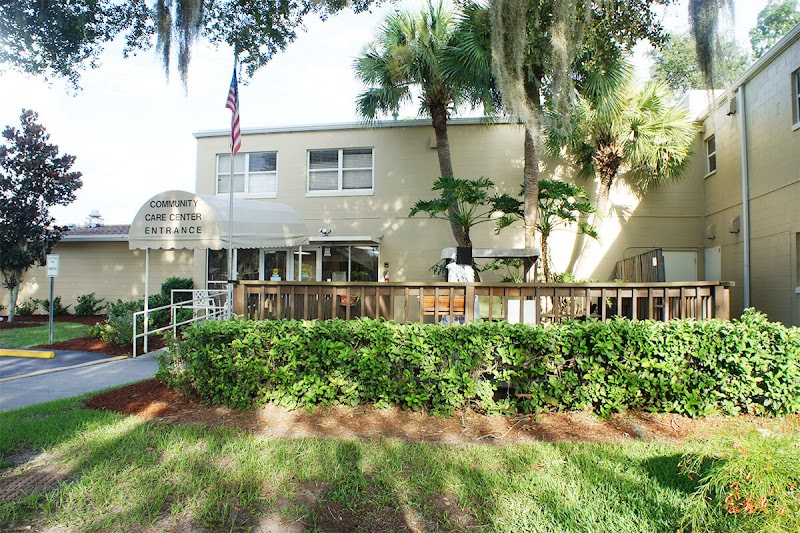
How is Community Convalescent Center Staffed?

CMS rates COMMUNITY CONVALESCENT CENTER's staffing level at 1 out of 5 stars, which is much below average compared to other nursing homes. Staff turnover is 45%, compared to the Florida average of 46%. This relatively stable workforce can support continuity of care. RN turnover specifically is 69%, which is notably high. RNs provide skilled clinical oversight, so turnover in this role can affect medical care quality.

What Have Inspectors Found at Community Convalescent Center?

State health inspectors documented 41 deficiencies at COMMUNITY CONVALESCENT CENTER during 2021 to 2025. These included: 3 Immediate Jeopardy (the most serious level, indicating potential for serious harm or death) and 38 with potential for harm. Immediate Jeopardy findings are rare and represent the most serious regulatory concerns. They require immediate corrective action.
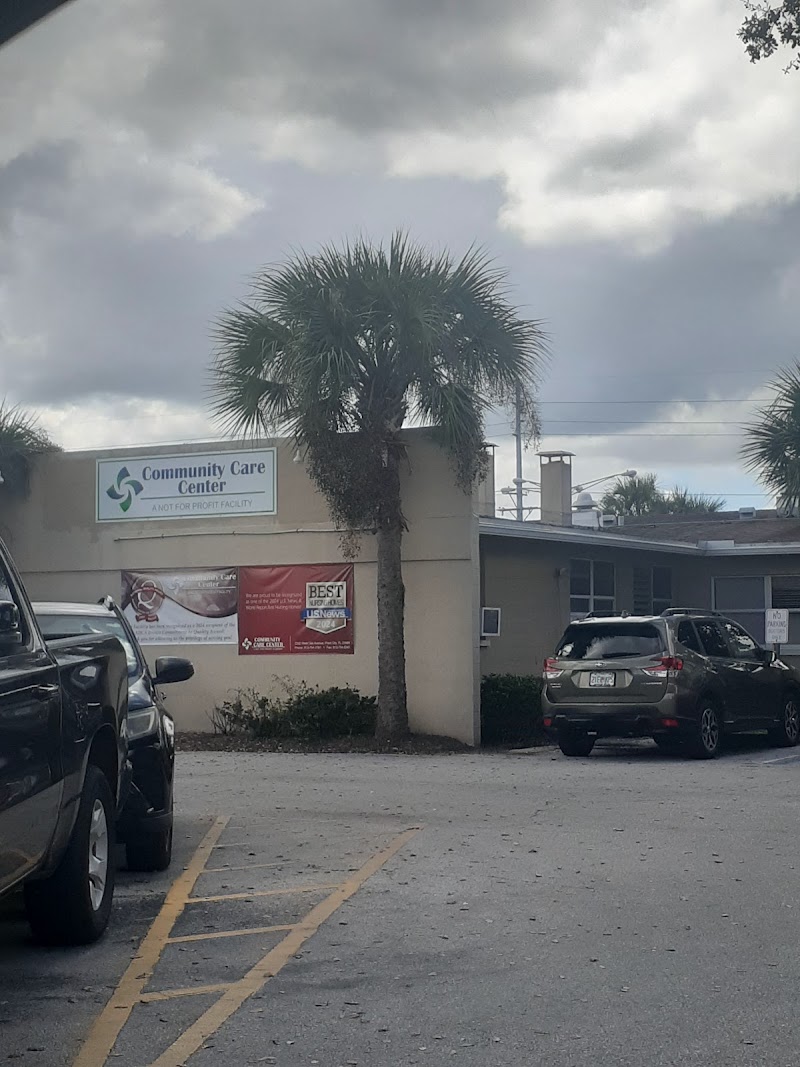
Who Owns and Operates Community Convalescent Center?

COMMUNITY CONVALESCENT CENTER is owned by a non-profit organization. Non-profit facilities reinvest revenue into operations rather than distributing to shareholders. The facility is operated by SENIOR HEALTH SOUTH, a chain that manages multiple nursing homes. With 120 certified beds and approximately 112 residents (about 93% occupancy), it is a mid-sized facility located in PLANT CITY, Florida.

How Does Community Convalescent Center Compare to Other Florida Nursing Homes?

Compared to the 100 nursing homes in Florida, COMMUNITY CONVALESCENT CENTER's overall rating (1 stars) is below the state average of 3.2, staff turnover (45%) is near the state average of 46%, and health inspection rating (1 stars) is much below the national benchmark.

What Should Families Ask When Visiting Community Convalescent Center?

Based on this facility's data, families visiting should ask: "What changes have been made since the serious inspection findings, and how are you preventing similar issues?" "What safeguards and monitoring systems are in place to protect residents from abuse or neglect?" "Can you walk me through typical staffing levels on day, evening, and night shifts?" "Can I visit during a mealtime to observe dining assistance and food quality?" These questions are particularly relevant given the facility's Immediate Jeopardy citations, the substantiated abuse finding on record, and the below-average staffing rating.

Is Community Convalescent Center Safe?

Based on CMS inspection data, COMMUNITY CONVALESCENT CENTER has documented safety concerns. The facility has 1 substantiated abuse finding (meaning confirmed case of resident harm by staff or other residents). Inspectors have issued 3 Immediate Jeopardy citations (the most serious violation level indicating risk of serious injury or death). The facility has a 1-star overall rating and ranks #100 of 100 nursing homes in Florida. Families considering this facility should ask detailed questions about what corrective actions have been taken since these incidents.

Do Nurses at Community Convalescent Center Stick Around?

COMMUNITY CONVALESCENT CENTER has a staff turnover rate of 45%, which is about average for Florida nursing homes (state average: 46%). Moderate turnover is common in nursing homes, but families should still ask about staff tenure and how the facility maintains care continuity when employees leave.

Was Community Convalescent Center Ever Fined?

COMMUNITY CONVALESCENT CENTER has been fined $175,586 across 2 penalty actions. This is 5.0x the Florida average of $34,835. Fines at this level are uncommon and typically indicate a pattern of serious deficiencies, repeated violations, or failure to correct problems promptly. CMS reserves penalties of this magnitude for facilities that pose significant, documented risk to resident health or safety. Families should request specific documentation of what issues led to these fines and what systemic changes have been implemented.

Is Community Convalescent Center on Any Federal Watch List?

COMMUNITY CONVALESCENT CENTER is not on any federal watch list. The most significant is the Special Focus Facility (SFF) program, which identifies the bottom 1% of nursing homes nationally based on persistent, serious quality problems. Not being on this list means the facility has avoided the pattern of deficiencies that triggers enhanced federal oversight. This is a positive indicator, though families should still review the facility's inspection history directly.