SOLARIS HEALTHCARE PLANT CITY
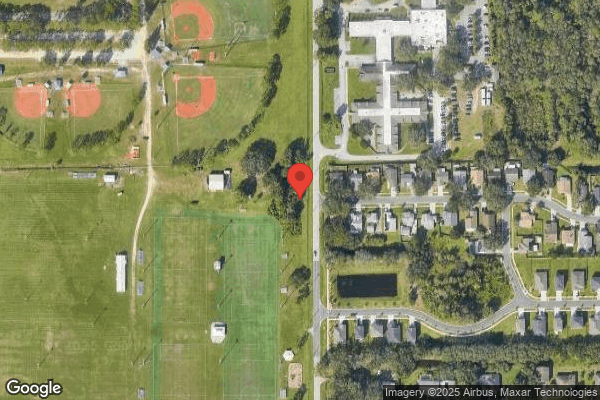
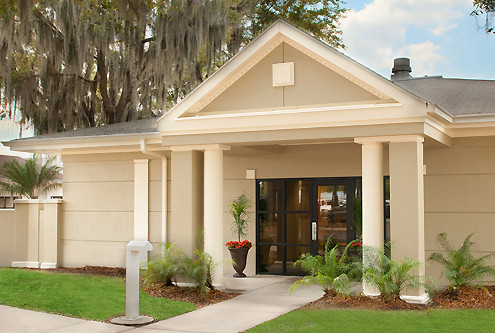
701 N WILDER RD, PLANT CITY, FL 33566 (813) 752-3611
Non profit - Corporation 180 Beds SOLARIS HEALTHCARE Data: November 2025
Trust Grade
80/100
#282 of 690 in FL
Last Inspection: February 2024

Within standard 12-15 month inspection cycle. Federal law requires annual inspections.

Overview

Solaris Healthcare Plant City has a Trust Grade of B+, which means it is above average and generally recommended for care. It ranks #282 out of 690 facilities in Florida, placing it in the top half, and #5 out of 28 in Hillsborough County, indicating it is one of the better local options. However, the facility is currently worsening, with the number of issues increasing from 1 in 2023 to 2 in 2024. Staffing is a strength with a rating of 4 out of 5 stars and a turnover rate of 35%, which is below the state average, suggesting staff are stable and familiar with residents. On the downside, there are concerns regarding RN coverage, as the facility has less RN support than 80% of Florida facilities, which may affect the quality of care. Specific incidents include a resident who waited 30 minutes to be toileted despite calling for help, and ongoing issues with call lights not being answered in a timely manner, which have been raised during resident council meetings. Overall, while there are notable strengths in staffing and trust grading, families should consider the recent trend of increasing issues and the lack of adequate RN coverage.

Trust Score
B+
80/100
In Florida
#282/690
Top 40%
Safety Record
Low Risk
No red flags
Inspections
Getting Worse
1 → 2 violations
Staff Stability
○ Average
35% turnover. Near Florida's 48% average. Typical for the industry.
Penalties
✓ Good
No fines on record. Clean compliance history, better than most Florida facilities.
Skilled Nurses
○ Average
Each resident gets 30 minutes of Registered Nurse (RN) attention daily — about average for Florida. RNs are the most trained staff who monitor for health changes.
Violations
○ Average
8 deficiencies on record. Average for a facility this size. Mostly minor or procedural issues.
★★★★☆
4.0
Overall Rating
★★★★☆
4.0
Staff Levels
★★★★☆
4.0
Care Quality
★★★★☆
4.0
Inspection Score
Stable
2023: 1 issues
2024: 2 issues

The Good

  • 4-Star Staffing Rating · Above-average nurse staffing levels
  • 4-Star Quality Measures · Strong clinical quality outcomes
  • Full Sprinkler Coverage · Fire safety systems throughout facility
  • No fines on record
  • Staff turnover below average (35%)

    13 points below Florida average of 48%

Facility shows strength in staffing levels, quality measures, fire safety.

The Bad

Staff Turnover: 35%

11pts below Florida avg (46%)

Typical for the industry

Chain: SOLARIS HEALTHCARE

Part of a multi-facility chain

Ask about local staffing decisions and management

The Ugly 8 deficiencies on record

Feb 2024 2 deficiencies
CONCERN (D)

Potential for Harm - no one hurt, but risky conditions existed

Assessment Accuracy (Tag F0641)

Could have caused harm · This affected 1 resident

**NOTE- TERMS IN BRACKETS HAVE BEEN EDITED TO PROTECT CONFIDENTIALITY** Based on record review and interview, the facility failed to ensure one (Resident #165) of three residents reviewed for hospital...

Read full inspector narrative →
**NOTE- TERMS IN BRACKETS HAVE BEEN EDITED TO PROTECT CONFIDENTIALITY** Based on record review and interview, the facility failed to ensure one (Resident #165) of three residents reviewed for hospitalization was coded correctly on the minimum data set (MDS) at discharge. Findings included: A review of Resident #165's Face Sheet revealed she was admitted to the facility on [DATE] with diagnoses included but not limited to Unspecified dementia, unspecified severity, with psychotic disturbance, muscle weakness (generalized), Unspecified lack of coordination, chronic kidney disease, stage 3b, bipolar disorder, unspecified, Major depressive disorder, recurrent, moderate and generalized anxiety disorder. A review of the Discharge - Return Not Anticipated Minimum Data Set (MDS) dated [DATE] revealed under Section A- Identification Information A. 2105 Discharge Status Resident #165 was discharged to 04 Short Term General Hospital. A review of progress notes revealed the following: - A progress note dated 01/23/2024 showed, Family has decided to transfer resident to [another local long term care facility] memory care unit on Friday 1/26/24 between 1 and 2 PM. Unit manager is aware. - A progress noted date 01/26/2024 showed, Resident sitting quietly in B wing TV room. Pt [patient] alert with confusion. Pt [patient] compliant with medications and care from staff. No s/s [signs or symptoms] of pain or distress noted. No negative behaviors noted at this time. Resident continues with PT [Physical Therapy] services. Resident scheduled to be transferring to another facility today between 11:00 am-12:00 pm. Will chart when pt leaves facility. No further issues noted at this time. - A progress note dated showed, Resident left facility via transport arranged by insurance to [local long term care facility] in [city, state]. [Family Representative] present as pt [patient] was being transferred. Report given to [Family Representative]. [Family Representative] will return back to facility for pt's [patient's] things tomorrow 1/27/24. - A progress note date 01/27/2024 showed, The [Family Representative] came to the facility, to collect resident's personal belongings, TV and mount. She stated, Thank you for all you have done for my mother. - A progress note dated 01/29/2024 showed, Social services spoke with [Family Representative]and memory care unit to ensure all needs were met. They ensured all belongings were received and there were no issues since arrival. Resident is settling in nicely. Encouraged family and resident to reach out with any questions or concerns. No concerns at this time. Will follow up if needed. During an interview on 02/28/24 at 10:04 a.m., Staff A, MDS Coordinator/RN stated Resident #165 was discharged to another skilled nursing facility for their memory care unit. Staff A reviewed the Discharge - Return Not Anticipated MDS dated [DATE] MDS that showed Resident was discharged to the hospital. Staff A stated that the MDS was coded wrong as Resident #165 was not discharged to the hospital but rather discharged to another skilled nursing facility. Staff A stated she would have to amend the MDS to reflect the correct discharge.
CONCERN (D)

Potential for Harm - no one hurt, but risky conditions existed

Deficiency F0657 (Tag F0657)

Could have caused harm · This affected 1 resident

**NOTE- TERMS IN BRACKETS HAVE BEEN EDITED TO PROTECT CONFIDENTIALITY** Based on observation, interviews, and record review, the facility failed to revise a care plan to reflect a resident's condition...

Read full inspector narrative →
**NOTE- TERMS IN BRACKETS HAVE BEEN EDITED TO PROTECT CONFIDENTIALITY** Based on observation, interviews, and record review, the facility failed to revise a care plan to reflect a resident's condition for one (Resident #151) of 33 sampled residents. Findings included: Review of Resident #151's Face Sheet revealed he was admitted to the facility on [DATE] from an acute care hospital. His medical diagnoses included dementia, psychosis, anxiety disorder, encephalopathy, major depressive disorder, and insomnia. An observation conducted on 02/26/24 at 10:08 a.m. revealed Resident #151 sitting in a chair in the C-wing hallway with his eyes closed. An interview was conducted on 02/26/24 at 10:33 a.m. with Staff B, Licensed Practical Nurse (LPN). She said Resident #151 was pleasantly confused but redirectable. She said he did not push on doors or talk about leaving he will just walk the unit. The exit doors at the end of the hallway were not used and they had alarms on them if they were opened. A review of Resident #151's Elopement Risk assessment with a an observation date of 1/9/2024 and a completion date of 2/3/2024 revealed he was not an elopement risk. 1. Prior to admission, did patient have a history of elopement or exit seeking behavior? No 2. Has patient exhibited wandering or exit seeking behavior in the last 90 days? No 3. Select patient's mobility status. Independently Ambulatory 4. Has patient exhibited new behavior that would cause concern related to wandering exit seeking or safety? No 5. Was or is patient resistive to Nursing Home placement. No 6. Does patient verbally express desire to leave center or go home? No A review of Resident #151 care plan last reviewed on 1/9/24 revealed the following: Problem: I tend to wander aimlessly up and down the halls going to and from door to door. I push on door at times, I Have severe Dementia with cognitive deficits and confusion. I am at risk for elopement .Goal: I will not harm myself or others due to my wandering through next review date. Interventions included the following: Ensure temperature is comfortable in my room Ensure proper fitting of my clothes and shoes Ensure lighting is adequate for me Assist me to bed when fatigued Be calm and self assured Provide opportunities for positive interaction, attention - stop and talk with me passing by. Intervene as needed to protect the rights and safety of others; approach me in a calm manner; divert my attention, remove me from situations and take me to another location as needed Administer and monitor the effectiveness and side effects of medications ordered for me - see physicians orders and MAR [Medication Administration Record] Address wandering behavior by walking with me; redirect me from in appropriate areas; engage in diversional activity. Reinforce positive behavior Provide me with no-confrontational environment for care Report to my physician changes in my behavioral status. Place my photo at from lobby and on all wings so others will recognize me and redirect me. An interview was conducted on 02/28/24 at 9:37 a.m. with the Director of Nursing (DON). She said, the resident was a wanderer and would wander around the unit. He was not exit seeking and he did not push on exit doors. She said, I don't think he has ever even been off the unit. She reviewed the elopement risk assessment dated [DATE] and reviewed Resident #151's wander care plan and said I think the care plan needs to be updated. The DON said she had been in the building for 14 years and she had not known Resident #151 to push on doors. She said we should monitor him because he was confused and he walked the unit but he was not exit seeking. An interview was conducted on 02/28/24 at 9:50 a.m. with Staff A, Minimum Data Set (MDS) Coordinator. She said, I have been in this position for about five years. I don't feel like he [Resident #151] is an elopement risk, he does not try to exit seek, I have not seen him pushing on doors, he does not try to follow people out of the doors. He uses the door as a boundary, he walks to the end of the hall turns around, walks down another hallway, and turns around. She said she would not want to remove the portion of the care plan where it says he is at risk for elopement because although his elopement assessment says he's not at risk I want the staff to know if the door is open that he usually uses as a boundary he is at risk to keep going out the unit door. She confirmed the care plan should have been revised to remove I push on door at times. She said care plans are reviewed quarterly, yearly, and with any change. Review of the facility's Care Plans- Comprehensive policy reviewed on 1/30/24 revealed the following: Policy Statement An individualized comprehensive care plan that includes measurable objectives and timetables to meet the resident's medical, nursing, mental and psychological needs is developed for each resident. Policy Interpretation and Implementation .8. Assessments of residents are ongoing and care plans are revised as information about the resident and the resident's condition changes.
Mar 2023 1 deficiency
CONCERN (F) 📢 Someone Reported This

A family member, employee, or ombudsman was alarmed enough to file a formal complaint

Potential for Harm - no one hurt, but risky conditions existed

Deficiency F0725 (Tag F0725)

Could have caused harm · This affected most or all residents

**NOTE- TERMS IN BRACKETS HAVE BEEN EDITED TO PROTECT CONFIDENTIALITY** Based on observation, record review, and interview, the facility failed to ensure sufficient staffing was available on one (C-wi...

Read full inspector narrative →
**NOTE- TERMS IN BRACKETS HAVE BEEN EDITED TO PROTECT CONFIDENTIALITY** Based on observation, record review, and interview, the facility failed to ensure sufficient staffing was available on one (C-wing) of three wings as evidenced by call lights not answered in a timely manner, failed to ensure residents received timely care and services in accordance with preferences and professional standards for six (Resident #3, #4, #5, #6, #7 and #8) of seven residents, and failed to address call light grievances presented in six of six resident council meetings held on 02/22/23, 01/25/23, 01/09/23, 12/28/22, 11/30/22, and 10/28/22, affecting three (A,B,C) of three wings Findings included: During a facility tour on 03/27/23 at 10:00 a.m., Resident #3 was observed in her room. She stated she had been waiting for 30 minutes to be toileted. She stated she had turned on her light, and a CNA, (Certified Nursing Assistant) came and turned it off and told her she would be back after finding someone to assist her with the transfer. A family member visiting Resident #3's roommate stated she had witnessed the incident that morning. She stated Resident #3 had been waiting close to 30 minutes at the time. The roommate's family member said, This is not the first time. She stated she had witnessed this several times. She stated the facility did not seem to have enough staff to care for the residents. She stated she visits her family member daily and assists to get her out of bed and care for her. She stated they were paying a lot of money and hardly receiving the care the residents deserved. This family member stated she had witnessed Resident #3 turning on her call light and just sitting there waiting. A review of Resident #3's electronic medical record revealed the resident was admitted to the facility on [DATE] with a primary diagnosis of unspecified fracture of upper end of left humorous, subsequent encounter for fracture with routine healing and difficulty in walking. A minimum data set (MDS) dated , 02/20/23 Section C cognitive patterns showed the resident had a brief interview for mental status (BIMS) score of 14 indicating intact cognitive response. Section G Functional Status showed Resident #3 required extensive assistance for bed mobility and toilet use with two + persons physical assist. A care plan for Resident #3 with a problem start date of 02/15/23, showed a category ADL (Activities of Daily Living) functional/rehabilitation potential, indicating the resident is unable to complete ADL's independently due to decreased mobility and weakness related to history of falls with fracture. Interventions included to assist me with repositioning, transfers, bathing, grooming, toileting, dressing and oral care . On 03/27/23 at 10:04 a.m., Staff B, Physical Therapist Assistant (PTA) walked into Resident #3's room. He noted Resident #3's call light was on. He stated he was supposed to have a session with Resident #3's roommate but could assist if Resident #3 needed assistance. He stated if a CNA needed help transferring a resident, therapists can help. Staff B stated the CNA assigned to this room was in another room and would assist the resident when she was done. He stated to the resident, Your CNA is across the hall. She will be here shortly. The resident stated to the Staff B, I have waited a while. Staff B left the room and did not return. On 03/27/23 at 10.10 a.m., Resident #3 was observed in her room with her feet hanging off the bed. The resident stated, I really have to go. Resident #3's call light was still on. On 03/27/23 at 10.12 a.m., the Advanced Registered Nurse Practitioner (ARNP) responded to Resident #3's call light. After walking out of the room, she stated the resident was waiting for the CNA to assist her to the toilet. She stated she was not a staff at the facility. She stated she stopped to see what the resident needed. She stated the CNA was assisting other residents. She stated, it may take her a while, but she will be here. On 03/27/23 at 10:15 a.m., Staff A, CNA assigned to Resident #3 responded to the call light. She walked into the room without a second person to assist her. On the way to the resident's room she said to this surveyor, I will offer her a bad pan or have her just go on her brief. I will clean her up afterwards. There is no one to help me get her up. She is a two-person assist. She stated the other CNA was assisting another resident and would not be available for a transfer. She stated she first saw the call light on about 30 minutes earlier. The CNA stated residents should be assisted sooner. The CNA said, It is not my fault. I need help. During this time, an observation was made of two staff members sitting at the nurse's desk. They did not respond to the call light. On 03/27/23 at 10.15 a.m., an observation was made of Staff E, Licensed Practical Nurse (LPN) assigned to Resident #3. She was noted in the hallway two doors down from Resident #3's room standing in front of her medication cart. She stated she did not know the resident needed help. She stated she had not paid attention to the call light. She stated Resident #3 should not have been waiting for toileting assistance. She stated their protocol was for CNAs to ask other staff, including nurses, to assist with transfers if needed. Staff E stated, this is unacceptable. I will go in and assist her. She stated the expectation would be to get someone else to assist. On 03/27/23 at 10:21 a.m., an interview was conducted with Staff E, LPN. She stated she had walked into Resident #3's room and found the CNA already in process of offering the resident a bed pan. She stated they could not transfer the resident to the toilet at the time. Staff E said, when I got there, it was too late. She stated she assisted the CNA with the clean-up and educated the CNA. She stated she had told the CNA to always ask for help. She stated she had not noticed the call light herself. On 03/27/23 at 10:45 a.m., a follow-up interview was conducted with Staff A, CNA. She stated she did not mean to have Resident #3 wait. She said, I had a lot going on. I assisted two other residents. I was waiting for someone to help me. I could not find anyone. She stated she was also assisting the Restorative aide with transfers during weighing. Staff A said, It can be lot. I do my best. On 03/27/23 at 10:15 a.m., a call light was noted on in room C12. At 10:22 a.m., the call light was still on. At 10:26 a.m., no one had answered the call light. On 03/27/23 at 10:23 a.m., an observation was made of Staff J, Speech Therapist (ST) donning a gown and going into a room opposite room C12. She noted the call light was on but did not respond to it. In an immediate interview, Staff J stated she was going in for a therapy session. She stated someone should answer the call light. On 03/27/23 at 10:24 a.m., an observation was made of Staff K, Physical Therapist (PT) in the hall. Staff K was observed going into room C14 and did not answer the call light in room C12. On 03/27/23 at 10:28 a.m., the call light in room C12 was answered by Staff . The resident waited approximately 15 minutes. During this time, an observation was made of two staff members sitting at the nurse's desk. They did not respond to any call lights. On 03/27/23 at 10:28 a.m., an interview was conducted with Staff I, CNA, Restorative Aide. She responded to the resident's call light. Staff I stated the resident was waiting to get off the bed pan. Staff I stated she had assisted the resident to the bedpan and had notified the CNA to get her off. She stated the resident appeared to have sat on it for approximately a half hour. She stated, the resident should not wait that long. She stated she was trying to juggle her responsibility of getting weights and assisting the other CNAs with their responsibilities. On 03/27/23 at 10:30 a.m., an interview was conducted with Resident #4. Resident #4 stated she had been waiting to be assisted out of bed. The resident stated she had waited for approximately one hour. The resident said, The CNAs are nice they will come. They have a lot to do. The resident stated she had pulled her call light at approximately 9:30 a.m. At 10:50 a.m., Resident #4 received assistance to get out of bed. The resident waited for an hour and 20 minutes. A review of Resident #4's electronic medical record revealed the resident was admitted to the facility on [DATE] with a primary diagnosis of hemiplegia and hemiparesis following cerebral infarction affecting non-dominant side. An MDS dated , 02/15/23 Section C cognitive patterns showed the resident had a BIMS score of 13 indicating intact cognitive response. Section G Functional Status showed Resident #4 required limited assistance for bed mobility and toilet use with one-person physical assist. A care plan for Resident #4 with a problem start date of 11/16/22, showed a category for ADL functional/rehabilitation potential, indicating the resident is unable to complete ADL's independently due to recent CVA (cerebrovascular accident) with left sided hemiparesis, weakness, and vision defect. I need assistance with mobility and hygiene tasks. Interventions included to assist me with repositioning, transfers, bathing, grooming, toileting, dressing, oral care and care for my glasses. On 03/27/23 at 10:32 a.m., during this tour, it was noted there was only one CNA in the hall, Staff A, CNA. On 03/27/23 at 10:35 a.m., an interview was conducted with Staff G, LPN Unit Clerk. She stated there should be a second CNA assigned the hall. She stated she would look for her and notify her there were some call lights on. She stated she could not have taken her lunch yet. She proceeded to look for the other CNA. Staff G was observed at the nurse's station with another CNA, and they did not respond to any call lights. On 03/27/23 at 10:38 a.m., an interview was conducted with Staff H, CNA, the second staff assigned to the C-wing. She stated she was assisting another resident around the corner and was not aware Resident #3 was waiting for transfer assistance. She stated she was assisting another resident get dressed and was also helping him pick up his room. Staff H stated sometimes she did not get through to all her assignments. She stated it was kind of hard to get through her assignments because of the workload. Staff H stated she normally had 10 to 19 or 10-13 residents depending on call -ins. She stated the CNAs try really hard, but other staff were not quick to assist with call lights. Staff H said, they assume it is the CNAs sole responsibility. On 03/27/23 at 10:40 a.m., an on-going beeping sound was noted coming from Resident #5's room. The beeping had been going on for approximately 10 minutes. In an interview, the resident stated her IV (intravenous) had been beeping since around 10:30 a.m. The resident stated it took the nurses a long time to respond to her with her medications. The resident stated the IV noise was annoying. Resident # 5 said, It is not okay. I'm sure my roommate does not like it. She stated the staff took their time to respond to call lights. The resident stated she had filed a grievance related to delayed staff response recently. The resident said, A couple weeks ago I filed a grievance. They just don't answer call lights. CNAs make you wait to be assisted. The nurses do not respond to your request for medications. It is awful. On 03/27/23 at 10:44 a.m., the IV beeping was still on-going and heard from the hallway. A review of Resident #5's electronic medical record revealed the resident was admitted to the facility on [DATE] with a primary diagnosis of other chronic osteomyelitis, right ankle and foot, type 2 diabetes, and difficulty in walking. An MDS dated , 03/08/23 Section C cognitive patterns showed the resident had a BIMS score of 14 indicating intact cognitive response. Section G Functional Status showed Resident #5 required limited assistance for ADLs with one-person physical assist. A care plan for Resident #5 with a problem start date of 03/03/23 showed, I have IV medication ordered for right ankle abscess with a goal to have reduced risk of complications related to IV medication IV fluid IV access site /device. A category for ADL functional/rehabilitation potential showed, I am unable to complete my ADL's independently due to right ankle abscess and NWB (non-weight bearing status). I need assistance with mobility and hygiene tasks. On 03/27/23 at 10:46 a.m., Staff L, LPN walked into the room and said to the resident, sorry for the wait. The nurse disconnected the IV and walked out of the room. Resident #5's IV was alarming, waiting to be silenced for 15 minutes. On 03/27/23 at 10:48 a.m., Resident #6's family member stated the resident had not been assisted to therapy. The family member stated they usually got her before lunch started. The family member said, it's now 11 a.m. we have been waiting for 45 minutes and no one had said anything. The family member stated it took staff a long time to respond to resident's needs. Resident #6 was observed in bed waiting to be assisted out of bed and escorted to therapy. A review of Resident #6's electronic medical record revealed the resident was admitted to the facility on [DATE] with a primary diagnosis of nondisclosed oblique fracture of shaft of left fibula, subsequent for closed fracture with routine healing. A care plan for Resident #6 with a problem start date of 03/22/23, showed a category for ADL functional/rehabilitation potential, indicating the resident is unable to complete ADL's independently due to decreased mobility and weakness secondary to recent falls at home and has a left ankle fracture . I need assistance with my ADL 's. Interventions included to assist me with repositioning, transfers .', PT (physical therapy) and OT (occupational therapy) as ordered. On 03/27/23 at 11:00 a.m., an interview was conducted with Resident #7 and a family member. The resident stated she had had gone for two weeks without showers. The family member stated they have had problems with call lights not being answered. The family member stated the previous weekend, Resident #7 had waited for her call light to be answered for 1.5 hours . She stated this was an on-going occurrence. The family member stated they had asked an aide for coffee and water earlier that morning. She never came back. The family member said, I had to get it myself. The family member stated Resident #7 had been left in soiled briefs for hours. She stated the residents linens were not changed for weeks. The family member said, It is appalling the conditions they leave the residents in. I am surprised they have a five- or four-star rating. This was why we came here. It does not match the care the residents receive. The family member stated communication was lacking. She stated Resident #7 and many other residents had filed grievances about call lights not being answered. She stated she had addressed her concerns with the unit manager. She stated nothing was being done. The family member stated, They know there is a problem, and no one is doing anything about it. A review of Resident #7's electronic medical record revealed the resident was admitted to the facility on [DATE] with a primary diagnosis of fracture of unspecified part of neck of left femur, subsequent encounter for closed fracture with routine healing. An MDS dated , 02/26/23 Section C cognitive patterns showed the resident had a BIMS score of 14 indicating intact cognitive response. Section G Functional Status showed Resident #7 required limited assistance for bed mobility, bathing and toilet use with one-person physical assist. A care plan for Resident #7 with a problem start date of 02/23/23 showed a category for ADL functional/rehabilitation potential, indicating the resident is unable to complete ADL's independently due to left femoral fracture. I need assistance with mobility and hygiene tasks. Interventions included to assist me with repositioning, transfers, bathing, grooming, toileting, dressing, oral care, denture care, care of my hearing aids and care for my glasses. On 03/27/23 at 11:08 a.m., an observation was made of two call lights on, in the C-wing hall, without a CNA in sight. Staff L, LPN was observed in front of her medication cart preparing medications. She stated she had two CNAs assigned her hall. She stated one of them was probably in another resident's rooms. She stated it took them too long to answer call lights when one CNA was on break. She stated the nurses should answer call lights on behalf of the CNAs. Staff L stated some nurses think they were above the task. She stated the CNAs had quite a few residents on the assignment, anywhere from 11 to 13 residents per CNA. The nurse stated she did not believe they accounted for acuity during staffing. Staff L stated residents should not be waiting to be assisted for 30 minutes or longer. She stated an appropriate response would be no more than 10 minutes. Staff L said anything above that was unacceptable. On 03/27/23 at 1:05 p.m., an interview was conducted with Resident #8, Resident Council President (RCP). He stated the facility had on-going issues with call lights. The RCP stated the issue of call lights was brought up during almost every meeting. The RCP said, in my opinion the CNAs have way too many residents to one person. Sometimes they have 13 -15 residents per aide. You cannot possibly answer all call lights and meet every need when you are assisting that many residents. Some people need lot of help. He stated that sometimes he waited up to an hour to be assisted, especially at night. He stated there had been no true resolution to their grievances related to call lights not being answered. The RCP stated the administration had not necessarily responded to the issue. A review of Resident #8's electronic medical record revealed the resident was admitted to the facility on [DATE] with a primary diagnosis of ulcerative chronic proctitis with rectal bleeding among other diagnoses. An MDS dated , 02/22/23 Section C cognitive patterns showed the resident had a BIMS score of 15 indicating intact cognitive response. Section G Functional Status showed Resident #8 required extensive assistance for bed mobility, transfers and toilet use with two +-persons physical assist. A care plan for Resident #8 with a problem start date of 07/16/20 showed a category for ADL functional/rehabilitation potential, indicating the resident is unable to complete ADL's independently due to decreased mobility, weakness, and morbid obesity. I had a recent hospital stay with endocarditis had new pacemaker. Interventions included to assist me with repositioning, transfers, bathing, grooming, toileting, dressing, oral care . Review of a facility document tilted, Grievance Log, dates Mach 2023 through January 2023 revealed 21 grievances had been filed related to call lights not answered and delayed responsiveness. Review of facility documents titled, Grievance Forms showed: On 03/20/23: Resident stated that no one came and answered his light, and he was trying to get some help for 45 minutes. On 03/13/23: Resident stated my call light was on for an hour. I needed my CNA to put me on the bedpan. I do not even know who my CNA is today. On 03/13/23: Resident states call light is on long periods of time 7 a.m. - 3 p.m. shift and 3 p.m. - 11 p.m. shift. On 03/04/23: Resident stated there is not enough staff to answer call lights. Delay in getting pain meds. On 02/22/23: Call lights not being answered timely. On 01/31/23: Call light was on for 30 minutes. On 01/26/23: Patients reports 1/22/23 she helped herself to her wheelchair and went the restroom on her own because it took over 30 minutes and no one answered the call light. On 01/26/23: Call bell found in drawer out of her reach. She said I guess the 11 - 7 CNA didn't want to be bothered. Was upset that the 3-11, 11-7 nurse give her medications to a family member to bring it to her. On 01/26/23: Call light response on 3-11 pm on 1/25/23. Left the resident in shower alone to make his bed. On 01/25/23: Resident council meeting held (A, B, C units) and resident complaining about call lights. On 01/03/23: room rounds - resident voiced concerns with call light response times. No specific shift. On 03/27/23 at 1:15 p.m., an interview was conducted with the Social Service Director (SSD). She stated call lights grievances had come up several times during resident council meetings. She stated they were also submitted by individual residents. The SSD stated families had brought up the same concern during care plans meetings. She stated when the families brought it up, she initiated a grievance. She stated she gave the grievances to the respective unit manager who conducted call light audits and then initiated education . The SSD stated she felt the grievances had been resolved in certain units. She stated, The response fluctuate, they get better and then the problem starts all over again. When they resolve the issue on one shift , the same issue starts on the next. She stated she would not consider the grievance resolved if it was for the same resident or the same unit. The SSD said, I would consider the grievance unresolved if the problem still persists. On 03/27/23 at 1:22 p.m., an interview was conducted with the Activities Director, (AD) She confirmed the residents had expressed on-going concerns related to delayed call light responses. She stated, The residents say it takes staff a long time to answer . their concerns are documented in the resident council meeting minutes . their complaints were still on-going because there were concerns on all wings. She stated after council meetings, she did her follow-up by writing up a grievance. She gave it to the SSD who sent it to unit managers so they could try to resolve the issue. She stated the call light issues were not specific to one shift, but more of the 3:00 p.m. to 11:00 p.m. and 11:00 p.m. to 7:00 a.m. shifts. The AD stated the Unit Managers had attended resident council meetings and were always trying to see what they could do. The AD said, this is an on-going issue. On 03/27/23 at 1:30 p.m., an interview was conducted with Staff M, LPN/ Unit Manager (UM), C-wing, Staff C, LPN/UM, B-wing, and Staff D, LPN/UM, A-wing. Staff C said, we have attended resident council meetings and the issue of call lights is voiced by residents. The residents report it takes staff a long time to respond to call lights. They say sometimes it takes 30 minutes or more. Staff C stated the issue was not so much on her shift., but other shifts. She stated her response to the grievances was to in-service staff, continue to talk to them about responding to call lights. She stated the issue was not just for CNAs it also included the nurses. Staff C said, This is an issue for all. We need all hands on the deck, including administrative team members. No one should walk past a call light. Staff M stated her experience was similar. She stated she had received grievances showing it took longer than 30 minutes to respond to a call light. She stated her focus was education. She said, I teach CNAs about focusing on all aspects of care. Sometimes the call light has to do with little things like a resident has dropped something on the floor. Anyone can respond including maintenance or Housekeeping. They can then alert the nurse if it something was beyond their responsibility. She stated the call light problem was an on-going issue, especially when they have new patients with high acuity. She stated staffing assignments depended on census. She said, all staff have to be all eyes on. I don't know that it will ever change. Staff D, LPN/UM A -wing stated the residents in her hall complain often. She said, they like calls answered in a timely manner. Timely means 7 minutes or less. She stated they did their best to respond to the resident's needs. On 03/27/23 at 2:02 p.m., an interview was conducted with Staff F, Staffing Coordinator. She stated she did scheduling and assignments. She stated the CNAs signed up for their schedule. She stated she pulled her daily shift report, reviewed where she needed a staff member, and then reached out to staff to assign them the shift. She stated her staffing numbers were determined by the census. She stated she followed a worksheet that calculated the number of staff needed. She stated the DON would let her know if she needed to adjust the staffing. On 03/27/23 at 2:02 p.m., an interview was conducted with the DON. She stated sometimes the census would be low and depending on acuity she might pull back. She stated they assign 1 CNA to 10 residents and 1 nurse to 20 residents on the skilled side and 1 nurse -30 residents on the long-term care side. She stated these numbers did not include the charge nurse and unit managers. The DON stated a unit manager had notified her that a CNA told a patient to go on her brief. She stated that was not their practice. She said, I have in-serviced staff on that, I can't believe this is still happening. The DON said, Numbers wise we have enough staff, the unit clerk is also a trained CNA. She should answer call lights and assist with tray passing as well. A resident should not have to wait or be asked to go in their brief. It is not acceptable to me, they should reach out if they need help. The DON stated they were continually auditing call bell and responses. She stated she was aware of the call light concerns because of on-going grievances. She said, We are all expected to stop and answer the call light and/or find someone to take care of the need if we could not. The DON stated their response to the call light grievances was in servicing staff on an on-going basis. The DON said, We are doing everything we can. When we have call-offs we can't control the issue. When peopled don't show up there is nothing you can do. We address the staff who are not responding to call lights. The DON stated they talked about all grievances in QAPI (Quality Assurance Performance Improvement). She stated they had identified they had work to do. The DON said, It is a work a progress. On 03/27/23 at 2:28 p.m., an interview was conducted with the SSD. She stated some residents said their grievances were resolved but for some, the call light issues were on-going. The SSD stated she participated in QAPI. Grievances related to call light had not come up for discussion. The SSD said, I go over the grievances. I give them a count of the number of complaints submitted related to a certain area. I break them up per care area. She stated they had not talked about an action plan, and they had not conducted a root cause analysis. On 03/27/23 at 2:37 p.m., an interview was conducted with the Nursing Home Administrator (NHA). She stated she was aware there was a problem with call lights not being answered. She stated they had initiated an investigation and had suspended the CNA in question pending investigation. She stated she was waiting for statements from the staff who were involved. She stated the in-service coordinator had initiated in-services about abuse neglect and exploitation. The NHA said, asking are resident to go on a brief was completely unacceptable. That CNA is a really good staff. She probably felt nervous and did not want to go out of the room and ask for help. She had the resident use her brief. She is normally a good aide. It is unacceptable. The NHA stated she would also be addressing other staff who could have responded to the call lights and did not. The NHA stated her expectation was for every staff member regardless of position to answer call lights and provide immediate assistance or response. The NHA stated they had noted concerns with staffing response to call lights being slow. She stated their plan would be to have SSD give more insight to specific grievance care areas so they could actually address the issues. The NHA stated she had participated in resident council meetings but had not specifically gone to the meeting to discuss call lights. She stated, I do participate and spend time on the floor, I assist with call lights, I conduct call light audits and give recognition to staff who are responding to call lights. She stated during the last QAPI on 02/23/23, they had mentioned call lights issue. They had received 10 grievances related to call lights. She stated 10 grievances was a significant number. She stated they should have had a better response. The NHA said, we will do a PIP (Performance Improvement Plan). We will do audits. We will go into the room and turn on call lights and wait for staff response. We will actually see how staff respond and how long it takes them. A review of a facility document titled, Facility Assessment Tool, dated 08/18/17 showed the purpose is to determine what resources are necessary to care for residents competently during day-to day operations and emergencies. Use this assessment to make decisions about your direct care staff needs, as well capabilities to provide services to the residents in your facility. Using a competency-based approach focuses on ensuring that each resident is provided care that allows the resident to maintain or attain their highest practicable physical, mental, and psychosocial well-being. The intent of the facility assessment is for the facility to evaluate its resident population and identify resources needed to provide the necessary person-centered care and services the residents require. A review of a facility policy titled, Personal Care, dated 01/07/20, showed residents will be provided with care, treatment, and services as appropriate to maintain or improve their ability to carry out activities of daily living (ADLs). Residents who are unable to carry out activities of daily living independently will receive the services necessary to maintain good nutrition, grooming, and personal and oral hygiene. A review of an undated facility policy titled, Filing Grievances/complaints, showed upon receipt of a grievance and/or complaint, the grievance officer will investigate the allegations and submit a written report of such findings to the administrator. (7.) The administrator will review the findings with the person investigating the complaint to determine what corrective actions, if any to be taken. Review of a facility policy titled, Staffing Policies and Procedures, dated 01/25/23, showed it is the policy of the [facility] to assure that sufficient qualified nursing staff are available on a daily basis to meet resident's needs for nursing care in a manner and in an environment which promotes each resident's physical, mental and psychosocial well-being, thus enhancing their quality of life. The facility shall provide services by sufficient numbers of each of the following types of personnel (RNs, LPNs, and CNAs on a 24-hour basis to provide nursing care to all residents in accordance with resident care plans as determined by resident assessments and the facility assessment. Nursing staff shall be sufficient in quantity and quality to provide nursing services for each resident as needed .
Nov 2021 2 deficiencies
CONCERN (D)

Potential for Harm - no one hurt, but risky conditions existed

Grievances (Tag F0585)

Could have caused harm · This affected 1 resident

**NOTE- TERMS IN BRACKETS HAVE BEEN EDITED TO PROTECT CONFIDENTIALITY** Based on interviews, record reviews, and review of facility policy, the facility failed to properly document and address a resid...

Read full inspector narrative →
**NOTE- TERMS IN BRACKETS HAVE BEEN EDITED TO PROTECT CONFIDENTIALITY** Based on interviews, record reviews, and review of facility policy, the facility failed to properly document and address a resident grievance for one (Resident #21) of one resident sampled for grievances out of a total sample of 43 residents. Findings included: An interview was conducted on 11/16/2021 at 2:07 PM with Resident #21 in her room. Resident #21 stated that she had several personal items that had gone missing since her admission to the facility on [DATE], including a pink blanket that a family member had made for her and some personal clothing items. Resident #21 also stated that she informed the facility staff regarding her missing items but the items were not found. A review of Resident #21's Minimum Data Set (MDS) Assessment, dated 08/23/2021, under Section C - Cognitive Patters, a Brief Interview for Mental Status (BIMS) score of 13, which indicated that Resident #21 was cognitively intact. A review of Resident #21's Progress Notes revealed a note, dated on 09/11/2021 at 8:29 PM, which documented that Resident #21 expressed concerns of personal items missing and that Social Services would speak with Resident #21 on the following Monday, 09/13/2021. A review of Resident #21's Progress Notes did not reveal a follow up note related to Resident #21's missing personal items or any investigation related to the missing personal items. A review of the facility's grievance logs dating from February 2021 to November 2021 was conducted on 11/17/2021 at 2:10 PM with the facility's Nursing Home Administrator (NHA) and the facility's Social Services Director (SSD). The review of the logs did not reveal a grievance filed for Resident #21 related to missing personal items. On 11/18/2021 at 1:43 PM, Staff A, Licensed Practical Nurse (LPN) Unit Manager, stated that when a resident reported that a personal item was missing, the facility staff would review the resident's inventory log and attempt to see if the resident had that item inventoried. Facility floor staff would then attempt to find the missing item and if they were unable to find a missing item the concern would be brought to the SSD so that a grievance could be filed. A requested was made to review Resident #21's inventory sheet. Staff A, LPN stated that they did not have an inventory sheet filed for Resident #21. An interview was also conducted with the facility's Regional Nurse Consultant (RNC), who was nearby at the time of interview. The RNC stated that if an item was reported missing and the resident did not have an inventory sheet filed, then the concern would be written up as a grievance. Staff A, LPN addressed Resident #21's Progress Notes, which revealed that Resident #21 brought up a concern related to missing personal items. Staff A, LPN stated that a grievance should have been filed for Resident #21 in order to locate her missing items. An interview was conducted on 11/18/2021 at 1:57 PM with the SSD, who was also serving as the facility's Grievance Official. The SSD stated that when a resident or resident representative expressed a concern related to the facility, the staff member who received the concern would fill out a grievance form. The grievance would then be discussed in the morning meeting by the care team and be assigned to the related department. Once the concern was investigated, the grievance would be returned to the SSD in order to be filed. The SSD stated that when the concern related to a missing personal item, all care team members look to locate then missing items. The SSD also stated that the nursing staff on the floor could attempt to locate the item initially, but a grievance should be filed for the resident. The SSD reviewed the facility grievance logs from August 2021 to October 2021, but was not able to locate a grievance filed for Resident #21 related to missing personal items. The SSD addressed that a grievance should have been filed for Resident #21 related to her concerns. An interview was conducted on 11/18/2021 at 2:08 PM with the facility's NHA. The NHA stated that a resident of the facility could express concerns to any staff member, who would then report the concern to their supervisor. The staff member that received the concern would usually be the person who fills out the grievance form for the resident. Resident grievances were discussed in the morning meeting with the care team and would then be assigned to the related department. A concern related to missing items would typically be assigned to the housekeeping or laundry department. The NHA stated that Resident #21's concern related to her personal items should have been communicated properly by the facility staff so that the concern was investigated thoroughly. A review of the facility policy titled Grievance Policy, with no effective date, revealed the following policy statement: - All persons are encouraged to make requests, share concerns, and file grievances regarding care and/or services without fear of retribution or negative treatment. Customer Service/Grievance forms are provided on admission and are available throughout the facility in the lobbies and nursing units. A concern or grievance may be given orally or in writing. If you have a concern or grievance, you may contact our Grievance Official.
CONCERN (D)

Potential for Harm - no one hurt, but risky conditions existed

Deficiency F0700 (Tag F0700)

Could have caused harm · This affected 1 resident

**NOTE- TERMS IN BRACKETS HAVE BEEN EDITED TO PROTECT CONFIDENTIALITY** Based on observations, record reviews, and interviews, the facility failed to ensure assessment, consent, and proper fitting of ...

Read full inspector narrative →
**NOTE- TERMS IN BRACKETS HAVE BEEN EDITED TO PROTECT CONFIDENTIALITY** Based on observations, record reviews, and interviews, the facility failed to ensure assessment, consent, and proper fitting of bed rails for one (#115) of four residents sampled for accidents out of a total resident sample of 43. Findings included: According to the Food and Drug Administration (FDA), accessed at https://www.fda.gov/medical-devices/consumer-products/bed-rail-safety, indicated that Bed rails are used by many people to help create a supportive and assistive sleeping environment in homes, assisted living facilities and residential care facilities. This type of equipment has many commonly used names, including side rails, bed side rails, half rails, safety rails, bed handles, assist bars, or grab bars, hospital bed rails, and adult portable bed rails. On 11/16/21 at 10:28 a.m., Staff Member D, Agency Registered Nurse (RN), identified that Resident #115 had both left-sided and right-sided side rails. Observation with Staff D revealed the side rails were approximately 8-10 inches, shoulder level, and the middle portion of one rail held the bed controller. The left side rail was observed to have a gap of approximately 5 inches between the mattress and the rail. Staff D confirmed that the bed rail on the left side of the bed was not properly spaced. Staff D stated, it should be like that one pointing to the right side rail. On 11/17/21 at 1:45 p.m., Resident #115 was observed lying in bed on a scoop mattress, with her eyes closed. The bed was above knee-level, and the bilateral 1/8 side rails were raised. Staff Member C, Agency Licensed Practical Nurse (LPN) stated, at 1:47 p.m. on 11/17/21, that she had not done any admissions while at the facility. The staff member confirmed the gap between the mattress and the left side rail but was not sure how to move it inwards. The side rail was attached to the bed frame at the bottom. The Director of Nursing (DON) stated on 11/17/21 at 1:59 p.m., that the facility did do side rail assessments at the time of admission and that consents for use were obtained. She viewed the rails attached to the side of Resident #115's bed and confirmed that the side rail could be moved inward and that it did not fit like the right side rail. The side rail swung toward and away from the bed and could not be lowered. The DON called maintenance staff to the residents' unit for assistance. Staff Member E, Maintenance Assistant, was able to adjust the side rail by unlocking it from the bottom of the bed frame and moving it inwards. The DON stated that she wondered if the gap was due to the scoop mattress as this was not the original mattress. The DON stated that the original mattress had been changed to a bolstered one following a fall. Both Staff Member E and the Maintenance Director identified, at 2:17 p.m. on 11/17/21, that all side rails need to be observed and reported if needing to be adjusted. A review of Resident #115's clinical record revealed an original admission date in October of 2021. The Face Sheet for the resident included diagnoses of subsequent encounter for closed fracture with routine healing (of) displaced intertrochanteric fracture of left femur, dementia in other diseases classified elsewhere without behavioral disturbance, and unspecified Alzheimer's disease. Resident #115's Face Sheet identified a family member as the Healthcare Surrogate. Resident #115's admission Minimum Data Set (MDS) dated [DATE], indicated that the Brief Interview of Mental Status score for the resident was 4, indicating severe cognitive impairment. The MDS identified the resident required extensive 2-person assistance for bed mobility and transfers and that a bed rail was not used. The clinical record of Resident #115 revealed that the admission Observation, completed at 6:24 p.m. on 10/12/21, did not include a side rail assessment. Subsequent observations from 10/12 to 11/16/21 did not identify a side rail assessment had been completed for Resident #115. A review of attached documents for the resident did not include a consent was given by the resident representative for the use of side rails. The Care Plan Approval Form, completed on 10/18/21 at 3:11 p.m., indicated that the care plan approval was obtained by a telephone discussion and that the Health Care Surrogate and resident had signed it on 10/18/21. The Approval form identified I DO NOT consent to the use of side rail(s) and understand the related liabilities. The Director of Nursing (DON) stated, on 11/17/21 at 4:30 p.m., that the devices on the sides of Resident #115's bed were not side rails so there was not an evaluation done and consents were not needed. On 11/18/21 at 12:58 p.m., the DON reiterated that Resident #115 did not have side rails, she stated that a side rail was able to move down or up, the resident's did not, and they were attached to the head of the bed. She identified that the facility had received 100 beds that came with assist bars. A review of the Care Plan Approval form and the portion of side rails was conducted with the DON. She stated that yes, consents were given for side rails but again, identified that the devices on Resident #115's bed were not side rails. The definition of a side rail was reviewed with the DON. The DON stated, okay and stated that, very few persons have side rails within the facility. An interview was conducted , on 11/18/21 at 1:42 p.m., with Staff Member F, RN and Staff Member G, Agency RN. They identified that neither knew where a side rail evaluation was documented (in the record). The Care Plan for Resident #115 identified the following problems and approaches: - At risk to develop impaired skin integrity due to decreased mobility, need for assistance with mobility tasks, and risk of incontinence. The approaches included assist me to turn and reposition regularly using assist rails as an enabler, started 10/13/21 and edited on 11/18/21. Review of the facility policy titled Proper Use of Side Rails revised 1/17/2018, 2/10/2019, and 01/07/2020, indicated The purposes of these guidelines are to ensure the safe use of side rails as resident mobility aids and to prohibit the use of side rails as restraints unless necessary to treat a resident's medical symptoms. The guidelines identified the following: .3. An assessment will be made to determine the resident's symptoms or reason for using side rails. When the side rails are used for mobility or transfer, an assessment will include a review of the resident's: --a. bed mobility; and --b. ability to change positions, transfer to and from bed or chair, and to stand and toilet . 8. The risks and benefits of side rails will be considered for each resident. 9. Consent for side rail use will be obtained from the resident or legal representative, after presenting potential benefits and risks. (Note: Federal regulations do not require written consent for using restraints. Signed consent forms do not relieve the facility from meeting the requirements for restraint use, including proper assessment ad care planning. While the resident or family (representative) may request a restraint, the facility is responsible for evaluating the appropriateness of that request . 12. When side rail usage is appropriate, the facility will assess the space between the mattress and side rails to reduce the risk of entrapment (the amount of safe space may vary, depending on the type of bed and mattress being used.) .
Feb 2020 3 deficiencies
CONCERN (D)

Potential for Harm - no one hurt, but risky conditions existed

Drug Regimen Review (Tag F0756)

Could have caused harm · This affected 1 resident

**NOTE- TERMS IN BRACKETS HAVE BEEN EDITED TO PROTECT CONFIDENTIALITY** Based on observations, record reviews, and interviews the facility failed to ensure the physician response to pharmacy recommend...

Read full inspector narrative →
**NOTE- TERMS IN BRACKETS HAVE BEEN EDITED TO PROTECT CONFIDENTIALITY** Based on observations, record reviews, and interviews the facility failed to ensure the physician response to pharmacy recommendations were implemented as written by the physician for two (#125 and #151) out of seven residents reviewed for the task of unneccessary medications. Findings included: Resident #125 was admitted on [DATE] and readmitted [DATE]. The Face Sheet included diagnoses not limited to Parkinson's disease, unspecified dementia without behavioral disturbance, unspecified single episode major depressive disorders, and unspecified anxiety disorder. On 2/26/20 at 10:20 a.m., an interview was attempted with Resident #125. Resident #125 was upset, became tearful, and reported pain. A review of the pharmacy recommendation, dated 1/23/20, identified Resident #125 had an order for Clonazepam 0.5 milligram (mg) every 6 hours as needed (q6H prn) for anxiety. The recommendation included an order dated 2/4/20, to continue PRN use of this order for 30 days as the benefit outweighed the risk as Resident #125 had been on it for a long time. The review of Resident #125's physician order, indicated an order, dated 2/17/20, for Clonazepam - Schedule IV tablet 0.5 mg oral every 6 hours as needed for anxiety. The order did not include an end date. The February Medication Administration Record (MAR) for Resident #125 indicated Clonazepam - Schedule IV tablet 0.5mg oral every 6 hours prn, start 2/17/20 with no end date. On 2/28/20 at 4:27 p.m., the Director of Nursing (DON) reviewed the order for Clonazepam and shook her head in response to it not having an end date as written by the physician in response to the pharmacy recommendation. The DON changed the order to indicate an end date of 3/5/20, 30 days from the date of the physician response to the pharmacy recommendation. The care plan identified Resident #125 was at risk for developing adverse effects of psychotropic medications; receiving antidepressant and antianxiety medications for history (hx) of depression and anxiety. The interventions included administer medications as ordered. Resident #151 was admitted on [DATE]. The Face Sheet included diagnoses not limited to unspecified chronic obstructive pulmonary disease, pseudobnulbar affect, unspecified insomnia, mild recurrenct major depressive disorder, and vascular dementia with behavioral disturbance. An observation on 2/25/20 at 12:23 p.m., indicated Resident #125 was sitting at an over-the-bed table eating lunch. A review of the Consultant Pharmacist recommendation, dated 1/21/20, identified Resident #151 was receiving Temazepam 15 mg every bedtime as needed (QHS PRN) and Alprazolam 0.5mg every 8 hours as needed (Q8H PRN). The Pharmacist recommended to discontinue the PRN use of the medication or reorder for specific number of days. The physician response was to continue PRN use for this order for 30 days as benefit outweighed the risk. The physician, on 2/4/20, indicated the following: - Temazepam 15 mg q hs. - Xanax (Alprazolam) q 8 hour prn The prescription order for Resident #151's Temazepam indicated a start date of 2/2/20 and was open ended. The residents' prescription order for Alprazolam indicated a start date of 2/14/20 and was open ended (no end date). The special instructions of the Alprazolam instructed staff to administer 0.5 mg oral (po) every 8 hours as needed for anxiety for 30 days. The February Medication Administration Record (MAR) revealed an order, dated 2/28/20, for Alprazolam 0.5mg po every 8 hours as needed for anxiety for 30 days, started 2/4/20 and stop 3/5/20. During an interview with the Director of Nursing, on 2/28/20 at 1:39 p.m., she confirmed the order for Alprazolam was written for 30 days and not open ended as it was put into the computer (electronic MAR). The policy titled Consultant Pharmacist Reports, dated 2006 and revised January 2018, indicated the findings are phoned, faxed, or emailed within 24 hours to the Director of Nursing or designee and the prescriber is notified if needed.
CONCERN (E)

Potential for Harm - no one hurt, but risky conditions existed

Food Safety (Tag F0812)

Could have caused harm · This affected multiple residents

Based on observation, interview, and facility record review, the facility failed to ensure proper food storage and labeling of food items stored in the main kitchen area and a clean and sanitary nursi...

Read full inspector narrative →
Based on observation, interview, and facility record review, the facility failed to ensure proper food storage and labeling of food items stored in the main kitchen area and a clean and sanitary nursing unit pantry on one of three nursing units. Findings included: An initial tour of the kitchen was conducted on 02/25/20 at 09:22 a.m. with the Certified Dietary Manager (CDM). She stated the facility had a full-time Registered Dietician (RD). Today, there are 8 staff members manning the kitchen details. A tour of the Walk-in refrigerator commenced at 09:42 a.m. with a registered temperature of 37 degrees Fahrenheit. The CDM asked Staff Member H, Dietary Aide, to observe the storage area. The tour revealed unwrapped heads of lettuce, cantaloupes, cucumbers, and cabbage stored in plastic baskets with no dates and no labels. Photo evidence was taken. An opened bag of green onions with an expiration date of 1/24/20 was observed. Photo evidence was taken. A bag of opened peppers revealed no dated opened and unlabeled. A loosely wrapped bag of shredded carrots revealed no label and no date opened. Photo evidence was taken. Further observation revealed leaking milk on floor of the walk-in refrigerator. Photo evidence was taken. The CDM stated, Milk delivery is on Mondays/Thursdays. Groceries are delivered on Tuesdays and Fridays. The CDM verified expired food items, loose vegetables, an undated bag of shredded carrots, and leaking milk on floor. The CDM asked Dietary Aide Staff Member H to discard the food and mop up the floor. She stated she expects her staff to follow the procedures for labeling and storing food after opening food and keeping the floor clean. At 9:58 a.m., a tour of the walk-in freezer was conducted with the CDM. The freezer registered minus 8 degrees Fahrenheit. An observation was made of boxes of frozen foods on floor. CDM stated the food delivery just came in and the staff would be putting the items away. Further observation revealed a bag of opened chicken patties with no label and no date of when opened. Photo evidence was taken. A brief interview was conducted on 02/27/20 at 11:12 a.m. with Staff Member E, Dietary Aide for 5 years. She stated, When you open something, it has to have a date on it; wrap items and date. She stated other education in-services have been with hand sanitizing, hand washing, storage of food, and meal tickets. She stated the in-services are 2-3 times per month and as needed. A tour of the B wing pantry on 02/27/20 at 11:37 a.m. was conducted with the CDM. An observation revealed (3) Styrofoam water pitchers with plastic lids on the floor underneath and behind the ice machine. Photo evidence was taken. Further observation of the pantry room revealed garbage (napkins and crushed Styrofoam pieces) on the floor on the side of refrigerator. Photo evidence was taken. On 02/27/20 at 2:21 p.m., a second tour of the B-Wing pantry with the CDM revealed the 3 Styrofoam pitchers were removed from underneath the ice machine. Further review of the room revealed the garbage had not been picked up alongside of the refrigerator. The Housekeeping Supervisor verified and stated it was his expectation for his staff to clean behind the ice machines and refrigerators. He stated once a week on Mondays, the refrigerators are pulled out and cleaned. There was a person assigned to do this task. He stated the task was not on the housekeeper's task list/ assignment sheet. An interview was conducted with the Administrator on 02/27/20 at 4:15 p.m. She verified and stated her expectation would be for dietary staff to label and date food items consistently and for the nursing unit pantries to be cleaned thoroughly by Housekeeping. 02/28/20 07:47 a.m., an interview was conducted with Staff Member F, Housekeeper for 1 year. She stated she goes to see if trash needs to be removed, wipes down cabinets, sweeps under the ice machines and behind the refrigerators. She stated she was a Floater and if she had the assignment to clean the pantry, You were responsible to clean the whole area. There was a lot of trash in the pantries and it had to be removed. A review of the facility policy and procedure for Food Receiving and Storage, revised date of 10/10/2018, revealed as Policy Statement, Foods shall be received and stored in a manner that complies with safe food handling practices. Policy Interpretation and Implementation #1. stated Food Services, or other designed staff, will maintain clean food storage areas at all times. #7. All foods stored in the refrigerator or freezer will be covered, labeled, and dated. #10. The freezer must keep frozen foods solid. Wrappers of frozen foods must stay intact until thawing. A review of the facility policy and procedure for Sanitization, dated 1/8/2020, revealed as Policy Statement, The food service area shall be maintained in a clean and sanity manner. The Policy Interpretation and Implementation #1 revealed, All kitchens, kitchen areas and dining areas shall be kept clean, free from litter and rubbish and protected from rodents, roaches, flies and other insects.
CONCERN (E)

Potential for Harm - no one hurt, but risky conditions existed

Infection Control (Tag F0880)

Could have caused harm · This affected multiple residents

**NOTE- TERMS IN BRACKETS HAVE BEEN EDITED TO PROTECT CONFIDENTIALITY** 3. Resident # 35´s active medication orders included blood glucose monitoring before meals and at bedtime with insulin cov...

Read full inspector narrative →
**NOTE- TERMS IN BRACKETS HAVE BEEN EDITED TO PROTECT CONFIDENTIALITY** 3. Resident # 35´s active medication orders included blood glucose monitoring before meals and at bedtime with insulin coverage using an insulin delivery pen. During the administration of a subcutaneous injection on 02/27/20 at 11:33 a.m. for Resident # 35, Staff C, Licensed Practical Nurse (LPN) was observed to bring the injection supplies into the room. The supplies included the injection pen and a plastic baggie that was used to store the pen in the medication cart. When preparing the pen for the injection, Staff C removed it from the plastic baggie, placed the baggie on the resident´s overbed table, and placed the primed pen on the foam tray that she used as a barrier. After delivering the injection, Staff C, LPN returned the pen to the baggie and the baggie to the medication cart. During a medication administration observation on 02/28/20 at 12:10 p.m. Staff D, LPN stated that she had two residents that she would be performing glucose testing for. Review of Resident # 324´s active medication orders included blood glucose monitoring before meals and at bedtime. The nurse entered the first room with two glucometers (# 1 and # 2) on a foam tray along with testing supplies, one meter was wrapped (# 2) with a disinfecting wipe, and the other meter was unwrapped (# 1). The nurse performed hand hygiene, donned the appropriate Personal Protective Equipment (PPE) for the droplet isolation room, and performed resident # 324´s test using meter # 1. After removing her PPE and performing hand hygiene, she unwrapped the other meter (# 2) to let it air dry. She cleaned the meter she had just used (# 1), wrapped it in a disinfecting wipe, and placed it in a cup. Staff D, LPN then proceeded to the second resident´s room. Resident # 1´s active medication orders included blood glucose monitoring before meals and at bedtime. Staff D, LPN entered the room with both glucometers on her foam tray. She performed hand hygiene and donned the appropriate PPE for the contact isolation room. Staff D, LPN then performed the test for resident # 1 using the second meter (# 2). After the test, she removed her PPE, performed hand hygiene and returned to her medication cart. She obtained a new disinfecting wipe to clean and wrap meter # 2 and then placed it in a cup. Staff D, LPN then unwrapped meter # 1 and returned it to the drawer in her cart. The DON was interviewed on 02/28/20 at 4:06 p.m. and she stated that only the supplies needed should be brought into the resident rooms, she stated that the staff was trained on infection control measures and that medication was prepared, including removing its wrapping, at the cart and only the medication should be brought into the room. The DON also stated that a nurse should not enter a resident room with two glucometers for the performance of a glucose test, the nurse should return to the medication cart to clean the used meter and to exchange it for another before performing another test. Based on observations, record reviews, and interviews, the facility failed to ensure appropriate infection control measures were followed related to the usage of Personal Protective Equipment (PPE), signage for isolation rooms, and failed to use best practice measures for infection control during medication administration for three (# 1, #35, 280, and #324) of seven sampled residents. Findings included: 1. The policy provided by the facility Isolation- Categories of Transmission Based Precautions revealed the following: Policy Interpretation and Implementation 1. Transmission-Based Precautions will be used whenever measures are more stringent than Standard Precautions are needed to prevent or control the spread of infection. 2. Based on CDC definitions, three types of Transmission-Based Precautions (airborne, droplet and contact) have been established. Droplet Precautions 1. In addition to Standard Precautions, implement Droplet Precautions for an individual documented or suspected to be infected with microorganisms transmitted by droplets (large particle droplets that can be generated by the individual coughing, sneezing, talking, or by the performance of procedures such as suctioning. 4. Masks a. In addition to Standard Precautions, put on a mask when entering the room or cubicle. 7. Signs- The facility will implement a system to alert staff and visitors to the type of precaution the resident requires. A review of the Resident Face Sheet for Resident #324 revealed that he was admitted into the facility on [DATE] at 4:15 p.m. with a primary diagnosis of pneumonia due to Methicillin resistant Staphylococcus aureus (MRSA). The admission Report Sheet dated 02/26/20 revealed isolation: sputum MRSA droplet. The form also indicated that Resident #324 was on the antibiotic, Doxycycline two times per day. A review of the Medical Certification for Medicaid Long Term Care Services and Patient Transfer Form dated and signed by the phsycian/designee on 2/25/20, revealed that the resident had MRSA in the sputum and isolation precautions included contact and droplet. A review of the Physician Order Report dated 2/26-2/28/20, revealed that the resident had an order for droplet precautions. A review of the care plans revealed that Resident #324 had a care plan initiated on 02/27/20 related to respiratory infections: Pneumonia with MRSA in the sputum. The approaches included but were not limited to isolation/precautions as ordered. On 02/27/20 at 9:32 a.m., the surveyor observed the Registered Dietitian (RD) in Resident #324's room The RD was not wearing PPE. The Surveyor stopped and asked the RD from the doorway if the resident was on contact isolation and she stated, Yes. The surveyor asked her how she knew the resident was on contact isolation. The RD stated because the box with the PPE was on the wall inside the room. There was no signage observed on the door or outside the door (photographic evidence obtained). At 9:34 a.m., the Director of Nursing (DON) confirmed that there should be signage on the door. The DON stated that she would have to talk to the nurse that admitted him last night to see why signage was not posted. On 02/27/20 at 1:12 p.m., the surveyor observed from the hallway, a staff member in the room assisting Resident #324. The staff member was not wearing PPE. The staff member walked Resident #324 into the restroom and closed the door. At 1:13 p.m., the staff member came out of the restroom, took off gloves, and used the sanitizing dispenser near the door. The surveyor verified the staff member's name as she stood in the doorway of the room. Staff A, Occupational Therapist Assistant, stated that she saw the call light on and Resident #324 stated that he needed to go to the restroom really bad, so she helped him go to the restroom. On 02/27/20 at 1:19 p.m., the Surveyor observed a staff member go into the room. When the staff member exited the room, the Surveyor verified the staff member's name. Staff B, Certified Nursing Assistant (CNA), reported that the resident was on droplet precaution. Staff B stated that a gown, gloves, and a mask must be worn when entering the room. Staff B then stated she did not wear the gown or mask because she did not touch him. 2. Resident #280 was admitted on [DATE]. The Face Sheet included diagnoses but not limited to encounter for orthopedic aftercare following surgical amputation, acquired absence of right great toe, and unspecified site Methicillin Resistant Staphylococcus Aureus (MRSA) infection. On 2/25/20 at 9:58 a.m., an observation revealed a red and white magnetic sign attached to the upper right hand of the door frame. The sign was very similar to other signs noted on other resident door frames that read No Smoking, Oxygen in Use. The sign attached to the outside of Resident #280's room read Isolation See Nurse, the sign did not indicate what type of transmission-based precautions were being utilized. The observation revealed two bins; one yellow and one red, inside of the room with a small plastic drawers next to the bins. A review of Resident #280's physician order, dated 2/15/20, included an order for Contact Precautions, MRSA to wound on right foot. The Infection Control Preventionist stated, on 2/28/20 at 4:09 p.m., the facility was ordering new isolation signs due to realizing how similar they are to the No Smoking signs, but the isolation bins in the room should give people pause.
Understanding Severity Codes (click to expand)
Life-Threatening (Immediate Jeopardy)
J - Isolated K - Pattern L - Widespread
Actual Harm
G - Isolated H - Pattern I - Widespread
Potential for Harm
D - Isolated E - Pattern F - Widespread
No Harm (Minor)
A - Isolated B - Pattern C - Widespread

Questions to Ask on Your Visit

  • "Can I speak with families of current residents?"
  • "What's your RN coverage like on weekends and overnight?"

Our Honest Assessment

Strengths
  • • Grade B+ (80/100). Above average facility, better than most options in Florida.
  • • No major safety red flags. No abuse findings, life-threatening violations, or SFF status.
  • • No fines on record. Clean compliance history, better than most Florida facilities.
  • • 35% turnover. Below Florida's 48% average. Good staff retention means consistent care.
Concerns
  • • No significant concerns identified. This facility shows no red flags across CMS ratings, staff turnover, or federal penalties.
Bottom line: Generally positive indicators. Standard due diligence and a personal visit recommended.

About This Facility

What is Solaris Healthcare Plant City's CMS Rating?

CMS assigns SOLARIS HEALTHCARE PLANT CITY an overall rating of 4 out of 5 stars, which is considered above average nationally. Within Florida, this rating places the facility higher than 99% of the state's 100 nursing homes. This rating reflects solid performance across the metrics CMS uses to evaluate nursing home quality.
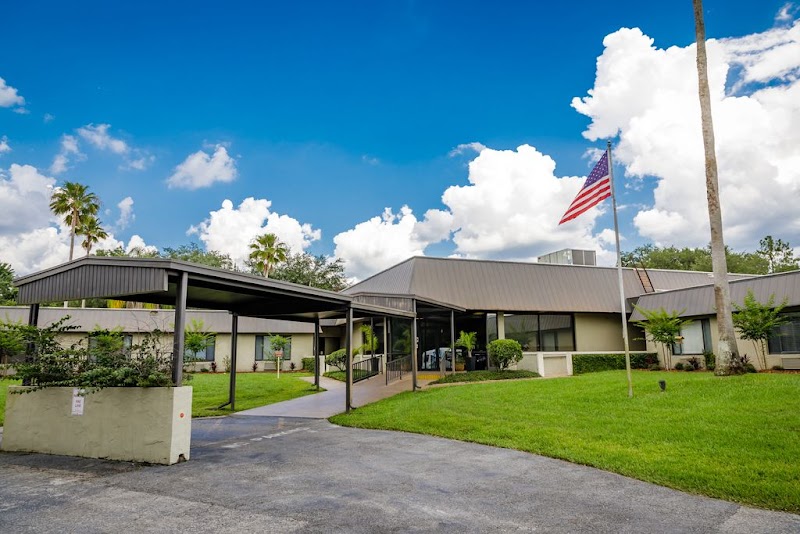
How is Solaris Healthcare Plant City Staffed?

CMS rates SOLARIS HEALTHCARE PLANT CITY's staffing level at 4 out of 5 stars, which is above average compared to other nursing homes. Staff turnover is 35%, compared to the Florida average of 46%. This relatively stable workforce can support continuity of care.

What Have Inspectors Found at Solaris Healthcare Plant City?

State health inspectors documented 8 deficiencies at SOLARIS HEALTHCARE PLANT CITY during 2020 to 2024. These included: 8 with potential for harm.

Who Owns and Operates Solaris Healthcare Plant City?

SOLARIS HEALTHCARE PLANT CITY is owned by a non-profit organization. Non-profit facilities reinvest revenue into operations rather than distributing to shareholders. The facility is operated by SOLARIS HEALTHCARE, a chain that manages multiple nursing homes. With 180 certified beds and approximately 173 residents (about 96% occupancy), it is a mid-sized facility located in PLANT CITY, Florida.
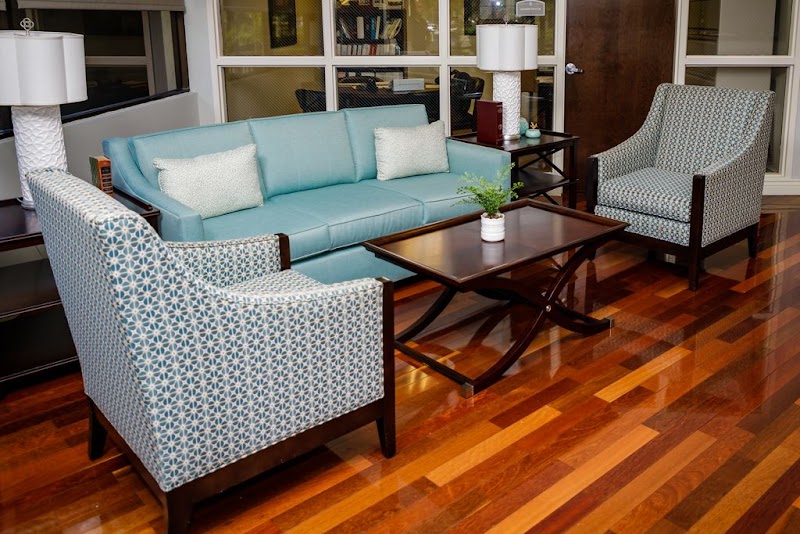
How Does Solaris Healthcare Plant City Compare to Other Florida Nursing Homes?

Compared to the 100 nursing homes in Florida, SOLARIS HEALTHCARE PLANT CITY's overall rating (4 stars) is above the state average of 3.2, staff turnover (35%) is significantly lower than the state average of 46%, and health inspection rating (4 stars) is above the national benchmark.

What Should Families Ask When Visiting Solaris Healthcare Plant City?

Based on this facility's data, families visiting should ask: "Can I visit during a mealtime to observe dining assistance and food quality?" "How do you handle medical emergencies, and what is your hospital transfer rate?" "Can I speak with family members of current residents about their experience?"

Is Solaris Healthcare Plant City Safe?

Based on CMS inspection data, SOLARIS HEALTHCARE PLANT CITY has a clean safety record: no substantiated abuse findings (meaning no confirmed cases of resident harm), no Immediate Jeopardy citations (the most serious violation level indicating risk of serious injury or death), and is not on the Special Focus Facility watch list (a federal program monitoring the lowest-performing 1% of nursing homes). The facility has a 4-star overall rating and ranks #1 of 100 nursing homes in Florida. While no facility is perfect, families should still ask about staff-to-resident ratios and recent inspection results during their visit.

Do Nurses at Solaris Healthcare Plant City Stick Around?

SOLARIS HEALTHCARE PLANT CITY has a staff turnover rate of 35%, which is about average for Florida nursing homes (state average: 46%). Moderate turnover is common in nursing homes, but families should still ask about staff tenure and how the facility maintains care continuity when employees leave.

Was Solaris Healthcare Plant City Ever Fined?

SOLARIS HEALTHCARE PLANT CITY has no federal fines on record. CMS issues fines when nursing homes fail to meet care standards or don't correct problems found during inspections. The absence of fines suggests the facility has either maintained compliance or corrected any issues before penalties were assessed. This is a positive indicator, though families should still review recent inspection reports for the full picture.

Is Solaris Healthcare Plant City on Any Federal Watch List?

SOLARIS HEALTHCARE PLANT CITY is not on any federal watch list. The most significant is the Special Focus Facility (SFF) program, which identifies the bottom 1% of nursing homes nationally based on persistent, serious quality problems. Not being on this list means the facility has avoided the pattern of deficiencies that triggers enhanced federal oversight. This is a positive indicator, though families should still review the facility's inspection history directly.