COVENANT VILLAGE CARE CENTER
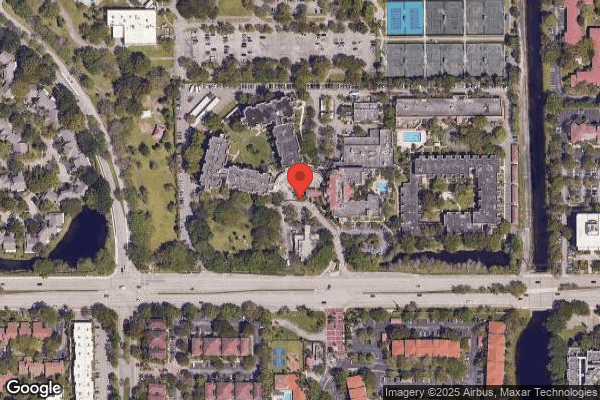
9211 W BROWARD BLVD, PLANTATION, FL 33324 (954) 370-8982
Non profit - Corporation 60 Beds COVENANT LIVING Data: November 2025
Trust Grade
90/100
#22 of 690 in FL
Last Inspection: May 2025

Inspected within the last 6 months. Data reflects current conditions.

Overview

Covenant Village Care Center has earned a Trust Grade of A, indicating it is excellent and highly recommended for families considering care options. Ranking #22 out of 690 facilities in Florida places it well within the top half, and it is #2 out of 33 in Broward County, meaning only one local option is better. The facility's trend is stable, with the same number of issues reported in both 2024 and 2025. Staffing is a strong point, with a 5/5 star rating and a low turnover rate of 23%, significantly better than the state average, which suggests that staff are experienced and familiar with residents' needs. However, there are some concerns to note, including 13 identified issues that could pose potential harm, such as failing to initiate care plans for monitoring medication side effects for certain residents. Additionally, the facility did not remove narcotics from medication carts when residents no longer had active prescriptions, and interventions to monitor side effects for antidepressant medications were not implemented for one resident. While the lack of fines and the high RN coverage indicate a generally positive environment, families should weigh these strengths against the noted concerns when making their decision.

Trust Score
A
90/100
In Florida
#22/690
Top 3%
Safety Record
Low Risk
No red flags
Inspections
Holding Steady
5 → 5 violations
Staff Stability
✓ Good
23% annual turnover. Excellent stability, 25 points below Florida's 48% average. Staff who stay learn residents' needs.
Penalties
✓ Good
No fines on record. Clean compliance history, better than most Florida facilities.
Skilled Nurses
✓ Good
Each resident gets 83 minutes of Registered Nurse (RN) attention daily — more than 97% of Florida nursing homes. RNs are the most trained staff who catch health problems before they become serious.
Violations
⚠ Watch
13 deficiencies on record. Higher than average. Multiple issues found across inspections.
★★★★★
5.0
Overall Rating
★★★★★
5.0
Staff Levels
★★★★☆
4.0
Care Quality
★★★★☆
4.0
Inspection Score
Stable
2024: 5 issues
2025: 5 issues

The Good

  • 5-Star Staffing Rating · Excellent nurse staffing levels
  • 4-Star Quality Measures · Strong clinical quality outcomes
  • Low Staff Turnover (23%) · Staff stability means consistent care
  • Full Sprinkler Coverage · Fire safety systems throughout facility
  • No fines on record
  • Staff turnover is low (23%)

    25 points below Florida average of 48%

Facility shows strength in staffing levels, quality measures, staff retention, fire safety.

The Bad

Chain: COVENANT LIVING

Part of a multi-facility chain

Ask about local staffing decisions and management

The Ugly 13 deficiencies on record

May 2025 5 deficiencies
CONCERN (D)

Potential for Harm - no one hurt, but risky conditions existed

Comprehensive Care Plan (Tag F0656)

Could have caused harm · This affected 1 resident

**NOTE- TERMS IN BRACKETS HAVE BEEN EDITED TO PROTECT CONFIDENTIALITY** Based on observations, interviews and record reviews, the facility failed to initiate a care plan for monitoring behaviors and s...

Read full inspector narrative →
**NOTE- TERMS IN BRACKETS HAVE BEEN EDITED TO PROTECT CONFIDENTIALITY** Based on observations, interviews and record reviews, the facility failed to initiate a care plan for monitoring behaviors and side effects for 2 of 5 sampled residents on psychotropic medications (Resident #268 and Resident #33). Facility also failed to initiate a care plan for monitoring pain for 1 of 5 sampled residents on narcotic medications (Resident #268). The findings included: 1. A record review showed that Resident #268 was admitted on [DATE] with diagnosis of Hemiplegia and hemiparesis following other nontraumatic intracranial hemorrhage affecting left non-dominant side and Epilepsy, not intractable, without status epilepticus. The Minimum Data Set (MDS) comprehensive dated 05/04/2025 revealed that the Brief Interview of Mental Status (BIMS) score is 14, which indicated intact cognition. A review of the orders revealed the following: 04/30/25: Divalproex 125 mg tablet, delayed release Every 12 Hours. 04/30/25: Tramadol 50 mg tablet as needed Every 4 Hours. 05/01/25: Enoxaparin 40 mg/0.4 mL subcutaneous syringe 1 Time Daily for 30 Days. 05/01/25: Pain Assessment 05/01/25: Behavior Monitoring 05/01/25: Side Effect Monitoring A review of Resident #268 medication administration record (MAR) indicated that the behaviors and side effects were being monitored. The pain assessment was also completed. A review of the comprehensive care plan dated 05/13/25 stated that Resident #268 is at risk for potential bleeding related to Anticoagulant Therapy. And monitoring of bruising and bleeding to put in place. A review of the comprehensive care plan dated 05/13/25 indicated that no care plan was put in place for monitoring behaviors or side effects related to the use of psychotropic medications or pain assessment related to the use of narcotics. 2. A record review showed that Resident #33 was admitted on [DATE] with diagnosis of Urinary tract infection and Parkinsonism. The Minimum Data Set (MDS) 5 days dated 04/28/2025 revealed that the Brief Interview of Mental Status (BIMS) score is 10, which indicated moderate cognitive impairment. A review of the orders revealed the following: 04/23/25: Eliquis 5 mg tablet Every 12 Hours for 30 Days. 04/23/25: Gabapentin 100 mg capsule Every 12 Hours. 04/28/25: Escitalopram 10 mg tablet Hour of Sleep. 04/23/25: Side Effect Monitoring every Shift . 04/23/25: Behavior Monitoring every Shift. 04/23/25: Pain Assessment every Shift. A review of Resident #33 medication administration record (MAR) indicated that the behaviors and side effects were being monitored. The pain assessment was also completed. A review of the comprehensive care plan dated 05/06/25 stated that Resident #33 is at risk for potential bleeding related to Anticoagulant Therapy. And monitoring of bruising and bleeding to put in place. A review of the comprehensive care plan dated 05/06/25 stated that Resident #33 is receiving antidepressant drugs on a regular basis. And monitoring for side effects and mood and behaviors to put in place. A review of the comprehensive care plan dated 05/13/25 indicated that no care plan was put in place for monitoring behaviors or side effects related to the use of psychotropic medications. In an interview conducted on 05/14/25 at 10:55 AM, the minimum data set (MDS) coordinator stated that Resident #268 is on psychotropic medications for seizures not for psychiatric problems and on narcotics for pain. She further explained that when psychotropics are not given for psychiatric disorders it's not necessary to monitor the resident for side effects nor for behaviors and mood. The MDS coordinator acknowledges the missing care plan for narcotics use.
CONCERN (D)

Potential for Harm - no one hurt, but risky conditions existed

Pharmacy Services (Tag F0755)

Could have caused harm · This affected 1 resident

Based on observation, interviews, record review and policy review, the facility failed to remove narcotics from 2 of 3 medication carts for residents who have no current orders for the narcotics. The ...

Read full inspector narrative →
Based on observation, interviews, record review and policy review, the facility failed to remove narcotics from 2 of 3 medication carts for residents who have no current orders for the narcotics. The findings included: The facility's policy titled Discarding and Destroying Medications revised 10/2014 revealed Disposal of controlled substances must take place immediately (no longer than three days) after discontinuation of use by the resident. On 05/15/25 at 12:05 PM, medication cart east was reviewed with Staff C, Registered Nurse (RN). Upon review of the as needed (prn) narcotics, Resident #4's medication card for Alprazolam 0.25 milligrams (mg) was in the narcotic locked box with no current order and last given on 03/11/25. The order was discontinued on 11/26/24. On 05/15/25 at 12:15 PM, medication cart middle was reviewed with Staff A, RN. Resident #17's medication card for Hydrocodone 5 mg-acetaminophen 325 mg was in the narcotic locked box with no current order and last given on 04/21/25. The order was discontinued on 02/21/25. This was discussed with the Administrator on 05/15/25 at 12:30 PM.
CONCERN (D)

Potential for Harm - no one hurt, but risky conditions existed

Deficiency F0757 (Tag F0757)

Could have caused harm · This affected 1 resident

**NOTE- TERMS IN BRACKETS HAVE BEEN EDITED TO PROTECT CONFIDENTIALITY** Based on observations, interview, and record review, the facility failed to implement interventions to monitor side effects and ...

Read full inspector narrative →
**NOTE- TERMS IN BRACKETS HAVE BEEN EDITED TO PROTECT CONFIDENTIALITY** Based on observations, interview, and record review, the facility failed to implement interventions to monitor side effects and behaviors related to antidepressant medication for 1 out of 5 residents reviewed for Unnecessary Medications (Resident # 13). The findings included: Record review for Resident # 13 revealed that the resident was admitted to the facility on [DATE] with the following diagnoses: Dementia, a condition characterized by a progressive decline in affecting memory, thinking, language, and behavior and Major Depressive Disorder. Review of Section C of the Minimum Data Set (MDS) dated [DATE] revealed that Resident # 13 had a Brief Interview for Mental Status (BIMS) score of 10, which indicated that she was moderately cognitively impaired. Review of Section GG of the MDS dated [DATE] revealed that the resident needed supervision and assistance for activities of daily living. Review of the Physician's Orders showed that Resident # 13 had an order dated 02/25/25 for Fluoxetine 10 mg capsule every morning for depression. Review of the Care Plan dated 03/01/25 documented that Resident #13 had an active order for medication to treat depression. Goals were to observe Resident #13 for changes in mood/behavior (sleep patterns, fatigue, appetite, ability to concentration, participation in activities, crying) and to record behaviors on the Behavior Tracking form. Review of the Treatment Plan for Resident # 13, date 02/25/25, lacked documentation of side effects monitoring or behavior observations. During a side-by-side review of the record and interview on 05/14/25 at 9:28 AM with Staff Nurse C, Registered Nurse (RN), she confirmed the lack of a physician order for behavioral monitoring for the medication Fluoxetine. She stated that the resident refuses her medications on most days. The last recorded administration date and time of Fluoxetine 10 mg was on 05/10/25 at 9:00 AM. The electronic record revealed that there was no behavioral monitoring for Resident #13 and the Staff Nurse agreed that the resident should be monitored.
CONCERN (D)

Potential for Harm - no one hurt, but risky conditions existed

Unnecessary Medications (Tag F0759)

Could have caused harm · This affected 1 resident

Based on observation, interview, record and policy review, it was determined that the medication error rate was 7.14 percent, 2 medication errors were identified while observing a total of 28 opportun...

Read full inspector narrative →
Based on observation, interview, record and policy review, it was determined that the medication error rate was 7.14 percent, 2 medication errors were identified while observing a total of 28 opportunities, affecting Resident #323. The findings included: The facility's policy titled Medication Administration implemented 01/2001 and revised 04/2019 revealed Obtain and record vital signs, when applicable or per physician orders. When applicable, hold medication for those vital signs outside the physician's prescribed parameters. On 05/15/25 at 10:04 AM, Staff B, Registered Nurse (RN) was observed preparing medication for Resident #323. Resident #323's blood pressure was 105/82, and heart rate was 55. Staff B prepared Amoxicillin 500 milligrams (mg) 1 tablet po (by mouth), Carvedilol 6.25mg 1 tablet po. The parameters for Carvedilol were to hold for SBP<110 DBP <60 HR <60. (Hold for systolic blood pressure under 110 and diastolic blood pressure under 50 and heart rate under 60). She also prepared 6 other medications. The Surveyor intervened after Staff B walked into the resident's room to give the medication and asked her to review the orders for Amoxicillin and Carvedilol. Staff B reviewed the orders and stated she should have prepared 2 pills for Amoxicillin and should not have prepared Carvedilol because the resident's blood pressure was under 110/60 and heart rate was under 60. This was discussed with the Administrator on 05/15/25 at 11:00 AM.
CONCERN (D)

Potential for Harm - no one hurt, but risky conditions existed

Deficiency F0761 (Tag F0761)

Could have caused harm · This affected 1 resident

**NOTE- TERMS IN BRACKETS HAVE BEEN EDITED TO PROTECT CONFIDENTIALITY** Based on observation, interview and policy review, the facility staff failed to lock the medication cart during medication admin...

Read full inspector narrative →
**NOTE- TERMS IN BRACKETS HAVE BEEN EDITED TO PROTECT CONFIDENTIALITY** Based on observation, interview and policy review, the facility staff failed to lock the medication cart during medication administration for 1 of 9 residents observed for medication administration and failed to properly dispose a wasted drug during medication administration. The findings included: The facility's policy titled Medication Labeling and Storage revised 02/2023, revealed Compartments (including, but not limited to, drawers, cabinets, rooms, refrigerators, carts, and boxes) containing medications and biologicals are locked when not in use, and trays or carts used to transfer such items are not left unattended if open or otherwise potentially available to others. On 05/14/25 at 9:20 AM, Staff B, Registered Nurse (RN) was observed leaving her medication cart unlocked while going into the room to give medication to Resident # 219. This cart continued to be unlocked during the time the cart was pushed to room [ROOM NUMBER] to give medications to Resident #121. Staff B took Resident #121's vitals at 9:25 AM. Then washed her hands in the bathroom with the cart parked outside of the door of the room unlocked. At this time a Certified Nursing Assistant (CNA) was walking in and out of the resident's room and other residents were being pushed in their wheelchairs to physical therapy with the physical therapists. At 9:36 AM the resident was given medication with the cart still unlocked in front of the door. Observation continued with Staff B during medication administration. Staff B pushed the medication cart to room [ROOM NUMBER] at 9:47 AM. The cart was now parked in front of room [ROOM NUMBER] unlocked. Resident #24 was given medications then Staff B returned to her medication cart at 9:56 AM and locked it. Staff B then prepared medications for Resident #323 at 10:04 AM in the same room. The cart was unlocked to prepare the medications. Staff B prepared 6 medications and put them in the medication cup then spilled the 7th medication. The medication (Glipizide ER (extended release) 5 milligrams was picked up by Staff B and put into the trash receptacle. The Surveyor asked Staff B if that is where the discarded medication goes and she said it should go into the pill buster and stated she was sorry about that. Staff B prepared 3 more medications then locked the cart and went into the resident's room to administer the medications. This was discussed with the Administrator on 05/14/25 at 11:00 AM.
Feb 2024 4 deficiencies
CONCERN (D)

Potential for Harm - no one hurt, but risky conditions existed

ADL Care (Tag F0677)

Could have caused harm · This affected 1 resident

**NOTE- TERMS IN BRACKETS HAVE BEEN EDITED TO PROTECT CONFIDENTIALITY** 2) A record record review revealed that Resident #1 was admitted on [DATE] with diagnoses of major depression, dysphagia, and he...

Read full inspector narrative →
**NOTE- TERMS IN BRACKETS HAVE BEEN EDITED TO PROTECT CONFIDENTIALITY** 2) A record record review revealed that Resident #1 was admitted on [DATE] with diagnoses of major depression, dysphagia, and heart failure. A review of the Quarterly Minimum Data Set (MDS) dated [DATE] revealed that Resident #1 had a Brief Interview of Mental Status (BIMS) score of 99, which indicated the resident is cognitively impaired. An observation was conducted on 02/26/24 at 12:10 PM. Resident #1 was noted in her room. Closer observation showed that Resident #1 had long, unkept fingernails on both hands, with a brown, unidentified matter underneath the pointer finger of her right hand. Photographic evidence obtained. In an observation conducted on 02/28/24 at 12:50 PM, Resident #1 was noted eating her lunch in the assisted dining hall. Closer observation showed that Resident #1 had long, unkept fingernails on both hands with a brown, unidentified matter underneath the pointer finger of her right hand. The care plan for Resident #1 under the Activities of Daily Livings (ADLs) section revealed that Resident #1 has a self-care deficit and requires assistance with self-care and her ADLs. Intervention included clean and manicured fingernails as needed. An interview was conducted on 02/28/24 at 4:00 PM with Staff B, Certified Nursing Assistant (CNA), who said she usually cleans and trims residents' fingernails before dinner. She was then asked to accompany Surveyors into Resident #1's room. She said yes when asked if Resident #1's fingernails needed trimming and cleaning. Staff B stated that it was not her Resident and that Staff E, Activity Aid, usually cuts and trims the Resident's fingernails. In an interview conducted on 02/28/24 at 4:10 PM, the facility's Director of Nursing (DON) stated that fingernail grooming is part of the overall grooming and that the Certified Nursing Assistants do not have a specific place in the electronic system that is just for fingernail grooming. The DON said that Resident #1 likes her fingernails long and that when staff tries to cut or trim her fingernails, she refuses. The DON stated that the Activity Director would know more about Resident #1 since she usually cuts and trims her fingernails during activities. An interview conducted on 02/28/24 at 4:17 PM with Staff C, Certified Nursing Assistant, stated that after dinner, they dress the residents, brush their teeth, and put them to prepare the resident for bed. Nail grooming is done when the showers are done, which is usually twice a week. When she looks at the fingernails, she makes the judgment of whether to trim the fingernails or cut the fingernails. They do it; and sometimes, the activity staff members trim and cut the fingernails. Staff C said that sometimes she works with Resident #1 and has her today and yesterday. In this interview, the Surveyors asked Staff C to accompany them to Resident #1's room. When asked if Resident #1's fingernails needed cutting and trimming, she said, It needs to be trimmed down. An interview conducted on 02/28/24 at 4:56 PM with the Activity Director, she stated that she trims and cuts Resident #1's fingernails during Monday activities that are dedicated to pampering hands and nail polish. She further noted that Resident #1 usually likes it and that it is unusual for Resident #1 to refuse or not want staff to cut or trim her fingernails. When asked by the Surveyors how long they keep the fingernails, she said just enough to be able to put nail polish but not too long. In this interview, the Activity Director was asked by Surveyors to accompany them to Resident #1's room. When asked to look at Resident #1's fingernails, she confirmed that some of the fingernails needed to be trimmed, shaped, and cleaned underneath, especially the thumb on the right hand. Based on observations, interviews and record review, the facility failed to provide assistance during dining (Resident #30) and failed to provide fingernails grooming (Resident #1) for 2 of 3 residents reviewed for Activities of Daily Living (ADLs). The findings included: Review of the facility's policy titled, Activities of Daily Living (ADL), Supporting revised on 03/2018 documented .appropriate care and services will be provided for residents who are unable to carry out ADLs independently including appropriate support and assistance with: hygiene ( grooming .) .dining (meals ) . 1) Review of Resident #30's clinical record documented an admission on [DATE] with a discharge to a local hospital on [DATE] and a readmission to the facility on [DATE]. The resident diagnoses included Acute Respiratory Failure with Hypoxia (lack of oxygen) Myocardial Infarction, Pulmonary Embolism, Malignant Neoplasm of the Mouth, Dysphagia and Cognitive Communication Deficit. Review of Resident #30's Minimum Data Set (MDS) quarterly assessment dated [DATE] documented a Brief Interview of the Mental Status (BIMS) score of 6, indicating that the resident had severe cognition impairment. The assessment documented under functional abilities and goals the resident needed partial/moderate assistance with eating and needed substantial/maximal assistance with most ADLs. Review of Resident #30's active care plan titled Self-care Deficit- Resident requires extensive assistance for completion of most ADL related to decrease mobility and cognitive status .Feed and Supervised with each meal. Review of Resident #30's active care plan titled, Nutrition- The resident is at risk for inadequate (by mouth) po/fluid intake . with interventions that included provide cues, encouragement and assistance .open containers and wrapping as needed . Review of Resident #30's physician order dated 01/06/24 documented Feed and Supervised with each meal. On 02/27/24 at 3:15 PM, a telephone interview was conducted with the MDS Coordinator who stated that Resident #30's assessment was not coded as a set up for meals nor for supervision during meals. The MDS Coordinator added the resident needed more than that, needed a staff member to be with her during meals. The MDS Coordinator stated that Resident # 30 requires substantial assistance due to her cognitive status and requires to be fed and supervise at times with each meal. The MDS Coordinator stated the resident's care plan was revised on 01/24/24. On 02/26/24 at 9:32 AM, observation revealed Resident #30 sitting up in bed with her breakfast tray set up in front of her. Further observation revealed the resident was dozing off, her eyes were closed. Attempted to interview the resident but she was not answering questions. The resident stared at the surveyor while attempting to interview her. The resident was asked if she wanted to be fed and nodded her head up and down (positive sign). The resident had her arms flexed up to her chest and in a cross position. Further observation revealed Staff F, Certified Nursing Assistant (CNA) in the resident's room feeding the roommate. Subsequently, an interview was conducted with Staff F who stated Resident #30 was able to feed herself. On 02/26/24 from 9:32 AM to 9:46 AM, observation revealed Resident #30 continues to have her breakfast tray in front of her, food was untouched. On 02/26/24 at 9:46 AM, observation revealed Staff E, Activities Aide, entered Resident #30's room and Staff F, CNA was in the room feeding the roommate. Further observation revealed no assistance or encouragement was provided by Staff E nor Staff F from 9:32 AM to 9:46 AM. On 02/26/24 at 1:00 PM, observation revealed lunch tray cart was parked by Resident #30's room. At 1:23 PM, observation revealed Resident #30's tray delivered by Staff F, CNA. Subsequently, an interview was conducted with Staff F who stated that she was helping a resident in another room. Staff F stated Resident #30 fed herself and added the resident did not eat anything for breakfast and wanted lunch. Observation revealed Staff F setting up Resident #30's lunch tray. The resident was asked if she wanted to eat and nodded her head up and down (meaning yes). On 02/26/24 at 1:30 PM, observation revealed Resident #30 feeding herself using her right hand with difficulty, unable to grab puree food on the fork. Observation revealed the resident kept moving her fork side to side on the plate and the plate edges to grab some of the pureed food with very little amount noted on the fork. The resident kept her left arm under the cover. The resident's napkin was soaked wet with food dropped into the napkin. Observation revealed no staff assisting, or providing cues nor encouraging Resident #30 during her meal. On 02/28/24 at 9:01 AM, observation revealed Staff F, CNA delivered Resident #30's tray. Staff F asked the resident if she was ready to eat and she nodded her head up and down. Staff F added I will set you up to eat. On 02/28/24 at 9:18 AM, observation revealed Resident #30 feeding herself, putting the fork into the cup of juice and bringing it to her mouth. The resident had a napkin over her chest that was soaked wet. Staff F, CNA was feeding her roommate and acknowledged Resident #30 was trying to drink her juice with a fork. Staff F from the across the room asked Resident #30 to use the straw. Observation revealed the resident was able to put the straw into the cup but removed it immediately, did not use it. Further observation revealed the resident again tried to drink the juice with a fork. The resident was observed attempting to get her pureed food on the fork and was able to get very little amount. The resident did not touch her (enhanced) oatmeal. The tray contains thin liquid, pureed food, a carton of whole milk, a cup of coffee, a glass of cranberry juice and a glass of water. By 9:21 AM, observation revealed Resident #30 had taken approximately 10% of the pureed food, and 25 % of the cranberry juice. On 02/28/24 at 9:21 AM, during an interview, Staff F, CNA stated again that Resident #30 fed herself all meals and eats everything. Observation revealed a thick red liquid dripping out of the resident's mouth. The resident was able to retrieve a very small amount of the pureed food on the fork and into her mouth. Observation revealed the resident had a chunk of white piece of food in her mouth. Continued observation at 9:27 AM, revealed Resident #30 grabbed a small unopened butter container with her right hand attempting to open it with one hand and was not able to. The resident left arm was under the cover. At 9:30 AM, observation revealed the resident putting the fork inside the cup of cranberry juice multiple times and bringing it to her mouth. During the observation, Staff F, CNA continues to feed Resident # 30's roommate without providing encouragement, nor supervision to Resident #30, who had a physician order to be fed and supervised. Furthermore, Staff E, Activity Aide entered Resident #30's room to deliver an I-Pad and did not encouraged the resident to eat nor offer assistance. At 9:35 AM, observation revealed Resident #30 attempted to get food from the plate and was not able to. The resident's napkin over her chest was noted soaked wet with a reddish color. Continued observation revealed the resident was moving her straw from the table to the tray back and forth, the spilled half of the cup of cranberry juice over her tray and pushed her tray away from her. On 02/28/24 at 9:44 AM, observation revealed Staff F, CNA came to Resident #30's bedside and asked her if she wanted help, the resident shook her head from side to side (meaning no). At the time, Staff F smashed the resident's pureed biscuit that was 75% untouched. The resident then got a spoon full of pureed meat and biscuit smashed by Staff F. The resident was not swallowing and Staff F had to remind her to chew and swallow. At 9:50 AM, Staff F asked Resident #30 if she would like another juice and the resident nodded her head up and down (meaning yes). The resident continues to attempt to get more of the smashed pureed biscuit and meat into her mouth without swallowing. The resident kept putting spoonfuls of food into her mouth. At 9:51 AM, Staff F returned to Resident #30 with a second container of cranberry juice. The resident was pushing the tray away. Surveyor asked the resident if she would like Staff F to help her and nodded her head up and down. Staff F asked the resident if she wanted help and the resident nodded her head up and down. Observation revealed the resident open her mouth multiple times to be fed by Staff F. Further observation revealed Staff F had to repeatedly tell the resident to chew and swallow. At 9:56 AM, Staff F was feeding the resident and stated, I can't give it to you unless you swallow. At 9:58 AM, Staff F stated the resident was pocketing her food and stated the resident had never taken so long to eat. At 10:01 AM, continued observation revealed Resident #30 pouring milk over her pureed biscuit. At 10:04 AM, the resident decline more food. The resident ate 75% of her food after assistance was provided. On 02/28/24 at 10:24 AM, an interview was conducted with the Speech Pathologist, (SP) who stated that Resident #30 received therapy until 01/31/24 because of Dysphagia (difficulty swallowing). The ST stated the resident needs supervision with meals. The ST was apprised that Resident #30 did not eat breakfast on 02/26/24, and with the 02/28/24 breakfast meal, the resident spilled her food and juice all over her napkin, was attempting to drink juice with a fork and was pocketing her food in her mouth. The ST was apprised there was no staff close to the resident to assist and supervise her, the staff across the room was not assisting nor supervising Resident #30. On 02/28/24 at 1:38 PM, observation revealed Resident #30 sitting up in bed and Staff G, CNA next to the resident. An interview was conducted with Staff G who stated the resident needed to be fed.
CONCERN (D)

Potential for Harm - no one hurt, but risky conditions existed

Pressure Ulcer Prevention (Tag F0686)

Could have caused harm · This affected 1 resident

**NOTE- TERMS IN BRACKETS HAVE BEEN EDITED TO PROTECT CONFIDENTIALITY** Based on record review, observation and interviews, the facility failed to practice appropriate infection prevention and control...

Read full inspector narrative →
**NOTE- TERMS IN BRACKETS HAVE BEEN EDITED TO PROTECT CONFIDENTIALITY** Based on record review, observation and interviews, the facility failed to practice appropriate infection prevention and control and failed to follow wound care physician orders during wound care observation for 1 of 1 resident sampled for wound care review (Resident #45). The findings included: Review of the facility's policy provided by the administrator titled, Hand Hygiene with no revision date and without the facility's name listed documented .additional considerations: the use of gloves does not replace hand hygiene. If your task requires gloves, perform hand hygiene prior to donning gloves and immediately after removing gloves. Review of Resident #45's clinical record documented an admission on [DATE]. The resident diagnoses included a fracture to the Right Femur, Muscle Weakness and Retention of Urine. Review of Resident #45's Minimum Data Set (MDS) 5 days admission assessment dated [DATE] documented a Brief Interview of the Mental Status (BIMS) score of 12, indicating that the resident had moderate cognition impairment. The assessment documented under Functional Abilities and Goals that the resident needed substantial/maximum assistance for most of his Activities of Daily Living (ADL's). Review of Resident #45's care plan titled, At risk for skin breakdown related to incontinence, impaired mobility . initiated on 01/10/24 and revised on 01/18/24. The care plan documented that on 02/09/24 the resident was observed with a right heel open area and a non-blanchable redness to the left heel as per nurses observation. Review of Resident #45's physician order dated 02/20/24 documented Clean right heel with Dakin's solution, pat dry, skin prep to the peri wound, apply Santyl, alginate calcium, cover with bordered island dressing daily and when soiled. On 02/27/24 at 2:43 PM, observation revealed Resident # 45 in a bed with an air mattress lying flat on his back. An interview was conducted with the resident in Spanish who stated he was cold and did not want to get out of bed. Observation revealed the resident was wearing bilateral heel booties. On 02/27/24 at 3:30 PM, a telephone interview was conducted with the MDS Coordinator who stated that as per Resident #45's initial assessment done 01/15/24, the resident did not have pressure wounds reported on admission. The MDS Coordinator stated that on 02/09/24 the nurse observed right heel open area and a non-blanchable redness to the left heel and treatment was started. The Coordinator stated the resident was receiving daily Physical therapy. On 02/28/24 at 8:04 AM, an interview was conducted with Staff D, Registered Nurse (RN). Staff D stated Resident #45 had a wound to his right heel and she will do his wound care sometime this shift. On 02/28/24 at 11:27 AM, wound care observation for Resident #45 performed by Staff D, RN started. Observation revealed Staff D reviewed the physician orders and gather the following supplies: a Derma Wound Cleanser bottle, a red bag, one bordered island gauze, three gauze packages, a package of calcium alginate, two skin prep pads, resident labeled Santyl ointment tube and a pair of scissors. At 11:36 AM, Staff D entered Resident #45's room, placed the supplies on top of the resident's dresser, donned gloves and cleaned his over the bed table with two dry paper towel, then placed three paper towels as a barrier on the table. Staff D then removed her gloves, performed hand hygiene and donned gloves. Observation revealed Staff D retrieved the scissors and without disinfecting the scissors, cut up a piece of the whole calcium alginate dressing and placed the scissors on top of the dresser. Staff D then poured a small amount of Santyl ointment into a medication cup and placed all supplies including the cut up piece of calcium alginate on top of the barrier. Staff D removed the resident's non-skid socks and the right heel dressing, removed her gloves, performed hand hygiene and donned gloves. Staff D retrieved the wound cleanser bottle and proceeded to spray the wound, dried up the wound and spray it with wound cleanser again and pat dry the wound. Observation revealed Staff D continues to wear the pair of gloves she used to clean the wound. Staff D proceeded to applied skin prep to the peri wound, then inserted her gloved index finger into the medication cup to retrieve the Santyl ointment and pasted into Resident #45's open right heel wound and covered with the bordered island dressing. Observation revealed Staff D removed her gloves and without hand hygiene, donned gloves and reached to her uniform pocket and retrieved an ink pen to date the dressing. Continued observation at 11:48 AM, revealed the wound cleanser fell to the floor and Staff D picked the bottle from the floor and placed it back on the table. Staff D put the resident non-skid socks back on and the bootie. Staff D then applied skin prep to Resident #45's left heel scab, removed her gloves and without hand hygiene donned gloves and put on the resident's non-skid sock and the bootie. Observation revealed Staff D removed her gloves, performed hand hygiene, returned to the treatment cart and placed the opened cut up calcium alginate dressing in the top drawer, and without disinfecting, Staff D placed the wound cleanse bottle that fell on the floor and the scissors back in the treatment cart. On 02/28/24 at 11:56 AM, an interview was conducted with Staff D, RN who stated she cleans her hand before and after working with the residents. Staff D was asked if she washes her hands between gloves changes, and replied if she touches something contaminated or dirty. Staff D confirmed she put the opened calcium alginate package, the wound cleanser bottle and the scissors back in the cart. Staff D stated she was supposed to clean the scissors and the wound cleanser bottle that was contaminated before putting those back in the treatment cart and did not. Staff D was apprised that she did not change gloves before applying Santyl ointment to the open wound with her finger. On 02/28/24 at 1:22 PM, an interview was conducted with the Director of Nursing (DON) who was apprised of Resident #45's wound care observations findings. The DON stated the nurses have applicators in the treatment cart to apply Santyl ointment to the wound. On 02/29/24 at 11:02 AM, a side by side review of Resident #45's wound care order was conducted with the DON. The DON was apprised Staff D did not use Dakin's solution, as per physician order, rather used Derma Wound Cleanser spray to clean the resident's wound. Subsequently, a side by side review of the wound cleanser ingredients was conducted with the DON. The DON acknowledged the Derma Wound Cleanser and Dakin's solution did not have the same ingredients.
CONCERN (D)

Potential for Harm - no one hurt, but risky conditions existed

Medication Errors (Tag F0758)

Could have caused harm · This affected 1 resident

**NOTE- TERMS IN BRACKETS HAVE BEEN EDITED TO PROTECT CONFIDENTIALITY** Based on interviews and record review, the facility failed to ensure that a Gradual Dose Reduction (GDR) for Psychotropic medica...

Read full inspector narrative →
**NOTE- TERMS IN BRACKETS HAVE BEEN EDITED TO PROTECT CONFIDENTIALITY** Based on interviews and record review, the facility failed to ensure that a Gradual Dose Reduction (GDR) for Psychotropic medication was being followed as per the Physician's orders for 1 of 5 residents reviewed for unnecessary medications (Resident #32). The findings included: A review of the facility's policy titled, Psychotropic Medication Use, dated 2001, revealed that the use of psychotropic medications is not increased when efforts to decrease antipsychotic medicines are being implemented. The medication management process will include an indication of use, dose, and duration. A record review revealed that Resident #32 was admitted on [DATE] with diagnoses of Anxiety Disorder and Major Depressive Disorder. The care plan, which was initiated on 11/14/23, revealed the following: Resident #32 is on routine antianxiety medication and administers medication as indicated. A review of the Physician's orders in the paper chart revealed an order to discontinue Ativan (Lorazepam) 0.5 milligrams (mg)once a day and start Ativan 0.25 mg once a day, which was dated 12/21/23. A review of the Physician's orders in the electronic system revealed the following: Lorazepam 0.5 mg, 0.25 mg oral one time a day for anxiety and agitation. The February 2024 Medications report revealed an order for Lorazepam 0.5 mg (0.25 mg) once a day starting on 12/21/23, which was discontinued on 02/28/24. In an interview conducted on 02/27/24 at 2:27 PM with Staff A, a Registered Nurse, she was asked to clarify the Physician's order for Lorazepam. She stated that Resident #32 receives 0.5 milligrams of Lorazepam daily at 5:00 PM. Staff A proceeded to show the Surveyors the printed order in the electronic system. When asked by Surveyors how she would interpret the above electronic order, she said, I see what you are saying, and then said, It needs to be looked at. Staff A further stated that when she was looking at the order, what stood out was the 0.5 mg of Lorazepam and not the 0.25 mg. An observation of Resident #32's Bingo Medication Dispenser card revealed that he was receiving a Lorazepam 0.5 mg tablet, which was provided by Staff A, taken from the locked medication cart. Photographic evidence obtained. An interview was conducted on 2/28/24 at 5:17 PM with Staff D, a Registered Nurse, who stated that she was supposed to give Resident #32 his order for Lorazepam 0.25 mg, but she did not because they did not have any in-house and that she contacted the Unit Manager to let her know. A review of the Psychiatry Subsequent Note dated 01/03/24 revealed the following: Resident #32 mood has been stable and has no behavioral concerns. Stable symptoms of depression and anxiety, and the staff reported that the behavior has been appropriate. In this note, the Psychiatrist documented that Resident #32 receives Lorazepam 0.25 mg once a day. A review of the care plan note dated 01/17/24 revealed the following: Resident #32 is receiving Lorazepam 0.25 mg once a day, and no medications that have failed GDR at this time. An interview conducted on 02/28/24 at 6:00 PM with the facility's Director of Nursing stated that the Psychiatrist decided to change the order back to Lorazepam 0.5 mg and called the Pharmacy to ask for the higher dosage. The surveyor requested documentation regarding the above dosage change, which was not provided. An interview conducted on 02/29/24 at 1:20 PM with the Psychiatrist Nurse Practitioner stated that he wanted Resident #32's Lorazepam decreased to 0.25 mg as he prescribed on 12/21/23. He was not aware that Resident #32 was receiving 0.5 mg of Lorazepam and not the Gradual Dose Reduction of 0.25 mg.
CONCERN (D)

Potential for Harm - no one hurt, but risky conditions existed

Deficiency F0808 (Tag F0808)

Could have caused harm · This affected 1 resident

**NOTE- TERMS IN BRACKETS HAVE BEEN EDITED TO PROTECT CONFIDENTIALITY** Based on observation, interview, and record review, the facility failed to provide the appropriate diet consistency per the Phys...

Read full inspector narrative →
**NOTE- TERMS IN BRACKETS HAVE BEEN EDITED TO PROTECT CONFIDENTIALITY** Based on observation, interview, and record review, the facility failed to provide the appropriate diet consistency per the Physician ' s orders for 1 of 5 sampled residents reviewed for nutrition (Resident #308). The findings included: A record review revealed that Resident #308 was admitted on [DATE] with diagnoses of Dementia and Hypertension. The Comprehensive Minimum Data Set (MDS) dated [DATE] revealed that Resident #308 had a Brief Interview of Mental Status (BIMS) score of 11, which was mild cognitive impairment. Record review showed a Diet Order and Communication yellow slip noted with a regular/pureed diet, which was dated 02/24/24. The Physician's order revealed an order for a pureed diet, which was dated 02/24/24. The care plan initiated on 02/24/24 revealed the following: allow time to eat and provide encouragement and assistance. Monitor dietary tolerance and symptoms of coughing or choking when eating or taking fluids. The nutrition progress note dated 02/26/24 revealed that Resident #308 was admitted under hospice to the facility for a short respite stay. History of dementia and dysphagia and is on a pureed diet consistent with thin liquids. In an observation conducted on 02/26/24 at 9:30 AM, Resident #308 was noted in her bed with a breakfast tray in front of her. Closer observation revealed a meal choice ticket: orange/apple/cranberry juice, scrambled eggs, sliced bacon, corn beef hash, mini croissant, oatmeal, milk, and coffee. The bottom of the meal choice ticket revealed Resident #308 diet crossed out, and underneath was written regular diet with the Resident's last name and room number. In this observation, Resident #308 said, this does not look like my tray; it seems like someone was eating from my breakfast meal. Resident #308 then picked up her tablespoon and ate from the breakfast tray. The meal tray was noted with scrambled eggs, milk, oatmeal, and coffee. Photographic evidence obtained. An observation conducted on 02/26/24 at 12:43 PM revealed Resident #308 in her bed. Closer observation showed a menu food selection sheet for the next day with meal choices for breakfast, lunch, and dinner dated 02/27/24. The menu food selection sheet had Resident #308's name and room number written on the bottom. The menu food selection sheet showed a regular diet meal choice and not the appropriate puree meal choices. Photographic evidence obtained. An interview conducted on 02/28/24 at 12:17 PM with the facility's Registered Dietitian stated that the daily menu is printed on paper with the food menu choice and placed on the breakfast trays for all residents. Residents can pick their food choices for the next day, and nurses will pick up the menus and give them to the dietary department. This is done daily and taken to the main kitchen for the dietary aides to review. The menu food choices forms have the diet listed with the name of the resident and the room number for each Resident. The meal trays should have a white diet slip attached to the menu food choices paper on each meal tray. The dietary service aides oversee placing the menu selection paper on the meal trays every morning and making sure that it has the correct Resident name and diet order and that the menu will match the right food choices. The Certified Nursing Assistants are also responsible for ensuring that the diet orders are accurate for the specific residents. The surveyor showed the Registered Dietitian the picture of the breakfast meal for regular consistency that was taken on 02/26/24, and she said, I do not know how that happened.
Jan 2024 1 deficiency
CONCERN (D) 📢 Someone Reported This

A family member, employee, or ombudsman was alarmed enough to file a formal complaint

Potential for Harm - no one hurt, but risky conditions existed

Notification of Changes (Tag F0580)

Could have caused harm · This affected 1 resident

**NOTE- TERMS IN BRACKETS HAVE BEEN EDITED TO PROTECT CONFIDENTIALITY** Based on interview, review of policy and procedure, and record review, the facility failed to promptly notify the resident's res...

Read full inspector narrative →
**NOTE- TERMS IN BRACKETS HAVE BEEN EDITED TO PROTECT CONFIDENTIALITY** Based on interview, review of policy and procedure, and record review, the facility failed to promptly notify the resident's responsible party of the resident's fall in the facility for 1 of 2 sampled residents (Resident #1). The findings included: Review of the facility policy and procedure, titled Change in a Resident's Condition or Status, revised February 2021, was provided by the Director of Nursing (DON) and it documented in the Policy Statement: Our facility promptly notifies the resident, his or her attending physician, and the resident representative of changes in the resident's medical/mental condition and/or status . Resident #1 was initially admitted to the facility on [DATE] with diagnoses which included Fusion of Spine, Lumbar Region, Basal Cell Carcinoma of Skin, Hypertension, Chronic Obstructive Pulmonary Disease, Unsteadiness on Feet, Difficulty with Walking, Need assistance with Personal Care, and Urinary Tract Infection (UTI). Resident #1 had a Brief Interview Mental Status (BIM) score of 13 (cognitively intact), and required one person assist with transfers and daily ADLs (activities of daily living). During a telephone interview conducted on 01/05/24 at 9:17 AM,with Resident #1's daughter and second emergency contact, she reported neither she nor the resident's first emergency contact, her sister, was ever notified of Resident #1 having had a fall in the facility on Tuesday 11/14/23. The resident's daughter stated that the resident was the one who called her to let her know that she had fallen in her room while getting up from her wheelchair. Resident #1's daughter went on to say that she didn't understand why the facility did not notify her nor her sister about the resident's fall, and why it was that she had to hear about this from her Mother, who was residing in the facility, for care. The resident's Fall care plan documented that on 11/14/23 Resident observed on floor, no injuries noted; 11/15/23 transfer to hospital and back after a few hours status post fall; no new orders. An interview was conducted with the Social Services Director on 01/05/24 at 3:11 PM, in which she acknowledged that Resident #1 was found sitting on the floor in her room on Tuesday 11/14/23 sometime well after lunch and she said that she reported this to Resident #1's assigned nurse, Staff A, a Registered Nurse (RN). A side-by-side computerized record review was conducted with the DON of the nurses' note effective date 11/14/23 at 4:45 PM by Staff A, in which it was documented Staff A was notified by the Social Services Director that Resident #1 was on the floor. It was also documented that Staff A went into the room to find the resident sitting on the floor in front of the bed with both legs facing the window, with the wheelchair facing the T.V. An assessment was done, vital signs taken, no obvious injuries, or complaints of pain, denied hitting head, resident was able to move all extremities without pain. It was further documented that Resident #1 indicated to Staff A that she was trying to get to her bed and her legs gave out and she sat on the floor. During an interview conducted on 01/05/24 at 3:50 PM with Staff A, Resident #1's assigned day nurse, she acknowledged that Resident #1 was found sitting on the floor in her room on Tuesday 11/14/23, and she also acknowledged that it was not documented in the medical record that Resident #1's fall had been reported to the resident's responsible party/representative. A telephone interview was conducted on 01/05/24 at 5:17 PM with Staff B, Licensed Practical Nurse (LPN), the day nurse assigned to Resident #1 on 11/15/23 after the resident's fall in the facility, in which she indicated that Resident #1's daughter was updated when she visited the facility, and not beforehand, regarding Resident #1's fall in the facility. Staff B went on to say that the resident was transferred out non-emergency to the hospital to be evaluated after Resident #1's daughter had arrived to the facility. Further computerized record review of the nurses' note dated 11/15/23 by Staff B, only described the action of Resident #1 being transferred to the hospital for further evaluation; with no official physician's order on file authorizing the hospital transfer. This note did not document that the resident's physician had been contacted and notified of the resident's fall in the facility. On 01/05/24 at 4:22 PM, an interview was conducted with Staff C, the assigned RN Evening Supervisor on the evening of the fall Tuesday 11/14/23. Staff C also acknowledged that she made no documentation in Resident #1's record with regards to her fall. Staff C went on to state that she vaguely remembered the resident and her care that evening and was unable to recall any other information pertaining to this resident. There was no notation in the nurses' note, nor anywhere in the resident's medical record to indicate that Resident #1's representatives had been contacted and made aware of her fall in the facility, at the time. The DON further recognized and acknowledged during her interview on 01/05/24 at 5:30 PM that it was not documented in the computerized medical record that Resident #1's responsible party was not notified or made aware of the resident's fall in the facility.
Nov 2022 3 deficiencies
CONCERN (D)

Potential for Harm - no one hurt, but risky conditions existed

Deficiency F0725 (Tag F0725)

Could have caused harm · This affected 1 resident

**NOTE- TERMS IN BRACKETS HAVE BEEN EDITED TO PROTECT CONFIDENTIALITY** Based on review of policy and procedure, record review, and interview, it was determined that the facility failed to ensure that...

Read full inspector narrative →
**NOTE- TERMS IN BRACKETS HAVE BEEN EDITED TO PROTECT CONFIDENTIALITY** Based on review of policy and procedure, record review, and interview, it was determined that the facility failed to ensure that it maintained sufficient nursing staff, on a 24-hour basis to provide nursing and related services to residents, in order to maintain the highest practicable physical, mental, and psychosocial well-being of each resident, as determined by resident assessments and individual plans of care. The findings included: Review of the facility policy and procedure, titled Staffing, revised October 2017, provided by the Administrator, documented in the Policy Statement: Our facility provides sufficient numbers of staff with the skills and competency necessary to provide care and services for all residents in accordance with resident care plans and the facility assessment. Policy Interpretation and Implementation: 1. Licensed nurses and certified Nursing Assistants (CNAs) are available 24 hours a day to provide direct resident care services. 2. Staffing numbers and the skill requirements of direct care staff are determined by the needs of the residents based on each resident's plan of care 4. Direct care staffing information per day (including agency and contract staff) is submitted to the Centers for Medicaid and Medicare Services (CMS) payroll-based journal (PBJ) system on the schedule specified by CMS, but no less than a quarter . On the Staffing Calculations Form for the three (3) months of April, May and June 2022, it was documented that the licensed nursing staff hours reflected less than 1.0 hour on the following nine (9) days: Sunday 04/17/22, Monday 04/18/22, Thursday 04/28/22, Sunday 05/01/22, Monday 05/02/22, Friday 05/06/22, Friday 05/13/22, Wednesday 05/18/22 and Wednesday 06/01/22. Further record review revealed that, it was also documented the average combined hours (licensed nursing staffing and certified nursing assistant), were less than 3.6 hours on the following twenty-two (22) days: Sunday 04/03/22, Tuesday 04/05/22, Sunday 04/10/22, Sunday 04/17/22, Tuesday 04/19/22, Thursday 04/28/22, Sunday 05/01/22, Saturday 05/07/22, Tuesday 05/10/22, Friday 05/13/22, Saturday 05/14/22, Tuesday 05/17/22, Thursday 05/26/22, Friday 05/27/22, Sunday 05/29/22, Friday 06/03/22, Monday 06/06/22, Thursday 06/09/22, Friday 06/10/22, Saturday 06/11/22, Saturday 06/18/22 and Saturday 06/25/22. A side-by-side record review was conducted with the Administrator in which it was revealed for the three (3) months of April, May and June 2022 the licensed nursing staff hours were less than 1.0 hour on nine (9) days, and the average combined hours (licensed nursing staffing and certified nursing assistant) were less than 3.6 hours on twenty-two (22) days. An interview was conducted with Resident #7 on 11/07/22 at 12:17 PM, in which she indicated that it does bother her that on the weekends, the facility is sometimes short staffed affecting her overall care needs. Resident #7 was re-admitted to the facility on [DATE] with diagnoses which included Coronary Artery Disease, Hypertension, and Cerebrovascular Accident (CVA). She had a Brief Interview Mental Status (BIM) score of 15 (cognitively intact). An interview was conducted with Staff A, a CNA, on 11/16/22 at 10:29 AM, in which she verbalized that sometimes the facility is short-staffed with only six (6) CNAs on the floor, when the facility would usually have had seven (7) CNAs on the floor. During an interview conducted on 11/16/22 at 1:10 PM with Staff E, a Registered Nurse (RN), in which she was questioned as to how often that she is asked to stay late or come in early to provide additional nurse staffing coverage, and she replied, at least on an almost bi-weekly basis. On 11/16/22 at 10:40 AM, according to the Administrator, the staffing information provided during this survey by their current Staffing Coordinator, was not the same information that was previously submitted to the PBJ for the months of April, May, and June of 2022 by the facility's former Staffing Coordinator. During an interview conducted on 11/16/22 at 10:49 AM with the Staffing Coordinator, she indicated that she was aware of the Federal and State regulations for sufficient nurse staffing. She acknowledged the licensed nursing staff hours were less than 1.0 hour on the following nine (9) days: Sunday 04/17/22, Monday 04/18/22, Thursday 04/28/22, Sunday 05/01/22, Monday 05/02/22, Friday 05/06/22, Friday 05/13/22, Wednesday 05/18/22 and Wednesday 06/01/22. She also acknowledged that the average combined hours (licensed nursing and certified nursing assistant) were less than 3.6 hours on the twenty-two (22) days noted above. An interview was conducted with the Director of Nursing (DON), on 11/16/22 at 11:47 AM regarding the licensed nursing staff hours less than 1.0 hour, and the average combined hours less than 3.6 hours, and she acknowledged that staffing is to be provided per the resident needs. In fact, there were eleven (11) weekend days identified during this time frame, that were identified as having either low licensed nursing staff hours or low combined hours (certified nursing assistant and licensed nursing). The Administrator further recognized and acknowledged on 11/16/22 at 12:15 PM that sufficient nursing staff should have been maintained, on a 24-hour basis.
CONCERN (D)

Potential for Harm - no one hurt, but risky conditions existed

Pharmacy Services (Tag F0755)

Could have caused harm · This affected 1 resident

Based on observation, interview, record review, and policy review, it was determined the facility failed to ensure accurate accountability and reconciliation of controlled medications for 1 of 6 sampl...

Read full inspector narrative →
Based on observation, interview, record review, and policy review, it was determined the facility failed to ensure accurate accountability and reconciliation of controlled medications for 1 of 6 sampled residents (Resident #204). The findings included: Review of the facility policy titled Administering Medications dated 2001 documents, The individual administering the medication initials the resident's MAR (Medication Administration Record) on the appropriate line after giving each medication and before administering the next ones. As required or indicated for a medication, the individual administering the medication records in the resident's medical record: the date and time the medication was administered. During an observation of the West-end Medication Cart on 11/08/22 at 2:22 PM, a review of the Percocet (a controlled medication) was completed for Resident #204 with Staff B, a Licensed Practical Nurse (LPN). Review of the number of Percocet taken from the medication cart as recorded on the Controlled Drug Declining Inventory Sheet dated 11/01/22 through 11/08/22, compared to the number of Percocet administered to Resident #204 as per the corresponding MAR, revealed the following discrepancies: On 11/01/22 at 10:30 AM, 11/01/22 at 6:00 PM, 11/02/22 at 3:37 PM, 11/02/22 at 7:29 PM, 11/02/22 at 11:40 PM, and 11/05/22 at 9:00 PM, one Percocet was taken from the medication cart with no corresponding documentation of administration to Resident #204 on the Medication Administration Record (MAR). This revealed the record lacked documented administration of the medication 6 of 16 times between 11/01/22 at 10:30 AM and 11/08/22 at 9:42 AM. On 11/16/22 at 7:30 AM a side-by-side review was done comparing the Controlled Drug Declining Inventory Sheet and the MAR with the DON. The DON verified 6 doses of Percocet given between 11/01/22 at 10:30 AM and 11/08/22 at 9:42 AM, were not charted or incorrectly charted on the MAR for Resident #204. On 11/16/22 at 8:10 AM Staff D stated she was aware she documented incorrectly the doses of Percocet for Resident #204 on 11/02/22. The doses were documented under another medication on the electronic MAR and she did not know how to correct it.
CONCERN (D)

Potential for Harm - no one hurt, but risky conditions existed

Deficiency F0849 (Tag F0849)

Could have caused harm · This affected 1 resident

**NOTE- TERMS IN BRACKETS HAVE BEEN EDITED TO PROTECT CONFIDENTIALITY** Based on records review and interviews, the facility failed to ensure that an interdisciplinary hospice comprehensive care plan ...

Read full inspector narrative →
**NOTE- TERMS IN BRACKETS HAVE BEEN EDITED TO PROTECT CONFIDENTIALITY** Based on records review and interviews, the facility failed to ensure that an interdisciplinary hospice comprehensive care plan reflected the facility's responsibility for 1 of 2 sample residents (Resident #5). The findings included: Resident #5 was originally admitted to the facility in 2019, and recently readmitted on [DATE]. Her diagnoses included: Syncope, Anxiety, Asthma, Dementia, shortness of breath (SOB), Hypertension (HTN), Dysphagia, Peripheral Neuropathy, Major Depressive disorder; Contracture of left hand, and Gait abnormality. The Hospice Interdisciplinary Comprehensive Assessment and plan of care dated 2/29/2020, documented additional diagnoses such as Chronic Obstructive Pulmonary Disease (COPD), Dependence on Oxygen, Dementia in other diseases classified elsewhere with behavioral disturbances; Alzheimer's disease; Dysphagia unspecified, and Cachexia. The hospice Interdisciplinary Care Plans (ICP) dated 5/26/21 and 4/8/22 did not outline the facility's role in the delivery of service. There was no indication of the starting date of services and no end date. It was unclear whether the Facility staff was involved in the plan development. There was no facility staff signature in the plan. The Integration tool dated 4/8/22 revealed that the resident terminal diagnosis was COPD. Those who signed the Plan were all hospice representatives and their responsibilities (Nursing, Social Worker, Certified Nursing Aides and Chaplain), but there was no indication as to what the nursing home facility's responsibilities entailed. The Facility's Plan of Care updated 10/21/2022 showed the goal for Resident #5 was to keep her comfortable daily, throughout her end-of-life process, until the next review date. As interventions, the facility would conduct 1:1 visit; observe any changes in Resident #5's mood and behavior. During an interview with the Director of Nursing (DON) on 11/16/22 at 10:29 AM, she reported the facility's DON, Social Worker, or the Minimum Data Set (MDS) Coordinator of the facility were responsible for reviewing the Interdisciplinary Care Plan (ICP). However, they failed to recognize that their role was not outlined in the ICP. During an interview with the Hospice Case Manager on 11/16/22 at 10:59 AM, she said during the plan development, they communicate with the facility's representatives and the facility knows what they are responsible for. She ensued that they do not write down facility's responsibility on the ICP. The Administrator provided no additional information during the Exit meeting held on 11/16/2022.
Understanding Severity Codes (click to expand)
Life-Threatening (Immediate Jeopardy)
J - Isolated K - Pattern L - Widespread
Actual Harm
G - Isolated H - Pattern I - Widespread
Potential for Harm
D - Isolated E - Pattern F - Widespread
No Harm (Minor)
A - Isolated B - Pattern C - Widespread

Questions to Ask on Your Visit

  • "Can I speak with families of current residents?"
  • "What's your RN coverage like on weekends and overnight?"

Our Honest Assessment

Strengths
  • • Grade A (90/100). Above average facility, better than most options in Florida.
  • • No major safety red flags. No abuse findings, life-threatening violations, or SFF status.
  • • No fines on record. Clean compliance history, better than most Florida facilities.
  • • 23% annual turnover. Excellent stability, 25 points below Florida's 48% average. Staff who stay learn residents' needs.
Concerns
  • • 13 deficiencies on record. Higher than average. Multiple issues found across inspections.
Bottom line: Generally positive indicators. Standard due diligence and a personal visit recommended.

About This Facility

What is Covenant Village's CMS Rating?

CMS assigns COVENANT VILLAGE CARE CENTER an overall rating of 5 out of 5 stars, which is considered much above average nationally. Within Florida, this rating places the facility higher than 99% of the state's 100 nursing homes. This rating reflects solid performance across the metrics CMS uses to evaluate nursing home quality.

How is Covenant Village Staffed?

CMS rates COVENANT VILLAGE CARE CENTER's staffing level at 5 out of 5 stars, which is much above average compared to other nursing homes. Staff turnover is 23%, compared to the Florida average of 46%. This relatively stable workforce can support continuity of care.

What Have Inspectors Found at Covenant Village?

State health inspectors documented 13 deficiencies at COVENANT VILLAGE CARE CENTER during 2022 to 2025. These included: 13 with potential for harm.

Who Owns and Operates Covenant Village?

COVENANT VILLAGE CARE CENTER is owned by a non-profit organization. Non-profit facilities reinvest revenue into operations rather than distributing to shareholders. The facility is operated by COVENANT LIVING, a chain that manages multiple nursing homes. With 60 certified beds and approximately 53 residents (about 88% occupancy), it is a smaller facility located in PLANTATION, Florida.

How Does Covenant Village Compare to Other Florida Nursing Homes?

Compared to the 100 nursing homes in Florida, COVENANT VILLAGE CARE CENTER's overall rating (5 stars) is above the state average of 3.2, staff turnover (23%) is significantly lower than the state average of 46%, and health inspection rating (4 stars) is above the national benchmark.

What Should Families Ask When Visiting Covenant Village?

Based on this facility's data, families visiting should ask: "Can I visit during a mealtime to observe dining assistance and food quality?" "How do you handle medical emergencies, and what is your hospital transfer rate?" "Can I speak with family members of current residents about their experience?"

Is Covenant Village Safe?

Based on CMS inspection data, COVENANT VILLAGE CARE CENTER has a clean safety record: no substantiated abuse findings (meaning no confirmed cases of resident harm), no Immediate Jeopardy citations (the most serious violation level indicating risk of serious injury or death), and is not on the Special Focus Facility watch list (a federal program monitoring the lowest-performing 1% of nursing homes). The facility has a 5-star overall rating and ranks #1 of 100 nursing homes in Florida. While no facility is perfect, families should still ask about staff-to-resident ratios and recent inspection results during their visit.

Do Nurses at Covenant Village Stick Around?

Staff at COVENANT VILLAGE CARE CENTER tend to stick around. With a turnover rate of 23%, the facility is 23 percentage points below the Florida average of 46%. Low turnover is a positive sign. It means caregivers have time to learn each resident's needs, medications, and personal preferences. Consistent staff also notice subtle changes in a resident's condition more quickly.

Was Covenant Village Ever Fined?

COVENANT VILLAGE CARE CENTER has no federal fines on record. CMS issues fines when nursing homes fail to meet care standards or don't correct problems found during inspections. The absence of fines suggests the facility has either maintained compliance or corrected any issues before penalties were assessed. This is a positive indicator, though families should still review recent inspection reports for the full picture.

Is Covenant Village on Any Federal Watch List?

COVENANT VILLAGE CARE CENTER is not on any federal watch list. The most significant is the Special Focus Facility (SFF) program, which identifies the bottom 1% of nursing homes nationally based on persistent, serious quality problems. Not being on this list means the facility has avoided the pattern of deficiencies that triggers enhanced federal oversight. This is a positive indicator, though families should still review the facility's inspection history directly.