AVIATA AT THE SEA - POMPANO BEACH
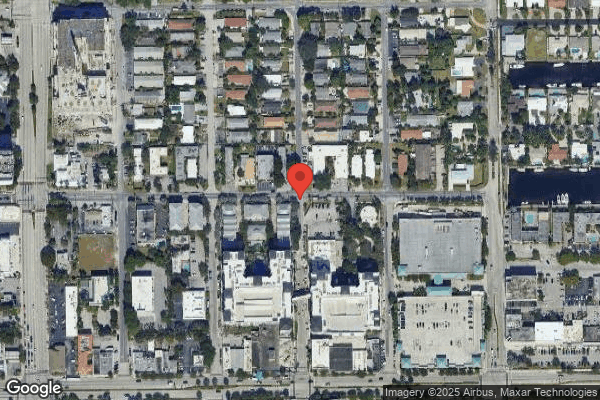
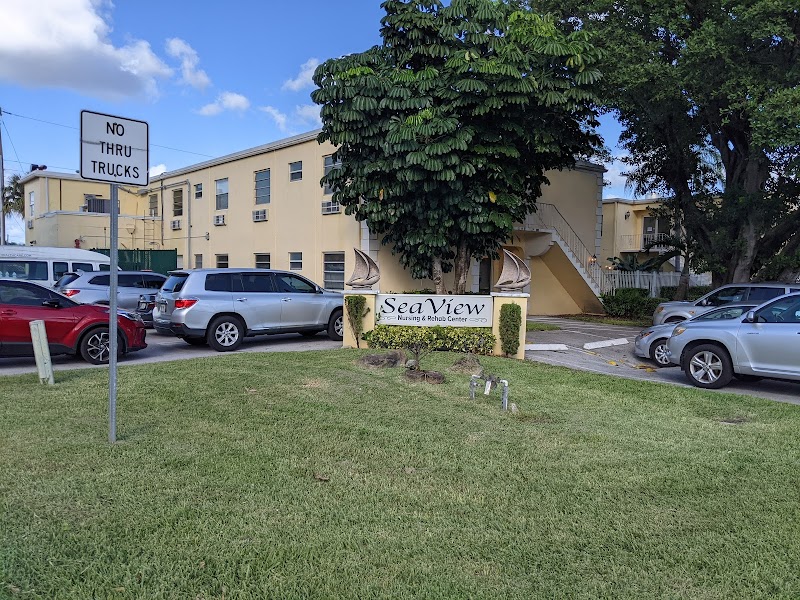
2401 NE 2ND STREET, POMPANO BEACH, FL 33062 (954) 943-5100
For profit - Limited Liability company 83 Beds AVIATA HEALTH GROUP Data: November 2025
Trust Grade
50/100
#471 of 690 in FL
Last Inspection: April 2025

Within standard 12-15 month inspection cycle. Federal law requires annual inspections.

Overview

Aviata at the Sea in Pompano Beach has a Trust Grade of C, which means it is average and ranks in the middle of the pack among nursing homes. It is ranked #471 out of 690 facilities in Florida, placing it in the bottom half, and #27 out of 33 in Broward County, indicating that there are better local options available. Unfortunately, the facility's trend is worsening, as the number of issues found increased significantly from 1 in 2024 to 19 in 2025. Staffing has a moderate rating of 3 out of 5 stars, with a turnover rate of 39%, which is better than the state average. While the facility has no fines, which is a positive sign, there were several concerning incidents, including failures in food safety and improper waste disposal, which could lead to potential health risks for residents.

Trust Score
C
50/100
In Florida
#471/690
Bottom 32%
Safety Record
Low Risk
No red flags
Inspections
Getting Worse
1 → 19 violations
Staff Stability
○ Average
39% turnover. Near Florida's 48% average. Typical for the industry.
Penalties
✓ Good
No fines on record. Clean compliance history, better than most Florida facilities.
Skilled Nurses
○ Average
Each resident gets 35 minutes of Registered Nurse (RN) attention daily — about average for Florida. RNs are the most trained staff who monitor for health changes.
Violations
⚠ Watch
42 deficiencies on record. Higher than average. Multiple issues found across inspections.
★★☆☆☆
2.0
Overall Rating
★★★☆☆
3.0
Staff Levels
★★★☆☆
3.0
Care Quality
★★☆☆☆
2.0
Inspection Score
Stable
2024: 1 issues
2025: 19 issues

The Good

  • Full Sprinkler Coverage · Fire safety systems throughout facility
  • No fines on record
  • Staff turnover below average (39%)

    9 points below Florida average of 48%

Facility shows strength in fire safety.

The Bad

2-Star Overall Rating

Below Florida average (3.2)

Below average - review inspection findings carefully

Staff Turnover: 39%

Near Florida avg (46%)

Typical for the industry

Chain: AVIATA HEALTH GROUP

Part of a multi-facility chain

Ask about local staffing decisions and management

The Ugly 42 deficiencies on record

Jul 2025 2 deficiencies
CONCERN (D) 📢 Someone Reported This

A family member, employee, or ombudsman was alarmed enough to file a formal complaint

Potential for Harm - no one hurt, but risky conditions existed

Deficiency F0645 (Tag F0645)

Could have caused harm · This affected 1 resident

**NOTE- TERMS IN BRACKETS HAVE BEEN EDITED TO PROTECT CONFIDENTIALITY** Based on record review and interviews, the facility failed to ensure a PASARR (Preadmission Screening and Resident Review) Level...

Read full inspector narrative →
**NOTE- TERMS IN BRACKETS HAVE BEEN EDITED TO PROTECT CONFIDENTIALITY** Based on record review and interviews, the facility failed to ensure a PASARR (Preadmission Screening and Resident Review) Level I was completed for a resident with mental disorders who was [NAME] Act to the hospital due to a crisis state of violent/aggressive behaviors and then was readmitted to the facility for 1 of 1 sampled resident (Resident #2). The findings included: Review of the facility's policy titled, Preadmission Screening and Resident Review (PASARR), dated 11/08/21, included the following: the center will assure that all Serious Mentally Ill (SMI) and Intellectually Disabled (ID) residents receive appropriate pre-admission screenings according to Federal/State guidelines. The purpose is to ensure that the residents with SMI or are ID receive the care and services they need in the most appropriate setting. Procedure: 1.It is the responsibility of the center to assess and assure that the appropriate preadmission screenings, either Level I or Level II, are conducted and results obtained prior to admission and placed in the appropriate section of the resident's medical record. 6.Recommendations will be incorporated in the individual resident's plan of care and approaches/interventions developed to meet the identified needs of the individual. 7.Social Services will be responsible for coordinating significant change updates of these screenings, conducted by the appropriate agency. These results, along with the results from previous years will be kept in the appropriate sections of the resident's records. Record review revealed Resident #2 was admitted to the facility on [DATE], had a [NAME] Act discharge date d 06/09/25 and readmitted to the facility on [DATE]. Resident #2 had another [NAME] Act discharge on [DATE], readmitted to the facility on [DATE] and discharged to another facility on 06/24/25. On 06/16/25 Resident #2 had a Brief Interview for Mental Status (BIMS) score 13/15, indicating no cognitive impairment. Record review of Resident #2's medical diagnoses on admission indicated that she had a history of Major Depressive Disorder; Mood Disorder; Adjustment Disorder with Mixed Anxiety and Depressive Mood; Bipolar Disorder and Human Immunodeficiency Virus (HIV) Disease. Review of the medical records revealed Resident #2's last PASARR Level I was completed on 04/22/25 and no recommendation for PASARR Level II. Review of Resident #2's Psychiatry Progress Note dated 06/09/25 included the following documentation: Resident #2 had been manic, grandiose, intrusive, psychotic, delusional and refusing to follow staff recommendations to keep her safe. She is HIV positive and has been spitting at staff and refusing all medications. She has a history of Bipolar with psychosis seen today for [NAME] Act. On 06/13/25 Resident #2 returned to the facility and was seen by psychiatry on 06/14/25, included the following progress note: Resident #2 was seen after returning from [NAME] Act although she continues to be agitated, trying to spit at others, increased behavioral disturbances. She was able to be redirected; however, a change of room was required because she was becoming aggressive toward her roommate as well. Record review of Social Services (Social Worker (SW)) progress notes from 06/09/25 to 06/24/25 revealed no assessment or documentation by SW regarding the [NAME] Act and no PASRR Level I was completed for Resident #2 prior to readmission on [DATE]. On 06/18/25, Resident #2 was again [NAME] Act due to increased bipolar disorder symptoms and homicidal ideations. During an interview on 07/01/25 at 11:48 AM with the Director of Social Services (DSS), who stated she has been working at the facility for over 3 months. The DSS stated those residents that are [NAME] Act and return to the facility will have a completed PASARR Level I and it would be included in the hospital paperwork upon readmission. If the PASARR is incorrect or missing, the DSS stated she will have to do a new one for the resident. The DSS was then asked about the PASARR for Resident #2 when she returned from [NAME] Act dated 06/09/25. She then stated that Resident #2 was not [NAME] Act on 06/09/25 but on 06/18/25. A side-by-side review of Resident #2's census and psychiatric notes revealing Resident #2 was transferred to the hospital twice in the month of June, which included 06/09/25. The DSS acknowledged that she was not aware of Resident #2 going out on 06/09/25 for [NAME] Act and will look for the PASARR in the hospital paperwork. She later returned with a PASARR Level I completed on 04/22/25 (none for the month of June) and stated that this one was the latest PASARR for Resident #2. During an interview conducted on 07/01/25 at 3:45 PM with the regional nurse, who stated that the facility's social service director is responsible to assure the resident had the PASARR level I after returning to the facility on [DATE] from a [NAME] Act discharge.
CONCERN (D) 📢 Someone Reported This

A family member, employee, or ombudsman was alarmed enough to file a formal complaint

Potential for Harm - no one hurt, but risky conditions existed

Deficiency F0657 (Tag F0657)

Could have caused harm · This affected 1 resident

**NOTE- TERMS IN BRACKETS HAVE BEEN EDITED TO PROTECT CONFIDENTIALITY** Based on interviews, and record reviews, the facility failed to revise the care plan for a resident with recent increased violen...

Read full inspector narrative →
**NOTE- TERMS IN BRACKETS HAVE BEEN EDITED TO PROTECT CONFIDENTIALITY** Based on interviews, and record reviews, the facility failed to revise the care plan for a resident with recent increased violent/aggressive behaviors towards other residents and staff for 1 of 1 sample resident reviewed for mental disorders (Resident #2). The findings included: Review of the facility's policy titled, Plans of Care, revised date 09/25/17, included the following: An individualized person-centered plan of care will be established by the interdisciplinary team (IDT) with the resident and/or resident representative(s) to the extent practicable and updated in accordance with the state and federal regulatory requirements. Plan of care is to be maintained as part of the final medical record. Procedure: Review, update and/or revise the comprehensive plan of care based on changing goals, preferences and needs of the resident and in response to current interventions after the completion of each OBRA MDS assessment (except discharge assessments), and as needed. The interdisciplinary team shall ensure the plan of care addresses any resident needs and that the plan is oriented toward attaining or maintaining the highest practicable physical, mental and psychosocial well-being. Record review revealed Resident #2 was admitted to the facility on [DATE], had a [NAME] Act discharge date d 06/09/25 and readmitted to the facility on [DATE]. Resident #2 had another [NAME] Act discharge on [DATE], readmitted to the facility on [DATE] and discharged to another facility on 06/24/25. On 06/16/25 Resident #2 had a Brief Interview for Mental Status (BIMS) score 13/15, indicating no cognitive impairment. Record review of Resident #2's medical diagnoses on admission indicated that she had a history of Major Depressive Disorder; Mood Disorder; Adjustment Disorder with Mixed Anxiety and Depressive Mood; Bipolar Disorder and Human Immunodeficiency Virus (HIV) Disease. Review of the Nursing behavior note dated 06/06/25 documented Resident #2 wheeled herself to two nurses in the hallway and spit on one of the nurses, Resident #2 ignored the nurses and took the elevator downstairs. On 06/07/25 Resident #2 was observed wheeling herself around facility and when passed a nurse she kicked her and hitting other staff with her wheelchair when passing by them. On 06/09/25 the behavior note documented Resident #2 continues to be combative during morning care and spitting at the staff. Review of Resident #2's Psychiatry Progress note dated 05/29/25 included the following documentation: According to staff, Resident #2 has shown increased symptoms of bipolar disorder. On 06/05/25, a follow up visit documented: The resident was seen today as per staff requested due to aggressive behavior. The resident is irritable most of the time, per staff. Review of Resident #2's Psychiatry Progress Note dated 06/09/25 included the following documentation: Resident #2 had been manic, grandiose, intrusive, psychotic, delusional and refusing to follow staff recommendations to keep her safe. She is HIV positive and has been spitting at staff and refusing all medications. She has a history of Bipolar with psychosis seen today for [NAME] Act. On 06/13/25 Resident #2 returned to the facility and was seen by psychiatry on 06/14/25, included the following progress note: Resident #2 was seen after returning from [NAME] Act although she continues to be agitated, trying to spit at others, increased behavioral disturbances. She was able to be redirected; however, a change of room was required because she was becoming aggressive toward her roommate as well. On 06/18/25, Resident #2 was again [NAME] Act due to increased bipolar disorder symptoms and homicidal ideations. Record review revealed the last Interdisciplinary Team (IDT) meeting for Resident #2 was held on 05/07/25 (Care plan conference) in which the resident was noted to have decline in mental status. Review of the Care Plan revised on 05/27/25 documented Resident #2 had behaviors of refusing medications, meals, and blood work. It also documented a history of attempting to access food trays that are not assigned to her and hitting staff, with goals and interventions only addressing resident's refusal of medications. No other behaviors were documented or addressed in the care plan. During an interview on 07/01/25 at 4:39 PM with the MDS coordinator, who stated she has worked at the facility for 2 weeks. She stated they hold morning clinical meetings daily and residents with concerns are reviewed. When asked who attends these meetings, she stated the Activity director, Dietary, social worker, Administrator and Director of Nursing (DON). She stated if a resident is [NAME] Act, all departments try to see the resident the next day of readmission to gather information, and any issues are discussed during the daily clinical meeting. She then added, the departments have 24 hours to update anything for the residents in their medical records. Then, she stated [NAME] Act information goes under behavior progress notes by Social Services for the resident. When she was asked why Resident #2's care plan was not revised after a change in condition, she noted that for it to be a change in condition it needs to effect the activities of daily living (ADLs); if there's a change in the resident's behavior, this may not necessarily be a change in condition since it can or cannot effect the ADLs. She then confirmed that any change in the resident's behavior is discussed between nursing and social services and reviewed during the daily morning meeting. She acknowledged that Resident #2's care plan was not revised even though the resident had a change in condition and stated social services would be the one to revise the care plan. During an interview conducted on 07/01/25 at 3:45 PM with the regional nurse, who stated that the facility's social service director is responsible to assure Resident #2 care plan is revised and updated to reflect their behaviors and needed interventions.
Apr 2025 16 deficiencies
CONCERN (D)

Potential for Harm - no one hurt, but risky conditions existed

Resident Rights (Tag F0550)

Could have caused harm · This affected 1 resident

**NOTE- TERMS IN BRACKETS HAVE BEEN EDITED TO PROTECT CONFIDENTIALITY** Based on record review, observations and interviews, the facility failed to provide eating assistance in a dignified manner for ...

Read full inspector narrative →
**NOTE- TERMS IN BRACKETS HAVE BEEN EDITED TO PROTECT CONFIDENTIALITY** Based on record review, observations and interviews, the facility failed to provide eating assistance in a dignified manner for 1 of 22 residents observed during in-room dining (Resident #51) and failed to provide privacy during personal care for 1 of 22 residents observed during the initial tour (Resident #26). The findings included: Review of the facility's policy titled Bathing/Showering revised on 09/01/17 documented .assure privacy . Review of the facility's policy titled Perineal Care revised on 09/05/17 documented .provide privacy . 1) Review of Resident #51's clinical record documented an admission on [DATE] with no readmissions. The resident's diagnoses included Cerebral Infarction, Anemia and Major Depression. Review of Resident #51's physician orders dated 07/11/23 documented Admit to local hospice services, physician order dated 10/05/23 documented Resident needs assistance with feeding. Review of Resident #51's Minimum Data Set (MDS) quarterly assessment dated [DATE] documented a Brief Interview for Mental Status (BIMS) score of 3 indicating the resident had severe cognition impairment. The assessment documented under Functional Abilities that the resident needed substantial/maximal assistance from the staff with her eating activity. On 03/31/25 at 8:36 AM, observation revealed Resident #51in bed and assisted with feeding by an aide. Further observation revealed the aide was standing while feeding the resident, the aide was not at the resident's eye level. Subsequently, an interview was conducted with the aide who stated she did not work for the facility and that she was Resident #51's hospice aide. On 04/03/25 at 12:19 PM, an interview was conducted with the hospice aide who confirmed she was standing while feeding Resident #51 on 03/31/25. The hospice aide was asked if she sits or stands while feeding a resident and stated it dependent on how comfortable she felt, she may stand or sit. The aide was asked if she had education from the facility staff or the hospice nurse regarding providing feeding assistance to resident and dignity and replied that no one had educated her about it. The hospice aide was apprised of dignity concerns with her standing and feeding Resident #51. On 04/03/25 at 1:19 PM, during an interview, the Regional Nurse was asked to submit the facility's policy related to assistance with feeding and/or Activities of Daily Living and stated they did not have one, and provided the policies cited above. On 04/03/25 at 6:01 PM, during an interview, the Director of Nursing was made aware of findings. 2) Review of Resident #26's clinical record documented an admission on [DATE] and readmission on [DATE]. The resident diagnoses included COPD, Cerebral Infarction, Aphasia and Convulsions. Review of Resident #26's Minimum Data Set (MDS) significant change assessment dated [DATE] documented a BIMS score of 0, indicating that the resident had severe cognition impairment. The assessment documented under Functional Abilities that the resident needed substantial/maximal assistance from the staff to complete bathing and lower body dressing activities of daily living. Review of Resident #26's care plan titled Resident has an ADL self-care performance deficit r/t Hemiplegia, Limited Mobility . Interventions to include resident is totally dependent on (2) staff for repositioning and turning . On 03/31/25 at 11:05 AM, during an initial tour of the residents room, Resident #26's room had an open wall, a walk thru between the resident's room and another room. The open wall did not have a privacy curtain and the surveyor observed Staff G, Certified Nursing Assistant (CNA) providing care to Resident #26. The resident was uncovered, showing his adult brief and uncovered lower extremities. On 03/31/25 at 11:17 AM, the surveyor entered Resident #26's room, observation revealed the resident was in bed and Staff G was providing care. Further observation revealed, no privacy curtains, the window blinds were not down. Resident #26 was not provided privacy during personal care. Resident #26 was not interviewable. Consequently, an interview was conducted with Staff G who stated she did not know when the privacy curtains were removed. On 04/03/25 at 9:51 AM, during an environmental tour, the Director of Environmental Services (DES) stated they were waiting for Resident #26's room privacy curtain ordered last month. The DES was asked what the purpose of the privacy curtains was and replied to provide privacy. The DES was apprised of the lack of privacy during Resident #26's care. The DES was asked regarding a privacy curtain between Resident #26's room and the open wall between the next room, the DES stated Resident #26 pulled the curtain down and it had not been replaced. On 04/03/25 at 12:15 AM, an interview was conducted with Staff G, CNA, who confirmed Resident #26 did not have privacy curtains in the room and that privacy was very important. On 04/03/25 at 12:40 PM, an interview was conducted with Staff G who stated that she had to provide the residents with privacy during care and confirmed Resident #26 and his roommate did not have privacy curtains.
CONCERN (D)

Potential for Harm - no one hurt, but risky conditions existed

Safe Environment (Tag F0584)

Could have caused harm · This affected 1 resident

**NOTE- TERMS IN BRACKETS HAVE BEEN EDITED TO PROTECT CONFIDENTIALITY** 8) On 03/31/25 at 10:41 AM, observation revealed resident room [ROOM NUMBER] C and D baseboard by the sink is in disrepair and t...

Read full inspector narrative →
**NOTE- TERMS IN BRACKETS HAVE BEEN EDITED TO PROTECT CONFIDENTIALITY** 8) On 03/31/25 at 10:41 AM, observation revealed resident room [ROOM NUMBER] C and D baseboard by the sink is in disrepair and the bathroom sink. is loose. 9) On 03/31/25 at 10:48 AM, observation revealed resident room [ROOM NUMBER] A and B's residents dresser bottom drawer wood and the window crank were in disrepair. 10) On 03/31/25 at 11:25 AM, observation revealed resident room [ROOM NUMBER] C and D with one privacy curtain that did not cover the whole resident's area. On 03/31/25 at 11:23 AM, an interview was conducted with Resident # 49 who stated he did not remember when the privacy curtains were removed from his room. On 04/02/25 at 2:00 PM, an interview was conducted with Staff O, CNA who stated she was assigned to room [ROOM NUMBER] and she did not know how long the privacy curtains were removed. Staff O stated the residents needed privacy and was not provided because there were no privacy curtains. Staff O showed that room [ROOM NUMBER] privacy curtain did not cover the whole resident's area to provide privacy during care. On 04/03/25 at 11:05 AM, an interview was conducted with Resident #49 who was asked if it was important for him to have a privacy curtain pulled around when he was bathe and replied, it's important. On 04/03/25 at 11:17 AM, an interview was conducted with Staff O, CNA assigned to Resident #49 who stated housekeeping knew about the curtains, and stated privacy is very important. 11) On 04/03/25 at 10:34 AM, the DES submitted a copy of a quote for six (6) cubicle curtains ordered date 02/07/25. The DES stated she called the company two days later and was told once the order is ready they will send it. The DES stated she had not heard from the company since. The DES stated she will be contacting the sister facility for privacy curtains. Based on observations and interviews, the facility failed to provide a safe, clean, comfortable and homelike environment for 8 out of 39 rooms. The findings included: 1) On 04/01/2025 at 8:45 AM, an observation revealed that room [ROOM NUMBER]'s bathroom toilet seat is peeling off. The bathrooms wall has a hole in it that is filled with gloves and hair. The floor of the shower has black spots. 2) On 04/01/2025 at 8:55 AM, an observation revealed that room [ROOM NUMBER]'s door laminate is coming off which is impeding the door from opening smoothly. 3) On 04/01/2025 at 9:00 AM, an observation revealed that room [ROOM NUMBER]'s door cannot close. 4) On 04/01/2025 at 9:10AM, an observation revealed that room [ROOM NUMBER]-CD and room [ROOM NUMBER]-CD have loose baseboards. 5) On 04/01/2025 at 9:15 AM, an observation revealed that room [ROOM NUMBER]-AB is missing the room separator curtain. 6) On 04/01/2025 at 9:20 AM, an observation revealed that room [ROOM NUMBER]-AB's window crank handle is broken. 7) On 04/02/2025 at 8:35 AM, an observation revealed that room [ROOM NUMBER]s curtain is stained.
CONCERN (D)

Potential for Harm - no one hurt, but risky conditions existed

Deficiency F0655 (Tag F0655)

Could have caused harm · This affected 1 resident

**NOTE- TERMS IN BRACKETS HAVE BEEN EDITED TO PROTECT CONFIDENTIALITY** Based on observation, interview and record review, the facility failed to address catheter care in the baseline care plan for 1 ...

Read full inspector narrative →
**NOTE- TERMS IN BRACKETS HAVE BEEN EDITED TO PROTECT CONFIDENTIALITY** Based on observation, interview and record review, the facility failed to address catheter care in the baseline care plan for 1 of 2 sampled residents (Resident #182). The findings included: Resident #182 was admitted to the facility on [DATE] with diagnoses that included Hemiplegia and Hemiparesis following Cerebral Infarction, Urinary Tract Infection and Dysuria. He was admitted with a Foley Catheter (an indwelling urinary catheter). His Brief Interview for Mental Status (BIMS) was 12 on 03/28/25. This indicated mild cognitive impairment. In an interview with the resident on 04/01/25 at 8:41 AM he stated he was not sure why he has a catheter and stated he came from the hospital with it. A review of the resident's baseline care plan revealed no documentation regarding the resident's Foley catheter. On 04/02/25 at 2:03 PM an interview was conducted with the Minimum Data Set (MDS) coordinator. She stated that his baseline care plan is effective because tomorrow is his Assessment Reference Date (ARD) date. She cannot print the comprehensive care plan yet but the baseline care plan is the one that is effective now. She acknowledged the Foley Catheter should have been on the baseline care plan.
CONCERN (D)

Potential for Harm - no one hurt, but risky conditions existed

Comprehensive Care Plan (Tag F0656)

Could have caused harm · This affected 1 resident

**NOTE- TERMS IN BRACKETS HAVE BEEN EDITED TO PROTECT CONFIDENTIALITY** 3) Review of Resident #2's clinical record documented an admission on [DATE] with a readmission on [DATE]. The resident's diagno...

Read full inspector narrative →
**NOTE- TERMS IN BRACKETS HAVE BEEN EDITED TO PROTECT CONFIDENTIALITY** 3) Review of Resident #2's clinical record documented an admission on [DATE] with a readmission on [DATE]. The resident's diagnoses included Cerebral Infarction, Diabetes Mellitus type 2, Cerebral Vascular Disease, Peripheral Vascular Disease, and Apraxia (a disorder of the brain and nervous system in which a person is unable to perform tasks or movements when asked). Review of Resident #2's MDS significant change assessment dated [DATE] documented a BIMS score of 15 indicating the resident has no cognition impairment. The assessment documented that the resident did not receive an anticoagulant medications during the look-back period of seven (7) days. Review of Resident #2's clinical record documented an active physician order dated 07/11/24 for Rivaroxaban (anticoagulant) 15 milligrams give one tablet in the evening for anticoagulants. Review of the resident's February 2025 and March 2025 Medication Administration Record (MAR) documented Resident #2 received Rivaroxaban 15 milligrams give one tablet in the evening for anticoagulants as ordered. Review of Resident # 2's care plans revealed the lack of an active written care plan related to an anticoagulant (Rivaroxaban) use. On 04/02/25 at 12:15 PM, an interview and a side by side review of Resident #2's care plans was conducted with the MDS Coordinator. The MDS Coordinator stated the resident had a care plan related to Peripheral Vascular Disease (PVD) initiated on 07/22/22 with interventions to administer medications as ordered for PVD. The care plan interventions did not mention anticoagulant medication. The review revealed a care plan related to anticoagulant medication was not created. On 04/03/25 at 6:15 PM, an interview was conducted with the MDS Coordinator who confirmed Resident #2 was receiving an anticoagulant and she did not code the MDS significant change assessment dated [DATE] for anticoagulant therapy. 4) Resident #31 was initially admitted to the facility on [DATE] with the most recent admission on [DATE]. Diagnoses included Spinal Stenosis, Trach Status, Paraplegia, and Paralysis of Vocal Cords and Larynx. A Brief Interview for Mental Status (BIMS) revealed a score of 15 per the quarterly Minimum Data Set (MDS) with an assessment reference date (ARD) of 01/25/25. This indicated the resident was cognitively intact. A urine culture received 02/22/25 and reported on 02/25/25 revealed escherichia coli and Extended-spectrum beta-lactamase (ESBL) confirmation test positive. He was on Invanz Injection solution reconstituted 1 gram use 1 gram intravenously one time a day. This was given 03/01/25-03/07/25. Invanz is a antibiotic used to treat bacterial infections. On 04/01/25 at 10:00 AM an observation was made of Resident #31's room. On the door to his room there was a sign indicating he was on Enhanced Barrier Precautions. A review of the resident's Physician Orders revealed an order dated 03/03/25 for contact precautions. There was no stop date on this order. 04/03/25 at 8:54 AM a phone call was placed to Resident #31's primary physician. The Physician stated he should still be on contact precautions until a repeat urine culture was done. There was no repeat urine culture noted in the resident's electronic health record. A review of the resident's care plan revealed no care plan for contact precautions. This was discussed with the Director of Nursing on 04/03/25 at 5:30 PM who stated he had another culture but this was not documented and she acknowledged that the contact precaution order was not discontinued. 2. A record review revealed Resident #74 was admitted on [DATE] with diagnoses of Pneumonia, Dysphagia, and Hemiplegia. The admission Minimum Data Set (MDS) dated [DATE] revealed that Resident #74 has a Brief Interview of Mental Status (BIMS) score of 13, which is slightly cognitively impaired. On 3/30/25 at 3:40 PM, the facility ' s Administrator was notified of a staff-to-resident physical abuse regarding Staff D, Certified Nursing Assistant (CNA). While providing care, Resident #74 asked Staff D to stop because she was in pain, and Staff D did not stop. In an interview conducted on 4/1/25 at 3:03 PM with the Administrator, he stated Resident #74 ' s sister made the allegation of abuse regarding Staff D. Resident #74 must have told her sister what happened, and she told him. He had not had a chance to interview Staff D, who was suspended pending the investigation. In a phone interview conducted on 4/1/25 at 3:25 PM with Staff D, she stated that she was told of an abuse allegation towards her while providing care to Resident #74 on 3/30/25. According to Staff D, Resident #74 always screams in pain during care, especially when touched. In an interview on 4/1/25 at 4:10 PM with Resident #74 ' s roommate, Resident #27 stated that on the morning of the Incident on 3/30/25, she was awakened by Resident #74 screaming in pain. Resident #74 usually complained of pain when changed, but nothing like this. She knew immediately that Resident #74 was having incontinence care and that Staff was in the room. In an interview conducted on 04/2/25 at 8:40 AM, Resident #74 stated that in the Incident on 3/30/25, Staff D pulled her to the left side of the bed and told her to stop. I then screamed and told her, Wait, wait, but she did not stop. In an interview conducted on 4/2/25 at 10:20 AM with Staff F, Licensed Practical Nurse (LPN) she reported Resident #74 did not like to be touched and that she will try and give her pain medication before providing personal care. Her right leg has been stiffening, and she noticed it for the first time 3 weeks ago. In an interview conducted on 4/2/25 at 10:45 AM, Staff H, CNA, said that Resident #74 has pain in her right leg and arm and will not let you provide care at times, saying it hurts. She does not scream in pain but may groan in pain or say it is painful during personal care. In an interview conducted on 4/2/25 at 11:10 AM with the Assistant Director of Nursing, she said that when she worked on the floor as a Nurse, Resident #74 used to scream during care or when repositioning or turning. A review of the care plan for Resident #74 revealed a care plan for Resident #74, which was initiated on 4/1/25 after the Incident on 3/30/25. The care plan showed Resident #74 has pain related to arthritis and chronic physical disability and expresses pain while repositioning. It further shows to anticipate the Resident ' s need for pain relief and respond immediately to any complaint of pain. An interview conducted on 4/3/25 at 11:21 AM with the Corporate Minimum Data Set Coordinator, she stated that every time you go into the care plan in the electronic system to update or revise the information, the system will only show the latest date when the data was changed. This is why the care plan for pain was initiated on 4/1/25 and not earlier. In an interview conducted on 4/3/25 at 12:00 PM with the facility ' s Minimum Data Set Coordinator, she reported that the Resident had a care plan for pain that did not necessarily have to address her screaming during care. The revision dates will only show on quarterly care plans and will not show for any other types of revised care plans. Based on observations, interviews and record reviews, the facility failed to initiate a personalized Care Plan for 4 out of 22 sampled residents (Resident #48, Resident #74, Resident #2, Resident #31). The findings included: 1. A record review showed that Resident #48 was admitted on [DATE] with diagnosis of other bacterial meningitis and metabolic encephalopathy. The Minimum Data Set (MDS) quarterly dated 01/25/2025 revealed that the Brief Interview of Mental Status (BIMS) score is 3, which indicates severe cognitive impairment. Section GG of the MDS showed that Resident #48 is dependent on toileting hygiene, bathing/showering and personal hygiene. Based on abused allegations regarding Resident #48, a review of the care plans was conducted and revealed the following: care plan dated 01/24/2025 stated that Resident #48 is dependent on staff for meeting emotional, intellectual, physical, and social needs with Cognitive deficits, Physical Limitations. But no care plan was found for Resident #48 indicating tendencies to aggressive behaviors. In an interview conducted on 04/03/2025 at 12:15 PM, The Minimum Data Set Coordinator stated that she would care plan a resident that is combative under the behavior. The MDS Coordinator further stated that she would wait for an incident to happen to Care Plan it or elaborate a Care Plan if she got a report from Certified Nurse Assistants (CNA). In an interview conducted on 04/01/2024 at 2:20 PM with the Licensed Practical Nurse (LPN), Staff N stated that she has been working in this facility for a year, and that she is familiar with Resident #48. Staff N further stated that Resident #48 has a tendency of being combative during care especially when getting changed and rarely during medicaton Pass. In an interview conducted on 04/01/2025 at 2:10 PM, the Assistant Director Of Nursing (ADON), stated that she is familiar with Resident #48, which tends to have combative behaviors from time to time. The ADON further explained that Resident #48's right side is his strong side so when changing the resident to avoid getting hurt it's better to do so from the left side.
CONCERN (D)

Potential for Harm - no one hurt, but risky conditions existed

Quality of Care (Tag F0684)

Could have caused harm · This affected 1 resident

**NOTE- TERMS IN BRACKETS HAVE BEEN EDITED TO PROTECT CONFIDENTIALITY** Based on observations, interviews and record review, the facility failed to provide incontinence care in a timely manner for 1 o...

Read full inspector narrative →
**NOTE- TERMS IN BRACKETS HAVE BEEN EDITED TO PROTECT CONFIDENTIALITY** Based on observations, interviews and record review, the facility failed to provide incontinence care in a timely manner for 1 of 1 sampled resident for incontinence care (Resident #65) and failed to obtain a physician order for hospice services for 1 of 1 sampled resident (Resident #71). The findings included: 1) Review of Resident #65's clinical record documented an admission on [DATE] and readmission on [DATE]. The resident diagnoses included Epilepsy, Fracture of Left great toe, Contusion of Eyeball and Orbital tissues, Acute Cystitis without Hematuria and Anxiety Disorder. Review of Resident #65's Minimum Data Set (MDS) quarterly assessment dated [DATE] documented a Brief Interview of the Mental Status (BIMS) score of 12 indicating that the resident had moderate cognition impairment. The assessment documented under Functional Abilities and Goals that the resident needed partial/moderate assistance from the staff for toileting and walking was not attempted due to medical condition or safety concerns. Review of Resident #65's care plans record did not address incontinence care. On 03/31/25 at 7:40 AM, an interview was conducted with Resident #65 who stated there was an incident in her room last night, around 5:00 AM and could not go back to sleep. The resident was asked to elaborate and stated to check her roommate (Resident #2). On 03/31/25 at 8:01 AM, a second interview was conducted with Resident #65 who was asked if Staff D, Certified Nursing Assistant (CNA) assigned to her changed her brief last night after the incident with her roommate and she replied after she saw what happened with her roommate, she was afraid Staff D was going to treat her the same way she did to her roommate. The resident stated Staff D was telling her roommate to shut up, this is my job, the resident added it may not be the exact words, but she was treating her so bad and did not want Staff D to change her wet adult brief. Resident #65 was asked if her brief needed to be changed and stated Yes, stated her brief was last changed around 11:00 PM on 03/30/25. The resident stated she wears an adult brief at all times and the CNAs assisted her with the change. On 03/31/25 at 8:15 AM, an interview was conducted with Staff F, Licensed Practical Nurse (LPN) who was apprised of Resident #65's adult brief not changed by Staff D, CNA before the end of the shift because the resident was afraid. Consequently, side by side observation of Resident #65 adult brief was conducted with Staff F who stated, Yes, I can see her brief is wet. Observation revealed Resident # 65's adult brief was soaked wet. On 03/31/25 at 8:17 AM, an interview was conducted with night shift Staff E, Registered Nurse (RN), who stated she helped Staff D, CNA assigned to Resident #65 to change some residents. Staff E stated she was not informed of Resident #65 not been changed. On 04/01/25 at 3:35 PM, a telephone interview was codncuted with Staff D, CNA who stated Resident #65 was not wet and did not want to keep a pad underneath. 2). Resident #71 was admitted to the facility on [DATE]. A review of hospice documentation in a separate binder by the nurses's desk revealed she was on hospice for Wernicke's encephalopathy. A review of the hospice notes for Resident #71 revealed she was being seen by the hospice nurse since the beginning of February, 2025. A review of Physician orders for this resident did not reveal an admission order for hospice nor a date or diagnosis when she started on hospice. An interview was conducted with the Director of Nurses on 04/03/25 at 5:30 PM as to the expectation of a Physician order for hospice. She stated there should be an order and acknowledged that Resident #71 should have had an admit order for hospice with a diagnosis.
CONCERN (D)

Potential for Harm - no one hurt, but risky conditions existed

Deficiency F0692 (Tag F0692)

Could have caused harm · This affected 1 resident

**NOTE- TERMS IN BRACKETS HAVE BEEN EDITED TO PROTECT CONFIDENTIALITY** 3. A record review revealed Resident #9 was readmitted on [DATE] with diagnoses of Anxiety, Depression, and Psychosis. The annua...

Read full inspector narrative →
**NOTE- TERMS IN BRACKETS HAVE BEEN EDITED TO PROTECT CONFIDENTIALITY** 3. A record review revealed Resident #9 was readmitted on [DATE] with diagnoses of Anxiety, Depression, and Psychosis. The annual Minimum Data Set (MDS) dated [DATE] revealed that Resident #9 had a Brief Interview of Mental Status (BIMS) score of 15, which is cognitively intact. A review of Physicians' orders revealed the following: Nepro (nutritional supplements) two times a day, dated 3/24/25. Weekly weights once a day every 7 days for 8 weeks, dated 3/24/25. Renal diet dysphagia advanced texture regular thin liquids consistency with large portion protein at Breakfast dated 3/24/25. A med pass was ordered two times a day, starting on 12/11/24 and ending on 2/9/25. In an observation conducted on 03/31/25 at 12:22 PM, Resident #9 was in the 2nd-floor Main Dining room. He ate about 25% of his meals with no assistance from Staff, and no Nepro (nutritional supplement) supplement was noted on his meal tray. In an observation conducted on 4/1/25 at 7:50 AM, Resident #9 noted in the room with no Breakfast tray or Nepro supplement noted at the bedside. In an observation conducted on 4/1/25 at 8:03 AM, Resident #9 was noted in the room with no Breakfast tray or Nepro supplement noted at the bedside. In an observation conducted on 4/1/25 at 8:15 AM, Resident #9 was noted in the room with no Breakfast tray or Nepro supplement noted at the bedside. In an interview conducted on 4/1/25 at 11:30 AM, Resident #9 stated that he did not get his Nepro supplement today. In an interview conducted on 4/1/25 at 11:35 AM with Staff L, a Licensed Practical Nurse (LPN) stated she gave Resident #9 his Nepro supplement at 8:00 AM during medication time, and he drank 100% of the supplement. In an observation conducted on 04/2/25 at 8:20 AM, Resident #9 was in the room eating his breakfast tray. Closer observation did not show a double portion of protein or Nepro supplement on the Breakfast tray. In an observation conducted on 04/2/25 at 9:30 AM, no Nepro supplement was noted in the room. In an observation conducted on 04/2/25 at 10:30 AM, no Nepro supplement was noted in the room. In this observation, Resident #9 said he did not get his Nepro supplement. In an interview on 04/02/25 at 11:38 AM, Staff J, LPN, stated she had been working in the facility for about one year. She reported Resident #9 is on Nepro twice daily, and he gets it in the morning. She said that she gave it to him during morning meds around 9:00 AM today. The supplements come from the kitchen on the meal trays and said that Resident #9 received them on his meal tray this morning. A review of the weights for Resident #9 showed the following: 9/13/24, a weight of 138 pounds. 9/20/24, a weight of 140.6 pounds. 10/6/24, a weight of 141.2 pounds 12/9/24, a weight of 137.6 pounds. 1/8/25, a weight of 124 pounds. 2/15/25, a weight of 143 pounds. 3/19/25, a weight of 125.8 pounds. This showed a severe 12.8% weight loss in one month. No weights were taken 3 days after readmission or weekly for 4 weeks. The Nutritional readmission assessment dated [DATE] showed the following: Resident #9 is receiving Nepro once a day and is eating 25% to 100% of his meals. His Usual Body Weight is around 140 pounds. At risk for malnutrition related to abnormal nutritional labs and suboptimal po intake is related to hydration and dementia. The Dietary follow-up note dated 3/24/25 showed Significant weight loss related to comorbidities, large weight fluctuations, and suboptimal meal intake. Recommendations include increasing the Nepro supplement to twice a day to aid with meeting estimated needs. This note addressed the significant weight loss 5 days after the weight loss was identified. In an interview conducted on 4/2/25 at 11:57 AM with the facility's Registered Dietitian he stated he only comes to the facility once a week in person. When asked about severe/significant weight loss, he said that he may intervene after 7 to 14 days, depending on the timing. He may have 15 weight loss patients and will not be able to do an assessment of all of them, and will wait until the next time he comes in. The majority of his weight losses are followed up within a few days. When asked why Resident #9's weight was not taken on readmission, he did not know. He did not ask Staff to reweight Resident #9 because he assumed that his weight was probably correct due to his fluid fluctuations. He noticed a 12% severe weight loss from 2/15/25 to 3/19/25 and addressed it 5 days later, on 3/24/25. Resident #9's Nepro supplements were increased to twice a day because he likes them. When asked why he did not place Resident #9 back on Med Pass with the Nepro supplements, he said Resident #9 did not like the Med Pass. According to the Registered Dietitian, the Nepro supplements are provided by Nursing and are not brought on the meal tray from the kitchen. Based on observations, interviews and record review, the facility failed to identify a severe weight loss in a timely manner, provide adequate nutritional supplements to prevent further severe weight loss and follow weight policy for 3 out of 4 residents sampled for nutrition (Resident #36, Resident #13 and Resident #9). The findings included: A review of the facility's policy titled Weighing the Resident effective on 11/30/2014 showed that residents will be weighed unless ordered otherwise by the physician: admission/re-admission x3 days, weekly x 4 weeks, monthly thereafter, and as needed. 1. A record review showed that Resident #36 was admitted on [DATE] and readmitted on [DATE] with diagnosis of Idiopathic Interstitial Pneumonia and Hypothyroidism. The Minimum Data Set (MDS) entry dated 03/11/2025 revealed that the Brief Interview of Mental Status (BIMS) score is 13, which indicates mild cognitive impairment. A thorough review of the weight log for Resident #36 showed the following respectively: 03/05/2025: 111.3 pounds, 02/12/2025: 112.4 pounds, 01/22/2025: 111.4 pounds, 12/09/2024: 121.2 pounds, 11/19/2024: 120.8 pounds, 11/05/2024: 122.2 pounds, 10/18/2024: 118.8 pounds, 10/11/2024: 126.1 pounds. Further review showed a 9.8 pounds of weight loss from 12/09/2024 to 01/22/2025 which is an 8.08% weight loss in a month. Resident #36 had an overall trending weight loss of 11.7% from 10/11/2024 to 03/05/2025 (past 6 months). A review of the Dietary progress note dated 01/23/2025 (the day after the 8.08% weight loss was identified) revealed the following: The Registered Dietitian stated that Resident #36 has a Body Mass Index (BMI) of 18.5 which is underweight for age. Resident #36 was placed on weekly weights and monitor which was not perform per review of record. In an interview conducted on 04/02/2025 at 12:25PM, the Registered Dietitian (RD) stated that the weight loss recorded on 01/22/2025 is a significant weight loss. The RD further stated that he may have told the facility that the weekly weights were no longer needed because she was stable on 03/05/2025. 2. A record review showed that Resident #13 was admitted on [DATE] and readmitted on [DATE] with diagnosis of Chronic Obstructive Pulmonary Disease with Exacerbation and Nonrheumatic mitral (valve) insufficiency. The Minimum Data Set (MDS) discharge return anticipated dated 03/17/2025 revealed that Resident #13 was unable to conduct the interview for the Brief Interview of Mental Status (BIMS). A thorough review of the weight log for Resident #13 showed the following respectively: 04/03/2025: 127.9 pounds, 02/12/2025: 134.1 pounds, 01/22/2025: 132.2 pounds, 12/09/2024: 141.6 pounds, 11/05/2024: 146.6 pounds, 10/06/2024: 149.2 pounds, 09/06/2024: 152.8 pounds. Further review showed a 9.4 pounds of weight loss from 12/09/2024 to 01/22/2025 which indicates a 6.6% weight loss in a month. Resident #13 had an overall trending weight loss of 12.23% from 09/06/2024 to 02/12/2025 (past 5 months). A review of the Dietary progress note dated 02/10/2025 (19 days after the 6.6% weight loss was identified) revealed the following: The Registered Dietitian stated that Resident #13's meal intake was 75%, a BMI of 20.1 which is low for age and a recording of a non-desired 9.8% weight loss in 90 days and 13% in 180 days. Resident #13 received MedPass 2.0 120cc twice a day for 480 kilocalories (kcals), 20g protein. A review of Resident #13's census indicated that on one occasion Resident was discharged to the Hospital between the recording period of the weight loss and the dietitian's assessment. The resident was discharged to hospital on [DATE] and readmitted to facility on 01/25/2025. There is a 16-day gap between the readmission date to the facility (01/25/2025) and the dietitian's assessment date (02/10/2025). In an interview conducted on 04/02/2025 at 12:21PM, the Registered Dietitian (RD) stated that he comes once a week on Wednesdays so he might have missed this resident if the weight loss was recorded on a Wednesday after he left. The RD further stated that a Resident going to the hospital might delay his assessment process.
CONCERN (D)

Potential for Harm - no one hurt, but risky conditions existed

Tube Feeding (Tag F0693)

Could have caused harm · This affected 1 resident

**NOTE- TERMS IN BRACKETS HAVE BEEN EDITED TO PROTECT CONFIDENTIALITY** Based on observations, interviews, and record review, the facility failed to follow the physician's orders for tube feeding and ...

Read full inspector narrative →
**NOTE- TERMS IN BRACKETS HAVE BEEN EDITED TO PROTECT CONFIDENTIALITY** Based on observations, interviews, and record review, the facility failed to follow the physician's orders for tube feeding and the facility's policy regarding weights, resulting in weight loss for 1 of 1 resident sampled for tube feeding (Resident #5). The findings included: The facility's policy titled, Weighing the Resident, dated 11/30/2014, revealed the following: Resident will be weighted unless ordered otherwise by the physician: Admission/readmission times 3 days. Weekly times 4 weeks. Monthly thereafter. As needed. A record review revealed that Resident #5 was readmitted to the facility on [DATE] with diagnoses of Type 2 Diabetes, Seizures, and Depressive Disorder. The Quarterly Minimum Data Set (MDS) dated [DATE] revealed Resident #5 has a Brief Interview of Mental Status (BIMS) score of 03 which indicated Resident #5 was severely cognitively impaired. A review of the physician orders showed an order for Glucerna 1.5 (tube feeding formula) at 60 milliliters (ml) an hour for 20 hours to provide 1200ml, off from 9:00 AM to 11 AM and off from 5:00 PM to 7:00 PM which was dated 3/10/25. In an observation conducted on 03/31/25 at 7:59 AM, Resident #5 was in bed with the tube feeding bottle of Glucerna 1.5, which started the day before on 03/30/25 with no start time. The tube feeding bottle was noted at the 250ml mark out of a 1000ml capacity bottle. In an observation conducted on 03/31/25 at 12:31 PM, no tube feeding was running in the room. A full new bottle of tube feeding was noted at the side table at the time of this observation. In an observation conducted on 4/1/25 at 8:40 AM, Resident #5 was in bed with no tube feeding running. A new bottle of tube feeding, dated 04/01/25, was noted beside it. In an observation conducted on 4/1/25 at 1:52 PM, Resident #5 was noted in the room with the tube feeding running. A closer observation showed a bottle of Glucerna 1.5, which was observed earlier, at the 1000ml mark out of a 1000ml bottle. The tube feeding bottle had a start date of 4/1/25 but not a start time. This showed that no tube feeding started from about 8:00 AM this morning to 2 PM for a total of 6 hours. In an observation conducted on 4/2/25 at 8:16 AM, Resident #5 was in his room with a tube feeding Glucerna 1.5 at 60ml an hour. The bottle had a start date of 4/1/25 but no start time. The tube-feeding bottle was noted at the 650ml level out of a 1000ml capacity bottle. Assuming this bottle started at 12:00 PM, running at 60ml an hour should have provided 480ml and would have been at the 520ml mark out of a 1000ml capacity bottle. In an interview conducted on 04/02/25 at 11:38 AM, Staff J, Licensed Practical Nurse (LPN), stated that Resident #5 is tolerating his tube feeding. When she arrived here this morning at 7:00 AM, the tube feeding was already running. When asked about Resident #5's tube feeding order, she said he is receiving Glucerna 1.5 at 60ml an hour, stopped at 10:00 AM, and put it back at 2:00 PM. A review of Resident #5's weight showed 184.2 pounds dated 3/5/25, and no new readmission weight was noted for 3/9/25. The Nutrition assessment dated [DATE] revealed the following: the tube feeding Glucerna 1.5 at 60ml an hour for 20 hours provides 1800 calories and 99 grams of protein. Resident #5's Usual Body Weight ranges between 185 pounds and 190 pounds. Estimated daily caloric needs are between 2113 calories and 2563 calories a day. The Resident meets the criteria for malnourished, and the above tube feeding is meeting estimated nutritional needs. In an interview conducted on 04/02/25 at 11:57 AM with the facility's Registered Dietitian (RD), he stated that he comes into the facility once a week. The Resident's weights are taken the first 3 days from admission, weekly for 4 weeks, and monthly thereafter. Two Restorative Certified Nursing Assistants take the weights on all residents, and he provides them with the list of the monthly weights. He stated that he does not provide them with the weekly weights, and they know themselves on which residents need admission weights, and which ones need weekly weights. He is given The list of weights to enter into the electronic system every week. According to the Registered Dietitian, tube feeding running for only 18 hours a day would only provide 1620 calories, which meets 76% of Resident #5's lower estimated needs (2113). Interview was conducted with the Assistant Director of Nursing (ADON) on 4/2/25 at 12:29 PM. They have assigned two Restorative Certified Nursing Assistants to take the weights on all residents, and they are supposed to do it in a timely manner. In an interview on 4/2/25 at 12:39 PM with Staff K, Restorative Certified Nursing Assistant stated getting the list from the RD on the residents who need their monthly weights and weekly weights taken. After the weights are taken, the list is given back to the RD, and he puts them in the electronic system. They are also given a list of all the new residents who have been admitted to the facility. In this interview, this Surveyor requested a new weight be taken on Resident #5. Using a Hoyer lift, Resident #5's new weight was recorded at 176 pounds, which showed a 4.45% weight loss in one month from 184.2 pounds to 176 pounds.
CONCERN (D)

Potential for Harm - no one hurt, but risky conditions existed

Deficiency F0698 (Tag F0698)

Could have caused harm · This affected 1 resident

**NOTE- TERMS IN BRACKETS HAVE BEEN EDITED TO PROTECT CONFIDENTIALITY** Based on observations, interviews, and record review, the facility failed to provide the correct fluid restrictions as per the P...

Read full inspector narrative →
**NOTE- TERMS IN BRACKETS HAVE BEEN EDITED TO PROTECT CONFIDENTIALITY** Based on observations, interviews, and record review, the facility failed to provide the correct fluid restrictions as per the Physician ' s order for 1 of 1 sampled Resident on Dialysis (Resident #27). The findings included: A record review revealed Resident #27 was admitted to the facility on [DATE] and readmitted on [DATE] with diagnoses of Type 2 Diabetes, Severe Chronic Kidney Disease, and Anemia. The Annual Minimum Data Set (MDS) dated [DATE] revealed that Resident #27 had a Brief Interview of Mental Status (BIMS) score of 15, which is cognitively intact. The Physician ' s order dated 1/2/2025 showed the following: Fluid restriction: 1000 milliliters (ml) a day. Dietary 420ml a day, Breakfast coffee 180ml, Lunch apple juice 120ml, Dinner 120ml and Nursing 580ml. In an interview conducted on 3/31/25 at 12:00 PM, Resident #27 stated she goes to dialysis three times a week and is on fluid restriction. She said, I think I am allowed 32 ounces of fluids daily. The former Clinical Dietitian visited her but she had only seen the new Clinical Dietitian once or twice. In an observation conducted on 04/01/25 at 7:45 AM, Resident #27 was in her room getting ready to go to her dialysis treatment. Her Breakfast tray was noted at the side table with the following: 6 ounces of grits, 2 cups of coffee (8 ounces each), 1 slice of toast, 1 diet jelly, and 1 pack of margarine. The meal ticket was noted with the following: fluid restrictions of 1000ml per day, 6 ounces only for breakfast coffee, no orange juice, no bananas, and no oranges. This showed that Resident #27 was provided with 16 ounces of coffee and not 6 ounces of coffee as per Physician ' s orders. In an observation conducted on 04/2/25 at 8:34 AM, Resident #27 was in her room eating her Breakfast meal. The meal ticket noted 2 cups of coffee, a fluid restriction of 1000ml a day, and 6 ounces of coffee only at breakfast. The Breakfast meal tray noted 2 cups of coffee, 8 ounces each. This showed Resident #27 was provided with 16 ounces of liquids and not the necessary 6 ounces as per the Physician ' s order. The Care plan dated 3/3/25 showed the following: Resident #27 is at risk for altered nutrition and hydration related to obesity, abnormal labs, and need for 1000ml fluids. The Resident is non-compliant with diets and tends to hide snacks and food that are inappropriate for diet in her room. Resident #27 has been educated by nursing, former Registered Dietitian (RD), Renal RD, and current RD on diet compliance in relation to managing End Stage Renal Disease. Resident #27 will tolerate and follow the recommended diet and fluid restrictions. Follow fluid restriction as ordered and see Medication Administration Record (MAR) for dietary/nursing breakdown. Encourage compliance with fluid restrictions for fluid volume management. In an interview conducted on 4/3/25 at 12:48 PM with the Kitchen Manager, he stated that the tray line has a staff member who checks the trays to ensure the correct food items and correct fluids are placed on the meal trays. The coffee cups on the trays come from the kitchen and are provided by Dietary. The clinical dietitian calculates the exact amount of fluids for each meal, and it will show on the meal ticket for staff to follow with a breakdown of how many fluids are needed per meal. The Kitchen Manager was asked why Resident #27 ' s meal ticket showed 6 ounces of coffee only on the meal ticket and 2 cups of coffee was served. He said Resident #27 requested two cups of coffee, and he was trying to honor Resident #27 ' s preferences.
CONCERN (D)

Potential for Harm - no one hurt, but risky conditions existed

Deficiency F0725 (Tag F0725)

Could have caused harm · This affected 1 resident

**NOTE- TERMS IN BRACKETS HAVE BEEN EDITED TO PROTECT CONFIDENTIALITY** Based on observations, interviews and record review, the facility failed to provide sufficient nursing staffing to 4 of 22 sampl...

Read full inspector narrative →
**NOTE- TERMS IN BRACKETS HAVE BEEN EDITED TO PROTECT CONFIDENTIALITY** Based on observations, interviews and record review, the facility failed to provide sufficient nursing staffing to 4 of 22 sampled residents (Resident #2, #6, #36 and #52) as evidenced by failure to provide two nursing staff to provide assistance with repositioning/ turning a total dependent care resident (Resident #2); failure to provide personal care in a timely manner (Resident #6); failure to provide incontinent care in a timely manner (Resident #36) and failure to assist a resident during dining in a timely manner (Resident #52). This had the potential to affect 75 residents in the facility at the time of the survey. The findings included: 1) Review of Resident #2's clinical record documented an admission on [DATE] with a readmission on [DATE]. The resident's diagnoses included Cerebral Infarction, Diabetes Mellitus Type 2, Acute Hematogenous Osteomyelitis, Cerebral Vascular Disease, Peripheral Vascular Disease, Anxiety Disorder, Morbid Obesity and Apraxia (a disorder of the brain and nervous system in which a person is unable to perform tasks or movements when asked). Review of Resident #2's Minimum Data Set (MDS) significant change assessment dated [DATE] documented a Brief Interview for Mental Status (BIMS) score of 15 indicating the resident had no cognition impairment. The assessment documented that the resident was dependent on the staff to complete activities of daily living including bathing, toileting, personal hygiene and roll left to right. The assessment documented under Functional Limitation in Range of Motion that the resident had upper and lower impairment on one side. On 03/31/25 at 7:47 AM, an interview was conducted with Resident #2 who stated they had an electric storm and it affected her arthritis, added she has left side paralyzed and stated, I was in pain. The resident stated this morning, at 5:00 AM, Staff D, Certified Nursing Assistant (CNA) was asking her to turn to her left side which she could not do, kept jerking her left side, and asked Staff D to stop and she responded it was her job, that a lot of residents had arthritis like her. Resident #2 stated Staff D had done the same thing about a month ago, she was pushing my leg and asked her to stop and she did not. The resident stated she did not want to report it because she was afraid it would get worse. The resident added there are some residents that yelled and added I don't yell and don't call for help. Resident #2 stated she could turn over to her left side but could not turn over to her right side because her left side was paralyzed. On 03/31/25 at 8:17 AM, an interview was conducted with Staff E, RN who stated she worked 7:00 PM to 7:00 AM shift (last night) and Staff D, CNA was assigned to Resident #2. Staff E stated she helped Staff D to turn residents that yell but did not ask her to help with Resident #2. On 03/31/25 at 8:59 AM, an interview was conducted with the Administrator, who was informed of Resident #2's allegation. On 04/01/25 at 1:42 PM, an interview was conducted with the Director of Nursing (DON) who stated she was aware of Resident #2's allegations. On 04/01/25 at 2:25 PM, an interview was conducted with Resident #2's attending physician who stated the resident was on hospice services, has severe arthritis. The physician stated he just talked to the Resident regarding the resident incident with the CNA and she was perfectly alert, oriented x 3 (person, place and time). The physician stated the resident would not lie, able to recognized him and knew his full name. The physician stated Resident #2 told him that she screamed, and described the aide (CNA) was rough, and that she asked the aide to stop. The physician added Resident #2's roommate confirmed the incident. On 04/01/25 at 3:26 PM, a telephone interview was conducted with Staff D, CNA, who stated she was a fulltime, working 11:00-7:00 AM shift. Staff D stated she was assigned to Resident #2 over the weekend and stated the resident was total care and was supposed to have two people assist to turn the resident towards the window over to her right side, from her weak left side. Staff D stated the resident thinks she was going to fall out of bed, and added turning her toward the window is very difficult. The CNA was asked if she asked for help and replied, you don't have help, everybody is doing their own. Staff D stated Resident #2 is scared that she fall out of bed, added the resident did not complain of pain or asked her to stop. Staff D stated next time she will ask for help. Review of Staff D, CNA's personnel file revealed a skills competency assessment dated [DATE] regarding positioning a resident with a passing score. On 04/02/25 at 8:49 AM, an interview was conducted with the Hospice Nurse who stated Resident #2 was on pain symptom management due to neck and generalized pain, had an accident years ago and broke her neck, had a stroke and had Morbid obesity. The hospice nurse was asked regarding the aide visits and stated two aides come to the facility, except on Tuesdays and stated Resident #2 needs two person assist and the two hospice aides do her care together. The hospice nurse stated Resident #2 was care plan for two person assist. Consequently, a side by side review of the hospice RN-Initial Comprehensive Assessment note dated 02/28/25 documented Pt (patient) requires assist 2 (two) person assist to provide care .consulted with staff before and after visit . Continue side by side review of the hospice nurse documentation Nursing-Updated Comprehensive Assessment note dated 03/28/25 documented 2 pxs (person) assist with ADL (activities of daily living) needs .consulted with staff before and after visit . On 04/02/25 at 11:31 AM, an interview and a side by side review of Resident # 2's MDS significant change assessment dated [DATE] was conducted with the MDS Coordinator who stated the resident was placed on hospice services. The MDS Coordinator stated the resident had no cognition impairment and was dependent on the staff for personal hygiene, toileting, shower, and always complained of shoulder pain had left sided paralysis. The MDS coordinator stated the resident could not turn by herself, needed help, like to have something to hold on to it because the resident was afraid of falling, was on an air mattress and did not have bed rails. The MDS Coordinator stated if a resident is dependent they will need two people and because Resident #2 was afraid there should be two people. The MDS Coordinator added turning the resident require two people and the CNA will see it on the CNA Kardex (tasks) plan. Subsequently, a side by side of Resident #2's CNA's Kardex was conducted with the Coordinator and revealed the lack of written documentation of Resident #2's needs for two person turning/reposition required. The MDS Coordinator was apprised that Resident #2's Hospice nurse notes documented the resident needed two person assist for the care. On 04/02/25 at 1:59 PM, an interview was conducted with Staff H, CNA assigned to Resident #2 stated sometimes she uses help to do the resident's care, and sometimes does it by herself. Staff H added when it is rainy the resident's pain is worse, she tells her stop and will get somebody to help. On 04/03/25 at 11:06 AM, observation revealed Resident #2 being bathe by two hospice aide. Consequently, an interview was conducted with the hospice's aides who both stated the hospice nurse wants two aide to do the resident's care. On 04/03/25 at 11:09 AM, an interview was conducted with Staff J, Licensed Practical Nurse (LPN) who stated Resident #2 needs two CNA to turn and to do her care. Staff J stated she had not had any CNA asking for help with Resident #2. On 04/03/25 at 12:59 PM, an interview was conducted with Staff C, CNA who stated Resident #2 needs two person to turn her because of her weak side. 2. A record review revealed Resident #52 was readmitted on [DATE] with diagnoses of Type 2 Diabetes, Anemia, and Intracerebral Hemorrhage. The Quarterly Minimum Data Set (MDS) dated [DATE] showed a Brief Interview of Mental Status (BIMS) score of 15. A record review revealed Resident #9 was readmitted on [DATE] with diagnoses of Anxiety, Depression and Psychosis. The annual Minimum Data Set (MDS) dated [DATE] revealed Resident #9 had a Brief Interview of Mental Status (BIMS) score of 15 which is cognitively intact. In an observation conducted on 03/31/25 at 8:08 AM, Resident #9 received his breakfast tray. At 8:21 AM, Resident #9 ' s roommate, Resident # 52, received his breakfast tray 13 minutes later. In this observation, Resident #52 said, It is kind of bothersome to wait for my meal while my roommate is eating. In an observation conducted on 4/1/25 at 8:21 AM, Resident #9 was noted in his room eating his Breakfast tray with no staff present. He then asked this Surveyor to help him open the carton of milk and said, I can only use my right hand. Resident #52 was still waiting on his Breakfast tray. In an observation conducted on 04/01/25 at 8:35 AM, Resident #52 tray was noted inside the meal cart located in the hallway. The Breakfast meal was brought to Resident #52 by Staff M, a Certified Nursing Assistant, at 8:39 AM, 18 minutes later. In this observation, Resident #52 said, I could feel better; I am hungry and a little annoyed while waiting on his breakfast tray. In an interview conducted on 04/1/25 at 8:41 AM, Staff M stated that she left Resident #52 ' s breakfast tray for last because he needed assistance with his meal and could not eat on his own. She waits until she passes all the trays before coming into the room to help him with his meals. 3. A record review showed that Resident #36 was admitted on [DATE] and readmitted on [DATE] with diagnosis of Pneumonia and Hypothyroidism. The entry Minimum Data Set (MDS) dated [DATE] revealed that the Brief Interview of Mental Status (BIMS) score is 13, which indicates mild cognitive impairment. In an interview conducted on 03/31/2025 at 9:00 AM, Resident #6 stated that they are short of staff. Her roommate and her have to wait a couple of hours before someone comes when they ring. 4. A record review showed that Resident #6 was admitted on [DATE] and readmitted on [DATE] with diagnosis of Type 2 Diabetes Mellitus with Diabetic Neuropathy and Local Infection of the skin and subcutaneous tissue. The quarterly Minimum Data Set (MDS) dated [DATE] revealed that the Brief Interview of Mental Status (BIMS) score is 15, which indicates no cognitive impairment. In an interview conducted on 03/31/2025 at 8:45 AM, Resident #36 stated that one night she had to wait 5 hours to get her brief changed, she doesn't understand why they don't hire enough people.
CONCERN (D)

Potential for Harm - no one hurt, but risky conditions existed

Medication Errors (Tag F0758)

Could have caused harm · This affected 1 resident

**NOTE- TERMS IN BRACKETS HAVE BEEN EDITED TO PROTECT CONFIDENTIALITY** 2) Review of Resident #2's clinical record documented an admission on [DATE] with a readmission on [DATE]. The resident's diagno...

Read full inspector narrative →
**NOTE- TERMS IN BRACKETS HAVE BEEN EDITED TO PROTECT CONFIDENTIALITY** 2) Review of Resident #2's clinical record documented an admission on [DATE] with a readmission on [DATE]. The resident's diagnoses included Diabetes Mellitus type 2 and Gastro-Esophageal Reflux Disease. Review of Resident #2's MDS significant change assessment dated [DATE] documented a BIMS score of 15 indicating the resident has no cognition impairment. The assessment was coded for Gastro-Esophageal Reflux Disease. Review of Resident #2's Consultant Pharmacist Medication Regimen Review (MRR) dated 01/29/25 documented Protonix (Acid Reducer) 40 milligrams every morning started on 10/13/24, Polypharmacy/GI (gastrointestinal) Acid Reducer duration therapy recommended up to 12 weeks unless otherwise clinically indicated . Further review of the MRR documented the physician disagree with the recommendation (signed and dated 02/07/25) but did not provide a clinical rationale note as required. Review of Resident #2's February and March 2025 Medication Administration record (MAR) documented an Acid Reducer administered as ordered. On 04/03/25 at 2:30 PM, during an interview, the Regional Nurse stated the only Practitioner note for Resident #2 addressing her gastro-intestinal issue was dated 02/24/25 and did not address the consultant pharmacist recommendations. 3) Review of Resident #2's clinical record documented an admission on [DATE] with a readmission on [DATE]. The resident's diagnoses included Cerebral Infarction, Diabetes Mellitus type 2, Cerebral Vascular Disease and Peripheral Vascular Disease. Review of Resident #2's MDS significant change assessment dated [DATE] documented a BIMS score of 15 indicating the resident has no cognition impairment. The assessment documented that the resident did not receive an anticoagulant medications during the look-back period of seven (7) days. Review of Resident #2's clinical record documented an active physician order dated 07/11/24 for Rivaroxaban (anticoagulant/blood thinner) 15 milligrams give one tablet in the evening for anticoagulants. Review of the resident's February 2025 and March 2025 Medication Administration Record (MAR) documented Resident #2 received Rivaroxaban 15 milligrams give one tablet in the evening for anticoagulants as ordered. Review of Resident #2's March 2025 MAR and Treatment Administration Record (TAR) lack written evidence of monitoring the resident for side effects related to an anticoagulant (Rivaroxaban) use. On 04/03/25 at 6:15 PM, an interview was conducted with the MDS Coordinator who confirmed Resident #2 was receiving an anticoagulant at the time of the assessment and she did not code the MDS significant change assessment dated [DATE] for anticoagulant therapy. On 04/03/25 at 6:25 PM, an interview was conducted with the Assistant Director of Nursing (ADON), who stated for anticoagulant/blood thinners they monitor the resident's skin for bruises, any bleeding, and labs (laboratories), stated for new admissions, the nursing staff have batch orders to monitor residents on blood thinners. The ADON stated she entered Resident #2's physician order for anticoagulant (Rivaroxaban) and confirmed she did not enter an order to monitor anticoagulant/blood thinners side effects. Based on observations, interviews, and record review, the facility failed to monitor the side effects and behavior of a resident on psychotropic medication (Resident #9), failed to have a written clinical rational note on the pharmacist recommendations for Resident #9 and Resident #2, and failed to monitor side effect for a resident on anticoagulant medication (Resident #2) for 2 of 5 residents sampled for Unnecessary Medications. The findings included: 1. A record review revealed Resident #9 was readmitted on [DATE] with diagnoses of Anxiety, Depression, and Psychosis. The annual Minimum Data Set (MDS) dated [DATE] revealed that Resident #9 had a Brief Interview of Mental Status (BIMS) score of 15, which is cognitively intact. A review of the Physician orders showed an order for Remeron (depressive medication) 15 milligrams 1 tablet at bedtime, which started on 11/21/24. The continued review did not show a Physician's orders to monitor the medication's side effects or the behavior of Resident #9. A review of the Medication Administration Record and Treatment Administration Record for March 2025 did not show that Resident #9 was being monitored for side effects or behaviors. The Care plan revealed Resident #9 is using antidepressant medication and will be free from discomfort or adverse reactions related to antidepressant therapy. To administer antidepressant medication as ordered and monitored and documented side effects and the effectiveness every shift. It further showed to monitor and document adverse reactions to antidepressant therapy. Resident #9 has depression and will have fewer episodes of depression, anxiety, or sad mood. In an interview conducted on 4/2/25 at 4:36 PM with the Director of Nursing, she stated that when a resident is receiving psychotropic medications, they monitor Behaviors and side effects of the medications. It is usually an order in an electronic system, and the behaviors and side effects are documented there. An interview conducted on 04/2/25 at 4:48 PM with Staff J, Licensed Practical Nurse, stated Resident #9 is on an antidepressant, and the behaviors and side effects are monitored under the Medication Administration Record and the Treatment Medication Record in the electronic system. When asked to show this surveyor where she documents the behaviors and side effects for Resident #9 proceeded to look in the electronic system and then said, Where are the behaviors and side effects? A review of the pharmacist recommendations dated 3/28/25 revealed that Resident #9 was on multiple medications for Hypertension and asked the prescribing Doctor to review and make changes to the current drug regimen. The Prescribing Doctor disagreed with the pharmacist's recommendations on 4/1/25 but did not write a clinical rationale for his decision.
CONCERN (D)

Potential for Harm - no one hurt, but risky conditions existed

Menu Adequacy (Tag F0803)

Could have caused harm · This affected 1 resident

Based on observations, interviews, and record review, the facility failed to follow its own menu portions for a Regular diet. This has the potential to affect 39 out of 75 residents currently on a Reg...

Read full inspector narrative →
Based on observations, interviews, and record review, the facility failed to follow its own menu portions for a Regular diet. This has the potential to affect 39 out of 75 residents currently on a Regular diet. The findings included: A review of the facility ' s menu, week 1 lunch Day 4 showed the following: open-faced roast pork 1 sandwich 2 ounces portion with brown gravy, mashed potatoes, buttered noodles, and herb green beans. In an interview conducted on 4/2/25 at 11:30 AM with the Dietary Manager, he stated the portion for the pork today is 2 ounces on the regular diet. In an observation of the lunch tray line conducted on 4/2/25 at 11:35 AM, Staff I, the Account Manager, noted plating 3 plates with roast pork for the regular diet consistency. The weight of the first slice of pork was taken using a facility ' s scale, which showed that it was 1 ounce. The weight of the second slice of pork was taken using a facility ' s scale, which showed that it was 1.5 ounces. Both lunch plates contained less than the required 2 ounces of pork as per the facility ' s menu. In an interview conducted on 4/2/25 at 11:40 AM with the facility ' s Account Manager, she stated that the portion size for the pork needed to be 2 ounces, and she weighed the pork slices before placing them on the trayline to ensure they were 2 ounces.
CONCERN (D)

Potential for Harm - no one hurt, but risky conditions existed

Deficiency F0806 (Tag F0806)

Could have caused harm · This affected 1 resident

**NOTE- TERMS IN BRACKETS HAVE BEEN EDITED TO PROTECT CONFIDENTIALITY** Based on observations, interviews and record reviews, the facility failed to provide food that meets residents' preferences, for...

Read full inspector narrative →
**NOTE- TERMS IN BRACKETS HAVE BEEN EDITED TO PROTECT CONFIDENTIALITY** Based on observations, interviews and record reviews, the facility failed to provide food that meets residents' preferences, for 2 out of 65 sampled residents observed during dining. (Resident #78, Resident #77) The findings included: 1. A record review showed that Resident #78 was admitted on [DATE] with diagnosis of malignant neoplasm of lower respiratory tract. The admission Minimum Data Set (MDS) dated [DATE] revealed that the Brief Interview of Mental Status (BIMS) score is 05, which indicates severe cognitive impairment. During an observation conducted on 03/31/2025 at 8:40 AM this surveyor observed that Resident #78 meal ticket consisted of: #8 Scoop of Pureed French Toast, 1 Margarine, 1 Syrup, #16 Scoop of Ground Sausage Patty, 2 ounces (oz) of [NAME] Gravy, #6 Scoop of Pureed Hot Cereal, 8oz of Honey Thickened Milk, 4oz of Honey Thickened Orange Juice and 6oz of Honey Thickened Coffee or Hot Tea. Resident #78's tray did not have the margarine, the syrup, and the 2 ounces of [NAME] Gravy. 2. A record review showed that Resident #77 was admitted on [DATE] with diagnosis of Benign Intracranial Hypertension and Diabetes Mellitus due to underlying condition with hyperglycemia. The Medicare 5 Day Minimum Data Set (MDS) dated [DATE] revealed that the Brief Interview of Mental Status (BIMS) score is 13, which indicates mild cognitive impairment. During an observation conducted on 03/31/2025 at 8:50 AM this surveyor observed that Resident #77 meal ticket consisted of: 2 slices of French Toast, 1 Margarine, 1 Syrup, 2 slices of Bacon, 6oz of Hot Cereal, 8oz of Milk, 4oz of Orange Juice and 6oz of Coffee or Hot Tea. Resident #77's tray only had one slice of Bacon. In an interview conducted on 04/03/2025 at 12:55 PM, the Kitchen Manager (KM) stated that they have two people on the tray line to check the meal tickets and the trays. The first person is the one calling all the meals to the cook, so the cook knows what to plate. And the second person is the checker, that will make sure everything that needs to be on the tray is on it. They are both in the kitchen. The kitchen manager further stated that the tray should have two slices of bacon and never one regarding Resident #77. The Kitchen Manager acknowledged the missing items on Residents #78 tray.
CONCERN (D)

Potential for Harm - no one hurt, but risky conditions existed

Deficiency F0868 (Tag F0868)

Could have caused harm · This affected 1 resident

Based on observations, interviews and record review, the facility failed to ensure that Quality Assurance Performance Improvement (QAPI) meetings were conducted quarterly, and that the necessary staff...

Read full inspector narrative →
Based on observations, interviews and record review, the facility failed to ensure that Quality Assurance Performance Improvement (QAPI) meetings were conducted quarterly, and that the necessary staff members attended those meetings for 3 of 6 months reviewed during QAPI review. The findings included: A review of the facility ' s policy titled Quality Assurance Performance Improvement Program, dated 11/30/2014, showed that the Quality Assessment and Assurance Committee (QAA) meetings are at least quarterly but may be held more frequently as appropriate. The QAA committee members include, but are not limited to, the Executive Director, Medical Director, Director of Nursing, and Infection Preventionist. A review of records revealed the last QAPI meeting was held on December 18, 2024. Further review did not show that a QAPI meeting was conducted in March 2025 or the sign-in sheet with all the necessary staff members. In an interview conducted on 4/3/25 at 5:00 PM with the facility ' s Administrator, he started in this facility in March of this year and had one QAPI meeting with the committee on 03/20/25. He further said the Director of Nursing, Activities, Maintenance, Rehab, Social Services, Admission, and Housekeeping attended the meeting but not the Medical Director. When this surveyor asked for the sign-in sheet from all the necessary members for the QAPI meeting held on 3/20/25, he could not provide it.
CONCERN (D)

Potential for Harm - no one hurt, but risky conditions existed

Infection Control (Tag F0880)

Could have caused harm · This affected 1 resident

**NOTE- TERMS IN BRACKETS HAVE BEEN EDITED TO PROTECT CONFIDENTIALITY** 2) On 03/31/25 during multiple tour to the facility first and second floor units revealed multiple resident's door with an Enhan...

Read full inspector narrative →
**NOTE- TERMS IN BRACKETS HAVE BEEN EDITED TO PROTECT CONFIDENTIALITY** 2) On 03/31/25 during multiple tour to the facility first and second floor units revealed multiple resident's door with an Enhanced Barrier Precautions (EBPs) sign and Personal Protective Equipment (PPE) not readily accessible, no PPE carts outside of the residents room or nearby. On 04/01/25 from 8:41 AM to 4:41 PM, observation revealed the facility's first and second floor continues to revealed multiple resident's door with an Enhanced Barrier Precautions (EBPs) sign and Personal Protective Equipment (PPE) not readily accessible, no PPE carts outside of the residents room or nearby. On 04/01/25 at 4:41 PM, an interview was conducted with Staff A, LPN who was asked when she will wear a gown and stated if the resident was on isolation or contact precautions. She was asked if she will use a gown while administering medications to a resident with PEG(feeding tube) and stated No. Staff A stated the gowns were in central supplies room. The central supplies room was located 90-100 feet from the residents assigned to Staff A. Observation revealed resident's room hallway on the first and second floor revealed no PPE readily accessible for staff to use. Photographic evidence obtained. On 04/02/25 at 8:30 AM, observation revealed multiple PPE cart on both floor hallways. On 04/02/25 at 9:01 AM, an interview was conducted with the Central Supplies Clerk who stated he was instructed to placed PPE carts in the resident's hallways today. On 04/03/25 at 5:02 PM, an interview was conducted with the DON/Infection Preventionist who stated that on 03/14/25 she did a skills fair, and EBP was included. The DON stated resident on EBP had a sign on the door. The DON was apprised that Resident #36 who had a wound did not have a EBP sign, was not listed on the facility's list of residents with an EBP sign and the staff did not wear a gown during personal and wound care. The DON was apprised there was not PPE readily accessible to the staff on 03/31/25 and 04/01/25 on either floor. 3) On 04/01/25 at 10:12 AM, medication administration for Resident #71 performed by Staff N, LPN started. At 10:30 AM, Staff N entered the room, performed hand hygiene, donned gloves, and with gloved hands picked up the resident' floor matt from the floor and repositioned it. Staff N did not change the gloves and continue to stopped the resident's feeding machine, retrieved the feeding syringe, and flushed the resident's tube feeding. Staff N then proceed to administer the resident's medication through the feeding tube. Staff N did not wear a gown during the high contact activity with Resident #71. Staff N continue with the same gloves and pulled a test strip from the bottle, and proceeded to performed a glucose fingerstick. During the medication administration, the resident's feeding syringe fell on the floor, Staff N picked up the syringe placed on top of the table and after approximately 5-7 minutes, Staff N rinsed the syringe with plain water. On 04/01/25 at 4:26 PM, during an interview, Staff N was asked about handwashing policy and stated she had to perform hand hygiene before and after contact with the resident. Staff N was apprised of infection control concerns observed during Resident #71's medication observation such as no changing gloves after she touched the floor mat and then proceeded to administer the resident's medication via the feeding tube and rinsing of the syringe with plain water after it fell on the floor. 4) On 04/01/25 at 11:19 AM, observation of insulin administration for Resident #2's performed by Staff A was conducted. Staff A, LPN donned gloves, administer the resident's insulin, removed gloves, left the resident's room without performing hand hygiene. Staff A proceeded to the medication cart to document the insulin administration. Observation revealed Staff A did not perform hand hygiene at the medication cart. On 04/01/25 04:05 PM, an interview was conducted with Staff A, LPN who was asked when she will do handwashing. Staff A stated she will do handwashing or uses the hand sanitizer when going into the resident's room, when coming out of the room. Staff A was asked if she had to do hand hygiene after removal of gloves and stated 'Yes. Staff A was apprised she did not do hand hygiene after Resident #2's glucose fingerstick and the removal of her gloves. 5) Review of Resident #71 clinical record documented an admission on [DATE]. The resident's March 2025 Medication Administration Record (MAR) documented that the medications were administered via PEG tube. On 04/01/25 at 10:12 AM, medication administration for Resident #71 performed by Staff N, LPN started. At 10:30 AM, Staff N entered the room, performed hand hygiene, donned gloves and proceeded to administered the resident medications via PEG tube. Staff N did not wear a gown during the administration of the medications via PEG tube, a high contact activity. On 04/01/25 at 4:26 PM, an interview was conducted with Staff N, LPN who was asked when she will use a gown and replied her understanding was for residents with PEG (a feeding tube) tube she will wear gloves, not a gown and stated she will check with the DON about it. Staff N was asked to review EBP signage on Resident #71's door. Staff N confirmed she needed to wear a gown during Resident #71's medication administration and she did not. Staff N was asked for the location of the disposable gowns and stated the gowns were upstairs (second floor), none on the first floor. Resident #71 was on the first floor. 6) Review of Resident #36's clinical record documented an admission on [DATE] with a readmission on [DATE]. The resident's diagnoses included Pneumonia, PU (pressure ulcer) stage 2, Dementia and Neuromuscular Scoliosis. Review of Resident #36's MDS 5 days admission assessment dated [DATE] documented the resident had a pressure ulcer. Review of Resident #36's care plan titled Resident has pressure injury . initiated on 11/07/24 revealed revised interventions did not include EBP. On 04/02/25 at 10:26 AM, observation revealed Resident #36 in bed and Staff C, CNA at the bedside and donning gloves. Observation revealed a basin with water next to the resident's bed. An interview was conducted with Staff C who stated she was going to do Resident #36's personal care. Further observation revealed Staff C did not have a gown on. On 04/02/25 at 10:30 AM, observation revealed Staff C with a wash cloths and soapy water, Resident #36's upper body was uncovered. On 04/02/25 at 10:27 AM, an interview was conducted with the Wound Care Nurse(WCN) who stated Resident #36 had a stage four (4) Midback- Pressure Ulcer since January 2025. The WCN stated the wound last measurement on 03/25/25 was 10 x 7.5 x 0.7 centimeters (cm) On 04/02/25 at 10:40 AM, entered Resident # 36's room and observed the resident was undressed wearing an adult brief. Observation revealed Staff C was dressing the resident, Staff C did not put a gown on during high contact activities with Resident #36 such as bathing and dressing. On 04/02/25 at 10:46 AM, Wound Care observation for Resident #36 performed by the WCN started. The WCN entered the resident's room, performed hand washing, placed supplies by the resident's bedside, donned gloves, removed the mid-back old dressing. Observation revealed the WCN did not wear a gown during the high contact activity such as wound care. During an interview, the WCN was asked if he wears a gown during resident wound care and stated he will only use the gown when the resident were on isolation precautions. On 04/02/25 at 11:13 AM, an interview was conducted with Staff C, CNA who was asked when she will wear a gown (PPE) and stated she will wear a gown when she sees a yellow sign on the door. Staff C was asked if she needed to wear a gown while providing care to Resident #36 and stated she will not need to use a gown during Resident # 36's care and had not heard from the DON/Infection Preventionist or the nurse that she needed to use a gown. Based on observation, interviews and record review; the facility failed to follow infection control guidelines by failing to wear a disposable gown during personal care and wound care for Resident #36, failing to have PPE (Personal Protective Equipent) readily accessible for residents on Enhanced Barrier Precautions, failing to wear a disposable gown during medication administration to a resident on Enhanced Barrier Precaution for Resident #71, and failing to provide contact precautions per Physician order for Resident #31. This had the potential to affect 12 residents on Enhanced Barrier Precautions and 1 resident on Contact Precautions. The findings included: Review of the facility's policy titled Standard Precautions: revised on October 2018 documented .hand hygiene after .removing PPE (Personal Protective Equipment) .gloves .after gloves are removed, wash hands immediately to avoid transfer of microorganism to other resident or environment . Review of the facility's policy titled Enhanced Barrier Precautions revised on August 2022 documented Enhanced barrier precautions (EBPs) are used as an infection prevention and control intervention to reduce the spread of multi-drug resistant organism to residents. EBPs employ targeted gown and glove use during high contact resident care activities .examples of high-contact resident care activities requiring the use of gown and glove include: dressing, bathing .providing hygiene .changing briefs or assisting with toileting .device care or use (urinary catheter, feeding tube .and wound care (any skin opening requiring a dressing) .staff are trained prior to caring for residents on EBPs. Signs are posted in the door or wall outside the resident room indicating the type of precautions and PPE required. PPE is available outside of the resident rooms . 1) Resident #31 was initially admitted to the facility on [DATE] with the most recent admission on [DATE]. Diagnoses included Spinal Stenosis, Trach Status, Paraplegia, and Paralysis of Vocal Cords and Larynx. A Brief Interview for Mental Status (BIMS) revealed a score of 15 per the quarterly Minimum Data Set (MDS) with an assessment reference date (ARD) of 01/25/25. This indicated the resident was cognitively intact. A urine culture received 02/22/25 and reported on 02/25/25 revealed escherichia coli and Extended-spectrum beta-lactamase (ESBL) confirmation test positive. He was on Invanz Injection solution reconstituted 1 gram use 1 gram intravenously one time a day. This was given 03/01/25-03/07/25. Invanz is a antibiotic used to treat bacterial infections. On 04/01/25 at 10:00 AM an observation was made of Resident #31's room. On the door to his room there was a sign indicating he was on Enhanced Barrier Precautions. A review of the resident's Physician Orders revealed an order dated 03/03/25 for contact precautions. There was no stop date on this order. 04/03/25 at 8:54 AM a phone call was placed to Resident #31's primary physician. The Physician stated he should still be on contact precautions until a repeat urine culture was done. There was no repeat urine culture noted in the resident's electronic health record. This was discussed with the Director of Nursing on 04/03/25 at 5:30 PM who stated he had another culture but this was not documented and she acknowledged that the contact precaution order was not discontinued.
CONCERN (F)

Potential for Harm - no one hurt, but risky conditions existed

Food Safety (Tag F0812)

Could have caused harm · This affected most or all residents

Based on observation, interview and record review, the facility failed to keep food safety requirements in accordance with professional standard of food service safety, for 1 of 2 visits to the main k...

Read full inspector narrative →
Based on observation, interview and record review, the facility failed to keep food safety requirements in accordance with professional standard of food service safety, for 1 of 2 visits to the main kitchen. The findings included: A review of the State Operations Manual Appendix PP (Rev. 211; Issued: 02-03-23; Effective: 10-21-22; Implementation: 10-24-22) showed the following: Food handling risks associated with food stored on the units may include but are not limited to: Food stored in a manner (open containers, without covers, spillage from one food item onto another, etc.) that allows cross-contamination. Machine Washing and Sanitizing-Dishwashing machines use either heat or chemical sanitization methods. The following are general recommendations for each method according to the U.S. Department of Health and Human Services, Public Health Services, and Food and Drug Administration Food Code. High Temperature Dishwasher (heat sanitization): · Wash - 150-165 degrees Fahrenheit. · Final Rinse - 180 degrees Fahrenheit. In a tour of the main kitchen conducted on 03/31/25 at 7:21 AM accompanied by the Dietary Manager, the following were noted: A round garbage can with no lid was noted in the food production area. In this observation, the Dietary Manager stated they ordered the garbage cans, which had no lids. The walk-in refrigerator was noted to have an opened bag of boiled eggs. The walk-in refrigerator was noted to have an opened bag of grapes. The walk-in refrigerator noted an opened bag of cucumbers with white spots and a moldlike substance around the cucumbers. The walk-in refrigerator was noted to have an opened bag of raw chicken pieces. The walk-in refrigerator was noted to have an opened bag of raw fish pieces. The walk-in refrigerator was noted with a bag of raw meals that was not dated or labeled. The walk-in refrigerator was noted to have an opened box of raw bacon. Continued observation at 7:30 AM of the hot temperature dishwasher machine revealed that the rinse cycle was at 150 degrees Fahrenheit, and the wash cycle was noted at 160 degrees Fahrenheit. At 7:33 AM, the rinse cycle was at 150 degrees Fahrenheit, and the wash cycle was noted at 150 degrees Fahrenheit. At 7:37, the rinse cycle was at 150 degrees Fahrenheit, and the wash cycle was noted at 145 degrees Fahrenheit. This showed that the facility did not have the necessary high-temperature ranges, as shown above. In this observation, the kitchen manager said that maintenance just looked at the dishwasher last Friday. He further said he would have maintenance look at the dishwasher machine again.
CONCERN (F)

Potential for Harm - no one hurt, but risky conditions existed

Garbage Disposal (Tag F0814)

Could have caused harm · This affected most or all residents

Based on observation, interviews, and record review, the facility failed to dispose of refuse in a sanitary manner. The findings included: A review of the facility ' s policy titled Solid Waste manag...

Read full inspector narrative →
Based on observation, interviews, and record review, the facility failed to dispose of refuse in a sanitary manner. The findings included: A review of the facility ' s policy titled Solid Waste management dated 11/30/2014 showed the following: solid waste shall be handled and disposed of in a manner that shall ensure a safer and sanitary facility environment. In an observation conducted on 03/31/25 at 8:18 AM, the garbage area near the back of the main kitchen was noted with debris consistent with dirty gloves, food debris, cans of soda, bottled water, medicine cups, supplements, and other debris. In an observation conducted on 04/1/25 at 8:44 AM, the garbage refuse area in the back of the facility was noted with 3 round garbage bins with overflowing garbage bags. Closer observation revealed dirty gloves and other debris around the main dumpster area. In an interview conducted on 4/1/25 at 10:50 AM with the Kitchen Manager, he stated checking the back area dumpster every other day will pick up any stuff he sees and will clean around. When asked who was responsible for ensuring that the garbage area was cleaned and contained, he did not know. In an interview conducted on 04/1/25 at 11:00 AM with the Administrator, he was told of the findings.
Feb 2025 1 deficiency
CONCERN (D) 📢 Someone Reported This

A family member, employee, or ombudsman was alarmed enough to file a formal complaint

Potential for Harm - no one hurt, but risky conditions existed

Infection Control (Tag F0880)

Could have caused harm · This affected 1 resident

**NOTE- TERMS IN BRACKETS HAVE BEEN EDITED TO PROTECT CONFIDENTIALITY** Based on observation, interview, and record review, the facility failed to meet infection control standards of practice related ...

Read full inspector narrative →
**NOTE- TERMS IN BRACKETS HAVE BEEN EDITED TO PROTECT CONFIDENTIALITY** Based on observation, interview, and record review, the facility failed to meet infection control standards of practice related to a midline catheter used for intravenous (IV) antibiotics or fluids, for 2 of 2 observed residents (Residents #2 and #3). The findings included: 1. Record review revealed Resident #2 was admitted to the facility on [DATE]. A comprehensive assessment dated [DATE] documented the resident was cognitively intact and required substantial/maximum assist with activities of daily living (ADL). A review of Resident #2's orders revealed an order dated 02/07/25 for a midline catheter, and to flush the midline catheter with 10 milliliters (ml) of saline every shift and as needed. An observation of Resident #2 was conducted with Staff A, a Licensed Practical Nurse (LPN) on 02/11/25 at 11:45 AM. Resident #2's midline catheter IV line was observed without a cap, leaving the line open to the bloodstream. Staff A stated the midline catheter should have a cap on it. Resident #2 stated she was not aware her IV line needed a cap. 2. Record review revealed Resident #3 was admitted to the facility on [DATE]. A comprehensive assessment dated [DATE] documented the resident had severe cognitive impairment and was dependent for ADL. A review of Resident #3's orders revealed an order dated 01/15/25 for a midline catheter placement, and to flush the midline catheter with 10 milliliters (ml) of saline every shift and as needed. An observation of Resident #3 was conducted with Staff A, a Licensed Practical Nurse (LPN) on 02/11/25 at 12:00 PM. Resident #3's midline catheter IV line was observed without a cap, leaving the line open to the bloodstream. Staff A stated the line should have a cap on it. An interview was conducted with the Director of Nursing on 02/11/25 at 2:30 PM. The DON acknowledged midline catheter IV lines should have a cap on them.
Mar 2024 1 deficiency
CONCERN (E) 📢 Someone Reported This

A family member, employee, or ombudsman was alarmed enough to file a formal complaint

Potential for Harm - no one hurt, but risky conditions existed

Deficiency F0660 (Tag F0660)

Could have caused harm · This affected multiple residents

**NOTE- TERMS IN BRACKETS HAVE BEEN EDITED TO PROTECT CONFIDENTIALITY** Based on interviews and record review, the facility failed to develop and implement a discharge plan for 3 out of 3 residents sa...

Read full inspector narrative →
**NOTE- TERMS IN BRACKETS HAVE BEEN EDITED TO PROTECT CONFIDENTIALITY** Based on interviews and record review, the facility failed to develop and implement a discharge plan for 3 out of 3 residents sampled for discharge to the community (Residents #3, #7 and #8). The findings included: Review of the facility's policy titled Discharge Planning with an effective date of 11/30/14 included in part the following: To evaluate the resident's health status and formulate the best plan of discharge for each resident. Discharge planning begins the day of admission. The process involves the resident and family, Care Management/Social Services, and other members of the clinical team. An initial evaluation of a resident is completed upon admission. A discharge goal and length of stay will be established upon admission and reviewed/revised at plan of care conferences. The goal is based upon clinical findings, availability of community and family resources and resident/family goals. Discharge planning record will be completed within 7 days after admission. Discharge planning is adjusted as appropriate. At the time of discharge, a discharge summary and home-going instructions are provided to the resident or the resident's caregiver which will include the following: Current diagnosis Rehabilitation potential Summary of prior treatment Physician's orders for immediate care Pertinent social information Community referrals as needed (e.g., home health, mental health, adult day care, etc.) Within twenty-four to forty-eight hours (or the next day) after discharge to home, another nursing facility or to another type of residential facility such as a board-and-care-home, a follow-up phone call, or if necessary, home visit will be made to ascertain that community services/referrals are indeed being provided to the discharge plan. Documentation of the after-discharge contact will be made on the social service progress note and labeled Post-Discharge Note. 1. Resident #3 was admitted to the facility on [DATE] and discharged to home on [DATE]. Diagnoses included: Metabolic Encephalopathy, Chronic Obstructive Pulmonary Disease, Essential Hypertension, Type 2 Diabetes Mellitus, Generalized Anxiety Disorder, and Major Depressive Disorder. The Minimum Data Set (MDS) for Resident #3 dated 01/25/24 revealed in Section C a Brief Interview of Mental Status (BIMS) score of 15 indicating a cognitive response. The Psychosocial Evaluation for Resident #3 dated 01/17/24 did not address Discharge/Advance Planning, Prior Services, Transportation, Expectations for Outcomes and Discharge, Potential Equipment Needs, or Potential Barriers to Discharge. The Social Service Progress Note for Resident #3 dated 01/19/24 revealed the resident was seen by psychiatry on 01/15/24, and by Behavioral Health on 01/17/24. The Social Service Progress Note for Resident #3 dated 01/25/24 revealed the resident was discharged home with all personal belongings. Resident home health and DME (Durable medical equipment) was arranged. The Nursing Progress Note for Resident #3 dated 01/25/24 revealed resident alert and oriented x4. No acute distress noted. discharged home via car. Educated resident about medication and safety precaution. The Discharge Plan and Instructions for Resident #3 dated 01/25/24 was incomplete, including the discharge summary and only documented the resident was discharged to home by car. Additionally, there was no documentation of post discharge follow-up call. During an interview conducted on 03/25/24 at 11:30 AM with the Social Service Director (SSD), she stated she has been working at the facility for about 3 years. When asked about discharge planning for any resident what is the process, she stated she discusses the discharge with the resident and/or family member. When asked if she documents this anywhere in the resident's chart, she stated sometimes she puts a note in. The SSD stated when the resident is discharged , she always puts a note in the resident's chart about who the home health agency is and what Durable Medical Equipment she has arranged for. During an interview conducted on 03/26/24 at 12:40 PM with the Social Service Director (SSD), she stated she talks to the resident or family when they first come in during her assessment within 1-3 days of the resident being admitted or as soon as possible. The assessment is documented in the resident's electronic medical record (EMR) as a Psychosocial Evaluation. For discharge planning she discusses this at the initial assessment and what their goals for discharge are. The SSD does the discharge care plans for a resident. She also talks about it with family during care plan. When asked about Resident #3 she stated the resident was admitted to the facility 01/12/24 and was discharged [DATE] to home. The resident had a brother listed as emergency contact. The SSD said transportation was arranged by her based on the resident's insurance. She acknowledged she did not address discharge planning in the Psychosocial Evaluation, and she did not follow-up to ensure Resident #3 received the DME or that the home health agency had seen him or made contact with him. 2. Record review for Resident #7 revealed the resident was admitted to the facility on [DATE]. The resident was discharged to a group home in the community on 03/05/24. Review of the MDS for Resident #7 dated 03/05/24 revealed in Section C a BIMS score of 15 indicating a cognitive response. The Psychosocial Evaluation for Resident #7 dated 02/15/24 did not address Discharge/Advance Planning, Prior Services, Transportation, Expectations for Outcomes and Discharge, Potential Equipment Needs, or Potential Barriers to Discharge. The Social Service Progress Note for Resident #7 dated 02/08/24 documented the resident was seen by Behavioral Health on 02/07/24. The Social Service Progress Note for Resident #7 dated 02/17/24 documented the resident was seen by psychiatry on 02/08/24. The Social Service Progress Note for Resident #7 dated 03/05/24 documented the resident was discharged to a group home with all personal belongings. Resident home health and DME was arranged. The Discharge Plan and Instructions for Resident #7 dated 03/05/24 was incomplete and did not address the section Social Services Discharge Summary. During an interview conducted on 03/26/24 at 12:50 PM with the Social Service Director (SSD), when she was asked about the discharge for Resident #7, she acknowledged she did not do a discharge summary for the resident or follow up to ensure Resident #7 received the DME or that the home health agency had seen him or made contact with him. She also acknowledged she did not follow up with the group home. 3. Record review for Resident #8 revealed the resident was admitted to the facility on [DATE] with diagnoses that included Laceration with Foreign Body of other Specified Part of Neck and Alcohol Abuse with Alcohol-Induced Anxiety Disorder. The resident was discharged to home on [DATE]. Review of the MDS for Resident #8 dated 03/14/24 documented in Section C a BIMS score of 15 indicating a cognitive response. Review of the Psychosocial Evaluation for Resident #8 dated 03/11/24 did not address Discharge/Advance Planning, Prior Services, Transportation, Expectations for Outcomes and Discharge, Potential Equipment Needs, or Potential Barriers to Discharge. The Social Service Progress Note for Resident #8 dated 03/14/24 documented the resident was seen by behavioral psychology on 03/13/24. The Social Service Progress Note for Resident #8 dated 03/15/24 documented the resident was referred to another agency for placement. The Social Service Progress Note for Resident #8 dated 03/18/24 (Late Entry) documented the resident was discharged to home with all personal belongings. The Discharge Plan and Instructions for Resident #8 dated 03/18/24 was incomplete and did not address the section Social Services Discharge Summary. During an interview conducted on 03/26/24 at 12:55 PM with the Social Service Director (SSD), she was asked about the discharge for Resident #8. The SSD acknowledged she did not do a discharge summary for the resident or follow up with the Resident.
Dec 2023 15 deficiencies
CONCERN (D)

Potential for Harm - no one hurt, but risky conditions existed

Safe Environment (Tag F0584)

Could have caused harm · This affected 1 resident

**NOTE- TERMS IN BRACKETS HAVE BEEN EDITED TO PROTECT CONFIDENTIALITY** Based on observation and interview, it was determined that the facility failed to provide housekeeping and maintenance service n...

Read full inspector narrative →
**NOTE- TERMS IN BRACKETS HAVE BEEN EDITED TO PROTECT CONFIDENTIALITY** Based on observation and interview, it was determined that the facility failed to provide housekeeping and maintenance service necessary to maintain a sanitary, orderly, and comfortable interior for 14 of 21 resident rooms, 1 of 1 common areas on the first floor, 1 of 1 common areas on the second floor, and in the laundry area. The findings included: During the initial resident screening of resident rooms conducted by the surveyors on 12/18/23, and the Environment Tour conducted on 12/20/23 at 10:30 AM, accompanied with the facility's Director of Maintenance and Corporate Maintenance Director, the following were noted: 1) First Floor: room [ROOM NUMBER]: Bathroom lights not working (1 of 2) room [ROOM NUMBER]: Exterior of over-bed tables (2 of 2) were noted to have areas of peeling paint and rust. room [ROOM NUMBER]: Room window blinds broken and could not be closed. room [ROOM NUMBER]: Room floor tile cracked, stained black, and broken. room [ROOM NUMBER]: Offensive urine odor in main room and bathroom, exterior of bathroom tub was in disrepair and could not be utilized, and bathroom window soiled and covered with cobwebs. room [ROOM NUMBER]: Offensive urine odor in main room, and television cable cords not attached to wall and falling onto the floor. room [ROOM NUMBER]: Exterior of room dresser heavily worn, exposed wood, and in disrepair, offensive urine odor in main room, and bathroom tub exterior was in disrepair and could not be utilized. room [ROOM NUMBER]: Exterior of over-bed table (1 of 2) had areas of peeling paint and rust, and room air-conditioning unit not functioning and would not blow cold air. room [ROOM NUMBER]: Over-bed light (Bed A) was wrapped around unit and could not be used by the resident. room [ROOM NUMBER]: The room floor tiles were stained, cracked, and areas of small holes, over-bed tables (2 of 2) had areas of peeling paint and rust, bathroom tub exterior in disrepair and could not be used by the residents. First Floor Hallway: Large hole in floor tile, cracked and stained tiles outside of room [ROOM NUMBER] and #120, numerous small holes in tiles, cracked and stained tiles across from nurse's station. Community Shower Room: Entry door would not open properly, and uneven floor tiles at the door entry threshold caused a potential trip hazard. Main Elevator: The elevator's entry floor metal tracks were heavily soiled and noted with large pieces of unknown matter. Exit Door: Wall area surrounding door was noted to be in disrepair with holes and peeling paint. 2) Second Floor: room [ROOM NUMBER]: Resident requesting a room chair and additional room lighting. room [ROOM NUMBER]: Exterior to room dresser was heavily worn and exposed wood areas. And room floor stained black and cracked floor tiles. room [ROOM NUMBER]: Over-bed light (Bed A) was wrapped around the light unit and could not be used by the resident. room [ROOM NUMBER]: Entry door to room could not be opened and was noted to be caught on the room floor. Hallway Handrails: Numerous 4-5-inch areas of peeling paint outside the following rooms: #202, #208, #210, #211, and #212. 3) Laundry Area: Washroom: One of two washing machines was not operational for over 3 months, large areas of peeling paint of room floor, room walls noted to have numerous large holes and areas of peeling paint. Dryer Room: One of two commercial ceiling lights were not working and light fixtures failed to safe guard covers. Following the tour, all of the aforementioned issues were again reviewed and confirmed by the surveyor with the facility's maintenance staff. On 12/20/23 the Administrator acknowledged to the surveyor that he had been informed of all the housekeeping and maintenance issues and had no concerns or questions.
CONCERN (D)

Potential for Harm - no one hurt, but risky conditions existed

Grievances (Tag F0585)

Could have caused harm · This affected 1 resident

**NOTE- TERMS IN BRACKETS HAVE BEEN EDITED TO PROTECT CONFIDENTIALITY** Based on record review, observation, and interviews, the facility failed to initiate a grievance for 1 of 1 sampled resident (Re...

Read full inspector narrative →
**NOTE- TERMS IN BRACKETS HAVE BEEN EDITED TO PROTECT CONFIDENTIALITY** Based on record review, observation, and interviews, the facility failed to initiate a grievance for 1 of 1 sampled resident (Resident #151) who reported the loss of his personal property (cell phone) at the facility. The findings included: Resident #151 was admitted to the facility on [DATE] with diagnoses of: Hemiplegia and Hemiparesis following Cerebral Infarction affecting left dominant side; Hypertension; Diabetes Mellitus due to underlying condition with other diabetic Kidney complications; Depression unspecified; Anxiety Disorder; Unspecified Psychosis not due to a substance or known physiological condition. Restlessness and Agitation. On 12/18/2023 at approximately 11:33 AM, Resident #151 was observed in bed. During this time, the resident's Power of Attorney (POA) stated, via an identified electronic device, that he had sent a cell phone to Resident #151 in order to facilitate communication with the resident when he is out of his room and around and about the facility. The POA stated, he was told by Resident #151, the phone was missing. The POA said that Resident #151 had not been out of the facility. So, he could not understand why his cell phone was missing. The POA added that he tried calling the office on multiple occasions to get this issue resolved, but no one addressed his concerns. The POA also reported he had been calling for the past weeks, the phone rang a lot and no one answered. At times, they put him on hold and did not come back on the phone. He also said that the electronic communication device he placed in Resident #151's room has been turned off and muted, so he could not speak to his friend. On 12/21/23 at 12:54 PM, the Administrator explained that the electronic video communication device was placed in the Resident's room without their consent or knowledge, which was a violation of the facility's policy. Yet, he still returned it to Resident #15. The Administrator said that he spoke with the Resident regarding the utilization of video equipment, and he also discussed the matter with the Social Worker to ensure that proper actions are taken to remediate the mishap and to also meet the resident's wellbeing and needs. The Administrator said that they will contact the POA to ensure that the policy is followed before allowing the resident to have total liberty to operate the video equipment in the facility. Interview with the Administrator regarding the missing cell phone on 12/21/23 at 1:07 PM, revealed he was still investigating to find out what had happened. He still did not know what had happened to the phone. The Administrator said that he did not file a formal grievance, as of the indicated date and time of this interview but he would inform Social Services. On 12/21/23 at 2:12 PM, a follow-up interview with the Administrator revealed that a grievance was still not initiated to investigate the whereabout of the resident's missing cell phone. The Administrator only acknowledged that he was aware that the phone had been reported missing since 12/18/23. On 12/21/23 at approximately 3:00 PM, the Social Worker reported that she was not aware of the issue. She said that no one had reported to her that the Resident's phone was missing. On 12/21/23 at approximately 5:15 PM, during the exit conference, the Administrator was given the opportunity to present any additional information that the facility might have obtained. It was then that the Corporate Personnel urged the Administrator to submit a copy of the grievance which was initiated.
CONCERN (D)

Potential for Harm - no one hurt, but risky conditions existed

Assessment Accuracy (Tag F0641)

Could have caused harm · This affected 1 resident

Based on record review and interview, the facility failed to ensure accuracy of the Minimum Data Set (MDS) assessment for 3 of 19 sampled residents (Residents #7, Resident #15 and Resident #45). The ...

Read full inspector narrative →
Based on record review and interview, the facility failed to ensure accuracy of the Minimum Data Set (MDS) assessment for 3 of 19 sampled residents (Residents #7, Resident #15 and Resident #45). The findings included: 1. Review of Resident #7's record revealed an admission date of 05/13/13, with the diagnoses of Atherosclerosis, Coronary Heart Disease, Anxiety Disorder and Schizoaffective Disorder. Review of the physician orders documented the following for Resident #7: Seroquel 25 mg at bedtime for Schizophrenia. Seroquel 50 mg at bedtime for Schizophrenia Risperdal 0.25 mg for Schizoaffective Disorders, 1 tab a day; Xanax tablet 2 mg for Anxiety, every 12 hours. Further record review showed that the pre-admission screening and resident review (PASARR) level II was completed on 05/11/21. Review of the quarterly (MDS) assessment section (I) dated 11/9/23 documented Resident # 7 was diagnosed with Anxiety and Schizophrenia which confirmed that the facility was aware of Resident #7's mental status. On 12/21/23 at 9:40 AM, the MDS Coordinator stated that she has been working at the facility for two and half years. The MDS Coordinator said that if the Social Worker told her that the resident had a level II PASARR, she would have documented it in the MDS record. After reviewing that Resident #7 had a PASARR level II since 5/11/2021, the MDS Coordinator said that she will update section A of the MDS. The MDS Coordinator also agreed on 12/21/23 at 10:05 AM that the MDS record was supposed to be updated during the last annual assessment. She said that she would update it immediately. 2. Record review revealed Resident #45 had diagnosis of Schizophrenia and Type 2 Diabetes Mellitus. The Resident's electronic clinical record revealed that a Level I preadmission screening and resident review (PASARR) was completed prior to Resident #45's admission to the facility, at the hospital. The record showed that Resident #45 was receiving psychotherapy once a week. Additional review of the electronic records showed that Resident #45's level II PASARR was completed on 10/11/2023. Review of the Care Plan documented that Resident #45 was taking psychotropic medications on a routine basis. The Level II PASARR documented that no specialized services was deemed necessary given the effectiveness of the current psychotropic management and the resident's mental stability. Review of the minimum data set (MDS) assessment, section A, was not updated to reflect a Level II PASARR for Resident #45 who was diagnosed of qualified psychiatric diseases. On 12/21/23 at 10:13 AM, the MDS Coordinator, after verifying the record, stated the Level II PASARR was not documented in the annual MDS assessment. The MDS Coordinator said that she would complete an updated assessment to reflect that the Level II PASARR had been completed.
CONCERN (D)

Potential for Harm - no one hurt, but risky conditions existed

Deficiency F0676 (Tag F0676)

Could have caused harm · This affected 1 resident

Based on observation, interview, and record review, the facility failed to provide care and services for necessary adaptive eating equipment for 1 of 7 sampled residents reviewed for Nutrition (Reside...

Read full inspector narrative →
Based on observation, interview, and record review, the facility failed to provide care and services for necessary adaptive eating equipment for 1 of 7 sampled residents reviewed for Nutrition (Resident #28). The findings included: During the observation of the Breakfast meal on 12/19/23 at 8:30 AM, it was noted that the meal tray was served to the room of Resident #28. A review of the tray ticket noted documentation of a Renal Diet with a 1500 ml Fluid Restriction and Weighted Fork. Observation of the meal tray noted only a weighted fork and spoon. Interview with the alert and oriented resident at the time of the observation noted to state that she would like to receive a weighted Knife with all meals and had requested weighted silverware on previous occasions. She further stated that numerous meals she is not receiving weighted silverware and also stated she needs weighted utensils due to poor grasping ability for both hands. During the observation of the Lunch meal on 12/19/23 at 12:30 PM, it was noted on only a weighted fork was included on the meal tray. The tray did not include a regular or weighted spoon and knife. Observation of the tray noted food items that the resident would benefit using a weighted spoon and knife. The resident again stated that she requires a weighted fork, knife, and spoon but does not receive weighted silverware on a daily basis. During an interview conducted with the Food Service Director on 12/20/23 at 10 AM, it was noted that he was not aware and had not been informed that Resident #28 required adaptive weighted fork, knife, and spoon. He further stated and submitted the resident's meal tickets that documented only a weighted Fork to be served with all 3 meals. During an interview conducted with the Director of Skilled Therapy on 12/20/23 at 2 PM, she stated that the resident has never been assessed or screened for the need of adaptive weighted utensils. She further stated that she was not made aware by nursing staff for the need of adaptive weighted utensils and had no idea how the resident's meal tickets documented only a weighted fork with all meals. The Director stated that the resident would be screened for the weighted utensils immediately. Record review of Resident #28 noted the following: * Date of re-admission 8/17/23. * Diagnoses: Chronic Kidney Disease. * Current Physician Orders noted: 4/26/22: Renal Diet 7/25/23: 1500 ml Fluid Restriction = 800 dietary/700 nursing (300/200/100 Further record review revealed no current or previous physician orders for adaptive weighted eating utensils located in the clinical record. Weight History: 11/12/23 = 150 # (pounds) 10/9/23 = 153 # 8/21/23 = 163 # Weight loss of 13 pounds since 8/17/23 re-admission Height = 61 (inches) BMI (Body Mass Index) = 28.4 MDS (Minimum Data Set) Quarterly assessment dated 10/18 /23, noted the following: Section C: BIMS (Brief Interview for Mental Status) score=15 (no cognitive impairment Section G: Eat = Independent Section K: No weight loss Section l: No dental issues Review of current care plans dated 11/12/23 noted no documentation of the requirement of adaptive weighted utensils.
CONCERN (D)

Potential for Harm - no one hurt, but risky conditions existed

Pressure Ulcer Prevention (Tag F0686)

Could have caused harm · This affected 1 resident

**NOTE- TERMS IN BRACKETS HAVE BEEN EDITED TO PROTECT CONFIDENTIALITY** Based on observation, record review and interview, the facility failed to ensure that a resident receives wound care consistent ...

Read full inspector narrative →
**NOTE- TERMS IN BRACKETS HAVE BEEN EDITED TO PROTECT CONFIDENTIALITY** Based on observation, record review and interview, the facility failed to ensure that a resident receives wound care consistent with professional standards of practice for 1 of 2 sampled residents reviewed for wound care (Resident #200) . The findings included: Review of the facility's policy provided by the facility's Regional Nurse, titled Clinical Guideline Skin and Wound effective 04/01/17 with no revision date documented .on admission/readmission the resident's skin will be evaluated for baseline skin condition and documented in the medical record . Review of Resident #200's clinical record documented an admission on [DATE] with no readmissions. The resident diagnoses included Local Infection of the Skin and Subcutaneous Tissue, Osteomyelitis of Ankle and Foot, Non-Pressure Chronic Ulcer of Foot, Diabetes Mellitus, and Morbid Obesity. Review of Resident #200's Admission/readmission Data Collection (nursing form) and the skilled nurse note dated 12/09/23 lacked written description of Resident#200's foot wound. Review of Resident #200's skilled nurse note dated 12/09/23 documented .resident was discharged from a local hospital . ulcers covered with dry dressing in both feet, no presence of wound vac machine identified . Review of Resident #200's baseline care plan dated 12/10/23 documented that the resident had an ankle, sacral and foot wounds. Review of Resident #200's clinical record and nursing notes from 12/10/23 to 12/21/23 was conducted with the Acting Director of Nursing (A-DON). The review revealed the lack of written documentation regarding the residents' right and left foot wound descriptions and their measurement. The review revealed no evidence of written documentation related to refusal of wound care treatment or contacting the Wound Care Specialist for an evaluation of the resident's wounds. Review of Resident #200's physician order dated 12/11/23 documented wash bilateral heels wounds with normal saline apply wet to dry dressing and cover with dry dressing every other day one time a day every Tuesday, Thursday and Saturday. The wound care was documented as first time administered on 12/12/23 (Tuesday), three days after admission. Resident #200's clinical record lacked written evidence of an evaluation from the facility's contracted wound care specialist. Review of Resident #200's attending physician note dated 12/10/23 documented .under summary of plans: diabetic ulcer, wound vac has not yet arrived, sterile dressing changes while waiting for arrival . Review of Resident #200's paper record contained a copy of the hospital Diagnosis, Assessment and Plan, with a problem list documented as Osteomyelitis of Foot and Pressure Ulcer of Left heel Stage 4 . On 12/18/23 at 10:01 AM, an interview was conducted with Resident #200 who stated that he came to the facility from a hospital and was supposed to have a wound vac to his left foot and to continue getting antibiotic as it was at the hospital. The resident added that he was worried because he had a bone infection on his left heel and was supposed to have a wound vac connected to it. The resident stated he was told that the facility did not have anyone that knew how to do the wound vac. Observation revealed Resident #200's left foot wound dressing was dated 12/14/23. The resident stated it was supposed to be changed and it has not been since 12/14/23. The resident stated he had been asking the nurses to change it. On 12/19/23 at 1:09 PM, an interview was conducted with Staff G, Registered Nurse (RN) who stated that Resident #200 was to have a wound vac on admission, and she was told that they were waiting for the wound care doctor to see the resident first. A side-by-side review of the resident's feet dressing was conducted with Staff G. Staff G confirmed that the resident left foot dressing was dated 12/14/23. Staff G stated that Resident #200 had not been seen by a wound care specialist. On 12/19/23 at 3:47 PM, wound care observation for Resident #200 performed by Staff G, RN started. Staff B performed hand hygiene, donned gloves and proceeded to cut up the resident's left foot dry dressing dated 12/14/23. Staff G then removed gloves, performed hand hygiene and cleaned the left foot wound with normal saline solution then applied a dry gauze to the wound and wrapped it with a kling (roll) dry dressing. Observation revealed that Staff G did not apply a wet to dry dressing to the resident's left heel wound as per physician order. On 12/21/23 at 8:17 AM, an interview was conducted with the acting Director of Nursing (DON) who stated that Resident #200 was admitted on [DATE] from a local hospital. The acting DON read Resident #200's attending physician's History and Physical dated 12/10/23 and stated that the physician documented Osteomyelitis of foot and ankle and that the wound vac had not arrived. On 12/21/23 at 9:14 AM, a joint interview was conducted with the Regional Nurse and the acting DON. The Regional Nurse stated that she was involved with Resident #200's wound vac issue. The Regional Nurse stated the resident was supposed to get wet to dry dressing until wound vac was delivered and the nurses were trained. The Regional Nurse stated that the nurses training was previously scheduled for 12/21/23 (12 days later after the resident's admission) and it was canceled. The Regional Nurse was apprised of the lack of nursing written documentation regarding discussion with the attending physician related to the delay of the wound care treatment. The acting DON and the regional nurse were asked the best practice for wet to dry dressing and both stated that wet-dry dressing ideally should be done daily. They both were apprised that Resident #200's wound care to the left heel dressing was not done on 12/16/23 and 12/18/23 as ordered. An inquiry was made regarding Resident #200 wound care consult and the regional nurse stated the facility had a wound care specialist (WCS) came to the facility on [DATE], but she did not know if the resident was seen by the WCS last week. On 12/21/23 at 11:55 AM, during an interview, Staff G, RN was asked how she would do a wound wet to dry dressing and was not able to reply. Staff G was apprised that Resident #200's bilateral heel wound's physician order was wet to dry dressing and that she applied a dry dressing rather than a wet dressing during the wound care observation on 12/19/23. On 12/21/23 at 12:44 PM, an interview was conducted with the Administrator who stated that he did not know if Resident #200 was seen by the WCS on 12/13/23. On 12/21/23 at 1:09 PM, an interview was conducted with the new contracted wound care specialist from Quality Surgical Management (QSM). The WCS stated that a wet-to dry dressing for Resident #200's left heel wound was not a good idea because it will provide more moisture and the skin around was macerated. On 12/21/23 at 1:52 PM, a telephone interview with Resident #200's Attending Physician (AP) was conducted. The AP stated that he reviewed the resident's hospital record as much as he could. The AP stated he asked some many times and did not realize the resident still did not have the wound consult and added he assumed it was done. The AP stated he was going to have the resident evaluated by an Infectious Disease physician with the understanding that there was a delay treatment.
CONCERN (D)

Potential for Harm - no one hurt, but risky conditions existed

Deficiency F0694 (Tag F0694)

Could have caused harm · This affected 1 resident

Based on observation, interview, and record review, the facility failed to obtain physician orders to provide care to a Central/Midline venous access catheter for 1 of 1 sampled resident reviewed for ...

Read full inspector narrative →
Based on observation, interview, and record review, the facility failed to obtain physician orders to provide care to a Central/Midline venous access catheter for 1 of 1 sampled resident reviewed for Catheter Care (Resident #200). The findings included: Review of the facility's policy titled Catheter Insertion and Care- Midline Dressing Changes revised on 01/17/19 documented .change midline catheter dressing .every 5-7 days or if it is wet, dirty, no intact or compromised in any way .the following information should be recorded in the residents' medical record: date and time dressing was changed, condition of sutures, any education given to the resident, resident's statement regarding IV therapy . Review of the facility's policy titled Catheter Insertion and Care-Flushing Central Venous and Midline Catheters revised on 01/17/19 documented .midline and central line access devices will be flushed to maintain patency .flush catheter at regular intervals . the following information should be recorded in the resident'' medical record: date and time the medication was administered, type of solution . Review of Resident #200's Admission/readmission Data Collection (nursing form) dated 12/09/23 documented, .right upper chest vascular access: central line The review revealed lack of written description of Resident #200's central vascular access site. Review of Resident #200's skilled nurse note dated 12/09/23 documented resident was discharged from a local hospital admitted to the facility with history of Diabetes, Hypertension and Chronic Foot Ulcers .vascular access: central line in rights side of chest .treating with vancomycin IV as per nurse report from the hospital. Nursing station of (local hospital name) was contacted by phone regarding the lack of document summary discharge and progress notes regarding medical condition of patient. Director of Nursing and provider notified. Review of Resident #200's December 2023 Treatment Administration Record (TAR) revealed lack of written evidence of the resident's central line care and flushes, as per the facility's policy. On 12/18/23 at 10:01 AM, an interview was conducted with Resident #200 who stated that he came to the facility from a hospital and was supposed to continue getting antibiotics as he was at the hospital. Observation revealed the resident had an intravenous (IV) catheter on his right chest with a dressing dated 12/07/23. The dressing edges were coming apart and blood like material was noted under the dressing. The resident stated the reason the hospital left the IV line in his chest was for him to get IV antibiotic at the facility, which he had not received yet. The resident added that he was worried because he had a bone infection on his left heel. An inquiry was made about his IV line dressing and stated that he had asked twice to have it changed, the latest today around 5:00 AM. The resident added it is supposed to be changed every 7 days, as he was told at the hospital. On 12/19/23 at 9:10 AM, an interview was conducted with Resident #200 who stated the nurse changed his IV line dressing and started the IV antibiotic on 12/18/23. He added he had blood work done this morning and did not get the 6:00 AM IV antibiotic. Consequently, an interview was conducted with Staff G, RN who stated that Resident #200's Vancomycin IV antibiotic was on hold. On 12/19/23 at 1:39 PM, during an interview, Staff G, RN stated that she reviewed Resident #200's hospital discharge orders which were confusing and added that she had to call the hospital on Sunday to be clear with the resident's antibiotic order. Staff G stated that based on the hospital discharge Resident #200 was supposed to have Vancomycin antibiotic until the 01/03/24. Staff G stated that on 12/17/23 she called the resident's attending physician who gave her an order for Vanco (antibiotic)1.5 gram. On 12/19/23 at 1:42 PM, observation of Resident #200's IV Vancomycin administration performed by Staff G, RN started. Staff G retrieved two 10 cc saline syringes, one alcohol pad, IV pump line and a bag labeled Vancomycin 1.5 gram in 300 cubic centimeter (cc) Intravenous at 150 millimeters (ml) over 120 minutes every 8 hours. The bag was dated 12/17/23. At 1:44 PM, Staff G entered the resident's room, placed the supplies on top of the table. Observation revealed two urinals on top of the table next to the IV supplies. Staff G donned gloves connected the IV line to the Vancomycin bag and primed the line. Staff G then wiped the IV port with an alcohol pad and flushed the IV line with 8 cc of saline. Observation revealed the resident's room door was wide open and curtain was pulled open. Staff G was unable to connect the IV line into the IV pump and had to use a dial flow instead of the pump. The infusion was started at 2:38 PM. On 12/19/23 at 5:33 PM, observation revealed Resident #200 Vancomycin IV had approximately 25 cc left in the bag. The infusion was supposed to be done around 4:38 PM (2 hours). On 12/20/23 at 9:24 AM, an interview was conducted with the Consultant Pharmacist (CP) who was apprised regarding Resident #200's IV pump not working and that there was 12 hours between Vancomycin doses rather than 8 hours as ordered. On 12/21/23 at 8:23 AM, an interview was conducted with the A-DON who stated that a central/midline catheter dressing was changed every 7 days or as needed. On 12/21/23 at 8:52 AM, an interview was conducted with Staff H, Licensed Practical Nurse (LPN) who stated that resident's central/midline dressing are to be done every week. Staff H stated she did not change Resident #200's IV line dressing on 12/18/23. On 12/21/23 at 1:14 PM, an interview was conducted with Staff J, Licensed Practical Nurse (LPN) who stated that when she receives a new admission, the first thing she does is to a head to toe assessment of teh resident, including skin check, reviews the hospital packet including the discharge summary and the 3008 (a medical form), and then calls the doctor to review the resident's medications. Staff J stated if the resident had an IV line, she would check for swelling and flush the line to make sure is patent. Staff J stated that if there was not a physician order for the IV line, she would ask the doctor for one. Staff J stated that if a resident comes with a wound dressing she will undress the wound to assess the wound and then obtain doctor's orders.
CONCERN (D)

Potential for Harm - no one hurt, but risky conditions existed

Unnecessary Medications (Tag F0759)

Could have caused harm · This affected 1 resident

Based on observation, interview, and record review, it was determined the medication error rate was 12 percent. Three medication errors were identified while observing a total of 25 opportunities, aff...

Read full inspector narrative →
Based on observation, interview, and record review, it was determined the medication error rate was 12 percent. Three medication errors were identified while observing a total of 25 opportunities, affecting Resident #200, #37 and #12. The findings included: 1) Review of Resident #200's physician order dated 12/17/23 documented Vancomycin Intravenous solution use 1.5 gram intravenously three time a day for Osteomyelitis until 01/03/24, in sodium chloride 0.9%, 500-millimeter (ml) bag, rate: 250 ml/hour every 8 hours. Review of the facility's pharmacy Vancomycin delivery receipt documented that the antibiotic was delivered on 12/18/23 at 1:49 AM. Review of Resident #200's December 2023 Medication Administration Record (MAR) documented Vancomycin Intravenous use 1.5-gram three time a day for Osteomyelitis until 01/03/24, in sodium chloride 0.9%, 500-millimeter (ml) bag, rate: 250 ml/hour every 8 hours. The Vancomycin administration times were scheduled as 9:00 AM, 1:00 PM and 5:00 PM. The review revealed that the Vancomycin antibiotic solution first dose was administered on 12/18/23 at 5:00 PM. The antibiotic doses scheduled for 9:00 AM and 1:00 PM were not administered. Review of Resident #200's e-MAR (nurse note) note dated 12/18/23 9:44 AM documented Vancomycin Intravenous use 1.5 gram intravenously three times a day for Osteomyelitis until 01/03/23 in sodium chloride rate 250 millimeter per hour duration 2 hours every 8 hours. Order clarification. Review of Resident #200's e-MAR note dated 12/18/23 1:45 PM documented Vancomycin Intravenous use 1.5 gram intravenously three times a day for Osteomyelitis until 01/03/23 in sodium chloride rate 250 millimeter per hour duration 2 hours every 8 hours. Order clarification, MD aware. He is coming in today to see the resident. Further review of Resident #200's physician order documented an order date 12/19/23 for Vancomycin Intravenous solution use 1.5 gram intravenously every 8 hours for Osteomyelitis until 12/19/23, in sodium chloride 0.9%, 500-millimeter (ml) bag, rate: 250 ml/hour every 8 hours. Furthermore review, revealed Resident #200's December 2023 Medication Administration Record (MAR) documented Vancomycin Intravenous solution use 1.5 gram intravenously every 8 hours for Osteomyelitis until 12/19/23, in sodium chloride 0.9%, 500-millimeter (ml) bag, rate: 250 ml/hour every 8 hours. The Vancomycin antibiotic schedule times were changed to 6:00 AM, 2:00 PM and 10:00 PM. The review revealed that the resident had a lapse of 12 hours between the Vancomycin antibiotic doses administered. The physician order read to be administered every 8 hours. 2) Review of Resident #37's clinical record revealed a physician order dated 05/12/23 that documented Gabapentin 300 milligrams give 1 capsule by mouth two times a day related to Type 2 Diabetes Mellitus with foot ulcer. Review of Resident #37's December 2023 Medication Administration Record (MAR) documented Gabapentin 300 milligrams (mg) give 1 capsule by mouth two times a day related to Type 2 Diabetes Mellitus with foot ulcer. The medication was scheduled to be administered at 9:00 AM and 5:00 PM. Review of Resident #37's nursing progress notes revealed lack of written evidence of notifying the resident's physician related to missing Gabapentin 300 mg on 12/19/23 5:00 PM dose. On 12/19/23 at 4:30 PM, medication administration observation for Resident #37 performed by Staff L, RN started. Observation revealed Staff L poured one tablet of Hydralazine 50 mg and stated that the resident was scheduled for Gabapentin 300 mg but did not have it available in the medication cart. At 4:32 PM, Staff L returned to the medication cart and stated that there was no Gabapentin in the medication room for Resident #37's scheduled dose. Staff L stated that the medication was reordered on 12/18/23. At 4:41 PM, further observation revealed Staff L documented that Gabapentin was on order. During an interview, Staff L was asked what she would do if no scheduled medications were in house and replied, she checks the medication room kit's and will reorder it. Staff L did not mention calling the physician due to missing a scheduled medication. On 12/21/23 at 11:13 AM, an interview was conducted with the Acting Director of Nursing who was apprised of Resident #37's Gabapentin 300 mg not given, not available during medication administration observation on 12/19/23 on the 3-11:00 PM shift. She stated that the facility had an emergency kit (e-kit) and will check if Gabapentin was in the kit. The Acting Director of Nursing stated that the nurse had to notify the physician if a prescribed medication was not given as scheduled. Consequently, a side-by-side review of Resident #37's nursing progress notes was conducted with the Acting Director of Nursing. The review revealed no entry was made related to notifying the physician of missing Gabapentin dose on 12/19/23 5:00 PM dose. A side-by-side review of the facility's e-kit with the Acting Director of Nursing was conducted. The review revealed no Gabapentin was in the e-kit. On 12/21/23 at 12:32 PM, an interview was conducted with Staff G, RN who stated that she was told to reorder the resident's medication refills when there was 6 days left of it. 3) Review of Resident #12's clinical record revealed a physician order dated 09/16/23 that documented Humalog Pen subcutaneous solution Pen Injector (Insulin Lispro). Inject as per sliding scale: .301-350= 9 units .subcutaneously before meals and at bedtime . Review of Resident #12's December 2023's Medication Administration Record (MAR) documented Insulin Lispro, and blood glucose checks scheduled for 6:00 AM, 11:00 AM, 4:00 PM and 9:00 PM. On 12/19/23 at 3:50 PM, observation revealed Resident #12 asking Staff G, RN to do his blood glucose check before his meal. At 5:29 PM, Observation revealed Resident #12 asking Staff M to do his blood glucose check because he did not want to eat cold food. On 12/19/23 at 5:32 PM, medication administration observation for Resident #12 performed by Staff M, RN started. Observation revealed Staff M performing the resident's blood glucose while he was eating. Staff M stated that the resident's blood glucose reading was 208 and that he needed 3 units of insulin coverage. On 12/19/23 at 5:45 PM, observation revealed Staff M drew 3 units of Lispro insulin, entered the resident's room, donned gloves, and administered the insulin while Resident #12 was eating his meal. On 12/19/23 at 5:50 PM, an interview was conducted with Staff M who was apprised that Resident #12 had been asking for his blood glucose check since 3:50 PM and that the insulin coverage was scheduled for 4:00 PM before meals. Staff M replied that Resident #12's blood glucose check was scheduled for 4:00 PM before meal but that she received report from the day shift nurse late. Staff M was apprised that Resident #12's insulin coverage was not administered timely. On 12/21/23 at 11:45 AM, during an interview, the Acting Director of Nursing was informed of the findings. The Acting Director of Nursing, and the Regional Nurse were asked multiple times to provide a copy of the facility's medication management policy. At the end of the survey the policy was not submitted as requested.
CONCERN (D)

Potential for Harm - no one hurt, but risky conditions existed

Deficiency F0761 (Tag F0761)

Could have caused harm · This affected 1 resident

**NOTE- TERMS IN BRACKETS HAVE BEEN EDITED TO PROTECT CONFIDENTIALITY** Based on observation, interview and review of policy and procedure, the facility failed to: 1) ensure that residents medication...

Read full inspector narrative →
**NOTE- TERMS IN BRACKETS HAVE BEEN EDITED TO PROTECT CONFIDENTIALITY** Based on observation, interview and review of policy and procedure, the facility failed to: 1) ensure that residents medications and biologicals were properly stored as evidenced by medications and biologicals being left on the resident's night stand for 2 of 2 sampled residents (Resident #5 and #12); and 2) to ensure that it secured the Medication cart #1 (second floor unit) and Treatment Cart (second floor unit). The findings included: Review of a document provided by the Acting Director of Nursing titled Medication Storage Information-Best Practice Guidelines undated documented that medication carts and storage rooms must be locked at all times . The document did not address medication at the resident's bedside and did not address treatment carts. The sister facility's Director of Nursing and the Regional Nurse were asked multiple times for the facility policy related to medication Storage and was not provided. 1) Review of Resident #5's clinical record revealed an admission to the facility on [DATE] with a readmission on [DATE]. The resident's diagnoses included Dementia, Major Depressive Disorder, Diabetes Mellitus Type 2 and Panic Disorders. Review of Resident #5's Minimum Data Set annual assessment dated [DATE] documented the resident's Brief Interview for Mental status score of 0, indicating severe cognitive impairment. Review of Resident #5's physician orders lacked evidence of a written order for self-administration of medications and an order for Pediatric Electrolyte Solution. Review of Resident #5's clinical record lacked evidence of a written care plan related to the resident being able to self-administer medications. On 12/18/23 at 10:23 AM, during the initial tour of Resident #5's room, observation revealed a bottle of Pediatric Electrolyte Solution (an over the counter product used to replace fluids and minerals such as sodium and potassium) unsecured on top of Resident #5's night stand. The Pediatric electrolyte solution bottle was labeled with Resident #5's name and labeled with an open date as of 10/14 (Photographic evidence). The resident was not interviewable. On 12/19/23 at 9:45 AM, observation revealed Resident #5's Pediatric electrolyte solution bottle labeled with Resident #5's name and labeled with an open date as of 10/14 continued to be on top of the resident's night stand and unsecured. On 12/19/23 at 1:09 PM, a side by side review of Resident #5's Pediatric Electrolyte Solution bottle labeled as opened on 10/14 unsecured located in the resident's night stand was conducted with Staff G, Registered Nurse (RN). Staff G confirmed that the bottle was dated 10/14 and added that she did not have a physician order for it. Staff G stated that probably the resident's daughter brought it in. Continued side by side review of the bottle and manufacturers label was conducted with Staff G. The label documented after opening .refrigerate and use in 48 hours . Staff G was apprised that Resident #5's Pediatric Electrolyte Solution bottle dated 10/14 had been observed in the resident's room since 12/18/23. Staff G did not remove the bottle from the resident's room during the review. On 12/19/23 at 1:20 PM, an interview was conducted with the Acting Director of Nursing who was apprised of Resident #5's over the counter biologicals in the resident's room since initial tour on12/18/23. The Acting Director of Nursing was asked if the over the counter Pediatric Solution was supposed to be in the resident's room unsecured and replied she did not know what the facility did. The Acting Director of Nursing was asked to provide the facility's policy related to medication storage. On 12/21/23 at 11:38 AM, a side by side review of Resident #5's Pediatric Electrolyte Solution bottle dated 10/14 unsecured located in the resident's night stand, was conducted with the Acting Director for Nursing. The solution's instructions were reviewed with the Acting Director for Nursing. Observation revealed the Acting Director for Nursing removed the bottle from the resident's room. 2) Review of Resident #12's clinical record revealed an admission to the facility on [DATE] with no readmissions. The resident's diagnoses included Diabetes Mellitus Type 2, Major Depressive Disorder, Schizoaffective Disorder Bipolar Type and Pyogenic Arthritis. Review of Resident #12's Minimum Data Set quarterly assessment dated [DATE] documented the resident's Brief Inteview for Mental Status score of 15, indicating an intact cognition. Review of Resident #12's physician orders lacked evidence of a written order for self-administration of medications and an order for Centrum Vitamin tablet. Review of Resident #12's clinical record lacked evidence of a written care plan related to the resident able to do self-administration of medications. On 12/18/23 at 9:56 AM, during the initial tour of the resident's room, observation revealed a bottle of Centrum Adult 50 tablets, an over the counter vitamin supplement, unsecured on top of Resident # 12's night stand. Consequently, an interview was conducted with the resident who stated that he tries to take one of the Centrum Vitamins daily but he forgets. The resident was asked if the nurse brings him a multivitamin and stated they do not. The resident added that the staff will probably take the Centrum bottle away from him. On 12/19/23 at 9:40 AM, observation revealed a bottle of Centrum Adult 50 tablets, an over the counter vitamin supplement, continued to be on top of Resident # 12's night stand and unsecured. The resident was not in the room. On 12/19/23 at 1:20 PM, an interview was conducted with the Acting Director of Nursing who was apprised of Resident #12's Centrum, vitamin, unsecured on top of the resident's night stand. On 12/19/23 at 5:45 PM, observation revealed a bottle of Centrum Adult 50 tablets, continued to be unsecured on top of Resident # 12's night stand. Consequently, a side by side review of the resident's unsecured bottle of Centrum vitamin was conducted with Staff M, RN. Staff M removed the Centrum bottle from the resident's room and stated the resident was not supposed to have the vitamin bottle in the room. 3) On 12/19/23 at 3:47 PM, wound care observation for Resident #200 performed by Staff G, RN started. The resident had a roommate by the door who was awake and confused. Observation revealed Staff G parked the unlocked treatment cart by the resident's door way. At 3:53 PM, Staff G entered the resident's room, went to the bathroom to perform hand hygiene, Staff G left the treatment cart unlocked and unattended. At 4:00 PM, observation revealed Staff G closed the room's door and left the treatment cart by the door unlocked and unattended. At 4:13 PM, observation revealed Staff G, RN walked to the soiled utility room approximately 20 to 30 feet away from the unlocked and unattended treatment cart. At 4:15 PM, Staff G returned to the treatment cart and did not lock the cart. Further observation revealed the Acting Director of Nursing walked by and did not attempt to lock the unattended treatment cart. On 12/19/23 at 4:18 PM, during an interview, Staff G stated that she left the treatment cart unlocked because she did not have a key. 4) On 12/19/23 at 5:03 PM, observation revealed Staff M, RN asked the Staffing Coordinator for a disinfecting wipes container and entered in a resident's room to perform hand washing. The medication cart was parked in the hallway. On 12/19/23 at 5:05 PM, observation revealed the Staffing Coordinator (SC) opening Staff M's, RN medication cart without a key. Consequently, an interview was conducted with the SC. The SC was asked how she was able to open the medication cart and stated that Staff M left it open for her to put a new wipes container. On 12/19/23 at 5:07 PM, during an interview with Staff M, the SC walked by and stated that she brought the wipes container and that she closed the medication cart back up. During the interview, Staff M stated she did not leave the medication cart unlocked. Staff M was apprised that the SC was observed placing the new wipes container in her medication cart. Staff M stated that sometimes the cart can be opened without the key. 5) On 12/19/23 at 5:32 PM, medication administration observation for Resident #12 performed by Staff M, RN started. At 5:46 PM, Staff M left the medication cart unlocked and unattended, walked approximately 15 to 20 feet away and entered Resident #12's room and administered the resident's insulin. At 5:49 PM, Staff M came out of Resident #12's room. Consequently, a joint interview was conducted with Staff M, and two nurse surveyors. Staff M was apprised that she left the medication cart unlocked, unattended and was locked by the Acting Director of Nursing. Staff M stated she locked the cart. Photographic evidence was shown to Staff M. On 12/21/23 at 1:19 PM, an interview was conducted with Staff J, Licensed Practical Nurse (LPN) who stated that medications and treatment carts are to be locked at all times.
CONCERN (D)

Potential for Harm - no one hurt, but risky conditions existed

Deficiency F0804 (Tag F0804)

Could have caused harm · This affected 1 resident

**NOTE- TERMS IN BRACKETS HAVE BEEN EDITED TO PROTECT CONFIDENTIALITY** Based on observation, interview, and record review, the facility failed to provide 66 of 69 residents with foods that were prepa...

Read full inspector narrative →
**NOTE- TERMS IN BRACKETS HAVE BEEN EDITED TO PROTECT CONFIDENTIALITY** Based on observation, interview, and record review, the facility failed to provide 66 of 69 residents with foods that were prepared by methods that conserve nutritive value, flavor, appearance, and is palatable, attractive, and appetizing. The findings included: Review of the facility's Policies & Procedures noted the following: Food Quality and Palatability: Policy Statement (Revised 2/2023): < Food will be prepared by methods that conserve nutritive value, nutritive flavor, and appearance. < Food will be palatable, attractive, and served at a safe and appetizing temperature. < Food and liquids are prepared and served in manner, and texture to meet resident's needs. Procedures Include: < Cooks are responsible for food preparation. Menus are prepared according to the menu, production guidelines, and standardized recipes. < Cooks prepare food in accordance with recipes and use proper cooking techniques to ensure color and flavor retention. 1) During the initial kitchen sanitation tour conducted on 12/18/23 at 8:50 AM, it was noted that there was a kitchen cart located near the walk-in refrigerator that contained numerous pans of prepared left-over foods. Further observation noted that there was a foul (Rotting) smell coming from the foods. The foods located on the cart included: mashed potatoes, rice, cauliflower lima beans, pureed vegetable, pureed meat, ground ham, pureed carrots, and gravy. A temperature test of the foods was taken with the facility's digital food thermometer. The temperatures indicated that the perishable foods had become room temperature (58 F - 68 F) from being left out of the walk-refrigerator for an extended period of time and should be discarded. An interview, conducted with the breakfast cook at the time of the observation noted to state he was a new hire and was unaware that the foods should not be utilized for potential food borne illness. It was also revealed during the interview that the food was intended to be pureed for the lunch meal on 12/18/23 and was unaware that the approved menu should be followed for the preparation of fresh pureed foods. 2) During the review of the approved menu for the lunch meal of 12/18/23, the following were noted: < Baked Tilapia Florentine (regular, mechanical soft, carbohydrate controlled, pureed diets) < Tomatoes [NAME] (regular, pureed, mechanical soft, carbohydrate-controlled diets) < [NAME] Sauce (regular, pureed, mechanical soft diets) < [NAME] Pilaf (regular, pureed, mechanical soft, renal, carbohydrate-controlled diets) < Dinner Roll (regular, pureed, mechanical soft, carbohydrate controlled, renal diets) < Chocolate Cake with Peanut Butter Topping *regular, pureed, mechanical soft, carbohydrate controlled, renal diets) 3) During the observation of the lunch meal in the main kitchen on 12/18/23 at 11 AM, accompanied by the District Food Manager (DFM), the following were noted: (a) Observation of the Tilapia located on the steam table noted that Tilapia Florentine was not prepared properly. A request and review of the standardized recipe and interview with the DFM noted that Tilapia Florentine failed to have all the recipe ingredients that included Spinach), Parmesan Cheese (2/3 cup), and Peppers (3.5 cups). Interview with the lunch cook (Staff D) revealed that the only ingredients added to the fish were garlic, and paprika. (b) Observation of the prepared cooked tomatoes located on the steam table noted that they were not properly prepared. A request and review of the standardized recipe for Tomatoes [NAME] and interview with the DFM noted the following ingredients failed to be included in the preparation; fresh Yellow Onions (2 ounces) , Fresh Peppers (5/8 cup), Margarine (1/4 cup), pepper, and sugar (2 T). Interview with Staff at the time of the observation noted that canned Diced Tomatoes are opened, heated, and served. It was further stated there are no fresh vegetables available. (c) Observation of the [NAME] Sauce located on the steam tables noted that the sauce was not prepared properly. A request and review of the standardized recipe for [NAME] Sauce and interview with the DFM noted the following ingredients failed to be included in the preparation: cooking wine (2 cups), Parmesan Cheese (2/3 cup), Red Peppers 4 cups) , Interview with Staff D at the time of the observation noted that the only ingredients included in the preparation was margarine, flour, and milk. Staff further stated the recipe ingredients were not available. (d) Observation of the [NAME] Pilaf located on the steam table noted that it was not prepared properly. A request and review of the standardized recipe for [NAME] Pilaf and interview with the DFM noted that all ingredients were not included in the preparation that included sauteed onion 7/8 quart, and Chicken soup base 3 5/8 T. Interview with Staff D at the time of the observation noted that the recipe was not reviewed and unutilized. (e) Interview with Staff D, concerning the purred bread noted to state that the ingredients included only pureed bread mix and water. Staff D was unaware that the approved menu documented that the fresh baked dinner rolls were to be utilized for the preparation of the pureed bread. (f) Observation of the Chocolate Cake with Peanut Butter Frosting noted that cake to be torn across the tops and frosting did not appear to be prepared properly. A request and review of the standardized recipe for the preparation of Chocolate Cake with Peanut Butter Frosting and interview with the DFM noted that the following ingredients were not included in the frosting; water (7/8 Qt), Margarine (1-1/4 cups), Creamy Peanut Butter (2-1/2 cups), powdered sugar (4 cup), vanilla extract (1-1/4 T), During the observation of the meal Staff was noted to open a jar of Peanut Butter and spread the thick mixture over the chocolate cake, tearing of the top of the cake. Staff D stated that he was not aware that there was a recipe for the frosting but further stated there is insufficient staff and time to prepare the frosting. 4) During the review of the approved menu for 12/20/23, it was noted that the documented entree included Roast Turkey for regular, mechanical altered, and therapeutic diets. During the observation of the lunch meal in the main kitchen on 12/20/23 at 12 PM, it was noted that a whole bone turkey was prepared, and additionally noted that a pressed processed turkey breast was also being utilized. Further observation noted that some of the bone-in turkey was cut away and being served while the processed turkey breast was being cut into large pieces utilizing a French knife and was being served at room temperature with a covering of gravy. Interview with the DFM revealed that the facility does not have a commercial meat slicer and he has been requesting a slicer for months. * A review of the facility's census for 12/20/23 noted that there were 69 residents. Further review noted that there was 1 resident who receives both a gastric tube feeding and a P.O. (by mouth) diet. The facility had 3 residents who receive gastric tube feeding with nothing by mouth (NPO).
CONCERN (D)

Potential for Harm - no one hurt, but risky conditions existed

Deficiency F0805 (Tag F0805)

Could have caused harm · This affected 1 resident

Based on observation, interview, and record review, The facility failed to ensure pureed foods were prepared in a form to meet the needs of 4 of 4 sampled residents (Resident #6, #16, #20, and #31) wi...

Read full inspector narrative →
Based on observation, interview, and record review, The facility failed to ensure pureed foods were prepared in a form to meet the needs of 4 of 4 sampled residents (Resident #6, #16, #20, and #31) with physician ordered pureed diets. The findings include: 1) During the observation of the lunch meal in the main kitchen on 12/18/23 at 11:45 AM, a half pan of Pureed Tilapia was observed and located on the steam table. Further observation of the pureed fish, it was noted to have small pieces of fish within the pureed mixture. At the request of the surveyor, the pureed fish was test tasted by the surveyor and the Contacted District Manager to ensure that the pureed mixture was the correct pureed smooth consistency. The surveyor and District Manager both agreed that the fish was not pureed to the proper smooth consistency and could potentially be an issue for residents with swallowing or Dysphagia issues. The District Manager requested from the cook (Staff C), that the pureed fish not be served until the proper consistency was obtained. A further interview with Staff C, revealed that he was a new hire and had not been properly trained for the preparation of pureed foods. Staff C also stated that he sticks his pinky finger into the pureed mixture to taste for pureed consistency. The surveyor requested that the fish be pureed to the required smooth pureed consistency. 2) During the observation of the breakfast meal in the main kitchen on 12/19/23 at 7:30 AM, it was noted that the Staff C identified a pan of pureed grits that was located on the steam table. Observation revealed the grits to have large particles. The surveyor requested a taste test of the mixture for proper pureed consistency. The taste test conducted by the surveyor and the District Food Director (DFD) concluded that the grits failed to be pureed and was of regular consistency. Interview conducted with Staff C at the time of the observation revealed that he thought that the regular grits consistency met the pureed requirements. The surveyor informed the DFD that the grits needed to be prepared to meet the proper smooth pureed consistency. A review of the facility's Diet Census for 12/19/23 noted that there were currently 4 facility residents with physician ordered Pureed Diets. The four residents included Resident #6, #16, #20, and #31. A review of the clinical records of the four sampled residents noted they all had a current diagnoses of Dysphagia.
CONCERN (D)

Potential for Harm - no one hurt, but risky conditions existed

Deficiency F0808 (Tag F0808)

Could have caused harm · This affected 1 resident

**NOTE- TERMS IN BRACKETS HAVE BEEN EDITED TO PROTECT CONFIDENTIALITY** Based on observation, interview, and record review it was determined that the facility failed to ensure that physician ordered t...

Read full inspector narrative →
**NOTE- TERMS IN BRACKETS HAVE BEEN EDITED TO PROTECT CONFIDENTIALITY** Based on observation, interview, and record review it was determined that the facility failed to ensure that physician ordered therapeutic diets (Fluid Restriction) were not followed for 1 of 7 sampled residents reviewed for nutrition (Resident #28). The findings included: During the review of the clinical record of Resident #28, the following were noted: Date Of re-admission: [DATE] Diagnoses: Chronic Kidney Disease of which noted the resident requires Dialysis (3 times per week (Monday/Wednesday/Friday). The resident leaves the facility on these days at 9:30 AM and returns at 4 PM. Review of current physician orders noted: 4/26/22: Renal Diet 7/25/23: 1500 ml Fluid Restriction (800 ml from dietary and 700 ml from nursing) Review of current Quarterly MDS (Minimum Data Set) assessment dated 10/18 /23 noted: Section C: BIMS (Brief Interview for Mental Status score=15 (No Cognitive Impairment) Section G: Eat = Independent Section K: No weight loss Section l: No dental issues During the review of the Breakfast/Lunch/Dinner meal tray ticket, it was noted that the resident was receiving only 560 ml of fluid of the physician ordered 800 ml from dietary (meals) The meal breakdown included the following: * Breakfast: 320 ml fluids (milk=240 ml and apple juice =120 ml) * Lunch: 120 ml of fluids (apple juice) * Dinner: 120 ml of apple juice Review of the December 2023 Medication Administration Record noted, Fluid Restrictions of 700 ml for the 3 nursing shifts, was not being followed. The MAR indicated only a total 600 ml from all 3 shifts (7 AM - 3 PM= 300, 3 PM to 11 PM =200 ml, and 11 PM to 7 AM = 100 ml). During an interview conducted with alert and oriented Resident #28 on 12/19/23 at 9 AM and 12/20/23 at 8:30 AM, it was noted the resident stated that she is not given a lunch or snack bag to take to the dialysis center and would like to receive one due to being hungry from poor intake of the breakfast meal prior to dialysis. She further stated she is thirsty while at dialysis during the 3 times per week sessions and would like to have fluids sent with her. She further stated that the physician ordered fluid restrictions of 1500 ml per day is not being followed by the facility. During an interview conducted with the Food Service Director and Administrator on 12/20/23 at 9 AM, it was discussed that the physician ordered 1500 ml fluid restriction (800 ml from dietary) per day is not being followed. Specifically, the resident is only receiving 560 ml on meal trays and should be receiving 800 ml as per physician order. It was also discussed that the resident is receiving the allotted 120 ml fluids while at the dialysis center three times per week. It was requested by the surveyor to the Administrator that the resident's fluids for meals and nursing shifts be recalculated to ensure that the physician order is followed, and the resident be reassessed for adaptive eating utensils. On 12/20/23, an interview was conducted with the facility's Consultant Registered Dietitian, which revealed she is very new to the facility and not familiar with Resident #28. The surveyor requested that the resident be reassessed for nutritional status, the physician's order for 1500 ml Fluid Restriction, and the need of adaptive eating equipment (weighted fork) also be re-evaluated. The surveyor requested a copy of the new documentation concerning the resident's nutritional status and fluid restriction. On 12/21/23 at 11 AM the facility's Consultant Registered Dietitian submitted to the surveyor new physician orders and a Nutrition Progress Note that included the following: * Physician Order dated 12/21/23: 1500 ml Fluid Restriction - Dietary - 960 ml (breakfast 240 ml apple juice, (lunch 120 ml apple juice & 240 ml water), and (dinner 120 ml apple juice & 240 ml of water). * Physician Order dated 12/20/23: Nepro (renal liquid supplement) : 240 ml - 7 AM - 3 PM = 120 ml, 3 PM - 11 PM = 120 ml, and 11 PM to 7 AM = 60 ml. * Physician Order dated 12/20/223: Nursing 300 ml of water for medication. * Nutrition Progress Notes dated 12/20/23: Fluid Restriction updated to reflect resident's preferences. Resident does not want hot beverages in morning and does not want milk. Resident does not like milk. 1500 ml Fluid Restriction: Dietary = 960 ml (breakfast = 240, lunch = 360 ml. and dinner = 360 ml. Nursing: 300 ml of water for medications Nepro 240 ml (7 AM - 3 PM = 120, 3 PM -11 PM = 120, and 11 PM - 7 AM = 60 ml) The interview with Consultant Registered Dietitian also noted that Resident #28 has not received Nepro for the past few weeks. It was further noted that the resident did not like Vanilla Nepro and had requested Strawberry or Chocolate. The facility has not purchased the resident's request nor was the resident assessed for an alternative renal supplement drink. A follow-up interview conducted with Resident #28 on 12/21/23 at 10 AM, noted that she received a snack for dialysis on 12/20/23, that included apple juice, P & J (peanut butter and jelly) sandwich, and [NAME] Crackers. She stated that she hopes the facility continues the snack bag and drink for dialysis sessions. She further stated she is receiving all weighted utensils (fork, knife, spoon) since the Surveyor investigated her issues.
CONCERN (D)

Potential for Harm - no one hurt, but risky conditions existed

Food Safety (Tag F0812)

Could have caused harm · This affected 1 resident

**NOTE- TERMS IN BRACKETS HAVE BEEN EDITED TO PROTECT CONFIDENTIALITY** Based on observation, interview, and record review, the facility failed to store, prepare, distribute, and serve food in accorda...

Read full inspector narrative →
**NOTE- TERMS IN BRACKETS HAVE BEEN EDITED TO PROTECT CONFIDENTIALITY** Based on observation, interview, and record review, the facility failed to store, prepare, distribute, and serve food in accordance with professional standards for food service safety that potentially affected 66 of the facility's 69 residents. The findings included: 1) Review of the facility's Dietary Department Policy & Procedures noted the following: 1. Environment (No Implementation Date): * All food preparation areas, food service areas, and dining areas will be maintained in a clean and sanitary condition. Procedures Included: < The Food Service Director will ensure that the kitchen is maintained in a clean and sanitary manner, including floors, ceilings, lighting, and ventilation. < The Food Service Director will ensure that all employees are knowledgeable in their proper procedures for cleaning and sanitizing all food service equipment and surfaces. < The Food Service Director will ensure that a routine cleaning schedule is in place for all cooking equipment, food storage areas, and surfaces. 2: Food Preparation (Revised 2/2023) < Policy Statement: All foods are prepared in accordance with the FDA Food Code: Procedures Included: < All staff will be responsible for food preparation procedures that avoid contamination. < All utensils, food contact equipment, food contact surfaces will be cleaned and sanitized after each use. < Cooks will be responsible for food preparation techniques which minimize the amount of time that food items are exposed to temperatures greater than 41 F or less than 135 F . 3) Labeling and Dating of Foods (no implementation date) Guidelines for Labeling and Dating: < All foods should be dated upon receipt before being stored. < Food labels must include: * The food item name * The date of preparation/removal from freezer. * The use by date (Day 7) 2) During the initial Kitchen/Food Service tour conducted on 12/18/23 at 8:50 AM, the Food Service Director was unable to accompany the surveyor due to lack of dietary staff to produce and serve the breakfast meal. (a) Observation of the entrance door of the walk-in refrigerator noted that the door was in disrepair and the gasket was not appropriately attached. The top of the door was noted to be covered with a black film. (b) The food storage shelves (16) located within the walk-in refrigerator were noted to be heavily soiled and had numerous large areas of dried food matter. (c) Observation of the walk-in refrigerator noted the following issue with left-over foods: < Mixing bowl of tossed salad failed to have a labeled preparation date, use by date and was not covered and open to the air. < Large mixing bowl of [NAME] slaw failed to be labeled with a preparation date and use by date. < A wrapped assortment of luncheon meat (approx. 1 pound) failed to be labeled with a preparation date and use by date. < Third size steam table, a pan noted to be full of sliced ham, failed to be labeled with a preparation date, use by date, and was not covered and open to the air. < Large mixing bowl of Pineapple slices failed to be labeled with a preparation date, use by date, and was not covered and open to the air. < Unknown package of meat and rice failed to be labeled with a preparation date and use by date. < Three-pound container of Ricotta Cheese noted to have a manufacturers expiration date of 10/7/23. (d) The floor of the walk-in refrigerator was noted to be heavily soiled and stained. A large area of unknown liquid substance was observed under the refrigeration unit. (e) The entrance and door of the walk-in freezer was noted to be covered with a thick layer of ice. The door to the unit could not be opened due to the ice-build-up. (f) A food transportation cart was noted to be parked at the rear of the kitchen. Further observation noted that the cart was full of leftover foods. An interview with the cook at the time of the observation revealed that the foods were left over from 12/17/23 and would be reused for pureed diets for the lunch meal of 12/18/23. It was also noted that there was a foul smell of rotting food coming from the cart. A temperature test of the foods was conducted by the surveyor utilizing the facility's food thermometer. The temperature test noted that the facility was not holding the foods at the required temperatures of 41 degrees F or below or 135 degrees F or above, as evidence e by the following: < Half pan of Mashed Potatoes = 56 F < Half Pan if cooked [NAME] = 62 F < Half pan of cooked Cauliflower and Lima Beans = 59 F < Half pan of unknown pureed meat = 68 F < Half pan of prepared Gravy = 58 F < Half pan of ground Ham = 68 F < Half pan of pureed Carrots = 68 F * The surveyor informed the [NAME] that the temperatures of the perishable foods were outside the regulatory requirement of storing foods, and requested that the food not be utilized for the residents and to be discarded. (g) The [NAME] was noted to have heavy facial hair and was serving food without a beard protector. The surveyor requested the cook don a beard protector immediately. (h) The commercial bench mounted can opener was noted to be highly soiled with areas of black matter, areas of dried foods, and was rust laden. The surveyor removed the opener from the base to ensure staff would not utilize the unit. (i) Food storage shelving (4) located in the main kitchen were noted to be heavily soiled and had numerous areas of dried food matter. (j) Chemical testing of the 3-compartment sink noted insufficient level of Quaternary chemical present to meet the regulatory requirement. (k) Interior cavity of the commercial microwave was noted to be heavily soiled and had pieces of dried food matter. (l) Observation of the dish machine noted that the covers of the wash and final rinse thermometer covers were covered with a film and could not be read, to ensure that the unit was sanitizing, as per regulatory requirements. (m) The wall vent located in the dish machine area was noted to be covered in a black mold type substance. (n) During the observation of the Reach-in refrigerator #1, the temperature of 8-ounce milk portions were taken, utilizing the facility's food thermometer. The milk was noted not to be held at the regulatory requirement of 41 degrees F or below. The temperature of the milk was recorded at 46 degrees F. The refrigerator had 14 (fourteen)- 8-ounce containers of milk stored within the unit. Following the initial tour, it was noted that the Food Service District Manager was in the main kitchen on 12/18/23 at 10 AM. The surveyor walked through the kitchen area and pointed out all of the identified sanitation issues from the original tour. Photographic Evidence Obtained for 1 (a) - (n) 3) During a follow-up observation in the main kitchen on 12/18/23 at 11:45 AM, the following were noted: (o) Soiled key chain and keys left on a clean preparation table. (p) Four heavily soiled and stained cleaning cloths were left unattended on the clean preparation surfaces and clean cooking equipment. (q) Observation of lunch cook (Staff C) noted to not have knowledge of calibrating the food thermometer prior to food temperature testing, and sanitizing swabs used by Staff C, to sanitize the thermometer between each food testing, were noted to be dried out, ineffective, and required to be discarded. Photographic Evidence obtained for #3 (o) - (q)
CONCERN (D)

Potential for Harm - no one hurt, but risky conditions existed

Deficiency F0883 (Tag F0883)

Could have caused harm · This affected 1 resident

**NOTE- TERMS IN BRACKETS HAVE BEEN EDITED TO PROTECT CONFIDENTIALITY** Based on record review and interview, the facility failed to ensure the residents were offered eligible immunizations annually a...

Read full inspector narrative →
**NOTE- TERMS IN BRACKETS HAVE BEEN EDITED TO PROTECT CONFIDENTIALITY** Based on record review and interview, the facility failed to ensure the residents were offered eligible immunizations annually as evidenced by the lack of written consents for declination or acceptance of immunizations for 3 of 5 sampled residents reviewed for immunization review (Resident #5, #21 and #200). The findings included: 1) Review of Resident #5's clinical record revealed an admission to the facility on [DATE] with a readmission on [DATE]. The resident's diagnoses included Dementia, Major Depressive Disorder, Diabetes Mellitus Type 2 and Panic Disorders. Review of Resident #5's Minimum Data Set annual assessment dated [DATE] revealed a Brief Interview for Mental Status score of 0, indicating severe cognitive impairment. On 12/21/23 at 1:38 PM, an interview was conducted with the facility's Director of Nursing (DON). The DON stated that the admission nurse should be offering the Influenza and Pneumococcal vaccine to the residents on admission. A side by side review of Resident #5's immunization record was conducted with the DON. The review revealed that Resident #5 did not have either a consent or decline for the Influenza and there was no record on file related to Pneumococcal vaccine. 2) Review of Resident #21's clinical record revealed an admission to the facility on [DATE] with a readmission on [DATE]. The resident's diagnoses included Diabetes Mellitus, Hypertension, and Cerebral Vascular Accident (CVA). Review of Resident #21's Minimum Data Set annual assessment dated [DATE] revealed a Brief Interview for Mental Status score of 0, indicating severe cognitive impairment. On 12/21/23 at 1:38 PM, an interview was conducted with the sister's facility Director of Nursing (DON). The DON stated that the admission nurse should be offering the Influenza and Pneumococcal vaccine to the residents on admission. A side by side review of Resident #21's immunization record was conducted with the DON. The review revealed that Resident #21 did not have either a consent or decline for the Influenza for 2023 or Pneumococcal vaccines. 3) Review of Resident #200's clinical record documented an admission to the facility on [DATE] with no readmissions. The resident's diagnoses included Local Infection of the Skin and Subcutaneous Tissue, Acute Hematogenous Osteomyelitis of Ankle and Foot, Non-Pressure Chronic Ulcer of Foot with unspecified severity, Diabetes Mellitus with Foot Ulcer, Hypertension, and Morbid Obesity. A side by side review of Resident #200's immunization record was conducted with the DON. The review revealed that Resident #200 did not have either a consent or decline for the Influenza vaccine. During the review, the DON stated the vaccine needed to be offered for Resident #200.
CONCERN (E)

Potential for Harm - no one hurt, but risky conditions existed

PASARR Coordination (Tag F0644)

Could have caused harm · This affected multiple residents

**NOTE- TERMS IN BRACKETS HAVE BEEN EDITED TO PROTECT CONFIDENTIALITY** 2) Record review for Resident # 15 revealed the resident was admitted to the facility from an Assisted Living Facility on 04/19/...

Read full inspector narrative →
**NOTE- TERMS IN BRACKETS HAVE BEEN EDITED TO PROTECT CONFIDENTIALITY** 2) Record review for Resident # 15 revealed the resident was admitted to the facility from an Assisted Living Facility on 04/19/23 with the following diagnoses: Cerebral Infraction, Type 2 Diabetes Mellitus, Hyperlipidemia, Major Depressive Disorder, Hypertension, Schizophrenia, Anemia in Chronic Kidney Disease, GERD (Gastroesophageal Reflux Disease) and Other Schizoaffective Disorders. An initial Level I Pre-admission Screening and Resident Review (PASARR) assessment was conducted on 05/03/23. Review of Section C of the Quarterly Minimum Data Set (MDS) dated [DATE] revealed that Resident # 15 had a Brief Interview for Mental Status (BIMS) of 14, which indicated that he was cognitively functional. Review of Section A revealed that Resident # 15 did not have a PASARR level II. Review of the Physician's Orders dated 04/20/23 documented Resident #15 had orders for Zyprexa oral tablet 10 mg to give 1 tablet by mouth one time a day related to Schizophrenia; Zoloft Oral tablet 50 mg to give 1 tablet by mouth one time a day for Anti-depressant; Seroquel oral Tablet 200 mg to give 1 tablet by mouth at bedtime for Antipsychotic; and Depakote Oral Tablet Delayed Release 500 mg to give 1 tablet by mouth two times a day for Anticonvulsant. Review of the Care Plan dated 07/27/23 documented that Resident #15 had behaviors of refusing medications with a goal to have fewer episodes of refusing medication. Interventions were to educate the resident on successful coping and interaction strategies, administer medications as ordered; Explain all procedures to the resident before starting and allow the resident to adjust to changes. In addition, the Care Plan revealed that Resident #15 is on psychotropic medications with a goal to remain free of psychotropic drug related complications, including movement disorder, discomfort, hypotension, gait disturbance, or cognitive/behavioral impairment. Review of the Nurse Progress Notes revealed that Resident #15 refused Depakote 500 mg and Seroquel 200 mg on 09/26/23 and his Physician was notified. Additional Progress Notes, dated 09/04/23, 08/31/23, 08/30/23, 07/25/23, 07/21/23, 07/19/23, 06/06/23, and 05/18/23 revealed that Resident #15 refused medication on these dates. On 12/21/23 at 1:13 PM, an interview was conducted with the Director of Social Services. She stated that a resident eligibility for a Level II Pre-admission Screening and Resident Review (PASARR) assessment would be based on resident's behavior and diagnoses. The Director of Social Services was asked if she had completed a Level II PASARR assessment for Resident #15 due to his diagnosis of Schizophrenia and his recent behavior of refusing his antipsychotic medications. She stated that residents have the right to refuse medications and there have not been any behavioral issues with Resident #15. She stated that she could not find the Level II PASARR in Resident #15's electronic record but will look through the paperwork in her office. On 12/21/23 at 2:25 PM, the surveyor returned to her office, and at this time, the Director of Social Services stated that no Level II PASARR was done for Resident #15. She provided a copy of the fax requesting a Level II PASARR assessment for Resident #15 dated 12/21/23. Photographic Evidence Obtained. Based on records review and interviews, it was determined that the facility failed to have Level II Preadmission Screening and Resident Reviews (PASARR) completed for 2 of 19 sampled residents (Resident #15 & Resident #20). The findings included: Review of the PASARR level I, dated 8/4/2017 and updated on 12/1/2019, documented that Resident #20 was admitted to the facility with a non-provisional PASARR. The level I documented that Resident #20 had diagnoses or suspicion of Significant Mental Illness. Since the resident's admission, no Level II PASARR was completed. Resident #20's relevant diagnoses included: Cognitive communication deficit; Schizophrenia; Legal Blindness; and Convulsions. Review of the Psychiatric evaluation dated 06/15/23 revealed that Resident # 20 exhibited no delusions and no hallucinations. The psychiatric record recommended no changes in Resident #20's medications. The Psychiatrist noted that the benefits outweighed the risks for antipsychotic use. Resident #20 was still taking psychotropic medications. Review of the Physicians' orders for Resident #20 on 12/19/23 revealed the following psychotropic medications were prescribed: Divalproex 250 mg at bedtime, Buspirone 5 mg for Schizophrenia. However, further review of the resident's records revealed that a level II PASARR was not completed. On 12/21/23 at 10:22 AM, an interview conducted with the facility's Social Worker (SW) confirmed that a level II PASARR was required. The SW stated that she failed to submit the resident's records to KEPRO for review.
CONCERN (E)

Potential for Harm - no one hurt, but risky conditions existed

Deficiency F0802 (Tag F0802)

Could have caused harm · This affected multiple residents

Based on observation, interview, and record review it was determined that the facility failed to employ sufficient dietary staff safely and effectively carry out the functions of the food and nutritio...

Read full inspector narrative →
Based on observation, interview, and record review it was determined that the facility failed to employ sufficient dietary staff safely and effectively carry out the functions of the food and nutrition service that include; preparation of food to ensure nutritional value, appearance, and palatability, serve meals in a timely manner, ensure sanitation regulations are followed, and ensure physician ordered therapeutic and mechanically altered diets are followed. The findings include: During the initial food service sanitation tour conducted on 12/18/23 at 8:50 AM, it was noted that there were only 2 staff members working in the kitchen preparing and serving the breakfast meal. Further observation noted that the 2 members of staff included a newly hired cook and the Food Service Director (FSD). A review of the posted staffing schedule for 12/18/23 noted that 3 staff members (2 cooks and 2 diet aides) were scheduled. Interview with the FSD at the time of the observation noted that 2 diet aides failed to report to work without notification. Further observation noted that at 10 AM the Contracted Food Service Companies - District Manager reported to the kitchen and was required to be the dishwasher for the breakfast dishes. Interview with the District Manager noted that the FSD is often required to perform the dietary aide function. It was noted that the breakfast meal was served late to the residents after 10 AM. Review of the dinner meal schedule also noted that only 2 facility dietary staff members were scheduled to prepare, serve, and clean resident dishware. A review of the dietary staffing for 12/20/23 noted only 3 members staff were scheduled for the preparation and serving of the lunch meal along with the FSD performing the position as a dietary aide. Observation of the lunch meal in the main kitchen on 12/20/23 at 11:30 noted that the District Manager, a facility Account Manager, and a cook who was scheduled to be off on 12/20/23, were all present to prepare and serve the lunch meal. It was noted that the resident's meal tray assembly line was to begin at 11:30 AM. Further observation noted that the lunch meal service did not begin until 12:20 PM and did not finish until after 1:30 PM. Refer to: F 804 F 805 F 808 F 812
Apr 2023 1 deficiency
MINOR (B) 📢 Someone Reported This

A family member, employee, or ombudsman was alarmed enough to file a formal complaint

Minor Issue - procedural, no safety impact

Deficiency F0573 (Tag F0573)

Minor procedural issue · This affected multiple residents

**NOTE- TERMS IN BRACKETS HAVE BEEN EDITED TO PROTECT CONFIDENTIALITY** Based on interviews and record review, the facility failed to respond timely to family member's request for medical records, rel...

Read full inspector narrative →
**NOTE- TERMS IN BRACKETS HAVE BEEN EDITED TO PROTECT CONFIDENTIALITY** Based on interviews and record review, the facility failed to respond timely to family member's request for medical records, related to Resident #1. The findings included: Review of the facility's policy, titled, Request for Medical Records/Release of Information with a revised date of 11/03/20, documented, in part: The information contained in a resident's medical record is confidential. Content will be released only to authorized individuals in accordance with state and federal law. Upon receipt, the Center will immediately direct all requests (oral and written) for medicals records to the Center's Medical Records Custodian. Unless the Center needs assistance or guidance from the Legal Department, the following types of requests can be processed at the Center and records may be released according to Section III. If the resident is unable or unwilling to authorize the release independently, please refer the request to the Legal Department, to ensure the requestor has proper legal authority. A representative from the Legal Department will respond according to the timelines specified in 5a below. 5a included copies will be provided no more than 2 working days following the Resident's designation of the specific records he or she would like copied. The Center will not extend these timelines if it is readily apparent that the requestor is authorized. Record review for Resident #1 revealed the resident was admitted to the facility on [DATE], with diagnoses that included Ataxia following Nontraumatic Intracerebral Hemorrhage, Malignant Neoplasm of Colon and Chronic Atrial Fibrillation. Review of the Minimum Data Set (MDS) for Resident #1 dated 12/02/22 revealed in Section C, the resident had a Brief Interview for Mental Status (BIMS) score of 13, indicating he had intact cognition. Review of the Nurse Progress Note for Resident #1 dated 02/09/23 included: Patient was sent to the hospital because he was having labored breathing. Emergency services were called, and DON was informed. The patient's son was also called to inform him of what happened. Review of the 'Consent for Obtaining Medical Information' request for a copy of Resident #1's medical record by his son revealed it was dated 03/16/23. During an interview on 04/24/23 at 10:45 AM with Resident #1's family member, he stated that 'around 12/21/22 he discussed in the care plan meeting with the facility that he was the resident's Health Care Proxy and the paperwork should have come from the hospital with the resident.' During an interview conducted on 04/25/23 at 11:20 AM with the Administrator, he stated he had been with the facility for about 3 weeks and the Medical Record staff member is out on family leave and the covering staff member called off work today. When asked if the family of Resident #1 had requested a copy of medical records, he provided a copy of the Consent for Obtaining Medical Information for Resident #1, dated 03/16/23, as requested by the family member. The Administrator stated the request was sent to the facility's corporate legal department for review. When asked if the requestor had received the requested medical records or was informed that the request was denied, he stated I am not sure since this was sent to the corporate legal department. During an interview conducted on 04/25/23 at 2:10 PM with the Administrator, he stated he contacted someone in the corporate legal department, and they are looking into whether the records have been sent to Resident #1's son. Interview was conducted with Social Service Director (SSD) on 04/25/23 at 2:20 PM revealed she 'had spoken with the family member on 12/23/22 who stated he [son] was the Health Care Proxy, but no documentation was provided to the SSD; She stated she tried to follow up with the family member for the documentation, but she acknowledged she did not document any follow-up; She also stated the facility had a computer crash in December 2022, some documents were not retrievable but she did not see any documentation in Resident #1's record of any follow up she might have documented.' The SS acknowledged that the relative had informed her the documentation for the Health Care Proxy was at the hospital prior to the resident coming to the facility. She acknowledged there was no evidence of following up with the hospital. During an interview conducted on 04/25/23 at 4:00 PM with the Administrator, he stated he received an email from facility's corporate legal department stating the record request was denied on 04/5/23 (day of survey) because there was insufficient supporting documentation accompanying your request, specifically the request lacked documentation indicating his authority to act on behalf of the Resident's estate.
Aug 2022 6 deficiencies
CONCERN (D)

Potential for Harm - no one hurt, but risky conditions existed

Deficiency F0583 (Tag F0583)

Could have caused harm · This affected 1 resident

**NOTE- TERMS IN BRACKETS HAVE BEEN EDITED TO PROTECT CONFIDENTIALITY** Based on observations, interviews and record review, the facility failed to safeguard residents' protected health information fo...

Read full inspector narrative →
**NOTE- TERMS IN BRACKETS HAVE BEEN EDITED TO PROTECT CONFIDENTIALITY** Based on observations, interviews and record review, the facility failed to safeguard residents' protected health information for 5 of 5 residents' names with Protected Health Information (PHI) posted in public area, Residents #7, #20, #25, #37 and #107. The census at the time of the survey was 55. The findings included: Review of the facility's policy, titled, Confidentiality and Privacy, effective date 11/30/14, provided by the Director of Nursing (DON) documented, in part, the policy is implemented for the purpose of complying with the privacy/security regulations promulgated under the Health Insurance Portability and Accountability Act (HIPAA) .It is the policy of The Company, LLC to protect the confidentiality of Protected Health Information of its residents . On 08/15/22 at 7:40 AM, an entrance to the facility was made through a locked double door into the main hallway. Observation revealed an open large dining room to the left and the kitchen door to the right. Further observations revealed an 8 x 11 inch white document framed on a clear acrylic paper holder drilled to the wall next to the kitchen. The document listed three residents' names (Residents #37, #25 and #7) and their physician ordered diet. The document was in plain view for visitors and unauthorized staff members. On 08/16/22 at 8:29 AM, observations revealed an 8 x 11 inch white document framed on a clear acrylic paper holder drilled to the wall next to the kitchen. The document listed three residents' names (Resident #37, #25 and #7) and their physician ordered diet and with a printed date on 04/20/22. The document was in plain view for visitors and unauthorized staff members. On 08/17/22 at 8:20 AM, observations revealed an 8 x 11 inch white document framed on a clear acrylic paper holder drilled to the wall next to the kitchen. The document listed three residents' names (Resident #37, #25 and #7) and their physician ordered diet. The document was in plain view for visitors and unauthorized staff members. 1. Review of Resident #7's clinical record documented an admission to the facility on [DATE] and a readmission on [DATE]. The resident's diagnoses included Hemiplegia (paralysis on one side of the body), Expressive language disorder, Cognitive Communication deficit, Schizophrenia and Dementia. The resident's Minimum Data Set (MDS) annual assessment 05/10/22 documented a Brief Interview for Mental Status (BIMS) score of 3 of 15, indicating severe cognitive impairment. The assessment documented under Functional Status that the resident needed extensive assistance with his Activities of daily Living (ADLs) from the staff. Review of Resident #7's physician order for the diet, dated 12/16/20, documented, CCD (Carbohydrate Controlled Diet) NAS (no added salt) diet, regular texture, nectar thickened fluids consistency. On 08/17/22 at 9:16 AM, an attempt to interview Resident #7 was made and he did not respond to questions asked. 2. Review of Resident #37's clinical record documented an admission to the facility on [DATE] and a readmission on [DATE]. The resident's diagnoses included Aphasia (a disorder that affects how a person communicates), Dysphagia (difficulty swallowing) and Encephalopathy (refers to brain disease, damage or malfunction). The resident's MDS, quarterly assessment 06/22/22, documented a BIMS score of 5 of 15, indicating severe cognitive impairment. The assessment documented under Functional Status that the resident needed extensive to total assistance with his ADLs from the staff. Review of Resident #37's physician order for the diet, dated 08/11/21, documented Regular NAS diet, Dysphagia, advanced texture, Nectar thickened fluids consistency. On 08/17/22 at 9:34 AM, an interview was conducted with Resident#37. The resident was asked if he was on any special diet. and he moved his head from side to side (indicating 'no'). The resident was asked if he was aware that his name and diet were posted by the kitchen door. The resident moved his head from side to side again. The resident was informed that the surveyor was concerned that his personal information was posted in plain view and was asked if he was concerned too. He stated uhm. On 08/17/22 at 9:36 AM, an interview was conducted with Staff I, a Certified Nursing Assistant (CNA), who stated that Resident #37 goes to the dining room on the first floor sometimes. 3. Review of Resident #25 clinical record documented an admission to the facility on [DATE] and a readmission on [DATE]. The resident's diagnoses included Hemiplegia, Malnutrition and Dysphagia. The resident's MDS quarterly assessment, dated 06/08/22, documented a BIMS score of 15 of 15, indicating no cognitive impairment. The assessment documented under Functional Status that the resident needed limited assistance with his ADLs from the staff. Review of Resident #25's physician order for the diet, dated 12/02/21, documented Regular diet- Dysphagia Puree texture, Nectar thickened fluids consistency. On 08/17/22 at 9:40 AM, observation revealed Resident #25 in the patio area. On 08/17/22 at 10:20 AM, an interview was conducted with the resident. The resident was asked if he was on any special diet and moved his head from side to side (indicating 'no'). The resident was asked if he was aware that this name and diet were posted by the kitchen door and again, he moved his head from side to side. The resident was asked if he was concerned that his diet information was posted in plain view and moved his head from side to side. On 08/17/22 at 9:38 AM, an interview was conducted with the DON and an inquiry made about residents' protected health information being listed in plain public view / area. The DON stated that the residents' information should not be posted in plain public view. The DON was asked if residents's diet information was protected health information. The DON stated that residents' diet information was everywhere in PCC (Point Click Care), the facility's electronic medical record. The DON added that she sees the residents' posted diet by the kitchen. The DON stated she did not know the new corporation rules and added that her nursing experience tells her that the diet information should be on the meal ticket. The DON stated the kitchen staff are contracted and they have to coach the kitchen staff to follow the facility's policy. The DON was asked to submit the facility's policy related to protecting residents' health information. On 08/17/22 at 10:10 AM, a joint interview was conducted with the facility's Registered Dietitian (RD) and the Account Kitchen Manager (AKM). The RD and the AKM were asked if the residents' diet was protected health information. The RD stated it is Protected Health Information (PHI). The RD stated that the residents' diet information should not be posted on a public view. The AKM stated the information is on the meal ticket but not posted. A side-by-side review of Residents' #7, #37, and #25 posted diet information next to the kitchen door, was conducted with the RD and the Food Manager, and was noted to be exposed to public view. The RD and the AKM stated that they did not know who posted the residents' PHI on the wall next to the kitchen. The RD and the AKM stated that information should not be there. On 08/17/22 at 10:12 AM, an interview was conducted with the facility's Cook. The [NAME] stated she did not post any residents information on the wall. The residents' posted information was shown to the Cook. The [NAME] stated they are not supposed to do that and was not aware that residents diet information was posted on the wall. On 08/17/22 at 10:18 AM, an interview was conducted with the facility's Administrator who stated that she did not know who posted the resident diet and their name to a public area. The administrator confirmed it is a Privacy (HIPAA) violation. 4. Review of the resident clinical record documented an admission to the facility on [DATE] with diagnoses to include Diabetes Mellitus, Hemiplegia, Morbid (severe) Obesity and Left Eye Blindness. Review of the resident weight report documented a reading of 355.8 lbs. (pounds) on 08/14/22 at 12:54 PM. Review of the facility's census report for 08/15/22 listed Resident #107 in room [room # documented]. On 08/15/22 at 8:16 AM, observation revealed the facility's second floor staff assignment white board that included the staff assignment and a written note that read, CNA: weight [room number documented] 08/14/22 355.8 pounds. On 08/17/22 at 9:38 AM, an interview was conducted with the Director of Nursing (DON) who was apprised of Resident #107's weight reading written on the staff assignment board in plain public view. The DON stated that the resident's health information should not be posted in plain public view. On 08/18/22 at 8:25 AM, an interview was conducted with Staff E, a Licensed Practical Nurse (LPN). Staff E stated she would write on the board if the resident had an appointment. Staff E added that she would write the residents' name on the board and the appointment date and time but did not put anything on board related to residents' weights. Staff E confirmed that Resident #107 was in room [# provided] and was obese. Staff E stated she had seen residents' weights that needed to be done written on the board. Staff E stated that residents' weights are usually done in the day or evening shift. She stated the CNAs write the residents' name and the weight on the board. Staff E stated that residents' weight should not be written on the board. On 08/18/22 at 10:58 AM, an interview was conducted with Resident #107 and was asked if he was concerned about his weight written on a board that visitors can see. The resident stated he would like that information to be kept private. On 08/18/22 at 3:05 PM, an interview was conducted with Staff F, CNA. Staff F stated that they do get a list of the residents to be weighted. Staff F stated the CNAs will also write the resident's name on the white board when they need to weight them. On 08/18/22 at 3:07 PM, an interview was conducted with Staff G, CNA. An inquiry was made regarding checking the residents' weights. Staff G stated that they do get a list of the residents that need to be weighed. Staff G added that the CNAs will write the residents' name on the white board when they are on weekly weights. On 08/18/22 at 3:10 PM, an interview was conducted with Staff H, CNA. Staff H stated that they do get a list of the residents that need to be weighted. She added that they will write the residents' name on the white board for weight checks. 5. Review of Resident #20's clinical record documented an admission to the facility on [DATE] and a readmission on [DATE]. The resident's diagnosed included Hypertension, dry Eye Syndrome, Epilepsy and Depression. The resident's MDS quarterly assessment, dated 06/01/22, documented a BIMS score of 15 of 15, indicating no cognitive impairment. The assessment documented under Functional Status that the resident needed extensive to total assistance with her ADLs from the staff. Review of Resident #20's staff note, dated 08/17/22, documented resident had dental appointment transportation filed to show up twice .appointment will be rescheduled. Spoke with resident to update her on appointment . On 08/17/22 at 9:04 AM, observation revealed the facility's second floor staff assignment white board with no staff assignment written on it. Further observation revealed a written note that read Appt 08/17/22, [room # documented], (Resident #20's name) at 9 AM. On 08/17/2022 at 9:23 AM, an interview was conducted with Staff J, CNA who stated she was helping out while waiting to take Resident #20 to an appointment. On 08/17/22 at 9:46 AM, observation revealed the facility's second floor staff assignment white board with no staff assignment written. The board revealed a written note that read, Appt 08/17/22, [room # documented], (Resident #20's name) at 9 AM. On 08/17/22 at 9:47 AM, observation revealed the facility's DON by the nurses' station. An interview was conducted with the DON and an inquiry was made regarding Resident #20's and the appointment date, time and the resident's name written on the board. The DON stated that the nurses were supposed to communicate with the CNAs about residents' appointments, but the staff were not supposed to write residents' information on the board. Further observation revealed the DON erasing Resident #20's appointment information written on the white board that was located in plain public view. On 08/18/22 at 8:25 AM, an interview was conducted with Staff E, a Licensed Practical Nurse LPN). Staff E stated she wrote the resident appointment on the board. Staff E added that she would write the resident's name on the board and the appointment date and time. On 08/18/22 at 12:45 PM, an interview was conducted with Resident #20. The resident stated she went to a dentist appointment on 08/17/22. The resident was asked if she was concerned that her appointment information and her name was written on a board and visible to the public, visitors. The resident stated she did not like that her information was written on a board.
CONCERN (D)

Potential for Harm - no one hurt, but risky conditions existed

Deficiency F0740 (Tag F0740)

Could have caused harm · This affected 1 resident

**NOTE- TERMS IN BRACKETS HAVE BEEN EDITED TO PROTECT CONFIDENTIALITY** Based on observations, interviews and record reviews, the facility failed to provide appropriate assessment and treatment relate...

Read full inspector narrative →
**NOTE- TERMS IN BRACKETS HAVE BEEN EDITED TO PROTECT CONFIDENTIALITY** Based on observations, interviews and record reviews, the facility failed to provide appropriate assessment and treatment related to mental health concerns; failed to ensure a physician signature on the order for a [NAME] Act; and failed to ensure correct documentation on a [NAME] Act Form for one of one resident, Resident #25. The findings included: Resident #25 was originally admitted to the facility on [DATE]. Resident #25 was sent to the hospital as an involuntary admission to an acute care hospital, as a State [NAME] Act, on 08/08/22. The resident was returned to the facility a few hours later on 08/08/22, as the [NAME] Act had been removed. Resident #25 had a medical history of a stroke, leaving it difficult for him to speak and swallow, muscle weakness, depression and anxiety, seizures, and chronic obstructive pulmonary disease. A Quarterly Minimum Data Set (MDS) was completed by the facility on 06/08/22 which showed Resident #25 had a Brief Interview of Mental Status (BIMS) score of 15, which indicated he was cognitively intact. This MDS showed Resident #25's functional status as 'required limited assistance from staff for walking and was independent while using his wheelchair to propel himself around the facility'. This MDS did not identify any previous behavioral issues for Resident #25. During the initial observation of Resident #25 on 08/15/22 at 8:29 AM, it was noted that Resident #25 appeared calm and did not display any overt behavioral issues. The surveyor attempted an interview at this time, but Resident #25's speech was difficult to understand because of his previous stroke. During the initial record review, it was noted that Resident #25 had been [NAME] Acted on 08/08/22 by the facility. The surveyor requested a copy of the [NAME] Act Form and it was provided by the facility. Review of the [NAME] Act Form showed it was not signed by any medical practitioner, and it did not clearly document why Resident #25 was [NAME] Acted. In the section to document Diagnosis of Mental Illness, major depression is the only diagnosis documented. In the comment section for Supporting Evidence, the following is written: [Resident #25] became short tempered because another resident was in his way. [Resident #25] became impatient and began to strike the other resident with unknown object. [Resident #25] has a history of aggression and physical altercations. Closer review of the [NAME] Act Form revealed the professional license number documented at the top of the form was that of a Psychiatric Nurse Practitioner. The surveyor requested the facility's policy regarding [NAME] Acting residents and the Administrator stated there is not a facility policy regarding [NAME] Acts, but that they follow the state regulations. An initial interview was conducted with the facility's Director of Nursing (DON) on 08/18/22 at 12:33 PM. She stated the incident was witnessed by the facility's Administrator and that she was not personally involved in the investigation of the incident. The DON said she was told the residents had been on the smoking patio and were coming back into the facility when the altercation occurred. The DON stated both residents were assessed and had sustained no injuries. When asked if Resident #25 has a history of aggressive behaviors toward others, she stated he is passive aggressive. An interview was conducted with the facility's Social Worker on 08/18/22 at 12:47 PM. She stated she was not involved in this incident and that she did not hear about it until the next day during the morning meeting. When asked if social workers are typically involved in investigating [NAME] Act cases, she stated she did not know. An interview was conducted with the facility's Administrator on 08/18/22 at 1:02 PM. When asked to recount what happened on 08/08/22, she stated the front desk receptionist told her there was a commotion in the dining room. The Administrator said she observed Resident #25 propelling himself backward in his wheelchair toward another resident and that Resident #25 attempted to hit the other with a metal object. When asked if Resident #25 actually hit the other resident with the metal object, she stated he did not. She said Resident #25 was escorted back to his room by a staff member and that a CNA (Certified Nursing Assistant) sat with him because he continued to act in an agitated manner. When asked if Resident #25 showed aggression toward staff members, she said no. When asked by the surveyor what happened next, the Administrator said she was told by the facility's DON to call 911 to [NAME] Act him. She said it took approximately 20 minutes for the police and EMS (Emergency Medical Services) to arrive and that the DON was in the room at the time. When asked by the surveyor if a physician assessed Resident #25 before he was sent to the hospital, she stated she did not know. When asked if the facility's Social Worker was involved in the [NAME] Act process or investigation, she said no, because the DON was spearheading it. When asked by the surveyor who filled out the [NAME] Act Form, she stated a corporate nurse emailed her the form because the social worker was not available at that time and that the DON told her what to document on the form. A secondary interview was conducted with the facility's DON on 08/18/22 at 1:51 PM. She stated she did not help the Administrator fill out the [NAME] Act Form. When asked to clarify who gave her the order to [NAME] Act Resident #25, she said the Psychiatric Nurse Practitioner gave her the telephone order for the [NAME] Act. She then called this Nurse Practitioner while she was in the room with the surveyor on 08/18/22 at 2:03 PM. It was noted at this time by the surveyor that this Psychiatric Nurse Practitioner has the same professional license number that is documented at the top of the [NAME] Act Form. The Nurse Practitioner stated she was called about Resident #25 on 08/09/22, after he had returned from the hospital, and it was at that time she was told by the facility staff that he had been physically aggressive toward another resident and was sent to the hospital as a [NAME] Act. She said she gave the staff member a telephone order for Ativan but that she was not contacted on the day of the incident, and she did not give the order to [NAME] Act Resident #25. When asked if she knew who gave the order for the [NAME] Act, she said she was told that the police gave the order for the [NAME] Act. Review of the physician orders for Resident #25 revealed the order for the [NAME] Act was written on 08/08/22 by the facility's DON under the Primary Care Physician's name. Further review of the physician orders revealed Resident #25 had an order for Psychology / Psychiatry Consult as needed which was written on 02/02/22. Resident #25 also had an order for Escitalopram 10 milligrams daily (a medication used to treat depression). An order was written on 08/09/22 by the facility's DON under the Primary Care Physician's name for Ativan 0.5 milligrams to be used two times daily (a medication used to treat anxiety). Resident #25 had a Care Plan in place regarding his depression. A new care plan was added on 08/08/22 by the Social Worker regarding Resident #25 being physically aggressive toward another resident, but there was no documentation of aggression toward others prior to this date. A Nursing Progress Note was written by the facility's Administrator on 08/08/22 at 2:32 PM which stated the following: Resident was observed being physically aggressive towards others in the dining room. Resident was separated immediately from the rest of the group, placed on 1:1 in his room, until law enforcement arrived. A Nursing Progress Note was written by the facility's Director of Nursing (DON) on 08/09/22 at 9:16 AM which stated the following: Resident returned to facility in the evening of 8/8/22 from [an acute care hospital] after being [NAME] Acted for physical aggression toward another resident earlier in the morning in the first floor DR [sic: dining room]. Upon returning resident was very quiet according to report and stayed in his room. Behavior monitoring on going. A Subsequent Psychiatric Note was written by a Nurse Practitioner on 08/09/22 which stated the following: DON called me on 08/08/22 notifying me the resident was [NAME] Act by the police because physical aggression toward another resident. Later on 08/08/22 I was also notified that the resident was discharged and is very anxious and aggressive when he reacts. Recommendation at this time to add antianxiety meds. Add Lorazepam 0.5mg (milligrams) po (by mouth) bid (two times daily). Will continue to monitor. In this note, the Nurse Practitioner documented Resident #25's behavior was cooperative but that he was anxious. This note also stated the resident had no delusions or hallucinations. It is noted by the surveyor that this Psychiatric Nurse Practitioner has the same professional license number that is documented at the top of the [NAME] Act Form that was provided by the facility. This note did not document that this practitioner gave the order to the facility staff to [NAME] Act Resident #25, nor did it document that this practitioner assessed Resident #25 prior to the decision to [NAME] Act Resident #25. A Psychotherapy Note was written by a different Nurse Practitioner on 08/10/22 which stated Resident #25 had anxiety and a recent altercation with another resident but also documented Resident #25 was calm and cooperative. This note stated she worked with Resident #25 on boundary setting and impulse control techniques and that Resident #25 denied any lasting emotional distress related to altercation. An interview was conducted with Resident #25's Primary Care Physician's on 08/18/22 at 1:55 PM. He said he was texted by a staff member during the incident that Resident #25 had hit another resident and the facility wanted to [NAME] Act him and he told the staff, Ok. He admitted he did not assess the resident and that he did not sign the form. He stated he did not think Resident #25 should have been [NAME] Acted as a result of this incident. He said he would not allow this to happen again and that from now on he will assess every resident before giving an order to [NAME] Act.
CONCERN (D)

Potential for Harm - no one hurt, but risky conditions existed

Unnecessary Medications (Tag F0759)

Could have caused harm · This affected 1 resident

**NOTE- TERMS IN BRACKETS HAVE BEEN EDITED TO PROTECT CONFIDENTIALITY** Based on observation, interview, and record review, the medication error rate was 12 percent (%). Three (3) medication errors we...

Read full inspector narrative →
**NOTE- TERMS IN BRACKETS HAVE BEEN EDITED TO PROTECT CONFIDENTIALITY** Based on observation, interview, and record review, the medication error rate was 12 percent (%). Three (3) medication errors were identified while observing a total of (25) opportunities, affecting 2 of 8 residents observed, Residents #54 and #29. The findings included: Review of the facility's policy, titled, General Dose Preparation and Medication Administration with a revision date 01/01/22, documented, in part, .during medication administration .administer medications within the timeframe specified by facility .after medication administration .document necessary medication administration/treatment information . 1. Review of Resident #54's clinical record documented an admission on [DATE] and a readmission on [DATE]. The resident's diagnoses included Right Femur Fracture, Pleural Effusion, Cholecystitis, Urinary Tract Infection, Gastrointestinal Hemorrhage and Deficiency of other Vitamins. Review of Resident #54's Minimum Data Set (MDS) admission assessment, dated 07/24/22, documented, a Brief Interview of the Mental Status (BIMS) score of 15, indicating the resident has no cognitive impairment. The assessment documented under Functional Status that the resident was totally dependent on staff for her Activities of Daily Living (ADLs) including the administration of the medications. Review of the resident's physician orders, dated 07/18/22, documented, Protonix Tablet Delayed Release 40 milligrams (mg), give 2 tablets by mouth two times a day for GERD,(Gastroesophageal Reflux Disease). Physician order, dated 07/11/22, documented PreserVision AREDS oral tablet (Multiple Vitamins with minerals), give one tablet by mouth one time a day related to Deficiency of other Vitamins. On 08/16/22 at 8:50 AM, a medication administration observation for Resident #54 was performed by Staff B, a Licensed Practical Nurse (LPN). Observation revealed Staff B pulled an over the counter bottle of One Daily multivitamin without minerals, an Iron 325 mg tablet and one Metoprolol 25 mg tablet. During the observation, Staff B stated that the resident was scheduled to have Protonix at this time and added that she did not see Protonix in the medication cart. Staff B added she would have to call the pharmacy for a refill. On 08/16/22 at 1:07 PM, an interview was conducted with Staff B who stated that she requested the Protonix medication for Resident #54 and it had not come yet. Staff B added that the pharmacy told her that it will be in around 1:00 PM, but it never comes on the same day. Staff B was asked if the Director of Nursing (DON) was aware of that and replied that the DON might be aware of that. A side-by-side review of the Resident #54's Multivitamin physician order was conducted with Staff B. Staff B confirmed that the order read PreserVision - multivitamins with minerals. Staff B stated she gave the over the counter multivitamin that they have in stock. A side-by-side review of the One daily multivitamin bottle with no minerals was conducted with Staff B. Staff B was apprised that she did not administer the correct multivitamin. Staff B looked up PreserVision AREDS online and stated, No, we don't have that. Review of Resident #54's clinical record lacked evidence that the physician was notified regarding wrong multivitamin given and the lack of administration of Protonix as ordered on 08/16/22. On 08/18/22 at 9:53 AM, an interview was conducted with the Director Of Nursing (DON) who was apprised that Resident #54 did not receive Protonix or PreserVision during medication observation on 08/16/22. The DON confirmed the lack of documentation regarding notification to the physician. The DON called the Central Supply Coordinator. During an interview, the Central Supply Coordinator stated that she ordered the equivalent for PreserVision multivitamins. A side-by-side review of the PreserVision substitute (Optimum Vision Support opened on 08/01/22) located in the medication cart was conducted with the Central Supply and Staff C, LPN. The DON stated that she was not aware of Resident #54 not having her medication refilled in a timely manner. The DON stated the nurses are to refill the residents' medications once they see there are 7 days left on the blister package. 2. Review of Resident #29's clinical record documented an admission on [DATE] and a readmission on [DATE]. The resident's diagnoses included Hemiplegia, Diabetes Mellitus, Overactive Bladder, Urinary Tract Infection and Contractures. Review of Resident #29's MDS quarterly assessment, dated 06/12/22, documented a Brief Interview of the Mental Status (BIMS) score of 9 of 15, indicating that the resident has moderate cognition impairment. The assessment documented under Functional Status that the resident was totally dependent on staff for her ADLs including the administration of the medications. Review of the resident's physician orders, dated 01/25/21, documented Cranberry Tablet 450 mg, give 450 mg by mouth two times a day for Prophylaxis. Physician order, dated 12/09/20, documented Metformin tablet 1000 mg, give 1000 mg by mouth two times a day related to Diabetes Mellitus. Physician order, dated 12/09/20, documented Oxybutynin Chloride tablet 5 mg, give 5 mg by mouth three times a day related for Overactive Bladder. On 08/16/22 at 4:49 PM, an interview was conducted with Staff D, a Registered Nurse (RN) and stated Resident #29 had Metformin to be given at 5:00 PM. Medication administration observation for Resident #29 performed Staff D, RN was conducted. Observation revealed Staff D poured one tablet of Metformin 1,000 mg, and administered the Metformin tablet. Staff D returned to the medication cart and documented the medication administration in the resident's electronic medical record. The observation revealed that Staff D administered one medication and the resident was scheduled to have three medications at 5:00 PM. The resident did not receive the ordered Oxybutnin Chloride medication or the Cranberry supplement. Review of Resident #29's electronic Medication Administration Record (MAR) for August 2022 documented that Staff D, Registered Nurse (RN) administered Metformin tablet 1000 mg, Cranberry Tablet 450 mg and Oxybutynin Chloride tablet 5 mg at 5:00 PM (1700 hours/hrs). On 08/18/22 at 10:24 AM, a side-by-side review of Resident #29's electronic Medication Administration Audit Report for 08/16/22 medication administration was conducted with the DON. The review revealed Staff D documented Resident #29's Oxybutynin 5 mg administration at 9:18 PM (21:18 hrs) and Cranberry 450 mg administration at 9:20 PM (21:20 hrs). The resident's Cranberry tablet and Oxybutynin tablet were scheduled to be given at 5:00 PM. The DON was apprised that Staff D did not administer Resident #29's medication scheduled for 5:00 PM during the 5:00 PM observation.
CONCERN (D)

Potential for Harm - no one hurt, but risky conditions existed

Deficiency F0761 (Tag F0761)

Could have caused harm · This affected 1 resident

**NOTE- TERMS IN BRACKETS HAVE BEEN EDITED TO PROTECT CONFIDENTIALITY** Based on observation, interview and record review, the facility failed to ensure that residents' medications were properly super...

Read full inspector narrative →
**NOTE- TERMS IN BRACKETS HAVE BEEN EDITED TO PROTECT CONFIDENTIALITY** Based on observation, interview and record review, the facility failed to ensure that residents' medications were properly supervised / stored as evidenced by over the counter medications being left unattended on the resident's bedside table for Resident #22 and #24 and as evidenced by residents' insulin (pens) medications being left on top of the medication cart unattended and unsecured for Resident #106 and #108. The findings included: Review of the facility's policy titled, General Dose Preparation and Medication Administration, with a revision date of 01/01/22, provided by the Director of Nursing, documented .facility staff should not leave medications or chemicals unattended . Review of the facility's policy, titled, Self-Administration of Medications at Bedside, revised on 08/22/17, provided by the administrator, documented .verify physicians order in the resident's chart for self-administration of specific medications under consideration. Complete Self-Administration of Medications Evaluation .complete the Care plan for approved self-administered drugs .The MAR [Medication Administration Record] must identify meds that are self-administered . 1. Review of Resident #22's clinical record documented an admission on [DATE] with no readmissions. The resident diagnoses included Dementia, Syncope and Collapse and Hypertension. Review of Resident #22's Minimum Data Set (MDS) annual assessment, dated 06/01/22, documented a Brief Interview of the Mental Status (BIMS) score of 13 of 15, indicating that the resident has little to no cognition impairment. The assessment documented under Functional Status that the resident needed limited assistance with her Activities of Daily Living (ADLs) from the staff. Further review lacked evidence of the facility's Self-Administration of Medications at Bedside assessment for Resident #22. Review of Resident #22's active care plans lacked evidence of a care plan related to Self-Administration of Medications at Bedside. Review of the resident's physician orders and the Medication Administration Record (MAR) revealed no orders for Centrum-Women Gummies. On 08/15/22 at 8:36 AM, observation revealed Resident #22 in her room, sitting up in the bed. Further observation revealed a bottle of Centrum-Women gummies-multivitamins on top of the resident's night stand and unsecured (Photographic evidence obtained). An interview was conducted with the resident who stated that she takes one of the Centrum Women gummies every day. On 08/15/22 at 9:41 AM, observation revealed Resident #22 walking down the hallway across her room. On 08/16/2022 at 8:37 AM, observation revealed Resident #22 sitting up in her bed listening to music. Further observation revealed the Centrum-Women gummies bottle continued to be on top of her night stand and unsecured. On 08/17/22 at 12:26 PM, an interview was conducted with Staff B, a Licensed Practical Nurse (LPN), who stated that she did not know that Resident #22 had a bottle of Centrum-Women gummies in her room. Staff B added that she did not know how the resident had the gummies. Staff B was asked if Resident #22 should have the over the counter medication in her room and stated that she thought the resident should not have the vitamins in her room. On 08/17/22 at 12:34 PM, observation revealed Resident #22 continued to have the bottle of Centrum- Women gummies on top of her night stand. On 08/18/22 at 8:05 AM, an interview was conducted with Staff E, LPN, who stated that she did notice that Resident #22 had a bottle of Centrum-Multivitamins on top of her night stand. Staff E added that the family must have brought them in because the resident did not go out of the facility. On 08/18/22 10:24 AM, during an interview, the Director of Nursing (DON) was apprised of Resident #22 having a bottle of Centrum-Women gummies on her night stand. The DON stated that she had removed things from Resident #22's room before. The DON added that the resident has Dementia and can't do self-administration of medications. 2. Review of Resident #24's clinical record documented an admission on [DATE] and a readmission on [DATE]. The resident's diagnoses included Multiple Sclerosis, Myopia, Diabetes Mellitus, Quadriplegia, Pain, Depression and Vitamin Deficiency. Review of Resident #24's MDS quarterly assessment, dated 06/03/22, documented a Brief Interview of the Mental Status (BIMS) score of 15, indicating that the resident has no cognition impairment. The assessment documented under Functional Status that the resident needed extensive to total assistance with her ADLs from the staff except for eating. Further review lacked evidence of the facility's Self-Administration of Medications at Bedside assessment for Resident #24. Review of Resident #24's active care plans lacked evidence of a care plan related to Self-Administration of Medications at Bedside. Review of Resident #24's physician orders and the MAR for August 2022 lacked evidence of a physician order for Lidocaine Spray to be kept at the residents bedside. On 08/16/22 at 1:23 PM, observation revealed a bottle of Lidocaine spray unsecured on top of Resident #24's table. (Photographic evidence obtained). An interview was conducted with the resident who stated that she uses the Lidocaine spray for pain and added it is the best thing she could have. The resident was asked if the nurses were aware that she was using it and stated that they were aware and told her that if her roommate had not difficulty breathing, she could use it. The resident added her roommate did not have difficulty breathing. On 08/17/22 at 12:26 PM, an interview was conducted with Staff B, a Licensed Practical Nurse (LPN). Staff B stated that Resident #24 had a lot of vitamins before in her room and they were removed. Staff B was asked if Resident #24 was supposed to have over the counter medication (OTC) like the Lidocaine spray at the bedside on the table and stated, I'm not sure. Staff B added that someone like Resident #24 may have exceptions. Staff B was asked again if the resident is allowed to have over the counter medications (OTC) in her room and stated the residents should not have any OTC in her room. Staff B stated the residents orders gummies and had a lot of stuff in her room. Staff B stated she was not sure what the facility's policy was regarding OTC medications in the residents' room. On 08/18/22 at 8:05 AM, an interview was conducted with Staff E, LPN, who stated that she had not seen a bottle of Lidocaine Spray in Resident #24's room. Staff E added that the resident was aware that she could not have medications in the room and that the facility had taken medications away from her room before. Staff E stated the residents were not supposed to have medications in their room. On 08/18/22 at 10:45 AM, during an interview, the DON was apprised of the findings. The DON confirmed that Resident #24 was not assessed for Self-Administration of Medications at Bedside. 3. Review of Resident #106's clinical record documented an admission on [DATE]. The resident diagnoses included Osteomyelitis of left foot and ankle, Heart Failure, Non Pressure Ulcer of Left Foot, Diabetes Mellitus and Peripheral Vascular Disease. Review of Resident #106's physician orders and the MAR for August 2022 documented Humalog Insulin Pen inject as per sliding scale subcutaneously before meals and a bedtime for Diabetes Mellitus. Review of the resident's MAR for August 2022 documented Humalog Insulin administered by Staff D, RN, on 08/16/22 at 4:00 PM. On 08/16/22 at 4:06 PM, observation revealed Staff D, a Registered Nurse (RN), walking out of Resident #106's room and down the hallway carrying a foam tray that contained a glucose meter and an insulin pen, a prescribed medication. Further observation revealed Staff D placed the foam tray with the pen insulin on top of the medication cart, unsecured and at plain public view. Staff D then walked away from the medication cart, approximately 10 feet, and into a resident's room. Observation revealed Staff D was washing her hands. Further observation revealed a local Hospice Nurse standing at approximately 6 feet away from the medication cart. An interview was conducted with the Hospice staff who stated she was waiting on Staff D. Staff D returned to the medication cart, unlocked the cart and placed the resident's insulin pen insulin in the cart and locked the cart. On 08/16/22 at 4:41 PM, an interview with Staff D, RN, was conducted who stated she did Resident #106's blood glucose test and administered insulin using the insulin pen. An inquiry was made related to Staff D leaving the resident's insulin pen on top of the medication cart unattended. Staff D, replied Did I do that. Staff D was apprised that t surveyor observed her walked away from the medication cart, left the insulin pen, came out of a resident's room, unlocked the medication cart and placed Resident #106's insulin pen inside the medication cart. Staff D stated she was not supposed to leave the insulin pens on top of the medication cart. Staff D stated she should lock them up in the medication cart. Staff D added that she did it because she needed to wash her hands before opening the medication cart. 4. Review of Resident #108's clinical record documented an admission on [DATE]. The resident's diagnoses included Diabetes Mellitus, Parkinson's Disease and Hypertension. Review of Resident #108's physician orders and the MAR for August 2022 documented Insulin Glargine inject 5 units subcutaneously three times a day and Insulin Lispro 5 units subcutaneously three times a day. On 08/16/22 at 4:11 PM, observation of the blood glucose test for Resident #108 performed by Staff D, RN, was conducted. Staff D stated the resident gets two insulin administration scheduled for 5:00 PM. On 08/16/22 at 4:28 PM, observation revealed Staff D gathered the insulin administration supplies and two insulin pens, Lispro insulin pen and Glargine insulin pen. At 4:36 PM, Staff D administered both insulins, placed both pens on the foam tray, removed her gloves, walked out of the resident's room to the medication cart and placed the foam tray with the two insulin pens on top of the medication cart, unsecured. Further observation revealed Staff D, RN walked away from the medication cart, leaving the insulin pens unsecured and unattended on top of the cart, entered a resident room and proceeded to performed handwashing. At 4:41 PM, Staff D returned to the medication cart, unlocked the cart and placed the two insulin pens inside the cart and locked the cart. An interview was conducted with Staff D who stated she was not supposed to leave the insulin pens on top of the medication cart and added she should lock the insulin pens up in the medication cart.
CONCERN (D)

Potential for Harm - no one hurt, but risky conditions existed

Deficiency F0825 (Tag F0825)

Could have caused harm · This affected 1 resident

**NOTE- TERMS IN BRACKETS HAVE BEEN EDITED TO PROTECT CONFIDENTIALITY** Based on observation, interviews, policy review and record review, the facility failed to provide physical therapy as ordered by...

Read full inspector narrative →
**NOTE- TERMS IN BRACKETS HAVE BEEN EDITED TO PROTECT CONFIDENTIALITY** Based on observation, interviews, policy review and record review, the facility failed to provide physical therapy as ordered by the physicians for 2 of 3 sampled residents (Residents #14 and #36). The findings included: The facility's policy titled Rehab Services Policies and Procedures effective 05/01/02 and revised 11/05/21 reveals Genesis Rehab Services .provide skilled rehabilitation services to patients as ordered by physician or appropriately credentialed/licensed non-physician practitioner (NPP). 1. Resident #14 was admitted to the facility on [DATE] from a long term care facility post spinal fusion. He had additional diagnoses of Dorsalgia, Muscle Weakness, and unsteadiness on feet. His brief interview of mental status (BIMS) was 15, per the Minimum Data Set (MDS) admission assessment with an assessment reference date (ARD) of 05/22/22, which indicated he was cognitively intact. On 05/16/22, the physician wrote an order for physical therapy evaluate and treat. On 08/15/22 at 9:38 AM, Resident #14 was interviewed during the initial pool process. Resident #14 stated that he had an order for physical therapy but he was not receiving physical therapy. The resident was observed in a wheelchair and able to mobilize in the wheelchair. He stated that he could not stand for a long period of time but was able to transfer on his own. An interview was conducted on 08/16/22 at 1:01 PM with the interim physical therapy director who stated that there was no physical therapy screening found for Resident #14 as a result of the physician order of 05/16/22. A Therapy Payer Validation Form, dated 07/28/22, revealed Physical Therapy (PT), Speech Therapy (ST) and Occupational Therapy (OT) were requested by the Physician and resident but no screening was done. The physical therapy interim director stated that the patient had behavior issues and screening was not able to be done but there was no documentation from physical therapy. On 08/17/22 at 9:25 AM, an additional interview was conducted with the physical therapy interim director and Staff A, a physical therapist. They stated that Resident #14 was screened yesterday. Review of the Physical Therapy (PT) evaluation, dated 08/16/22, revealed Patient demonstrates excellent rehab potential. 2. Resident #36 was admitted to the facility on [DATE] with diagnoses that included Chronic Obstructive Pulmonary Disease, Muscle Weakness, and cognitive communication deficit. Her BIMS score was 15, per the quarterly MDS with an ARD of 06/22/22. This indicated she was cognitively intact. Record review revealed she had physical therapy from 01/31/21-03/08/21. On 08/16/22 at 9:38 AM, Resident #36 was interviewed during the initial pool process. Resident #36 expressed a desire for physical therapy because she wanted to be able to stand. She stated that she had therapy last year but nothing since then. She felt like she was not making any progress just lying in the bed. A Therapy Payer Validation Form, dated 01/05/22, revealed Physical Therapy and Occupational Therapy were requested by the Physician. In the comments section, it was written private pay no MCR [Medicare] part A or B. An interview was conducted with Staff A on 08/16/22 at 1:01 PM, asking if the resident or her brother were asked if they wanted to pay for therapy. Staff A thought someone called her brother but there was no documentation of the facility reaching out to the resident or her brother. Staff A and the interim physical therapy director were asked during that interview about the time frame in completing the screening after they have a physician's order and they said it should be done within 48 hours. On 03/22/22, a therapy screen was done on Resident #36 with a comment written that resident does not require skilled PT/OT/ST services at this time. On 08/16/22, a PT evaluation was conducted on Resident #36. Review of the PT evaluation, dated 08/16/22, revealed Patient demonstrates good rehab potential. Without skilled therapeutic intervention, the patient is at risk for: anxiety, contracture(s), falls, further decline in function, immobility and pressure sores.
CONCERN (D)

Potential for Harm - no one hurt, but risky conditions existed

Medical Records (Tag F0842)

Could have caused harm · This affected 1 resident

**NOTE- TERMS IN BRACKETS HAVE BEEN EDITED TO PROTECT CONFIDENTIALITY** Based on observation, interviews and record review, the facility failed to ensure that the residents medications were documented...

Read full inspector narrative →
**NOTE- TERMS IN BRACKETS HAVE BEEN EDITED TO PROTECT CONFIDENTIALITY** Based on observation, interviews and record review, the facility failed to ensure that the residents medications were documented as administered for prescribed medications for 2 of 8 sampled residents, Resident # 24, and Resident #54 during medication administration observation. The findings included: Review of the facility's policy, titled, Physician Orders, revised, on 03/03/21, documented The center will ensure that Physician orders are appropriately and timely documented in the medical record. Information received from the referring facility or agency to be reviewed, verified with the physician and transcribed to the electronic medical record. The attending physician will review and confirm orders 1. Review of Resident #54, clinical record documented an admission on [DATE] and a readmission on [DATE]. The resident diagnoses included Right Femur Fracture, Pleural Effusion, Cholecystitis, Urinary Tract Infection, Gastrointestinal Hemorrhage and Deficiency of other Vitamins. Review of Resident #54's Minimum Data Set (MDS) admission assessment dated [DATE] documented a Brief Interview of the Mental Status (BIMS) score of 15 indicating that the resident has not cognitive impairment. The assessment documented under Functional Status that the resident was totally dependent on staff for her Activities of Daily Living (ADLs) including the administration of the medications. Review of Resident #54's local hospital discharge medication list, dated 07/18/22, provided by the DON documented .Pantoprazole 40 mg Delayed Release, 2 each, 80 mg, by mouth twice a day . Review of the resident's physician orders, dated 07/19/22, documented, Protonix Tablet Delayed Release 40 milligrams (mg), give 2 tablets by mouth two times a day for GERD (Gastroesophageal reflux Disease). Review of the resident's physicians orders, dated 08/16/22, documented, Protonix Oral tablet Delayed Release 40 mg (Pantoprazole) give 2 tablets by mouth two times a day for GERD was discontinued. Review of Resident #54's Medication Administration Record (MAR) for July 2022 documented, Protonix Oral tablet Delayed Release 40 mg (Pantoprazole) give 2 tablets by mouth two times a day for GERD administered as ordered on 07/19/22. On 08/16/22 at 8:50 AM, medication administration observation for Resident #54 performed by Staff B, a Licensed Practical Nurse (LPN) was conducted. During the observation, Staff B stated the resident was scheduled to have Protonix and that she did not see Protonix in the medication cart. Staff B added that she will have to call the pharmacy. On 08/16/22 at 1:07 PM, an interview was conducted with Staff B, LPN, who stated that she requested the Protonix for Resident #54 and that it had not come. She added that the pharmacy tells her that it will be in around 1:00 PM, but never comes on the same day. Staff B was asked if she informed the Director of Nursing (DON) regarding pharmacy not delivering on the same day and stated that the DON might be aware of that. On 08/16/22 at 5:00 PM, a side-by-side review of Resident #54's medications supply was conducted with Staff D, a Registered Nurse. Staff D stated they had not received Protonix from the pharmacy at the time for Resident #54. Staff D confirmed the resident was scheduled for Protonix at 5:00 PM. Staff D stated that the pharmacy usually do more than round a day and added that they come at any anytime. Review of Resident #54's MAR for 08/16/22 documented that her scheduled doses of Protonix for 9:00 AM and 5:00 PM were not administered as per physician orders. Review of the resident's eMAR- Medication Administration Note by Staff B, LPN dated 08/16/22 at 8:56 AM documented Medication not available, will call pharmacy to follow up. The resident record lacked evidence of notification / communication with the physician regarding medication not available. Review of the resident's eMAR- Medication Administration Note by Staff D, RN dated 08/16/22 at 5:33 PM documented on order The resident record lacked evidence of notification / communication with the physician regarding medication on order. On 08/17/22 at 2:20 PM, a joint interview was conducted with the facility's Consultant Pharmacist (CP) and the DON. The CP and the DON were apprised that Resident #54 did not receive Protonix as ordered on 08/16/22 9:00 AM dose during medication administration observation performed by Staff B, LPN. The CP was informed that Staff B stated that Protonix was not reordered. The CP and the DON were informed that it was not delivered by 5:00 PM on 08/16/22. The CP stated that the in-house pharmacist informed her that Resident #54's Protonix was on clinical hold meaning that they could not send it because the dose was too high. The DON stated that she was not aware of that. The CP was informed that Staff B did not report that and informed surveyor that she was waiting on the pharmacy. The CP stated that Protonix was ordered on 07/19/22. The CP was apprised that Resident #54's MAR for July 2022 documented that the resident had received the high dose of Protonix since 07/19/22. The CP stated she had not done a pharmacy review for Resident #54 and was not aware of any issues with the resident's Protonix. On 08/17/22 at 3:55 PM, an interview was conducted with Staff C, LPN and stated she administered Resident #54's scheduled 9:00 AM dose of Protonix 2 tablets from the e-kit. The nurse was asked to show the e-kit supply, went to the medication room, turned around, walked to the medication cart and stated she gave the resident the last two pills of Protonix from a bottle the resident brought from the hospital. On 08/18/22 at 9:55 AM, an interview was conducted with Resident #54 and stated that she had not been informed of any medications not been given or not available. On 08/18/22 at 10:24 AM, an interview was conducted with the DON and was apprised of Resident #54 not receiving Protonix on 08/16/22 at 9:00 AM and 5:00 PM. The DON confirmed there was lack of documentation related to notifying the physician regarding the lack of Protonix in the facility for Resident #54. The DON stated that she was not aware of Resident #54 not having her medication refilled in a timely manner. The DON stated the nurses were to refill the residents' medications once they saw there was 7 days left on the blister package. 2. Review of Resident #24's clinical record documented an admission on [DATE] and a readmission on [DATE]. The resident diagnoses included Multiple Sclerosis, Myopia, Diabetes Mellitus, Quadriplegia, Pain, Depression and Vitamin Deficiency. Review of Resident #24's MDS quarterly assessment, dated 06/03/22, documented a Brief Interview of the Mental Status (BIMS) score of 15 indicating that the resident has no cognition impairment. The assessment documented under Functional Status that the resident needed extensive to total assistance with her ADLs from the staff except for eating. Review of the physician order documented Lyrica 150 mg every 8 hours. The resident's MAR documented that Lyrica was scheduled for 6:00 AM, 2:00 PM and 10:00 PM every day. Review of Resident #24's June 2022 MAR documented that the resident did not receive Lyrica's dose on 06/07/22 at 2:00 PM; 06/14/22 at 10:00 PM; 06/29/22 at 2:00 PM and 10:00 PM and on 06/30/22 at 2:00 PM and 10:00 PM doses. Review of the resident's (electronic) e-MAR Medication Administration record for 06/07/22 at 2:29 documented spoke to pharmacy tech, told that medication would be coming with their 1:00 PM run. e-MAR Medication Administration record for 06/14/22 at 9:39 documented medication not administered, on order; e-MAR Medication Administration record for 06/29/22 at 1:02 PM documented awaiting medication; and 9:04 PM documented waiting on pharmacy deliver and on 06/30/22 at 1:57 PM and 9:25 PM documented awaiting delivery. Review of Resident #24's June 2022 MAR documented that the resident did not receive Lyrica's dose on 06/07/22 at 2:00 PM; 06/14/22 at 10:00 PM; 06/29/22 at 2:00 P and 10:00 PM and on 06/30/22 at 2:00 PM and 10:00 PM doses. Review of the resident's (electronic) e-MAR Medication Administration record for 06/07/22 at 2:29 [PM] documented spoke to pharmacy tech, told that medication would be coming with their 1:00 PM run. The e-MAR Medication Administration record for 06/14/22 at 9:39 documented medication not administered, on order. The e-MAR Medication Administration record for 06/29/22 at 1:02 PM documented awaiting medication; at 9:04 PM documented waiting on pharmacy delivery and on 06/30/22 at 1:57 PM and 9:25 PM documented awaiting delivery. Further review of the resident's June 2022 MAR documented that the resident did not receive Crestor 5 mg scheduled for 9:00 PM on 06/07/22; 06/08/22; 06/09/22; 06/10/22; 06/11/22 and on 06/15/22. Review of the resident's (electronic) e-MAR for 06/07/22 at 10:08 PM documented awaiting delivery; 06/08/22 at 9:12 PM documented on order ; 06/09/22 at 10:04 PM documented awaiting delivery; 06/10/22 at 9:52 PM documented awaiting delivery; 06/11/22 at 8:34 PM documented awaiting delivery, and on 06/15/22 at 9:47 PM documented waiting on pharmacy delivery. Review of Resident #24's July 2022 MAR documented that the resident did not receive Lyrica's dose on 07/01/22 and 07/02/22 6:00 AM, 2:00 PM and 10:00 PM doses; on 07/03/22 at 6:00 AM and 2:00 PM doses; on 07/09/22 at 10;00 PM and on 07/10/22 6:00 AM, 2:00 PM and 10:00 PM doses. Review of the resident's e-MAR for 07/01/22 at 7:06 AM documented await medication from pharmacy 07/02/22 at 6:37 AM, 1:15 PM and 11:09 PM documented awaiting pharmacy delivery; on 07/03/22 at 5:16 AM and 2:12 PM documented awaiting pharmacy delivery; on 07/09/22 at 10:22 PM and 07/10/22 6:58 AM documented awaiting pharmacy delivery 07/10/22 at 1:00 PM documented script e-faxed to pharmacy, and on 07/10/22 at 9:01 PM documented waiting for delivery. Further review revealed lack of evidence of communication / notification to the physician related to medications not administered as ordered. Further review revealed that Resident #24 did not receive Bupropion 150 mg scheduled daily at 9:00 AM on 07/01/22 and 07/02/22. Review of the resident's e-MAR for on 07/01/22 at 9:08 AM documented awaiting delivery and 07/02/22 at 8:27 AM documented awaiting pharmacy delivery. Review of Resident #24's August 2022 MAR documented that the resident did not receive Bupropion 150 mg scheduled for 9:00 PM daily on 08/11/22, 08/12/22 and on 08/14/22. Review of the resident's e-MAR for 08/11/22 at 10:55 PM documented await medication from pharmacy; 08/12/22 at 9:31 PM documented waiting on pharmacy delivery, and on 08/14/22 at 9:50 PM documented waiting on pharmacy delivery. On 08/15/22 at 9:55 AM, observation revealed Resident #24 in bed. An interview was conducted with the resident who stated that she had not had her Lyrica and her Wellbutrin as ordered. On 08/16/22 at 1:30 PM, an interview was conducted with Staff B, LPN and was asked if she received Resident #24's Wellbutrin medication from the pharmacy. Staff B stated it must have been delivered sometime last night (08/15/22). On 08/17/22 at 12:53 PM, an interview was conducted with the facility's Consultant Pharmacist (CP) who stated she had not heard any issues related to medications delivery to the facility. The CP added that if any issues, the DON would contact her. The CP stated she would look / review the residents' MAR during a pharmacy review monthly. A side-by-side review of Resident #24's MAR for June, July and August 2022 was conducted with the CP. The CP stated if the medication was missed only one time, it was okay, if more than one or two, the CP stated she would follow up with the DON to see what was going on. The CP stated it was okay for Resident #24 to miss Bupropion, an antidepressant, for a few days. The CP was apprised that Resident #24 had not received doses of Lyrica, Crestor and Bupropion for more than one dose, three doses in one day. The CP was informed that the nurses notes documented waiting on the pharmacy. The CP was asked to research the reasons for the resident missing medications. On 08/18/22 at 10:35 AM, an interview was conducted with the DON. The DON was apprised of Resident #42 medications not been given as ordered multiple times in June, July and August 2022 and no nurses progress notes related to informing the physician. The DON stated she was not aware of the medication not been given. The DON stated that ever since the merge (facility-pharmacy merge) she called the pharmacy, and they gave excuses like waiting on payor source. The DON stated the administrator was aware. On 08/18/22 at 11:15 AM, a joint telephone conference interview was conducted the facility's Consultant Pharmacist (CP) and the DON. The CP stated that Resident #24's Bupropion dose was changed, and it did come in that dose. The in-house pharmacist was calling the nursing staff to call the physician to get a dose that could be sent out to the facility. The CP stated that the pharmacy sent a 7-day supply of Lyrica and then wait for a reorder and was not reordered. The CP stated that the pharmacy's corporate policy is if the insurance does not cover, the pharmacy will send a 7-day supply at the time until they get an approval from the facility. The CP stated that Lyrica was never re-order until on 08/17/22. The DON stated that the facility will pay for the 7-day supply and then the facility's Business Office Manager (BOM), is to find out who is the payor source so the residents can get the medications. The DON stated the facility did not have a permanent BOM. The DON added that the facility had a corporate person that was coming once a week. The DON confirmed that the Resident #24 was not getting her medications as ordered.
Understanding Severity Codes (click to expand)
Life-Threatening (Immediate Jeopardy)
J - Isolated K - Pattern L - Widespread
Actual Harm
G - Isolated H - Pattern I - Widespread
Potential for Harm
D - Isolated E - Pattern F - Widespread
No Harm (Minor)
A - Isolated B - Pattern C - Widespread

Questions to Ask on Your Visit

  • "Can I speak with families of current residents?"
  • "What's your RN coverage like on weekends and overnight?"

Our Honest Assessment

Strengths
  • • No major safety red flags. No abuse findings, life-threatening violations, or SFF status.
  • • No fines on record. Clean compliance history, better than most Florida facilities.
  • • 39% turnover. Below Florida's 48% average. Good staff retention means consistent care.
Concerns
  • • 42 deficiencies on record. Higher than average. Multiple issues found across inspections.
  • • Grade C (50/100). Below average facility with significant concerns.
Bottom line: Mixed indicators with Trust Score of 50/100. Visit in person and ask pointed questions.

About This Facility

What is Aviata At The Sea - Pompano Beach's CMS Rating?

CMS assigns AVIATA AT THE SEA - POMPANO BEACH an overall rating of 2 out of 5 stars, which is considered below average nationally. Within Florida, this rating places the facility higher than 0% of the state's 100 nursing homes. A rating at this level reflects concerns identified through health inspections, staffing assessments, or quality measures that families should carefully consider.
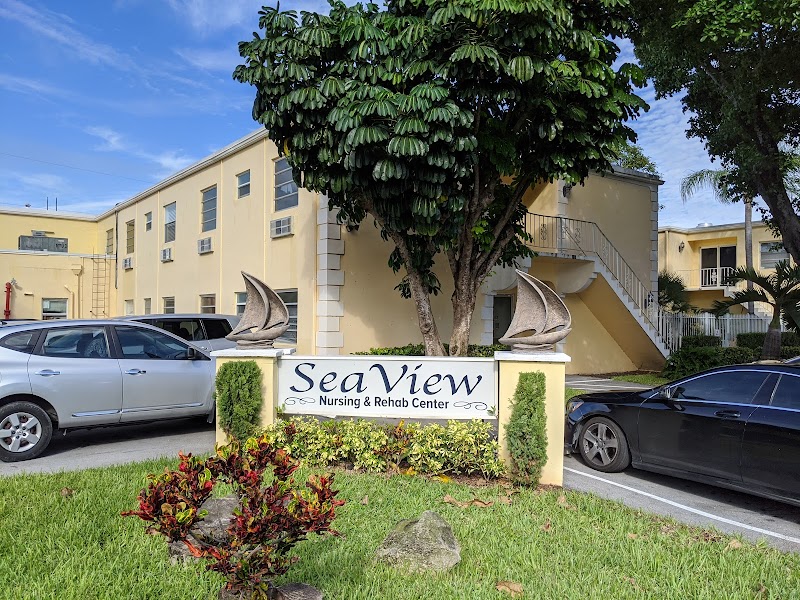
How is Aviata At The Sea - Pompano Beach Staffed?

CMS rates AVIATA AT THE SEA - POMPANO BEACH's staffing level at 3 out of 5 stars, which is average compared to other nursing homes. Staff turnover is 39%, compared to the Florida average of 46%. This relatively stable workforce can support continuity of care. RN turnover specifically is 78%, which is notably high. RNs provide skilled clinical oversight, so turnover in this role can affect medical care quality.

What Have Inspectors Found at Aviata At The Sea - Pompano Beach?

State health inspectors documented 42 deficiencies at AVIATA AT THE SEA - POMPANO BEACH during 2022 to 2025. These included: 41 with potential for harm and 1 minor or isolated issues.

Who Owns and Operates Aviata At The Sea - Pompano Beach?

AVIATA AT THE SEA - POMPANO BEACH is owned by a for-profit company. For-profit facilities operate as businesses with obligations to shareholders or private owners. The facility is operated by AVIATA HEALTH GROUP, a chain that manages multiple nursing homes. With 83 certified beds and approximately 69 residents (about 83% occupancy), it is a smaller facility located in POMPANO BEACH, Florida.

How Does Aviata At The Sea - Pompano Beach Compare to Other Florida Nursing Homes?

Compared to the 100 nursing homes in Florida, AVIATA AT THE SEA - POMPANO BEACH's overall rating (2 stars) is below the state average of 3.2, staff turnover (39%) is near the state average of 46%, and health inspection rating (2 stars) is below the national benchmark.

What Should Families Ask When Visiting Aviata At The Sea - Pompano Beach?

Based on this facility's data, families visiting should ask: "Can I visit during a mealtime to observe dining assistance and food quality?" "How do you handle medical emergencies, and what is your hospital transfer rate?" "Can I speak with family members of current residents about their experience?"

Is Aviata At The Sea - Pompano Beach Safe?

Based on CMS inspection data, AVIATA AT THE SEA - POMPANO BEACH has a clean safety record: no substantiated abuse findings (meaning no confirmed cases of resident harm), no Immediate Jeopardy citations (the most serious violation level indicating risk of serious injury or death), and is not on the Special Focus Facility watch list (a federal program monitoring the lowest-performing 1% of nursing homes). The facility has a 2-star overall rating and ranks #100 of 100 nursing homes in Florida. While no facility is perfect, families should still ask about staff-to-resident ratios and recent inspection results during their visit.

Do Nurses at Aviata At The Sea - Pompano Beach Stick Around?

AVIATA AT THE SEA - POMPANO BEACH has a staff turnover rate of 39%, which is about average for Florida nursing homes (state average: 46%). Moderate turnover is common in nursing homes, but families should still ask about staff tenure and how the facility maintains care continuity when employees leave.

Was Aviata At The Sea - Pompano Beach Ever Fined?

AVIATA AT THE SEA - POMPANO BEACH has no federal fines on record. CMS issues fines when nursing homes fail to meet care standards or don't correct problems found during inspections. The absence of fines suggests the facility has either maintained compliance or corrected any issues before penalties were assessed. This is a positive indicator, though families should still review recent inspection reports for the full picture.

Is Aviata At The Sea - Pompano Beach on Any Federal Watch List?

AVIATA AT THE SEA - POMPANO BEACH is not on any federal watch list. The most significant is the Special Focus Facility (SFF) program, which identifies the bottom 1% of nursing homes nationally based on persistent, serious quality problems. Not being on this list means the facility has avoided the pattern of deficiencies that triggers enhanced federal oversight. This is a positive indicator, though families should still review the facility's inspection history directly.