CHILDRENS COMPREHENSIVE CARE CENTER INC
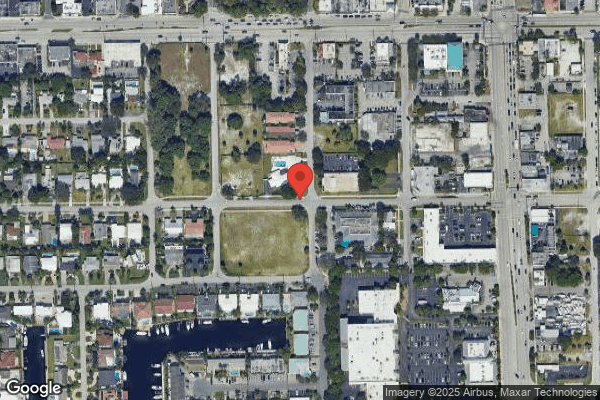

200 SE 19TH AVENUE, POMPANO BEACH, FL 33060 (954) 943-7638
Non profit - Corporation 36 Beds Independent Data: November 2025
Trust Grade
30/100
#622 of 690 in FL
Last Inspection: November 2024

Within standard 12-15 month inspection cycle. Federal law requires annual inspections.

Overview

Families considering Children's Comprehensive Care Center Inc in Pompano Beach, Florida, should be aware that the facility has a Trust Grade of F, indicating poor performance with significant concerns. It ranks #622 out of 690 in Florida, placing it in the bottom half of facilities statewide, and #33 out of 33 in Broward County, meaning there are no better local options. However, the facility is showing improvement, having reduced its issues from 13 in 2024 to just 1 in 2025. Staffing is a positive aspect, with a 0% turnover rate, which is well below the Florida average, suggesting that staff are stable and familiar with the residents. On the downside, the facility has incurred $53,265 in fines, which is concerning as it is higher than 93% of Florida facilities, indicating repeated compliance issues. Specific incidents include concerns about food safety practices, such as dirty dining areas and improper food handling, as well as failure to follow seizure precautions for a resident, which poses potential risks. Overall, while there are strengths in staffing, the facility's overall rating and issues found highlight the need for careful consideration.

Trust Score
F
30/100
In Florida
#622/690
Bottom 10%
Safety Record
Moderate
Needs review
Inspections
Getting Better
13 → 1 violations
Staff Stability
○ Average
Turnover data not reported for this facility.
Penalties
⚠ Watch
$53,265 in fines. Higher than 93% of Florida facilities. Major compliance failures.
Skilled Nurses
○ Average
RN staffing data not reported for this facility.
Violations
⚠ Watch
40 deficiencies on record. Higher than average. Multiple issues found across inspections.
★☆☆☆☆
1.0
Overall Rating
★☆☆☆☆
1.0
Staff Levels
★★★★☆
4.0
Care Quality
★★☆☆☆
2.0
Inspection Score
Stable
2024: 13 issues
2025: 1 issues

The Good

  • 4-Star Quality Measures · Strong clinical quality outcomes
  • Full Sprinkler Coverage · Fire safety systems throughout facility
  • No fines on record

Facility shows strength in quality measures, fire safety.

The Bad

1-Star Overall Rating

Below Florida average (3.2)

Significant quality concerns identified by CMS

Federal Fines: $53,265

Above median ($33,413)

Moderate penalties - review what triggered them

The Ugly 40 deficiencies on record

May 2025 1 deficiency
CONCERN (D) 📢 Someone Reported This

A family member, employee, or ombudsman was alarmed enough to file a formal complaint

Potential for Harm - no one hurt, but risky conditions existed

Notification of Changes (Tag F0580)

Could have caused harm · This affected 1 resident

**NOTE- TERMS IN BRACKETS HAVE BEEN EDITED TO PROTECT CONFIDENTIALITY** Based on review of policy and procedure, interview, observation and record review, the facility failed to notify the resident's ...

Read full inspector narrative →
**NOTE- TERMS IN BRACKETS HAVE BEEN EDITED TO PROTECT CONFIDENTIALITY** Based on review of policy and procedure, interview, observation and record review, the facility failed to notify the resident's representative regarding a change in skin condition, for 1 of 3 sampled residents observed (Resident #1). The findings included: Review of the facility policy and procedure titled, Change in a Resident's Condition or Status, which was not dated, and provided by the Director of Nursing (DON), included: Our facility shall promptly notify the resident, his or her attending physician, and representative (or sponsor) of changes in the resident's condition and/or status. The nurse supervisor will record in the resident's medical record any changes in the resident's medical condition or status. Review of the facility policy and procedure titled, Trach Care, dated 02/2025, included: Prevention is the best medicine for the care of the skin around the trach and the neck. Meticulous care should be taken to assess the skin each shift and document findings. Skin care management plans should be initiated when the skin condition is less than optimal . Review of the facility policy and procedure titled, Pressure Ulcer Prevention and Managing Skin Integrity, dated 09/2023 included: Nursing, in collaboration with the health care team, will assess and manage skin integrity for all residents. Risk for pressure ulcer development will be evaluated upon admission. Skin inspections will be completed on admission and daily for all residents. Purpose: To promote prompt evaluation and intervention of any changes in skin integrity. The focus of the examination will be on the skin over the bony prominence and in skin fold/creases. Findings will be documented in the patient medical record (paper or electronic). Communication to the provider and other caregivers of a skin breakdown is essential. 1) Resident #1 was originally admitted to the facility on [DATE] with the following diagnoses which included: Disruption of Wound, , Cerebral Palsy, Hypertension, Epilepsy, Hypoplastic Right Heart Syndrome, Double Outlet Right Ventricle, Aphasia and Chronic Respiratory Failure. Resident #1 is medically fragile with a Ventilator and Tracheotomy in place and totally dependent on staff for care, nutrition and hydration. She had a Brief Interview Mental Status (BIMS) indicative of (severe impairment). During an interview conducted on 05/01/25 at 4:09 PM with the resident's mother, she verbalized that, on Friday 04-11-25 she went to visit Resident #1 and that's when she noticed that she had a hole/bedsore on the right side of her neck, which she described as having the smell of eggs and sewage and was the size of a golf ball and deep. The mother indicated that she had spoken to the wound care doctor in the facility the same day and was told by him that Resident #1 also had sores on her neck, in the past, which she started getting in 2024. According to the mother, this was the first time that she heard anything about Resident #1 having sores on her neck. The mother went on to say that the staff members have her phone number, but hadn't called her at all, regarding this. The complainant ended by saying that the doctor apologized for not calling. On 05/02/25 at 10 AM an observation was conducted of Resident #1 who was resting in bed with her head elevated and with both her Ventilator and Tracheotomy in place. Resident #1 was not observed as having a hole/bedsore on the right side of her neck. The resident's neck did not smell like eggs and sewage. However, it was apparent from the two (2) healed, old discolored scars on the back and right side of the resident's neck that a former wound or sore, that had been treated and healed. Resident #1's mouth and teeth were clean, with no build-up, noted, at the time, and she was wearing her hand splints. (Photographic Evidence Obtained). Record review of the Resident #1's Tracheotomy Care plan initiated 03/07/19 indicated Focus: Resident #1 has Tracheotomy related to disease process. Interventions: Ensure that Trach ties are secured at all times .Trach care Q shift, cleanse neck with normal saline, inspect skin for any abrasion or redness, apply A & D as needed. Goal: Resident #1 will have no abnormal drainage around Trach site and will have no signs or symptoms of infection through review date. Record review of the Resident #1's Ulceration or Interference Care plan initiated 03/27/24 indicated Focus: Structural integrity of layers of skin to the right side of her neck caused by prolonged pressure related to: Trach collar and excess secretion. Interventions .Document on daily flow sheet: if skin is intact, mark Y. If skin is reddened or has open area; mark N. Report any new openings to Registered Staff Goal: There will be a reduction in size/stage of pressure ulcer and no signs of infection or complication during period of review. On 04/22/25 the Wound Care Doctor's Wound Evaluation documented that, .Patient has a Stage IV wound on her right lateral neck .pressure, duration (>) greater than twenty-two (22) days Wound size 1.0 x 1.2 x 0.2 cm Surface area 1.20 cm2, edges attached, moderate serous exudate, 100% granulation tissue, pain noted with grimacing, no signs of infection. Dressing Treatment Plan: Mepilex silicone Ag+ foam apply Q-shift and as needed if saturated, soiled, or dislodged. For nine (9) days secure under Trach strap. Computerized record review conducted of a late entry nursing note by Staff A, a Licensed Practical Nurse (LPN) in which he revealed that, on Friday 04/11/25 around 5:30 PM resident's mother came in to visit her daughter . She complained about wound she observed on the resident's neck. The Respiratory Therapist (RRT) explained to her that the physician was notified and ordered Tracheotomy care which included Mepilex to tracheotomy site twice a day. Resident's mother was informed about it, at that time. During an interview and side-by-side computerized record review conducted on 05/02/25 at 1:35 PM with Staff A, he revealed that neither he, nor any other nursing staff members, had recorded any documentation in the nurses' progress notes, prior to Friday 04/11/25, to indicate that he or they had spoken with the mother about any of the details, regarding Resident #1's current skin condition. A side-by-side record review was conducted with the DON in which it was noted that there was no documentation recorded in any of the Respiratory Therapists' notes, nurses' progress, the Dietary Nutrition notes (12/31/24, 01/08/25, 02/26/25 and 03/30/25), nor in the Care Plan meetings (01/08/25 and 04/09/25) and Transitional meeting (03/06/25), from 12/31/24 until Friday 04/11/25 (when the complainant entered the facility to discover her child's wounds herself), to specifically describe, in detail, the resident's current skin condition. Nor was there any documentation to describe the presence of any wounds. There was not any documentation to signify whether or not the resident's representative had been previously contacted and notified of the resident's current and on-going wound status , by the facility's nursing staff. The computerized last Skin Evaluation completed (prior to 04/11/25) had been dated 10/12/24. 2) Record review conducted for last year, 2024, also revealed that Resident #1 had developed a wound to her neck, which had been documented as treated and healed. However, there had still been no notation anywhere in the record to show that the resident's representative had been notified of this change in skin condition with treatment, between the dates of 03/28/24 until 04/23/24. A subsequent interview and side-by-side computerized record review was conducted on 05/02/25 at 4:57 pm with Staff A, one (1) of three (3) currently available staff members, who had also been working in the facility during dates of service (DOS) 03/28/24 until 04/23/24, regarding his nursing note entry on 04/12/24 at 08:05 AM. Staff A, acknowledged and revealed that neither he, nor any other facility nursing staff members, had made any documentations in the record of Resident#1's current skin condition at that time. Neither, had he made any contact with the resident's representative concerning such. The DON further recognized and acknowledged on 05/02/25 at 5:05 PM that the resident's representative should always be notified or contacted for any changes to the resident's skin status or condition.
Nov 2024 13 deficiencies
CONCERN (D)

Potential for Harm - no one hurt, but risky conditions existed

Resident Rights (Tag F0550)

Could have caused harm · This affected 1 resident

**NOTE- TERMS IN BRACKETS HAVE BEEN EDITED TO PROTECT CONFIDENTIALITY** Based on observation and interview, the facility failed to assist a resident with feeding in a manner to promote dignity for 1 o...

Read full inspector narrative →
**NOTE- TERMS IN BRACKETS HAVE BEEN EDITED TO PROTECT CONFIDENTIALITY** Based on observation and interview, the facility failed to assist a resident with feeding in a manner to promote dignity for 1 of 3 residents that eat by mouth, Resident #17. The findings included: Resident #17 was admitted to the facility on [DATE]. According to the resident's most recent complete assessment, an Annual Minimum Data Set (MDS), dated [DATE], Resident #17 was not assessed for cognition due to 'Resident is rarely/never understood'. The MDS documented that Resident #17 was dependent upon staff for all Activities of Daily Living (ADLs), including eating. Resident #17's care plan for nutrition, initiated on 07/31/23, documented, Feeding tube present due to dysphagia with H20 flush only for hydration, patency of tube and medication administration. Additional risk factors include: chewing/swallowing difficulty, mechanically altered diet, decreased ability to feed self, abnormal labs. The goal of the care plan was documented as, Resident will have no further weight gain through next review date. Interventions to the care plan included: o Assist with meals PRN (as needed) During an observation of lunch served to Resident #17, on 11/18/24 at 1:03 PM, Resident #17 was observed in an outside area with Staff L, Teacher's Assistant. During the observation, it was noted that Staff L was standing over and to Resident #17's right while assisting the resident with the lunch meal. The concern was brought to the attention of the Activities Director who acknowledged the concern and corrected Staff L.
CONCERN (D)

Potential for Harm - no one hurt, but risky conditions existed

ADL Care (Tag F0677)

Could have caused harm · This affected 1 resident

**NOTE- TERMS IN BRACKETS HAVE BEEN EDITED TO PROTECT CONFIDENTIALITY** 4) Resident #8, is medically fragile with a Ventilator and Tracheostomy in place and totally dependent on staff for care, nutrit...

Read full inspector narrative →
**NOTE- TERMS IN BRACKETS HAVE BEEN EDITED TO PROTECT CONFIDENTIALITY** 4) Resident #8, is medically fragile with a Ventilator and Tracheostomy in place and totally dependent on staff for care, nutrition and hydration. She was originally admitted to the facility on [DATE] with diagnoses which included Primary Pulmonary Hypertension, Atrioventricular Septal Defect, Chronic Respiratory Failure, Diabetes Mellitus Type 1 and Gastrostomy status. She had a Brief Interview Mental Status (BIM) score of 00, indicating severe impairment. During an observational tour conducted of the Nursery on 11/18/24 at 12:45 PM, it was revealed that Resident #8, was asleep in her crib and her fingernails were long and un-trimmed. During a second observational tour of the Nursery conducted on 11/18/24 at 4 PM, Resident #8, was resting in her crib and her fingernails were still observed as long and un-trimmed. On 11/19/24 at 3:02 PM, a side-by-side observation and interview was conducted with Staff E, a Registered Nurse (RN) and with Staff C, a Certified Nursing Assistant (CNA) regarding Resident #8's long, un-trimmed fingernails. Staff C, acknowledged that Resident #8's fingernails should be kept trimmed and she stated that either the nurses, or the former Resident Care Manager will cut the resident's fingernails; the CNAs don't do this. During an interview conducted on 11/22/24 at 8:45 AM, with the Activities Director, she also acknowledged that the resident's fingernails should be kept trimmed, but she stated that she did not cut Resident #8's fingernails. The Activities Director added that someone else must have done so. She ended by saying that CNAs and nurses can do the fingernails. Record review of Resident #8's Monthly CNA ADL (Activities of Daily Living) Task Flowsheet Record dated 11/18/24 revealed for the following two (2) times, that it was documented at 6:44 AM and again at 5:17 PM, that ADL Personal Hygiene care had been provided for Resident #8. However, Resident #8's fingernails remained long and untrimmed on both hands for the full day of 11/18/24. Record review of the Resident #8's Care plan initiated 07/14/17 indicated Focus: At Risk for .Other Skin Condition Interventions: . Keep residents fingernails cut and filed .Goal: Resident will maintain intact skin integrity through the next ninety (90) days. The DON further recognized and acknowledged on 11/19/24 at 2:30 PM that the Resident #8's fingernails should be kept trimmed and neat; this was not done. Based on observations, interviews and record review, the facility failed to provide fingernail grooming to 4 of 4 residents reviewed for Activities of Daily Living (ADL) (Resident #7, #8, #12 and #19). The findings included: Review of the facility's policy provided by the Director of Nursing (DON) titled ADLs/Hygiene reviewed on 01/2024 documented .every resident will receive a bath daily .according to their needs .personal hygiene: i.e. face and hands washing .nails cutting .will be done as needed . Review of the facility's Certified Nursing Assistant (CNA) job description revised on 08/22/19 provided by the Director of Nursing (DON) documented under essential functions .adheres to schedule and performs bathing .and hygiene of residents .ensure residents are ready for school, that they are neat and clean . Review of the facility's Registered Nurse job description revised on 09/21/20 provided by the Director of Nursing (DON) documented under essential functions .provides physical hygiene measures, assures residents are appropriately .well groomed . Review of the facility's Licensed Practical Nurse job description revised on 10/27/20 provided by the Director of Nursing (DON) documented under essential functions .see that the children are clean at all times, bath and grooming . 1) Review of Resident #7's clinical record documented an admission on [DATE] with the most recent readmission on [DATE]. The resident diagnoses included Cerebral Palsy, Restlessness and Agitation, Seizures, Feeding Difficulties, Hypoxic Ischemic Encephalopathy, Tracheostomy Status, Acute Respiratory Failure with Hypoxia, Candidiasis of Skin and Nail, and Sepsis due to Methicillin Susceptible Staphylococcus Aureus. Review of Resident #7 Minimum Data Set (MDS) documented a discharge-return anticipated assessment dated [DATE]. The assessment documented the resident was dependent on the staff for all activities of daily living (ADLs). On 11/18/24 at 11:13 AM, observation revealed Resident # 7 sitting in a wheelchair in the classroom. The resident did not respond to verbal stimuli, was non-verbal. Further observation revealed the resident had long, jagged fingernails with black matter underneath the nails. On 11/19/24 at 11:43 AM, observation revealed Resident # 7 sitting in a wheelchair in the classroom. The resident was non-verbal. Further observation revealed the resident had long, jagged fingernails with black matter underneath the nails. On 11/19/24 at 3:02 PM, a side by side observation of Resident #7 fingernails was conducted with Staff E, RN and Staff C, CNA. Staff C was asked who was responsible to trim the resident's fingernails and stated the Resident Care Manager. She stated the CNAs did not do that. Staff E, RN was asked who was responsible to do the resident's fingernails and she stated she really didn't know who was responsible to do it. Staff C stated Resident #7 needed his fingernail trimmed. 2) Review of Resident #12's clinical record documented an admission on [DATE] and a readmission on [DATE]. The resident diagnoses included Traumatic Brain Injury, Gastrostomy Status, Encephalopathy, and Contracture of Muscle-Unspecified Upper Arm. Review of Resident #12's MDS quarterly assessment dated [DATE] documented the resident was totally dependent on staff for ADLs. Review of Resident #12's active care plans record did not include a care plan related to refusal for care or fingernail care. On 11/18/24 at 11:01 AM, observation revealed Resident #12 in his room sitting in a wheelchair listening to his musical I-Pad game. The resident was called by his name and did not answer. Observation revealed the resident's left hand fingernails were long with black matter underneath the nails, his right hand had a closed fist. The resident was asked if he want the long nails trimmed and moved his head side to side (negative). The resident was asked to open his right fist and moved his head side to side, could not open it. On 11/19/24 at 3:12 PM, a side by side observation of Resident #12's fingernails was conducted with Staff E, RN and Staff O, CNA. Staff E acknowledged the resident's left fingernails were long with black matter underneath the nails. Staff O stated that the resident refuses to get them cut and the previous Resident Care Manager was aware. Staff E stated she was not aware of Resident #12 refusing to have his fingernails groomed and proceeded to clean underneath the resident's fingernails. Staff O was asked about the resident's right hand and opened his right hand that revealed long fingernails and redness on the palm of his hand. Staff O was asked if the nails dig into the skin and she stated a little. On 11/19/24 at 3:18 PM, during an interview, Staff E, RN stated the Activities Director was in charge of doing the resident's fingernails. On 11/19/24 at 3:45 PM, a side by side observation with the Activities Director and Staff A, Resident Care Manager (RCM) was conducted. The Activities Director stated she cut Resident #12's fingernails last time on 10/22/24 and added that the resident never had refused her to have the fingernails cut. Staff A stated she was not aware of the resident refusing nail care. 3) Review of Resident #19's clinical record documented an admission on [DATE] with the most recent readmission on [DATE]. The resident diagnoses included Tracheostomy, Gastrostomy, Anoxic Brain Damage and Contracture-Unspecified Joint. Review of Resident #19's MDS discharge return-anticipated assessment dated [DATE]. The assessment documented that the resident was dependent on the staff for all activities of daily living (ADLs). On 11/19/24 at 10:14 AM, observation revealed Resident #19's fingernails were long and jagged. The resident was non-verbal, did not respond to verbal stimuli. On 11/19/24 at 11:18 AM, a telephone call was made to the resident's mother who stated the facility staff takes care of him. An inquiry was made regarding the resident's long fingernails and the resident's mother stated she prefers to have them cut his nails because he may scratch himself. On 11/19/24 at 3:30 PM, during an interview, Staff B, RN was asked who was responsible for the resident's fingernail care and she stated that the nurses were responsible for cutting the resident's fingernails. Staff B was asked if the CNA could do it and she stated No. On 11/19/24 at 3:31 PM, a side by side observation of Resident #19's fingernails was conducted with the Activities Director, Staff A, RCM and Staff B, RN. The Activities Director stated that she normally does the resident's fingernails on Friday and added that some resident's nails grow very fast and have to be done weekly. The Activities Director acknowledged Resident #19's fingernails needed to be cut. Staff A, RCM stated that the CNAs could be doing the resident's fingernails and added it was a matter of dividing the task. Staff A stated the CNA can clean underneath the nails during bathing. On 11/19/24 at 3:43 PM, during an interview, the Director of Nursing and the Director of Medical Operations were apprised of the residents with long fingernails.
CONCERN (D)

Potential for Harm - no one hurt, but risky conditions existed

Quality of Care (Tag F0684)

Could have caused harm · This affected 1 resident

**NOTE- TERMS IN BRACKETS HAVE BEEN EDITED TO PROTECT CONFIDENTIALITY** Based on observations, interviews and record review the facility: - failed to notify and obtain a physician order prior to prov...

Read full inspector narrative →
**NOTE- TERMS IN BRACKETS HAVE BEEN EDITED TO PROTECT CONFIDENTIALITY** Based on observations, interviews and record review the facility: - failed to notify and obtain a physician order prior to provide pressure injury care for 1 of 2 reviewed for pressure injury (Resident #19) and - failed to administer medications within the medications time frames identified during medication administration observation task (Resident #18, #24, #28 and #29). The findings included: Review of the facility's policy provided by the Director of Nursing (DON) titled Physician' Medication Orders dated on 03/20/24 documented .no drugs or biologicals shall be administered except upon the order of a person duly licensed .all drug and biological orders shall be written . Review of the facility's policy provided by the Director of Nursing (DON) titled Medication Administration and Documentation revised on 03/20/24 documented .medications must be administered in a timely manner and in accordance with the Attending Physician's written/verbal orders .medications .must be administered within one (1)hour of their prescribed time .the individual administering the medication must initial the resident's MAR (Medication Administration Record) .after administering the next resident's medication .establish facility infection control procedures (e.g. handwashing, antiseptic technique, gloves .etc.) must be followed during the administration of medications . 1) Review of Resident #19's clinical record documented an admission on [DATE] and readmission on [DATE]. The resident diagnoses included Tracheostomy Status, Gastrostomy Status, Anoxic Brain Damage and Contracture-Unspecified Joint. Review of Resident #19's MDS discharge return-anticipated assessment dated [DATE]. The assessment documented that the resident was dependent on the staff for all activities of daily living (ADLs). Review of Resident #19's active and resolved care plans on file revealed that a care plan for the resident Skin impairment (Deep Tissue Injury) was not developed. Review of Resident #19's documented an active physician orders dated 10/11/24 Wound Care Left Dorsal foot: Cleanse with NS (normal saline), dry, apply skin prep then apply Thin Duoderm three times a week one time a day every Mon, Wed, Fri for Unstageable DTI (Deep Tissue Injury) of left dorsal foot for 30 Days-Start Date 10/14/2024. The order entry on file did not have a stop date. On 11/20/24 at 10:14 AM, observation revealed Resident #19 lying on his back with his feet propped on pillow with a dressing on his left foot. On 11/20/24 10:58 AM, an interview with Staff B, Registered Nurse (RN) who was asked when she will be doing Resident #19's foot dressing and stated she did not have a physician order for it. Staff B reviewed the resident's physician orders and stated she did not see one. Observation revealed Staff B donned a gown and gloves, entered the resident's room and stated the resident had a Mepilex dressing on his left dorsal foot. Staff B lifted the dressing and stated Resident #19 had a DTI on the left dorsal foot, and added he had a 4 x 4 Mepilex dressing dated 11/19/24- 5:00 AM. The review revealed the resident had a dressing change without a physician order on 11/19/24. Staff B stated she will do wound care for Resident #19's left dorsal DTI. On 11/20/24 at 11:56 AM, observation of wound care for Resident #19's left dorsal foot DTI performed by Staff B, RN was conducted. Staff B stated the physician order dated 10/11/24 was for skin prep and cover with thin Duoderm. Staff B cleaned the skin injury (DTI) with the skin prep, applied an Extra Thin Duoderm. Staff B provided Resident #19's pressure injury care without physician order. On 11/20/24 at 4:12 PM, an interview was conducted with Staff A, Resident Care Manager (RCM) who stated Resident #19's left dorsal foot wound care was only for 30 days and was completed on 11/14/24. Staff A stated that today (11/20/24) she spoke with the Wound Care Physician who stop the left dorsal foot DTI care order and added he did not want to continue with Duoderm dressing. Staff A stated there was not a physician order for Resident #19's dressing to the left foot. Staff A was apprised that the resident had a Mepilex dressing on his left dorsal foot dated 11/19/24- 5:00 AM. Staff A stated whoever put the dressing on it, put it without a doctor's orders. Staff A was asked if there was a progress note related to the dressing placed on 11/19/24 at 5:00 AM and stated there was no nursing notes related to the left foot dressing. Staff A was apprised of Staff B performing wound care on today (11/20/24) without physician orders. 2) On 11/21/24 at 10:16 AM, during observation of Staff G, Registered Nurse (RN) documentation of medications administration for Resident #27, it was noted that the medication record screen turned from green to red color. An inquiry was made and Staff G stated the screen was red because she was late administering the medications. Staff G was asked why she was late and stated because they used to schedule two nurses for the nursery and now there is only one nurse for 10 residents, there were 12 residents in the nursery. Staff G stated the other two residents were assigned to other nurses. Staff G was asked how many more residents were due to administer their 8:00 AM-and 9:00 AM medications and stated three (3) more residents (Resident #18, #24, and #29). A side by side observation of Staff G's assigned residents medications screen was conducted. The observation revealed Resident #18, #24, and #29 medication screen showed red color, and Staff G stated it was red because she was late to give the resident's medications. 2a) Review of Resident #18's clinical record documented admission on [DATE] and a readmission on [DATE]. Review of Resident #18's 11/21/24 Medication Administration Record (MAR) documented the following: -Keppra oral solution 100 milligrams (mg) per ml (millimeters) via G-tube (gastrostomy tube) two times a day at 9:00 AM and 9:00 PM. Review of Resident #18's medication administration audit report documented that Keppra scheduled for 9:00 AM was documented as administered at 11:00 AM. -Lactulose oral solution 10 mg/15 ml via G-tube (gastrostomy tube) two times a day at 8:00 AM and 8:00 PM. Review of Resident #18's medication administration audit report documented that Lactulose scheduled for 8:00 AM was documented as administered at 11:00 AM. -Monitor vital signs every 8 hours at 8:00 AM, 4:00 PM and 12 Midnight. Review of Resident #18's medication administration audit report documented that the resident's vital signs scheduled for 8:00 AM was documented as completed at 11:14 AM. 2b) Review of Resident #24's clinical record documented an admission on [DATE] and a readmission on [DATE]. Review of Resident #24's 11/21/24 Medication Administration Record (MAR) documented the following: -Sodium Chloride Oral solution 4 Meq per ml via J-tube (feeding tube) for Hyponatremia (low sodium) two times a day at 8:00 AM and 8:00 PM. Review of Resident #24's medication administration audit report documented that Sodium Chloride scheduled for 8:00 AM was documented as administered at 10:39 AM. -Amlodipine oral suspension 3.5 mg via J-tube for Hypertension two times a day at 8:00 AM and 8:00 PM. Review of Resident #24's medication administration audit report documented that Amlodipine scheduled for 8:00 AM was documented as administered at 10:39 AM. 2c) Review of Resident #29's clinical record documented an admission on [DATE] with no readmissions. Review of Resident #29's 11/21/24 Medication Administration Record (MAR) documented the following: -Docusate Sodium Oral Liquid 50 mg via G-tube (feeding tube) for Constipation two times a day at 8:00 AM and 8:00 PM. Review of Resident #29's medication administration audit report documented that Docusate Sodium scheduled for 8:00 AM was documented as administered at 11:00 AM. -Famotidine oral suspension 40 mg via G-tube for GERD (Gastroesophageal Reflux Disease) two times a day at 8:00 AM and 8:00 PM. Review of Resident #29's medication administration audit report documented that Amlodipine scheduled for 8:00 AM was documented as administered at 11:00 AM. -Glycopyrrolate Oral Solution 1.75 ml via G-Tube two times a day at 9:00 AM and 9:00 PM. Review of Resident #29's medication administration audit report documented that Glycopyrrolate Oral Solution scheduled for 9:00 AM was documented as administered at 11:00 AM. -Levetiracetam oral solution give 350 mg via G-tube for Seizures two times a day at 8:00 AM and 8:00 PM. Review of Resident #29's medication administration audit report documented that Levetiracetam scheduled for 8:00 AM was documented as administered at 11:00 AM. -Monitor vital signs every 8 hours at 8:00 AM, 4:00 PM and 12 Midnight. Review of Resident #29's medication administration audit report documented that the resident's vital signs scheduled for 8:00 AM was documented as completed at 11:11 AM. 3) On 11/21/24 at 10:20 AM, an interview was conducted with Staff H, RN who stated she had 10 residents assigned to her on the south unit and one resident on the north unit. Staff H was asked if she had any resident in the nursery assigned to her and replied No. On 11/21/24 at 10:23 AM, an interview was conducted with Staff F, RN who stated she had 9 residents on the north unit assigned to her including one resident in the nursery and had one daily medication due to be administered. Staff F stated Resident #28 in the nursery was not assigned to her. On 11/21/24 at 10:46 AM, observation revealed Resident #28 in his crib and disconnected of his continuous feeding pump. On 11/21/24 at 10:47 AM, an interview was conducted with Staff H, RN who stated she did not look at her time sheet for her resident's assignment. Staff H was asked went did she find out that Resident #28 was assigned to her and replied around 10:30 AM. Staff H stated she had not assessed the resident yet and his tube feeding was supposed to be connected at 8:00 AM and added she did not connect it at 8:00 AM and did not know for how long Resident #28 tube feeding was disconnected. Review of Resident #28's clinical record documented an admission on [DATE] with a readmission on [DATE]. Review of Resident #28's 11/21/24 Medication Administration Record (MAR) documented the following: -Gabapentin oral solution 250 mg per 5 ml give 175 mg via G-tube for Seizures three times a day at 1:00 AM, 9:00 AM and 5:00 PM. Review of Resident #28's medication administration audit report documented that Gabapentin scheduled for 9:00 AM was documented as administered at 11:06 AM. -Keppra oral solution 100 mg per ml give 120 mg via G-tube for Seizures two times a day at 9:00 AM and 9:00 PM. Review of Resident #28's medication administration audit report documented that Keppra scheduled for 9:00 AM was documented as administered at 11:06 AM. -Glycopyrrolate Oral Solution give 600 mcg via G-Tube four times a day at 3:00 AM, 9:00 AM, 3:00 PM and 9:00 PM. Review of Resident #28's medication administration audit report documented that Glycopyrrolate Oral Solution scheduled for 9:00 AM was documented as administered at 11:06 AM. -Artificial Tears Ophthalmic solution instill one drop on both eyes tow times a day for dry eyes at 8:00 AM and 8:00 PM. Review of Resident #28's medication administration audit report documented that Artificial Tears Ophthalmic solution scheduled for 8:00 AM was documented as administered at 11:06 AM. -Propranolol oral solution 20 mg/5 ml give 15 mg via G-tube four times a day at 2:00 AM, 8:00 AM, 2:00 PM and 8:00 PM. Review of Resident #28's medication administration audit report documented that Propranolol oral solution scheduled for 8:00 AM was documented as administered at 11:11 AM. -Water flush: give water flush of 102 ml every four hours via G-tube for hydration at 0 hours, 4:00 AM, 8:00 AM, 12:00 Noon, 4:00 PM and 8:00 PM. Review of Resident #28's medication administration audit report documented that water flush scheduled for 8:00 AM was documented as administered at 10:53 AM. -Monitor vital signs every 8 hours at 8:00 AM, 4:00 PM and 12 Midnight. Review of Resident #28's medication administration audit report documented that the resident's vital signs scheduled for 8:00 AM was documented as completed at 11:11 AM. On 11/21/24 at 1:59 PM, an interview was conducted with the Director of Nursing (DON) who was apprised of multiple residents who received their medications late. On 11/21/24 at 2:01 PM, during an interview, the Director of Medical Operations was apprised of medications and assessments delayed.
CONCERN (D)

Potential for Harm - no one hurt, but risky conditions existed

Tube Feeding (Tag F0693)

Could have caused harm · This affected 1 resident

**NOTE- TERMS IN BRACKETS HAVE BEEN EDITED TO PROTECT CONFIDENTIALITY** Based on record review, observations and interviews, facility failed to ensure that the administration of enteral nutrition was ...

Read full inspector narrative →
**NOTE- TERMS IN BRACKETS HAVE BEEN EDITED TO PROTECT CONFIDENTIALITY** Based on record review, observations and interviews, facility failed to ensure that the administration of enteral nutrition was consistent with the practitioner's orders for 2 of 3 sampled residents (Resident #7 and #15). The findings included: 1 ) Review of Resident #7's clinical record documented an admission on [DATE] with readmission on [DATE]. The resident diagnoses included Cerebral Palsy, Restlessness and Agitation, Seizures, Feeding Difficulties, Hypoxic Ischemic Encephalopathy, Tracheostomy Status, Acute Respiratory Failure with Hypoxia, Candidiasis of Skin and Nail, and Sepsis due to Methicillin Susceptible Staphylococcus Aureus. Review of Resident #7 Minimum Data Set (MDS) assessments documented a discharge-return anticipated assessment dated [DATE]. The assessment documented that the resident was dependent on the staff for all activities of daily living (ADLs). Review of Resident #7's care plan titled resident name .relies on enteral feeding for all nutrition and hydration needs due to Short Bowel Syndrome with history of persistent diarrhea underweight status .10/22- significant weight gain x 180 Days, on planned weight gain regimen. Interventions included: Enteral feeding and water flushes as ordered dated 10/30/2024 . Review of Resident # 7's clinical record documented a physician order dated 11/14/24 for FORMULA: Peptamen 1.0, give 70 millimeters (ml) per hour continuously via G-tube (feeding tube) for 24 hours. Physician order dated 11/14/24 documented WATER FLUSH: Give Water 180 ml via G-tube three times a day for Hydration. On 11/18/24 at 11:31 AM, observation revealed Resident # 7 sitting in a wheelchair in the classroom, awake and connected to a Tube feeding pump running at 70 ml/hr. The feeding bag was labeled Peptamen formula and did show the time that was hung, but no nurse initials noted. On 11/19/24 at 2:53 PM, observation revealed Resident # 7 in bed, asleep. Tube feeding pump was beeping and read inactive idle 10 minutes. The resident feeding bag had approximately 175 ml left to be infused, and was not connected to the resident, the bag did not revealed the hanging time. On 11/20/24 at 12:42 PM, a side by side observation and review of the feeding and water infused in 48 hours was conducted with Staff A, Resident Care Manager (RCM). The review revealed that Resident #7 received in 48 hours 2,336 ml of his feeding formula and 720 ml of water flushed. Staff A stated the resident should have had received 3,360 ml of his tube feeding and 1,080 ml of water flush in 48 hrs. The resident did not receive his feeding formula and water flushes as per physician orders. Staff A stated the nurses were educated on how to use the feeding pump. On 11/21/24 at 12:38 PM, a telephone interview was conducted with the Consultant Registered Dietitian (CRD) and team surveyors. The CRD was asked how she can ensure the resident's caloric needs were met and replied the nurses were to monitor the feeding and that she did spot checks, to make sure the feeding were at the right rate, will ask the nurses during rounds if the residents were tolerating or not the feeding, and physically seen the residents every month. The CRD stated Resident #7 was tolerating the feeding very well. The CRD was apprised of Resident #7 feeding formula 2336 ml infused in 48 hours and 720 ml of water flushed in 48 hours. The CRD stated the resident should have had 3360 ml of his feeding formula and 1080 ml of water flushed in 48 hours. The CRD stated it looks like they (nurses) need education and training. 2) Review of Resident #15, clinical record documented an admission on [DATE] and most readmission on [DATE]. The resident diagnoses included Tracheostomy Status, Dependence on Respirator [Ventilator] Status, Gastrostomy Status, Hydrocephalus, Epilepsy, Failure To Thrive (Child), Congenital Malformation Of Heart, and Feeding Difficulties. Review of Resident #15 MDS quarterly assessment dated [DATE] documented the resident was dependent from the staff to complete the activities of daily living. Review of Resident #15's care plan titled resident name .relies on enteral feeding for all nutrition and hydration needs due to swallowing difficulty. Risk factors include: History of intolerance to multiple formulas, constipation, 10/11- Significant weight loss x 180 Days, care plan initiated on 05/03/21 and revised on 10/31/24. Interventions included: Provide enteral feeding and water flushes as ordered . Review of Resident # 15's clinical record documented a physician order dated 05/02/24- for FORMULA: [NAME] FARM PEDIASURE PEPTIDE 1.5 at 60 ml/hour Continuously via G tube two times a day for Nutrition. Review of Resident #15's physician order dated 05/02/24 documented Water flush at 150 ml every four hours via G-tube for hydration. On 11/18/24 at 11:35 AM, observation revealed Resident #15's tube feeding Pediasure formula running at 60 ml/hour with approximately 350- 375 ml left to be infused. Further observation revealed the feeding bag was not labeled with the hanging time or the nurse initials. On 11/19/24 at 10:12 AM, observation revealed Resident #15's tube feeding bag in his room. Consequently, an interview was conducted with Staff B, assigned Registered Nurse who stated the resident was in the classroom. On 11/19/24 at 10:45 AM, observation revealed Resident #15 sitting in a wheelchair in the classroom. Further observation revealed the resident was not connected to his continuously feeding pump. On 11/19/24 at 12:45 PM, observation revealed Resident # 15 in the classroom, his tube feeding pump was off. On 11/19/24 at 2:47 PM, observation revealed Resident # 15 in his room sitting in a wheelchair and connected to feeding pump, the machine read flushing. The feeding bag was labeled 11/19/24, no hanging time noted and had 200 ml of formula left to be infused. On 11/20/24 at 3:48 PM, an interview was conducted with Staff A, RCM who stated her role included all activities of residents from arranging appointments, transportation, rounds with the physicians, care planning meeting quarterly, resident's MDS assessment, revised their care plans, initiate a new care plan, enter physician orders, and follow up on new orders from medical appointments. Staff A stated Resident # 15 was seen by the gastroenterologist today and added a probiotic medication and to continue with the same Tube feedings orders. On 11/20/24 at 4:57 PM, a side by side observation of Resident #15's feeding pump was conducted with Staff A, RCM, who stated the feeding was not connected. Staff A checked the feeding pump infusion history and it showed that the resident received 1,280 ml of his feeding formula in 48 hours and 300 ml of water flushed. Staff A was asked to check feeding and water infusion in the last 24 hour and the pump showed Resident #15 had 779 ml of his feeding infused in 24 hours. Staff A cleared the infused volume. On 11/20/24 at 5:00 PM, an interview was conducted with Staff B, RN who stated she connected Resident #15's to his feeding formula when he came back from the doctors appointment. Staff B was apprised that the resident was not connected to his feeding pump. Staff B replied that the resident was put back in bed and the staff probably disconnected it. On 11/20/24 at 5:14 PM, an interview was conducted with Staff C, CNA who stated Resident #15 was disconnected from his feeding when they put him back in bed around 4:00-4:30 PM together with Staff D, Respiratory Therapist (RT). Unable to determine for how long the resident did not receive his tube feeding. On 11/20/24 at 5:16 PM, an interview was conducted with Staff D, RT who stated she helped Staff C to put Resident #15 back and did not remember the time. Staff D stated she disconnected the resident's from the oxygen reading machine, put the ventilator alarms on silent, before transferring them to bed. Staff D was asked who disconnected the resident from the feeding tube and replied she did not have to call the nurse to disconnect Resident #15 because he was not connected to the feeding tube. On 11/21/24 at 12:45 PM, a telephone interview was conducted with CRD who stated she comes to the facility once a week on Wednesday, but what not able to come this week. The CRD confirmed Resident #15's feeding formula order and stated the order was for [NAME] FARM PEDIASURE PEPTIDE 1.5 at 60 ml/hour Continuously via G tube two times a day for Nutrition and water flush of 150 every four hours. The CRD stated she had not heard about any issues with the resident feeding and added the resident was tolerating the feeding well. The CRD stated that in 24 hours Resident should have received 1440 ml (60 ml x 24 hours) that provides 2160 calories and water flush of 150 ml x 6= 900 ml. The CRD was apprised that on 11/20/24 around 5:00 PM the feeding pump history was checked with Staff A and it showed the resident received 1280 ml of his formula in 48 hrs and 300 ml of water flushed. The CRD was apprised of concerns related to resident's feeding formula infusion not been administered as per physician orders. The CRD stated the facility got new feeding pumps and everyone was trained and added, sounds like they (nurses) are going to need some education and training.
CONCERN (D)

Potential for Harm - no one hurt, but risky conditions existed

Deficiency F0700 (Tag F0700)

Could have caused harm · This affected 1 resident

**NOTE- TERMS IN BRACKETS HAVE BEEN EDITED TO PROTECT CONFIDENTIALITY** Based on observations, interviews and record reviews, the facility failed to 1. Assess residents for the use of bed rails and 2....

Read full inspector narrative →
**NOTE- TERMS IN BRACKETS HAVE BEEN EDITED TO PROTECT CONFIDENTIALITY** Based on observations, interviews and record reviews, the facility failed to 1. Assess residents for the use of bed rails and 2. Obtain informed consent for the use of bed rails for 2 of 2 residents reviewed for bed rails, Residents #10 and 130. The findings included: The facility's policy, 'Safety Measures and Equipment in the Pediatric Unit' most recently revised February 2024, documented: An appropriate size bed or crib will be selected for each resident according to their age and needs. Side rails on all cribs/beds of all residents will be in the up position and securely fastened at all times, unless someone is actually with the resident. 1). Resident #10 was admitted to the facility on [DATE]. According to the resident's most recent complete assessment, an Annual Minimum Data Set (MDS), date 10/17/24, Resident #10 was not assessed for cognition due to 'Resident is rarely/never understood'. The MDS documented that the resident was dependent upon staff for activities of daily living (ADLs). Resident #10's diagnoses at the time of the assessment included: Atrial fibrillation, Hypertension, GERD, Aphasia, Quadriplegia, Seizure disorder, Cellulitis, Ventricular fibrillation, Cardiac arrest, Cutaneous Abscess, Disorders of bone density and structure, TBI, Epilepsy, Contracture of ankle Resident #10's care plan for ADLs, initiated on 08/29/19, documented, Resident has ADL Self Care Performance Deficit related to gunshot wound to the head. The goal of the care plan was documented as, Resident will receive appropriate care in Bed Mobility, Transfers, Dressing, and Personal Hygiene through the review date. Interventions to the care plan included; o SIDE RAILS: One side of rails up as per Dr.s order for safety during care provision, to assist with bed mobility. Observe for injury or entrapment related to side rail use. Reposition PRN to avoid injury. Resident #10's care plan for side rails/falls, initiated on 07/27/20, documented, Use of full rails for safety and risk for injury/falls. The goal of the care plan was documented as, Resident will have no falls during the period under review. Interventions to the care plan included: o Side rails up whenever resident is in bed. Further review of Resident #10's health records revealed: Resident with no physician's orders for bed rails. Resident with no assessment regarding the use of rails. Resident with no informed consent for the use of rails. 2). Resident #130 was admitted to the facility on [DATE]. According to the resident's most recent complete assessment, a Quarterly MDS, dated [DATE], Resident #130 was not assessed for cognition due to 'Resident is rarely/never understood'. The assessment documented that Resident #130 was dependent upon staff for all ADLs, including bed mobility and transfer. Resident #130's diagnoses at the time of the assessment included: Aphasia, Seizure disorder, and Contracture. Resident #130's care plan for bed rails, initiated 05/24/22, documented, Use of full rails up for prevention of injury to self-characterized by high risk for falls related to disease process and contractures. The Goal of the care plan was documented as, Resident will have no falls. Interventions of the care plan included: o Bed rails used daily with no bed/chair alarms indicated. Further review of Resident #130's records revealed: Resident with no order for the bed rails. Resident with no signed consent for the use of the bed rails. Resident with no assessment for the use of bed rails. During an interview, on 11/22/24 at 12:30 PM, with the Director of Medical Operations and the Administrator, when asked about residents being assessed for the use of the bed rails, the Administrator and the Director of Medical Operations acknowledge that there were none. When asked about not having an informed consent for the use of the bed rails or orders for the bed rails, the Director of Medical Operations stated that it was included in the 'Consent for Treatment'. The Administrator stated, All bed rails are up at all times. All these kids are bed bound. Review of the 'Consent for Treatment' revealed that the use of bed rails was not included.
CONCERN (D)

Potential for Harm - no one hurt, but risky conditions existed

Unnecessary Medications (Tag F0759)

Could have caused harm · This affected 1 resident

**NOTE- TERMS IN BRACKETS HAVE BEEN EDITED TO PROTECT CONFIDENTIALITY** Based on observation, interview, and record review, it was determined the medication error rate was 14 percent. Four (4) medicat...

Read full inspector narrative →
**NOTE- TERMS IN BRACKETS HAVE BEEN EDITED TO PROTECT CONFIDENTIALITY** Based on observation, interview, and record review, it was determined the medication error rate was 14 percent. Four (4) medication errors were identified while observing a total of 28 opportunities, affecting Resident #27. The findings included: Review of the facility's policy provided by the Director of Nursing (DON) titled Medication Administration and Documentation revised on 03/20/24 documented .medications must be administered in a timely manner and in accordance with the Attending Physician's written/verbal orders .medications .must be administered within one (1)hour of their prescribed time .the individual administering the medication must initial the resident's MAR (Medication Administration Record) .after administering the next resident's medication . Review of Resident #27's clinical record documented an admission on [DATE] with a readmission on [DATE]. The resident Minimum Data Set (MDS) quarterly assessment dated [DATE] documented the resident was dependent on the staff for all the activities of daily living. Resident #27's diagnoses included Acute Respiratory Failure, Tracheostomy Status, Diabetes Insipidus, Anoxic Brain Damage, Convulsions, Gastrostomy status, Retinopathy, Disease of the Stomach and Duodenum and Dependence on Ventilator. Review of Resident #27's physician order documented the following: *08/20/24- Phenobarbital Oral Solution 20 MG/5ML (Phenobarbital) Give 14.8 mg via G-Tube two times a day related to Anoxic Brain Damage, Unspecified Convulsions, give 3.7ml = 14.8 mg. *08/21/24- Propranolol HCl Oral Solution 20 MG/5ML (Propranolol HCl) Give 0.4 ml via G-Tube every 12 hours for blood pressure, give 0.4ml = 1.6mg. *08/20/24- Simethicone Drops Infants Oral Suspension 20 MG/0.3ML (Simethicone) Give 0.3 ml via G-Tube four times a day for Flatulence use 20mg/0.3ml, give 0.3ml= 20mg. *08/20/24- Eye Lubricant Ophthalmic Ointment (White Petrolatum-Mineral Oil). Instill 1 application in both eyes every 4 hours for lubrication. Review of Resident #27's November 2024 Medication Administration Record (MAR) documented the following: * Phenobarbital Oral Solution 20 MG/5ML (Phenobarbital) Give 14.8 mg via G-Tube two times a day related to Anoxic Brain Damage, Unspecified Convulsions, give 3.7ml = 14.8 mg scheduled to be administered at 9:00 AM and 9:00 PM. *Propranolol HCl Oral Solution 20 MG/5ML (Propranolol HCl) Give 0.4 ml via G-Tube every 12 hours for blood pressure, give 0.4ml = 1.6mg scheduled to be administered at 8:00 AM and 8:00 PM. * Simethicone Drops Infants Oral Suspension 20 MG/0.3ML (Simethicone) Give 0.3 ml via G-Tube four times a day for Flatulence use 20mg/0.3ml, give 0.3ml= 20mg scheduled to be administered at 3:00 AM, 9:00 AM, 3:00 PM and 9:00 PM. *Eye Lubricant Ophthalmic Ointment (White Petrolatum-Mineral Oil). Instill 1 application in both eyes every 4 hours for lubrication scheduled to be administered at 0000 hours, 4:00 AM, 8:00 AM, 12:00 noon, 4:00 PM and 8:00 PM. On 11/21/24 at 9:37 AM, medication administration observation for Resident #27 performed by Staff G, Registered Nurse (RN) started. Staff G stated she was late giving the resident's medications. Staff G stated that the residents' medication screen turns red one hour after the scheduled time. Staff G stated usually there were two nurses working in the nursery. Observation revealed Resident #27's medication administration record screen turned red. Staff G proceeded to poured the following medications: *Propranolol 20 mg/5 ml (milligrams per millimeters) filled a syringe with 0.4 ml. Staff G stated the medication was scheduled for 8:00 AM. *Artificial Tears- eyes lubricant. Staff G stated the medication was scheduled for 8:00 AM *Phenobarbital 20 mg/5 ml filled a syringe with 3.7 ml. Staff G stated the medication was scheduled for 9:00 AM. *Simethicone drops 20 mg filled a syringe with 0.3 ml. Staff G stated the medication was scheduled for 9:00 AM. Continue medication administration observation at 10:00 AM, Staff G proceeded to administered the resident's medications. At 10:16 AM, Staff G, RN stated she completed Resident #27's medication administration. On 11/21/24 at 1:59 PM, an interview was conducted with the Director of Nursing who was apprised of multiple residents medication given late.
CONCERN (D)

Potential for Harm - no one hurt, but risky conditions existed

Deficiency F0761 (Tag F0761)

Could have caused harm · This affected 1 resident

**NOTE- TERMS IN BRACKETS HAVE BEEN EDITED TO PROTECT CONFIDENTIALITY** 8) During an observation conducted on [DATE] at 3:25 PM of the red crash cart located on the South wing side hallway, it was obs...

Read full inspector narrative →
**NOTE- TERMS IN BRACKETS HAVE BEEN EDITED TO PROTECT CONFIDENTIALITY** 8) During an observation conducted on [DATE] at 3:25 PM of the red crash cart located on the South wing side hallway, it was observed that there were five (5) over-the-counter (OTC) stock packets of lubricant jelly with an expiration date of [DATE] and two (2) packets of lubricant jelly with an expiration date of [DATE]. (Photographic Evidence Obtained). During an interview conducted on [DATE] at 3:31 PM with Staff J a Licensed Practical Nurse (LPN), regarding the observation of the seven (7) expired, OTC lubricant jelly packets dated [DATE] and [DATE], respectively. Staff J stated that she was not exactly sure who was responsible for checking the expiration dates of the contents of the crash cart; she went on to say that this cart is used by both Therapist and Nurses. She ended by saying that all of the staff are supposed to check for expiration dates. 9) On [DATE] at 1:01 PM during a walking round tour conducted of the North unit, it was observed that there was an unattended, unsecured and unlocked Medication cart on the North unit, accessible to other employees and visitors. On [DATE] at 1:05 PM an interview was conducted with Staff F, a Registered Nurse (RN), inquiring about the unlocked, unsecured and unattended Medication cart, and she revealed by saying, I had just gone into the resident's room for just a minute. During an interview conducted with both the DON and with the Director of Medical Operations, they both recognized and acknowledged that on [DATE] at 11:35 AM, the seven (7) packets of expired OTC lubricant jelly, should have been promptly discarded. During a subsequent interview conducted on [DATE] at 10:28 AM with the Director of Medical Operations, she recognized and acknowledged that the Medication carts should be kept secured at all times; this was not done. Based on observation, interview and review of policy and procedure, the facility failed to: 1) ensure that it secured Medication cart #1 (south unit). 2) ensure that it secured the Respiratory Therapy Cart in the north unit. 3) ensure that expired biologicals were removed from the medication room and the crash cart located in the south unit. 4) ensure opened medications bottle were label properly . 5) ensure resident's medications temperature were keep at appropriate temperature. 6) ensure that resident's medications were properly disposed of in the south unit and in the nursery. The findings included: Review of the facility's provided Medication Storage and Labeling Centers For Medicare and Medicaid Services (CMS) form 20089 dated 06/2023 by the Director of Nursing (DON) documented medications and biologicals in medication rooms, carts .were maintained within: secured (locked) locations, accessible only to designated staff . Review of the facility's policy provided by the DON titled Destruction of Medications revised on [DATE] documented unless otherwise instructed, flush tablets, capsules, liquids .down the toilet in the medication room . 1) On [DATE] at 12:27 PM, observation revealed an unlocked medication cart in south unit parked in a common hallway, by resident room [ROOM NUMBER], the cart was unattended. Subsequently, at 12:30 PM, observation revealed Staff B, Registered Nurse (RN) assigned to the medication cart, coming out of room [ROOM NUMBER], two doors down where the medication cart was parked. Staff B walked by the unlocked cart and did not lock it, discarded a tray in the trash can next to the cart, entered the bathroom across the unlocked med cart, came out of the bathroom, and did not lock the cart. Staff B then proceeded to enter room [ROOM NUMBER], came out of room [ROOM NUMBER], walked by her unlocked med cart. At 12:32 PM, observation revealed Staff B walked by the unlocked medication cart and locked it. 2) On [DATE] at 9:40 AM, observation revealed an unlocked Respiratory Therapy cart parked in a common hallway by resident room [ROOM NUMBER], north unit, the cart was unattended. The surveyor was able to open the cart's first drawer (photographic evidence). Subsequently, observation revealed Staff I, Certified Respiratory Therapist (CRT) walked up to the cart and said, who open the cart, I locked the cart. Staff I was apprised the cart was unlocked and surveyor was able to opened the drawer. Staff I stated the cart was assigned to her and was supposed to be locked at all times and did not know who opened it. On [DATE] at 9:43 AM, a side by side observation/review of the facility's north Respiratory Therapy cart was conducted with the DON. During an interview, the DON stated the cart should be locked at all times . The following residents medications were observed in the cart: *Albuterol inhalation solution 2.5 mg/3m *Budesonide 0.5 mg inhalation therapy *Sodium chloride 3% vials *Flonase inhalers *Ventolin inhaler. 3) On [DATE] at 10:02 AM, a side by side review of the facility medication room was conducted with the DON. The review revealed the following expired items: *Four (4) BD vacutainer- serum with an expiration date on [DATE]. *Four (4) blood cultures container with an expiration date on [DATE]. *One (1) blood cultures container with an expiration date on [DATE]. *One (1) blood cultures container with an expiration date on [DATE]. *One (1) 1000 millimeters (ml) Lactated Ringers Injection IV (intravenous) with an expiration date on 10/24. *38 BD microtainers with an expiration date on [DATE]. On [DATE] at 10:37 AM, an interview was conducted with the DON who was asked who was in charge of checking the medication room for expired items and replied he assumed it was the previous Resident Care Manager but he will be doing it from now on. On [DATE] at 10:53 AM, an interview was conducted with Staff B, RN who stated that the previous Resident Care Manager used to check the medication room for expiration dates. 4) On [DATE] at 12:18 PM, a side by side review of the south unit treatment cart was conducted with Staff B, RN. The review revealed the following: Two (2) bottles of Hydrogen Peroxide and one (1) bottle of betadine opened and not date. During the review, Staff B stated every opened bottle had to be dated. 5) On [DATE] at 12:28 PM, a side by side observation/review of the south unit medication cart was conducted with Staff B, RN. The review revealed a plastic bin with two ice packs and resident specific medication bottles in it. An inquiry was made about the medications in a bin with ice packs, Staff B stated she brought those medications out of the refrigerator for administration and that she was ready to put them back in the refrigerator. Further observation revealed the ice packs were partially thaw out and there was some clear liquid on the bottom of the bin. Consequently, at 12:38 PM, the following medications room temperatures were checked with the facility's thermometer handled by the kitchen Cook: *Resident #7's Omeprazole 2 mg/ml give 40 mg; medication temperature reading was 50 Fahrenheit degree. *Resident #19's Gabapentin 250 mg/5 ml, medication temperature reading was 60 Fahrenheit degree *Resident ##25-Gabapentin 250 mg/5 ml, medication temperature reading was 63 Fahrenheit degree. On [DATE] at 12:46 PM, during the review, Staff B, RN stated she brought the whole tray, which is kept in the refrigerator with residents medications, out of the refrigerator to be given around 10:00 AM. Staff B stated she administered Resident #7's Omeprazole 2 mg/ml at 8:43 AM today. Staff B stated Resident #19's Gabapentin 250 mg/5 ml was scheduled for 2:00 PM and Resident #25-Gabapentin 250 mg/5 ml was scheduled for 3:00 PM. The review revealed Resident #7, #19 and #25 medications that needed to be kept in the refrigerator, were kept out of refrigeration temperature from 10:00 AM until 12:59 PM. On [DATE] at 12:59 PM, observation revealed Staff B placed the medications back in the refrigerator. 6) On [DATE] at 12:50 PM, observation revealed Staff B, RN flushed approximately 20 ml of Omeprazole and approximately 60 cc of Gabapentin in the hallway/common toilet. During an interview, Staff B stated she flushed the liquid medications in the toilet because she did not have anything else to discard them in. 7) On [DATE] at 9:37 AM, observation revealed a white round pill in a medication cup on top of the medication cart while Staff G, RN was preparing Resident #27's medications. Further observation revealed Staff G, RN discarded the white round pill into the regular trash can located in a main hallway of the nursery. During an interview Staff G was asked for the process of discarding the residents medications and stated she will discard it in the sharp container. Staff G was asked why she discarded the white round pill in the regular trash, she replied she did not remember where she discarded the medication. Consequently, photographic evidence was shown to Staff G. On [DATE] at 1:59 PM, an interview was conducted with the Director of Nursing (DON) who confirmed the facility's policy related to medication storage was the CMS form provided and stated he will find out if the information given was correct. The DON stated he spoke with the Consultant Pharmacist who informed him that the medications kept in the medication refrigerator, whould be maintained at a temperature between 36-46 Fahrenheit degree. The DON did not provide the medications pharmaceutical information as requested on [DATE] related to the medications temperature. On [DATE] at 4:02 PM, during an interview, the DON was asked for the facility's procedure to discard medications and stated medications destruction is done with the Pharamcist and added nothing, medications wise, should never go into a regular trash can. The DON was apprised of findings.
CONCERN (D)

Potential for Harm - no one hurt, but risky conditions existed

Deficiency F0801 (Tag F0801)

Could have caused harm · This affected 1 resident

**NOTE- TERMS IN BRACKETS HAVE BEEN EDITED TO PROTECT CONFIDENTIALITY** Based on observations, interviews and record reviews, the facility failed to ensure that the day to day kitchen operations were ...

Read full inspector narrative →
**NOTE- TERMS IN BRACKETS HAVE BEEN EDITED TO PROTECT CONFIDENTIALITY** Based on observations, interviews and record reviews, the facility failed to ensure that the day to day kitchen operations were overseen by a qualified nutrition professional. This has the potential to affect all residents that eat foods prepared in the kitchen. The census at the time of the survey was 29 residents, with 3 that eat from the kitchen. The findings included: The Facility Assessment, dated June 2024, documented: Additional References to the Facility Assessment: Food and Nutrition Services - Staffing. The facility must employ sufficient staff members with the appropriate competencies and skills sets to carry out the functions of the food and nutrition service, taking into consideration resident assessments, individual plans of care and the number, acuity and diagnoses of the facility's resident population in accordance with the facility assessment. Resident #17 was admitted to the facility on [DATE]. Resident #17's diet orders included: GIVE PUREED DIET WITH THIN LIQUIDS FOR BREAKFAST, LUNCH AND DINNER. NURSING TO RECORD % CONSUMED - three times a day - 08/25/24. During an observation of lunch being served in the classroom, on 11/18/24 at 12:15 PM, Resident #17 was served pureed broccoli, pureed chicken and puree pasta. It was noted that all three food items pooled on the plate, all three food items were sitting in water from being pureed and the chicken and the broccoli were 'chunky' and not smooth. It was noted that all three pureed food items did not hold the shape of the scoop that was used to portion the food items. During an observation of Resident #17 having breakfast, on 11/20/24 at 8:46 AM, it was noted that Resident #17 received pureed Cream of wheat that was served in a bowl, pureed pancakes and pureed sausage. It was noted that the serving of the pancakes and sausage pooled on the plate around the bowl of cream of wheat. During the follow up kitchen tour, on 11/20/24 at 11:35 AM accompanied by the Food Service Manager and Staff O, Cook, when this Surveyor after observing a regular portion of pork being plated, requested the weight of a serving of the pureed pork. The Food Service Manager and Staff O were unable to locate an appropriate sized scoop to portion the pureed pork. The Food Service Manager stated that there were no additional scoops of the appropriate size for any of the remaining food items that required 4 ounces/half cup, as dictated by the approved menu. The Food Service Manager stated that the Activities staff come to the kitchen and remove scoops to use when there was a food based activity. During the tour, the Food Service Manager confirmed that he was responsible for Resident #17's lunch on 11/18/24 and breakfast on 11/20/24 During an interview with the Activities Director, on 11/20/24 at approximately 12:0 PM, the Activities Director stated that the facility had not provided food-based activities recently. During a follow up interview, on 11/21/24 at 10:00 AM, the Food Service Manager stated that he was not a Certified Dietary Manager (CDM) and further stated that he had two more courses to complete and pass to be CDM and is expecting to further his education to be a Registered Dietitian after completing the requirements for being CDM. During an interview, on 11/21/24 at 12:39 PM, with the Registered Dietitian (RD) by phone, the RD stated that she was in the facility, once per week, usually on Wednesdays and for QAPI meetings. This week is ust an off week. When asked about oversight to the kitchen, the RD replied, right now, the Operations Officer is the oversight for the past few months. I work with her and answer any questions that she may have. I do a monthly report and give it to her. It's like a monthly check - a kitchen audit. Cleanliness, meal service, dining, anything that you would look for in the kitchen regulatory, dish machine three comp, food safety and sanitation and I provide them to her and the Administrator. When asked about oversight to purchasing and receiving, the RD state that she had no oversight to purchasing/receiving. During an interview, on 11/21/24 at 2:17 PM, with the Operations Officer, when asked of her job duties, the Operations Officer replied, supervise therapy, education, transportation, food and nutrition programs, Social Services. When asked about overseeing the kitchen, the Operations Officer replied, I am in charge of the ordering and the budget and making sure that we are using the moneys properly. I work the RD to make [NAME] that the kitchen meets all of the requirements and AHCA requirements for the kitchen. We do walk-throughs together and she gives me a weekly report. I supervise the staff. When asked of qualifications related to food service management, the Operations Officer stated that she had a Bachelors' in SLP and Education.
CONCERN (D)

Potential for Harm - no one hurt, but risky conditions existed

Deficiency F0805 (Tag F0805)

Could have caused harm · This affected 1 resident

**NOTE- TERMS IN BRACKETS HAVE BEEN EDITED TO PROTECT CONFIDENTIALITY** Based on observations, interviews and record reviews, the facility failed to provide meals consistent with orders for pureed con...

Read full inspector narrative →
**NOTE- TERMS IN BRACKETS HAVE BEEN EDITED TO PROTECT CONFIDENTIALITY** Based on observations, interviews and record reviews, the facility failed to provide meals consistent with orders for pureed consistency for 1 of 3 residents observed for dining, Resident #17. The findings included: Resident #17 was admitted to the facility on [DATE]. Resident #17's diet orders included: GIVE PUREED DIET WITH THIN LIQUIDS FOR BREAKFAST, LUNCH AND DINNER. NURSING TO RECORD % CONSUMED - three times a day - 08/25/24. During an observation of lunch being served in the classroom, on 11/18/24 at 12:15 PM, Resident #17 was served pureed broccoli, pureed chicken and puree pasta. It was noted that all three food items pooled on the plate, all three food items were sitting in water from being pureed and the chicken and the broccoli were 'chunky' and not smooth. It was noted that all three pureed food items did not hold the shape of the scoop that was used to portion the food items. During an observation of Resident #17 having breakfast, on 11/20/24 at 8:46 AM, it was noted that Resident #17 received pureed Cream of wheat that was served in a bowl, pureed pancakes and pureed sausage. It was noted that the serving of the pancakes and sausage pooled on the plate around the bowl of cream of wheat. During the follow up kitchen tour, on 11/20/24 at 11:35 AM accompanied by the Food Service Manager and Staff O, Cook, the Food Service Manager confirmed that he was responsible for Resident #17's lunch on 11/18/24 and breakfast on 11/20/24 and acknowledged that the pureed foods were not prepared according the recipe and in accordance with the resident's diet.
CONCERN (D)

Potential for Harm - no one hurt, but risky conditions existed

Deficiency F0838 (Tag F0838)

Could have caused harm · This affected 1 resident

Based on interviews and record reviews, the facility failed to ensure an accurate Facility Assessment. The findings included: Review of the Facility Assessment revealed the following: In Part 3: Fac...

Read full inspector narrative →
Based on interviews and record reviews, the facility failed to ensure an accurate Facility Assessment. The findings included: Review of the Facility Assessment revealed the following: In Part 3: Facility Resources Needed to Provide Competent Support and Care for our Resident Population Every Day and During Emergencies, the Facility Assessment, dated June 2024, it documented, for Food and Nutrition Services: Dietician, Cooks, Dietary Aides. In Section 3.2, Staffing Plan, under Other, it documented: Dietician: 1 Consultant approximately 12 hours per week Cooks: (1) Dietary Aides: (1) The Workforce Profile, documented the Education level/Professional requirement for a Dietician as 'High School Diploma'. There was no indication that there would be a Director of Food and Nutrition Services, or what are the qualifications. During an interview, on 11/21/24 at 4:24 PM with the Administrator, the Staff Coordinator, and the Medical Operations Director, when the inaccuracies in the Facility Assessment were brought to their attention, the Administrator acknowledged that Facility Assessment did not accurately reflect the qualifications of the Dietitian and the requirement and qualifications of a Director of Food and Nutrition Services.
CONCERN (D)

Potential for Harm - no one hurt, but risky conditions existed

Deficiency F0865 (Tag F0865)

Could have caused harm · This affected 1 resident

Based on observations, interviews and record reviews, the facility failed to make efforts to correct deficiencies that were cited during the most recent annual recertification survey, with an exit dat...

Read full inspector narrative →
Based on observations, interviews and record reviews, the facility failed to make efforts to correct deficiencies that were cited during the most recent annual recertification survey, with an exit date of 11/22/24 and a correction date of 12/31/24. The findings included: 1.) During the annual recertification survey, with an exit date of 11/22/24, the facility was cited for not developing a care plan for Activities of Daily Living for Resident #7 and Resident #19, and for not implementing interventions to care plans related to Seizure precautions for Resident #130. During the revisit to the recertification survey, on 01/09/25, it was determined by the Survey team that the deficiencies had not been corrected. During an interview, on 01/09/25 at 2:28 PM, with the Case Manager, Administrator, and Nurse Practitioner/Operations Manager (NP), when asked about the care plans not being initiated, the Case Manager confirmed that she was responsible for developing the care plans and that the care plans had not been developed. When asked about not having the care plans developed, the Case Manager stated that she was not aware of the concern that had previously been cited. The Case Manager stated, I need to see the list of corrections that need to be done. At the conclusion of the interview, the Case Manager began developing the care plans with assistance from the Nurse Practitioner. 2.) During the annual recertification survey, with an exit date of 11/22/24 and a correction date of 12/31/24, the facility was cited for failing to assess residents for the use of bed rails and for not obtaining an informed consent for the use of bed rails for Residents #10 and #130. During the revisit to the recertification survey, on 01/09/25, it was determined by the Survey team that the deficiencies had not been corrected. During an interview, on 01/09/25 at 2:28 PM, the Case Manager, Administrator, and Nurse Practitioner/Operations Manager (NP), when asked about the concerns, the Administrator stated that the facility could not make changes to policies without the approval of the Medical Director. When asked about conducting any Quality Assurance (QA) meetings related to the deficient practice, the Administrator stated that the Medical Director kept putting off meetings and that the next meeting was scheduled for 01/14/25. 3.) During the annual recertification survey, with an exit date of 11/22/24, the facility was cited for not providing ADL care related to fingernail care. During the revisit to the recertification survey, on 01/09/25, it was determined by the Survey team that the deficiencies had not been corrected, based on observations of Resident #12's fingernails appeared to have not been trimmed in a significant amount of time, based on the resident's fingernails being grown well past the end of his fingers (photographic evidence obtained). Review of the resident's health records revealed that there was no documentation of attempts to trim the fingernails and no documentation of the resident being noncompliant or resistant to care. During an interview, on 01/09/25 at 10:50 AM, with the DON, when asked about the lack of documentation in the record regarding the resident's long, sharp and untrimmed fingernails and the reason as to why the resident's nail care was not provided. He was unable to provide any definitive explanation.
CONCERN (E)

Potential for Harm - no one hurt, but risky conditions existed

Comprehensive Care Plan (Tag F0656)

Could have caused harm · This affected multiple residents

**NOTE- TERMS IN BRACKETS HAVE BEEN EDITED TO PROTECT CONFIDENTIALITY** 4) The facility's policy, Seizure Precautions, most recently revised February 2024, documented: Standard Precautions: Obtain pa...

Read full inspector narrative →
**NOTE- TERMS IN BRACKETS HAVE BEEN EDITED TO PROTECT CONFIDENTIALITY** 4) The facility's policy, Seizure Precautions, most recently revised February 2024, documented: Standard Precautions: Obtain pads for side rails and airway. Place pads on side rails. Resident #130 was admitted to the facility on [DATE]. According to the resident's most recent complete assessment, a Quarterly MDS, dated [DATE], Resident #130 was not assessed for cognition due to 'Resident is rarely/never understood'. The assessment documented that Resident #130 was dependent upon staff for all ADLs, including bed mobility and transfer. Resident #130's diagnoses included: Aphasia, Seizure disorder, and Contracture. Resident #130's Care plan for seizures, initiated on 01/12/20, documented, Resident has Seizure Disorder r/t Head injury. Interventions in the care plan included: o SEIZURE PRECAUTIONS: Do not leave resident alone during a seizure. Protect from injury. If resident is out of bed, help to the floor to prevent injury. Remove or loosen tight clothing. Don't attempt to restrain resident during a seizure as this could make the convulsions more severe. Protect from onlookers, draw curtain etc. Resident #130's care plan for bed rails, initiated 05/24/22, documented, Use of full rails up for prevention of injury to self -characterized by high risk for falls related to disease process and contractures. The Goal of the care plan was documented as, Resident will have no falls. Interventions of the care plan included: Bed rails used daily with no bed/chair alarms indicated. On 11/18/24 at 11:00 AM, Resident #130 was observed in bed with bilateral side rails the length of the mattress in raised position. Resident #130 did not respond to being greeted. The rails appeared to be hard metal with standard pillows propped up against part of the rail at approximately the middle of the bed. On 11/19/24 at 9:26 AM, Resident #130 was observed in bed with bilateral rails the length of the mattress in raised position. The rails were noted to be metal with no padding. During an interview, on 11/22/24 at 10:41 AM with Staff M, LPN, when asked about seizure precautions for Resident #130, Staff M replied, when he is having a seizure we lower the bed, put a pillow under the head and remove everything from the bed and give the medication. When asked about padding for the rails, Staff M replied, they should have padding that covers the entire rail. During an interview, on 11/22/24 at 12:15 PM, with Staff A, Resident Case Manager, when asked about seizure precautions for Resident #130, Staff A replied, we need to take care of the patient first, the bed should be in the lowest position. When asked about the pads, Staff A replied, for the adults I have to go to the Director of Medical Operations to find out about the pads. During an interview, on 11/22/24 at 12:30 PM, with the Director of Medical Operations and the Administrator, when asked about seizure precautions, the Director of Medical Operations replied, we put bumpers around the bed or bed rails or a note for staff to be aware the resident has seizures. If you know that the patient has seizures, then the pads should be on the bed at all times. Usually, they (referring to the pads) are kept in the laundry. If they have a history of seizures or have a breakthrough seizure, we have vinyl and fabric. The Director of Medical Operations further stated that the facility uses bumpers pads from the therapy department for padding. When asked to see the pads that should be on the residents' beds, the Director of Medical Operations and this Surveyor went to the Laundry and there were no pads in the Laundry. Staff then led this Surveyor to a Clean Utility Room and stated that the pads should be in the cabinet. Once in the utility room, staff went through the cabinets and was unable to located any pads. Staff reported that the pads had been relocated to an attic space over the Medical Records office. Once in the Medical Records office, the Director of Medical Operations was unable to open the hatch to the attic and unable to access the pads. Based on observations, interviews and record review, the facility failed to: -develop a care plan for activities of daily living (ADLs) for 2 of 4 residents reviewed for ADLs (Resident # 7, and #19) ; -develop a care plan related to skin impairment for 1 of 2 residents reviewed for pressure injury (Resident #19); and -follow the care plan for residents with seizure precautions and pad placement on the bed rails for 1 of 3 reviewed for bed rails (Resident #130). The findings included: 1) Review of Resident #7's clinical record documented an admission on [DATE] and most recent readmission on [DATE]. The resident diagnoses included Cerebral Palsy, Restlessness and Agitation, Seizures, Feeding Difficulties, Hypoxic Ischemic Encephalopathy, Tracheostomy Status, Acute Respiratory Failure with Hypoxia, Candidiasis of Skin and Nail, and Sepsis due to Methicillin Susceptible Staphylococcus Aureus. Review of Resident #7 Minimum Data Set (MDS) assessments documented a discharge-return anticipated assessment dated [DATE]. The assessment documented that the resident was dependent on the staff for all activities of daily living (ADLs). Review of Resident #7's active care plan record revealed that a care plan for the resident ADLs was not developed. On 11/22/24 at 12:53 PM, a joint interview and a side by side review of Resident #7's active care plans was conducted with Staff A, Resident Care Manager and another surveyor. Staff A stated that the residents had a separate plan of care for ADLs for the Certified Nursing Assistant (CNAs). Staff A was asked to show that care plan and added the review of the plan of care and the weekly meeting was for nursing, Therapists, Social Worker and the Nutritionist. Staff A stated that the plan of care (care plans) were not targeted for CNAs. The review of random residents revealed some had an ADL care plan developed and some did not. Staff A confirmed that an ADL care plan was not developed for Resident #7 and that there was not consistency in the development of the resident's care plans. 2) Review of Resident #19's clinical record documented an admission on [DATE] with the most recent readmission on [DATE]. The resident diagnoses included Tracheostomy, Gastrostomy, Anoxic Brain Damage and Contracture-Unspecified Joint. Review of Resident #19's MDS discharge return-anticipated assessment dated [DATE]. The assessment documented that the resident was dependent on the staff for all activities of daily living (ADLs). Review of Resident #19's active care plans on file revealed that a care plan for the resident ADLs was not developed. On 11/22/24 at 1:13 PM, a joint interview and a side by side review of Resident #19's active care plans was conducted with Staff A, Resident Care Manager and another surveyor. Staff A stated that the residents had a separate plan of care for ADLs for the Certified Nursing Assistant (CNAs). Staff A was asked to show that care plan and added the review of the plan of care and the weekly meeting was for nursing, Therapists, Social Worker and the Nutritionist. Staff A stated that the plan of care (care plans) were not targeted for CNAs. The review of random residents revealed some had an ADL care plan developed and some did not. Staff A confirmed that an ADL care plan was not developed for Resident #19 and that there was not consistency in the development of the resident's care plans. 3) Review of Resident #19's clinical record documented an admission on [DATE] with most recent readmission on [DATE]. The resident diagnoses included Tracheostomy, Gastrostomy, Anoxic Brain Damage and Contracture-Unspecified Joint. Review of Resident #19's clinical record documented an active physician orders dated 10/11/24 Wound Care Left Dorsal foot: Cleanse with NS (normal saline), dry, apply skin prep then apply Thin Duoderm three times a week one time a day every Mon, Wed, Fri for Unstageable DTI (Deep Tissue Injury) of left dorsal foot for 30 Days-Start Date10/14/2024. The order entry on file did not have a stop date. Review of Resident #19's active and resolved care plans on file revealed that a care plan for the resident Skin impairment (Deep Tissue Injury) was not developed. On 11/20/24 at 10:14 AM, observation revealed Resident #19 lying on his back with his feet propped up. On 11/20/24 10:58 AM, a side by side observation of Resident #19's left dorsal foot was conducted with Staff B, Registered Nurse (RN). Staff B entered the resident's room and stated the resident had a dressing on his left dorsal foot. Staff B lifted the dressing and stated Resident #19 had a DTI on the left dorsal foot. Staff B was asked what type of dressing the resident had in place and stated he had a 4 x 4 Mepilex dressing dated 11/19/24- 5:00 AM. On 11/20/24 at 4:12 PM, an interview was conducted with Staff A, Resident Care Manager (RCM) who stated Resident #19's left dorsal foot wound care was only for 30 days and was completed on 11/14/24. On 11/22/24 at 1:13 PM, a joint interview and a side by side review of Resident #19's active care plans was conducted with Staff A, Resident Care Manager and another surveyor. Staff A was asked for the resident's pressure injury- skin impairment care plan. Staff A stated she did not see one and stated the resident should had a skin impairment care plan developed and it was not done.
CONCERN (E)

Potential for Harm - no one hurt, but risky conditions existed

Infection Control (Tag F0880)

Could have caused harm · This affected multiple residents

**NOTE- TERMS IN BRACKETS HAVE BEEN EDITED TO PROTECT CONFIDENTIALITY** Based on review of policy and procedure, observation, interview and record review, the facility failed to 1) ensure that it util...

Read full inspector narrative →
**NOTE- TERMS IN BRACKETS HAVE BEEN EDITED TO PROTECT CONFIDENTIALITY** Based on review of policy and procedure, observation, interview and record review, the facility failed to 1) ensure that it utilized and practiced appropriate Enhanced Barrier Precautions during high contact resident care activities for 6 of 29 sampled residents observed, (Residents #24, #28, #8, #4, and #10); And, 2) failed to ensure that it practiced appropriate hand hygiene while administering eye drops during a Medication Administration Observation for 1 of 5 residents (Resident #27). The findings included: 1) Record review of the un-dated facility policy and procedure titled Routine Practices and Transmission Based Precautions provided by the Director of Nursing (DON) reviewed documented in the Policy Statement: Introduction and purpose: There are two (2) tiers of recommended precautions to prevent the spread of infections in healthcare settings: Standard Precautions and Transmission-Based Precautions. 1. Routine Practices (RP) - Routine practices are based on the premise that all clients/patients/residents are potentially infectious, even when asymptomatic, and that the same safe standard should be used routinely with all clients/patients/residents to prevent exposure to blood, body fluids, secretions, excretions, mucous membranes, non-intact skin or soiled items and to prevent the spread of microorganisms - The consistent and appropriate use of RP by all health care workers with all clients/patients/residents encounters will lessen microbial transmission in health care settings and reduce the need for additional Transmission-Based Precautions - Healthcare providers MUST ASSESS THE RISK of exposure to blood, body fluids and non-intact skin and identify the strategies that will decrease exposure risk and prevent transmission of microorganisms. Record review of the un-dated facility policy and procedure titled Standard Precautions provided by the DON documented in the Policy Statement: Purpose: It is the intent of this facility that: 1. All resident blood and body fluids will be considered potentially infectious. 2. Standard Precautions are indicated for all residents. Procedure: Barriers Indicated in Standard Precautions .3. Gowns/Aprons - should be worn when there is potential for soiling clothing with blood/body fluids. Record review of the un-dated facility policy and procedure titled Personal Protective Equipment provided by the DON documented in the Policy Statement: .Gowns, Aprons, Lab Coats: All personnel must use gowns, aprons, or lab coats when soiling of the clothing with blood, body fluids, secretions, or excretions is likely to occur during treatments .Procedure: 19. Personnel must wear a gown, apron, or lab coat when performing a task (s) that will likely soil employee's clothing with blood, body fluids, secretions, or excretions. 20. When gowns are used, they must be used only once and discarded into appropriate receptacles located in the room in which the procedure was performed 24. For easy access, gowns, aprons, and lab coats are maintained at: i. Central Supply, j. Nurses' Station, k. Isolation Rooms. Record review of the facility policy and procedure titled Components of Standard Precautions provided by the DON reviewed 05/2023 and revised February 2020 in the Policy Statement: Standard Precautions (SP) are a set of infection prevention and control strategies and standards that are designed to protect all clients/Residents/patients from exposure to potential sources of infectious diseases. Routine practices are based on the premise that all blood, body fluids, secretions, excretions, mucous membranes, non-intact skin or soiled items are potentially infectious. The incorporation of RP into daily practice by all healthcare providers will help in the protection of both clients/Residents/patients and healthcare providers Sufficient, easily accessible and appropriate PPE .Gown: protects against soiling of clothing during activities that may generate splashes or sprays of blood, body fluids, secretions and excretions. Apply gown prior to performing such activities. Wear when contamination of clothing with potentially infectious material is possible. Gown should fully over the torso, fit close to the body and cover the arms to the wrists .Putting on and taking off personal protective equipment (PPE): is designed to protect healthcare providers in healthcare settings, from exposure to potentially infectious material, when providing care to Residents; these products protect the skin and mucous membranes of the eyes, nose and mouth from exposure to blood, body and respiratory secretions always put on your PPE before contact with Residents Types and Use of Personal Protective Equipment (PPE): To be effective, routine practices and transmission-based precautions depend on the correct use of Personal Protective Equipment (PPE): gloves, gowns, surgical masks, respirators (i.e. N95), and goggles or face shields. Record review of the facility policy and procedure titled Personal Protective Equipment provided by the DON reviewed 05/2023 documented in the Policy Statement: Procedure: 1. PPE is provided to all associates. Each associate is responsible for knowing where the equipment is kept in the department. 2. The type of protective barrier (s) should be appropriate for the procedure being performed and the type of exposure anticipated. 3. PPE available includes gloves, gowns, or aprons, masks, eye protection, and resuscitation devices. Record review of the facility policy and procedure titled Enhanced Barrier Precautions provided by the DON reviewed 05/24 documented in the Policy Statement: It is the policy of this facility to adhere to the CDC guidelines as related to Enhanced Barrier Precautions (EBPs) to prevent the transmission of multi-drug resistant organisms (MDROs) while promoting resident quality of life by addressing the need for psychological well-being of residents who are colonized with MDROs Background: Enhanced Barrier Precautions (EBPs) is a Centers for Disease Control and Prevention (CDC) recommendation to provide guidance for use of personal protective equipment (PPE) in facilities for preventing the spread of multi-drug resistant organisms (MDROs) .Procedure: .3. The facility will implement enhanced barrier precautions during high-contact resident care activities, examples include: Dressing, bathing/showering, Transferring, Changing linens, Changing briefs or assisting with toileting, device care or use - central line, urinary catheter, feeding tube, tracheostomy/ventilator, Wound care - any skin opening requiring a dressing. 4. The facility may choose to implement enhanced barrier precautions to include any resident with an indwelling medical device or wound 7. Isolation cart containing appropriate PPE and hand sanitizer will be readily accessible for use 10. All resident (s) will require EBPs 2) During an observational tour initially conducted on 11/18/24 at 11:31 AM and again at 3:28 PM, it was noticed that there was only one (1) PPE isolation cart located in the entry way of the nursery, covered by a privacy curtain. As observed posted on this Contact Precautions cart, there were two (2) different types of signage: one (1) was posted and taped upright on the cart for Enhanced Barrier Precautions (EBP) and the other sign labeled Contact Precautions, was observed lying flat atop the cart; without any real clarification as to which precaution type was applicable to follow, for Resident #24, who had physician orders for EBP dated 11/11/24. (photographic evidence obtained). During a subsequent observational tour conducted on 11/20/24 at 9:47 AM, it was now noticed that there was only one (1) type of signage observed posted and taped upright on the cart for EBP, only, for Resident #24. During a random observation and interview conducted on 11/18/24 at 3:19 PM staff member J, LPN, outside of the nursery area, she was asked about the red-colored cart located in the South side wing hallway and what is it use it for, Staff J stated that this is a crash cart and it is used as such only not for anything else. Resident #24, was originally admitted to the facility on [DATE] with diagnoses which included Seizures, Hydrocephalus, Encephalopathy, Acute and Chronic Respiratory Failure, Unspecified Asthma, Dependence on Respirator, Tracheostomy Status, Cardiac Pacemaker and Gastrostomy Status. He had a Brief Interview Mental Status (BIM) of severe impairment. On 11/11/24 the physician's order documented Enhanced Contact Precautions Site: Carbapenem-resistant organisms (CRO), Carbapenem-resistant Enterobacteriaceae (CRE), Carbapenem-resistant Pseudomonas aeruginosa (CRPA), Multi-drug resistant (MDR), GRAM (-) RODS Subsequently, on 11/18/24 at 3:31 PM, the Activities Director, was observed as she was completing a fingernail clipping with gentle handling of child Resident #24, next to her uncovered, uniform clothing, who was documented as and ordered to be on Enhanced Contact Precautions as of 11/11/24. An interview was conducted on 11/19/24 at 10:02 AM, with Activities Director, regarding clipping the fingernails and gently handling child Resident #24 , who was on Enhanced Contact Precautions, without first donning a yellow gown. The Activities Director revealed that there was a Staff meeting held earlier this month involving proper precautions, handwashing, signage and gowning. However, she acknowledged that she was providing care to Resident #24 without wearing a yellow protective gown; when she should have been. An interview was conducted on 11/18/24 at 3:20 PM, with Staff K, RN, working in the facility primarily in Nursery, regarding use of EBP, he indicated that Resident #24, was on Enhanced Contact Precautions and he acknowledge that appropriate PPE/gown should be worn when providing care to this resident. A side-by-side computerized record review was conducted with Staff A, a Registered Nurse (RN), Resident Care Manager, which revealed that there was no updated care plan initiated for Resident #24's Enhanced Contact Precautions. During a brief interview with Staff A she acknowledged that there was not one initiated, but it should have been. She went on to say that it can be added, now. 3) Resident #28 was admitted to the facility on [DATE] with diagnoses which included Severe Hypoxic Ischemic Encephalopathy, Persistent Vegetative State, Near Drowning and nonfatal Submersion, Quadriplegia, Seizures, Unspecified Asthma with acute exacerbation, Anoxic Brain Damage, Tracheostomy and Gastrostomy Status---Enhanced Barrier Precautions. Resident #28 is medically fragile and totally dependent on staff for care, nutrition and hydration. He had a Brief Interview Mental Status (BIM) of severe impairment. On 06/13/24, 10/18/24 and 11/14/24 the three (3) physician's orders documented Sodium Chloride Inhalation Nebulization Solution 3% 3ml via Tracheostomy every six (6) hours, Albuterol Sulfate Inhalation Nebulization Solution 2.5 mg via Tracheostomy every six (6) hours and Change Tracheostomy monthly and as needed one time a day every month, respectively. During an observation of Resident #28 conducted on 11/18/24 at 11:07 AM, it was observed that . There was one (1) Respiratory therapist assigned, Staff I, who was observed working with Resident #28 and she was providing respiratory care, which involves Trach Care, Breathing Treatments and suctioning. All provided/performed without wearing appropriate PPE/gowns, while doing so on 11/18/24 at 11:07 AM. During an interview conducted on 11/19/24 at 9:58 AM with Staff I, regarding the lack of routine application of PPE/gowns when performing hands-on respiratory care for: Resident #28. Staff acknowledged that appropriate PPE/gowns should be worn every time when engaged with high contact resident care activities. And, she revealed and acknowledged that she was not wearing a yellow gown while providing respiratory therapy treatments, when she should have been. Record review of the Resident #28's Care plan initiated 06/17/24 indicated Focus: Child has a Tracheostomy related to disease process. Interventions: . Use universal precautions. Assist with coughing as needed .Goal: Child will have clear and equal breath sounds bilaterally through the review date. He will have no abnormal drainage around tracheostomy site through the review date. He will have no signs and symptoms of infection through the review date. 4) Resident #8, was originally admitted to the facility on [DATE] and re-admitted on [DATE] with diagnoses which included Primary Pulmonary Hypertension, Chronic Respiratory Failure, Diabetes Mellitus Type 1, Dependence on Respirator and Gastrostomy Status, Enhanced Barrier Precautions. She had a Brief Interview Mental Status (BIM) of severe impairment. On 01/30/24 the physician's order documented for feeding: Glucerna 1.0 at 40/hour via Jejunostomy-(J) tube continuously, two (2) times a day for Diabetic formula related to Type 1 Diabetes Mellitus. During an observation of Resident #8 conducted on 11/18/24 at 4:26 PM, Staff K, RN was observed providing Gastrostomy (G)-tube care/flushing for Resident #8, without wearing a yellow protective gown. Staff K was also observed stuffing dirty gloves into and atop, an already overflowing/over-stuffed medication cart trash bin full of PPE/gloves and other, discarded trash items multiple times, without washing his hands in between, as he was observed continuing to provide G-tube care and flushing, the entire time, for a minimum of 15 minutes. A telephone interview was conducted with Staff K on 11/20/24 at 3:37 PM regarding the observed lack of routine application of PPE/gown when he performed hands-on care for Resident #8 on 11/18/24 at 4:26 PM, and during the interview he immediately revealed and acknowledged that he was not wearing a yellow protective gown, while providing G-tube care for this resident. Staff K added that he usually does not wear one unless there is going to be splatter. A side-by-side record review was conducted with the Director of Medical Operations, in which it was noted and she verbally indicated that there were two (2) official in-services conducted on the dates of 08/20/24 and 08/21/24 in order to implement the EBP; however, there was no evidence to show that this practice had been fully and appropriately demonstrated and carried out by facility on a daily, regular basis, at the start of this survey. During an interview conducted on 11/19/24 at 11:45 AM, with the Director of Medical Operations, she was asked about the precaution practices utilized by this facility, she responded by saying that, the facility utilizes generalized precautions vs. (EPB) because of all of the indwelling devices used with the kids making it difficult for the staff to distinguish the two, along with the Medical Director. She also revealed that this has been a new/gray area as it relates to instituting the EBP prior to August 2024, for the facility; she added that they just started doing in-services on that recently. On 11/19/24 at 12:13 PM, an interview was conducted with Staff A, a Registered Nurse/Resident Care Manager, (RN/RCM), in which she indicated that all residents, in the facility, are on Contact Precautions, due to all of them having some type of indwelling device (i.e. Ventilator/Tracheostomy, Tube Feeding or Catheter). Conversely, on 11/19/24 at 12:18 PM, the Medical Director of Operations, subsequently stated that the residents in this facility were on EBP facility wide; with one (1) resident in the nursery, that is on Contact Precautions. There was no evidence of any identified PPE isolation/EBP carts designated for staff on either the North or South side of the hallway area, outside of the Nursery, for three (3) of the four (4) days of the survey. Furthermore/Moreover, there was no posted signage in the facility for three (3) of the four (4) days of the survey to indicate that EBP practices were being put in place and utilized for any of the twenty-nine (29) Babies/Children with the following contact conditions or devices in place: Foley Cath., High contact care and residents with Infections or Colonization with a Centers for Disease Control (CDC), Methicillin Drug Resistant Organisms (MDRO) (when Contact Precautions do not apply), Dialysis, Tracheostomy, or Wound care, etc. In fact, additional PPE supplies, to include disposable gowns, were not brought out and distributed within the facility, from in inventory stock, with facility staff observed as regularly and routinely donning all appropriate PPE (to include yellow gowns), until after surveyor intervention and Inquisition. The DON and the Director of Medical Operations, both recognized and acknowledged that on 11/20/24 at 4:14 PM, that staff should have been wearing PPE/protective yellow gowns while performing high-contact resident care activities, to residents ; this was not done. 5) Review of the facility policy provided by the Director of Nursing titled Hand Washing/Hand Hygiene revised on 03/20/24 documented All personnel shall follow the hand washing/hand hygiene procedures to help prevent the spread of infections .If hands are not visible soiled, use an alcohol-based rub .for the following situations: .before moving from a contaminated body site to a clean body site during resident care .after removing gloves . Review of the facility policy provided by the Director of Nursing titled Personal Protective Equipment (PPE) dated 03/20/24 documented .wash your hands after removing gloves . Review of the facility policy provided by the Director of Nursing titled Artificial Nails revised on 02/24 documented .length of nails: .short ¼ inch or less beyond the tip of the finger .long fingernails both artificial and natural, harbor more microorganism than short nails .artificial nails or nails enhancements should not be worn by any person whose responsibilities include .direct hands-on resident contact . 6) On 11/21/24 at 8:01 AM, medication administration observation for Resident #10 performed by Staff F, RN was conducted. Staff F poured the medications and entered the resident's room, performed handwashing, pulled the privacy curtains with a piece of towel paper then donned gloves. Staff F proceeded to check the resident's tube feeding for patency with her stethoscope, flushed the tube feeding with 5 millimeters of water, administered the medications via a G-tube, repositioned the bed sheets, removed gloves, and performed handwashing. During the medication administration observation, it was noted that Staff F did not wear a gown. On 11/21/24 at 9:34 AM, an interview was conducted with Staff F, RN who was asked what her understanding of Enhanced Barrier Precautions was and replied to wear a gown, wear gloves when doing something for the residents, with those who have ventilator, wounds, open area, and a G- tube. Staff F was asked why she did not wear a gown during the administration of medications for Resident #10 who had a G-Tube and a Ventilator and replied she was stressed out but she should wear a gown. 7) On 11/21/24 at 8:49 AM, medication administration observation for Resident #4 performed by Staff H, RN was conducted. Staff H poured the medications and entered the resident's room, performed hand sanitation, and donned gloves. Observation revealed Staff H did not don a gown, proceeded to place her stethoscope on the resident's abdomen. Observation revealed Staff H's uniform was touching the bed's sheet and the under pad. Staff H flushed the feeding tube, administered the resident's medications and flushed the resident's feeding tube. Furthermore, observation revealed Staff H leaned over the bed sheet to place the resident's abdominal binder. On 11/21/24 at 9:17 AM, during an interview, Staff H, RN was asked if she was familiar with Enhanced Barrier Precautions and replied Yes is to prevent infection and added that if the person is on contact precautions she has to wear the PPE (gown, gloves) depending on which precautions they were. Staff H was asked if Resident #4 was on any kind of precautions and stated the resident was on standard precautions meaning she will wear gloves and a regular mask. Staff H was asked when she will use a gown and replied she uses a gown mostly when the resident is on contact precautions and added if the resident has a bowel movement, she will wear a gown but will not wear a gown when giving medications to the residents with G-tube. Staff H was asked if she has attended the facility in-service related to Enhanced Barrier Precautions and stated she works Perdiem and do not come to the in-services, did not remember the last time she did an in-service at the facility. 8) On 11/21/24 at 9:37 AM, medication administration observation for Resident #27 performed by Staff G, started. Staff G performed hand sanitation and poured the medications to be given including Artificial Tears, eye drops. Staff G entered the resident's area, donned gloves, retrieved a syringe from plastic bag, removed gloves, and donned gloves, put the crib rail down, administered the medications via feeding tube. Staff G then pulled the crib rail up, removed gloves and without performing hand hygiene donned gloves again and administered the resident's medications via feeding tube. Staff G then removed her pair of gloves, and without performing hand hygiene, donned gloves and administered the residents eye drops. 9) On 11/19/24 at 9:43 AM, tube feeding administration observation for Resident #4 performed by Staff B, RN was conducted. Observation revealed Staff B struggling to put her gloves on. Further observation revealed Staff B had approximately a half inch long polished fingernails. During an interview, Staff B confirmed she had gel on top of her nails and the nails were about half inch long and added she was not supposed to have them.
Nov 2023 1 deficiency
CONCERN (D) 📢 Someone Reported This

A family member, employee, or ombudsman was alarmed enough to file a formal complaint

Potential for Harm - no one hurt, but risky conditions existed

Investigate Abuse (Tag F0610)

Could have caused harm · This affected 1 resident

**NOTE- TERMS IN BRACKETS HAVE BEEN EDITED TO PROTECT CONFIDENTIALITY** Based on interviews and record review, the facility failed to provide evidence an event was thoroughly investigated in a timely ...

Read full inspector narrative →
**NOTE- TERMS IN BRACKETS HAVE BEEN EDITED TO PROTECT CONFIDENTIALITY** Based on interviews and record review, the facility failed to provide evidence an event was thoroughly investigated in a timely manner, when oxygen tubing was found dislodged from the resident, for 1 of 1 resident investigated for respiratory care (Resident #1). The findings included: Resident #1 was admitted to the facility on [DATE]. He was discharged from the facility to the hospital on [DATE]. Resident #1 had a medical history significant for Respiratory Failure, Tracheostomy and Ventilator Dependent, Spina Bifida, Scoliosis, and Failure to Thrive. A Discharge Return Anticipated Minimum Data Set (MDS) was completed on 10/17/23. A Quarterly MDS was done on 07/31/23. This MDS documented Resident #1 had a Brief Interview of Mental Status score of 15, which indicates he was cognitively intact. This MDS documented Resident #1 was verbal and able to make himself understood. This MDS documented he was totally dependent on staff for his activities of daily living. Review of Care Plans revealed a care plan was written regarding ventilator dependent related to quadriplegia, respiratory failure. The written Interventions included the following: assess Level of Consciousness, cyanosis; call bell within reach; maintain spare trach at the bedside; maintain ventilator settings as ordered; observe for indications of tube obstruction; pulse ox readings every shift or more frequently as needed; observe skin color and capillary refill-notify MD of significant abnormalities or changes from baseline. On the evening of 10/17/23, Resident #1 was found unresponsive in his room. Based on witness statements and witness timelines provided by the facility's Administrator, Resident #1's mother called the facility at around 6:19 PM and asked Staff A, Registered Nurse (RN) to check on Resident #1 in his room. Staff A reported to Resident #1's room and found him to be unresponsive. Staff A left the room to request assistance from Staff B, Respiratory Therapist (RT) and Staff E, Licensed Practical Nurse (LPN). According to Staff B's timeline, he had assessed the patient & gave last [breathing] treatment (Sodium Chloride) at 6:15 PM. According to Staff B's witness statement, on Tuesday evening around 6:20 PM, I was notified by [Staff A] to doublecheck [Resident #1] due to some noise it was making. Instantly I rush to the room and found that the vent indicated low minute volume and the patient HR [heart rate] & FIO2 [oxygen level] went down. I quickly assessed the patient and realized that the adaptor was kind of off the patient trach. Review of Nurses Notes revealed no notes were written by the nursing staff surrounding the event. One Nurses Note was written on 10/17/23 at 7:10 PM which stated Call placed to mother of resident. Voicemail left as there was no response. A Medication Administration Note was written on 10/18/23 at 10:01 AM which stated hospitalized with no additional information documented. An interview was conducted with the facility's Risk Manager on 11/20/23 at 11:23 AM. She stated she was out of town during the week of the event and that she did not begin her investigation until she returned to the facility on [DATE]. When asked if she had reviewed the nursing notes during her investigation, she stated she, as the risk manager, does not review notes during her investigation, that it is the Director of Nursing's responsibility to conduct a clinical investigation. She stated when she returned to work following the event, she received notes and statements that had been collected by the facility's Administrator following the event. She recalled a [NAME] County [NAME] Officer (BSO) notified the facility that Resident #1 had passed away while at the hospital. An interview was conducted with the facility's Administrator on 11/20/23 at 11:29 AM. She stated her investigation included collecting witness statements and timelines from the beginning of the shift on 10/17/23. She said in her investigation, she decided to send the pulse ox machine and ventilator back to the companies for event traces to be downloaded. She said this would assist her in finding out if there was a machine malfunction. However, at the time of this survey, 11/20/23, she had not received this information from either company. She stated this was why her investigation was ongoing. An interview was conducted with the facility's Director of Nursing (DON) on 11/20/23 at 2:27 PM. She stated she was new to the facility and that she started after Resident #1's event. She stated the previous DON had done a partial investigation and that she had continued with her own investigation of the event. She stated that she had conducted in-services with the staff and that a drill had been done with the staff as well. The surveyor asked her if any mock code drills had been done with the staff and she said yes, one mock code had been done. When asked if she felt that one mock code drill in a month since the incident was sufficient for the staff, she stated, no and then also said it's a work in progress. An interview was conducted with the facility's Administrator on 11/20/23 at 2:30 PM. She stated the previous DON had conducted a table-talk type of in-service with the staff the day following the event. She stated they initially were waiting for Resident #1 to return to the facility but that on 10/24/23, a Child Protective Services investigator and a [NAME] County [NAME] arrived at the facility to conduct an investigation. She stated, I wasn't even going to report it to AHCA until they arrived, then I figured AHCA would want to know. She stated the ventilator went with Resident #1 to the hospital and she was unable to retrieve the ventilator from the hospital until 10/27/23. She said that she then contacted the ventilator company to have the data analyzed. When asked if a Root Cause Analysis was completed, she stated the surveyors would have to talk to the Risk Manager who had already left the facility for the day. She stated that herself, the Risk Manager, the current and the previous DONs, and the Medical Director had all performed investigations regarding this event along with the Child Protective Services investigator and the [NAME] County [NAME]. The surveyor explained that the concern was that so many investigations were being conducted but that none had been completed and none had concluded what the root cause of the event was. When asked if she could provide the investigations conducted by the others, she did not respond. A telephone interview was conducted with the facility's Risk Manager on 11/20/23 at 4:14 PM. She confirmed that a Root Cause Analysis was not completed and that she was still waiting for the data download information from the ventilator company before she could finalize her investigation.
Sept 2023 10 deficiencies
CONCERN (D)

Potential for Harm - no one hurt, but risky conditions existed

MDS Data Transmission (Tag F0640)

Could have caused harm · This affected 1 resident

**NOTE- TERMS IN BRACKETS HAVE BEEN EDITED TO PROTECT CONFIDENTIALITY** Based on interviews and record review, the facility failed to accurately complete a discharge Minimum Data Set (MDS) in a timely...

Read full inspector narrative →
**NOTE- TERMS IN BRACKETS HAVE BEEN EDITED TO PROTECT CONFIDENTIALITY** Based on interviews and record review, the facility failed to accurately complete a discharge Minimum Data Set (MDS) in a timely manner for 2 of 2 sampled residents reviewed for assessments (Resident #12 and Resident #31). The findings included: A review of the facility's policy titled MDS, Electronic Transmission, revised on 05/2023, showed that all MDS assessment and discharge and reentry records will be completed and electronically encoded in the facility's computer MDS informational system. It will further be transmitted to the state database in accordance with regulations. 1. Resident #31 was admitted to the facility on [DATE] and was discharged on 05/18/23. An entry MDS was done on 03/28/23, and an admission MDS was completed on 04/10/23. No discharge MDS was noted on Resident #31. A review of the Social Services Discharge summary dated [DATE], showed that Resident #31 transitioned home with the mother. 2. Resident #12 was admitted to the facility on [DATE] and was discharged to the hospital on [DATE]. An MDS entry assessment was done on 02/07/23, and the Quarterly MDS assessment was completed on 04/22/23. No discharge MDS was completed for Resident #12. In an interview with the Case Manager on 09/06/23 at 3:28 PM, she stated that each morning, they have a meeting to determine the status of all residents. If someone goes to the hospital, they will call to let them know if the Resident will be admitted to the hospital. If the Resident goes home, they will show up on the discharge list, and a discharge MDS will be completed. It is then transmitted to the state in 14 days. She further reported that they had issues a few months ago with the electronic system. When asked about Resident #12, she said that she should have completed a discharge MDS to the hospital and that she did go out to the hospital on the weekend and passed away in the hospital. As for Resident #31, she did acknowledge that she did not complete an MDS discharge and that the Resident went home with the mother. In an interview conducted on 09/07/23 at 4:20 PM, with the Administrator, she was informed of the findings.
CONCERN (D)

Potential for Harm - no one hurt, but risky conditions existed

Deficiency F0688 (Tag F0688)

Could have caused harm · This affected 1 resident

**NOTE- TERMS IN BRACKETS HAVE BEEN EDITED TO PROTECT CONFIDENTIALITY** Based on observations, interviews, and record review, the facility failed to provide Range of Motion (ROM) devices and therapy t...

Read full inspector narrative →
**NOTE- TERMS IN BRACKETS HAVE BEEN EDITED TO PROTECT CONFIDENTIALITY** Based on observations, interviews, and record review, the facility failed to provide Range of Motion (ROM) devices and therapy to prevent deformities for 1 of 2 sampled residents for ROM (Resident #19). The findings included: Resident #19 was readmitted on [DATE] with diagnoses of Brain Damage, Respiratory Failure, and Drowning. The care plan initiated on 05/30/20 showed that he will maintain the current range of motion in all extremity stimulation. He will be provided with 2-4 times a week for physical management, and all his positioning needs will be addressed. It further showed that the physical therapy will follow the prescribed plan. In an observation conducted on 09/06/23 at 7:20 AM, Resident #19 was noted in bed. Closer observation showed no ankle foot orthosis (AFO) in place. In an observation conducted on 09/06/23 at 8:30 AM, Resident #19 was noted in bed. Closer observation showed no ankle foot orthosis (AFO) in place. In an observation conducted on 09/06/23 at 9:00 AM, Resident #19 was noted in bed. Closer observation showed no ankle foot orthosis (AFO) in place. In an observation conducted on 09/06/23 at 10:30 AM, Resident #19 was noted in bed. Closer observation showed no ankle foot orthosis (AFO) in place. In an observation conducted on 09/06/23 at 1:00 PM, Resident #19 was noted in bed. Closer observation showed no ankle foot orthosis (AFO) in place. In an observation conducted on 09/06/23 at 2:00 PM, Resident #19 was noted in bed. Closer observation showed no ankle foot orthosis (AFO) in place. In an observation conducted on 09/06/23 at 3:00 PM, Resident #19 was noted in bed. Closer observation showed no ankle foot orthosis (AFO) in place. A review of the Physician's orders showed an order for AFOs to be worn daily for at least 8 hours, including when in bed or in a wheelchair. One a day to maintain current ROM and prevent further deformities dated 06/25/23. A review of the Prescription and certificate of Medical Necessity dated 09/07/22 showed that Resident #19 has no active movement and passive range of motion is difficult in flexion of ankles. Orthotics for ankles are necessary in the prevention of ROM. A review of the Treatment Administration Record documented that on 09/06/23, the AFOs were placed on Resident #19 at 8:00 AM. In an interview conducted on 09/07/23 at 8:55 AM, Staff B, a Registered Nurse, stated that Staff A, a Therapy Technician, comes into the Nursery daily to place the AFOs on Resident #19. She further said that she observed that the AFOs were placed on Resident #19 on 09/06/23 at around 8:00 AM. Staff B reported that she was assigned to Resident #19 on 09/06/23. In an interview conducted on 09/07/23 at 9:03 AM, the Physical Therapist reported that Staff A provides passive ROM therapy and places the ROM devices daily to all the kids in the Nursery. In an interview conducted on 09/07/23 at 9:06 AM, Staff A stated that she follows a schedule each day for the different kids that need to be seen. She is responsible for placing the AFOs on Resident #19 and providing the passive ROM with Resident #19. Staff A follows therapy orders and directions of use given to her by the Physical Therapist. She waits after morning care to place the AFOs on Resident #19. Staff A reported that she put the AFOs on Resident #19 at 11:00 AM yesterday and that it was on for 4 hours. It was further said that Resident #19 gets passive ROM therapy every day and that she documents her therapy times on a log that is later given to the Physical Therapist. When asked when Staff A puts the AFOs on Resident #19, she said only when he is out of bed and in his wheelchair. A review of the plan of care provided by Staff A showed that the upper and lower extremities' passive range of motion would be provided for up to 2 to 4 times a week as tolerated. A review of the log for therapy services provided by Staff A showed that for the month of June 2023, Resident #19 received therapy four times in total. For the month of July 2023, Resident #19 received therapy four times in total. For the month of August 2023, Resident #19 received therapy five times in total, and for the first week of September 2023, only once in 7 days. Another interview conducted with the Physical Therapist on 09/07/23 at 9:51 AM stated that Resident #19 is getting a passive range of motion with Staff A, two times a week. Staff A provides the therapy, and it is documented in her own calendar, which is not given to her. The AFOs are placed on Resident #19 to prevent further deformities of the feet.
CONCERN (D)

Potential for Harm - no one hurt, but risky conditions existed

Deficiency F0692 (Tag F0692)

Could have caused harm · This affected 1 resident

**NOTE- TERMS IN BRACKETS HAVE BEEN EDITED TO PROTECT CONFIDENTIALITY** Based on observations, interviews, and record review, the facility failed to provide nutritional interventions in a timely manne...

Read full inspector narrative →
**NOTE- TERMS IN BRACKETS HAVE BEEN EDITED TO PROTECT CONFIDENTIALITY** Based on observations, interviews, and record review, the facility failed to provide nutritional interventions in a timely manner for 1 of 2 sampled residents for nutrition (Resident #19). The findings included: A review of the facility ' s policy titled Weights, Heights, and Head Circumference, revised on 01/2021, showed that it is the policy of the facility to obtain and monitor weights. In an observation conducted on 09/05/23 at 10:37 AM, Resident #19 was noted in his bed. Closer observation showed a tube feeding with formulary (Pediasure Peptide) running at 45 milliliters (ml) an hour. Resident #19 was readmitted on [DATE] with diagnoses of Brain Damage, Respiratory Failure, and Drowning. The care plan initiated on 05/27/20 showed that Resident #19 requires tube feeding to maintain nutritional status. This was related to brain injury and tracheostomy dependence. The doctor's orders showed an order for weekly weights for a weight loss plan dated 07/05/23. Another order was noted for Pediasure Peptide 1.0 at 45 ml an hour running for 20 hours, which was dated 08/04/23. A review of the weights showed the following: on 07/12/2023, a weight of 28.11 kilograms; on 07/19/23, a weight of 27.27 kilograms; on 07/26/23, a weight of 28.1; on 08/02/23, a weight of 27.04 kilograms, on 08/16/23 (which was 14 days later) a weight of 27.42 kilograms, on 08/23/23 a weight of 27.5 kilograms and 08/30/23 a weight of 27.7 kilograms. The Nutrition assessment dated [DATE] showed that Resident #19 received tube feeding Pediasure Peptide, 1.0 at 60 ml an hour times 22 hours. This note showed an increase of 18.2% in weight gain in 180 days with extreme obesity and significant fat storage. It further revealed that Resident #19 ' s weight will be monitored and that he is meeting his estimated needs on his current tube feeding regimen. The next follow-up Nutrition Assessment was on 03/13/23, which showed the following: Resident #19 had a significant weight gain of 25% in 180 days. He is extremely obese and has a low activity level and energy expenditure. Considering the significant weight gain, decreasing the current tube feeding to Pediasure Peptide 1.0 to 45 ml an hour times 22 hours was recommended. Further review of the physician ' s orders showed that this recommendation was only placed on 03/20/23, which was seven days later. The next follow-up Nutrition Assessment (3 months later) dated 06/12/23 showed the following: Resident #19 was on tube feeding Pediasure Peptide 1.0 @ 45 ml an hour for 20 hours. Resident #19 had a significant weight gain of 26.9% in 180 days. It further showed that he was extremely obese with significant fat stores. It further showed that the doctor decreased tube feeding due to weight gain, and weight loss was in the plan toward normal body weight. No other tube feeding changes were made at this time. The care plan dated 06/12/23 showed to weigh resident weekly as ordered. It also showed to continue tube feeding of Pediasure Peptide 1.5 as ordered (which was not the accurate order). In an interview conducted on 09/06/23 at 8:20 AM, the Consultant Dietitian stated that the nursing team takes weekly and monthly weights, and they are the ones who record the weights in the electronic system. Another interview conducted on 09/06/23 at 9:00 AM with the Consultant Dietitian stated that the doctor was concerned that Resident #19 was gaining too much weight and decided to put him on a weight loss program. According to the Consultant Dietitian, Resident #19 was on Pediasure Peptide tube feeding at 60 ml an hour times 22 hours, and the doctor decreased the tube feeding order to 45 ml an hour times 20 hours in her assessment on 03/13/23. When asked why it took seven days to place the new tube feeding recommendation in the electronic system, she did not know. The Consultant Dietitian reported that she writes her nutritional recommendations on a physician order sheet, which is then given to the Case Manager. The Case Manager is responsible for getting it approved by the doctor. The Consultant Dietitian said that if the doctor happens to be in the facility while she is there, she will ask the doctor in person. When asked what the best practice is when following weight gain in the residents, she said that they need to be followed monthly and not quarterly. When asked as to why Resident #19 ' s weekly weight order was only placed on 07/05/23 and not earlier, she did not know. The Consultant Dietitian revealed that Resident #19 metabolic needs are very low and that he is basically not burning any calories. This is why weight gain is a challenge for Resident #19. In an interview conducted on 09/06/23 at 12:05 PM with the Case Manager, she stated that any nutritional recommendations that the Consultant Dietitian gives are given to her, and she is responsible for placing them in the electronic system and leaving the doctor a note to sign off the orders.
CONCERN (D)

Potential for Harm - no one hurt, but risky conditions existed

Tube Feeding (Tag F0693)

Could have caused harm · This affected 1 resident

**NOTE- TERMS IN BRACKETS HAVE BEEN EDITED TO PROTECT CONFIDENTIALITY** 4.) Resident #237 was admitted to the facility on [DATE] with Tracheostomy and Gastrostomy Status diagnoses. An order was noted ...

Read full inspector narrative →
**NOTE- TERMS IN BRACKETS HAVE BEEN EDITED TO PROTECT CONFIDENTIALITY** 4.) Resident #237 was admitted to the facility on [DATE] with Tracheostomy and Gastrostomy Status diagnoses. An order was noted for tube feeding Nutren [NAME] (tube feeding formulary) at 54 milliliters (ml) an hour continuously dated 07/24/23. The care plan dated 05/31/23 showed that Resident #237 requires tube feeding to maintain nutritional status with expected fluctuation in weight loss. It further showed to follow enteral feeding as ordered. In an observation conducted on 09/05/23 at 2:15 PM, Resident #237 was noted in bed with the tube feeding bag off. Closer observation showed an empty bag with Nutren [NAME] written on it at 54 ml an hour. In an interview conducted on 09/05/23 at 2:30 PM with Staff D, a Registered Nurse, she was asked what is the tube feeding order for Resident #237. She said that she needed to verify the order in the electronic system. She located the order in the system and said that Resident #237 is on Nutren [NAME] tube feeding formulary. Staff D proceeded to show the Surveyor the supply room for a new bag of tube feeding. Continued observation of the supply room revealed that they did not have any more Nutren [NAME] tube feeding in stock. Staff D stated that she would look in the electronic system for any substitution order for the tube-feeding formula but was not able to find a substitution order for the tube-feeding Nutren [NAME]. In an observation conducted on 09/05/23 at 2:42 PM, Staff D asked the facility Case Manager if they had any Nutren [NAME] tube feeding in-house, and the Case Manager was surprised to find out that they were out of that specific tube feeding formula. In this observation, the Case Manager stated that they would need to call the Clinical Dietitian to get a substitution order in place. In an interview conducted on 09/05/23 with the Registered Dietitian at 4:16 PM, she stated that they have different types of tube feeding products, and they may have only some of them in-house. This is why she will write substitution orders in place if it is needed. The nursing staff will reach out to her to change the tube feeding formula or provide a formula substitution. The Case Manager will call her for any tube feeding that is out of stock; she will try and write orders for the in-house tube feeding types. In an interview conducted on 09/05/23 at 4:20 PM, with the Case Manager, she stated that she needs to keep an inventory list of the amount of tube feeding that is needed in-house. She will reach out to the off-site warehouse for tube feeding deliveries that are made three times a week, on Mondays, Wednesdays, and Fridays. The Case Manager was not aware that this specific tube feeding was on backorder, and because of the holiday weekend, she only read the email today. She expects the nursing staff to reach out to her if a tube feeding formula is out of stock or missing. The next step would be to reach out to the Clinical Dietitian for further recommendations or check for any additional substitution orders. She further acknowledged that they did not have any Nutren [NAME] tube feeding in-house. In an interview conducted on 09/05/23 at 4:35 PM, with Staff G, Registered Nurse stated that she started her shift at 7:00 AM this morning. The tube feeding was already running for Resident #237 when she came this morning, and she was not sure when it was started. Staff G reported that the feeding has to be in place for 24 hours with the same tube feeding formulary, and when it runs low, they are supposed to supply another batch of tube feeding from the supply room. She will let the Case Manager know if they are out of a specific tube-feeding formula. Most of the time, all tube feeding orders already come with substitution orders in case they are out of any tube feedings. In an observation conducted on 09/06/23 at 7:14 AM, Resident #237 was noted asleep in bed, facing face down and flat on his bed. Continued observation showed that the tube feeding ran with Nutren [NAME] Fiber (tube feeding formulary) at 54 ml an hour. In an interview with Staff E, Activity Aid, on 09/07/23 at 11:45 AM, she stated that when she sees that the tube feeding is connected and running, the resident's heads need to be elected. She further said that she would stop the tube feeding to reposition the head if needed. A review of the Nutrition assessment dated [DATE] showed that Resident #237 had a weight loss of 5.4% in 90 days. It further showed that Resident #237 can meet estimated needs on the current tube feeding as ordered. 5.) Resident #137 was admitted to the facility on [DATE] with a diagnosis of Dysphagia and depended on tube feeding. The care plan initiated on 08/09/23 showed that Resident #137 requires tube feeding to maintain nutrition and hydration. It further showed that Resident #137 will have a weight gain for growth and provide tube feeding as ordered. A review of the physician's order showed an order for Neocate Infant (tube feeding formulary) with 72 milliliters (ml) every 3 hours. It further showed an order for P.O. (oral) feeding with 10 ml when awake and to turn off the feeding pump one hour before feedings two times a day dated 08/08/23. In an observation conducted on 09/05/23 at 10:37 AM, Resident #137 was noted in bed. Closer observation showed a tube feeding bag that started on 09/05/23 with no time stamp. The tube feeding bag was noted with Neocate Infant at 72 ml an hour, which was not running. In another observation conducted on 09/05/23 at 1:15 PM, the tube feeding was not running. In an observation conducted on 09/05/23 at 1:25 PM, Resident #137 was noted in bed. Closer observation showed a tube feeding bag that started on 09/05/23 with no time stamp. The tube feeding bag was noted with Neocate Infant at 72 ml an hours which was not running. In an observation conducted on 09/05/23 at 2:20 PM, the tube feeding was noted to be running with Neocate infant at 72 ml an hour with a start time of 1:00 PM. The earlier tube feeding observation conducted at 1:25 PM did not show that the tube feeding was running for Resident #137. In an interview conducted on 09/05/23 at 2:23 PM with Staff D, the Registered Nurse stated that she was not the one who started the new tube feeding bag at 1:00 PM. She further said that the tube feeding for Resident #137 should be running at 72 ml an hour every 3 hours continuously for 24 hours. In an interview conducted on 09/05/23 at 2:45 PM with Staff C, a Registered Nurse stated that Resident #137 is tolerating the tube feeding well and that they are receiving the tube feeding continuously every 3 hours with 72 ml every 3 hours. She further said that they would refill the bag when the tube-feeding formula empties out. In an interview conducted on 09/05/23 at 2:50 PM, with Staff E, Activity Staff said that she feeds Resident #137 with the nipple every day at around 11:00 AM and stops the tube feeding 1/2 hour before. Staff D then corrected her and said that she had stopped the tube feeding one hour before. Based on record review, observations and interviews, facility failed to: (1) ensure that the administration of enteral nutrition was consistent with the practitioner's orders for 5 of 8 sampled reisdents (Resident #5, #18, #23, #137 and #237); (2) ensure that water ordered for flushes was administered per orders for 3 of 8 sampled residents; and (3) ensure the use of mixed enteral nutrition was consistent with the facility's policy for 1 of 8 sampled residents (Resident #23). The findings included: Review of the facility's policy titled Nasogastric/Gastrostomy Tube Feeding reviewed on 03/2022 documents .administration bag and tubing must be marked with the date and changed every twenty-four (24) hours .feeding preparations which involve blending, reconstitution .may hang for up to eight (8) hours .prepared feeding solutions must be refrigerated if held before used . 1.) Review of Resident #5's clinical record documented an admission on [DATE] and latest readmission on [DATE]. The resident diagnoses included Feeding Difficulties, Anemia, Gastrostomy Status, Aphasia, and Disorders of Bone Density and Structure. Review of Resident #5's Minimum Data Set (MDS) annual assessment dated [DATE] documented a Brief Interview of the Mental Status (BIMS) score of 0 indicating that the resident had severe cognition impairment. The assessment documented under Functional Status that the resident needed total assistance from the staff to complete the activities of daily living. Review of Resident #5's care plan titled Tube required to assist resident in maintaining nutritional status related to: diagnosis of Short Gut Syndrome. Receives Enteral feeds for 100% of her nutritional and hydration needs initiated on 02/15/19. The care plan interventions included: Administer feeding as ordered . Review of Resident #5's physician order dated 08/02/23 documented FORMULA: Nutren [NAME] 230mL every three hours via G-tube (gastrostomy tube) . Administer via feed pump over an hour every three (3) hours. Review of Resident #5's physician order dated 01/27/23 documented Administer water flush 90 millimeters (ml) via G-tube three (3) times daily for hydration. Review of Resident #5's Treatment Administration Record (TAR) for September 2023 documented FORMULA: Nutren [NAME] 230mL every three hours via G-tube (gastrostomy tube) . Administer via feed pump over an hour every three (3) hours. The administration record was initialed as administered as ordered. On 09/05/23 at 1:51 PM, observation revealed Resident #5's G-tube feeding Nutren [NAME] formula running at a rate of 250 ml/per hour, every four(4) hours. The bag had approximately 250 ml to be infused. The resident's water flush was running at 200 ml per hour every four (4) hour. The bag of water was not marked with a date. On 09/06/23 at 9:27 AM, observation revealed Resident #5 in the classroom connected to the feeding pump. Observation revealed tube feeding Nutren [NAME] formula running at a rate of 250 ml/per hour, every four(4) hours. The bag had approximately 200 ml to be infused and was not marked with a starting time . The resident's water flush was running at 200 ml per hour every four (4) hour. The bag of water was not marked with a date or time started. On 09/06/23 at 12:32 PM, observation revealed Resident #5 in the classroom and connected to the tube feeding Nutren [NAME] Fiber formula running at 230 ml/hr. The bag had 600 ml to be infused. The resident's water flush was running at 200 ml per hour every four (4) hour. The bag of water was not marked with a date or time started. On 09/06/23 at 12:58 PM, a side by side review of Resident #5's physician orders was conducted with Staff M, Registered Nurse (RN) who read Nutren [NAME] at 230 ml/over one (1) hour every three (3) hours; water flush 90 ml three (3) times daily. Staff M stated that the TAR will tell her Resident #5's feeding and water administration times. Staff M stated that Resident #5's tube feeding was due at 9:00 AM and she will shut it off at 12:00 PM and will connect again at 3:00 PM. Staff M stated the feeding machine was supposed to shut off by itself. Staff M asked for Staff L, Residents Care Manager to help her with the feeding pump. On 09/06/23 at 1:25 PM, a side by side review of Resident #5's running tube feeding rate and water flush rate was conducted with Staff L and Staff M. Staff L, stated that Resident #5's water flush was supposed to be at 90 ml per hour not at 200 ml per hour as it was set up. On 09/06/23 at 1:50 PM, an interview was conducted with the Registered Dietitian (RD) who stated that Resident #5 was getting Nutren [NAME] five (5) times daily. The RD stated regarding the water flushes, the resident gets free water in the formula plus 90 ml three (3) times daily for water flushes. Photographic evidence of Resident #5 receiving wrong formula and water flushes rate on 09/05/23 and wrong water flushes on 09/06/23. The RD stated there was a fine line between been under or over fluids because the residents were fragile. The RD added that the nurses needed to check resident's feeding and water flushes rates to make sure it was infused as per physician orders. 2.) Review of Resident #18's clinical record documented an initial admission on [DATE] and latest readmission on [DATE]. The resident diagnoses included Contracture, Lobar Pneumonia, Pulmonary Mycobacterial Infection, Anoxic Brain Damage, Aphasia, Dependence on Respirator [Ventilator] Status, Gastrostomy Status, Disorders of Bone Density and Structure, [NAME]-Parkinson-White Syndrome, Tracheostomy Status, and Accidental Drowning. Review of Resident #18 MDS quarterly assessment dated [DATE] documented a BIMS score of 0 indicating that the resident had severe cognition impairment. The assessment documented under Functional Status that the resident needed total assistance from the staff to complete the activities of daily living. Review of Resident #18's care plan titled Current nutritional problem related to Enteral Nutrition required to assist resident in maintaining nutritional status .patient has a GJ-tube . initiated on 01/13/20. The care plan interventions included: .administer enteral nutrition) .as prescribed in the specified times when applies . Review of Resident #18's physician order dated 08/21/23 documented FORMULA: Peptamen 1.0 at 100 ml/ per hour continuously via J-Tube for 18 hours. On at 12:00 PM and OFF at 6:00 AM. Review of Resident #18's physician order dated 04/07/23 documented water flush 200 ml every six (6) hours via J-tube. On 09/05/23 at 1:19 PM, observation revealed Resident #18's tube feeding was not connected to the resident and the feeding pump was turned off. Further observation revealed the resident water flushes bag was not marked with a date or time. The resident's tube feeding was supposed to start at 12:00 PM as per physician order. On 09/05/23 at 1:43 PM, observation revealed Resident #18's tube feeding formula rate running at 110 ml/per hour. The physician order read feeding formula to be infused at 100 ml per hour. Further observation revealed the resident water flushes bag continue to be unmarked. On 09/06/23 at 10:35 AM, observation revealed Resident #18 tube feeding formula running at 110 ml/hr. Further observation revealed the resident's water bag and the formula bag were not marked with a date and time. On 09/06/23 at 11:30 AM, a side by side review of Resident #18's tube feeding was reviewed with Staff M, RN. Staff M confirmed that the formula and the water bag were not labeled and added that the formula could be anybody's formula. Staff M stated the water and the formula bags were hanged this morning before 7:00 AM by the night shift nurse. Staff M added she did not notice the bags were not marked/labeled. Staff M confirmed Resident #18's feeding rate at 110 ml per hour. Staff M stated Resident #18's feeding physician's order was Peptamen 1.0 at 100 ml per hour continuously for 18 hours, on at 12:00 PM and off at 6:00 AM by way of J-tube. An inquiry was made regarding Resident #18's tube feeding formula running at the time of interview when it was supposed to be off. Staff M stated it was off at 7:00 AM during rounds and that she administered the resident's 8:00 AM medications. Staff M stated she did not remember connecting the resident back to his feeding after medications administration. Staff M added it was an oversight on my part. Staff M was asked who could reconnected the resident feeding and stated a lot of people go in and out of his room. Subsequently, observation revealed Staff M obtained a label and labeled Resident #18's feeding and water bag. Staff M did not discard the formula in the bag. On 09/06/23 at 2:05 PM, an interview was conducted with the Registered Dietitian (RD) who stated Resident #18s physician order for the tube feeding was Peptamen at 100 ml per hour continuously for 18 hours. The RD stated that she recommended to decrease the resident's tube feeding rate because of weight gain. The RD was apprised that Resident #18's feeding rate was at 110 ml/per hour on 09/05/23 and 09/06/23. 3.) Review of Resident #23's clinical record documented an admission on [DATE] and a latest readmission on [DATE]. The resident diagnoses included Chromosomal Abnormality, Spastic Quadriplegic Cerebral Palsy, Unspecified Lack of Expected Normal Physiological Development in Childhood, Feeding Difficulties, Gastrostomy Status, Chronic Respiratory Failure, Obstructive Sleep Apnea, Gastro-Esophageal Reflux Disease, Convulsions, and Nephrotic Syndrome. Review of Resident #23's MDS quarterly assessment dated [DATE] documented a BIMS score of 0 indicating that the resident had severe cognition impairment. The assessment documented under Functional Status that the resident needed total assistance from the staff to complete the activities of daily living. Review of Resident #23's care plan titled The resident is at nutrition and hydration risk due to severe developmental delays, cerebral palsy, swallowing and chewing problems and EN (enteral nutrition) dependent. Has PEG (tube feeding) present for all nutrition and hydration needs. The care plan was initiated on 04/24/21 and included interventions as .provide enteral feeding and flushes as ordered . Review of Resident #23's physician order dated 07/26/22 documented Neocate [NAME] 30 kcal 250 ml via tube feeding four (4) times during the day. Mixing instructions: Neocate [NAME] 21 scoops with 21 ounces (630 ml) of water four times a day for nutrition run over the pump. Review of Resident #23's physician order dated 01/11/23 documented Water flushes 200 ml four (4) times a day via tube feeding for hydration. On 09/05/23 at 4:05 PM, observation revealed Resident #23's connected to the feeding pump and to the formula bag labeled Neocate [NAME] dated 09/05/23 7:00 AM. The resident's formula was running at 230 ml per hour every three (3) hours and the water flush at 90 ml per hour every eight (8) hours The amount of the formula was not marked in the bag. The facility policy documented that a feeding preparation that involves reconstitution may be hang for eight (8) hours. On 09/06/23 at 8:37 AM, during Resident #23's medication administration performed by Staff M, RN, observation revealed the resident had a feeding formula bag dated 09/06/23 5:00 AM. The resident's water bag had 725 ml and was not labeled. Staff M confirmed that the formula bag had approximately 950 ml in the bag. During an interview, Staff M stated that Resident #23's formula was prepared by the night shift nurse at 5:00 AM, as labeled and runs at 230 ml per hour every 3 hrs. Staff M stated that the resident water flush was at 90 ml per hour every eight (8) hours. Staff M reviewed the physician's order and stated that the resident's water flush was supposed to be 200 ml and that she had to fix the machine (pump). Observation revealed Staff M adjusting Resident #23's feeding and water flush pump's rate. Staff M stated she will get some help to set up the machine. On 09/06/23 at 9:06 AM, observation revealed the Director of Nursing (DON) entered Resident #23's room. The DON was observed setting up the feeding pump with Staff M. On 09/06/23 at 12:38 PM, observation revealed Resident #23 in the classroom. The resident's formula bag had approximately 950 ml of formula left to be infused. The bag was labeled 09/06/23 5:00 AM. The feeding pump showed running at 250 ml/hr. On 09/06/23 at 1:06 PM, an interview was conducted with Staff M, RN who stated she connected Resident #23's formula set up by night shift at 9:06 AM. Staff M stated the resident's feeding times was scheduled at 8:00 AM, 12:00PM; 1500 and 1800. Staff M stated that she will administer next feeding at 12:00 PM, let it run for one hour and around 1:00 PM she will disconnect it. Staff M stated the resident should have 500 ml infused of the feeding formula by 1:00 PM. On 09/06/23 at 1:20 PM, a side by side review of Resident #23's formula infusion was conducted with Staff L, Resident Care Manager and Staff M, RN. Staff L was apprised that Resident #23's had approximately 900 ml of feeding formula in the bag since 9:00 AM. Staff L reviewed the formula infusion history and stated that the resident received 14 ml of feeding formula in the last five(5) hours. Staff L was apprised that the resident was scheduled to have 250 ml of her feeding at 8:00 AM and 12 noon and was connected at 9:00 AM and the feeding pump was reading running at 0 ml per hour. On 09/06/23 at 1:39 PM, an interview was conducted with the RD who confirmed Resident #23's administration of the tube feedings times as 8:00 AM, 12:00 PM, 1500 hours (3:00 PM), 1800 (6:00 PM) and 2030 (8:30 PM) of 250 ml of Neocate [NAME] infused in one (1) hour. The RD stated the resident would have 500 ml feeding infused by 1:00 PM. The RD was apprised that the resident received 14 ml of her feeding formula as per the feeding pump infusion history reviewed with Staff L. The RD stated there was opportunities for improvement. On 09/07/23 at 4:16 PM, a side by side review of Resident #23's running formula with the DON and Staff N, RN was conducted. The resident's formula bag had approximately 50 ml to be infused. Staff N stated that the night shift nurse filled the bag and that she administered three (3) 250 ml of the formula each in her shift. The bag was filled up for more than 750 ml. A review of the facility policy was conducted with the DON. The policy stated that feeding preparations which involve blending, reconstitution or periodic addition of more formula, may hang for up to eight (8) hours.
CONCERN (D)

Potential for Harm - no one hurt, but risky conditions existed

Drug Regimen Review (Tag F0756)

Could have caused harm · This affected 1 resident

**NOTE- TERMS IN BRACKETS HAVE BEEN EDITED TO PROTECT CONFIDENTIALITY** Based on observation, interview, record and policy review, the facility failed to follow up with pharmacy recommendations for 3 ...

Read full inspector narrative →
**NOTE- TERMS IN BRACKETS HAVE BEEN EDITED TO PROTECT CONFIDENTIALITY** Based on observation, interview, record and policy review, the facility failed to follow up with pharmacy recommendations for 3 of 5 residents sampled for unnecessary medications (Resident #1, #6 and #30). The findings included: The facility's policy titled Consultant Pharmacists Monthly Drug Regimen Review dated 9/2018 and reviewed 4/2020 revealed Physicians/prescribers are to act on recommendations by their NEXT visit date to the facility. If they do not act on recommendations by their next visit, the D.O.N. will promptly forward those recommendations to the Medical Director for follow up .The D.O.N. will be responsible to ensure that documentation is completed to verify the Consultant Pharmacist Recommendations are acted on with a target completion timeframe of TWO weeks from the report date. D.O.N. is Director of Nursing. 1. Resident #1 was admitted to the facility on [DATE]. Diagnoses included Dependence on Respirator, Arthrogryposis Multiplex Congenita and Epilepsy. Arthrogryposis Multiplex Congenita is a term used to describe a variety of conditions involving multiple joint contractures. Resident #1 had a Brief Interview for Mental Status (BIMS) of 15 per a quarterly Minimum Data Set (MDS) with an assessment reference date (ARD) of 07/30/23. This indicated the resident is cognitively intact. On February 14, 2023 the consultant pharmacist made a recommendation for Restoril 30mg (milligrams) is currently ordered routinely for this resident. Doses of Restoril greater than 15mg a day are not recommended in the elderly due to increased risk of adverse consequences. If unable to reduce or DC (discontinue) please have MD (Medical Doctor) document brief explanation why this dose is appropriate for this resident. This was not addressed until 06/09/23 when the physician wrote-she can not sleep without Restoril 30mg HS (hour of sleep). A trial was done that only ended in disruption of her health. Pharmacy recommendation for May, 9 2023 revealed Consider gradual dose reduction of Restoril, Restoril 30mg HS since 02/02/23. If unable to reduce or DC please provide a brief explanation why reductions can not be attempted at this time. 2. Resident #16 was admitted to the facility on [DATE]. Diagnoses included Quadreplegia, Tracheostomy status, and Neuromuscular dysfunction of bladder. Resident #16's BIMS was 15 per quarterly MDS with an ARD on 06/25/23. A review of the consultant pharmacist recommendation for April 2023 revealed to consider a GDR (gradual dose reduction) for Lexapro 10mg QD (daily) since 07/14/18. If unable to reduce or DC please provide a brief explanation why reductions cannot be attempted at this time. The resident was still on this medication with no explanation as of the last date of the survey. An interview was conducted on 09/07/23 at 11:06 AM with Staff K, Quality Assurance. Staff K stated Resident #16 has not seen a Psychiatrist/Psychologist because the one they originally had for him was not a good fit. The physician is managing his Lexapro. 3. Resident #30 was admitted to the facility on [DATE]. Diagnoses included Unspecified convulsions, Paraplegia, and Unspecified coma. The resident is not able to do a BIMS. On March 6, 2023 the consultant pharmacist recommendation revealed the resident ordered Diastat (Diazepam) PRN without a stop date. If the medication should be continued past 14 days, please have the MD document the rationale of continuing the order, and provide a stop date. April 3, 2023 the consultant pharmacist recommendation revealed the resident ordered Diastat (Diazepam) PRN without a stop date. If the medication should be continued past 14 days, please have the MD document the rationale of continuing the order, and provide a stop date. This order was addressed on 08/18/23. In May and June 2023, the resident was hospitalized . On July 3, 2023 the consultant pharmacist recommended a stop date for a prn order for Nayzilam. August 7, 2023 the consultant pharmacist recommended a stop date for a prn order for Nayzilam. On 08/18/23 the facility put a 12 month order on Nayzilam. On 09/07/23 the pharmacy reviews and physician response was discussed with the DON. The DON stated he started taking this over in August which was when he started as DON. An interview was conducted with Staff L, Resident Care Manager on 09/07/23 at 11:16 AM. She stated in February it was the previous DON's responsibility to follow up with Pharmacy recommendation, and from March to July this task was given to her and this just was not her focus to do the pharmacy recommendations.
CONCERN (D)

Potential for Harm - no one hurt, but risky conditions existed

Medication Errors (Tag F0758)

Could have caused harm · This affected 1 resident

**NOTE- TERMS IN BRACKETS HAVE BEEN EDITED TO PROTECT CONFIDENTIALITY** Based on observations, interviews, and record review, the facility failed to ensure that an antipsychotic medication to treat sp...

Read full inspector narrative →
**NOTE- TERMS IN BRACKETS HAVE BEEN EDITED TO PROTECT CONFIDENTIALITY** Based on observations, interviews, and record review, the facility failed to ensure that an antipsychotic medication to treat specific conditions is documented in the clinical record. It failed to provide a clinically written reason for the refusal of a gradual dose reduction (GDR) for 1 of 5 sampled residents reviewed for unnecessary medication (Resident #15). The findings included: A review of the facility policy titled Tapering Medications, revised on 03/20, showed the following: Medications will be reviewed by pharmacy and attending physician/subspecialists monthly for consideration of gradual dosage reductions. Tapering a medication is to find an optimal dose or determine whether continued use of the medication benefits the resident. Reductions are titrated slowly unless clinically contraindicated with the goal of drug discontinuation. Dosages are then monitored regularly with consideration of adverse reactions while examining the resident's response and level of functioning. Resident #15 was admitted to the facility on [DATE] with diagnoses of Seizures and Epilepsy. An order was noted for Quetiapine (an antipsychotic medication) at 25 milligrams at bedtime for a decreased level of consciousness dated 08/26/22. A review of the Intensive Care doctor dated 12/23/2019 showed that Resident #15 suffered a gunshot wound to the right side of his head. Resident #15 was receiving Quetiapine 37.5 milligrams at bedtime. In this note, the doctor revealed that after discussing with neurology, he started him on Quetiapine and may increase the doses as an outpatient to see if that helps him. A review of the discharge summary from the hospital dated 08/26/22 showed that Resident #19 was receiving Quetiapine at 25 milligrams a day. In an interview conducted on 09/06/23 at 11:20 AM, the Director of Nursing was asked as to why Resident #15 was on Quetiapine (Seroquel). The Director of Nursing said that it is given to Resident #15 for his seizures. He further noted that many of the kids with seizures are given this medication to slow them down. A review of the pharmacy recommendations that were done on 06/03/23 to 06/05/23 for antipsychotic recommendations of Seroquel showed that the medication was given on 12/03/22. In this note, it was recommended to consider a gradual dose reduction or, if unable to do so, to write a brief explanation of why the reduction cannot be attempted at this time. The Physician addressed the recommendation from the Consultant Pharmacist on 06/07/23 that she disagreed with the GDR but did not give any reasoning. In an interview conducted on 09/06/23 at 12:05 PM with the Case Manager, she said that all pharmacy recommendations are given to her, and she puts them in the Physician's folder to review the next time she comes in. In a phone interview conducted on 09/06/23 at 12:15 PM, the Consultant Pharmacist stated that he comes once a month to conduct medication reviews on all residents. He then writes a note, prints it on a doctor's note, and gives it to the Case Manager, who then gives it to the doctor. He further said that Resident #15 is given Seroquel to wake him up and that it is a known use of the medication that has this effect. According to the pharmacist, any medication given at this facility should be monitored for side effects. When asked about the recommendations that he wrote on 06/03/23 for Seroquel, he said to speak to the Case Manager, who has the doctors' notes regarding the recommendations. In an interview conducted on 09/06/23 at 12:30 PM, the Nurse Practitioner stated that sometimes Quetiapine is given to residents who may exhibit some behaviors. She further said that Resident #15 used to bite his tongue when he came into the facility. She further said that she would review the chart and let the Surveyor know as to why Resident #15 was on this medication. In another interview conducted on 09/06/23 at 1:00 PM with the Nurse Practitioner, she said that Resident #15 came from a hospital with an admission order for Seroquel, which was given in the hospital. Many times, they will keep the residents on the orders that were given in the hospital. She was asked if Resident #15 was given the medication because he was exhibiting behaviors or if he had a psychiatrist evaluation, and she was not sure. In an interview conducted on 09/07/23 at 12:00 PM, the Nurse Practitioner stated that Resident #15 was on Quetiapine before, which was prescribed by the intensive care doctor in the hospital. She further said it was initially written for Quetiapine at 37.5 milligrams and later reduced to 25.0 milligrams. The Surveyor expressed concern that the medication was not reevaluated for use after Resident #15 was admitted to the facility and that the doctor should have written a reason for the refusal of the GDR.
CONCERN (D)

Potential for Harm - no one hurt, but risky conditions existed

Garbage Disposal (Tag F0814)

Could have caused harm · This affected 1 resident

Based on observations and interviews, the facility failed to ensure that garbage was disposed of properly. The findings included: In an observation conducted on 09/06/23 at 7:00 AM, the main dumpster ...

Read full inspector narrative →
Based on observations and interviews, the facility failed to ensure that garbage was disposed of properly. The findings included: In an observation conducted on 09/06/23 at 7:00 AM, the main dumpster outside the facility was noted to be uncovered with large bags of garbage on the bottom of the dumpster. The area around the dumpster was noted with debris and dirty gloves. In an interview conducted on 09/07/23 at 1:00 PM, the Administrator stated that everyone is responsible for taking out the garbage when needed. The city will come twice a week to empty the primary dumpster outside. The dumpster is supposed to be covered with a lid, and the fenced area around the dumpster is closed.
CONCERN (D)

Potential for Harm - no one hurt, but risky conditions existed

Medical Records (Tag F0842)

Could have caused harm · This affected 1 resident

**NOTE- TERMS IN BRACKETS HAVE BEEN EDITED TO PROTECT CONFIDENTIALITY** Based on observation, interview, record and policy review, the facility failed to follow physician orders for 1 of 5 residents r...

Read full inspector narrative →
**NOTE- TERMS IN BRACKETS HAVE BEEN EDITED TO PROTECT CONFIDENTIALITY** Based on observation, interview, record and policy review, the facility failed to follow physician orders for 1 of 5 residents reviewed for unnecessary medication (Resident #1). The findings included: The facility's policy titled Physicians' Medication Orders dated 04/2009, reviewed 02/10/19 and revised 05/21 revealed Medications shall be administered only upon the written order of a person duly licensed and authorized to prescribe such medication in this state. Resident #1 was admitted to the facility on [DATE]. Diagnoses included Dependence on Respirator, Arthrogryposis Multiplex Congenita and Epilepsy. Arthrogryposis Multiplex Congenita is a term used to describe a variety of conditions involving multiple joint contractures. On February 14, 2023 the consultant pharmacist made a recommendation under the category Administration error, Priority High. Resident has order to give Atenolol 25mg (milligrams) Q 24 HR PRN (every 24 hours as needed) for SBP (systolic blood pressure)>140 or HR(heart rate) >100; Hold for SBP <100 or HR <60. Med not charted as given on 01/07 for HR 105, 01/08 for HR 109, 01/11 for HR 102. Please review with applicable staff. On March 6, 2023 the consultant pharmacist made a recommendation under the category Administration error, Priority High. Resident has order to give Atenolol 25mg (milligrams) Q 24 HR PRN (every 24 hours as needed) for SBP (systolic blood pressure)>140 or HR(heart rate) >100; Hold for SBP <100 or HR <60. Med not charted as given on 02/15 for HR 111. On May 9 2023 the consultant pharmacist made a recommendation under the category Administration error, Priority High. Resident has order to give Atenolol 25mg (milligrams) Q 24 HR PRN (every 24 hours as needed) for SBP (systolic blood pressure)>140 or HR(heart rate) >100; Hold for SBP <100 or HR <60. Med not given on 04/16 for HR 110. On June 5, 2023 the consultant pharmacist made a recommendation under the category Administration error, Priority High. Resident has order to give Atenolol 25mg (milligrams) Q 24 HR PRN (every 24 hours as needed) for SBP (systolic blood pressure)>140 or HR(heart rate) >100; Hold for SBP <100 or HR <60. The med not given on 05/01 for HR of 102, 05/22 for HR of 108, 05/30 for HR of 119. On July 3, 2023 the consultant pharmacist made a recommendation under the category Administration error, Priority High. Resident has order to give Atenolol 25mg (milligrams) Q 24 HR PRN (every 24 hours as needed) for SBP (systolic blood pressure)>140 or HR(heart rate) >100; Hold for SBP <100 or HR <60. Med not given as charted on 06/05 for HR 118. On August 8, 2023 the consultant pharmacist made a recommendation under the category Administration error, Priority High. Resident has order to give Atenolol 25mg (milligrams) Q 24 HR PRN (every 24 hours as needed) for SBP (systolic blood pressure)>140 or HR(heart rate) >100; Hold for SBP <100 or HR <60. Med not charted as not given on 07/17 for BP 143/86. On 09/07/23 the pharmacy reviews and physician response was discussed with the DON. The DON stated he started taking this over in August which was when he started as DON. But this was addressed with the nurse who made the error on 07/18/23. An interview was conducted with Staff L, Resident Care Manager on 09/07/23 at 11:16 AM. She stated in February it was the previous DON's responsibility to follow up with Pharmacy recommendation, and from March to July this task was given to her and this just was not her focus to do the pharmacy recommendations.
CONCERN (D)

Potential for Harm - no one hurt, but risky conditions existed

QAPI Program (Tag F0867)

Could have caused harm · This affected 1 resident

Based on interviews and record review, the facility needed to monitor the effectiveness of its performance improvement activities to ensure that improvements are sustained for 2 of 2 repeated deficien...

Read full inspector narrative →
Based on interviews and record review, the facility needed to monitor the effectiveness of its performance improvement activities to ensure that improvements are sustained for 2 of 2 repeated deficiencies from prior surveys. The findings included: A review of the facility ' s Quality Improvement Plan for 2023 to 2024 showed the following: identify indicators that reflect the quality of care for residents when monitored. Identified from the review and established priorities. Monitor areas of concern and develop a plan of action as indicated. A plan of action is needed to reduce, modify, or resolve the concern and plan of action by repeated monitoring as needed. A review of the [NAME] report showed that the facility had multiple repeated deficiencies at F692 (Quality of Care) and F814 (Food and Nutrition) from previous surveys. In an interview conducted on 09/07/23 at 3:20 PM with the facility ' s new Administrator, she reported that before she came, they were doing QAPI and safety meetings combined. QAPI was not done monthly but on a quarterly basis. She decided to start a Performance Improvement Plan (PIP) on QAPI, concentrating on properly conducting QAPI with her staff. The Administrator said her first QAPI was done on August 9th, 2023, and the next one is expected next week. When asked about the importance of reviewing previous deficiencies, she said that this is how you can follow through to make sure that deficiencies are not repeated. There is a break in the process if the same tag or area of concern is repeated, and it is probably not monitored as it should. In an interview conducted on 09/07/23 at 3:50 PM, the Nurse Practitioner stated that the process in the previous QAPI meetings was to look at the prior year ' s citations and review the time frame they had set out for that issue. A review of the correction book from the last Recertification survey, which was conducted from 05/31/22 to 06/03/22, showed the following: for Tag F692, the facility completed audits for eight weeks regarding combing enteral and po diet orders as appropriate and was stopped on 07/18/22. Further review showed that from January 2023 to March 2023, the facility monitored weight compliance, which was shown in a graph, but no reports or models were attached to the graph. Another weight compliance graph noted trending weight compliance from April to June 2022, but no other reports or models were attached. For Tag F814, education was conducted from June 2022 to July 2022 on the following areas: Was the dumpster clean, was the dumpster ' s lid closed, and was the dumpster in good condition? Continued review of the QAPI meetings with the new Administrator; she could not provide additional data for the last four quarters on the trending and tracking of previously repeated deficiencies.
CONCERN (D)

Potential for Harm - no one hurt, but risky conditions existed

Deficiency F0868 (Tag F0868)

Could have caused harm · This affected 1 resident

Based on interviews and record reviews, the facility failed to ensure that the Quality Assurance Performance Improvement (QAPI) meetings were composed of the required committee members in their quarte...

Read full inspector narrative →
Based on interviews and record reviews, the facility failed to ensure that the Quality Assurance Performance Improvement (QAPI) meetings were composed of the required committee members in their quarterly meetings. The findings included: A review of the facility ' s Quality Improvement Plan for 2023 to 2024 showed the following: The quality improvement team meets monthly to address quality improvement activities and consists of the Administrator, Medical Director, Director of Medical Operations, Director of Nursing, Resident Care Manager, Risk Manager, Dietary Consultant, Pharmacy Consultant, and the Maintenance Director. A record review of the Quarterly QAPI/Safety Meeting, conducted on April 18, 2023 (3rd quarter), did not show that the facility ' s Administrator participated in the meeting. A record review of the Quarterly QAPI/Safety Meeting, conducted on January 25, 2023 (2nd quarter), did not show that the facility ' s Administrator participated in the meeting. In an interview conducted on 09/07/23 at 3:20 PM, the facility ' s Administrator stated that she only started working here in June of this year. Before she came, they were conducting QAPI and safety meetings combined. The QAPI meetings were not held monthly but quarterly. When asked who the last Administrator was before she came, she did not know. The Administrator said that the facility changed a few Administrators this last year but could not give specific details.
Jun 2022 15 deficiencies
CONCERN (D)

Potential for Harm - no one hurt, but risky conditions existed

Deficiency F0688 (Tag F0688)

Could have caused harm · This affected 1 resident

**NOTE- TERMS IN BRACKETS HAVE BEEN EDITED TO PROTECT CONFIDENTIALITY** Based on observations, record review, and interviews it was determined that the facility had failed to follow a physician's orde...

Read full inspector narrative →
**NOTE- TERMS IN BRACKETS HAVE BEEN EDITED TO PROTECT CONFIDENTIALITY** Based on observations, record review, and interviews it was determined that the facility had failed to follow a physician's order to apply bilateral hand splints on 1 of 3 sampled residents (Resident #25) at a designated time, from 9:00 AM to 3:00 PM. The findings included: Resident #25 was admitted to the facility on [DATE] with the following diagnoses: Diffuse Traumatic Brain Injury; Fracture of Vault of Skull, Initial Encounter For Closed Fracture; Dependence on Respirator [Ventilator] Status. Review of the physician's order dated December 11, 2021 showed that Resident #25 needed to wear bilateral ankle foot orthosis (AFO) daily, for a minimum of 8 hours while in bed or wheelchair (WC). The AFOs were to be worn at all times when Resident #25 is in the WC. He also needed to wear a bilateral [NAME] hand splints daily from 9am-3pm, effective 12/11/2021. The following observations were made: On 06/01/22 at 10:17 AM Resident #25 had no hand splints. He was in bed laying down. 06/02/22 at 2:25 PM Resident #25 was observed without hand splint while laying down in bed. On 06/03/22 at 1:25 PM, Resident #25 had no hand splint on, he was also in bed laying down. Review of the Care plan dated 1/18/2022 revealed that Resident #25 had potential for fracture related to osteopenia. o Resident #25 will be free of fractures through next review date. o Staff will adhere to physical management by placing boots at bedside for proper positioning and use of orthotics. o observe for swollen extremities o Reinforce safety measures, o Report and document any change in resident condition. o Transfer resident from chair to bed and vice versa with care. The minimum data set (MDS) section G dated 4/17/2022 revealed that Resident #25 was totally dependent on staff for all activities of daily living. Section C1000 of the MDS noted that Resident #25 had severe cognitive impairment. In an interview conducted on 06/03/22 at 3:38 PM,with one of the resident's assigned nurses Staff B who is a licensed practical nurse, Staff B reported that she did not know the time Resident #25 was supposed to wear the bilateral splints. Staff B informed that it was the responsibility of the Activity Director to put the splint on the resident. Staff B said that she has been working at the facility for over a year. During the exit meeting held on 6/3/2022, the information was shared with the Administrator and staff present.
CONCERN (D)

Potential for Harm - no one hurt, but risky conditions existed

Deficiency F0692 (Tag F0692)

Could have caused harm · This affected 1 resident

Based on observation, interview, and record review, it was determined that the facility failed to maintain acceptable parameters of nutrition status that include following of physician orders for 2 (R...

Read full inspector narrative →
Based on observation, interview, and record review, it was determined that the facility failed to maintain acceptable parameters of nutrition status that include following of physician orders for 2 (Resident #26 and #30) of 2 sampled residents. The findings included: 1) During the review of the clinical record of Resident #30 on 05/31/22 it was noted a current physician order to administer Glucerna 1.2, 240 ml if the resident consumes 50% or less of meals. Observation of the breakfast and lunch meals on 05/31/22, 06/01/22, 06/02/22 noted that the resident refused the breakfast on the 3 dates and ate less than 50% lunch meals on these dates. A review of the Medication Administration Record of Resident #30 noted that there was no documentation of the resident's meal intake for these meals and no administration of the 240 ml of Glucerna 1.2. The issues was brought to the attention of of the facility's Quality Improvement (QI) Nurse for review. Following the review by the QI the surveyor was informed that the Glucerna was not administered for the dates of 05/31/22 (2), 06/01/22 (2), and 06/02/22 (2) . The QI also stated that the physician order was not clear to the medication nurse and that the order would be clarified to ensure that the Glucerna would be administered as ordered 2) During the review of the clinical record of Resident #30 on 05/31/22, it was noted that physician orders dated 08/02/21 to add 1 tsp of Easy Peasie Vegetable Blend (dietary vitamin & mineral supplement) to all meals and mix well into foods three times (TID) per day. Interview conducted with the facility cook (Staff A) on 05/31/22 and 06/01/22 noted to state that she was unaware of the physician order and that the Easie Peasie Vegetable Blend was not available in supply in the dietary department. Staff A also stated that she has been employed at the facility for over 6 months and has never been aware of the physician order and never given the product for use. Interview with the Interim Director of Nursing (DON)on 06/01/22 to review the issue revealed that the Easy Peasie Vegetable Blend was to be purchased by the facility's corporate purchasing on a regular basis. The DON also stated that she went into the dietary department and confirmed that the Easy Peasie Vegetable Blend was not in supply and that Staff A had no knowledge of the dietary supplement and was not using the supplement according to physician orders for over 6 months. The DON further stated that the attending physician would be notified of the error in the administration of the supplement. 3) During the review of the clinical record of Resident #26 on 05/31/22, it was noted that physician orders dated 06/28/21 to add 1 tsp of Easy Peasie Vegetable Blend (dietary vitamin & mineral supplement) to all meals and mix well into foods three times (TID) per day. Interview conducted with the facility cook (Staff A) on 05/31/22 and 06/01/22 noted to state that she was unaware of of the physician order and that the Easie Peasie Vegetable Blend was not available in supply in the dietary department. Staff A also stated that she has been employed at the facility for over 6 months and has never been aware of the physician order and never given the product for use. Interview with the Interim Director of Nursing (DON)on 06/01/22 to review the issue revealed that the Easy Peasie Vegetable Blend was to be purchased by the facility's corporate purchasing on a regular basis. The DON also stated that she went into the dietary department and confirmed that the Easy Peasie Vegetable Blend was not in supply and that Staff A had no knowledge of the dietary supplement and was not using the supplement according to physician orders for over 6 months. The DON further stated that the attending physician would be notified of the error in the administration of the supplement.
CONCERN (D)

Potential for Harm - no one hurt, but risky conditions existed

Staffing Information (Tag F0732)

Could have caused harm · This affected 1 resident

Based on observations, interviews and record review, the facility failed to ensure staffing information was posted in a prominent place accessible to residents and visitors from 05/31/22 to 06/03/22. ...

Read full inspector narrative →
Based on observations, interviews and record review, the facility failed to ensure staffing information was posted in a prominent place accessible to residents and visitors from 05/31/22 to 06/03/22. The findings included: On 05/31/22 at 7:05 AM, observation revealed no posting of the nursing staffing data in a prominent place accessible to visitors and residents. On 06/01/22 at 8:03 AM, observation revealed no posting of the nursing staffing data in a prominent place accessible to visitors and residents. On 06/02/22 at 11:45 AM, observation revealed no posting of the nursing staffing data in a prominent place accessible to visitors and residents. On 06/03/22 at 10:11 AM, observation revealed no posting of the nursing staffing data in a prominent place accessible to visitors and residents. On 06/03/22 at 10:59 AM, an interview was conducted with the facility's Nurse Manager. An inquiry was made regarding nursing staffing hours posting. The Manager stated she did not know that they have to post the nursing staffing hours. She confirmed that the facility had not been posting the nursing staffing hours for the public. On 06/03/22 at 1:40 PM, a side-by-side review of the facility's staffing record was conducted with the Staffing Coordinator (SC). The SC stated she had been in the position since March 2022. The SC stated she completes the form titled Direct Care Nursing Staffing the next day and then files it in a drawer. She stated she was not told that the staffing hours form needed to be posted. Observation revealed the SC pulled the facility's Direct Care Nursing Staffing forms for 06/03/22 from the top of her desk. The review revealed the form did not document the staffing actual hours of direct care as per regulation. Review of the Direct Care Nursing Staffing forms from 05/24/22 to 06/02/22 did not document the staffing actual hours of direct care as per regulation. On 06/03/22 at 3:01 PM, during an interview, the administrator was asked to show where did the facility post the nursing staffing hours for the visitors/public to see. The administrator stated the posting was by the nurses station. She added that the visitors were not allowed to pass the double door to go to the nurses station or residents area. She was apprised that nursing staffing hours were not posted as per regulation in a place where visitors could see. The administrator asked the Staffing Coordinator for the posting hours and the Coordinator pulled the incomplete staffing posting sheets from a bottom drawer at her desk.
CONCERN (D)

Potential for Harm - no one hurt, but risky conditions existed

Drug Regimen Review (Tag F0756)

Could have caused harm · This affected 1 resident

**NOTE- TERMS IN BRACKETS HAVE BEEN EDITED TO PROTECT CONFIDENTIALITY** Based on interviews and record review, the facility failed to review and to act on 2 of 5 residents (Resident #18 and #30) sampl...

Read full inspector narrative →
**NOTE- TERMS IN BRACKETS HAVE BEEN EDITED TO PROTECT CONFIDENTIALITY** Based on interviews and record review, the facility failed to review and to act on 2 of 5 residents (Resident #18 and #30) sampled for Unnecessary Medications review. The findings included: Review of the facility's provided policy titled Consultant Pharmacists Monthly Drug Regimen Review with no effective or revision date docuemnted .Physicians/prescribers are to act on recommendations by or before their NEXT visit date to the facility. If they do not act on recommendations by their next visit, the D.O.N. will promptly forward those recommendations to the Medical Director for follow up. The D.O.N. will notify the administrator and document non-compliance to the CQI committee for follow up actions.The attending physician must document in the resident's medical record that the identified irregularity has been reviewed and what, if any, action has been taken to address it. If there is to be no change in the medication, the attending physician should document his or her rationale in the resident's medical record. The D.O.N. is responsible for ensuring non-physician type recommendations are acted on in a timely manner. Timeframe: The D.O.N. will be responsible to ensure that documentation is completed to verify the Consultant Pharmacist Recommendations are acted on with a target completion timeframe of TWO weeks from the report date. 1). Review of Resident #18's clinical record documented an initial admission to the facility on [DATE] and a readmission on [DATE]. The resident's diagnoses included Major Depressive Disorder, Seizures and Dependence on a Ventilator. Review of the physician orders dated 07/01/21 documented Escitalopram (Lexapro) 10 mg (milligrams) daily for Depression. Review of the resident's Medication Administration Record (MAR) for May and June 2022 documented Escitalopram 10 mg administered daily. On 06/03/22 at 1:27 PM, a side by side review of Resident #18's Medication Regimen Review (MRR) dated 04/11/22 was conducted with the facility's Acting Director of Nursing (A-DON) and the Nurse Manager. The MRR documented recommendations as to .consider a Gradual Dose Reduction (GDR) for Lexapro 10 mg (milligrams) daily since 07/14/18. If unable to reduce or discontinue please provide a brief explanation why reductions cannot be attempted at this time. During the review, the Nurse Manager stated that Resident #18's insurance was switched and his psychiatrist did not accept the new insurance and the resident had not been seen by a psychiatrist. The Nurse Manager stated the residents April 2022 MRR had not been reviewed by the attending physician or the Medical Director. The A-DON stated she will be taking care of the review of the resident's MRR. 2). Review of Resident #30's clinical record documented an initial admission to the facility on [DATE] with no readmissions. The resident's diagnoses included Major Depressive Disorder, Chronic Obstructive Pulmonary Disease, Chronic Respiratory Failure and Quadriplegia. Review of the resident's physician orders documented the following active medications: -Rexulti Tablet 3 MG (Brexpiprazole) Give 3 mg via G-Tube in the morning for Depression dated 10/16/2021. -Amitriptyline HCl Tablet 100 MG Give 100 mg by mouth at bedtime for Depression 100 mg dated 5/15/2022. -Zoloft Tablet 100 MG (Sertraline HCl) Give 100 mg by mouth in the morning related to Major Depressive Disorder dated 5/19/2022. -Hydroxyzine Pamoate Capsule 25 MG Give 25 mg via G-Tube every 12 hours as needed for Anxiety Take one capsule by mouth every morning as needed for anxiety dated 5/17/2022. -Hydroxyzine Pamoate Capsule 25 MG Give 50 mg by mouth as needed for insomnia Take 2 capsules every night at bedtime as needed 50 mg=2 capsules dated 3/7/2022. -Zyrtec Allergy Tablet 10 MG (Cetirizine HCl) Give 1 tablet via G-Tube at bedtime for Allergies dated 9/26/2017. Review of Resident #30's Medication Regimen Review (MRR) documented the following recommendations: 02/07/22- recommend review of the following medications and consider for GDR: Zoloft 100 mg daily since 11/24/18. Elavil (Amitriptyline) 75 mg at bedtime since 09/26/17. Rexulti 3 mg daily since 10/16/21. Vistaril (Hydroxyzine Pamoate) 25 mg daily and 50 mg at bedtime since 10/15/21. Also recommend risk benefit documentation concerning the use of 2 (two) antidepressants. If unable to reduce or discontinue, recommend a brief explanation why reductions cannot be attempted at this time. Please address each medication individually. 03/14/22- documented resident receiving Zyrtec 10 mg daily for greater than 14 days .should only be used for a limited duration (less than 14 days) unless there is documented evidence of enduring symptoms that cannot otherwise be alleviated and for which a cause cannot be identified and corrected, Yearly note. Please provide a stop date. If indefinite please provide note below explaining continued use. 04/11/22- documented .ordered Vistaril (hydroxyzine Pamoate) 25 mg and 50 mg as needed (prn) without a stop date. CMS phase 2 regulations require a 14 day limit on all new orders for prn psychotropic meds. If the medication should be continued past 14 days, please have the MD document rationale of continuing the order and provide a stop date. 05/09/22- documented .ordered Vistaril (hydroxyzine Pamoate) 25 mg daily for anxiety and 50 mg at bedtime prn for insomnia without a stop date. CMS phase 2 regulations require a 14 day limit on all new orders for prn psychotropic meds. If the medication should be continued past 14 days, please document rationale of continuing the order, and provide a stop date. Review of Residents #30's MAR for February, March, April, May, and June 2022 was conducted. Resident #30 Zoloft was discontinued on 05/04/22 and reordered in 05/19/22, lack of documentation noted related to the pharmacist recommendations for GDR on 02/07/22. Resident's Elavil was increased on 05/15/22, lack of documentation noted related to the pharmacist recommendations for GDR on 02/07/22. Review of the clinical record lack documentation of the rationale of continuing Vistaril as needed, Zyrtec Rexulti and Elavil daily. On 06/03/22 at 1:18 PM, a side by side review of Resident #30's MRR dated 02/07/22, 03/14/22, 04/11/22 and 05/09/22 was conducted with the facility's A-DON and the Nurse Manager. The Nurse Manager stated the resident was seen by an outside Primary Care Physician (PCP) who was not coming to the facility. She stated they faxed the resident's MRR to her PCP and called them and did not get a response. The Nurse Manager added that the resident goes out to a mental health clinic as well. The Nurse Manager stated they tried to contact the mental health clinic and it was very difficult to talk to them. She added she had called the PCP office and the mental health clinic and hardly ever get a response from them. The A-DON and the Nurse Manager were asked to submit documentation related to faxing or communicating with Resident #30's PCP and the psychiatrist. The Nurse Manager stated she did not have written evidence. During the review, the Nurse Manager stated that Resident #30's MRR had not been reviewed by the attending physician or the Medical Director since previous DON departure in March 2022. The A-DON stated she will be taking care of the review of the resident's MRR.
CONCERN (D)

Potential for Harm - no one hurt, but risky conditions existed

Deficiency F0800 (Tag F0800)

Could have caused harm · This affected 1 resident

Based on observation, interview, and record review, it was determined that the facility failed to provide a nourishing, palatable, well balanced diet to meet the daily nutritional and special dietary ...

Read full inspector narrative →
Based on observation, interview, and record review, it was determined that the facility failed to provide a nourishing, palatable, well balanced diet to meet the daily nutritional and special dietary needs of 4 (Resident's #18, #26, #28, and #30) of 4 sampled residents. The findings included: During the Long Term Care Survey conducted on 05/31/22 through 06/03/22, the following were noted: 1) Observations of breakfast and lunch meals on 05/31/22 through 06/03/22,and review of the approved menu for the dates of 05/31/22 through 06/03/22 noted that the menu was not being followed and menu foods deleted with prepartion of a substitute. 2) Menu foods were not prepared by the use of standardized recipes to ensure nutritive value, palability, and attractivness. Interviews with Residents #18, #26, #28 and #30, were noted to state disapproval with quality, attractivenss, and variety of menu items. Further interview noted that Residents #18, #28, and #30 have foods delivered from area restaurants 3-4 times per week. Further interview with Residents #26 and #30, they eat only microwave Macaroni & Cheese on a daily basis for lunch and dinner meals. 3) Review of consistency altered diets noted that physician ordered diet of Minced & Moist 5 (MM5) needed for diagnoses of dysphagia and chewing were not preprared. Further investigation revealed that kitchen staff were not trained on the preparation of the diet and were not provided documented information to follow the MM5 diet. 4) Review of clinicl records of Resident #26 and #30 noted that physician ordered vitamin and mineral supplments were not administredred as ordered three times per day. Interview with kitchen staff noted there was no Easy Peasie Vegetable Blend powder in supply and kitchen staff were not trained on how to use the supplment. It was estimated that the supplment was not in supply for over 6 - 8 months. 5) Review of the clinical record of Redsident #30 noted a current physician order to administer 240 ml of Glucerna 1.2 via tube if resident consumes less than 50 percent of meal. Observations conducted on 05/31/22, 06/01/22, 06/02/22 noted the resident refused lunch and dinner meals and was not administered the physician's ordered supplement.
CONCERN (D)

Potential for Harm - no one hurt, but risky conditions existed

Deficiency F0804 (Tag F0804)

Could have caused harm · This affected 1 resident

**NOTE- TERMS IN BRACKETS HAVE BEEN EDITED TO PROTECT CONFIDENTIALITY** Based on observation, interview, and record review it was determined that the facility failed to prepare food that is palatable,...

Read full inspector narrative →
**NOTE- TERMS IN BRACKETS HAVE BEEN EDITED TO PROTECT CONFIDENTIALITY** Based on observation, interview, and record review it was determined that the facility failed to prepare food that is palatable, attractive,and appetizing for 4 of 4 sampled residents (Residents #18, #26, #28, and #30). The findings included: 1) During the review of facility records on 05/31/22 it was noted that only 4 of the 30 residents residing at the facility receive PO nutrition. They were identified as Resident #18, #26, #28, and #30. Interviews conducted with these residents on 05/31/22, 06/01/22, and 06/02/22 revealed the following. Interview with Resident #26 on 06/01/22 and 06/02/22 noted resident to state I refuse all meals as the food here is terrible. I drink only the juice for breakfast and eat microwave [NAME] Macaroni & Cheese and Ramen Noodle for all lunch and dinner meals. My mother purchases these foods by the case and delivers them to the facility. I tell the staff that the food here is bad and I don't like it . I wish they would assist me with this issue. The menu is not kid friendly and more variety of foods need to be added to the menu. The menu needs to include more foods like; hot dog, hamburgers, breakfast breads, and kid foods. Review of clinical record of Resident #26 noted the current MDS BIMS score of 15. Observation of resident meals for the breakfast meal on 05/31/22, 06/01/22, 06/02/22 and 06/03/22 noted the resident refused the meal and only drank the juice. Continued observation of the lunch meals for the same dates noted the resident to refuse the meal and request microwave [NAME] Macaroni & Cheese. Interview with Resident #30 on 05/31/22, 06/01/22, and 06/02/22 noted she does not like the facility food due to poor taste, quality, and poor variety. The desserts are poor and I hate the canned fruit daily. The facility need to change the menu to include: pizza, burgers, hot dogs, fresh fruit, and Mexican and Chinese foods. I often order out for my meals and have them delivered. Observation of breakfast and lunch meals on 05/31/22, 06/01/22, 06/02/22 noted the resident to refuse the meals. The resident was noted to requested [NAME] macaroni & Cheese for the lunch meals . Review of clinical record of Resident #30 noted current MDS BIMS score of 15. Interview conducted with Resident #28 on 06/02/22 and 06/03/22 noted the resident stated he does not eat the food here. I only eat the fried eggs and toast for the breakfast meals. The food has been lousy for years with poor appearance and taste. I am not served foods that I like and they always send me foods that I don't like. The resident further stated he orders take out foods from local restaurants at least 4 to 5 times per week. Review of clinical record of R #28 noted current MDS BIMS score of 15. Interview with Resident #18 on 05/31/22 and 06/01/22 noted he stated he does not eat the breakfast meals. Further stated he does not like the lunch and dinner meals. The resident stated the menu has no variety and would like to see the menu changed to include more foods for younger people. Would like to see more pizza, burgers, appetizers, Mexican, Chinese, Italian. He stated the food here is for old people. The resident further stated he orders out foods for deliver almost every day from local restaurants, and will save left overs for the next day. Review of clinical record of Resident #18 noted current MDS BIMS score of 15. Observations of breakfast and lunch meals conducted in the Main Kitchen on 05/31/22, 06/01/22, 06/02/22, 06/03/22 noted that menu foods are not prepared due to foods not being purchased (See F 803) and no substitutions for menu items that are not available (See F 803). Interview with the facility cook (Staff A) during the meal observations noted that she has not received any food preparation training and does not follow menu recipes. A review of the the facility standardized recipe book noted that there was no standardized recipes for menu foods that included; Kidney Bean Salad, Turkey Pasta Salad, Beef Lasagna, BBQ Chicken, Chicken with Gravy, Baked Pork Chop, Beef Pasta Casserole, and Chicken Quesadilla, and various vegetable and starch menu food.
CONCERN (D)

Potential for Harm - no one hurt, but risky conditions existed

Deficiency F0805 (Tag F0805)

Could have caused harm · This affected 1 resident

Based on observation, interview, and record review, it was determined that the facility failed to prepare food in a required form (MM5 - Moist & Minced - Level 5 ) for 2 of 2 sampled residents (Reside...

Read full inspector narrative →
Based on observation, interview, and record review, it was determined that the facility failed to prepare food in a required form (MM5 - Moist & Minced - Level 5 ) for 2 of 2 sampled residents (Residents #26 and #30). The findings included: 1) During the observation of the breakfast meal on 05/31/22 at 7:30 AM, it was noted that tray label on the food tray of Resident's #26 and #30 documented to serve a MM5 diet (Minced & Moist - Level 5. Interview with the cook (Staff A) at the time of the observation revealed that she was unaware of foods included or not included on the diet and further stated she was not trained on the preparation and serving of the diet. Staff A stated that she has been employed as a cook for over 6 months. Also stated that there was no posted documentation in the kitchen to follow the diet. It was noted that facility standardized recipes did not include documentation of preparation of MM5 diet. 2) Observation of the breakfast and lunch meals of 05/31/22 and 06/01/22 noted the following foods were served to Resident's #26 and #30: Breakfast: (05/31/22) Fried Eggs (2) Lunch (05/31/22): Three Bean Salad Whole Chicken Nuggets (cut into large pieces 1/2 inch) Whole French Fries * Photographic Evidence Obtained. Breakfast (06/01/22): Whole Sausage Patties Fried Eggs (2) Lunch (06/01/22) Whole Grain Turkey Pasta Salad (cut into large pieces 1/2 inch) Breakfast (06/02/22) Chicken & Gravy (large pieces of chicken -1/4 inch diameter Pureed Corn Pureed Bread * Photographic Evidence Obtained. 3) Because the facility failed to have specific documentation of specific individual directions to follow a MM5, the diet was reviewed on the Internet. The Internet findings for the MM5 diet noted that only foods 4 mm wide X 8 mm long. The 4 mm is approximately the space between the prongs of a fork . Foods that do not fit between the prongs are not in compliance with the IDDSI - MM5 diet requirements. All foods, should not be sticky, soft and moist throughout, require minimum chewing, and mashed with small amount of pressure from a fork. 4) On 06/01/22 the surveyor contacted the facility Speech Language Pathologist (SLP) to review that the facility staff are not trained to follow the MM5 diet for Resident's #26 and #30. The SLP stated the she would immediately provide training and documentation to kitchen staff concerning the MM5 diet. On 06/02/22 the surveyor met with the facility's newly hired Consultant Dietitian to also review that the facility staff has not been properly trained to follow the MM5 diet for Residents #26 and #30. The Dietitian stated that proper training would be provided to kitchen staff on 06/03/22. 5) Review of the clinical records of Resident #26 on 06/01/22 noted diagnoses of Dyspahgia, Trach Status, Gastronomy Status, and GERD with Esophagitis. Further review noted a physician's order dated 06/28/21 for MM5-minced moist foods for Dyspahgia. 6) Review of the clinical record of Resident #30 on 06/01/22 noted diagnoses of Diabetes, GERD, Pneumonia, Gastgrostomy Status, and Muscular Dystrophy. Further review noted a physician's order dated 8/02/21 for MM5-Minced and Moist, and Diabetic Diet.
CONCERN (D)

Potential for Harm - no one hurt, but risky conditions existed

Deficiency F0806 (Tag F0806)

Could have caused harm · This affected 1 resident

**NOTE- TERMS IN BRACKETS HAVE BEEN EDITED TO PROTECT CONFIDENTIALITY** Based on observation, interview, and record review, it was determined that the facility failed to provide food preferences and f...

Read full inspector narrative →
**NOTE- TERMS IN BRACKETS HAVE BEEN EDITED TO PROTECT CONFIDENTIALITY** Based on observation, interview, and record review, it was determined that the facility failed to provide food preferences and food alternatives and different choices for 4 (Resident #18, #26, #28, and #30) of 4 sampled residents residing in the facility that eat by mouth. During the observation of the breakfast and lunch meals on 05/31/22, 06/01/22, 06/02/22, and 06/03/22, the following were noted: 1) A review of the approved menu for 05/31/22 through 06/05/22 noted that there was no documentation of any planned alternative food choices to the menu. A Food Substitute was posted in the dining and documented the following are available at all meals: Chicken Breast Chicken Tenders Hamburger Yogurt Stuffed Baked Potato Hot Dog Ham or Turkey Sandwich on Whole grain Bread Interview conducted with the cook (Staff A) on 06/01/22 revealed the following: Chicken Breast - not available, not purchased by facility Chicken Tenders - frozen, not readily available for meals Hamburger - frozen, not readily available for meals Yogurt - available Stuffed Baked Potato - not available, not purchased Hot Dog - not available, not purchased by facility Ham or Turkey Sandwich - the dates of the thawed ham was 04/29/22 and turkey was 04/28/22. The surveyor requested that the outdated spoiled meats be discarded. Further interview with Staff A on 06/01/22 noted that a thorough list of resident preferences have not been obtained for Residents #18, #26, #28, and #30. Staff A also stated that she was aware that the food substitutes were not available and no attempt to purchase the foods was being made. 2) During individual interviews conducted with Resident's #18, #26, #28, and #30 on 06/01/22 and 06/02/22 noted that there are not food substitute available. The interviews also noted that Resident's #18, 328, and #30 call out for food orders and have their food delivered from local restaurants because there are no menu alternates. 3) During the observation of the lunch meal on 05/31/22 at 12:30 noted that Resident #28 was served Chicken Nuggets and French Fries. A review of the CCCC Oral Diet Resident List dated 08/09/21 documented Resident #30 dislikes Chicken Nuggets and French Fries. The list also documented the resident is lactose intolerant and likes Potatoes and Chicken Breast which are listed on the Food Substitute List but are not available. It was also revealed that the dietary department does not have Lactose free Milk available. 4) During the observation of the lunch meals on 05/31/22, 06/01/22, and 06/02/22 it was noted that that Residents #26 and #30 refused the meal. It was further noted that staff heated up a microwave [NAME] Macaroni & Cheese portion for the meals that was being provided by the family for the these residents. 5) During the observation of the breakfast and lunch meals for 05/31/22, 06/01/22, and 06/02/22, it was noted that facility staff were aware that there are no food substitutes available and that microwave [NAME] Macaroni & Cheese and Ramen Noodles are the only alternatives available for Resident's #26 and #30.
CONCERN (E)

Potential for Harm - no one hurt, but risky conditions existed

Safe Environment (Tag F0584)

Could have caused harm · This affected multiple residents

**NOTE- TERMS IN BRACKETS HAVE BEEN EDITED TO PROTECT CONFIDENTIALITY** Based on observation and interview, it was determined that the facility failed to provide housekeeping and maintenance services ...

Read full inspector narrative →
**NOTE- TERMS IN BRACKETS HAVE BEEN EDITED TO PROTECT CONFIDENTIALITY** Based on observation and interview, it was determined that the facility failed to provide housekeeping and maintenance services necessary to maintain a sanitary, orderly, and comfortable interior, that included: resident rooms, laundry area, patio area, resident classroom, shower room, and respiratory equipment room. The findings included: During the initial observation tour conducted on 05/31/22 and environment tour conducted with the Administrator and Director of Maintenance on 06/02/22 at 10:45 AM, the following were noted: 1) Laundry Area: Ten large bags of soiled resident laundry stored directly on the floor in the washroom. It was unable to reach the washer due to the number of bags. The laundry staff stated there were no staff working in the laundry area as scheduled for 05/28-29/22 and the laundry area is to be open 7 days per week. No face shields were available for use in the laundry washroom. The wall exhaust fan and surrounding wall area located in the washroom were covered in thick dust and black mold type matter. The wall mounted fan located in the washroom was noted to be heavy dust laden. The wall mounted fan located in the dryer room was noted to be heavy dust laden. A soiled housekeeping cart was being stored in the clean dryer room and was noted to be direct contact with clean linens located on shelves. The ceiling vent located in the clean dryer room was noted to be dust and mold laden. * Photographic Evidence Obtained 2) Resident Shower Room: The entry/exit door frame was noted to have large areas of peeling paint. The privacy curtain was noted to have numerous tears and holes. The ceiling light over the bathing table was not working. The ceiling vent and surrounding ceiling area were covered in a black mold type substance. * Photographic Evidence Obtained 3) Classroom: The threshold and exteriors of the entry/exit doors (4) were noted to be heavily soiled * Photographic Evidence Obtained 4) Patio Area: The floor base of the patio was noted to be extremely hot and numerous large holes throughout the 12 by 16 area. * Photographic Evidence Obtained 5) Hallways: The ceiling air-condition vent located in the main hallway near the shower room was noted to have a heavy build-up of black mold type matter. * Photographic Evidence Obtained 6) Nursery: The interior of the commercial medication refrigerator was noted to be heavily soiled and large area of brown dried matter. The door gasket had an approximate 12 inch tear which could potential effect the refrigerator's temperature. The clips that hold the individual resident privacy curtains (17) were noted to be heavily rust laden. Nine ceiling tiles located throughout the nursery were heavily soiled and stained. The walls of the nursery were noted to be in disrepair and numerous holes. *Photographic Evidence Obtained 7) Resident Rooms: room [ROOM NUMBER] - Room wall soiled and areas of dried matter. room [ROOM NUMBER] - Electrical outlet cover was not secured to the wall. room [ROOM NUMBER] - Ceiling vent soiled, and ceiling area noted to be soiled and spotted areas of dried brown matter. room [ROOM NUMBER] - Ceiling damage and heavily stained throughout, and ceiling air-conditioning vent mold laden. *Photographic Evidence Obtained 8) Respiratory Storage Room: The floor area was heavily soiled and littered with trash. 9) Clean Linen Storage Room: Ceiling air-conditioning vent noted to have yellow mold type matter with visible spores. * Photographic Evidence Obtained Following the 06/02/22 Environment Tour the findings were confirmed with the Administrator and Director of Maintenance. The Director of Maintenance stated that the facility has a computer program for staff to document and alert housekeeping and maintenance of issues. He further stated that the program is part of staff orientation however, staff are not utilizing the computer program.
CONCERN (E)

Potential for Harm - no one hurt, but risky conditions existed

Deficiency F0761 (Tag F0761)

Could have caused harm · This affected multiple residents

**NOTE- TERMS IN BRACKETS HAVE BEEN EDITED TO PROTECT CONFIDENTIALITY** Based on observations, interviews and record review, the facility failed to: 1) ensure that expired medications were removed fr...

Read full inspector narrative →
**NOTE- TERMS IN BRACKETS HAVE BEEN EDITED TO PROTECT CONFIDENTIALITY** Based on observations, interviews and record review, the facility failed to: 1) ensure that expired medications were removed from the facility's Over the counter storage room, the medication cart in the nursery wing, the treatment cart in the north and south wing and from the respiratory treatment cart in the south wing. 2) ensure that only authorized staff had access to medication cart in the nursery wing as evidenced by unauthorized staff accessing the medication cart. 3) ensure that residents medications were properly supervised/stored/secured as evidenced by controlled substance medication refrigerator being left unlocked; unattended medication left on the resident's bedside table during a Medication Administration Observation for 1 of 10 sampled residents (Resident #26). 4) ensure that it secured the resident medications in 1 of 4 Medication carts (Medication Cart of the south wing). The findings included: Review of the facility's provided policy titled Medication Administration, Documentation and Storage revised on 07/01/20 documented .each resident's medication .stored in a locked medication cart .medications requiring refrigeration will be stored in a locked medication refrigerator. Medication cabinets and refrigerators are kept locked at all times. For expired, unused, or discontinued medications will be disposed of appropriately by the nursing supervisor and another witness 1) On 06/01/22 at 8:56 AM, medication administration observation for Resident #10 in the nursery performed by Staff E, a Registered Nurse (RN) was conducted. Staff E stated he had to get the medications from another cart and poured Polyvisol (a multivitamin) 1 ml (millimeter) and administered to Resident #10. A side-by-side review of the bottle of Polyvisol was conducted with Staff E and revealed an expiration date of 05/01/22 with an opening date of 05/02/22. During an interview with Staff E, he stated that he pulled the bottle from the medication storage room. He confirmed that Polyvisol was expired. 2) On 06/01/22 at 10:06 AM, a side-by-side review of the facility's Over the Counter medication storage room was conducted with the administrator. The review revealed 3 (three) unopened bottles of Iron 100 tablets each bottle with a Best by date of 05/2022 and 9 (nine) unopened bottles of Vitamin C 250 mg (milligrams) 100 tablets bottle with a Best by date of 12/2021. The administrator was asked to contact the pharmaceutical to check on the best by date. The administrator stated she goggled and stated that Best by date is not expiration date. She was asked to submit written documentation from the pharmaceutical. On 06/02/22 at 11:27 AM, an interview was conducted with the facility's Consultant Pharmacist. He stated Best by date is an expiration date. He stated those Vitamin C bottle were expired. 3) On 06/01/22 at 10:12 AM, a side-by-side review of south hallway medication room was conducted with Staff F, RN. The review revealed 6 (six) blood culture vials with an expiration date of 04/30/22. Staff F stated that the nurses uses the vial to draw residents blood culture and confirmed the vials were expired. 4) On 06/01/22 at 12:16 PM, side by side review of the north hallway treatment cart was conducted with Staff G, RN. The review revealed the following drugs and biologicals expired: 1 (one) zinc oxide ointment tubes with expiration date 06/21 and 1(one) with expiration date on 06/20. 2 (two) Triple antibiotic tubes with expiration date on 08/21. 6 (six) Povidone-Iodine swab stick with expiration date on 02/21. 1 (one) Povidone prep pad with expiration date on 02/18. 1 (one) Hydrocortisone cream tube with expiration date on 03/21. 2 (two) Hydrocortisone cream tube with expiration date on 03/20. 7 (seven) Skin-prep protectives wipe with expiration date on 07/21 1(one) Hydrogen peroxide opened bottle with an opening date on 09/01/19 and expiration date 05/20. 1 (one) Vaseline gauze with expiration date on 09/18. 1 (one) Mepilex AG (alginate) dressing opened package with expiration date on 12/28/21. 1 (one) AG silver dressing with expiration date on 01/22. 5 (five) Midline swab cap with expiration date on 01/08/21. 4 (four) lubricating Jelly with expiration date on 12/18/20. 2 (two) dressing change tray CVC (central venous catheter) with expiration date on 03/31/21. 3 (three) French self-catheter with expiration date on 05/04/21. 1 (one) IV (intravenous) tubing extension with expiration date on 06/30/21. 1 (one) Tubing extension set with expiration date on 12/18. 1 (one) IV catheter with expiration date on 10/18. 3 (three) 25-gauge hypodermic needle with expiration date on 09/20. 4 (four) 18-gauge needle with expiration date on 02/28/21. 1 (one) [NAME] lock tip with expiration date on 08/28/20. 1 (one) [NAME] lock tip with expiration date on 03/20. 1(one) [NAME] lock tip with expiration date on 09/20. 1 (one) 7 x 4 x 2 plastic box labeled Wound Care Box noted full of expired skin protectant ointment packages. 3 (three) IV administration sets with expiration date on 01/24/21. 3 (three) IV administration sets with expiration date on 03/04/22. 1 (one) Gastrostomy feeding tube with expiration date on 07/01/21. On 06/01/22 at 12:59 PM, a joint interview was conducted with Staff G, RN, and the Nurse Manager (NM). The NM stated it was nursing responsibilities to check the treatment cart for expired items. 5) On 06/01/22 at 1:01 PM, a side-by-side review of the facility's south wing respiratory cart and interview was conducted with Staff H, a Respiratory Therapist (RT). The review revealed the following expired medical items: 6 (six) 22-gauge hypodermic needle with expiration date on 09/18. She stated she uses to give resident medication through nebulizer. 2 (two) culture swab with expiration date on 01/31/22. She stated they usually do the cultures themselves. 6) On 06/01/22 at 1:12 PM, a side-by-side review of the south hallway treatment cart and interview was conducted with Staff F, RN. The review revealed the following: 3 (three) IV catheter 24-gauge with expiration date on 06/30/19. 1(one) IV catheter 24-gauge with expiration date on 04/30/20. 3 (three) suction toothbrushes with expiration date on 03/14/22. 1(one) IV start kit with expiration date on 02/15/22. 1(one) Infusion set with expiration date on 10/18. 3(three) 25-gauge hypodermic needle with expiration date on 09/20. 2 (two) 23-gauge hypodermic needle with expiration date on 05/21. 2 (two) 19-gauge filler needle with expiration date on 10/20. 2 (two) suction toothbrushes with expiration date on 05/2022. 7) On 06/01/22 at 8:06 AM, observation revealed an unlocked medication storage refrigerator located in the nursery wing, main hallway. Further observations revealed a key lock noted in the bottom shelf of the unlocked refrigerator. Furthermore, observation revealed Staff D, RN opened the unlocked fridge and retrieved a plastic bin with 4 (four) medications bottles and walked away without locking the refrigerator. On 06/01/22 at 9:14 AM, observation revealed Staff E, RN walked with a basket of medications to an unlocked refrigerator located in the facility's nursery wing and placed Resident #5's medications in the refrigerator. Further observation revealed Staff E walked away from the refrigerator and did not lock the refrigerator. On 06/02/22 at 10:02 AM, observation revealed the facility's administrator and the Maintenance Director and another surveyor conducting a tour on the nursery wing. Continued observation revealed the surveyor was able to open the refrigerator located in the main hallway in the nursery. Consequently, a side-by-side review of the nursery refrigerator was conducted with Staff O, RN. Staff O stated they kept the residents medications that needed refrigeration in the fridge located in the main hallway of the nursery and narcotic that needs refrigeration like Lorazepam. Observation revealed Staff O opened the unlocked refrigerator and revealed a locked box that contained one opened bottle of Lorazepam (a controlled substance medication) 2 mg/ml with 32.5 ml (millimeters) left in the bottle for a resident. During the review, Staff O was asked regarding the refrigerator lock and stated they will lock the fridge after morning medication pass (administration). She added the fridge is unlocked throughout the morning during medication pass then it is supposed to be locked. At 10:22 AM, Staff O was asked if she was done with the residents morning medication pass (administration) and stated she was done/finished. She was asked if the refrigerator was supposed to be unlocked at the time and stated it was supposed to be locked. Staff O confirmed that maintenance staff and other non-nursing staff walked up and down the main hallway where the unlocked fridge was located and stated again it should be locked. On 06/02/22 at 10:23 AM, an interview was conducted with Staff E, RN and stated the nursery refrigerator should be locked at all times. They both were apprised that the refrigerator had been unlocked on 06/01/22 and 06/02/22. On 06/03/22 at 7:55 AM, observation revealed the facility's nursery wing which refrigerator contained controlled substance was unlocked. On 06/03/22 at 8:19 AM, observation revealed the facility's housekeeping staff walked by the unlocked refrigerator. On 06/03/22 08:20 AM, observation revealed the facility's school teacher walked by the unlocked refrigerator to the residents nursery wing. On 06/03/22 at 9:21 AM, an interview was conducted with Staff D, RN and stated she was not sure if the nursery refrigerator needed to be locked. Staff D opened the unlocked fridge and stated there is a lock box. She was asked how many locks was supposed to have and stated there is one lock, and she added they did not have a locked door and the controlled substance was supposed to have a double lock. Staff D stated the fridge cannot be locked. Staff D was apprised of the fridge lock and was able to see that she had a key to lock the fridge. She stated she was not aware of that. On 06/03/22 at 2:30 PM, an interview was conducted with the Nurse Manager and she was apprised of observations of the nursery refrigerator unlocked throughout the survey, medication and treatment cart unlocked and unattended medications. She stated that refrigerator and the carts were to be locked at all times. 8) On 06/01/22 at 9:17 AM, during medication administration observation performed by Staff E, RN, it was observed that Staff E gave/passed his medication cart key ring to Staff N, a Maintenance Staff. Staff E was 6 (six) feet away from the medication cart administering medication to Resident #10 and unable to face the medication cart. Observation revealed Staff E telling Staff N that the green key opened the medication cart, and continued administering Resident #10's medications. Further observation revealed Staff N opened the medication cart and pulled two of the drawers and placed them to the side. Continue observation revealed Staff E returned to the medication cart at 9:29 AM and removed the key ring from the lock. On 06/03/22 at 1:00 PM, an interview was conducted with the facility's Nurse Manager (NM) and was apprised regarding Staff E giving/passing the medication cart keys to Staff N, Maintenance Staff. The NM stated Staff E should not do that he had to keep sight of the cart and hold on to the keys. 9) On 06/01/22 at 9:40 AM, a side by side review of the nursery medication cart was conducted with Staff E, RN. The review revealed a bottle of Lasix (a diuretic medication) liquid for a random resident. The bottle had large amount of crusted material around the bottle. Observation revealed Staff E placed the bottle on top of the medication cart and walked away leaving the medication unsecured and unattended. 10) On 06/01/22 at 1:11 PM, observation revealed the facility's south wing treatment cart was unlocked and unattended. At 1:12 PM, observation revealed Staff F, RN came out of a resident's room and locked the cart. 11) On 06/02/22 at 11:49 AM, during a medication administration observation for Resident #9 performed by Staff P, RN was conducted. Observation revealed Staff P left the medication cart unlocked and walked to the resident's room. Observation revealed Staff P returned to the unlocked cart at 11:58 AM and locked the cart. On 06/03/22 at 10:11 AM, an interview was conducted with Staff P and she confirmed she left the cart unlocked on 06/02/22 during medication administration observation for Resident #9. 12) On 06/02/22 at 11:58 AM, during medication administration observation for Resident #26 performed by Staff P, RN. Staff P poured Calcium Carbonate 1.4 ml (millimeters). Staff P entered the resident's room at 12:02 PM and stated she had to go to get a syringe. Observation revealed Staff P placed Resident #26's medication cup on top of his table, unsecured and unattended. Staff P returned to the room at 12:04 PM. On 06/03/22 at 10:11 AM, an interview was conducted with Staff P and she stated that she thought it was okay to leave the medication with the surveyor.
CONCERN (E)

Potential for Harm - no one hurt, but risky conditions existed

Menu Adequacy (Tag F0803)

Could have caused harm · This affected multiple residents

Based on observation, record review, and interview, it was determined that the approved menu was not being followed for 4 Residents (#18, #26, #28, and #30) of 4 sampled residents who eat by mouth. T...

Read full inspector narrative →
Based on observation, record review, and interview, it was determined that the approved menu was not being followed for 4 Residents (#18, #26, #28, and #30) of 4 sampled residents who eat by mouth. The findings included: During the observations of the breakfast, lunch, and dinner meals from 05/31/22 through 06/03/22, review of approved menu for 05/31/22 through 06/03/22, and interview with the facility cook (Staff A) on 05/31/22 through 06/03/22, the following were noted: 1) Observation and review of approved menu (Cycle #1) for Breakfast meal on 5/31/22 (Tuesday) noted: 1 oz Low Fat cheese - not served. 1 Scrambled Egg - /Margarine - not served, 2 fried eggs served. 1/2 Fresh Fruit - not available -no substitute provided. 8 ounces milk - available but not not served. 2) Observation and review of approved menu (Cycle #1) for Lunch meal on 5/31/22 (Tuesday) noted: Kidney Bean Salad - Canned 3 Bean Salad served in place, however canned Red Kidney Beans available in store room. 1/2 Mandarin Oranges - not served, and applesauce served. 1 sliced WG Bread /Margarine - not served. 8 ounces of Milk - available but not served. 3) Review approved menu (Cycle #1) for Dinner meal and interview with Staff A on 5/31/22 (Tuesday) noted: 1 slice of WW Garlic Bread - not served. 1/2 cup Fresh Fruit - not served, not available. 1 Cookie - not served, graham crackers served. 8 ounces Milk available but not served. 4) Observation and review approved menu (Cycle #1) for Breakfast meal on 6/01/22 (Wed) noted: Low Sodium Sausages - not available, regular sausage patties served 1 WG English Muffin - not available, not purchased, toast served Half Banana - not served, not purchased, no substitute served 8 Ounces Milk - available but not served 5) Observation and review of approved menu (Cycle #1) for Lunch meal on 06/01/22 (Wed) noted: 1/4 cup Chopped Cucumbers - not served, not purchased, no substitute served. 1/4 Cup Chopped Tomato - not served, not purchased, no substitute served. 8 ounces Milk - available but not served. 6) Observation and review of approved menu (Cycle #1) for Dinner on 06/01/22 (Wed), and interview with Staff A noted: 1/2 Cup Lettuce & Tomato - not served, not purchased, no substitute served. 1/2 Baked Sweet Potato - not served, not purchased, no substitute served. 1/2 Mandarin Oranges - not served, not purchased, apple sauce substituted. 8 ounces Milk - available but not served. 7) Observation and review of approved menu (Cycle #1) for Breakfast meal on 06/02/22 (Thursday) noted: 1.5 Ounces Low Sodium Sausage - not served, not purchased, regular sausage patties served. 1/2 Fresh Fruit - not served, not purchased, no substitute served. 8 ounces Milk - available but not served. 8) Observation and review of approved menu (Cycle #1) for Lunch meal on 06/02 (Thursday) noted: BBQ Chicken - no BBQ sauce available, not purchased, chicken in gravy served. Cornbread - not served, not purchased, no substitute served. 1/2 Cup Roasted Sweet Potato - not served, not purchased, Instant Mashed Potatoes served. 1/2 Cup Cream Corn - not served, not purchased, kernel corn served. 8 ounces Milk - available but not served. 9) Observation and review of approved menu (Cycle #1) for Dinner meal on 06/02/22 (Thursday) and interview with Staff A noted: 1/2 Cup Garlic Mashed Potatoes - not served, not purchased, instant Mashed Potato served. 1/2 Cup Sweet Corn - served repeat vegetable from lunch meal. 1/2 Cup Peaches - served repeat fruit from lunch meal. 8 ounces Milk - available but not served. 10) Observation and review of approved menu (Cycle #1) for Breakfast meal on 06/03/22 (Friday) noted: Scrambles Eggs - fried prepared (2) Orange Wedges - not purchased, served applesauce No milk served. 11) Observation and review approved menu (Cycle #1) for Lunch meal on 06/03/22 (Friday) noted: 1 ounce Low Fat Cheese - not served, not purchased, regular cheese substituted. 1/2 Mango - not served, not purchased, no substitute served. 1/2 Cup Fresh Fruit - not served, not purchased, no substitute served. 8 ounces Milk - available but not served. 12) Review approved menu (Cycle #1) for Dinner meal on 06/03/22 (Friday) and interview with Staff A noted: 8 ounce Chicken Quesadilla - not served, not purchased, chicken and gravy substituted (same entree lunch 06/02/22). 2 WW Tortillas - not served, not purchased, no substitute served. 1/4 Cup Salsa - not served, not purchased, no substitute served. 1/2 Cup Fresh Fruit - not served, not purchased, no substitute served. 1 Pkt Sour Cream - not served, not purchased. 8 ounces Milk - available but not served. On 05/31/22, 06/01/22, 06/02/22, and 06/03/22 interviews were conducted with Staff A who stated that she has been employed at the facility for over six months. Staff A also stated she was aware that menu items were not being purchased to ensure that the approved menu would be followed. The issue was brought to the attention of the facility Administrator, however there was no resolution to ensure that food menu items would be purchased.
CONCERN (E)

Potential for Harm - no one hurt, but risky conditions existed

Garbage Disposal (Tag F0814)

Could have caused harm · This affected multiple residents

Based on observation it was determined that the facility failed to dispose of garbage and refuse properly. The findings included: During the initial kitchen/food service observation tour conducted on...

Read full inspector narrative →
Based on observation it was determined that the facility failed to dispose of garbage and refuse properly. The findings included: During the initial kitchen/food service observation tour conducted on 05/31/22 at 7:15 AM, the following were noted: 1) One of the two dumpster covers was broken and was left in the wide open position exposing the interior of the of the dumpster unit. Observation of the unit noted numerous broken bags of garbage/trash resulting in exposed garbage/trash. It was noted that there were numerous flying insects inside and offensive odor coming from the unit. 2) The ground area around the base of the dumpster was noted to be littered with trash/garbage and disposed nursing care supplies. * Photographic Evidence Obtained.
CONCERN (E)

Potential for Harm - no one hurt, but risky conditions existed

Deficiency F0882 (Tag F0882)

Could have caused harm · This affected multiple residents

Based on interviews and record review, the facility failed to ensure that the individual responsible for the facility's Infection Prevention and Control Program (IPCP) had completed specialized traini...

Read full inspector narrative →
Based on interviews and record review, the facility failed to ensure that the individual responsible for the facility's Infection Prevention and Control Program (IPCP) had completed specialized training in infection prevention and control. The findings included: On 05/31/22 at 9:05 AM, an interview was conducted with the facility's Administrator and he stated the Quality Assurance (QA) Staff was the Infection Preventionist. On 05/31/22, an interview was conducted with the QA staff and she stated Infection Control was been done together with the Acting Director for Nursing (A-DON) and the Nurse Manager. On 05/31/22 at 9:40 AM, during an interview, the facility's Nurse Manager stated she was doing Infection Control together with the QA staff. On 05/31/22 at 9:45 AM, during a joint interview with the administrator, the Nurse Manager and the QA staff, they were asked to submit a copy of the Infection Preventionist certificate for the completed specialized training . On 06/02/22 at 1:22 PM, during the review of the Infection Control task conducted with the QA staff and the Nurse Manager, they were asked again to submit a copy of the Infection Preventionist certificate. They both stated they did not have it. The QA staff stated she believed the A-DON did not have it neither. On 06/03/22 at 10:28 AM, a joint interview was conducted with the facility's A-DON, QA staff and the Nurse Manager. They all stated the former DON was the only one who was Infection Preventionist certified. They all stated they did not have the Infection Control training certificate. They were apprised that one has to have the certificate as per regulation.
CONCERN (E)

Potential for Harm - no one hurt, but risky conditions existed

Deficiency F0886 (Tag F0886)

Could have caused harm · This affected multiple residents

Based on observations, interviews and record review, the facility failed: 1-to screen surveyors for COVID-19 prior to residents contact. 2- to provide documentation of staff COVID-19 screening prior ...

Read full inspector narrative →
Based on observations, interviews and record review, the facility failed: 1-to screen surveyors for COVID-19 prior to residents contact. 2- to provide documentation of staff COVID-19 screening prior to residents contact 3-to provide documentation of COVID-19 testing results of each staff test for the month of May 2022. 4-to provide documentation of COVID-19 testing results of each staff test for the facility last COVID-19 outbreak in January 2022 and 5- to Conduct testing in a manner that is consistent with current standards of practice for conducting COVID-19 tests. The findings included: Review of the facility's policy provided titled COVID-19 (Florida) Guidance and Initiatives revised on 03/17/22 documented .facilities will make every effort to minimize exposures to SARS-COVID-19 .will make every effort to follow the federal guidelines .will perform active health screening and surveillance on staff .through strict monitoring of any of the following: signs and symptoms consistent with COVID-19 .active health screening will be performed upon reporting to duty at the beginning of their shift .an employee screening tool (paper or electronic) will be used for data collection .actively take the temperature of the employees and document the results .facility shall comply with state and federal directives concerning staff and residents testing .routine testing of unvaccinated staff is based on the extent of the virus in the community .when a new case of COVID-19 among residents or staff is identified, facilities will immediately begin outbreak testing in accordance with CDC guidelines . Review of the Centers for Medicare and Medicaid Services (CMS) memo QSO-20-38-NH Revised on 03/10/2022 documented .the facility must document testing results in a secure manner consistent with requirements specified in 483.80(h)(3) .Conduct testing in a manner that is consistent with current standards of practice for conducting COVID-19 tests .for each instance of testing: Document that testing was completed and the results of each staff test . 1). On 05/31/22 at 6:56 AM, three surveyor entered the facility through the main door opened by Staff C, Therapist. Staff C did not direct the surveyors to do any type of COVID-19 screening and did not check the surveyors temperature. Staff C was asked who was in charge and stated she will find out. Staff C returned and stated that the staff did not know who was in charge. Staff C was told that surveyors needed to get in the facility and stated it was okay for us to go in. Staff C opened the double doors connecting to the residents room hallway. The surveyors walked through the residents north hallway without been screened for COVID-19. On 05/31/22 at 7:45 AM, an interview was conducted with Staff K, RN. Staff K was stated she was supposed to do the surveyors COVID-19 testing before entering the facility. She was asked why she did not do it and replied she was with a residents. She stated she was supposed to send someone to do the test or to have someone to take care of the residents that was going out to an appointment. On 05/31/22 at 08:20 AM, during an interview, the Administrator was informed that we (the Surveyors) were not screened for COVID-19. On 05/31/122 at 9:07 AM, surveyor was COVID-19 rapid test by the Quality Assurance (QA) staff. She directed the surveyor to go back to the lunch room located by the residents area and wait for results. On 05/31/22 at 9:19 AM, an interview was conducted with QA staff. She stated that they did COVID-19 testing to all visitors, anyone that will be making contact with the residents. She added that she was doing COVID-19 testing twice a week for staff, not sure what was the frequency today. 2). On 05/31/22 at 7:06 AM, observation revealed Staff Q, a Certified Nursing Assistant (CNA) came through the facility's south entrance. Consequently, an interview was conducted with Staff Q and she stated she comes through the south door every time she comes to work. Observation revealed Staff Q continue to walk towards the residents area without checking her temperature and completing a COVID-19 screening. On 05/31/22 at 7:07 AM, an interview was conducted with Staff I, a Registered Nurse (RN). She stated she worked from 7:00 PM to 7:30 AM since 03/2022. Staff I stated she did not COVID-19 screening and added that she only checked her temperature at the temperature scanner. She stated Staff K, RN was in charge. On 05/31/22 at 7:12 AM an interview was conducted with Staff J, a Respiratory Therapist (RT). She stated she worked 7:00 PM to 7:30 AM. She stated Staff K was in charge. Staff J was asked regarding COVID-19 screening and stated she had not seen or done the screening form and did check her temperature on the little thing referring to the temperature scanner. On 05/31/22 at 7:45 AM, an interview was conducted with Staff K, RN and she stated she was in charge for the night shift. She stated the facility protocol when an employee comes in to the facility, the employee sign in- electronically. She added that they used to do COVID-19 test, but not anymore. She stated that she did not monitor staff COVID-19 screening. She added that the administration may had a way to check the screening record. Staff K stated she expected the staff to check their own temperature and answer the questions asked in the screening form and that she did not oversee the process. Staff K was asked to submit her COVID-19 screening for 05/30/22 and stated she did not do it because she was running late and rushing in the residents area to get report. Staff K stated she was not up-to-date with the COVID-19 vaccines. She stated the COVID-19 screening is to be done every day regardless of vaccination status. Staff K stated COVID-19 testing was done once a week for vaccinated staff and twice a week for unvaccinated. She stated she had a COVID-19 test done two weeks ago. Staff K was asked regarding prior week testing and stated the facility did not have testing supplies and did not have it done last week. Staff K stated every time someone/visitor came in the facility, they had to be COVID-19 tested. On 05/31/22 at 8:20 AM, an interview was conducted with the Administrator and she stated that they use the honesty system in that everyone is held accountable to report their own health status upon coming, or before coming to the facility. The administrator was asked to submit a copy of the staff COVID-19 screening completed by the Rapid Screener. She stated the employees screened themselves before coming in to work. She added that 99.9 percent of the employees are vaccinated. The administrator admitted that the electronic COVID screener/scanner had not been functioning well. She stated that she contacted the Software Engineer for the electronic screener/scanner and was told that she needed to upgrade the software of the Rapid Screener machine. The Administrator stated she will get it done by 6/2/2022. The administrator was asked to submit a copy of the staff COVID-19 screening completed by the Rapid Screener and she was not able to produce a copy. On 06/01/22 at 12:01 PM, an interview was conducted with Resident #18's Private Duty Nurse. He stated he checked his temperature at the facility's front temperature scanner. He stated the scanner did not ask for COVID-19 screening questions. He added that he had not been completing a COVID-19 screening questions for a while because he was told that CDC (Center for Disease Control) guidelines changed. He added that today he noticed that they put the paper questionnaire binder back (he pointed to a binder on top of the nurses station). He stated that no one told him to do the screening, but he did it. He stated he was up-to date with COVID-19 vaccination. On 06/02/22 at 1:10 PM, attempted to review the facility's COVID-19 screening and testing policy. Wrong facility policy provided. On 06/03/22 at 12:48 PM, a joint interview with the Nurse Manager and the QA staff was conducted. The Nurse Manager stated that once they put up the electronic Rapid Screener the temperature scanner kiosk, they stopped doing the paper form for COVID-19 screening questionnaire. The QA staff stated that previous administrator and the DON told them that the screener would collect all the information and was saving the data. The QA staff added that the current administrator logged on and was not able to get the data. On 06/03/22 at 1:06 PM, during an interview the A-DON stated she believed the Rapid Screener was installed around February 2022. 3). On 06/03/22 at 11:22 AM, a joint review with QA staff, the facility's Nurse Manager and the Acting Director of Nursing (A-DON) was conducted. During the review, the A-DON stated the following 5 sampled not-up-to-date staff worked as follow: 1-Staff G, RN worked on 05/03/22, 04, 11, 14, 15, 18, 23, 25 and 29. 2-Staff I, RN; worked on 05/02/22, 04, 11, 16, 18, 19, 25 and 30. 3-Staff K, RN; worked on 05/01/22, 02, 03, 05, 08, 09, 10, 12, 15, 16, 17, 19, 22, 23, 24, 26 and 31. 4-Staff J, RT; worked on 05/01/22; 05/02, 03, 04, 08, 09, 11, 15, 16, 18, 23, 25, 29 and 30. 5-Staff R, RT worked on 05/02/22; 05/03, 04, 10, 11, 13, 14, 16, 17, 18, 20, 23, 24, 27, 28, 30 and 31. During the review, QA staff, the facility's Nurse Manager and the A-DON were asked to submit the above mentioned sampled staff COVID-19 testing documentation. The QA staff stated she did not see a test result log for the sampled staff for the month of May 2022. The QA staff, the facility's Nurse Manager and the A-DON were not able to submit evidence of the sampled staff and their COVID-19 testing as per CDC guidelines. 4). On 06/03/22 at 11:10 AM, a side by side review of the facility last COVID-19 outbreak education, testing and screening was conducted with the QA staff and the Nurse Manager. They both stated 4 (four) employee tested positive for COVID-19 on 01/07/22 and 01/08/22. The were asked to submit the facility-wide COVID-19 staff testing log during the outbreak. They stated they did not have it. The QA staff and the Nurse Manager stated they could not find the January 2022 staff testing log. On 06/03/22 at 11:45 AM, during an interview, the A-DON stated that the facility policy was that for unvaccinated (not-up-to-date) staff are to be COVID-19 tested twice a week She added those that are vaccinated (up-to-date) were to go up to the kiosk (temperature scanner) to check their temperature and screening. She did not recall when they started to apply the policy. The QA staff stated it was about February 2022. The QA staff stated all staff were required to do the COVID-19 screening and temperature check prior to the shift. On 06/03/22 at 12:25 PM, during an interview, the Nurse Manager stated the facility's Staff vaccinated percentage was 79%. 5). Review of the BinaxNow COVID-19 Ag procedure card provided by the QA staff documented .open the card prior to use and lay it flat .patient sample requires 6 drops of extraction reagent .slowly add 6 drops to the top hole .do not touch the card with the dropper tip while dispensing .insert sample or control swab .rotate swab shaft 3 times clockwise . On 06/01/22 at 6:45 AM, surveyor entered the facility through the south entrance. Staff L, a Licensed Practical Nurse (LPN) stated he needed to do the surveyor COVID-19 test. Staff L provided a COVID-19 Screening questionnaire form and pulled a COVID-19 Ag card (rapid test card). Observation revealed Staff L placed three drops of the test reagent solution into the card. During an interview, Staff L was asked how many reagent drops he was supposed to apply to the card and replied two. On 06/01/22 at 6:50 AM, an interview was conducted with Staff M, a Respiratory Therapist (RT). She stated that each staff were to do their own COVID-19 testing. Observation revealed Staff M placed 3 drops of the test reagent in the top hole and two in the bottom hole. Further observation revealed Staff M did not fill out a COVID-19 screening questionnaire. On 06/01/22 at 7:09 AM, observation revealed Staff G, RN performed her self-COVID-19 testing. During an interview, Staff G stated she worked in a Per-diem basis and worked on 05/31/22. She stated she did not do the self-COVID-19 testing because there was not test available and did not ask anybody for test supplies. On 06/02/22 at 7:13 AM, observation revealed Staff D, RN holding the COVID-19 Ag card on her hand, swabbed her nostrils, placed the swab into the card hole, then placed the reagent drops. On 06/01/22 at 7:19 AM, observation revealed Staff A, [NAME] pulled a COVID-19 AG card and with no gloves, swabbed her nostrils, placed more than 6 reagents drops into the hole, placed the swab into the card hole, and without performing hand sanitation, Staff A left the room, entered the kitchen, pulled a cell phone from her blouse pocket, and entered some keys on her phone. Staff A was asked when was she going to perform hand washing, and she stated now at the kitchen sink. On 06/01/22 at 7:25 AM, a joint interview was conducted with the QA staff and the administrator. The QA staff stated that when the staff came in, they are supposed to test themselves. She added non vaccinated (not-up-to-date) staff were to be tested twice a week. The QA staff stated that the charge nurse oversees the night shift staff testing. She added she believed the charge nurse oversees day shift staff but was not 100% sure. The QA staff was apprised there was not a nurse overseeing staff performing COVID-19 self-testing. She was informed that the Staff was either placing more or less amount of the test reagent to the COVID-19 Ag card. The staff was not following the procedure instructions, there was not a log for the staff to sign in and there was not an instructions card in the room. She was informed that staff was not completing the COVID-19 screening questionnaire during the COVID-19 self-testing. The QA staff stated the staff was supposed to complete the questionnaire, but they sometimes were using the Rapid scanner. She was apprised that the electronic scanner was not working properly.
CONCERN (F)

Potential for Harm - no one hurt, but risky conditions existed

Food Safety (Tag F0812)

Could have caused harm · This affected most or all residents

**NOTE- TERMS IN BRACKETS HAVE BEEN EDITED TO PROTECT CONFIDENTIALITY** Based on observation and interview, it was determined that the facility failed to store prepare, distribute, and serve food in a...

Read full inspector narrative →
**NOTE- TERMS IN BRACKETS HAVE BEEN EDITED TO PROTECT CONFIDENTIALITY** Based on observation and interview, it was determined that the facility failed to store prepare, distribute, and serve food in accordance with professional standards for food service safety. The findings included: 1) During the initial observation tour of the dining room on 05/31/22, the following were noted: (a) The exterior of the garbage container was heavily soiled with large areas of dried food matter. (b) The dining room tables (2) were noted to be soiled and numerous particles of food matter. (c) The exterior of the entry/exit door was noted to be soiled and rust laden. (d) The exterior of the large commercial cooler located with in the room was heavily soiled. * Photographic Evidence Obtained. 2) During the initial tour of the main kitchen on 05/31/22 at 7 AM, the following were noted: (e) Open resident trays from prior evening meal were noted to have open trash and garbage. The trays were noted to be located near the food preparation table. (f) Six soiled cleaning rags were located laying inside of the sink area. (g) The exterior of the tray service door between the kitchen and dining room was heavily soiled and areas of dried food matter. (h) The covers of the overhead light fixtures (4) were heavily soiled and had dead bugs. (i) The food preparation skillets (3) were noted to have particles of dried food and large areas of build-up of carbon. (j) The large green commercial cutting board had areas that appeared to be black mold. (k) The kitchen utility cart was soiled. (l) Three portions of milk located within the walk-in refrigerator was not documented with a date. (m) The door gaskets (3) of the cooks refrigerator were soiled and build-up of dried foods and black mold type matter. (n) The exteriors of the ceiling mounted air-conditioning vents (2) were black mold ladens. (o) The temperature of the reach-in refrigerator was not being maintained the minimum regulatory temperature of 41 degrees F or below. The temperature of the thermometer located within the unit was 50 degrees F. * Photographic Evidence Obtained. 3) Holding food temperatures were not being kept at the regulatory temperature of 41 degrees or below, and 135 degrees F or above, as evidenced by the following: (p) Three Bean Salad = 63 degrees F (lunch meal of 05/31/22 at 12:30 PM) (q) Turkey Pasta Salad = 84 F degrees F. (Lunch meal of 06/01/22 at 12:30 PM). * Photographic Evidence Obtained. 4) During the observation of the Nourishment Room on 06/03/22 at 11 AM, the following were noted: (r) Five 13 ounce containers of Similac Neosource were located on the shelves. Further investigation noted that all five containers were opened and failed to be documented with an opening date. It was also noted that the measuring scoop was left inside each container and was in contact with the container powder contents. (s) One -13 ounce container of Neocate Infant DHA/[NAME] were located on the shelves. Further investigation noted that the container were opened and failed to be documented with an opening date. It was also noted that the measuring scoop was left inside the container and was in contact with the container powdered contents. (t) Observation of the reach-in refrigerator noted a container of Pedialyte (1 quart liquid) . Further observation noted that the Pedialyte was not labeled with an opening date. (u) The temperature of the thermometer located in the reach-in refrigerator was 50 degrees F. Review of log noted no documentation for 06/03/22. (v) Findings discussed with Medication LPN (Staff B), stated all must be dated and temp of fridge was supposed to be taken by the 06/02/22 night shift. * Photographic Evidence Obtained.
Understanding Severity Codes (click to expand)
Life-Threatening (Immediate Jeopardy)
J - Isolated K - Pattern L - Widespread
Actual Harm
G - Isolated H - Pattern I - Widespread
Potential for Harm
D - Isolated E - Pattern F - Widespread
No Harm (Minor)
A - Isolated B - Pattern C - Widespread

Questions to Ask on Your Visit

  • "Can I speak with families of current residents?"
  • "What's your RN coverage like on weekends and overnight?"

Our Honest Assessment

Strengths
  • • Licensed and certified facility. Meets minimum state requirements.
Concerns
  • • 40 deficiencies on record. Higher than average. Multiple issues found across inspections.
  • • $53,265 in fines. Extremely high, among the most fined facilities in Florida. Major compliance failures.
  • • Grade F (30/100). Below average facility with significant concerns.
Bottom line: Trust Score of 30/100 indicates significant concerns. Thoroughly evaluate alternatives.

About This Facility

What is Childrens Comprehensive Inc's CMS Rating?

CMS assigns CHILDRENS COMPREHENSIVE CARE CENTER INC an overall rating of 1 out of 5 stars, which is considered much below average nationally. Within Florida, this rating places the facility higher than 0% of the state's 100 nursing homes. A rating at this level reflects concerns identified through health inspections, staffing assessments, or quality measures that families should carefully consider.
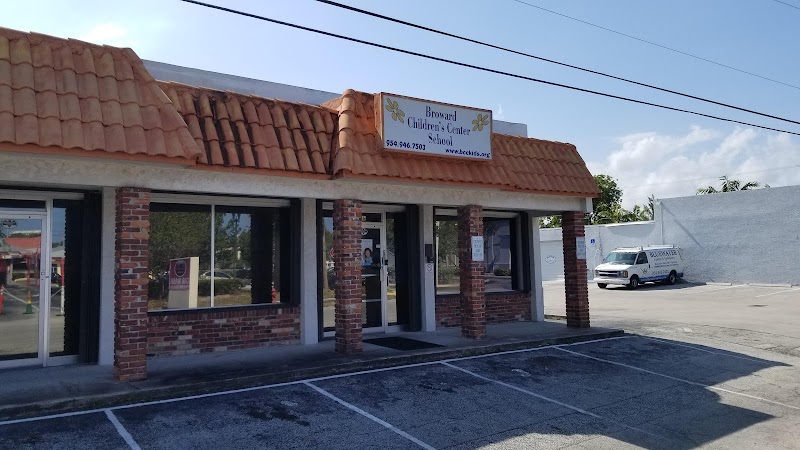
How is Childrens Comprehensive Inc Staffed?

CMS rates CHILDRENS COMPREHENSIVE CARE CENTER INC's staffing level at 1 out of 5 stars, which is much below average compared to other nursing homes.

What Have Inspectors Found at Childrens Comprehensive Inc?

State health inspectors documented 40 deficiencies at CHILDRENS COMPREHENSIVE CARE CENTER INC during 2022 to 2025. These included: 40 with potential for harm.
Who Owns and Operates Childrens Comprehensive Inc?

CHILDRENS COMPREHENSIVE CARE CENTER INC is owned by a non-profit organization. Non-profit facilities reinvest revenue into operations rather than distributing to shareholders. The facility operates independently rather than as part of a larger chain. With 36 certified beds and approximately 29 residents (about 81% occupancy), it is a smaller facility located in POMPANO BEACH, Florida.
How Does Childrens Comprehensive Inc Compare to Other Florida Nursing Homes?

Compared to the 100 nursing homes in Florida, CHILDRENS COMPREHENSIVE CARE CENTER INC's overall rating (1 stars) is below the state average of 3.2 and health inspection rating (2 stars) is below the national benchmark.

What Should Families Ask When Visiting Childrens Comprehensive Inc?

Based on this facility's data, families visiting should ask: "Can you walk me through typical staffing levels on day, evening, and night shifts?" "Can I visit during a mealtime to observe dining assistance and food quality?" "How do you handle medical emergencies, and what is your hospital transfer rate?" "Can I speak with family members of current residents about their experience?" These questions are particularly relevant given the below-average staffing rating.

Is Childrens Comprehensive Inc Safe?

Based on CMS inspection data, CHILDRENS COMPREHENSIVE CARE CENTER INC has a clean safety record: no substantiated abuse findings (meaning no confirmed cases of resident harm), no Immediate Jeopardy citations (the most serious violation level indicating risk of serious injury or death), and is not on the Special Focus Facility watch list (a federal program monitoring the lowest-performing 1% of nursing homes). The facility has a 1-star overall rating and ranks #100 of 100 nursing homes in Florida. While no facility is perfect, families should still ask about staff-to-resident ratios and recent inspection results during their visit.

Do Nurses at Childrens Comprehensive Inc Stick Around?

CHILDRENS COMPREHENSIVE CARE CENTER INC has not reported staff turnover data to CMS. Staff turnover matters because consistent caregivers learn residents' individual needs, medications, and preferences. When staff frequently change, this institutional knowledge is lost. Families should ask the facility directly about their staff retention rates and average employee tenure.

Was Childrens Comprehensive Inc Ever Fined?

CHILDRENS COMPREHENSIVE CARE CENTER INC has been fined $53,265 across 9 penalty actions. This is above the Florida average of $33,612. Fines in this range indicate compliance issues significant enough for CMS to impose meaningful financial consequences. Common causes include delayed correction of deficiencies, repeat violations, or care failures affecting resident safety. Families should ask facility leadership what changes have been made since these penalties.

Is Childrens Comprehensive Inc on Any Federal Watch List?

CHILDRENS COMPREHENSIVE CARE CENTER INC is not on any federal watch list. The most significant is the Special Focus Facility (SFF) program, which identifies the bottom 1% of nursing homes nationally based on persistent, serious quality problems. Not being on this list means the facility has avoided the pattern of deficiencies that triggers enhanced federal oversight. This is a positive indicator, though families should still review the facility's inspection history directly.