JOHN KNOX VILLAGE OF POMPANO BEACH
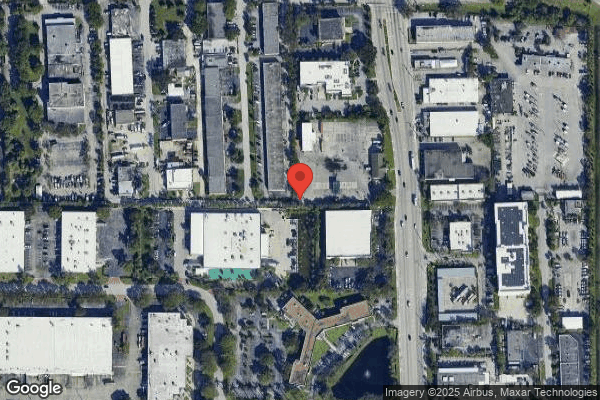
700 SW 4TH STREET, POMPANO BEACH, FL 33060 (954) 783-4001
Non profit - Corporation 194 Beds Independent Data: November 2025
Trust Grade
80/100
#222 of 690 in FL
Last Inspection: July 2025

Inspected within the last 6 months. Data reflects current conditions.

Overview

John Knox Village of Pompano Beach has a Trust Grade of B+, indicating it is above average and recommended for families seeking care. It ranks #222 out of 690 nursing homes in Florida, placing it in the top half of facilities statewide. The facility's trend is improving, as issues decreased from 6 in 2024 to 5 in 2025. Staffing is a strong point, with a perfect rating of 5 out of 5 stars and a low turnover rate of 15%, which is significantly better than the state average. There have been no fines reported, which is a positive sign of compliance. However, there were specific concerns during inspections, such as failing to provide the correct diet for residents with mechanical soft diet orders, which could pose health risks. Additionally, some rooms were noted to be in disrepair, with broken fixtures and poor cleanliness, indicating areas needing attention. Overall, while there are notable strengths in staffing and compliance, families should also consider the facility's maintenance issues and dietary concerns.

Trust Score
B+
80/100
In Florida
#222/690
Top 32%
Safety Record
Low Risk
No red flags
Inspections
Getting Better
6 → 5 violations
Staff Stability
✓ Good
15% annual turnover. Excellent stability, 33 points below Florida's 48% average. Staff who stay learn residents' needs.
Penalties
✓ Good
No fines on record. Clean compliance history, better than most Florida facilities.
Skilled Nurses
✓ Good
Each resident gets 59 minutes of Registered Nurse (RN) attention daily — more than average for Florida. RNs are trained to catch health problems early.
Violations
⚠ Watch
14 deficiencies on record. Higher than average. Multiple issues found across inspections.
★★★★☆
4.0
Overall Rating
★★★★★
5.0
Staff Levels
★★★☆☆
3.0
Care Quality
★★★☆☆
3.0
Inspection Score
Stable
2024: 6 issues
2025: 5 issues

The Good

  • 5-Star Staffing Rating · Excellent nurse staffing levels
  • Low Staff Turnover (15%) · Staff stability means consistent care
  • Full Sprinkler Coverage · Fire safety systems throughout facility
  • No fines on record
  • Staff turnover is low (15%)

    33 points below Florida average of 48%

Facility shows strength in staffing levels, staff retention, fire safety.

The Bad

No Significant Concerns Identified

This facility shows no red flags. Among Florida's 100 nursing homes, only 1% achieve this.

The Ugly 14 deficiencies on record

Jul 2025 5 deficiencies
CONCERN (D)

Potential for Harm - no one hurt, but risky conditions existed

Respiratory Care (Tag F0695)

Could have caused harm · This affected 1 resident

**NOTE- TERMS IN BRACKETS HAVE BEEN EDITED TO PROTECT CONFIDENTIALITY** Based on observations, interviews and record reviews, the facility failed to follow the professional standards of practice regar...

Read full inspector narrative →
**NOTE- TERMS IN BRACKETS HAVE BEEN EDITED TO PROTECT CONFIDENTIALITY** Based on observations, interviews and record reviews, the facility failed to follow the professional standards of practice regarding the care and management of a resident receiving a nebulizing therapy for 1 of 3 sampled residents (Resident #96); failed to conduct an electrical safety inspection for a nebulizing treatment machine for 1 of 3 sample residents (Resident #92); failed to follow their own policy for verifying a practitioner's orders for nebulizing therapy for 1 of 3 sampled residents (Resident #156); failed to comply with the standards of transmission-based precautions during a nebulizing therapy; and failed to care and manage the nebulizing therapy supplies after a treatment for 1 of 3 sampled residents (Resident # 96). The findings include: A review of a facility policy titled, Nebulizer Therapy, with a revision date of 01/25, revealed the following: Nebulizer treatments, once ordered, is to be administered by nursing staff as directed using proper technique and standard precautions; verify practitioner's order (1); don gloves and other protective equipment (PPE) as needed to comply with standard transmission based precautions (5); disassemble and rinse the nebulizer with sterile or distilled water and allow to air dry (16). 1) Record review revealed Resident #96 was admitted to the facility on [DATE] with diagnoses that included Cerebral Hemorrhage, Atrial Fibrillation, Presence of Cardiac Pacemaker, Hypertension, Monoplegia of an Upper Limb following Non-Traumatic Intracerebral Hemorrhage affecting Left Non-Dominant Side and Generalized Muscle Weakness. Review of physician orders dated 04/10/25 documented an order for Ipratropium Albuterol solution 0.5-2.5, 3 MG (milligram) per 3 ml (milliliters), 1 vial, inhale orally three times a day for wheezing. During an observation conducted on 07/31/25 at 8:45 AM, it was revealed there was no facility nurse inside the room when Resident #96 was receiving nebulizing therapy. A private aide came in a few minutes later followed by a facility nurse who stated she checked on another resident's condition in another room. When she was asked about the time she started the nebulizing treatment, she did not give a response. When she was asked if she usually leaves the resident who is undergoing a nebulizing therapy, she responded, she left to check on another resident. After the nebulizing treatment was completed on 07/31/25 at 9:28 AM, Staff B, Registered Nurse (RN), removed the nebulizing face mask from the resident using her bare hands. She was observed with long fingernails, and she did not perform hand hygiene before removing this resident's mask. She then went to the resident's bathroom, left the resident's room with the face mask on her hand open to air, went to the medication storage room, stating she needed distilled water to clean the facemask. She spent a few minutes unlocking the refrigerator with a set of keys in one hand and a used face mask on another while searching for a bottle of distilled water. When she did not find any, she picked up a stethoscope that had been placed by the Director of Nursing (DON) next to the refrigerator a few seconds earlier. Staff B went back to the resident's room and rinsed the nebulizing facemask using the bathroom sink's tap water. After storing the face mask, she left the resident's room on 07/31/25 at 9:34 AM without assessing the resident's respiratory rate, lung sounds, pulses, blood pressure and post treatment reactions. In an interview with Staff B, on 07/31/25 at 3:33 PM, she was asked why she did not take the resident's vital signs and lung sounds after providing the treatment this morning, and responded, she was so busy and had to attend to another resident. 2) Record review revealed Resident #92 was admitted to the facility on [DATE] with diagnoses that included Obstructive and Reflux Uropathy, Generalized Muscle Weakness, Urinary Retention with Chronic Indwelling Urinary Catheter, Urinary Tract Infection, Communication Deficit, and Chronic Obstructive Pulmonary Disease. Review of the most recent Minimum Data Set (MDS) assessment, under Section C revealed a Brief Interview of Mental Status (BIMS) score of 6 indicating Resident #92 had severe cognitive impairment. Review of physician orders dated 02/13/25 documented orders as, Ipratropium-Albuterol solution 0.5-2.5 (3 MG per 3 mL), give 1 vial, to inhale orally two times a day. An observation on 07/28/25 at 10:45 AM revealed a nebulizing treatment machine on top of Resident #92's bedside drawer that had an electrical safety inspection due date of 05/2024. It was revealed that the last inspection was on 05/2023. In an interview with Staff B, an RN on 07/31/25 at 9:35 AM, when she was asked who is responsible for maintaining and cleaning the nebulizing machine, she responded, The maintenance staff cleans and checks them, but I do not know how often they do them. In an interview with Staff D, Life and Safety Coordinator on 07/31/2025 at 2:53 PM. she stated the last inspection of all respiratory equipment was done on May 31, 2025, and that nebulizing machine must have been missed by the staff for Resident #92. This surveyor provided her with the name and the serial number of the nebulizing machine, but this staff could not locate the machine from her list. She asked where this resident was in the facility so she could inspect the nebulizing treatment machine. Resident #92's room number was provided to Staff D. 3) Record review revealed Resident #156 was admitted to the facility on [DATE] with diagnoses that included Acute Gastric Ulcer with Perforation, Absolute Glaucoma, Generalized Muscle Weakness and Chronic Obstructive Pulmonary Disease with Acute Exacerbation. Review of the most recent Minimum Data Set (MDS) assessment, dated 04/28/25, revealed under Section C of the Brief Interview of Mental Status (BIMS) revealed a score of 7, indicating Resident #156 had severe cognitive impairment. Section O revealed a no response for C1 or oxygen therapy, indicating Resident # 156 was not receiving oxygen therapy. Review of the physician order dated 12/04/24 documented oxygen at 2 Liters per minute via nasal cannula. Another order dated 02/03/25, documented Ipratropium Albuterol solution 0.5 -2.5, 3 MG per 3 ml, inhale orally every 4 hours as needed for shortness of breath or wheezing via nebulizer. An additional review of physician's orders revealed there were no orders for care and maintenance related to oxygen therapy supplies, and nebulizing treatment supplies. Review of the July 2025 Medication Administration Record (MAR) revealed Ipratropium Albuterol solution 0.5 -2.5, 3 MG per 3 ml, inhale orally every 4 hours as needed for shortness of breath or wheezing via nebulizer were administered to Resident # 156, as indicated by Nurses' initials, and check marks on the following dates and times: 07/0525 at 12:46 PM, 07/08/25 at 5:28 PM, 07/12/25 at 9:14 PM, and 07/14/25 at 4:53 PM. Further review revealed that there was no July 2025 MAR documentation for the administration of oxygen therapy at 2 Liters per minute as ordered. There was also no documentation for the care and management of oxygen therapy supplies and nebulizing treatment supplies. During an observation conducted on 07/28/25 at 10:26 AM, Resident #156's nebulizing treatment tubing and mask were attached to the machine on top of the bedside table. The tubing was undated, the plastic bag containing the face mask was undated. The resident was wearing oxygen at 2 liters per minute. The oxygen tubing was dated 07/26/25, and the oxygen concentrator had an electrical inspection date tag of 05/25. During another observation conducted on 07/29/25 at 12:33 PM, it was noted the nebulizing therapy supplies were on top of the bedside table. The tubing was undated and the plastic bag containing the face mask was undated. In an interview with Resident #156's private aide on 07/29/25 at 12:44 PM, she stated the resident has not been using the nebulizing treatment for a while. When asked if the facility staff store the nebulizing treatment supplies inside the bedside drawer, she responded that she always sees it on top of the bedside drawer. In an interview conducted with Staff B, on 07/31/2025 at 9:10 AM, when asked for the care and management of nebulizing therapy supplies, she responded, The nebulizing tubing is changed every Sunday, and labelled with a date. The nebulizing treatment and supplies are washed and dried after treatment and stored inside a plastic bag and labelled with a date. The plastic bag is then kept in the resident's bedside drawer. When she was asked if the care and management of oxygen therapy and nebulizing therapy supplies are all documented by Nurses, she responded, Yes, Nurses document them all in the MAR according to the doctor's orders.
CONCERN (D)

Potential for Harm - no one hurt, but risky conditions existed

Deficiency F0698 (Tag F0698)

Could have caused harm · This affected 1 resident

**NOTE- TERMS IN BRACKETS HAVE BEEN EDITED TO PROTECT CONFIDENTIALITY** Based on policy review, interviews and record reviews, the facility failed to follow the professional standards of practice rega...

Read full inspector narrative →
**NOTE- TERMS IN BRACKETS HAVE BEEN EDITED TO PROTECT CONFIDENTIALITY** Based on policy review, interviews and record reviews, the facility failed to follow the professional standards of practice regarding following physician orders of not taking blood pressure (BP) on the left arm for 1 of 1 sampled dialysis resident (Resident #9). The facility also failed to follow the physician order for fluid restriction for 1 of 1 sampled dialysis resident (Resident #9). The findings include: Review of a facility policy titled, Dialysis Care and Services, undated, revealed that elder guests who require dialysis receive such care and services consistent with professional standards of practice, the comprehensive person-centered care plan, and the elder's guest's goals and preferences. Record review revealed Resident #9 was admitted to the facility on [DATE] with diagnoses that included Metabolic Encephalopathy, End Stage Renal Disease (ESRD), and Dependence on Renal Dialysis. Review of the quarterly Minimum Data Set (MDS) assessment, dated 07/08/25, documented under Section C of the Brief Interview of Mental Status (BIMS) revealed a score of 12, indicating Resident #9 had moderate cognitive impairment. Review of a physician's order dated 02/07/25 revealed the following: no blood pressure (BP) on left arm every shift. Review of the nursing care plan revealed an ESRD focus, a goal that Resident #9 will remain free from discomfort or further complications related to renal dialysis and hemodialysis, and an intervention to not use the access site to take blood pressure every shift. An additional record review of the nursing weekly assessment dated [DATE] revealed Staff B, Registered Nurse (RN), took Resident #9's Blood Pressure (BP) on the left arm. A further review of the electronic health record (EHR) revealed from 05/25 until 06/25, nursing staff documented that the BP was taken during the following morning and afternoon hours using Resident #9's left arm: 05/01/25 at 8:20 AM, while this resident was sitting, documented by Staff B, RN. 05/08/25 at 9:52 AM, while this resident was sitting, documented by Staff B, RN. 05/13/25 at 9:56 AM, while this resident was lying, documented by Staff K, LPN (Licensed Practical Nurse). 05/15/25 at 12:35 PM, while this resident was sitting. 05/29/25 at 09:40 AM, while this resident was sitting, documented by Staff B, RN. 05/30/25 at 4:16 PM, while this resident was sitting, documented by Staff B, RN. 06/08/25 at 10:12 AM, while this resident was lying, documented by Staff K, LPN. 06/09/25 at 4:46 PM, while this resident was lying, documented by Staff K, LPN. 06/10/25 at 9:33 AM, while this resident was lying, documented by Staff K, LPN. 06/12/25 at 09:31 AM, while this resident was sitting, documented by Staff B, RN. 06/21/25 at 3:37 PM, while this resident was sitting, documented by Staff B, RN. In an interview conducted with Staff K, (LPN) on 07/30/25 at 11:00 AM, she stated that Nurses do not take BP on the left arm of Resident #9. When asked if she documents what elder's arm she uses during BP monitoring, she stated she documents in PCC (EHR), and she uses the right arm. She stated that only Nurses take the BP readings and complete the BP documentation in PCC. In an interview conducted with the Nurse Educator on 07/30/25 at 3:33 PM, when he was asked about the professional standards for a resident receiving dialysis treatment, responded BP must not be taken on the arm where dialysis access site is located. When he was shown the Nurses' BP documentation for Resident #9 in the EMR, he confirmed that Resident #9's BP readings were taken on the left arm in May and June 2025 based on Nurses' documentation in the EMR. In an interview conducted with Staff B, RN on 07/31/25 at 11:00 AM, when asked about BP monitoring of an elder on dialysis, she responded, The BP is not taken on the dialysis site. When asked if she documents what site she uses during BP monitoring, she responded, Yes, I document in PCC the elder's' arm I use to take the elder's BP. A computerized record review on 07/31/25 at 2:40 PM revealed the following physician orders dated 02/19/24 as follows: Fluid restriction: 7 PM-7 AM Shift, Med Pass at 9 PM of 120 ml, Med Pass at 6:30 AM of 60 ml, with a total of 180 ml every night shift. Fluid Restriction: 7AM-7 PM Shift Med Pass at 8 AM of 120ml for Breakfast, Nepro 240 ml for Lunch, 240 ml Med Pass at 2 PM, 60 ml Med Pass at 5 PM, and 120 ml for dinner, for a total of 1,020 ml everyday shift. On 2/21/25, an additional Fluid Restriction order revealed:1200 ml per day, diet regular texture, thin consistency, See orders for fluid breakdown per shift. Review of the nursing care plan dated 04/01/24 revealed the resident is at risk for dehydration or potential fluid deficit related to fluid restriction. The interventions included educating the resident/family/caregivers on importance of fluid intake. Review of a document titled, Task: Nutrition, how many ccs (cubic centimeter) did the resident consume with the meal?, submitted by the Registered Dietician (RD) and the DON on 07/30/25 at 3:30 PM revealed Resident #9's daily fluid consumption: On 7/17/25 =400, 400, 120 = 920 (cc/centimeter) (ml/milliliters) On 7/18/25 =8, 8, 500= 516 cc. On 7/19/25=240, 60 = 300 cc. On 7/20/25= 8, 8, 60= 76 cc. On 7/21/25= 240, 240, 60=40 cc. On 7/22/25=220, 220, 240=680 cc. On 7/23/25=8,8,60= 76 cc. On 7/24/25=8,8, 240=256 cc. On 7/25/25= 8,8, 240=256 cc. On 7/26/25=220,280,60=60 cc. On 7/27/25=280,220,60=560 cc. On 7/28/25=8,8,60=76 cc. On 7/29/25=120,120,120=360 cc. On 7/30/25=8 cc. The above daily fluid consumption of Resident #9 did not follow the physician orders for fluid restriction of 1200 ml per day. In an interview conducted with Staff L, CNA, on 07/31/2025 8:39 AM, when asked if she documents the fluid intake of residents, she responded, Yes, I document in PCC (EMR) under the task section. When asked how she documents the fluid consumed by residents for breakfast, she responded, I document like 240 ml for 1 glass of fluid, as she pointed at an empty glass obtained from one resident's meal tray. In an interview conducted with Staff B, RN, on 07/31/25 at 9:35 AM, when asked how she documents the amount of fluid consumed by a resident on fluid restriction, she responded that she documents the medications with the amount of fluid provided to the resident. She added that she documents in the nursing progress notes, and she reminds the CNAs to follow the fluid restriction orders. She added that she checks and verifies the CNA's documentation of the amount resident's fluid intake are under the task section of the POC. When she was asked about the unit of measurement the facility staff use in documenting the resident's fluid intake, she responded, The CNA she works with document in ml or in cc.
CONCERN (D)

Potential for Harm - no one hurt, but risky conditions existed

Infection Control (Tag F0880)

Could have caused harm · This affected 1 resident

**NOTE- TERMS IN BRACKETS HAVE BEEN EDITED TO PROTECT CONFIDENTIALITY** Based on observations, interviews and record reviews, the facility failed to follow the standards or transmission-based precauti...

Read full inspector narrative →
**NOTE- TERMS IN BRACKETS HAVE BEEN EDITED TO PROTECT CONFIDENTIALITY** Based on observations, interviews and record reviews, the facility failed to follow the standards or transmission-based precautions for 1 of 3 sampled residents for nebulizing therapy (Resident # 96), for 1 sampled resident for gastrostomy tube feeding (Resident #63), and for 1 of 2 sampled residents reviewed for urinary care (Resident #138). The facility additionally failed to initiate Enhanced Barrier Precautions (EBP) for 1 of 3 sampled residents (Resident #9). The facility also failed to follow its own appearance policy regarding wearing false and polished fingernails for 3 of 3 sampled residents (Resident #96, Resident #138, and Resident #9). The findings include:The findings included: A review of facility's policy titled, Nebulizer Therapy, undated, revealed the following:It is to be administered by nursing staff as directed using proper techniques and standard precautions. [NAME] gloves and other personal protective equipment (PPE) as needed to comply with standard or transmission-based precautions (5).Disassemble and rinse the nebulizer with sterile or distilled water and allow air to dry (16).Wash hands before handling the equipment (#3 on Care of equipment). A review of Center for Medicaid and Medicaid Services (CMS) guidelines for feeding tube revealed the following:Using universal precautions and clean technique and following the manufacturer's recommendations when stopping, starting, flushing, and giving medications through the feeding tube.Ensuring the cleanliness of the feeding tube, insertion site, dressing (if present) and nutritional product.https://www.cms.gov/Medicare/Provider-Enrollment-and Certification/Survey Certification Gen Info /Info/Downloads/CMS-20093-T: ube-Feeding The Center for Disease Control and Prevention (CDC) revealed that Enhanced Barrier Precautions are recommended for residents with indwelling medical devices or wounds, who do not otherwise meet the criteria for Contact Precautions, even if they have no history of MDRO colonization or infection and regardless of whether others in the facility are known to have MDRO colonization.This is because devices and wounds are risk factors that place these residents at higher risk for carrying or acquiring a MDRO and many residents colonized with a MDRO are asymptomatic or not presently known to be colonized.https://www.cdc.gov/long-term-care-facilities/media/pdfs/enhanced-barrier-precautions-sign-P.pdf An additional review of facility's policy titled, Appearance (Human Resources) , undated, revealed the following:The purpose is to create a real home environment by dressing appropriately while maintaining a safe atmosphere.The guiding principles included:Fingernails must always be kept trimmed and clean.If false or polished fingernails are worn by colleague, the colleague must wear a pair of disposable gloves at times while working. 1) A record review revealed Resident # 96 was admitted to the facility on [DATE] with the diagnoses that included Presence of Cardiac Pacemaker, Hypertension, Hypothyroidism, and Facial Weakness following Non-Traumatic Intracerebral Hemorrhage. A review of a physician order dated 04/10/24, documented Ipratropium Albuterol solution 05.-2.5 {(3 mg (milligram) per 3 ml (milliliters)}, 1 vial, inhale orally three times a day for wheezing, During an observation conducted on 07/31/25 at 8:45 AM, Resident #96 was observed alone in the room while receiving nebulizing treatment. She was positioned upright, with a pillow under knees. A few minutes later, Staff B, Registered Nurse (RN) came in on 07/31/25 at 8:51 AM. She stated she just started the treatment a few minutes ago. When she was asked if she must stay in the room with a resident who is receiving nebulizing treatment, she responded that she stepped out to check on another resident. She added that she usually stays with the residents during the 15-minute treatment. When the treatment was completed on 07/31/25 at 9:27 AM, Staff B, RN, without performing hand washing, took the mask from the resident's face wearing no PPE like a pair of gloves. With long nails, she held the nebulizing treatment face mask, went directly into Resident #96's bathroom and started to look for a bottle of distilled water. When she did not find one, she took 2 pieces of paper and placed them under the bottom part of the face mask, while the part that touched the resident's face was exposed to air. She went out of resident's room and travelled the hallway, until she arrived at an office where Narcotic Medications and a refrigerator were kept.With face mask on left hand, she used her right hand to search for a key from her scrub uniform to open the locked refrigerator. The face mask touched both the outside and the inside of the refrigerator, while Staff B, RN was searching for a bottle of distilled water. The Director of Nursing (DON), who was standing at the doorway, went inside the Narcotic Medication room and placed a stethoscope next to the refrigerator on 07/31/25 at 9:30 AM. Staff B, RN picked up the stethoscope. With no distilled water on hand, Staff B went back inside Resident #96's room on 07/31/25 at 9:31 AM. She was still holding the face mask up, exposing it to air and without wearing PPE gloves. She used the sink's tap water to rinse the nebulizing face mask, without PPE gloves. She placed the mask inside a plastic bag after drying it with paper towels. She performed hand hygiene. She then went to her computer and typed something. In an interview with Staff B, RN on 07/31/25 at 3:05 PM, when she was asked the nursing standards of care post nebulizing treatment, she responded, I forgot something. When she was asked what she forgot, she did not answer. When she was asked if they were allowed to wear long nails without gloves while performing resident's care, she did not respond. 2) A record review revealed Resident #63 was admitted to the facility on [DATE] with diagnoses that included Traumatic Hemorrhage of Cerebrum, Cerebrovascular Disease, Aphasia and Dysphagia following Cerebral Infarction, Gastroesophageal Reflux Disease without Esophagitis and Flaccid Hemiplegia affecting Right Dominant Side. A review of recent Minimum Data Set (MDS) assessment, dated 07/11/25, under Section C of the Brief Interview of Mental Status (BIMS), revealed a score of 00 indicating Resident #63 had severe cognitive impairment. A record review of physician's orders dated 7/17/25 revealed enteral feed three times a day for supplement. During an observation conducted on 07/31/25 at 09:38 AM, Staff B, an RN performed hand washing after informing Resident #63 and his wife that she would administer feeding through the gastrostomy tube (G-tube). Staff B, RN was observed with long fingernails and without PPE gloves while she prepared Resident #63's medications to be administered via G-tube. On 07/31/25 at 9:50 AM, Staff B, an RN disinfected the bedside table using a drop of hand sanitizer and a paper towel. She placed paper towels on the table and placed all her medications and feeding supplies on top. She disinfected the bell and the diaphragm of the stethoscope using an alcohol pad. She did not cleanse the stethoscope's tubing. Staff B, RN performed hand hygiene and donned PPE gloves, and gown, then raised Resident #63's head up at about 45-degree angle. Staff B, an RN auscultated the 4 quadrants of the abdomen and listened to bowel sounds. She did not clean the G tube surrounding areas and the G- tube itself after abdominal auscultation. Staff B, RN connected the [NAME] syringe to the end tip of Resident #63's G-tube. She aspirated stomach contents without first performing disinfection of the G tube tip on 07/31/25 at 10:12 AM. She performed the G- tube feeding. After 237 ml (milliliters) of Glucerna feeding was completed, Staff B, an RN did not clean the tip of G-tube, or the site around it. She covered Resident #63 with a blanket and lowered the resident's bed closer to the ground. She stated she was done with G-tube feeding on 07/31/25 at 10:25 AM. In an interview with Staff B, an RN outside the resident's room on 07/31/25 at 10:26 AM, when she was asked why she did not clean the surrounding areas and the G-tube itself before and after feeding, she did not respond. In an interview with the Nurse Educator on 07/28/25 at 2:00 PM, he stated that all facility staff attended the mandatory in-service which included infection control and prevention. He added that the facility follows the recommended Center for Disease Control and Prevention (CDC) guidelines for residents with G-tube, urinary catheter and wounds. He added that staff were in-serviced regarding standard precautions and EBP. 3) Record review revealed Resident #9 was admitted to the facility on [DATE] with diagnoses that included Metabolic Encephalopathy, End Stage Renal Disease (ESRD), and Dependence on Renal Dialysis. A review of quarterly Minimum Data Set (MDS) assessment dated [DATE] under Section C of the Brief Interview of Mental Status (BIMS) revealed a score of 12, indicating moderate cognitive impairment. A review of physician order dated 07/22/25 revealed cleanse skin abrasion to left upper arm with normal saline, pat dry, skin prep applied to peri-wound, Medi honey to wound bed, cover with dry dressing. A further record review of an older physician order dated 05/08/25 revealed the following: mild bleeding from access site (post dialysis) can be expected. For mild bleeding, reinforce pressure dressing, for major bleeding from access site, apply pressure to insertion site and contact dialysis center. During a review of nursing progress notes dated 07/21/25, it revealed Resident# 9 returned from dialysis appointment. The Intravenous (IV) site with dry, intact dressing. Bruit and thrill presence at left arteriovenous (AV) fistula. A review of nursing care plan revealed Resident #9 had large skin tears to left lower leg, left upper arm, and right upper extremity, but there was no care plan for EBP. During an observation conducted on 07/29/25 at 12:16 PM, Staff G, Certified Nursing Assistant (CNA) was mixing and stirring juices on the kitchen counter. She was observed not wearing PPE gloves and her fingernails were long. Staff G did not perform hand hygiene after juice preparation. She poured the juice into cups, touched a plastic bag, and a microwave handle, then gave the juice to Resident #9 and the resident next to her. During another observation conducted on 07/29/25 at 1:37 PM, Resident #9 was observed with dressings on both lower legs, and discoloration on right lower dorsal arm. During another meal preparation observation and interview conducted on 07/30/25 at 12:12 PM, Staff G, CNA was observed with long fingernails about 1.5 inches from the nail edge and was not wearing gloves while mixing and stirring juices. When she was asked if Staff are allowed to have long nails without gloves while preparing meals in the kitchen, she did not respond. IIn an interview with the Nurse Educator on 07/30/25 at 3:15 PM, he confirmed that dialysis shunt or fistula is not accessed by facility staff so there is no reason for the resident to have EBP. In an interview with the Infection Control Nurse on 07/30/25 at 3:20 PM, she confirmed that there is no EBP for Resident #9, because the dialysis site is not accessed by the facility staff. 4) Record review revealed Resident #138 was admitted to the facility on [DATE] with diagnoses that included Parkinson's Disease without Dyskinesia without mention of fluctuations, Reflex Neuropathic Bladder, Acute Kidney failure with Tubular Necrosis, and Vascular Dementia. A record review of a physician order dated 7/02/25 revealed EBP every day and every night shift.Another physician order dated 7/29/25 revealed to change the supra pubic site daily with normal saline, pat dry, and cover with split gauze. During a urinary care observation conducted on 07/31/25 from 1:19 PM until 2:08 PM with Staff C, RN, it was revealed that she was wearing long fingernails which were about 1.5 inches from the end tip of the nail bed.Staff C, RN donned gloves without performing hand hygiene, then opened the gauze sponges on top of the table.After assembling the supplies, Staff C, RN had difficulty tying the PPE gown, that she left the back top part open and loose. Several times during the urinary dressing change, the PPE gown's top part kept going down on her chest, exposing her scrub uniform.Staff C, RN kept re-adjusting and fixing the top part of the PPE gown, using the same gloves while performing urinary dressing change for Resident # 138. When the split dressing was applied to the top of the suprapubic catheter, Staff C, RN had difficulty applying the tape, so she decided to remove her gloves, exposing her long fingernails. Staff performed hand hygiene and stated, I just washed my hands, and I will not put on gloves. With no PPE gloves, Staff C, RN touched the top part of PPE gown to re-adjust it again closer to her neck.When the urinary dressing care was completed on 07/31/25 at 2:02 PM, Staff C with no PPE gloves, lowered resident's bed using the bed control. She also touched the call light button, and resident jacket's top portion. She proceeded to close the red bag with all the discarded and used dressing supplies and placed it inside a big red container. Without performing hand hygiene, she gathered the unused dressing supplies and returned them inside Resident #138's medicine cabinet. She also touched the used white towel with bare hands and placed it inside the hamper. When she was asked why she decided to not wear PPE gloves while securing the tape on resident's lower abdominal area, she stated, I kept on ripping the gloves. When she was asked if staff are allowed to wear long fingernails, she did not respond first, then stated, No, on 07/31/25 at 2:08 PM.
CONCERN (E)

Potential for Harm - no one hurt, but risky conditions existed

Menu Adequacy (Tag F0803)

Could have caused harm · This affected multiple residents

**NOTE- TERMS IN BRACKETS HAVE BEEN EDITED TO PROTECT CONFIDENTIALITY** Based on observations, interviews and record review, the facility failed to follow the approved menu for substitutions for resid...

Read full inspector narrative →
**NOTE- TERMS IN BRACKETS HAVE BEEN EDITED TO PROTECT CONFIDENTIALITY** Based on observations, interviews and record review, the facility failed to follow the approved menu for substitutions for residents with orders for mechanically altered diets for 3 of 27 sampled residents with orders for mechanical soft diets (Resident #18, #178 and #182). The findings included:Record review revealed the approved menu for the lunch meal on 07/28/25 documented that residents with orders for Mechanical Soft textures were to be served three-bean salad in place of coleslaw. The approved menu for the breakfast meal on 07/29/25 documented that residents with orders for Mechanical Soft textures were to be served bite sized sausage patties in place of bacon strips 1. Resident #178 was admitted to the facility on [DATE]. According to the resident's admission Evaluation, with a reference date of 07/23/25, Resident #178's cognition was documented as ‘Alert and lethargic', with unclear speech and was ‘sometimes' able to understand. The assessment documented that the resident was dependent upon staff for all activities of daily living (ADLs). Resident #178's diagnoses upon admission included: Metabolic Encephalopathy, Dysarthria following Cerebrovascular disease, DM (Diabetes Mellitus), COPD (Chronic Obstructive Pulmonary Disease), fracture of shaft of right tibia and patella, Acute Embolism and Thrombosis of left Femoral Artery, Myocardial infarction, Rheumatoid arthritis, Spinal stenosis, Radiculopathy of cervical region, GERD (Acid Reflex), Sepsis, Paroxysmal atrial fibrillation, Presence of Cardiac Pacemaker, Hearing loss bilateral, Dementia, Hypertension, Hyperlipidemia, Heart failure, Dysphagia, Iron Deficiency Anemia. The admission Assessment documented, Resident is not capable of understanding/contributing to/making his/her own plan of care Resident #178's Baseline care plan, with a reference date of 07/24/25 documented:I am at risk for an alteration in my nutrition and hydration status.Goal: I will have no significant weight changes and will remain adequately hydrated through the next review date.Interventions:Provide my diet as orderedHave my food preference discussed as neededI need assistance with meals Resident #178's diet orders included:Regular diet, Mechanical Soft Bite size texture, Thin consistency - 07/24/25 1a. During an observation of the lunch meal served on the Orchid unit (2200 unit), on 07/28/25 at 1:04 PM, Resident #178 was served a side of cole slaw in a bowl instead of the three bean salad that was on the menu as a substitute for the cole slaw based on the resident's diet order. During an interview at the time of the observation, Staff I, Cook, stated that she was unable to communicate with Resident #178 due to being deaf and stated that she was unaware of the order for Mechanical soft Bite Size texture foods. 1b. During an observation of breakfast on the Orchid Unit, on 07/29/25 at 8:45 AM, Resident #178 was served intact bacon strips instead of the bite sized sausage pattie that was on the menu as a substitute for the bacon based on the resident's diet order. During an interview, at the time of the observation, Staff J, [NAME] stated that she was not aware of the order for Mechanical Soft and bite-sized texture. During an interview, on 07/29/25 at 8:50 AM, the Speech Language Pathologist (SLP) acknowledged that the intact bacon is not safe for someone with orders for Mechanical Soft texture foods. 2. Record review revealed Resident #18 was admitted to the facility on [DATE]. According to the resident's most recent complete assessment, a Significant change Minimum Data Set, with a reference date of 07/12/25, documented Resident #18 had a Brief Interview for Mental Status score of 12, indicating a moderate cognitive impairment. The assessment documented that Resident #18 required ‘supervision or touching assistance' for eating. Resident #18's diagnoses at the time of the assessment included: Cancer, Atrial fibrillation, Heart failure, Hypertension, Gastro-esophageal Reflux disease (GERD, Benign prostatic hyperplasia, Hyperlipidemia, Depression, Chronic lung disease, Muscle weakness, Dysphasia, Cognitive communication deficit, Need for assistance with personal care and Presence of cardiac pacemaker. Resident #18's diet orders included:Mechanical Soft Bite Size - May have bacon - 06/05/25 with a revision date of 07/08/25. During an observation of lunch served on the Orchid unit, on 07/28/25 at 1:04 PM, Resident #18 was served a bowl of cole slaw instead of the three-bean salad that was on the menu as a substitute for the cole slaw based on the resident's diet order. During an interview, on 07/29/2025 8:50 AM, with the SLP, when asked about residents with orders for mechanical soft bite sized textures being served cole slaw, the SLP stated that the cole slaw would be fine for residents. During an interview, 07/30/25 at 3:00 PM with Staff H, Registered Dietitian, when asked about cole slaw and bacon strips being served to residents with orders for Mechanical Soft and bite sized foods, Staff H replied, Residents with Mechanical soft orders should not be served raw crunchy vegetables, the extension says 3-bean salad. 3. Resident #182 was admitted to the facility on [DATE]. According to the resident's admission assessment, with a reference date of 07/25/25 documented, Resident #182 was alert and oriented, with clear speech and able to understand. Resident #182's baseline care plan, with a reference date of 07/26/25 documented that the resident required extensive assistance for eating. Resident #182's diagnoses upon admission included: Anemia, Urinary Tract Infection, Hyperlipidemia, Hypertension, Epigastric pain, Acute Kidney failure, Benin prostatic hyperplasia. Resident #182's diet orders included:Mechanical Soft Bite size texture - 07/25/25 During an observation of breakfast on the Orchid unit, on 07/29/2025 8:45 AM, Resident #182 was served intact bacon instead of the mechanical soft and bite sized sausage pattie that was on the menu as a substitute for the bacon based on the resident's diet order. During an interview at the time of the observation, Staff J stated that she was not aware of the resident's diet orders. During an interview, on 07/29/2025 at 8:50 AM, with the SLP, when asked about being served the intact bacon, the SLP stated, he is on a mechanical soft and thin liquids. I noticed that he did have bacon when I sat down with him. I can use it as a PO (by mouth) trial. He just came in. He is not supposed to get bacon.
CONCERN (E)

Potential for Harm - no one hurt, but risky conditions existed

Deficiency F0805 (Tag F0805)

Could have caused harm · This affected multiple residents

**NOTE- TERMS IN BRACKETS HAVE BEEN EDITED TO PROTECT CONFIDENTIALITY** Based on observations, interviews and record reviews, the facility failed to provide the correct diet consistency for the Mechan...

Read full inspector narrative →
**NOTE- TERMS IN BRACKETS HAVE BEEN EDITED TO PROTECT CONFIDENTIALITY** Based on observations, interviews and record reviews, the facility failed to provide the correct diet consistency for the Mechanical Soft diet for 3 of 3 sampled residents reviewed for Nutrition (Resident #32, Resident #177 and Resident #162).The findings included:1. Record review revealed Resident #32 was admitted to the facility on [DATE] with diagnoses of Parkinsons Disease without Dyskinesia and Chronic Obstructive Pulmonary Disease. The admission Medicare - 5 Day Minimum Data Set (MDS) assessment dated [DATE] revealed that the resident's Brief Interview of Mental Status (BIMS) score was 13, which indicates intact cognition.A review of physician orders dated 07/14/25 revealed the following: Regular diet, Mechanical Soft Ground/Moist texture and thin consistency.In an observation conducted on 07/28/2025 1:00 PM, this surveyor observed that Resident #32's meal tray consisted of a chopped crispy fish sandwich. The bread was cut into two triangular pieces without borders.2. Record review revealed that Resident #177 was admitted to the facility on [DATE] with diagnosis of orthopedic aftercare and displaced intertrochanteric fracture of left femur. The Discharge Return Not Anticipated /End of PPS Part A Stay Minimum Data Set (MDS) assessment dated [DATE] revealed that the resident's Brief Interview of Mental Status (BIMS) score was 12, which indicates mild cognitive impairment.A review of physician orders dated 07/21/25 revealed the following: Regular diet, Mechanical Soft Ground/Moist texture, thin consistency.In an observation conducted on 07/28/2025 at 1:07 PM, this surveyor observed that Resident #177's meal tray consisted of a soup and an entire slice of bread with borders of which the resident had already taken one bite. 3. Record review revealed that Resident #162 was admitted to the facility on [DATE] and discharged on 07/28/2025 with diagnosis of metabolic encephalopathy and anemia. The admission /Medicare - 5 Day Minimum Data Set (MDS) dated [DATE] revealed that the Brief Interview of Mental Status (BIMS) score is 10, which indicates moderate cognitive impairment.A review of physician orders dated 05/27/25 revealed the following: Regular diet, Mechanical Soft Ground/Moist texture, thin consistency.In an observation conducted on 07/28/2025 at 12:49 PM, this surveyor observed that Resident #162's meal tray consisted of big chunks of pear, chopped breaded fish and 2 slices of bread cut in half.In an interview conducted on 07/30/2025 at 3:00 PM with Staff H, Registered Dietitian stated that the breading on the fish is flaky and thin, not fried but baked. The fish comes precooked for any diet. Staff H explained that mechanical soft diets should be cut in bite size. When asked about the fish meal that was served to the residents with orders for mechanical soft, Staff H stated that sandwiches should be cut into bite sized pieces.
Apr 2024 6 deficiencies
CONCERN (D)

Potential for Harm - no one hurt, but risky conditions existed

Deficiency F0604 (Tag F0604)

Could have caused harm · This affected 1 resident

**NOTE- TERMS IN BRACKETS HAVE BEEN EDITED TO PROTECT CONFIDENTIALITY** Based on record review, observations and interviews, the facility failed to assess 1 of 1 sampled resident (Resident #63) for th...

Read full inspector narrative →
**NOTE- TERMS IN BRACKETS HAVE BEEN EDITED TO PROTECT CONFIDENTIALITY** Based on record review, observations and interviews, the facility failed to assess 1 of 1 sampled resident (Resident #63) for the use of bilateral full bed rails; failed to determine a medical symptom for the need of the bilateral use of full bed rails; and failed to obtain a consent from the resident's representative to use the full bed rails. The findings included: Review of the facility's policy titled Proper Use of Bed Rails revised on 01/2023 documents .physical restraint is defined as any manual method, physical or mechanical device, equipment .that meets all of the following criteria: is attached or adjacent to the resident's body; cannot be removed easily by the resident .resident assessment must also assess the resident's risk from using bed rails potential risks with the use of bed rails include: accident hazards (e.g. entrapment and other injuries sustained from attempts to climb over, around, between or through the rails .barrier to residents from safely getting out of bed .the facility will assess to determine if the bed rail meets the definition of a restraint. A bed rails is considered to be a restraint if the bed rail keeps a resident from voluntarily getting out of bed in a safe manner due to his/her physical and cognitive inability to lower the bed rail independently .informed consent from the resident or resident's representative must be obtained .prior to installation and use of bed rails . Review of Resident #63's clinical record documented an admission to the facility on [DATE], with no readmissions. The resident's diagnoses included Senile Degeneration of Brain, Vascular Dementia with Agitation, Anxiety, Muscle Weakness and Ataxia (loss of muscle control). Review of Resident #63's Minimum Data Set (MDS) quarterly assessment dated [DATE] documented a Brief Interview of the Mental Status (BIMS) score of one (1) indicating the resident had severe cognition impairment. The assessment documented under Functional Abilities and Goals that the resident was dependent on the staff to complete the activities of daily living. Further review revealed the assessment documented that bed rails were not used during the assessment period. Review of Resident #63's care plan titled ACTIVITIES OF DAILY LIVING (ADL): I have an ADL deficit and I require assistance with my ADL's because of Senile Degeneration of the brain, Dementia, Fatigue, Malaise, Weakness . The care plan interventions included: . Please ensure that I have 1-2 bedrails up as an enabler to promote increased independence with bed mobility . TRANSFERS/BED MOBILITY: I need extensive to total assistance of two person for my bed mobility and transfers. Please ensure that I use 1-2 bedrails for positioning and /or bed mobility . Further review of Resident #63's clinical record revealed the following physician order: -03/23/21 documented may use 1-2 bed rails for positioning and/or bed mobility. -07/02/21 documented Behaviors- monitor for the following: .restlessness (agitation) .psychosis, aggression . -11/12/21 documented admitted to (Local Hospice name), diagnosis- Senile Degeneration of Brain. -08/18/23- Seroquel tablet 25 milligrams at bedtime for behavioral disturbances related to Dementia and Anxiety. Review of Resident #63's Bed Rail Evaluation and Consent form dated 03/23/21 documented the resident did not have the ability to get out of bed independently and had impaired safety awareness related to cognitive decline; ¼ bed rails were indicated to reduce risk for injury related to seizure activity. Review of the resident's diagnoses did not include a Seizure diagnosis. Further review of the clinical record revealed the lack of an assessment for the resident's risk from using full bed rails and the potential risks with the use of full bed rails. The record lacked of a full bed rails consent from the resident's representative. Furthermore, review revealed the lack of a physician order for the use of full bed rails bilaterally. On 04/01/24 10:16 AM, observation revealed Resident #63 in bed with eyes open and alert. The surveyor attempted to conduct an interview with the resident, who kept eye contact with the surveyor, but did not answer to questions asked. Further observations revealed the resident's bed had full side rails up bilaterally and a scoop pressure relief mattress. On 04/01/24 at 12:31 PM, observations revealed Resident #63 continued to be in bed, with full side rails up bilaterally and a scoop pressure relief mattress. On 04/02/24 at 9:05 AM, observations revealed Resident #63 in bed, alert, with her eyes open and confused. Subsequently, a side by side observation of Resident #63 was conducted with Staff L, Shabazz. The observation revealed the resident's bed continued to have a full set of bed rails up bilaterally and a scoop pressure relief mattress. During the observation, Staff L acknowledged the resident had full bed rails up bilaterally. On 04/02/24 at 9:07 AM, an interview was conducted with Staff K, Licensed Practical Nurse (LPN), in Resident #63's room. Observation revealed the resident in bed, alert and with the full bed rails up bilaterally. Staff K did not attempt to lower one of the bed rails. On 04/03/24 at 7:49 AM, observation revealed Resident #63 out of bed in a recliner wheelchair. Subsequently, an interview and a side by side review of the resident's full bed rails was conducted with Staff D, LPN. Staff D stated that Resident #63 facility's bed was broken and hospice brought the current bed in. Staff D stated that when the resident was in bed, one rail was down and one was up because it becomes a restraint when the two are up. Staff D was asked if Resident #63 was able to get the bed rails down to get out of bed and stated No. Staff D was apprised that both of Resident #63's full bed rails were up on 04/01/24 and on 04/02/24. Photographic evidence was shown to Staff D. On 04/03/24 at 8:15 AM, an interview was conducted with the Director of Maintenance who stated that Resident #63's bed was brought in by hospice and he was not aware that the bed had two full bed rails. The Director of Maintenance was apprised that the resident's two full bed rails were up at the same time, creating a restraint. The Director stated the resident was not able to put the bed rails down if she wanted to get out of the bed. On 04/03/24 at 8:38 AM, a telephone interview with Resident #63's hospice nurse was conducted. The hospice nurse stated she heard that the facility called about the resident's previous bed not working and the bed was replaced by a hospice bed. The hospice nurse stated she did not know the type of bed that was delivered. The hospice nurse stated she did not call for the bed replacement, and added she will call back with information regarding the type of bed and delivery date. On 04/03/24 at 8:58 AM, an interview was conducted with Staff J, Shabazz, who stated that Resident #63 was confused and had one (1) bed rail up when she saw the resident this morning. Staff J, stated that it is a restraint if the two bed rails are up (at the same time) and added they have to keep one rail down. On 04/03/24 at 9:04 AM, a follow-up telephone call was received from the hospice nurse to report that Resident #63's hospice bed was delivered to the facility on [DATE] with two full side rails. The hospice nurse stated she saw the resident last time on 04/01/24 in her room, and the resident was in bed and she did not notice that Resident #63 had two full bed rails up. The hospice nurse acknowledged that it becomes a restraint when the two rails are up. The hospice nurse stated she will request to replace the full bed rails for half bed rails.
CONCERN (D)

Potential for Harm - no one hurt, but risky conditions existed

Quality of Care (Tag F0684)

Could have caused harm · This affected 1 resident

**NOTE- TERMS IN BRACKETS HAVE BEEN EDITED TO PROTECT CONFIDENTIALITY** Based on review of policy and procedure, observation, record review and interview, it was determined that the facility failed to...

Read full inspector narrative →
**NOTE- TERMS IN BRACKETS HAVE BEEN EDITED TO PROTECT CONFIDENTIALITY** Based on review of policy and procedure, observation, record review and interview, it was determined that the facility failed to obtain a physician's order for the monitoring and the continued care and services of a left arm skin tear wound and of a right lower leg blood-filled blister for 1 of 1 sampled residents observed, (Resident #150). The findings included: Review of the facility policy and procedure titled, Skin Tear, provided by the Director of Nursing (DON) with a reviewe date of 07/14/23, documented in the Policy Statement: .7. Put an order into Point-Click-Care (PCC) to monitor skin tear to the affected area for signs of bleeding and infection Record review revealed Resident #150 was re-admitted to the facility on [DATE], with diagnoses which included Type II Diabetes Mellitus, Acute Kidney Failure, Parkinson's Disease, Vascular Dementia, Anemia, Multiple Sclerosis, Bradycardia, Hypertension, Atherosclerotic Heart Disease and Cardiac Pacemaker. He had a Brief Interview Mental Status (BIM) score of 15 (cognitively intact). During an initial observational tour conducted on 04/01/24 at 10:15 AM, Resident #150 was observed with approximately four (4) one (1) and one (1) half long un-dated steri-strips on the outer aspect of his left elbow covering a dried, crusty scab-like skin tear wound area. As well as a clear un-dated Tegaderm dressing covering a reddened, thickened, bloody, dried drainage area underneath, which was located on his right upper inner shin area; both dressings with the edges curling up. On 04/01/24 at 2:15 PM, a brief interview was attempted with Resident #150 in which he was asked about the presence of the steri-strips located on his left outer elbow, and of the clear Tegaderm dressing located on his right lower inner shin area. He stated that he did not know exactly how long the dressing coverings had been there. But, he said that it was important to him that he gets appropriate care, at all times. He added that he does not recall anyone having treated either of the areas since the bandage coverings had been in place there. During a second observational tour conducted on 04/02/24 10:33 AM, Resident #150 was noted to still have four (4) one (1) and one (1/2) half-inch long un-dated steri-strips on the outer aspect of his left elbow covering a dried, crusty scab-like skin tear wound area. As well as a clear un-dated Tegaderm dressing covering a reddened, thickened, bloody, dried drainage area underneath located on his right upper inner shin area; both dressings with the edges curling up. During a third observational tour conducted on 04/02/24 03:11 PM Resident #150 was noted to still have four (4) one (1) and one (1/2) half-inch long un-dated steri-strips on the outer aspect of his left elbow, covering a dried, crusty scab-like skin tear wound area. As well as a clear un-dated Tegaderm dressing covering a reddened, thickened, bloody, dried drainage area underneath, which was located on his right upper inner shin area; both dressings with the edges curling up. During a fourth observational tour conducted on 04/03/24 at 10:30 AM Resident #150 was noted to still have four (4) one (1) and one (1/2) half-inch long un-dated steri-strips on the outer aspect of his left elbow covering a dried, crusty scab-like skin tear wound area. As well as a clear un-dated Tegaderm dressing covering a reddened, thickened, bloody, dried drainage area underneath, which was located on his right upper inner shin area; both dressings with the edges curling up. Record review revealed on 01/09/24, the Skin Tear Care Plan documented Interventions: please apply treatment as ordered by my Physician and monitor for effectiveness Please monitor my skin tear for any signs of infection: redness, drainage, foul odor, swelling . Record review revealed on 01/09/24, the Diabetes Mellitus Care Plan documented Interventions: Please observe my skin for any redness or circulatory problems Record review revealed on 01/09/24, the Impaired Skin Integrity Care Plan documented Interventions: .Please provide the treatment as ordered by my physician Record review of the nursing progress note dated 03/06/24 at 10 PM by Staff G, Registered Nurse (RN), documented Left arm with several skin tears . Right lower leg blood filled blister An interview was conducted with Staff G, on 04/03/24 at 3:11 PM, in which she was asked the following two (2) questions: According to your 03/06/24 nursing progress note entry: 1) Was a physician's order obtained for Resident #150's skin tear wounds on his left outer elbow and the clear Tegaderm dressing right lower leg, at the time, for the care and continued treatment of both of these skin areas? She stated, no. 2) Is there documentation in your progress note to specifically indicate that the resident's physician was notified of the two (2) skin areas, at that time? She responded, no. The nurse stated that she did apply both the steri-strips as well as the Tegaderm dressings to the resident's skin areas. However, she acknowledged that there was no order obtained for the continued care and services of these two (2) areas, at the time. A side-by-side record review was conducted of the physician's orders, Daily Skilled Charting notes as well as of the weekly Skin Assessments with Staff G, and with the DON, but it was not noted or indicated in any of these that there was a documented physician's order for continued care and services, nor any specific detailed skin descriptions of either the outer aspect of Resident #150's left elbow, nor of the resident's right upper inner shin area. Neither were there any documented nurses' notes regarding the actual specific skin appearances, care and services provided to, or for either of these two (2) skin areas dating from 03/07/24 until 03/13/24. Nor, dating from 03/15/24 until 03/29/24 until current. However, further record review of the nursing progress note dated 03/14/24 at 1:29 PM by Staff H, Licensed Practical Nurse (LPN), documented Writer was made aware by PT personnel that guest suffered a skin tear to left hand. On assessment of the affected area a skin tear was noticed. Writer asked guest what caused the injury. Guest stated I bumped my hand on the edge of the table. Guest was made comfortable. Further assessment showed skin tear measuring 3.2 cm x 3 cm. area was cleanse with Normal Saline, pat dry, skin prep to peri wound and Steri-Strip applied. An interview was conducted with Staff H, on 04/04/24 at 11:28 AM in which she was also asked the following five (5) questions . According to your 03/14/24 nursing progress note entry: 1) Did you document that Resident #150 had a skin tear wound on his left outer elbow or to his left hand? She answered, no, it was to his left outer elbow. 2) Did you document anywhere in the nursing progress notes that this resident had a blood blister on right lower leg? She stated, no. 3) Did you document in this 03/14/24 nursing progress that the resident had a skin tear to his left outer elbow? She stated, no. 4) Was a physician's order obtained for treatment for this resident's left extremity skin condition, at the time? She stated, no. 5) Or, for any other skin condition, at the time? She stated, no. Further record review revealed, a physician's order to monitor the steri-strips to Resident #150's left upper arm skin tear wound, was not obtained, until after surveyor inquisition/intervention. The DON further recognized and acknowledged that on 04/04/24 at 10 AM that there was no physician's order obtained for the continued care and services of both Resident #150's skin tear wound left elbow steri-strips, nor of the resident's right upper inner shin Tegaderm dressing area, and also neither skin covering was dated nor recorded in the nursing progress notes as to when they were last changed.
CONCERN (E)

Potential for Harm - no one hurt, but risky conditions existed

Safe Environment (Tag F0584)

Could have caused harm · This affected multiple residents

**NOTE- TERMS IN BRACKETS HAVE BEEN EDITED TO PROTECT CONFIDENTIALITY** 2) During the environmental tour conducted on 04/03/24 at 10:13 AM with the Floor Manager of the Egret House the following wer...

Read full inspector narrative →
**NOTE- TERMS IN BRACKETS HAVE BEEN EDITED TO PROTECT CONFIDENTIALITY** 2) During the environmental tour conducted on 04/03/24 at 10:13 AM with the Floor Manager of the Egret House the following were noted: Room # 5101: Room floor soiled and heavily stained. Room walls (4) noted to be in disrepair and numerous black scuff marks. Room # 5102: Room walls (4) noted to be in disrepair and numerous black scuff marks. Toilet paper holder broken and no toilet paper available. Room # 5103: Exterior of room entry door noted with numerous black scuff marks. Room walls (4) noted to be in disrepair and numerous black scuff marks, and and toilet paper holder broken and no toilet paper available. room [ROOM NUMBER]: Room base wall noted to be falling off the wall. Bathroom entry door noted with numerous black scuff marks. Toilet paper holder broken; no toilet paper available. The exterior of the portable commode seat noted to have large areas of rust. room [ROOM NUMBER]: Toilet paper holder broken and no toilet paper available. Room # 5108: Large section (4 ft X 4 Ft) of the bathroom sink vanity noted to be broken off and stored in the corner of the bedroom. Room walls (4) noted to be in disrepair and numerous black scuff marks. Toilet paper holder broken and no toilet paper available. room [ROOM NUMBER]: Room floor soiled and heavily stained. Room walls (4) noted to be in disrepair and numerous black scuff marks. Dining room area: Ceiling mounted air-conditioning vent noted to be heavily soiled; with dust and dirt. 3) During the environmental tour conducted on 04/03/24 at 10:36 AM with the Floor Managers and Nursing Educator of the Pine House, the following were noted: room [ROOM NUMBER]: Room walls (4) noted to be in disrepair and numerous black scuff marks. The exterior of the portable commode seat noted to have large areas of rust. room [ROOM NUMBER]: Exterior of room entry door noted with numerous black scuff marks. Room floor soiled and heavily stained. Room walls (4) noted to be in disrepair and numerous black scuff marks. room [ROOM NUMBER]: The exterior of the portable commode seat noted to have large areas of rust. 4) During the environmental tour conducted on 04/03/24 at 10:50 AM with Floor Managers and Nursing Educator of the Magnolia House, the following were noted: room [ROOM NUMBER]: Room floor soiled and heavily stained. Room walls (4) noted to be in disrepair and numerous black scuff marks. room [ROOM NUMBER]: Exterior of room entry door noted with numerous black scuff marks. Room floor soiled and heavily stained. Room walls (4) noted to be in disrepair and numerous black scuff marks. Dining Room area: The exterior of 4 out of 9 dining room chairs were noted to be in disrepair, heavily stained and soiled. Following the observation tours conducted on 04/01/24 and 04/03/24, the findings were again reviewed and confirmed with the facility's administration. The administration stated that they were unaware of the conditions observed in the houses and stated that the facility has a TELS (a maintenance management tool) system for staff to report housekeeping or maintenance issues. However, staff are not utilizing and reporting into the TELS system. Based on observation and interview, the facility failed to provide housekeeping and mainteance services necessary to maintain a sanitary, orderly, and comfortable interior for the following: [NAME] House (8 of 12 resident rooms), [NAME] House (8 of 12 resident rooms), Poinciana House (8 of 12 resident rooms), Egret House (7 of 12 resident rooms), Pine House (3 of 12 resident rooms), and Magnolia House (2 of 12 resident rooms). The findings included: 1) During the resident screenings conducted on 04/01/24 at 9 AM, and the Environment Tour conducted of the Seventh Floor ([NAME] House and Poinciana House) on 04/01/24 at 11:30 AM with the facility's Assistant Director of Maintenance and Registered Nurse Training Educator, the following were noted: [NAME] Unit (Rooms #7101-7112): room [ROOM NUMBER]: Room chair exterior worn and soiled, room walls (4) noted damaged and in disrepair with numerous areas of large black scuff marks, and bathroom toilet paper holder broken. room [ROOM NUMBER]: The portable over-commode seat was noted to be rust laden in numerous areas. room [ROOM NUMBER]: Room walls (4) noted damaged and in disrepair with numerous areas of large black scuff marks, 1 of 2 bathroom lights not working, and bathroom toilet paper holder broken. room [ROOM NUMBER]: Room walls (4) noted damaged and in disrepair with numerous areas of large black scuff marks, and bathroom toilet paper holder broken. room [ROOM NUMBER]: Room walls (4) noted damaged and in disrepair with numerous areas of large black scuff marks, and bathroom toilet paper holder broken. room [ROOM NUMBER]: Room walls (4) noted damaged and in disrepair with numerous areas of large black scuff marks, and bathroom toilet paper holder broken. room [ROOM NUMBER]: Room walls (4) noted damaged and in disrepair with numerous areas of large black scuff marks, and bathroom toilet paper holder broken. room [ROOM NUMBER]: Room walls (4) noted damaged and in disrepair with numerous areas of large black scuff marks, and bathroom toilet paper holder broken. Poinciana Unit (rooms #7201-7212): room [ROOM NUMBER]: Room walls and wall corners damaged and in disrepair with large areas of black scuff marks. Bathroom toilet paper holder broken and hanging from wall and one of 2 bathroom lights not working. room [ROOM NUMBER]: Bathroom toilet paper holder broken and hanging from wall. room [ROOM NUMBER]: Room walls and wall corners damaged and in disrepair with large areas of black scuff marks, and toilet paper hold was broken. room [ROOM NUMBER]: Bathroom toilet paper holder broken and hanging from wall. room [ROOM NUMBER]: Room walls (4) in disrepair with large black scuff marks, bathroom toilet paper holder broken and not able to hold a roll of toilet paper, exterior of bathroom entry door in disrepair and numerous large black scuff marks, room [ROOM NUMBER]: The room dresser drawer was missing a pull knob, resulting in a long exposer screw. room [ROOM NUMBER]: The exterior of the overbed table was heavily worn and in disrepair, room walls (4) in disrepair with large areas areas of black scuff marks, and the exterior of the portable over-commode toilet seat had areas of peeling plastic and was rust laden. room [ROOM NUMBER]: Room walls (4) in disrepair with large black scuff marks, and bathroom toilet was broken.
CONCERN (E)

Potential for Harm - no one hurt, but risky conditions existed

Food Safety (Tag F0812)

Could have caused harm · This affected multiple residents

**NOTE- TERMS IN BRACKETS HAVE BEEN EDITED TO PROTECT CONFIDENTIALITY** Based on observation and interview, the facility failed to store, prepare, distribute and serve food in accordance with professi...

Read full inspector narrative →
**NOTE- TERMS IN BRACKETS HAVE BEEN EDITED TO PROTECT CONFIDENTIALITY** Based on observation and interview, the facility failed to store, prepare, distribute and serve food in accordance with professional standards for food service safety for potentially 47 residents residing within the [NAME] House (11 Residents), Dolphin House (13 Residents), Egret House (12 Residents, and Oak House (11 Residents). The findings included: 1) During the kitchen sanitation tour of the [NAME] House conducted on 04/01/24 at 9 :30 AM and accompanied with the facility's Registered Nurse Educator, the following were noted: (a) The interior of the kitchen ovens (2) were noted to be heavily worn, soiled, and covered with carbon build-up. (b) The exteriors of the kitchen cabinets were noted to be heavily worn, had areas of peeling paint, and numerous areas of dried food matter. (c) The ceiling mounted air-conditioning vent located over the serving preparation area of the kitchen was noted with a build up of dust and black mold type matter. (d) The ceiling area (4 feet) around the air-conditioning vent had a large build-up of dust and dirt. (Photographic Evidence Obtained). 2) During the kitchen sanitation tour conducted of the Dolphin House (Seaside Cove) on 04/01/24 at 11 AM, and accompanied with the facility's Registered Nurse Educator, the following were noted: (a) The exteriors of 2 of the commercial cutting boards were noted to be heavily worn and had large areas of peeling plastic. The surveyor requested that the boards not be utilized and be discarded. (b) The entire surfaces of the kitchen cabinetry were noted to be worn, peeling paint, and covered with dried food matter. The surveyor requested that the cabinets be cleaned and sanitized prior to the next meal service. (c) The ceiling mounted exhaust fan located directly over the food preparation/serving area was noted to have a heavy build-up of dust and dirt. The surveyor discussed that the the dust and dirt may fall into foods resulting in potential contamination. (d) The interior shelving of the Horizon reach-in refrigerator (3) and reach-in freezer (3) were noted to have areas of peeling plastic and were rust laden. The surveyor discussed that the small plastic pieces and rust were potentially falling into refrigerated foods resulting in potential contamination. (e) During the observation it was noted that the [NAME] would stir a tomato meat sauce that was cooking on the stove top. After each stirring the cook would lay the commercial preparation spoon on paper towel that was located on the preparation surface. The surveyor discussed that the spoon must be kept with the sauce or a clean spoon be utilized for the next stirring. The Surveyor further stated staff must cease storing the soiled spoon out of the food product, as bacteria begins to grow on the spoon resulting in food contamination. (f) The off-kitchen storage room floor was noted to be heavily soiled and black stained. The surveyor discussed that the floor is not being cleaned properly on a regular basis. (Photographic Evidence Obtained). 3) During the kitchen sanitation tour conducted of the Egret House on 04/01/24 at 12:30 PM, and accompanied with the facility's Registered Nurse Educator, the following were noted: (a) The interiors of the ovens (2) were heavily worn, soiled, and covered with a black carbon matter. The surveyor discussed that the ovens are not being properly cleaned on a regular basis and that the carbon black carbon must be eliminated. (Photographic Evidence Obtained). 4) During the kitchen sanitation tour conducted of the Oak House on 04/01/24 at 12:45 PM, and accompanied with the facility's Registered Nurse Educator, the following were noted: (a) The light and lighting cords that were located directly above the food preparation and serving areas were noted to be dust laden. The surveyor discussed that the dust was potentially falling into foods resulting in potential contamination and the light fixtures were not being properly cleaned on a regular basis. (b) The interiors of the ovens (2) were heavily worn, soiled, and covered with a black carbon matter. The surveyor discussed that the ovens are not being properly cleaned on a regular basis and that the carbon black carbon must be eliminated. (Photographic Evidence Obtained).
CONCERN (E)

Potential for Harm - no one hurt, but risky conditions existed

Infection Control (Tag F0880)

Could have caused harm · This affected multiple residents

Based on observations, interviews, and record review, the facility failed to implement measures for infection control practices during laundry services for the Woodland Houses and Seaside Cove. In add...

Read full inspector narrative →
Based on observations, interviews, and record review, the facility failed to implement measures for infection control practices during laundry services for the Woodland Houses and Seaside Cove. In addition, the facility failed to maintain a sanitary laundry area for their central laundry. The findings included: Review of the facility's policy titled, Laundry Services- Handling of Soiled and Contaminated Laundry, undated, included the following: To implement practices on proper handling of laundry/personal clothing that prevent gross microbial contamination of the air and persons handling the linen. Guiding Principles: Sorting of each resident's linen/laundry and identification during laundry process will be done to prevent cross contamination and inaccurate distribution. Availability of (PPE) Protective Personal Equipment (e.g. gowns if soiling of clothing is likely). Sanitation of machine basket between each use. Clean lint catcher in dryer after each use. Proper infection control practices. Guide or Designee will provide education to Shahbaz on the proper handling of soiled and contaminated linen. Shahbazim will sanitize the machine between use to decontaminate machine. During a tour of the Seaside Cove building conducted on 04/03/24 at 10:04 AM observed Staff I, Shahbaz, entered one of the resident's rooms and rolled the resident's hamper to the laundry room. He donned gloves and without donning a gown proceeded to retrieve the soiled clothes and placed them into the washer. Staff I confirmed a urine smell-like coming from the resident's hamper. Further observation revealed that Staff I removed his gloves, walked to the kitchen, and performed hand hygiene and proceeded to prepare residents' meals. An interview was conducted with Staff I, who stated he does not wear a gown when he does the residents' laundry. An interview was conducted on 04/03/24 at 10:18 AM with Staff J, Shahbaz, at the Seaside Cove. She stated that each Shahbaz has two residents' laundry to do. She also acknowledged that the hampers were full, and the residents' laundry needed to be done. In addition, she stated that they don't use Protective Personal Equipment (PPE) when doing laundry. On 04/03/24 at 10:40 AM Staff E, Shahbaz, at the Seaside Cove laundry room was observed not wearing PPE while folding residents' clothing. An interview was conducted with Staff E, and she stated that she does not wear a gown while doing residents' laundry. In addition, she stated that she works in the kitchen and assists the floor Shahbaz if needed. A tour of the Magnolia and Dove House laundry rooms was conducted on 04/03/24 at 11:10 AM with two Floor Managers and the Nurse Training Educator revealed that cleaning supplies were stored in the laundry room, including mop, broom, vacuum, etc. There was no Personal Protection Equipment (PPE) available for staff to utilize when handling soiled clothing and linens. An inspection of the two dryers revealed that the lint catcher in both dryers was not cleaned, photographic evidence obtained. An interview was conducted on 04/03/24 at 11:19 AM with Staff A and B, Shahbaz at the Dove House. They stated that at this house they only do residents' personal laundry. They both confirmed that no PPE was utilized prior to starting laundry services nor do they sanitize the machine basket between each use. A tour of the Pine House laundry room was conducted on 04/03/24 at 11:23 AM with two Floor Managers and the Nurse Training Educator. Similar set-up as the Magnolia and Dove House. One out of the two of the washers' drums was in disrepair and in need of replacement, (photographic evidence obtained). In addition, an interview conducted with Staff C at the Pine House confirmed that no PPE is worn during laundry practice nor that the machine baskets are sanitized between use. She also stated that at the Pine house they launder the bed linens as well as residents' personal clothing. An interview was conducted on 04/03/24 at 11:29 AM with the Floor Managers and the Nurse Training Educator. They confirmed that the Shahbaz have not been using PPE to handle the soiled clothing and linens during laundry services. In addition, they stated that there are no PPE supplies in any of the other houses' laundry rooms as all the houses in Woodlands are set up the same way. An interview was conducted on 04/03/24 at 1:00 PM with the Infection Preventionist, Assistant Director of Nursing (ADON). She stated that she was not aware of the PPE requirement for the laundry room. During the tour of the Central Laundry located at the Seaside Cove building conducted on 04/03/24 at 2:35 PM accompanied with the 2 floor managers, nurse training educator, and the Housekeeping Manager of Seaside Cove. An observation of the hallway used to transport soiled and cleaned linens in and out of the laundry revealed a ceiling mounted Air Conditioning (AC) vent with condensation and black scuff marks and surrounded ceiling tiles (9) rust laden and soiled, (photographic evidence obtained). Upon entrance to the washer room revealed cleaning supplies were stored in the room. There were four commercial washers and four transport linen carts (used to transport the clean wet linens to the dryer room). The exterior of 4 out of 4 transport linen carts were noted to be rust laden and dirty, (photographic evidence obtained). The exterior of the ceiling light fixture located at the center of the washer room was noted to be rust laden and the light was not working. (photographic evidence obtained). During the tour of the dryer room observation revealed four dryers and one of the dryer's exterior and interior was noted to be rust laden and dirty. Above the clean linen folding table, a ceiling mounted AC vent and the surrounding ceiling tiles (6) was noted to be soiled with dust and a layer of black mold substance, (photographic evidence obtained). In addition, there were 20 employee lockers located in the dryer clean room. Further observation revealed that the exterior of the lockers were heavily soiled and rust laden. Specific lockers that were able to be open were noted to have food being stored within, soiled clothing, chemicals, and trash and debris, (photographic evidence obtained). An interview was conducted on 04/03/24 at 2:48 PM with the Floor Managers and the Nurse Training Educator revealed that the previous housekeeping supervisor would order the aprons for the Woodlands laundry rooms. However, the Woodland building is in transition for a housekeeping supervisor and the administration staff was not aware of the PPE requirements for the laundry.
CONCERN (E)

Potential for Harm - no one hurt, but risky conditions existed

Deficiency F0919 (Tag F0919)

Could have caused harm · This affected multiple residents

**NOTE- TERMS IN BRACKETS HAVE BEEN EDITED TO PROTECT CONFIDENTIALITY** Based on observation, record review, and interview, it was determined that the facility staff were responsible for causing the r...

Read full inspector narrative →
**NOTE- TERMS IN BRACKETS HAVE BEEN EDITED TO PROTECT CONFIDENTIALITY** Based on observation, record review, and interview, it was determined that the facility staff were responsible for causing the resident call system to be ineffective on resident rooms located on resident's the Egret Unit, [NAME] Unit, Poinciana Unit, and Ibis Unit that effected Resident's #82, #38, #125, #28, #54, #157, #69, #24, #126, and #378. The findings included: 1) During the observation tour conducted of the of [NAME] Unit (Room's #7101-7112) and the Poinciana Unit (Room's # 7201-7212) on 04/01/24 at 12:30 PM, accompanied with the facility's Registered Nurse Educator, [NAME]/Poinciana Guide, and Assistant Director of Maintenance, it was noted that the bathroom emergency call pull cords were wrapped around the wall handrails or were placed on top of the sink vanity. Both resulted in the call bells being not able to be pulled or reached by staff and/or residents during in need of assistance or emergency. The specifics included the following: (a) Resident #82 (room [ROOM NUMBER]) - review of the resident with the Assistant Director of Nursing on 04/03/24 noted that the bathroom is utilized by the resident with staff assist for toileting, showers, and ADL (Activities of Daily Living) care. (b) Resident #38 (room [ROOM NUMBER]) - review of the resident with the Assistant Director of Nursing on 04/03/24 noted that the bathroom is utilized by the resident with staff assistance for toileting, showering, and ADL care. (c) Resident #125 (room [ROOM NUMBER]) - review of the resident with the Assistant Director of Nursing on 04/03/24 noted that the bathroom is utilized by the resident with staff assistance for toileting, showering, and ADL care. (d) Resident #28 (room [ROOM NUMBER]) - review of the resident with the Assistant Director of Nursing on 04/03/24 noted that the bathroom is utilized by the resident with staff assistance for toileting, showering, and ADL care. (e) Resident #54 (room [ROOM NUMBER]) - review of the resident with the Assistant Director of Nursing on 04/03/24 noted that all resident is bed-bound and all ADL care is completed in bed. (f) Resident #157 (room [ROOM NUMBER]) - review of the resident with the Assistant Director of Nursing on 04/03/24 noted that the bathroom is utilized by the resident with staff assistance for toileting, showering, and ADL care. (g) Resident #69 (room [ROOM NUMBER]) - review with the Assistant Director of Nursing on 04/03/24 of the resident noted that the resident utilizes the bathroom sink for tooth brushing. 2) During the observation tour conducted of the of the Egret Unit (Room's #5101-5112) and the Poinciana Unit (Room's # 7201-7212) on 04/01/24 at 12:30 PM, accompanied with the facility's Registered Nurse Educator and CNA/Guide Supervisor, it was noted that the emergency call pull cords were wrapped around the wall handrails or were paced on top of the sink vanity. Both resulted in the call bells being not able to be pulled or reached by staff and/or residents during in need of assistance or emergency. The specifics included the following: (h) Resident #24 (room [ROOM NUMBER]) - review of the resident with the Assistant Director of Nursing on 04/04/24 noted that the resident utilizes the bathroom with staff assistance for toileting, showering, and ADL care. (i) Resident #126 (room [ROOM NUMBER]) - review of the resident with the Assistant Director of Nursing on 04/04/24 noted that the resident utilizes the bathroom with staff assistance for toileting, showering, and ADL care. 3) During the screening of Resident #378 who resides on the Ibis Unit on 04/01/24 at 10:30 AM, it was noted that the room emergency call cord was wrapped around the back side of the bed rail and could not be reached by the resident to utilize for assistance. The resident was noted to have difficulty communicating verbally with the surveyor. However, stated she cannot reach the call bell on numerous occasions when in need for staff assistance. Further observation conducted on 04/01/24 noted that the call bell remained wrapped around the bed rails and was not in reach of the resident from the original observation time of 10:30 AM through 3:10 PM. A review of the the clinical record of Resident #378 on 04/04/24 noted an MDS dated [DATE] that documented the resident sometimes understands and understood. Following the 04/01/24 tour the findings were again confirmed by the surveyor with the Director of Nursing Registered Nurse Educator, and [NAME]/Poinciana Guide. It was confirmed that facility staff were responsible for the emergency call light cords to be wrapped around hand rails and to be placed at a distance too high for residents/staff to reach.
Jan 2023 3 deficiencies
CONCERN (D)

Potential for Harm - no one hurt, but risky conditions existed

Deficiency F0808 (Tag F0808)

Could have caused harm · This affected 1 resident

**NOTE- TERMS IN BRACKETS HAVE BEEN EDITED TO PROTECT CONFIDENTIALITY** Based on observation, interview, and record review, the facility failed to follow physician ordered Fluid Restriction/Renal Diet...

Read full inspector narrative →
**NOTE- TERMS IN BRACKETS HAVE BEEN EDITED TO PROTECT CONFIDENTIALITY** Based on observation, interview, and record review, the facility failed to follow physician ordered Fluid Restriction/Renal Diet for 1 of 9 sampled residents selected for nutritional review (Resident #35). The findings included: 1) Review of the facility's policy for Restricting Fluids noted the following: * When a resident has been placed on restricted fluids, remove the water pitcher and cup from the room. Remove all fluid containers from the room 2) Review of the facility's Renal Diet noted the following: * Fruits- Not Recommended - High Potassium foods including Oranges * Vegetables Not Recommenced - High Potassium foods including Potatoes During the review of the clinical record of Resident #35, it was noted that the resident's admission date to the facility was on 06/06/22. The resident's diagnoses included, End Stage Renal Disease, Dependence on Renal Dialysis, Acute Kidney Failure, Chronic Kidney Disease Stage IV, and Hyponatremeia. Resident #35's Current Physician Orders included: * 11/9/22 - Fluid Restriction 1200 ml day -Includes 240 ml at Breakfast , Lunch and Dinner, and 160 ml per shift * 11/9/22 Fluid Restriction 160 ml per shift from nursing. * 10/27/22 - Renal Diet Further review revealed Resident #35's weight history included: 1/16/23 = 148 1/2/23= 146 11/28/22 = 149 11/21/22 = 152 10/19/22 = 164 7/11/22 = 170 * Weight loss of 22 pounds from 7/11/22 through 1/16/23. Review of Resident #35's Minimum Data Set MDS assessment dated [DATE] for Significant Change - Weight Loss, documented the following: Section B: Understood & Understands Section C: BIMS= 11 (Some Cog Impairment) Section D: Mood - Feeling Tired , Poor Appetite , 2-6 days Section G: Supervision With Eating Section K: 62/146 #, weight loss - not on prescribed weight loss regimen. Review of Nurses Progress Notes, noted the following dates and times of return from dialysis sessions: 1/18/23 = 1:30 PM 1/16/23 = 2:42 PM 1/13/23 = 4:04 PM 1/11/23 = 3:03 PM 1/09/23 = 1:59 PM 1/06/23 = 3:48 PM 1/04/23 = 3:07 PM 1/02/23 = 3:58 PM 12/30/22 = 2:59 PM 12/28/22 = 3:37 PM 12/23/22 = 1:24 PM 12/21/22 = 2:45 PM During the observation of the breakfast meal on 01/18/23 at 7:30 AM, it was noted Resident #35 was sitting in bed with an overbed table that contained 4 ounce disposable cups of water and 8 ounce container of what appeared to be Nepro supplement. Further observation revealed the resident was confused and could not state if she had her breakfast meal yet. Upon interview, with the CNA (Staff A) she stated, today the resident leaves for Dialysis around 8:30 AM, and had a bowl of hot cereal and milk early this morning. The CNA (Staff A) stated she did not know the amount of milk provided because it was served by the nursing night shift staff. Continued observation noted that the resident was being wheeled out of the facility for transportation to the dialysis center. The surveyor asked the medication nurse (Staff B) to observe the items that were in the resident's bag located on the back of the wheelchair. Observation of the bag revealed 5 - 8 ounce containers of water and the insulated lunch bag did not contain any lunch or snack foods. Continued interview with the nurse (Staff B) revealed at the time of the observation, she was aware that the resident was on a physician ordered fluid restriction but was unaware that the resident's dialysis bag contained 5 - 10 ounce (1500 total ml) containers of water. Staff B further stated that the dialysis center must be putting the bottled water in the bag each dialysis visit. However, facility staff failed to remove them from the bag after each dialysis session. The nurse also stated that the resident is required to have lunch or snack foods to go to dialysis but did not know why no foods were included today. The surveyor asked if she was going to provide food to go to with the resident to dialysis and was noted to only put 2 individual packages of [NAME] Crackers and 4 ounce container of Sugar Free Jello in the resident's insulated lunch bag. The surveyor expressed to the nurse that the resident had recent significant weight loss and will be out of the facility for 4-5 hours and a significant meal, snack, fluid was not being provided. The resident left to the dialysis center without any additional foods. Observation of the room of Resident #35 on 01/18/23 at 9 AM, revealed a bag, located at the bedside was noted to include a fresh orange and 1 bag of Lays potato chips . Interview with the facility's Registered Dietitian following observation, the following was discussed: * The 1200 Fluid Restriction was not followed as water was located in the resident's overbed table and 5- 8 ounce (1,500 ml) bottles of water were located in the resident's dialysis bag. * No bagged Renal lunch or snack was included on Resident #35's dialysis day of 1/18/23. It was discussed that the resident is without food from the last 12 dialysis sessions from 8:30 AM until returns of 1:30 PM through 4:04 PM. * A fresh orange and bag of potato chips were noted on the resident's bedside table.
CONCERN (E)

Potential for Harm - no one hurt, but risky conditions existed

Safe Environment (Tag F0584)

Could have caused harm · This affected multiple residents

**NOTE- TERMS IN BRACKETS HAVE BEEN EDITED TO PROTECT CONFIDENTIALITY** 2). During an observation of the main dining room that is shared by the Sailfish and Pompano Units, on 01/17/23 at 10:01 AM, Acc...

Read full inspector narrative →
**NOTE- TERMS IN BRACKETS HAVE BEEN EDITED TO PROTECT CONFIDENTIALITY** 2). During an observation of the main dining room that is shared by the Sailfish and Pompano Units, on 01/17/23 at 10:01 AM, Accompanied by the Nurse Educator, it was noted that the baseboard around the bottom of a column that was centrally located in the dining room was not secured to the walls of the column. On 01/19/23 at 9:38 AM, Maintenance was observed tending to the baseboard and 2 live and mature roaches were observed crawling out from behind the baseboard. Based on observation, interview, and record review, the facility failed to provide housekeeping and maintenance services necessary to maintain a sanitary, orderly, and comfortable interior for the Woodland Home (Swan, Orchid, Dove, Magnolia, Ibis, Seagrape, Egret, Pine, [NAME], [NAME], and Poinciana) and Seaside Cove (Sailfish and Pompano). The findings included: 1) During the initial screening of residents and observation of their rooms on 1/17/23 and the Environmental Tour of the Woodland Building, conducted on 1/18/23 at 1 PM accompanied by the Administrator, the following were noted: Swan Home (Rooms #2101-2112): room [ROOM NUMBER] - Room walls noted to be in disrepair and numerous large black scrapes and scuff marks, bathroom door exterior noted to have numerous large black scrapes and scuff, and the television was not working. room [ROOM NUMBER] - Room walls noted to be in disrepair and numerous large black scrapes and scuff marks, bathroom door exterior was noted to have numerous large black scrapes and scuff marks. Room # 2105 - Bathroom door exterior was noted to have numerous large black scrapes and scuff marks. room [ROOM NUMBER] - Room walls noted to be in disrepair and numerous large black scrapes and scuff marks, and bathroom door exterior was noted to have numerous large black scrapes and scuff marks. room [ROOM NUMBER] - Room walls noted to be in disrepair and numerous large black scrapes and scuff marks, bathroom door exterior was noted to have numerous large black scrapes. room [ROOM NUMBER] - Room walls noted to be in disrepair and numerous large black scrapes, bathroom door exterior was noted to have numerous large black scrapes. room [ROOM NUMBER] - Room walls noted to be in disrepair and numerous large black scrapes and scuff marks, room floor was soiled and stained, and bathroom door exterior was noted to have numerous large black scrapes. room [ROOM NUMBER] - Room walls noted to be in disrepair and numerous large black scrapes and scuff marks, and exterior of room chair was heavily worn. Dining Room Area: The wall and base board located underneath the sitting area was noted to have numerous large black scuff marks. Spa Room: Observations noted that the room was located at the end of hallway and unlocked. Further observation noted that an open cabinet located within the room contained a box of 25 razors. Following the observation, the Director of Nursing and Administrator were requested to remove or lock the razors to prevent potential resident injury. Orchid Home (Rooms 2201 - 2212): Dining Room Area - The exteriors of 5 of the 10 dining chairs were noted to be worn, stained and soiled. room [ROOM NUMBER]: Room walls noted to be in disrepair and numerous large black scrapes. room [ROOM NUMBER] - Room walls noted to be in disrepair and numerous large black scrapes, the exterior of the room chair was heavily worn. room [ROOM NUMBER] - Room walls noted to be in disrepair and numerous large black scrape and scuff marks. room [ROOM NUMBER] - Room walls noted to be in disrepair and numerous large black scrape and scuff marks, and the exterior of the bathroom entry door was noted to have numerous large black scrapes and scuff marks. room [ROOM NUMBER]: Room walls noted to be in disrepair and numerous large black scrape and scuff marks, and the tube feeding pole had areas of dried brown matter. room [ROOM NUMBER] - Room walls noted to be in disrepair and numerous large black scrape and scuff marks. Dove Home (Rooms 33101- 3112): room [ROOM NUMBER] - Room floor noted to be soiled and stained, and the exterior of the room chair was heavily worn. room [ROOM NUMBER] - Room walls noted to be in disrepair and numerous large black scrape and scuff marks, and entry door exterior noted to have numerous large black scrapes and scuff marks. room [ROOM NUMBER] - Room walls noted to be in disrepair and numerous large black scrape and scuff marks. room [ROOM NUMBER] - Room walls noted to be in disrepair and numerous large black scrape and scuff marks. room [ROOM NUMBER] - Room walls noted to be in disrepair and numerous large black scrape and scuff marks. Ibis Home (Rooms #4101-4112): room [ROOM NUMBER] - Room walls noted to be in disrepair and numerous large black scrapes and scuff marks. room [ROOM NUMBER] - Room walls noted to be in disrepair and numerous large black scrapes and scuff marks. Seagrape Home (Rooms #4201-41120): room [ROOM NUMBER] - Room walls noted to be in disrepair and numerous large black scrapes and scuff marks. room [ROOM NUMBER] - Room walls noted to be in disrepair and numerous large black scrapes and scuff marks. Egret Home (Rooms #5101 - 5112): Hand Wash Sink - Wall area located near kitchen entrance was noted to be in disrepair. room [ROOM NUMBER] - Bathroom shower floor grout located at base of wall was stained. room [ROOM NUMBER] - Room entrance door noted to have numerous large black scarp and scuff marks, and exterior of room chair was heavily worn. room [ROOM NUMBER] - Room walls noted to be disrepair and numerous large black scrape and scuff marks. room [ROOM NUMBER] - Room walls noted to be disrepair and numerous large black scrape and scuff marks, room entry door noted numerous large black scrapes and scuff marks, and exterior of room chair was heavily worn. Room walls noted to be in disrepair and numerous large black scrape and scuff marks. room [ROOM NUMBER] - Room walls noted to be in disrepair and numerous large black scrape and scuff marks, and room entry door noted numerous large black scrapes and scuff marks. Pine Home (Rooms #5201-5212): room [ROOM NUMBER] - Room walls noted to be in disrepair and numerous large black scrape and scuff marks. room [ROOM NUMBER] - Room walls noted to be in disrepair and numerous large black scrapes and scuff marks, and room entry door noted numerous large black scrapes and scuff marks. room [ROOM NUMBER] - Room walls noted to be in disrepair and numerous large black scrapes and scuff marks. room [ROOM NUMBER] - Room entry door was noted with numerous large black scrapes and scuff marks, and room walls noted to be in disrepair and numerous large black scrapes and scuff marks, and room floor noted to be soiled and stained. room [ROOM NUMBER] - Room entry door was noted with numerous large black scrapes and scuff marks, and exterior of room chair was heavily worn. Hallway -Wall area located outside of Rooms #5203 - 5204 noted to have large black scrapes and scuff marks. [NAME] Home - (Rooms #61016112): room [ROOM NUMBER] - Room walls noted to be in disrepair and numerous large black scrapes and scuff marks; and room entry door was noted with numerous large black scrapes and scuff marks. room [ROOM NUMBER] - Room walls noted to be in disrepair and numerous large black scrapes and scuff marks. room [ROOM NUMBER] - Room walls noted to be in disrepair and numerous large black scrapes and scuff marks. room [ROOM NUMBER] - Room walls noted to be in disrepair and numerous large black scrapes and scuff marks. room [ROOM NUMBER] - Room walls noted to be in disrepair and numerous large black scrapes and scuff marks. Living/TV Room Area - The exterior of 1 of 3 chairs was heavily worn. [NAME] Home (Rooms #7101-7112): room [ROOM NUMBER] - Room walls noted to be in disrepair and numerous large black scrapes and scuff marks and bathroom toilet paper dispenser not secured to the wall and falling from wall. room [ROOM NUMBER] - Room walls noted to be in disrepair and numerous large black scrapes and scuff marks. room [ROOM NUMBER] - Room walls noted to be in disrepair and numerous large black scrapes and scuff marks. Poinciana Home (Rooms #7201 - 7212) room [ROOM NUMBER] - Room walls noted to be in disrepair and numerous large black scrapes and scuff marks; and exterior of entry room door noted to have numerous large black scrapes and scuff marks. room [ROOM NUMBER] - Room walls noted to be in disrepair and numerous large black scrapes and scuff marks; and bathroom toilet paper dispenser not secured and falling off from wall. room [ROOM NUMBER] - Room walls noted to be in disrepair and numerous large black scrapes and scuff marks. room [ROOM NUMBER] - Room walls noted to be in disrepair and numerous large black scrapes and scuff marks. room [ROOM NUMBER] - Room walls noted to be in disrepair and numerous large black scrapes and scuff marks; and room entry door was noted to have numerous large black scrapes and scuff marks. room [ROOM NUMBER] - Exterior of room chair was heavily worn and and bathroom toilet paper dispenser was missing from the wall. Following the 1/18/23 tour, the findings were again discussed and acknowledge with the Administrator.
CONCERN (E)

Potential for Harm - no one hurt, but risky conditions existed

Deficiency F0761 (Tag F0761)

Could have caused harm · This affected multiple residents

**NOTE- TERMS IN BRACKETS HAVE BEEN EDITED TO PROTECT CONFIDENTIALITY** Based on observation, interview, record review and review of policy and procedure, the facility failed to ensure that it secured...

Read full inspector narrative →
**NOTE- TERMS IN BRACKETS HAVE BEEN EDITED TO PROTECT CONFIDENTIALITY** Based on observation, interview, record review and review of policy and procedure, the facility failed to ensure that it secured and locked ten (10) over-the-counter (OTC) and two (2) un-ordered prescription medications for 6 of 6 sampled residents observed, (Resident #54, Resident #19, Resident #136, Resident #26, Resident #70 and Resident #148); and, the facility failed to promptly discard two (2) expired OTC medications for 1 of 1 sampled resident (Resident #26). The findings included: Review of the facility policy and procedure titled, Storage of Medications, provided by the Director of Nursing (DON), revised [DATE], documented, The facility shall store all drugs and biologicals in a safe, secure, and orderly manner Policy Interpretation and Implementation 4. The facility shall not use discontinued, outdated, or deteriorated drugs or biologicals 8. Drugs shall be stored in an orderly manner in cabinets, drawers, carts, or automatic dispensing systems. Each resident's medications shall be assigned to an individual cubicle, drawer, or other holding area to prevent the possibility of mixing medications of several residents . 1) During a Medication Administration observation on [DATE] at 10 AM, a three quarter (¾) full box of OTC Vitamin A & D ointment packets with an expiration date of 10/2024, was observed on top of the Alcove desk in the main hallway of [NAME] Unit. The packets were un-secured and accessible to residents, employees and visitors (Photographic evidence obtained). On [DATE] at 1:25 PM, a three fourth (¾) full box of OTC Vitamin A & D ointment packets was still observed atop the Alcove desk in the main hallway of [NAME] Unit. On [DATE] at 9:30 AM, a three fourth (¾) full box of OTC Vitamin A & D ointment packets was still observed atop the Alcove desk in the main hallway of [NAME] Unit. On [DATE] at 2:20 PM, a three fourth (¾) full box of OTC Vitamin A & D ointment packets was still observed atop the Alcove desk in the main hallway of [NAME] Unit. On [DATE] at 9:00 AM, a now one-half (1/2) full box of OTC Vitamin A & D ointment packets was still observed atop the Alcove desk in the main hallway of [NAME] Unit. 2) Resident #54 was admitted to the facility on [DATE] with diagnoses which included Parkinson's Disease, Dementia, Major Depressive Disorder, Cerebral Ischemia and Heart Failure. He had a Brief Interview Mental Status (BIMs) score of 5, indicating the resident's cognition is severely impaired. During a Medication Administration observation on [DATE] at 10:22 AM, Resident #54 was observed to have a used tube of Selan 2% Zinc Oxide with Dimethicone 2.1% (OTC) located on the back of his bathroom sink, with an expiration date of 11/23. The medication tube was un-secured and accessible to residents, employees and visitors (Photographic evidence obtained). On [DATE] at 12:48 PM, Resident #54 was still observed as having a used tube of Selan 2% Zinc Oxide with Dimethicone 2.1% OTC, located on the back of his bathroom sink. On [DATE] at 9:35 AM, Resident #54 was still observed as having a used tube of Selan 2% Zinc Oxide with Dimethicone 2.1% OTC, located on the back of his bathroom sink. On [DATE] at 2:25 PM, Resident #54 was still observed as having a used tube of Selan 2% Zinc Oxide with Dimethicone 2.1% OTC, located on the back of his bathroom sink. 3) Resident #19 was admitted to the facility on [DATE] with diagnoses which included Displaced Comminuted Fracture of Shaft of Left Tibia and Fibula, Atrial Fibrillation, Anemia, Hypertension, Major Depressive Disorder, Glaucoma, Anxiety Disorder, Heart Failure and Atherosclerotic Heart Disease. She had a Brief Interview Mental Status (BIMS) score of 3 (severely impaired). During a Medication Administration observation on [DATE] at 10:05 AM, it was noted that Resident #19 was observed to have a used tube of un-ordered Selan 2% Zinc Oxide with Dimethicone 2.1% OTC, located on the back of her bathroom sink with an expiration date of 11/24. The medication tube was un-secured and accessible to residents, employees and visitors (Photographic evidence obtained). On [DATE] at 1:25 PM, Resident #19 was still observed as having a used tube of Selan 2% Zinc Oxide with Dimethicone 2.1% OTC, located on the back of her bathroom sink. On [DATE] at 10:30 AM, Resident #19 was still observed as having a used tube of Selan 2% Zinc Oxide with Dimethicone 2.1% OTC, located on the back of her bathroom sink On [DATE] at 2:30 PM, Resident #19 was still observed as having a used tube of Selan 2% Zinc Oxide with Dimethicone 2.1% OTC, located on the back of her bathroom sink. On [DATE] at 9:05 AM, Resident #19 was still observed as having a used tube of Selan 2% Zinc Oxide with Dimethicone 2.1% OTC, located on the back of her bathroom sink. 4) Resident #136 was originally admitted to the facility on [DATE] and re-admitted on [DATE] with diagnoses which included Cerebral Infarction, Acute Cerebrovascular Insufficiency, Atrial Fibrillation, Hypertension, Metabolic Encephalopathy and Right-Side Sciatica. She had a Brief Interview Mental Status (BIMS) score of 5 (severely impaired). During a Medication Administration observation on [DATE] at 11:05 AM Resident #136 was observed as having a used container of prescription Hydrocortisone 2.5% lotion on her bathroom sink, with an expiration date of 04/24. Photographic evidence obtained. On [DATE] at 2:10 PM, Resident #136 was still observed as having a used container of prescription Hydrocortisone 2.5% lotion on her bathroom sink. On [DATE] at 9:40 AM, Resident #136 was still observed as having a used container of prescription Hydrocortisone 2.5% lotion on her bathroom sink. On [DATE] 2:35 PM, Resident #136 was still observed as having a used container of prescription Hydrocortisone 2.5% lotion on her bathroom sink. On [DATE] 09:10 AM, Resident #136 was still observed as having a used container of prescription Hydrocortisone 2.5% lotion on her bathroom sink. 5) Resident #26 was admitted to the facility on [DATE] with diagnoses which included Displaced Fracture of Lower Epiphysis of Right Femur, Diabetes Mellitus Type II, Cardiac Pacemaker, Hypertension and Ileus. She had a Brief Interview Mental Status (BIM) score of 15 (cognitively intact). During a Medication Administration Observation on [DATE] at 11:15 AM Resident #26 was observed as having the following un-ordered three (3) different medications located in her bathroom on the sink: two (2) used containers of OTC Miconazole Nitrate 2% Antifungal powder---one (1) with an expiration date of 09/21 and the other with an expiration date of 12/23, a used container of OTC Sterile Saline solution 0.9% with an expiration date of [DATE] and a roll-on container of Salonpas Lidocaine plus 4% maximum strength with an expiration date of 04/24. Photographic evidence obtained. On [DATE] at 2:21 PM, Resident #26 was still observed as having the following three (3) different medications located in her bathroom on the sink: two (2) used containers of OTC Miconazole Nitrate 2% Antifungal powder, a used container of Sterile Saline solution 0.9% and a roll-on container of Salonpas Lidocaine plus 4% maximum strength. On [DATE] 2:40 PM, Resident #26 was still observed as having the following three (3) different medications located in her bathroom on the sink: two (2) used containers of OTC Miconazole Nitrate 2% Antifungal powder, a used container of Sterile Saline solution 0.9% and a roll-on container of Salonpas Lidocaine plus 4% maximum strength. On [DATE] at 9:15 AM, Resident #26 was still observed as having the following three (3) different medications located in her bathroom on the sink: two (2) used containers of OTC Miconazole Nitrate 2% Antifungal powder, a used container of Sterile OTC Saline solution 0.9% and a roll-on container of Salonpas Lidocaine plus 4% maximum strength. An interview was conducted on [DATE] at 12:14 PM with Resident #54, Resident #19, Resident #136, and Resident #26's nurse, Staff D, a Licensed Practical Nurse (LPN), regarding the OTC and prescription medication packets, bottles and tubes observed at the five (5) resident's bedsides and she acknowledged that the medication packets, bottles and tubes should not have been there. 6) Resident #70 was originally admitted to the facility on [DATE] and re-admitted on [DATE] with diagnoses which included Parkinson's Disease, Major Depressive Disorder, Gastrostomy Tube, Unspecified Psychosis and Morbid Obesity. He had a Brief Interview Mental Status (BIMS) score of 15 (cognitively intact). During a Medication Administration observation on [DATE] at 11:20AM, Resident # 70 was observed as having the following three (3) medications located in his bathroom on the back shelf: a used bottle of un-ordered OTC Artificial Tears Lubricant eye drops with an expiration date of 02/23, a used tube of OTC Medihoney wound dressing with an expiration date of 10/25 and a used tube of prescription Venelex wound dressing ointment with an expiration date of 04/24 (Photographic evidence obtained). On [DATE] at 2:45 PM, Resident # 70 was still observed as having the following medications located in his bathroom on the back shelf: a used bottle of un-ordered OTC Artificial Tears Lubricant eye drops, a used tube of OTC Medihoney wound dressing and a used tube of prescription Venelex wound dressing ointment. An interview was conducted on [DATE] at 12:28 PM with Resident #70's nurse, Staff E, a Registered Nurse (RN), regarding the OTC and prescription medication bottles and tubes observed on Resident #70's bathroom shelf and she acknowledged that the medication bottles and tubes should not have been there. In fact, the OTC and prescription medication bottles and tubes were not removed from the sampled resident's bedsides, until after surveyor intervention. On [DATE] at 12:45 PM the Director of Nursing (DON) further acknowledged and recognized that the OTC and prescription bottle and tube medications should not have been left at any of the resident's bedsides. 7) Review of Resident #148's clinical record documented an admission to the facility on [DATE] with no readmissions. The resident's diagnoses included History of Falling, Atrial Fibrillation, Dementia Without Behavioral Disturbance, Psychotic Disturbance, Mood Disturbance, Anxiety, and Depression. Review of Resident #148's Minimum Data Set (MDS) quarterly assessment dated [DATE] documented a Brief Interview of the Mental Status (BIMS) score of 3 out of 15, indicating that the resident had severe cognition impairment. The assessment documented under Functional Status that the resident needed extensive assistance from the facility's staff with her activities of daily living. Review of Resident #148's care plan lack evidence of a self-Medication Administration care plan. The clinical record lack evidence of the resident assessment to do Self-Medication Administration. On [DATE] at 10:05 AM, observation revealed an open box of Voltaren- Arthritis Pain (diclofenac sodium topical gel) 1% on top of Resident #148's bathroom sink. On [DATE] at 10:15 AM, observation revealed Resident #148 in her room with her Private Duty Aide (PDA). An attempt was made to interview the resident, but she was not available to answer questions asked. An interview was conducted with Resident #148's PDA who stated that the resident lived permanently at the facility. The PDA stated she takes care of the resident Monday to Saturday during the day. During the interview, observation revealed the PDA washed her hands, donned gloves, picked up the Voltaren box from the sink, pushed the box flap closed and stored the Voltaren box in the resident's night stand drawer. On [DATE] at 10:08 AM, a side by side review of Resident #148's bathroom was conducted with Staff C, RN and the resident's PDA. The review revealed a box of Voltaren- Arthritis Pain (diclofenac sodium topical gel) 1% on top of Resident #148's bathroom sink. During the review, Staff C stated that she was not aware of the medication in the room. Staff C stated she did not have an order for Voltaren medication. During the review, the resident's PDA stated that Voltaren was an over the counter medication (OTC) provided by the resident's daughter. An interview with the PDA was conducted and stated she applies the Voltaren gel to Resident #148's knee. The PDA confirmed that the Voltaren was on top of the sink on Tuesday and that she put it on the night stand. Staff C removed the medication from the resident's room and stated that she will call the doctor for an order. On [DATE] at 2:50 PM, a side by side review of Resident #148's Medication Administration Record (MAR) and the active physician orders was conducted with the DON. The DON confirmed that there was not a physician order for Resident #148's Voltaren medication. The DON stated that the resident should not have the medication in her room.
Understanding Severity Codes (click to expand)
Life-Threatening (Immediate Jeopardy)
J - Isolated K - Pattern L - Widespread
Actual Harm
G - Isolated H - Pattern I - Widespread
Potential for Harm
D - Isolated E - Pattern F - Widespread
No Harm (Minor)
A - Isolated B - Pattern C - Widespread

Questions to Ask on Your Visit

  • "Can I speak with families of current residents?"
  • "What's your RN coverage like on weekends and overnight?"

Our Honest Assessment

Strengths
  • • Grade B+ (80/100). Above average facility, better than most options in Florida.
  • • No major safety red flags. No abuse findings, life-threatening violations, or SFF status.
  • • No fines on record. Clean compliance history, better than most Florida facilities.
  • • 15% annual turnover. Excellent stability, 33 points below Florida's 48% average. Staff who stay learn residents' needs.
Concerns
  • • 14 deficiencies on record. Higher than average. Multiple issues found across inspections.
Bottom line: Generally positive indicators. Standard due diligence and a personal visit recommended.

About This Facility

What is John Knox Village Of Pompano Beach's CMS Rating?

CMS assigns JOHN KNOX VILLAGE OF POMPANO BEACH an overall rating of 4 out of 5 stars, which is considered above average nationally. Within Florida, this rating places the facility higher than 99% of the state's 100 nursing homes. This rating reflects solid performance across the metrics CMS uses to evaluate nursing home quality.

How is John Knox Village Of Pompano Beach Staffed?

CMS rates JOHN KNOX VILLAGE OF POMPANO BEACH's staffing level at 5 out of 5 stars, which is much above average compared to other nursing homes. Staff turnover is 15%, compared to the Florida average of 46%. This relatively stable workforce can support continuity of care.

What Have Inspectors Found at John Knox Village Of Pompano Beach?

State health inspectors documented 14 deficiencies at JOHN KNOX VILLAGE OF POMPANO BEACH during 2023 to 2025. These included: 14 with potential for harm.

Who Owns and Operates John Knox Village Of Pompano Beach?

JOHN KNOX VILLAGE OF POMPANO BEACH is owned by a non-profit organization. Non-profit facilities reinvest revenue into operations rather than distributing to shareholders. The facility operates independently rather than as part of a larger chain. With 194 certified beds and approximately 163 residents (about 84% occupancy), it is a mid-sized facility located in POMPANO BEACH, Florida.

How Does John Knox Village Of Pompano Beach Compare to Other Florida Nursing Homes?

Compared to the 100 nursing homes in Florida, JOHN KNOX VILLAGE OF POMPANO BEACH's overall rating (4 stars) is above the state average of 3.2, staff turnover (15%) is significantly lower than the state average of 46%, and health inspection rating (3 stars) is at the national benchmark.

What Should Families Ask When Visiting John Knox Village Of Pompano Beach?

Based on this facility's data, families visiting should ask: "Can I visit during a mealtime to observe dining assistance and food quality?" "How do you handle medical emergencies, and what is your hospital transfer rate?" "Can I speak with family members of current residents about their experience?"

Is John Knox Village Of Pompano Beach Safe?

Based on CMS inspection data, JOHN KNOX VILLAGE OF POMPANO BEACH has a clean safety record: no substantiated abuse findings (meaning no confirmed cases of resident harm), no Immediate Jeopardy citations (the most serious violation level indicating risk of serious injury or death), and is not on the Special Focus Facility watch list (a federal program monitoring the lowest-performing 1% of nursing homes). The facility has a 4-star overall rating and ranks #1 of 100 nursing homes in Florida. While no facility is perfect, families should still ask about staff-to-resident ratios and recent inspection results during their visit.

Do Nurses at John Knox Village Of Pompano Beach Stick Around?

Staff at JOHN KNOX VILLAGE OF POMPANO BEACH tend to stick around. With a turnover rate of 15%, the facility is 30 percentage points below the Florida average of 46%. Low turnover is a positive sign. It means caregivers have time to learn each resident's needs, medications, and personal preferences. Consistent staff also notice subtle changes in a resident's condition more quickly. Registered Nurse turnover is also low at 13%, meaning experienced RNs are available to handle complex medical needs.

Was John Knox Village Of Pompano Beach Ever Fined?

JOHN KNOX VILLAGE OF POMPANO BEACH has no federal fines on record. CMS issues fines when nursing homes fail to meet care standards or don't correct problems found during inspections. The absence of fines suggests the facility has either maintained compliance or corrected any issues before penalties were assessed. This is a positive indicator, though families should still review recent inspection reports for the full picture.

Is John Knox Village Of Pompano Beach on Any Federal Watch List?

JOHN KNOX VILLAGE OF POMPANO BEACH is not on any federal watch list. The most significant is the Special Focus Facility (SFF) program, which identifies the bottom 1% of nursing homes nationally based on persistent, serious quality problems. Not being on this list means the facility has avoided the pattern of deficiencies that triggers enhanced federal oversight. This is a positive indicator, though families should still review the facility's inspection history directly.