CHARLOTTE BAY REHAB AND CARE CENTER
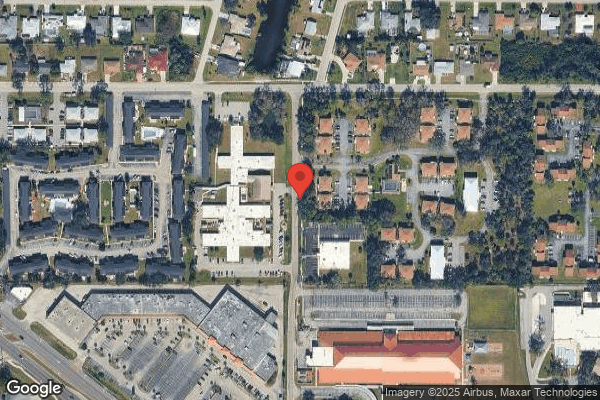
4033 BEAVER LANE, PORT CHARLOTTE, FL 33952 (941) 625-3200
For profit - Corporation 164 Beds EXCELSIOR CARE GROUP Data: November 2025 4 Immediate Jeopardy citations
Trust Grade
0/100
#620 of 690 in FL
Last Inspection: January 2025

Within standard 12-15 month inspection cycle. Federal law requires annual inspections.

Overview

Charlotte Bay Rehab and Care Center has received a Trust Grade of F, indicating significant concerns about the quality of care provided. The facility ranks #620 out of 690 in Florida, placing it in the bottom half of nursing homes in the state, and #7 out of 8 in Charlotte County, meaning there is only one local option that is better. Unfortunately, the situation appears to be worsening, with issues increasing from 3 in 2024 to 9 in 2025. While staffing is a relative strength, rated at 4 out of 5 stars with a turnover rate of 36% (below the state average), the facility has incurred a concerning $274,053 in fines, which is higher than 94% of Florida facilities. Recent inspections revealed critical incidents, including a failure to monitor a resident's urinary catheter, which led to severe complications such as bleeding. Additionally, the staff was found to lack the necessary training to properly care for residents with urinary catheters, resulting in neglect. Overall, while there are some strengths in staffing, the facility's significant issues and poor ratings are serious red flags for families considering this option for their loved ones.

Trust Score
F
0/100
In Florida
#620/690
Bottom 11%
Safety Record
High Risk
Review needed
Inspections
Getting Worse
3 → 9 violations
Staff Stability
○ Average
36% turnover. Near Florida's 48% average. Typical for the industry.
Penalties
✓ Good
$274,053 in fines. Lower than most Florida facilities. Relatively clean record.
Skilled Nurses
✓ Good
Each resident gets 50 minutes of Registered Nurse (RN) attention daily — more than average for Florida. RNs are trained to catch health problems early.
Violations
⚠ Watch
27 deficiencies on record. Higher than average. Multiple issues found across inspections.
★☆☆☆☆
1.0
Overall Rating
★★★★☆
4.0
Staff Levels
★★★★☆
4.0
Care Quality
★☆☆☆☆
1.0
Inspection Score
Stable
2024: 3 issues
2025: 9 issues

The Good

  • 4-Star Staffing Rating · Above-average nurse staffing levels
  • 4-Star Quality Measures · Strong clinical quality outcomes
  • Full Sprinkler Coverage · Fire safety systems throughout facility
  • No fines on record
  • Staff turnover below average (36%)

    12 points below Florida average of 48%

Facility shows strength in staffing levels, quality measures, fire safety.

The Bad

1-Star Overall Rating

Below Florida average (3.2)

Significant quality concerns identified by CMS

Staff Turnover: 36%

10pts below Florida avg (46%)

Typical for the industry

Federal Fines: $274,053

Well above median ($33,413)

Significant penalties indicating serious issues

Chain: EXCELSIOR CARE GROUP

Part of a multi-facility chain

Ask about local staffing decisions and management

The Ugly 27 deficiencies on record

4 life-threatening 1 actual harm
Mar 2025 3 deficiencies 3 IJ
CRITICAL (J) 📢 Someone Reported This

A family member, employee, or ombudsman was alarmed enough to file a formal complaint

Immediate Jeopardy (IJ) - the most serious Medicare violation

Free from Abuse/Neglect (Tag F0600)

Someone could have died · This affected 1 resident

**NOTE- TERMS IN BRACKETS HAVE BEEN EDITED TO PROTECT CONFIDENTIALITY** Based on family and staff interviews and record review, the facility failed to protect residents' rights to be free from neglect...

Read full inspector narrative →
**NOTE- TERMS IN BRACKETS HAVE BEEN EDITED TO PROTECT CONFIDENTIALITY** Based on family and staff interviews and record review, the facility failed to protect residents' rights to be free from neglect. The facility failed to appropriately monitor the urinary output after insertion of an indwelling urinary catheter and failed to monitor the resident's change of condition for 1 (Resident #1) of 5 residents with urinary catheter reviewed. Resident #1 was admitted to the facility on [DATE] with diagnoses including prostatic hyperplasia (enlarged prostate). Resident #1 had an indwelling urinary catheter (catheter inserted in the bladder to drain urine). On 1/28/25 at approximately 5:30 a.m., Resident #1's urinary catheter was changed. There was no documentation Resident #1 was monitored to ensure the catheter was properly inserted and draining urine. On 1/28/25 at approximately 4:30 p.m., Resident #1 had no urinary output. The urinary catheter was removed. Resident #1 experienced copious amount of bleeding and clots. There was no documentation the facility monitored Resident #1's status, including obtaining vital signs (temperature, pulse, respiration and blood pressure) with the acute change in condition. On 1/28/25 at approximately 10:00 p.m., Resident #1 was emergently transferred to an acute care hospital. The resident was unresponsive, had no urinary output and was bleeding. The facility's failure to provide the necessary care and services to prevent neglect created a likelihood of serious harm, injury, or death of Resident #1 and other residents with an indwelling urinary catheter from catheter associated complications, including trauma from catheter insertion, urinary tract infections, and blood infections. This failure resulted in the determination of Immediate Jeopardy (IJ) at a scope and severity of Isolated (J) starting on 1/28/25. On 3/20/25 at 4:45 p.m., the Administrator was informed of the determination of Immediate Jeopardy. The findings included: Review of the facility's policy and procedures titled, Abuse, Neglect, Exploitation, Misappropriation, Mistreatment, Injury of unknown source and Investigations with an effective date of 04/01/2022 revealed, Neglect is the failure of the facility, its employees or service providers to provide goods and services to a resident that are necessary to avoid physical harm, pain, mental anguish, or emotional distress . The facility shall conduct their own internal investigation including but not limited to staff . resident, and family/resident representative interview, medical record reviews, 24 hours reports reviews, full body skin exam, etc. The resident's representative and physician should be notified that there is an on-going investigation regarding the alleged incident . The facility shall take all necessary corrective action(s) depending on the results of their investigation and must notify the proper agencies as well as licensing authorities of any incidents that would indicate an employee is unfit for service. The facility shall analyze the occurrences to determine what changes are needed, if any, to the residents' care plan or policies and procedures to prevent further occurrences. Review of the facility's policy and procedures titled, Nursing-Catheter Care-Urinary with an effective date of 04/01/22 and a revision date of 02/21/23 revealed, Observe the resident for complications associated with urinary catheters . Check the urine for unusual appearance (i.e., color, blood, etc.) . Notify the physician or supervisor in the event of bleeding, or if the catheter is accidentally removed . Observe for signs and symptoms of urinary tract infection or urinary retention. Report findings to the physician or supervisor immediately . Review of the clinical record revealed Resident #1 was admitted to the facility on [DATE] from an acute care hospital. Diagnoses included prostatic hyperplasia (enlarged prostate) with urinary symptoms. Resident #1 was admitted with an indwelling urinary catheter (catheter inserted in the bladder to drain urine). Review of the Treatment Administration Record (TAR) for January 2025 revealed on 1/28/25 Licensed Practical Nurse (LPN) staff B changed Resident #1's urinary catheter. The clinical record lacked documentation LPN Staff B verified the catheter was properly inserted and draining urine. On 1/28/25 at 10:59 p.m., LPN Staff A documented in a progress note for an effective date of 1/28/25 at 5:00 p.m., Resident #1's indwelling catheter was removed per the Advanced Practice Registered Nurse (APRN) order due to blood and clots, no urine output. The nurse documented, order given to monitor urine output for a couple of hours if no void and clots continue send resident to ER (Emergency Room) for further evaluation. The clinical record lacked documentation Resident #1's condition was monitored, including an evaluation of the resident, amount of bleeding, vital signs or urine output. LPN Staff A did not transcribe the APRN's order until 1/28/25 at 10:02 p.m., five hours after receiving the order. The order read, Send out to ER (Emergency Room) if resident does not void within a couple hours. The transcribed order did not include to monitor for bleeding and clots. On 1/28/25 at 11:36 p.m., LPN Staff B documented in a progress note with an effective date of 1/28/25 at 10:00 p.m., she received shift report from the dayshift nurse to send Resident #1 to the hospital per the APRN order if Resident #1 was not able to void and clots continue. Staff B documented clots continued, no voiding pt (patient) sent to hospital at 2200 (10:00 p.m.) for further evaluation. Family notified. Review of the documentation in the clinical record, including licensed nurses and Certified Nursing Assistant (CNA) notes and entries revealed the last urinary output was documented on 1/27/25 at 10:00 p.m. There was no documentation of urine output for the night shift (of 1/27/25, the day shift of 1/28/25 and the evening shift of 1/28/25. Review of the Emergency Medical Services (EMS) Prehospital Care Report revealed the unit was notified by dispatch on 1/28/25 at 9:51 p.m. The narrative noted Resident #1 was found lying supine (face up) in bed with a facility nurse at his side. Resident #1 was unresponsive but breathing. The facility nurse stated that earlier today Resident #1 had a Foley catheter (urinary catheter) removed and since has been having penile bleeding with blood clots and was recommended by the facility provider to call EMS if the bleeding does not improve. The nurse also stated that she's been unable to wake the patient up, patient is normally awake and verbal. He was last seen normal three hours ago. EMS documented that the resident was unresponsive, breathing fast with a radial pulse, skin hot and clammy, bruising noted on abdomen. The report noted under patient condition the primary complaint type was unresponsive, and other, bleeding from penis with large blood clots. The date and time of symptom onset was 1/28/25 at 6:07 p.m. Review of the local hospital record revealed Resident #1 was initially seen in the ER on [DATE] at 10:22 p.m. The ER progress note documented Resident #1 arrived at the Emergency Department from the facility for complaint of blood clots after foley removal. Upon EMS arrival, Resident #1 was unresponsive to painful stimuli, and had a temperature of 100.2. The hospital History and Physical noted, The nursing staff at the facility stated that due to decreased urinary output they switched the catheter out and received large amounts of blood and clots shortly after that the patient became unresponsive . The patient was found immediately hypotensive and hypoxic requiring airway oxygen support with intubation . Resident #1 was admitted to the Intensive Care Unit with respiratory support on ventilator. The assessment and plan was: Septic shock (life threatening infection), Metabolic encephalopathy (impaired brain function due to imbalance in metabolism), Hematuria (blood in urine), Urinary retention. Review of the facility's incident investigations revealed on 2/4/25 at approximately 11:50 a.m., Resident #1's spouse reported to the facility that her husband was on life support at the hospital as a result of a urinary tract infection and pneumonia that he acquired during his stay at the facility due to improper care. The Administrator noted the facility recognized this statement as an allegation of neglect and started an investigation. The investigation noted that on the morning of 1/28/25 Resident #1's catheter was changed per the physician order. The resident was later noted to have no urine output, and his catheter was irrigated with blood clots observed. New orders were obtained from the APRN to remove the catheter at which time further blood clots were noted by nursing staff. Additional orders were then obtained to hold aspirin and Plavix (prevents clots from forming) and to transfer resident out if no urine output was observed and clots continued. Nursing continued to evaluate the resident with no urine output identified with continued blood clots and Resident #1 was subsequently transferred to the hospital. Review of the nursing staff statements obtained as part of the investigation revealed: LPN Staff B documented in an undated statement she worked on 1/27/25 from 7:00 p.m. to 7:00 a.m. She used sterile technique to replace Resident #1's urinary catheter. LPN Staff B wrote at 5:50 a.m., she informed Resident #1 she was going to change the catheter. She documented, Sterile technique used to remove Foley (urinary) catheter. No retention or bleeding. Resident #1 denied pain or discomfort. Pericare was provided and sterile technique used to insert catheter, no resistance noted. No complaints of discomfort from resident . LPN Staff B wrote, I will come back to check on you, resident was alert and thankful. Writer followed up with the resident at approximately 0630 (6:30 a.m.), no urine output. Writer palpated abdomen, no distention, resident denied discomfort or pain. 0700 (7:00 a.m.) report given to day shift. LPN Staff B told the on coming nurse at the time of insertion, no resistance was noted, and the resident was denying discomfort, no urine output noted yet. LPN Staff A's statement dated 2/5/25 noted on 1/28/25 at approximately 3:00 p.m., Resident #1's spouse called her to the room and voiced concerns about no urine in the catheter drainage bag. LPN Staff A said Resident #1 was alert, oriented, very pleasant and cooperative. His abdomen was not distended, was not tender to touch. Resident #1 had no complaints or discomfort. LPN Staff A flushed the catheter with saline with return of small clots passing in drainage tubing. Staff A said she called the APRN while at the bedside. The APRN gave an order to hold the aspirin and Plavix for three days and keep the catheter out. The APRN said not to send the resident to the hospital, to just monitor him for urine output without the catheter. If Resident #1 did not void and continued to clot send him out for further evaluation. On 2/7/25 at 2:18 p.m., in an email addressed to the Director of Nursing, LPN Staff C documented on 1/28/25 at 3:26 p.m., he took over Resident #1's care and received report from LPN Staff A. LPN Staff A was irrigating Resident #1's catheter. The resident's spouse told him he still has no pee. LPN Staff C documented he contacted the APRN about the resident not passing urine and passing one blood clot from irrigating the catheter. The APRN gave an order to remove and reinsert the catheter. LPN Staff C said he removed the catheter, and copious amount of blood came from penis. He immediately applied pressure to the penis region. LPN Staff C documented, Writer asked spouse to put on gloves, apply pressure to the area, and asked the patient does he have any pain? Patient denied pain or discomfort to lower abdominal region still nondistended. Staff C documented he had to call the doctor. While spouse was applying pressure to penis region writer rushed to nurse's station to get LPN Staff A for assistance. The writer sanitized his hands and applied gloves. Resident #1's Spouse removed her hands and writer continued to apply pressure. Writer waited approximately 5 minutes and stopped applying pressure . Patient released a quarter size blood clot after writer stopped applying pressure. He applied pressure to the penis region and ask LPN Staff A to call the APRN. The APRN gave a verbal order to not reinsert the catheter, hold blood thinners, monitor urine output. If the resident has not voided, and clots continue to pass then send the resident to the ER. LPN Staff C documented he stopped applying pressure, the bleeding and clot passing stopped. LPN Staff B documented in the witness statement on 1/28/25 at 7:00 p.m., she received a report from the previous nurse that Resident #1 had no urine output during the day. The catheter was irrigated, and the resident had passed a blood clot during removal of the catheter. Staff B documented she checked on the resident at the beginning of the shift and asked the Certified Nursing Assistant (CNA) to keep an eye on resident's output. At 8:50 p.m., she documented the resident's vital signs and blood sugar were within normal limits. The resident had no blood or urine in his brief. At approximately 9:45 p.m., she checked on Resident #1. She called the resident by name. Resident #1 was alert. Resident #1 appeared lethargic. LPN Staff B documented again she took the resident's vital signs, and they were within normal limits. LPN Staff B and the CNA checked the resident's brief and observed a medium size blood clot. The CNA remained in the room with another CNA to change the resident's brief while LPN Staff B called 911. The facility's investigation noted, Conclusions: After a complete and thorough investigation, this allegation of neglect cannot be verified. The facility provided care to (Resident #1) in adherence with physician orders. Due to (Resident #1) health status he was subsequently sent to the hospital at which time he was admitted . Summary of all corrective actions taken: Nursing staff education has been initiated r/t (related to) neglect with an emphasis on foley catheter care upon receiving this allegation . On 3/18/25 the Administrator provided In-service Attendance Record Signature sheets dated 2/4/25, 2/7/25, and 2/9/25, for inservice education for neglect provided to the nursing staff. The content of the education was, Neglect is the failure to provide goods and services to maintain the residents' physical mental and psychological wellbeing. This includes but is not limited to providing showers, turning and positioning, ADL (Activities of Daily Living) care and peri care. Catheter care is also on this list. Catheter care is to be provided a minimum of once a shift by the CNA. For residents' incontinence of stool after the stool is cleaned then catheter care needs to be provided again. Also making sure the tubing and bag are positioned properly and not touching the floor. The education did not include failing to appropriately monitor the resident's urinary output and failure to monitor the resident's condition, amount of bleeding, obtaining vital signs with the acute onset of bleeding constituted neglect. 14 of 33 nurses employed by the facility signed that they attended the in-service. On 3/18/25 at 8:30 a.m., in a telephone interview Resident #1's daughter said on 1/28/25 her mother was at the facility. She complained to facility staff several times that he was not passing urine after the catheter was changed that morning. On 1/28/25 at 10:00 p.m., a nurse called and told her mother that he was unresponsive and had been transferred to the hospital. Her father (Resident #1) was placed on a ventilator and admitted . Her mother complained to the Administrator about the care he received. On 3/18/25 at 10:00 a.m., in a telephone interview LPN Staff B said she had a physician's order to change the catheter. On 1/28/25 at approximately 5:30 a.m., there was no urine in the catheter drainage bag when she changed the catheter. She said she got a small amount of urine return when she changed the catheter and there was no blood. On 3/18/25 at 12:21 p.m., in a telephone interview, the Consulting Physician said he was not aware of the incident involving Resident #1. He said Staff should have obtained Resident #1's vital signs at least every shift and with any change in condition. He said Resident #1 should have been sent to the hospital within eight hours of no urine output. He said staff should have notified the physician if Resident #1 was not having a minimum of 30 milliliters of urine output hourly. On 3/18/25 at 1:00 p.m., in a telephone interview the APRN said staff never told her Resident #1 had no urine output for more than eight hours. She would have sent the resident to the hospital immediately. She said on 1/28/25 at 4:15 p.m., LPN Staff C sent her a text message to let her know Resident #1 had no urine output. She told the nurse to irrigate the catheter and call her back. They told her Resident #1 passed blood clots when they tried to irrigate the catheter. She gave an order to remove and reinsert the catheter. When they removed the catheter, copious amounts of blood came out. She told them to hold the anticoagulants (medication to prevent blood clots). She gave the order to wait an hour, call her or send the resident to the emergency room if he did not urinate or continued to pass clots. The APRN said she never told the nurse to wait two hours. On 3/18/25 at 1:30 p.m., in a telephone interview LPN Staff C said on 1/28/25 at approximately 3:30 p.m., he observed Staff A attempting to irrigate Resident #1's urinary catheter. The APRN was giving orders. He said there was no urine in the urinary drainage bag. He removed Resident #1's catheter, and a copious amount of blood and clots came out. The APRN gave an order to LPN Staff A to stop all anticoagulants and send the resident to the ER if he kept bleeding or had no urinary output. LPN Staff C said he did not know Resident #1 had no urine output since the previous night. On 3/18/25 at 2:00 p.m., in an interview Unit Manager LPN Staff D said on 1/28/25 she was assigned to Resident #1 from 7:00 a.m., to 2:00 p.m. She said LPN Staff B who worked the night shift did not tell her the resident had no urine output. She said the CNAs empty the urinary drainage bag at the end of each shift. The CNA who worked the day shift on 1/28/25 did not tell her Resident #1 had no urine output. Staff D said she could not remember if she checked the resident's catheter or drainage bag. On 3/18/25 at 3:00 p.m., in an interview LPN Staff A verified on 1/28/25 Resident #1's spouse told her there was no urine in the drainage bag. When she checked on the resident on 1/28/25 at approximately 4:00 p.m., the drainage bag was empty. She said no one told her the resident had no urine output all day. On 3/19/25 at 8:30 a.m., in an interview LPN Staff B said there was no urine in Resident #1's urinary catheter bag before she changed the catheter on 1/28/25 at 5:30 a.m. She said when she left work on 1/28/25 at 7:00 a.m., there was no urine in the drainage bag. When she returned to work on 1/28/25 at 7:00 p.m., LPN Staff A told her Resident #1 had no urine output since the previous evening. He only passed blood and clots when they tried to irrigate the catheter. LPN Staff B verified the APRN's orders to monitor the resident and send him out if he did not stop bleeding were not transcribed until 1/28/25 at 10:00 p.m. She said she took Resident #1's vital signs twice during her shift but did not document them. She said Resident #1 was alert but lethargic when EMS arrived. She could not remember when Resident #1 became lethargic. On 3/19/25 at 3:05 p.m., in a telephone interview Resident #1's spouse said on 1/28/25 she spent the whole day at her husband's bedside. At 9:00 a.m., she noticed there was no urine in the urinary drainage bag. At approximately 11:00 a.m., 12:00 p.m., she told LPN Staff D the catheter was not draining urine. LPN Staff D told her she was busy and would come later. She never came to the room and left at 2:00 p.m. On 1/28/25 at approximately 4:00 p.m., LPN Staff A tried to flush the catheter and said, it was traumatized. LPN Staff C came in the room and removed the catheter. A large blood clot came out. On 3/19/25 at 4:10 p.m., a joint interview was conducted with the Administrator, the Director of Nursing (DON) and the Regional Nurse Consultant to discuss the facility's neglect investigation related to Resident #1's care and emergency transfer to the hospital. The Regional Nurse Consultant said she could not argue with the fact that there were no vital signs taken and no assessment documented for Resident #1. The DON said she interviewed the nurses as part of the investigation but did not interview the CNAs. She verified that no corrective actions were implemented related to the lack of assessment, and timely transfer of Resident #1 when he had not passed urine for more than eight hours. On 3/19/25 at 5:05 p.m., in an interview Registered Nurse Staff F said she has been the Staff Educator at the facility for 11 years and was responsible for competencies of the nursing staff. She said the facility had not been doing urinary catheter care competencies, including ensuring the nurses were knowledgeable to insert catheters and monitor residents with urinary catheters. She said, We will now. On 3/22/25 after verification of implementation of an acceptable Immediate Jeopardy removal plan, the Immediate Jeopardy was removed as of 3/22/25. The Immediate actions implemented by the facility and verified by the survey team included: On 3/22/25 at 2:04 p.m. during an interview with the Director of Nursing (DON) she said she has completed education for almost all of the nursing staff. The remaining staff will be educated before the start of their next scheduled shift. She said there have been several in-person live events and there have been over the phone education for (2 nurses) and they will complete their competencies before their next working shift. She said there were no new hires for nursing staff. They are re-educating the Certified Nursing Assistants (CNAs), Registered Nurses (RNs) and Licensed Practical Nurses (LPNs). On 3/19/25 the facility Administrator and Director of Nursing were re-educated by the Regional Nurse Consultant on: The components of the regulation F600 Free from Abuse and Neglect, Exploitation, Misappropriation, Mistreatment and Injury of Unknown Origin with indicators of Neglect including screening, training, prevention, identification, investigation, protection, and reporting. On 3/19/25 the facility began staff education on Abuse and Neglect with the emphasis on failure to protect resident rights to be free of neglect by failing to monitor urinary output and to monitor the resident when the catheter was discontinued. 141/171 staff members have received this education by 3/21/25. All remaining staff will receive this education prior to returning to work. The facility neglected to monitor the residents' status, including vital signs with a significant change in condition. On 3/18/25 the facility completed a facility wide audit of 155 residents to ensure that all residents have physician's orders to take vital signs was in place and transcribed to the medication administration record (MAR). Long term care resident vital signs are obtained on a weekly basis and short-term rehab residents vital signs are obtained daily. On 3/18/25 the facility reviewed all foley catheter orders. Urinary output was added to the medication administration record (MAR) on 3/19/25 to ensure nursing documentation. On 3/18/25 CNA education was initiated to ensure any changes in urinary output for residents with foley catheters, and any residents experiencing a change in condition must be reported immediately to the nurse. 77 of 82 CNAs were educated by 3/21/25. All remaining CNAs will be educated prior to working their next scheduled shift. On 3/21/25 the facility initiated vital sign assessment competencies including temperature, pulse, respirations, and blood pressure on staff members. On 3/22/25 the surveyor verified through a record review of 3 randomly selected residents that the facility was monitoring the vital signs for the selected short and long term residents. On 3/22/25 interviews with 3 Certified Nursing Assistants (CNA), and 3 nurses verified they had been re-educated on catheter care including measuring, reporting, and documenting the amount on the MAR. On 3/22/25 the surveyor verified through record review of 3 randomly selected residents with urinary catheters the facility was monitoring and documenting vital signs every shift. The nursing staff was measuring and recording the amount of urine for residents with urinary catheters. On 3/22/25 the surveyor confirmed through interview with 3 random CNAs they were educated to report to the nurse any changes in urinary output for residents with catheters, and to report changes in resident condition immediately to the nurse. On 3/22/25 the surveyor verified through record reviews of 3 random residents that the facility was documenting the vital signs on the MAR twice a day. On 3/18/25 the facility educated their licensed nurses on completing a Change in Condition Assessment on residents. The education included identifying conditions that required an assessment including: Accidents resulting in injury; significant change in the resident's physical or mental condition, deterioration in health, mental or psychosocial status; life threatening conditions or clinical complications including changes in urinary output including color, consistency and output; circumstances that require an alteration in treatment including acute and chronic conditions. A complete nursing evaluation must be conducted and documented in the medical record of systems. The nurses were educated to obtain a new set of vital signs and document them in the electronic record in that the Change in Condition Assessment would contain the most recent and relevant vital signs. The provider shall be notified of pertinent evaluation findings. Nurses must visualize catheters for urine amount of output, color and clarity during each shift. On 3/19/25 the facility daily clinical meeting agenda was edited to include the review of all residents with changes in condition to ensure vital signs and a timely transfer was completed; review of all new and existing residents with urinary catheters had monitoring and documentation of urine output amount in place. On 3/19/25 the facility conducted RN assessments of every current resident including vital signs and foley catheter observations for output and patency. Any changes were reported to the family and the provider. On 3/20/25 the facility initiated audits of residents in the facility to ensure the nursing staff completed proper documentation of those vital signs. On 3/20/25 the facility completed a 7-day audit for residents with urinary catheters to ensure measuring and documenting of the urine output was completed on each shift. On 3/20/25 an ad hoc (unplanned) QAPI (Quality Assurance and Performance Improvement) meeting was held, and a root cause analysis of the incident was done. Attendees of the QAPI meeting included the Medical Director, Director of Nursing, Administrator, Human Resources, Social Service, Activities, Therapy Director, Minimum Data Set nurse, Nurse, CNA. On 3/21/25 48 of 50 nurses were re-educated. The remaining nurses will be educated prior to working their next shift. On 3/22/25 a review of three random resident records was completed to ensure accurate assessment and interventions were in place to prevent neglect related to the care of residents with foley catheters and for those who experience a change in condition.
CRITICAL (J) 📢 Someone Reported This

A family member, employee, or ombudsman was alarmed enough to file a formal complaint

Immediate Jeopardy (IJ) - the most serious Medicare violation

Deficiency F0726 (Tag F0726)

Someone could have died · This affected 1 resident

**NOTE- TERMS IN BRACKETS HAVE BEEN EDITED TO PROTECT CONFIDENTIALITY** Based on record review, review of facility's policies and procedures, and staff interviews the facility failed to ensure License...

Read full inspector narrative →
**NOTE- TERMS IN BRACKETS HAVE BEEN EDITED TO PROTECT CONFIDENTIALITY** Based on record review, review of facility's policies and procedures, and staff interviews the facility failed to ensure Licensed Nurses had the skills set to safely care for residents with indwelling urinary catheters, including inserting the catheters, monitor residents, recognize significant changes in condition and complications from urinary catheters requiring immediate physician notification and interventions to prevent further deterioration. On 1/28/25 at approximately 5:30 a.m., Licensed Practical Nurse (LPN) Staff B changed Resident #1's urinary catheter and did not ensure free flow of urine to verify the tip of the catheter was in the appropriate location in the bladder. On 1/28/25, Unit Manager LPN Staff D did not monitor Resident #1 from 7:00 a.m., to 2:00 p.m. to ensure the urinary catheter was functioning and draining urine. On 1/28/25 at approximately 5:00 p.m., LPN Staff A received a practitioner's order to monitor Resident #1 and send him to the hospital when the urinary catheter was removed and the resident had significant bleeding and was passing blood clots from his penis. She did not monitor Resident #1 and did not transcribe the order until 1/28/25 at 10:00 p.m., five hours after receiving the order. On 1/28/25 at 10:00 p.m., Resident #1 was unresponsive and bleeding through his penis and was emergently transferred to an acute care hospital via Emergency Medical Services (EMS). Resident #1 was intubated in the emergency room and admitted to the Intensive Care Unit. The facility failure to ensure Licensed Nurses had the skill sets and were competent to provide safe care to residents with indwelling urinary catheters placed Resident #1 and other residents with urinary catheters at a likelihood of significant harm, injury or death from catheter associated complications such as trauma from improper catheter insertion, urinary tract infections, and blood infection. This failure resulted in the determination of Immediate Jeopardy. On 3/20/25 at 4:45 p.m., the Administrator was notified in the determination of Immediate Jeopardy. The findings included: Cross reference to F600, F690 and F835 Review of the Facility Assessment Tool revealed the purpose of the assessment is to determine what resources are necessary to care for residents competently during both day-to-day operations and emergencies. Use this assessment to make decisions about your direct care staff needs, as well as your capabilities to provide services to the residents in your facility, at least annually per requirement. The Facility Assessment Tool noted the facility accepts residents with genitourinary system diagnoses such as neurogenic bladder (lack of bladder control due to a brain or spinal cord condition), benign prostatic hyperplasia (enlarged prostate), obstructive uropathy (blockage of urinary tract), urinary incontinence. The assessment noted services and care offered based on resident needs included intermittent or indwelling or other urinary catheter. 1. Review of the facility's incident investigations revealed on 2/4/25 at approximately 11:50 a.m., Resident #1's spouse reported to the facility that her husband was on life support at the hospital as a result of a urinary tract infection and pneumonia that he acquired during his stay at the facility due to improper care. The Administrator noted the facility recognized this statement as an allegation of neglect and started an investigation. The investigation noted that on the morning of 1/28/25 Resident #1's catheter was changed per the physician order. The resident was later noted to have no urine output, and his catheter was irrigated with blood clots observed. New orders were obtained from the Advanced Practice Registered Nurse to remove the catheter at which time further blood clots were noted by nursing staff. Additional orders were then obtained to hold aspiring and Plavix and to transfer resident out if no urine output was observed and clots continued. Nursing continued to evaluate resident with no urine output identified with continued blood clots and resident was subsequently transferred to the hospital. The facility's investigation noted, Conclusions: After a complete and thorough investigation, this allegation of neglect cannot be verified. The facility provided care to (Resident #1) in adherence with physician orders. Due to (Resident #1) health status he was subsequently sent to the hospital at which time he was admitted . Summary of all corrective actions taken: Nursing staff education has been initiated r/t (related to) neglect with an emphasis on foley catheter care upon receiving this allegation . Review of the clinical record revealed Resident #1 was admitted to the facility on [DATE] from an acute care hospital. Diagnoses included prostatic hyperplasia (enlarged prostate) with urinary symptoms. Resident #1 was admitted with an indwelling urinary catheter (catheter inserted in the bladder to drain urine). Review of the Treatment Administration Record (TAR) for January 2025 revealed on 1/28/25 Licensed Practical Nurse (LPN) staff B changed Resident #1's urinary catheter. The clinical record lacked documentation LPN Staff B verified the catheter was properly inserted and draining urine. On 3/18/25 at 10:00 a.m., in a telephone interview LPN Staff B said she followed the physician's order to change Resident #1's catheter. On 1/28/25 at approximately 5:30 a.m., when she changed the catheter, there was no urine in the drainage bag. She said she got a small amount of urine return when she inserted the catheter and had no blood. She verified she left work on 1/28/25 at 7:00 a.m., Resident #1 had no urine in the drainage bag. She did not write a progress note for the catheter change, including the small amount of urine return. On 1/28/25 at 11:36 p.m., LPN Staff B documented in a progress note for an effective date of 1/28/25 at 10:00 p.m., she received [shift] report from the dayshift nurse to send Resident #1 to the hospital per the APRN order if Resident #1 was not able to void and clots continues. Staff B documented, clots continued, no voiding pt (patient) sent to hospital at 2200 (10:00 p.m.) for further evaluation. Family notified. On 3/19/25 at 8:30 a.m., in an interview LPN Staff B verified on 1/28/25 at 5:30 a.m., there was no urine in Resident #1's urinary catheter bag before she changed the catheter and when she left work on 1/28/25 at 7:00 a.m. When she returned to work on 1/28/25 at 7:00 p.m., LPN Staff A told her Resident #1 had no urine output since the previous evening. He only passed blood and clots when they tried to irrigate the catheter. She said Resident #1 was alert but lethargic when EMS (Emergency Medical Services) arrived. She could not remember when Resident #1 became lethargic. She verified there was no documentation she monitored Resident #1's for changes in condition, including continuous or increase bleeding, vital signs, and physician's notification Resident #1 had no urine output for more than eight hours. Review of the facility's employee list revealed LPN Staff B's date of hire was 4/9/24. The orientation for LPN Staff B did not include care of residents with indwelling urinary catheters, including verification LPN Staff B was able to safely and correctly insert an indwelling catheter in a male or female resident. On 1/28/25 at 10:59 p.m., LPN Staff A documented in a progress note dated 1/28/25 at 5:00 p.m., Resident #1's indwelling catheter was removed per the Advanced Practice Registered Nurse (APRN) order due to blood and clots, no urine output. The nurse documented, order given to monitor urine output for a couple of hours if no void and clots continue send resident to ER (Emergency Room) for further evaluation. The clinical record lacked documentation Resident #1's condition was monitored, including an evaluation of the resident, amount of bleeding, vital signs or urine output. LPN Staff A did not transcribe the APRN's order until 1/28/25 at 10:02 p.m., five hours after receiving the order. The order read, Send out to ER (Emergency Room) if resident does not void within a couple hours. The transcribed order did not include to monitor for bleeding and clots. On 3/18/25 at 3:00 p.m., in an interview LPN Staff A verified on 1/28/25 Resident #1's spouse told her there was no urine in the drainage bag. When she checked on the resident on 1/28/25 at approximately 4:00 p.m., the drainage bag was empty. She said no one told her the resident had no urine output all day. Review of the facility's staff roster revealed LPN Staff A's date of hire was 4/19/24. The orientation, competency and skills checklist completed on 4/30/24 did not include indwelling urinary catheters. On 3/18/25 at 1:00 p.m., in a telephone interview the APRN said on 1/28/25 at 4:15 p.m., LPN Staff C sent her a text message to let her know Resident #1 had no urine output. She told the nurse to irrigate the catheter and call her back. They told her Resident #1 passed blood clots when they tried to irrigate the catheter. She gave an order to remove and reinsert the catheter. When they removed the catheter, copious amounts of blood came out. She told them to hold the anticoagulants. She gave the order to wait an hour, call her or send the resident to the ER if the resident did not urinate or continued to pass clots. She said she never told the nurse to wait for two hours. Staff never told her Resident #1 had no urine output for more than eight hours. She would have sent the resident to the hospital immediately. On 3/18/25 at 1:30 p.m., in a telephone interview LPN Staff C said on 1/28/25 at approximately 3:30 p.m., he observed Staff A attempting to irrigate Resident #1's urinary catheter. The APRN was giving orders. He said there was no urine in the urinary drainage bag. He removed Resident #1's catheter, and a copious amount of blood and clots came out. The APRN gave an order to LPN Staff A to stop all anticoagulants (medications to prevent formation of blood clots) and send the resident to the emergency room if he kept bleeding or had no urinary output. LPN Staff C said he did not know Resident #1 had no urine output since the previous night. There was no documentation LPN Staff C, obtained vital signs, monitored Resident #1 for continuous or increased bleeding. Review of the facility's employee roster revealed LPN Staff C's date of hire was 4/3/24. LPN Staff C's orientation and competency evaluation did not include management of residents with urinary catheters, complications, and significant change in condition from a urinary catheter warranting immediate physician notification. On 3/18/25 at 2:00 p.m. in an interview LPN Staff D (Unit Manager) said she was assigned to Resident #1 on 1/28/25 from 7:00 a.m., until 2:00 p.m. She said LPN Staff B never told her Resident #1 had no urine output. She said she could not remember if she checked the resident's catheter bag for urine output that day. She left work on 1/28/25 at 2:00 p.m., and the CNA who worked with Resident #1 was supposed to empty the drainage bag around 3:00 p.m. She verified the lack of documentation verifying she monitored Resident #1 for adequate urine output, complications and significant change in condition. Review of the facility's employee roster revealed LPN Staff D's date of hire was 5/15/23. LPN Staff D's competency validation dated 5/21/24 did not include management of residents with urinary catheters, complications, and significant change in condition from a urinary catheter warranting immediate physician notification. On 3/19/25 at 5:05 p.m., in an interview RN Staff F said she had been the Staff Educator at the facility for 11 years and was responsible to ensure the competency of the nursing staff. She said LPN Staff B has been employed at the facility since 4/9/24 and did not have a skills competency completed to ensure she had the skills to properly insert urinary catheters and monitor the residents for complications. RN Staff F provided a list titled, Tasks that must be observed/deemed competent in performing and a list titled Daily tasks (This is not a complete list). She said the items on the list are covered on day 2 of orientation for nurses. The list did not include insertion of urinary catheters, monitoring and prompt identification of and change of condition from complications of urinary catheters. She said the facility has not been doing urinary catheter care competencies, and did not ensure the nurses were knowledgeable to insert catheters and monitor residents with urinary catheters. She said, We will now. She provided a skills checklist which she said the facility started to use on 3/18/25 to verify the nurse's competency on urinary catheters. She said the facility uses a mannequin for the competency demonstration. Review of the competency evaluation for LPN Staff B dated 3/18/25 included indwelling catheter insertion for male and female and Straight catheter (In and Out). The Staff Educator checked P for previous experience, D for Demonstrated and/or instructed by the Department head, Supervisor or Mentor/Preceptor, and RD for Return demonstration by the orientee and/or meets Performance Objective. The Staff Educator said she checked the boxes D and RD on the checklist without observing LPN Staff B inserting the urinary catheter to ensure competency. On 3/19/25 at 5:35 p.m., in an interview the Director of Nursing said Resident #1's spouse voiced multiple complaints related to his care, including the urinary catheter. She said she investigated her complaints, but she did not focus on urinary catheter output, the lack of assessment and vital signs when Resident #1 experienced acute bleeding. She said she discussed the concerns this week in an Ad Hoc (Unplanned) Quality Assurance and Performance Improvement Plan on 3/18/25. On 3/22/25 after verification of implementation of an acceptable Immediate Jeopardy removal plan, the Immediate Jeopardy was removed as of 3/22/25. The Immediate actions implemented by the facility and verified by the survey team included: On 3/18/25 the facility educated their licensed nurses on completing a Change in Condition Assessment on residents. The education included identifying conditions that required an assessment including: Accidents resulting in injury; significant change in the resident's physical or mental condition, deterioration in health, mental or psychosocial status; life threatening conditions or clinical complications including changes in urinary output including color, consistency and output; circumstances that require an alteration in treatment including acute and chronic conditions. A complete nursing evaluation must be conducted and documented in the medical record of systems. The nurses were educated to obtain a new set of vital signs and document in the electronic record in that the Change in Condition Assessment would contain the most recent and relevant vital signs. The provider shall be notified of pertinent evaluation findings. Nurses must visualize catheters for urine amount of output, color and clarity during each shift. 48 out of 50 licensed nurses were educated by 3/21/25. All remaining licensed nurses will be educated prior to working their next scheduled shift. On 3/21/25 the facility began CNA and licensed nurse competencies on obtaining vital signs. Vital signs obtained for a change in condition are to be documented in the electronic record under the weights and vitals tab, so they populate in the change in condition assessment. As of 3/21/25 40 out of 82 CNAs and 22 out of 50 nurses were educated. On 3/20/25 the facility completed audits including weekends and off hours to ensure the proper documentation of vital signs for all residents. On 3/20/25 the facility initiated the completion of audits 7 days a week and off hours to include urinary output for all residents with urinary catheters. On 3/22/25 the surveyor randomly selected 6 residents in the facility to ensure the facility was obtaining and documenting vital signs and urinary output. On 3/19/25 the daily clinical meeting form was edited to include review of the 24-hour report for change in condition; vital signs and timely transfer to a higher level if necessary; indwelling catheters for new and existing residents to ensure orders to monitor output were in place; review of the nurses' Change in condition Assessment to include current vital signs during the change, and review of the vital signs for all residents per the physician's orders. On 3/19/25 the RN assessed all residents currently at the facility for vital signs and urinary output if indicated. Any changes were communicated to the provider and family. On 3/19/25 the facility began competencies on the proper insertion of indwelling urinary catheters. 42/50 licensed nurses had completed by 3/21/25. The remaining licensed nurses would complete the competency prior to working their next scheduled shift. On 3/20/25 the facility added to the orientation agenda for newly hired licensed nurses. They will complete competency on the proper insertion of indwelling catheters with return demonstration prior to resident care. On 3/20/25 the facility began education with licensed nurses on the requirement of detailed communication during shift-to-shift report to include any changes in condition, new orders, and review any existing devices including foley catheters. 39/50 licensed nurses were educated as of 3/21/25. All remaining nurses to be re-educated prior to their next shift. The education was also added to the orientation for all newly hired nurses. On 3/20/25 the facility began educating nurses on 3/20/25 on ensuring new orders for indwelling catheters will include placement, patency/draining, irrigation, catheter securement, catheter care every shift and recording of output on the MAR. Verified 37 nurses out of 50 were educated by 3/21/25. Verified through observation and interview, nurses were educated prior to working their next shift. On 3/22/25 the surveyor verified through interview with the DON and review of audits completed, interviews with 3 CNAs, 3 nurses and review of 6 random residents records to ensure proper nursing care and services for residents with urinary catheters and those experiencing changes in condition. On 3/20/25 an ad hoc (unplanned) QAPI (Quality Assurance and Performance Improvement) meeting was held, and a root cause analysis of the incident was done. Attendees of the QAPI included the Medical Director, Director of Nursing, Administrator, Human Resources, Social Service, Activities, Therapy Director, Minimum Data Set nurse, Nurse, CNA.
CRITICAL (J) 📢 Someone Reported This

A family member, employee, or ombudsman was alarmed enough to file a formal complaint

Immediate Jeopardy (IJ) - the most serious Medicare violation

Administration (Tag F0835)

Someone could have died · This affected 1 resident

**NOTE- TERMS IN BRACKETS HAVE BEEN EDITED TO PROTECT CONFIDENTIALITY** Based on record review and staff interviews, the facility's Administration failed to utilize resources effectively to ensure nur...

Read full inspector narrative →
**NOTE- TERMS IN BRACKETS HAVE BEEN EDITED TO PROTECT CONFIDENTIALITY** Based on record review and staff interviews, the facility's Administration failed to utilize resources effectively to ensure nursing staff were trained, knowledgeable and competent to prevent the neglect of residents with urinary diagnoses, including insertion of urinary catheters and monitoring for complications from the urinary catheters. Resident #1 was an [AGE] year-old-male admitted to the facility with a diagnosis of prostatic hyperplasia (enlarged prostate). Resident #1 had an indwelling urinary catheter (catheter inserted in the bladder to drain urine). On 1/28/25 at 5:30 a.m., nursing staff changed Resident #1's urinary catheter and failed to ensure the catheter was properly inserted and draining. Nursing staff neglected to notify the physician until 1/28/25 at approximately 4:30 p.m. that Resident #1 had no urinary output since the catheter was inserted. On 1/28/25 at approximately 4:30 p.m., Resident #1 experienced a copious amount of bleeding and blood clots when the catheter was removed. Nursing staff neglected to take vital signs (Temperature, pulse, respiration and blood pressure) and monitor the resident with acute and significant bleeding. On 1/28/25 at 10:00 p.m., Resident #1 was emergently transferred to the hospital via Emergency Medical Services. The resident was unresponsive, and bleeding from his penis. Resident #1 had no documented urine output since 1/27/25 at 10:00 p.m. The failure of the facility Administration to ensure nursing staff had the appropriate knowledge and competencies to safely care for residents with urinary catheters created a likelihood of serious harm, rehospitalization and death of Resident #1 and other residents with urinary catheters from catheter associated urinary tract infection, blood infection, bleeding from trauma from improper catheter insertion and resulted in the determination of Immediate Jeopardy. On 3/20/25 at 4:45 p.m., the Administrator was notified of the determination of Immediate Jeopardy. The findings included: Cross Reference to F600, F690, and F726. Review of the Administrator's job description signed on 1/30/24 revealed, The primary purpose of this position is to direct the day-t0-day functions of the facility in accordance with current federal state and local standards, guidelines and regulations that govern nursing facilities to assure that the highest degree of quality care can be provided to residents at all times. The duties and responsibilities of the Administrator included, Ensure that an adequate number of appropriately trained, competent, licensed professionals and non-licensed personnel are on duty at all times to meet the needs of the residents. The Director of Nursing job description signed on 5/8/23 noted, the primary purpose of your position is to plan, organize, develop, and direct the overall operation of our Nursing Service Department in accordance with current federal, state, and local standards, guidelines, and regulations that govern our Facility and as may be directed by the Administrator, or the Medical Director to ensure that the highest degree of quality care is maintained at all times. The Director of Nursing duties and responsibilities included, Develop, implement, and maintain an ongoing quality assurance program for the nursing service department . Assist the Quality Assessment & Assurance committee in developing and implementing appropriate plans of action to correct identified deficiencies . Assist in developing plans of action to correct potential or identified problem areas . Nursing Care Functions . Ensure that direct nursing care be provided by LPN (Licensed Practical Nurses), CNA's (Certified Nursing Assistants), and/or a nurse aide trainee qualified to perform the procedure . Review nurses' notes to ensure that they are informative and descriptive of the nursing care being provided, that they reflect the resident's response to care, and that such care is provided in accordance with the resident's wishes . Develop and participate in the planning, conducting and scheduling of timely in-service training classes that provide instructions on how to do the job and ensure a well-educated nursing service department . develop, implement and maintain an effective orientation program that orients the new employee to the department, its policies and procedures, and to his/her job position and duties. Review of the Facility Assessment Tool revealed the facility accepts residents with genitourinary system diagnoses such as neurogenic bladder (lack of bladder control due to a brain or spinal cord condition), benign prostatic hyperplasia (enlarged prostate), obstructive uropathy (blockage of urinary tract), urinary incontinence. The assessment noted services and care offered based on residents needs included intermittent or indwelling or other urinary catheter. 1. Review of the clinical record revealed Resident #1 was admitted to the facility on [DATE]. Diagnoses included benign prostatic hyperplasia. Resident #1 had an indwelling urinary catheter (catheter inserted in the bladder to drain urine). The physician's orders as of 1/22/25 included to measure and record [Foley] urine output every shift. The CNA's urine output documentation for Resident #1 differed from the urine output documented by the Licensed Nurses on the Treatment Administration Record (TAR), making it difficult to determine Resident #1's urinary output for the following days: On 1/22/25 at 10:56 p.m., the CNA documented the output was 1400 cc. The Licensed Nurse documented on the TAR the output was 250 cc. On 1/23/25 at 8:57 p.m., the CNA documented the output was 700 cc. The Licensed Nurse documented the output was 450 cc. On 1/24/25 the CNA documented at 2:59 p.m., Response not required. The Licensed Nurses documented a total of 750 cc. On 1/25/25 the CNA documentation showed a total of 1000 cc. The Licensed Nurses documented a total of 650 cc. On 1/26/25 the CNA documentation showed a total of 700 cc. The Licensed Nurses documented a total of 550 cc. On 1/27/25 there was no CNA documentation of urine output. The Licensed Nurses documented a total of 1000 cc. There was no urine output documented for the night shift of 1/27/25, the day shift of 1/28/25, or the evening shift of 1/28/25. On 3/18/25 at 9:20 a.m., in an interview Registered Nurse Staff E said the facility policy was to document intake and output on the Treatment Administration Record (TAR). He said the nurses get the output from the CNAs each shift and document the total output on the TAR. On 3/19/25 at 4:10 p.m., a joint interview was conducted with the Administrator, the Director of Nursing and the Regional Nurse Consultant to discuss Resident #1's care and emergent transfer to the hospital on 1/28/25. The Regional Nurse Consultant verified the documentation of urine output for Resident #1 was not accurate. The Director of Nursing said the best practice would be for the nurses to monitor the urinary catheter and the output and document on the TAR. She verified she did not review Resident #1's clinical record for accuracy of the documentation when he was transferred to the hospital until the concerns voiced this week related to the accuracy and lack of CNA documentation of urine output. Review of the Treatment Administration Record (TAR) for January 2025 revealed on 1/28/25 Licensed Practical Nurse (LPN) Staff B changed Resident #1's urinary catheter. The clinical record lacked documentation LPN Staff B verified the catheter was properly inserted and draining urine. There was no urine output documented for the day shift of 1/28/25, or the evening shift of 1/28/25. On 1/28/25 at 10:59 p.m., LPN Staff A documented in a progress note for an effective date of 1/28/25 at 5:00 p.m., Resident #1's indwelling catheter was removed per the Advanced Practice Registered Nurse (APRN) order due to blood and clots, no urine output. The nurse documented, order given to monitor urine output for a couple of hours if no void and clots continue send resident to ER (Emergency Room) for further evaluation. LPN Staff A did not transcribe the APRN's order until 1/28/25 at 10:02 p.m., five hours after receiving the order, and after Resident #1 was transferred to the hospital. The order read, Send out to ER (Emergency Room) if resident does not void within a couple hours. The order did not include to monitor for bleeding and clots. Review of the nursing progress notes revealed on 1/28/25 a 11:36 p.m., LPN Staff B documented in a progress note for an effective date of 1/28/25 at 10:00 p.m., she received report from the day shift nurse to send Resident #1 to the hospital per the Advanced Practice Registered Nurse (APRN) order if Resident #1 was not able to void and clots continued. LPN Staff B documented, Clots continued, no voiding pt (patient) sent to hospital at 2200 (10:00 p.m.) for further evaluation. Family notified. The clinical record lacked documentation Resident #1 was monitored, vital signs obtained, and amount of bleeding assessed and documented to promptly identify significant changes requiring physician notification. Review of the Emergency Medical Services (EMS) Prehospital Care Report revealed the unit was notified by dispatch on 1/28/25 at 9:51 p.m. The narrative noted Resident #1 was found lying supine (face up) in bed with a facility nurse at his side. Resident #1 was unresponsive but breathing. The facility nurse stated that earlier today Resident #1 had a Foley catheter (urinary catheter) removed and since has been having penile bleeding with blood clots and was recommended by the facility provider to call EMS if the bleeding does not improve. The nurse also stated that she's been unable to wake patient up, patient is normally awake and verbal. Last seen normal three hours ago. EMS documented that the resident was unresponsive, breathing fast with a radial pulse, skin hot and clammy, bruising noted on abdomen. The report noted under patient condition the primary complaint type was unresponsive, and other. Bleeding from penis with large blood clots. The date and time of symptom onset was 1/28/25 at 6:07 p.m. Review of the local hospital record revealed Resident #1 was initially seen in the ER on [DATE] at 10:22 p.m. The ER progress note documented Resident #1 arrived at the Emergency Department from the facility for complaint of blood clots after foley removal. Upon EMS arrival, Resident #1 was unresponsive to painful stimuli, and had a temperature of 100.2. Review of the facility's incident investigations revealed on 2/4/25 at approximately 11:50 a.m., Resident #1's spouse reported to the facility that her husband was on life support at the hospital as a result of a urinary tract infection and pneumonia that he acquired during his stay at the facility due to improper care. The Administrator noted the facility recognized this statement as an allegation of neglect and started an investigation. The investigation noted that on the morning of 1/28/25 Resident #1's catheter was changed per the physician order. Resident #1 was later noted to have no urine output and his catheter was irrigated (flushed) with blood clots observed. New orders were obtained from the Advanced Practice Registered Nurse to remove the catheter at which time further blood clots were noted by nursing staff. Additional orders were then obtained to hold aspiring and Plavix and to transfer resident out if no urine output was observed and clots continued. Nursing continued to evaluate Resident #1 with no urine output identified with continued blood clots and resident was subsequently transferred to the hospital. As part of their investigation, the facility obtained statements from LPN Staff A, LPN Staff B and LPN Staff C. The facility's investigation did not include statements from the Certified Nursing Assistants who took care of Resident #1 on 1/27/25 and 1/28/25 and did not document urinary output. The facility's investigation noted, Conclusions: After a complete and thorough investigation, this allegation of neglect cannot be verified. The facility provided care to (Resident #1) in adherence with physician orders. Due to (Resident #1) health status he was subsequently sent to the hospital at which time he was admitted . Summary of all corrective actions taken: Nursing staff education has been initiated r/t (related to) neglect with an emphasis on foley catheter care upon receiving this allegation . The facility's investigation did not include the lack of monitoring of Resident #1's urinary output, LPN Staff B's lack of documentation of urine return verifying correct placement of the catheter, the resident's condition including vital signs (Temperature, pulse, respiration and blood pressure) with the acute onset of copious bleeding, the passing of blood clots, and amount of bleeding, and the change in mental status not addressed by the nursing staff. On 3/19/25 at 8:30 a.m., in an interview LPN Staff B said on 1/28/25 at 5:30 a.m., there was no urine in Resident #1's urinary catheter bag before she changed the catheter. She said when she left work on 1/28/25 at 7:00 a.m., there was no urine in the drainage bag. When she returned to work on 128/25 at 7:00 p.m., LPN Staff A told her Resident #1 had no urine output since the previous evening. He only passed blood and clots when they tried to irrigate the catheter. LPN Staff B verified the Advanced Practice Registered Nurse gave orders to monitor the resident and send him out if he did not stop bleeding on 1/28/25 at approximately 5:00 p.m., but she did not transcribe the orders until 1/28/25 at 10:00 p.m. She said she took Resident #1's vital signs twice during her shift but did not document them. She said Resident #1 was alert but lethargic when Emergency Medical Services (EMS) arrived. She could not remember when Resident #1 became lethargic. On 3/19/25 at 5:05 p.m., in an interview RN Staff F said she had been the Staff Educator at the facility for 11 years and was responsible to ensure the competency of the nursing staff. She said LPN Staff B had been employed at the facility since 4/9/24 and did not have a competency to ensure she had the skills to properly insert urinary catheters and monitor the residents for complications. She said the facility had not been doing urinary catheter care competencies, and did not ensure the nurse's were knowledgeable to insert catheters and monitor residents with urinary catheters. She said, We will now. She provided a skills checklist which she said the facility started to use on 3/18/25 to verify the nurses competency on urinary catheters. She said the facility uses a mannequin for the competency demonstration. Review of the competency evaluation for LPN Staff B dated 3/18/25 included indwelling catheter insertion for male and female and Straight catheter (In and Out). The Staff Educator checked P for previous experience, D for Demonstrated and/or instructed by the Department head, Supervisor or Mentor/Preceptor, and RD for Return demonstration by the orientee and/or meets Performance Objective. The Staff Educator said she checked the boxes D and RD on the checklist without observing LPN Staff B inserting the urinary catheter to ensure competency. On 3/19/25 at 5:35 p.m., in an interview the Director of Nursing said Resident #1's spouse voiced multiple complaints. In the investigation she did not focus on urinary catheter output, the lack of assessment and vital signs when Resident #1 experienced acute bleeding. She verified she discussed the concerns identified this week in an Ad Hoc (Unplanned) Quality Assurance and Performance Improvement Plan on 3/18/25. On 3/22/25 after verification of implementation of an acceptable Immediate Jeopardy removal plan, the Immediate Jeopardy was removed as of 3/22/25. The Immediate actions implemented by the facility and verified by the survey team included: On 3/21/25 the [NAME] President of Operations reviewed their job descriptions with the Nursing Home Administrator (NHA) and Director of Nursing (DON). During this review it was discussed in detail that the administrator must ensure that each resident receives necessary care and services to attain and maintain the highest practical physical, mental and psychosocial well-being consistent with the resident's comprehensive assessment and plan of care. On 3/21/25 the [NAME] President of Operations and NHA re-reviewed the job description of the DON with the DON. It was discussed in detail that the purpose of her position is to plan, organize, develop, and direct the overall operation of the nursing services department in accordance with regulations and standards, guidelines, and to ensure the highest degree of care is maintained at all times. As of 3/21/25, the DON will be lead investigator on all clinical investigations to ensure resident care met all accepted standards. This investigation will include a 72-hour look back in time to include additional information on the events leading to the event. As of 3/21/25 the investigations on Abuse, Neglect, Exploitation, Misappropriation, and Injury will be reviewed in detail with the medical director to ensure all areas of the investigation were completed and that the facility has identified the root cause analysis of the incident. As of 3/21/25 the NHA and DON will complete a comprehensive investigation to include a 72-hour look back on events to ensure no deprivation of care or services occurred. On 3/20/25 the NHA and DON were educated by the regional nurse consulted on utilizing an investigation checklist to ensure all elements and facts are thoroughly reviewed and completed. On 3/18/25 the facility conducted an unplanned (unplanned) QAPI (Quality Assurance and Performance Improvement) meeting was held, and a root cause analysis of the incident was done. Attendees of the QAPI included the Medical Director, Director of Nursing, Administrator, Human Resources, Social Service, Activities, Therapy Director, Minimum Data Set nurse, Nurse, CNA. The meeting addressed the adequate monitoring of urine output for residents with foley catheters and the adequate monitoring of vital signs for residents with changes in condition. The DON rereviewed the facility assessment and identified the facility's clinical capabilities included caring for residents with catheters without nurse competency for indwelling catheters completed. On 3/19/25 the facility initiated training to the nurses for foley catheter insertion and return demonstration for 42 of 50 nurses with all nurses to be retrained prior to working their next shift. Verified the retraining and return demonstration for Staff A, LPN, Staff C, LPN, Staff B, LPN, and Staff D. On 3/20/25 the facility added to the orientation plan of all newly hired nurses to include complete competencies on the proper insertion of indwelling catheters with return demonstration prior to providing resident care. On 3/18/25 CNA education was initiated to ensure the following: any notable changes in urine output for residents with foley catheters and those residents experiencing a change in condition must be reported immediately to the nurse. 77/82 CNAs were educated by 3/21/25. All remaining CNAs are to be educated prior to working their next shift. On 3/18/25 the facility educated their licensed nurses on completing a Change in Condition Assessment on residents. The education included identifying conditions that required an assessment including: Accidents resulting in injury; significant change in the resident's physical or mental condition, deterioration in health, mental or psychosocial status; life threatening conditions or clinical complications including changes in urinary output including color, consistency and output; circumstances that require an alteration in treatment including acute and chronic conditions. A complete nursing evaluation must be conducted and documented in the medical record of systems. The nurses were educated to obtain a new set of vital signs and document in the electronic record in that the Change in Condition Assessment would contain the most recent and relevant vital signs. The provider shall be notified of pertinent evaluation findings. Nurses must visualize catheters for urine amount of output, color and clarity during each shift. On 3/21/25 48/50 nurses were re-educated. The remaining nurses will be educated prior to working their next shift. On 3/20/25 the facility initiated audits of residents in the facility to ensure the nursing staff was recording vital signs and proper documentation of those vital signs. On 3/20/25 the facility initiated audits of residents with urinary catheters 7 days a week to ensure the measuring and documenting of the urine output each shift. On 3/19/25 the facility edited the daily clinical meeting to include the review of all residents with changes in condition to ensure vital signs and a timely transfer was completed; review of all new and existing residents with urinary catheters had monitoring and documenting of urine output amount in place; review of vital signs for all residents per physician order. On 3/19/25 the Nursing Home Administrator (NHA) and Director of Nursing (DON) were re-educated on the policy and procedure for Abuse, Neglect, and Exploitation by the Regional Clinical Nurse. The education included screening, training staff to prevent abuse, neglect and exploitation. All allegations of neglect are to be reported to the NHA or the person in charge immediately. Investigation, protection, and reporting to follow. On 3/19/25 the facility began staff in-service training and education on Abuse and Neglect with the emphasis on failure to protect resident rights to be free of neglect by failing to monitor urinary output and to monitor the resident when the catheter was discontinued. The resident experienced copious amounts of bleeding and blood clots through his penis. The facility failed to monitor vital signs with a significant change in condition. 141 of 171 staff members received this education by 3/21/25. All remaining staff would be educated prior to working their next shift. On 3/21/25 the DON and nurse management team was re-educated by the regional clinical director on the components of the management of foley catheters with an emphasis on Abuse, Neglect, Exploitation, Misappropriation, and Injury. On 3/20/25 the facility initiated education with licensed nurses to ensure new orders for indwelling catheters included placement, patency/draining, irrigation, catheter securement, catheter care each shift and recording of output on the MAR. 37 nurses out of 50 were educated by 3/21/25. On 3/22/25 the surveyor verified through interviews that the nurses were educated prior to working their next shift. On 3/20/25 for educating nurses on the requirement of detailed communication during shift-to-shift report will include any changes in condition, any new orders, and review any new or existing devices including urinary catheters. Verified the training of 39/50 nurses by 3/21/25. All remaining licensed nurses will be educated prior to working their next shift. This education has also been added to the orientation agenda for all newly hired licensed nurses to be provided prior to resident care. On 3/20/25 an (unplanned) QAPI (Quality Assurance and Performance Improvement) meeting was held, and a root cause analysis of the incident was done. Attendees of the QAPI included the Medical Director, Director of Nursing, Administrator, Human Resources, Social Service, Activities, Therapy Director, Minimum Data Set nurse, Nurse, CNA. On 3/22/25 the surveyor verified through interviews with the DON and facility staff, review of the audits, and review of 6 random resident records to ensure accurate assessment of resident vital signs, obtaining and documenting catheter urine output and proper documentation for residents experiencing a change in condition.
Feb 2025 1 deficiency
CONCERN (D) 📢 Someone Reported This

A family member, employee, or ombudsman was alarmed enough to file a formal complaint

Potential for Harm - no one hurt, but risky conditions existed

Accident Prevention (Tag F0689)

Could have caused harm · This affected 1 resident

Based on record review and interview, the facility failed to implement procedures to identify risk for elopement and adequately monitor 1 (Resident #1) of 1 cognitively impaired resident reviewed who ...

Read full inspector narrative →
Based on record review and interview, the facility failed to implement procedures to identify risk for elopement and adequately monitor 1 (Resident #1) of 1 cognitively impaired resident reviewed who left the facility without staff knowledge. The findings included: Review of the facility's policy titled, Nursing - missing resident/elopement with a revision date of 2/20/23 indicated: 1. Residents of the facility shall be maintained in a safe and secure environment. Residents may be considered missing and or to have eloped if they: d. leave the facility without authorization. 3. Locating the resident. D. Documentation regarding the elopement should be done in the interdisciplinary progress notes. E. An accident/incident form should be completed by a nurse including statements from all involved staff. F. At the next scheduled morning report, safety committee meeting, and QAPI (Quality Assurance and Performance Improvement) meeting the incident should be discussed and root cause analysis of elopement should be identified. 4. An event report should be completed and available for review by the facility Risk Manager. 5. The facility Risk Manager should determine if the event qualifies (according to state guidelines) as an adverse incident then appropriate reporting should be carried out. On 2/25/25 at 9:12 a.m., an entrance conference was held with the Administrator and Director of Nursing (DON). The Administrator said there had been no elopements as far as they knew. Review of the clinical record for Resident #1 revealed an admission date of 10/28/24. Diagnoses included Major Depressive Disorder, Adjustment Disorder with Mixed Anxiety and Depressed Mood. The admission Minimum Data Set (MDS) assessment with a target date of 10/31/24 revealed the resident's cognition was severely impaired with a Brief Interview for Mental Status Score of 07. Resident #1 used a manual wheelchair and was dependent on staff to wheel 50 feet. Review of the elopement risk evaluation dated 10/28/24 revealed Resident #1 had no cognitive impairment and was not at risk for elopement. The care plan initiated on 10/28/24 and revised on 1/21/25 specified Resident #1 could go on leave of absence with responsible party. Review of the Rehab Speech Screen dated 10/29/24 revealed documentation Resident #1 presented with, baseline speech, language and cognitive deficits. Poor participation during eval . Pt (patient) also stated, I want out of here. On 11/3/24 the Social Worker initiated a care plan indicating Resident #1 had impaired cognitive function/dementia or impaired thought processes related to short term memory loss. Interventions included to cue, reorient and supervise the resident as needed. The elopement evaluation dated 1/24/25 noted Resident #1 was cognitively impaired and had poor decision-making skills. Resident #1 did not have the ability to leave the facility. The evaluation noted the resident had no exit seeking behaviors and was not at risk of elopement. Review of the progress notes revealed an entry dated 2/19/25 that read, Elopement Risk- Wander guard in place. (Alerts staff when a resident leaves a designated safe area). The progress note did not explain the reason for the wander alert bracelet. On 2/19/25 Resident #1's care plan was updated and noted the resident was an elopement risk/wanderer related to impaired safety awareness. The goal was to maintain the resident's safety. The interventions included checking the placement and function of the wander alert bracelet. On 2/25/25 at 9:53 a.m., in an interview the Maintenance Director said on 2/19/25 Assistant Director of Nursing (ADON) Staff B found Resident #1 outside, on the sidewalk near C wing. ADON Staff B notified the Director of Nursing (DON) and followed the resident in her car. He drove the DON in his car and dropped her off a few streets away from where Resident #1 was. The Maintenance Director said the front door opens at 8:00 a.m., and Resident #1 probably went out that door and then around the building. On 2/25/25 at 9:55 a.m., in an interview ADON Staff B said on 2/19/25 she arrived in the parking lot of the facility at approximately 8:30 a.m. She saw Resident #1 coming out the door located on the side of building by the C wing. The door was open, but she did not hear an alarm going off. When she pulled into the parking space, she realized Resident #1 was leaving the parking lot in his electric scooter. He did not stop and began crossing the road. ADON Staff B said physically she was not able to get to the resident on foot. She got back in her car, called the DON and followed Resident #1 in her car. Resident #1 had crossed the road and was on the sidewalk. He went down the street to the curve by a restaurant, turned right on a street, then left on another street. She said she followed Resident #1 to keep him safe while talking on the phone to the DON. ADON Staff B said she finally got him to stop. She asked him where he was going, and if he had signed out. Resident #1 responded he just wanted to get out for a little while. The DON arrived by car with the Maintenance Director. The DON walked with Resident #1 back to the facility. ADON Staff B said she has had training in elopement. To her understanding, an elopement was when a resident is outside the building without staff knowledge. ADON Staff B said Resident #1 exited the facility through a door equipped with a wander alert alarm. Resident #1 did not have a wander alarm bracelet; therefore, the door would not have alarmed. On 2/25/25 at 10:53 a.m., in an interview the Maintenance Director said he didn't know if Resident #1 exited the building through the side door. He said the side door has an alarm which he checks the function every day. He said once the alarm is activated, a pass key is needed to turn off the alarm. He said no one told him there was a problem with the alarm of the side door. On 2/25/25 at 10:11 a.m., the C wing door was observed with the Administrator. The Administrator explained the first door can be opened by pushing a green button. The second door can only be opened by punching a code or pressing on the egress bar for 15 seconds. However, when the egress bar releases, it will activate an alarm. On 2/25/25 at 10:40 a.m., in an interview the DON said on 2/19/25 at around 8:20 a.m., ADON Staff B called her and said she was watching Resident #1 going down the road. The ADON told her where Resident #1 was. She stayed on the phone with the ADON until she got to where the resident was. The ADON got the resident to stop. She walked him back to the facility. The DON said she was not familiar with Resident #1. He said he was getting air. The DON said she verified Resident #1 did not sign out before leaving the facility. She said Resident #1's scored a 07 on the Brief Interview for Mental Status (a score of 07 or below indicated severe cognitive impairment). She said Resident #1 had no prior attempt to leave the facility. After the incident, they updated the resident's care plan and initiated a wander alarm. She said they really did not know through which door the resident exited the building. She spoke to a few staff members at the time of the incident but did not do a formal investigation. She reported the incident to the Regional Nurse since the Administrator was on vacation. She said she did not consider the incident an elopement since ADON Staff B followed the resident in her car the entire time. On 2/25/25 at approximately 10:45 a.m., the side door by the C wing was observed with the DON. The DON pushed the green button and opened the first door. She pushed the egress bar on the second door for approximately 15 seconds. The door opened and the alarm went off. The Minimum Data Set (MDS) nurse responded to the alarm and said the door will continue to alarm until it is turned off with a key. On 2/25/25 at 10:58 a.m., in an interview the Regional Nurse verified the DON notified her when Resident #1 left the faciity on 2/19/25. She said no investigation had been done. She did not consider the incident to be an elopement. She said ADON Staff B followed Resident #1 in the car and would have been able to stop him from getting hit by a car or involved in any type of accident. On 2/25/25 at 12:00 p.m., observation of the route taken by Resident #1 on 2/19/25 showed the resident crossed two streets and traveled approximately 0.3 miles from the facility when ADON Staff B was able to get him to stop. On 2/25/25 at 2:25 p.m., in an interview the Speech Therapist said during the first assessment on 10/29/25 Resident #1 scored 07 on the BIMS. She said it indicated severe cognitive deficit, but the resident was not participatory, and it was not a true picture of his cognition. She said he got the electric scooter on 2/5/25. Occupational Therapy evaluated him and determined he was safe to use the scooter. Review of the Occupational Therapist progress note dated 2/12/25 revealed documentation the resident needed distant supervision with use of personal power wheelchair in facility and outside of facility on sidewalk and sitting areas. The resident has been instructed each session on safety rules and facility protocols with resident knowing he is not allowed in parking lot or off facility grounds. Overall it is recommended resident be distant supervision with use of personal power chair in order to provide the resident with as much independence during the day as possible. On 2/25/25 at 3:50 p.m., in a telephone interview the Psychiatric Advanced Practice Registered Nurse (APRN) said she had seen and assessed Resident #1. She said Resident #1's cognition was not that great, and he was child-like. He was not able to be on his own and leave the facility on his own. On 2/25/25 at 4:40 p.m., a meeting was held with the Administrator, the DON and the Regional Nurse. The DON verified Resident #1's cognition was severely impaired and verified an elopement evaluation was not done when the resident started using the electric scooter. The Administrator said Resident #1 could have left through the front door and proceeded around the building, but they did not know and did not investigate. He said they would look into the incident and develop a plan to prevent further occurrences.
Jan 2025 5 deficiencies 1 IJ
CRITICAL (J) 📢 Someone Reported This

A family member, employee, or ombudsman was alarmed enough to file a formal complaint

Immediate Jeopardy (IJ) - the most serious Medicare violation

Incontinence Care (Tag F0690)

Someone could have died · This affected 1 resident

**NOTE- TERMS IN BRACKETS HAVE BEEN EDITED TO PROTECT CONFIDENTIALITY** Based on observation, interview and record review, the facility failed to ensure a resident admitted with a urinary catheter was...

Read full inspector narrative →
**NOTE- TERMS IN BRACKETS HAVE BEEN EDITED TO PROTECT CONFIDENTIALITY** Based on observation, interview and record review, the facility failed to ensure a resident admitted with a urinary catheter was assessed for removal of the catheter as soon as possible, received services to prevent urinary tract infections, and had the proper securing device to prevent friction and movement at the insertion site for 1 (Resident #305) of 2 residents reviewed for urinary catheters. The findings included: Review of the facility Policy for Urinary Catheter Care revised 2/21/23 included instructions for infection control: Be sure the catheter tubing and drainage bag are kept off the floor. Catheter changing instructions included: Ensure that the catheter remains secured with a leg strap to reduce friction and movement at the insertion site. (Note: Catheter tubing should be strapped to the resident's inner thigh.) Review of the clinical record for Resident #305 revealed an admission date of 1/14/25 for rehabilitation after pacemaker surgery. Diagnoses included vascular implant infection, diabetes, and chronic kidney disease. Resident #305 was admitted with a urinary catheter. The hospital record dated 1/7/25 noted the resident had a recent surgery for infected pacemaker. During the hospital course, a urinary catheter had been removed shortly before discharge. The bladder scan showed full bladder; therefore, Foley catheter will be placed. The hospital records did not include a diagnosis of obstructive uropathy. The Medical Certification for Medicaid Long-Term Care Services and Patient Transfer Form (Agency for Health Care Administration form 3008) showed Resident #305 was incontinent, with a urinary catheter placed on 1/12/25. The reason for the urinary catheter was urinary retention. The physician's order dated 1/14/25 included to secure the catheter once every seven days and as needed. The physician's order dated 1/15/25 gave instructions to administer Myrbetriq 50 milligrams once a day for overactive bladder. The facility's comprehensive assessment dated [DATE] listed an active diagnosis of obstructive uropathy. On 1/27/25 at 3:48 p.m., Resident #305 was observed sitting in the wheelchair in her room. The urinary catheter drainage bag tubing was on the floor. The catheter was not secured to the resident's thigh resident to prevent irritation or friction. In an interview during the observation, Resident #305 said the tubing was uncomfortable, pulls in her crotch and digs in her skin. The resident said she really just wants the catheter out. On 1/29/25 at 12:36 p.m., Resident #305's catheter was observed. It was not secured to the resident's thigh to prevent movement or friction. On 1/29/25 at 4:19 p.m., in an interview Resident #305 said she never had a urinary catheter before. She said it was uncomfortable, and she wanted it out. The catheter tubing was not secured to the resident's thigh. The drainage bag was under the wheelchair and resting on the floor. On 1/29/25 at 4:26 p.m., in an interview Registered Nurse (RN) Staff G said she was taking care of Resident #305. She said she did not know why the resident had the urinary catheter. The resident's catheter was observed with the RN Staff G. RN Staff G verified the catheter was not secured to the resident's thigh to prevent pulling and friction and verified the urinary catheter drainage bag was stored on the floor. Staff G said the bag and tubing should not be on the floor and the catheter should be secured to the resident's thigh for comfort. On 1/29/25 at 4:40 p.m., in an interview Unit Manager Staff A said the resident has not had a voiding trial or urology follow-up since being admitted to the facility. She said upon the resident's admission, she consulted with the Advanced Practice Registered Nurse who gave the obstructive uropathy diagnosis. On 1/30/25 at 9:06 a.m., in an interview Certified Nursing Assistant Staff K said the floor was covered with germs, the urinary catheter bag and tubing should be off the floor at all times. She said the catheter should be secured with a leg strap. On 1/30/25 at 9:43 a.m., in an interview Resident #305 said she retained urine and took medication for it. The resident said she never needed a urinary catheter before and wanted this one out. The resident said at the hospital they told her she needed it. Resident #305 said she was able to void. On 1/30/25 at 9:52 a.m., in an interview RN Staff H said when a resident is admitted with a urinary catheter, the nurse should obtain a thorough medical history to determine whether the resident really needs the catheter. Too many times, hospitals insert urinary catheters for convenience. On 1/30/25 at 9:57 a.m., Unit Manager Staff A said the Advanced Practice Registered Nurse gave orders to discontinue the Myrbetriq for Resident #305 and for bladder retraining. She said they would be contacting the urologist. On 1/30/25 at 10:09 a.m., in an interview, Minimum Data Set (MDS) Coordinator RN Staff I said she reviewed the resident's medical record and did not see a diagnosis justifying the use of the urinary catheter. She said she consulted with the Unit Manager and Advanced Practice Registered Nurse who gave the diagnosis of obstructive uropathy.
SERIOUS (G) 📢 Someone Reported This

A family member, employee, or ombudsman was alarmed enough to file a formal complaint

Actual Harm - a resident was hurt due to facility failures

Accident Prevention (Tag F0689)

A resident was harmed · This affected 1 resident

**NOTE- TERMS IN BRACKETS HAVE BEEN EDITED TO PROTECT CONFIDENTIALITY** Based on clinical record review, review of facility's policies and procedures, and staff interviews, the facility failed to ensu...

Read full inspector narrative →
**NOTE- TERMS IN BRACKETS HAVE BEEN EDITED TO PROTECT CONFIDENTIALITY** Based on clinical record review, review of facility's policies and procedures, and staff interviews, the facility failed to ensure staff followed safety precautions in the care plan while providing care to prevent avoidable fall and fall related fracture for 1 (Resident #50) of 3 residents reviewed for accidents. The findings included: Review of the facility's policy for Falls and Fall Risk-Managing with effective date of 4/1/2022 revealed, Based on previous evaluations and current data, the staff should identify interventions related to the resident's specific risks and causes to try to prevent the resident from falling and to try to minimize complications from falling . Review of the clinical record for Resident #50 revealed an admission date of 3/6/23. Diagnoses included Chronic Kidney Disease, and anemia. Review of the Quarterly Minimum Data Set (MDS) assessment with a target date of 12/2/24 noted the resident's cognition was intact with a Brief Interview for Mental Status score of 15. The assessment noted the resident was dependent (Helper does all of the effort. Resident does none of the effort to complete the activity) for toileting, shower, bathing, upper and lower body dressing. The resident required substantial/maximal assistance to roll left and right. Review of the Care Plan for Resident #50 revealed the resident was dependent on staff for activities of daily living care, transfers and mobility, related to physical limitations. The care plan noted Resident #50 was at risk for falls related to general weakness, decreased mobility, anemia, Hypertension, Thyroid disorder, insomnia, and potential side effects of medications. The care plan specified, The resident requires assist (assistance) of 2 staff to turn and reposition in bed. Review of the facility's incident investigations revealed on 1/21/25 at approximately 6:30 p.m., Resident #50 rolled out of her bed during patient care, resulting in a fracture of the right distal femur (thigh bone) proximal to the knee joint. The investigation noted Certified Nursing Assistant (CNA) Staff F was providing a bed bath to the resident independently. After review of the resident's care profile, it was identified that the resident was a two person assist for bed mobility. The investigation noted CNA Staff F failed to follow Resident #50's [NAME] (Provides instructions for safe care) by assisting the resident with bed mobility by herself and not with the assistance of another staff member as indicated in Resident #50's medical record. The investigation noted, The facility concludes from this investigation that this injury to (Resident #50) could potentially have been avoided had CNA Staff F followed Resident #50's [NAME] as indicated in her medical record. Review of the Certified Nursing Assistant [NAME] howed Resident #50 required dependent assistance of two staff to turn and reposition in bed and used bulateral enablers to maximize independence with turning and repositioning in bed. The investigation included an interview with Resident #50 who said CNA Staff F gave her a bed bath. The CNA was drying her off and changing the sheets. CNA Staff F was standing on the left side of the bed. Resident #50 said she used the assist bar to roll to the right side of the bed while the CNA changed her sheets. She did not know what happened. The resident stated one of her legs must have gone too far and her legs slid off the bed, her right knee hit the floor and then she slid off the bed. Resident #50 stated her knee hurt and the nurses were providing her with pain medication. Review of CNA Staff F witness statement revealed Resident #50 asked for a bed bath. When she was finishing up drying the resident's back while making the bed, Resident #50 used her side rail to pull herself on her side by herself. She was facing away from me holding the side rail her legs went off the bed. Her knee hit the floor then I call the nurse ect [sic]. On 1/22/25, Resident #50 was emergently transferred to a local hospital and admitted . On 1/28/25 at 11:40 a.m., in an interview the Administrator said Resident #50 received a bed bath in her room. The resident turned herself using the enabler bars. Her legs shifted and she rolled off the bed. CNA Staff F was changing sheets and drying her off. The Administrator said CNA Staff F did not follow the requirements outlined in the [NAME], she was still suspended pending investigation. On 1/30/25 at 9:30 a.m., a joint interview was conducted with the Regional Director of Nursing, the Administrator, and the Director of Nursing. They all agreed that CNA Staff F failed to provide the required two person care during a bed bath which resulted in Resident #50 falling out of bed and sustaining a major injury. They said CNA Staff F was suspended and remains on suspension.
CONCERN (D)

Potential for Harm - no one hurt, but risky conditions existed

ADL Care (Tag F0677)

Could have caused harm · This affected 1 resident

**NOTE- TERMS IN BRACKETS HAVE BEEN EDITED TO PROTECT CONFIDENTIALITY** Based on observations, review of the clinical record, resident and staff interviews and review of facility policy and procedures...

Read full inspector narrative →
**NOTE- TERMS IN BRACKETS HAVE BEEN EDITED TO PROTECT CONFIDENTIALITY** Based on observations, review of the clinical record, resident and staff interviews and review of facility policy and procedures, the facility failed to provide the necessary care and services to maintain personal hygiene for 2 (Residents #252 and #61) of 3 residents reviewed for activities of daily living (ADL's). The findings included: Review of the facility's policy, Activities of Daily Living effective 4/1/22 documented Purpose: To ensure all residents needs are met in a manner that promotes their quality of life and preferences . A resident who is unable to carry out activities of daily living shall receive the necessary services to maintain good . grooming, and personal and oral hygiene . Review of the clinical record revealed Resident #252 had an initial admission date of 1/3/25 with readmissions on 1/11/25 and 1/23/25 following hospitalization. The admission Minimum Data Set (MDS) (standardized assessment tool that measures health status in nursing home residents) with a target date of 1/11/25 documented Resident #252 required substantial to maximum assistance with showers and personal hygiene. The MDS noted Resident #252's cognitive skills for daily decision making were intact with a Brief Interview for Mental Status Score of 15. The care plan initiated on 1/15/25 identified Resident #252 had an ADL self-care deficit related to overall functional decline. The interventions for Resident #252 specified the resident requires substantial to maximum assistance by one staff with personal hygiene. The care plan instructed to Check nail length and trim and clean on bath day and as necessary. On 1/27/25 at 3:49 p.m., Resident #252 was observed in bed. He was unshaven with approximately seven days of facial hair growth. In an interview during the observation, Resident #252 said before he went into the hospital, he had a mustache and goatee. He said a Certified Nursing Assistant (CNA) shaved him once in the last four weeks. The resident said, I could use a shave, but I have not told anyone. He said he had not received any showers recently, They washed me up in the bed. Resident #252 said he would enjoy a shower and did not know why he had not received his scheduled showers. On 1/28/25 at 10:35 a.m., Resident #252 was observed in his room in bed. The resident remained unshaved and had approximately one inch of beard growth. His fingernails were observed to extend approximately ½ inch from the fingertips. They were jagged and with a brown substance under the nails. The resident said, someone came in and said they would take care of it today. Review of the CNA documentation revealed Resident #252 preferred showers and was scheduled for showers on Tuesdays and Fridays on the 7:00 a.m., to 3:00 p.m., shift. The documentation from 1/4/25 through 1/28/25 revealed the resident received bed baths on 1/4/25, 1/11/25, 1/14/25, 1/15/25, 1/17/25, 1/18/25, 1/19/25, 1/23/25, 1/24/25 and 1/28/25. The only documented shower was on 1/13/25. On 1/29/25 at 11:22 a.m., in an interview CNA Staff C said resident care information including showers, splints and care needs was documented in the CNA [NAME] (provides information for safe care) in the electronic record and that is how she gets resident information. The CNA said she checks residents' daily, shaves and provides fingernails care as needed. On 1/29/25 at 12:31 p.m., Resident #252 was observed in his room in a recliner chair. He had a full beard and mustache of approximately one inch growth. He said he was waiting for someone to shave him. On 1/29/25 at 3:48 p.m., Resident #252's facial hair growth (beard and mustache) was observed with Unit Manager Licensed Practical Nurse (LPN) Staff A. LPN Staff A said Resident #252 was readmitted with the beard and mustache on 1/3/25. She verified the resident had requested to be shaved. Staff A said she would have staff shave him. On 1/30/25 at 8:48 a.m., Resident #252 was observed in his bed. He was not shaved. His fingernails remained long and jagged, extending approximately half an inch. In an interview during the observation, Resident #252 said, Last night someone came in the room and said they were going to shave me, and they would get what they needed and left. They never came back so I don't know what is going on. Review of the clinical record revealed Resident #61 had a readmission date of 12/15/24. Diagnoses included dementia. Resident #61 required assistance with personal care. The Quarterly MDS with a target date of 12/15/24 documented Resident #61 was dependent on staff for all ADL's. The MDS noted Resident #61's cognitive skills for daily decision making were intact with a Brief Interview for Mental Status score of 14. The care plan initiated 9/23/24 and revised 11/1/24 identified Resident #61 had an ADL self-care performance deficit related to weakness, functional decline, and dementia. The care plan specified resident was totally dependent on 2 staff for showering/bathing per schedule and as needed. On 1/27/25 at 12:34 p.m., Resident #61 was observed sleeping in bed. Her fingernails extended approximately ½ inch. An accumulation of brown/black substance was observed under the nails. Facial hair was observed under her chin and the neck area. On 1/28/25 at 10:57 a.m., Resident #61 was observed with Unit Manager LPN Staff A. Resident #61 was in bed. The left and right hand fingernails extended approximately 1/2 inch from the fingertips and remained with a black/brown substance under the nails. The resident's left hand was curled in a fist. In an interview during the observation, she said she was not able to open her left hand and it was starting to hurt. The resident's lips were dry. The lower lip was peeling. Resident #61 said no one had cleaned her teeth for her. She said she did not get out of bed and did not know why. LPN Staff A observed the resident's left hand and verified the fingernails extended approximately 1/2 inch from the fingertips and were curled into a fist. Staff A said Resident #61 was supposed to wear a splint to the left hand. On 1/29/25 at 11:21 a.m., CNA Staff B was observed providing care to Resident #61 in her room. In an interview CNA Staff B said she cleans the resident in bed, provides range of motion to her legs and fixes the resident's her hair. CNA Staff B said, I do mouth care for her and I speak with her. CNA Staff B said with two person assist, they use a shower bed to take Resident #61 to the shower room. Staff B said some days the resident refuses her shower and she cleans her in bed and fixes her hair. Review of the CNA documentation revealed Resident #61 was scheduled for showers on Wednesdays and Saturdays during the 3:00 p.m., to 11:00 p.m., shift. The documentation showed on 1/8/25, 1/11/25, 1/18/25 and 1/22/25 Resident #61 did not receive her scheduled showers.
CONCERN (D)

Potential for Harm - no one hurt, but risky conditions existed

Deficiency F0688 (Tag F0688)

Could have caused harm · This affected 1 resident

**NOTE- TERMS IN BRACKETS HAVE BEEN EDITED TO PROTECT CONFIDENTIALITY** Based on observations, review of the facility policy and procedures, resident and staff interviews, and review of the clinical r...

Read full inspector narrative →
**NOTE- TERMS IN BRACKETS HAVE BEEN EDITED TO PROTECT CONFIDENTIALITY** Based on observations, review of the facility policy and procedures, resident and staff interviews, and review of the clinical record, the facility failed to ensure a resident with limited range of motion receives appropriate treatment and services to increase range of motion and/or to prevent further decrease in range of motion (ROM) for 1 (Resident #61) of 1 resident reviewed for limitation in ROM. The findings included: The facility policy Nursing-Mobility and Range of Motion with an effective date of 4/1/2022 documented, Residents with limited ROM should receive treatment and services to increase and or prevent a further decrease in ROM. As part of the resident's comprehensive assessment the nurse should identify the resident's.limitations in movement or mobility. The nurse should also identify conditions that place the resident at risk for complications related to ROM. including.contractures. The care plan should include specific interventions, exercises and therapies to maintain, prevent avoidable decline in or improve mobility and ROM. Review of the clinical record revealed Resident #61 had a readmission date of 12/15/24. Diagnoses included dementia. Resident #61 required assistance with personal care. The Quarterly MDS with a target date of 12/20/24 documented Resident #61 was dependent on staff for all activities of daily living. Resident #61 had limitation in ROM to one side of the upper body and both sides of the lower body. The MDS noted Resident #61's cognitive skills for daily decision making were intact with a Brief Interview for Mental Status score of 14. The care plan initiated 9/23/24 and revised 11/1/24 identified Resident #61 had an ADL (activities of daily living) self-care performance deficit related to weakness, functional decline, and dementia. The care plan interventions specified, Resident to wear a palm guard (protective device) to left hand as tolerated/as ordered, remove for hygiene and skin checks. On 1/27/25 at 12:31 p.m., in an interview Resident #61 said she was not able to open her left hand. The fingers of the left hand were observed curled into a tight fist. Resident #61 was not wearing the palm guard specified in the care plan to the left hand. A hand splint was observed on the residents' nightstand. On 1/28/25 at 10:57 a.m., Resident #61 was observed with Unit Manager LPN Staff A. Resident #61 was in bed and was not wearing the palm guard to the left hand. The left hand fingernails extended approximately 1/2 inch from the fingertips. The resident's left hand was curled in a fist. In an interview during the observation, Resident #61 said she was not able to open her left hand and it was starting to hurt. Resident #61 said she did not know if she had a splint for her hand. Unit Manager Staff A said Resident #61 was supposed to wear a splint to the left hand. On 1/29/25 at 12:35 p.m., in an interview Certified Nursing Assistant (CNA) Staff B said she often took care of Resident #61. Staff B said the resident had a splint for her left hand. She said the therapist shows the staff how to put apply and remove the splint and how to take care of the splint. She said the information was on the [NAME] (Provides instructions for safe care). Review of the CNA [NAME] revealed, Resident to wear palm guard to left hand as tolerated/as ordered, remove for hygiene and skin checks.
CONCERN (E)

Potential for Harm - no one hurt, but risky conditions existed

Infection Control (Tag F0880)

Could have caused harm · This affected multiple residents

**NOTE- TERMS IN BRACKETS HAVE BEEN EDITED TO PROTECT CONFIDENTIALITY** Based on observation, review of the clinical record, facility policy and procedure and resident and staff interviews, the facili...

Read full inspector narrative →
**NOTE- TERMS IN BRACKETS HAVE BEEN EDITED TO PROTECT CONFIDENTIALITY** Based on observation, review of the clinical record, facility policy and procedure and resident and staff interviews, the facility failed to maintain urinary catheters in a sanitary manner for 4 (Residents #61, # 249, #252, and #305) of 4 residents observed with urinary catheters. The facility also failed to ensure intravenous (IV) access devices were dated and secured properly for 2 (Resident #252, and #305) of 3 residents reviewed. The findings included: The facility policy Nursing- Catheter Care- Urinary. The purpose of this procedure is to prevent catheter associated urinary tract infections (UTI's). Infection Control) . Maintain clean technique when handling or manipulating the catheter, tubing or drainage bag . Be sure the catheter tubing and drainage bag are kept off the floor. Review of the clinical record revealed Resident #61 had a readmission date of 12/15/24 with diagnoses including obstructive, reflux uropathy and urinary tract infection. Record Review documented the resident's labs results were positive for a UTI (Urinary Tract Infection) on 11/6/24 and 10/21/24 and required the use of antibiotics. The Quarterly Minimum Data Set (MDS) (standardized assessment tool that measures health status in nursing home residents) with a target date of 12/15/24 documented Resident #61 was dependent on staff for all ADL's. The MDS noted Resident #61's cognitive skills for daily decision making were intact. The care plan initiated 9/15/24 and revised 11/1/24 identified Resident #61 had an indwelling urinary catheter The goals for Resident #61 specified she would be/remain from catheter related trauma and the residents risk for urinary infections will be minimized. The interventions included to report any signs or symptoms of UTI to the physician, provide catheter care as ordered, and position catheter bag and tubing below the level of the bladder. On 1/27/25 at 1:14 p.m., Resident #61 was observed in bed, and catheter drainage bag was on the floor. Photographic evidence obtained. On 1/28/25 at 9:35 a.m., Resident #61 was sleeping in her bed, and the catheter drainage bag was on the floor. Photographic evidence obtained. On 1/28/25 at 9:37 a.m., the Registered Nurse, Staff Development Coordinator confirmed Resident #61's drainage bag was on the floor. Review of the clinical record revealed Resident #249 had an admission date of 1/21/25 with diagnoses including chronic kidney disease. The care plan initiated on 1/21/25 identified the resident has Indwelling catheter. The goals for Resident #249 specified the resident will show no signs or symptoms of urinary infection. The resident will be/remain free from catheter-related trauma through review date. On 1/27/25 at 11:32 a.m., Resident #249 was observed in bed with the bed in the low position. The catheter tubing and drainage bag were in contact with the floor. Photographic evidence obtained. On 1/27/25 at 00:00 Resident #249 was sent to the local emergency department and did not return to the facility. Review of the clinical record revealed Resident #252 had an initial admission date of 1/3/25 with readmissions on 1/11/25 and 1/23/25 following hospitalization. Admitting diagnoses included ileostomy (surgical opening in the abdominal wall in which part of the small intestine is brought to the surface) and dependence on renal dialysis. The admission MDS with a target date of 1/11/25 documented Resident #252 required substantial to maximum assistance personal hygiene and was dependent for toileting. The MDS noted Resident #252's cognitive skills for daily decision making were intact. On 1/27/25 at 12:12 p.m., during an observation Resident #252's ileostomy drainage bag was attached to the side of the bed facing the open door. There was no privacy bag, and the catheter system was visible to anyone passing by the resident's room. The drainage bag spout was touching the metal frame of the beds wheels. Photographic evidence obtained. On 1/30/25 at 10:50 a.m., in an interview Certified Nursing Assistant (CNA) Staff F said catheter drainage bags are attached to the bed frame and the tubing and drainage bag should never be on the floor. CNA Staff F said if the bed is in the low position, the drainage bag is placed in a wash basin to keep it off the floor. Review of the clinical record revealed Resident #305 was admitted to the facility on [DATE] with an indwelling urinary catheter. On 1/27/25 at 3:48 p.m., Resident #305 was observed in the bedroom sitting in the wheelchair. The urinary catheter tubing was observed under the seat of the wheelchair, touching the floor. On 1/29/25 at 4:19 p.m., Resident #305 was observed in the bedroom sitting in the wheelchair. The urinary catheter tubing and drainage bag were observed below the seat of the wheelchair and touching the floor. Registered Nurse Staff G confirmed the tubing and bag were on the floor. Staff G said the tubing and drainage bag should not be in contact with the floor. On 1/30/25 at 9:06 a.m., CNA Staff K said the floor was covered with germs, and the urinary catheter drainage bag and tubing should not be in contact with the floor. The facility policy Guidelines for Preventing Intravenous Catheter -Related Infections documented The purpose of this procedure is to maximally reduce the risk of infection associated with indwelling intravenous (IV) catheters.Catheter Site Dressing Regimens. Change initial dressing after placement within 24 hours. Use sterile transparent dressing.Change the transparent dressing every 5 to 7 days or as needed if . loosened. On 1/27/25 at 12:12 p.m., Resident #252 was observed with an IV access catheter in his left antecubital. In an interview the resident said he thinks he was receiving antibiotics in the hospital prior to his admission at the facility. There was no date on the dressing. The transparent dressing was rolled up on the edges. Photographic evidence obtained. On 1/27/25 at 4:04 p.m., the Infection Preventionist observed Resident #252's intravenous insertion site dressing and said she was not able to tell when the dressing was changed because there was no date on it. The Infection Preventionist said the policy for IV dressings to be changed was weekly and as needed. Review of the clinical record revealed Resident #305 was admitted to the facility on [DATE] for rehabilitation following surgery for an infected pacemaker. The physician ordered an IV antibiotic on 1/14/25 to be given daily every 2 days until 2/20/25. On 1/14/25, the physician ordered a dressing change to the IV catheter insertion cite to be completed on admission or 24 hours after insertion and weekly thereafter and as needed. Review of the medication administration record revealed the nurse signed off the IV cover dressing was changed on 1/21/25. On 1/27/25 at 3:48 p.m., during an observation of Resident #305's IV cover dressing, the date handwritten on the dressing was 1/17/25. Photographic Evidence Obtained On 1/27/25 at 4:05 p.m., in an interview the Infection Preventionist, verified the IV cover dressing was dated 1/17/25 and was outdated. She said the IV dressing should be changed every seven days to prevent infection. On 1/27/25 at 5:10 p.m. during an interview RN Staff J said she administered the IV antibiotic to Resident #305 today with the outdated cover dressing. She said the Medication Administration Record did not trigger her to check the date and she did not notice it was outdated. On 1/30/25 at 11:50 a.m., in an interview the Infection Preventionist said the nurse who signed off the dressing change was completed on 1/21/25 should not have signed off something that was not done. She said the IV dressing was outdated.
Feb 2024 3 deficiencies
CONCERN (D) 📢 Someone Reported This

A family member, employee, or ombudsman was alarmed enough to file a formal complaint

Potential for Harm - no one hurt, but risky conditions existed

Room Equipment (Tag F0908)

Could have caused harm · This affected 1 resident

Based on observation, review of manufacturer recommendations, staff and resident interviews, the facility failed to maintain 1 of 2 sit to stand lifts used to transfer residents in safe operating cond...

Read full inspector narrative →
Based on observation, review of manufacturer recommendations, staff and resident interviews, the facility failed to maintain 1 of 2 sit to stand lifts used to transfer residents in safe operating condition. The findings included: The [brand name] Instruction for Use Manual of the sit to stand lift specified Periodic testing to be carried out at weekly intervals . Adjustable width chassis function: Open and close the chassis legs to check for full and efficient movement. The manual specified the transfer shall be performed with the chassis legs closed, as this will be easier when maneuvering. On 2/6/24 at 9:00 a.m., in an interview Resident #900 said the [brand name] sit to stand Lift was not working, the legs do not close, and I am afraid the staff will drop me. I was dropped at another facility and fractured my back. The Lift remote is broken too, it has been broken for several weeks. On 2/6/24 at 9:15 a.m., CNA Staff A was observed pushing a sit to stand lift down the halls from Unit A to Unit B with the legs of the lift in open position. CNA Staff A said the legs of the lift did not close. She said the lift has been broken for approximately two weeks but it was still being used to transfer residents. She said, We just can't close the legs. CNA Staff A said the lift remote was broken therefore you must manually push the buttons to work the lift. She said she had written in the Maintenance Log at the nursing desk, the lift required repair and said, sometimes it takes a while for maintenance to fix things. Review of the maintenance log for Unit A, B and C did not show a repair request for the broken sit to stand lift. On 2/6/24 at 9:35 a.m., in an interview CNA Staff B said, the lifts are broken frequently, and it takes a long time for Maintenance to make the repairs. I know the [brand name] lift has been broken for several weeks now but we use it to get the residents out of bed. On 2/6/24 at 1:10 p.m., in an interview the Maintenance Director said the lifts were last yearly inspection of the lifts was done on 5/15/23 by a contracted company. The repairs are made by a special technician who comes upon request. The Maintenance Director said he checks the maintenance logbook daily and the broken sit to stand lift was not logged in. He said he just found out about the broken lift today and has sent a repair request to the technician who will come in three days. The Maintenance Director provided documentation of the last technician report for a sit to stand lift dated 12/13/22. He said, There is a communication problem here sometimes. I can't call for a repair if I don't know it is broken. Review of the Inspection Report for the [brand name] sit to stand Lift was dated 5/15/23. Review of the technician report for Lift was dated 12/13/22. The Maintenance Director said there is a communication problem here sometimes. I can't call for a repair if I don't know it is broken. I had them remove the broken lift. On 2/6/23 at 2:51 p.m., the Maintenance Director said there were six different lifts in use in the facility but only two sit to stand lifts. He said, I can tell you the [brand name] sit to stand lifts were never repaired because I did not know they were broken.
CONCERN (E) 📢 Someone Reported This

A family member, employee, or ombudsman was alarmed enough to file a formal complaint

Potential for Harm - no one hurt, but risky conditions existed

ADL Care (Tag F0677)

Could have caused harm · This affected multiple residents

**NOTE- TERMS IN BRACKETS HAVE BEEN EDITED TO PROTECT CONFIDENTIALITY** Based on observation, review of the clinical record, resident, resident representative and staff interviews, the facility failed...

Read full inspector narrative →
**NOTE- TERMS IN BRACKETS HAVE BEEN EDITED TO PROTECT CONFIDENTIALITY** Based on observation, review of the clinical record, resident, resident representative and staff interviews, the facility failed to provide the necessary care and services to maintain personal hygiene for 3 (Residents #999, #900, and #899) of 4 residents reviewed for Activities of Daily Living (ADL). The findings included: The facility policy, Nursing-Activities of Daily Living (ADL's) documented, The facility shall ensure a resident is given appropriate treatment and services to maintain or improve his or her ability to carry out the activities of daily living . A resident who is unable to carry out activities of daily living shall receive the necessary services to maintain good nutrition, grooming and personal and oral hygiene . 1. Review of the clinical record revealed Resident #999 was 82 had an admission date of 1/11/24, with diagnoses including Parkinson's disease, sepsis, muscle weakness and need for assistance with personal care. The admission Minimum Data Set (MDS) (standardized assessment tool that measures health status in nursing home residents) with an assessment reference date (ARD) of 1/18/24 documented Resident #999 required maximum assistance of one for showers/bathing. The MDS noted Resident #999's cognitive skills for daily decision making was intact with a Brief Interview for Mental Status (BIMS) score of 13. Review of the Certified Nursing Assistant (CNA) documentation for January 2024 revealed that Resident #999 preferred showers on the 3:00 p.m., to 11:00 p.m., shift on Mondays and Thursdays. The record showed a shower was documented on 1/18/24. No other showers were documented from admission on [DATE] through discharge 1/22/24. One bed bath was documented on 1/19/24. The clinical record did not document a reason for the missed scheduled showers on 1/11/24, 1/15/24 and 1/22/24. On 2/7/24 at 9:00 a.m., the Director of Nursing (DON) confirmed the CNA documentation documented only one shower was provided to Resident #999 during the 12 days he resided at the facility. 2. Review of the clinical record revealed Resident #900 had an admission date of 11/28/23, with diagnoses including rheumatoid arthritis, muscle weakness and need for assistance with personal care. The admission Minimum Data Set (MDS) with an ARD of 12/5/23 documented Resident #900 required maximum assistance of 1 for showers/bathing. The MDS noted the residents cognitive skills for daily decision making were intact with a BIMS score of 15. On 2/7/24 at 8:45 a.m., in an interview Resident #900 said sometimes I get my showers, it depends on who is working. Some CNAs are better than others. Review of the CNA documentation for January 2024 revealed that Resident #900 preferred showers on the 7:00 a.m., to 3:00 p.m., shift on Tuesdays and Fridays. The CNA documentation showed the resident received one scheduled shower on 1/30/24. She received a bed bath on 1/11/24, 1/16/24, and 1/25/24. There was no documentation recorded on scheduled shower days on 1/2/24, 1/5/24, 1/12/24, 1/19/24, and 1/26/24. 3. Review of the clinical record revealed Resident #899 had an admission date of 10/9/23, with diagnoses including Alzheimer's disease, anxiety, need for assistance with personal care and muscle weakness. The Quarterly MDS with an ARD of 1/11/23 documented Resident #899 required was dependent on staff for showers/bathing. The MDS noted the residents' cognitive skills for daily decision making were severely impaired with a BIMS score of 03. On 2/6/24 at 9:05 a.m., in an interview Resident #899's family representative said, I'm here every day and I don't think she is being showered as often as she is supposed to. Her hair is greasy and does not look right. I know they are not providing oral care. Her dentures are dirty, and food is caked on them. She is often soaked with urine when I get here. Resident #899 was observed in her bed, her hair was uncombed and greasy. Review of the CNA documentation for January Resident #899 revealed the resident preferred showers on Monday and Thursday on the 7:00 a.m. to 3:00 p.m., shift. The CNA documentation recorded Resident #899 received a bed bath on 1/1/24, 1/4/24, 1/8/24, 1/11/24, 1/18/24, 1/22/24, 1/25/24. There was no documentation on the scheduled shower day on 1/15/24, 1/29/24. The resident received a shower on the 3:00 p.m., to 11:00 p.m., shift on 1/2/24 and 1/11/24. The CNA documentation revealed no documentation of oral care on the 7:00 a.m. to 3:00 p.m., shift on 1/3/24, 1/5/24, 1/10/24, 1/12/24, 1/15/24, 1/17/24, 1/18/24, 1/19/24, 1/24/24, 1/28/24 and 1/29/24. No oral care was documented on the 3:00 p.m. to 11:00 p.m., shift on 1/5/24, 1/7/24, 1/17/24 and 1/27/24. On 2/6/24 at 9:35 a.m., in an interview CNA Staff B said, We give showers every day, it is on the assignment sheet. If the resident doesn't want it, I do a bed bath and tell the nurse. On 2/6/24 at 10:40 a.m., in an interview CNA Staff C said, We are to turn the residents every two hours and I tell the nurse if I see anything. We offer fluids and fill the ice cups every shift, someone is assigned. There is a shower list at the desk and showers are in the CNA Care [NAME] (Provides instruction for care), if a resident refused a shower I would try again and if they still refuse, I let the nurse know.
CONCERN (E) 📢 Someone Reported This

A family member, employee, or ombudsman was alarmed enough to file a formal complaint

Potential for Harm - no one hurt, but risky conditions existed

Deficiency F0692 (Tag F0692)

Could have caused harm · This affected multiple residents

Based on observation, record review, resident, resident representative and staff interviews, the facility failed to ensure 3 (Residents #899, #799 and #75) of 4 sampled residents at risk for compromis...

Read full inspector narrative →
Based on observation, record review, resident, resident representative and staff interviews, the facility failed to ensure 3 (Residents #899, #799 and #75) of 4 sampled residents at risk for compromised nutrition received dietary supplements as ordered to maintain acceptable parameters of nutrition. The findings included: 1. On 2/6/24 at 9:00 a.m., in an interview Resident #900 said the facility runs out of food often and they have no salt packets right now. They are out of health shakes. The resident said her roommate (Resident #899) is supposed to get a health shake (dietary supplement) and had not received the shake with her meals for a few weeks now. Review of the clinical record for Resident #900 revealed an admission Minimum Data Set (MDS) assessment with a target date of 12/5/23. The Assessment noted Resident #900's cognitive abilities for daily decision making were intact with a Brief Interview for Mental Status score of 15. 2. Review of the clinical record for Resident #899 revealed a physician's order dated 12/5/23 for health shakes with meals. Review of Resident #899's weight record revealed on 10/23/23 the recorded weight was 113.2 pounds (lbs.). On 12/5/23 the recorded weight was 109.8 lbs., a weight loss of 3.4 lbs. in two months. On 2/6/24 at 9:05 a.m., Resident #899's breakfast tray was observed, and did not include a health shake, or substitution. The meal ticket listed a health shake. On 2/6/24 at 9:05 a.m., Resident #899's family member who was present during the observation said, I'm here every day and I can tell you there has not been a health shake with breakfast for several weeks. I asked the kitchen staff, and they told me they don't have any. They are always running out of supplies in the kitchen, and she rarely has what is listed on the meal ticket. 3. On 2/6/24 at 10:00 a.m., in an interview the Dietary Director verified the facility had no health shakes for the residents and said the supply company did not supply the health shakes they ordered. She said, We have been out since yesterday. She also confirmed they ran out of salt packets. She said we are currently using a [brand name] supplement in place of the health shakes until they have a supply. That is the problem, we order them but the supply company does not have them so we don't get them delivered. On 2/6/24 at 10:15 a.m., in an interview with the Registered Dietitian (RD) said I have worked at the facility for 2 ½ years and feel the portion size at meals is adequate to meet the resident needs. She said they use consistent size scoops. I have not noticed a weight loss trend in the facility. 4. Review of the clinical record for Resident #799 revealed a physician's order dated 7/18/23 for health shakes with each meal for abnormal weight loss. The Resident's weight record revealed on 12/4/23 Resident #799's weight was 132.8 pounds (lbs.). On 1/4/24 the recorded weight was 126.2 lbs., a 6.6 lbs. weight loss in two months. On 2/6/24 at 12:30 p.m., in an interview Resident #799's family member said, I come daily to feed my mother lunch. The facility runs out of shakes all the time. She is supposed to get one for every meal, but she doesn't always get them. I bring my own ensure and ice cream for her and I feed her every day for lunch. On 2/6/24 at 12:30 p.m., the resident's lunch tray was observed and did not include a health shake or substitution. 5. Review of Resident #750's clinical record revealed a physician ordered dated 1/16/24 for house shakes or equivalent with meals for weight loss. Review of the weight record for Resident #750 revealed an admission weight of 122.2 lbs. on 12/18/23. On 2/5/24 the resident's recorded weight was 114 lbs., a loss of 8.2 lbs. On 2/6/24 at 12:24 p.m., in an interview the Dietary Director, said residents did not receive [brand name] supplement as a substitution for the health shakes because the facility did not have the [brand name] supplement. On 2/6/24 at 1:20 p.m., in an interview the RD said Resident #750 was on weekly weights and ate 75% of meals. He sometimes took the shakes, with an intake range of 50 to 100%. The RD said the resident triggered for weight loss on 1/15/24 so she added the shakes. The RD said if the resident does not receive the ordered shakes, it would 100% affect the weights. The RD said, I was not aware there was a problem with the shakes. I found out last week they did not have the shakes for one day.
Aug 2023 1 deficiency
CONCERN (D) 📢 Someone Reported This

A family member, employee, or ombudsman was alarmed enough to file a formal complaint

Potential for Harm - no one hurt, but risky conditions existed

Deficiency F0761 (Tag F0761)

Could have caused harm · This affected 1 resident

Based on observation and staff interviews, the facility failed to ensure insulin vials and pens were properly labeled and dated when opened, in medication carts for 1 (C wing) of 3 wings reviewed. Wi...

Read full inspector narrative →
Based on observation and staff interviews, the facility failed to ensure insulin vials and pens were properly labeled and dated when opened, in medication carts for 1 (C wing) of 3 wings reviewed. Without an open date on the insulin there was no way to know when it would expire. This had the potential for residents to receive medications that could create hazardous health consequences. The findings included: On 8/16/23 at 9:00 a.m., during an observation of medication cart #3 on the C wing with Registered Nurse (RN) Staff A the following was observed: 1. One open bottle of Glargine insulin for Resident #950 without a date of when it was opened. The pharmacy label documented to discard after 28 days. Photographic evidence obtained. 2. One open bottle of Glargine Insulin in the medication with no resident identification label and no open date. Photographic evidence obtained. 3. One open bottle of Aspart insulin for Resident #800 without a date of when it was opened. The findings were verified by RN Staff A. 4. One Aspart insulin pen for Resident #850 without a date of when it was opened. The findings were verified by RN Staff A. On 8/16/23 at 9:30 a.m., during an observation of medication cart #1 on the C wing with Licensed Practical Nurse (LPN) Staff B the following was observed: 5. One open bottle of Glargine insulin for Resident #799 with an open date of 6/23/23. The Pharmacy label specified to discard the medication 28 days after opening. 6. One open bottle of Lispro insulin for Resident #900 without a a date of when it was opened. The pharmacy label documented to discard after 28 days. The findings were verified by LPN Staff B. 7. One open bottle of Glargine Insulin for Resident #700 with an expiration date of 8/2/23 on the label. Resident #700 was discharged from the facility on 8/2/23. The findings were verified by LPN Staff B. On 8/16/23 at 3:07 p.m., the Administrator said the facility had no policy specific to insulin storage but staff should follow the pharmacy recommendations.
Dec 2022 8 deficiencies
CONCERN (D) 📢 Someone Reported This

A family member, employee, or ombudsman was alarmed enough to file a formal complaint

Potential for Harm - no one hurt, but risky conditions existed

Notification of Changes (Tag F0580)

Could have caused harm · This affected 1 resident

**NOTE- TERMS IN BRACKETS HAVE BEEN EDITED TO PROTECT CONFIDENTIALITY** Based on record, review of policies and procedures, resident and staff interviews, the facility failed to notify the physician o...

Read full inspector narrative →
**NOTE- TERMS IN BRACKETS HAVE BEEN EDITED TO PROTECT CONFIDENTIALITY** Based on record, review of policies and procedures, resident and staff interviews, the facility failed to notify the physician of a significant weight loss for 1 (Resident #50) of 2 residents reviewed for nutrition. The findings included: Review of weighting and measuring height policy with an effective date of 3/22/22 indicated the following: Significant weight changes are considered significant changes in condition and require facility staff assessment/intervention. Significant weight change is defined as: 1 month 5% weight loss/gain - 3 months 7.5% and 6 months 10% Severe loss/gain is defined as 1 month greater 5% - 3 months greater than 7.5% and 6 months greater than 10%. Facility staff will notify physician of weight change. Notify physician of significant changes. On 11/28/22 at 10:03 a.m., Resident #50 said he has lost weight in the last months, adding I am skin and bone. Review of the clinical record indicated Resident #50 was admitted to the facility on [DATE] with diagnoses including chronic obstructive pulmonary disease, unspecified severe protein-calorie malnutrition, and hypertension. The Quarterly Minimum Data Set (MDS) assessment with an Assessment Reference Date (ARD) of 8/31/22 noted the resident's cognition was intact. The resident was coded as having been 67 inches tall and weighed 144 pounds. The resident was receiving a regular diet. Review of the weights and vitals summary revealed the following weights documented for Resident #50: 9/2/22: 148.2 lbs. (pounds). 10/18/22:140.6 lbs. (a significant weight loss of 7.6% in one month). 11/30/22:135.0 lbs. On 11/30/22 at 9:49 a.m., in a telephone interview the Registered Dietitian (RD) stated Resident #50 experienced a 7.6 lbs. weight loss from September 2, 2022, to October 18, 2022, and lost another 5.6 pounds as of 11/30/22. The RD stated she did not inform the Physician nor asked the Charge Nurse to do so. She stated, I missed this one completely. On 12/1/22 at 10:50 a.m., the Administrator stated it was her expectation for the attending physician to see a resident and explore further interventions when a resident had a significant weight loss to increase or maintain the resident's weight.
CONCERN (D) 📢 Someone Reported This

A family member, employee, or ombudsman was alarmed enough to file a formal complaint

Potential for Harm - no one hurt, but risky conditions existed

Report Alleged Abuse (Tag F0609)

Could have caused harm · This affected 1 resident

**NOTE- TERMS IN BRACKETS HAVE BEEN EDITED TO PROTECT CONFIDENTIALITY** Based on record review, staff interviews and policy review the facility failed to ensure timely report of injuries of unknown or...

Read full inspector narrative →
**NOTE- TERMS IN BRACKETS HAVE BEEN EDITED TO PROTECT CONFIDENTIALITY** Based on record review, staff interviews and policy review the facility failed to ensure timely report of injuries of unknown origin to the State Survey Agency for 1 (Resident #84) of 4 residents reviewed. The findings included: A review of the facility, Policy, Procedures and Information, with an effective date of 4/1/2022 stated, it will be the policy of this facility to ensure that all alleged violations of Federal or State laws, which involve . injuries of undetermined source.not in accordance with regulation to treat resident's symptoms be reported immediately to the Administrator/DNS/Abuse coordinator/designee. Appropriate agencies will be notified in accordance with existing laws. An injury of unknown source is an injury that was not observed by any person and the source of the injury could not be explained by the resident; and the injury is suspicious because of the extent of the injury, or the location of the injury, or the number of injuries observed at one particular point in time, or the incidence of injuries over time. On 11/28/22 at 11:03 a.m., Resident #84 was observed lying on her left side, facing the window, her arm exposed to air. A large approximately 3-inch skin tear was observed on her right arm with a small bruise just below it. Resident #84 was awake with eyes open but did not respond to simple questions. On 11/28/22 at 3:14 p.m., Resident #84 was observed with a dated and initialed dressing to her right forearm. On 11/29/22, a clinical record review noted resident #84 was admitted on [DATE]. Resident #84 diagnoses included Dementia, Muscle weakness, and routine healing of a right hip fracture. An event report dated 11/27/22 noted, resident found with skin tear to left forearm in bed. On 12/01/22 at 11:46 a.m., the Director of Nursing (DON) confirmed she could not tell by the information in the risk report how the skin tear occurred and said the resident was not able to assist with care and express how the injury occurred. The DON said the injury should have been reported and investigated.
CONCERN (D) 📢 Someone Reported This

A family member, employee, or ombudsman was alarmed enough to file a formal complaint

Potential for Harm - no one hurt, but risky conditions existed

Investigate Abuse (Tag F0610)

Could have caused harm · This affected 1 resident

**NOTE- TERMS IN BRACKETS HAVE BEEN EDITED TO PROTECT CONFIDENTIALITY** Based on record review, staff interviews and policy review the facility failed to have documentation of investigation of an inju...

Read full inspector narrative →
**NOTE- TERMS IN BRACKETS HAVE BEEN EDITED TO PROTECT CONFIDENTIALITY** Based on record review, staff interviews and policy review the facility failed to have documentation of investigation of an injury of unknown origin for 1 (Resident #84) of 4 sampled residents. The findings included: A review of the facility Policy, Procedures and Information with an effective date of 4/1/2022 stated, it will be the policy of this facility to ensure that all alleged violations of Federal or State laws, which involve mistreatment, neglect, abuse, injuries of undetermined source .not in accordance with regulation to treat resident's symptoms be reported immediately to the Administrator/DNS/Abuse coordinator/designee. Appropriate agencies will be notified in accordance with existing laws. An injury of unknown source is an injury that was not observed by any person and the source of the injury could not be explained by the resident; and the injury is suspicious because of the extent of the injury, or the location of the injury, or the number of injuries observed at one particular point in time, or the incidence of injuries over time. On 11/28/22 at 11:03 a.m., Resident #84 was observed lying on her left side, facing the window, her arm exposed to air. A large approximately 3-inch skin tear was observed on her right arm with a small bruise just below it. Resident #84 was awake with eyes open but did not respond to simple questions. On 11/28/22 at 3:14 p.m., Resident #84 was observed with a dated and initialed dressing to her right forearm. On 11/29/22, a clinical record review noted resident #84 was admitted on [DATE]. Resident #84 diagnoses included Dementia, Muscle weakness, and routine healing of a right hip fracture. An event report dated 11/27/22 noted, resident found with skin tear to left forearm in bed. On 12/01/22 at 11:46 a.m., the Director of Nursing (DON) confirmed she could not tell by the information in the risk report how the skin tear occurred and said the resident was not able to assist with care and express how the injury occurred. The DON confirmed she did not investigate the event and that currently it was day five since the skin tear was identified. The DON said the injury should have been investigated.
CONCERN (D) 📢 Someone Reported This

A family member, employee, or ombudsman was alarmed enough to file a formal complaint

Potential for Harm - no one hurt, but risky conditions existed

Deficiency F0692 (Tag F0692)

Could have caused harm · This affected 1 resident

**NOTE- TERMS IN BRACKETS HAVE BEEN EDITED TO PROTECT CONFIDENTIALITY** Based on record review, review of policies and procedures, resident and staff interviews, the facility failed to monitor the wei...

Read full inspector narrative →
**NOTE- TERMS IN BRACKETS HAVE BEEN EDITED TO PROTECT CONFIDENTIALITY** Based on record review, review of policies and procedures, resident and staff interviews, the facility failed to monitor the weight and implement intervention to prevent ongoing weight loss for 1 (Resident #50) of 4 sampled residents identified with significant weight loss. Resident #50 experienced a 7.6% significant weight loss in 46 days and continued to lose weight without appropriate interventions and monitoring. The findings included: The facility's weight and measuring height policy with an effective date of 3/22/22 noted, Guidance and best practice . Significant weight changes are considered significant changes in condition and require facility staff assessment/intervention .Facility staff will notify the charge nurse and Registered Dietician of 5% gain or loss . notify physician of weight change . Review of the clinical record indicated Resident #50 was admitted to the facility on [DATE] with diagnoses including chronic obstructive pulmonary disease, and unspecified severe protein-calorie malnutrition. The Quarterly Minimum Data Set (MDS) assessment with an Assessment Reference Date (ARD) of 8/31/22 noted the resident's cognition was intact. The resident was coded as having been 67 inches tall and weighed 144 pounds. The resident was receiving a regular diet. Review of Resident #50's care plan initiated edited on 9/1/22 noted the resident was at risk for malnutrition related to but not limited to advanced age, abnormal labs, inadequate oral intake, history of failure to thrive, anorexia, cachexia (Complex syndrome causing ongoing muscle loss), and Chron's disease (Chronic inflammatory disease of the intestines). The goal was to maintain adequate nutritional status as evidenced by maintaining weight and no signs or symptoms of malnutrition. The interventions included to administer nutritional support as ordered, report to the physician signs and symptoms of malnutrition, significant weight loss. Review of the Nutritional Review with an effective date of 11/21/22 revealed documentation the resident's weight was down significantly for one month and stable for three and six months. The Registered Dietitian documented the resident had fair oral intake, she will add health shakes 120 milliliters twice a day and will obtain weekly weights. Resident #16's orders did not list the health shakes and weekly weight. On 11/28/22 at 10:03 a.m., Resident #50 said he has lost weight in the last month, adding, I am skin and bone. Review of the weights and vitals summary revealed the following weights documented for Resident #50: 9/2/22: 148.2 lbs. (pounds). 10/18/22:140.6 lbs. (a significant weight loss of 7.6% in one month). 11/30/22:135.0 lbs. On 11/30/22 at 9:49 a.m., a phone interview was conducted with the Registered Dietitian (RD). The RD said Resident #50 experienced a 7.6 pounds weight loss from September 2, 2022, to October 18, 2022, and lost another 5.6 pounds as of 11/30/22. The RD identified the weight loss as severe and said Resident #50 should be on weekly weights and supplements. The RD said she documented her recommendations and findings on her notes on 11/21/22 but did not inform the physician of the weight loss. She said, I missed this one completely. The Dietitian said she assessed the resident and recommended health shakes and nursing had not contacted the physician to order the shakes as of now. She verified the nursing staff did not obtain weekly weights for Resident #50 as per her recommendation. On 11/30/22 at 10:10 a.m., the Director of Nursing (DON) said she was not aware of Resident #50's significant weight loss. The DON said when a resident experiences significant weight loss, the expectation is to put interventions in place to encourage weight gain.
CONCERN (D) 📢 Someone Reported This

A family member, employee, or ombudsman was alarmed enough to file a formal complaint

Potential for Harm - no one hurt, but risky conditions existed

Deficiency F0698 (Tag F0698)

Could have caused harm · This affected 1 resident

Based on record review, and staff interviews, the facility failed to ensure ongoing monitoring for complications, coordination and response to the dialysis center's multiple requests for weight monito...

Read full inspector narrative →
Based on record review, and staff interviews, the facility failed to ensure ongoing monitoring for complications, coordination and response to the dialysis center's multiple requests for weight monitoring for 1 (Resident #96) of 1 sampled resident receiving dialysis. The findings included: A review of clinical record for Resident #96 showed a date of admission of 4/26/2022, and readmission of 11/15/22 with diagnoses including end stage renal disease, and dependence on renal dialysis (procedure to remove waste products an excess fluid from the blood). The physician orders included to check the resident's weight before and after dialysis. The care plan initiated on 11/19/22 documented the resident needed hemodialysis related to renal failure. The interventions included to obtain weight per protocol. A review of the clinical record revealed the facility used a Dialysis Hand off Communication report to coordinate with the dialysis center. The form included a section to document pre and post dialysis weight. On 10/26/22 the dialysis center documented on the form, We need the weight: Please report weight to dialysis. On 10/27/22 the dialysis center documented on the form, Please weigh. On 10/31/22 the dialysis center documented on the form, Can you please weigh and report weight to dialysis. On 11/2/22 the dialysis center documented on the form, Please weigh and report to dialysis. The dialysis communication forms revealed no documentation of pre-dialysis weights on 10/26/22, 10/27/22, 10/31/22, 11/2/22, 11/3/22, 11/4/22, 11/8/22, 11/11/22, 1/17/22, 11/18/22, 11/21/22, 11/23/22, 11/25/22, and 11/28/22. On 11/2/22, 11/3/22, 11/10/22, 11/11/22, 11/18/22, 11/28/22, 11/30/22 the dialysis communication form did not note the nursing staff evaluated Resident #96 upon return from dialysis. On 12/1/22 at 10:45 a.m., dialysis Registered Nurse (RN) Staff M said pre-dialysis weights were important, and the dialysis center did not always get Resident #96's pre-dialysis weight. On 12/1/22 at 12:04 p.m., Licensed Practical Nurse (LPN) Staff C verified the lack of documentation of pre-dialysis weight for Resident #96 on 10/26/22, 10/27/22, 10/31/22, 11/2/22, 11/3/22, 11/4/22, 11/8/22, 11/11/22, 1/17/22, 11/18/22, 11/21/22, 11/23/22, 11/25/22, and 11/28/22. On 12/1/22 at 12:19 p.m., the Director of Nursing (DON) said the nurse was responsible to ensure pre and post dialysis weights are obtained and communicated to the dialysis center, as they to not have access to the facility's electronic clinical record. The DON verified the lack of documentation Resident #96 was evaluated by the facility nurse upon return from dialysis on 11/2/22, 11/3/22, 11/10/22, 11/11/22, 11/18/22, 11/28/22, and 11/30/22.
CONCERN (D) 📢 Someone Reported This

A family member, employee, or ombudsman was alarmed enough to file a formal complaint

Potential for Harm - no one hurt, but risky conditions existed

Deficiency F0700 (Tag F0700)

Could have caused harm · This affected 1 resident

**NOTE- TERMS IN BRACKETS HAVE BEEN EDITED TO PROTECT CONFIDENTIALITY** 4. Resident #101 was a [AGE] year-old male with a history of Dementia with severe cognitive impairment. On 11/28/22 at 10:52 a.m...

Read full inspector narrative →
**NOTE- TERMS IN BRACKETS HAVE BEEN EDITED TO PROTECT CONFIDENTIALITY** 4. Resident #101 was a [AGE] year-old male with a history of Dementia with severe cognitive impairment. On 11/28/22 at 10:52 a.m., and 11/30/22 at 9:53 a.m., grab bars were observed on both sides of the bed in the raised position. The physician's orders dated 9/27/22 included bilateral assist bars to promote bed mobility and enhance independence. On 11/30/22 at 9:53 a.m., Resident #101 was not able to answer questions related to the use of the bed rails. Review of Resident #101's medical record revealed no evidence of a signed informed consent for use of the side rail. On 12/1/2022 at 5:30 p.m., the Director of Nursing and the Regional Nursing Director verified the lack of an informed consent for the use of side rails for Resident #101. Based on observation, review of facility policy and procedures, staff and resident interviews, and record review, the facility failed to ensure 3 (Residents #48, #71, #96 and #101) of 38 residents with bed rails were assessed for alternative interventions prior to the use of bed rails. The facility failed to ensure they had informed the residents and/or their representative of the risks and benefits of bed rails and obtain an informed consent prior to use of the bed rails. The findings included: The facility policy Bed Rails (effective 10/19/22) specified After a facility has attempted to use alternatives to bed rails and determined that those alternatives do not meet the resident's needs, the facility will assess the risks verse benefits prior to use. Any use of bed rails, the facility will do the following: Evaluate the resident. Obtain consent. Documentation in the electronical [sic] medical record (EMR) will include: a. Evaluation for bed rail use; b. Consent for use. 1. On 11/28/22 at 1:58 p.m., and on 11/29/22 at 8:10 a.m., Resident #48 was observed in bed with grab bars on both sides of the upper portion of the bed in the raised position. The clinical record revealed a Consent for use of side rails form dated and signed on 2/1/18 by Resident #48 noting she did not consent to the use of side rails and understood the related liabilities. The clinical record also contained an Excel-Side Rails form with an effective date of 11/9/22 which noted the resident asked to have the side rails while on bed. The form indicated, Side Rails are indicated at the present time. They will promote independence. The alternative listed was reminders to use Call Bell. The clinical record lacked documentation the risks and benefits of the bed rails were reviewed with the resident or representative. 2. On 11/28/22 at 11:15 a.m., and on 11/29/22 at 1:20 p.m., Resident #71 was in bed with grab bars on both sides of the bed in the raised position. Review of the clinical record revealed an Excel-Side Rails form dated 11/7/22 which noted side rails were indicated at the present time, and the resident has not asked to have the side rails while on bed. The form listed alternatives, Reminders to use Call Bell. The form did not list the benefits for the use of the side rails. The record did not contain an informed consent with the benefits and potential negative outcomes for the use of the side rails. 3. On 11/28/22 at 10:30 a.m., and 11/29/22 at 8:24 a.m., Resident #96 was observed in bed with grab bars on both sides of the bed in the raised position. Resident #96 said he did not ask for the grab bars and did not know anything about them. The clinical record did not contain an informed consent with the benefits and potential negative outcomes for the use of grab bars. On 11/29/22 at 3:27 p.m., the Director of Nursing (DON) said the facility did not have consent forms for the side rails because the devices on the beds were enablers and not side rails, so consent was not necessary.
CONCERN (D) 📢 Someone Reported This

A family member, employee, or ombudsman was alarmed enough to file a formal complaint

Potential for Harm - no one hurt, but risky conditions existed

Deficiency F0761 (Tag F0761)

Could have caused harm · This affected 1 resident

The facility's policy for Medication Storage. Storage of Medication 2007 noted, Outdated .medications are immediately removed from stock, disposed of according to procedures for medication disposal. T...

Read full inspector narrative →
The facility's policy for Medication Storage. Storage of Medication 2007 noted, Outdated .medications are immediately removed from stock, disposed of according to procedures for medication disposal. The facility provided an Injectable diabetes medication Expiration dates After Opening document as part of their policy for insulin storage which noted opened Humalog-Lispro storage was for 28 days after opening. On 11/28/22 at 11:28 a.m., observation of medication cart Unit A-1 with Registered Nurse (RN) Staff F revealed one insulin Lispro pen belonging to Resident #37. The insulin was opened on 10/28/22 and expired on 11/26/22. photographic evidence obtained. Registered Nurse (RN) Staff F stated this insulin should have been thrown out on 11/26/22. On 12/01/22 at 08:57 a.m., Director of Nursing (DON) said the insulin pen should have been discarded on 11/26/22. Based on observation, review of clinical records, review of facility policies and procedures, resident and staff interviews, the facility failed to ensure the safe storage of medications for 2(Resident #33 and #78) of 2 residents observed with medications at the bedside. The facility failed to dispose of expired medications in 1 medication cart (Unit A-1) of 4 medication carts observed. The findings included: 1. On 11/28/22 at 10:08 a.m., Resident #33 was observed with a large bottle of antacid chewable tablets stored on his bedside table. Resident #33 said he's had them for months and takes them when needed. Photographic evidence obtained. On 11/30/22 at 9:15 a.m., in an interview Licensed Practical Nurse (LPN) Staff C said the resident's wife often and brings in medications. On 11/30/22 at 2:18 p.m., the DON said she was not aware of the bottle of antacid tablets on Resident #33's bedside table, the resident was not assessed to for self-administration of medications. 2. A review of the clinical record for Resident #78 revealed a Self-Administration of Medications assessment form dated 8/30/22. The assessment documented the resident was able to self-administer his inhalers. On 11/28/22 at 10:12 a.m., Resident #78 was observed with three red round pills a clear in a plastic medication cup stored on the bedside table. Resident #78 said the nurse set the cup of pills on the table, and he did not remember what they were for. On 11/30/22 at 8:58 a.m., Registered Nurse (RN) Staff D said the three red pills in the medication cup were probably ibuprofen. On 11/30/22 at 2:18 p.m., in an interview, the DON said Resident #78 was able to self-administer his inhalers, but the nurse should not have left pills at Resident #78's bedside.
CONCERN (E) 📢 Someone Reported This

A family member, employee, or ombudsman was alarmed enough to file a formal complaint

Potential for Harm - no one hurt, but risky conditions existed

Accident Prevention (Tag F0689)

Could have caused harm · This affected multiple residents

**NOTE- TERMS IN BRACKETS HAVE BEEN EDITED TO PROTECT CONFIDENTIALITY** Based on observation, record review, review of the facility's policies, staff, and resident interview the facility failed to hav...

Read full inspector narrative →
**NOTE- TERMS IN BRACKETS HAVE BEEN EDITED TO PROTECT CONFIDENTIALITY** Based on observation, record review, review of the facility's policies, staff, and resident interview the facility failed to have documentation of analysis of falls to implement appropriate interventions to prevent avoidable falls and fall related injuries for 3 residents (#17, #48, #76) of 4 residents reviewed who sustained falls at the facility. The findings included: A review of the facility policy and procedure, Falls Policy, revised 7/29/2022 stated, The intent of this policy is to ensure the facility provides an environment that is free from accident hazards over which the facility has control to prevent avoidable falls. The policy further states, all residents will have a comprehensive fall risk assessment on admission, quarterly, annually and with significant change in condition. Appropriate care plan interventions will be implemented and evaluated as indicated by assessment. A comprehensive care plan will be implemented based on fall risk evaluation score with an individual goal and interventions specific to each resident. The care plan will be reviewed following each fall, quarterly, annually and with each significant change. The facility fall guidelines stated if a fall occurs the following actions will be taken, evaluate the resident including neuro-checks, pain assessment, range of motion, skin, joint, extremities and vital signs. Neuro-checks x (for) 72 hours will be initiated for all unwitnessed falls. Once resident is stabilized nurse will conduct a Fall Huddle will all staff working on that hallway. Interventions must be initiated. Enter residents name on 24-hour report for minimum of 72 hours for follow up charting on every shift. 1. Review of the clinical record showed resident #76 had an admission date of 4/8/22 and had severe cognitive impairment. Review of fall documentation showed resident #76 sustained a fall at the facility on 8/30/22, 9/5/22, 11/18/22. Review of the progress notes revealed documentation on 11/18/22 at 10:55 a.m., the Certified Nursing Assistant (CNA) notified the nurse the resident was agitated and trying to get out of bed repeatedly. While checking for the resident's PRN (as needed) order the CNA approached her and said the resident had fallen. The nurse documented when she entered the room the resident was sitting upright on the floor mat, leaning her left side against the right side of the bed. The resident was transferred to bed. A care plan intervention for resident #76 was last updated 9/9/22 which included a therapy evaluation for positioning in wheelchair. On 11/28/22, at 10:21 a.m., resident #76 was sitting in bed and stated she was, not so good today, I fell and hit my head today, people came and looked at it. Resident pointed to swelling lump on forehead. Resident noted to have large golf ball size lump in right center of her forehead with abrasion present. On 11/28/22, at 12:21 p.m., resident #76 daughter was at the bedside and said the nurse practitioner and hospice agency were planning to put a different mattress on the bed with sides. The clinical record lacked documentation of implementation of post fall assessment, updated interventions or neuro-checks after the fall on 11/28/22. On 11/28/22 at 3:22 p.m., resident #76 progress note stated, resident is complaining of a headache, Tylenol and Tramadol given. On 12/1/22 at 11:21 a.m., Licensed Practical Nurse (LPN), Staff I said she was assigned to resident #76. She said routine care for unwitnessed fall included neuro-checks (neurological checks) for 72 hours or send the resident out, alert the CNA what to watch for. Staff I said she was not aware Resident #76 had a fall. After reviewing the progress notes, LPN Staff I verified neurological checks were not initiated on 11/28/22 after the resident sustained a fall and hit her head. She said Resident #76 was taking Plavix (blood thinner) and should have had neuro-checks started. On 12/1/22 at 11:46 a.m., the Director of Nursing (DON) said taking Plavix would put Resident #76 at increased risk for bleeding after the fall. She said neurological checks should have been initiated immediately. The DON said she will be contacting the physician. 2. Review of the clinical record for Resident #17 revealed a readmission date of 8/16/22. The record contained a quarterly minimum data set (MDS) dated [DATE] documented a brief interview for mental status (BIMS) score of 15, indicating intact cognition. The MDS documented Resident #17 required extensive assistance of 1 with toileting, and supervision and assistance of 1 with ambulation in her room. The MDS identified Resident #17 was occasionally incontinent of bowel and bladder and was not on a toileting program. On 9/11/22 at 5:30 a.m., Resident #17 was found on the floor in her room. The Event Details form documented, the nurse heard the closed room door rattling and slowly opened it to find the resident on the floor behind the door, kicking the door in distress, saying I fell, and I'm hurt. Resident has a large hematoma on right side of head, small amount of bleeding in hair. Resident complains of acute back pain. The resident was transferred to the local hospital emergency room where she was diagnosed with a T 11 (thoracic spine) compression fracture and anterior wedge compression fracture T 12. The resident had surgical repair of the fracture on 9/12/22. The care plan initiated 10/31/20 (revised 8/25/22), identified Resident #17 was at risk for falls related injury as determined to generalized weaknesses, anemia, and muscle weakness. The interventions included assist for toileting and transfers as needed and place call bell within easy reach. Complete review of the clinical record failed to reveal documentation of a fall assessment and the facility was not able to provide one at the time the survey completed. On 11/28/22 at 10:30 a.m., Resident #17 said she fell and fractured her back while at the facility. She said she was not sure when she fell but said it was recently. Resident #17 said sometimes it takes more than 15 minutes before staff answer her call light. She said she had back pain due to breaking her back in the fall. On 11/30/22 at 2:23 p.m., the Director of Nursing (DON) said we met with the interdisciplinary team every morning and reviewed falls and updated the care plan. The care plan for Resident #17 documented on 2/27/18 to observe for appropriate footwear, use nonskid socks. On 10/10/22 the care plan was updated again to encourage to wear nonskid socks when not in bed. The DON said Resident #17 was readmitted to the facility on [DATE] after a fall at home, she was here for therapy, and she was doing well. The resident was taking care of herself and was going to discharge back home in a few days, but she fell and broke her back. The DON confirmed there was no documentation of an investigation into the cause of the residents fall to implement appropriate interventions to prevent further falls. On 12/1/22 8:24 a.m., Certified Nursing Assistant (CNA) Staff A said before her fall, Resident #17 used to get things done herself we would supervise her. When walking to the bathroom or in the hall we supervised her, she was going to be discharged home. CNA Staff A said, now she can do things on her own, but we supervise her for safety. On 12/1/22 at 8:36 a.m., Resident #17 said the night she fell, she couldn't reach the call light. The door was closed and it was dark. She said she got up unassisted and tripped over the bedside table, fell and hurt herself. It took over 15 minutes form for someone to come and get her off the floor. 3. A review of the clinical record for Resident #48 revealed the resident was admitted to the facility on [DATE]. The record showed a quarterly MDS dated [DATE] documented the resident had a BIMS score of 15, indicating intact cognition. The MDS documented the resident required extensive assistance of 1 with bed mobility, transfers, toileting, dressing, and personal hygiene. The MDS documented the Resident was frequently incontinent of bowel and bladder and was not on a toileting program. The care plan initiated 2/27/18 identified the resident was at risk for fall related injury due to poor sitting and standing balance, unsteady gait, and dementia. The interventions included to observe for appropriate footwear; use nonskid socks, remind resident to request assistance prior to ambulation and or transfers, remind resident to lock brakes on wheelchair. Complete review of the clinical record failed to reveal documentation of a fall assessment and the facility was not able to provide one at the time the survey completed. On 10/9/22 at 2:37 p.m., Resident #48 was found on the floor. The Event Details form documented; Resident observed lying on bathroom floor. Resident sent to emergency room for further evaluation. A nursing progress noted dated 10/9/22 at 3:25 p.m., documented the resident observed lying on floor. Resident stood up in bathroom and loss her balance and fell on floor. Denies pain or discomfort. Able to move all extremities without discomfort. Some skin discoloration noted on arms and abdomen. Resident did not hit her head. Her legs are weak. Resident was educated about keeping socks or shoes on feet when going to the bathroom. A nursing progress note dated 10/9/22 at 7:48 p.m., documented the resident complained of pain to left elbow. New order received to obtain x-ray of left elbow. On 10/10/22 at 1:09 p.m., the nursing progress note documented post fall, resident complained of left elbow pain, area noted swollen, slight red. X-ray was still pending. The physician issued an order to send the resident to the emergency room for evaluation. The resident was transferred to the local hospital emergency room where she was diagnosed with a left olecranon (part of the ulna that creates a hinge for elbow movement) fracture and was admitted to the hospital. On 11/28/22 at 1:58 p.m. Resident #48 was observed sitting in a wheelchair in her room. The resident had a sling on her left arm. Resident #48 said she had a fall in the bathroom a few months ago and had a fracture in the left shoulder. She said she had fallen and pointed to the middle of the room, floor. Resident #48 said she did not know how she fell, and said I had to use the bathroom. She said she did not know if she had used the call light. On 11/30/22 at 11:37 a.m., in an interview the DON, said she had no documentation of what interventions were in place when the resident fell and she did not have documentation of an investigation of the fall. 11/30/22 at 1:29 p.m., the DON said Resident #48 was working with therapy at the time of the fall and was independent with her care needs. The DON said the care plan was the documentation that the care plan interventions were in place at the time of the fall.
May 2021 6 deficiencies
CONCERN (D)

Potential for Harm - no one hurt, but risky conditions existed

Deficiency F0554 (Tag F0554)

Could have caused harm · This affected 1 resident

Based on observation, resident and staff interview, and record review, the facility failed to have documentation of an evaluation for self-administration of medications and a physician's order to keep...

Read full inspector narrative →
Based on observation, resident and staff interview, and record review, the facility failed to have documentation of an evaluation for self-administration of medications and a physician's order to keep medications at bedside for 1 (Resident #68) of 6 residents reviewed for medication administration. The findings included: Review of facility policy and procedure for Medication Administration Self-Administration by Resident, dated 11/17 stated, Residents who desire to self-administer medications are permitted to do so with a prescriber's order and if the nursing care center's interdisciplinary team has determined that the practice would be safe and the medications are appropriate and safe for self-administration (3) The results of the interdisciplinary team assessment are recorded on the Medication Self-Administration Assessment, which is placed in the resident's medical record. (4) If the resident demonstrates the ability to safely self-administer medications, a further assessment of bedside medication storage is conducted. (Refer to Section 4.3-Bedside Medication Storage). The Policy and Procedure for Medication Storage Bedside Medication Storage dated 10/07 states Bedside medication storage is permitted for residents who are able to self-administer medications, upon the written order of the prescriber and when it is deemed appropriate in the judgement of the nursing care center's interdisciplinary resident assessment team. (2) A written order for the bedside storage of medication is present in the resident's medical record. (3) Bedside storage of medications is indicated on the resident medication administration record (MAR) for the appropriate medications. On 5/5/21 at 9:40 a.m., during observation of medication administration for Resident #68, Licensed Practical Nurse (LPN) Staff B, stated Resident #68 administered his own inhalers, which he kept at bedside in his locked drawer. On 5/5/21 at 1:40 p.m., in an interview, Resident #68 stated he knew when to take his inhalers and he kept them at bedside. Resident #68 stated the nurses asked him if he had taken them and reminded him to rinse his mouth. On 5/6/21 at 9:00 a.m., in an interview, the Director of Nursing (DON) said he could not find the self-administration assessment in Resident #68's records. DON stated, We can't get into our old system to retract his assessment for self-administration. On 5/6/21, record review of Resident #68's electronic Medical Records (eMAR) showed the orders for Combivent and Symbicort inhalers, but it did not specify they could be kept at bedside. On 5/6/21 at 11:10 a.m., DON reviewed the electronic Medication Administration Record and verified the orders for Resident #68 did not indicate the resident could they could keep medications at bedside. The DON also verified the lack of documentation of an evaluation to ensure Resident #68 was safe to self-administer his medications.
CONCERN (D)

Potential for Harm - no one hurt, but risky conditions existed

Deficiency F0655 (Tag F0655)

Could have caused harm · This affected 1 resident

**NOTE- TERMS IN BRACKETS HAVE BEEN EDITED TO PROTECT CONFIDENTIALITY** Based on record review, staff and resident interview, the facility failed to provide the resident and the representative, if app...

Read full inspector narrative →
**NOTE- TERMS IN BRACKETS HAVE BEEN EDITED TO PROTECT CONFIDENTIALITY** Based on record review, staff and resident interview, the facility failed to provide the resident and the representative, if applicable, with a written summary of the baseline care plan which included initial goals, a summary of current medications and dietary instructions for 2 (Resident #310 and #313) of 6 residents reviewed for baseline care plans. This has the potential to cause confusion as to the care expected to be provided by the facility. The findings included: Review of facility's Baseline Care Plan Process revised 7/19/18 stated, (3) Create Baseline Care Plan, High risk areas must be cared plan within 24 hours. (4) Baseline line care plan will be a working tool for the first 48 hours (6) The Baseline Care Plan Summary will be reviewed and presented to the resident and/or representative prior to completion of the Comprehensive Care Plan. 7. (a) Provide copy of completed and signed care plan summary form to resident/or POA/Family/Representative. (b) Place Original completed and signed care plan summary form (CP1005) in the resident's chart under the Care Plan Tab. 1. On 5/5/21, record review revealed Resident #310 had an admission date of 4/21/21. The clinical record lacked evidence of a written summary of the baseline care plan, which included initial goals, and a summary of current medications and dietary instructions. There was no documentation Resident #310 or representative was provided a copy of the baseline care plan as required. On 5/6/21 at 11:09 a.m., the Assistant Director of Nursing (ADON) verified they did not have a baseline care plan summary for Resident #310. 2. On 5/5/21 at 3:10 p.m., in an interview, Resident #313 said he did not receive a copy of a list of his medication, or any other document related to his care when he was admitted . On 5/5/21 at 3:20 p.m., record review revealed Resident #313 was admitted to the facility on [DATE]. The clinical record lacked evidence a written summary of the baseline care plan was provided to the resident or resident representative as required including initial goals, summary of current medications, and dietary instructions. On 5/6/21 at 11:09 a.m., the Assistant Director of Nursing (ADON) verified they did not have a baseline care plan summary for Resident #313. On 5/5/21 at 2:32 p.m., in an interview, Minimum Data Set (MDS) Coordinator Staff M stated they did not do the baseline care plans in the MDS department and did not know who was doing them.
CONCERN (D)

Potential for Harm - no one hurt, but risky conditions existed

Accident Prevention (Tag F0689)

Could have caused harm · This affected 1 resident

Based on record review and staff interview, the facility failed to have documentation of a fall investigation to ensure adequate preventive interventions for 1 (Resident #310) of 2 residents reviewed ...

Read full inspector narrative →
Based on record review and staff interview, the facility failed to have documentation of a fall investigation to ensure adequate preventive interventions for 1 (Resident #310) of 2 residents reviewed for falls. The findings included: Review of facility policy and procedure on Falls, revised 11/6/19 stated, (3) If a fall occurs the following actions will be taken: (a) Evaluate resident including neuro checks, pain, Range of Motion (ROM), skin, joints, extremities, vital signs. (b) Evaluate resident each shift for 72 hours. (c) Neuro Checks will be completed on residents that experience an unwitnessed fall or a fall that results in head trauma. (e) Notify physician and family and document notification in the Electronic Medical Record (EMR). (f) Document the evaluation, pertinent facts and incident in the EMR. On 5/5/21, record review revealed Resident #310 had an admission date of 4/21/21 with diagnoses including dementia with a Brief Interview for Mental Status (BIMS) score of 5, indicative of severe cognitive impairment. On 4/21/21 at 11:15 p.m., a nurse's note stated, Writer was told by CNA [Certified Nursing Assistant] and nurse on unit that patient was on floor, unsure if patient had fallen, by time. this nurse entered room, said patient got himself off the floor and back to bed. Patient assessed and no obvious injury noted, vital signs stable, and patient denied pain. Patient baseline mental status confused, but easy to redirect. Vital signs checked and stable. Will monitor for changes. On 5/5/21 review of incidents and accidents report did not show any falls for Resident #310. Review of the medical record revealed no neuro checks were completed, no evaluation each shift for 72 hours and no notification of the physician and/or family. On 5/5/21 at 11:41 a.m., in an interview, Director of Nursing (DON), verified the lack of documentation of an incident report, neuro checks, notification to Physician/family for Resident #310.
CONCERN (D)

Potential for Harm - no one hurt, but risky conditions existed

Incontinence Care (Tag F0690)

Could have caused harm · This affected 1 resident

Based on observation, record review, and staff and resident interview, the facility failed to maintain urinary catheters in a safe and sanitary manner for 2 (Resident #25 and Resident #104) of 2 resid...

Read full inspector narrative →
Based on observation, record review, and staff and resident interview, the facility failed to maintain urinary catheters in a safe and sanitary manner for 2 (Resident #25 and Resident #104) of 2 residents sampled with indwelling urinary catheter. The findings included: 1. Review of Resident #25's clinical record showed a urine culture (a test used to detect the type of bacteria), dated 12/21/20 indicated the resident had a urinary tract infection. A physician progress note dated 4/14/21, documented Resident #25 had a diagnosis of urinary retention. On 5/3/21 at 10:00 a.m., Resident #25 was observed sitting in her wheelchair with the drainage bag of the indwelling catheter in a privacy bag attached to the base of the wheelchair. The catheter tubing was not secured and was in contact with the floor. On 5/3/21 at 3:00 p.m., Resident #25 was observed in her bed and the catheter drainage bag and tubing were resting on the floor next to the bed. **Photographic Evidence Obtained** 2. Review of the clinical record for Resident #104 showed a diagnosis of dementia and urinary tract infections. The clinical record showed urine cultures dated 1/23/21 and 2/11/21 indicated Resident #104 had a urinary tract infection. On 5/3/21 during random observations at 10:24 a.m., and 11:44 a.m., Resident #104 was in her wheelchair. The urinary catheter drainage bag was in a privacy bag attached to the base of the chair. The catheter tubing was not secured and was in contact with the floor. On 5/3/21 at 3:06 p.m., Resident #104 was observed in her bed. The drainage bag and tubing were on the floor. On 5/4/20 at 8:30 a.m., Resident #104 was observed in bed. The catheter drainage bag was attached to the bed frame, the tubing was not secured and was on the floor. **Photographic Evidence Obtained** On 5/6/21 at 8:35 a.m., in an interview, Licensed Practical Nurse (LPN) Staff N said the Certified Nursing Assistants and nurses were responsible to ensure a patient with a urinary catheter had the drainage bag in a privacy bag and the bag and tubing were not on the floor. LPN Staff N said she checked to ensure residents with catheters had the tubing and drainage bags properly placed. LPN Staff N said the facility provided in-service education on catheter care and said the catheter tubing and drainage bag should not have been on the floor. On 5/6/21 at 8:40 a.m., in an interview, LPN Staff O said it was the nurse's responsibility to make sure the positioning of the catheter tubing and drainage bags were off the floor.
CONCERN (D)

Potential for Harm - no one hurt, but risky conditions existed

Respiratory Care (Tag F0695)

Could have caused harm · This affected 1 resident

**NOTE- TERMS IN BRACKETS HAVE BEEN EDITED TO PROTECT CONFIDENTIALITY** Based on observation, staff interview and clinical record review, the facility failed to ensure a physician's order was in place...

Read full inspector narrative →
**NOTE- TERMS IN BRACKETS HAVE BEEN EDITED TO PROTECT CONFIDENTIALITY** Based on observation, staff interview and clinical record review, the facility failed to ensure a physician's order was in place prior to delivery of oxygen therapy to 1 (Resident #38) of 1 resident reviewed for oxygen therapy. The findings included: Reviewed facility policy, Oxygen Administration - Nasal Cannula Clinical Practice Guideline, facility reviewed 10/23/20 which said, Oxygen therapy via nasal cannula is administered as ordered by a physician and includes correct flow rate, mode of delivery, and frequency. Guideline step 1 said, Check the resident's medical record to confirm the presence of a complete and appropriate physician's order. Step 6 said, Place an Oxygen in Use sign on the outside of the room entrance door. Step 18 said, Document in the medical record per documentation guidelines. Reviewed facility policy, Review of Physician Orders facility reviewed 4/14/21 said step 1, Physician orders be reviewed daily by nursing administration during the Clinical Meeting. On 5/3/21 at 11:20 a.m., Resident #38 was observed in bed with nasal cannula (medical device used to give oxygen into the nose) in place attached to oxygen machine at 3.5-liter flow rate. Resident #38's door had no signage for oxygen therapy. On 5/4/21 at 11:28 a.m., Resident #38 was observed in bed with eyes closed and nasal cannula in place delivering 3.5-liter flow of oxygen. Resident #38's door did not have signage indicating oxygen in use. On 5/5/21 at 10:43 a.m., in an interview, Licensed Practical Nurse (LPN) Staff C said, I have taken care of Resident #38 many times since he moved to room [ROOM NUMBER]. He was moved to room [ROOM NUMBER] on 3/18/21 when the private room opened up. LPN Staff C said, Resident is on oxygen nasal cannula and has been since he was moved to room [ROOM NUMBER], if not longer. LPN Staff C was asked to review the order for oxygen therapy in the resident clinical record. LPN Staff C was unable to find an order for oxygen in the clinical record. LPN Staff C said, I can't find an order for his oxygen. I will contact the Nurse Practitioner to get an order. He should have one. On 5/5/21 at 10:55 a.m., observed Resident #38 in bed, resting with nasal cannula in place, delivering 3.5-liter flow of oxygen. Resident #38's door did not have signage indicating oxygen in use. On 5/6/21 at 9:58 a.m., in an interview, the DON confirmed Resident #38 had been receiving oxygen via nasal cannula for months without a physician's order. The DON said, It was our mistake. There should have been orders. I had the respiratory team assess all residents with oxygen today.
CONCERN (E)

Potential for Harm - no one hurt, but risky conditions existed

Safe Environment (Tag F0921)

Could have caused harm · This affected multiple residents

**NOTE- TERMS IN BRACKETS HAVE BEEN EDITED TO PROTECT CONFIDENTIALITY** On 5/3/21 at 10:37 a.m., during the initial tour of the facility, an uncovered bedpan was observed resting on the toilet of the ...

Read full inspector narrative →
**NOTE- TERMS IN BRACKETS HAVE BEEN EDITED TO PROTECT CONFIDENTIALITY** On 5/3/21 at 10:37 a.m., during the initial tour of the facility, an uncovered bedpan was observed resting on the toilet of the shared bathroom for rooms [ROOM NUMBERS]. ** photographic evidence obtained** On 5/3/21 at 11:37 a.m., during the initial of the facility, an uncovered bedpan was observed resting on the sink of the shared bathroom for rooms [ROOM NUMBERS]. ** photographic evidence obtained** On 5/4/21 at 9:42 a.m., during a tour of the facility, an uncovered bedpan was observed resting on the grab bar of the shared bathroom of rooms [ROOM NUMBERS]. ** photographic evidence ** On 5/4/21 at 9:59 a.m., during a tour of the facility, an uncovered bedpan, uncovered urine measuring container, and an uncovered syringe were observed in the shared bathroom of rooms [ROOM NUMBERS]. ** photographic evidence obtained** On 05/06/21 at 12:27 p.m., the ADON (Assistant Director of Nursing) viewed the photographic evidence and said the resident care items were not stored correctly but did not have a specific policy addressing the storage of personal care items. Based on observation, record review and staff interviews, the facility failed to maintain a safe, sanitary and clean environment for residents. The findings included: On 5/3/21 at 9:31 a.m., during an initial tour of the A wing nursing unit, the following was observed: The A wing resident shower room had dusty air vents. The bottom of the shower chair had a brown substance on the bottom of the chair. On 5/4/21 at 9:00 a.m., in the B wing shower room there was a brown substance on the toilet seat. On 5/05/21 at 10:08 a.m., during a tour of the facility with the Maintenance Director and the Director of Housekeeping, the following observations were made: On the A wing the dietary storage had stained ceiling tiles and live insects were observed crawling on top of the boxes of dry goods. The door handle to the 100-110 double door was missing the end cap exposing sharp metal. A Wing corridor Light cover have dust and dead insects in them. A Wing Records storage room emergency exit was blocked by a pallet of boxes. A Wing Soiled utility room stain and water damage ceiling tiles. A Wing Soiled utility room vent dusty. The bottom of the A Wing Shower chair remained with the brown substance observed on 5/3/21. The shower room vent remained dusty. A Wing Shower has unlocked cabinet with unlabeled personal grooming supplies. A Wing Shower room floor built up dirt on floor along with debris missing corner cove base. Resident room [ROOM NUMBER] restroom visible bubbling of paint and drywall / wet to touch. Resident room [ROOM NUMBER] room visible bubbling of paint and drywall. Main corridor light cover has dust and insects inside them. Main corridor 4 ceiling tiles had water stains. Main Corridor employee break room has visible green and black mold on wet deteriorating wall under wall mounted air-conditioner. B Wing Ice room floor had debris behind vending machine. room [ROOM NUMBER] floor had food stains and debris. B wing Vent inside alcove dusty. B Wing outside of activities room wet ceiling tile with mold and dust. Activities room light cover have dust and insects inside them. B Wing Soiled Utility Room sink cabinet is deteriorating from water and noticeable odor of mold. B Wing storage room had water stains on ceiling tiles. Therapy Gym floors had visible debris. C Wing Med room had stained ceiling tiles. C Wing Soiled Utility room with debris on floor. C Wing light covers had dust and insects inside them. C Wing ice machine had hard water stains on side. C Wing beauty salon vent dusty. C Wing Linen room has a large hole in ceiling tile. On 5/5/21 at 11:15 a.m., the Maintenance Director and Housekeeping Director both acknowledged all the findings.
Understanding Severity Codes (click to expand)
Life-Threatening (Immediate Jeopardy)
J - Isolated K - Pattern L - Widespread
Actual Harm
G - Isolated H - Pattern I - Widespread
Potential for Harm
D - Isolated E - Pattern F - Widespread
No Harm (Minor)
A - Isolated B - Pattern C - Widespread

Questions to Ask on Your Visit

  • "What changes have you made since the serious inspection findings?"
  • "What safeguards are in place to prevent abuse and neglect?"
  • "Can I speak with families of current residents?"
  • "What's your RN coverage like on weekends and overnight?"

Our Honest Assessment

Strengths
  • • 36% turnover. Below Florida's 48% average. Good staff retention means consistent care.
Concerns
  • • Multiple safety concerns identified: Federal abuse finding, 4 life-threatening violation(s), Special Focus Facility, 1 harm violation(s), $274,053 in fines. Review inspection reports carefully.
  • • 27 deficiencies on record, including 4 critical (life-threatening) violations. These warrant careful review before choosing this facility.
  • • $274,053 in fines. Extremely high, among the most fined facilities in Florida. Major compliance failures.
  • • Grade F (0/100). Below average facility with significant concerns.
Bottom line: This facility has a substantiated abuse finding. Extreme caution advised. Explore alternatives.

About This Facility

What is Charlotte Bay Rehab And's CMS Rating?

CMS assigns CHARLOTTE BAY REHAB AND CARE CENTER an overall rating of 1 out of 5 stars, which is considered much below average nationally. Within Florida, this rating places the facility higher than 0% of the state's 100 nursing homes. A rating at this level reflects concerns identified through health inspections, staffing assessments, or quality measures that families should carefully consider.
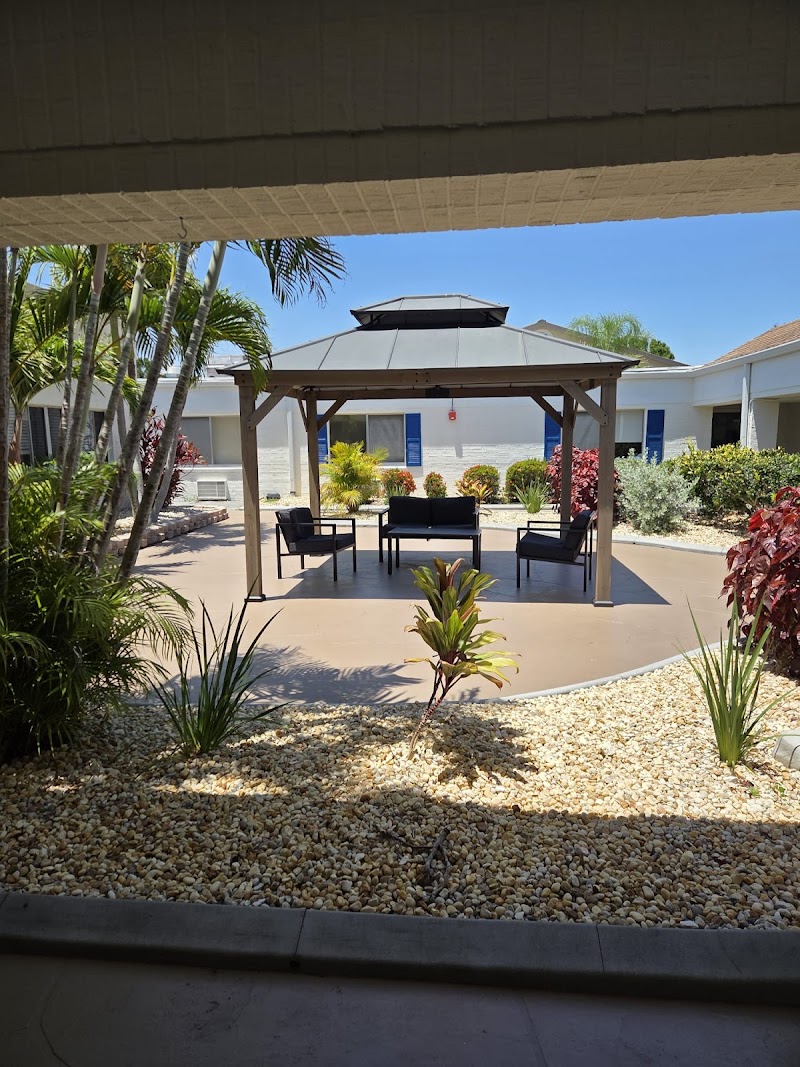
How is Charlotte Bay Rehab And Staffed?

CMS rates CHARLOTTE BAY REHAB AND CARE CENTER's staffing level at 4 out of 5 stars, which is above average compared to other nursing homes. Staff turnover is 36%, compared to the Florida average of 46%. This relatively stable workforce can support continuity of care.

What Have Inspectors Found at Charlotte Bay Rehab And?

State health inspectors documented 27 deficiencies at CHARLOTTE BAY REHAB AND CARE CENTER during 2021 to 2025. These included: 4 Immediate Jeopardy (the most serious level, indicating potential for serious harm or death), 1 that caused actual resident harm, and 22 with potential for harm. Immediate Jeopardy findings are rare and represent the most serious regulatory concerns. They require immediate corrective action.

Who Owns and Operates Charlotte Bay Rehab And?

CHARLOTTE BAY REHAB AND CARE CENTER is owned by a for-profit company. For-profit facilities operate as businesses with obligations to shareholders or private owners. The facility is operated by EXCELSIOR CARE GROUP, a chain that manages multiple nursing homes. With 164 certified beds and approximately 152 residents (about 93% occupancy), it is a mid-sized facility located in PORT CHARLOTTE, Florida.
How Does Charlotte Bay Rehab And Compare to Other Florida Nursing Homes?

Compared to the 100 nursing homes in Florida, CHARLOTTE BAY REHAB AND CARE CENTER's overall rating (1 stars) is below the state average of 3.2, staff turnover (36%) is significantly lower than the state average of 46%, and health inspection rating (1 stars) is much below the national benchmark.

What Should Families Ask When Visiting Charlotte Bay Rehab And?

Based on this facility's data, families visiting should ask: "What changes have been made since the serious inspection findings, and how are you preventing similar issues?" "What safeguards and monitoring systems are in place to protect residents from abuse or neglect?" "Can I visit during a mealtime to observe dining assistance and food quality?" "How do you handle medical emergencies, and what is your hospital transfer rate?" These questions are particularly relevant given the facility's Immediate Jeopardy citations and the substantiated abuse finding on record.

Is Charlotte Bay Rehab And Safe?

Based on CMS inspection data, CHARLOTTE BAY REHAB AND CARE CENTER has documented safety concerns. The facility has 1 substantiated abuse finding (meaning confirmed case of resident harm by staff or other residents). Inspectors have issued 4 Immediate Jeopardy citations (the most serious violation level indicating risk of serious injury or death). The facility is currently on the Special Focus Facility watch list (a federal program monitoring the lowest-performing 1% of nursing homes nationwide). The facility has a 1-star overall rating and ranks #100 of 100 nursing homes in Florida. Families considering this facility should ask detailed questions about what corrective actions have been taken since these incidents.

Do Nurses at Charlotte Bay Rehab And Stick Around?

CHARLOTTE BAY REHAB AND CARE CENTER has a staff turnover rate of 36%, which is about average for Florida nursing homes (state average: 46%). Moderate turnover is common in nursing homes, but families should still ask about staff tenure and how the facility maintains care continuity when employees leave.

Was Charlotte Bay Rehab And Ever Fined?

CHARLOTTE BAY REHAB AND CARE CENTER has been fined $274,053 across 2 penalty actions. This is 7.7x the Florida average of $35,819. Fines at this level are uncommon and typically indicate a pattern of serious deficiencies, repeated violations, or failure to correct problems promptly. CMS reserves penalties of this magnitude for facilities that pose significant, documented risk to resident health or safety. Families should request specific documentation of what issues led to these fines and what systemic changes have been implemented.

Is Charlotte Bay Rehab And on Any Federal Watch List?

CHARLOTTE BAY REHAB AND CARE CENTER is currently an SFF Candidate, meaning CMS has identified it as potentially qualifying for the Special Focus Facility watch list. SFF Candidates have a history of serious deficiencies but haven't yet reached the threshold for full SFF designation. The facility is being monitored more closely — if problems continue, it may be added to the official watch list. Families should ask what the facility is doing to address the issues that led to this status.