SOLARIS HEALTHCARE CHARLOTTE HARBOR
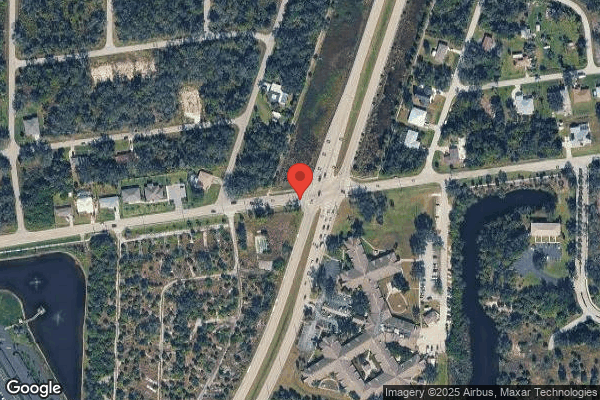
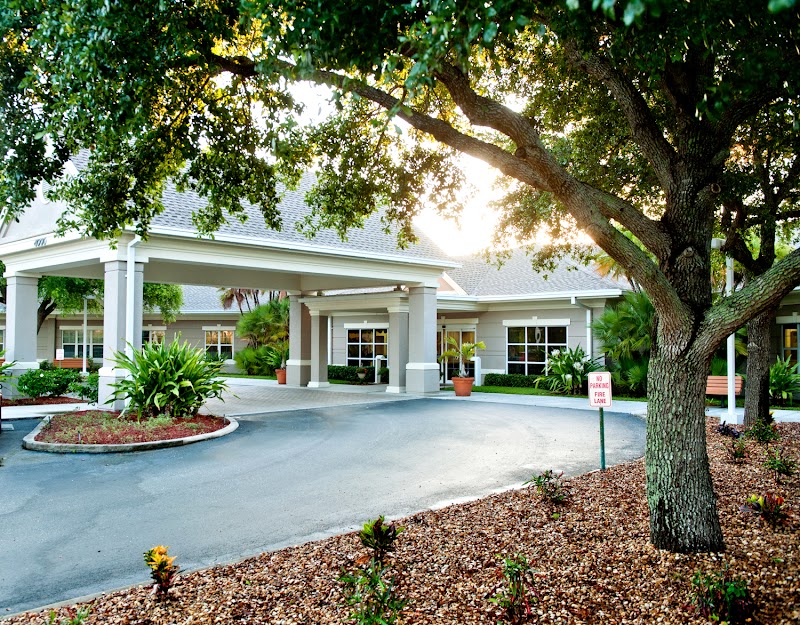
4000 KINGS HWY, PORT CHARLOTTE, FL 33980 (941) 255-5855
Non profit - Corporation 180 Beds SOLARIS HEALTHCARE Data: November 2025
Trust Grade
75/100
#276 of 690 in FL
Last Inspection: November 2023

Within standard 12-15 month inspection cycle. Federal law requires annual inspections.

Overview

Solaris Healthcare Charlotte Harbor has a Trust Grade of B, which means it is a good option for families seeking care, but it is not the top tier. It ranks #276 out of 690 facilities in Florida, placing it in the top half, and it is the best facility out of 8 in Charlotte County. The care provided is stable, with the number of issues remaining consistent over the past two years. Staffing is average with a 3/5 rating and a turnover rate of 51%, which is typical for Florida. On the positive side, there are no fines on record, indicating compliance with regulations, and the facility has a strong quality measure rating of 5/5 stars. However, there are some concerns. Recent inspections found that three staff members did not receive adequate training on abuse and neglect prevention. Additionally, some residents reported not receiving the necessary personal hygiene care consistently due to staffing shortages. One resident mentioned that while she loved her showers, she sometimes did not receive them as scheduled because of being short-staffed. Families should weigh these strengths and weaknesses when considering Solaris Healthcare Charlotte Harbor for their loved ones.

Trust Score
B
75/100
In Florida
#276/690
Top 40%
Safety Record
Low Risk
No red flags
Inspections
Holding Steady
1 → 1 violations
Staff Stability
⚠ Watch
51% turnover. Above average. Higher turnover means staff may not know residents' routines.
Penalties
✓ Good
No fines on record. Clean compliance history, better than most Florida facilities.
Skilled Nurses
○ Average
Each resident gets 41 minutes of Registered Nurse (RN) attention daily — about average for Florida. RNs are the most trained staff who monitor for health changes.
Violations
⚠ Watch
15 deficiencies on record. Higher than average. Multiple issues found across inspections.
★★★★☆
4.0
Overall Rating
★★★☆☆
3.0
Staff Levels
★★★★★
5.0
Care Quality
★★★☆☆
3.0
Inspection Score
Stable
2024: 1 issues
2025: 1 issues

The Good

  • 5-Star Quality Measures · Strong clinical quality outcomes
  • Full Sprinkler Coverage · Fire safety systems throughout facility
  • No fines on record

Facility shows strength in quality measures, fire safety.

The Bad

Staff Turnover: 51%

Near Florida avg (46%)

Higher turnover may affect care consistency

Chain: SOLARIS HEALTHCARE

Part of a multi-facility chain

Ask about local staffing decisions and management

The Ugly 15 deficiencies on record

Apr 2025 1 deficiency
CONCERN (E) 📢 Someone Reported This

A family member, employee, or ombudsman was alarmed enough to file a formal complaint

Potential for Harm - no one hurt, but risky conditions existed

Deficiency F0943 (Tag F0943)

Could have caused harm · This affected multiple residents

Based on Interview and Record review, the facility failed to provide training that supports current scope and standards of practice through curricula which detail learning objectives, performance stan...

Read full inspector narrative →
Based on Interview and Record review, the facility failed to provide training that supports current scope and standards of practice through curricula which detail learning objectives, performance standards and evaluation criteria for 3 (Staff A, B, C) of 5 staff reviewed for abuse and neglect training. The findings included: Review of the Facility policy on Abuse Protection and Response last revised 1/22 which stated, The center will train staff, through orientation and ongoing in services in abuse prevention and response. Record review of Certified Nursing Assistant (CNA) Staff A hired on 4/24/24 showed she did not receive Abuse and Neglect training that detailed learning objectives, performance standards and evaluation criteria. Record review of Registered Nurse (RN) Staff B hired on 4/10/24 showed she did not receive Abuse and Neglect training that detailed learning objectives, performance standards and evaluation criteria. Record review of CNA Staff C hired on 4/10/24 showed she did not receive Abuse and Neglect training that detailed learning objectives, performance standards and evaluation criteria. On 4/7/25 at 10:26 a.m., in an interview the facility Staff Development Coordinator stated, The electronic learning platform modules are part of the onboarding process and are part of the mandatory orientation education. I was not aware that these three staff members did not have Abuse and Neglect training assigned to them in the electronic learning platform because I was not working here when they were hired. There is no way for me to know what other staff is missing this training, Other than going one by one through each staff member in the portal. But now that I am aware of this, I will have to look into it. The Staff Development Coordinator said, We do go over the fact that they (all staff) are mandatory reporters for abuse and neglect during new the hire classroom orientation but there is no sign in sheet or verification to make sure the staff understood what they learned. The Risk Manager is responsible for going over abuse and neglect in the classroom. On 4/7/25 at 11:08 a.m., in an interview the facility Risk Manager stated, The abuse and neglect portion of the new hire classroom orientation takes 10 minutes. I read the Abuse Protection and Response Policy with all staff during new hire orientation, I do not do any actual abuse and neglect training in the classroom orientation. I do not have any way to validate the employees' understanding, the expectation is that is done in the electronic learning platform, after they (the staff) receive the full training. What I go over with them is introductory training and it is geared towards all new hires, it's not role specific. On 4/7/25 at 11:15 a.m., in an interview with Staff Development Coordinator stated, It doesn't matter if it is the Bug Man (pest control specialist) or a Nurse, if you see something sketchy (questionable) then you have to report it, that is what the classroom Abuse and Neglect training is about, and we teach them how to report it we also go through each term and define it. She then said, What else do they need to know, are you saying they have to have abuse and neglect training before they work the floor? On 4/7/25 at 11:20 a.m., in an interview the Risk Manager stated, The Bug Man and the Nurse would get their role-specific training from the online learning platform. On 4/7/25 at 1:30 p.m., in an interview, the Director of Nursing (DON) stated, the one-on-one training (in the new-hire classroom orientation) is probably more beneficial to the staff than the online learning platform because they can ask questions and they can take as much time as they need to get their questions answered. On 4/7/25 at 11:48 a.m., in an interview CNA Staff D who has been with the facility for five months stated, The facility gave me online training on abuse and neglect. For example, if a Resident wants to go to an activity, you can't hold them back just because you don't want to take them. When asked if she knew how to report abuse, she stated, I don't know what the abuse hotline is, but I would report any concerns to my supervisor. On 4/7/25 at 11:59 a.m., in an interview, CNA Staff E who was hired one month ago stated, I had a two hour long abuse and neglect training on the online platform, it explained that people's needs not being met or not receiving activities of daily living (ADL) care could be considered neglect. On 4/7/25 at 12:07 p.m., during an interview, RN Staff F who was hired three years ago stated, I don't recall the name of the course, but our abuse and neglect training comes from the online education platform, sometimes we also have in-services if there are any updates.
May 2024 1 deficiency
CONCERN (E) 📢 Someone Reported This

A family member, employee, or ombudsman was alarmed enough to file a formal complaint

Potential for Harm - no one hurt, but risky conditions existed

ADL Care (Tag F0677)

Could have caused harm · This affected multiple residents

**NOTE- TERMS IN BRACKETS HAVE BEEN EDITED TO PROTECT CONFIDENTIALITY** Based on observation, review of the clinical record, review of facility policy and procedures, staff and resident interviews the...

Read full inspector narrative →
**NOTE- TERMS IN BRACKETS HAVE BEEN EDITED TO PROTECT CONFIDENTIALITY** Based on observation, review of the clinical record, review of facility policy and procedures, staff and resident interviews the facility failed to provide the appropriate and necessary care and services to maintain personal hygiene for 3 (Resident #1, #900 and #999) of 4 residents reviewed for activities of daily living care. The findings included: The facility policy Activities of Daily Living (ADL), supporting (revised 1/30/24) documented, Residents who are unable to carry out activities of daily living independently will receive the services necessary to maintain good nutrition, grooming and personal and oral hygiene. Appropriate care and services will be provided for residents who are unable to carry out ADL's independently, with the consent of the resident and in accordance with the plan of care, including appropriate support and assistance with: Hygiene (bathing, dressing, grooming and oral care). If residents with cognitive impairment or dementia resist care, staff will attempt to identify the underlying cause of the problem and not just assume the resident is refusing or declining care. Approaching the resident in a different way or at a different time, or having another staff member speak with the resident may be appropriate. 1. Review of the clinical record revealed Resident #1 had an admission date of 7/29/22 with diagnoses including dementia, heart failure and acute respiratory failure. The Quarterly Minimum Data Set (MDS) (standardized assessment tool that measures health status in nursing home residents) with an assessment reference date of 3/26/24 documented Resident #1 required moderate assistance with transfers and bathing. The MDS noted Resident #1's cognitive skills for daily decision making were moderately impaired. Review of the ADL care plan initiated on 4/12/23 identified Resident #1 had an alteration in ability to perform daily care tasks. The interventions included, encourage to assist with bathing and dressing self, encourage to be compliant with care, nail care weekly and as needed. On 5/9/24 at 11 :15 a.m., Certified Nursing Assistant (CNA) Staff A said the process for showers was, they are written on our daily assignment and there is a shower list at the desk. We offer the shower and if they refuse it, I try again and if the resident won't take it for me, I let the nurse know. It is documented in our charting; you can put refused. On 5/9/24 at 12:40 p.m., during an observation and interview, Resident #1 was noted with long fingernails extending approximately ½ inch with a brown substance under the nails. Resident #1 confirmed his fingernails were very long and said, I need to have someone cut them for me because I can't do it. He said he takes his showers when I need them but could not express when that would be. Resident #1 was noted to have difficulty providing appropriate responses to questions. On 5/9/24 at 12:52 p.m., in an interview, A Wing Unit Manager Licensed Practical Nurse Staff B said the expectations for showers was if a resident refused the CNA attempts two times, then informs the nurse. The nurse will go and try to encourage the resident and if he refuses then they document the refusal. The Unit Manager said Resident #1 was able to stand with assistance of one staff member and transfer but was not ambulatory. The observation of Resident #1's fingernails extending approximately 1/2 inch with a brown substance under the nails was shared with the Unit Manager. Review of the A Wing Shower Schedule revealed Resident #1's shower days were on Sundays and Fridays on the 7:00 a.m. to 3:00 p.m. shift. Review of the CNA shower report for April 2024 and May 2024 showed Resident #1 did not received a scheduled shower on 4/5/24, 4/12/24, 4/14/24, 4/21/24, 4/26/24 and 5/5/24. There was no documentation Resident #1 refused the scheduled showers. 2. Review of the clinical record revealed Resident #900 had an admission date of 6/3/23 with Diagnoses including chronic kidney disease, end stage renal disease, anxiety disorder, and dementia. The Quarterly MDS dated [DATE] documented Resident #900 was dependent on staff for bathing. The MDS noted the resident's cognition for daily decision making was severely impaired. Review of the care plan initiated on 12/18/23 identified Resident #900 had an alteration in ability to perform daily care tasks and mobility. The interventions for the resident included: allow and encourage to pick out clothes to wear. Encourage to assist with bathing and dressing. Honor bathing preference of shower, sponge or bed bath 2 x's (two times) a week. On 5/9/24 at 10:52 a.m., Resident #900 was observed in bed. He was unshaven with approximately two days of facial hair growth. His fingernails were long approximately ½ inch in length with a brown substance under the nails. He responded when greeted but was not able to answer any questions regarding his care. Review of the shower schedule for the D wing showed Resident #900 was scheduled for showers on Mondays and Thursdays on the 3:00 p.m. to 11:00 p.m., shift. Review of the CNA documentation from 4/1/24 to 5/9/24 showed no documentation the scheduled showers were provided on 4/1/24, 4/15/24, 4/25/24, and 4/29/24. 3. On 5/9/24 at 10:35 a.m., in an interview Resident #999 said, I am not getting my showers. I have only had one since my admission. I would like to get my showers. Yesterday the girl came in and said she would be back to give me a shower and she never returned. The staff said they checked the schedule, and it was documented I got my shower but I did not. If you can see about that for me I would love to get my showers. Review of the clinical record revealed Resident #999 had an admission date of 4/23/24 with diagnoses including sacral fracture and was positive for COVID-19 at admission. The admission MDS dated [DATE] documented Resident #999 required substantial to maximal assistance with bathing and showering. The MDS noted the residents cognitive skills for daily decision making were intact. Review of the care plan initiated on 5/3/24 identified Resident #999's self-care was impaired. The interventions instructed staff to divide all tasks into parts as indicated. Honor bathing preference of shower, sponge or bed bath two times a week, shampoo hair unless done in beauty shop. Review of the C Unit shower schedule documented Resident #999 was scheduled for showers on Wednesdays and Saturdays on the 7:00 a.m., to 3:00 p.m., shift. Review of the CNA Documentation from 4/26/24 to 5/9/24 showed resident #999 did not receive her scheduled shower on 5/1/24 and 5/4/24. On 5/8/24 it was documented a scheduled shower was provided, when the resident said she never received the shower. On 5/9/24 at 2:47 p.m., in an interview the Director of Nursing (DON) said, The Nursing Home Administrator wanted me to let you know we have taken the shower concern to QAPI (Quality Assurance and Performance Improvement) meetings after our last survey, and it is getting better but obviously we still have a problem. The DON confirmed there was no documentation resident's #1, #900 and #999 received the scheduled showers or refused their scheduled showers. The DON said I know they are receiving scheduled showers. The DON verified without documentation, it was not possible to say if Residents #1, #999 and #900 received their scheduled showers.
Nov 2023 5 deficiencies
CONCERN (D)

Potential for Harm - no one hurt, but risky conditions existed

Free from Abuse/Neglect (Tag F0600)

Could have caused harm · This affected 1 resident

Based on record review, staff and family interviews, the facility failed to ensure appropriate prompt medical transport to the hospital following a fall with injury for 1 (Resident #67) of 4 residents...

Read full inspector narrative →
Based on record review, staff and family interviews, the facility failed to ensure appropriate prompt medical transport to the hospital following a fall with injury for 1 (Resident #67) of 4 residents reviewed for falls. The findings included: On 10/23/2023 at 10:35 a.m. Resident #67 Progress notes stated, was found on the floor on to his right side, complaints for pain, received Tylenol and order for x rays, family was notified, continues monitoring, neuro checks. On 10/23/2023 at 10:56a.m., Advanced Practice Registered Nurse (APRN) Staff L, was notified of recent fall and noted skin tear to his right upper back as documented in the progress notes for Resident #67. On 10/23/2023 at 1:12 p.m., per progress notes for Resident #67, APRN Staff L, was notified of pain to right rib area. A right rib x-ray order was given. On 10/24/2023 at 11:03 a.m., the Progress notes for Resident #67 documented, Per evaluation of x ray results by APRN, order to send to the ER (Emergency Room) for a possible CT scan. Message left for his daughter. Call then placed to his spouse, who is in agreement to [Hospital name]. Spouse indicated that she would drive him there. On 10/24/2023 at 12:09 p.m., the nurse documented, Report was called to [Hospital Emergency Room]. [Resident #67] was transported to the Emergency Department via personal vehicle with wife driving. On 10/24/2023 at 6:02 p.m., the nursing progress note documented the emergency room staff reported Resident #67 was sent to a different hospital as a trauma alert with rib fractures and a Pneumothorax (collapsed lung). On 11/2/2023 at 10:15 a.m. in an interview APRN Staff L said she was notified and given report by the nurse at the time of Resident #67's fall. She was again notified later around 1:00 p.m. that he was having rib pain, so she ordered a stat (immediately) rib x-ray and Tylenol for pain. She said she did not evaluate the resident after his fall because she trusted the nurse's assessment and had to leave the facility for a dentist appointment. She saw the x-ray report the following day and evaluated the resident then and sent him to the hospital for treatment. She said upon examination of the resident she palpated subcutaneous emphysema in the right rib area. This is an indication of a possible pneumothorax. She said she felt vital signs including Oxygen saturation and respiratory assessments should have been monitored by the nursing staff due to the mechanism of injury from the fall. She said she was not aware Resident #67 had been transported to the hospital by car. She assumed the resident was transported to the Emergency Department via Emergency Medical Services (EMS) which was her preference. On 11/2/2023 at 12:30 p.m. in an interview Resident #67's daughter said the facility called her the day her father fell and told her he had a minor injury. She said the next day they called and said he should go to the Emergency Department because they thought he had broken ribs. She said she and her mother came and drove her father to the hospital. She said the facility should have sent him to the hospital by ambulance as soon as he was injured. She said this was the second time he has fallen and injured himself under their care. She said she was very upset with the care he was receiving at this facility. On 11/2/2023 at 2:15 p.m., in an interview LPN Staff M said when she spoke with Resident #67's wife, she said she wanted to drive the resident to the hospital because of the cost associated with an ambulance. LPN Staff M said the resident had not exhibited any symptoms other than a little rib pain so she did not see a problem with the resident riding to the hospital with family. She called the hospital and gave report.
CONCERN (D)

Potential for Harm - no one hurt, but risky conditions existed

Investigate Abuse (Tag F0610)

Could have caused harm · This affected 1 resident

Based on record review and interview the facility failed to complete a thorough investigation of the alleged violation of abuse and failed to maintain documentation that the alleged violation was thor...

Read full inspector narrative →
Based on record review and interview the facility failed to complete a thorough investigation of the alleged violation of abuse and failed to maintain documentation that the alleged violation was thoroughly investigated for one (Resident #77) of three residents reviewed after report of a potential for abuse to the resident. This placed resident #77 and other residents at potential risk of retribution and continued abuse. The findings included: The Policy/Procedure Abuse, Neglect, Exploitation, and Misappropriation of Property Prevention, Protection and Response Policy and Procedures, dated 2/12/18 specified Definition of verbal abuse: the use of oral, written or gestured language that willfully includes disparaging and derogatory terms to patients or their families, or within their hearing distance regardless of their age, ability to comprehend, or disability. Identification Issues: e) Any complaint of the use of oral, written, or gestured language that willfully includes disparaging and derogatory terms to patients or families or within their hearing distance. h) Any behavior control strategy involving corporal punishment. I) Any complaint of humiliation, harassment, threats of punishment or deprivation. V. Investigative issues: Policy: all events reported as possible abuse, neglect, exploitation, and Misappropriation (ANEM) will be investigated to determine where ANEM occurred. VII. Reporting and response issues: Policy: ALL allegations of possible ANEM will be immediately reported to the Abuse Hotline by the Administrator or Designee. During an interview on 10/30/23 at 12:18 p.m., Resident #77 stated there is a staff member that is very rude and unkind to him. The Resident stated the staff member often will not speak to him and has called him lazy and most of the time will not even talk to him. The Resident pointed to Certified Nursing Assistant (CNA) Staff A as she walked past his room in the hallway and said Staff A works day shift and is not nice at all to him, she calls him lazy, and it makes him feel bad. He states that he does not feel that he is lazy. The Resident said he was so upset that he reported the CNA to the administrator. After he reported her to the Administrator the CNA got very mad at him and would not even speak to him or acknowledge when he asked her something. Resident stated that he did not know what the administrator did about it, he was never told. During an interview on 11/01/23 at 9:30 a.m., the Administrator stated the resident had reported the incident with CNA Staff A to someone else and they had told him. The administrator stated that he then went to the resident and asked him about the incident. The resident told him he did not want to talk about it anymore. The administrator said they investigated the situation; they had a talk with the staff member about it and took her off the assignment that the resident was on. The administrator said he did not know if Staff A was still off that assignment. During an interview on 11/01/23 at 11:09 a.m., The Risk Manager (RM) stated she got a report about the alleged incident from one of the unit managers. The RM stated the resident was saying CNA Staff A was being bossy. The RM said she then went to see the resident and spoke with him about the incident. The resident told the RM that he was not allowed to get back in bed and that the CNA was being bossy and would not let him into bed. The risk manager said the Administrator was with her for the first time, but the resident said he did not want to bother the big guy and would not talk about it with him. The Risk manager said she then spoke to CNA Staff A and the nurse that was giving medication in the hallway outside the resident's room. The RM stated the nurse and CNA told her the same story. CNA Staff A was trying to make the bed and the resident was trying to get into bed. The RM stated the bed was wet, and the resident was trying to get back in and she would not let him, so he got mad and said she was bossy. The RM said that she did not have the resident or Nurse write a statement. She had the CNA write one, but it was not clear because she had English as a second language. The RM stated that she did not write anything down and question the resident further. The RM stated that she felt the accusation was not substantiated as verbal abuse, so she did not report it. The RM provided a written statement she said was written by the CNA after she had talked with her. The statement was poorly written, and it was not clear what was being said. RM said she did not document any statements that the CNA had made and did not read it back to her or use an interpreter. A review of Risk Management documentation on the incident described by Resident #77 was as follows: 10/11/2023 - Spoke to Resident #77 about allegation against CNA Staff A, He said she is bossy and is always telling him what to do. When RM inquired about this, he said he was trying to get into bed, and she told him that he couldn't. RM interviewed CNA staff A and the assigned nurse who both said that the resident was attempting to get into bed with wet linens while Staff A was changing the bed, so she told him that he had to wait until she was done. Resident #77 did not have any other specific examples to provide. This did not lead to the finding of abuse or an abuse allegation. Spoke to Unit Manager and Director of Nursing who were to speak to CNA staff A, since the resident perceives her to be bossy. Unit Manager to remove Resident #77 from CNA Staff A's assignment. During an interview on 11/02/23 at 9:46 a.m., Unit Manager, Registered Nurse (RN) Staff H stated she was on duty the day of the incident between Resident #77 and CNA Staff A happened, but she did not see or hear it and was only told about it. RN Staff H said the risk manager had asked her what she thought about the allegation and what Staff A said to the resident. The Unit manager stated that she was not sure what the whole incident was about but was told the situation was about the resident messing that bed and was trying to get back into bed and the CNA Staff A telling him that she needs to remake his bed before he could get back into the bed and he got mad at her. RN Staff H stated she was never asked to write a statement or talk to the resident or participate in interviewing other residents in the area or on the same assignment as the resident to see if anyone else had a problems with staff A. RN Staff H said she was not asked to speak with the resident but was asked to talk with CNA Staff A. During an interview on 11/02/23 at 9:53 a.m., CNA, Staff A stated she remembered the incident that happened with Resident #77 several weeks ago. She stated she had the resident on her assignment. She saw the resident sitting in his room in his wheelchair, and he was wet. CNA Staff A reported the resident was trying to go to get some soda because he did not have any and he drinks a lot of soda every day and he was a heavy wetter. Staff A said she also thinks he was on a water pill. The CNA said that she came into the room and asked him if she could change him because he was wet, he said that he did not want to be changed and she should come back later. Resident #77 said he had to go somewhere. The CNA said that she saw some wetness under his wheelchair, and she tried again to ask him to let her change him. CNA A said the resident then he got upset and went out in the hall and told people that she was being mean to him. CNA stated that the only person that talked with her after the incident was Unit Manager Staff H. CNA Staff A said that she was told that the Administrator and Risk Manager had tried to talk to the resident, and he had said that he did not want to talk to them about it. The CNA stated that no one had asked her to write a statement about the incident and she did not write any statement. She said the only one who talked to her about it was the unit manager. She said they took her off the assignment with the resident and she has not taken care of him again. CNA said a nurse had been outside the room when she was trying to ask the resident if she could change him, but she did not talk to her. During the interview CNA spoke in a clear and concise manner and did not have any problems understanding the questions that were asked of her in the interview. During an interview on 11/02/23 at 11:32 a.m., the Risk Manager (RM) stated that she felt that she did a thorough investigation and she never knew that she had to get witness statements or write out statements from staff and/or residents. She said she feels she talked to the people involved and wrote it into the paragraph that she had in her risk file. She stated that was her investigation and documentation. When told what the CNA had told the surveyor about her account of the incident and the situation she said, that is so strange she must have gotten her days mixed up. CNA also stated that no one had talked to her about the incident except the unit manager and she had never written a statement. RM said nothing when this was revealed to her. RM acknowledged that she did not have any documented statement from the resident or from the nurse. The RM acknowledged that she had no documentation that interviews were done of other residents in the CNAs assignment that were interview about treatment and if they felt that they had ever been verbally abused by any staff member. The RM stated she had the Unit Manager talk to the CNA about how she talks to residents.
CONCERN (D)

Potential for Harm - no one hurt, but risky conditions existed

Pharmacy Services (Tag F0755)

Could have caused harm · This affected 1 resident

Based on observations, interviews, and record review the facility failed to keep a record of controlled substances awaiting disposition to ensure an accurate inventory, and allow periodic reconciliati...

Read full inspector narrative →
Based on observations, interviews, and record review the facility failed to keep a record of controlled substances awaiting disposition to ensure an accurate inventory, and allow periodic reconciliation. The findings included: Review of the facility policy for Controlled Substance Storage Revised January 2018: Medications subject to abuse or diversion are stored in a permanently affixed, (double-locked) compartment. Accountability records for discontinued controlled substances are maintained with the unused supply until it is destroyed or disposed of. On 11/2/23 at 9:30 a.m., during an interview Unit Manager, Registered Nurse (RN) Staff H said the unused narcotics are periodically removed from the medication carts and taken to the Director of Nursing (DON) to be locked in her office. On 11/2/23 at 11:00 a.m., during an interview the DON confirmed the nurses periodically bring unused narcotics to her office. She stores them in a locked file cabinet in her office. She said the maintenance director has a key to her office, but only unlocks the door in an emergency. She said when the consultant pharmacist visits, she scans the narcotics, creates a log, and destroys them with the pharmacist. She said currently she has a few narcotics in the locked cabinet, but she was not sure what narcotics and how many were in there. She said the last time she scanned and destroyed controlled substances with the pharmacist was 10/19/23. The narcotics in the cabinet would be the ones that were brought to her office after that date. On 11/02/23 12:43 p.m., the DON reiterated she was not sure of what or how many controlled substances were in the locked file cabinet in her office, and there was not a way to ensure the controlled substances in the file cabinet were all of the ones that had been brought to her. She said she has handled them this way for a long time and did not realize it was a problem. She opened the file cabinet to reveal the following unused controlled substances: Lorazepam 0.5 milligrams (mg) 11 tablets (tabs) Lorazepam 0.5 mg 26 tabs. Tramadol 50 mg 30 tabs. Tramadol 50 mg 1 tab. Tramadol 50 mg 23 tabs. Tramadol 50 mg 30 tabs. Tramadol 50 mg 19 tabs. Tramadol 50 mg 5 tabs. Tramadol 50 mg 14 tabs. Morphine sulfate 14.5 milliliters (ml).
CONCERN (E)

Potential for Harm - no one hurt, but risky conditions existed

ADL Care (Tag F0677)

Could have caused harm · This affected multiple residents

**NOTE- TERMS IN BRACKETS HAVE BEEN EDITED TO PROTECT CONFIDENTIALITY** 6. Review of the clinical record revealed Resident #162 was admitted to the facility on [DATE] with diagnoses including right fe...

Read full inspector narrative →
**NOTE- TERMS IN BRACKETS HAVE BEEN EDITED TO PROTECT CONFIDENTIALITY** 6. Review of the clinical record revealed Resident #162 was admitted to the facility on [DATE] with diagnoses including right femur fracture, Cellulitis of right and left lower limb. The Annual Minimum Data Set (MDS) assessment dated [DATE] revealed Resident #162's cognition was intact with a Brief Interview for Mental Status (BIMS) score of 13. Review of Resident #162's Care plan indicated the resident had impaired transfers, balance, range of motion, activity tolerance, toileting, and coordination. Approach identified included to honor bathing preference of shower, sponge, or bed bath three times weekly, shampoo hair unless done in beauty shop. On 10/30/2023 at 12:57 p.m., in an interview Resident #162 said she had been a resident for approximately three months. She was alert and oriented and able to verbalize her plan of care at the facility. She said she loved her showers but didn't always receive them because the facility was short staffed. She said she was scheduled to receive her showers on the 3:00 p.m., to 11:00 p.m., shift on Tuesdays, Thursdays, and Saturdays. She said she did not receive her shower this past Saturday when she asked for it and was told there was not enough staff. On 11/1/2023 at 11:05 a.m., in an interview Resident #162 said she has yet to get a shower. She said a CNA gave her a wipe down bath on Monday but it isn't the same thing. She said she feels so much better when she can shower and wash her hair. She said staff told her there was not enough staff to shower her. She said staffing was worse on the 3:00 p.m., to 11:00 p.m. shift. On 11/1/2023 at 1:15 p.m. in an interview Unit Manager LPN Staff B verified Resident #162 was scheduled for showers on Tuesdays, Thursdays, and Saturdays on the 3:00 p.m. to 11:00 p.m., shift. Staff B confirmed she was not able to locate any documentation to show the resident received her scheduled showers. The shower log located at the nurse's station identified scheduled times for residents' showers. Clinical record review failed to show documentation Resident #162 received her showers as scheduled. 4. Review of the facility policy for Fingernail and Toenail Care revealed the purpose of the procedure is to clean the nail bed, keep nails trimmed and prevent infections. General Guidelines included, trimmed and smooth nails prevent the resident from accidentally scratching and injuring his or her skin. Reporting included, notify the supervisor if the resident refuses the care. Review of the clinical record for Resident #26 revealed an admission date of 7/24/14. Diagnoses included Alzheimer's disease. Review of the Minimum Data Set with an assessment reference date of 10/2/23 revealed Resident #26's cognition was severely impaired, and Resident #26 never/rarely made decisions. Review of the physician order report revealed Resident #26 was admitted to hospice services on 1/4/23. Review of Resident #26's care plan for Activities of Daily Living (ADLs) Functional Status/Rehab Potential with a problem start date of 6/20/19, revealed Resident #26 was dependent on staff for all ADLs related to impaired mobility, strength, endurance, old age, bowel and bladder incontinence, communication deficit. The Resident has a history of refusing showers. Staff was to collaborate with hospice staff for comfort and care. The approaches initiated on 6/20/19 included, nail care weekly and as needed. Review of the hospice Certified Nursing Assistant (CNA) progress notes revealed documentation the facility nurse was notified that nail care was not done for Resident #26 on 9/11/23, 9/15/23, and 9/18/23. There was no documentation in the facility's progress notes from 9/5/23 through 11/1/23 Resident #26 refused nail care. On 10/30/23 at 9:49 a.m., Resident #26's right thumb nail and right fourth fingernails were observed extending one inch from the fingertips. The nails were yellow and thick. Resident #26 did not respond to verbal stimuli and did not respond when asked if she wanted her fingernails trimmed. On 10/30/23 at 4:19 p.m., Resident #26's daughter was in the room with Resident #26. The daughter said she was one of the health care surrogates (HCS) for Resident #26, and it bothered her the two fingernails were long and was afraid Resident #26 may scratch herself with the long nails. She said she asked the staff to do something about the nails, but they did not. On 11/1/23 at 11:50 a.m., facility CNA Staff G said she takes care of Resident #26 and was aware her fingernails were long and thick. She said when she tries to trim her nails, the resident pulls her hand away. Staff G confirmed CNAs are responsible to tell the nurse when a resident refuses care. She said she did not tell the nurse about the long, thick nails because the nurse is busy. On 11/1/23 at 12:05 p.m., Licensed Practical Nurse (LPN) Staff I said she has taken care of Resident #26 recently, but was not aware of the long, thick nails. On 11/2/23 at 8:59 a.m., Unit Manager Staff B said the CNAs are responsible for fingernail trimming, and when the resident refuses, the CNAs are supposed to tell the nurse. The nurse should document the refusal in the record and contact the physician if necessary. She confirmed Resident #26's right thumb, and fourth fingernails were long and thick. She said no one informed her the resident's nails needed to be trimmed. On 11/2/23 at 10:19 a.m., in an interview the hospice CNA who was in the facility said Resident #26 refuses nail care, and he tells the facility nurse. On 11/2/23 at 11:15 a.m., the Director of Nursing (DON) said with the family's permission, she expects the staff to trim Resident #26's fingernails. Based on observation, review of the clinical record, review of facility's policy and procedure, staff and resident interviews, the facility failed to provide the necessary care and services to maintain personal hygiene for 6 (Residents #6, #113, #156, #26, #105, #162) of 7 residents reviewed for activities of daily living. The findings included: The facility policy Activities of Daily Living, Supporting, documented Residents will be provided with care, treatment and services as appropriate to maintain or improve their ability to carry out activities of daily living (ADL's). Residents who are unable to carry out activities of daily living independently will receive the services to maintain good nutrition, grooming, and personal and oral hygiene. Appropriate care and services will be provided for residents who are unable to carry out ADL's independently with the consent of the resident and in accordance with the plan of care including appropriate support and assistance with hygiene bathing dressing grooming and oral care. 1. Review of the clinical record revealed Resident #6 had an admission date of 8/18/21 with diagnoses including cerebral vascular accident resulting in right sided hemiparesis, right hand contracture, right leg numbness, weakness, dementia, decreased balance, mobility, strength and endurance. The Quarterly Minimum Data Set (MDS) (standardized assessment tool that measures health status in nursing home residents) with an assessment reference date of 8/22/23 documented Resident #6 required extensive to total assistance with personal hygiene and bathing. The MDS noted Resident #6's cognitive skills for daily decision making were severely impaired. The care plan identified Resident #6 had an alteration in ability to perform daily care tasks. The goal for the resident was to participate in her care as able and will be kept in a clean and comfortable. The care plan interventions instructed staff to, brush hair daily and as needed. Honor bathing preference of shower, sponge or bed bath three times a week, shampoo hair. On 10/30/23 at 2:15 p.m., in an interview Resident #6 said she was not receiving showers and was only washed in bed. Resident #6 said she wanted a shower and had told the staff, but she had not received her scheduled showers. The resident's hair was greasy and uncombed, she was in bed dressed in a nightgown. On 10/31/23 at 1:39 p.m., in an interview Certified Nursing Assistant (CNA) Staff C said most of the residents are showered every other day. The CNA said, in the morning you get your assignment, there is a sheet at the desk with your assignment. Staff C said the assignment sheet lets you know when the residents' showers are due. Staff C said she completes the little man body sheets (identifies any changes in the resident's skin) on shower days and we do our charting in the computer. On 10/31/23 at 2:01 p.m., in an interview CNA Staff D said she had a three times rule with showers. She asks the resident in the morning and if they refuse she will come back two more times and ask again. Staff D said she will offer a bed bath if the resident refused three times and would notify the nurse if the resident declined the shower. On 11/1/23 at 9:06 a.m., Resident #6 said she still had not received a shower and had asked for one. On 11/2/23 at 1:30 p.m., Resident #6 was observed in bed in a hospital gown. Resident #6 said she still had not received a shower and said, I want a shower, not a wash in bed. I don't know when the last time my hair was washed. I want a real shower. On 11/1/23 at 11:42 a.m., in an interview Unit Manager Licensed Practical Nurse (LPN) Staff B said Resident #6 was scheduled for showers on Tuesdays, Thursdays, and Saturdays on the 3:00 p.m., to 11:00 p.m. shift. Staff B confirmed she was not able to locate any documentation Resident #6 received her scheduled showers. 2. Review of the clinical record for Resident #113 revealed a readmission date of 5/22/23 with diagnoses including depression and anxiety. The Quarterly MDS dated [DATE] documented Resident #113 required extensive assistance with personal hygiene and bathing. The MDS noted Resident #113's cognitive skills for daily decision making were intact. The care plan identified Resident #113 required extensive to total assistance with most of her care. The care plan goal specified Resident #113 will reach independent level of Activities of Daily Living performance by next review. The interventions included, Turn and reposition from side to side and offload sacrum every 2 hours and as needed. Honor bathing preference of shower, sponge or bed bath 3x/week (three times a week), shampoo hair unless done in beauty shop. On 10/30/23 at 1:50 p.m., in an interview Resident #113 said she was not receiving showers. She had an indwelling catheter (a tube inserted into the bladder to collect urine) and it was leaking and had wet the bed. Resident #113 said she put the call light on, and no one came to change her. Resident #113 said no one answers her call light. On 10/31/23 at 9:23 a.m., Resident #113 was observed in bed dressed in a hospital gown, her hair was uncombed, matted, and greasy. She said she had not received a shower in weeks and did not know why. The resident said she had asked the staff to shower her. Resident #113 was positioned on her back in the bed. On 10/31/23 at 1:22 p.m., Resident #113 was observed in bed with a hospital gown on and lying on her back, she said no one had offered to turn her and she was not able to turn herself. She said she had not received her scheduled showers since her readmission. On 11/1/23 at 11:42 a.m., in an interview Unit Manager LPN Staff B said Resident #113 was scheduled for showers on Mondays, Wednesdays and Fridays on the 3:00 p.m., to 11:00 p.m. shift. Staff B confirmed she was not able to locate any documentation to show the resident received scheduled showers. 3. Review of the clinical record for Resident #156 revealed a readmission date of 10/20/23 with diagnoses including hemiplegia (Paralysis of one side of the body) and hemiparesis (Weakness of one side of the body) following cerebral infarction affecting left non-dominant right side and altered mental status. The Quarterly MDS dated [DATE] documented Resident #156 was nonverbal and dependent for all ADLs. The care plan identified Resident #156 had impaired selfcare. The care plan goal specified the resident will be kept clean and comfortable. The care plan interventions instructed staff to honor bathing preference of shower, sponge or bed bath 3x/week, shampoo hair. On 10/30/23 at 12:09 p.m., Resident #156's family members were present and reported concerns expressing the resident was not showered in over a week and was not receiving care. The family members said they had been doing everything for the resident because the staff to do not come and said no one makes the bed and no one from the staff will change his soiled brief. On 10/30/23 at 1:11 p.m., in an interview, Resident #156's son said he has come in the mornings and has found his father often wet and smelling of urine. He said he spoke to the Director of Nursing, and the Unit Manager but it happens daily. He said his father had not been showered for almost two weeks. He said no one comes into the room to assist the resident when the family is here. The resident's sister was present and said she did not want to have to change her brother when he was wet because it is her brother, and she should not have to do that. She said no one comes in to check on her brother when the family is present, and she had reported it to the management. On 10/31/23 at 9:14 a.m., Resident #156 was observed in bed. Resident #156 was non verbal, made no eye contact, and did not respond to his name. On 11/1/23 at 11:42 a.m., in an interview Unit Manager LPN Staff B said Resident #156 was scheduled for showers on Tuesdays, Thursdays and Saturdays on the 3:00 p.m., to 11:00 p.m. shift. Staff B confirmed she was not able to locate any documentation to show the resident received his scheduled showers. On 10/31/23 at 3:12 p.m., in an interview the Director of Nursing (DON), said she was not able to determine by the CNA documentation if Resident #6, #113 and #156 received the scheduled showers. The DON said she was not able to state if showers were provided. 5. Review of the clinical record revealed Resident #105 had an admission date of 3/5/19. Diagnoses included Alzheimer's disease, depression, and dementia. The Annual Minimum Data Set (MDS) assessment dated [DATE] revealed Resident #105's cognition was significantly impaired, and a Brief Interview for Mental Status (BIMS) score could not be assessed. Resident #105 was frequently incontinent of bowel and bladder. Review of Resident #105's Care plan revealed the resident had impaired toileting and occasional frequent bladder and bowel incontinence related to diagnosis of Alzheimer's disease with severe cognitive deficit and inability to retrain. The resident was to be toileted every two hours while awake and as needed. The resident was to be kept in a clean and comfortable condition. On 10/31/23 at 10:13 a.m. Resident #105 was observed in the dayroom on D wing with six other residents. No staff was observed in the dayroom with the residents. Resident #105 was dozing off in a chair. Resident #105 stood up. The front and back of her pants were wet and the resident had a strong urine smell. Resident #105 walked out of the day room, pulled the back of her pants, made a face, and said, wet. Resident #105 went back in the day room and sat in a chair. No staff came in the dayroom to check on the resident for 40 minutes of continuous observation. On 10/31/23 at 11:30 a.m., the observation was shared with the Director of Nursing who verified Resident #105's pants were wet, and the resident had a strong urine odor. She asked a nurse and a Certified Nursing Assistant to change the resident.
CONCERN (E) 📢 Someone Reported This

A family member, employee, or ombudsman was alarmed enough to file a formal complaint

Potential for Harm - no one hurt, but risky conditions existed

Deficiency F0725 (Tag F0725)

Could have caused harm · This affected multiple residents

**NOTE- TERMS IN BRACKETS HAVE BEEN EDITED TO PROTECT CONFIDENTIALITY** Based on observation review of facility policy and procedures review of the clinical records and resident and staff interviews t...

Read full inspector narrative →
**NOTE- TERMS IN BRACKETS HAVE BEEN EDITED TO PROTECT CONFIDENTIALITY** Based on observation review of facility policy and procedures review of the clinical records and resident and staff interviews the facility failed to assure and maintain the highest practical, physical, mental and psychosocial well-being for 6 (Resident #156, #113, #6, #162, #26, #105) of 7 residents reviewed. The findings included: The facility policy Staffing Policies and Procedures effective 1/25/23 documented, The Director of Nursing shall have sufficient nursing staff on a 24-hour basis to provide nursing and related services to residents in order to maintain the highest practicable, physical, mental and psychosocial well-being of each resident, as determined by resident assessments and individual plans of care. 1. Review of the clinical record revealed Resident #6 had an admission date of 8/18/21 with diagnoses including cerebral vascular accident resulting in right sided hemiparesis, right hand contracture, right leg is numb, weakness, and dementia, decreased balance, mobility, strength and endurance. The Quarterly Minimum Data Set (MDS) (standardized assessment tool that measures health status in nursing home residents) with an assessment reference date of 8/22/23 documented Resident #6 required extensive to total assistance with personal hygiene and bathing. The MDS noted Resident #6's cognitive skills for daily decision making were severely impaired. The care plan identified Resident #6 had an alteration in ability to perform daily care tasks. The goal for the resident was to participate in her care as able and will be kept in a clean and comfortable. The care plan interventions instructed staff to, brush hair daily and as needed. Honor bathing preference of shower, sponge or bed bath 3x/week, shampoo hair. On 10/30/23 at 2:15 p.m., in an interview Resident #6 said she was not receiving showers and was only washed in bed. Resident #6 said she wanted a shower and had told the staff, but she had not received her scheduled showers. The resident's hair was greasy and uncombed, she was in bed dressed in a nightgown. On 10/31/23 at 1:39 p.m., in an interview Certified Nursing Assistant (CNA) Staff C said most of the residents are showered every other day. The CNA said, in the morning you get your assignment, there is a sheet at the desk with your assignment. Staff C said the assignment sheet lets you know when the resident's showers are due. Staff C said she completes the little man body sheets (identifies any changes in the resident's skin) on shower days and we do our charting in the computer. On 10/31/23 at 2:01 p.m., in an interview CNA Staff D said she had a 3 time rule with showers, she asks the resident in the morning and if they refuse she will come back 2 more times and ask again Staff D said she will offer a bed bath if the resident refused 3 times and would notify the nurse if the resident declined the shower. On 11/1/23 at 9:06 a.m., Resident #6 said she still had not received a shower and had asked for one. On 11/2/23 at 1:30 p.m., Resident #6 was observed in bed in a hospital gown. Resident #6 said she still had not received a shower and said, I want a shower, not a wash in bed. I don't know when the last time my hair was washed. I want a real shower. On 11/1/23 at 11:42 a.m., in an Interview the Unit Manager Licensed Practical Nurse (LPN) Staff B said Resident #6 was scheduled for showers on Tuesday, Thursday, and Saturday on the 3 p.m., to 11 p.m., shift. Staff B confirmed she was not able to locate any documentation Resident #6 received her scheduled showers. 2. Review of the clinical record revealed Resident #113 had a readmission date of 5/22/23 with diagnoses including depression and anxiety. The Quarterly MDS dated [DATE] documented Resident #113 required extensive assistance with personal hygiene and bathing. The MDS noted Resident #113's cognitive skills for daily decision making were intact. The care plan identified Resident #113 required extensive to total assistance with most of her care. The care plan goal specified Resident #113 will reach independent level of ADL performance by next review. The interventions included, Turn and reposition from side to side and offload sacrum every 2 hours and as needed. Honor bathing preference of shower, sponge or bed bath 3x/week, shampoo hair unless done in beauty shop. On 10/30/23 at 1:50 p.m., in an interview Resident #113 said she was not receiving showers. She had an indwelling catheter (a tube inserted into the bladder to collect urine) and it was leaking and had wet the bed. Resident #113 said she put the call light on, and no one came to change her. Resident #113 said no one answers her call light. On 10/31/23 at 9:23 a.m., Resident #113 was observed in bed dressed in a hospital gown, her hair was uncombed, matted, and greasy. She said she had not received a shower in weeks and did not know why. The resident said she had asked the staff to shower her. Resident #113 was positioned on her back in the bed. On 10/31/23 at 1:22 p.m., Resident #113 was observed in bed with a hospital gown on and lying on her back, she said no one had offered to turn her and she was not able to turn herself. She said she had not received her scheduled showers since her readmission. On 11/1/23 at 11:42 a.m., in an interview the Unit Manager LPN Staff B said Resident #113 was scheduled for showers on Monday, Wednesday and Fridays on the 3 p.m., to 11 p.m., shift. Staff B confirmed she was not able to locate any documentation to show the resident received scheduled showers. 3. Review of the clinical record revealed Resident #156 had a readmission date of 10/20/23 with diagnoses including hemiplegia and hemiparesis following cerebral infarction affecting left non-dominant right side and altered mental status. The Quarterly MDS dated [DATE] documented Resident #156 was nonverbal and dependent for all ADL's. The care plan identified Resident #156 had impaired selfcare. The care plan goal specified the resident will be kept clean and comfortable. The care plan interventions instructed staff to honor bathing preference of shower, sponge or bed bath 3x/week, shampoo hair. On 10/30/23 at 12:09 p.m., Resident #156's family members were present and reported concerns expressing the resident was not showered in over a week and was not receiving care. The family members said they had been doing everything for the resident because the staff to do not come and said no one makes the bed and no one from the staff will change his soiled brief. On 10/30/23 at 1:11 p.m., in an interview, Resident #156's son said he has come in the mornings and his father is often wet and smells of urine. He said he spoke to the Director of Nursing, and the Unit Manager but it happens daily. He said his father had not been showered for almost 2 weeks. He said no one comes into the room to assist the resident when the family is here. The residents' sister was present and said she did not want to have to change her brother when he was wet because it is her brother, and she should not have to do that. She said no one comes in to check on her brother when the family is present, and she had reported it to the management. On 10/31/23 at 9:14 a.m., Resident #156 was observed in bed. Resident #156 was non verbal, made no eye contact, and did not respond to his name. On 11/1/23 at 11:42 a.m., in an interview Unit Manager LPN Staff B said Resident #156 was scheduled for showers on Tuesdays, Thursdays and Saturdays on the 3:00 p.m., to 11:00 p.m., shift. Staff B confirmed she was not able to locate any documentation to show the resident received his scheduled showers. On 10/30/23 at 12:01 p.m., in an interview Certified Nursing Assistant (CNA) Staff J said the staffing was a problem, we are short staffed especially on the 3:00 p.m. to 11:00 p.m., shift. The CNA said there was not enough staff to provide the care the residents required. On 10/30/23 at 3:22 p.m., in an interview LPN Staff J said Sometimes on the afternoon 3:00 p.m. to 11:00 p.m., shift is short for CNAs. On 11/2/23 at 10:42 a.m., in an interview the Staffing Coordinator said We staff by ratios on the 7:00 a.m. to 3:00 p.m. shift. The staffing is 10 residents to every one CNA. On the 3:00 p.m., to 11:00 p.m., shift the staffing is 15 residents to one CNA. On the 11:00 p.m., to 7:00 a.m., shift the ratio is 20 residents to one CNA. The Staffing Coordinator said she goes by the resident acuity level and the needs of the residents when staffing the facility.
Jun 2023 1 deficiency
CONCERN (D) 📢 Someone Reported This

A family member, employee, or ombudsman was alarmed enough to file a formal complaint

Potential for Harm - no one hurt, but risky conditions existed

Grievances (Tag F0585)

Could have caused harm · This affected 1 resident

Based on record review and interview, the facility failed to resolve grievances related to response to call lights in a timely manner for 4 (Residents #1, #4, #5, and #6) of 4 residents reviewed requi...

Read full inspector narrative →
Based on record review and interview, the facility failed to resolve grievances related to response to call lights in a timely manner for 4 (Residents #1, #4, #5, and #6) of 4 residents reviewed requiring assistance with activities of daily living (ADLs). The findings included: Record review of the facility's Quality Assurance Service Recovery Trending Log provided by Social Services revealed there had been six grievances filed in May 2023 related to timely call light response. 1. Record review of Resident #1's care plan indicated he was unable to self-toilet and required the assistance of one. It also indicated he was at risk for falls as related to history of multiple falls related to incontinence. During an interview on 6/26/23 at 12:57 p.m., Resident #1 said when he uses his call bell, sometimes he has to wait. He said he doesn't wear a watch, so he doesn't know how long but it was long enough to make him wonder. He said he had a couple of falls trying to get to the bathroom when no one responded to his call. 2. Record review of Resident #4's care plan indicated she requires extensive staff assistance with the majority of ADLs. Record review of Resident council minutes for March of 2023 indicated Resident #4 had voiced concerns regarding call bell response times. During an interview on 6/26/23 at 1:00 p.m., Resident #4 said there are times you can wait up to an hour for someone to respond to the call bell. She said the staff was running around doing a lot of work. She said it was especially at night. She said she hadn't been incontinent from it, because she would get herself on the toilet and then hope they come to get her off. 3. Record review of Resident #5's care plan indicated she had impaired toileting with decreased mobility, strength, endurance, transfers, ambulation and balance. During an interview on 6/26/23 at 2:03 p.m., Resident #5 said she has complained about call bell response time. She said sometimes it was hours before someone came. She said she hadn't been incontinent due to it because she holds it, but it was uncomfortable. She said nothing had improved since she complained. 4. Record review of Resident #6's care plan indicated she required extensive to total assist with most of her ADLs. During an interview on 6/26/23 at 2:34 p.m., Resident #6 said she had complained about the call bell response time. She said the previous month she waited two hours for someone to respond. She said nothing had really improved and the previous evening she had to wait 45 minutes for someone to respond. She said her skin was very sensitive and if she has to sit in urine, it irritated her skin, it gets very red and feels raw. On 6/26/23 at 1:30 p.m., the Administrator said their call bell system did not record response times. He said he hadn't really had any complaints about response times. On 6/26/23 at 1:39 p.m., the Risk Manager said Resident #5 had come to him with complaints about call bell response time. She had told him she was waiting up to an hour. He said wait times should be no more than 10 - 15 minutes tops and if people wait too long, he'd be afraid they will attempt to do things on their own and could fall. He said there was no system in place to audit response times, so it was hard to gauge it. Risk Manager said an hour was not acceptable. He said he had not seen the documentation about six grievances in May about timely call bell response and said six grievances filed in May about response to call bells was something he would look into for a pattern. He said he was a little concerned looking at it. He said waiting one hour could be seen as neglect. On 6/26/23 at 2:20 p.m., The Social Service Director said they read the grievances every morning in morning meeting. She said the whole team is there: Administrator, Director of Nursing, Risk Management. She said all grievances are discussed in Quality Assurance Performance Improvement meetings (QAPI), and she does a whole breakdown of what's trending, what's not, what's getting better. She agreed that six complaints in a month would indicate a trend. She provided the Social Services QAPI for May of 2023 which identified timely call lights for May as trending and said this was discussed in the QAPI meeting that was held on June 14. On 6/27/23 at 9:47 a.m., the Director of Nursing (DON) said she hasn't directly received any complaints about call lights but does get it in the customer satisfaction surveys that it could be faster. She said she is not aware of any audits or monitoring of call bell response time unless someone is doing their own type of thing. She says she does go to morning meetings and the QAPI monthly and agrees grievances are discussed in morning meeting. The DON Agreed six grievances in one month regarding timely call light response was a lot, and hadn't realized it was that much.
Feb 2022 1 deficiency
CONCERN (D)

Potential for Harm - no one hurt, but risky conditions existed

Deficiency F0561 (Tag F0561)

Could have caused harm · This affected 1 resident

**NOTE- TERMS IN BRACKETS HAVE BEEN EDITED TO PROTECT CONFIDENTIALITY** Based on record reviews, observation, staff and resident interviews, the facility failed to allow freedom of choice for 1 (Resid...

Read full inspector narrative →
**NOTE- TERMS IN BRACKETS HAVE BEEN EDITED TO PROTECT CONFIDENTIALITY** Based on record reviews, observation, staff and resident interviews, the facility failed to allow freedom of choice for 1 (Resident #146) of 2 residents reviewed. The findings included: The facility's policy titled Smoking policy-Residents revised on 1/7/2020 read, . Prior to, or upon admission, residents shall be informed about any limitations on smoking, including designated smoking areas, and the extent to which the facility can accommodate their smoking . preferences .The staff shall consult with the Attending Physician and the Director of Nursing Services to determine any restrictions on a resident's smoking privileges . On 2/2/22 at 9:18 a.m., in an interview Resident #146 said he has not been able to smoke since his admission to the facility on 1/7/22. A pack of cigarette was observed on the resident's bedside table. Resident #146 said he could not think straight when he didn't smoke. When he asks to smoke staff tell him We don't do that here. He said they would not give him a lighter. Resident #146 expressed his desire to go home because, they expect me to say here and not even have a cigarette. On 2/2/22 at 9:37 a.m., Registered Nurse (RN) Staff A verified the observation of cigarettes in Resident #146's room. She said at the time of admission they determine if the resident smokes. If a resident wants to smoke, a smoking assessment is done and the resident is placed on the smoker's list, given a smoking apron and every other intervention required. RN Staff A stated resident #146 smoking status was clearly missed. On 2/2/22 at 10:28 a.m., in a follow up interview Resident #146 said, They knew I am a smoker, and it is on my file, I don't hide the cigarettes, they are here. pointing at his bedside table. Review of the clinical record revealed Resident #146 was admitted to the facility on [DATE]. The History and Physical dated 12/30/21 documented the Resident was a current every day smoker and smoked 0.25 pack of cigarettes a day. Resident #146's medical record did not include a smoking observation, assessment or a smoking care plan. On 2/3/22 at 12:19 p.m., in an interview the Regional Nurse verified Resident #146 was not assessed for smoking on admission and said, It is simply a miss in this case.
Feb 2020 6 deficiencies
CONCERN (D)

Potential for Harm - no one hurt, but risky conditions existed

Deficiency F0710 (Tag F0710)

Could have caused harm · This affected 1 resident

Based on record review and staff interview the facility failed to notify the physician of significant weight loss for 1 (Resident #125) of 3 residents reviewed for nutrition. The findings included: R...

Read full inspector narrative →
Based on record review and staff interview the facility failed to notify the physician of significant weight loss for 1 (Resident #125) of 3 residents reviewed for nutrition. The findings included: Record review on 2/26/20 at 9:30 a.m., showed Resident #125 had a 10.7% weight loss over 30 days. There was no documentation of the physician being notified of the weight loss. In an interview on 2/26/20 at 10:54 a.m., the Dietician said he was oat the weekly risk meeting and the physician was not notified of the weight loss. In an interview on 2/26/20 11:09 a.m., Licensed Practical Nurse (LPN) Staff K said the physician was not notified of weight loss and usually dietary notified the physician. In an interview on 2/26/20 at 11:10 a.m., LPN Staff R said there was no notification to the physician. He was on the risk team and they meet weekly. The physician did not attend those meetings.
CONCERN (D)

Potential for Harm - no one hurt, but risky conditions existed

Drug Regimen Review (Tag F0756)

Could have caused harm · This affected 1 resident

Based on record review and staff interview the facility failed to ensure the attending physician responded to pharmacy recommendations regarding psychoactive medications for 3 (Residents #171, #135, a...

Read full inspector narrative →
Based on record review and staff interview the facility failed to ensure the attending physician responded to pharmacy recommendations regarding psychoactive medications for 3 (Residents #171, #135, and #52) of 9 residents reviewed for medications. The findings included: The facility's Policy IIIA2: Documentation and Communication of Consultant Pharmacist Recommendations (revised January 2018) indicated recommendations were to be acted upon and documented by the facility staff and/or the prescriber. If the prescriber did not respond to recommendations directed to him/her within 30 days, the Director of Nursing (DON) and/or consultant pharmacist may contact the Medical Director. 1. Review of Resident #52's clinical record revealed the use of antianxiety, antipsychotic, and antidepressant medications. A consultant pharmacist recommendation was made to the resident's attending physician on 8/31/19 to discontinue the PRN (as needed) antianxiety medication Alprazolam which had been in place for greater than 14 days without a stop date. The physician did not indicate if he agreed or disagreed with the recommendation. The report was signed by both the physician and DON on 9/5/19. The resident continued to receive the PRN Alprazolam until 1/16/20. In an interview on 2/27/20 at 2:06 p.m., the DON said Resident #52's physician continued to write scripts for the Alprazolam so they must had wanted to continue the medication. The DON acknowledged the lack of documentation as to the physician response to the pharmacist's recommendation and the lack of rationale for continuing the medication past the 14 days. 2. Review of Resident #135's clinical record revealed the use the antidepressant medication Citalopram 10 milligrams (mg) daily and mood stabilizing medication Depakote 500 mg twice a day. A consultant pharmacist recommendation was made to the resident's attending physician on 10/31/19 to please attempt a gradual dose reduction (GDR) to decrease the Depakote to 375 mg twice a day with Citalopram 10 mg daily. The box next to other was checked and maintain current medication was written next to it. There was no signature on the report. In an interview on 2/27/20 at 9:23 a.m., the DON said she reviewed Resident #135's clinical record and wrote to maintain current medication, not the prescribing physician. There was no indication the attending physician responded to the request for a GDR. 3. Review of Resident #171's clinical record revealed the use of the antipsychotic medication Risperidone. A consultant pharmacist recommendation on 10/30/19 indicated Resident #117 had received the Risperidone 0.25 mg three times a day since 11/20/18. A request was made to the resident's attending physician to please attempt a GDR to decrease the Risperidone to twice a day. There was no indication the attending physician responded to the request for a GDR. In an interview on 2/27/20 at 12:12 p.m., the DON said the request for a GDR was addressed in a note by the psychiatric nurse practitioner on 11/27/19. The DON confirmed there was no documentation of the physician response to the pharmacist recommendation.
CONCERN (D)

Potential for Harm - no one hurt, but risky conditions existed

Medication Errors (Tag F0758)

Could have caused harm · This affected 1 resident

2. On 2/27/20 record review of resident #75 revealed an order for antianxiety medication Xanax 0.5 mg every twelve hours as needed. The order was dated 1/23/20 and was extended beyond 14 days without ...

Read full inspector narrative →
2. On 2/27/20 record review of resident #75 revealed an order for antianxiety medication Xanax 0.5 mg every twelve hours as needed. The order was dated 1/23/20 and was extended beyond 14 days without being reordered and documenting the rationale and determined duration. In an interview on 2/28/20 at 8:22 a.m., LPN Staff R confirmed the PRN Xanax order for Resident #75 was dated 1/23/20 and also confirmed the order was noted as Open Ended, meaning no determined duration. In an interview on 2/28/20 at 2:27 p.m., the Director of Nursing confirmed the PRN Xanax order for Resident # 75 was extended beyond 14 days without being reordered and documenting the rationale and determined duration. She also was unable to answer why the Xanax had not been automatically stopped after 14 days. Based on record review and staff interview the facility failed to have an end dates for as needed (PRN) psychotropic medication orders for 2 (Residents #15 and #75) of 9 residents reviewed for medications. PRN orders for psychotropic drugs are limited to 14 days unless the rationale and duration are noted. The findings included: On 2/27/20, review of facility policy IB3: Stop Orders (revised January 2018) noted, The following classes of medications, whether the order is for routine or as needed (PRN) use, are stopped automatically after the indicated number of days, unless the prescriber specifies a different number of doses or duration of therapy to be given. Included in those classes were PRN psychotropic medication orders [14 days] 1. Record review showed Resident #15 was admitted to the facility 2/7/20. On admission Resident #15 was ordered antianxiety medication Alprazolam 0.25 milligrams (mg) by mouth three times a day as needed. There was no end date for this medication. The January 2020 pharmacy recommendations were reviewed by the pharmacist and did not note any irregularities including the fact the Alprazolam was open ended. In an interview on 2/27/20 at 8:29 a.m., Licensed Practical Nurse (LPN) Staff R confirmed the resident's medication was open ended. There were no physician orders addressing rationale or duration for the Alprazolam.
CONCERN (E)

Potential for Harm - no one hurt, but risky conditions existed

Deficiency F0637 (Tag F0637)

Could have caused harm · This affected multiple residents

Based on record review and staff interview the facility failed to complete a significant change Minimum Data Set (MDS) assessment within 14 days of election of Hospice Services for 5 (Residents #168, ...

Read full inspector narrative →
Based on record review and staff interview the facility failed to complete a significant change Minimum Data Set (MDS) assessment within 14 days of election of Hospice Services for 5 (Residents #168, #118, #135, #146, and #20) of 6 residents reviewed for significant changes. This has potential to delay assessment of the decline in function and changing needs for care. The findings included: 1. On 2/27/20 record review revealed the representative for Resident #168 elected Hospice Services on 8/14/19. The significant change MDS was not completed until 10/22/19, 69 days after election of Hospice Services. 2. On 2/27/20 record review revealed the representative for Resident #118 elected Hospice Services on 1/13/20. The significant change MDS was not completed until 1/30/20, 17 days after election of Hospice Services. 3. On 2/27/20 record review revealed the representative for Resident #135 elected Hospice Services on 1/17/20. The significant change MDS was not completed until 2/6/20, 19 days after election of Hospice Services. 4. On 2/27/20 record review revealed the representative for Resident #146 elected Hospice Services on 1/31/20. The significant change MDS was not completed until 2/20/20, 20 days after election of Hospice Services. 5. On 2/27/20 record review revealed the representative for Resident #20 elected Hospice Services on 2/6/20. The significant change MDS was not completed until 2/25/20, 19 days after election of Hospice Services. In an interview on 2/27/20 at 8:21 a.m., MDS Coordinator Staff S confirmed the significant change MDS for Residents #168, #118, #135, #146, and #20 was not completed within 14 days of election of Hospice Services.
CONCERN (E)

Potential for Harm - no one hurt, but risky conditions existed

Deficiency F0700 (Tag F0700)

Could have caused harm · This affected multiple residents

**NOTE- TERMS IN BRACKETS HAVE BEEN EDITED TO PROTECT CONFIDENTIALITY** 3. On 2/24/20 at 9:55 a.m., bilateral bed rails/grab bars were observed in the up position on the bed of Resident #114. In an i...

Read full inspector narrative →
**NOTE- TERMS IN BRACKETS HAVE BEEN EDITED TO PROTECT CONFIDENTIALITY** 3. On 2/24/20 at 9:55 a.m., bilateral bed rails/grab bars were observed in the up position on the bed of Resident #114. In an interview on 2/24/20 at 9:57 a.m., Resident #114 could not recall if he was informed of the risks and benefits of bed rails or if alternatives were offered. On 2/25/20 record review of Resident #114's records revealed no evidence the risks and benefits of bed rails were discussed with the resident or if any alternatives were offered. On 2/26/20 at 1:28 p.m., Unit Manager/Licensed Practitioner Nurse (LPN) Staff R provided a copy of an assessment for entrapment and said this was all the documentation she had for the use of bed rails. 4. On 2/24/20 at 10:22 a.m., bilateral bed rails/grab bars were observed in the up position on the bed of Resident #374. In an interview on 2/24/20 at 10:23 a.m., Resident #374 said she did not sign a consent form and could not recall if she was informed of the risks and benefits of bed rails or if alternatives were offered. On 2/25/20 record review of Resident #374's records revealed no evidence of informed consent or that the risks and benefits of bed rails were discussed with the resident or if any alternatives were offered. On 2/26/20 at 1:28 p.m., LPN Staff R provided a copy of an assessment for entrapment and said this was all the documentation she had for the use of bed rails 5. On 2/24/20 at 12:17 p.m., bilateral bed rails/grab bars were observed in the up position on Resident #75's bed. In an interview on 2/24/20 at 12:18 p.m., Resident #75 said the facility explained the risks and benefits. She thought she signed a consent but no alternatives to the bed rails were offered. On 2/25/20, record review of Resident #75's records revealed no evidence any alternatives were offered prior to the use of bed rails. On 2/26/20 at 1:28 p.m., LPN Staff R provided a copy of an assessment for entrapment and said this was all the documentation she had for the use of bed rails. *********************** 6. On 2/24/20 at 10:20 a.m., Resident #117 was observed lying in bed with bilateral affixed swing-type bed rails (can be swung into different locations on the top half of the bed). Both rails were raised and, in a position, parallel to the resident's shoulders. The resident was confused and unable to be interviewed. In an interview on 2/26/20 at 1:40 p.m., Resident #117's wife said he would not have been able to sign anything as he has dementia. She did not recall anyone going over the bed rails with her or offering any alternatives to them when he was admitted . She said Resident #117's daughter was the Power of Attorney and made all the decisions. Resident #117's clinical record included an admission Siderails Utilization form completed on 10/12/19 at 12:04 a.m. by an LPN. The form indicated the resident had expressed desire to have the siderails while in bed and was correctly using the siderails to enable positioning. A physician's order was received on 10/12/19 at 1:51 a.m., for bilateral grab bars for bed mobility and transfers. There was no documentation of any alternatives being attempted or informed consent prior to the use of bed rails. An admission Minimum Data Set 3.0 assessment was completed on 10/17/19 and indicated Resident #117 had severe cognitive impairment. On 10/24/19, an Incapacity to Give Informed Consent And/Or Make Medical Decisions form was completed by Resident #117's physician and the resident's daughter was appointed as Health Care Proxy (HCP). Resident #117 was transferred to the hospital on 1/7/20 and readmitted to the facility on [DATE]. An admission Siderails Utilization form was completed on 1/15/20 at 9:21 p.m. by a Registered Nurse which indicated the resident had expressed desire to have the siderails while in bed and was correctly using the siderails to enable positioning. There was no documentation of any alternatives being attempted or informed consent prior to the use of bed rails. In an interview on 2/26/20 at 2:48 p.m., ADON reviewed the Siderails Utilization form completed on 1/15/20 for Resident #117 and provided a paper dated 1/15/20 at 9:24 p.m. with an X in the center of the otherwise blank page. The ADON said this was the resident's acknowledgement of informed consent (the resident had been deemed to lack capacity to making informed consent on 10/24/19). The ADON confirmed there was no documentation of alternatives being attempted for Resident #117 or any discussion with the resident's HCP in regard to the risks associated with the use of bed rails to obtain informed consent. Based on observations, staff and resident interviews, and record review the facility failed to ensure 6 (Residents #60, #121, #114, #374, #75 and #117) of 101 residents with bed rails/grab bars were assessed for alternative interventions prior to the use of bed rails/grab bars. The facility failed to ensure informed consent was obtained prior to the use of the bed rails/grab rails and to conduct periodic maintenance of the bed rails to ensure they remained safe for residents' use. The term bed rails includes: side rails, bed side rails, safety rails, grab bars, or assist bars. The findings included: 1. Observations on 2/24/20 at 9:30 a.m., and on 2/25/20 at 10:27 a.m., found Resident #60 in her bed with bilateral upper bed rails in the up position and bilateral body pillows in place. Review of Resident #60's record revealed she was first admitted to the facility on [DATE]. A physician's order dated 9/11/19 for body pillows to each side of the bed was noted. There was no documentation the facility had assessed the resident for the use of bed rails, which included a review of the risk for entrapment. There was no documentation of attempts to use alternatives prior to the use of the bed rails nor did the facility obtain an informed consent for the use of the bed rails prior to their use. 2. On 2/24/20 at 11:25 a.m., and 2/25/20 at 10:17 a.m., Resident #121 was observed in his bed with bilateral upper padded bed rails in the up position. Review of Resident #121's record revealed he was admitted to the facility 6/26/17 with a readmission on [DATE]. The record included a Siderails Utilization assessment form dated 9/8/19 had been completed. There was no documentation the facility explained the risk and benefits for the use of bed rails/grab bars nor documentation of attempts to use alternatives prior to instillation of bed rails on Resident #121's bed. In an interview on 2/26/20 at 8:43 a.m., Certified Nursing Assistant (CNA) Staff T said she had been working at the facility for several years. She said they get a Pocket Care Plan (PCP) which tells them everything about a resident and included if they had grab bars on their bed. She said when Resident #60 and #121 were in bed both upper bed rails/grab bars were always in the up position. She reviewed her PCP for Resident #60 and #121 and said neither resident should have bed rails/grab bars on their bed. She said she was unaware the PCP stated the bed rails/grab bars were not to be used for Residents #60 and #121. Review of the policy Proper Use of Side Rails (revised 2/10/19) included: 7. Documentation will indicate if less restrictive approaches are not successful, prior to considering the use of side rails . 9. Consent for side rail use will be obtained from the resident or legal representative, after presented potential benefits and risks . 10. The resident will be checked periodically for safety relative to the side rail use . In an interview on 2/26/20 at 9:50 a.m., Assistant Director of Nursing (ADON) said the facility's policy prior to the use of bed rails/grab bars, was they were required to complete the Siderails Utilization form, have the resident or representative sign the consent form for the bed rails/grab bar, get a physician order for the bed rails/grab bars, and made sure the bed rails/grab bars were noted in the care plan and PCP. She said Resident #60 and #121 had bilateral bed rails/grab bar on their bed which they used when they were in their bed. After she reviewed Resident #60's record, the ADON confirmed they did not do the Siderails Utilization form as required nor obtain consent for the use of bed rails/grab bars prior to their installation. She said there was no documentation of attempts of alternatives prior to the bed rails/grab bar use. She acknowledged there was no documentation the facility staff informed the residents or their representative of the risk and benefits of bed rails/grab bars for Resident #60 and Resident #121. In an interview on 2/26/20 at 10:30 a.m., Plant Operations Director said he had been there since November 2018. As the Director he was responsible for all the maintenance in the facility which included attaching and removing the bed rails/grab bars in the facility. He said the facility had multiple different style of beds and bed rails/grab bars. He said he did not do routine maintenance checks on any of the bed rails/grab bars in use in the facility. He also did not know the manufactures specification for the use of the bed rails/grab bars for the different types of bed in the facility. In an interview on 2/26/20 at 12:00 p.m., the Director of Nursing (DON) confirmed they did not obtain the bed rail consent form and they did not complete the Siderails Utilization form prior to the use of the bilateral bed rails/grab bars. She said there was no documentation they had attempted an alternative prior to the use of the bed rails/grab bar. She said there was no documentation the facility staff had informed the residents or their representative of the risk and benefits of bed rails/grab bars for Resident #60 and Resident #121. In an interview on 2/26/20 at 12:30 p.m., the Administrator said he was unaware the Plant Operations Director was not conducting and documenting routine maintenance checks after the instillation of bed rails/grab bars to ensure they remain within manufactures specification to ensure the continued safety of the residents.
CONCERN (E)

Potential for Harm - no one hurt, but risky conditions existed

Medical Records (Tag F0842)

Could have caused harm · This affected multiple residents

Based on record review and staff interview the facility failed to ensure medical records were completed and contained the irregularities identified from the monthly consultant pharmacist medication re...

Read full inspector narrative →
Based on record review and staff interview the facility failed to ensure medical records were completed and contained the irregularities identified from the monthly consultant pharmacist medication regime review for 5 (Residents #135, #76, #168, #171 and #52) of 9 residents reviewed for medications. The findings included: The facility's policy IA2: Consultant Pharmacist Services Provider Requirements (revised January 2018), indicated in section F, the consultant pharmacist was to document the monthly findings from the medication regimen review in the resident's medical record or in a readily retrievable format if electronic documentation used. 1. Review of Resident #168's clinical record revealed the use of the antianxiety medication Lorazepam twice a day. There was no evidence of the consultant pharmacist conducting a monthly medication review to identify any irregularities for August, October, November, and December 2019, or January 2020. In an interview on 2/25/20 at 10:37 a.m., Licensed Practical Nurse (LPN) Staff L said the residents' records were all electronic and the consultant pharmacist reports were scanned into the computer. LPN Staff L said there were no consultant pharmacist recommendations in a paper chart. In an interview on 2/25/20 at 10:49 a.m., the Assistant Director of Nursing Staff M reviewed Resident #168's record and confirmed the last pharmacist consultant report was in September 2019. 2. Review of Resident #52's clinical record revealed the use of antianxiety, antipsychotic, and antidepressant medications. There was no evidence of the consultant pharmacist conducting a monthly medication review for August, October, and December 2019, or January 2020. 3. Review of Resident #135's clinical record revealed the use of antidepressant and anticonvulsant medications. There was no evidence of the consultant pharmacist conducting a monthly medication review for August, October, and December 2019, or January 2020. 4. Review of Resident #76's clinical record revealed the use of antipsychotic and antidepressant medications. There was no evidence of the consultant pharmacist conducting a monthly medication review for August and October 2019, or January 2020. 5. Review of Resident #171's clinical record revealed the use of an antipsychotic medication. There was no evidence of the consultant pharmacist conducting a monthly medication review for August, October, and December 2019, or January 2020. In an interview on 2/27/20 at 11:50 a.m., the Director of Nursing said she did keep a copy of the consultant pharmacist recommendations in her office and found recommendations made in August for Residents #168, #52, #76, and #171; October for Residents #135 and #171; and November for Resident #168. The DON acknowledged the consultant pharmacist recommendations and physician responses should be part of the resident's clinical record.
Understanding Severity Codes (click to expand)
Life-Threatening (Immediate Jeopardy)
J - Isolated K - Pattern L - Widespread
Actual Harm
G - Isolated H - Pattern I - Widespread
Potential for Harm
D - Isolated E - Pattern F - Widespread
No Harm (Minor)
A - Isolated B - Pattern C - Widespread

Questions to Ask on Your Visit

  • "Can I speak with families of current residents?"
  • "What's your RN coverage like on weekends and overnight?"

Our Honest Assessment

Strengths
  • • No major safety red flags. No abuse findings, life-threatening violations, or SFF status.
  • • No fines on record. Clean compliance history, better than most Florida facilities.
Concerns
  • • 15 deficiencies on record. Higher than average. Multiple issues found across inspections.
Bottom line: Generally positive indicators. Standard due diligence and a personal visit recommended.

About This Facility

What is Solaris Healthcare Charlotte Harbor's CMS Rating?

CMS assigns SOLARIS HEALTHCARE CHARLOTTE HARBOR an overall rating of 4 out of 5 stars, which is considered above average nationally. Within Florida, this rating places the facility higher than 99% of the state's 100 nursing homes. This rating reflects solid performance across the metrics CMS uses to evaluate nursing home quality.

How is Solaris Healthcare Charlotte Harbor Staffed?

CMS rates SOLARIS HEALTHCARE CHARLOTTE HARBOR's staffing level at 3 out of 5 stars, which is average compared to other nursing homes. Staff turnover is 51%, compared to the Florida average of 46%.

What Have Inspectors Found at Solaris Healthcare Charlotte Harbor?

State health inspectors documented 15 deficiencies at SOLARIS HEALTHCARE CHARLOTTE HARBOR during 2020 to 2025. These included: 15 with potential for harm.
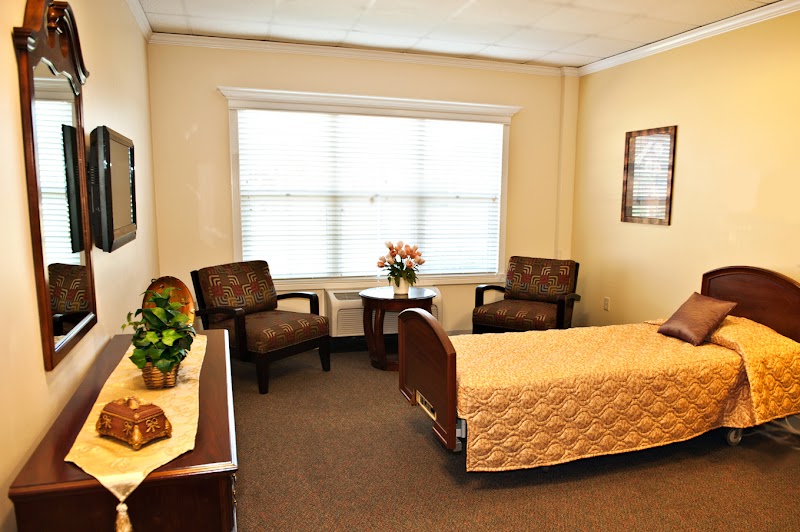
Who Owns and Operates Solaris Healthcare Charlotte Harbor?

SOLARIS HEALTHCARE CHARLOTTE HARBOR is owned by a non-profit organization. Non-profit facilities reinvest revenue into operations rather than distributing to shareholders. The facility is operated by SOLARIS HEALTHCARE, a chain that manages multiple nursing homes. With 180 certified beds and approximately 169 residents (about 94% occupancy), it is a mid-sized facility located in PORT CHARLOTTE, Florida.
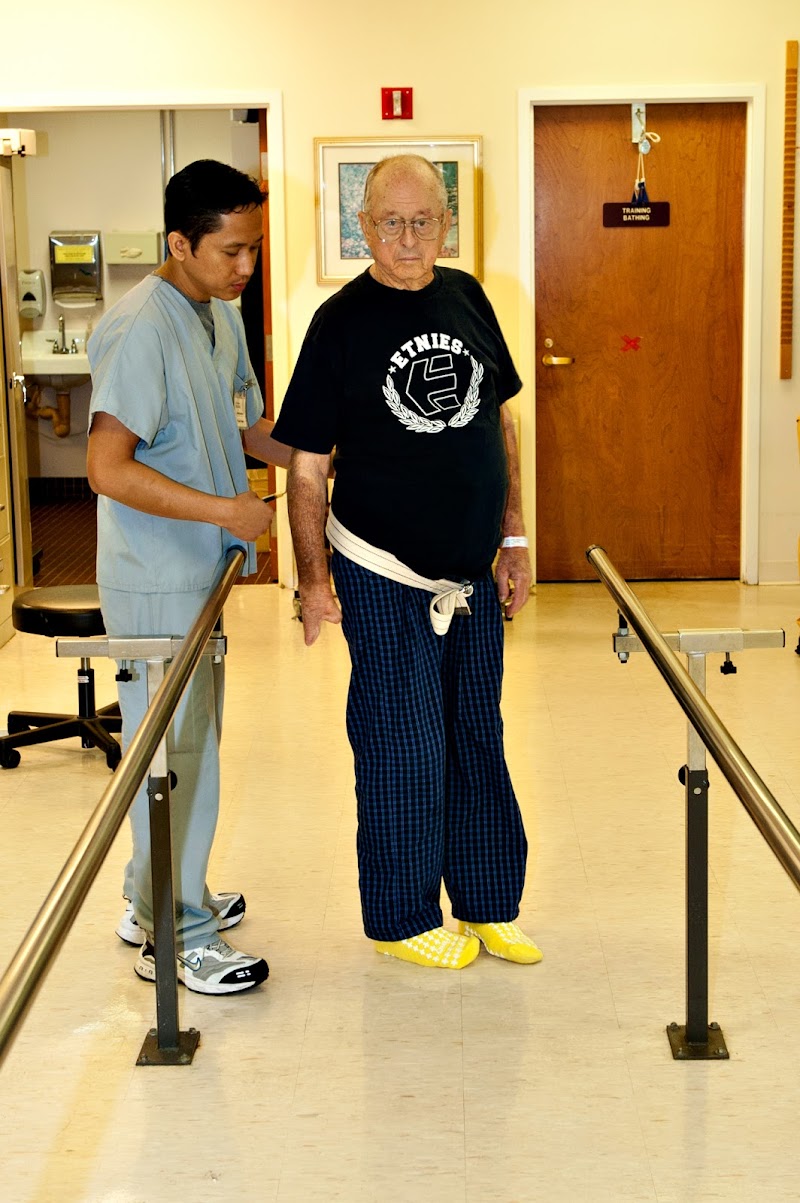
How Does Solaris Healthcare Charlotte Harbor Compare to Other Florida Nursing Homes?

Compared to the 100 nursing homes in Florida, SOLARIS HEALTHCARE CHARLOTTE HARBOR's overall rating (4 stars) is above the state average of 3.2, staff turnover (51%) is near the state average of 46%, and health inspection rating (3 stars) is at the national benchmark.

What Should Families Ask When Visiting Solaris Healthcare Charlotte Harbor?

Based on this facility's data, families visiting should ask: "Can I visit during a mealtime to observe dining assistance and food quality?" "How do you handle medical emergencies, and what is your hospital transfer rate?" "Can I speak with family members of current residents about their experience?"

Is Solaris Healthcare Charlotte Harbor Safe?

Based on CMS inspection data, SOLARIS HEALTHCARE CHARLOTTE HARBOR has a clean safety record: no substantiated abuse findings (meaning no confirmed cases of resident harm), no Immediate Jeopardy citations (the most serious violation level indicating risk of serious injury or death), and is not on the Special Focus Facility watch list (a federal program monitoring the lowest-performing 1% of nursing homes). The facility has a 4-star overall rating and ranks #1 of 100 nursing homes in Florida. While no facility is perfect, families should still ask about staff-to-resident ratios and recent inspection results during their visit.

Do Nurses at Solaris Healthcare Charlotte Harbor Stick Around?

SOLARIS HEALTHCARE CHARLOTTE HARBOR has a staff turnover rate of 51%, which is about average for Florida nursing homes (state average: 46%). Moderate turnover is common in nursing homes, but families should still ask about staff tenure and how the facility maintains care continuity when employees leave.

Was Solaris Healthcare Charlotte Harbor Ever Fined?

SOLARIS HEALTHCARE CHARLOTTE HARBOR has no federal fines on record. CMS issues fines when nursing homes fail to meet care standards or don't correct problems found during inspections. The absence of fines suggests the facility has either maintained compliance or corrected any issues before penalties were assessed. This is a positive indicator, though families should still review recent inspection reports for the full picture.

Is Solaris Healthcare Charlotte Harbor on Any Federal Watch List?

SOLARIS HEALTHCARE CHARLOTTE HARBOR is not on any federal watch list. The most significant is the Special Focus Facility (SFF) program, which identifies the bottom 1% of nursing homes nationally based on persistent, serious quality problems. Not being on this list means the facility has avoided the pattern of deficiencies that triggers enhanced federal oversight. This is a positive indicator, though families should still review the facility's inspection history directly.