DOUGLAS JACOBSON STATE VETERANS NURSING HOME
21281 GRAYTON TERRACE, PORT CHARLOTTE, FL 33954 (941) 613-0919
Government - State 120 Beds FLORIDA DEPARTMENT OF VETERANS' AFFAIRS Data: November 2025
Trust Grade
10/100
#343 of 690 in FL
Last Inspection: September 2024

Within standard 12-15 month inspection cycle. Federal law requires annual inspections.

Overview

Douglas Jacobson State Veterans Nursing Home has received a Trust Grade of F, indicating significant concerns about its operations and care quality. It ranks #343 out of 690 facilities in Florida, placing it in the top half, and #3 out of 8 in Charlotte County, which suggests it has limited local competition. Although the facility is improving, with a drop in reported issues from 9 in 2024 to 5 in 2025, it still faces serious challenges. Staffing is a strong point, with a 5/5 rating, indicating low turnover, but it has concerning fines totaling $135,938, which are higher than 91% of Florida facilities. Recent inspector findings revealed serious issues, including a resident suffering a second-degree burn from hot chocolate served at an unsafe temperature and failures in protecting residents from neglect and ensuring their rights. Families should weigh these strengths and weaknesses carefully when considering this facility.

Trust Score
F
10/100
In Florida
#343/690
Top 49%
Safety Record
High Risk
Review needed
Inspections
Getting Better
9 → 5 violations
Staff Stability
○ Average
44% turnover. Near Florida's 48% average. Typical for the industry.
Penalties
⚠ Watch
$135,938 in fines. Higher than 87% of Florida facilities, suggesting repeated compliance issues.
Skilled Nurses
✓ Good
Each resident gets 55 minutes of Registered Nurse (RN) attention daily — more than average for Florida. RNs are trained to catch health problems early.
Violations
⚠ Watch
20 deficiencies on record. Higher than average. Multiple issues found across inspections.
★★★☆☆
3.0
Overall Rating
★★★★★
5.0
Staff Levels
★★★★☆
4.0
Care Quality
★★☆☆☆
2.0
Inspection Score
Stable
2024: 9 issues
2025: 5 issues

The Good

  • 5-Star Staffing Rating · Excellent nurse staffing levels
  • 4-Star Quality Measures · Strong clinical quality outcomes
  • Full Sprinkler Coverage · Fire safety systems throughout facility
  • No fines on record
  • Staff turnover below average (44%)

    4 points below Florida average of 48%

Facility shows strength in staffing levels, quality measures, fire safety.

The Bad

3-Star Overall Rating

Near Florida average (3.2)

Meets federal standards, typical of most facilities

Staff Turnover: 44%

Near Florida avg (46%)

Typical for the industry

Federal Fines: $135,938

Well above median ($33,413)

Significant penalties indicating serious issues

Chain: FLORIDA DEPARTMENT OF VETERANS' AFF

Part of a multi-facility chain

Ask about local staffing decisions and management

The Ugly 20 deficiencies on record

5 actual harm
Aug 2025 1 deficiency
CONCERN (D) 📢 Someone Reported This

A family member, employee, or ombudsman was alarmed enough to file a formal complaint

Potential for Harm - no one hurt, but risky conditions existed

Deficiency F0557 (Tag F0557)

Could have caused harm · This affected 1 resident

Based on record review and staff and resident interviews, the facility failed to treat 1(Resident #1) of 3 residents reviewed with dignity by denying the resident access and assistance to the bathroom...

Read full inspector narrative →
Based on record review and staff and resident interviews, the facility failed to treat 1(Resident #1) of 3 residents reviewed with dignity by denying the resident access and assistance to the bathroom. The findings included:Review of the facility provided incident investigations revealed on 7/25/25 the facility initiated an investigation for Resident #1 related to staff denying him access to the bathroom in the therapy department. The facility's investigation noted that on 7/25/25 at approximately 11:30 a.m., Resident #1 needed to use the bathroom and stopped in the therapy department to use their restroom. Resident #1 stated that staff denied him access and assistance to the therapy department bathroom, resulting in an incontinence episode, causing the resident to miss a doctor's appointment. Resident #1 stated that he was embarrassed and angry. The facility's investigation included statements of staff involved. Review of the facility provided staff statements revealed:Physical Therapist (PT) Staff D stated that on 7/25/25 at approximately 11:00 a.m., she entered the therapy room to start a group session. Several residents, including Resident #1 were present. Resident #1 wanted to use the bathroom. Physical Therapy Staff C told Resident #1 that he could not use the restroom without assistance, and she had another resident in the room at the time. PT Staff C offered to take Resident #1 to his unit to use the bathroom. He refused her assistance. PT Staff D said Resident #1 began cussing and flailing his arms and she was extremely uncomfortable with his behavior. Physical Therapist Staff E stated that on 7/25/25 at approximately 11:00 a.m., Resident #1 entered the therapy gym and headed for the bathroom stating he was going to use the toilet. PT Staff C told him that he could not use the toilet in the gym because he needed assistance and she was busy treating a patient. PT Staff C told Resident #1 that the Director of Rehab (DOR) had told him that he could not use the toilet independently or use the gym's toilet is he was not in treatment. Resident #1 reposted urgency to use the toilet. PT Staff C said she could take him to his room. PT Staff C asked PT Staff E if she could assist the resident to the toilet. She stated that she could not. PT Staff C and PT Staff D again stated that Resident #1 needed assistance to transfer. Resident #1 began cussing and left the room. Licensed Practical Nurse (LPN) Staff F provided a statement that on 7/25/25 at approximately 11:15 a.m., she heard Resident #1 coming down the hall, cussing. She asked the resident what was wrong. He stated that therapy told him he could not use the restroom, that he had to use the restroom in his room. Resident #1 told her that PT Staff D put a wheelchair in front of the bathroom door to block the entrance. LPN Staff F said that the driver was here to take him to his appointment. He told her to send the driver away because he had to get cleaned up. The investigation noted that Resident #1 was a 1 assist transfer (stand and pivot) as well as using the sit to stand lift when requested. Resident #1's therapy notes stated that the resident was able to use the restroom with minimal to no assistance. Resident #1 was going to therapy 3 times a week at the time of the event but was not on therapy caseload for that day. On 8/4/25 the facility documented in the conclusion of their investigation, This event will be verified due to the 3 therapy staff members not personally assisting (Resident #1) to the restroom. The therapists are professionally trained to assist with standing and pivoting individuals. (Resident #1) was offered assistance to get back to his room but never assistance with the toilet nor was he allowed to toilet himself due to placing a wheelchair in front of the bathroom door. The three individuals never requested assistance from the nursing department nor notified them of his need. (Resident #1) is alert and oriented and is capable of toileting himself but is recommended by therapy to have staff present to prevent falls per therapy notes.On 8/20/25, review of the clinical record for Resident #1 revealed an admission date of 3/4/21. Diagnoses included Parkinson's disease, Alzheimer's disease.Review of the Quarterly Minimum Data Set (MDS) assessment with a target date of 7/28/25 revealed Resident #1 scored 15 on the Brief Interview for Mental Status, indicating intact cognition. The care plan initiated on noted the resident assistance of 1 for transfers (stand and pivot). Resident #1 also used a sit to stand lift when requested. On 8/20/25 at 10:30 a.m., in an interview the Regional Administrator, Risk Manager, and Assistant Director of Nursing said they were aware of the incident of Resident #1 not being allowed to use the restroom in the Physical Therapy Department which resulted in Resident #1 soiling himself. They said all three therapists involved in the incident were contracted from an outside company to provide Physical Therapy services to all state facilities. On 8/20/2025 at 12:45 p.m., in an interview Resident #1 said the incident on 7/25/2025 made him very angry. He said that he was dressed and, on his way up front to catch his ride for a doctor's appointment. He said he suddenly realized he needed to poop and the Physical Therapy room was right there. They wouldn't let him use the restroom. He said PT Staff D threw a wheelchair in front of the bathroom door to block him from entering. He said he tried to make his way back to his room but soiled himself before he made it back. Resident #1 said the incident made him feel angry and embarrassed. He said that behavior cannot be tolerated. He said he has been a resident at the facility for 9 years now and has always been treated with respect and dignity by all the employees except for this incident. Resident #1 said he did not require assistance to use the restroom. Due to his back issues, he can only stand for about 10 seconds before he loses his balance. On 8/21/2025 at 9:45 a.m., in an interview the Director of Rehab said she was not working on 7/25/25 but was told Resident #1 stopped in and said he needed to use the restroom. She said their verbal policy is to accommodate all residents to use the restroom. She said she even has tape in front of the bathroom door to ensure it stays free of clutter and not blocked. She said there was no excuse for denying the resident access to the therapy bathroom.
Jul 2025 1 deficiency
CONCERN (D) 📢 Someone Reported This

A family member, employee, or ombudsman was alarmed enough to file a formal complaint

Potential for Harm - no one hurt, but risky conditions existed

Free from Abuse/Neglect (Tag F0600)

Could have caused harm · This affected 1 resident

Based on review of facility policy and procedures, record review and staff and resident interviews, the facility failed to protect the resident's right to be free from physical abuse by failing to use...

Read full inspector narrative →
Based on review of facility policy and procedures, record review and staff and resident interviews, the facility failed to protect the resident's right to be free from physical abuse by failing to use the proper mechanical lift during a transfer for 1(Resident #899) of 3 residents reviewed for abuse.The findings included:Review of the facility's policy and procedure titled, Abuse, Neglect and Exploitation/Misappropriation of Resident Property with a revised date of 3/01/2024 revealed, The goal is to achieve and maintain an abuse-free environment for the residents . Abuse means any willful act or failure to act which causes or is likely to cause significant injury to a resident's physical, mental or emotional health . Prevention . Identify, correct and intervene in situations in which abuse . is more likely to occur . This includes an analysis of . The supervision of staff to identify inappropriate behaviors such as . rough handling .Review of the clinical record for Resident #899 revealed an admission date of 2/14/25. Diagnoses included restlessness, dementia with psychotic disturbance, anxiety and flaccid hemiplegia (paralysis) affecting the right side.Review of the Quarterly Minimum Data Set (MDS) assessment with a target date of 5/20/25 revealed Resident #899 scored 03 on the Brief Interview for Mental Status, indicating severely impaired cognition. The resident required partial to moderate assistance with activities of daily living, including transfers.Review of the care plan initiated on 2/21/25 and edited on 7/1/25 revealed Resident #899's ability to transfer, dress, eat, toilet and maintain personal hygiene had deteriorated related to CVA (Cerebrovascular accident) with right side flaccid hemiplegia.The approaches as of 2/21/25 included to provide 2 person assistance for transfers.On 6/12/25, the care plan noted Resident #899 had a recent incident of placing himself on the floor.On 7/16/25, review of facility provided incident investigations revealed that on 7/1/25 the facility initiated a staff to resident physical abuse investigation for Resident #899.The detailed description of the allegation/incident noted:Resident #899 was allegedly pulled approximately 4 to 5 feet. Resident placed self on the floor, as per his care plan. CNA (Certified Nursing Assistant) was attempting to move him from in front of the door way [sic] to prevent injury.CNA Staff B provided a statement that on 7/1/25 CNA Staff A grabbed Resident #899 by his shirt and dragged him on the floor so that she could place him closer to the mechanical lift.CNA Staff A provided a statement that on 7/1/25 at approximately 10:00 a.m., Resident #899 was laying on his bedroom floor in front of the doorway. She did not want the door to injure him, so she requested assistance to move him back into the bed. CNA Staff A stated that she took the shoulder and the other CNA (CNA Staff B) took the legs and they moved him in his room under the ceiling lift track. CNA Staff A stated that initially she pulled Resident #899 out of the doorway to his armoire, approximately 2 inches, unassisted by holding the resident's left arm, shoulder. Once positioned, CNA Staff B assisted her getting the resident positioned in the lift sling for the mechanical lift.Review of CNA Staff A's handwritten statement revealed that on 7/1/25 Resident #899 was in the doorway and they had to move him in the room. She took the shoulders and the other CNA took the legs and they moved the resident in his room under the (brand name) mechanical lift tract. She avoided touching the resident's paralyzed arm and they hooked him up to the lift.Review of CNA Staff B's written statement revealed that Resident #899 was on the floor by the dresser. She asked CNA Staff A if she needed help getting the resident up. Resident #899 was not close to the (brand name) mechanical lift track. She (CNA Staff A) dragged him by the collar of his shirt to be closer to the track, got him in the sling and back to bed.The investigation noted that on 7/1/25 at approximately 1:45 p.m., the Nursing Home Administrator and the Risk Manager interviewed CNA Staff B. Staff B stated that she was in a different room caring for a resident. She exited the room and walked past Resident #899's room. She noted CNA Staff A standing over Resident #899. The resident was laying on the floor in front of his armoire. She offered her assistance to CNA Staff A, which she accepted. She closed the door. At this time, CNA Staff A grabbed Resident #899 by his shirt and moved him closer to the track of the lift to get the resident off the floor. CNA Staff B demonstrated to the Risk Manager and the Nursing Home Administrator the location of Resident #899 when she entered the room. CNA Staff B stated to the Risk Manager and the Nursing Home Administrator that this was not right, she was not going to participate in moving a resident this way. Staff B said when she presented this to CNA Staff A, the response was, This is how I do it.On 7/1/25 at approximately 2:00 p.m., the Nursing Home Administrator and the Risk Manager spoke with CNA Staff A regarding the concerns brought to their attention. CNA Staff A stated that she noted Resident #899 in the doorway and wanted to move him away from the doorway. She grabbed his left arm and shoulder, and he assisted by scooching himself. CNA Staff A stated that she only moved Resident #899 2 inches and the other CNA (CNA Staff B) assisted by lifting the legs. CNA Staff A went to the resident's room and demonstrated for the Nursing Home Administrator and the Risk Manager what she did. Resident #899's head was by the room to his door. CNA Staff A used the resident's left arm and shoulder and moved him approximately 4 to 5 feet from the door, spinning him around to have his head by the armoire in his room.The conclusion of the investigation documented, The investigation determined that the allegation of abuse was verified by improperly transferring the resident without properly utilizing a lift sling or lift equipment provided by the facility as per policy. CNA [Staff A] action replay and verbal recollection of the event determined that she did not use the provided equipment nor follow facility policies for transferring a resident safely resulting in potential injury both physically and emotionally on the resident's behalf.On 7/16/25 at 9:15 a.m., in an interview the Risk Manager said the root cause of the incident involving Resident #899 was negligence. CNA staff A's story kept changing during the interview. On 7/16/25 at 9:26 a.m., an attempt was made to interview Resident #899. He did not respond to interview questions.On 7/16/25 at 9:50 a.m., in an interview CNA Staff B said that on 7/1/25 she was walking past Resident #899's room and saw CNA Staff A standing over the resident who was on the floor. She asked CNA Staff A if she needed help because 2 people are needed to use the mechanical lift. She said she entered the room and closed the door. Resident #899 was not in front of the door, otherwise, she would not have been able to close the door. CNA Staff B said, The next thing I saw was she [CNA Staff A] grabbed the resident by the shirt, spun him around and pulled him across the floor by the shirt.She said the resident's head was facing the bed, [CNA Staff A] whipped him around by his shirt and pulled him over about 4 to 5 feet. I don't know why she didn't just use the portable lift to get him off the floor. I know what I saw and I told the DON. That is not how you treat residents, you can't pull on them.On 7/16/25 at 11:12 a.m., in a telephone interview CNA Staff A said Resident #899 was on the floor and she needed help to get him into bed. She said, I didn't see him get on the floor, but he does that. He was by the wall in his room, about one foot from the bed. She needed help to get him to the lift and put the sling under the resident. CNA Staff B came into the room. She grabbed the resident's arms and CNA Staff B grabbed his legs. They placed the lift pad under Resident #899. She said, I did not in any way pull him by the arm or the shirt. It did not happen. I did not grab him or pull him by the arm.On 7/16/25 at 11:30 a.m., in an interview Registered Nurse (RN) Staff C said on 7/1/25 she was the nurse on duty and asked CNA Staff B to help CNA Staff A with Resident #899 who was on the floor. She did not see where the resident was in the room. She clocked out and went to lunch for 30 minutes. She later found out what had happened. RN Staff C said, I never saw CNA Staff A hit a resident, but she was rough with them on occasions when she was transferring them. By rough I mean, she was fast when she was transferring them. A lot faster than I or anyone else would do it.
Jun 2025 2 deficiencies
CONCERN (D) 📢 Someone Reported This

A family member, employee, or ombudsman was alarmed enough to file a formal complaint

Potential for Harm - no one hurt, but risky conditions existed

Free from Abuse/Neglect (Tag F0600)

Could have caused harm · This affected 1 resident

**NOTE- TERMS IN BRACKETS HAVE BEEN EDITED TO PROTECT CONFIDENTIALITY** Based on observations, records review and interviews, the facility failed to protect the resident's right to be free from neglec...

Read full inspector narrative →
**NOTE- TERMS IN BRACKETS HAVE BEEN EDITED TO PROTECT CONFIDENTIALITY** Based on observations, records review and interviews, the facility failed to protect the resident's right to be free from neglect by failing to ensure 1 (Resident #2) of 3 residents reviewed received incontinent care to meet their needs. The findings included: Review of the Facility's Abuse, Neglect and Exploitation/Misappropriation of Resident Property policy (last revised 3/1/2024) revealed, Neglect means failure to provide goods and services necessary to avoid physical harm, mental anguish, or mental illness. The policy noted under prevention to, identify, correct and intervene in situation in which abuse, neglect and/or exploitation/misappropriation of resident property is more likely to occur. The facility policy noted to, identify the staff member(s), the length of time involved, and any outcome of the victim. Be specific. Review of the clinical record revealed Resident #2 was admitted on [DATE]. Diagnoses included Dementia, Parkinson's Disease and overactive bladder. Review of the Brief Interview for Mental Status dated 4/2/25 revealed Resident #2 scored 14, indicative of intact cognition. Review of the Discharge Minimum Data Set (MDS) assessment with a target date of 5/7/25 revealed Resident #2 was frequently incontinent of bladder. The MDS noted the resident required partial/moderate assistance for sit to stand and supervision or touching assistance for toileting hygiene. Review of the care plan Resident #2's Care Plan noted Problem: (Resident #2) may experience urinary incontinence R/T (related to) overactive bladder and dementia. (Resident #2) is incontinent of bowel. The approaches included 2 urinals at bedside for large nighttime urine output. Review of the facility's grievance investigations revealed on 4/2/25 the facility initiated a neglect investigation when Resident #2 complained about calling all night for help and no one came. Review of facility investigation revealed: On 4/2/2025 Certified Nursing Assistant (CNA) Staff L said she entered Resident #2's room around 6:45 a.m. and his urinal was full. He stated that he was calling for help all night, and no one came. Once getting him out of bed I saw that his pull up and his bed was [sic] wet. I asked the CNA (Certified Nursing Assistant) if he's been in there, and he told me that him and the other CNA changed him (Resident #2) at 1:00 a.m. On 4/2/25 CNA Staff K stated she entered the resident's room to provide personal care at 6:55 a.m. Resident #2 said he was not going to get out of bed until the nurse came, because he spent all night calling, and no one came to help him. His urinal was full. She emptied it and found that his pull up was wet. The Medical Record Clerk said that on 4/2/25 at around 7:30 a.m., Resident #2 said that he was upset and wanted to file a complaint because he tried calling the staff all night because he was wet. Registered Nurses (RN) Staff N, RN Staff O and RN Staff P when interviewed said Resident #2 stated, Nobody cared for me last night, and I needed help. The investigation noted Resident #2 frequently becomes agitated during morning shift change and quickly calms down when he receives care. The facility's investigation conclusion noted the allegation of neglect was verified. Resident #2 stated that he did not receive care during the 11:00 p.m., to 7:00 a.m. shift on 4/1/25. Staff stated that he was awake most of the night, in and out of bed, asking for food, and being toileted 1 to 3 times throughout the night. Resident #2 is a 2-person assist due to confabulation and 2 staff attended to his needs throughout the shift. When the 7:00 a.m., to 3:00 p.m. shift arrived, his urinal was full, and his bed and brief were wet. Although staff statements and interviews differ in account of the occurrence, there was a lack of sufficient evidence to disprove Resident #2's allegation. The investigation noted CNA Staff H who was assigned to Resident #1 during the 11:00 p.m. to 7:00 a.m. was placed on administrative leave and returned pending disciplinary actions. On 6/25/2025 at 10:03 a.m. the Nursing Home Administrator (NHA) said the investigation found that Resident #2 did receive care. The NHA said between 4 CNAs, 2 nurses and the CNA in question statements, staff had been in Resident #2's room multiple times throughout the night. The NHA confirmed that Resident #2 was found that morning with a full urinal and wet bed. The NHA also said that the report they submitted should have noted the neglect as unverified. When asked for intake and output records, they said there is no documentation because they don't document every time they empty urinals. On 6/25/2025 at 10:51 a.m., in an interview Resident #2 said, night shift is very bad I use the call light, and they don't come. Resident #2 said it is always the night shift between 11 p.m. and 7 a.m. Resident #2 said he made a mess recently when he had an episode of incontinence. Resident #2 said the sheet, pillows and blanket were soaked. Resident #2 said the nurse came in, shut off the light and left. Resident #2 said she didn't do nothing. Resident #2 was unable to identify the nurse. On 6/25/2025 at 11:10 a.m., in an interview CNA Staff K said CNAs are responsible for checking incontinent residents. When asked how often incontinent residents are checked, Staff K said we check after every meal and anytime the resident needs it. When asked about how Resident #2 uses the bathroom, Staff K said if he will hit the call light if he needs to go. Staff K also said he will ask for help if he feels wet. Staff K said if Resident #2 is in the chair in the common room, he will lift his hat in the air when he needs to go to the bathroom. Staff K said Resident #2 uses a urinal and incontinence pad when he is in bed. Staff K showed documentation of urine output in the system where small, medium and large can be documented for urine output. CNA Staff K said, I put in the amount and color. On 6/25/2025 at 12:05 p.m., in an interview CNA Staff L said nurses and CNAs are responsible for checking incontinent residents. Staff L said that documentation of incontinence is done on the computer. CNA Staff L said refusals of care are documented in the progress notes. Staff L said Resident #2 is someone we frequently check. Staff L said Resident #2 was with it and he will let you know if he needs to be changed or needs to go to the bathroom. When asked if there have been issues with residents having full urinals or being soaked in the morning when coming on shift at 7:00 a.m., Staff L said, I'd be lying if I said no. Staff L said they will come in and urinals are overflowing and beds are soaking wet. Staff L said the call lights are all on and flickering fast. Staff L explained that the light above the door flickers faster the longer they have been on. When asked if staff are around when they are flickering, Staff L said yes. During an interview on 6/25/2025 at 12:12 p.m. LPN Staff M said nurses and CNAs check incontinent residents. Staff M said incontinent residents are checked every 2 hours and as needed. Staff M said CNAs document the output in the resident's chart. Staff M said, we document refusals in the progress notes. During a telephone interview on 6/25/2025 1:02 p.m., Licensed Practical Nurse (LPN) Staff J said on 4/1/25, she provided care for Resident #2 at the beginning and end of the shift. Staff J said CNAs were going in and out of the room that night. Staff J said Resident #2 was very behavioral that night. When asked what that meant, Staff J said Resident #2 was verbally resistant and refused things. When asked if refusals were documented, Staff J said, refusals are usually documented. Review of the clinical record for Resident #2, including progress notes, urine output record, intake and output record, resident's level of control with bladder function from 3/25/25 through 4/4/25 failed to reveal documentation of Resident #2's bladder function, and incontinent care provided on 4/1/25 for the night shift. The clinical record did not contain documentation Resident #2 refused care during the night shift of 4/1/25. On 6/25/2025 at 12:37 p.m., in an interview the Director of Nursing (DON) said there was no policy for documentation. On 6/25/2025 at 2:42 p.m., in an interview the Nursing Home Administrator (NHA) said the CNAs and nurses are responsible for checking incontinent residents. When asked what the process is when they receive a report that a resident didn't receive incontinence care, the NHA said it should be reported to a supervisor. The NHA said if it is a neglect issue, it goes to risk management, the Director of Nursing (DON) and then herself. The NHA said based on staff statements, Resident #2 was constantly receiving care and attention throughout the night. When asked about the lack of documentation of care provided, the NHA stepped out of the interview to get the DON. On 6/25/2025 at 2:47 p.m., a joint interview was conducted with the NHA and the DON to discuss Resident #2's neglect and the lack of documentation of incontinent care provided on 4/1/25 during the night shift . The NHA and DON said Resident #2 was care planned for confabulation. The DON reviewed the bowel and bladder documentation for Resident #2 and verified the lack of documentation Resident #2 received incontinent care during the day, evening and/or night shifts on 3/25/25 (evening and night), 3/26/25 (evening) 3/27/25 (evening and night), 3/28/25 (evening and night), 3/29/25 (day, evening and night), 3/30/25 (day, evening and night), 3/31/25 (day, evening and night), 4/1/25 (evening and night), 4/2/25 (evening and night), 4/3/25 (day and night), and 4/4/25 (evening).
CONCERN (E) 📢 Someone Reported This

A family member, employee, or ombudsman was alarmed enough to file a formal complaint

Potential for Harm - no one hurt, but risky conditions existed

Deficiency F0602 (Tag F0602)

Could have caused harm · This affected multiple residents

Based on record review and interview, the facility failed to protect the residents' right to be free from misappropriation of resident's property by failing to have effective processes in place to pre...

Read full inspector narrative →
Based on record review and interview, the facility failed to protect the residents' right to be free from misappropriation of resident's property by failing to have effective processes in place to prevent the misappropriation of controlled substances for 2 (Residents #1 and #4) of 3 residents reviewed. The findings included: Review of the facility's policy titled Abuse, Neglect and Exploitation/Misappropriation of Resident Property with a revision date of 3/1/24 revealed Exploitation and Misappropriation of Resident Property means a deliberate misplacement, wrongful, temporary or permanent use of a resident's belongings without the resident consent. Examples included: stealing from a client/resident. Review of the clinical record for Resident #1 revealed a physician's order for Oxycodone-APAP 10 mg/325 mg (Controlled substance), 1 tablet ever 6 hours for non-acute pain. The medication was scheduled to be administered each day at 6:00 a.m., 12:00 p.m., 6:00 p.m., and 12:00 a.m. Review of the Controlled Substance Record of Use logs for Resident #1 revealed on 5/15/25 the pharmacy delivered 2 packs of 60 tablets each of Oxycodone-APAP 10 mg/325 mg to the facility. Each pack of Oxycodone-APAP 10 mg/325 mg contained a 15 day supply of the medication. Review of the Controlled Substance Record of Use log for pack #1 revealed the 60 tablets of Oxycodone-APAP 10 mg/325 mg were documented as administered within 12 days: The first dose of Oxycodone-APAP 10 mg/325 mg was administered on 5/16/25 at 6:00 a.m. The last dose of Oxycodone-APAP 10 mg/325 mg was administered on 5/28/25 at 6:00 a.m. Review of the Administration History for the Oxycodone-APAP 10 mg/325 mg from 5/16/25 at 6:00 a.m., to 5/28/25 at 6:00 a.m., revealed 44 tablets of Oxycodone-APAP 10 mg/325 mg had been administered during that time frame. The doses of Oxycodone-APAP 10 mg/325 mg were documented as missed on 5/17/25 (12:00 p.m., and 6:00 p.m.), 5/18/25 (6:00 a.m., and 12:00 p.m.) and 5/23/25 (6:00 a.m.). Review of the Controlled Substance Record of Use for pack #2 for Resident #1 revealed the 60 tablets of Oxycodone-APAP 10 mg/325 mg were administered within 11 days: The first dose of Oxycodone-APAP 10 mg/ 325 mg was administered on 5/28/25 at 12:00 p.m. The last dose of Oxycodone-APAP 10 mg/325 mg was administered 11 days later on 6/7/25 at 12:00 a.m. Review of the Administration History for the Oxycodone-APAP 10 mg/325 mg from 5/28/25 at 12:00 p.m., to 6/7/25 at 12:00 a.m., revealed 36 tablets of Oxycodone-APAP 10 mg/325 mg had been administered during that time frame. The doses of Oxycodone-APAP 10 mg/325 mg were documented as missed on 6/1/25 (12:00 p.m., and 6:00 p.m.), and 6/6/25 (6:00 p.m.). The Controlled Substance Record of Use logs for Packs #1 and #2 of Oxycodone-APAP 10 mg/325 mg revealed multiple dates had been scribbled or written over making it illegible or difficult to make out the date for the doses of Oxycodone-APAP 10 mg/325 mg administered. On 6/25/25 at 10:25 a.m., in an interview the Administrator said on 6/6/25 they discovered discrepancies in Resident #1's Oxycodone-APAP 10mg/325 mg when a refill of the medication was requested and the Pharmacy Consultant informed the facility it was too soon for a refill. On 5/15/25 120 tablets of Oxycodone-APAP 10 mg/325 mg (30 day supply) were delivered for Resident #1. The physician's order for the Oxycodone-APAP 10 mg/325 mg was to administer 1 tablet 4 times a day and the medication was not due for a refill until 6/12/25. Resident #1 should have received a maximum of 4 tablets daily. The Pharmacy audited the controlled substance record of use and found that on multiple days Resident #1 received more than 4 tablets of the Oxycodone-APAP 10 mg/ 325 mg. The Administrator said when you compared the count documented on the controlled substance record of use against the blister pack (package of medications), the count was correct. However, some days it looked like Resident #1 received 8 or 11 doses of the Oxycodone-APAP 10 mg/325 mg when he should have only received 4 per day. The declining narcotic inventory sheets looked like there were dates changed, scribbled out, started on a previous day. The end count was correct but the nurses were not catching that it was documented more than 4 times per day. The Administrator said during their investigation they discovered a similar issue with the pain medication for Resident #4. The Administrator said there were no ill effects to the residents, and they did not go without their scheduled pain medication. Review of the clinical record for Resident #4 revealed a physician's order for Oxycodone HCL (IR) 5 mg , 1 tablet every 6 hours for non-acute pain. Review of the controlled substance record of use revealed 60 tablets of Oxycodone (IR) 5 mg were delivered on 5/27/25 for Resident #4. Multiple dates were scribbled or written over making it difficult to make out or illegible. The dates on the controlled substance record of use were not in order. The controlled substance record of use showed Oxycodone 5 mg was administered on 5/30/25, then 5/31/25, then went back to administration of the Oxycodone 5 mg on 5/30/25. The first dose of Oxycodone (IR) 5 mg was administered on 5/27/25 at 6:00 p.m. On 6/6/25 at 12:50 p.m.,10 tablets of Oxycodone (IR) remained in the blister pack, indicating 50 tablets of Oxycodone IR 5 mg from the blister pack had been signed out between 5/27/25 at 6:00 p.m., and 6/6/25 at 12:50 p.m. Review of the Administration History for the Oxycodone (IR) 5 mg revealed 38 tablets of Oxycodone (IR) 5 mg were documented as administered from 5/27/25 at 6:00 p.m., through 6/6/25 at 12:50 p.m. Review of the facility's investigation revealed: A statement by the Consultant Pharmacist dated 6/10/25 which indicated: Pharmacy received a request for Resident #1 for Percocet 10/325mg, 1 tab po 4 times daily 120 tabs dispensed. Previous order for 120 tabs was filled on 5/15/25, which is a 30 day supply. Saw that it was not due to be refilled until 6/12 (28 days from last fill). In the morning Registered Nurse (RN) supervisor Staff E called to inquire about the refill and I told him it wasn't due until 6/12 at the soonest. I checked for any PRN (as needed) orders that would equate to more use of the standing order and there was none. RN Staff E checked also for any PRN orders pharmacy may have missed and found none. The order was technically 8 days early for filling. I reviewed the documentation and found multiple days that had more than 4 tablets taken. On 6/4 for example, 11 doses were signed out. I reported this to Staff E and the 3-11 RN supervisor (do not remember name). They asked that I tell the Director of Nursing (DON). Around 3:50 pm I went to the DON's office and showed her what I found with reviewing the tracking sheets and she understood the concern, more tablets being signed out than prescribed. On 6/25/25 at 12:42 p.m., in an interview the Director of Nursing (DON) said on 6/6/25 RN Staff E reported that the Pharmacy Consultant identified what they believed to be an error in a narcotic count for Resident #1. The DON said she and RN Staff E counted how many tablets of Percocet had been given. 120 tablets were delivered, 115 were administered with 5 remaining tablets. She said Staff E and her felt the count was accurate. The DON said the Pharmacy Consultant showed her the pages from the narcotic book and pointed out the dates. It sowed on certain days the medication was signed out 6, 7, 10 or 11 times in one day. The order was for 1 tablet 4 times a day. In counting the days, there should have been approximately 25 tablets left and there were only 5. The DON said they conducted an audit of all controlled substances and the Risk Manager found further issues. On 6/25/25 at 1:21 p.m., in an interview Registered Nurse (RN) Staff E said he reordered the Oxycodone-APAP for Resident #1. The pharmacy said the medication was not due for a refill yet. When the Pharmacy Consultant reviewed the controlled substance record of use, he found that Resident #1 had been receiving more than the 4 doses of pain medication ordered daily. RN Staff E said he reported it to the DON and didn't know what happened after that. On 6/25/25 at 1:25 p.m., in an interview the Risk Manager (RM) said the facility investigated, reviewed the controlled substance logs for all the residents receiving Oxycodone and found the following concerns: With Resident #4's pain medication they found the count was all right but found concerns similar to Resident #1. She said these instances all related to Licensed Practical Nurse (LPN) Staff A. She said she and the Administrator met with LPN Staff A regarding multiple discrepancies on the controlled substances administration documents. LPN Staff A claimed that multiple of the signatures were not hers and she could not recall who she signed off on her cart for multiple events. LPN Staff A also stated that she had changed multiple dates on several of the medication documents. When asked why she would do that she stated, I must have made a mistake. The Risk Manager said that LPN Staff A was adamant that she did not take any pills and also denied over medicating any resident. She said when the presented LPN Staff A with the evidence of multiple discrepancies, she became overwhelmed and began to cry. LPN Staff A requested to undergo a drug treatment program in lieu of notifying the state board of nursing. On 6/25/25 at 4 p.m., in an interview the Administrator said LPN Staff A was no longer employed at the facility, the incident was reported to law enforcement, the Drug Enforcement agency and the Board of Nursing. A performance Improvement Plan was put in place and audits were ongoing to ensure logs were legible and pharmacy was auditing as well to ensure documentation was legible. All nurses have been educated on drug diversion.
Feb 2025 1 deficiency 1 Harm
SERIOUS (G) 📢 Someone Reported This

A family member, employee, or ombudsman was alarmed enough to file a formal complaint

Actual Harm - a resident was hurt due to facility failures

Free from Abuse/Neglect (Tag F0600)

A resident was harmed · This affected 1 resident

**NOTE- TERMS IN BRACKETS HAVE BEEN EDITED TO PROTECT CONFIDENTIALITY** Based on interview and record review the facility failed to protect the resident's right to be free from physical abuse for 1 (R...

Read full inspector narrative →
**NOTE- TERMS IN BRACKETS HAVE BEEN EDITED TO PROTECT CONFIDENTIALITY** Based on interview and record review the facility failed to protect the resident's right to be free from physical abuse for 1 (Resident #1) of 3 residents reviewed for abuse. The findings included: Review of the facility's policy on Abuse, Neglect and Exploitation/Misappropriation of Resident Property last revised 3/1/24 revealed abuse is defined as, any willful act or failure to act which causes or is likely to cause significant injury to a resident's physical, mental or emotional health. Abuse can also include threats, intimidation, unreasonable confinement or punishment. Review of the clinical record revealed Resident #1 was an [AGE] year-old male, admitted to the facility on [DATE]. Diagnoses included Parkinson's disease without dyskinesia (involuntary, erratic movements), Dementia, Bipolar Disease (significant shifts in mood energy and behavior), Major Depressive Disorder, and Obsessive Compulsive Disorder. Review of the Significant Change Minimum Data Set (MDS) assessment with a target date of 12/10/24 revealed Resident #1's cognition was intact with a Brief Interview for Mental Status score of 15 Review of the facility's incident investigations revealed: On 12/21/24 at approximately 4:45 p.m., Resident #1's family members spoke with the Risk Manager regarding concerns they had about the resident's care at the facility. Resident #1 reported to family members that on 12/21/24 at approximately 3:00 a.m., two staff members, one male and one female forcibly removed him from his bed, prying his fingers off the handrail causing bruising to both arms and hands. They reported that the two staff members placed the resident in the dayroom from 3:00 a.m., until 5:00 a.m. They were concerned because Resident #1 had bruises to both his hands and wrists. They wanted to make sure Licensed Practical Nurse (LPN) Staff A was not providing care to Resident #1. Review of the witness statements revealed on 12/21/24 LPN Staff A wrote around 3:00 a.m., to 4:00 a.m., Resident #1 was smearing stool on pillowcases, sheets and blankets. CNA Staff B and him offered to clean him. Resident #1 started swinging his reaching tool at them, gripping and holding their hands tightly while rolling him over to give personal care. Resident #1 started to calm down and started crawling out of bed several times. They decided to get the resident up to prevent him from falling out of bed and placed him in the common area. The investigation noted that on 12/23/24 at approximately 10:00 a.m., the Risk Manager observed scattered purple bruising to Resident #1's hands and wrists. When asked what happened to his hands and wrists, the resident stated they were grabbed by staff. The resident said no when the Risk Manager asked if he felt the staff intentionally tried to hurt him, but they were rough . The Risk Manager asked Resident #1 if he was combative with staff when they were trying to clean him, he said yes. Resident #1 displayed signs and symptoms of mental anguish due to the event, and psychological support is being provided. On 12/23/24 at approximately 11:00 a.m., the Risk Manager spoke to LPN Staff A about Resident #1's care on 12/20/24. LPN Staff A said Certified Nursing Assistant (CNA) Staff B was having a difficult time with the resident's behavior and asked him to help. When CNA Staff B went in the room around 3:30 a.m., Resident #1 had an incontinent episode and was smearing feces on the bed and the mattress. When they attempted to clean the resident, he was very combative, grabbing their arms, and also pushing them away. LPN Staff A said they tried to hold Resident #1's by his hands and wrists so he wouldn't fall out of bed, he was flailing his arms everywhere and at one point grabbed his aluminum reacher and was swinging it at them. After they cleaned him up, Resident #1 kept trying to get out of bed so they placed him in the wheelchair and placed him in the dayroom for observation and monitoring. On 12/24/24 at approximately 10:30 a.m., the Risk Manage spoke with CNA Staff B about Resident #1's care on 12/20/24. CNA Staff B said when she went in the resident's room at approximately 3:30 a.m., the resident had a bowel movement and was playing with the feces. She asked LPN Staff A to help her clean the resident. CNA Staff B said throughout the care, the resident was very combative, swinging his arms at them and grabbing their arms. He used his reacher like a baseball bat to swing at them while they were trying to clean him. She said LPN Staff A and her had to hold Resident #1 by his hands when they were providing care so he wouldn't hit them or fall out of bed. They both decided to place Resident #1 in a wheelchair and took him to the dayroom where they could keep an eye on him. The Risk Manager documented in the incident investigation Resident #1 had significant cognitive impairment due to Parkinson's and dementia, which includes memory loss, paranoia and confabulation. She documented, After a complete and thorough investigation, it has been determined that the allegation of abuse is not verified. During the alleged incident, Resident #1 was smearing feces on his bed and pillowcase when staff entered the room, which was a new behavior for him. Resident #1 was very combative and resistant to care while they were trying to clean him. The resident grabbed both staff members' arms repeatedly as well as pushing them away. Resident #1 used his reaching device as a weapon trying to hit both staff. In order to keep the resident safe, both staff did hold his hands and wrists during care to avoid being hit and to prevent him from falling out of bed due to his combative behaviors. On 2/10/24 at 12:20 p.m., in an interview the Risk Manager verified Resident #1's family members told her the bruising to the resident's hands were from prying his fingers from the handrail when LPN Staff A and CNA Staff B forcibly removed him from the bed. She said she did not document in her investigation as it was hard to understand the resident's answer to her question. She verified she did not ask LPN Staff A or CNA Staff B about prying the resident's fingers from the handrail and forcibly removing him out of bed. She said staff should not have removed the resident from the bed against his will. When asked about the resident's mental anguish documented in her investigation, the Risk Manager said the resident was frustrated when talking about the incident and had a contorted face. On 2/10/25 at 1:00 p.m., Resident #1 was observed in the hallway in his wheelchair with a staff member. In an interview, Resident #1 was asked if staff had forcibly removed his hands from the bedrails during the night of 12/20/24 causing bruising to his hands. Resident #1 replied, yes.
Oct 2024 2 deficiencies 2 Harm
SERIOUS (G) 📢 Someone Reported This

A family member, employee, or ombudsman was alarmed enough to file a formal complaint

Actual Harm - a resident was hurt due to facility failures

Free from Abuse/Neglect (Tag F0600)

A resident was harmed · This affected 1 resident

**NOTE- TERMS IN BRACKETS HAVE BEEN EDITED TO PROTECT CONFIDENTIALITY** Based on observation, record review, resident and staff interviews the facility failed to protect the residents' rights to be fr...

Read full inspector narrative →
**NOTE- TERMS IN BRACKETS HAVE BEEN EDITED TO PROTECT CONFIDENTIALITY** Based on observation, record review, resident and staff interviews the facility failed to protect the residents' rights to be free from neglect by failing to follow the hot liquid safety procedures to ensure hot beverages were served at a safe temperature to prevent thermal burn for 1 (Resident #65) of 3 sampled residents. The findings included: The facility policy #1001 Abuse, Neglect and Exploitation/Misappropriation of resident Property, revised 3/01/2024 documented, Neglect means failure to provide goods and services necessary to avoid physical harm, mental anguish or mental illness. Additionally, neglect may also be defined as failure to make reasonable effort to protect a resident from abuse, neglect or exploitation by others and or carelessness which causes or could reasonably cause a serious physical or psychological injury or a substantial risk of death to a resident. The facility policy #3124 Hot Liquid Safety, effective 7/15/2024 documented Food and drinks will be served at a temperature that is appetizing to residents, but also minimizes the risk for scalding and burns . Hot liquids will be monitored at the point of service prior to distribution from the kitchen or pantry and temperature will be recorded daily on the Daily Temperature Log. Residents will be assessed for their ability to handle containers and consume hot liquids . Residents determined to be unsafe will receive appropriate supervision or use of assistive devices to consume hot liquids. Interventions will be individualized and noted in the residents Care Plan. Safe serving precautions when serving hot liquids: a. Make sure residents are alert and in proper position to consume hot liquids. b. Use cups, mugs or other containers that are appropriate for hot beverages. c. Do not overfill containers. d. Filled containers will be placed directly on the table and not given directly to residents. e. Hot liquids will be placed away from the edges of the table. f. Refills on hot beverages will not be done while resident is holding the container. g. Residents will be provided with supervision as needed. Review of the facility's event reports revealed on 6/23/24 Resident #100 was sitting at the nurse's station and requested a cup of coffee. Nursing prepared the hot beverage and while drinking it Resident #100 spilled the coffee on himself. Resident #100 sustained redness to his abdomen and upper thigh area that required daily monitoring every shift for seven days. On 10/28/24 at 2:55 p.m., in an interview the Administrator said after the incident with Resident #100, they in-serviced the staff and showed them how to measure the temperature of hot liquids. The Nurse Managers or the Administrator check the temperature logs to make sure the temperatures were recorded. The facility provided sign-in sheets dated 6/24/24 and 6/25/24 showing 88 employees received an in-service with instructions to obtain the temperature of hot liquids prior to serving. The temperature was to be 165 degrees F before serving. Use a thermometer and report if the thermometer is not working. The facility provided Coffee and Hot Water Temperature Checks forms which noted, Please do not serve if over 165 degrees-Temps must be taken on every new pot of coffee and every cup of hot chocolate, tea or hot water beverage. Staff were to record the date, time and the temperature of the coffee pot, hot chocolate/tea and sign the form. The Administrator said the facility did not complete audits or competencies on 6/24/24 or 6/25/24 to ensure the staff understood the in-service directions. 2. Review of the clinical record revealed Resident #65 was a [AGE] year-old male with an admission date of 2/28/23. Diagnoses included Alzheimer's disease, dementia, osteoarthritis, disorientation, and hearing loss. Review of the Quarterly Minimum Data Set (MDS) with a target date of 10/11/24 documented Resident #65 required set up/clean up at meals. The MDS noted the resident's cognitive skills for daily decision making were severely impaired with a Brief Interview for Mental Status score of 07. On 10/17/24 at 7:32 a.m., the facility documented in an event report Resident #65, was drinking hot chocolate that spilled into his lap and caused redness to the left inner thigh. At this time, we are monitoring the area and DPOA (Durable Power of Attorney) and MD (physician) were notified. Wound care will also follow up. On 10/17/24 at 11:51 a.m., the wound care Advanced Practice Registered Nurse (APRN) documented Resident #65 sustained an in house acquired partial thickness thermal burn to the left medial lower leg measuring 10 centimeters (cm) in length by 5.0 cm in width and 0 cm in depth. The APRN documented, S/P (status post) hot chocolate spill this morning, presents with intact skin, dark pink and not well-defined area of injury, there is some mild raised texture change to center suggestive of possible forming blister. He does not complain of pain. Area is partial thickness first degree burn, possibly will evolve to second degree. Review of the nursing progress note dated 10/18/24 at 10:02 a.m., revealed the blister to left inner thigh had popped. The wound care APRN issued an order to cleanse the left inner thigh with normal saline, apply a thin layer of topical Silvadene 1% (antibiotic) and cover with silicone foam dressing daily. On 10/24/24 at 1:24 p.m., the wound care APRN documented in a progress note the thermal burn to the resident's left medial lower leg measured 4.0 cm in length by 1.8 cm in width and 0.1 cm in depth. The wound had 30% of slough (dead tissue). On 10/28/24 at 9:20 a.m., in an interview Resident #65 was asked if he remembered the incident with the spilled hot chocolate and he replied, Oh yes, you mean when I got burned on the leg here (pointing to left upper thigh). The hot chocolate was on the table here ( pointed to the bedside table in his room). I went to grab it and it tipped over onto my lap and wet my pants. It hurt as it burned quite a bit. They are putting cream on it. Resident #65 said he was right handed and uses a regular handled cup when he is drinking coffee or hot chocolate. The Resident said, I did not ask for anyone to reheat the hot chocolate for me, I like it cool, you know kind of cool so I can drink it and it was very hot Resident #65 repeated three times that he did not request the hot chocolate to be reheated and he did not have a cup in his lap. Resident #65 said it was sitting here on this table, it tipped over and spilled on me. On 10/28/24 at 12:10 p.m., observation of Resident #65's wound with LPN Staff E revealed an opened wound approximately the size of a quarter in diameter with yellow wound bed. On 10/28/24 at 3:10 p.m., in a telephone interview the Wound Care APRN said on 10/17/24 she was asked to assess Resident #65 for a hot liquid spill. The area was not well defined but the center looked like it might blister. It was red but not open, it was a 1st degree burn (skin red, not opened) initially and once it opened, it is a partial thickness, 2nd degree burn (affects the both the outer layer of skin and the layer beneath). Review of the facility's investigation revealed Licensed Practical Nurse (LPN) Staff G documented in a handwritten statement dated 10/18/24, This nurse made hot chocolate for resident. I let it sit to cool. Up on returning temperature was checked at 178 degrees. Drink was given to resident, resident said it was too cold. I re-heated the hot chocolate. Temperature was not checked a second time. I added a couple pieces of ice to the hot chocolate and gave it to the resident. Licensed Practical Nurse (LPN) staff G signed the in-service form on 6/25/24 specifying to obtain the temperature of hot liquids prior to serving. The conclusion to the facility's investigation read, After a complete and thorough investigation, it has been determined that the allegation of neglect is verified. LPN (Staff G) did not re-temp the hot chocolate after reheating and before giving it to Resident #65. Resident #65 placed the cup of hot chocolate on his lap and proceeded to propel himself to his room when the hot chocolate spilled onto his left inner thigh resulting in a partial thickness thermal burn. On 10/28/24 at 2:45 p.m., and 10/29/24 at 11:17 a.m., attempts were made to conduct a telephone interview with LPN Staff G. LPN Staff G did not answer the phone. Each time a message was left with contact phone number to return the call. LPN Staff G did not return the call. On 10/28/24 at 4:25 p.m., in an interview the Risk Manager said no audits were conducted to ensure staff understood and followed the process when serving hot liquids to residents. On 10/28/24 at 5:00 p.m., in an interview the Director of Nursing and the Risk Manager confirmed LPN Staff G did not follow the facility policy for temping the hot liquids resulting in Resident #65 sustaining a second degree burn to the left inner thigh.
SERIOUS (G) 📢 Someone Reported This

A family member, employee, or ombudsman was alarmed enough to file a formal complaint

Actual Harm - a resident was hurt due to facility failures

Accident Prevention (Tag F0689)

A resident was harmed · This affected 1 resident

**NOTE- TERMS IN BRACKETS HAVE BEEN EDITED TO PROTECT CONFIDENTIALITY** Based on observation, record review, review of facility's policy and procedure, the facility failed to serve hot beverages at a ...

Read full inspector narrative →
**NOTE- TERMS IN BRACKETS HAVE BEEN EDITED TO PROTECT CONFIDENTIALITY** Based on observation, record review, review of facility's policy and procedure, the facility failed to serve hot beverages at a safe temperature to prevent avoidable thermal burn for 1 (Resident #65) of 3 residents reviewed for accidents. On 10/17/24 staff reheated a cup of hot chocolate and gave it to Resident #65 without ensuring the beverage was at a safe temperature. Resident #65 spilled the hot chocolate on his lap and sustained an avoidable second degree burn (affects the both the outer layer of skin and the layer beneath) to the left anterior thigh. The findings included: The facility policy #3124 Hot Liquid Safety, effective 7/15/24 documented Food and drinks will be served at a temperature that is appetizing to residents, but also minimizes the risk for scalding and burns . Hot liquids will be monitored at the point of service prior to distribution from the kitchen or pantry and temperature will be recorded daily on the Daily Temperature Log. Residents will be assessed for their ability to handle containers and consume hot liquids . Residents determined to be unsafe will receive appropriate supervision or use of assistive devices to consume hot liquids. Interventions will be individualized and noted in the residents Care Plan. Safe serving precautions when serving hot liquids: a. Make sure residents are alert and in proper position to consume hot liquids. abuse cups, mugs or other containers that are appropriate for hot beverages. c. Do not overfill containers. d. Filled containers will be placed directly on the table and not given directly to residents. e. Hot liquids will be placed away from the edges of the table. f. Refills on hot beverages will not be done while resident is holding the container. g. Residents will be provided with supervision as needed. Review of the clinical record revealed Resident #65 was a [AGE] year-old male with an admission date of 2/28/23. Diagnoses included Alzheimer's disease, dementia, osteoarthritis, disorientation, and hearing loss. Review of the Quarterly Minimum Data Set (MDS) assessment with a target date of 10/11/24 documented Resident #65 required set up/clean up at meals. The MDS noted the residents cognitive skills for daily decision making were severely impaired with a Brief Interview for Mental Status score of 07. Review of the nursing progress notes revealed documentation on 10/17/24 at 8:07 a.m., Resident was drinking hot chocolate that spilled into his lap and caused redness to the left inner thigh. At this time, we are monitoring the area and DPOA (Durable Power of Attorney) and MD (Physician) were notified. Wound care will also follow up. Review of the Wound Care Advanced registered Nurse Practitioner (ARNP) note dated 10/17/24 at 11:51 a.m., revealed Resident #65 was status post hot chocolate spill this morning. The skin to the left medial lower leg was intact, dark pink and not well-define area of injury. There was some mild raised texture change to the center suggestive of possible forming blister. Resident #65 did not complain of pain. The APRN documented the area was an in-house acquired partial thickness first degree burn (skin red, not opened), possibly will evolve to a second degree. The area measured 10 centimeters (cm) in length by 5.0 cm in width by 0 cm in depth. The Wound care APRN ordered to apply a thin layer of Silvadene cream 1% (antibiotic used to treat and prevent wound infections in people with burns) apply a thin layer to the left medial thigh every shift and leave open to air. On 10/18/24 at 10:02 a.m., a nursing progress note documented the blister to the left inner thigh had popped. A new order was obtained to cleanse the left inner thigh wound with normal saline, apply a thin layer of topical Silvadene 1% cream and cover with silicone foam dressing daily. On 10/24/24 at 1:24 p.m., the wound care APRN documented in a progress note the in house acquired thermal burn to the left medial lower leg measured 4.0 cm in length, by 1.8 cm in width, by 0.1 cm in depth. The wound had 30% slough (layer of dead tissue). The wound care APRN noted the area was evolving as expected, now with opening and more defined/decreased size. No associated cellulitis (skin infection). Resident #65 did not complain of pain. On 10/28/24 at 9:20 a.m., in an interview Resident #65 was asked if he remember the incident of the spilled hot chocolate and he replied, Oh yes, you mean when I got burned on the leg here (pointing to left upper thigh). The hot chocolate was on the table here (he pointed to the bedside table in his room). I went to grab it and it tipped over onto my lap and wet my pants. It hurt as it burned quite a bit. They are putting cream on it. Resident #65 said he was right handed and used a regular handled cup when to drink coffee or hot chocolate. Resident #65 said, I did not ask for anyone to reheat the hot chocolate for me, I like it cool, you know kind of cool so I can drink it and it was very hot. Resident #65 repeated three times that he did not request the hot chocolate to be reheated and he did not have a cup in his lap. Resident #65 said the cup was sitting on the bedside table, it tipped over and spilled on me. On 10/28/24 at 12:10 p.m., with Resident #65's permission, the thermal burn to the left inner thigh was observed with Licensed Practical Nurse (LPN) Staff E. The wound was approximately the size of a quarter in diameter with a yellow wound bed. On 10/28/24 at 3:10 p.m., in a telephone interview the Wound Care APRN said on 10/17/24 she was asked to assess Resident #65 for a hot liquid spill. She said the area was not well defined but the center looked like it might blister. It was red but not open, it was a first degree burn. It did develop into a blister and opened. Once it opened, it was a partial thickness second degree burn. She said she's seen the resident twice and the wound was slowly healing. Review of the facility's incident investigation showed on 10/17/24 LPN Staff G made hot chocolate for Resident #65. Staff G temped the hot chocolate and it was 178 degrees. LPN Staff G let the hot chocolate rest for a few minutes so that it was below 165 degrees. She gave the hot chocolate to Resident #65 who said it was too cold. Staff G reheated the hot chocolate in the microwave (length of time unknown), placed a few ice chips into the cup and gave it to the resident. Resident #65 accidentally spilled the hot chocolate on his left thigh while sitting in the wheelchair. The resident sustained a reddened area to his left inner thigh measuring length 2.0 cm by 2.0 cm. On 10/18/24 LPN Staff G documented in a handwritten statement, This nurse made hot chocolate for resident. I let it sit to cool. Up on returning temperature was checked at 178 degrees. Drink was given to resident, resident said it was too cold. I re-heated the hot chocolate. Temperature was not checked a second time. I added a couple pieces of ice to the hot chocolate and gave it to the resident. On 10/28/24 at 2:55 p.m., in an interview the Administrator said on 6/24/24 and 6/25/24 staff were in-serviced with instructions to obtain the temperature of hot liquids prior to serving. She provided in-service signing sheets showing 88 employees received the education with instructions to obtain the temperature of hot liquids prior to serving. The temperature was to be 165 degrees before serving. Staff was to use a thermometer and report if the thermometer was not working. LPN Staff G signed she attended the in-service on 6/25/24. On 10/28/24 at 2:45 p.m., and 10/29/24 at 11:17 a.m., telephone call were placed to interview LPN Staff G. Staff G did not answer the phone. Messages with contact phone number were left but Staff G did not return the calls. On 10/28/24 at 5:00 p.m., in an interview the Director of Nursing and the Risk Manager confirmed LPN Staff G did not follow the facility policy and did not ensure the hot chocolate was at a safe temperature before serving it to Resident #65 to prevent avoidable thermal burn or scalding.
Sept 2024 7 deficiencies 1 Harm
SERIOUS (G) 📢 Someone Reported This

A family member, employee, or ombudsman was alarmed enough to file a formal complaint

Actual Harm - a resident was hurt due to facility failures

Notification of Changes (Tag F0580)

A resident was harmed · This affected 1 resident

**NOTE- TERMS IN BRACKETS HAVE BEEN EDITED TO PROTECT CONFIDENTIALITY** Based on interview and record review The facility failed to ensure staff notified the physician of a change in condition for one...

Read full inspector narrative →
**NOTE- TERMS IN BRACKETS HAVE BEEN EDITED TO PROTECT CONFIDENTIALITY** Based on interview and record review The facility failed to ensure staff notified the physician of a change in condition for one resident (Resident #114) of seven resident surveyed for falls when after a head injury the resident's systolic blood pressure dropped and the resident's mental status changed. Findings included: Resident #114 was an [AGE] year-old male who was admitted to the facility on palliative care with a history of Type 2 Diabetes, Dementia, Anxiety Disorder, Hypertension, Atrial Fibrillation, Makor Depressive Disorder, seizures, Anemia, with a Cardiac Pacemaker. According to the timeline provided by the facility, on 8/20/24 at 2:40 p.m. Resident #114 was redirected from an exit in the facility and while walking away from the exit had a witnessed fall with a head injury. Review of the Fall Occurrence (Form 110514) dated 8/20/24 revealed after the fall the Resident #114 complained of a headache. The resident was observed holding his head and a quarter size reddened spot was noted to the left posterior (rear) of the resident's head. Documentation of the neurological checks form showed at 2:45 p.m. on 8/16/24, Resident #114's blood pressure was 161/96. At 3:30 p.m. the resident's blood pressure was documented as 152/80. On 8/20/24 at 5:30 p.m. a significant drop in blood pressure is noted on the Neuro Checklist at 100/50. Pupil reaction and hand grasp are not documented on the form on 8/20/24 at 5:30 p.m. Licensed Practical Nurse, Staff H documented Asleep under pupil reaction time on the form. Staff H documented Resting in bed. On 8/20/24 at 6:09 p.m. Staff H documented shortly before 6:00 p.m. the resident was found with no vital signs. On 9/6/24 at 1:40 p.m., in an interview, the Medical Director said he was told by the nursing staff the resident was walking around after the incident and after dinner he had gone to lay down. The Medical Director said if the resident's mental status changed to where he was not arousable, he would have wanted the resident sent out to the emergency room. On 9/6/24 at 2:30 p.m. in a telephone interview, Staff H said Resident #114 was arousable when she obtained his vital signs on 8/20/24 at 5:30 p.m. When asked why she did not check his pupils of hand grasp she said the resident was sleeping and she did not want to wake him. When asked about the drop in Resident #114's blood pressure after his injury Staff H said she did not think a blood pressure of 100/50 was low pressure. Staff H said she never noticed the drop in blood pressure. Staff H verified she did not notify the physician of the residents change in blood pressure.
CONCERN (D)

Potential for Harm - no one hurt, but risky conditions existed

Deficiency F0582 (Tag F0582)

Could have caused harm · This affected 1 resident

Based on record review, and staff interview, the facility failed to ensure 2 Residents (#48, and #220) of 3 sampled residents reviewed received the Skilled Nursing Advanced Beneficiary of Non-coverage...

Read full inspector narrative →
Based on record review, and staff interview, the facility failed to ensure 2 Residents (#48, and #220) of 3 sampled residents reviewed received the Skilled Nursing Advanced Beneficiary of Non-coverage form (CMS-10123) to inform the resident of potential liability for payment, and right to appeal. The findings included: The facility policy titled Advance Beneficiary Notice of Medicare Non-Coverage with effective date 12/18/2009, Revised date 04/2/2024, specified Skilled Nursing Facilities are required to notify residents before .services are .terminated and Medicare is not expected to pay. The Notice of Medicare Non-coverage (NOMNC) is given by the facility to all Medicare residents at least two days before the end of a Medicare covered Part A stay or when all of Part B therapies are ending. The resident's appeal rights must be explained to the representative. The date of the conversation is the date of the receipt of the notice. Confirm the telephone contact by written notice mailed on the same day. Place a dated copy of the notice in the beneficiary's medical file and document the telephone contact to include the: the name of the person initiating the contact, name of the representative contacted, date and time of the contact and the telephone number called. Social Services will notify and document notification of resident or resident's representative . Social Services will mail notification via certified return receipt and provide the Business Office a copy for tracking and auditing. Review of Resident #48's census data information revealed Resident #48's Medicare part A skilled service episode started on date 1/12/24. The last covered day of Part A service was 2/29/24. The durable power of attorney signed the Advanced Beneficiary form of non-coverage on 3/13/24. Review of Resident #220's census data information revealed Resident #220's Medicare Part A skilled service episode start date was 5/10/24. The Last covered day of Part A service was 05/15/24. The durable power of attorney signed the Advanced Beneficiary form of non-coverage on 5/20/24. Review of the Beneficiary Protection Notification Review form revealed the facility initiated Resident #48 and #220's discharge from Medicare Part A Services with benefit days remaining. Record review of Resident #48 and Resident #220's coverage notice records failed to reveal any documentation that either resident had been provided with the Skilled Nursing Advance Beneficiary of Non-Coverage notice (CMS-10123) prior to the end of their services. On 9/06/24 at 2:42 p.m., during an interview, Staff K, Social worker program manager, said her process for advance notification is to give the beneficiary or the durable power of attorney notice when services are being terminated, including the date of the service being terminated, via regular mail, not certified mail. Staff K said there was no documentation of when the notice was sent via regular mail. Staff K said notice was provided verbally, but she said there was no documentation indicating notice was provided within 2 days prior to the end of service, and the right to appeal the decision.
CONCERN (D) 📢 Someone Reported This

A family member, employee, or ombudsman was alarmed enough to file a formal complaint

Potential for Harm - no one hurt, but risky conditions existed

Deficiency F0726 (Tag F0726)

Could have caused harm · This affected 1 resident

**NOTE- TERMS IN BRACKETS HAVE BEEN EDITED TO PROTECT CONFIDENTIALITY** Based on interview and record review The facility failed to ensure nursing staff were competent in completing Neurological (Neur...

Read full inspector narrative →
**NOTE- TERMS IN BRACKETS HAVE BEEN EDITED TO PROTECT CONFIDENTIALITY** Based on interview and record review The facility failed to ensure nursing staff were competent in completing Neurological (Neuro) checks for one resident who had had a fall with a head injury (Resident #114) of seven resident surveyed for falls by not obtaining a complete neuro check and allowing the resident to sleep after noting a significant drop in blood pressure. The findings included: Resident #114 was an [AGE] year-old male who was admitted to the facility on palliative care with a history of Type 2 Diabetes, Dementia, Anxiety Disorder, Hypertension, Atrial Fibrillation, Makor Depressive Disorder, seizures, Anemia, with a Cardiac Pacemaker. According to the timeline provided by the facility, on 8/20/24 at 2:40 p.m. Resident #114 was redirected from an exit in the facility and while walking away from the exit had a witnessed fall with a head injury. Review of the Fall Occurrence (Form 110514) show after the fall the resident complained of a headache. The resident was observed holding his head and a quarter size reddened spot was noted to the left posterior of the resident's head. Documentation of the Neuro checks form showed at 2:45 p.m. Resident #114's blood pressure was 161/96. At 3:30 p.m. the resident's blood pressure was documented as 152/80. On 8/20/24 at 5:30 p.m. a significant drop in blood pressure is noted on the Neuro Checklist documented as 100/50. Pupil reaction and hand grasp are not documented on the form on 8/20/24 at 5:30 p.m. Licensed Practical Nurse, Staff H documented Asleep under pupil reaction time on the form. Staff H documented Resting in bed. On 8/20/24 at 6:09 p.m., Staff H documented shortly before 6:00 p.m. the resident was found with no vital signs. On 9/6/24 at 1:00 p.m., the Administrator said the facility did not a have policy for completing neuro checks. On 9/6/24 at 2:30 p.m., in a telephone interview, Staff H said Resident #114 was arousable when she obtained his vital signs on 8/20/24 at 5:30 p.m. When asked why she did not check his pupils or hand grasp, she stated the resident was sleeping and she did not want to wake him. When asked about the decrease in Resident #114's blood pressure after his injury, Staff H said she did not think a blood pressure of 100/50 was low blood pressure. Staff H said she never noticed the drop in blood pressure. On 9/06/24 at 3:27 p.m., the Director of Nursing verified the Neuro checks were not completed on 8/20/24 at 5:30 p.m. She said neuro checks should be completed for any resident with a head injury. The Director of Nursing verified a resident should be awakened so the neuro checks can be completed.
CONCERN (E)

Potential for Harm - no one hurt, but risky conditions existed

Deficiency F0657 (Tag F0657)

Could have caused harm · This affected multiple residents

**NOTE- TERMS IN BRACKETS HAVE BEEN EDITED TO PROTECT CONFIDENTIALITY** Based on observation, record review, and staff interviews, the facility failed to review and revise the comprehensive person-cen...

Read full inspector narrative →
**NOTE- TERMS IN BRACKETS HAVE BEEN EDITED TO PROTECT CONFIDENTIALITY** Based on observation, record review, and staff interviews, the facility failed to review and revise the comprehensive person-centered care plan for 1 resident (Resident #16) based on the resident's ongoing clinical assessments and identified risks for falls. The findings included: The facility policy 5240, Fall and Fall Risk Management effective 5/15/24 effective 5/15/2017, documented The facility will ensure that the residents environment remains as free from accident hazards as possible and each resident receive adequate supervision and assistive devices to prevent accidents .A fall is defined as an unintentional coming to rest on the ground, floor or other lower level that is not the result of external force .Based on resident assessment, the facility will identify interventions related to the resident's specific risk and behaviors and develop a plan of care to try to prevent the resident from falling and to minimize complications if a fall does occur . Facility staff will identify appropriate resident specific interventions to reduce the risk of falls .The clinical team will monitor and document each residents response to interventions intended to reduce falls or the risk of falls .If a resident continues to fall, the clinical team in consultation with the physician will re-evaluate the situation and determine whether it is appropriate to continue and or change current information. Review of the clinical record showed Resident #16 was admitted to the facility on [DATE]. Resident #16's diagnoses included Parkinson's disease with Dyskinesia (uncontrolled involuntary muscle movement), unspecified dementia, other abnormalities of gait and mobility, tremor, unspecified, Insomnia. The admission Minimum Data Set (MDS) assessment (standardized tool that measures health status in nursing home residents) with an assessment reference date of 4/22/24 documented Resident #16 required the assistance of 1 person for supervision of transfers, ambulation and toileting. The MDS noted the Resident #16's cognitive status was moderately impaired. The care plan initiated on 4/15/22 identified Resident #16 as a fall risk, had falls, was at risk for falls due to poor safety awareness, forgetting to ask for assistance and had a history of falls with a hip fracture. Fall prevention interventions included to keep personal items within reach, keep call light within reach at all times, anti-roll backs on wheelchair. On 4/15/22 a fall risk assessment documented Resident #16 had a fall risk score of 17, indicating he was at risk for falls. A fall risk score of 10 or higher represents a high risk for falls. Additional fall risk assessments scored 18, and were completed on 3/14/24, and 6/10/24 which continued to indicate a high risk for falls. The facility fall record review revealed Resident #16 had 18 falls since 11/17/23. Unwitnessed falls occurred on 11/27/23 at 5:49 a.m., 1/1/24 at 6:45 p.m., 1/27/24 at 10:30 a.m., 1/29/24 at 1:20 p.m., 2/2/24 at 9:19 p.m., 2/26/24 at 4:49 p.m., 3/12/24 at 12:28 a.m., 3/15/24 at 4:50 a.m., 7/16/24 at 8:45 a.m., 7/25/24 at 10:01 a.m., 8/4/24 at 7:30 a.m., 8/14/24 at 3:30 a.m., 8/23/24 at 8:23 a.m., 8/29/24 at 5:25 a.m. Witnessed falls occurred on 2/16/24 at 5:20 a.m., 5/9/24 at 11:15 p.m., 7/16/24 at 7:44 p.m., and 7/21/24 at 8:46 a.m. On 9/6/24 at 1:08 p.m., during an interview the Director of Nursing (DON) said she did not see any documentation of new interventions added to the care plan following each fall, except for 1/1/24 when nonskid footwear was added, and 8/29/24 when a protective bumper was added to the sink and for the caregiver to assist Resident #16 with brushing his teeth because he has a history of falling near the sink. The DON said the facility fall report noted Resident #16 sustained 7 skin tears following a fall on 2/26/24. The care plan was updated on 2/27/24 and specified new interventions to use handrails and hand grips. The DON said, he would not be able to remember to do that intervention. The fall program encourages purposeful rounding which means frequent rounding. The DON said, short of putting someone 1:1 with him all the time I'm not sure what else we can do. The DON stated Resident #16 is not cognitive enough for new interventions. The only possible intervention would be one-on-one supervision, but we did not want to take away his independence.
CONCERN (E)

Potential for Harm - no one hurt, but risky conditions existed

Deficiency F0679 (Tag F0679)

Could have caused harm · This affected multiple residents

**NOTE- TERMS IN BRACKETS HAVE BEEN EDITED TO PROTECT CONFIDENTIALITY** Based on observation, staff interview, review of facility policy and procedure, and record review the facility failed to ensure ...

Read full inspector narrative →
**NOTE- TERMS IN BRACKETS HAVE BEEN EDITED TO PROTECT CONFIDENTIALITY** Based on observation, staff interview, review of facility policy and procedure, and record review the facility failed to ensure they provided an ongoing program to support the residents in their choice of activities which are designed to meet the resident's interests and support the resident physical, mental and psychosocial well-being for 3 (Residents #109, #31 and #62) of 3 residents reviewed for involvement in the activity program. The lack of an ongoing activity program could lead to anxiety, boredom, agitation, wandering and a decline in the residents' physical, mental, and psychosocial well-being. The findings included: The facility policy #1303 Activity Program (revised 7/1/23) documented Activity programs are designed to meet the interests and support the physical, mental and psychosocial well-being of each resident. The activity programs are designed to support the well-being of residents and to encourage independence and community interaction. 1. Review of the clinical record revealed Resident #109 had an admission date of 2/9/24 with diagnoses including dementia, Parkinson's disease, anxiety, major depressive disorder and restlessness and agitation. The record documented Resident #109 had vision and hearing loss and a history of falls. On 9/3/24 at 9:50 a.m., Resident #109 was observed sitting in the television (TV) area on the unit, but he had no awareness of the TV program. He was noted to be restless, combative and was calling out. Certified Nursing Assistant (CNA) Staff F said the resident was often combative with care and attempts to climb out of the wheelchair unassisted. Staff F said the nurse had just given the resident medication to calm him down. At 3:40 p.m., the resident was observed sitting in the w/c in front of the TV and was speaking to himself, he was unaware of the program on the TV. Review of the activity calendar for 9/3/24 specified the activities for the day were BINGO at 10:00 a.m., Wellness Group at 11:00 a.m., [NAME] T entertainment at 2:00 p.m., and Bible study at 3:00 p.m. During random observations on 9/4/24 at 10:54 a.m., and 9/5/24 at 9:55 a.m., Resident #109 was observed sitting in the TV area and was noted to be restless, attempting to climb out of his w/c. He required frequent redirection from the staff for safety. The TV was on, but he showed no awareness or interest. Review of the activity calendar for 9/4/24 documented non-denominational church at 10:00 a.m., Crafts at 11:00 a.m., Room chats at 3:00 p.m., Poker at 5:45 p.m. The activity calendar for 9/5/24 documented 10:00 a.m., BINGO, 11:00 a.m., Port [NAME] AM Vet, 11:15 Darts, 2:00 p.m., Entertainment, 3:00 p.m., Room visits. 2. Review of the clinical record revealed Resident #31 had an admission date of 7/18/23 with diagnoses including dementia, Alzheimer's disease, major depressive disorder, post-traumatic stress disorder, unspecified mood disorder, hearing and vision loss. On 9/3/24 at 10:51 a.m., Resident #31 was observed sitting at the counter on the secured memory care unit. Music was playing but the resident was sleeping. Several other residents were seated at the counter and a staff member was seated behind the counter. Review of the activity calendar documented the following activities for the day with no designated times: Balloon exercise, Music and Poems, Joke of the day. At 2:00 p.m., Entertainment. On 9/4/24 at 11:02 a.m., Resident #31 was observed in his w/c sitting at the counter on the secured unit. No scheduled activity was in progress. Resident #31 smiled and made eye contact but did not respond when spoken to. CNA Staff C said the resident was Spanish speaking and spoke to him in Spanish, but he did not reply. CNA Staff C said the resident was able to speak when he wanted to and understands English. On 9/4/24 at 2:02 p.m., Resident #31 was seated at a table in the dining area of the unit, sleeping. Review of the activity calendar documented the following activities for the day: Non-Denominational Church, Exercise, Snoezeien and Nail Care. On 9/4/24 at 3:00 p.m., in an interview licensed practical nurse (LPN) Staff E said no one from activities was on the unit today during her 7 a.m., to 3 p.m., shift. Staff E said we play music and turn the TV on for them but no one from activities was here today on the unit. On 9/5/24 at 9:04 a.m., Resident #31 was observed sitting at the counter on the secured unit with a newspaper in front of him, but he made no attempt to hold it or look at it. Music was playing on a radio, but no structured activity was in progress. Review of the activity calendar specified the following activities for 9/5/24: Sit and be fit, Matching game, Room chats, 2:00 p.m., Entertainment, Socializing. 3. Review of the clinical record revealed Resident #62 had an admission date of 4/30/24 with diagnoses including Parkinson's disease, seizures, and vision and hearing loss. The record noted the resident's cognition was severely impaired. On 9/3/24 at 9:46 a.m., Resident #62 was observed sitting in a reclining chair in front of the TV with a group of other residents. CNA Staff F said the resident was blind only able to see shadows and hard of hearing. Staff F said the resident does not always comprehend when spoken to and did not keep his hearing aids in. At 2:48 p.m., Resident #62 was observed in the same chair in the TV area. The TV was on, but he was unaware and showed no interest. Review of the activity calendar for 9/3/24 specified the activities for the day were BINGO at 10:00 a.m., Wellness Group at 11:00 a.m., [NAME] T entertainment at 2:00 p.m., and Bible study at 3:00 p.m. During random observations on 9/4/24 at 9:50 a.m., and 2:28 p.m., Resident #62 was observed in the recliner in front of the TV. He was not able to hear or see the TV. There were no activities in progress. Review of the activity calendar for 9/4/24 documented non-denominational church at 10:00 a.m., Crafts at 11:00 a.m., Room chats at 3:00 p.m., Poker at 5:45 p.m. On 9/4/24 at 3:07 p.m., a joint interview was conducted with CNA Activity Staff A and CNA Activity Staff B. Staff A said there are 2 separate calendars one for the secured memory care unit and another one for the rest of the facility residents. She said for Resident #62 we do provide 1-1 visits for him and bring him out to music programs. Staff A confirmed she did not have the necessary credentials in therapeutic recreational activities as required. Staff A said I'm an Activity Staff member and I do activities. CNA Activity Staff B said we bring the residents who can attend the activity program to the activity room. We have someone stay with them while we get the rest of the residents and bring them in. Staff B said not everyone wants to attend or can attend the activity programs. Staff B confirmed there were no activities provided to the residents who were not able to attend the scheduled activity program. On 9/4/24 at 3:15 p.m., in an interview CNA Activity Supervisor Staff G confirmed no one in the activity department had the necessary credentials in therapeutic recreational activities. Staff G said, right now I am supervising what is done. We are short one activity staff who has been out sick. We can't always get to the secured unit and not everyone there can come off the unit or is able to participate in the activity. We do 1-1 room visits with the residents who are not able to come off the secured unit 1-2 times a week for 10 minutes. Staff G said, we are very short staffed right now and we don't have the time to do activities on the units or to follow the activity calendars. Staff G confirmed she did not do any special individualized activities for residents with vision and hearing loss. On 9/4/24 at 3:21 p.m., in an interview the Administrator confirmed the facility has not had a qualified Activity Director since 8/1/24. She said we are looking to hire someone. The Administrator said, we had a regional interim Activity Director here last week and she was here for the entire week to oversee everything. On 9/5/24 at 10:05 a.m., in an interview LPN Staff D said the activity department does activities at times on the secured unit. Staff D said they are short staffed so sometimes they do the activities but not every day. Staff D said the activity aids will come and take residents off the unit to different activities but said not all the residents could attend off unit activities. She said there were usually 4 residents who could attend the activities off the unit. Staff D confirmed that no activities were provided for the residents who could not go off the unit.
CONCERN (E)

Potential for Harm - no one hurt, but risky conditions existed

Deficiency F0680 (Tag F0680)

Could have caused harm · This affected multiple residents

Based on review of the facility Position Description for the Activity Directory and staff interviews, the facility failed to ensure the activities program was directed by a qualified professional who ...

Read full inspector narrative →
Based on review of the facility Position Description for the Activity Directory and staff interviews, the facility failed to ensure the activities program was directed by a qualified professional who is a qualified therapeutic recreation specialist or an activity professional. This has the potential to affect all current residents residing in the facility. The findings included: The Position Description for the Activity Director Duties and Responsibilities specified, The Activities Director is responsible for the development, implementation, supervision and ongoing evaluation of the activity programs. Provides and properly documents an ongoing program of activities designed to meet, in accordance with the comprehensive assessment, the interests and physical, mental and psychosocial well-being of each resident on a daily basis. On 9/4/24 at 3:15 p.m., in an interview, Activity Staff A confirmed she did not have the necessary credentials in therapeutic recreational activities as required. Staff A said I'm an Activity Staff member and I do activities. On 9/4/24 at 3:15 p.m., in an interview, Activity Supervisor Staff G confirmed no one in the activity department had the necessary credentials in therapeutic recreational activities. Staff G said right now I am supervising what is done. We are short one activity staff who has been out sick. We can't always get to the secured unit and not everyone there can come off the unit or is able to participate in the activity. We do 1-1 room visits with the residents who are not able to come off the secured unit 1-2 times a week for 10 minutes. Staff G said, we are very short staffed right now and we don't have the time to do activities on the units or to follow the activity calendars. Staff G confirmed she did not do any special individualized activities for residents with vision and hearing loss. On 9/4/24 at 3:21 p.m., in an interview, the Administrator confirmed the facility has not had a qualified Activity Director since 8/1/24. She said we are looking to hire someone. The Administrator said we had a regional interim Activity Director here last week and she was here for the entire week to oversee everything. On 9/6/24 at 5:15 p.m., in an interview, the Administrator said we had someone with the required necessary credentials in therapeutic recreational activities to oversee the activities program here last week for the entire week. The Administrator confirmed the staff member was on site for one week only.
CONCERN (E) 📢 Someone Reported This

A family member, employee, or ombudsman was alarmed enough to file a formal complaint

Potential for Harm - no one hurt, but risky conditions existed

Accident Prevention (Tag F0689)

Could have caused harm · This affected multiple residents

**NOTE- TERMS IN BRACKETS HAVE BEEN EDITED TO PROTECT CONFIDENTIALITY** Based on observation, record review, review of facility policies and procedures, and staff interviews, the facility failed to pr...

Read full inspector narrative →
**NOTE- TERMS IN BRACKETS HAVE BEEN EDITED TO PROTECT CONFIDENTIALITY** Based on observation, record review, review of facility policies and procedures, and staff interviews, the facility failed to provide the appropriate supervision and assistance to prevent avoidable fall related accidents for 1 (Resident #16) of 7 residents identified as being at risk for falls and sustained falls with injury while at the facility. The findings included: The facility policy 5240, Fall and Fall Risk Management effective 5/15/24 effective 5/15/2017, documented The facility will ensure that the residents environment remains as free from accident hazards as possible and each resident receive adequate supervision and assistive devices to prevent accidents .A fall is defined as an unintentional coming to rest on the ground, floor or other lower level that is not the result of external force .Based on resident assessment, the facility will identify interventions related to the resident's specific risk and behaviors and develop a plan of care to try to prevent the resident from falling and to minimize complications if a fall does occur . Facility staff will identify appropriate resident specific interventions to reduce the risk of falls .The clinical team will monitor and document each residents response to interventions intended to reduce falls or the risk of falls .If a resident continues to fall, the clinical team in consultation with the physician will re-evaluate the situation and determine whether it is appropriate to continue and or change current information. Review of the clinical record showed Resident #16 was admitted to the facility on [DATE]. Resident #16's diagnoses included Parkinson's disease with Dyskinesia (uncontrolled involuntary muscle movement), unspecified dementia, other abnormalities of gait and mobility, tremor, unspecified, Insomnia. The admission Minimum Data Set (MDS) assessment (standardized tool that measures health status in nursing home residents) with an assessment reference date of 4/22/24 documented Resident #16 required the assistance of 1 person for supervision of transfers, ambulation and toileting. The MDS noted the Resident #16's cognitive status was moderately impaired. The care plan initiated on 4/15/22 identified Resident #16 as a fall risk, had falls, was at risk for falls due to poor safety awareness, forgetting to ask for assistance and had a history of falls with a hip fracture. Fall prevention interventions included to keep personal items within reach, keep call light within reach at all times, anti-roll backs on wheelchair. On 4/15/22 a fall risk assessment documented Resident #16 had a fall risk score of 17, indicating he was at risk for falls. A fall risk score of 10 or higher represents a high risk for falls. Additional fall risk assessments scored 18, and were completed on 3/14/24, and 6/10/24 which continued to indicate a high risk for falls. The facility fall record review revealed Resident #16 had 18 falls since 11/17/23. Unwitnessed falls occurred on 11/27/23 at 5:49 a.m., 1/1/24 at 6:45 p.m., 1/27/24 at 10:30 a.m., 1/29/24 at 1:20 p.m., 2/2/24 at 9:19 p.m., 2/26/24 at 4:49 p.m., 3/12/24 at 12:28 a.m., 3/15/24 at 4:50 a.m., 7/16/24 at 8:45 a.m., 7/25/24 at 10:01 a.m., 8/4/24 at 7:30 a.m., 8/14/24 at 3:30 a.m., 8/23/24 at 8:23 a.m., 8/29/24 at 5:25 a.m. Witnessed falls occurred on 2/16/24 at 5:20 a.m., 5/9/24 at 11:15 p.m., 7/16/24 at 7:44 p.m., and 7/21/24 at 8:46 a.m. On 9/05/24 at 9:07 a.m., Resident #16 was observed alone in his room, standing at the sink and brushing his teeth. There was no Certified Nursing Assistant (CNA) assisting him to brush his teeth per the care plan intervention added 8/29/24. On 9/5/24 at 9:08 a.m., CNA Staff I said she was assigned to Resident #16. She said, he [Resident #16] was in the dining room, but I don't know where he went. He falls easy, we are supposed to monitor him, but he likes to move around. On 9/5/24 at 9:15 a.m., Resident #16 said he fell a couple of weeks ago but was not able to explain how it happened. On 9/05/24 at 9:35 a.m. during an interview, Staff I, CNA said the staff checked on him every 2 hours. Resident #16 goes around in his wheelchair to the library, and the porch. We have to go find him. On 9/5/24 at 10:47 a.m., Resident #16 was observed in his wheelchair near the front door, leading to the lobby. He was rolling towards 300 unit without supervision. On 9/5/24 at 11:00 a.m., Resident #16 was observed in his wheelchair on the outside patio, no staff were observed in sight of him. On 9/6/24 at 1:08 p.m., during an interview the Director of Nursing (DON) said she did not see any documentation of new interventions added to the care plan following each fall, except for 1/1/24 when nonskid footwear was added, and 8/29/24 when a protective bumper was added to the sink and for the caregiver to assist Resident #16 with brushing his teeth because he has a history of falling near the sink. The DON said the facility fall report noted Resident #16 sustained 7 skin tears following a fall on 2/26/24. The care plan was updated on 2/27/24 and specified new interventions to use handrails and hand grips. The DON said, he would not be able to remember to do that intervention. The DON said Resident #16 complained of left rib pain on 8/22/24 and was sent to the emergency room for evaluation but not until 8/23/24. Resident #16 returned from the hospital with a new diagnosis of left 7th rib fracture. The fall program encourages purposeful rounding which means frequent rounding. The DON said, short of putting someone 1:1 with him all the time I'm not sure what else we can do. The DON stated Resident #16 is not cognitive enough for new interventions. The only possible intervention would be one-on-one supervision, but we did not want to take away his independence.
Jun 2023 4 deficiencies 1 Harm
SERIOUS (G) 📢 Someone Reported This

A family member, employee, or ombudsman was alarmed enough to file a formal complaint

Actual Harm - a resident was hurt due to facility failures

Accident Prevention (Tag F0689)

A resident was harmed · This affected 1 resident

**NOTE- TERMS IN BRACKETS HAVE BEEN EDITED TO PROTECT CONFIDENTIALITY** Based on record review, review of the policies and procedures, and resident and staff interviews, the facility failed to provide...

Read full inspector narrative →
**NOTE- TERMS IN BRACKETS HAVE BEEN EDITED TO PROTECT CONFIDENTIALITY** Based on record review, review of the policies and procedures, and resident and staff interviews, the facility failed to provide the appropriate supervision, and assistance to prevent avoidable accidents for 2 (Resident #27, and #76) of 8 residents reviewed who were identified as being at risk for falls and sustained falls at the facility, including falls with major injury. The findings included: The facility policy 5240, Fall and Fall Risk Management effective 5/15/2017, documented The facility will ensure that the residents environment remains as free from accident hazards as possible and each resident receive adequate supervision and assistance devices to prevent accidents. A fall is defined as an unintentional coming to rest on the ground, floor or other lower level that is not the result of external force. Based on resident assessment, the facility will identify interventions related to the resident's specific risk and behaviors and develop a plan of care to try to prevent the resident from falling and to minimize complications if a fall does occur.Facility staff will identify appropriate resident specific interventions to reduce the risk of falls. The clinical team will monitor and document each resident's response to interventions intended to reduce falls or the risk of falls. If a resident continues to fall, the clinical team in consultation with the physician will re-evaluate the situation and determine whether it is appropriate to continue and or change current information. 1. Review of the clinical record showed Resident #27 had an admission date of 12/2/22. The resident was discharged to the hospital on 3/18/23 with return anticipated. Resident #27 had a readmission date of 3/30/23 with diagnoses including dementia, fracture of the left femur, fracture of the left lower leg and traumatic subdural hemorrhage without loss of consciousness. The admission Minimum Data Set (MDS) assessment (standardized tool that measures health status in nursing home residents) with an assessment reference date of 4/7/23 documented Resident #27 required extensive physical assistance of two people with bed mobility, transfers, and toileting. The MDS noted Resident #27's cognitive skills were severely impaired. The care plan initiated on 3/30/23 identified Resident #27 had falls and was at risk for falls due to diagnosis osteoarthritis, history of left ankle fracture, left hip fracture and dementia. On 3/31/23 a fall risk assessment documented Resident #27 had a fall risk score of 20, indicating the resident was at risk for falls. Review of the Event Report dated 11/24/22 documented Resident #27 had an unwitnessed fall at 12:50 a.m. The nurse documented the resident was on the floor, lying on his back next to the sink. Resident #27 complained of left leg pain 6/10 with movement of the left leg and was sent to the hospital for treatment. Resident #27 required surgical repair of a left ankle fracture. The Resident returned to the facility on [DATE] with a hard surgical boot in place. A nursing progress note dated 12/6/22 documented at 4:40 p.m., writer called down the hall to assist due to resident being on the floor. Entered resident bathroom to find resident lying on the floor in front of the toilet with feet on either side of toilet. Resident stated he attempted to stand himself up in bathroom and lost his balance/became weak. There was no documentation of care plan interventions in place at the time of the fall. Review of the Event Form dated 3/18/23 at 2:55 p.m., documented Resident #27 was in bed ready for lunch. At 12:30 p.m., heard a loud noise and ran into resident's room. Observed resident on the floor between bed and window. Pain observed by moan, yelling, facial grimace with movement and holding left hip. Resident #27 was transferred to the local emergency room and required surgical repair of a left femur fracture. Resident #27 returned to the facility on 3/31/23. On 5/2/23 between 2010 (8:10 p.m.), and 2105 (9:05 p.m.), the nurse documented the resident was sitting at the counter, the nurse heard a noise/bang and saw the resident #27 on the floor. A hematoma (pool of blood in body tissue) was noted to his head and his left leg was rotated externally. Resident #27 was transferred to the local emergency room and returned on 5/3/23. On 6/2/23 at 12:07 p.m., the Registered Nurse Risk Manager said at the time of the fall on 11/24/22 Resident #27 was ambulating in his room and lost his balance and fell to the ground. It was an unwitnessed fall at 12:50 a.m., he was unable to state what happened to him. He was in bed prior to the fall. The CNA said she saw the resident two minutes prior to the fall, and he was in bed the CNA had just toileted him. He seemingly got up again to use the bathroom. The Risk Manager said on 3/18/23 Resident #27 had a fall at 12:25 p.m., he was found by the nurse on his back on the floor between the bed and the wall with his head leaning against the wall. Resident #27 was confused and unable to say what happened, it was an unwitnessed fall. Resident #27 had left hip pain with range of motion and three new skin tears on his left hand, right shin, and lower leg. 911 was notified and he was sent to the emergency room (ER) for evaluation. The Risk Manager said the CNA completed rounds prior to the fall and left the room at 12:20 and 12:25 heard the fall. Resident #27 was non weight bearing at the time due to the left ankle fracture. The assumption was he stepped off the bed onto the left ankle and fell. Resident #27 sustained a fracture to the left hip requiring surgical intervention. On 6/2/23 at 12:46 p.m., the Care Plan Coordinator said once the resident returns and is a new admission the care plan falls off (disappears) and a new admission is completed. I looked at the history and saw the history of falls for Resident #27. I can't get to his previous care plan. The facility was not able to provide documentation of care plan updates prior to 3/30/23. The facility was not able to provide documentation of interventions placed after Resident #27 had a fall on 11/24/22, 12/6/22, and 3/18/23. 2. A review of the clinical record for Resident #76 revealed diagnoses including, Cerebrovascular Accident (CVA) with left side weakness, muscle wasting, and atrophy left hand and upper arm, difficulty in walking, generalized muscle weakness, muscle spasm, urge incontinence, anxiety disorder, and need for assistance with personal care. The annual Minimum Data Set assessment (MDS), dated [DATE], documented under Functional Status: Bed Mobility - Extensive Assistance, one person physical assist. Transfer, Bed to Wheelchair - Extensive Assistance, two person physical assist. Walk in Room - Activity did not occur during the assessment period. Toilet Use - Extensive Assistance, two person physical assist. The Nursing Progress Note dated 1/14/23 documented Resident #76 was found on the floor in the bathroom, Aide notified nurse that resident was on the floor in the bathroom. Resident said he put on his light but could not wait for assistance, so he tried to transfer his self to the toilet and fell on the floor. Resident was found lying on left arm . Complaint of back pain 7/10. Administer PRN (as needed) Tylenol with good effect. On 1/15/23, the Nursing Progress Note documented, Complaint of left arm pain. On 1/31/23 at the end of a physical therapy session Resident #76 complained of wrist pain. Was getting routine medication for chronic pain with history of CVA. Still attending therapy. On 2/1/23 at a doctor appointment for treatment of shoulder pain, the physician noted dislocation in wrist, deformity, and swelling. The doctor took an x-ray. On 2/8/23 the resident went to an orthopedist for evaluation of the dislocation. Outpatient surgery was scheduled for 4/10/23. On 6/1/23 at 10:00 a.m., Registered Nurse (RN) Staff H said Resident #76 had a history of CVA (Cerebrovascular accident) with left side weakness and required assistance to transfer from wheelchair to toilet and the use of a lift to transfer to bed. RN Staff H said she was aware the resident had a fall but wasn't sure the fall was the cause of the dislocation of the wrist. She said the dislocation was discovered about two weeks after the incident. On 6/1/23 at 10:15 a.m., Resident #76 said he fell trying to get to the toilet. The resident said he put on his call light for assistance and waited for a long time. The resident said he could not wait any longer and he tried to transfer from the wheelchair to the toilet on his own. He said he could not get a grip on the bar, lost his balance and fell. The resident said he needs assistance to transfer from the wheelchair to the toilet and has a lift to get in and out of bed. On 6/2/23 at 11:42 a.m., the Risk Manager (RM), Executive Director (ED), and Director of Nursing (DON), they said Resident #76 required one person assist to transfer for toileting. The RM said there were no changes to the care plan or interventions after the fall. The ED said Resident #76 did not complain of pain after the fall. She also acknowledged the resident was receiving narcotics for chronic pain. The resident was not examined by a physician at the time of the fall. The ED said the incident report documented the resident did not receive assistance with toileting.
CONCERN (D)

Potential for Harm - no one hurt, but risky conditions existed

Deficiency F0565 (Tag F0565)

Could have caused harm · This affected 1 resident

Based on Review of facility policy and procedures, record review, staff and resident interviews, the facility failed to have documentation of prompt efforts to resolve grievances expressed during resi...

Read full inspector narrative →
Based on Review of facility policy and procedures, record review, staff and resident interviews, the facility failed to have documentation of prompt efforts to resolve grievances expressed during resident council meetings. The findings included: The facility policy Resident Grievances documented The resident has the right to voice grievances to the facility or other agency or entity that hears grievances without discrimination or reprisal and without fear of discrimination or reprisal. The resident has the right and the facility must make prompt efforts by the facility to resolve the grievances the resident may have. The facility must consider the views of a resident or family group and act promptly upon the grievances and recommendations of such groups concerning issues of resident care and life in the facility. Review of the resident council minutes for 2/21/23 showed documentation, Residents do not like it when staff speak in other languages. The resident council minutes for 3/21/23 noted in the old business section, Education being provided regarding only speaking English in the building. There was no documentation if the actions taken resolved the grievance. The form noted the Administrator, and the Social Worker were invited and attended the meeting. The Resident Council minutes for April 18, 2023 showed 17 residents attended the meeting. The Administrator, and the Social Worker were invited and attended the meeting. In the New Business, the form noted, Perception is on weekends there is not enough CNAs (Certified Nursing Assistants). There are currently 14 open CNA positions. On 5/31/23 at 10:30 a.m., during Resident Council meeting, attended by five residents, all residents in attendance said they have brought up the lack of adequate staffing to meet their needs and the failure of staff to respond to call lights in a timely manner in the last council meeting with no improvement, and no response from the facility's administration. Resident #34 said, The weekend staffing and the holidays are very short with little to no staff here. A few weeks ago the CNA told me he had 30 patients to care for. The issues I discuss don't reflect the real issues. They breeze over it and do not document it in the Resident Council minutes. If you complain about the care, they get mean and treat you badly. I have filed a grievance about the staff attitudes. I feel if the request is reasonable, they should do it but most of the time they don't. The Hoyer lift station in the rooms has been out of service at least four or five months. It is a necessity here. The staffing here has been an issue for the last year, they are always short staffed at night and on the weekends. It is terrible, you don't get the help you need. Resident #34 said the facility's administration does not address the concerns and the administrator does not show up to scheduled meetings to discuss the concerns. Review of the facility Grievance Log documented on 5/2/23 Resident #34 filed a grievance due to low staffing on 4/30/23. Resident #22 said the evening (3:00 p.m., to 11:00 p.m.) shift is the worst. He said, the staff have attitudes and don't care and are uneducated. They are short-staffed here and use agencies, they don't know us or what we need, and they don't answer the call lights. The facility does not address our concerns. The Administrator does not address our concerns. They need to put away the cell phones and take care of us. They are always on the phone here. Resident #94 said, the weekends are much worse. For me on the weekends sometimes they don't even get the medications right. He said during meetings, we report on the staff and the attitudes they have. They do not have enough staff here. They don't answer the call lights. I must go to the bathroom frequently and they don't want to come and answer my call light all the time. Their answer was to put a diaper on me. I don't want to wet myself and then sit in a wet diaper. I had to put three urinals hanging on my nightstand handle. That is how I solved the problem of no one coming to empty it. I'm a veteran and I deserve better. I told them about things, but they don't listen, they say I complain too much. Resident #13 said she had to wait over an hour before the call light was answered. She said, If I had a stroke or something I would be dead. They don't know what our problem is when we put the light on. They don't know if we need to use the toilet or if we had a fall. They are not answering the call light. It rings and rings and the staff on 3-11 are terrible. They ignore us on the 3-11 shift they don't keep an eye on you. They should not be allowed to use cell phones here at work unless on break. They sit on the phone all day. The call light is the biggest issue and sometimes the aides don't put it in your reach. The agency staff is the worst, they don't answer the call light. Last night they had a agency CNA and I waited an hour for the call light to be answered. They do not have enough staff here. The weekends and nights are the worst time, they will not answer the call light if you need help. Resident #399 said the facility was short staffed and staff are rude. He said, They retaliate against you if you report anything, they are mean to you. If you complain they just walk out and don't provide the care. When I need help, I need it. The resident said they don't answer the call lights, or they come in with an attitude. The group said staff do not answer the call lights. They turn the call lights off at the unit. The resident said they complain all the time. They said they report the concerns to the staff nurse and the Social Service Director. On 5/31/23 at 11:51 a.m., the Administrator said the process for grievances was the department who was responsible for the grievance would be given the grievance to resolve and the resident would sign it once it was resolved. The Administrator said some of the Hoyer lifts were broken and some were working. She said they were not functioning because they needed repair. On 6/1/23 at 9:09 a.m., the Director of Nursing (DON) said she was aware of the residents' concern brought up in Resident council meeting, including staffing. The DON said the Administrator attends Resident Council meetings and was aware of the staffing concerns. She said she has spoken to some residents individually. She said, I try to put two CNAs on each unit and one nurse. We have just received approval for a new hiring salary, and we have received several new hires/applicants. I try to staff to the acuity of the resident's care needs. If I have call offs or staff are a no show, I use an agency to ensure there are two CNAs on each unit this way one aide can be assisting a resident and the other can answer the lights. The nurses assist in feeding residents and answer call lights. The DON said, there is no policy on call lights, but the expectation would be the call lights were to be answered within 15 minutes. The DON said, the language of the facility is English, and they should not be speaking another language in front of the residents. The staff know they are not to use the cell phones when at work and no ear buds. On 6/1/23 at 9:20 a.m., the Human Resource Director said the staff are instructed upon hire they are not to be on the cell phones, and they are to speak English. She said It is in the new hire packet, and I review it with them. On 6/1/23 at 9:23 a.m., the Activity Director (AD) said she has been employed at the facility for four weeks. The AD said I just had my first Resident Council meeting with the residents and the Social Service Director (SSD). The SSD types the minutes from the meeting. I start with food/dietary concerns first. I do a review of the previous minutes and concerns that is the second step and then we discuss new business. The AD said the process is for Resident Council concerns was the concern gets reviewed by me and then in morning meeting I review the concerns with the other department heads. The concerns then go to the Administrator. The AD said the facility Care and Concern forms and Grievances are completed by the SSD. The AD said, I can tell you staffing issues have been a concern with the Resident Council since I started here. On 6/1/23 at 10:44 a.m., the Social Service Director said the Resident Council did voice complaints about the staffing needs in the facility. The SSD confirmed she records and types the minutes from the Resident Council meetings and said the concerns with the call lights were brought up in one-to-one meetings with residents that the staff are slow to respond to the call lights. The SSD said she was responsible to follow up with the residents to ensure the grievances are resolved. The SSD had no documentation of actions taken, and responses to address the concerns voiced by the resident council group.
CONCERN (D)

Potential for Harm - no one hurt, but risky conditions existed

Deficiency F0725 (Tag F0725)

Could have caused harm · This affected 1 resident

Based on observation, resident and staff interview and record review, the facility failed to provide sufficient and consistent nursing staff to meet the needs of 5 residents (Resident #13, #22, #34, #...

Read full inspector narrative →
Based on observation, resident and staff interview and record review, the facility failed to provide sufficient and consistent nursing staff to meet the needs of 5 residents (Resident #13, #22, #34, #94, #399) of 5 residents sampled. The failure to maintain sufficient and consistent staffing, resulted in the inability of nursing staff to respond to call lights and provide nursing related services to the residents to maintain the highest practicable physical, mental, and psychosocial well-being. The findings included: The facility policy #8702 Staffing Guidelines Per Resident Per Day (revised 3/20/17) documented The facility will provide sufficient nursing staff on a 24-hour basis to provide nursing and related services to residents as determined by resident assessment and individualized resident care plans. On 5/31/23 at 10:30 a.m., during Resident Council meeting, attended by five residents, all residents in attendance said they have brought up the lack of adequate staffing to meet their needs and the failure of staff to respond to call lights in a timely manner in the last council meeting with no improvement, and no response from the facility's administration. Resident #34 said, The weekend staffing and the holidays are very short with little to no staff here. A few weeks ago, the CNA told me he had 30 patients to care for. The issues I discuss don't reflect the real issues. They breeze over it and do not document it in the Resident Council minutes. If you complain about the care, they get mean and treat you badly. I have filed a grievance about the staff attitudes. I feel if the request is reasonable, they should do it but most of the time they don't. The staffing here has been an issue for the last year, they are always short staffed at night and on the weekends. It is terrible, you don't get the help you need. Resident #34 said the facility's administration does not address the concerns and the administrator does not show up to scheduled meetings to discuss the concerns. Review of the facility Grievance Log documented on 5/2/23 Resident #34 filed a grievance due to low staffing on 4/30/23. Resident #22 said the evening (3:00 p.m., to 11:00 p.m.) shift is the worst. He said, the staff have attitudes and don't care and are uneducated. They are short-staffed here and use agencies, they don't know us or what we need, and they don't answer the call lights. The facility does not address our concerns. The Administrator does not address our concerns. They need to put away the cell phones and take care of us. They are always on the phone here. Resident #94 said, the weekends are much worse. For me on the weekends sometimes they don't even get the medications right. He said during meetings, we report on the staff and the attitudes they have. They do not have enough staff here. They don't answer the call lights. I must go to the bathroom frequently and they don't want to come and answer my call light all the time. Their answer was to put a diaper on me. I don't want to wet myself and then sit in a wet diaper. I had to put three urinals hanging on my nightstand handle. That is how I solved the problem of no one coming to empty it. I'm a veteran and I deserve better. I told them about things, but they don't listen, they say I complain too much. Resident #13 said she had to wait over an hour before the call light was answered. She said, If I had a stroke or something I would be dead. They don't know what our problem is when we put the light on. They don't know if we need to use the toilet or if we had a fall. They are not answering the call light. It rings and rings and the staff on 3-11 are terrible. They ignore us on the 3-11 shift they don't keep an eye on you. They should not be allowed to use cell phones here at work unless on break. They sit on the phone all day. The call light is the biggest issue and sometimes the aides don't put it in your reach. The agency staff is the worst, they don't answer the call light. Last night they had a agency CNA and I waited an hour for the call light to be answered. They do not have enough staff here. The weekends and nights are the worst time, they will not answer the call light if you need help. Resident #399 said the facility was short staffed and staff are rude. He said, They retaliate against you if you report anything, they are mean to you. If you complain they just walk out and don't provide the care. When I need help, I need it. The resident said they don't answer the call lights, or they come in with an attitude. The group said staff do not answer the call lights. They turn the call lights off at the unit. The resident said they complain all the time. They said they report the concerns to the staff nurse and the Social Service Director. On 6/1/23 at 9:23 a.m., in an interview the Activity Director (AD) said this was her fourth week here at the facility. The AD said, I can tell you staffing issues have been a concern with the Resident Council since I started here. On 6/1/23 at 10:44 a.m., in an interview the Social Service Director (SSD) said the Resident Council did voice complaints about the staffing needs in the facility and the staff are slow to respond to the call lights. On 6/1/23 at 9:09 a.m., in an interview with the Director of Nursing (DON) said she was aware the residents had concerns with staffing. The DON said I have spoken to some of the residents one to one regarding the staffing issues. The DON said, the Administrator and I are aware of the residents' concerns regarding staffing in the facility.
CONCERN (D)

Potential for Harm - no one hurt, but risky conditions existed

Deficiency F0740 (Tag F0740)

Could have caused harm · This affected 1 resident

**NOTE- TERMS IN BRACKETS HAVE BEEN EDITED TO PROTECT CONFIDENTIALITY** Based on observation, review of clinical records, review of facility policy and procedures and resident and staff interviews, th...

Read full inspector narrative →
**NOTE- TERMS IN BRACKETS HAVE BEEN EDITED TO PROTECT CONFIDENTIALITY** Based on observation, review of clinical records, review of facility policy and procedures and resident and staff interviews, the facility failed to develop and implement resident centered care plan and interventions to ensure the residents individualized behavioral health needs were met for 1(Resident #14) of 2 residents reviewed with Post Traumatic Stress Disorder (PTSD). The findings included: The facility policy 8516, Trauma Informed Care documented, The facility will develop, implement and maintain an ongoing facility wide program to ensure that the residents identified as trauma survivors receive culturally competent, trauma-informed care in accordance with professional standards of practice and accounting for resident's experiences and preferences in order to eliminate or mitigate triggers that may cause re-traumatization of the resident. Trauma results from an event, series of events, or set of circumstances that is experienced by an individual as physically or emotionally harmful threatening and lasting adverse effects on the individuals functioning and physical, social, emotional or spiritual well-being. Trauma informed care is an approach to delivering care that involves understanding, recognition and response to the effects of all types of trauma. A trauma informed approach to care delivery recognizes the widespread impact and signs and symptoms of trauma in residents and incorporates knowledge about trauma into policies, procedures and practices to avoid re-traumatization. Based on results of the information gathered by clinical team, a plan of care will be developed by the interdisciplinary team to address the needs of the resident. Review of the clinical record for Resident #14 showed an admission date of [DATE] with diagnoses including Lewy Bodies Dementia, insomnia, left below knee amputation and major depressive disorder. The clinical record for Resident #14 revealed a Trauma Informed Care Screening dated [DATE] completed by the Social Services Director. The form documented Resident #14 had experienced an event that was frightening, horrible or upsetting. The following questions were asked: Have you ever served in a active combat zone where you may have been injured or witnessed causalities? - yes. Have you ever experienced a major disaster such as but not limited to fire, tornado, hurricane, flood, or earthquake? Yes, hurricane [NAME]. Do you recall ever having been attacked, beaten, or mugged? -yes. Any traumatic event not listed above? - yes fell in a swamp, witnessing [NAME] and shootings, killing the enemy during Vietnam war. When experiencing periods of distress what symptoms are present? - flashbacks and nightmares. What contributes to you feeling distress (triggers)? - War movies. Care plan developed? - yes. Review of the care plan for resident #14 showed no documentation of a care plan to address the resident's symptoms of trauma and interventions to avoid re-traumatization. Review of the Psychiatry Consultation dated [DATE] documented the resident's chief complaint I'm depressed. Review of the psychiatry progress note dated [DATE] documented the resident's mood was depressed. The patient is with decreased impulse control. The diagnosis for the visit was major depressive disorder, recurrent severe without psychotic features and unspecified dementia with agitation. On [DATE] at 12:56 p.m., Resident #14 said he served 20 years in the [NAME] Corps. I was in Vietnam. I did reconnaissance, one shot one kill. We were the first ones in and the last ones out. I have PTSD and depression. I had a buddy, and we were going on furlough. I was supposed to go to [NAME] Kong, and he was to go to another area. He asked me to trade with him and on the way back from the furlough, the plane went down, they all died, and it should have been me. Now his name is on the Vietnam Memorial Wall, and it should have been me, my name should be on the wall not his. He was young, a really nice kid, I was 17 and he was younger. The resident said, we killed a lot of people more than in the picture, even women and children, you did what you had to do. Resident #14 was tearful, opening and closing his right hand, making a fist anxiously. He was rocking back and forth in his wheelchair using his right leg. He said, sometimes I just have to keep moving to forget about things for a while. No one here believes me about the things I've seen, no one talks about it. He said he did attend some activities and enjoyed playing bingo. On [DATE] at 10:55 a.m., the Social Service Director (SSD) said Resident #14 had PTSD and mental health care needs. The SSD said Resident #14 has depression and emotionally eats. He wants to go home, but his wife is not able to care for him, we did discuss his goals for a return home for him and his options. The SSD said we have a trauma informed screen here for PTSD and when completed we look at medications and review the documentation provided for medical and psychiatric history and develop a care plan. The SSD said I look for resources for the resident with PTSD, we develop a care plan and identify their flash backs and triggers what can send them into a PTSD episode. I ask them what they do for healthy coping strategies, and it is in the care plan as well. It could be certain music, quite time or cognitive behavioral therapy I do that as well. I am responsible for finding out the triggers are for the residents. I have identified triggers for Resident #14, he said war movies were a trigger and he has flash backs and nightmares due to combat in Vietnam. The resident said Hurricane [NAME] was disturbing to him as well. Once I identify the trigger, I develop a trauma informed care plan. The SSD was not able to provide a copy of a care plan addressing Resident #14's behavioral health needs. She said, I do not see a trauma informed care plan for him. I don't see where I developed one, I will have to add one. The SSD confirmed she had not developed and implemented a trauma informed care plan for Resident #14.
Oct 2021 2 deficiencies
CONCERN (D)

Potential for Harm - no one hurt, but risky conditions existed

Deficiency F0700 (Tag F0700)

Could have caused harm · This affected 1 resident

Based on observation, record review, and staff and resident interviews, the facility failed to ensure 1(Resident #69) of 1 resident reviewed for accidents was assessed for alternative interventions pr...

Read full inspector narrative →
Based on observation, record review, and staff and resident interviews, the facility failed to ensure 1(Resident #69) of 1 resident reviewed for accidents was assessed for alternative interventions prior to the use of bed rails. In addition, the facility failed to have ongoing routine maintenance of the bed rails. This had the potential to have bed rails installed when alternatives with less chance of negative consequences could be utilized. The findings included: On 10/4/21 at 3:18 p.m., during an observation Resident #69 had 1/4 bed rails raised on both sides of the bed. The same observation was made on 10/5/21 at 11:14 a.m. On 10/6/21 at 9:08 a.m., a review of the clinical record showed an admission date for Resident #69 of 9/16/20. A Bed Rail Assessment form with a date of 10/29/20, documented resident demonstrated ability to independently operate bed rails up and down on both sides of the bed. No alternative interventions were documented before the bed rails were placed. The record showed Bed Rail Assessment forms were completed on 6/22/21 and 9/21/21 with no documentation of alternative interventions for the use of the bed rails. On 10/6/21 at 9:46 a.m., in an interview, Registered Nurse (RN) Staff B said the process for side rails and halo assist devices was, the resident would be screened by therapy and the therapist would make the determination to use the bed rail or halos. RN Staff B said nurses did not assess the residents for side rails or halo devices. On 10/6/21 at 10:00 a.m., in an interview, the Regional [NAME] President (RVP) of Therapy said residents were screened upon admission for use of the halo devices and bed rails, if they had a device, then they were screened quarterly. The RVP said she did not know what alternatives were attempted prior to the bed rails for Resident #69, he was assessed for mobility and required the rails to assist him. On 10/6/21 at 10:46 a.m., in an interview, the Occupational Therapist (OT) said the alternatives attempted prior to the use of bed rails were completed only on admission and the quarterly screens were used to determine if the bed rail or halo device was still appropriate. On 10/6/21 at 12:00 p.m., during an observation and interview, Resident #69 said he never asked for the bed rails to be used but he did use it to hang things from. The resident had a flashlight and a yellow mesh bag that contained personal items tied to the bed rail. The pull string to the overhead light was tied to a hanger and then wrapped around the bed rail. There were additional personal items hanging from the bed side rail. Resident #69 said, if I put the head of the bed up and the side rail is down, then my papers fall off the bed, so I keep the side rails up. Resident #69 had stacks of personal papers stuffed between the side rails and mattress. Resident #69 said he was not afraid of falling out of the bed and said he used the bed rail once in a while to pull himself up but can get up without them. On 10/7/21 at 10:04 a.m., the Director of Nursing (DON) provided a maintenance log that showed a Facility Wide Bed Safety Check form with a date of 1/13/21 and 2/18/21. The DON confirmed the bed rail log did not contain documentation the side rails were checked after 2/18/21. On 10/7/21 at 11:19 a.m., in an interview, Maintenance Worker Staff A said he did not check the bed rails, the Maintenance Director was responsible, but he had been on leave for several months. Maintenance Worker Staff A said he did not know when the bed rails were checked, or how often.
CONCERN (D)

Potential for Harm - no one hurt, but risky conditions existed

Deficiency F0744 (Tag F0744)

Could have caused harm · This affected 1 resident

**NOTE- TERMS IN BRACKETS HAVE BEEN EDITED TO PROTECT CONFIDENTIALITY** Based on staff interview and record review, the facility failed to provide the necessary behavioral health care and services to ...

Read full inspector narrative →
**NOTE- TERMS IN BRACKETS HAVE BEEN EDITED TO PROTECT CONFIDENTIALITY** Based on staff interview and record review, the facility failed to provide the necessary behavioral health care and services to attain or maintain the highest practicable physical, mental, and psychosocial well-being for 1(Resident #10) of 4 residents reviewed for dementia and mental health care needs. This led to Resident #10 being sent to the hospital under the [NAME] Act (allows people with a mental illness to be held for 72 hours in a mental health facility). The findings included: The facility policy number 1607, [NAME] Act Transfer (revised 10/18/17) documented, The staff of the facility will make every effort to provide appropriate psychiatric interventions in an attempt to avoid referrals to a receiving facility. However, if all appropriate on-site interventions prove ineffective and are fully documented in a resident's record, a referral to a [NAME] Act receiving facility may be necessary. On 10/5/21 a review of the clinical record for Resident #10 showed an admission date of 4/22/21. Resident #10's diagnoses included urinary tract infection, altered mental status, advanced dementia, and Alzheimer's disease. A Brief Interview for Mental Status completed on 4/22/21 documented a score of 7, indicating severe cognitive impairment. The care plan for Resident #10 identified, resident might perceive that his daily routine was very different from prior patterns. Interventions specified, Refer to psych interventions and other supportive services if needed. A review of the progress notes for Resident #10 revealed the following: The activities progress note dated 4/26/21, documented Resident #10 was a very pleasant resident who loved to talk about his past jobs and where he used to live. The Interdisciplinary team note on 4/26/21, documented the team completed a phone care plan with daughter. Resident appeared to be happy with no complaints. The nursing progress note on 5/2/21 at 1:00 p.m., documented Resident #10 wandered off the unit where he was located around lunch time as he was heading to lunchroom, resident was normally confused and frequently redirected. He continued walking and went past the dining room to [NAME] unit. Staff immediately went looking for resident when he was not seen in the dining room and found him sitting at table in [NAME] 1. Assessment was done no mental/cognitive changes noted. On 5/3/21 at 11:02 a.m., the nursing progress note documented resident walked around Alpha looking around, confused, encouraged to sit in recliner and relax, resident agreed. On 5/3/21 at 9:33 p.m., documented Resident #10 was confused, sitting on side of bed. said he had to sit there because he had no chair to sit on, pointed to a chair on the other side of his bed and he said it wasn't his, assured him that it was. He then made a sound like the chair was possessed or something. On 5/10/21 at 10:10 p.m., resident was up in day room most of the shift. Confused, saying he was waiting for a bus to take him to worksite. Reminded him he was retired and didn't go to work. On 5/15/21 at 6:05 p.m., nursing progress note documented resident confused to time and place, wandered to the [NAME] unit, and redirected by this staff, call to daughter as well as his brother, he spoke with them and stated wanted to leave, staff made aware and close monitoring in progress. On 5/18/21 at 9:23 p.m., nursing progress note documented Resident alert but confused, friendly most of the time but did have occasional anger outbursts. Like tonight he couldn't find his room and was arguing with Certified Nursing Assistant that another resident's room was his room. On 5/20/21 at 8:02 p.m., the nursing progress note documented friendly most of the time but did have occasional outbursts. Resident was not found in his room or common areas, was found in another resident's room. On 5/23/21 at 7:46 p.m., documented confused, could not remember where he was. Friendly most of the time but occasional anger outbursts. On 5/27/21 at 11:16 a.m., the registered nurse documented, approached resident while he stood in doorway of room and offered a mask if he was coming out of room. Resident looked outside of room to both sides of doorway, stated they took the belt and returned to his room. Heard loud talking 5 minutes later and observed resident lying on his right side in bed calling out to get me to the hospital. When writer approached resident, resident kicked writer in left hip. Social Worker then approached resident and resident grabbed her wrists and adamantly stated he wanted to go to the hospital. Resident then placed himself on the floor on side of bed. Resident refused assistance to get up and threatened to hit and kick staff. 911 was called. Ambulance and Sheriff responded, sent to hospital for evaluation and treatment. On 5/27/21 at 11:37 a.m., Licensed Clinical Social Worker (LCSW) documented notified by unit that resident physically violent, trying to harm staff. LCSW went to unit, visually saw resident physically violent. During his attempts, he hurt right wrist/hand area. Resident unable to focus any conversation with the writer. LCSW alerted Administrator and then 911 who sent police and ambulance. On 10/6/21 at 11:40 a.m., in an interview, the Registered Nurse Risk Manager said Resident #10 had an acute change in his mental status on 5/18/21 and began to exhibit behaviors. The Risk Manager (RM) said, we do not notify the Physician for every behavior or change in a resident. The RM confirmed the Physician was not notified of Resident #10's ongoing change in behaviors. The RM said they did not make a psychiatric referral for Resident #10 because he did not have any behaviors until 5/18/21. The RM said, we do not have a psychiatrist on site, it could take 1-2 weeks or more before they are seen. The RM said on 5/27/21 Resident #10 was a risk for harming himself and others, you cannot do 1-1 or other interventions, you need to keep the resident safe from harm, it is the main priority. The RM confirmed there was no documentation of interventions provided to Resident #10 to address his behaviors prior to the [NAME] Act. On 10/6/21 at 11:45 a.m., in an interview, LCSW said, Resident #10 had an acute change and I never saw anyone like that before. He was harming himself and others. I made the decision to [NAME] Act him, I did not get a physician order for that because I can [NAME] Act residents, I do it all the time. The LCSW confirmed a Physician order documented, send the resident to the hospital for eval and treatment. The LCSW said, that is what we did. I [NAME] Acted him because we needed the police and EMS to do it because Resident #10 was combative and out of control. 911 and EMS were needed to subdue him. The LCSW confirmed there was no documentation of interventions attempted to address Resident #10's behaviors prior to the [NAME] Act on 5/27/21. The LCSW said the interventions attempted were documented in the care plan for Resident #10, the care plan was the intervention.
Understanding Severity Codes (click to expand)
Life-Threatening (Immediate Jeopardy)
J - Isolated K - Pattern L - Widespread
Actual Harm
G - Isolated H - Pattern I - Widespread
Potential for Harm
D - Isolated E - Pattern F - Widespread
No Harm (Minor)
A - Isolated B - Pattern C - Widespread

Questions to Ask on Your Visit

  • "What safeguards are in place to prevent abuse and neglect?"
  • "Can I speak with families of current residents?"
  • "What's your RN coverage like on weekends and overnight?"

Our Honest Assessment

Strengths
  • • 44% turnover. Below Florida's 48% average. Good staff retention means consistent care.
Concerns
  • • Multiple safety concerns identified: Federal abuse finding, 5 harm violation(s), $135,938 in fines, Payment denial on record. Review inspection reports carefully.
  • • 20 deficiencies on record, including 5 serious (caused harm) violations. Ask about corrective actions taken.
  • • $135,938 in fines. Extremely high, among the most fined facilities in Florida. Major compliance failures.
  • • Grade F (10/100). Below average facility with significant concerns.
Bottom line: This facility has a substantiated abuse finding. Extreme caution advised. Explore alternatives.

About This Facility

What is Douglas Jacobson State Veterans's CMS Rating?

CMS assigns DOUGLAS JACOBSON STATE VETERANS NURSING HOME an overall rating of 3 out of 5 stars, which is considered average nationally. Within Florida, this rating places the facility higher than 0% of the state's 100 nursing homes. This mid-range rating indicates the facility meets federal standards but may have areas for improvement.
How is Douglas Jacobson State Veterans Staffed?

CMS rates DOUGLAS JACOBSON STATE VETERANS NURSING HOME's staffing level at 5 out of 5 stars, which is much above average compared to other nursing homes. Staff turnover is 44%, compared to the Florida average of 46%. This relatively stable workforce can support continuity of care.

What Have Inspectors Found at Douglas Jacobson State Veterans?

State health inspectors documented 20 deficiencies at DOUGLAS JACOBSON STATE VETERANS NURSING HOME during 2021 to 2025. These included: 5 that caused actual resident harm and 15 with potential for harm. Deficiencies causing actual harm indicate documented cases where residents experienced negative health consequences.
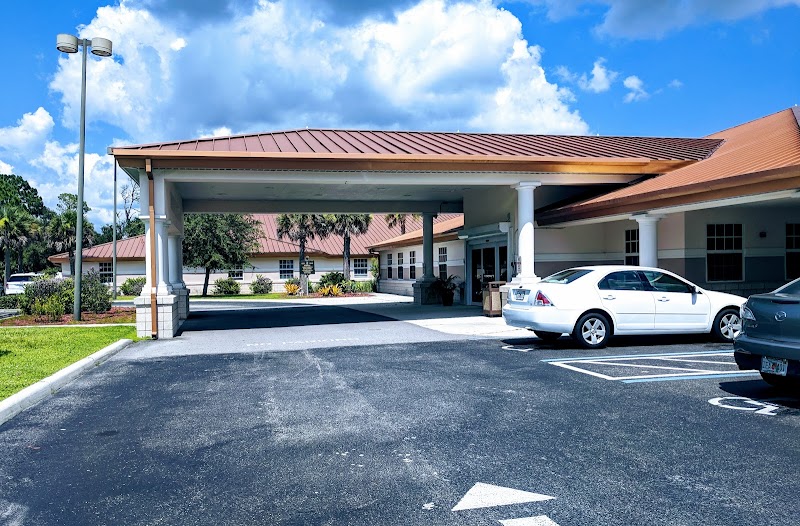
Who Owns and Operates Douglas Jacobson State Veterans?

DOUGLAS JACOBSON STATE VETERANS NURSING HOME is owned by a government entity. Government-operated facilities are typically run by state, county, or municipal agencies. The facility is operated by FLORIDA DEPARTMENT OF VETERANS' AFFAIRS, a chain that manages multiple nursing homes. With 120 certified beds and approximately 110 residents (about 92% occupancy), it is a mid-sized facility located in PORT CHARLOTTE, Florida.
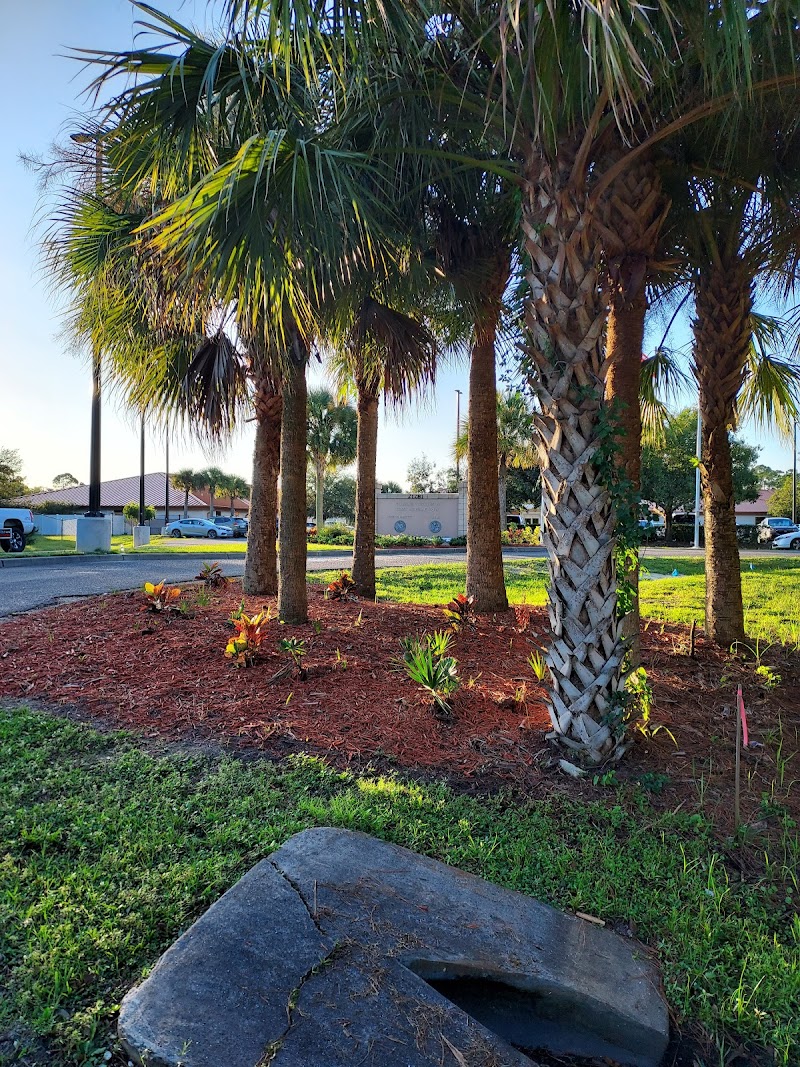
How Does Douglas Jacobson State Veterans Compare to Other Florida Nursing Homes?

Compared to the 100 nursing homes in Florida, DOUGLAS JACOBSON STATE VETERANS NURSING HOME's overall rating (3 stars) is below the state average of 3.2, staff turnover (44%) is near the state average of 46%, and health inspection rating (2 stars) is below the national benchmark.

What Should Families Ask When Visiting Douglas Jacobson State Veterans?

Based on this facility's data, families visiting should ask: "What safeguards and monitoring systems are in place to protect residents from abuse or neglect?" "Can I visit during a mealtime to observe dining assistance and food quality?" "How do you handle medical emergencies, and what is your hospital transfer rate?" "Can I speak with family members of current residents about their experience?" These questions are particularly relevant given the substantiated abuse finding on record.

Is Douglas Jacobson State Veterans Safe?

Based on CMS inspection data, DOUGLAS JACOBSON STATE VETERANS NURSING HOME has documented safety concerns. The facility has 1 substantiated abuse finding (meaning confirmed case of resident harm by staff or other residents). The facility has a 3-star overall rating and ranks #100 of 100 nursing homes in Florida. Families considering this facility should ask detailed questions about what corrective actions have been taken since these incidents.

Do Nurses at Douglas Jacobson State Veterans Stick Around?

DOUGLAS JACOBSON STATE VETERANS NURSING HOME has a staff turnover rate of 44%, which is about average for Florida nursing homes (state average: 46%). Moderate turnover is common in nursing homes, but families should still ask about staff tenure and how the facility maintains care continuity when employees leave.

Was Douglas Jacobson State Veterans Ever Fined?

DOUGLAS JACOBSON STATE VETERANS NURSING HOME has been fined $135,938 across 8 penalty actions. This is 3.9x the Florida average of $34,438. Fines at this level are uncommon and typically indicate a pattern of serious deficiencies, repeated violations, or failure to correct problems promptly. CMS reserves penalties of this magnitude for facilities that pose significant, documented risk to resident health or safety. Families should request specific documentation of what issues led to these fines and what systemic changes have been implemented.

Is Douglas Jacobson State Veterans on Any Federal Watch List?

DOUGLAS JACOBSON STATE VETERANS NURSING HOME is not on any federal watch list. The most significant is the Special Focus Facility (SFF) program, which identifies the bottom 1% of nursing homes nationally based on persistent, serious quality problems. Not being on this list means the facility has avoided the pattern of deficiencies that triggers enhanced federal oversight. This is a positive indicator, though families should still review the facility's inspection history directly.