HARBOUR HEALTH CENTER
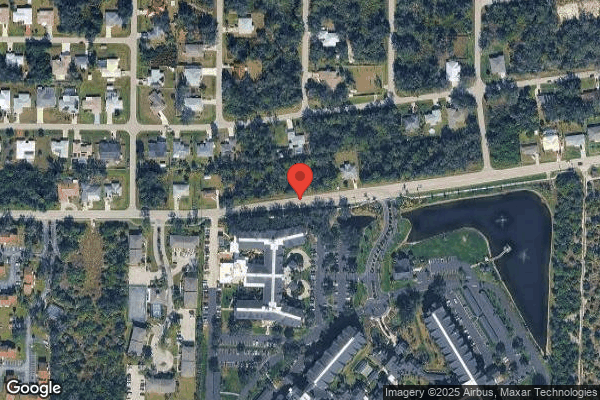
23013 WESTCHESTER BLVD, PORT CHARLOTTE, FL 33980 (941) 625-1220
For profit - Limited Liability company 104 Beds HEALTHPEAK PROPERTIES, INC. Data: November 2025
Trust Grade
36/100
#504 of 690 in FL
Last Inspection: February 2024

Within standard 12-15 month inspection cycle. Federal law requires annual inspections.

Overview

Harbour Health Center has received a Trust Grade of F, indicating significant concerns about the quality of care provided. It ranks #504 out of 690 facilities in Florida, placing it in the bottom half, and #6 out of 8 in Charlotte County, meaning only two local options are worse. The facility is showing signs of improvement, as the number of reported issues decreased from 6 in 2024 to 4 in 2025. Staffing is a relative strength with a rating of 4 out of 5 stars and a turnover rate of 28%, which is well below the state average. However, there have been serious deficiencies, including failure to protect a resident from physical abuse and neglect regarding incontinence care for two residents, which raises concerns about oversight and the quality of resident care.

Trust Score
F
36/100
In Florida
#504/690
Bottom 27%
Safety Record
High Risk
Review needed
Inspections
Getting Better
6 → 4 violations
Staff Stability
✓ Good
28% annual turnover. Excellent stability, 20 points below Florida's 48% average. Staff who stay learn residents' needs.
Penalties
✓ Good
$6,682 in fines. Lower than most Florida facilities. Relatively clean record.
Skilled Nurses
✓ Good
Each resident gets 67 minutes of Registered Nurse (RN) attention daily — more than 97% of Florida nursing homes. RNs are the most trained staff who catch health problems before they become serious.
Violations
⚠ Watch
13 deficiencies on record. Higher than average. Multiple issues found across inspections.
★★☆☆☆
2.0
Overall Rating
★★★★☆
4.0
Staff Levels
★★★★☆
4.0
Care Quality
★★☆☆☆
2.0
Inspection Score
Stable
2024: 6 issues
2025: 4 issues

The Good

  • 4-Star Staffing Rating · Above-average nurse staffing levels
  • 4-Star Quality Measures · Strong clinical quality outcomes
  • Low Staff Turnover (28%) · Staff stability means consistent care
  • Full Sprinkler Coverage · Fire safety systems throughout facility
  • No fines on record
  • Staff turnover is low (28%)

    20 points below Florida average of 48%

Facility shows strength in staffing levels, quality measures, staff retention, fire safety.

The Bad

2-Star Overall Rating

Below Florida average (3.2)

Below average - review inspection findings carefully

Federal Fines: $6,682

Below median ($33,413)

Minor penalties assessed

Chain: HEALTHPEAK PROPERTIES, INC.

Part of a multi-facility chain

Ask about local staffing decisions and management

The Ugly 13 deficiencies on record

1 actual harm
Jul 2025 1 deficiency 1 Harm
SERIOUS (G) 📢 Someone Reported This

A family member, employee, or ombudsman was alarmed enough to file a formal complaint

Actual Harm - a resident was hurt due to facility failures

Free from Abuse/Neglect (Tag F0600)

A resident was harmed · This affected 1 resident

Based on record review, review of facility policy and procedures, resident and staff interviews, the facility failed to protect the resident's right to be free from physical abuse for 1 (Resident #899...

Read full inspector narrative →
Based on record review, review of facility policy and procedures, resident and staff interviews, the facility failed to protect the resident's right to be free from physical abuse for 1 (Resident #899) of 3 residents reviewed for abuse. The findings included:A review of the facility policy Identifying Types of Abuse documented, Abuse of any kind against residents is strictly prohibited. Abuse prevention includes recognizing and understanding the definitions and types of abuse that can occur. It is understood by the leadership in this facility that preventing abuse requires staff education, training, and support, and a facility wide culture of compassion and caring. Possible indicators of physical abuse include an injury that is suspicious because the source of the injury is not observed, the extent or location of the injury is unusual or because of the number of injuries either at a single point in time or overtime .Examples of injuries that could indicate physical abuse include but are not limited to: fractures, sprains or dislocations . Review of the facility's incident investigations revealed on 6/25/25 Resident #899 reported that on 6/23/25 Certified Nursing Assistant (CNA) Staff A handed her the call light and then tried to take it back. Resident #899 did not want to give the call light back. She alleged that the CNA tore the call light out of her hand, twisted her fingers around and pulled the call light out of her hands. The investigation noted Resident #899 left hand with bruising to the left 4th and 5th fingers.The facility interviewed CNA Staff A who stated on 6/25/25 she took care of Resident #899 and did not recall any issues with the resident who was on her regular assignment. CNA Staff A said Resident #899 asked for a pain pill that morning and to talk to the nurse. She advised the nurse of the resident's request. Around 1:00 p.m., Resident #899 asked to get out of bed for her care plan meeting. The resident's representative showed her that she had a bruise on her left hand. The representative and the resident did not say that anyone had hurt the resident.On 6/25/25 at 4:07 p.m., CNA Staff A wrote on a witness statement, On 6/25/25 at 1:30 p.m., I got her out of bed to get into her w/c so I can take her to the care plan meeting. The caregiver showed me she had a bruised hand. She did not say anything else or tell me anyone hurt her, only that look that the bruise is there.Licensed Practical Nurse (LPN) Staff B said Resident #899 requested to speak with a nurse. The resident stated that the nurse last night was rough and twisted my hand. Resident #899 showed her left hand to LPN Staff B who observed swelling and bruising of the resident's left 5th finger. Resident #899 could not recall the name or provide a description of the staff who was rough and twisted her hand. LPN Staff B notified the Administrator and Director of Nursing (DON).The facility's investigation documented on 7/7/25 the analysis of the incident (apparent cause): This injury was found to be an injury of unknown origin. All allegations have been unsubstantiated.Review of the clinical record for Resident #899 revealed an admission date of 5/6/25. Diagnoses included history of breast cancer, malignant neoplasm of lung and brain. Resident #899 was admitted to hospice services on 6/9/25.Review of the admission Minimum Data Set (MDS) assessment with a target date of 6/15/25 documented Resident #899 required partial to moderate assistance with bed mobility and hygiene. The MDS noted the resident scored 8 on the Brief Interview for Mental Status, indicating the residents' cognitive skills for daily decision making were moderately impaired.On 7/8/25 at 8:45 a.m., in an interview Resident #899 said a Certified Nursing Assistant (CNA) grabbed the call light out of her hand. She said she did not know the name of the CNA but she was very strong. Resident #899 pointed to her left hand. Dark bruising was observed on the dorsal area of the resident's left hand, and the palmar area of the 4th and 5th fingers.Resident #899 said, She (the CNA) was angry and was very strong. I was very upset that day about it. I think I was telling her to stop when she was trying to get the call light out of my hand, and she let up after a couple of minutes. It happened so fast, I think I was yelling. She was trying to get the wires out of my hand, and I was being grabbed. I don't know why she was trying to take it from me. They removed her and she has not been back since. When I use the call light now, they come. The facility did an x-ray and they took pictures of my hand and I have a fractured finger on the pinky finger of the left hand.The resident said, I felt and still feel when caring for people who have disabilities that you should treat them well.On 6/25/25 the Physician documented in a progress note, Chief Complaint: Per nursing, left small finger swelling and pain, and abdominal rash. The nurse reports today that there is some swelling and pain of the left little finger. Apparently, the patient is reporting that her hand may have been twisted and states she was trying to use a remote by a caregiver. When seen in her room, she was enjoying an eclair dessert using her left arm. There is swelling and an area of ecchymosis (bruising). She said that she did have some pain with movement but was able to use her hand. Otherwise, she was alert and enjoying her desert. She does have some forgetfulness. The left hand particularly the left fifth finger has an area of ecchymosis, tracking down to the left anterior hands with evident swelling. There was decreased range of motion. No gross dislocation. She was able to do some range of motion. The wrist has full range of motion including the elbow and she was able to raise her left upper extremity. Alert and oriented x I to 2, oriented to self with some confusion. Assessment: Left fifth finger swelling ecchymosis. Generalized weakness. Lung cancer with brain metastasis. Plan: Ordered stat (without delay) x-ray of the hand, focusing on the left fifth finger to see. She was wanting to use her left hand. Will await results. I did meet the POA (Power of Attorney) in the hallway and I did report that x-ray was being done. I did ask the nurse to call Director of Nursing (DON) to report incident at this time.Review of Resident #899's left-hand x-ray obtained 6/25/25 revealed an acute mildly displaced fracture of the fifth finger.On 7/8/25 at 10:12 a.m., in an interview CNA Staff A said on 6/25/25, she was asked to get Resident #899 up and dressed for a care plan meeting. CNA Staff A said, That day I saw her hand bruised. I told the nurse, the DON came and spoke to me. She said the resident was confused and always grabs the side rail when you turn her, and she yells. CNA Staff A said The resident holds the side rail so tight, she could have hit her hand on it, and she moves her hands around, maybe she hit something. I never tried to take the call light from her, it is my job to give it and answer it. The CNA said she always puts the bed down when she is done providing care and always gives the resident the call light, the bed control, the table and remote control for the television.CNA Staff A said, The resident's friend came to visit on 6/25/25, and showed me her hand and I told the nurse. They gave me education in person and in writing on abuse. I never tried to take the call light from her, I don't know why she says that.A follow-up observation of Resident #899's bed noted there were no side rails attached to the bed.On 7/8/25 at 2:26 p.m., in a telephone interview LPN Staff B said on 6/25/25 she was working the day shift and went to give Resident #899 her medication.She said, The resident told me a nurse came in last night and twisted her hand. Her left hand was swollen, and she had bruising from the left pinky to the wrist. I don't think she can tell the difference between a CNA or a nurse but I believe she can tell you what happened to her. I notified the supervisor and called the doctor. The Abuse person is the Administrator, so I told him too.On 7/8/25 at 1:05 p.m., in an interview the Administrator verified he was the abuse coordinator for the facility. He said he spoke with Resident #899's Health Care Surrogate after the incident. He said, I spoke to her in person but did not take her statement, she seemed exhausted, and she spoke to the police department at length. I did not get a copy of the police report.The Administrator said the root cause of Resident #899's injury was, We determined the cause with the primary care physician, and we could not determine if the cause was forceful. The physician thought the fracture would be splintered if it was abuse. We checked to see if she hit her hand on something. We could not rule out that it was trauma. The Physician said it could have happened by bumping it on something. Ultimately, we could not pinpoint the cause of the fracture itself. He said CNA Staff A does not have access to the resident; she is not allowed in her room. He said the CNA is supervised on each shift so the Supervisor will ensure the CNA is not going in the room. The Supervisor will ensure that they are providing care in pairs.On 7/8/25 at 2:20 p.m., in an interview the Medical Director said she was aware of the incident with Resident #899's fracture. She said, I saw her right after, and she had swelling and bruising to the left hand. I figured some type of trauma occurred and ordered a STAT X-ray. The X-ray showed demineralization which means the bone is thin and there was a fracture of the 5th finger. The resident is very frail. She has lung cancer with metastasis (spreading) to the brain and the bone. She has some confusion, and she did tell me the aid tried to grab the call light out of her hand. It is up to the facility to investigate it and see what happened. The resident was seen last week, and she had no pain, the bruising was there but the swelling was gone. I did not want to order any splint because she could move the fingers and she was feeding herself. The injury could be you could bang it. It was some kind of trauma because there was swelling and bruising. The fracture was caused by trauma, but what, I don't know. The resident has some confusion but she has some thought and insight.On 7/9/25 at 5:07 p.m., in a telephone interview Resident #999's friend said she saw Resident #899 the day before the incident and her left hand was fine. There was no swelling or bruising. The next day she came again and her left hand was swollen and bruised. Resident #899 said they tried to take the call light from her hand and that is how she hurt her hand. She said the person twisted her hand trying to get the call light.The friend said she was not there when it happened but she did not have any injury the day before. She let the nurse know. The DON came and spoke with me. The police were notified and she spoke to them for a long while.
Mar 2025 3 deficiencies
CONCERN (D) 📢 Someone Reported This

A family member, employee, or ombudsman was alarmed enough to file a formal complaint

Potential for Harm - no one hurt, but risky conditions existed

Free from Abuse/Neglect (Tag F0600)

Could have caused harm · This affected 1 resident

**NOTE- TERMS IN BRACKETS HAVE BEEN EDITED TO PROTECT CONFIDENTIALITY** Based on record review and interviews, the facility failed to protect the resident(s') right to be free from neglect when it fai...

Read full inspector narrative →
**NOTE- TERMS IN BRACKETS HAVE BEEN EDITED TO PROTECT CONFIDENTIALITY** Based on record review and interviews, the facility failed to protect the resident(s') right to be free from neglect when it failed: 1) to provide to structural processes necessary to ensure ongoing incontinence care to two residents (#1 and #2); and 2.) to prevent emotional anguish to 1 resident (#2). The findings included: Record Review of Abuse and Neglect-Clinical Protocol Policy last revised in March 2018 stated that neglect is defined as the failure of the facility, it's employees or service providers to provide goods and services to a resident that are necessary to avoid physical harm, pain, mental anguish or emotional distress. The facility management and staff will institute measures to address the needs of residents and minimize the possibility of abuse and neglect. Record Review of ADL Policy, last revised on March 2018 stated, Residents will be provided with care, treatment and services as appropriate to maintain or improve their ability to carry out activities of daily living (ADL's). Residents who are unable to carry out activities of daily living independently will receive the services necessary to maintain good nutrition, grooming and personal and oral hygiene. Appropriate care and services will be provided for residents who are unable to carry out ADL's independently, including Hygiene (bathing, dressing, grooming, and oral care). Resident #1 was admitted to the facility on [DATE] for skilled nursing care. Resident #1 has a diagnosis of Alzheimer's disease, impaired gait and mobility, and generalized muscle weakness. Resident #1 requires staff assistance with hygiene care and transfers in and out of her wheelchair. Record Review of the facility's neglect allegation showed that the facility verified the Certified Nursing Assistant (CNA) who was assigned to this resident did not provide incontinent care during breakfast service or lunch service resulting in the resident sitting in a puddle of urine at breakfast and lunch time on 2/20/25. Record review of staff training logs for neglect at the time surrounding the incident involving Resident #1 showed facility lacked ongoing training for staff regarding the incident, and that the only staff trained on neglect at the time of the incident were the 24 staff working at the facility on 2/26/25. Record review of facility's Quality Assurance Performance Improvement (QAPI) agenda shows that the incident involving Resident #1 was included on the agenda dated 3/19/25. Resident #2 was admitted on [DATE] with history of Dementia and requires staff assistance with getting out of bed and into the wheelchair. Interview with Resident #2 on 3/20/25 at 10:47 a.m. who stated that the Certified Nursing Assistants (CNA's) don't assist with toileting or incontinence during dinner time, they will tell you they are too busy. Resident #2 said, someone told me just go in the diaper, as if that's what it is supposed to be for, they tell you they'll be back and then you never see them again. On 3/20/25 at 2:50 p.m., during an interview the Administrator stated that he was aware of an incident in which a former staff member had told another resident to just go in your diaper. The facility had recently terminated that employee but was not aware of other residents with the same complaint. Interview with Resident #2 on 3/25/25 at 10:47 a.m., who stated that she recently refused to allow staff to care for her because she was uncomfortable with them telling her to just go in your diaper. She stated that she was so upset by the interaction that she reported the incident to her nurse, and the facility agreed to remove the staff from caring for her, but no one ever asked her why or what had happened. On 3/20/25 at 2:50 p.m., an interview was conducted with the Administrator who stated that there were currently no ongoing audits in place to ensure that neglect was not occurring in the facility because QAPI was not held until 3/19/25, and that audits had not been considered prior to the meeting. The Administrator also stated that the facility had not conducted training to all caregivers after the neglect allegation was made for Resident #1, but that ongoing training would be something the facility would look into going forward.
CONCERN (D) 📢 Someone Reported This

A family member, employee, or ombudsman was alarmed enough to file a formal complaint

Potential for Harm - no one hurt, but risky conditions existed

Investigate Abuse (Tag F0610)

Could have caused harm · This affected 1 resident

Based on record review and interview, as a result of a facility's investigation, when an alleged violation was verified, the facility failed to take appropriate corrective action to protect residents ...

Read full inspector narrative →
Based on record review and interview, as a result of a facility's investigation, when an alleged violation was verified, the facility failed to take appropriate corrective action to protect residents and oversee the implementation of corrective action and evaluate whether it is effective for 2 of 2 incidents reported by the facility. The findings included: On 10/30/24, the facility reported an investigation into 19 possible instances of drug diversion regarding prescribed, as needed, pain medications. During the investigation, the facility interviewed staff and residents, in-serviced staff on misappropriation of property, and discussed the incident in a Quality Assurance Performance Improvement (QAPI) meeting on 11/20/24. The facility investigation concluded that they could not verify any medications were diverted but did verify documentation was incomplete in 19 instances involving 9 separate residents' as needed pain medications. Staff members involved was subsequently terminated. There was no further actions taken to verify this action was effective. On 2/20/25, the facility reported in investigation regarding incontinence care. During the investigation, the facility interviewed staff and residents, in-serviced staff on abuse and neglect and discussed the incident in a Quality Assurance Performance Improvement (QAPI) meeting on 3/19/25. Facility investigation verified the allegation of neglect and terminated the staff member involved. There was no further actions taken to verify this action was effective. On 3/20/25 at 2:56 p.m., the Administrator said no Performance Improvement Plans (PIPs) had been put in place and no continued monitoring/audits had been conducted for either reported incident. The Administrator agreed there was no way to prove the actions taken by the facility had been effective in dealing with the problems related to the investigation.
CONCERN (D) 📢 Someone Reported This

A family member, employee, or ombudsman was alarmed enough to file a formal complaint

Potential for Harm - no one hurt, but risky conditions existed

Incontinence Care (Tag F0690)

Could have caused harm · This affected 1 resident

**NOTE- TERMS IN BRACKETS HAVE BEEN EDITED TO PROTECT CONFIDENTIALITY** Based on record review and interviews, the facility failed to ensure incontinence care was provided to 2 residents (#1 and #2). ...

Read full inspector narrative →
**NOTE- TERMS IN BRACKETS HAVE BEEN EDITED TO PROTECT CONFIDENTIALITY** Based on record review and interviews, the facility failed to ensure incontinence care was provided to 2 residents (#1 and #2). The findings included: Record review of the Activities of Daily Living (ADL) Policy, last revised on March 2018 said, Residents will be provided with care, treatment and services as appropriate to maintain or improve their ability to carry out activities of daily living (ADL's). Residents who are unable to carry out activities of daily living independently will receive the services necessary to maintain good nutrition, grooming and personal and oral hygiene. Appropriate care and services will be provided for residents who are unable to carry out ADL's independently, including Hygiene (bathing, dressing, grooming, and oral care). Resident #1 was admitted to the facility on [DATE] for skilled nursing care. Resident #1 has a diagnosis of Alzheimer's disease, impaired gait and mobility, and generalized muscle weakness. Resident #1 requires staff assistance with hygiene care and transfers in and out of her wheelchair. Record review of the facility's investigation of the ADL care received by Resident #1 showed that the Certified Nursing Assistant (CNA) was made aware on 2/20/25 the resident was sitting in a puddle of urine at 8:00 a.m. and did not receive incontinence care until after lunch. On 3/20/25 at 10:47 a.m. an interview with Resident #2 who stated that I have to ask for help to the bathroom, the CNA never offers to help or anything, and one time recently I waited so long I had to go in my diaper and had to wait until after dinner to be changed when someone finally came and helped me. On 3/20/25 at 12:00 p.m., in an interview the Administrator verified that he was made aware that incontinent care had not been done for Resident #1 and verified that the CNA documented that the resident was not available for incontinence care. The Administrator confirmed this was determined to be falsely documented. On 3/20/25 at 12:15 p.m., in an interview the Administrator stated that there are currently no performance improvement plans in place to monitor for toileting and incontinence care at the facility.
Feb 2024 6 deficiencies
CONCERN (D)

Potential for Harm - no one hurt, but risky conditions existed

Quality of Care (Tag F0684)

Could have caused harm · This affected 1 resident

**NOTE- TERMS IN BRACKETS HAVE BEEN EDITED TO PROTECT CONFIDENTIALITY** Based on observation, record review, staff, resident and family interview, the facility failed to ensure 2 (Residents #12, #29) ...

Read full inspector narrative →
**NOTE- TERMS IN BRACKETS HAVE BEEN EDITED TO PROTECT CONFIDENTIALITY** Based on observation, record review, staff, resident and family interview, the facility failed to ensure 2 (Residents #12, #29) of 4 residents reviewed received care and services in accordance with professional standards, by failing to implement physician's orders for protective skin sleeves. The findings included: 1. Clinical record review revealed Resident #29 was admitted to the facility on [DATE]. Diagnoses included Dementia. The physician order effective 10/22/23 included to apply Geri-sleeves (protective sleeves) to both arms for protection. The Care Plan initiated 5/27/21 documented Resident #29, has the potential for impaired skin integrity r/t (related to) impaired cognition, impaired mobility, anorexia, incontinence, malnutrition. The resident needs assistance to apply protective garments; Geri-sleeves to BUE (bilateral upper extremities). On 2/5/24 at 1:56 p.m., 2:51p.m., and on 2/6/24 at 8:45 a.m., Resident #29 was observed in the activity area wearing a short sleeve shirt without Geri-sleeves as ordered by physician. On 2/6/24 at 11:30 a.m., Certified Nursing Assistant (CNA) Staff B removed the blanket revealing both arms for Resident #29 and verified she was not wearing Geri sleeves. On 2/6/24 at 2:08 p.m., Resident #29 was observed in the activity area wearing a short sleeve shirt without Geri-sleeves as ordered by physician. On 2/7/24 at 8:45 a.m., Resident #29 was observed without Geri sleeves on either arm. CNA Staff B verified resident was not wearing Geri-sleeves. On 2/7/24 at 10:23 a.m., CNA Staff B verified she was assigned to care for Resident #29 but said she did not know she was supposed to wear the Geri sleeves. On 2/7/24 at 10:25 a.m., Registered Nurse (RN) Staff O, verified Resident #29 was supposed to wear Geri sleeves. On 2/7/24 at 3:50 p.m., Unit Manager Staff L, said he was told today Resident #29 was not wearing the Geri-sleeves as ordered by the physician. On 2/7/24 at 4:11 p.m. the Director of Nursing (DON) said if the resident could tolerate the Geri sleeves, they would be on. He verified there was no documentation of refusal or taking them off. The DON said there was no policy related to following physician orders, that was the expectation. 2. Clinical record review revealed Resident #12 was admitted to the facility on [DATE]. Diagnoses included Congestive Heart Failure, Interstitial Pulmonary Disease, Chronic Obstructive Pulmonary Disease (COPD) and Chronic Pulmonary Edema. The physician order effective 11/10/23 included, Incentive Spirometer (a device used to improve air movement in the lungs) 10 X(times) hour every shift while awake. The Care Plan revised on 11/7/23 said Resident #12 has the potential for altered respiratory status/difficulty breathing related to interstitial pulmonary disease, pleural effusion, respiratory failure, pulmonary edema, Congestive Heart Failure, pulmonary hypertension, COPD and wheezing. The intervention as of 11/6/23 included incentive spirometer as ordered. On 2/6/24 at 8:31 a.m., Resident #12 was observed in bed with a private duty aide at the bedside. She said she stays with the resident throughout the day and has never seen anyone use the Incentive Spirometer with the resident before. On 2/6/24 at 9:35 a.m., Resident #12's Incentive Spirometer was noted at the bedside. Resident #12's daughter said she took the incentive spirometer out of the cabinet for staff to help her mother use it. The daughter said she has not seen staff using the Incentive Spirometer. She said, Do you hear her wheezing? On 2/7/24 at 3:00 p.m., Unit Manager Staff L, verified the resident was not able to use the Incentive Spirometer on her own, but nurses were signing off on the treatment record that was being done. On 2/7/24 at 3:10 p.m., Licensed Practical Nurse (LPN) Staff D said he does not recall if he assisted resident #12 with the Incentive Spirometer. On 2/8/24 at 9:20 a.m., Resident #12's private duty aid said she's been with the resident all morning and no one has come in to help Resident #12 with the incentive spirometry. On 2/8/24 at 9:29 a.m., Licensed Practical Nurse (LPN) Staff H, said Resident #12 can do the incentive spirometer once in the morning but verified it was not done 10 times per hour. On 2/8/24 at 11:03 a.m., The DON verified the order was revised to say, encourage to use Incentive Spirometer every hour while awake, every hour document refusal. The DON verified LPN Staff G documented on 2/7/24., every hour from midnight to 7:00 a.m., Resident #12 used the incentive spirometer. On 2/8/24 at approximately 11:10 a.m., in a telephone interview LPN staff G verified Resident #12 did not use the Incentive Spirometer every hour during the night of 2/7/24 as documented. The resident refused when he woke her up to use the spirometer.
CONCERN (D)

Potential for Harm - no one hurt, but risky conditions existed

Deficiency F0685 (Tag F0685)

Could have caused harm · This affected 1 resident

**NOTE- TERMS IN BRACKETS HAVE BEEN EDITED TO PROTECT CONFIDENTIALITY** Based on observation, record review, and staff interviews, the facility failed to ensure 1 (Resident #29) of 1 dependent residen...

Read full inspector narrative →
**NOTE- TERMS IN BRACKETS HAVE BEEN EDITED TO PROTECT CONFIDENTIALITY** Based on observation, record review, and staff interviews, the facility failed to ensure 1 (Resident #29) of 1 dependent resident received the appropriate assistance to apply corrective lenses as per the physician's orders and care plan to maintain vision. The findings included: Review of the clinical record revealed Resident #29 was admitted to the facility on [DATE]. Diagnoses included Dementia and unspecified age-related cataract. The physician's orders dated 6/30/21 included for the nurse to verify the resident's glasses were on in the morning and remove the glasses at bedtime. The Care Plan revised on 7/1/2021 noted Resident #29 had impaired visual function related to cataracts and used glasses. The interventions included to remind the resident to wear glasses when up. Assist with placing glasses on in the morning, remove at bedtime. The Quarterly Minimum Data Set (MDS) assessment with a target date of 12/7/23 indicated the resident's vision was adequate with corrective lenses. The care plan summary meetings dated 2/15/23, 4/11/23, 5/18/23, 12/14/23 noted the resident wears glasses. Review of the Treatment Administration Record (TAR) for February 2024 noted on 2/5/24 (Day, evening, and night shift), on 2/6/24 (Day, evening, and night shift), and 2/7/24 (Day shift) Resident #29's glasses were on. On 2/5/24 at 1:53 p.m., and 2:50 p.m., Resident #29 was observed sitting in the activity area in front of nursing station. Resident #29 was not wearing glasses. Resident #29 was not able to respond to interview questions. On 2/6/24 at 1:05 p.m., Resident #29 was observed sitting in front of the nursing station without glasses. On 2/6/24 at 1:07 p.m., Certified Nursing Assistant (CNA) Staff K said everything you need to know about the resident can be found on the care plan. On 2/7/24 at 2:51 p.m., Unit Manager Licensed Practical Nurse (LPN) Staff L verified the resident should be wearing glasses. On 2/7/2024 at 6:04 p.m., A nursing progress noted documented by the unit manager said, Pt eye glass is missing room was searched. Pt husband was notified and was offered to have glasses replace .
CONCERN (D)

Potential for Harm - no one hurt, but risky conditions existed

Deficiency F0692 (Tag F0692)

Could have caused harm · This affected 1 resident

**NOTE- TERMS IN BRACKETS HAVE BEEN EDITED TO PROTECT CONFIDENTIALITY** Based on observations, resident and staff interviews, clinical records review and facility policy review the facility failed to ...

Read full inspector narrative →
**NOTE- TERMS IN BRACKETS HAVE BEEN EDITED TO PROTECT CONFIDENTIALITY** Based on observations, resident and staff interviews, clinical records review and facility policy review the facility failed to follow physician's ordered fluid restrictions for 1 (Resident #14) of 2 residents reviewed for hydration management. The findings included: Review of facility policy titled Encouraging and Restricting Fluids, revised October 2010 which stated, Purpose: The purpose of this procedure is to provide the resident with the amount of fluids necessary to maintain optimum health. This may include encouraging or restricting fluids. Preparation: 1. Verify that there is a physician's order for this procedure . General Guidelines: 1. Follow specific instructions concerning fluid intake or restrictions. 2. Be accurate when recording fluid intake. 3. Record fluid intake on the intake side of the intake and output record. Record fluid intake in ml (milliliter) . 8. Be sure an intake and output record is maintained in the resident's room . Documentation: . 6. The amount (in mLs) of fluids consumed by the resident during the shift. 7. The type of liquids consumed (i.e., tea, milk, coffee, soup, etc.) . 9. The signature and title of the person recording the data. Review of facility policy titled, Dietary Tray Card, revised 9/4/18 which stated, Policy: The Food and Nutrition Services Department should maintain a tray card system in order to record dietary information necessary to use on resident's tray card . Update any changes in the diet order; change the tray card, production count and nourishment list when applicable. Review of facility policy titled, Fluid Restriction, revised 5/20/20 which stated, Policy: To provide residents who have a written physician order for fluid restriction an appropriate amount of fluid each day while allowing nursing adequate fluid to supply medication, etc. each shift . Procedure: 2. For a diet with fluid restrictions, the following distribution may be used by nursing and dietary. Recommend dietary put ml allowed on tray card, and nursing note the ml allowed on the MARs. Review of clinical records revealed Resident #14 was admitted to the facility on [DATE] for short term rehabilitation. Primary admitting diagnosis was Chronic Obstructive Pulmonary Disease (COPD) with secondary diagnoses including acute and chronic respiratory failure, pleural effusion, chronic pulmonary edema, weeping edema both lower extremities and heart failure. Review of physician's order dated 2/1/24 documented, Fluid Restriction 1200cc/24 hrs:11-7 provide 60 ml; 7-3 Nursing provide 120 ml, dietary breakfast 420 ml, lunch 240 ml, 3-11 nursing provide 120 ml, dinner 240 ml every shift. Resident #14 care plan dated 2/2/24 documented the resident had altered cardiovascular status with intervention of restricted fluids as ordered by the physician. The Certified Nursing Assistant (CNA) [NAME] (Provides instructions for care) for Resident #14 documented restricted fluids as ordered by the physician. On 2/5/24 at 10:00 a.m., in an interview, when asked about meals at the facility, Resident #14 said, They put me on water restrictions last week. Observed Resident #14 with two juice six ounce (360 cc) cups on bedside table. Resident #14 said, Yeah, there is no reason, I get my other drinks but water is restricted. I will need to talk with the doctor. On 2/6/24 at 8:40 a.m., observed Resident #14 eating breakfast. Resident #14 had six ounces of orange juice, eight ounces of coffee, six ounces of water and eight ounces of milk on the breakfast tray. CNA Staff B verified Resident #14 had six ounces of orange juice, eight ounces of coffee, six ounces of water and eight ounces of milk on the breakfast tray. During the observation, Registered Nurse (RN) Staff C provided Resident #14 with an additional eight ounces of chocolate (brand name) supplement. The total fluid provided to the resident with breakfast was 1080 cc. While interviewing Resident #14, RN Staff C came into room to administer medications to the resident. RN Staff C offered six ounces of water with medications. While RN Staff C was administering the medications, Resident #14 was observed taking a pair of pliers which he said was to open the milk bottle. RN Staff C opened the eight-ounce milk container for the resident. RN Staff C did not comment on the multiple drinks on the resident's breakfast tray. Review of the meal ticket failed to reveal instructions for the fluid restriction. On 2/6/24 at 12:53 p.m., observed Resident #14 finishing lunch with six-ounce cranberry juice partially consumed and six ounce orange juice partially consumed half on bedside. Lunch tray reviewed with CNA Staff B who confirmed resident drank eight ounces of milk and eight ounces of coffee with lunch. Review of the lunch meal ticket failed to show documentation of fluid restrictions. The total amount of fluids offered with the meal was 840 cc. On 2/7/24 at 8:23 a.m., in an interview Resident #14 said his dinner meal on 2/6/24 included regular fluids. The Resident said, I got juice, water and coffee. They are only restricting my water. I need to talk with the doctor about that. On 2/7/24 at 8:52 am., in an interview CNA Staff A confirmed Resident #14 was on fluid restrictions. When asked how much fluid resident is allowed each day CNA Staff A replied, 1400 cc I think. When asked if the1400 cc were for the shift or the entire day, CNA Staff A replied, 1400 cc for my shift. The CNA said she does not chart the fluid intake. She tells the nurses, and the nurses chart the amount. On 2/7/24 at 9:06 a.m., in an interview CNA Staff B who had cared for resident 2/6/24 confirmed she knew resident was on fluid restrictions. She said Resident #14 was allowed 1200 cc of fluids per day. CNA Staff B said, He had about 500 cc in the morning. I might have calculated it wrong; I knew he was on a fluid restriction that's why I only provided him with the juice. He did not get any Styrofoam cups of water. CNA reviewed drinks provided for both breakfast and lunch. CNA Staff B said, I should have been more aware of what he was supposed to have. The nurse tells me. I was told 1200cc for the day shift. On 2/7/24 at 11:07 a.m., in a phone interview RN Staff C confirmed she was aware of Resident #14 physician ordered fluid restriction was for 1200 cc over a 24 hour period. RN Staff C said she had communicated to the CNAs about the fluid restrictions. When shared the observed fluids provided to the resident for breakfast and lunch, RN Staff C said, Wow, I don't know what to say. RN Staff C said she did not notice the fluids on the breakfast tray on 2/6/24 when she administered the medications to the resident. On 2/7/24 at 11:39 a.m., in an interview Unit Manager Staff E said the nurses are the only ones who are supposed to provide the fluids with meals and medication pass. When shared the observation of the fluids provided to the resident at breakfast and lunch on 2/6/24, RN Staff E said, It's obvious the fluid restriction is not being followed. On 2/7/24 at 12:01 p.m., in an interview the Director of Nursing (DON) confirmed Resident #14 was on 1200 cc daily fluid restriction, as ordered on 2/1/24. The DON said the process for providing fluids when on restriction is for nursing not dietary to provide the fluids. CNAs can provide fluids based on the nurse's instructions. The DON confirmed staff did not follow the physician's order for fluid restriction for Resident #14. The DON said not following the fluid restriction could lead to complications of the congestive heart failure or the COPD. On 2/7/24 at 12:31 p.m., in an interview, the Registered Dietitian (RD) verified the meal tickets should reflect the fluid restriction for Resident #14. The RD said the meal tickets should have been reprinted when the fluid restriction was ordered and they were not. The RD said the supervisor needs to check the preprinted meal tickets to ensure they are correct and the menus handed to the residents are correct, especially when a change in orders occurs. On 2/7/24 at 1:00 p.m., in a telephone interview Resident #14's physician said she expects staff to follow orders, including orders for fluid restriction. She said they will need to work as a team to improve and not let it happen again.
CONCERN (D)

Potential for Harm - no one hurt, but risky conditions existed

Unnecessary Medications (Tag F0759)

Could have caused harm · This affected 1 resident

Based on observation, record review, and staff interview the facility failed to ensure its medication error rate remained below 5%. Four licensed nurses with 27 opportunities were observed. Two medica...

Read full inspector narrative →
Based on observation, record review, and staff interview the facility failed to ensure its medication error rate remained below 5%. Four licensed nurses with 27 opportunities were observed. Two medication errors were identified resulting in a 7.41% error rate. The findings included: Policies and Procedures titled Administering Medications (reviewed/revised April 2019), specified Medications are administered in a safe and timely manner, and as prescribed. The policy states 4. Medications are administered in accordance with prescriber orders, including any required time frame. On 2/7/24 at 9:01 a.m., Licensed Practical Nurse (LPN) Staff D was observed administering two medications to Resident #23, including Entresto and metoprolol. The physician's orders specified to hold the medications if the systolic blood pressure was less than110 or the heart rate was less than 65 beats per minute. Resident #23 had a heart rate of 60 beats per minute. This indicates the medication should be held per the physician order parameters. On 2/7/24 at 10:50 a.m., in an interview LPN Staff D verified the physician's orders for the Entresto and Metoprolol specified to hold if systolic blood pressure was less than110 or the heart rate was less than 65 beats per minute. He stated he gave the medication and should have held it due to the parameters. On 2/7/24 at 10:52 a.m., the Director of Nursing reviewed the Medication Administration Record for Resident #23 and verified the medications should have been held per the specified physician ordered parameters.
CONCERN (D)

Potential for Harm - no one hurt, but risky conditions existed

Deficiency F0761 (Tag F0761)

Could have caused harm · This affected 1 resident

On 2/06/24 10:08 a.m. the medication storage room C wing checked with the Assistant Director of Nursing (ADON). During the observation a large white oval pill was found in the sink. Internet search sh...

Read full inspector narrative →
On 2/06/24 10:08 a.m. the medication storage room C wing checked with the Assistant Director of Nursing (ADON). During the observation a large white oval pill was found in the sink. Internet search shows it is Metformin (a pill to control blood sugar). Photographic evidence obtained. During an interview on 2/6/24 at 10:09 a.m. ADON stated that she did not know what the large white pill was and she acknowledged that it should not be in the sink in the medication room. On 2/06/24 at 11:25 a.m., LPN Staff Q's medication cart C left was checked and found to have opened over the counter (OTC) liquid medication not labeled with the open date. LPN staff Q confirmed 3 of the bottles did not have an open date on them and she could not know how long they had been in the drawer open. The following medication bottles were observed not dated with open date. -Geri-tussin DM -Liquid pain relief acetaminophen -Iron supplement During an interview on 02/07/24 at 11:45 a.m. the Director of Nursing (DON) stated that her expectation was for nurses when opening OTC liquid medication is to place an open date on the bottle. They dispose of the medication when the expiration date is reached. No policy of labeling open date on the bottle. Just a higher standard they want the nurse to practice. Based on observation, and staff interviews, the facility failed to administer and store medications in accordance with professional practice and standards for 1(Resident #14) of 1 resident observed with unsecured medications at the bedside. The findings included: On 2/7/24 at 8:39 a.m., observed Registered Nurse (RN) Staff D enter Resident #14 room with glass of water and medicine cup of pills. Observed RN leave medicine cup on bedside table next resident. RN did not stay with the resident to ensure medications were taken as ordered. On 2/7/24 at 8:42 a.m., interviewed RN Staff D who confirmed he had left resident #14 with pills in medicine cup on bedside table. RN Staff D said, I was looking for an iron pill when I left the room. I know I'm not supposed to do that. RN confirmed it was against medication administration policy to leave medication unattended. On 2/7/24 at 8:48 am., interviewed unit manager Staff E who confirmed it was not acceptable to leave medications at the bedside and to not wait for the resident to take medication when administering medications. On 2/7/24 at 12:01 p.m., interviewed Director of Nursing (DON) who confirmed medications are not to be left at bedside and the nurse is expected to stay with the resident until the medications have been taken.
CONCERN (E)

Potential for Harm - no one hurt, but risky conditions existed

Staffing Information (Tag F0732)

Could have caused harm · This affected multiple residents

Based on observation and interview, the facility failed to ensure they posted and updated the nurse staffing information with the facility name and an updated census per shift. The facility further fa...

Read full inspector narrative →
Based on observation and interview, the facility failed to ensure they posted and updated the nurse staffing information with the facility name and an updated census per shift. The facility further failed to maintain the nursing staffing information for 18 months. The findings included: On 2/5/24 at 9:10 a.m. via observation, the nurse staffing information form dated 2/5/24 located in the main lobby did not have the facility's name and the current census. On 2/5/24 at 4:00 p.m. via observation, the nurse staffing information form posted in the main lobby was dated 2/05/24 and did not contain the resident census, the facility's name, the updated total number of staff, and the actual hours worked by the licensed and unlicensed nursing staff for 2/05/24. On 2/06/24 at 10:10 a.m. via observation, the nurse staffing information form posted in the main lobby was dated 2/05/24 and did not contain the resident census, the facility's name, the updated total number of staff, and the actual hours worked by the licensed and unlicensed nursing staff for 2/06/24. On 2/06/24 at 4:10 p.m. via observation, the nurse staffing information form posted in the main lobby was dated 2/05/24 and did not contain the updated resident census, the facility's name, the updated total number of staff, and the actual hours worked by the licensed and unlicensed nursing staff for 2/06/24. On 2/07/24 at 9:10 a.m. via observation, the nurse staffing information form posted in the main lobby was dated 2/05/24 and did not contain the updated resident census, the facility's name, the updated total number of staff, and the actual hours worked by the licensed and unlicensed nursing staff for 2/07/24. On 2/07/24 at 1:45 p.m. in an interview with the Director of Nursing (DON), he confirmed the nurse staffing information form posted in the main lobby was dated 2/05/24 and did not contain the facility's name, the current resident census, the current number of staff, and the actual hours worked by the licensed and unlicensed nursing staff working 2/07/24. On 2/07/24 at 2:00 p.m., in an interview with the facility's Scheduler, she said she was responsible for posting the nurse staffing information form every morning. She confirmed the nurse staffing information form did not contain the facility's name and resident census. She further said she was unaware the nurse staffing information needed to be updated daily with the resident census, the current number of staff, and the actual hours worked by the licensed and unlicensed nursing staff. She also said she would throw away the nursing staffing information form the next day because she was unaware the facility was required to retain the nurse staffing information form for 18 months.
Mar 2022 3 deficiencies
CONCERN (D)

Potential for Harm - no one hurt, but risky conditions existed

Drug Regimen Review (Tag F0756)

Could have caused harm · This affected 1 resident

Based on interviews and record reviews, the facility failed to ensure a monthly Medication Regimen Review (MRR) for 2 (#24 and #61) of 5 residents reviewed. The findings included: The facility Policy...

Read full inspector narrative →
Based on interviews and record reviews, the facility failed to ensure a monthly Medication Regimen Review (MRR) for 2 (#24 and #61) of 5 residents reviewed. The findings included: The facility Policy for Medication Regimen Review (MRR) with an effective date of 12/1/07 noted, The Consultant Pharmacist will conduct MMRs if required under a Pharmacy Consultant Agreement . The facility should maintain copies of MRRs on file in the facility, either as part of the resident's permanent medical record or in a special file, in accordance with applicable law. Review of the clinical records showed Resident's #24 and #61 were admitted to the facility respectively on 6/12/20 and 3/19/21. The clinical records lacked documentation of a medication regimen review for September 2021. Review of the Consultant Pharmacy Reports for September 2021 showed MRRs were conducted for 17 residents without recommendation and for two residents with recommendations. Residents #24 and #61 were not included in the MMRs. Review of the facility Detailed Census Report for September 2021 showed there were between 84 and 93 residents at the facility during the month of September 2021. On 3/9/22 at 11:17 a.m., in an interview the Assistant Director of Nursing (ADON) confirmed there was no MRR for September 2021 for Residents #24 and #61. The ADON also confirmed there were Consultant Pharmacy MMRs conducted for only 19 residents during September 2021. The ADON said she discovered the problem in October 2021 and contacted the Consultant Pharmacist. The Consultant Pharmacist's reply was they were missed. On 3/9/22 at 03:22 p.m., in a telephone interview, the Consultant Pharmacy Supervisor confirmed MRRs were not conducted for Resident #24 and #61 in September 2021.
CONCERN (D)

Potential for Harm - no one hurt, but risky conditions existed

Unnecessary Medications (Tag F0759)

Could have caused harm · This affected 1 resident

Based on observation, record review and staff interview the facility failed to administer medications according to the physician's orders for 1 (Resident #283) of 5 residents observed for medication a...

Read full inspector narrative →
Based on observation, record review and staff interview the facility failed to administer medications according to the physician's orders for 1 (Resident #283) of 5 residents observed for medication administration. Three Licensed nurses and 25 opportunities were observed. Two medication errors were identified resulting in an 8% error rate. The findings included: The facility's Instructional Guidelines Manual for Medication Administration revised 08/05/2015 reads, . All medications must be ordered by the Physician . Administer medications within a two (2) hour time frame (one hour before to one hour after the time prescribed by the physician) . When administering medications, always check for the six R's. Right resident, right medications, right time, right route, right dosage, right documentation . On 3/7/22 at 12:00 p.m., Licensed Practical Nurse (LPN) Staff A was observed administering seven (7) different medications to Resident #283, including one tablet of Metoprolol 25 milligrams Extended Release and one tablet of Cefdinir 300 milligrams. The physician's orders dated 3/2/22 specified to administer one tablet of Metoprolol XL Extended release 25 milligrams every 12 hours at 9:00 a.m., and 9:00 p.m., related to hypertensive heart disease with heart failure. The physician's orders dated 3/2/22 specified to give one tablet of Cefdinir Capsule 300 milligrams by mouth every 12 hours at 9:00 a.m., and 9:00 p.m., related to urinary tract infection. On 3/7/22 at 12:00 p.m., at the time of the observation LPN Staff A verified she administered the Cefdinir and the Metoprolol late, three hours past the scheduled time. On 3/9/22 at 11:45 a.m., in an interview the Director of Nursing (DON) said the medications were late because the nurse administering the medications was a new agency nurse.
CONCERN (D)

Potential for Harm - no one hurt, but risky conditions existed

Deficiency F0761 (Tag F0761)

Could have caused harm · This affected 1 resident

Based on observation, record review, review of facility policy, staff and resident interviews, the facility failed to ensure proper storage of medications for 1 (Resident #7) of 1 resident observed wi...

Read full inspector narrative →
Based on observation, record review, review of facility policy, staff and resident interviews, the facility failed to ensure proper storage of medications for 1 (Resident #7) of 1 resident observed with unsecured prescribed eye drops at the bedside. The findings included: Review of the Policy and Procedure for Storage and Expiration of Medication, Biological, Syringes and Needles with an effective of 12/1/07 (revised 1/1/13) documented . Facility should ensure that all medications and biologicals, including treatment items, are securely stored in a locked/cabinet/cart or locked medication room that is inaccessible by residents and visitors . Facility should store bedside medications or biologicals in a locked compartment within the resident's room . On 3/9/22 at 9:30 a.m., observed a bottle of Dorzolamide HCL eye drops and a bottle of Timolol Maleate eye drops stored in an empty tissue box on Resident #7's overbed table. In an interview at the time of the observation Resident #7 said she has been using the drops for years and sometimes the nurses just leave the medications in her room and sometimes they pick them up and bring them back. Photographic Evidence Obtained. On 3/9/22 at 10:45 a.m., The Director of Nursing (DON) verified a bottle of Dorzolamide HCL eye drops and a bottle of Timolol Maleate eye drops were stored unsecured in an empty tissue box on Resident #7's overbed table. The DON removed the eye drops from the Resident's room and said they were not supposed to be in there. She said if Resident #7 was deemed competent to administer her own medications, they were supposed to be stored in a locked box. On 3/9/22 at 12:05 p.m., review of the clinical record showed a Self-administration of Medication Data Collection form completed on 5/27/20 noted Resident #7 could self-administer Dorzolamide HCL solution 2% and Timolol Maleate solution 0.5 % eye drops. The form noted the medication storage was with licensed staff.
Understanding Severity Codes (click to expand)
Life-Threatening (Immediate Jeopardy)
J - Isolated K - Pattern L - Widespread
Actual Harm
G - Isolated H - Pattern I - Widespread
Potential for Harm
D - Isolated E - Pattern F - Widespread
No Harm (Minor)
A - Isolated B - Pattern C - Widespread

Questions to Ask on Your Visit

  • "What safeguards are in place to prevent abuse and neglect?"
  • "Can I speak with families of current residents?"
  • "What's your RN coverage like on weekends and overnight?"

Our Honest Assessment

Strengths
  • • 28% annual turnover. Excellent stability, 20 points below Florida's 48% average. Staff who stay learn residents' needs.
Concerns
  • • Multiple safety concerns identified: Federal abuse finding, 1 harm violation(s). Review inspection reports carefully.
  • • 13 deficiencies on record, including 1 serious (caused harm) violation. Ask about corrective actions taken.
  • • Grade F (36/100). Below average facility with significant concerns.
Bottom line: This facility has a substantiated abuse finding. Extreme caution advised. Explore alternatives.

About This Facility

What is Harbour's CMS Rating?

CMS assigns HARBOUR HEALTH CENTER an overall rating of 2 out of 5 stars, which is considered below average nationally. Within Florida, this rating places the facility higher than 0% of the state's 100 nursing homes. A rating at this level reflects concerns identified through health inspections, staffing assessments, or quality measures that families should carefully consider.

How is Harbour Staffed?

CMS rates HARBOUR HEALTH CENTER's staffing level at 4 out of 5 stars, which is above average compared to other nursing homes. Staff turnover is 28%, compared to the Florida average of 46%. This relatively stable workforce can support continuity of care.

What Have Inspectors Found at Harbour?

State health inspectors documented 13 deficiencies at HARBOUR HEALTH CENTER during 2022 to 2025. These included: 1 that caused actual resident harm and 12 with potential for harm. Deficiencies causing actual harm indicate documented cases where residents experienced negative health consequences.

Who Owns and Operates Harbour?

HARBOUR HEALTH CENTER is owned by a for-profit company. For-profit facilities operate as businesses with obligations to shareholders or private owners. The facility is operated by HEALTHPEAK PROPERTIES, INC., a chain that manages multiple nursing homes. With 104 certified beds and approximately 87 residents (about 84% occupancy), it is a mid-sized facility located in PORT CHARLOTTE, Florida.
How Does Harbour Compare to Other Florida Nursing Homes?

Compared to the 100 nursing homes in Florida, HARBOUR HEALTH CENTER's overall rating (2 stars) is below the state average of 3.2, staff turnover (28%) is significantly lower than the state average of 46%, and health inspection rating (2 stars) is below the national benchmark.

What Should Families Ask When Visiting Harbour?

Based on this facility's data, families visiting should ask: "What safeguards and monitoring systems are in place to protect residents from abuse or neglect?" "Can I visit during a mealtime to observe dining assistance and food quality?" "How do you handle medical emergencies, and what is your hospital transfer rate?" "Can I speak with family members of current residents about their experience?" These questions are particularly relevant given the substantiated abuse finding on record.

Is Harbour Safe?

Based on CMS inspection data, HARBOUR HEALTH CENTER has documented safety concerns. The facility has 1 substantiated abuse finding (meaning confirmed case of resident harm by staff or other residents). The facility has a 2-star overall rating and ranks #100 of 100 nursing homes in Florida. Families considering this facility should ask detailed questions about what corrective actions have been taken since these incidents.

Do Nurses at Harbour Stick Around?

Staff at HARBOUR HEALTH CENTER tend to stick around. With a turnover rate of 28%, the facility is 18 percentage points below the Florida average of 46%. Low turnover is a positive sign. It means caregivers have time to learn each resident's needs, medications, and personal preferences. Consistent staff also notice subtle changes in a resident's condition more quickly.

Was Harbour Ever Fined?

HARBOUR HEALTH CENTER has been fined $6,682 across 1 penalty action. This is below the Florida average of $33,146. While any fine indicates a compliance issue, fines under $50,000 are relatively common and typically reflect isolated problems that were subsequently corrected. Families should ask what specific issues led to these fines and confirm they've been resolved.

Is Harbour on Any Federal Watch List?

HARBOUR HEALTH CENTER is not on any federal watch list. The most significant is the Special Focus Facility (SFF) program, which identifies the bottom 1% of nursing homes nationally based on persistent, serious quality problems. Not being on this list means the facility has avoided the pattern of deficiencies that triggers enhanced federal oversight. This is a positive indicator, though families should still review the facility's inspection history directly.