PORT CHARLOTTE REHABILITATION CENTER
25325 RAMPART BLVD, PORT CHARLOTTE, FL 33948 (941) 629-7466
For profit - Partnership 152 Beds CLEAR CHOICE HEALTHCARE Data: November 2025
Trust Grade
55/100
#409 of 690 in FL
Last Inspection: December 2024

Within standard 12-15 month inspection cycle. Federal law requires annual inspections.

Overview

Port Charlotte Rehabilitation Center has a Trust Grade of C, indicating an average performance that is neither great nor terrible. It ranks #409 out of 690 nursing homes in Florida, placing it in the bottom half, and #5 out of 8 in Charlotte County, meaning only three local facilities are rated lower. While the facility is improving, having reduced issues from six in 2024 to one in 2025, it still faces concerning challenges, including $45,920 in fines, which is higher than 77% of Florida facilities, suggesting ongoing compliance issues. Staffing is a relative strength with a 4/5 rating, though turnover is at 49%, which is average for the state, and RN coverage is below the state average, which could impact the quality of care. Specific incidents noted include inadequate supervision for residents at risk of falls, and a dietary aide operating the dishwasher without proper training on sanitization, raising concerns about food safety. Overall, while there are positive aspects, families should weigh these issues carefully when considering this facility for their loved ones.

Trust Score
C
55/100
In Florida
#409/690
Bottom 41%
Safety Record
Moderate
Needs review
Inspections
Getting Better
6 → 1 violations
Staff Stability
⚠ Watch
49% turnover. Above average. Higher turnover means staff may not know residents' routines.
Penalties
✓ Good
$45,920 in fines. Lower than most Florida facilities. Relatively clean record.
Skilled Nurses
○ Average
Each resident gets 35 minutes of Registered Nurse (RN) attention daily — about average for Florida. RNs are the most trained staff who monitor for health changes.
Violations
⚠ Watch
15 deficiencies on record. Higher than average. Multiple issues found across inspections.
★★★☆☆
3.0
Overall Rating
★★★★☆
4.0
Staff Levels
★★★★☆
4.0
Care Quality
★★★☆☆
3.0
Inspection Score
Stable
2024: 6 issues
2025: 1 issues

The Good

  • 4-Star Staffing Rating · Above-average nurse staffing levels
  • 4-Star Quality Measures · Strong clinical quality outcomes
  • Full Sprinkler Coverage · Fire safety systems throughout facility
  • No fines on record

Facility shows strength in staffing levels, quality measures, fire safety.

The Bad

3-Star Overall Rating

Near Florida average (3.2)

Meets federal standards, typical of most facilities

Staff Turnover: 49%

Near Florida avg (46%)

Higher turnover may affect care consistency

Federal Fines: $45,920

Above median ($33,413)

Moderate penalties - review what triggered them

Chain: CLEAR CHOICE HEALTHCARE

Part of a multi-facility chain

Ask about local staffing decisions and management

The Ugly 15 deficiencies on record

1 actual harm
May 2025 1 deficiency 1 Harm
SERIOUS (G) 📢 Someone Reported This

A family member, employee, or ombudsman was alarmed enough to file a formal complaint

Actual Harm - a resident was hurt due to facility failures

Accident Prevention (Tag F0689)

A resident was harmed · This affected 1 resident

**NOTE- TERMS IN BRACKETS HAVE BEEN EDITED TO PROTECT CONFIDENTIALITY** Based on observations, record review, resident and staff interviews, the facility failed to implement appropriate interventions,...

Read full inspector narrative →
**NOTE- TERMS IN BRACKETS HAVE BEEN EDITED TO PROTECT CONFIDENTIALITY** Based on observations, record review, resident and staff interviews, the facility failed to implement appropriate interventions, including adequate supervision to prevent falls for 2 (Residents #1 and #4) of 4 residents reviewed with multiple falls and/or fall related injuries. The findings included: 1. Review of the clinical record for Resident #1 revealed an admission date of 9/7/23. Diagnoses included but were not limited to generalized muscle weakness, difficulty in walking, lack of coordination, repeated falls, abnormalities of gait and mobility, severe dementia with other behavioral disturbances. Review of the Annual Minimum Data Set (MDS) assessment with a target date of 9/9/24 revealed the resident's cognition was severely impaired with a Brief Interview for Mental Status score of 03. Resident #1 required supervision to walk 10 feet and was independent to wheel herself 50 feet once seated in the wheelchair. Review of the care plan initiated on 9/15/23 and last reviewed on 10/14/24 revealed Resident #1 was at risk for falls related to deconditioning. The goal was for the potential for falls/fall-related injuries to be minimized through the next review date. The interventions included but were not limited to anti rollback to the wheelchair (4/26/24), nonskid pad to wheelchair (7/16/24), encourage resident to wear appropriate nonskid footwear (10/06/23). Resident #1's care plan initiated on 6/17/24 noted the resident had a behavior problem related to anxiety and depression. Resident noted with placing herself on to floor. The goal was for the resident to have fewer episodes. The interventions included but were not limited to anticipate and meet the resident's needs, assist the resident to develop more appropriate methods of coping and interacting. Review of the incident history log revealed Resident #1 was found on the floor four times in 2023, five times in 2024, and once on 2/8/25. The log noted Resident #1 had a witnessed fall Unassisted once in 2023, once in 2024 and on 1/5/25. Review of the progress notes revealed on 1/5/25 at 6:55 p.m., Resident #1 had a witnessed fall. Certified Nursing Assistant (CNA) Staff A witnessed the fall and stated that the resident was agitated and screaming. She attempted to transfer her back to her room via wheelchair from the 400 hall. The resident's left foot got stuck under the left wheelchair wheel. Resident #1 ended up falling and hitting her head with the floor. CNA Staff A started calling for help. The resident was facing down and blood was coming from her face. At the time of the assessment, a laceration was noticed to the resident's forehead and the resident's nose was bleeding. Pressure was applied to the forehead laceration and the nosebleed stopped. Resident #1 was sent to the local emergency room for evaluation. The progress note dated 1/5/25 at 10:50 p.m., noted Resident #1 was received from the hospital with diagnoses of multiple rib fractures of left side and closed nose fracture. Review of the facility's investigation report revealed an Interdisciplinary Team Summary noting on January 5, approximately 6:55 p.m., Resident #1 was self-propelling down the hallway as per her usual. Interview with the CNA involved in the incident indicates that she noted Resident #1 on the unit she was working and thought to return the resident back to her own unit. As she was transporting her back to her unit, Resident #1 planted her feet onto the floor which is not a normal behavior for her. In doing so, this action caused Resident #1 to fall forward and hit the ground sustaining a nasal and rib fracture. The investigation report noted the possible contributing factor was the resident's behavior, agitated. The predisposing factor included dementia and vision problems. The description of the incident noted CNA (Staff A) witnessed the fall and stated that the resident was agitated and screaming. She attempted to transfer her back to her room via wheelchair from the 400 hall, when the resident's left foot got stuck with the left wheelchair wheel, ended up falling and hitting her head with the floor. The report noted the resident was wearing sock and slippers. The report did not document if the resident's legs and feet were placed on footrests in the wheelchair during the transport. On 5/8/25 at 10:14 a.m., a meeting was held with the Director of Nursing and the Regional Nurse Consultant to discuss Resident #1's falls. The Director of Nursing (DON) said in October 2024 Resident #1 sustained a fall at the nursing station. She was at the nursing station with a nurse. The nurse heard someone fall and went to attend to the fall. When she came back to the nursing station, Resident #1 was on the floor. She sustained a fracture of her nose. The DON verified on 1/5/25 at approximately 6:55 p.m., Resident #1 fell from the wheelchair and sustained a nasal bone and left ribs fractures. The DON said the resident had anti rollbacks to the wheelchair (Helps prevent falls from wheelchair by automatically locking the wheels when the resident begins to stand). The Regional Nurse present during the interview said the CNA's hand was on the resident's shoulder. The resident turned and slid off the chair. The CNA tried to catch her but couldn't. The Regional Nurse said as part of their investigation, they looked at the film from the cameras in the hallway. The DON said the film was no longer available to review as it periodically erases to record new information. When asked about Resident #1's positioning of her legs and feet during transport with the wheelchair, the DON said the wheelchair had no footrests. She said Resident #1's son did not want the footrests on the wheelchair. The DON verified there was no care plan in place for the lack of footrests in the resident's wheelchair for safe transport. She said she should have documented it. On 5/8/25 at 11:45 a.m., in an interview the Director of Rehab said Resident #1 was on a functional maintenance program to prevent decline. She said Resident #1 used a propelling motion a lot when sitting in a wheelchair. On 1/5/25 they placed a nonslip mat on her wheelchair. They were thinking about dumping the chair meaning lowering the seat of the wheelchair. The resident could still transfer but it would prevent her from falling. She said they most likely lowered the wheelchair after a fall but did not have an exact date. Further review of the clinical record revealed on 2/8/25 at 6:05 p.m., Resident #1 was verbally and physically disturbing others and shouting loudly, disturbing the peace of other residents throughout the whole building. On 2/8/25 at 7:58 p.m., a progress note documented Residents were unable to sleep due to the constant disturbances of Resident #1's behaviors. Resident #1 continues to purposely slide out of the chair. Review of the investigation reports revealed on 2/8/25 at 8:00 p.m., Resident #1 was found on the floor and sustained a discoloration. The precipitating factors included: Agitated and getting up from wheelchair or sitting position. Contributing factors included unsteady gait, agitation, yelling, crying, grabbing people and a recent medication change. The Interdisciplinary Team Summary noted Resident #1 was reviewed for a fall on 2/8/25 at 8:00 p.m. The Registered Nurse working at the time of the occurrence indicated the resident had been self-propelling around on the unit prior to being observed sitting on the floor in front of her wheelchair on her butt on hall 600. The investigation noted the seat to the resident's wheelchair has been dropped to prevent further occurrences. The investigation noted the current care plan was in place. The investigation did not include interventions, such as adequate supervision when the resident was agitated and continued to purposely slide out of the chair. On 5/8/25 at 12:05 p.m., the DON said after the fall on 2/8/25, that's when they dumped the chair. She said they did a lot for Resident #1 but did not take credit for it. She said on 2/8/25 the nurse got called away because something else required her attention. Resident #1 got agitated and she fell. She said, in a realistic world you cannot expect the nurses to document every time, every intervention. She said she wishes she would have kept a diary because it was a daily battle. The Regional Nurse said at times, they provided one to one supervision for Resident #1. Resident #1 was transferred to the hospital on 3/5/25 and has not returned to the facility. 2. Review of the clinical record for Resident #4 revealed an admission date of 3/18/25. Diagnoses included debility. Review of the admission MDS with a target date of 4/1/25 revealed the resident's cognition was moderately impaired with a BIMS score of 11. Resident #4 had functional limitation of range of motion on both upper extremities. Resident #4 was dependent on staff for sit to stand. The MDS noted the care areas assessments addressed in care plans included falls, cognitive loss/dementia. The fall risk assessment completed on 3/18/25 noted Resident was disoriented times 3 (Person, place and time) all the time, had a history of one to two falls in the past three months, ambulation and elimination source noted: Ambulation/Chair bound/Incontinent. Resident 34 had balance problem while standing/sitting/walking. One to two Predisposing conditions. The fall risk score was 20. The form noted a fall risk score equal to or greater than 8 indicates a possible fall risk. The admission evaluation dated 3/18/25 noted Resident #4 had a history of falls. The summary noted Resident #4 was a fall risk, multiple attempts to slide out of bed. Review of the care plan showed a care plan indicating Resident #4 was at risk for falls related to gait/balance problems and incontinence was initiated on 4/2/25 with a revision on 4/28/25. The care plan noted it was reviewed on 3/31/25 (before initiation), 4/2/25, 4/3/25, 4/17/25, 4/24/25, and 4/27/25. The goal was to minimize the potential for falls/fall related injuries. The interventions as of 4/2/25 noted fall mats while in bed. On 5/8/25 at 10:25 a.m., Resident #4 was observed walking in the bathroom. A fall mat was observed on the floor to the right side of the bed. ¼ rails were in the up position at the head of the bed. In an interview, Resident #4 said she got out of bed unassisted to go to the bathroom. On 5/8/25, review of the incident log and progress notes for Resident #4 revealed the resident sustained eight falls at the facility from 3/31/25 through 4/27/25. On 5/8/25 at 2:35 p.m., a meeting was held with the DON to discuss Resident #4's multiple falls, fall investigations and interventions to prevent recurrence. Review of the progress notes revealed: On 3/31/25 at 7:30 a.m., Resident #4 was observed on the floor laying on her back underneath the bed. The resident complained of left hip and lower back pain. Resident had nonskid sock on and call light was not on. Resident was assisted safely back to bed. The care plan was updated on 3/31/25 with a scoop mattress (mattress with raised border to help stop the resident from sliding out of bed). The DON said the root cause of the fall was Resident #4 was trying to get out of bed on her own. She lacked safety awareness and was unaware of her own limitations. She could not explain why she fell. On 4/2/25 at 1:20 a.m., Resident #4 was observed sitting on the floor on the right side of the bed with legs stretched out in front and back against the bed. Resident #4 did not sustain any fall related injury. The progress note documented, Resident has been a frequent check related to the previous fall. Frequently need to reposition related to resident hanging legs off the right side of the bed. The nurse had left the room [ROOM NUMBER] minutes earlier. Resident #4 was assisted back to bed with the assistance of three people. On 4/2/25 the care plan noted interventions to use fall risk screen to identify risk factors, encourage the resident to use the call light for assistance as needed, educate the resident/family/caregivers about safety reminders and what to do if a fall occurs. On 4/3/25 at 6:00 a.m., Resident was found lying on the bedside mat on the floor alongside the bed. Skin tears noted to upper extremities, two on each arm, no other injuries noted. Resident #4 was assisted back to bed. The skin tears were cleansed and dressed. An abrasion was obtained as a result of the fall. On 4/3/25 at 7:56 p.m., Resident #4 was observed laying on the floor alongside of the bed, unable to express what happened. No overt signs or symptoms of injury were noted. The bed was in the lowest position, fall mat in place. The note documented the resident was checked frequently for safety. The DON said the resident was unable to express what happened. She had been restless and unable to use the call light. The primary nurse saw her on the floor. When asked about the CNA statement as part of the investigation, the DON said there was no CNA statement. On 4/3/25 at 10:30 p.m., Resident was observed laying on the floor alongside of bed. Unable to express what happened. No signs or symptoms of injury noted. The bed was in the lowest position, fall mat in place. The resident was placed in a Broda chair (reclining chair that can assist in fall prevention) and moved to the nurses station for safety. On 4/3/25 the care plan was updated with low in lowest position while in bed, remove air mattress, labs. The care plan noted the interventions were initiated on 4/4/25. The DON said the CNA had assisted the resident with toileting needs one hour prior. She had very restless behavior. They scheduled her for labs, including a urine analysis due to her mentation. She said the CNA had seen her within the hour and that was close supervision. On 4/17/25 at 9:20 a.m., Resident #4 was heard calling out in her room. Housekeeping went in her room and found resident sitting on the floor in the bathroom. The nurse went in the room and observed Resident #4 sitting on her bottom, both legs stretched out in front of her. Resident stated she was trying to take herself to the toilet and slipped out of the wheelchair. Resident voiced neck pain once back in her wheelchair. She said she had chronic neck pain. On 4/17/25 the care plan was updated with Occupational Screen and resident to be placed in high visual areas. The date initiated was 4/18/25. On 4/24/25 at 6:07 a.m., Resident #4 was observed sitting on the floor with her back against the bed. Fall mat was folded and sitting on her right. Nonskid socks were removed and sitting next to the bed, the bed was in the lowest position. Resident #4 stated she got up and walked to the closet and lost her balance and stumbled backward into a sitting position with her back against the bed. The resident denied pain or injury and was assisted back to bed. On 4/24/25 the care plan was updated with early riser list. On 4/27/25 at 1:00 a.m., Resident #4 was observed on the floor at the foot of the bed, near the window, laying on her right side facing the window. Resident #4 stated she got up to go to the bathroom, lost her balance (the bathroom was in the opposite direction). Resident #4 had a large bruise on her right ischium but denied pain. Resident #4 also stated she bumped her right forehead and right shoulder during the fall. No visible marks but has some discomfort with palpation around the shoulder. The resident exhibited/expressed localized bruising, swelling, or pain over joint or bone as a result of the fall. On 5/8/25 at 3:10 p.m., Resident #4 was observed in bed. ¼ rails were up at the head of the bed. No fall mats were observed on the floor next to the resident's bed. On 5/8/25 at 3:12 p.m., in an interview CNA Staff B verified no fall mats were on the floor as per the care plan. She said Resident #4 gets out of bed on her own and said, Maybe I should remove them. On 5/8/25 at 4:13 p.m., a meeting was held with the Administrator and DON to review the facility's Quality Assurance and Performance Improvement (QAPI) program related to fall prevention. The observation of a fall mat next to Resident #4's bed when the resident was out of bed and said she got out of the bed on her own and observation of Resident #4 in bed with no fall mats on the floor were shared with the DON. The DON said Resident #4 had improved and she should not be having fall mats as it is a trip hazard. She verified the care plan still listed the fall mats as an intervention to minimize fall related injuries and said Resident #4 in bed without the fall mats was shared with the DON. She said Resident #4 should not have fall mats while in bed as she is able to get out of bed on her own and it should have been removed from the care plan. The DON said she conducted education on fall strategies during nursing meetings on 2/24/25, 2/25/25, and 2/26/25. The Administrator said they added a lead CNA in the morning in halls 300, 400, 500 and 600. The CNA provides added support on the floor, assists the other CNAs. She can help do impromptu check ins with the residents and provides customer service. The program was initiated within the last 30 to 45 days. Several therapists are getting a certification in fall prevention. The DON said she had an action plan that she will present at the next QAPI meeting.
Dec 2024 6 deficiencies
CONCERN (D)

Potential for Harm - no one hurt, but risky conditions existed

Deficiency F0558 (Tag F0558)

Could have caused harm · This affected 1 resident

Based on observation, record review, review of facility's policy and procedure, resident and staff interview, the facility failed to accommodate the needs of 1 (Resident #59) of 4 dependent residents ...

Read full inspector narrative →
Based on observation, record review, review of facility's policy and procedure, resident and staff interview, the facility failed to accommodate the needs of 1 (Resident #59) of 4 dependent residents reviewed by failing to place the call system within reach of the resident. The findings included: The Facility policy Universal Fall Precautions purpose said Universal fall precautions revolve around keeping the patient's environment safe and comfortable. This included maintain call light within reach. Review of the Quarterly Minimum Data Set (MDS) assessment with a target date of 11/25/24 revealed Resident #59's cognition was intact with a Brief Interview for Mental Status score of 13. The assessment noted the resident was dependent for wheelchair mobility. On 12/16/24 at 1:30 p.m., Resident #59 was observed sitting in a wheelchair in her room. The call light was wrapped around the side rail of the bed behind the wheelchair, and not within the resident's reach. Photographic evidence obtained. In an interview during the observation, Resident #59 said she was not allowed to get up and could not reach the calllight. On 12/16/2024 at 3:45 p.m., Resident #59 was observed sitting in a wheelchair in her room watching television. The calllight remained wrapped around the side rail at the top of the bed behind the wheelchair and not within reach of the resident. On 12/18/2024 at 11:55 a.m., Resident #59 was observed sitting in a wheelchair in her room watching television. The call light was tied to the head of the bed and was not within reach of the resident. Photographic evidence obtained. In an interview during the observation, Resident #59 said she was able to use the call light but could not reach it to request assistance, she would have to call out for help. The resident said , it happens often. On 12/18/24 at approximately 12:00 p.m., Certified Nursing Assistant (CNA) Staff I walked into the room and verified the calllight was not within reach of the resident. She said she must have forgotten to put the calllight on the resident's lap but it had only been a few minutes. She said she was assigned to Resident #59 on 12/16/24 but could not remember leaving the calllight out of the resident's reach. On 12/19/24 at 12:15 p.m., the observations of the calllight not within Resident #59's reach were shared with the Administrator and Regional Nurse Manager. They said the resident's ability to use the calllight fluctuates but the calllight should be within the resident's reach unless they're not able to use it. On 12/19/2024 at 2:00 p.m., in an interview Licensed Practical Nurse Staff L said Resident #59 rarely used the calllight. During the interview, upon request Resident #59 picked up and activated the calllight twice.
CONCERN (D)

Potential for Harm - no one hurt, but risky conditions existed

Deficiency F0657 (Tag F0657)

Could have caused harm · This affected 1 resident

Based on observation, interview and record review, the facility failed to revise the comprehensive care plans with resident centered interventions to ensure 1 (Resident #85 ) of 3 sampled residents re...

Read full inspector narrative →
Based on observation, interview and record review, the facility failed to revise the comprehensive care plans with resident centered interventions to ensure 1 (Resident #85 ) of 3 sampled residents reviewed achieved their highest practicable physical, mental and psychosocial wellbeing. The findings included: Review of the medical record for Resident #85 revealed an original admission date of 10/3/24 and readmissions on 10/16/24 and 11/13/24. Diagnoses included atrial fibrillation and chronic heart failure. Review of the hospital record for 10/11/24, Resident #85 had a cardiac pacemaker. Review of the admission nursing evaluations dated 10/16/24 and 11/13/24 revealed documentation Resident #85 had a cardiac pacemaker. Review of Resident #85's care plans revealed there no care plan addressing the cardiac pacemaker. On 12/18/24 at 9:10 a.m., Resident #85 was observed in his room with family members visiting. In an interview the resident's daughter said her father had not seen the cardiologist for the past two years for a pacemaker check. She said she visits her father every day and no one has asked her about her father's pacemaker or explained the plan for pacemaker check. On 12/18/24 at 10:43 a.m., in an interview the Minimum Data Set Coordinator Staff R verified there was no cardiac pacemaker care plan in the record for Resident #85, and no physician's order for cardiology consult. She said there should be a care plan for care and monitoring. On 12/18/24 at 3:56 p.m., in an interview the Director of Nursing said there should be a care plan for Resident #85's pacemaker.
CONCERN (D)

Potential for Harm - no one hurt, but risky conditions existed

ADL Care (Tag F0677)

Could have caused harm · This affected 1 resident

**NOTE- TERMS IN BRACKETS HAVE BEEN EDITED TO PROTECT CONFIDENTIALITY** Based on record review, staff, resident and family interviews and review of facility policy and procedures the facility failed t...

Read full inspector narrative →
**NOTE- TERMS IN BRACKETS HAVE BEEN EDITED TO PROTECT CONFIDENTIALITY** Based on record review, staff, resident and family interviews and review of facility policy and procedures the facility failed to provide the necessary care and services to maintain personal hygiene for 2 (Resident #5, and #24) of 3 residents reviewed for activities of daily living (ADL's). The findings included: The facility policy Activities of Daily Living, Supporting documented Residents who are unable to carry out activities of daily living independently will receive the services necessary to maintain good nutrition, grooming and personal and oral hygiene. Appropriate care and services will be provided for residents who are unable to carry out ADL's independently, with the consent of the resident and in accordance with the plan of care, including hygiene (bathing, dressing, grooming and oral care. 1. Review of the clinical record revealed Resident #5 was [AGE] years old with an admission date of 10/17/24 and diagnoses including fracture of lower end of right femur, muscle weakness, and need for assistance with personal care. The admission Minimum Data Set (MDS) (standardized assessment tool that measures health status in nursing home residents) with an assessment reference date (ARD) of 10/21/24 documented Resident #5 required substantial to maximum assistance with bathing. The MDS noted Resident #5's cognitive skills for daily decision making were intact. Review of the care plan initiated 10/21/24 identified Resident #5 had an ADL self-care performance deficit related to impaired balance, surgery of the right femur fracture. The interventions included: Encourage the resident to use bell to call for assistance. Provide only the amount of assistance/supervision that is needed. Report changes in ADL self-performance to the nurse. On 12/16/24 at 10:52 a.m., in an interview Resident #5 and her daughter reported she had not had a shower since her admission to the facility in October. The resident's daughter said her mother required a mechanical lift and two certified nursing assistants (CNA's) to transfer because she was not able to bear weight on the right leg. She said the staff had told her they had no way to take her mother into the shower because of the lift. The resident and her daughter said the physician, and/or the facility never said she was not allowed to take showers because of fear of her leg (right surgical) getting wet. They said they were not able to get her into the shower, so they have been giving her bed baths, but they don't wash her hair, it is usually just the buttocks area that gets cleaned because she is incontinent. Review of the resident's bathroom revealed a large walk in shower. Review of the unit Shower Schedule documented the residents shower days were Wednesday and Saturdays on the evening shift. The shower schedule documented Shower days may differ in PCC(Point Click Care electronic record) depending on Resident preference. On 12/17/24 at 11:38 a.m., Resident #5 was observed in her room in her bed. She said she was happy because she finally received a shower today. She said it felt wonderful, I had my hair washed. I feel so much better now. I did not have a shower since I arrived here, but I got one today. The girl came in and asked me if I would like one and I said yes. She said she did not care when her showers were scheduled, she was just happy to have one. Review of the CNA documentation for November 2024 documented Resident #5's showers were scheduled Tuesdays and Fridays on the 7-3 shift. The documentation revealed no scheduled showers were provided on 11/1/24, 11/5/24, 11/8/24, 11/12/24, 11/15/24, 11/19/24, 11/22/24, 11/26/24, 11/29/24. Review of the CNA shower sheets provided by the Director of Nursing, documented a bed bath was provided on 11/5/24, 11/9/24, 11/23/24, 11/23/24 and 11/30/24. There was no documentation the resident refused her scheduled showers. Review of the CNA documentation for December 2024 documented that no scheduled showers were provided on 12/1/24, 12/5/24, 12/8/24, 12/12/24, 12/15/24. Review of the CNA shower sheets documented a bed bath was provided on 12/4/24, 12/7/24 and 12/14/24. On 12/17/24 it was documented a shower was provided by therapy. 2. Review of the clinical record revealed Resident #24 was [AGE] years old and admitted on [DATE] with diagnoses including history of falling, displaced intertrochanter fracture of the right femur and need for assistance with personal care. The admission MDS with an ARD of 11/29/24 documented Resident #24 required substantial to maximum assistance with showers. The MDS noted the Resident #5's cognitive skills for daily decision making were intact. Review of the care plan initiated 11/26/27 identified the resident had an ADL self-care performance deficit related to a right femur fracture. The interventions included: Encourage the resident to participate to the fullest extent possible with each interaction. Provide only the amount of assistance/supervision that is needed. Report changes in ADL self-performance to nurse. On 12/16/24 at 10:31 a.m., Resident #24 was in her room in bed. The resident said she had not received a shower since she arrived at the facility. She said she was admitted in November but unsure of the exact date. She said she did not know why she did not receive a shower; I asked the CNA and she said she could not shower me. The resident said she had not refused to be showered. They wash you in the bed, that is all. Review of the Shower Schedule documented the resident was scheduled for showers on the day shift on Wednesdays and Saturdays. Review of the November CNA documentation revealed no scheduled shower was documented on 11/27/24 or 11/30/24. Review of the December CNA documentation showed no scheduled showers were provided on 12/4/24, 12/6/24, 12/11/24, 12/13/24 and 12/18/24. Review of the CNA shower sheets documented a bed bath was provided on 11/30/24, 12/4/24, 12/7/24, 12/14/24,12/15/24, 12/16/24 and 12/17/24. On 12/19/24 at 9:16 a.m., in an interview Licensed Practical Nurse Staff J said the CNAs follow the shower schedule but said some residents may want to schedule a shower at a different time and the aids put it in the electronic record. If the resident wants a shower at any time, we just give it. On 12/19/24 at 9:29 a.m., in an interview CNA Staff K said each unit has a shower list and it is also in the electronic record. If a resident refused a shower, I would go back two or three times and ask them and see if I can get them to accept it. I let the nurse know if they continue to refuse and they can make changes to the schedule.
CONCERN (D)

Potential for Harm - no one hurt, but risky conditions existed

Incontinence Care (Tag F0690)

Could have caused harm · This affected 1 resident

**NOTE- TERMS IN BRACKETS HAVE BEEN EDITED TO PROTECT CONFIDENTIALITY** Review of the clinical record for Resident #85's revealed the resident had an indwelling urinary catheter. Resident #85 required...

Read full inspector narrative →
**NOTE- TERMS IN BRACKETS HAVE BEEN EDITED TO PROTECT CONFIDENTIALITY** Review of the clinical record for Resident #85's revealed the resident had an indwelling urinary catheter. Resident #85 required partial to moderate assistance for transfers. On 12/16/24 at 12:27 p.m., observed Resident #85 in the bedroom sitting in a recliner chair. The resident was alert and oriented to person, place and time. The urinary catheter drainage bag was hooked onto the resident's trash can with the bottom of the bag resting on the floor. The resident said the certified nursing assistant (CNA) hooked the drainage bag to the trash can. The resident's door was open and the trash can with the urinary drainage bag on the floor was visible from the hallway. On 12/17/24 at 12:30 p.m., 3:30 p.m., and 4:30 p.m., observed Resident #85 in the recliner chair. The urinary drainage bag remained hooked to the trash can and resting on the floor. The resident's door was open, and the urinary drainage bag was visible from the hallway. On 12/17/24 at 5:03 p.m., the Unit Manager Staff O verified the urinary drainage bag was hooked to the trash can and resting on the floor. Staff O said the bag should not be on the floor. 12/18/24 at 3:56 p.m., in an interview the Director of Nursing (DON) said the catheter drainage bag should not be on the floor. The DON said in keeping consistent with infection control standards, you don't want the drainage bag on the dirty floor or hooked to the trash can. On 12/19/24 at 11:17 a.m,. during a telephone CNA Staff M said on 12/17/24 she saw Resident #85's urinary drainage bag hooked on the trash can and resting on the floor when she got to work. She said she was going to move it, but she was late for work and just started taking vital signs. She said she should have moved the bag. Based on record review, staff, resident and family interviews and review of facility policy and procedures the facility failed to provide the necessary care and services to maintain continence for 1(Resident #5) and failed to maintain indwelling urinary catheters in a safe and sanitary manner for 2 (Resident #134 and #85) of 3 residents reviewed for bowel and bladder incontinence and urinary catheters. The findings included: The facility policy Activities of Daily Living, Supporting documented Residents who are unable to carry out activities of daily living independently will receive the services necessary to maintain good nutrition, grooming and personal and oral hygiene. Appropriate care and services will be provided for residents who are unable to carry out ADL's independently, with the consent of the resident and in accordance with the plan of care, including elimination (toileting). 1. Review of the clinical record revealed Resident #5 was [AGE] years old with an admission date of 10/17/24 and diagnoses including fracture of lower end of right femur, muscle weakness, and need for assistance with personal care. The admission Minimum Data Set (MDS) (standardized assessment tool that measures health status in nursing home residents) with an assessment reference date of 10/21/24 documented Resident #5 required substantial to maximum assistance with toileting. The MDS specified the resident was always incontinent of bowel and bladder and was not on a toileting program to assist with managing the residents incontinence. The MDS noted Resident #5's cognitive skills for daily decision making were intact. Review of the care plan initiated 10/28/24 identified Resident #5 had bladder incontinence related to impaired mobility. The interventions included check resident frequently during each shift and assist with toileting as needed. Provide a bedpan or bedside commode. On 12/16/24 at 10:55 a.m., a joint interview was conducted with Resident #5 and her daughter. The daughter said her mother was incontinent and frequently did not get changed when she has a bowel movement. She will sit in her bowel movement, and she does not remember to use the call light. She is not checked on frequently enough. She was walking at the assisted living facility before the hurricane when she fractured her leg. She used the toilet but still used briefs because she was incontinent at times. I think since she has been here it has become easier for her to go in the brief then to get out of bed. Resident # 5 said she did not like to use the call light because she did not like to be a bother to the staff. She said sometimes she waits a long time for someone to come and change her when she does use the call light. Review of the CNA documentation showed Bladder Incontinence documented on the 7-3 shift for November 2024 documented bladder continence Toilet Use on the day shift on 11/1/24, 11/6/24, 11/11/24, 11/14/24, 11/17/24, 11/20, 24, 11/22/24 and 11/23/24 documented 97 (not applicable). On the evening shift on 11/22/24, 11/23/24, 11/28/24, and 11/29/24 documented N/A. On night shift on 11/11/24, 11/23/24, 11/24/24, 11/29/24 and 11/30/24 documented N/A. The remainder of the month was blank for all three shift and not completed by the CNA's. Review of the CNA documentation for the month of December 2024 from 12/1/24 through 12/16/24 documented Toilet Use on the day shift was provided on 12/1/24, 12/3/24, 12/8/24, 12/8/24, 12/9/24, 12/10/24 and 12/11/24. On the evening shift on 12/3/24, and 12/5/24 documented N/A. On the 11-7 shift N/A was documented on 12/1/24, 12/5/24, 12/7/24, 12/8/24, 12/9/24 and 12/13/24. The remaining days for the three shifts were blank. On 12/19/24 at 11:30 a.m., in an interview Licensed Practical Nurse Staff O said the CNA's should toilet incontinent residents every 2-3 hours. On 12/19/24 at 11:35 a.m., in an interview CNA Staff K said she tries to toilet her residents every 2 hours. If they put the light on I will toilet them and I will try and check them every hour to see if they need anything. On 12/19/24 at 12:37 p.m., in an interview CNA Staff M said residents are assisted with toileting every 2-3 hours or when they put the call light on. Review of the facility policy Foley Catheter Use documented Catheter care will be performed every shift and as needed. Catheter tubing will be secured to residents leg. Catheters will be monitored for any kinking, blockage or pulling. 2. Review of the clinical record revealed Resident #134 had an readmission date of 10/18/24 and diagnoses including fracture of the right wrist and hand, muscle weakness, and need for assistance with personal care. The 5-day MDS with an ARD of 11/15/24 documented Resident #134 required substantial to maximum assistance with toileting. The MDS noted Resident #134's cognitive skills for daily decision making were intact. Review of the care plan initiated 10/20/24 identified Resident #134 had an indwelling urinary catheter due to urinary retention and was at risk for urinary tract infections. The goal for the resident was for the resident to remain free from catheter related trauma and show no signs or symptoms of a urinary infection. The interventions included: Position catheter bag and catheter tubing below the level of the bladder. Observe Foley catheter tubing for kinks and adjust as needed. Provide catheter care. Observe for abnormalities and report to the nurse as needed. On 12/16/24 at 1:32 p.m., in an observation and interview Resident #134 was observed in her room in a wheelchair (w/c) with an indwelling urinary catheter. The resident said she can't void without the catheter. The catheter drainage bag was attached under the w/c seat and the drainage bag was in contact with the front wheel, the tubing was on the floor. Photographic evidence obtained. On 12/16/24 at 3:29 p.m., Resident #134 was observed wheeling herself around the facility in the w/c. The catheter tubing was dragging on the floor and had the potential to cause injury and infection. The drainage bag was attached to the w/c arm rest providing no privacy for the resident. Photographic evidence obtained. On 12/17/24 at 1:03 p.m., Resident #134 was observed in her room sitting in the w/c. The catheter drainage bag was in a pillowcase tied under the w/c seat and was dragging on the ground. The tubing was on the floor. Photographic evidence obtained. On 12/18/24 at 3:17 p.m., in an interview CNA Staff I said if a resident had a catheter the drainage bag is put into a catheter bag and is placed under the w/c and if the resident is in bed we hang it from the bedframe. It should never be on the floor. On 12/19/24 at 11:40 a.m., in an interview CNA Staff K said catheter drainage bags are placed in a catheter bag or in a basin in a bag. She said when in the w/c you put the drainage bag in a catheter drainage bag so no one can see it. If the resident is in bed and the bed is in a low position, you put it in a bag and then put the bag in a clean wash basin to keep it off of the floor.
CONCERN (D)

Potential for Harm - no one hurt, but risky conditions existed

Respiratory Care (Tag F0695)

Could have caused harm · This affected 1 resident

**NOTE- TERMS IN BRACKETS HAVE BEEN EDITED TO PROTECT CONFIDENTIALITY** Based on observation, and resident and staff interview, the facility failed to store CPAP (continuous positive airway pressure) ...

Read full inspector narrative →
**NOTE- TERMS IN BRACKETS HAVE BEEN EDITED TO PROTECT CONFIDENTIALITY** Based on observation, and resident and staff interview, the facility failed to store CPAP (continuous positive airway pressure) equipment in a sanitary manner for 3 (Resident #10, #70 and #14) of 3 resident's reviewed for respiratory care and sleep apnea. This had the potential to cause respiratory infections in compromised residents. The findings included: 1. During observations on 12/16/24 at 1:16 p.m., and 12/17/24 at 4:41 p.m., Resident #10 was noted with a CPAP machine and the mask that was uncovered and lying on top of the nightstand. Photographic evidence obtained. Review of Resident #10's clinical record revealed there was no physician order and no care instructions for the use of the CPAP machine. 2. On 12/16/24 at 1:10 p.m., Resident #70 was observed with a CPAP machine in her room on the bedside table. The mask was uncovered and lying on the table next a cup of liquid and the machine had food and personal items stored next to it. The resident said the staff take care of the CPAP machine for her. Photographic evidence obtained. Review of Resident #70's clinical record revealed the resident was admitted on [DATE] and had no physician order for the use of the CPAP machine and no instructions for the care of the machine. 3. On 12/16/24 at 1:13 p.m., Resident #14 was in her room and a CPAP machine was observed on the nightstand with the mask and tubing uncovered and lying on top of the nightstand. Resident #14 said she used the machine at night and the staff assist her to care for the machine. Photographic evidence obtained. On 12/16/24 at 4:00 p.m., a review of Resident #14's clinical record revealed she was admitted on [DATE] with diagnoses including acute respiratory failure with hypoxia(low level of oxygen in the body), and asthma. The record showed no physician order for the use of the CPAP machine and no instructions for the care of the machine. On 12/18/24 at 2:26 p.m., in an interview the Director of Nursing (DON) said when CPAP/BiPAP machines are not in use the masks and tubing are to be stored in a plastic bag. On 12/18/24 at 5:06 p.m., in an interview the DON she said she did not know why Residents #10, #70 and #14 did not have physician orders or directions for the use of the CPAP machines. She said, I can't answer that.
CONCERN (F)

Potential for Harm - no one hurt, but risky conditions existed

Food Safety (Tag F0812)

Could have caused harm · This affected most or all residents

Based on observation, record review and staff interviews, the facility failed to ensure 1 (Dietary aide Staff N) of 1 staff observed operating the dishwasher was trained, and competent to test the san...

Read full inspector narrative →
Based on observation, record review and staff interviews, the facility failed to ensure 1 (Dietary aide Staff N) of 1 staff observed operating the dishwasher was trained, and competent to test the sanitizing solution of the low temp dishwasher to ensure dishes were properly sanitized to prevent foodborne illnesses of residents consuming an oral diet. The findings included: The facility Dish Machine Overview purpose states to maintain proper use and function of dish machine. Number 6 states Perform chemical test strip procedure following the last cycle. Confirm the test strip color matches the manufacturers' recommendation of PPM (parts per million). If not, run dishes through machine again ensuring proper PPM met. On 12/16/24 at 9:15 a.m., the Initial kitchen tour was conducted with the Kitchen Manager. Dietary Aide Staff N was observed operating the dishwasher. The Kitchen Manager said the dishwasher was a low temp machine and required the use of a sanitizing agent. Staff N was unable to use a test strip to measure the concentration of the sanitizer. Using a translator, Staff N said he had never used the test strips and had never been trained to use them or told what they were for. The Kitchen Manager said he did not know if Staff N had received training on using the dishwasher and testing the sanitizer. Review of the dishwasher's log for 12/2024 showed on 12 different days Staff N placed his initials on the log verifying he tested the sanitizer. Staff N verified he placed his initials on the log documenting the water temperature for the wash and rinse cycle of the machine and testing the sanitizer but was not able to explain what was documented on the log. On 12/16/2024, the kitchen Manager provided the survey team with an employee coaching report for Staff N, Dietary Aide for lack of knowledge about sanitizer strip read temps for machine and take sanitizer strip color matches PPM solutions.
May 2023 6 deficiencies
CONCERN (D)

Potential for Harm - no one hurt, but risky conditions existed

Assessment Accuracy (Tag F0641)

Could have caused harm · This affected 1 resident

**NOTE- TERMS IN BRACKETS HAVE BEEN EDITED TO PROTECT CONFIDENTIALITY** Based on staff interviews, resident records review and facility policy review the facility failed to ensure the Minimum Data Set...

Read full inspector narrative →
**NOTE- TERMS IN BRACKETS HAVE BEEN EDITED TO PROTECT CONFIDENTIALITY** Based on staff interviews, resident records review and facility policy review the facility failed to ensure the Minimum Data Set (MDS) assessment accurately reflects resident's oral status to identify dental care needs for 1 (Resident #123) of 3 residents reviewed for accuracy of assessment. The findings included: The Resident Assessment Instrument Manual (RAI version 3.0) noted the steps for assessment for dental status included, Conduct exam of the resident's lips and oral cavity with dentures or partials removed if applicable. Use a light source that is adequate to visualize the back of the mouth. Check for abnormal mouth tissue, abnormal teeth, or inflamed or bleeding gums. The assessor should use his or her gloved fingers to adequately feel for masses or loose teeth. Review of the clinical record for Resident #123 revealed an admission date of 3/29/22. The admission MDS with an assessment reference date of 4/7/22 noted the resident had, obvious or likely cavity or broken natural teeth. Review of dental services progress notes dated 8/18/22 documented fracture of tooth #29 and severe nonrestorative decay with recommended extraction on teeth #2, 3, 8, 9, and 10. Note dated 1/31/23 documented fractured teeth including #3, 7, 8, 9, 10, with recommendation to extract teeth #2, 3, 7, 8, 9, 10, and 20. Review of the dental service progress note dated 4/5/23 noted the resident had severe cervical decay on all existing dentition. The dental service progress note dated 5/4/23 noted the resident was still waiting to go to oral surgeon for extractions. On 5/22/23 at 12:12 p.m., during an interview, Resident #123 was observed to have several chipped or broken teeth. Resident #123 said a few months ago she broke the teeth in the upper back of her mouth while eating. Review of the Significant Change MDS with an assessment reference date of 4/6/23 noted Resident #123 did not have any dental concerns, including obvious or likely cavity or broken natural teeth. On 5/25/23 at 9:30 a.m., MDS coordinator Licensed Practical Nurse Staff B verified the Significant Change MDS dated [DATE] did not accurately reflect Resident #123's dental status, including the obvious broken natural teeth. She said, I still don't know how I missed it.
CONCERN (D) 📢 Someone Reported This

A family member, employee, or ombudsman was alarmed enough to file a formal complaint

Potential for Harm - no one hurt, but risky conditions existed

ADL Care (Tag F0677)

Could have caused harm · This affected 1 resident

Based on observation, clinical record review, review of facility guidelines manual, resident and staff interviews, the facility failed to provide the necessary care and services to maintain personal h...

Read full inspector narrative →
Based on observation, clinical record review, review of facility guidelines manual, resident and staff interviews, the facility failed to provide the necessary care and services to maintain personal hygiene for 1 (Resident #121) of 27 residents reviewed for activities of daily living (ADLs). The findings included: The facility Clinical/Rehabilitation Guidelines Manual, ADL Care, specified: Proper ADL care is vital to all residents within our center. To ensure that the process and expectations of ADL care are clear, consistently assessed in order to maintain compliance. Review of the clinical record revealed Resident #121 had an admission date of 2/9/23 with diagnoses including cerebral infarction with left hemiparesis (weakness), blind in right eye and muscle weakness. The admission Minimum Data Set (MDS) (standardized assessment tool that measures health status in nursing home residents) with an assessment reference date of 2/16/23 documented Resident #121 required extensive assistance of one person for personal hygiene and required the assistance of two for bathing. The MDS noted Resident #65's cognitive skills for daily decision making were moderately impaired. On 5/22/23 at 10:00 a.m., and 3:36 p.m., Resident #121 was observed in bed dressed in a facility gown. He was unshaven with approximately three days growth and was unkempt. The resident said he had left hemiparesis and said the staff get him out of bed at times. On 5/23/23 at 8:55 a.m., Resident #121 was observed in bed, he was unshaven and said he had not been shaved in a few days. He said he gets one shower a week but had not had one lately and did not know why. The resident's hair was greasy. On 5/24/23 at 9:53 a.m., Licensed Practical Nurse Unit Manager Staff F, said the process for resident showers was for the Certified Nursing Assistant (CNA) to follow the shower schedule and if a resident declined a shower, the aide would go back and offer it again. The aide notifies the nurse and then the nurse will speak with the resident and encourage them to take a shower. If they decline then the aide offers a bed bath. On 5/24/23 at 10:10 a.m., Certified Nursing Assistant (CNA) Staff J said the process for showers was to follow the shower assignment and complete the Shower Review form where we document the shower and any issues we find. If a resident refuses a shower, she will tell the nurse. She tries and comes back later and asks again or offers a bed bath if they refuse a shower. Review of the shower schedule showed showers were assigned by rooms not residents' names. The schedule showed Resident #121 was scheduled for a shower on the 7:00 a.m. to 7:00 p.m., shift on Mondays and Thursdays. Review of the CNA documentation for April 2023 showed Resident #121 did not receive his scheduled shower on 4/17/23 and received a bed bath on 4/3 and 4/27/23. Review of the CNA documentation for May 2023 documented Resident #121 did not receive his scheduled shower on 5/1/23, 5/4/23, 5/8/23 and 5/15/23. The documentation showed the resident received one scheduled shower on 5/18/23. He received a bed bath on 5/11/23 and 5/22/23. There was no documentation in the clinical record Resident #121 declined his showers. On 5/25/23 at 8:33 a.m., the Director of Nursing (DON) said Resident #121 had a COVID infection from 5/3/23 through 5/14/23 so he did not receive a shower. The resident was in a private room with a shower in the bathroom. The DON said she located a CNA shower sheet for Resident #121 dated 5/5/23 indicated a bed bath was provided. On 5/11/23 the CNA shower sheet documented a bed bath was provided and a shower on 5/18/23. The DON provided the March 2023 CNA documentation for Resident #121. The form documented the resident received a bed bath on 3/2/23, 3/6/23, 3/9/23, 3/16/23, 3/23/23, 3/27/23 and 3/30/23. The March 2023 CNA documentation provided showed Resident #121 received no scheduled showers for the month of March 2023.
CONCERN (D)

Potential for Harm - no one hurt, but risky conditions existed

Quality of Care (Tag F0684)

Could have caused harm · This affected 1 resident

Based on observation, interviews, and record reviews, the facility failed to provide care and services in accordance with professional standards of practice for 1 (Resident #144) of 2 sampled resident...

Read full inspector narrative →
Based on observation, interviews, and record reviews, the facility failed to provide care and services in accordance with professional standards of practice for 1 (Resident #144) of 2 sampled residents receiving intravenous medications. The findings included: The facility policy for Catheter Insertion and Care (Midline Dressing Changes) noted Midline catheter dressings will be changed at specified intervals, or when needed, to prevent catheter-related infections associated with contaminated, loosened, or soiled catheter-site dressings. General Guidelines included changing the midline catheter dressing 24 hours after catheter insertion, every 5-7 days, or if it is wet, dirty, not intact or compromised in any way. Review of the clinical record for Resident #144 revealed an admission date to the facility of 4/27/23. The resident was transferred to the hospital on 5/9/23, returned to the facility on 5/12/23. On 5/14/23 Resident #144 was transferred to an acute care hospital with return anticipated. On 5/16/23 Resident #144 returned to the facility. Review of the Medication Administration Record (MAR) for May 2023 revealed orders dated 5/6/23 for Dressing Change every week and as necessary for IV (intravenous) maintenance. The order was discontinued on 5/10/23. There was no documentation on the MAR the dressing was changed from 5/6/23 through 5/10/23 to the resident's right upper arm intravenous catheter insertion site. On 5/12/23 the MAR notes a physician's order for a dressing change every week and as necessary to the right upper extremity for IV maintenance. The order was discontinued on 5/15/23. There was no documentation on the MAR the dressing was changed from 5/12/23 through 5/15/23. On 5/21/23 the MAR notes a physician's order for a dressing change to the right upper arm intravenous line every week and as necessary every night shift every Sunday for intravenous maintenance. On 5/21/23 during the night shift signed off on the MAR indicating the dressing change was done. On 5/22/23 at 11:12 a.m., Resident #144 was observed in bed with a midline intravenous catheter inserted to the right upper inner arm. The dressing was dated 5/6/23 indicating the last dressing change was done on 5/6/23. The dressing border was peeling off and lifting. On 5/22/23 at 4:56 p.m., Resident #144 was in bed in his room. The dressing dated 5/6/23 remained in place to the right upper arm. The dressing was reinforced with tape around the edges. Resident #144 said someone placed the tape around the edges of the dressing since it was losing its seal. On 5/24/23 at 9:33 a.m., Resident #144's midline catheter insertion site to the right upper extremity remained with the dressing dated 5/6/23. Resident #144 said no one had changed the IV dressing to the right upper arm. On 5/24/23 at 10:35 a.m., Unit Manager Staff C said the midline dressing should be changed every seven days to prevent infection. Unit Manager Staff C verified the dressing to Resident #144's midline insertion site was dated 5/6/23. On 5/25/23 at 11:31 a.m., the Assistant Director of Nursing (ADON) acknowledged Resident #144's midline catheter dressing was not changed every seven days according to the physician's orders and the facility policy.
CONCERN (D)

Potential for Harm - no one hurt, but risky conditions existed

Deficiency F0740 (Tag F0740)

Could have caused harm · This affected 1 resident

**NOTE- TERMS IN BRACKETS HAVE BEEN EDITED TO PROTECT CONFIDENTIALITY** Based on observation, record review, resident and staff interviews, the facility failed to implement individualized care planned...

Read full inspector narrative →
**NOTE- TERMS IN BRACKETS HAVE BEEN EDITED TO PROTECT CONFIDENTIALITY** Based on observation, record review, resident and staff interviews, the facility failed to implement individualized care planned interventions to address the behavioral health needs of 1 (Resident #135) of 2 residents reviewed for behavioral health. The findings included: Review of the clinical record revealed Resident #135 had an admission date to the facility of 11/22/22. The admission Minimum Data Set (MDS) assessment with an assessment reference date of 11/28/22 listed diagnoses including depression, and dementia. The resident's cognition was moderately impaired as indicated by a Brief Interview for Mental Status of 11. Resident #135 was able to be interviewed. The resident indicated it was very important for her to have books, newspapers, magazines to read, listen to music she likes, keep up with the news, do things with groups of people, go outside, and get fresh air when the weather is good, participate in religious services or practices. The assessment noted it was very important for the resident to do her favorite activities. The admission MDS dated [DATE], and the Quarterly review MDS assessment dated [DATE] noted Resident #135 did not voice the presence of symptoms of feeling down, depressed, hopeless, or little interest or pleasure in doing things. The care plan initiated on 11/23/22 noted Resident #135 had depression related to Dementia. The goal was for the resident to exhibit indicators of depression, anxiety, or sad mood less than daily by review date 6/6/23. The interventions included monitor, document and report any signs and symptoms of depression, including sadness, hopelessness, anxiety, tearfulness. Offer nonpharmacological interventions such as one to one conversations, hand massage, offer activities (going outside, music), encourage deep breathing and relaxation, assist to a quieter environment. On 5/17/2023 at 12:33 p.m., the Social Service Quarterly Note documented, There has been no change in the resident's cognitive function since last evaluation. Resident can communicate needs. The resident has no mood problems identified. Resident's usual mood: Resident's Mood Interview score of 0 is not significant for signs or symptoms of depression. Resident does receive Mirtazapine (an antidepressant)15 milligrams daily. The resident has not had a change in psycho-social well-being. Resident's psycho-social well-being: Resident has adjusted to facility life. Resident has ample family support. The resident receives psychological/psychiatry services. Resident's psychological/psychiatry needs: Resident receives psych services as needed. Current care plan and or care plans were reviewed, and no changes were indicated. On 5/17/2023 at 10:46 a.m., the Activities progress note documented, the resident's level of activity participation was two to four times a week, Resident's usual participation Resident's favorite activities, special accomplishments, and/or new interests are Resident's favorite activities, special accomplishments, and/or new interests are N/A (not applicable). Resident preferred activity Group activities Independent activities The resident displays the following behavior no concerns identified at this time. Activity care plan reviewed no changes required. Describe significant changes that have affected activity participation N/A. The record revealed a Psychotherapy note dated 5/23/2023 at 1:00 p.m., noting the reason for referral/presenting problem was Depression. The practitioner documented Resident #135's mood was depressed, affect flat, judgement fair. The treatment plan included individual psychotherapy with an anticipated length of 12 weeks. The treatment goals included for the resident to engage in stress management skills, including daily engagement in pleasurable solitary activities, support system contacts, distraction and refraining or acceptance to decrease the severity of depression and anxiety. The clinical record lacked documentation nonpharmacological interventions were consistently implemented to address the resident's depression. On 5/22/23 at 10:41 a.m., Resident #135 was observed sitting in a chair in her room with her head resting on a bedside table in front of her. The television was on, but the resident was not watching it. The resident appeared sad, withdrawn and had a furrowed brow. Resident #135 said she was sad, and just sits here in the room but provided no other details. Resident #135 shrugged her shoulders when asked if she'd like to participate in activities. The resident spoke briefly about her past life events. On 5/23/23 at 8:13 a.m., Resident #135 was observed in her room. The television was on, but she was not watching it. The resident showed no interest in conversation and displayed no emotions. She shrugged her shoulders when asked if she was sad. She said, I'm alright. She showed pictures of family members and said she enjoyed talking to others at times. On 5/24/23 at 3:45 p.m., Resident #135 was observed in her room the television was on, but she was not watching it. The resident was sitting in a chair with her head resting on the bedside table in front of her. Review of the Medication Administration Record (MAR) for May 2023 noted 0 (none) was entered on 5/22/23, 5/23/23, and 5/24/23 for social isolation, and withdrawal and no nonpharmacological interventions implemented on 5/22/23, 5/23/23, and 5/24/23. On 5/25/23 at 8:58 a.m., the Social Service Director said, I do the initial assessment and the quarterly resident assessments for cognition, mood and behaviors. She said Resident #135's niece visited frequently, and the resident perked up. She said, I have noting in place for her right now, and there is no process in place right now to address her depression. I guess I will visit her more often and see about getting her out of her room more often. On 5/25/23 at 10:32 a.m., the Activity Director said she did not have any specific activities to address the psychosocial needs of residents with depression or PTSD (Post Traumatic Stress Disorder). She said, We provide one to one visits; it seems to work best for them. The Activities Director provided a handwritten note on a paper titled Shopping list noting Resident #135 refused one on one activity on 5/20/23, and 5/24/23, refused ice cream social on 5/23/23 and refused church services today (5/25/23).
CONCERN (D) 📢 Someone Reported This

A family member, employee, or ombudsman was alarmed enough to file a formal complaint

Potential for Harm - no one hurt, but risky conditions existed

Deficiency F0760 (Tag F0760)

Could have caused harm · This affected 1 resident

Based on record review, review of facility policy and procedure, resident and staff interviews, the facility failed to ensure 1(Resident #62) of 5 residents reviewed for medication administration rece...

Read full inspector narrative →
Based on record review, review of facility policy and procedure, resident and staff interviews, the facility failed to ensure 1(Resident #62) of 5 residents reviewed for medication administration received the physician ordered intravenous antibiotic without unnecessary interruption to treat an infection in a surgical wound. The findings included: The facility policy Medication Administration General Guidelines (revised 8/2014) documented, Medications are administered as prescribed in accordance with good nursing principles and practices and only by persons legally authorized to do so. The facility has sufficient staff and a medication distribution system to ensure safe administration of medications without unnecessary interruptions. Medications are administered in accordance with written orders of the prescriber . Medications are administered within 60 minutes of scheduled time . Unless otherwise specified by the prescriber, routine medications are administered according to the established medication administration schedule for the facility . Review of the clinical record revealed a hospital history and physical dated 5/11/23 documented Resident #62 had a lumbar fusion on 4/20/23 and was sent to the skilled nursing facility for therapy on 4/24/23. On 5/11/23 the resident was sent to the emergency room due to green drainage from the incision. A culture was done and showed escherichia coli (a bacteria causing infections). The clinical record showed Resident #62 returned to the facility on 5/18/23 with diagnoses including post laminectomy (surgical procedure of vertebra), and infection of the surgical site. The admission orders dated 5/18/23 included to administer Ertapenem Sodium (antibiotic) solution one gram intravenously every 24 hours for 56 days, starting on 5/18/23 and ending on 7/13/23 for post operative spinal infection. Review of the nursing administration note dated 5/21/23 at 10:26 p.m., showed documentation the Ertapenem was not administered as ordered. The nurse noted the medication was pending delivery. Per the pharmacy the medication will be delivered on 5/22/2023. Review of the Medication Administration Record (MAR) for May 2023 showed the Ertapenem scheduled for 5/21/23 at 9:00 p.m., was administered on 5/22/23 at 4:25 p.m., 19 hours after the scheduled dose. On 5/22/23 at 2:21 p.m., Resident #62 said he did not receive his antibiotic the previous night, the nurse said the medication was not available. He said he got the infection to his surgical incision at the facility in April 2023 after his admission for rehabilitation. On 5/23/23 at 2:50 p.m., the Director of Nursing (DON) said when an intravenous medication is not available from the pharmacy, the nurse was responsible to get the medication from the Emergency Drug Kit (EDK), the Registered Nurse would mix it and the medication administered as ordered. She said all the nurses have access to the EDK. On 5/23/23 at 3:11 p.m., observation of the EDK with Licensed Practical Nurse (LPN) Staff L showed Ertapenem Sodium 1 gram was included in the kit and was available to use as needed on 5/21/23. On 5/24/23 at 9:51 a.m., Unit Manager LPN Staff F said on 5/21/23 the nurse on duty was from a staffing agency and did not have access to the EDK. She said the Registered Nurse on duty on 5/21/23 had access to the EDK but did not know how to mix the Ertapenem, causing the delay in administering the intravenous antibiotic. She said she notified the physician of the missed dose of antibiotic the next day on 5/22/23.
CONCERN (D)

Potential for Harm - no one hurt, but risky conditions existed

Dental Services (Tag F0791)

Could have caused harm · This affected 1 resident

Based on observation, record review, resident and staff interviews the facility failed to provide timely assistance with referrals for outside oral surgery services to meet the needs of 1(Resident #12...

Read full inspector narrative →
Based on observation, record review, resident and staff interviews the facility failed to provide timely assistance with referrals for outside oral surgery services to meet the needs of 1(Resident #123) of 3 residents reviewed for dental services. The findings included: Review of facility policy titled Social Services release date 11/15/2005 which states, General services, which social service department may assist, oversee, or manage, could include . Making referrals for and obtaining services from outside resource. Review of the progress notes in the clinical record for Resident #123 revealed: On 8/18/22 a dental progress note documented fracture of tooth #29 and severe nonrestorative decay with recommended extraction on teeth #2, 3, 8, 9, and 10. On 1/31/23 a dental progress note documented fractured teeth including #3, 7, 8, 9, 10, with recommendation to extract teeth #2, 3, 7, 8, 9, 10, and 20. A dental specialist referral form dated 3/10/23 documented recommended extraction of teeth #2, 3, 4, 5, 6, 7, 8, 9, 10, 11, 12, 13 and 15. The referral noted to call the dental insurance and find a preferred provider. The dental note dated 3/28/23 documented stated she is in pain on the upper posterior. She mentioned being at the oral surgeon's office, with the recommendation to extract all upper teeth. On 3/31/23, The Social Worker documented, Resident requesting to be seen by an oral surgeon . to learn the dentist will see the resident on Wednesday 4/5/23. The dental progress note dated 4/5/23 documented extraction consent generated with plan to extract teeth #2, 3, 4, 7, 8, 9, 10, and 20. The dental progress note dated 5/4/23 documented she stated still waiting to go to OS (oral surgeon) for extractions. The dental progress note dated 5/18/23 documented presents multiple root tips and fractured teeth #2, 3, 4, 7,8, 9, 10, 20, 23, 24, 25, and 26. Patient prefers/requested referral for the oral surgeon to have them all extracted at once or faster. On 5/22/23 at 12:12 p.m., Resident #123 was observed to have several chipped or broken teeth. Resident #123 said a few months ago she broke the teeth in the upper back of her mouth while eating. The resident said she was being followed by a dentist at the facility and will be going to an oral surgeon. The resident said her mouth hurts but it is not too bad. I have told them my mouth hurts. The resident rated her pain level a 6 on a one to ten scale. She said, I don't tell the staff because they want to give me Tylenol which doesn't help with it. The resident said she has been waiting for months for an appointment with the oral surgeon. On 5/24/23 at 1:05 p.m., the Social Services Director (SSD) said she has been working at the facility for three months. She said Resident #123 was being seen by the contracted dental group who came to the facility. Resident #123 requested to see the oral surgeon for extractions. She brought it up to the contracted dental group and, went after them and after them, it has taken three months to receive the referral to the outside oral surgeon. The SSD said she did not know if a three month delay to obtain a referral was routine. She said, I don't know if it's acceptable or not. My background is in hospitals. On 5/24/23 at 1:20 p.m., interviewed the Director of Nursing (DON) and facility Administrator about the dental care for Resident #123. The DON said the resident was being scheduled for her appointment with the oral surgeon. She said she was unaware the resident had complained of pain in March 2023 and the recommendation for extractions had been made several months previously. The DON described the process for identifying needs such as this is that the facility reviews any follow up appointments in the morning meeting. Dental consultations are reviewed the day after they are done to ensure they don't miss anything. She said, we should have assessed and addressed her pain and checked her diet. The DON and administrator stated there was no facility policy specific for dental or ancillary services. We follow the regulation. On 5/25/23 at 10:20 a.m., during a phone interview the dentist who had seen Resident #123 at the facility said she recalled several months ago recommending to the resident to have many teeth extracted and to be fitted for dentures. The dentist said the resident said she wanted to have them all done at once which they can't do in the facility, so she was referred for oral surgery. She said, I give my recommendations to the facility, and it is their responsibility to follow up. The Dentist said, It is always a risk for infection. She had a lot of decay as well but we did not do x-rays so I can't say for sure if there is an underlying infection. I saw her last week and she did not have any swelling, no puss, had some mild pain during exam. I would not leave this untreated, but it is not urgent. I don't think it should take so many months to follow up but that is both the facility, my office responsibility. I will check with my office as to what happened.
Sept 2021 2 deficiencies
CONCERN (D)

Potential for Harm - no one hurt, but risky conditions existed

ADL Care (Tag F0677)

Could have caused harm · This affected 1 resident

Based on observation, resident and staff interviews, record review, and review of facility policies and procedures, the facility failed to provide the necessary care and services to maintain grooming ...

Read full inspector narrative →
Based on observation, resident and staff interviews, record review, and review of facility policies and procedures, the facility failed to provide the necessary care and services to maintain grooming and hygiene for 3 (Resident #17, #63, and #101) of 3 dependent residents reviewed for assistance with activities of daily living. This has the potential to cause psychological harm to the resident. The findings included: A review of the facility policy, CCHC 0608 Fingernail Care specified, Purpose. To promote circulation to the hands. To clean fingernails. 1. A review of Resident #63' s clinical record revealed a care plan specifying Resident #63 had an Activities of Daily Living (ADLs) self-care performance deficit. The Significant Change Minimum Data Set with a date of 8/26/21 documented Resident #63 required extensive assistance of one person with hygiene. Resident #63 had diagnoses including dementia with behavioral disturbance. On 9/27/21 at 11:03 a.m., Resident #63's fingernails were observed extending over 1/2 inch from the tip with a large amount of brown substance under the nail beds. Resident #63 was observed to have greasy, uncombed hair and was unshaved with approximately 4 days growth. The same observation was made on 9/28/21 at 8:49 a.m. A review of the daily charting from 9/21/21 through 9/29/21 noted documentation the Certified Nursing Assistants (CNA's) provided bathing on 9/24/21 and 9/28/21 and daily hygiene care on 9/22/21 through 9/29/21, during the morning shift. On 9/29/21 at 1:02 p.m., in an interview CNA Staff O said there was a shower book, and they follow the schedule, it goes by room number not resident names. CNA Staff O said sometimes Resident #63 refused care, but I come back and try again, and he will say okay. He can feed himself but that is about it. He does not like to get out of bed, so I give him a bed bath. The CNA said, I document the shower on the shower sheets and in the computer. On 9/29/21 at 1:17 p.m., in an interview Licensed Practical Nurse (LPN), Unit Manager Staff P said, the CNA's must try and make 3 attempts to encourage the resident to shower then they tell the nurse, and the nurse will try. If the nurse can't get the resident to bathe and receive ADL care, then we document it. We can't force the resident to get showered or anything. LPN Staff P said, once the CNA turns in the shower sheet and the nurse document's it, then we shred the shower sheet. The CNAs document the care they provided in the computer system. On 9/29/21 at 1:25 p.m., in an interview CNA Staff N said she had worked at the facility for about 2 years and worked with Resident #63 all the time. CNA Staff N said, he tries to refuse care but if you go back and ask again, he will say ok. He will get showers but once it is done, he wants to go right back to bed. CNA Staff N said, I gave him a bed bath and a shave today. I was not here on 9/27/21 and 9/28/21. CNA Staff N said Resident #63 was not combative with care but will try and push you way when he doesn't want to be bothered but I just come back to him, and he will let me. CNA Staff N said the CNAs did nail care, cleaning and filing. Review of the clinical record for Resident #63 showed 2 completed CNA Shower Review sheets for 9/14/21 and 9/16/21. The clinical record showed no documentation Resident #63 refused care from 9/24/21 through 9/28/21. On 9/30/21 at 12:54 p.m., in an interview, the facility Administrator said CNAs were responsible for nail care. On 9 /30/21 at 1:23 p.m., in an interview, LPN Unit Manager Staff P said Resident #63 did not want his nails cleaned and trimmed all the time and did not receive a shave daily because he would not want it. LPN Staff P confirmed there was no documentation the resident refused care or did not want daily hygiene care. On 9/30/21 at 3:00 p.m., in an interview, the Administrator confirmed the CNAs were responsible to provide nail care and hygiene during resident care. 2. A review of Resident #17' s clinical record revealed a care plan specifying Resident #17 had an Activities of Daily Living (ADLs) self-care performance deficit and required extensive assistance with hygiene. Record review showed Resident #17 had the following diagnosis: Cerebral Vascular Accident (CVA) with right sided weakness, psychosis, bipolar disorder, and depression. On 9/27/21 at 1:03 p.m., Resident #17's fingernails were observed extending over 1/2 inch from the tip of finger with a large amount of brown substance under the nail beds. On 9/27/21 at 1:14 p.m., Resident #17 said she was unable to do her own nail care and needed the staff to do it. She said at times the activities department would do nails and she would like to go. 3. A review of Resident #101's clinical record revealed a care plan specifying Resident #101 had an Activities of Daily Living (ADLs) self-care performance deficit and required extensive assistance with hygiene. Record review showed Resident #101 had the following diagnosis: Lumbar fracture, Dementia, failure to thrive, cognitive communication deficit, and lack of coordination. On 9/27/21 on 10:56 a.m., Resident #101 was observed with dirty fingernails on both hands. Resident #101 was observed in her bed and was able to answer questions. Resident #101's fingernails appeared to be approximately 1/2 inch long above the tips of her fingers and each nail had dark brown substance under them. On 9/27/21 at 10:58 a.m., Resident #101 said she needed assistance to get washed up and get her nails cleaned and trimmed. She said she was unable to do that herself. On 9/28/21 at 11:20 a.m., observed Resident #101 in bed. The resident's spouse was attempting to clean her nails in soapy water and brush. On 9/28/21 at 4:05 p.m., in an interview, the Administrator said a couple of months ago a concern was brought forward about nails being long and not clean. The Administrator said the facility started a plan to look into the issue.
CONCERN (E)

Potential for Harm - no one hurt, but risky conditions existed

Deficiency F0700 (Tag F0700)

Could have caused harm · This affected multiple residents

6. On 9/27/21 at 11:01 a.m., bilateral upper ¼ side rails were noted in the up position on the bed of Resident #8. Resident #8 said he did not ask for them but did use the side rail. A clinical...

Read full inspector narrative →
6. On 9/27/21 at 11:01 a.m., bilateral upper ¼ side rails were noted in the up position on the bed of Resident #8. Resident #8 said he did not ask for them but did use the side rail. A clinical record review revealed no documented evidence of appropriate alternatives attempted prior to the installation of bed rails on the bed of Resident #8. 7. On 9/28/21 at 10:01 a.m., bilateral upper ¼ siderails were noted in the up position on the bed of Resident #63. A clinical record review revealed no documented evidence of appropriate alternatives attempted prior to the installation of bed rails on the bed of Resident #63. On 9/29/21 at 2:38 p.m., in an interview, Licensed Practical Nurse (LPN) Unit Manager Staff P said, upon admission the resident is asked if they want side rails or not and if they want them, they sign a consent, and the side rails are raised. Staff P said the side rails were on the bed, they came with the bed and were zip tied if the resident did not want them. LPN Staff P said the nurse was responsible to zip tie the side rails to the bed frame. LPN Staff P confirmed she was unaware of alternative interventions that could be used in the facility before the side rails were raised. LPN Staff P said she and the nurses would check the bed for entrapment by checking to see if the resident was able to fit their head through the side rail. She said she did not actually measure the mattress, bed frame, or side rails for gaps. LPN Staff P confirmed she did not know another way to check for entrapment and said the side rails came on the bed so of course they were compatible. LPN Staff P confirmed some of the residents had air mattresses that did not come with the bed and said she did not know how to check for entrapment with the different mattresses. Based on observation, record review, policy review, staff, resident, and family interviews, the facility failed to ensure 7 (Resident #261, #31, #63, #49, #67, #257, and #8) of 10 residents reviewed for accidents were assessed for alternative interventions prior to the use of bed rails or if an alternative was identified, why the alternative failed to meet the resident's need. In addition, the facility failed to have ongoing routine maintenance of the bed rails in accordance with manufacturer's recommendations. The findings included: The facility's Safe and Effective Use of Bed Rails policy dated 2018 indicated, To prevent entrapment and other safety hazards associated with bed rail use, the facility must attempt to use appropriate alternatives prior to installing a side or bed rail. If a side or bed rail is used, the facility must ensure correct installation, use and maintenance of bed rails, including but not limited to the following: assess the resident for risk of entrapment from the bed rails prior to installation. 1. On 9/27/21 at 12:23 p.m., Resident #31's bed was observed with bed/side rails raised on both sides of the bed. Both rails were able to be moved and were not tightly affixed to the bed. Resident #31 was present and said the rails were to keep him from falling out of bed. He did not ask for them, the rails were just up when he got there. Resident #31's clinical record revealed an admission form dated 8/3/21. The form indicated the resident arrived at the facility at 12:40 p.m. A physician's order was received on 8/3/21 at 2:41 p.m., for bilateral quarter side rails. Section L of the admission form indicated side rails were currently in use and were indicated. The intervention to be used as an alternative was listed as a low bed but there was no explanation as to why a low bed failed to meet the need as an alternative. 2. On 9/27/21 at 10:51 a.m., Resident #49 was observed lying in bed, with side rails raised on both sides of the bed. The resident said rails had been on her bed since she had been there and did not request them. She did not use them other than to pull herself up in bed. The left rail was noted to be loose and not tightly affixed to the bed. Resident #49 said that was one she used the most and is probably why it is loose. Resident #49's clinical record revealed an admission form dated 8/21/20. Section L of the admission form indicated side rails were currently in use and were indicated. No alternatives to side rails were reviewed/utilized. 3. On 9/27/21 at 12:59 p.m., Resident #67 was observed lying in bed with side rails raised on both sides of the bed. The resident's wife was present and said she did not know what the rails were for and were already on the bed when he arrived. She thought all the beds had them and she did not request them. Resident #67's clinical record revealed an admission form dated 8/21/21. The form indicated the resident arrived at the facility at 5:00 p.m. A physician's order was received on 8/3/21 at 7:03 p.m., for bilateral quarter side rails. Section L of the admission form indicated side rails were currently in use and were indicated. No alternatives to side rails were reviewed/utilized. 4. On 9/27/21 at 2:07 p.m., Resident #257's bed was observed with side rails raised on both sides of the bed. Resident #257 was present and said the rails were on her bed when she got there, and they didn't offer her anything else instead of the rails. She said someone offered to remove them if she wanted. Resident #257's clinical record revealed an admission form dated 9/5/21. Section L of the admission form indicated side rails were currently in use and were indicated. No alternatives to side rails were reviewed/utilized. 5. On 9/28/21 at 9:19 a.m., Resident #261's bed was observed with bilateral side rails and the right side rail was raised. Resident #261 was present and said the side rails were there so I don't fall out of bed and were already on the bed when he arrived. He didn't recall any discussion about the rails and kept the left one down so he could get in and out of bed. Resident #261's clinical record revealed an admission form dated 9/9/21. Section L of the admission form indicated side rails were not indicated. An informed consent for the use of side rails was signed on 9/9/21 and the resident did not consent to the use of side rails. A physician's order was received on 9/9/21 at 10:50 p.m. for bilateral quarter side rails for positioning/enabler. The intervention to be used as an alternative was listed as therapy but there was no explanation as to why therapy failed to meet the need as an alternative. On 9/29/21 at 12:00 p.m., Registered Nurse (RN) Staff V said the residents were assessed for bed rails upon admission and she was not aware of any alternatives to the bed rails. RN Staff V confirmed Resident#261's admission form identified no side rails were indicated and side rails were currently in use on the resident's bed. On 9/29/21 at 11:28 p.m., the Director of Maintenance said he did not know the manufacturer's maintenance recommendations for the side rails and had more than one type of bed. He said he had 150 beds and checked 5 random beds a week for entrapment zones but had no routine maintenance schedule in regard to bed safety. On 9/29/21 at 12:26 p.m., in an interview, reviewed concerns with the Administrator of bed rails being on the beds of new admissions for immediate use and no routine maintenance in accordance with manufacturers' recommendations. The Administrator said she thought the bed rails were being secured to prevent use until the assessment was completed. Reviewed there was no indication of this being done and no evidence of alternatives being attempted prior to using the bed rails. On 9/30/21 at 9:49 a.m., the Administrator provided documentation of the manufacturer recommendations for the 2 types of beds in use at the facility. The preventative maintenance for one was to conduct inspections monthly and the second was for quarterly. The Administrator acknowledged the manufacturers' recommendations were not being followed.
Understanding Severity Codes (click to expand)
Life-Threatening (Immediate Jeopardy)
J - Isolated K - Pattern L - Widespread
Actual Harm
G - Isolated H - Pattern I - Widespread
Potential for Harm
D - Isolated E - Pattern F - Widespread
No Harm (Minor)
A - Isolated B - Pattern C - Widespread

Questions to Ask on Your Visit

  • "Can I speak with families of current residents?"
  • "What's your RN coverage like on weekends and overnight?"

Our Honest Assessment

Strengths
  • • Licensed and certified facility. Meets minimum state requirements.
Concerns
  • • 15 deficiencies on record, including 1 serious (caused harm) violation. Ask about corrective actions taken.
  • • $45,920 in fines. Higher than 94% of Florida facilities, suggesting repeated compliance issues.
  • • Grade C (55/100). Below average facility with significant concerns.
Bottom line: Mixed indicators with Trust Score of 55/100. Visit in person and ask pointed questions.

About This Facility

What is Port Charlotte Rehabilitation Center's CMS Rating?

CMS assigns PORT CHARLOTTE REHABILITATION CENTER an overall rating of 3 out of 5 stars, which is considered average nationally. Within Florida, this rating places the facility higher than 0% of the state's 100 nursing homes. This mid-range rating indicates the facility meets federal standards but may have areas for improvement.
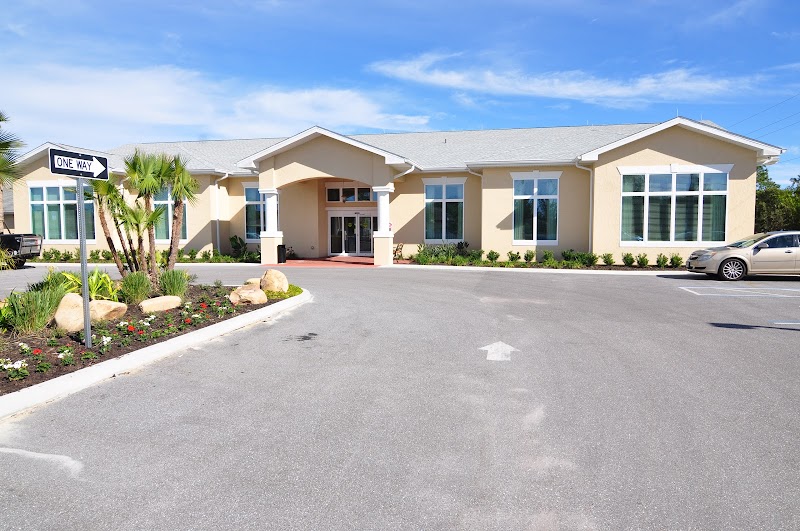
How is Port Charlotte Rehabilitation Center Staffed?

CMS rates PORT CHARLOTTE REHABILITATION CENTER's staffing level at 4 out of 5 stars, which is above average compared to other nursing homes. Staff turnover is 49%, compared to the Florida average of 46%. RN turnover specifically is 56%, which is notably high. RNs provide skilled clinical oversight, so turnover in this role can affect medical care quality.

What Have Inspectors Found at Port Charlotte Rehabilitation Center?

State health inspectors documented 15 deficiencies at PORT CHARLOTTE REHABILITATION CENTER during 2021 to 2025. These included: 1 that caused actual resident harm and 14 with potential for harm. Deficiencies causing actual harm indicate documented cases where residents experienced negative health consequences.
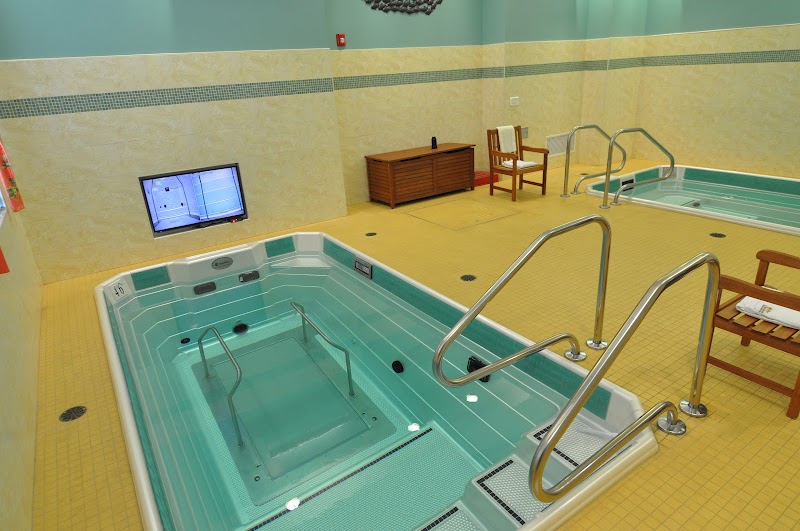
Who Owns and Operates Port Charlotte Rehabilitation Center?

PORT CHARLOTTE REHABILITATION CENTER is owned by a for-profit company. For-profit facilities operate as businesses with obligations to shareholders or private owners. The facility is operated by CLEAR CHOICE HEALTHCARE, a chain that manages multiple nursing homes. With 152 certified beds and approximately 144 residents (about 95% occupancy), it is a mid-sized facility located in PORT CHARLOTTE, Florida.
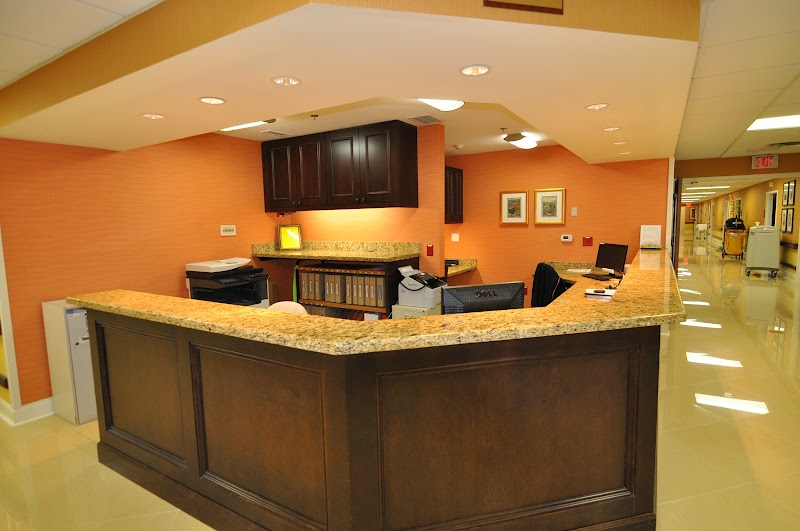
How Does Port Charlotte Rehabilitation Center Compare to Other Florida Nursing Homes?

Compared to the 100 nursing homes in Florida, PORT CHARLOTTE REHABILITATION CENTER's overall rating (3 stars) is below the state average of 3.2, staff turnover (49%) is near the state average of 46%, and health inspection rating (3 stars) is at the national benchmark.

What Should Families Ask When Visiting Port Charlotte Rehabilitation Center?

Based on this facility's data, families visiting should ask: "Can I visit during a mealtime to observe dining assistance and food quality?" "How do you handle medical emergencies, and what is your hospital transfer rate?" "Can I speak with family members of current residents about their experience?"

Is Port Charlotte Rehabilitation Center Safe?

Based on CMS inspection data, PORT CHARLOTTE REHABILITATION CENTER has a clean safety record: no substantiated abuse findings (meaning no confirmed cases of resident harm), no Immediate Jeopardy citations (the most serious violation level indicating risk of serious injury or death), and is not on the Special Focus Facility watch list (a federal program monitoring the lowest-performing 1% of nursing homes). The facility has a 3-star overall rating and ranks #100 of 100 nursing homes in Florida. While no facility is perfect, families should still ask about staff-to-resident ratios and recent inspection results during their visit.

Do Nurses at Port Charlotte Rehabilitation Center Stick Around?

PORT CHARLOTTE REHABILITATION CENTER has a staff turnover rate of 49%, which is about average for Florida nursing homes (state average: 46%). Moderate turnover is common in nursing homes, but families should still ask about staff tenure and how the facility maintains care continuity when employees leave.

Was Port Charlotte Rehabilitation Center Ever Fined?

PORT CHARLOTTE REHABILITATION CENTER has been fined $45,920 across 1 penalty action. The Florida average is $33,538. While any fine indicates a compliance issue, fines under $50,000 are relatively common and typically reflect isolated problems that were subsequently corrected. Families should ask what specific issues led to these fines and confirm they've been resolved.

Is Port Charlotte Rehabilitation Center on Any Federal Watch List?

PORT CHARLOTTE REHABILITATION CENTER is not on any federal watch list. The most significant is the Special Focus Facility (SFF) program, which identifies the bottom 1% of nursing homes nationally based on persistent, serious quality problems. Not being on this list means the facility has avoided the pattern of deficiencies that triggers enhanced federal oversight. This is a positive indicator, though families should still review the facility's inspection history directly.