VILLAGE PLACE HEALTHCARE AND REHABILITATION CENTER
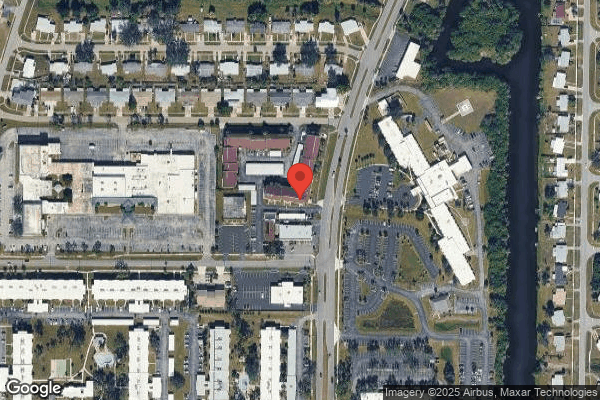
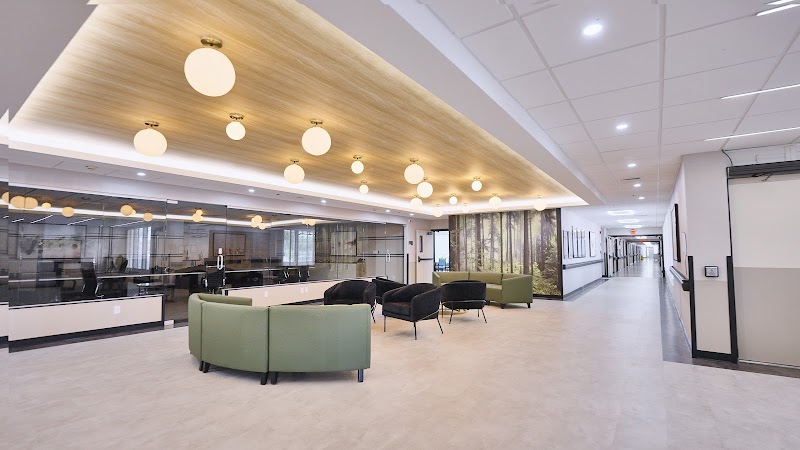
2370 HARBOR BLVD, PORT CHARLOTTE, FL 33952 (941) 624-5966
For profit - Limited Liability company 104 Beds GOLD FL TRUST II Data: November 2025 4 Immediate Jeopardy citations
Trust Grade
0/100
#681 of 690 in FL
Last Inspection: June 2024

Within standard 12-15 month inspection cycle. Federal law requires annual inspections.

Overview

Village Place Healthcare and Rehabilitation Center has received a Trust Grade of F, indicating significant concerns regarding the quality of care provided. Ranked #681 out of 690 facilities in Florida, and #8 out of 8 in Charlotte County, this facility is positioned in the bottom half of available options, suggesting there are better choices nearby. While the facility's trend is improving, with a reduction of issues from 9 in 2024 to 5 in 2025, the high fines of $447,700 are alarming, as they exceed 98% of Florida facilities, indicating serious compliance issues. Staffing is rated average, with a turnover rate of 44%, which is close to the state average, and the facility provides more RN coverage than most, which is a positive aspect in ensuring proper care. However, there have been critical incidents, such as failing to document and evaluate a resident's fall properly, which raises serious concerns about the safety and oversight of residents' care. Families should weigh these strengths and weaknesses carefully when considering this facility for their loved ones.

Trust Score
F
0/100
In Florida
#681/690
Bottom 2%
Safety Record
High Risk
Review needed
Inspections
Getting Better
9 → 5 violations
Staff Stability
○ Average
44% turnover. Near Florida's 48% average. Typical for the industry.
Penalties
⚠ Watch
$447,700 in fines. Higher than 88% of Florida facilities, suggesting repeated compliance issues.
Skilled Nurses
○ Average
Each resident gets 37 minutes of Registered Nurse (RN) attention daily — about average for Florida. RNs are the most trained staff who monitor for health changes.
Violations
⚠ Watch
27 deficiencies on record. Higher than average. Multiple issues found across inspections.
★☆☆☆☆
1.0
Overall Rating
★★★☆☆
3.0
Staff Levels
★★★★☆
4.0
Care Quality
★☆☆☆☆
1.0
Inspection Score
Stable
2024: 9 issues
2025: 5 issues

The Good

  • 4-Star Quality Measures · Strong clinical quality outcomes
  • Full Sprinkler Coverage · Fire safety systems throughout facility
  • No fines on record
  • Staff turnover below average (44%)

    4 points below Florida average of 48%

Facility shows strength in quality measures, fire safety.

The Bad

1-Star Overall Rating

Below Florida average (3.2)

Significant quality concerns identified by CMS

Staff Turnover: 44%

Near Florida avg (46%)

Typical for the industry

Federal Fines: $447,700

Well above median ($33,413)

Significant penalties indicating serious issues

Chain: GOLD FL TRUST II

Part of a multi-facility chain

Ask about local staffing decisions and management

The Ugly 27 deficiencies on record

4 life-threatening
Jun 2025 5 deficiencies 4 IJ
CRITICAL (J) 📢 Someone Reported This

A family member, employee, or ombudsman was alarmed enough to file a formal complaint

Immediate Jeopardy (IJ) - the most serious Medicare violation

Free from Abuse/Neglect (Tag F0600)

Someone could have died · This affected 1 resident

**NOTE- TERMS IN BRACKETS HAVE BEEN EDITED TO PROTECT CONFIDENTIALITY** Based on record review, review of facility's policies and procedures, and staff interviews, the facility failed to protect resid...

Read full inspector narrative →
**NOTE- TERMS IN BRACKETS HAVE BEEN EDITED TO PROTECT CONFIDENTIALITY** Based on record review, review of facility's policies and procedures, and staff interviews, the facility failed to protect residents' rights to be free from neglect by failing to follow established processes to document and report a resident's fall to ensure timely and appropriate post-fall evaluation for 1 (Resident #900) of 3 residents reviewed. Resident #900 had severe cognitive impairment and required substantial to maximal assistance with activities of daily living, including transfers. On 4/17/25 at 7:30 p.m., Resident #900 was found on the floor in his room. The licensed nurse on duty failed to document the fall, failed to evaluate the resident for injuries such as fractures, and failed to notify the Director of Nursing or physician of the fall. On 4/18/25 the Physical Therapist documented Resident #900 verbalized right knee pain with all mobility and pain to the right groin/hip area but neglected to communicate the change in condition to the nursing department for appropriate follow-up. On 4/18/25 the Unit Manager wrote an order for an X-Ray of the resident's right hip. The x-ray was never done but the nurse marked the X-ray as completed. On 4/24/25 Resident #900 was emergently transferred to the local hospital for altered mental status and abnormal labs. The resident's spouse reported he had a fall at the facility and has not been ambulatory since then and has not been his normal self. A CT (computerized tomography) scan obtained at the hospital on 4/24/25 at 3:55 p.m., showed a comminuted intertrochanteric right femoral fracture and an acute L4 (lumbar vertebra)anterior superior endplate fracture. The facility failure to implement processes to prevent neglect created a likelihood of serious harm, serious injury or death of Resident #900 and other residents from complication of falls, including untreated fractures which could result in severe pain, severe bone infection, delayed healing, and deformity. This failure resulted in the determination of Immediate Jeopardy. The findings included: Cross Reference F689, F726, and F835. Review of the facility's policy titled Abuse Prevention Program revised December 2016 noted, Our residents have the right to be free from .neglect . As part of the resident abuse prevention, the administration will . Develop and implement policies and procedures to aid our facility in preventing . neglect . of our residents. Review of the facility's policy titled, Abuse and Neglect-Clinical Protocol revised March 2018 revealed, Neglect . means the failure of the facility, its employees or service providers to provide goods and services to a resident that are necessary to avoid physical harm, pain, mental anguish or emotional distress . Assessment and recognition. The nurse will assess the individual and document related findings, including: a. Injury assessment (bleeding, bruising, deformity, swelling etc.) b. Pain assessment . The nurse will report findings to the physician. Along with staff and management, the physician will help identify situations that might constitute or could be construed as neglect. The facility management and staff will institute measures to address the needs of residents and minimize the possibility of . neglect. The Medical Director will advise facility management and staff about ways to ensure that basic medical, functional, and psychological needs are being met and potentially preventable and treatable conditions affecting function and quality of life are addressed appropriately. Review of the clinical record revealed Resident #900 was an [AGE] years old male admitted to the facility on [DATE]. Diagnoses included vascular dementia, muscle weakness and the need for assistance with personal care. Review of the admission Minimum Data Set (MDS) assessment with a target date of 4/18/25 revealed Resident #900's cognitive skills for daily decision making were severely impaired. Resident #900 required substantial to maximal assistance with activities of daily living, including toileting and bed mobility. The MDS noted transfer and ambulation were not attempted due to medical condition or safety concerns. Review of the admission Nursing Comprehensive evaluation dated 4/14/25 revealed Resident #900 score 10 on the fall risk evaluation. The form noted a score of 10 or higher indicates risk for falls. The baseline care plan for falls/Mobility and Bowel/Bladder needs dated 4/14/25 noted the goal for Resident #900 was to remain free from fall related injury. The interventions included to provide hands on assist of 2 with pivot transfers, provide hands on assist with walking, use the sit-stand lift with 2 staff for transfers, assist with incontinent care, provide supervision with toileting. On 4/17/25 at 8:00 p.m., a Fall Risk Evaluation noted a Fall Risk Score of 14. The form noted the most recent fall was 4/17/2025. The clinical record lacked documentation the fall was investigated, and interventions put into place to prevent further incidents of avoidable falls. On 4/18/25 at 2:14 p.m., Unit Manager Registered Nurse (RN) Staff B wrote a physician's order for 2 view X-ray of the right hip and knee one time only. On 4/18/25 at 2:23 p.m., the Physical Therapy Assistant (PTA) documented in a Physical Therapy treatment encounter note Resident #900 verbalized right knee pain with all mobility tasks and also pointing to groin/hip area verbalizing pain. The PTA documented a note was left in the Attending Physician's folder and the Director of Rehab was notified. There was no documentation the change of condition was communicated to the nursing department. On 4/18/25 at 9:46 p.m., RN Staff C placed a check mark and her initials on the Treatment Administration Record (TAR) verifying the X-ray of Resident #900's right hip was done. Complete review of the clinical record failed to reveal documentation of results for Right hip X-ray. On 4/23/25 the Occupational Therapist documented in a progress note that Resident #900 had declined in functional mobility tasks, requiring maximum assist and transfer to the wheelchair with maximum assistance of 2. Review of the Medication Administration Record (MAR) for April 2025 revealed a physician's order dated 4/15/25 to evaluate Resident #900 for pain every shift. The MAR noted on 4/18/25 the resident's pain level was 1 (mild pain). A pain level of 0 was entered for all other day and evening shifts. On 4/24/25 at 12:00 a.m., a hospital transfer form noted Resident #900 was emergently transferred to the hospital. The reason for the transfer was, Altered mental status. On 6/5/25 at 10:30 a.m., during an interview the Director of Nursing (DON) was asked about the result of Resident #900's right hip X-ray for 4/18/25 and the fall investigation for 4/17/25. The DON denied knowledge of the fall of 4/17/25. She stated, The resident never had a fall at the facility. She said Resident #900 was sent to the local emergency room (ER) on 4/23/25 for altered mental status. She said she did not know the fall risk evaluation completed on 4/17/25 noted the resident sustained a fall on 4/17/25 and was not aware of an order for a right hip X-ray on 4/18/25 for Resident #900. On 6/5/25 at 11:00 a.m., in an interview Unit Manager RN Staff B verified on 4/18/25 she entered a physician's order in Resident #900's record for a 2 view X-ray of the right hip and knee. She denied knowledge of Resident #900's fall on 4/17/25 and said, I don't know why I entered the physician's order for the X-ray. When asked about the results of the X-ray, RN Staff B said the X-ray was never done. RN Staff B said there was no formal logbook or system in place to track diagnostic orders like X-rays to ensure they were done. She said after a resident's fall, they notify the DON, the physician and the resident's family. She confirmed the lack of documentation the physician and the DON were notified of Resident #900's fall on 4/17/25. She said, From what I can see, that wasn't done. On 6/5/25 at 12:50 p.m., in an interview the DON said she became aware Resident #900 had a fall on 4/17/25 today, during the investigation. The DON confirmed there was no documentation that the fall was reported to her at the time it occurred and no internal investigation or corrective actions were initiated. She said the responsibilities of the nursing staff included the nurse would complete an incident report and report the fall directly to her. The DON said the facility ' s standard fall response protocol is: The staff member who finds the resident notifies the nurse. The nurse performs an injury assessment and questions the resident. The environment is evaluated (bed, call light, non-slip socks, wheelchair, etc.). If no injury, the resident is assisted back to bed. If there is an emergency injury the on-call physician is notified and the resident is sent to emergency room. The DON, Nursing Home Administrator (NHA), the physician, and family are to be notified. A risk incident report must be completed. If transferred to the hospital, a transfer form is completed. The DON said if a Risk report was entered by the nurse, it was her role to confirm the fall response was completed and all parties were notified. She said she determines immediate interventions and ensures care plan updates are made the next business day. She completes a 24-hour report review every morning from the Risk report. The DON said there were no measures in place if a risk or progress note is not entered and it does not trigger her 24-hour incident report, she stated, There has to be more nursing education because this step cannot be missed. On 6/6/25 at 8:44 a.m., in a telephone interview Licensed Practical Nurse (LPN) Staff A confirmed on 4/17/25 Resident #900 was found on the floor in his room. She said he was attempting to toilet himself. LPN Staff A said the resident fell due to weakness. She said she notified the DON and the Physician but verified the lack of documentation in the clinical record the DON and physician were notified of the fall. LPN Staff A said she could not recall if she contacted the resident's family. Staff A said after the fall she did not put any interventions in place to prevent future falls. She said she did not document the fall on the 24-hour shift report for the next shift to provide follow-up care. She said she did not obtain the order for the right knee and hip X-ray. Review of the hospital record revealed Resident #900 was admitted on [DATE]. The hospital course noted the resident was sent to the emergency room (ER) from the nursing facility for abnormal labs and altered mental status. The resident was recently admitted to the facility on [DATE]th through the 14th after having a non-syncopal fall. The resident was discharged to a nursing facility. According to the resident's spouse, Resident #900 was doing well and walking while he was there. He had a fall on the 2nd day at the nursing facility and has not been ambulatory since then and has not been acting his normal self. A CT scan of the abdomen and pelvis dated 4/24/25 at 3:45 p.m., noted an acute appearing L4 (4th lumbar vertebra) anterior superior endplate fracture. A CT of the right lower extremity dated 4/24/25 at 3:55 p.m. revealed a comminuted (broken in multiple pieces) intertrochanteric right femoral fracture. Adjacent fluid and hematoma (collection of clotted blood) with stranding (indication of bleeding and inflammation in the injured area). On 6/6/25 at 3:14 p.m., in an interview Resident #900's attending physician and Medical Director said, I would love to tell you yes, that I was notified of [Resident #900]'s fall but I was not. If I could bring something to you, I would have it in my hands to give to you. He said he was notified on 6/5/25 of the incident. He said he tried to track down the order for the right hip X-ray but did not know who gave that order. The attending physician said the process is to notify his Advanced Practice Registered Nurse (APRN). If the APRN does not return the call in an hour, it will come to him. If it is urgent, they notify him or his partner. When an order is given, the process to ensure follow-up depends. Normal, non-urgent things will come that day or the next day so they can see the patient. The physician or the APRN are to follow up on adverse events. The physician said, I do not know what happened with this process with this patient. The physician said he reviewed Resident #900's entire file and went over the case with the APRN. He said, I don't have an answer as to why I was not notified of the fall and why it was not documented. We found nothing. He said, I do not remember getting a call about (Resident #900) having pain. They had nothing documented. On 6/6/25 at 4:12 p.m., an interview was held with the DON to discuss processes in place to prevent neglect and address residents' incidents. The DON said during stand up meetings in the morning all the management team is present. The management team goes over risk concerns and handle concerns right then and there. They review falls, risk and that kind of things. The incident reporting system notifies them of falls. A progress note is sometimes put in and it comes up on the 24 hour report. If the nurse does not write a note about an incident, the concern does not populate in the 24 hour report. The evaluations, including fall evaluations do not trigger on the 24 hour report. When she goes into the risk system she reviews the progress notes and if anything is missed they call the nurse back in. They follow up with falls for 72 hours so there should be documentation. The DON said, I found a break in our process. There has never been a review of orders put in. I would not know if a nurse took an order and did not put it in the system. I do not like nurses putting verbal orders in the system. I feel like it is a strong system if the physician or Nurse Practitioner put the orders in and we confirm. The DON said currently they did not have a 3-11 shift or an 11-7 shift supervisor. She said, The nurses are in charge of the building at night. I would have to speak with the Administrator about how to notify the nurses of who is in charge. Right now, we do not have anything. On 6/10/25 at 3:40 p.m., in an interview the Director of Rehab said he instructed his staff to document and report any changes, refusal of services to him and Unit Manager RN Staff B. He said he was the one who attended morning meetings and made sure he brought the concerns with him. He said the rehab department computer system does not pair with the electronic system used by the facility. He said he has always emailed any resident concerns to the DON. They also write their concerns in the physician binder located at the nurse's desk. The DOR said he did not have the email to the DON related to Resident #900's complaint of pain on 4/18/25. He said he attended the morning meeting and reported it to the interdisciplinary team. A review of the physician binder at the nurse's station failed to reveal documentation of the resident's complaint of pain on 4/18/25. The binder was empty. On 6/11/25 the immediate actions implemented by the facility and verified by the survey team included: On 6/11/25 the DON and Administrator verified the Licensed Nurse who failed to assess the resident and complete the incident report was suspended. On 6/11/25 the survey team verified through review of the in-service dated 6/7/25 that the Regional nurse educated the Unit Manager who entered the x-ray order but did not follow up. The Unit Manager was educated on her job description, following up on physicians' orders, following up on daily tasks assigned and consistently training staff on her unit. On 6/11/25 the survey team verified through record review and interview with the DON and Administrator the Regional Nurse reviewed their job description to ensure oversight and effective monitoring is maintained to ensure competency of staff to provide safe nursing care and related services to meet the needs of residents and prevent the neglect of residents. Both signed a new job description. On 6/11/25 the survey team verified on 6/8/25 that the Director of Rehab educated the therapy department staff regarding changes in condition and falls. The education included the changes needed to be communicated to the Director of Rehabilitation or designee who will then report the findings to the DON/designee via email immediately. On 6/11/25 the survey team verified through review of in-service records that on June 7, 2025, and June 8, 2025, the Human Resources Director and the Administrator educated 136 of 145 staff on reporting of any suspicion of abuse or neglect. Staff were provided a name badge that outlines who to contact if they suspect any form of abuse or neglect. The supervisor will immediately notify the abuse coordinator (Administrator) who in turn will immediately notify the Department of Children and Families, law enforcement and the Agency for Health Care Administration. Observation revealed staff wearing new badges with names and contact numbers for abuse reporting. On 6/11/25 the survey team verified through record review that 34 of 36 licensed nurses completed training on the facility's new incident reporting system. The DON and Administrator provided information and demonstrated how the new incident reporting system worked and all incidents are reviewed internally by the DON, Assistant Director of Nursing (ADON), the Nurse Consultant and Administrator. The incident reports are also monitored and reviewed by an outside contracted consulting services. On 6/11/25 the survey team verified through record review and interview with the Administrator that the facility had an Ad Hoc QAPI (unplanned Quality Assurance and Performance Improvement) meeting on 6/6/25. They reviewed system failures and processes that needed to be implemented to prevent these failures in the future. The plan was approved by all in attendance, including the Medical Director. On 6/11/25 the survey team verified through record review and interview with the DON that as of 6/7/25, daily order listing reports and daily 24-hour reports were initiated and are being reviewed daily by the DON or designee. On 6/11/25 the survey team verified that as of June 8, 2025, the Regional Nurse educated 21 of 21 administration staff on abuse training and reporting training. The survey team verified administration staff educated included DON, Administrator, ADON, Unit Manager, MDS nurses (2), Social Services (2), Wound Care Nurse, Human Resources Director, Maintenance Director, Therapy Director, Activities Director, Business Office Manager, Staffing Coordinator, Certified Dietary Manager (CDM), Admission. On 6/11/25 the survey team verified that as of June 8, 2025, 136 of 145 staff have completed the required abuse training. The survey team verified that staff who have not completed the required training will not be allowed to work or will not be scheduled to work until the training is completed. The education and competencies were done by nursing management, including the DON, ADON, Wound Nurse, Department Managers and Regional Nurse Consultant.
CRITICAL (J) 📢 Someone Reported This

A family member, employee, or ombudsman was alarmed enough to file a formal complaint

Immediate Jeopardy (IJ) - the most serious Medicare violation

Accident Prevention (Tag F0689)

Someone could have died · This affected 1 resident

**NOTE- TERMS IN BRACKETS HAVE BEEN EDITED TO PROTECT CONFIDENTIALITY** Based on record review, review of facility's policy and procedure, and staff interviews the facility failed to protect 1 (Reside...

Read full inspector narrative →
**NOTE- TERMS IN BRACKETS HAVE BEEN EDITED TO PROTECT CONFIDENTIALITY** Based on record review, review of facility's policy and procedure, and staff interviews the facility failed to protect 1 (Resident #900) of 3 residents reviewed from avoidable falls and fall related serious injuries by failing to ensure an effective system was in place to consistently document, report and follow up on residents' falls. Resident #900 was admitted to the facility on [DATE] with a history of falls resulting in hospitalization. Resident #900's cognition was severely impaired. On 4/17/25 at 7:30 p.m., Resident #900 was found on the floor in his room. The facility failed to evaluate Resident #900 after the fall, failed to document the fall in the clinical record, and failed to notify the physician and Director of Nursing for post-fall assessment. There was no evidence of a fall investigation. No root cause analysis was done and no corrective actions were implemented to prevent further incidents of falls. The facility failure to document incidents and ensure appropriate post-fall assessment and care resulted in the delay of identifying a left femur fracture for Resident #900 which could result in severe pain, severe bone infection, delayed healing, and deformity. This failure created a likelihood of serious harm, serious injury or death of Resident #900 and other residents from complication of unidentified injuries and resulted in the determination of Immediate Jeopardy. The findings included: Cross reference F600, F726 and F835. Review of the facility policy titled, Falls- Clinical Protocol revised 3/18 revealed, The staff will evaluate and document falls that occur while the individual is in the facility; for example, when and where they happen, any observations of the events, etc. For an individual who has fallen, the staff and practitioner will begin to try to identify possible causes within 24 hours of the fall. Often, multiple factors contribute to a falling problem. If the cause of a fall is unclear . a physician will review the situation and help further identify causes and contributing factors . The staff and physician will continue to collect and evaluate information until either the cause of the falling is identified, or it is determined that the cause cannot be found or it is not correctable. Review of the facility's policy and procedure titled, Change in a Resident's Condition or Status revised May 2017 revealed, The nurse will notify the resident's Attending Physician or physician on call when there has been a(an): accident or incident involving the resident. the nurse will record in the resident's medical record information relative to changes in the resident's medical/mental condition or status . Review of the clinical record revealed Resident #900 was admitted to the facility on [DATE]. Diagnoses included but were not limited to vascular dementia, muscle weakness and the need for assistance with personal care. Review of the fall risk evaluation dated 4/14/25 revealed Resident #900 scored 10 on the fall risk evaluation. The form noted A score of 10 or higher indicates risk for falls. The evaluation noted the resident did not walk and had a history of 1 to 2 falls in the last 90 days. The evaluation of the resident's balance while standing, was not able to be attempted without physical help. Resident #900 had 1 to 2 predisposing diagnoses and was taking 1 to 2 medication classes that are known to increase fall risk. Review of the baseline care plan dated 4/14/25 revealed the initial goals for the resident included to remain free from fall related injury. The interventions included to provide therapy as ordered, provide hands on assistance of 2 with pivot transfers, and provide hands on assist with walking. Staff was to use the sit to stand lift with 2 staff for transfers. Review of the admission Minimum Data Set (MDS) assessment with a target date of 4/18/25 revealed the resident's cognition was severely impaired. The resident was rarely/never understood and was not able to answer interview questions. Resident #900 had functional limitation in range of motion to both lower extremities. The resident required substantial/maximal assistance to safely move from lying on the back to sitting on the side of the bed. Transfers and ambulation were not attempted due to medical condition or safety concerns. On 4/17/25 at 8:00 p.m., a Fall Risk Evaluation documented a fall risk score of 14 for Resident #900. The evaluation noted the most recent fall was on 4/17/25. The clinical record lacked documentation of the fall and physician's notification. There was no post fall assessment documented and no individualized interventions added to the resident's care plan on 4/17/25 to prevent further falls. On 4/18/5 at 7:11 a.m., Licensed Practical Nurse (LPN) Staff A documented on 4/17/25 at 8:00 p.m., she completed an initial neurological evaluation for Resident #900. The Neurological Evaluation form specified to complete the form for any unwitnessed fall or other accident/injury with possible head trauma. LPN Staff A documented the evaluation of the lower extremities strength noted, Right leg is strong and Left leg is strong. Review of the physician's orders revealed on 4/18/25 at 2:14 p.m., Unit Manager Registered Nurse (RN) Staff B wrote an order for 2 view xray [sic] of the right hip and knee one time only. Review of Treatment Administration Record (TAR) for April 2025 revealed RN Staff C placed her initials on the TAR on 4/18/25 at 9:46 p.m., with a check mark verifying the X-ray of the right hip was done. Complete review of the clinical record failed to reveal documentation of results for the right hip X-ray for Resident #900. There was no documentation the therapy department was notified of the resident's fall. Review of the Physical Therapy treatment encounter notes revealed on 4/18/25 at 2:23 p.m., the Physical Therapy Assistant (PTA) documented Resident #900 verbalized right knee pain with all mobility tasks and also pointing to groin/hip area verbalizing pain. The PTA documented a note was left in the Attending Physician's folder and the Director of Rehab was notified. There was no documentation in the clinical record the Director of Rehab notified the nursing staff of Resident #900's complaint of pain to the right knee, right groin and hip area. Review of the Occupational Therapy progress notes revealed on 4/23/25 Resident #900 had declined in functional mobility tasks requiring maximum assistance and transfer to the wheelchair with maximum assistance of 2. Review of the physician's orders dated 4/14/25 revealed to administer 2 tablets of Acetaminophen tablet, 325 milligrams by mouth every 4 hours as needed for general discomfort. Review of the Medication Administration Record (MAR) for April 2025 revealed on 4/18/25, the resident's pain level was 1 (mild pain). A pain level of 0 was entered for all other day and evening shifts. There was no documentation on the MAR Resident #900 received the ordered Acetaminophen on 4/18/25. On 4/24/25 at 12:00 a.m., a hospital transfer form noted Resident #900 was emergently transferred to the hospital. The reason for the transfer was, Altered mental status. On 6/5/25 at 10:30 a.m., in an interview related to Resident #900's fall, the Director of Nursing (DON) denied knowledge of the fall and stated, The resident never had a fall at the facility. She said the resident was sent to the local emergency room (ER) for altered mental status on 4/23/25. She said she was not aware the fall risk evaluation completed on 4/17/25 noted Resident #900 sustained a fall on 4/17/25 and was not aware of the right hip and knee X-ray order dated 4/18/25 for Resident #900. On 6/5/25 at 11:00 a.m., in an interview, Unit Manager RN Staff B denied knowledge of Resident #900's fall. She verified on 4/18/25 she entered the order in Resident #900's electronic clinical record for a 2 view X-ray of the right hip and knee. She said, I don't know why I entered the physician's order for the X-ray. When asked about the results of the X-ray, RN Staff B said the X-ray was never done. RN Staff B said there was no formal logbook or system in place to track diagnostic orders like X-rays to ensure they were done. She said the process after a resident's fall was to notify the DON, the physician and the family. She confirmed the lack of documentation the physician, and the DON were notified of Resident #900's fall. She said, From what I can see, that wasn't done. On 6/5/25 at 3:33 p.m., in an interview the DON said there was a breakdown in protocol. She said, There was a breakdown in following the facility procedures after a resident fall. Staff should know how to do the incident report. On 6/6/25 at 8:44 a.m., in a telephone interview Licensed Practical Nurse (LPN) Staff A confirmed on 4/17/25 Resident #900 was found on the floor in his room. She said the resident was attempting to toilet himself. LPN Staff A said the resident fell due to weakness. She notified the DON and the Physician but verified the lack of documentation in the clinical record that the DON and physician were notified of the fall. LPN Staff A said she could not recall if she contacted the resident's family. LPN Staff A said after the fall she did not put any interventions in place to prevent future falls and she did not document the fall on the 24-hour shift report to ensure the next shift provided follow-up care. She said she did not obtain the order for the right knee and hip X-ray. On 6/6/25 at 1:45 p.m., an interview was held with the DON to discuss systems and processes in place to identify residents at risk for falls and ensure individualized interventions were in place to minimize the risk of avoidable falls and fall related injuries. A list of residents at risk for falls was requested during the interview. The DON said the facility had no program or system in place to identify residents who were at risk for falls. The DON could not provide a list of residents at risk for falls. She provided an incident by incident type report from 1/5/25 through 6/5/25. The report listed 15 falls for April 2025. Resident #900's fall was not included in the report. Review of the hospital record revealed Resident #900 was admitted on [DATE]. The hospital course noted the resident was sent to the emergency room (ER) from the nursing facility for abnormal labs and altered mental status. The resident was recently admitted to the hospital on [DATE], through April 14, 2025, after having a non-syncopal fall. The resident was discharged to a nursing facility. According to the resident's spouse, Resident #900 was doing well and walking while he was there. He had a fall on the 2nd day at the nursing facility and has not been ambulatory since then and has not been acting his normal self. A CT (computerized tomography) scan of the abdomen and pelvis dated 4/24/25 at 3:45 p.m., noted an acute appearing L4 (4th lumbar vertebrae) anterior superior endplate fracture. A CT of the right lower extremity dated 4/24/25 at 3:55 p.m., revealed a comminuted (bone broken in multiple fragments) intertrochanteric right femoral fracture. Adjacent fluid and hematoma (collection of clotted blood) with stranding (indication of bleeding and inflammation in the injured area). On 6/6/25 at 3:14 p.m., in an interview Resident #900's Attending Physician and Medical Director said, I would love to tell you yes, that I was notified of [Resident #900]'s fall but I was not. If I could bring something to you, I would have it in my hands to give to you. The Attending physician said, I was notified yesterday of the incident. I tried to track down the order for the X-ray of the right hip but I do not know who gave that order. It could have been an on-call physician. The staff put everything in my name. The Attending Physician said the process is to notify his Advanced Practice Registered Nurse (APRN). If the APRN does not return the call in an hour, it will come to him. If it is urgent, they notify him or his partner. When an order is given, the process to ensure follow-up depends. Normal, non-urgent things will come that day or the next day so they can see the patient. The physician or the APRN are to follow up on adverse events. The physician said, I do not know what happened with this process with this patient. The physician said he reviewed Resident #900's entire file and went over the case with the APRN. He said, I don't have an answer as to why I was not notified of the fall and why it was not documented. We found nothing. He said, I do not remember getting a call about Resident #900 having pain. They had nothing documented. On 6/11/25 the immediate actions implemented by the facility and verified by the survey team included: On 6/11/25 the survey team verified through record review and interview with the DON and Administrator that the licensed nurse who failed to properly assess and complete accurate incident report has been suspended. On 6/11/25 the survey team verified through review of the education log and staff interviews that licensed nursing staff were educated to document all incident findings in the new incident reporting platform (5/27/25). On 6/11/25 the DON and Administrator explained and demonstrated the use of the new reporting system, including how the information is reviewed and tracked. On 6/11/25 the survey team verified through record review that on 6/7/25 the Regional Nurse educated the Unit Manager who entered the X-ray order but did not follow up on her job description, following up on physician's orders, and daily tasks assigned, and consistent training of staff on her unit. Unit Manager Staff B verified she received training regarding her job description, follow up on physician orders and training her staff. On 6/11/15 the survey team verified through record review and interview with the DON and Administrator that the facility had an ad hoc (unplanned) QAPI (Quality Assurance and Performance Improvement) meeting on 6/6/25. There was documentation the facility reviewed the system failures and processes that needed to be implemented to prevent these failures in the future. The plan was approved by all in attendance, including the Medical Director. The survey team reviewed Ad Hoc QAPI minutes for verification to prevent system failures. Verified daily meetings to include a 24-hour report. Daily 24-hour reports for 6/7/25 through 6/11/25 were reviewed to verify resident issues were being captured and reviewed. On 6/11/25 the survey team verified through review of the education and staff interviews that the Regional Nurse educated the Administrator, the DON, the Assistant Director of Nursing (ADON), Unit Manager, MDS (Minimum Data Set) nurses, Social Services, Wound Care Nurse, HR (Human Resources) Director, Maintenance Director, Therapy Director, Activities, Business Office Manager, Staffing Coordinator, CDM (Certified Dietary Manager), Admissions Coordinator, and Housekeeping Supervisor on fall prevention. The facility has implemented a train-the-trainer format. On 6/11/25 the survey team verified through review of the education and therapy staff interview that the therapy staff was educated on reporting changes in condition and falls to the Director of Rehab or designee who will then report findings to the DON/designee via email immediately. The Rehab Director verified the process was for his staff to notify him of any resident changes. The Rehab Director will email DON immediately. On 6/11/25 the survey team verified through review of evaluations, and audits and interview with the DON that evaluations, including fall risk evaluation, and changes in condition were documented in the electronic medical recordkeeping system, and audited daily. On 6/11/25 the survey team verified the Regional Nurse Consultant, the DON, ADON and wound nurse educated the licensed nursing staff and conducted competencies on regulation F689 related to falls and incidents. The survey team verified that as of 6/8/25, 34 of 36 licensed nursing staff, 21 of 21 managers and 136 of 145 general staff completed the required training. The survey team verified through staff interview that any staff who has not completed the training will not be scheduled to work or allowed to work until they complete the required training.
CRITICAL (J) 📢 Someone Reported This

A family member, employee, or ombudsman was alarmed enough to file a formal complaint

Immediate Jeopardy (IJ) - the most serious Medicare violation

Deficiency F0726 (Tag F0726)

Someone could have died · This affected 1 resident

**NOTE- TERMS IN BRACKETS HAVE BEEN EDITED TO PROTECT CONFIDENTIALITY** Based on record review, review of facility's policy and procedures and staff interviews the facility failed ensure nursing staff...

Read full inspector narrative →
**NOTE- TERMS IN BRACKETS HAVE BEEN EDITED TO PROTECT CONFIDENTIALITY** Based on record review, review of facility's policy and procedures and staff interviews the facility failed ensure nursing staff had the appropriate skills set, competencies and oversight to provide safe nursing care and meet the needs of 1(Resident #900) of 3 residents reviewed for falls. Resident #900 was admitted to the facility on [DATE] after a fall resulting in hospitalization. Resident #900's cognitive skills for daily decision making were severely impaired. The resident was rarely understood. On 4/17/25 Resident #900 was found on the floor in his room. The nursing staff failed to document the fall, failed to notify the physician and failed to report the fall to the next shift and therapy department to ensure appropriate follow up assessment and interventions to prevent further falls. The nursing staff failed to document accurately in the clinical record and failed to ensure that physician ordered diagnostic X-rays were obtained. The failure to ensure nursing staff were competent and had the necessary skills sets to provide safe nursing care resulted in the delay of identification of a left femur fracture for Resident #900 which could result in severe pain, severe bone infection, delayed healing, and deformity. This failure and the failure to provide ongoing nursing oversight created a likelihood of serious harm, serious injury or death of Resident #900 and other residents from complication of unidentified injuries and resulted in the determination of Immediate Jeopardy. The findings included: Review of the facility policy titled, Falls- Clinical Protocol revised March 2018 revealed, The staff will evaluate and document falls that occur while the individual is in the facility; for example, when and where they happen, any observations of the events, etc. For an individual who has fallen, the staff and practitioner will begin to try to identify possible causes within 24 hours of the fall. Often, multiple factors contribute to a falling problem. If the cause of a fall is unclear . a physician will review the situation and help further identify causes and contributing factors . The staff and physician will continue to collect and evaluate information until either the cause of the falling is identified, or it is determined that the cause cannot be found or it is not correctable. Review of the facility's policy and procedure titled, Change in a Resident's Condition or Status revised May 2017 revealed, The nurse will notify the resident's Attending Physician or physician on call when there has been a(an): accident or incident involving the resident. The nurse will record in the resident's medical record information relative to changes in the resident's medical/mental condition or status . Review of the clinical record revealed Resident #900 was admitted to the facility on [DATE]. Diagnoses included but were not limited to vascular dementia, muscle weakness and the need for assistance with personal care. Review of the admission Minimum Data Set (MDS) assessment with a target date of 4/18/25 revealed Resident #900's cognitive skills for daily decision making were severely impaired. Resident #900 required substantial to maximal assistance with activities of daily living, including toileting and bed mobility. The MDS noted Resident #900 was rarely/never understood. Review of the baseline care plan dated 4/14/25 revealed Resident #900 the initial goals for the resident included to remain free from fall related injury. The interventions included to provide therapy as ordered, hands on assistance of 2 with pivot transfers, provide hands on assist with walking, and use the sit to stand lift with 2 staff for transfers. Review of the fall risk evaluation dated 4/14/25 revealed Resident #900 was at risk for falls. The resident had a history of 1 to 2 falls in the last 90 days. The evaluation of the resident's balance while standing, was not able to be attempted without physical help. Resident #900's risk factors for falls included 1 to 2 diagnoses and 1 to 2 medications classes that are known to increase fall risk. A Fall Risk Evaluation dated 4/17/25 at 8:00 p.m., documented Resident #900's most recent fall was on 4/17/25. Complete review of Resident #900's clinical record failed to reveal documentation the nursing staff evaluated and documented the resident's fall, including when and where the fall happened, whether the fall was witnessed or unwitnessed. There was no documentation the nursing staff identified and added pertinent individualized interventions to prevent subsequent falls to address clinically significant consequences of falling. Review of the physician's orders revealed on 4/18/25 at 2:14 p.m., Unit Manager Registered Nurse (RN) Staff B wrote an order in Resident #900's clinical record for 2 view xray [sic] of the right hip and knee one time only. Review of Treatment Administration Record (TAR) for April 2025 revealed RN Staff C placed her initials on the TAR on 4/18/25 at 9:46 p.m., with a check mark verifying the X-ray of the right hip was done. Complete review of the clinical record failed to reveal documentation of results for the right hip X-ray for Resident #900. On 6/5/25 at 11:00 a.m., in an interview, Unit Manager RN Staff B verified on 4/18/25 she entered the order in Resident #900's electronic clinical record for a 2 view X-ray of the right hip and knee. She denied knowledge of Resident #900's fall on 4/17/25 and said, I don't know why I entered the physician's order for the X-ray. When asked about the results of the X-ray, RN Staff B said the X-ray was never done. She verified RN Staff C placed her initials on the TAR on 4/18/25 at 9:46 p.m., with a check mark verifying the X-ray of the resident's right hip and knee were done. When asked about the process to ensure physician's ordered diagnostic testing were completed and ensure the results are communicated to the ordering practitioner, RN Staff B said there was no formal logbook or system in place to track diagnostic orders like X-rays to ensure they were done. When asked about the process to ensure timely physician notification of residents' incidents, including falls, Unit Manager RN Staff B said the process included to notify the physician, the Director of Nursing (DON) and the resident's family of the fall. After reviewing the clinical record, RN Staff B verified the lack of documentation the physician and the DON were notified of Resident #900's fall on 4/17/25 as per the facility's process. She said, From what I can see, that wasn't done. Review of the Physical Therapy treatment encounter notes revealed on 4/18/25 at 2:23 p.m., the Physical Therapy Assistant (PTA) documented Resident #900 verbalized right knee pain with all mobility tasks and also pointing to groin/hip area verbalizing pain. The PTA documented a note was left in the Attending Physician's folder and the Director of Rehab was notified. The clinical record lacked documentation that the therapy department was notified of Resident #900's fall on 4/17/25. Review of the Occupational Therapy progress notes revealed on 4/23/25 Resident #900 had declined in functional mobility tasks requiring maximum assistance and transfer to the wheelchair with maximum assistance of 2. Further review of the Physical Therapy Treatment Encounter Note dated 4/24/25 revealed, Reason for missed session: Sick, Pt (Patient) unable to be seen this date. Nursing is addressing excessive urinary bleeding episode. Tx (treatment) held this date per DON request. The clinical record lacked documentation of nursing progress notes related to the urinary bleeding. On 6/5/25 at 10:30 a.m., in an interview related to Resident #900's fall on 4/17/25, the Director of Nursing (DON) denied knowledge of the fall. She stated, The resident never had a fall at the facility. She said the resident was sent to the local emergency room (ER) for altered mental status on 4/23/25. The DON said she was not aware the fall risk evaluation completed on 4/17/25 noted Resident #900 sustained a fall on 4/17/25. She said she was not aware of the order dated 4/18/25 for a right hip and knee X-ray for Resident #900 and did not know why the X-ray was not done. On 4/24/25 at 12:00 a.m., a hospital transfer form noted Resident #900 was emergently transferred to the hospital. The reason for the transfer was, Altered mental status. Review of the hospital record revealed Resident #900 was admitted on [DATE]. The hospital course noted the resident was sent to the emergency room (ER) from the nursing facility for abnormal labs and altered mental status. The resident was recently admitted to the hospital on [DATE], through April 14, 2025, after having a non-syncopal fall. The resident was discharged to a nursing facility. According to the resident's spouse, Resident #900 was doing well and walking while he was there. He had a fall on the 2nd day at the nursing facility and has not been ambulatory since then and has not been acting his normal self. A CT (computerized tomography) scan of the abdomen and pelvis dated 4/24/25 at 3:45 p.m., noted an acute appearing L4 (4th lumbar vertebrae) anterior superior endplate fracture. A CT of the right lower extremity dated 4/24/25 at 3:55 p.m., revealed a comminuted (bone broken in multiple fragments) intertrochanteric right femoral fracture. Adjacent fluid and hematoma (collection of clotted blood) with stranding (indication of bleeding and inflammation in the injured area). The hospital note documented, The staff did place a Foley catheter and noticed that the patient had hematuria (blood in the urine) which is a new finding for him. The clinical record lacked documentation of a physician's order to insert a urinary catheter. On 6/5/25 at 3:33 p.m., an interview was held with the DON to discuss Resident #900's fall and fracture diagnosed at the hospital on 4/24/25. The DON said, There was a breakdown in following the facility procedures after a resident fall. Staff should know how to do the incident report. On 6/6/25 at 8:44 a.m., in a telephone interview Licensed Practical Nurse (LPN) Staff A confirmed on 4/17/25 Resident #900 was found on the floor in his room. She said he was attempting to toilet himself and fell due to weakness. She said she notified the DON and the Physician and verified the lack of documentation that the physician and DON were notified of the resident's fall on 4/17/25. LPN Staff A verified after the fall, she did not put any interventions in place to prevent further incidents of falls for Resident #900. LPN Staff A also verified she did not document the fall on the 24-hour shift report to alert the oncoming shift of the resident's fall and ensure post-fall follow up care. On 6/6/25 at 1:45 p.m., an interview was held with the DON to discuss facility's systems and processes in place to identify residents at risk for falls. The DON said she could not provide a list of residents who were at risk for falls. She said the facility had no program or system in place to identify residents who were at risk for falls. She provided an incident by incident type report from 1/5/25 through 6/5/25. The report listed 15 falls for April 2025. Resident #900's fall was not included in the report. On 6/6/25 at 3:14 p.m., in an interview, the Medical Director and Resident #900's attending physician said, I would love to tell you yes, that I was notified of [Resident #900]'s fall but I was not. If I could bring something to you, I would have it in my hands to give to you. The Attending physician said, I was notified yesterday of the incident. I tried to track down the order for the X-ray of the right hip but I do not know who gave that order. It could have been an on-call physician. The staff put everything in my name. The Attending physician said the process is to notify his Advanced Practice Registered Nurse (APRN). If the APRN does not return the call in an hour, it will come to him. If it is urgent, they notify him or his partner. When an order is given, the process to ensure follow-up depends. Normal, non-urgent things will come that day or the next day so they can see the patient. The physician or the APRN are to follow up on adverse events. The physician said, I do not know what happened with this process with this patient. The physician said he reviewed Resident #900's entire file and went over the case with the APRN. He said, I don't have an answer as to why I was not notified of the fall and why it was not documented. We found nothing. He said, I do not remember getting a call about Resident #900 having pain. They had nothing documented. The Medical Director said he thought the APRN gave the order to insert the urinary catheter but he could not find an order for the catheter. On 6/6/25 at 4:12 p.m., an interview was held with the DON to discuss nursing oversight to ensure nursing staff had the appropriate competencies and skills set to provide safe nursing and related services. The DON said the management team is present and participates in stand up meetings. They go over risk every day and handle any concern right there. The Administrator goes around to each person and see if there is anything going on. They review incidents, falls and that kind of things. The incident reporting system notifies them of falls. Sometimes a progress note is put in and it comes up on the 24-hour report. When she goes into the risk system, she reviews the progress notes and if anything is missing, she calls the nurse back in. They follow up with falls for 72 hours, therefore there should be documentation. The DON said since the nurse did not write a note about Resident #900's fall, it did not show up on the 24-hour report to alert her of the fall. She said the evaluations, such as neurological evaluations do not trigger on the 24-hour report. The DON said she identified a break in the system. They have never followed up and reviewed the listing report for lab and X-rays orders to ensure they were done. The DON said she did not like the nurses taking verbal orders. She said, I am going to educate the nurses not to take verbal orders. She said she would prefer if the practitioners put their own order into the system, they have remote access to the system. Nursing would confirm the orders. The DON said staff knew about Resident #900's fall and change in condition, they knew about it and they did not report or chart it. 2 Certified Nursing Assistants were in the room with the nurse after the fall, they knew. Documentation is only a small part of it. She said the facility currently did not have a nursing supervisor for the evening shift (3:00 p.m. to 11:00 p.m.) or the night shift (11:00 p.m. to 7:00 a.m.) and the nurses were in charge at night. The DON said ultimately staff needed to be trained that they were not here to collect a paycheck. They needed to report anything, big or small. She said she did not have access to therapy notes as they used a different system and if therapy does not report it, I don't know about it. She said therapy documented in their notes about Resident #900's complaint of pain and not participating in therapy but did not bring it up at morning meeting. On 6/11/25 the immediate actions implemented by the facility and verified by the survey team included: On 6/11/25 the survey team verified through record review and interview with the DON and Administrator that the licensed nurse who failed to properly assess and complete accurate incident report has been suspended. On 6/11/25 the survey team verified through record review that on 6/7/25 the Regional Nurse educated the Unit Manager who entered the X-ray order but did not follow up on her job description, following up on physician's orders, and daily tasks assigned, and consistent training of staff on her unit. Unit Manager Staff B verified she received training regarding her job description, follow up on physician orders and training her staff. On 6/11/25 the survey team verified through review of the education and staff interviews that on 6/8/25 the licensed nursing staff were educated on performing a complete and accurate evaluation and on completing a complete and accurate incident report. Licensed nursing staff was also educated to immediately notify the attending physician, the nursing supervisor on duty, and the DON of any resident incident. On 6/11/25 the survey team verified through record review and interview with the DON that the DON or designee review the 24-hour report on a daily basis to identify any change in condition, orders, or any outstanding follow-up that is required. On 6/11/25 the survey team verified through review of the daily order listing report and interview with the DON. The DON or designee reviews the daily order listing report to ensure follow up on any orders within the last 24 hours. On 6/11/25 the survey team verified through review of the education log and staff interviews that licensed nursing staff were educated to document all incident findings in the new incident reporting platform that went into effect on 5/27/25. On 6/11/25 the DON and Administrator explained and demonstrated the use of the new reporting system, including how the information is reviewed and tracked. On 6/11/15 the survey team verified through record review and interview with the DON and Administrator that the facility had an ad hoc (unplanned) QAPI (Quality Assurance and Performance Improvement) meeting on 6/6/25. There was documentation the facility reviewed the system failures and processes that needed to be implemented to prevent these failures in the future. The plan was approved by all in attendance, including the Medical Director. The survey team reviewed Ad Hoc QAPI minutes for verification to prevent system failures. Verified daily meetings to include a 24-hour report. Daily 24-hour reports for 6/7/25 through 6/11/25 were reviewed to verify resident issues were being captured and reviewed.
CRITICAL (J) 📢 Someone Reported This

A family member, employee, or ombudsman was alarmed enough to file a formal complaint

Immediate Jeopardy (IJ) - the most serious Medicare violation

Administration (Tag F0835)

Someone could have died · This affected 1 resident

**NOTE- TERMS IN BRACKETS HAVE BEEN EDITED TO PROTECT CONFIDENTIALITY** Based on record review, staff interviews and review of facility policy and procedure the facility administration failed to utili...

Read full inspector narrative →
**NOTE- TERMS IN BRACKETS HAVE BEEN EDITED TO PROTECT CONFIDENTIALITY** Based on record review, staff interviews and review of facility policy and procedure the facility administration failed to utilize its resources effectively to prevent the neglect of 1 (Resident #900) of 3 sampled residents and maintain oversight to ensure nursing staff competency to deliver safe nursing care and related services. Resident #900 was admitted to the facility on [DATE]. Resident #900's cognition was severely impaired. Resident #900 was dependent on staff for activities of daily living. On 4/17/25 Resident #900 was found on the floor in his room. The fall was not documented in the clinical record. There was no post fall assessment or physician notification. The facility administration was not aware of the resident's fall and did not identify the nursing staff's failure to document the fall, the failure to notify the physician and the failure to assess the resident after the fall. The facility administration processes did not include monitoring systems to ensure all residents incidents are identified, documented and immediately reported for appropriate follow up. On 4/24/25 Resident #900 was emergently transferred to the hospital and diagnosed with a right femoral fracture. The facility's administration failure to prevent neglect and the failure to provide ongoing nursing oversight created a likelihood of serious harm, serious injury or death of Resident #900 and other residents from complication of unidentified injuries and resulted in the determination of Immediate Jeopardy. The findings included: Cross reference F600, F689, F726. Review of the Administrator's job description, signed and dated 1/28/25 revealed the primary purpose of the position is, to direct the day-to-day functions of the facility in accordance with current federal, state and local standards guidelines, and regulations that govern nursing facilities to assure that the highest degree of quality care can be provided to our residents at all times. Ensure that all employees . follow the Facility's established policies and procedures . Review of the Director of Nursing Services job description signed and dated 6/17/24 revealed the primary purpose of the position is, to plan, organize, develop, and direct the overall operation of our Nursing Service Department in accordance with current federal, state and local standards, guidelines, and regulations that govern our Facility and as may be directed by the Administrator to ensure that the highest degree of quality care is maintained at all times. Administrative functions . Plan, develop, organize, implement, evaluate, and direct the nursing service department, as well as its programs and activities, in accordance with current rules, regulations, and guidelines that govern the nursing care facilities . Develop methods of coordination of nursing services with other resident services to ensure the continuity of the residents' total regime of care. Develop, implement, and maintain an ongoing quality assurance program for the nursing service department. Review of the clinical record for Resident #900 revealed an admission date of 4/14/25. The Nursing admission Evaluation and Fall Risk Evaluation dated 4/14/25 revealed Resident #900 was at risk for falls due to a history of 1 to 2 falls in the last 90 days,1 to 2 predisposing diagnoses and was taking 1 to 2 medication classes that were known to increase fall risk. On 4/17/25 a Fall Risk Evaluation documented Resident #900 sustained a fall on 4/17/25. Complete review of Resident #900's clinical record failed to reveal documentation the nursing staff evaluated and documented the resident's fall, including when and where the fall happened, whether the fall was witnessed or unwitnessed. There was no documentation the nursing staff identified and added pertinent individualized interventions to prevent subsequent falls to address clinically significant consequences of falling. Review of the physician's orders revealed on 4/18/25 at 2:14 p.m., Unit Manager Registered Nurse (RN) Staff B wrote an order in Resident #900's clinical record for 2 view xray [sic] of the right hip and knee one time only. Review of Treatment Administration Record (TAR) for April 2025 revealed RN Staff C placed her initials on the TAR on 4/18/25 at 9:46 p.m., with a check mark verifying the X-ray of the right hip was done. Complete review of the clinical record failed to reveal documentation of results for the right hip and knee X-rays. On 4/24/25 at 12:00 a.m., a hospital transfer form noted Resident #900 was emergently transferred to the hospital. The reason for the transfer was, Altered mental status. Review of the hospital record revealed Resident #900 was admitted on [DATE]. The hospital course noted the resident was sent to the emergency room (ER) from the nursing facility for abnormal labs and altered mental status. The resident was recently admitted to the hospital on [DATE], through April 14, 2025, after having a non-syncopal fall. The resident was discharged to a nursing facility. According to the resident's spouse, Resident #900 was doing well and walking while he was there. He had a fall on the 2nd day at the nursing facility and has not been ambulatory since then and has not been acting his normal self. A CT (computerized tomography) scan of the abdomen and pelvis dated 4/24/25 at 3:45 p.m., noted an acute appearing L4 (4th lumbar vertebrae) anterior superior endplate fracture. A CT of the right lower extremity dated 4/24/25 at 3:55 p.m., revealed a comminuted (bone broken in multiple fragments) intertrochanteric right femoral fracture. Adjacent fluid and hematoma (collection of clotted blood) with stranding (indication of bleeding and inflammation in the injured area). On 6/5/25 at 10:30 a.m., in an interview the Director of Nursing (DON) denied knowledge of Resident #900's fall. She said, The resident never had a fall at the facility. On 6/5/25 at 11:00 a.m., in an interview, Unit Manager RN Staff B verified on 4/18/25 she entered the order in Resident #900's electronic clinical record for a 2 view X-ray of the right hip and knee. She denied knowledge of Resident #900's fall on 4/17/25 and said, I don't know why I entered the physician's order for the X-ray. When asked about the results of the X-ray, RN Staff B said the X-ray was never done. She verified RN Staff C placed her initials on the TAR on 4/18/25 at 9:46 p.m., with a check mark verifying the X-ray of the resident's right hip and knee were done. When asked about the process to ensure physician's ordered diagnostic testing were completed and ensure the results are communicated to the ordering practitioner, RN Staff B said there was no formal logbook or system in place to track diagnostic orders like X-rays to ensure they were done. When asked about the process to ensure timely physician notification of residents' incidents, including falls, Unit Manager RN Staff B said the process included to notify the physician, the Director of Nursing (DON) and the resident's family of the fall. After reviewing the clinical record, RN Staff B verified the lack of documentation the physician and the DON were notified of Resident #900's fall on 4/17/25 as per the facility's process. She said, From what I can see, that wasn't done. Review of Unit Manager RN Staff B's job description signed and dated 9/30/24 revealed the primary purpose of the job position is to assist the Director of Nursing Services in planning, organizing, developing, and directing the day-to-day functions of the Nursing Service Department . to ensure that the highest degree of quality care is maintained at all times. The duties and responsibilities included to, Ensure that all nursing services personnel are following their respective job descriptions . Ensure that direct nursing care be provided by a licensed nurse . qualified to perform the procedure . Review nurses' notes to ensure that they are informative and descriptive of the nursing care being provided, that they reflect the resident's response to the care . On 6/5/25 an attempt was made to conduct a telephone interview with RN Staff C who was no longer employed at the facility. Both telephone numbers listed in the personnel files were disconnected. On 6/6/25 at 8:44 a.m., in a telephone interview Licensed Practical Nurse (LPN) Staff A confirmed on 4/17/25 Resident #900 was found on the floor in his room. She said he was attempting to toilet himself and fell due to weakness. She said she notified the DON and the Physician and verified the lack of documentation that the physician and DON were notified of the resident's fall on 4/17/25. LPN Staff A verified after the fall, she did not put any interventions in place to prevent further incidents of falls for Resident #900. LPN Staff A also verified she did not document the fall on the 24-hour shift report to alert the oncoming shift of the resident's fall and ensure post-fall follow up care. Review of the Physical Therapy treatment encounter notes revealed on 4/18/25 at 2:23 p.m., the Physical Therapy Assistant (PTA) documented Resident #900 verbalized right knee pain with all mobility tasks and also pointing to groin/hip area verbalizing pain. The PTA documented a note was left in the Attending Physician's folder and the Director of Rehab was notified. A review of the physician binder at the nurse's station failed to reveal documentation of the resident's complaint of pain on 4/18/25. The binder was empty. Review of the Occupational Therapy progress notes revealed on 4/23/25 Resident #900 had declined in functional mobility tasks requiring maximum assistance and transfer to the wheelchair with maximum assistance of 2. There was no documentation the nursing department was notified of the resident's complaint of right knee, right groin/hip area pain on 4/18/25. On 6/6/25 at 3:14 p.m., in an interview Resident #900's attending physician and Medical Director said he was not notified of Resident #900's fall until 6/5/25. The physician said the process was for the nursing staff to notify the Advanced Practice Registered Nurse (APRN) of any resident's incident. If the APRN does not return the call in an hour, it will come to him. It it's urgent, they notify him or his partner. The physician said he reviewed Resident #900's entire file and went over the case with the APRN and did not have an answer as to why he was not notified and why the incident was not documented. He said, We found nothing. The physician said he tried to track down the order for the right hip X-ray but did not know who gave that order. On 6/6/25 at 4:12 p.m., an interview was held with the DON to discuss the neglect of Resident #900 and oversight to ensure nursing staff had the appropriate competencies and skills set to provide safe nursing and related services. The DON said during stand up meetings in the morning all the management team is present. The management team goes over risk concerns and handle concerns right then and there. They review falls, risk and that kind of things. The incident reporting system notifies them of falls. A progress note is sometimes put in and it comes up on the 24 hour report. If the nurse does not write a note about an incident, the concern does not populate in the 24 hour report. The evaluations, including fall evaluations do not trigger on the 24 hour report. When she goes into the risk system she reviews the progress notes and if anything is missed they call the nurse back in. They follow up with falls for 72 hours so there should be documentation. The DON said, I found a break in our process. There has never been a review of orders put in. I would not know if a nurse took an order and did not put it in the system. I do not like nurses putting verbal orders in the system. I feel like it is a strong system if the physician or Nurse Practitioner put the orders in and we confirm. The DON said currently they did not have a 3-11 shift or an 11-7 shift supervisor. She said, The nurses are in charge of the building at night. I would have to speak with the Administrator about how to notify the nurses of who is in charge. Right now, we do not have anything. On 6/9/25 at 9:50 a.m., an interview was held with the Administrator to discuss the day-to-day oversight to assure the highest degree of quality care is provided to the residents at all time and ensuring staff follow established policies and procedures. The Administrator discussed the process for Quality Assurance and Performance Improvement (QAPI) and went over the QAPI meeting minutes for the last meeting on 5/23/25 included a review of falls for April 2025. The Administrator said he was not aware of the resident's fall. The Administrator said he reviewed Resident #900's entire clinical record with the DON and the Regional Nurse Consultant and could not find any pertinent information related to Resident #900's fall on 4/17/25, or the reason for the indwelling catheter insertion. The facility provided documentation of an annual in-service calendar and an orientation schedule to ensure new employees are trained in facility's policies and processes before providing care to the residents. The training included residents rights , abuse, neglect and exploitation training. The annual in-service calendar for 2025 included: January 2025: Accident awareness. February 2025: Abuse and Neglect. March 2025: Residents Rights. April 2025: Risk Factor for Falls. On 6/11/25 the immediate interventions implemented by the facility and verified by the survey team included: On 6/11/25 the survey team verified through record review and interview with the DON and Administrator that the licensed nurse who failed to properly assess and complete accurate incident report has been suspended. On 6/11/25 the survey team verified through record review that on 6/7/25 the Regional Nurse educated the Unit Manager who entered the X-ray order but did not follow up on her job description, following up on physician's orders, and daily tasks assigned, and consistent training of staff on her unit. Unit Manager Staff B verified she received training regarding her job description, follow up on physician orders and training her staff. The Unit Manager re-signed her job description. On 6/11/25 the survey team verified 6/7/25 the Regional Nurse consultant reviewed the Administrator and the DON's job description with them to ensure oversight and effective monitoring are maintained to ensure the competency of staff to provide safe nursing care and related services to [NAME] the needs of residents and prevent the neglect of other residents. On 6/11/25 the survey team verified through review of the education and interview with the DON and Administrator that on 6/7/25 the Regional Nurse educated the Administrator and DON on abuse, neglect, falls, changes in conditions, physician notification and documentation. On 6/11/25 the survey team verified through review of the daily order listing reports and the daily 24-hour reports, and interview with the DON and Administrator that as part of maintaining oversight, the DON or designee reviewed the reports on a daily basis. On 6/11/25 the survey team verified through interview with the DON and the Regional Nurse that the DON or designee is on call 24 hours a day, 7 days a week for all staff contact regarding administrative or nursing issues. On 6/11/15 the survey team verified through record review and interview with the DON and Administrator that the facility had an ad hoc (unplanned) QAPI (Quality Assurance and Performance Improvement) meeting on 6/6/25. There was documentation the facility reviewed the system failures and processes that needed to be implemented to prevent these failures in the future. The plan was approved by all in attendance, including the Medical Director. The survey team reviewed Ad Hoc QAPI minutes for verification to prevent system failures. Verified daily meetings to include a 24-hour report. Daily 24-hour reports for 6/7/25 through 6/11/25 were reviewed to verify resident issues were being captured and reviewed. On 6/11/25 the survey team verified through review of in-services and interviews with the Administrator and the DON that on 6/7/25, the Regional Nurse educated the administration staff to document all findings in the new incident reporting system. The DON and Administrator verified they do a final review of the incidents and sign off that they reviewed the incident reports. On 6/11/25 the survey team verified through review of the education and interview with the Regional Nurse, the DON and Administrator that 21 of 21 administration staff were educated. This included the DON, Administrator, Assistant Director of Nursing, Unit Manager, Minimum Data Set (MDS) nurses, Social Services, Wound care nurse, Human Resources Director, Maintenance Director, Therapy Director, Activities Director, Business office Manager, Staffing Coordinator, Certified Dietary Manager, and Admissions were educated.
CONCERN (E) 📢 Someone Reported This

A family member, employee, or ombudsman was alarmed enough to file a formal complaint

Potential for Harm - no one hurt, but risky conditions existed

Deficiency F0602 (Tag F0602)

Could have caused harm · This affected multiple residents

Based on record review, review of facility's policy and procedure, resident and staff interviews, the facility failed to implement processes to prevent the misappropriation of residents' medications f...

Read full inspector narrative →
Based on record review, review of facility's policy and procedure, resident and staff interviews, the facility failed to implement processes to prevent the misappropriation of residents' medications for 4 (Residents #8, #1, #10, and #22) of 4 residents reviewed. The findings included: Review of the facility's policy titled, Abuse Prevention Program revised December 2016 revealed, Our residents have the right to be free from . misappropriation of resident property . Review of the facility's policy titled, Controlled Substances revised December 2012 revealed, Nursing staff must count controlled medications at the end of each shift. The nurse coming on duty and the nurse going off duty must make the count together. They must document and report any discrepancies to the Director of Nursing Services. On 6/5/25 at 3:23 p.m., an interview was held with the Director of Nursing (DON) to discuss processes in place to prevent neglect and misappropriation of residents' properties. The DON said on 5/10/25 controlled medications pertaining to Resident #8 went missing from the medication cart. The DON stated, I followed what I was told to do for the missing narcotics. I reported it to the Administrator, the police, and the pharmacy. The DON said she did not report the missing controlled medications to the appropriate State agency. She said, Per my Regional Consultant, we reimbursed the resident at our cost and the resident was not harmed. We did not need to notify the State Agency of the misappropriation of a resident's property. Review of the clinical record revealed Resident #8 had a physician's order dated 4/28/25 for Hydrocodone/Acetaminophen 10-325 milligrams (mg), one tablet by mouth every 4 hours for pain. Review of the controlled drug disposition log revealed on 5/9/25 at 8:00 p.m., there were 15 tablets of Hydrocodone/Acetaminophen 10-325 mg remaining. Observation of the Hydrocodone/Acetaminophen pharmacy package with the DON revealed 14 tablets of Hydrocodone/Acetaminophen 10-325 mg remaining, leaving one tablet of Hydrocodone/Acetaminophen 10-325 mg unaccounted for. Photographic evidence obtained. On 6/5/25 at 4:00 p.m., an interview was held with the Administrator to discuss the investigation for the unaccounted tablet of Hydrocodone/Acetaminophen and the reporting the unaccounted controlled substance to the proper authorities. The Administrator said he cordially disagrees and did not have to investigate or report the unaccounted controlled substance as a drug diversion since the facility reimbursed and covered the cost of the medication. He said the incident was not a misappropriation of resident property since they paid to replace the medication. On 6/9/25 at 1:46 p.m., in an interview the DON said on 5/10/25 a total of 4 residents (Residents #8, #1, #10 and #22) had controlled medications unaccounted for. Review of the clinical record revealed Resident #10 had a physician's order for Oxycodone/Tylenol 10/325 mg, 1 tablet every 6 hours as needed for pain. Observation of the pharmacy package with the DON revealed 15 tablets of Oxycodone/Acetaminophen 10-325 mg remaining. The corresponding declining inventory log showed on 5/9/25, 16 tablets remained, leaving one tablet of Oxycodone/Acetaminophen 10-325 mg unaccounted for. Photographic evidence obtained. Review of the clinical record for Resident #22 revealed a physician's order for Oxycodone 5 mg, 1 tablet every 6 hours as needed for pain. Observation of the pharmacy package with the DON revealed 21 tablets of Oxycodone 5 mg remaining. The corresponding declining inventory log showed on 5/9/25, 23 tablets of Oxycodone 5 mg remained, leaving two tablets of Oxycodone 5 mg unaccounted for. Photographic evidence obtained. Review of the clinical record for Resident #1 revealed a physician's order for Chlordiazepoxide 10 mg capsule, one capsule by mouth twice a day. Observation of the pharmacy package with the DON revealed 4 capsules of Chlordiazepoxide 10 mg remaining. The corresponding declining inventory log showed 6 capsules remaining, leaving 2 capsules of Chlordiazepoxide unaccounted for. Photographic evidence obtained. On 6/5/25 at 3:22 p.m., in an interview the DON said on 5/10/25 she discovered controlled medications were missing from the medication cart that Registered Nurse (RN) Staff C was assigned. The DON said it was reported to her that RN Staff C left the facility property several times during her shift with the keys to the medication cart. The DON said RN Staff C was gone for 30 to 40 minutes each time, and did not clock out each time she left as per facility policy. The DON said no one reported RN Staff C's behaviors or the missing medications until the morning. The DON said once she was informed of the missing medications and RN Staff C's behavior, she reviewed the security camera footage and confirmed Staff C had left the facility grounds several times. The DON said, I knew (RN Staff C) was a smoker so I figured she was just leaving to smoke. The oncoming staff reported to her that RN Staff C refused to count the controlled medications, just threw the medication keys on the cart and left the facility. The oncoming nurse counted the controlled substances in the cart and discovered medications were missing and the count sheets were incorrect. The DON said it was discovered on 5/10/25. She said she tried to reach RN Staff C but she did not answer or return the calls. She reported the incident to the local police department; the Florida Board of Nursing and obtained witness statements from staff. The DON said, I did not do an investigation into the missing medications. I was told by the Regional Nurse Consultant that as long as the facility replaced the missing medications, I did not have to report it to the State Agency or complete an investigation. The witness statements are all I have. The DON said RN Staff C no longer worked at the facility, she ran out that night after throwing her keys on the medication cart and just left. On 6/10/25 at 11:12 a.m., in an interview Resident #1 said she was informed by the facility that someone had taken some of her medication in May. She said, I can't remember the name of it. It did not make me feel good. It was scary thinking that my things are not safe. I never heard back from the facility. They said they would investigate it but did not tell me the outcome. On 6/11/25 at 12:30 p.m., in an interview the Regional Nurse Consultant said he was under the impression they would only have to notify the Board of Nursing and the DEA (Drug Enforcement Agency) since the facility replaced the missing narcotics (controlled medications). He said, I understand now it was misappropriation of resident property, and it should have been reported. I have let all the facilities know. In my mind since we replaced the narcotics, we did not need to report it.
Jun 2024 9 deficiencies
CONCERN (D) 📢 Someone Reported This

A family member, employee, or ombudsman was alarmed enough to file a formal complaint

Potential for Harm - no one hurt, but risky conditions existed

Deficiency F0557 (Tag F0557)

Could have caused harm · This affected 1 resident

**NOTE- TERMS IN BRACKETS HAVE BEEN EDITED TO PROTECT CONFIDENTIALITY** Based on record review, facility policy review, staff and family interview the facility failed to promote the rights to retain a...

Read full inspector narrative →
**NOTE- TERMS IN BRACKETS HAVE BEEN EDITED TO PROTECT CONFIDENTIALITY** Based on record review, facility policy review, staff and family interview the facility failed to promote the rights to retain and use their personal possessions for 1 (Resident #422) of 2 residents reviewed. The findings included: 1. Review of the facility policy titled, Investigating Incidents of Theft and/or Misappropriation of Resident Property revised April 2017 specified: 3. Our facility will exercise reasonable care to protect the resident from property loss or theft, including: a. Implementing policies that strictly prohibit, and pursue to the full extent of the law, staff or employee theft or misappropriation of resident property. b. Providing measures to safeguard resident valuables from easy public access. c. Inventorying resident belongings upon admission. Review of the admission Record revealed Resident #422 was admitted on [DATE]. Diagnoses included: Dementia, cystitis, hypertension, hyperlipidemia, diabetes, obstructive sleep apnea and depression. The admission Minimum Data Set (MDS) assessment dated [DATE], revealed Resident #422 had a Brief Interview for Mental Status (BIMS) score of 4, which indicated the resident had severe cognitive impairment. A review of Resident #422's care plans revealed the resident is at risk for decreased social interaction/activity participation due to cognitive impairment. And that resident is at the facility for short stay placement. Plans to discharge facility when medically cleared. Date Initiated: 5/15/2024. A review of Resident #422's Inventory of Personal Effects dated 5/13/24 noted the resident had the following items on admission: 5 - Blouses/Shirts 1 - Slacks/Trousers 2 - Shorts/Capris 1 - Nightgowns 1 - Panties/Briefs 2 - Bras 2 - Dentures - Upper/Lower 1 - Glasses 1 - Cell phone - no charger 1 - Resmed C-Pap machine 1 - Grey thumb ring 1 - Purple Beaded Bracelet The form was signed by Resident #422 and staff on 5/13/24. During an interview on 6/17/24 at 10:01 a.m., Resident #422's niece stated that her mother who is the resident's sister reported to her the incident that happened at the facility. She felt she had to report the issue. She said when Resident #422 was admitted on [DATE], the family had brought the items listed above to the facility. When the family came to pick up the resident, all she had left was a dress and one bra. All the other items were missing. During a telephone interview on 6/20/24 10:20 a.m., Residents #422's daughter stated after her mother was admitted on [DATE] she knew she had many articles of cloths, toiletries, cell phone, C-Pap machine, upper and lower dentures. The daughter stated that when she got to the facility on 5/30/24 to pick her up, she and her aunt packed up her belonging. She said that out of the items they brought in on her admission on ly a dress and one bra were left. She said part of the C-pap machine, her cell phone and dentures were missing. The daughter said that she reported the missing items to the staff as she was trying to find the items to pack for discharge. The daughter said the clothing and toiletries are one thing, but it was terrible they lost the phone, dentures and parts of the C-Pap machine. The daughter stated that it was very hard to get a hold of her mom and she found out after calling several times that her mom had lost her phone and the facility staff could not find it. She said that she called the social worker several times and left messages, but she never returned those calls. She said the social worker never called her about the missing clothes, dentures, or phone. During an interview on 6/20/24 at 12:25 p.m., the Interim Director of Nursing (DON) verified the resident did lose her cell phone. She reported the daughter notified staff when she called the nurses station saying she could not get a hold of her mother for a couple of days. The DON said the staff looked for the cell phone and could not find it. The DON stated that she felt that the resident most likely took it to the emergency room a few days before when the resident had called 911. The DON stated that she had worked in the emergency room and the phone most likely got wrapped up in sheets and sent to the laundry at the hospital and it was lost. The DON reviewed the resident Inventory of Personal Effects that was filled out on admission. The DON confirmed that the form was not filled out with what was present on discharge and was not signed by staff or responsible party.
CONCERN (D) 📢 Someone Reported This

A family member, employee, or ombudsman was alarmed enough to file a formal complaint

Potential for Harm - no one hurt, but risky conditions existed

Notification of Changes (Tag F0580)

Could have caused harm · This affected 1 resident

**NOTE- TERMS IN BRACKETS HAVE BEEN EDITED TO PROTECT CONFIDENTIALITY** Based on record review, facility policy review, staff and family interviews, the facility failed to notify the resident's repres...

Read full inspector narrative →
**NOTE- TERMS IN BRACKETS HAVE BEEN EDITED TO PROTECT CONFIDENTIALITY** Based on record review, facility policy review, staff and family interviews, the facility failed to notify the resident's representative of changes in condition for 1 (Resident #422) of 2 resident reviewed for change in condition. The findings included: Review of the facility policy titled, Change in a Resident's Condition or Status Revised May 2017 specified: Our facility shall promptly notify the resident, his/her Attending Physician, and representative (sponsor) of changes in the resident's medical/mental condition and/or status (e.g., changes in level of care, billing/payments, resident rights, etc.). 1. The nurse will notify the resident's Attending Physician or physician on call when there has been a(an): . c. adverse reaction to a medication . e. need to alter the resident's medication . i. specific instruction to notify the Physician of changes in resident conditions. 4. a nurse will notify the resident's representative when: . b. There is a significant change in the resident physical, mental, or psychosocial status. 8. The nurse will record in the resident's medical record information relative to changes in the resident's medical/mental condition or status. A review of Resident #422's physician orders revealed that a new medication for anxiety (Buspirone (Buspar)HCl 5 milligrams every 8 hours) was ordered on 5/22/24 and started being administered on 5/23/24. After an allergic reaction the medication was discontinued on 5/24/24. During an interview on 6/17/24 at 10:01 a.m., Resident #422 niece stated that her mother who is the resident's sister reported to her an incident that happened at the facility. She felt she had to report the issues. She said a few days after Resident #422 was admitted to the facility on [DATE], the resident was noted to have hives on her chest and back and she complained it was itchy. On 5/30/24 when the resident's sister and daughter came to get the resident to bring her back home, they found the resident in terrible physical condition. Resident #422's face and eyes were swollen. She had scabs around her nostrils and lips, and complained that everything hurts. Her back looked like she had a severe sunburn. She was unable to swallow due to pain in her mouth and throat. Her urine was dark and had a terrible smell. During a telephone interview on 6/20/24 at 10:20 a.m., Resident #422's daughter said a few days after her mother's admission she noticed that she had hives on her chest and back and complained it was itchy. The daughter stated that when she came to pick her mom up on 5/30/24 her mother's face and eyes were very swollen, she could hardly open her eyes. She also noted she had large scabs around her nostrils and on the side of her lips. The nurse told her that her mother had thrush (a fungal infection) in her mouth, a lot of white splotches. She said her mother still had hives and rashes on her chest and back and she looked in terrible shape. The daughter stated that no one ever called her on any medical issues with her mother. She said that the only time someone called was when her mother was upset, and the nurse needed her to calm her down. The daughter stated that on 5/20/24 her mother called 911 because she wanted to see a doctor about the allergic reaction she was having. When Emergency Services (EMS) arrived, they called her to talk to her mom about staying in the facility and not going to the hospital. She said the EMS personnel said if they were there they might as well take her. She agreed for her to go to the hospital. The daughter stated that she was only at the hospital for a few hours and was sent back to the facility. The daughter said that her mom was in such bad shape that they could not take her on the airplane, so they rented a car and drove straight through to Boston and got her admitted to the hospital. A review of the admission Record revealed Resident #422 was admitted to the facility on [DATE] with the following diagnoses: Dementia, cystitis, hypertension, hyperlipidemia, diabetes, obstructive sleep apnea and depression. The admission Minimum Data Set (MDS) assessment dated [DATE], revealed Resident #422 had a Brief Interview for Mental Status (BIMS) score of 4, which indicated the resident had severe cognitive impairment. During an interview on 6/20/24 at 12:25 p.m., the Interim Director of Nursing (DON) said she remembered the resident and she did have a rash and hives which was from her reaction to a medication that she was allergic to. She said that she was noted to have the rash a few days after admission but then it got worse including the reaction of swelling of her face and eyes after receiving the medication Buspar. She said the Psychiatric Nurse Practitioner started her on the medication Buspar and she was only given it for two days. It was discontinued because of the resident's reaction. The DON reviewed the progress notes and acknowledged there was no evidence of notification to the resident's representative about the allergic reaction including the change in medication, swelling of her eyes and face and the noted thrush in her mouth.
CONCERN (D)

Potential for Harm - no one hurt, but risky conditions existed

Deficiency F0657 (Tag F0657)

Could have caused harm · This affected 1 resident

**NOTE- TERMS IN BRACKETS HAVE BEEN EDITED TO PROTECT CONFIDENTIALITY** Based on record review, resident and staff interview, the facility failed to provide evidence a care plan conference was conduct...

Read full inspector narrative →
**NOTE- TERMS IN BRACKETS HAVE BEEN EDITED TO PROTECT CONFIDENTIALITY** Based on record review, resident and staff interview, the facility failed to provide evidence a care plan conference was conducted with the resident and/or resident representative after completion of the comprehensive admission Minimum Data Set (MDS) assessment for 2 (Resident #13 and #54) of 4 residents reviewed. This did not allow the resident and/ or representative to participate in decision making related to the plan of care. The findings included: Review of the Care Planning - Interdisciplinary Team (IDT) policy with a revised date of September 2013 stated the facility is responsible for the development of an individualized comprehensive plan for each resident. The policy interpretation and implementation stated, 1. A comprehensive care plan for each resident is developed within seven (7) days of completion of the resident assessment (MDS) [Minimum Data Set] [sic] .3. The resident, the resident's family and/or the resident's legal representative/guardian or surrogate are encouraged to participate in the development of and revisions to the resident's care plan. 4. Every effort will be made to schedule care plan meetings at the best time of the day for the resident and family. [sic] 1. On 6/17/24 at 11:36 a.m., in an interview with Resident #21 and Resident #21's granddaughter, they said since Resident #21's admission to the facility on 5/05/24 they had requested several times if Resident #21 and her family could have a plan of care meeting with the facility staff. Resident #21's granddaughter said due to her grandmother's confusion at times, the family requested to attend the plan of care meeting with the facility staff to ensure Resident #21 received the care and services she needed for a successful discharge home from the facility. Review of Resident #21's medical record revealed Resident #21 was admitted to the facility on [DATE]. Resident #21's admission MDS assessment was completed and signed on 5/16/24. A progress note dated 5/08/24 by the Social Service Director (SSD) said the IDT meeting was held by the IDT to provide welcome and orientation to the facility for Resident #21 and to orient Resident #21 to the facility routines. The IDT would continue to monitor and provide updates and recommendations for Resident #21's transition to home. The progress note did not indicate Resident #21, nor her family attended the IDT meeting on 5/8/24. Further review of Resident #21's medical record revealed no documentation which facility staff had attended the IDT meeting on 5/08/24 and no documentation the facility had asked or encouraged Resident #21's family to attend the plan of care meeting with the IDT held on 5/08/24 as required per the facility's Care Planning - Interdisciplinary Team policy. A Baseline Care Plan summary form was signed by Resident #21 on 5/09/24 and co-signed by a floor nurse, the day after the IDT meeting. On 6/19/24 at 8:50 a.m., during an interview with the MDS Coordinator, after reviewing Resident #21's medical record, she confirmed Resident #21 was admitted to the facility on [DATE], She said Resident #21's MDS assessment was completed and signed on 5/16/24 and Resident #21's comprehensive care plan was completed. The MDS Coordinator said after reviewing Resident #21's medical record, she was unable to find documentation which facility staff had attended Resident #21's IDT care plan meeting and/or if Resident #21 and/or her family was invited to the IDT care plan meeting. 2. On 6/17/24 at 12:01 p.m., in an interview with Resident #13, he said since his admission to the facility on 5/21/24, he had not met with the facility's IDT to assist him in the determination of the appropriate treatment options to ensure he was strong enough to take care of himself when he was discharged home from the facility. Review of Resident #13's medical record revealed he was admitted to the facility on [DATE] and Resident #13's admission MDS assessment was completed and signed on 6/03/24. Further review of Resident #13's medical record revealed no documentation the facility had invited Resident #13 and/or his representative to attend a plan of care meeting with the IDT and/or encouraged Resident #13 to participate in the development and decision making related to his plan of care while he was at the facility. The MDS Coordinator confirmed after reviewing Resident #13's medical record he was admitted to the facility on [DATE]. She said Resident #13's MDS assessment was completed and signed on 6/03/24 and Resident #13's comprehensive care plan was completed. The MDS Coordinator said she was unable to find documentation the facilities IDT had met with Resident #13 and/or encouraged him to participate in the creation and development of his comprehensive care plan as required in the Care Plan - Interdisciplinary Team policy. The MDS Coordinator said the nursing department was responsible for inviting the residents, and/or their family to the IDT comprehensive care plan meeting. On 6/19/24 at 10:37 a.m., in an interview with the Director of Nursing (DON), she said the nursing department was responsible for inviting the Resident and/or their family/representative to the comprehensive care plan meeting with the IDT and encourage them to participate in the development of and revisions of the resident's care plan. The DON reviewed Resident #21 and #13's medical record and said she was unable to find documentation the facility had encouraged Resident #21 and #13 and their family/representative to their comprehensive care plan meeting with the IDT (which included, but was not limited to the resident's attending physician, Dietary Manager/Dietician, Social Services Worker, Activity Director, Therapists and Director of Nursing) to encourage participation in the development of and revision to the resident's comprehensive care plan as required in the Care Planning - Interdisciplinary Team policy.
CONCERN (D)

Potential for Harm - no one hurt, but risky conditions existed

Pressure Ulcer Prevention (Tag F0686)

Could have caused harm · This affected 1 resident

Based on observation, record review, review of facility's policies and procedures, and resident and staff interviews, the facility failed to prevent the development or worsening of pressure ulcers for...

Read full inspector narrative →
Based on observation, record review, review of facility's policies and procedures, and resident and staff interviews, the facility failed to prevent the development or worsening of pressure ulcers for 2 (Residents #40 and #47) of 3 residents reviewed for pressure injuries. The findings included: The facility policy titled Repositioning revised May 2013, showed the purpose of this procedure is to provide guidelines for the evaluation of resident repositioning needs, to aid in the development of an individualized care plan for repositioning, to promote comfort for all bed or chair-bound residents and to prevent skin breakdown, promote circulation and provide pressure relief for residents. General Guidelines 1. Repositioning is a common, effective intervention for preventing skin breakdown, promoting circulation, and providing pressure relief . 3. Repositioning is critical for a resident who is immobile or dependent upon staff for repositioning . 5. Positioning the resident on an existing pressure ulcer should be avoided since it puts additional pressure on tissue that is already compromised and may impede healing . Interventions 4. Residents with a Stage I or above pressure ulcer, every 2-hour repositioning schedule is inadequate. 1. Review of the clinical record for Resident #40 revealed an admission date of 3/11/2024 with diagnoses of hemiplegia (one sided paralysis) and hemiparesis (one sided weakness) following a cerebral infarction that affected the left side. The admission Minimum Data Set (MDS) assessment with a target date of 3/15/24 noted Resident #40's cognition is moderately impaired with a Brief Interview for Mental Status score of 12. The resident had one unstageable pressure ulcer on admission. The MDS noted a pressure reducing device for bed and chair, pressure ulcer care, surgical wound care, and applications of ointments/medication other than feet. The MDS with a target date of 4/8/24 showed Resident #40 needed substantial/maximal assistance to roll left and right. Review of a wound care assessment by the provider dated 6/14/2024, noted The patient has a pressure injury. Recommend ongoing pressure reduction and turning/repositioning precautions per protocol, including pressure reduction to the heels and all bony prominences. All prevention measures were discussed with the staff at the time of the visit.Continue with turning and repositioning schedule per protocol for pressure prevention. Position patient side to side as tolerated. The patient continues an alternating air/low air loss mattress for pressure redistribution. Ensure settings are maintained at an appropriate level based on the patient's needs and body habits. Review of the care plan for Resident #40 initiated 3/28/24 and revised on 6/6/24 showed pressure ulcer. Intervention to turn and reposition to promote offload pressure. On 6/17/24 at 9:40 a.m. observed Resident #40 lying on her back. The resident said she has a sore on her back. She said it hurts to lay on it. On 6/18/24 at 9:17 a.m., observed, Resident #40 in bed. The resident is on an air mattress (pressure redistribution therapy) with pump, set for 150 lbs. The Resident's weight on 6/12/2024 was 97.6 pounds. The manufacturers instruction for the air mattress pump showed to determine the patient's weight and set the control knob to that weight setting on the control unit. Resident #40 is on her back with head of bed elevated about 20-30 degrees with knees bent. A pillow was on the right side of her body. The resident said it is not under her bottom. The resident said last night the staff moved it to the left side. She said staff only come in and reposition her maybe 2 times a day. Photographic Evidence Obtained On 6/18/24 at 10:32 a.m., in an interview Resident #40 said no one has come in to turn her. Observed resident in bed with the air mattress pump was set at 150 lbs. The resident was observed on her back with HOB elevated about 20-30 degrees with the knees bent. The pillow is on her right side. The resident stated, it's still not under me. On 6/18/24 at 2:38 p.m., observed Resident #40 in bed with a pillow under her left arm. On 6/18/24 at 3:53 p.m., observed Resident #40 repositioned with pillow under her right side. On 6/19/24 at 9:44 a.m., an interview with Licensed Practical Nurse (LPN) Staff M said maintenance places the air mattress on the bed and sets the pump settings. She does not turn the settings. LPN Staff M stated we don't touch them. LPN Staff M showed Resident #40's feet. She said both heels are soft, boggy and red. LPN Staff M verified heels are flat on the bed and not elevated on a pillow. They should be offloaded. On 6/19/24 at 2:13 p.m., an interview with LPN Staff K, Unit Manager, said nurses monitor if the air mattress is inflated or not. The company sets up the bed with the settings. The setting is set per manufacturers guidelines. On 6/19/24 at 4:48 p.m., observed Resident #40 on her back with the air mattress pump set at 150 lbs. Resident did not have a pillow under either side of her body. On 6/20/24 at 1:00 p.m., during an interview with DON, she verified Resident #40s heels should be offloaded. DON verified heel areas on both feet were soft, and redness was present on the heels and the right ankle bone. DON verified with Resident #40 that she would like her heels floated off the mattress and turned on her side because her bottom hurts. On 6/20/24 at 2:15 p.m., an interview with RN Staff AA, Wound Care Nurse, said Resident #40's right heel looks like a 2 to 3 cm area of redness with a fluid substance in the center is roughly 2 cm area. On 6/20/24 at 2:15 p.m., observed RN Wound Care Nurse Staff AA, completed pressure ulcer dressing change on Resident #40. She did not perform hand washing before starting, between glove change of contaminated dressing removal, or after completion of treatment. On 6/20/24 at 2:25 p.m., an interview with RN Staff AA verified she did not perform hand hygiene after removing old dressing or going to the cart to retrieve forgotten supplies. She stated, I knew I forgot something. 2. Review of the clinical record revealed Resident #47 had an admission date of 3/11/24 with diagnoses including type 2 diabetes, peripheral vascular disease and pressure ulcer to right heel. The admission MDS with an assessment reference date of 4/2/24 documented Resident #47 required substantial to maximum assistance with bed mobility including turning side to side. The MDS noted the resident was at risk for pressure wounds and was admitted with a pressure wound on the right heel. The MDS noted Resident #47's cognitive skills for daily decision making were moderately impaired. The clinical record revealed a physician order dated 4/2/24 that specified Padded boots to bilateral feet while in bed every shift. On 6/17/24 at 10:19 a.m., Resident #47 was observed in her bed without the padded boots on and no other positioning devices to off load the pressure to the heels. On 6/17/24 at 1:18 p.m., in an interview Resident #47's family member said her mother needs to be bathed and not just washed in a bed. She said they don't answer the call lights here and do not provide the care needed. I have never seen any padded boots on her feet, and I can tell you they are not in this room. I know everything she has in here. On 6/18/24 at 9:17 a.m., Resident #47 was observed in her bed without the padded boots on her feet. On 6/18/24 at 2:38 p.m., in an interview Licensed Practical Nurse Staff E said Resident #47 has not had the padded boots on because central supply needed to order them. We do not have them. I know she has the order for the boots, but I have looked and there are not any in the room. I did speak with central supply, and they have been ordered. On 6/18/24 at 3:13 p.m., in an interview the Central Supply Manager Staff F said when supplies are needed the nurse will come and let me know and there is also a sheet on the back of my door if anything is ordered when I'm not here. Staff F said she had placed an order for the padded heel boots for Resident #47. Staff F said I ordered the supplies Monday 6/17/24 and they should be here on Friday. She said she must get approval from management before she places the supply orders. On 6/19/24 at 1:40 p.m., in an interview the Regional Nurse Consultant, said the facility had no policy for following physician orders. On 6/19/24 at 2:14 p.m., in an interview Certified Nursing Assistant Staff G said Resident #47 had a sore on her right heel but it was now healed. On 6/19/24 at 2:43 p.m., in an interview the Director of Nursing said the expectation for resident ordered treatment supplies would be 3 days and if not available the nurse was to contact the physician. On 6/19/24 at 12:33 p.m., in an interview with Resident #47's Physician said he was not informed the padded heel boots for pressure wound prevention were not applied and not available for Resident #47. The Physician said, I have different associates who see my residents at the facility, but I will check on it.
CONCERN (D)

Potential for Harm - no one hurt, but risky conditions existed

Deficiency F0688 (Tag F0688)

Could have caused harm · This affected 1 resident

**NOTE- TERMS IN BRACKETS HAVE BEEN EDITED TO PROTECT CONFIDENTIALITY** Based on observations, interviews, and record reviews, the facility failed to provide care and services to prevent a decline in ...

Read full inspector narrative →
**NOTE- TERMS IN BRACKETS HAVE BEEN EDITED TO PROTECT CONFIDENTIALITY** Based on observations, interviews, and record reviews, the facility failed to provide care and services to prevent a decline in range of motion for 3 (Residents #14, #15, and #40) of 3 sampled residents reviewed with limited range of motion. The findings included: Review of the facility's policy titled Resident Mobility and Range of Motion with a revision date of July 2017 showed, . 2. Residents with limited range of motion will receive treatment and services to increase and / or prevent a further decrease in range of motion (ROM). 3. Residents with limited mobility will receive appropriate services, equipment and assistance to maintain or improve mobility. 1. Review of the clinical record for Resident #14 revealed an admission date of 2/24/2024 with diagnoses of hemiplegia (one sided paralysis) and hemiparesis (one sided weakness) following a cerebral infarction (stroke) that affected the right side. The Quarterly Minimum Data Set (MDS) assessment with a target date of 4/23/2024 noted Resident #14's cognition was moderately impaired with a Brief Interview for Mental Status score of 10. The resident's functional range of motion was impaired on one side of the upper and lower extremities. Review of the Occupational Therapy (OT) Discharge Summary, Resident #14 was discharged from OT on 4/16/24. The discharge report showed a soft resting hand splint was ordered, received, and adjusted for the resident. The progress note revealed the resident needs max assist (staff provide about 75% help) with placing of the splint. Recommendations from OT discharge showed prognosis to maintain CLOF (current level of function) is good with consistent staff follow-through and nursing to assist splint application. Review of the OT evaluation on 6/19/24 showed upper right extremity strength is 0/5 with impaired fine and gross motor coordination, and impaired sensation. OT's evaluation noted Resident #14 can benefit from the use of resting hand splints to preserve proper alignment and to protect against [NAME] skin integrity problems. The care plan initiated on 2/27/24, did not indicate any range of motion or hand splint care. On 6/17/24 10:02 a.m., observed Resident #14 in a wheelchair with right sided paralysis, with bruising to right forearm, and unsupported. The resident demonstrated how she moved her right arm with her leg. She did not have a splint on her right hand. On 6/18/24 at 8:47 a.m., observed Resident #14 without a hand splint on the right hand. On 6/18/24 at 2:49 p.m., observed Resident #14's right arm lying at side without a hand splint. Observed red blotchy marks on right outer forearm. On 6/19/24 at 9:15 a.m., observed Resident #14 without a hand splint on the right hand. On 6/20/24 at 9:22 a.m., an interview with Director of Nursing (DON) said she expected the nurses to ask questions if they see care is not being provided for a resident with range of mobility or contractures (hardening of muscles, tendons, and/or tissue). 2. Review of the clinical record for Resident #15 revealed an admission date of 3/1/24 with diagnoses of hemiplegia (one sided paralysis) and hemiparesis (one sided weakness) following a cerebral infarction that affected the left side, and contractures. The Quarterly Minimum Data Set (MDS) assessment with a target date of 5/15/24 noted Resident #15's cognition was moderately impaired with a Brief Interview for Mental Status score of 8. Resident #15 required substantial/maximal assistance of staff for upper body dressing and was dependent of staff on lower body dressing. Review of the care plan initiated on 3/12/24 showed a decreased range of motion related to generalized weakness and late effects of stroke. There is no intervention to prevent a decrease in range of motion or worsening contractures. On 6/17/24 at 9:53 a.m., observed Resident #15's left-hand contracture without a palm protector on the left hand. On 6/18/24 at 8:54 a.m., observed Resident #15's left-hand contracture without palm protector on the left hand. On 6/18/24 at 10:35 a.m., observed Resident #15 without a palm protector on the left hand. On 6/19/24 at 2:39 p.m., an interview with the Director of Rehabilitation said OT had worked with Resident #15 from 3/2/24 to 4/25/24. Director of Rehabilitation read the OT discharge summary notes and said the recommendation was left upper extremity passive range of motion (hand) and palm protector in place to prevent decline. He did not see an order for a left palm protector. On 6/20/24 at 8:41 a.m., an interview with Resident #15's son in law, who is a Certified Nurse Assistant (CNA) at a hospital, found Resident #15's left hand palm protector in the nightstand drawer. He said he never sees the palm protector on her when he visits. The family member opened the resident's hand, and her fingernails were a 1/2 inch past her fingertips. Resident #15's palm on her left hand had 2 fingernail marks cutting into the skin, that did not disappear when relieved of pressure, from the fingernail of her ring finger. On 6/20/24 08:59 a.m., an interview with CNA Staff A said she does not put a device on Resident #15's hand. She did not know the resident had a hand contracture. On 6/20/24 at 9:22 a.m., an interview with DON confirmed the two indentations on Resident #15's left hand. She stated yes, the nails need cut. On 6/20/24 at 9:53 a.m., an interview with DON said Resident #15 does not have an order for palm protector use. DON reviewed the OT notes that showed LUE PROM (hand) and 1 / LUE to prevent decline in same (palm protector in place). She said she will go talk to the Director of Rehabilitation about her palm protector. On 6/20/24 at 10:34 a.m., an interview with DON said she talked to Director of Rehabilitation about not having an order for Resident #15 for a left palm protector, and he said, I already told that lady (surveyor) this is something that needs to be fixed. Review of the clinical record for Resident #40 revealed an admission date of 3/11/2024 with diagnoses of hemiplegia (one sided paralysis) and hemiparesis (one sided weakness) following a cerebral infarction that affected the left side. The admission Minimum Data Set (MDS) assessment with a target date of 3/15/24 noted Resident #40's cognition is moderately impaired with a Brief Interview for Mental Status score of 12. The resident functional range of motion was impaired one-sided of the upper and lower extremities. Resident #40 required substantial/maximal assistance of staff for upper body dressing and was dependent of staff on lower body dressing. Review of the physician's order summary showed an order for Left hand palm protector in place as tolerated due to fisted posture with skin integrity risk related to moisture and fingernails. PROM L (passive range of motion Left) elbow and finger extension during routine dressing / cleaning which was discontinued on 5/29/2024. The care plan initiated on 3/12/24 and revised on 6/6/24 noted Resident #40 showed a decreased range of motion related to generalized weakness and late effects of stroke. The interventions are only listed for therapy. There are no nursing or CNA interventions. Review of Occupational Therapy Discharge Summary for services from 4/13/24 to 5/10/24 showed resident #40 had a 45 % passive extension of digits and the tolerated rolled washcloth in left hand at time of discharge from OT. The resident's prognosis to maintain current level of function was good with consistent staff follow through. There were no orders for staff to place rolled washcloth in left hand. Review of OT services dated 5/23/24 and discharged on 5/29/24 showed Resident #40's interventions provided: emphasized finger extension and elbow extension with palm rolls (rolled washcloth) demonstrated for staff. Palm protector ordered. Nursing staff and CNAs performed application of palm roll / palm protector. On 6/17/24 at 9:40 a.m., observed Resident #40 with a left-hand contracture. No rolled cloth or palm protector on the left hand. On 6/17/24 at 2:42 p.m., an interview with Resident #40 said staff only puts a rolled washcloth in my hand occasionally. On 6/18/24 at 9:17 a.m., observed Resident #40 with no rolled cloth or palm protector on the left hand. On 6/18/24 at 2:38 p.m., observed Resident #40 without a rolled cloth or palm protector in left hand. On 6/19/24 at 8:12 a.m., observed Resident #40 without a palm protector or rolled washcloth in the left hand. On 6/19/24 at 9:44 a.m., an interview with LPN Staff M verified fingernails cutting into the base of Resident #40's thumb. LPN Staff M said no roll was placed in the resident hand. On 6/19/24 at 2:39 p.m., an interview with Director of Rehabilitation said when a splint is needed, OT will write an order for staff to follow. On 6/20/24 at 8:32 a.m., CNA Staff Z said she does not put a washcloth in her hand on a regular basis.
CONCERN (E)

Potential for Harm - no one hurt, but risky conditions existed

Grievances (Tag F0585)

Could have caused harm · This affected multiple residents

**NOTE- TERMS IN BRACKETS HAVE BEEN EDITED TO PROTECT CONFIDENTIALITY** Based on clinical record review, review of facility's policy and procedure, staff and residents interviews, the facility failed ...

Read full inspector narrative →
**NOTE- TERMS IN BRACKETS HAVE BEEN EDITED TO PROTECT CONFIDENTIALITY** Based on clinical record review, review of facility's policy and procedure, staff and residents interviews, the facility failed to ensure grievances filed by residents were promptly reviewed and investigated to keep the residents apprised of progress toward a resolution for 5 Residents (#36, #37, #41, #422, and #272) of 5 residents reviewed for grievances. The findings included: Review of the undated facility's Grievance Policy and Procedure revealed the Social Worker has been given the authority of the Grievance Officer. The Grievance Officer is responsible for overseeing the grievance process, receiving and tracking grievances through to their conclusion; leading necessary investigation by the facility; maintaining confidentiality of all information associated with grievances, issuing written grievance decisions to the Resident and coordinating with state and federal agencies as necessary considering specific allegations. Ensuring that all written grievance decisions include the date the grievance was received, a summary statement of the Resident 's grievance, the steps taken to investigate the grievance, a summary of the pertinent findings or conclusions regarding the Resident 's concerns, a statement as to whether the grievance was confirmed or not confirmed, any corrective action taken or to be taken by the facility as a result of the grievance, and the date the written decision was issued. All grievances will be dated when received, filed in a grievance log and assigned to the appropriate department within 24 working hours. The Director of the involved department will personally investigate the expressed issue or assign investigation to an informed staff member for investigation. This person will speak with all necessary personnel and the complaining party to obtain details and make every attempt to reach a resolution that is satisfactory to the person who expresses the grievance. The Department director or his/her designee will document his/her actions, the resolution, sign and date the form and return the form to the Grievance Official within 7 calendar days. The Grievance Official will follow up with the Resident to ensure that the concern is fully resolved. The complainant has the right to receive a written response containing the results of any investigation and any corrective actions to be put in place. 1. Review of the clinical record revealed Resident #41 was admitted to the facility on [DATE]. Review of the Quarterly Minimum Data Set (MDS) assessment showed Resident #41's cognition was intact with a Brief Interview for Mental Status (BIMS) score of 15. On 6/17/2024 at 12:30 p.m., in an interview Resident #41 said his clothes were lost in the facility laundry approximately two months ago. He filed a grievance. The facility told him they were, working on it. Resident #41 said it's been two months, and his grievance has not been resolved. Review of the grievance log revealed Resident #41 filed a grievance on 5/6/24 for missing clothing items. The form showed the Administrator signed the grievance form on 5/9/24. The grievance form had no documentation of prompt efforts to resolve the grievance or that the resident was kept apprised of progress toward resolution. On 6/18/24 at 11:30 a.m., in an interview Resident #41 said the Administrator collected receipts for the missing clothing and offered to reimburse him. Resident #41 said the Administrator did not reimburse him and did not replace the missing clothes as promised, a long time ago. On 6/19/24 at 9:30 a.m., in an interview the Housekeeping Supervisor said she has been employed at the facility for 26 years. She said Certified Nursing Assistant (CNA) Staff U was responsible to label residents' clothes upon admission. She said staff are supposed to make sure the clothes are labeled before taking them to the laundry, but it does not always happen. The Housekeeping Supervisor said she was aware Resident #41 filed a grievance for missing clothes. She said they looked for the clothes, could not find them but did not document anywhere. On 6/19/24 at 2:40 p.m., the Administrator verified Resident #41 filed a grievance on 5/6/24 for missing clothes. He verified the lack of documentation of steps taken to address and promptly resolve the resident's grievance and the date a written decision was issued. He said the grievance should have been resolved by now, and the resident should have been notified. 2. Record review showed Resident #36 was admitted to the facility on [DATE]. Resident #36 had a Brief Interview for Mental Status (BIMS) score of 14, indicative of intact cognition. On 6/17/24 at 10:55 a.m., during an interview Resident #36 said she did not like to wear incontinent briefs because, They are just like diapers. She said she requested Pull-Ups, but the facility never provided them. She said she filed a grievance on 3/28/24 without resolution. She would like to keep a bag of Pull-Ups in her room. Resident #36 said since they did not provide the Pull-Ups, she must sit bare butted in her wheelchair and it makes her feel embarrassed. Review of the grievance log showed on 3/28/24 Resident #36 filed a grievance which noted, Wishes to have a bag of adult Pull-Ups in her room. There was no documentation that the resident's grievance was addressed. On 6/20/2024 at 9:55 a.m., Resident #36 said she had told Staff AA, Staff BB, and Staff CC that she wanted Pull-Ups. The resident said she was getting ready to file another grievance since the facility did not address her previous grievance on 3/28/24. She stated, its few and far between that she can get Pull-Ups. 3. Record Review, Resident #37 has a BIMS score of 15, indicating cognitively intact. On 6/17/2024 at 10:25 a.m., in an interview Resident #37 said she has been at the facility since they reopened in March 2024. She's been asking for size extra, extra-large (XXL) Pull-Ups since she returned to the facility but has not received any. Resident #37 said she's asked several staff members since March 2024. On 6/19/24 at 10:20 a.m., observation of the central supply room revealed no XXL Pull-Ups were available for residents' use. On 6/19/2024 at 10:30 a.m., in an interview, Staff F said she was responsible for ordering supplies, including Pull-Ups for residents. Staff F verified there were no XXL Pull-Ups available for residents who needed them. On 6/20/24 at 9:30 a.m., Resident #37 said she cuts out the absorbent pads from smaller Pull-Ups and places them in her underwear, but they slide off every time she pulls her pants up or down. Review of the grievance log from March 2024 to 6/20/24 failed to reveal the resident's grievance was documented and addressed. Clinical record review revealed Resident #272 was admitted to the facility on [DATE]. The emergency contact listed was his spouse. Resident #272 diagnoses included Chronic Obstructive Pulmonary Disease, muscle weakness, hypertension, and malignant neoplasm of lung (lung cancer). A physician order dated 4/21/24 at 10:02 p.m., said, Transfer to ER (Emergency Room) for eval and tx [treatment]. A nursing progress note documented on 4/22/24 at 2:12 a.m., spoke with ER and wife at ER, resident being admitted with UTI (Urinary Tract Infection), dehydration, AKD (Acute Kidney Disease). On 6/18/24 at 5:30 p.m., Resident #272's spouse said in a telephone interview she filed a grievance with the facility because no one called to tell her husband was transferred to the hospital. She said, No one called to tell me anything or follow-up since I filed the grievance. A grievance report written by the Social Service Director (SSD) on 4/20/24 at 10:00 a.m., documented, wife was upset that she was not notified that Resident #272 was transferred to the hospital for Covid. The findings documented from the grievance investigation noted, spoke to the Director of Nursing about the wife not being notified. The written response documented on the grievance form said, the wife had Resident #272 transferred to [another facility]. The grievance form was signed by the Social Service Assistant (SSA)on 4/25/24 on the line that says, signature of investigating employee. On 6/19/24 at approximately 9:30 a.m., the Social Service Assistant (SSA) and Regional Social Service Consultant were interviewed. The SSA said she signed the grievance form but did not investigate the allegation. She said she did not speak with or call Resident #272 spouse to follow up. On 6/19/24 at 10:40 a.m., the Administrator said he reviewed the grievance form and signed it on 4/25/24. He did not realize it had not been resolved and thought the family had been called. Review of the facility policy titled, Investigating Incidents of Theft and/or Misappropriation of Resident Property revised April 2017 specified: 3. Our facility will exercise reasonable care to protect the resident from property loss or theft, including: a. Implementing policies that strictly prohibit, and pursue to the full extent of the law, staff or employee theft or misappropriation of resident property. b. Providing measures to safeguard resident valuables from easy public access. c. Inventorying resident belongings upon admission. Review of the admission Record revealed Resident #422 was admitted on [DATE]. Diagnoses included: Dementia, cystitis, hypertension, hyperlipidemia, diabetes, obstructive sleep apnea and depression. The admission Minimum Data Set (MDS) assessment dated [DATE], revealed Resident #422 had a Brief Interview for Mental Status (BIMS) score of 4, which indicated the resident had severe cognitive impairment. A review of Resident #422's care plans revealed the resident is at risk for decreased social interaction/activity participation due to cognitive impairment. And that resident is at the facility for short stay placement. Plans to discharge facility when medically cleared. Date Initiated: 5/15/2024. A review of Resident #422's Inventory of Personal Effects dated 5/13/24 noted the resident had the following items on admission: 5 - Blouses/Shirts 1 - Slacks/Trousers 2 - Shorts/Capris 1 - Nightgowns 1 - Panties/Briefs 2 - Bras 2 - Dentures - Upper/Lower 1 - Glasses 1 - Cell phone - no charger 1 - Resmed C-Pap machine 1 - Grey thumb ring 1 - Purple Beaded Bracelet The form was signed by Resident #422 and staff on 5/13/24. During an interview on 6/17/24 at 10:01 a.m., Resident #422's niece stated that her mother who is the resident's sister reported to her the incident that happened at the facility. She felt she had to report the issue. She said when Resident #422 was admitted on [DATE], the family had brought the items listed above to the facility. When the family came to pick up the resident, all she had left was a dress and one bra. All the other items were missing. During a telephone interview on 6/20/24 10:20 a.m., Residents #422's daughter stated after her mother was admitted on [DATE] she knew she had many articles of cloths, toiletries, cell phone, C-Pap machine, upper and lower dentures. The daughter stated that when she got to the facility on 5/30/24 to pick her up, she and her aunt packed up her belonging. She said that out of the items they brought in on her admission on ly a dress and one bra were left. She said part of the C-pap machine, her cell phone and dentures were missing. The daughter said that she reported the missing items to the staff as she was trying to find the items to pack for discharge. The daughter said the clothing and toiletries are one thing, but it was terrible they lost the phone, dentures and parts of the C-Pap machine. The daughter stated that it was very hard to get a hold of her mom and she found out after calling several times that her mom had lost her phone and the facility staff could not find it. She said that she called the social worker several times and left messages, but she never returned those calls. She said the social worker never called her about the missing clothes, dentures, or phone. During an interview on 6/20/24 at 12:25 p.m., the Interim Director of Nursing (DON) verified the resident did lose her cell phone. She reported the daughter notified staff when she called the nurses station saying she could not get a hold of her mother for a couple of days. The DON said the staff looked for the cell phone and could not find it. The DON stated that she felt that the resident most likely took it to the emergency room a few days before when the resident had called 911. The DON stated that she had worked in the emergency room and the phone most likely got wrapped up in sheets and sent to the laundry at the hospital and it was lost. The DON reviewed the resident Inventory of Personal Effects that was filled out on admission. The DON confirmed that the form was not filled out with what was present on discharge and was not signed by staff or responsible party.
CONCERN (E)

Potential for Harm - no one hurt, but risky conditions existed

ADL Care (Tag F0677)

Could have caused harm · This affected multiple residents

**NOTE- TERMS IN BRACKETS HAVE BEEN EDITED TO PROTECT CONFIDENTIALITY** 6. Review of the clinical record for Resident #15 revealed an admission date of 3/1/24 with diagnoses of hemiplegia (one sided p...

Read full inspector narrative →
**NOTE- TERMS IN BRACKETS HAVE BEEN EDITED TO PROTECT CONFIDENTIALITY** 6. Review of the clinical record for Resident #15 revealed an admission date of 3/1/24 with diagnoses of hemiplegia (one sided paralysis) and hemiparesis (one sided weakness) following a cerebral infarction (stroke) that affected the left side, and contractures. The Quarterly Minimum Data Set (MDS) assessment with a target date of 5/15/24 noted Resident #15's cognition was moderately impaired with a Brief Interview for Mental Status score of 8. Resident #15 required substantial/maximal assistance (helper does more than half the effort) from staff for personal hygiene care. On 6/17/24 at 9:53 a.m., Resident #15 was observed without a palm protector on her left-hand contracture (hardening of muscle, tendon, and tissue). On 6/18/24 at 8:54 a.m., Resident #15 observed without a palm protector on her left hand contracture. On 6/20/24 at 8:41 a.m., in an interview with Resident #15's son in law said he never sees the palm protector on her when he visits. The family member opened her hand, and her fingernails were extending 1/2 inch past her fingertips. The observation of Resident #15's palm on her left hand had two fingernail marks in the palm that did not disappear when relieved of pressure, from the fingernail of her ring finger. On 6/20/24 at 9:05 a.m., CNA Staff A observed and verified Resident #15's nails extended 1/2 inch past the fingertips. On 6/20/24 at 9:22 a.m., in an interview the DON confirmed the fingernail marks in Resident #15's left palm. She said the resident's nails needed to be cut. Her expectation is the CNA should be noticing when nails need to be done. 7. Review of the clinical record for Resident #40 revealed an admission date of 3/11/2024 with diagnoses of hemiplegia (one sided paralysis) and hemiparesis (one sided weakness) following a cerebral infarction that affected the left side. The admission Minimum Data Set (MDS) assessment with a target date of 3/15/24 noted Resident #40's cognition was moderately impaired with a Brief Interview for Mental Status score of 12. Resident #40 required dependent (helper does all the effort. Resident does none of the effort to complete activity) for her personal hygiene care. On 6/18/24 at 9:21 a.m., in an interview Resident #40 said staff tried to open her hand this morning. She said they do not wash her hand or help her clean her nails. The resident's nails were extending approximately 1/8 inch past the tip of her fingers. On 6/19/24 at 9:44 a.m., in an interview Licensed Practical Nurse (LPN) Staff M verified the resident's fingernails extended approximately 1/8 inch past the fingertips and needed to be trimmed. Based on observation, review of facility policy and procedure, clinical record review, and resident and staff interview the facility failed to provide the necessary care and services to maintain personal hygiene for 7 (Resident # 6, #21, #32, #47, #53, #15 and #40) of 7 residents reviewed for activities of daily living (ADL). The findings included: The facility policy Activities of Daily Living (ADL's), Supporting, documented Residents who are unable to carry out activities of daily living independently will receive the services necessary to maintain good nutrition, grooming and personal and oral hygiene. Appropriate care and services will be provided for residents who are unable to carry out ADL's independently, with the consent of the resident and in accordance with the plan of care. Review of the facility's Bath, Shower/Tub policy ,with revision date of February 2018, stated, The purpose of this procedure are to promote cleanliness, provide comfort to the resident and to observe the condition of the resident's skin. [sic] In the Documentation section it stated the facility staff are required document the following: 1. The date and time the shower/tub bath was performed; 2. The name and title of the individual(s) who assisted the resident with the shower/tub bath; 3. All assessment data obtained during the shower/tub bath; 4. How the resident tolerated the shower/tub bath; 5. If the resident refused the shower/tub bath, the reason(s) why and the intervention taken; and 6. The signature and title of the person recording the data. 1. Review of the clinical record revealed Resident #6 had an admission date of 4/16/24 with diagnoses including hemiplegia and hemiparesis affecting the left side and muscle weakness. The admission Minimum Data Set (MDS) (standardized assessment tool that measures health status in nursing home residents) with an assessment reference date of 4/16/24 documented Resident #6 required moderate assistance with dressing and bathing. The MDS noted Resident #6's cognitive skills for daily decision making were intact. On 6/17/24 at 1:54 p.m., in an interview Resident #6 said she did not get showers, they wash me in bed. I don't know why; a shower would be nice. On 6/19/24 at 10:10 a.m., Resident #6 was observed in her room in bed dressed in a hospital gown. Resident #6 asked if someone was coming to get her up, washed and dressed today. She said I need to get washed and I want to get up. Resident # 6 said she had not received a shower in some time, I don't remember when. Review of the Certified Nursing Assistant (CNA) task list revealed Resident #6 was scheduled for showers on Tuesday and Friday on the 7 a.m., to 3 p.m., shift. Review of the CNA charting from 5/21/24 through 6/18/24 showed Resident #6 received no scheduled showers. The documentation revealed Resident #6 received a bed bath on 5/21/24, 5/24/24, 5/28/24, 5/31/24, 6/4/24, 6/7/24, 6/11/24, 6/14/24 and 5/18/24. There was no documentation that the resident declined her scheduled showers. 2. Review of the clinical record revealed Resident #32 had an admission date of 5/9/24 with diagnoses including muscle weakness and need for assistance with personal care. The admission MDS dated [DATE] documented the resident required moderate assistance with dressing and was dependent on staff for bathing. The MDS noted Resident #32's cognitive skills for daily decision making were moderately impaired. Review of the care plan initiated 5/21/24 identified the resident had a selfcare deficit with dressing, grooming and bathing. The goal for Resident #32 specified the resident will have a clean, neat appearance daily. On 6/17/24 at 10:31 a.m., in an interview Resident #32 said she does not always get her scheduled showers and does not get help to get out of bed. The resident was observed dressed in a hospital gown and her appearance was unkempt. On 6/18/24 at 9:52 a.m., in an interview and observation Resident #32 was in bed dressed in a hospital gown, her hair uncombed and she was disheveled. The resident said she was scheduled to get a shower today. A review of the facility grievance log revealed on 5/31/24 Resident #32's family member filed a grievance due to concerns with the resident's showers and requested a copy of the shower schedule. Review of the CNA documentation from 5/20/24 through 6/17/24 revealed Resident #32 received a scheduled shower on 5/31/24, 6/8/24 and 6/14/24. 3. Review of the clinical record revealed Resident #47 had an admission date of 3/11/24 with diagnoses including dementia, chronic pulmonary edema and chronic kidney disease. The Significant Change MDS dated [DATE] documented the resident required moderate assistance with dressing and was dependent on staff for bathing. The MDS noted Resident #47's cognitive skills for daily decision making were moderately impaired On 6/17/24 at 10:19 a.m., Resident #47 was observed in her bed in a hospital gown. The resident said she was supposed to receive two showers a week but usually only receives one. The resident said her hospice aid gives me a bath in the bed once a week, not a shower. There is a shower in my room. The staff tell me they are short staffed, but that is not my problem. On 6/17/24 at 1:18 p.m., in an interview Resident #47's family member said my mother needs to be bathed and not just washed in a bed. They don't answer the call lights here and do not provide the care needed. On 6/18/24 at 2:50 p.m., in an interview the Hospice aide said he comes twice a week to see Resident #47 and will do nail care, wash her face and hands, and take her outside. I don't do the showers; the facility staff are supposed to do that. I can do other things she wants to do, I read to her and we talk. Review of the CNA documentation revealed Resident #47's scheduled showers were on Thursday and Sundays on the 7 a.m., to 3 p.m., shift. The CNA documentation from 5/19/24 through 6/16/24 revealed the resident received a scheduled shower on 6/13/24 and no bed baths. 4. Review of the clinical record revealed Resident #53 had an admission date of 5/10/24 with diagnoses including muscle weakness, need for assistance with personal care, anxiety disorder and major depressive disorder. The admission MDS dated [DATE] documented the resident required maximum assistance with dressing and bathing. The MDS noted Resident #53's cognitive skills for daily decision making were intact. Review of the care plan for Resident #53 documented the resident had a selfcare deficit with dressing, grooming and bathing due to generalized weakness. On 6/17/24 at 9:58 a.m., during an observation Resident #53 was in her bed and appeared unkempt. She said she has not received showers and she did not know why. Resident #53 said the staff were supposed to shower her today. On 6/18/24 at 8:56 a.m., Resident #53 was observed in bed, she said she had not received a shower but was told she would have one today. There was a shower located in the bathroom of the room. Review of the CNA task list documented the residents' showers were scheduled on Wednesday and Saturdays on the 3 p.m., to 11 p.m., shift. Review of the CNA documentation from 5/22/24 through 6/15/24 revealed Resident #53 received none of her scheduled showers. On 6/19/24 at 8:41 a.m., in an interview the Director of Nursing (DON) said the showers are listed on the CNA task list and the staff follow what is documented on the task list. On 6/19/24 at 9:01 a.m., in an interview Registered Nurse Staff C said the CNA's follow the shower schedule on the CNA task list. It provides the shower day and the shift it is to be done. Once it is complete the CNA brings the skin and shower form to the nurse if they find any abnormalities. If a resident refuses to be showered, then the nurse will attempt to speak with the resident and encourage them to accept a shower. If the resident continues to refuse, the CNA marks it on the shower form and the nurse and CNA sign it. On 6/19/24 at 9:15 a.m., in an interview CNA staff B said the resident's showers were located on a shower sheet at the nurse's desk and in the CNA task list. It tells us the shower day and the shift and if the resident prefers a shower or a bed bath. If a resident refuses, then we notify the nurse, and she will try and talk with the resident for us. If they still refuse, I report it to the nurse and document it on the CNA shower sheet. On 6/19/24 at 11:30 in an interview CNA Staff A said for showers, I come in for my shift and look at the shower book for the day's showers. I ask the residents when they want a shower, before or after breakfast or later in the day. When I complete the shower, I chart it in the computer and on the shower sheets. Most residents prefer showers, some refuse. We can give bed baths when they refuse but I only have one resident on this unit who refuses. We have a Hoyer lift and a shower chair so we can transfer residents to the chair and give the shower. If the resident continues to refuse, I let the nurse know. On 6/19/24 at 2:32 p.m., in an interview the DON said the staff were not required to complete the daily shower form unless something abnormal observed with the resident's skin. The DON confirmed the CNA documentation showed Resident #6, #47, #32 and #53 did not receive all showers as scheduled. 5. On 6/17/24 at 11:41 a.m., in an interview with Resident #21 and Resident #21's granddaughter, they said since Resident #21's admission to the facility on 5/05/24 the facility staff did not give Resident #21 her scheduled showers as asked. Resident #21's granddaughter said due to her grandmother being incontinent of urine, the family had requested for Resident #21 receive a shower at least 2 times a week but the requested showers were not being completed as requested by Resident #21 and/or the family. On 6/19/24 at 1:37 p.m., in an interview with Staff H, a Certified Nursing Assistant (CNA), she said she had taken care of Resident #21 multiple times since Resident #21's admission to the facility. She said Resident #21's shower days were on Wednesday and Saturday. She said if a resident refused their shower or bed bath, they were required to ask them again if they could give them their shower/bed bath, if the resident still refused their shower, they were required to tell the resident's nurse and document the resident refusal of their shower on the Skin Monitoring: comprehensive CNA Shower Review form and give the form to the nurse. She said Resident #21 was very pleasant and she had not heard that Resident #21 had refused care and/or her showers. Review of Resident #21's medical record revealed she was admitted to the facility on [DATE]. Resident #21's medical record revealed Resident #21's shower days were scheduled for every Wednesday and Saturday during the day shift. Review of the documentation on the ADL sheets for Resident #21 revealed Resident #21 had a bed bath on 5/5, 5/6, 5/13 and 5/15. There was no documentation Resident #21 received a shower during the month of May 2024. Review of the ADL sheets for Resident #21 for the month of June 2024 revealed she had received a shower on 6/6 and 6/14. Review of Resident #21's ADL documentation revealed she had 0 showers out of a possible 7 showers during May 2024 and 2 showers out of a possible 6 showers in June 2024 since being admitted to the facility on [DATE]. Further review of Resident #21's medical record that included ADL sheets and progress notes, revealed no documentation Resident #21 had refused her scheduled showers and/or documentation of the intervention facility staff had taken to encourage Resident #21 to receive her scheduled showers. There were no Skin Monitoring: comprehensive CNA Shower Review forms in the medical record for Resident #21. On 6/16/24 at 4:00 p.m., in an interview with the Director of Nursing (DON), she said the facility staff were required to assist each resident with their showers/baths as scheduled each week. If a resident refused their shower/bath, the CNAs were required to make a second attempt and if the resident still refused their shower/bath, the CNAs were to inform the resident's nurse and document the resident refusing their shower/bath on the Skin Monitoring: comprehensive CNA Shower Review form and give the form to the resident's nurse. The DON said the nurse was required to document in the resident's medical record if the resident continued to refuse their shower/bath and the intervention(s) used to encourage the resident to take their shower/bed bath. The DON reviewed Resident #21's medical record and confirmed Resident #21 was admitted to the facility on [DATE]. The DON confirmed Resident #21 had a bed bath on 5/5, 5/6, 5/13 and 5/15 and a shower on 6/6 and 6/14. The DON also confirmed Resident #21 had 2 showers out of a possible 13 showers since being admitted to the facility on [DATE]. The DON said she was unable to find documentation that Resident #21 had refused her shower on her scheduled shower days and the interventions the facility staff had attempted to encourage Resident #21 to take her showers as required per the facility policy.
CONCERN (E) 📢 Someone Reported This

A family member, employee, or ombudsman was alarmed enough to file a formal complaint

Potential for Harm - no one hurt, but risky conditions existed

Quality of Care (Tag F0684)

Could have caused harm · This affected multiple residents

**NOTE- TERMS IN BRACKETS HAVE BEEN EDITED TO PROTECT CONFIDENTIALITY** Based on observation, review of facility policy and procedure, record review and staff and resident interview, the facility fail...

Read full inspector narrative →
**NOTE- TERMS IN BRACKETS HAVE BEEN EDITED TO PROTECT CONFIDENTIALITY** Based on observation, review of facility policy and procedure, record review and staff and resident interview, the facility failed to ensure residents received treatment and care in accordance with professional standards of practice for 3 (Resident #6, #47, and #423) of 6 residents reviewed with physician ordered treatments and positioning devices. The findings included: The facility policy Medication and Treatment Orders (revised 7/16) documented Orders for medications and treatments will be consistent with principles of safe and effective order writing. 1. Review of the clinical record revealed Resident #6 had an admission date of 4/16/24 with diagnoses including hemiplegia and hemiparesis affecting the left side, iron deficiency anemia and muscle weakness. The admission Minimum Data Set (MDS) (standardized assessment tool that measures health status in nursing home residents) with an assessment reference date of 4/16/24 documented Resident #6 required moderate assistance with dressing and bathing. The MDS noted Resident #6's cognitive skills for daily decision making were intact. On 6/17/24 at 1:54 p.m., during an interview and observation, Resident # 6 said she had wounds on her lower left leg and pulled her pant leg up to show a dressing on her outer left leg. Resident #6 said it was a skin tear and she had three of them on her leg. Resident #6 was observed to have bruises in different stages of healing on her hands and arms and said, I bruise so easy. A review of the physician orders revealed an order dated 5/24/24 to Apply Geri sleeves to bilateral arms to protect skin from injury as resident tolerates. May remove for personal hygiene and bathing, every shift. Review of the nursing progress notes dated 6/16/24 and 6/17/24 revealed documentation that the nurses did not apply the Geri sleeves as ordered because they were not available and were waiting for delivery. Further review of the physician orders documented an order dated 6/7/24 for compression stockings (stockings used to decrease swelling in the feet and lower legs) to be applied in the morning and removed in the evening. Review of the nursing progress note dated 6/13/24 documented the compression stockings were not applied as they were unavailable. On 6/18/24 at 9:10 a.m., Resident #6 was observed in her room in bed. She was noted to have multiple bruises on both of her arms. She said I don't know what it is, but I bruise so easily. They are looking much better now. She said she had not had long gloves (Geri-sleeves) applied ever. There were no compression stockings on her lower legs, and she said she did not know anything about the stockings. On 6/18/24 at 11:38 a.m., Resident #6 was observed in bed without the Geri-sleeves on. She was rubbing her arms and hands looking at the bruises on her skin. The resident did not have compression stockings on. Resident #6 said they did not put the stockings or the sleeves on her today. The resident was noted to have swelling in her feet and ankles. On 6/18/24 at 2:38 p.m., in an interview Licensed Practical Nurse Staff E said she was aware Resident #6 did not have the Geri sleeves and the compression stockings on as ordered by the physician. Staff E said she had searched the resident's room and was not able to locate the Geri sleeves or the stockings and would go to the central supply room and obtain the items. Staff E returned with a pair of Geri sleeves and said there were no compression stockings in the supply room, and they are on order. Staff E applied the Geri sleeves to Resident #6's arms. Further review of Resident #6's clinical record failed to show documentation that the physician or his representative was notified the Geri sleeves and compression stockings' were not available and not applied as ordered. 2. Review of the clinical record revealed Resident #47 had an admission date of 3/11/24 with diagnoses including type 2 diabetes, peripheral vascular disease and pressure ulcer to right heel. The admission MDS with an assessment reference date of 4/2/24 documented Resident #47 required substantial to maximum assistance with bed mobility including turning side to side. The MDS noted the resident was at risk for pressure wounds and was admitted with a pressure wound on the right heel. The MDS noted Resident #47's cognitive skills for daily decision making were moderately impaired. The clinical record revealed a physician order dated 4/2/24 that specified Padded boots to bilateral feet while in bed every shift. On 6/17/24 at 10:19 a.m., Resident #47 was observed in her bed without the padded boots on and no other positioning devices to off load the pressure to the heels. On 6/17/24 at 1:18 p.m., in an interview Resident #47's family member said her mother needs to be bathed and not just washed in a bed. She said they don't answer the call lights here and do not provide the care needed. I have never seen any padded boots on her feet, and I can tell you they are not in this room. I know everything she has in here. On 6/18/24 at 9:17 a.m., Resident #47 was observed in her bed without the padded boots on her feet. On 6/18/24 at 2:38 p.m., in an interview Licensed Practical Nurse Staff E said Resident #47 has not had the padded boots on because central supply needed to order them. We do not have them. I know she has the order for the boots, but I have looked and there are not any in the room. I did speak with central supply, and they have been ordered. On 6/18/24 at 3:13 p.m., in an interview the Central Supply Manager Staff F said when supplies are needed the nurse will come and let me know and there is also a sheet on the back of my door if anything is ordered when I'm not here. Staff F said, I know Resident #6 needed the Geri sleeves and compression stockings and I ordered them. Staff F said she had placed an order for the padded heel boots for Resident #47. Staff F said I ordered the supplies Monday 6/17/24 and they should be here on Friday. She said she must get approval from management before she places the supply orders. On 6/19/24 at 1:40 p.m., in an interview the Regional Nurse Consultant, said the facility had no policy for following physician orders. On 6/19/24 at 2:14 p.m., in an interview Certified Nursing Assistant Staff G said Resident #47 had a sore on her right heel but it was now healed. On 6/19/24 at 2:43 p.m., in an interview the Director of Nursing said the expectation for resident ordered treatment supplies would be 3 days and if not available the nurse was to contact the physician. On 6/19/24 at 12:33 p.m., in an interview with Resident #6 and #47's Physician said he was not informed the padded heel boots for pressure wound prevention were not applied and not available for Resident #47. The Physician said he was not made aware the Geri sleeves and the compression stockings ordered for Resident #6 were not applied as ordered. The Physician said, I have different associates who see my residents at the facility, but I will check on it. 3. On 6/17/24 at 12:03 p.m., Resident #423 was observed laying in her bed on her back. She was dressed in a pair of capri pants and a top. All areas of the resident's skin that was observed was covered with a slightly raised red prickly rash. The rash varied in degree with areas appearing to have bumps thick and touching each other and areas the bumps were spread apart. On the resident's back the rash started high on her shoulder blades and the right side was much more inflamed with larger bumps that almost ran together in some spots. Some of the rash appeared to have pimply tops on them. The Resident's lower legs had the same rash but not as intense and close together. The full length of her right arm had the raised rash, and it was on both sides of her hand and between her fingers. The palms of her hands looked crusty and peeling. The Resident's stomach was also covered with the rash from under her breast spreading to her groin area. During an interview on 6/17/24 at 12:03 p.m., Resident #423's spouse said that when his wife was first admitted on [DATE] she just had a rash on her back but now it is all over her body. The husband report that he comes every day to visit, and it is getting so much worse. He said he has asked the staff multiple times for a dermatologist consultation. So far nothing has been done and his wife is itching all the time and constantly moving and itching and rubbing. The husband said he has asked at least twice to have her seen by a dermatologist. He said she really does not talk much but he can see it is bothering her. During the 20-minute interview with the resident's husband the resident was observed and never stopped itching. She was itching her stomach, under her waist band, her arms and hands, her neck and reaching for her lower leg. The husband gave permission to take photographic evidence pictures of her back (2 views) her stomach, right arm and hand and lower legs. During an interview on 6/18/24 at 4:30 p.m., Resident #423's husband said that the rash was still all over his wife's body even though they have been treating it. It seems like it is only getting worse, and he hope that someone will help his wife. A review of an admission Record indicated the facility admitted Resident #423 on 5/2/24 with the following diagnosis: Sepsis, Clostridium Difficile (C-diff) and infectious diarrhea, muscle weakness, depression, Alzheimer's disease, hypertension, heart failure, chronic obstructive pulmonary disease (COPD) and history of urinary tract infection. The admission Minimum Data Set (MDS) dated [DATE]revealed Resident #423 had a Brief Interview for Mental Status (BIMS) score of 00 resident was unable to complete the interview due to being severely cognitively impaired. Functional abilities on admission were substantial assistance with all acts of daily living (ADLs). Resident is frequently incontinent of urine and always incontinent of bowel. Under skin conditions there is no way to indicate if resident had a full body rash. Review of Resident #423's Care Plans initiated 5/8/24 indicated that resident had decreases social interaction r/t cognitive impairment. Resident is a short stay placement and lives in a memory care assisted living facility. Resident was not care planned to address the full body rash and treatment ordered for it. No monitoring of the rash in the care plan. On review of Resident #423 skin assessments and notes are as follows: 5/2/24 admission assessment - full body rash with excoriation to peri and buttock 5/3/24 weekly skin check - full body rash 5/3/24 wound evaluation - groin rash - treatment - zinc paste open to air 5/9/24 weekly skin check - no notation of body rash 5/10/24 wound evaluation - groin rash - getting larger Dermatology consult requested for rash (no dermatology consult since admission) 5/17/24 wound evaluation - groin rash - resolved BSRN 5/21/24 weekly skin check - no indication or notation of body rash 5/28/24 Weekly skin check - no indication or notation of body rash 6/5/24 Weekly skin check - no indication or notation of body rash 6/7/24 -13:51 Spouse concerned that rash is worsening, seen by wound care (WC) this shift (no note in the record). Added hydrocortisone cream, has hydroxyzine order in place and dermatology consult faxed to dermatology office per instructions. written by nursing supervisor (no dermatology consult since admission) 6/18/24 Weekly skin check - no indication or notation of body rash On review of all Physician and/or Nurse Practitioner (NP) progress notes of skin rash according to date: On 5/17/24 the last wound care note for full body rash written by wound care NP. (rash documented as being resolved at this visit) On 5/29/24 a Medical Directors note indicated a generalized, splotchy, pruritic rash covering more than half of body surface. Candida Rash: will continue miconazole for now. During an interview on 6/19/24 at 10:02 a.m., CNA Staff H said that she feels that the resident's rash on admission was bad, but now it is better in her groin area but not the rest of her body. CNA said the resident is still itching all the time. During an interview on 6/19/24 at 10:24 a.m. LPN staff I said she knows the resident has a rash and she has been being treated since admission. The nurse reports that the doctor thinks it is a fungal rash but states it does not seem to be getting better. The nurse said that she did get admitted with a bad rash in her groin area for the C-diff but that has cleared up almost completely. The nurse states that she knows that there has been a dermatology consult faxed but no one has come so far. During an interview on 6/19/24 at 10:50 a.m., Interim Director of Nursing (DON) said she is aware of the resident, and she came in with a rash. DON said the nurses should be documenting on resident skin condition and notifying practitioner if treatment is improving her skin condition or not. During an interview on 6/19/24 at 12:37 p.m. the Medical Director said that he looked at Resident #423's body rash and it is definitely not scabies. He said that multiple staff members have taken care of the resident, and no one has come up with any scabies, so he does not feel it is scabies. He said that he is going to call and have an infectious disease doctor come over and see what he thinks it is. The Medical Director said that the hospital was treating the resident rash as a fungal rash, and he felt it did look like it on admission but now he feels that it has a different look to it. The rash is not so much like a fungal rash and now it looks like an allergic reaction of some sort, maybe to a dye in a medication. During an interview on 6/20/24 at 3:23 p.m., the Administrator said that the infectious disease doctor had come in and looked and Resident #423's rash and said he would have to biopsy it to be sure of what it is.
CONCERN (E)

Potential for Harm - no one hurt, but risky conditions existed

Infection Control (Tag F0880)

Could have caused harm · This affected multiple residents

Based on observations, interviews, and facility policy review, the facility failed to ensure a multi-resident use glucometer (device to check blood sugar levels), was properly disinfected, and/or stan...

Read full inspector narrative →
Based on observations, interviews, and facility policy review, the facility failed to ensure a multi-resident use glucometer (device to check blood sugar levels), was properly disinfected, and/or standard precautions were followed during medication pass for 2 (Resident #9, and #56) of 5 residents reviewed for infection control. The findings included: Review of the facility policy titled Hand washing/Hand Hygiene revised August 2015, showed This facility considers hand hygiene the primary means to prevent the spread of infections. 2. All personnel shall follow the handwashing/hand hygiene procedures to help prevent the spread of infections to other personnel, residents, and visitors. 7. Use an alcohol-based hand rub (ABHR) . or alternatively, soap and water for the following situations: g. Before handling clean or soiled dressings, gauze pads, etc.; k. After handling used dressings, contaminated equipment, etc.; m. After removing gloves; . 1. Perform hand hygiene before applying non-sterile gloves. Review of the facility policy titled Cleaning and Disinfection of Glucometer Machine undated, showed Glucometer machines will be cleaned and disinfected according to current CDC (Centers for Disease Control and Prevention) recommendations for disinfection and the OSHA (Occupational Safety and Health Administration) bloodborne pathogens standards. 4) After the glucometer machine has been wiped and left wet, it will be wrapped with the bleach wipe towel for a total of 3 to 5 minutes depending on what the manufacturer's guidelines. On 6/19/24 at 8:27 a.m., Registered Nurse (RN) Staff Q was observed to wipe all sides of the glucometer with a disinfectant wipe and threw the wipe away. The glucometer was placed on a tissue on the medication cart, then placed in the upper right drawer of the cart. It did not remain visibly wet for the acquired length of time. On 6/19/24 at 9:15 a.m., during an interview RN Staff Q confirmed the glucometer is a multi-resident use device. She said she wipes the meter down and sets it on her cart to dry. She stated, I cannot tell you how long it was wet for. The glucometer must stay visibly wet for 1 minute per direction on the disinfecting wipes used by the facility. On 6/19/24 9:20 a.m., in an interview Licensed Practical Nurse (LPN) Unit Manager Staff I said we have to keep the glucometer wet for one to two minutes. On 6/19/24 at 8:14 a.m., observed medication administration for Resident #9 with LPN Staff M. She removed a total of six pills from the packaging into her ungloved hand, and placed each tablet in a medication cup. On 6/19/24 at 8:21 a.m., observed medication administration for Resident #56 with LPN Staff M. She removed three pills from the packaging into her ungloved hand, then placed each tablet into the medication cup. On 6/19/24 at 8:26 a.m., in an interview LPN Staff M verified she placed the pills into her ungloved hands before administering them to the residents. She stated that is my process when asked if it was standard practice when she placed medication in her ungloved hand and then placed it in the medication cup.
Jun 2022 7 deficiencies
CONCERN (D)

Potential for Harm - no one hurt, but risky conditions existed

Deficiency F0577 (Tag F0577)

Could have caused harm · This affected 1 resident

Based on review of facility policy, staff and residents' interview, the facility failed to ensure the residents are aware the results of the most recent inspection of the facility conducted by a feder...

Read full inspector narrative →
Based on review of facility policy, staff and residents' interview, the facility failed to ensure the residents are aware the results of the most recent inspection of the facility conducted by a federal or state agency are available to read, and where results are located. The resident census was 100. The findings included: On 6/14/2022 at 2:00 p.m. requested the Resident Council policy. Review of facility Administrator's Standards of Practice, Resident council section (n.d.) (Resident Council policy) did not contain a statement about resident rights to review the most recent facility inspection report, nor the location of the document. On 6/14/22 at 11:00 a.m. the Resident Council Meeting was held with 5 residents (Resident's # 63, # 44, # 71, 62 and # 56) who attend the monthly meeting regularly. The Activity Director was also in attendance. When asked question # 20 of the Resident Council questionnaire, which reads Without having to ask, are the results of the state inspections available to read?, All 5 residents said no. The Resident Council President and [NAME] President said they had no knowledge that survey results were readily available and where they were located. The Activity Director said I did not know I had to share that information with them. None of them will be able to answer that question because I don't go over that. On 6/14/22 at 02:18 p.m., in a follow up interview, the Activity Director said I did not know the residents had to know that they could have access to the survey results. I will make sure talk about it in the next Resident Council Meeting. On 6/14/22 at 4:10 p.m., the Administrator said she expected that survey results and location will be discussed in next resident's and will all newly admitted residents.
CONCERN (D)

Potential for Harm - no one hurt, but risky conditions existed

Grievances (Tag F0585)

Could have caused harm · This affected 1 resident

Based on facility record review, staff and family interview, the facility failed to respond to resolve a grievance for 1 (Resident #20) of 2 residents reviewed for lost items. The findings included: R...

Read full inspector narrative →
Based on facility record review, staff and family interview, the facility failed to respond to resolve a grievance for 1 (Resident #20) of 2 residents reviewed for lost items. The findings included: Review of policy Lost and Found Version 1.1 (H5MAPL0473) revised January 2008 indicates resident or family complaints of missing items must be reported to Social Services. On 6/13/22 at 11:49 a.m. during a visit, daughter and Power of Attorney (POA) said Resident # 20 lost his cellular telephone. Facility had packed and stored in their storage room during one of her dad's recent hospitalization last month. Resident #20's daughter said she told a nurse last month, but facility has not acknowledged the loss thus far. On 6/14/22 at 10:09 a.m., a review of facility grievance was conducted and show no complaint listed for Resident #20's loss of items. On 6/15/22 at 11:21 a.m., Licensed Practical Nurse (LPN) Staff # B said Resident #20's daughter told me he had lost a cellular. Staff # B said she did not fill out a grievance and could not remember if she told the Social Services. On 6/15/22 at 11:46 a.m., Review of Resident # 20's inventory log sheet dated 12/20/21 lists a cell phone and cord. On 6/15/22 at 11:40 a.m. during a telephone interview, Social Services Director said she had not received a grievance for Resident # 20 and does not know of loss items. On 6/15/22 at 1:17 p.m. Administrator said facility has a grievance process that was not used by LPN Staff B. Facility will contact Resident # 20's daughter and fill out a grievance and initiate investigation.
CONCERN (D)

Potential for Harm - no one hurt, but risky conditions existed

Comprehensive Care Plan (Tag F0656)

Could have caused harm · This affected 1 resident

**NOTE- TERMS IN BRACKETS HAVE BEEN EDITED TO PROTECT CONFIDENTIALITY** Based on record review, and staff interview, the facility failed to develop a comprehensive plan of care to address critical med...

Read full inspector narrative →
**NOTE- TERMS IN BRACKETS HAVE BEEN EDITED TO PROTECT CONFIDENTIALITY** Based on record review, and staff interview, the facility failed to develop a comprehensive plan of care to address critical medication usage for 2 (Residents #19 and #90) of 5 residents reviewed. The findings included: On 6/14/22, record review revealed Resident # 19 was admitted on [DATE] with a diagnosis of acute embolism (blood clot that breaks off and travels) and thrombosis (blood clot) and atrial fibrillation (irregular, often rapid, heart rate). On 6/14/22 at 4:01 p.m. further review of the record for Resident # 19 revealed a physician's order for Apixaban (anticoagulant or blood thinner) tablet 2.5 milligrams (mg) for pulmonary embolism (clot in an artery to the lung). There was no evidence of a care plan addressing the use of an anticoagulant medication and the risks of bleeding and interventions and guidance for staff to use in the event of complications. On 6/14/22, record review revealed Resident # 90 was admitted on 8//27/21 with a diagnosis of hallucinations, psychosis, major depression, and Parkinson's disease. On 6/14/22, further review of Resident # 90's medical record revealed a physician's order for the following psychotropic (medications that effect the chemical makeup of the brain) medications: Escitalopram Oxalate Tablet 10 mg for depression, Seroquel Cream 12.5 mg for psychosis and Buspirone HCl tablet 5 mg for anxiety related to psychosis. There was no evidence of a care plan addressing the use of psychotropic medications to monitor for side effects, minimize decline and avoid complications. On 6/15/22 at 1:41 p.m. in an interview, the facility Minimum Data Set Coordinator confirmed there was no evidence of a care plan addressing the use of an anticoagulant medication for Resident #19. She also confirmed there was no evidence of a care plan addressing the use of psychotropic medication for Resident #90.
CONCERN (D)

Potential for Harm - no one hurt, but risky conditions existed

Deficiency F0679 (Tag F0679)

Could have caused harm · This affected 1 resident

**NOTE- TERMS IN BRACKETS HAVE BEEN EDITED TO PROTECT CONFIDENTIALITY** 2. On 6/13/22 at 9:37 a.m., Resident #12 was observed lying in bed sleeping. At 1:13 p.m., being assisted with lunch by Certifie...

Read full inspector narrative →
**NOTE- TERMS IN BRACKETS HAVE BEEN EDITED TO PROTECT CONFIDENTIALITY** 2. On 6/13/22 at 9:37 a.m., Resident #12 was observed lying in bed sleeping. At 1:13 p.m., being assisted with lunch by Certified Nursing Assistant (CNA). At 2:45 p.m., no one on one activity noted for Resident #7 during these observations. On 6/14/22 at 9:07 a.m., Resident #12 was observed lying in bed awake, non-verbal, lights were off. At 12:30 p.m., Resident #12 was lying in bed awake TV on, and light was off. Resident #12 at 1:35 p.m., was in lying in bed, TV on, and light was on. No one on one activity noted for Resident #12 during these observations. On 6/15/22 at 10:10 a.m., Resident #12 was observed lying in bed awake, no-verbal, lights were on. At 1:05 p.m., Resident #12 was being assisted by Nurse on the Unit for lunch. At 3:40 p.m., Resident was lying in bed sleeping, TV was on, and light was on. No one on one noted for Resident #12 during these observations. On 6/15/22 2:33 p.m., an interview with Director of Activities (DOA) verified that there was no documentation for Resident #12 getting one on one since April of 2022. Based on observation, interview, and record review the facility failed to develop and implement individualized one-to-one activity for two residents (Resident #7 and #12) of 5 residents surveyed. The lack of activities has a potential to cause mental and physical decline due to a lack of physical activity and mental stimulation. The findings include: 1. On 6/13/22 at 10:00 a.m. Observed Resident #7 lying in bed, contractures both upper extremities. The television was turned on and watching the news channel. Resident #7 said someone visits twice a week but not sure what they do. Resident #7 said she watches mostly watches television. Resident #7 said she used to read books about history, and she liked to listen to classical music, and she likes to keep up with current events. Resident #7's Brief Interview for Mental Status (BIMS) was noted to be 15 which showed the resident was interviewable and able to make her needs known. Resident #7's Activity assessment completed last year 2021. Activities as necessary. No Documentation. Review of visitation documentation provided by activity staff shows no documentation of one-to- one visit after 4/11/22. On 6/15/22 at 8:45 a.m. The Activity Director said Resident # 7 is on the list to receive one-to-one activity from the department. She said that Resident #7 does not like to do anything but does like the company to talk. Activity staff goes to Resident #7's room and delivers the daily chronical and will converse with her. Activity staff does not read the chronical to Resident #7, she said Resident #7 can pick up the paper herself and read. The Activity Director said that activity staff goes into the room throughout the day, she does not know why they have not been documenting their visits. Review of Resident #7's activity care plan with revision date 6/3/22 showed no individualized activities, or interventions for one-to-one activities. On 6/15/22 at 10:00 a.m. Resident #7 was observed in her room in her bed. The resident was observed not to be able to pick up a paper that was on her bedside table due to the contractures in her hands and arms. On 6/16/22 at 9:00 a.m. Review of Resident #7's Activity Task Sheet in the resident's electronic medical record for fourteen days (June 2, 2022, to June 15, 2022) showed one documented one to one activity occurred on 6/10/22 which was documented as conversation and sensory activities. On 6/15/22 a one-to-one activity was documented as conversation. There were no further activities noted to be documented over the two-week period. On 6/16/22 at 12:00 p.m. Interview with Staff G said she works on Tuesday and Thursday. Staff G Explained that there is an activity sheet in the computer program Point Click Care where she documents her 1:1 activity right away. Staff G said that there is nothing planned or scheduled that she provides to the residents except for the daily chronical. Staff G said she gets information regarding resident's activities by getting to know them and when the activity director completes the initial assessment. Staff G explained that there is nothing set for staff to review on what the residents' activities should be completed for Resident #7. Staff G said she usually provides conversation and sensory input such as lotion for the Resident #7. Staff G said she completes one-to-one activity when she has time in between assisting in the dining room and the regular activities she provides in the activities room with other residents. Staff G said she spends 15 minutes with Resident #7 when she provides one-to-one activity. On 6/16/22 at 12:30 p.m. in an interview with Activity Director she said she had just found out yesterday there was a place to document activities in the resident's electronic record. The Activities Director said going forward activity staff will document in Point Click Care for one-to-one activity. The Activity Director said she did not have a care plan with specific individualized activities for Resident #7. The Activities Director said there are no specific activities written down and that she communicates verbally with her staff regarding activities for residents receiving one-to one activity. The Activities Director was not able to recall the type of music Resident #7 liked. Regarding the lack of documentation for Resident #7's one-to -one activity, The Activities Director was unable to state how often she reviewed the activities staff's documentation of one-to-one activity for Resident #7. The Activities Director verified she had not reviewed the documentation since April of 2022. On 6/16/22 at 1:15 p.m. interviewed Resident #7 on her history and her likes. Resident #7 worked in research and read a lot of history and biography books. Would like to try books on tape/audio books. She enjoyed shopping, gardening and art. She enjoys classical music her favorite composer is [NAME]. Likes to keep up on current events.
CONCERN (D)

Potential for Harm - no one hurt, but risky conditions existed

Deficiency F0761 (Tag F0761)

Could have caused harm · This affected 1 resident

Based on observation, staff interviews and policy review, the facility failed to ensure medications were not left unsecured and unattended at bedside for 1 Resident (Resident #19) of 20 Residents revi...

Read full inspector narrative →
Based on observation, staff interviews and policy review, the facility failed to ensure medications were not left unsecured and unattended at bedside for 1 Resident (Resident #19) of 20 Residents reviewed. The findings included: Review of facility storage of medication 1.3 (H5MAPL0851) policy revised November 2020 reads: Drugs and biologicals used in the facility are stored in locked compartments under proper temperature, light, and humidity controls. Only persons authorized to prepare and administer medications have to have access to locked medications. On 6/13/22 at 09:19 a.m. observed Resident # 19 with medication bottes (Milk of Magnesia (MOM) and Calcium carbonate antacid TUMS) at bedside. Resident #19 said he has had those bottles for the past 2 to 3 weeks now. **Photographic evidence obtained** On 6/13/22 at 2:13 p.m. Review of Resident # 19 medical record revealed no assessment was done by the facility for self-administration. Clinical review also revealed no care plan for self-administration of medication was initiated. Resident #19 has an order for MOM but not for Calcium carbonate antiacid (TUMS). On 6/14/22 at 08:32 a.m. observation revealed a medicine cup with two red pills was sitting on Resident's #19 bedside table. **Photographic evidence obtained** On 6/14/22 at 9:42 a.m. in an interview, the Minimum Data Set (MDS) Coordinator confirmed Resident #19 did not have a care plan to self-administer medication. On 6/14/22 at 02:06 p.m., in an interview, Licensed Practical Nurse (LPN) Staff #F said she saw the two loose pills this morning at Resident #19's bedside. On 06/15/22 at 1:21 p.m. Administrator said leaving pills at bedside is not facility policy.
CONCERN (D)

Potential for Harm - no one hurt, but risky conditions existed

Deficiency F0825 (Tag F0825)

Could have caused harm · This affected 1 resident

**NOTE- TERMS IN BRACKETS HAVE BEEN EDITED TO PROTECT CONFIDENTIALITY** Based on observation, record review, resident and staff interview, the facility failed to provide Restorative Services as ordere...

Read full inspector narrative →
**NOTE- TERMS IN BRACKETS HAVE BEEN EDITED TO PROTECT CONFIDENTIALITY** Based on observation, record review, resident and staff interview, the facility failed to provide Restorative Services as ordered by Physician for 2 (Residents #12 and #68) of 3 Residents reviewed for Restorative Services. This has the potential to increase ADL functions and contractures in non-active Residents. The findings included: Review of clinical record for Resident #12 revealed restorative orders for Passive ROM - Assist with moving arms for ROM exercises 1 set of 10 repetitions. This is reflected on his [NAME] under Restorative and Maintenance. On 6/13/22 at 9:37 a.m., Resident #12 was observed lying in bed sleeping. At 1:13 p.m., being assisted with lunch by Certified Nursing Assistant (CNA). At 2:45 p.m., Medication Cart was being checked which was located across from his room, no one noted going into his room. On 6/14/22 at 9:07 a.m., Resident #12 was observed lying in bed awake, non-verbal, lights were off. At 12:30 p.m., Resident #12 was lying in bed awake TV on, and light was off. At 1:35 p.m., Resident #12 was in lying in bed, TV on, and light was on. On 6/15/22 at 10:10 a.m., Resident #12 was observed lying in bed awake, no-verbal, lights were on. At 1:05 p.m., Resident #12 was being assisted by Nurse on the Unit for lunch. At 3:40 p.m., Resident #12 was lying in bed sleeping, TV was on, and light was on. Review of clinical record for Resident #68 revealed restorative order for Active ROM-Assist with active ROM for trunk flexion and bilateral lower extremity adduction and Passive ROM-Left upper extremity and hip flexion while supine. This is reflected on his [NAME] under Restorative and Maintenance. On 6/13/22 at 9:40 a.m., Resident #68 was observed lying in bed sleeping. At 1:01 p.m., Resident #68 was awake, had lunch tray in front of him but not eating, drank his health shake. On 6/14/22 at 9:08 a.m., Resident #68 was observed lying in bed sleeping. At 12:30 p.m., Resident #68 was observed lying in bed sleeping. At 1:36 p.m., Resident #68 was observed lying in bed sleeping. On 6/15/22 at 10:11 a.m., Resident #68 was observed lying in bed resting. At 11:00 a.m., Resident #68 was observed awake, up in a Geri-chair in his room facing the door. At 12:55 p.m., Resident #68 was being assisted with lunch tray by Unit Nurse. At 3:40 p.m., Resident #68 was being put back to bed. On 6/15/22 at 1:30 p.m., in interview with RCNA (Restorative Certified Nurses Assistant) Staff H, verified that she had not done Restorative in the North Unit.
CONCERN (E)

Potential for Harm - no one hurt, but risky conditions existed

Deficiency F0565 (Tag F0565)

Could have caused harm · This affected multiple residents

Based on resident council interviews, record review and staff interview, the facility failed to act promptly upon grievances expressed during resident council meetings. This has the potential to affec...

Read full inspector narrative →
Based on resident council interviews, record review and staff interview, the facility failed to act promptly upon grievances expressed during resident council meetings. This has the potential to affect quality of life for residents at the facility. The findings are: Review of facility Administrator's Standards of Practice, Resident council section (n.d.) states A grievance/concern form will be utilized to track issues and their resolution. The facility department related to any issues will be responsible to address the item of concern. It further states Minutes will be recorded and maintained by the designated staff member to include . issues discussed, recommendations from the council to the Administrator, and follow-up on prior issues. On 6/14/22 at 07:45 a.m., Review of the Resident Council minutes for the past consecutive 12 months indicated the council had voiced no complaints in the areas of administration, nursing, dietary, social service, maintenance, housekeeping, laundry, therapy, activities, and transportation. The minutes were reviewed for the months of: May 27, 2021 June 22, 2021 July 27, 2021 August 24, 2021 September 28, 2021 October 18, 2021 November 16, 2021 December 14, 2021 January 18, 2022 February 15, 2022 March 15, 2022 April 19, 2022 *Evidence obtained. On 6/14/22 at 10:30 a.m. the Activity Director said an average of 10 residents participate in the monthly meeting. Those meetings are held monthly, she is the record keeper, and the minutes are accurate. On 6/14/22 at 11:00 a.m. the Resident Council Meeting was held with 5 residents who attend regularly (Resident's # 63, # 44, # 71, #62 and # 56) and the Activity Director. When inquired about grievance process, Resident # 63 said we discussed our concerns in the meeting. We always have concerns we bring up every month. Our main and constant issue is the food. The Activity Director can confirm that. On 6/14/22 at 02:18 p.m., in a follow up interview, the Activity Director said she attends as a support for the group and takes the minutes. She further said for some reasons I did not list any of the concerns; I see now how that can be an issue because their grievances cannot be acted upon and resolved because they are not listed in the minutes. On 6/14/22 at 4:10 p.m. the Administrator said she was told about the concerns by her Activity Director and the Facility will start education. The Administrator said Resident Council meetings are used to voice concerns and those should be documented and brought up to the administration. The administrator further said, my understanding is that this was not being done.
Jan 2021 6 deficiencies
CONCERN (D)

Potential for Harm - no one hurt, but risky conditions existed

Deficiency F0561 (Tag F0561)

Could have caused harm · This affected 1 resident

**NOTE- TERMS IN BRACKETS HAVE BEEN EDITED TO PROTECT CONFIDENTIALITY** Based on resident and staff interview and record review, the facility failed to honor personal choices for 1 (Resident #73) of 3...

Read full inspector narrative →
**NOTE- TERMS IN BRACKETS HAVE BEEN EDITED TO PROTECT CONFIDENTIALITY** Based on resident and staff interview and record review, the facility failed to honor personal choices for 1 (Resident #73) of 3 residents reviewed for personal choices. The facility's failure to promote and facilitate the resident choices could cause psychosocial and mental harm to the resident. The findings included: On 1/4/21 at 12:27 p.m., in an interview Resident #73 said because she needed a Hoyer lift for transfers and needed assistance in taking a shower, she had not received a shower in several weeks. She said the staff will give her a bed bath 2 times a week but she would prefer a shower so she could get her hair washed. She said she had asked the nursing staff multiple times, but they would only give her a bed bath. She didn't know why she couldn't get a shower so she could get her hair washed. On 1/6/21 a review of Resident #73's medical record revealed she was admitted to the facility on [DATE]. Resident #73's plan of care for activity of daily living (ADL) created on 11/6/19 and last revised on 7/10/20 stated Resident #73 usually preferred a shower, however some days she may choose to have a bed bath instead. On 1/6/21 at 5:14 p.m., in an interview the Unit Manager (UM) said residents were scheduled for a shower or bed bath weekly. If the resident refused their shower or bed bath the Certified Nursing Assistants (CNAs) were required to report it to the nurse, who then would talk to the resident and determine why they refused their shower or bed bath. She then said the CNA and the nurse would document the resident refused their shower or bed bath in the resident's medical record. The UM reviewed Resident #73's medical record and said as per Resident #73's request she was to receive 2 showers a week on Monday and Thursday on the day shift. She confirmed the ADL plan of care for Resident #73 notes she preferred a shower. Review of the shower section in the CNA documentation revealed documentation Resident #73's last shower was 12/10/20. On 1/6/21 at 5:30 p.m., in an interview the Clinical Educator said the facility's policy and procedure was if a resident refused their shower or bed bath the staff was to determine why the resident was refusing their shower or bed bath and document the refusal in the resident's medical record. The documentation was used to assist in determining who to address the problem, for tracking and trending, and to determine how best to meet the resident's needs. After reviewing Resident #73's medical record the Clinical Educator said she was unable to find documentation Resident #73 was refusing her showers. On 1/7/21 at 11:08 a.m., in an interview the UM said she reviewed Resident #73's record and determined the last documented time Resident #73 had a shower was 12/7/20. She said Resident #73 had not received her scheduled showers from 12/10/20 to 1/5/21. She said she interviewed the nursing staff who confirmed Resident #73 had not received her shower during the time period noted and the staff were unable to give a reason why Resident #73 did not receive her shower. She said there was no documentation Resident #73 had refused her showers between 12/10/20 through 1/5/21 and she should have had her showers as requested.
CONCERN (D)

Potential for Harm - no one hurt, but risky conditions existed

Deficiency F0685 (Tag F0685)

Could have caused harm · This affected 1 resident

**NOTE- TERMS IN BRACKETS HAVE BEEN EDITED TO PROTECT CONFIDENTIALITY** Based on resident and staff interviews and record review the facility failed to ensure 2 (Residents #9 and #65) of 3 residents r...

Read full inspector narrative →
**NOTE- TERMS IN BRACKETS HAVE BEEN EDITED TO PROTECT CONFIDENTIALITY** Based on resident and staff interviews and record review the facility failed to ensure 2 (Residents #9 and #65) of 3 residents reviewed for vision impairment received proper treatment and assistive devices to maintain their vision at optimal condition. The findings included: 1. On 1/4/21 at 2:13 p.m., in an interview Resident #65 said the eye doctor (ophthalmologist) told her the reason she was losing her vision, and everything was getting blurry was because she needed cataract surgery. She said he told her in August 2020 because her vision was blurry to tell the nurse when she was ready for the cataract surgery and the facility would arrange for her to have the surgery to correct her vision. She said she had told the head nurse and other people several times she was ready for the cataract surgery, but no one had gotten back to her. She said her vision was very blurry and she was unable to read or watch TV as she would like. On 1/6/21 a review of Resident #65's medical record, noted she was admitted to the facility on [DATE]. On 10/28/19 an ophthalmologist 's progress note contained documentation he discussed with Resident #65 cataracts caused a painless and progressive loss of vision. The appropriate time to perform cataract surgery was when the loss of vision was interfering with her daily activities and a change of glasses would not help. He instructed Resident #65 to contact the nurse if she noticed any decrease in vision so they could schedule her to be seen by the ophthalmologist to remove the cataracts. Resident #65's plan of care for impaired visual function showed one of the goals was for the resident to have no indication of acute eye problems and she would maintain optimal quality of life. The interventions noted the facility would monitor for any signs and symptoms for acute eye problem to include blurred or hazy vision. On 1/6/21 at 12:50 p.m., during an interview the Unit Manager (UM) said she didn't remember Resident #65 telling her she needed to be seen by the ophthalmologist because her vision was getting blurry and she needed cataract surgery. She said the Social Service Director (SSD) was the person who kept track of all the eye physician visits, did the end of the day visit exit with the eye physician, collected his progress notes and informed nursing if he had any recommendation for the residents he examined that day. She said the SSD did not inform nursing the ophthalmologist had told Resident #65 if her vision was worsened, she would need cataract surgery to correct her blurry vision. On 1/6/21 at 1:41 p.m., the Social Service Director (SSD) said she had been working at the facility for 5 years. She said she didn't keep a formal and complete list of which residents saw the ophthalmologist on his visits. She also said she did not do the exit with the ophthalmologist when he had seen all the residents in the facility, and she thought the nursing department followed up with the ophthalmologist for any recommendation he had for the residents. She said the UM had just called her about the ophthalmologist recommendation for cataract surgery for Resident #65 and new glasses for Resident #9. She then called the ophthalmologist who told her he was not in his office but would fax her his progress notes for Resident #9 and #65. After reviewing Resident #65's medical record, the SSD confirmed the ophthalmologist had written on 10/28/19 stating due to the resident's vision getting worse she would need corrective cataract surgery. She said she was unaware the ophthalmologist had recommended Resident #65 needed cataract surgery to correct her blurry vision. She confirmed there was no documentation in the medical record the facility was monitoring Resident #65's vision as required in Resident #65's plan of care for impaired visual function. The SSD said the ophthalmologist office faxed her Resident #65's progress notes. She said the progress notes state the ophthalmologist visited Resident #65 at the facility on 8/28/20 and stated Resident #65 should inform the nurse if she was noticing a decrease in vision so they can schedule for cataract surgery. She said she was unaware the ophthalmologist had seen Resident #65 on 8/28/20 and was unaware he had recommended cataract surgery to correct progressive vision loss. 2. On 1/4/21 at 2:00 p.m., in an interview Resident #9 she said the ophthalmologist came to the facility several weeks ago and said she needed a new pair of glasses due to her poor vision. She said she had asked the nursing staff several times if her new glasses had come in but they told her they had not arrived at the facility. She said she needed the new glasses since her vision was so poor. The resident said she was unable to watch TV because everything was blurry. On 1/6/20 review of Resident #9's medical record revealed no documentation Resident #9 was seen by the ophthalmologist in 2020 and he had ordered a new set of glasses to correct Resident #9's blurry vision. Resident #9's plan of care for impaired visual function stated Resident #9 required eyeglasses to maintain adequate vision, the plan of care was created 5/4/18 and last revised on 1/3/20. On 1/6/21 at 12:45 p.m., in an interview the UM confirmed Resident #9 wears glasses to correct her vision. She said she knew the ophthalmologist had been to the facility several times but didn't know if he had examined Resident #9 or ordered her a new set of glasses. She said the SSD kept track of the ophthalmologist visits and if Resident #9 had new glasses the SSD would receive them to pass out to the residents. She said the SSD did not inform her Resident #9 would be getting a new pair of glasses. On 1/6/21 at 1:25 p.m., in an interview after SSD reviewed Resident #9's medical record, she confirmed Resident #9's plan of care for impaired visual function stated Resident #9 required eyeglasses to maintain adequate vision. The plan of care was created on 5/4/18 and last revised on 1/3/20. She said after reviewing all her documentation and notes she did not have documentation if, when, and how many times the ophthalmologist visited the facility and who he saw during those visits for 2020. After a phone conversation with the ophthalmologist, the SSD stated, he (the ophthalmologist) was going to fax over his progress notes for Resident #9 for 2020. She said she would investigate if the ophthalmologist had ordered new glasses for Resident #9 and determine when they would be delivered to the facility. On 1/6/21 at 5:15 p.m., in an interview the Executive Director (ED) said normally the SSD oversaw the tracking of all visits from the ancillary physician service visits. She should also make sure the residents received the services ordered by the physicians had been completed in a timely manner. On 1/7/21 at 9:02 a.m., during an interview the SSD said on 1/6/21 the ophthalmologist faxed an ophthalmologist progress note dated 10/26/20 for Resident #9. She said upon review of the progress note, she noted on 10/26/20 the ophthalmologist ordered a new pair of glasses for Resident #9. The SSD stated during her investigation about Resident #9's glasses, she found 4 pairs of glasses in a paper bag which were delivered to the facility on [DATE] and one of the pairs belonged to Resident #9 which she gave to her last night. She said she was unaware the ophthalmologist had ordered a new set of eyeglasses for Resident #9 and was unaware they were delivered to the facility on [DATE]. As a result of ancillary physician service visits not being monitored, Resident #65 did not have her cataract surgery scheduled timely and Resident #9 did not receive the new glasses for a month after they were delivered to the facility.
CONCERN (D)

Potential for Harm - no one hurt, but risky conditions existed

Deficiency F0688 (Tag F0688)

Could have caused harm · This affected 1 resident

Based on observation, record review, and staff and resident interview, the facility failed to demonstrate effective coordination and follow physician orders and care plan interventions for the applica...

Read full inspector narrative →
Based on observation, record review, and staff and resident interview, the facility failed to demonstrate effective coordination and follow physician orders and care plan interventions for the application of knee braces for 1 (Resident #7) of 2 residents reviewed with contractures (a tightening of muscles, tendons and ligaments that prevent joint movement). This had the potential to cause pain and worsening of the contracture. The findings included: On 1/4/21 at 12:11 p.m., during an initial observation and interview, Resident #7 was in her bed with her knees flexed and drawn up toward her abdomen. The resident had her left hand in a closed, tight fist. She said she was not able to open the hand. Resident # 7 did not have a splint or positioning device for her left hand. Resident #7 said she was not able to extend or bend her legs at the knee. The resident said she did not have any splints for her knees. On 1/4/21 a review of Resident #7's clinical record showed a care plan identifying Resident #7 had self-care deficit related to limited mobility and limited range of motion (ROM). The interventions included to apply knee braces to bilateral knees to address contractures. The clinical record documented a physician order dated 1/31/20 to apply knee brace for 2 hours, promoting knee extension to bilateral knees to address contractures. On 1/6/21 at 9:08 a.m., in an interview Resident # 7 said she was not able to stretch out her legs, saying pain was a 10 on a scale of 1-10. Resident #7 said she asks for pain medication and it makes the pain better. The resident said the staff did provide ROM but no splints or braces for her knees. Resident #7 was able to open her left hand. On 1/6/21 at 10:12 a.m., in an interview the Rehab Director (RD) said Resident #7 received therapy from 7/9/19 through 7/31/19 for contractures and positioning. The RD said the resident was evaluated again on 12/24/19 and received therapy until 1/31/20. The RD said Resident #7 often declined services. On 1/6/21 at 10:22 a.m., in an interview the Occupational Therapist (OT) said Resident #7 received knee braces and a splint for her left hand over a year ago but declined to allow them to be applied. The OT said the resident had not had the splints applied for a long time. The OT said if the staff had a concern with a resident, they would complete a request for a therapy evaluation. The OT confirmed Resident #7 was not currently receiving therapy because she refused and confirmed they did not receive a referral for another evaluation. On 1/6/21 at 11:13 a.m., a review of the treatment administration record (TAR) for December 2020 showed Apply knee brace for 2 hours promoting knee extension to bilateral knees to address contractures. The TAR had an X entered each day making it impossible to determine if the nurse applied the brace to the resident's knees as ordered. On 1/6/21 at 11:19 a.m., in an interview the Director of Nursing (DON) verified the nurses were not signing the TAR for the application of the knee braces. She said the application of the brace was on the record for information only and did not require the nurses to place their initials. On 1/6/21 at 11:25 a.m., in an interview the Unit Manager (UM) said if a resident had an order for a splint or a brace they would sign the TAR. If the resident refused to allow the application of the brace, the nurse would enter R or refused and document. The UM said Resident #7 did not have a physician's order for the leg braces. After reviewing Resident #7 clinical record the UM verified a physician's order dated 1/31/20 for Resident #7 to have knee braces applied daily for two hours. The UM said the Certified Nursing Assistant (CNA) was applying the knee brace from 1/2020 through 7/31/20 but the Restorative Program was discontinued due to resident refusal. The UM said if a resident refused the nurse would document the resident refusal in the clinical record. On 1/6/20 at 11:35 a.m., the UM said she would demonstrate the application of the braces to Resident #7 knees. Upon entering and searching the resident's room the UM was not able to locate the braces. The UM said there were here yesterday, I saw them. I will ask the Certified Nursing Assistant where she put them. On 1/6/21 at 11:45 a.m., in an interview the UM said she spoke with the Rehab Director and was informed the leg braces for Resident #7 were removed and taken back to therapy last year because the resident refused them. The UM confirmed there was no documentation Resident #7 refused the knee braces once the Restorative Program was discontinued. The UM confirmed there was a physician order for the application of the knee braces for Resident #7 and the braces were not being applied. On 1/6/21 at 12:23 p.m., the Regional Registered Nurse (RRN) said the facility had no policy for the application or use of splints and braces. The RRN said there was no policy for following physicians orders it is just expected practice.
CONCERN (D)

Potential for Harm - no one hurt, but risky conditions existed

Deficiency F0808 (Tag F0808)

Could have caused harm · This affected 1 resident

Based on record review, review of policy, menu and physician's orders, observation and interview the facility failed to provide the physician ordered diet for 2 (Residents #44 and #388) of 3 sampled r...

Read full inspector narrative →
Based on record review, review of policy, menu and physician's orders, observation and interview the facility failed to provide the physician ordered diet for 2 (Residents #44 and #388) of 3 sampled residents with prescribed renal diets. The failure to follow the prescribed physician's diet order could negatively affect the residents' nutritional status. The findings included: Review of the contracted food service company's Policy on Therapeutic Diets, dated October 2019, noted Statement: It is the Center policy to insure that all residents have a diet order, including regular, therapeutic, and textured modified, prescribed by the attending physician, physician extender, or credentialed practitioner in accordance with applicable regulatory guidelines. 'Therapeutic diet' is defined as a diet ordered by a physician or delegated registered or licensed dietitian as part of the treatment for a disease or clinical condition, to eliminate or decrease specific nutrients in the diet (e.g. sodium) or to increase specific nutrients in the diet (e.g. potassium) or to provide food that a resident is able to eat (e.g. mechanically altered diet). 1. Review of the extended therapeutic diet menu revealed residents with physician ordered diets for liberalized renal diets were to be served 4 meatballs instead of baked ziti with meat sauce. On 1/6/21 at 11:51 a.m., in an interview at the beginning of the lunch tray line observation, the Certified Dietary Manager said residents who were prescribed renal diets were going to be served spaghetti, meatballs and tomato sauce. 2. Review of the clinical record for Resident #44 revealed a physician's order for a liberalized renal diet, regular texture, regular liquids consistency. The individualized care plan for the resident included is at risk r/t (related to) ESRD (End Stage Renal Disease) requires HD (Hemodialysis) with the goal of resident will not experience significant weight change. Nutrition approaches included provide, serve diet as ordered. Monitor meal intakes. Resident receives a specialized diet (check with nurse, or check orders prior to offering additional foods). On 1/6/21 at 11:51 a.m., during the lunch tray line observation, Resident #44 was served spaghetti, meatballs, and tomato sauce. 3. Resident #388 had a physician's order for a liberalized renal diet, regular texture, regular liquids consistency. The individualized baseline care plan dated 1/5/21 included resident needs dialysis with the goal resident will have dialysis as ordered by the doctor and will not develop complications related to dialysis. Nutrition approaches included consult with dietitian for nutritional support related to renal disease. On 1/6/21 at 11:51 a.m., during the lunch tray line observation, Resident #388 was served spaghetti, meatballs, and tomato sauce. ***Photographic evidence obtained***
CONCERN (D)

Potential for Harm - no one hurt, but risky conditions existed

Antibiotic Stewardship (Tag F0881)

Could have caused harm · This affected 1 resident

Based on record review and staff interview, the facility failed to provide evidence of a functioning antibiotic stewardship program to monitor the use of antibiotics. The findings included: The facil...

Read full inspector narrative →
Based on record review and staff interview, the facility failed to provide evidence of a functioning antibiotic stewardship program to monitor the use of antibiotics. The findings included: The facility Policy number 21.11.001 titled Standards and guidelines: Antibiotic Stewardship with an issued date of 11/1/17, documented Antibiotic usage and outcome data will be collected, monitored and tracked. The data will be used to guide decisions for improvement of individual resident antibiotic prescribing practices and facility - wide antibiotic stewardship. On 1/5/21 at 4:00 p.m., in an interview the designated Registered Nurse Infection Preventionist (RN IP) said the facility reviewed antibiotic use with the Interdisciplinary Team (a group of health care professionals with various areas of expertise) and if there was a problem, the facility contacted the physician. The RN IP said she met every morning with team members, and they reviewed antibiotics and infections in the facility and if there was a problem, they contacted the physician. On 1/5/21 at 4:21 p.m., in a telephone interview the Consultant Pharmacist for the facility said, he said did not review the antibiotics usage for the facility. He said he did not attend antibiotic stewardship meetings because the facility stopped having them. On 1/5/21 at 4:30 p.m., the RN IP confirmed she was not able to produce any minutes from the antibiotic stewardship meetings or activities and said she did not document them. The RN IP was not able to provide evidence of a functioning facility-wide antibiotic stewardship program.
CONCERN (E)

Potential for Harm - no one hurt, but risky conditions existed

Transfer Notice (Tag F0623)

Could have caused harm · This affected multiple residents

**NOTE- TERMS IN BRACKETS HAVE BEEN EDITED TO PROTECT CONFIDENTIALITY** Based on record review and staff interview, the facility failed to notify the state's Long-Term Care Ombudsman Council (LTCOC) o...

Read full inspector narrative →
**NOTE- TERMS IN BRACKETS HAVE BEEN EDITED TO PROTECT CONFIDENTIALITY** Based on record review and staff interview, the facility failed to notify the state's Long-Term Care Ombudsman Council (LTCOC) of facility-initiated transfers and discharges since October 2020. The local Ombudsman office was not notified of 3 (Residents #20, #36 and #70) of 3 sampled facility-initiated transfer/discharged of a total of 17 facility initiated transfers to the hospital from [DATE] through 1/6/21. The failure to send notices of facility-initiated transfers and discharges to the LTCOC potentially prevents inappropriately discharged resident's access to an advocate to inform them of their options and rights. The findings included: On 1/4/21 at 10:00 a.m., in an interview, the local LTCOC's office stated they had not received the required documentation from the facility related to all facility-initiated transfers and discharges as required. They stated they had not received any notices since October 2019. On 1/6/21, a review of the facility's discharge log from 9/1/20 through 1/6/21 revealed a total of 70 transfers and discharges from the facility which consisted of 17 to an acute care hospital. Sampling of facility-initiated transfers to the hospital from [DATE] through 1/2/21 found: September 2020, Resident #20 was transferred to an acute care hospital on 9/1/20. October 2020, Resident #36 was transferred to an acute care hospital on [DATE]. November 2020, Resident #70 was transferred to an acute care hospital on [DATE]. On 1/7/21 at 9:12 a.m., in an interview, the Social Service Director (SSD) said she was not the person who contacted the LTCOC when facility-initiated transfers and discharges from the facility occurred. She also said she didn't know who was responsible to contact the LTCOC when a resident was transferred or discharged from the facility. On 1/7/21 at 10:05 a.m., in an interview, the Regional Nurse and the Director of Nursing (DON) said they did not know who was responsible to notify the LTCOC office of facility-initiated transfers and discharges of residents. The DON said the discharging nurse was responsible to complete a Nursing Home Transfer and Discharge Notice form. This form had an area for the nurse to indicate the date the Resident, Legal Guardian or Representative, and the Local LTCOC office were notified of the facility-initiated transfers and discharge. The DON said she was unable to find documentation the LTCOC office was notified from 10/1/20 to 1/6/21 as required of facility-initiated transfers and discharges. On 1/7/21 at 12:00 p.m., in an interview, the DON said the facility did not have a written policy and/or procedure stating who was responsible to ensure the LTCOC's office was informed in a timely manner of a facility-initiated transfers and discharges. She confirmed the LTCOC was not notified of the facility-initiated transfer and discharge for Residents #20, #36 and #70 as required.
Understanding Severity Codes (click to expand)
Life-Threatening (Immediate Jeopardy)
J - Isolated K - Pattern L - Widespread
Actual Harm
G - Isolated H - Pattern I - Widespread
Potential for Harm
D - Isolated E - Pattern F - Widespread
No Harm (Minor)
A - Isolated B - Pattern C - Widespread

Questions to Ask on Your Visit

  • "What changes have you made since the serious inspection findings?"
  • "What safeguards are in place to prevent abuse and neglect?"
  • "Can I speak with families of current residents?"
  • "What's your RN coverage like on weekends and overnight?"

Our Honest Assessment

Strengths
  • • 44% turnover. Below Florida's 48% average. Good staff retention means consistent care.
Concerns
  • • Multiple safety concerns identified: Federal abuse finding, 4 life-threatening violation(s), $447,700 in fines. Review inspection reports carefully.
  • • 27 deficiencies on record, including 4 critical (life-threatening) violations. These warrant careful review before choosing this facility.
  • • $447,700 in fines. Extremely high, among the most fined facilities in Florida. Major compliance failures.
  • • Grade F (0/100). Below average facility with significant concerns.
Bottom line: This facility has a substantiated abuse finding. Extreme caution advised. Explore alternatives.

About This Facility

What is Village Place Healthcare And Rehabilitation Center's CMS Rating?

CMS assigns VILLAGE PLACE HEALTHCARE AND REHABILITATION CENTER an overall rating of 1 out of 5 stars, which is considered much below average nationally. Within Florida, this rating places the facility higher than 0% of the state's 100 nursing homes. A rating at this level reflects concerns identified through health inspections, staffing assessments, or quality measures that families should carefully consider.

How is Village Place Healthcare And Rehabilitation Center Staffed?

CMS rates VILLAGE PLACE HEALTHCARE AND REHABILITATION CENTER's staffing level at 3 out of 5 stars, which is average compared to other nursing homes. Staff turnover is 44%, compared to the Florida average of 46%. This relatively stable workforce can support continuity of care.

What Have Inspectors Found at Village Place Healthcare And Rehabilitation Center?

State health inspectors documented 27 deficiencies at VILLAGE PLACE HEALTHCARE AND REHABILITATION CENTER during 2021 to 2025. These included: 4 Immediate Jeopardy (the most serious level, indicating potential for serious harm or death) and 23 with potential for harm. Immediate Jeopardy findings are rare and represent the most serious regulatory concerns. They require immediate corrective action.

Who Owns and Operates Village Place Healthcare And Rehabilitation Center?

VILLAGE PLACE HEALTHCARE AND REHABILITATION CENTER is owned by a for-profit company. For-profit facilities operate as businesses with obligations to shareholders or private owners. The facility is operated by GOLD FL TRUST II, a chain that manages multiple nursing homes. With 104 certified beds and approximately 98 residents (about 94% occupancy), it is a mid-sized facility located in PORT CHARLOTTE, Florida.

How Does Village Place Healthcare And Rehabilitation Center Compare to Other Florida Nursing Homes?

Compared to the 100 nursing homes in Florida, VILLAGE PLACE HEALTHCARE AND REHABILITATION CENTER's overall rating (1 stars) is below the state average of 3.2, staff turnover (44%) is near the state average of 46%, and health inspection rating (1 stars) is much below the national benchmark.

What Should Families Ask When Visiting Village Place Healthcare And Rehabilitation Center?

Based on this facility's data, families visiting should ask: "What changes have been made since the serious inspection findings, and how are you preventing similar issues?" "What safeguards and monitoring systems are in place to protect residents from abuse or neglect?" "Can I visit during a mealtime to observe dining assistance and food quality?" "How do you handle medical emergencies, and what is your hospital transfer rate?" These questions are particularly relevant given the facility's Immediate Jeopardy citations and the substantiated abuse finding on record.

Is Village Place Healthcare And Rehabilitation Center Safe?

Based on CMS inspection data, VILLAGE PLACE HEALTHCARE AND REHABILITATION CENTER has documented safety concerns. The facility has 1 substantiated abuse finding (meaning confirmed case of resident harm by staff or other residents). Inspectors have issued 4 Immediate Jeopardy citations (the most serious violation level indicating risk of serious injury or death). The facility has a 1-star overall rating and ranks #100 of 100 nursing homes in Florida. Families considering this facility should ask detailed questions about what corrective actions have been taken since these incidents.

Do Nurses at Village Place Healthcare And Rehabilitation Center Stick Around?

VILLAGE PLACE HEALTHCARE AND REHABILITATION CENTER has a staff turnover rate of 44%, which is about average for Florida nursing homes (state average: 46%). Moderate turnover is common in nursing homes, but families should still ask about staff tenure and how the facility maintains care continuity when employees leave.

Was Village Place Healthcare And Rehabilitation Center Ever Fined?

VILLAGE PLACE HEALTHCARE AND REHABILITATION CENTER has been fined $447,700 across 1 penalty action. This is 11.9x the Florida average of $37,556. Fines at this level are uncommon and typically indicate a pattern of serious deficiencies, repeated violations, or failure to correct problems promptly. CMS reserves penalties of this magnitude for facilities that pose significant, documented risk to resident health or safety. Families should request specific documentation of what issues led to these fines and what systemic changes have been implemented.

Is Village Place Healthcare And Rehabilitation Center on Any Federal Watch List?

VILLAGE PLACE HEALTHCARE AND REHABILITATION CENTER is not on any federal watch list. The most significant is the Special Focus Facility (SFF) program, which identifies the bottom 1% of nursing homes nationally based on persistent, serious quality problems. Not being on this list means the facility has avoided the pattern of deficiencies that triggers enhanced federal oversight. This is a positive indicator, though families should still review the facility's inspection history directly.