ROYAL PALM BEACH HEALTH AND REHABILITATION CENTER
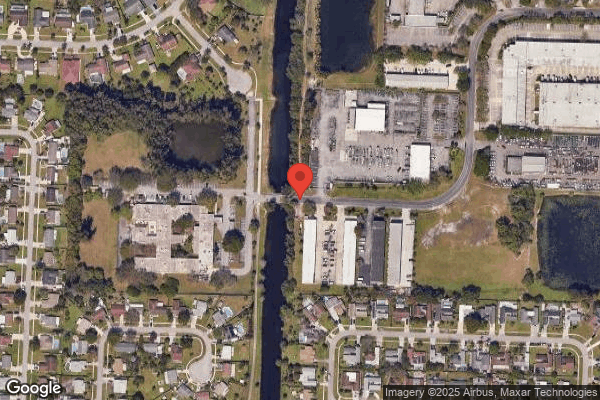

600 BUSINESS PARK WAY, ROYAL PALM BEACH, FL 33411 (561) 798-3700
For profit - Limited Liability company 120 Beds SIMCHA HYMAN & NAFTALI ZANZIPER Data: November 2025
Trust Grade
58/100
#413 of 690 in FL
Last Inspection: May 2025

Inspected within the last 6 months. Data reflects current conditions.

Overview

Royal Palm Beach Health and Rehabilitation Center has received a Trust Grade of C, which means it is average and sits in the middle of the pack among nursing homes. It ranks #413 out of 690 facilities in Florida, placing it in the bottom half, and #33 out of 54 in Palm Beach County, indicating only a few local options are better. The facility's trend is worsening, as the number of reported issues increased from 7 in 2024 to 9 in 2025. Staffing is a notable strength with a rating of 4 out of 5 stars and a turnover rate of 36%, which is below the Florida average of 42%. However, there are some concerns, including $4,156 in fines, which is average, and several specific incidents, such as staff not using proper protective equipment during catheter care and residents expressing dissatisfaction with the quality of food, indicating areas that need improvement.

Trust Score
C
58/100
In Florida
#413/690
Bottom 41%
Safety Record
Low Risk
No red flags
Inspections
Getting Worse
7 → 9 violations
Staff Stability
○ Average
36% turnover. Near Florida's 48% average. Typical for the industry.
Penalties
✓ Good
$4,156 in fines. Lower than most Florida facilities. Relatively clean record.
Skilled Nurses
✓ Good
Each resident gets 44 minutes of Registered Nurse (RN) attention daily — more than average for Florida. RNs are trained to catch health problems early.
Violations
⚠ Watch
28 deficiencies on record. Higher than average. Multiple issues found across inspections.
★★★☆☆
3.0
Overall Rating
★★★★☆
4.0
Staff Levels
★★★★☆
4.0
Care Quality
★★★☆☆
3.0
Inspection Score
Stable
2024: 7 issues
2025: 9 issues

The Good

  • 4-Star Staffing Rating · Above-average nurse staffing levels
  • 4-Star Quality Measures · Strong clinical quality outcomes
  • Full Sprinkler Coverage · Fire safety systems throughout facility
  • No fines on record
  • Staff turnover below average (36%)

    12 points below Florida average of 48%

Facility shows strength in staffing levels, quality measures, fire safety.

The Bad

3-Star Overall Rating

Near Florida average (3.2)

Meets federal standards, typical of most facilities

Staff Turnover: 36%

Near Florida avg (46%)

Typical for the industry

Federal Fines: $4,156

Below median ($33,413)

Minor penalties assessed

Chain: SIMCHA HYMAN & NAFTALI ZANZIPER

Part of a multi-facility chain

Ask about local staffing decisions and management

The Ugly 28 deficiencies on record

May 2025 9 deficiencies
CONCERN (D)

Potential for Harm - no one hurt, but risky conditions existed

Deficiency F0657 (Tag F0657)

Could have caused harm · This affected 1 resident

**NOTE- TERMS IN BRACKETS HAVE BEEN EDITED TO PROTECT CONFIDENTIALITY** 2. Review of the facility's policy, Unnecessary Drugs - Without Adequate Indication for Use, with a reference date of 11/2020 an...

Read full inspector narrative →
**NOTE- TERMS IN BRACKETS HAVE BEEN EDITED TO PROTECT CONFIDENTIALITY** 2. Review of the facility's policy, Unnecessary Drugs - Without Adequate Indication for Use, with a reference date of 11/2020 and a revision date of 08/02/22, documented: It is the facility's policy that each resident's drug regimen is managed and monitored to promote or maintain the resident's highest practicable mental, physical and psychosocial well-being free from unnecessary drugs. Policy Explanation and Compliance Guidelines: 1. The indications for initiating, withdrawing, or withholding medications(s), as well as the use of non-pharmacological approaches, will be determined by assessing the resident's underlying condition, current signs, symptoms, expressions, preferences, and goals for treatment including identification of underlying causes (when possible). 7. Information gathered during the initial and ongoing evaluations will be incorporated into the resident's comprehensive care plan that reflects person-centered medication related goals and parameters for monitoring the resident's condition, including the likely medication effects and potential for adverse consequences. a. Record review revealed Resident #76 was admitted to the facility on [DATE] and most recently readmitted [DATE] after transfer to the hospital per family request related to nausea and vomiting. Review of the resident's most recent complete assessment, a Quarterly MDS, with a reference date of 02/28/25, revealed Resident #76 had a BIMS score of 12, indicating the resident was moderately cognitively impaired. Resident #76's diagnoses at the time of the assessment included: Non-Alzheimer's dementia, Seizure disorder. It was determined that Resident #76 was not interviewable as evidenced by the resident provided nonsensible answers to simple questions. Review of Resident #76's physicians orders included: QUEtiapine Fumarate Oral Tablet 50 MG (Quetiapine Fumarate) - Give 1 tablet by mouth at bedtime for psychosis, dated 02/12/25. Resident #76 did not have any current orders for anxiety medications Further review of Resident #76's records revealed the following discontinued orders: QUEtiapine Fumarate Oral Tablet 50 MG (Quetiapine Fumarate) - Give 1 tablet by mouth at bedtime for anxiety - 02/12/25 that was d/c same day busPIRone HCl Oral Tablet 10 MG (Buspirone HCl) - Give 1 tablet by mouth every 12 hours for anxiety - 01/07/25 with an end date of 01/15/25 busPIRone HCl Oral Tablet 10 MG (Buspirone HCl) - Give 1 tablet by mouth every 12 hours as needed for Anxiety - 01/15/25 with an end date of 02/11/25 Ativan Injection Solution 2 MG/ML (Lorazepam) - Inject 0.5 mg intramuscularly every 12 hours as needed for anxiety / agitation - 07/05/24 with an end date of 07/08/25 Ativan Injection Solution 2 MG/ML (Lorazepam) - Inject 0.5 mg intramuscularly every 12 hours as needed for anxiety / agitation for 30 Days- 07/08/24 with an end date of 08/07/24. Resident #76's care plan for psychotropic medications documented, Resident is at risk for complications related to the use of psychotropic drugs related to a diagnosis of psychosis, Date Initiated: 03/25/2024 Revision on: 03/25/2024. The goal of the care plan was documented as, Resident will have the smallest most effective dose without side effects throughout the next review, Date Initiated: 03/25/2024 Revision on: 09/07/2024 Target Date: 08/28/2025 Interventions to the care plan included: o Monitor for continued need of medication as related to behavior and mood Date Initiated: 03/25/2024 RN LPN [Registered Nurse Licensed Practical Nurse] Resident #76's care plan for anti-anxiety medications documented, Resident is at risk for adverse reactions to anti-anxiety medications used for anxiety disorder Date Initiated: 01/16/2025, Revision on: 01/16/2025 The goal of the care plan was documented as, Resident will have a minimized risk of adverse reactions through next review date. Date Initiated: 01/16/2025 Revision on: 01/16/2025 Target Date: 08/28/2025 Interventions to this care plan included: o Administer ANTI-ANXIETY medications as ordered by physician. Monitor for side effects and effectiveness Q-SHIFT. Date Initiated: 01/16/2025 LPN RN o Intervene as needed for safety. The resident is taking ANTI-ANXIETY meds which are associated with an increased risk of confusion, amnesia, loss of balance, and cognitive impairment that looks like dementia and increases risk of falls, broken hips and legs. Date Initiated: 01/16/2025 Certified Nursing Assistant LPN RN o Monitor/document/report PRN any adverse reactions to ANTI-ANXIETY therapy: Drowsiness, lack of energy, clumsiness, slow reflexes, Slurred speech, confusion and disorientation, depression, dizziness, lightheadedness, impaired thinking and judgment, memory loss, forgetfulness, nausea, stomach upset, blurred or double vision. UNEXPECTED SIDE EFFECTS: Mania, hostility, rage, aggressive or impulsive behavior, hallucinations Date Initiated: 01/16/2025 Resident #76's care plan for behaviors documented, Resident has behavior problem(s) .new order for Seroquel secondary to having increasing visual hallucinations, paranoia and agitation, behavior disturbance, sun downing behaviors, - Anxiety medication discontinued Date Initiated: 01/27/2025 Revision on: 04/18/2025 The goal of the care plan was documented as, Will have a minimized risk of self harm or harm to others through next review. Date Initiated: 01/27/2025 Revision on: 03/31/2025 Target Date: 08/28/2025 Interventions to the care plan included: o Administer medication as ordered (Refer to POS/MAR for current order). Date Initiated: 01/27/2025. o Psychiatry Services and/or Psychological Services as needed and ordered. Date Initiated: 01/27/2025. Review of Resident #76's electronic and paper-based health record revealed the resident did not have a diagnoses of psychosis. During an interview, on 05/22/25 at 10:12 AM, with Staff E, LPN, when asked about the order for Quetiapine being for psychosis, Staff E stated, The Quetiapine is for bipolar. When informed that there was no documented diagnosis of psychosis or bipolar, Staff E did not provide a response. On 05/22/25 at 10:20 AM, the Director of Nursing (DON) joined the interview with Staff E and confirmed that there was no diagnoses that included psychosis or bipolar. During an interview, on 05/22/25 at 10:30 AM, with the Social Services Director (SSD), when asked about the care plans being updated based on the medications, diagnoses, and the anti-anxiety medications being discontinued, the SSD replied, those care plans are put in by nursing, MDS puts in the care plans and are following up when something is coming off. If we are missing that, we need to come up with interventions. The SSD acknowledged that there were no diagnoses that included included bipolar, psychosis or anxiety. During an interview, on 05/22/25 at 10:42 AM, with the Assistant MDS Coordinator and the Regional MDS Coordinator, when the concerns related to Resident #76's care plan were brought to their attention, while reviewing the resident's record, the MDS Coordinator stated, there is a psych note 02/17, it mentions the GDR (Gradual Dose Reduction) of Seroquel and making Ativan as needed. As far as their codes go, they have unspecified dementia with agitation, adjustment disorder. it doesn't say anything in their note about psychosis. On 05/22/25 at 11:24 AM, the Regional MDS Coordinator reported that she was reaching out to psychiatry provider in regards to the Seroquel and the associated diagnoses. b. Record review revealed Resident #76 was admitted to the facility on [DATE] and most recently readmitted [DATE] after a transfer to the hospital per family request due to nausea and vomiting. According to the resident's most recent complete assessment, a Quarterly Minimum Data Set (MDS), with a reference date of 02/28/25, Resident #76 had a Brief Interview for Mental Status (BIMS) score of 12, indicating the resident was 'moderately' cognitively impaired. Resident #76's diagnoses at the time of the assessment included: Non-Alzheimer's Dementia, and Seizure disorder. Review of Resident #76's electronic and paper-based health records revealed that there was no care plan to address and provide care to the resident with Dementia. During an interview, on 05/22/25 at 11:26 AM, with the Regional MDS Coordinator and the Assistant MDS Coordinator, both acknowledged that there was no care plan to address the resident's Dementia. Based on interviews and record review, the facility failed to revise and update care plan interventions timely for 1 of 4 sampled residents reviewed for falls, Resident #92; failed to revise and update care plans with changes for diagnoses and medications for 1 of 5 sampled residents reviewed for unnecessary medications, Resident #76; and failed to develop and implement a care plan for a resident with Dementia for 1 of 5 sampled residents reviewed for unnecessary medications, Resident #76. The findings included: Review of the facility's policy, titled, Comprehensive Care Plans, with a reviewed / revised date of 07/27/22, included in part the following: It is the policy of this facility to develop and implement a comprehensive person-centered care plan for each resident, consistent with resident rights, that included measurable objectives and timeframes to meet a resident's medical, nursing and mental and psychosocial needs that are identified in the resident's comprehensive assessment. The comprehensive care plan will include measurable objectives and timeframes to meet the resident's needs as identified in the resident's comprehensive assessment. the objectives will be utilized to monitor the residents' progress. Alternative interventions will be documented as needed. Qualified staff responsible for carrying out interventions specified in the care plan will be notified of their role and responsibilities for carrying out the interventions initially and when changes are made. 1. Record review revealed Resident #92 was admitted to the facility on [DATE] with diagnoses that included in part the following: Total Retinal Detachment Right Eye, Blindness Left Eye Category 5 Normal Vision Right Eye, Other Lack of Coordination, Unspecified Abnormalities of Gait and Mobility, Abnormal Posture, Difficulty in Walking, Need for Assistance with Personal Care, Muscle Weakness (Generalized), Segmental and Somatic Dysfunction of Lower Extremity, Segmental and Somatic Dysfunction of Cervical Region, Segmental and Somatic Dysfunction of Lumbar Region, and Chorioretinal Scars After Surgery for Detachment Bilateral. The Minimum Data Set, dated [DATE] documented in Section C a Brief Interview of Mental Status score of 14 indicating an intact cognitive response. Review of the facility incident log documented the following: On 03/03/25, an unwitnessed fall for Resident #92. On 05/16/25, a witnessed fall for Resident #92. Review of the physician's orders revealed an order dated 02/25/25 for, 'Legally Blind every shift'. Review of the Nursing Note for Resident #92 documented the resident slid from his wheelchair (w/c) while he was trying to stand up. Therapist was trying to change his w/c, because the right side couldn't be locked. Resident stated, I just slide from the chair, because I forgot to lock my w/c when I was trying to stand up to change the w/c. Resident assessed and assisted back to chair by staffs. scrape noted in the right interior elbow and left exterior. Review of the care plan for Resident #92 dated 02/25/25 with a focus on the resident is at risk for falls and fall related injury due to vision impairment right and left eye, documented: The goals was to minimize risk for falls and fall related injuries through next review date. The interventions included the following: Assist with toileting and transfers as needed. Complete Fall Risk Screen as indicated. Cue for safety awareness. Ensure call light is within reach and encourage use for assistance. Keep frequently used items within reach. Orient resident to environment/surroundings. Provide resident teaching to included: Safety measures to reduce fall risk, use call light to requesting assistance before attempting to transfer or ambulate. PT/OT/ST (Physical Therapy/Occupational Therapy/Speech Therapy) Screening for safety. Therapy screen as indicated. In summary the care plan was not updated after Resident #92 sustained a fall on 05/16/25. An interview was conducted on 05/19/25 at 12:28 PM with Resident #92 who stated he had fallen the other day when moving from one wheelchair to another wheelchair and scraped both of his arms. He stated he is 6 feet tall and had requested a wheelchair that was taller. When they provided him with the wheelchair he later realized the right side of the wheelchair would not lock and this was on the weekend so he went down to the therapy department to switch out the wheelchair and with all the commotion he had forgotten to lock the left side of the wheelchair before moving from the wheelchair with the broken lock to the new wheelchair and when he stood up the wheelchair moved backward and he fell and scraped both of his arms. An interview was conducted on 05/21/25 at 12:45 PM with Staff C Licensed Practical Nurse (LPN) who stated she has been working at the facility for about 2 years. When asked about falls, she stated that for witnessed falls the nurse will notify the family, the physician and management, as well as assess and monitor the resident. When asked about the care plan being updated if have fall, she does update any care plan it may be updated by management or Minimum Data Set. During an interview conducted on 05/21/25 at 1:20 PM with the Director of Nursing who stated she has worked at the facility for about 2 years. When asked about falls, the DON said the fall care plan should be updated by the care plan team (MDS team) each time the resident has a fall. During an interview conducted on 05/21/25 at 4:37 PM with the Minimum Data Set (MDS) Assistant who stated she has worked at the facility for 3 months with the Regional MDS Reimbursement Consultant who stated she has worked with the company for 2 years. They stated the full time MDS Coordinator went per diem (as needed) in April 2025. When asked if a resident has a fall do they update the care plan, they said yes they update the interventions not fall date on the care plan. The care plan intervention is up dated on day of the fall or the next day. They stated the nursing staff can also put interventions in the care plan as well.
CONCERN (D)

Potential for Harm - no one hurt, but risky conditions existed

Quality of Care (Tag F0684)

Could have caused harm · This affected 1 resident

**NOTE- TERMS IN BRACKETS HAVE BEEN EDITED TO PROTECT CONFIDENTIALITY** Based on record review and interview, the facility failed to obtain wound culture results in a timely manner for 1 of 28 sampled...

Read full inspector narrative →
**NOTE- TERMS IN BRACKETS HAVE BEEN EDITED TO PROTECT CONFIDENTIALITY** Based on record review and interview, the facility failed to obtain wound culture results in a timely manner for 1 of 28 sampled residents, Resident #12; and failed to administer medications in a timely manner for 1 of 28 sampled residents, Resident #92. The findings included: 1. Record review revealed Resident #12 was admitted to the facility on [DATE] with diagnoses included Chronic Ulcer to the right foot. A comprehensive assessment dated [DATE] revealed Resident #12 was cognitively intact and required partial / moderate assist for activities of daily living (ADLs). The assessment further documented the resident had 2 venous / arterial ulcers. Resident #12 was care planned for a right foot/toe arterial wound and a left heel arterial wound. Review of Resident #12's physician orders revealed an order dated 04/24/25 for a wound culture of the resident's left heel wound. Review of Resident #12's progress notes revealed a note dated 04/24/25 at 11:34 AM that documented: Wound culture for the left heel wound was ordered by the Wound Care NP (Nurse Practitioner) and is currently labeled as pending collection by the lab. Review of the progress note dated 04/24/25 at 5:22 PM documented: Wound culture collected and put in fridge for lab tech to pick up tonight. Review of Resident #12's wound culture results revealed it was collected on 04/24/25, received on 05/16/25, and reported on 05/19/25. The wound culture was positive for Extended Spectrum B-Lactamase (ESBL), a multiple drug resistant organism, that requires isolation. Resident #12 was ordered Zyvox, an antibiotic, on 05/19/25. An interview was conducted with the Assistant Director of Nursing (ADON) on 05/22/25 at 12:00 PM. The ADON did not know why there was a delay of 22 days from the time of the collection of the wound culture to when the culture was received in lab. The ADON stated Resident #12 was started on Cipro (antibiotics) at the time the culture was ordered. The ADON further stated the resident's wound infection was resistant to Cipro. There was a delay in effective treatment. 2. Review of the facility's policy, titled, Medication Administration, with a reviewed / revised date of 10/2023 included in part the following: Medications are administered by licensed nurses, or other staff who are legally authorized to do so in this state, as ordered by the physician and in accordance with professional standards of practice, in a manner to prevent contamination or infection. Administer within 60 minutes prior to or after scheduled time unless otherwise ordered by physician. Record review for Resident #92 revealed the resident was admitted to the facility on [DATE] with diagnoses that included in part the following: Total Retinal Detachment Right Eye, Blindness Left Eye Category 5 Normal Vision Right Eye, Other Lack of Coordination, Unspecified Abnormalities of Gait and Mobility, Abnormal Posture, Difficulty in Walking, Need for Assistance with Personal Care, Muscle Weakness (Generalized), Segmental and Somatic Dysfunction of Lower Extremity, Segmental and Somatic Dysfunction of Cervical Region, Segmental and Somatic Dysfunction of Lumbar Region, and Chorioretinal Scars After Surgery for Detachment Bilateral. The Minimum Data Set, dated [DATE] documented in Section C a Brief Interview of Mental Status (BIMs) score of 14 indicating an intact cognitive response. Review of the Physician's Orders for Resident #92 revealed the following orders: An order dated 02/26/25 for glipizide Oral Tablet 5 MG Give 1 tablet by mouth in the morning. An order dated 02/25/25 for amlodipine Besylate Oral Tablet 5 MG (Amlodipine Besylate) Give 1 tablet by mouth two times a day. An order dated 02/26/25 for Lisinopril Oral Tablet 20 MG Give 1 tablet by mouth in the morning. An order dated 02/25/25 for Finasteride Oral Tablet 5 MG Give 1 tablet by mouth at bedtime. An order dated 02/26/25 for oxybutynin Chloride ER 5 MG Tablet extended release 24 hour, Give 1 tablet by mouth one time a day for Overactive bladder An order dated 03/11/25 for Simvastatin Oral Tablet 10 MG Give 1 tablet by mouth at bedtime. An order dated 03/13/25 for Imodium A-D Oral Tablet 2 MG Give 1 tablet by mouth every 6 hours as needed. An order dated 03/17/25 for Metamucil 4 in 1 Fiber Oral Packet (Psyllium) Give 1 packet by mouth in the evening. An order dated 03/18/25 for Glycolax Powder (Polyethylene Glycol 3350) Give 17 gram by mouth one time a day for Bowel Irregularity. An order dated 04/17/25 for Timoptic Ophthalmic Solution 0.5 % Instill 1 drop in both eyes two times a day for Retinal detachment An order dated 04/28/25 for Incruse Ellipta 62.5 MCG/ACT Aerosol Powder, breath activated 1 dose inhale orally one time a day for SOB per patient request. Review of the Medication Administration (Admin) Audit Report for Resident #92 from 05/09/25 to 05/18/25 documented in part the following: On 05/09/25, Metamucil scheduled for 5:00 PM was given at 6:30 PM. On 05/09/25, Simvastatin, Amlodipine and Finasteride were scheduled for 9:00 PM and were given at 11:09 PM. On 05/10/25, Glipizide, Oxybutynin, Glycolax, Timoptic Ophthalmic Solution, Incruse Ellipta, Amlodipine and Lisinopril were scheduled for 9:00 AM and given between 10:04 AM and 10:14 AM. On 05/11/26, Lisinopril, Amlodipine, Glipizide, Oxybutynin, Glycolax, Timoptic Ophthalmic Solution, Incruse Ellipta were scheduled for 9:00 AM and given between 10:32 AM and 10:36 AM. On 05/12/25, Finasteride Amlodipine, Simvastatin were scheduled for 9:00 PM and given at 11:37 PM. On 05/13/25, Glipizide, Amlodipine, Oxybutynin, Glycolax, Timoptic Ophthalmic Solution, Incruse Ellipta, and Lisinopril were scheduled for 9:00 AM and given at 10:10 AM. On 05/14/25, Timoptic Ophthalmic Solution was scheduled for 6:00 PM and was given at 8:33 PM. On 05/15/25, Glipizide, Oxybutynin, Glycolax Incruse Ellipta, Timoptic Ophthalmic Solution, Amlodipine, and Lisinopril was scheduled for 9:00 AM given between 11:18 AM and 11:28 AM. On 05/16/25, Glipizide, Oxybutynin, Glycolax, Incruse Ellipta, Timoptic Ophthalmic Solution, Amlodipine, and Lisinopril were scheduled for 9:00 AM were given between 10:30 AM and 1:01 PM. On 05/16/25, Finasteride, Amlodipine, and Simvastatin were scheduled for 9:00 PM and given at 11:08 PM. On 05/17/25, Lisinopril and Amlodipine were scheduled for 9:00 AM and given between 10:11 AM and 10:12 AM. On 05/17/25, Finasteride Amlodipine, and Simvastatin were scheduled for 9:00 PM and given at 11:23 PM. On 05/18/25, Timoptic Ophthalmic Solution, Lisinopril, Glipizide, Amlodipine, Glycolax and Oxybutynin were scheduled for 9:00 AM were given at 12:03 PM. On 05/18/25, Finasteride Amlodipine and Simvastatin were scheduled for 9:00 PM and given at 11/24 PM. In summary, the above medications were given outside of the 1 hour before or after the scheduled times and considered late. Some medications were administered as late as 3 hours and 3 minutes late. An interview was conducted on 05/19/25 at 11:44 AM with Resident #92 who stated he sometimes gets his 9:00 AM morning medications late, sometimes hours late. An interview was conducted on 05/20/25 at 9:20 AM with Staff B, Registered Nurse (RN), who stated she has worked at the facility for 1 year. When asked when medications are considered late, she said we have 1 hour before and 1 hour after the scheduled to give the medication, if it is more than an hour early or more than an hour late, it is considered late. An interview was conducted on 05/21/25 at 12:45 PM with Staff C, Licensed Practical Nurse (LPN), who stated she has been working at the facility for about 2 years. She also serves as a Weekend Supervisor every other weekend and has been doing so for about 1 year. When asked when medications are considered late, she said an hour before and an hour after scheduled time is considered on time. An interview was conducted on 05/21/25 at 1:20 PM with the Director of Nursing (DON) who stated she has worked at the facility for about 2 years. When asked when medications are considered late, she said the nurses can administer a medication up to 1 hour before or 1 hour after the scheduled to time or it would be considered to be late.
CONCERN (D)

Potential for Harm - no one hurt, but risky conditions existed

Incontinence Care (Tag F0690)

Could have caused harm · This affected 1 resident

**NOTE- TERMS IN BRACKETS HAVE BEEN EDITED TO PROTECT CONFIDENTIALITY** Based on observation, interview, and record review, the facility failed to obtain a urology consult in a timely manner and faile...

Read full inspector narrative →
**NOTE- TERMS IN BRACKETS HAVE BEEN EDITED TO PROTECT CONFIDENTIALITY** Based on observation, interview, and record review, the facility failed to obtain a urology consult in a timely manner and failed to obtain a urine culture in a timely manner for 1 of 2 sampled residents for catheter use, Resident #1. The findings included: 1. Record review revealed Resident #1 was admitted to the facility on [DATE]. A comprehensive assessment dated [DATE] documented the resident had mild cognitive impairment and required partial / moderate assistance with activities of daily living (ADLs). The assessment documented that the resident had an indwelling catheter. The record revealed Resident #1 was care planned for at risk for infections related to urinary catheter dependence related to diagnosis of obstructive uropathy. An intervention included catheter care every shift and obtain labs as ordered. Review of Resident #1's physician orders revealed an order dated 12/26/24 for a urologist consult for a bladder evaluation. An order dated 01/09/25 documented to fax ultrasound results to the urologist. An order dated 01/10/25 documented to follow up with the urologist. Review of Resident #1's progress notes revealed a note dated 01/14/25 at 3:06 PM that documented: Resident is scheduled to go see urology on 02/06/25 at 10:45 AM. The appointment is only pending if the office gets a referral. They stated they would send it over to pcp (primary care physician) and then wait. I will also call and follow up before appointment to see if the referral was completed. If not the appointment must be rescheduled until we can obtain a referral. I will continue to follow up. Further record review revealed no follow up for a urologist referral for Resident #1. An interview was conducted with Medical Records staff (MR) on 05/20/25 at 12:00 PM. The MR stated she is responsible for making appointments and referrals. MR further stated Resident #1 was transferred to the hospital on [DATE]. MR acknowledged there was no follow up with a urologist consult. 2. Record review revealed Resident #1 was admitted to the facility on [DATE]. A comprehensive assessment dated [DATE] documented the resident had mild cognitive impairment and required partial / moderate assistance with activities of daily living (ADLs). The assessment documented that the resident had an indwelling catheter. Record review revealed an order dated 05/12/25 for a urine culture and sensitivity (C&S) for Resident #1. Review of the resident's urine culture revealed the urine specimen was collected on 05/16/25 and reported on 05/18/25. Resident #1 was started on antibiotics for a urinary tract infection (UTI) on 05/20/25. An interview was conducted with the Assistant Director of Nursing (ADON) on 05/20/25. The ADON could not explain the delay in obtaining Resident #1's urinalysis sample.
CONCERN (D)

Potential for Harm - no one hurt, but risky conditions existed

Respiratory Care (Tag F0695)

Could have caused harm · This affected 1 resident

**NOTE- TERMS IN BRACKETS HAVE BEEN EDITED TO PROTECT CONFIDENTIALITY** Based on observations, interviews and record reviews, the facility failed to obtain a physician's order for CPAP (Continuous Pos...

Read full inspector narrative →
**NOTE- TERMS IN BRACKETS HAVE BEEN EDITED TO PROTECT CONFIDENTIALITY** Based on observations, interviews and record reviews, the facility failed to obtain a physician's order for CPAP (Continuous Positive Airway Pressure), and failed to develop and implement a care plan for CPAP for 1 of 1 sampled resident, Resident #304. The findings included: Record review revealed Resident #304 was admitted on [DATE] with diagnoses that included Chronic Obstructive Pulmonary Disease (COPD), Lung Cancer, Oxygen Dependency, Dementia, and Alcohol and Substance Abuse. Review of Minimum Data Set (MDS) assessment for Resident #304 dated 03/14/25 documented in Section C revealed a Brief Interview of Mental Status (BIMS) score of 15 indicating intact cognition. Review of Section O revealed a blank space for CPAP (Continuous Positive Airway Pressure). Review of the care plan did not indicate goals, plans and interventions for the CPAP. Observations conducted on 05/19/25 at 9:00 AM, 05/20/25 at 11:00 AM, and 05/21/25 at 2:00 PM, revealed a CPAP machine and tubing on the bedside table next to the left side of Resident #304 bed. An interview was conducted with Resident #304 who when asked how often he uses the CPAP machine, responded, Everyday. Review of the physician orders for Resident #304 revealed a CPAP order was received on 05/22/25 during the last day of the survey after surveyor intervention.
CONCERN (D)

Potential for Harm - no one hurt, but risky conditions existed

Deficiency F0700 (Tag F0700)

Could have caused harm · This affected 1 resident

**NOTE- TERMS IN BRACKETS HAVE BEEN EDITED TO PROTECT CONFIDENTIALITY** Based on observations, interviews and record review, the facility failed to ensure residents did not use full side rails who wer...

Read full inspector narrative →
**NOTE- TERMS IN BRACKETS HAVE BEEN EDITED TO PROTECT CONFIDENTIALITY** Based on observations, interviews and record review, the facility failed to ensure residents did not use full side rails who were not properly assessed for the use of side rails and consent for side rails had been declined for 1 of 52 sampled residents with side rails, Resident #45. The findings included: Review of the facility's policy, titled, Bed Rails Informed Consent for Use, with no date, included in part the following: It is the policy of this facility to use bedrails only after an individualized resident assessment, evaluation and care planning by an interdisciplinary team determine it beneficial and appropriate for use to treat the resident's medical symptoms, assist the resident in attaining or maintaining the highest possible physical and psychosocial well-being and after attempts at using alternatives have proven inadequate or inappropriate. Record review revealed Resident #45 was originally admitted to the facility on [DATE] with the most recent readmission to the facility on [DATE], with diagnoses that included in part the following: Nontraumatic Subdural Hemorrhage, Type 2 Diabetes Mellitus with Hyperglycemia, Unspecified Injury of Head Subsequent Encounter, Other Lack of Coordination, Unspecified Abnormalities of Gait and Mobility, Difficulty in Walking, Muscle Weakness (Generalized), Cardiomyopathy, Repeated Falls, Essential (Primary) Hypertension, and Dementia. Review of the Minimum Data Set (MDS) assessment dated [DATE] documented in Section C a Brief Interview of Mental Status score of 12 indicating moderate cognitive impairment. The MDS documented in Section P for Bed Rail, 'not used'. Review of the physician's orders for Resident #45 revealed an order dated 04/06/25 for no side rails. Review of the physician's orders for Resident #45 revealed an order dated 04/06/25 to 'admit to hospice on (04/05/25) related to diagnosis of (Hypertensive Heart Failure)'. Review of the Side Rail Evaluation for Resident #45 dated 04/06/25 documented in Section D, based on questions answered above, are side rails indicated, answered No. Review of Bed Rails Informed Consent for Use for Resident #45 dated 04/08/25 signed by the resident's daughter documented she does not consent to use of bed rail(s) as recommended and understand related liabilities. Review of the care plans for Resident #45 dated 06/26/24 revealed a focus on the resident 'is at risk for falls and fall related injury r/t [related to] impaired mobility'. The goal was to minimize risk for falls and fall related injuries through next review date. The interventions included in part the following: Ensure call light is within reach and encourage use for assist with standing/transferring and ambulation. Every 15 minutes checks. Remind resident and reinforce safety awareness: Lock brakes on bed, chair, etc. before transferring. When rising from a lying position, sit on side of bed for a few minutes before transferring/ standing. Educate/remind resident to request assistance using call light prior to ambulation. Appropriate footwear. Report falls to physician and responsible party. In summary side rails were not addressed. On 05/19/25 at 11:38 AM, an observation was made of Resident # 45 lying in bed with full side rails, the right side was up, and the left side was down. On 05/20/25 at 9:00 AM, an observation was made of Resident #45 lying in bed with full side rails up on both sides of the bed. On 05/20/25 at 9:12 AM, an interview was conducted with Staff D, Certified Nursing Assistant (CNA), who stated she has worked at the facility for 2 years and a couple of months. When asked about the side rails for Resident #45, she said he has the side rails on his bed because he is on hospice and the bed came from hospice. When asked are the side rails up all of the time, the CNA said yes when he is in bed except for when he is eating like now, then one side is lowered to put the table in front of him so he can eat. A side-by-side observation was conducted on 05/20/25 at 3:25 PM with Staff C, Registered Nurse (RN), who acknowledged Resident #45 had full side rails up on both sides of the bed. Staff C said she was unsure if the resident was on hospice and that may be why he has the full side rails. Staff C was not assigned to the resident. An interview was conducted on 05/20/25 at 3:35 PM with the Director of Nursing (DON) and the Administrator, who were asked if they use side rails, and said they only use half and quarter side rails. The DON said for a resident to have side rails, they evaluate for safety, obtain consent for side rails, obtain a physician's order and would have a care plan in place. A side-by-side observation was conducted on 05/20/25 at 3:40 PM with the DON and the Administrator who both acknowledged Resident #45 had 2 full side rails on the bed with one side rail up at the time of the observation. An interview was conducted on 05/20/25 at 4:00 PM with the DON who said the hospice nurse had ordered the fully electric bed for the resident, but they were unable to tell when the bed was delivered or if they had assessed the resident for safety with side rails in a bed. The DON stated Resident #45 was removed from the bed with the full side rails and placed in another bed immediately after she had observed the resident in the bed with the full side rails.
CONCERN (D)

Potential for Harm - no one hurt, but risky conditions existed

Deficiency F0757 (Tag F0757)

Could have caused harm · This affected 1 resident

**NOTE- TERMS IN BRACKETS HAVE BEEN EDITED TO PROTECT CONFIDENTIALITY** Based on observation, interview, and record review, the facility failed to ensure behavior monitoring for 3 of 5 sampled residen...

Read full inspector narrative →
**NOTE- TERMS IN BRACKETS HAVE BEEN EDITED TO PROTECT CONFIDENTIALITY** Based on observation, interview, and record review, the facility failed to ensure behavior monitoring for 3 of 5 sampled residents reviewed for unnecessary medications, Residents #34, 76, 14. The findings included: Review of the facility's policy, titled, Behavior Monitoring, with a reference date of 11/2020 and a revision date of 11/2021, documented, in part: Policy: Residents who exhibit behavioral concerns may require behavior monitoring. Facility will monitor behaviors per their plan of care. Policy Explanation and Compliance Guidelines: 4. Behaviors shall be documented clearly and concisely in the medical record. 5. Behaviors shall be identified, and approaches should be included in the comprehensive plan of care. 6. The plan of care shall be reviewed at least quarterly and revised as needed. 1. Record review documented Resident #76 was admitted to the facility on [DATE]. According to the resident's most recent complete assessment, a Quarterly Minimum Data Set (MDS) assessment, with a reference date or 02/28/25, Resident #76 had a Brief Interview for Mental Status (BIMS) score of 12, indicating the resident was moderately cognitively impaired. Resident #76's diagnoses at the time of the assessment included: Non-Alzheimer's Dementia, and Seizure disorder. Resident #76's care plan for psychotropic medications documented: Residen is at risk for complications related to the use of psychotropic drugs related to a diagnosis of psychosis. Date Initiated: 03/25/2024 Revision on: 03/25/2024 The goal of the care plan was documented as: Resident will have the smallest most effective dose without side effects throughout the next review Date Initiated: 03/25/2024 Revision on: 09/07/2024 Target Date: 08/28/2025 Interventions to the care plan included: o Monitor for continued need of medication as related to behavior and mood Date Initiated: 03/25/2024 o Monitor for changes in mental status and functional level and report to MD as indicated Date Initiated: 03/25/2024 o Monitor for side effects and consult physician and or pharmacist as needed Date Initiated: 03/25/2024 Review of Resident #76's physicians' orders included: QUEtiapine Fumarate Oral Tablet 50 MG (Quetiapine Fumarate) - Give 1 tablet by mouth at bedtime for psychosis - 02/12/25 Antipsychotic Medication - Observe for delusions, hallucinations and/or paranoia. Document:'Y' if resident is having behaviors and 'N' if the resident does not have behaviors. If 'Y' document in the PNs (Progress Notes) - 02/12/25 Review of Resident #76's Medication Administration Record in the electronic health records revealed that staff marked an 'X' in the section of the record for the Day medications for 11 of the 21 days of the record and for 18 of the 21 days of the record for the night medications. An interview was conducted on 05/22/25 at 10:06 AM with Staff N, Licensed Practical Nurse (LPN), who when asked about documentation of monitoring for the resident's behaviors, replied, there is a monitor in the computer that we use and we document in progress notes if there are any behaviors. When I am here, it is either yes or no. When asked about documenting behaviors for the PM shift, the LPN replied, It might be a system thing. An interview ws conducted on 05/22/25 at 10:12 AM, with Staff E, LPN, who when asked about documentation of behaviors, replied, if a resident is acting out, we give medication and monitor again to see if the medication is affective or not and we document in the behavior monitoring. When asked about the documentation in the MAR, Staff L replied, I don't know why it appears like that. When there is a behavior, we documented it in the MAR and in the progress note. The LPN acknowledged that the behavior monitoring documentation was not done per the order. An interview was conducted on 05/22/25 at 1:30 PM, with Staff O, Registered Nurse (RN), who when asked about documentation of behaviors, the RN replied, I put it in the MAR. If there are no behaviors, there is nothing to document. If something happens, you go into the progress notes and document the behavior and what happened. The RN acknowledged that the behavior monitoring was not done per the order. 2. Record review for Resident #14 revealed the resident was admitted to the facility on [DATE] with a recent readmission on [DATE] with diagnoses that included in part the following: Major Depressive Disorder, Unspecified Dementia, Cognitive Communication Deficit, and General Anxiety Disorder. The Minimum Data Set (MDS) assessment dated [DATE] documented in Section C a Brief Interview of Mental Status (BIMS) score of 5 indicating severe cognitive impairment. Review of the Physician's Orders for Resident #14 revealed in part the following: An order dated 04/22/25 for Side Effect Observation incldued: 1-Dystonia, torticollis (stiffness of neck); 2-Anticholinergic symptoms: dry mouth / blurred vision, constipation / urinary retention; 3-Hypotension; 4-Sedation/drowsiness; 5-Increased falls/dizziness; 6-Cardiac abnormalities (tachycardia, bradycardia, irregular, H.R., NMS); 7-Anxiety/agitation; 8-Blurred Vision; 9-Sweating / rashes; 10-Headache; 11-Urinary retention / hesitancy; 12-Weakness; 13-Hangover effect; 14-Pseudo parkinsonism; 15-Insomnia; 16-New Onset Confusion every shift for medication side effect monitoring. An order dated 04/22/25 for Antidepressant Medication documented - Observe for sadness, tearfulness, and/or self-isolation. Document 'Y' if resident has behaviors and 'N' if the resident does not have behaviors. If 'Y' document in the patient notes every shift. An order dated 04/22/25 for Antipsychotic Medication documented - Observe for delusions, hallucinations and/or paranoia. Document: 'Y' if resident is having behaviors and 'N' if the resident does not have behaviors. If 'Y' document in the patient notes every shift. An order dated 04/22/25 for Behavior Monitoring documented - Observe for (specify resident's behavior). Document: 'Y' if the resident is exhibiting behaviors. 'N' if resident is not exhibiting behaviors. If 'Y' document in the patient notes every shift. An order dated 04/21/25 documented for Duloxetine HCl Capsule Delayed Release Particles 30 MG give 1 capsule by mouth two times a day for depression. An order dated 04/21/25 documented for Quetiapine Fumarate Oral Tablet 100 MG give 100 mg by mouth at bedtime for Dementia with psychosis. Review of the Behavior Monitoring Record for Resident #14 from 05/10/25 to 05/18/25 documented behaviors yes on 05/10/25, 05/11/25, and 05/15/25. Review of the behavior and progress notes for Resident #14 from 05/10/25 to 05/18/25 revealed no documentation of behaviors, interventions or outcomes. Review of the Care Plan for Resident #14 dated 05/22/24 with a focus on the resident who has a diagnosis of depression and takes medication for management, documented: The goal was for the resident to have a reduced risk of adverse reactions related to antidepressant therapy through the review date. The interventions included in part the following: Monitor / document / report PRN [as needed] adverse reactions to antidepressant therapy: change in behavior / mood / cognition; hallucinations / delusions; social isolation, suicidal thoughts, withdrawal; decline in ADL [acitivies of daily living] ability, continence, no voiding; constipation, fecal impaction, diarrhea; gait changes, rigid muscles, balance problems, movement problems, tremors, muscle cramps, falls; dizziness / vertigo; fatigue, insomnia; appetite loss, weight loss, n/v [nausea / vomiting], dry mouth, dry eyes. Observe for changes in mood/behavior. Record/report changes to physician. Review of the Care Plan for Resident #14 dated 05/22/24 with a focus on the resident is at risk for complications related to the use of psychotropic drugs antidepressant and antipsychotic for management of symptoms of dementia with psychosis, documented: The goal was for the resident to have the smallest most effective dose without side effects throughout the next review. The interventions included in part the following: Monitor for continued need of medication as related to behavior and mood. Monitor for side effects and consult physician and or pharmacist as needed. Review of the Care Plan for Resident #14 dated 04/22/25 with a focus on the resident has a potential for adverse effects related to use of psychotropic medication use anti-psychotic depression, documented: The goal was for the resident to have a reduced risk of adverse reactions related to medication use through next review date. The interventions included in part the following: Observe side effects and effectiveness. Observe for changes in cognition, mood/behavior and functional level and report to physician as indicated. 3. Record review for Resident # 34 revealed the resident was admitted on [DATE] with diagnoses that included Atherosclerotic Heart Disease, Chronic Kidney Disease, Cerebral Atherosclerosis, and Generalized Anxiety Disorder. Review of MDS assessment for Resident #34 dated 05/05/08, documented in Section C a BIMS score of 8 indicating moderate impaired mental cognition. Review of the physician orders for Resident #34 dated 11/22/24 revealed an order for Trazodone HCl Oral Tablet 50 milligram (MG), give 1 tablet by mouth at bedtime for Depression. An additional review of physician orders dated 11/21/24 revealed Mirtazapine oral tablet 45 MG, give 1 tablet by mouth at bedtime for Depression. Review of the Medication Administration Record (MAR) revealed no identification of specific behavior and mood changes documentation. Some boxes revealed x indicating no behavior, while some boxes revealed a Y, indicating yes for behavior noted, but no identification of specific behavior. An interview was conducted with Staff A, Social Services Assistant, who has been working here for 2.5 months on 05/20/25 at 3:27 PM, who stated when a resident was diagnosed with depression and anxiety and receiving medications for these diagnoses, staff monitor their specific behavior. An interview was conducted with the Director Of Nurisng (DON) on 05/21/25 at 3:05 PM, who when asked if behaviors are documented in MAR, she responded, yes. When asked what types of behavior are documented in MAR she stated, whatever the resident is manifesting. An observations was conducted on 05/19/25 at 10:00 AM and at 12:00 PM, and the resident was asleep in bed. An observation on 05/20/25 at 10:00 AM and at 1:00 PM, and the resident was in the activity room, awake and opening eyes, but not responding to questions.
CONCERN (D)

Potential for Harm - no one hurt, but risky conditions existed

Deficiency F0810 (Tag F0810)

Could have caused harm · This affected 1 resident

**NOTE- TERMS IN BRACKETS HAVE BEEN EDITED TO PROTECT CONFIDENTIALITY** Based on observations, interviews and record review, the facility failed to provide adaptive equipment for each drink offered to...

Read full inspector narrative →
**NOTE- TERMS IN BRACKETS HAVE BEEN EDITED TO PROTECT CONFIDENTIALITY** Based on observations, interviews and record review, the facility failed to provide adaptive equipment for each drink offered to residents who need them when consuming drinks for 1 of 9 residents with orders for adaptive equipment, Resident #19. The findings included: Review of the facility's policy titled, Adaptive Feeding Equipment, with an implemented date of 11/2020, included in part the following: Adaptive devices (special devices [special eating equipment and utensils] shall be provided for residents who need or requested them. These may include but are not limited to devices such as silverware with enlarged handles, plate guards, and-or equipment. The dietary department shall be notified of residents needing adaptive equipment; the equipment is stored and maintained in the dietary department. Appropriate utensils shall be placed on the resident's food tray at each meal and returned to the dietary department on the food tray for sanitization. Record review for Resident #19 revealed the resident was originally admitted to the facility on [DATE] with a readmission on [DATE] with diagnoses that included in part the following: Non-ST Elevation (NSTEMI) Myocardial Infarction, Unspecified Protein-Calorie Malnutrition, Dysphagia Oropharyngeal Phase, Need for Assistance with Personal Care, Dementia, and Glaucoma. Review of the Minimum Data Set (MDS) assessment dated [DATE] documented in Section C a Brief Interview of Mental Status (BIMS) score of 4 indicating severe cognitive impairment. Review of the Physician's Orders for Resident #19 revealed an order dated 02/16/24 for patient to use scoop dish and 2 handle cup with lid to enable maximum intake and minimize spillage of food. Review of the care plan for Resident #19 dated 04/28/23 documented a focus on the resident is at risk for decreased ability to perform ADLS (activities of daily living) in bathing, grooming, personal hygiene, dressing, eating, bed mobility, transfer, locomotion and toileting related to recent hospitalization. The goal was to maintain highest capable level of ADL ability throughout the next review period as evidenced by his/her ability to perform ADLS. The interventions included in part the following: Assist with oral care daily and as needed. Provide adaptive equipment - 2 handled cup with lid, scoop plate with meals. On 05/19/25 at 10:30 AM, an observation was made of Resident #19 lying in bed with a Styrofoam cup of water on the overbed table, and no two-handled cup with spouted lid was present. On 05/20/25 at 9:40 AM, an observation was conducted of Resident #19 lying in bed with a Styrofoam cup of ice water on her overbed table along with two-handled cup with lid partially filled with clear pale yellow liquid (later identified as apple juice). On the breakfast tray was a carton of milk, a glass of orange juice, no coffee or tea and 1 two-handled cup with spouted lid. An interview was conducted on 05/20/25 at 9:43 AM with Staff N, Certified Nursing Assistant (CNA), who stated she has worked at the facility since November 2024. When asked about the beverages and two-handled cup for Resident #19, Staff N stated the two-handled cup has apple juice in it that she put in this morning and she would empty the apple juice, rinse the cup and fill it with the orange juice. She stated the two-handled cup on the breakfast tray she would fill with the milk. When asked about a two-handled cup for the resident's water, she said once she is finished with breakfast, she would take the 2 two-handled cups to the kitchen and obtain a clean two-handled cup to bring back to the resident's room to fill with the water. An interview was conducted on 05/22/25 at 3:08 PM with the Dietary Manager (DM) who stated she has worked at the facility for 1 year. When asked about adaptive equipment, specifically the two handled cups, she said they usually provide them on the meal tray if the resident eats in their room; if the resident eats in the dining room, it would be on the beverage cart located in the dining room. When asked how many two handled cups are provided on a meal tray, she said they should have one for each beverage. When asked about the two handled cups for residnets' water, the DM stated nursing is responsible to obtain the cups and return them to the kitchen to be cleaned.
CONCERN (D)

Potential for Harm - no one hurt, but risky conditions existed

Deficiency F0919 (Tag F0919)

Could have caused harm · This affected 1 resident

**NOTE- TERMS IN BRACKETS HAVE BEEN EDITED TO PROTECT CONFIDENTIALITY** Based on record review, interview and observations, the facility failed to ensure each toilet was adequately equipped to allow r...

Read full inspector narrative →
**NOTE- TERMS IN BRACKETS HAVE BEEN EDITED TO PROTECT CONFIDENTIALITY** Based on record review, interview and observations, the facility failed to ensure each toilet was adequately equipped to allow residents to call for staff assistance through a communication system which relays the call directly to a staff member or to a centralized staff work area for 1 of 68 resident bathrooms room, room [ROOM NUMBER]. The findings included: Review of the facility's policy titled, Call Lights: Accessibility and Timely Response, with a revised date of 07/19/22, included in part the following: The call system must be accessible to the resident at each toilet and bath or shower facility. The staff will report problems with a call light or the call system immediately to the supervisor and/or maintenance director. Ensure the call system alerts staff members directly or goes to a centralized staff work area. On 05/19/25 at 9:55 AM, an observation was made of the call device in room [ROOM NUMBER]'s bathroom which had the call cord wrapped around grab bar. On 05/20/25 at 9:30 AM, a second observation was made of call device in room [ROOM NUMBER]'s bathroom with the cord wrapped around the grab bar. An interview was conducted on 05/20/25 at 3:00 PM with the Director of Maintenance who stated he has worked at the facility for 2.5 to 3 months. When asked about call lights if they are checked for functioning properly, he said he checks all of them including bathrooms to ensure they are functioning properly every month. He also stated they have a Guardian Angel program and staff are assigned to each room and they check the resident rooms daily including the bathrooms. A side-by-side observation was conducted on 05/20/25 a 3:10 PM withe the Director of Maintenance (DOM) who acknowledged the call light was wrapped around the grab bar in room [ROOM NUMBER]'s bathroom room. The DOM said it does not function in this fashion, unwrapped the call light from around the grab bar and checked the call light to ensure it was functioning properly. The DOM said the Guardian Angel should have seen the call light and fixed it or notified him to fix it. An interview was conducted on 05/20/25 at 3:45 PM with Staff A, Social Service Assistant (SSA), who stated she has worked at the facility for about 2 months. When asked if she is the Guardian Angel assigned to room [ROOM NUMBER], she said yes. When asked what she checks, she said one of the things she checks is the call lights, she makes sure they are near each resident in the room, and she checks the call light in the bathroom as well. When asked what she checks for the call light in the bathroom, she said she just checks to make sure it is not missing, and it is not frayed or ripped. When asked if she checks to ensure it is not wrapped around the grab bar or to check if it is working properly, she said she does not check for those things.
CONCERN (E)

Potential for Harm - no one hurt, but risky conditions existed

Infection Control (Tag F0880)

Could have caused harm · This affected multiple residents

**NOTE- TERMS IN BRACKETS HAVE BEEN EDITED TO PROTECT CONFIDENTIALITY** 3. Record review revealed Resident #1 was admitted to the facility on [DATE]. A comprehensive assessment dated [DATE] documented...

Read full inspector narrative →
**NOTE- TERMS IN BRACKETS HAVE BEEN EDITED TO PROTECT CONFIDENTIALITY** 3. Record review revealed Resident #1 was admitted to the facility on [DATE]. A comprehensive assessment dated [DATE] documented the resident had mild cognitive impairment and requires partial / moderate assistance with activities of daily living (ADLs). The assessment documented the resident had an indwelling catheter. Resident #1 was care planned for at risk for infections related to urinary catheter dependence related to diagnosis of obstructive uropathy. Interventions included enhanced barrier precautions (EBP) and catheter care every shift. An observation of catheter care was conducted on 05/21/25 at 12:20 PM with Staff J and Staff Q, Certified Nurse Assistants. Staff J and Staff Q were waiting in Resident #1's room to perform catheter care. The surveyor entered the resident's room for observation, and Staff J and Staff Q commenced to perform catheter care. Staff J and Staff Q did not have on personal protective equipment (PPE) except gloves. Staff Q was observed cleaning the catheter area. Staff Q then discarded her gloves and donned another pair of gloves without performing hand hygiene. At the conclusion of catheter care, Staff J and Staff Q acknowledged the above. 4. The Center for Disease Control (CDC) recommendations for the removal of Personal Protective Equipment (PPE) after providing care to a resident on isolation precautions is to remove the PPE prior to exiting the resident's room and discarding in an appropriate waste container. This guidance can be found at: https://www.cdc.gov/infection-control/hcp/basics/transmission-based-precautions. The facility's policy, titled, Standards and Guidelines: Personal Protective Equipment, with a reference date of 01/15/24, documented: Purpose: it is to that extent that we will make every effort to minimize exposures to SARS-CoV-2, the virus that causes COVID-19 and to treat and provide the best quali8ty care for 'Persons Under Investigation' (PUI) or those 'presumed positive' for COVID-19. The purpose of this clinical policy is to provide care guidance for staff on the current standards for professional practice for COVID-19 (novel coronavirus) and is subject to changes as the COVID-19 pandemic persists and guidance is provided by the local, state and federal regulatory agencies. Record review revealed Resident #95 was admitted to the facility on [DATE]. According to the resident's most recent complete assessment, Minimum Data Set (MDS) assessment, with a reference date of 04/20/25, revealed Resident #95 had a Brief Interview for Mental Status (BIMS) score of 15, indicating the resident was cognitively intact. The MDS documented Resident #93 required partial / moderate assistance for bed mobility and was dependent upon staff for transfers. Resident #95's diagnoses at the time of the assessment included: Shigellosis, Atrial fibrillation, CAD, Heart failure, Hypertension, Diabetes mellitus, Hyperlipidemia, Thyroid disorder, Arthritis, Infectious Gastroenteritis and colitis, Reactive arthropathy, Sleep apnea, Pleural effusion, Lack of coordination, Muscle weakness, and Abnormal posture. Review of the progress note, date 05/13/25 at 10:10, documented, Note Text: Resident positive for Covid-19; isolation in place and MD [Medical Doctor] / Family notified. Resident #95's care plan for COVID positive, documented, Resident has active infection-positive covid 19 infection Date Initiated: 05/16/2025 Revision on: 05/16/2025. The goal of the care plan was documented as, Infection will be resolved without complications by treatment ordered completion date. Date Initiated: 05/16/2025 Target Date: 07/31/2025. Interventions to the care plan included: o Contact Isolation Date Initiated: 05/16/2025. o Droplet Precautions Date Initiated: 05/16/2025. o Encourage good clean hygiene techniques to avoid cross contamination, especially hand washing before meals and after bowel movements Date Initiated: 05/16/2025. o Enhanced Barrier Precautions Date Initiated: 05/16/2025. o Observe facility policies for infection control Date Initiated: 05/16/2025. During an interview on 05/20/25 at 10:01 AM with Resident #95, it was noted that the only waste receptacles in the resident's room were a small uncovered waste container at the head of the resident's bed with a red liner, and the same type of uncovered container at the foot of the resident's bed, with no additional receptacles for staff to discard used Personal Protective Equipment (PPE). Resident #95 stated that staff donned PPE prior to entering the room and confirmed the diagnosis of COVID-19 the previous week. An interview was conducted on 05/20/25 at 2:43 PM with the Infection Preventionist (IP), who when asked about staff removing their PPE, the IP stated that staff should remove PPE prior to exiting the room and that the used PPE should be placed into a red container or a black container with a red bag. At the conclusion of the interview, the IP accompanied the surveyor to the resident's room. Once in the room, it was noted that there was only one small uncovered receptacle at the resident's head of the bed and no additional receptacles for staff to discard used PPE after care. The IP acknowledged that there was no appropriate receptacle to discard used PPE into. An interview ws conducted on 05/20/25 at 2:57 PM with Staff P, LPN, who when asked about removing PPE when completing care to a resident on droplet precautions, the LPN replied, You are supposed to remove it at the door, put it in a bag and carry it out. Normally the bins are in the room, I put one in a bin while I was in there earlier today. The LPN acknowledged that there was no appropriate receptacle to discard used PPE. Based on observations, interviews, and record reviews, the facility failed to don personal protective equipment (PPE) (gown) for 2 of 2 sampled residents as evidenced during a catheter care for Resident #1, and during perineal care for Resident #53; failed to provide appropriate means to dispose of used PPE for Resident #97, for 1 of 45 sampled residents on Enhanced Barrier Precautions (EBP); and failed to disinfect a glucometer according to facility's policy during a blood sugar check for Resident # 94. The findings included: Review of the policy, titled, Enhanced Barrier Precautions, [EBP] issued on 04/01/24, revealed the following: PPE for EBP is only necessary when performing high-contact care activities (#2, a); position a trash can inside the resident room and near the exit for discarding PPE after removal, prior to exit of the room (#2, d). Review of the policy, titled, Glucometer Disinfection, revised on 08/15/22, revealed the following: the facility will ensure blood glucometers will be cleaned and disinfected after each use and according to the manufacturer's instructions for multi-resident use; the glucometers will be disinfected with a wipe pre-saturated with an EPA registered healthcare disinfectant that is against HIV, Hepatitis C and Hepatitis B. 1. Record review revealed Resident #53 was admitted on [DATE] with diagnoses that included Parkinson's Disease without Dyskinesia, Segmental and Somatic Dysfunction of Cervical region, and Type 2 Diabetes Mellitus. Review of most recent Minimum Data Set (MDS) assessment under Section C for the Brief Interview of Mental Status (BIMS) revealed a score of 15 indicating intact cognitive function. Review of the physician orders dated 05/18/25 revealed an oder for EBP related to wounds. An observation was conducted on 05/19/25 at 3:20 PM with Staff G, Certified Nursing Assistant (CNA), who worked at the facility for 26 years. When doing perineal care, and changing Resident #53's briefs, Staff G was not wearing PPE. When Staff G, CNA was asked regarding EBP, she responded, Wash hands, wear gown and gloves, when resident has infection. Further interview was conducted with Staff G on 05/19/25 at 3:47 PM, who was asked why she did not don a PPE gown while she was doing perineal care and underwear change to Resident # 53. Staff G stated she was asked to come into the room to answer a call light. She admitted she did not put on PPE gown, and she did not see the EBP sign. She left the room but did not change her mask which she had touched it with her gloved right hand during perineal care of this resident. In an interview with Staff I, CNA for 20 years, on 05/19/25 at 3:42 PM, she stated both residents in the room have EBP. When asked to explain what the EBP sign means, she responded, Staff must wear gown, and gloves when providing care to residents in rooms with EBP signposts. When asked what type of care would require PPE gown and gloves, she responded, When doing perineal care, you must wear gown and gloves, especially when changing the resident's briefs. She added, When answering call lights, no gown and gloves are necessary. 2. Record review revealed Resident #94 was admitted on [DATE] with diagnoses that included Urinary Tract Infection (UTI), Type 2 Diabetes Mellitus (DM) with Hyperglycemia, and Encephalopathy. Review of the physician orders dated 05/19/25 revealed an order for EBP related to wounds. During a medication pass observation on 05/21/25 at 3:45 PM, Staff L, Registered Nurse (RN), went inside the room of Resident #94 for a blood sugar check. Staff L did not perform hand hygiene before entering the room. He donned on PPE gown and gloves and performed the blood glucose check. He left the room and wiped the glucometer he had used for Resident #94 with 2 pieces of tissue paper soaked with hand sanitizer solution. When asked regarding the facility's policy for disinfecting a used glucometer, he responded, We use the tissue paper and hand sanitizer, and we let it dry for 2 minutes. An interview ws conducted with Staff E, Licensed Practical Nurse (LPN), on 05/21/25 at 3:55 PM, who was observing Staff L. Staff L stated, There is a required disinfectant for proper glucometer disinfection. The facility staff does not use tissue paper soaked with hand sanitizer solutions for glucometer disinfection. An interview was conducted with the Assistant Director of Nursing (ADON) who is the Infection Control staff on 05/21/25 at 4:21 PM, who stated, The facility staff must use the recommended disinfectant for glucometer disinfection after use.
Feb 2024 7 deficiencies
CONCERN (D)

Potential for Harm - no one hurt, but risky conditions existed

Assessment Accuracy (Tag F0641)

Could have caused harm · This affected 1 resident

**NOTE- TERMS IN BRACKETS HAVE BEEN EDITED TO PROTECT CONFIDENTIALITY** 2. Review of the record revealed Resident #95 was admitted to the facility on [DATE]. Review of a progress noted dated 12/13/23 ...

Read full inspector narrative →
**NOTE- TERMS IN BRACKETS HAVE BEEN EDITED TO PROTECT CONFIDENTIALITY** 2. Review of the record revealed Resident #95 was admitted to the facility on [DATE]. Review of a progress noted dated 12/13/23 documented Resident #95 was not feeling well, requested to go to the hospital, 911 was called and the resident was transferred to the hospital. Review of the Minimum Data Set (MDS) assessment dated [DATE] documented Resident #95 was discharged home. During an interview on 02/07/24 at 10:57 AM, the MDS Coordinator agreed the MDS dated [DATE] was incorrectly coded. Based on record review and interview, the facility failed to ensure accurate Minimum Data Set (MDS) comprehensive assessments for 3 of 30 sampled residents, Resident #25, #95, and #96. The findings included: 1. Record review revealed Resident #25 was admitted to the facility on [DATE]. The record revealed an order to admit Resident #25 to hospice services on 08/29/22. Review of Resident #25's comprehensive assessment dated [DATE] did not reveal the resident was receiving hospice services. An interview was conducted with the Minimum Data Set (MDS) Coordinator on 02/08/24 at 4:30 PM. The MDS Coordinator confirmed the comprehensive assessment for Resident #25 was inaccurate for hospice services. 3. On 02/07/24, review of Resident #96's electronic records showed Resident #96 was admitted to the facility on [DATE] with diagnoses to include Acute kidney Failure; Failure to Thrive; Muscle weakness (generalized); Difficulty in walking; abnormalities of gait and mobility; Other lack of coordination; and Abnormal posture. Review of the Social Services progress notes documented Resident #96 was scheduled for discharge on [DATE]. On 01/20/24, Resident #96 extended her stay and remained in the facility until 01/23/24 and was then discharged home. Resident #96 left the facility accompanied by her family member, with all of her belongings. The MDS assessment section-A dated 01/23/24, documented Resident # 96 was discharged to the hospital, return not anticipated. After surveyor intervention, the MDS staff updated the record on 02/07/24 to reflect that the resident was discharged home, return not anticipated. An interview with the MDS Coordinator on 02/07/24 at 4:20 PM confirmed this was an error and that they had completed an audit of the MDS records after a surveyor inquired about inaccuracies found in another MDS, on 02/07/24. The MDS Coordinator stated they usually conduct audits of the MDS roughly every quarter to ensure that all errors in the data are corrected. She said they knew Resident #96 was being discharged home when the MDS was completed. She stated the inaccurate MDS was a typographical error.
CONCERN (D)

Potential for Harm - no one hurt, but risky conditions existed

PASARR Coordination (Tag F0644)

Could have caused harm · This affected 1 resident

Based on record review and interview, the facility failed to initiate a level II PASARR assessment for 1 of 5 sampled residents reviewed for psychotropic medications, Resident #2. The findings include...

Read full inspector narrative →
Based on record review and interview, the facility failed to initiate a level II PASARR assessment for 1 of 5 sampled residents reviewed for psychotropic medications, Resident #2. The findings included: Record review revealed Resident #28 latest admission to the facility was on 11/30/21. During a prior admission to the facility in 2017, a level I Pre-admission Screening and Resident Review (PASARR) dated 03/03/17 documented that Resident #28 had no diagnoses of intellectual disability and mental illness, and a PASSAR level II was not warranted. On 06/16/22, the record showed Resident #28 was diagnosed with a Bi-Polar Disorder. On 10/01/22, Resident #28 was diagnosed with Dementia. The record revealed Resident #28 was subsequently diagnosed with Unspecified Psychosis Not Due to a substance or known physiological condition, Psychotic Disturbance, Mood Disturbance, And Anxiety Disorder. Review of Resident #28's record and electronic record on 02/06/24 revealed no evidence of a completed level II PASARR. In section D of the minimum data set (MDS) assessment, titled, Mood dated 12/04/23, it was documented that Resident #28 experienced depressed mood and felt down and hopeless 10-12 days during the review period. In section C, a Brief Interview for Mental Status (BIMS) documented Resident #28 had a score of 5 of 15, indicating a severe cognitive deficit. Since there was no Level II PASARR, it was difficult to know what specialized mental services Resident #28 would benefit from. On 02/07/24 at 2:03 PM, the Social Service Director stated requests to complete level II PASARRs would normally come to the social service office. They would go on the portal to request it, and based on the information reviewed, a level II PASARR should have been requested on behalf of Resident #28. The Social Services Director said that he would immediately initiate a request for a level II for Resident #28.
CONCERN (D)

Potential for Harm - no one hurt, but risky conditions existed

Pressure Ulcer Prevention (Tag F0686)

Could have caused harm · This affected 1 resident

**NOTE- TERMS IN BRACKETS HAVE BEEN EDITED TO PROTECT CONFIDENTIALITY** Based on observation, interview, and record review, the facility failed to provide a specialty air mattress, provide appropriate...

Read full inspector narrative →
**NOTE- TERMS IN BRACKETS HAVE BEEN EDITED TO PROTECT CONFIDENTIALITY** Based on observation, interview, and record review, the facility failed to provide a specialty air mattress, provide appropriate wound care and ensure adequate pain medication prior to wound care for 1 of 1 sampled resident, Resident #8, who had a facility acquired pressure ulcer. The findings included: Record review revealed Resident #8 was admitted to the facility on [DATE]. Review of the resident's comprehensive assessment dated [DATE] documented the resident was cognitively intact, and had a facility acquired stage 4 pressure ulcer. Resident #8 was care planed for a sacral pressure ulcer, with Interventions that included an air mattress to offload pressure. An observation of wound care was conducted on 02/08/24 at 11:00 AM with the resident's Primary Care Nurse, Staff Z, Licensed Practical Nurse (LPN), and the Unit Manager. During the wound care, Resident #8 kept complaining about her buttocks hurting. Staff Z stated she premedicated the resident with Tylenol prior to wound care. After Staff Z removed the dressing and cleaned the resident's sacral wound, the resident moved her hand and placed it on the sacral wound area, again stating that it hurts right here (contaminating the cleaned wound and area). The area surrounding the open wound on the resident's buttock was noted to be reddened. Staff Z continued to place the ordered ointment to the surface of the wound and surrounding area (did not place the ointment inside the hole of the wound). After Staff Z completed wound care, and assisted the resident to roll on her backside, the resident again stated, it hurts so bad. Further observation of Resident #8's bed revealed there was no air mattress. Staff Z and the unit manager confirmed the resident should be on an air mattress to offload pressure. Staff Z also stated she would check with the doctor to see if Resident #8 could have something stronger than Tylenol for the pain.
CONCERN (D)

Potential for Harm - no one hurt, but risky conditions existed

Incontinence Care (Tag F0690)

Could have caused harm · This affected 1 resident

**NOTE- TERMS IN BRACKETS HAVE BEEN EDITED TO PROTECT CONFIDENTIALITY** Based on observation, interview, and record review, the facility failed to obtain a urology consult for a resident with frequent...

Read full inspector narrative →
**NOTE- TERMS IN BRACKETS HAVE BEEN EDITED TO PROTECT CONFIDENTIALITY** Based on observation, interview, and record review, the facility failed to obtain a urology consult for a resident with frequent Urinary Tract Infections in a timely manner for 1 of 3 sampled residents reviewed for activities of daily living (ADLs), Resident #17; failed to assess a resident for catheter removal in a timely manner for 1 of 3 sampled residents reviewed for catheters, Resident #77; failed to ensure proper peri and Foley (indwelling urinary catheter) care for 1 of 3 sampled residents reviewed for catheters, Resident #148; and failed to ensure complete administration of ordered antibiotics for 2 of 2 sampled residents reviewed for infection, Residents #148 and #149. The findings included: 1. Resident #17 was admitted to the facility on [DATE]. review of the comprehensive assessment dated [DATE] documented the resident had moderate cognitive impairment and was always incontinent of bladder and bowel. Resident #17 had a care plan for at risk for complications due to being incontinent of urine and bowel. Record review revealed a physician's order for a urologist consult for frequent Urinary Tract Infections (UTIs) dated 10/18/23. Further record review did not reveal if the resident had seen a urologist as ordered. An interview was conducted on 02/07/24 at 12:40 PM with Resident #17's representative at the bedside. The representative stated the communication with the facility was poor. The representative stated Resident #17 gets frequent UTIs, and was supposed to see a urologist for evaluation. The representative stated Resident #17 was told she had an appointment one day, she got up, got dressed and sat there waiting, but no one came. The representative stated she does not know what happened and has not heard anything more about an appointment. An interview was conducted on 02/07/24 at 12:40 PM with the Unit Manager (UM), who was questioned about the urologist appointment for Resident #17. The UM acknowledged the resident had an order from 10/18/23 to see a urologist. The UM stated he knew the resident had an appointment with a urologist, but did not know when or what happened. The UM stated medical records handles appointments. An interview was conducted on 02/07/24 at 2:00 PM with the Medical Records staff member, who was questioned about the urologist appointment for Resident #17. The Medical Record's staff stated she had to check her appointment book and get back to surveyor. She later confirmed there was no information about a urologist consult in Resident #17's records. On 02/08/24 at 9:00 AM, a follow-up interview was conducted with the medical records staff member, who stated Resident #17 had a urologist appointment on 01/19/24, but transportation did not show up. She further stated Resident #17 now has a urology appointment on 02/09/24. 2. Record review revealed Resident #77 was admitted to the facility on [DATE] with diagnoses that included Obstructive / Reflux Uropathy (narrowing or blockage of the urinary tract). The comprehensive assessment dated [DATE] documented the resident was cognitively intact and had an indwelling catheter. Record review revealed Resident #77 had a fall at the facility and was transferred to the hospital on [DATE]. The resident did not have a catheter prior to being transferred to the hospital. Resident #77 was readmitted to the facility on [DATE]. The resident had a physician order dated 01/12/24 to follow up with urology in 1-2 weeks. Further record review did not reveal any evidence of a urology appointment. On 02/08/24 at 11:45 AM, an interview was conducted with Resident #77. The resident stated he did not know why he has a catheter. He did not have one before. The resident further stated he was surprised they have not taken it out, as he does not want to get an infection. On 02/08/24 at 12:00 PM, an interview was conducted with the UM, who confirmed Resident #77 came back to the facility with a catheter. There was no plan in place to remove the catheter. On 02/08/24 at 2:00 PM, an interview was conducted with the Medical Records staff member who stated Resident #77's last visit with the urologist was 12/08/23, prior to his hospitalization. The Medical Records staff member stated there was no appointment set up for the resident post discharge from the hospital. 3. Review of the policy, titled, Catheter Care, revised 01/06/23, described, in part, the cleansing of the female followed by, 12. With a new moistened cloth, starting at the urinary meatus moving out, wipe the catheter making sure to hold the catheter in place so as to not pull on the catheter. This policy lacked instructions related to an anchor for the catheter tubing. Review of the record revealed Resident #148 was admitted to the facility on [DATE], from the hospital after being treated for a Urinary Tract Infections (UTI) with Sepsis, and admitted to the facility with an indwelling urinary catheter. Review of the current Minimum Data Set (MDS) assessment dated [DATE] documented Resident #148 had an indwelling urinary catheter and was dependent on staff for all care. Review of the current care plan dated 01/31/24 documented Resident #148 had an indwelling catheter related to Obstructive Uropathy. This care plan instructed to provide catheter care twice daily and as needed. This care plan lacked any intervention related to securing the catheter tubing to prevent dislodgement and further infection. An observation on 02/05/24 at 10:46 AM revealed Resident #148 in bed. The urinary catheter bag was noted at the bedside with drainage that had cloudy urine noted in the tubing. Photographic Evidence Obtained. An additional observation on 02/06/24 at 10:07 AM revealed cloudy urine in the tubing of the catheter. Photographic Evidence Obtained. Resident #148 lacked any type of anchoring device to keep the catheter tubing from pulling, to prevent dislodgement and or further infection. On 02/07/24 at 9:40 AM, while at the entrance to the resident's room, when asked if she had completed personal care for Resident #148, Staff A, Certified Nursing Assistant (CNA) stated yes. Upon entering the room, the CNA was in the midst of providing personal care. Resident #148 was uncovered from above the waist downward, with no brief. The water in the bathroom sink was running and there was no basin of water or supplies at the bedside. A large towel was stuffed between the resident's thighs and had been used to clean up a bowel movement (BM), as the CNA stated the resident had a large BM all over herself. An anchor dated 02/06/24 was noted on the resident's right thigh and a new Foley bag dated 02/06/24 was noted. Staff A then proceeded to obtain a water basin and liquid soap from the bottom of the resident's closet, donned four pairs of gloves on each hand, obtained water in the basin and proceeded to provide personal care. The CNA used one wash cloth to each side of the resident's thighs, and then down the middle, turning the cloth over, and then rinsed the resident using the end of a towel. The CNA removed the gloves periodically throughout the process. The CNA then turned the resident onto her side, used the same end of the towel to clean her back side, front to back, and dried the resident with the other end of the towel. The CNA placed the clean adult brief on the resident, placed a pad below the resident, and completed her task. The CNA failed to clean the urinary catheter tubing. An interview was conducted on 02/07/24 at 9:59 AM, with the CNA and when asked if she cleaned the actual urinary catheter tubing for Resident #148, the CNA did not answer. When asked again if she cleaned the catheter tubing in any way, the CNA did not answer. On 02/07/24 at 10:02 AM, Staff A, CNA, informed the surveyor she was going to clean Resident #148 again as she was nervous and just forgot to clean the catheter. During the observation of the care, upon removal of the adult brief, another large loose bowel movement was noted. The CNA removed most of the BM with the adult brief, and then took a soapy washcloth and appropriately cleaned the sides and front area of the resident. There was obvious BM on parts of the cloth. The CNA then grabbed the catheter tubing about 5 or 6 inches from the insertion site and started to wipe the tubing from the insertion site, pulling outward on the tubing as she cleaned, using the same dirty washcloth. The surveyor asked the CNA to obtain a clean washcloth for the catheter tubing. The CNA obtained a clean washcloth and again placed the washcloth at the insertion site pulling outward on the tubing, as she held the tubing about 5 or 6 inches away from the insertion site. When asked if she could secure the catheter at the insertion site and clean outward, the CNA was unable to do so and or did not understand. On 02/07/24 in the early afternoon, the Director of Nursing (DON) was made aware of the observations. During an interview on 02/08/24 at 12:12 PM, when asked about the use of an anchoring device for an indwelling urinary catheter, the North Unit Manager stated they use them. The Unit Manager was made aware of the lack of anchoring device for Resident #148 during observations on 02/05/24 and 02/06/24. 4. Record review revealed Resident #148 was admitted to the facility on [DATE] after a hospitalization for a Urinary Tract Infection (UTI) with sepsis. Review of the orders and Medication Administration Records (MARs) revealed the following: On 01/31/24, a physician order documented for amoxicillin-potassium clavulanate (an antibiotic), 875 - 125 mg (milligrams) to be given every 12 hours for increased white blood cells until 02/06/24 at 8:59 AM for 7 days, to start on 01/31/24 at 9:00 AM. This order was discontinued at 2:42 PM. The first dose was provided on 01/31/24 at 9 AM. On 01/31/24, a physician order documented for amoxicillin-potassium clavulanate, 875 - 125 mg to be given every 12 hours for UTI until 01/31/24 at 11:59 PM for 7 days was written to start on 01/31/24 at 9:00 PM. This order was documented as completed and this dose was given on 01/31/24 at 9 PM. On 02/01/24, a physician order documented for amoxicillin-potassium clavulanate 875-125 mg to be given every 12 hours for a UTI until 02/06/24 at midnight for 7 days to start on 02/01/24 at 9:00 PM. Review of the corresponding MAR revealed the antibiotic was not given on 02/01/24 at 9 AM, but was started at 9 PM, and then administered twice daily through 02/05/24 at 9 PM. Because of the multiple electronic orders, the facility failed to ensure the provision of the antibiotic on 02/01/24 at 9 AM, and thus Resident #148 only received 13 of 14 ordered doses. Review of the progress notes lacked any documented reason for the missed dose. During a side-by-side review of the record and interview on 02/08/24 at 11:35 AM, Staff B, Licensed Practical Nurse (LPN), agreed there was a missing dose and was unsure as to why it was missed. During a side-by side review of the record and interview on 02/08/24 at 12:12 PM, the North Unit Manager agreed there was a missing dose and was unsure as to why it was missed. 5. Record review revealed Resident #149 was admitted to the facility on [DATE]. During an interview on 02/05/24 at 1:01 PM, the resident's daughter explained her mother had been hospitalized with a UTI, but was unsure about the status of the antibiotic. Review of the record revealed a physician order dated 01/31/24 for Cefdinir capsule (an antibiotic) 300 mg to be given twice daily for a UTI for 7 days, and to start on 01/31/24 at 9:00 PM. There were no other orders for the Cefdinir in the record. Review of the January 2024 MAR revealed the Cefdinir was not administered on 01/31/24 at 9 PM, with a corresponding progress note that documented the medication was on order. Review of the February 2024 MAR revealed the Cefdinir was administered to Resident #149 on 02/01/24 at 9 AM, but was not administered on that day at 9 PM. The corresponding progress note again documented the antibiotic was on order. Further review of the two MARs revealed Resident #149 only received 12 of 14 scheduled doses of the antibiotic. During an observation on 02/08/24 at 11:48 AM of the Pyxis (the facility's automatic medication dispensing machine) and interview, Staff B, LPN, confirmed the Cefdinir was available at the facility and that staff should pull the medication from the Pyxis if the antibiotic had not been delivered by the pharmacy.
CONCERN (D)

Potential for Harm - no one hurt, but risky conditions existed

Menu Adequacy (Tag F0803)

Could have caused harm · This affected 1 resident

**NOTE- TERMS IN BRACKETS HAVE BEEN EDITED TO PROTECT CONFIDENTIALITY** 3. During an interview conducted on 02/07/24 at 12:44 PM, Resident # 78 showed the surveyor his lunch plate and reported that he...

Read full inspector narrative →
**NOTE- TERMS IN BRACKETS HAVE BEEN EDITED TO PROTECT CONFIDENTIALITY** 3. During an interview conducted on 02/07/24 at 12:44 PM, Resident # 78 showed the surveyor his lunch plate and reported that he ate 5 shrimp. There were no other shrimp observed on his plate. Based on observation, interview, and review of menus and recipes, the facility failed to provide a sufficient amount of protein for 1 of 1 meal specifically reviewed for portion sizes (the lunch meal on 02/08/24). The findings included: 1. A test tray was ordered from the kitchen for the lunch meal service on 02/08/24 at 11:35 AM. The menu for this meal included shrimp fried rice, with the shrimp being the only protein for the meal. Observation of the test tray revealed four shrimp mixed into the rice. Review of the recipe for this meal revealed the shrimp, vegetables, and rice were to be prepared separately, then combined into a large mixing bowl. The portion size was documented as four ounces of the shrimp fried rice using a #8 dipper (serving ladle). The recipe lacked any method to ensure a proper protein portion. During an interview on 02/08/24 at 12:55 PM, when asked how many ounces of protein should each resident receive for this lunch meal, the Dietary Manager stated three ounces. When asked how many shrimp would be included in a three-ounce portion, the Dietary manager stated he did not know. When asked how the portions were provided to the residents for this meal, the Dietary Manager stated the recipe documents to mix together the shrimp and rice, and to provide a #8 scoop of the entree. When asked again the number of shrimp or how he could ensure a proper protein portion, the Dietary manager could not provide an answer. Upon request to weigh the four shrimp that were served at the lunch test meal tray, the four shrimp weighed one and one-half ounce (1.5 ounces). The Dietary Manager acknowledged the lack of sufficient protein. 2. Resident #17 was admitted to the facility on [DATE]. A comprehensive assessment dated [DATE] documented the resident had moderate cognitive impairment. An observation of lunch was conducted on 02/07/24 at 12:40 PM. The resident was observed with 3 small shrimp in shrimp fried rice on her tray. The resident's representative was at her bedside. The representative stated she counted the shrimp, and that was not enough protein to sustain the resident. An interview was conducted with an anonymous staff member on 02/08/24 at 1:45 PM. The anonymous staff member stated the resident got 3 shrimp because state was there. They usually get 1. 4. During a random observation of the lunch meal for Resident #54 on 02/07/24 at 12:53 PM, the resident had just received her lunch. Upon uncovering the lunch plate, rice with shrimp, mixed vegetables, and a breadstick were noted. When asked how many shrimp she was served, Resident #54 identified four shrimp within the rice. The resident stated it tasted 'ok', but again confirmed there were only four shrimp.
CONCERN (D)

Potential for Harm - no one hurt, but risky conditions existed

Deficiency F0917 (Tag F0917)

Could have caused harm · This affected 1 resident

**NOTE- TERMS IN BRACKETS HAVE BEEN EDITED TO PROTECT CONFIDENTIALITY** Based on interviews, observations and record reviews, the facility failed to provide individual closet space for 1 of 1 sampled ...

Read full inspector narrative →
**NOTE- TERMS IN BRACKETS HAVE BEEN EDITED TO PROTECT CONFIDENTIALITY** Based on interviews, observations and record reviews, the facility failed to provide individual closet space for 1 of 1 sampled resident, Resident #347, whose room lacked an individual closet space with clothes racks and shelves, accessible to the resident. The findings included: Review of the record revealed Resident #347 was admitted to the facility on [DATE]. During an interview with Resident #347 on 02/05/24 in the hallway before lunchtime, the resident stated she did not have a closet in her room and has been waiting for one since she had arrived. Observation of Resident #347's bedroom, conducted on 02/05/24 at 1:46 PM, revealed the room was not equipped with an individual closet or a wardrobe unit. Photographic Evidence Obtained An interview was conducted with the Director of Maintenance on 02/08/24 (Thursday) at 4:26 PM in his office. When asked about the missing closet or wardrobe unit in the room that was provided to Resident #347, he stated that he did not have knowledge of it and had no explanation for the lack of a closet in the resident's room. When questioned about having maintenance records to refer to, he stated that he had none in his office. The Director of Maintenance and the surveyor then went to the Administrator who he said would know the answers to these questions, but the Administrator was not available. The Director of Maintenance then went with the surveyor to the North Nurses' Station where he retrieved a loose-leaf binder containing maintenance record forms. A side-by-side review of the maintenance log was conducted which lacked an explanation or information as to why Resident #347 was without a closet for six-days.
CONCERN (E)

Potential for Harm - no one hurt, but risky conditions existed

Deficiency F0804 (Tag F0804)

Could have caused harm · This affected multiple residents

3. During a resident interview conducted on 02/05/24 at 10:01 AM regarding the quality of the food, Resident #78 stated, The chicken is as hard as a rock. Resident #78 stated that his friend often bro...

Read full inspector narrative →
3. During a resident interview conducted on 02/05/24 at 10:01 AM regarding the quality of the food, Resident #78 stated, The chicken is as hard as a rock. Resident #78 stated that his friend often brought him meals from outside of the facility because he did not enjoy the food served to him. During a resident interview conducted on 02/06/24 at 09:50 AM regarding the quality of the food, Resident #74 said, Breakfast is good .lunch and dinner is lousy, and I don't eat much of it. During a resident interview conducted on 02/06/24 at 10:58 AM regarding the quality of the food, Resident #57 said, The food ain't good .the options are worse than what we are given. 4. An interview was conducted on 02/07/24 at 2:00 PM with the Resident Council Meeting members. Nine (9) residents participated in the discussion. Eight (8) of the nine participants voiced complaints about the food. Resident #4 said, We complained about the food. Resident #23 said, I'm here three-months and every day is the same food. Resident #52 said, We complain about the food all the time. They are not listening. Resident #84 stated that the food was bad in her current unit as well an in her previous unit. Residents #9, #45, #57, and #65, concurred with the previous statements. Based on observation and interview, the facility failed to provide palatable, attractive, and appetizing meals to ensure residents' satisfaction, as evidenced by sampling of a test tray and 9 of 30 sampled residents voiced concerns regarding the quality of the food, Residents #4, #5, #37, #78, #74, #57, #9, #45, and #65. The findings included: 1. During an observation of the lunch meal on 02/05/24 at 12:30 PM in the main dining room, Residents #4, #5, and #37, each stated they sometimes just request a sandwich or cold cereal for their meal because they did not enjoy the meals. 2. A test tray was ordered from the kitchen for the lunch meal service on 02/08/24 at 11:35 AM. The menu for this meal included shrimp fried rice, mixed vegetables, and a bread stick. When the surveyor(s) sampled the food, it was noted that the shrimp fried rice and vegetables were bland and tasteless, and the breadstick was tough and difficult to chew.
Sept 2022 12 deficiencies
CONCERN (D)

Potential for Harm - no one hurt, but risky conditions existed

Report Alleged Abuse (Tag F0609)

Could have caused harm · This affected 1 resident

Based on interview, record review and policy review, the facility failed to report an alleged resident to resident act of aggression for 1 of 1 sampled resident reviewed for abuse (Resident #22). The...

Read full inspector narrative →
Based on interview, record review and policy review, the facility failed to report an alleged resident to resident act of aggression for 1 of 1 sampled resident reviewed for abuse (Resident #22). The findings included: Resident #22 was initially admitted to the facility in May of 2017 with Diabetes, Anxiety Disorder, Acute Embolism and Thrombosis (blood clots) of right leg, and an eye infection. Additional diagnoses of Major Depressive Disorder, Delusional Disorders, Schizoaffective Disorder, and Bipolar Disorder as they were diagnosed. The most recent comprehensive assessment from July of 2022 revealed a BIMS (Brief Interview for Mental Status) score of 08 of 15 points which indicated a moderate cognitive decline. Some assistance was required with most ADLs (Activities of Daily Living) due to retinal detachment in right eye, however he is ambulatory and of substantial height and weight. Resident #22 had a history of behaviors, threats and hallucinations at this facility. On 09/20/22 during record review, a progress note written by Staff L, Registered Nurse (RN), on 07/31/22 at 8:24 AM documented: Time 12:50 AM (Resident #22) was involved with an incident with his roommate (Resident #42) stating that his roommate was playing loud music and listening to the TV loud. Resident #42 stated that Resident #22 threw the wheelchair over him while lying in bed. At 1:08 AM Resident #42 called the police himself, reporting the incident. The survyeor requested the investigation and state report of the administrator. A State immediate report was produced on 09/21/22 with a file date of 09/20/22. On 09/21/22 at 5:00 PM, during an interview with the Nurisng Home Administrator (NHA), she said she was unaware of the incident until the report was requested. The Nursing Home Administrator immediately initiated an investigation. On 09/22/22 at 3:09 PM, during an interview with Staff A, an Licensed Practical Nurse (LPN)/Unit Manager, she said she was called to the facility because of the incident and arrived around 11:50 PM. The police were present and suggested the residents be separated. Staff A reported speaking with the NHA about it the next morning but neither of them were aware of the threats made, only that it was a disagreement. Staff A also reported in the same interview, Resident #22 telling her he wanted to hit his roommate, but he didn't because he knew he would get in trouble. On 09/22/22 at 11:52 AM, a voicemail message was left on Staff L's cell phone requesting a call back for an interview. As of this writing, he has not returned the call. During an interview with the NHA on 09/23/22 at 8:45 AM, she said she was out of town that week with an Interim Director Of Nurses in place who is no longer employed there. The NHA acknowledged the lack of investigation and required reporting of resident-to-resident aggression.
CONCERN (D)

Potential for Harm - no one hurt, but risky conditions existed

PASARR Coordination (Tag F0644)

Could have caused harm · This affected 1 resident

**NOTE- TERMS IN BRACKETS HAVE BEEN EDITED TO PROTECT CONFIDENTIALITY** Based on interview and record review, the facility failed to initiate a Level I PASRR and refer appropriately for a Level II PAS...

Read full inspector narrative →
**NOTE- TERMS IN BRACKETS HAVE BEEN EDITED TO PROTECT CONFIDENTIALITY** Based on interview and record review, the facility failed to initiate a Level I PASRR and refer appropriately for a Level II PASRR upon the development of behaviors and aggression for 1 of 1 sampled resident (Resident #22). The findings included: Resident #22 was initially admitted to the facility in May of 2017 with diagnoses that included Diabetes, Anxiety Disorder, Acute Embolism and Thrombosis (blood clots) of right leg, and an eye infection. Additional diagnoses were added on 08/15/17 (Major Depressive Disorder); 10/02/17 (Delusional Disorders); 10/10/18 (Schizoaffective Disorder) and 09/14/20 (Bipolar Disorder). The most recent comprehensive assessment from July of 2022 revealed a BIMS (Brief Interview for Mental Status) score of 08 of 15 points which indicated a moderate cognitive decline. Some assistance was required with most ADLs (Activities of Daily Living) due to retinal detachment in right eye, however he is ambulatory and of substantial height and weight. On 09/19/22 during record review for a Level II PASRR (Preadmission Screening and Resident Review), it was noted the original PASRR I from the hospital in May of 2017 was incomplete. There was no new PASRR located and with psychiatric behaviors and aggression, no Level II PASRR was present. Further record review noted behaviors and aggression started in August of 2017. Staff documented periods of confusion, hallucinations, delusions, threatening to kill staff, barricading the room door to prevent anyone from entering, throwing urinal/urine and swinging his walker around. On 08/24/17, Social Services (SS) documented the end of his short-term stay for rehabilitation at which time the resident should be referred / transferred to a facility with a psychiatric license due to his age (less than [AGE] years old) and psych issues. SS wrote: He needs to move to another facility as soon as possible where his needs can be better met. In October of 2021, Resident #22 was documented as screaming at the staff and people around him. He threw a glass of water in a staff member's face. The resident was sent to acute care for more intensive psychiatric care. More recently, in July of 2022, a former roommate alleged Resident #22 threw a wheelchair over his bed while he was in the bed and the roommate called the police. On 09/20/22 at 12:35 PM during an interview with the Social Services Director (SSD), he confirmed he had searched the electronic record and the paper chart, and he was unable to find an updated Level I PASRR. At 1:22 PM, the SSD confirmed that based on Resident #22's diagnoses, facility history of aggression and behaviors, a new Level I should have been completed and he should have been referred for a Level II PASRR assessment.
CONCERN (D)

Potential for Harm - no one hurt, but risky conditions existed

Deficiency F0655 (Tag F0655)

Could have caused harm · This affected 1 resident

**NOTE- TERMS IN BRACKETS HAVE BEEN EDITED TO PROTECT CONFIDENTIALITY** Based on record review and interview, the facility failed to complete a baseline care plan for 2 of 30 sampled residents reviewe...

Read full inspector narrative →
**NOTE- TERMS IN BRACKETS HAVE BEEN EDITED TO PROTECT CONFIDENTIALITY** Based on record review and interview, the facility failed to complete a baseline care plan for 2 of 30 sampled residents reviewed, Resident #20 and #25. The finding included: 1. Record review for Resident #20 revealed an admissiond to the facility on 6/22/22. The resident Brief Interview for Mental status (BIMS) is 03, indicitive of sever cognitive impairment. The pertinent diagnosis included Fracture neck of left femur. Further review of the resident's electronic medical record (eMR) and the paper chart revealed that there was not a completed base line care plan. 2. Record review for Resident #25 revealed an admission to the facility on [DATE]. The resident's BIMS was 15, indicitvie of an intact cognition. The pertinent diagnosies included Atherosclerotic Heart Disease. Further review of the resident' e-MR and paper chart revealed that there was not a completed baseline care plan. On 6/22/22 at10:35 AM, an interview was conducted with Staff-F, who stated that he looked for the Residents #20 and # 25 baseline care plan in their eMR and the paper chart but the baseline care plans were not found.
CONCERN (D)

Potential for Harm - no one hurt, but risky conditions existed

Deficiency F0657 (Tag F0657)

Could have caused harm · This affected 1 resident

**NOTE- TERMS IN BRACKETS HAVE BEEN EDITED TO PROTECT CONFIDENTIALITY** Based on interview and record review, the facility failed to conduct care plan conferences for 2 of 30 sampled residents reviewe...

Read full inspector narrative →
**NOTE- TERMS IN BRACKETS HAVE BEEN EDITED TO PROTECT CONFIDENTIALITY** Based on interview and record review, the facility failed to conduct care plan conferences for 2 of 30 sampled residents reviewed for care plan conferences, Resident #25 and #42. The fndings included: 1. Record review for Resident #25 revealed an admission to the facility on [DATE]. The resident's Brief Interview for Mental Status (BIMS) was 15, indicitvie of an intact cognition. The pertinent diagnosies included Atherosclerotic Heart Disease. Further record review revealed there was no evidence that the resident had attended a care plan conference. On 09/20/22 at 11:09: 00AM, an interview was conducted with Resident #25 who stated she had not attended a care plan conference / meeting since she was admitted . 2. Record review of Resident #42's EMR and paper chart revealed an adnission on 04/27/22. The resident BIMS was documented as 15, indicating intact cognition. On 09/20/22 at 12:00 PM, an interview was conducted with Resident #42, who stated he did not attended care plan conference. On 09/20/22 at 12:20PM, a request was made of the Director of Nursing (DON) for doumentation / evidence of Residents #25 and #42's care plan conference / meeting. She could not locate any documentation of care plan conference for either of the 2 residents. On 09/23/22 12:12 PM , an interview was conducted with the Administrator, who stated the staff was not conducting the Quarterly Care plan conferences / meetings since she started working at the facility couple of months ago.
CONCERN (D)

Potential for Harm - no one hurt, but risky conditions existed

Quality of Care (Tag F0684)

Could have caused harm · This affected 1 resident

**NOTE- TERMS IN BRACKETS HAVE BEEN EDITED TO PROTECT CONFIDENTIALITY** 4. Facility Policy, titled, Radiology and other Diagnostic Services and Reporting, dated 11/2020 documented, The facility must p...

Read full inspector narrative →
**NOTE- TERMS IN BRACKETS HAVE BEEN EDITED TO PROTECT CONFIDENTIALITY** 4. Facility Policy, titled, Radiology and other Diagnostic Services and Reporting, dated 11/2020 documented, The facility must provide or obtain radiology and other diagnostic services to meet the needs of its residents. Record review for Resident #75 documented an admission date of 05/10/22 with diagnoses that included Heart Disease, Kidney Disease and Obesity. A Minimum Data Set Resident Assessment, dated 08/17/22, documented Resident #75 as cognitively intact, requiring extensive assistance for all activities of daily living except eating which required supervision only. On 09/19/22 at 10:25 AM, Resident #75 stated he had a back problem and was supposed to have a Magnetic Resonance Imaging (MRI) done. He stated the staff is aware but has not made his appointment. On 08/24/22, the Physicians Progress Note for Resident #75 documented, Patient seen today, MRI not done, facility too small to accommodate w/c (wheelchair). Nurse to re-schedule MRI at an acute care hospital [Name provided]. Prescription written for MRI. Staff to make transport arrangement for MRI. On 09/21/22 at 10:35 AM, the Regional Nurse Consultant stated the repeat MRI for Resident #75 had not been ordered. On 09/22/22 at 8:46 AM, Staff-F stated the repeat MRI was not ordered until yesterday. Based on observation, interview, policy review and record review, the facility failed to secure indwelling catheter for 1 of 1 sampled resident reviewed for catheters, Resident #1; failed to monitor and address critical lab results for 1 of 1 sampled resident for critical lab reviews, Resident #62; failed to provide care and services, including assessments post injury, for 1 of 1 sampled residents reviewed for injury of unknown origin, Resident #26; and failed to order a repeat MRI for 1 of 1 sampled resident reviewed for ordered diagnostics testing, Resident #75. The findings included 1. Record review and observation revealed Resident #1 is bed bound without use of his arms and legs. He is also non-verbal and unable to make his needs known due to a severe cognitive impairment. The resident's related diagnoses included Parkinsons, Seizure Disorder, Neuromuscular Dysfunction of Bladder, Obstructive and Reflux Uropathy, BPH (Benign Prostatic Hyperplasia) and Chronic UTIs (Urinary Tract Infections) for which he currently receives prophylactic antibiotics. On 09/19/22 at 9:43 AM, morning care with bed bath was observed for Resident #1, with Staff C, Certified Nursing Assistant (CNA). The resident had an indwelling urinary catheter and no device to secure the catheter was in place causing tension on the catheter. Staff C, providing care, said she had been off work for three days and didn't know why the resident didn't have that device. On 09/21/22 at 10:00 AM, personal hygiene and skin assessment were observed with Staff B, Registered Nurse (RN) and Staff C. The entry site for the suprapubic catheter revealed mild tissue damage and redness. There was no device to secure the catheter to prevent tension to the site or to the bladder internally present. Staff C said she had been unable to find anything to properly secure the catheter two days prior when it was discussed. The resident was then turned from side to side for care and a skin assessment. When moving the catheter drainage bag back and forth, the outflow of blood-tinged urine began to stream into the catheter tubing. The Regional Nurse was present and agreed the lack of a catheter stability device was an issue and she would obtain one for this resident. 2. Review of the facility policy, titled, Radiology and other Diagnostic Services and Reporting, dated 11/2020 and revised 11/23/2021, documented: Promptly notify the ordering physician, physician assistant, nurse practitioner, or clinical nurse specialist of laboratory results that fall outside the clinical reference range. On 09/20/22 during record review, a recent hospitalization for Resident #62 occurred on 07/29/22. Further review of the resident's record revealed the resident takes Coumadin, a blood thinner that requires frequent monitoring for therapeutic and unsafe drug levels in the blood. A blood sample is drawn to test the PT/INR (Prothrombin Time / International Ionized Ration) level which calculates blood clotting time. Normal INR values for persons taking oral anticoagulants, like Coumadin (Warfarin) should be 2.0 - 3.0; or slightly higher for an actual blood clot (2.5 - 3.5); and normal PT results should be 9.6-12.2 seconds. On 07/26/22 at 5:00 AM, a blood sample to test the resident's level was drawn. The lab report indicated the facility was notified of the abnormal/critical PT of 70.1 and an INR of 7.2 value on 07/26/22 at 1:45 PM. Review of the resident's progress notes and physician orders did not reveal any acknowledgment of the critical lab result on 07/26/22, 07/27/22, or 07/28/22. Review of the resident's Medication Administration Record (MAR) showed she continued to receive the scheduled Coumadin for three more days on 07/26/22, 07/27/22 and 07/28/22, despite an abnormally high level. An additional PT/INR blood sample was drawn at 5:00 AM and lab documentation indicated the facility was notified of an even higher critical INR result of >8.0 at 1:30 PM. Staff F, an LPN (Licensed Practical Nurse), documented in the progress notes: lab results discussed with MD; new order received and noted. Staff A-LPN, also noted in the record that she made multiple attempts to contact a primary care provider for notification and orders however she was unable to do so. The NHA (Nursing Home Administrator) and Clinical Manager were notified, and the resident was transferred to the hospital on [DATE] sometime after 3:50 PM. She did not return to the facility until 08/03/22. On 09/22/22 at 9:10 AM during an interview with Staff F-LPN, he said if we have an abnormal or critical PT/INR we usually get an order to hold for two days, redo labs and then resume (the medication). Review of the closed paper record and the current paper record did not reveal any hand-written orders to hold the coumadin. Review of the resident's care plan showed a care focus area for anticoagulant therapy related to a history of DVT (Deep Vein Thrombosis) or PE (Pulmonary Embolism). One intervention listed is Labs as ordered. Report abnormal lab results to the MD (Medical Doctor), however it was not initiated until 08/29/22 after this incident with hospitalization occurred. 3. Review of the policy, titled, Abuse, Neglect and Exploitation, instructed all employees will be trained during orientation and again with annual education on the reporting process for abuse or neglect, including injuries of unknown sources. Under the Identification of Abuse section physical injury of a resident, of unknown source is identified as a possible indicator of abuse. The Investigation of Alleged Abuse section instructs staff to focus the investigation on determining if abuse, and/or mistreatment has occurred, the extent, and causes and to provide a complete and thorough documentation of the investigation. The Reporting/Response section instructs all alleged violations to the Administrator, state agency, adult protective services, and all other required agencies within specified timeframes: immediately but not later than 2 hours after the allegation is made if the events that cause the allegation involve abuse or result in serious bodily injury or not later than 24 hours if the events that cause the allegation do not involve abuse and do not result in serious bodily injury. It also includes reporting to the state licensing authorities as indicated. On 09/20/22, during record review, it was documented Resident #26 had a fall with major injury on 09/02/22. Resident #26 was originally admitted to the facility on [DATE] with Dementia, Anxiety, Malnutrition, Schizophrenia, Poly-osteoarthritis, Mood Disorder, and disorders of bone density and structure and osteoporosis. The most recent comprehensive assessment showed a BIMS (Brief Interview for Mental Status) score of 00/15, indicating severe cognitive impairment. The resident required extensive assistance for bed mobility, transfers, eating and personal hygiene and is totally dependent for dressing, toileting, and bathing. Review of the fall investigation report completed by the regional nurse for 09/02/22 revealed the resident was found on the floor in the restroom. The resident was unable to verbalize what happened and that the resident was assessed and returned to the bed by Hoyer Lift. No injury was noted at that time and there was no complaint of pain. Review of the statement by Staff M-CNA revealed she provided personal hygiene at midnight and started her next round at 2:00 AM. That is when she found her on the wet floor laying on her back and notified the nurse. On 09/26/22 at 3:39 PM, during a phone interview with Staff-M, she said she does rounds at 11:00 PM when she starts her shift. She checked on Resident #62 who is the third resident she sees when she does her rounds and did not provide any hygiene care or brief change. She said Resident #26 is mostly continent and tries to get to the bathroom timely to prevent using the brief or incontinence episodes. Staff-M tells the resident to stay in bed and not to get up without help but because she is confused, she doesn't always listen. When Staff-M started rounds again at 2:00 AM, she found the resident on the floor, outside the bathroom near the bed. Her brief was off, and the floor was wet with urine. The resident was conscious, and Staff-M went immediately to get the nurse. She did now know his name and said it was the first time she had seen him in the building. She said the male nurse said, lets pick her up and put her back in bed. Without a mechanical lift, the two staff members picked her up and put her back into her bed. Staff-M verbalized the nurse did not do any assessment or attempt to ask the resident any questions. Staff-M asked the resident what happened; however the resident was not able to speak any words and only uttered some sounds. Staff-M said she did not tell anyone else about the fall until Staff-A, LPN/Unit Manager asked her the following evening after 11:00 PM about the incident. She had not seen the male nurse since that night. Review of the statement from Staff-K, RN, assigned to care for Resident #26, revealed she was on her break when the resident was found on the floor. When she returned to the unit, she did her room rounds and the patient was in her bed without any signs of discomfort or distress. She was never told about the resident being found on the floor by the other nurse, Staff L, RN. On 09/26/22 at 3:35 PM during an interview with Staff K, she confirmed the facts in her written statement as true and she had no further information about it. On 09/22/22 at 11:45 AM during an interview with Staff-B, RN, who cared for the resident on 09/02/22 after 7:00 AM said the previous nurse, Staff-K, did not tell her the resident fell. She said at approximately 7:30 AM, the CNA told her the resident was in pain, yelling and screaming. Staff-B assessed the resident's left arm, and it was swollen which was different from the day before. Staff-B notified Staff-A, LPN/Unit Manager, of the pain and swelling and then asked the DOR (Director of Rehabilitation) to look at the arm. The DOR agreed it was not swollen like that the day before. Review of the EHR (Electronic Health Record) for Resident #26 did not reveal any documentation about the injury (of unknown origin), no physical assessment, and no neurological assessment or periodic neuro checks as should be completed after a an unwitnessed found of floor by the nursing staff. The ARNP (Advanced Registered Nurse Practitioner) saw the resident only for wrist pain, ordered an x-ray, ice packs and pain relief. The x-ray results for the left wrist revealed the same injury incurred from a previous fall at this facility on 06/24/22. On 09/22/22 at 2:46 PM during an interview with Staff-A, LPN/Unit Manager, she was asked to see Resident #26 by Staff-B after shift change on 09/02/22. She said the resident was not herself because she was lying quietly under the sheet and her vocalizations were quieter than normal. She noted significant swelling to the left wrist and the resident was holding her left arm with her right hand, guarding it. Staff-A began asking all staff members if they knew what happened to the resident, but no one was aware of any reason for the injury. It wasn't until after 11:00 PM when she spoke with Staff-M who informed her the resident was found on the floor at 2:00 AM, twenty-one hours earlier. Staff-A and Staff-D, the staffing coordinator, made several phone calls to Staff-L to get a statement from him but since this shift on 09/02/22, Staff-L has not returned any calls and has not returned to the facility. His agency was notified that he was not allowed to return to the facility. On 09/22/22 at 11:52 AM, a voicemail message for Staff-L was left on his cell phone requesting a call back. As of 09/28/22 at 4:45 PM, the call has not been returned. On 09/23/22 at 10:18 AM during a phone interview with Resident #26's daughter / primary contact, she reported coming into the facility at approximately 2:00 PM on 09/02/22. When she saw her mother's wrist, she described it as swollen and deformed and that it didn't look good at all. The daughter had been there the day before and said the wrist/arm was not at all in that condition. The daughter then requested the resident be sent to the hospital because of the new injury and pain. She also said she had not been notified by phone prior to arrival at the facility and speaking with the nurse. The resident was transported to the hospital around 6:00 PM per her daughter. Resident #26 was taken to the closest hospital and then transferred again very late on 09/02/22 or very early on 09/03/22 to another hospital due to a lack of orthopedic staff available (per daughter). The second facility's records report the resident's fractures were acute and not chronic and during the physical exam in the ED (Emergency Department) noted LLE (left lower extremity) rotated and shorter compared to right'. The CT scan showed a comminuted fracture (broken into more than two pieces and not aligned) of the left hip with scattered fracture fragments. The left wrist was noted as a significantly displaced comminuted fracture of the distal radius with medial displacement. Surgical repair was not recommended due to age and cognitive decline and the resident returned to the facility on [DATE]. On 09/23/22 at 8:45 AM during an interview with the NHA (Nursing Home Administrator), the NHA was informed of the lack of reporting the resident being found on the floor, the absence of nursing assessments and follow up, no nursing assessments, incomplete investigation, the lack of cooperation of the RN responsible for the resident at the time of the incident, and the injury of unknown origin not identified as a fall for sixteen hours. The NHA acknowledged the discrepancies.
CONCERN (D)

Potential for Harm - no one hurt, but risky conditions existed

Deficiency F0700 (Tag F0700)

Could have caused harm · This affected 1 resident

**NOTE- TERMS IN BRACKETS HAVE BEEN EDITED TO PROTECT CONFIDENTIALITY** Based on observation, interview, record review and policy review, the facility failed to ensure documentation of informed consen...

Read full inspector narrative →
**NOTE- TERMS IN BRACKETS HAVE BEEN EDITED TO PROTECT CONFIDENTIALITY** Based on observation, interview, record review and policy review, the facility failed to ensure documentation of informed consent, entrapment assessment, benefit of use, failed alternatives, and mattress compatibility prior to installation and use of side rails for three of three sampled residents observed (Resident #1, #26 and #237). The findings included Review of the facility policy, titled, Proper Use of Bed Rails, implemented 11/2020 and revised 07/25/22, documented: Appropriate alternative approaches are attempted prior to installing or using bed rails. If bed rails are used, the facility ensures correct installation, use, and maintenance of the rails. The policy definition of a bed rail is taken directly from the regulation and defines a bed rail as an adjustable metal or rigid plastic bars that attach to the bed. They are available in a variety of types, shapes, and sizes ranging from full to one-half, one-quarter, or one-eighth lengths. Also, some bed rails are not designed as part of the bed by the manufacturer and may be installed on or used along the side of a bed. Examples of bed rails include, but are not limited to side rails, bed side rails, safety rails grab bars and assist bars. Additional policy review required a resident assessment to include at minimum; medical diagnosis, conditions, symptoms and behaviors, size and weight, sleep habits, medications, acute medical or surgical interventions, underlying medical conditions, existence of delirium, ability to toilet self safely, cognition, communication, mobility in and out of bed and risk of falling. The assessment must include an evaluation of alternatives attempted prior to the use of bed rails and how these alternatives failed to meet the resident's needs. The policy further necessitates evaluation of the resident's risk from using a bed rail including falls, entrapment and other potential injuries that could be sustained; whether the side rail is a barrier to safely exiting the bed or a restraint; decline in resident function, skin integrity, decline in activities of daily living, and any psychosocial outcomes such as dignity, altered self-esteem and isolation. The assessment should also include the resident's risk of entrapment between the bed rail and mattress or in the bed rail itself. The policy section on Informed Consent read: Informed consent from the resident or representative prior to installation and use of bed rails. The minimum information required for consent includes what medical needs would be addressed by the use of bed rails; how the resident would benefit from use and the likelihood of the benefits; the resident's risks from use of the bedrails and how the rails will be mitigated, and alternatives tried that failed and alternatives considered but not attempted because they were not appropriate. Once informed consent is obtained, a physician order for the specified bed rail(s), diagnoses, condition, symptom, or functional reason for use of the bed rail will be obtained. Alternatives include but are not limited to roll guards, foam bumpers, lowering the bed, concave mattresses and should only be attempted if appropriate and safe. If no appropriate alternatives are identified, the medical record should include evidence of the following: the purpose for which the bed rail was intended and evidence that alternatives were tried and unsuccessful; assessment of the resident, the bed, the mattress and rail for entrapment risk (which includes ensuring bed dimensions are appropriate for resident's size/weight) and risk/benefits were reviewed with the resident or representative and informed consent was given before installation or use. The section Installation and Maintenance of Bed Rails instructs the facility to assure the correct installation and maintenance of bed rails prior to use. This includes checking with the manufacturer(s) to ensure the bed rails, mattress, and bed frame are compatible. Rails should be selected and placed to discourage climbing over rails; Ensure the beds dimensions are appropriate for the resident by confirming the rails are appropriate for the size and weight of the resident using it; installing the rails using the manufacturer's instructions and specifications to ensure a proper fit.; Ensuring the bed frame, bed rail and mattress do not leave a gap wide enough to entrap a resident's head or body, regardless of mattress width, length and or/depth. Checking bed rails regularly to make sure they are still installed correctly and have not shifted or loosened over time. Observing ongoing precautions such as following manufacturer's equipment alerts and recalls and increasing resident supervision, especially with the use of air-filled mattress or therapeutic air-filled beds that may present a different entrapment risk than rail entrapment. Conducting routine preventative maintenance of beds and bed rails to ensure they meet current safety standards and are not in need in repair. For bedrails that are incorporated or pre-installed, the facility will determine whether or not disabling the bed rail poses a risk for the resident. The facility will follow manufacturer's recommendations/instructions regarding disabling or tying rails down. The facility will continue ongoing monitoring and supervision including necessary treatment and care to the resident who has bed rails in accordance with professional standards of practice and the resident's choices. This should be evidenced in the resident's records, including the care plan, at minimum: the type of specific direct monitoring and supervision provided during the use of the bed rails including documentation of the monitoring; the identification of how needs will be met during use of the bedrails; ongoing assessment to assure that the bed rail is used to meet the resident's needs; ongoing evaluation of risks; identification of who may determine when the bed rail will be discontinued and the identification and interventions to address any residual effects of the bed rail. The responsibilities of ongoing monitoring and supervision are specified as follows: direct care staff will be responsible for care and treatment in accordance with the plan of care; a nurse assigned to the resident will complete reassessments in accordance with the facility's assessment schedule but not less than quarterly, upon a significant change in status, or a change in the type of bed/mattress/rail. The IDT (interdisciplinary team) will make decisions regarding when the bed rail will be used or discontinued or when to revise the care plan to address any residual effects of the bed rail. The maintenance director/designee is responsible for adhering to a routine maintenance and inspection schedule for all bed frames, mattresses, and bed rails. 1. On 09/19/22 at 9:43 AM, bilateral siderails were observed in the up position in use for Resident #1. On 09/20/22 at 12:54 PM, side rails were again observed up and in use and again on 09/21/22 at 12:18 PM for Resident #1. Resident #1 is bed bound without use of his arms/hands and legs. He is also non-verbal and unable to make his needs known due to a severe cognitive impairment. Related diagnoses included Parkinsons, Seizure Disorder, , Atrial Fibrillation and involuntary leg movements. The most recent comprehensive assessment from 09/22 documented a continuously present altered level of consciousness. He required maximum assistance from staff with all activities of daily living and he is unable to use the side rails to reposition himself in bed. Review of the resident's record did not identify any physician order, informed consent, risk of entrapment assessment. care plan focus or interventions until 09/21/22 after surveyor intervention and request for documentation. The current facility Bed Rail Safety Review does not meet compliance requirements to assess risk for entrapment. There were no IDT (Interdisciplinary team) decisions for side rail use or Informed Consent located in the record. 2. Resident #26 was originally admitted to the facility on [DATE] with Dementia, anxiety, malnutrition, schizophrenia, poly-osteoarthritis, mood disorder, and disorders of bone density and structure and osteoporosis. The most recent comprehensive assessment showed a BIMS (Brief Interview for Mental Status) score of 00/15 indicating the most severe cognitive decline possible. The resident requires extensive assistance for bed mobility, transfers, eating and personal hygiene and is totally dependent for dressing, toileting, and bathing. Due to cognitive decline and physical disability, she is unable to use side rails for repositioning in bed. Review of the resident's record did not identify any physician order, informed consent, risk of entrapment assessment, care plan focus or interventions until 09/20/22 after surveyor intervention and request for documentation. The current facility Bed Rail Safety Review does not meet compliance requirements to assess risk for entrapment. There were no IDT decisions for side rail use or Informed Consent located in the record. On 09/19/22 at 9:49 AM, Resident #26 was observed in the bed with bilateral side rails in the up position for use with the bed low to the ground. On 09/20/22 at 11:24 AM, both side rails were observed up on the bed and the bed in low position again. 3. Resident #237 was admitted on [DATE] with diagnoses to include Diabetes Type II, Acute and Chronic Respiratory Failure with Hypercapnia and Hypoxia, Atrial Fibrillation, Severe Obesity, Obstructive Sleep Apnea, Depression, Anxiety, and a history of falls including 09/19/22 as she was found on the floor in the bathroom of her room. Due to date of admission, the comprehensive assessment and comprehensive care plan were not yet completed. A Bed Rail Safety Review was completed on 09/21/22 after surveyor requested the documentation. The current facility Bed Rail Safety Review does not meet compliance requirements to assess risk for entrapment. There were no IDT decisions for side rail use or Informed Consent located in the record. On 09/19/22 at 1:55 PM, during a meeting with Resident #237 and her family in the resident's room, bilateral side rails were in the up position for use. On 09/23/22 at 11:50 AM, the side rails were in the up position for use. On 09/22/22 at 4:30 PM during an interview with the DON (Director of Nursing) and the Regional Nurse, they confirmed there is no other consent, assessment, or other documentation other than the Bed Rail Safety Review in the electronic chart. The discrepancy was acknowledged by both the DON and the Regional Nurse. On 09/23/22 at 10:00 AM during an interview with the Director of Maintenance, he confirmed there are no regular bed or side rail maintenance checks per manufacturer's instructions or otherwise and he does not measure air or other specialty mattresses for gaps in the zones of entrapment.
CONCERN (D)

Potential for Harm - no one hurt, but risky conditions existed

Deficiency F0744 (Tag F0744)

Could have caused harm · This affected 1 resident

**NOTE- TERMS IN BRACKETS HAVE BEEN EDITED TO PROTECT CONFIDENTIALITY** 3. Facility Policy, titled, Behavior Monitoring, dated 11/2020, documented, Behaviors shall be documented clearly and concisely ...

Read full inspector narrative →
**NOTE- TERMS IN BRACKETS HAVE BEEN EDITED TO PROTECT CONFIDENTIALITY** 3. Facility Policy, titled, Behavior Monitoring, dated 11/2020, documented, Behaviors shall be documented clearly and concisely in the medical record. Behaviors shall be identified, and approaches should be included in the comprehensive plan of care. Record review for Resident #10 documented an admission date of 06/08/22 with diagnoses that included Lung Disease, Diabetes, Heart Disease and Dementia. A Minimum Data Set Resident Assessment (MDS) on 09/12/22 documented Resident #10 with mild cognitive impairment. Physicians Orders documented an order for Quetiapine (antipsychotic drug) 50 milligrams at bedtime for Dementia with Psychosis. On 06/09/22, the care plan for Reisdent#10 documented, Monitor for continued need of medication as related to behavior and mood. Monitor for changes in mental status and functional level and report to MD (physician) as indicated. Monitor for side effects and consult physician and or pharmacist as needed. On 06/15/22, the Consultant Pharmacist's Medication Regimen Review for Resident #10 documented the resident is receiving an antipsychotic agent but lacks documentation in the medical record to support its use. On 08/24/22, the care plan for Resident #10 documented, Monitor for behaviors and document q (every) shift. On 09/22/22 at 3:19 PM, Staff B, Registered Nurse, after record review, stated no behavior monitoring was being done for Resident #10. On 09/22/22 at 3:22 PM, the Regional Nurse Consultant confirmed that no ongoing behavior monitoring was being done other than on the nurses skilled notes for Resident #10. The last skilled nursing note that referenced behaviors was on 09/01/22. Based on observations, record review and interview, the facility failed to provide behavioral monitoring for residents on antipsychotics for 2 of 6 sampled residents, Resident #10 and Resident #65; and failed to monitor side effects and administer medication in a timely manner for Resident #65. The findings included: A review of the Policy and Procedures for Behavior Monitoring with an implementation date of 01/20 and revised 11/21 revealed residents who exhibit behavioral concerns may require behavior monitoring. Facility will monitor behaviors per their plan of care. 1. Upon admission of a new resident, behavior monitoring shall be initiated for residents who exhibit behavioral concerns. 2. Any behavioral interventions shall be included on the baseline care plan. 3. Information regarding the resident's behavior may be gathered from the resident and family members, and/or the comprehensive assessment 4. Behaviors shall be documented clearly and concisely in the medical record. 5. Behaviors shall be identified, and approaches should be included in the comprehensive plan of care. 6. The plan of care shall be reviewed at least quarterly and revised as needed. 1. Record review for Resident #65 revealed an admission to the facility on [DATE] with diagnoses to include Anxiety Disorder, Recurrent Unspecified Hallucinations, Unspecified Dementia with Behavioral Disturbances, and Schizoaffective Disorder. Review of the Resident #65's MDS (Minimum Data Set) quarterly, dated 08/11/22, documented her BIMS (Brief Interview for Mental Status) score was 2, indicating cognition is severely impaired. Review of Resident #65's physician orders documented Seroquel Tablet 50 mg (milligrams) to give 50 mg by mouth two times a day related to Major Depressive Disorder, Remeron Tablet 15 mg give 0.5 tablet by mouth at bedtime for Depression and appetite stimulation, Depakote Sprinkles Capsule Delayed Release Sprinkle 125 MG give 250 mg by mouth two times a day for dementia with behaviors, Ativan Tablet 0.5 MG give 1 tablet by mouth every 8 hours for anxiety, Percocet Tablet 5-325 mg give 1 tablet by mouth every 4 hours as needed for pain every 4-6 hours as needed for pain, Eldertonic Liquid Give 15 cc by mouth before meals for weight loss poor appetite. Further review of the physician orders documented to 'observe and document' side effects and behaviors for antipsychotic medications and antianxiety medications. Care Plans included documentation of the following: -psychotropic medication Seroquel related to Behavior management with interventions to include administer psychotropic medications as ordered by physician and to monitor for side effects and effectiveness every shift. -Resident #65 had a diagnosis of Hallucinations, Depression, and Anxiety. She has behavior problems related to screaming and crying out and tearful, at times refuses care with hitting staff. Her interventions included to administer medications as ordered. Monitor/document for side effects and effectiveness. -Resident #65 uses anti-anxiety medication: Ativan related to Anxiety Disorder. her interventions included are to administer Anti-Anxiety medications as ordered by physician. Monitor for side effects and effectiveness every shift. Observations were made on 09/19/22 at 2:04 PM of Resident#65 in the North unit dining area. She was observed sitting in her wheelchair crying, pulling at her hair and singing. Staff stated those are her behaviors and she does that all the time. A review of the Behavioral monitoring sheets in the Electronic Medical Record revealed for the month of August and September 2022 the behaviors exhibited are not being filled out. The following dates on the behavioral monitoring sheets were left blank: a. Antianxiety medication observes for restlessness. Document Y if resident has behaviors and N if the resident does not have behaviors. If Y document in the progress notes, start date 08/20/22 at 0700 (7:00 AM): 08/20/22, day and evening shifts 08/21/22, evening shift 08/26/22, evening and night shifts 08/28/22, night shift 08/29/22, evening shift 08/30/22, day shift 09/01/22, days, evening, and night shifts 09/02/22, day shift 09/05/22, day and night shifts 09/06/22, day and evening shifts 09/07/22, evening and night shifts 09/08/22, day shift 09/09/22, evening shift 09/10/22, day shift 09/12/22, day, evening, and night shifts 09/13/22, night shift 09/14/22, day, evening, and night shifts 09/15/22, day, evening, and night shifts 09/16/22, day and evening shifts 09/17/22, day and evening shifts 09/18/22, day, evening, and night shifts 09/19/22, evening and night shifts 09/20/22, day, evening, and night shifts 09/21/22, day, evening, and night shifts 09/22/22, day, evening, and night shifts. b. Antipsychotic Medication observe for delusions, hallucinations and/or paranoia. Document Y if the resident is having behaviors and N if the resident does not have behaviors. If Y document in the progress notes every shift. Start date 08/20/22 0700. The following days were not filled out: 08/20/22, day and evening shifts 08/21/22, evening shift 08/26/22, evening and night shifts 08/28/22, night shift 08/29/22, evening shift 08/30/22, day shift 09/01/22, day, evening, and night shifts 09/02/22, day shift 09/05/22, day and night shifts 09/06/22, day and evening shifts 09/07/22, evening and night shifts 09/08/22, day shift 09/09/22, evening shift 09/10/22, day shift 09/12/22, day, evening, and night shifts 09/13/22, night shift 09/14/22, day, evening, and night shifts 09/15/22, day, evening, and night shifts 09/16/22, day and evening shifts 09/17/22, day and evening shifts 09/18/22, day, evening, and night shifts 09/19/22, evening and night shifts 09/20/22, day, evening, and night shifts 09/21/22, day, evening, and night shifts 09/22/22, evening and night shifts. c. Review of the Physician's Orders documented for side effects for Antianxiety: indicate letter if observed; A=Sedation, B=Drowsiness, C=Ataxia, D=Dizziness, E=Nausea, F= Vomiting, G=Confusion, H=Headache, I=Blurred Vision, J=Skin Rash, N=None; If side effects present document in progress notes and notify the doctor every shift related to Anxiety Disorder; Further review of the MAR/TAR (medication / Treatment Administration Record) revealed the following days did not have any documentation: 08/20/22, day and evening shifts 08/21/22, evening shift 08/26/22, evening and night shifts 08/28/22, night shift 08/29/22, evening shift 08/30/22, day shift 09/01/22, day, evening, and night shifts 09/02/22, day shift 09/05/22, day and night shifts 09/06/22, day and evening shifts 09/07/22, evening and night shifts 09/08/22, day shift 09/09/22, evening shift 09/10/22, day shift 09/12/22, day, evening, and night shifts 09/13/22, night shift 09/14/22, day, evening, and night shifts 09/15/22, day, evening, and night shifts 09/16/22, day and evening shifts 09/17/22, day and evening shifts 09/18/22, day, evening, and night shifts 09/19/22, evening and night shifts 09/20/22, day, evening, and night shifts 09/21/22, day, evening, and night shifts 09/22/22, evening and night shifts. d. Side effects for Antipsychotic: Indicate letter if observed A=Sedation, B=Drowsiness, C= Dry Mouth, D=Constipation, E= Blurred Vision, F= EPS, G= Weight Gain, H=Edema, I= Postural Hypotension, J= Sweating, K= Loss of Appetite, L-Urinary Retention N=None. If side effects present document in progress notes and notify doctor every shift related to Unspecified Dementia with Behavioral Disturbances, Schizoaffective Disorder and Hallucinations. Start date 08/20/22. The following days were blank with no documentation. 08/20/22, day and evening shifts 08/21/22, evening shift 08/26/22, evening an night shifts 08/28/22, night shift 08/29/22, evening shift 08/30/22, day shift 09/01/22, day, evening and night shifts 09/02/22, day shift 09/05/22, day and night shifts 09/06/22, day and evening shifts 09/07/22, evening and night shifts 09/08/22, day shift 09/09/22, evening shift 09/10/22, day shift 09/12/22, day, evening and night shifts 09/13/22, night shift 09/14/22, day, evening and night shifts 09/15/22 day, evening and night shifts 09/16/22, day and evening shifts 09/17/22, day and evening shifts 09/18/22, day, evening and night shifts 09/19/22, evening and night shifts 09/20/22, day, evening and night shifts 09/21/22, day, evening and night shifts 09/22/22, day, evening and night shifts Review of the MAR (Medication Administration Record) reveal that Resident#65 had a physician's order for Seroquel, Ativan, Eldertonic Liquid, Synthroid, and Remeron that were not documented as administered on the dates below: -Ativan 0.5 mg 1 tab by mouth every 8 hours for Anxiety: 08/18/22 (2200), the box that documents it was given is blank, does not have a nurse's initials in it showing it was given. The Medication Monitoring / Control Record does not show that it was given. -Eldertonic Liquid (B complex Minerals) Give 15 cc by mouth before meals (three times a day) for weight loss and poor appetite: 08/01/22, (1130 & 1830) 08/02/22, (1130 & 1630) 08/08/22, (0630) 08/10/22, (1130) 08/11/22, (1630) 08/12/22, (1130) 08/15/22, (1130 & 1630-#5 08/22/22, (1130 & 1630) All dates have code 4 which means there is a nursing note, except 08/15/22 had a code 5 which means to hold/RN note. 09/10/22, (0630 time and date not filled in, no reason why it was not given) 09/13/22, (1130-code 4 but no note why it was not given). -Seroquel Tab 50 mg give 50 mg by mouth twice daily related to major depressive disorder, all dates and times had a code 4 documenting there is a nurses note why it was not given: 08/12/22, (0900 (9 AM)-medication reordered & 1700 (5 PM)-not available for administration) 08/15/22, (0900-medication reordered) 09/07/22, (0900-documented medication ordered) 09/08/22, (0900-medication ordered & 1700-no note in progress notes on why it was not given, 09/09/22, (0900-no note in progress note on why it was not given & 1700 (5 PM)-note- called and spoke to [name provided] and stated it will be on next run; 08/10/22 (0900-medication ordered). -Remeron tab 15 mg give 0.5 mg by mouth at bedtime for Depression, order date 08/23/22 at 0212 not given: 08/23/22, at 2100 (9:00 PM) 08/24/22, 2100 both dates are blank with no reason for why it was not given 08/28/22, (2100 documented code 4, see progress note, does not say what medication in progress note but documented not available, reordered). During an interview on 09/22/22 at 7:07 AM with the DON (Director of Nursing), she reviewed the MAR and progress notes for Resident #65 but when asked if she acknowledged the findings, she stated that she won't acknowledge what the surveyor showed her but stated she would look into it. During an interview on 09/22/22 at 11:00 AM, with the Consultant Pharmacist, she reviewed the MAR and progress notes for Resident #65 and stated that we have nurses that are not aware how to acknowledge receipt in Point Click Care. She stated she is aware of these concerns and that training and audits are being done. Some of the medications are stocked items, like the vitamins. The agency nurses are not aware which are medications are onsite and which are having to be ordered. We have a high turnover, we train them and then they leave, it is difficult to train nurses who leave after 4 days of working in facility. We teach the nurses how to find the supplies. She stated that this concern has been going on in this facility for 4 months. During an interview on 09/22/22 at 11:45 AM, Staff B, RN (Registered Nurse) was asked about documenting and monitoring behaviors for Resident #65. She stated that she does not document for behaviors and doesn't know how and where it would be. During an interview on 09/23/22 at 11:00 AM with the DON, she was asked about Resident #65 behaviors monitoring sheet. She reviewed them and stated that when the resident is admitted and if they have behaviors, it is documented on dashboard which is a report for us, if the behaviors escalate. She acknowledged that there are gaps in the behavioral monitoring sheets but stated that doesn't mean it wasn't observed. During an interview on 09/23/22 at 11:18 AM with Staff O, LPN (Licensed Practical Nurse), when asked if a resident had behaviors, Staff-O stated, 'we go to the TAR (Treatment Administration Record) under behaviors, we fill it out every shift, we go to the behavior tab and click on the behavior.'
CONCERN (D)

Potential for Harm - no one hurt, but risky conditions existed

Menu Adequacy (Tag F0803)

Could have caused harm · This affected 1 resident

2. Record review for Resident #10 documented an admission date of 06/08/22 with diagnoses that included Lung Disease, Diabetes, Heart Disease and Dementia. A Minimum Data Set Resident Assessment on 09...

Read full inspector narrative →
2. Record review for Resident #10 documented an admission date of 06/08/22 with diagnoses that included Lung Disease, Diabetes, Heart Disease and Dementia. A Minimum Data Set Resident Assessment on 09/12/22 documented Resident #10 with mildly impaired cognition and independent for eating. A physician's order on 09/01/22 documented a carbohydrate controlled regular texture diet. The dinner menu provided by the facility for 09/18/22 documented. Creamy Tomato Soup, Grilled Cheese on White, Marinated Cucumber Salad, Sliced Peaches and Whole Milk. The care plan dated 08/28/22 documented Resident #10 had a nutritional problem related to current medical conditions and to, Provide, serve diet as ordered. On 09/19/22 at 8:45 AM, Resident #10 stated the food is terrible and pointed to a sandwich in a bag on his bedside table. He stated, Two pieces of white bread with a piece of cheese in a bag, that was it, that was dinner. They said grilled cheese were on the menu, but this is what I got, a sandwich in a bag, not grilled and nothing else. On 09/22/22 at 1:15 PM, the Regional Dietary Director brought to the surveyors a grilled cheese sandwich and stated that is what the residents should have gotten Sunday night. He stated that is not what they received it and he had spoken to the kitchen staff about how to grill ten sandwiches at a time. He said the issue has been addressed and education done. Based on interview record review and interview, the facility failed to follow the dietitian signed menus for 4 of 6 sampled residents reviewed for food concerns, Residents #14, #25, #35 and #42. The findings included: 1. On 09/19/22 at 12:15 PM, during the lunch meal observation in the residents' rooms, Resident #25, #35, and #42, stated that the menu that was posted for dinner on Sunday, 09/18/22, read, Tomato Soup and Grilled Cheese Sandwich. The residents said that they were served 1 slice of white bread cut in two with a piece of Cheese in the middle and the sandwich was not grilled. Residents #25, #35 and #42 stated that they asked for the alternate meal but was not offered or given it. On 09/19/22 at 3:00 PM, an interview was conducted with the Regional Certified Dietary Manager to inform him of the residents' concerns. He stated that he is going to have a meeting with the cook and all the employees. On 09/23/22 at 1:45PM, during an interview with the Regional Certified Dietary Manager, he showed the surveyor a grilled cheese sandwich and told me that was the way the grilled cheese sandwich should have been served. The Regional Dietary manager also informed the surveyor that he had an in-service training with the dietary staff to show them how to prepare and serve a grilled cheese sandwich.
CONCERN (D)

Potential for Harm - no one hurt, but risky conditions existed

Medical Records (Tag F0842)

Could have caused harm · This affected 1 resident

**NOTE- TERMS IN BRACKETS HAVE BEEN EDITED TO PROTECT CONFIDENTIALITY** Based on record review and interview, the facility failed to maintain accurate resident records for 2 of 6 sampled residents, Re...

Read full inspector narrative →
**NOTE- TERMS IN BRACKETS HAVE BEEN EDITED TO PROTECT CONFIDENTIALITY** Based on record review and interview, the facility failed to maintain accurate resident records for 2 of 6 sampled residents, Resident #65 and Resident #79. The findings included: 1. Record review for Resident #65 revealed an admission to the facility on [DATE] with diagnoses to include Anxiety Disorder, Recurrent Unspecified Hallucinations, Unspecified Dementia with Behavioral Disturbances, and Schizoaffective Disorder. Review of the Resident #65's MDS (Minimum Data Set) quarterly, dated 08/11/22, documented her BIMS (Brief Interview for Mental Status) score was 2, indicating cognition is severely impaired. Review of Resident #65's physician orders documented Seroquel Tablet 50 mg (milligrams) to give 50 mg by mouth two times a day related to Major Depressive Disorder, Remeron Tablet 15 mg give 0.5 tablet by mouth at bedtime for Depression and appetite stimulation, Depakote Sprinkles Capsule Delayed Release Sprinkle 125 MG give 250 mg by mouth two times a day for dementia with behaviors, Ativan Tablet 0.5 MG give 1 tablet by mouth every 8 hours for anxiety, Percocet Tablet 5-325 mg give 1 tablet by mouth every 4 hours as needed for pain every 4-6 hours as needed for pain, Eldertonic Liquid Give 15 cc by mouth before meals for weight loss poor appetite. Further review of the physician orders documented to 'observe and document' side effects and behaviors for antipsychotic medications and antianxiety medications. Review of the MAR (Medication Administration Record) revealed the following medications were not documented in the MAR as given or why it was not given, and the box is blank under where the nurse would document she gave it, and there were no progress notes for these dates: -Ativan 0.5mg 1 tab PO (orally) every 8 hours for Anxiety: 08/02/22 at (1400 [2 PM] & 2200 [10 PM]), the MAR is not filled in but the medication Monitoring / Control Record documented it was given. 09/07/22 (2200), the MAR is not filled in but medication Monitoring / Control Record documented it was given. 09/10/22 (0600), the MAR does not document if it was given. The Medication Monitoring / Control Record does not show it been given. -Eldertonic Liquid (B complex Minerals) Give 15cc by mouth before meals for weight loss poor appetite: 09/10/22 0630, the MAR does not document if it was given -Synthroid Tablet 50 MCG give 50MCG by mouth one time daily for Hypothyroidism: 09/10/22 at 0600 (6 AM), the MAR was not filled in. -Remeron 15 MG give 0.5mg tablet by mouth at bedtime for depression and appetite stimulation: 08/24/22, the MAR was not filled in. 2. Review of Resident #79's medical records revealed Resident #79 was admitted to the facility on [DATE] with most recent readmit on 06/13/22 with diagnoses to include Type II Diabetes Mellitus, Protein-Calorie Malnutrition, Peripheral Vascular Disease, Absence of Right Leg Below Knee. Review of the MAR (Medication Administration record) revealed multiple days of medications not given or failing to document it was given for the following orders: -Accuchecks twice daily at 0630 AM and 4:40 PM: 09/10/22, the MAR is blank on this date with no reason on why it was not done. -Eldertonic Liquid (B Complex-Minerals) give 15ml by mouth before meals for malnutrition 6:30 AM, 11:30 AM & 4:30 PM: 09/10/22, 6:30 AM - MAR is blank with no note on reason not given 08/01/22, 11:30 AM & 4:30 PM documents a code of 4 which means other/see nurses note 08/02/22, 11:30 AM & 4:30 PM documents a code of 4 which means other/see nurses note. Progress note document 'on back order'. 08/05/22, 11:30 AM documents a code of 4 which means other/see nurses note. Progress note document 'on back order'. 08/10/22, 11:30 AM documents a code of 4 which means other/see nurses note. Progress note documents medication but not why it was not given. 08/12/22, 11:30 AM documents a code of 4 which means other/see nurses note. Progress note documents medication but not why it was not given. 08/15/22, 11:30 AM & 4:30 PM documents a code of 4 which means other/see nurses note. Progress note documents medication but not why it was not given. 08/22/22, 11:30 AM & 4:30 PM documents a code of 4 which means other/see nurses note. Progress note documents medication but not why it was not given. -Gabapentin Capsule 300 mg, give 1 capsule by mouth three times daily for Neuropathy, Give at 6:00 AM, 2:00 PM and 3:22 PM: 08/02/22, 2:00 PM & 10:00 PM, the MAR is blank with no reason why it was not given 08/18/22, 10:00 PM, the MAR is blank with no reason why it was not given 09/10/22, the MAR is blank with no reason why it was not given -Pantoprazole Sodium Tablet Delayed Release 20MG give 1 tablet by mouth one time daily for GERD (Gastroesophageal Reflux Disease): 09/10/22 MAR is blank with no reason why it was not given. -Fluticasone Proplonate Suspension 50 MCG/ACT 1 inhalation in both nostrils at bedtime for allergies: 09/09/22 9:00 PM documents a code of 4 which means other/see nurses note. Progress note document 'medication ordered from [name]'. -Diclofenac Sodium Tablet Delayed Release 75 mg give 75 mg by mouth two times a day related to Type II Diabetes: 09/07/22 documents a code of 4 which means other/see nurses note progress note documents 'medication ordered'. -Potassium Chloride ER Tablet Extended Release give 1 tablet by mouth one time a day for supplement: 09/21/22, 9:00 AM documents a code of 4 which means other/see nurses note. Progress note documents 'medication unavailable'. -Rivaroxaban (Xarelto) Tablet 15 mg give 1 tablet by mouth two times a day for A-Fib. Give at 9:00 AM and 9:00 PM: 09/08/22, 9:00 PM documents a code of 4 which means other/see nurses note. Progress note documents 'medication on order'. 09/09/22, 9:00 AM documents a code of 4 which means other/see nurses note. Progress note documents 'medication on order'. 09/13/22, documents a code of 4 which means other/see nurses note. Progress note documents 'nurse tried to order medication and was told by Pharmacist that the resident had been on medication since June and resident need to stop the twice daily to 20 mg by mouth once a day. ARNP [advanced registered nurse practitioner] called and ordered given for 20 mg daily'. During an interview on 09/22/22 at 7:07 AM with the DON (Director of Nursing), she reviewed the MAR and progress notes for Residents #65 and Resident#79. When asked if she acknowledged the findings, she stated that she won't acknowledge what the surveyor showed her but stated she would look into it. During an interview on 09/22/22 at 11:00 AM, with the Consultant Pharmacist, she reviewed the MAR and progress notes for Resident #65 and Resident #79. She stated that we have nurses that are not aware how to acknowledge receipt in Point Click Care. She stated she is aware of these concerns and that training and audits are being done. Some of the medications are stocked items, like the vitamins. The agency nurses are not aware which are medications are onsite and which are having to be ordered. We have a high turnover, we train them and then they leave, it is difficult to train nurses who leave after 4 days of working in facility. We teach the nurses how to find the supplies. She stated that this concern has been going on in this facility for 4 months.
CONCERN (D)

Potential for Harm - no one hurt, but risky conditions existed

Deficiency F0925 (Tag F0925)

Could have caused harm · This affected 1 resident

Based on observation and interview, the facility failed to maintain a pest free environment for 2 of 2 sampled residents, Residents #6 and #57. The findings included On 09/19/22 at 9:15 AM, Resident #...

Read full inspector narrative →
Based on observation and interview, the facility failed to maintain a pest free environment for 2 of 2 sampled residents, Residents #6 and #57. The findings included On 09/19/22 at 9:15 AM, Resident #6's bed was observed unmade. Bleach stains were visible as well as a large, saturated area with the odor of urine. Upon closer inspection, what initially looked like small tears in the cover were small black bugs with wings. Photographic Evidence Obtained. On 09/20/22 at 9:30 AM, the bed was observed again, unmade in a similar condition only with more bugs. Photographic Evidence Obtained. Staff H, a Patient Care Assistant (PCA), was in the room putting pillowcases on pillows. She stated, it's always like that cause he urinates in the bed a lot, they are on his tray when he eats too. On 09/20/22 at 10:25 AM, a third observation was made of the same issue, with housekeeping outside the room. The Nursing Home Administrator (NHA), the Regional Nurse, Regional Director of Clinical Services and the Director of Nursing were brought to the room shown the mattress. The issue was acknowledged and the NHA ordered an immediate removal of both mattress in the room and a deep cleanof the room. The mattress was wrapped and removed to the dumpster. One of the bugs was observed on the freshly made bed of Resident #57 and on the divider curtain between the beds. The bugs were also observed on the wall over the headboard of Resident #6 and in the bathroom shared by the two residents. Photographic Evidence Obtained. Resident #6 was in the room during this time and attempted to speak but he is unable to verbalize words. When asked if he had any insect bites, he was able to communicate he did not. Review of the resident's recent lab work and vital signs did not reveal any signs of infection and his body weight is stable. Skin assessments completed on 08/10/22, 08/18/22 and 08/25/22 were negative for insect bites. A new skin assessment for insect bites was requested however the nursing staff reported the resident declined the assessment. On the same day at 10:45 AM, during an interview with Staff N, a CNA, she confirmed she was made aware of the issue earlier this morning by Staff H, PCA, and asked housekeeping to clean the room. Staff N said she had not seen the bugs until this day. On 09/21/22 at 9:50 AM Staff E, CNA, reported she saw the bugs on the mattress last week and reported it to housekeeping and added they have been working on it. Nursing staff conducted an audit of the mattresses for all other incontinent residents, but no other insect issues were identified. A review of the pest control documentation showed generalized treatments on 08/26/22, 09/16/22, 09/19/22 and on 09/20/22 specifically for this issue.
CONCERN (E)

Potential for Harm - no one hurt, but risky conditions existed

Safe Environment (Tag F0584)

Could have caused harm · This affected multiple residents

**NOTE- TERMS IN BRACKETS HAVE BEEN EDITED TO PROTECT CONFIDENTIALITY** On 09/19/22 at 1:50 PM, a wheelchair with two broken armrests, (one armrest wrapped with a dirty ACE wrap to keep the padding on...

Read full inspector narrative →
**NOTE- TERMS IN BRACKETS HAVE BEEN EDITED TO PROTECT CONFIDENTIALITY** On 09/19/22 at 1:50 PM, a wheelchair with two broken armrests, (one armrest wrapped with a dirty ACE wrap to keep the padding on) was identified in room [ROOM NUMBER] by the resident's family. The wheelchair was removed and shown to the Regional Nurse who readily acknowledged the issue and removed the wheelchair from the floor to dispose of it. On 09/23/22 at 11:52 AM, the wall molding behind the resident's bed was observed to be attached only by the paint at the top of the wood and ready to fall off the wall. 300 Unit: On 09/20/22 at 10:30 AM, in room [ROOM NUMBER], the floor between the window and bed and the floor between the first bed and the bathroom, as well as the base molding, were dirty. On 09/21/22 at 9:45 AM, the bathroom side of the door had something dried on it and both handrails in the bathroom were covered with rust. The Director of Environmental Services was present and verbalized the entire floor needed to be stripped and redone. On 09/21/22 at 10:18 AM, the grab bars in the bathroom of room [ROOM NUMBER] were found to be rust covered. The siderail on the window side of the resident's bed was found to be rusty and dirty. The tube feed pole was full of rust and the legs of the pole were dirty with unknown dried liquids. The floor around the tube feed pole was also dirty and the base molding and wall were dirty and damaged. 100 Unit: On 09/21/22 at 12:55 PM, the hand grip / padding on one of side rails of bed 127W was found to be deteriorated to the point of it being all sticky and in a condition that could not possibly be disinfected. The other side rail on the same bed had rust and another unknown substance. Photographic Evidence Obtained of all issues described above. Based on observation, record review and interview, the facility failed to provide a safe, clean comfortable homelike environment for 3 of 3 units observed. The findings included: Review of a policy for admission / discharge cleaning documents the rooms should be turned over either one hour after discharge or the following day, if discharged happened after hours. 1. All personal items should be removed by nursing prior to cleaning. 2. Biomedical items should be properly discarded .7. Any linens left in the room whether used or unused are to be considered contaminated and placed in the soiled utility rooms. This is in addition to the general Method of Cleaning Policy of dusting all flat surfaces with a cloth and disinfect, clean air vent covers, empty and clean the trash cans and putting a new liner, wet mop the room. During the initial tour of the facility including resident rooms on 09/19/22 and through 09/23/22 and a secondary tour completed on 09/23/22 at 10:05 AM, with Maintenance and the Environmental Manager, the following concerns were noted, observed, and acknowledged during tour. Maintenance personnel was asked about if they have a mattress program, and he stated they do not have one. They do monthly wheelchair checks but do not document it anywhere. The South shower room door does not close. Maintenance stated he is aware of it, but the door swells and he would have to replace the whole door. The metal kick board and plate at the base of the door entering the shower room was rusted. 100 Unit: room [ROOM NUMBER]-W: The right-side wheelchair arm pad is missing. Room105-D: There was duct tape on right side arm pad. 200 Unit: room [ROOM NUMBER]-P: The left side wheelchair arm pad was torn, very dusty and dirty. The resident stated the brake on the right side is broken. There was no light cord above bed on the right side. room [ROOM NUMBER] was unoccupied; the floors were dirty, garbage cans were full, and garbage was on floor in corner of room by side table. The room had clean linen and blanket on bed. On 09/22/22, the room had a resident in room and room floor remained with debris and garbage in corner of room that was observed prior to new admit. room [ROOM NUMBER]-D: The floors had debris all over the floor. room [ROOM NUMBER]: Was unoccupied and had clean linen on bed, closet was full of the previous resident's belongings of briefs, towels, and socks, an opened liquid soap in bathroom, walker, fan, wheelchair footrests on floor, and fake flowers on the side table by window. A pill was observed on floor. the room became occupied with a new admit / resident on 09/22/22 and what was observed prior to the room being occupied remained in room after newly admitted resident occupied room. The newly admitted resident was asked if walker was hers and she stated no. room [ROOM NUMBER]-W: The resident stated he has seen roaches in his room this past Saturday. None were observed by surveyor, but the surveyor did observe a live lizard running around room. The resident stated the toilet has not been cleaned in days, and the curtain between beds is stained. room [ROOM NUMBER]-P: The floors were dirty and stained, and the wheelchair back rest was torn. room [ROOM NUMBER]-W: The wheelchair arm rests were torn on both sides.
MINOR (C)

Minor Issue - procedural, no safety impact

Deficiency F0885 (Tag F0885)

Minor procedural issue · This affected most or all residents

Based on interview and record review, the facility failed to notify residents' representatives and family members of new positive Covid-19 cases in a timely manner. The findings included: Review of t...

Read full inspector narrative →
Based on interview and record review, the facility failed to notify residents' representatives and family members of new positive Covid-19 cases in a timely manner. The findings included: Review of the facility policy, titled, Covid-19 and Covid19 Vaccine Reporting, Implemented 11/2020 and last revised 05/31/22, documented: Residents, their representatives, and families are notified of the conditions inside the facility related to Covid-19 by 5:00 PM the next calendar day following the occurrence of either: A single confirmed infection of Covid-19 or three or more residents or staff with new-onset of respiratory symptoms that occur within 72 hours of each other. On 09/21/22 at 1:30 PM, during the Infection Control interview with the Nursing Home Administrator (NHA), she reported the method of notification for a new Covid-19 positive case is a paper letter sent out by 5:00 PM the next day. She added they try to get it mailed out the same day as the positive test results. On 09/21/22 at 5:00 PM, during a conversation with the Regional Nurse, she said there may be an e-mail blast sent out by the Business Office Manager as is done to notify staff. Documentation of the electronic notification of families was requested. Multiple attempts were requested through the end of the survey for the email documentation but none was provided by the facility. On 09/23/22 at 10:30 AM, a family member of Resident #26 was asked about Covid-19 notification and how she received the information. She said she receives a letter weekly and has never received an email or a phone call. On 09/23/22 at 9:00 AM, during an interview with the NHA, she confirmed the paper letter is the only method they have for notification to resident's families of new Covid-19 cases. When informed of the regulatory requirement, the NHA acknowledged the discrepancy.
Understanding Severity Codes (click to expand)
Life-Threatening (Immediate Jeopardy)
J - Isolated K - Pattern L - Widespread
Actual Harm
G - Isolated H - Pattern I - Widespread
Potential for Harm
D - Isolated E - Pattern F - Widespread
No Harm (Minor)
A - Isolated B - Pattern C - Widespread

Questions to Ask on Your Visit

  • "Can I speak with families of current residents?"
  • "What's your RN coverage like on weekends and overnight?"

Our Honest Assessment

Strengths
  • • No major safety red flags. No abuse findings, life-threatening violations, or SFF status.
  • • $4,156 in fines. Lower than most Florida facilities. Relatively clean record.
  • • 36% turnover. Below Florida's 48% average. Good staff retention means consistent care.
Concerns
  • • 28 deficiencies on record. Higher than average. Multiple issues found across inspections.
  • • Grade C (58/100). Below average facility with significant concerns.
Bottom line: Mixed indicators with Trust Score of 58/100. Visit in person and ask pointed questions.

About This Facility

What is Royal Palm Beach Center's CMS Rating?

CMS assigns ROYAL PALM BEACH HEALTH AND REHABILITATION CENTER an overall rating of 3 out of 5 stars, which is considered average nationally. Within Florida, this rating places the facility higher than 0% of the state's 100 nursing homes. This mid-range rating indicates the facility meets federal standards but may have areas for improvement.
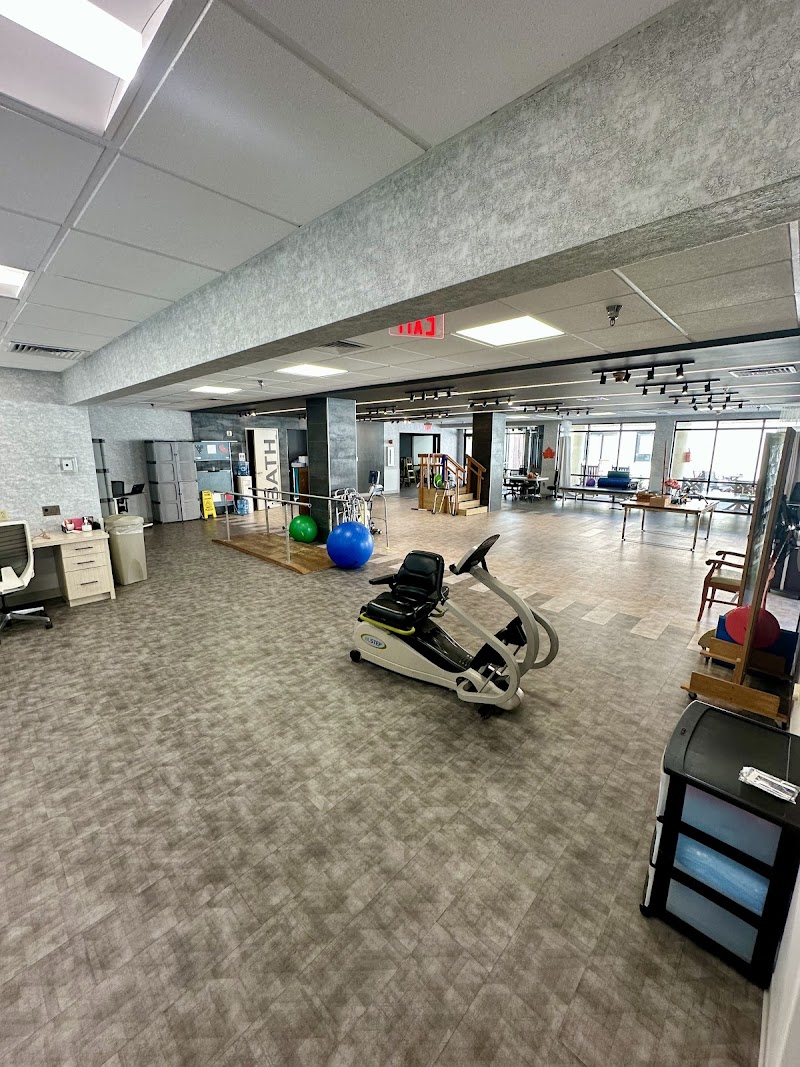
How is Royal Palm Beach Center Staffed?

CMS rates ROYAL PALM BEACH HEALTH AND REHABILITATION CENTER's staffing level at 4 out of 5 stars, which is above average compared to other nursing homes. Staff turnover is 36%, compared to the Florida average of 46%. This relatively stable workforce can support continuity of care.

What Have Inspectors Found at Royal Palm Beach Center?

State health inspectors documented 28 deficiencies at ROYAL PALM BEACH HEALTH AND REHABILITATION CENTER during 2022 to 2025. These included: 27 with potential for harm and 1 minor or isolated issues.
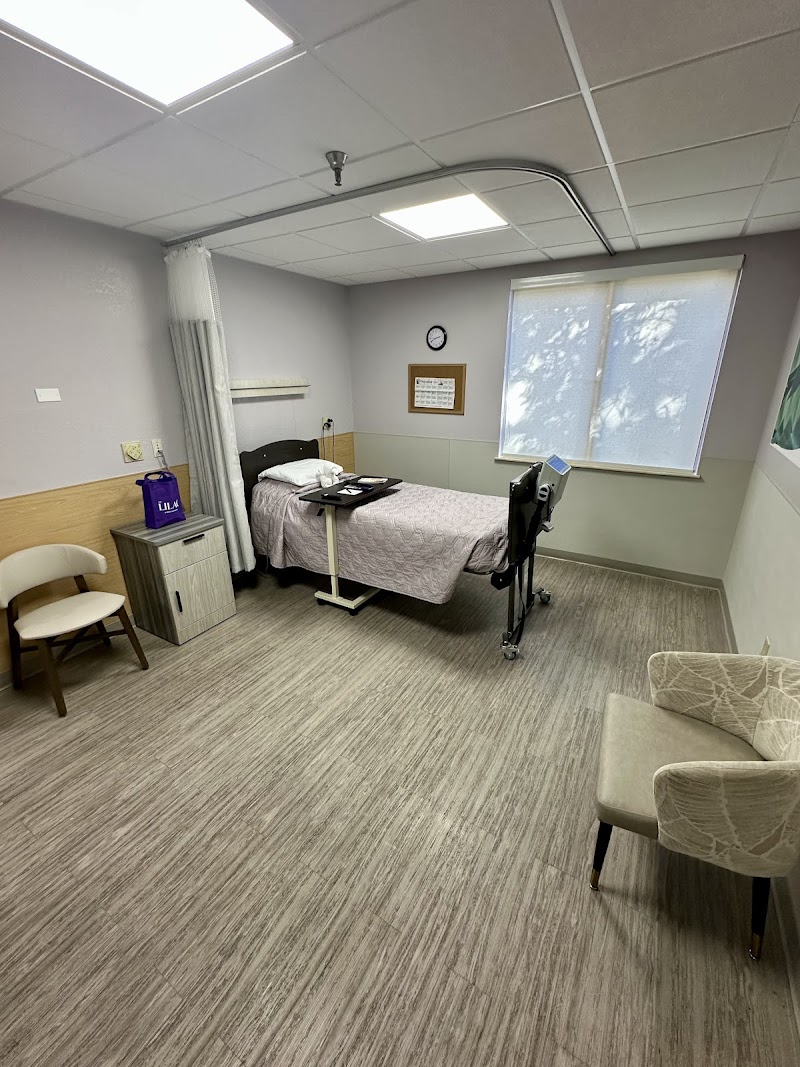
Who Owns and Operates Royal Palm Beach Center?

ROYAL PALM BEACH HEALTH AND REHABILITATION CENTER is owned by a for-profit company. For-profit facilities operate as businesses with obligations to shareholders or private owners. The facility is operated by SIMCHA HYMAN & NAFTALI ZANZIPER, a chain that manages multiple nursing homes. With 120 certified beds and approximately 97 residents (about 81% occupancy), it is a mid-sized facility located in ROYAL PALM BEACH, Florida.
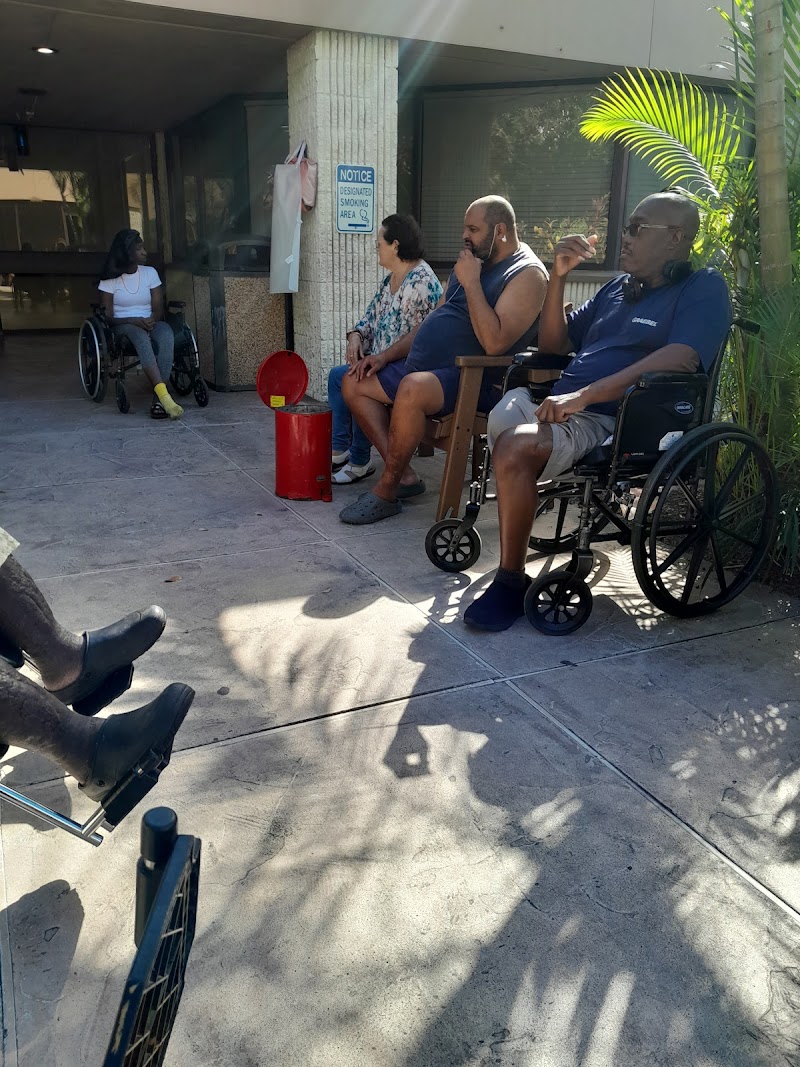
How Does Royal Palm Beach Center Compare to Other Florida Nursing Homes?

Compared to the 100 nursing homes in Florida, ROYAL PALM BEACH HEALTH AND REHABILITATION CENTER's overall rating (3 stars) is below the state average of 3.2, staff turnover (36%) is near the state average of 46%, and health inspection rating (3 stars) is at the national benchmark.

What Should Families Ask When Visiting Royal Palm Beach Center?

Based on this facility's data, families visiting should ask: "Can I visit during a mealtime to observe dining assistance and food quality?" "How do you handle medical emergencies, and what is your hospital transfer rate?" "Can I speak with family members of current residents about their experience?"

Is Royal Palm Beach Center Safe?

Based on CMS inspection data, ROYAL PALM BEACH HEALTH AND REHABILITATION CENTER has a clean safety record: no substantiated abuse findings (meaning no confirmed cases of resident harm), no Immediate Jeopardy citations (the most serious violation level indicating risk of serious injury or death), and is not on the Special Focus Facility watch list (a federal program monitoring the lowest-performing 1% of nursing homes). The facility has a 3-star overall rating and ranks #100 of 100 nursing homes in Florida. While no facility is perfect, families should still ask about staff-to-resident ratios and recent inspection results during their visit.

Do Nurses at Royal Palm Beach Center Stick Around?

ROYAL PALM BEACH HEALTH AND REHABILITATION CENTER has a staff turnover rate of 36%, which is about average for Florida nursing homes (state average: 46%). Moderate turnover is common in nursing homes, but families should still ask about staff tenure and how the facility maintains care continuity when employees leave.

Was Royal Palm Beach Center Ever Fined?

ROYAL PALM BEACH HEALTH AND REHABILITATION CENTER has been fined $4,156 across 1 penalty action. This is below the Florida average of $33,120. While any fine indicates a compliance issue, fines under $50,000 are relatively common and typically reflect isolated problems that were subsequently corrected. Families should ask what specific issues led to these fines and confirm they've been resolved.

Is Royal Palm Beach Center on Any Federal Watch List?

ROYAL PALM BEACH HEALTH AND REHABILITATION CENTER is not on any federal watch list. The most significant is the Special Focus Facility (SFF) program, which identifies the bottom 1% of nursing homes nationally based on persistent, serious quality problems. Not being on this list means the facility has avoided the pattern of deficiencies that triggers enhanced federal oversight. This is a positive indicator, though families should still review the facility's inspection history directly.