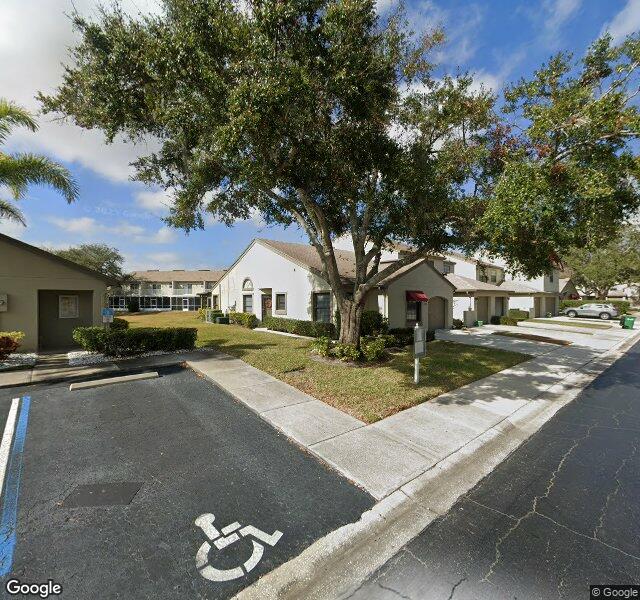
AVIATA AT THE HARBOR

1410 DR MARTIN LUTHER KING JR ST N, SAFETY HARBOR, FL 34695 (727) 726-1181
For profit - Limited Liability company 120 Beds AVIATA HEALTH GROUP Data: November 2025
Trust Grade
50/100
#469 of 690 in FL
Last Inspection: August 2024

Within standard 12-15 month inspection cycle. Federal law requires annual inspections.

Overview

Aviata at the Harbor has a Trust Grade of C, which means it is average compared to other facilities, sitting in the middle of the pack. It ranks #469 out of 690 nursing homes in Florida, placing it in the bottom half, and #28 out of 64 in Pinellas County, indicating there are only a few better options nearby. Unfortunately, the facility's performance is worsening, with issues increasing from 4 in 2023 to 7 in 2024. Staffing has a significant weakness, receiving a 0/5 star rating, although the turnover rate is reported as 0%, which is good compared to the state average. While there are no fines, which is a positive sign, the facility has faced serious concerns, such as failing to properly store medications and not having emergency supplies accessible for residents, which poses potential risks.

Trust Score
C
50/100
In Florida
#469/690
Bottom 33%
Safety Record
Low Risk
No red flags
Inspections
Getting Worse
4 → 7 violations
Staff Stability
○ Average
Turnover data not reported for this facility.
Penalties
✓ Good
No fines on record. Clean compliance history, better than most Florida facilities.
Skilled Nurses
○ Average
RN staffing data not reported for this facility.
Violations
⚠ Watch
29 deficiencies on record. Higher than average. Multiple issues found across inspections.
★★☆☆☆
2.0
Overall Rating
☆☆☆☆☆
0.0
Staff Levels
★★★☆☆
3.0
Care Quality
★★☆☆☆
2.0
Inspection Score
Stable
2023: 4 issues
2024: 7 issues

The Good

  • Full Sprinkler Coverage · Fire safety systems throughout facility
  • No fines on record

Facility shows strength in fire safety.

The Bad

2-Star Overall Rating

Below Florida average (3.2)

Below average - review inspection findings carefully

Chain: AVIATA HEALTH GROUP

Part of a multi-facility chain

Ask about local staffing decisions and management

The Ugly 29 deficiencies on record

Aug 2024 7 deficiencies
CONCERN (D)

Potential for Harm - no one hurt, but risky conditions existed

Accident Prevention (Tag F0689)

Could have caused harm · This affected 1 resident

Based on interviews and observations, the facility failed to ensure a safe environment, free from potential accidents/hazards for residents in one smoking area out of one smoking area in the facility,...

Read full inspector narrative →
Based on interviews and observations, the facility failed to ensure a safe environment, free from potential accidents/hazards for residents in one smoking area out of one smoking area in the facility, Findings included: On 7/30/2024 at 11:05 a.m., an observation and interview were conducted on the smoking patio area of the facility. Two residents were under the smoking gazebo with two family members present. In the center of the gazebo ceiling there were two wooden planks not connected to a foundation beam bowing down onto the smoking patio. Above the table provided for the residents during smoking times were further beams bowing down but appeared to be connected to a foundation beam. There was heavy growth of plant-like substances on numerous beams. The gazebo had three light foundations that were heavy with plant-like substances and one light fixture without a cover. During the observation a visiting family member stated, I'm surprised this whole thing hasn't fallen down already. (Photographic evidence was obtained). On 8/01/2024 at 9:00 a.m., an interview was conducted with the Nursing Home Administrator (NHA) in the smoking area. The NHA stated the gazebo roof had already been addressed. The beams that were hanging during previous observations were cut away as well as another area of beams. The NHA stated the foundation is solid so the roof beams and coverage will be replaced and the light fixtures will be removed. The NHA stated the lawn service provider has been on vacation for two weeks and will return this coming Monday to address the overgrowth of grass. On 8/01/2024 at 2:20 p.m., an observation was made of a drainage area in the center of the gazebo in the smoking area. A metal grate covered the drainage area but an exposed area approximately one to one and one-half inches wide was observed at one end of the grate with an approximate one-inch height. An observation was made of the vertical foundation beams with numerous cracks and splintered wood. (Photographic evidence obtained). A request for facility policy was requested but not obtained during the time of the survey.
CONCERN (D)

Potential for Harm - no one hurt, but risky conditions existed

Unnecessary Medications (Tag F0759)

Could have caused harm · This affected 1 resident

Based on observations, interviews, and record review, the facility failed to ensure the medication error rate was less than 5.00%. Thirty-five medication administration opportunities were observed and...

Read full inspector narrative →
Based on observations, interviews, and record review, the facility failed to ensure the medication error rate was less than 5.00%. Thirty-five medication administration opportunities were observed and four errors were identified for one resident (#83) out of four residents observed. These errors constituted an 11.43% medication error rate. Findings include: On 7/31/2024 at 9:50 a.m., medication administration observations were made with Staff J, Licensed Practical Nurse (LPN) for Resident # 83. The staff member dispensed the following medications: - MiraLAX powder 17 grams -Tizanidine 4 milligram (mg) one tablet -Ipratropium Bromide 0.5 mg and Albuterol sulfate 3 mg (resident's representative refused) -Modafinil 200 mg (100 mg) two tablets -Lyrica 100 mg one tablet -Aspirin 81 mg chewable -Eliquis 5 mg one tablet -Guaifenesin oral 200mg/5 milliliters (ml) give 5 ml -gave 5ml of 200mg/10ml -Multivitamin one tablet -Levetiracetam oral solution 100 mg/ml, 10 ml measured A review of the physician orders for Resident #83 has an order. dated 11/21/2023. for B12 Active oral tablet chewable 1 mg (Methyl cobalamin) to give one tablet via Gastrostomy tube (G-tube) one time a day for vitamin. Staff J, LPN stated the medication was not available in the medication cart. Staff J, LPN stated a request was made for a refill through the facility's electronic charting to the pharmacy on 7/17/2024 but a new request will be placed today as well. Staff J, LPN could not state if the medication was not available prior to today's unavailability. A physician order, dated 10/27/2023, for Lansoprazole oral suspension 3mg/ml to give 3mg/ml via G-tube one a day for Gastro-Esophageal reflux disease (GERD). Staff J, LPN stated the medication was not available in the medication cart. Staff J, LPN, stated a request will be placed to pharmacy today for a refill and could not state if the medication was not available prior to today's unavailability. A physician order, dated 10/26/2023, for Metoprolol Tartrate oral tablet 50 mg to give one tablet via G-tube twice a day for hypertension. Staff J, LPN stated the medication was not available in the medication cart and will look in the medication room to see if medication may be in the overstock bins. Staff J, LPN, returned without the medication and stated a request will be made to pharmacy to refill as soon as possible and could not state if the medication was not available prior to today's unavailability. A physician order, dated 10/26/2023, for Guaifenesin oral liquid 200 mg/5ml to give 5 ml via G-tube four times a day for cough/congestion. Staff J, LPN, pulled a bottle of Guaifenesin labeled with Resident #83's name and the following label: Guaifenesin 200mg/10ml. Staff J stated, the order says 5 ml so I will give 5 ml. On 8/01/2024 at 11:05 a.m., a telephone interview was conducted with the facility's pharmacist. The pharmacy supplier will see the request when nurses request for a medication refill but the pharmacist to the facility does not have the information only the supplier. The pharmacist will contact the pharmacy supplier to inquire about previous requests made for missing medications for this resident. On 8/01/2024 at 11:27 a.m., an interview was conducted with the Director of Nursing (DON), present were the Regional Nurse Consultant and Regional Social Services Consultant. The DON was made aware of the medication error rate of 11.43% and the missing medication concerns. On 8/01/2024 at 9:30 a.m., an interview was conducted with Staff K, LPN. Staff K was assigned to dispense medication for Resident #83. In the medication cart, Metoprolol was available but B12 and Lansoprazole oral suspension 3mg/ml were not available. Staff K stated B12 should come from central supply and could not state why Lansoprazole was missing for day two. The Supply Coordinator was in hallway at time of discussion and stated B12 one milligram is not something central supply has and must be obtained from pharmacy through a prescription, stating, I have all doses of B12 in my supply but this is a prescription. On 8/02/2024 at 2:28 p.m., an email was received from the facility's pharmacy regarding the pharmacy supplier tracking history for Resident #83's request to dispense medication timeline. [photographic evidence obtained] According to the pharmacy supplier Metoprolol 50 mg was delivered on 8/01/2024 with a 10 quantity and last delivery was on 7/17/2024 with a 10 quantity. Lansoprazole was delivered on 7/18/2024 with a thirty-day supply. According to the pharmacist, B12 of all strengths is on the facility's supply list and 1mg is available to order. A review of the facility's policies and procedures titled: Administering Medications revised April of 2019. The policy statement states medications are administered in a safe and timely manner, and as prescribed. . 4. Medications are administered in accordance with prescriber orders, including any required time frame. 6. Medications errors are documented, reported, and reviewed by the QAPI committee to inform process changes and or the need for additional staff training. 10. The individual administering the medication checks the label THREE (3) times to verify the right resident, right medication, right dosage, right time and right method (route) of administration before giving the medication. A review of the facility's policies and procedures titled: 1.0 Medication Shortages/Unavailable Medications shows a policy statement: When medications are not received or are unavailable for the customers, the licensed nurse will urgently initiate action in cooperation with the attending physician and the pharmacy provider. A. If a medication shortage is noted at the time of medication administration (Med- Pass), the licensed nurse or certified medication assistant must immediately initiate action to obtain the medication and not wait until the Med pass is completed. B. If a medication shortage is noted during normal pharmacy hours: 1. A licensed nurse notifies the pharmacy and speaks to a registered pharmacist to determine the status of the order. Facility link may also be utilized to order or reorder medications and or determine the status of a new or reordered medication. If not ordered, place the order or reorder to be sent with the next scheduled delivery. 2. If the next available delivery results in a delay or missed dose in the customer's medication schedule, take the medication from the emergency stock supply to administer the dose. If ordered medication is not available in the emergency stock, notify the pharmacist that an emergency delivery is required. 3. If medication from emergency stock is utilized- ensure that the pharmacy received the fax information (i.e. customer name, drug, dose) for replacement and appropriate billing. . D. If an emergency delivery is not feasible, a licensed nurse contacts the attending physician to obtain orders or directions which may include: 1. Holding the dose or doses. 2. Use of an alternative medication available from the emergency stock supply. 3. Change in order time of administration or medication. E. If the medication is unavailable and cannot be supplied from the manufacturer, a registered pharmacist informs the licensed nurse and attending physician of the expected date of availability and or a therapeutically equivalent alternative medication. 1. Obtain alternate physician orders, as necessary. Orders may include: a. holding the dose or doses until the medication is available b. use of an alternative medication. 2. If unavailable to obtain a response from the attending physician in a timely manner, notify nursing supervisor and contact the medical director for orders or direction. a. Explain the circumstances of the drug product shortages to obtain an appropriate order.
CONCERN (E)

Potential for Harm - no one hurt, but risky conditions existed

Respiratory Care (Tag F0695)

Could have caused harm · This affected multiple residents

**NOTE- TERMS IN BRACKETS HAVE BEEN EDITED TO PROTECT CONFIDENTIALITY** 2. On 7/31/2024 at 9:50 a.m., during medication administration for Resident #83 with Staff J, Licensed Practical Nurse (LPN), an...

Read full inspector narrative →
**NOTE- TERMS IN BRACKETS HAVE BEEN EDITED TO PROTECT CONFIDENTIALITY** 2. On 7/31/2024 at 9:50 a.m., during medication administration for Resident #83 with Staff J, Licensed Practical Nurse (LPN), an observation was made of tracheostomy emergency supplies for the resident. Staff J, LPN stated there were supplies in the resident bedside table. Upon observation of each drawer, a bag-valve device (ambu bag), oxygen, or a tracheostomy device one size smaller were not present in the room easily accessible for an emergency. On 7/31/2024 at 3:10 p.m., an observation and interview was conducted with Staff J, LPN and the DON regarding emergency tracheostomy supplies available in the room for Resident #83. The DON stated an ambu bag and oxygen are available on the code carts in the hallway at each wing of the facility for emergencies. An observation was made of Staff J, LPN unable to open code cart to demonstrate the location of the ambu bag. The DON opened the code cart to demonstrate the location of the ambu bag and stated an oxygen tank was on the side of the code cart. On 8/01/2024 at 9:30 a.m., an interview was conducted with the Supply Coordinator in the facility's supply room. The Supply Coordinator stated supplies can easily be provided if notified in advance. An observation was made of four ambu bags in separate plastic bags, numerous size 6 and 8 tracheostomy appliances, and one size 4 tracheostomy appliance. The Supply Coordinator could not locate any sizes of tracheostomy appliance kits between 4 and 6 or between 6 to 8 readily available. The Supply Coordinator stated the supply room is locked at night but the nursing supervisor has a key to access the supply room. A record review of Resident #83 admission Record had an original admit date of 10/25/2023 with a readmission date of 11/19/2023. Resident #83 had a primary diagnosis of aphasia following cerebral infarction and secondary diagnoses include but are not limited to dysphagia unspecified, encounter for attention to tracheostomy and gastrostomy. A review of the physician orders, dated 10/26/2023, shows orders to keep extra trach tube at bedside and tracheostomy size 6. A review of Resident #83 care plan, dated 7/25/2024, shows a focus area of tracheostomy related to stroke-cardiac arrest initiated on 11/08/2023. The goal for this focus is to have clear and equal breath sounds bilaterally and to minimize the risk of abnormal drainage around the trach site through the review date. Interventions include but are not limited to ensure trach ties are secured at all times, respiratory therapy to work with capping, and suction as needed. A review of the Minimal Date Set, dated 4/25/2024, Section O-Special Treatments, Procedures and Programs shows in section E1- Tracheostomy care as checked for Resident #83. Based on observations, interviews, and record review the facility 1) failed to ensure oxygen was delivered according to physician orders for one resident (#91) with a tracheostomy tube out of two sampled residents with a tracheostomy tube, and 2) failed to ensure emergency tracheostomy supplies were readily available at the resident's bedside according to standards of practice for two residents (#91 and #83) out of two residents sampled with a tracheostomy tube. Findings included: 1. Review of Resident #91's admission Record revealed she was initially admitted to the facility on [DATE] and readmitted on [DATE] with diagnoses of tracheostomy status, dependence on supplemental oxygen, non-traumatic subarachnoid hemorrhage from left middle cerebral artery, chronic respiratory failure with hypoxia, systemic lupus erythematosus, aphasia, and pulmonary fibrosis. An observation was conducted on 07/29/24 at 10:18 AM of Resident #91. She was observed to be in bed, eyes open, nonverbal, with a tracheostomy tube. She was observed to be receiving oxygen via a tracheostomy (trach) collar. The trach collar was connected to an air compressor with a fraction of inspired oxygen (FIO2) dial set to 80%. An observation was conducted on 07/30/24 at 09:54 AM of Resident #91. She was observed to be in bed, eyes open, and nonverbal. She was observed to have a tracheostomy tube in place. She was observed to be receiving oxygen via a trach collar. The trach collar was connected to an air compressor with the FIO2 dial set to 60%. The air compressor was connected to the oxygen concentrator and the oxygen concentrator was set to 4 liters per minute (LPM). Review of Resident #91's physicians orders revealed an order, with a start date of 7/9/24 and no end date, for Respiratory: Oxygen - continuous 2 Liters via trach every shift. A physician's order, with a start date of 7/2/24 and no end date, for Tracheostomy-6 Shiley. A physician order, with a start date of 7/2/24 and no end date, to keep extra trach tube at bedside. Review of Resident #91's Medication Administration Record (MAR) revealed the physician order with a start date of 7/9/24 for Respiratory: Oxygen- continuous 2 liters via trach every shift was signed off as administered every shift from 7/9/24 through 7/29/24. Review of Resident #91's 3008, dated 5/14/24, revealed a primary diagnosis of malfunction of tracheostomy stoma. Section V. Treatment Devices .Mask Type 28% trach collar Oxygen-Liters 5% Trach Size: 6 fr [French] An interview was conducted on 07/30/24 at 01:35 PM with Staff A, Registered Nurse (RN). Staff A said Resident #91 has a Shiley Tracheostomy tube, size 6. She reviewed the physicians order and said Resident #91 was supposed to be on two liters per minute (LPM) of oxygen via trach collar. She entered the resident's room, confirmed the resident was on five LPM of oxygen. She said she was a little familiar with the FIO2 settings on the air compressor and said Resident #91 should be on 60 or 75% FIO2 but that is not on our MAR, she observed the FIO2 and confirmed Resident #91 was on 60% FIO2. She reviewed Resident #91's medical record and confirmed there was no physician order related to the FIO2 and said she could only find hospital documentation from 5/14/24, when the resident was first admitted that she was supposed to be on five liters of oxygen with 28% FIO2 but she [Resident #91] had gone out to the hospital since then so I'm not sure what she is supposed to have. Staff A, RN said the resident should have an ambu ( bag (bag valve mask), oxygen tank, suction machine, suction supplies, trach ties, trach cleaning kit, and a Shiley size 6 trach at the bedside with extra size 6 inner cannulas as the emergency tracheostomy supplies. Staff A, RN said she did not think there needed to be a smaller trach size at the bedside. While she was in the residents room, she confirmed there was not a size smaller tracheostomy at the bedside and she confirmed the emergency oxygen tank at the bedside was empty. An interview was conducted on 07/30/24 at 01:49 PM with Staff B, Licensed Practical Nurse (LPN), [NAME] Unit Manager, she said residents with tracheostomy's should have a suction set-up, sterile water, extra inner cannulas, an entire tracheostomy the same size as the resident has, an extra trach collar, full portable oxygen tank, and she said she was not sure if there should be an ambu bag at the bedside and she said she did not think there needed to be a smaller tracheostomy size at the bedside. Review of Resident #91's care plans revealed a care plan, with a revision date of 6/10/24, read: [Resident #91] has a tracheostomy r/t [related to] impaired breathing mechanics. The goal revealed [Resident #91] will have minimal s/sx [signs and symptoms] of infection through the review date. The interventions included Ensure that trach ties are secured at all times. Monitor/document for restlessness, confusion, increased heart rate (Tachycardia), and bradycardia. Monitor/document level of consciousness, mental status, and lethargy PRN [as needed]. Suction as necessary. An interview was conducted on 07/31/24 at 09:18 AM with the Director of Nursing (DON). She said Resident #91 came to the facility with a tracheostomy. She said her tracheostomy frequently plugs with mucus and the resident's oxygen levels frequently drop below normal. She said the resident should be on two LPM of oxygen and she said she called the Respiratory Therapist to clarify the FIO2 setting and she said they do not need to have a physician's order for that setting but, I did go ahead and put that in the chart. The DON said the facility does not have a policy on emergency tracheostomy supplies that should be at the bedside but best practice, We make sure we have a whole change out tracheostomy kit at bedside and we did implement oxygen tanks at the bedside, and they should be full. She stated ambu bags are not necessary at the bedside because they are on the crash carts. She stated, We just keep the size of the trach [tracheostomy] at the bedside. An interview was conducted with the DON on 07/31/24 at 11:29 AM. She said Resident #91's oxygen concentrator was supposed to be set on 2 LPM and the oxygen connects to the 50 psi air compressor, and the air compressor has the FIO2 dial connected to it and the trach collar. She said the FIO2 dial should be set to 80% according to the manufacturer guidelines of the air compressor. Review of the facility's High Humidity Set-ups Utilizing Concentrator with Air Compressor guideline, undated, revealed O2 [oxygen] concentrator provides oxygen only. 50 psi Medium Volume Compressor provides aerosol only. Match the pointer with the notch on jet nebulizer dial at 80%. According to the National Library of Medicine (NIH), Tracheostomy Care and Suctioning, dated 2021, When caring for a patient with a tracheostomy tube in the acute care setting, it is important to ensure that proper safety equipment is present at the patient's bedside. there should be spare tracheostomy tubes (same size and one size smaller), lubricant, syringe for cuff inflation, and tracheostomy ties (or means to resecure the tracheostomy tube) if reinsertion is required. A bag valve mask should always be kept at the bedside. https://www.ncbi.nlm.nih.gov/books/NBK593189/ (Photographic evidence obtained).
CONCERN (E)

Potential for Harm - no one hurt, but risky conditions existed

Deficiency F0761 (Tag F0761)

Could have caused harm · This affected multiple residents

Based on observations, interviews, and record review the facility did not ensure medication was stored safely for one out two medication rooms, two out of three medication carts, one treatment out of ...

Read full inspector narrative →
Based on observations, interviews, and record review the facility did not ensure medication was stored safely for one out two medication rooms, two out of three medication carts, one treatment out of two treatment carts and medication properly stored for one resident (#38) out of forty residents sampled. Findings include: On July 29, 2024, at 10:00 a.m., during the initial tour of the east wing an inhaler was observed on Resident 38's bedside table [photograph evidence obtained]. Upon this observation the resident was not in the room to interview. Further observation revealed the inhaler present on the bedside table later during the afternoon. On July 30, 2024, at 8:25 a.m., an observation was made on the east wing of an unlocked treatment cart. The cart was located across from the nurses' station in an area where residents could easily open drawers. In the second drawer were various residents medications for wound care. Staff J, Licensed Practical Nurse (LPN) locked the drawer and stated the drawer was most likely re-stocked last night or early this morning and they forgot to lock the drawer. On July 30, 2024, at 2:00 p.m., an observation was made of the west wing medication room. The floors were grossly contaminated with dried stained rusty brown liquid. The sink was grossly contaminated with brown liquid and fragments of medication needle cap and a medication vial cap. A temperature log outside of the medication refrigerator was documented as complete for all the days of July with temperatures in the thirty Fahrenheit range (30-37). The current temperature for this refrigerator was 52-54 degrees Fahrenheit. Inside the refrigerator hanging from the top was a large solid piece of ice. Staff B, LPN/Unit Manager (UM) and an unnamed nurse agreed to the refrigerator temperature of 52-54 range and verified the large solid piece of conformed ice hanging from inside the top part of the refrigerator. Inside the refrigerator was a small hard plastic box with two red zip ties. Staff B, LPN/UM stated the box was the facility's emergency box (ebox) and the red zip ties indicate to staff and pharmacy the box has been opened and needs replacement. Staff B stated the box was opened yesterday to obtain insulin. An observation was made of a shelf in the medication room of a sticky substance under a medication box [photographic evidence obtained]. When lifting the box, the medication box left remnants of the box on the shelf. Staff B witnessed the sticky substance on the shelf. On July 30, 2024, at 2:30 p.m., an interview was conducted with the Director of Nursing (DON) and Assistant Director of Nursing (ADON) regarding the refrigerator temperature. The DON stated all medication in the west medication room requiring refrigeration have been moved to the east wing medication room refrigerator until a proper placement can be made to replace the refrigerator. On July 30, 2024, at 2:45 p.m., an observation was made of the west wing medication cart with Staff H, Register Nurse (RN). One vial of Novolog was past its expiration based on it's opening date. Staff H agreed and removed the medication from the medication cart. On August 1, 2024, at 9:50 a.m., an observation was made of the east wing back medication cart with the ADON. One yellow band ring in a small bag not labeled and two labeled hearing aid containers were in one drawer with medication. The ADON stated no personal items should be in the medication carts. The ADON removed these items. An injection pen of Lantus was removed due to no documentation of an opening date and an insulin pen of Novolog was removed due to the manufacturing expiration date of (28 days) past the opening date. The ADON was in agreement with the findings of the medication cart. A record review of Resident #38's admission Record had an original admit date of 6/03/2022 with a readmission date of 7/22/2022. Resident #38 has a primary diagnosis of chronic obstructive pulmonary disease (COPD). Secondary diagnoses include but are not limited to unspecified dementia with unspecified severity without behavioral, psychotic, mood or anxiety disturbances, major depressive disorder, anxiety disorder unspecified, and chronic respiratory failure with hypercapnia. A record review of physician orders for Resident #38 has an order, dated 10/19/2023, for Combivent Respimat inhalation aerosol solution 20-100 MCG/ACT (Ipratropium-Albuterol) to give one puff inhale every six hours as needed for COPD. A physician order, dated 12/24/2023, for Incruse Ellipta inhalation aerosol powder breath activated 62.5 MCG/ACT (Umeclidinium Bromide) One puff inhale orally once daily for COPD. A physician order, dated 3/18/2024, for Ventolin HFA inhalation aerosol solution 108 (90 base) MCG/ACT (Albuterol Sulfate) two puffs inhale orally every four hours as needed for shortness of breath. Resident #38 did not have an order to self-administer medication. A record review of Resident #38's most recent care plan, dated 6/23/2024, has a focus area of cognitive deficit related to a diagnosis of dementia. Resident #38 has a focus area of COPD with a goal for resident to display optimal breathing patterns daily through review date and will be free of signs and symptoms of respiratory infections through review date. Interventions include but are not limited to: give aerosol/nebulizers or bronchodilators as ordered and monitor and document any side effects and effectiveness. Resident #38 did not have a care plan focus area to self-administer medications. On August 1, 2024, at 11:05 a.m., a telephone interview was conducted with the facility's pharmacist. The pharmacist stated he is at the facility at least monthly and will type up a report of his findings regarding medication storage as well as have a discussion of his findings with the DON. The pharmacist stated the ice in the west medication room was in his monthly report. A review of the Monthly Medication Unit Review, dated 7/05/2024, under Drug Storage Labeling, Security- Medication Room shows the following observation from the monthly pharmacist rounds: [NAME] medication room needs a new light and consider defrosting refrigerator, build up in top near freezer area. On August 1, 2024, at 11:27 a.m., an interview was conducted with the DON regarding findings of medication carts, treatment cart, medication rooms and the inhaler found in Resident #38's bedside table. The DON stated the refrigerator in the medication room in the west wing has been replaced and education will be provided on proper labeling of medications The facility did not provide a policy on medication storage upon request.
CONCERN (E)

Potential for Harm - no one hurt, but risky conditions existed

Deficiency F0804 (Tag F0804)

Could have caused harm · This affected multiple residents

**NOTE- TERMS IN BRACKETS HAVE BEEN EDITED TO PROTECT CONFIDENTIALITY** Based on observations, interviews, and record review, the facility failed to serve food at an appetizing temperature for five re...

Read full inspector narrative →
**NOTE- TERMS IN BRACKETS HAVE BEEN EDITED TO PROTECT CONFIDENTIALITY** Based on observations, interviews, and record review, the facility failed to serve food at an appetizing temperature for five residents ( #90, #95, #29, #51 and #18) of five residents sampled for food services. Findings included: 1. During an interview on 07/29/2024 at 10:15 a.m., Resident #90 stated he was frustrated with the food in the facility. He said that no fresh fruits or vegetables are ever given, and the food is over processed. He said he feels like he is losing weight. The resident stated he often orders a salad as a substitute from the Always Available Menu because he feels the food the facility is serving is not healthy. He said, This past weekend I wanted a chicken salad from the Always Available Menu and I was told there was no salad because they did not have any lettuce or tomatoes. The resident said the food is always the same and the facility never changes the menu. He stated he often has no breakfast meat. He said he has told the facility many times, but nothing has changed. An interview on 07/30/2024 at 2:20 p.m. revealed Resident #90 was upset and stated, The food today was terrible. The pork chop was so dry it was like leather. The food was cold. It had the white sauce on it and I couldn't stomach it, so I turned the tray away. He further said he declined an alternative choice because he had already lost his appetite. During an interview on 07/31/2024 at 9:17 a.m. Resident #90 stated the night before he requested a salad for dinner from the Always Available Menu. He said when he received his tray the diet slip was marked by the kitchen that they had no lettuce and no tomatoes for a salad (the resident did not save the diet slip from the tray). The resident stated a family member brought cereal to him for dinner. During an interview on 08/01/2024 Resident #90 said the Kitchen Manager has visited him the prior evening and asked the resident about his opinion of the food in the facility. The resident said, I let him have it. I told him exactly what has been happening with the food and how unhappy everybody is with it. I know almost everybody in this building, and nobody likes the food. The resident continued, Then this morning I get eggs for breakfast. I got cold scrambled eggs and two hard boiled eggs. That was it. No toast. Nothing else. The aide was nice enough to get a yogurt for me. Resident #90 showed a photograph, with date and time, of the breakfast he was served on this day. The resident stated the scrambled eggs are always cold. Review of Resident #90's admission Record revealed the resident was admitted to the facility on [DATE] with diagnoses to include peripheral vascular disease, Type 2 Diabetes Mellitus, and morbid obesity. Review of Resident #90's Minimum Data Set (MDS), dated [DATE], revealed in Section C-Cognitive Patterns a Brief Interview for Mental Status (BIMS) score of 15, which indicated intact cognition. 2. During an interview on 07/29/2024 at 12:30 p.m., revealed Resident #95 expressed how he was very unhappy with the food in the facility. The resident stated he is diabetic and he is not receiving a proper diabetic diet. He said the food has a chemical taste, never smells good and is cold. The resident stated he feels like he has lost a lot of weight and has developed acid reflux since his admission to the facility, because of the food. Review of Resident #95's admission Record revealed the resident was admitted to the facility on [DATE] with diagnoses to include Type 2 Diabetes Mellitus, Peripheral Vascular Disease, Chronic Kidney Disease Stage 3, Gastro-Esophageal Reflux Disease. Review of Resident #95's Minimum Data Set (MDS), dated [DATE], revealed in Section C-Cognitive Patterns a BIMS score of 15, which indicated intact cognition. Review of Resident #95's physician orders revealed the resident's current diet order was Consistent Carbohydrates, Regular Texture, Regular/Thin Liquids, Consistent Carbohydrate 75 mg (milligrams). Review of Resident #95's weights revealed monthly weights of: May 179.0 lb, June 180.2 lb, July 173.6 lb. Resident has a weight loss from June to July was 6.6 lbs total. The resident weighed on 07/05/2024 and his weight was 172.0 lbs. Resident's weight is currently being done twice monthly. 3. During an interview on 07/29/2024 at 12:00 p.m., Resident #18 stated, the food here is really bad and what is on the menu isn't always what is available. The hot food is cold and the cold food is hot. Review of Resident #18's admission Record revealed the resident was admitted to the facility on [DATE] with diagnoses to include Parkinson's Disease with Dyskinesia, Muscle Wasting and Atrophy, Osteoporosis, Vitamin D Deficiency, Gout, Chronic Kidney Disease. Review of Resident #18's Minimum Data Set (MDS), dated [DATE], revealed in Section C-Cognitive and Patterns a BIMS score of 15, which indicated intact cognition. 4. During an interview on 07/29/2024 at 10:46 a.m., Resident #29 expressed how unhappy she was with the food in the facility. The resident stated she is diabetic and never gets the proper diet. The resident said, What is on the menu is hardly ever what you get. The food is burned, the kitchen is always running out of food and food dishes are broken. The resident said the food is never the correct temperature and the hot food is always cold. Review of Resident #29's admission Record revealed the resident was admitted to the facility on [DATE] with diagnoses to include Type 2 Diabetes Mellitus without Complications, Morbid (Severe) Obesity Due to Excess Calories, Essential Hypertension, Gout, Chronic Kidney Disease. Review of Resident #29's Minimum Data Set (MDS), dated [DATE], revealed in Section C-Cognitive Patterns a BIMS score of 15, which indicated intact cognition. 5. During an interview on 07/20/2024 at 9:29 a.m., Resident #51 stated the food in the facility is terrible and it doesn't taste good sometimes. She said, It doesn't look good and it's always the same. Review of Resident #51's admission Record revealed the resident was admitted to the facility on [DATE] with diagnoses to include Type 2 Diabetes Mellitus, Muscle Wasting and Atrophy, Essential Primary Hypertension, Chronic Viral Hepatitis C. Review of Resident #95's Minimum Data Set (MDS), dated [DATE], revealed in Section C-Cognitive Patterns a BIMS score of 15, which indicated intact cognition. On 07/31/2024 at 9:30 a.m. a test tray was requested to be placed on the last tray cart leaving the kitchen for the lunch meal. The tray was to be delivered to the [NAME] Dining Room. Per the facility tray delivery schedule, the trays were to be delivered to the [NAME] Dining at 12:40 p.m. During an interview on 07/31/2024 at 10:44 a.m., Staff H (RN) stated whenever a resident tells him about a food complaint he tells the kitchen staff and they handle the issue. On 07/31/2024 at 1:00 p.m. the lunch trays were not yet delivered to the [NAME] Dining Room as indicated by the facility tray delivery schedule. At this time Staff J, Registered Nurse (RN) was interviewed and she verified the lunch trays were late. An observation in the [NAME] Dining Room on 07/31/2024 at 1:09 p.m. revealed the trays were delivered and after the last trays were delivered it was determined the test tray had been delivered to the conference room directly from the kitchen and not to the [NAME] Dining Room as requested. During an interview on 07/31/2024 at 1:12 p.m., Staff F, Food Service Director (FSD), stated the thermometer had been calibrated and was ready to take food temperatures. Staff F, FSD stated he expected food to be served at 140 degrees Fahrenheit (F) from the kitchen. The test tray lunch was encrusted pork loin, southern style pinto beans, braised cabbage, chocolate cake with peanut butter frosting and corn bread. The test tray food temperatures were completed, and results were as follows: -Pork Loin 123 degrees F -Pinto Beans 124 degrees F -Cabbage 117 degrees F -Cornbread 99 degrees F After the food temperatures were taken by FSD, Staff F stated he felt 123 degrees F was an appropriate temperature for the pork loin and he would eat it. An observation on 07/31/2024 at 1:12 p.m., showed no steam from the plate of hot food when the plate cover was removed. The state surveyor felt the pork loin and the pinto beans with finger and both food items were cool to the touch and not hot. On 07/31/2024 at 1:20 p.m. the Nursing Home Administrator (NHA) was interviewed and stated the test tray food was not palatable, attractive and at appetizing temperatures. He stated he would not eat it.
CONCERN (E)

Potential for Harm - no one hurt, but risky conditions existed

Infection Control (Tag F0880)

Could have caused harm · This affected multiple residents

**NOTE- TERMS IN BRACKETS HAVE BEEN EDITED TO PROTECT CONFIDENTIALITY** Based on observations, interviews, and record review, the facility 1) failed to ensure an effective infection control program re...

Read full inspector narrative →
**NOTE- TERMS IN BRACKETS HAVE BEEN EDITED TO PROTECT CONFIDENTIALITY** Based on observations, interviews, and record review, the facility 1) failed to ensure an effective infection control program related to Enhanced Barrier Precautions (EBPs) for three residents (#206, #202, and #203) out of four residents observed, and 2) failed to ensure appropriate personal protective equipment (PPE) was utilized during resident care for four residents (#206, #202, #203 and #83) out of four residents observed. Findings included: On 7/29/2024 at 9:40 a.m., an observation and interview was conducted with Resident #203. Resident #203 was conversant and able to state she had a gastrostomy tube for nutrition and medication. Resident #203 stated since her admission she has not witnessed any staff member wear a gown during her care or medication administration via gastrostomy tube. No signage was observed on the outside of Resident #203's door to indicate EBPs were in place and no PPE was observed for staff use. On 7/29/2024 at 10:45 a.m., an observation and interview was made of Resident #202 during the initial tour. Resident # 202 had a Contact Isolation sign on the outside of her room with appropriate PPE supply on the door. When entering room, Resident #202 stated, This is the first time I've seen anyone wear a gown, mask and gloves, since I've been here - no one has done this. Resident #202 stated she does not know why she is on isolation, stating, I think maybe it's because I have an infection in my back. Staff Q, Licensed Practical Nurse (LPN) stated, Both residents have MRSA [Methicillin resistant staph aureus], bed A has it in her wound and bed B has it in her nares. An observation was made of Resident #202 with a peripherally inserted central catheter (PICC), dated 7/22/2024, and a wound vac connected to the resident. Resident #202 stated she had the PICC inserted at the hospital as well as the wound vac which is currently connected to a wound on her bottom. On 7/30/2024 at 10:30 a.m., a second observation was made of no EBPs signage for Resident #203. Resident stated she received her medication via gastrostomy tube this morning but she was hopeful a swallow study due today will let her eat. On 7/30/2024 at 10:55 a.m., an interview was conducted with the Infection Control Preventionist/Assistant Director of Nursing (IPC/ADON). The IPC/ADON stated when placing a resident requiring any form of isolation, she would use the 3008-communication form from the discharging hospital to their facility and obtain an order from the admitting facility physician to continue the isolation. On 7/31/2024 at 8:15 a.m., an observation was made of Staff J, Licensed Practical Nurse (LPN) in Resident #202's room finishing up an intravenous medication without a gown or mask in place as required by Contact Isolation guidelines. On 7/31/2024 at 8:30 a.m., an observation was made of the Assistant Director of Nursing (ADON) entering Resident #202's room wearing a gown, mask, and gloves. On 7/31/2024 at 9:50 a.m., an observation and interview was conducted with Staff J, LPN. Staff J, LPN administered medication via gastrostomy tube for Resident #83 without proper gown and gloves as required by Enhanced Barrier Precautions. Staff J, LPN stated she knew she was supposed to wear a gown and made a mistake. On 7/31/2024 at 10:45 a.m., an observation and interview was conducted with the Activities Director. This surveyor was in Resident #202's room in gown, gloves and mask during an interview. Resident #202 had a newly placed dressing over her PICC line with today's date. The resident stated, Some nurse was in here this morning and changed my dressing. During conversation the Activities Director entered the room without PPE to bring the resident the daily activities calendar. The Activities Director stated, I don't know what I'm supposed to wear, I see you are wearing all the PPE but I thought I did not have to if I was just coming in to talk to the residents. Now I don't know. On 7/31/2024 at 9:20 a.m., a third observation was made of no EBPs signage for Resident #203. On 7/31/2024 at 11:20 a.m., an observation was made of a Staff M, Certified Occupational Therapy assistant assisting Resident #206 out of bed into a wheelchair without a gown. On the outside of the room was a sign for Contact Isolation. Staff M stated she did not see the sign and was assisting the resident because she was getting out of bed On 7/31/2024 at 11:27 a.m., an interview was conducted with the DON, ADON and Regional Nurse Consultant regarding concerns of proper isolation and compliance with staff members. The ADON stated she would have to look at the residents' 3008 and guidelines to determine the proper isolation. The current signage for the Contact Isolation utilized by the facility states gown is to be worn for incontinence care. The Regional Nurse Consultant searched the Centers for Disease (CDC) website and printed the signage for Contact Isolation. A comparison was made of signs and agreed staff should be wearing a gown and gloves upon entering the resident's room. The DON stated Resident #203 was supposed to be on Enhanced Barrier Precaution since admission due to her gastrostomy tube. On 8/01/2024 at 9:50 a.m., the ADON stated one resident #203 was on Contact Isolation and Residents #202 and #206 were on Enhanced Barrier Isolation and not Contact Isolation. A record review of Resident #202's admission Record has an admit date of 7/23/2024 with a primary diagnosis of osteomyelitis of vertebra sacral and sacrococcygeal region. Secondary diagnoses include but are not limited to pressure ulcer of sacral region stage 4, flaccid neuropathic bladder, and paraplegia. A record review of the physician orders for Resident #202 shows an order, dated 7/23/2024, for catheter care every shift and as needed, change dressing on admission or 24 hours after insertion and weekly thereafter and as needed. Enhanced Barrier precautions dated 7/31/2024, and wound care to left buttocks cleanse with normal saline apply wound vac to run at 150 every Monday, Wednesday and Friday and as needed dated 7/29/2024. A record review of Resident #202's care plan, dated 7/24/2024, shows a focus area requiring enhanced barrier precautions related to use of indwelling medical device(catheter), chronic wound(s) and is at risk for a CDC MDRO (multisystem drug-resistant organism) infection. The goal is for the resident to have reduced risk of obtaining or transmitting CDC MDRO during the review. Interventions include but are not limited to staff to wear enhanced barrier precaution PPE when providing high contact direct care activities. A review of Resident #206's admission Record has an admit date of 7/20/2024 with a primary diagnosis of encounter for surgical aftercare following surgery on the skin and subcutaneous tissue. Secondary diagnoses include but are not limited to cutaneous abscess of buttocks, irritable bowel syndrome with diarrhea, and need for assistance with personal care. A review of Resident #206's physician orders have an order dated 7/31/2024 for Enhanced Barrier Precautions related to wound. A review of Resident #206's care plan, dated 7/23/2024, for enhanced barrier precautions related to a chronic wound(s) requiring a dressing/covering and is a risk for a CDC MDRO infection. The goal is for the resident to have a reduced risk of obtaining /transmitting a CDC MDRO during the review period. Interventions include but are not limited to staff to wear enhanced barrier precaution PPE when providing high contact direct care activities. A review of Resident #203's admission Record has an admit date of 7/23/2024 with a primary diagnosis of pathological fracture left femur subsequent encounter for fracture with routine healing. Secondary diagnoses include but are not limited to encounter for attention to gastrostomy, dysphagia pharyngeal phase and need for assistance with personal care. A review of Resident #203's physician orders have an order dated 7/23/2024 for enteral feed order every shift [NAME] Farms 1.5 (325 milliliters/ml) bolus three times a day for tube feeding and wound care left hip every three days and as needed. A review of Resident #203's care plan, dated 7/23/2024, for enhanced barrier precautions related to use of indwelling medical device (Peg tube) and is at risk for a CDC MDRO infection implemented on 8/01/2024. The goal is for the resident to have a reduced risk of obtaining/transmitting a CDC MDRO during the review period. Interventions include but are not limited to staff to wear enhanced barrier precautions PPE when providing high contact direct are activities. A review of the facility's policies and procedures titled, Enhanced Barrier Precautions, revised August 2022, shows the following: 1. Enhanced barrier precautions (EBPs) are used as an infection prevention and control intervention to reduce the spread of multi-drug-resistant organisms (MDROs) to residents. 2. EBPs employ targeted gown and glove use during high contact resident care activities when contact precautions do not otherwise apply. a. Gloves and gown are applied prior to performing the high contact resident care activity as opposed to before entering the room. b. Personal protective equipment (PPE) is changed before caring for another resident. c. Face protection may be used if there is also a risk of splash or spray. 3. Examples of high contact resident care activities requiring the use of gown and gloves for EBP include: a. Dressing b. Bathing and showering c. Transferring d. Providing hygiene e. Changing linens f. Changing briefs or assisting with toileting g. Device care or use (central line, urinary catheter, feeding tube, tracheostomy ventilator, etcetera; and h. Wound care (any skin opening requiring a dressing). . 9. No stop are trained prior to caring for residents on EBPs. 10. Signs are posted in the door or wall outside the resident room indicating the type of precautions and PPE required. 11. Residents, families and visitors are notified of the implementation of EBPs throughout the facility.
CONCERN (F)

Potential for Harm - no one hurt, but risky conditions existed

Food Safety (Tag F0812)

Could have caused harm · This affected most or all residents

Based on observations, interviews, and record review, the facility failed to ensure temperature logs were completed daily, the microwave in the nutritional room was kept clean and sanitary, and the ki...

Read full inspector narrative →
Based on observations, interviews, and record review, the facility failed to ensure temperature logs were completed daily, the microwave in the nutritional room was kept clean and sanitary, and the kitchen reach-in refrigerator was not over packed with food items to keep cold foods at an appropriate safe temperature. Findings included: An observation, during the kitchen initial tour, on 07/29/24 at 9:06 a.m., revealed the walk-in refrigerator was not in service. During an interview on 07/29/24 at 9:07 a.m., Staff I, [NAME] stated the walk-in refrigerator quit working on 07/28/24 and this was reported to administration. Staff I, [NAME] stated all the food from the walk-in refrigerator was moved to the three-door reach-in refrigerator. During an interview on 07/29/24 at 9:08 a.m., Staff C, Interim Dietary Manager (IDM) stated Staff D, Dietary Manager (DM) just started today and was currently doing the morning rounds in the nourishment rooms. Further observations in the kitchen area on 07/29/24 at 9:20 a.m. revealed the following logs were not completed: - A Freezer Temperature Log showed no temperatures for the dates of 07/27/24 and 07/28/24. Photographic evidence obtained. - The reach-in Refrigerator Temperature Log showed no temperatures for the dates of 07/27/24 and 07/28/24. Photographic evidence obtained. - The Three Compartment Sink Log showed no temperatures for the dates of 07/27/24 for breakfast time and no dates for 07/28/24. Photographic evidence obtained. During an interview on 07/29/24 at 9:23 a.m., Staff D Dietary Manager (DM) stated he would have expected all temperature logs to be completed daily. An observation on 07/29/24 at 9:25 a.m. showed a three-door reach-in refrigerator with food packed inside with no additional space left on the shelves to put any other food items inside. An observation on 07/29/24 at 9:44 a.m. revealed a microwave located in the 200 Hallway Nourishment room. The microwave was opened and showed a sticky brown substance covering all over the inside of the microwave. Photographic evidence obtained. During an interview on 07/29/24 at 9:45 a.m., Staff F, Certified Nursing Assistant (CNA) confirmed the microwave was dirty and should have been cleaned. Staff F, CNA stated that it is the nursing staff who are responsible for cleaning the microwave daily with dietary staff who come daily, usually in the mornings, to ensure the nourishment rooms are clean and in good condition. Staff F, CNA stated the dietary staff must not have made their morning rounds yet or they should have caught the microwave being so dirty. An observation, during follow-up in the kitchen, on 07/30/24 at 11:10 a.m., revealed Staff I, [NAME] beginning to do holding food temperature checks. The food temperatures were as follows: Hot Foods: - Hamburger: 172 degrees Fahrenheit (F) - Tater Tots- 165 degrees (F) - Puree hamburger- 169 degrees (F) - Mashed Potatoes- 142 degrees (F) - Mechanical soft meat- 181 degrees (F) Cold foods: - Tuna- 45 degrees (F) - Pasta salad- 53 degrees (F) - pureed cold vegetables- 60 degrees (F) During an interview on 07/30/ 24 at 11:15 a.m., Staff I [NAME] stated all the cold foods that were taken out of the three-door reach-in refrigerator had temperatures above 41 degrees (F). Staff I [NAME] stated they could always put the cold food back in to the three-door reach-in refrigerator to see if we can get them back to under 41 degrees (F). During an interview on 07/30/24 at 11:15 a.m., Staff D, DM stated because the walk-in refrigerator was out of order all the cold food had been placed in the three-door reach-in refrigerator, so the refrigerator was packed not allowing the air to properly circulate and keep the food inside properly cooled. The DM stated the cold food that had temperatures over 41 degrees (F) will need to be discarded and made brand new again prior to serving. Review of the facility policy Food Storage: Cold Foods, revised date 09/2017, showed the following: Policy Statement: All Time/Temperature Control for Safety (TCS) foods, frozen and refrigerated, will be appropriately stored in accordance with guidelines of the [Food Drug Administration] FDA Food Code: .2. All perishable foods will be maintained at a temperature of 41 degrees Fahrenheit or below, except during necessary periods of preparation and service. 4. An accurate thermometer will be kept in each refrigerator and freezer. A written record of daily temperatures will be recorded. Review of the facility's policy Preventing Foodborne Illness-Food Handling, revised date July 2014, showed the following: Policy Interpretation and Implementation. 1. This facility recognizes that the critical factors implicated in foodborne illness are: a. Poor personal hygiene of food service employees; Inadequate cooking and improper holding temperatures; .c. Contaminated equipment and d. Unsafe food sources . .5. Functioning of the refrigeration and food temperatures will be monitored at designated intervals throughout the day and documented according to state specific requirements. .9. All food service equipment and utensils will be sanitized according to current guidelines and manufactures' recommendations.
May 2023 4 deficiencies
CONCERN (D) 📢 Someone Reported This

A family member, employee, or ombudsman was alarmed enough to file a formal complaint

Potential for Harm - no one hurt, but risky conditions existed

Unnecessary Medications (Tag F0759)

Could have caused harm · This affected 1 resident

Based on observation, interview, and medical record review, the facility did not ensure the medication error rate was below 5 % for two (# 5 and #7) of two sampled residents who were administered medi...

Read full inspector narrative →
Based on observation, interview, and medical record review, the facility did not ensure the medication error rate was below 5 % for two (# 5 and #7) of two sampled residents who were administered medications. This resulted in 7 errors from 28 medication administration opportunities for a medication error rate of 25%. Findings Included: 1. On 05/30/22 at 8:00 a.m. a medication administration observation task was conducted alongside Staff member A, Registered Nurse as he prepared and administered the following medications to Resident #5: Aspirin 325 mg (milligrams), Calcium Carbonate 500 mg 2 tablets, Keppra tablet 1000 mg, Klor-Con tablet 10 meq (millequivalents) 2 tablets, Ascorbic acid 500 mg, Venlafaxine HCL 37.5 mg, Ferrous sulfate 325 mg, Folic acid 1 mg, Senna 8.6 mg, Vitamin D 10 mcg (micrograms), Lamictal 50 mg, Oxcarbazepine 300 mg 2 tablets, Topamax 200 mg, Tegretol XR 12-hour 100 mg, and Percocet oral 7.5 mg -325 mg. Staff A stated, the Prilosec capsule is not available; I only have the tablet. Review of Resident #5 Physician orders revealed calcium carbonate antacid oral tablet chewable 750 mg give 2 tablets by mouth two times a day for supplement dated 08/13/2023 that indicated the wrongs dosage was administered. Prilosec capsule delayed release 20 mg give 20 mg by mouth everyday related to gastroesophageal reflux disease dated 07/08/2021 was omitted. 2. On 05/30/2023 at 9:00 a.m. medication observation was conducted alongside Staff Member B, Licensed Practical Nurse as the following medications were prepared and administered to Resident #7: Amlodipine 5 mg, vitamin B12 500 mcg, Eliquis 5 mg, Fish oil 500 mg, Januvia 100 mg, Labetalol 200 mg, Lamotrigine ER 100 mg, Loratadine 10 mg, Lorazepam 0.5 mg, Methenamine 1 gram, Myrbetriq ER 50 mg, Omeprazole 20 mg, Seroquel 50 mg, and Sodium Chloride 1 gram. Staff B confirmed that was all of Resident #7 medications were provided except for her polyvinyl eye drop that was not available on the medication cart. Medical record review of Resident #7 Physician orders revealed Polyvinyl Alcohol Solution 1.4 % instill 2 drops in both eyes twice daily for dry eyes dated 05/11/2023 was omitted. Further review revealed: -Bisacodyl EC oral tablet delayed release give 100 mg by mouth one a day for constipation dated 05/18/2023 was omitted. -Vitamin D3 super strength oral tablet 50 mcg give 1 tablet by mouth once a day for supplement start date 04/17/2023 was omitted. -Ciprofloxacin HCL Ophthalmic solution 0.3% instill 2 drop in both eyes three times a day (TID) for Pink eyes for 5 days start date 05/26/2023 was omitted. -Insulin Glargine Solution Ten-injector 100 Unit/ml inject 15 unit subcutaneously twice a day related to Type 2 Diabetes Mellitus without complications start date 04/13/2023 was omitted. On 05/30/2023 at 10:20 a.m. an interview was conducted with Staff Member A, he was asked about Resident # 5 calcium carbonate he had administered that reflected a different ordered dosage. Staff A stated, Let me look at it and I'll be right back. Staff A did not return before the survey was concluded. On 05/30/2023 at 11:30 a.m. an interview was conducted with the Director of Nursing related to medication error and omissions. She confirmed medications should be given as ordered. Review of facility Polices and Procedure subject: Medication -Oral Administration Of Revision Date: 922/2017 Procedure: Obtain and verify physician's order. Verify Physician's Order Sheet with Medication Administration Record (MAR) if any uncertainties exist. Compare unit/dose medication on Medication Administration Record (MAR). Read label on the container THREE (3) TIMES: BEFORE REMOVING the drug from the container or card, before returning the drug to the med cart or disposing of the container; and BEFORE HANDLING the drug to the resident.
CONCERN (E) 📢 Someone Reported This

A family member, employee, or ombudsman was alarmed enough to file a formal complaint

Potential for Harm - no one hurt, but risky conditions existed

Safe Environment (Tag F0584)

Could have caused harm · This affected multiple residents

**NOTE- TERMS IN BRACKETS HAVE BEEN EDITED TO PROTECT CONFIDENTIALITY** Based on observations, interviews and record review, the facility failed to ensure resident rooms were maintained in a clean, sa...

Read full inspector narrative →
**NOTE- TERMS IN BRACKETS HAVE BEEN EDITED TO PROTECT CONFIDENTIALITY** Based on observations, interviews and record review, the facility failed to ensure resident rooms were maintained in a clean, safe and sanitary manner, and failed to ensure Air Conditioning (A/C) units were maintained in a sanitary manner in 10 out of 10 rooms inspected (rooms #132, 125, 117, 114, 214, 218, 222, 220, 205 and 208) in 4 of 4 halls, and did not ensure 2 of 2 rooms had A/C filters in place (rooms #201 and 203). Photographic evidence was obtained. Findings included: During a facility tour on 05/30/23 from 08:23 a.m. to 10:26 a.m., Air Conditioning (A/C) units filters in residents rooms were observed to be layered with a blanket of dirt, debris, and lint on the surface of the filters. The Rooms affected included rooms #132, 125, 117, 114, 214, 218, 222, 220, 205 and 208. rooms [ROOM NUMBERS] were noted without A/C filters and were noted with dirt, debris and lint collecting inside the unit. On 05/30/23 at 9:56 a.m., rooms 214 was observed with stained floors in the bathroom and stains around the toilet base. On 05/30/23 at 10:20 a.m., room [ROOM NUMBER] was observed with a blanket of dust on the resident's nightstand. On 05/30/23 at 10:26 a.m., room [ROOM NUMBER] was observed with missing baseboards. On 05/30/23 at 10:26 a.m., room [ROOM NUMBER] was observed with stained floors in the bathroom and toilet base. On 05/30/23 at 10:30 a.m., an interview was conducted with Staff C, Housekeeping Aide. She stated she did not clean A/C filters because they were not on her list. She stated her responsibility was to wipe the outside of the unit only. She stated she cleans all rooms as assigned and if a room had a maintenance concern, she would report it to her supervisor. On 05/30/23 at 10:38 a.m., an interview was conducted with Staff D, Housekeeping Aide. She stated housekeeping department wipes the outside of the A/C unit, but they do not check filters. She stated the maintenance department was responsible. She stated if a room had any issues, she would notify the housekeeping supervisor. On 05/30/23 at 10:40 a.m., an interview was conducted with the Housekeeping Supervisor. She stated they clean all residents rooms daily. On 05/30/23 at 11:00 a.m., an interview was conducted with the Director of Maintenance (DOM). He reviewed surveyor's photographic evidence and said, that does not represent our standards. He stated their goal was to clean the A/C units monthly. He stated he had not gotten around it because he was the only one working in the department. He stated he was doing his best since the assistant was let go. The DOM said, I understand, they need to be cleaned. I will get to them. I prioritize emergencies. I will get them cleaned. On 05/30/23 at 1:10 p.m. an interview was conducted with the Nursing Home Administrator (NHA). He presented a log showing the facility cleans filters every month. He stated they were scheduled to clean the A/C units the following morning. The NHA said, a little lint is expected. Do you clean your filters daily? The NHA was notified that the A/C units revealed a heavy, thick blanket of lint in 4 of 4 wings. He said, We will clean them tomorrow, that's all I can tell you. The NHA restated they had a plan to clean them, and it should not be a problem. He stated they did not have a policy for A/C units maintenance. He stated they follow standard procedures and presented a document titled, Clean air filters. A review of a facility document titled, Clean air filters, dated 5/30/23, showed instructions to remove or open access cover. Remove air filter and inspect for cleanliness. If the filter is dirty, either wash or replace depending on the type of filter. If clean reinstall the filter. Reinstall access cover. Close and make sure it is secure. At a minimum air filters are to be replaced or thoroughly cleaned depending on the type of filter every 3 months. Clean evaporator coils if lint buildup is present. Inspect electrical wires. A review of a facility document titled, Housekeeping in-service, dated 1/1/2000 showed a subject 7-step daily washroom cleaning steps. (5). Clean and sanitize commode - The commode includes the tank, seat bowl and the base. (7) use proper mop and germicide solution to disinfect floors. Be sure to run mop along the edges and never push dirt into corners.
CONCERN (E) 📢 Someone Reported This

A family member, employee, or ombudsman was alarmed enough to file a formal complaint

Potential for Harm - no one hurt, but risky conditions existed

Deficiency F0804 (Tag F0804)

Could have caused harm · This affected multiple residents

**NOTE- TERMS IN BRACKETS HAVE BEEN EDITED TO PROTECT CONFIDENTIALITY** Based on observations, interviews, and review of facility policy, the facility did not sure food served to residents was palatab...

Read full inspector narrative →
**NOTE- TERMS IN BRACKETS HAVE BEEN EDITED TO PROTECT CONFIDENTIALITY** Based on observations, interviews, and review of facility policy, the facility did not sure food served to residents was palatable, attractive and at an appetizing temperature for 5 of 5 residents reviewed (#11, #12, #13, #10 and #14). Findings included: On 05/30/23 at 08:52 a.m., an interview was conducted with Resident #10. The resident stated her eggs were cold. She stated this was a problem. She stated she had been at the facility only 3 days, but during the three days her meals were cold. A review of Resident #10's admission record showed the resident was admitted to the facility on [DATE]. A document titled, Admission/readmission Data Collection, dated 05/28/23 showed under cognition Resident #10 was alert, oriented to person, place time and her memory was intact. On 05/30/23 at 08:52 a.m., an interview was conducted with Resident #11. The resident stated she did not eat her breakfast. She stated it was cold, especially her eggs. Resident #11's tray was observed on her bedside table with her meal untouched. A review of Resident #11's admission record showed the resident was admitted to the facility on [DATE]. A Minimum Data Set (MDS) dated [DATE], Section C - Cognitive patterns showed Resident #11 had a Brief Interview for Mental Status (BIMS) score of 15, indicating intact cognitive response. On 05/30/23 at 09:40 a.m., an interview was conducted with Resident #12. The resident stated the meals were served cold all the time. He stated he had notified staff. He stated the staff would not warm up his food and he could not understand why. A review of Resident #12's admission record showed the resident was admitted to the facility on [DATE]. An MDS dated [DATE], Section C - Cognitive patterns showed Resident #12 had a BIMS score of 15, indicating intact cognitive response. On 05/30/23 at 09:20 a.m., an interview was conducted with Resident #13. The resident stated he could not eat his breakfast. He stated his breakfast ws cold. He stated his eggs were sold. The resident opened the plate cover and said, No one can eat that. The resident stated the breakfast was served cold. A review of Resident #13's admission record showed the resident was admitted to the facility on [DATE]. An MDS dated [DATE], Section C - Cognitive patterns showed Resident #13 had a BIMS score of 15, indicating intact cognitive response. On 05/30/23 at 10:06 a.m., an interview was conducted with Resident #14. The resident stated her only complaint was related to food temperatures. She stated the food is always served cold. She stated she had told them numerous times. Resident #14 said, They don't use plate warmers. That could help. A review of Resident #14's admission record showed the resident was admitted to the facility on [DATE]. An MDS dated [DATE], Section C - Cognitive patterns showed Resident #14 had a BIMS score of 15, indicating intact cognitive response. On 05/30/23 at 08:20 a.m., a tour of the kitchen was conducted. An observation was made of breakfast trays set on the tray line already plated, noted covered ready to be transported to the floor. The plates had eggs and biscuits on them. A test of one of the plates revealed eggs held at a temperature of 100 degrees Fahrenheit. A test of a second plate revealed a temperature of 96 degrees Fahrenheit, both below the required food service temperatures. An immediate interview was conducted with Staff E, Cook. She tested the eggs and confirmed they were cold, and not at the appropriate temperatures. She said, These are cold. We will not serve these plates. She stated she would make sure the trays were at the appropriate temperatures before sending them out. She stated hot foods should be held at a minimum of 140 degrees. A review of the food temperature log for breakfast meal on 05/30/23 showed no documentation to indicate the temperatures had been checked prior to meal service. Staff E confirmed they had already delivered the first breakfast cart. She stated they were waiting to deliver a second one. Staff E stated she should have obtained and documented the temperatures prior to meal service. On 05/30/23 at 11:30 a.m., a second tour of the kitchen was conducted with the Kitchen Manager (KM). He stated he heard residents had been complaining about food temperatures. He stated he thought it was because the facility did not use plate warmers. He said, We will be purchasing plate warmers soon. He stated he would expect residents to be served meals at appropriate temperatures at all times. He stated he would in-service the staff. A review of a facility policy titled, Food- Preparation, dated 09/2017, showed all foods are prepared in accordance with the FDA (Food Drug Administration) food code. The dining services director/cook will be responsible for food preparation techniques which minimizes the amount of time the food items are exposed to temperatures greater than 41 degrees Fahrenheit and less than 135 degrees Fahrenheit or per state regulation. Temperature control for safety (TCS) hot foods will be cooked to a minimum internal temperature for 15 seconds as follows: unpasteurized eggs at145 degrees Fahrenheit. All foods will be held at appropriate temperatures, greater than 135 degrees Fahrenheit (or as state regulation requires) for hot holding. Temperature for TCS foods will be recorded at the time of service and monitored periodically during meal service periods.
CONCERN (E) 📢 Someone Reported This

A family member, employee, or ombudsman was alarmed enough to file a formal complaint

Potential for Harm - no one hurt, but risky conditions existed

Food Safety (Tag F0812)

Could have caused harm · This affected multiple residents

Based on observations, interviews and facility policy review, the facility did not ensure the kitchen was maintained in a clean, sanitary manner during two of two visits. (Photographic evidence was ob...

Read full inspector narrative →
Based on observations, interviews and facility policy review, the facility did not ensure the kitchen was maintained in a clean, sanitary manner during two of two visits. (Photographic evidence was obtained.) Findings included: A tour of the kitchen was conducted on 05/30/23 between 8:20 a.m. and 8:51 a.m. Two employees were observed without hairnets. Staff G, Dietary Aide did not have a beard hair net and Staff F, Dietary Aide did not have a hair net. They both proceeded to put them on upon surveyor entering the kitchen. Staff F said, I forgot to put on the hair net. I was in a hurry. I normally would have it on. An observation was made of an employee phone placed on a plate on a food prep area. Staff E, [NAME] stated this was her phone. She said, I was listening to music. I should not have placed it there. During the tour it was noted a kitchen light above the dishwashing area loose and hanging downwards. Staff E stated maintenance was aware and they might be repairing it. An observation was made of a tray underneath the food steamer full of brown looking oily liquid mixture. Staff E stated the tray was catching the water that was dripping because the steamer had not been working. She stated this had been going on for a while, but they were using it anyway. During the interview staff E stated some of the kitchen equipment did not work. Staff E said, We had to serve biscuits this morning because the toaster was broken. She stated she did not know how long it was broken or when it would be repaired. An observation was made of flying insects in the appearance of flies, flying around the kitchen, landing on food service areas, including food trays. It was noted that a window in the kitchen was open without a screen, allowing flying insects to get into the kitchen. An interview was conducted with Staff E. She stated it was too hot and that's why they opened the window. She stated she had observed the flies in the kitchen and that she would shoo them away. On 05/30/23 at 11:30 a.m., a second tour of the kitchen was conducted with the Kitchen Manager (KM). He stated there should be no flies on resident's food or any service areas. He stated he would notify maintenance to have a screen installed on the window. During this second tour, the basin underneath the Food Steamer was observed full of water draining from the steamer. The KM stated the equipment had not worked for a couple months. He stated they would clean the dirty water. A review of a facility policy titled, Food- Preparation, dated 09/2017, showed all foods are prepared in accordance with the FDA (Food Drug Administration) food code. Dining services staff will be responsible for food preparation procedures that avoid contamination by potentially harmful physical, biological, and chemical contamination. All utensils, food contact equipment, and food contact surfaces will be cleaned and sanitized after every use.
Jun 2022 8 deficiencies
CONCERN (D)

Potential for Harm - no one hurt, but risky conditions existed

Deficiency F0554 (Tag F0554)

Could have caused harm · This affected 1 resident

**NOTE- TERMS IN BRACKETS HAVE BEEN EDITED TO PROTECT CONFIDENTIALITY** Based on observations, record reviews, and interviews the facility failed to assess three residents (#408, #19, and #12) out of ...

Read full inspector narrative →
**NOTE- TERMS IN BRACKETS HAVE BEEN EDITED TO PROTECT CONFIDENTIALITY** Based on observations, record reviews, and interviews the facility failed to assess three residents (#408, #19, and #12) out of 97 admitted residents for self-administration of medications related to the medications left at the bedside. Findings included: 1. An observation was made on 6/27/22 at 10:23 a.m. of a medication cup on the over-bed table of Resident #408. The cup contained a white round tablet imprinted with 12, one oval pill imprinted with 125, and a white capsule printed with IP 101. The Assistant Director of Nursing/Infection Preventionist (ADON/IP) confirmed the medication was left at bedside for Resident #408. The ADON/IP stated she did not know when they had been administered and the resident had not received any medications from her and she had yet to be in the resident's room that day. The admission Record revealed Resident #408 was admitted on [DATE]. The admission Record included diagnoses not limited to unspecified dementia without behavioral disturbance, unspecified bilateral hearing loss, and type 2 diabetes mellitus without complications. A review of Resident #408's medical record indicated that it did not include a physician order allowing the resident to self-administer medications. The Admission/readmission Data Collection, effective 6/19/22 at 4:00 p.m., identified the resident's primary language was sign language, the resident had been alert to person and place, and did not self-administer medications. The medical record did not indicate Resident #408 had been assessed for the self-administration of medications. 2. An observation was made on 6/27/22 at 10:56 a.m., of a medication cup on the over-bed table of Resident #19. The medication cup contained a small peach-colored tablet (Photographic Evidence Obtained). Staff H, Licensed Practical Nurse (LPN) confirmed the findings and stated she had not given the resident any medications yet. The admission Record revealed Resident #19 was admitted on [DATE]. The admission Record included diagnoses not limited to age-related cognitive decline and unspecified heart failure. The Quarterly Minimum Data Set (MDS) for the resident, dated 4/4/22, identified a Brief Interview for Mental Status (BIMS) score of 14 out of 15 indicating an intact cognition. A review of Resident #19's Order Summary Report, active as of 6/29/22, identified Resident #19 did not have a physician order for self-administration of medications. Resident #19's medical record did not include an assessment completed for the self-administration of medications. The Admission/readmission Data Collection, effective 9/28/20, indicated Resident #19 was alert and oriented to person, place, and time. The data collection identified the resident did not self-administer medications. 3. An observation was made on 6/27/22 at 4:32 p.m. of a Symbicort inhaler lying on top of Resident #12's over-bed table. The table had water marks, remnants of food, and other personal and food items. Resident #12 stated it was her emergency inhaler. The resident stated staff put liquid in the machine (nebulizer) and she takes it off (when finished). (Photographic Evidence Obtained) An observation was made on 6/28/22 at 2:25 p.m. of two Symbicort inhalers lying on top of Resident #12's over-bed table. The table remained to have water marks, remnants of food, and other personal items. Resident #12 was not in the room however the roommate was. (Photographic Evidence Obtained) An observation was made on 6/29/22 at 3:22 p.m. with Staff G, Unit Manager/Registered Nurse (UM/RN) of Resident #12's room. The staff member confirmed the presence of one Symbicort inhaler on the over-bed table. The UM removed the inhaler from the room and confirmed Resident #12 had not been assessed for self-administration of medication. (Photographic Evidence Obtained) A review of Resident #12's Order Summary Report, active as of 6/29/22 at 4:18 p.m., did not include a physician order allowing the resident to self-administer any medication. The Admission/readmission Data Collection, effective 4/12/22, indicated the resident was alert and oriented to person, place, and time. The data collection identified the resident did not self-administer medications. A review of Resident #12's June 2022 Medication Administration Record (MAR) identified the following orders: - Symbicort Aerosol 160-4.5 microgram (mcg)/actuation (act) - 2 puff inhale orally twice daily for respiratory therapy. This order started on 4/12/22 and was discontinued on 6/29/22 at 4:31 p.m., one hour after the observation was made with Staff G of a Symbicort inhaler lying on the resident's over-bed table. - Pending Confirmation Symbicort Aerosol 160-4.5 mcg/act - 2 puff inhale orally twice daily for respiratory therapy. May self-administer. This order was to start on 6/30/22 at 7:00 a.m. The facility provided an Evaluation for Self-Administration of Medications, effective 6/29/22 at 3:58 p.m., (thirty-six minutes after the observation with Staff G) for Resident #12. The evaluation identified the medication to be self-administered was inhaler, and did not identify the actual medication that was to be self-administered. The instructions for the evaluation indicated Medications will be administered by nursing staff until this decision is made by the Care Plan Team. Section II of the evaluation identified the routes of medication to be self-administered was oral, in which inhalant was an available route option and not chosen. On 6/29/22 at 3:25 p.m., Staff G, UM/RN reported residents are assessed for self-administration of medications, then the medications allowed to be administered are put in a locked box with an as needed medication log. Staff G, UM/RN identified one resident was allowed to self-administer medications on the [NAME] Wing (where Residents #408, #19, and #12 resided) and the identified resident was not one of the residents (#408, #19, and #12)observed with medications left at the bedside. An interview was conducted, on 6/29/22 at 4:00 p.m., with the Director of Nursing (DON) and a Regional Director of Nursing (RDON). The DON identified neither Resident #408, #19, and/or #12 had been assessed for self-administration of medications. The DON identified the same resident Staff G, UM/RN had earlier identified as the only resident in the facility that had been assessed for the self-administration of medications. The DON stated residents were assessed for self-administering of medications, a physician order was needed, the residents had to demonstrate the administration, the Interdisciplinary Team discussed the residents' ability, a care plan was added for self-administration, a lock box was given to the resident to hold the medication, and an as needed log was given to the resident to complete. The policy titled, Residents Self-Administrated Medication Procedure, effective 11/30/14, indicated: To offer every resident a life full of independence and freedom, residents who have the cognitive and physical ability to take their own medications are encouraged to do so. A resident who takes his or her own medications must be evaluated by his or her physician to be certain it is acceptable and safe arrangement.
CONCERN (D)

Potential for Harm - no one hurt, but risky conditions existed

Comprehensive Care Plan (Tag F0656)

Could have caused harm · This affected 1 resident

**NOTE- TERMS IN BRACKETS HAVE BEEN EDITED TO PROTECT CONFIDENTIALITY** Based on observations, record reviews, and interviews the facility failed to implement interventions identified in the comprehen...

Read full inspector narrative →
**NOTE- TERMS IN BRACKETS HAVE BEEN EDITED TO PROTECT CONFIDENTIALITY** Based on observations, record reviews, and interviews the facility failed to implement interventions identified in the comprehensive person-centered care plan for two residents (#35 and #296) related to falls and the refusal of care of a total sample of forty-seven residents. Findings included: 1. A review of the admission Record revealed Resident #35 was admitted on [DATE]. The admission Record included diagnoses not limited to history of falls, Type 2 Diabetes Mellitus without complications, and unspecified bipolar disorder. A review of the Quarterly Minimum Data Set (MDS), dated [DATE], identified the resident's Brief Interview for Mental Status (BIMS) score of 13 out of 15, indicating an intact cognition. During an interview with Resident #35, on 6/27/22 at 3:34 p.m., the resident's bed was hip-high. The resident reported going to the hospital due to sliding out of bed. The resident has the bed controller in reach and can move the bed up and down. Resident #35 reported not knowing how high the bed was and did not want the bed that high, and thought the bed was in a low position. On 6/28/22 at 8:43 a.m., an observation was conducted with Staff C, Licensed Practical Nurse (LPN) of Resident #35. The resident's bed was in a hip-high position, near the height of the room's windowsill. Staff C did not advise the resident in lowering the position of the bed. An observation on 6/29/22 at 12:00 p.m., identified Resident #35's bed was in a hip-high position. The resident reported not having a bed height preference. A review of Resident #35's Order Summary Report as of 6/30/22 indicated a physician order that started on 6/3/22 for a low bed every shift for fall prevention. The care plan for Resident #35 identified a focus as the resident had an actual fall 5/17/22 and the intervention initiated on 5/18/22 indicated the resident should have the Bed in low position. During an interview and observation on 6/29/22 at 3:25 p.m. with Staff G, Unit Manager/Registered Nurse (UM/RN), Resident #35's bed was observed as being in a higher than hip height. The UM stated the resident was able to adjust the height of the bed and the resident was not a fall risk but did have a fall in May (2022). Staff G stated if a physician order and the care plan indicated the resident have a low bed, then the care plan intervention was not appropriate and should be changed. Staff G indicated Resident #35 fell out of bed due to reaching for items on her over-bed table. 2. A review of the admission Record showed Resident #296 was admitted on [DATE]. The admission Record included diagnoses not limited to age-related osteoporosis without current pathological fracture (8/10/20), Parkinson's disease, unspecified Alzheimer's disease, and paranoid schizophrenia. A review of the Annual Minimum Data Set (MDS), dated [DATE], identified a BIMS score of 6 out of 15, indicating a severe cognitive impairment. The medical record of the resident contained a Physician's Evaluations of Resident's Capacity To Make Health Care Decisions Or Provide Informed Consent, signed by an Attending and Consulting Physician on 5/9/16 an indicated the resident was incapacitated. A care plan for Resident #296, initiated on 8/20/20 and cancelled on 1/3/22, indicated the resident was resistive to care: refusing meds (medications), labs, care, turning and repositioning, shower, is verbally and physically abusive with staff providing care, and confabulation of stories. The intervention, dated 12/2/20, identified if resident was refusing care/shower staff should contact family member, who was also designated as the resident's Health Care Proxy (HCP). A progress note, dated 12/22/21 at 3:45 p.m., read Resident #296 had mobility issues when out of bed and stated, hip hurts. The note identified a mobile x-ray was ordered for mobility issues. A progress note, dated 12/23/21 at 11:53 a.m., indicated Resident #296 refused xray and a stat x-ray was reordered due to complaints of pain and the resident reported a fall. The progress notes between 12/22/21 at 3:45 p.m. and 12/23/21 at 11:53 a.m., did not identify the family member was notified of either x-ray, the reported fall, or that staff had attempted to contact the family member after Resident #296 had refused the first attempted x-ray as the care plan instructed staff. A Change in Condition (SBAR [Situation-Background-Assessment-Recommendation]), effective 12/23/21 at 3:45 p.m., indicated X-ray results were positive for acute fracture of right femur and complaints of pain which started on 12/22/21. The SBAR indicated the HCP was notified of the situation at 3:45 p.m. on 12/23/21. The policy titled, Plans of Care, effective 11/30/14 and revised 9/25/17, indicated an individualized person-centered plan of care will be established by the interdisciplinary (IDT) with the resident and/or resident representative(s) to the extent practicable and updated in accordance with state and federal regulatory requirements. The policy identified the following: - Review, update and/or revise the comprehensive plan of care based on changing goals, preferences, and needs of the resident. The interdisciplinary team shall ensure the plan of care addresses any resident needs and that the plan is oriented toward attaining or maintaining the highest practicable physical, mental, and psychosocial well-being. - The Individualized Person Centered plan of care may include but is not limited to the following: - Individualized interventions that honor the resident's preferences and promote achievement of the resident's goals.
CONCERN (D)

Potential for Harm - no one hurt, but risky conditions existed

Respiratory Care (Tag F0695)

Could have caused harm · This affected 1 resident

**NOTE- TERMS IN BRACKETS HAVE BEEN EDITED TO PROTECT CONFIDENTIALITY** Based on observations, interviews, and record review the facility failed to ensure respiratory care and services were provided c...

Read full inspector narrative →
**NOTE- TERMS IN BRACKETS HAVE BEEN EDITED TO PROTECT CONFIDENTIALITY** Based on observations, interviews, and record review the facility failed to ensure respiratory care and services were provided consistent with professional standards of practice for three residents (#89, #12 and #78) related to: 1. not obtaining a physician's order for use of oxygen for one Resident #89, and 2. not maintaining respiratory equipment in a sanitary manner for two residents (#12 and #78) out of five residents sampled for respiratory care. Findings included: 1. An interview was conducted with Resident #89's family member on 06/27/22 at 10:50 a.m. stating (Resident #89) has had breathing issues. He noted she was supposed to get an appointment to see her pulmonary doctor. He indicated, usually the facility is good at updating him. An observation was made on 06/28/22 at 8:55 a.m. of Resident #89 sleeping comfortably. No signs of shortness of breath or gasping were noted. Observed oxygen tubing placed via nasal cannula and free of kinks. An observation was made on 06/28/22 at 10:37 a.m. of Resident #89 with oxygen tubing tied on top of her forehead. Staff E, Registered Nurse (RN), revealed Resident #89 has some shortness of breath and is putting her on oxygen. Staff E took Resident #89's blood pressure. Staff E noted Resident #89 never ties the tubing around her head. Staff E opened a new bag of oxygen tubing and place the tubing on her face. Resident #89 stated she has a pulmonary appointment tomorrow. Observed Staff E direct Resident #89 on breathing in and out and monitor blood pressure. An observation was made on 06/28/22 at 12:43 p.m. of Resident #89 eating her lunch. Observed the resident remove her oxygen tubing and unsteadily get up and move towards the dresser. Resident #89 stated she thinks she is fine and does not need assistance. An interview was conducted with Resident #89's family member on 06/28/22 at 12:53 p.m. stating (Resident #89) has an appointment to see the pulmonary doctor on Friday at 8:30 a.m. He indicated the facility alerted him of the appointment yesterday before he left the facility. An interview was conducted with Staff F, Licensed Practical Nurse (LPN), on 06/29/22 at 8:13 a.m. stating Resident #89 has a concentrator and should have continuous oxygen but will take it on and off. She revealed Resident #89 would need an order to give continuous oxygen. Staff F indicated Resident #89 needs it because her O2 (oxygen) levels drop and changes her mentation. Staff F was observed to scroll up and down Resident 89's chart looking for the physician's order. She confirmed a continuous oxygen physician's order for Resident #89 is not in place and will call the doctor to add it. An observation was made on 06/29/22 at 12:08 p.m. of Resident #89 sleeping comfortably in bed with oxygen in place via nasal cannula. Review of Resident #89 admission Record revealed an admission date of 06/03/22 with a diagnosis of chronic obstructive pulmonary disease (COPD). Review of the Minimum Data Set (MDS), dated [DATE], revealed in Section C - Cognitive Patterns Resident #89's Brief Interview for Mental Status score was a 13 of 15, indicating, cognitively intact. Section J - Health Conditions revealed Resident #89 has shortness of breath with exertion, sitting at rest, and lying flat. Section O - Special Treatments, Procedures, and Programs revealed Resident #89 is receiving oxygen treatment. Review of Resident #89's Order Summary Report for June 2022 revealed physician's orders as follows: - Pulmonary Consult for hypercapnia and CO2 (carbon dioxide) for one time a day for Dx (diagnosis), order and start date of 06/23/22, - Appointment: Pulmonary appointment with [Doctor] on July 1st at 8:30 a.m. located at [address of doctor office] every day and night shift for pulmonary consult for 1 Day, order date of 06/23/22 and start date 7/1/22, - Diagnostic home sleep study post respiratory evaluation, order date 6/23/22, - Respiratory consult for eval (evaluation) for possible cpap use, order date 6/23/22, - Combivent Respimat Aerosol Solution 20-100 MCG/ACT (micrograms/ actuation) (Ipratropium-Albuterol)1 puff inhale orally QID (four times daily) for COPD, order and start date 6/03/22. The Order Summary Report for Resident #89 was silent of physician orders for use of continuous oxygen and to change or maintain oxygen equipment. Review of the care plan revealed a focus area, dated 06/03/22, as (Resident #89) has COPD. The Goal, dated 06/03/22, revealed the resident will be free of s/sx (signs/symptoms) of respiratory infections and will display optimal breathing patterns daily. The Interventions included: give aerosol or bronchodilators as ordered and to monitor or document any side effects (06/03/22), monitor for difficulty breathing on exertion (06/03/22), oxygen as needed/ordered (06/03/22). Another care plan revealed a focus area, dated 6/29/22, as (Resident #89) does not cooperate with care r/t (related to) keeping oxygen on, taking meds (medications) and accepting care assist from staff. The Goal revealed the resident will cooperate with care through the next review date. Review of a progress note, dated 06/23/22, revealed Resident #89 is refusing to wear oxygen and was frequently educated and reminded the resident how important it is to leave oxygen on/in her nose .Resident refused care. Review of a progress notes dated 06/06/22, 06/08/22, 06/09/22, 06/10/22, 06/13/22, 06/14/22, 06/16/22 .revealed Resident #89 was using Oxygen via nasal cannula via 2 liters. Review of the O2 Sats (saturation) Summary revealed for dates: 06/03/22, 06/07/22, 06/08/22, 06/10/22, 06/13/22, 06/14/22, 06/20/22, 06/24/22, 06/25/22, 06/26/22, 06/27/22, 06/28/22, 06/29/22, and 06/30/22 Resident #89 was receiving Oxygen via Nasal Cannula. Review of the policies and procedures titled, Oxygen Therapy, dated 11/30/14, revealed under Policy: In the event that a resident requires the use of oxygen to manage a medical condition, The Company will offer assistance as ordered by the resident's physician . It was revealed under the Procedure: 1. The nurse will organize the oxygen therapy as ordered by the resident's physician . Review of the policies and procedures titled, Physician Orders, dated 11/30/14 and revised on 03/03/21, revealed under Policy: The center will ensure that physician orders are appropriately and timely documented in the medical record. Under Procedure: admission Orders: Information received from the referring facility or agency to be reviewed, verified with the physician, and transcribed to the electronic medical record. The attending physician will review and confirm orders. Confirmation of admission orders requires that the physician sign and date the order during, or as soon as practicable after it is provided, to maintain an accurate medical record. 2. An observation was made on 6/27/22 at 4:32 p.m., of Resident #12's nebulizer mask with attached tubing lying on top of the bedside dresser and a nasal cannula on the floor in front of the resident. The mask was not stored in a plastic bag. The resident stated that staff put liquid in the machine (nebulizer) and then she takes it off, and that she just dropped the cannula. On 6/29/22 at 3:22 p.m., an observation was made of Resident #12's room with Staff G, Unit Manager/Registered Nurse (UM/RN). The resident's nebulizer mask was lying on top of the bedside dresser. The staff member confirmed the nebulizer tubing and mask was not dated and no storage bag was available. The resident's nasal cannula was lying across the bed. A plastic bag was hanging from the resident's oxygen concentrator. A review of the admission Record revealed Resident #12 was admitted on [DATE]. The admission Record included diagnoses not limited to unspecified chronic obstructive pulmonary disease and type 2 Diabetes Mellitus without complications. The Order Summary Report, active as of 6/29/22, identified the following physician order: - Ipratropium-Albuterol Solution 0.5-2.5 milligram/3 milliliter (mg/mL), one dose inhale orally three times a day (TID) related to unspecified Chronic obstructive Pulmonary Disease (COPD). The Order Summary Report for June 2022 for Resident #12 did not include an order for the oxygen or to change oxygen equipment. A review of the resident's June 2022 Medication Administration Record (MAR) did not include an order for oxygen 3. An observation was made on 6/27/22 at 9:53 a.m. of Resident #78's continuous positive airway pressure (CPAP) mask lying on the over-bed table on top of other personal items. The mask was not stored in a protective bag. An observation was made on 6/29/22 at 3:23 p.m., with Staff G of Resident #78's CPAP mask lying on top of the over-bed table not protected by a bag. The staff member stated no the mask was not stored appropriately. Staff G stated, on 6/29/22 at 4:15 p.m., Resident #78 was able to put on and remove the CPAP mask independently, however staff should be putting it in a bag after cleaning it and was unsure if staff were washing the mask after use. A review of Resident #78's Quarterly Minimum Data Set (MDS), dated [DATE], identified diagnoses that included respiratory failure and asthma, COPD or chronic lung disease. According to the admission Comprehensive Assessment, dated 10/31/21, Resident #78 received oxygen therapy as a resident. During an interview an observation, on 6/29/22 at 3:25 p.m., Staff G, UM/RN stated oxygen equipment (nebulizer equipment, nasal cannulas, CPAP mask) should be stored in a plastic bag when not in use and changed weekly. The staff member identified physician orders should include CPAP cleansing orders. She stated if the nurse sees oxygen equipment stored out of a bag and not in use they should be putting it back into the bag and that it was done for infection control. The COVID-19 Pandemic Plan, dated 3/2/20 and revised 3/11/22, identified Oxygen tubing will be changed when contaminated or when it malfunctions per CDC (Centers for Disease Control and Prevention) guidance.
CONCERN (D)

Potential for Harm - no one hurt, but risky conditions existed

Deficiency F0697 (Tag F0697)

Could have caused harm · This affected 1 resident

Based on observations, interviews and record review, the facility failed to provide pain management by not ensuring pain medications were administered in a timely manner for one resident (#4) of two r...

Read full inspector narrative →
Based on observations, interviews and record review, the facility failed to provide pain management by not ensuring pain medications were administered in a timely manner for one resident (#4) of two residents reviewed for pain management. Findings included: During a facility tour on 06/27/22 at 12:02 p.m., Resident #4 stated she had not received her 9:00 a.m. meds (medications). Resident #4 stated she had also asked for a PRN (as needed) med for pain. Resident #4 confirmed she did not received anything all morning and she did not know why. Resident #4 stated she first asked for her Oxycodone for pain at around 8:30 a.m. Resident #4 said, This happens quite often and sometimes they give me double a dose because they did not administer the first dose on time. This is not the first time. It is not right. Resident #4 was noted grimacing and re-stated she had requested pain meds all morning. Resident #4 stated it was frustrating not to have her medications. An immediate interview was conducted on 06/27/22 at 12:05 p.m. with Staff L, Registered Nurse/Unit Manager (RN/UM). Staff L confirmed medications scheduled at 9:00 a.m. should have been administered at the latest by 10:00 a.m. and medications due at 10:00 a.m. should be administered by 11:00 a.m. Staff L stated they have a two-hour window, an hour before, and an hour after. Staff L stated three nurses had called off and every manager was assigned to a medication cart. Staff L stated their back up plan is to utilize unit managers, which they did. Staff L stated they will have to contact the doctor because the medications were past the ordered medication time. Review of the physician orders for Resident #4, dated 06/27/22, and the Medication Administration Record (MAR) for 6/1/22 to 6/30/22 showed the following medications were scheduled at 10:00 a.m.: Gabapentin Capsule 100 MG (milligram), give 100 MG by mouth five times a day for pain. Give with 600 MG to equal 700 MG. Gabapentin tablet 600 MG Give 600 MG by mouth five times a day for pain. Give with 100 MG to equal 700 MG. The review also showed Resident #4 had the following PRN medication: Oxycodone HCI tablet 300 MG, give 1 tablet every 4 hours as needed for pain. Documentation showed the medication was administered at 12:30 p.m. On 06/27/22 at 12:19 p.m., an interview was conducted with the Assistant Director of Nursing/Infection Preventionist (ADON/IP). The ADON/IP stated she was assigned all front and East side of the facility and was assigned to Resident #4. The ADON stated she was aware she was late administering some of the medications and was doing her best to get around. The ADON stated she had just called the doctor regarding Resident #4. The ADON stated the resident should have received her medications sooner. She stated they had three nurses call off and she was administering medications by priority. On 06/27/22 at 12:30 p.m. the ADON/IP stated she had called the doctor and he had said to administer all current medications, whatever is due now. On 06/27/22 at 12:14 p.m., the facility administration [Nursing Home Administrator, (NHA), Director of Nursing (DON) and the Regional DON] was notified Resident #4 had not received her morning medications. The NHA said, The problem is three nurses had called in this morning and we could not find a replacement. The DON stated the unit managers were covering the medication carts. The DON stated it was unacceptable to have residents wait that long to receive their medications. The DON agreed it was past the administration window. The DON stated they would notify the doctor and follow -up accordingly. On 06/27/22 at 3:07 p.m., a follow -up interview was conducted with Resident #4. Resident #4 stated the doctor had her skip her Gabapentin dose, but she received her pain medication and her morning medications at 12:30 p.m. A follow -up interview was conducted on 06/30/22 at 11:20 a.m. with the DON related to late medications. The DON said, Monday was a bad day, we had too many call- off's that was why we had late meds. The DON stated they received approval to administer meds. The DON said, If someone has a 9:00 a.m. med time, administration should start at 8:00 a.m. and be done latest by 10:00 a.m. 10:00 a.m. medications should be administered by 11:00 a.m. Review of a facility policy titled, Medications - Oral Administration of, with a revision date of 08/15/2019, showed a procedure to: -Review physician's order. -Review the MAR or EMAR (electronic medication administration record) should there be any uncertainties, verify the MAR or EMAR with the physician's order sheet and seek clarification as indicated.
CONCERN (D)

Potential for Harm - no one hurt, but risky conditions existed

Unnecessary Medications (Tag F0759)

Could have caused harm · This affected 1 resident

Based on observations, record reviews, and interviews the facility failed to ensure the medication error rate was less than 5.00%. Twenty-six medication administration opportunities were observed and ...

Read full inspector narrative →
Based on observations, record reviews, and interviews the facility failed to ensure the medication error rate was less than 5.00%. Twenty-six medication administration opportunities were observed and six errors were identified for two residents (#100 and #83) of five residents observed. These errors constituted a 23.08% medication error rate. Findings included: 1. On 6/28/22 at 9:03 a.m., an observation of medication administration with Staff E, Registered Nurse (RN), was conducted with Resident #100. The staff member dispensed the following medications: - Amlodipine 2.5 milligram (mg) tablet orally - Pantoprazole Delayed Release (DR) 40 mg tablet orally - Topiramate 100 mg tablet orally - Gabapentin 600 mg - 2 tablets orally - Lisinopril 40 mg tablet orally - Vitamin C 500 mg tablet orally - Vitamin D3 25 microgram (mcg)/ 1000 international unit (iu) tablet orally - Vitamin B 12 500 mcg tablet orally - Duloxetine 60 mg DR caplet orally - Oxycodone-Acetaminophen 7.5-325 mg tablet orally - Zofran 4 mg tablet orally During the dispensing of the above medication, Resident #100 informed Staff E that she did not want the intravenous Vancomycin at this time. The staff member administered the oral medication. On 6/28/22 at 11:06 a.m. Staff E reported Resident #100 was ready for the Vancomycin. An observation identified Staff E began Resident #100's intravenous Vancomycin 1 gram (gm)/200 milliliter (mL). The Vancomycin was to be delivered at 133 mL/hour. A review of Resident #100's June 2022 Medication Administration Record (MAR) identified the following physician orders: - Vitamin D3 tablet (Cholecalciferol) - Give 1 tablet by mouth one time a day for supplement, started 6/9/22. - Vancomycin Hydrochloride (HCl) Solution - Use 1 gram intravenously every 12 hours for infection for 4 weeks, started 6/9/22. Scheduled for 9 a.m. and 9 p.m. The review of Resident #100's physician order for Vitamin D3 identified no dosage was noted. According to the acute care facility from where the resident was admitted indicated the resident was ordered Vitamin D3 5000 iu once a day. The website Good RX (www.goodrx.com) indicated Vitamin D3 was available in 400 iu, 800 iu, 1000 iu, 2000 iu, 5000 iu, 10000 iu, and by prescription 50000 iu. A review of the Progress Notes from 6/28/22 did not indicate the physician was notified that Resident #100's Vancomycin was administered two hours after the scheduled time. 2. On 6/28/22 at 11:06 a.m., an observation of medication administration with Staff H, Licensed Practical Nurse (LPN), was conducted with Resident #83. The staff member dispensed the following medications: - Vitamin D3 25 microgram (mcg) 2 tablets (1000 iu each) orally - Calcium Carbonate 750 mg chewable 2 tablets orally - Senna 8.6 mg tablet orally - Metoprolol Succinate Extended Release (ER) 25 mg tablet orally - Alprazolam 0.25 mg tablet orally. The observation identified Staff H dispensed the Vitamin D3, Calcium Carbonate, and Senna into a single medication cup. The staff member attempted to dispense the Metoprolol tablet into the same cup, dropping it onto the medication cart. Staff H applied a glove and placed the Metoprolol tablet into the cup that contained the other tablets then removed the glove. The observation was interrupted and the staff member acknowledged the tablets were contaminated and would have to be re-dispensed. Staff H dispensed the above medications a second time and a tablet of Alprazolam into the same medication cup. The staff member gave the medication cup to Resident #83. The resident commented, when placing the first Calcium Carbonate tablet into her mouth, that the tablet was a big one. The resident swallowed all the medications without the staff member instructing that the two tablets of Calcium Carbonate were to be chewed. A review of Resident #83's June 2022 Medication Administration Record (MAR) indicated the following orders: - Vitamin D3 Tablet (Cholecalciferol) - Give 1000 unit by mouth everyday for supplement. Started 6/10/21. - Vitamin D3 Tablet 25 mcg (Cholecalciferol) - Give 2 tablet by mouth one time a day for vitamin deficiency. Start date 12/11/21. - Calcium Carbonate Tablet - Give 2 tablet by mouth everyday related to Gastro-Esophageal Reflux disease without esophagitis. Start date 6/9/21. - Senna- Docusate Sodium tablet 8.6-50 mg (Sennosides-Docusate Sodium) - Give 1 tablet by mouth everyday for constipation. Start date 6/9/21. The MAR identified that Staff H documented both Vitamin D3 orders and the tablet of Senna Docusate Sodium was administered. The Cleveland Clinic (https://my.clevelandclinic.org/health/drugs/20402-calcium-carbonate-chewable-tablets) instructed users of Calcium Carbonate chewable tablets to Chew it completely before swallowing. The website, Drugs.com (https://www.drugs.com/mtm/senna-s.html#:~:text=Senna%20is%20a%20laxative.,listed%20in%20this%20medication%20guide.) described Senna S has a combination of Docusate (stool softener) and Senna (laxative) medication to treat occasional constipation. On 6/30/22 at 2:49 p.m., the Director of Nursing stated she would expect Resident #100's Vitamin D3 order to have a dosage and confirmed the resident's Vancomycin was given outside of the allowable timeframe. She reviewed Resident #83's orders and confirmed the resident had two different Vitamin D3 orders, an asked how did the resident swallow the Calcium Carbonate tablets. The policy titled, Physician Orders, effective 11/30/12 and revised 3/3/21, indicated: The center will ensure that Physician orders are appropriately and timely documented in the medical record. The procedure required staff to review admission Orders, verify with the physician, and to be transcribed in the electronic medical record. The policy titled, Medication - Oral Administration of, effective 11/30/14 and revised 8/15/19, indicated the following: - Review the MAR or EMAR (electronic medical administration record) should there be any uncertainties verify the MAR or EMAR with the Physician's Order Sheet (POS) and seek clarification as indicated. - Compare the medication unit/dose label against the MAR or EMAR prior to returning the medication container or card to the medication cart or disposing of the empty container; and prior to supporting the resident to accept and ingesting the medication.
CONCERN (D)

Potential for Harm - no one hurt, but risky conditions existed

Deficiency F0761 (Tag F0761)

Could have caused harm · This affected 1 resident

Based on observations, interviews and record review, the facility did not ensure medications stored an inaccessible to unauthorized staff, residents, and visitors for three residents (#40, #90 and #53...

Read full inspector narrative →
Based on observations, interviews and record review, the facility did not ensure medications stored an inaccessible to unauthorized staff, residents, and visitors for three residents (#40, #90 and #53) for two days (6/27/22, 6/28/22) of a four day survey. Findings included: 1. During a facility tour on 06/27/22 at 10:23 a.m., an observation was made in Resident #40's room of four tablets on the floor between two dressers. A small water glass and a medicine cup were noted on the floor next to the tablets. One tablet was large, white, an oval shaped; one table was small, round, and pink; one tablet was small, round and light orange, another tablet was dark pink and round. On 06/27/22 at 12:03 p.m., a second observation was made of the same tablets on the floor between two dressers in Resident #40's room. During the second observation, it was noted that housekeeping had already cleaned the room. On 06/27/22 at 3:15 p.m., a third observation was made of the four tablets in Resident #40's room. During this observation, an additional small, round, yellow tablet was noted by Resident #40's foot of the bed. This small yellow pill was not on the floor during previous observations. An immediate follow- up interview was conducted with Staff L, Registered Nurse (RN) Unit Manager on 06/27/22 at 3:15 p.m Staff L came to the room and made the observation. Staff L said, Oh my, that is quite a few pills. Staff L stated it looked like someone dropped all her [Resident #40] medications. Staff L put on gloves and proceeded to pick up the five tablets. Staff L stated the expectation is for residents to be supervised during medication administration. Staff L stated he would find out what the tablets were. On 06/27/22 at 3:30 p.m. an interview was conducted with Staff H, Licensed Practical Nurse (LPN), who was assigned to the unit and Staff L, RN. Staff L stated they had identified the pills and confirmed they belonged to Resident #40. Staff L identified the tablets as Pantoprazole 20 MG (milligrams), Metoprolol 50 MG, Metformin HCI ER 500mg and Losartan 50 MG. and Hydrochlorothiazide. Staff L stated the four tablets looked like they had been there a couple days earlier and they were all her 9:00 a.m. meds (medications). Staff L stated he did not know who had dropped them or why they were on the floor. Staff L stated the pill found on the floor by the foot of the bed was Pantoprazole 20 MG. Staff L stated it looked like it was dropped today. Staff L stated he would follow- up. Staff H, LPN stated [Resident #40] takes her meds in pudding and it did not make sense why the pills were on the floor. Staff H stated they could not speculate how it happened. Staff L, RN said, Either way there is no excuse. Residents should be supervised during med administration. 2. During a tour of Resident #90's room on 06/27/22 at 11:00 a.m. an observation was made of a medium size dark pink oval shaped tablet on the floor. Resident #90 stated he did not know how long it had been on the floor. A second observation was made on 06/27/22 at 2:53 p.m. and the same tablet was on the floor. On 06/27/22 at 3:07 p.m., a third observation was made of the tablet on the floor in Resident #90's room. An immediate interview was conducted with Staff L, RN on 06/27/22 at 3:07 p.m Staff L stated tablets should not be on the floor. Staff L said, The process is for the nurse to make sure they have the right meds for the right resident, have water, stay with the resident until they swallow and then document. Staff L stated he did not know why the tablet was on the floor or how long it had been there. Staff L stated he would find out what it was and dispose (of the medication) per their policy. Staff L followed up on 06/07/22 at 3:12 p.m. and stated the medication was Omeprazole and it belonged to Resident #90. 3. During a tour of Resident 53's room on 06/28/22 at 12:50 p.m., an observation was made of a round peach colored tablet with a 5 inscribed on the top. The tablet was observed under the air conditioning unit, next to Resident #53's bed. An immediate interview was conducted with Staff L, RN who was in the room at the time on 06/28/22 at 12:50 p.m. Staff L stated he did not know what it [the tablet] was but would find out. On 06/28/22 at 2:33 p.m. Staff L followed up and stated he had reviewed all the medications for both residents in the room and the orders did not match the tablet found on the floor in the residents' room. Staff L stated it looked like a hydrochloride 5 MG but neither of the residents in this room were taking it at this time. Staff L stated it may have been there a while. An interview was conducted on 06/27/22 at 3:37 p.m. with the Director of Nursing (DON) and the Regional DON. They were notified of the medications observed on the floor. The DON stated the expectation is for residents to be supervised during med administration. The expectation is for the nurse to remain with the resident during the entire process. On 06/30/22 at 11:20 a.m., an interview was conducted with the DON related to medication on the floor. The DON stated that residents should be monitored during medication administration. The DON said, There should be no loose tablets on the floors. It is a safety hazard. Review of a facility policy titled, Medication and Medication Supply Storage and Disposal, dated 11/30/2014, showed central storage of medications is required for prescription, prescribed over the counter medications and [complimentary] and alternative medications. Medications will be kept locked in a locked area, in their original labeled container and may not be removed more than 2 hours prior to the scheduled administration. Meds will be kept in a medication cart that locks and keys only accessible to the licensed personnel distributing medications. Review of a facility policy titled, Medications - Oral Administration Of, with a revision date of 08/15/2019, showed a procedure to: -Review physician's order. -Review the MAR or EMAR should there be any uncertainties, verify the MAR or EMAR with the physician's order sheet and seek clarification as indicated. -Prepare medications for one resident at a time. -Compare the medication unit/dose label against the MAR (medication administration record) prior to supporting the resident to accept and ingesting the medication. -Check resident's picture / ID. -Allow residents as much water as they desire unless fluids are restricted. -Document the administration.
CONCERN (E)

Potential for Harm - no one hurt, but risky conditions existed

Safe Environment (Tag F0584)

Could have caused harm · This affected multiple residents

**NOTE- TERMS IN BRACKETS HAVE BEEN EDITED TO PROTECT CONFIDENTIALITY** Based on observations, interviews, record review, and review of policies and procedures the facility failed to provide a safe, c...

Read full inspector narrative →
**NOTE- TERMS IN BRACKETS HAVE BEEN EDITED TO PROTECT CONFIDENTIALITY** Based on observations, interviews, record review, and review of policies and procedures the facility failed to provide a safe, clean, comfortable, and homelike environment by not ensuring: 1. cleanliness of 10 resident rooms, (104, 116, 126, 130, 131, 201, 214, 216, 226, 231) were free from dried food, spilled liquids on the floors, buildup of dust, dirt, and debris found under resident beds, broken furniture, 2. air conditioning units were free from bio-growth, dust and debris or leaking water for seven resident rooms (#106, #108 #110 #114, #231, #221, #220), 3. five ceiling vents in the kitchen were free from bio growth dust and debris, 4. two residents (#58 and #33) and in addition one resident room (#227) had sufficient clean bedding or linen. The failed to provide a safe, clean, comfortable, and homelike environment affected two wings (East and West) of two wings for four of four days of survey. Findings included: 1. On 06/27/2022 at 10:30 a.m. the following observations of resident rooms #104, #116, #126, #130, #131, #201, #214, #216, and #226 revealed: * #104 - dust and debris under the resident's bed (B), * #116 - the floor had dark brown in color stains and debris under the resident's bed (A), * #126 - dust and food particles were under the resident's bed and at side of the bed (A), * #130 - dust and debris under the resident's bed (B) and behind bedside table, * #131 - white tissues and debris alongside of the resident's bed (A) next to the wall, * #201 - dust and debris under the resident's bed (B), yellow in color stain on the floor in front of bed, * #214 (A & B)- dirt and dust under the resident's bed, brown substance on the floor next too and under the bed appeared dried and smeared, also a pale orange in color puddle of liquid dried, but also appeared to have a wet look, * #216 - empty cup and dirt under the resident's bed (A ), * #226, food particles on the floor next to and under the resident's bed. On 06/27/2022 starting at 10:30 a.m. interviews with residents who resided in rooms [ROOM NUMBERS] stated their rooms are not kept clean or cleaned on a routine basis. The garbage is not emptied, and bathrooms are dirty and they have seen ants, little lizards, and roaches in their rooms and reported the pests to the nursing staff. On 06/27/2022 at 4:05 p.m. an interview was conducted with the Director of Maintenance (DOM). He stated that he will speak to and follow-up with the housekeeping department to make sure the housekeeping staff are cleaning the rooms more accurately and remove all garbage and food from the rooms. On 06/28/2022 at 9:45 a.m. an additional tour of resident rooms #104, #116, #126, #130, #131, #201, #214, #216, and #226 revealed: * #104 - dust still under the resident's bed, * #116 - stain still under the bed, * #126 - dust still under the bed, * #130 - dust still under the bed, * #131 - debris still under the bed, * #201 - stain still in front of the bed, * #214 (A & B)- dirt and dust under the resident's bed, brown substance on the floor next too and under the bed appeared dried and smeared, also a pale orange in color puddle of liquid dried, but also appeared to have a wet look, * #216 - room was not cleaned, observed empty cup and dirt still there, * #226 - floor was still dirty and not mopped. On 06/28/2022 at 10:59 a.m. a phone interview was conducted with a family member of Resident #302 who stated the facility was dirty and unsanitary. The family member stated (Resident 302's) room had an oversized hole in the wall, there was trash on the floor and live roaches were observed in the room. The family member stated the bathroom was disgusting, smelled like urine and it was all over the floor. The family member stated there was feces on the wall. The family member stated the bathroom had no soap in the dispenser or paper towels in the holder; the dresser was very dirty and broken. The family member spoke with the nurse (could not remember his name) regarding the condition of the room and told him that she was signing (Resident #302) out and taking her home. On 06/28/2022 at 4:50 p.m. an interview with the Nursing Home Administrator (NHA) was conducted related to the NHA's expectation of cleaning the residents' rooms. The NHA stated, yes, it is obvious that we have issues with accomplishing those tasks, and we could do a lot better; but the company that is contracted for housekeeping cannot find sufficient help to staff the building. The NHA stated the housekeeping policies and procedures are those of the management company not of the facility company. The NHA stated he has addressed the concern with their management. On 06/30/2022 at 8:04 a.m. an interview was conducted with Staff A, Housekeeping Manager and Staff B, Housekeeping Area Manager. Staff A and B both stated they are short staffed and are doing the best job they can. Staff A stated she is well aware of how the building is looking and they are trying to keep on top of things. The employees are working hard and extra days to get it completed but just can't get to all of it at once. She stated the staff, as far as she knows is properly trained but has not been able to do a proper training with the current staff, since arriving at the facility. Staff A confirmed they are to clean every room during a shift and stated, we do try, but I know that we do miss rooms and then they fall behind. On 06/30/2022 at 10:00 a.m. a follow-up interview with the NHA was conducted. He stated that yes, the building needs a lot more attention, although it is cleaner than it has been, and the staff are trying and working to get it completed. He also stated he has come in at night and on weekends to assist the staff with routine cleaning, washing, and waxing of floors and has done resident room deep cleans. 06/30/2022 at 2:45 p.m. an interview with the District Manager for the housekeeping contract management company apologized for the way the building was presented during survey. He stated they are short staffed and doing the best with what they have. A review of the housekeeping contract management company document agreement with the facility revealed under Article II Responsibilities and Duties of Housekeeping Company: (2.1) Laundry and Housekeeping Responsibilities (a) Housekeeping Company will establish laundry and housekeeping policies, philosophies and objectives to provide the Client with laundry and housekeeping services that meet all of the Clients legal, regulatory and professional obligations with respect to the services being performed by Housekeeping Company hereunder for Housekeeping Company 's scope of work. (b) Housekeeping Company will, during the term of this agreement, provide laundry and housekeeping services in a manner reasonably consistent with the policies and procedures established pursuant to section 2.1(a) and all legal, regulatory and professional requirements governing their scope of work. Such laundry services shall also include customary services for personal clothing for resident of client. (c) All laundry and housekeeping services shall be provided by employees of Housekeeping Company and will provide on site at Clients facility. Housekeeping Company will also provide local supervisor as well as a district manager to oversee operations and ensure quality control and compliance with the obligations under this Agreement. (d) If client's agents identify any violation of this agreement, including performance that may subject Client to citations or tags by the regulatory agencies, Housekeeping Company shall correct the issue to the reasonable satisfaction of Client. (Photographic Evidence Obtained) 2. During a tour of the East Wing on 06/27/22 at 10:20 a.m., room [ROOM NUMBER] was observed with towels on the floor collecting water that was dripping from the air conditioning (A/C) unit. An interview was conducted with both residents residing in that room. The residents stated the issue has been on-going and the unit has not functioned properly for a period of three months. An interview was conducted on 06/27/22 at11:30 a.m. with Staff K, Housekeeping Aide. Staff K was observed cleaning room [ROOM NUMBER]. Staff K confirmed the A/C has been leaking for quite some time and the Director of Maintenance is aware. Staff K stated he does not change the wet towels on the floor. Staff K said he thought it had been a month or so. An interview was conducted on 06/27/22 at 12:40 p.m. with Staff Q, Certified Nursing Assistant (CNA). Staff Q stated the A/C has not been working for three months. Staff Q stated, It has been leaking, they put towels on the floor all the time. Staff Q stated she had not heard anything about its repairs or why it is leaking. Staff Q stated she works often with the residents in room [ROOM NUMBER] and they had not asked her to turn it down. On 06/27/22 at 2:55 p.m., an interview was conducted with Staff R, CNA. Staff R confirmed the A/C has been leaking for quite some time. Staff R said, I have seen the towels on the floor. They are there because the A/C is leaking. Staff R did not know exactly how long this had been going. An interview was conducted on 06/27/22 at 3:07 p.m. with Staff L, Registered Nurse (RN)/Unit Manager. Staff L stated the A/C has had a problem for a while, about 2- 3 months. Staff R does not know what they are doing to fix it. Staff R stated he had reported it to the DOM. A follow -up interview was conducted on 06/27/22 at 3:22 p.m. with the NHA. The NHA stated the unit has had problems since April or May. The NHA stated a replacement unit was ordered and that it was on back order. The NHA stated they are waiting on a replacement. The NHA stated he offered the residents to move to a different room, but they have refused to move. On 06/27/22 at 3:26 p.m. an interview was conducted with Resident #40, Resident #40 stated to the NHA, You never offered us to move out of the room. We could have moved. Resident #40 stated the only request they made was to be moved together. Resident #40 stated they have been roommates for a while and did not want to be separated. On 06/27/22 at 4:15 p.m., an interview was conducted with the DOM. The DOM stated he had installed a new A/C unit in March. The DOM stated the unit was working fine but early May he was notified it was leaking. The DOM stated he thought it was leaking because the residents were setting the unit below 64 degrees causing it to freeze and, hence leaking. The DOM stated he had educated the residents. When asked how residents who cannot get out of bed without staff assistance would have adjusted the unit, the DOM stated maybe staff do it for them. In a follow- up interview with the NHA on 06/27/22 at 4:25 p.m., the NHA stated the problem was the residents were asking staff to turn the A/C below what is required and the staff were honoring the residents' request. The NHA stated they had educated the residents and the staff not to lower the A/C below 64 degrees. The NHA stated the residents were okay. An immediate tour of room [ROOM NUMBER] was conducted with the NHA. Observation was made of dirty, wet towels on the floor and water under the resident's bed. The NHA agreed it was not an acceptable standard of living. During subsequent tours on 06/28/22 at 12:46 p.m., and 06/29/22 at 12:36 p.m. observations revealed room [ROOM NUMBER] was noted with a water on the floor by window bed and under the resident's bed and the A/C units in Rooms #108, #110 and #114 were observed with bio growth, debris and dust build up. On 06/30/22 at 1:24 p.m., observations were made of room [ROOM NUMBER] with water all over the floor and A/C leaking under the resident's bed. The A/C units with bio growth were observed in Rooms #108, #110, and #114. On 06/30/22 at 9:45 a.m., an interview was conducted with Staff P, Housekeeping. Staff P stated he cleans the resident rooms, and the expectation is for all rooms to be cleaned daily. Staff P stated sometimes they do not get around to cleaning all the rooms because there are only two housekeeping staff working. Staff P stated it is too much work for just the two, but they make it work. Staff P stated it is hard on the housekeeping staff and residents when the residents do not get their rooms cleaned per their standards. On 06/30/22 at 1:50 p.m., a follow -up tour of room [ROOM NUMBER] was conducted with the NHA. The NHA stated they are trying to fix the A/C problem. Resident #40 stated the unit was still leaking and no one had adjusted it all week. During the tour, a water puddle was noted on the floor. The NHA stated he will address the situation. 3. On 06/29/22 at 11:34 a.m., a tour of the kitchen was conducted. The ceiling vents in the kitchen service areas were noted with bio growth, dust, and debris. A total of five vents were noted. An immediate interview was conducted with the Certified Dietary Manager (CDM). The CDM stated the maintenance department is responsible for cleaning the vents. The CDM said, They should have done it. The Dietary District Manager stated she had notified them. The Dietary Manager stated they should have cleaned them. The CDM stated, Can see how debris could fall on the food. On 06/30/22 at 3:28 p.m. an interview was conducted with the DOM. The DOM stated he was the only maintenance personnel in his department. The DOM stated this was why it is hard to keep up with everything. The DOM reviewed the A/C units that were identified with dirt, dust, and bio-growth during four of four days of survey. The DOM stated, they are not supposed to look like that. The DOM said, That does not look good. It is not good for the residents. The DOM stated about a month ago they hired an outside company to come and clean the A/C units. The DOM stated he was told they were coming, but they had not been there yet. The DOM stated he reviews work orders in the morning. The DOM said, I review them. I clean one unit here and there as I go. I am supposed to fix everything. I am one person. The DOM stated he was responsible for maintaining the vents in the kitchen. The DOM stated he was responsible for all repairs and cleaning in the entire facility. The DOM stated he was notified of dirty vents in the kitchen and laundry, and he has not gotten to them. The DOM stated the A/C in room [ROOM NUMBER] was still frozen and he had used a shop vac and sucked water out. The DOM stated he had asked housekeeping to keep mopping the water up. Review of a maintenance request dated 03/08/22 showed the DOM was notified the A/C was not working in room [ROOM NUMBER] and that a replacement was made. Maintenance requests dated 05/03/22 and 06/13/22 showed documented concerns with the A/C leaking. Completed work notes showed residents were educated. There was no documented evidence of training provided to staff related to adjusting the temperature in the room. 4. An observation was made of room [ROOM NUMBER],on 6/27/22 at 10:57 a.m., where two residents were residing. The observation identified there was dusty pest droppings along the entire length with dust in the window tracks and along the window frame. On the floor of room [ROOM NUMBER], in the corner behind the second bed was dirt/sand from the baseboard. The Packaged Terminal Air Conditioner (PTAC) unit under the window of room [ROOM NUMBER] had a black bio-growth substance and other substances on the outside vent. The bathroom of room [ROOM NUMBER], the toilet was running continuously, a plunger was observed in the corner under the sink, a water basin was on the floor between the toilet and wall, and dust was hanging from the vent on the room's ceiling. (Photographic Evidence Obtained) An observation was conducted on 6/27/22 at 11:25 a.m. of room [ROOM NUMBER]. The windowsill in the room had crumbs of some substance along the edge and the window had a dried substance on it. (Photographic Evidence Obtained) On 6/27/22 at 1:06 p.m., Staff A, Housekeeping Manager and the Housekeeping District Manager stated resident rooms are cleaned daily including weekends. The District Manager stated that during a tour it was noted the floors on the [NAME] Wing were dirty. He observed the toilet was leaking and continued to run in room [ROOM NUMBER] and stated that housekeeping staff should have reported it. Both the District Manager and Staff A observed the outside of the PTAC unit and Staff A stated maintenance took off the front and cleans the inside and confirmed that housekeepers should be cleaning the outside of the unit, and that it was apparent it had not been done. The Housekeeping Manager stated that staff have one form (at the nursing station) to complete for maintenance. On 6/27/22 at 11:31 a.m., an observation was conducted of resident room [ROOM NUMBER]. The observation indicated an unpackaged 60 milliliter syringe lying on the floor under and behind the bed next to the window. An observation of the windowsill area identified dusty cobwebs on the window, in the window track, and in the corner of the windowsill. An observation was made on 6/27/22 at 11:32 a.m. of resident room [ROOM NUMBER]. The observation identified a black substance attached to the outside of the PTAC units vent and a brown wet-looking substance on and inside the bathrooms trash bin. On 6/27/22 at 11:35 a.m., an observation was conducted in resident room [ROOM NUMBER]. The observation identified the PTAC unit was dirty and dusty. The corner of the room, behind bed that was near the window, indicated pest droppings attached to the wall. (Photographic Evidence Obtained) Resident #58, after lunch on 6/27/22, was observed lying on top of a blue mattress and under a knitted blanket with no sheets or pillowcases on the bed. On 6/28/22 at 2:10 p.m., an observation was made with Staff N, CNA of the first bed inside room [ROOM NUMBER]. The bed had no linen on the bed including pillowcases. The staff member stated the resident in room [ROOM NUMBER] probably got up and there was not enough (linen) to make the bed. The staff member reported they (facility) do run out of linens sometimes. On 6/28/22 at 2:17 p.m. Resident #33 stated, It's crazy. Resident #33 reported a couple of weeks ago at 10:40 a.m. (I'm good with time) the facility did not have any linen on the floor and another time her CNA came into the room to provide incontinence care at 7:20 a.m. and was not able to since there was no linen on the wing. The resident reported the facility lacks linen very frequent. A review of the medical record revealed Resident #33 was admitted on [DATE]. Review of the Quarterly Comprehensive Assessment completed on 4/21/22, showed the resident's Brief Interview for Mental Status (BIMS) score was 15 out of 15 indicating intact cognition. On 6/28/22 at 2:50 p.m., Staff M, Laundry Aide stated that normally she worked 2:30 - 9:30 p.m., but often worked doubles. She stated the facility called her in at 9:30 a.m. because the Housekeeping Manager (Staff A) had to go the floor. The staff member reported the linen (situation) could be better. Staff M reported that floor staff throw away linens as the laundry aide has received bags of dirty briefs and trash in the laundry bins. So she knows that staff get confused and threw away the linens. Staff M stated that each wing received a max of 40 towels per shift and the 3:00 p.m. -11:00 p.m. shift today was only going to get 30 towels because the 7:00 a.m. - 3:00 p.m. shift kept coming in and taking them.
CONCERN (E)

Potential for Harm - no one hurt, but risky conditions existed

Infection Control (Tag F0880)

Could have caused harm · This affected multiple residents

**NOTE- TERMS IN BRACKETS HAVE BEEN EDITED TO PROTECT CONFIDENTIALITY** On 06/27/2022 at 10:15 a.m. an observation of two resident rooms (room [ROOM NUMBER] Bed A, and room [ROOM NUMBER] Bed A) reveal...

Read full inspector narrative →
**NOTE- TERMS IN BRACKETS HAVE BEEN EDITED TO PROTECT CONFIDENTIALITY** On 06/27/2022 at 10:15 a.m. an observation of two resident rooms (room [ROOM NUMBER] Bed A, and room [ROOM NUMBER] Bed A) revealed white foam cups with water dated June 24th on the residents' bedside tables. In addition, a white foam cup with water dated June 24th was observed in Resident #407's room and she stated the water cups are never filled or outdated. (Photographic Evidence Obtained) The policy titled, COVID-19 - Pandemic Plan, dated 3/2/20 and revised 3/11/22, identified COVID-19 as a respiratory illness thought to be spread mainly from person to person, between people who come in close contact to one another (about 6 feet). The plan indicated the following: - The facility should initiate transmission based precautions per CDC including PPE - N95 or higher respirator, eye protection, gown, and gloves for a resident with suspected COVID-19. - Staff will be trained on the facility Pandemic COVID-19 plan and related policies and procedures - Staff will be re-trained in Hand Hygiene and proper use of PPE including competency . - Cleaning and disinfection for pandemic COVID-19 follows the general principles used daily in health care settings, per CDC guidance. Based on observations, record reviews, and interviews, the facility failed to implement an effective Infection Control Program in response to COVID-19 as evidenced by: 1. two staff members (O, K) not doffing Personal Protective Equipment (PPE) and not wearing PPE appropriately in two of two COVID positive rooms (room [ROOM NUMBER] and room [ROOM NUMBER]); 2. not providing clean and sanitary water cups on a daily basis for three residents (#33, #35 and #407) and in two resident rooms (room [ROOM NUMBER] and room [ROOM NUMBER]); 3. one staff member (U) not performing hand hygiene during the passing of food trays on one unit (West) of two units; and 4. not maintaining a clean environment in the laundry area used to process facility linen and the residents' personal items with the potential to affect a census of 97 residents. Findings included: 1. On 6/27/22 at 12:15 p.m., an observation was made of Staff O, Restorative Aide, standing in the hallway outside of room [ROOM NUMBER], where a COVID-19 positive resident (#405) was residing. Staff O was observed doffing a blue isolation gown, placed it in an opaque trash bag and then began to walk toward the end of the hallway to the nursing station without performing hand hygiene. Staff O stated the gown should have been removed prior to exiting the room and hand hygiene was going to be done in the dirty utility room. A review of the Centers for Disease Control and Prevention (CDC) infection control guidelines for isolation titled, 2007 Guideline for Isolation Precautions Preventing Transmission of Infectious Agents in Healthcare Settings, last updated May 2022 instructed: Remove gown and perform hand hygiene before leaving the patient's environment. (accessed at https://www.cdc.gov/infectioncontrol/guidelines/isolation/index.html) On 6/28/22 at 10:02 a.m., an observation was made of Staff K, Housekeeper, standing near the first bed in room [ROOM NUMBER] sweeping. Posted on the door of room [ROOM NUMBER] was a sign that identified visitors, including staff, were to observe Droplet Precautions. Both residents in room [ROOM NUMBER] were COVID-19 positive. Staff K was observed in the room without wearing a gown, eye protection, or gloves. When leaving the room, the staff member placed the cleaning equipment on the housekeeping cart parked outside of the room and reported being educated on the use of PPE. Staff K acknowledged PPE should have been worn in room [ROOM NUMBER]. An interview was conducted at 10:08 a.m. on 6/28/22, with the Housekeeping District Manager who stated yes, the contracted staff had been educated on the use of PPE and should be wearing appropriate PPE while in a COVID positive room. Staff K, Housekeeper was observed, on 6/28/22 at 10:10 a.m., in a different hallway (Rooms 219 - 232). Staff K reported being re-educated on the use of PPE from the manager. The staff member stated he received no other advisements in response to contamination from being exposed to COVID positive residents. The Nursing Home Administrator reported on 6/28/22 at 10:18 a.m., the housekeeper (Staff K) who was observed in the COVID positive room was being sent home. A sign posted on the doors of room [ROOM NUMBER] and 218 instructed everyone to clean their hands before entering and when leaving the room, make sure their eyes, nose, and mouth are fully covered before room entry, or remove face protection before room exit. (Photographic Evidence Obtained.) The policy titled, Isolation - Categories of Transmission-Based Precautions, revised October 2018, indicated: Transmission-Based Precautions are initiated when a resident develops signs and symptoms of a transmissible infection; arrives for admission with symptoms of an infection; or has a laboratory confirmed infection; and is at risk of transmitting the infection to other residents. The Droplet Precautions section of the policy indicated masks would be worn, gloves, gown, and goggles should be worn if there is risk of spraying respiratory secretions. 2. On 6/27/22 at 10:05 a.m., an observation indicated a foam cup sitting on the over-bed table of the second bed in room [ROOM NUMBER], the cup was dated 6/24. On Monday, 6/27/22 at 10:37 a.m., an observation identified a foam cup sitting on the over-bed table for the first bed of room [ROOM NUMBER], written on the cup was Friday. During the observation of room [ROOM NUMBER], the second bed was observed with a foam cup on the over-bed table with Jun 24, written on it. (Photographic Evidence Obtained). An observation was conducted on 6/27/22 at 3:29 p.m. of Resident #35's two drinking cups. One of the foam cups was dated 6/24. Staff V, Certified Nursing Assistant (CNA), confirmed the cups were from three days ago. On 6/28/22 at 2:17p.m., Resident #33 stated the night shift was supposed to change the water cups every night and they did last night but prior to that it was a couple of days, and before that the Resident's cup was dated 6/3, 21 days, it was disgusting. The resident reported the cup had backwash in it, the straws were dirty, and knew stuff was growing in it. A review of the admission Record revealed, Resident #33 was admitted on [DATE] and a review of the Quarterly Comprehensive Assessment completed on 4/21/22, the Resident's Brief Interview for Mental Status (BIMS) score was 15 out of 15, indicating the intact cognition. 3. An observation was conducted on 6/27/22 at 12:37 p.m., of one staff member passing lunch trays to the residents. The observation identified Staff U, CNA turn off the light in room [ROOM NUMBER], deliver a lunch tray to room [ROOM NUMBER] B-bed, and returned to the lunch cart and took another tray out and delivered it to the A-bed of room [ROOM NUMBER]. Staff U served coffee to the resident in room [ROOM NUMBER] B-bed, removed a tray from the lunch cart and delivered it to room [ROOM NUMBER] B-bed, took another tray to A-bed in room [ROOM NUMBER], removed a mechanical lift from room [ROOM NUMBER] then removed a tray from the lunch cart and placed it in room [ROOM NUMBER]. During this observation, that began at 12:37 p.m. on 6/27/22, Staff U, CNA did not perform hand hygiene. Staff U stated, on 6/27/22 at 12:55 p.m., yes, sanitizing and/or washing hands between residents while passing meal trays was supposed to be done and confirmed hand hygiene was not done. Staff U said, I forgot. 4. An observation on 6/28/22 at 2:50 p.m. was conducted with Staff M, Laundry Aide, of the laundry processing area. The staff member stated the shift worked was normally 2:30 p.m. - 9:30 p.m. but she often worked a double. Staff M stated two of the seven days a week that she didn't work the Housekeeping Manager did the laundry. The staff member stated she hadn't gotten a chance to clean the laundry room. The observation identified the outer casing of two of two washing machines were dusty, a matted substance was hanging from the air vent above and in front of the second washing machine, the air exchange filters on both washing machines were dusty, the blinds behind the washing machines had dust attached to them, and the water drain behind the washing machines had a tan-colored substance attached to the floor and walls and contained trash, which was also covered with the tan-colored substance. The laundry area processed both facility linens and resident personal items. On 6/30/22 at 3:35 p.m., the Maintenance Director reported he fixes and repairs the laundry equipment and was not given a policy for cleaning the equipment. He stated in all his other buildings housekeeping was supposed to clean the areas. If the water trap behind the washing machine becomes clogged, then they put in a work order for him to unclog it. During an interview on 6/30/22 starting at 1:55 p.m., the Infection Preventionist (IP) reported staff are trained in PPE use during the town hall meeting and return demonstration was not done. The facility just asks staff to tell them how it's done. If a break in infection control is observed the IP reported education was done at that time. She stated housekeeping was expected to adhere to transmission-based precautions. The IP stated the PPE requirement in COVID positive rooms were gowns, gloves, goggles/face shields, and a N95 mask and that staff were to doff PPE prior to leaving a COVID positive room. During this interview an observation was conducted with the IP of the laundry area. Staff M, Laundry Aide was folding clean laundry during the observation. The previous findings of the laundry room remain unchanged (dusty washers, dusty blinds, and dirty water drain) and the IP stated dust could fall into the clean laundry and the water drain/trap in the laundry room should be cleaned. The observation of the foam water cups were described to the IP, and she stated the cups should be changed daily. The policy titled, COVID-19 - Pandemic Plan, dated 3/2/20 and revised 3/11/22, identified COVID-19 as a respiratory illness thought to be spread mainly from person to person, between people who come in close contact to one another (about 6 feet). The plan indicated the following: - The facility should initiate transmission-based precautions per CDC including PPE - N95 or higher respirator, eye protection, gown, and gloves for a resident with suspected COVID-19. - Staff will be trained on the facility Pandemic COVID-19 plan and related policies and procedures - Staff will be re-trained in Hand Hygiene and proper use of PPE including competency . - Cleaning and disinfection for pandemic COVID-19 follows the general principles used daily in health care settings, per CDC guidance.
Mar 2021 10 deficiencies
CONCERN (D)

Potential for Harm - no one hurt, but risky conditions existed

Deficiency F0554 (Tag F0554)

Could have caused harm · This affected 1 resident

**NOTE- TERMS IN BRACKETS HAVE BEEN EDITED TO PROTECT CONFIDENTIALITY** Based on observation, interview, and record review the facility failed to ensure that one resident (Resident #67) out of 28 resi...

Read full inspector narrative →
**NOTE- TERMS IN BRACKETS HAVE BEEN EDITED TO PROTECT CONFIDENTIALITY** Based on observation, interview, and record review the facility failed to ensure that one resident (Resident #67) out of 28 residents receiving respiratory treatments was assessed for self-administration of treatments. Findings Included: On 03/02/21 at 12:20 p.m. Resident #67 was observed in her bed in her room. There was a Bi-Pap machine on her bedside table and an oxygen (O2) concentrator machine which was running and was set at 4 liters per minute (4 L/min). The resident was not connected to any oxygen delivery devices and stated that she was just about to switch from her Bi-Pap machine which she used for her sleep apnea to her nasal cannula. She also revealed a nebulizer treatment delivery device. Regarding respiratory treatments, the resident stated that she mostly manages it all including nebulizer treatments. On 03/04/21 at 8:06 a.m. the resident was observed sleeping with the Bi-Pap machine running and mask in place. On 03/04/21 at 12:00 p.m. the resident was observed asleep with the Bi-Pap machine running and mask in place. On 03/04/21 at 2:33 p.m. the resident was observed wearing nasal cannula which was connected to the O2 concentrator which was set at 4L/min. When asked about the observed setting, the resident stated that it was supposed to be set at 2L/min. On 03/05/21 at 10:10 a.m. the resident was observed self-administering her nebulizer treatment; there were no staff present in her room supervising the treatment. Photographic evidence obtained. Review of Resident #67's medical record revealed that she was admitted to the facility on [DATE] and diagnoses included chronic obstructive pulmonary disease (COPD), shortness of breath (SOB), and obstructive sleep apnea. The Minimum Data Set (MDS) dated [DATE] revealed a Brief Interview for Mental Status (BIMS) score of 15 which meant that the resident did not have cognitive impairment. Review of physician orders revealed following orders: Advair Diskus (Fluticasone-Salmeterol) 1 puff inhale orally two times a day related to COPD; may use home Bi-Pap with O2 at 2L/min, apply at HS (hour of sleep), remove in AM, as tolerated every shift; nebulizer administration every 4 hours as needed for monitoring; nebulizer administration four times a day every Tue, Thu, Sat, Sun; nebulizer administration three times a day every Mon, Wed, Fri; oxygen as needed 2L via nasal cannula for SOB as needed. There was no order for O2 4 L/min. There were no orders for self-administration of treatments or medications nor evidence that the facility had completed assessment for self-administration of treatments or medication. The care plan revealed a focus area related to COPD with interventions that included, C-pap as ordered .medications as ordered .give aerosol or bronchodilators as ordered .oxygen settings O2 via nasal prongs @ (at) 2 L (liters) continuous as tolerated. The care plan also revealed, [Resident #67] has a physician's order for her to keep Advair at bedside as ordered .Assess her ability to safely self administer medications specified on admission/re-admission, quarterly, with change in medication orders and with significant changes in condition .Review medication self-administration with her as needed to reassess abilities .Review the findings from assessment and obtain order for [Resident #67] to self administer. An interview was conducted on 03/05/21 at 10:56 a.m. with Staff J, Licensed Practical Nurse (LPN), Unit Manager (UM). Regarding the observation of Resident #67 self-administering nebulizer treatment, Staff J stated that treatments were supposed to be directly supervised by a nurse and said, a nurse is supposed to stay there for the whole nebulizer treatment until it's finished. Regarding observation of the oxygen concentrator set at 4L/min, Staff J said, the nurse manages the settings on the concentrator, nobody else should touch it. Staff J consulted the electronic medical record (EHR) for Resident #67 and confirmed that there was no evidence in orders or assessments for self-administration of medications or treatments. An interview was conducted with the facility Director of Nursing (DON) on 03/05/21 at 1:38 p.m. She confirmed that assessment and process for Resident #67 to self-administer medications or treatments had not been done and the resident should not be self-administering respiratory treatments. Regarding facility process for self-administration she said, there is a self-administration assessment we would have to do and then ask the doctor and get an order from the doctor. She confirmed that nebulizer treatments should be supervised by a nurse until completed and that a nurse should manage any oxygen settings. No policies were provided.
CONCERN (D)

Potential for Harm - no one hurt, but risky conditions existed

Deficiency F0558 (Tag F0558)

Could have caused harm · This affected 1 resident

**NOTE- TERMS IN BRACKETS HAVE BEEN EDITED TO PROTECT CONFIDENTIALITY** Based on observation, interview, and record review the facility failed to provide reasonable accommodation of preferences relate...

Read full inspector narrative →
**NOTE- TERMS IN BRACKETS HAVE BEEN EDITED TO PROTECT CONFIDENTIALITY** Based on observation, interview, and record review the facility failed to provide reasonable accommodation of preferences related to bathing for one (Resident #67) out of 47 sampled residents. Findings Included: An interview was conducted with Resident #67 on 03/04/21 at 2:33 p.m. She reported that the facility had her scheduled to receive showers in the evenings after she came back to the facility from her hemodialysis treatments. She stated that sometimes she was too tired after her treatments and requested to have her shower the next day but the next day the staff would tell her their schedule was already full and they had no time to give her a shower. The resident reported that she spoke to Staff J, Licensed Practical Nurse (LPN), Unit Manager (UM) about her concern and asked to be switched to a Tuesday/Thursday shower schedule. The resident reported that no changes had been made since she spoke with Staff J about it. She stated that she had not filed a grievance related to the concern because she didn't believe that any follow through would happen if she did. A review of the medical record for Resident #67 revealed diagnoses that included type 2 diabetes mellitus with complication, end stage renal disease, dependence on renal dialysis, generalized muscle weakness, and chronic obstructive pulmonary disease. The Minimum Data Set (MDS) dated [DATE] revealed a Brief Interview for Mental Status (BIMS) score of 15 which meant that the resident did not have cognitive impairment. The MDS revealed that she required physical assistance of one person for bathing. The care plan revealed a focus area for self-care performance deficits and interventions that included, .requires 1 staff with bathing/showering .bathing/showering per requested schedule and routine .provide sponge bath when a full bath or shower cannot be tolerated. Review of task documentation for bathing revealed that the resident preferred showers. For February 2021 there were 4 showers recorded, 9 entries of partial bathing, 8 bed baths, and 4 entries of not applicable. For March 2021 there were 4 entries of partial bathing. There were no documented refusals. An interview was conducted with Staff J, LPN, UM on 03/05/21 at 10:49 a.m. She confirmed that Resident #67 was supposed to be showered when she comes back from dialysis but has refused. She confirmed the schedule for the resident was Monday, Wednesday, Friday. Staff J said that she and the resident went through this last Friday .she said she wasn't getting her showers, I asked staff, they told me she was refusing, they said they had told the nurse but the nurse had not documented, she felt the CNA (Certified Nursing Assistant) was unapproachable, I talked to him and he said he offered and she refused. Staff J reported that Resident #67 had not asked her to change her shower schedule and stated she thought the resident was scheduled for showers after dialysis because of COVID (coronavirus disease) they wanted her showered. Staff J reported that because of the resident's concerns she had planned to investigate facility policy to see if she could change the schedule but hadn't yet. Staff J reported that facility CNAs completed shower sheets for any shower provided. The sheets for Resident #67 were requested, Staff J searched and could not find any. Shower sheets were never revealed for Resident #67. An interview was conducted with the facility Director of Nursing (DON) on 03/05/21 at 1:34 p.m. She confirmed that shower schedule for residents who left the building for appointments was part of the facility pandemic plan related to COVID-19. Regarding whether the facility could have accommodated the resident's preference to have showers at alternate times she said, I would think they (staff) could have asked her and figure out what might accommodate it (preference) better .[Staff J] being new in her position might have thought she was following the plan. Review of the facility policy titled, COVID-19 Pandemic Plan revised 02/23/21 revealed the following related to outpatient dialysis or essential outpatient physician visit: upon return complete the following: .Assist resident to shower . Review of facility policy titled, Bathing/Showering revised 09/01/17 revealed, Assistance with showering and bathing will be provided at least twice a week and PRN (as needed) to cleanse and refresh the Resident. The resident shall be asked on admission to establish a frequency schedule for bathing. This schedule will take precedence over the twice a week and PRN cleansing. The resident's frequency and preferences for bathing will be reviewed at least quarterly during care conference. Review of facility policy titled, Resident Rights effective date 11/20/14 revealed, It is the policy of The Company to: .Ensure that residents' rights are known to staff.
CONCERN (D)

Potential for Harm - no one hurt, but risky conditions existed

Report Alleged Abuse (Tag F0609)

Could have caused harm · This affected 1 resident

**NOTE- TERMS IN BRACKETS HAVE BEEN EDITED TO PROTECT CONFIDENTIALITY** Based on observation, interview and record review the facility failed to investigate and report an alleged sexual abuse, observe...

Read full inspector narrative →
**NOTE- TERMS IN BRACKETS HAVE BEEN EDITED TO PROTECT CONFIDENTIALITY** Based on observation, interview and record review the facility failed to investigate and report an alleged sexual abuse, observed and documented by Staff member I, LPN (Licensed Practical Nurse) by one Resident (#460) towards another Resident (#218) of three reviewed. Findings Included: Review of the progress notes dated 1/17/21 at 3:24 a.m. written by Staff member I, LPN, read, Resident refused to be put in bed, resident was in dayroom being watched by staff and while they were attending to other residents they were assigned to, resident left dayroom and was found in another resident room [Resident #218] touching on her feet and had a hand underneath her blanket by resident's leg. Director of Nursing (DON) notified and was told to put resident in bed regardless of his wishes to stay up. Resident has orders in place for one on one watch due to behaviors, but due to staffing resident was not able to be put on these precautions during the night shift. During an interview with the DON on 3/5/21 at 6:03 p.m. the DON stated Staff member I, LPN called her and said she was with Resident #460 at the nurses station when the resident went into Resident #218's room and the nurse was right behind him and said he touched the residents blanket at her feet and did touch the resident's blanket. During a phone interview on 3/05/21 at 6:08 p.m. with Staff member I, LPN, she stated Resident #460 was on one to one and was outside the nurses station where Staff member I, LPN , stated I was watching him and when I turned my back to get another resident a pain medication he was gone, I found him in a resident room with his hands on the foot of the bed touching the covers. I pulled him out of the room and myself and another CNA [Certified Nursing Assistant] continued to watch him. Staff member I, LPN stated, three nurses were on shift that night and the one to one residents should be monitored by a CNA and the DON was notified of the incident. Staff member U, CNA was the one to one on 1/17/21. Multiple calls were made to Staff U without answer or return call. During an interview with the DON on 3/5/21 at 6:18 p.m. she stated a CNA should have been assigned to Resident #460 that night and 7 CNA's were working which was appropriate. The DON stated when she received the call from Staff Member I, LPN she was not made aware of Resident #460 touching Resident #218 or she would have investigated it. During an interview on 3/5/21 at 5:27 p.m., the Social Service Director stated the resident had inappropriate behavior and they were working to find him a suitable placement. The resident was his own responsible party and had a niece that wanted him placed in another facility, but no one would except him except the one she did not like. The resident was able to make his own decisions and agreed to go, after many attempts to satisfy the niece failed. He was transferred to another facility on 1/29/21. Review of the psychiatric notes dated 1/8/21 revealed the resident was seen per nursing request without concerning behaviors reported today. Review of the resident's record revealed he was seen for inappropriate behavior toward female staff and a resident on 12/29/20. Reports were made to appropriate agencies and the resident's medications were adjusted to include increased Depakote DR to 250 mg (milligrams) three times a day and Lexapro 10 mg at bedtime to continue to monitor. A note from the evaluation revealed: Patient may need to be placed into a locked dementia unit if behaviors persist. Review of the residents [NAME] reflected the resident's behavior interventions included 12/30/20 - constant supervision initiated while out of bed. 10/27/20 placed on one to one until seen by psych, resolved on 10/28/20. Review of the Quarterly Minimum Data set (MDS) dated [DATE] for Resident #460 revealed: Section C BIMS (Brief Interview for Mental Status) score reflected a 12 moderately impaired (8-12); and Section G, locomotion on unit is set up with one person assist. Review of the care plan for Resident #460 revealed a focus area of behavior problem dated 10/18/20 and observed making inappropriate sexual behaviors towards others dated 12/29/20, Goal to have fewer episodes by review date of 2/22/21. Interventions included 15-minute checks initiated on 1/5/21, and constant supervision initiated while out of bed on 12/30/20. A review of the closed record for Resident #218 was completed. The 5-day MDS dated [DATE] showed a BIMS score of 6 indicating severe impairment. Review of progress notes dated 1/16/21 to 1/18/21 did not reveal documentation related to incident on 1/17/21. Review of the 1/81/21 social service note revealed the resident alert and oriented to person. Review of the progress note dated 1/16/21 at 2:45 p.m. revealed the resident oriented to person and time. Review of the daily assignment for 1/17/21 on 11 p.m. to 7 a.m. shift revealed 3 nurses and 7 CNA's with one being on one to one with Resident #460. Review of the facility census on 1/17/21 revealed 112 residents. Review of the facility policy titled 'Resident Safety Checks,' one page, dated 8/24/17 revealed: Initiate Resident safety check form with intervals designated by physician or clinical nurse noting reason for form. Check resident at required intervals. Initial form indicating check was completed. Form is filed in medical record. Review of the facility policy titled 'Accident and Incident Investigation,' dated 11/30/14 was completed. Page one revealed certain accidents and incidents will be investigated to determine root cause and provide for opportunity to decrease future occurrences of the event. A happening that is not consistent with routine operations of the facility or care of a resident will warrant the completion of an incident report. Specified incidents will also warrant completion and investigation of the event. Review of the policy and procedure titled 'Abuse, Neglect, Exploitation and Misappropriation' dated 11/28/17, nine pages, reflected: Employees of the center are charged with continuing obligation to treat residents so they are free from abuse, neglect, mistreatment, and or misappropriation of property. Sexual abuse is non-consensual sexual contact of any type with a resident. Sexual abuse includes but is not limited to unwanted intimate touching of any kind. Immediately upon an allegation of abuse or neglect, the suspect shall be segregated from residents pending the investigation resident of the allegation. The nurse or DON shall perform and document a thorough nursing evaluation and notify the attending physician. An incident report shall be filed by the individual in charge who received the report in conjunction with the person who reported the abuse. This report shall be filed as soon as possible in order to provide the most accurate information in a timely fashion and submitted to the abuse coordinator. An employee who witnesses or has knowledge of an act of abuse is obligated to report such information immediately, but no less than 2 hours after the allegation is made, if the events that cause the allegation involve abuse.
CONCERN (D)

Potential for Harm - no one hurt, but risky conditions existed

ADL Care (Tag F0677)

Could have caused harm · This affected 1 resident

**NOTE- TERMS IN BRACKETS HAVE BEEN EDITED TO PROTECT CONFIDENTIALITY** Based on observations, interviews and record reviews, the facility did not ensure that daily care was provided for 3 (# 52, #44 ...

Read full inspector narrative →
**NOTE- TERMS IN BRACKETS HAVE BEEN EDITED TO PROTECT CONFIDENTIALITY** Based on observations, interviews and record reviews, the facility did not ensure that daily care was provided for 3 (# 52, #44 and #09) of 6 residents sampled for ADL's (Activities of Daily Living) as evidenced by: not providing baths or showers, not providing linens for care and not responding to calls in a timely manner. Findings included: 1. During a facility tour conducted on the East wing on 03/02/21 at 02:14 p.m. and 03/03/21 at 10:16 a.m., Resident #52 was observed in bed, noted with flaky skin and white stuff crusted on face and ears. During an interview at the time, Resident # 52 stated that he had not had a bed bath or shower since moving into the East Wing at the end of January 2021. Resident #52 stated that he is supposed to be assisted to a shower or bath twice a week on Tuesdays, and Fridays. Resident #52 was admitted on [DATE], with a diagnosis to include: chronic obstructive pulmonary disease, muscle weakness, need for assistance with personal care, other specified diabetes, arthropathic, low back pain, complete traumatic amputation at knee, major depressive disorder, hyperlipidemia, dry eye, pneumonia, UTI (urinary tract infection), constipation, gastro-esophageal, sepsis. A review of the quarterly Minimum Data Set (MDS) dated , 12/31/20 Section C revealed a Brief Interview for Mental Status (BIMS) of 15 indicating intact cognitive response. Section G of the MDS revealed that Resident # 52 requires extensive assistance with one person assist for bed mobility, dressing, toilet use and personal hygiene. Resident #52 is totally dependent for bathing. An interview was conducted with Staff B, Registered Nurse (RN) on 03/03/21 at 10:23 a.m. Staff B, RN made an observation of Resident #52's dry, flaky skin and was asked if Resident #52 appeared to have received hygiene care as presented. Staff B, RN stated that Resident #52 did not look like he had received a bath or hygiene care. Resident #52 stated to staff B, RN, I know I have not had a bed bath since I moved over here. Staff B, RN agreed that Resident #52 should not have to request basic care. Staff B, RN further stated that it was not acceptable that Resident #52 had not received assistance with baths. On 3/3/21 11:18 a.m., an interview was conducted with Staff C, Certified Nursing Assistant (CNA). Staff C stated that she had cleaned Resident #52 the day before but did not document. When asked if she had washed Resident #52's face, Staff C stated that she gave him a wet rag to clean himself. Staff C further stated that she did not see if he washed himself. Staff C confirmed that she saw Resident # 52 after giving him a wet rag and his face looked flaky and caked and did not present as one who had received hygiene care. Staff C was asked if Resident #52 was supposed to be independent with his care. Staff C confirmed that she should have assisted Resident #52 and alerted the nurse of the skin condition. Staff C confirmed that she did not follow Resident #52's care plan. A follow-up interview was conducted with the DON (Director of Nursing) on 03/03/21 at 11:00am. The DON stated that Resident #52 often refused to shower but that he would receive a shower today. The DON further confirmed that residents should receive assistance with baths as stated in the care plan. A review of [NAME] documentation and shower assessment sheets revealed inconsistent documentation that did not match shower schedules. On 03/03/21 03:26 p.m. Resident#52 was observed laying in bed. When asked if he has refused showers or bed baths in the past as alleged, Resident #52 became visibly upset stating, they are lying, I have not received any offers for showers or baths since I moved to this room Resident was noted face flushed and teary following the statement. Resident #52 stated that he should not have to ask to be bathed. A review Resident #52's care plan focus area on ADL's revealed that Resident #52 has an ADL self-care performance deficit due to activity intolerance, generalized muscle weakness, Diabetes, depression, chronic pain, COPD and pressure ulcers. A goal to improve current level function through the next review date is noted. Interventions include: Bathing / showering: Resident # 52 requires extensive assist by 1 staff. Also, under bath / showering intervention, provide sponge bath when a full bath or shower cannot be tolerated. Resident #52 requires supervision by I staff with personal hygiene and oral care. The task is assigned to positions CNA, LPN, and RN.2. During an interview with Resident #44 at 9:38 AM on 03/03/21 it was discovered that the resident was not provided toileting assistance earlier that morning and that Staff R, CNA had stated that it could not be provided due to a lack of clean linen, Resident #44 stated that the unit often runs out of linen in the morning when it is needed the most in her opinion. Resident #44 was admitted to the facility on [DATE] with the admitting diagnosis of a fractured femur. Resident #44 stated that she needs assistance with her activities of daily living, and Resident #44's plan of care includes the potential for the development of a pressure injury related to her decreased mobility. Resident #44 had altered skin integrity as evidenced by ongoing treatments ordered for the left posterior thigh on 02/27/21, and right posterior knee dated 02/11/21 as well as a history of a pressure injury to the sacrum. An interview with Staff Q, CNA on 03/03/21 at approximately 9:45 AM confirmed that the unit did not have any clean towels, Staff Q, CNA stated that they run out of towels and face cloths in the morning, Staff Q added that Resident #44 has her own wipes and pads and that the CNAs can get clean linen from the laundry but that they are very busy in the mornings and they usually wait for the linen cart delivery around 10 AM. An interview with Staff R, CNA on 03/04/21 at 10:30 She stated that she was going to give the resident a bedpan yesterday AM but the resident wanted everything to be done (meaning her bath) at the same time and that's why she told the resident that there wasn't any linen for the bath. She confirmed that they run out of linen every morning, she stated that she is allowed to go and get linen from the laundry but could not explain why she did not on this occasion. An interview with Resident #109 on 03/04/21 in the AM revealed ongoing concerns related to answering the call lights for toileting assistance, Resident #109 stated that she will often be left in a soiled brief for longer than she would like, she stated that she was concerned that her wound would get infected and that a family member had contacted the Nursing Home Administrator (NHA) to try to improve this but feels that the problem of answering call lights in a timely fashion remains a concern. Resident #109 was admitted to the facility on [DATE] with the admitting diagnosis of Multiple Sclerosis, her plan of care includes a self-care performance deficit related to her limited mobility, the potential for complications r/t bowel incontinence, and altered skin integrity as evidenced by a right ischial pressure injury. Staff H, CNA confirmed during an interview on 03/04/21 at 10:35 AM that they often run out of linen in the morning, she confirmed that there is linen available in the laundry room but she stated that some of the aides have a reputation of hoarding linen and so the laundry staff gets annoyed if they come to get more linen. She stated that the laundry management has asked that they wait for the linen to be delivered, she stated that she's been working at the facility for a while and that she gets along well with anyone so she can get laundry without any issues, but also to keep that good relationship she tends to wait for it to be delivered. During an interview on 03/05/21 at 12:25 PM, Staff F, LPN confirmed that he was aware of a conversation between this surveyor and Resident # 44 about morning toileting care. He stated that as soon as he became aware of the incident he had asked Staff R to assist Resident #44. Staff F LPN stated that the CNAs are able to go and get linen directly from the laundry department when the unit stock is depleted. He stated that Resident #44 had reported the incident to him after speaking with this surveyor and that he had apologized to the Resident for the sub-standard care. Staff F, LPN stated that he had provided training to Staff R, CNA about the proper thing to do, and he stated that he's never instructed CNAs that they have to wait for the delivery from the laundry department, he added that he's told the aides that if they have any trouble getting the linen then they should come to him and that he's get it for them. Staff F, LPN confirmed that the first delivery is done around 9:30-10:00 AM after most of the AM care is provided. Staff F, LPN confirmed that the regular process of filing a grievance in the Resident's name was not followed in this instance. An interview with the director of laundry services on 03/05/21 at 17:30 PM confirmed that the linen carts are delivered to both the East and [NAME] wing around 9:30-10:00 AM daily, the Director stated that his staff makes three deliveries the first is the 9:30 AM delivery, another one is done around 2:30 PM and a third at 9:00PM when his staff goes home. He stated that he did not know of any concerns about the units running out of linen and stated that the staff can come and get linen whenever they need it. An interview with the NHA was conducted on 03/05/21 at 18:30 PM in relation to Resident #109's ongoing concern about the call light response. Resident #109 had completed a grievance related to the care on 09/29/20. The NHA stated that the Resident's emergency contact has his personal cell number and has called him with concerns, the NHA stated that he does not keep records about those things, he confirmed that he was the risk manager for the facility. He provided this surveyor with a copy of an email communication with Resident #109's emergency contact promising he would look into a matter but stated that he didn't remember the details of the matter. The NHA later provided this surveyor with an in-service that was done in early October about answering call lights and stated, this is probably what that grievance was about.
CONCERN (D)

Potential for Harm - no one hurt, but risky conditions existed

Deficiency F0679 (Tag F0679)

Could have caused harm · This affected 1 resident

**NOTE- TERMS IN BRACKETS HAVE BEEN EDITED TO PROTECT CONFIDENTIALITY** Based on resident record, observation, and staff interviews, the facility did not ensure that one resident (#34) of 47 sampled r...

Read full inspector narrative →
**NOTE- TERMS IN BRACKETS HAVE BEEN EDITED TO PROTECT CONFIDENTIALITY** Based on resident record, observation, and staff interviews, the facility did not ensure that one resident (#34) of 47 sampled residents benefited from activities designed to meet the interests of the Resident, and provide support for her physical, mental, and psychosocial well-being. Although Resident #34's care plan included activities to include socialization outside of the Resident's room and indicated that Resident #34 was totally dependent on the staff for attending these activities, Resident #34 received only room visits and this did not include the basic need for time out of doors. Findings included: Resident # 34 was admitted to the facility on [DATE] with the primary diagnosis of diffuse traumatic brain injury, other pertinent diagnoses included aphasia, quadriplegia, anoxic brain damage, and major depressive disorder. Evidence of the aphasia is documented in section C, the cognitive pattern section of the Minimum Data Set (MDS) dated [DATE]. A score of zero was documented in answer to the question of whether or not a Brief Interview for Mental Status (BIMS) should be conducted. A zero corresponds to NO, (resident is rarely/never understood), but despite this fact, Resident #35 was the only participant identified when the preferences assessment was documented by Staff S, Activities Director. Staff S, could not confirm how he determined the choices/preferences for Resident #34. Multiple observations of Resident #34 on 03/02/21, 03/03/21 and 03/04/21 between the hours of 9:00 a.m. and 3:00 p.m. were of the Resident lying in bed in her room, her entertainment provided by her roommate's television set. An interview with the roommate, Resident #109 on 03/02/21 at 11:30 a.m. revealed that she calls the aides for Resident #34 if she sees something needs attending to, Resident #109 stated that Resident #34 is completely dependent on the staff for everything, she replied I've never seen anyone take her outside when asked about going out of doors. Review of the active care plan related to activities revealed that Resident #34 has total dependence on the staff for meeting emotional, intellectual, physical, and social needs due to her traumatic brain injury and physical limitations. The directional interventions to address the dependence included: invite the resident to scheduled activities, introduce the resident to residents with similar background and interests, and encourage/facilitate interaction, it was also indicated that the resident needs assistance/escort to activity functions. An interview with the Director of Activities Staff S on 03/04/21 at 3:38 p.m. revealed that he does not assist residents to go out of doors, he stated that if the residents are not able to self-propel or ambulate they don't go outside, he was asked about the types of activities that he provided for Resident #34 and stated that he plays music for her, he stated that he does not leave a music source for the resident but rather provides the music while he is visiting, he stated that his visits usually last 15 minutes. He stated that Resident #34 used to have visitors but that he has not heard of anyone visiting her for, awhile now, Staff S could not recall the last time she was assisted outside for any activity or just to enjoy some fresh air. Staff S was asked how he had made the choices for the preferences assessment for Resident #34 given that she is non-verbal and he replied that she used to get visitors and I must have gotten the information from them he was asked who the visitors were and he could not respond or locate any documentation that identified them or their relation to Resident #34. A subsequent interview on 03/05/21 with the Staff T the MDS coordinator revealed that she had not been successful in her attempt to reach Resident #34's legal guardian for an invitation to attend the January 2021 care plan meeting, Staff T could not say if the guardian was an acquaintance or family member or appointed by the courts.
CONCERN (D)

Potential for Harm - no one hurt, but risky conditions existed

Deficiency F0694 (Tag F0694)

Could have caused harm · This affected 1 resident

**NOTE- TERMS IN BRACKETS HAVE BEEN EDITED TO PROTECT CONFIDENTIALITY** Based on observation, interview and record review, the facility failed to change a Peripherally Inserted Central Catheter (PICC)...

Read full inspector narrative →
**NOTE- TERMS IN BRACKETS HAVE BEEN EDITED TO PROTECT CONFIDENTIALITY** Based on observation, interview and record review, the facility failed to change a Peripherally Inserted Central Catheter (PICC) line dressing according to industry standards for one Resident (#211) of three Residents observed. Findings Included: On 3/2/21 at 3:30 p.m., Resident #211 was observed with a PICC line Intravenous (IV) dressing dated 2/17/21. Resident #211 confirmed the dressing had not been changed and the nurse told him it would be changed today. Resident #211 confirmed the nurses clean the IV and give him medication through the line. On 3/2/21 at 3:40 p.m., Staff member F, Licensed Practical Nurse (LPN) confirmed the dressing was dated 2/17/21 and that it was due to be changed today. Staff member F, LPN confirmed the dressing should be changed every seven days and that the dressing is past the seven days. On 3/2/21 at 4:00 p.m., The Director of Nursing (DON) confirmed the dressing on the PICC line should be changed every seven days. Review of the resident record revealed Resident #211 admitted on [DATE] with a diagnosis of Osteomyelitis to the right humerus, Methicillin resistant staphylococcus (MRSA) and Bacteremia. Review of the physician orders revealed: change dressing on admission or 24 hours after insertion and weekly thereafter and as needed dated 2/15/21. Flush PICC line with 10 milliliters (ml) of normal saline every shift and as needed dated 2/15/21. IV's: type of access - PICC line dated 2/15/21. IV's evaluate site for leakage/bleeding/signs of infection every shift dated 2/15/21. PICC line, measure upper arm circumference and external catheter length on admission, with each dressing change and as needed every day shift every seven days. Ordered 2/18/21 to start 2/25/21. Vancomycin HCI solution 700 milligrams (mg) IV every 12 hours related to acute Osteomyelitis, right humerus until 3/23/21. Review of the treatment administration form for February revealed: PICC line, measure upper arm circumference and external catheter length on admission, with each dressing and as needed everyday shift, dated 2/16/21 to 2/18/21. The dressing was signed off as completed, 2/17/21, documented circumference of 13 inches, length of 7 inches documented. The dressing dated 2/25/21 signed off as not completed with code 7 (sleeping) documented. Review of the care plan revealed the resident on IV medications related to Osteomyelitis of the right elbow dated 3/2/21. Interventions included IV dressing: PICC line upper extremity, observe and change as ordered dated 3/2/21. Review of the brief interview for mental status (BIMS) dated 2/21/21 revealed section C with a BIMS score of 14 (cognitively intact). Review of the facility policy for midline catheter dressing change last revised 7/1/12, 3 pages, revealed: Sterile dressing change using transparent dressings is performed: 1.1) 24 hours post insertion or upon admission, 1.2) at least weekly.
CONCERN (D)

Potential for Harm - no one hurt, but risky conditions existed

Respiratory Care (Tag F0695)

Could have caused harm · This affected 1 resident

**NOTE- TERMS IN BRACKETS HAVE BEEN EDITED TO PROTECT CONFIDENTIALITY** Based on observations, interviews and record reviews, the facility did not ensure tracheostomy (Trach) care was provided for one...

Read full inspector narrative →
**NOTE- TERMS IN BRACKETS HAVE BEEN EDITED TO PROTECT CONFIDENTIALITY** Based on observations, interviews and record reviews, the facility did not ensure tracheostomy (Trach) care was provided for one Resident (#4) of one resident with a tracheostomy in the East wing. Findings included: Resident #4 was admitted to the facility on [DATE] with an original admission date of 11/06/18 noted. He was admitted with a diagnosis to include: Quadriplegia unspecified, tracheostomy status, pressure ulcer of sacral region, muscle weakness, unspecified neuromuscular dysfunction bladder, hypertension, old myocardial infarction, anxiety disorder, diabetes, history of pulmonary embolism, hyperlipidemia, osteomyelitis unspecified, nasal congestion, major depressive disorder, single episode and other muscle spasm. During a facility tour of the East Wing on 03/03/21 10:30 AM, Resident #4 was observed laying in bed watching TV. Resident #4 reported that the previous night he had waited an hour to receive trach suction care. Resident #4 stated that he called for help for an hour and the evening Nurse did not respond. Resident #4's Trach site noted with reddish matter on ties and stoma area. On 03/03/21 03:23 PM Resident was observed in his room, on the phone. Resident motioned Surveyor to enter. Resident stated to the person on the phone whom he identified as his Responsible party, tell her about the times you have called to ask staff to suction my stoma. Resident #4's Responsible party stated, it has been very difficult especially nights and weekends. He calls me because he feels like he is suffocating. Resident # 4 stated that he has increased anxiety and fears that he might choke to death in his sputum. A record review for Resident #4 revealed the following current physician orders: Tracheostomy - Shiley 6XL Trach suctioning q (every) shift and prn (as needed) order Tracheostomy - assess skin around stoma site and under ties during trach care. Tracheostomy - change ties when soiled and as needed. Respiratory Therapy (RT) to change trach monthly Keep extra tube at bedside #6 Shiley Sputum production (add corresponding code in supplementary documentation) Sputum color A review of Resident #4's medical record under TAR (Treatment Administration Record) for the month of February 2021 and March 2021 revealed missed documentation for trach suctioning on the following dates: 3/2 Day and evening shifts; 2/3 evening shift, 2/4 evening shift, 2/15 evening shift, 2/16 evening shift, 2/22 evening shift and 2/23 night shift. On 03/04/20 at 10:20 AM, an interview was conducted with Staff J, Licensed Practical Nurse (LPN) / Unit Manager. Staff J confirmed that nurses are supposed to document when care is provided. Staff J also said Resident #4 was alert and oriented and he yells for help about twice an hour. Staff J stated that lack of suctioning is a source of anxiety for Resident #4 and that he does not feel like people are doing it right. When asked if she had addressed the issues with the IDT (interdisciplinary team) related to how often Resident #4 is requiring to be suctioned, Staff J stated that she believed it is documented in progress notes and care plan. A review of the care plan and progress did not show that these concerns were addressed. Furthermore, Staff J did not produce the stated documentation. During a tour on 03/04/21 at 09:00 AM, an observation was made of Resident #4's room noted empty. A subsequent interview was conducted with Staff G, LPN who was in the hallway. Staff G stated that Resident #4 was sent to the ER (emergency room) this morning at 6 AM. Staff G reported that the previous shift had communicated that Resident #4 was not himself all night and that an ambulance was called to send him out for evaluation related to change in condition. An interview was conducted on 03/04/21 at 10:10 with the Director of Nursing (DON). When asked why Resident #4 was sent to the ER, DON stated that night shift nurse, Staff I, LPN reported that he was pale and lethargic. DON explained that Staff I reported that Resident #4 kept asking to be suctioned but Staff I let him know that nothing much was coming out. DON stated that Staff I reported that she spent all night trying to convince Resident #4 to go to the ER. DON further stated that she called EMS at 6am. DON stated Resident #4 who is alert and oriented could not tell what time or year it was, and this was not like him. When asked what the orders are related to suctioning, DON stated that he should be suctioned every shift as needed. DON stated that Resident #4 makes his needs known. In an Interview with the nurse working the night Resident #4 was sent to the ER, Staff I, LPN stated that she had been trained in Trach care. Staff I confirmed that Resident #4 had been acting odd and has been having a thick sputum. Staff I stated that at approximately 12:30 am she had called the doctor but did not hear from the doctor. Staff I was asked if there were other nurses in the building and if she had notified them of Resident #4's lethargic behavior. Staff I stated, No, I asked him (Resident #4) if he wanted to go to the hospital, he said No. When asked if she had contacted the DON, Staff I said that at 3 AM, DON was contacted and had advised Staff I to keep monitoring Resident #4. Staff I stated that at 5:30 AM, Resident #4 kept getting worse and at that time the ADON (Assistant director of Nursing) was in the building and had called EMS (Emergency medical services.) In a follow - up call to Resident # 4's Responsible party on 03/04/21 at 12.02 PM, the Responsible party reported that Resident #4 had called for suctioning a couple times the night he went to the hospital. The Responsible party stated that Resident #4's complaint is that they may take a while. It takes an hour to two hours to receive assistance. When asked if she had discussed her concerns with the facility, the Responsible party state that she had spoken to a nurse. The Responsible party further confirmed that Resident #4 was not getting the Trach treatment he needs and that it causes him anxiety. On 03/04/21 06:25PM, an interview was conducted with evening nurse Staff K, LPN. Staff K stated that Resident #4 has returned to the facility. Resident #4 is reporting being cold, but he is alert and oriented. Staff K confirmed that Resident # 4 makes his needs known and he struggles with anxiety related to suctioning. Staff K stated that Resident #4 fears he will choke and die. When asked if there were times Resident #4 did not get suctioned, Staff K confirmed that there are times where some staff ignore him. When asked if she could give an example, Staff K stated on Tuesday night, 3/2/21 and it is not the only night, Staff I, LPN did not provide care to Resident #4. Staff K reported that Staff I does not suction him. Staff K further stated that on that night, Staff I, LPN she was nowhere to be found and that Staff K could not do shift hand over with her. When asked if Staff I had reported to work, Staff K stated that Staff I was in the building, probably somewhere visiting with other staff or smoking. Staff K stated that Staff I disappears. When asked if she had reported these concerns, Staff K said there was some nepotism going on and she did not want retaliation. Staff K was asked if she was concerned about Resident #4's wellness or if he was being neglected, Staff K said, I want to say so, yes. that's why I am letting you know. On 03/05/21 2:33 PM, a follow-up interview was conducted with DON. DON confirmed that in her investigation she learned that Staff I, LPN could not be found during shift and that she would provide education. DON reported that she had spoken with Resident #4 and he had reported that it takes the nurses longer to respond to his calls especially at night and on weekends but that they do get to him eventually. DON further stated that documentation must be completed by the end of shift per policy and she will provide education and complete auditing every day. A review of Resident #4's Care plan last reviewed on 02/17/21 revealed an ADL (Activities of Daily Living) self-care deficit related to quadriplegia and tracheostomy with a goal to receive appropriate level of support from staff daily basis. Resident #4 has a tracheostomy due to history of respiratory failure with a goal to have a clear and equal sounds bilaterally through the review date. Interventions to include Trach care as ordered. A review of the facility's policies and procedures titled, Tracheal Suctioning with a revision date 08/24/17 revealed an expectation to review and follow a physician's order and document after procedure.
CONCERN (D)

Potential for Harm - no one hurt, but risky conditions existed

Deficiency F0698 (Tag F0698)

Could have caused harm · This affected 1 resident

**NOTE- TERMS IN BRACKETS HAVE BEEN EDITED TO PROTECT CONFIDENTIALITY** Based on interview and record review the facility failed to provide care and services consistent with professional standards of ...

Read full inspector narrative →
**NOTE- TERMS IN BRACKETS HAVE BEEN EDITED TO PROTECT CONFIDENTIALITY** Based on interview and record review the facility failed to provide care and services consistent with professional standards of practice related communication with the dialysis facility contributing to failure of monitoring resident status post-dialysis treatment for one Resident (#67) out of one resident receiving hemodialysis. Findings Included: Review of the completed document Resident Census and Conditions of Residents (CMS-672) provided by the facility, dated 03/02/21, revealed that there was only one resident in the facility that was receiving hemodialysis treatments; that resident was confirmed as Resident #67 during the survey entrance conference. An interview was conducted with Resident #67 on 03/02/21 at 12:20 p.m. She confirmed that she received hemodialysis treatments at an outpatient center three times a week (Mon, Wed, Fri). A review of the medical record for Resident #67 revealed diagnoses that included type 2 diabetes mellitus with complication, end stage renal disease, and dependence on renal dialysis. The Minimum Data Set (MDS) dated [DATE] revealed a Brief Interview for Mental Status (BIMS) score of 15 which meant that the resident did not have cognitive impairment. The MDS also revealed that the resident received hemodialysis treatment. Review of the physician orders revealed the following: dry weight from dialysis center every evening shift every Mon, Wed, Fri (M W F); hemodialysis chair time M W F 10:30 am. Review of the care plan revealed a focus area for hemodialysis. Review of the medication administration record (MAR) and treatment administration record (TAR) for February 2021 revealed 12 hemodialysis sessions but only 4 dry weight entries. The MAR and TAR for March 2021 revealed 2 hemodialysis sessions and only 1 dry weight entry. An interview was conducted with Staff J, Licensed Practical Nurse (LPN), Unit Manager (UM) on 03/05/21 at 10:49 a.m. She revealed that there was a dialysis binder where communication forms were kept and reported that the book was sent with Resident #67 for every dialysis appointment. Staff J revealed the communication form and confirmed that the top portion was to be completed by the facility before sending the resident, and the bottom portion was to be completed by the dialysis center before sending the resident back to the facility. The binder contained communication forms for the following dates in 2021: 3/3, 3/1, 2/26, 2/24, 2/19, 2/17. The forms dated 2/26 and 2/24 had both sections completed. The rest only had the top part completed. Staff J confirmed this observation and said, we fill out part, they fill out part .[dialysis] center fills it out about 50 percent of the time. She said her expectation of facility nursing staff was when the resident returned from dialysis they should at least take vitals and if difference from morning to at least contact the doctor and DON (Director of Nursing) .normally I would expect them to contact the center (dialysis center) but by the time she comes back I believe they are closed. An interview was conducted with the facility Director of Nursing on 03/05/21 1:30 p.m. She confirmed there were incomplete communication forms and said, the dialysis center has told us that they are not required to send anything to us .that conversation happened a while back. Regarding the purpose of the communication she said, it's important to have that information for continuation of care. She said, typically [Staff J] calls the dialysis center in the morning and finds out what's going on that way the nurses don't have to do that battle. She reported there was no written record of the calls made by Staff J. At 5:16 p.m. on 03/05/20 Staff J, LPN brought faxed completed dialysis communication records for all of the forms that had missing information in the dialysis binder that was reviewed earlier and said they had just been sent over from the dialysis center. She revealed a fax cover sheet from the dialysis center with date/time stamp of 03/05/21 4:44 p.m. When asked why the center had just sent them, she said it was because the DON had told her to call them this afternoon and request them. Staff J stated that she does not have a process of contacting the dialysis center for information the day after Resident #67 returns from dialysis and that was not something she had ever been told to do. Review of facility policy titled, Coordination of Hemodialysis Services revised 07/02/19 revealed, .There will be communication between the facility and the ESRD (end stage renal disease) facility . The policy's procedure for communication included: 1. The dialysis Communication form will be initiated by the facility for any resident going to an ESRD center for hemodialysis. 3. The ESRD facility is to review the dialysis Communication form and either: a. Complete the communication form and return with the resident OR b. Provide treatment information to the facility 4. Upon the resident's return to the facility, nursing will review the Dialysis Communication form and information completed by the dialysis center OR the information sent by the dialysis center; communicate with the resident's physician and other ancillary departments as needed, implement interventions as appropriate 5. Nursing will complete the post dialysis information on the Dialysis Communication form and file the completed form in the Resident's Clinical record Review of the facility's dialysis service agreement with the dialysis center signed by the facility and the dialysis center with effective date of 11/16/06 an automatic annual renewal revealed that the dialysis center's communication responsibilities included, To provide to the Nursing Facility information on all aspects of the management of the residents care related to the provision of dialysis services, including directions on management of medical and non-medical emergencies, including, but not limited to, bleeding/hemorrhage, infection/bacteria, and care of dialysis access site and disinfection of dialysis access site.
CONCERN (D)

Potential for Harm - no one hurt, but risky conditions existed

Deficiency F0761 (Tag F0761)

Could have caused harm · This affected 1 resident

**NOTE- TERMS IN BRACKETS HAVE BEEN EDITED TO PROTECT CONFIDENTIALITY** Based on observations, interviews and record reviews, the facility did not ensure proper medication storage for one resident, (#...

Read full inspector narrative →
**NOTE- TERMS IN BRACKETS HAVE BEEN EDITED TO PROTECT CONFIDENTIALITY** Based on observations, interviews and record reviews, the facility did not ensure proper medication storage for one resident, (# 49) out of 26 residents observed. Findings included: During a tour of the East wing on 03/04/21 9:03 a.m., Resident #49 was observed in bed having finished breakfast. An observation was made of the meal tray cart parked outside Resident #49's door. Staff H, Certified Nursing Assistant (CNA) was observed going room to room collecting breakfast trays. Resident #49 started yelling to Staff H, CNA, you took my meds, they were in a cup. Staff H, CNA was observed putting a breakfast tray removed from resident's room in the meal cart. Staff H, CNA told the resident that his glasses were on his side table. Resident #49 continued to shout stating that he was talking about his medications that were in a cup, not his glasses. Staff H, CNA looked through the trays again and could not locate the medications. Staff G, Licensed Practical Nurse (LPN) came out of the room next to Resident #49's room. When asked if he had administered resident #49's meds and why Resident #49 thought that his meds were removed with the breakfast tray, Staff G, LPN stated they might be on the tray. Staff G, LPN went through the trays and found Resident #49's medications in a paper dispensing cup. The meal ticket on the tray had resident #49's name on it. Staff G, LPN retrieved the medications and stated that it was his fault he should have stayed with Resident #49. Staff G, LPN was observed going into Resident #49's room to administer the medications. Resident # 49 was admitted to the facility on [DATE] with a diagnosis to include: Contracture of muscle, left lower leg, chronic obstructive pulmonary disease, pressure ulcer of left buttock, Myocardial infarction, hyperlipidemia, muscle weakness, peripheral vascular disease, abnormal posture, mild cognitive impairment, anemia unspecified, hypertension, chronic embolism and thrombosis, UTI, chronic pain syndrome and atherosclerotic heart disease. On 03/04/21 at 9:01 a.m., a follow up interview was conducted with Staff G, LPN regarding the observation. Staff G, LPN stated that he made a mistake leaving Resident #49 with the medications to respond to a call light. Staff G, LPN was asked if Resident #49 was on self-administration procedure for medications. Staff G, LPN responded that Resident #49 required staff assistance, supervision, and oversight during medication administration. Staff G, LPN was asked what the facility's medication administration expectation was. Staff G, LPN stated that it is expected that the nurse should provide eyes on supervision. Staff G, LPN confirmed that he (staff G, LPN) should have stayed with Resident #49 until he took all the medications. A review of Resident # 49's medication orders revealed the following medications administered at 9am: Amlodipine Besylate tablet 2.5 milligrams (mg), Ascorbic Acid tablet, Aspirin tab chewable 81mg, Atorvastatin, Calcium tab 40mg, Daily multiple vitamins tab, Famotidine tab 20mg, Ferrous sulfate 325mg, Fish oil capsule 1000mg, Folic acid tablet, Guaifenesin tab 400mg, Lisinopril tab 5mg, MiraLAX powder 17mg, Apixaban tablet 5mg, Bethanechol chloride tablet 10mg, Budesonide - Formoterol fumarate, Colace capsule, Florastor cap 250mg, [NAME] berry cap, Metoprolol succinate ER tab, Tolterodine Tartrate tab 2mg. A follow -up interview was conducted on 03/04/21 at 10:16 a.m. with the DON (Director of nursing). DON stated that Staff G, LPN should have asked Staff H, CNA to respond to the resident who was calling or removed the meds from the resident's tray prior to exiting the room. When asked if the facility has a policy regarding leaving medications unattended, DON confirmed that medications must always be secured. DON further stated that Staff G, LPN has been educated that meds cannot be left unattended. DON reiterated that their policy is that a nurse should stay with the resident until they take the medications and then follow up with documentation. A review of the facility's policy titled, 6.0 General Dose Preparation and Medication Administration, revised on 01/101/13, states that facility staff should take all measures required by facility policy and applicable law, including, but not limited to: (5.9) Observe the resident's consumption of the medication. (7) Facility should ensure that medications are always locked when out of sight or unattended.
CONCERN (E)

Potential for Harm - no one hurt, but risky conditions existed

Accident Prevention (Tag F0689)

Could have caused harm · This affected multiple residents

**NOTE- TERMS IN BRACKETS HAVE BEEN EDITED TO PROTECT CONFIDENTIALITY** Based on observation, interview, and record review the facility failed to ensure effective interventions were in place for preve...

Read full inspector narrative →
**NOTE- TERMS IN BRACKETS HAVE BEEN EDITED TO PROTECT CONFIDENTIALITY** Based on observation, interview, and record review the facility failed to ensure effective interventions were in place for prevention of falls for once Resident (#23) with head injury; prevention of falls with a fracture for one Resident (#94); and the prevention of inappropriate behavior for one Resident (#460) out of 47 sampled residents. Findings included: 1. On 03/02/21 at 12:45 p.m. Resident #23 was observed propelling his wheelchair toward the smoking area. He exited into the smoking area. He was wearing shorts, and red abrasions were observed on his legs. On 03/03/21, Emergency Medical Services (EMS) were at the facility in the early morning. The facility reported that they were there to transport Resident #23 to the hospital because he had fallen and sustained injuries. Observation and interview were conducted with Resident #23 on 03/03/21 at 3:06 p.m. in his room. He was seated in his wheelchair. His bed linens were disheveled. The call light was observed on the bed. There was a hole observed in his bathroom door and he reported it had happened yesterday from his wheelchair and said, they're going to fix it today. The resident was wearing jeans that had what appeared to be dried blood on them. There was dried blood on the top of his head surrounding staples. Abrasions were noted on the knuckles of his left hand. The resident confirmed that he had fallen in his room that morning, right where you are standing (location was in center of room in front of chest of drawers that had television on top of it). He stated he had hit his head against the chest of drawers. He stated he fell because he was walking to the bathroom. He confirmed that he had gone to the hospital and they had put staples in his head. He confirmed that he had injured his hand in the fall. There was a small sign with black print on white paper posted on the bathroom doorframe. It read, Please do not stand and transfer unassisted. The resident was asked about the sign and if he could read it, he said he couldn't and wheeled himself up to the sign. He was asked to read it and he slowly read the words out loud at a labored pace. On 03/04/21 the resident was observed sitting in his room in his wheelchair at 7:46 a.m. He was wearing the same clothes he had been wearing on 03/03/21. At 8:15 a.m. the resident was interviewed in his room; he was exiting the bathroom in his wheelchair. He confirmed the pants he was wearing were the same as yesterday and confirmed they were dirty and said he had dressed himself. He stated he needed his bed changed and stated that when he needed something, he verbally asked for it. He was asked if he know how to use the call light and he said, yes. The call light cord was observed wrapped around the bed rail which was in lowered position at the head of the bed and the button was not visible. At 2:26 p.m. on 03/04/21 the resident was observed seated in his wheelchair watching television in his room. The bed was made, and the call light was visible on top of the bed. Review of the medical record for Resident #23 revealed that he was admitted to the facility on [DATE] Diagnoses included pelvic fracture, generalized muscle weakness, bipolar disorder, difficulty walking, unsteadiness on feet, and repeated falls. The Minimum Data Set (MDS) dated [DATE] revealed a Brief Interview of Mental Status (BIMS) score of 15 which meant that the resident was cognitively intact. The MDS revealed that he required physical assistance for transfers, supervision for walking in his room, extensive assistance with dressing, and physical assistance with toileting. Balance for moving from seated to standing position, walking, turning around, moving on and off toilet, and transferring from surface to surface was coded as not steady without staff assistance. Review of the most recent fall risk evaluation dated 03/01/21 revealed score of 75 which meant the resident was at high risk for falls. Resident #23's care plan revealed a focus area, [Resident #23] has had an actual fall initiated 11/23/20 and revised 12/01/20. Interventions included: offer restroom prior to lunch initiated 02/03/21; will ask family to bring in velcro sneakers initiated 01/11/21; offer urinal at bedside initiated 11/21/20; educate and reminders as needed to call for assistance prior to transferring initiated 12/02/20; encourage use of non-skid socks initiated 12/16/20; offer nap after lunch initiated 12/21/20; offer side rails as enabler initiated 12/21/20; encourage out of bed for breakfast initiated 12/28/20; brake extenders to wheelchair initiated 01/04/21; anti-tippers to wheel chair initiated 12/10/20; visual reminders to call for assistance initiated 02/26/21; encourage use of urinal throughout hours of sleep initiated 12/10/21; environmental review of smoking area for safety initiated 03/02/21; bed in low position initiated 11/23/21; determine and address causative factors of the fall initiated 11/23/20; monitor/document/report pain, bruises, change in mental status, new onset of confusion, sleepiness, inability to maintain posture, agitation for 72 hours initiated 11/23/20. There was a focus area for laceration to the scalp initiated 12/15/21 & revised 03/04/21, and a focus area for skin tear to the left index finger initiated 03/04/21. None of the interventions related to prevention of falls included supervision, safety checks or one-to-one supervision. Review of the progress notes for Resident #23 revealed that the resident had 14 unwitnessed falls at the facility since his admission in November 2020: 11/21/20, 12/1/20, 12/09/20, 12/15/20, 12/18/20, 12/20/20, 12/26/20, 12/31/20, 01/09/21, 01/29/21, 02/04/21, 02/26/21, 03/01/21, 03/03/21. Staff Q, Certified Nursing Assistant (CNA) was interviewed on 03/04/21 at 2:53 p.m. She confirmed she knew the resident and was familiar with his care needs. She said, he's not all there .even though he might be able to tell you yes that he know how to use the call light, when the urge hits to get up and do something he won't remember. She stated that the resident had poor safety awareness and poor insight into his limitations. She confirmed Resident #23 had frequent falls at the facility and stated that he did not use the call light to ask for help. Regarding the sign posted outside the bathroom in his room, Staff Q went and looked at it and stated that she did not think that would stop him in the moment and said, maybe if it was red, a stop sign or something it would alert him. Regarding supervision she said that she did not think there was any set schedule of supervision or checks for the resident. An interview was conducted with the facility Director of Nursing (DON) on 03/04/21 at 05:41 p.m. The DON confirmed that Resident #23 had multiple falls in the facility since his admission, that root cause assessment had been conducted with each one, and interventions had been applied. She referred to documents in the medical record and documents from the root cause analysis to provide following details for each fall: 11/21/20 - unwitnessed fall, found on floor, was trying to get out of bed to bathroom without assist, he has pretty unsteady gait, was found at 3:50 a.m., he was alert and oriented and told us he did not hit his head, no neuro checks, root cause was unsteady gait, offered urinal at bedside at that time. 12/01/20 SBAR: unwitnessed fall, found at 2:45 p.m., was attempting to get out of bed on his own, did not hit his head, no neuro checks, no injuries, root cause revealed he underestimates his ability, doesn't call for assist to get out of bed, unsteady gait, was educated and given reminders to call for assistance before transferring. 12/09/20 - unwitnessed fall, was found on floor in his room still in his wheelchair, attempted to get out of his wheelchair and the chair tipped over with him in it, found at 4:00 p.m., did not hit head, no neuro checks, small skin tear to left arm, root cause determined that chair tipped when getting up, anti-tippers applied to wheelchair. 12/15/20 - unwitnessed fall, was found sitting on the floor of his room barefoot, had tried to get up out of bed, did not hit head, no neuro checks, no injuries, root cause was that he was barefoot with unsteady gait, encouraged him to wear non-skid socks in bed. 12/18/20 - unwitnessed fall, found lying on floor in his room at 4:30 p.m., did not hit his head, no neuro checks, was trying to get from wheelchair into bed, no injuries, root cause was that he overestimates his ability, intervention to offer nap after lunch was initiated. 12/20/20 - unwitnessed fall, he was transferring into his wheelchair from his bed and the chair tipped over sideways, found at 9:50 a.m., did not hit his head, no neuro checks, root cause was transferring self and unable to hold himself up all the way, offered side rails for enablers. 12/26/20 - unwitnessed fall, found on floor in his room at 7:30 a.m., was transferring into his wheelchair from bed, did not hit his head, no neuro checks, root cause was that he was still having trouble transferring, intervention added to offer assistance to get out of bed before breakfast. 12/31/20 - unwitnessed fall, was found lying on the floor at 6:00 p.m., was trying to get up from his wheelchair and did not have brakes locked, hit his head, neuro checks initiated, had laceration with bleeding from the head, was sent to the hospital, root cause was that he didn't lock his brakes, brake extender added to wheelchair. 01/9/21 - unwitnessed fall, found on floor in his room at 6:00 p.m., he was trying to tie his shoes from his wheelchair and fell forward onto the floor and hit his head, I don't have a copy of the neuro checks, he was sent to hospital for sutures, root cause was that he was trying to tie his shoes so he was asked to wear shoes without laces and was agreeable. 01/29/21 - unwitnessed fall, found on floor in bathroom around 11:30 am., was walking into the bathroom, was yelling for help after falling, root cause was unsteady gait, noncompliant with asking for assistance, started having aides offer toileting before lunch, confirmed notes revealed bump noted at parietal bone (area of head) and said, maybe they did neuros, I don't see them here Neuro check document was provided by the DON following interview. 02/04/21 - unwitnessed fall, found on floor in bathroom at 4:00 a.m., had gone to bathroom by himself and lost balance, felt weak, and fell. Root cause was he overestimates his abilities and has unsteady gait. He did not hit his head, no neuro checks. Was encouraged to use urinal at nighttime. 02/26/21 - unwitnessed fall, was found on floor in his room at 3:30 p.m., did not hit his head, no neuro checks, was trying to walk over to his wheelchair from his bed, root cause was unsteady gait and forgets to call for help, visual reminder was posted in his room (confirmed was sign that had been observed posted outside bathroom door). 03/01/21 - unwitnessed fall outside in the smoking area, had gone out there a little before 9:30 p.m., nobody else was out there, tried to get out of his chair and fell, hit his head and had abrasion to head and other abrasions, neuro checks initiated, sent to hospital, root cause was maybe he tripped on something outside, environmental review of smoking area conducted, did not find anything that could have caused the fall. 03/03/21 - unwitnessed fall, found on floor in his room at 8:20 a.m., he told me he was going to the bathroom and fell and hit his head on the dresser, hit his head, neuro checks initiated, he had a laceration to the head and skin tear to the left index finger. He was sent to hospital and got 9 staples to his head laceration, going to have pain management doctor review pain meds to determine any impact, going to do three day bowel and bladder on him to track when he most frequently wants to go to the bathroom. The DON confirmed that Resident #23 had been receiving Physical Therapy (PT), Occupational Therapy (OT), and Speech Language Pathology (SLP) services since admission. Regarding whether interventions for fall prevention were ever re-evaluated to determine effectiveness she said, we do re-evaluate the interventions, don't have a frequency on that. Regarding whether the interventions for Resident #23 had been effective she said, he's noncompliant with calling [for help] so that's not effective as an intervention .sometimes it seems they (interventions) are effective for a short period of time but they aren't going forward .I believe we've tried but haven't found the right thing to help him with his unsteady gait or unsteady ability. Regarding supervision interventions the DON said, no specific supervision measures have been put into place, we're probably at that point now where we need to put him on some kind of supervision, could probably put him on 15 minute checks, I think I will do that, it's definitely a good idea, that hasn't been discussed before. An interview was conducted on 03/05/21 at 2:44 p.m. with the facility Director of Rehabilitation (DOR) who was an SLP, Staff M, OT, and Staff N, Physical Therapy Assistant (PTA). They all confirmed they knew Resident #23 and were treating him. The DOR confirmed that he had been receiving services from all disciplines continuously since he was admitted to the facility in November 2020. Regarding safety awareness and mobility Staff N said, when he's in his chair his abilities are within normal limits for safety, he needs someone with him when he transfers and is walking, has impulsive behaviors, focused on task but not on his own safety, short-lived insight into safety. Staff N stated that the resident was only able to remember safety training for maybe minutes, not long .won't carryover for an hour or to the next day. Staff N confirmed that he educated the resident on using the call light every day. Staff M reported that the resident needed constant cueing for safety with edge of bed dressing and constant cueing for safety along with physical stand-by assistance with standing activity. They all reported providing daily education to nursing staff on limitations and safety needs, all agreed that they did not believe educating the resident would prevent falling, and that the resident needed frequent monitoring and checking for safety. An interview was conducted with Staff X, PT on 03/05/21 at 3:40 p.m. He stated that his opinion was that Resident #23 had never been safe to walk independently. He stated that the resident needed cueing, cueing, cueing because of cognitive deficits. He said that the resident had tendency to rush and needs a lot of cueing, if I cue him constantly that's fine [in session] but that's not practical, it's why he's never been able to progress. Regarding carryover for safety, Staff X responded, no carryover cognitively, minimal at best. Regarding use of call light to request assistance, Staff X said, he'll tell me flat out that he won't use his light. Regarding what intervention he would recommend for fall prevention Staff X said, frequent checks if that's feasible, 15 to 20 minutes if that's feasible, constant rounding. An interview was conducted with Staff O, Registered Nurse (RN) on 03/05/21 at 3:57 p.m. She confirmed she was the assigned nurse for Resident #23 that day for 7 a.m. - 3 p.m. shift. She stated she was not aware of any 15-minute safety checks going on for the resident that day and was not able to provide documentation of checks in the electronic health record (EHR) or from papers searched at the nurse's station. At 4:08 p.m. on 03/05/21 the DON was interviewed and reported that after being interviewed about Resident #23's falls on 03/04/21, she had gone down to the night nurse and told them to start safety checks. She stated she did not understand how they were not done, did not have any documentation, and would go find out what had happened. At 4:11 p.m. on 03/5/21 the nursing home Administrator (NHA) returned with Staff O. The NHA reported that Staff O had misunderstood during previous interview and that safety checks were being done and had begun when Resident #23 had returned to the facility after his fall on 03/04/21 and that he was also on neuro checks. Staff O stated that after a fall with head injury neuro checks were done every 15 minutes for the 1st hour, every hour for the next 4 hours, every 4 hours for the next 19 hours and then considered complete (24 hours total). Regarding documentation of the checks, Staff O reported that they were documented on paper forms and that the forms were handed off from nurse to nurse at change of shift. Regarding the forms for Resident #23 Staff O said, this morning the night nurse was finishing documenting, didn't give document to me for safety checks, told me and I knew because I was here when he fell, have not been documenting the checks as I do them but have checked on him every 15 minutes .just got a new sheet for today because I couldn't find the other one. The NHA interjected, so you are transcribing onto the sheet and Staff O said yes. Staff O was observed with the NHA present searching for her notes and documents at the nurse's station, she stated she had made notes of the checks on the back of an order sheet but could not find it. She confirmed she could not find any documentation of neuro checks or safety checks after searching through her papers at the nurse's station and confirmed that she did not have the form she had said she had started. At 4:33 p.m. on 03/05/21 an interview was conducted with the DON, Staff O, and Staff P, RN. The DON reported that on 03/04/21 she had asked Staff L, CNA to go and tell Staff P to start 15-minute safety checks for Resident #23. Staff P said, I was told to do checks, I said neuro checks? and I was told yes, when I left my shift I told [the night nurse] and handed him the form. Staff O said, [the night nurse] told me he was going to finish documentation, he told me about neuro checks. Staff O revealed the following documentation that she had just completed: a document titled neurological assessment flow sheet with two entries she confirmed she had added from her notes, and a document titled resident safety check with entries she confirmed she had added from her notes. Staff O also provided her notes that she had kept that day on safety checks. The document titled, neurological assessment flow sheet also had entries prior to staff O's by another staff member. The DON confirmed that she had found the form on her desk that afternoon and said, somebody came in this morning and said here this came from [night nurse]. The DON said the person who had brought the form was Staff J, LPN, UM and said, [Staff J] didn't know where it went and brought it to me. The DON stated she had started digging through my desk after Staff O had been interviewed about the safety checks and had found the form and took it to the nurse's station but Staff O was in here with you. The DON confirmed there had been a misunderstanding and that neuro checks were started instead of safety checks. She said, [Resident #23] is on safety checks now, I'm going to have to consider safety checks in place formally as of this morning because of the misunderstanding. Regarding process for safety checks the DON confirmed that no orders were placed for safety checks, each nurse was reliant on the nurse to nurse report to find out about them, and they did not flow to the Kardex even though CNAs could also perform them. She said, this is a new thing for me so I haven't educated them (CNAs) on where to document yet, will be an education thing. She said, not a process in place for how long the safety checks go on for, right now going to be ongoing for [Resident #23]. Regarding process for safety checks the DON stated she was going to have to work on a process with her team. Facility policy titled, Resident Safety Checks revised 08/24/17 revealed, Initiate Resident Safety Check form with intervals designated by physician or Clinical Nurse noting reason for form. Check resident at required intervals. Initial form indicating check was completed. Form is filed in Medical Record. 2. On 3/3/21 at 4:11 p.m., Resident #94 was observed sitting across from the nurses' station in her wheelchair. She was wearing a splint on her left hand. Staff member V, RN stated the resident is at a high risk for falls and fractured her hip and wrist. She is forgetful and confused so we keep her out here at the nurses' station when she is awake. On 3/04/21 at 10:25 a.m. Resident #94 was observed trying to lean out of bed and yelling for help; there was a scooped mattress on the bed. Resident #94 did not use the call light that was in reach and kept looking at the floor. Review of the fall log revealed falls on 12/3/20, 1/24/21- resulted in hip fracture, 2/14/21 and 2/18/21-resulted in left wrist fracture. Review of the care plan revealed the focus area: resident had actual fall related to unsteady gait dated 11/19/19. Interventions included to determine and address causative factors of the fall dated 11/19/19, bed in low position dated 11/19/19, offer and assist with toileting at bedtime dated 12/3/20, Sent to emergency room for evaluation dated 1/24/21, Upon return on 1/28/21 use visual [NAME] to call for assistance dated 1/28/21, offer a nap in the afternoon dated 2/14/21, sent to the ER for evaluation on 2/18/21, apply scoop mattress to bed upon return from hospital dated 2/20/21, and Brace to left wrist as tolerated dated 3/3/21. Resident is at risk for falls related to incontinence, psychoactive drug use, hearing problems dated 10/8/10. Interventions include 3 day bowel and bladder dated 2/24/21, anticipate and meet the resident's needs dated 10/8/19. Review of the Kardex revealed the resident sent to the emergency room on 1/24/21 for evaluation and returned on 1/28/21 with a visual [NAME] to call for assistance. 12/3/20 to offer and assist with toileting at bedtime. 2/14/21 to offer a nap in the afternoon. 2/20/21 apply scoop mattress to bed upon return from hospital. Review of Resident #94's Brief Interview for Mental Status (BIMS) score dated 2/3/21 revealed the resident with a score of 12 (moderately impaired). Section G. of the Minimum Data Set (MDS) functional status revealed: bed mobility as two plus person assist with extensive assistance. Review of the fall risk evaluation dated 2/20/21 revealed the fall score of 75. A high risk score over 51 would implement high risk fall prevention interventions. Review of the Neurological assessment flow sheet was completed for 12/3/20, documented for the first hour then sent to the hospital, 2/18/21 completed for the first 30 minutes then sent to the hospital. Review of the resident records revealed the resident admitted on [DATE] and readmission 2/20/21 diagnosed with nondisplaced fracture of left ulna styloid process, subsequent encounter for closed fracture with routine healing, unspecified fracture of the lower end of the left radius, displaced intertrochanteric encounter fracture of left femur, subsequent encounter for closed fracture, difficulty in walking, unsteadiness on her feet and history of falling. On 3/04/21 at 1:37 p.m. the DON reviewed the falls for Resident #94 and stated on 12/3/20 at 3 a.m. the resident was found sitting in the door frame area of the bathroom, incontinent and slipped in her urine. She stated the resident was usually continent but slipped in urine. She used a rolling walker and had no recent medication changes. She did have increased confusion at night. She speaks English and Greek. The intervention was to encourage her for toileting at night. The DON stated on 1/24/21 at 11:30 a.m. Resident #94 was ambulating to the bathroom on her own and fell going to the bathroom. The resident was outside the bathroom. The resident had more confusion and increased weakness. This fall she sustained a fracture to her hip. Her intervention put in place was a visual reminder to help call for assistance. She is alert and oriented with confusion and has become more confused since then but was able to answer questions at the time of the fall. On 2/14/21 at 3:45 p.m. the DON stated the resident was observed on the floor next to bed. She attempted to get out of bed unassisted and was unsure what she was doing. The DON stated the intervention was to offer a nap in the afternoon. On 2/18/21 at 6 a.m. the DON stated the resident was observed on the floor between bed and ac unit. She attempted to get out of bed and had been to the bathroom one hour prior and nurse stated she was yelling at him in Greek. She had not had a medication change. She was wearing non skid socks. She was thought to have hit her head and sent to the hospital and returned with a left wrist fracture. The intervention put in place was a scoop mattress and we did bowel and bladder tracking but nothing real trended from that. The DON stated she felt the interventions were appropriate for the resident but they did not work and she sustained two fractures from falls. The DON confirmed she did not file an adverse report as they were following her plan of care at the time of the falls. During an interview on 3/04/21 at 2:58 p.m. the DON stated the resident has a BIMS of 12 and has been throughout her stay. The DON confirmed the sign in her room that is laying on her tray table to remind her to call for assistance is written in English and Greek. On 3/05/21 at 4:50 p.m. with Staff member V, RN she stated the resident is a high fall wrist but is easily redirected. On 3/04/21 at 3:33 p.m. with Staff member W, CNA he stated the resident is oriented to self and has a poster on her tray table that is written in Greek to remind her to use the call light but she wont use it. Staff member W stated she has been more tired since this last fall and usually wont use a call light she just yells out for help. She is sleeping now due to therapy recently. On 3/04/21 at 3:30 p.m. Staff member L, CNA stated that the resident is only alert and oriented to herself and she has declined since she broke her hip and then fell twice since. She is currently only wanting coffee in the morning and activity visits twice a week to go down memory lane as she is not as alert and oriented as before she fell and broke her hip. On 3/05/21 at 2:11 p.m. Staff member X, PTA stated the resident is on all three services since she fractured her hip. Staff member X stated the resident ambulated independently with a rolling walker prior to hip fracture. She is currently non weight bearing with her wrist so she has a platform on her walker and she started to have a scissoring gate pattern when she walks which is new. PTA stated she is bringing her hip in and scissoring the left leg since her hip fracture and we are working with her in her room for now until she comes off isolation. She has no safety awareness at all. We put a visual sign in her room in Greek to call for assistance. She scored a 5.6 which is more of a 6 than a 5 out of 7 and has no safety awareness and no short term memory. Her wheel chair has a regular cushion. 3. Review of the progress notes dated 1/17/21 at 3:24 a.m. written by Staff member I, LPN, read, Resident refused to be put in bed, resident was in dayroom being watched by staff and while they were attending to other residents they were assigned to, resident left dayroom and was found in another resident room [Resident #218] touching on her feet and had a hand underneath her blanket by resident's leg. Director of Nursing (DON) notified and was told to put resident in bed regardless of his wishes to stay up. Resident has orders in place for one on one watch due to behaviors, but due to staffing resident was not able to be put on these precautions during the night shift. During a phone interview on 3/05/21 at 6:08 p.m. with Staff member I, LPN, she stated Resident #460 was on one to one and was outside the nurses station where Staff member I, LPN , stated I was watching him and when I turned my back to get another resident a pain medication he was gone, I found him in a resident room with his hands on the foot of the bed touching the covers. I pulled him out of the room and myself and another CNA [Certified Nursing Assistant] continued to watch him. Staff member I, LPN stated, three nurses were on shift that night and the one to one residents should be monitored by a CNA and the DON was notified of the incident. During an interview with the DON on 3/5/21 at 6:03 p.m. the DON stated Staff member I, LPN called her and said she was with Resident #460 at the nurses station when the resident went into Resident #218's room and the nurse was right behind him and said he touched the residents blanket at her feet and did touch the resident's blanket. During an interview with the DON on 3/5/21 at 6:18 p.m. she stated a CNA should have been assigned to Resident #460 that night and 7 CNA's were working which was appropriate. The DON stated when she received the call from Staff Member I, LPN she was not made aware of Resident #460 touching Resident #218 or she would have investigated it. Staff member U, CNA was the one to one on 1/17/21. Multiple calls were made to Staff U without answer or return call. During an interview on 3/5/21 at 5:27 p.m., the Social Service Director stated the resident had inappropriate behavior and they were working to find him a suitable placement. The resident was his own responsible party and had a niece that wanted him placed in another facility, but no one would except him except the one she did not like. The resident was able to make his own decisions and agreed to go, after many attempts to satisfy the niece failed. He was transferred to another facility on 1/29/21. Review of the psychiatric notes dated 1/8/21 revealed the resident was seen per nursing request without concerning behaviors reported today. Review of the resident's record revealed he was seen for inappropriate behavior toward female staff and a resident on 12/29/20. Reports were made to appropriate agencies and the resident's medications were adjusted to include increased Depakote DR to 250 mg (milligrams) three times a day and Lexapro 10 mg at bedtime to continue to monitor. A note from the evaluation revealed: Patient may need to be placed into a locked dementia unit if behaviors persist. Review of the residents Kardex reflected the resident's behavior interventions included 12/30/20 - constant supervision initiated while out of bed. 10/27/20 placed on one to one until seen by psych, resolved on 10/28/20. Review of the Quarterly Minimum Data set (MDS) dated [DATE] for Resident #460 revealed: Section C BIMS (Brief Interview for Mental Status) score reflected a 12 moderately impaired (8-12); and Section G, locomotion on unit is set up with one person assist. Review of the care plan for Resident #460 revealed a focus area of behavior problem dated 10/18/20 and observed making inappropriate sexual behaviors towards others dated 12/29/20, Goal to have fewer episodes by review date of 2/22/21. Interventions included 15-minute checks initiated on 1/5/21, and constant supervision initiated while out of bed on 12/30/20. A review of the closed record for Resident #218 was completed. The 5-day MDS dated [DATE] showed a BIMS score of 6 indicating severe impairment. Review of progress notes dated 1/16/21 to 1/18/21 did not reveal documentation related to incident on 1/17/21. Review of the 1/81/21 social service note revealed the resident alert and oriented to person. Review of the progress note dated 1/16/21 at 2:45 p.m. revealed the resident oriented to person and time. Review of the daily assignment for 1/17/21 on 11 p.m. to 7 a.m. shift revealed 3 nurses and 7 CNA's with one being on one to one with Resident #460. Review of the facility census on 1/17/21 revealed 112 residents. Review of the facility policy titled 'Accident and Incident[TRUNCATED]
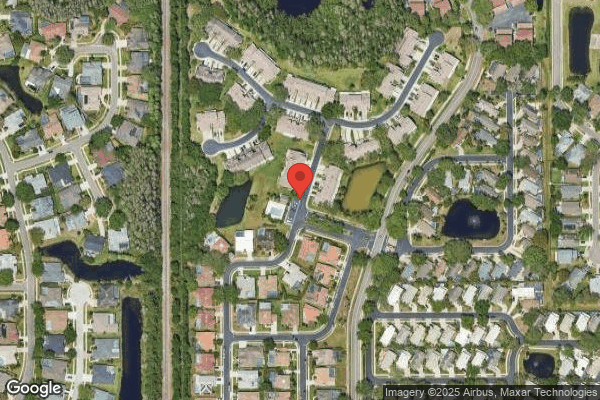
Understanding Severity Codes (click to expand)
Life-Threatening (Immediate Jeopardy)
J - Isolated K - Pattern L - Widespread
Actual Harm
G - Isolated H - Pattern I - Widespread
Potential for Harm
D - Isolated E - Pattern F - Widespread
No Harm (Minor)
A - Isolated B - Pattern C - Widespread

Questions to Ask on Your Visit

  • "Can I speak with families of current residents?"
  • "What's your RN coverage like on weekends and overnight?"

Our Honest Assessment

Strengths
  • • No major safety red flags. No abuse findings, life-threatening violations, or SFF status.
  • • No fines on record. Clean compliance history, better than most Florida facilities.
Concerns
  • • 29 deficiencies on record. Higher than average. Multiple issues found across inspections.
  • • Grade C (50/100). Below average facility with significant concerns.
Bottom line: Mixed indicators with Trust Score of 50/100. Visit in person and ask pointed questions.

About This Facility

What is Aviata At The Harbor's CMS Rating?

CMS assigns AVIATA AT THE HARBOR an overall rating of 2 out of 5 stars, which is considered below average nationally. Within Florida, this rating places the facility higher than 0% of the state's 100 nursing homes. A rating at this level reflects concerns identified through health inspections, staffing assessments, or quality measures that families should carefully consider.

How is Aviata At The Harbor Staffed?

Detailed staffing data for AVIATA AT THE HARBOR is not available in the current CMS dataset.

What Have Inspectors Found at Aviata At The Harbor?

State health inspectors documented 29 deficiencies at AVIATA AT THE HARBOR during 2021 to 2024. These included: 29 with potential for harm.

Who Owns and Operates Aviata At The Harbor?

AVIATA AT THE HARBOR is owned by a for-profit company. For-profit facilities operate as businesses with obligations to shareholders or private owners. The facility is operated by AVIATA HEALTH GROUP, a chain that manages multiple nursing homes. With 120 certified beds and approximately 0 residents (about 0% occupancy), it is a mid-sized facility located in SAFETY HARBOR, Florida.

How Does Aviata At The Harbor Compare to Other Florida Nursing Homes?

Compared to the 100 nursing homes in Florida, AVIATA AT THE HARBOR's overall rating (2 stars) is below the state average of 3.2 and health inspection rating (2 stars) is below the national benchmark.

What Should Families Ask When Visiting Aviata At The Harbor?

Based on this facility's data, families visiting should ask: "Can I visit during a mealtime to observe dining assistance and food quality?" "How do you handle medical emergencies, and what is your hospital transfer rate?" "Can I speak with family members of current residents about their experience?"

Is Aviata At The Harbor Safe?

Based on CMS inspection data, AVIATA AT THE HARBOR has a clean safety record: no substantiated abuse findings (meaning no confirmed cases of resident harm), no Immediate Jeopardy citations (the most serious violation level indicating risk of serious injury or death), and is not on the Special Focus Facility watch list (a federal program monitoring the lowest-performing 1% of nursing homes). The facility has a 2-star overall rating and ranks #100 of 100 nursing homes in Florida. While no facility is perfect, families should still ask about staff-to-resident ratios and recent inspection results during their visit.

Do Nurses at Aviata At The Harbor Stick Around?

AVIATA AT THE HARBOR has not reported staff turnover data to CMS. Staff turnover matters because consistent caregivers learn residents' individual needs, medications, and preferences. When staff frequently change, this institutional knowledge is lost. Families should ask the facility directly about their staff retention rates and average employee tenure.

Was Aviata At The Harbor Ever Fined?

AVIATA AT THE HARBOR has no federal fines on record. CMS issues fines when nursing homes fail to meet care standards or don't correct problems found during inspections. The absence of fines suggests the facility has either maintained compliance or corrected any issues before penalties were assessed. This is a positive indicator, though families should still review recent inspection reports for the full picture.

Is Aviata At The Harbor on Any Federal Watch List?

AVIATA AT THE HARBOR is not on any federal watch list. The most significant is the Special Focus Facility (SFF) program, which identifies the bottom 1% of nursing homes nationally based on persistent, serious quality problems. Not being on this list means the facility has avoided the pattern of deficiencies that triggers enhanced federal oversight. This is a positive indicator, though families should still review the facility's inspection history directly.