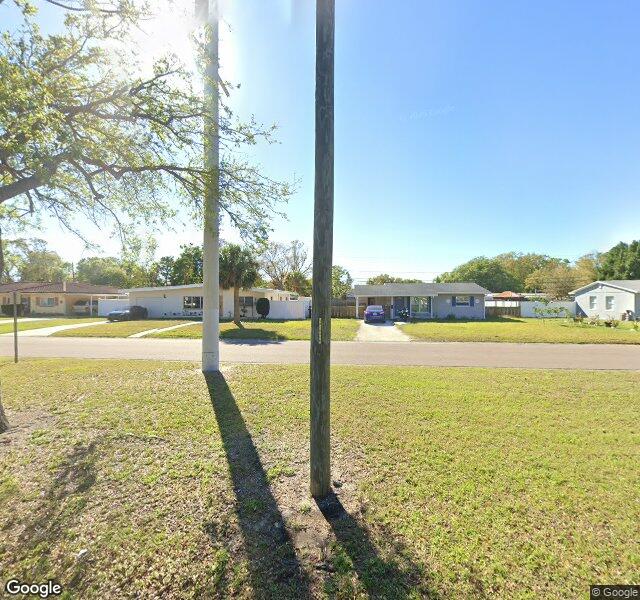
ABBEY REHABILITATION AND NURSING CENTER

7101 DR MARTIN LUTHER KING JR ST N, SAINT PETERSBURG, FL 33702 (727) 527-7231
Non profit - Corporation 132 Beds FLORIDA INSTITUTE FOR LONG-TERM CARE Data: November 2025 5 Immediate Jeopardy citations
Trust Grade
0/100
#591 of 690 in FL
Last Inspection: October 2023

Over 2 years since last inspection. Current conditions may differ from available data.

Overview

Abbey Rehabilitation and Nursing Center has a Trust Grade of F, indicating significant concerns about the facility's quality of care. It ranks #591 out of 690 in Florida, placing it in the bottom half of nursing homes in the state, and #45 of 64 in Pinellas County, meaning only a few local options are better. The facility's performance is stable, with 8 issues reported in both 2023 and 2024, but it has a concerning history, including $139,355 in fines, which is higher than 90% of Florida facilities, indicating repeated compliance problems. Staffing is average, with a 3/5 rating and a turnover rate of 49%, which is close to the state average. However, there have been critical incidents, such as failing to provide necessary CPR for a resident and not following up on important lab results for others, posing serious risks to resident health and safety. While the facility has some average staffing levels, the serious issues with care highlight significant weaknesses that families should consider.

Trust Score
F
0/100
In Florida
#591/690
Bottom 15%
Safety Record
High Risk
Review needed
Inspections
Holding Steady
8 → 8 violations
Staff Stability
⚠ Watch
49% turnover. Above average. Higher turnover means staff may not know residents' routines.
Penalties
○ Average
$139,355 in fines. Higher than 61% of Florida facilities. Some compliance issues.
Skilled Nurses
○ Average
Each resident gets 33 minutes of Registered Nurse (RN) attention daily — about average for Florida. RNs are the most trained staff who monitor for health changes.
Violations
⚠ Watch
25 deficiencies on record. Higher than average. Multiple issues found across inspections.
★☆☆☆☆
1.0
Overall Rating
★★★☆☆
3.0
Staff Levels
★★☆☆☆
2.0
Care Quality
★☆☆☆☆
1.0
Inspection Score
Stable
2023: 8 issues
2024: 8 issues

The Good

  • Full Sprinkler Coverage · Fire safety systems throughout facility
  • No fines on record

Facility shows strength in fire safety.

The Bad

1-Star Overall Rating

Below Florida average (3.2)

Significant quality concerns identified by CMS

Staff Turnover: 49%

Near Florida avg (46%)

Higher turnover may affect care consistency

Federal Fines: $139,355

Well above median ($33,413)

Significant penalties indicating serious issues

Chain: FLORIDA INSTITUTE FOR LONG-TERM CAR

Part of a multi-facility chain

Ask about local staffing decisions and management

The Ugly 25 deficiencies on record

5 life-threatening 2 actual harm
Dec 2024 2 deficiencies 1 Harm
SERIOUS (G) 📢 Someone Reported This

A family member, employee, or ombudsman was alarmed enough to file a formal complaint

Actual Harm - a resident was hurt due to facility failures

Free from Abuse/Neglect (Tag F0600)

A resident was harmed · This affected 1 resident

**NOTE- TERMS IN BRACKETS HAVE BEEN EDITED TO PROTECT CONFIDENTIALITY** 2. Review of Resident #3's Hospital record revealed Resident #3 was hospitalized from [DATE] to 8/15/2024. The History of Presen...

Read full inspector narrative →
**NOTE- TERMS IN BRACKETS HAVE BEEN EDITED TO PROTECT CONFIDENTIALITY** 2. Review of Resident #3's Hospital record revealed Resident #3 was hospitalized from [DATE] to 8/15/2024. The History of Present Illness (HPI) section revealed the following: Patient (Resident #3) is a [AGE] year old male with a past medical history of hypertension, alcohol use, tobacco use, and history of open reduction internal fixation, who presents to the ER (Emergency Room) with complaints of worsening right wrist pain. He was recently admitted on [DATE], due to a right wrist abscess, which was MRSA positive osteomyelitis for which he underwent irrigation/debridement. He required 6 weeks of IV Vancomycin as per ID recommendations for which he received a total of 10 days of antibiotics before leaving AMA on July 26th. Today (8/1/2024), the patient arrived at ER due to progressive worsening pain and swelling of the right wrist. Review of Resident #3's admission Record revealed Resident #3 was admitted to the facility on [DATE] with diagnoses including primary osteoarthritis right wrist, arthritis due to bacteria, great wrist, alcohol abuse, housing instability, housed, homelessness and past 12 months, other psychoactive substance abuse, tobacco use, and patient's other noncompliance with medication regimen for other reasons. Review of Resident #3's medical record revealed two elopement risk assessments, both completed on 8/16/2024, which did not indicate Resident #3 was an elopement risk. Review of Resident #3's Order Summary Report for December 2024 revealed the following orders: - 8/19/2024: LOA Independent - 8/16/2024: IV: Change Injection cap every 7 days as well as PRN (as needed). Injection cap to be changed after each blood draw. Every day shift every 7 day(s) for iv therapy. - 8/16/2024: IV: Change IV dressing every 7 days as well as PRN for soiling and or dislodgement. Every evening shift every 7 days. - 8/16/2024: IV: Measure external catheter length every 7 days and as needed with dressing change. Every day shift every 7 days for maintain iv access IV. - 8/16/2024: Vancomycin HCI in NaCI intravenous Solution 750-0.9 MG/250 mL-% (Vancomycin HCI-Sodium Chloride) Use 1 dose intravenously every 12 hours for osteomyelitis until 9/12/2024 13:01 (1:01 p.m.). Review of Resident #3's Progress Notes revealed: - A note dated 8/16/2024 at 1:15 p.m. documenting a skin check was completed for Resident #3. Resident has a PICC (peripherally inserted central catheter) line in the left upper arm, for IV therapy post incision 7.5 cm (centimeters) right wrist, all other skin completely intact; will continue to monitor. - An admission note dated 8/16/2024 at 1:50 p.m.: Admitting Diagnosis: Right wrist osteomyelitis, observation of resident speech: clear .The resident stated reason for admission: IV therapy .The resident or resident representative stated discharge goal: other discharge location arrangements (i.e. group home or hotel) .No, the resident does not use alcohol. No, the resident does not use illegal drugs .The resident has NOT had any of the following: current psychotropic medication use, balance issue with sitting, standing or walking, wandering use of restraint .Yes, Is resident currently receiving antibiotics Route: IV .The resident is Independent for Eating. The resident is Independent for setting up supplies and/or brushing their teeth or Dentures. The resident is Independent for toileting. The resident is Independent for bathing . - A note dated 8/16/2024 at 3:02 p.m. documenting Resident #3 was admitted for IV therapy and would like to go LOA to the store. A call was placed to physician for instructions. - A Shift Level Administration note dated 8/17/2024 at 7:35 a.m.: Spoke to the pharmacist regarding the order of Vancomycin HCl IV not be delivered yet. The pharmacist requested new order for serum creatinine level to be drawn. Laboratory order placed and creatinine was drawn. Waiting for results. Day shift made aware. - A Medication Administration note dated 8/17/2024 at 11:38 a.m. documenting Resident #3's Vancomycin HCl IV would be delivered that evening. - A Medication Administration note dated 8/17/2024 at 1:48 p.m. documenting the facility was awaiting lab results for Resident #3. - A Medication Administration note dated 8/17/2024 at 11:20 p.m. documenting Resident #3 was absent from the facility. - A note dated 8/18/2024 at 4:21 p.m.: Resident [#3] is alert and oriented, with independent LOA Order. On 8/17/2024, he left the facility in stable condition to go to [a local] hospital. On 8/18, the admissions department was notified by .Hospital this resident was admitted for Osteomyelitis. Signed by the DON. - A Social Services note dated 8/19/2024 at 6:59 p.m. documenting a wellness check was conducted for Resident #3 while Resident #3 was in the hospital. During an interview on 12/11/2024 at 2:50 PM the NHA stated Resident #3 was alert and oriented and he was able to mobilize independently. She stated on 8/17/2024, she received a call from nursing staff stating Resident #3 was missing from the facility. The NHA started the investigation by asking staff when the last time they saw Resident #3. She stated the nurse assigned to Resident #3 stated she went to administer the IV antibiotics and noticed he was gone. The NHA interviewed the smoking-aide, who stated she had not seen the resident at the last smoking session. At this point, she started a full investigation, called the police, Department of Children and Families (DCF), and reported to the State Agency. She called all of the staff from that day to check on the resident's demeanor. When she contacted the emergency contact for Resident #3, he provided information related to where the resident would normally hang out. The NHA stated she started to call hospitals and found the hospital where Resident #3 was. She was able to speak with Resident #3, who told her he snuck out of a window. He told her he was able to twist the screws from the window and popped the window open. He then used a bench that was in front of the fence and jumped over the fence into the neighbor's yard. The NHA stated they also found a note on Resident #3's bedside table explaining he left the building. During an interview on 12/12/2024 at 11:16 a.m. with Staff C, CNA, she stated Resident #3 kept asking the nurse for his IV antibiotics, and they were scheduled at certain times. Resident #3 kept reminding the nurse throughout the day and the nurse would just brush him off. Staff C, CNA stated around 2 or 2:30 p.m. on 8/17/2024, she reassured Resident #3 he would get his medication. Staff C, CNA also stated before she left her shift around 3:00 p.m., she saw Resident #3 out on the patio smoking. She stated as she was returning to work at 9:45 p.m., she was notified that Resident #3 was missing. She stated she was told he left a note on his bedside table stating he was going to the hospital to get his medication. During an interview on 12/12/2024 at 11:44 a.m., Staff E, Traveling DON stated at admission they assess a resident to determine if they are an elopement risk and they would look at hospital records to check to see if the resident has signed out AMA. She stated that in order for a resident to go out LOA, the resident has to meet some medical points, such as being their own responsible party, has to be able to walk, must have the physical ability, and cannot have a cognitive deficit. Residents who have IV sites do not get an LOA order unless the physician has put in an order to remove the IV first. If residents leave with an IV site for LOA it can cause further risks. During an interview on 12/12/2024 at 1:29 p.m., Staff D, LPN, stated Resident #3 was admitted to the facility due to an infection. She stated when she started her shift on 8/17/2024, she saw the antibiotic order could not be completed because they needed a lab draw first. Staff D, LPN stated she started the order for the lab, and it took some time for the lab to come back. Once the lab was complete, she called the pharmacy about the Vanco prescription. She stated the pharmacy told her it would be there with the next shipment. Staff D, LPN also stated Resident #3 was persistent all day about getting his medications and, the real problem was the ER doctor told the resident he would have a prescription for antibiotics when he got to the facility. Staff D, LPN stated she tried explaining to Resident #3 the process of the facility obtaining medications and he was very adamant about getting his medication. She stated he kept saying he needs his medication and without his medication he would not heal. When she went to pass medications to Resident #3 at 5:00 p.m., she noticed he wasn't in his room and continued doing medication pass thinking he was probably outside smoking. She stated when the antibiotics came in around 9:00 p.m., she went to give him the medication and realized he wasn't in his room. She went and told the charge nurse she could not find the resident and they searched the building and called the administrator. During an interview on 12/12/2024 at 2:59 p.m., the DON stated alert and oriented residents with a Brief Interview Mental Status (BIMS) that does not indicate cognitive impairment and does not have a responsible party, can get independent LOA orders. The nurses do the assessment and contact the doctor, and the nurses inform the doctor of the conditions to obtain an order for independent LOA. If the residents can navigate safely, they can be independent LOA. The DON stated residents with IV sites can leave LOA independently with a doctor order to make sure they are safe. During an interview on 12/12/2024 at 3:09p.m., Staff M, Doctor of Osteopathic Medicine (DO), stated when determining if a resident can leave independently on an LOA, he considers the individual's history regarding alcohol use, drug use, and mental status, and if the person is responsible enough to come back to the facility. Staff M, DO also stated if a resident has a prior history of alcohol or drug abuse, he will think twice about the independent LOA. Staff M, DO stated, If a resident has a PICC line, I will absolutely not allow someone with a PICC line or IV site to go out alone unless the resident is going to a doctor's appointment with transportation. Review of the facility policy titled Elopement-Overview, dated October 2021,revealed in Overview, the facility elopement definition is as follows: Elopement occurs when a resident leaves the premises or a safe area without authorization (i.e., in order for discharge or leave of absence) and/or any necessary supervision to do so the elopement prevention and management program is an interdisciplinary process designed to reduce the risk for elopement while maximizing independence. The interdisciplinary team, which includes the resident/patient and family, designs and develops the least restrictive interventions to meet the individualized needs and goals of our residents/patients. The policy also revealed the following under Guidelines: 1. Complete admission data collection as applicable. 2. Review and evaluate data . 4. Provide staffing training and resident/patient and family education. 5. Refer to the resident/patient leave of absence guidelines if the cognitively intact resident/patient leaves independently for an outing (per physician's order) . 7. Initiate the Missing Resident/Patient Action Plan if unable to locate a resident/patient. Review of the facility's policy titled Leave of Absence Policy (LOA), dated October 2021, revealed under Policy, the facility will promote resident leave of absence for temporary and non-emergency leaves through assessment, education, and monitoring. The policy also revealed under Procedure, 1.) The IDT (Interdisciplinary Team) will evaluate the resident as part of the admission process and with any identified change in condition which may impact the level of support needed for LOA. The assessment may include but may not be limited to: Cognition and Physical Abilities. 2.)Based on evaluation, obtain a practitioner's order for the resident LOA. The LOA may be one of the following: a.) LOA independent, b.) LOA with escort for physical assistance, c.) LOA with escort for impaired cognition, or d.)LOA with escort for impaired cognition and physical assistance. 3.) IDT/designee will complete education for resident/representative regarding the LOA process and their specific practitioner's order, following the evaluation and with any change in condition requiring a change in the LOA order. Review of the facility policy titled Abuse Prevention Program, dated August 2022, revealed under Policy, the facility has designated and implemented processes, which strive to reduce the risk of abuse, neglect, exploitation, mistreatment and misappropriation of residence property. These policies guide the identification, management and reporting of suspected or alleged, abuse, neglect, mistreatment and exploitation. It is expected that these policies will assist the facility with reducing the risk of abuse, neglect, exploitation and misappropriation of residence property through education of staff and residents, as well as early identification of staff burnout, or resident behavior which may increase the likelihood of such events. The policy defines Neglect as failure of the facility, its employees or service providers to provide good and services to our resident that are necessary to avoid physical harm, pain, mental anguish or emotional distress. Based on observations, interviews, and record review, the facility failed to keep residents free from neglect related to 1.) failing to inform the attending physician of critical lab values in a timely manner and infusing three doses of Vancomycin after receiving those critical labs for one resident (Resident #1) of three sampled residents, requiring Resident #1 to be admitted to the Intensive Care Unit and receive renal dialysis and 2.) failing to provide a safe, secure environment, and adequate supervision for one resident (Resident #3) of three sampled residents, who had a history of alcohol abuse, methamphetamine abuse, homelessness, and leaving medical facilities against medical advice (AMA). The facility also failed to properly assess Resident #3 for Leave of Absence, who had an Intravenous site at the time. Findings included: 1. During an observation on 12/11/2024 at 11:10 a.m. Resident #1 was lying in bed on an air mattress. An interview was conducted with Resident #1. He stated he had a big a decubitus ulcer on his bottom from being in another facility. The resident had a urinary catheter and an IV (intravenous) access in his left upper arm. He stated he was getting antibiotics. It was noted on the door he was on contact isolation precautions. He stated the staff mostly used gowns and gloves when they come in the room. Resident #1 was admitted on [DATE] and readmitted on [DATE]. Review of the admission Record showed diagnoses included but not limited to pressure ulcer of sacral region, stage IV, necrotizing fasciitis, chronic kidney disease, neuromuscular dysfunction of bladder, extended spectrum lactamase (ESBL) resistance, diabetes, hypertension, benign prostatic hyperplasia with lower urinary tract symptoms, retention of urine, and adult failure to thrive. Review of Resident #1's Minimum Data Set (MDS) assessment dated [DATE] showed the following: - Section C - Cognitive Patterns, a Brief Interview for Mental Status (BIMS) score of 11 (moderately impaired). - Section I - Active Diagnoses showed wound infection, renal insufficiency or renal failure, and pressure ulcer of sacral region stage IV. - Section M - Skin Conditions showed one stage IV pressure ulcer. - Section N - Medications showed the resident was on antibiotics. - Section O - Special Treatments, Procedures, and Programs showed he was receiving Intravenous (IV) antibiotics. Review of Resident #1's Order Summary Report, for the date range 10/28/2024 to 11/30/2024, showed the following: - Pharmacy to dose Vancomycin (Vanco) as of 11/1/2024. - Transmission Based Precautions, Contact Precautions-ESBL, wound as of 10/30/2024. - Vancomycin HCL (hydrochloride) in NaCL (sodium chloride) Intravenous Solution 750-0.9 mg (milligrams)/250 ml (milliliters) % use 750 ml intravenously two times a day for ESBL in wound as of 10/29/2024. - Vanco trough, one time only for monitoring and fax results to pharmacy, ordered on 11/13/2024 and revised on 11/14/2024. - Vanco trough only, NO VANCO PEAK and fax results to pharmacy ordered on 11/13/2024 and revised on 11/14/2024. - CBC (Complete Blood Count) with differential, CMP (Comprehensive Metabolic Panel) STAT (right now) ordered on 11/13/2024 and revised on 11/14/2024. - Appointment on 11/14/2024 with the Infectious Disease physician at 10:00 a.m. Review of Resident #1's November 2024 Medication Administration Record (MAR) showed the following: - Vancomycin HCL in NaCL Intravenous Solution 750-0.9 mg /250 ml.% use 750 ml intravenously two times a day for ESBL in wound as of 10/29/2024 was administered on 11/13/2024 at 5:20 a.m. by Staff J, Licensed Practical Nurse (LPN), 11/13/2024 at 6:02 p.m. by Staff H, LPN, and 11/14/2024 at 5:52 a.m. by Staff I, Registered Nurse (RN). Review of Resident #1's November 2024 Treatment Administration Record showed the following: - CBC, CMP, sed rate and Vanco trough scheduled for 11/13/2024 - Vanco trough, one time only for monitoring and fax results to pharmacy, performed on 11/13/2024 at 6:32 a.m. - Vanco trough only, NO VANCO PEAK and fax results to pharmacy was performed on 11/14/2024 at 7:38 a.m. - CBC with differential, CMP, STAT performed on 11/14/2024 at 8:25 a.m. Review of Resident #1's lab values showed the following: - On 11/13/2024 Vancomycin Peak was drawn at 7:00 a.m.: Vancomycin Peak was 78.3 (20.0 -40.0). On 11/13/2024 at 9:29 a.m. the critical results were read back and acknowledged. - On 11/13/2024 a CBC, CMP was drawn STAT at 8:30 p.m. with the following results: Sodium 122 (L) (136-145), Potassium critical value 8.1 (HH) (3/5-5.1), Creatinine 4.45 (H) (0.70-1.30), eGFR (estimated glomerular filtration rate) 13 or below, 15 may mean kidney failure. On 11/13/2024 at 10:41 p.m. the following critical results were read back and acknowledged by Staff I, RN: a Potassium level of 8.1, high critical. - On 11/14/2024 a Vancomycin Trough was drawn at 3:45 a.m. The Vancomycin Trough was 74.1 (10.0-20.0). On 11/14/2024 at 6:16 a.m. the critical results were read back and acknowledged by Staff I, RN. A review of Resident #1's Progress Notes showed the following: - On 11/13/2024, 3:37 p.m. a Summary for Providers note, written by Staff F, LPN, revealed Resident #1 had a change in condition, documented under the section titled Situation: Other change in condition. The section titled Primary Care Provider Feedback documented: perform stat labs and urine. - On 11/13/2024 at 3:43 p.m. a CNA (Certified Nursing Assistant) reported Resident #1 had a small amount of urine in the Foley bag, which was reported to the M.D. (Medical Doctor). Received an order to irrigate and change Foley catheter. Blood work on electronic chart and urine sample in the soiled utility room fridge. Passed to the next shift. Written by Staff F, LPN. - On 11/14/2024 at 7:59 a.m., a Post Event Every Shift Nursing Note Assessment Initiated showed MD notified and treatment initiated. Written by Staff G, RN, Unit Manager (UM). - On 11/14/2024 at 8:46 p.m. an eMAR (electronic medication administration record) Note showed Resident #1 was at the hospital. Written by Staff H, LPN. Review of Resident #1's Hospital records showed the following: - A Nephrology consult dated 11/14/2024 showed: (Resident #1) presented due to abnormal labs that were drawn the evening before. Labs at 2030 (8:30 p.m.) yesterday evening showed a potassium of 8.1, sodium 122, chloride 91, CO2 (carbon dioxide) of 20, BUN (Blood Urea Nitrogen) 78, creatinine of 4.45. Patient has been treated for hyperkalemic protocol. He is apparently on Vancomycin and Vancomycin peak was 78.3 and trough of 74.1. Assessment: Acute kidney injury secondary to bladder outlet obstruction in combination with Vanco toxicity hyperkalemia, hyponatremia, metabolic acidosis, Vanco toxicity, large sacral decubitus, BPH [benign prostatic hyperplasia] with urinary retention. Plan: daily dialysis for Vanco toxicity, stat Vanco level 81.9, daily Vanco levels, do not resume Vanco at this time. - An Infectious Disease Service Consult on 11/14/2024 showed Vanco level was found to be 74 and Vanco was discontinued. Assessment: necrotizing fasciitis sacral area, suspected osteomyelitis of sacral area, bilateral pneumonia with possible aspiration with Haemophilus influezae, suspected UTI (urinary tract infection) with E. (Escherichia) coli, vancomycin related nephrotoxicity with hyperkalemia, diabetes, and respiratory failure. Plan: will continue to monitor once Vanco level falls below 15 then will start patient on daptomycin. - An Internal Medicine note dated 11/17/24 showed Acute renal failure, suspected Vanco toxicity, hyperkalemia, hyponatremia, d/c (discontinue) Vanco due to acute renal failure. Review of Resident #1's care plan showed the resident had a sacral/coccyx stage 4 wound, complications related to wound healing related to infection, diabetes, and PVD. Interventions included but not limited to Enhanced Barrier Contact Precautions, obtain and review lab/diagnostic work as ordered, and report results to MD and follow up as indicated, as of 11/21/2024. Resident #1's care plan also revealed the resident is on antibiotic therapy related to having MRSA (Methicillin-resistant Staphylococcus aureus) in sacral/coccyx wound. Interventions included but not limited to administer medication as ordered and report pertinent lab results to MD. During interview on 12/12/2024 at 10:02 a.m. Staff G, RN, UM, stated Resident #1 was a long-term care resident with a wound on his buttocks. The resident was receiving Vanco and another antibiotic IV for his wound. Staff G RN, UM stated the resident required total care, including a mechanical lift, and he rarely got out of bed because he did not want to get out of bed. Staff G RN, UM stated Resident #1 had a Stage III pressure ulcer and got labs drawn one to two times a week, to manage the Vanco levels. Staff G RN, UM also stated they sent the results (lab) to the ID (Infectious Disease) doctor. Staff G RN, UM stated the day Resident #1 was going to the ID doctor, they physically put the lab results in an envelope instead of faxing the labs to the doctor, which was done by the nurse. Staff G RN, UM also stated she printed the labs, but did not look at them and did not review the labs. Staff G RN, UM stated she logged into the lab website, clicked and printed the labs, and the nurse picked the labs up off the printer. The nurse involved was Staff F, LPN on 11/13/2024. Staff G RN, UM stated she does not remember when the labs came in and she was not notified of any abnormal labs when she came in that morning on 11/13/2024. Staff G, RN, UM stated now, she checks the labs herself to see all the labs. Staff G RN, UM also stated the nurses notify her sometimes now, but not all of the nurses notify her. Staff G RN, UM stated she works Monday through Friday, 7 a.m. to 3 p.m. and the weekend supervisor or the nurses working on the weekend should check the labs on evenings and weekends. Staff G RN, UM stated they (the nurses) were all trained and went through the process to make sure they were following up with the labs, calling the doctor and the family. Staff G RN, UM also stated she started at the facility on 11/12/2024 and started that process with the DON (Director of Nursing) to make sure they were following up with the labs, calling the doctor and the family. Staff G, RN, UM stated they all received the log-in documentation to get labs and call the doctor and they are to document in the progress notes that they talked to the doctor. The lab results are kept in the patient's hard/paper chart. Staff G RN, UM stated on Monday she goes to the portal and checks the labs, checks the patient chart and MAR to make sure all labs are completed, and the DON double checks the labs. Staff G RN, UM also stated the nurses are responsible to review the labs, call the doctor and write orders. Staff G RN, UM stated they normally do Vanco troughs here for every patient, the labs are sent to the pharmacy, and based on pharmacy recommendations the dosing and follow-up labs are followed. Staff G RN, UM stated Staff F, LPN was the day nurse on 11/13/2024, and just took the labs off the printer and put them in the envelope for the transport. Staff G RN, UM stated Staff I, RN was the night nurse who had received the call the night before about the lab results. Staff G, RN, UM stated her expectation was for any critical labs to be called to the doctor, no matter what time. During an interview on 12/12/2024 at 10:48 a.m. Staff F, LPN stated she had worked with Resident #1 a couple of times at the facility. Staff F, LPN stated, I was having to log in for labs, but I did not have access at that time [on 11/13/2024]. That day they hired a UM, and she was the one who brings the labs. Staff F, LPN stated, I did not look at the labs. The UM printed everything and put it in an envelope and the face sheet. I was passing meds and asking for help. The laptops do not print, and I asked for help from the UM to print the forms and went back to passing meds. Staff F, LPN also stated, They only told me, I don't remember what was abnormal (labs) but not the Vanco level. Staff F stated, The labs were done the night before. [Staff I, RN] reported to me something was abnormal but not the Vanco. Staff F, LPN also stated, I don't have any way to see [the labs]. Staff F, LPN stated she went to the DON when she started working at the facility and asked her for the lab access, but she was a traveling DON and did not know how to get access. Staff F, LPN also stated she did not ask the UM for labs. Staff F stated, The way [Staff I, RN] reported, [the doctor] had the [lab] report, they did these labs, and [Resident #1's] was okay. Staff F, LPN also stated, [Staff I, RN] said she called the doctor and to keep an eye on when the doctor calls. Staff F, LPN stated she wrote a statement about the incident and, [the facility] knew what was going on over there, the UM started that day. They did not tell me about the appointment. I knew I needed a face sheet, labs, meds. Everything was a rush. So, the UM handed me the face sheet, med list, and labs. I put them into the envelope and rushed off. During an interview on 12/12/2024 at 11:44 a.m. with the Nursing Home Administrator (NHA) and the DON, the NHA stated on 11/14/2024 she was observing on the 100 main nursing station and overheard Staff F, LPN talking to the Infectious Disease clinic and asking questions in reference to the labs sent with Resident #1. The NHA stated Staff F, LPN was speaking with them (ID) and the ID clinic was transferring Resident #1 to the hospital. Staff F, LPN told the NHA, Resident #1 had a critical lab. The NHA stated she started the investigation and spoke with Staff E, Traveling DON and Staff G, RN, UM in the conference room. The NHA stated she told Staff E, Traveling DON and Staff G, RN, UM the ID clinic was sending Resident #1 to the hospital. The NHA stated Staff F, LPN initially told her she was not aware of the lab results when she gave the labs to transportation, she put the results in the envelope and handed them over. The NHA also stated once they started to investigate and looked back, they looked at the orders and lab results. The NHA stated Staff G, RN, UM told her she was not aware of the lab results; she just printed them. The NHA verified Staff I, RN's first statement which showed resident had abnormal blood work results. RN was passing meds. I intended to call MD in a.m. where I thought I would get a response. There was an admission I had to work on my shift. The resident had no [signs and symptoms] of the abnormal labs in my shift. Signed 11/14/24. The NHA verified the second statement by Staff I, RN showed, on 11/20/24, on the night in question, I had many things to tend to. I believe that a Vanco trough level was drawn sometime that evening or early night shift. I believe that if I knew I should have placed a phone call out to the MD. I do know I hung the 0500 Vanco and passed the results of the trough off to the day nurses with another lab result. And explained to her that I hadn't called the MD in the night. Both statements were provided by the NHA. The NHA stated, I called [Staff I, RN] and spoke to her first, she came in and wrote a statement. I explained that there was critical lab/Vanco level. She said she tended to the admission and did not call the doctor. [Staff I, RN] did admit that she knew the Vanco was critical. I asked her why she did not follow the protocol, call the DON and the MD. She instead handled the admission. The NHA stated they brought Staff I, RN back in after doing the investigation. The NHA stated, [Staff I, RN] admitted hanging the Vanco after getting the critical Vanco lab. She acknowledged she should have followed a different protocol, of calling the MD, calling the DON, and not hanging the Vanco. She stated she mentioned to [Staff F, LPN] about the abnormal labs, but it was just word of mouth at this time. The NHA stated Staff F, LPN was getting ready to send Resident #1 out to the appointment around 8 a.m., and she just grabbed the paperwork and sent it off. The NHA verified the statement from Staff F, LPN dated on 11/14/2024 showed, During report nurse-to-nurse today, my co-worker report [to] me only results from Vanco levels. No more labs was reported to pass to me. The NHA verified a second statement from Staff F, LPN on 11/15/2024, showed, that morning night shift only report me Vanco trough levels. I start passing meds, but I stop for print face sheet and med list from the patient. I went to the nurse station and log me in from the print the papers if request to the UM to print the recent labs. She found an envelope and pass the envelope to me. I put the face sheet and med list papers inside and give it to transport. Labs all ready was in the envelope. The NHA stated during the investigation, they got the information about the 11/14/2024 incident and found the 11/13/2024 critical Vanco peak. The NHA stated, I asked [Staff F, LPN] if she called a doctor about the 11/13/2024 [Vanco peak] and she stated to me I called him for several things, and I thought for sure I told him about the labs. She was not confident enough to say she had or not. The NHA stated she called the doctor herself just to ask him (MD) if Staff F, LPN called him about the critical labs. He (the doctor) stated he did not recall, and he had spoken with Staff F, LPN several times and knows his orders would be standard to send the resident out. The NHA stated when she interviewed Staff F, LPN, She stated to me, when she got the envelope, she put the labs in the envelope and gave it to the transportation. The NHA verified two nurses had knowledge of Resident #1's critical labs on two different days, and no one called a doctor or the DON, and the protocol was to call both. The NHA verified the statement from Staff J, LPN which showed, labs were drawn at 2:30 a.m. on 11/13/24 for trough and peak. Peak was drawn by mistake. Call labs back and reordered trough at 8:30 a.m. peak was mistakenly ordered by the nurse. The NHA stated after they obtained the statements, they continued their investigation. During an interview on 12/12/2024 at 1:06 p.m. Staff I, RN stated she was working the night shift on 11/12 through 11/13/2024, and she checked on Resident #1 many times. Staff I, RN also stated, I received the lab results and was going to call the doctor the next morning .The results came in late in the night. It was an elevated abnormal potassium. I make a little mistake once in a while and not call a doctor. All I remember is [the lab] calling about the potass[TRUNCATED]
CONCERN (D) 📢 Someone Reported This

A family member, employee, or ombudsman was alarmed enough to file a formal complaint

Potential for Harm - no one hurt, but risky conditions existed

Infection Control (Tag F0880)

Could have caused harm · This affected 1 resident

**NOTE- TERMS IN BRACKETS HAVE BEEN EDITED TO PROTECT CONFIDENTIALITY** Based on observations, interviews, and record review, the facility failed to implement an effective Infection Control and Preven...

Read full inspector narrative →
**NOTE- TERMS IN BRACKETS HAVE BEEN EDITED TO PROTECT CONFIDENTIALITY** Based on observations, interviews, and record review, the facility failed to implement an effective Infection Control and Prevention program by 1.) failing to ensure staff donned appropriate personal protective equipment (PPE) while caring for a resident under Enhanced Barrier Precautions for one resident (Resident #5) of two residents sampled for Infection Control precautions, and 2.) failing to ensure staff donned appropriate PPE while in the room of a resident under Transmission Based Precautions for one resident (Resident #4) of two residents sampled for Infection Control precautions. Findings included: A review of Resident #5's admission Record showed Resident #5 was admitted on [DATE] and was readmitted on [DATE]. Review of the admission Record also showed diagnoses including but not limited to cachexia, obstructive and reflux uropathy, gastrostomy status, neuropathic bladder. Review of Resident #5's Order Summary Report, active as of 12/12/2024, showed an order dated 6/24/2024 for Enhanced Barrier Precautions while providing direct care for G-tube (gastrostomy tube) and wound. Review of Resident #5's care plan showed the resident required Enhanced Barrier Precautions related to gastrostomy tube and IV (intravenous line) as of 11/18/2024. Interventions included but not limited to Enhanced Barrier Precautions/gloves and gowns to be worn when providing high touch resident care as of 05/13/2024. A review of Resident #4's admission Record showed Resident #4 was admitted on [DATE]. Review of the admission Record also showed diagnoses included but not limited to cellulitis of right and left lower limbs, cutaneous abscess of limb, sepsis, and MRSA (Methicillin-resistant Staphylococcus aureus). Review of Resident #4's Order Summary Report, active as of 12/12/2024, showed an order dated 12/7/2024 for Transmission Based Precautions/Contact Precautions - ESBL (extended-spectrum beta-lactamase)/MRSA. Review of Resident #4's care plan showed the resident has an infection, MRSA/ESBL. Interventions included but not limited to Contact Precautions as of 12/9/2024. During an observation on 12/11/2024 at 10:06 a.m., Resident #5 was lying in bed. Resident #5 asked to have her brief to be changed. Resident #5 turned on her call light at 10:06 a.m. Observed Resident #5 had a feeding tube in place. On the door, Contact Precautions, everyone must: clean their hands, including before entering and when leaving the room. Providers and Staff Must Also: put on gloves before room entry. Discard gloves before room exit. Put on gown before room entry. Discard gown before room exit. (Photographic Evidence Obtained) An employee walking down the hallway went in the room and came out of the room and was overheard telling Resident #5 she would get her aide. Staff K, Certified Nursing Assistant (CNA) came down the hallway, performed hand hygiene, and entered the room at 10:09 a.m. and stated she would be back. Staff K, CNA exited the room without hand sanitizing. While going down the hallway, Staff K, CNA touched another resident on the shoulder. Staff K, CNA went to the closet in the hallway and gathered a bag of towels. Staff K, CNA returned to the room at 10:12 a.m. and entered without a gown or gloves on and shut the door. At 10:20 a.m. Staff K, CNA was observed providing care without a gown on, only gloves. Staff K, CNA exited the room at 10:33 a.m. and walked down hallway to another closet for more items. Staff K, CNA returned to the room and an interview was conducted. Staff K, CNA stated she washed her hands only and the sign on the door was for contact precautions. Staff K, CNA also stated she did not see the sign and she should have put on a gown and gloves, but she only put on gloves. Staff K, CNA stated she did not know which residents were on the contact isolation precautions and she did not know which one was on Enhanced Barrier Precautions (EBP) and there was not an EBP sign on the door. Staff K, CNA stated residents with a catheter should be on EBP and she was not sure if a resident with a g-tube should be on EBP or not. Staff K, CNA also stated, they usually tell us, but I did not get report. Staff K, CNA stated she did not see the PPE container outside of the door nor the posted signage. Staff K, CNA was observed to have long, artificial fingernails. Staff K, CNA was not able to state any concerns related to infection control and having long fingernails. During an interview on 12/12/2024 at 10:02 a.m. Staff G, Registered Nurse/Unit Manager (RN/UM) stated Resident #5 was a long-term care resident and was receiving Vancomycin (Vanco) for osteomyelitis. Staff G, RN/UM also stated Resident #5 had a gastrostomy tube and no wounds and the resident was on Enhanced Barrier Precautions due to the g-tube, not due to having an IV. Staff G, RN/UM stated Resident #4 was on Contact Precautions due to having MRSA in a right hip wound and ESBL in the urine. Resident #4 was also receiving Vanco via IV. Staff G, RN/UM stated Resident #4 had a #6 sign above her bed, meaning she was on Contact Precautions. Staff G, RN/UM also stated there should be an Enhanced Barrier sign on the door also because Resident #5 is on EBP. Staff G, RN/UM stated the staff should know the type of precautions the residents are on, which should be communicated during report for each resident. Staff G, RN/UM stated due to Resident #5 being on Contact Precautions, the staff should put on a gown and gloves for incontinence care and if a possibility of spilling, they need goggles as well. Staff G, RN/UM also stated the aide should have worn a gown, gloves, and if possible splashing, she needed a face shield while performing incontinence care for Resident #5. During an interview on 12/12/2024 at 2:48 p.m. the Infection Control Preventionist/Assistant DON (ICP/ADON) and DON stated the PPE for contact isolation was the use of gloves and gowns and, depending on what they are doing, a mask. The ICP/ADON stated for EBP, staff should use gloves and gowns for incontinence care. The ICP/ADON also stated the staff should be aware of what type of PPE to be used and precautions based on the door signage posted and the information received in report. If contact isolation signage is on the door, there should be a blue #6 over the bed which correlates with EBP. The ICP/ADON stated Resident #4 was on contact precautions due to ESBL in the wound, a surgical site with a lot of drainage. The ICP/ADON also stated Resident #5 was EBP only, due to having a g-tube and IV. The ICP/ADON stated the floor staff should not have long artificial nails due to infection control issues and they should be trimmed neatly. Review of the facility policy titled Isolation Precautions - Categories of Transmission - Based Infections dated October 2021 showed under Policy, standard precautions shall be used when caring for residents regardless of their suspected or confirmed infection status. Transmission based precautions shall be used when caring for residents who are documented or suspected to have communicable diseases or infections that can be transmitted to others. 1. Transmission-Based precautions will be used whenever measures more stringent than standard precautions are needed to prevent or control the spread of infection. In addition to standard precautions, implement contact precautions for residents known or suspected to be infected or colonized with microorganisms that can be transmitted by direct contact with the resident or indirect contact with environmental services or resident - care items in the residence environment. Examples of infections requiring Contact Precautions include but are not limited to gastrointestinal, respiratory, skin, or wound infections or colonization with multi drug resistant organisms. Review of the facility policy titled Progressive Discipline Policy dated April 2019, showed under Personal Hygiene, fingernails should be kept neat, clean, and of conservative length. Employees providing patient care must keep nails short so not to create safety or infection control issues. No artificial nails, appliqués or studs on nails may be worn by any clinical staff who provide patient care.
Jan 2024 6 deficiencies 5 IJ (5 affecting multiple)
CRITICAL (K) 📢 Someone Reported This

A family member, employee, or ombudsman was alarmed enough to file a formal complaint

Immediate Jeopardy (IJ) - the most serious Medicare violation

Free from Abuse/Neglect (Tag F0600)

Someone could have died · This affected multiple residents

**NOTE- TERMS IN BRACKETS HAVE BEEN EDITED TO PROTECT CONFIDENTIALITY** Based on interviews, record review, and policy review the facility failed to protect residents' right to be free from neglect re...

Read full inspector narrative →
**NOTE- TERMS IN BRACKETS HAVE BEEN EDITED TO PROTECT CONFIDENTIALITY** Based on interviews, record review, and policy review the facility failed to protect residents' right to be free from neglect related to not ensuring cardiopulmonary resuscitation (CPR) was provided according to policy and procedure for one resident (#1) out of three reviewed for the CPR process; not performing laboratory tests and not following up on critical lab results for two residents (#11 and #13) out of three reviewed for lab testing and not ensuring treatment and care was in place for one resident (#11) out of three reviewed for an immune deficiency syndrome. These failures created a situation that resulted in a worsened condition and/or the likelihood for serious injury and or death to Residents #1, #11, and #13 and resulted in the determination of Immediate Jeopardy which began on [DATE]. The findings of Immediate Jeopardy were determined to be removed on [DATE] and the severity and scope was reduced to an E. Findings included: 1. Not ensuring cardiopulmonary resuscitation (CPR) was provided: Staff M, Nurse was interviewed at 3:00 pm on [DATE] and stated Staff L, Nurse was performing CPR on Resident #1 during the code on [DATE]. Staff M, Nurse called this surveyor at 3:52 p.m. on [DATE] and said, my conscious got to me. She said she was downstairs and heard the code called. She said she walked fast to get to the 300 unit. She said it was about 5 minutes after the code was called, she got to the unit, and no one was doing compressions on the resident. She said EMS had not yet arrived at the time she got to the room. She said the primary nurse usually starts compressions and other nurses come up and help. Staff M said the resident was lying on the floor with her head towards the foot of the bed and her legs were underneath her. She said it looked like she had been standing and collapsed with her legs under her. She said in that position it would have been difficult to do compressions. Staff M said, I was in shock no one started compressions. She said she didn't know if they were looking for a Do Not Resuscitate (DNR) order or what. Staff M said there were a lot of people in the room, and no one was doing CPR. She said they were just like staring. She said prior to her leaving the room, Staff K, Nurse was getting oxygen for the resident, but she didn't know what that was going to do when she wasn't breathing. She asked the nurses if they needed help and they said no, so she left the room. Technically, there's no formal definition for a code, but doctors often use the term as slang for a cardiopulmonary arrest happening to a patient in a hospital or clinic, requiring a team of providers (sometimes called a code team) to rush to the specific location and begin immediate resuscitative efforts. https://www.webmd.com/a-to-z-guides/code-blue-code-black-what-does-code-mean An interview was conducted on [DATE] at 2:27 p.m. with the Emergency Services Paramedic. She said their unit arrived at the facility first after receiving a 911 call for cardiac arrest. When they arrived at the resident's room, there were two male staff members sitting on the bed, while the patient was lying on the floor. One female staff member was by the crash cart and one by the doorway. The Paramedic said, They were basically watching the resident lying on the floor. She said CPR was not being performed on the resident. The Paramedic said one nurse was messing with the suction on the cart, but nothing was open from that cart. The Paramedic said no one identified themselves as a nurse or a CNA. The Paramedic said no one was doing compressions, suctioning the resident, or providing oxygen to the resident. The Paramedic said, I was mind blown. The Paramedic said she asked staff to do compression while they (emergency services team) set up their equipment and got medications out because there were only two responders on the first unit to arrive. The Paramedic said she had to ask multiple times for staff to help and for someone to do compressions. She said one male started doing compressions and he put his hands in completely wrong placement, hit her chest three times and stood up and looked at them. She told the male she needed him to keep going so he did three more compressions. She said the male was in a hoodie, but she did see him in the nurses' station prior to leaving the facility so she assumed he was staff. The male did three more compressions the Paramedic said she spoke up and asked someone else to do compressions because the male was doing it incorrectly. She said a female said, I ain't doing it, and walked out of the room. She said the second male, a tall white gentleman, had been fumbling with the suction machine. He had the suction tubing but no suction attachment on the end, such as a flexible tubing or yankauer (rigid oral suctioning tool.) The Paramedic said the male was attempting to suction the resident, but it wasn't doing anything since he did not have an attachment on the tubing. The Paramedic said after the female staff member said she wasn't doing compressions, the second EMS (Emergency Medical Services) unit arrived, and they took over. The Paramedic said staff didn't know if the resident had been down a while or not, no one could say. She said EMS responders do compressions and work on the resident until cardiac pads are on and heart rhythm can be verified. The Paramedic said the resident was not obviously deceased when they arrived. An interview was conducted on [DATE] at 12:31 p.m. with an Emergency Medical Technician (EMT). The EMT confirmed she came to the facility on the call for Resident #1 on [DATE]. The EMT said when she walked in the room two male staff were sitting on the bed bending over trying to figure out the suction. She said there was a cart with suction and oxygen and staff were trying to figure that out. The EMT said no one was doing compressions. She said the Paramedic on scene had to ask multiple times for someone to get on the chest. The EMT said one male staff member started compressions, but he wasn't doing it correctly. She said there were only two responders at the time, and they needed the staff to assist while they set up. She said the Paramedic was good at dealing with the staff and wasn't rude, but she was frustrated because she was having to ask multiple times for them to do their job. The EMT said she was trying to get the monitor set up and on the patient. She said when the 911 call was made it came in as CPR in progress and all the staff should know how to do CPR. The EMT said after the male had been asked to do compressions the Paramedic asked for someone to take over, then the second crew arrived, and they took over CPR from staff. An interview was conducted on [DATE] at 5:26 p.m. with an EMS Field Supervisor. He said he received a report from his Paramedic on Monday, [DATE], about the call they received to the facility. He said the Paramedic wrote an incident report regarding arriving at the facility and CPR not being performed on the resident when they arrived. He said he wanted to go talk to management at the facility to see what happened. He said the visit was more of a fact-finding mission. The EMS Field Supervisor said he spoke with the DON on [DATE] and she said she wasn't even aware Resident #1 had a cardiac arrest. He said he told her what happened and what the Paramedic witnessed. He said the DON told him it was probably CNAs in the room, and they are not trained to do CPR and are not allowed to do CPR in the facility. A review of Resident #1's medical record revealed a progress note, dated [DATE] at 5:29 p.m. by Staff I, Nurse, the nurse assigned to the resident. The note showed CNA [Certified Nursing Assistant] notified nurse resident was on floor in room. Nurse observed resident without respirations or pulse. Code status verified. Code blue called. CPR initiated and continued until EMS arrival whom took over care. EMS notified. Resident pronounced deceased at 3:10 p.m. Review of admission Records showed Resident #1 was initially admitted on [DATE] and readmitted on [DATE] with diagnoses including dementia, schizoaffective disorder, bipolar type, epilepsy, anxiety disorder, Alzheimer's disease, disease of pancreas, hypothermia, and chronic obstructive pulmonary disease (COPD). Resident #1 expired on [DATE]. Review of an Order Summary Report for Resident #1 revealed an active physician order for Full Resuscitation, order date [DATE]. An interview was conducted on [DATE] at 3:58 p.m. with Staff J, CNA. Staff J, CNA said she was just coming on her shift at about 2:45 p.m. She said she clocked in and got up to the unit just before 3:00. Staff J, CNA said she came up the back stairs and circled the unit before going to the nurses' station and when she came around the corner Staff K, Nurse and Staff I, Nurse were standing at the nurses' station directly across from Resident #1's room and both doors were open. Staff J, CNA said she and another staff member walked up at the same time and the other staff member looked in the room and said a resident had fallen. Staff J, CNA said she quickly set her things down and ran into the room. She said you could see the resident's hair on the floor from the hall. She said the resident was lying on her back and had some vomit/fluid on her face. She said she called out Resident #1's name a few times and the resident didn't respond. Staff J, CNA said she ran out the door and told Staff K, Nurse and Staff I, Nurse the resident was unresponsive and needed help. Staff J, CNA said both nurses looked at me like I was dumb and Staff I, Nurse said are you joking? She said Staff K, Nurse went in Resident #1's room and Staff I, Nurse came two minutes later. Staff J, CNA, said she went into the room to try to help but the nurses told her to leave. She said she did see Staff K, Nurse start CPR but does not know if it continued because she was told to leave. Staff J, CNA said there were 2 male nurses in the room (Staff K, Nurse and Staff L, Nurse) and 3 female Nurses (Staff I, Nurse and two nurses from downstairs.) An interview was conducted on [DATE] at 3:28 p.m. with Staff K, Nurse. He said he was coming in to work on [DATE] for the 3:00 p.m. shift. He said around 2:50 p.m. Staff J, CNA came and said Resident #1 was on her back and didn't look good. He said he went to the room and the resident was lying on her back with her head towards the bathroom door and wasn't breathing at all. He said one of the CNAs grabbed the resident's chart and Staff I, Nurse checked her code status. Staff K, Nurse said a CNA grabbed the emergency cart and he started CPR on the resident. Staff K, Nurse said Resident #1 was still warm. He said he didn't know what happened, but it looked like it just happened to me. He then said Staff I, Nurse brought the emergency cart in with her and used the AMBU bag (a bag valve mask that is used to deliver positive pressure ventilation) to give breaths to the resident and he did compressions. Staff K, Nurse said Staff L, Nurse came in to help and took over the AMBU bag from Staff I, Nurse. Staff K, Nurse said next, he and Staff L, Nurse switched places while Staff I, Nurse did paperwork. He said EMS came quick, but he was disappointed they didn't take over when they showed up. He said the female responder told him to keep doing compressions. He said two more emergency responders came into the room and they told us to continue CPR. Staff K, Nurse said EMS never did chest compressions. He said he was doing compressions when EMS walked in the door and only stopped when they told him to. He said EMS was sticking needles in her and sticking patches on and he thought it was unusual they didn't take over. He said EMS was only there about 5 minutes that's it. She was gone. He said he doesn't remember who all was in the room besides Staff I, Nurse and Staff L, Nurse but he does know the weekend supervisor (Staff N, Nurse) came up at some point. An interview was conducted on [DATE] at 10:26 a.m. with Staff N, Nurse, the weekend supervisor. She said she was not in the facility when Resident #1 coded. She said she left the facility between 11:00 a.m. and 12:00 p.m. that day. Staff N said there was no supervisor at the facility during the event and staff should have notified the ADON or DON. A follow-up interview was conducted on [DATE] 3:22 p.m. with Staff K, Nurse. Staff K said when the CNA called him to the room Resident #1 was lying on the floor unresponsive. He said he assessed the resident and went out to the nurses' station and got her chart to confirm her code status. He said the CNA stayed in the room while he went to the nurses' station, but the CNA did not do any CPR. He said Staff I, Nurse was sitting at the nurses' station and she called a code blue. Staff K then said he grabbed the emergency cart and took it in the room. He said he did a mouth sweep of the resident and that is when Staff L, Nurse got to the resident's room. He said Staff L, Nurse and himself did CPR on Resident #1. Staff K said Staff L, Nurse got there immediately and the two of them did the whole thing. No other nurse helped out. He said no one else performed compression and if anyone else told you something different that is totally incorrect. When asked who else was in Resident #1's room assisting with the code, Staff K said, I can't tell you. I didn't look around. An interview was conducted on [DATE] at 3:17 p.m. with Staff I, Nurse. Staff I said on [DATE] she worked the 7:00 a.m. to 3:00 p.m. shift. She said Resident #1 coded at shift change. She said she believed it was Staff J, CNA who let her know the resident needed help, but she doesn't remember her exact words. She said Staff K, Nurse checked on the resident while she checked the resident's code status. Staff I confirmed Resident #1 was a full code. She said Staff K, Nurse started CPR and another male nurse was in the room, but she didn't know what that nurse was doing. Staff I said she didn't know if there were any CNAs in the room. Staff I said, I believe he did CPR until EMS arrived. Staff I said she wasn't in the room; she was calling 911 and doing paperwork. She said the other nurses had the emergency cart in the room. Staff I said she did go in the room at some point but doesn't remember when. She said she was doing paperwork and calling 911. She said when EMS arrived, I handed off the paperwork and stepped out. Staff I said EMS did not ask her to assist with CPR. She said they came in and took over. Staff I said the resident was assigned to her that day. She said she saw her just before lunch and the aides said she was in the dining room and lunch ended around 2:00-2:15 p.m. A follow-up interview was conducted on [DATE] at 3:49 p.m. with Staff I, Nurse. She said she confirmed the resident was a full code. She said when she went in the room Staff K, Nurse was doing compressions and Staff L, Nurse was giving the resident breaths, I did not pay any attention to if another nurse was on the floor. I saw [Staff K, Nurse] and [Staff L, Nurse.] Did not see another nurse hands on. When asked who was at the code cart Staff I stated, I was not paying attention to that. When ask if there were just a few people in the room or a lot of staff she said, I don't know how many people were in there. Staff I said she was not documenting and did not know who filled out the Code Blue Worksheet. She said she did not stay in the room. An interview was conducted on [DATE] at 4:29 p.m. with Staff L, Nurse. Staff L said he came in to work on [DATE] for his 3:00 p.m. shift. He said he heard the code called and went upstairs to help on the 300 unit. He said when he arrived Staff K, Nurse was assessing the resident and Staff I, Nurse was prepping the emergency cart. Staff L said he thinks there were some CNAs in the room too. He said Staff K, Nurse started CPR and I think I took the AMBU bag when Staff I, Nurse was taking it off the cart. He said, I might have taken over compressions then switched to the AMBU bag. That's probably what happened. Staff L said Staff K, Nurse was doing CPR on his own while everything was getting set up. He said a lot was going on, but they probably did 6 rounds of 15 compressions and 2 breaths before EMS got there. Staff L, Nurse said they were still following through with compressions when EMS got to the room. He said EMS wanted compressions to continue but said the nurse should stop using the AMBU bag. He said he didn't know why and maybe it was some new protocol. He said when the second EMS unit arrived, they took over compressions on Resident #1. Staff L said he does remember the female EMS responder talking about Staff K, Nurse not doing compressions correctly and could we get someone else to do it. He said, I think they were just upset about us doing the AMBU bag. Staff L said Staff I, Nurse was in the room when EMS arrived because he remembers going to stand in the corner with her. He said she was in the room pretty much the whole time. He said CPR was being done during the time I entered the room. I think it continued on until EMS took over. Staff L said they did roll the resident on her side to suction fluids in her mouth. He said he suctioned her once and Staff K, Nurse suctioned her once. Staff L said he and Staff K, Nurse were never just sitting on the bed, but he said he did sit on the bed at some point while he was using the AMBU bag on the resident. He said only he and Staff K, Nurse did compressions on the resident. He said no one else did compressions or helped position the resident. A follow-up interview was conducted on [DATE] at 10:50 a.m. with Staff L, Nurse. Staff L said when he got to Resident #1's room there were people in the room, but he did not know them because he has worked in the facility for less than a month. He said Staff K, Nurse initiated CPR, the resident was being assessed, and Staff K, Nurse was checking her pulse. He said Staff I, Nurse handed him the AMBU bag off the emergency cart. Staff L said he took over chest compressions and he and Staff K, Nurse switched between doing compressions and breaths and there was no one else assisting with CPR. He said at one point he was sitting on the bed while he was suctioning Resident #1. He said when EMS arrived, they told Staff K, Nurse to continue with compressions and Staff L, Nurse said he went and stood in the corner of the room beside Staff I, Nurse. He said one of the responders was rude to the staff and yelled about them not doing things right. He said, She was adamant and making comments like can someone else do this, does anyone know how to do this. I did not think much of it. An interview was conducted on [DATE] at 11:10 a.m. with Staff O, Nurse. She said she worked from 7:00 a.m. to 3:00 p.m. on [DATE] and responded to a code on the 300 unit. Staff O said the code was called three times over the speaker to Resident #1's room. She said when she got upstairs there were already quite a few people that had responded. Staff O, Nurse said when she got to Resident #1's room Staff K, Nurse, Staff L, Nurse, Staff P, Nurse, and Staff M, Nurse were there and Staff I, Nurse was on the phone. Staff O said the resident was lying on the floor and the emergency cart was in the room. She said Staff K, Nurse was on the lower end of the resident, Staff L, Nurse was on the top end of the resident, and Staff P, Nurse was grabbing supplies. Staff O said she grabbed the AMBU bag for Staff L, Nurse and Staff K, Nurse started compressions. She said she got on the floor and helped position the resident and tilt her head to get air. Staff O said Staff I, Nurse came back in the room and confirmed resident was a full code. She said Staff M, Nurse came in and asked if 911 had been called and asked if she could do anything to help. Staff O said at one point she took over compressions on Resident #1 from Staff K, Nurse to give him a break. She said Staff L, Nurse was doing the AMBU bag and Staff P, Nurse was grabbing supplies and paperwork. Staff O said EMS arrived and the staff continued CPR until EMS took over. She said the male responder took over compressions from Staff K, Nurse and a second EMS responder took over the AMBU bag from Staff L, Nurse. She said they were not asked to stop using the AMBU bag, they continued until EMS took it over. She said she was always taught to not stop CPR until EMS arrives and takes over. She said when EMS arrived, they could see that the staff were doing CPR. Staff O said while CPR was being done there was a little mucous/discharge that came to the resident's mouth so Staff I, Nurse grabbed the suction and Staff K, Nurse suctioned the resident only one time. A follow-up interview was conducted on [DATE] at 11:25 a.m. with Staff O, Nurse. Staff O said when she heard the code called, she ran to the room, grabbing gloves on her way. She said Staff I, Nurse was standing by the door of the nurses' station calling 911, the emergency cart was already in the room, and Staff K, Nurse, Staff L, Nurse, and Staff P, Nurse were already there. She said the resident was lying on the floor flat on her back. Staff O said Staff P, Nurse grabbed the AMBU bag off the cart and gave it to Staff L, Nurse. Staff O said she got down on the floor and held Resident #1's head in a tilt position, Staff K, Nurse was doing compressions, and Staff L, Nurse was giving breaths with the AMBU bag. Staff O said she yelled out to Staff I, Nurse and asked if EMS was coming because she was used to them responding faster. She said while Staff K, Nurse was doing compressions, she noticed there was some discharge in the resident's mouth and Staff L, Nurse said they needed to suction the resident. Staff P, Nurse was handing us supplies and Staff I, Nurse came back in the room grabbed the suction tubing, placed a yankauer catheter on the tubing and handed it to Staff L, Nurse, who quickly suctioned the resident and gave it back to Staff I, Nurse. Staff O said she switched with Staff K, Nurse and did compressions, but didn't do them for very long and she said she did not ever see Staff L, Nurse do any compressions. Staff O said they did not stop CPR and Staff K, Nurse was doing compressions when the first responders arrived. Staff O said the female medic told them to continue CPR and they didn't take over right away. She said Staff P, Nurse gave the medic the paperwork they needed, and the medic was asking their standard questions like how long the resident had been down. Staff O said a male responder arrived and took over compressions and another took over the AMBU bag. She said the female responder, who seemed to be the lead, was quite rude. Staff K, Nurse said to her, you don't have to be so [expletive] rude. She [the female responder] didn't respond. An interview was conducted on [DATE] at 12:18 p.m. with Staff P, Nurse. Staff P said the code for Resident #1 was called right at the end of her shift, around 3:00 p.m. on [DATE]. She said by the time she arrived in the room; several other nurses were there. Staff P said she asked if they needed anything and did they already do things like check code status, call 911, etc. She said they told her they did not need anything. Staff P said Staff I, Nurse, Staff, K, Nurse and Staff L, Nurse were in the room, but she did not remember if any CNAs were present. She said Staff K, Nurse was doing compressions, she doesn't remember seeing if anyone was giving breaths with the AMBU bag, and Staff I, Nurse was standing there, but Staff P doesn't know what Staff I, Nurse was doing. Staff P, Nurse said she helped get other residents from the hall to the dining room and said she did not help with any paperwork or handing off or gathering equipment. Staff P said she was not near the room when EMS arrived and was not in the room while EMS was there. A follow-up interview was conducted on [DATE] at 12:09 p.m. with Staff P, Nurse. Staff P, Nurse reiterated Staff K, Nurse was doing compressions and Staff L, Nurse and Staff I, Nurse were in Resident #1's room. She said Staff K, Nurse was the only person she knew was physically doing something. She said they all told her they didn't need anything. She confirmed she was not handing equipment or doing paperwork at any point and never went all the way into the resident's room. An interview was conducted on [DATE] at 12:36 p.m. with Staff Q, CNA. Staff Q, CNA said when the code was called on [DATE] for Resident #1 everyone went from the different units. She said CNAs do not perform CPR they just help keep other residents away from the area. She said Staff K, Nurse, Staff L, Nurse and Staff J, CNA were already there. Staff Q, CNA said she grabbed the emergency cart and she and Staff K, Nurse took it to the room. She said she didn't know if Staff K, Nurse had been in to assess the resident or not. She said Staff L, Nurse was next to arrive. Staff Q, CNA said she remembers hearing Staff K, Nurse talking about getting ready to do compressions, but didn't see who was doing CPR. An interview was conducted on [DATE] at 1:24 p.m. with the DON. The DON said she wasn't working the day Resident #1 coded. She said Staff J, CNA found the resident and told Staff I, Nurse and Staff K, Nurse to come to the room because something was wrong with the resident. The DON said the resident wasn't breathing and did not have a pulse so Staff I, Nurse called the code. She said everyone went to the room and Staff K, Nurse started CPR after the code status for Resident #1 was verified. The DON said they continued CPR until EMS arrived and then EMS took over compressions. She said the resident was declared deceased at the facility. The DON said the people involved were Staff J, CNA, Staff K, Nurse, Staff L, Nurse, Staff I, Nurse, Staff O, Nurse, Staff M, Nurse, Staff N, Nurse/weekend supervisor, and two other CNAs (Staff Q, CNA and Staff R, CNA.) The DON said Staff K, Nurse and Staff L, Nurse are the two that did CPR and the rest got items needed for them or helped get other residents out of the hall. The DON said Staff K, Nurse did CPR and Staff L, Nurse assisted, Staff I, Nurse called the code and 911, Staff P, Nurse got items they needed during the code and Staff N, Nurse/weekend supervisor was directing people what to do and who needed to do what. The DON said Staff M, Nurse was helping get people out of the room. When asked when she was informed of Resident #1's cardiac arrest, she said Staff N, Nurse /weekend supervisor called her from the facility while it was occurring or shortly after. The DON was informed Staff N, Nurse/weekend supervisor was not in the facility and she said, She didn't call me? Am I getting people confused? The DON confirmed someone from the fire department came to speak with her the day after the incident and wanted to speak with her about the code for Resident #1. She said EMS had some questions about a female staff member not assisting in the code. The DON said she asked him for a name and the circumstances around what happened, and she said he told her the females that wouldn't help were CNAs. The DON said she told him the CNAs are not trained in CPR and do not do CPR in the facility. She said he understood, and said he did not mention CPR not being done when EMS arrived. An interview was conducted on [DATE] at 3:10 p.m. with the DON. She said for a code blue she would expect there to be a nurse's note in the medical record to say what the scenario was. She said she wouldn't really expect the note to say who was involved or who did what. The DON said they have a Code Blue Worksheet that is filled out and is part of the medical record. At 3:30 p.m. the DON said she wanted to clarify that the Code Blue Worksheet is not part of the medical record. The Code Blue Worksheet for Resident #1 dated [DATE] was reviewed. The information on the sheet was incomplete and the times listed on the worksheet do not line up with the times EMS recorded as having received the 911 call and responded. The DON could not identify who filled out the Code Blue Worksheet provided. 2. Not performing laboratory tests: Review of the admission Records showed Resident #13 was admitted on [DATE] with diagnoses including hemiplegia and hemiparesis following unspecified cerebrovascular disease and epilepsy. Review of medical records showed Resident #13 had a care plan in place for Seizure Disorder, dated [DATE]. Interventions to include Obtain and Monitor lab/diagnostic work as ordered. Report results to doctor and follow up as indicated. Review of Resident #13's physician orders showed the following active orders: -Levetiracetam (Keppra) oral solution 100 milligram (mg) per milliliter (ml) Give 12 ml in the evening for seizure, dated [DATE] -Levetiracetam 100mg/ml Give 14 ml one time a day for seizures, dated [DATE], -Keppra level every 6 months starting on the 5th for 1 day, dated [DATE]. Review of Resident #13's [DATE] Treatment Administration Record (TAR) showed the Keppra level lab was due on [DATE]. It was signed off on the TAR as completed. Review of the Facility Lab book that is kept at the nurses' station contained a Lab Monitoring Sheet, dated [DATE], showing Resident #13's Keppra level was to be drawn that day. The lab was not signed off by the phlebotomist as being drawn. There was no documentation on the Lab Monitoring Sheet or progress notes to indicate the resident refused the lab draw. Review of Resident #13's Quarterly Minimum Data Set (MDS,) dated [DATE], Section C, Cognitive Patters, showed he had a Brief Interview for Mental Status (BIMS) score of 3, indicating a severely impaired cognition. He was unable to be interviewed. An interview was conducted on [DATE] at 1:05 p.m. with Staff H, Nurse. Staff H reviewed the Lab Monitoring Sheet for [DATE] out of the lab book. She then logged into the laboratory company's website and confirmed the last lab for Resident #13 was drawn in [DATE]. Staff H reviewed Resident #13's physician orders and confirmed it should have been drawn on [DATE] and it was not completed and there was no documentation as to why. Staff H said this lab was scheduled to be drawn on a Saturday and the missed lab should have been caught when it was reviewed by management on Monday morning. 3. Not following up on critical lab results and not ensuring treatment and care for immune deficiency syndrome: Review of the admission records showed Resident #11 was initially admitted on [DATE] after a hospital stay for pneumonia and with diagnoses including pneumonia, immune deficiency syndrome, thrombocytopenia, and cirrhosis of liver and was re-admitted on [DATE], after a hospitalization for a gastrointestinal bleed. Review of medical records showed a Social Services note, dated [DATE] that said Resident #11 is alert and oriented and can make her needs known. The resident reported to Social Services she lived in shelters, and she would like to improve her health. Review of Resident #11's Psychosocial History and Assessment, dated [DATE], showed the resident was previously homeless, but said she was adjusting and felt safe in the facility. The resident's goals for her stay were to maintain her health and medications. The Assessment also showed the resident reported transportation had kept her from medical appointments or from getting medications. It also noted the resident was cooperative, pleasant, and motivated. According to a National Heart, Lung, and Blood Institute article titled, Thrombocytopenia, dated [DATE], Thrombocytopenia is a condition that occurs when the platelet count in your blood is too low. The article stated this can be life-threatening, especially if the patient had serious bleeding or bleeding in the brain, but early treatment could help avoid serious complications. The article explains bleeding causes the main symptoms of thrombocytopenia with signs including bleeding that last a [TRUNCATED]
CRITICAL (K) 📢 Someone Reported This

A family member, employee, or ombudsman was alarmed enough to file a formal complaint

Immediate Jeopardy (IJ) - the most serious Medicare violation

Report Alleged Abuse (Tag F0609)

Someone could have died · This affected multiple residents

**NOTE- TERMS IN BRACKETS HAVE BEEN EDITED TO PROTECT CONFIDENTIALITY** Based on interviews, record review, and policy review the facility failed to ensure an allegations of neglect were reported rela...

Read full inspector narrative →
**NOTE- TERMS IN BRACKETS HAVE BEEN EDITED TO PROTECT CONFIDENTIALITY** Based on interviews, record review, and policy review the facility failed to ensure an allegations of neglect were reported related to not ensuring cardiopulmonary resuscitation (CPR) was provided according to policy and procedure for one resident (#1) out of three reviewed for the CPR process; not following up on critical lab results for one resident (#11) out of three reviewed for lab testing and not ensuring treatment and care was in place for one resident (#11) out of three reviewed for an immune deficiency syndrome. This failure created a situation that resulted in a worsened condition and/or the likelihood for serious injury and or death and resulted in the determination of Immediate Jeopardy which began on [DATE]. The findings of Immediate Jeopardy were determined to be removed on [DATE] and the severity and scope was reduced to an E. Findings included: On [DATE] at 2:14 p.m. after multiple requests for the facility to provide a list of incidents that had been reported in [DATE], the DON confirmed the facility had no reportable events in [DATE]. An interview was conducted on [DATE] at 2:46 p.m. with the DON. The DON said she did not hear there were any problems with the code for Resident #1 on [DATE]. She said no one reported anything to her. The DON said the fire supervisor came to visit her on [DATE] regarding concerns during the code blue for Resident #1 and he asked about the CNAs and their participation during the code, and she told him they are not certified in CPR and are only there to assist. The DON said he wanted to talk about two staff members not assisting in CPR and he said they were CNAs. When the DON was asked why the fire supervisor would take the time to make a trip to the facility to discuss two CNAs who did not participate in CPR, if there were no concerns with the CPR or care the resident was receiving. The DON said she thought it was odd but didn't think much of it. The DON said she did not ask him if the two staff members could have been nurses. She said, I did not think to ask. I did not think that nurses stopped CPR. No one told me. I guess I could have asked more questions. The DON said she did not interview nurses about not doing CPR. She said she did not think it was a neglect issue and she focused on the CNAs. The DON said she did not document the visit or what was said, and she did not know who the person was that visited their facility or what his title was. The DON said after he left, she did not get staff involved in Resident #1's code blue to write statements. The DON said she did not know how many staff went into Resident #1's room, she did not ask. A phone interview was conducted on [DATE] at 12:08 p.m. with the Nursing Home Administration (NHA) regarding the code blue for Resident #1. The NHA said if there were concerns after a code blue, sometimes an investigation occurs when it is over. The process is to get statements to see if everything went well during a code. The NHA said after every code staff should make sure everything is documented, all staff that were present are interviewed and their role was documented. The NHA said, we do this with every code. The NHA said she was not aware there was a visit from an outsider, she thought it was a phone call. The NHA said the DON told her he called to talk about two CNAs that were standing around during CPR and he asked what their role was. The DON said she clarified the CNAs role to him and he was okay with that. The NHA said she worked on [DATE] but did not know there was a concern. She said she did not think they needed to investigate or report anything. 1. Not ensuring cardiopulmonary resuscitation (CPR) was provided: Staff M, Nurse was interviewed at 3:00 pm on [DATE] and stated Staff L, Nurse was performing CPR on Resident #1 during the code on [DATE]. Staff M, Nurse called this surveyor at 3:52 p.m. on [DATE] and said, my conscious got to me. She said she was downstairs and heard the code called. She said she walked fast to get to the 300 unit. She said it was about 5 minutes after the code was called, she got to the unit, and no one was doing compressions on the resident. She said EMS had not yet arrived at the time she got to the room. She said the primary nurse usually starts compressions and other nurses come up and help. Staff M said the resident was lying on the floor with her head towards the foot of the bed and her legs were underneath her. She said it looked like she had been standing and collapsed with her legs under her. She said in that position it would have been difficult to do compressions. Staff M said, I was in shock no one started compressions. She said she didn't know if they were looking for a Do Not Resuscitate (DNR) order or what. Staff M said there were a lot of people in the room, and no one was doing CPR. She said they were just like staring. She said prior to her leaving the room, Staff K, Nurse was getting oxygen for the resident, but she didn't know what that was going to do when she wasn't breathing. She asked the nurses if they needed help and they said no, so she left the room. Technically, there's no formal definition for a code, but doctors often use the term as slang for a cardiopulmonary arrest happening to a patient in a hospital or clinic, requiring a team of providers (sometimes called a code team) to rush to the specific location and begin immediate resuscitative efforts. https://www.webmd.com/a-to-z-guides/code-blue-code-black-what-does-code-mean An interview was conducted on [DATE] at 2:27 p.m. with the Emergency Services Paramedic. She said their unit arrived at the facility first after receiving a 911 call for cardiac arrest. When they arrived at the resident's room, there were two male staff members sitting on the bed, while the patient was lying on the floor. One female staff member was by the crash cart and one by the doorway. The Paramedic said, They were basically watching the resident lying on the floor. She said CPR was not being performed on the resident. The Paramedic said one nurse was messing with the suction on the cart, but nothing was open from that cart. The Paramedic said no one identified themselves as a nurse or a CNA. The Paramedic said no one was doing compressions, suctioning the resident, or providing oxygen to the resident. The Paramedic said, I was mind blown. The Paramedic said she asked staff to do compression while they (emergency services team) set up their equipment and got medications out because there were only two responders on the first unit to arrive. The Paramedic said she had to ask multiple times for staff to help and for someone to do compressions. She said one male started doing compressions and he put his hands in completely wrong placement, hit her chest three times and stood up and looked at them. She told the male she needed him to keep going so he did three more compressions. She said the male was in a hoodie, but she did see him in the nurses' station prior to leaving the facility so she assumed he was staff. The male did three more compressions the Paramedic said she spoke up and asked someone else to do compressions because the male was doing it incorrectly. She said a female said, I ain't doing it, and walked out of the room. She said the second male, a tall white gentleman, had been fumbling with the suction machine. He had the suction tubing but no suction attachment on the end, such as a flexible tubing or yankauer (rigid oral suctioning tool.) The Paramedic said the male was attempting to suction the resident, but it wasn't doing anything since he did not have an attachment on the tubing. The Paramedic said after the female staff member said she wasn't doing compressions, the second EMS (Emergency Medical Services) unit arrived, and they took over. The Paramedic said staff didn't know if the resident had been down a while or not, no one could say. She said EMS responders do compressions and work on the resident until cardiac pads are on and heart rhythm can be verified. The Paramedic said the resident was not obviously deceased when they arrived. An interview was conducted on [DATE] at 12:31 p.m. with an Emergency Medical Technician (EMT). The EMT confirmed she came to the facility on the call for Resident #1 on [DATE]. The EMT said when she walked in the room two male staff were sitting on the bed bending over trying to figure out the suction. She said there was a cart with suction and oxygen and staff were trying to figure that out. The EMT said no one was doing compressions. She said the Paramedic on scene had to ask multiple times for someone to get on the chest. The EMT said one male staff member started compressions, but he wasn't doing it correctly. She said there were only two responders at the time, and they needed the staff to assist while they set up. She said the Paramedic was good at dealing with the staff and wasn't rude, but she was frustrated because she was having to ask multiple times for them to do their job. The EMT said she was trying to get the monitor set up and on the patient. She said when the 911 call was made it came in as CPR in progress and all the staff should know how to do CPR. The EMT said after the male had been asked to do compressions the Paramedic asked for someone to take over, then the second crew arrived, and they took over CPR from staff. An interview was conducted on [DATE] at 5:26 p.m. with an EMS Field Supervisor. He said he received a report from his Paramedic on Monday, [DATE], about the call they received to the facility. He said the Paramedic wrote an incident report regarding arriving at the facility and CPR not being performed on the resident when they arrived. He said he wanted to go talk to management at the facility to see what happened. He said the visit was more of a fact-finding mission. The EMS Field Supervisor said he spoke with the DON on [DATE] and she said she wasn't even aware Resident #1 had a cardiac arrest. He said he told her what happened and what the Paramedic witnessed. He said the DON told him it was probably CNAs in the room, and they are not trained to do CPR and are not allowed to do CPR in the facility. A review of Resident #1's medical record revealed a progress note, dated [DATE] at 5:29 p.m. by Staff I, Nurse, the nurse assigned to the resident. The note showed CNA [Certified Nursing Assistant] notified nurse resident was on floor in room. Nurse observed resident without respirations or pulse. Code status verified. Code blue called. CPR initiated and continued until EMS arrival whom took over care. EMS notified. Resident pronounced deceased at 3:10 p.m. Review of admission Records showed Resident #1 was initially admitted on [DATE] and readmitted on [DATE] with diagnoses including dementia, schizoaffective disorder, bipolar type, epilepsy, anxiety disorder, Alzheimer's disease, disease of pancreas, hypothermia, and chronic obstructive pulmonary disease (COPD). Resident #1 expired on [DATE]. Review of an Order Summary Report for Resident #1 revealed an active physician order for Full Resuscitation, order date [DATE]. An interview was conducted on [DATE] at 3:58 p.m. with Staff J, CNA. Staff J, CNA said she was just coming on her shift at about 2:45 p.m. She said she clocked in and got up to the unit just before 3:00. Staff J, CNA said she came up the back stairs and circled the unit before going to the nurses' station and when she came around the corner Staff K, Nurse and Staff I, Nurse were standing at the nurses' station directly across from Resident #1's room and both doors were open. Staff J, CNA said she and another staff member walked up at the same time and the other staff member looked in the room and said a resident had fallen. Staff J, CNA said she quickly set her things down and ran into the room. She said you could see the resident's hair on the floor from the hall. She said the resident was lying on her back and had some vomit/fluid on her face. She said she called out Resident #1's name a few times and the resident didn't respond. Staff J, CNA said she ran out the door and told Staff K, Nurse and Staff I, Nurse the resident was unresponsive and needed help. Staff J, CNA said both nurses looked at me like I was dumb and Staff I, Nurse said are you joking? She said Staff K, Nurse went in Resident #1's room and Staff I, Nurse came two minutes later. Staff J, CNA, said she went into the room to try to help but the nurses told her to leave. She said she did see Staff K, Nurse start CPR but does not know if it continued because she was told to leave. Staff J, CNA said there were 2 male nurses in the room (Staff K, Nurse and Staff L, Nurse) and 3 female Nurses (Staff I, Nurse and two nurses from downstairs.) An interview was conducted on [DATE] at 3:28 p.m. with Staff K, Nurse. He said he was coming in to work on [DATE] for the 3:00 p.m. shift. He said around 2:50 p.m. Staff J, CNA came and said Resident #1 was on her back and didn't look good. He said he went to the room and the resident was lying on her back with her head towards the bathroom door and wasn't breathing at all. He said one of the CNAs grabbed the resident's chart and Staff I, Nurse checked her code status. Staff K, Nurse said a CNA grabbed the emergency cart and he started CPR on the resident. Staff K, Nurse said Resident #1 was still warm. He said he didn't know what happened, but it looked like it just happened to me. He then said Staff I, Nurse brought the emergency cart in with her and used the AMBU bag (a bag valve mask that is used to deliver positive pressure ventilation) to give breaths to the resident and he did compressions. Staff K, Nurse said Staff L, Nurse came in to help and took over the AMBU bag from Staff I, Nurse. Staff K, Nurse said next, he and Staff L, Nurse switched places while Staff I, Nurse did paperwork. He said EMS came quick, but he was disappointed they didn't take over when they showed up. He said the female responder told him to keep doing compressions. He said two more emergency responders came into the room and they told us to continue CPR. Staff K, Nurse said EMS never did chest compressions. He said he was doing compressions when EMS walked in the door and only stopped when they told him to. He said EMS was sticking needles in her and sticking patches on and he thought it was unusual they didn't take over. He said EMS was only there about 5 minutes that's it. She was gone. He said he doesn't remember who all was in the room besides Staff I, Nurse and Staff L, Nurse but he does know the weekend supervisor (Staff N, Nurse) came up at some point. An interview was conducted on [DATE] at 10:26 a.m. with Staff N, Nurse, the weekend supervisor. She said she was not in the facility when Resident #1 coded. She said she left the facility between 11:00 a.m. and 12:00 p.m. that day. Staff N said there was no supervisor at the facility during the event and staff should have notified the ADON or DON. A follow-up interview was conducted on [DATE] 3:22 p.m. with Staff K, Nurse. Staff K said when the CNA called him to the room Resident #1 was lying on the floor unresponsive. He said he assessed the resident and went out to the nurses' station and got her chart to confirm her code status. He said the CNA stayed in the room while he went to the nurses' station, but the CNA did not do any CPR. He said Staff I, Nurse was sitting at the nurses' station and she called a code blue. Staff K then said he grabbed the emergency cart and took it in the room. He said he did a mouth sweep of the resident and that is when Staff L, Nurse got to the resident's room. He said Staff L, Nurse and himself did CPR on Resident #1. Staff K said Staff L, Nurse got there immediately and the two of them did the whole thing. No other nurse helped out. He said no one else performed compression and if anyone else told you something different that is totally incorrect. When asked who else was in Resident #1's room assisting with the code, Staff K said, I can't tell you. I didn't look around. An interview was conducted on [DATE] at 3:17 p.m. with Staff I, Nurse. Staff I said on [DATE] she worked the 7:00 a.m. to 3:00 p.m. shift. She said Resident #1 coded at shift change. She said she believed it was Staff J, CNA who let her know the resident needed help, but she doesn't remember her exact words. She said Staff K, Nurse checked on the resident while she checked the resident's code status. Staff I confirmed Resident #1 was a full code. She said Staff K, Nurse started CPR and another male nurse was in the room, but she didn't know what that nurse was doing. Staff I said she didn't know if there were any CNAs in the room. Staff I said, I believe he did CPR until EMS arrived. Staff I said she wasn't in the room; she was calling 911 and doing paperwork. She said the other nurses had the emergency cart in the room. Staff I said she did go in the room at some point but doesn't remember when. She said she was doing paperwork and calling 911. She said when EMS arrived, I handed off the paperwork and stepped out. Staff I said EMS did not ask her to assist with CPR. She said they came in and took over. Staff I said the resident was assigned to her that day. She said she saw her just before lunch and the aides said she was in the dining room and lunch ended around 2:00-2:15 p.m. A follow-up interview was conducted on [DATE] at 3:49 p.m. with Staff I, Nurse. She said she confirmed the resident was a full code. She said when she went in the room Staff K, Nurse was doing compressions and Staff L, Nurse was giving the resident breaths, I did not pay any attention to if another nurse was on the floor. I saw [Staff K, Nurse] and [Staff L, Nurse.] Did not see another nurse hands on. When asked who was at the code cart Staff I stated, I was not paying attention to that. When ask if there were just a few people in the room or a lot of staff she said, I don't know how many people were in there. Staff I said she was not documenting and did not know who filled out the Code Blue Worksheet. She said she did not stay in the room. An interview was conducted on [DATE] at 4:29 p.m. with Staff L, Nurse. Staff L said he came in to work on [DATE] for his 3:00 p.m. shift. He said he heard the code called and went upstairs to help on the 300 unit. He said when he arrived Staff K, Nurse was assessing the resident and Staff I, Nurse was prepping the emergency cart. Staff L said he thinks there were some CNAs in the room too. He said Staff K, Nurse started CPR and I think I took the AMBU bag when Staff I, Nurse was taking it off the cart. He said, I might have taken over compressions then switched to the AMBU bag. That's probably what happened. Staff L said Staff K, Nurse was doing CPR on his own while everything was getting set up. He said a lot was going on, but they probably did 6 rounds of 15 compressions and 2 breaths before EMS got there. Staff L, Nurse said they were still following through with compressions when EMS got to the room. He said EMS wanted compressions to continue but said the nurse should stop using the AMBU bag. He said he didn't know why and maybe it was some new protocol. He said when the second EMS unit arrived, they took over compressions on Resident #1. Staff L said he does remember the female EMS responder talking about Staff K, Nurse not doing compressions correctly and could we get someone else to do it. He said, I think they were just upset about us doing the AMBU bag. Staff L said Staff I, Nurse was in the room when EMS arrived because he remembers going to stand in the corner with her. He said she was in the room pretty much the whole time. He said CPR was being done during the time I entered the room. I think it continued on until EMS took over. Staff L said they did roll the resident on her side to suction fluids in her mouth. He said he suctioned her once and Staff K, Nurse suctioned her once. Staff L said he and Staff K, Nurse were never just sitting on the bed, but he said he did sit on the bed at some point while he was using the AMBU bag on the resident. He said only he and Staff K, Nurse did compressions on the resident. He said no one else did compressions or helped position the resident. A follow-up interview was conducted on [DATE] at 10:50 a.m. with Staff L, Nurse. Staff L said when he got to Resident #1's room there were people in the room, but he did not know them because he has worked in the facility for less than a month. He said Staff K, Nurse initiated CPR, the resident was being assessed, and Staff K, Nurse was checking her pulse. He said Staff I, Nurse handed him the AMBU bag off the emergency cart. Staff L said he took over chest compressions and he and Staff K, Nurse switched between doing compressions and breaths and there was no one else assisting with CPR. He said at one point he was sitting on the bed while he was suctioning Resident #1. He said when EMS arrived, they told Staff K, Nurse to continue with compressions and Staff L, Nurse said he went and stood in the corner of the room beside Staff I, Nurse. He said one of the responders was rude to the staff and yelled about them not doing things right. He said, She was adamant and making comments like can someone else do this, does anyone know how to do this. I did not think much of it. An interview was conducted on [DATE] at 11:10 a.m. with Staff O, Nurse. She said she worked from 7:00 a.m. to 3:00 p.m. on [DATE] and responded to a code on the 300 unit. Staff O said the code was called three times over the speaker to Resident #1's room. She said when she got upstairs there were already quite a few people that had responded. Staff O, Nurse said when she got to Resident #1's room Staff K, Nurse, Staff L, Nurse, Staff P, Nurse, and Staff M, Nurse were there and Staff I, Nurse was on the phone. Staff O said the resident was lying on the floor and the emergency cart was in the room. She said Staff K, Nurse was on the lower end of the resident, Staff L, Nurse was on the top end of the resident, and Staff P, Nurse was grabbing supplies. Staff O said she grabbed the AMBU bag for Staff L, Nurse and Staff K, Nurse started compressions. She said she got on the floor and helped position the resident and tilt her head to get air. Staff O said Staff I, Nurse came back in the room and confirmed resident was a full code. She said Staff M, Nurse came in and asked if 911 had been called and asked if she could do anything to help. Staff O said at one point she took over compressions on Resident #1 from Staff K, Nurse to give him a break. She said Staff L, Nurse was doing the AMBU bag and Staff P, Nurse was grabbing supplies and paperwork. Staff O said EMS arrived and the staff continued CPR until EMS took over. She said the male responder took over compressions from Staff K, Nurse and a second EMS responder took over the AMBU bag from Staff L, Nurse. She said they were not asked to stop using the AMBU bag, they continued until EMS took it over. She said she was always taught to not stop CPR until EMS arrives and takes over. She said when EMS arrived, they could see that the staff were doing CPR. Staff O said while CPR was being done there was a little mucous/discharge that came to the resident's mouth so Staff I, Nurse grabbed the suction and Staff K, Nurse suctioned the resident only one time. A follow-up interview was conducted on [DATE] at 11:25 a.m. with Staff O, Nurse. Staff O said when she heard the code called, she ran to the room, grabbing gloves on her way. She said Staff I, Nurse was standing by the door of the nurses' station calling 911, the emergency cart was already in the room, and Staff K, Nurse, Staff L, Nurse, and Staff P, Nurse were already there. She said the resident was lying on the floor flat on her back. Staff O said Staff P, Nurse grabbed the AMBU bag off the cart and gave it to Staff L, Nurse. Staff O said she got down on the floor and held Resident #1's head in a tilt position, Staff K, Nurse was doing compressions, and Staff L, Nurse was giving breaths with the AMBU bag. Staff O said she yelled out to Staff I, Nurse and asked if EMS was coming because she was used to them responding faster. She said while Staff K, Nurse was doing compressions, she noticed there was some discharge in the resident's mouth and Staff L, Nurse said they needed to suction the resident. Staff P, Nurse was handing us supplies and Staff I, Nurse came back in the room grabbed the suction tubing, placed a yankauer catheter on the tubing and handed it to Staff L, Nurse, who quickly suctioned the resident and gave it back to Staff I, Nurse. Staff O said she switched with Staff K, Nurse and did compressions, but didn't do them for very long and she said she did not ever see Staff L, Nurse do any compressions. Staff O said they did not stop CPR and Staff K, Nurse was doing compressions when the first responders arrived. Staff O said the female medic told them to continue CPR and they didn't take over right away. She said Staff P, Nurse gave the medic the paperwork they needed, and the medic was asking their standard questions like how long the resident had been down. Staff O said a male responder arrived and took over compressions and another took over the AMBU bag. She said the female responder, who seemed to be the lead, was quite rude. Staff K, Nurse said to her, you don't have to be so [expletive] rude. She [the female responder] didn't respond. An interview was conducted on [DATE] at 12:18 p.m. with Staff P, Nurse. Staff P said the code for Resident #1 was called right at the end of her shift, around 3:00 p.m. on [DATE]. She said by the time she arrived in the room; several other nurses were there. Staff P said she asked if they needed anything and did they already do things like check code status, call 911, etc. She said they told her they did not need anything. Staff P said Staff I, Nurse, Staff, K, Nurse and Staff L, Nurse were in the room, but she did not remember if any CNAs were present. She said Staff K, Nurse was doing compressions, she doesn't remember seeing if anyone was giving breaths with the AMBU bag, and Staff I, Nurse was standing there, but Staff P doesn't know what Staff I, Nurse was doing. Staff P, Nurse said she helped get other residents from the hall to the dining room and said she did not help with any paperwork or handing off or gathering equipment. Staff P said she was not near the room when EMS arrived and was not in the room while EMS was there. A follow-up interview was conducted on [DATE] at 12:09 p.m. with Staff P, Nurse. Staff P, Nurse reiterated Staff K, Nurse was doing compressions and Staff L, Nurse and Staff I, Nurse were in Resident #1's room. She said Staff K, Nurse was the only person she knew was physically doing something. She said they all told her they didn't need anything. She confirmed she was not handing equipment or doing paperwork at any point and never went all the way into the resident's room. An interview was conducted on [DATE] at 12:36 p.m. with Staff Q, CNA. Staff Q, CNA said when the code was called on [DATE] for Resident #1 everyone went from the different units. She said CNAs do not perform CPR they just help keep other residents away from the area. She said Staff K, Nurse, Staff L, Nurse and Staff J, CNA were already there. Staff Q, CNA said she grabbed the emergency cart and she and Staff K, Nurse took it to the room. She said she didn't know if Staff K, Nurse had been in to assess the resident or not. She said Staff L, Nurse was next to arrive. Staff Q, CNA said she remembers hearing Staff K, Nurse talking about getting ready to do compressions, but didn't see who was doing CPR. An interview was conducted on [DATE] at 1:24 p.m. with the DON. The DON said she wasn't working the day Resident #1 coded. She said Staff J, CNA found the resident and told Staff I, Nurse and Staff K, Nurse to come to the room because something was wrong with the resident. The DON said the resident wasn't breathing and did not have a pulse so Staff I, Nurse called the code. She said everyone went to the room and Staff K, Nurse started CPR after the code status for Resident #1 was verified. The DON said they continued CPR until EMS arrived and then EMS took over compressions. She said the resident was declared deceased at the facility. The DON said the people involved were Staff J, CNA, Staff K, Nurse, Staff L, Nurse, Staff I, Nurse, Staff O, Nurse, Staff M, Nurse, Staff N, Nurse/weekend supervisor, and two other CNAs (Staff Q, CNA and Staff R, CNA.) The DON said Staff K, Nurse and Staff L, Nurse are the two that did CPR and the rest got items needed for them or helped get other residents out of the hall. The DON said Staff K, Nurse did CPR and Staff L, Nurse assisted, Staff I, Nurse called the code and 911, Staff P, Nurse got items they needed during the code and Staff N, Nurse/weekend supervisor was directing people what to do and who needed to do what. The DON said Staff M, Nurse was helping get people out of the room. When asked when she was informed of Resident #1's cardiac arrest, she said Staff N, Nurse /weekend supervisor called her from the facility while it was occurring or shortly after. The DON was informed Staff N, Nurse/weekend supervisor was not in the facility and she said, She didn't call me? Am I getting people confused? The DON confirmed someone from the fire department came to speak with her the day after the incident and wanted to speak with her about the code for Resident #1. She said EMS had some questions about a female staff member not assisting in the code. The DON said she asked him for a name and the circumstances around what happened, and she said he told her the females that wouldn't help were CNAs. The DON said she told him the CNAs are not trained in CPR and do not do CPR in the facility. She said he understood, and said he did not mention CPR not being done when EMS arrived. An interview was conducted on [DATE] at 3:10 p.m. with the DON. She said for a code blue she would expect there to be a nurse's note in the medical record to say what the scenario was. She said she wouldn't really expect the note to say who was involved or who did what. The DON said they have a Code Blue Worksheet that is filled out and is part of the medical record. At 3:30 p.m. the DON said she wanted to clarify that the Code Blue Worksheet is not part of the medical record. The Code Blue Worksheet for Resident #1 dated [DATE] was reviewed. The information on the sheet was incomplete and the times listed on the worksheet do not line up with the times EMS recorded as having received the 911 call and responded. The DON could not identify who filled out the Code Blue Worksheet provided. 2. Not following up on critical lab results and not ensuring treatment and care for immune deficiency syndrome: Review of the admission records showed Resident #11 was initially admitted on [DATE] after a hospital stay for pneumonia and with diagnoses including pneumonia, immune deficiency syndrome, thrombocytopenia, and cirrhosis of liver and was re-admitted on [DATE], after a hospitalization for a gastrointestinal bleed. Review of Resident #11's Psychosocial History and Assessment, dated [DATE], showed the resident was previously homeless, but said she was adjusting and felt safe in the facility. The resident's goals for her stay were to maintain her health and medications. The Assessment also showed the resident reported transportation had kept her from medical appointments or from getting medications. It also noted the resident was cooperative, pleasant, and motivated. According to an (IMMUNE DEFICIENCY SYNDROME).gov article titled Guidelines for the Use of Antiretroviral Agents in Adults and Adolescents with [IMMUNE DEFICIENCY SYNDROME], dated [DATE], ART is now recommended for all patients with immune deficiency syndrome. In patients who remain untreated for whatever reason, CD4 counts should be monitored every 3-6 months to assess the urgency of ART initiation .[TRUNCATED]
CRITICAL (K) 📢 Someone Reported This

A family member, employee, or ombudsman was alarmed enough to file a formal complaint

Immediate Jeopardy (IJ) - the most serious Medicare violation

Investigate Abuse (Tag F0610)

Someone could have died · This affected multiple residents

**NOTE- TERMS IN BRACKETS HAVE BEEN EDITED TO PROTECT CONFIDENTIALITY** Based on interview and record review facility failed to ensure an allegations of neglect were investigated related to not ensuri...

Read full inspector narrative →
**NOTE- TERMS IN BRACKETS HAVE BEEN EDITED TO PROTECT CONFIDENTIALITY** Based on interview and record review facility failed to ensure an allegations of neglect were investigated related to not ensuring cardiopulmonary resuscitation (CPR) was provided according to policy and procedure for one resident (#1) out of three reviewed for the CPR process; not following up on critical lab results for one resident (#11) out of three reviewed for lab testing and not ensuring treatment and care was in place for one resident (#11) out of three reviewed for an immune deficiency syndrome. This failure created a situation that resulted in a worsened condition and/or the likelihood for serious injury and or death and resulted in the determination of Immediate Jeopardy which began on [DATE]. The findings of Immediate Jeopardy were determined to be removed on [DATE] and the severity and scope was reduced to an E. Findings included: An interview was conducted on [DATE] at 2:46 p.m. with the DON. The DON said she did not hear there were any problems with the code for Resident #1 on [DATE]. She said no one reported anything to her. The DON said the fire supervisor came to visit her on [DATE] regarding concerns during the code blue for Resident #1 and he asked about the CNAs and their participation during the code, and she told him they are not certified in CPR and are only there to assist. The DON said he wanted to talk about two staff members not assisting in CPR and he said they were CNAs. When the DON was asked why the fire supervisor would take the time to make a trip to the facility to discuss two CNAs who did not participate in CPR, if there were no concerns with the CPR or care the resident was receiving. The DON said she thought it was odd but didn't think much of it. The DON said she did not ask him if the two staff members could have been nurses. She said, I did not think to ask. I did not think that nurses stopped CPR. No one told me. I guess I could have asked more questions. The DON said she did not interview nurses about not doing CPR. She said she did not think it was a neglect issue and she focused on the CNAs. The DON said she did not document the visit or what was said, and she did not know who the person was that visited their facility or what his title was. The DON said after he left, she did not get staff involved in Resident #1's code blue to write statements. The DON said she did not know how many staff went into Resident #1's room, she did not ask. A phone interview was conducted on [DATE] at 12:08 p.m. with the Nursing Home Administration (NHA) regarding the code blue for Resident #1. The NHA said if there were concerns after a code blue, sometimes an investigation occurs when it is over. The process is to get statements to see if everything went well during a code. The NHA said after every code staff should make sure everything is documented, all staff that were present are interviewed and their roll was documented. The NHA said, we do this with every code. The NHA said she was not aware there was a visit from an outsider, she thought it was a phone call. The NHA said the DON told her he called to talk about two CNAs that were standing around during CPR and he asked what their roll was. The DON said she clarified the CNAs roll to him and he was okay with that. The NHA said she came in to the facility on [DATE] but did not know there was a concern. She said she did not think they needed to investigate or report anything. 1. Not ensuring cardiopulmonary resuscitation (CPR) was provided: Staff M, Nurse was interviewed at 3:00 pm on [DATE] and stated Staff L, Nurse was performing CPR on Resident #1 during the code on [DATE]. Staff M, Nurse called this surveyor at 3:52 p.m. on [DATE] and said, my conscious got to me. She said she was downstairs and heard the code called. She said she walked fast to get to the 300 unit. She said it was about 5 minutes after the code was called, she got to the unit, and no one was doing compressions on the resident. She said EMS had not yet arrived at the time she got to the room. She said the primary nurse usually starts compressions and other nurses come up and help. Staff M said the resident was lying on the floor with her head towards the foot of the bed and her legs were underneath her. She said it looked like she had been standing and collapsed with her legs under her. She said in that position it would have been difficult to do compressions. Staff M said, I was in shock no one started compressions. She said she didn't know if they were looking for a Do Not Resuscitate (DNR) order or what. Staff M said there were a lot of people in the room, and no one was doing CPR. She said they were just like staring. She said prior to her leaving the room, Staff K, Nurse was getting oxygen for the resident, but she didn't know what that was going to do when she wasn't breathing. She asked the nurses if they needed help and they said no, so she left the room. Technically, there's no formal definition for a code, but doctors often use the term as slang for a cardiopulmonary arrest happening to a patient in a hospital or clinic, requiring a team of providers (sometimes called a code team) to rush to the specific location and begin immediate resuscitative efforts. https://www.webmd.com/a-to-z-guides/code-blue-code-black-what-does-code-mean An interview was conducted on [DATE] at 2:27 p.m. with the Emergency Services Paramedic. She said their unit arrived at the facility first after receiving a 911 call for cardiac arrest. When they arrived at the resident's room, there were two male staff members sitting on the bed, while the patient was lying on the floor. One female staff member was by the crash cart and one by the doorway. The Paramedic said, They were basically watching the resident lying on the floor. She said CPR was not being performed on the resident. The Paramedic said one nurse was messing with the suction on the cart, but nothing was open from that cart. The Paramedic said no one identified themselves as a nurse or a CNA. The Paramedic said no one was doing compressions, suctioning the resident, or providing oxygen to the resident. The Paramedic said, I was mind blown. The Paramedic said she asked staff to do compression while they (emergency services team) set up their equipment and got medications out because there were only two responders on the first unit to arrive. The Paramedic said she had to ask multiple times for staff to help and for someone to do compressions. She said one male started doing compressions and he put his hands in completely wrong placement, hit her chest three times and stood up and looked at them. She told the male she needed him to keep going so he did three more compressions. She said the male was in a hoodie, but she did see him in the nurses' station prior to leaving the facility so she assumed he was staff. The male did three more compressions the Paramedic said she spoke up and asked someone else to do compressions because the male was doing it incorrectly. She said a female said, I ain't doing it, and walked out of the room. She said the second male, a tall white gentleman, had been fumbling with the suction machine. He had the suction tubing but no suction attachment on the end, such as a flexible tubing or yankauer (rigid oral suctioning tool.) The Paramedic said the male was attempting to suction the resident, but it wasn't doing anything since he did not have an attachment on the tubing. The Paramedic said after the female staff member said she wasn't doing compressions, the second EMS (Emergency Medical Services) unit arrived, and they took over. The Paramedic said staff didn't know if the resident had been down a while or not, no one could say. She said EMS responders do compressions and work on the resident until cardiac pads are on and heart rhythm can be verified. The Paramedic said the resident was not obviously deceased when they arrived. An interview was conducted on [DATE] at 12:31 p.m. with an Emergency Medical Technician (EMT). The EMT confirmed she came to the facility on the call for Resident #1 on [DATE]. The EMT said when she walked in the room two male staff were sitting on the bed bending over trying to figure out the suction. She said there was a cart with suction and oxygen and staff were trying to figure that out. The EMT said no one was doing compressions. She said the Paramedic on scene had to ask multiple times for someone to get on the chest. The EMT said one male staff member started compressions, but he wasn't doing it correctly. She said there were only two responders at the time, and they needed the staff to assist while they set up. She said the Paramedic was good at dealing with the staff and wasn't rude, but she was frustrated because she was having to ask multiple times for them to do their job. The EMT said she was trying to get the monitor set up and on the patient. She said when the 911 call was made it came in as CPR in progress and all the staff should know how to do CPR. The EMT said after the male had been asked to do compressions the Paramedic asked for someone to take over, then the second crew arrived, and they took over CPR from staff. An interview was conducted on [DATE] at 5:26 p.m. with an EMS Field Supervisor. He said he received a report from his Paramedic on Monday, [DATE], about the call they received to the facility. He said the Paramedic wrote an incident report regarding arriving at the facility and CPR not being performed on the resident when they arrived. He said he wanted to go talk to management at the facility to see what happened. He said the visit was more of a fact-finding mission. The EMS Field Supervisor said he spoke with the DON on [DATE] and she said she wasn't even aware Resident #1 had a cardiac arrest. He said he told her what happened and what the Paramedic witnessed. He said the DON told him it was probably CNAs in the room, and they are not trained to do CPR and are not allowed to do CPR in the facility. A review of Resident #1's medical record revealed a progress note, dated [DATE] at 5:29 p.m. by Staff I, Nurse, the nurse assigned to the resident. The note showed CNA [Certified Nursing Assistant] notified nurse resident was on floor in room. Nurse observed resident without respirations or pulse. Code status verified. Code blue called. CPR initiated and continued until EMS arrival whom took over care. EMS notified. Resident pronounced deceased at 3:10 p.m. Review of admission Records showed Resident #1 was initially admitted on [DATE] and readmitted on [DATE] with diagnoses including dementia, schizoaffective disorder, bipolar type, epilepsy, anxiety disorder, Alzheimer's disease, disease of pancreas, hypothermia, and chronic obstructive pulmonary disease (COPD). Resident #1 expired on [DATE]. Review of an Order Summary Report for Resident #1 revealed an active physician order for Full Resuscitation, order date [DATE]. An interview was conducted on [DATE] at 3:58 p.m. with Staff J, CNA. Staff J, CNA said she was just coming on her shift at about 2:45 p.m. She said she clocked in and got up to the unit just before 3:00. Staff J, CNA said she came up the back stairs and circled the unit before going to the nurses' station and when she came around the corner Staff K, Nurse and Staff I, Nurse were standing at the nurses' station directly across from Resident #1's room and both doors were open. Staff J, CNA said she and another staff member walked up at the same time and the other staff member looked in the room and said a resident had fallen. Staff J, CNA said she quickly set her things down and ran into the room. She said you could see the resident's hair on the floor from the hall. She said the resident was lying on her back and had some vomit/fluid on her face. She said she called out Resident #1's name a few times and the resident didn't respond. Staff J, CNA said she ran out the door and told Staff K, Nurse and Staff I, Nurse the resident was unresponsive and needed help. Staff J, CNA said both nurses looked at me like I was dumb and Staff I, Nurse said are you joking? She said Staff K, Nurse went in Resident #1's room and Staff I, Nurse came two minutes later. Staff J, CNA, said she went into the room to try to help but the nurses told her to leave. She said she did see Staff K, Nurse start CPR but does not know if it continued because she was told to leave. Staff J, CNA said there were 2 male nurses in the room (Staff K, Nurse and Staff L, Nurse) and 3 female Nurses (Staff I, Nurse and two nurses from downstairs.) An interview was conducted on [DATE] at 3:28 p.m. with Staff K, Nurse. He said he was coming in to work on [DATE] for the 3:00 p.m. shift. He said around 2:50 p.m. Staff J, CNA came and said Resident #1 was on her back and didn't look good. He said he went to the room and the resident was lying on her back with her head towards the bathroom door and wasn't breathing at all. He said one of the CNAs grabbed the resident's chart and Staff I, Nurse checked her code status. Staff K, Nurse said a CNA grabbed the emergency cart and he started CPR on the resident. Staff K, Nurse said Resident #1 was still warm. He said he didn't know what happened, but it looked like it just happened to me. He then said Staff I, Nurse brought the emergency cart in with her and used the AMBU bag (a bag valve mask that is used to deliver positive pressure ventilation) to give breaths to the resident and he did compressions. Staff K, Nurse said Staff L, Nurse came in to help and took over the AMBU bag from Staff I, Nurse. Staff K, Nurse said next, he and Staff L, Nurse switched places while Staff I, Nurse did paperwork. He said EMS came quick, but he was disappointed they didn't take over when they showed up. He said the female responder told him to keep doing compressions. He said two more emergency responders came into the room and they told us to continue CPR. Staff K, Nurse said EMS never did chest compressions. He said he was doing compressions when EMS walked in the door and only stopped when they told him to. He said EMS was sticking needles in her and sticking patches on and he thought it was unusual they didn't take over. He said EMS was only there about 5 minutes that's it. She was gone. He said he doesn't remember who all was in the room besides Staff I, Nurse and Staff L, Nurse but he does know the weekend supervisor (Staff N, Nurse) came up at some point. An interview was conducted on [DATE] at 10:26 a.m. with Staff N, Nurse, the weekend supervisor. She said she was not in the facility when Resident #1 coded. She said she left the facility between 11:00 a.m. and 12:00 p.m. that day. Staff N said there was no supervisor at the facility during the event and staff should have notified the ADON or DON. A follow-up interview was conducted on [DATE] 3:22 p.m. with Staff K, Nurse. Staff K said when the CNA called him to the room Resident #1 was lying on the floor unresponsive. He said he assessed the resident and went out to the nurses' station and got her chart to confirm her code status. He said the CNA stayed in the room while he went to the nurses' station, but the CNA did not do any CPR. He said Staff I, Nurse was sitting at the nurses' station and she called a code blue. Staff K then said he grabbed the emergency cart and took it in the room. He said he did a mouth sweep of the resident and that is when Staff L, Nurse got to the resident's room. He said Staff L, Nurse and himself did CPR on Resident #1. Staff K said Staff L, Nurse got there immediately and the two of them did the whole thing. No other nurse helped out. He said no one else performed compression and if anyone else told you something different that is totally incorrect. When asked who else was in Resident #1's room assisting with the code, Staff K said, I can't tell you. I didn't look around. An interview was conducted on [DATE] at 3:17 p.m. with Staff I, Nurse. Staff I said on [DATE] she worked the 7:00 a.m. to 3:00 p.m. shift. She said Resident #1 coded at shift change. She said she believed it was Staff J, CNA who let her know the resident needed help, but she doesn't remember her exact words. She said Staff K, Nurse checked on the resident while she checked the resident's code status. Staff I confirmed Resident #1 was a full code. She said Staff K, Nurse started CPR and another male nurse was in the room, but she didn't know what that nurse was doing. Staff I said she didn't know if there were any CNAs in the room. Staff I said, I believe he did CPR until EMS arrived. Staff I said she wasn't in the room; she was calling 911 and doing paperwork. She said the other nurses had the emergency cart in the room. Staff I said she did go in the room at some point but doesn't remember when. She said she was doing paperwork and calling 911. She said when EMS arrived, I handed off the paperwork and stepped out. Staff I said EMS did not ask her to assist with CPR. She said they came in and took over. Staff I said the resident was assigned to her that day. She said she saw her just before lunch and the aides said she was in the dining room and lunch ended around 2:00-2:15 p.m. A follow-up interview was conducted on [DATE] at 3:49 p.m. with Staff I, Nurse. She said she confirmed the resident was a full code. She said when she went in the room Staff K, Nurse was doing compressions and Staff L, Nurse was giving the resident breaths, I did not pay any attention to if another nurse was on the floor. I saw [Staff K, Nurse] and [Staff L, Nurse.] Did not see another nurse hands on. When asked who was at the code cart Staff I stated, I was not paying attention to that. When ask if there were just a few people in the room or a lot of staff she said, I don't know how many people were in there. Staff I said she was not documenting and did not know who filled out the Code Blue Worksheet. She said she did not stay in the room. An interview was conducted on [DATE] at 4:29 p.m. with Staff L, Nurse. Staff L said he came in to work on [DATE] for his 3:00 p.m. shift. He said he heard the code called and went upstairs to help on the 300 unit. He said when he arrived Staff K, Nurse was assessing the resident and Staff I, Nurse was prepping the emergency cart. Staff L said he thinks there were some CNAs in the room too. He said Staff K, Nurse started CPR and I think I took the AMBU bag when Staff I, Nurse was taking it off the cart. He said, I might have taken over compressions then switched to the AMBU bag. That's probably what happened. Staff L said Staff K, Nurse was doing CPR on his own while everything was getting set up. He said a lot was going on, but they probably did 6 rounds of 15 compressions and 2 breaths before EMS got there. Staff L, Nurse said they were still following through with compressions when EMS got to the room. He said EMS wanted compressions to continue but said the nurse should stop using the AMBU bag. He said he didn't know why and maybe it was some new protocol. He said when the second EMS unit arrived, they took over compressions on Resident #1. Staff L said he does remember the female EMS responder talking about Staff K, Nurse not doing compressions correctly and could we get someone else to do it. He said, I think they were just upset about us doing the AMBU bag. Staff L said Staff I, Nurse was in the room when EMS arrived because he remembers going to stand in the corner with her. He said she was in the room pretty much the whole time. He said CPR was being done during the time I entered the room. I think it continued on until EMS took over. Staff L said they did roll the resident on her side to suction fluids in her mouth. He said he suctioned her once and Staff K, Nurse suctioned her once. Staff L said he and Staff K, Nurse were never just sitting on the bed, but he said he did sit on the bed at some point while he was using the AMBU bag on the resident. He said only he and Staff K, Nurse did compressions on the resident. He said no one else did compressions or helped position the resident. A follow-up interview was conducted on [DATE] at 10:50 a.m. with Staff L, Nurse. Staff L said when he got to Resident #1's room there were people in the room, but he did not know them because he has worked in the facility for less than a month. He said Staff K, Nurse initiated CPR, the resident was being assessed, and Staff K, Nurse was checking her pulse. He said Staff I, Nurse handed him the AMBU bag off the emergency cart. Staff L said he took over chest compressions and he and Staff K, Nurse switched between doing compressions and breaths and there was no one else assisting with CPR. He said at one point he was sitting on the bed while he was suctioning Resident #1. He said when EMS arrived, they told Staff K, Nurse to continue with compressions and Staff L, Nurse said he went and stood in the corner of the room beside Staff I, Nurse. He said one of the responders was rude to the staff and yelled about them not doing things right. He said, She was adamant and making comments like can someone else do this, does anyone know how to do this. I did not think much of it. An interview was conducted on [DATE] at 11:10 a.m. with Staff O, Nurse. She said she worked from 7:00 a.m. to 3:00 p.m. on [DATE] and responded to a code on the 300 unit. Staff O said the code was called three times over the speaker to Resident #1's room. She said when she got upstairs there were already quite a few people that had responded. Staff O, Nurse said when she got to Resident #1's room Staff K, Nurse, Staff L, Nurse, Staff P, Nurse, and Staff M, Nurse were there and Staff I, Nurse was on the phone. Staff O said the resident was lying on the floor and the emergency cart was in the room. She said Staff K, Nurse was on the lower end of the resident, Staff L, Nurse was on the top end of the resident, and Staff P, Nurse was grabbing supplies. Staff O said she grabbed the AMBU bag for Staff L, Nurse and Staff K, Nurse started compressions. She said she got on the floor and helped position the resident and tilt her head to get air. Staff O said Staff I, Nurse came back in the room and confirmed resident was a full code. She said Staff M, Nurse came in and asked if 911 had been called and asked if she could do anything to help. Staff O said at one point she took over compressions on Resident #1 from Staff K, Nurse to give him a break. She said Staff L, Nurse was doing the AMBU bag and Staff P, Nurse was grabbing supplies and paperwork. Staff O said EMS arrived and the staff continued CPR until EMS took over. She said the male responder took over compressions from Staff K, Nurse and a second EMS responder took over the AMBU bag from Staff L, Nurse. She said they were not asked to stop using the AMBU bag, they continued until EMS took it over. She said she was always taught to not stop CPR until EMS arrives and takes over. She said when EMS arrived, they could see that the staff were doing CPR. Staff O said while CPR was being done there was a little mucous/discharge that came to the resident's mouth so Staff I, Nurse grabbed the suction and Staff K, Nurse suctioned the resident only one time. A follow-up interview was conducted on [DATE] at 11:25 a.m. with Staff O, Nurse. Staff O said when she heard the code called, she ran to the room, grabbing gloves on her way. She said Staff I, Nurse was standing by the door of the nurses' station calling 911, the emergency cart was already in the room, and Staff K, Nurse, Staff L, Nurse, and Staff P, Nurse were already there. She said the resident was lying on the floor flat on her back. Staff O said Staff P, Nurse grabbed the AMBU bag off the cart and gave it to Staff L, Nurse. Staff O said she got down on the floor and held Resident #1's head in a tilt position, Staff K, Nurse was doing compressions, and Staff L, Nurse was giving breaths with the AMBU bag. Staff O said she yelled out to Staff I, Nurse and asked if EMS was coming because she was used to them responding faster. She said while Staff K, Nurse was doing compressions, she noticed there was some discharge in the resident's mouth and Staff L, Nurse said they needed to suction the resident. Staff P, Nurse was handing us supplies and Staff I, Nurse came back in the room grabbed the suction tubing, placed a yankauer catheter on the tubing and handed it to Staff L, Nurse, who quickly suctioned the resident and gave it back to Staff I, Nurse. Staff O said she switched with Staff K, Nurse and did compressions, but didn't do them for very long and she said she did not ever see Staff L, Nurse do any compressions. Staff O said they did not stop CPR and Staff K, Nurse was doing compressions when the first responders arrived. Staff O said the female medic told them to continue CPR and they didn't take over right away. She said Staff P, Nurse gave the medic the paperwork they needed, and the medic was asking their standard questions like how long the resident had been down. Staff O said a male responder arrived and took over compressions and another took over the AMBU bag. She said the female responder, who seemed to be the lead, was quite rude. Staff K, Nurse said to her, you don't have to be so [expletive] rude. She [the female responder] didn't respond. An interview was conducted on [DATE] at 12:18 p.m. with Staff P, Nurse. Staff P said the code for Resident #1 was called right at the end of her shift, around 3:00 p.m. on [DATE]. She said by the time she arrived in the room; several other nurses were there. Staff P said she asked if they needed anything and did they already do things like check code status, call 911, etc. She said they told her they did not need anything. Staff P said Staff I, Nurse, Staff, K, Nurse and Staff L, Nurse were in the room, but she did not remember if any CNAs were present. She said Staff K, Nurse was doing compressions, she doesn't remember seeing if anyone was giving breaths with the AMBU bag, and Staff I, Nurse was standing there, but Staff P doesn't know what Staff I, Nurse was doing. Staff P, Nurse said she helped get other residents from the hall to the dining room and said she did not help with any paperwork or handing off or gathering equipment. Staff P said she was not near the room when EMS arrived and was not in the room while EMS was there. A follow-up interview was conducted on [DATE] at 12:09 p.m. with Staff P, Nurse. Staff P, Nurse reiterated Staff K, Nurse was doing compressions and Staff L, Nurse and Staff I, Nurse were in Resident #1's room. She said Staff K, Nurse was the only person she knew was physically doing something. She said they all told her they didn't need anything. She confirmed she was not handing equipment or doing paperwork at any point and never went all the way into the resident's room. An interview was conducted on [DATE] at 12:36 p.m. with Staff Q, CNA. Staff Q, CNA said when the code was called on [DATE] for Resident #1 everyone went from the different units. She said CNAs do not perform CPR they just help keep other residents away from the area. She said Staff K, Nurse, Staff L, Nurse and Staff J, CNA were already there. Staff Q, CNA said she grabbed the emergency cart and she and Staff K, Nurse took it to the room. She said she didn't know if Staff K, Nurse had been in to assess the resident or not. She said Staff L, Nurse was next to arrive. Staff Q, CNA said she remembers hearing Staff K, Nurse talking about getting ready to do compressions, but didn't see who was doing CPR. An interview was conducted on [DATE] at 1:24 p.m. with the DON. The DON said she wasn't working the day Resident #1 coded. She said Staff J, CNA found the resident and told Staff I, Nurse and Staff K, Nurse to come to the room because something was wrong with the resident. The DON said the resident wasn't breathing and did not have a pulse so Staff I, Nurse called the code. She said everyone went to the room and Staff K, Nurse started CPR after the code status for Resident #1 was verified. The DON said they continued CPR until EMS arrived and then EMS took over compressions. She said the resident was declared deceased at the facility. The DON said the people involved were Staff J, CNA, Staff K, Nurse, Staff L, Nurse, Staff I, Nurse, Staff O, Nurse, Staff M, Nurse, Staff N, Nurse/weekend supervisor, and two other CNAs (Staff Q, CNA and Staff R, CNA.) The DON said Staff K, Nurse and Staff L, Nurse are the two that did CPR and the rest got items needed for them or helped get other residents out of the hall. The DON said Staff K, Nurse did CPR and Staff L, Nurse assisted, Staff I, Nurse called the code and 911, Staff P, Nurse got items they needed during the code and Staff N, Nurse/weekend supervisor was directing people what to do and who needed to do what. The DON said Staff M, Nurse was helping get people out of the room. When asked when she was informed of Resident #1's cardiac arrest, she said Staff N, Nurse /weekend supervisor called her from the facility while it was occurring or shortly after. The DON was informed Staff N, Nurse/weekend supervisor was not in the facility and she said, She didn't call me? Am I getting people confused? The DON confirmed someone from the fire department came to speak with her the day after the incident and wanted to speak with her about the code for Resident #1. She said EMS had some questions about a female staff member not assisting in the code. The DON said she asked him for a name and the circumstances around what happened, and she said he told her the females that wouldn't help were CNAs. The DON said she told him the CNAs are not trained in CPR and do not do CPR in the facility. She said he understood, and said he did not mention CPR not being done when EMS arrived. An interview was conducted on [DATE] at 3:10 p.m. with the DON. She said for a code blue she would expect there to be a nurse's note in the medical record to say what the scenario was. She said she wouldn't really expect the note to say who was involved or who did what. The DON said they have a Code Blue Worksheet that is filled out and is part of the medical record. At 3:30 p.m. the DON said she wanted to clarify that the Code Blue Worksheet is not part of the medical record. The Code Blue Worksheet for Resident #1 dated [DATE] was reviewed. The information on the sheet was incomplete and the times listed on the worksheet do not line up with the times EMS recorded as having received the 911 call and responded. The DON could not identify who filled out the Code Blue Worksheet provided. 2. Not following up on critical lab results and not ensuring treatment and care for immune deficiency syndrome: Review of the admission records showed Resident #11 was initially admitted on [DATE] after a hospital stay for pneumonia and with diagnoses including pneumonia, immune deficiency syndrome, thrombocytopenia, and cirrhosis of liver and was re-admitted on [DATE], after a hospitalization for a gastrointestinal bleed. Review of medical records showed a Social Services note, dated [DATE] that said Resident #11 is alert and oriented and can make her needs known. Review of Resident #11's Psychosocial History and Assessment, dated [DATE], showed the resident was previously homeless, but said she was adjusting and felt safe in the facility. The resident's goals for her stay were to maintain her health and medications. The Assessment also showed the resident reported transportation had kept her from medical appointments or from getting medications. Review of medical records for Resident #11 showed a progress note, dated [DATE], saying the resident reported to the nurse she was vomiting on the floor inside her room. When nurse arrived in resident's room, she noticed a huge amount of coffee brown and red blood on the floor. The resident denied any pain, discomfort, or shortness of breath. This nurse immediately called the doctor and received orders to send the resident to the hospital for evaluation and treatment. Review of Resident #11's hospital History and Physical, dated [DATE], noted [TRUNCATED]
CRITICAL (K) 📢 Someone Reported This

A family member, employee, or ombudsman was alarmed enough to file a formal complaint

Immediate Jeopardy (IJ) - the most serious Medicare violation

Deficiency F0678 (Tag F0678)

Someone could have died · This affected multiple residents

**NOTE- TERMS IN BRACKETS HAVE BEEN EDITED TO PROTECT CONFIDENTIALITY** Based on observation, record review and interviews, facility failed to ensure Cardiopulmonary Resuscitation (CPR) was performed ...

Read full inspector narrative →
**NOTE- TERMS IN BRACKETS HAVE BEEN EDITED TO PROTECT CONFIDENTIALITY** Based on observation, record review and interviews, facility failed to ensure Cardiopulmonary Resuscitation (CPR) was performed according to professional standards on one resident (#1) out of three reviewed for CPR, the facility failed to ensure three out of five emergency carts were stocked correctly and ready to be utilized in a code blue, and failed to ensure six out of thirty-two nurses had hands-on and in person skills assessment training with their CPR certification. This failure created a situation that resulted in a worsened condition and the likelihood for serious injury and or death to Resident #1 and resulted in the determination of Immediate Jeopardy which began on [DATE]. The findings of Immediate Jeopardy were determined to be removed on [DATE] and the severity and scope was reduced to an E. Findings included: 1. Not ensuring cardiopulmonary resuscitation (CPR) was provided: Staff M, Nurse was interviewed at 3:00 pm on [DATE] and stated Staff L, Nurse was performing CPR on Resident #1 during the code on [DATE]. Staff M, Nurse called this surveyor at 3:52 p.m. on [DATE] and said, my conscious got to me. She said she was downstairs and heard the code called. She said she walked fast to get to the 300 unit. She said it was about 5 minutes after the code was called, she got to the unit, and no one was doing compressions on the resident. She said EMS had not yet arrived at the time she got to the room. She said the primary nurse usually starts compressions and other nurses come up and help. Staff M said the resident was lying on the floor with her head towards the foot of the bed and her legs were underneath her. She said it looked like she had been standing and collapsed with her legs under her. She said in that position it would have been difficult to do compressions. Staff M said, I was in shock no one started compressions. She said she didn't know if they were looking for a Do Not Resuscitate (DNR) order or what. Staff M said there were a lot of people in the room, and no one was doing CPR. She said they were just like staring. She said prior to her leaving the room, Staff K, Nurse was getting oxygen for the resident, but she didn't know what that was going to do when she wasn't breathing. She asked the nurses if they needed help and they said no, so she left the room. Technically, there's no formal definition for a code, but doctors often use the term as slang for a cardiopulmonary arrest happening to a patient in a hospital or clinic, requiring a team of providers (sometimes called a code team) to rush to the specific location and begin immediate resuscitative efforts. https://www.webmd.com/a-to-z-guides/code-blue-code-black-what-does-code-mean An interview was conducted on [DATE] at 2:27 p.m. with the Emergency Services Paramedic. She said their unit arrived at the facility first after receiving a 911 call for cardiac arrest. When they arrived at the resident's room, there were two male staff members sitting on the bed, while the patient was lying on the floor. One female staff member was by the crash cart and one by the doorway. The Paramedic said, They were basically watching the resident lying on the floor. She said CPR was not being performed on the resident. The Paramedic said one nurse was messing with the suction on the cart, but nothing was open from that cart. The Paramedic said no one identified themselves as a nurse or a CNA. The Paramedic said no one was doing compressions, suctioning the resident, or providing oxygen to the resident. The Paramedic said, I was mind blown. The Paramedic said she asked staff to do compression while they (emergency services team) set up their equipment and got medications out because there were only two responders on the first unit to arrive. The Paramedic said she had to ask multiple times for staff to help and for someone to do compressions. She said one male started doing compressions and he put his hands in completely wrong placement, hit her chest three times and stood up and looked at them. She told the male she needed him to keep going so he did three more compressions. She said the male was in a hoodie, but she did see him in the nurses' station prior to leaving the facility so she assumed he was staff. The male did three more compressions the Paramedic said she spoke up and asked someone else to do compressions because the male was doing it incorrectly. She said a female said, I ain't doing it, and walked out of the room. She said the second male, a tall white gentleman, had been fumbling with the suction machine. He had the suction tubing but no suction attachment on the end, such as a flexible tubing or yankauer (rigid oral suctioning tool.) The Paramedic said the male was attempting to suction the resident, but it wasn't doing anything since he did not have an attachment on the tubing. The Paramedic said after the female staff member said she wasn't doing compressions, the second EMS (Emergency Medical Services) unit arrived, and they took over. The Paramedic said staff didn't know if the resident had been down a while or not, no one could say. She said EMS responders do compressions and work on the resident until cardiac pads are on and heart rhythm can be verified. The Paramedic said the resident was not obviously deceased when they arrived. An interview was conducted on [DATE] at 12:31 p.m. with an Emergency Medical Technician (EMT). The EMT confirmed she came to the facility on the call for Resident #1 on [DATE]. The EMT said when she walked in the room two male staff were sitting on the bed bending over trying to figure out the suction. She said there was a cart with suction and oxygen and staff were trying to figure that out. The EMT said no one was doing compressions. She said the Paramedic on scene had to ask multiple times for someone to get on the chest. The EMT said one male staff member started compressions, but he wasn't doing it correctly. She said there were only two responders at the time, and they needed the staff to assist while they set up. She said the Paramedic was good at dealing with the staff and wasn't rude, but she was frustrated because she was having to ask multiple times for them to do their job. The EMT said she was trying to get the monitor set up and on the patient. She said when the 911 call was made it came in as CPR in progress and all the staff should know how to do CPR. The EMT said after the male had been asked to do compressions the Paramedic asked for someone to take over, then the second crew arrived, and they took over CPR from staff. An interview was conducted on [DATE] at 5:26 p.m. with an EMS Field Supervisor. He said he received a report from his Paramedic on Monday, [DATE], about the call they received to the facility. He said the Paramedic wrote an incident report regarding arriving at the facility and CPR not being performed on the resident when they arrived. He said he wanted to go talk to management at the facility to see what happened. He said the visit was more of a fact-finding mission. The EMS Field Supervisor said he spoke with the DON on [DATE] and she said she wasn't even aware Resident #1 had a cardiac arrest. He said he told her what happened and what the Paramedic witnessed. He said the DON told him it was probably CNAs in the room, and they are not trained to do CPR and are not allowed to do CPR in the facility. A review of Resident #1's medical record revealed a progress note, dated [DATE] at 5:29 p.m. by Staff I, Nurse, the nurse assigned to the resident. The note showed CNA [Certified Nursing Assistant] notified nurse resident was on floor in room. Nurse observed resident without respirations or pulse. Code status verified. Code blue called. CPR initiated and continued until EMS arrival whom took over care. EMS notified. Resident pronounced deceased at 3:10 p.m. Review of admission Records showed Resident #1 was initially admitted on [DATE] and readmitted on [DATE] with diagnoses including dementia, schizoaffective disorder, bipolar type, epilepsy, anxiety disorder, Alzheimer's disease, disease of pancreas, hypothermia, and chronic obstructive pulmonary disease (COPD). Resident #1 expired on [DATE]. Review of an Order Summary Report for Residet #1 revealed an active physician order for Full Resuscitation, order date [DATE]. An interview was conducted on [DATE] at 3:58 p.m. with Staff J, CNA. Staff J, CNA said she was just coming on her shift at about 2:45 p.m. She said she clocked in and got up to the unit just before 3:00. Staff J, CNA said she came up the back stairs and circled the unit before going to the nurses' station and when she came around the corner Staff K, Nurse and Staff I, Nurse were standing at the nurses' station directly across from Resident #1's room and both doors were open. Staff J, CNA said she and another staff member walked up at the same time and the other staff member looked in the room and said a resident had fallen. Staff J, CNA said she quickly set her things down and ran into the room. She said you could see the resident's hair on the floor from the hall. She said the resident was lying on her back and had some vomit/fluid on her face. She said she called out Resident #1's name a few times and the resident didn't respond. Staff J, CNA said she ran out the door and told Staff K, Nurse and Staff I, Nurse the resident was unresponsive and needed help. Staff J, CNA said both nurses looked at me like I was dumb and Staff I, Nurse said are you joking? She said Staff K, Nurse went in Resident #1's room and Staff I, Nurse came two minutes later. Staff J, CNA, said she went into the room to try to help but the nurses told her to leave. She said she did see Staff K, Nurse start CPR but does not know if it continued because she was told to leave. Staff J, CNA said there were 2 male nurses in the room (Staff K, Nurse and Staff L, Nurse) and 3 female Nurses (Staff I, Nurse and two nurses from downstairs.) An interview was conducted on [DATE] at 3:28 p.m. with Staff K, Nurse. He said he was coming in to work on [DATE] for the 3:00 p.m. shift. He said around 2:50 p.m. Staff J, CNA came and said Resident #1 was on her back and didn't look good. He said he went to the room and the resident was lying on her back with her head towards the bathroom door and wasn't breathing at all. He said one of the CNAs grabbed the resident's chart and Staff I, Nurse checked her code status. Staff K, Nurse said a CNA grabbed the emergency cart and he started CPR on the resident. Staff K, Nurse said Resident #1 was still warm. He said he didn't know what happened, but it looked like it just happened to me. He then said Staff I, Nurse brought the emergency cart in with her and used the AMBU bag (a bag valve mask that is used to deliver positive pressure ventilation) to give breaths to the resident and he did compressions. Staff K, Nurse said Staff L, Nurse came in to help and took over the AMBU bag from Staff I, Nurse. Staff K, Nurse said next, he and Staff L, Nurse switched places while Staff I, Nurse did paperwork. He said EMS came quick, but he was disappointed they didn't take over when they showed up. He said the female responder told him to keep doing compressions. He said two more emergency responders came into the room and they told us to continue CPR. Staff K, Nurse said EMS never did chest compressions. He said he was doing compressions when EMS walked in the door and only stopped when they told him to. He said EMS was sticking needles in her and sticking patches on and he thought it was unusual they didn't take over. He said EMS was only there about 5 minutes that's it. She was gone. He said he doesn't remember who all was in the room besides Staff I, Nurse and Staff L, Nurse but he does know the weekend supervisor (Staff N, Nurse) came up at some point. An interview was conducted on [DATE] at 10:26 a.m. with Staff N, Nurse, the weekend supervisor. She said she was not in the facility when Resident #1 coded. She said she left the facility between 11:00 a.m. and 12:00 p.m. that day. Staff N said there was no supervisor at the facility during the event and staff should have notified the ADON or DON. A follow-up interview was conducted on [DATE] 3:22 p.m. with Staff K, Nurse. Staff K said when the CNA called him to the room Resident #1 was lying on the floor unresponsive. He said he assessed the resident and went out to the nurses' station and got her chart to confirm her code status. He said the CNA stayed in the room while he went to the nurses' station, but the CNA did not do any CPR. He said Staff I, Nurse was sitting at the nurses' station and she called a code blue. Staff K then said he grabbed the emergency cart and took it in the room. He said he did a mouth sweep of the resident and that is when Staff L, Nurse got to the resident's room. He said Staff L, Nurse and himself did CPR on Resident #1. Staff K said Staff L, Nurse got there immediately and the two of them did the whole thing. No other nurse helped out. He said no one else performed compression and if anyone else told you something different that is totally incorrect. When asked who else was in Resident #1's room assisting with the code, Staff K said, I can't tell you. I didn't look around. An interview was conducted on [DATE] at 3:17 p.m. with Staff I, Nurse. Staff I said on [DATE] she worked the 7:00 a.m. to 3:00 p.m. shift. She said Resident #1 coded at shift change. She said she believed it was Staff J, CNA who let her know the resident needed help, but she doesn't remember her exact words. She said Staff K, Nurse checked on the resident while she checked the resident's code status. Staff I confirmed Resident #1 was a full code. She said Staff K, Nurse started CPR and another male nurse was in the room, but she didn't know what that nurse was doing. Staff I said she didn't know if there were any CNAs in the room. Staff I said, I believe he did CPR until EMS arrived. Staff I said she wasn't in the room; she was calling 911 and doing paperwork. She said the other nurses had the emergency cart in the room. Staff I said she did go in the room at some point but doesn't remember when. She said she was doing paperwork and calling 911. She said when EMS arrived, I handed off the paperwork and stepped out. Staff I said EMS did not ask her to assist with CPR. She said they came in and took over. Staff I said the resident was assigned to her that day. She said she saw her just before lunch and the aides said she was in the dining room and lunch ended around 2:00-2:15 p.m. A follow-up interview was conducted on [DATE] at 3:49 p.m. with Staff I, Nurse. She said she confirmed the resident was a full code. She said when she went in the room Staff K, Nurse was doing compressions and Staff L, Nurse was giving the resident breaths, I did not pay any attention to if another nurse was on the floor. I saw [Staff K, Nurse] and [Staff L, Nurse.] Did not see another nurse hands on. When asked who was at the code cart Staff I stated, I was not paying attention to that. When ask if there were just a few people in the room or a lot of staff she said, I don't know how many people were in there. Staff I said she was not documenting and did not know who filled out the Code Blue Worksheet. She said she did not stay in the room. An interview was conducted on [DATE] at 4:29 p.m. with Staff L, Nurse. Staff L said he came in to work on [DATE] for his 3:00 p.m. shift. He said he heard the code called and went upstairs to help on the 300 unit. He said when he arrived Staff K, Nurse was assessing the resident and Staff I, Nurse was prepping the emergency cart. Staff L said he thinks there were some CNAs in the room too. He said Staff K, Nurse started CPR and I think I took the AMBU bag when Staff I, Nurse was taking it off the cart. He said, I might have taken over compressions then switched to the AMBU bag. That's probably what happened. Staff L said Staff K, Nurse was doing CPR on his own while everything was getting set up. He said a lot was going on, but they probably did 6 rounds of 15 compressions and 2 breaths before EMS got there. Staff L, Nurse said they were still following through with compressions when EMS got to the room. He said EMS wanted compressions to continue but said the nurse should stop using the AMBU bag. He said he didn't know why and maybe it was some new protocol. He said when the second EMS unit arrived, they took over compressions on Resident #1. Staff L said he does remember the female EMS responder talking about Staff K, Nurse not doing compressions correctly and could we get someone else to do it. He said, I think they were just upset about us doing the AMBU bag. Staff L said Staff I, Nurse was in the room when EMS arrived because he remembers going to stand in the corner with her. He said she was in the room pretty much the whole time. He said CPR was being done during the time I entered the room. I think it continued on until EMS took over. Staff L said they did roll the resident on her side to suction fluids in her mouth. He said he suctioned her once and Staff K, Nurse suctioned her once. Staff L said he and Staff K, Nurse were never just sitting on the bed, but he said he did sit on the bed at some point while he was using the AMBU bag on the resident. He said only he and Staff K, Nurse did compressions on the resident. He said no one else did compressions or helped position the resident. A follow-up interview was conducted on [DATE] at 10:50 a.m. with Staff L, Nurse. Staff L said when he got to Resident #1's room there were people in the room, but he did not know them because he has worked in the facility for less than a month. He said Staff K, Nurse initiated CPR, the resident was being assessed, and Staff K, Nurse was checking her pulse. He said Staff I, Nurse handed him the AMBU bag off the emergency cart. Staff L said he took over chest compressions and he and Staff K, Nurse switched between doing compressions and breaths and there was no one else assisting with CPR. He said at one point he was sitting on the bed while he was suctioning Resident #1. He said when EMS arrived, they told Staff K, Nurse to continue with compressions and Staff L, Nurse said he went and stood in the corner of the room beside Staff I, Nurse. He said one of the responders was rude to the staff and yelled about them not doing things right. He said, She was adamant and making comments like can someone else do this, does anyone know how to do this. I did not think much of it. An interview was conducted on [DATE] at 11:10 a.m. with Staff O, Nurse. She said she worked from 7:00 a.m. to 3:00 p.m. on [DATE] and responded to a code on the 300 unit. Staff O said the code was called three times over the speaker to Resident #1's room. She said when she got upstairs there were already quite a few people that had responded. Staff O, Nurse said when she got to Resident #1's room Staff K, Nurse, Staff L, Nurse, Staff P, Nurse, and Staff M, Nurse were there and Staff I, Nurse was on the phone. Staff O said the resident was lying on the floor and the emergency cart was in the room. She said Staff K, Nurse was on the lower end of the resident, Staff L, Nurse was on the top end of the resident, and Staff P, Nurse was grabbing supplies. Staff O said she grabbed the AMBU bag for Staff L, Nurse and Staff K, Nurse started compressions. She said she got on the floor and helped position the resident and tilt her head to get air. Staff O said Staff I, Nurse came back in the room and confirmed resident was a full code. She said Staff M, Nurse came in and asked if 911 had been called and asked if she could do anything to help. Staff O said at one point she took over compressions on Resident #1 from Staff K, Nurse to give him a break. She said Staff L, Nurse was doing the AMBU bag and Staff P, Nurse was grabbing supplies and paperwork. Staff O said EMS arrived and the staff continued CPR until EMS took over. She said the male responder took over compressions from Staff K, Nurse and a second EMS responder took over the AMBU bag from Staff L, Nurse. She said they were not asked to stop using the AMBU bag, they continued until EMS took it over. She said she was always taught to not stop CPR until EMS arrives and takes over. She said when EMS arrived, they could see that the staff were doing CPR. Staff O said while CPR was being done there was a little mucous/discharge that came to the resident's mouth so Staff I, Nurse grabbed the suction and Staff K, Nurse suctioned the resident only one time. A follow-up interview was conducted on [DATE] at 11:25 a.m. with Staff O, Nurse. Staff O said when she heard the code called, she ran to the room, grabbing gloves on her way. She said Staff I, Nurse was standing by the door of the nurses' station calling 911, the emergency cart was already in the room, and Staff K, Nurse, Staff L, Nurse, and Staff P, Nurse were already there. She said the resident was lying on the floor flat on her back. Staff O said Staff P, Nurse grabbed the AMBU bag off the cart and gave it to Staff L, Nurse. Staff O said she got down on the floor and held Resident #1's head in a tilt position, Staff K, Nurse was doing compressions, and Staff L, Nurse was giving breaths with the AMBU bag. Staff O said she yelled out to Staff I, Nurse and asked if EMS was coming because she was used to them responding faster. She said while Staff K, Nurse was doing compressions, she noticed there was some discharge in the resident's mouth and Staff L, Nurse said they needed to suction the resident. Staff P, Nurse was handing us supplies and Staff I, Nurse came back in the room grabbed the suction tubing, placed a yankauer catheter on the tubing and handed it to Staff L, Nurse, who quickly suctioned the resident and gave it back to Staff I, Nurse. Staff O said she switched with Staff K, Nurse and did compressions, but didn't do them for very long and she said she did not ever see Staff L, Nurse do any compressions. Staff O said they did not stop CPR and Staff K, Nurse was doing compressions when the first responders arrived. Staff O said the female medic told them to continue CPR and they didn't take over right away. She said Staff P, Nurse gave the medic the paperwork they needed, and the medic was asking their standard questions like how long the resident had been down. Staff O said a male responder arrived and took over compressions and another took over the AMBU bag. She said the female responder, who seemed to be the lead, was quite rude. Staff K, Nurse said to her, you don't have to be so [expletive] rude. She [the female responder] didn't respond. An interview was conducted on [DATE] at 12:18 p.m. with Staff P, Nurse. Staff P said the code for Resident #1 was called right at the end of her shift, around 3:00 p.m. on [DATE]. She said by the time she arrived in the room; several other nurses were there. Staff P said she asked if they needed anything and did they already do things like check code status, call 911, etc. She said they told her they did not need anything. Staff P said Staff I, Nurse, Staff, K, Nurse and Staff L, Nurse were in the room, but she did not remember if any CNAs were present. She said Staff K, Nurse was doing compressions, she doesn't remember seeing if anyone was giving breaths with the AMBU bag, and Staff I, Nurse was standing there, but Staff P doesn't know what Staff I, Nurse was doing. Staff P, Nurse said she helped get other residents from the hall to the dining room and said she did not help with any paperwork or handing off or gathering equipment. Staff P said she was not near the room when EMS arrived and was not in the room while EMS was there. A follow-up interview was conducted on [DATE] at 12:09 p.m. with Staff P, Nurse. Staff P, Nurse reiterated Staff K, Nurse was doing compressions and Staff L, Nurse and Staff I, Nurse were in Resident #1's room. She said Staff K, Nurse was the only person she knew was physically doing something. She said they all told her they didn't need anything. She confirmed she was not handing equipment or doing paperwork at any point and never went all the way into the resident's room. An interview was conducted on [DATE] at 12:36 p.m. with Staff Q, CNA. Staff Q, CNA said when the code was called on [DATE] for Resident #1 everyone went from the different units. She said CNAs do not perform CPR they just help keep other residents away from the area. She said Staff K, Nurse, Staff L, Nurse and Staff J, CNA were already there. Staff Q, CNA said she grabbed the emergency cart and she and Staff K, Nurse took it to the room. She said she didn't know if Staff K, Nurse had been in to assess the resident or not. She said Staff L, Nurse was next to arrive. Staff Q, CNA said she remembers hearing Staff K, Nurse talking about getting ready to do compressions, but didn't see who was doing CPR. An interview was conducted on [DATE] at 1:24 p.m. with the DON. The DON said she wasn't working the day Resident #1 coded. She said Staff J, CNA found the resident and told Staff I, Nurse and Staff K, Nurse to come to the room because something was wrong with the resident. The DON said the resident wasn't breathing and did not have a pulse so Staff I, Nurse called the code. She said everyone went to the room and Staff K, Nurse started CPR after the code status for Resident #1 was verified. The DON said they continued CPR until EMS arrived and then EMS took over compressions. She said the resident was declared deceased at the facility. The DON said the people involved were Staff J, CNA, Staff K, Nurse, Staff L, Nurse, Staff I, Nurse, Staff O, Nurse, Staff M, Nurse, Staff N, Nurse/weekend supervisor, and two other CNAs (Staff Q, CNA and Staff R, CNA.) The DON said Staff K, Nurse and Staff L, Nurse are the two that did CPR and the rest got items needed for them or helped get other residents out of the hall. The DON said Staff K, Nurse did CPR and Staff L, Nurse assisted, Staff I, Nurse called the code and 911, Staff P, Nurse got items they needed during the code and Staff N, Nurse/weekend supervisor was directing people what to do and who needed to do what. The DON said Staff M, Nurse was helping get people out of the room. When asked when she was informed of Resident #1's cardiac arrest, she said Staff N, Nurse /weekend supervisor called her from the facility while it was occurring or shortly after. The DON was informed Staff N, Nurse/weekend supervisor was not in the facility and she said, She didn't call me? Am I getting people confused? The DON confirmed someone from the fire department came to speak with her the day after the incident and wanted to speak with her about the code for Resident #1. She said EMS had some questions about a female staff member not assisting in the code. The DON said she asked him for a name and the circumstances around what happened, and she said he told her the females that wouldn't help were CNAs. The DON said she told him the CNAs are not trained in CPR and do not do CPR in the facility. She said he understood, and said he did not mention CPR not being done when EMS arrived. An interview was conducted on [DATE] at 3:10 p.m. with the DON. She said for a code blue she would expect there to be a nurse's note in the medical record to say what the scenario was. She said she wouldn't really expect the note to say who was involved or who did what. The DON said they have a Code Blue Worksheet that is filled out and is part of the medical record. At 3:30 p.m. the DON said she wanted to clarify that the Code Blue Worksheet is not part of the medical record. The Code Blue Worksheet for Resident #1 dated [DATE] was reviewed. The information on the sheet was incomplete and the times listed on the worksheet do not line up with the times EMS recorded as having received the 911 call and responded. The DON could not identify who filled out the Code Blue Worksheet provided. 2. Emergency Carts An observation was conducted on [DATE] at 9:44 a.m. of the 100 high hall emergency cart. The emergency cart was sitting in the hall directly across from the nurses' station. The oxygen tank meter on the cart showed the tank was only ¼ full and the needle was pointing to where the red and yellow line met. (The yellow line indicated the oxygen tank was running low and the red indicated the tank was empty.) The cart contained an Emergency Cart Inventory Check List showing the following items should be in the cart: 1-Mobile Emergency Cart 2-Gloves 3-CPR backboard 4-AMBU bag 5-Charged Oxygen tank 6-Oxygen tubing 7-Nasal Cannula 8-Oxygen Mask simple 9-Oxygne Mask non-rebreather 10-Suction machine (set up with cannister and connection tubing ready to operate 11-Suction catheter (Yankauer) 12-Suction catheter (flexible) 13-Blood pressure cuff (large and small) 14-Stethoscope 15-Code Documentation form/Pad on clipboard 16-Pen Black ink (2) The 100 high hall emergency cart did not have a CPR backboard (#3) or a yankauer suction catheter (#11). The top of the cart was also soiled with dried liquid and debris. The Emergency Cart Inventory sheet showed the cart was signed off by a staff member daily from [DATE] to [DATE] as being verified that each item listed in the inventory was present and available for immediate use. (Photographic evidence obtained.) On [DATE] at 9:50 a.m. the cart remained with an oxygen tank only ¼ full, with no backboard and no yankauer suction catheter. The Emergency Cart Inventory had been signed off as verified on [DATE]. (Photographic evidence obtained.) An observation was conducted on [DATE] at 9:51 a.m. of the main dining room emergency cart. The cart did not contain a small blood pressure cuff (#13), it contained two large cuffs. The Emergency Cart Inventory was signed off as verified on 1/1 to [DATE] and 1/15 to [DATE]. The cart had not been checked on [DATE] and [DATE]/24. (Photographic evidence obtained.) An observation was conducted on [DATE] at 1:35 p.m. of the 300 hall emergency cart. The cart was in the nurses' station behind a locked door, and it was being blocked by a cart with a drink cooler on it. The suction canister that was attached to the suction machine on the cart had been used and contained dried fluids. The cart did not contain a small blood pressure cuff (#13; it contained two large cuffs. Staff V, Nurse, came over and looked at the suction canister. She said it was disgusting and there is no reason for that. Staff V, Nurse, said the night shift staff checks the carts and makes sure they are stocked and clean. She said she doesn't know why this cart was signed off everyday with the used suction canister. Staff V, Nurse said she believed [DATE] was the last time the cart was used but she would have to check with the DON. (Photographic evidence obtained.) An interview was conducted on [DATE] at 1:24 p.m. with the DON. The DON confirmed the 300 hall emergency cart was last used on [DATE]. The DON confirmed on [DATE], two codes were called on the 300 hall: one around 7:00 a.m. and one around 3:00 p.m. When asked if the cart had been restocked and cleaned after the morning code she stated, I can't say that it was. The DON said the cart should be restocked with whatever was utilized during the code, ideally right after the code is completed. She said the emergency carts were checked by the night shift and they should check to make sure all items on the inventory are on the cart and available for use. When asked what level the oxygen tank should be, the DON said there is no policy to show when to change it. When asked if ¼ of a tank of oxygen is sufficient she said, it is just supposed to be functional for use. She said if it turns on and works it is fine and if it ran out in a code someone would get another oxygen tank. Regarding the 300 hall suction canister being soiled, the DON said she doesn't know what happened with it sitting there. An interview was conducted on [DATE] at 9:47 a.[TRUNCATED]
CRITICAL (K) 📢 Someone Reported This

A family member, employee, or ombudsman was alarmed enough to file a formal complaint

Immediate Jeopardy (IJ) - the most serious Medicare violation

Deficiency F0773 (Tag F0773)

Someone could have died · This affected multiple residents

**NOTE- TERMS IN BRACKETS HAVE BEEN EDITED TO PROTECT CONFIDENTIALITY** Based on record review, interview, and policy review the facility failed to perform ordered laboratory (lab) testing, failed to ...

Read full inspector narrative →
**NOTE- TERMS IN BRACKETS HAVE BEEN EDITED TO PROTECT CONFIDENTIALITY** Based on record review, interview, and policy review the facility failed to perform ordered laboratory (lab) testing, failed to inform the provider of critical lab results and/or failed to carry out provider orders in response to critical lab results for two resident (#11 and #13) out of three residents reviewed for labs. This failure created a situation that resulted in a worsened condition and the likelihood for serious injury and or death to Residents #11, and #13 and resulted in the determination of Immediate Jeopardy which began on [DATE]. The findings of Immediate Jeopardy were determined to be removed on [DATE] and the severity and scope was reduced to an E. Finding included: 1. Resident #11 Review of the admission records showed Resident #11 was initially admitted on [DATE] after a hospital stay for pneumonia and with diagnoses including pneumonia, immune deficiency syndrome, thrombocytopenia, and cirrhosis of liver and was re-admitted on [DATE], after a hospitalization for a gastrointestinal bleed. According to a National Heart, Lung, and Blood Institute article titled, Thrombocytopenia, dated [DATE], Thrombocytopenia is a condition that occurs when the platelet count in your blood is too low. The article stated this can be life-threatening, especially if the patient had serious bleeding or bleeding in the brain, but early treatment could help avoid serious complications. The article explains bleeding causes the main symptoms of thrombocytopenia with signs including bleeding that last a long time, even from small injuries, petechia (small, flat red spots under the skin from blood leaking out of blood vessels), purpura (bleeding in your skin that can cause red, purple, or brownish-yellow spots) nosebleeds or bleeding from gums, or blood in urine or stool. (Accessed on [DATE] at https://www.nhlbi.nih.gov/health/thrombocytopenia) Review of medical records for Resident #11 showed a progress note, dated [DATE], saying the resident reported to the nurse she was vomiting on the floor inside her room. When nurse arrived in resident's room, she noticed a huge amount of coffee brown and red blood on the floor. The resident denied any pain, discomfort, or shortness of breath. This nurse immediately called the doctor and received orders to send the resident to the hospital for evaluation and treatment. Review of the Medical Certification for Medicaid Long-Term Care Services and Patient Transfer Form (AHCA Form 3008), dated [DATE], showed Resident #11 was diagnosed with an upper gastrointestinal (GI) bleed and needed to have Complete Blood Count (CBC) and Comprehensive Metabolic Panel (CMP) labs drawn in 2-3 days. Discharge instructions noted the resident had a transfusion of 2 units of packed red blood cells (PRBC) on [DATE]. The plan was to follow-up with the primary care provider in 3-5 days, follow-up with a Gastroenterology physician in 2 weeks and follow-up with a cardiology physician. Review of labs drawn at the facility on [DATE] for Resident #11 had the following results. White Blood Cell (WBC) 1.1 ref range 3.8-10.8 Critical Low Red Blood Cell (RBC) 2.84 ref range 3.90-5.20 Low Hemoglobin (Hgb) 8.9 ref range 12.0-15.6 Low Hematocrit (Hct) 25.8 ref range 35.0-46.0 Low Platelets (PLT) 34 ref range 130-400 Critical Low Review of Resident #11's medical record did not show any documentation a provider was notified, or any new orders were put in place related to the critical lab results from [DATE]. The Director of Nursing (DON) provided a copy of the lab results showing they were faxed from the lab to the facility on [DATE] at 12:35 p.m. and Resident #11's primary care provider signed the results as being reviewed by him on [DATE]. At that time, he put in a stat (immediate) order to repeat the labs. Review of labs drawn on [DATE] for Resident #11 had the following results: WBC 1.1 ref range 3.8-10.8 Critical Low RBC 2.81 ref range 3.90-5.20 Low Hgb 8.8 ref range 12.0-15.6 Low Hct 25.5 ref range 35.0-46.0 Low PLT 23. ref range 130-400 Critical Low Review of medical records for Resident #11 revealed a progress note on [DATE] showing On Call MD [doctor] for [primary care provider (PCP)] notified regarding resident CBC critical lab result. Order received for Hematologist consult. Review of physician orders revealed an order dated [DATE] for a Hematologist consult for critical WBC 1.1, Platelet count 34 every day shift for Critical lab result. This order was a verbal order given by the on-call provider notified on [DATE] of critical lab values. Review of physician orders from [DATE]-[DATE] revealed no orders for the resident to follow-up with a gastroenterologist within two weeks of hospital discharge (by [DATE]) or for a cardiology consult per hospital discharge instructions. The orders did not show any antiretroviral therapy (ART) treatment in place for the resident and no lab orders to check the resident's immune deficiency syndrome status. Review of Resident #11's [DATE] Medication Administration Record (MAR) showed the order for Hematologist consult was signed off as completed by the nurse daily from [DATE] to [DATE]. However, there were no progress notes indicating a hematologist had been consulted, no appointment scheduled for the resident to see a hematologist, and no doctor notes showing a hematologist had seen the resident. Review of Resident #11's medical record did not show any interventions or orders in place to monitor the resident for signs and symptoms of bleeding related to the critically low platelet counts. Review of Resident #11's medical records showed a progress note, dated [DATE] 3:00 p.m., revealing the resident was found unresponsive without pulse or respirations in her room at approximately 2:16 p.m. on [DATE]. A code blue was called, CPR was initiated after code status was verified. Emergency Medical Services (EMS) arrived and took over care and continued with CPR. EMS pronounced the resident expired at 2:48 p.m. Review of medical records showed a Social Services note, dated [DATE] that said Resident #11 is alert and oriented and can make her needs known. The resident reported to Social Services she lived in shelters, and she would like to improve her health. Review of Resident #11's Psychosocial History and Assessment, dated [DATE], showed the resident was previously homeless, but said she was adjusting and felt safe in the facility. The resident's goals for her stay were to maintain her health and medications. The Assessment also showed the resident reported transportation had kept her from medical appointments or from getting medications. It also noted the resident was cooperative, pleasant, and motivated. An interview was conducted on [DATE] at 4:28 p.m. with the Social Services Director (SSD). The SSD stated she remembered Resident #11. She said the resident mostly kept to herself but was starting to engage a little more. She said the resident came in as a homeless person and it seemed like she had a difficult life but was happy to be here. The SSD said she knew the resident had an immune deficiency syndrome but did not discuss it with her. The SSD said, I know she wanted to get stronger. She was not resistive to care. She said she was not aware of the resident ever refusing medications, She wanted to live. She just wanted to get better. An interview was conducted on [DATE] at 12:04 p.m. with Staff G, Nurse Staff G said she completed the initial admission assessment for Resident #11. Staff G said Resident #11 would walk around like normal, she was very nice and didn't refuse medication or care. She said the resident had been homeless and was super thankful to be here. An interview was conducted on [DATE] at 5:34 p.m. with the Assistant Director of Nursing (ADON). The ADON said for critical lab results, the nurse is expected to call the resident's provider right away. She said the nurse should notify the provider of all labs, but critical labs require an immediate response. The ADON said the nurse assigned to the resident should also contact the doctor for follow-up. The ADON said she was not aware of any concerns related to Resident #11's labs. An interview was conducted on [DATE] at 10:52 a.m. with a lab technician (tech), who worked for the laboratory (lab) processing the facility's lab orders. The lab tech said when lab results are critical, the nurse caring for the resident is called and if they cannot reach the nurse caring for the resident, they ask for the Director of Nursing (DON.) If the DON is not reachable, they call the receptionist and ask for a nurse. He said if they still get no response, they fax the facility and ask for them to call the lab. He said the lab results are also faxed to the facility, even when a call is made. The lab tech reviewed Resident #11's lab work and said on [DATE] the resident had critical results and Staff F, Nurse was notified on [DATE] at 1:40 p.m. The lab tech also confirmed Resident #11 did not have any labs drawn related to her immune deficiency syndrome, she only had a CBC and CMP. An interview was conducted on [DATE] at 3:47 p.m. with Staff F, Nurse. Staff F said Resident #11 was a very pleasant, very nice lady and was very mobile and cooperative with care. She said on [DATE] she was not notified of Resident #11's critical lab results. Staff F said on [DATE] she saw critical lab results for Resident #11 and her primary care provider was in the building, so she had him review and sign the results. Staff F said I got so busy, I always put a note in. I forgot to put the note in the computer. Staff F said it is difficult because Unit Mangers follow up on labs but get put on the medication cart to work and someone else is supposed to take care of those duties. She said there needs to be a better process in place for the Unit Manger job duties for when unit managers are working on the medication cart. Regarding Resident #11 she said, We failed her. An interview was conducted on [DATE] at 1:10 p.m. with Staff E, Nurse. She stated Resident #11 was calm, compliant, and cognitively aware. She said the resident could walk around the facility independently but did like being in her room. Staff E, Nurse said when a resident had critical lab results, the lab would call the nurse and fax the results. She said the nurse then calls the provider's office immediately, even if it is after hours. Staff E, Nurse said after Resident #11 had critical lab results on [DATE] she saw a hematology consult was ordered, but she said on her screen it only showed a consult is needed, it did not show her it was related to critical lab values. Staff E, Nurse said she believed the consultation was a follow-up. Staff E, Nurse reviewed the order in the resident's electronic medical record and confirmed the order showed the consultation was for critical labs, she reiterated it does not show up like that on the nurses' screen, it only shows a consult is needed and does not provide the order details. She said she reached out to a couple of hematology offices and was waiting to hear back. She said she didn't document anything because there wasn't an appointment scheduled. Staff E, Nurse said if she had known the consultation was for critical labs, she would have made more attempts, documented, and reached out to the primary care provider to let them know there wasn't an appointment yet. Staff E, Nurse confirmed there was no monitoring in place related to signs and symptoms of bleeding for Resident #11. Staff E, Nurse said on [DATE] Resident #11 mentioned she wasn't feeling good. The facility had some residents with COVID-19, so they did a COVID test around 1:30 p.m. and it was negative. Staff E, Nurse said she called the doctor, and a chest x-ray was ordered. When the x-ray technician showed up, they found the resident unresponsive in bed. An interview was conducted on [DATE] at 10:10 a.m. with the DON. The DON reviewed Resident #11's electronic medical record regarding critical lab results. The DON said, I don't see anything written, related to the critical lab values on [DATE]. She said she thinks Staff F, Nurse talked to the provider, but she confirmed nothing was documented. The DON said for critical lab values, they receive a call and a fax from the lab. She said the fax goes directly to the nurses' station and the nurses know to check for faxes. The DON said the doctor should be notified immediately. She said management does look at results and if there are orders they follow up to ensure those were completed. The DON said I think that is why the Unit Manager, Staff F, Nurse, spoke to the nurse practitioner about the labs, I just don't see a note. Regarding the hematology consult for Resident #11, the DON said she believed one of the nurses was working on getting an appointment, but I don't see it documented. The DON confirmed the lack of action for the critical labs was a problem. The DON said with these critical lab values she would have expected monitoring for signs and symptoms of bleeding to have been in place. She reviewed the medical record and confirmed the monitoring was not in place for Resident #11. An interview was conducted on [DATE] at 2:41 p.m. with Resident #11's PCP. The PCP said he was aware of the resident, but he believed his nurse practitioner saw her. Regarding Resident #11's critical lab results on [DATE], the PCP said he was not notified of the critical lab results when they came in. He said a week or so after that (he said he didn't remember the date), he saw the results. He said when he first saw the lab results, he wanted to send Resident #11 to the hospital, but the results were so old, so he ordered repeat labs. The PCP said he didn't hear anything back and when he went to check on the resident's labs again, he was notified she died. An interview was conducted on [DATE] at 5:00 p.m. with Resident #11's PCP's Advanced Registered Nurse Practitioner (ARNP.) The ARNP said she saw Resident #11 last on [DATE] and she was not in any distress. She said the resident was cooperative with care and there had not been any non-compliance reported. The ARNP said she was not notified of Resident #11's critical lab results on [DATE]. She said if something was abnormal, she would expect to have been notified. The ARNP said she receives notifications from facilities on an application program (app) her practice uses or on her text messages. She reviewed her provider app and text messages and confirmed she had no notifications related to Resident #11's critical labs on [DATE]. She said, I rely on staff to let me know if anything needs a STAT response. They have my number. I know she was at high risk with such low numbers. That was kind of missed. It is unfortunate. The ARNP confirmed she was working on [DATE] and would have been available if staff contacted her. As for the critical lab results on [DATE] for Resident #11, she said she did not see those labs, but the response for the resident to see a hematologist should have been STAT. The ARNP said she would have personally sent the resident to the hospital with her platelet count below 40. 2.Resident #13 Review of the admission Records showed Resident #13 was admitted on [DATE] with diagnoses including hemiplegia and hemiparesis following unspecified cerebrovascular disease and epilepsy. Review of medical records showed Resident #13 had a care plan in place for Seizure Disorder, dated [DATE]. Interventions to include Obtain and Monitor lab/diagnostic work as ordered. Report results to doctor and follow up as indicated. Review of Resident #13's physician orders showed the following active orders: -Levetiracetam (Keppra) oral solution 100 milligram (mg) per milliliter (ml) Give 12 ml in the evening for seizure, dated [DATE] -Levetiracetam 100mg/ml Give 14 ml one time a day for seizures, dated [DATE], -Keppra level every 6 months starting on the 5th for 1 day, dated [DATE]. Review of Resident #13's [DATE] Treatment Administration Record (TAR) showed the Keppra level lab was due on [DATE]. It was signed off on the TAR as completed. Review of the Facility Lab book that is kept at the nurses' station contained a Lab Monitoring Sheet, dated [DATE], showing Resident #13's Keppra level was to be drawn that day. The lab was not signed off by the phlebotomist as being drawn. There was no documentation on the Lab Monitoring Sheet or progress notes to indicate the resident refused the lab draw. Review of Resident #13's Quarterly Minimum Data Set (MDS,) dated [DATE], Section C, Cognitive Patters, showed he had a Brief Interview for Mental Status (BIMS) score of 3, indicating a severely impaired cognition. He was unable to be interviewed. An interview was conducted on [DATE] at 1:05 p.m. with Staff H, Nurse. Staff H reviewed the Lab Monitoring Sheet for [DATE] out of the lab book. She then logged into the laboratory company's website and confirmed the last lab for Resident #13 was drawn in [DATE]. Staff H reviewed Resident #13's physician orders and confirmed it should have been drawn on [DATE] and it was not completed and there was no documentation as to why. Staff H said this lab was scheduled to be drawn on a Saturday and the missed lab should have been caught when it was reviewed by management on Monday morning. An interview was conducted on [DATE] at 1:38 p.m. with the DON. The DON said each unit had a lab book where lab orders were listed. She said the lab tech draws the lab and signed it off in the book each day on the Lab Monitoring Sheet. The unit managers then took the daily lab monitoring sheet out of the book and made a copy of it. The original daily lab monitoring sheet was returned to the book and the unit managers used the copy to check off each section of the lab sheet (i.e. results, doctor notified, results in chart, orders received, noted in chart, and comments) as it was completed. The DON confirmed the copied daily lab monitoring sheet was not reconciled with the lab monitoring sheet in the lab book. She said the unit managers brought the copied sheet to the morning meetings where the management team reviewed labs. The completed sheets were given to the DON. She agreed a nurse would not be able to see if all the steps were completed if they checked the daily lab book. The Regional Nurse Consultant (RNC) pulled up Resident #13's medical record and confirmed his lab had not been completed as ordered. The DON said she didn't know how that happened and why it wasn't reviewed and caught. An interview was conducted on [DATE] at 3:05 p.m. with the facility's Medical Director. The Medical Director stated he would expect critical lab values to be responded to the day the facility receives them. He said the nurse should reach out to the resident's provider and if they do not get a response, they should call him. The Medical Director said for critical lab values, staff can always call him, and the resident could be sent to the emergency department for acute care. He said if staff had concerns or did not get an appropriate response from the resident's doctor, they should let me know. He said he would expect there to be documentation in a resident's record anytime a provider was contacted, or an attempt was made. The Medical Director said he would be addressing these concerns with the facility. Review of a facility policy titled Laboratory Services, effective [DATE], showed the following: Policy: The facility will provide or obtain laboratory services to meet the needs of its residents/patients. The facility will be responsible for the quality and timeliness of services whether provided by the facility or an outside agency. The laboratory selected to perform the tests will be Medicare approved. Procedure 1. Assure laboratory tests or[sic] completed and results provided to the facility within timeframes normal for appropriate intervention. 2. Provide or obtain laboratory services only when ordered by a physician. 3. Assure Nursing notifies the physician promptly of the findings. 4. Assist the resident/patient in making transportation arrangements to and from the laboratory if specimen is unable to be obtained at the facility and if the resident/patient needs assistance. 5. Assure the laboratory reports submitted by the laboratory and filed in the resident/patient's clinical record contain at least the following: a. Date b. Resident/patient name c. Name and address of the testing laboratory 6. Monitor services, timelines, and quality through the Quality Assurance Committee. Facility immediate actions to remove the Immediate jeopardy included: 1.Regional Nurse Consultant completed education on the lab monitoring process with the facility Administrator, Director of Nursing, and Assistant Director of Nursing. 2.Director of Nursing and Assistant Director of Nursing completed education with licensed staff related to the daily lab monitoring process on [DATE]. Education included the lab monitoring process. Lab requisitions are listed on the monitoring form by the licensed nurse, the phlebotomist signs the entry when lab is drawn, the facility nurse upon receipt of the lab results notifies medical provider of any critical results. The nurse then completes the lab monitoring form which includes documentation of the notification in the medical record. The lab monitoring binder which contains the daily forms is brought to the clinical meeting and reviewed for completion by nursing leadership. 91% of Licensed Staff were educated regarding the lab monitoring process. The remaining 3 licensed nurses will receive the education prior to starting of their next shift. 3.This was completed on [DATE]. Verification of the facility's removal plan was conducted by the survey team on [DATE]. An interview was conducted on [DATE] at 3:50 p.m. with the DON, Regional [NAME] President (RVP), and Regional Nurse Consultant (RNC.) Copies of all education provided to staff were reviewed. They confirmed all nurses were educated on the process of ensuring labs were completed as ordered, reporting critical lab values, and following up on physician orders. The RNC confirmed they educated the Nursing Home Administrator and the DON. The RVP stated the facility was not correctly following the lab process. Interviews were conducted and education confirmed for 34 out of 34 nurses. Nurses signed in-service education and/or were able to state that they had been trained and were knowledgeable about the policies. Based on verification of the facility's Immediate Jeopardy removal plan the immediate jeopardy was determined to be removed on [DATE] and the non-compliance was reduced to a scope and severity of E.
CONCERN (D) 📢 Someone Reported This

A family member, employee, or ombudsman was alarmed enough to file a formal complaint

Potential for Harm - no one hurt, but risky conditions existed

Grievances (Tag F0585)

Could have caused harm · This affected 1 resident

Based on resident and staff interviews, facility policy review and medical record review, the facility failed to facilitate a prompt response to a grievance of one of 4 sampled residents, the facility...

Read full inspector narrative →
Based on resident and staff interviews, facility policy review and medical record review, the facility failed to facilitate a prompt response to a grievance of one of 4 sampled residents, the facility did not document, or communicate a resolution or outcome with Resident #3. Findings include: During an interview on 1/17/2024 at 8:45 a.m. with Resident #3 in her room, she stated she had $200 dollars cash missing in the last couple months at the nursing home. States she had $100 dollars go missing in early November and another $100 dollars went missing a little over a month later in early December. She said the second time (December) her roommate had given her $100 dollars as she had damaged her iPad. She kept it in her purse and took her purse with her everywhere, except to bingo activity. She discovered it was missing at dialysis when she went to pay for a snack and all $100 dollars was missing. She remembers seeing money in her purse 1-1.5 weeks prior and was unable to pinpoint exact date. She reported it to the DON (Director of Nurses) and was provided a locked drawer on her nightstand with a key to keep personal items. She has not heard any follow-up regarding missing money, or if it was found. She said it happened prior in early November, when $100 dollars was missing from her purse. She said she reported it to her therapist and social worker and has not received any follow-up for either incident of missing money. She did not receive a locked drawer with key until the second time money was missing in December 2023. During an interview on 1/17/2024 at 1:30 p.m. Resident # 3 said her therapist Staff B helped her fill out the grievance regarding her missing $100 dollars in November 2023. She said Staff B doesn't work here anymore, she got married and left last month. She does not remember anyone else she told but there were other therapists in the therapy gym when she was telling Staff B about the missing money and while she completed the grievance form. During an interview on 1/17/2024 at 1:50 p.m. Staff A, Certified Occupational Therapy Assistant (COTA) remembers Resident #3 talking about her missing money with Staff B. Staff A said Staff B the Occupational Therapist (OT) helped Resident #3 fill out a grievance back in early November regarding missing money, she believes it was $100 dollars. During an interview on 1/17/2024 at 2:18 p.m. with Staff D from Social Services she stated she does not remember getting a grievance for Resident #3 in November 2023. I just don't recall a grievance for her (Resident #3). She was not aware Resident #3 was missing money in November 2023 only the incident in December 2023. She said anyone staff/resident/resident representative can fill out a grievance form. Once the grievance form is completed, they can put the form under my office door, hand it to me, give it to administrator or put form in my mailbox located in conference room. Review of Resident #3 Electronic Medical Record (EMR) showed no progress notes related to misappropriation or grievance filed in November 2023. A review of the Grievance Log from November 2023 through January 2023 revealed no grievances filed for Resident #3. Review of the Grievance Concern Management provided by the DON on 1/17/2024 with an effective date of February 2021 revealed: Residents/representatives have the right to present concerns on behalf of themselves, and/or others to the staff and/or administrator of the facility, to government officials, or to any other person. The concern may be filed verbally or in writing, and the reporter may request to remain anonymous. The Grievance Procedure Policy was reviewed and showed points 1-13 which included: Point #1, the facility will make resident/resident representative aware of grievance process, location of grievance forms, ombudsman information and location (admission booklet) have all numbers and emails used to addressed grievances. Point #2, The facility will prominently display a poster that includes the following: 1. Contact information of the Grievance Official to include his/her name, business address (mailing and email address), and business phone number. 2. A reasonable expected time for completing a review of the concern. 3. The right to obtain a written decision regarding the concern. 4. Reference to independent entities with whom concerns may be filed. Point #6 The department involved will document the concern and record the resident/resident representative's satisfaction with the resolution to the concern.
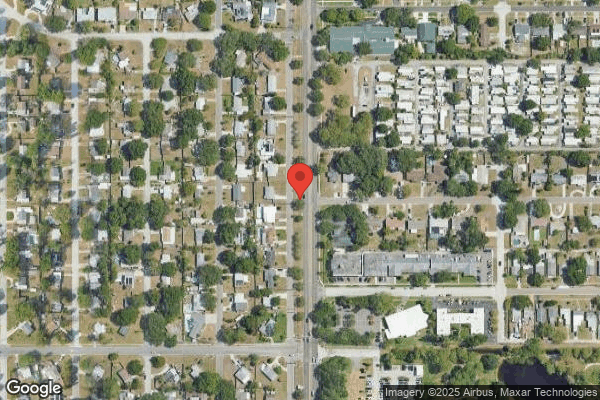
Oct 2023 8 deficiencies
CONCERN (D)

Potential for Harm - no one hurt, but risky conditions existed

Assessment Accuracy (Tag F0641)

Could have caused harm · This affected 1 resident

**NOTE- TERMS IN BRACKETS HAVE BEEN EDITED TO PROTECT CONFIDENTIALITY** Based on observation, record review and interview the facility failed to ensure the Quarterly Minimum Data Set (MDS) accurately ...

Read full inspector narrative →
**NOTE- TERMS IN BRACKETS HAVE BEEN EDITED TO PROTECT CONFIDENTIALITY** Based on observation, record review and interview the facility failed to ensure the Quarterly Minimum Data Set (MDS) accurately reflected the status of one resident (#11) of thirty four residents sampled. Findings included: Review of the admission Record for Resident #11 revealed he was admitted to the facility on [DATE] from an acute care hospital. admission diagnoses included paranoid schizophrenia, unspecified protein-calorie malnutrition, anemia, and anorexia. Review of the Quarterly MDS, dated [DATE], revealed in Section E - Behavior Resident #11 had no physical behaviors directed towards other (e.g. such as hitting, kicking, pushing, scratching, grabbing, abusing others sexually), verbal behaviors directed towards others (e.g. threatening others, screaming at others, cursing at others), or other behavioral symptoms not directed toward others such as hitting or scratching self, throwing or smearing food or bodily wastes, or verbal/vocal symptoms like screaming, disruptive sounds). Further review showed Resident #11 did not show the behavior of rejecting care. Section G - Functional Status showed the resident required total assistance with activities of daily living. Review of the Interdisciplinary Care Team progress note, dated 9/26/23, signed by Staff E, Licensed Practical Nurse/Clinical Reimbursement Specialist (LPN/CRS) showed the care plan was updated and addressed medications, weight, diet, and advanced directives. Review of the Behavior Monitoring and Interventions Report dated 8/1/2023 - 9/25/2023 revealed Resident #11 exhibited behaviors not limited to telling staff to leave his room, spitting at staff, refusing medications, meals and care, and throwing his food trays on the floor for 14 days prior to the completion of the Quarterly MDS dated [DATE]. On 10/9/2023 at 8:00 a.m. Resident #11 was observed being served his breakfast and the meal was being served in a disposable container. During an interview on 10/9/2023 at 8:20 a.m. Staff U, LPN/Unit Manager (UM) stated Resident #11 throws his dishes and is care planned for disposable dishes. During an interview on 10/10/2023 at 2:43 p.m. the Consultant Psychiatric Nurse Practitioner (NP) stated she was in discussion with her supervisor regarding the resident's behaviors of refusing care, refusing meals, refusing medications, and refusing care by staff that are persons of color. She stated a room change was done to accommodate the resident's preference for Caucasian staff. During an interview on 10/11/2023 at 8:00 a.m. Staff E, LPN/CRS stated Resident #11 has behaviors of putting staff out of the room, spitting at staff, and throwing his dishes on the floor and at staff. She also stated he does not like staff of color and prefers Caucasian staff. She also stated preference for Caucasian caregivers was not care planned. She confirmed she assists with updates to the MDS, and care plans and it was not done. During an interview on 10/11/2023 at 9:00 a.m. Staff G, Certified Nursing Assistant (CNA) stated Resident #11 has behaviors of screaming, yelling at staff, spitting at staff, and throwing his dishes. She said he has stated he does not like Black people. During an interview on 10/12/2023 at 8:00 a.m. Staff F, CNA stated Resident #11 spits at staff, throws his dishes on the floor and does not like people of color. She provides as much care as he allows, which at times is a snack or beverage. During an interview on 10/11/2023 at 1:30 p.m. Staff E, LPN/CRS stated the behavior monitoring form listed under CNA tasks in the electronic medical record revealed Resident #11 was exhibiting behaviors for the past 30 days and there was no update to the care plan post the Interdisciplinary Care Team (IDT) meeting held on 9/29/2023. She reviewed the progress notes that revealed Resident #11 was having behaviors of throwing his tray, spiting at staff, refusing meals and medications. During an interview on 10/12/2023 at 12:34 p.m. the NP stated Resident #11 had behaviors prior to admission, a room change was done where he would have more Caucasian staff to assist in care. She stated per report from staff after the room change his behaviors improved but now, they are escalating again. She also stated staff are aware of his refusal for staff of color to provide his care. She confirmed the resident had behaviors of refusing care, medications, meals, and behaviors of spitting at staff, throwing meal trays on the floor, throwing urinal and feces on the floor. During an interview on 10/12/2023 at 2:00 p.m. with the Assistant Director of Nursing (ADON) and the Social Service Director (SSD) both stated they were not aware Resident #11 was continuing to have behaviors such as spitting at staff, throwing his urinal and feces on the floor, refusing medications, and meals. Both also stated they were aware of the room change but not that it was related to the need to have more Caucasian staff. Review of the Psychiatric Periodic Evaluations, dated 8/1/2023, 8/8/2023, and 9/5/2023 completed by the Consultant NP revealed: * 8/1/2023 - this is a follow up for psychotropic medication management and assessment of mood and behaviors, plan. - Haldol gel 10 milligrams (mg)/milliliter (ml) apply 1 ml topically at 5 pm daily, - Notify practitioner of significant changes or concerns - Monitor for symptoms of exacerbation of psychiatric conditions. Also revealed, resident is at lowest effective dose of medications. * 8/8/2023 - resident continues to refuse medications, treatments, personal care which is why the Haldol was ordered in a gel, resident is only getting his meds 50% of the time therefore increasing the Haldol to twice a day and reassess medications in a week. * 9/5/2023 - resident was moved to a different hall with a higher concentration of Caucasian nurses. Plan is to continue Haldol and Risperdal, discontinue Invega Susitna as resident refuses, current meds. Staff states there has been at this time some improvement in behaviors. Review of a progress note, dated 9/7/2023 at 12:24 p.m. by Staff U, LPN/UM, revealed Resident threw lunch tray on the floor after the CNA delivered it, she asked why, and the resident did not reply. Review of a progress note, dated 9/7/2023 at 10:36 p.m. by Staff U, LPN/UM revealed Resident threw his full urinal on the floor and was observed yelling out for food. Snack provided and resident continued to yell out. Review of the Medication Administration Records from August 1, 2023 - September 26, 2023 revealed Resident #11 refused medications on 34 days. Review of the progress notes from August 1, 2023 - September 2023 documented behaviors of refusing medications, refusing meals, inappropriate display of behaviors to staff, refusing care, screaming, and yelling. Review of the policy and procedure titled, Resident Assessment Instrument: MDS Completion by Discipline, dated October 2023, revealed social services is responsible for sections; cognitive patterns, mood, behavior; nursing is responsible for functional status. Nursing is responsible for completion and signature. Review of policy and procedure titled, Care Plan - Interdisciplinary Plan of Care from Interim to Meeting, effective March 2017 and revised September 2023, revealed: Policy: The facility shall support that each resident must receive, and the facility must provide the necessary care and services to attain or maintain the highest practicable physical, mental, and psychosocial wellbeing, in accordance with the comprehensive assessment and plan of care. Procedure: 2. Daily updates to care plans are added by a member of the IDT at the time the change is implemented, the intervention is needed, or other care plan revision is indicated. Accuracy of the care plan is validated by the IDT during the daily clinical meeting. 3. Dates and documentation on the care plan a. New, revised, or discontinued Problems, Goals or Interventions are dated for the date the documentation is made. b. Problems and Goals have IDT approaches and Interventions to assist the resident in their goal attainment. 5. Comprehensive Plan of Care b. The comprehensive care plan describes or includes: i. The services that are to be furnished and goals that reflect the Resident's wishes, choices and exercise of rights. ii. Any services that would normally be provided, but are not provided due to the resident's exercise of rights including the right o refuse treatment and any alternative means or options to address the problem. iii. The needs, strengths and preferences identified in the comprehensive resident assessment. iv. Prevention of avoidable declines in functioning or functional levels. v. Standards of current professional practice. vi. Adequate information provided to make informed choices regarding treatment. 6. Quarterly Update of the Plan of Care b. The IDT members make a quarterly care plan review note within the designated disciplines progress notes that includes; i. If goals are met or unmet. ii. If care plan will remain in effect for the resident. 8. Care Plan Meeting g. Nursing i. Review current diagnosis, tests or procedures, treatments (wounds, rashes, etc.), discuss current interventions and risk of further breakdown if applicable, recent or pending referrals, Physician Consults, Restorative, medications, pain management plan, behavioral management plan, special needs, risk of falls and current interventions . i. Social Services i. Review any changes needed to face sheet information .mental health, recent changes in cognition, behaviors and socialization and approaches .that may need to be addressed.
CONCERN (D)

Potential for Harm - no one hurt, but risky conditions existed

Deficiency F0657 (Tag F0657)

Could have caused harm · This affected 1 resident

**NOTE- TERMS IN BRACKETS HAVE BEEN EDITED TO PROTECT CONFIDENTIALITY** 2. Review of the admission Record for Resident #11 revealed he was admitted to the facility on [DATE] from an acute care hospita...

Read full inspector narrative →
**NOTE- TERMS IN BRACKETS HAVE BEEN EDITED TO PROTECT CONFIDENTIALITY** 2. Review of the admission Record for Resident #11 revealed he was admitted to the facility on [DATE] from an acute care hospital. admission diagnoses included paranoid schizophrenia. On 10/9/2023 at 8:00 a.m. Resident #11 was observed being served his breakfast by Staff E, Licensed Practical Nurse/Clinical Reimbursement Specialist (LPN/CRS) and the meal was being served in a disposable container. Review of the Quarterly Minimum Data Set (MDS), dated [DATE], revealed in Section E - Behavior Resident #11 had no physical behaviors directed towards other (e.g. such as hitting, kicking, pushing, scratching, grabbing, abusing others sexually), verbal behaviors directed towards others (e.g. threatening others, screaming at others, cursing at others), or other behavioral symptoms not directed toward others such as hitting or scratching self, throwing or smearing food or bodily wastes, or verbal/vocal symptoms like screaming, disruptive sounds). Further review showed Resident #11 did not show the behavior of rejecting care. Section G - Functional Status showed the resident required total assistance with activities of daily living. Review of Resident #11's care plan, initiated 12/23/2021 and revised 10/6/2023, revealed a Focus area related to Behavior: The resident is noted with the following behaviors: Delusional thinks he is a female, thinks he has a vagina, thinks he gave birth to a daughter, thinks his brother poisoned him and so he will only eat certain foods at times, fabricates stories related to (r/t) care and services. Only wants to be shaved once a year, prefers a beard. Refuses medication, care, blood glucose and food at times. Pushes plates off tray and breaks them. Paper products put in place. Resident will throw his urinal with urine in it on the floor. Will urinate on the floor at times and will throw soiled brief on the floor. Hit, spit at staff resist care. Will put stool on the floor. Will remove his clothing, prefers to only wear brief or gown. During an interview on 10/10/2023 at 10:15 a.m. with Staff I, Certified Nursing Assistant (CNA) she stated she was not providing all care to Resident #11 today. She stated he does not like us, so other staff provide his care. I do answer his call light and get what he needs as he allows. During an interview on 10/11/2023 at 8:00 a.m. Staff E, LPN/CRS stated Resident #11 has behaviors of putting staff out of the room, spitting at staff, and throwing his dishes on the floor and at staff. She also stated he does not like staff of color and prefers Caucasian staff. She also stated preference for Caucasian caregivers was not care planned. She confirmed she assists with updates to the MDS, and care plans and it was not done. During an interview on 10/11/2023 at 9:00 a.m. Staff G, Certified Nursing Assistant (CNA) stated Resident #11 has behaviors of screaming, yelling at staff, spitting at staff, and throwing his dishes. She said he has stated he does not like Black people. During an interview on 10/12/2023 at 8:00 a.m. Staff F, CNA stated Resident #11 spits at staff, throws his dishes on the floor and does not like people of color. She provides as much care as he allows, which at times is a snack or beverage. Review of the Interdisciplinary Team (IDT) progress note, dated 9/26/23, signed by Staff E, LPN/CRS showed the care plan was updated and addressed medications, weight, diet, and advanced directives. There was no evidence the resident's room was changed to a different hall with a higher concentration of Caucasian nurses or the resident preference not to have caregivers that are people of color. During an interview on 10/11/2023 at 1:30 p.m. Staff E, LPN/CRS stated the behavior monitoring form listed under CNA tasks in the electronic medical record revealed Resident #11 was exhibiting behaviors for the past 30 days and there was no update to the care plan post the Interdisciplinary Care Team (IDT) meeting held on 9/29/2023. She reviewed the progress notes that revealed Resident #11 was having behaviors of throwing his tray, spiting at staff, refusing meals and medications. Review of the Psychiatric Periodic Evaluation 9/5/2023 completed by the Consultant Psychiatric Nurse Practitioner (NP) revealed: resident was moved to a different hall with a higher concentration of Caucasian nurses. Plan is to continue Haldol and Risperdal, discontinue Invega Susitna as resident refuses, current meds. Staff states there has been at this time some improvement in behaviors. During an interview on 10/12/2023 at 12:34 p.m. the NP stated Resident #11 had behaviors prior to admission, a room change was done where he would have more Caucasian staff to assist in care. She stated per report from staff after the room change his behaviors improved but now, they are escalating again. She also stated staff are aware of his refusal for staff of color to provide his care. She confirmed the resident had behaviors of refusing care, medications, meals, and behaviors of spitting at staff, throwing meal trays on the floor, throwing urinal and feces on the floor. During an interview on 10/12/2023 at 2:00 p.m. with the Assistant Director of Nursing (ADON) and the Social Service Director (SSD) both stated they were not aware Resident #11 was continuing to have behaviors such as spitting at staff, throwing his urinal and feces on the floor, refusing medications, and meals. Both also stated they were aware of the room change but not that it was related to the need to have more Caucasian staff. Review of policy and procedure titled, Care Plan - Interdisciplinary Plan of Care from Interim to Meeting, effective March 2017 and revised September 2023, revealed: Policy: The facility shall support that each resident must receive, and the facility must provide the necessary care and services to attain or maintain the highest practicable physical, mental, and psychosocial wellbeing, in accordance with the comprehensive assessment and plan of care. Procedure: 2. Daily updates to care plans are added by a member of the IDT at the time the change is implemented, the intervention is needed, or other care plan revision is indicated. Accuracy of the care plan is validated by the IDT during the daily clinical meeting. 3. Dates and documentation on the care plan a. New, revised, or discontinued Problems, Goals or Interventions are dated for the date the documentation is made. b. Problems and Goals have IDT approaches and Interventions to assist the resident in their goal attainment. 5. Comprehensive Plan of Care b. The comprehensive care plan describes or includes: i. The services that are to be furnished and goals that reflect the Resident's wishes, choices and exercise of rights. ii. Any services that would normally be provided, but are not provided due to the resident's exercise of rights including the right o refuse treatment and any alternative means or options to address the problem. iii. The needs, strengths and preferences identified in the comprehensive resident assessment. iv. Prevention of avoidable declines in functioning or functional levels. v. Standards of current professional practice. vi. Adequate information provided to make informed choices regarding treatment. 6. Quarterly Update of the Plan of Care. b. The IDT members make a quarterly care plan review note within the designated disciplines progress notes that includes; i. If goals are met or unmet. ii. If care plan will remain in effect for the resident. 8. Care Plan Meeting g. Nursing i. Review current diagnosis, tests or procedures, treatments (wounds, rashes, etc.), discuss current interventions and risk of further breakdown if applicable, recent or pending referrals, Physician Consults, Restorative, medications, pain management plan, behavioral management plan, special needs, risk of falls and current interventions . i. Social Services i. Review any changes needed to face sheet information .mental health, recent changes in cognition, behaviors and socialization and approaches .that may need to be addressed. Based on observation, record review and interview the facility failed to revise the individual comprehensive care plans for two residents (#77 and #11) out of 34 sampled residents. Findings included: 1. Review of Resident #77's admission Record showed Resident #77 was admitted to the facility on [DATE] with a diagnosis of Type 2 Diabetes without complications. A review of the active October 2023 physician orders for Resident #77 showed a physician order dated 07/13/23 as, Insulin Lispro Solution 100 UNIT/[milliliter] ML inject 5 unit subcutaneously before meals for diabetes mellitus. A second physician order dated 08/11/23 showed, Accu-check per order related to diabetic monitoring of Hypo/Hyperglycemia activity. as needed for hyper/hypoglycemia. A review of the comprehensive care plan showed a focus of DIABETES MELLITUS: [Resident #77] has diabetes Mellitus as evidence by: Type 2 Diabetes. The goals showed, Minimize effects of Hypoglycemia and Hyperglycemia and monitor for diabetic complications. The Interventions showed, Blood glucose Monitoring as ordered (Refer to order for current orders- Before Breakfast 70-105 mg/dl [milligram/deciliter], Before lunch or dinner: 70-110 mg/dl, One hour after meals: less than 160 mg/dl. two hours after meals: Less than 120 mg/dl, Between 2-4 AM: Greater than 70 mg/dl, For blood glucose less than 70 administer food or glucose per manufacturers recommendations and notify MD(medical doctor) date initiated 09/09/2020 and May Obtain Blood Glucose as needed for symptoms of Hypo/Hyperglycemia and notify MD, date initiated 09/09/20. Review of the Annual Minimum Data Set (MDS), dated [DATE], showed in Section C - Cognitive Patterns Resident #77 had a Brief Interview for Mental Status (BIMS) of 14 (cognitively intact). During an interview on 10/11/23 at 2:03 p.m. Resident #77 confirmed the diagnosis of Type II Diabetes and stated staff did not check her blood sugars on a regular basis. Resident #77 stated staff did administer insulin before every meal. Review of Resident #77's Medication Administration Record for October 2023 showed Resident #77 was administered Insulin Lispro Solution 100 units/ml three times a day before meals from 10/01/23-10/11/2023. The October 2023 MAR showed Resident #77 had no Accu-checks administered for the dates 10/01/23-10/22/23. Review of Resident #77's vitals page showed Resident #77's last Accu-check was administered on 07/07/23. During an interview on 10/11/23 at 3:22 p.m., Staff K, Licensed Practical Nurse (LPN) stated Resident #77 had controlled diabetes so staff did not do regular Accu-checks on Resident #77. Staff K, LPN stated Resident #77 had routine scheduled insulin only. Staff K, LPN stated Resident #77 was alert and oriented and could tell staff if she felt bad. Staff K stated Resident #77 had not had an order for scheduled Accu-checks for blood sugars in over a year. During an interview on 10/12/23 at 11:12 a.m. the Director of Nursing (DON) reviewed Resident #77's care planned intervention that showed, Blood glucose Monitoring as ordered (Refer to order for current orders- Before Breakfast 70-105 mg/dl, Before lunch or dinner: 70-110 mg/dl, One hour after meals: less than 160 mg/dl. two hours after meals: Less than 120 mg/dl, Between 2-4 AM: Greater than 70 mg/dl, For blood glucose less than 70 administer food or glucose per manufactures recommendations and notify MD with initiated date 09/09/2020. The DON stated, we would refer to the current order dated 08/11/23, Accu-check per order related to diabetic monitoring of Hypo/Hyperglycemia activity. as needed for hyper/hypoglycemia. The DON confirmed the intervention did show blood glucose ranges but stated that may just be an auto filled response to the care plan. The DON stated she would have to find out for sure from Staff H, Registered Nurse (RN)/Clinical Reimbursement Director (CRD). The DON stated, If the PRN [as needed] blood glucose order ever gets discontinued, we would go by the blood glucose range in the first intervention. During an interview on 10/12/23 11:25 a.m. Staff H,RN/CRD stated interventions on care plans were not physician orders. Staff H, RN stated the blood sugar ranges noted in Resident #77's comprehensive care plan interventions were not physician orders and could be disregarded as the intervention stated, blood glucose monitoring as ordered. Staff H stated she did not see any reason to revise the care plan because it said to refer to the current order and that would be what would be followed for treatment.
CONCERN (D)

Potential for Harm - no one hurt, but risky conditions existed

Quality of Care (Tag F0684)

Could have caused harm · This affected 1 resident

**NOTE- TERMS IN BRACKETS HAVE BEEN EDITED TO PROTECT CONFIDENTIALITY** Based on observations, interviews and record review the facility failed to provide care and treatment services in accordance wit...

Read full inspector narrative →
**NOTE- TERMS IN BRACKETS HAVE BEEN EDITED TO PROTECT CONFIDENTIALITY** Based on observations, interviews and record review the facility failed to provide care and treatment services in accordance with professional standards of practice as evidenced by not ensuring an acute skin condition was assessed for one resident (#9) of four residents sampled. Findings included: During an interview on 10/9/2023 at 10:00 a.m. Resident #9 said she has been telling her CNAs (certified nursing assistants) and nurses since last week that she has been having pain on her left side near her abdomen and no one has addressed her about it to stop the pain. She said they just continue to ignore her and yell at her when she asks them for assistance. On 10/10/2023 at 10:37 a.m. Resident #9 stated she has been complaining about a sore on her side that has been very painful. On 10/10/2023 at 4:00 p.m. Resident #9 was observed laying down in her bed and she stated she was still having pain on her left side. Review of the admission Record revealed Resident #9 was admitted to the facility on [DATE], with diagnoses to include unspecified open wound to the right lower leg, sequela, and Type 2 diabetes mellitus without complications. Review of the Annual Minimum Data Set, dated [DATE], Section C- Cognitive Patterns revealed the Brief Interview for Mental Status score of 15, indicating the resident was cognitively intact. During an interview on 10/11/2023 at 1:28 p.m. Staff Q, CNA said Resident #9 reported to her last week that she was having pain on her left side, and she reported what the resident told her to Staff N, Registered Nurse (RN) last week. Staff Q said, [Resident #9] is always complaining about something. Review of a form titled, Skin Check Weekly & PRN [as needed], with an effective date of 09/28/2023, revealed no new areas of skin impairment. Review of a form titled, Skin Check Weekly & PRN, with an effective date of effective date of 10/05/2023, revealed no new areas of skin impairment. During an interview on 10/12/2023 at 9:11 a.m. Staff N, RN said Resident #9 had recently taken the flu shot, and she had complained to him about soreness in her left arm last week. He offered her a pain pill and said, You just need to work out your arms, but she refused to take the pain pill. Staff N said he did not feel he needed to do a skin assessment or document Resident #9 refusing her pain medication because he knows that her discomfort was from the flu shot. During an interview on 10/12/2023 at 8:55 a.m. the Director of Nursing (DON) said skin assessments are carried out once a week. The DON said a skin assessment and a change of condition should have been carried out as soon as Resident #9 told a nurse that she was experiencing pain and had a sore on her side, and the nurse should have notified the doctor about the resident's condition. The DON said the Nurse Practitioner came yesterday to see Resident #9 but they do not have any documentation regarding the visit and the nurse did not document the visit. During an interview on 10/12/2023 at 9:00 a.m. Resident #9 said the Nurse Practitioner conducted an evaluation on her yesterday and told her that she needs to see a dermatologist as soon as possible before the areas on her skin gets infected. Review of the facility policy titled, Weekly and prn Skin Check, effective date October 2021, revealed, The Weekly and PRN Skin Check is used to document skin condition throughout the Resident/Patient's stay in the facility. The nurse will conduct weekly skin check and /or a PRN check when applicable as a proactive measure to identify impairment or suspected impairment timely to reduce the risk of further decline in skin integrity. 1. Once a week and when an area of skin impairment is reported the skin check should be documented on the Weekly & PRN Skin Check documentation tool. If a new area is identified the appropriate skin grid should be initiated within 8 hours.
CONCERN (D) 📢 Someone Reported This

A family member, employee, or ombudsman was alarmed enough to file a formal complaint

Potential for Harm - no one hurt, but risky conditions existed

Respiratory Care (Tag F0695)

Could have caused harm · This affected 1 resident

**NOTE- TERMS IN BRACKETS HAVE BEEN EDITED TO PROTECT CONFIDENTIALITY** Based on observations, interviews, and record reviews the facility failed to maintain one resident's (#102) tracheotomy in a cle...

Read full inspector narrative →
**NOTE- TERMS IN BRACKETS HAVE BEEN EDITED TO PROTECT CONFIDENTIALITY** Based on observations, interviews, and record reviews the facility failed to maintain one resident's (#102) tracheotomy in a clean, sanitary manner of one sampled resident with a tracheotomy. Findings included: On 10/10/23 at 10:00 a.m. an observation of Resident #102's tracheostomy's (trach) revealed the inner cannula had a dried brown/tan colored substance around the entire rim of it, the oxygen trach mask was located toward the resident's shoulder and had brown/tan colored smudges, the green elastic mask tie had the same colored dried substance on it, and the padded trach collar was discolored with a tan and darkish brown substance on it. The resident's skin around the whitish colored split gauze under the trach appeared to be reddened. The suction canister, located on the nearby dresser had approximately 2 of an opaque white watery liquid in it. The Assistant Director of Nursing (ADON) viewed the resident, attempted to move the trach mask, and the resident began swinging their arms. The ADON confirmed the trach collar and cannula was dirty and the resident was not a heavy suctioner. A white bordered, undated dressing was observed on Resident #102's left upper arm, which the ADON stated looked like an old IV (intravenous) site. The resident's oral cavity was observed dry and with light tan patches on tongue. During an interview on 10/10/23 at 10:22 a.m. Staff R, Registered Nurse/Unit Manager (RN/UM) reported speaking with the ADON regarding Resident #102's trach site and how she had attempted to clean it a little bit this morning but the resident had resisted. Staff R confirmed the trach had not been changed last night by the looks of it and stated, No it wasn't. On 10/10/23 at 2:22 p.m. an observation was conducted with the Respiratory Therapist (RT), ADON, and Staff N, RN of Resident #102. The resident appeared to be agitated, saying ah, ah, ah and swinging arms while observed from the hallway. The ADON reported the resident had been previously medicated and was waiting for it kick in. The RT reported only changing the trach, staff changed the cannulas and tubing. An observation of the oxygen equipment was made with the ADON and showed the humidifying bottle had a scant amount of water in it. Staff N was holding the trach mask to cannula while the RT received an oxygen saturation of 91%. The RT stated the substance (attached to inner cannula and ties) looks like secretions and the resident has had a variable amount of secretions. The RT changed the trach, inner cannula and tie, washing the resident's chest resulting in a heightened reddened area. The RT observed the removed inner cannula and admitted it did not look like it got changed last night. The inner cannula tube had a yellowish-cream substance in it. The RT reported the resident has been prone to pneumonia in the past. An observation was conducted on 10/11/23 at 6:00 a.m. of Staff T, Licensed Practical Nurse (LPN) completing trach care for Resident #102 while assisted by Staff N, RN and the Director of Nursing (DON). Staff T, LPN confirmed the resident was receiving 6 liters per minute (lpm) of oxygen. The observation identified the split gauze under the resident's trach was colored with brownish/cream-colored substance and the end of the inner cannula was stained with the same colored substance. During the treatment the resident became agitated. The DON reported to the ADON, who had arrived, the resident was having heavy secretions. Staff T, LPN cleaned the area around the trach with sweetened gauze, placed new ties, and applied a split gauze under trach. The suction container on the resident's dresser held approximately 200 mL (milliliters) of a creamy non-frothy liquid. The resident coughed and frothy cream-colored liquid was observed in the inner cannula. The Regional Nurse Consultant (RNC) reported on 10/11/23 at 7:54 a.m., of observing Resident #102's tracheostomy yesterday (10/10/23). The RNC stated education had begun on trach care. A review of Resident #102's admission Record revealed the resident was readmitted on [DATE]. The record included diagnoses not limited to unspecified respiratory failure unspecified whether with hypoxia or hypercapnia, unspecified chronic obstructive pulmonary disease, and unspecified encephalopathy. A review of the October 2023 Order Summary Report for Resident #102 included the following physician orders: - Change suction canister every 72 hours and/or when three quarter full as needed (start date,10/5/23). - Change suction canister every 72 hours and/or when three quarter full, every night shift every three days (start date, 10/5/23). - Change trach collar, mask, and oxygen weekly as well as needed (PRN). (start date 10/6/23) - Change trach collar, mask, and oxygen weekly as well as PRN every night shift every Friday (Fri), Sunday (Sun) for a preventive measure. (start date, 10/6/23) - Humidified oxygen per trach continuously 4 liters every shift for shortness of breath (start date, 10/10/23). -Trach: Suction trach, post record amount of secretions characteristics of secretion: (Color, Odor, Viscosity), Lung sounds, heart rate (HR), respirations, and tolerance as needed for preventive measure (start date, 10/5/23). - Tracheostomy Type: [name brand] size 8 Trach care daily and as needed. Cleanse tracheotomy site with normal saline (and) pat dry. Change inner cannula, cover with drain sponge daily, and as needed for trach care (start date, 10/6/23). - Tracheostomy Type: [NAME] size 8 Trach care daily and as needed. Cleanse tracheotomy site with normal saline (and) pat dry. Change inner cannula, cover with drain sponge daily, and as needed, every night shift for trach care (start date, 10/6/23). A review of Resident #102's Treatment Administration Record (TAR) for October 2023 revealed the resident's inner cannula and drain sponge was changed on the night shift of 10/6, 10/7, 10/8, and 10/9/23. The TAR did not identify the resident's trach collar or mask had been changed as needed despite the observed soiling on 10/10/23. The TAR did not reveal Resident #102's inner cannula had been changed or the area had been cleaned as needed and did not identify the resident had received suctioning with record of the characteristics of the secretions prior to the observation of the resident on 10/10/23. The care plan for Resident #102 included a focus identifying the resident had a Tracheostomy with a history of respiratory failure, hypoxia, and pneumonia. The resident's goal was documented as the resident would have no signs/symptoms (s/sx) of infection through the review date and would have no abnormal drainage around trach site through the review date of 12/11/23. The interventions instructed staff to monitor/document restlessness, agitation, confusion, increased heart rate (Tachycardia), and bradycardia. The request for the facility's policy for Tracheostomy care resulted in receiving a copy of Tracheostomy Suctioning Competency Skills Checklist and Tracheostomy Care Competency Skills Checklist. The Skills checklist instructed staff: - If applicable due to soiling replace trach ties before using flanges, one side at a time keeping the trach secure. Ties should be no more than one to two finger space (s) between tie and the residence neck. - Document procedure and all observations. On 10/12/23 at 3:44 p.m. the Director of Nursing (DON) stated the expectation (for trach care) was if visually dirty for staff to change it out. The DON reported sometimes the facility has residents who have a large amount of sputum but for staff to clean the area and the facility encourages residents to cough instead of suctioning.
CONCERN (D)

Potential for Harm - no one hurt, but risky conditions existed

Unnecessary Medications (Tag F0759)

Could have caused harm · This affected 1 resident

Based on observations, record reviews, and interviews the facility failed to ensure that the medication error rate was less than 5.00%. Twenty-eight medication administration opportunities were observ...

Read full inspector narrative →
Based on observations, record reviews, and interviews the facility failed to ensure that the medication error rate was less than 5.00%. Twenty-eight medication administration opportunities were observed and two errors were identified for two residents (#59 and #14) of six residents observed. These errors constituted a 7.14% medication error rate. Findings included: 1. On 10/10/23 at 8:15 a.m., an observation of medication administration with Staff K, Licensed Practical Nurse (LPN) was conducted with Resident #59. Staff K dispensed the following medications: - Metformin 1000 milligram (mg) tablet - Buspirone 10 mg tablet - Fludrocortisone 0.1 mg tablet - Lisinopril 20 mg tablet - Celecoxib 100 mg capsule - Potassium Chloride Extended Release 20 milliequivalent tablet - Zoloft 50 mg tablet. Immediately following the dispensing of the medications and prior to entering the resident room to administer them Staff K confirmed seven tablets/capsules had been dispensed. A review of Resident #59's Medication Administration Record (MAR) for October 2023 identified the resident was to receive Pristiq 100 mg Extended Release tablet at 9:00 a.m., the same scheduled time as the above medications. The MAR revealed Staff K documented the resident had received the scheduled 9:00 a.m. dose of Pristiq. The Medication Administration Audit Report identified Staff K documented Pristiq was administered at 8:24 a.m. and documented at 8:31 a.m., along with the observed medications. 2. On 10/10/23 at 8:25 a.m. an observation of medication administration with Staff R, Registered Nurse/Unit Manager (RN/UM) was conducted with Resident #14. The staff member dispensed the following medications: - Aspirin chewable 81 mg tablet over-the counter (otc) - Divalproex Sodium Delayed Release 500 mg tablet - Cymbalta 20 mg DR capsule - Ferrous Sulfate 325 mg tablet otc - Fludrocortisone 0.1 mg tablet - Levetiracetam 1000 mg tablet - Memantine Hydrochloride 10 mg tablet - Lactulose 10 gram/ 15 milliliter (gm/mL) - 30 mL liquid - Acetaminophen 325 mg tablet otc. Immediately following the dispensing and prior to entering Resident #14's room, Staff R confirmed eight tablets/capsules and one liquid (medication) had been dispensed. The staff member entered the resident's room and administered the medications. A review of Resident #14's Medication Administration Record (MAR) for October 2023 revealed a physician order for Acetaminophen 325 mg - Give 2 tablets by mouth every 6 hours as needed for pain. The MAR identified Staff R dispensed Acetaminophen 2 tablets for the resident at 8:30 a.m. on 10/10/23. The observation identified Staff R, RN dispensed 1 tablet of Acetaminophen. The policy titled, Medication Administration General Guidelines, dated 09/18, showed Medications are administered as prescribed in accordance with manufacturers' specifications, good nursing principles and practices, and only by the persons legally authorized to do so. Personnel authorized to administer medications do so only after they are familiarized themselves with the medication. The Medication Administration and Documentation procedures included: - Medications are administered in accordance with written orders of the prescriber. - The individual who administers the medication dose, records the administration on the residents MAR immediately following the medication being given. On 10/12/23 at 3:29 p.m. the Director of Nursing stated the expectation was that medications be given as ordered by the provider.
CONCERN (D)

Potential for Harm - no one hurt, but risky conditions existed

Menu Adequacy (Tag F0803)

Could have caused harm · This affected 1 resident

**NOTE- TERMS IN BRACKETS HAVE BEEN EDITED TO PROTECT CONFIDENTIALITY** Based on observations, record review and staff interviews, the facility failed to ensure one resident (#92) of thirty four sampl...

Read full inspector narrative →
**NOTE- TERMS IN BRACKETS HAVE BEEN EDITED TO PROTECT CONFIDENTIALITY** Based on observations, record review and staff interviews, the facility failed to ensure one resident (#92) of thirty four sampled residents received a breakfast meal tray as ordered to meet nutritional needs during one meal (10/10/2023) of three meals observed. Findings included: Resident #92 resides in the dementia unit of the facility and requires continual supervision. On 10/10/2023 at 8:00 a.m. Resident #92 was observed in her room, seated in a chair, and had just received her breakfast meal tray from Staff D, Certified Nursing Assistant (CNA). Staff D placed the tray on the over the bed table and set it up for Resident #92 to start eating. Staff D, CNA sat down next to the resident and attempted to assist with her meal. Resident #92 got up and began to ambulate around the room. Staff D attempted to coerce Resident #92 to sit and eat but the resident continued to walk away. An interview was conducted with Staff D, CNA on 10/10/2023 at 8:00 a.m. Staff D provided the meal ticket for review which and revealed the following: 10/10/2023 Breakfast - Regular Diet, Regular Texture, Large Portions to include: 1 Hard Boiled Egg, 2 oz. (ounces) Ham, 6 oz. Fortified Oatmeal, 1 Blueberry Muffin, 4 oz. Juice, 8 oz. coffee, 8 oz. 2% milk. Observation of the meal tray showed the following: 1 Hard Boiled egg, 1small slice of breakfast ham, 1 blueberry muffin, 6 oz. Fortified Oatmeal, 1 ice cream cup, and 8 oz. carton of whole milk. Resident #92 did not receive the large portioned meal, or the 2% milk. Photographic evidence was taken. Staff D confirmed the resident had not received a large portion of meat and received whole milk instead of 2% milk. She stated she would notify the kitchen of the error. She stated she should have reviewed the slip better when setting up the tray for Resident #92. On 10/10/2023 at 8:16 a.m. the Dietary Manager (DM) arrived on the 300 unit and presented a new breakfast tray for Resident #92. He stated the tray was just brought up from the kitchen with the correct diet order for Resident #92. He stated Resident #92 should not have received whole milk and she should have received large portions for breakfast which included two hard boiled eggs not one. The tray consisted of a large portion of scrambled eggs, a slice of ham, and a 2% carton of milk. The DM stated it is the cook and the line aide's responsibility to review the tickets prior to plating and both should have ensured the resident received the appropriate diet order. He stated it was his responsibility to routinely audit the meal tickets to ensure residents are receiving the right order and receiving their preferences. The DM stated staff on the 300 hall should also check the meal tickets when taking the tray out from the tray cart. On 10/11/2023 at 11:00 a.m. an interview with the 300 Unit Manager revealed she normally reviews all the meal tickets when the tray cart arrives on the floor, and she does not let the aides take the trays unless the trays are checked against the meal ticket. She revealed she was not available during the breakfast meal service on 10/10/2023 and did not know if there was a nurse supervisor reviewing the meal tickets. She stated all floor staff are trained and in-serviced to make sure they review the meal tickets and ensure the meal trays reflect what is on the tickets. A review of Resident #92's medical record revealed she was admitted to the facility on [DATE], with a diagnoses to include but not limited to: Encephalopathy, Convulsions, Anemia, Altered Mental Status, Schizophrenia, Major Depression, and Dementia. A review of the Advance Directives revealed the resident had a Power of Attorney to make her medical and financial decisions. A review of the weight log for Resident #92 revealed she had recent weight loss to from 7/6/2023 at 80 lbs. to 8/7/2023 at 74 lbs. Resident #92 had a history of losing weight, and a history of poor eating consumption. A review of the current Physician's Order Sheet for the month of 10/2023, revealed the following: 1. Medpass QID (four times a day) 1 carton PO (by mouth) as supplement. 2. Regular Diet, Regular texture, Regular thin liquid - Fortified Foods, large entrees with meals. A review of the Quarterly Minimum Data Set (MDS), dated [DATE], revealed the following: Section C: Cognition-Brief Interview Mental Score (BIMS) score - 1 of 15, which indicated severe cognitive impairment. Section G: Functional Abilities-Activities of Daily Living (ADL) - EATING = Extensive Assistance with one-person physical assistance; Nutrition - Has had 5% or 10% wt. loss last 6 months. A review of the Nutritional Risk Evaluation, dated 8/22/2023, revealed the following; Regular Diet, Regular texture, thin liquid, large entrees. Supplement to include Fortified foods with meals, magic cup, mighty shake with meals, med pass 1 carton QID. A review of the Nutritional Risk Evaluation, dated 9/19/2023, revealed the following: Regular Diet, Regular texture, thin liquid, large entrees. Supplement to include Fortified foods with meals, magic cup, mighty shake with meals, med pass 1 carton QID. A review of the comprehensive care plan, next review date 1/30/2024, revealed the following problem areas: (a.) Has a nutritional problem or potential nutrition problem related to diagnoses Altered Mental Status, Dementia, Catatonic disorder, Increased activity level due to excessive ambulation, History of significant weight changes, BMI underweight category with interventions in place to include: Assist with meals as need, Fortified Foods, Weights as indicated, Allow adequate time to eat, Diet as ordered, Fluids as ordered, Offer substitutes if refusal. (b.) ADL - Resident has an ADL self-care performance deficit Assist for thoroughness, weakness, may require more assistance than allowing staff to render, with interventions in place to include EATING = Supervision, EATING = Assist of 1 as need. On 10/11/2023 at 1:40 p.m. an interview with the Registered Dietician (RD) and the Dietary Manager revealed Resident #92 had a current diet order to include Regular Diet, Regular consistency texture, and Regular thin liquids. They stated the resident was to receive a fortified diet to include large portions/entrees for all three meals. The Dietician stated Resident #92 has been ordered and receiving several other dietary supplements to include a magic up, Medpass, and other types of snacks to help increase her weight. The Dietician revealed Resident #92 had slowly been increasing her weight but has found its hard to keep the resident seated for a period of time to eat her meals as she is constantly up and walking around. The Dietician confirmed direct care staff are to assist her with her meals and to ensure she is consuming most to all of her meals. The Dietician and the Dietary Manager confirmed Resident #92 had received the wrong meal after viewing the photographic evidence. The Dietician stated the diet order/meal ticket is to include the type of diet, consistency of the food items, list of food items to receive, and if large portions or not, and any other pertinent information so the cook and dietary aides can ensure the resident receives the appropriate diet and food items. The Dietician confirmed both the line cook and the dietary aide plating should be reviewing each diet/meal ticket to ensure all residents receive what is ordered. The Dietary Manager confirmed when the tray cart arrives on the floor or in the dining room, there should be supervisory staff to review each tray and meal ticket to make sure the residents receive the correct meal. On 10/12/2023 at 3:00 p.m. the Nursing Home Administrator (NHA) provided the facility's policy titled Care Plan - Interdisciplinary Plan of Care from Interim to Meeting, revision date September 2023, which revealed the following: Policy: The facility shall support that each resident must receive, and the facility must provide the necessary care and services to attain or maintain the highest practicable physical, mental, and psychosocial well-being, in accordance with the comprehensive assessment and plan of care. The facility shall assess and address care issues that are relevant to individual residents, to include, but may not be limited to monitoring resident condition and responding with appropriate interventions. The comprehensive care plan is an interdisciplinary communication tool. It includes measurable objectives and time frames and describes the services that are to be furnished to attain or maintain the resident's highest practicable physical, mental, and psychosocial well-being. The care plan is reviewed and revised periodically, and the services provided or arranged are consistent with each resident's written plan of care. The overall care plan should be oriented towards: Addressing ways to try to preserve and build upon a resident's strengths, needs, personal and cultural preferences. Applying current standards of practice in the care planning process. Evaluating treatment of measurable objectives, timetables and outcomes of care, Involving the resident to have a role in care planning even if adjudged incompetent, and the resident's family and/or other resident representatives as appropriate to participate in the development and implementation of his/her person-centered plan of care.
CONCERN (E)

Potential for Harm - no one hurt, but risky conditions existed

Incontinence Care (Tag F0690)

Could have caused harm · This affected multiple residents

**NOTE- TERMS IN BRACKETS HAVE BEEN EDITED TO PROTECT CONFIDENTIALITY** Based on observations, record reviews, and interviews the facility failed to ensure the urinary drainage bag for one resident (#...

Read full inspector narrative →
**NOTE- TERMS IN BRACKETS HAVE BEEN EDITED TO PROTECT CONFIDENTIALITY** Based on observations, record reviews, and interviews the facility failed to ensure the urinary drainage bag for one resident (#66) was maintained in a manner that allowed for urine to drain via gravity into the drainage bag and failed to store the urinary catheter tubing and drainage bag in a sanitary manner for one resident (#102) out of four residents with urinary catheters. Findings included: 1. On 10/9/23 at 8:04 a.m. Resident #66 was observed sitting in a wheelchair. The resident's urinary catheter tubing was observed leaving the left leg hole of above-the-knee green shorts. The tubing hung down and then back up to a drainage bag attached to a metal plate located approximately 2 below the wheelchair's armrest. The resident's urine appeared to be thin consistency, milky-colored. On 10/9/23 at 10:41 a.m. Resident #66 was observed sitting in a wheelchair with the urinary drainage bag hanging from the metal plate below the left armrest of the wheelchair, approximately level with the resident's bladder. Resident #66 was observed, on 10/9/23 at 12:09 p.m. sitting in a wheelchair with a urinary drainage bag attached to the metal plate approximately 2 below the left armrest and appeared to be at the same level with the resident's bladder. On 10/10/23 at 1:30 p.m. Resident #66 was observed sitting in a wheelchair with a urinary drainage bag hanging from the left side of the wheelchair on a metal plate directly below the armrest. On 10/11/23 at 9:08 a.m. Resident #66 was observed with a small (leg) urinary drainage bag under the left thigh and appeared to be sitting on it. On 10/11/23 at 11:45 a.m. an observation was made of Resident #66 sitting in a wheelchair with a small urine drainage bag sitting on top of the resident's right leg. An interview was conducted on 10/11/23 at 12:14 p.m. with Staff J, Registered Nurse and the Assistant Director of Nursing (ADON) regarding the appropriate placement of a urinary drainage bag. Staff J stated they change Resident #66's drainage bag to a smaller leg bag while out of bed. The staff members observed the leg bag sitting on top of the resident's right leg. The ADON confirmed the drainage bag should be in a lower position to allow for drainage. Staff J, RN lowered the drainage bag to below the resident's right knee. Review of Resident #66's admission Record identified the resident was admitted on [DATE] with a diagnosis of flaccid neuropathic bladder not elsewhere classified. Resident #66's Quarterly Minimum Data Set (MDS), dated [DATE], identified a Brief Interview for Mental Status score of 9, indicative of moderate cognitive impairment. A review of the resident's care plan, revised on 3/7/23, identified a urinary catheter was used with risk for infection and/or complications. The interventions related to this focus revealed nursing staff were to keep the catheter tubing free of kinks and keep drainage bag below level of bladder. On 10/12/23 at 3:40 p.m. the Director of Nursing (DON) stated the urinary drainage bag should be below waist level. 2. On 10/10/23 at 6:22 a.m. Resident #102's urinary catheter tubing was observed lying on the floor next to the resident's bed, the drainage bag with a privacy bag was hanging from the bedframe. Staff M, Certified Nursing Assistant (CNA) stated, at the time of the observation, the resident's bed was in a low position because the resident rolled (demonstrated). Staff M stated it (bag and tubing) should be in a basin. (Photographic Evidence Obtained) Review of Resident #102's admission Record revealed an admission date of 6/14/23 and 10/5/23. The admission Record included a diagnoses not limited to unspecified neuromuscular dysfunction of bladder. A review of Resident #102's Order Summary Report for October 2023 instructed nursing staff to Drain urinary catheter bag every shift and PRN (as needed). On 10/12/23 at approximately 4:00 p.m. the Nursing Home Administrator (NHA) stated the facility did not have a policy for indwelling catheters (as requested) and used the competency titled, Perineal Care/Catheter Care as the policy. Review of the Perineal Care/Catheter Care Competency did not identify the position of the drainage bag or if the catheter tubing should be lying on the floor. The Cleveland Clinic, located at https://my.clevelandclinic.org/health/articles/14832-urine-drainage-bag-and-leg-bag-care, revealed The urinary (name brand) catheter is placed into the bladder through the urethra, the opening through which urine passes. The catheter is held in place in the bladder by a small, water-filled balloon. In order to collect the urine that drains through the catheter, the catheter is connected to a bag. It is either a regular (large bag) drainage bag or a small leg bag. The guidance identified Arrange the catheter tubing so that it does not twist or loop. When you are getting into bed, hang the urine bag beside the bed. You can sleep in any position as long as the bedside bag is below your bladder. Do not place the urine bag on the floor. Always keep your urine bag below your bladder, which is at the level of your waist. This will prevent urine from flowing back into your bladder from the tubing and urine bag, which could cause an infection. Also, do not go to bed or take a long nap while wearing the leg bag.
CONCERN (F)

Potential for Harm - no one hurt, but risky conditions existed

Food Safety (Tag F0812)

Could have caused harm · This affected most or all residents

Based on observations, interviews, and record review, the facility failed to ensure clean and sanitary equipment in the one of one kitchen related to 1) the dishwashing machine not reaching optimum wa...

Read full inspector narrative →
Based on observations, interviews, and record review, the facility failed to ensure clean and sanitary equipment in the one of one kitchen related to 1) the dishwashing machine not reaching optimum wash and rinse temperatures, and 2) the sanitizer solution not reaching the dishwashing machine by way of pump and tubing properly. Findings included: On 10/9/2023 at 9:30 a.m. a general tour of the kitchen was conducted with the Dietary Manager (DM) and the Registered Dietician (RD). The DM stated the kitchen had a Low temperature dish washing machine. He stated the staff run the machine three times a day, once after the breakfast meal, once after the lunch meal, and once after the dinner meal. He stated the machine has been running appropriately and has not had any recent repairs, other than routine maintenance provided by an outside contract company. The dish machine log was reviewed for 10/2023 and revealed daily wash and rinse temperatures as well as sanitizer Parts Per Million (PPM) logged each day with each meal service. The log revealed temperatures ranging over 120 degrees Fahrenheit (F) and 50 ppm of sanitizer. At 9:34 a.m. the dish machine room was observed with staff running crates of dishes, cups, and eating utensils through the machine. Staff A, Dietary Aide (DA) was observed running the crates of dishes through the machine. She stated the dishwashing machine was a Low temperature machine with wash temperatures to reach at least 120 degrees F., and the rinse temperatures to reach at least 120 degrees F. She stated once after each meal they test the machine for temperatures as well as the sanitizer range. She stated she uses a litmus paper test strip after running a crate of dishes through the machine and places the litmus test strip on water drops on the dishes. She stated the litmus paper test strip must turn color and meet the 50 -100 PPM range. An observations of the right side of the machine and below the assembly unit revealed the specifications plate, which indicated the machine was a LOW temperature machine with wash 120 degrees F., rinse 120 degrees F., and Sanitizer to be 50 - 100 ppm. At 9:37 a.m. Staff A was asked to run a crate of dishes through the machine to demonstrate how it was operating, with the DM and RD present. The demonstration revealed the following: Wash cycle reached no more than 115 degrees F., after the wash cycle the machine clicked and the rinse cycle began. The rinse cycle only reached 119 degrees F. Since the machine did not reach it's optimal and required wash and rinse temperatures, the sanitizer test strip was not demonstrated. A second demonstration was conducted at 9:38 a.m. and revealed the following: Wash cycle reached no more than 119 degrees F., and the rinse cycle reached barely 120 degrees F. Staff A, DA took a sanitizer litmus paper test strip and placed it on the cleaned dishes. The paper stayed a color of white and did not change to meet the color requirement, revealing the sanitizer did not reach 50 - 100 ppm. Photographic evidence was obtained. Staff A, DA and the DM confirmed the machine did not reach required temperatures and the sanitizer must not have reached the machine properly, leaving the litmus test strip white in color. An interview with Staff A was conducted and she stated she had already ran about five crates of dishes through the machine prior to doing the demonstration. Staff A stated the machine had already been heat primed prior to running the crates of dishes through. A third demonstration was conducted at 9:41 a.m. and revealed the following: Wash cycle reached no higher than 117 degrees F., and the rinse cycle reached barely 120 degrees F. Staff A placed a sanitizer test strip on the crate of dishes and the test strip remained white in color. The DM confirmed the observation. A fourth demonstration was conducted at 9:50 a.m. and revealed the following: Wash cycle reached no higher than 105 degrees F., and the rinse cycle barely reached 120 degrees F. Staff A placed a sanitizer test strip on the crate of dishes and the test strip remained white in color. The DM confirmed the observation. The RD stated she believed a switch button labeled fill on the top of the machine needs to be pressed a few times in order to cycle the hot water through. The DM agreed and he pressed the button several times and then ran the machine which revealed the following: Wash temperature barely reached 120 degrees F., and the rinse cycle barely reached 120 degrees F. The DM placed a sanitizer test strip on the crate of dishes and the test strip remained white in color. The DM confirmed the observation. The DM and RD stated they did not know how many times staff needed to press the fill button during washing. Staff A, DA stated she did not know how to press the button to cycle hot water through. The DM stated the dish machine was maintained from an outside sourced company who was in several weeks ago and no problems were identified. On 10/11/2023 at 11:40 a.m. the DM stated the maintenance company had been out to service the dishwashing machine in the afternoon of 10/9/2023. A demonstration of the dish washing machine was conducted on 10/11/2023 at 1:36 p.m., and revealed the following: Staff B, DA and C, DA ran a load of dishes through the machine. Wash temperature reached 115 - 118 degrees F., and the rinse temperature reached over 120 degrees F. The DM pushed the button switch on the top of the dish machine that read Fill, and he stated the button resets and brings more hot water to the machine. An interview with the Staff B and Staff C was conducted. The DA's stated they did not press this button and felt the machine was operating properly just minutes before the surveyor came into the kitchen. At 1:41 p.m. another observation was conducted and revealed the following: Wash temperature revealed 118 - 119 degrees F., and the rinse cycle temperature reached just over 120 degrees F. The DM pressed the fill switch/button several times and ran the crate of dishes again. At 1:43 p.m. the Wash temperature reached now at 120 degrees F., and the Rinse cycle reached over 120 degrees F. A sanitizer test strip was demonstrated to have sanitizer Parts Per Million (PPM) reading between 50 and 100. On 10/12/2023 at 10:00 a.m. the Nursing Home Administrator provided the dish washing machine's operation manual for review. The manual revealed the machine was an ES = Door type, Chemical Sanitizing 2000 = Single rack dish machine and 4000 = Dual rack dish machine. Section 1: Specification Information, page 2, revealed; Wash pump capacity at 61 gallons per minute, Wash temperature to be 120 degrees F. minimum and Rinse temperature to be 120 degrees F. minimum. The water requirements revealed 50 Parts Per Million (PPM) were required for minimum chlorine. On 10/12/2023 at 10:00 a.m. the Nursing Home Administrator provided the policy titled Dish Machine Temperature Log, effective date of January 2021, which revealed the following: Policy: To Monitor dish machine temperatures and chemical saturation (parts per million [PPM] for both high and low temperature machines at each meal prior to dishwashing to assure proper cleaning and sanitizing of dishes. Procedures: 1. Record month and year at the top of the form; 2. Send an empty dish rack through the dish machine prior to recording the temperature, a. This allows the water to reach appropriate temperatures, b. May take 3-4 times; 3. Record wash and rinse temperatures under appropriate meal column and initial; 4. Record chemical saturation level by indicating PPM using the appropriate litmus; 5. Report discrepancies from standard temperatures and chemical saturation to the Food Service Manager. On 10/12/2023 at 10:00 a.m. the Nursing Home Administrator provided the policy titled Cleaning and Sanitation, effective September 2021, which revealed the following: Policy: The facility promotes a clean and sanitary environment for its employees, residents, and visitors. The entire Food and Nutrition Services team maintains clean and sanitary kitchen facilities and equipment. Walls, floors, ceiling, equipment and utensils are clean, sanitized and in good working order. Local, State and Federal regulations are followed to assure a safe and sanitary Nutrition Services Department. Procedures: 7 Follow appropriate procedures for washing and sanitizing kitchen equipment; #8 Wash dishes in: (c.) Low Temperature dish machine per manufacturer guideline plate or at 120 degrees F. wash and rinse while maintaining the appropriate chemical saturation of 50 ppm (parts per million) or dish surface in final rinse (or in accordance with State regulation); #9 Record dish machine temperatures and chemical saturation ppm three times daily using the Dish Machine Temperature Log to ensure dishes are sanitized.
Sept 2021 1 deficiency
CONCERN (D)

Potential for Harm - no one hurt, but risky conditions existed

Respiratory Care (Tag F0695)

Could have caused harm · This affected 1 resident

Deficiency Text Not Available

Read full inspector narrative →
Deficiency Text Not Available
Dec 2019 8 deficiencies 1 Harm
SERIOUS (G)

Actual Harm - a resident was hurt due to facility failures

Deficiency F0773 (Tag F0773)

A resident was harmed · This affected 1 resident

**NOTE- TERMS IN BRACKETS HAVE BEEN EDITED TO PROTECT CONFIDENTIALITY** Based on observation, interview and record review, the facility failed to identify and notify the physician of elevated laborato...

Read full inspector narrative →
**NOTE- TERMS IN BRACKETS HAVE BEEN EDITED TO PROTECT CONFIDENTIALITY** Based on observation, interview and record review, the facility failed to identify and notify the physician of elevated laboratory results for one Resident #207 of the 43 sampled residents. Resident #207's physician ordered repeat labs on 12/13/19 after reviewing elevated lab results on 12/12/19. The 12/13/19 labs were received reflecting a further increase in white blood cell counts; the facility failed to follow through and notify the physician from 12/13/19 to 12/18/19. During chart review on day three of the re-certification survey, the 12/13/19 labs were identified without physician notification or follow up. The facility then obtained stat (immediate) orders for lab testing on 12/18/19. The results of the stat lab tests identified critical values resulting in Resident #207's transfer to the hospital. Findings Included: Review of Resident #207's record reflected the resident admitted on [DATE] with diagnoses of chronic respiratory failure with hypercapnia, tracheostomy status, dysphagia, gastrostomy status, chronic kidney disease, anemia, unspecified focal traumatic brain injury with loss of consciousness, muscle wasting and atrophy, lack of coordination, abnormal posture,need for assistance with personal care, systemic lupus. Review of Resident #207's laboratory results dated [DATE] collected at 5:30 a.m. showed: white blood cell count of 12.4 K/uL (normal 3.8 to 10.8), red blood cell count of 3.09 M/uL (normal 4.40 to 5.80), hemoglobin *verified by repeated analysis 8.5g/dL (normal 13.8 to 17.2), hematocrit 26.1% (normal 41.0 to 50.0). Written at the bottom of the lab results reflected a message for the ARNP (Advanced Registered Nurse Practitioner) left at 2:03 p.m., and also: Please do serum and urine osmolarity, urine sodium, CMP (comprehensive metabolic panel) and CBC (complete blood count) in am and send FOBT (fecal occult blood test) times 3, signed the physician on 12/12/19. Review of Resident #207's laboratory results dated [DATE] collected at 5:20 a.m. showed: white blood cell count of 14.5 K/uL (normal 3.8 to 10.8), red blood cell count of 3.26 M/uL (normal 4.40 to 5.80), hemoglobin 8.8 g/dL (normal 13.8 to 17.2), hematocrit 27.4% normal 41.0 to 50.0) an arrow next to the WBC reflected the lab was higher and out of range without a signature or new orders. Review of Resident #207's laboratory results dated [DATE], 2:00 p.m. completed stat (immediate) showed: white blood cell count of 26.4 K/uL (normal 3.8 to 10.8) Critical High * verified by microscopic examination, red blood cell count of 3.44 M/uL (normal 4.40 to 5.80), hemoglobin 9.3 g/dL (normal 13.8 to 17.2), hematocrit 28.3 % (normal 41.0 to 50.0). During an interview on 12/18/19 at 10:37 a.m., staff member A, LPN confirmed that he wrote a progress note on 12/13/19 at 2:27 p.m. after leaving a message for the nurse practitioner and stated that he would have given the oncoming nurse that report and expected them to follow up. Staff member A, LPN stated he did not work the weekend and was not aware that the labs were not followed up on. During an interview on 12/18/19 at 10:47 a.m. the Director of Nurses (DON) was notified of the abnormal lab result from 12/13/19 and stated, the nurses review the labs and notify the physician of the results. If there are no new orders the labs go in the physician box to sign, then in the resident's chart. If the nurse has new orders or does not get a response, they continue to call back and notify of the results and document in a progress note. During an interview on 12/18/19 at 11:02 a.m. with the resident's nurse practitioner, she stated she was in earlier today and did not see the labs from 12/13/19. She stated that she was told by the nurse that the resident's vitals were stable and gave orders to pull the PICC (peripherally inserted central catheter) intravenous line. The nurse practitioner stated that she saw the resident but was not aware of the 12/13/19 labs as they should have been faxed to the office and placed in the chart. The nurse practitioner stated if the labs were elevated they should have been ordered daily until they were at baseline or under 10 for the white blood cell count and she was unaware that labs were redrawn on 12/13/19. The nurse practitioner stated she saw the resident and that her notes must be at the office still. The nurse practitioner stated that she will have the office send her notes over and will contact the nurse to reorder stat labs. She stated that she was told the labs were lower and ordered the PICC line to be removed due to the information she received from the nurse. Review of the note from a physician or nurse practitioner obtained via fax from the nurse practitioner's office on 12/18/19 at 12:10 p.m. The follow-up note reflected the nurse practitioner did not document lab information received, reviewed or plan of care, documented the resident was alert and oriented times 3 with normal cranial nerves II to XII, normal sensation and strength. Heent/Neck: no neck stiffness or pain, Musculoskeletal: no limitation in motion, no muscle or joint pain, no muscle weakness, no swelling or redness in joints. Neurologic: good coordination, good memory and speech, no numbness and tingling. During an interview with Staff member A, LPN on 12/18/19 at 12:00 p.m. he stated the labs get ordered online and go in the lab book. Staff member A, LPN stated that he does not fax results to the physician's office unless they are completely normal. Staff member A, LPN stated that he never faxed the 12/13/19 results to the physicians office, just called and left a message with the ARNP and let the oncoming nurse know that a message was left. During an interview with the DON on 12/18/19 at 12:13 p.m. she stated the nurse has the ability to go online and check the labs. The DON went online and printed the labs. During an interview with with Resident #207's Physician on 12/19/19 at 2:55 p.m., he confirmed he was in the building on 12/12/19 and saw Resident #207's labs from 12/12/19 and ordered repeat labs to be done on the 13th. The physician stated he did not evaluate or review the resident's information. He confirmed the labs were all that he looked at and the nurse stated Resident #207's vitals were stable. The physician said that when the labs done on 12/13/19 were reviewed the facility should have called the on call person to let them know the results. The physician stated he comes to the facility every Thursday but did not evaluate the new resident or documents other than the labs from 12/12/19. The physician stated he could not see Resident #207 on 12/12/19 due to receiving 7 to 10 new admissions that day and was not able to see them all. The physician restated the nurse told him the vitals were stable and he would normally see all new residents but that day he had about 8 to 10 new admissions. The physician stated he was unsure of how often the ARNP comes. The physician stated he ordered labs for the next day and never heard about the resident after 12/12/19. During observation of Resident #207 on 12/16/19 at 10:30 a.m., the resident was noted in a double room without isolation precautions. Resident #207's name was not posted at the door. Resident #207's bed and feet could be observed from the doorway. After knocking and asking the roommate for permission to enter, Resident #207 was observed on an airmattress with the head of the bed elevated, a tracheostomy tube covered in brown thick mucous with oxygen at 2.5 liters and humidity set at 35%. The urine draining from the catheter was noted a straw yellow. The tube feeding set at 75 ml per hour with 675 ml infused of fibersource HN. During the observation of Resident #207, staff member A, LPN walked in through the adjoining restroom and asked if anything was needed. Staff member A, LPN was asked about the thick brown mucous from the tracheostomy and confirmed the resident needed suctioning and was unsure of the residents orders for oxygen and humidity as the resident was admitted last week. Staff member A, LPN observed hand washing and donning gloves then suctioning the thick brown mucous with a yankauer suction (oral suction tool)to the tracheostomy tube and surrounding area. Staff member A, LPN stated the resident did not need deep suctioning and the inner trach was changed weekly not daily. Staff member A, LPN completed the suctioning with the yankauer then doffed gloves and washed hands. Staff member A, LPN did not listen to the residents lungs and stated that he did not like to perform deep suctioning often as he felt it was not needed. He left the room to verify the orders of the oxygen and humidity and returned stating the orders were for 2 liters of oxygen, humidity at 28% and deep suction or yankauer suction as needed. Staff member A, LPN confirmed the PICC line dressing on Resident #207's left upper arm was dated 12/8/19 and confirmed the dressing was past the date it should have been changed. Staff member A, LPN stated the PICC line was not being used and would be discontinued due to improving or stable white blood cell count although the white cell count still remained elevated. During an interview on 12/16/19 at 11:31 a.m. with staff member A, LPN he confirmed new orders for a chest x-ray related to the dark colored mucous from the tracheostomy and confirmed the PICC line dressing was changed. During an interview on 12/19/19 at 8:15 a.m. with staff member B, LPN she confirmed Resident #207 was sent out to the hospital for critical labs but she had not worked with him. Review of the progress notes dated 12/18/19 at 6:30 p.m. reflected the nurse documented the resident sent out to the hospital by the ARNP for critical labs and the resident's mother was in the building at the time and notified. Review of the 12/18/19 progress note at 1:26 a.m. reflected the resident was admitted to the hospital for sepsis, pneumonia, UTI and abnormal labs. During an interview on 12/19/19 at 11:51 a.m. with the Director of Nursing (DON) she confirmed that the resident was sent to the hospital for elevated labs and confirmed his last labs were completed on 12/13/19. The DON stated that she had begun inservicing on tracheostomy care, IV care and following up on labs. Review of in-service training completed on 7/19/19 reflected lab services/physician included Notification of the physician on any abnormal lab results, Physician should be made aware of all critical labs immediately. If unable to reach physician within two hours of stat labs or critical lab values, contact facility medical director for further orders. Review of the notification of resident/patient change in condition policy from clinical guidelines manual 5.1.1, one page dated 2/19 reflected 1) Notify the physician resident/ resident representative, and case management when indicated, if there is a significant change in condition, regardless of the time of day. a) If the nurse responsible for the care of the resident is remaining with the resident and us unable to place the telephone calls, another nurse will place the calls. 2) Document the Nurse's notes, the time of notification was made and the names of the person(s) to whom you spoke.
CONCERN (D)

Potential for Harm - no one hurt, but risky conditions existed

Incontinence Care (Tag F0690)

Could have caused harm · This affected 1 resident

**NOTE- TERMS IN BRACKETS HAVE BEEN EDITED TO PROTECT CONFIDENTIALITY** Based on observation, interview and record review, the facility failed to provide catheter care to prevent the risk of infection...

Read full inspector narrative →
**NOTE- TERMS IN BRACKETS HAVE BEEN EDITED TO PROTECT CONFIDENTIALITY** Based on observation, interview and record review, the facility failed to provide catheter care to prevent the risk of infection for one Resident # 97 of one resident sampled related to storing the used catheter bag in the resident's night stand and reusing the bed bag and the leg bag daily. Findings Included: Review of the resident's record reflected Resident #97 was admitted on [DATE] and readmitted on [DATE] with diagnoses that included toxic encephalopathy, unspecified injury of kidney, urinary retention, need for assistance with personal care, difficulty in walking and lack of coordination. Review of the medical certification for medicaid long-term care services and patient transfer form (3008) dated 12/7/19 reflected Resident #97's primary diagnosis of urosepsis on antibiotics for urinary tract infection with a midline catheter inserted on 12/7/19 to the right upper arm. Review of the hospital record dated 12/3/19 reflected the resident's chief complaint was fever, impression and plan included diagnoses of sepsis, acute complicated UTI, hematuria and acute encephalopathy. Review of physician orders showed, change catheter bag as needed dated 12/7/19, Change Foley catheter as needed for leakage/blockage or dislodgement as needed document in resident's record dated 12/7/19. Drain Foley catheter bag every shift and as needed dated 12/7/19. Foley catheter care daily and as needed for preventative measure and every day shift for preventative measure dated 12/7/19. Foley catheter to drainage bag for diagnosis of BPH (benign prostatic hypertrophy) with obstructive uropathy, catheter size #16 with 10 cc balloon. Observe every shift for observation dated 12/16/19. Irrigate Foley catheter with 30 ml of normal saline as needed for blockage/leaking or sluggishness as needed dated 12/7/19. Ivanz solution reconstituted 1 gram, inject one gram intramuscularly one time a day for UTI for 13 days from 12/9/19 to 12/23/19. Resident #97 stated he wore a leg bag which is kept in the bottom drawer of his night stand and when he gets in bed at night the nurse will exchange the leg bag with the bed bag and store the leg bag in the bottom of his night stand. Review of the Minimum Data Set, dated [DATE] reflected a brief interview for mental status of 15 meaning the resident was cognitively intact. During an interview on 12/16/19 at 11:40 a.m. with staff member F, CNA she confirmed the leg bag was put on during the day for the resident by the nurse and the bed bag was emptied but not cleaned out and stored in a clear plastic bag tied in the bottom drawer of the night stand. Staff member F, CNA opened Resident #97's bottom drawer of the night stand, donned gloves and opened the clear plastic bag and revealed a catheter bed bag dated 12/6/19 which smelled of urine. Staff member F, CNA stated the long tube gets cleaned with alcohol on the end where it is connected but nothing goes in the tube or bag to clean the catheter. Staff member F, CNA stated this was repeated daily by the nurses. During observation of Resident #97 on 12/16/19 at 12:03 p.m. an unknown therapist, told Staff G, LPN that the resident's leg bag was leaking. Staff member G, LPN obtained a new catheter and went to see the resident. The nurse returned with the new catheter and said the resident's leg bag was disconnected and she reconnected it. During an interview on 12/16/19 at 1:25 p.m. with staff member G, LPN she stated Resident #97 came in for a fracture and the Foley catheter was supposed to come out prior to the urologist appointment. Staff member G, LPN stated that the resident gets a new catheter every day when he gets up and goes to bed. Staff member G, LPN stated that a catheter bag should not be in the resident's bottom drawer dated 12/6/19. During an interview on 12/17/19 at 9:55 a.m. with Resident #97, he stated they are not keeping the catheter in the bottom drawer anymore. Now they are using a new one when they change from the bedside bag to the leg bag. The resident stated that he was not feeling well today and had a rough night. The resident was observed lying in bed with a bedside drainage bag dated 12/16/19 draining yellow urine. A new unopened catheter leg bag was observed on top of the bedside table. During an interview on 12/17/19 at 2:15 p.m. with the Director of Nursing (DON) and Nursing Home Administrator (NHA). The DON stated she prefers the staff to change the resident to a leg bag catheter by cleaning the tip with alcohol and emptying out the catheter bag then placing the catheter in a plastic bag to be reattached the next day by the nurse after cleaning the connector with alcohol. The DON stated she was not aware the catheters were single use and confirmed on the catheter label that the bags were single use. The DON stated she would start in-servicing staff immediately and training them to use a new bag every time. The DON confirmed the facility did not have a Foley catheter storage policy. (photographic evidence obtained of catheter bag labels.) The NHA stated, how would you even know that we store the bags in a drawer if the drawer is closed? During an interview on 12/19/19 at 12:05 p.m. with the DON she confirmed in-services were started on catheter bags and storage. According to: Guideline for Prevention of Catheter-Associated Urinary Tract Infections (2009) III. Proper techniques for urinary catheter maintenance. A. Following aseptic insertion of the urinary catheter, maintain a closed drainage system. 1. If breaks in aseptic technique, disconnection, or leakage occur, replace the catheter and collecting system using aseptic technique and sterile equipment. https://www.cdc.gov/infectioncontrol/guidelines/cauti/index.html#anchor_1552413731
CONCERN (D)

Potential for Harm - no one hurt, but risky conditions existed

Deficiency F0694 (Tag F0694)

Could have caused harm · This affected 1 resident

**NOTE- TERMS IN BRACKETS HAVE BEEN EDITED TO PROTECT CONFIDENTIALITY** Based on observation, interview and record review the facility failed to maintain two Residents #97 and #207's IV sites consiste...

Read full inspector narrative →
**NOTE- TERMS IN BRACKETS HAVE BEEN EDITED TO PROTECT CONFIDENTIALITY** Based on observation, interview and record review the facility failed to maintain two Residents #97 and #207's IV sites consistent with professional standards of practice of 4 residents sampled by failing to obtain physician orders for Resident #97 to change an IV catheter dressing from 12/7/19 to 12/16/19 and documenting Resident #207's IV dressing was changed when it was not. Findings Included: 1. During an interview and observation on 12/16/19 at 11:37 a.m. with Resident #97, he stated that he has a PICC (peripherally inserted central catheter) intravenous access in his right upper arm and lifted his shirt to reflect the date on the dressing of the PICC line as 12/7/19. The resident stated the dressing had not been changed since he returned from the hospital and confirmed he received antibiotics for a urinary tract infection. Review of the Minimum Data Set, dated [DATE] reflected a brief interview for mental status of 15 meaning the was resident was cognitively intact. During an interview on 12/16/19 at 11:40 a.m. with Staff member F, CNA she confirmed the date on the IV dressing was 12/7/19 and stated the resident was on his way to the shower. Review of the record reflected Resident #97 was admitted on [DATE], readmitted on [DATE] for diagnoses that included toxic encephalopathy, unspecified injury of kidney, pancytopenia, anemia, thrombocytopenia, decreased white blood cell, delirium, dehydration, and urinary retention. Review of the medical certification for medicaid long-term care services and patient transfer form (3008) dated 12/7/19 reflected Resident #97's primary diagnosis of urosepsis on antibiotics for urinary tract infection with a midline catheter inserted on 12/7/19 to the right upper arm. Review of the hospital record dated 12/3/19 reflected the resident's chief complaint of fever, impression and plan included diagnoses of sepsis, acute complicated UTI, hematuria and acute encephalopathy. Review of the physician orders reflected the resident's IV: change injection cap every 7 days and as needed. Injection cap to be changed after each blood draw and as needed every 7 days dated 12/16/19. IV: change IV administration set every 24 hours for intermittent infusions dated 12/16/19. IV: change IV dressing every 7 days and as needed for soiling and or dislodgement dated 12/16/19. IV: document IV site appearance every shift: dated 12/7/19. Normal saline flush solution, use 10 ml intravenously every 8 hours for preventative measure when IV is not in use, flush each catheter lumen with 10 ml normal saline every 8 hour dated 12/7/19. Ivanz solution reconstituted one gram one time a day for urinary tract infection for 13 days started on 12/9/19 ending 12/23/19. During an interview with staff member G, LPN on 12/16/19 at 1:25 p.m. she confirmed she just changed the IV dressing for Resident #97 after his shower. She stated she did not recall the date on the dressing and stated she had changed it before. Staff member G, LPN was asked to verify the physician order and documentation related to other IV dressing changes. Staff member G, LPN reviewed the physician orders and stated she could not find an order and had not documented on the dressing change. The nurse stated she could not pull up the medication administration record or treatment administration record to locate previous dressing changes and could not locate any orders related to changing the IV dressing. 2. During observation of Resident #207 on 12/16/19 at 10:30 a.m., Staff member A, LPN confirmed the PICC line dressing on Resident #207's left upper arm was dated 12/8/19 and confirmed the dressing was past the date it should have been changed. Staff member A, LPN stated the PICC line was not being used and would be discontinued due to improving or stable white blood cell count although the white cell count still remained elevated. During an interview on 12/16/19 at 11:31 a.m. with staff member A, LPN he confirmed new orders for a chest x-ray related to dark colored mucous from the resident's tracheostomy and confirmed the PICC line dressing was changed. Review of the medication admission record for December reflected IV: Change IV dressing every 7 days as well as needed or dislodgement. Every evening shift every 7 days for prevention measures dated 12/12/19. Review of the MAR for December 12/12/19 reflected a check mark that the IV dressing was changed. An as needed order for dressing change was documented as completed on 12/16/19. Review of the medication admission record (MAR) for December reflected Normal Saline flush solution, Use 10 ml intravenously every 8 hours for maintain patency when IV is not in use, flush each lumen with 10 ml normal saline every 8 hours. Left upper arm dated 12/12/19. Review of the MAR reflected on 12/14/19 and 12/15/19 at 6:00 a.m. not checked as flushed. During an interview on 12/19/19 at 11:51 a.m. with the Director of Nursing (DON) stated that she had begun inservicing on IV care. Review of the facility policy and procedure for IV site care and maintenance related to section 6/5 page one of 3 dated 4/08 reflected Purpose to prevent local and systemic infection related to the IV site. Transparent membrane dressing no gauze over site are changed every 7 days and as needed.
CONCERN (D)

Potential for Harm - no one hurt, but risky conditions existed

Respiratory Care (Tag F0695)

Could have caused harm · This affected 1 resident

**NOTE- TERMS IN BRACKETS HAVE BEEN EDITED TO PROTECT CONFIDENTIALITY** Based on observation, interview and record review, the facility failed to provide tracheostomy care and tracheal suctioning cons...

Read full inspector narrative →
**NOTE- TERMS IN BRACKETS HAVE BEEN EDITED TO PROTECT CONFIDENTIALITY** Based on observation, interview and record review, the facility failed to provide tracheostomy care and tracheal suctioning consistent with professional standards of practice for one (Resident #207) of one sampled resident with a tracheostomy resident in regards to lack of needed suctioning. Findings Included: Review of Resident #207's record reflected the resident was admitted on [DATE] with diagnoses that included chronic respiratory failure with hypercapnia, tracheostomy status, dysphagia, gastrostomy status, chronic kidney disease, anemia, unspecified focal traumatic brain injury with loss of consciousness, muscle wasting and atrophy, lack of coordination, abnormal posture, need for assistance with personal care, systemic lupus. Review of the admission summary progress note dated 12/11/19 at 6:30 p.m. reflected Resident #207 was alert, non verbal and required total assistance of 1 to 2 person for activities of daily living. Trach size 8 shiley, g-tube, foley catheter, fecal pouch with coccyx excoriated. Review of the medical certification for medicaid long term care services and patient transfer form dated 12/11/19 reflected the resident's primary diagnoses included acute respiratory failure, Methicillin resistant staphylococcus aureas (MRSA) colonized. During observation of Resident #207 on 12/16/19 at 10:30 a.m., the resident was noted in a double room without isolation precautions. Resident #207's name was not posted at the door. Resident #207's bed and feet could be observed from the doorway. After knocking and asking the roommate for permission to enter, Resident #207 was observed on an airmattress with the head of the bed elevated, a tracheostomy tube was present covered in brown thick mucous with oxygen at 2.5 liters and humidity set at 35%. The tube feeding set at 75 ml per hour with 675 ml infused of fibersource HN. During the observation of Resident #207, staff member A, LPN walked in through the adjoining restroom and asked if anything was needed. Staff member A, LPN was asked about the thick brown mucous from the tracheostomy and confirmed the resident needed suctioning and was unsure of the resident's orders for oxygen and humidity as the resident was admitted last week. Staff member A, LPN was observed hand washing and donning gloves then suctioning the thick brown mucous with a yankauer suction (oral suctioning tool) to the tracheostomy tube and surrounding area. Staff member A, LPN stated the resident did not need deep suctioning and the inner trach was changed weekly not daily. Staff member A, LPN completed the suctioning with the yankauer suction, replaced the suctioning tool in the pouch, then doffed gloves and washed hands. Staff member A, LPN did not listen to the resident's lungs and stated that he did not like to perform deep suctioning often as he felt it was not needed. He left the room to verify the orders of the oxygen and humidity and returned stating the orders were for 2 liters of oxygen, humidity at 28% and deep suction or yankauer suction as needed. During an interview on 12/16/19 at 11:31 a.m. with staff member A, LPN he confirmed new orders for a chest x-ray related to the dark colored mucous from the tracheostomy. During an interview with Resident #207's mother on 12/16/19 at 12:41 p.m. she stated he was smiling and would look at her when he was admitted but he does not do that now. During an observation and interview on 12/17/19 at 2:46 p.m. Staff member A, LPN gathered supplies for tracheostomy care and placed aluminum foil, on the tray table, a replacement size 8 shiley trach. Staff member A, LPN auscultated the lungs and stated they were clear and placed the tube feeding on hold. The resident was noted with bright yellow thick mucous on the sponges around the tracheostomy and on his chest. The resident was observed for wounds around the neck prior to starting. Staff member A, LPN doffed gloves, washed hands and donned gloves to open the suction kit and trach cleaning kit with the size 8 shiley. Staff member A, LPN stopped and stated this kit has the wrong collar and threw all of the equipment away and doffed gloves and left the room. Staff member A, LPN then returned and washed hands, donned gloves, opened the trach suctioning kit, cleaning kit, size 8 shiley, and the separate package with the collar. Staff member A, LPN opened the water bottle from the suctioning kit and threw the suctioning kit in the garbage, doffed gloves and donned sterile gloves without hand washing. Staff member then removed the soiled dressings from the trach and without cleaning around the trach, removed the old trach and replaced with the new one after practicing in the air how to remove and replace the trach. A new collar was placed on the resident and the sterile gloves were removed. Staff member A, LPN washed hands and donned gloves then spilled the sterile water on the floor and across the table. Staff member A, LPN stopped and doffed gloves, washed hands and obtained a new cleaning kit, opened the kit and the sterile water and placed the sterile water in with the sponges to clean the trach and chest. Staff member A, LPN then washed hands and donned gloves. Staff member A, LPN cleaned the tracheostomy area and neck with the sponges. Staff member A, LPN stated that the resident did not need to be suctioned during trach care and changing of the trach then replaced the oxygen collar after cleaning all of the yellow and brown mucous from inside the collar with the remaining sponges. Staff member A, LPN responded that he used all of the sponges and needed to open a new kit to get another sponge to place around the trach site and under the collar. The resident was without the oxygen collar from 3:18 p.m. to 3:32 p.m. Staff member A, LPN was not observed checking the resident's oxygen saturation or pulse prior to removing the trach or after replacing the collar. Staff member A, LPN restated that the resident did not need to be suctioned with the trach cleaning or replacement of the trach. Staff member A, LPN stated that he could have checked the oxygen saturation during the process but did not. Review of the MAR for December reflected Ipratropium Bromide solution one vial via trach every 8 hours for shortness of breath dated 12/12/19. Review of the MAR did not reflect lung sounds documented since admission. Review of the treatment administration record (TAR) for December reflected the tracheostomy type shiley size 8, trach care daily and as needed, clean inner cannula and replace. Cleanse tracheostomy site with normal saline, pat dry. Cover with drain sponge daily and as needed. Every day shift for preventative measure signed off daily. Review of the TAR for suction of tracheostomy from 12/11/19 to 12/18/19 did not reflect Resident #207 received suctioning. Review of the physician orders reflected on 12/11/19 to change trach collar, mask and oxygen weekly as well as needed for preventative measure, change trach collar, mask and oxygen weekly and as needed every night shift every Sunday for preventative measure. Dispose of suction catheter and tubing after each use and replace with a new one as needed for prevention. Humidified oxygen per Trach as needed for shortness of breath. Nebulization of albuterol every shift for preventative measure, pre-treatment evaluation one vial via updraft. Record lung sounds (clear, diminished or crackles) dated 12/12/19. Oxygen at 2 liters via trach as needed for shortness of breath dated 12/11/19. Suction trach reason for care: amount suctioned, characteristics of secretions: color, odor, viscosity, appearance of ostomy, (redness, drainage, open areas surrounding skin issues, device use to secure trach, resident tolerance to procedure) as needed for preventive measures dates 12/11/19. Tracheostomy type: shiley size 8, trach care daily and as needed clean inner cannula and replace. cleanse tracheostomy site with normal saline, pat dry, cover with drain sponge daily and as needed dated 12/12/19. Review of the 12/18/19 progress note at 1:26 a.m. reflected the resident was transferred and admitted to the hospital for sepsis, pneumonia, UTI (urinary tract infection) and abnormal labs. During an interview on 12/19/19 at 11:51 a.m. with the Director of Nursing (DON) she confirmed that the resident was sent to the hospital for elevated labs and confirmed his last labs were completed on 12/13/19. The DON stated that she interviewed the nurses who told her they changed the inner trachs and completed trach care daily. The DON confirmed that the yankeur should only be used for oral secretions and not the trach tube. The DON stated that she had begun inservicing on tracheostomy care. Review of in-service training for trach care dated 8/7/19 reflected the staff trained by the respiratory therapist using a packet titled trach care consisting of 20 pages dated 2013 on page 6 reflected: a physician order for percentage of humidity, oxygen liters per minute should be obtained. On page 9 describing tracheostomy care reflected tracheostomy care should be performed at least once a day or more often if required. A bold reminder at the bottom of the page reflected trach care is not a sterile procedure, suctioning a patient is. Page 10 tracheal suctioning reflected 1) set suction machine at the correct pressure for adults 100-120 mm/hg, 5) open sterile water for flushing the line 7) suctioning is a sterile procedure place sterile gloves on 8) Attach a sterile catheter to suction connective tubing. Keep gloves sterile. 9) Gently insert the catheter into the tracheostomy tube until resistance is met. Page 11 Indications for Suctioning: Always verify physician order: suction is done as needed and at the following times: if mucus is coughed up from the trach tube and can be seen at the trach opening. Before and after tracheostomy tube change. Patient is unable to cough up his/her own mucous. A note at the bottom of the page reflected: Suctioning is done by placing a catheter through the trach tube. Sterile technique must be used. Staff member A, LPN signed off as receiving training on 8/7/19. Review of tracheostomy care from respiratory practice manual, 4.7.1, 2 pages, dated 10/19 reflected: 6. suction resident as needed or ordered. 11. disconnect resident oxygen circuit with nondominant hand if applicable. 14. disposable inner cannula: unlock, remove, and discard inner cannula with the nonsterile nondominant hand in plastic bag or trash can. 13. replace disposable inner cannula with sterile hand and resume reconnect to oxygen source, as ordered. 14. removed soiled gauze from the tracheostomy site. clean around stoma using 4x4 gauze or Q tip soaked with sterile water or normal saline. Clean each of the four quadrants separately. 18. remove soiled gloves. 19. wash hands thoroughly, 20. apply clean gloves, 21. place drain sponge between the trach tube and residents skin. 22. secure trach tube with clean trach ties or trach tube holder.
CONCERN (D)

Potential for Harm - no one hurt, but risky conditions existed

Deficiency F0698 (Tag F0698)

Could have caused harm · This affected 1 resident

Based on interviews, observations, and record review, the facility failed to provide dialysis care and services in accordance with professional standards of practice, related to not following physicia...

Read full inspector narrative →
Based on interviews, observations, and record review, the facility failed to provide dialysis care and services in accordance with professional standards of practice, related to not following physician orders for medications administration one resident (#52) of one resident sampled for dialysis services of a total of 43 residents. Findings included: Review of the admission record for Resident #52 revealed an admission date of 4/17/18. The diagnoses include chronic kidney disease, dependence on renal dialysis, essential (primary) hypertension, angina pectoris. Review of the Care plan revealed a problem area, HEMODIALYSIS, Resident #52 has an intervention for dialysis treatment Tuesday, Thursday and Saturday, initiated on 4/25/18. A review of Active Physician orders revealed an order for Resident # 52 to have dialysis on the following days Tuesday, Thursday, Saturday, the order also revealed dialysis center name, transportation arrangements, Dr. contact information, chair time and for a transport bag meal/snack to be provided, the order was entered 10/19/19. Another order was reviewed and stated Hold Medication on Dialysis Day order was entered 10/19/19 with an indefinite ending date. A second review of the active physician orders later that week revealed an order was placed to HOLD ALL B/P (blood Pressure) medications prior to dialysis days. Tues, Thurs, Sat every day shift every Tues, Thurs, Sat, this order was entered 12/19/19 with no end date documented. Review of the Medication administration record (MAR) for the month of December 2019 reflects that all medications ordered for morning administration, were given every day of this month. An order for Isosorbide Dinitrate Tablet 30mg (milligrams) to be given 1 tablet by mouth one time a day for HTN (Hypertension, High Blood Pressure), with an active date of 10/19/19. During an interview with Resident #52 on 12/18/19 at 9:00 AM, the resident was observed in the room, lying in bed, covered with his jacket. He was observed to be well dressed and groomed. He stated everything was ok. Transportation for treatment is now well coordinated, it used to be bad. He stated I don't normally eat lunch and they do not buy apples anymore, I ask for a peanut butter sandwich no jelly, they make it and it is soggy by the time I can eat it. An interview was conducted on 12/18/19 at 11:57 AM with Staff B, Licensed Practical Nurse (LPN) he stated nurses receive the order and enter the order in the system. In the case the doctor requires medication to be given on a day, the nurse will enter or reenter the order and then schedule the medication by leaving out the specific days. Medication will not appear in the MAR. To schedule the days, you check mark the days you want the medication to be given. An interview was conducted on 12/18/19 at 1:03 PM with Staff B, LPN and Staff A, LPN. Staff A, LPN confirmed that Resident #52 has an order to Hold Medication on Dialysis days, the order had been placed on 10/19/19 with an indefinite end date. Staff A, LPN, confirmed all medication with a check mark and an initial reflect that medication had been given. Staff A, LPN reviewed MAR for the month of December 2019 and confirmed MAR reflects medication was given every day to include dialysis days. Staff A, LPN continued reviewing order to hold medication. Order information was expanded (Photograph) for review and Staff B, LPN reviewed order and stated the order had not been scheduled. Referring to the dates on the order were not checked, to reflect when to hold or give the medication, therefore the order is not reflected on the MAR. The order did not have scheduling details ordered, so it does not appear in the MAR. The nurses would not know, not to give the medications on dialysis days. An interview conducted with the Director of Nursing (DON) on 12/19/19 at 2:48 PM. She confirmed a check mark and an initial on the MAR under the corresponding date and besides the corresponding medication reflect, it was administered. She then reviewed the MAR for Resident #52 and confirmed order to HOLD B/P medications on dialysis days Tuesday, Thursday and Saturday. The DON reviewed the documentation of administration for Isosorbide Dinitrate Tablet 30mg HTN on the morning of Thursday, 12/19/19 and she confirmed HTN medication was documented as given. The DON said expectations are that nurses are to follow physicians' orders accordingly. Review of policy titled Physician orders with an effective date of November 2017 and revised September 2018 revealed on section 3 of 16. Medication orders should include a. route, b. dosage, c. frequency, d. strength, e. reason for administration, f. stop date and on section 5 of 16. states, Clarify unclear written orders by reviewing with the physician and documenting clarification on the physician telephone orders form, or in the electronic medical record, as a clarification order. Section 12 of 16. States Confirm the accuracy of orders, review orders daily in the clinical meeting to confirm accuracy in the transcription and identify errors of omission. A review of policy titled Dialysis Management (Hemodialysis) revealed section 11 of 19. Medications are given at times for maximum effectiveness.
CONCERN (D)

Potential for Harm - no one hurt, but risky conditions existed

Pharmacy Services (Tag F0755)

Could have caused harm · This affected 1 resident

Based on observations, interviews, and review of facility policy, the facility failed to ensure proper disposal of medications during medication administration for 2 (Resident #91 and Resident #101) o...

Read full inspector narrative →
Based on observations, interviews, and review of facility policy, the facility failed to ensure proper disposal of medications during medication administration for 2 (Resident #91 and Resident #101) of 6 residents observed for medication administration. Findings included: A review of the manufacturer guidelines for the medication Lacosamide (www.vimpat.com) revealed that Vimpat (a name brand of the generic medication lacosamide), is a federally controlled substance under Schedule 5 (CV) because it can be abused or lead to drug dependence. An observation was made on 12/18/19 at 09:41 AM of medication administration in the 100 hallway with Staff Member B, Licensed Practical Nurse (LPN) administering medications. Staff Member B prepared 6 medications for administration for Resident #91: Acidophilus 250 milligrams (mg) via percutaneous endoscopic gastrostomy (PEG) tube once daily Apixaban 5mg via PEG tube two times daily Gabapentin 100mg via PEG tube three times daily Lacosamide 200mg via PEG tube two times daily Levetiracetam 750mg via PEG tube two times daily Polyethylene Glycol 17 grams via PEG tube once daily Staff Member B prepared each medication in a separate medication cup before entering Resident #91's room to administer medications. During the medication administration, Resident #91's PEG tube became occluded and no medications were administered as a result. After medication administration was finished, Staff Member B disposed of each medication by putting them inside of a bottle of liquid medication disposer, including the controlled medication Lacosamide. After disposal of the medications, Staff Member B stated that Resident #91 did not receive any of the medication due to his PEG tube being clogged and that the facility procedure is to dispose of the medications in the liquid medication disposer. Staff Member B stated that normally, disposal of a controlled medication requires another licensed nurses signature as a witness to the disposal of the controlled medication. Staff Member B did not give a reason why the disposal of the controlled medication Lacosamide went unwitnessed by another licensed nurse at the facility. An observation was made on 12/19/19 at 08:47 AM of medication administration in the 100 hallway with Staff Member J, Registered Nurse (RN) administering medications. Staff Member J prepared 8 medications for administration for Resident #101: Aspirin 81 mg by mouth (PO) once daily Celexa 5mg PO once daily Famotidine 20mg PO once daily Amlodipine 5mg PO twice a day Benztropine 0.5mg PO once daily Depakote Sprinkles 125mg PO twice a day Metformin 1000mg PO twice a day Namenda 10mg PO twice a day Staff Member J prepared 7 of the 8 medications by putting them into a medication cup. Staff Member J then disposed of 7 medication wrappers as well as a dose of Depakote Sprinkles 125mg that was still in the plastic wrapper into a trash can. Staff Member J acknowledged that she disposed of the Depakote Sprinkles 125mg on accident in the trash can and removed another dose of the medication from the medication cart for administration. Staff Member J administered all 8 medications to Resident #101 without difficulty. After administration of the medications, Staff Member J performed hand hygiene and administered medications to another resident. Staff Member J did not remove the dose of Depakote Sprinkles 125mg from the trash can. Staff Member J stated that medications are not disposed of in the regular trash and acknowledged that education was just completed regarding the new process for disposing of medications. Staff Member J also stated that she was going to remove the dose of Depakote Sprinkles 125mg and dispose of it properly before moving on to the next resident but did not do so. An interview was conducted on 12/19/19 at 04:35 PM with the facility's Director of Nursing (DON) regarding expectations regarding medication disposal. The DON stated that they are transitioning to a new system of medication disposal which involves different medications being stored in different bins, but stated that nurses may still use the drug buster liquid as a way of disposing medications. The DON stated that any controlled medication that is disposed of requires another licensed nurse's signature to act as a witness of the disposal. The DON also stated that medications should not be disposed of in a regular trash can and that nurses should follow the medication disposal policy. A review of the facility policy titled Disposal of Medications, Syringes, and Needles, last updated on 12/2012, revealed that a controlled medication disposition log, or equivalent form, shall be used for documentation and shall be retained as per federal privacy and state regulations. The log shall contain the resident's name, medication name and strength, prescription number, quantity/amount disposed, date of disposition, and signatures of required witnesses.
CONCERN (D)

Potential for Harm - no one hurt, but risky conditions existed

Infection Control (Tag F0880)

Could have caused harm · This affected 1 resident

**NOTE- TERMS IN BRACKETS HAVE BEEN EDITED TO PROTECT CONFIDENTIALITY** Based on observations, record review and interview, the facility failed to operationalize the infection control program with reg...

Read full inspector narrative →
**NOTE- TERMS IN BRACKETS HAVE BEEN EDITED TO PROTECT CONFIDENTIALITY** Based on observations, record review and interview, the facility failed to operationalize the infection control program with regards to staff not utilizing personal protective equipment (PPE), when entering rooms of residents who were on isolation precautions for 2 (#91 and #2) of 3 residents observed. Findings included: 1. Resident #91 was admitted to the facility on [DATE] with diagnoses of non-traumatic subdural hemorrhage, gastrostomy status, and generalized anxiety disorder. A review of Resident #91's care plan revealed that Resident #91 had fecal infection related to Clostridioides Difficile (C. Diff) with interventions for isolation precautions, contact precautions, an administration of anti-infective medication as ordered. A review of Resident #91's physician's orders revealed orders for Vancomycin Hydrochloride (HCl) Suspension 125 milligrams (mg) via percutaneous endoscopic gastrostomy (PEG) tube every 6 hours for C. Diff infection for 10 days and Isolation Precautions for C. Diff infection. An observation was made on 12/18/19 at 09:19 AM of Staff Member K, Certified Nurses Assistant (CNA) providing care to Resident #91 inside of his room. Staff Member K was wearing personal protective equipment (PPE), consisting of gloves, a disposable gown, and a face mask during the observation. During the observation, another staff member entered the doorway to assist Staff Member K with Resident #91's care. Staff Member K was observed assisting the other staff member with donning a gown while wearing gloves. Staff Member K was not observed changing gloves or performing hand hygiene after performing care for Resident #91 or before assisting the other staff member with donning PPE. Staff Member K then wheeled a mechanical lift into Resident #91's room and closed the door. An observation was made on 12/18/19 at 09:28 AM of Staff Member K bringing the mechanical lift out of Resident #91's room and wheeling the lift into the hallway with gloves and gown still donned. Staff member L, CNA, then took the mechanical lift into room [ROOM NUMBER] to provide care for another resident. Staff Member L was not observed sanitizing the lift before taking it into room [ROOM NUMBER]. At 09:33 AM, Staff Member L was observed exiting room [ROOM NUMBER] and wheeling the mechanical lift into the unit shower room. An observation was made on 12/18/19 at 09:41 AM of medication administration in the 100 hallway with Staff Member B, Licensed Practical Nurse (LPN) administering medications. Staff Member B prepared 6 medications for administration for Resident #91. Staff Member B prepared each medication in a separate medication cup before entering Resident #91's room to administer medications. Staff Member B also performed hand hygiene and donned PPE, consisting of gloves, a disposable gown, and a face mask before entering the room. Staff Member B then gathered supplies for medication administration, including 2 cups of water and an irrigation syringe used to administer medications via PEG tube. After positioning Resident #91 and connecting the syringe to the PEG tube, Staff Member B began the medication administration process. During medication administration, two observations were made of Staff Member B's personal cell phone ringing inside of her pocket. In each instance, Staff Member B was observed reaching into her pocket with her gloved left hand to prevent her cell phone from ringing. Staff Member B did not remove gloves or perform hand hygiene before reaching into her pocket. Also during the observation, Resident #91's PEG tube became occluded and Staff Member B attempted to troubleshoot the occlusion. Staff Member B adjusted her glasses and put them on her forehead during the observation with a gloved left hand. Staff Member B did not change gloves or perform hand hygiene prior to touching the glasses on her face. After having difficulty with medication administration due to the occlusion of the PEG tube, Staff Member B terminated the procedure and began to clean up Resident #91's care area. Staff Member B was observed removing her gloves, then proceeded to wipe down Resident #91's bedside table and handle Resident #91's irrigation syringe used for administering PEG tube medications with ungloved hands. Staff Member B then removed her gown and mask, performed hand hygiene, and exited the room. An interview was conducted following the procedure with Staff Member B. Staff Member B stated that during the procedure, her glasses started to fog up due to wearing the mask, so she had to adjust her glasses to see better. Staff Member B also stated that she would not normally reach into her pocket with gloved hands to touch personal items inside of her pocket and stated you got me. An interview was conducted on 12/18/19 at 02:15 PM with Staff Member B regarding resident care equipment inside of isolation rooms. Staff Member B stated that Resident #91 was on contact isolation precautions for C. Diff. infection. Staff Member B stated that Resident #91 was transferred by mechanical lift and required 2 staff members to assist with the transfer. Staff Member B stated that she would normally take the mechanical lift to the shower room to be sanitized, but she wheeled it into the hallway until after she removed her PPE. Staff Member B also stated that she thought Staff Member L was going to take the lift to the shower room to be sanitized, but she did not. An interview was conducted on 12/18/19 at 02:26 PM with Staff Member L, CNA regarding using the mechanical lift on another resident after it was used for a resident on contact isolation precautions. Staff Member L stated that she did not recall taking the mechanical lift into room [ROOM NUMBER] after it was used for Resident #91 and stated that she took the lift into the shower room to be sanitized before taking it into room [ROOM NUMBER]. An interview was conducted on 12/19/19 at 03:43 PM with the facility's Director of Nursing (DON) regarding infection control. The DON stated that anyone going into an isolation room should be wearing the appropriate PPE and should not bring a lift out of the resident on isolation precautions room without using disinfectant wipes to clean the equipment. The DON stated that all other equipment in isolation rooms is dedicated to the resident and disposable. 2. During observation of Resident #2's room with an isolation supply caddy hanging on the door on 12/17/19 at 9:26 a.m. staff member M, CNA entered the room without a gown and gloves, walked out and came back in the room. Staff member M, CNA stated she took out a tray and was going to assist the resident now. An unknown staff member approached the room and donned a gown and gloves to enter with clean laundry at 9:32 a.m. when the staff member exited she used hand sanitizer after leaving the room. At 9:40 a.m. an unknown dining aide gowned and gloved and went into the room. After leaving she also hand sanitized once closing the door. Staff member M, CNA left the room and hand sanitized at 9:40 a.m. Staff member M, CNA returned at 9:46 a.m. with another staff member K, CNA. Staff member K, stated to staff member M that she needed to wear a gown and gloves when going into an isolation room regardless of what they were doing. Staff member M, CNA stated she was told something else and was not happy about the miscommunication. During an interview with the DON on 12/18/19 at 5:30 p.m. she stated the staff should be wearing personal protective equipment when entering a room with an isolation caddy on the door. Review of Resident #2's record reflected a diagnosis of ESBL (Extended spectrum beta-lactamase) in urine receiving Ertapenem sodium solution 1 gram one time a day for ten days.
CONCERN (E)

Potential for Harm - no one hurt, but risky conditions existed

Safe Environment (Tag F0584)

Could have caused harm · This affected multiple residents

**NOTE- TERMS IN BRACKETS HAVE BEEN EDITED TO PROTECT CONFIDENTIALITY** Based on observations, staff and resident interviews, the facility failed to ensure 1. Comfortable sound levels, and 2. clean ce...

Read full inspector narrative →
**NOTE- TERMS IN BRACKETS HAVE BEEN EDITED TO PROTECT CONFIDENTIALITY** Based on observations, staff and resident interviews, the facility failed to ensure 1. Comfortable sound levels, and 2. clean ceiling vents and fans, and 3. well maintained over-the- bed tables in four of four units (One low, One high, 200, and 300), during four of four days observed (12/16/2019, 12/17/2019, 12/18/2019, and 12/19/2019). It was determined staff were talking loudly and utilizing loud floor machines before the 7-3 shift, staff were not ensuring one resident was not yelling/screaming out for long periods of time, staff failed to clean resident room ceiling vents and fans, and staff failed to ensure resident room over-the-bed tables were in good repair. Findings included: 1. On 12/16/2019 at 10:00 a.m., 12/17/2019 at 7:15 a.m., 1:00 p.m., 12/18/2019 at 12:30 p.m. and on 12/19/2019 at 7:20 a.m., 8:20 am and 10:00 am. the facility was toured with the following room observations: (One Low unit) a. Resident room [ROOM NUMBER] ceiling vents were caked with dust debris b. Resident room [ROOM NUMBER] bathroom door was squeaking loudly when opening and closing. c. Resident room [ROOM NUMBER] room door was squeaking loudly when opening and closing. (One High unit) d. Resident room [ROOM NUMBER] (b bed) over the bed table observed with surface chipping/peeling, e. Resident room [ROOM NUMBER] (b bed) over the bed table observed with surface and side chipping/peeling. Also, the ceiling vent and fan housing was observed caked with dust and debris. f. Resident room [ROOM NUMBER] ceiling vent was observed caked with dust and debris. g. Resident room [ROOM NUMBER] ceiling vent/ fan housing was observed caked with dust and debris. h. Resident room [ROOM NUMBER] ceiling vents and fan housing were observed caked with dust and debris. i. Resident room [ROOM NUMBER] door was squeaking loudly when opening and closing. j. Resident room [ROOM NUMBER] over the bed table was observed with the surface cracking and peeling. Also, the room ceiling vents and fan housing were observed caked with dust and debris. k. Resident room [ROOM NUMBER] (b bed) over the bed table was observed cracked and peeling. Also the room door was observed squeaking loudly when opening and closing. (200 unit) l. Resident room [ROOM NUMBER] (b) was observed with an over the bed table chipping/peeling. (300 memory unit) m. Resident room [ROOM NUMBER] room door was squeaking loudly, (a bed) over the bed table with side plastic surface peeling and chipping. n. Resident room [ROOM NUMBER] room door was squeaking loudly, Air conditioner vents caked with debris, and (b bed), (c bed) over the bed tables peeling and chipping on the top and side surfaces. o. Resident room [ROOM NUMBER] room ceiling vent was caked with debris p. Resident room [ROOM NUMBER] room door was squeaking loudly and, (b bed) over the bed table was peeling and chipping. q. Resident room [ROOM NUMBER] (a bed) over the bed table was observed with the top and side surface peeling and chipping. r. Resident room [ROOM NUMBER] air conditioner vent was caked with dust debris, and the ceiling tiles sagging, (b bed) over the bed table peeling and chipping. s. Resident room [ROOM NUMBER] over the bed table top and side surface peeling and chipping. t. Resident room [ROOM NUMBER] room door was squeaking loudly, and (b bed), (c bed) over the bed tables were cracked and peeling. u. Resident room [ROOM NUMBER] room door was squeaking loudly, and the (b bed) over the bed table peeling and chipping. Also, the ceiling vents and tiles caked with debris. v. Resident room [ROOM NUMBER] room door squeaking loudly. w. Resident room [ROOM NUMBER] (a bed) over the bed table peeling and chipping. x. Resident room [ROOM NUMBER] room door was squeaking loudly, and ceiling vents were caked with dust debris. y. The smaller dining room on this unit was observed with two ceiling fans with fan blades caked with dust debris. Fans were observed on and running while residents were eating their meals and participating in group activities, directly under these fans. Photo graphic evidence was taken of ceiling fans and over the bed tables. On 12/19/19 at 10:30 am an interview was conducted with the house keeping director and maintenance director. The Housekeeping director revealed that she implementing a new cleaning schedule program to include cleaning of air conditioner vents and ceiling vents, room fans, ceiling, fans. She further confirmed that upon her inspection today, 12/19/19, it was confirmed that there were dusty fan blades and ceiling vents. Interview with Maintenance director revealed that is it his responsibility and nursing staff responsibility to maintain over bed tables. he confirmed there were many that needed to be replaced. He further added that over the bed tables with sharp edges can cause skin tear injuries. On 12/19/19 at 10:30 am during an interview with maintenance director he revealed that it is his responsibility to maintain resident door functions to include oiling door hinges to eliminate noise. He did not have a physical document to show the above areas are checked for function and maintenance. The Nursing Home Administrator also did not have a physical document schedule for review, to include ceiling vent, over the bed tables, and door maintenance. 2. On 12/17/2019 at 6:32 a.m. the main hallway with rooms 107 - 122 were observed with a floor tech (employee D) utilizing a mechanical high speed cleaning machine, that was very noisy. The floor tech was pushing the machine slowly up and down the hallway as residents were still sleeping. During this observation, the following resident rooms were observed with doors open and lights off (110, 111, 115, 116, 118 and 121). The floor tech continued to utilize this machine at and by these rooms from 6:32 a.m. through to 6:45 a.m. From 6:46 a.m. through to 6:50 a.m. the floor tech (employee D) was observed using the same loud machine up and down the main hallway passing rooms 101 - 106. The following resident room doors were observed open and with lights off: 106, 105, 104, 103, and 101. From 6:50 a.m. through to 6:58 a.m. Employee D. was again using the machine on the main hallway near resident rooms 107 - 122. Resident room doors were still open and with lights off. From 6:58 a.m. through to 7:03 a.m. Employee D. was observed utilizing the loud machine passing rooms 201 through 209. Resident room doors were open and with the following room lights off: 209, 208, 207, 205, 203, and 201. On 12/18/2019 at 6:42 a.m. a floor tech (employee D.) was observed in the 200 unit and Vacuuming door mats at exit door near and just outside room [ROOM NUMBER]. The Vacuum was loud and most residents were still in rooms sleeping. The following resident rooms were observed with lights off and doors open: 205, 207, 208, and 209. On 12/19/2019 at 6:32 a.m. this surveyor was seated in the One low Unit nurse station. Seated in that unit station, loud conversation and loud laughter could be overheard down the hall to included resident rooms 101 - 106. When walking down the hallway, the kitchen was located across the hallway between resident rooms [ROOM NUMBERS]. It was observed staff in the kitchen and were talking and laughing out loud and could be overheard throughout the entire hallway and through to the One Low Unit nurse station. Resident room doors 101, 102, 104, 105, and 106 were open all the way and with room lights off. Further, residents in these rooms were still in bed sleeping. The staff in the kitchen were overheard laughing and talking aloud from 6:32 a.m. to 6:40 a.m. At 6:40 a.m. staff observed this surveyor standing next to the kitchen door and closed some of the resident room doors. On 12/19/2019 from 7:24 a.m. through to 7:29 a.m. the One High Unit station was observed with three staff members in the hallway to include resident rooms 126 - 128. One staff member was standing in the door way in resident room [ROOM NUMBER]. The staff were talking very loud with one another with residents in the room. At 7:30 a.m. the staff moved on to another hallway and at that point the Social Worker walked over to them and spoke with them and they began to be more quiet. Residents in rooms [ROOM NUMBERS] were observed in their rooms with lights off and still in bed with eyes closed. On 12/19/2019 at 7:48 a.m. the 1 High unit station was observed and overheard with staff calling out to one another. This surveyor was standing at the One High unit station and overheard a staff member calling out for staff member (Staff N, CNA). That employee opened resident room door 131 and said, what, I'm here. The other staff member called out, Come help me when your done, he replied out loud, Ok. The two were about forty-five to fifty feet apart and not on the same hallway. On 12/19/2019 at 1:00 p.m. an interview with the Housekeeping Director confirmed that her floor staff utilize floor cleaning and floor buffing machines a little before the 7-3 shift and also around 7:00 a.m. She indicated that her staff come into the building around 5:45 a.m. and start the cleaning process to include cleaning and buffing main throughway hallways. She indicated that the machines were used during a time when there is less resident traffic and did confirm that the times that the machine had been used, was probably a little too early and understands that residents are still sleeping. She also indicated that the machines will be checked as maybe they are louder than usual and need some maintenance to quiet them down. She provided floor cleaning schedules for the floor staff to include when floors are cleaned and buffed, but no specific times noted. On 12/19/2019 at around 5:00 p.m. an interview with the Nursing Home Administrator confirmed that staff utilize high speed floor cleaning and buffing machines early and perhaps that time of morning is not best and will be speaking with housekeeping to find better times to use the machines. 3. On 12/17/2019 at 6:53 a.m. Resident #100 was observed in her room in bed and with privacy curtain pulled, with the room dark. Resident #100 could be heard throughout the entire unit screaming and calling out and cursing out loud. While seated in the unit nursing station, the resident was overheard cursing repetitively and making other loud noises. The resident's room door was fully open and she continued to yell out and bang on what sounded like the over the bed table from at least 6:53 a.m. through to 7:04 a.m. There was a nurse, (Employee E.) at a medication cart two doors down preparing medications for another resident at another room. Aides were observed walking past the resident's room to other resident rooms. Nobody stopped to engage with Resident #100 to try and de escalate the resident from screaming out loud. At 7:05 a.m. an employee closed the door, but she did not go in the room. From 7:05 a.m. through to 7:13 a.m. Resident #100 continued to yell and scream and bang on various things in her room. Staff did not go in the room to assist and deescalate the resident until 7:13 a.m. At 7:15 a.m. nurse Employee E. and aide Employee F. went into the room to interact with the resident. Once the staff started speaking with the resident, she began to quiet down and eventually stopped cursing, yelling and banging. On 12/17/2019 at 7:13 a.m. an interview with the 11-7 shift nurse (outgoing) nurse, Employee E, who was standing at her medication cart between the resident's room and clinical reimbursement office, confirmed the resident was presenting with loud calling out screaming behaviors and she does that from time to time. Employee E. was asked if anyone went into the room to find out if there was something wrong with her or if anyone tried to go in the room to deescalate her. She indicated that staff do go in. Employee E. was asked if she was aware of any staff who went into the room recently from at least 6:50 a.m. through to 7:13 a.m. She could not verify if anyone went into the room during that time. She did confirm that staff did close the door and further confirmed the resident was still yelling and screaming. Employee E. could not provide details as to why the resident presented with those behaviors and said she was admitted pretty recently. She indicated that she would now go in the room to tend to resident. At 8:12 a.m. through to 8:15 a.m. Resident #100 continued to yell and scream out loud along with cursing and banging on the wall and bed. Staff went into the resident's room at 8:15 a.m. and interacted with her. She then began to quiet down and staff closed the door. On 12/17/2019 at 8:30 a.m. through to 8:50 a.m. the 200 unit was toured and interviewed six random residents related to the noise level early in the a.m. All six, who wished to remain confidential interview, revealed that staff come with the floor machine too early and sometimes it wakes them up. The six random residents also indicated that they can hear a resident yelling early in the a.m. and it's very loud. They indicated the resident carries on that way for long periods during the a.m. and night. Some of the resident's who were interviewed indicated that they brought these concerns to various staff (unknown), and things have not been getting better. On 12/18/2019 at 7:10 a.m. this surveyor was in the 200 lounge area and could overhear Resident #100 yelling and screaming out continuously. Her room was over thirty feet away and she could be overheard throughout the entire unit. Staff closed her door but she could still be overheard yelling out and screaming throughout the unit. At 7:18 a.m. staff finally went to room and spoke with the resident and worked to deescalate her with positive results. However, now at this time, three staff members Employee G., Employee H., and Employee I. were observed outside Resident #100's room and were talking out loud, which could be overheard throughout the entire unit. Staff were talking to each other about being out and having sick days for about five minutes. During this time the following resident rooms were observed with doors open and lights off, with residents still in bed: 202, 203, 203, 205, 207, 208. The staff members who were talking loudly were standing just outside resident room [ROOM NUMBER]. On 12/18/2019 at 8:30 a.m. five residents, who reside in rooms on the 200 unit, and who wished to remain confidential were interviewed; all revealed that staff are loud during shift change and also staff use loud machines early in the a.m. They all indicated that they have spoken with their aides about this but have not mentioned it any further to any other staff. They further indicated that they did not want to get anyone in trouble, so they have not mentioned it more than a couple of times The would however, like for staff to be more quiet during shift change and also whoever is running a loud machine early in the morning, they would like for them to do that at different times. On 12/19/2019 at 4:00 p.m. an interview with the Nursing Home Administrator indicated that all staff should be honoring resident rights and choices to include keeping a comfortable sound level when near residents and resident living areas. She indicated that staff should not be talking loudly in halls during shift change or during any time and should not be calling out for one another down the hallways. She further indicated that staff should ensure a unit is free from screaming residents, so other residents in the unit can be comfortable. The Nursing Home Administrator did not have a policy to include resident comfort/sound levels.
Understanding Severity Codes (click to expand)
Life-Threatening (Immediate Jeopardy)
J - Isolated K - Pattern L - Widespread
Actual Harm
G - Isolated H - Pattern I - Widespread
Potential for Harm
D - Isolated E - Pattern F - Widespread
No Harm (Minor)
A - Isolated B - Pattern C - Widespread

Questions to Ask on Your Visit

  • "What changes have you made since the serious inspection findings?"
  • "What safeguards are in place to prevent abuse and neglect?"
  • "Can I speak with families of current residents?"
  • "What's your RN coverage like on weekends and overnight?"

Our Honest Assessment

Strengths
  • • Licensed and certified facility. Meets minimum state requirements.
Concerns
  • • Multiple safety concerns identified: Federal abuse finding, 5 life-threatening violation(s), 2 harm violation(s), $139,355 in fines. Review inspection reports carefully.
  • • 25 deficiencies on record, including 5 critical (life-threatening) violations. These warrant careful review before choosing this facility.
  • • $139,355 in fines. Extremely high, among the most fined facilities in Florida. Major compliance failures.
  • • Grade F (0/100). Below average facility with significant concerns.
Bottom line: This facility has a substantiated abuse finding. Extreme caution advised. Explore alternatives.

About This Facility

What is Abbey Rehabilitation And Nursing Center's CMS Rating?

CMS assigns ABBEY REHABILITATION AND NURSING CENTER an overall rating of 1 out of 5 stars, which is considered much below average nationally. Within Florida, this rating places the facility higher than 0% of the state's 100 nursing homes. A rating at this level reflects concerns identified through health inspections, staffing assessments, or quality measures that families should carefully consider.

How is Abbey Rehabilitation And Nursing Center Staffed?

CMS rates ABBEY REHABILITATION AND NURSING CENTER's staffing level at 3 out of 5 stars, which is average compared to other nursing homes. Staff turnover is 49%, compared to the Florida average of 46%. RN turnover specifically is 58%, which is notably high. RNs provide skilled clinical oversight, so turnover in this role can affect medical care quality.

What Have Inspectors Found at Abbey Rehabilitation And Nursing Center?

State health inspectors documented 25 deficiencies at ABBEY REHABILITATION AND NURSING CENTER during 2019 to 2024. These included: 5 Immediate Jeopardy (the most serious level, indicating potential for serious harm or death), 2 that caused actual resident harm, and 18 with potential for harm. Immediate Jeopardy findings are rare and represent the most serious regulatory concerns. They require immediate corrective action.

Who Owns and Operates Abbey Rehabilitation And Nursing Center?

ABBEY REHABILITATION AND NURSING CENTER is owned by a non-profit organization. Non-profit facilities reinvest revenue into operations rather than distributing to shareholders. The facility is operated by FLORIDA INSTITUTE FOR LONG-TERM CARE, a chain that manages multiple nursing homes. With 132 certified beds and approximately 119 residents (about 90% occupancy), it is a mid-sized facility located in SAINT PETERSBURG, Florida.

How Does Abbey Rehabilitation And Nursing Center Compare to Other Florida Nursing Homes?

Compared to the 100 nursing homes in Florida, ABBEY REHABILITATION AND NURSING CENTER's overall rating (1 stars) is below the state average of 3.2, staff turnover (49%) is near the state average of 46%, and health inspection rating (1 stars) is much below the national benchmark.

What Should Families Ask When Visiting Abbey Rehabilitation And Nursing Center?

Based on this facility's data, families visiting should ask: "What changes have been made since the serious inspection findings, and how are you preventing similar issues?" "What safeguards and monitoring systems are in place to protect residents from abuse or neglect?" "Can I visit during a mealtime to observe dining assistance and food quality?" "How do you handle medical emergencies, and what is your hospital transfer rate?" These questions are particularly relevant given the facility's Immediate Jeopardy citations and the substantiated abuse finding on record.

Is Abbey Rehabilitation And Nursing Center Safe?

Based on CMS inspection data, ABBEY REHABILITATION AND NURSING CENTER has documented safety concerns. The facility has 1 substantiated abuse finding (meaning confirmed case of resident harm by staff or other residents). Inspectors have issued 5 Immediate Jeopardy citations (the most serious violation level indicating risk of serious injury or death). The facility has a 1-star overall rating and ranks #100 of 100 nursing homes in Florida. Families considering this facility should ask detailed questions about what corrective actions have been taken since these incidents.

Do Nurses at Abbey Rehabilitation And Nursing Center Stick Around?

ABBEY REHABILITATION AND NURSING CENTER has a staff turnover rate of 49%, which is about average for Florida nursing homes (state average: 46%). Moderate turnover is common in nursing homes, but families should still ask about staff tenure and how the facility maintains care continuity when employees leave.

Was Abbey Rehabilitation And Nursing Center Ever Fined?

ABBEY REHABILITATION AND NURSING CENTER has been fined $139,355 across 2 penalty actions. This is 4.0x the Florida average of $34,472. Fines at this level are uncommon and typically indicate a pattern of serious deficiencies, repeated violations, or failure to correct problems promptly. CMS reserves penalties of this magnitude for facilities that pose significant, documented risk to resident health or safety. Families should request specific documentation of what issues led to these fines and what systemic changes have been implemented.

Is Abbey Rehabilitation And Nursing Center on Any Federal Watch List?

ABBEY REHABILITATION AND NURSING CENTER is not on any federal watch list. The most significant is the Special Focus Facility (SFF) program, which identifies the bottom 1% of nursing homes nationally based on persistent, serious quality problems. Not being on this list means the facility has avoided the pattern of deficiencies that triggers enhanced federal oversight. This is a positive indicator, though families should still review the facility's inspection history directly.