BALANCED HEALTHCARE

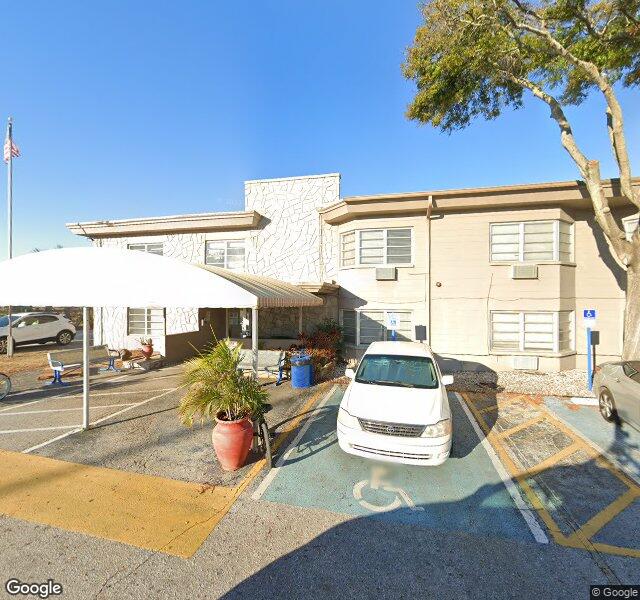
4250 66TH ST N, SAINT PETERSBURG, FL 33709 (727) 546-2405
For profit - Limited Liability company 299 Beds SIMCHA HYMAN & NAFTALI ZANZIPER Data: November 2025 3 Immediate Jeopardy citations
Trust Grade
0/100
#613 of 690 in FL
Last Inspection: November 2024

Within standard 12-15 month inspection cycle. Federal law requires annual inspections.

Overview

Families considering Balanced Healthcare in Saint Petersburg, Florida, should be aware that the facility has received an F trust grade, indicating poor performance and significant concerns. It ranks #613 out of 690 nursing homes in Florida, placing it in the bottom half, and #50 out of 64 in Pinellas County, meaning there are better local options available. The situation appears to be worsening, with issues increasing from 5 in 2023 to 9 in 2024. While staffing is a strength with a 4/5 star rating and a low turnover of 35%, the facility has serious concerns regarding RN coverage and has accumulated $114,133 in fines, which is higher than 80% of facilities in the state. Specific incidents include a resident being assaulted by another resident due to inadequate supervision and a failure to prevent a resident on a puree diet from accessing unsafe food, both highlighting serious safety and care deficiencies.

Trust Score
F
0/100
In Florida
#613/690
Bottom 12%
Safety Record
High Risk
Review needed
Inspections
Getting Worse
5 → 9 violations
Staff Stability
○ Average
35% turnover. Near Florida's 48% average. Typical for the industry.
Penalties
✓ Good
$114,133 in fines. Lower than most Florida facilities. Relatively clean record.
Skilled Nurses
⚠ Watch
Each resident gets only 20 minutes of Registered Nurse (RN) attention daily — below average for Florida. Fewer RN minutes means fewer trained eyes watching for problems.
Violations
⚠ Watch
31 deficiencies on record. Higher than average. Multiple issues found across inspections.
★☆☆☆☆
1.0
Overall Rating
★★★★☆
4.0
Staff Levels
★☆☆☆☆
1.0
Care Quality
★☆☆☆☆
1.0
Inspection Score
Stable
2023: 5 issues
2024: 9 issues

The Good

  • 4-Star Staffing Rating · Above-average nurse staffing levels
  • Full Sprinkler Coverage · Fire safety systems throughout facility
  • No fines on record
  • Staff turnover below average (35%)

    13 points below Florida average of 48%

Facility shows strength in staffing levels, fire safety.

The Bad

1-Star Overall Rating

Below Florida average (3.2)

Significant quality concerns identified by CMS

Staff Turnover: 35%

11pts below Florida avg (46%)

Typical for the industry

Federal Fines: $114,133

Well above median ($33,413)

Significant penalties indicating serious issues

Chain: SIMCHA HYMAN & NAFTALI ZANZIPER

Part of a multi-facility chain

Ask about local staffing decisions and management

The Ugly 31 deficiencies on record

3 life-threatening
Nov 2024 7 deficiencies
CONCERN (D)

Potential for Harm - no one hurt, but risky conditions existed

Comprehensive Care Plan (Tag F0656)

Could have caused harm · This affected 1 resident

**NOTE- TERMS IN BRACKETS HAVE BEEN EDITED TO PROTECT CONFIDENTIALITY** Based on observation, record review and interview the facility did not implement a comprehensive person-centered care plan consi...

Read full inspector narrative →
**NOTE- TERMS IN BRACKETS HAVE BEEN EDITED TO PROTECT CONFIDENTIALITY** Based on observation, record review and interview the facility did not implement a comprehensive person-centered care plan consistent with resident rights for one resident (#51) out of eight residents sampled. Findings included: On 11/04/2024 at 10:30 a.m., an observation and interview were conducted with Resident #51 in her room. Resident #51 stated she did not consistently get her bath twice a week and had not had her hair washed in over two months. Resident #51 stated she would like to have a bath consistently at least twice a week and would like to have her hair washed. Resident #51 stated she had asked for this but stated she did not get this offered to her. Resident #51 preferred to stay in bed and have a bed bath and stated she did not know how they would wash her hair. A review of Resident #51's admission Record showed diagnoses: Bipolar disorder Type 2 diabetes mellitus Depression Essential hypertension Post-traumatic stress disorder, chronic Paranoid schizophrenia Muscle weakness, general Morbid obesity A review of Resident #51's care plan showed a Focus area of Behavior problem related to false allegations, Androphobia (extreme fear of men), declines care and declines getting out of bed. Interventions include but are not limited to: Two staff persons for all care No Male CNAs (Certified Nursing Assistants) A review of the Minimal Data Set (MDS) dated [DATE] Category C- Cognitive Patterns showed a Brief Interview for Mental Status (BIMS) score of 15 which indicated intact cognition. In Section GG-Functional Abilities and Goals, item GG0130- Self Care, showed Resident #51 dependent for toileting hygiene, shower/bathe, lower body dressing and putting on and off footwear. A review of Resident #51's past 30-day BB-Bowel and Bladder Elimination task showed Resident #51 had been provided incontinence care by male CNAs. Photographic evidence obtained. On 11/07/24 9:50 a.m., an interview was conducted with Staff O, Minimum Data Set Coordinator/Licensed Practical Nurse (MDS coordinator/LPN). Staff O, MDS/LPN stated Resident #51 was care planned for no male CNAs. Staff O, MDS/LPN reviewed the toileting task documentation and agreed male CNAs had provided incontinence care. Staff O, MDS/LPN stated during the last care plan meeting she recalled Resident #51 stated she was ok with male CNAs but the plan of care decision amongst the facility was to continue with no male CNAs. On 11/07/24 at 12:50 p.m., an interview was conducted with Staff K, CNA. Staff K, CNA stated she did not know of Resident #51 requiring no male CNAs. On 11/07/2024 at 12:53 p.m., an interview was conducted with Staff J, Licensed Practical Nurse (LPN). Staff J, LPN stated Resident #51 was not to have male CNAs but the resident had not stated any concerns to her. On 11/07/2024 at 12:55 p.m., an interview was conducted with Staff L, CNA. Staff L, CNA stated Resident #51 was not to have male CNAs and stated the resident had not voiced any concerns to her. On 11/07/2024 at 12:57 p.m., an interview was conducted with Staff M. CNA. Staff M, CNA stated she was not aware of Resident #51's concerns for no male CNAs. On 11/07/2024 at 1:25 p.m., an interview was conducted with Staff N, CNA. Staff N, CNA stated Resident #51 had to have no male CNAs in the past but stated she thought not anymore. A review of Resident #51's (Brand name of a nursing worksheet that summarizes patient information) under Special Considerations showed the following: Two persons present for all care No male CNAs 11/07/2024 at 4:00 p.m., an interview was conducted the Director of Nursing (DON). A review of the past 30-day BB-Bowel and Bladder Elimination task was reviewed. The DON agreed male staff members had provided incontinence care but stated the resident had stated she agreed with all staff providing care and would have psychiatry come see the resident for an evaluation on this subject matter. A review of the facility's policy titled, Comprehensive Care Plans revised 7/27/2022, showed a policy statement: It is the policy of this facility to develop and implement a comprehensive person-centered care plan for each resident, consistent with resident rights, that includes measurable objectives and timeframes to meet a resident's medical, nursing, and mental and psychological needs that are identified in the resident's comprehensive assessment. The Comprehensive Care Plan showed the following: 1. The care planning process will include an assessment of the resident's strengths and needs and will incorporate the resident's personal and cultural preferences in developing goals of care. Services provided or arranged by the facility, as outlined by the comprehensive care plan, shall be culturally- competent and trauma -informed. 2. 3. The comprehensive care plan will describe at a minimum the following: a. The services that are to be furnished to attain or maintain their resident's highest practicable physical, mental and psychosocial well-being. b. Any services that would otherwise be furnished but are not provided due to the resident's exercise of his or her right to refuse treatment. c. . g. Individualized interventions for trauma survivors that recognizes the interrelation between trauma and symptoms of trauma, as indicated. Trigger- specific interventions will be used to identify ways to decrease the resident's exposure to triggers which re- traumatize the resident, as well as identify ways to mitigate or decrease the effect of the trigger on the resident. 4. 5. The comprehensive care plan will be reviewed and revised by the interdisciplinary team after each comprehensive and quarterly MSDS assessment. 6. The comprehensive care plan will include measurable objective and time frames to meet the resident's needs as identified in the resident's comprehensive assessment. The objectives will be utilized to monitor the resident's progress. Alternative interventions will be documented, as needed. 7. . 8. Qualified staff responsible for carrying out interventions specified in the care plan will be notified of their roles and responsibilities for carrying out the interventions, initially and when changes are made.
CONCERN (D) 📢 Someone Reported This

A family member, employee, or ombudsman was alarmed enough to file a formal complaint

Potential for Harm - no one hurt, but risky conditions existed

Deficiency F0676 (Tag F0676)

Could have caused harm · This affected 1 resident

**NOTE- TERMS IN BRACKETS HAVE BEEN EDITED TO PROTECT CONFIDENTIALITY** Based on record review and interview, the facility did not honor the wishes for Activities of Daily Living (ADL) related to bath...

Read full inspector narrative →
**NOTE- TERMS IN BRACKETS HAVE BEEN EDITED TO PROTECT CONFIDENTIALITY** Based on record review and interview, the facility did not honor the wishes for Activities of Daily Living (ADL) related to bathing of body and hair for two residents (#51 and #100) out of eight residents sampled. Findings included: 1. On 11/04/2024 at 9:30 a.m., observations and interviews were conducted with Resident #51 and #100. Resident #51 stated she had not consistently received her baths in weeks and her hair had not been washed in over a month. Resident #51 stated she preferred bed baths and stated baths were scheduled three times a week but could not state the days. Resident #100 stated she did not get her baths three times a week and her hair had not been washed in over a month. Resident #100 stated she preferred to have bed baths. A review of the facility's 30-day bathing task showed Resident #51 had three baths in 30 days. Resident #51's bathing schedule on the bathing task showed shower/bath every Monday, Wednesday and Friday during the 3-11 shift. A review of Resident #51's Minimum Data Set (MDS) dated [DATE], under Section C-Cognition, showed a Brief Interview for Mental Status (BIMS) of 15 which indicated intact cognition. Section GG-Functional Abilities, area GG0130- Self -Care showed Resident #51 was dependent for shower/bathe self. A review of Resident #51's care plan dated 9/02/2024 showed a Focus Area of ADL-Care Deficits related to decreased ability to perform ADLs in bathing, grooming, personal hygiene, dressing, eating, bed mobility, transfer, locomotion and toileting due to impaired physical functioning related to weakness and morbid obesity. Resident #51 requires substantial assist with most ADLs. Interventions/Tasks include but are not limited to: Bathing/Showers: dependent on staff for bathing/showering on Tuesday, Thursdays and Saturdays 7-3 shift. 2. A review of the facility's 30-day bathing task showed Resident #100 had three baths in 30 days. Resident #100's bathing schedule on the bathing task showed shower/bath every Tuesday, Thursday and Saturday during the 3-11 shift. A review of Resident #100's Minimum Data Set (MDS) dated [DATE], under Section C-Cognition, a Brief Interview for Mental Status (BIMS) showed a 13 which indicated intact cognition. Section GG-Functional Abilities, area GG0130- Self -Care showed Resident #100 dependent for shower/bathe self. A review of Resident #100's care plan dated 9/27/2024 showed a focus area of dependent on staff for meeting emotional, intellectual, physical and social needs related to immobility, enjoys animals, crochet, visits from staff, outdoors as tolerated, TV, enjoys attending beauty shop as needed/visits. The goal for this focus area: resident will participate in 1:1 visit of choice as tolerated two times a month through next review date. Interventions/Tasks include: all staff to converse with resident while providing care, invite the resident to scheduled activities, provide 1:1 opportunity in room resident enjoys crocheting, and outdoors as tolerated. A focus area of ADL self-care performance deficit related to dementia, chronic pain and fibromyalgia. Interventions include but are not limited to: Bathing/Showering: The resident is dependent on staff for bathing/showers. Scheduled shower days are Monday- Wednesday and Friday on 7-3 shift. Resident's preference is bed bath. On 11/07/2024 at 4:00 p.m., an interview was conducted with the Director of Nursing (DON). A review of the documented shower/bath tasks were reviewed for Residents #51 and #100. The DON agreed of the limited baths provided but stated it could be a documentation concern by the Certified Nursing Assistants. A review of the facility's policy titled, Activities of Daily Living (ADLs), revised on 11/22/2021 showed the following policy statement: The facility will, based on the resident's comprehensive assessment and consistent with the resident's needs and choices, ensure a resident's abilities in ADLs do not deteriorate unless deterioration is unavoidable. Care and services will be provided for the following activities of daily living: 1. Bathing, dressing, grooming and oral care 2. Transfer and ambulation 3. Toileting 4. Eating to include meals and snacks, and 5. Using speech, language or other functional communication systems. A review of the facility's policy showed the following policy explanation and compliance guidelines: 3. A resident who is unable to carry out activities of daily living will receive the necessary services to maintain good nutrition, grooming, and personal and oral hygiene. . 5-The facility will maintain individual objectives of the care plan and periodic review and evaluation.
CONCERN (D)

Potential for Harm - no one hurt, but risky conditions existed

Quality of Care (Tag F0684)

Could have caused harm · This affected 1 resident

Based on observations, interviews, and record reviews, the facility failed to provide quality care and services related to wound care management and treatment for two (#377 and #378) out of three samp...

Read full inspector narrative →
Based on observations, interviews, and record reviews, the facility failed to provide quality care and services related to wound care management and treatment for two (#377 and #378) out of three sampled residents. Findings included: 1. Review of Resident #378's admission Record revealed he was admitted to the facility with medical diagnoses of congestive heart failure, dementia with behavioral disturbances, unsteadiness on feet, cellulitis of other sites, mood affective disorder, and anxiety disorder. An observation was conducted on 11/04/24 at 10:30 AM. Resident #378 was observed sitting in the hallway in a recliner chair. He was observed to have bandages on his bilateral upper arms. He said he got the injuries from slipping and falling at home. He said he was not sure how often they changed the bandages. His left upper arm bandage was dated 11/4 and was clean and intact. The right upper arm bandage was intact and clean but dated 10-31. An observation was conducted on 11/4/24 at 3:39 PM. Resident #378 was observed self-propelling in his wheelchair down the hallway. His right upper arm bandage was intact dated 10-31. His left upper arm bandage was intact, clean, and dated 11/4. There was no bandage on his right elbow. An observation was made on 11/5/24 at 10:00 AM. Resident #378 was observed in bed, eyes closed. His right upper arm bandage was observed intact dated 10/31. His left upper arm bandage was soiled with red drainage dated 11/4. There was no bandage on his right elbow. An observation was made on 11/6/24 at 8:58 AM. Resident #378 was observed sitting up in bed eating his breakfast. He was observed with a bandage on his right upper arm that was not intact and dated 10-31. His left elbow was observed with scabs on it. He also had a bandage on his left upper arm, not intact and soiled with red drainage near the elbow dated 11/4. The dressing was observed below his wound on his upper right arm and the wound was exposed. The wound was circular with a moist, pink, wound bed. He said the bandages on his arms need to come off. Review of Resident #378's physician order with a start date of 10/22/24 revealed right elbow skin tear cleanse with normal saline, apply xeroform and bordered gauze. One time a day. There were no other physician orders for skin treatment. Review of Resident #378's October and November medication administration record (MAR) and treatment administration record (TAR) revealed a physician order with a start date of 10/22/2024 for right elbow skin tear cleanse with normal saline, apply xeroform and bordered gauze. One time a day. The physician order was signed off as completed every day except 10/25/24 including November 5th and 6th. There was no other skin care documentation on the October and November MAR or TAR for the right or left upper arm. Review of Resident #378's progress notes revealed a note dated 10/25/24 at 6:18 AM, .Bandages to right and left arms intact. Review of an incident note dated 10/22/24 at 10:19 PM revealed Resident found on the floor of his room, lying on his back with his legs stretched out in front of him. resident [sic] last seen in bed about an hour prior to him being found. resident [sic] assessed for injury then assisted from the floor by 3 staff members and placed in a recliner chair. resident [sic] has skin tear to right upper arm. Area cleansed with normal saline, tao [triple antibiotic ointment], and dry dressing applied. POA [Power of Attorney] and MD [Medical Doctor] notified. Review of Resident #378's Weekly Skin Evaluation dated 10/26/24 revealed Skin Condition: Skin Tear(s), left arm. Review of Resident #378's Weekly Skin Evaluation dated 11/5/24 revealed Skin Condition: Skin Intact An interview was conducted on 11/6/24 at 9:10 AM with Staff A, Registered Nurse (RN). She said she was taking care of Resident #378, and she reviewed Resident #378's medical record and said the resident came in on 10/16/24 and there were bandages noted on his left and right upper arm from the hospital because of skin tears. Staff A, RN reviewed Resident #378's physician orders and said there was only an order to apply a dressing to his right elbow daily. Staff A, RN went into Resident #378's room and confirmed the residents' right upper arm had a bandage on it and it was not intact and dated 10-31. She removed the bandage halfway and said it was a skin tear. She also said there was no bandage on his right elbow, and he had a scab there. She looked at his left upper arm bandage, confirmed it was dated 11/4 and not intact with red drainage on it. The wound was exposed, and she said that it was also a skin tear. She said normally the nurse would put in a wound care consult and the wound care nurse would come and assess the resident and treat the wounds daily. 2. Review of Resident #377's admission Record revealed she was admitted to the facility with medical diagnoses of repeated falls, hepatic encephalopathy, dementia without behavioral disturbances, and extrapyramidal and movement disorder. An observation was conducted on 11/04/24 at 10:41 AM. Resident #377 was observed self-propelling down the hallway in her wheelchair. She was observed to have an undated bandage on her right eyebrow and reddish, green, black, discoloration around her right eye. The resident said she fell off a table. An observation was conducted on 11/5/24 at 10:06 AM. Resident #377 was observed in her wheelchair self-propelling out of her room. She was observed to have a reddish, black, and green bruise to her right eye with an undated bandage on her right eyebrow with dark drainage on it. An observation was conducted on 11/6/24 at 9:05 AM Resident #377 was observed in her wheelchair in the hallway near the nurse's station. She was observed to have an undated bandage on her right eyebrow. The bandage was intact but soiled with dark drainage. Review of Resident #377's physician orders did not reveal an order to change the right eyebrow bandage. Review of Resident #377's incident note dated 10/28/2024 at 6:18 PM showed Approximately 6.05 pm [sic], the writer hear [sic] res [resident] screaming. when [sic] the writer entry [sic] to her room found her on the floor. Res report to the writer she was traying [sic] to get hair brush[sic] on the floor. Upon skin examination res has skin tear on right eyebrow. VS [vital signs] WNL [within normal limits]. No complaint of pain or discomfort. No SOB [shortness of breath]. Supervisor notified. order given and noted. We continue to monitor. Review of Resident #377's progress notes dated 10/30/2024 at 6:40 AM showed . Bandage intact over right eyebrow. No bleeding noted at this time. Review of Resident #377's progress notes 10/30/2024 at 9:50 PM showed .Bandage changed over right eyebrow. No bleeding noted at this time. We [sic] continue to monitor. Review of Resident #377's Weekly Skin Evaluation dated 10/28/24 showed skin tear to the right eyebrow. Review of Resident #377's Weekly Skin Evaluation dated 10/29/24 showed .skin abrasion above right eye from fall. An interview was conducted on 11/6/24 at 9:45 AM with Staff A, RN, she confirmed she was taking care of Resident #377. She reviewed Resident #377's medical record and confirmed there was not a physician order to change the bandage to her right eye and there should have been. She also confirmed the residents bandage was not dated and it should have been. An interview was conducted on 11/6/24 at 9:54 AM with Staff B, Licensed Practical Nurse (LPN), Wound Care Nurse. She said there was a wound care nurse seven days a week. The expectation was whenever there was a wound the nurses should put in a wound care consult so they could be notified to perform the treatment and management of wounds. Staff B said she was not aware Resident #378 had any wounds or skin tears. She also said she was not aware Resident #377 had any wounds. She said all bandages and dressings should have physician orders to change them and the bandages and dressings should be labeled with a date, time, and signature. An interview was conducted on 11/6/24 at 2:57 AM with the Director of Nursing (DON). She said if there were any wounds there should be a wound care consult put in so the wound care nurse could be informed, and the wounds could be treated. The DON said the facility had a wound care nurse seven days a week. Review of the facility's Wound Treatment Management policy, with a revised date of 11/23/2022 revealed the following. Policy: To promote wound healing of various types of wounds, it is the policy of this facility to provide evidence-based treatments in accordance with current standards of practice and physician orders. Policy Explanation and Compliance Guidelines: 1. Wound treatments will be provided in accordance with physician orders, including the cleansing method, type of dressing, and frequency of dressing change. 2. In the absence of treatment orders, the licensed nurse will notify physician to obtain treatment orders. This may be the treatment nurse, or the assigned licensed nurse in the absence of the treatment nurse. 3. Dressing changes may be provided outside the frequency parameters in certain situations: a. Feces has seeped underneath the dressing. b. The dressing has dislodged. c. The dressing is soiled otherwise or is wet. 4. Dressings will be applied in accordance with manufacturer recommendations. 5. Treatment decisions will be based on: .iii. Incidental (i.e. skin tear, medical adhesive related skin injury). .6. Guidelines for dressing selection may be utilized in obtaining physician orders . a. The guidelines are to be used to assist in treatment decision making. b. Due to unique needs and situations of individuals, the guidelines may not be appropriate for use in all circumstances. c. The facility will follow specific physician orders for providing wound care. 7. Treatments will be documented on the Treatment Administration Record or in the electronic health record. 8. The effectiveness of treatments will be monitored through ongoing assessment of the wound. Considerations for needed modifications include: a. Lack of progression towards healing. b. Changes in the characteristics of the wound (see above). c. Changes in the resident's goals and preferences, such as at end-of-life or in accordance with his/her rights.
CONCERN (D)

Potential for Harm - no one hurt, but risky conditions existed

Accident Prevention (Tag F0689)

Could have caused harm · This affected 1 resident

**NOTE- TERMS IN BRACKETS HAVE BEEN EDITED TO PROTECT CONFIDENTIALITY** Based on observations, record review and interviews the facility failed to ensure smoking adaptive equipment was provided for on...

Read full inspector narrative →
**NOTE- TERMS IN BRACKETS HAVE BEEN EDITED TO PROTECT CONFIDENTIALITY** Based on observations, record review and interviews the facility failed to ensure smoking adaptive equipment was provided for one (#42) of 11 residents sampled. Findings included: During an observation made on 11/4/2024 at 10:15 a.m. and 11/6/2024 at 2:20 p.m., Resident #42 was observed outside smoking without using a smoking adaptor. Resident #42 said he did not use smoking adaptive equipment while smoking. Review of an admission Record dated 11/ 7/2024, showed Resident #42 was admitted to the facility on [DATE] with diagnoses to include but not limited to Parkinsonism, unspecified, Type 2 Diabetes, Aute Respiratory Failure, and Paranoid Schizophrenia. Review of a Quarterly Minimum Data Set (MDS) dated [DATE] showed a Brief Interview for Mental Status (BIMS) score of 10 which indicated moderate cognitive impairment. Review of Resident # 42's care plan revised on 9/13/2024, showed the resident was at risk for smoking injuries to self - related to use of cigarettes. The care plan goals showed Resident #42 will continue to smoke safely in a designated area at scheduled times per facility smoking policy through the next review. The interventions included adaptor to be used while smoking, [Resident #42] requires a smoking apron while smoking. On 11/6/2024 at 10:20 am., an interview was conducted with Staff G, Certified Nursing Assistant (CNA) . Staff G stated Resident #42 was supposed to use a smoking adaptor while smoking because he smoked his cigarettes down to his fingertips. Staff G said, He has not used his adaptor in a while because he lost it and was not given another adaptor. On 11/6/2024 at 10: 20 am., an interview was conducted with Staff H, CNA. She stated she was familiar with Resident #42. She stated Resident #42 had not used a smoking adaptor in a long time because he lost it. On 11/6/2024 at 11:00 am., an interview was conducted with Staff I, Licensed Practical Nurse (LPN). She stated Resident #42 used a smoking adaptor while smoking because he smoked his cigarettes down to his fingertips. She stated her expectations were for staff to provide residents with the items they needed to ensure safe smoking. On 11/6/2024 at 1:00 pm., an interview was conducted with Staff C, LPN/UM (Unit Manager). She stated Resident #42 used a smoking adaptor because he smoked his cigarettes down to his fingertips. Staff C stated she had to educate herself and her staff to ensure the resident's care plan interventions were followed while they were outside smoking. She stated her expectation was for staff to notify the nurse if a resident did not have a smoking adaptor before taking the resident outside to smoke. Review of the facility policy titled, Resident Smoking, Revised on 8/26/2024, showed it is the policy of this facility to provide a safe and healthy environment for residents, visitors, and employees, including safety as related to smoking. Safety protections apply to smoking and non- smoking residents. Under Policy Explanation and Compliance Guidelines: 10. All safe smoking measures will be documented on each resident's care plan and communicated to all staff, visitors, and volunteers who will be responsible for supervising residents while smoking. Supervision will be provided as indicated on each resident's care plan. 12. If a resident or family does not abide by the smoking policy or care plan (e.g. does not wear protective gear), the plan of care may be revised to include additional safety measures. 13. Smoking materials of residents requiring supervision with smoking will be maintained by nursing staff.
CONCERN (D)

Potential for Harm - no one hurt, but risky conditions existed

Tube Feeding (Tag F0693)

Could have caused harm · This affected 1 resident

**NOTE- TERMS IN BRACKETS HAVE BEEN EDITED TO PROTECT CONFIDENTIALITY** Based on observation, interview, and record review, the facility failed to provide enteral nutrition according to standards of p...

Read full inspector narrative →
**NOTE- TERMS IN BRACKETS HAVE BEEN EDITED TO PROTECT CONFIDENTIALITY** Based on observation, interview, and record review, the facility failed to provide enteral nutrition according to standards of practice related to expired nutritional formula for one resident (#246) out of one resident sampled. Findings included: On [DATE] at 12:11 p.m., an observation of Resident #246 revealed he was laying down in bed, with a family member at the bedside. On the left side of the bed, there was a pole and enteral feeding pump observed. An observation of the pole and enteral feeding pump revealed there was no tube feeding bag or container hanging. Further observation revealed the pump was off. An observation of the small dresser, to the left of Resident #246's bed, revealed three, 8-ounce bottles of TwoCal HN [high nutrient] 2.0 formula with a date observed at the top which indicated the following, 1 SEP 2024. A review of Resident #246's admission Record revealed an original admission date of [DATE] and a re-admission date of [DATE]. Further review of the admission Record revealed diagnoses to include but not limited to dysphagia, oropharyngeal phase, unspecified protein-calorie malnutrition, and unspecified, and encounter for attention to gastrostomy. A review of Resident #246's Active Orders revealed the following, Enteral Feed Order one time a day provide two cal enteral feeding 55 ml/hr [milliliters/hour] from 7 pm to 7 am. for a total of 550 ml a day, with an order and start date of [DATE]. Further review of enteral feed orders revealed the following, Enteral Feed Order one time a day provide two cal enteral feeding 55 ml/hr from 7 pm to 7 am. for a total of 550 ml a day; Provide Nutren 2.0 if two cal is out of stock, with an order and start date of [DATE]. Further review of Resident #246's enteral feed orders revealed the following, Enteral Feed Order one time a day Stop eternal feed 7 am daily, with an order date of [DATE], and a start date of [DATE]. A review of Resident #246's Medication Administration Record (MAR) for [DATE] included the following: Enteral Feed Order one time a day provide two cal enteral feeding 55 ml/hr from 7 pm to 7 am. for a total of 550 ml a day, Start Date [DATE], D/C [discontinue] Date [DATE]. A review of the documentation in the MAR revealed it was administered daily as ordered. Dietitian consult one time a day, Start Date [DATE]. A review of the documentation in the MAR revealed it was completed daily as ordered. Enteral Feed Order every shift Enteral 4b - Observe for signs of intolerance, i.e. diarrhea, N&V [nausea and vomiting], constipation, abdominal distention/cramping, fluid overload, aspiration, hypo/hyper-glycemia every shift, Start Date [DATE]. A review of the documentation in the MAR revealed it was completed daily as ordered. On [DATE] at 9:40 a.m., an observation of the 1 East nourishment room, where the enteral feeding formula was stored, revealed multiple 8-ounce bottles and one case of TwoCal HN 2.0 with a use by date of [DATE]. A review of a manual found through an Internet search titled, Best Practices for Managing Tube Feeding, published [DATE] from [Vendor name] revealed the following, .3. Maintain proper storage and handling of formula: . G. Do not use after expiration date on container. The manual was viewed using the following link, https://static.abbottnutrition.com/cms-prod/abbottnutrition-2016.com/img/M4619.005%20Tube%20Feeding%20manual_tcm1411-57873.pdf, on [DATE]. TwoCal HN 2.0 is a product of [Vendor name]. On [DATE] at 9:45 a.m., an interview with Staff C, Unit Manager (UM)/Licensed Practical Nurse (LPN) revealed Central Supply staff put the enteral nutrition formula in the nourishment room. She stated Central Supply and the nursing staff reviewed the formula upon putting it into the nourishment room. Staff C stated the nursing staff reviewed the formula every time they used a bottle for the resident. An observation of the 1 East nourishment room was conducted with Staff C and she confirmed the TwoCal HN 2.0 was expired as of [DATE]. Staff C, UM/LPN stated she reviewed the pantry on Monday, [DATE] or Tuesday, [DATE] and didn't see the expired formula. She was observed removing the formula and stated she would provide education to Central Supply staff and all staff members. On [DATE] at 11:00 a.m., an interview with Staff D, Central Supply revealed he received the enteral nutrition formula and put it in the nourishment rooms. He stated his process consisted of comparing the formula received to the invoice. Staff D stated he checked the expiration date, ensured it was the right product, and verified the amount. He stated if the formula was expired, he would toss it. Staff D, Central Supply stated he was the primary staff member who received the enteral nutrition formula. He stated he received shipments on Tuesday and Thursday, and expected one today. On [DATE] at 1:36 p.m., an interview with the Director of Nursing (DON) revealed the nurse received the product that was brought from Central Supply. She stated the nurse put the enteral nutrition formula in the room, or Central Supply stocked the room. The DON stated she expected staff to make sure it was the right product they were receiving and providing to residents. She confirmed it was an issue that the resident was being provided formula that was expired. On [DATE] at 3:01 p.m., the Regional Nursing Home Administrator (NHA) stated the facility had no policy related to enteral nutrition or receiving formula from Central Supply. Photographic Evidence Obtained.
CONCERN (E) 📢 Someone Reported This

A family member, employee, or ombudsman was alarmed enough to file a formal complaint

Potential for Harm - no one hurt, but risky conditions existed

Safe Environment (Tag F0584)

Could have caused harm · This affected multiple residents

**NOTE- TERMS IN BRACKETS HAVE BEEN EDITED TO PROTECT CONFIDENTIALITY** Based on observations and interviews, the facility did not ensure a clean, sanitary, and homelike environment for three (1 [NAM...

Read full inspector narrative →
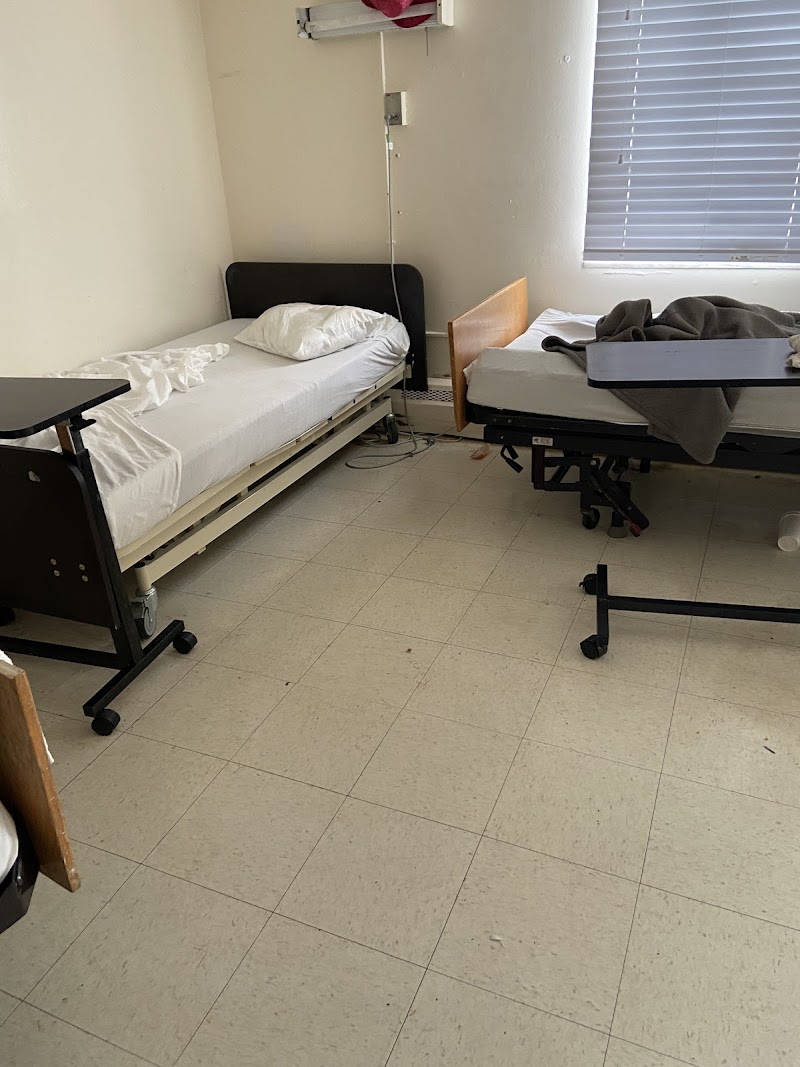
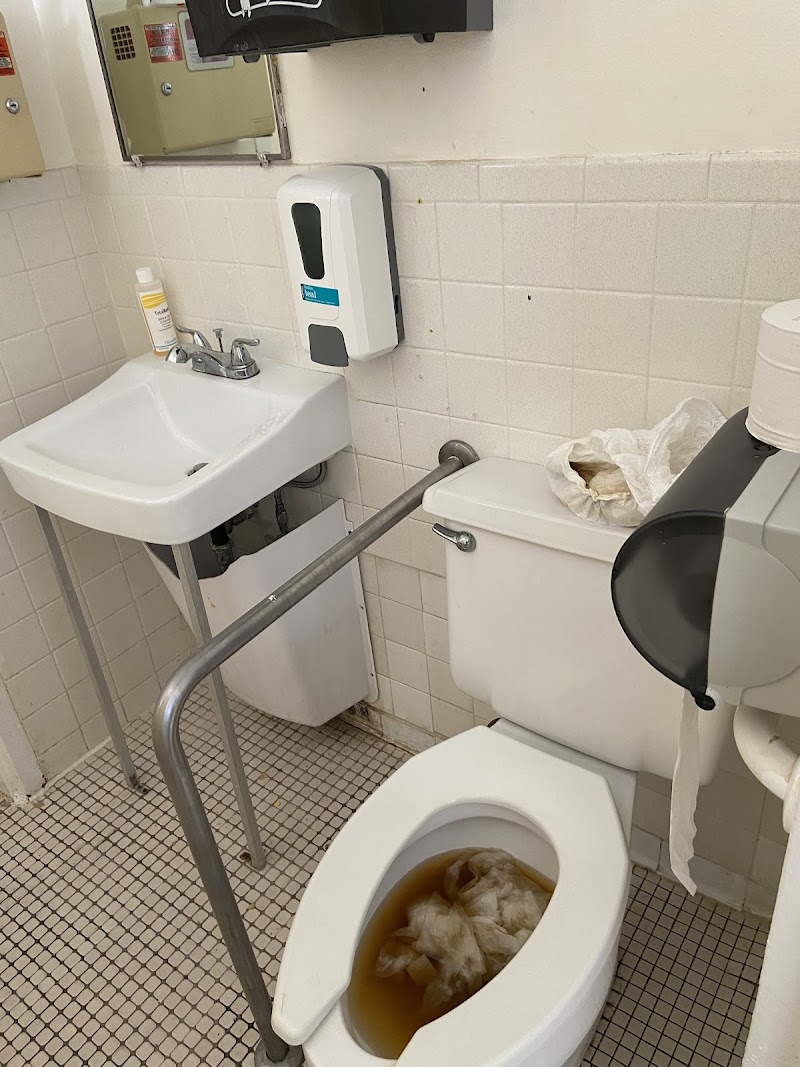
**NOTE- TERMS IN BRACKETS HAVE BEEN EDITED TO PROTECT CONFIDENTIALITY** Based on observations and interviews, the facility did not ensure a clean, sanitary, and homelike environment for three (1 [NAME] [also known as the secured unit], 1East, and Lifestyle 2) out of six Wings. Findings included: On 11/4/24 at 10:13 a.m., a tour of the 1 East wing was conducted. Observations of room [ROOM NUMBER] revealed the privacy curtains between bed A and B with stains and dirty. Further observations of room [ROOM NUMBER] revealed paint was peeled from the ceiling above the window. An observation of the bathroom shared by rooms [ROOM NUMBERS] revealed a detached shower head, white washcloth, and a light cover fixture on the shower seat. Further observations of the floor of the shower revealed multiple unknown particles and debris that were black and white colored. Further observations of the bathroom revealed multiple brown stains on the seat of the toilet. On 11/4/24 at 10:27 a.m., an observation of room [ROOM NUMBER] revealed two dresser knobs were separated from the drawer. An observation of the window revealed multiple, individual blinds were broken and/or missing. Observations of the ceiling, above the window, revealed paint was peeled from the ceiling and pieces of plaster were separated from where the wall meets the ceiling. An observation of the bathroom revealed the border trim was separated from the wall. Further observation of the bathroom revealed a brown and yellow substance on the front of the sink. A blue-colored cleaning rag was observed on one of the residents' bedside table. On 11/4/24 at 10:37 a.m., an observation of room [ROOM NUMBER] revealed one of the dresser knobs was separated from the drawer. An observation of the area above the window revealed the paint was separated from the ceiling in multiple areas. An observation of the floor and the leg of the bedside table, by the B Bed, revealed brown substances in multiple areas. An observation of the bathroom shared by room [ROOM NUMBER] and 103 revealed multiple unknown black particles on the shower floor. An observation of the shower curtain revealed it was dirty and stained. Further observations of the bathroom revealed multiple black particles to the left of the toilet. Another observation of the bathroom revealed a used paper towel on the floor and toilet paper between the tank and seat. On 11/4/24 at 10:46 a.m., an observation of room [ROOM NUMBER], to include the window, revealed two blind panels were missing. Further observation of room [ROOM NUMBER] revealed the paint surrounding the air conditioning unit was separated and peeled from the wall. Multiple holes were observed in the wall by the air conditioning unit. On 11/4/24 at 10:52 a.m., an observation of the bathroom, shared by room [ROOM NUMBER] and 101 revealed a hole in the ceiling surrounded by a black colored ring. Further observation of the bathroom revealed the bottom of the shower curtain appeared dirty with a dark brown and black color. An observation of the bathroom floor revealed multiple black, white and grey colored debris and unknown particles. On 11/4/24 at 11:16 a.m., an observation of room [ROOM NUMBER] revealed the ceiling closest to the bathroom, had stains that were dark brown and black colored. Further observation of that area revealed a crack/small opening where the wall and ceiling met. The same wall observed had cracks towards the top of the ceiling. An observation of the bathroom revealed a shower curtain stained with a dark brown substance. Observations of the ceiling, above the window in the bathroom, revealed an open area with exposed metal pieces. The windowsill in the bathroom had a piece of knotted hair that was observed. Further observation of the bathroom ceiling revealed a hole around the water sprinkler where the paint was separated from the ceiling. On 11/4/24 at 11:19 a.m., an observation of room [ROOM NUMBER] revealed the wall on the left on the B bed side had multiple scratches which caused the paint to separate from the wall. An observation of the bathroom revealed the sink was full of liquid that contained chunks of a white and yellow colored substance. An interview with the residents in room [ROOM NUMBER] revealed the sink had not been functional for weeks. They stated the maintenance team was made aware, but the sink was not fixed. On 11/4/24 at 11:25 a.m., an observation of room [ROOM NUMBER] revealed the bottom dresser drawer was not there. Further observations of room [ROOM NUMBER] revealed the wall behind the head of the bed, on the B side, had multiple scratches which caused the paint to separate from the wall. On 11/4/24 at 11:44 a.m., an observation of the floor in room [ROOM NUMBER] revealed a dead cockroach, food wrappers and other unidentified items. Further observation of room [ROOM NUMBER] revealed missing and broken window blinds in the A bed area. Observations by the window, on the B bed side, revealed black spots and paint separated from the ceiling. On 11/4/24 at 12:00 p.m., an observation of room [ROOM NUMBER] revealed a hole in the wall, to the right of the outlet by the air conditioning unit. Further observation of that area revealed cracks and paint separated from the wall by the door frame of the bathroom. An observation of D bed revealed wood laminate and plaster was missing from the bottom of the foot of the bed. Further observation of room [ROOM NUMBER] revealed a dark brown substance on the floor, towards the bathroom door. Observations in the bathroom revealed the border trim had holes and started to separate from the wall. Small cracks and holes were observed by blue and white colored tile on the bathroom wall. A screw on the right side of the toilet was observed on its side, laying on the bottom part of the toilet. An observation of the ceiling, in the bathroom of room [ROOM NUMBER], revealed a small hole and black spots surrounding the water sprinkler. On 11/4/24 at 12:16 p.m., an observation of the 1 East hallway, between rooms [ROOM NUMBERS], revealed caution tape and wet floor signs on top of missing tiles on the floor and wall. On 11/4/24 at 12:54 p.m., an observation of room [ROOM NUMBER] revealed a brown substance on the blinds closest to the bathroom door. Further observation of room [ROOM NUMBER] revealed a hole above the outlet, to the right of the air conditioning unit. Another hole was observed to the right of the air conditioning, between the unit and the outlet. Observations of the air conditioning revealed the paint around the unit and the outlet was separated from the wall. On 11/4/24 at 1:02 p.m., an observation of the assisted dining area on the first floor revealed multiple ceiling tiles with small to large water stains. The ceiling tile above table 10 was observed with a large water stain that covered the majority of the tile and appeared warped/bubbled. An observation of the ceiling above the exit sign/door revealed a large ceiling tile was missing. On 11/4/24 at 1:47 p.m., an observation of the end of the 1 East hallway, in front of room [ROOM NUMBER], revealed a dead cockroach, [Vendor name] individual packet, and other unidentified items/debris. On 11/5/24 at 10:18 a.m., an observation of room [ROOM NUMBER] revealed the area above the window had paint that was separated from the ceiling. Observations of multiple areas in the ceiling above the window were cracked and had chipped paint/plaster. On 11/5/24 at 3:20 p.m., an observation was made in room [ROOM NUMBER], Lifestyle 2 unit. An observation of the Air Conditioner (AC) revealed two wet towels underneath the unit. The towels observed were slightly discolored with a tan to light brown color, and saturated with water. The residents in room [ROOM NUMBER], Lifestyle 2 stated the AC unit had been repaired twice, but continued to leak water. The residents stated the staff knew about this and explained they [staff] are the ones who placed the towels under the AC unit. During the interview and observation, a staff member entered the room. The unidentified staff member observed the AC unit and when asked about it she said, Have you seen this place. She stated she would tell the nurse about the AC unit that leaked water. On 11/6/24 at 9:45 a.m., an observation of room [ROOM NUMBER] revealed the sink was fixed and did not have the same concerns that were identified on 11/4/24. The residents in the room stated it was fixed after the observation made on 11/4/24. Further observations of the bathroom revealed the toilet was off center and shifted to the right side. Observations of the call light system in the bathroom revealed it did not have a cord, and it appeared to be separated from the wall. A box of gloves, with a few gloves coming out from the top, were observed on the bathroom floor next to the toilet. On 11/6/24 at 11:39 a.m., an observation of the secured unit in 1 [NAME] revealed the nourishment room ceiling had paint separated from it, and plaster exposed. Patches of exposed plaster and concrete were observed in the ceiling of the nourishment room. On 11/6/24 at 12:00 p.m., an interview was conducted with Staff F, Registered Nurse (RN). He stated room [ROOM NUMBER], in the Lifestyle 2 wing, has a trash can in the room to catch water that comes from the roof when it rains. Staff F, RN stated the ceiling keeps getting patched, but the actual problem has not been fixed. He stated, The room has been that way for a long time. On 11/6/24 at 12:50 p.m., a tour and interview with the Director of Maintenance Director (DOM) was conducted related to rooms in the secured unit and1 West. An observation in room [ROOM NUMBER] in 1 [NAME] revealed the shower area was not clean and when he turned on the water in the shower, there was low water pressure. An observation of room [ROOM NUMBER] in 1 [NAME] revealed the bathroom tiles were separated from the ceiling and yellow-colored spots were observed throughout the ceiling. An observation of room [ROOM NUMBER] in 1 [NAME] revealed the call light was pulled out of the wall. An observation of room [ROOM NUMBER] in 1 [NAME] revealed the bathroom door was not able to close. An observation of room [ROOM NUMBER], in the unit known as Lifestyle 2, was observed with a large, commercial size trash can in the left corner of the room. The ceiling of room [ROOM NUMBER], specifically in the left corner over the trash can, was observed with water damage and paint separated from the ceiling. An interview was conducted with the DOM, who stated his process for identifying concerns is staff putting in a work order in the [Vendor name] system. He stated when a work order is submitted, he will receive an alert to his phone. The DOM stated he was not aware of the concerns observed in the secured unit and in room [ROOM NUMBER], in the Lifestyle 2 unit. He stated he had not been to the secured unit in 3 months, and he was not aware of the issues. The DOM stated, If staff don't put a work order in the system, then I'm not aware that things need to be repaired in the building. On 11/6/24 at 1:29 p.m., room [ROOM NUMBER] had the same concerns observed on 11/4/24. On 11/6/2024 at 2:20 p.m., an interview was conducted with the DOM, in room [ROOM NUMBER] on the Lifestyle 2 unit. The DOM observed the towels under the AC unit. The DOM stated he had not received a work order for this AC unit. The DOM stated anyone in the facility can place a work request for maintenance through the facility's electronic software. The DOM stated he would immediately address the AC unit leaking water. On 11/7/24 at 11:52 a.m., a tour of the assisted dining room on the first floor was conducted with the DOM. An interview with the DOM at 11:54 a.m. regarding the concerns in the assisted dining room revealed the maintenance team who was assisted by the housekeeping staff members, had worked on replacing the ceiling tiles. He stated he thought the staff members were done with the project. The DOM stated he did not follow up to confirm the project was completed. During the observation and interview, 6 ceiling tiles were identified as needing to be replaced. The DOM stated the ceiling tiles were previously wet and needed to be replaced. An observation of the ceiling by the exit sign, in the assisted dining room, revealed there was water dripping into a large, commercial sized garbage can. There was a white towel observed next to the trash can. The DOM stated, I had no idea about the leak in the dining room. He stated the leak could be coming from an air conditioning unit on the 2nd floor. The DOM stated it was not the maintenance team who put the trash can and towel under the missing tile that was leaking water. On 11/7/24 at 12:06 p.m., a tour of the 1 East unit was conducted with the DOM, Area Manager for Housekeeping, and Staff E, Housekeeping. The following rooms/areas, to include bathrooms and hallways, were toured: 101, 102, 104, 106, 107, 108, 110, 112, 113, 117, 118, and 1 East hallway by room [ROOM NUMBER]. Staff E, Housekeeping stated the housekeeping staff work from 7 a.m. to 3:30 p.m. He stated housekeeping staff don't clean while the residents are in their rooms. At 12:09 p.m., the Area Manager for Housekeeping stated they recently had an issue with staffing, specifically in 1 East. She stated a staff member in housekeeping who was previously a, Floater, is now permanently in 1 East as of Monday, 11/4/24. During the tour, a dead cockroach was observed in the bathroom shared by room [ROOM NUMBER] and 103. At 12:11 p.m., the Area Manager for Housekeeping stated two days ago new shower curtains were ordered for the facility. She stated over 40 new privacy curtains arrived this week, however, they are currently in the laundry area. At 12:22 p.m., the DOM stated he was not aware of most of the concerns observed in 1 East, except for the hallway by room [ROOM NUMBER]. He stated the maintenance team is in progress with laying down the tiles in that area. Regarding the concern with the sink in room [ROOM NUMBER], the DOM stated he does not know who repaired it and could not provide a completed work order because he does not have one. The DOM stated he expected Certified Nursing Assistant's (CNA's) and Nursing staff to put in work orders in the [Vendor name] system. He stated all staff members have access to the [Vendor name] system to put in work orders, except for housekeeping and dietary staff. He stated he does not conduct room audits. He stated, Angel rounds would be better. On 11/7/24 at 12:26 p.m., an observation of room [ROOM NUMBER], in the Lifestyle 2 unit, and interview with the DOM revealed the ceiling that is leaking water has been scraped and repatched multiple times. He stated the ceiling will be scraped and repatched again until the roof is repaired. The DOM stated they are currently in a cost comparison/bidding process with two roofing companies. He confirmed the roofing company came to the facility in September and October of this year to assess the roof. On 11/7/2024 at 12:45 p.m., an observation and interview was conducted in room [ROOM NUMBER], Lifestyle 2 unit. The AC unit continued to leak water, with a puddle of water observed close to the electrical cable for the unit. One of the residents, who was in the room during the observation, stated an individual came yesterday to repair the AC unit. An interview was conducted with Staff K, CNA and Staff F, RN. Staff K, CNA stated a work order was placed in the computer. Staff F, RN stated he assisted Staff K, CNA and showed her how to place a work request for room [ROOM NUMBER]'s leaking AC unit. On 11/7/2024 at 1:21 p.m., an interview was conducted with the DOM. The DOM was observed looking at his phone and confirmed he did not see a work order for room [ROOM NUMBER], in the Lifestyle 2 unit. The DOM confirmed he was aware of the leak, as discussed on 11/6/24, and stated he would have the leak immediately addressed. A review of the facility policy titled, Safe and Homelike Environment, with a revised date of 4/11/23, revealed the following, Policy: In accordance with residents' rights, the facility will provide a safe, clean, comfortable and homelike environment, allowing the resident to use his or her personal belongings to the extent possible. This includes ensuring that the resident can receive care and services safety and that the physical layout of the facility maximizes resident independence and does not pose a safety risk. Further review of the policy under, Policy Explanation and Compliance Guidelines, revealed the following, 1. The facility will create and maintain, to the extent possible, a homelike environment that de-emphasizes the institutional character of the setting. 3. Housekeeping and maintenance services will be provided as necessary to maintain a sanitary, orderly and comfortable environment. 9. General Considerations: . e. Report any furniture in disrepair to Maintenance promptly. f. Report any unresolved environmental concerns to the Administrator. Photographic Evidence Obtained.
CONCERN (E)

Potential for Harm - no one hurt, but risky conditions existed

Infection Control (Tag F0880)

Could have caused harm · This affected multiple residents

Based on observation, record review and interview, the facility did not ensure Enhanced Barrier Precautions (EBP) were initiated for three (#163, #138, and #237) of four residents sampled. Findings i...

Read full inspector narrative →
Based on observation, record review and interview, the facility did not ensure Enhanced Barrier Precautions (EBP) were initiated for three (#163, #138, and #237) of four residents sampled. Findings included: 1. On 11/04/2024 at 9:25 a.m., an observation was made of Residents #237. Resident #237 was in his room with a 1:1 sitter. Resident #237's room had a sign on his door for EBP. The signage was unclear on which resident was on EBP. Staff F, Registered Nurse, stated Resident in bed A was on EBP secondary to a wound. Resident #237 did not have an order for Enhanced Barrier Precautions. A review of Resident #237's physician orders showed the following: Sacrum: Cleanse with normal saline, apply collagen with calcium alginate to wound bed, cover with border foam gauze daily every day shift for pressure ulcer, dated 10/31/2024. 2. On 11/04/2024 at 10:00 a.m., an observation was made of Resident #163. Resident #163 had an intravenous (IV) medication infusion into a venous access catheter to his left arm. Outside Resident #163's room there was no signage for EBP or any personal protective equipment (PPE). A review of Resident #163 admission Record showed a readmission date of 10/23/2024. Review of the admission Record showed Resident #163 with diagnoses of but not limited to: Pressure ulcer of right hip, stage two, dated 10/14/2024 Pressure ulcer of the left buttock, stage two, dated 10/14/2024 Pressure ulcer of the left ankle, unstageable, dated 10/14/2024 Pressure-induced deep tissue damage of the right heel, dated 10/14/2024 Pressure-induced deep tissue damage of the left heel, dated 10/14/2024 Pressure ulcer of other site, stage two, dated 10/14/2024 Pressure-induced deep tissue damage of other site, dated 10/14/2024 a review of resident A review of resident #163 physician orders showed the following: Change midline dressing to LUA (left upper arm) weekly, every evening shifts every seven days, dated 11/03/2024. Change needleless access device as needed for midline catheter, dated 11/05/2024. Change administration set for midline catheter every 24 hours intermittent. Label with date/time/initials, dated 11/05/2024. Right hip: Cleanse with normal saline, pat dry, apply Santyl and xeroform, apply bordered gauze daily/as needed every day shift for pressure ulcer dated 10/31/2024. Resident #163 did not have an order for Enhanced Barrier Precautions. On 11/05/2024 at 9:50 a.m., an observation was made of Resident #163. Resident #163 had an IV pole with an empty bag hanging from an IV pole. Outside Resident #163's room there was no signage for EBP or any personal protective equipment (PPE). On 11/06/2024 at 5:00 p.m., an observation was made of Resident #163 with IV medication hanging from an IV pole. Outside Resident #163's room there was no signage for EBP or any personal protective equipment (PPE). 3. 11/06/2024 at 4:45 p.m., an observation was conducted of the Lifestyle One wing. Resident # 138 was observed with EBP signage on the room door. Resident #138 was observed with nursing staff and emergency medics without wearing PPE. An unknown nursing staff member stated Resident #138 will be transferred to the hospital. A review of Resident #138's admission Record showed an admission date of 3/11/2020. A review of Resident #138's physician orders showed the following: Cleanse left buttocks with normal saline pat dry apply collagen powder apply border gauze dressing every day shift, dated 8/24/2024. Resident #138 did not have an order for Enhanced Barrier Precautions. On 11/07/2024 at 11:10 a.m., an interview was conducted with the Infection Control Preventionist/Assistant Director of Nursing (ICP/ADON). The ICP/ADON said residents would be discussed daily during the facility's clinical morning meetings. Residents newly admitted , new orders for wound care, antibiotics, catheters were reviewed on an ongoing basis. The ICP/ADON stated she would add the residents to her list for EBP and from there would walk to the residents' room to ensure a sign was posted and PPE was provided. The ICP/ADON provided a list of residents on her list with EBP orders. The list provided was a written list of residents on a notepad in the ICP/ADON's handwriting. Residents #163, 237,106, and 138 were not on her list. On 11/07/2024 at 4:00 p.m., an interview was conducted with the Director of Nursing (DON). The DON stated she was aware of the findings of missed opportunities to identify current residents requiring EBP isolation. A review of the facility's policy titled, Enhanced Barrier Precautions, implemented on 10/22/2023 showed a policy statement: It is the policy of this facility to implement enhanced barrier precautions for the prevention of transmission of multidrug-resistant organisms. The policy explanation and compliance guidelines include the following: 1. Prompt recognition of need: . c. Clear signage will be posted on the door or wall outside of the resident room indicating the type of precautions, required personal protective equipment (PPE), and the high contact resident care activities that require the use of gown and gloves. 2. Initiation of Enhanced Barrier Precautions- a. Nursing staff may place residents with certain conditions or devices on enhanced barrier precautions empirically while awaiting physician orders. b. An order for enhanced barrier precautions will be obtained for residents with any of the following: i. Wounds for example chronic wounds such as pressure ulcers, diabetic foot ulcers, unhealed surgical wounds, and chronic venous stasis ulcers and/or indwelling medical devices such as central lines, hemodialysis catheters, urinary catheters, feeding tubes, tracheostomy/ventilator tubes even if a resident is not known to be infected or colonized with a MDRO (multidrug resistant organism). ii. Infection or colonization with any resistant organisms targeted by the CDC (Centers for Disease Control and Prevention) and epidemiologically important MDRO when contact precautions do not apply. . 7. Enhanced barrier precautions should be used for the duration of the affected resident's stay in the facility or until the wound heals or indwelling medical device is removed.
Feb 2024 2 deficiencies 2 IJ
CRITICAL (J) 📢 Someone Reported This

A family member, employee, or ombudsman was alarmed enough to file a formal complaint

Immediate Jeopardy (IJ) - the most serious Medicare violation

Free from Abuse/Neglect (Tag F0600)

Someone could have died · This affected 1 resident

**NOTE- TERMS IN BRACKETS HAVE BEEN EDITED TO PROTECT CONFIDENTIALITY** Based on observation, interview, facility record review, hospital record review, and policy review the facility failed to protec...

Read full inspector narrative →
**NOTE- TERMS IN BRACKETS HAVE BEEN EDITED TO PROTECT CONFIDENTIALITY** Based on observation, interview, facility record review, hospital record review, and policy review the facility failed to protect residents' right to be free from physical, verbal, psychological, psychosocial and sexual abuse to one (Resident #1) of three residents reviewed, by failing to provide medication and supervision to an unsafe resident. On 1/20/2024 at approximately 3:35 AM Resident #1 was punched repeatedly in the face and sexually assaulted by Resident #2 in Resident #1's room. The facility failed to provide supervision of Resident #2, who was exhibiting poor impulse control, combativeness, erratic behavior, aggressive behavior and was difficult to redirect. Resident #2 required two psychiatric medication changes in the first five days of his stay in the facility and four days later he assaulted Resident #1. Resident #2's admission medication was not correctly transcribed and of the two medication changes made only one was administered, and that one, only once. This failure created a situation that resulted in serious injury to Resident #1 and resulted in the determination of Immediate Jeopardy on 1/17/2024. The findings of Immediate Jeopardy were determined to be removed on 1/29/2024 and the severity and scope was reduced to a D after verification of removal of immediacy of harm. Findings include: An interview was conducted with Staff C, Certified Nursing Assistant (CNA) on 2/5/2024 at 1:58 PM. Staff C, CNA stated, on the evening of 1/20/2024, she was sitting at nurse station, charting. Staff D, CNA was assigned to Resident #1's room. Staff D, CNA was on the split assignment (assigned to rooms on two separate halls). Staff C, CNA stated she passed Resident #1's room [ROOM NUMBER] minutes earlier and Resident #1 was in her bed asleep with the door open. Staff C, CNA stated [Resident #1 name]'s call light went on. [Staff D name, CNA] went to answer the call light. [Staff D name, CNA] yelled for me that the door was jammed and there was a man on top of [Resident #1 name]. I ran to the room. We pushed the door open. [Resident #2 name] was in the chair naked, putting his clothes on. I was yelling for nurses to come. When the nurses arrived, we tried to get him out of the room. [Resident #2 name] started punching me and one of the nurses. [Resident #2 name] left the room followed by a nurse. [Resident #1 name] wanted to go to bathroom, so we assisted. [Resident #1 name]'s eyes were swollen shut, her face was bloody, and she was crying. The nurse assisted [Resident #1 name] from there. Staff C, CNA stated she later spoke to Resident #1. Resident #1 told me He tried to rape me but couldn't get 'it' in, so he stuck his finger up me. Staff C, CNA stated after Resident #1 left her room for a cigarette with the nurse, we changed the linens on her bed and found her tooth. An interview was conducted with Staff A, Licensed Practical Nurse (LPN) on 2/5/2024 at 1:38 PM. Staff A, LPN stated on the evening of 1/20/2024 she was getting ready for her 30-minute break. She was walking toward the break room when she noticed people in Resident #1's room. She noticed Resident #1 had face trauma. Staff B, LPN, Staff C, CNA and Staff D, CNA were in the room and explained what they had witnessed. She called the supervisor. Staff A, LPN stated prior to leaving Resident #1's room to call the supervisor, she listened to what the other staff were asking Resident #1, to ensure she had the event accurate. Resident #2 was no longer in the room when she arrived. Resident #1 was her patient that night. The last time she saw Resident #1 was an hour prior, when the CNAs were providing care. An interview was conducted with Staff D, CNA on 2/5/2024 at 10:34 AM. Staff D, CNA stated Resident #1's call light was on, which was unusual because Resident #1 did not utilize the call light. When she arrived at Resident #1's room door, it was closed. She could hardly open the door. The door was jammed with a wheelchair behind it. She could see Resident #2 on top of Resident #1. She yelled for another CNA (Staff C, CNA); she and Staff C, CNA were able to push the door open. Resident #2 was pulling up his pants and sat down in the wheelchair. Staff D, CNA stated, she last provided care for Resident #1 at 2:35 AM on 1/20/2024 with Staff C, CNA. A follow up interview was conducted with Staff D, CNA on 2/13/2024 at 1:31 PM. Staff D, CNA stated the door to Resident #1's room was blocked by two wheelchairs, both wheelchairs had their wheels locked. This is why she couldn't get the door open by herself. She believes Resident #2 intentionally put the wheelchairs behind the door like that to prevent the door from opening. An interview was conducted with Staff B, Licensed Practical Nurse (LPN) on 2/5/2024 at 10:05 AM. Staff B, LPN stated she was the nurse for Resident #2 on 1/20/2024. She was sitting at the East Unit nurses station charting when Resident #2 rolled by in his wheelchair. Resident #2 was heading toward lower east and Lifestyle 1 Units. Staff B, LPN continued to state, this is the first-time meeting Resident #2. Resident #2 appeared calm and not confused. Staff B, LPN continued to state, about 20 minutes later she heard a CNA screaming down the hallway [Resident #2 name] is on top of [Resident #1 name]. When Staff B, LPN arrived Resident #2 was standing next to Resident #1's bed pulling his pants, up from the knees. Staff B, LPN stated we were trying to get Resident #2 out of the room. Resident #2 was hitting me and the CNA. We got him out. Staff B, LPN stated [Resident #1 name]'s incontinent brief was ripped open on the side and her whole belly was exposed. The resident was crying, which was unusual, she never cries. The CNA and I got Resident #2 out of the room. Resident #1 Review of Resident #1's progress notes showed an eINTERACT SBAR Summary for Providers dated 1/20/2024 at 4:00 AM, authored by: Director of Nursing (DON). The document revealed the change of condition being reported was Trauma, including vital signs from 1/7/2024 The section titled Outcomes of Physical Assessment revealed: Mental Status Evaluation: No changes observed Functional status evaluation: No changes observed Behavioral Status Evaluation: Not clinically applicable to the change in condition being reported Respiratory Status Evaluation: Not clinically applicable to the change in condition being reported Cardiovascular Status Evaluation: Not clinically applicable to the change in condition being reported Abdominal/GI Status Evaluation: Not clinically applicable to the change in condition being reported Skin Status Evaluation: Contusion Pain Status Evaluation: Does the resident/patient have pain? No Neurological Status Evaluation: Not clinically applicable to the change in condition being reported Nursing observations, evaluation, and recommendations are: resident was allegedly assaulted by another resident police risk manager and LNHA (Licensed Nursing Home Administrator) notified Primary care provider feedback: primary care provider responded with the following feedback: A. Recommendations: Send to ER . Review of Resident #1's facility progress note dated 1/20/2024 at 10:30 AM authored by the DON, revealed writer spoke with charge nurse at ER, resident is being admitted dx (diagnosis) alleged assault. CT (Computerized Tomography) scan done and all negative lab work done and wnl (within normal limits). Review of Resident #1's facility progress note dated 1/20/2024 at 10:34 AM authored by the DON, revealed Medical Director notified of alleged assault and resident being admitted to hospital, will have psych available to see resident upon return to the facility. Primary care physician is also aware of alleged incident and resident status. Review of Resident #1's facility NSG [Nursing] - Pain Evaluation - V2 dated 1/20/2024 at 4:00 AM authored by the DON revealed: The resident had pain in the past 5 days to the right eye and the resident is unable to describe. The remainder of the form is blank. Review of Resident #1's facility NSG - Weekly Skin Evaluation - V2 dated 1/20/2022 at 4:00 AM authored by the DON revealed: bruise to the right eye, and the resident refused further skin assessment noted discoloration and swelling to right eye per resident allegedly struck by another resident police risk and lnha notified Review of Resident #1's Patient Encounter Note from the resident's primary care provider dated 1/23/2024 revealed Resident #1 is being seen status post discharge from the hospital on 1/22/2024, after being admitted for observation on 1/20/2024 and admitted on [DATE] status post assault and possible sexual assault. Resident #1 was noted to have bilateral facial bruising and a missing front right tooth in the Emergency Department (ED). Computerized Tomography (CT) of the face shows right periorbital (tissue surround the opening in the skull for the eye) and prezygomatic (tissue surrounding the eye, temple, lower lid and cheek) soft tissue swelling, with partial desiccation (removal) of the right mastoid air cells (air cells protect the delicate structures of the ear and protect the temporal bone during trauma), and minimal mucoperiosteal thickening of the right maxillary sinus (inflammatory reaction of the mucous lining of the maxillary sinus. This condition may result from harmful actions caused by trauma). Patient seen in her room alert to self in no acute distress. Patient reports pain in her face. Pain is 7 out of 10. Patient is being followed by psychiatry, with medications changes as needed. Review of the Resident #1's hospital History and Physical record face dated 1/20/2024 at 6:20 AM revealed History of Present Illness [HPI]: Chief complaint: Traumatic injury HPI: [Resident #1] . brought to the hospital for facial injury . she had several bruises on the face. She also claims that she was sexually assaulted . a computerized tomography (CT) of the face showed, [Resident #1 name]'s impression of the CT: Right preorbital and prezygomatic soft tissue swelling. No acute fracture. Partial desiccation of the right mastoid air cells. Minimal mucoperiosteal thickening in the right maxillary sinus. Review of Resident #1's Psychiatric Advanced Practice Registered Nurse (APRN) note date 1/22/2024 showed, Resident #1 returned from the hospital last night. Staff reports that [Resident #1 name] was involved in a resident-to-resident altercation where [Resident #1 name] was physically and sexually assaulted. [Resident #1 name] is alert and oriented to person and time. [Resident #1 name] is tearful on interview describing the assault . [Resident #1 name] reports he beat me up . My face is ruined. It hurts me badly. [Resident #1 name] reports significant emotional distress. Patient is currently unstable but requires no medication changes: I feel the symptoms are occurring due to acute stress disorder. [Resident #1 name] has a complex mental health history. Today we completed a Post Traumatic Stress Disorder (PTSD) checklist (PCL), score of 20 represents a clinically significant change. After reviewing prior documentation, it appears to be directly linked to this stressor/event. Despite most answers not at all, it is very evident based on the behaviors this event has caused significant emotional and physical distress. [Resident #1 name] is hypervigilant on interview, requesting coffee to calm her down, tearful and withdrawn. [Resident #1 name]'s speech is disorganized and includes frequent derailment. Despite [Resident # 1 name]'s mental status examination, the initial shock may have contributed to an acute on chronic psychotic event. [Resident #1 name] has treatment refractory psychosis and a trial of Clozapine may be warranted. I discussed medication to help ease the anxiety, but patient opposed additional medication. At this time, I recommend supportive care, coping strategies, and helping resident process the emotions given the little insight the resident has. [Resident #1 name] should continue self-care and getting adequate sleep. Review of Resident #1's Psychiatric Advanced Practice Registered Nurse (APRN) note date 1/19/2024 showed, . Patient report no signs of anxiety. Patient has no behavioral outburst. Patient is sleeping well with fair appetite. Patient has no signs of agitation. No other psychiatric symptoms observed. Patient is at baseline. No gradual dose reduction of medication is suggested. As per collected information and interview, it appears that the patient is doing well overall. The symptoms are causing no or at times only mild distress. An observation and interview were conducted with Resident #1 on 2/5/2024 at 12: 45 PM. Resident #1 was observed with yellow discoloration to the right side of her face from her eye to her chin. Resident #1 stated, I'm not good, my face hurts, I was attacked by a man . he hit me over and over again on my face. My face still hurts but ice and aspirin help. Resident #1 continued to state I did not know the man, I saw him in the smoke area. Resident #2 Review of Resident #2's Hospital Emergency Department Documents dated 12/23/2024 at 14:56 revealed: HPI: patient presenting with a complaint of agitation presenting from a nursing care facility where he escalated to hitting someone with a cane. Upon arrival he was initially calm he escalated again around 1630. Became instantaneously violent. ETO (Emergency Treatment Order) for medications given at 1630 secondary to aggressive behavior of patient in impending threat to staff and the patient. Review of Resident #2's hospital record titled History and Physical dated 12/24/2024 located in the facility medical record, revealed Resident #2 was admitted to the hospital on [DATE] from a (the previous) nursing home, for an unprovoked physical outburst leading to Resident #2 striking and injuring another resident causing a laceration that required closure. patient is psychotic, claiming that the resident told him she wanted to die, which she denied. An interview was conducted with the Assistant Director of Nursing (ADON) from the previous nursing home on 2/12/2024 at 10:15 AM. The ADON remembers Resident #2 and the incident at their facility which required Resident #2 and another resident to be transferred out to the hospital. The female resident was resting her head on the table, not making a noise. Out of nowhere, Resident #2 started hitting her on the head with his cane. The female resident received lacerations to the head that required her to be transferred to the hospital for treatment. Resident #2 was sent to the hospital for a psychiatric evaluation and stabilization. Review of Resident #2's hospital Discharge Instructions dated 1/11/2024 at 11:02 AM a 10-page document, located in the facility's medical record, page 4 revealed Medications the following are listed: . (listing here limited to psychiatric mediations) Depakote 250 mg (milligram) oral delayed release tablet, one tablet two times per day; fluphenazine 25 mg/mL (milliliter) injectable solution, give 75 mg intramuscularly every two weeks; trazodone 50 mg oral tablet, one tablet at bedtime. Review of Resident #2's hospital Medication List - All Active Medications printed 1/8/2024, found in the facility's medical record (listing here limited to psychiatric mediations) reveals: Haldol 10 mg, = 2 tab(s), PO (by mouth), 2 x daily, 1/5/24, 21:00 EST, Routine Divalproex sodium (divalproex sodium 250 mg oral delayed release tablet) 250mg=1 tab (s), PO, 2xdaily, 0 refill(s), 12/26/23 9:32 EST, 1 Trazodone 50 mg, = 1 tab(s), PO, 1 x daily hs (at bedtime) #30 tabs, no refills, 1 Divalproex sodium (Depakote) 500 mg, = 1 tab(s), PO, EC tab, 2 x daily, 1/2/24, 09:00 EST, routine Fluphenazine (Prolixin Decanoate) 75 mg, = 3 mL, IM-intramuscular, injection, every 2 weeks, 12/28/23 Review of Resident #2's hospital Psychiatric Progress Note *Final Report* dated 1/8/2024, located in the facility's medical record with the section titled Assessment/Plan: revealed: Patient is a [AGE] year old man with a history of schizophrenia . was admitted to the hospital after he attacked another resident at his ALF. Given patients psychotic and violent behavior in the community patient is felt to be at high risk of imminent harm towards himself where he to be discharged in his current condition without further evidence of improvement and stability. Patient was started on Prolixin and transition to Prolixin decanoate. However, Prolixin was subsequently discontinued as proxy reported that patient tends to refuse injections if they are occurring too often and would prefer, he be placed on something once a month as he has been more compliant with that in the past. -Patients continue to show stability. He is stabilizing well on current medications . Allow time for medications to gain efficacy, and for discharge planning to occur. -continue Haldol 10 milligrams PO twice daily with plans to titrate to Haldol decanoate -continue Depakote 500 milligrams PO bid for sub therapeutic VPA (Valproic Acid), a medication used to treat certain types of seizures. Steady state VPA 74.8 on 1/7 -Artane 2 milligrams nightly . Review of Resident #2 admission Record showed the resident was admitted on [DATE] with diagnoses that included: Schizophrenia- unspecified, Schizoaffective disorder - bipolar type, Major depressive disorder- recurrent- moderate, Other specified mood disorder , Type 2 Diabetes Mellitus without complications, Muscle Weakness, Unsteadiness on feet, Monoplegia Of upper limb, following cerebral infarction affecting left dominant side, Essential hypertension, Atherosclerotic Heart Disease of Native Coronary Artery without Angina Pectoris, Hyperlipidemia, Gastro-Esophageal Reflux Disease (GERD), Fracture of one rib left side- with routine healing. Review of Resident #2's Pre-admission Screen and Record Review (PASRR) Level II completed on 1/9/2024. Service recommendations indicated: Based on clinical of the submitted documentation and information, this individual is considered to have a Serious Mental Illness as defined in 42 CFR Part 483.102(b)(1) and F.A.C. 59G-1.040(2)(m) based on each of the categories of diagnosis, level of impairment and recent treatment. Specifically, this individual does have a major mental disorder with associated significant symptoms. Once psychiatrically cleared, given the information provided for the review, a nursing facility placement is determined to be appropriate due to the patient's medical needs, and the need for medication management. The patient does not appear independently capable of self- monitoring his health status, nutritional status, or self- administration and scheduling medical treatment. Specialized Services are deemed not necessary given the client does not appear to need acute inpatient psychiatric care at this time. It is recommended that the following rehabilitative services, of a lesser intensity than Specialized Services, are added to the patient's Comprehensive Person- Centered Nursing Care Plan: - Psychiatric medication management - Supportive counseling. Supportive services cannot be effectively provided in a less restrictive environment at this time are recommended to be provided at the nursing facility. If he is unable to return home, all efforts should be made to transition him to a less restrictive environment such as an Assisted Living Facility that can meet his mental health needs, if agreed upon by the treating physician. The patient should be encouraged to participate in socialization and enrichment activities appropriate for his level of function. Given his history, care staff should monitor for symptoms of psychosis, and report any problems to the treatment team. Should there be a significant change in his mental status, it is recommended that an additional Level II review should be conducted. Review of the care plan for Resident #2 initiated on 1/17/2024 with a revision date of 2/2/2024 with a focus of : (Resident #2) is/has potential to be physically and verbally aggressive along with alleged assault to other residents. Not easily redirected. Chooses not to take psychiatric medication. Interventions included: Administer medications as ordered. Monitor/document for side effects and effectiveness. Provide physical and verbal cues to alleviate anxiety; give positive feedback, assist verbalization of source of agitation, assist to set goals for more pleasant behavior, encourage seeking out of staff member when agitated; mental health services as needed/as ordered; monitor (document observed behavior and attempted interventions in behavior log; monitor/ document/report PRN and sign/symptoms of resident posting danger to self and others; Psychiatric/Psychogeriatric consult as indicated; when the resident becomes, agitated: intervene before agitation escalates, guide away from source of distress, engage calmly in conversation, if response is aggressive, staff to walk calmly away and approach later. Revisions to interventions were added 1/20/2024: One on One Intensive Supervision, BA 52 An interview was conducted with Staff R, LPN MDS (Minimum Data Set) Coordinator on 2/13/2024 at 10:23 AM. Staff R, LPN MDS confirmed responsibility for updating care plans, evaluating residents upon admission for the MDS and care plan needs. Staff R, LPN MDS continued to state when reviewing a resident who is a new admission she reviews the hospital paperwork, including nurses' notes, history and physicals, and discharge summaries. With the information gathered from the information she can develop care plans. This is how she developed the care plan for Resident #2 being physically aggressive and that Resident #2 had a history of being non-compliant in taking his medications. Review of Resident #2's Minimum Data Set (MDS) dated [DATE] showed a Brief Interview for Mental Status (BIMS) of 12 out of 15, meaning cognitively moderately impaired. Section E for Behavior indicated in the last 7 days from 1/17/2024 Resident #2 showed signs of hallucinations, delusions, wandering, physical and verbal behaviors directed towards other at least 1 to 3 days of the past 7. Review of the facility's progress notes for Resident #2 dated 1/11/2024 at 2:00 PM showed Resident #2 was admitted from the hospital. Admitting diagnosis schizophrenia patient is alert with some confusion. Able to make needs known. Patient is independent with ambulation and feeding. Continent of B&B (bowel and bladder). Denies any pain/discomfort at this time. No open areas noted. Appetite good, fluid intake adequate. Took medications without difficulty. Patient stated dentures were lost. Wears glasses, hearing adequate no hearing aids. Will continue to monitor. Review of Resident #2's facility Order Summary Report Active orders as of 1/11/2024 revealed the following physician orders: (listing psychiatric medications only) 1.Depakote 250 mg by mouth two times a day, order and start date 1/11/2024 2.Fluphenazine Decanoate Injection Solution 25mg/ml inject 1 dose intramuscularly one time a day every 14 days Order date 1/11/2024, start date 1/12/2024. The mg per dose was not listed. 3.Trazadone HCL Oral tablet 50 mg, give 50 my by mouth at bedtime order and start date 1/11/2024. Review of Resident #2's facility Order Summary Report Active Orders as of 1/20/2024 revealed the following physician orders: . (listing psychiatric mediations only) 1.Depakote 250 mg by mouth two times a day, order and start date 1/11/2024 2.Fluphenazine 25 mg/mL, inject 25 mg intramuscularly one time only order date 1/19/2024, start date 1/22/2024 (after discharge) 3.Fluphenazine Decanoate 25 mg/mL, inject 50 mg intramuscularly every 14 day(s) - order date 1/19/2024, start date 2/5/2024 (after discharge) 4.Haldol 5 mg/mL, inject 5 mg intramuscularly every 6 hours as needed for 14 days - order and start date 1/12/2024 5.Trazodone 50 mg, give 50 mg by mouth at bedtime, order and start date 1/11/2024 Review of progress note dated 1/12/2024 at 2:02 AM showed . Resident #2 was restless this shift. Resident constantly in and out of the room, opening and shutting the door, turning the TV and lights on and off, room mate (sic) yelling at him to stop going in and out and turning the TV and lights on and off because he is waking up the other room mates (sic) in the room. Resident able to make needs known, speech slurred, and observed talking to himself. Attempted to redirect resident but he seems very anxious and on edge. Will continue to monitor resident closely. Review of progress note dated 1/12/2024 at 4:10 AM showed Resident #2 sat at nurse's station willing stating I'm here because I helped kill a lady, because she wanted to kill herself. Resident then elaborated that he didn't feel like there was anything wrong with helping her because he felt like he was doing the right thing since she wanted to die. Writer attempted to redirect resident's attention multiple times. At approximately 3:45 AM, he went back to his room and is now asleep in bed. Resident appears to be A & O x 4 (alert and oriented to person, place, time and event) and is able to make his needs known though his speech is sometimes hard to understand. No S/S (signs and symptoms) of SOB (shortness of breath) or distress noted, Will continue to monitor closely. Review of Psychiatric Advanced Practice Registered Nurse (APRN) note for date of service 1/12/2024 showed Resident #2 endorses hallucinations. Patient reports he doesn't know what the 'voices' are saying 'they talk to each other'. Patient's speech is dysarthria (difficulty speaking because the muscles you use for speech are weak) of patient gets frustrated with interviewer and states 'stop asking me all the questions'. Interview was ended. Patient was visited on smoke patio where he was irritable and difficult to redirect. Patient is restless in and out of his room repeatedly, yelling at staff. Assessment and plan for Resident #2 shows patient is unstable requiring medication changes. I feel the symptoms are occurring due to exacerbation of underlying psychotic disorder. The symptoms are occurring almost daily and causing severe distress. I decided to start Haldol 5 mg (milligrams) intramuscularly (IM) every 6 hours PRN (as needed) for 14 days for schizophrenia. Review of Resident #2's progress note dated 1/16/2024 at 1:18 PM showed Unit manager (UM) was discussing patient care with this nurse. She was facing me while I was sitting at the nurse desk computer. This resident rolled up to the UM back and hit her very hard in the lower back. Staff removed the resident from his attack on the unit manager. He stated he wanted food. This nurse provided him with a PBJ (Peanut Butter and Jelly) sandwich, and he was satisfied with it. Admin arrived, assessed this patient PRN (as needed) IM was provided. Review of Resident #2's facility MAR revealed the order for Haldol 5 mg, IM every 6 hours as needed for mood disorder was administered one (1) time on 1/16/2024 at 12:13 AM. Review of Resident #2's Facility Medication Administration Record (MAR) revealed an order with a start date of 1/12/2024 at 1:45 PM for Haldol 5 mg, IM every 6 hours as needed for mood disorder. The MAR showed Resident #2 was not administered this medication on 1/12/2024, 1/13/2024, 1/14/2024, 1/15/2024, 1/17/2024, 1/18/2024, 1/19/2024 or 1/20/2024. An interview was conducted with Staff K, LPN, Unit Manager (UM) on 2/13/2024 at 1:00 PM. Staff K, LPN stated she was standing at the station (on 1/16/2024) and Resident #2 punched me in the back, it was shocking. The nurse she was speaking with administered an injection, he calmed right down, and no further events occurred that evening. An interview was conducted with Staff M, RN on 2/13/2024 at 10:50 AM. Staff M, RN confirmed she witnessed the event of 1/16/2024 with the UM. Staff M, RN stated I had him in the morning and was charting at nurses' station. The UM was at the nurse station opposite of me standing with her back to the hallway. Suddenly, the UM made a startling noise, Oh. Resident #2 had punched her in the lower back. Resident #2 stated he wanted a sandwich. Staff M, RN stated He would just explode big action and then be fine. Review of Psychiatric Advanced Practice Registered Nurse (APRN) note for date of service 1/16/2024 showed Resident #2 examined. Patient is aggressive when he wants something and does not get it immediately. Patient is difficult to redirect. Patient is combative and his behavior is erratic. Patient is sleeping and eating well. Patient is tolerating current medication. Assessment and Plan: Patient is unstable requiring medication changes: As per collected information due to exacerbation of an underlying schizoaffective disorder. The symptoms are occurring almost daily and causing severe distress. Therefore, I decided to make medication changes to stabilize the symptoms. Continue Haldol for schizophrenia, Trazodone for depression and Divalproex for mood disorder. Increase Fluphenazine to 50 mg/ml every 14 days. Review of the MAR showed the resident was not given this increased dose of medication. Review of Resident #2's progress notes dated 1/17/2024 at 4:00 AM showed Resident #2 purposely keeping other residents awake with TV. This writer asked resident to turn down TV to be respectful to other residents. Resident #2 then proceeded to slam door, slam nightstand and yell throughout the shift. An interview was conducted on 2/05/2024 at 3:15 PM with Staff J, CNA. Staff J, CNA stated Resident #2 had verbally threatened staff. On the evening of 1/17/2024 he had the volume on the TV very loud. Resident #2 became angry and very aggressive in his room, we just stood in the doorway and made sure he didn't attack his roommates. Resident #2 finally calmed down on his own. Every day was horrible with him. We would keep his door open for safe keeping of the other roommates. An interview was conducted with Staff C, CNA on 2/5/2024 at 1:58 PM. On 1/18/2024 Resident #2 was upset and combative on smoke patio, he wanted a cigarette. Resident #2 was chewing cigarette butts from the ground, saying he was going to beat the ladies up. Staff L, Registered Nurse (RN) came out and resident calmed down. Resident went to his room with Staff L, RN. An interview was conducted on 2/13/2024 at 12:52 PM with Staff F, CNA. Staff F, CNA recalled the event on 1/18/2024 on the smoking patio with Resident #2. Staff F, CNA explained, the smoking area closes for about 15-20 minutes to accommodate shift change. Residents are usually lined up waiting for the patio to resume. Resident #2 was there waiting, he already appeared agitated. Resident #2 was upset about not getting his cigarettes first, before everyone else. Resident #2 started yelling. I had heard he could be aggressive, so I did not want to turn my back on him. I wanted to get him a cigarette so he would calm down. He became more combative. I told the other staff member to call a Code Grey. I started to back up while facing him. Resident #2 continued to yell, 'I'm going to get you, etc', Resident #2 stood up out of his wheelchair and started to walk toward me. I was walking backwards and fell. Resident #2 fell to his knees at the same time. Staff F, CNA said Resident #2 immediately calmed down. Staff F, CNA was able to assist Resident #2 back into the wheelchair. Staff F, CNA stated the Director of Nursing (DON) arrived to the patio and took over from there. Resident #2 was in his wheelchair at this point and was given a cigarette. Staff F, CNA confirmed he had not[TRUNCATED]
CRITICAL (J) 📢 Someone Reported This

A family member, employee, or ombudsman was alarmed enough to file a formal complaint

Immediate Jeopardy (IJ) - the most serious Medicare violation

Accident Prevention (Tag F0689)

Someone could have died · This affected 1 resident

**NOTE- TERMS IN BRACKETS HAVE BEEN EDITED TO PROTECT CONFIDENTIALITY** Based on observation, interview, facility record review, hospital record review, and policy review the facility failed to ensure...

Read full inspector narrative →
**NOTE- TERMS IN BRACKETS HAVE BEEN EDITED TO PROTECT CONFIDENTIALITY** Based on observation, interview, facility record review, hospital record review, and policy review the facility failed to ensure adequate supervision to prevent physical and psychosocial harm to one (Resident #1) of three residents reviewed. On 1/20/2024 at approximately 3:35 AM Resident #1 was punched repeatedly in the face and sexually assaulted by Resident #2 in Resident #1's room. The facility failed to provide supervision of Resident #2, who was exhibiting poor impulse control, combativeness, erratic behavior, aggressive behavior and was difficult to redirect. This failure created a situation that resulted in serious injury to Resident #1 and resulted in the determination of Immediate Jeopardy on 1/17/2024. The findings of Immediate Jeopardy were determined to be removed on 1/29/2024 and the severity and scope was reduced to a D after verification of removal of immediacy of harm. Findings include: An interview was conducted with Staff C, Certified Nursing Assistant (CNA) on 2/5/2024 at 1:58 PM. Staff C, CNA stated, on the evening of 1/20/2024, she was sitting at nurse station, charting. Staff D, CNA was assigned to Resident #1's room. Staff D, CNA was on the split assignment (assigned to rooms on two separate halls). Staff C, CNA stated she passed Resident #1's room [ROOM NUMBER] minutes earlier and Resident #1 was in her bed asleep with the door open. Staff C, CNA stated [Resident #1 name]'s call light went on. [Staff D name, CNA] went to answer the call light. [Staff D name, CNA] yelled for me that the door was jammed and there was a man on top of [Resident #1 name]. I ran to the room. We pushed the door open. [Resident #2 name] was in the chair naked, putting his clothes on. I was yelling for nurses to come. When the nurses arrived, we tried to get him out of the room. [Resident #2 name] started punching me and one of the nurses. [Resident #2 name] left the room followed by a nurse. [Resident #1 name] wanted to go to bathroom, so we assisted. [Resident #1 name]'s eyes were swollen shut, her face was bloody, and she was crying. The nurse assisted [Resident #1 name] from there. Staff C, CNA stated she later spoke to Resident #1. Resident #1 told me He tried to rape me but couldn't get 'it' in, so he stuck his finger up me. Staff C, CNA stated after Resident #1 left her room for a cigarette with the nurse, we changed the linens on her bed and found her tooth. An interview was conducted with Staff A, Licensed Practical Nurse (LPN) on 2/5/2024 at 1:38 PM. Staff A, LPN stated on the evening of 1/20/2024 she was getting ready for her 30-minute break. She was walking toward the break room when she noticed people in Resident #1's room. She noticed Resident #1 had face trauma. Staff B, LPN, Staff C, CNA and Staff D, CNA were in the room and explained what they had witnessed. She called the supervisor. Staff A, LPN stated prior to leaving Resident #1's room to call the supervisor, she listened to what the other staff were asking Resident #1, to ensure she had the event accurate. Resident #2 was no longer in the room when she arrived. Resident #1 was her patient that night. The last time she saw Resident #1 was an hour prior, when the CNAs were providing care. An interview was conducted with Staff D, CNA on 2/5/2024 at 10:34 AM. Staff D, CNA stated Resident #1's call light was on, which was unusual because Resident #1 did not utilize the call light. When she arrived at Resident #1's room door, it was closed. She could hardly open the door. The door was jammed with a wheelchair behind it. She could see Resident #2 on top of Resident #1. She yelled for another CNA (Staff C, CNA); she and Staff C, CNA were able to push the door open. Resident #2 was pulling up his pants and sat down in the wheelchair. Staff D, CNA stated, she last provided care for Resident #1 at 2:35 AM on 1/20/2024 with Staff C, CNA. A follow up interview was conducted with Staff D, CNA on 2/13/2024 at 1:31 PM. Staff D, CNA stated the door to Resident #1's room was blocked by two wheelchairs, both wheelchairs had their wheels locked. This is why she couldn't get the door open by herself. She believes Resident #2 intentionally put the wheelchairs behind the door like that to prevent the door from opening. An interview was conducted with Staff B, Licensed Practical Nurse (LPN) on 2/5/2024 at 10:05 AM. Staff B, LPN stated she was the nurse for Resident #2 on 1/20/2024. She was sitting at the East Unit nurses station charting when Resident #2 rolled by in his wheelchair. Resident #2 was heading toward lower East and Lifestyle 1 Units. Staff B, LPN continued to state, this is the first-time meeting Resident #2. Resident #2 appeared calm and not confused. Staff B, LPN continued to state, about 20 minutes later she heard a CNA screaming down the hallway [Resident #2 name] is on top of [Resident #1 name]. When Staff B, LPN arrived Resident #2 was standing next to Resident #1's bed pulling his pants, up from the knees. Staff B, LPN stated we were trying to get Resident #2 out of the room. Resident #2 was hitting me and the CNA. We got him out. Staff B, LPN stated [Resident #1 name]'s incontinent brief was ripped open on the side and her whole belly was exposed. The resident was crying, which was unusual, she never cries. The CNA and I got Resident #2 out of the room. Resident #1 Review of Resident #1's progress notes showed an eINTERACT SBAR [Situation, Background, Assessment, Recommendation] Summary for Providers dated 1/20/2024 at 4:00 AM, authored by: Director of Nursing (DON). The document revealed the change of condition being reported was Trauma, including vital signs from 1/7/2024 The section titled Outcomes of Physical Assessment revealed: Mental Status Evaluation: No changes observed Functional status evaluation: No changes observed Behavioral Status Evaluation: Not clinically applicable to the change in condition being reported Respiratory Status Evaluation: Not clinically applicable to the change in condition being reported Cardiovascular Status Evaluation: Not clinically applicable to the change in condition being reported Abdominal/GI Status Evaluation: Not clinically applicable to the change in condition being reported Skin Status Evaluation: Contusion Pain Status Evaluation: Does the resident/patient have pain? No calmyNeurological Status Evaluation: Not clinically applicable to the change in condition being reported Nursing observations, evaluation, and recommendations are: resident was allegedly assaulted by another resident police risk manager and LNHA (Licensed Nursing Home Administrator) notified Primary care provider feedback: primary care provider responded with the following feedback: A. Recommendations: Send to ER . Review of Resident #1's facility progress note dated 1/20/2024 at 10:30 AM authored by the DON, revealed writer spoke with charge nurse at ER, resident is being admitted dx (diagnosis) alleged assault. CT (Computerized Tomography) scan done and all negative lab work done and wnl (within normal limits). Review of Resident #1's facility progress note dated 1/20/2024 at 10:34 AM authored by the DON, revealed Medical Director notified of alleged assault and resident being admitted to hospital, will have psych available to see resident upon return to the facility. Primary care physician is also aware of alleged incident and resident status. Review of Resident #1's facility NSG [Nursing] - Pain Evaluation - V2 dated 1/20/2024 at 4:00 AM authored by the DON revealed: The resident had pain in the past 5 days to the right eye and the resident is unable to describe. The remainder of the form is blank. Review of Resident #1's facility NSG - Weekly Skin Evaluation - V2 dated 1/20/2022 at 4:00 AM authored by the DON revealed: bruise to the right eye, and the resident refused further skin assessment noted discoloration and swelling to right eye per resident allegedly struck by another resident police risk and lnha notified Review of Resident #1's Patient Encounter Note from the resident's primary care provider dated 1/23/2024 revealed Resident #1 is being seen status post discharge from the hospital on 1/22/2024, after being admitted for observation on 1/20/2024 and admitted on [DATE] status post assault and possible sexual assault. Resident #1 was noted to have bilateral facial bruising and a missing front right tooth in the Emergency Department (ED). Computerized Tomography (CT) of the face shows right periorbital (tissue surround the opening in the skull for the eye) and prezygomatic (tissue surrounding the eye, temple, lower lid and cheek) soft tissue swelling, with partial desiccation (removal) of the right mastoid air cells (air cells protect the delicate structures of the ear and protect the temporal bone during trauma), and minimal mucoperiosteal thickening of the right maxillary sinus (inflammatory reaction of the mucous lining of the maxillary sinus. This condition may result from harmful actions caused by trauma). Patient seen in her room alert to self in no acute distress. Patient reports pain in her face. Pain is 7 out of 10. Patient is being followed by psychiatry, with medications changes as needed. Review of the Resident #1's hospital History and Physical record face dated 1/20/2024 at 6:20 AM revealed History of Present Illness [HPI]: Chief complaint: Traumatic injury HPI: Resident #1 . brought to the hospital for facial injury . she had several bruises on the face. She also claims that she was sexually assaulted . a computerized tomography (CT) of the face showed, Resident #1's impression of the CT: Right preorbital and prezygomatic soft tissue swelling. No acute fracture. Partial desiccation of the right mastoid air cells. Minimal mucoperiosteal thickening in the right maxillary sinus. Review of Resident #1's Psychiatric Advanced Practice Registered Nurse (APRN) note date 1/22/2024 showed, Resident #1 returned from the hospital last night. Staff reports that Resident #1 was involved in a resident-to-resident altercation where Resident #1 was physically and sexually assaulted. Resident #1 is alert and oriented to person and time. Resident #1 is tearful on interview describing the assault . Resident #1 reports he beat me up . My face is ruined. It hurts me badly. Resident #1 reports significant emotional distress. Patient is currently unstable but requires no medication changes: I feel the symptoms are occurring due to acute stress disorder. Resident #1 has a complex mental health history. Today we completed a Post Traumatic Stress Disorder (PTSD) checklist (PCL), score of 20 represents a clinically significant change. After reviewing prior documentation, it appears to be directly linked to this stressor/event. Despite most answers not at all, it is very evident based on the behaviors this event has caused significant emotional and physical distress. Resident #1 is hypervigilant on interview, requesting coffee to calm her down, tearful and withdrawn. Resident #1's speech is disorganized and includes frequent derailment. Despite Resident # 1's mental status examination, the initial shock may have contributed to an acute on chronic psychotic event. Resident #1 has treatment refractory psychosis and a trial of Clozapine may be warranted. I discussed medication to help ease the anxiety, but patient opposed additional medication. At this time, I recommend supportive care, coping strategies, and helping resident process the emotions given the little insight the resident has. Resident #1 should continue self-care and getting adequate sleep. Review of Resident #1's Psychiatric Advanced Practice Registered Nurse (APRN) note date 1/19/2024 showed, . Patient report no signs of anxiety. Patient has no behavioral outburst. Patient is sleeping well with fair appetite. Patient has no signs of agitation. No other psychiatric symptoms observed. Patient is at baseline. No gradual dose reduction of medication is suggested. As per collected information and interview, it appears that the patient is doing well overall. The symptoms are causing no or at times only mild distress. An observation and interview were conducted with Resident #1 on 2/5/2024 at 12: 45 PM. Resident #1 was observed with yellow discoloration to the right side of her face from her eye to her chin. Resident #1 stated, I'm not good, my face hurts, I was attacked by a man . he hit me over and over again on my face. My face still hurts but ice and aspirin help. Resident #1 continued to state I did not know the man, I saw him in the smoke area. Resident #2 Review of Resident #2's Hospital Emergency Department Documents dated 12/23/2024 at 14:56 revealed: HPI: patient presenting with a complaint of agitation presenting from a nursing care facility where he escalated to hitting someone with a cane. Upon arrival he was initially calm he escalated again around 1630. Became instantaneously violent. ETO (Emergency Treatment Order) for medications given at 1630 secondary to aggressive behavior of patient in impending threat to staff and the patient. Review of Resident #2's hospital record titled History and Physical dated 12/24/2024 located in the facility medical record, revealed Resident #2 was admitted to the hospital on [DATE] from a (the previous) nursing home, for an unprovoked physical outburst leading to Resident #2 striking and injuring another resident causing a laceration that required closure. patient is psychotic, claiming that the resident told him she wanted to die, which she denied. An interview was conducted with the Assistant Director of Nursing (ADON) from the previous nursing home on 2/12/2024 at 10:15 AM. The ADON remembers Resident #2 and the incident at their facility which required Resident #2 and another resident to be transferred out to the hospital. The female resident was resting her head on the table, not making a noise. Out of nowhere, Resident #2 started hitting her on the head with his cane. The female resident received lacerations to the head that required her to be transferred to the hospital for treatment. Resident #2 was sent to the hospital for a psychiatric evaluation and stabilization. Review of Resident #2 admission Record showed the resident was admitted on [DATE] with diagnoses that included: Schizophrenia- unspecified, Schizoaffective disorder - bipolar type, Major depressive disorder- recurrent- moderate, Other specified mood disorder, Type 2 Diabetes Mellitus without complications, Muscle Weakness, Unsteadiness on feet, Monoplegia Of upper limb, following cerebral infarction affecting left dominant side, Essential hypertension, Atherosclerotic Heart Disease of Native Coronary Artery without Angina Pectoris, Hyperlipidemia, Gastro-Esophageal Reflux Disease (GERD), Fracture of one rib left side-with routine healing. Review of Resident #2's Pre-admission Screen and Record Review (PASRR) Level II completed on 1/9/2024. Service recommendations indicated: Based on clinical of the submitted documentation and information, this individual is considered to have a Serious Mental Illness as defined in 42 CFR Part 483.102(b)(1) and F.A.C. 59G-1.040(2)(m) based on each of the categories of diagnosis, level of impairment and recent treatment. Specifically, this individual does have a major mental disorder with associated significant symptoms. Once psychiatrically cleared, given the information provided for the review, a nursing facility placement is determined to be appropriate due to the patient's medical needs, and the need for medication management. The patient does not appear independently capable of self- monitoring his health status, nutritional status, or self- administration and scheduling medical treatment. Specialized Services are deemed not necessary given the client does not appear to need acute inpatient psychiatric care at this time. It is recommended that the following rehabilitative services, of a lesser intensity than Specialized Services, are added to the patient's Comprehensive Person-Centered Nursing Care Plan: - Psychiatric medication management - Supportive counseling. Supportive services cannot be effectively provided in a less restrictive environment at this time are recommended to be provided at the nursing facility. If he is unable to return home, all efforts should be made to transition him to a less restrictive environment such as an Assisted Living Facility that can meet his mental health needs, if agreed upon by the treating physician. The patient should be encouraged to participate in socialization and enrichment activities appropriate for his level of function. Given his history, care staff should monitor for symptoms of psychosis, and report any problems to the treatment team. Should there be a significant change in his mental status, it is recommended that an additional Level II review should be conducted. Review of the care plan for Resident #2 initiated on 1/17/2024 with a revision date of 2/2/2024 with a focus of : (Resident #2) is/has potential to be physically and verbally aggressive along with alleged assault to other residents. Not easily redirected. Chooses not to take psychiatric medication. Interventions included: Administer medications as ordered. Monitor/document for side effects and effectiveness. Provide physical and verbal cues to alleviate anxiety; give positive feedback, assist verbalization of source of agitation, assist to set goals for more pleasant behavior, encourage seeking out of staff member when agitated; mental health services as needed/as ordered; monitor (document observed behavior and attempted interventions in behavior log; monitor/ document/report PRN and sign/symptoms of resident posting danger to self and others; Psychiatric/Psychogeriatric consult as indicated; when the resident becomes, agitated: intervene before agitation escalates, guide away from source of distress, engage calmly in conversation, if response is aggressive, staff to walk calmly away and approach later. Revisions to interventions were added 1/20/2024: One on One Intensive Supervision, BA 52 An interview was conducted with Staff R, LPN MDS (Minimum Data Set) Coordinator on 2/13/2024 at 10:23 AM. Staff R, LPN MDS confirmed responsibility for updating care plans, evaluating residents upon admission for the MDS and care plan needs. Staff R, LPN MDS continued to state when reviewing a resident who is a new admission she reviews the hospital paperwork, including nurses' notes, history and physicals, and discharge summaries. With the information gathered from the information she can develop care plans. This is how she developed the care plan for Resident #2 being physically aggressive and that Resident #2 had a history of being non-compliant in taking his medications. Review of Resident #2's Minimum Data Set (MDS) dated [DATE] showed a Brief Interview for Mental Status (BIMS) of 12 out of 15, meaning cognitively moderately impaired. Section E for Behavior indicated in the last 7 days from 1/17/2024 Resident #2 showed signs of hallucinations, delusions, wandering, physical and verbal behaviors directed towards other at least 1 to 3 days of the past 7. Review of the facility's progress notes for Resident #2 dated 1/11/2024 at 2:00 PM showed Resident #2 was admitted from the hospital. Admitting diagnosis schizophrenia patient is alert with some confusion. Able to make needs known. Patient is independent with ambulation and feeding. Continent of B&B (bowel and bladder). Denies any pain/discomfort at this time. No open areas noted. Appetite good, fluid intake adequate. Took medications without difficulty. Patient stated dentures were lost. Wears glasses, hearing adequate no hearing aids. Will continue to monitor. Review of Resident #2's facility Order Summary Report Active orders as of 1/11/2024 revealed the following physician orders: (listing psychiatric medications only) 1. Depakote 250 mg (milligrams) by mouth two times a day, order and start date 1/11/2024 2. Fluphenazine Decanoate Injection Solution 25mg/ml (milliliter) inject 1 dose intramuscularly one time a day every 14 days Order date 1/11/2024, start date 1/12/2024. The mg per dose was not listed. 3. Trazadone HCL Oral tablet 50 mg, give 50 my by mouth at bedtime order and start date 1/11/2024. Review of Resident #2's facility Order Summary Report Active Orders as of 1/20/2024 revealed the following physician orders: (listing psychiatric mediations only) 1. Depakote 250 mg by mouth two times a day, order and start date 1/11/2024 2. Fluphenazine 25 mg/mL, inject 25 mg intramuscularly one time only order date 1/19/2024, start date 1/22/2024 (after discharge) 3. Fluphenazine Decanoate 25 mg/mL, inject 50 mg intramuscularly every 14 day(s) - order date 1/19/2024, start date 2/5/2024 (after discharge) 4. Haldol 5 mg/mL, inject 5 mg intramuscularly every 6 hours as needed for 14 days - order and start date 1/12/2024 5. Trazodone 50 mg, give 50 mg by mouth at bedtime, order and start date 1/11/2024 Review of progress note dated 1/12/2024 at 2:02 AM showed . [Resident #2 name] was restless this shift. Resident constantly in and out of the room, opening and shutting the door, turning the TV and lights on and off, room mate (sic) yelling at him to stop going in and out and turning the TV and lights on and off because he is waking up the other room mates (sic) in the room. Resident able to make needs known, speech slurred, and observed talking to himself. Attempted to redirect resident but he seems very anxious and on edge. Will continue to monitor resident closely. Review of progress note dated 1/12/2024 at 4:10 AM showed [Resident #2 name] sat at nurse's station willing stating I'm here because I helped kill a lady, because she wanted to kill herself. Resident then elaborated that he didn't feel like there was anything wrong with helping her because he felt like he was doing the right thing since she wanted to die. Writer attempted to redirect resident's attention multiple times. At approximately 3:45 AM, he went back to his room and is now asleep in bed. Resident appears to be A & O x 4 (alert and oriented to person, place, time and event) and is able to make his needs known though his speech is sometimes hard to understand. No S/S (signs and symptoms) of SOB (shortness of breath) or distress noted, Will continue to monitor closely. Review of Psychiatric Advanced Practice Registered Nurse (APRN) note for date of service 1/12/2024 showed [Resident #2 name] endorses hallucinations. Patient reports he doesn't know what the 'voices' are saying 'they talk to each other'. Patient's speech is dysarthria (difficulty speaking because the muscles you use for speech are weak) of patient gets frustrated with interviewer and states 'stop asking me all the questions'. Interview was ended. Patient was visited on smoke patio where he was irritable and difficult to redirect. Patient is restless in and out of his room repeatedly, yelling at staff. Assessment and plan for [Resident #2 name] shows patient is unstable requiring medication changes. I feel the symptoms are occurring due to exacerbation of underlying psychotic disorder. The symptoms are occurring almost daily and causing severe distress. I decided to start Haldol 5 mg (milligrams) intramuscularly (IM) every 6 hours PRN (as needed) for 14 days for schizophrenia. Review of Resident #2's progress note dated 1/16/2024 at 1:18 PM showed Unit manager (UM) was discussing patient care with this nurse. She was facing me while I was sitting at the nurse desk computer. This resident rolled up to the UM back and hit her very hard in the lower back. Staff removed the resident from his attack on the unit manager. He stated he wanted food. This nurse provided him with a PBJ (Peanut Butter and Jelly) sandwich, and he was satisfied with it. Admin arrived, assessed this patient PRN (as needed) IM was provided. Review of Resident #2's facility MAR revealed the order for Haldol 5 mg, IM every 6 hours as needed for mood disorder was administered one (1) time on 1/16/2024 at 12:13 AM. Review of Resident #2's Facility Medication Administration Record (MAR) revealed an order with a start date of 1/12/2024 at 1:45 PM for Haldol 5 mg, IM every 6 hours as needed for mood disorder. The MAR showed Resident #2 was not administered this medication on 1/12/2024, 1/13/2024, 1/14/2024, 1/15/2024, 1/17/2024, 1/18/2024, 1/19/2024 or 1/20/2024. An interview was conducted with Staff K, LPN, Unit Manager (UM) on 2/13/2024 at 1:00 PM. Staff K, LPN stated she was standing at the station (on 1/16/2024) and Resident #2 punched me in the back, it was shocking. The nurse she was speaking with administered an injection, he calmed right down, and no further events occurred that evening. An interview was conducted with Staff M, RN on 2/13/2024 at 10:50 AM. Staff M, RN confirmed she witnessed the event of 1/16/2024 with the UM. Staff M, RN stated I had him in the morning and was charting at nurses' station. The UM was at the nurse station opposite of me standing with her back to the hallway. Suddenly, the UM made a startling noise, Oh. Resident #2 had punched her in the lower back. Resident #2 stated he wanted a sandwich. Staff M, RN stated He would just explode big action and then be fine. Review of Psychiatric Advanced Practice Registered Nurse (APRN) note for date of service 1/16/2024 showed [Resident #2 name] examined. Patient is aggressive when he wants something and does not get it immediately. Patient is difficult to redirect. Patient is combative and his behavior is erratic. Patient is sleeping and eating well. Patient is tolerating current medication. Assessment and Plan: Patient is unstable requiring medication changes: As per collected information due to exacerbation of an underlying schizoaffective disorder. The symptoms are occurring almost daily and causing severe distress. Therefore, I decided to make medication changes to stabilize the symptoms. Continue Haldol for schizophrenia, Trazodone for depression and Divalproex for mood disorder. Increase Fluphenazine to 50 mg/ml every 14 days. Review of the MAR showed the resident was not given this increased dose of Fluphenazine. Review of Resident #2's progress notes dated 1/17/2024 at 4:00 AM showed [Resident #2 name] purposely keeping other residents awake with TV. This writer asked resident to turn down TV to be respectful to other residents. [Resident #2 name] then proceeded to slam door, slam nightstand and yell throughout the shift. An interview was conducted on 2/05/2024 at 3:15 PM with Staff J, CNA. Staff J, CNA stated Resident #2 had verbally threatened staff. On the evening of 1/17/2024 he had the volume on the TV very loud. [Resident #2 name] became angry and very aggressive in his room, we just stood in the doorway and made sure he didn't attack his roommates. [Resident #2 name] finally calmed down on his own. Every day was horrible with him. We would keep his door open for safe keeping of the other roommates. An interview was conducted with Staff C, CNA on 2/5/2024 at 1:58 PM. On 1/18/2024 Resident #2 was upset and combative on smoke patio, he wanted a cigarette. Resident #2 was chewing cigarette butts from the ground, saying he was going to beat the ladies up. Staff L, Registered Nurse (RN) came out and resident calmed down. Resident went to his room with Staff L, RN. An interview was conducted on 2/13/2024 at 12:52 PM with Staff F, CNA. Staff F, CNA recalled the event on 1/18/2024 on the smoking patio with Resident #2. Staff F, CNA explained, the smoking area closes for about 15-20 minutes to accommodate shift change. Residents are usually lined up waiting for the patio to resume. Resident #2 was there waiting, he already appeared agitated. Resident #2 was upset about not getting his cigarettes first, before everyone else. [Resident #2 name] started yelling. I had heard he could be aggressive, so I did not want to turn my back on him. I wanted to get him a cigarette so he would calm down. He became more combative. I told the other staff member to call a Code Grey. I started to back up while facing him. [Resident #2 name] continued to yell, 'I'm going to get you, etc', [Resident #2 name] stood up out of his wheelchair and started to walk toward me. I was walking backwards and fell. [Resident #2 name] fell to his knees at the same time. Staff F, CNA said Resident #2 immediately calmed down. Staff F, CNA was able to assist Resident #2 back into the wheelchair. Staff F, CNA stated the Director of Nursing (DON) arrived to the patio and took over from there. Resident #2 was in his wheelchair at this point and was given a cigarette. Staff F, CNA confirmed he had not informed anyone of the falls (his or the Resident's). Review of Resident #2's progress note dated 1/20/2024 at 7:47 AM revealed, [Resident #2 name] went by nurses' station (East Unit) in his wheelchair around 3:15 AM about 20 minutes later the Certified Nursing Assistant (CNA) from Lifestyle 1 unit came running down the hall way (sic) telling me to come the other nurse and I ran down the hallway to the CNA . she was stating [Resident #2 name] was naked laying on top of the female resident in her room on her bed . when I got to room [Resident #2 name] was pulling up his pants . female resident whos (sic) room it was was (sic) laying on bed on her back . her pull up was tore off she was covering her face and crying . the other nurse, CNA and I were questioning [Resident #2 name] and trying to remove this resident from the room . [Resident #2 name] began cursing at staff and hit both me (in the chest) and the CNA . this resident then proceeded to go back to his room . I followed this resident to insure (sic) the safety of the other resident . Police called . call placed to DR (doctor) and after and update order to call psychiatric practitioner to have resident (sic) admitted to an acute psychiatric unit. Review of the Hospital History and Physical dated 1/20/2024 revealed Resident #2 presents under BA (Baker Act) at his facility .[Resident #2] has been with increased agitation, irritability, and combativeness. Review of Resident #2's Facility MAR dated 1/1/2024 to 1/31/2024 revealed the following psychiatric medications: Fluphenazine 25 mg/mL inject one dose intramuscularly one time a day every 14 days, order start date of 1/15/2024 at 0900 and a discharge date of 1/19/2024 at 1544. Resident #2 was administered this medication once on 1/15/2024. The mg per dose was not specified. Haldol 5 mg, IM every 6 hours as needed for mood disorder. Start date of 1/12/2024 at 1:45 PM. Resident #2 was administered this medication once on 1/16/2024 at 12:13 AM. Trazodone HCl oral tablet 50 mg by mouth at bedtime Start date of 1/11/2024 at 2100 and a discharge date of 1/20/2024 at 1142. Resident #2 was administered this medication on 1/11/2024, 1/12/2024, 1/13/2024, 1/14/2024, 1/15/2024, 1/16/2024, 1/17/2024, 1/18/2024, and 1/19/2024. Divalproex Sodium Oral Table Delayed Release 250 mg, give 250 mg by mouth two times a day, order start date of 1/11/2024 at 1700 and a discharge date of 1/20/2024 at 1142. Resident was administered this medication at 0900, 1/12/2024, 1/13/2024, 1/14/2024, 1/15/2024, 1/16/2024, 1/17/2024, 1/18[TRUNCATED]
Aug 2023 1 deficiency 1 IJ
CRITICAL (J) 📢 Someone Reported This

A family member, employee, or ombudsman was alarmed enough to file a formal complaint

Immediate Jeopardy (IJ) - the most serious Medicare violation

Accident Prevention (Tag F0689)

Someone could have died · This affected 1 resident

**NOTE- TERMS IN BRACKETS HAVE BEEN EDITED TO PROTECT CONFIDENTIALITY** Based on medical record review, facility policies and procedures review, interviews with facility staff, Nursing Home Administra...

Read full inspector narrative →
**NOTE- TERMS IN BRACKETS HAVE BEEN EDITED TO PROTECT CONFIDENTIALITY** Based on medical record review, facility policies and procedures review, interviews with facility staff, Nursing Home Administrator (NHA), Assistant Nursing Home Administrator (ANHA), Assistant Director of Nursing (ADON), Nurse Practitioner (NP), and Medical Director (MD), the facility failed to provide supervision during meal service to prevent choking for a vulnerable resident (#1), who was on a puree diet and had previously attempted to gain access to foods not on his prescribed diet, out of 12 sampled residents for dietary needs. On 08/13/2023 Resident #1, who was on a puree diet for a diagnosis of dysphagia, accessed a roommate's food tray. On 08/13/2023 during the dinner meal service, Resident #1 was observed attempting to access food trays from the tray cart when the cart was delivered to the floor and was redirected by staff. Resident #1 was witnessed by staff attempting to access trays from the tray cart again after the meal and was redirected back to his room. In his room, Resident #1 accessed a roommate's uneaten food tray. Resident #1 was found unresponsive with food in his mouth. EMS (Emergency Medical Services) were activated, CPR (Cardiopulmonary Resuscitation) was started, and the resident was transferred to the hospital. The resident was pronounced brain dead and expired on 08/15/2023. This failure created a situation that resulted in a serious injury and death to Resident #1 and resulted in the determination of Immediate Jeopardy on 08/13/2023. The findings of Immediate Jeopardy were determined to be removed on 08/23/2023 and the severity and scope was reduced to a D after verification of removal of Immediate Jeopardy. Findings included: A review of the admission Record revealed Resident #1 was admitted to the facility on [DATE], with diagnoses that included but not limited to, Parkinson's Disease, Mood Disorder, Atrial Fibrillation, Schizophrenia, Anxiety Disorder, Dysphagia, Dementia, Psychosis, Bipolar Disorder, COVID-19, and Sepsis with Septic Shock. A review of the Order Summary Report, dated 08/01/2023, revealed the following physician orders: Regular diet, Puree texture, Honey consistency, ordered on 4/10/2023. Full Code, ordered on 4/10/2023. Depakote sprinkles oral capsule delayed release sprinkle 125 MG (milligrams) Give 750 MG by mouth one time a day for Mood Disorder, ordered on 4/12/2023. Quetiapine Fumarate oral tablet 200 MG Give one tablet by mouth two times a day related to Schizophrenia, ordered on 6/08/2023. Estradiol oral tablet 1 MG Give one by mouth one time a day for inappropriate sexual behavior, ordered on 6/23/2023. A review of the Quarterly Minimum Data Set (MDS), dated [DATE], revealed in Section C: Cognitive Patterns, a Brief Interview for Mental Status (BIMS) score of 09, indicating severe cognitive impairment. In Section G: Functional Status the assessment revealed Resident #1 required extensive assistance by one person for locomotion on the unit, supervision by one person for eating, no impairment with range of motion for upper or lower extremities and utilized a wheelchair for mobility. A review of the Comprehensive Care Plan, last review date 5/18/2023, revealed Resident #1 had the following focus areas in place: Focus--Resident #1 is at risk for alteration in nutrition and hydration related to: Dx (diagnosis) Dementia, dysphagia and need for mech altered diet. Will take food from peers that may not always be appropriate for diet consistency due to Dx, may not understand that the food he takes is not his or that it is not safe for him .(Initiated 11/01/2020). Goal-- .Will not choke or aspirate through next 90 days . Interventions included but not limited to: Assist and encourage as needed with meals; Monitor and provide preferences as available; Monitor meal intake and offer alternate items as needed; Redirect as needed, offer alternate items as needed that are appropriate for his diet; Review in risk meetings as needed; Thickened liquids as ordered. Focus-Resident #1 has the following behavior problems: verbally and physically aggressive, easily agitated, entering other residents' rooms without permission, sexually inappropriate ., resident to resident altercations, takes food off other residents' trays (Initiated 7/28/2023). Goal-Resident #1 will have fewer episodes of disruptive behavior by next review date. Interventions included but not limited to: Anticipate and meet the resident's needs; Intervene as necessary to protect the rights and safety of others; Redirect the resident as necessary. A review of a Modified Barium Swallow Study Final Report, dated 3/09/2020, revealed a diagnosis after the study of moderate-severe oral with moderate pharyngeal phase dysphagia. The recommended oral diet was puree/honey. A review of Progress Notes for Resident #1 revealed the following: 8/13/2023 11:34 p.m. Resident was found unresponsive in room at 5:55 pm. Code was called Heimlich maneuver was provided while assisted to remove food out resident's mouth. Resident was brought to the floor and CPR was provided. Suction was provided to resident's mouth to remove and obstructions. EMT [Emergency Medical Technician] arrived and took over at 6:15pm. EMT took over CPR. Started an IV [Intravenous] bag via shin. Resident was intubated at 6:20pm EMT got at pulse at 6:28 pm and resident was taken to hospital at 6:30pm. 8/14/2023 2:12 a.m. res [resident] was admitted to ICU [Intensive Care] at [hospital name] with a diagnosis cardiac arrest. A review of the EMS patient care report, DOS (date of service) 8/13/2023, revealed the following narrative: Dispatched to [facility name] for the [AGE] year-old male cardiac arrest/ Staff states that she saw the patient 30 minutes prior and when she next saw the patient, he was sitting in his scooter unresponsive with food on his lap. Staff states that the patient is on a puree diet but had a sandwich next to him. Staff states that they moved the patient to the floor and started CPR. FD [Fire Department] states that they found the patient on the ground with chest compressions being performed by staff. FD states that the patient's airway had soft food in his airway that was suctioned as much as possible before placing a king airway. Patient was found to be in asystole. Patient has a history of dementia and Parkinson's. Patient was found supine on the floor with staff/FD, unresponsive with chest compressions and assisted ventilations being performed. Cardiac arrest post asphyxiation with ROSC [Return of Spontaneous Circulation]. Patient was carried to the stretcher via back board, secured X5 seat belts, and transported to the closest appropriate facility as documented without incident. All interventions as listed were performed with positive patient outcomes. Transfer of care was completed at patient's bedside with a verbal report given to ED [Emergency Department] nursing staff. A review of the hospital record Intensive Care Consultation report, dated 8/14/23 at 6:57 a.m., revealed the following: Reason for consult: Cardiac Arrest HPI (History and Physical Information): (Resident #1) is a [AGE] year-old male with a previous history of Parkinson's Disease who presents from nursing home after a cardiac arrest. Patient is currently intubated and sedated .Patient has had dysphagia for years and is on a soft/puree diet at his nursing facility. Around 5:00 p.m. the previous evening he was given his assigned dinner. Around 5:40 p.m. he was placed back into his room. When staff checked on him around 5:55 p.m. they found him unresponsive. They noticed he had gotten food from his roommate's plate and suspected he chocked .Upon arrival to the ED, patient was minimally responsive but otherwise hemodynamically stable. Hypothermia protocol as initiated, and patient was transferred to ICU for further management. Diagnosis, Assessment & Plan: Cardiac arrest secondary to Hypoxia Acute Hypoxic Respiratory Failure Aspiration secondary to Dysphagia . Death Event Note: Pronouncement of Death Date: 8/15/2023 Time: 1810 (6:10 p.m.) Clinical assessment: blood pressure absent, cerebral unresponsiveness, pulse absent, pupils dilated/unreactive, respirations absent. During an interview on 8/22/23 at 10:25 a.m. Staff A, Licensed Practical Nurse (LPN) stated she had worked at the facility for a long time. She stated the diet trays are checked by the nurse first to make sure the trays are accurate for each resident. She stated the aides are responsible for monitoring the residents on puree foods during their meals and they should keep them close so they can make sure the resident does not choke. She stated if the resident is able to eat on their own the staff have to go in and check on them often to make sure they are swallowing their food properly. During an interview on 8/22/23 at 11:15 a.m. Staff B, LPN stated residents who are on a puree diet have to be set up and assisted or monitored during their meals. She stated the staff have to keep a close eye out to watch for swallowing and choking when a resident is on a puree diet. During an interview on 8/22/23 at 11:55 a.m. Staff C, LPN stated she was the unit manager for the 2E and 2W nursing units. She said residents who receive altered diets are care planned, noted on the Kardex for staff information, and the food ticket will identify the consistency of the food and liquids for each resident. She stated she also keeps a list in the nourishment room of residents on honey and nectar thick liquids. She stated she updates the list if any diet changes occur for each resident. She stated she makes rounds during meals to observe staff assisting residents. She stated residents who can feed themselves may be out at the nurse's station during meals for closer observation. Staff C, LPN stated any changes in residents or concerns are discussed at morning team meeting and for residents with concerns about meals will be followed up with evaluation by speech therapy. During an interview on 8/22/23 at 12:25 p.m. with Staff D, Certified Nursing Aide (CNA) and Staff E, CNA they stated they had recent education and training related to assistance with meals for residents. They stated the education included: set up, checking liquids, oversight of residents during meals, elevating the head of the bed and not putting it down for 30 minutes after the meal, proper utensils, close monitoring to assure residents do not get the wrong food and risk choking, and monitoring of other residents to assure they do not give other food to residents at risk for choking. An interview was conducted with the Nursing Home Administrator (NHA), the Assistant Nursing Home Administrator (ANHA), and the Assistant Director of Nursing (ADON) on 8/22/23 at 1:56 p.m. They stated they were all are aware of the incident with Resident #1 and had conducted a full investigation and had reported the incident to all required agencies. The NHA stated the Director of Nursing (DON) was involved in the investigation at the time, but she is currently on leave. The ANHA stated she received notification from nursing Resident #1 was transferred to the hospital after the incident. She stated the incident occurred on a Sunday during the dinner meal. She stated the DON notified her at 6:19 p.m. The ANHA stated Staff E, LPN notified the DON after the incident because she was the nurse responsible for the care of Resident #1 on that evening. The NHA stated the incident was discussed over the phone with the ANHA and the DON right away and it was reported, and an investigation was begun. The ANHA stated Resident #1 was found in his wheelchair, unresponsive with food in his mouth, but they were unable to determine how much food he had consumed. She stated he had access to his roommate's dinner tray which was on the overbed table. She stated the roommate was not in the room. The ANHA stated Resident #1 liked to eat at the nurses' station, was able to eat on his own, and was on a puree diet. She stated the resident finished eating and could locomote on his own but slowly. She stated Resident #1 went back to his room on his own after the meal. She stated this was his routine. The ANHA stated Resident #1 had a history of taking other resident's food, but there had been no reports of this happening recently that she was aware of. She stated when the resident was discovered unresponsive, CPR was started, the Heimlich maneuver was done, EMS was called, and suction to remove the food was done by the nursing staff. When EMS arrived, they took over and the resident was taken to the hospital. The ANHA stated a complete investigation was conducted with interviews and record review with all of the staff involved in the incident. She stated they developed a timeline and confirmed the roommate was not in the room at the time of the incident. The ANHA stated during the interviews with staff it was determined the roommate would often eat some of his food and then leave it and return later to finish it. She stated the staff on the unit were very consistent and knowledgeable about the residents and their patterns. The ADON stated education was immediately started with verbal educations related to aspiration, choking, and coughing during meals. She stated they also have an electronic learning center that has been assigned to all staff related to aphasia and aspiration. The NHA stated the facility has initiated a manager doing rounds during dinner times, and they are currently getting ready to open the dining room so residents can be monitored by staff easier during meal times. The NHA said it was everyone's job to monitor for eating, dietary, feeding and aspiration. He stated meal times are 'all hands-on deck.' The ADON stated the reason Resident #1 was eating in the hallway by the nursing station was because it was his social element and he preferred hanging out at the nursing station. She stated the staff liked to see him there due to his risk for falls. She stated staff would monitor his eating at the nursing station also. She stated Resident #1 rarely ate in his room. The NHA stated the staff should have verified the roommate's food tray was left in the room unattended and should have removed it and placed it back in the cart until the roommate returned. During an interview on 8/22/23 at 2:53 p.m. Staff F, LPN stated she was the nurse assigned to Resident #1 on the day of the incident. She stated the resident received his puree diet around 5:00 p.m. and he ate it at the nurses station in the hallway. Staff E, LPN stated she was giving medications at the cart when she saw Resident #1 messing with the meal trays on the cart. She stated he was pulling the trays off the cart and attempting to get food off the used trays. Staff E, LPN told Resident #1 to stop, and he was redirected back to his room. She stated she continued to pass medications and she did see him once and he was sitting in the room with the other residents in his wheelchair. She stated the second time she checked on Resident #1 he was slumped in chair and blue, she called a code. She stated she saw bread in his mouth and tried to get it out. She stated an aide came in to help lower the resident to the ground. She stated the crash cart arrived and other staff came in to assist. She stated Resident #1 was not breathing and had no pulse. She stated she suctioned stuff out of his mouth and they began CPR. She stated when EMS arrived, they took over care. Staff F, LPN stated Resident #1 had eaten his puree diet without any problems. She stated she was a float nurse and had not had Resident #1 in about two weeks. She stated she was aware the resident was care planned for taking other residents' food. She stated there was one tray in room that she thought was from the B bed, but she was not sure. She stated the tray was untouched. She stated the trays were passed around 5:00 p.m. and she found Resident #1 around 5:55 p.m. She stated EMS intubated the resident at facility and had used suction while they were there to clear the food. She stated she told paramedics the resident was choking on food from another resident's tray. During an interview on 8/23/23 at 9:29 a.m. with the Advanced Registered Nurse Practitioner (ARNP) She stated she was familiar with Resident #1 and had cared for him for about two years. She stated the resident was wheelchair bound and could move around the facility in his chair on his own. She stated he was a pleasant man but did have some behavioral issues. She stated she was not sure if he was being seen by psychiatry. She stated he had dysphagia and was on a puree diet for a long time. The ARNP said she was not aware of any issues related to Resident #1 taking food from other trays. She stated she was made aware of the incident when she came in on the Monday morning following the incident. The ARNP stated she was not informed of the reason why Resident #1 coded, but she read the note in the record and was aware the resident expired. She stated her expectation would be the staff watch and check on residents who are on puree diets to make sure they are safe during the meals. During an interview on 8/23/23 at 9:43 a.m. Staff G, Speech Therapist (ST) stated Resident #1 was at the facility for a long time and she had known him for several years. She stated the resident was able to get around in his wheelchair. She stated she would do a quarterly screening on the resident to make sure his diet was appropriate. She stated he was on a puree honey thick liquids diet. She stated he had been on the diet for a long time because he was not able to masticate or swallow differing textures without problems. She stated her instructions to staff was to monitor Resident #1 during meals, but he could feed himself. The ST said she was unaware the resident was food seeking and she was not aware the resident was care planned for taking other resident's food but became aware after the incident occurred. The ST stated staff should be watching for any type of coughing, etc. while a resident on a puree diet is eating. During an interview on 8/23/23 at 9:53 a.m. Staff H, CNA stated she was working the floor during the evening of the event but was not assigned to care for Resident #1. She stated she started to pass trays and Resident #1 was trying to grab trays and food before she passed the trays. She stated she was assisting another resident and watching Resident #1 at same time. She stated Resident #1 eats 100% of the meal every time and eats well by himself. She stated after the meal she was picking up trays and saw the nurse redirecting Resident #1 to go to his room. She stated the nurse, and the resident were by the tray cart at the time. She stated about 10 minutes later she heard the nurse shout call a code. She said she went to the room and saw the nurse performing the Heimlich maneuver. She stated Resident #1 had food in his mouth and the nurse was trying to get it out. Staff H, CNA stated there was a tray in the room and she thought it belonged to B bed. She stated she gave a statement about the incident to the DON and ANHA and told the same story that she just relayed to surveyors. She stated she was aware Resident #1 was food seeking. She stated Resident #1 had sought food on a regular basis. She said she had seen the resident do this at least three times a week on the shifts she worked. She stated she had seen the resident food seeking in his room, in the hall, anywhere he was close to any food or drinks. She stated she was not aware he had dysphagia but was told Resident #1 ate his food too fast. She stated Resident #1 had to be watched to make sure he was safe. She stated Resident #1 was always seated in the hallway by the nurses station so he could be watched while eating. She said she would not leave a tray unattended in one of her rooms and if a resident was not in the room, she would store the tray in clean utility until resident was located. A telephone interview was conducted on 8/23/23 at 10:11 a.m. with the Medical Director (MD). The MD stated he was aware of Resident #1 and had discussed the resident in the psychotropic medical management meetings. He stated the resident was having increased behavioral issues. He stated he reviewed the resident's record and did not make any changes to his medications. He stated he was informed about the incident and what had occurred. He stated the resident had a choking incident as a result of accessing food that was not on his prescribed puree diet. The MD stated the incident was discussed with the NHA, the ANHA and the DON. He stated the findings were Resident #1 had access to another resident's tray and we could have been more careful to ensure he and other residents did not have access to other foods. The MD said Resident #1 was highly cognitively impaired and did not understand the dangers of eating others food. The MD stated the plan was to reopen the dining room so better supervision can be provided. He stated he was not personally aware of the food seeking concerns with Resident #1. The MD stated the expectation was residents were not given food in room where it was difficult to observe/supervise the residents. During a telephone interview on 8/23/23 at 10:30 a.m. with the Power of Attorney (POA) he stated Resident #1 had a Traumatic Brain Injury (TBI) and several strokes and had been in the facility since 2019. The POA stated he visited with the resident once a quarter and was working with social services on getting some dental work done for Resident #1. The POA stated the first two phases had been completed. He stated the facility called him and the call went to voicemail on the date of the incident. He stated before he could call the facility back, the hospital called him and updated him. He stated he called facility back and the nurse talked with him and told him the resident got a hold of his roommate's food and he choked and went into cardiac arrest. The POA stated the hospital told him Resident #1 was in critical condition, and in the Cardiovascular Intensive Care Unit (CVICU). He stated the hospital was doing cooling therapy to try to limit damage to Resident #1's brain. He said when he was at the hospital with the resident, 'I just knew, there was no reaction.' He stated the doctors came in and told him they were assessing to see if the resident's was brain dead. The POA made Resident #1 a Do Not Resuscitate (DNR) at the hospital. He stated the Neurologist saw Resident #1 and confirmed the resident was brain dead. The POA stated the ventilator was removed and the resident expired shortly after on Tuesday 8/15/23 at 6:10 p.m. The POA stated Resident #1 was on a puree diet for years because he would choke with regular food. The POA stated he had asked at several care plan meetings if the resident would ever be able to eat normal food, and he understood the answer was no. The POA stated Resident #1 was in the care of the funeral home and he had not received any death certificates at the time. During an interview on 8/23/23 at 10:48 a.m. Staff I, CNA stated she was the CNA assigned to Resident #1. She stated she was assisting residents with their meals at the time of the incident. She stated Resident #1 had already been served by another staff member and had eaten his food at the nursing station. She said she was aware Resident #1 was on a puree diet and was a risk for choking. She said she was aware the resident was food seeking. She stated she did not leave resident trays unattended in a resident's room. She stated she heard the code blue called and went to the room and helped the nurse get him onto the floor. She stated the nurse was getting food out of his mouth and was also suctioning. Staff I, CNA said it was about ½ sandwich that was in his mouth and she though it was a Philly Steak sandwich. During a telephone interview on 8/23/23 at 11:14 a.m. Staff J, CNA stated she was present on the date of the incident, and she was very familiar with Resident #1. She said she worked doubles on the weekend and was normally assigned to care for Resident #1 but on that date, he was assigned to a different CNA. She stated she was turning a resident and heard the code called and ran to the room. She said the nurse was trying get him resident to 'cough it up'. She stated Resident #1 was not alert and they got him unbuckled from his chair and tried the Heimlich maneuver and then got him on the floor. She stated it was evident he was choking on food. She stated there was bread in his mouth, and it belonged to his roommate. Staff J, CNA said Resident #1 attempted to get food off the carts and from other residents' trays all the time. The CNA stated Resident #1 would try to get food not on his diet every day. She stated she gave a statement and told the same story she conveyed to surveyors. She stated supervising a resident at meal time means she has to make sure they are swallowing correctly and not coughing or choking on their food. A review of the facility policy entitled Meal Supervision and Assistance, implemented on 1/2022 and revised on 4/2023, revealed the following: Policy: The resident will be prepared for a well-balanced meal in a calm environment, location of his/her preference and with adequate supervision and assistance to prevent accidents, provide adequate nutrition, and assure an enjoyable event. This includes: -Identifying hazards and risks -Evaluating and analyzing hazards and risks -Implementing interventions to reduce hazards and risks -Monitoring for effectiveness and modifying interventions when necessary Compliance Guidelines: 1 The facility will utilize a systemic approach to ensure safety throughout the resident's environment and among all staff. 2 The facility will develop and implement an individualized care plan based on the Resident Assessment Instrument (RAI) to address the resident's needs and goals, and to monitor the results of the planned interventions such as adequate supervision during meal time . Facility immediate actions to remove the Immediate Jeopardy included: --On 8/14/23 to 8-23-23 RN/ADON and/or designee, initiated education for meal supervision and aiding residents who have been prescribed a modified diet. These educations included verbal and online education courses 100% completion between in person, online and telephone education obtained on 8-23-2023. --On 8/23/23 the IDT (Interdisciplinary Team) reviewed MDS section K05102 for mechanically altered diet for all residents requiring assistance and or supervision with meals. ADON / designee reviewed care plans to identify current residents who have been prescribed a modified diet and require assistance with meals. Results of these audits were forwarded to the ad-hoc QAPI meeting held on 8/23/2023. For residents identified in the audit, care plans were revised, and ADL task list were updated to include aiding and supervision with meals. --On 8/14/23 an Ad Hoc QAPI (Quality Assurance Performance Improvement) meeting was conducted with the facility leadership team as well as the Medical Director to review the incident involving Resident #1. --On 8/23/23 an Ad Hoc QAPI meeting was conducted with the facility leadership team as well as the Medical Director to review IJ F 689 Abatement plan. Root Cause Analysis was completed. PIPs (Performance Improvement Plans) were developed based on audits completed to ensure adequate compliance with F689. Root caused determined to be lack of supervision. --On 8/23/2023 Additional staff members are now assigned to round throughout the building on both floors to provide additional supervision to ensure all residents get the appropriate meal and they are supervised until all trays are returned to kitchen. Staff educated to remove trays from patients' rooms after meal is completed and/or if the patient is not eating the dinner tray or not in the room. The tray would be placed back in the food cart until the patient is ready to eat. New dietary orders to also to be reviewed daily to assure all diet change orders are documented and reviewed. All audits will be reviewed after each meal by the Administrator/Designee to ensure compliance daily for 30 days. --Facility removed immediacy as of 8-23-23. Verification of the facility's removal plan was conducted by the survey team on 08/24/2023. Beginning on 8/24/23 at 11:50 A.M. Interviews were conducted with 59 staff members including: 20 licensed nurses, 26 CNAs, a receptionist, an activities aide, 2 business office staff, the Physical Therapy Director, and 7 housekeeping staff. The staff members were able to state they had been trained and were knowledgeable about the new policies. On 8/24/23 starting at 11:50 a.m. dining observations were conducted on the second-floor units. The nurse was observed to check all carts for accuracy of the trays for each resident. During the tray pass, staff were observed checking trays for accuracy. The manager and nurses were visible on the unit. Staff from administration were observing and supervising tray pass and resident dining. Staff were observed assisting residents with their meals. No trays were left unattended during the observations. On 8/24/23 starting at 12:30 p.m. Dining observations were conducted on the first-floor units. On the secured unit, all trays were observed to be checked by the nurses on the unit prior to passing them out. Trays were distributed to residents in rooms first and all residents were observed to be in the room at the time of the tray delivery. Trays were then brought to the dining room area and were checked again and placed in front of residents in the dining area. There were 21 residents in the dining room for the lunch meal and there were 4 staff members present in the dining room to monitor the meal in the secured unit. On 8/24/23 at 12:46 p.m. the dining room on the first floor was observed to be locked and not in use. An interview was conducted with Staff K, LPN. She stated the dining room was being cleaned and renovations were being done in preparation to open it up and begin serving residents once again in the dining room. On 8/24/23 at 12:49 p.m. the dining trays for the lunch meal were served on the Lifestyle 1 unit. Trays were checked by the nurses to assure correct meals for each resident and then the meal tray pass began. Trays were verified by staff as they were delivered into the resident rooms. All trays delivered to the rooms were placed in front of a resident and set up. No trays were observed to be delivered to any resident not in the room. Trays for residents needing assistance with meals were delivered last so staff could assist with the meal. The Unit Managers/Nurses/Activities staff/Business office personnel were all present in the hallways to assist with monitoring during the meal service. A review of a IJ removal plan book, supplied by the facility, was conducted on 8/24/23 at 1:45 p.m. during an interview with the ANHA and NHA. They stated they were able to educate all the staff on duty and 100% were completed as of 8/23/24. On 8/23/2023 an electronic medical record message was put in to notify all staff of mandatory education. They stated they also sent out a text message to all staff and 100% of staff received this message. They stated all staff receive the texting and clinical staff get both messages. The message will appear every time the staff sign in to the computer. They stated there were no changes to the policy. They stated there were five trainings for the dietary concerns related to the supervision, policy, aspiration, dysphasia, and choking with interventions for the staff to complete online. They stated the education had been ongoing since 14th of August. They stated they had made sure 100% had completed the supervision education and no staff will be allowed to work until the education is completed in the future. The NHA stated during the work week the extra person will be the managers on days and evenings for the meal service. The night shift is to be mindful of any food source. On the weekend it will be the staffing coordinators who are nursing assistants that will be the extra set of eyes at meal service. The NHA stated a Quality meeting was completed on 8/14, 8/23, and regularly done today on 8/24. He stated they did a Performance Improvement Plan (PIP) on the inc[TRUNCATED]
Jun 2023 2 deficiencies
CONCERN (D) 📢 Someone Reported This

A family member, employee, or ombudsman was alarmed enough to file a formal complaint

Potential for Harm - no one hurt, but risky conditions existed

Deficiency F0552 (Tag F0552)

Could have caused harm · This affected 1 resident

**NOTE- TERMS IN BRACKETS HAVE BEEN EDITED TO PROTECT CONFIDENTIALITY** Based on observation, interview, and record review, the facility failed to ensure the right to be informed of, and participate i...

Read full inspector narrative →
**NOTE- TERMS IN BRACKETS HAVE BEEN EDITED TO PROTECT CONFIDENTIALITY** Based on observation, interview, and record review, the facility failed to ensure the right to be informed of, and participate in treatment for one (Resident #4) of seven sampled residents Findings included: On 6/12/2023, a review of the electronic medical record showed Resident #4 was admitted to the facility originally on 11/16/2022 and readmitted from the hospital on 6/9/2023. Resident #4 was a long term care resident at the facility and had diagnoses to include but not limited to Encephalopathy, Bipolar disorder, Post Traumatic Stress Disorder, Dementia, Depression, Brief Psychotic disorder, Altered Mental Status, history of ETOH abuse, Psychosis, and Anxiety. A review of the advance directives showed Resident #4 had a Power of Attorney (POA) in place to make her medical and financial decisions. The POA attended and was involved with past Care Planning meetings, and had visited the resident at times. A review of the quarterly Minimum Data Set (MDS) assessment dated [DATE] showed, Cognition/Brief Interview for Mental Status (BIMS) score 8 of 15, which indicated moderately impaired cognition. Behaviors - showed the resident had not presented with any types of behaviors during this assessment period. A review of the nurse progress notes and daily behavior notes from 2/1/2023 through current date, 6/13/2023, showed frequent documentation of Resident #4 presenting with behaviors to include; throwing herself on the ground, crawling on the ground, standing up from her wheelchair and nose diving on the bed, or the roommate's bed, going in and out from other resident rooms, screaming, yelling, crying, attempts to hit staff, and presented with daily Anxiety behaviors related to being scared of being alone. These behaviors were documented almost daily and it was determined that the in-house Psychiatric Nurse Practitioner had the resident on her case load and assessed and monitored the resident at least once a week, sometimes more times a week. Review of the Progress notes section of the electronic record revealed the following: 1. Psychiatry Nurse Practitioner Encounter note dated 4/21/2023 at 01:00 showed: Past medical history to include: reports of anxiety bipolar psychosis prior to [NAME] Act for being combative has been in jail for being combative and with history of drug use. Reason for assessment/visit included: Resident alert x 3 intermittently screaming and crying and wants somebody to sit with her at all times 24/7 she reports she does not understand why she cannot have somebody sit with her. Patient reports she gets lonely and if she does not have somebody looking at her at all times she feels the other residents gets more attention than she does. Patient verbalizes paranoia if she does not have somebody sitting with her. The assessment also indicated that she seems to be the patient's baseline since she came in the facility. Will recommend a weighted blanket or anxiety straps on Geri chair as patient has a history of standing up and sitting down multiple times for safety awareness poor impulse control is a baseline. 2. Behavior note dated 4/21/2023 at 11:27, Writer spoke with patient. Patient reported anxiety when sitting in chair. Educated patient on weighted anxiety blanket. Patient reported that she would think about it. Patient verbalized paranoia about being alone, I can't be alone. 3. Psychiatry Nurse Practitioner Encounter note dated 5/5/2023 at 01:00, Awaiting weighted anxiety blanket, it has been ordered. 4. Behavior note dated 5/12/23 at 14:15 (2:15 p.m.), Resident removed weighted blanket and began hollering help. Assisted resident with putting blanket back on, but resident pushed it back off. 5. Health Status note dated 5/12/2023 at 20:11 (8:11 p.m.), Resident in her room with no behaviors or issues. Resident was sleeping at the start of the shift, she was awakened and consumed all of her dinner. Resident lying in bed with a weighted blanket at her feet. 6. Behavior note dated 5/15/2023 at 03:58, She asks for her blanket in specific her green blanket, then takes it off. 7. Behavior note dated 5/15/2023 05:45, Resident had a change of condition and was ordered and transferred to the ER related to Altered Mental Status, via hospital transport. 8. Social Service note dated 5/15/2023 at 11:47, Resident interviewed in regard to her having any concerns with her blanket. She reported, No. Social Services asking if she could remove it and she picked it up and handed it to the Assistant Nursing Home Administrator. Resident reported that she did not have any other concerns at this time. A review of the record revealed Resident #4 returned to the facility from the hospital on 6/9/2023. A review the nurse's progress notes dated from 6/9/2023 through 6/13/2023, and the Psychiatric Nurse Practitioner notes/assessments since 6/9/2023 admission, did not show use of aweighted blanket or the attempt to encourage the resident to use a weighted blanket. An interview on 6/12/2023 at 11:30 a.m., with the Psychiatric Nurse Practitioner, Staff A revealed she ordered the weighted blanket as a sensory object as a new intervention to decrease anxiety behaviors. She revealed once she recommended it on 4/21/2023, she was no longer involved with how the facility effectively care plans the device. She also revealed she did not speak with Resident #4's POA prior to her recommendation and said that would be something the facility nursing management would do. On 6/12/2023 at 3:15 p.m. a telephone interview was conducted with Resident #4's POA/Responsible Party. The POA revealed that she had been a part of quarterly care planning before and was involved with Resident #4's care and services. The POA said she was now aware Resident #4 was provided with a weighted blanket to use for her anxiety. She did not know how long the resident had been using it and said she had not been asked to sign a consent for the weighted blanket. She was not given information about the effects of the weighted blanket or the Risks and Benefits of the device. Resident #4's POA confirmed the resident did not have the ability to give consent for this device on her own. On 6/13/2023 at 11:30 a.m., an interview with the Nursing Home Administrator (NHA) revealed she was very knowledgeable about Resident #4 and the purchase and use of the weighted blanket. She said the blanket was not used as a restraint and the resident could remove it and had demonstrated removal of the blanket per her desire. The NHA said she ordered the weighted blanket on 4/27/2023. She said there was not an actual physician's order for this intervention, as it was just a blanket to be used to reduce anxiety. The NHA provided the following document for review: Final Details for Order, order placed on 4/27/2023 with a shipped out date of 4/29/2023 to include: 2 of [vendor name] Weighted Blanket (15 lbs. 48 x 72 Twin size) Cooling Breathable Heavy Blanket Microfiber Material with Glass beads big blanket for Adult all-season soft thick comfort blanket. The NHA confirmed she, the nursing department, nor anyone from the facility called Resident #4's POA to go over the decision to utilize a weighted blanket to reduce anxiety episodes. She confirmed the POA was not given the right to be notified of the device prior to use. She said the POA should have been provided with information , including the Risks and Benefits and given the opportunity to refuse or consent to the weighted blanket. The NHA revealed she did speak with Resident #4's POA related to the blanket, but it was well after it had been in use. On 6/13/2023 at 2:00 p.m., the Nursing Home Administrator (NHA) provided the facility's Resident Rights, policy and procedure with no implement date, for review. The policy had a copyright date of 2023. The Resident Rights policy and procedure Policy section revealed; The facility will inform the resident both orally and in writing, in a language that the resident understands, of his or her rights and all rules and regulations governing resident conduct and responsibilities during the stay in the facility. The Policy Explanation and Compliance Guidelines section revealed the following, but not limited to: Resident Rights - The resident has the right to a dignified existence, self-determination, and communication with and access to persons and services inside and outside the facility. 1. Exercise of Rights. The resident has the right to exercise his or her rights as a resident of the United States. (a.) The resident has the right to be free of interference, coercion, discrimination, and reprisal of his or her rights. (B.) In the case of a resident who has not been adjudged incompetent by the State court, the resident has the right to designate a representative, in accordance with State law and any legal surrogate so designated may exercise the resident's rights to the extent provided by State law. (d.) The resident representative has the right to the resident's rights to the extent those rights are delegated to the resident representative. 2. Planning and implementing care. The resident has the right to be informed of, and participate in, his or her treatment, including: (a.) The right to be fully informed in language that he or she can understand of his or her total health status, including but not limited to, his or her medical condition. (b.) The right to participate in the development and implementation of his or her person-centered plan of care, including but not limited to: (iii) The right to be informed, in advance, of changes to the plan of care. (c.) The right to be informed in advance, of the care to be furnished and the type of care giver or professional that will furnish care. (d.) The right to be informed by the physician or other practitioner or professional, of the risks and benefits of proposed care, of treatment and treatment alternatives or treatment options and to choose the alternatives or options he or she prefers. (e.) The right to request, refuse, and/or discontinue treatment, to participate in or refuse to participate in experimental research, and to formulate an advance directive.
CONCERN (D) 📢 Someone Reported This

A family member, employee, or ombudsman was alarmed enough to file a formal complaint

Potential for Harm - no one hurt, but risky conditions existed

Comprehensive Care Plan (Tag F0656)

Could have caused harm · This affected 1 resident

**NOTE- TERMS IN BRACKETS HAVE BEEN EDITED TO PROTECT CONFIDENTIALITY** Based on observation, record review, and interview, the facility failed to implement a care plan for one (Resident #3) of three ...

Read full inspector narrative →
**NOTE- TERMS IN BRACKETS HAVE BEEN EDITED TO PROTECT CONFIDENTIALITY** Based on observation, record review, and interview, the facility failed to implement a care plan for one (Resident #3) of three residents sampled related to NPO ((nothing by mouth) status. Findings included: A review of Resident #3's admission Record indicated the resident was originally admitted on [DATE] and readmitted on [DATE]. The record included diagnoses not limited to gastrostomy status, anoxic brain damage not elsewhere classified, unspecified white matter disease, and unspecified organism other pneumonia. A progress note, dated 5/4/23 at 11:33 p.m., described an incident that the writer (of the note) went into the residents room and saw the aide feeding the resident who is NPO. The note indicated that the resident had been given approximately one spoonful of food which the resident spat out. The note indicated the nurse assessed and suctioned the resident, and educated the aide on reading diet slips, checking name, room number, and bed number (of diet slip). The note did not identify if any food particles had been obtained from the oral cavity when Staff J had suctioned the resident. The review of Resident #3's Medication and Treatment Administration Records, May 2023, identified the following orders: - Enteral Feed Order, start 5/4/23 - every 4 hours bolus feed, Jevity 1.5, 1 can every 4 hours = 6 cans daily. - Enteral Feed Order, start 5/4/23 - every 4 hours Enteral 1 - Feeding: Administer Jevity 1.5 per G-tube via Bolus. Rate 237 milliliter (mL) per feeding 6 times a day. - Enteral Feed Order, start 5/4/23 - every 4 hours Enteral hydration: Bolus with 120 mL's water every 4 ours for hydration. - Oral suctioning as needed for excessive secretions every 6 hours as needed, start date 5/4/23. - Suction as needed (prn) as needed for congestion, start date 5/3/23, discontinued at 8:20 a.m. on 5/4/23. A review of the Resident #3's care plan identified the following: - (Resident) is at risk for malnutrition related to (r/t) low body mass index (BMI), dysphagia with dependence on enteral nutrition for meeting of needs, increased nutritional demand for wound healing, polysubstance abuse history, and 1/27/23 coughing on food and fluids - NPO status, initiated on 10/18/22 and canceled on 5/9/23 (5 days after resident was transferred). - (Resident) has decreased ability to perform Activities of Daily Living) ADLs in bathing, grooming, personal hygiene, dressing, eating, bed mobility, transfer, locomotion, and toileting related to impaired cognition, activity intolerance, (and) impaired mobility, initiated on 10/18/22 revised and canceled on 5/9/23. The interventions identified Eating: NPO - receives enteral feeding, initiated 4/11/23 and canceled on 5/9/23. - 3/10/23 (Resident) has diagnosis of Emphysema and nodule to right lung per CT scan. An interview was conducted on 6/13/23 at 9:24 a.m. with Staff I, Certified Nursing Assistant (CNA). Staff I admitted to working for the facility (not agency), vaguely remembered Resident #3, and had only worked with this resident one time. Staff I said she was told by an unidentified aide during rounds (at the beginning of her shift), that one of the residents in the room was a feed and Resident #3 was the only resident in the room at that time. Staff I said at the time of the meal service (dinner), two trays came for the room, one for A-bed and one for B-bed, Staff I glanced at the ticket, and admitted to not fully reading the resident name on it then began to feed Resident #3. Staff I stated the resident pushed his lips toward the spoon, the nurse came into the room and informed the aide the resident was NPO. Staff I reported the resident never let her put the food into his mouth. She said the resident became upset and started extra coughing and right there Staff I decided not to feed the resident. She said, I'm not a forceful person. An interview was conducted, on 6/13/23 at 10:48 a.m., with Staff J, Licensed Practical Nurse (LPN). Staff J stated on 5/4/23 at dinner time she brought Resident #3's roommate in the room to eat and observed the CNA feeding Resident #3. Staff J asked Staff I how the tray got to Resident #3 and asked her to look at the picture, name, and verify the room number. Staff J stated the tray that was being fed to Resident #3 was for a resident on a different unit, and was a regular diet from Lifestyle 2 (upstairs from the resident). Staff J reported notifying the Director of Nursing (DON) and Nursing Home Administrator (NHA), suctioning Resident #3 to see if any food was in there to get it out, and reported removing a couple pieces of corn out of mouth. Staff J reported the resident was gurgling on admission, 5/3/23. Staff J had not suctioned the resident prior to the event, and the resident was not wearing oxygen prior to the incident. Staff J throughout the night Resident #3's oxygen saturation was lowering so oxygen was applied, and as needed Tylenol was administered as the resident began running a low-grade temperature. Staff J contacted Resident #3's family and Hospice, the Hospice staff called Emergency Medical Services (EMS) to transfer resident to Hospice House. The dietary slip/meal ticket (obtained from CDM on 6/13/23 at 8:12 a.m.), dated 5/4/23, showed Resident #3 was NPO, had the residents name, room number with bed letter, and picture. The diet slip/ticket did not identify any food/drink/supplemental items that would be served to Resident #3. The menu for 5/4/23, that the CDM provided, identified that on 5/4/23 the primary dinner served to residents included buttered kernel corn. The Nutrition/Dietary note from Registered Dietician, dated 5/4/23 at 10:43 a.m., identified that Resident #3 received 6 cans of Jevity 1.5 daily (1 can every 4 hours). The note did not identify any other type of diet for Resident #3. The Health Status note, dated 5/4/23 at 12:50 p.m., indicated that Resident #3 was suctioned this shift due to excessive secretions. The note did not identify how many times the resident had been suctioned. The note indicated the vital signs for the resident were 128/86, 97.7 temperature, pulse 92, respirations were 20, and oxygen saturation was 97% on room air. The note identified that hospice nurse had been in to see the resident and at the time of the note, the resident was in bed eyes closed, respirations even and unlabored. A Health Status note, dated 5/4/23 at 8:19 p.m., indicated that Resident #3 had increased secretions and cough and a STAT chest X-ray was ordered. On 5/4/23 at 11:40 p.m., Staff J noted that Resident #3 had increased secretions and cough, vital signs were 130/90, heart rate was 106, respirations 16, temperature was 98.2, and oxygen saturation on room air was 80%. The staff member documented oxygen was administered for shortness of breath, new orders were obtained for a STAT chest X-ray, hospice nurse and family member notified, and as needed Tylenol was administered with continued suctioning as needed. The staff member noted that oxygen saturation raised to 95% and resident was on 5 liters per minute (lpm) of oxygen, Resident resting comfortably in bed with (family member) by (resident) side. Hospice in facility to evaluate and new recommendations were to send resident to Hospice House. The note indicated Resident #3 left the facility via ambulance at approximately 11:00 p.m. On 6/13/23 at 11:24 a.m., an interview was conducted with Resident #3's Attending physician. The physician reported that the resident had aspiration syndrome and the next to the last time the resident came back with a feeding tube after not doing well with oral (intake). The expectation was for residents with NPO orders should be obvious, should not be getting fed orally. The physician stated the expectation was that staff know the resident was NPO and described that other facilities place signs up that identify the resident as NPO. The Assistant Director Nursing (ADON) stated on 6/12/23 at 3:04 p.m., that a spoonful of food was inadvertently fed to Resident #3 which was spat out and staff suctioned. The ADON stated that the facility addressed the incident with the aide, Staff I, and educated that if there were any changes with dietary status nurses inform aides of the changes during rounds. On 6/12/23 at 5:16 p.m., the Nursing Home Administrator (NHA) admitted to being aware that an aide reported feeding the resident one spoonful of food which Resident #3 spat out and the aide demonstrated that the resident pushed the food away with pursed lips and the nurse went in and immediately suctioned the resident. The NHA stated being pretty sure the resident came back from hospital with additional secretions that required additional suctioning and was to be transferred to Hospice House when a bed became available. An interview was conducted at 6/13/23 at 1:07 p.m., with the NHA, the Regional Nurse Consultant (RNC), Staff K (Licensed Practical Nurse (LPN)/Unit Manager), and Staff L (Facility Nurse Practitioner (NP). Staff L stated Resident #3 had been treated for recurrent pneumonia that the facility could not get rid of, the resident was sent for a pulmonary consult with results of right lower lobe nodule. The RNC stated that the first time the resident transferred to the hospital for pneumonia was in February (2023). The RNC said the resident had been sent to hospital numerous times for pneumonia, abnormal labs, and brown emesis. A telephone interview was conducted on 6/13/23 at 3:27 p.m., with the previous NHA, Staff M. Staff M reported that the DON, who was onsite at time of the incident, was onsite and it was reported that a newer aide gave Resident #3 a spoon of pureed food, the nurse had immediately suctioned the resident and it looked like the resident had spit everything out. The staff member stated that the nurse had called family, physician, and hospice. The facility incident log did not include the event on 5/4/23 involving Resident #3. The policy - Therapeutic Diet Orders, implemented on 11/3/2020, indicated that The facility provides all residents with foods in the appropriate form and/or the appropriate nutritive content as prescribed by a physician, and/or assessed by the interdisciplinary team to support the reside's treatment/plan of care, in accordance with his/her goals and preferences. The explanation and compliance guidelines of the policy indicated that each residents nutritional status is assessed by the interdisciplinary team in accordance with assessment policies and Dietary and nursing staff are responsible for providing therapeutic diets in the appropriate form and/or the appropriate nutritive content as prescribed. The policy - Serving a Meal, implemented 11/3/2020 and revised 11/29/2022, indicated that It is the policy of this facility to serve meals that meet the nutritional needs of the residents. The guidelines and explanation revealed that Diets should be served in accordance with the physician's order.
Apr 2023 2 deficiencies
CONCERN (D) 📢 Someone Reported This

A family member, employee, or ombudsman was alarmed enough to file a formal complaint

Potential for Harm - no one hurt, but risky conditions existed

Pharmacy Services (Tag F0755)

Could have caused harm · This affected 1 resident

**NOTE- TERMS IN BRACKETS HAVE BEEN EDITED TO PROTECT CONFIDENTIALITY** 3. A review of admission records showed Resident #6 was admitted on [DATE] with diagnoses including schizoaffective disorder, ma...

Read full inspector narrative →
**NOTE- TERMS IN BRACKETS HAVE BEEN EDITED TO PROTECT CONFIDENTIALITY** 3. A review of admission records showed Resident #6 was admitted on [DATE] with diagnoses including schizoaffective disorder, major depressive disorder, and autistic disorder. A review of physician orders showed Resident #6 had an order for Clonazepam tablet 0.5 milligram(mg). Give one tablet by mouth three times a day for anxiety. The order was dated 3/8/23. A review of the MAR showed Resident #6 was administered Clonazepam as ordered on 4/1/23 at 9:00 a.m., 1:00 p.m., and 9:00 p.m. A review of the Medication Monitoring/Control Record for Resident #6's Clonazepam showed the medication was only given one time on 4/1/23 at 9:00 p.m. Upon audit of the controlled medication in the medication cart, the Clonazepam pill count matched the number remaining on the Medication Monitoring/Control Record showing Clonazepam was not administered on 4/1/12 at 9:00 a.m. and 1:00 p.m. as ordered. 4. A review of admission records showed Resident #7 was admitted on [DATE] with diagnoses including schizophrenia, dementia, and fibromyalgia. A review of physician orders showed Resident #7 had an order for Ambien oral tablet 5 mg. Give 5 mg by mouth at bedtime for insomnia. The order was dated 2/10/23. A review of the MAR showed Resident #7 was administered Ambien as ordered on 4/2/23 at 8:00 p.m. A review of the Medication Monitoring/Control Record for Resident #7's Ambien showed the medication was not given on 4/2/23. Upon audit of the controlled medication in the medication cart, the Ambien pill count matched the number remaining on the Medication Monitoring/Control Record showing the Ambien was not administered on 4/2/23 as ordered. 5. A review of admission records showed Resident #8 was re-admitted on [DATE] with diagnoses including bipolar disorder, paranoid schizophrenia, anxiety disorder, and unspecified psychosis. A review of the March 2023 MAR showed Resident #8 had an order for Diazepam (Valium) 5 mg that was given on 3/1/23 through 3/26/23 at 9:00 a.m., 1:00 p.m. and 5:00 p.m. The order was discontinued on 3/27/23 at 8:13 a.m. The remaining days of the month 3/27/23 through 3/31/23 had an X placed on the MAR. A review of progress notes showed an entry dated 3/27/23 at 8:14 a.m. from the nurse practitioner that said, resident told writer she wanted a new anxiety med. Pt. feels valium is not working. Pt is scratching self on multiple dermatones, will stop valium add buspar. The MAR showed Buspirone HCL oral tablet 5 mg. Give 1 tablet by mouth two times a day was started on 3/27/23 at 9:00 a.m. According to the MAR, Resident #8 was administered the medication on 3/27/23 at 9:00 a.m. and 5:00 p.m. as ordered. A review of the Medication Monitoring/Control Record for Resident #8's Diazepam showed the medication was administered on 3/27/23 at 2:00 p.m. and 5:00 p.m. after the medication was discontinued. Upon audit of the controlled medication in the medication cart on 4/3/23, the Diazepam for Resident #8 remained in the locked narcotic drawer. The Diazepam pill count matched the number remaining on the Medication Monitoring/Control Record showing the Diazepam was administered on 3/27/23 at 2:00 p.m. and 5:00 p.m. According to the MAR and the Medication Monitoring/Control Record, Resident #8 was administered both Diazepam and Buspirone on 3/27/23. 6. A review of admission records showed Resident #9 was re-admitted on [DATE] with diagnoses including generalized anxiety disorder, major depressive disorder, and dementia. A review of physician orders showed Resident #9 had an order for Ativan (Lorazepam) 0.5 mg tablet. Give 1 tablet via g-tube every 8 hours for anxiety/restlessness. The order was dated 12/27/22. A review of the MAR showed Resident #9 was administered Ativan as ordered on 3/28/23 at 6:00 a.m., 2:00 p.m. and 10:00 p.m. A review of the Medication Monitoring/Control Record for Resident #9's Ativan showed the medication was only given twice on 3/28/23, at 6:00 a.m. and 2:00 p.m. Upon audit of the controlled medication in the medication cart, the Ativan pill count matched the number remaining on the Medication Monitoring/Control Record showing Ativan was not administered on 3/28/23 at 10:00 p.m. as ordered. An interview with completed on 4/3/23 at 8:40 a.m. with Staff A, Licensed Practical Nurse (LPN). Staff A demonstrated the process of signing out a controlled medication. She showed how the medication should be marked as prepped in the computer then marked given after the resident takes the medication. She said the medication should be signed off on the Medication Monitoring/Control Record that was in a binder on the medication cart. Staff A confirmed controlled medication should be signed off in both places every time it was given. An interview was conducted with the Director of Nursing (DON) on 4/3/23 at 5:06 p.m. The DON reviewed the discrepancies found in the MAR and Medication Monitoring/Control Record. She said the nurse should be checking the order, giving the medication then coming back and signing the medication off. She said the MAR and the Medication Monitoring/Control Record should always match. The DON was unaware of these discrepancies. An interview was conducted with the Consultant Pharmacist on 4/3/23 at 5:15 p.m. He stated there should not be any discrepancies in the MAR and the Medication Monitoring/Control Record and he would expect both to match. The Pharmacist said last time he was in the facility he did not look at the controlled medication log, due to checking other things. He said they did look at narcotics, but it was a team approach. He said he always expects when something is documented it should be dispensed. A facility policy titled Medication Administration, copyright 2022, was reviewed. The policy showed the following: Policy: Medications are administered by licensed nurses, or other staff who are legally authorized to do so in this stated, as ordered by the physician and in accordance with professional standards of practice, in a manner to prevent contamination or infection. Policy Explanation and Compliance Guidelines: 10. Review MAR to identify medication to be administered. 17. Sign MAR after administered. For those medications requiring vital signs, record the vital signs onto the MAR. 18. If medication is a controlled substance, sign narcotic book. 20. Correct any discrepancies and report to nurse manager. Based on observation, interview, and record review, the facility failed to ensure the disposition of controlled medications reflected accurate accounting and record keeping for six (Residents #4, #5, #6, #7, #8, and #9) of six residents sampled for controlled medications. Findings Included: 1. A review of Resident #4's physician orders revealed an order for Klonopin Tablet 0.5 mg (Clonazepam) give 1 tablet by mouth at bedtime for general anxiety disorder (gad) start date 03/06/2023. A review of the Medication Administration Record (MAR) reflected the medication was administered at bedtime as ordered. A review of the Medication Monitoring/ Control Record revealed an omission of documentation for two doses on 03/23/2023 and 03/24/2023. 2. A review of Resident #5's physician orders revealed an order for Lorazepam 0.5 mg by mouth every 8 hours as needed for anxiety related to schizophrenia start date 01/11/2023 with a stop date on 01/23/2023. On 01/23/2023, a new order was received for Lorazepam 0.5 mg by mouth every 8 hours as needed for anxiety related to schizophrenia until 02/06/2023. A review of the Medication Monitoring/ Control Record between 01/11/2023 to 02/06/2023 revealed Lorazepam was administered twelve times. A review of the MAR between 01/11/2023 to 02/06/2023, revealed Lorazepam was administered eight times which, indicated an omission of documentation for three doses on 01/23/2023, 01/25/2023, and 02/6/2023.
CONCERN (E) 📢 Someone Reported This

A family member, employee, or ombudsman was alarmed enough to file a formal complaint

Potential for Harm - no one hurt, but risky conditions existed

Safe Environment (Tag F0921)

Could have caused harm · This affected multiple residents

**NOTE- TERMS IN BRACKETS HAVE BEEN EDITED TO PROTECT CONFIDENTIALITY** An observation was conducted on 4/3/23 at 8:43 a.m. of dirty towels on the floor in room [ROOM NUMBER] on the 1 East unit. An ...

Read full inspector narrative →
**NOTE- TERMS IN BRACKETS HAVE BEEN EDITED TO PROTECT CONFIDENTIALITY** An observation was conducted on 4/3/23 at 8:43 a.m. of dirty towels on the floor in room [ROOM NUMBER] on the 1 East unit. An observation was conducted on 4/3/23 at 8:44 a.m. of two dead cock roaches in the hall of the 1 East unit. Sitting next to the deal roaches there was a used cup with lid. An observation was conducted on 4/3/23 at 9:13 a.m. of a dirty towel on the floor in room [ROOM NUMBER] E. An observation was conducted on 4/3/23 at 9:14 p.m. of broken blinds and coloring on the bathroom door with paint chipping off in room [ROOM NUMBER] W. An observation was conducted on 4/3/23 at 9:16 a.m. of a bag of dirty linen sitting on the floor inside room [ROOM NUMBER] E. An observation was conducted on 4/3/23 at 11:39 a.m. of broken kitchen tiles. The tiles were broken and had come up in two areas near the dish machine and the remaining holes were filled with water. An observation was conducted on 4/3/23 at 11:49 a.m. of a wheelchair in room [ROOM NUMBER] that had hair tangled around the axle of both wheels, the strap was caked with food, and the chair had a smell of urine. When the seat cushion was lifted several gnat-like flies flew out of the wheelchair. Underneath the cushion it was observed to be wet and have caked on food. An observation was conducted on 4/3/23 at 11:50 a.m. in room [ROOM NUMBER] E of a privacy curtain hanging on the floor detached from the railing. An observation was conducted on 4/3/23 at 11:52 a.m. in room [ROOM NUMBER] E. of a soiled privacy curtain that was resting on a resident bed. The toilet in the room was continuously running water and there was a dead lizard stuck in the shower drain, a second privacy curtain was off the track hanging on the floor, a window was observed to not be sealed with open gaps to the outside, and multiple used towels were on the floor around the room. An observation was conducted on 4/3/23 at 12:04 p.m. in room [ROOM NUMBER] L of a soiled privacy curtain. The room also contained a wheelchair that was observed to have food and dirty under the cushion with trash and hair around the wheel axle. An observation was conducted on 4/3/23 at 12:09 p.m. in room [ROOM NUMBER] L of a soiled privacy curtain. An observation was conducted on 4/3/23 at 12:14 p.m. in room [ROOM NUMBER] L. The door knob in the room was dented and the door had a chunk of wood missing from the door knob area. One privacy curtain was tied up and was dirty and the second curtain was soiled with an unknown substance. The bathroom door was locked. One of the residents said it was due to the toilet being clogged and it had been that was for two to three weeks. A CNA that was in the room said the resident had been using the bathroom in the room across the hall, but she didn't know why his bathroom was locked or what was wrong with it. An observation was conducted on 4/3/23 at 12:18 p.m. in room [ROOM NUMBER] L. There was a wire coming out of the wall under the window with an exposed end. Another wire was coming out of the wall above the wall vent in the corner. There was also observed to be something splattered on the ceiling. A CNA came in the room and said it was food from the previous resident and it had been there a while. An observation was conducted on 4/3/23 at 12:20 p.m. in the second-floor pantry. There was a towel that was soiled and mostly brown on the shelf in a cabinet. The cabinet and vents were observed to also be dirty. An observation was conducted on 4/3/23 at 12:24 p.m. in room [ROOM NUMBER] L. A wheelchair in the room had plastic and foam stuffing coming out of the top right side of the chair. The walls behind the bed were dirty and covered in black marks, the bathroom vent was covered in dust and the toilet caulking was pulled aware from the toilet base. An observation was conducted on 4/3/23 at 12:33 p.m. in room [ROOM NUMBER] L. The toilet in the room was continually running water. The cover to the toilet tank had been removed and placed on the floor. One of the residents in the room said it is on the floor so he can jiggle the chain to make it stop running. He said it had been that way for a while. A privacy curtain was observed to be soiled, there were dirty linens on the floor, and one bed had threadbare sheets with a hole in it, with no pillowcase. An observation was conducted on 4/3/23 at 12:36 p.m. in room [ROOM NUMBER] L. The bathroom vent was observed to be covered in dust; the toilet was continuously running water with water on the bathroom floor. The light above one of the beds was detached on one side and hanging crooked. An observation was conducted on 4/3/23 at 12:38 p.m. in room [ROOM NUMBER] L. The toilet in the room was observed to be continuously running water and the toilet caulk was loose and brown. An observation was conducted on 4/3/23 at 12:44 p.m. in the 2 East Shower room. In the middle of the room there were tiles that had come up and were still sitting on the floor. An observation was conducted on 4/3/23 at 12:49 p.m. in room [ROOM NUMBER] W. There were dirty towels observed to be on the floor and on top of a side table. The room was also on contact precautions and the used personal protective equipment (PPE) was being placed in a clear plastic trash bag that was sitting in a wheelchair. The floors in the room were also observed to be dirty. An observation was conducted on 4/3/23 at 12:51 p.m. in room [ROOM NUMBER] W. There was an approximate four-foot section of corner trim that was missing from the corner of the wall. The trim piece was observed to be propped up in another corner of the room. The air conditioning unit was not sealed and had visible light coming in around the perimeter. An observation was conducted on 4/3/23 at 12:52 p.m. of doors for the storage room off the track in the 2-west hall. An observation was conducted on 4/3/23 at 1:56 p.m. and again at 4:30 p.m. of an alcove on the east unit where the crash cart sits. Next to the crash cart there were clothing and plastic bags piled in the corner. An observation was conducted on 4/3/23 at 2:53 p.m. of the front elevator. The elevator had broken floor and edging tiles. This elevator was observed to be frequented by residents. Throughout the day on 4/3/23 multiple smoke detectors could be heard beeping due to low batteries. One was confirmed to be in room [ROOM NUMBER] W. There was an additional one beeping on the second floor and one on the first floor that were unable to be pinned down to a particular room due to the beeping being spaced out. The resident in 218 W said the smoke detector had been beeping for a while. An interview was conducted with the Environmental Services (EVS) Director on 4/3/23 at 3:07 p.m. He had provided a schedule of when wheelchairs should be cleaned for each unit. He said on the scheduled day, clinical staff put the wheelchairs outside of the resident rooms and the floor techs gather the chairs from the hallway and clean them. The EVS Director said he did not have a list for when chairs had been cleaned or any documentation showing when each resident's chair was cleaned. He said the floor techs just tell him they were doing the job. He said if wheelchairs are soiled any time other than their scheduled cleaning day, he must rely on nursing to notify him, and they would be cleaned. The EVS Director said all soiled linens should be taken to the soiled utility room and not be left in the resident rooms. He said the Certified Nursing Assistants (CNA) should gather dirty linen and EVS picked it up from the soiled utility to send out for cleaning. He said housekeeping cleans each resident room daily and they should be looking at privacy curtains to see if they are soiled. They should then let him know so they could be changed out. An interview was conducted with the Maintenance Director on 4/3/23 at 4:25 p.m. He stated staff should be putting work orders in the [computerized maintenance log] system. The [computerized maintenance log] is the system they use to track the maintenance work that needed to be completed. A tour of the facility was conducted with the Maintenance Director to review some of the concerns; he also reviewed pictures taken of maintenance concerns. He said the toilets did get backed up, but he was not aware of any with continuous running. As for the broken blinds, he stated those would be fixed that day. He said the kitchen staff keep breaking the tiles in the kitchen. As for the toilet running in room [ROOM NUMBER] L with the lid sitting on the floor, he said staff obviously had to see that, but no one had told him. He observed the alcove on the East unit where the crash cart sits. He said he did not know why clothes and bags were in there, but he would get someone to remove the items. During the tour the bathroom in 214 L was rechecked and had been unlocked. The toilet was observed to be clogged and there was feces on the floor and in the toilet. He said he would get housekeeping immediately, but he had no idea why the door would have been locked and why no one told him the toilet was clogged. As for the smoke detectors, he said he did not know why they had them. He said they are not connected to the main fire systems. He said he thought they were put in some rooms prior to him due to residents that smoked. He said maintenance changed the batteries on them when they need it. He was unaware any were currently beeping. The Maintenance Director said he depended on nursing and housekeeping to put in the work orders. The Maintenance Director stated he did walk around the building all day fixing issues and there were plenty of chances for staff to let him know if something was not working. An interview was conducted with the Nursing Home Administrator (NHA) on 4/3/23 at 5:30 p.m. Concerns that were found were reviewed with the NHA. She stated they did have Angels Rounds in the past, where the department heads toured the facility, including resident rooms, to look for concerns that needed addressing. The NHA said they stopped doing the rounds around September when they lost several unit managers, who were part of the Angel Rounds. She stated staff should be entering maintenance concerns into the [computerized maintenance log] system for the maintenance department to fix. The NHA said housekeepers did not have access to the [computerized maintenance log] system, so they would have to notify their supervisor of issues. The NHA administration provided a Method of Cleaning document and said housekeeping should be looking at the cleanliness or privacy curtains daily when they were in resident rooms. As for toilets continuously running, she said the toilet in her office had been running because it had a cheap flapper put in the back. She said she had maintenance replace it, but she didn't know toilets in resident rooms were also running continuously. A facility provided document titled Method of Cleaning, undated, was reviewed. The documented showed the following: Every facility in our system may have different dynamics to deal with, and every situation should be handled accordingly. But some general cleaning practices, routines and systems need to be in place and followed. Here are some broad methods to keep in mind when training and following up with staff. -TOP DOWN: always start cleaning surfaces, ledges, shelves, etc at the top and work your way down. Clean the face of services as well. -Restrooms address the same as a room, paying careful attention to the sink and commode. Infection control is critical here. -Check privacy curtains, linens, and the overall condition of the room (note any maintenance concerns) -Remove all debris from floors, counters, and edges. -Remove all trash and replace linens as needed. A facility policy titled Preventative Maintenance Program, copyright 2022, was reviewed. The policy stated the following: Policy: A preventative maintenance program shall be developed and implemented to ensure the provision of a safe, functional, sanitary, and comfortable environment for residents, staff, and the public. Policy Explanation and Compliance Guidelines: 1. The Maintenance Director is responsible for developing and maintaining a schedule of maintenance services to ensure that the buildings, grounds, and equipment are maintained in a safe and operable manner. 2. The Maintenance Director shall assess all aspects of the physical plan to determine if preventative maintenance (PM) is required. Required PM may be determined from manufacturer's recommendations, maintenance requests, grand rounds, life safety requirements, or experience. 3. If preventative maintenance is required, the Maintenance Director shall decide what tasks need to be completed and how often to complete them. 4. The Maintenance Director shall develop a calendar in [computerized maintenance log] to assist with keeping track of all tasks. 5. Documentation shall be completed for all tasks in [computerized maintenance log] and records maintained in [computerized maintenance log] program. Based on observations, interviews, and policy review, the facility did not ensure a safe, clean, homelike environment on four of six units and the kitchen. Findings included: On 4/03/23 at 9:35 a.m., an observation of the Lifestyle east unit was conducted that revealed multiple wheelchairs lined up against the east wall. Upon approaching the chairs, the smell of urine was noted. The back of one of the wheelchairs was marked with room [ROOM NUMBER] B. Where the seat/cushion connected, there was a burnt orange to brown colored substance. On closer observation, a foul overpowering smell of urine was present. A second chair was present and was observed with the name of a resident that was discharged on 3/20/23. The back of the wheelchair had a large amount of dried liquid substance with dried debris. On 4/3/23 at 2:39 p.m., an observation was conducted in bedroom Lifestyle east 210 A and revealed a wheelchair seat with a thick brown substance that was dried with a foul odor.
Jun 2022 12 deficiencies
CONCERN (D)

Potential for Harm - no one hurt, but risky conditions existed

Resident Rights (Tag F0550)

Could have caused harm · This affected 1 resident

**NOTE- TERMS IN BRACKETS HAVE BEEN EDITED TO PROTECT CONFIDENTIALITY** Based on observations, interviews and record review, the facility failed to ensure one resident (#193) out of eleven sampled res...

Read full inspector narrative →
**NOTE- TERMS IN BRACKETS HAVE BEEN EDITED TO PROTECT CONFIDENTIALITY** Based on observations, interviews and record review, the facility failed to ensure one resident (#193) out of eleven sampled residents who had intellectual and or developmental disabilities, was dressed in a dignified manner during two days (6/27/22 and 6/28/22) of four days observed while in the LS1 [NAME] Secured unit. It was observed staff did not intervene to assist Resident #193 who disrobed and was standing out in the hallways for long periods of time. Findings included: On 6/27/2022 at 9:30 a.m. an interview with the Nursing Home Administrator and the Director of Nursing (DON) revealed the LS1 [NAME] unit is a Secured Unit, that houses thirty-two residents who either have diagnosis of Dementia and or Alzheimer's. The Administrator and DON further indicated the residents in that unit are in need of continual supervision and many who walk and wander throughout the unit and with some going in and out from other resident rooms. On 6/27/2022 at 11:30a.m. the LS1 [NAME] secured unit was entered for tour observations. The secured unit was observed with residents who are ambulatory and walk up and down the hallways, who have dementia and are not able to interview with relation to their care and services. Upon reaching resident #193's room, she was observed standing in the middle of her room wearing a long-sleeved shirt and with her pants pulled all the way down to her ankles. She was only observed with a brief on and also not wearing any shoes or socks. Further, she started to shuffle towards the door. She was asked about her pants and if she needed any help. Resident #193 could not answer appropriately as she was not interviewable. Resident #193 resides in her room with two other residents. The bedroom door was observed wide open with Resident #193, who could be observed unclothed by any other resident and/or staff member that passes the room. The hallway was high trafficked with other residents walking at or near Resident #193's room. There were no staff observed in the immediate area, but there were four male residents observed walking up and down the hallway. At 11:50 a.m. Certified Nursing Assistant (CNA) Employee B. was observed to walk by the area and she was asked to come in the room to observe Resident #193. She saw her and went into the room and closed the door and assisted Resident #193 with re dressing. It was determined Resident #193 stood unclothed and within sight of everyone in the unit that passes her room for at least twenty (20) minutes, before staff were found to assist her. On 6/27/2022 at 1:50 p.m. the LS1 [NAME] Secured unit was again toured. Once entered from the double locked doors, Resident #193 was standing in the hall between the entrance to the secured unit dining room and the nurse station. She was observed wearing a blue colored long sleeved shirt and with no pants or bottoms. She was observed wearing only a brief and also not wearing any socks or shoes. Resident #193 was exposed from her waist down. She did not appear wet from incontinence episodes. Resident #193 shuffled towards the door; within four to five feet of Resident #193, there were five male residents and one female resident either standing or walking by. There were no staff in the immediate area during this observation from 1:50 p.m. through to 2:03 p.m. At 2:07 p.m. a staff member came out from room [ROOM NUMBER]. The staff member was noted as CNA Employee B. Employee B. was asked if she had Resident #193 on her assignment. She revealed that she did not but has had her on her assignment in the past. Employee B. was shown that resident #193 was not clothed from her waist down and was out in the main hallway next to the nurse station, and with residents surrounding her. She looked over at Resident #193 and explained that she removes her clothes at times. CNA Employee B. explained that she could not tend to Resident #193 at that immediate time because she was in another room trying to dress another resident. Employee B. went back into another resident's room and closed the door behind her. Once she did that, Resident #193 was still observed out in the main hallway with no clothing on from her waist down and only wearing an adult brief. At 2:13 p.m. Employee B. came out of another resident's room and walked up to Resident #193 and brought her to her room and then closed the door to clothe her. It was observed Resident #193 was disrobed and exposed out in the main hallway with other residents, not wearing any pants or shorts/underwear, and not wearing any socks and shoes, with only wearing a shirt and an adult brief for at least twenty -three (23) minutes before staff intervened. On 6/28/2022 at 7:30 a.m. Resident #193 was observed lying in bed and on her side facing the wall. The linen was pulled down to her feet and she was observed with a long-sleeved shirt on but again not wearing any bottoms. From the hallway, Resident #193 was observed with her entire bottom exposed and wearing only an adult brief. Other residents were observed walking up and down the hallway, past Resident #193's room. At 7:40 a.m. an interview with Resident #193's assigned 7-3 shift care aide Employee C. revealed she floats all over the building but knows Resident #193. She was asked about the resident observed with no bottoms on she expressed the resident disrobes at times but has never seen her out from her room with no bottoms on. She revealed if residents are out in the hallways and not dressed, staff are to immediately bring them back to their rooms and try to redirect them and redress them. She also expressed if residents are in their rooms and in bed and not wearing appropriate clothing, they do try to shut the door so they cannot be seen from the hallway. Employee C. explained that however, other residents in the room will reopen the door. At 7:56 a.m. CNA employee C. walked by Resident #193's room and saw she was lying in bed over her covers and with only wearing a shirt but with no bottoms and exposing her entire lower body with wearing only an adult brief. The room door was all the way open. She entered the room and closed the door to resituate and cover the resident. It was determined that Resident #193 could be seen in her room, from the hallway, disrobed and exposed with no clothes on from her waist down, for at least twenty (20) minutes before staff intervened. On 6/30/2022 at 8:10 a.m. an interview with the LS1 [NAME] Secured Unit Manager revealed staff should always be monitoring residents and to maintain dignity. She revealed the unit does have several residents who disrobe and there should be staff to immediately redirect and or intervene, and to re dress or take to their rooms. The Unit Manager confirmed the times when Resident #193 was observed out in the main hallways not wearing any pants or underwear, all floor staff were either outside assisting with resident smoking supervision or were in rooms providing care and services to other residents. She also confirmed that she usually is seated at the nurse station throughout the day and she can see both halls. However, she revealed she also worked in other units in the building. On 6/30/2022 at 2:00 p.m. an interview with the Nursing Home Administrator revealed residents in the secured unit should be monitored and supervised at all times and residents should not be in that unit unrobed without staff in their immediate area to intervene or redirect. The Nursing Home Administrator did confirm the Unit Manager, Employee A. does sit at the nurse station through the shift and is able to see both hallways seated at the nurse station, but also confirmed Employee A. for the past week or so, has also been in charge of another unit outside of the Secured unit, and Unit Manager, Employee A. has had to pull double duty at the same time with both the Secured Unit and another unit outside the Secured Unit. The Nursing Home Administrator further confirmed the Secured Unit residents need to be supervised and monitored all day and that she needs to make sure Employee A. stays and works only in that unit. The Nursing Home Administrator also indicated there should be more staff intervention and redirection for those residents who disrobe and walk around the unit. Further, she revealed that female residents to include Resident #193 should be monitored more closely for disrobing and walking around the hallway or lying in her bed with the door open and disrobed. She revealed that staff should either close the door or go in the room and either educate her to pull over the covers, pull the privacy curtain or close the door. Review of Resident #193's medical record revealed she was admitted to the facility on [DATE] and was readmitted on [DATE]. Review of the diagnosis sheet revealed diagnoses to include but not limited to: Schizophrenia, Psychosis, Mild intellectual disabilities, Mood disorder, History of falling, Anxiety and Dementia with behavioral disturbances. Resident #193 resides in the secure/dementia unit. Review of the current annual Minimum Data Set assessment, dated 6/2/2022 revealed: (Cognition/Brief Interview Mental Status or BIMS score 5 of 15; which indicates that the resident would not be able to answer questions about her financial and medical care); (Mood - documented as having trouble concentrating on things 12 - 14 days observed); (Behaviors - documented as having delusions, having verbal behavior symptoms towards others during 1-3 days observed); (Activities of Daily Living ADL - Limited Assistance with one person physical assistance with Dressing, and Extensive Assistance with one person physical assistance with Personal Hygiene). Review of nurse progress notes dated from 1/20/2022 through to current date 6/29/2022, revealed the following notes with behaviors. - 5/17/2022 12:25 - Pt [patient] ambulating out in halls without shirt on screaming and yelling. Redirected back to room to get clothing on. Pt. continued to come into hall yelling this afternoon and pt reached nurses medication cart and started hitting and slapping self in the face with palms of her hands. Redirected with distraction. Will continue to monitor. There was only one note documented indicating resident disrobed. There were no other dates noting this as a continued behavior. Review of the current physician's order sheet (POS) dated for the month of 6/2022 revealed orders to include but not limited to: May reside on secure unit (start date 4/6/2022). Review of the current Care Plans with a next review date 9/8/2022 revealed the following areas: (a) Resident #193 is an Elopement risk related to dementia and mobility, likes to go to offices and sit and visit and get books. Not exit seeking or attempted to elope from facility, with interventions in place. (b) Resident #193 has following advance directives on record; Full Code Status, Health care proxy, Incapacity statement - not capable of giving informed consent regarding health care decisions. Incapacity statement signed and dated by Physician on 6/20/2014, with interventions in place. (c) Resident #193 has Impaired cognition and impaired thought process, with interventions in place. (d) Resident #193 has Mood problem, looks pained, sad, and worried, makes negative statements, repetitive physical movements, and restlessness (hits self on head), with interventions in place. (e) Resident #193 has Behaviors to include (outburst, strikes self in head, yells out, removes clothing, Throws items on the floor, Shows aggression to staff and other residents, Verbally and physically abusive when agitated, Takes items from others, Places self on floor, Hoards items, Follows behind staff, Bangs head with her hands, with interventions in place to include but not limited to: Psych consult; Anticipate and meet the resident's needs; Approach and speak in calm manner; Assist the resident to develop more appropriate methods of coping and interacting; Explain/reinforce why behavior is inappropriate and/or unacceptable to the resident; If reasonable discuss the resident's behavior; Intervene as necessary to protect the rights and safety of others; Monitor/document effectiveness; Remove the resident from the situation and take to an alternate location as needed. (f) Resident #193 requires some assistance with her daily care needs along with cueing and reminders to stay on task. Can be resistive at times, with interventions to include but not limited to: Arrange resident/patient environment as much as possible to facilitate ADL performance; Monitor conditions that may contribute to ADL decline, including psychiatric disorder; Provide cueing for safety and sequencing to maximize current level of function. (g) Resident #193 has impaired cognitive function or impaired thought processes r/t difficulty making decisions, impaired decision making, Psychotropic medication use, Problems understanding others, Problems making self-understood, with interventions to include but not limited to: Cue, Reorient and supervise as need; Monitor/document/report PRN any changes in cognitive functions, specify changes in: decision making ability, memory, recall and general awareness, difficulty expressing self, difficulty understanding others, mental status. On 6/30/2022 at 3:00 p.m. the Nursing Home Administrator provided the facility's Promoting/Maintaining Resident Dignity policy and procedure (not dated), for review. The policy revealed: It is the practice of this facility to protect and promote resident rights and teat each resident with respect and dignity as well as care for each resident in a manner and in an environment, that maintains or enhances resident's quality of life by recognizing each resident's individuality. Guidelines included: 1. All staff members are involved in providing care to the residents to promote and maintain resident dignity. 2. During interactions with residents, staff must report, document and act upon information regarding resident preferences. 3. When interacting with a resident, pay attention to the resident as an individual. 4. Groom and dress residents according to resident preferences. 5. Random observations and/or verifications are conducted by the Director of Nursing Services or designee, to ensure compliance with this policy.
CONCERN (D)

Potential for Harm - no one hurt, but risky conditions existed

Deficiency F0604 (Tag F0604)

Could have caused harm · This affected 1 resident

**NOTE- TERMS IN BRACKETS HAVE BEEN EDITED TO PROTECT CONFIDENTIALITY** Based on observations, record review, and interviews, the facility failed to ensure one resident (#143) was free from the use of...

Read full inspector narrative →
**NOTE- TERMS IN BRACKETS HAVE BEEN EDITED TO PROTECT CONFIDENTIALITY** Based on observations, record review, and interviews, the facility failed to ensure one resident (#143) was free from the use of restraints out of one sampled resident for restraint usage. Findings included: On 6/27/22 at 12:02 p.m., Resident #143 was observed in her room sitting in a high back wheelchair with a black thigh belt across her thighs. When an attempt to interview the resident was conducted Resident #143 would not speak. On 6/28/22 at 10:00 a.m., Resident #143 was observed in her room sitting in the high back wheelchair with a black thigh belt across her thighs. A review of the admission Record indicated Resident #143 was readmitted into the facility on 6/10/22 with a primary diagnosis of Huntington's Disease and other diagnoses included but were not limited to schizophrenia, abnormal posture, bipolar disease, mood disorder, and history of falling. A review of Section C: Cognitive Patterns of the Annual Minimum Data Set (MDS) dated [DATE] indicated the resident was rarely/never understood. A review of the current orders dated 6/2022 indicated no order for the thigh belt. There was no consent or evaluation in the medical record for the use of the thigh belt. Care plans initiated on 9/15/20 related to poor safety awareness, uncontrollable movements, and impaired mobility reflected the following intervention: Staff to check frequently to ensure thigh belt is in correct placement due to resident with uncontrollable jerking movements. On 6/30/22 at 11:55 a.m., the Director of Nursing (DON) reported Resident #143 had Huntington's disease. She stated therapy placed the thigh belt on her for positioning. The DON confirmed the resident could not take off the thigh belt. On 6/30/22 at 2:38 p.m., the DON reported she was told the resident could wiggle out of the thigh belt. On 6/30/22 at 3:23 p.m., the DON confirmed there was no assessment or evaluation completed related to the thigh belt. The policy provided by the facility Restraint Free Environment undated revealed the following: Policy: It is the policy of this facility that each resident shall attain and maintain his/her highest practicable well-being in an environment that prohibits the use of restraints for discipline or convenience and limits restraint use to circumstances in which the resident has medical symptoms that warrant the use of restraints. Definitions: Physical Restraint refers to any manual method of physical or mechanical device, material, or equipment attached or adjacent to the resident's body that the individual cannot remove easily which restricts freedom of movement or normal access to one's body. Physical restraints may include, but are not limited to: Applying leg or arm restraints, hand mitts, soft ties, or vests that the resident cannot remove. Using devices in conjunction with a chair, such as trays, tables, cushions, bars, or belts, that the resident cannot remove and prevents the resident from rising. Compliance Guidelines: 4. A physician's order alone is not sufficient to warrant the use of a physical restraint. The facility is responsible for the appropriateness of the determination to use a restraint. 5. Before a resident is restrained, the facility will determine the presence of a specific medical symptom that would require the use of restraints, and determine: a. How the use of restraints would treat the medical symptom. b. The length of time the restraint is anticipated to be used to treat the medical symptom, who may apply the restraint, and the time and frequency that the restraint will be released. c. The type of direct monitoring and supervision that will be provided during use of the restraint. d. How the resident will request staff assistance and how his/her needs will be met while the restraint is in place. e. How to assist the resident in attaining or maintaining his or her practicable level of physical and psychosocial well-being. 6. Medical symptoms warranting the use of restraints should be documented in the resident's medical record. The resident's record needs to include documentation that less restrictive alternatives were attempted to treat the medical symptom but were ineffective, ongoing re-evaluation of the need for the restraint, and the effectiveness of the restraint in treating the medical symptom. The care plan should be updated accordingly to include the development and implementation of interventions, to address any risks related to the use of the restraint.
CONCERN (D)

Potential for Harm - no one hurt, but risky conditions existed

Deficiency F0679 (Tag F0679)

Could have caused harm · This affected 1 resident

**NOTE- TERMS IN BRACKETS HAVE BEEN EDITED TO PROTECT CONFIDENTIALITY** Based on observations, interviews, and record review the facility failed to provide an activities program based on the comprehen...

Read full inspector narrative →
**NOTE- TERMS IN BRACKETS HAVE BEEN EDITED TO PROTECT CONFIDENTIALITY** Based on observations, interviews, and record review the facility failed to provide an activities program based on the comprehensive assessment and care plan for one resident (#212) of one sampled for activities. Findings included: Multiple observations were made of Resident #212. On 6/27/22 the resident was observed throughout the morning and at 2:10 p.m. in a specialized chair placed in a semi-reclined position with a foot plate positioned in the hallway against the wall outside of his room. He was awake and alert. On 6/27/22 at 2:14 p.m. Resident #212 gestured upon approach and said bed. He was asked if he wanted to go to bed and he nodded. On 6/27/22 at 2:17 p.m. the resident was observed gesturing to a Certified Nursing Assistant (CNA) who was walking in the hallway and saying bed. The CNA continued walking down the hallway. On 6/27/22 at 2:41 p.m. the resident was observed still in the hallway, awake and alert. On 6/28/22 at 10:05 a.m. Resident #212 was observed in his room in bed, he was awake and alert, the lights were off, the walls were bare of any decoration or personalization, and there was a television on a table at the foot of the bed unplugged. On 6/28/22 at 12:00 p.m. the resident was observed placed in specialized chair in semi reclined position against the wall in the hallway outside his room, he was awake and alert. On 6/28/22 at 1:00 p.m. Resident #212 was still in the hallway in the specialized chair. On 6/28/22 at 2:58 p.m. a group activity was observed on the 1st floor of the facility in the dining room; Resident #212 was not there. On 6/29/22 at 9:30 a.m. the resident was observed in bed, the lights were off, he was awake and alert, the television was still unplugged. At 12:00 p.m. on 6/29/22 the resident was observed still in bed, awake and alert with no stimulation in the room. A review of Resident #212's medical record revealed an admission record that documented diagnoses including Alzheimer's disease and major depressive disorder. The Minimum Data Set (MDS) comprehensive assessment dated [DATE] revealed a Brief Interview for Mental Status (BIMS) score of 3 which meant he had severe cognitive impairment, and revealed he required extensive to total assistance for all mobility and activities of daily living (ADL) tasks. The MDS revealed a staff assessment of activity preferences: listening to music and participating in favorite activities. The care plan for Resident #212 revealed, [Resident #212] rely on staff to provide 1:1 (one to one) visits for more sensory/mental stimulation initiated 10/06/2020. The interventions, all revised 10/13/2020 were, Provide 1:1 visits 2xs (2 times) weekly .Provide music, conversations during visits .Take resident outdoors as tolerated when up for fresh air. Activities task documentation was reviewed for the past 30 days; no entries were found. The facility Activities Director was interviewed on 6/29/22 at 1:24 p.m. She stated the department was short-staffed which was impacting on the ability to meet all of the activity demands for the residents. She confirmed Resident #212 was not able to self-initiate activity participation and he required staff to initiate and provide all aspects of activity engagement. She confirmed he was care planned for 1:1 activities and said, he don't do the group. Regarding lack of documentation of any 1:1 activities performed with Resident #212 she said, you're probably not going to see it since we've been short for a while since the short staffing. She said, if it's not documented it's not done. On 6/29/22 at 2:24 p.m. the Activities Director followed up and confirmed there was no documentation Resident #212 had received 1:1 activities or any activities. She said she was starting an in-service that day with her staff on 1:1 activity documentation. Review of undated facility policy titled Activities revealed: It is the policy of this facility to provide an ongoing program to support residents in their choice of activities based on their comprehensive assessment, care plan, and preferences. Facility-sponsored group, individual, and independent activities will be designed to meet the interests of each resident, as well as support their physical, mental, and psychosocial well-being.
CONCERN (D)

Potential for Harm - no one hurt, but risky conditions existed

Quality of Care (Tag F0684)

Could have caused harm · This affected 1 resident

Based on observation, interviews, and medical record review the facility failed to provide care and services four wound care of ulcers to one resident (#211) out of one sampled for wound care. Findin...

Read full inspector narrative →
Based on observation, interviews, and medical record review the facility failed to provide care and services four wound care of ulcers to one resident (#211) out of one sampled for wound care. Findings Included On 6/27/22 at 10:18 a.m. Resident #211 was observed sitting in the hallway with both of his feet wrapped with a thick white kerlix dressing. The dressing to his left foot contained bright yellow moist drainage noted to be the size of a soft ball. The yellow drainage was surrounded by a dark brown color dried drainage. The resident had no socks or shoes covering the dressing and both of his feet rested on floor surface. On 06/28/22 at 9:55 a.m. Resident #211 was observed in the hallway speaking with Staff M, Physical Therapist. She said Resident #211 had just finished his therapy session and she was going to transport him back to his bedroom. Resident #211's bilateral feet appeared as the same soiled dressing from the day prior. Staff M confirmed the dressing to his feet contained the date of 6/26/22. Resident #211 was alert and stated, the dressing are not changed daily. No socks or foot coverings were in place on his feet and the dressings rested on the floor surface. Photographic evidence obtained. On 06/29/22 at 11:42 a.m. Resident #211 was in his bedroom and confirmed both dressing to his feet were changed yesterday. The dressing to his left foot contained a moderate amount of yellow to tan colored drainage. The resident stated, I need socks. Both of his wrapped feet rested on the floor surface. A review of the admission Record revealed Resident #211 had been residing at the facility for six months, with diagnosis including but not limited to, peripheral vascular disease, pain in unspecified foot, and chronic venous hypertension (idiopathic) with ulcers of bilateral lower extremity. A review of the Physician orders dated 05/25/2022 read cleanse wounds to left lateral lower leg with wound cleanser and pat dry. Apply skin prep to per ulcer skin. Apply xeroform, abdominal (Abd.) Pad. Wrap with kerlix and ace wrap daily and as needed (PRN) for soiling and dislodgement. every day shift for wound related to chronic Venous Hypertension (idiopathic) with ulcer of bilateral lower extremity. A review of the Treatment Administration Record (TAR) revealed for the month of June 2022, treatment was not performed on 06/10, 6/13, 6/15 and on 6/18/2022. On 6/23/2022 the treatment to the left lateral leg was discontinued with a new order in place. The new order read to cleanse wound to left lateral lower leg with wound cleanser. Apply skin prep to per-ulcer skin. Apply Medi honey and calcium alginate, Abd. Pad. Wrap with kerlix and ace wrap daily and PRN for soiling and dislodgement dated 6/24/2022. Upon further review of the TAR reflected omitted treatment to the left lateral leg on 6/25/2022. During the three days observation on 6/27, 6/28, and 6/29/22 no ace wrap was in place to the left lower extremity. Further review of TAR contained an order dated on 5/25/2022 to cleanse wound to right ankle with wound cleanser and pat dry. Apply skin prep to per ulcer skin. Apply xeroform, Abd. pad. to wound bed. Wrap with kerlix and ace wrap daily and PRN for soiling and dislodgement. every day shift for wound related to PERIPHERAL VASCULAR DISEASE UNSPECIFIED for 30 days. The order was discontinued on 6/23/2022 with a new order. It read cleanse right lower leg with NS apply xeroform every day and Prn until resolved in the morning start date 6/24/2022. A review of the Treatment Administration Record (TAR) revealed for the month of June 2022, treatment was not performed on 06/10, 6/13, 6/15 and on 6/18/2022. Further review of the new order dated 6/24/2022 revealed the treatment was omitted on 6/25/2022. On 6/29/22 5:03 p.m. an interview was conducted with the Director of Nursing (DON) and the Nursing Home Administrator on the omission of dressing changes for Resident #211. The DON confirmed it was her expectation physician orders are followed. The DON was informed of the concern with the residents kerlix dressing with the drainage resting on the floor surface without a barrier in place. A review of the facility policy titled Clean Dressing Change copyright 2021. Policy: It is the policy of this facility to provide wound care in a manner to decrease potential for infection and/or cross contamination. Physician orders will specify type of dressing and frequency of changes.
CONCERN (D)

Potential for Harm - no one hurt, but risky conditions existed

Incontinence Care (Tag F0690)

Could have caused harm · This affected 1 resident

**NOTE- TERMS IN BRACKETS HAVE BEEN EDITED TO PROTECT CONFIDENTIALITY** 2. An observation of Resident #218 was conducted on 06/28/2022 at 10:00 a.m. He was seated in a wheelchair in the doorway of his...

Read full inspector narrative →
**NOTE- TERMS IN BRACKETS HAVE BEEN EDITED TO PROTECT CONFIDENTIALITY** 2. An observation of Resident #218 was conducted on 06/28/2022 at 10:00 a.m. He was seated in a wheelchair in the doorway of his room with his back facing the hallway. The tubing from his catheter was observed running underneath the seat of the chair from the front to the back and the catheter bag was observed hanging from the top of chair above bladder height. Photographic evidence obtained. Review of Resident #218's medical record was conducted. The admission record revealed diagnosis of obstructive and reflux uropathy. The Treatment Administration Record (TAR) for June 2022 revealed an order for Foley catheter. His care plan revealed, The resident has indwelling catheter related to urinary retention/obstructive uropathy. Interventions included, Position catheter bag and tubing below the level of the bladder and away from entrance room door. Based on observations, record reviews, and interviews, the facility failed to ensure orders were followed related to catheter care for three residents (Resident #207, #188, and #218) out of the sampled five residents. Findings included: 1. On 06/27/22 at 11:52 a.m., Resident #207 was observed in bed in his room. There was a very offensive urine odor in the room. The resident had a catheter, and the tubing was observed with thick gray sediment. On 06/28/22 at 9:53 a.m., Resident #207 was observed in bed in his room. There was a strong urine odor in the room. The catheter tubing appeared unclean, with thick grey sediment. On 06/30/22 at 10:25 a.m., Resident #207 was observed in bed in his room. The catheter tubing was observed with thick gray sediment and tan clots and there was a very strong urine odor in the room. A review of the admission Record indicated Resident #207 was initially admitted into the facility on [DATE] with diagnoses that included but were not limited to cerebral palsy, disorder of urea cycle metabolism, acute kidney failure, and retention of urine. Section C Cognitive Patterns of the quarterly Minimum Data Set (MDS) dated [DATE] revealed the resident was rarely/never understood. The Order Summary Report revealed the following active orders as of 06/30/22: Catheter care with soap and water every shift Foley catheter to straight bag drainage for diagnosis of indwelling Irrigate Foley catheter with 30 ml normal saline PRN for blockage or sluggishness Resident to go to urology monthly for catheter change A review of the Treatment Administration Record (TAR) for June 2022 revealed the following: Resident to go to urology monthly for catheter change. There was a check in the box for the night shift on 06/15 and 06/16. The number 9 was in the box for the day and evening shift. According to the chart codes, 9 means other and see progress notes. A Medical Professional Progress Note dated 05/20/22 revealed a follow up was requested by the nurse for a leaking suprapubic catheter. The nurse reported that the catheter was leaking from the insertion site. The assessment/plan indicated to follow up with urology for a consult. A Health Status Note dated 05/19/22 revealed the patient was on alert for a new catheter. Catheter has leakage from insertion site and return in tubing. Provider notified and referred to Urologist for appointment. A Medical Professional Progress Note dated 05/10/22 revealed a follow up was requested by nurse for dislodged Suprapubic Catheter. The nurse instructed to send patient out to the emergency room for replacement. A Health Status Note dated 05/10/22 revealed the patient returned from the hospital with a new suprapubic catheter patent and in place. On 06/30/22 at 9:53 a.m., Staff G, Registered Nurse (RN), reported the resident did not go out to the scheduled urology appointment in June and the scheduling coordinator would know why he did not go out to the appointment. Staff G, RN, reported the resident fills the catheter up every shift. He reported the urine odor in the room was from the resident playing and sticking things in his private parts. He reported the thick mucus like substance in the catheter tubing was due to the resident being on a thickened liquid diet. Staff G also reported Resident #207 had recently ripped his catheter out. On 06/30/22 at 1:07 p.m., the Director of Nursing (DON) reported the resident had a urology appointment scheduled on June 24th, but the doctor called to cancel the appointment due to an emergency. The appointment was rescheduled to July 1st. The DON stated the resident had not had the catheter changed since 05/10/22. 3. On 6/27/22 at 12:30 p.m. Resident #188 was observed sitting in a wheelchair across from the nursing station. A Foley catheter bag was observed on the floor under the wheelchair. Photographic evidence was obtained. A Certified Nurse Aide (CNA) Staff B was passing by the resident and an interview was conducted with the aide. The aide stated, the Foley was sitting up on the crossbar but the bag fell off on to the floor. She indicated Resident #188 was not sitting in his own chair which has a better crossbar. Staff B wheeled Resident #188 to his room. She stated they were going to change the Foley bag to a leg bag. Resident #188 was re-admitted to the facility on [DATE] with diagnoses, including but not limited to, diverticulitis, dementia, disc degeneration, anxiety, mood disorders, malnutrition, cerebral vascular accident, bipolar, dysphagia, depression, insomnia, and psychosis. A review of the Order Summary Report revealed an order for discontinue Foley dated 6/27/22. A review of the Minimum Data Set (MDS) dated [DATE] revealed a Brief Interview of Mental Status (BIMS) score of 99, indicating the resident was unable to complete the interview. A review of the Comprehensive Care Plan for Resident #188 did not indicate the resident had a Foley catheter as a focus area. A review of the facility policy entitled Indwelling Catheter use and removal, undated and provided by the DON for review, indicated the following: Policy: It is the policy of this facility to ensure that indwelling urinary catheters that are inserted or remain in place are justified or removed according to regulations and current standards of practice. Policy explanation: Indwelling urinary catheters are catheters that remain in the bladder to assist with urinary elimination. The use of indwelling catheters for managing incontinence in not appropriate and increase the risk of urinary tract infections. While there are some justifications for indwelling catheter use in the long-term care setting, prompt removal of such catheters is indicated when inappropriately used. Compliance guidelines: 1-the resident will not be catheterized unless the resident's clinical condition demonstrates that catheterization is necessary. 2-Residents that admit with an indwelling catheter or subsequently receives one with be assessed for removal of the catheter as soon as possible unless the resident's clinical condition demonstrates that the catheter is necessary. 3-The facility will conduct ongoing assessments for residents at risk for urinary catheterization or on residents with indwelling catheters to determine if the catheter needs to be continued or removed if the catheter is no longer necessary. 4-If an indwelling catheter is in use, the facility will provide appropriate care for the catheter in accordance with current professional standards of practice and resident care policies and procedures that include but are not limited to: .b-timely and appropriate assessments related to the indication for use of an indwelling catheter. .d-Insertion, ongoing care and catheter removal protocols that adhere to professional standards of practice and infection prevention and control procedures. .7-Additional care practices include: a-Recognition and assessment for complications and their causes and maintaining a record of any catheter-related problems. b-Attempt to remove the catheter as soon as possible when continued catheter use is not indicated. c-Monitoring for excessive post void residual, after removing a catheter that was inserted for obstruction or overflow incontinence. d-Keeping the catheter anchored to prevent excessive tension on the catheter, which can lead to urethral tears or dislodgement of the catheter. e-Securement of the catheter to facilitate flow of urine, prevention of kinks in the tubing and positioning below the level of the bladder. 8-Catheters and drainage bags should be changed based on clinical indications such as infection, obstruction, or when the closed system is compromised
CONCERN (D)

Potential for Harm - no one hurt, but risky conditions existed

Medication Errors (Tag F0758)

Could have caused harm · This affected 1 resident

**NOTE- TERMS IN BRACKETS HAVE BEEN EDITED TO PROTECT CONFIDENTIALITY** Based on observations, interviews, and record reviews the facility failed to ensure behavioral and side effect monitoring was co...

Read full inspector narrative →
**NOTE- TERMS IN BRACKETS HAVE BEEN EDITED TO PROTECT CONFIDENTIALITY** Based on observations, interviews, and record reviews the facility failed to ensure behavioral and side effect monitoring was conducted with the use of psychotropic medications for one resident (#188) of five resident sampled for unnecessary medications. Findings included: 6/27/22 at 12:30 p.m. Resident #188 was observed seated quietly in a wheelchair by the nurse's station. He was unable to answer questions related to care and services. Resident #188 was admitted to the facility on [DATE] with a diagnosis of dementia, anxiety, mood disorders, major depressive disorder, bipolar, insomnia, and psychosis. A review of the Order Summary Report dated 6/29/22 revealed Resident #188 was prescribed the following medications: -Divalproex Sodium tablet delayed release 250 mg (milligrams) give one tablet by mouth two times a day for anxiety. -Lorazepam tablet 1 mg give one by mouth three times a day for anxiety. -Melatonin tablet 3 mg give two tablets by mouth at bedtime for insomnia. -Paroxetine Hydrochloride tablet 10 mg give one tablet by mouth one time a day for unspecified mood affective disorder. -Trazodone Hydrochloride tablet 50 mg give one tablet by mouth at bedtime for anxiety at bedtime. A review of the Minimum Data Set (MDS) dated [DATE] revealed a Brief Interview of Mental Status (BIMS) score of 99, indicating the resident was unable to complete the interview. Section N: Medications indicated the resident was on antianxiety and antidepressant medications. A review of the Comprehensive Care Plan revised on 6/27/22 revealed the following: Focus: Resident #188 is at risk for complications related to the use of psychotropic drugs antianxiety and antidepressant. Goal: Will have the smallest most effective dose without side effects throughout the next review. Interventions included but not limited to: Monitor for continued need of medication as related to behavior and mood; Monitor for side effects and consult physician and or pharmacist as needed; Monitor/document/report as needed any adverse reactions to therapy. A review of the Medication Administration Record (MAR) dated 6/1/22 through 6/30/22 indicated no behavioral or side effect monitoring had been initiated for Resident #188 since his readmission on [DATE]. 06/28/22 at 10:38 a.m. Resident #188 is observed up in a chair in the lunch area. The resident appeared clean, dry and has no odors. No behaviors or signs of distress noted. On 6/29/22 at 2:05 p.m. an interview was conducted with the Director of Nursing (DON). She stated it is the nurse's responsibility to enter the side effect and behavioral monitoring order into the record for residents prescribed psychotropic medications. She stated the system has a box to check when the medication is entered into the orders that will trigger the side effect and behavioral monitoring for psychotropic medications. The DON verified the side effect and behavioral monitoring would be on the MAR and recorded per shift by the nurses. On 6/30/22 at 10:01 a.m. an interview was conducted with Staff A, Licensed Practical Nurse (LPN) Unit Manager (UM). She stated side effect and behavioral monitoring for psychotropic medications is initiated on admission by the admitting nurse. She stated the nurses know all of the medications that require side effect and behavioral monitoring. Staff A stated if is it not done on admission a UM will try to catch it and correct it. She stated in the morning meeting they review all records and correct errors then as well. She confirmed no side effect or behavioral monitoring was present in the record for Resident #188 and stated she would enter it into the record now. A review of the facility policy entitled Behavior Management Plan, undated and supplied by the DON for review, revealed the following: Policy: Residents who exhibit behavioral concerns may require a behavior management plan to ensure they are receiving appropriate services and interventions to meet their needs. The interdisciplinary team, including the family member, should develop a behavioral plan for each resident with identified behaviors through the RAI process. Policy explanation and compliance guidelines: 4-Behaviors should be documented clearly and concisely by facility staff. Documentation should include specific behaviors, time and frequency of behaviors, observation of what may trigger behaviors, what interventions were utilized, and the outcomes of the interventions.
CONCERN (D)

Potential for Harm - no one hurt, but risky conditions existed

Deficiency F0761 (Tag F0761)

Could have caused harm · This affected 1 resident

**NOTE- TERMS IN BRACKETS HAVE BEEN EDITED TO PROTECT CONFIDENTIALITY** Based on observations, interviews, and policy reviews facility failed to 1) properly secure one of twelve medication carts, two ...

Read full inspector narrative →
**NOTE- TERMS IN BRACKETS HAVE BEEN EDITED TO PROTECT CONFIDENTIALITY** Based on observations, interviews, and policy reviews facility failed to 1) properly secure one of twelve medication carts, two of six narcotics boxes, and prescription medication for three residents (#14, # 47, and # 49) and one unknown resident and 2) ensure one of six refrigerators was at a proper temperature for medication storage. Findings include: On 6/27/2022 at 10:50 a.m. the 1 [NAME] (Secured Unit) was entered for a tour. The nurses' station area was observed with six residents standing up and ambulating in the hallways. There were four additional residents seated in various chairs across from the nurse station as well. Residents in this unit are monitored and supervised routinely and have cognitive inabilities where they cannot speak to their medical care and daily routines. At 11:00 a.m. the nurse station area was still observed with approximately 6-8 residents either standing at and near the station or seated in chairs across from the station. There were no staff in the immediate area. Further observations of the area revealed a clear plastic sleeve with a cracked in half tablet, orange in color. Two residents were observed to walk over the tablet. Again, there were no staff in the immediate area during first observation At 11:06 a.m. an employee, Staff D, was observed pushing a cart full of supplies past the nurse station. She stopped immediately where the sleeved tablet was and said, Oh, that should not be there. She picked up the plastic sleeve and verified it was a tablet medication of some kind. She took the sleeved tablet and looked around for a staff member. She went behind the nurse station and at that time a nurse walked up, and Staff D told the nurse where she found the pill and proceeded to hand it to her. Photographic evidence of where the pill was lying could not be taken, as there were too many residents in the immediate area standing or walking past it. It was observed the sleeved tablet medication was lying on the floor, with no staff around, and with many residents ambulating in the immediate area from at least 10:50 a.m. through to 11:06 a.m. On 6/30/2022 at 7:15 a.m. an interview was conducted with Staff D. She revealed she had been trained and in-serviced in relation to finding loose pills/medications and if found, will pick it up and hand it to the nurse. Staff D. confirmed she did hand the pill to the nurse, but could not remember what the nurses name was, as she works for a nursing agency. An observation was conducted on 6/28/22 at 12:50 p.m. of a small side table in the 1 East back hallway, next to room [ROOM NUMBER]. The top drawer of the cart was slightly open. Upon closer inspection it was discovered the top drawer contained prescription medication including Nystatin power for Resident #47 and #49 and Triamcinolone CRE 0.1% for Resident #14. The side table had no locks. Photographic evidence obtained. Residents are frequently moving up and down this hallway walking or in their wheelchairs. An observation was conducted on 6/28/22 at 3:35 PM of the side table still in the hallway with the same unsecured medication. An interview was conducted with Staff H, Licensed Practical Nurse (LPN) on 6/28/22 at 3:40 p.m. She stated she was just coming on to her shift. She confirmed the side table was not a medication or treatment cart and medication should not be in the table. She stated the treatment cart was currently on the other hallway. Staff H immediately removed the medication. An interview with the Director of Nursing (DON) was conducted on 6/28/22 at 3:50 p.m. The DON was showed a photograph of the side table. She stated medication should not in the table, it should be in a locked treatment cart or medication cart. She stated she would provide the facility medication storage policy. A tour of the 1 East and 1 [NAME] medication storage rooms was conducted with Staff A, Registered Nurse (RN), Unit Manager (UM) on 6/29/22 at 8:09 a.m. The refrigerator in the 1 East medication room contained a narcotics box as well as other prescription medications. The narcotics box was not properly secured to the refrigerator and was easily removed. The thermometer inside the 1 East refrigerator read 55 degrees Fahrenheit. The 1 [NAME] narcotics box was also not secured inside of an unlocked refrigerator and was easily removed. Both the 1 East and 1 [NAME] narcotic boxes contained narcotics at the time. Photographic evidence obtained. An interview was conducted with Staff A, RN, UM on 6/29/22 at 8:35 a.m. She stated the narcotics boxes were both previously secured to the refrigerators, but she hadn't checked them in the last couple of days. She stated she knew the narcotic box had to be attached to the refrigerator. She confirmed 55 degrees Fahrenheit was too high of a temperature for the refrigerator. She stated the temperature could be that high because I just cleaned it this morning. An interview with the DON was conducted on 6/29/22 at 8:38 a.m. The DON stated the narcotic boxes must be attached the refrigerator. She stated she has checked one since she has been in the facility but has not gone around the facility to check them all. On 6/30/22 at 2:35 p.m. a medication cart on the 1 East back hall was observed to be unlocked. There was no staff members in the hallway. Residents were moving about the unit. After 2-3 minutes, a nurse walked around the corner at the end of the unit near the nurses' station. The LPN, Staff I, stated the medication cart was hers. She explained she was at the cart charting and the Certified Nursing Assistant (CAN) needed something and she walked off not realizing she didn't lock the cart. She stated she is so sorry and continued to lock the cart. Photographic evidence obtained. An interview was conducted with the DON on 6/30/22 at 4:00 p.m. She stated she expected medication carts to be locked at all times. The facility policy titled Medication Storage was reviewed. The policy stated, it is the policy of this facility to ensure all medications housed on our premises will be stored in the pharmacy and/or medication storage rooms according to the manufacturer's recommendations and sufficient to ensure proper sanitation, temperature, light, ventilation, moisture control, segregation, and security. The policy's explanation and compliance guidance included: 1a. All drugs and biologicals will be store in locked compartments under proper temperature control. 1c. During a medication pass, medications must be under the direct observation of the person administering medications or locked in the medication storage area/cart. 2b. Schedule II controlled mediations are to be stored within a separately locked permanently affixed compartment when other medications are stored in the same area, such as in a refrigerator. 6. Refrigerated products 6b. Temperatures are maintained within 36-46 degrees Fahrenheit.
CONCERN (D)

Potential for Harm - no one hurt, but risky conditions existed

Deficiency F0885 (Tag F0885)

Could have caused harm · This affected 1 resident

Based on interview, medical record review, and facility policy review the facility failed to notify two resident representatives (# 79 and 105) by 5:00 p.m. on the calendar day once a COVID-19 positiv...

Read full inspector narrative →
Based on interview, medical record review, and facility policy review the facility failed to notify two resident representatives (# 79 and 105) by 5:00 p.m. on the calendar day once a COVID-19 positive case was confirmed by the facility out of three residents sampled for notifications. Findings Included: On 6/30/2022 at 3:15 p.m. an interview was conducted with the Director of Nursing (DON) who verbalized the last three residents that had tested positive for COVID-19 at the facility. A review of Resident #79's medical record contained a copy of a Lab Results Report which revealed a positive result of COVID-19 dated 6/22/2022. A review of Nursing Progress Notes dated 6/22/2022 at 11:46 p.m. read the resident was transferred to the isolation unit. The medical record did not reflect documentation of the emergency contact being notified of the change in condition. A medical record review for Resident #105 contained a copy of laboratory results which revealed a positive test for COVID-19 on 6/22/2022. A review of Nursing Progress notes dated 6/22/2022 indicated the resident had a room change to the isolation unit. A further review of the notes did not reflect documentation of notification to the resident family member related to the change of condition. On 6/30/2022 at 3:46 p.m. an interview was conducted with the Nursing Home Administer (NHA) who stated she notifies family and representatives of COVID-19 results by e-mail. The NHA said the process of individual family notification was conducted by the Assistant Director of Nursing (ADON). The NHA added the ADON had left last week, and family notification had not been provided timely. A review of the facility policy titled Novel Coronavirus Prevention and Response Revised: 2/21/2022 Policy: This facility will respond promptly upon suspicion of illness associated with a novel coronavirus in efforts to identify, treat, and prevent the spread of the virus. Definitions: Coronavirus is a virus that causes mild to serve respiratory illness. 6. Procedure when COVID-19 is suspected or confirmed: a. Notify physician, Director of Nursing, Infection Preventionist, and family.
CONCERN (E)

Potential for Harm - no one hurt, but risky conditions existed

Transfer Notice (Tag F0623)

Could have caused harm · This affected multiple residents

**NOTE- TERMS IN BRACKETS HAVE BEEN EDITED TO PROTECT CONFIDENTIALITY** 2. A review of the admission Record for Resident #95 revealed that she was readmitted into the facility on [DATE]. The Nursing ...

Read full inspector narrative →
**NOTE- TERMS IN BRACKETS HAVE BEEN EDITED TO PROTECT CONFIDENTIALITY** 2. A review of the admission Record for Resident #95 revealed that she was readmitted into the facility on [DATE]. The Nursing Home Transfer and Discharge Notice with an effective date of 03/31/22 indicated Resident #95 was listed as her own representative. She was discharged to a local hospital because her needs could not be met in this facility. The Notice received by section was not signed and dated. The form indicated the notice was given to Resident, Legal Guardian or Representative on 03/31/22, Local Long Term Care Ombudsman Council on 03/31/22, and Resident Clinical Record on 03/31/22. A review of the Order Summary Report dated 05/01/22 - 05/31/22 revealed the following order: Send to emergency room to evaluate and treat 05/27/22. The Nursing Home Transfer and Discharge Notice with an effective date of 05/27/22 indicated Resident #95 was listed as her own representative. She was discharged to a local hospital because her needs could not be met in this facility. The Notice received by section was not signed and dated. The form indicated the notice was given to Local Long Term Care Ombudsman Council on 05/27/22 and Resident Clinical Record on 05/27/22. A review of the order details dated 06/01/22 indicated the following order: send to emergency room. The Nursing Home Transfer and Discharge Notice with an effective date of 06/01/22 indicated Resident #95 was listed as her own representative. She was discharged to a local hospital because her needs could not be met in this facility. The Notice received by section was not signed and dated. The form indicated the notice was given to Local Long Term Care Ombudsman Council on 06/01/22 and Resident Clinical Record on 06/01/22. Based on observations, interviews, and record reviews the facility failed to provide written notification of Transfer/Discharge to Resident Representatives and the Ombudsman for five residents (#24, #161, #188, #221, and #95) of five residents sampled for hospitalization. Findings included: On 6/28/22 at 10:44 a.m. Resident #24 was observed lying in the bed in his room. The resident was able to answer simple questions. The resident was observed with a hospital armband on and denied being hospitalized recently. A review of the medical record revealed Resident #24 was re-admitted to the facility on [DATE] with diagnoses including but not limited to Parkinson's Disease, Diabetes Mellitus, Malnutrition, and Hypertension. A review of the Minimum Data Set (MDS) assessment dated [DATE] revealed a Brief Interview of Mental Status (BIMS) score of 10, indicating moderate cognitive impairment. A review of the nursing progress notes revealed the following entry: 6/4/22 8:47 p.m. At approximately 4 pm staff notified writer that resident had loose stools. Resident was sitting in bed, alert and responsive, right then resident started vomiting clear liquids, VS [vital signs] 106/58, p [pulse] 62, r [respirations] 24, O2 [oxygen saturation] sat 88% RA [room air], placed on oxygen, notified [doctor name] with new order to send resident to ER [emergency room] to treat and eval [evaluate], 911 [emergency medical system] notified, resident transferred to [local hospital] via stretcher, left message for responsible to call back facility when available. A review of the Nursing Home Transfer and Discharge Notice dated 6/4/22 revealed Resident #24 was sent to the hospital due to needs cannot be met and a Resident Representative and phone number was listed on the document. On page 2 of the document a signature was present for the Nursing Home Administrator/Designee. No signature was noted for the Resident/Resident Representative area of the form. The Local Long Term Care Ombudsman Council area of the notice was dated for 6/4/22. On 6/27/22 at 12:46 p.m. Resident #161 was observed lying in bed with a sitter at the bedside. The resident was sleeping. The resident was unable to answer any questions related to care and services. A review of the medical record revealed Resident #161 was most recently admitted on [DATE] with a diagnoses including but not limited to metabolic encephalopathy, dementia, malnutrition, pseudobulbar affect, schizoaffective disorder, and anxiety disorder. A review of the MDS assessment dated 5/16 22 revealed a BIMS score was unable to be completed for the resident due to diagnoses and cognitive impairment. A review of the nursing progress notes revealed the following entry: 5/6/2022 at 9:27 a.m. Patient observed by staff demonstrating unsafe acts to herself and destroying items in facility. Patient observed by staff tying her wrist in the blinds, patient wrist removed from blinds. Risk manager, unit manager, and nurse practitioner notified in facility. 911 called for transport to emergency room for increased AMS [altered mental status]. A review of the Nursing Home Transfer and Discharge Notice dated 5/6/22 revealed Resident #161 was sent to the hospital with no reason for discharge or transfer marked. A Resident Representative and phone number was listed on the document. On page 2 of the document a signature was present for the Nursing Home Administrator/Designee. No signature was noted for the Resident/Resident Representative area of the form. The Local Long Term Care Ombudsman Council area of the notice was blank. On 6/27/22 at 12:30 p.m. Resident #188 was observed seated in a wheelchair by the nurse's station. The resident was unable to answer any questions related to care and services. A review of the medical record revealed Resident #188 was most recently admitted to the facility on [DATE] with a diagnosis of diverticulitis, dementia, anxiety, mood disorders, malnutrition, depression, bipolar, insomnia, and psychosis. A review of the MDS assessment dated [DATE] revealed Resident #188 had a BIMS score of 99 indicating the resident was unable to complete the interview due to moderate cognitive impairment. A review of the nursing progress notes revealed the following entry: 6/20/22 10:52 a.m. Resident was noted to have a change of condition during medication rounds. He was less responsive, skin was cold and clammy, decreased respirations. His urinary output was minimal at 25 cc [cubic centimeters]. BP 98/61 O2 92 P65 R14. Per the paramedics his blood sugar 56. Spoke with doctor gave order to send the resident to hospital for evaluation. POA [power of attorney] was notified of the change of condition and the order to sent for evaluation. A review of the Nursing Home Transfer and Discharge Notice dated 6/18/22 revealed Resident #188 was sent to the hospital due to cannot met needs at facility. A Resident Representative and phone number was listed on the document. On page 2 of the document a signature was present for the Nursing Home Administrator/Designee. No signature was noted for the Resident/Resident Representative area of the form. The Local Long Term Care Ombudsman Council area of the notice was blank. A review of the medical record for Resident #221 revealed the resident was most recently admitted to the facility on [DATE] with a diagnosis of dementia, epilepsy, schizoaffective disorder, traumatic brain injury and major depressive disorder. A review of the MDS assessment dated [DATE] revealed Resident #221 had BIMS score of 12 indicating moderate cognitive impairment. A review of the nursing progress notes revealed the following entry: 5/8/2022 10:16 p.m. Resident found with shortness of breath, labored breathing, O2 80-86% on oxygen at 2 liters per nasal cannula, diminished lung sounds, with eyes closed and difficult ot arouse. Primary doctor notified with order to send to emergency room for evaluation and treatment. Message left with representative. A review of the Nursing Home Transfer and Discharge Notice dated 5/8/22 revealed Resident #221 was sent to the hospital due to cannot met needs at facility. A Resident Representative and phone number was listed on the document. On page 2 of the document a signature was present for the Nursing Home Administrator/Designee. No signature was noted for the Resident/Resident Representative area of the form. The Local Long Term Care Ombudsman Council area of the notice was filled in with 5/8/22. On 6/29/22 at 3:53 p.m. an interview was conducted with the Social Services Director (SSD) and the Director of Nursing (DON). The SSD stated the transfer and bed hold policy forms are given to him once nursing has completed the forms and sent the resident out of the facility. He stated he does not send any written notices to the Resident Representative or the Ombudsman. He stated he was not aware he needed to do this because he had misinterpreted the regulation. He stated he was aware now that he needs to do this and he will correct his practice. He stated he stopped sending notifications to the Ombudsman three months ago because he did not believe he needed to anymore. He stated the only time he sends out a written notification is when a resident is being given a 30-day notice of discharge. The DON verified his current practice and his misinterpretation of the regulation. On 6/30/22 at 10:01 a.m. an interview was conducted with Staff A, Licensed Practical Nurse (LPN), Unit Manager (UM). Staff A, LPN UM stated the nurses are responsible for completing all paperwork for a transfer to the hospital for a resident. This includes the transfer form and the bed hold policy form. The Resident Representative is notified by telephone only by the nurse. The nurses do not send any paperwork in writing to the Representatives or the Ombudsman. The paperwork is sent to the medical records department for follow-up once the resident is out of the facility. A review of the facility policy entitled Transfer and Discharge (including AMA), undated and presented by the DON for review, indicated the following: Policy: It is the policy of this facility to permit each resident to remain in the facility, and not transfer or discharge the resident from the facility except in limited situations when the health and safety of the individual or other residents are endangered. Policy explanation and compliance guidelines: .3 The facility may initiate transfers or discharges in the following limited circumstances: a The transfer or discharge is necessary for the resident's welfare and the resident's needs cannot be met in the facility. .c The safety of the individuals in the facility is endangered due to the clinical or behavioral status of the resident. .7 Emergency Transfers/Discharges-initiated by the facility for medical reasons, or for the immediate safety and welfare of a resident (nursing responsibilities unless otherwise specified). a Obtain physician's orders for emergency transfer or discharge, stating the reason the transfer or discharge is necessary on an emergency basis. b Notify resident and/or resident representative. c Contact an ambulance service and provider hospital, or facility of resident's choice, when possible, for transportation and admission arrangements. d Complete and send with the resident (or provide as soon as practicable) a Transfer Form . .f the original copies of the transfer form and Advance Directive accompany the resident. Copies are retained in the medical record. .i Provide a notice of the resident's bed hold policy to the resident and representative at the time of transfer, as possible, but no later than 24 hours of the transfer. j Provide transfer notice as soon as practicable to resident and representative. k Social Services Director, or designee, shall provide notice of transfer to a representative of the State Long-Term Care Ombudsman via monthly list.
CONCERN (E)

Potential for Harm - no one hurt, but risky conditions existed

Deficiency F0625 (Tag F0625)

Could have caused harm · This affected multiple residents

**NOTE- TERMS IN BRACKETS HAVE BEEN EDITED TO PROTECT CONFIDENTIALITY** 2. A review of the admission Record for Resident #95 revealed that she was readmitted into the facility on [DATE]. The Nursing ...

Read full inspector narrative →
**NOTE- TERMS IN BRACKETS HAVE BEEN EDITED TO PROTECT CONFIDENTIALITY** 2. A review of the admission Record for Resident #95 revealed that she was readmitted into the facility on [DATE]. The Nursing Home Transfer and Discharge Notice with an effective date of 03/31/22 indicated Resident #95 was listed as her own representative. She was discharged to a local hospital because her needs could not be met in this facility. The Bed Hold and In-House Transfer Policy indicated that the resident was unable to sign. The form was dated 03/31/22. A review of the Order Summary Report dated 05/01/22 - 05/31/22 revealed the following order: Send to emergency room to evaluate and treat 05/27/22. The Nursing Home Transfer and Discharge Notice with an effective date of 05/27/22 indicated Resident #95 was listed as her own representative. She was discharged to a local hospital because her needs could not be met in this facility. The Bed Hold and In-House Transfer Policy indicated that the resident was unable to sign. The form was dated 05/27/22. A review of the order details dated 06/01/22 indicated the following order: send to emergency room. The Nursing Home Transfer and Discharge Notice with an effective date of 06/01/22 indicated Resident #95 was listed as her own representative. She was discharged to a local hospital because her needs could not be met in this facility. The Bed Hold and In-House Transfer Policy indicated that the resident was unable to sign. The form was dated 06/01/22. Based on interviews and record reviews the facility failed to provide written notification of Bed Hold Policy to Resident/Resident Representatives for five residents (#188, #24, #221, #161, and #95) of five residents sampled for hospitalization. Findings include: On 6/28/22 at 10:44 a.m. Resident #24 was observed lying in the bed in his room. The resident was able to answer simple questions. The resident was observed with a hospital armband on and denied being hospitalized recently. A review of the medical record revealed Resident #24 was re-admitted to the facility on [DATE] with diagnoses including but not limited to Parkinson's Disease, Diabetes Mellitus, Malnutrition, and Hypertension. A review of the Minimum Data Set (MDS) assessment dated [DATE] revealed a Brief Interview of Mental Status (BIMS) score of 10, indicating moderate cognitive impairment. A review of the nursing progress notes revealed the following entry: 6/4/22 8:47 p.m. At approximately 4 pm staff notified writer that resident had loose stools. Resident was sitting in bed, alert and responsive, right then resident started vomiting clear liquids, VS [vital signs] 106/58, p [pulse] 62, r [respirations] 24, O2sat [oxygen saturation] 88% RA [room air], placed on oxygen, notified [doctor name] with new order to send resident to ER [emergency room] to treat and eval [evaluate], 911 [emergency medical system] notified, resident transferred to [local hospital] via stretcher, left message for responsible to call back facility when available. A review of the Bed Hold and In-house Transfer Policy dated 6/4/22 revealed listed in Signature-Resident area res [resident] unable to sign and date of 6/4/22. Under Signature-Family Member or Legal Representative there was a nurse signature and written was [power of attorney] verbally with a date of 6/4/22. On 6/27/22 at 12:46 p.m. Resident #161 was observed lying in bed with a sitter at the bedside. The resident was sleeping. The resident was unable to answer any questions related to care and services. A review of the medical record revealed Resident #161 was most recently admitted on [DATE] with a diagnoses including but not limited to metabolic encephalopathy, dementia, malnutrition, pseudobulbar affect, schizoaffective disorder, and anxiety disorder. A review of the MDS assessment dated 5/16 22 revealed a BIMS score was unable to be completed for the resident due to diagnoses and cognitive impairment. A review of the nursing progress notes revealed the following entry: 5/6/2022 at 9:27 a.m. Patient observed by staff demonstrating unsafe acts to herself and destroying items in facility. Patient observed by staff tying her wrist in the blinds, patient wrist removed from blinds. Risk manager, unit manager, and nurse practitioner notified in facility. 911 called for transport to emergency room for increased AMS [altered mental status]. A review of the Bed Hold and In-house Transfer Policy dated 5/6/22 revealed listed in Signature-Resident area Resident unable to sign and date of 5/6/22. Under Signature-Family Member or Legal Representative written was [power of attorney] verbal with a date of 5/6/22. On 6/27/22 at 12:30 p.m. Resident #188 was observed seated in a wheelchair by the nurse's station. The resident was unable to answer any questions related to care and services. A review of the medical record revealed Resident #188 was most recently admitted to the facility on [DATE] with a diagnosis of diverticulitis, dementia, anxiety, mood disorders, malnutrition, depression, bipolar, insomnia, and psychosis. A review of the MDS assessment dated [DATE] revealed Resident #188 had a BIMS score of 99 indicating the resident was unable to complete the interview due to moderate cognitive impairment. A review of the nursing progress notes revealed the following entry: 6/20/22 10:52 a.m. Resident was noted to have a change of condition during medication rounds. He was less responsive, skin was cold and clammy, decreased respirations. His urinary output was minimal at 25 cc [cubic centimeters]. BP 98/61 O2 92 P65 R14. Per the paramedics his blood sugar 56. Spoke with doctor gave order to send the resident to hospital for evaluation. POA [power of attorney] was notified of the change of condition and the order to send for evaluation. A review of the Bed Hold and In-house Transfer Policy dated 6/18/22 revealed listed in Signature-Resident area Resident unable to sign and date of 6/18/22. Under Signature-Family Member or Legal Representative written was [POA] verbal with a date of 6/18/22. A review of the medical record for Resident #221 revealed the resident was most recently admitted to the facility on [DATE] with a diagnosis of dementia, epilepsy, schizoaffective disorder, traumatic brain injury and major depressive disorder. A review of the MDS assessment dated [DATE] revealed Resident #221 had BIMS score of 12 indicating moderate cognitive impairment. A review of the nursing progress notes revealed the following entry: 5/8/2022 10:16 p.m. Resident found with shortness of breath, labored breathing, O2 80-86% on oxygen at 2 liters per nasal cannula, diminished lung sounds, with eyes closed and difficult ot arouse. Primary doctor notified with order to send to emergency room for evaluation and treatment. Message left with representative. A review of the Bed Hold and In-house Transfer Policy dated 5/8/22revealed listed in Signature-Resident area Resident wasn't able to sign and date of 5/822. Under Signature-Family Member or Legal Representative written was [POA] verbal with a date of 5/8/22. On 6/29/22 at 3:53 p.m. an interview was conducted with the Social Services Director (SSD) and the DON. The SSD stated the transfer and bed hold policy forms are given to him once nursing has completed the forms and sent the resident out of the facility. He stated he does not send any written notices to the Resident Representative or the Ombudsman. He stated he was not aware he needed to do this because he had misinterpreted the regulation. He stated he is aware now that he needs to do this and he will correct his practice. He stated he stopped sending notifications to the Ombudsman three months ago because he did not believe he needed to anymore. He stated the only time he sends out a written notification is when a resident is being given a 30-day notice of discharge. The DON verified his current practice and his misinterpretation of the regulation. On 6/30/22 at 10:01 a.m. an interview was conducted with Staff A, Licensed Practical Nurse (LPN), Unit Manager (UM). Staff A, LPN UM stated the nurses are responsible for completing all paperwork for a transfer to the hospital for a resident. This includes the transfer form and the bed hold policy form. The Resident Representative is notified by telephone only by the nurse. The nurses do not send any paperwork in writing to the Representatives or the Ombudsman. The paperwork is sent to the medical records department for follow-up once the resident is out of the facility. A review of the facility policy entitled Transfer and Discharge (including AMA), undated and presented by the DON for review, indicated the following: Policy: It is the policy of this facility to permit each resident to remain in the facility, and not transfer or discharge the resident from the facility except in limited situations when the health and safety of the individual or other residents are endangered. Policy explanation and compliance guidelines: .3 The facility may initiate transfers or discharges in the following limited circumstances: a The transfer or discharge is necessary for the resident's welfare and the resident's needs cannot be met in the facility. .c The safety of the individuals in the facility is endangered due to the clinical or behavioral status of the resident. .7 Emergency Transfers/Discharges-initiated by the facility for medical reasons, or for the immediate safety and welfare of a resident (nursing responsibilities unless otherwise specified). a Obtain physician's orders for emergency transfer or discharge, stating the reason the transfer or discharge is necessary on an emergency basis. b Notify resident and/or resident representative. c Contact an ambulance service and provider hospital, or facility of resident's choice, when possible, for transportation and admission arrangements. d Complete and send with the resident (or provide as soon as practicable) a Transfer Form . .f The original copies of the transfer form and Advance Directive accompany the resident. Copies are retained in the medical record. .i Provide a notice of the resident's bed hold policy to the resident and representative at the time of transfer, as possible, but no later than 24 hours of the transfer. j Provide transfer notice as soon as practicable to resident and representative. k Social Services Director, or designee, shall provide notice of transfer to a representative of the State Long-Term Care Ombudsman via monthly list.
CONCERN (E)

Potential for Harm - no one hurt, but risky conditions existed

Accident Prevention (Tag F0689)

Could have caused harm · This affected multiple residents

**NOTE- TERMS IN BRACKETS HAVE BEEN EDITED TO PROTECT CONFIDENTIALITY** 2. An observation was conducted for Resident #10 on 6/27/22 at 11:37 a.m. Resident #10 was lying in her bed asleep. A Certified...

Read full inspector narrative →
**NOTE- TERMS IN BRACKETS HAVE BEEN EDITED TO PROTECT CONFIDENTIALITY** 2. An observation was conducted for Resident #10 on 6/27/22 at 11:37 a.m. Resident #10 was lying in her bed asleep. A Certified Nursing Assistant (CNA) was asleep sitting in a chair 3-4 feet away from the resident's bed. The CNA remained asleep with the door being knocked on twice and hello being called out to her. Surveyor walked around CNA and verified her eyes were closed and her chin was resting on her chest. A review of admission records indicated Resident #10 was admitted on [DATE] with diagnoses including blindness, dual sensory impairment, bilateral hearing loss, conversion disorder with seizures or convulsions, schizophrenia, and bipolar. A review of Resident #10's orders indicated orders for intensive supervision day and evening shifts for safety and every 15-minute monitoring on night shift for safety. A review of Resident #10s care plans revealed care plans for falls risk, dependence on staff, bilateral blindness, seizure disorder, cognitive function, and communication deficit. Resident #10's care plan for behavior problems indicated behaviors including aggressive towards staff and peers, easily agitated, entering other resident's rooms without permission, grabbing/touching others inappropriately, physically aggressive, and biting self. The interventions listed included Intensive supervision day and evening shifts and every 15-minute monitoring on night shift. These interventions have been in place since 7/7/21. An interview was conducted with the Director of Nursing (DON) on 6/27/22 at 3:52 p.m. The DON stated the Resident #10 is on one-to-one supervision due to her blindness and deafness. The DON stated the resident will grab people. The DON stated the CNA should be in eyesight of the resident at all times. She stated the CNA should never be sleeping. An interview was conducted on 6/29/22 at 11:45 a.m. with Staff J, CNA. Staff J was assigned to the current shift as Resident #10's one-to-one CNA. Staff J stated the resident is able to walk around the halls with assistance and is able to get out of bed on her own but will run into walls and other items. She stated she stays with the resident continually. An interview with Staff I, Licensed Practical Nurse (LPN) was conducted on 6/29/22 at 11:50 a.m. The LPN stated she over-sees the CNA that is one-to-one with her residents. She stated she will relieve the CNA if they need a break, and she checks on them throughout the day. She confirmed Resident #10 is one-to-one due to her vision and hearing impairment. The LPN stated Resident #10 is capable of getting herself out of bed. She stated the CNA should always be paying attention to the resident. On 6/30/22 at 2:15 p.m. the DON stated the facility does not have a policy for one-to-one supervision of residents, only an Accidents and Supervision policy. The policy stated Supervision is an intervention and a means of mitigating accident risk. The facility will provide adequate supervision to prevent accidents. 3. On 06/28/2022 at 10:32 a.m. Resident #670 was observed in bed, no floor mats on the floor or anywhere in the room. On 06/28/2022 at 12:06 p.m. Resident #670 was observed in bed, no floor mats on the floor or anywhere in the room. On 06/28/2022 at 1:02 p.m. Resident #670 was observed in bed, no floor mats on the floor or anywhere in the room. On 06/29/2022 at 9:36 a.m. Resident #670 was observed in bed, no floor mats on the floor or anywhere in the room. On 06/29/2022 at 12:00 p.m. Resident #670 was observed in bed, no floor mats on the floor or anywhere in the room. On 06/29/2022 at 4:19 p.m. Resident #670 was observed in bed, no floor mats on the floor or anywhere in the room. Photographic evidence obtained. On 06/29/2022 during the 4:19 p.m. observation, Resident #670's nurse, Staff E, Licensed Practical Nurse (LPN) was asked to observe and witness the absence of floor mats. During this observation Resident #670's bed was observed pushed away from the wall and she was positioned in the bed with her right leg hanging out of the bed. Staff E stated this happened frequently and that the resident pushed herself in the bed away from the wall. Staff E stated the resident had been known to fall. She confirmed there were no floor mats in the room. Staff E consulted the care plan in Resident 670's medical record upon request and confirmed floor mats were listed as a fall prevention intervention. She stated if an intervention was documented in a care plan, it should be implemented. She stated it was up to the Certified Nursing Assistants (CNAs) to ensure floor mats to manage use of floor mats. Review was conducted of Resident #670's medical record. The admission record revealed diagnoses including abnormal posture and hemiplegia (partial paralysis) affecting left side of body. The Minimum Data Set (MDS) comprehensive assessment dated [DATE] revealed a Brief Interview for Mental Status (BIMS) score of 12 which meant the resident had some cognitive impairment. The MDS revealed the resident required maximal to total assistance for all mobility. Progress notes revealed a note dated 6/09/2022: Patient was found on the ground by her bed. Patient was found on the left side next to the bed. Patient is unable to recall events. Patient denies injuries. No injuries noted to patient. Review of the care plan revealed, [Resident #670] is at risk for falls/injuries r/t (related to) use of psychotropic medications, impaired cognition with poor safety awareness, left hemiplegia, TBI (traumatic brain injury) and seizures. Interventions included, Floor mat to Left side when in bed revised 10/05/2021. The care plan also revealed, [Resident #670] has the following behavior problems: .throwing herself on the floor from bed .attempting to slide out of bed . Review of the CNA task list for Resident #670 revealed Floor mat to Left side when in bed. An interview was conducted with the facility Director of Nursing (DON) on 06/29/2022 at 4:03 p.m. She stated use of floor mats should be in the care plan and if in the care plan should be implemented. She stated fall mats were usually placed on the floor when a resident was in bed and removed when a resident was out of bed so as not to be a tripping hazard. An interview was conducted with the DON and the facility Risk Manager (RM) on 06/30/33 at 10:09 a.m. They confirmed that if floor mats were documented in the care plan as an intervention, the expectation was that they were implemented. The RM said, CNAs are technically in charge of that .it's on their Kardex (task list). Observations of Resident #670 in bed without floor mats in place were revealed to the DON and RM. The RM stated she did rounds in the facility to ensure floor mats were in place but said, I haven't gone past her (Resident #670's) room this week on my rounding. 4. On 6/27/22 at 12:12 p.m. during a tour of the 1 [NAME] unit of the facility fall mats were observed on the floor in front of the bed for Resident #184 and Resident #721. Neither resident was present in the room at the time of the observation. The review of the medical record revealed Resident #184 was admitted to the facility on [DATE] with a diagnoses, including but not limited to, dementia, Cerebral Vascular Accident, altered metal status, arthritis, hypertension, psychosis, anemia, schizophrenia, pseudobulbar affect, and hemiplegia/hemiparesis affecting left side. A review of the Order Summary dated 6/29/22 revealed no order for fall mats for Resident #184. A review of the Minimum Data Set (MDS) dated [DATE] revealed Resident #184 required extensive physical assistance by two persons. A review of the Comprehensive Care Plan for Resident #184 indicated the following: Focus: Fall Risk-Resident #184 is at risk for falls related to impaired cognition and mental illness. Resident #184 does not understand fall risks, her own limitations, or surroundings. Resident #184 also has impaired mobility with weakness (initiated on 10/7/20). Goal: Risk of sustaining fall related injuries will be minimized through next review. Interventions include but not limited to: follow facility fall protocol. Review of the Fall Risk Evaluation dated 6/13/22 revealed Resident #184 was at risk with a score of 11. On 6/28/22 at 10:32 a.m. Resident #184 was observed moving around the hallways in a wheelchair. She was observed going in and out of resident rooms in her chair. At 11:27 a.m. the fall mat was observed on the floor in front of the resident's bed. The resident was not in the room at the time of the observation. A review of the medical record revealed Resident #721 was admitted to the facility on [DATE] with a diagnoses, including but not limited to, major depressive disorder, dementia, muscle weakness, protein calorie malnutrition, restlessness, and agitation. A review of the Order Summary dated 6/29/22 revealed no order for fall mats for Resident #721. A review of the Minimum Data Set (MDS) dated [DATE] revealed Resident #721 required limited physical assistance by one to two persons. A review of the Comprehensive Care Plan for Resident #721 indicated the following: Focus: Fall Risk-Resident #721 is at risk for falls and fall related injury related to abnormal gait. Chooses not use rollator (initiated on 4/20/22). Goal: Minimize risk for falls and fall related injuries through next review date. Interventions include but not limited to: follow facility fall protocol, needs a safe environment with even floors free from spills and/or clutter. Review of the Fall Risk Evaluation dated 5/21/22 revealed Resident #721 was at risk with a score of 13. A review of the incident logs revealed Resident #721 had three falls in the month of May 2022. The medical record revealed a fall on 5/6/22 with no injuries, a fall on 5/16/22 with no injuries, and a fall on 5/21/22 that required hip x-rays which were negative for injury. On 6/29/22 at 2:48 p.m. The fall mat was observed on the floor on the left side of the bed. Resident #721 was not present in the room at the time of the observation. The bed appears to have been made for the day and is clean. On 6/29/22 at 4:01 p.m. an interview was conducted with the Director of Nursing (DON). She stated all falls are reviewed at the morning meetings. She stated all fall interventions are determined at the meeting for each resident. She stated interventions are added or deleted at the time of the meetings. She indicated fall mats are an intervention and should be on the care plan for each resident is used. She stated the fall mat is to be placed by the bed when the resident is in bed for safety if they fall out of bed. She stated the aide is responsible for taking up the fall mat when the resident is out of bed to prevent it from becoming a trip hazard. She stated there does not have to be an order in the record for the fall mat. On 6/30/22 at 10:01 a.m. an interview was conducted with Staff A, Licensed Practical Nurse (LPN) Unit Manager (UM). Staff A stated fall mats are not used a lot in the facility. She stated the aides are responsible for placing them on the floor and taking them up off the floor as they care for the residents. She indicated the aides are directed to take them up in the morning after residents are out of bed and put them down when the resident is returned to bed for safety. She confirmed the mats should not be left on the floor when a resident is out of bed due to the risk of trip hazard. A review of the policy entitled Fall Prevention Program, undated and supplied by the DON for review, indicated the following: Policy: Each resident will be assessed for fall risk and will receive care and services in accordance with their individualized level of risk to minimize the likelihood of falls. Policy explanation and compliance guidelines: 1-The facility utilizes a standardized risk assessment for determining a resident's fall risk. .4-The nurse will refer to the facility's high risk of low/moderate risk protocols when determining primary interventions. 5-Low/Moderate Risk Protocols: a-Implement universal environmental interventions that decrease the risk of resident falling, including, but not limited to: i-A clear pathway to the bathroom and bedroom doors ii-Bed is locked and lowered to a level that allows the resident's feet to be flat on the floor when the resident is sitting on the edge of the bed. iii-Call light and frequently used items are within reach. iv-Adequate lighting. v-Wheelchairs and assistive devices are in good repair. .6-High Risk Protocols: a-the resident will be placed on the facility's Fall Prevention Program .b-Implement interventions from Low/Moderate Risk Protocols. .d-Provide additional interventions as directed by the resident's assessment, including but not limited to: i-Assistive devices Based on observations, staff interviews and record review, the facility failed to 1. Adequately supervise thirty-two sampled residents to include resident (#193 and #10); and who reside in one of six units (LS1 [NAME] Secured) unit, during two of four days observed, on (6/27/2022, and 6/28/2022). It was determined Resident #193 was standing and walking out in the main hallways disrobed and not wearing any clothing on her lower part of her body, and with no staff supervision for long periods of time; 2. Failed to assure fall floor mats were placed while residents #721, #670, and #184 were in bed. Findings included: 1. On 6/27/2022 at 9:30 a.m. an interview with the Nursing Home Administrator and the Director of Nursing (DON) revealed the LS1 [NAME] unit is a Secured Unit, that houses thirty-two residents who either have diagnosis of Dementia and or Alzheimer's. The Administrator and DON further indicated the residents in that unit are in need of continual supervision and many who walk and wander throughout the unit and with some going in and out from other resident rooms. On 6/27/2022 at 11:30a.m. the LS1 [NAME] secured unit was entered for tour observations. The secured unit was observed with residents who are ambulatory and walk up and down the hallways, who have dementia and are not able to interview with relation to their care and services. Upon reaching resident #193's room, she was observed standing in the middle of her room wearing a long sleeved shirt and with her pants pulled all the way down to her ankles. She was only observed with a brief on and also not wearing any shoes or socks. Further, she started to shuffle towards the door. She was asked about her pants and if she needed any help. Resident #193 could not answer appropriately as she was not interviewable. Resident #193 resides in her room with two other residents. The bedroom door was observed wide open with Resident #193, who could be observed unclothed by any other resident and/or staff member that passes the room. The hallway was high trafficked with other residents walking at or near Resident #193's room. There were no staff observed in the immediate area, but there were four male residents observed walking up and down the hallway. At 11:50 a.m. Certified Nursing Assistant (CNA) Employee B. was observed to walk by the area and she was asked to come in the room to observe Resident #193. She saw her and went into the room and closed the door and assisted Resident #193 with re dressing. It was determined Resident #193 stood unclothed and within sight of everyone in the unit that passes her room for at least twenty (20) minutes, before staff were found to assist her. On 6/27/2022 at 1:50 p.m. the LS1 [NAME] Secured unit was again toured. Once entered from the double locked doors, Resident #193 was standing in the hall between the entrance to the secured unit dining room and the nurse station. She was observed wearing a blue colored long sleeved shirt and with no pants or bottoms. She was observed wearing only a brief and also not wearing any socks or shoes. Resident #193 was exposed from her waist down. She did not appear wet from incontinence episodes. Resident #193 shuffled towards the door; within four to five feet of Resident #193, there were five male residents and one female resident either standing or walking by. There were no staff in the immediate area during this observation from 1:50 p.m. through to 2:03 p.m. At 2:07 p.m. a staff member came out from room [ROOM NUMBER]. The staff member was noted as CNA Employee B. Employee B. was asked if she had Resident #193 on her assignment. She revealed that she did not but has had her on her assignment in the past. Employee B. was shown that resident #193 was not clothed from her waist down, and was out in the main hallway next to the nurse station, and with residents surrounding her. She looked over at Resident #193 and explained that she removes her clothes at times. CNA Employee B. explained that she could not tend to Resident #193 at that immediate time because she was in another room trying to dress another resident. Employee B. went back into another resident's room and closed the door behind her. Once she did that, Resident #193 was still observed out in the main hallway with no clothing on from her waist down and only wearing an adult brief. At 2:13 p.m. Employee B. came out of another resident's room and walked up to Resident #193 and brought her to her room and then closed the door to clothe her. It was observed Resident #193 was disrobed and exposed out in the main hallway with other residents, not wearing any pants or shorts/underwear, and not wearing any socks and shoes, with only wearing a shirt and an adult brief for at least twenty -three (23) minutes before staff intervened. On 6/28/2022 at 7:30 a.m. Resident #193 was observed lying in bed and on her side facing the wall. The linen was pulled down to her feet and she was observed with a long sleeved shirt on but again not wearing any bottoms. From the hallway, Resident #193 was observed with her entire bottom exposed and wearing only an adult brief. Other residents were observed walking up and down the hallway, past Resident #193's room. At 7:40 a.m. an interview with Resident #193's assigned 7-3 shift care aide Employee C. revealed she floats all over the building but knows Resident #193. She was asked about the resident observed with no bottoms on she expressed the resident disrobes at times but has never seen her out from her room with no bottoms on. She revealed if residents are out in the hallways and not dressed, staff are to immediately bring them back to their rooms and try to redirect them and redress them. She also expressed if residents are in their rooms and in bed and not wearing appropriate clothing, they do try to shut the door so they cannot be seen from the hallway. Employee C. explained that however, other residents in the room will reopen the door. At 7:56 a.m. CNA employee C. walked by Resident #193's room and saw she was lying in bed over her covers and with only wearing a shirt but with no bottoms, and exposing her entire lower body with wearing only an adult brief. The room door was all the way open. She entered the room and closed the door to resituate and cover the resident. It was determined that Resident #193 could be seen in her room, from the hallway, disrobed and exposed with no clothes on from her waist down, for at least twenty (20) minutes before staff intervened. On 6/30/2022 at 8:10 a.m. an interview with the LS1 [NAME] Secured Unit Manager revealed staff should always be monitoring residents and to maintain dignity. She revealed the unit does have several residents who disrobe and there should be staff to immediately redirect and or intervene, and to re dress or take to their rooms. The Unit Manager confirmed the times when Resident #193 was observed out in the main hallways not wearing any pants or underwear, all floor staff were either outside assisting with resident smoking supervision, or were in rooms providing care and services to other residents. She also confirmed that she usually is seated a the nurse station throughout the day and she can see both halls. However, she revealed she also worked in other units in the building. On 6/30/2022 at 2:00 p.m. an interview with the Nursing Home Administrator revealed residents in the secured unit should be monitored and supervised at all times and residents should not be in that unit unrobed without staff in their immediate area to intervene or redirect. The Nursing Home Administrator did confirm the Unit Manager, Employee A. does sit at the nurse station through the shift, and is able to see both hallways seated at the nurse station, but also confirmed Employee A. for the past week or so, has also been in charge of another unit outside of the Secured unit, and Unit Manager, Employee A. has had to pull double duty at the same time with both the Secured Unit and another unit outside the Secured Unit. The Nursing Home Administrator further confirmed the Secured Unit residents need to be supervised and monitored all day and that she needs to make sure Employee A. stays and works only in that unit. The Nursing Home Administrator also indicated there should be more staff intervention and redirection for those residents who disrobe and walk around the unit. Further, she revealed that female residents to include Resident #193 should be monitored more closely for disrobing and walking around the hallway or lying in her bed with the door open, and disrobed. She revealed that staff should either close the door or go in the room and either educate her to pull over the covers, pull the privacy curtain or close the door. Review of Resident #193's medical record revealed she was admitted to the facility on [DATE] and was readmitted on [DATE]. Review of the diagnosis sheet revealed diagnoses to include but not limited to: Schizophrenia, Psychosis, Mild intellectual disabilities, Mood disorder, History of falling, Anxiety and Dementia with behavioral disturbances. Resident #193 resides in the secure/dementia unit. Review of the current annual Minimum Data Set assessment, dated 6/2/2022 revealed: (Cognition/Brief Interview Mental Status or BIMS score 5 of 15; which indicates that the resident would not be able to answer questions about her financial and medical care); (Mood - documented as having trouble concentrating on things 12 - 14 days observed); (Behaviors - documented as having delusions, having verbal behavior symptoms towards others during 1-3 days observed); (Activities of Daily Living ADL - Limited Assistance with one person physical assistance with Dressing, and Extensive Assistance with one person physical assistance with Personal Hygiene). Review of nurse progress notes dated from 1/20/2022 through to current date 6/29/2022, revealed the following notes with behaviors. - 5/17/2022 12:25 - Pt [patient] ambulating out in halls without shirt on screaming and yelling. Redirected back to room to get clothing on. Pt. continued to come into hall yelling this afternoon and pt reached nurses medication cart and started hitting and slapping self in the face with palms of her hands. Redirected with distraction. Will continue to monitor. There was only one note documented indicating resident disrobed. There were no other dates noting this as a continued behavior. Review of the current physician's order sheet (POS) dated for the month of 6/2022 revealed orders to include but not limited to: May reside on secure unit (start date 4/6/2022). Review of the current Care Plans with a next review date 9/8/2022 revealed the following areas: (a) Resident #193 is an Elopement risk related to dementia and mobility, likes to go to offices and sit and visit and get books. Not exit seeking or attempted to elope from facility, with interventions in place. (b) Resident #193 has following advance directives on record; Full Code Status, Health care proxy, Incapacity statement - not capable of giving informed consent regarding health care decisions. Incapacity statement signed and dated by Physician on 6/20/2014, with interventions in place. (c) Resident #193 has Impaired cognition and impaired thought process, with interventions in place. (d) Resident #193 has Mood problem, looks pained, sad and worried, makes negative statements, repetitive physical movements and restlessness (hits self on head), with interventions in place. (e) Resident #193 has Behaviors to include (outburst, strikes self in head, yells out, removes clothing, Throws items on the floor, Shows aggression to staff and other residents, Verbally and physically abusive when agitated, Takes items from others, Places self on floor, Hoards items, Follows behind staff, Bangs head with her hands, with interventions in place to include but not limited to: Psych consult; Anticipate and meet the resident's needs; Approach and speak in calm manner; Assist the resident to develop more appropriate methods of coping and interacting; Explain/reinforce why behavior is inappropriate and/or unacceptable to the resident; If reasonable discuss the resident's behavior; Intervene as necessary to protect the rights and safety of others; Monitor/document effectiveness; Remove the resident from the situation and take to an alternate location as needed. (f) Resident #193 requires some assistance with her daily care needs along with cueing and reminders to stay on task. Can be resistive at times, with interventions to include but not limited to: Arrange resident/patient environment as much as possible to facilitate ADL performance; Monitor conditions that may contribute to ADL decline, including psychiatric disorder; Provide cueing for safety and sequencing to maximize current level of function. (g) Resident #193 has impaired cognitive function or impaired thought processes r/t difficulty making decisions, impaired decision making, Psychotropic medication use, Problems understanding others, Problems making self understood, with interventions to include but not limited to: Cue, Reorient and supervise as need; Monitor/document/report PRN any changes in cognitive functions, specify changes in: decision making ability, memory, recall and general awareness, difficulty expressing self, difficulty understanding others, mental status. On 6/30/2022 at 3:00 p.m. the Nursing Home Administrator provided the Accidents and Supervision policy and procedure with last revised date (not indicated), for review. The policy indicated: Policy - The resident environment will remain as free of accident hazards as is possible. Each resident will receive adequate supervision and assistive devices to prevent accidents. This includes: #3. Implementing interventions to reduce hazards and risks; #4 Monitoring for effectiveness and modifying interventions when necessary. Definitions - Accident refers to any unexpected or incident, which results in injury or illness to a resident; Environment refers to any environment or area in the facility that is frequented by or accessible to residents, including but not limited to the resident's room, bathrooms, hallways, dining areas, lobby, outdoor patios, therapy areas, and activities areas; Supervision/Adequate Supervision refers to intervention and means of mitigation of risk and environment hazards to minimize the likelihood of accidents. 1. Identification of Hazards and Risks - The process through which the facility becomes aware of potential hazards in the resident environment and the risk of a resident having an avoidable accident. (a.) All staff (e.g. professional, administrative, maintenance, etc.) are to be involved in observing and identifying potential hazards in the environment, while taking into consideration the unique characteristics and abilities of each resident;. 2. Implementation of Interventions - using specific interventions to try to reduce a resident's risk from hazards in the environment. The process includes: (a) Communicating the interventions to all relevant staff, (b) Assigning responsibility, (d) Document intervention (e.g. plans of action developed by the Quality Assurance Committee or care plans for the individual resident), (e) Ensuring that the interventions are put into action, (i) Resident-directed approaches may include: (i) Implementing specific interventions as part of the plan of care, (ii) Supervising staff and residents, etc. 3. Monitoring and modifications - Monitoring is the process of evaluating the effectiveness of care plan interventions. Modifications is the process of adjusting interventions as needed to make them more effective in addressing hazard and risks. Monitoring and modification processes include: (a) Ensuring that interventions are implemented correctly and consistently,(d) Evaluating the effectiveness of new interventions. 4. Supervision - Supervision is an intervention and a means of mitigating accident risk. The facility will provide adequate supervision to prevent accident. Adequacy of supervision: (a) Defined by type and frequency, (b) Based on the individual resident's assessed needs and identified hazard in the resident environment. On 6/30/2022 at 3:00 p.m. the Nursing Home Administrator provided the facility's Secured Unit Resource Manual, (not dated), for review. The following was revealed: Purpose - Within facilities, structurally distinct parts of the facility may be designated as Secure Care Units (SCU) for residents who may need a smaller, more controlled environment. Such units shall be designated to encourage self-sufficiency, independence, and decision-making skills. The goal of the unit is to help the resident so the resident can transition back into the least restrictive environment. Criteria for admission - admission criteria for SCU are, but not limited to, the following: (a) Resident has a diagnosis of Dementia and/or mental health related disorders including behavioral problems related to a psychiatric diagnosis; (b) Residents with cognitive disorders associated with traumatic brain injuries, intellectual disabilities, or chronic mental illness may have needs that cannot be met in this setting but will be reviewed on a case-by-case basis; (e) the need for admission must be determined by the IDT consisting of a physician, the Social Service Director, and a registered nurse. The resident's family or advocate will be encouraged to actively participate in the decision making process. However, the final decision is based on meeting the resident's needs. If the resident does not have family, the Medical Director/Attending Physician, along with the IDT, will make the decision based on the needs of the resident. Commonly found (not all inclusive) diagnosis, disorders, and/or related problems are listed to help guide the referral process: Dementia, Cognitive Disorders, Mood Disorders, Psychiatric Disorders. Concerns to watch out for during transition period: Review for signs of increased behaviors, feeling of fear, and need for reassurance. Change plan as necessary, Observe for and review with open census staff and need for further 1 to 1 attendance at activities, dining, and smoking breaks. Change as necessary. Make sure that staff is documenting resident's behavior every day. Training requirements - In addition to the classroom instruction required in the CNA training program, each CNA assigned to the Secured Unit shall have additional training. There must be documentation showing that 100% of the staff working on the SCU have reviewed and signed the Secure Unit Covenant and has received initial and annual in-service training which shall include but not limited to the following subject areas: (a) Basic facts about the causes, progression and management of Alzheimer's Disease, Dementia, and related disorders, (c) Identifying and alleviating safety risks to the resident. Review of the facility's Secure Unit (SCU) Covenant (not dated), revealed: Behaviors should be seen as forms of communication. The SCU will typically experience more challenging behaviors than in other parts of the facility. Stakeholders should view behaviors as forms of communication and therefore, act as
CONCERN (E)

Potential for Harm - no one hurt, but risky conditions existed

Food Safety (Tag F0812)

Could have caused harm · This affected multiple residents

Based on observations, staff interview, and record review, the facility failed to ensure the kitchen and kitchen equipment were sanitary and maintained during four of four days observed (6/27/2022, 6/...

Read full inspector narrative →
Based on observations, staff interview, and record review, the facility failed to ensure the kitchen and kitchen equipment were sanitary and maintained during four of four days observed (6/27/2022, 6/28/2022, 6/29/2022, and 6/30/2022). The kitchen was observed with peeling and chipped paint on equipment over the food preparation tables, rusted pipes and ducts that were over food preparation areas, food not stored appropriately in the walk-in refrigerator, pools of raw meat blood on the floor of the walk-in refrigerator, and refrigerator motor housing dripping rust color liquid on a vented bag of onions. Findings included: On 6/27/2022 at 10:00 a.m., 6/28/2022 at 11:00 a.m., 6/29/2022 at 11:00 a.m., and 6/30/2022 at 9:30 a.m., kitchen tours were conducted with the Dietary Manager. During the tours of the kitchen, the following was observed: 1. The overhead metal duct work directly above the table where clean dishes come out from the dish washing machine was observed heavily peeling and chipping. There were pieces of the chipped and peeling paint on the top surface of the actual dish machine. 2. The ceiling directly above the three-compartment sink was observed with a long metal pipe expanding the entire length of the room. Further observations revealed the metal pipe was heavily rusted and oxidized, with rust bits either falling or about to fall below in the three-compartment sink. 3. The ceiling areas directly above one of two food preparation station tables and directly above the steam table, where food is held, was observed with caked on dust debris. The debris was falling or about to fall on exposed and prepped food. The ceiling area directly above and between the steam table and the oven/range, revealed heavy dust/debris falling or about to fall on the prep and cook surfaces. 4. Most of the kitchen space where food is prepared, served, and stored, was observed with over twenty knat-like insects flying around and landing on ceilings, walls, exposed food, packaged food, floors, and staff. 5. The walk-in refrigerator was observed with pooled raw meat blood on the floor. The pooled blood was approximately eight inches by eight inches. 6. The walk-in refrigerator floor was observed with eight cups of ice cream, one half full bottle of water, and a large bag of opened mixed bag of vegetables lying directly on the floor under the food shelves. Most of the food items were on the floor all the way back and under the food storage rack. It appeared the items were on the floor for a long period of time. The walk-in refrigerator floor was sticky and soiled with black color grime. 7. The walk-in refrigerator mounted motor fan unit was observed leaking brown/rust colored liquid and dripping down the face housing and down onto a full large, netted bag of onions. The drips were observed to land on the exposed onions. 8. The walk-in freezer was observed with ice buildup along the back wall under the fan motor housing. The ice appeared to have been built up for a long period of time. 9. The LS2 [NAME] Unit Nourishment pantry was observed with a mechanical ice making machine. The catch tray of the ice maker was observed with heavy oxidation that was green, yellow, and white in color. Further, the inside and outside of the ice chute was observed with gelatinous pink and black biogrowth, as well as white, yellow, and green oxidation. The LS2 [NAME] Unit Nourishment pantry was observed with a drawer full of approximately fifty various packaged snacks. It was observed many exposed cookie crumbs, exposed entire cookies which were not in the package, and other exposed food crumbs in the drawer. 10. The LS2 East Unit Nourishment pantry was observed with black biogrowth on and near the sink backsplash, overhead cabinets, and the floor. The floor was also observed with various debris to include empty straw covers, crumpled papers and napkins, cup lids, plastic eating ware and various condiment packets. The trash can in the nourishment pantry was overfilling and spilling out on to the floor. Note: This observation was observed at 9:30 a.m. and the trash can should not have been that full at this time of day. Photographic evidence was taken with regards to the above listed observations. On 6/30/2022 at 10:00 a.m. an interview with the Dietary Manager revealed there is a daily cleaning schedule for the entire kitchen and dietary staff are assigned a different task. He provided the daily cleaning schedule and it revealed tasks such as: cleaning of walls, floors, cooking, and food preparation equipment are all to be thoroughly cleaned. There were no sign off sheets, just a sheet with expected cleaning tasks. The Dietary Manager revealed Maintenance is responsible for cleaning the ceilings and vents but did not know how often they came in the kitchen clean the dust/debris. Further interview with the Dietary Manager revealed there was not as specific policy and procedure with relation to kitchen cleaning maintenance.
Mar 2021 5 deficiencies
CONCERN (D)

Potential for Harm - no one hurt, but risky conditions existed

Resident Rights (Tag F0550)

Could have caused harm · This affected 1 resident

**NOTE- TERMS IN BRACKETS HAVE BEEN EDITED TO PROTECT CONFIDENTIALITY** Based on observations, record reviews, and interviews, the facility failed to treat residents with respect and dignity for two (...

Read full inspector narrative →
**NOTE- TERMS IN BRACKETS HAVE BEEN EDITED TO PROTECT CONFIDENTIALITY** Based on observations, record reviews, and interviews, the facility failed to treat residents with respect and dignity for two (Residents #167 and #102) of sixty one sampled residents related to the lack of privacy for Resident #167 that was left in bed unclothed and Resident #102 that did not have a privacy cover on his urinary drainage bag. Findings included: 1. On 03/02/21 at 1:01 p.m., Resident #167 was observed in bed completely nude without anything covering him. Resident #167's roommate was in the room in his bed at this time. The resident could be seen unclothed with his entire body exposed from the hallway. Staff N, Certified Nursing Assistant (CNA), stated, That's what he likes to do. Staff N, CNA, did not attempt to cover the resident. A privacy curtain was not observed in the room. On 03/04/21 at 2:23 p.m., Resident #167 was observed in bed unclothed from the hallway. A privacy curtain was not observed in the room. Staff O, Housekeeping, was outside of the room at this time and stated, He is like that every day. She stated that she was not sure when the privacy curtain was removed. Staff P, Housekeeping, stated he did not know why the room did not have a privacy curtain. At 2:37 p.m., Staff N, CNA, stated that there was no privacy curtain in the room because the resident swings on the curtain. A review of the admission Record revealed that Resident #167 was initially admitted into the facility on [DATE] with a primary diagnosis of cerebral palsy. Other diagnoses included but were not limited to schizophrenia, visual loss in both eyes, hearing loss, and altered mental status. Section C- Cognitive Patterns of the Minimum Data Set (MDS) dated [DATE] indicated that the resident was rarely/never understood. The resident had a care plan in place for behaviors related to Resident #167 taking off clothes and throwing them on the floor initiated on 11/12/20. Interventions included: administer medications as ordered, anticipate and meet the resident's needs, approach/speak in a calm manner, encourage the resident to express feelings appropriately, explain all procedures to the resident, explain/reinforce why behavior is inappropriate, intervene as necessary, and remove the resident from the situation. On 03/05/21 at 10:08 a.m., the Director of Nursing (DON) reported that her expectations would be to make sure to cover the resident and continue to cover him. Staff should be doing checks for privacy curtains. The policy provided by the facility Promoting/Maintaining Resident Dignity undated revealed the following: Policy: It is the practice of this facility to protect and promote resident rights and treat each resident with respect and dignity as well as care for each resident in a manner and in an environment, that maintains or enhances resident's quality of life by recognizing each resident's individuality. Compliance Guidelines: 1. All staff members are involved in providing care to resident to promote and maintain resident dignity and respect resident rights. 12. Maintain resident privacy 2. On 03/04/21 at 2:06 p.m. an observation of Resident #102 revealed the resident had an indwelling urine catheter. The drainage bag was visible from the open room door and did not have a privacy cover. Review of the clinical record for Resident #102 showed an admission date of 03/29/2019 and diagnoses that included, Dementia, Parkinson's Disease and Neuromuscular Dysfunction of Bladder, as per the admission face sheet. The 5-day Minimum Data Set (MDS) dated [DATE], revealed under Section H the resident had an indwelling urinary catheter; and under Section I had a diagnosis of Neurogenic Bladder. Further review of the clinical record revealed no documentation of the indwelling urine catheter on the Care Plan, as well as no interventions or goals for the catheter and care. On 03/04/21 at 2:11 p.m., an interview with Staff C, Licensed Practical Nurse (LPN) confirmed the resident had an indwelling urine catheter. She further stated the drainage bag should be covered with a privacy cover. On 03/05/21 at 11:15 a.m. during an interview with the Director of Nursing (DON), she stated it was her expectation that the indwelling catheter drain bag was covered in a vanity cover to preserve the resident's dignity. The facility provided an undated policy titled, Catheter Care. The policy did not address the use of a privacy cover for the drain bag. The facility provided an undated policy titled, Promoting/Maintaining Resident Dignity. The policy did not address the use of a privacy cover for the drain bag.
CONCERN (D)

Potential for Harm - no one hurt, but risky conditions existed

Deficiency F0573 (Tag F0573)

Could have caused harm · This affected 1 resident

**NOTE- TERMS IN BRACKETS HAVE BEEN EDITED TO PROTECT CONFIDENTIALITY** Based on resident interviews, staff interviews, and policy review, the facility failed to honor a request for one (Resident #553...

Read full inspector narrative →
**NOTE- TERMS IN BRACKETS HAVE BEEN EDITED TO PROTECT CONFIDENTIALITY** Based on resident interviews, staff interviews, and policy review, the facility failed to honor a request for one (Resident #553) of two sampled residents to obtain copies of their medical record. Findings include: A medical record review was conducted for resident #553 and revealed that the resident had been admitted to the facility on [DATE] with a discharge date of 6/22/2020. During a telephone interview with Resident #553, she reported that at various times she had requested a copy of her medical records. Resident #553 reported that she had made a request for her medical records at the time of her discharge and during several follow up calls. The facility had not responded to her requests as of 03/05/21. On 03/05/21 at 10:00 a.m., an interview was conducted with the Social Service Director who confirmed that the resident had called her several times requesting a copy of her medical records, however, she did not work in medical records, so she would transfer the calls to medical records department. On 03/05/21 at 10:06 a.m., an interview with Staff B, Medical Records Manager, was conducted in regard to Resident #553 requesting copies of her medical records. Staff B confirmed that she did receive a request from the resident and mailed out the consent form. Staff B also received a telephone call from Resident #553 and the resident was informed that there would be a fee for the medical records. Staff B never heard back from the resident. Staff B was asked if she had any documented evidence to this event and she confirmed that she had not made any notes. The Director of nursing was made aware of the current findings and asked to provide a copy of the facility policy for Release of Medical Records. Review of the Facility for Release of Medical Records Policy revealed that Medical records will be released with a valid request and in accordance with State and federal laws. #3- Upon request for medical record, the facility should review the authorization to ascertain access rights of that person. Authority to access or release records is only granted by the resident or the legal representative.
CONCERN (D)

Potential for Harm - no one hurt, but risky conditions existed

Safe Environment (Tag F0584)

Could have caused harm · This affected 1 resident

Based on observations, policy review, and staff interview, the facility failed to ensure a safe, clean, comfortable and homelike environment as evidence by, chipped paint, broken cabinet doors, a miss...

Read full inspector narrative →
Based on observations, policy review, and staff interview, the facility failed to ensure a safe, clean, comfortable and homelike environment as evidence by, chipped paint, broken cabinet doors, a missing cabinet drawer, and dusty ceiling vents at the entrance to the kitchen and in nourishment rooms on three (1 East, 2 East, and Lifestyle 2) of five occupied units. Findings included: On 03/02/21 starting at 9:51 a.m., a tour of the kitchen and the nourishment rooms was conducted with the Certified Dietary Manager (CDM). Chipped paint was observed around the ceiling vent above the entry door to the kitchen. The CDM stated that the chipped paint was probably from condensation. The 1 East nourishment room was observed with broken cabinet doors and a dusty ceiling vent. The Lifestyle 2 nourishment room was observed with a missing cabinet drawer. The 2 East nourishment room was observed with an excessive amount of dust on the ceiling vent (photographic evidence obtained). Observations were confirmed by the CDM. The policy Preventative Maintenance Program undated revealed the following: 2. The Maintenance Director shall assess all aspects of the physical plant to determine if Preventative Maintenance is required. Required PM may be determined from manufacturer's recommendations, maintenance requests, grand rounds, life safety requirements, or experience.
CONCERN (D)

Potential for Harm - no one hurt, but risky conditions existed

Comprehensive Care Plan (Tag F0656)

Could have caused harm · This affected 1 resident

**NOTE- TERMS IN BRACKETS HAVE BEEN EDITED TO PROTECT CONFIDENTIALITY** 2. On 03/03/21 at 1:10 p.m., Resident #152 was observed wandering through the facility with a purse on her shoulder. On 03/04/2...

Read full inspector narrative →
**NOTE- TERMS IN BRACKETS HAVE BEEN EDITED TO PROTECT CONFIDENTIALITY** 2. On 03/03/21 at 1:10 p.m., Resident #152 was observed wandering through the facility with a purse on her shoulder. On 03/04/21 at 3:40 p.m., she was observed in bed. No wander guard was observed on the resident. On 03/05/21 at 11:05 a.m., Resident #152 was observed in the elevator and stated she wanted to go home. The admission Record revealed that Resident #152 was admitted into the facility 02/06/20 with diagnoses that included but were not limited to anxiety disorder, schizophrenia, and mood disorder. Section C-Cognitive Patterns of the quarterly Minimum Data Set (MDS) dated [DATE], revealed that the resident had a Brief Interview for Mental Status (BIMS) score of 06 out of 15 indicating severe impairment. Section P indicated that an alarm was not used. A review of the Order Summary Report with active orders as of 03/05/21 did not reveal an order for an audible alarm system. A review of the Elopement Evaluation dated 12/11/20 revealed that the resident was risk to wander. A review of the care plan for elopement revealed that the resident had an audible alarm system for wandering. On 03/04/21 at 3:44 p.m., Staff Q, Licensed Practical Nurse (LPN), reported that he did not remember signing off or ever checking off for a wander guard. On 03/05/21 at 10:14 a.m., the DON stated the resident did not have a wander guard and that the care plan needed to be updated. 3. A review of the admission Record for Resident #52 revealed that the resident was initially admitted into the facility on [DATE] with a diagnosis that included but was not limited to dysphagia. A review of the Order Summary Report with active orders as of 03/05/21, revealed an order for regular diet, pureed texture, pudding/spoon thick consistency. The annual Nutritional assessment dated [DATE], revealed that Resident #52 had swallowing difficulties with choking on thin liquids. A progress note dated 01/19/21, revealed the following: Resident was not adhering to his diet and has been taking his roommates food and drink, including taking items out of the garbage. A progress note dated 01/13/21, revealed the following: Resident continues not to adhere to his prescribe diet as he continues to choke with water that he is drinking from his bathroom sink and going into other residents rooms while food trays are present. Resident was redirected several times with aggressive posturing. A progress note dated 01/11/21, revealed the following: Resident continues to drink and eat outside of diet. Social services found the resident red and short of breath while in the bathroom because he was choking with solid food and clear liquid. A progress note dated 01/07/21, revealed the following: Resident continues to not adhere to current dietary restriction eating food from other rooms including garbage and food cart. A progress note dated 01/05/21, revealed the following: Resident continues to not follow diet restrictions. A progress note dated 12/31/20, revealed the following: Resident continues to not follow diet. Resident was found eating roommate's meals and drinking water from the sink. A progress note dated 12/07/20, revealed the following: Meals are encouraged in the main dining room for lunch and dinner. This note was from the Interdisciplinary Team Meeting. The care plan for nutrition initiated on 09/16/20 revealed that Resident #52 chooses to not follow the recommended diet consistency. He would take beverages from peers that may not be appropriate for his diet. An intervention was discussed in the Interdisciplinary Team Meeting to encourage the resident to eat in the main dining room for lunch and dinner and this intervention was not listed on the care plan. On 03/05/21 at 11:00 a.m., the Director of Nursing (DON) reported that the care plan should have been updated. It was discussed to have the resident eat in the dining room. It should have been on the care plan and the Certified Nursing Assistant (CNA) [NAME]. The policy provided by the facility Care Plan Revisions Upon Status Change undated revealed the following: 1. The comprehensive care plan will be reviewed, and revised as necessary, when a resident experience a status change. Based on observation, interview, and record review, the facility failed to implement a care plan for three (Residents #102, #152, and #52) of 61 sampled residents related to 1). A urine catheter for Resident #102, 2). A wander alarm for Resident #152, and 3). Nutritional behaviors for Resident #52. Findings included: 1. On 03/04/21 at 2:06 p.m., an observation of Resident #102 revealed that he had an indwelling urine catheter. Review of the clinical record for Resident #102 showed an admission date of 03/29/2019 and diagnoses that included, Dementia, Parkinson's Disease and Neuromuscular Dysfunction of Bladder, as per the admission face sheet. The 5-day Minimum Data Set (MDS) dated [DATE], revealed under Section H the resident had an indwelling urinary catheter; and under Section I had a diagnosis of Neurogenic Bladder. Further review of the clinical record revealed no documentation of the indwelling urine catheter on the Care Plan, as well as no interventions or goals for the catheter and care. Review of the Physician's Order Summary revealed orders that included: -Change catheter size - 16fr [French] - and 30 cc [cubic centimeters], PRN [as needed] if dislodged, clogged or leaking dated 02/24/2021 -Change catheter drainage bag PRN blockage or leakage dated 02/24/2021 -Catheter bag - may convert to leg bag while up PRN dated 02/24/2021 -Irrigate [urine] catheter with 30 ml [milliliters] NS [Normal Saline] as needed for blockage or sluggishness dated 02/24/2021 -Catheter care with soap and water dated 02/24/2021 On 03/04/21 at 2:11 p.m., an interview with Staff C, Licensed Practical Nurse (LPN) confirmed the resident had an indwelling urinary catheter. She further stated the resident returned from the hospital with the catheter. She said she was unaware that the catheter was not listed on the resident's care plan. On 03/05/21 11:15 a.m., an interview was conducted with the Director of Nursing (DON). She confirmed it was her expectation that a focus, goals and interventions be included on a resident's care plan if they had a urinary catheter. Review of facility-provided undated policy titled, Comprehensive Care Plans showed: Policy: It is the policy of this facility to develop and implement a comprehensive person-centered care plan for each resident, consistent with resident rights, that includes measurable goals and timeframes to meet a resident's medical, nursing, and mental and psychosocial needs that are identified in the resident's comprehensive assessment. 3. The comprehensive care plan will describe, at a minimum, the following: a. The services that are to be furnished to attain or maintain the resident's highest practicable physical, mental and psychosocial well-being.
CONCERN (D)

Potential for Harm - no one hurt, but risky conditions existed

Medication Errors (Tag F0758)

Could have caused harm · This affected 1 resident

**NOTE- TERMS IN BRACKETS HAVE BEEN EDITED TO PROTECT CONFIDENTIALITY** Based on observation, interview, and record review, the facility failed to ensure behavioral monitoring for psychotropic medicat...

Read full inspector narrative →
**NOTE- TERMS IN BRACKETS HAVE BEEN EDITED TO PROTECT CONFIDENTIALITY** Based on observation, interview, and record review, the facility failed to ensure behavioral monitoring for psychotropic medications was performed for one (Resident #82) of five residents reviewed. Findings included: Record review for Resident #82 revealed an admission date of 12/24/2020 and diagnoses that included dementia, mood disorder and anxiety as per the admission face sheet. The admission Minimum Data Set (MDS) dated [DATE] showed under Section C a Brief Interview for Mental Status (BIMS) score of 08, indicating moderate cognitive impairment; Section E, delusions [yes]; Section I, diagnosis of Anxiety; and Section N, antipsychotics and antidepressants were received during 6 of the past 7 days. Review of the Care Plan revealed foci that included: 1) [Resident] has a mood problem, with interventions that included administer medications as ordered, monitor/document and report increased anger, labile mood or agitation, feelings of being threatened by others, thoughts of harming someone; and, 2) Psychotropic Medication Use, and interventions that included administer medications, monitor for effectiveness of psychotropic drugs , observe for s/s [signs and symptoms] of drug related antidepressant side effects , observe for s/s of drug related antipsychotic side effects , report negative outcomes associated with drug use to MD [Medical Doctor]. A review of the Medication Administration Record (MAR) and the Physician Order Summary showed: - Trazadone 50 milligrams (mg) orally daily for Major Depressive Disorder (MDD), with a start date of 02/11/2021 - Depakote 125 mg 2 tablets orally twice daily for Mood Disorder, with a start date of 02/10/2021 Further review of the MAR revealed no behavioral monitoring, or monitoring for medication side-effects, or effectiveness since the medication start dates. On 03/04/21 at 2:25 p.m., Resident #82 was observed seated on his bed and watching TV. He was dressed and groomed, with no odors noted. An interview was attempted; however, no response was obtained. An interview with Staff C, Licensed Practical Nurse (LPN) on 03/04/21 at 2:35 p.m. revealed the resident had exhibited no recent behavior issues. During an interview with the Director of Nursing (DON) on 03/05/21 at 11:15 a.m., she stated it was her expectation that behavior monitoring was completed and documented on the MAR for effects and side effects of antidepressants and mood stabilizers. In a telephone interview with the Consultant Pharmacist on 03/05/21 at 1:42 p.m., he stated it would be his expectation that behaviors and side effects were monitored at least daily for residents taking Trazodone. Review of a facility-provided policy titled 'Use of Psychotropic Drugs', and undated showed: 1. Psychotropic drugs include but are not limited to the following categories: antipsychotics, antidepressants, anti-anxiety and hypnotics. 9. The effects of the psychotropic medications on the resident's physical, mental and psychological well-being will be evaluated on an ongoing basis such as: d. In accordance with nurse assessments and medication monitoring parameters consistent with clinical standards of practice, manufacturer's specifications, and the resident's comprehensive plan of care. The policy did not address monitoring for medication side-effects.
Understanding Severity Codes (click to expand)
Life-Threatening (Immediate Jeopardy)
J - Isolated K - Pattern L - Widespread
Actual Harm
G - Isolated H - Pattern I - Widespread
Potential for Harm
D - Isolated E - Pattern F - Widespread
No Harm (Minor)
A - Isolated B - Pattern C - Widespread

Questions to Ask on Your Visit

  • "What changes have you made since the serious inspection findings?"
  • "Can I speak with families of current residents?"
  • "What's your RN coverage like on weekends and overnight?"

Our Honest Assessment

Strengths
  • • 35% turnover. Below Florida's 48% average. Good staff retention means consistent care.
Concerns
  • • Multiple safety concerns identified: 3 life-threatening violation(s), $114,133 in fines. Review inspection reports carefully.
  • • 31 deficiencies on record, including 3 critical (life-threatening) violations. These warrant careful review before choosing this facility.
  • • $114,133 in fines. Extremely high, among the most fined facilities in Florida. Major compliance failures.
  • • Grade F (0/100). Below average facility with significant concerns.
Bottom line: This facility has 3 Immediate Jeopardy findings. Serious concerns require careful evaluation.

About This Facility

What is Balanced Healthcare's CMS Rating?

CMS assigns BALANCED HEALTHCARE an overall rating of 1 out of 5 stars, which is considered much below average nationally. Within Florida, this rating places the facility higher than 0% of the state's 100 nursing homes. A rating at this level reflects concerns identified through health inspections, staffing assessments, or quality measures that families should carefully consider.

How is Balanced Healthcare Staffed?

CMS rates BALANCED HEALTHCARE's staffing level at 4 out of 5 stars, which is above average compared to other nursing homes. Staff turnover is 35%, compared to the Florida average of 46%. This relatively stable workforce can support continuity of care.

What Have Inspectors Found at Balanced Healthcare?

State health inspectors documented 31 deficiencies at BALANCED HEALTHCARE during 2021 to 2024. These included: 3 Immediate Jeopardy (the most serious level, indicating potential for serious harm or death) and 28 with potential for harm. Immediate Jeopardy findings are rare and represent the most serious regulatory concerns. They require immediate corrective action.

Who Owns and Operates Balanced Healthcare?

BALANCED HEALTHCARE is owned by a for-profit company. For-profit facilities operate as businesses with obligations to shareholders or private owners. The facility is operated by SIMCHA HYMAN & NAFTALI ZANZIPER, a chain that manages multiple nursing homes. With 299 certified beds and approximately 265 residents (about 89% occupancy), it is a large facility located in SAINT PETERSBURG, Florida.

How Does Balanced Healthcare Compare to Other Florida Nursing Homes?

Compared to the 100 nursing homes in Florida, BALANCED HEALTHCARE's overall rating (1 stars) is below the state average of 3.2, staff turnover (35%) is significantly lower than the state average of 46%, and health inspection rating (1 stars) is much below the national benchmark.

What Should Families Ask When Visiting Balanced Healthcare?

Based on this facility's data, families visiting should ask: "What changes have been made since the serious inspection findings, and how are you preventing similar issues?" "Can I visit during a mealtime to observe dining assistance and food quality?" "How do you handle medical emergencies, and what is your hospital transfer rate?" "Can I speak with family members of current residents about their experience?" These questions are particularly relevant given the facility's Immediate Jeopardy citations.

Is Balanced Healthcare Safe?

Based on CMS inspection data, BALANCED HEALTHCARE has documented safety concerns. Inspectors have issued 3 Immediate Jeopardy citations (the most serious violation level indicating risk of serious injury or death). The facility has a 1-star overall rating and ranks #100 of 100 nursing homes in Florida. Families considering this facility should ask detailed questions about what corrective actions have been taken since these incidents.

Do Nurses at Balanced Healthcare Stick Around?

BALANCED HEALTHCARE has a staff turnover rate of 35%, which is about average for Florida nursing homes (state average: 46%). Moderate turnover is common in nursing homes, but families should still ask about staff tenure and how the facility maintains care continuity when employees leave.

Was Balanced Healthcare Ever Fined?

BALANCED HEALTHCARE has been fined $114,133 across 2 penalty actions. This is 3.3x the Florida average of $34,220. Fines at this level are uncommon and typically indicate a pattern of serious deficiencies, repeated violations, or failure to correct problems promptly. CMS reserves penalties of this magnitude for facilities that pose significant, documented risk to resident health or safety. Families should request specific documentation of what issues led to these fines and what systemic changes have been implemented.

Is Balanced Healthcare on Any Federal Watch List?

BALANCED HEALTHCARE is not on any federal watch list. The most significant is the Special Focus Facility (SFF) program, which identifies the bottom 1% of nursing homes nationally based on persistent, serious quality problems. Not being on this list means the facility has avoided the pattern of deficiencies that triggers enhanced federal oversight. This is a positive indicator, though families should still review the facility's inspection history directly.