BAY POINTE NURSING PAVILION
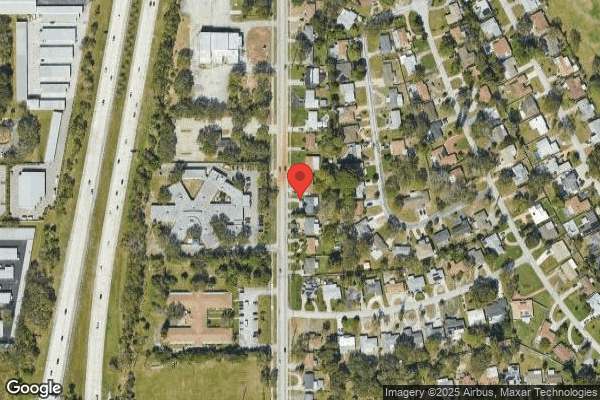
4201 31ST ST S, SAINT PETERSBURG, FL 33712 (727) 867-1104
For profit - Corporation 120 Beds FLORIDA INSTITUTE FOR LONG-TERM CARE Data: November 2025
Trust Grade
85/100
#5 of 690 in FL
Last Inspection: January 2024

Within standard 12-15 month inspection cycle. Federal law requires annual inspections.

Overview

Bay Pointe Nursing Pavilion has received a Trust Grade of B+, which indicates it is above average and recommended for families considering care options. It ranks #5 out of 690 facilities in Florida, placing it in the top tier, and is the best choice among 64 facilities in Pinellas County. The facility is improving, having reduced its issues from 6 in 2024 to just 1 in 2025, although it still has an average staffing rating with a turnover rate of 50%. While there are no fines on record, which is positive, there have been some concerns raised; for example, residents reported long delays in call light responses, particularly during nights and weekends, leading to unresolved grievances about timeliness. Additionally, there were past incidents involving improper food storage and missed dialysis care, highlighting areas that need attention alongside the facility's strengths in overall quality and RN coverage.

Trust Score
B+
85/100
In Florida
#5/690
Top 1%
Safety Record
Low Risk
No red flags
Inspections
Getting Better
6 → 1 violations
Staff Stability
⚠ Watch
50% turnover. Above average. Higher turnover means staff may not know residents' routines.
Penalties
✓ Good
No fines on record. Clean compliance history, better than most Florida facilities.
Skilled Nurses
○ Average
Each resident gets 37 minutes of Registered Nurse (RN) attention daily — about average for Florida. RNs are the most trained staff who monitor for health changes.
Violations
⚠ Watch
14 deficiencies on record. Higher than average. Multiple issues found across inspections.
★★★★★
5.0
Overall Rating
★★★☆☆
3.0
Staff Levels
★★★★★
5.0
Care Quality
★★★★☆
4.0
Inspection Score
Stable
2024: 6 issues
2025: 1 issues

The Good

  • 5-Star Quality Measures · Strong clinical quality outcomes
  • Full Sprinkler Coverage · Fire safety systems throughout facility
  • No fines on record

Facility shows strength in quality measures, fire safety.

The Bad

Staff Turnover: 50%

Near Florida avg (46%)

Higher turnover may affect care consistency

Chain: FLORIDA INSTITUTE FOR LONG-TERM CAR

Part of a multi-facility chain

Ask about local staffing decisions and management

The Ugly 14 deficiencies on record

Mar 2025 1 deficiency
CONCERN (E) 📢 Someone Reported This

A family member, employee, or ombudsman was alarmed enough to file a formal complaint

Potential for Harm - no one hurt, but risky conditions existed

Deficiency F0725 (Tag F0725)

Could have caused harm · This affected multiple residents

**NOTE- TERMS IN BRACKETS HAVE BEEN EDITED TO PROTECT CONFIDENTIALITY** Based on review of facility records, staff and resident interviews, the facility failed to ensure sufficient staffing to meet th...

Read full inspector narrative →
**NOTE- TERMS IN BRACKETS HAVE BEEN EDITED TO PROTECT CONFIDENTIALITY** Based on review of facility records, staff and resident interviews, the facility failed to ensure sufficient staffing to meet the needs of the residents as evidenced by, 1. Resident interviews on untimely call light response for five residents (#11, #14, #15, #10 and #16) of 8 residents sampled, 2. Unresolved grievances related to call light response times for one resident (#11) of five residents reviewed for grievances. Findings included: On 3/10/25 at 2:20 p.m., an interview was conducted with Resident #11 who stated, depending on who's working the call light response varies. Resident #11 said, There is definitely a problem on nights and weekends where it can be up to an hour before someone answers the call light. A review of Resident #11's admission record revealed the resident was admitted to the facility on [DATE], with diagnoses to include nontraumatic intracerebral hemorrhage, muscle wasting, and atrophy. Review of Resident #11's Minimum Data Set (MDS), dated [DATE], revealed a Brief Interview for Mental Status (BIMS) score of 14, meaning intact mental cognition. A review of section GG of the MDS revealed Resident #11 is dependent for chair-to-bed transfers, substantial/maximal assistance for toileting and showering, moderate assistance for dressing, and set-up/clean-up assistance for eating. On 3/10/25 at 2:27 p.m.an interview was conducted with Resident #14. Resident #14 said he has always had an issue with call lights not being answered and he feels staff are irritated any time they come to assist him. Resident #14 said staff told him not to use the call light anymore and that it was just for the nurses. He stated he only uses the call light when he really needs it because he, doesn't want to cause problems. Review of Resident #14's MDS revealed a BIMS score of 15, meaning intact mental cognition. A review of the MDS Section GG: Functional Abilities revealed Resident #14 is dependent for toileting and showering, requires moderate to maximal assistance for dressing and personal hygiene, and requires set up assistance for eating and oral hygiene. On 03/10/2025 at 2:25 p.m., during an interview Resident #15 stated he had been a resident at this facility since 2011. He said about call lights, they've always been bad about answering call lights. Resident #15 stated now he just yells to get staff's attention. A review of Resident #15's admission record revealed the resident was admitted on [DATE] and readmitted on [DATE] with diagnoses to include unspecified sequelae of unspecified cerebrovascular disease as well as mixed hyperlipidemia, primary hypertension, type 2 diabetes mellitus without complications, and major depressive disorder. Review of Resident #15's MDS revealed a BIMS score of 14, meaning intact mental cognition. A review of Section GG: Functional Abilities revealed the resident is fully dependent for transferring and to requires substantial/maximal assistance for eating, oral hygiene, and dressing. On 3/10/25 at 10:45 a.m., an interview was conducted with Staff F, Certified Nursing Assistant (CNA). Staff F said, we have enough staff today to complete showers, but that is not always the case. She stated sometimes they did not complete the shower schedule and therefore some residents did not receive their showers or baths as scheduled because they did not have enough staff. On 3/11/25 at 10:30 a.m., an interview was conducted with Staff A, CNA, revealing staffing can be difficult. She stated it was more of an issue of staff calling out or staff showing up to work and then leaving. She stated scheduling can be short too. Staff A, CNA said that she feels like they can answer call lights and respond to resident needs in a timely manner when they have the right staffing. She stated if they're short staffed it can be difficult and busy. During an interview on 3/11/2025 at 10:45 a.m., Resident #16 said staff response to call lights was frequently brought up during resident council meetings. She stated it was mentioned in most meetings that staff took a long time to respond to call lights. Resident #16 expressed concerns about the administrative response to Resident Council, stating she felt like even though the meeting minutes are provided to the administrator, it never seemed to get addressed and there was no follow-up. Review of Resident #16's MDS, dated [DATE], revealed a BIMS score of 15, meaning intact mental cognition. Further review of the MDS Section GG: Functional Abilities revealed the resident required substantial/maximal assistance for transferring, dressing, and toileting and setup assistance for eating and oral hygiene. On 3/11/25 at 12:45 p.m. an interview was conducted with Staff I, Physical Therapist (PT). She said frequently she has found residents with urine-soaked disposable pads/underpants and/or linen. She stated residents have frequently told her staff have not responded to their call lights or they have not been changed from the previous evening. On 3/12/25 at 9:30 a.m. an interview was conducted with Staff E, LPN. She said fewer nurses are scheduled on the weekends. She stated frequently at the end of her shift she remains at the facility for up to two additional hours to complete her assignments. During a tour of 200 hall on 3/12/25 at 9:25 a.m., an observation was made of an unidentified resident yelling for staff's assistance. Staff E, LPN told the resident as soon as the CNA returned in about five minutes, assistance will be provided. At 9:55 a.m. the Director of Nursing (DON), who happened to be walking down the hall provided assistance to the resident. At 10:03 a.m. Staff B, CNA returned to the assigned hall. Staff B, CNA did not identify who was responsible for answering her call lights during her absence. During morning tour conducted on 03/12/2025 at 9:35 a.m.,, an observation was made of two call lights on. Nursing staff were not observed answering the calls. It was not clear how long they had been on. The nursing Home Administrator (NHA) happened to be walking by and answered both call lights. It was not clear where the CNA's assigned to the hall were. Review of Resident Council meeting minutes for January, February and March 2025, showed there were no concerns documented related to call light response and/or incontinent care concerns, contrary to Resident #16's statement. An interview was conducted with the NHA on 3/12/25 at 12:51 p.m. about a grievance for Resident #11. The grievance dated 1/22/25 showed under concern, prolonged call lights response time. The NHA stated Resident #11 revealed she had been waiting more than 15 minutes. The NHA stated if the response was within 15 minutes it is okay. The NHA could not identify how long the resident had waited to be assisted. During an interview with Resident #11 on 3/10/25 at 2:20 p.m., the resident stated, it can be up to an hour before someone answers the call light. On 3/11/25 at 2:40 p.m. an interview was conducted with the Nursing Home Administrator, (NHA). The NHA stated call light audits were started in September 2024, and Quality Assurance and Performance Improvement (QAPI) initiative focused on call light responses. The NHA said this issue was identified as a result of complaints from residents and resident families. The NHA could not confirm if the call light audits or QAPI initiative had been successful. A policy related to Activities of Daily Living (ADL) was requested and not provided. On 3/12/25 at 9:30 a.m., an interview with Staff C, Licensed Practical Nurse (LPN) revealed sometimes her tasks rolled over to the next shift due to not having enough staff. She stated she completes tasks from the previous shift as the, 11 p.m. to 7 a.m. shift is not fully staffed. Staff C, LPN stated the, 7 a.m. - 3 p.m. shift is not always fully staffed as well. She stated she did not have enough time to complete some of her nursing tasks sometimes. Staff C, LPN stated she typically had 30-31 residents on her assignment. She stated when fully staffed, she would have about 20 residents on her assignment. She stated when there is a lot of call outs, and no replacement staff then, It's difficult to do my job. Staff L, LPN stated she would assist CNAs with showering/bathing residents if needed when they are short staffed, but it's not her usual role. On 3/12/25 at 11:20 a.m., an interview with the Activities Director (AD) revealed she is the liaison and documented the minutes during resident council meetings. The AD stated if concerns are brought up during resident council, she documented on the grievance form, Resident council, and provided that to the interdisciplinary department it belonged to. The AD stated she had not had to fill out a grievance form for recent resident council meetings. She stated, A few months back, a resident presented a concern about call lights, therefore, audits were initiated. The AD stated she filled out a grievance for that resident and gave it to the social services director (SSD). The AD stated she thought the facility's expectations regarding answering call lights was to answer within 10 minutes, but that was not always the case. She stated the expectation was to, try to answer the call light in a timely manner. If you see the call light, anyone can answer. Everybody here is supposed to answer call lights. She stated if the resident needed something out of the scope of the person who answered the call light, then they should get the appropriate person. On 3/12/25 at 1:20 p.m., an interview was conducted with the Staffing Coordinator (SC) who revealed the facility is staffed based on acuity and census. She stated she received census numbers from the morning meeting. The SC stated she gathered information about acuity based on the calculated census per the number of staff. She stated she would receive information from the Assistant Director of Nursing (ADON) in the morning or the night before, regarding acuity and resident needs. The SC stated if there was a call out, she would call other staff to see if they can come in. She stated if no one could come in, they adjust the assignments to make it as even as possible. The SC could not confirm if some tasks were not completed as a result of a lack of replacement. On 3/11/25 at 2:15 p.m. an interview with the Nursing Home Administrator (NHA) revealed she attended resident council meetings when invited, or when there is something that affected the facility that residents needed to know. She stated the Activities Director (AD) takes meeting minutes during resident council meetings. The NHA stated if there was an individual concern, then a grievance form is completed. The NHA stated she conducted daily meetings with department heads, where they discuss resident council concerns. The NHA stated regarding call light concerns, there was a concierge program that is conducting on-going call light audits. She stated concierge rounds were conducted daily, and findings are discussed in the daily meetings with department heads. She stated if a resident had any concerns, she would initiate a grievance immediately based on concerns presented in concierge rounds. The NHA did not confirm if the call light audits had addressed the resident's concerns related to delayed response times. Review of a Job description titled, Position - Director of Nursing (DON), dated August 2022, showed, under essential duties, Makes rounds to note resident/patient conditions and to ensure nursing personnal are performing their work assignments in accordance with acceptable nursing standards. Assures adequate staffing of the facility on a 24 - hour basis A policy related to timely call light response was requested and not provided. A policy related to staffing was requested and not provided. During an interview with Resident #10 on 03/10/25 at 12:45 p.m. he stated, The staff do not answer my call light. He further stated he could not get his call light answered when he needed help. During an interview on 03/12/25 10:30 a.m. with Staff H. Registered Nurse (RN), Unit Manager (UM), he confirmed they were short-staffed a CNA today. He stated they are short-staffed sometimes.
Apr 2024 1 deficiency
CONCERN (D) 📢 Someone Reported This

A family member, employee, or ombudsman was alarmed enough to file a formal complaint

Potential for Harm - no one hurt, but risky conditions existed

Deficiency F0698 (Tag F0698)

Could have caused harm · This affected 1 resident

**NOTE- TERMS IN BRACKETS HAVE BEEN EDITED TO PROTECT CONFIDENTIALITY** Based on interview and record review, the facility failed to ensure Hemodialysis (HD) care was provided per physician orders for...

Read full inspector narrative →
**NOTE- TERMS IN BRACKETS HAVE BEEN EDITED TO PROTECT CONFIDENTIALITY** Based on interview and record review, the facility failed to ensure Hemodialysis (HD) care was provided per physician orders for one (Residents #1) of six residents receiving dialysis. Findings included: Resident #1 was admitted to the facility on [DATE] and discharged on 03/09/24 with diagnoses to include End Stage Renal Disease (ESRD) and Dependence on renal dialysis. Review of the facility's grievance log showed on 03/11/24, a grievance was filed for Resident #1. Review of the grievance submitted by the resident's family member showed Resident missed dialysis on 03/09/24 and was late on 03/07/24 due to transportation. Review of physician orders for Resident #1 dated 03/06/24 showed the resident did not have orders for hemodialysis. Review of physician orders for Resident #1 dated 04/02/24 showed the resident is to have Dialysis on days: Tuesday, Thursday, Saturday at [name and location of Dialysis center] Chair time: 6 AM Catheter site: Right and Left Upper Arms Dialysis Transport:[name of transportation company], Name/Phone Number of the doctor and bag meal/snack to go with resident name. Document Vital signs upon resident returning from dialysis. Dialysis AV (Arteriovenous) Shunt - Monitor every shift for signs and symptoms of bleeding. Location of shunt Right and Left upper Arm. every shift for Preventative Measure Notify MD if bleeding occurs. Dialysis Catheter Site Right and Left upper arms. Monitor every shift for signs and symptoms of bleeding. every shift for Prevention Notify MD of bleeding. Epogen to be given at Dialysis center during Dialysis. Review of care plan for Resident #1 dated 03/07/24 showed, CANCELED: HEMODIALYSIS: The resident has renal failure and is on Hemodialysis. Resident to have Dialysis on days: Tues, Thurs, Sat. Interventions included Resident to have Dialysis on days: Tues, Thurs, Sat at [name of dialysis center and the transportation company]. Dialysis Catheter Site- Observe for Signs and Symptoms of Bleeding. Observe for Bleeding; for gross bleeding at access consider calling 911. Diet as ordered. Protect shunt site from injury: No constriction or BP to affected limb. Observe for change in appearance/unusual bleeding at site. Observe signs and symptoms of infection and injury at access site. Redness, pain, drainage, loss of feeling in extremity, edema, ischemic skin changes. Encourage resident to go for the scheduled dialysis appointments. Encourage rest as needed and participation in preferred activities. Allergies No Known Allergies. Review of the Medical Certification for Medicaid Long-Term Care Services and Patient Transfer Form (Form 5000-3008) dated 03/06/24, showed Resident #1 received dialysis on Tuesday, Thursday, and Saturday. Review of a facility document titled, Pre-admission Screening Tool, dated 03/05/24, showed Resident #1 required HD on Tuesday, Thursday, and Saturday. The document indicated [name of dialysis facility] and the chair time, 6 a.m. Review of a document titled, SBAR (Situation Background Assessment Recommendation) Communication Form dated 03/09/24 at 10:15 a.m. showed, MD (Medical Doctor) at dialysis center requested [Resident #1] be sent to [name of the hospital] for dialysis treatment. Review of a facility Hospital Transfer form, dated 03/09/24 at 10:00 a.m., showed Resident sent to hospital for dialysis treatment. On 04/02/26 at 10.06 a.m., an interview was conducted with Staff A, Licensed Practical Nurse, (LPN). She stated she had dialysis residents in hall 600. She stated to her knowledge her residents had not missed dialysis. She said, But, there was a resident on the other side, earlier in March, she missed two dialysis appointments because of transportation. She ended up being hospitalized . I heard the transport bus broke or something. She was not assigned to me directly. Staff A stated she made sure the Certified Nurses Assistants (CNAs) got the residents up on time. She stated they did not want them to miss their chair time. She stated the nurses completed documentation before and after dialysis. On 04/02/26 at 10:12 a.m., an interview was conducted with Staff B, Registered Nurse (RN)/ Unit Manager. She stated she had a dialysis resident in hall 300. She stated there were times residents missed appointments because of the transport company. She stated they could be unreliable. She stated Medical Records scheduled all dialysis transportation. She stated the facility did not have an emergency plan and they do not have a vehicle. She said, The plan is to reschedule the appointment for the next day or get orders to send the resident to the hospital. She stated each resident had a dialysis communication book they brought to the center for dialysis staff to fill out. She stated their nurses fill out their portion for post dialysis care. On 04/02/26 at 10:20 a.m., an interview was conducted with Staff C, LPN. She stated the only issue they had was with transportation, which would normally be set up by Medical Records. She stated the nurses filled out the form, gave the resident their medications, and gave them a meal from the kitchen. She stated they would try and get them in for a later chair time. She stated she made repeated calls to the transportation company and if they could not get them in, they notified dialysis and the doctor. She stated she was not aware of any residents missing dialysis recently. An interview was conducted with the Director of Nursing (DON) on 04/02/26 at 11:18 a.m. She stated Resident #1 was admitted to the facility on [DATE] and had dialysis set up. She said, It was set up for Tuesday, Thursday and Saturday, chair time at 6 a.m. She stated the hospital typically sets up the first appointment, but in this case they did not. When she was admitted she was not able to get in for the 6 a.m. chair time which was scheduled for the following day. We called and rescheduled. She went in at 8:30 a.m. and had a shortened chair time. She returned at 12:30 p.m. The DON stated a shortened chair time meant dialysis shortened her chair time and she did not know why. She said it had to do with their scheduling. The DON stated transportation did not show up for her 6 a.m. chair time again on 03/07/24. She stated when the nurse called, they kept saying they were on their way. The DON stated the nurse on duty called the doctor, and eventually around 10 a.m. he ordered her to be transferred to the hospital. The DON stated their protocol if a resident missed an appointment was to call the dialysis center and set up a later chair time. The DON stated the facility had no vehicle available. They could not transport her. The DON stated they had analyzed the situation and the previous NHA was supposed to file a complaint with the insurance company. I don't know if it was filed. We notified the daughter of the appointments. The DON stated no other residents had missed dialysis. On 04/02/26 at 12:09 p.m., the DON stated they had reviewed the incident which happened on a weekend. She stated Medical Records did not work weekends. She stated the weekend supervisor should have confirmed the chair time and transportation. The DON said, to my knowledge, I don't know if anyone called to confirm the appointments prior to her admission or upon admission. The DON stated there was no evidence it was confirmed because it was not documented. On 04/02/26 at 12:38 p.m. an interview was conducted with the Nursing Home Administrator (NHA) and the DON. The NHA stated she had just become aware of Resident #1 missing dialysis appointments. She said, I can't speak of that incident, but for the future we will make sure transportation for dialysis residents is secured. It normally takes them time to make sure the residents are ready. The DON stated the facility had gone through a staffing turnover. She stated they had identified they needed to put some systems in place. She stated they had started in-services on documentation. She stated they would educate on dialysis. On 04/02/26 at 12:12 p.m., the DON stated they had received a grievance for this patient. She stated to her knowledge they had resolved it for this patient. She said, We have no control of the transportation company. The DON stated they had a contingency plan. She said, We have other transportation companies that we could call. And the facility could pay for the transport. This is our emergency plan. I don't have the answer as to why this did not happen. The weekend supervisor dealt with that. I don't know if the nurses know of this option. The weekend supervisor chose to call the doctor and send her out. I know the hospital is for acute care. It is not for regular non-emergent services. I know. We will educate the nurses. Review of dialysis communication books for March 2024 revealed the following: There was one documented communication form dated 03/07/24. The pre- dialysis care portion was noted blank. The DON stated the dialysis forms should be filled out completely. She stated it was tool for the center and the facility to communicate. She stated the vitals should be documented and the site should be assessed. She stated they were to notify the doctor of anything out of the ordinary. Review of a facility policy titled, Dialysis Management (Hemodialysis), dated October 2021, showed the facility will coordinate care and services for hemodialysis residents. Facility will coordinate routine transportation for the resident. Contractual agreement will include but not limited to, the following: Medical and non-medical emergencies, development and implementation of resident care plan, interchange of information useful/necessary for the care of the resident. Under guidelines 1.) obtain physician orders to include but not limited to shunt access site-signs and symptoms to monitor such as pain, infection, or bleeding. 4.) Daily assessment and documentation of shunt or access site for bleeding, signs and symptoms of infection, redness/pain. Notify physician of abnormal findings. 8.) Complete the dialysis communication tool before and after dialysis and following up on any special instructions from the dialysis center.
Jan 2024 5 deficiencies
CONCERN (D)

Potential for Harm - no one hurt, but risky conditions existed

Assessment Accuracy (Tag F0641)

Could have caused harm · This affected 1 resident

**NOTE- TERMS IN BRACKETS HAVE BEEN EDITED TO PROTECT CONFIDENTIALITY** Based on interviews and record review the facility failed to ensure one resident (#81) out of five residents sampled was accurat...

Read full inspector narrative →
**NOTE- TERMS IN BRACKETS HAVE BEEN EDITED TO PROTECT CONFIDENTIALITY** Based on interviews and record review the facility failed to ensure one resident (#81) out of five residents sampled was accurately assessed for pain in Section J- Health Conditions on the Minimum Data Set (MDS) assessment. Findings included: During an interview on 01/09/24 at 9:45 a.m., Resident #81 stated she had pain in her feet. Resident #81 could not answer why her feet hurt but stated, They just hurt. Review of Resident #81's admission Record showed diagnoses including muscle wasting and atrophy, multiple sites, chronic pain syndrome, low back pain, foot drop, and pain unspecified. Review of Resident #81's current physician orders showed the following medications for pain: - A physician order dated 10/09/23 showed Baclofen Oral Tablet 10 MG [milligrams] give one tablet by mouth three times a day for pain. - A physician order dated 10/10/23 showed Norco Oral Tablet 5-356 MG [milligrams] give one tablet by mouth every six hours as needed for pain. - A physician order dated 11/10/23 showed Lidocaine HCI External Patch 4% apply to lower back topically one time a day for pain. Review of Resident #81's Quarterly Minimum Data Set (MDS), dated [DATE], Section J- Health Conditions showed questions A. Been on a scheduled pain medication regimen? and B. Reviewed PRN pain medications? were marked No. Review of Resident #81's December 2023 Medication Administration Record (MAR) showed Resident #81 received Baclofen oral tablet 10 MG was administered three times a day for pain 12/01/23-12/09/23, Lidocaine HCI External Patch 4% was applied once a day for back pain on 12/01/23-12/09/23, and Norco Oral Tablet 5-356 MG [milligrams] was given on 12/09/23 during the time period of 12/01/23-12/09/23. Review of Resident #81's care plan showed, Pain: The resident has pain and a potential for pain. Pain to the lower back, joints and generalized. Back pain and generalized at times. Goals: The resident will not experienced a decline in overall function related to pain through the review date. Interventions: Administer medications and observed for effectiveness, Observe and report signs of s/sx of pain, pain management consult and consult order for psychological services. Review of Resident #81's Quarterly MDS, dated [DATE], showed a modification was made on 01/11/24 at 2:44 p.m. The modification showed Section J- Health Conditions showed question B. Reviewed PRN pain medications? now reflected the answer changed to Yes. (Photographic evidence obtained) During an interview on 01/12/24 at 9:30 a.m., Staff B, MDS Coordinator stated he did modify Resident #81's Quarterly MDS, dated [DATE], yesterday. Staff B, MDS Coordinator stated no one asked him to modify the MDS, however when he was asked to print Resident #81's MDS he noticed Section J- Health Conditions was marked wrong with the pain medications marked no. Staff B, MDS Coordinator stated Administration asked me to print the MDS sections so I checked them to make sure they were right before I printed them because I knew you were in the building and auditing them. Staff B, MDS Coordinator stated I wanted to make sure the MDS was correct before printing and giving it to you for review. During an interview on 01/12/24 at 9:40 a.m., the Administrator stated, I would not expect my staff to change documents after you have asked for them. The Administrator stated, I would expect them to print the original incorrect form to give to you and then fix the discrepancy.
CONCERN (D)

Potential for Harm - no one hurt, but risky conditions existed

PASARR Coordination (Tag F0644)

Could have caused harm · This affected 1 resident

**NOTE- TERMS IN BRACKETS HAVE BEEN EDITED TO PROTECT CONFIDENTIALITY** Based on record review and interviews the facility failed to refer one resident (#78) of 12 residents reviewed for Pre-admission...

Read full inspector narrative →
**NOTE- TERMS IN BRACKETS HAVE BEEN EDITED TO PROTECT CONFIDENTIALITY** Based on record review and interviews the facility failed to refer one resident (#78) of 12 residents reviewed for Pre-admission Screening and Resident Review (PASRR), for a Level II review after a positive Level I PASRR revealed a need for further review. Findings included: Review of Resident #78's admission Record showed an original admission date of 07/28/23 with diagnoses included but not limited to unspecified mood [Affective] disorder onset date 07/28/23, other psychotic disorder onset date 07/28/23, Schizoaffective Disorder, Bipolar Type onset 12/14/23, Major Depressive Disorder, recurrent, moderate onset date 12/14/23, Schizoaffective Disorder, unspecified onset date 07/28/23, Bipolar Disorder, unspecified onset date 07/28/23 and generalized anxiety disorder onset date 10/19/23. Review of Resident #78's Discharge Return Anticipated Minimal Data Set (MDS) assessment dated [DATE], revealed under Section C-Cognitive Patterns, Resident #6 had a Brief Interview for Mental Status (BIMS) of 03 (severe cognitive impairment) and under Section I - Active Diagnoses, Resident #6 had diagnoses of Anxiety Disorder, Manic Depressive-Bipolar Disease, Psychotic Disorder and Schizophrenia. A review of Resident #78's I PASRR assessment, dated 07/14/23 revealed, under the section titled A. MI (Mental Illness) or suspected MI (check all that apply), the checkboxes for the selections Depressive Disorder, Bipolar Disorder, and Schizoaffective Disorder were checked. The assessment also revealed, under the section III titled Other Indications for PASRR Screen Decision-Making, the checkboxes for the selection B Concentration, persistence and pace was checked Yes. The assessment further revealed, under section IV titled, PASRR Screen Completion, the selection Individuals may not be submitted to a Nursing Facility. Use this form as required documentation to request a Level II PASRR evaluation because there is a diagnosis of or suspicion of Serious Mental Illness and Intellectual Disability. Further review of Resident #78's medical record showed no Level II PASRR available for review. During an interview on 01/12/24 at 10:38 a.m., the Director of Nursing (DON) stated she was responsible for all Residents' PASRR with the help from the Social Worker. The DON stated she would expect all the PASRR information to be included in the hard copy chart for all Residents. The DON reviewed Resident #78's PASRR dated 07/14/23 which showed under the section titled A. MI (Mental Illness) or suspected MI (check all that apply), the checkboxes for the selections Depressive Disorder, Bipolar Disorder, and Schizoaffective Disorder were checked. The assessment also revealed, under the section III titled Other Indications for PASRR Screen Decision-Making, the checkboxes for the selection B Concentration, persistence and pace was checked Yes. The assessment further revealed, under section IV titled, PASRR Screen Completion, the selection Individuals may not be submitted to a Nursing Facility. Use this form as required documentation to request a Level II PASRR evaluation because there is a diagnosis of or suspicion of Serious Mental Illness and Intellectual Disability. The DON stated let me look into this as no Level II PASRR was available in Resident #78's medical record. During an interview on 01/12/24 at 11:00 a.m., the DON provided a [company name] statement Preadmission Screening and Resident Review Screening dated 10/26/23 that showed, We cannot complete the screening. The reason is below: The case is being closed due to an incomplete submission packet. Written in the top right corner showed faxed all 11/13. The DON stated that she would have to continue to look further to see if the information was re-submitted for the level II. During an interview on 11/12/24 at 11:23 a.m., the DON stated she had a call out to [the state reviewing agency] because she looked in the electronic system and did not see where a new submission within [The state reviewing agency] online system was submitted for Resident #78 on 11/13/23. The DON stated she could not find any fax confirmation for any re-submission of a completed submission packet. The DON stated right now she did not have any proof or evidence that the facility ever completed a Level II review for Resident #78.
CONCERN (D)

Potential for Harm - no one hurt, but risky conditions existed

Comprehensive Care Plan (Tag F0656)

Could have caused harm · This affected 1 resident

**NOTE- TERMS IN BRACKETS HAVE BEEN EDITED TO PROTECT CONFIDENTIALITY** Based on interviews and record review, the facility failed to implement and develop a care plan for a Functional Maintenance pro...

Read full inspector narrative →
**NOTE- TERMS IN BRACKETS HAVE BEEN EDITED TO PROTECT CONFIDENTIALITY** Based on interviews and record review, the facility failed to implement and develop a care plan for a Functional Maintenance program/Restorative Nursing program for one resident (#17) out 34 sampled residents. Findings included: Review of Resident #17's admission Record revealed she was admitted to the facility on [DATE] from an acute care hospital. Her diagnoses included lack of coordination, repeated falls, unsteadiness on feet, need for assistance with personal care, cognitive communication deficit, acquired deformities of right foot, age related physical debility, personal history (healed) of traumatic fracture, and presence right artificial hip joint. An interview was conducted on 1/9/24 at 10:22 AM with Resident #17. She was observed to be in her room sitting in her wheelchair. She said she was not currently in therapy, but she feels she was making progress in therapy and now that she is no longer in therapy she feels she is not able to lift herself from the wheelchair and use her walker as well as she used to. She said she feels weaker now. She said she told the Nursing Home Administrator (NHA), but she has not heard anything from him since. Review of Resident #17's physician orders revealed an order with a start date of 7/25/23 with no end date for Restorative Nursing as needed. Review of Resident #17's TO (Occupational Therapy)-Therapist Progress & Discharge Summary dated 12/6/23 revealed the following. Analysis of Functional Outcome/Clinical Impression Pt [patient] provided with skilled OT to increase independence in ADL performance and related mobility. Pt made measurable progress attaining all of her long-term goals. Pt provided with Functional Maintenance program for BUE [bilateral upper extremities] ROM [range of motion]/strengthening exercises to maintain with provision of skilled OT. Review of Resident #17's Therapy Recommendations for Restorative/Functional Maintenance Program with a therapy discharge date of 12/6/23, revealed Passive and/or Active Assistance/ROM [range of motion] BUE [bilateral upper extremity] strengthening/ ROM exercises: Strengthening: using light resistance theraband [sic] 1lb [pound] hand weight, 2lb weighted [sic] 10 reps X [times] 3: Shoulder flex/ext [extension]/abduction. -Biceps curls -Triceps extensions. .General Recommendations: Pt to perform upper body exercises to maintain/increase strength to performance of basic self care tasks and transfers. The training record revealed 3 signatures. One Licensed Practical Nurse (LPN) signature dated 12/7/23. One Certified Nursing Assistant (CNA) signature dated 12/7/23, and Staff A, CNA signature dated 1/4/24. Review of Resident #17's care plans did not reveal a care plan related to her Functional Maintenance program/Restorative program with measurable goals and interventions. An interview was conducted on 1/11/24 at 11:57 AM with the NHA. He said since the resident has been admitted he had been working very closely with the family and the resident regarding therapy. We actually just had a care plan meeting this morning for her and we are going to get her rescreened for therapy .we just reviewed all the therapy notes and she is stand by assist for all her ADLs and walking over 150 feet .this morning she said she's not confident getting up and walking so we just put in a therapy referral but we extended her therapy several times while she has been here to get her ready to go to an ALF [Assisted Living Facility]. An interview was conducted with the Director of Therapy (DOR) on 1/11/24 at 1:20 p.m. She said, Resident #17 was on Physical Therapy (PT) from 7/26/23 through 12/26/23. The resident received Occupational Therapy (OT) from 7/26/23-12/06/23 and she is currently on Speech Therapy for cognition. The DOR said When she was discharged from therapy, she was walking over 150 feet with supervision to stand by assist with the rolling walker. Stand by assist means we have a wheelchair there just in case if she needs to take a break or is feeling anxious. She was a standby assistant with transfers. That means someone is close enough to reach her if assistance is needed. When we discharged her from PT and OT, we discharged her with the restorative program, but our restorative aide no longer works here and there hasn't been a restorative aide for a while. When we discharge a resident to the restorative program, we write up a restorative plan and educate the CNAs on it but I can't be sure it is actually getting done. An interview was conducted with Resident #17 on 1/11/24 at 2:30 p.m. She was observed to be in her room sitting in her wheelchair with a [brand name therapy band] on her bed next to her. She said since I have stopped therapy, I have been getting zero exercise. I have this band and I will stretch it sometimes, but I am doing that myself and it isn't helping, I am getting weaker. I am going backwards because I'm not getting the exercises. I don't know what a Restorative Program is. I don't have weights, and no one brings me weights to do exercises. An interview was conducted with Staff A, CNA on 1/11/24 at 2:40 p.m. she said she works with Resident #17 every Tuesday and Thursday. She said she doesn't know anything about a Restorative program. We used to have a restorative aide, but he has not been here for a long time. If the residents need exercises that's something Therapy does. Staff A, CNA said she does not provide Resident #17 with exercises using weights or bands, That's something therapy does. An interview was conducted with the Director of Nursing (DON) on 1/11/24 at 4:03 p.m. She said we do not have a restorative program. I was never oriented to a restorative program since I started on October 31st, 2023. An interview was conducted with the DOR on 1/11/23 at 9:28 a.m. She said, The facility is supposed to provide the residents with restorative therapy according to our contract with them and I'm not sure it is actually getting done. Review of the facility's policy Care Plan- Interdisciplinary Plan of Care from Interim to Meeting with a revision date of September 2023 revealed the following. Policy The facility shall support that each resident must receive [sic] and the facility must provide the necessary care and services to attain or maintain the highest practicable physical, mental, and psychosocial well-being, in accordance with the comprehensive assessment and plan of care. The facility shall assess and address care issues that are relevant to individual residents, to include, but may not be limited to monitoring resident condition and responding with appropriate interventions. The comprehensive care plan is an interdisciplinary communication tool. It includes measurable objectives and time frames and describes the services that are to be furnished to attain or maintain the resident's highest practicable physical, mental, and psychosocial well-being. The care plan is reviewed and revised periodically, and the services provided or arranged are consistent with each resident's written plan of care
CONCERN (D)

Potential for Harm - no one hurt, but risky conditions existed

Deficiency F0676 (Tag F0676)

Could have caused harm · This affected 1 resident

**NOTE- TERMS IN BRACKETS HAVE BEEN EDITED TO PROTECT CONFIDENTIALITY** Based on interviews and record review the facility failed to provide a Functional Maintenance program/Restorative Nursing progra...

Read full inspector narrative →
**NOTE- TERMS IN BRACKETS HAVE BEEN EDITED TO PROTECT CONFIDENTIALITY** Based on interviews and record review the facility failed to provide a Functional Maintenance program/Restorative Nursing program to maintain or improve resident activities of daily living (ADLs) for one resident (#17) out three residents reviewed for activities of daily living. Findings included: Review of Resident #17's admission Record revealed she was admitted to the facility on [DATE] from an acute care hospital. Her diagnoses included but are not limited to lack of coordination, repeated falls, unsteadiness on feet, need for assistance with personal care, cognitive communication deficit, acquired deformities of right foot, age related physical debility, personal history (healed) of traumatic fracture, and presence right artificial hip joint. An interview was conducted on 1/9/24 at 10:22 AM with Resident #17. She was observed to be in her room sitting in her wheelchair. She said she was not currently in therapy, but she feels she was making progress in therapy and now that she is no longer in therapy she feels she is not able to lift herself from the wheelchair and use her walker as well as she used to. She said she feels weaker now. She said she told the Nursing Home Administrator (NHA), but she has not heard anything from him since. Review of Resident #17's physician orders revealed an order with a start date of 7/25/23 with no end date for Restorative Nursing as needed. An interview was conducted on 1/11/24 at 11:57 AM with the NHA. He said since the resident has been admitted he had been working very closely with the family and the resident regarding therapy. We actually just had a care plan meeting this morning for her and we are going to get her rescreened for therapy .we just reviewed all the therapy notes and she is stand by assist for all her ADLs and walking over 150 feet .this morning she said she's not confident getting up and walking so we just put in a therapy referral but we extended her therapy several times while she has been here to get her ready to go to an ALF [Assisted Living Facility]. An interview was conducted with the Director of Therapy (DOR) on 1/11/24 at 1:20 p.m. She said, Resident #17 was on Physical Therapy (PT) from 7/26/23 through 12/26/23. The resident received Occupational Therapy (OT) from 7/26/23-12/06/23 and she is currently on Speech Therapy for cognition. The DOR said When she was discharged from therapy, she was walking over 150 feet with supervision to stand by assist with the rolling walker. Stand by assist means we have a wheelchair there just in case if she needs to take a break or is feeling anxious. She was a standby assistant with transfers. That means someone is close enough to reach her if assistance is needed. When we discharged her from PT and OT, we discharged her with the restorative program, but our restorative aide no longer works here and there hasn't been a restorative aide for a while. When we discharge a resident to the restorative program, we write up a restorative plan and educate the CNAs on it but I can't be sure it is actually getting done. Review of Resident #17's OT-Therapist Progress & Discharge Summary dated 12/6/23 revealed the following. Analysis of Functional Outcome/Clinical Impression Pt [patient] provided with skilled OT to increase independence in ADL performance and related mobility. Pt made measurable progress attaining all of her long-term goals. Pt provided with Functional Maintenance program for BUE [bilateral upper extremities] ROM [range of motion]/strengthening exercises to maintain with provision of skilled OT. Review of Resident #17's Therapy Recommendations for Restorative/Functional Maintenance Program with a therapy discharge date of 12/6/23, revealed Passive and/or Active Assistance/ROM [range of motion] BUE [bilateral upper extremity] strengthening/ ROM exercises: Strengthening: using light resistance [therapy band name] [sic] 1lb [pound] hand weight, 2lb weighted [sic] 10 reps X [times] 3: Shoulder flex/ext [extension]/abduction. -Bicep curls -Tricep extensions. .General Recommendations: Pt to perform upper body exercises to maintain/increase strength to performance of basic self care tasks and transfers. The training record revealed 3 signatures. One Licensed Practical Nurse (LPN) signature dated 12/7/23. One Certified Nursing Assistant (CNA) signature dated 12/7/23, and Staff A, CNA signature dated 1/4/24. An interview was conducted with Resident #17 on 1/11/24 at 2:30 p.m. She was observed to be in her room sitting in her wheelchair with a therapy band on her bed next to her. She said since I have stopped therapy, I have been getting zero exercise. I have this band and I will stretch it sometimes, but I am doing that myself and it isn't helping, I am getting weaker. I am going backwards because I'm not getting the exercises. I don't know what a Restorative Program is. I don't have weights, and no one brings me weights to do exercises. An interview was conducted with Staff A, CNA on 1/11/24 at 2:40 p.m. she said she works with Resident #17 every Tuesday and Thursday. She said she doesn't know anything about a Restorative program. We used to have a restorative aide, but he has not been here for a long time. If the residents need exercises that's something Therapy does. Staff A, CNA said she does not provide Resident #17 with exercises using weights or therapy bands. That's something therapy does. An interview was conducted with the Director of Nursing (DON) on 1/11/24 at 4:03 p.m. She said we do not have a restorative program. I was never oriented to a restorative program since I started on October 31st, 2023. An interview was conducted with the DOR on 1/11/23 at 9:28 a.m. She said, The facility is supposed to provide the residents with restorative therapy according to our contract with them and I'm not sure it is actually getting done. Review of the facility's policy Restorative Nursing Programs and Guidelines with a revision date of October 2017 revealed the following: Overview The facility provides Restorative Nursing Programs that involve interventions to improve or maintain the optimal physical, mental and psychological functioning. The IDT [interdisciplinary team], resident and, or family identify the needs of the resident, and collaboratively determines appropriate Restorative Nursing Programs to achieve the resident's goals. The programs include: Contracture Management and Prevention -This program includes the provision of active and, or passive range of motion exercises/movements to maintain or improve joint flexibility as well as strength. This program also involves splint/brace assistance to protect joint and skin integrity. Mobility- This program improves or maintain self-performance in bed mobility, transfers, wheelchair mobility and walking. Activities of Daily Living- This program involves improvement or maintenance of the resident's self performance in dressing (including prosthetic care), grooming and bathing .
CONCERN (D)

Potential for Harm - no one hurt, but risky conditions existed

Respiratory Care (Tag F0695)

Could have caused harm · This affected 1 resident

**NOTE- TERMS IN BRACKETS HAVE BEEN EDITED TO PROTECT CONFIDENTIALITY** Based on observations, record review, and interviews, the facility failed to maintain emergency supplies for tracheostomy care a...

Read full inspector narrative →
**NOTE- TERMS IN BRACKETS HAVE BEEN EDITED TO PROTECT CONFIDENTIALITY** Based on observations, record review, and interviews, the facility failed to maintain emergency supplies for tracheostomy care at bedside per physician's order and failed to obtain orders prior to administering oxygen for one resident (Resident #14) out of two sampled residents. Findings included: On 01/10/24 at 9:30 a.m., the oxygen concentrator in Resident #14's room was observed on and set at 5 liters. On 01/12/24 at 9:40 a.m., the oxygen concentrator in Resident #14's room was observed on and set at 5 liters, the humidified air was set at 28%. The opposite end of the tubing connector attached to the oxygen concentrator was observed disconnected from the tracheostomy (trach) collar and on the floor. A review of the admission Record for Resident #14 showed the resident was initially admitted to the facility on [DATE] with diagnoses to include chronic respiratory failure with hypoxia, tracheostomy status, and respiratory disorders in diseases classified elsewhere. A review of the Quarterly Minimum Data Set (MDS), dated [DATE], Section O Special Treatments, Procedures, and Programs showed Resident #14 received the following respiratory treatments: oxygen therapy, suctioning, and tracheostomy care. A review of the Order Summary Report with active orders as of 01/12/24 revealed the following orders: Maintain Ambu bag at beside and replacement trach of equal size and one size down maintained at bedside every shift for preventative measure and Tracheostomy Type: Shiley size 6. Trach care daily and as needed. There was no order for oxygen found. A progress note dated 01/01/24 at 11:49 revealed intravenous antibiotic remains in progress for respiratory infection. Trach patient coughing up white secretions via trach. The care plan related to the tracheostomy initiated 04/26/17 revealed Resident #14 had a tracheostomy related to impaired breathing mechanics. Interventions included to give humidified oxygen per trach as tolerated, oxygen as ordered via trach, and maintain Ambu bag and replacement trach at bedside per order. On 01/12/24 at 9:42 am, Staff C, Licensed Practical Nurse (LPN), confirmed the oxygen concentrator was set at 5 liters. The tubing connector on the floor was pointed out and Staff C, LPN, stated she would change the tubing. Staff C, LPN was asked to verify the order for oxygen. She went to her computer, looked through the orders for Resident #14, and stated she could not find the order for oxygen. Staff C, LPN, then stated she would have to go verify the order for oxygen. The emergency supplies were observed. Observations revealed there was only a 6.4 and 6.5 Shiley located in the room. This was confirmed by Staff C, LPN, and Staff H, Registered Nurse (RN). Staff H, RN, stated he thinks the resident had a size 7 Shiley. The current physician's order revealed a replacement trach of equal size, and one size down should be maintained at bedside every shift and he had an order for a size 6 Shiley. Staff C, LPN, stated in the mornings she made sure everything was in place. She made her rounds to make sure the oxygen was on but didn't check the emergency supplies. On 01/12/24 at 10:28 a.m., the Director of Nursing (DON) stated no size 5 Shiley exists so a size 4 would be the next step down. She stated there should have been an order in place for oxygen. The DON walked down to Resident #14's room and she confirmed the correct size for the replacement trach was not in the room. There was only a 6.4 and 6.5 Shiley located in the room. The policy provided by the facility Emergency Tracheostomy Tube Changes with an effective date of December 2022 revealed the following: The following supplies are to be kept at the bedside in a highly visible area of any resident who has a tracheostomy tube: Tracheostomy tubes- one the same size and one a size smaller.
Mar 2023 3 deficiencies
CONCERN (D) 📢 Someone Reported This

A family member, employee, or ombudsman was alarmed enough to file a formal complaint

Potential for Harm - no one hurt, but risky conditions existed

Deficiency F0554 (Tag F0554)

Could have caused harm · This affected 1 resident

**NOTE- TERMS IN BRACKETS HAVE BEEN EDITED TO PROTECT CONFIDENTIALITY** Based on observation, interview, and record review, the facility failed to ensure one (Resident #6) of 77 residents was assessed...

Read full inspector narrative →
**NOTE- TERMS IN BRACKETS HAVE BEEN EDITED TO PROTECT CONFIDENTIALITY** Based on observation, interview, and record review, the facility failed to ensure one (Resident #6) of 77 residents was assessed and deemed safe to self administer medications. Findings included: An observation on 03/14/23 at 10:00 AM, showed a souffle cup with a pill in it and a prescription cream on Resident #6's bedside table. Photogenic evidence was obtained. In an immediate interview on 03/12/23 at 10:00 AM, Resident #6 revealed the nurse would give him his pills and leave them at the bedside for him to take at his leisure. Resident #6 stated the physician ordered the cream for his bottom and the CNAs helped him administer it. During an interview on 03/14/23 at 10:05 AM, Staff A Licensed Practical Nurse (LPN) confirmed she administered Resident #6's pills today and stated, he must not have gotten all the pills down when he took them this morning leaving that pill in the cup. Staff A LPN was observed taking the souffle cup with the remaining pill in it away from bedside to discard. A record review of Resident #6's medical record showed an admission date of 02/22/23 with a primary diagnosis of Cerebral Infarction, lack of coordination, muscle weakness, hemiplegia affecting left non dominant side and major depressive disorder, recurrent. Physician orders included: Gabapentin Capsule 300 for Neuropathy, Hydrocodone every 6 hours as needed for pain, Lisinopril Tablet 40 MG for HTN, Tamsulosin HCI Capsule 0.4 MG for supplement, Amlodipine Besylate Tablet for HTN. There was no physician order for self-administration of medications. Resident #6's annual Minimum Data Set (MDS) dated [DATE] showed a BIMS (Brief Interview for Mental Status) score of 11, which indicated moderately impaired cognition. The comprehensive care plan revealed a focus of Cognition: The resident has impaired cognitive function/dementia or impaired thought process related to moderately impaired BIMS score of 8-12. The intervention was to explain care before providing it. During an interview on 03/15/23 at 8:45 AM, the Director of Nursing (DON) stated the expectation was for nurses to administer medications and the facility had already put a plan in place to correct the problem. A review of the facility's policy titled, Medication Administration Section: 7.1 dated 09/2018, stated, 20. The Resident is always observed after administration to ensure that the dose was completely ingested. If only partial dose is ingested, this is noted on the MAR action is taken as appropriate.
CONCERN (D) 📢 Someone Reported This

A family member, employee, or ombudsman was alarmed enough to file a formal complaint

Potential for Harm - no one hurt, but risky conditions existed

Free from Abuse/Neglect (Tag F0600)

Could have caused harm · This affected 1 resident

**NOTE- TERMS IN BRACKETS HAVE BEEN EDITED TO PROTECT CONFIDENTIALITY** Based on observation, interview, and record review, the facility neglected to 1. provide care and services in accordance with be...

Read full inspector narrative →
**NOTE- TERMS IN BRACKETS HAVE BEEN EDITED TO PROTECT CONFIDENTIALITY** Based on observation, interview, and record review, the facility neglected to 1. provide care and services in accordance with best practice for one (Resident #1) of one resident with a biliary drain. 2. neglected to provide enteral feeding and supplementation in a timely manner for one (Resident #1) of three residents sampled and 3. neglected to monitor and provide care and services for three (Residents #1, #4, and #5 ) out of three residents sampled with an enteral stoma site. Findings Included: 1. A review of the Nursing Home (NH) Follow up (F/U) dated 01/20/2023 for Resident #1 revealed the resident was seen for a visit status post (s/p) hospital admission. The patient was admitted for abdominal pain, abdominal wall cellulitis, and jejunostomy (J) tube site infection. A review of admission Record form revealed Resident #1 was in her early sixties and resided at the facility for a total of seven days. Diagnoses: Gastrostomy status, infection following procedure, other surgical site, superficial incision surgical site, initial encounter, gastrostomy infection. A review of nursing notes dated 01/18/2023 at 7:32 a.m., revealed the resident was sent to [name of hospital]to replace bile stent. At 11:31 p.m. (23:31), Resident returned from hospital at 6:30 p.m. A review of the emergency room Patient Care Report dated on 01/18/2023 revealed, Narrative: Pt. is a (age and gender) transferred from [local hospital name] to [name of skilled nursing facility]. Pt states that she was getting her wounds cleaned and the staff cut her nephrostomy tube. Pt. stated that the staff said that her tube was caught on something, so she just cut it. RN states that they just replaced the nephrostomy tube and is discharging back to the facility. Pt. is A&O (alert and oriented) x (times)4, GCS-15 with decisional capacity intact. Glasgow Coma Scale (GCS) is a clinical scale used to reliable measure a person's level of consciousness. The number 15 indicating normal. A review of the Emergency Department Discharge Instructions dated on 01/18/2022 revealed, The existing biliary drain was noted to be cut/damaged. The end of the catheter injected contrast and demonstrated appropriate positioning within the gallbladder lumen. Therefore, a 0.038 guided wire was directed under fluoroscopic guidance through the existing tube into the gallbladder. The existing drain was removed entirety. Radiology Pre-Op Diagnosis: chole drain cut. A review of the Emergency Department Documents revealed, Chief Complaint: .Pt. had GB (gallbladder) procedure 3 days ago and has GB drain. NH staff cut the drain during dressing change. Reevaluation: Patient is also requesting to speak to social worker and says she does not want to go back to the facility from which she was transferred and prefers to be discharged home. On 03/14/2023 at 12:46 p.m., an interview was conducted with the Director of Nursing (DON). She confirmed she was aware of Resident #1 going out to the hospital. She indicated it was after a dressing change was performed and the biliary tubing was dislodged. She stated, the tubing to the bile stent needed to be replaced. When asked about the emergency room Patient Care Report that indicated the tube was cut, she pointed at the Care Report and stated it was not cut it was dislodged. She [Resident #1] did not have any wounds and she did not have a nephrostomy tube. She said the resident had a BIMS (Brief Interview for Mental Status) score was 12, which indicated mildly impaired cognition. The DON was unaware if an incident report was performed related to Resident #1 requiring a transfer to the hospital for a higher level or care. A review of a progress note dated 01/17/2023 at 10:50 a.m. revealed, Note Text: Social Service Director (SSD), met with pt. to complete SS (social service) evaluation, BIMS, Pt. was alert and oriented x 4 and was in a talkative mood as evidenced by stating she just celebrated her birthday. (Oriented x 4 meaning; someone who is alert and oriented to person, place, time, and event). On 03/14/2023 at 2:15 p.m., the DON said she was unable to locate an incident report for Resident #1 related to her transfer to the hospital on [DATE]. A review of the Agency for Health Care Administration form 5000-3008 dated 01/11/2023 revealed, Medical condition - Primary diagnosis: abdominal (abd) wall cellulitis jejunostomy (J)-tube infection, cholelithiasis. Comments: Flush cholecystectomy (chole) drain with 10 ml normal saline (NS) every 8 hours (8QH). Nutritional/ Hydration Supplements clear, ensure 4/day. A review of the treatment administration record (TAR) revealed no physician orders to monitor the biliary or jejunostomy sites, no orders for dressing changes, no orders for flushing the chole drain with normal saline every 8 hours, or monitoring the output of the chole drainage. On 3/14/2023 at 2:59 p.m., a phone interview was conducted with Staff E, Registered Nurse (RN). She said she recalled Resident #1 was alert and oriented x 3. She said Resident #1 had put on her call light and asked to have her dressing changed to the J- tube and change the other one. Staff E said the tubing was taped down to her stomach. When she went to pull it off, everything just came right out into my hand. She said I had no idea it came dislodged. Staff E confirmed there was no order in place for the dressing change. Staff E stated She [Resident #1] told me she wanted it changed because it smelled. Staff E described the dressing to the biliary site as brown in color and referred to it as old, stained blood, that was very sticky when touched. She confirmed the dressing contained a foul odor and stated, It hadn't been changed in a long time. She went on to say the J-tube dressing was saturated with stomach contents from the insertion site stating, it was green in color. Staff E stated, I have worked with biliary tubes before. Normally you just empty it and change the dressing. Normally it doesn't have a dressing on it but Resident #1 had one in place. She said she was taught if the dressing smelled and had blood on it, it needed to be changed. Staff E stated, it can harm the skin if it's not changed. She went on to say the collection bag needed to be emptied when it was full. She said, You just need to keep the line open to keep it flowing. On 03/14/2023 at 4:00 p.m., an interview was conducted with the DON. She was unable to find a policy for the care and services of a J-tube or biliary tube. The DON said they had what were called batch orders in the computer program they used. She said it had included dressing changes and monitoring of the tube site. She said the batch orders needed a physician's order to initiate. The DON said Resident #1's admission orders did not indicate dressing changes. On 3/15/2023 at 9:15 a.m., an interview was conducted with the DON. She confirmed Resident #1's medical record did not contain an admission data collection assessment that would reflect the j tube or biliary tube sites. She was unable to provide a skin assessment during Resident #1's seven day stay at the facility. The DON stated, the admission nurse no longer works at the facility. She indicated it was the admission nurse' responsibility to perform the assessment. The DON was informed of the omitted dressing changes to the biliary and J-tube sites and the ordered flushes. On 03/15/2023 at 11:00 a.m., the DON was unable to provide a facility procedure on the care and services related to surgical drains. She stated, we follow Lippincott and provided a copy of Hepatic Billiard and Pancreatic Disorders chapter 19 page 736, undated. On page 737, Nursing Interventions Restoring Normal Fluid Volume 5. Observe and record amount of billiard tube drainage, if applicable. Patient Education and Health Maintenance 1. Instruct patient in care of tubes or catheters that may be in place at discharge. a. Observe for bleeding or drainage around insertion site. B. Replace dressing per facility protocol. c. Report change or decrease in drainage. On 03/15/2023 at 2:47 p.m., a phone interview was conducted with the facility's Medical Director (MD) who confirmed he remembered Resident #1. He confirmed she was admitted with a biliary tube and drainage system in place. He confirmed he was aware the biliary tube became dislodged and needed to be replaced. The MD indicated he was unaware the facility was not monitoring the biliary system as best practice would indicate. The MD stated, surgical sites are to be monitored, including dressing changes. And if there are no orders on admission the faciltiy needs to call for orders. The MD was informed of hospital admission orders to flush the biliary tubing every 8 hours. The order for the flushes were never transcribed nor performed during her admission of seven days. The Physician confirmed it was his expectation orders were followed. 2. A review of Nutrition Evaluation Comprehensive assessment for Resident #1 dated 01/16/2023 revealed, the most recent weight (wt.) and height (ht.) was omitted. Body mass index (BMI): 21.7, Usual Body Weight (UBW) 100 lb, Ideal Body Weight 105 lb. Diet Order: clear liquids. Comments: Resident is status post (s/p) hospitalization due to (d/t) abdominal wall cellulitis. Reports she is able to drink/have clear liquids without any GI symptoms. Aware of restrictions and Tube Feeding (TF) formulary. Unsure of UBW but reports she had gained weight and is into the 100's. Hospital wt.115 lbs. and ht.61 (5 feet) used to determine BMI and nutritional needs. Adjusted (Adj) BMI 22.8. Has TF regimen via j tube running for 12 hours/day. No pressure injuries noted. Tube Feeding order: Vivonex running at 35 milliliters per hour (ml/hr) for a total of 420 ml infused. Nutrition Intervention/ Monitoring/ Evaluation Change: continue current TF regimen, add Boost Breeze TID (three times per day) and prostate 30 ml for additional kcal/protein. On 03/15/2023 at 10:00 a.m., an interview was conducted with the Registered Dietitian (RD) as she recalled Resident #1, she stated she had been at the facility for a short period of time. The RD confirmed Resident #1 was able to answer all of her questions and was able to tell her stuff. She denied the resident had informed her of any concerns related to not receiving her supplements or enteral feedings. The RD confirmed Resident #1's admission orders were not transcribed into medication administration record accurately until 01/17/2023. She confirmed she had clarified the orders on 01/16/2023. She was unaware why the original order was not entered until 01/15/2023 at 12:30 p.m. when the resident was admitted on [DATE]. The RD reviewed the transcription of the order written on 01/15/2023, enteral feed orders every shift ADMIN VIA J-TUBE FOR 12 HRS UP AT 8A DWN 8P. She confirmed the transcription did not indicate what type of formula to administer, the rate of delivery, or the total volume that was needed. The RD confirmed she was unaware how much enteral feeding formula the resident was administered during her first twenty-four hours at the facility. The RD was unaware of the omission of the enteral feeding order on 01/16/2023 evening and night and on 01/19/2023 evening. The RD confirmed she had used Resident #1's hospital weight for the Nutrition Evaluation Comprehensive assessment that reflected 115 pounds. She said the facility did not weight the resident until 01/19/2023 that reflected 98.8 pounds. The RD said it was her expectation that a resident be weighed within 24 hours after admission. She did not know why there had been a five-day delay in obtaining her weight. The RD said she had identified on 01/16/2023 Resident #1 needed additional supplementation. She said she had ordered the boost breeze and pro-stat for additional calories. The RD was asked to look at the Agency for Health Care Administration Form 5000-3008, she indicated it was the first time she had seen the order for clear, ensure 4/day. She said the Boost Breeze was most appropriate and was equivalent to Ensure. The RD confirmed there had been a five-day delay in starting the boost breeze supplement. She said she had assumed it was not in the building until 01/19/2023. When asked the RD stated, Resident #1 had not lost weight since her admission. 3. On 3/13/2023 at 9:45 a.m., Resident #4 was observed lying in bed and made eye contact with verbal stimulation. She nodded her head in yes gesture when asked to be approached. She appeared comfortable and in no distress. On the left side of the bed a tube feeding machine was present and running at 55 cc hour. On 3/13/2023 at 10:15 a.m., Resident #4 was observed sitting up in a chair and smiled slightly when approached. The feeding machine continued to run at 55 ml per hour. The tubing that was attached to the machine was noted lying on the floor in a puddle of feeding formula. On 3/13/2023 at 10:20 a.m., Staff B Registered Nurse (RN), Unit Manager entered the bedroom. She confirmed she was present and assisted during Resident #4's transfer to the chair, stating a two person Hoyer lift. She said she had stopped the tube feeding machine prior to the transfer. Staff B said she had disconnected the tube from her g-tube site but she did not reconnect the tube. She said she was summoned by another staff member and had to leave the bedroom. She indicated she was unaware of the tubing on the floor. Staff B assisted with the observation of the percutaneous endoscopic gastrostomy (PEG) tube site that contained a retention disc (used to stabilize indwelling catheters). The retention disc was lifted slightly and revealed Resident #4's peri-stoma was bright red in color, from 4 to 6 o'clock reflected an open area with active red bloody drainage. Staff B confirmed the observation at the time (photographic evidence obtained). A review of Resident #4's treatment administration record (TAR) of physician orders dated 08/03/2023 at 4:24 p.m. (1624) revealed, Cleanse PEG tube site with normal saline (NS) as well as needed (PRN) every evening shift. A fourteen day look back reflected omitted documentation on 03/02/2023, 03/03/2023, 03/04/2023, 03/05/2023, 03/06/2023, 03/09/2023, 03/10/2023, and on 03/12/2023. On 3/14/2023 at 315 p.m., an interview was conducted with the DON. She said she was informed by the nurse that Resident #4's skin was open at the peri-stoma site. The DON indicated she was unaware of the omitted documentation in the resident TAR that reflected care was not provided to the PEG tube site for eight days. Nursing Progress notes dated 03/14/2023 at 4:28 p.m. (16:28) read as follows, Sister here at bedside made aware resident has a treatment order to peg tube site, related to reddened at site, small, opened area stoma. On 03/15/2023 at 2:47 p.m., a phone interview was conducted with the Medical Director (MD). He confirmed he knew Resident # 4 and was informed of the omitted documentation related to monitoring of her gastroesophageal site. The Physician was informed on 03/14/2023 that an observation of Resident #4's g-tube site revealed an open area under the disc The physician said he would be having an ad hoc meeting with the facility to discuss the concerns. On 3/14/2023 10:35 a.m., Resident #5 was observed lying in bed and was receptive to an observation alongside Staff C, RN, Unit Manager. Resident #5's PEG tube site bumper was slightly lifted which revealed a moderate amount of tan to brown colored stringy drainage and a moderate amount of scattered dried chunks of dark brown residual. Staff C stated, it needs to be cleaned. A review of Resident # 5's admission Record form indicated she had resided at the facility for less than a month. Diagnoses listed on the form included dysphagia following unspecified cerebrovascular disease and gastrostomy status. There were no physician orders related to providing care or monitoring the G-tube site., Journal of Wound, Ostomy and Continence Nursing. Assess the stoma and peristomal skin daily for signs of inflammation, infection, pressure injury, bruises, and hypergranulation tissue. Document results of assessment and treatment used to manage stomal or peristomal complications. Affix a dressing under the exterior bumper, and replace it when necessary, such as with persistent leakage of fluid around the stoma, to prevent moisture-associated skin damage to the peristomal skin.https://www.nursingcenter.com/cearticle?an=00152192-201807000-00007#P119. Review of policy titled Abuse Prevention Program dated: August 2022. POLICY: The facility has designated and implemented process, which strive to reduce the risk of abuse, neglect, exploitation, mistreatment and misappropriation. Definitions: Neglect Failure of the facility, its employees or service providers to provide good and services to a resident that are necessary to avoid physical harm, pain, mental anguish or emotional stress. Review of the policy titled STANDARD Topic; Physician Orders revealed the Policy Statement: At the time each resident is admitted , the facility will have physician orders for their immediate care. Physician orders will be dated and signed at next physician visit. Under the section entitled Procedure, point #4: Intravenous, Parenteral or enteral nutrition therapy orders will include the following required components: a. Fluid b. Amount c. Flow Rate d. Pump e. Flush orders Additionally, a separate order to be obtained for dressing changes for this therapy, if required. Medications that require monitoring will need to be entered into the electronic medical record. Point #15: Review orders from a physician other than the attending(specialist, consulting physician, etc. ) with the attending physician prior to implementation unless the attending physician has given previous written direction to accept the specialist/consultant order(s). Daily Order Compliance Process (Red Lining) The night shift nurses will verify orders received within the last 24 hours has been transcribed into the electronic record. The nurse will review each hard chart for new orders and compare to the electronic order listing report to ensure each written order has been entered into the electronic medical record. If a written physicians order if found on the chart and not on the order listing, transcribe the order and notify the resident/representative. Medication/Treatment variance may be completed if needed with physician notification.
CONCERN (D) 📢 Someone Reported This

A family member, employee, or ombudsman was alarmed enough to file a formal complaint

Potential for Harm - no one hurt, but risky conditions existed

Deficiency F0868 (Tag F0868)

Could have caused harm · This affected 1 resident

**NOTE- TERMS IN BRACKETS HAVE BEEN EDITED TO PROTECT CONFIDENTIALITY** Based on observation, interviews, record review, facility policy review, and the Plan of Correction review, the facility failed ...

Read full inspector narrative →
**NOTE- TERMS IN BRACKETS HAVE BEEN EDITED TO PROTECT CONFIDENTIALITY** Based on observation, interviews, record review, facility policy review, and the Plan of Correction review, the facility failed to ensure it had a functioning Quality Assurance Committee. The facility had actively been involved in the effective creation, implementation, and monitoring of the plan of correction for deficient practice identified during a complaint survey, on 03/14/2023 -03/15/2023; F600 was cited. On 05/18/2023 the facility was recited F 600. The facility had developed a Plan of Correction with a completion date 04/14/2023. The facility had not comprehensively implemented the plan of correction for the identified quality deficiencies. Findings Included: Review of the Policy and Procedure Topic: Quality Assessment and Assurance (QA&A) Compliance dated November 2022. Policy The facility will form a QA &A Compliance Committee, designed to meet monthly. The Committee must include, at a minimum, the Medical Director, Administrator, Director of Nursing, Infection Control Specialist, Maintenance, Housekeeping Pharmacist, BOM, Medical Records, therapy representative, Staff Development Coordinator and Social Services Director. Ad Hoc members are approved by the Committee. The purpose of the committee is to is to review and analyze facility data, evaluate the effectiveness of improvement plans and direct appropriate actions for She indicated she was unaware how many Licensed staff members worked at that facility response. It the responsibility of the QA &A compliance committee to consider all date presented by the improvement team and to direct the team(s) to continue, change or conclude the assignment. Procedure The committee is chaired by the Nursing Home Administrator, meets monthly, uses a sign in sheet as proof of attendance and follows a set agenda. Department Heads/disciplines are required to develop department specific audit plans and report activities and audit findings to the Committee at intervals determined by department specific risk analysis, and at the direction of the Nursing Home Administration. Audit findings that identity opportunities for improvement are addressed through education, development of a Quality Assurance and performance Improvement Plan (QAPI) or performance Improvement Plan (PIP), or other means as indicated. System failures and/or in-depth analysis of processes are addressed through development of a QAPI. QAPI requires a systematic review of data, identification of the root cause(s) of the systems failure, and implementation of corrective actions through the use of Pan, Do, Study, Act (PDSA). Team should be interdisciplinary, should other members such as residents, family members or local persons with information pertinent to the issue under analysis. Opportunities with known cause, or requiring a simple 1 or 2 step action plan addressed through use of a PIP. A PIP identifies the issue, outlined action steps and notes whether a systems change is warranted, then how the improvement will be monitored. Team maybe 2 or more people with knowledge of the issue. Other means may include, but not be limited to, a four-point plan for high severity survey citations, staff education, resident/family education and staff discipline per HR guidelines. QAPI/PI team members should be knowledgeable about the process and systems implicated and should include employees. If indicated, teams may also include residents and families. Team members that had a function to support the systems/processes under investigation should also be considered for participation. The Committee will provide the teams(s) with resources to review, inspect, validate and analyze concerns related to the assignment. A team leader is appointed to represent the tea, at the Committee, and provide the Committee with improvement updates. Review of the policy titled STANDARD Topic; Physician Orders Effective October 2021. Policy Statement: At the time each resident is admitted , the facility will have physician orders for their immediate care. Physician orders will be dated and signed at next physician visit. Under the section entitled Procedure, point #4: Intravenous, Parenteral or enteral nutrition therapy orders will include the following required components: a. Fluid b. Amount c. Flow Rate d. Pump Flush orders Additionally, a separate order to be obtained for dressing changes for this therapy, if required. Medications that require monitoring will need to be entered into the electronic medical record. 5. Clarify unclear written orders by reviewing with the physician and documenting clarification on the Physician's Telephone Order form, or in the electronic medical record, as an Clarification order. 16. Daily Order Compliance Process (Red Lining) The night shift nurses will verify orders received within the last 24 hours had been transcribed into the electronic record. The nurse will review each hard chart for new orders and compare to the electronic order listing report to ensure each written order has been entered into he electronic medical record. If a written physician order is found on the chart and not in the order listing, transcribe the order and notify the resident/ representative. Medication/Treatment variance may be completed if needed with physician notification. Review of the policy titled STANDARD TOPIC Nutrition- Enteral/Parental Nutrition and Hydration. OVERVIEW: Eternal/Parental nutrition and hydration palliative care will focus on the resident/patient's enjoyment, relief of symptoms, and maintenance of energy and strength. Optimizing nutritional status to delay decline will be an appropriate goal only if in accordance with resident/patient or legal guardians wish. 5a. Benefits Alleviation from hunger in those residents/patients unable to swallow. Correction of fluid and electrolyte imbalance decreased nausea. Review of Plan of Correction the Director of Nursing (DON)/Designee completed a review of facility residents to identify residents with any tube/drain that requires nursing care or monitoring. DON/designee verified the presence of a physician order related to care/monitoring of any tube/drain identified. New admissions to the facility will have an admission Data Collection Completed by the licensed nurse and the physician will be contacted for orders for care/monitoring of any tube/drain present. Licensed nurse will also contact the physician for orders related to enteral tubes identified which include type of enteral feeding, rate and total volume to be administered as well as stoma site care. 11-7 licensed staff will complete chart check of new admissions and residents with new orders to verify transcription of orders nightly. Nursing leadership will complete a review of the order Listing report and New admission review in the clinical morning meeting to ensure the presence of physician orders related to care/monitoring of tubes/drains. DON/Designee completed education with licensed staff related to nephrostomy tubes, and enteral feeding tubes. DON/Designee completed education with licensed staff related to admission and obtaining physician orders related to care/monitoring for any tubes identified. DON/Designee will complete weekly residents requiring enteral feeding to include providing feeding and monitoring and providing care to the stoma sites to include auditing that all appropriate physician orders are in place and being followed weekly x 4 weeks, then monthly x 2 months. On 05/18/2023 the facility provided a sign in sheet titled monthly QA&A Compliance Committee Meeting Agenda sign in sheet that did not contain a date, and titled AD Hoc Plan of correction F554 AND F600 4/15/23. On 05/17/2023 at 11:55 a.m. Resident # 4 was observed lying in bed and appeared comfortable when approached. Her gastroesophageal stoma site was noted with a gauze dressing in a place that presented clean, and dry. Medical record review of Resident #4 admission Record form noted she had resided at the facility for over a year. The form diagnosis information listed dysphagia, oropharyngeal phase, and gastrostomy status. Review of Resident #4 Physician orders revealed Dietary nothing by mouth (NPO) diet NPO texture, NPO consistency dated 02/19/2022, Cleanse Peg Tube Site with normal saline pat dry, and apply Mupirocin ointment USP, 2% to peg tube site one daily and cover with split gauze until resolved every night shift dated 03/15/2023 with a discontinue (D/C) date 05/08/2023. (PEG- percutaneous endoscopic gastrostomy feeding tube insertion is the placement of a feeding tube through the skin and the stomach wall. It goes directly into the stomach). Review of the Treatment Administration Record (TAR) for April 2023 revealed the order to cleanse Peg Tube Site with normal saline pat dry, and apply Mupirocin ointment USP, 2% to peg tube sire one daily and cover with split gauze until resolved every night shift. The treatment was omitted on 04/18/23, 04/23/23, 04/27/23, and 04/30/23. Review of the TAR for May 2023 reflected the Mupirocin ointment order to the peg tube side reflected a stop date 05/10/2023 The TAR revealed omission on 05/01/23, 05/04/23, 05/06/23, and 05/07/23. New orders dated 05/08/2023 showed cleanse peg tube site with normal saline pat dry and apply calazinc cream to peg tube site once daily cover with split gauze until resolved. The TAR revealed omissions on 05/09/23, 05/11/23, 05/14/23, 05/15/23 and on 05/16/23. Further review of Physician orders Flush enteral tube with 250 ml (milliliters) of water every 8 hours for patency and hydration dated 02/23/2023. Review of the April 2023 Medication Administration Record (MAR) for the flush enteral tube with water orders reflected omission on 04/14/23 at 6:00 a.m., on 04/17/23 at 2:00 p.m. (1400), on 04/19/23, 04/24/23, 04/26/23, and 04/28/23 at 6:00 a.m. Review of MAR for May 2023 for the flush eternal water orders reflected omission 05/01/23 and 05/02/23 at 6:00 a.m., 05/05/23 at 10:00 p.m. (2200), on 05/07/23, 05/08/23, and 05/10/23 at 6:00 a.m., on 05/10/23 at 10:00 p.m., 05/15/23, 05/16/23, and 05/17/23 at 6:00 a.m. On 05/17/2023 at 12:10 p.m. Resident #5 was observed alongside the Director of Nursing (DON) lying in bed and appeared comfortable. Her stoma site did not contain a gauze dressing in place. The stoma site contained a moderate amount of thick dried brown debris with the insertion cite bright red in color. The DON stated, It needs to be cleaned. Review of Resident #5 admission Record form indicated she had resided at the facility for over a year. The diagnosis information listed dysphagia oropharyngeal phase, and gastrostomy status. Review of Resident #5 Physician orders Dietary nothing by mouth (NPO) diet NPO texture, NPO consistency dated 11/11/2022, G-tube site may be left open to air if clean and no drainage every shift for skin integrity monitor for changes every shift. (The G stands for gastrostomy; an open- ing in the stomach). Review of Resident #5 TAR April 2023 revealed Physician order G-tube site may be left open to air if clean and no drainage revealed omission of monitoring on 04/14/23, 04/18/23, and 04/19/23 evening shifts (even), on 04/24/23 day shift, and 04/27/23 and 04/30/23 night shift. Review of TAR for May 2023 G-tube site may be left open to air if clean and no drainage revealed omission of monitoring on 05/02/23, 05/04/23, 05/06/23, 05/07/23 night shift, 05/08/23 day shift, 05/09/23 evening and night shift, 05/10/23 day shift, 05/11/23 day and evening shift, 05/12/23 day shift, and on 05/14/23 and 05/15/23 evening shift. Further review of Physician orders showed Flush enteral tube with 300 ml of water every 8 hours for patency and hydration dated 11/14/2022. Review of MAR for April 2023 Flush enteral tube orders revealed omission of water on 04/14/23 10:00 p.m., on 04/16/23, 04/18/23 at 6:00 a.m., 04/19/23 and 04/23/23 at 10:00 p.m., 04/15/23 at 6:00 p.m. and 10 p.m., 04/27/23 at 10:00 p.m. and 04/28/23 at 6:00 a.m. Review of the MAR for May 2023 Flush enteral tube orders revealed omission of water on 05/02/23, 05/03/23, and 05/08/23 at 6:00 a.m., 05/09/23 at 10:00 pm., 05/10/23 at 6:00 a.m., 05/11/23 at 2:00 p.m., and on 5/16/23 and 05/17/23 at 6:00 a.m. On 05/17/2023 at 12: 25 p.m. Resident #6 was observed lying in bed and appeared thin and frail. He opened his eyes to verbal stimulation and appeared comfortable and receptive to the observation of his stoma site. The site contained a clean gauze dressing in place without any concerns. Review of Resident # 6 admission Record form indicated he was in his early sixties and was recently re-admitted to the facility. The diagnosis information listed protein-calorie malnutrition, dysphagia and aphasia oropharyngeal phase following nontraumatic subarachnoid hemorrhage. Review of Resident #6 Hospital admission orders dated 05/08/2023 Diet Instructions: Type of Tube: Gastrojejunostomy tube: Tube feeding formula: Jevity 1.5 Cal: Start Rate (ml/hr (milliliters per hour)) 15; Goal rate (ml/hr.): 45; Increase By (mL's); 10; Frequency of Increase: Other; Other frequency: q (every)12 hours; Water Flush. Dieticians Discharge Instructions Eternal Discharge Needs Jevity 1.5 at (@) 45 milliliter per hour (ml/hr). Review of Resident #6 MAR orders for Enteral Feed order every shift Jevity 1.5 at (@) 45 ml/hr. dated 05/08/2023 at 6:52 p.m. (1852) The order was omitted of the total volume. Record review revealed a new physician order dated 05/09/2023 at 1:02 p.m. Enteral Feed Order: every shift Enteral Feed: Jevity 1.5 Concentrated calories (Cal.) continuous via tube to infuse at a rate of 45 ml/hr Total volume of: (omission of volume) ml infused in 24H. May Turn off for care/services Start at: (omission of time) pm. Verify infusing every (Q) shift. Clear pump when total volume has infused. The medical record failed to reveal the amount of enteral feed was administered between 05/08/23 until 05/09/2023 at 3:41 p.m. Record review revealed Physician order dated: 05/09/2023 at 3:41 p.m. (1541) new order read Enteral Feed Order: every shift Enteral Feed: Jevity 1.5 Cal. Continuous via tube to infuse at a rate of 45 ml/hr Total volume of 1080 ml infused in 24H. May Turn off for care/services Start at 2 pm. Verify infusing Q shift. Clear pump when total volume has infused. Further review of Resident #6 Hospital admission orders dated 05/08/2023 Dieticians Discharge Instructions; 100 ml q4h free water flush (FWF). Indicates 600 ml of free water flush in 24 hours. Review of the Agency for Health Care Administration (AHCA)-Form 5000-3008 dated 05/08/2023 Dietary Instructions 30 every (Q) 4h flushes. Indicates 180 ml free water flush in 24 hours. The Hospital and the AHCA orders for free water flush conflict with one another. Further review of the Resident #6 MAR revealed an order dated 05/09/2023 at 3:41 p.m. (1541) Flush enteral tube with 30ML of water every 4 hours every shift for patency and hydration. The MAR reflected 05/09/23 - night shift total water flush of 30 ml, the next administration of water was on 05/10/23 -day shift of 30 ml, and -evening shift 30 ml. Resident #6 medical record reflected in the documentation he was administered 90 ml of free water flushes for hydration between 05/08/23 to 05/10/23. On 05/17/2023 at 12:20 p.m. Resident #7 was observed in bed awake with cognitive deficit noted. She appeared comfortable, elderly, thin and frail. The Director of Nursing (DON) was present during the observation that revealed a gauze dressing to the stoma site. Upon moving the dressing Resident #7 was noted with facial grimacing and pushing away. The gauze was observed dried to the skin. The skin was bright pink in color. The DON indicated the dressing needed to be changed. Review of Resident # 7 admission Record form indicated she was recently readmitted to the facility and in her middle fifties. The diagnosis information listed gastrointestinal hemorrhage dysphagia oropharyngeal phase. Review of Resident #7 Agency for Health Care Administration (AHCA) Form 5000-3008 dated 05/12/2023 Medical Condition: Hypernatremia, dehydration, Peg Tube malfunction, Nutrition: Dietary Instructions: goal 50 ml HR with 90 ml flush Q4 Tube Feeding: Glucerna 1.2 Review of Physician orders showed NPO diet, NPO texture, NPO consistency dated 05/14/2023, Enteral Feed Order every shift Enteral Feed: Glucerna 1.5 cal continuous via tube to infuse at a rate of 50 ml/hr. Total volume of 1100 ml infused in 24 H. May turn off for care/services. Start at 2 pm Verify infusing Q Shift. Clear pump when total volume infused dated 05/14/2023. Flush enteral tube with 200 ml of water every 4 hours every 4 hours for Patency and hydration dated 05/14/2023. No orders were in place to clean or monitor g-tube stoma site. Review of Resident #7 MAR order Enteral Feed Order every shift Enteral Feed: Glucerna 1.5 cal continuous via tube to infuse at a rate of 50 ml/hr. revealed enteral feed was started on 05/14/2023. Resident #7 was readmitted to the facility on [DATE] which reflected a forty-eight-hour delay in administrating enteral feed, and water flush orders. On 5/17/2023 at 3:45 p.m. interview was conducted with the Director of Nursing related to Resident #4, 5, 6, and 7 medical records reflecting multiple omissions of documentation related to g-tube stoma care, enteral feeding orders and water flushes. She confirmed knowledge of the facility plan of correction and stated, I'm aware of it and there are holes in the MAR and TAR since I started on May 9. The DON said part of their plan begins in our morning meeting and reviewing the 24-hour report. She said she can tell when the nurses are not documenting over their shifts. The DON stated I identified a few areas of improvement for the nurses. Now the nurses are being notified to come to the facility if there are any missed medications, to notify the MD (medical doctor), and do a medication variance report. The DON went on to say she had worked on the weekend of 05/14/2023 and initiated an in-service training during the day and night. The DON provided a copy of the Inservice Training Record Inservice Date: 05/14/2023 Program Content: Signing out as needed (PRN) Controlled Substances in the eMAR and countdown Sheet at time of administration, following Physician orders. Objectives: 2. Mars and tars need to be green prior to leaving. 3. Point of care (POC-certified nursing assistant) needs to be green. Persons Attending: Listed five licensed staff members. The DON indicated she was unaware how many Licensed staff members work at that facility The DON said it's a continuing education, at this time. The DON said the unit manager is also checking daily for missing documentation She stated Checking is not to 100% at this time. The DON then stated, the non-licensed staff members failing to document. The DON confirmed tube feeding administration should be followed as best practice indicates. On 05/18/2023 at 1:26 p.m. an interview was conducted with the Registered Dietician (RD). She said she works at the facility two to three times a week. She confirmed she attends the morning stand-up meetings when at the facility. The RD said after the last survey that was conducted in March 2023, they had a QAPI meeting (Quality Assurance (QA) and Performance Improvement (PI)) and an ad-hoc meeting (ad- hoc is an unplanned meeting held to discuss a specific, time-sensitive issue or task at hand). The RD said she had participated with the plan of correction that included new admission chart audits and to audit the tube feeds orders. The RD denied she received a call from the facility when resident #6 was readmitted , related to clarification of his admission orders. She confirmed she had written orders on 05/10/2023 for Resident #6 water flushes. She indicated she was unaware his flush orders were not being followed. She confirmed she heard about Resident #7 orders for enteral feeding and water flushes were not transcribed for forty-eight hours. The RD confirmed residents ordered to receive enteral feeding need to receive it. She stated, Is it important because it's their only way of nutrition. She confirmed enteral feed residents are [NAME] patients. On 5/18/2023 at 1:35 p.m. a phone interview was conducted with the facility's Medical Director who was informed of a concern identified with the facility plan of correction. He stated, I don't think it's the administration, it is a little bit laziness of the nurses, and she should be terminated. He was informed of admission orders for Resident #7 not being transcribed in the medical record timely. He said the first thing is that this is terrible. I tried to call the bedside nurse on Friday evening and could not get hold of her. The Medical Director indicated he was unaware of omission of documentation for four out of four residents that were sampled for stoma care, water flushes, and enteral feeding. The MD confirmed that the plan of correction included the night shift nurse would review the admission orders and make sure things were put in place. The MD confirmed when an admission is on a weekend waiting until Monday to check the orders is not an acceptable practice. He said a supervisor needs to come in on the weekend and look at the orders. Everyone should do their jobs. Everyone is depending on someone else to go behind them and fix it. He confirmed the facility plan of correction was not implemented, stating, the proof is in the pudding.
Oct 2021 1 deficiency
CONCERN (D)

Potential for Harm - no one hurt, but risky conditions existed

Assessment Accuracy (Tag F0641)

Could have caused harm · This affected 1 resident

**NOTE- TERMS IN BRACKETS HAVE BEEN EDITED TO PROTECT CONFIDENTIALITY** Based on observations, staff interview, and record review, the facility failed to accurately complete the two most current Minim...

Read full inspector narrative →
**NOTE- TERMS IN BRACKETS HAVE BEEN EDITED TO PROTECT CONFIDENTIALITY** Based on observations, staff interview, and record review, the facility failed to accurately complete the two most current Minimum Data Set (MDS) assessments, and the two most current Nursing Quarterly assessments for one (Resident #48) of thirty-six sampled residents. Findings included: During observations on 10/11/2021 at 1:00 p.m., 10/12/2021 at 12:50 p.m., and 10/13/2021 at 12:45 p.m. and 2:10 p.m., Resident #48 was seated either in her room, the main dining room, or out in the smoking courtyard. During these observed times, Resident #48 was seated, slightly reclined, in a padded [Brand name] chair. Further observations revealed thigh straps that were attached to the chair and both of her legs. These straps were observed preventing her from rising up from the chair. Resident #48 was not able to self release these straps, and therefore they were identified as a trunk restraint. Resident #48 did not present with any behaviors, pain, or discomfort related to the trunk restraint. An interview with the [NAME] Unit Manager on 10/11/2021 at 1:15 p.m., confirmed Resident #48 utilized a trunk restraint when up out of bed and seated in her [Brand name] chair. She said that Resident #48 had diagnoses related to shaking and convulsions and the restraint was used for that reason. The [NAME] Unit Manager confirmed that the restraint was only used on Resident #48 when she was up out of bed and seated in her special padded chair. Attempts to interview Resident #48 on 10/11/2021, 10/12/2021, 10/13/2021, and 10/14/2021 related to her restraint or care and services were unsuccessful. Review of Resident #48's medical record revealed she was admitted to the facility on [DATE]. Review of the advance directives revealed Resident #48 was her own decision maker, with family involvement in making decisions. Review of the diagnosis sheet revealed diagnoses to include but not limited to: Huntington's disease, communication deficit, unsteadiness of gait, lack of coordination, and Encephalopathy. Review of the current Physician's Order Sheet dated for the month of 10/2021, revealed an order for use of [Brand name] chair with bilateral thigh straps when out of bed to maintain upright positioning, and safety. May release for care and services, activities, and meals. Original order date was 6/8/2021. Education on the device and consent for use of the device was signed and dated by the resident and a family member on 5/27/2020. Review of the five day Minimum Data Set (MDS) assessment, dated 8/23/2021, revealed, Cognition: Brief Interview Mental Status (BIMS) score of 15 of 15, which indicated the Resident #48 should have been able to be interviewed related to her care and services. Restraints: Not checked as used. Review of the previous quarterly MDS assessment dated [DATE] revealed: Restraints: Other, 1. Used less than daily. This assessment did not identify the use of a trunk restraint, but rather other. There was no documentation to indicate what other specified. Review of the Nursing Quarterly data collection dated 7/8/2021, revealed no documentation for utilization of restraints. Review of the Nursing Quarterly data collection dated 10/8/2021, revealed no documentation for utilization of restraints. On 10/14/2021 at 9:30 a.m., an interview with the Director of Nursing (DON), the Nursing Home Administrator (NHA), the MDS Coordinator, and the Physical Therapist was conducted. The Director of Nursing confirmed that Resident #48 had an order for a trunk restraint, specifically a [name brand] chair with thigh straps, since 6/8/2021. The DON confirmed that the last two Minimum Data Set (MDS) assessments, dated 7/8/21 and 10/8/21, did not identify that the resident used a trunk restraint. The DON further confirmed that the Quarterly Data Collection assessment, dated 7/8/2021 and 10/8/2021, both did not indicate Resident #48 used restraints. The MDS coordinator confirmed that the MDS assessments dated for 7/8/2021 and 10/8/2021 did not reflect that Resident #48 used a trunk restraint. The MDS coordinator indicated that they were trying to assess during those periods of whether she was actually using a restraint or not, and trying to assess for the least restrictive restraint. He revealed that the Interdisciplinary Team concluded that they would indicate the device as other, rather than a trunk restraint. The DON and the Nursing Home Administrator both confirmed the device Resident #48 used was a restraint and confirmed the restraint was for the trunk to prevent rising. The MDS coordinator revealed that they did not think to document in the assessments that Resident #48 utilized a trunk restraint because the Interdisciplinary team believed the thigh straps were something else. However, the DON, NHA, and MDS coordinator indicated that Resident #48 currently used a restraint that prevented her trunk from rising, therefore it should have been assessed as a trunk restraint. The policy overview revealed; The facility will promote quality of life and resident centered care. Restraints will be used only when necessary to treat a medical symptom and not used for staff convenience. The least restrictive restraint, for the shortest duration of time will be applied to assist the resident in reaching their highest level of physical and psychosocial well-being. The facility will demonstrated and document the presence of specific medical symptoms that require the use of the restraint to treat the cause of the symptom by evaluating resident condition, circumstances and environment. The evaluation includes determining if a device is a restraint or an assistive device. The policy definition of Physical Restraint is: Any manual method of physical or mechanical device, material, or equipment attached or adjacent to the resident's patient's body that the individual cannot remove easily which restricts freedom of movement or normal access to one's body. The policy further indicated Restraints include, but are not limited to, the following: Chair that prevents rising, Devices used with a chair such as trays, tables, bars or belts that the resident cannot easily remove or that prevent them from rising. The Restraint management section of the policy indicated: Re-Evaluation resident status at the care plan and or standards of care meetings quarterly.
Nov 2019 3 deficiencies
CONCERN (D)

Potential for Harm - no one hurt, but risky conditions existed

Comprehensive Care Plan (Tag F0656)

Could have caused harm · This affected 1 resident

Based on observation, interview and record review, the facility failed to develop and implement two (#90's and #151) residents' care plans for nebulizer treatment, nebulizer equipment cleaning and tra...

Read full inspector narrative →
Based on observation, interview and record review, the facility failed to develop and implement two (#90's and #151) residents' care plans for nebulizer treatment, nebulizer equipment cleaning and tracheostomy care of 33 resident sampled. Findings Included: 1. Review of Resident #90's care plan reflected a focus area of oxygen therapy related to respiratory illness and chronic obstructive pulmonary disease initiated 12/26/19, revised on 6/20/19. Interventions included special equipment oxygen initiated 12/26/18. Give medications as ordered by physician. Monitor/document side effects and effectiveness initiated 12/26/18 revised on 3/20/19. Administer oxygen as ordered initiated on 12/26/18 revised on 3/20/19. During an interview on 11/25/19 at 11:20 a.m. with staff member C, LPN she confirmed she gave Resident #90 her breathing treatment and turned off the machine before she left the room. Staff member C, LPN confirmed she removed the mask from the resident and did not clean the nebulizer before putting the mask back in the bag. Staff member C, stated she listened to the resident's lungs and checked her oxygen level. When asked what the oxygen level was before and after. Staff member C, LPN stated she did not document lung sounds or oxygen level because she had nowhere to document on the Medication administration record or treatment administration record. During an interview on 11/25/19 at 10:20 a.m. with Resident #90, she confirmed she will give herself breathing treatments and confirmed the nurses do not listen to her lungs or check her oxygen level with each treatment. Resident #90 stated she has been sent to the hospital several times for low oxygen levels. Resident #90 stated she was getting this treatment due to getting winded when she transfers from her bed to her wheel chair. During an interview with staff member D, Interim Director of Nursing (DON), on 11/25/19 at 12:17 p.m. she confirmed the nurse should be evaluating lung sounds and checking oxygen level with nebulizer treatments. Review of physician orders reflected: change nebulizer tubing every week as needed label tubing with date when changed, dated 10/30/19. Change nebulizer tubing every week, every night shift every Thursday for shortness of breath. Label tubing with date when changed dated 10/30/19. Change oxygen tubing and set up weekly as needed label tubing with date when changed, dated 10/30/19. Change oxygen tubing and set up weekly every night shift, every Thursday for shortness of breath, label tubing with date when changed, dated 10/30/19. Clean oxygen filter every Thursday for shortness of breath dated 10/30/19. Resident can self administer nebulizer treatments dated 11/25/19. Review of physician orders for nebulizer medication reflected Arformoterol tartrate nebulizer solution 15 mcg/2ml. one dose inhale orally via nebulizer two times a day for shortness of breath dated 11/25/19. Ipratropium-Albuterol solution 0.5-2.5 (3) mg/3ml one vial inhaled orally via nebulizer every 6 hours as needed for shortness of breath, wheezing one vial via updraft dated 10/29/19. Pulmicort suspension (Budesonide) one dose inhaled orally two times a day for copd, rinse after use. dated 11/25/19. 2. Review of the care plan for Resident #151 reflected the resident focus area of tracheostomy and oxygen initiated 10/10/19 revised on 11/26/19. Interventions included the resident has oxygen therapy related to chronic respiratory failure and tracheostomy initiated on 11/26/19 and revised on 11/26/19. Interventions to administer oxygen as ordered initiated on 11/26/19. give medication as ordered by physician initiated 11/26/19. Monitor for signs and symptoms of respiratory distress and report to the physician. Respirations, pulse oximeter, in creased heart rate and restlessness initiated on 11/26/19. Suction as needed. Initiated on 11/26/19. Focus on tracheostomy related to breathing mechanics, initiated on 11/26/19. A goal to have no abnormal drainage around trach site through he review date, initiated on 11/26/19. Interventions include to give humidified oxygen as prescribed, initiated on 11/26/19. Suction as necessary initiated 11/26/19. Trach care per order dated 11/26/19. During observation of Resident #151 on 11/24/19 at 11:21 a.m., the resident was observed lying in her bed on her left side facing the door. Oxygen was observed at 1.5 liters with humidity at 28%. The head of the bed was elevated. During observation of Resident #151 on 11/25/19 at 5:00 p.m. the resident was observed lying in bed with the head of the bed at 30 degrees. Oxygen flowing at 2 liters with humidity set at 50%. Copious amounts of mucous coming from her tracheostomy. The humidified oxygen mask was lying on the resident's right shoulder area instead of the tracheostomy site. During an interview and observation of Resident #151 on 11/25/19 at 5:08 p.m. with the Senior Clinical Manager, she confirmed the resident needed to be suctioned with copious mucous coming from her trach. The collar was reapplied and the resident attempted to spit out all of the mucous in her mouth and inadvertently it came out of the trach tube. The Senior Clinical Manager confirmed the oxygen was set at 2 liters and humidity was around 50% with the Senior Clinical Manager changing it to 60% and stating she was going to check the order as she was unsure of the setting and would find the nurse to suction the resident. During an interview on 11/25/19 at 5:18 p.m. with staff member F, agency nurse stated the last time she saw Resident #151 was approximately 30 minutes ago. She stated the oxygen was set around 2 liters and did not know the humidity setting and went to the computer to find the order. Staff member F, agency nurse confirmed the oxygen should be set at 3 liters and confirmed she could not locate an order for the humidity. Staff member E, Senior Clinical manager came to the room to confirm she checked the settings and corrected the oxygen to 3 liters and humidity was set back to 28%. Review of physician orders reflected humidified oxygen per trach continuously at 28% every shift for shortness of breath dated 11/25/19. Humidified oxygen per trach as needed for shortness of breath dated 11/14/19. Oxygen at 3 liters per minute, every shift for respiratory failure dated 11/14/19. Suction trach reason for care: amount suction. characteristics of secretions, color, odor, viscosity, appearance of ostomy, (redness, drainage, open areas, surround skin issues, device used to secure trach, resident tolerance to procedure as needed for preventative measure dated 11/14/19. Review of the progress notes dated 11/25/19 at 5:37 p.m. reflected the Senior Clinical Manager documented oxygen settings noted to be 2 liters per minute with humidification settings at 40%. Settings readjusted to 3 liters per minute with 28% humidification. Oxygen sats are 95% and physician notified. Review of the policy for oxygen administration and therapeutics 2.10.1 2 pages, dated 11/13 reflected Medication Administration via nebulizer. 6. Perform respiratory assessment to include quality of breath sounds, heart rate, and respiratory rate. 11. Instruct resident /patient to breathe slowly and deeply, holding each breath at the end of inspiration. 13. Drain excess medication by detaching nebulizer from gas source and shaking out and residual medication following completion of therapy. If rinsing is necessary, use sterile water or saline. 14. Store the dry nebulizer in a storage bag labeled with resident/ patients name, room number and date. 15. Perform respiratory assessment to include resident/patient's response to therapy. heart rate, respiratory rate, breath sounds, cough effort, and sputum production. 16. Document treatment in the medical record to include date and time of treatment, and findings from respiratory assessment. Review of the policy for oxygen administration and therapeutics 2.1.1 one page, effective 2013 reflected: The facility requires that a physician's order be obtained prior to the administration of oxygen. In an emergency, oxygen may be administered as per physician approved center protocol. The goals of oxygen therapy are as follows. Procedure: 1) Verify physician's order. Review of the policy for tracheostomy care 4.7.1 two pages reflected October 2019 from respiratory practice manual. The facility requires that qualified respiratory therapists or licensed nursing personnel perform tracheostomy care at least daily and as needed or per physicians orders to prevent buildup of secretions and infection of the airway around the tracheostomy tube. Review of the medication administration, section 7.0, table of contents 9/10 reflected section 7.8 page one of two reflected the resident 14. Monitor for medication side effects, including rapid pulse, restlessness and nervousness. 18) Administer therapy until medication is gone (mist has stopped) or until the designated time of treatment has been reached. 20) Obtain post-treatment pulse, respiratory rate and lung sounds and document findings on the MAR or in the resident's medical record following facility policy. 21) Rinse and disinfect the nebulizer equipment according to manufacturer's recommendations and facility policy. 23) When equipment is completely dry, store in a plastic bag with the resident's name and the date on it.
CONCERN (D)

Potential for Harm - no one hurt, but risky conditions existed

Respiratory Care (Tag F0695)

Could have caused harm · This affected 1 resident

**NOTE- TERMS IN BRACKETS HAVE BEEN EDITED TO PROTECT CONFIDENTIALITY** Based on observation, interview and record review, the facility failed to ensure two (#90 and #151) of three sampled residents, ...

Read full inspector narrative →
**NOTE- TERMS IN BRACKETS HAVE BEEN EDITED TO PROTECT CONFIDENTIALITY** Based on observation, interview and record review, the facility failed to ensure two (#90 and #151) of three sampled residents, received respiratory care and services related to nebulizer treatments and cleaning for Resident #90 and tracheostomy care including humidified oxygen for Resident #151. Findings Included: 1. During an interview on 11/25/19 at 10:20 a.m. with Resident #90, she confirmed she will give herself breathing treatments and confirmed the nurses do not listen to her lungs or check her oxygen level with each treatment. Resident #90 stated she has been send to the hospital several times for low oxygen levels. Resident #90 stated she was getting this treatment due to getting winded when she transfers from her bed to her wheel chair. During an interview on 11/25/19 at 11:20 a.m. with staff member C, LPN she confirmed she gave Resident #90 her breathing treatment and turned off the machine before she left the room. Staff member C, LPN confirmed she removed the mask from the resident and did not clean the nebulizer before putting the mask back in the bag. Staff member C, stated she listened to the residents lungs and checked her oxygen level. When asked what the oxygen level was before and after. Staff member C, LPN stated she did not document lung sounds or oxygen level because she had no where to document on the Medication administration record or treatment administration record. During an interview with the Interim Director of Nursing (DON), on 11/25/19 at 12:17 p.m. she confirmed the nurse should be evaluating lung sounds and checking oxygen level with nebulizer treatments. Review of the medical record for Resident #90 reflected the resident admitted on [DATE] with a readmission on [DATE] for diagnoses of respiratory failure Review of physician orders reflected change nebulizer tubing every week as needed label tubing with date when changed dated 10/30/19. Change nebulizer tubing every week, every night shift every Thursday for shortness of breath. Label tubing with date when changed dated 10/30/19. Change oxygen tubing and set up weekly as needed label tubing with date when changed, dated 10/30/19. Change oxygen tubing and set up weekly every night shift, every Thursday for shortness of breath, label tubing with date when changed, dated 10/30/19. Clean oxygen filter every Thursday for shortness of breath dated 10/30/19. Resident can self administer nebulizer treatments dated 11/25/19. Review of physician orders for nebulizer medication reflected Arformoterol tartrate nebulizer solution 15 mcg/2ml. one dose inhale orally via nebulizer two times a day for shortness of breath dated 11/25/19. Ipratropium-Albuterol solution 0.5-2.5 (3) mg/3ml one vial inhaled orally via nebulizer every 6 hours as needed for shortness of breath, wheezing one vial via updraft dated 10/29/19. Pulmicort suspension (Budesonide) one dose inhaled orally two times a day for copd, rinse after use. dated 11/25/19. Review of the medication administration record (MAR) for November reflected Arformoterol tartrate nebulization solution15 mcg/2ml, inhale orally via nebulizer two times a day for short of breath. Order date of 10/29/19 to discontinuation date of 11/25/19 at 2:33 p.m. Initials documented for this medication. Bedesonide suspension 0.5mg/2ml inhale orally two times a day for copd. Order date of 10/29/19 to discontinuation date of 11/25/19 requiring, Pain level and initials documented for this medication. Resident went to hospital on [DATE] after cardiology and admitted for low bp and low oxygen saturation returned on 10/29/19. Pulmicort suspension (Budesonide) one dose inhale orally two times a day for copd. Rinse after use. Dated 11/25/19 document lung sounds, minutes, oxygen saturations and initials. Ipratropium-albuterol solution 0.5-2.5 (3mg/3ml) one vial inhale orally via nebulizer every 6 hours as needed for shortness of breath and wheezing. one vial via updraft dated 10/29/19, document lung sounds, minutes, oxygen and initials. Review of the care plan reflected a focus area of oxygen therapy related to respiratory illness, COPD, Heart failure, chronic respiratory failure initiated 12/26/19, revised on 6/20/19. Interventions include special equipment oxygen initiated 12/26/18. Give medications as ordered by physician. Monitor/document side effects and effectiveness initiated 12/26/18 revised on 3/20/19. Administer oxygen as ordered initiated on 12/26/18 revised on 3/20/19. 2. During observation of Resident #151 on 11/24/19 at 11:21 a.m. the resident was observed lying in her bed on her left side facing the door. Oxygen was observed at 1.5 liters with humidity at 28%. The head of the bed was elevated. During observation of Resident #151 on 11/25/19 at 5:00 p.m. the resident was observed lying in bed with the head of the bed at 30 degrees. Oxygen flowing at 2 liters with humidity set at 50%. Copious amounts of mucous coming from her tracheostomy. The humidified oxygen mask was lying on the residents right shoulder area instead of the tracheostomy site. During an interview and observation of Resident #151 on 11/25/19 at 5:08 p.m. with the Senior Clinical Manager, she confirmed the resident needed to be suctioned with copious mucous coming from her trach. The collar was reapplied and the resident attempted to spit out all of the mucous in her mouth and inadvertently it came out of the trach tube. The Senior Clinical Manager confirmed the oxygen was set at 2 liters and humidity was around 50% with the Senior Clinical Manager changing it to 60% and stating she was going to check the order as she was unsure of the setting and would find the nurse to suction the resident. During an interview on 11/25/19 at 5:18 p.m. with staff member F, agency nurse stated the last time she saw Resident #151 was approximately 30 minutes ago. She stated the oxygen was set around 2 liters and did not know the humidity setting and went to the computer to find the order. Staff member F, agency nurse confirmed the oxygen should be set at 3 liters and confirmed she could not locate an order for the humidity. The Senior Clinical manager came to the room to confirm she checked the settings and corrected the oxygen to 3 liters and humidity was set back to 28%. Resident #151 was admitted on [DATE] and readmitted on [DATE] with diagnoses of pneumonia, acute and chronic respiratory failure, chronic obstructive pulmonary disease, tracheostomy and dementia. Review of physician orders reflected humidified oxygen per trach continuously at 28% every shift for shortness of breath dated 11/25/19. Humidified oxygen per trach as needed for shortness of breath dated 11/14/19. Oxygen at 3 liters per minute, every shift for respiratory failure dated 11/14/19. Suction trach reason for care: amount suction. characteristics of secretions, color, odor, viscosity, appearance of ostomy, (redness, drainage, open areas, surround skin issues, device used to secure trach, resident tolerance to procedure as needed for preventative measure dated 11/14/19. Review of the progress notes dated 11/25/19 at 5:37 p.m. reflected the Senior Clinical Manager documented oxygen settings noted to be 2 liters per minute with humidification settings at 40%. Settings readjusted to 3 liters per minute with 28% humidification. Oxygen sats are 95% and physician notified. Review of the treatment administration record dated 11/25/19 reflected humidified oxygen per trach continuously at 28% every shift for shortness of breath. Order date 11/25/19. Humidified oxygen per trach continuously. Oxygen sat to maintain sats 90% or above every shift for shortness of breath. Order dated 11/14/19 and discontinued on 11/25/19. Review of the policy for oxygen administration and therapeutics 2.10.1 2 pages, dated 11/13 reflected Medication Administration via nebulizer. 6. Perform respiratory assessment to include quality of breath sounds, heart rate, and respiratory rate. 11. Instruct resident /patient to breathe slowly and deeply, holding each breath at the end of inspiration. 13. Drain excess medication by detaching nebulizer from gas source and shaking out and residual medication following completion of therapy. If rinsing is necessary, use sterile water or saline. 14. Store the dry nebulizer in a storage bag labeled with resident/ patients name, room number and date. 15. Perform respiratory assessment to include resident/patient's response to therapy. heart rate, respiratory rate, breath sounds, cough effort, and sputum production. 16. Document treatment in the medical record to include date and time of treatment, and findings from respiratory assessment. Review of the policy for oxygen administration and therapeutics 2.1.1 one page, effective 2013 reflected: The facility requires that a physician's order be obtained prior to the administration of oxygen. In an emergency, oxygen may be administered as per physician approved center protocol. The goals of oxygen therapy are as follows. Procedure: 1) Verify physician's order. Review of the policy for tracheostomy care 4.7.1 two pages reflected October 2019 from respiratory practice manual. The facility requires that qualified respiratory therapists or licensed nursing personnel perform tracheostomy care at least daily and as needed or per physicians orders to prevent buildup of secretions and infection of the airway around the tracheostomy tube. Review of the medication administration, section 7.0, table of contents 9/10 reflected section 7.8 page one of two reflected the resident 14. Monitor for medication side effects, including rapid pulse, restlessness and nervousness. 18) Administer therapy until medication is gone (mist has stopped) or until the designated time of treatment has been reached. 20) Obtain post-treatment pulse, respiratory rate and lung sounds and document findings on the MAR or in the resident's medical record following facility policy. 21) Rinse and disinfect the nebulizer equipment according to manufacturer's recommendations and facility policy. 23) When equipment is completely dry, store in a plastic bag with the resident's name and the date on it.
CONCERN (E)

Potential for Harm - no one hurt, but risky conditions existed

Food Safety (Tag F0812)

Could have caused harm · This affected multiple residents

Based on observation, interview and record review, the facility failed to ensure strawberries were stored and maintained in a safe and sanitary manner, and failed to appropriately store kitchen staff'...

Read full inspector narrative →
Based on observation, interview and record review, the facility failed to ensure strawberries were stored and maintained in a safe and sanitary manner, and failed to appropriately store kitchen staff's drinks in two (2) of three (3) refrigerators sampled. Findings included During the initial kitchen tour on 11/24/19 at 9:45 a.m., an observation of the walk-in refrigerator included on the second shelf, a cardboard box that contained two (2) boxes of moldy strawberries. (Photographic Evidence Obtained.) Staff A, Kitchen Cook, confirmed the presence of both boxes of moldy strawberries, and quickly removed them throwing them into a nearby garbage receptacle. On 11/24/19 at 9:45 a.m. during an observation of the cook's refrigerator a white plastic bag with two (2) large cans of Mountain Dew soda drink was seen on the first shelf of the refrigerator. Staff A stated, That is mine, I forgot to date it. Staff A later revealed that storage of facility food items for resident meals such as butter, eggs and cheese are kept in the cook's refrigerator. An interview was conducted with the Certified Dietary Manager (CDM) on 11/27/2018 at 10:00 a.m., She was informed and asked about the concerns observed during the initial kitchen tour. She stated I went through the walk-in on Friday and cleaned it out, we had a big party in the facility. If you found two (2) boxes of moldy strawberries considering how many we had, then that is good. She further confirmed that her kitchen staff should not be storing their personal drink items in the cook's refrigerator. The CDM stated I have a special place on the bottom shelf of the walk-in and that is where they can keep their drinks. The CDM showed the surveyor the place that she expects her staff to put dated personal drink items that they bring into the facility kitchen for their own private use. A review of the facility's policy HCSG Policy 017, titled Receiving, Revised 9/2017, Page 01 of 06, included under Procedures reads: 6. All food items will be stored in a manner that ensures appropriate and timely utilization based on the principles of first in-first out (FIFO) inventory management.
Understanding Severity Codes (click to expand)
Life-Threatening (Immediate Jeopardy)
J - Isolated K - Pattern L - Widespread
Actual Harm
G - Isolated H - Pattern I - Widespread
Potential for Harm
D - Isolated E - Pattern F - Widespread
No Harm (Minor)
A - Isolated B - Pattern C - Widespread

Questions to Ask on Your Visit

  • "Can I speak with families of current residents?"
  • "What's your RN coverage like on weekends and overnight?"

Our Honest Assessment

Strengths
  • • Grade B+ (85/100). Above average facility, better than most options in Florida.
  • • No major safety red flags. No abuse findings, life-threatening violations, or SFF status.
  • • No fines on record. Clean compliance history, better than most Florida facilities.
Concerns
  • • 14 deficiencies on record. Higher than average. Multiple issues found across inspections.
Bottom line: Generally positive indicators. Standard due diligence and a personal visit recommended.

About This Facility

What is Bay Pointe Nursing Pavilion's CMS Rating?

CMS assigns BAY POINTE NURSING PAVILION an overall rating of 5 out of 5 stars, which is considered much above average nationally. Within Florida, this rating places the facility higher than 99% of the state's 100 nursing homes. This rating reflects solid performance across the metrics CMS uses to evaluate nursing home quality.

How is Bay Pointe Nursing Pavilion Staffed?

CMS rates BAY POINTE NURSING PAVILION's staffing level at 3 out of 5 stars, which is average compared to other nursing homes. Staff turnover is 50%, compared to the Florida average of 46%. RN turnover specifically is 64%, which is notably high. RNs provide skilled clinical oversight, so turnover in this role can affect medical care quality.

What Have Inspectors Found at Bay Pointe Nursing Pavilion?

State health inspectors documented 14 deficiencies at BAY POINTE NURSING PAVILION during 2019 to 2025. These included: 14 with potential for harm.

Who Owns and Operates Bay Pointe Nursing Pavilion?

BAY POINTE NURSING PAVILION is owned by a for-profit company. For-profit facilities operate as businesses with obligations to shareholders or private owners. The facility is operated by FLORIDA INSTITUTE FOR LONG-TERM CARE, a chain that manages multiple nursing homes. With 120 certified beds and approximately 106 residents (about 88% occupancy), it is a mid-sized facility located in SAINT PETERSBURG, Florida.

How Does Bay Pointe Nursing Pavilion Compare to Other Florida Nursing Homes?

Compared to the 100 nursing homes in Florida, BAY POINTE NURSING PAVILION's overall rating (5 stars) is above the state average of 3.2, staff turnover (50%) is near the state average of 46%, and health inspection rating (4 stars) is above the national benchmark.

What Should Families Ask When Visiting Bay Pointe Nursing Pavilion?

Based on this facility's data, families visiting should ask: "Can I visit during a mealtime to observe dining assistance and food quality?" "How do you handle medical emergencies, and what is your hospital transfer rate?" "Can I speak with family members of current residents about their experience?"

Is Bay Pointe Nursing Pavilion Safe?

Based on CMS inspection data, BAY POINTE NURSING PAVILION has a clean safety record: no substantiated abuse findings (meaning no confirmed cases of resident harm), no Immediate Jeopardy citations (the most serious violation level indicating risk of serious injury or death), and is not on the Special Focus Facility watch list (a federal program monitoring the lowest-performing 1% of nursing homes). The facility has a 5-star overall rating and ranks #1 of 100 nursing homes in Florida. While no facility is perfect, families should still ask about staff-to-resident ratios and recent inspection results during their visit.

Do Nurses at Bay Pointe Nursing Pavilion Stick Around?

BAY POINTE NURSING PAVILION has a staff turnover rate of 50%, which is about average for Florida nursing homes (state average: 46%). Moderate turnover is common in nursing homes, but families should still ask about staff tenure and how the facility maintains care continuity when employees leave.

Was Bay Pointe Nursing Pavilion Ever Fined?

BAY POINTE NURSING PAVILION has no federal fines on record. CMS issues fines when nursing homes fail to meet care standards or don't correct problems found during inspections. The absence of fines suggests the facility has either maintained compliance or corrected any issues before penalties were assessed. This is a positive indicator, though families should still review recent inspection reports for the full picture.

Is Bay Pointe Nursing Pavilion on Any Federal Watch List?

BAY POINTE NURSING PAVILION is not on any federal watch list. The most significant is the Special Focus Facility (SFF) program, which identifies the bottom 1% of nursing homes nationally based on persistent, serious quality problems. Not being on this list means the facility has avoided the pattern of deficiencies that triggers enhanced federal oversight. This is a positive indicator, though families should still review the facility's inspection history directly.