BAYSIDE CARE CENTER

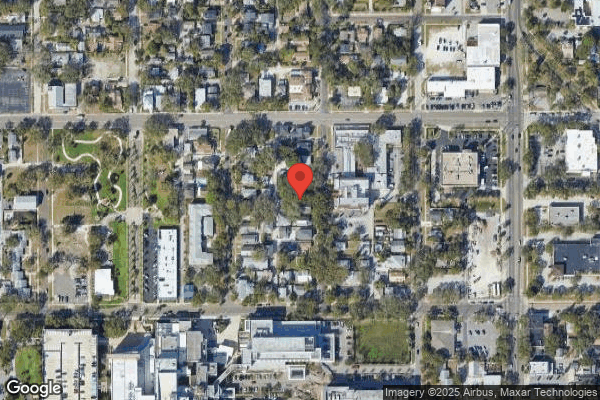
811 JACKSON ST N, SAINT PETERSBURG, FL 33705 (727) 209-3600
For profit - Limited Liability company 92 Beds GOLD FL TRUST II Data: November 2025
Trust Grade
53/100
#476 of 690 in FL
Last Inspection: December 2023

Within standard 12-15 month inspection cycle. Federal law requires annual inspections.

Overview

Bayside Care Center has received a Trust Grade of C, which indicates it is average and in the middle of the pack among nursing homes. It ranks #476 out of 690 facilities in Florida, placing it in the bottom half, and #30 out of 64 in Pinellas County, meaning there are only a few local facilities rated higher. The trend is worsening, with issues increasing from 6 in 2021 to 11 in 2023. Staffing is a relative strength, with a rating of 4 out of 5 stars and a turnover rate of 37%, which is below the state average. However, the facility has faced $3,728 in fines, which is average compared to other facilities in Florida. In terms of RN coverage, it is average, though having more RN oversight can help catch problems early. Specific incidents noted by inspectors included the failure to maintain a clean environment, with observations of stained curtains and debris on the floor, and medication errors that exceeded the acceptable rate. Furthermore, the facility did not properly update important assessments for residents with mental health diagnoses. While there are some strengths, such as staffing, the increasing number of issues and the need for improvement in cleanliness and medication management are concerning for families considering this facility.

Trust Score
C
53/100
In Florida
#476/690
Bottom 32%
Safety Record
Low Risk
No red flags
Inspections
Getting Worse
6 → 11 violations
Staff Stability
○ Average
37% turnover. Near Florida's 48% average. Typical for the industry.
Penalties
✓ Good
$3,728 in fines. Lower than most Florida facilities. Relatively clean record.
Skilled Nurses
○ Average
Each resident gets 31 minutes of Registered Nurse (RN) attention daily — about average for Florida. RNs are the most trained staff who monitor for health changes.
Violations
⚠ Watch
19 deficiencies on record. Higher than average. Multiple issues found across inspections.
★★☆☆☆
2.0
Overall Rating
★★★★☆
4.0
Staff Levels
★★★★☆
4.0
Care Quality
★★☆☆☆
2.0
Inspection Score
Stable
2021: 6 issues
2023: 11 issues

The Good

  • 4-Star Staffing Rating · Above-average nurse staffing levels
  • 4-Star Quality Measures · Strong clinical quality outcomes
  • Full Sprinkler Coverage · Fire safety systems throughout facility
  • No fines on record
  • Staff turnover below average (37%)

    11 points below Florida average of 48%

Facility shows strength in staffing levels, quality measures, fire safety.

The Bad

2-Star Overall Rating

Below Florida average (3.2)

Below average - review inspection findings carefully

Staff Turnover: 37%

Near Florida avg (46%)

Typical for the industry

Federal Fines: $3,728

Below median ($33,413)

Minor penalties assessed

Chain: GOLD FL TRUST II

Part of a multi-facility chain

Ask about local staffing decisions and management

The Ugly 19 deficiencies on record

Dec 2023 10 deficiencies
CONCERN (D)

Potential for Harm - no one hurt, but risky conditions existed

Deficiency F0655 (Tag F0655)

Could have caused harm · This affected 1 resident

**NOTE- TERMS IN BRACKETS HAVE BEEN EDITED TO PROTECT CONFIDENTIALITY** Based on observation, interview, and record review, the facility failed to ensure one (Resident #55) of three residents sampled ...

Read full inspector narrative →
**NOTE- TERMS IN BRACKETS HAVE BEEN EDITED TO PROTECT CONFIDENTIALITY** Based on observation, interview, and record review, the facility failed to ensure one (Resident #55) of three residents sampled failed to have a baseline care plan developed and implemented within 48 hours of admission. The findings include: Review of Resident #55's admission Record revealed, Resident #55 was admitted on [DATE] for short term rehabilitation and was successfully discharged home on [DATE], return not anticipated. Resident #55 had a change of condition and was readmitted on [DATE]. Resident #55 was admitted with the following diagnoses: seizures, acute kidney failure, diabetes, pleural effusion, atherosclerotic heart disease, atrial fibrillation, asthma, major depressive disorder, and other co-morbidities. Review of Resident #55's physician orders showed: Venlafaxine HCl ER Oral Capsule Extended Release 24 Hour 37.5 MG per day for depression; Depakote ER Oral Tablet Extended Release 24 Hour 250 MG (Divalproex Sodium) give three (3) tablets at at bedtime for epilepsy; Humalog Kwikpen 100 UNIT/ML Solution pen-injector, Inject 5 unit, three times a day for diabetes; Levetiracetam Oral Tablet 500 MG (Levetiracetam) give 3 tablet, two times a day for epilepsy; Lantus SoloStar Subcutaneous Solution Pen-injector 100 UNIT/ML (Insulin Glargine), Inject 20 unit at bedtime for diabetes. On 11/28/2023 at 8:30 a.m., Resident #55 was observed sitting on the edge of the bed. Resident #55 stated I just got back; I fell at home. On 11/29/2023 at 1:40 p.m., an interview was conducted with Staff D, Certified Nursing Assistant (CNA). Staff D stated knowledge of residents' care comes from the computer. Staff D stated knowledge of Resident #55 from a prior admission, as nothing was in the computer for Resident #55. An interview was conducted with Staff C, Licensed Practical Nurse (LPN)/Unit Manager on 12/1/2023 at 9:45 a.m. Staff C stated when a new admission came into the facility, the nurse admitting or readmitting the resident completed an admission Nursing Comprehensive Eval-BCP V9 2. Staff C stated this document had the baseline care plan imbedded in the evaluation. Documents were printed and discussed with the resident and/or responsible party. An interview was conducted with the Director of Nursing (DON) on 12/1/2023 at 10:00 a.m. The DON stated the expectation was the nurse admitting the resident completed the Clinical admission Evaluation with the base line care plan. The nurse had 48 hours to develop and discuss the base line care plan with the resident and/or responsible party. The DON confirmed the admission Nursing Comprehensive Eval-BCP V9 2 was blank where the base line care plan information should have been. Review of the facility policy and procedures titled Care Plans - Baseline dated March 2022 showed: Policy: A baseline plan of care to meet the resident's immediate health and safety needs is developed for each resident within forty-eight (48) hours of admission. Policy Interpretation and Implementation: 1. The baseline care plan includes instructions needed to provide effective, person-centered care of the resident that meet professional standards of quality care and must include the minimum health care information necessary to properly care for the resident including, but not limited to the following: a. Initial goals based on admission orders and discussions with resident/representative; b. Physicians orders; c. Dietary orders; d. Therapy services; e. Social services; and f. PASARR recommendations, if applicable. 2. The baseline care plan is used until the staff can conduct the comprehensive assessment and develop an interdisciplinary person-centered comprehensive care plan (no later than 21 days after admission). The baseline care plan is updated as needed to meet the resident's needs until the comprehensive care plan is developed 4. The resident and/or representative are provided a written summary of the baseline care plan (in a language that the resident/representative can understand) that includes, but is not limited to the following: a. The stated goals and objectives of the resident; b. A summary of the resident's medication and dietary instructions; c. Any services and treatments to be administered by the facility and personnel acting on behalf of the facility; and d. Any updated information based on the details of the comprehensive care plan, as necessary. 5. Provision of the summary to the resident and/or resident's representative is documented in the medical record.
CONCERN (D)

Potential for Harm - no one hurt, but risky conditions existed

Deficiency F0657 (Tag F0657)

Could have caused harm · This affected 1 resident

**NOTE- TERMS IN BRACKETS HAVE BEEN EDITED TO PROTECT CONFIDENTIALITY** Based on observation, interview, and record review, the facility failed to revise the comprehensive care plan for one (Resident ...

Read full inspector narrative →
**NOTE- TERMS IN BRACKETS HAVE BEEN EDITED TO PROTECT CONFIDENTIALITY** Based on observation, interview, and record review, the facility failed to revise the comprehensive care plan for one (Resident #17) of one sampled residents for dental services. On 11/28/2023 at 10:00 a.m., Resident #17 was observed laying in bed dressed in her night cloths, and missing her bottom teeth. During an interview on 11/28/2023 at 10:00 a.m., Resident # 17 said she had a hard time eating her food because she was missing a few teeth. She said she spoke with the dentist when they came to the facility and told them that she wanted dentures so she could eat her food properly. She said she had been waiting for a while for someone to get back to her regarding her dentures, but she had not heard back from social services or the dentist. A review of the admission record showed Resident #17 was admitted to the facility on [DATE], with diagnoses to include but not limited to End Stage Renal Disease, Patient's Noncompliance with other Medical Treatment and Regimen Due to Unspecified Reason, Unspecified, Functional Dysphasia, Type 2 Diabetes Mellitus with Diabetic Polyneuropathy, Bipolar Disorder Unspecified, Unspecified Psychosis not Due to a Substances Known Physiological Condition. A review of the Quarterly Minimum Data Set (MDS) dated [DATE], showed Section C- Cognitive Patterns, Brief Interview for Mental Status (BIMS) score of 15 which indicated Resident # 17 had intact cognition. A review of the Dental care plan dated 4/4/2023 with a target completion date of 4/26/2023, showed Resident #17 had natural teeth with no dental issues and can perform oral care. Review of the care plan intervention showed to observed the resident for cares, lose or broken teeth, oral lesions, bleeding, mouth pain, report to physician as needed. An interview was conducted with Staff B, License Practical Nurse (LPN)/MDS Coordinator. Staff B said MDS was responsible for creating and revising care plans. She worked in the office with another MDS staff member. She was responsible for the Quarterly assessments, but she opened the assessment for each department head to review and complete their sections. She did not know what happened to Resident #17's Quarterly assessment and why it was not showing it was updated. When she opened the resident assessment, it showed the care plan was created on 4/4/2023 and the next review was 1/16/2023. There was a note in the resident's chart showing it was reviewed but the review date was not reflected in the system. The nurses were responsible for completing the resident's assessment related to dental care. Staff B said I should have revised the care plan to reflect the resident had missing teeth and made changes to her interventions, It's an error on my part. A review of the facility policy titled, Care Planning - Interdisciplinary Team dated March 2022, showed policy statement: The interdisciplinary team is responsible for the development of the resident care plan. Policy Interpretation and Implementation 1. Resident care plans are developed according to the timeframes and criteria established by § 483.21. 2. Comprehensive, person-centered care plan are based on the resident assessments and development by an interdisciplinary team (IDT)
CONCERN (D)

Potential for Harm - no one hurt, but risky conditions existed

Incontinence Care (Tag F0690)

Could have caused harm · This affected 1 resident

**NOTE- TERMS IN BRACKETS HAVE BEEN EDITED TO PROTECT CONFIDENTIALITY** Based on observation, record review, and interview, the facility failed to store the urinary catheters of two (Residents #70 and...

Read full inspector narrative →
**NOTE- TERMS IN BRACKETS HAVE BEEN EDITED TO PROTECT CONFIDENTIALITY** Based on observation, record review, and interview, the facility failed to store the urinary catheters of two (Residents #70 and #60) out of seven residents in a sanitarily manner and to obtain physician orders for the care of an urinary catheter for one (Resident #60) out of the two sampled residents. Findings included: 1. An observation was made on 11/28/23 at 10:25 a.m. of Resident #70 sitting in a wheelchair in the East-hall day room. The resident's urinary drainage bag was observed hanging from the bottom of wheelchair with tubing containing golden milky liquid lying on the floor. Photographic evidence was obtained. On 11/28/23 at 10:28 a.m., Staff I, Licensed Practical Nurse/Unit Manager (LPN/UM), was observed putting Resident #70's catheter tubing into a privacy bag. The staff member stated she observed the tubing (on the floor) when she witnessed this writer taking a photo of the tubing. A review of Resident #70's admission Record showed the resident was admitted on [DATE] and included the diagnoses of unspecified neuromuscular dysfunction of bladder and unspecified chronic kidney disease stage 3. A review of Resident #70's Order Summary Report included orders instructing staff to change the urinary catheter bag and tubing once monthly and as needed for blockage or signs of infection and to ensure the resident had a securing device for the urinary catheter as needed for prevention of tugging and pulling. The review of Resident #70's care plan showed the resident had an alteration in elimination as evidence by (AEB): is continent of bowel, (pronoun) is at risk for constipation related to (r/t) impaired mobility-non ambulatory, has indwelling Foley urinary catheter r/t diagnosis (dx) neurogenic bladder, dx Benign prostatic hyperplasia, chronic kidney disease stage III (CKD III). The interventions included but not limited to maintain closed drainage system and keep drainage bag below level of the bladder. Provide catheter privacy bag. A review of Resident #70's comprehensive Minimum Data Set (MDS), dated [DATE], showed a Brief Interview for Mental Status score of 1, which indicated severe cognitive impairment. The MDS revealed the resident required extensive 2-person assist for bed mobility, total dependent upon 2-persons for transfers and toileting. 2. An observation was made of Resident #60's catheter hanging from the bottom of the resident's wheelchair with the catheter tubing and drainage bag lying on the floor. (Photographic evidence was obtained). A review of Resident #60's admission Record showed the resident was admitted on [DATE] and re-admitted on [DATE]. The record included a diagnosis not limited to unspecified neuromuscular dysfunction of bladder. A review of Resident #60's Order Summary Report, active orders as of 12/1/23, showed the report did not include physician orders for the care of the resident's urinary catheter. A review of Resident #60's November Medication and Treatment Administration Records (MAR/TAR) showed no physician orders for the care of the resident's urinary catheter and revealed staff had not documented the care of the resident's urinary catheter. On 12/1/23 at 9:34 a.m., Resident #60 said the staff cleaned the catheter every day, three times a day. A review of Resident #60's October TAR included physician orders instructing staff: - Change urinary catheter bag and tubing once monthly and and as needed every night shift every 1 month starting on the 10th for 28 days, discontinued on 10/18/23. - Ensure resident has securing device for urinary catheter, discontinued 10/25/23. - Perform urinary catheter care with soap and water every shift, discontinued 10/25/23. The care plan for Resident #60 revealed the resident had an alteration in elimination AEB (as evidenced by): has indwelling (Foley) catheter d/t neurogenic bladder and colostomy, risk for constipation d/t impaired mobility - does not ambulate. 11/4/23 Vaginal yeast infection-resolved. The interventions included but not limited to: - Irrigate urinary catheter with 30-60 cubic centimeters (cc) Normal Saline (NS) as needed (PRN) for blockage or sluggishness. - Provide catheter care and pericare every (q) shift and as needed. - Maintain closed drainage system and keep drainage back below level of the bladder. Provide catheter privacy bag. - Observe catheter function every (q) shift and empty bag as needed. Observe for color, order, clarity. During an interview on 12/1/23 at 2:38 p.m., the Director of Nursing (DON) stated the urinary tubing should not be stored on the floor. The Cleveland Clinic article - Urine Drainage and Leg Bag Care, located at https://my.clevelandclinic.org/health/articles/14832-urine-drainage-bag-and-leg-bag-care, revealed: - Arrange the catheter tubing so that it does not twist or loop. When you are getting into bed, hang the urine bag beside the bed. You can sleep in any position as long as the bedside bag is below your bladder. Do not place the urine bag on the floor.
CONCERN (D)

Potential for Harm - no one hurt, but risky conditions existed

Deficiency F0757 (Tag F0757)

Could have caused harm · This affected 1 resident

**NOTE- TERMS IN BRACKETS HAVE BEEN EDITED TO PROTECT CONFIDENTIALITY** Based on observation, record review, and interview, the facility failed to monitor the blood pressure related to the use of a hy...

Read full inspector narrative →
**NOTE- TERMS IN BRACKETS HAVE BEEN EDITED TO PROTECT CONFIDENTIALITY** Based on observation, record review, and interview, the facility failed to monitor the blood pressure related to the use of a hypotensive medication and to administer a hypotensive medication within the physician ordered parameters for two (Residents #39 and #59) out of five residents sampled for unnecessary medications. Findings included: 1. A review of Resident #39's admission Record revealed the resident was admitted on [DATE] and with diagnoses not limited to unspecified Cardiomyopathy, essential (primary) hypertension, and unspecified atrial fibrillation. A review of Resident #39's Order Summary Report, active as of 12/1/23, showed the resident was ordered the following: - Midodrine HCl oral tablet 5 mg - Give 1 tablet by mouth every 8 hours as needed for hypotension. Ordered 10/14/23. The Order Summary Report did not include an order to obtain Resident #39's blood pressure. Review of Resident #39's November 2023 Medication Administration Record (MAR) showed the resident's blood pressure had not been obtained every 8 hours related to the administration of Midodrine. The Weights and Vital Summary identified the blood pressure of Resident #39 had not been obtained on 11/5, 11/9, 11/18, 11/19, 11/23, 11/27, and 11/29/23. The summary revealed the resident's blood pressure had been obtained one time on 11/1, 11/2, 11/3, 11/4, 11/6, 11/7, 11/8, 11/10, 11/11, 11/12, 11/13, 11/14, 11/15, 11/16, 11/17, 11/21, 11/22, 11/24, 11/25, 11/26, 11/28, and 11/30/23. The resident's blood pressure had been obtained twice on 11/10 and 11/20/23. The care plan for Resident #39 included the following focus: - Has the potential for complications related to an alteration in cardiac function due to (d/t) diagnosis (dx) of hypertension (HTN), a-fib, hyperlipidemia, and hypotension. The interventions related to this focus instructed staff to administer medications as ordered, observe for effectiveness and for side effects, and to obtain vital signs as ordered and as needed. On 12/1/23 at 3:01 p.m., the Director of Nursing (DON) stated staff should be obtaining blood pressures for Resident #39 every 8 hours and there should be hypotension parameters for the use of Midodrine. 2. A review of Resident #59's admission Record showed the resident was admitted on [DATE] and included diagnoses not limited to paroxysmal atrial fibrillation and atherosclerotic heart disease of native coronary artery without angina pectoris. A review of Resident #59's Order Summary Report, active as of 12/1/23, identified an order for Midodrine hydrochloride (HCl) 5 milligram (mg) - Give 2 tablet by mouth every 8 hours for hypotension (HTN), Hold Midodrine if systolic blood pressure (SBP) greater than (>) 110. The review of November Medication Administration Record (MAR) identified Resident #59 had been administered Midodrine 53 out of 90 opportunities despite a SBP of greater than 110. A review of Resident #59's care plan included the following focus area: - Has potential for complications related to an alteration cardiac function due to diagnosis of Coronary Artery Disease (CAD), hyperlipidemia, and hypertension. On 12/1/23 at 2:53 p.m., the Director of Nursing (DON) confirmed staff were medicating Resident #59 with Midodrine for a systolic blood pressure greater than 110, outside of ordered parameters. The DON stated staff were not reading the (physician) orders. The review of September, October, and November 2023 Pharmacy Medication Regimen Review (MRR) identified there were no pharmacy recommendations for either Resident #39 or Resident #59. The policy - Medication Therapy, revised April 2007, revealed Each resident's medication regimen shall include only those medications necessary to treat existing conditions and address significant risks. All medication orders will be supported by appropriate care processes and practices.
CONCERN (D)

Potential for Harm - no one hurt, but risky conditions existed

Deficiency F0761 (Tag F0761)

Could have caused harm · This affected 1 resident

Based on observation, interview, and record review, the facility failed to ensure medications were stored in a manner such that unauthorized personnel, visitors, and residents did not have access to m...

Read full inspector narrative →
Based on observation, interview, and record review, the facility failed to ensure medications were stored in a manner such that unauthorized personnel, visitors, and residents did not have access to medications in three medication carts, one of two treatment carts, and ensure overstocked medications were stored in a locked medication room. Findings included: On 11/28/23 at 10:18 a.m., the unlocked and unattended West-Low medication cart was observed parked in a hallway leading to staff offices on the [NAME] hall. After photographic evidence was obtained, Staff A, Licensed Practical Nurse (LPN) arrived to the cart and stated I locked it before confirming the cart had been unlocked. On 11/30/23 at 7:25 a.m., the [NAME] hall treatment cart was observed unlocked and unattended while parked next to the West-High medication cart. Staff E, LPN, confirmed the cart should have been locked. During the task of medication administration, on 11/30/23 at 8:36 a.m., 5 over-the counter (OTC) medication bottles were left on the West-High cart as Staff E was in a resident room administering medications. When returning to the cart an unknown resident was observed sitting in a wheelchair within speaking distance to the staff member. On 11/30/23 during a medication administration observation at 8:36 a.m., Staff A confirmed the Humalog insulin KwikPen was opened and undated with the date of opening. The staff member stated it was probably opened yesterday as it was a new order. The staff member placed the insulin pen in the medication cart without dating it. The Humalog manufacturer showed on the website, https://uspl.lilly.com/humalog/humalog.html#ug1, instructed users to Throw away the HUMALOG Pen you are using after 28 days, even if it still has insulin left in it. On 12/1/23 at 10:07 a.m., an observation was made of a bookcase inside the East Hall Unit Manager's office, located in the resident's day room. One shelf of the bookcase held multiple bottles of the liquid medication Lactulose, another shelf had multiple blister packs of medications (one was Gabapentin) banded together, and one shelf held a box of nebulizer medication. Staff I, Licensed Practical Nurse/Unit Manager (LPN/UM), stated the medications were overstock that did not fit in the medication carts. On 12/1/23 at 10:20 a.m., after an interview, Staff I left the office and the hall leaving the door open and the medications unattended, two residents were sitting in the day room and one resident was sitting directly outside of the room. On 12/1/23 at 10:25 a.m., Staff G, LPN confirmed the medications continued to be on the bookshelf and the door was open. The staff member was observed on phone then went into the day room and locked the Unit Manager's office door. On 12/1/23 at 10:33 a.m., an observation was conducted with Staff F, LPN of the East-Low medication cart. The cart contained 5 medication bottles, each contained a vial of undated insulin. The staff member confirmed the bottles were dated but the insulin vials were not dated. Each of the vials had a pharmacy tag attached with a space to write the open date. On 12/1/23 at 10:40 a.m., an observation of West-High medication cart was conducted with Staff H, LPN. The third drawer of the cart contained 2 unidentified loose tablets. On 12/1/23 at 2:33 p.m., the Director of Nursing (DON) said when medications were to be returned to the pharmacy, they were bagged up and the Unit Manager kept them in the office for pharmacy to take back. The DON stated overstock medications, as described by the Unit Manager, were to kept in the med room not in the office. The DON stated vials of insulin should be dated on the little pharmacy tab label, and loose pills get pushed out of the packaging. The DON was aware of the observation of the unlocked medication cart (West-Low) and the treatment cart (West). The policy - Administering Medications, revised April 2019, identified During the administration of medications, the medication cart is kept closed and locked when out of sight of the medication nurse or aide. It may be kept in the doorway of the resident's room, with open drawers facing inward and all other sides closed. No medications are kept on top of the cart. The cart must be clearly visible to the personnel administering medications, and all outward sides must be inaccessible to residents or others passing by. The policy - Medication Labeling and Storage identified The facility stores all medications and biologicals in locked compartments under proper temperature, humidity, and light controls. Only authorized personnel have access to keys. The policy interpretation and implementation revealed: - The nursing staff is responsible for maintaining medication storage and preparation areas in a clean, safe, and sanitary manner. - Compartments (including but not limited to drawers, cabinets, rooms, refrigerators, carts, and boxes) containing medications and biologicals are locked when not in use, and trays or carts used to transport such items are not left unattended if open or otherwise potentially available to others. - Medications are stored in an orderly manner in cabinets, drawers, carts, or automatic dispensing systems. Each resident's medications are assigned to an individual cubicle, drawer, or other holding area to prevent the possibility of mixing medications of several residents. - Labeling of medications and biologicals dispensed by the pharmacy is consistent with applicable federal and state requirements and currently accepted pharmaceutical practices. - Multi dose vials that have been opened or accessed (e.g. needle punctured) are dated and discarded within 28 days unless the manufacturer specifies a shorter or longer date for the open vial.
CONCERN (D)

Potential for Harm - no one hurt, but risky conditions existed

Deficiency F0773 (Tag F0773)

Could have caused harm · This affected 1 resident

**NOTE- TERMS IN BRACKETS HAVE BEEN EDITED TO PROTECT CONFIDENTIALITY** A review of Resident #43's Minimum Data Set (MDS) dated [DATE] showed Resident #43 with diagnoses of: Parkinson's disorder, schi...

Read full inspector narrative →
**NOTE- TERMS IN BRACKETS HAVE BEEN EDITED TO PROTECT CONFIDENTIALITY** A review of Resident #43's Minimum Data Set (MDS) dated [DATE] showed Resident #43 with diagnoses of: Parkinson's disorder, schizoaffective disorder, anxiety, cognitive communication deficit and other co-morbidities. A review of the resident's psychiatric provider note dated 10/24/2023 revealed the resident being referred by staff due to Manic symptoms. Providers recommendations were: Depakote ER 500 mg once daily, may want to increase this dose after checking level. Will start resident on Seroquel 200 mg nightly. LABS; Depakote level and CMP (comprehensive metabolic profile) in am. A review of Resident #43's physician Order Summary Report revealed a physician order for complete metabolic profile without eGFR and a valproic acid (Depakote) level dated 10/24/2023 with a start date of 10/25/2023. A review of Resident #43's physician Order Summary Report revealed a physician order for complete metabolic profile without eGFR and a valproic acid (Depakote) dated 10/25/2023 with a start date of 10/25/2023. A review of the resident's Psychiatric Periodic Evaluation dated 11/14/2023 revealed resident had a present problem of recent hypomanic episode. The providers recommendations were: Depakote ER 500 mg once daily, may want to increase this dose after checking level. LABS; reordered Depakote level and CMP (comprehensive metabolic profile) again (not done last). A review of the resident's medical record showed no laboratory results since August 17, 2023. An interview was conducted with Staff A, Licensed Practical Nurse (LPN) on 11/30/2023 at 9:45 a.m. Staff A, LPN stated when lab orders were received, we complete the paperwork for our laboratory to come out then place the order on the Treatment Administration Report (TAR). The TAR informed the nurse when the laboratory should be coming for the blood draw. Staff A, LPN confirmed there was an order for a CMP and Depakote level in October, 2023. Staff A, LPN stated, I cannot find the results. The labs must not have been drawn as they are not signed off as completed on the TAR I don't know why they would not have been completed Staff A said Resident #43 was complaint with labs and medications. Review of the facility policy and procedures titled, Lab and Diagnostic Test Results - Clinical Protocol dated November 2018 showed: Assessment and Recognition: 1. The physician will identify and order diagnostic and lab testing based on the resident's diagnostic and monitoring needs. 2. The staff will process test requisitions and arrange for tests. 3. The laboratory, diagnostic radiology provider, or other testing source will report test results to the facility. Review by Nursing Staff: 1. When test results are reported to the facility, a nurse will first review the results. a. If staff who first receive or review lab and diagnostic test results cannot follow the remainder of this procedure for reporting and documenting the results and their implications, another nurse in the facility (supervisor, charge nurse, etc.) should follow or coordinate the procedure. 2. Before contacting the physician, the person who is to communicate results to a physician will gather, review, and organize the information and be prepared to discuss the following (to the extent that such information is available): a. The individual's current condition and details of any recent changes in status, including vital signs and mental status; b. Major diagnoses, allergies, current medications, any recent pertinent lab work, actions already taken to address results and treat the resident/patient, and pertinent aspects of advanced directives (for example, limitations on testing and treatment); c. Having diagnostic tests were obtained (for example, as a routine screen or follow up; to assess a condition change or recent onset of signs and symptoms, or to monitor a serum medication level); d. Our test results may relate to the individual's current condition and treatment; e. Any concerns and questions the physician will be expected to address regarding the resident. 3. A nurse will identify the urgency of communicating with the attending physician based on physician request, the seriousness of any abnormality, and the individual's current condition. 4. A nurse will try to determine whether the test was done: a. As routine screen or follow up; b. To assess a condition change or recent onset of signs and symptoms; c. To monitor drug level. (1) The reason for getting a test often affects the urgency of acting upon the result. (2) If the reason for performing the test cannot be identified, the nurse should proceed as though the tests were ordered to assess a condition change or recent onset of signs and symptoms. Identifying Situations that Warrant Immediate Notification: 1. Nursing staff will consider the following factors to help identify situations requiring prompt physician notification concerning lab or diagnostic test results: -The physician has requested to be notified as soon as result is received. -Whether the result should be conveyed to a physician regardless of other circumstances (that is, the abnormal result is problematic regardless of any other factors). -Whether the resident/patient's clinical status is unclear or he/she has signs and symptoms of acute illness or condition change and is not stable or improving, or there are no previous results for the comparison. 2. High or toxic serum medication levels. If a test was obtained to monitor the blood level of a medication and the level is reported as high (above therapeutic range) or toxic, the nurse will notify the physician promptly and will not give the next dose until the situation has been reviewed by the physician laboratories may differ in their ranges of abnormal and their criteria for panic results. Based on observation, record review, and interview, the facility failed to ensure laboratory tests were obtained per physician orders and acted upon in a timely manner for two (Residents #86 and #43) out of three residents sampled for laboratory services. Findings included: 1. Review of Resident #86's admission Record showed the resident was admitted on [DATE] and re-admitted on [DATE]. The resident's admission Record included diagnoses not limited to type 2 Diabetes Mellitus with hyperglycemia, unspecified anxiety disorder, unspecified atrial fibrillation, essential hypertension, and unspecified not intractable epilepsy without status epilepticus. A medication administration note on 10/3/23 at 10:55 a.m., documented by Staff F, Licensed Practical Nurse (LPN) revealed Resident #86 had no behaviors at that time. A review of Resident #86's Situation, Background, Assessment, and Recommendation (SBAR), dated 10/3/23 identified the resident suffered a fall. The evaluation revealed the physician was notified at 12:00 p.m. on 10/3/23 of the fall and recommended labs/education/floor mats. The evaluation did not include any additional information on the Change in Condition and did not identify the education provided or which labs had been ordered by the physician. The SBAR Summary note, effective 10/3/23 at 12:08 p.m., and written by Staff I, LPN/Unit Manager (UM), showed Resident #86 was observed on the floor beside bed and the resident had reported sliding out of bed. The note revealed the primary care physician was notified of the fall, had ordered labs for resident, bed at lowest position and floor mats. The note did not identify the type of labs ordered for the resident. The situation portion of the evaluation instructed staff to obtain at the time of evaluation resident/patient vital signs, weight, and blood sugar. The documented blood pressure, pulse, respiration rate, temperature, and oxygen level was obtained at 9:45 a.m. on 10/1/23, 2 days prior to the incident. A review of Resident #86's October Medication Administration Record (MAR) and Treatment Administration Record (TAR) did not identify any laboratory tests were ordered on 10/3/23 by the physician. The progress notes for Resident #86, dated 10/3, 10/4, 10/5, and 10/6/23 did not identify the resident had refused any laboratory testing. A review, on 11/30/23 of the Laboratory vendors binder located on the East wing nursing station did not reveal labs had been requested to be drawn for Resident #86 on 10/3, 10/4, 10/5 or 10/6. On 11/30/23 at approximately 1:30 p.m., Staff F, Licensed Practical Nurse (LPN) said when a laboratory order was received, staff got paperwork, and wrote the lab request in the vendor's binder. On 11/30/23 at 2:04 p.m., Staff F stated when a resident refused lab tests, staff called the primary physician, and documented the refusal. Staff F was not aware of what labs were ordered on 10/3/23 for Resident #86. Staff F said when lab results came through the computer, staff reviewed them, and faxed the results to whoever ordered them unless it was critical results then the provider was called and staff documented the notification. During an interview on 11/30/23 at 2:13 p.m., the Director of Nursing (DON) reviewed the facility's documentation of Resident #86's fall on 10/3/23 and confirmed the report did not show labs were ordered. The DON reported the resident refused lots of treatments, labs, and accucheck's (glucose monitoring). She reviewed the progress notes from 10/3/23 and confirmed the physician had been notified of the resident's fall and labs were ordered and Staff I had completed, on 10/3/23, the SBAR and progress note. The DON stated the expectation was if a resident refused, staff were to notify the physician and if they continued to refuse they would be care planned for the refusal. She stated even if care planned for refusal staff was to reapproach and try again, wouldn't mean stop trying we would keep trying. The DON reviewed lab results for Resident #86 and confirmed there were no results from 10/4/23 and stated results would have been reported to the facility by 3 p.m., the facilities electronic medical record was integrated with the lab. She stated she printed out the lab requisition, put it into the vendors binder under the date to be drawn. The lab came every morning and checked the orders on the unit. On 11/30/23 at 2:28 p.m., the DON reviewed the progress note and asked Staff I what labs were ordered on 10/3/23. Staff I reported not remembering which labs were ordered for Resident #86. The DON stated the resident had come back from the hospital with intravenous antibiotics and was very non-compliant with care. She confirmed there was no documentation the resident had refused labs on either 10/3 or 10/4 and stated nurses had to get into the habit of documenting refusals. The care plan for Resident #86 included the following focuses and interventions: - Has potential for complications related to (r/t) an alteration in cardiac function due to (d/t) diagnosis (dx) of: hyperlipidemia, hypertension (HTN), and atrial fib. The interventions instructed staff to Labs & diagnostic tests as ordered; update physician of results. - (Resident) prefers to deviate from plan of care with treatments, refusing wound care, is capable of understanding risks associated with deviation from plan of care. (Resident's) physician is aware of his wishes. The interventions included: Inform resident/responsible party about risks related to deviation from plan of care, use calm approach. Explain cares. If refusing or resisting care; reapproach later, and Update physician of resident's deviation from plan of care. The policy- Medication and Treatment Orders, revised July 2016, identified Orders for medications and treatments will be consistent with principles of safe and effective order writing. The policy revealed: - Verbal orders must be recorded immediately in the resident's chart by the person receiving the order and must include prescriber's last name, credentials, the date and the time of the order.
CONCERN (D)

Potential for Harm - no one hurt, but risky conditions existed

Dental Services (Tag F0791)

Could have caused harm · This affected 1 resident

**NOTE- TERMS IN BRACKETS HAVE BEEN EDITED TO PROTECT CONFIDENTIALITY** Based on observation, interview, and record review, the facility failed to coordinate dental services in accordance with profess...

Read full inspector narrative →
**NOTE- TERMS IN BRACKETS HAVE BEEN EDITED TO PROTECT CONFIDENTIALITY** Based on observation, interview, and record review, the facility failed to coordinate dental services in accordance with professional standards of practice for one (Resident #17) of six residents sampled for dental care. Findings included: On 11/28/2023 at 10:00 a.m. Resident #17 was observed laying down in bed and missing her bottom teeth. Resident #17 said she has a hard time eating her food because she was missing a few teeth. She said she spoke with the dentist when they came to the facility and told them that she wanted dentures so she could eat her food properly. She said she had been waiting for awhile for someone to get back to her regarding her dentures, but she has not heard back from social services or the dentist. A review of the admission Record showed Resident #17 was admitted to the facility on [DATE] with diagnoses to include but not limited to end stage renal disease, functional dysphasia, and, Type 2 Diabetes Mellitus with Diabetic Polyneuropathy. A review of the Quarterly Minimum Data Set (MDS), dated [DATE], showed in Section C- Cognitive Patterns a Brief Interview for Mental Status (BIMS) score of 15 which indicated intact cognition. A review of the dental care plan, dated 4/4/2023, with a target completion date of 4/26/2023, showed Resident #17 had natural teeth with no dental issues. can perform oral care. Review of the care planned interventions showed to observed resident for care, loose or broken teeth, oral lesions, bleeding, mouth pain, report to physician as needed. A review of an email communication titled, External Newly Enrolled Residents - [faciltiy name], dated 8/22/2023, showed Resident #17 was enrolled in the dental program effective September 2023. Review of the [Provider Name] Dental Services Patient Progress Report, dated 10/24/2023, showed Resident #17 was present for oral care. It was noted that the resident had upper full, and lower partial dentures. An interview was conducted on 11/30/2023 at 3:28 p.m. with the Social Services Director (SSD). She said the facility had a contract with [Provider Name] but only the residents who were eligible could get enrolled. Resident #17 was seen by [Provider Name] on 7/ 26/2023, 9/14/2023, 10/30/2023 and 11/29/2023. Resident #17 mentioned to [Provider Name] that she wanted dentures, but there was a billing problem at that time, so the resident did not receive her dentures. The SSD said she expected [Provider Name] to follow up with Resident #17 or her family to coordinate care regarding obtaining her dentures. The SSD said she should have followed up with [Provider Name] to make sure those services were being coordinated or looked for an outside dental service that could have accommodated Resident #17 needs. Review of the facility policy titled, Dental Services, revised December 2016, showed the Policy Heading as: Routine and emergency dental services are available to meet the resident's oral health services in accordance with the resident's assessment and plan care. Policy Interpretation and Implementation 1. Routine and 24-hours emergency dental services are provided to our residents through: a. Contract agreements with a licensed dentist that comes to the facility monthly: b. Referral to the resident's personal dentist; c. Referral to community dentists; or d. Referral to health care organizations that provide dental services. 4. Selected dentist must be available to provide follow-up care. Failure of a dentist to provide follow-up services will result in the facility's right to use its consultant dentist to provide the resident's dental needs. 6. Social Service representatives will assist residents with appointments, transportation arrangements, and for reimbursement of dental services under state plan, if eligible.
CONCERN (E)

Potential for Harm - no one hurt, but risky conditions existed

Safe Environment (Tag F0584)

Could have caused harm · This affected multiple residents

**NOTE- TERMS IN BRACKETS HAVE BEEN EDITED TO PROTECT CONFIDENTIALITY** Based on observations, interview, and record review, the facility failed to provide a clean, comfortable, and homelike environme...

Read full inspector narrative →
**NOTE- TERMS IN BRACKETS HAVE BEEN EDITED TO PROTECT CONFIDENTIALITY** Based on observations, interview, and record review, the facility failed to provide a clean, comfortable, and homelike environment for residents living on one (West) out of two units. Findings included: An observation was made on 11/28/23 at 10:20 a.m. of the discoloration of the hallway floor in the doorway of room [ROOM NUMBER]. An observation was made on 11/28/23 at 10:21 a.m., of a string-like material embedded onto the floor in the doorway of room [ROOM NUMBER]. The observation revealed a raised substance attached to the floor in the hallway outside of room [ROOM NUMBER]. An observation on 11/28/23 at 10:34 a.m., was of the stained privacy curtain in room [ROOM NUMBER]. An observation on 11/28/23 at 10:45 a.m., was made of a dusty privacy curtain track for the B-bed of room [ROOM NUMBER]. An observation on 11/28/23 at 11:08 a.m., of a broken dresser next to the B-bed of room [ROOM NUMBER]. The observation identified an glucose test strip in the corner of the bathroom doorway leading to room [ROOM NUMBER]. On 11/30/23 at 10:27 a.m. the test strip continued to be located in the corner of room [ROOM NUMBER]'s bathroom doorway. An observation on 11/30/23 at 7:40 a.m., revealed discoloration of the floor in room [ROOM NUMBER] in comparison to the hallway floor immediately in front of the resident room. An observation on 11/30/23 at 7:52 a.m., revealed the baseboards in the hallway of the [NAME] hall was stained with a white unknown substance. On 11/30/23 at 5:45 p.m., a tour of the facility was conducted with the Environmental Service Director (ESD). The ESD reported being at the facility for 4 months and during that time had been short staffed by 2 full-time and 1 part-time housekeeper. She stated the department had begun stripping and waxing floors two nights a week at the end of October. The ESD stated the baseboards look dirty because of floor stripper not being cleaned off before drying. She confirmed an observation of cobwebs in the corner next to an outside door next to room [ROOM NUMBER]. The ESD took an ink pen and pried the glucose test strip off the floor. She stated privacy curtains were to be cleaned monthly and staff were to notify her of dirty ones. The ESC reported resident rooms were deep cleaned and privacy curtain tracks were cleaned monthly. The policy - Method of Cleaning, undated, revealed: Every facility in our system may have different dynamics to deal with, and every situation should be handled accordingly. But some general cleaning practices, routines, and systems need to be put in place and followed. Here are some broad methods to keep in mind when training and following up with staff. The policy educated staff of the following: - TOP DOWN: always start cleaning surfaces, ledges, shops, etcetera., at the top and work your way down. Clean the face of areas as well. - Move furniture around, clean behind not commonly moved furnishings. If a resident is present, speak with them, and let them know what you are doing. - Privacy check privacy curtains, linens, and the overall condition of the room (Note any maintenance concerns). - Remove all debris from floors, counters, and edges. (Photographic evidence was obtained)
CONCERN (E)

Potential for Harm - no one hurt, but risky conditions existed

PASARR Coordination (Tag F0644)

Could have caused harm · This affected multiple residents

**NOTE- TERMS IN BRACKETS HAVE BEEN EDITED TO PROTECT CONFIDENTIALITY** Based on observation, record review, and interview, the facility failed to confirm the accuracy of a Pre-admission Screening and...

Read full inspector narrative →
**NOTE- TERMS IN BRACKETS HAVE BEEN EDITED TO PROTECT CONFIDENTIALITY** Based on observation, record review, and interview, the facility failed to confirm the accuracy of a Pre-admission Screening and Resident Review (PASRR) and to correct the document for six (Residents #9, #72, #18, #51, #43, and #26) out of forty residents sampled when mental illness or suspected mental illness diagnoses were identified and added to the resident's medical diagnoses. Findings included: 1. A review of Resident #9's admission Record showed an original admission date of 1/4/13. The admission Record included diagnoses and onset dates not limited to bipolar disorder (2/26/19), recurrent major depressive disorder (2/26/19), generalized anxiety disorder (2/26/19), and unspecified psychosis not due to a substance or known physiological condition (2/9/13). A review of Resident #9's PASRR, dated 11/2/16, showed the resident had a Serious Mental Illness (SMI) of bipolar disorder. The PASRR did not include the resident's diagnoses of recurrent major depressive disorder, generalized anxiety disorder, and unspecified psychosis not due to a substance or known physiological condition. A review of Resident #9's Level II Determination Summary Report, dated 8/27/13, showed the resident was diagnosed with mild recurrent major depressive disorder. The report did not include the diagnoses of bipolar disorder, generalized anxiety disorder, and unspecified psychosis not due to a substance or known physiological condition. A review of Resident #9's annual Minimum Data Set (MDS), dated [DATE], revealed the resident was not considered to have a serious mental illness and/or intellectual disability. The comprehensive assessment identified the resident had a seizure disorder or Epilepsy, anxiety disorder, psychotic disorder, bipolar disorder, and recurrent major depressive disorder while receiving antianxiety, antidepressant, and hypnotic medications. The Advanced Practitioner Registered Nurse (APRN) note, dated 11/7/23, revealed the resident had a medical history of generalized anxiety disorder, bipolar disorder, and paranoid thoughts and behaviors. The Social Service Director (SSD) stated on 12/1/23 at 8:33 a.m., she would notify the Director of Nursing (DON) when a new PASRR was needed and the DON was the only person able to complete a new PASRR. The SSD stated on 12/1/23 at 8:46 a.m., Resident #9 had a level I PASRR and the diagnoses of bipolar and psychosis was not captured in a Level II and should have been redone. 2. A review of Resident #72's admission Record showed the resident was admitted on [DATE] with diagnoses of unspecified convulsions, unspecified recurrent major depressive disorder, and unspecified anxiety disorder. The admission Record revealed diagnoses with onset dates of unspecified insomnia (3/8/23), mild current episode depressed bipolar disorder (8/9/22). A review of Resident #72's PASRR, dated 4/28/22, showed the resident had a mental illness or suspected mental illness of anxiety disorder and did not include the diagnoses of unspecified recurrent major depressive disorder, unspecified insomnia, and mild current episode depressed bipolar disorder. A review of Resident #72's quarterly Minimum Data Set (MDS) dated [DATE], did not include PASRR information. The comprehensive assessment revealed the resident had a seizure disorder or Epilepsy, anxiety disorder, depression (other than bipolar), and bipolar disorder. The resident received antipsychotic, antidepressant, and hypnotic medications. During an interview, on 12/1/23 at 8:49 a.m., the Social Service Director reviewed Resident #72's PASRR and medical diagnoses and stated the diagnoses of depression and bipolar were not captured on the resident's PASRR and should have been redone. 3. A review of Resident #18's admission Record revealed Resident #18 was admitted to the facility initially on 10/16/2018 and readmitted on [DATE] with diagnoses to include but not limited to Unspecified Adult Failure to Thrive, Schizoaffective Disorder Bipolar Type, Type 2 Diabetes Mellitus without Complications, Major Depressive Disorder, Bipolar Disorder, Unspecified, Anxiety Disorder, Unspecified. A review of the Quarterly MDS dated [DATE], showed section C- Cognitive Patterns, Brief interview for Mental Status, BIMS score of 14 which indicated the resident had intact cognition. A review of Resident #18's level one Pre-admission Screening and Resident Review (PASRR) dated 7/16/2019 showed, Resident # 18 had no Mental Illness or suspected Mental Illness indicted. There was no PASRR referral for a level II resident review upon newly diagnosis of Major Depressive Disorder, Single Episode, Unspecified, Bipolar Disorder, Unspecified, Schizoaffective Disorder, Bipolar Type. During an interview on 12/1/2023 at 8: 30 a.m., with the Social Worker (SW), she said she was responsible for reviewing and making sure the PASRR's were completed and updated accurately. She said Resident #18's PASRR should have been updated and referred for a Level II upon his new diagnoses, but it was not done. 4. A review of Resident #26's admission Record revealed Resident #26 was admitted on [DATE] with diagnoses of Chronic Obstructive Pulmonary Disease (COPD), Type 2 Diabetes Mellitus with diabetic neuropathy, Major Depressive Disorder, insomnia, and other co-morbidities. A review of Resident #26's PASRR Level I Assessment, dated 10/28/2020 revealed no qualifying mental health diagnosis and no PASRR Level II was required. A review of Resident #26's admission Record revealed a new diagnosis of Post-Traumatic Stress Disorder (PTSD) on 11/09/2021, bipolar disorder on 5/24/2023, schizoaffective disorder on 06/06/2023 and the resident was not assessed for PASRR Level II. A review of Resident #26's MDS with an Assessment Reference Date (ARD) of 09/26/2023 revealed diagnoses of schizophrenia, bipolar, depression, and post-traumatic stress disorder and the resident was not assessed for PASRR Level II. A review of the medical record revealed the resident was not assessed for PASRR Level II. 5. A review of Resident #43's admission Record revealed Resident #43 was admitted on [DATE] with diagnoses of anxiety, cognitive communication deficit and other co-morbidities. A review of Resident #43's PASRR Level I Assessment, dated 10/26/2021 revealed a diagnosis of anxiety with no other qualifying mental health diagnosis and no PASRR Level II was required. A review of Resident #43's MDS with an ARD of 08/24/2023 revealed diagnoses of Parkinson's Disease, anxiety, depression, and schizophrenia. A review of the medical record revealed the resident was not assessed for PASRR Level II, with the new mental health diagnoses. 6. A review of Resident #51's admission Record revealed Resident #51 was admitted on [DATE] with a diagnosis of psychosis and other co-morbidities. A review of Resident #51's PASRR Level I Assessment, dated 12/18/2020 revealed no qualifying mental health diagnosis and no PASRR Level II was required. A review of Resident #51's admission Record revealed a new diagnosis of psychotic disorder with delusions, Mood Disorder, major depressive disorder, recurrent, moderate on 2/25/2021, and schizoaffective disorder on 09/21/2021 and the resident was not assessed for PASRR Level II. A review of Resident #51's MDS with an ARD of 08/15/2023 revealed a diagnosis of depression, psychotic Disorder and schizophrenia. A review of the medical record revealed the resident was not assessed for PASRR Level II, with the new mental health diagnosis. During an interview on 12/01/2023 at 8:31 a.m., the Social Service Director (SSD), verified Resident #26, #43 and #51's admission PASRR did not reveal the resident's current mental health diagnosis'. The SSD said with a new mental health diagnosis the resident would need a new PASRR Level II completed. During an interview on 12/01/2023 at 10:14 a.m., the Director of Nursing (DON) stated the expectation was a Level II PASRR should be completed for a new qualifying mental health diagnosis. The DON stated, We need to revamp our process. A PASRR policy and procedure was requested during the survey. No policy and procedure was given to the surveyors prior to exit.
CONCERN (E)

Potential for Harm - no one hurt, but risky conditions existed

Unnecessary Medications (Tag F0759)

Could have caused harm · This affected multiple residents

Based on observation, record review, and interview, the facility failed to ensure the medication error rate was less than 5.00%. Forty-two medication administration opportunities were observed and fiv...

Read full inspector narrative →
Based on observation, record review, and interview, the facility failed to ensure the medication error rate was less than 5.00%. Forty-two medication administration opportunities were observed and five errors were identified for two (#54 and #55) of three residents observed. These errors constituted a 11.9% medication error rate. Findings included: 1. On 11/30/23 at 7:53 a.m., an observation of medication administration with Staff E, Licensed Practical Nurse (LPN), was conducted with Resident #54. The staff member dispensed the following medications: - Aspirin 81 milligram (mg) Enteric Coated tablet over-the-counter (OTC) - Iron 325 mg OTC tablet - Multi-Vitamin with mineral OTC tablet - Coenzyme Q 10 OTC tablet - Vitamin B12 1000 microgram (mcg) OTC tablet - Tamsulosin 0.4 mg capsule - Clopidogrel 75 mg tablet - Metoprolol Tartrate 50 mg tablet - Pantoprazole 20 mg Delayed Release (DR) tablet - Sertraline 50 mg tablet - Amlodipine 10 mg tablet - Oxycodone Immediate Release (IR) 5 mg tablet Staff E confirmed dispensing 12 tablets/capsules prior to entering Resident #54's room and administering the medications. A review of Resident #54's November Medication Administration Record (MAR) showed the resident was ordered on 11/20/23, Sertraline 50 mg - Give 75 mg by mouth one time a day for depression. 2. On 11/30/23 at 8:24 a.m., an observation of medication administration with Staff A, Licensed Practical Nurse (LPN), was conducted with Resident #55. The staff member obtained a blood glucose level of 424 from the resident. The resident had been served breakfast and had finished a bowl of oatmeal. The staff member dispensed the following medications: - Cefdinir 200 mg capsule - Clopidogrel 75 mg tablet - Vitamin B12 1000 mcg OTC tablet - Eliquis 2.5 mg tablet - Famotidine 2- 10 mg tablets - Fluticasone nasal spray - Folic acid 1 mg tablet - Isosorbide mono 60 mg Extended Release (ER) tablet - Lisinopril 10 mg tablet - Metoprolol Succinate 50 mg ER tablet - Nifedipine ER 60 mg tablet - Levetiracetam 500 mg tablet - Humalog insulin KwikPen 15 units Staff A dialed the insulin pen to 15 units, explaining 5 units for a standing order and 10 units per the sliding scale of 424. The observation identified the staff member was unable to document the location of administration of the sliding scale insulin, a notice on the electronic record revealed a progress note would need to be completed. The staff member stated she would have to reach out to the Unit Manager as the system was not allowing documentation. Staff A administered the oral medications, administered insulin into the the left abdominal quadrant, and allowed the resident to self-administer nasal spray into each nostril. The staff member asked the resident if they remembered the education (on administration) and reminded the resident to smell the roses. Immediately following the medication administration, Staff A returned to the medication cart and charted with the administration of 5 units that 10 units sliding scale was administered and MD notification. The order for Resident #55's sliding scale instructed staff were to administer units (10) and call MD for a blood sugar (level) of greater than 400. The staff member documented a blood sugar of 424 with the standing insulin order and 400 for the sliding scale of same insulin. The observation did not reveal the MD was notified and review on 11/30/23 at 10:00 a.m. and on 12/1/23 at 2:12 p.m., of the resident's Medication Administration notes did not show the MD was notified of the residents 424 blood glucose level. A review of the Resident #55's November Medication Administration Record (MAR) showed Staff A documented the resident had received the ordered Fluticasone-Salmetrol 100/50 mcg/act aerosol powder, had administered one (1) tablet of Levetiracetam not the ordered 3, and did not document the administration of Fluticasone Propionate Nasal Suspension. The staff member did not prime/air shot the insulin pen prior to the administration of the medication, stating priming was done with the first dose after opening the pen but did not have to after that. The policy - Administering Medications, revised April 2019, identified Medications are administered in a safe and timely manner, and as prescribed. The interpretation and implementation of the policy revealed: - The director of nursing services supervises and directs all personnel who administer medications and/or have related functions. - Medications are administered in accordance with prescriber orders, including any required time frame. - The individual administering the medication checks the label THREE (3) times to verify the right resident, right medication, right dosage, right time, and right method (route) of administration before giving the medication. - As required or indicated for a medication, the individual administering the medication records in the resident's medical record: the date and time the medication was administered, the dosage, the route of administration, the injection site (if applicable), any complaints or symptoms for which the drug was administered, any results achieved and when those results were observed, and the signature and title of the person administering the drug. During an interview on 12/1/23 at 2:26 p.m., the Director of Nursing (DON) stated the expectation was to have no errors and staff were to follow physician orders. The DON said the staff do not prime insulin pens and manufacturer was discussed, the DON stated she did not know insulin pens were to be primed. The manufacturer website, https://uspl.lilly.com/humalog/humalog.html#ug1, instructed uses on Priming your Pen. The instructions identified the reason for priming the Humalog insulin KwikPen was: Priming your Pen means removing the air from the Needle and Cartridge that may collect during normal use and ensures that the Pen is working correctly. If you do not prime before each injection, you may get too much or too little insulin. The manufacturer instructed: - Step 6: To prime your Pen, turn the Dose Knob to select 2 units. - Step 7: Hold your Pen with the Needle pointing up. Tap the Cartridge Holder gently to collect air bubbles at the top. - Step 8: Continue holding your Pen with Needle pointing up. Push the Dose Knob in until it stops, and 0 is seen in the Dose Window. Hold the Dose Knob in and count to 5 slowly. You should see insulin at the tip of the Needle. - If you do not see insulin, repeat priming steps 6 to 8, no more than 4 times. - If you still do not see insulin, change the Needle and repeat priming steps 6 to 8. Small air bubbles are normal and will not affect your dose.
Jun 2023 1 deficiency
CONCERN (D) 📢 Someone Reported This

A family member, employee, or ombudsman was alarmed enough to file a formal complaint

Potential for Harm - no one hurt, but risky conditions existed

Deficiency F0554 (Tag F0554)

Could have caused harm · This affected 1 resident

Based on observation, interview and record reviews the facility failed to ensure one resident (#3) was assessed and determined to be clinically appropriate and safe to administer medications of the se...

Read full inspector narrative →
Based on observation, interview and record reviews the facility failed to ensure one resident (#3) was assessed and determined to be clinically appropriate and safe to administer medications of the seven residents sampled. Findings included: An observation on 6/21/23 at 9:30 a.m. revealed three medications unattended on Resident #3's bedside table. (Photographic Evidence Obtained) Resident #3 was interviewed in his room on 6/21/23 at 9:47 a.m. During the interview Resident #3 stated the pills were his morning pills and described them as a vitamin, an antibiotic for a boil that popped, and an antacid. Review of Resident #3's Medication Administration Record (MAR) for June 2023 showed no order for self-administration of medications and his morning oral medication regimen was: *Cephalexin 500 milligrams by mouth every 12 hours for left buttock cellulitis for 10 days at 0600 (6:00 a.m.), *Divalproex ER 500 milligrams by mouth one time a day at 0900 (9:00 a.m.), *Vitamin D3 125 micrograms by mouth one time a day for vitamin deficiency at 0900, *Famotidine 20 milligrams by mouth in the morning for gastro esophageal reflux disease at 1000 (10:00 a.m.). On 6/21/23 at 11:30 a.m. an interview was conducted with Staff B, Licensed Practical Nurse (LPN). Staff B said medications should not be on the bedside table or left in resident rooms and nurses are expected to observe residents take their medications. Staff B stated she was unaware the medications were in the room. Staff B said Resident #3 had a disagreement with the nurse from the previous shift about receiving his insulin and the medications may have been left over from the morning. On 6/21/23 at 2:09 p.m. during an interview with the Assistant Director of Nursing she stated medications should never be left in resident rooms for them to take later, and it is basic nursing to observe residents take their medications. Review of facility policy titled, Administering Medications, revised April 2019, showed: Policy Statement Medications are administered in a safe and timely manner, and as prescribed. Policy Interpretation and Implementation 7. Medications are administered within one (1) hour of their prescribed time, unless otherwise specified (for example, before and after meal orders). 20. For residents not in their rooms or otherwise unavailable to receive medication on the pass, the Medication Administration Record (MAR) may be flagged. After completing the medication pass, the nurse will return to the missed resident to administer the medication. 21. If a drug is withheld, refused, or given at a time other than the scheduled time, the individual administering the medication shall initial and circle the MAR space provided for that drug and dose. 27. Residents may self-administer their own medications only if the attending physician, in conjunction with the interdisciplinary care planning team, has determine that they have the decision-making capacity to do so safely. Review of facility policy titled, Medication Labeling and Storage, revised February 2023, showed: Policy Statement The facility stores all medications and biologicals in locked compartments under proper temperature, humidity and light controls. Only authorized personnel have access to keys. Medication Storage 2. The nursing staff is responsible for maintaining medication storage and preparation areas in a clean, safe, and sanitary manner. 5. Medications are stored in an orderly manner in cabinets, drawers, carts, or automatic dispensing systems. Each resident's medications are assigned to an individual cubicle, drawer, or other holding area to prevent the possibility of mixing medications for several residents.
Nov 2021 6 deficiencies
CONCERN (D)

Potential for Harm - no one hurt, but risky conditions existed

Comprehensive Care Plan (Tag F0656)

Could have caused harm · This affected 1 resident

**NOTE- TERMS IN BRACKETS HAVE BEEN EDITED TO PROTECT CONFIDENTIALITY** Based on observations, staff interviews and record review, the facility failed to ensure care planned interventions were impleme...

Read full inspector narrative →
**NOTE- TERMS IN BRACKETS HAVE BEEN EDITED TO PROTECT CONFIDENTIALITY** Based on observations, staff interviews and record review, the facility failed to ensure care planned interventions were implemented related to not positioning floor mats at bedside and not positioning a call light or manual call bell within reach for one resident (#19) of thirty-two sampled residents, for three days (11/16/21, 11/17/21, and 11/18/21) of three days observed. Findings included: On 11/16/21 at 12:05 p.m. Resident #19 was observed in his room and lying flat in bed under the covers. There were no floor mats positioned on either side of the bed. The mats were observed folded in a wall cubby in front of the bed. The call light was observed wrapped and tied up through other cords on the bed frame, down below near the floor and not within the resident's reach. Resident #19 was again observed in his room and in bed at 1:35 p.m. on 11/16/21. Both floor mats were still placed up against the wall in a cubby across from the foot of the bed. Also, the call light was still placed in a manner under his bed, not within reach. There was no manual call bell observed in the room. On 11/16/21 at 2:30 p.m. Staff F, Licensed Practical Nurse (LPN) confirmed the floor mats should be on the floor while Resident #19 was in bed and they were not. Staff F confirmed if a resident was in bed and was ordered for floor mats when in bed, the aide was responsible for ensuring those mats are fully in place. On 11/17/21 at 8:30 a.m. Resident #19 was observed in his room and lying flat in bed with the covers pulled all the way down past his feet. The call light cord was observed tied up and entangled under the bed at the bed frame and with other cords. It was not within his reach. There was no manual call bell observed in the room. On 11/17/21 at 12:18 p.m. Resident #19 was observed in his room and in bed in the same position, The call light cord and button were observed out from his reach and entangled down below his bed. On 11/18/21 at 7:58 a.m. Resident #19 was observed in his room and lying in bed flat and on top of the covers. The call light was still tangled below his bed and not reachable. The cord was tangled around the footing of the bed frame. A manual call bell was not observed in his room either. On 11/18/2021 at 9:20 a.m. Staff G, Certified Nursing Assistant (CNA) confirmed the call light was placed and tangled under the bed. She believed he did not use it but stated the call light cords and bell should be placed within all residents' reach while in bed. She also confirmed there was no manual call bell in the room. Staff G did confirm that Resident #19 would not be able to speak or be interviewed related to his care and services. On 11/18/2021 at 10:40 a.m. Staff E, LPN verified Resident #19 was a fall risk and has had falls out from his bed in the past, and he is to have floor mats on either side of his bed when he is in bed. She also confirmed that he does not usually use the call light but confirmed the cord was wrapped and tangled in a manner that it could not be used. She also confirmed there was not a manual call bell in the room. Review of Resident #19's admission Record revealed he was admitted to the facility on [DATE] and readmitted on [DATE]. The admission Record revealed diagnoses to include: cerebral infarction, dementia, dysphagia, schizophrenia, depression, and bipolar. The most current Quarterly Minimum Data Set (MDS) assessment, dated 9/2/2021, revealed in Section C for Cognitive Patterns a Brief Interview for Mental Status score of none, and Short Term/Long Term memory problems with Severely Impaired Decision Making Skills. Section G - Functional Status indicated for Activities of Daily Living (ADLs) to include extensive assist with one person with bed mobility, total dependence with two person assist and two persons for transfers, totally dependent on staff with personal hygiene, and total dependent on staff with bathing. Section J - Health Conditions indicated Resident #19 has had falls since admission. Review of the current Order Summary Sheet for the month of 11/2021, revealed Resident #19 had physician orders for the following: - Floor mats to both sides of bed every shift for safety (original order date 7/19/2021). Review of the current care plans with the next review date of 12/2/2021 revealed the following area: Resident is at risk for falls and fall related injury related to generalized weakness, requires staff assist with transfers, is not ambulatory, uses w/c [wheelchair] as primary locomotion, has poor safety awareness, use of Anticoagulants, psychotropic medications. Indicated falls on 3/31/21, 5/25/31, 6/10/21, 7/17/2021 and 10/25/2021. Interventions included: floor mats to bilateral sides of mats, utilizes manual bell prn (as needed) when call light system is not working, keep call light within reach. On 11/18/2021 at 11:40 a.m. the Assistant Director of Nursing (ADON) revealed the facility did not have any specific policies for floor mat placement. She did confirm that when residents are ordered and care planned for use of floor mats, they are to be positioned on the floor when the resident is in bed. The facility policy titled, Answering of Call Lights, with the last revision date of 3/2021 revealed: The purpose of this procedure is to ensure timely response to the resident's requests and needs. The general guideline #4 revealed; Be sure the call light is plugged in and functioning at all times. #5 revealed; When the resident is in bed or confined to a chair be sure the call light is within easy reach of the resident. #7 revealed; Report all defective call lights to the nurse supervisor promptly. (Photographic Evidence Obtained)
CONCERN (D)

Potential for Harm - no one hurt, but risky conditions existed

ADL Care (Tag F0677)

Could have caused harm · This affected 1 resident

**NOTE- TERMS IN BRACKETS HAVE BEEN EDITED TO PROTECT CONFIDENTIALITY** Based on observations, staff interviews and medical record review, the facility failed to provide Activities of Daily Living (AD...

Read full inspector narrative →
**NOTE- TERMS IN BRACKETS HAVE BEEN EDITED TO PROTECT CONFIDENTIALITY** Based on observations, staff interviews and medical record review, the facility failed to provide Activities of Daily Living (ADL) care related to fingernail care during three of three days observed (11/16/2021, 11/17/2021, and 11/18/2021) for one resident (#1) of thirty-two sampled residents. Finding included: On 11/16/2021 at 2:10 p.m., 11/17/2021 at 7:30 a.m., 12:08 p.m., 2:00 p.m., and on 11/18/2021 at 8:45 a.m., and 10:00 a.m. Resident #1 was observed in his room, lying in bed with both hands observed with long fingernails and dark brown material noted underneath the fingernails on all fingers. The same brown matter was observed during all dates and times Resident #1 was visited. Resident #1 was observed alert but with confusion and was unable to speak related to his care and services. On 11/18/2021 at 11:11 a.m. an interview was conducted with Staff I, Certified Nursing Assistant (CNA). She observed and confirmed Resident #1's fingernails on both hands were elongated and also with brown matter caked under all of the nails. She did not know if the brown matter was in his nails the previous three days but revealed the expectation would be that his nails be trimmed and cleaned weekly or if soiled. Staff I verified that nail care would be documented on the CNA Activities of Daily Living flow sheets in the personal hygiene area. On 11/18/2021 at 11:40 a.m. an interview with Staff H, Licensed Practical Nurse (LPN) confirmed Resident #1 had brown matter under all of his fingernails and that his nails were also elongated in a manner that needed trimming. Staff H stated personal hygiene includes the cleaning and maintaining of fingernail care. Staff H further confirmed that all direct care staff are responsible for the cleaning of fingernails but as far as the trimming, mostly nurses handle that task. Review of Resident #1's admission Record revealed he was admitted to the facility on [DATE] and readmitted from the hospital on 9/20/2021 and the diagnoses included: encephalopathy, mood disorder, dementia, major depressive, and convulsions. Review of the Minimum Data Set (MDS) assessment dated [DATE] revealed in Section C for Cognitive Patterns a Brief Interview for Mental Status score of 2 out of 15, which indicated the resident was severely impaired. Section G- Functional Status showed for Activities of Daily Living to include extensive assist with one person assist for dressing with personal hygiene. Review of Resident #1's CNA ADL flow sheet for the month of 11/2021 revealed staff documented Personal Hygiene for the dates of 11/16/2021, and 11/17/2021 as completed, indicating that nail care was provided. Review of the current care plan initiated on 12/22/20 and with the next review date of 12/6/2021 revealed the following focus areas: - Resident #1 has a self-care deficit with ADLs related to: cognitive deficit related to dementia , impaired mobility. Resident participates with ADLSs cues from staff. Interventions to include but not limited to; cue/encourage resident to participate in ADL tasks, provide hands on assistance with dressing, grooming, bathing as needed. On 11/18/2021 at 1:00 p.m. an interview with the Assistant Director of Nursing (ADON) confirmed the task personal hygiene includes nail care with either trimming and or cleaning. She revealed staff are to observe resident fingernails daily and if elongated, report to the nurse, if soiled, to clean per ADL cleaning protocol. She also revealed staff are to document in the ADL flow sheet daily when these tasks are completed. A review of the policy titled, Activities of Daily Living (ADLs), Supporting with a last revision date of 3/2018, revealed the policy statement documented as: Residents will be provided with care, treatment and services as appropriate to maintain or improve their ability to carry out activities of daily living (ADLs). Residents who are unable to carry out activities of daily living independently will receive the services necessary to maintain good nutrition, grooming and personal and oral hygiene. 1. of the interpretation section revealed: Residents will be provided with care, treatment and services to ensure that their activities of daily living (ADL) do not diminish unless the circumstances of their clinical condition(s) demonstrate that diminishing ADL are unavoidable. 2. of the interpretation section revealed: Appropriate care and services will be provided for residents who are unable to carry out ADLs independently, with the consent of the resident and in accordance with the plan of care, including appropriate support and assistance with: a. Hygiene (bathing, dressing, grooming, and oral care). 5. of the interpretation section revealed: A resident's ability to perform ADL will be measured using clinical tools, including the MDS. Functional decline or improvement will be evaluated in reference to the Assessment Reference Date (ARD) and the following MDS definitions to include e. Total Dependence - Full staff performance of an activity with no participation by resident for any aspect of the ADL activity. Resident was unwilling or unable to perform any part of the activity over entire 7 day look-back period.
CONCERN (D)

Potential for Harm - no one hurt, but risky conditions existed

Respiratory Care (Tag F0695)

Could have caused harm · This affected 1 resident

**NOTE- TERMS IN BRACKETS HAVE BEEN EDITED TO PROTECT CONFIDENTIALITY** Based on observations, staff interviews and record review, the facility failed to ensure respiratory care consistent with profes...

Read full inspector narrative →
**NOTE- TERMS IN BRACKETS HAVE BEEN EDITED TO PROTECT CONFIDENTIALITY** Based on observations, staff interviews and record review, the facility failed to ensure respiratory care consistent with professional standards of practice was implemented for one resident (#19) of six residents receiving respiratory treatment. Findings included: On 11/16/21 at 12:05 p.m. Resident #19 was observed in his room and lying flat in bed under the covers. Resident #19 was utilizing oxygen via a nasal cannula. Observations of the oxygen concentrator gauge revealed a flow rate of 2.5 liters per minute. Resident #19 was again observed in his room and in bed at 1:35 p.m. on 11/16/21. He was observed utilizing oxygen with the concentrator gauge reading 2.5 liters per minute. On 11/17/21 at 8:30 a.m. Resident #19 was observed in his room and lying flat in bed with the covers pulled all the way down past his feet. He was observed moving his feet and legs up and down and back and forth. Resident #19 was observed with oxygen tubing leading from the oxygen concentrator. The oxygen concentrator gauge read a flow rate at 2.5 liters per minute. Resident #19 was not presenting with labored breathing but was observed with tubing in his mouth and not in nasal cannula. On 11/17/21 at 12:18 p.m. Resident #19 was observed in his room and in bed in the same position, The call light cord and button were observed out from his reach and entangled down below his bed and he was receiving oxygen with the oxygen concentrator gauge reading 2.5 liters a minute. On 11/18/21 at 7:58 a.m. Resident #19 was observed in his room and lying in bed flat and on top of the covers. Resident #19 was observed receiving oxygen and the oxygen concentrator gauge reading was 2.5 liters per minute. On 11/18/2021 at 9:20 a.m. Staff G, Certified Nursing Assistant (CNA) confirmed the call light was placed and tangled under the bed. She believed he did not use it but stated the call light cords and bell should be placed within all residents' reach while in bed. She also confirmed there was no manual call bell in the room. Staff G did not know what Resident #19's oxygen flow rate should be and that was the nurses' responsibility. Staff G did confirm that Resident #19 would not be able to adjust the flow rate on his oxygen concentrator and would not be able to speak or be interviewed related to his care and services. On 11/18/2021 at 10:40 a.m. Staff E, LPN confirmed Resident #19 was lying in bed and utilizing oxygen. She revealed oxygen concentrator gauge showed the oxygen flow rate was running at 2.5 liters per minute and then changed her mind and stated it was running closer to 3.0 liters per minute. She verified verbally that the oxygen flow rate was to be on 4 liters per minute continuously. Review of Resident #19's admission Record revealed he was admitted to the facility on [DATE] and readmitted on [DATE]. The admission Record revealed diagnoses to include: cerebral infarction, dementia, dysphagia, schizophrenia, depression, and bipolar. The most current Quarterly Minimum Data Set (MDS) assessment, dated 9/2/2021, revealed in Section C for Cognitive Patterns a Brief Interview for Mental Status score of none, and Short Term/Long Term memory problems with Severely Impaired Decision Making Skills. Section G - Functional Status indicated for Activities of Daily Living (ADLs) to include extensive assist with one person with bed mobility, total dependence with two person assist and two persons for transfers, totally dependent on staff with personal hygiene, and total dependent on staff with bathing. Section O - Special Treatments indicated the resident utilized oxygen therapy. Review of the current Order Summary Sheet for the month of 11/2021, revealed Resident #19 had physician orders for the following: - Oxygen 4 liters Per Minute per nasal continuous each shift for oxygenation continuously (original order 12/7/2020). Review of the current care plans with the next review date of 12/2/2021 revealed the following area: Resident has potential for alteration in mood/behavior related diagnoses of schizophrenia, Bipolar, and dementia. Is followed by Hospice care for end of life. Does not keep nasal cannula in place, continuously fiddles and removes it. He is cognitively unable to understand risks with interventions in place to include: Monitor Oxygen as ordered, assist with application of Oxygen as need. On 11/18/2021 at 11:40 a.m. the Assistant Director of Nursing (ADON) revealed the facility did not have any specific policies for oxygen use. She clarified that if a resident is ordered for a specific oxygen flow rate, it is it be set as the order reads, at all times. (Photographic Evidence Obtained)
CONCERN (D)

Potential for Harm - no one hurt, but risky conditions existed

Unnecessary Medications (Tag F0759)

Could have caused harm · This affected 1 resident

Based on observation, interview and record review, the facility did not ensure the medication error rate was below 5.00%. A total of twenty-nine medications were observed, and twenty-eight late medica...

Read full inspector narrative →
Based on observation, interview and record review, the facility did not ensure the medication error rate was below 5.00%. A total of twenty-nine medications were observed, and twenty-eight late medications were identified for two residents (#58 and #9) of three residents observed. The late medications constituted a medication error rate of 96.55 percent. Findings included: On 11/16/21 at 10:36 a.m., an observation was conducted of Staff A, Licensed Practical Nurse (LPN) administering the following medications: - Eliquis Tablet 5 Milligrams (MG) Give one (1) Tablet by mouth two times a day - Divalproex Sodium ER Tablet Extended Release 24 Hour 500 MG twice a day - Latuda Tablet 29 MG by mouth once a day - Lisinopril Tablet 10 MG by mouth one time a day -Aspirin EC Tablet Delayed Release 81 MG by mouth once a day - Atorvastatin Calcium Tablet 20MG by mouth one time a day On 11/16/21 at 11:01 a.m. Staff A, LPN indicated she could not find the following medications for Resident #58 in her medication cart. - Pantoprazole Sodium Tablet Delayed Release 40 MG by mouth one time a day - Metformin HCL ER (OSM) Tablet Extended Release 24 Hour 500 MG by mouth two times a day - Famotidine Tablet 20MG by mouth one time a day. Staff A, LPN was then observed pulling them from the facility's Emergency Drug Kit (EDK). Staff A, LPN was observed attempting to administer the medications to Resident #58. During the observation Resident #58 would not take the medications from Staff A, LPN who became noticeably upset, and then flustered by the resident's refusal. The Assistant Director of Nursing (ADON) administered all the medications to Resident #58 at that time. An immediate interview was conducted with Staff A, LPN and the ADON. Staff A, LPN stated, The physician is not aware the medications are late, no one ever told me the physician had to be told when the medications are late. The ADON stated, The nurse will call the physician when she gets back to tell them that the medications are late. If the nurse needed help, then she should call for help, she should have called us, myself, or the DON (Director of Nursing). I am going to have to hold training for the agency nurses and go over a few things. On 11/16/21 at 11:50 a.m., an observation was conducted of the ADON, administering to Resident #9 the following medications: - Cranberry Tablet 450 MG by mouth once a day - Apixaban Tablet 5 MG by mouth twice a day - Breo Ellipta Aerosol Powder Breath Activated 200-25 Microgram (MCG)/ Inhalation (INH) two (2) puff inhale by mouth once a day - Multi-Vitamin/Minerals by mouth one time a day - Lasix Tablet 40 MG (Furosemide) by mouth one time a day - Senna-Time S Tablet 8.6-50 MG by mouth one time a day - Vilazodone HCL Tablet 10 MG by mouth one time a day with 20mg to equal 30 MG - Artificial Tears Solution 1 % Instill 1 drop in both eyes twice a day - Ascorbic Acid Tablet 250 MG Give 2 Tablet by mouth two times a day - Benztropine Mesylate Tablet 0.5 MG by mouth two times a day - Metoprolol Tartrate Tablet 25 MG by mouth two times a day - Tolterodine Tartrate Tablet 1 MG by mouth two times a day - Buspirone HCL Tablet 15 MG by mouth three times a day - Gabapentin Capsule 300 MG by mouth three times a day - Ferrous Sulfate tablet 325 MG by mouth one time a day - Fentanyl Patch 72 Hour 75 MCG/HR Apply one (1) patch transdermal one time a day every 3 days - Lamotrigine Tablet 200 MG by mouth one time a day - Myrbetriq Tablet Extended Release 24 Hour 50 MG by mouth one time a day - Roflumilast Tablet 500 MCG Give 500 MG by mouth one time a day. Record review of active Physician Orders and the Medication Administration Record (MAR) for Residents #9 and #58, revealed the medications administered to the residents were scheduled to be administered at 9:00 a.m. An interview was conducted on 11/17/2021 at 11:10 a.m., with the DON. During the interview she was informed of twenty-eight medications being administered late to two residents. The DON indicated she knew about the medications being administered late and was notified by the ADON. The DON stated, My expectations is that the nursing staff are doing their medication pass in a timely fashion, and to let us know if they need help. On 11/17/2021 at 1:29 p.m., an interview was conducted via telephone with the Pharmacy Consultant. During the interview the Pharmacy Consultant stated, We routinely counsel staff at the facility to stay within the one hour before and one hour after the medication is due to be given. Sometimes we have nurses that do not follow it. A facility policy titled, Administering Medications, with a revision date of April 2019, Pages 01 of 05 revealed under Policy Statement: Medications are administered in a safe and timely manner, and as prescribed. Policy Interpretation and Implementation: 7. Medications are administered within one (1) hour of their prescribed time.
CONCERN (D)

Potential for Harm - no one hurt, but risky conditions existed

Deficiency F0760 (Tag F0760)

Could have caused harm · This affected 1 resident

**NOTE- TERMS IN BRACKETS HAVE BEEN EDITED TO PROTECT CONFIDENTIALITY** Based on observation, interview and record review, the facility failed to ensure one resident (#28) was free of a significant me...

Read full inspector narrative →
**NOTE- TERMS IN BRACKETS HAVE BEEN EDITED TO PROTECT CONFIDENTIALITY** Based on observation, interview and record review, the facility failed to ensure one resident (#28) was free of a significant medication error by staff (C, D) failing to contact the physician for approval prior to administering Zolpidem (sleeping pill) outside of the prescribed time and allowing the resident to go outside of the building alone, and the facility failed to ensure one resident (#28) was administered tremor medication as ordered to maintain the highest practicable mental and physical well-being out of three residents sampled. Findings included: During an interview and observation of Resident #28 on 11/15/21 at 10:07 a.m. the resident stated she has constant tremors and movement of legs if she does not get her medication. Resident #28 stated over the last two days she has not had any of the medication that controls her tremors. The resident was observed crying, stomping her left foot uncontrollably and moving around the room in distress. An interview on 11/15/21 at 1:07 p.m. with Staff C, Licensed Practical Nurse (LPN) confirmed Resident #28 did not receive her Carbidopa 50 mg (milligram) -Levodopa 200 mg-Entacapone-200 mg. Staff C stated she did not have any in the medication cart, so she asked the unit manager, Staff D, LPN what she could do, and Staff D suggested she give the Carbidopa 25 mg -Levodopa-100 mg, which was due and add one more Carbidopa 25 mg -Levodopa-100 mg to replace the Carbidopa 50 mg-Levodopa 200 mg-Entacapone-200 that was not in the cart. During an interview with Resident #28 on 11/15/21 at 1:50 p.m. she stated she asked for her antianxiety medication because she went outside and was waiting for her transportation to take her to the store. She said while she was out front waiting, she felt extremely weak and started to panic and became short of breath. She said she was so weak she could not wheel herself back in the building and used her phone to call the front desk to have the nurse come get her. Resident #28 stated she had no idea why she felt so weak and then she had an anxiety attack. Resident #28 stated she was asked on Sunday (11/14/21) by the unit manager (Staff D, LPN) if she wanted to take her Zolpidem (sleeping pill) between 1:00 p.m. and 3:00 p.m. since her tremors were so bad, and the nurse could not get her Carbidopa 50 mg-Levodopa 200 mg-Entacapone-200 mg. Resident #28 then said that while [Staff C,LPN)] and [Staff D, LPN] were in her room on 11/15/21 giving her the extra Carbidopa 25 mg -Levodopa-100 mg, they talked about the Zolpidem because she was suffering from the tremors and felt like her leg was going to break and back was going to crumble. Then [Staff D] told [Staff C] to give her the Zolpidem around 10:50 a.m. on 11/15/21. The resident stated she knew that was her sleeping pill but had no idea it would make her so weak when she had the plans to get on the bus and go to the store around 2:00 p.m. on 11/15/21. During an interview on 11/15/21 at 2:19 p.m. with Staff D, LPN/Unit Manager he stated he worked on the weekend and gave Resident #28 her Carbidopa 50 mg-Levodopa 200 mg-Entacapone-200 mg on Saturday and Sunday and ordered more for the resident before he left on Sunday. Staff D stated he thought about giving Resident #28 her Carbidopa 25 mg - Levodopa 100 mg to replace her missing Carbidopa 50 mg-Levodopa 200 mg-Entacapone-200 mg but did not do that. He stated her Carbidopa 50 mg-Levodopa 200 mg-Entacapone-200 mg was not sent due to billing or insurance issues and confirmed the Director of Nursing was working on getting it. Staff D, denied giving or speaking to Resident #28 about Zolpidem. He stated he was not aware of her ever receiving the Carbidopa 25 mg - Levodopa 100 mg instead of Carbidopa 50 mg-Levodopa 200 mg-Entacapone-200 mg. An interview on 11/15/21 at 2:21 p.m. with Staff C, LPN revealed that Staff D, LPN/Unit Manager told her to give the extra Carbidopa 25 mg - Levodopa 100 mg to replace the Carbidopa 50 mg-Levodopa 200 mg-Entacapone-200 mg and confirmed Staff D gave her approval to give the Zolpidem and told her he called the physician so she did not call the physician but documented that the physician was notified. Staff C stated that she had no idea Resident #28 had plans to leave the facility for the store when the Zolpidem was given. Staff C confirmed she did not document the extra dose of Carbidopa 25 mg - Levodopa 100 mg given to the resident during her 11/15/21 9 a.m. medications. During a phone interview with the Pharmacist from the facility pharmacy on 11/15/21 at 3:22 p.m. He stated the resident's Carbidopa 50 mg-Levodopa 200 mg-Entacapone-200 mg was sent out the morning of 11/15/21 after an order came in on 11/15/21 and the pharmacy sent 60 tablets (a 30-day supply). The Pharmacist confirmed the order was placed on 10/19/21 for 60 pills so that should have her covered 4 more days. The Pharmacist confirmed an order was attempted on 11/14/21 but was too soon to be sent out. The Pharmacist confirmed that Zolpidem should never be given during the daytime unless the physician authorizes it and the resident stays in bed. During an interview on 11/15/21 at 3:41 p.m. the Director of Nursing (DON) confirmed she ordered Resident #28's Carbidopa 50 mg-Levodopa 200 mg-Entacapone-200 mg on the morning of 11/15/21 and stated the medications should be ordered before the resident is out of the medication, and in this case the resident's insurance would not cover the medication as it was four days early. So, the facility will cover the cost. The DON confirmed nurses should not change or alter the physician order without discussing the medication with the physician and should document any missed medications or alterations in the medication. The DON stated she was not aware the resident was given Zolpidem during the daytime and stated if the physician authorized it; a new order should have been written and documented in the notes. During a phone interview on 11/15/21 at 4:14 p.m. with the Nurse Practitioner (NP) he confirmed he was on call since 7:00 a.m. (11/15/21) and no one called and asked about giving Zolpidem during the daytime and responded, Zolpidem should never be given during the day! Then repeated, Not in the morning, . It's not safe at all! The NP confirmed that he spoke with the other on call NP from last night and she confirmed the only one they spoke to about Resident #28 was a call from Resident #28 complaining she did not get her Carbidopa 50 mg-Levodopa 200 mg-Entacapone-200 mg for the last couple days and said the DON was not helping her get it. The NP stated they have call logs and the facility did not call for approval of the Zolpidem or the double dose of Carbidopa 25 mg - Levodopa 100 mg. The NP confirmed he would have given the ok to give two doses of Carbidopa 25 mg - Levodopa 100 mg if the nurse would have called and asked about it. The NP stated he would not have approved the Zolpidem in the morning and reiterated the nurse should have never discussed the options with the resident without speaking to the prescriber of the medication. He confirmed the resident should never have been allowed out of the building after given Zolpidem in the morning and will need to be watched for safety and encouraged to lay down and sleep. During an interview with the Administrator on 11/16/21 at 8:07 a.m. she stated she started an investigation and revealed several people have been suspended pending the investigation. During an interview on 11/16/21 at 3:10 p.m. the Assistant Director of Nursing (ADON) confirmed Staff D, LPN/UM was suspended due to making a judgement call to give Resident #28 her Zolpidem during the daytime without contacting the physician. The ADON confirmed she received a call from the front desk on 11/15/21 that the resident was outside around 12:30 p.m. and was having difficulty breathing and anxiety. The ADON stated the resident was taken back to her room when she assessed her and called the doctor to get a dose of her antianxiety medication for 1:00 p.m. instead of 2:00 p.m. due to the increased anxiety and her tremor medications not given properly. The ADON confirmed the resident told her she was supposed to go shopping and will usually take an [name of transportation company] but came back in due to the shortness of breath. A review of the admission Record showed Resident #28 was admitted on [DATE] and readmitted on [DATE] with diagnoses of Parkinson's, restless leg syndrome, bipolar disorder, major depressive disorder, generalized anxiety disorder, psychosis, and fibromyalgia. Review of the November 2021 physician orders revealed: - Zolpidem Tartrate tablet 10 mg: Give one tablet by mouth at bedtime for insomnia. Ordered 8/3/20 and discontinued on 11/15/21. - Zolpidem Tartrate tablet 10 mg: Give one tablet by mouth every 24 hours as needed for insomnia and may give at bedtime. Ordered on 11/15/21 to start on 11/16/21. - Carbidopa 25 mg - Levodopa 100 mg for Parkinson's disease every 4 hours started 10/22/19. - Carbidopa 50 mg-Levodopa 200 mg - Entacapone 200 mg: give one tablet by mouth two times a day for tremors, ordered on 4/14/20. Review of the November 2021 Medication Administration Record (MAR) revealed the resident received Zolpidem on 11/14/21 and 11/15/21. The November 2021 MAR also revealed the resident received Carbidopa 50mg-Levodopa 200 mg - Entacapone 200 mg on 11/13/21 and 11/14/21 for the 9:00 a.m. and 9:00 p.m. dose. Review of the Carbidopa 25 mg - Levodopa 100 mg revealed the resident given one tablet as ordered on 11/13/21, 11/14/21 and 11/15/21 every four hours. Review of the narrative nursing notes dated 11/15/21 at 10:59 a.m., revealed Staff C, LPN documented: Resident given Zolpidem dose at 10:52 a.m. on this day, Per MD (medical doctor) and supervisor. Resident complaint of being awake all night related to the extreme discomfort and severe pain felt from chronic leg pains and leg spasms. Review of the eMAR (electronic medical record) administration notes dated 11/15/21 at 8:12 a.m., revealed Staff C, LPN stated insurance issue at this time with this medication. No dose available at this time. Resident and MD aware. Review of the eMAR administration note dated 11/14/21 at 9:43 p.m. revealed Resident #28 given Zolpidem at bedtime for insomnia. Review of the Situation, Background, Appearance, Review and Notify (SBAR) form dated 11/15/21 at 1:05 p.m. revealed, the resident with a change in condition, symptoms included at 12:30 p.m. increased anxiety and difficulty breathing. other neurological symptoms started getting better and Klonopin pulled from the EDK [emergency drug kit] on at 13:05 p.m. (1:05 p.m.) Review of Minimum Data Set (MDS) dated [DATE] Section C - Cognitive Patterns revealed a Brief Interview for Mental Status (BIMS) score as 15 meaning cognitively intact. Review of the care plan revealed the resident's potential for adverse side effects for psychotropic medications: antidepressant for treatment of depression for treatment of depression/bipolar disorder, hypnotic for insomnia, and antianxiety for treatment of anxiety initiated on 1/14/14. Interventions included: Administer medications as ordered, Observe for effectiveness of psychotropic medications. Observe for adverse side effects related to psych medication use: report to the physician as needed. In addition, another Focus Area was for alteration in comfort related to fibromyalgia, arthritis, lower back pain and muscle spasms initiated 1/14/14. Interventions included: administer medications as ordered and monitor for effectiveness and for adverse side effects. Observe for nonverbal side effects of pain: grimacing, restlessness, irritability, pulling away, moaning, crying. Notify the physician as needed. During an interview and observation of Resident #28 on 11/17/21 at 8:45 a.m. she said she was in bad shape on 11/15/21 due to not receiving her medication. Resident #28 stated, I feel it coming up my leg. It's not pain, it's a state of suffering! My left leg felt like it was going to break, I felt like my back was going to crumble! My priorities in life with my condition are, God is #1, tremor medication (Carbidopa 50 mg-Levodopa 200 mg-Entacapone- 200 mg) is #2, and (Carbidopa-25 mg -Levodopa- 100 mg) is #3 that's how important the tremor medications are to me. During the observation the resident was observed without tremors and confirmed she had received her medication correctly since the evening of 11/15/21. Review of facility policy for Charting and Documentation, revised July 2017, one page revealed: All services provided to the resident, progress toward the care plan goals, or any changes in the resident's medical, physical, functional or psychosocial condition, shall be documented in the resident's medical record. The medical record should facilitate communication between the interdisciplinary team regarding the resident's condition and response to care. 3. Documentation in the medical record will be objective, complete, and accurate. Review of facility policy for Administering Medications, revised April 2019, two pages, revealed: Medications are administered in a safe and timely manner, and as prescribed.
CONCERN (D)

Potential for Harm - no one hurt, but risky conditions existed

QAPI Program (Tag F0867)

Could have caused harm · This affected 1 resident

**NOTE- TERMS IN BRACKETS HAVE BEEN EDITED TO PROTECT CONFIDENTIALITY** Based on observation, medical record review, facility policy review, interviews, and the Plan of Correction (POC) review, the fa...

Read full inspector narrative →
**NOTE- TERMS IN BRACKETS HAVE BEEN EDITED TO PROTECT CONFIDENTIALITY** Based on observation, medical record review, facility policy review, interviews, and the Plan of Correction (POC) review, the facility failed to ensure it had a functioning Quality Assurance Committee. The facility was actively involved in the effective creation, implementation and monitoring of the POC for deficient practice at F695 identified during a recertification survey, conducted on 11/15/2021 through 11/18/2021. The POC completion date was 12/18/2021. On 1/11/2022 on the revisit survey deficient practice was again identified at F695. Findings included: 1. During the recertification survey ending on 11/18/2021 the deficient practice was identified due to the facility failing to ensure respiratory care was consistent with professional standards of practice for one resident of six residents receiving respiratory treatment. One resident's oxygen flow rate was not in accordance with physician orders. 2. The facility developed a plan of correction that included: Facility Administrator and/Director of Nursing/or Designee to provide education to nurse with an emphasis on: .II. Nurses on oxygen flow rate as per physician order # of liter per minutes, how to view the flow gauge. III. Review of facility oxygen policy will be reviewed with the nursing staff and newly hired nurses will be educated on oxygen policy. Nursing staff to audit oxygen flow gauge and reviewed physician order. 3. During the revisit survey on 1/11/22 the facility failed to ensure respiratory care was provided consistent with professional standards of practice for two (Resident #2, Resident #3) of four residents sampled. 4. Review of the facility's oxygen administration policy revised October 2010 revealed: Purpose: The purpose of this procedure is to provide guidelines for safe oxygen administration. Preparation: 1. Verify that there is a physician's order for this procedure. Review the physicians orders or facility protocol for oxygen administration. 2. Review the resident's care plan to assess for any special needs of the resident. 3. Assemble the equipment and supplies as needed. General Guidelines: 1. Oxygen therapy is administered by way of an oxygen mask, nasal cannula, and/or nasal catheter. b. The nasal cannula is a tube that is placed approximately one-half inch into the resident's nose. It is held in place by an elastic band placed around the resident's head. Documentation: After completing the oxygen set-up or adjustment, the following information should be recorded in the resident's medical record: 1. The date and time that the procedure was performed 2. The name and title of the individual who performed the procedure. 3. The rate of oxygen flow, route, and rationale. 4. The frequency and duration of the treatment 5. The reason for prn [as needed] administration 6. All assessment data obtained before, during, and after the procedure. 5. Resident #2 was admitted to the facility on [DATE] from an acute care hospital. The diagnoses included, but are not limited to, dementia, memory deficit following unspecified Cerebrovascular disease (CVA), and chronic obstructive pulmonary disease (COPD). An observation of Resident #2 was conducted on 1/11/22 at 9:55 a.m. The resident was observed to be in the bed dressed in day clothes, watching television. The resident was observed to have a nasal cannula on with his oxygen flow rate set to 4 liters per minute (LPM). The resident stated he is supposed to be on 2 LPM, but he feels good right now. Review of Resident #2's Minimum Data Set (MDS) dated [DATE] revealed a Brief Interview for Mental Status (BIMS) score of 10 out of 15, indicating moderate cognitive impairment. Review of Resident #2's physicians order, with a start date of 12/9/21 and no end date, indicated may apply oxygen at 2 LPM via nasal cannula as needed (prn) for maintaining oxygen saturations greater than or equal to 92%. Review of Resident #2's Treatment Administration Record (TAR) revealed no documentation the Resident #2 was receiving prn oxygen. Further observation conducted on 1/11/22 at 11:54 a.m. revealed Resident #2 to be lying in bed, eyes closed, nasal cannula in his nose, and his oxygen concentrator set on 4 LPM. An interview was conducted with Staff A, LPN on 1/11/22 at 11:55 a.m. Staff A, LPN entered Resident #2's room and confirmed his oxygen was set to 4 LPM. The nurse confirmed in the electronic medical record the physicians' orders stated the oxygen was to be set at 2 LPM. Staff A, LPN indicated Resident #2 had oxygen saturation readings of 97% during the night, and the most recent oxygen saturation reading was also 97%. An interview was conducted with the Director of Nursing (DON) on 1/11/22 at 12:35 p.m. The DON confirmed Resident #2's oxygen was to be set on 2 LPM. The DON stated Resident #2 had a history of being non-compliant and aggressive and is very concerned about his oxygen so he may have changed his oxygen settings himself because when she looked at it yesterday it was set to 2 LPM. She stated she was unsure if he was care planned to change his oxygen settings. Review of Resident #2's care plan revealed there was no focus area related to the resident being noncompliant with his oxygen settings. Review of Resident #3's admission record revealed the resident was readmitted to the facility on [DATE] diagnoses, including but not limited to, COPD and other forms of chronic ischemic heart disease. An observation was conducted on 1/11/22 at 10:00 a.m. Resident #3 was observed in bed, eyes closed, dressed in day clothes, sleeping over her made bed, and a nasal cannula in her nose. The oxygen concentrator was observed to be set at 3 LPM. Further observation was conducted on 1/11/22 at 11:45 a.m. Resident #3 was observed to be up in her wheelchair, talking on the phone, with her nasal cannula in her nose. The oxygen concentrator was set at 2 LPM. Review of Resident #3's physicians orders revealed there was not an order for oxygen administration. On 1/11/22 at 12:30 p.m. Staff B, Registered Nurse (RN) confirmed Resident #3 had her oxygen on and oxygen was being administered. Staff B, RN looked in Resident #3's Electronic Medical Record (EMR) and confirmed there were no physician orders for oxygen administration. She stated the resident just returned to the facility and the order must have been missed. She stated she would notify the DON to get the order put back into the computer because she needs an oxygen order to administer the oxygen. On 1/11/22 at 12:32 p.m. the DON was interviewed. She stated Resident #3 was at another facility with COVID-19 and returned to the facility on 1/4/22. She confirmed Resident #3 receives oxygen. She reviewed the resident's physician orders and confirmed there were no oxygen orders in place. 6. Review of the facility's policy Quality Assurance and Performance Improvement (QAPI) Program revised February 2020 revealed: Policy Statement: This facility shall develop, implement, and maintain an ongoing, facility-wide, data-driven QAPI program that is focused on indicators of the outcomes of care and quality of life for our residents. Policy Interpretation and Implementation: The objective of the QAPI program are to: 1. Provide means to measure current and potential indicators for outcomes of care and quality of life. 2. Provide a means to establish and implement performance improvement projects to correct identified negative or problematic indicators. 3. Reinforce and build upon effective systems and processes related to the delivery of quality care and services. 4. Establish systems through which to monitor and evaluate corrective actions. Implementation 1. The QAPI committee oversees implementation if our QAPI plan, which is the written component describing the specifics of the QAPI program, how the facility will conduct its QAPI functions, and the activities of the QAPI committee. 2. The QAPI plan describes the process for identifying and correcting quality deficiencies. Key components of this process include: a. Tracking and measuring performance b. Establishing goals and thresholds for performance measurement. c. Identifying and prioritizing quality deficiencies. d. Systematically analyzing underlying causes of systemic quality deficiencies; e. Developing and implementing corrective action or performance improvement activities; and f. Monitoring or evaluating the effectiveness or corrective action/performance improvement activities and revising as needed .
Mar 2020 2 deficiencies
CONCERN (D)

Potential for Harm - no one hurt, but risky conditions existed

Tube Feeding (Tag F0693)

Could have caused harm · This affected 1 resident

**NOTE- TERMS IN BRACKETS HAVE BEEN EDITED TO PROTECT CONFIDENTIALITY** Based on observation, interview and record review the facility failed to ensure proper procedures were followed before administe...

Read full inspector narrative →
**NOTE- TERMS IN BRACKETS HAVE BEEN EDITED TO PROTECT CONFIDENTIALITY** Based on observation, interview and record review the facility failed to ensure proper procedures were followed before administering medication for one (Resident #48) observed, of 3 total residents in the facility with gastric tubes (GT). Findings included: A facility provided policy titled, 6.5 Medication Administration: Administration by Enteral Route dated 7/01/2013, with revision date September 201401/01/13, Page 01 of 02 reads: PURPOSE: To provide guidelines for administration of medication via enteral routes. MEDICATION ADMINISTRATION: Nurses checks placement and patency by: If you hear this sound, gently draw back on the piston of the syringe. The appearance of gastric contents implies that the tube is patent and in the stomach. If no gastric contents appears, the tube may be against the lining or the tube may be obstructed. On 03/04/2020 at 1:00 p.m. an observation of medication administration with Staff C, Licensed Practical Nurse (LPN), who works on the [NAME] Low Hall, was conducted with Resident #48. Staff C, (LPN) put a stethoscope to the resident's stomach and stated, I hear the swoosh (air). Staff C (LPN) did not follow standard nursing practice and technique, which is to check residual volume in Resident #48's GT before administering the 01:00 p.m. medications. Staff C (LPN) was observed administering the following 01:00 p.m. medications: -Sodium Bicarbonate Tablet 650 MG Give 2 Tablets via G-Tube (GT) four times a day for Indigestion. -Midodrine HCL Tablet 2.5MG Give 1 Tablet via G-Tube (GT) three times a day for Hypotension. According to Nursing 2020 (https://journals.lww.com/nursing/Fulltext/2004/04000/Measuring_gastric_residual_volume.17.aspx) Release the GT clamp. To verify tube placement and patency, aspirate for gastric contents, note the residual volume, and follow your facility's policy for reinstalling it. Clamp the GT, remove the syringe, and take out the plunger. Further continuation of the observation Staff C (LPN) re-started enteral feed of Jevity 1.2 @ 81 ml/hr rate which gets turned at 12:00 p.m., after being shut off at 6:00 a.m. on the prior 11:00-7:00a.m. shift. During an immediate interview with Staff C (LPN) at 1:30 p.m., he confirmed the medications for Resident #48 were administered before checking the resident's residual volume in the GT and stated I checked placement this morning when I gave the 09:00 a.m. medications, and I don't have to check residual again. A record review for Resident# 48 indicated he was initially admitted on [DATE] and re-admitted on [DATE] with multiple diagnoses that included Protein-Calorie Malnutrition, Dysphagia, Oropharyngeal Phase, and Nutritional Deficiency. A review of active physician orders revealed Enteral Feed in the morning for Nutrition Jevity 1.2 @81ml/hr rate X 18 hour down at 6:00 a.m., Start Tube Feed (TF) on at 12:00 p.m., and check residual every shift and record quantity. If more than 60 ml hold feeding for 1 hour and notify MD every shift. During an interview with the Director of Nursing (DON) on 03/04/2020 at 3:52 p.m., he was informed of observations made of Resident #48's medication administration, and that the resident's GT was not checked first for residual. The DON was also informed that the Enteral Feed was started after 1:00 p.m. by Staff C (LPN). The DON stated Q shift is when we check for residual, I checked with the nurse earlier and he said he checked the residual in the morning during the 09:00 a.m. medication administration. The DON was also asked what the facility's policy is regarding nursing best practices for residual being checked in a G-Tube, before medication administration. Further information was not provided by the DON regarding the question. On 03/04/20 at 4:46 p.m., a random interview was conducted with Staff D, (LPN) who works the 3:00-11:00 p.m. shift on the [NAME] Low Hall. Staff D was asked what the facility policy was for when you would check residual for a Resident #48's GT, and what the facility policy was? Staff D (LPN) stated You mean if it's been off for like four (4) hours for enteral feed then I do check residual because its been a while. On 3/5/2020 at 12:55 p.m. another random interview was conducted with Staff E (LPN) on the East Hall who was asked what the facility policy was for checking residual for a resident? She indicated that she checks the residual in the GT before she initiates and turns on TF. An interview was conducted with East Wing's Unit Manger (UM), Staff F, on 03/05/20 at 01:06 p.m. The UM was asked what the facility policy was for checking residual for a resident with a GT? The UM stated Every time you use the tube you check placement by checking residual and when you put the air in and listen to it, you then pull back to check the residual. It is what I do, its standard nursing practice.
CONCERN (E)

Potential for Harm - no one hurt, but risky conditions existed

Deficiency F0761 (Tag F0761)

Could have caused harm · This affected multiple residents

Based on observation, interview and record review the facility failed to appropriately secure loose medications in two (2) of three (3) medications carts. Findings included: A review of the facility's...

Read full inspector narrative →
Based on observation, interview and record review the facility failed to appropriately secure loose medications in two (2) of three (3) medications carts. Findings included: A review of the facility's policy Section 3.6 titled, Medication Use: Medication Storage, effective 7/01/2013 with revision date of September 2014, Page 01 of 02, reads: PURPOSE: To provide guidelines for proper storage of medications within the facility. PROCEDURE: Medications will be stored in the original, labeled containers received from the pharmacy. On 03/04/2020 at 4:00 p.m., an observation of the medication cart located on the West High Hall included seven (7) loose tablets in second drawer from the top draw of the medication cart. Staff A, Registered Nurse (RN), confirmed the presence of unsecured and loose medications to be one white/blue tablet, four white tablets, one yellow tablet, and one pink tablet. (Photographic Evidence Obtained.) On 03/04/2020 at 11:04 a.m., an observation of the medication cart located on the Low [NAME] Hall included two and a half (2.5) total loose tablets. Loose medications were observed to be in the second draw from the top draw of one gray tablet, ¼ yellow and ¼ white tablet. The third draw consisted of one (1) loose black tablet in the third draw from the top of the medication cart. Staff B Licensed Practical Nurse (LPN), confirmed the presence of the unsecured and loose tablets. (Photographic Evidence Obtained.) On 03/04/2020 at 5:10 p.m., an interview was conducted with Director of Nursing (DON). The DON was informed of the observations of nine and a half (9.5) loose and unsecured medications. The DON indicated that both Staff A (RN) and Staff B (LPN) informed him of the loose and unsecured tablets in both medication carts. The DON stated, The nurses should check every shift their medication carts and make sure there are no loose pills. He further revealed that nursing staff should also check during mediation administration for the presence of loose and unsecured medications, and if found, nursing staff should immediately destroy them.
Understanding Severity Codes (click to expand)
Life-Threatening (Immediate Jeopardy)
J - Isolated K - Pattern L - Widespread
Actual Harm
G - Isolated H - Pattern I - Widespread
Potential for Harm
D - Isolated E - Pattern F - Widespread
No Harm (Minor)
A - Isolated B - Pattern C - Widespread

Questions to Ask on Your Visit

  • "Can I speak with families of current residents?"
  • "What's your RN coverage like on weekends and overnight?"

Our Honest Assessment

Strengths
  • • No major safety red flags. No abuse findings, life-threatening violations, or SFF status.
  • • $3,728 in fines. Lower than most Florida facilities. Relatively clean record.
  • • 37% turnover. Below Florida's 48% average. Good staff retention means consistent care.
Concerns
  • • 19 deficiencies on record. Higher than average. Multiple issues found across inspections.
  • • Grade C (53/100). Below average facility with significant concerns.
Bottom line: Mixed indicators with Trust Score of 53/100. Visit in person and ask pointed questions.

About This Facility

What is Bayside's CMS Rating?

CMS assigns BAYSIDE CARE CENTER an overall rating of 2 out of 5 stars, which is considered below average nationally. Within Florida, this rating places the facility higher than 0% of the state's 100 nursing homes. A rating at this level reflects concerns identified through health inspections, staffing assessments, or quality measures that families should carefully consider.

How is Bayside Staffed?

CMS rates BAYSIDE CARE CENTER's staffing level at 4 out of 5 stars, which is above average compared to other nursing homes. Staff turnover is 37%, compared to the Florida average of 46%. This relatively stable workforce can support continuity of care.

What Have Inspectors Found at Bayside?

State health inspectors documented 19 deficiencies at BAYSIDE CARE CENTER during 2020 to 2023. These included: 19 with potential for harm.

Who Owns and Operates Bayside?

BAYSIDE CARE CENTER is owned by a for-profit company. For-profit facilities operate as businesses with obligations to shareholders or private owners. The facility is operated by GOLD FL TRUST II, a chain that manages multiple nursing homes. With 92 certified beds and approximately 87 residents (about 95% occupancy), it is a smaller facility located in SAINT PETERSBURG, Florida.

How Does Bayside Compare to Other Florida Nursing Homes?

Compared to the 100 nursing homes in Florida, BAYSIDE CARE CENTER's overall rating (2 stars) is below the state average of 3.2, staff turnover (37%) is near the state average of 46%, and health inspection rating (2 stars) is below the national benchmark.

What Should Families Ask When Visiting Bayside?

Based on this facility's data, families visiting should ask: "Can I visit during a mealtime to observe dining assistance and food quality?" "How do you handle medical emergencies, and what is your hospital transfer rate?" "Can I speak with family members of current residents about their experience?"

Is Bayside Safe?

Based on CMS inspection data, BAYSIDE CARE CENTER has a clean safety record: no substantiated abuse findings (meaning no confirmed cases of resident harm), no Immediate Jeopardy citations (the most serious violation level indicating risk of serious injury or death), and is not on the Special Focus Facility watch list (a federal program monitoring the lowest-performing 1% of nursing homes). The facility has a 2-star overall rating and ranks #100 of 100 nursing homes in Florida. While no facility is perfect, families should still ask about staff-to-resident ratios and recent inspection results during their visit.

Do Nurses at Bayside Stick Around?

BAYSIDE CARE CENTER has a staff turnover rate of 37%, which is about average for Florida nursing homes (state average: 46%). Moderate turnover is common in nursing homes, but families should still ask about staff tenure and how the facility maintains care continuity when employees leave.

Was Bayside Ever Fined?

BAYSIDE CARE CENTER has been fined $3,728 across 1 penalty action. This is below the Florida average of $33,116. While any fine indicates a compliance issue, fines under $50,000 are relatively common and typically reflect isolated problems that were subsequently corrected. Families should ask what specific issues led to these fines and confirm they've been resolved.

Is Bayside on Any Federal Watch List?

BAYSIDE CARE CENTER is not on any federal watch list. The most significant is the Special Focus Facility (SFF) program, which identifies the bottom 1% of nursing homes nationally based on persistent, serious quality problems. Not being on this list means the facility has avoided the pattern of deficiencies that triggers enhanced federal oversight. This is a positive indicator, though families should still review the facility's inspection history directly.