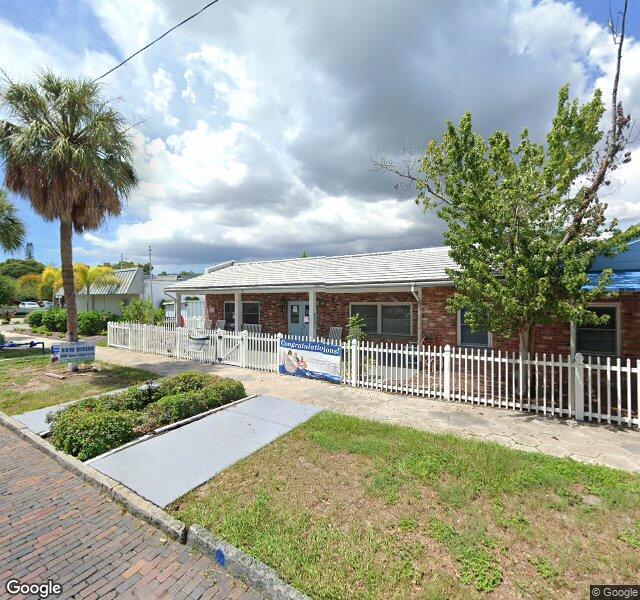
CONCORDIA MANOR

321 13TH AVE N, SAINT PETERSBURG, FL 33701 (727) 822-3030
For profit - Limited Liability company 39 Beds SENIOR HEALTH SOUTH Data: November 2025 3 Immediate Jeopardy citations
Trust Grade
0/100
#626 of 690 in FL
Last Inspection: May 2024

Within standard 12-15 month inspection cycle. Federal law requires annual inspections.

Overview

Concordia Manor has received a Trust Grade of F, indicating significant concerns about the quality of care provided. With a state rank of #626 out of 690, they are in the bottom half of nursing homes in Florida, and they rank #52 out of 64 in Pinellas County, meaning only one other local facility is rated worse. The facility's situation is worsening, with the number of reported issues increasing from 4 in 2024 to 10 in 2025. While staffing is rated 3 out of 5 stars, which is average, the turnover rate of 58% is concerning, as it exceeds the state average. Notably, there have been critical incidents where residents were not provided with adequate safety measures during bed mobility, resulting in a resident falling and suffering a hip fracture, along with failures in pain management for residents post-fall. While there have not been any fines, the overall conditions raise serious red flags for families considering this facility for their loved ones.

Trust Score
F
0/100
In Florida
#626/690
Bottom 10%
Safety Record
High Risk
Review needed
Inspections
Getting Worse
4 → 10 violations
Staff Stability
⚠ Watch
58% turnover. Above average. Higher turnover means staff may not know residents' routines.
Penalties
✓ Good
No fines on record. Clean compliance history, better than most Florida facilities.
Skilled Nurses
✓ Good
Each resident gets 42 minutes of Registered Nurse (RN) attention daily — more than average for Florida. RNs are trained to catch health problems early.
Violations
⚠ Watch
17 deficiencies on record. Higher than average. Multiple issues found across inspections.
★☆☆☆☆
1.0
Overall Rating
★★★☆☆
3.0
Staff Levels
★★★★☆
4.0
Care Quality
★☆☆☆☆
1.0
Inspection Score
Stable
2024: 4 issues
2025: 10 issues

The Good

  • 4-Star Quality Measures · Strong clinical quality outcomes
  • Full Sprinkler Coverage · Fire safety systems throughout facility
  • No fines on record

Facility shows strength in quality measures, fire safety.

The Bad

1-Star Overall Rating

Below Florida average (3.2)

Significant quality concerns identified by CMS

Staff Turnover: 58%

12pts above Florida avg (46%)

Frequent staff changes - ask about care continuity

Chain: SENIOR HEALTH SOUTH

Part of a multi-facility chain

Ask about local staffing decisions and management

Staff turnover is elevated (58%)

10 points above Florida average of 48%

The Ugly 17 deficiencies on record

3 life-threatening 1 actual harm
Sept 2025 4 deficiencies 3 IJ (3 affecting multiple)
CRITICAL (K) 📢 Someone Reported This

A family member, employee, or ombudsman was alarmed enough to file a formal complaint

Immediate Jeopardy (IJ) - the most serious Medicare violation

Free from Abuse/Neglect (Tag F0600)

Someone could have died · This affected multiple residents

**NOTE- TERMS IN BRACKETS HAVE BEEN EDITED TO PROTECT CONFIDENTIALITY** Based on observation, interviews, and record review, the facility failed to protect the residents' right to be free from neglect...

Read full inspector narrative →
**NOTE- TERMS IN BRACKETS HAVE BEEN EDITED TO PROTECT CONFIDENTIALITY** Based on observation, interviews, and record review, the facility failed to protect the residents' right to be free from neglect related to ensuring safety during bed mobility consistent with the assessed and care planned needs for three residents (#2, #5, and #6) of three residents sampled for abuse and neglect.Resident #2 sustained a fall from the bed during care, resulting in a transfer to a higher level of care due to acute pain and was diagnosed with a hip fracture. Resident #2, a vulnerable resident, was not promptly assessed post fall, and the resident's acute pain was not addressed in a timely manner. The facility failed to ensure Resident #2 was seen by a physician and that an ordered X-ray was completed. Resident #2, who was contracted and had other comorbidities, was not a candidate for surgical intervention resulting in on-going physical and psychosocial pain.This failure created a situation that resulted in a worsened condition and the likelihood for serious injury or death to Residents #2 and resulted in the determination of Immediate Jeopardy on 9/10/25. The findings of Immediate Jeopardy were determined to be removed on 9/10/25 and the scope and severity was reduced to an E.Findings included: 1. On 08/24/2025 at 1:30 p.m. Resident #2 was observed in bed. The resident spoke very faintly and was able to nod to yes and no to questions. The resident said she had been in constant pain since the fall. The resident stated, “I have pain in my hip, a lot, medications are helping sometimes and sometimes I do not receive it [pain medication]”. The resident stated on the day of the fall, 08/03/2025, there was one staff member in the room providing care. Resident #2 stated, “[the staff member] was changing me. I was cold and needed my cover. I don't know what happened I just fell to the ground.” The resident said when the fall occurred that staff member yelled out to get help then two more staff members came and assisted the resident back to bed. The resident stated she did not get out of bed and reported feeling worse since the fall. Resident #2 reported being in pain and not being able to eat at the time of the interview. On 09/08/2025 at 1:00 p.m. an observation and interview were conducted with Resident #2. Resident #2's Power of Attorney (POA) and a family member were observed at the bedside brushing the resident's hair. The resident stated being okay, but was still in pain, Resident #2 said, “When they move me, it hurts.” The resident said the nurse administered pain medication sometimes. Review of Resident #2's “admission Record” revealed Resident #2 was originally admitted to the facility on [DATE] and readmitted on [DATE] with a primary diagnosis of displaced intertrochanteric fracture of right femur, initial encounter for closed fracture, onset date 08/06/2025. Other diagnoses included contracture of right shoulder, contracture unspecified joint, hemiplegia and hemiparesis following cerebral infarction affecting right dominant side, unilateral osteoarthritis of right hip and left hip, muscle wasting and atrophy of right and left lower leg. On 08/24/25 at 5:33 p.m. a telephone interview was conducted with Staff G, Certified Nursing Assistant (CNA). Staff G, CNA confirmed they were assigned to Resident #2 on 08/03/2025 and went to their room around 7:30 p.m. to provide care. Staff G, CNA reported standing by Resident #2's bedside, caring for her, and had just pulled down the covers when the resident began pointing at the sheet and stated she was cold. Staff G, CNA said she was going to change the resident when the resident began shivering and shaking. Staff G, CNA stated, “I turned around to get the sheet and I said let me cover you. When I went to get the sheet and turned around, [Resident #2] was on the floor. I yelled out for help.” Staff G, CNA confirmed they were the only staff member in the room at the time of the fall and said there were no other CNAs on that hall. Staff G, CNA said two nurses came to the room and assessed Resident #2 and helped get the resident back in bed. Staff G, CNA stated she had provided care to Resident #2 prior to the incident with no other staff assisting, including bathing and changing, but only found out after the fall that the resident required two staff assistance. Staff G, CNA did not know if there was enough staff at the facility at the time of the fall. Staff G, CNA said the facility had agency nurses working that shift and there had originally been two CNAs on the back hall but, one of them may have left around 7:30 p.m. but Staff G, CNA didn't remember exactly and didn't know why they left. Staff G, CNA confirmed she did not ask for assistance to provide care to Resident #2 on 08/03/2025 due to everyone being busy. Staff G, CNA also stated she had only worked in the facility a few times prior to this incident and had not had any training on the care of Resident #2. On 09/08/2025 at 1:00 p.m. an interview was conducted with Resident #2's family member and their POA while they visited Resident #2. The family member and POA both restated their concerns. They stated on the day of the fall, the resident was being turned during care, there was only one staff member present, and the staff dropped the resident. The family stated Resident #2 was bedridden and when the resident fell on [DATE] the staff put the resident back in bed instead of getting the resident help. They reported there was no phone call made to the family about the resident's fall and the POA found out from another family member the resident was in the hospital. The family member and the POA stated when they went to the hospital, they had a hard time finding the resident due to Resident #2 being admitted with the wrong name. The family stated Resident #2 reported a lot of pain once they arrived. The family member said, “I asked what happened. [Resident #2] said they dropped me. I asked, Who dropped you? [Resident #2] said, the people at the nursing home. [Resident #2] said it was a lady, wearing a red weave [hair]. She was turning me. [Resident #2] said pointing on their hip, it hurts.” The family said Resident #2 explained that two men had assisted Resident #2 back to bed. The resident's family member stated they spoke with the attending physician at the hospital, and it was explained to them that the hospital tried to do surgery but had to rule it out due to the resident being contracted. The family stated Resident #2 was discharged back to the facility and they visited the following morning around 11:00 a.m. only to find Resident #2 crying, in pain, and had not had any pain medication. The family member said they spoke with the nurse and two CNAs who were sitting at the nurses' station and asked when Resident #2 had pain medication last. The nurse said they did not have pain medication for Resident #2 because the prescription came with the wrong name, and they had to resubmit the prescription. The family member said the nurse reported the last dose of pain medication Resident #2 had was at the hospital, the night before. Review of Resident #2's care plan, revised on 11/02/2023 revealed “[Resident #2] has an ADL [activities of daily living] Self-Care Performance Deficit r/t [related to] impaired mobility due to CVA [cerebrovascular accident] with right sided hemiparesis.” The goal revealed “Will maintain current level of self performance with ADLs through next review.” The interventions included “BED MOBILITY: Dependent of 2 to turn and/or reposition Revision on: 01/09/2024. TRANSFER: TOTAL Mechanical lift to Chair of 2, Sling M [medium]. PERSONAL HYGIENE: dependent, initiated on 01/09/2024. DRESSING: Totally Dependent on staff for dressing. Date Initiated: 01/09/2024. TOILET USE: Dependent, Revision on: 01/09/2024.” Review of Resident #2's Fall care plan revised on 11/02/2023 revealed “[Resident #2] is at risk for falls or fall related injury because of: impaired mobility r/t Dx [diagnoses] Cva[sic] with Right hemiplegia, decreased safety awareness, and medication use.” The goal revealed “Will minimize the risk of falls through review date.” The interventions included “perimeter mattress, Date Initiated, 08/21/2025. Report falls to physician and responsible party, date Initiated, 05/04/2020. Provide environmental adaptations: Call light within reach, Date Initiated, 05/04/2020. Anticipate and meet the resident's needs, date initiated, 05/04/2020. Provide environmental adaptations: Adequate lighting, Date Initiated, 05/04/2020. Provide environmental adaptations: Area free of clutter, Date Initiated, 05/04/2020.” This review showed the new intervention was implemented 18 days after Resident #2's fall. Resident #2 had a care plan initiated on 08/10/25 that revealed “Resident #2 has a right femur Fracture.” The goal “Will remain free of complications related to hip fracture, such as contracture formation, embolism and immobility through review date.” The interventions revealed “Anticipate and meet needs. Be sure call light is within reach and respond promptly to all requests for assistance. Follow MD [Medical Doctor] orders for weight bearing status. See MD orders and/or PT [physical therapy] treatment plan. Modify environment as needed to meet current needs: non-slip surface for bath/shower, Bed in lowest position with wheels locked, Floors that are even and free from spills, clutter, Adequate, glare-free light. Monitor/document pain on a scale of 0 to 10 before and after implementing measures to reduce pain. Observe limb for swelling and skin changes. Take pedal pulses as indicated. PT, OT [occupational therapy] evaluation and treatment per orders. Reposition as necessary to prevent skin breakdown. Prevent 90 degree flexion to prevent circulation problems.” Review of Resident #2's progress note dated 08/03/2025 at 8:38 p.m. revealed, “Resident is post fall 20:15 [8:15 p.m.]. Per CNA, resident was being changed, and [Resident #2] rolled out of the bed. Resident denies hitting her head. Denies any pain or discomfort. No injury or bruising noted. Two person assist with transfer to bed. Call placed to [family member], at 10:25 p.m. Left message to call when available. Call placed to on-call for PCP [Primary Care Physician]. Awaiting return call. Resident is resting in bed watching TV [television]. No signs of acute distress or discomfort. Respirations are even and unlabored on room air. Bed in lowest locked position. Call light and side table within reach. Increased rounding for safety by nursing staff.” Review of Resident #2's progress note dated 08/04/2025 at 10:50 a.m. revealed, “Patient reports left knee pain. PCP [primary care physician] made aware. Per PCP to order x-ray of left knee.” Review of the e-MAR (electronic Medication Administration Record) note dated 08/04/2025 at 11:02 a.m. revealed Resident #2 received Acetaminophen tablet 325 milligram (mg) for mild-moderate pain. “pt c/o [complained of] l [left] knee pain. Review of a progress note for Resident #2 dated 08/05/2025 at 10:18 a.m. revealed “Resident with order for X-ray for pain. X-ray company unable to come promptly, order to send resident to ER [emergency room] for follow up.” Review of Resident #2's progress note dated 08/05/2025 at 11:44 a.m. revealed “Resident was transferred to the hospital.” Review of Resident #2's progress note, dated 08/05/2025 at 4:04 pm. Revealed “Nursing Assistant notified this transcriber that resident was crying due to right hip pain. Resident transferred to [Hospital] for further evaluation. MD notified.” Review of a progress note for Resident #2 dated 08/06/2025 at 1:22 a.m. revealed “called [Hospital]. at first and gave name of patient to see if she was admitted . [Hospital] stated they did not have her in their facility. resident[sic] put in their system with a different name. i[sic] called [Hospital A] and [Hospital B] and [Hospital C] to then call back [Hospital] to then use her birthday to ask again. her[sic] name was different in their system. resident[sic] was admitted with a right hip fracture on 8/5/25.” Review of Resident #2's hospital discharge summary for Resident #2 titled, “Final Report”, dated 08/05/2025 revealed “Chief Complaint ems [emergency medical services] from [Facility Name] unwitnessed fall from bed yesterday, left hip pain xray did not show up to facility, so sent here. deficits[sic] from prior stroke, dysphagia and right hemiplegia… History of Present Illness The patient is a [AGE] year-old, …who presents with left hip pain following a fall. The fall occurred yesterday at her nursing home and was unwitnessed; Staff found her on the floor complaining of left hip pain. An x-ray was ordered to be done at the facility, but the imaging team did not arrive. Due to ongoing pain and concern for fracture, she was sent to the emergency department for further evaluation. She is bedbound and severely contracted…A CT [Computed Tomography] of the pelvis was performed after plain films were abnormal but inconclusive, which confirmed an acute right hip fracture. …Chart Summary Patient is a poor surgical candidate. Patient is bedbound and contracted. No acute surgical intervention planned.” Review of the Hospital discharge medications list showed an order for Oxycodone 5 mg oral tablet, every 4 hours interval as needed for pain. Review of the hospital discharge instructions dated 08/06/2025 revealed “You Need to Schedule the Following Appointments” follow up with primary care provider, only if needed within 3-5 days, only if needed.” Review of the medical record for Resident #2 revealed there was no evidence of the physician seeing Resident #2 throughout the month of August 2025. On 08/24/2025 at 3:08 p.m. an interview was conducted with Staff D, Regional Nurse consultant (RNC), and the Nursing Home Administrator (NHA). The RNC stated the provider was notified of the resident's fall. The RNC confirmed there were no provider notes in the resident's record to confirm if the resident had been seen by a provider. Review of a progress note for Resident #2 dated 08/06/2025 at 11:16 p.m. revealed “Resident returned from [Hospital Name] on stretcher, two paramedics at side. Resident was placed on bed… under the services of [Physician Name] The next of kin was notified. The on-call Dr. [doctor] was recalled due to the wrong name that was given…Narcotic order was unable to be filled…” Review of a progress note for Resident #2 dated 08/07/2025 at 6:26 p.m. revealed “Pharmacy was notified of pending narcotic, spoke with [staff member name], who stated that medication would be out tonight. Writer then asked if she could have a code to remove a narcotic from EDK [Emergency Drug kit]. After several minutes, code was given, and pain pill was given to resident.” Review of physician orders for Resident #2 revealed: -2-view X-ray of left knee, start date 08/04/2025 with no end date. -Acetaminophen Tablet 325mg Give 2 tablets by mouth every 6 hours as needed for mild pain, pain level of 1-5 on pain scale, not to exceed 3 grams within 24-hour period, dated 6/25/2020. -Hydrocodone-Acetaminophen Oral Tablet 5-325MG Give 1 tablet by mouth as needed for pain. Give twice daily for acute pain, with a start date of 8/24/2025 and no end date. -Lidoderm External patch 5% (Lidocaine) apply to right front knee topically one time a day for 12 hours on and 12 hours off. “Remove per schedule and remove per schedule” Review of Resident #2's re-entry Minimum Data Set (MDS), dated [DATE], revealed Section C, Cognitive Patters, a Brief Interview for Mental Status (BIMS) score of 06 out of 15, indicating severely impaired cognition. Section GG revealed the resident had upper extremity impairment on one side and lower extremities impairment on both sides. The assessment revealed Resident #2 was dependent on activities of daily living to include: oral hygiene, toileting hygiene, shower/bathe, upper and lower body dressing, putting on/taking off footwear and personal hygiene. The MDS coded Resident #2 as “dependent” meaning helper does ALL of the effort and resident does none of the effort to complete the activity, or the assistance of 2 or more helpers is required for the resident to complete the activity. Under functional abilities, Resident #2 was assessed to be dependent to roll left and right. On 08/24/2025 at 1:32 p.m. an interview was conducted with Staff H, CNA. Staff H, CNA said Resident had not been eating that day and did not eat like she did prior to the fall. Staff H, CNA said Resident #2 is in pain all the time and had not been the same since the fall. She said, “The resident complains of pain all the time now. She does not want anyone to come near her,” and “she is scared we'll cause more pain when changing her”. Staff H, CNA stated Resident #2 was a two-person assist and was always dependent on two people because of contractures. Staff H, CNA said, “[Resident #2] is totally dependent on staff. She was at the time of the fall.” The CNA stated she heard the resident fell during care, but she was not working that day. An interview was conducted with Staff E, Registered Nurse (RN) on 08/24/2025 at 9:45 a.m. Staff E, RN stated Resident #2, fell recently, went to the hospital and is back now. Staff E, RN stated she was not present during the fall, but she knew the resident suffered a hip fracture and was sent out. She stated she heard the CNA was in the room when the fall occurred, but she could not speak of the details. An interview was conducted with Staff F, Licensed Practical Nurse (LPN) on 08/24/2025 at 1:35 p.m. Staff F, LPN stated Resident #2 complained of pain all the time since the fall. Staff F, LPN said the resident was typically assessed pain between a five or a six out ten on the pain scale. Staff F, LPN said, “She can't clearly say it. I don't think she can clearly articulate the levels, you can see it in her eyes though. She is in pain especially during care.” Staff F, LPN stated the CNAs are to make sure the resident had pillows for support and not bother her legs and hips. Staff F, LPN said at the time of the fall there were staffing concerns. There were only agency CNAs and nurses, she said. Staff F, LPN stated the Kardex (a care document showing a specific resident's care needs) for Resident #2 showed she was one person for bathing. Staff F, LPN stated the care plan still showed one staff for bathing. Staff F, LPN stated Resident #2 was contracted, had always been and that assessment would be confusing to staff. Staff F, LPN stated their regular staff knew the resident and they knew how to handle her. She stated there was supposed to be two staff for all care now. Review of the resident's narcotic log with Staff F, LPN confirmed even though the resident had been complaining of pain, there was no documentation pain medication been offered consistently. Staff F, LPN reviewed the log and confirmed there was no documentation of pain medication being administered on the day of the interview, despite the resident complaining of pain. Staff F, LPN stated she gave the resident pain medications but had not logged it. Staff F, LPN stated she gave it around 10:40 a.m. this morning, and said, “I got kind of busy, I did not log it yet. I will document now.” On 08/24/2025 at 3:08 p.m. an interview was conducted with Staff D, Regional Nurse Consultant (RNC), and the Nursing Home Administrator (NHA). The NHA stated he was new and could not speak of the incident. The RNC stated on 08/03/2025 at 8:15 p.m., Resident #2 had a fall from her bed while staff were in the room to provide care. The RNC stated the staff member was Staff G, CNA who was a facility staff who worked as needed (PRN). The RNC said Staff G, CNA no longer worked at the facility. The RNC stated they immediately initiated an investigation into the fall incident. She said the facility's immediate report showed one person had been utilized for bed mobility resulting in a fall and fracture while the resident was care planned for two-person assistance. The RNC stated further investigation, and recreation of the incident identified the staff member was not touching the resident at the time of the fall. She stated the resident had contractures on knees and hips, and the head of the bed (HOB) was elevated. She stated the resident's abductor pillow had fallen between the bed and the wall, and the staff member was on the opposite side, setting items up for care. The RNC reported the resident pointed at the abductor pillow and reached then rolled over and fell to the right. The RNC confirmed the resident was supposed to be a two person assist during care. The RNC stated after the fall, they immediately evaluated Resident #2 with no pain or discomfort noted, so the resident was placed back in the bed. The RNC said the resident had a typical night but the next morning she reported knee pain. She said Acetaminophen was administered and an X-ray was ordered for the resident. The RNC stated on 08/05/2025, the resident reported more pain on the hips and since the X-ray tech did not come, the resident was sent to the hospital. The RNC stated the hospital identified the resident to have severe bone osteoarthritis and a femur fracture with mild tissue swelling in the left knee. The RNC stated the resident came back and had more medications ordered, and a perimeter mattress was also implemented. She stated as a precaution, abuse and neglect education was completed for all staff and instructions to follow the Kardex. The RNC read Staff G, CNA's written statement and said “I was assigned to patient, went in for care. She was shaking like she cold. I turned to get a sheet, and patient was on the floor. I called for help. Nurse came, both came and assess her and put her in bed.” The RNC stated the nurse's statements showed they assessed the resident and put the resident back to bed. The RNC stated Staff I, LPN evaluated the resident on the floor, while Staff J, LPN assisted, and they transferred her to bed. The RNC confirmed Resident #2's record did not show documentation of the assessment. There were no records of vitals or skin checks dated 08/03/2025. The RNC said, “The nurse did not document in the progress notes, and no vitals were documented. They should have.” The RNC said the provider was notified and the notes should be scanned in the electronic medical record. The RNC stated the provider ordered an X-ray on 08/04/2025 which was never fulfilled. The RNC stated when the X-ray is ordered, the expectation is that the technician is here within 24 hours. The RNC stated if it's ordered immediately (STAT), then the expectation was that the X-ray be performed faster. The RNC said, “I can't speak of the physician's decision not to order STAT. No one asked.” The RNC stated they administered Acetaminophen which was effective. She stated on 08/05/2025 the resident had more pain, was refusing care, and did not want to be moved. She stated the resident was crying and they called the doctor and sent the resident out. The RNC stated on the 3:00 p.m. to 11:00 p.m. shift, they received notification from the hospital reporting a femur fracture. The RNC said the facility immediately reported to all entities. She stated their findings identified that the CNA (Staff G, CNA) was in the room, she pulled the sheets and did not provide care. The RNC said Resident #2 fell before the staff member could help. She stated there were no staffing concerns at that time. The RNC said, “The CNA had gone into the room, was setting things up and did not touch resident, and the resident fell on her own, she was not being turned.” She stated they did not identify findings of neglect, however they re-educated all staff on abuse and neglect. Review of Resident #2's skin assessments for the month of August 2025 revealed only one assessment was completed, dated 08/12/2025 without any impairments noted. The review confirmed the care plan intervention initiated on 08/10/2025, to observe limb for swelling and skin changes was not implemented. During an interview with Staff K, OT on 09/08/25 at 1:04 p.m., she said she was working with Resident #2 on her upper body range of motion (ROM). She stated they were spending less time with the resident because, “the resident has been in a lot of pain lately”. Staff K, OT stated since the fall, the only change from therapy's perspective was to maintain low bed all the time and to offer pain medication if the resident requested. She stated she was not aware of any other interventions or any changes to the plan of care. Staff K, OT stated during therapy sessions, Resident #2 was obviously in pain sometimes. On 09/08/2025 at 10:47 a.m. an interview was conducted with Resident #2's primary care physician (PCP). The PCP confirmed seeing Resident #2 when they got out of the hospital, recently. The PCP stated they did not necessarily write notes every time they see patients. The PCP said the resident was bedridden and contracted on both sides. The PCP stated Resident #2 could not move self and the facility was trying to figure out how the resident would have gotten out of bed alone. The PCP said, “I told them I did not have an answer. The resident does not have bed mobility; “I do not believe [Resident #2] could have moved herself to the floor.” The PCP said they did not remember being called when the resident fell. The PCP confirmed being called “much later.” The PCP stated they did not know about the requested PCP follow-up. The PCP stated as far as the pain assessment, the resident now had the hip fracture and would have increased pain. The PCP stated, “It would have to be more pain, probably when they try to move [Resident #2].” The PCP stated they talked to the nurses during visits, but the nurses have been changing way too often, and they did not know if the nurses documented anything they discussed. The PCP stated the problem with the facility was they have been changing administration too often. The PCP said, “There is no continuation of care.” Review of physician notes for Resident #2 revealed the resident was seen by the PCP on 08/29/2025. The note revealed the resident … with right dominant side paresis, type 2 diabetes mellitus (DM), bilateral lower extremities (BLE) contractures and the documented associated comorbidities. Patient (pt) hospitalized for a fall from her bed resulting in a hip fracture. Patient seen for continuation of care. Staff do not report new concerns. The assessment and plan of care reviewed and documented below: Closed fracture of right hip with routine healing, subsequent encounter: Notes right intertrochanteric femoral fracture on CT 08/05/2025 status post (s/p) fall from bed. To be seen and be evaluated by ortho on 08/25. No surgical interventions as patient is bedbound at baseline has PRN meds. The note revealed, “Will likely need to be medicated when she needs to be moved /changed/bathed.” An interview was conducted with the facility's Medical Director (MD) on 09/08/2025 at 11:40 a.m. The MD stated Resident #2 was not his patient but heard about them in Quality Assurance and Performance Improvement (QAPI). The MD stated they discussed what happened and how they could prevent reoccurrence. The MD stated he did not remember specific details regarding Resident #2, but he would have expected the nursing staff to follow their policies and procedures post fall. He said for dependent residents, he would have expected to see two staff members providing care per the plan of care. He stated if a resident was found on the floor, he would expect the nurse to triage, assess, and see if the resident should be moved or not. He said if the on-call physician did not answer their phone, he would have expected staff to call 911. The MD stated all incidents should be documented at the time of injury. The MD stated the X-rays should be ordered STAT for a fall with reported pain, with an expectation for the orders to be fulfilled. He stated he did not know if the x-ray technician missed it. He stated either way, there should have been a follow -up. The MD stated the resident should have been sent out sooner and if the resident was in pain, the PCP should be contacted to evaluate if the interventions were working. He stated it should be documented. The MD stated when the resident is being sent out, the nurse should give the emergency medical team (EMT) the resident's information and current orders. He said staff should have contacted the PCP right away to obtain a new script if the one they received from the hospital had a wrong name. He said if the nurse could not reach the PCP, they have a process to follow, including contacting the MD. He stated Resident #2 should not have been waiting in pain because of a system issue or a process. The MD stated there should be documented on-going pain assessments with appropriate interventions. He stated if the resident suffered a fracture and was not a good candidate for surgery, then increased pain should be anticipated. The MD stated the facility had undergone challenges with some nurses who were let go. He stated they had a big problem with [Name of Healthcare Physician group]. He stated they lack in communication as the PCP's do not respond to phone calls. He stated the PCP's should be documenting after each visit and the notes should be in the resident's record. The MD stated he did not know why Resident #2 did not have any physician notes. On 09/08/2025 at 3:38 p.m. an interview with Staff D, RNC confirmed Resident #2 was not seen by her PCP until 08/29/2025. She stated she could not speak to the process. She stated the post discharge follow-up expected three to five days with PCP was not documented. On 09/09/2025 at 3:45 p.m. an interview was conducted with Staff O, CNA and Staff P, CNA. They stated Resident #2 had increased pain since the fall. Staff O, CNA said, “The resident now cries when you change them. [Resident #2] is afraid of being touched. When you try to put the brief between her legs the resident fringes, grimaces and pushes your hands away.” Staff P, CNA stated even before you start care, Resident #2 was anxious like she was waiting for the pain. Staff P, CNA stated it has been hard for the resident when she is changed. The CNAs stated the resident was not totally non-verbal and could communicate her needs. On 09/10/2025 at 11:08 a.m. an interview was conducted with the Director of Rehabilitation (DOR) and Staff Q, Occupational Therapist (OT). Staff Q, OT stated having assessed Resident #2 post fall, and the resident was at baseline. She stated the resident required maximum assistance in bed, before and after the fall. Staff Q, OT said the resident was rolled side to side during a brief change from which the resident sustained a fall. Staff Q, OT stated they were waiting for orthopedics to follow up. Staff Q, OT stated the resident was agreeable to use the rail to practice roll log during care, to protect further movement and maintain midline positioning. Staff Q, OT said if Resident #2's legs were touched she was in pain. Staff Q, LPN said the resident refused to be cared for, “even before you touch [Resident #2], because of the pain.” The DOR stated two days ago they started training the CNAs on log rolling and to check with the nurse prior to care. The DOR said that training should have started when the resident returned from the hospital. 2. A review of Resident #5's admission Record showed an admission date of 07/12/2025 and readmissions on 08/16/2025 with the following diagnosis: sepsis, type 2 diabetes mellitus cerebral infarc
CRITICAL (K) 📢 Someone Reported This

A family member, employee, or ombudsman was alarmed enough to file a formal complaint

Immediate Jeopardy (IJ) - the most serious Medicare violation

Accident Prevention (Tag F0689)

Someone could have died · This affected multiple residents

**NOTE- TERMS IN BRACKETS HAVE BEEN EDITED TO PROTECT CONFIDENTIALITY** Based on observation, interviews, and record review, the facility failed to provide the number of staff needed to ensure safety ...

Read full inspector narrative →
**NOTE- TERMS IN BRACKETS HAVE BEEN EDITED TO PROTECT CONFIDENTIALITY** Based on observation, interviews, and record review, the facility failed to provide the number of staff needed to ensure safety during bed mobility consistent with the assessed and care planned needs for four residents (#2, #3, #5 and #6) of five residents sampled for falls.Resident #2 sustained a fall from the bed during care, resulting in a transfer to a higher level of care due to acute pain and was diagnosed with a hip fracture. Resident #2, a vulnerable resident, was not promptly assessed post fall, and the resident's acute pain was not addressed in a timely manner. The facility failed to ensure Resident #2 was seen by a physician and that an ordered X-ray was completed. Resident #2, who was contracted and had other comorbidities, was not a candidate for surgical intervention resulting in on-going physical and psychosocial pain.This failure created a situation that resulted in a worsened condition and the likelihood for serious injury or death to Residents #2 and resulted in the determination of Immediate Jeopardy on 09/10/2025. The findings of Immediate Jeopardy were determined to be removed on 09/10/2025 and the scope and severity was reduced to an E.Findings included: 1. On 08/24/2025 at 1:30 p.m. Resident #2 was observed in bed. The resident spoke very faintly and was able to nod to yes and no to questions. The resident said she had been in constant pain since the fall. The resident stated, “I have pain in my hip, a lot, medications are helping sometimes and sometimes I do not receive it [pain medication]”. The resident stated on the day of the fall, 08/03/2025, there was one staff member in the room providing care. Resident #2 stated, “[the staff member] was changing me. I was cold and needed my cover. I don't know what happened I just fell to the ground.” The resident said when the fall occurred that staff member yelled out to get help then two more staff members came and assisted the resident back to bed. The resident stated she did not get out of bed and reported feeling worse since the fall. Resident #2 reported being in pain and not being able to eat at the time of the interview. On 09/08/2025 at 1:00 p.m. an observation and interview were conducted with Resident #2. Resident #2's Power of Attorney (POA) and a family member were observed at the bedside brushing the resident's hair. The resident stated being okay, but was still in pain, Resident #2 said, “When they move me, it hurts.” The resident said the nurse administered pain medication sometimes. Review of Resident #2's “admission Record” revealed Resident #2 was originally admitted to the facility on [DATE] and readmitted on [DATE] with a primary diagnosis of displaced intertrochanteric fracture of right femur, initial encounter for closed fracture, onset date 08/06/2025. Other diagnoses included contracture of right shoulder, contracture unspecified joint, hemiplegia and hemiparesis following cerebral infarction affecting right dominant side, unilateral osteoarthritis of right hip and left hip, muscle wasting and atrophy of right and left lower leg. On 08/24/25 at 5:33 p.m. a telephone interview was conducted with Staff G, Certified Nursing Assistant (CNA). Staff G, CNA confirmed they were assigned to Resident #2 on 08/03/2025 and went to their room around 7:30 p.m. to provide care. Staff G, CNA reported standing by Resident #2's bedside, caring for her, and had just pulled down the covers when the resident began pointing at the sheet and stated she was cold. Staff G, CNA said she was going to change the resident when the resident began shivering and shaking. Staff G, CNA stated, “I turned around to get the sheet and I said let me cover you. When I went to get the sheet and turned around, [Resident #2] was on the floor. I yelled out for help.” Staff G, CNA confirmed they were the only staff member in the room at the time of the fall and said there were no other CNAs on that hall. Staff G, CNA said two nurses came to the room and assessed Resident #2 and helped get the resident back in bed. Staff G, CNA stated she had provided care to Resident #2 prior to the incident with no other staff assisting, including bathing and changing, but only found out after the fall that the resident required two staff assistance. Staff G, CNA did not know if there was enough staff at the facility at the time of the fall. Staff G, CNA said the facility had agency nurses working that shift and there had originally been two CNAs on the back hall but, one of them may have left around 7:30 p.m. but Staff G, CNA didn't remember exactly and didn't know why they left. Staff G, CNA confirmed she did not ask for assistance to provide care to Resident #2 on 08/03/2025 due to everyone being busy. Staff G, CNA also stated she had only worked in the facility a few times prior to this incident and had not had any training on the care of Resident #2. On 09/08/2025 at 1:00 p.m. an interview was conducted with Resident #2's family member and their POA while they visited Resident #2. The family member and POA both restated their concerns. They stated on the day of the fall, the resident was being turned during care, there was only one staff member present, and the staff dropped the resident. The family stated Resident #2 was bedridden and when the resident fell on [DATE] the staff put the resident back in bed instead of getting the resident help. They reported there was no phone call made to the family about the resident's fall and the POA found out from another family member the resident was in the hospital. The family member and the POA stated when they went to the hospital, they had a hard time finding the resident due to Resident #2 being admitted with the wrong name. The family stated Resident #2 reported a lot of pain once they arrived. The family member said, “I asked what happened. [Resident #2] said they dropped me. I asked, Who dropped you? [Resident #2] said, the people at the nursing home. [Resident #2] said it was a lady, wearing a red weave [hair]. She was turning me. [Resident #2] said pointing on their hip, it hurts.” The family said Resident #2 explained that two men had assisted Resident #2 back to bed. The resident's family member stated they spoke with the attending physician at the hospital, and it was explained to them that the hospital tried to do surgery but had to rule it out due to the resident being contracted. The family stated Resident #2 was discharged back to the facility and they visited the following morning around 11:00 a.m. only to find Resident #2 crying, in pain, and had not had any pain medication. The family member said they spoke with the nurse and two CNAs who were sitting at the nurses' station and asked when Resident #2 had pain medication last. The nurse said they did not have pain medication for Resident #2 because the prescription came with the wrong name, and they had to resubmit the prescription. The family member said the nurse reported the last dose of pain medication Resident #2 had was at the hospital, the night before. Review of Resident #2's progress note dated 08/03/2025 at 8:38 p.m. revealed, “Resident is post fall 20:15 [8:15 p.m.]. Per CNA, resident was being changed, and [Resident #2] rolled out of the bed. Resident denies hitting her head. Denies any pain or discomfort. No injury or bruising noted. Two person assist with transfer to bed. Call placed to [family member], at 10:25 p.m. Left message to call when available. Call placed to on-call for PCP [Primary Care Physician]. Awaiting return call. Resident is resting in bed watching TV [television]. No signs of acute distress or discomfort. Respirations are even and unlabored on room air. Bed in lowest locked position. Call light and side table within reach. Increased rounding for safety by nursing staff.” Review of Resident #2's care plan, revised on 11/02/2023 revealed “[Resident #2] has an ADL [activities of daily living] Self-Care Performance Deficit r/t [related to] impaired mobility due to CVA [cerebrovascular accident] with right sided hemiparesis.” The goal revealed “Will maintain current level of self performance with ADLs through next review.” The interventions included “BED MOBILITY: Dependent of 2 to turn and/or reposition Revision on: 01/09/2024. TRANSFER: TOTAL Mechanical lift to Chair of 2, Sling M [medium]. PERSONAL HYGIENE: dependent, initiated on 01/09/2024. DRESSING: Totally Dependent on staff for dressing. Date Initiated: 01/09/2024. TOILET USE: Dependent, Revision on: 01/09/2024.” Review of Resident #2's Fall care plan revised on 11/02/2023 revealed “[Resident #2] is at risk for falls or fall related injury because of: impaired mobility r/t Dx [diagnoses] Cva[sic] with Right hemiplegia, decreased safety awareness, and medication use.” The goal revealed “Will minimize the risk of falls through review date.” The interventions included “perimeter mattress, Date Initiated, 08/21/2025. Report falls to physician and responsible party, date Initiated, 05/04/2020. Provide environmental adaptations: Call light within reach, Date Initiated, 05/04/2020. Anticipate and meet the resident's needs, date initiated, 05/04/2020. Provide environmental adaptations: Adequate lighting, Date Initiated, 05/04/2020. Provide environmental adaptations: Area free of clutter, Date Initiated, 05/04/2020.” This review showed the new intervention was implemented 18 days after Resident #2's fall. Resident #2 had a care plan initiated on 08/10/25 that revealed “Resident #2 has a right femur Fracture.” The goal “Will remain free of complications related to hip fracture, such as contracture formation, embolism and immobility through review date.” The interventions revealed “Anticipate and meet needs. Be sure call light is within reach and respond promptly to all requests for assistance. Follow MD [Medical Doctor] orders for weight bearing status. See MD orders and/or PT [physical therapy] treatment plan. Modify environment as needed to meet current needs: non-slip surface for bath/shower, Bed in lowest position with wheels locked, Floors that are even and free from spills, clutter, Adequate, glare-free light. Monitor/document pain on a scale of 0 to 10 before and after implementing measures to reduce pain. Observe limb for swelling and skin changes. Take pedal pulses as indicated. PT, OT [occupational therapy] evaluation and treatment per orders. Reposition as necessary to prevent skin breakdown. Prevent 90 degree flexion to prevent circulation problems.” Review of Resident #2's progress note dated 08/04/2025 at 10:50 a.m. revealed, “Patient reports left knee pain. PCP [primary care physician] made aware. Per PCP to order x-ray of left knee.” Review of the e-MAR (electronic Medication Administration Record) note dated 08/04/2025 at 11:02 a.m. revealed Resident #2 received Acetaminophen tablet 325 milligram (mg) for mild-moderate pain. “pt c/o [complained of] l [left] knee pain. Review of a progress note for Resident #2 dated 08/05/2025 at 10:18 a.m. revealed “Resident with order for X-ray for pain. X-ray company unable to come promptly, order to send resident to ER [emergency room] for follow up.” Review of Resident #2's progress note dated 08/05/2025 at 11:44 a.m. revealed “Resident was transferred to the hospital.” Review of Resident #2's progress note, dated 08/05/2025 at 4:04 pm. Revealed “Nursing Assistant notified this transcriber that resident was crying due to right hip pain. Resident transferred to [Hospital] for further evaluation. MD notified.” Review of a progress note for Resident #2 dated 08/06/2025 at 1:22 a.m. revealed “called [Hospital]. at first and gave name of patient to see if she was admitted . [Hospital] stated they did not have her in their facility. resident[sic] put in their system with a different name. i[sic] called [Hospital A] and [Hospital B] and [Hospital C] to then call back [Hospital] to then use her birthday to ask again. her[sic] name was different in their system. resident[sic] was admitted with a right hip fracture on 8/5/25.” Review of Resident #2's hospital discharge summary for Resident #2 titled, “Final Report”, dated 08/05/2025 revealed “Chief Complaint ems [emergency medical services] from [Facility Name] unwitnessed fall from bed yesterday, left hip pain xray did not show up to facility, so sent here. deficits[sic] from prior stroke, dysphagia and right hemiplegia… History of Present Illness The patient is a [AGE] year-old, …who presents with left hip pain following a fall. The fall occurred yesterday at her nursing home and was unwitnessed; Staff found her on the floor complaining of left hip pain. An x-ray was ordered to be done at the facility, but the imaging team did not arrive. Due to ongoing pain and concern for fracture, she was sent to the emergency department for further evaluation. She is bedbound and severely contracted…A CT [Computed Tomography] of the pelvis was performed after plain films were abnormal but inconclusive, which confirmed an acute right hip fracture. …Chart Summary Patient is a poor surgical candidate. Patient is bedbound and contracted. No acute surgical intervention planned.” Review of the Hospital discharge medications list showed an order for Oxycodone 5 mg oral tablet, every 4 hours interval as needed for pain. Review of the hospital discharge instructions dated 08/06/2025 revealed “You Need to Schedule the Following Appointments” follow up with primary care provider, only if needed within 3-5 days, only if needed.” Review of the medical record for Resident #2 revealed there was no evidence of the physician seeing Resident #2 throughout the month of August 2025. On 08/24/2025 at 3:08 p.m. an interview was conducted with Staff D, Regional Nurse consultant (RNC), and the Nursing Home Administrator (NHA). The RNC stated the provider was notified of the resident's fall. The RNC confirmed there were no provider notes in the resident's record to confirm if the resident had been seen by a provider. Review of a progress note for Resident #2 dated 08/06/2025 at 11:16 p.m. revealed “Resident returned from [Hospital Name] on stretcher, two paramedics at side. Resident was placed on bed… under the services of [Physician Name] The next of kin was notified. The on-call Dr. [doctor] was recalled due to the wrong name that was given…Narcotic order was unable to be filled…” Review of a progress note for Resident #2 dated 08/07/2025 at 6:26 p.m. revealed “Pharmacy was notified of pending narcotic, spoke with [staff member name], who stated that medication would be out tonight. Writer then asked if she could have a code to remove a narcotic from EDK [Emergency Drug kit]. After several minutes, code was given, and pain pill was given to resident.” Review of physician orders for Resident #2 revealed: -2-view X-ray of left knee, start date 08/04/2025 with no end date. -Acetaminophen Tablet 325mg Give 2 tablets by mouth every 6 hours as needed for mild pain, pain level of 1-5 on pain scale, not to exceed 3 grams within 24-hour period, dated 6/25/2020. -Hydrocodone-Acetaminophen Oral Tablet 5-325MG Give 1 tablet by mouth as needed for pain. Give twice daily for acute pain, with a start date of 8/24/2025 and no end date. -Lidoderm External patch 5% (Lidocaine) apply to right front knee topically one time a day for 12 hours on and 12 hours off. “Remove per schedule and remove per schedule” Review of Resident #2's re-entry Minimum Data Set (MDS), dated [DATE], revealed Section C, Cognitive Patters, a Brief Interview for Mental Status (BIMS) score of 06 out of 15, indicating severely impaired cognition. Section GG revealed the resident had upper extremity impairment on one side and lower extremities impairment on both sides. The assessment revealed Resident #2 was dependent on activities of daily living to include: oral hygiene, toileting hygiene, shower/bathe, upper and lower body dressing, putting on/taking off footwear and personal hygiene. The MDS coded Resident #2 as “dependent” meaning helper does ALL of the effort and resident does none of the effort to complete the activity, or the assistance of 2 or more helpers is required for the resident to complete the activity. Under functional abilities, Resident #2 was assessed to be dependent to roll left and right. On 08/24/2025 at 1:32 p.m. an interview was conducted with Staff H, CNA. Staff H, CNA said Resident had not been eating that day and did not eat like she did prior to the fall. Staff H, CNA said Resident #2 is in pain all the time and had not been the same since the fall. She said, “The resident complains of pain all the time now. She does not want anyone to come near her,” and “she is scared we'll cause more pain when changing her”. Staff H, CNA stated Resident #2 was a two-person assist and was always dependent on two people because of contractures. Staff H, CNA said, “[Resident #2] is totally dependent on staff. She was at the time of the fall.” The CNA stated she heard the resident fell during care, but she was not working that day. An interview was conducted with Staff E, Registered Nurse (RN) on 08/24/2025 at 9:45 a.m. Staff E, RN stated Resident #2, fell recently, went to the hospital and is back now. Staff E, RN stated she was not present during the fall, but she knew the resident suffered a hip fracture and was sent out. She stated she heard the CNA was in the room when the fall occurred, but she could not speak of the details. An interview was conducted with Staff F, Licensed Practical Nurse (LPN) on 08/24/2025 at 1:35 p.m. Staff F, LPN stated Resident #2 complained of pain all the time since the fall. Staff F, LPN said the resident was typically assessed pain between a five or a six out ten on the pain scale. Staff F, LPN said, “She can't clearly say it. I don't think she can clearly articulate the levels, you can see it in her eyes though. She is in pain especially during care.” Staff F, LPN stated the CNAs are to make sure the resident had pillows for support and not bother her legs and hips. Staff F, LPN said at the time of the fall there were staffing concerns. There were only agency CNAs and nurses, she said. Staff F, LPN stated the Kardex (a care document showing a specific resident's care needs) for Resident #2 showed she was one person for bathing. Staff F, LPN stated the care plan still showed one staff for bathing. Staff F, LPN stated Resident #2 was contracted, had always been and that assessment would be confusing to staff. Staff F, LPN stated their regular staff knew the resident and they knew how to handle her. She stated there was supposed to be two staff for all care now. Review of the resident's narcotic log with Staff F, LPN confirmed even though the resident had been complaining of pain, there was no documentation pain medication been offered consistently. Staff F, LPN reviewed the log and confirmed there was no documentation of pain medication being administered on the day of the interview, despite the resident complaining of pain. Staff F, LPN stated she gave the resident pain medications but had not logged it. Staff F, LPN stated she gave it around 10:40 a.m. this morning, and said, “I got kind of busy, I did not log it yet. I will document now.” On 09/09/25 at 3:45 p.m. an interview was conducted with Staff O, CNA and Staff P, CNA. They stated Resident #2 had increased pain since the fall. Staff O, CNA said, “The resident now cries when you change them. [Resident #2] is afraid of being touched. When you try to put the brief between their legs the resident fringes, grimaces and pushes your hands away.” Staff P, CNA stated even before you start care, Resident #2 was anxious like they were waiting for the pain. Staff P, CNA stated it has been hard for the resident when they are changed. The CNAs stated the resident was not totally non-verbal and could communicate her needs. On 09/10/2025 at 11:08 a.m. an interview was conducted with the Director of Rehabilitation (DOR) and Staff Q, Occupational Therapist (OT). Staff Q, OT stated having assessed Resident #2 post fall, and the resident was at baseline. She stated the resident required maximum assistance in bed, before and after the fall. Staff Q, OT said the resident was rolled side to side during a brief change from which the resident sustained a fall. Staff Q, OT stated they were waiting for orthopedics to follow up. Staff Q, OT stated the resident was agreeable to use the rail to practice roll log during care, to protect further movement and maintain midline positioning. Staff Q, OT said if Resident #2's legs were touched she was in pain. Staff Q, LPN said the resident refused to be cared for, “even before you touch [Resident #2], because of the pain.” The DOR stated two days ago they started training the CNAs on log rolling and to check with the nurse prior to care. The DOR said that training should have started when the resident returned from the hospital. On 08/24/2025 at 3:08 p.m. an interview was conducted with Staff D, Regional Nurse Consultant (RNC), and the Nursing Home Administrator (NHA). The NHA stated he was new and could not speak of the incident. The RNC stated on 08/03/2025 at 8:15 p.m., Resident #2 had a fall from her bed while staff were in the room to provide care. The RNC stated the staff member was Staff G, CNA who was a facility staff who worked as needed (PRN). The RNC said Staff G, CNA no longer worked at the facility. The RNC stated they immediately initiated an investigation into the fall incident. She said the facility's immediate report showed one person had been utilized for bed mobility resulting in a fall and fracture while the resident was care planned for two-person assistance. The RNC stated further investigation, and recreation of the incident identified the staff member was not touching the resident at the time of the fall. She stated the resident had contractures on knees and hips, and the head of the bed (HOB) was elevated. She stated the resident's abductor pillow had fallen between the bed and the wall, and the staff member was on the opposite side, setting items up for care. The RNC reported the resident pointed at the abductor pillow and reached then rolled over and fell to the right. The RNC confirmed the resident was supposed to be a two person assist during care. The RNC stated after the fall, they immediately evaluated Resident #2 with no pain or discomfort noted, so the resident was placed back in the bed. The RNC said the resident had a typical night but the next morning she reported knee pain. She said Acetaminophen was administered and an X-ray was ordered for the resident. The RNC stated on 08/05/2025, the resident reported more pain on the hips and since the X-ray tech did not come, the resident was sent to the hospital. The RNC stated the hospital identified the resident to have severe bone osteoarthritis and a femur fracture with mild tissue swelling in the left knee. The RNC stated the resident came back and had more medications ordered, and a perimeter mattress was also implemented. She stated as a precaution, abuse and neglect education was completed for all staff and instructions to follow the Kardex. The RNC read Staff G, CNA's written statement and said “I was assigned to patient, went in for care. She was shaking like she cold. I turned to get a sheet, and patient was on the floor. I called for help. Nurse came, both came and assess her and put her in bed.” The RNC stated the nurse's statements showed they assessed the resident and put the resident back to bed. The RNC stated Staff I, LPN evaluated the resident on the floor, while Staff J, LPN assisted, and they transferred her to bed. The RNC confirmed Resident #2's record did not show documentation of the assessment. There were no records of vitals or skin checks dated 08/03/2025. The RNC said, “The nurse did not document in the progress notes, and no vitals were documented. They should have.” The RNC said the provider was notified and the notes should be scanned in the electronic medical record. The RNC stated the provider ordered an X-ray on 08/04/2025 which was never fulfilled. The RNC stated when the X-ray is ordered, the expectation is that the technician is here within 24 hours. The RNC stated if it's ordered immediately (STAT), then the expectation was that the X-ray be performed faster. The RNC said, “I can't speak of the physician's decision not to order STAT. No one asked.” The RNC stated they administered Acetaminophen which was effective. She stated on 08/05/2025 the resident had more pain, was refusing care, and did not want to be moved. She stated the resident was crying and they called the doctor and sent the resident out. The RNC stated on the 3:00 p.m. to 11:00 p.m. shift, they received notification from the hospital reporting a femur fracture. The RNC said the facility immediately reported to all entities. She stated their findings identified that the CNA (Staff G, CNA) was in the room, she pulled the sheets and did not provide care. The RNC said Resident #2 fell before the staff member could help. She stated there were no staffing concerns at that time. The RNC said, “The CNA had gone into the room, was setting things up and did not touch resident, and the resident fell on her own, she was not being turned.” She stated they did not identify findings of neglect, however they re-educated all staff on abuse and neglect. Review of Resident #2's skin assessments for the month of August 2025 revealed only one assessment was completed, dated 08/12/2025 without any impairments noted. The review confirmed the care plan intervention initiated on 08/10/2025, to observe limb for swelling and skin changes was not implemented. During an interview with Staff K, OT on 09/08/25 at 1:04 p.m., she said she was working with Resident #2 on her upper body range of motion (ROM). She stated they were spending less time with the resident because, “the resident has been in a lot of pain lately”. Staff K, OT stated since the fall, the only change from therapy's perspective was to maintain low bed all the time and to offer pain medication if the resident requested. She stated she was not aware of any other interventions or any changes to the plan of care. Staff K, OT stated during therapy sessions, Resident #2 was obviously in pain sometimes. On 09/08/2025 at 10:47 a.m. an interview was conducted with Resident #2's primary care physician (PCP). The PCP confirmed seeing Resident #2 when they got out of the hospital, recently. The PCP stated they did not necessarily write notes every time they see patients. The PCP said the resident was bedridden and contracted on both sides. The PCP stated Resident #2 could not move self and the facility was trying to figure out how the resident would have gotten out of bed alone. The PCP said, “I told them I did not have an answer. The resident does not have bed mobility; “I do not believe [Resident #2] could have moved herself to the floor.” The PCP said they did not remember being called when the resident fell. The PCP confirmed being called “much later.” The PCP stated they did not know about the requested PCP follow-up. The PCP stated as far as the pain assessment, the resident now had the hip fracture and would have increased pain. The PCP stated, “It would have to be more pain, probably when they try to move [Resident #2].” The PCP stated they talked to the nurses during visits, but the nurses have been changing way too often, and they did not know if the nurses documented anything they discussed. The PCP stated the problem with the facility was they have been changing administration too often. The PCP said, “There is no continuation of care.” Review of physician notes for Resident #2 revealed the resident was seen by the PCP on 08/29/2025. The note revealed the resident … with right dominant side paresis, type 2 diabetes mellitus (DM), bilateral lower extremities (BLE) contractures and the documented associated comorbidities. Patient (pt) hospitalized for a fall from her bed resulting in a hip fracture. Patient seen for continuation of care. Staff do not report new concerns. The assessment and plan of care reviewed and documented below: Closed fracture of right hip with routine healing, subsequent encounter: Notes right intertrochanteric femoral fracture on CT 08/05/2025 status post (s/p) fall from bed. To be seen and be evaluated by ortho on 08/25. No surgical interventions as patient is bedbound at baseline has PRN meds. The note revealed, “Will likely need to be medicated when she needs to be moved /changed/bathed.” An interview was conducted with the facility's Medical Director (MD) on 09/08/2025 at 11:40 a.m. The MD stated Resident #2 was not his patient but heard about them in Quality Assurance and Performance Improvement (QAPI). The MD stated they discussed what happened and how they could prevent reoccurrence. The MD stated he did not remember specific details regarding Resident #2, but he would have expected the nursing staff to follow their policies and procedures post fall. He said for dependent residents, he would have expected to see two staff members providing care per the plan of care. He stated if a resident was found on the floor, he would expect the nurse to triage, assess, and see if the resident should be moved or not. He said if the on-call physician did not answer their phone, he would have expected staff to call 911. The MD stated all incidents should be documented at the time of injury. The MD stated the X-rays should be ordered STAT for a fall with reported pain, with an expectation for the orders to be fulfilled. He stated he did not know if the x-ray technician missed it. He stated either way, there should have been a follow -up. The MD stated the resident should have been sent out sooner and if the resident was in pain, the PCP should be contacted to evaluate if the interventions were working. He stated it should be documented. The MD stated when the resident is being sent out, the nurse should give the emergency medical team (EMT) the resident's information and current orders. He said staff should have contacted the PCP right away to obtain a new script if the one they received from the hospital had a wrong name. He said if the nurse could not reach the PCP, they have a process to follow, including contacting the MD. He stated Resident #2 should not have been waiting in pain because of a system issue or a process. The MD stated there should be documented on-going pain assessments with appropriate interventions. He stated if the resident suffered a fracture and was not a good candidate for surgery, then increased pain should be anticipated. The MD stated the facility had undergone challenges with some nurses who were let go. He stated they had a big problem with [Name of Healthcare Physician group]. He stated they lack in communication as the PCP's do not respond to phone calls. He stated the PCP's should be documenting after each visit and the notes should be in the resident's record. The MD stated he did not know why Resident #2 did not have any physician notes. On 09/08/2025 at 3:38 p.m. an interview with Staff D, RNC confirmed Resident #2 was not seen by her PCP until 08/29/2025. She stated she could not speak to the process. She stated the post discharge follow-up expected three to five days with PCP was not documented. 2. A review of the admission record for Resident #3 showed she was admitted to the facility on [DATE] with diagnoses including but not limited to anxiety disorder, unspecified, bipolar disorder, unsp
CRITICAL (K) 📢 Someone Reported This

A family member, employee, or ombudsman was alarmed enough to file a formal complaint

Immediate Jeopardy (IJ) - the most serious Medicare violation

Deficiency F0697 (Tag F0697)

Someone could have died · This affected multiple residents

**NOTE- TERMS IN BRACKETS HAVE BEEN EDITED TO PROTECT CONFIDENTIALITY** Based on observation, interviews, and record review, the facility failed to ensure pain control and management for residents' po...

Read full inspector narrative →
**NOTE- TERMS IN BRACKETS HAVE BEEN EDITED TO PROTECT CONFIDENTIALITY** Based on observation, interviews, and record review, the facility failed to ensure pain control and management for residents' post fall for two residents (#2 and #5) of three residents reviewed. Resident #2 sustained a femur fracture which she was not a surgical candidate for. Resident #2 continued to have uncontrolled pain which continued to affect her activities of daily living. The facility failed to accurately assess and notify the physician of Resident #2's uncontrolled pain. Resulting in on-going physical pain and psychosocial harm.Resident #2 sustained a fall from the bed during care, resulting in a transfer to a higher level of care due to acute pain and was diagnosed with a hip fracture. Resident #2, a vulnerable resident, was not promptly assessed post fall, and the resident's acute pain was not addressed in a timely manner. The facility failed to ensure Resident #2 was seen by a physician and that an ordered X-ray was completed. Resident #2, who was contracted and had other comorbidities, was not a candidate for surgical intervention resulting in on-going physical pain and psychosocial harm.This failure created a situation that resulted in a worsened condition and the likelihood for serious injury or death to Residents #2 and resulted in the determination of Immediate Jeopardy on 09/10/2025. The findings of Immediate Jeopardy were determined to be removed on 09/10/2025 and the scope and severity was reduced to an E.Findings included: 1. On 08/24/2025 at 1:30 p.m. Resident #2 was observed in bed. The resident spoke very faintly and was able to nod to yes and no to questions. The resident said she had been in constant pain since the fall. The resident stated, “I have pain in my hip, a lot, medications are helping sometimes and sometimes I do not receive it [pain medication]”. The resident stated on the day of the fall, 08/03/2025, there was one staff member in the room providing care. Resident #2 stated, “[the staff member] was changing me. I was cold and needed my cover. I don't know what happened I just fell to the ground.” The resident said when the fall occurred that staff member yelled out to get help then two more staff members came and assisted the resident back to bed. The resident stated she did not get out of bed and reported feeling worse since the fall. Resident #2 reported being in pain and not being able to eat at the time of the interview. On 09/08/2025 at 1:00 p.m. an observation and interview were conducted with Resident #2. Resident #2's Power of Attorney (POA) and a family member were observed at the bedside brushing the resident's hair. The resident stated being okay, but was still in pain, Resident #2 said, “When they move me, it hurts.” The resident said the nurse administered pain medication sometimes. On 09/09/25 at 3:45 p.m. an interview was conducted with Staff O, CNA and Staff P, CNA. They stated Resident #2 had increased pain since the fall. Staff O, CNA said, “The resident now cries when you change them. [Resident #2] is afraid of being touched. When you try to put the brief between their legs the resident fringes, grimaces and pushes your hands away.” Staff P, CNA stated even before you start care, Resident #2 was anxious like they were waiting for the pain. Staff P, CNA stated it has been hard for the resident when they are changed. The CNAs stated the resident was not totally non-verbal and could communicate her needs. Review of Resident #2's “admission Record” revealed Resident #2 was originally admitted to the facility on [DATE] and readmitted on [DATE] with a primary diagnosis of displaced intertrochanteric fracture of right femur, initial encounter for closed fracture, onset date 08/06/2025. Other diagnoses included contracture of right shoulder, contracture unspecified joint, hemiplegia and hemiparesis following cerebral infarction affecting right dominant side, unilateral osteoarthritis of right hip and left hip, muscle wasting and atrophy of right and left lower leg. On 08/24/25 at 5:33 p.m. a telephone interview was conducted with Staff G, Certified Nursing Assistant (CNA). Staff G, CNA confirmed they were assigned to Resident #2 on 08/03/2025 and went to their room around 7:30 p.m. to provide care. Staff G, CNA reported standing by Resident #2's bedside, caring for her, and had just pulled down the covers when the resident began pointing at the sheet and stated she was cold. Staff G, CNA said she was going to change the resident when the resident began shivering and shaking. Staff G, CNA stated, “I turned around to get the sheet and I said let me cover you. When I went to get the sheet and turned around, [Resident #2] was on the floor. I yelled out for help.” Staff G, CNA confirmed they were the only staff member in the room at the time of the fall and said there were no other CNAs on that hall. Staff G, CNA said two nurses came to the room and assessed Resident #2 and helped get the resident back in bed. Staff G, CNA stated she had provided care to Resident #2 prior to the incident with no other staff assisting, including bathing and changing, but only found out after the fall that the resident required two staff assistance. Staff G, CNA did not know if there was enough staff at the facility at the time of the fall. Staff G, CNA said the facility had agency nurses working that shift and there had originally been two CNAs on the back hall but, one of them may have left around 7:30 p.m. but Staff G, CNA didn't remember exactly and didn't know why they left. Staff G, CNA confirmed she did not ask for assistance to provide care to Resident #2 on 08/03/2025 due to everyone being busy. Staff G, CNA also stated she had only worked in the facility a few times prior to this incident and had not had any training on the care of Resident #2. On 09/08/2025 at 1:00 p.m. an interview was conducted with Resident #2's family member and their POA while they visited Resident #2. The family member and POA both restated their concerns. They stated on the day of the fall, the resident was being turned during care, there was only one staff member present, and the staff dropped the resident. The family stated Resident #2 was bedridden and when the resident fell on [DATE] the staff put the resident back in bed instead of getting the resident help. They reported there was no phone call made to the family about the resident's fall and the POA found out from another family member the resident was in the hospital. The family member and the POA stated when they went to the hospital, they had a hard time finding the resident due to Resident #2 being admitted with the wrong name. The family stated Resident #2 reported a lot of pain once they arrived. The family member said, “I asked what happened. [Resident #2] said they dropped me. I asked, Who dropped you? [Resident #2] said, the people at the nursing home. [Resident #2] said it was a lady, wearing a red weave [hair]. She was turning me. [Resident #2] said pointing on their hip, it hurts.” The family said Resident #2 explained that two men had assisted Resident #2 back to bed. The resident's family member stated they spoke with the attending physician at the hospital, and it was explained to them that the hospital tried to do surgery but had to rule it out due to the resident being contracted. The family stated Resident #2 was discharged back to the facility and they visited the following morning around 11:00 a.m. only to find Resident #2 crying, in pain, and had not had any pain medication. The family member said they spoke with the nurse and two CNAs who were sitting at the nurses' station and asked when Resident #2 had pain medication last. The nurse said they did not have pain medication for Resident #2 because the prescription came with the wrong name, and they had to resubmit the prescription. The family member said the nurse reported the last dose of pain medication Resident #2 had was at the hospital, the night before. Review of Resident #2's progress note dated 08/03/2025 at 8:38 p.m. revealed, “Resident is post fall 20:15 [8:15 p.m.]. Per CNA, resident was being changed, and [Resident #2] rolled out of the bed. Resident denies hitting her head. Denies any pain or discomfort. No injury or bruising noted. Two person assist with transfer to bed. Call placed to [family member], at 10:25 p.m. Left message to call when available. Call placed to on-call for PCP [Primary Care Physician]. Awaiting return call. Resident is resting in bed watching TV [television]. No signs of acute distress or discomfort. Respirations are even and unlabored on room air. Bed in lowest locked position. Call light and side table within reach. Increased rounding for safety by nursing staff.” Review of Resident #2's care plan, revised on 11/02/2023 revealed “[Resident #2] has an ADL [activities of daily living] Self-Care Performance Deficit r/t [related to] impaired mobility due to CVA [cerebrovascular accident] with right sided hemiparesis.” The goal revealed “Will maintain current level of self performance with ADLs through next review.” The interventions included “BED MOBILITY: Dependent of 2 to turn and/or reposition Revision on: 01/09/2024. TRANSFER: TOTAL Mechanical lift to Chair of 2, Sling M [medium]. PERSONAL HYGIENE: dependent, initiated on 01/09/2024. DRESSING: Totally Dependent on staff for dressing. Date Initiated: 01/09/2024. TOILET USE: Dependent, Revision on: 01/09/2024.” Review of Resident #2's Fall care plan revised on 11/02/2023 revealed “[Resident #2] is at risk for falls or fall related injury because of: impaired mobility r/t Dx [diagnoses] Cva[sic] with Right hemiplegia, decreased safety awareness, and medication use.” The goal revealed “Will minimize the risk of falls through review date.” The interventions included “perimeter mattress, Date Initiated, 08/21/2025. Report falls to physician and responsible party, date Initiated, 05/04/2020. Provide environmental adaptations: Call light within reach, Date Initiated, 05/04/2020. Anticipate and meet the resident's needs, date initiated, 05/04/2020. Provide environmental adaptations: Adequate lighting, Date Initiated, 05/04/2020. Provide environmental adaptations: Area free of clutter, Date Initiated, 05/04/2020.” This review showed the new intervention was implemented 18 days after Resident #2's fall. Resident #2 had a care plan initiated on 08/10/25 that revealed “Resident #2 has a right femur Fracture.” The goal “Will remain free of complications related to hip fracture, such as contracture formation, embolism and immobility through review date.” The interventions revealed “Anticipate and meet needs. Be sure call light is within reach and respond promptly to all requests for assistance. Follow MD [Medical Doctor] orders for weight bearing status. See MD orders and/or PT [physical therapy] treatment plan. Modify environment as needed to meet current needs: non-slip surface for bath/shower, Bed in lowest position with wheels locked, Floors that are even and free from spills, clutter, Adequate, glare-free light. Monitor/document pain on a scale of 0 to 10 before and after implementing measures to reduce pain. Observe limb for swelling and skin changes. Take pedal pulses as indicated. PT, OT [occupational therapy] evaluation and treatment per orders. Reposition as necessary to prevent skin breakdown. Prevent 90 degree flexion to prevent circulation problems.” Review of Resident #2's progress note dated 08/04/2025 at 10:50 a.m. revealed, “Patient reports left knee pain. PCP [primary care physician] made aware. Per PCP to order x-ray of left knee.” Review of the e-MAR (electronic Medication Administration Record) note dated 08/04/2025 at 11:02 a.m. revealed Resident #2 received Acetaminophen tablet 325 milligram (mg) for mild-moderate pain. “pt c/o [complained of] l [left] knee pain. Review of a progress note for Resident #2 dated 08/05/2025 at 10:18 a.m. revealed “Resident with order for X-ray for pain. X-ray company unable to come promptly, order to send resident to ER [emergency room] for follow up.” Review of Resident #2's progress note dated 08/05/2025 at 11:44 a.m. revealed “Resident was transferred to the hospital.” Review of Resident #2's progress note, dated 08/05/2025 at 4:04 pm. Revealed “Nursing Assistant notified this transcriber that resident was crying due to right hip pain. Resident transferred to [Hospital] for further evaluation. MD notified.” Review of a progress note for Resident #2 dated 08/06/2025 at 1:22 a.m. revealed “called [Hospital]. at first and gave name of patient to see if she was admitted . [Hospital] stated they did not have her in their facility. resident[sic] put in their system with a different name. i[sic] called [Hospital A] and [Hospital B] and [Hospital C] to then call back [Hospital] to then use her birthday to ask again. her[sic] name was different in their system. resident[sic] was admitted with a right hip fracture on 8/5/25.” Review of Resident #2's hospital discharge summary for Resident #2 titled, “Final Report”, dated 08/05/2025 revealed “Chief Complaint ems [emergency medical services] from [Facility Name] unwitnessed fall from bed yesterday, left hip pain xray did not show up to facility, so sent here. deficits[sic] from prior stroke, dysphagia and right hemiplegia… History of Present Illness The patient is a [AGE] year-old, …who presents with left hip pain following a fall. The fall occurred yesterday at her nursing home and was unwitnessed; Staff found her on the floor complaining of left hip pain. An x-ray was ordered to be done at the facility, but the imaging team did not arrive. Due to ongoing pain and concern for fracture, she was sent to the emergency department for further evaluation. She is bedbound and severely contracted…A CT [Computed Tomography] of the pelvis was performed after plain films were abnormal but inconclusive, which confirmed an acute right hip fracture. …Chart Summary Patient is a poor surgical candidate. Patient is bedbound and contracted. No acute surgical intervention planned.” Review of the Hospital discharge medications list showed an order for Oxycodone 5 mg oral tablet, every 4 hours interval as needed for pain. Review of the hospital discharge instructions dated 08/06/2025 revealed “You Need to Schedule the Following Appointments” follow up with primary care provider, only if needed within 3-5 days, only if needed.” Review of the medical record for Resident #2 revealed there was no evidence of the physician seeing Resident #2 throughout the month of August 2025. On 08/24/2025 at 3:08 p.m. an interview was conducted with Staff D, Regional Nurse consultant (RNC), and the Nursing Home Administrator (NHA). The RNC stated the provider was notified of the resident's fall. The RNC confirmed there were no provider notes in the resident's record to confirm if the resident had been seen by a provider. Review of a progress note for Resident #2 dated 08/06/2025 at 11:16 p.m. revealed “Resident returned from [Hospital Name] on stretcher, two paramedics at side. Resident was placed on bed… under the services of [Physician Name] The next of kin was notified. The on-call Dr. [doctor] was recalled due to the wrong name that was given…Narcotic order was unable to be filled…” Review of a progress note for Resident #2 dated 08/07/2025 at 6:26 p.m. revealed “Pharmacy was notified of pending narcotic, spoke with [staff member name], who stated that medication would be out tonight. Writer then asked if she could have a code to remove a narcotic from EDK [Emergency Drug kit]. After several minutes, code was given, and pain pill was given to resident.” Review of a Physical Therapy (PT) encounter progress note for Resident #2 dated 08/29/2025 showed, pt. (patient) visited multiple times today in order to recruit improved bed mobility with mod A (moderate assistance) to rolling to maintenance and repositioning in midline with reinforcement given to maximize midline posture with multiple visits and encouragement given to improve participation however pt. (patient) demonstrate reluctance to further mobility. Review of a Physical Therapy (PT) encounter progress note for Resident #2 dated 08/11/2025 showed… patient is very apprehensive and anxious due to pain R (right) leg… Review of a Physical Therapy (PT) encounter progress note for Resident #2 dated 08/13/2025 showed… Patient is very anxious about attempting to roll onto back and takes a long time to become ready for an attempt. Review of a Physical Therapy (PT) encounter progress note for Resident #2 dated 08/21/2025 showed… STM to BL (Soft Tissue Mobilization to Bilateral Stimulation) legs to ease discomfort and reduce patient anxiety around movement, pt. state legs and hip hurt daily. Review of a Physical Therapy (PT) encounter progress note for Resident #2 dated 08/26/2025 showed… patient requires extra time to complete full log roll and can become very combative when not in the mood or fearful of possible pain or discomfort. Review of physician orders for Resident #2 revealed: -2-view X-ray of left knee, start date 08/04/2025 with no end date. -Acetaminophen Tablet 325mg Give 2 tablets by mouth every 6 hours as needed for mild pain, pain level of 1-5 on pain scale, not to exceed 3 grams within 24-hour period, dated 6/25/2020. -Hydrocodone-Acetaminophen Oral Tablet 5-325MG Give 1 tablet by mouth as needed for pain. Give twice daily for acute pain, with a start date of 8/24/2025 and no end date. -Lidoderm External patch 5% (Lidocaine) apply to right front knee topically one time a day for 12 hours on and 12 hours off. “Remove per schedule and remove per schedule” Review of Resident #2's re-entry Minimum Data Set (MDS), dated [DATE], revealed Section C, Cognitive Patters, a Brief Interview for Mental Status (BIMS) score of 06 out of 15, indicating severely impaired cognition. Section GG revealed the resident had upper extremity impairment on one side and lower extremities impairment on both sides. The assessment revealed Resident #2 was dependent on activities of daily living to include: oral hygiene, toileting hygiene, shower/bathe, upper and lower body dressing, putting on/taking off footwear and personal hygiene. The MDS coded Resident #2 as “dependent” meaning helper does ALL of the effort and resident does none of the effort to complete the activity, or the assistance of 2 or more helpers is required for the resident to complete the activity. Under functional abilities, Resident #2 was assessed to be dependent to roll left and right. On 09/09/2025 at 1:32 p.m. an interview was conducted with Staff L, RN/MDS. Staff L, RN/MDS stated Resident #2 was dependent for bathing/showers, and everything else but eating. Staff L, RN/MDS stated the resident was dependent of two staff members for bed mobility. She stated she did not know how the resident fell. Staff L, RN/MDS stated they were not part of the investigation. Staff L, RN/MDS stated she did not update the pain care plan. Staff L, RN/MDS reviewed the care plan and said, “It is not updated with anything as far as her pain” Staff L, RN/MDS stated she was not aware the physician had made recommendations to medicate the resident prior to care. She said, “I was not aware, I would have updated the care plan interventions and Kardex.” On 08/24/2025 at 1:32 p.m. an interview was conducted with Staff H, CNA. Staff H, CNA said Resident had not been eating that day and did not eat like she did prior to the fall. Staff H, CNA said Resident #2 is in pain all the time and had not been the same since the fall. She said, “The resident complains of pain all the time now. She does not want anyone to come near her,” and “she is scared we'll cause more pain when changing her”. Staff H, CNA stated Resident #2 was a two-person assist and was always dependent on two people because of contractures. Staff H, CNA said, “[Resident #2] is totally dependent on staff. She was at the time of the fall.” The CNA stated she heard the resident fell during care, but she was not working that day. An interview was conducted with Staff E, Registered Nurse (RN) on 08/24/2025 at 9:45 a.m. Staff E, RN stated Resident #2, fell recently, went to the hospital and is back now. Staff E, RN stated she was not present during the fall, but she knew the resident suffered a hip fracture and was sent out. She stated she heard the CNA was in the room when the fall occurred, but she could not speak of the details. An interview was conducted with Staff F, Licensed Practical Nurse (LPN) on 08/24/2025 at 1:35 p.m. Staff F, LPN stated Resident #2 complained of pain all the time since the fall. Staff F, LPN said the resident was typically assessed pain between a five or a six out ten on the pain scale. Staff F, LPN said, “She can't clearly say it. I don't think she can clearly articulate the levels, you can see it in her eyes though. She is in pain especially during care.” Staff F, LPN stated the CNAs are to make sure the resident had pillows for support and not bother her legs and hips. Staff F, LPN said at the time of the fall there were staffing concerns. There were only agency CNAs and nurses, she said. Staff F, LPN stated the Kardex (a care document showing a specific resident's care needs) for Resident #2 showed she was one person for bathing. Staff F, LPN stated the care plan still showed one staff for bathing. Staff F, LPN stated Resident #2 was contracted, had always been and that assessment would be confusing to staff. Staff F, LPN stated their regular staff knew the resident and they knew how to handle her. She stated there was supposed to be two staff for all care now. Review of the resident's narcotic log with Staff F, LPN confirmed even though the resident had been complaining of pain, there was no documentation pain medication been offered consistently. Staff F, LPN reviewed the log and confirmed there was no documentation of pain medication being administered on the day of the interview, despite the resident complaining of pain. Staff F, LPN stated she gave the resident pain medications but had not logged it. Staff F, LPN stated she gave it around 10:40 a.m. this morning, and said, “I got kind of busy, I did not log it yet. I will document now.” On 09/09/25 at 3:45 p.m. an interview was conducted with Staff O, CNA and Staff P, CNA. They stated Resident #2 had increased pain since the fall. Staff O, CNA said, “The resident now cries when you change them. [Resident #2] is afraid of being touched. When you try to put the brief between their legs the resident fringes, grimaces and pushes your hands away.” Staff P, CNA stated even before you start care, Resident #2 was anxious like they were waiting for the pain. Staff P, CNA stated it has been hard for the resident when they are changed. The CNAs stated the resident was not totally non-verbal and could communicate her needs. On 09/09/2025 at 3:11 p.m. an interview was conducted with Staff M, Physical Therapy Assistant (PTA) and Staff N, Occupational Therapist (OT). Staff N, PTA stated Resident #2 was on therapy for a while trying to get her to be mobile and some range of motion for right arm splinting, working on tolerating two orthotics. Staff N, OT stated they were working on reaching and biomotor abilities (the fundamental physical and motor qualities that determine an individual's athletic potential and ability to perform physical tasks) for other hand due to contractures. Staff N, OT stated for ADLs (activities of daily living), Resident #2 can do some minor tasks, but requires max assistance from staff. She stated Resident #2 does not tolerate any position or lying. Staff N, OT said, “He/She is not able to move left/right. The hips and legs don't turn. The upper body can't face the wall. I have never seen her adjust self. She is not able.” Staff N, OT stated the resident is in a lot of pain from the contractures and needed assistance with lower bed mobility and was dependent on transfers. She stated for interventions post fall the IDT (interdisciplinary team) would have met and discussed the changes. Staff N, OT stated the change she had noted since the fall was that Resident #2 is non-weight bearing because of the fracture. Staff N, OT stated changes to the care plan would have been discussed with the IDT team, who should pass it on to nursing. The Kardex should reflect the most recent plan of care. Staff N, OT stated when Resident #2 came from the hospital she was assessed, but there was no change in her general functional baseline, except she seems like there is increased pain. Staff N, OT said, “[Resident #2] had increased fear, when repositioning her legs she shakes her head. She says she is nervous with brief change.” Staff M, PTA stated the interventions for pain would be on-going. Staff M, PTA stated Resident #2 should be assessed prior to any task. Staff M, PTA stated in-services on bed mobility were initiated, on 09/08/2025 to logroll the resident during care. The interventions and expectations for CNAs should be put in the task sheet or Kardex. On 09/10/2025 at 11:08 a.m. an interview was conducted with the Director of Rehabilitation (DOR) and Staff Q, Occupational Therapist (OT). Staff Q, OT stated having assessed Resident #2 post fall, and the resident was at baseline. She stated the resident required maximum assistance in bed, before and after the fall. Staff Q, OT said the resident was rolled side to side during a brief change from which the resident sustained a fall. Staff Q, OT stated they were waiting for orthopedics to follow up. Staff Q, OT stated the resident was agreeable to use the rail to practice roll log during care, to protect further movement and maintain midline positioning. Staff Q, OT said if Resident #2's legs were touched she was in pain. Staff Q, LPN said the resident refused to be cared for, “even before you touch [Resident #2], because of the pain.” The DOR stated two days ago they started training the CNAs on log rolling and to check with the nurse prior to care. The DOR said that training should have started when the resident returned from the hospital. On 08/24/2025 at 3:08 p.m. an interview was conducted with Staff D, Regional Nurse Consultant (RNC), and the Nursing Home Administrator (NHA). The NHA stated he was new and could not speak of the incident. The RNC stated on 08/03/2025 at 8:15 p.m., Resident #2 had a fall from her bed while staff were in the room to provide care. The RNC stated the staff member was Staff G, CNA who was a facility staff who worked as needed (PRN). The RNC said Staff G, CNA no longer worked at the facility. The RNC stated they immediately initiated an investigation into the fall incident. She said the facility's immediate report showed one person had been utilized for bed mobility resulting in a fall and fracture while the resident was care planned for two-person assistance. The RNC stated further investigation, and recreation of the incident identified the staff member was not touching the resident at the time of the fall. She stated the resident had contractures on knees and hips, and the head of the bed (HOB) was elevated. She stated the resident's abductor pillow had fallen between the bed and the wall, and the staff member was on the opposite side, setting items up for care. The RNC reported the resident pointed at the abductor pillow and reached then rolled over and fell to the right. The RNC confirmed the resident was supposed to be a two person assist during care. The RNC stated after the fall, they immediately evaluated Resident #2 with no pain or discomfort noted, so the resident was placed back in the bed. The RNC said the resident had a typical night but the next morning she reported knee pain. She said Acetaminophen was administered and an X-ray was ordered for the resident. The RNC stated on 08/05/2025, the resident reported more pain on the hips and since the X-ray tech did not come, the resident was sent to the hospital. The RNC stated the hospital identified the resident to have severe bone osteoarthritis and a femur fracture with mild tissue swelling in the left knee. The RNC stated the resident came back and had more medications ordered, and a perimeter mattress was also implemented. She stated as a precaution, abuse and neglect education was completed for all staff and instructions to follow the Kardex. The RNC read Staff G, CNA's written statement and said “I was assigned to patient, went in for care. She was shaking like she cold. I turned to get a sheet, and patient was on the floor. I called for help. Nurse came, both came and assess her and put her in bed.” The RNC stated the nurse's statements showed they assessed the resident and put the resident back to bed. The RNC stated Staff I, LPN evaluated the resident on the floor, while Staff J, LPN assisted, and they transferred her to bed. The RNC confirmed Resident #2's record did not show documentation of the assessment. There were no records of vitals or skin checks dated 08/03/2025. The RNC said, “The nurse did not document in the progress notes, and no vitals were documented. They should have.” The RNC said the provider was notified and the notes should be scanned in the electronic medical record. The RNC stated the provider ordered an X-ray on 08/04/2025 which was never fulfilled. The RNC stated when the X-ray is ordered, the expectation is that the technician is here within 24 hours. The RNC stated if it's ordered immediately (STAT), then the expectation was that the X-ray be performed faster. The RNC said, “I can't speak of the physician's decision not to order STAT. No one asked.” The RNC stated they administered Acetaminophen which was effective. She stated on 08/05/2025 the resident had more pain, was refusing care, and did not want to be moved. She stated the resident was crying and they called the doctor and sent the resident out. The RNC stated on the 3:00 p.m. to 11:00 p.m. shift, they received notification from the hospital reporting a femur fracture. The RNC said the facility immediately reported to all entities. She stated their findings identified that the CNA (Staff G, CNA) was in the room, she pulled the sheets and did not provide care. The RNC said Resident #2 fell before the staff member could help. She stated there were no staffing concerns at that time. The RNC said, “The CNA had gone into the room, was setting things up and did not touch resident, and the resident fell on her own, she was not being turned.” She stated they did not identify findings of neglect, however they re-educated all staff on abuse and neglect. Review of Resident #2's skin assessments for the month of August 2025 revealed only one assessment was completed, dated 08/12/2025 without any impairments noted. The review confirmed the care plan intervention initiated on 08/10/2025, to observe limb for swelling and skin changes was not implemented. During an interview with Staff K, OT on 9/8/25 at 1:04 p.m., she said she was working with the resident on her upper body range of motion (ROM). She stated they were spending less time with the resident because, “the resident has been in a lot of pain lately”. Staff K stated since the fall, the only change from therapy's perspective was to maintain low bed all the time and to offer pain medication if the resident requested. She stated she was not aware of any other interventions or any changes to the plan of care. Staff K stated during therapy sessions, Resident #2 was obviously in pain sometimes. On 09/08/2025 at 10:47 a.m. an inte
CONCERN (D) 📢 Someone Reported This

A family member, employee, or ombudsman was alarmed enough to file a formal complaint

Potential for Harm - no one hurt, but risky conditions existed

Deficiency F0558 (Tag F0558)

Could have caused harm · This affected 1 resident

**NOTE- TERMS IN BRACKETS HAVE BEEN EDITED TO PROTECT CONFIDENTIALITY** Based on observations, record review, and interviews, the facility failed to honor a resident's shower preferences for one resid...

Read full inspector narrative →
**NOTE- TERMS IN BRACKETS HAVE BEEN EDITED TO PROTECT CONFIDENTIALITY** Based on observations, record review, and interviews, the facility failed to honor a resident's shower preferences for one resident (#4) of one sampled.Findings included: On 8/24/2025 at 10:00 a.m., an observation of Residents #4 revealed she was sitting in her bed. She expressed concerns related to her showers. Resident #4 stated she's been telling staff that she needs to have regular shower so she could feel like a normal person. Resident #4 said she gets bed baths, and they can't shower her. The resident did not know why the staff could not shower her.Review of Resident #4's progress note dated 8/15/2025 at 6:07 a.m. revealed .resident also stated she wants a shower due to not being offered one. states[sic] isn't she supposed to have a shower weekly. resident[sic] education on tuesday[sic] and friday[sic] schedule.A review of Residents #4 Admissions Record revealed an admission date of 5/23/2025 with diagnoses to include: multiple sclerosis, morbid (severe) obesity, type 2 diabetes, muscle wasting and atrophy, muscle weakness, urinary tract infection, absence of right leg above the knee and absence of left leg above the knee.A review of Residents #4's Initial Minimum Data Set (MDS), dated [DATE], revealed Section C- Cognitive Patterns, revealed a Brief Interview for Mental Status (BIMS) score of 15 out of 15, indicating Resident #4 is cognitively intact. Section GG- Functional Abilities showed the resident is dependent (helper does all of the effort. Resident does none of the effort to complete the activity. Or, the assistance of two or more helpers is required for the resident to complete the activity.) for tub/shower transfers.A review of Resident #4's Care Plan Report revealed a activities of daily living (ADL) care plan with a revision date of 6/1/25. The focus revealed [Resident #4] has an ADL Self Care Performance Deficit r.t [related to] multiple comorbidities, Bil AKA [bilateral above the knee amputation], impaired mobility, activity intolerance. The goal revealed Will improve level of self performance by next review. The interventions included BATHING: The resident requires Assist of 1. Review of Resident #4's care plan with a revision date of 6/1/25 revealed a focus of [Resident #4] has an Amputation of Bilateral AKA. The goal revealed Maintain ADL status. The interventions included Monitor/document emotional status of resident. Observed resident acceptance of body image changes, ability to cope with physical changes. Be supportive. Encourage resident to vent fears, concerns and any other relevant feelings.Review of a Kardex (a document identifying residents specific care needs) dated 8/24/2025 showed Resident #4 required assistance of one staff member for bathing and her scheduled shower day is every Tuesday and Friday to be given during the 7:00 a.m. to 3:00 p.m. shift.On 8/24/2025 at 11:00 a.m. an interview was conducted with Staff A, Certified Nursing Assistant (CNA). She said she's worked with Resident #4 for the past five months. Staff A, CNA confirmed she is aware the resident preferred a shower but said it was impossible to honor Resident #4's wishes due to not having a shower chair big enough for the resident. Staff A, CNA stated the facility did not have bariatric supplies such as a bariatric shower chair. Staff A, CNA said, No we don't have those. An observation of the shower room was conducted with Staff A, CNA at the time of the interview. There was no bariatric shower equipment observed, and Staff A, CNA confirmed all the shower chairs were the same size and they did not have anything to accommodate a bariatric patient who would want a shower.On 8/24/2025 at 1:00 p.m. an interview was conducted with Staff B, Physical Therapy Assistant (PTA). She confirmed that she had previously been working with Resident #4 in physical therapy and was working on a sliding board for transfers. Staff B, PTA stated she had not been asked about bariatric sizes for the residents' chairs or shower chairs or wheelchairs, but if it was brought to her attention, she would inform the administration team and would expect them to order it.On 8/24/2025 at 2:16 p.m. an interview was conducted with Staff C, Regional Consultant. Staff C, Regional Consultant confirmed she was unaware and pretty sure they did not have bariatric size shower chairs for patients to utilize. Review of Resident #4's shower documentation revealed Resident #4 only had a bed bath on 8/19/25 and the resident had not received a shower since admission on [DATE].On 08/24/2025 at 3:00 p.m. an interview was conducted with Staff D, Regional Nurse Consultant (RNC). Staff D, RNC stated they did not have any policy or procedure that included reasonable accommodation of needs/preferences for bariatric equipment.
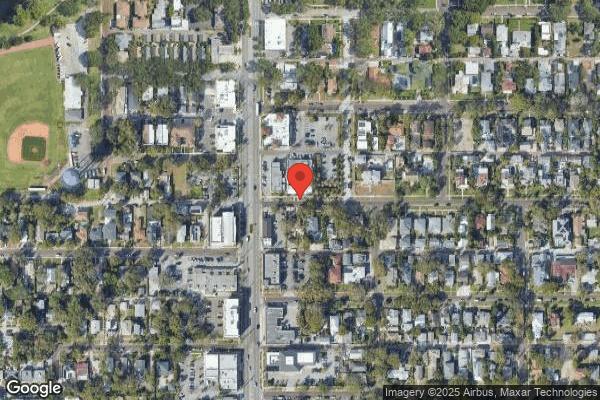
Apr 2025 4 deficiencies 1 Harm
SERIOUS (G) 📢 Someone Reported This

A family member, employee, or ombudsman was alarmed enough to file a formal complaint

Actual Harm - a resident was hurt due to facility failures

Free from Abuse/Neglect (Tag F0600)

A resident was harmed · This affected 1 resident

**NOTE- TERMS IN BRACKETS HAVE BEEN EDITED TO PROTECT CONFIDENTIALITY** Based on observation, interview, and record review, the facility neglected to provide the number of staff needed to ensure safet...

Read full inspector narrative →
**NOTE- TERMS IN BRACKETS HAVE BEEN EDITED TO PROTECT CONFIDENTIALITY** Based on observation, interview, and record review, the facility neglected to provide the number of staff needed to ensure safety during bed mobility consistent with the assessed and care planned needs for one (#1) of two residents sampled for abuse and neglect. Resident #1 sustained a fall from the bed resulting in a transfer to a higher level of care, and head injury. Findings included: On [DATE] at 11:29 a.m., Resident #1 was observed laying in bed. The resident's right arm was resting on his chest and was contracted. Resident #1 was non-verbal but nodded yes or no to questions. He nodded yes to remembering a fall incident. He nodded yes to being in pain. He shrugged his shoulders when asked if he was injured. Staff B, Licensed Practical Nurse (LPN) was present during Resident #1's observation and interview. Staff B, LPN reported she was assigned to Resident #1, and the resident suffered a bump during a fall. Staff B, LPN reached over the resident's face and touched the right side of the resident's forehead to reveal a remaining raised bump. Staff B, LPN stated the swelling had gone down, but a small bump still remained. Staff B, LPN stated it was hard to know the impact due to the resident's other diagnoses. Staff B, LPN stated the resident had dementia, does not speak, and does not always express pain. Staff B, LPN said, You have to know him and pay close attention to know when things are off. Review of a hospital visit summary for Resident #1 dated [DATE] at 3:22 a.m. showed Resident #1 was seen due to a fall with diagnoses of fall, initial encounter, resulting in a head injury. Review of the imaging results revealed, skin/extracranial soft tissue, small right frontal scalp hematoma. The CT (Computed Tomography) scan revealed, indication fall from bed Findings straightening of cervical spine most consistent with paraspinous muscle spasm [meaning involuntary contractions or cramping of the muscles along the spine, causing pain, stiffness, and difficulty moving] and/or positioning. On [DATE] at 11:42 a.m., Staff A, Certified Nursing Assistant (CNA) revealed she was assigned to Resident #1 the day he fell on [DATE]. She stated she had worked 3 p.m. - 11 p.m., and Resident #1 was the last resident she cared for. She said, I was changing the bed when he started to fall off the bed. I tried to catch him to save the fall, but I could not. She stated, As I wrote in my statement, I lowered the bed and was trying to lower it some more as I was holding on to him. I was alone in the room. I knew he needed two people. He cannot do anything for himself. Staff A stated Resident #1 could not hold on to the side rail/enabler because his right hand was contracted. She said, I know I should have asked for help. It was my fault. I take responsibility for not asking for help. The CNA stated they were understaffed that day because someone called off and there was no replacement. She stated this happened many times, and the administration allowed the staff to continue working without a replacement. She stated that night, there was one nurse working and 2 CNAs in the entire building. She stated there would normally be 3-4 staff. She stated the facility ended her employment because the resident was a two-person assist, and she cared for him alone. Staff A said, I usually get help, but no one was available when I went into the room. She stated when the resident started to fall, she yelled out for help and the nurse (Staff C) came. The CNA stated she had worked with this resident many times before and knew he was dependent and needed staff to do everything for him. She stated prior to the incident, she had not received any education but only when she was hired two years earlier. She stated she could have reviewed the CNA task list to see this resident's care status. Staff A stated, I knew he was dependent for all care. I take full responsibility. Staff A stated the resident was injured, he suffered a bump on his head and was sent to the hospital. She stated the resident was non-verbal and could not express pain. She stated looking at his face, he looked like he was in some pain. She stated she and the nurse assisted the resident back to bed. Staff A stated she was suspended on [DATE]. She stated not much was said to her at the time, and she was not asked to give a statement at the time. She stated she was contacted on [DATE] and asked to come in and give a statement on [DATE]. Review of the admission Record for Resident #1 revealed he was originally admitted to the facility in 2013 and readmitted on [DATE] with diagnoses to include muscle wasting and atrophy, cerebral infarction due to unspecified occlusion, weakness, sepsis, muscle wasting, nontraumatic intracranial hemorrhage unspecified, hemiplegia and hemiparesis, unspecified dementia and contracture of right shoulder and elbow. Review of a SBAR (Situation, Background, Assessment, and Recommendation) form revealed a change in condition dated [DATE] at 11:39 PM. Situation: The Change In Condition/s reported on this Evaluation are/were: Falls, with New Testing Orders:- Send to ER (Emergency Room). Review of physician orders for Resident #1 showed an order dated [DATE] at 11:24 PM to send to ER to evaluate and treat. Review of a progress note dated [DATE] at 11:32 PM signed by Staff C, Registered Nurse (RN) showed: This PM, pt. [patient] rolled out of bed during pt. care. Pt. was assisted back into bed by this nurse and CNA. Pt. assessed for injury and noted to have swelling to R [Right] side of forehead. Pt. on anticoagulant therapy. Pt. denies pain at this time, pupils PEERLA [PERRLA - an acronym for Pupils are Equal, Round and Reactive to Light and Accommodation] bed in lowest position during incident. VS WNL [Vital signs within normal limits] and no deviation from baseline noted. This nurse notified MD [Medical Doctor] of clinical situation and received order to send to ER. DON [Director of Nursing] notified, and pt. is his own RP [Responsible Party]. Review of a Hospital transfer evaluation summary dated [DATE] revealed an assessment was conducted - Pain location and description: Top of scalp - swelling top of right forehead. Under pain level assessment, the entry defaulted a numerical response with none noted. Review of a progress note dated [DATE] showed . Patient s/p (Status Post) fall. Patient denies any pain. Review of a progress note dated [DATE] showed . Patient's Right arm is contracted,. Patient has a knot to forehead . Review of weekly skin checks for Resident #1 revealed four skin checks had been completed in a period of four months ([DATE] through [DATE]), most recently on [DATE] showing the resident had a knot on forehead, top of scalp, and on [DATE] showing the resident has a knot on forehead, face. Review of a Minimum Data Set (MDS) dated [DATE], showed in section C: Brief Interview for Mental Status (BIMS) score of 00, showing he was unable to complete the interview and indicated severe cognitive impairment. Section GG - showed the resident had functional limitation in range of motion impairment on one side to the upper extremity and impairment on both sides to the lower extremities. The resident was dependent for toileting hygiene requiring the assistance of 2 or more helpers to complete the activity. The resident was dependent for the ability to roll from lying on back to left and right side and return to lying on back on the bed. Resident #1 required the assistance of 2 or more helpers for this activity. The resident was dependent for sitting on side of bed to lying flat on the bed and dependent from lying on his back to sitting on the side of the bed with no back support. Review of Resident #1's [NAME] (a document used by staff with instructions specific to a resident's care needs) dated [DATE] showed the resident was dependent on staff, requiring assist of two for transferring, personal hygiene, and dressing. For bed mobility, the task list showed: Dependent assist of 2 to turn and/or reposition. For locomotion the resident was non-ambulatory, uses a wheel chair and was dependent on staff. Review of a care plan for Resident #1 initiated on [DATE] showed a focus - Resident #1 has an ADL (activities of daily living) self -care performance deficit as evidenced by: weakness, limited mobility, history of CVA (Cerebrovascular Accident). The goal showed the resident will maintain current level of self-performance with ADLs through next review date. Interventions initiated on [DATE] included: Resident was totally dependent upon staff for ADLs. Encourage resident to participate at highest functional ability. Bed Mobility: dependent assist of 2 to turn and/or reposition date initiated: [DATE]. Transfer: total mechanical lift to chair of 2; sling size: L date initiated: [DATE]. Toilet use, dependent assist of 2 for bowel incontinent care date initiated: [DATE]. Review of a focus in the same care plan initiated on [DATE] showed Resident #1 was at risk for fall or fall related injury because of: gait/balance problems, right sided weakness, poor safety awareness, impulsiveness, history of falls, and medication use. The goal showed - Resident will minimize the risk of fall through review date target date: [DATE]. Interventions included to: Lock brakes on bed, chair etc. before transferring date initiated: [DATE]. OT (Occupational Therapy/PT (Physical Therapy) referral for screen and treatment as needed. date initiated: [DATE]. Report falls to physician and responsible party revised on [DATE]. Anticipate and meet the resident's needs. Revised on [DATE]. Provide environmental adaptations: adequate glare free lighting, area free of clutter date revised on [DATE]. On [DATE] at 11:19 a.m., an interview was conducted with Staff B, LPN. She stated she heard that Staff A, CNA rolled the resident away from her, he hit his head, and had to be sent out. She stated he had a bump that had been slowly going down. Staff B, LPN confirmed Resident #1 required 2 staff assistance during all care. She stated to confirm transfer status, staff are expected to review the resident's care plan, review the CNA task list, or check with therapy on status. She stated the problem that night was that they did not have enough staff. She said, I believe 2 CNAs called off and they were not replaced. She stated this happened quite often. On [DATE] at 11:30 a.m., an interview was conducted with Staff E, CNA and Staff D, CNA. Staff D stated a CNA had dropped Resident #1. She stated he had a bump on his head for days. She said, I think it is still there. Staff E stated this resident had always been dependent on staff for all care. She stated the problem that night was, They did not have enough staff. There is no one to help. How can you run this place with only 2 CNAs when all these residents need total care? Staff E stated she reviews the computer information to see the resident's care status. Staff E stated many times the residents are not changed, and it was passed on to the next shift because they did not have enough staff. She stated it was a set-up, what happened to Staff A, CNA was wrong. She was left without a choice. Staff E and D stated the administration does not care. On [DATE] at 1:15 p.m., an interview was conducted with the Director of Nursing (DON) and the Nursing Home Administrator (NHA). The DON stated the incident happened on Saturday, [DATE]. He said, I was on PTO {Paid Time Off]. I became aware on Wednesday, the 26th. I put the fall on the incident log and corporate called back to get information on the 27th. They said because he was transferred to a higher level of care, we needed to report. The DON stated he called Staff A, CNA to come in for an interview. He stated on [DATE] he interviewed Staff A, and reading her statement he said, She was positioned on the right side of the resident's bed, resident was on his back, bed in low position, when attempting to change his sheet, she rolled him to the right, his deficit side, the momentum caused him to continue to roll. She immediately grabbed the lower body of the resident, which enabled her to maintain the position of the lower body on the bed while the right shoulder and forehead came into contact with the floor. She was lowering the bed lower while calling for help. The DON stated he interviewed the nurse. Reading Staff C's statement, he said, On [DATE] CNA approached this nurse and informed her the resident fell out of bed during patient care. The patient was assessed for injury and noted to have swollen the right side of the forehead. Patient is on anticoagulant therapy. Patient denies pain at this time, no deviation noted. CNA stated the bed was in low position when incident occurred and patient rolled, the nurse and CNA assisted the patient back to bed. Nurse notified the MD on the 22nd . MD gave orders to send patient to ER. The DON confirmed Resident #1 had a swollen forehead after the fall. He stated he thought prior to the incident, Resident #1 was a one person assist. He stated after the fall the care plan was updated to two person assist for all care. The DON said, He should have been a two-person all along. An interview was conducted with the NHA on [DATE] at 1:26 p.m. She stated she could not answer to why staff did not call her that weekend. She stated she thought they had notified the DON. She revealed she was notified by corporate on the 27th that she needed to file the report. She stated corporate said to obtain interviews and have the DON start education. The NHA said, I did not do a timeline. The incident was reported to AHCA [Agency for Health Care Administration] on [DATE]. It was late. She stated she became aware of the incident on Monday, [DATE], but it had occurred on [DATE]. When asked why it took two days to be notified, the NHA stated it was the weekend and the DON and Director of Rehab were on leave. The NHA stated when she became aware she notified corporate on [DATE] and suspended the CNA pending investigation. She stated she did not start her investigation. She stated she did not interview any other residents and did not interview the staff at the time. The NHA stated their process was to wait until corporate gave the go-ahead before contacting state agencies. The NHA stated this process affects her reporting and investigation timeline. She said, That is why the reporting was late. The NHA stated she did a root cause analysis and determined there was a staffing concern. She said, We had call-offs that we could not cover. I tried to call other staff, I offered a bonus, and no one picked up. She stated they did not meet staffing for that day. She stated one CNA called out and one was a no-show. The NHA stated the CNA should have asked for help. She stated she should have known the resident needed two staff for care. The NHA stated they suspended the CNA pending investigation and initiated their investigation. She stated the DON had been educating staff. An interview was conducted with the Regional Risk Manager on [DATE] at 2:11 p.m. She stated in their analysis, they discovered there was another problem. She stated the care plan was not active at the time. It had been resolved, meaning it would not have shown if it was a one or two staff assist. The staff would not have known the transfer status at the time. She stated they initiated a whole house audit. The Regional Risk Manager stated the CNAs are to notify the nurse or Minimum Data Set (MDS) Coordinator if the care plan was not showing. The Risk Manager said, They did not have access to [name of a document used by staff with instructions specific to a resident's care needs]. The Risk Manager did not know how many people were affected by the resolved care plans. During an interview on [DATE] at 2:29 p.m. an interview with the Traveling MDS Coordinator revealed she visits this facility once or twice a week. She stated the issue of the care plan resolving and the interventions not being visible was resolved for Resident #1. She stated she did not know why it was happening that way. She stated if a care plan intervention expired, The MDS nurse received a notification. The Traveling MDS Coordinator said, The problem is there is not an MDS nurse here all the time. The person is shared between this facility and the sister facility. If the previous MDS Coordinator received the notification, I would not know. She stated their goal was to continue auditing. She stated they realized the problem was also duplicated care plans with readmission from the hospital. The staff should not have started a new care plan. They should re-instate the old one. The MDS Coordinator said, Our investigation included review of his history, he was a 2-person. Staff were historically using 2 staff for all care. Today, if I were to assess him, he would definitely be a 2-person assist. The Traveling MDS Coordinator stated she was currently auditing other care plans to see if any other interventions had resolved. A follow-up interview was conducted with the Regional Risk Manager and the NHA on [DATE] at 2:53 p.m. The Risk Manager stated she would have expected staff to call the administration. She stated the fall should have been brought up in the morning meeting. The Risk Manager stated the Therapy Director, and the DON were off and that was why they missed the notification of the fall and hospital transfer. The NHA confirmed the IDT (Interdisciplinary Team) did not know. Review of a facility policy titled, Care Plan - Interdisciplinary Plan of Care from Interim to Meeting, effective February 2024 showed the facility shall support that each resident must receive, and the facility must provide the necessary care and services to attain or maintain the highest practicable physical, mental, and psychosocial well-being, in accordance with the comprehensive assessment and plan of care. The facility shall assess and address care issues that are relevant to individual residents, to include, but may not be limited to, monitoring resident condition, and responding with appropriate interventions. The comprehensive care plan is an interdisciplinary communication tool. It includes measurable objectives, and time frames and describes the services that are to be furnished to attain or maintain the resident's highest practicable physical, mental, and psychosocial well-being. The care plan is reviewed and revised periodically, and the services provided or arranged are consistent with each resident's written plan of care. Procedure: 1. Update to Care Plans (a.) Ongoing updates to care plans are added by a member of the IDT, as needed. 2. Dates and documentation on the care plan when (a.). New, revised, or discontinued Problems, Goals, or Interventions are dated for the date the documentation was made. (b.) Problems and Goals have IDT approaches and Interventions to assist the resident in their goal attainment. Review of a facility policy titled, Fall and Injury Reduction Policy effective [DATE] showed the facility has designated and implemented processes, which strive to reduce the risk for falls and injuries. This policy guides the identification, implementation of appropriate interventions, and management. It is expected that this policy will assist the facility with reducing the likelihood of a fall or injury while maintaining or maximizing dignity and independence through education of staff and residents, early identification of risk factors by collecting data, identifying resident behavior which may increase the likelihood of such occurrence. Review of a facility policy titled, Abuse Prevention Program, reviewed [DATE] showed the facility has designated and implemented processes, which strive to reduce the risk of abuse, neglect, exploitation, mistreatment, and misappropriation of resident's property. These policies guide the identification, management, and reporting of suspected, or alleged, abuse, neglect, mistreatment, and exploitation. It is expected that these policies will assist the facility with reducing the risk of abuse, neglect, exploitation, and misappropriation of resident's property through education of staff and residents, as well as early identification of staff bum out, or resident behavior which may increase the likelihood of such events. Definitions: Neglect - Failure of the facility, its employees or service providers to provide good and services to a resident that are necessary to avoid physical harm, pain, mental anguish or emotional distress. Procedure: The facility has implemented the following processes in an effort to provide residents, visitors and staff with a safe and comfortable environment. - The Administrator is responsible for designating an Abuse Coordinator. - The designated shift supervisor is identified as responsible for immediate initiation of the reporting process. - The Administrator, DON and/or designated individual are responsible for the investigation and reporting of suspected, or alleged, abuse, neglect, and exploitation and misappropriation. - The Administrator, DON and/or designated individual are also ultimately responsible for the following: Implementation, Ongoing monitoring, Investigation, Reporting and Tracking and Trending.
CONCERN (D) 📢 Someone Reported This

A family member, employee, or ombudsman was alarmed enough to file a formal complaint

Potential for Harm - no one hurt, but risky conditions existed

Report Alleged Abuse (Tag F0609)

Could have caused harm · This affected 1 resident

**NOTE- TERMS IN BRACKETS HAVE BEEN EDITED TO PROTECT CONFIDENTIALITY** Based on interviews and record review, the facility failed to report allegations of abuse in a timely manner for two (#1 and #3)...

Read full inspector narrative →
**NOTE- TERMS IN BRACKETS HAVE BEEN EDITED TO PROTECT CONFIDENTIALITY** Based on interviews and record review, the facility failed to report allegations of abuse in a timely manner for two (#1 and #3) of two residents sampled for abuse and neglect. (Cross reference F600 and F610) Findings included: 1. Review of a hospital visit summary for Resident #1 dated 03/23/25 at 3:22 a.m. showed Resident #1 was seen due to a fall with diagnoses of fall, initial encounter, resulting in a head injury. Review of the admission Record for Resident #1 revealed he was admitted to the facility on [DATE] and readmitted on [DATE] with diagnoses to include muscle wasting and atrophy, cerebral infarction due to unspecified occlusion, weakness, sepsis, muscle wasting, nontraumatic intracranial hemorrhage unspecified, hemiplegia and hemiparesis, aphasia and unspecified Dementia. An interview was conducted with the Nursing Home Administrator (NHA) on 04/23/25 at 1:26 p.m. revealed she did not initiate the investigation for the incident on 03/22/25 until 03/27/25. She stated she could not answer to why staff did not call her that weekend when the incident occurred. She stated she thought they had notified the Director of Nursing (DON). She revealed she was notified by corporate on the 27th [of March 2025] that she needed to file a report. She stated corporate said to obtain interviews and have the DON start education. The NHA said, I did not do a timeline. The incident was reported to AHCA [Agency for Health Care Administration] on 03/27/25. It was late. She stated she became aware of the incident on Monday, 03/24/25, but it had occurred on 03/22/25. When asked why it took two days to be notified, the NHA stated it was the weekend, and the DON, and the Director of Rehab were on leave. The NHA stated when she became aware, she notified corporate on 03/24/25 and suspended the Certified Nursing Assistant (CNA) pending investigation. She stated she did not start her investigation then. She stated she did not interview any other residents and did not interview the staff at the time. The NHA stated their process was to wait until corporate gave her the go-ahead before contacting state agencies. The NHA stated this process affects her reporting and investigation timeline. She said, That is why the reporting was late. 2. On 04/23/25 at 11:35 a.m. an interview was conducted with Resident #3. She stated she had reported some staff member for being rough and loud with her. She said, They can't talk to me just anyhow. She stated she did not know if the issue was resolved. She stated she did not know what they did about it, but she had filed a grievance. Review of Resident #3's admission record showed she was originally admitted on [DATE] with diagnoses to include encephalopathy, muscle wasting and atrophy, weakness and morbid (severe) obesity. A MDS (Minimum Data Set) assessment dated [DATE] showed the resident had a BIMS (Brief Interview for Mental Status) score of 15 out of 15, indicating intact mental cognition. An interview on 4/23/25 at 12:30 p.m. with the NHA revealed on 03/04/25 Resident #3 stated the CNA (Staff F) was rough with her when providing care, and she did not like the CNA's approach. The NHA stated the resident was receiving care on 03/04/25 and the NHA was notified on 03/05/25 sometime in the afternoon. She stated she reported the allegation on 3/5/25 at 3:50 p.m. She stated it was a day late. The NHA stated she reviewed the grievance form. She stated she did not ask the perpetrator to write a statement. She did not ask the CNA what rough with her meant. She stated she did not speak to any other staff about it. She said, I see. I could have asked more questions. The NHA stated she did not report this allegation of abuse. On 04/23/25 at 3:02 p.m. an interview was conducted with the NHA regarding a second incident for Resident #3 that occurred on 02/28/25. The NHA stated the state agency for adult protective investigations had come to the facility to investigate an allegation of abuse. She stated a family member had contacted the state agency to report that the therapist (Staff G, Occupational Therapist - OT) physically shakes and yells at the resident to wake her up when he is in her room. The NHA stated the state agency interviewed the resident and did not substantiate the allegation. The NHA stated state agency did not interview Staff G. The NHA stated she did not obtain a statement from Staff G, OT. She stated she interviewed one CNA who generally works the area. She stated the CNA (Staff H) stated on a few occasions (Resident #3) said she does not want to get up because she does not like them (referring to therapy). The CNA stated she yells, get out, don't touch me and therapy staff leave and come back later. The NHA stated she did not follow-up on these statements. She stated she did not interview any other staff on the day Resident #3 alleged abuse from Staff G, OT. An interview on 4/23/25 at 3:33 p.m. with the Regional Risk Manager revealed Resident #3's incident with Staff G, OT was reported to the facility by the state agency on 02/28/25. The Risk Manager stated the incident happened on 2/21/25. The Risk Manager stated this was not reported timely. She stated, I need to ask why. It does not make sense. An interview was conducted with the NHA on 4/23/25 at 3:49 p.m. The NHA stated regarding the incident with Staff F, CNA, they did not substantiate it. She stated we resolved it the same day. We did not report. The NHA stated, an allegation is an allegation. We should have reported. She stated corporate has to review incidents prior to reporting them, which affects their reporting timeline.
CONCERN (D) 📢 Someone Reported This

A family member, employee, or ombudsman was alarmed enough to file a formal complaint

Potential for Harm - no one hurt, but risky conditions existed

Investigate Abuse (Tag F0610)

Could have caused harm · This affected 1 resident

**NOTE- TERMS IN BRACKETS HAVE BEEN EDITED TO PROTECT CONFIDENTIALITY** Based on interviews and record review, the facility failed to investigate thoroughly and timely allegations of abuse for two (#1...

Read full inspector narrative →
**NOTE- TERMS IN BRACKETS HAVE BEEN EDITED TO PROTECT CONFIDENTIALITY** Based on interviews and record review, the facility failed to investigate thoroughly and timely allegations of abuse for two (#1 and #3) of two residents sampled for abuse and neglect. (Cross reference F600 and F609) Findings included: 1. Review of a hospital visit summary for Resident #1 dated 03/23/25 at 3:22 a.m. showed Resident #1 was seen due to a fall with diagnoses of fall, initial encounter, resulting in a head injury. Review of the admission Record for Resident #1 revealed he was originally admitted to the facility in 2013 and readmitted on [DATE] with diagnoses to include muscle wasting and atrophy, cerebral infarction due to unspecified occlusion, weakness, sepsis, muscle wasting, nontraumatic intracranial hemorrhage unspecified, hemiplegia and hemiparesis, aphasia and unspecified dementia. On 04/23/25 at 11:42 a.m., an interview was conducted with Staff A, Certified Nursing Assistant (CNA) assigned to Resident #1 the day the resident fell on [DATE]. She stated she had worked 3 p.m. - 11 p.m. and Resident #1 was her last resident to provide care for. She said, I was changing the bed when he started to fall off the bed. I tried to catch him to save the fall, but I could not. She stated, As I wrote in my statement, I lowered the bed and was trying to lower it some more as I was holding on to him. I was alone in the room. I knew he needed two people. He cannot do anything for himself. Staff A stated Resident #1 could not hold on to the side rail/enabler because his right hand was contracted. She said, I know I should have asked for help. It was my fault. I take responsibility for not asking for help. The CNA stated they were understaffed that day because someone called off and there was no replacement. Staff A stated she was suspended on 03/24/25. She stated not much was said to her at the time, and she was not asked to give a statement at the time. She stated she was contacted on 03/26/25 and asked to come in and give a statement on 3/27/25. An interview was conducted with the Nursing Home Administrator (NHA) on 04/23/25 at 1:26 p.m. revealed she did not initiate the investigation for the incident on 03/22/25 until 03/27/25. She stated she could not answer to why staff did not call her that weekend. She stated she thought they had notified the Director of Nursing (DON). She revealed she was notified by corporate on March 27th that she needed to file a report. She stated corporate said to obtain interviews and have the DON start education. The NHA said, I did not do a timeline. The incident was reported to AHCA [Agency for Health Care Administration] on 03/27/25. It was late. She stated she became aware of the incident on Monday, 03/24/25, but it had occurred on 03/22/25. When asked why it took two days to be notified, The NHA stated it was the weekend, and the DON, and the Director of Rehab were on leave. The NHA stated when she became aware she notified corporate on 03/24/25 and suspended the CNA pending investigation. She stated she did not start her investigation then. She stated she did not interview any other residents and did not interview the staff at the time. The NHA stated their process was to wait until corporate gave her the go-ahead before contacting AHCA or DCF (Department of Children and Families). The NHA stated this process affects her reporting and investigation timeline. On 04/23/25 at 11:35 a.m. an interview was conducted with Resident #3. She stated she had reported some staff member for being rough and loud with her. She said, They can't talk to me just anyhow. She stated she did not know if the issue was resolved. She stated she did not know what they did about it, but she had filed a grievance. 2. Review of Resident #3's admission record revealed an original admission on [DATE] with diagnoses to include encephalopathy, muscle wasting and atrophy, weakness and morbid (severe) obesity. An MDS (Minimum Data Set) assessment dated [DATE] showed the resident had a BIMS (Brief Interview for Mental Status) score of 15 out of 15, indicating intact mental cognition. Review of a grievance concern report for Resident #3 showed on 03/05/25 the Social Serviced Director (SSD) had received a grievance showing, Resident did not like the CNA's approach. Under action taken, the form showed the SSD, Spoke to the CNA [Staff F], he said he came in and provided care to the resident and there were no issues. Under resolution, it showed the NHA reported the incident as a reportable, CNA was suspended, and the grievance was marked resolved the same day. The SSD stated the incident had happened the previous day. He did not know why it was not reported until 03/05/25. An interview on 4/23/25 at 12:30 p.m. with the NHA revealed on 03/04/25 Resident #3 stated the CNA (Staff F) was rough with her when providing care and she did not like the CNA's approach. The NHA stated the resident was receiving care on 03/04/25, and the NHA was notified on 03/05/25 sometime in the afternoon. She stated she reported the allegation on 3/5/25 at 3:50 p.m. She stated it was a day late. The NHA stated she reviewed the grievance form. She stated she did not ask the perpetrator to write a statement. She did not ask the CNA what rough with her meant. She stated she did not speak to any other staff about it. She said, I see. I could have asked more questions. The NHA stated she did not report this allegation of abuse. On 04/23/25 at 12:56 p.m., Staff F, CNA said I had her that Friday night. Staff F stated he found out the following Monday there was a problem. He said, I was told not to go to that room, they said she was making comments against me and to protect myself, I should stay away. He stated the resident had made allegation about another male employee before. He said, I did not take it seriously. Staff F stated he did not write a statement. He stated no one said anything about a statement. He stated that week he did not go back to the room. He said, I was suspended 8 days. When I returned, I made sure to avoid her. I still do if I am scheduled to care for her, I switch out. Staff F stated he did not receive education regarding this incident. He said, I just resumed my normal life. I just avoid her. A follow-up interview with the NHA on 04/23/25 at 1:04 p.m. revealed she did not have statements from other staff or residents regarding the allegation of abuse for Resident #3. She stated she was unable to find them at this moment. She said, I do not have them right now. The NHA confirmed she had not conducted an investigation to the allegation of abuse. She confirmed they did not educate staff regarding the incident. On 04/23/25 at 3:02 p.m., an interview with the NHA regarding a second incident for Resident #3 that occurred on 02/28/25 was conducted. The NHA stated DCF had came to the facility to investigate an allegation of abuse. She stated a family member had contacted DCF to report that the therapist (Staff G, Occupational Therapist - OT) physically shakes and yells at the resident to wake her up when he is in her room. The NHA stated DCF interviewed the resident and did not substantiate the allegation. The NHA stated DCF did not interview Staff G. The NHA stated she did not obtain a statement from Staff G, OT. She stated she interviewed one CNA who generally worked in the area where Resident #3 resided. She stated the CNA (Staff H) stated on a few occasions (Resident #3) said she does not want to get up because she does not like them (referring to therapy). The CNA stated she yells, get out, don't touch me and therapy staff leaves and comes back later. The NHA stated she did not follow-up on these statements. She stated she did not interview any other staff on the day Resident #3 alleged abuse from Staff G, OT. On 04/03/25 at 3:20 p.m. an interview was conducted with Staff G, OT. He said, I was accused of raising my voice with her [Resident #3]. He stated he spoke with the NHA briefly but did not provide a statement to the NHA or DCF. He stated neither of them interviewed him. He stated he was suspended for 5 days and when he returned, he was told everything was not founded. He stated he did not receive any education. On 04/03/25 at 3:23 p.m. an interview with the Regional Risk Manager revealed they should have asked the perpetrators (Staff F, CNA and Staff G, OT) to provide statements. She stated they should have spoken to other staff. During an interview on 04/03/25 at 3:28 p.m., the NHA confirmed she should have obtained statements and educated all staff. Review of a facility policy titled, Abuse Prevention Program, reviewed November 2024 showed the facility has designated and implemented processes, which strive to reduce the risk of abuse, neglect, exploitation, mistreatment, and misappropriation of resident's property. These policies guide the identification, management, and reporting of suspected, or alleged, abuse, neglect, mistreatment, and exploitation. It is expected that these policies will assist the facility with reducing the risk of abuse, neglect, exploitation, and misappropriation of resident's property through education of staff and residents, as well as early identification of staff bum out, or resident behavior which may increase the likelihood of such events. Investigation: An Event Report is initiated. NHA or designee is notified and will initiate and conclude a complete and thorough investigation within the specified timeframe. Investigation may include, but may not be limited to: - Resident statements/interviews. - Employee statements/interviews. - Visitor statements/interviews. - Observation of resident(s), staff, environment. - Document review i.e., chart reviews, policy review, education programs, appropriate resource review (such as medical literature); and - Re-enactment of event.
CONCERN (D) 📢 Someone Reported This

A family member, employee, or ombudsman was alarmed enough to file a formal complaint

Potential for Harm - no one hurt, but risky conditions existed

Medical Records (Tag F0842)

Could have caused harm · This affected 1 resident

**NOTE- TERMS IN BRACKETS HAVE BEEN EDITED TO PROTECT CONFIDENTIALITY** Based on interviews and record review, the facility failed to maintain medical records in accordance with professional standards...

Read full inspector narrative →
**NOTE- TERMS IN BRACKETS HAVE BEEN EDITED TO PROTECT CONFIDENTIALITY** Based on interviews and record review, the facility failed to maintain medical records in accordance with professional standards and policy for weekly skin evaluations and assessments for one (#1) of two residents sampled. Findings included: Review of a facility policy titled, Wound Prevention and Treatment Overview, effective October 2021 showed - The facility strives to ensure that a Resident/Patient entering the facility without ulcers does not develop them unless the individual's clinical condition demonstrates they were unavoidable. The facility implements the following interventions to prevent the development of pressure ulcers: - Identify Residents/Patients at risk & the specific factors placing them at risk then implement an individualized Plan of Care based on the identified factors. - Reduce occurrence of pressure over bony prominences to minimize injury. - Protect against the adverse effects of external mechanical forces (pressure, friction, shear). - Increase the awareness of ulcer prevention through educational programs. The facility also recognizes the most vigilant nursing care may not prevent the development &/or worsening of ulcers in high-risk categories. In those cases, efforts will be directed at the following: Managing risk factors. Providing therapeutic intervention. Providing treatment. Procedure: Review skin integrity on a weekly basis as a proactive approach enabling the facility staff to identify possible changes in skin integrity/condition. Review of weekly skin checks for Resident #1 revealed four skin checks had been completed in a period of four months (January 2025 through April 2025), most recently on 03/29/25 showing the resident had a knot on forehead, top of scalp, and on 03/28/25 showing the resident has a knot on forehead, face. Review of the admission record for Resident #1 revealed he was admitted to the facility in 2013 and readmitted on [DATE] with diagnoses to include muscle wasting and atrophy, cerebral infarction due to unspecified occlusion, weakness, sepsis, nontraumatic intracranial hemorrhage unspecified, hemiplegia and hemiparesis, aphasia, unspecified dementia and contracture of right shoulder and elbow. On 04/23/25 at 3:40 p.m. an interview was conducted with the Director of Nursing (DON). The DON stated Resident #1's skin checks should be completed weekly as scheduled. The DON reviewed Resident #1's electronic record for the months of January 2025 through April 2025 and stated there were only four skin assessments documented on 1/4/25, 2/2/25, 3/28/25 and 3/29/25. The DON said, There should be more than that. They should be documented weekly. I see they are not done. I don't know what to tell you. We missed it. The DON stated they should have assessed and documented skin checks for Resident #1 on a weekly basis per their facility policy.
Mar 2025 2 deficiencies
CONCERN (D) 📢 Someone Reported This

A family member, employee, or ombudsman was alarmed enough to file a formal complaint

Potential for Harm - no one hurt, but risky conditions existed

Deficiency F0675 (Tag F0675)

Could have caused harm · This affected 1 resident

Based on observation record review and interviews, the facility failed to ensure timely incontinence care and services were provided to promote Quality of Life for one (#2) of five sampled residents. ...

Read full inspector narrative →
Based on observation record review and interviews, the facility failed to ensure timely incontinence care and services were provided to promote Quality of Life for one (#2) of five sampled residents. Findings included: During a facility tour on 03/07/2025 at 9:29 a.m., Resident #2 was observed continuously calling for help. The resident continued calling for toileting from 9:29 a.m. to 9:58 a.m. and was observed to have waited approximately 30 minutes for bowel and incontinence care. On 03/07/2025 at 9:29 a.m., Resident #2 was heard calling out from her room, stating, Help me, Help. The resident's verbalization could be heard from the middle of the [NAME] hall. During the observation and interview of the resident in her room, Resident #2 was observed on a specialized mattress, and the covers pulled up to her shoulder. Resident #2 stated she needed help, she had messed herself. Resident #2 was heard to continue her cries for help and waiting to be assisted. On 03/07/2025 at 9:30 a.m., Staff A, Licensed Practical Nurse (LPN), was observed at the nursing station. When asked which aide was assigned to Resident #2, she stated it was Staff B, Certified Nursing Assistant (CNA). Staff A, LPN, stated I think she went outside. During multiple observations conducted on 03/07/2025, the following was observed: At 9:33 a.m., Staff A, LPN, was observed to walk through the hall past Resident #2's room. She did not respond to Resident #2's call. At 9:36 a.m., Staff B, CNA, was observed to walk through the hall, past Resident #2's room. She walked to the linen room, pulled out a bin of socks, placed the bin on the nursing station counter, and proceeded to look at the socks in the bin. She did not respond to Resident #2's call. At 9:38 a.m., Staff B, CNA, returned the bin of socks to the linen room, walked past the nursing station, and past Resident #2's room, and proceeded to a resident room on the west hall. She did not respond to Resident #2's call. At 9:38 a.m., the Maintenance Director was observed to enter the hall from the East side of the building, walked past the nursing station, and walked past Resident #2's room. He did not respond to Resident #2's call. During this time period, Resident #2 was observed to be heard calling for help continuously saying, Help me, Please, Help me. At 9:39 a.m., Staff A, LPN, was observed walking from the East hall, approached the nursing station, placed a roll of plastic bags in a bin on the nursing station counter and then returned to the East hall. She did not respond to Resident #2's call. At 9:40 a.m., the Activities Director, was observed coming from the [NAME] hall, past the nursing station, and entered the restroom, then exited and walked past Resident #2's room to the [NAME] hall, without responding to the call. At 9:42 a.m., Staff C, CNA, was observed to walk in the building from the East door in the hall, walked past the nursing station, and past Resident's #2's room toward the west hall. She did not respond to Resident #2's call. At 9:43 a.m., Staff D, LPN, was observed to approach the medication cart across from the nursing station, removed the trash from the side of the medication cart, and walked away. Resident #2 was still calling without answer. At 9:44 a.m. Staff C, CNA, was observed to return from the [NAME] hall, walked past Resident #2's room, and proceeded to the nursing station counter, took a bag from the bin on the counter, and proceeded to another room which was located two rooms from Resident #2's room. Staff C stated to one of the residents in that room she was going to get him up. During this time, Resident #2 was observed to continue her call for help repeatedly. The staff were not observed responding to Resident #2's call for help. On 03/07/2025 at 9:50 a.m., an interview was conducted with the Director of Nursing (DON) The DON stated if a resident was calling out for help, he would expect staff to enter the room and inquire what the issue was for the resident. On 03/07/2025 at 9:54 a.m., an interview was conducted with Resident #2 and the DON present. Resident #2 stated, I just want to be clean. On 03/07/2025 at 9:58 a.m., Staff D, LPN and Staff C, CNA were observed to enter Resident #2's room, with no more observations of Resident #2 calling out for help. An interview was conducted on 03/07/2025 at 2:20 p.m. with the Clinical Reimbursement Director, Registered Nurse. She confirmed she completed the MDS (Minimum Data Set) and Care Plans. She stated she comes to the facility two days a week. She stated Resident #2, did not use the call bell or call light, but she would call out. She reported, when I am down there, I will go and check on her. An interview was conducted on 03/07/2025 at 3:30 p.m. with the DON. He confirmed Resident #2 had had a bowel movement during the morning observations. He stated, staff should at least go into the resident's room when she is crying out for help. He said he would be in-servicing the staff. He said it does not matter what position the staff member worked, anyone could go in and check with the residents. The DON confirmed Resident #2 had a wound on her sacrum and timely care was important. A review of Resident #2's admission Record revealed a readmission date of 12/19/2024 with diagnoses of unspecified sequelae of cerebral infarction, and chronic pulmonary embolism. A review of Resident #2's Care Plan showed a Focus on incontinence, last revised on 12/12/2024: The resident is incontinent of bladder/ bowel, initiated on 09/29/2024. The goal of the plan showed to establish resident specific toileting program to support highest level of continence, functioning, reduce risk of infection, reduce risk of skin impairment and improve self-esteem. Interventions initiated on 09/29/2024 included providing assistance with toileting and personal hygiene to keep clean, dry, and odor free. A second focus in the same care plan under ADL (Activities of Daily Living) showed the resident has an ADL Self Care Performance deficit, last revised 12/19/2024. Interventions initiated on 09/29/2024 showed for toilet use, Resident #2 was dependent. A third focus in the care plan under Behavioral, initiated on10/08/2024 showed the resident had a behavior problem, continuously calls out for help. The goal showed the resident will have fewer episodes by review date. Interventions initiated on10/08/2024 included to anticipate and meet the resident needs, observe for behavior episodes and attempt to determine underlying cause. Consider location, time of day, persons involved, and situations. The facility did not provide a policy.
CONCERN (D) 📢 Someone Reported This

A family member, employee, or ombudsman was alarmed enough to file a formal complaint

Potential for Harm - no one hurt, but risky conditions existed

Room Equipment (Tag F0908)

Could have caused harm · This affected 1 resident

**NOTE- TERMS IN BRACKETS HAVE BEEN EDITED TO PROTECT CONFIDENTIALITY** Based on observation record review and interviews, the facility failed to ensure timely repairs were completed for one of three ...

Read full inspector narrative →
**NOTE- TERMS IN BRACKETS HAVE BEEN EDITED TO PROTECT CONFIDENTIALITY** Based on observation record review and interviews, the facility failed to ensure timely repairs were completed for one of three air conditioning units and failed to ensure resident rooms were maintained in a safe and sanitary manner in two resident rooms (104 and 105) related to cracking, peeling, and dislodged ceiling material with discoloration. Findings included: An interview was conducted on 03/07/2025 at 10:52 a.m. with the Director of Maintenance (DOM). He stated one of the air conditioning (a/c) unit's main board were not working. He said there were three units on top of the building. The DOM said, the one that is not working has not been functioning for about one month, but we have a portable that has been in use. He stated the malfunction was determined on 01/28/2025. He stated he had obtained quotes which were submitted to corporate office. He said, At this time, we do not have approval for the work to be done. Review of an undated facility's maintenance log (electronic work system) listed a service request showing, 43 days ago Roof Top Unit Hallway room [ROOM NUMBER]. The status was listed as pending. Review of a repairs proposal #87763468, titled HVAC (heating ventilation and air conditioning) Main Board and Tstat (thermostat), dated 01/27/2025, documented the project scope: [The DOM] requested service for a rooftop unit in room [ROOM NUMBER] of the hallway, which was not providing heat. The technician on site found that the thermostat in the main hallway was indicating a cold temperature of 58 degrees. Furthermore, they discovered that the main board of the rooftop unit was defective, causing it to be unresponsive . the quote was listed of total amount $2011.00. Under schedule it showed, Work is expected to start on site 8-10 days following approval . Review of a Purchase requisition, #092550, dated 01/28/2025, showed charges for labor and material for HVAC repairs main board and Tstat in the amount of , $2011.00. On 03/07/2025 at 3:57 p.m., the Nursing Home Administrator (NHA) provided an e-mail, dated 02/12/2025, which showed your PR (purchase requisition) has been approved. No further information was provided regarding the time estimate of repair of the a/c unit. On 03/07/2025 at 1:41 p.m., a tour of resident rooms [ROOM NUMBERS] was conducted. There were no residents currently residing in room [ROOM NUMBER]. The ceiling in room [ROOM NUMBER], in the middle, was observed to have 3 areas of cracking peeling dislodged paint, approximately 2 feet by 3 feet each. Resident room [ROOM NUMBER] was observed to have cracks in the ceiling, with dislodged and discolored painted material approximately 2 feet by 2 feet. Four residents currently resided in the room. An interview conducted on 03/07/2025 at 3:57 p.m. with the NHA, she stated the PR e-mail was the approval. She confirmed that as of the date of survey, 03/07/2025, the a/c unit had not been fixed. The NHA did not comment on rooms [ROOM NUMBERS]. A maintenance and repairs policy was not provided. (Photographic Evidence Obtained)
May 2024 4 deficiencies
CONCERN (D)

Potential for Harm - no one hurt, but risky conditions existed

Deficiency F0625 (Tag F0625)

Could have caused harm · This affected 1 resident

**NOTE- TERMS IN BRACKETS HAVE BEEN EDITED TO PROTECT CONFIDENTIALITY** Based on interviews and record review, the facility failed to ensure the resident and resident representative received a bed hol...

Read full inspector narrative →
**NOTE- TERMS IN BRACKETS HAVE BEEN EDITED TO PROTECT CONFIDENTIALITY** Based on interviews and record review, the facility failed to ensure the resident and resident representative received a bed hold notification prior to and upon transfer to the hospital for one (Resident #29) of two residents reviewed for bed hold notification. Findings included: Review of the admission Record for Resident #29 revealed an original admission date in January of 2024, a transfer to the hospital on [DATE], and a readmission to the facility on [DATE]. A review of the contact information revealed the resident's name and a second name labeled as Responsible Party/Health Care Proxy/and Emergency Contact #1. Review of a document titled, Health Care Proxy Designation and Acceptance Letter (FL) dated 01/12/24 confirmed the contact listed on the admission Record was the designated health care decision maker for Resident #29. Review of a document titled, BED HOLD AND IN-HOUSE TRANSFER POLICY, showed a form with Resident #29's name at the top. The area to list the Resident Representative's name was blank, and the signature line/date line was blank to acknowledge the document was received and understood. An interview was conducted on 05/08/24 at 3:33 PM with the Director of Nursing (DON). She reviewed Resident #29's record and confirmed there was no evidence the resident and the representative had been notified of the bed-hold upon transfer to the hospital on 3/18/24. She stated the staff should complete bed holds at the time the resident's sent out. She stated the resident or responsible party should sign off acknowledging the notification and if they were unable to sign, it should be documented on the form. On 05/08/24 at 3:50 PM, Staff A, Regional Nurse Consultant (RNC) confirmed their practice was to notify the resident or representative of the bed-hold at the time of transfer. Review of the October 2023 policy and procedure titled Bed Hold - Florida showed POLICY The facility provides the resident/resident representative notice of bed hold in advance of transfer. An additional notice, which specifies the duration of the bed hold, will be provided upon transfer to the hospital . Review of the procedure showed: 1. Provide the resident/resident representative with a written notice of bed-hold upon admission - in electronic admission Packet. 3. Upon transfer, provide an additional bed hold specifying the duration of the bed hold. 4. In cases of emergency transfer, written notification of bed hold policy will be provided to the resident/representative within 24 hours of the transfer.
CONCERN (D)

Potential for Harm - no one hurt, but risky conditions existed

Deficiency F0645 (Tag F0645)

Could have caused harm · This affected 1 resident

**NOTE- TERMS IN BRACKETS HAVE BEEN EDITED TO PROTECT CONFIDENTIALITY** Based on record review, interview and review of the facility's policy PASRR Requirements Level I & Level II, the facility failed...

Read full inspector narrative →
**NOTE- TERMS IN BRACKETS HAVE BEEN EDITED TO PROTECT CONFIDENTIALITY** Based on record review, interview and review of the facility's policy PASRR Requirements Level I & Level II, the facility failed to ensure seven (Residents #3, #5, #13, #18, #19, #20 and #26) of fourteen sample residents reviewed for PASRR screens had an accurate Level 1 Pre-admission Screening & Resident Review (PASRR). Findings included: 1. A review of the admission Record showed Resident #3 was admitted to the facility on [DATE] with diagnoses that included but not limited to Hypertension, Major Depressive Disorder, Recurrent, Generalized Anxiety Disorder, Alzheimer's Disease and Persistent Mood [Affective] Disorder. Review of Resident #3's Level I PASRR not dated revealed, Section 1. Guide for determining an indication of a diagnoses of a serious mental illness- check those that apply showed Anxiety Disorder and Major Depression was not checked. A review of the admission Record showed Resident #26 was admitted to the facility on [DATE] with diagnoses that included but not limited to Malignant Neoplasm of pancreas, Abdominal Aortic Aneurysm without rupture and Generalized Anxiety Disorder. Review of Resident #26's Level I PASRR dated 02/06/24 revealed, Section 1 A. Mental Illness (MI) or suspected MI check all that apply showed Anxiety Disorder was not checked. During an interview on 05/09/24 at 9:00 a.m., the Director of Nursing (DON) stated she was responsible for the accuracy of all PASRRs in the facility. The DON stated there was a discrepancy with Residents #3 and #26's PASRRs as neither PASRR reflected the resident's current diagnoses in section 1 A. 2. A review of the admission Record showed Resident #13 was admitted to the facility on [DATE] with diagnoses that included but not limited to Major Depressive Disorder, recurrent, unspecified, Dementia, Schizophrenia, Mood Disorder and Anxiety Disorder. Review of Resident #13's Level I PASRR dated 2/21/18 revealed, Section 1. Guide for determining an indication of a diagnoses of a serious mental illness- check those that apply showed schizophrenia was unchecked. Section IV PASRR screen completion-check one of the following showed no diagnosis or suspicion of serious mental illness (SMI) or Intellectual Disability (ID) indicated. Level II PASRR evaluation not required. A review of the admission Record showed Resident #20 was admitted to the facility on [DATE] with diagnoses that included but not limited to Mood Affective Disorder, Persistent, Major Depressive Disorder, and anxiety disorder. Review of Resident #20's Level I PASRR dated 02/06/24 revealed, Section 1 A. Mental Illness (MI) or suspected MI check all that apply showed Anxiety Disorder, Bipolar Disorder and Substance Abuse were checked. Section IV PASRR screen completion-check one of the following revealed no diagnosis or suspicion of serious mental illness (SMI) or Intellectual Disability (ID) indicated. Level II PASRR evaluation not required. During an interview on 05/09/24 at 9:09 a.m. with the Director of Nursing (DON) and Staff A, Regional Clinical Nurse (RCN). The DON said there were discrepancies with Residents #13 and #20's PASRRs as neither PASRRs reflected A Level II PASRR evaluation must be completed. The DON said she was not fully aware of all the indications for residents to have Level II PASRR screening. 3. Review of Resident #5's admission record showed she was readmitted to the facility on [DATE] with diagnosis to include major depressive disorder. Review of a level I PASRR for Resident #5 dated 02/04/20 revealed an incomplete PASRR with the qualifying diagnosis not checked. Review of Resident #19's admission record showed she was admitted to the facility on [DATE] with diagnoses to include major depressive disorder, anxiety disorder, epilepsy, and other seizures. Review of a level I PASRR for Resident #19 dated 04/27/20 showed an incomplete PASRR with the qualifying diagnoses of anxiety disorder and epilepsy not checked. Review of Resident #18's admission record showed she was admitted to the facility on [DATE] with diagnoses including Alzheimer's disease, schizophrenia, unspecified dementia, psychotic disturbance, mood disorder and anxiety. Review of a level I PASRR for Resident #18 dated 01/25/24 showed an incomplete PASRR. The qualifying diagnoses of Alzheimer's disease, unspecified dementia, psychotic disturbance, and anxiety were not checked. The review further showed a level II PASRR was not submitted for consideration. On 05/08/24 at 03:18 p.m., an interview was conducted with Staff B, Director of Nursing (DON) from a sister facility. She stated she was assisting this facility's DON. She confirmed the reviewed PASRRS were incomplete. She said, Yes, if the resident has qualifying diagnosis, their PASRR should be checked. She stated if a Resident needed a level II PASRR, it should be submitted as soon as the diagnoses were identified. An interview was conducted with the DON on 05/08/24 at 3:25 p.m. She revealed she was responsible for ensuring the PASRRs were completed fully and in a timely manner. She stated she was a new DON and was working on updating PASRRs among other duties. On 05/08/24 at 3:32 p.m., an interview was conducted with Staff A Regional Nurse Consultant (RNC). She stated they would be putting a plan in place to ensure all PASRRs were reviewed and updated accordingly. Review of a facility policy titled, PASRR Requirements Level I and Level II, dated February 2021, showed preadmission screening will be conducted prior to admission as the PASRR is federally mandated pre-admission screening program require to be performed on all individuals prior to admission to a nursing home. The screening is reviewed by admissions for suspicion of serious mental illness and intellectual disability to ensure appropriate placement in the least restrictive environment and to identify the need for provide applicants with needed specialized services. PASRR screening applies to all new admissions . regardless of payer source.
CONCERN (E)

Potential for Harm - no one hurt, but risky conditions existed

Safe Environment (Tag F0584)

Could have caused harm · This affected multiple residents

**NOTE- TERMS IN BRACKETS HAVE BEEN EDITED TO PROTECT CONFIDENTIALITY** Based on observation, interview, and record review, the facility failed to provide a safe, clean, comfortable, and homelike envi...

Read full inspector narrative →
**NOTE- TERMS IN BRACKETS HAVE BEEN EDITED TO PROTECT CONFIDENTIALITY** Based on observation, interview, and record review, the facility failed to provide a safe, clean, comfortable, and homelike environment in six (105, 106, 109, 110, 111, and 112) out of eleven resident rooms and the medication room. Findings Included: During a facility tour on 5/7/24 at 9:30 a.m. the following observations were made: In room [ROOM NUMBER] there was a hole in the wall next to the resident's bed. Around the bed the wire mold was split and there were exposed wires. The base board next to the sink was separating from the wall. (Photographic Evidence Obtained). In room [ROOM NUMBER] there was a deep hole in the wall where the concrete infrastructure was observed next to the resident's bed. (Photographic Evidence Obtained). On 5/7/2024 at 9:40 a.m. during a tour of common areas and resident rooms, the following observations were made in resident rooms 109, 110, 111 and 112. Each room accommodated up to 4 residents, with a shared toilet and sink for up to eight residents. rooms [ROOM NUMBERS] and rooms [ROOM NUMBERS] shared two separate bathrooms. The doorframes and doors had gouges, chipped paint, scruff marks, the surface had a rough texture, and discoloration from dust on the texture ridges. The bedroom walls were cracked and had holes of various sizes. Wires were hanging from the walls above and around the residents' beds. The wire mold behind headboard was rusted, grimy, halfway detached and hanging from the wall. Portions of the base boards were cracked, dusty, grimy, and peeling from the walls. Grime was built up on the horizontal surfaces of the baseboards and wire molding. The walls appeared to have moisture damage, the paint had a bubble appearance. Dusty vents air vents were observed. (Photographic Evidence Obtained). On 5/8/24 the observations described above were present in the facility. On 5/9/24 the observations described above were present in the facility. On 5/8/24 during medication room observation and interview with the Director of Nursing (DON), dust was hanging from the air vent. Many wires, including cut wires were hanging tangled against the wall from various outlet sources. The DON said, I never noticed the wires on the wall, I come in here often There was dusty battery powered lanterns stored on the floor as well as trash. The sink drain area contained black and grimy particles, the faucet was turned on and the water was draining slowly. The DON said, I did not know the sink was clogged, staff do not use it. The DON attempted to unclog the drain by removing particles and said staff did not use the sink, but she would let maintenance know the sink was clogged. (Photographic Evidence Obtained) On 5/8/24 at 12:35 p.m. during an interview and observation with the DON in room [ROOM NUMBER], she said, I agree this is not a homelike environment. On 5/8/24 at 3:18 p.m. during an interview with Staff G, Maintenance Director and Staff H, housekeeping supervisor, Staff H said the dusters the housekeeping staff used to clean the air vent covers could not go through the slots on the vents. Staff H said the facility's leadership was aware the dusters could not clean the bathroom fan vents because the duster knocks against the fan blades The housekeeping staff was responsible for dusting the outside of the vents and maintenance staff were responsible to clean the inside of the air vent covers. Staff G said the inside of the air vent covers were cleaned when staff brought the issue to his attention. He was the only maintenance staff member and was onsite at the facility two days each week. Staff G rounds in the facility and prioritized preventative maintenance tasks. Staff G removed a pocket size spiral ring notebook and said this was used to track tasks. On 5/8/24 at 3:25 p.m. during an interview and observation in room [ROOM NUMBER], the Nursing Home Administrator (NHA) said the room was not homelike. On 5/9/24 at 12:20 p.m. during an interview, Staff G was shown photos of resident rooms [ROOM NUMBERS]. He said he checked three resident rooms each week and prioritized issues by safety concerns. He prioritized broken electrical outlets, leaks, and work order-based issues. Staff G said the exposed wires in room [ROOM NUMBER] were low voltage and not a priority. He said he was not aware of the issues in the rooms [ROOM NUMBERS]. Staff G said there was a sheet at nurses' station with instructions on how to log work orders. He referred to the pictures and said he did not expect resident rooms to be in that condition. Staff G said he was assigned to two different facilities and was the only maintenance person for both buildings. A review of the policy entitled, Physical Environment, effective January 1, 2020, showed A safe, clean, comfortable, and home life environment is provided for each resident/patient allowing the use of personal belongings to the greatest extent possible. Sufficient space and equipment in dining, health services, recreation and program areas are provided to enable staff to provide residents with needed services. All essential mechanical, electrical, and resident care equipment is maintained in safe operating condition through the facility's 'Preventative Maintenance Program'.
CONCERN (E)

Potential for Harm - no one hurt, but risky conditions existed

Room Equipment (Tag F0908)

Could have caused harm · This affected multiple residents

Based on observation, record review, interview and review of the facility's policy Policy and Procedure: Topic Safety the facility failed to ensure kitchen equipment was being utilized in safe operati...

Read full inspector narrative →
Based on observation, record review, interview and review of the facility's policy Policy and Procedure: Topic Safety the facility failed to ensure kitchen equipment was being utilized in safe operating conditions. Findings included: An observation on 05/07/24 at 9:30 a.m., revealed a two-door reach in refrigerator that had standing water sitting at the bottom of the refrigerator. There was a constant water drip coming from the top of the refrigerator. The water was observed dripping on a container of strawberries and then running off into the floor of refrigerator where standing water was present. Photographic evidence obtained. An observation on 05/07/24 at 9:35 a.m., revealed a sink that had a plastic cup with bottom cut out to fit over the faucet. The plastic cup sat over the bottom portion of the sink facet. A water drip was observed and continued to drip out of the faucet where the cup was placed. Photographic evidence obtained. An observation on 05/07/24 at 9:40 a.m., revealed a one-door reach in refrigerator that had standing water sitting at the bottom of the refrigerator. There was a constant water drip coming from the top of the refrigerator. The water was observed falling from the top of the refrigerator and falling to the bottom of the refrigerator where the water was accumulating. Photographic evidence obtained. During an interview on 05/07/24 at 9:45 a.m., Staff E, Dietary Manager (DM) stated that she was aware that both the Refrigerators' drip and that the refrigerators had been doing that a while. During an interview on 05/07/24 at 9:47 a.m., Staff D, [NAME] stated that maintenance had been in to fix the water drips in the refrigerators several times but it just never seemed to help. Staff D, [NAME] stated that refrigerators have had a water drip for about five to six months now. Staff D, [NAME] stated the sink had a plastic cup over the faucet to keep water from squirting on the kitchen staff when the sink was turned on. The cup would catch the water and force it back into the sink. Staff D, [NAME] stated the plastic cup would redirect water squirting upward back down into the sink basin. An observation on 05/07/24 at 9:50 a.m., revealed as the kitchen sink was turned on water would flow out of the faucet upwards. The plastic cup would deflect the water as it hit the cup making the water flow into the sink basin. During an interview on 05/08/24 at 12:54 p.m., Staff F, Maintenance Director (MD) stated, I am only here a couple days a week on Tuesdays and Thursdays. Staff F, MD stated there was no other maintenance staff in this facility he was the only staff in the maintenance department. Staff F, MD stated he did work in a sister facility as the MD on Monday, Wednesdays and Fridays. Staff F, MD stated that he heard about the sink faucet when he arrived at the facility on 05/08/24 and just replaced the sink facet in the prep sink this morning. Staff F, MD stated when he first started the position as MD back in February 2024 anything that needed to be fixed was told to me by word of mouth. Staff F, MD stated I remember I had fixed a gasket in the two-door refrigerator that should have helped seal the refrigerator from getting condensation and dipping. Staff F, MD stated the gasket replacement was not logged on the Maintenance Log because the facility quit doing work orders while there was no maintenance staff in the facility but work orders were restarted shortly after my start date. A review of Work Orders on the Maintenance Log revealed two entries for the kitchen area as followed: Prep sink, need cold water- 04/12/24 Light in kitchen-04/11/24 The work orders on the maintenance log reflected a gap in work orders being submitted between the dated of 08/30/24-03/12/24. Review of the Facility's policy Policy and Procedure Topic: Safety effective date January 2021 revealed, Procedure: .4. Maintain equipment in proper working order. Report malfunctions immediately to the Maintenance Department. During an interview on 05/09/24 at 9:10 a.m., the Administrator stated that the refrigerators and sink should be in good working order. The Administrator reviewed the photographic evidence obtained of the kitchen sink and the two refrigerators. The Administrator stated that he was getting bids for the one refrigerator and if the other refrigerator was deemed unfixable then he would get bids for that refrigerator as well.
Mar 2022 2 deficiencies
CONCERN (D)

Potential for Harm - no one hurt, but risky conditions existed

Deficiency F0679 (Tag F0679)

Could have caused harm · This affected 1 resident

**NOTE- TERMS IN BRACKETS HAVE BEEN EDITED TO PROTECT CONFIDENTIALITY** Based on observation, interview, and record review the facility failed to accommodate resident preferences for activities based ...

Read full inspector narrative →
**NOTE- TERMS IN BRACKETS HAVE BEEN EDITED TO PROTECT CONFIDENTIALITY** Based on observation, interview, and record review the facility failed to accommodate resident preferences for activities based on assessments for two residents (#4, #13) of two residents sampled, related to not ensuring enough electrical outlets for an appliance (television) functionality. Findings included: 1. An interview on 03/07/2022 at 10:45 a.m. with Resident #4's Responsible Party stated they (the family) purchased the resident a television (TV) a few months ago for her room, however, is unsure what happened to it. An observation on 03/08/2022 at 10:04 a.m. revealed Resident #4 sitting upwards in a chair at bed side staring off with a blanket expression. The resident was alert with confusion. A TV was observed in the upper left corner at the base of the bed turned off. A review of Resident #4's admission Record revealed a medical diagnoses of muscle wasting, need for assistance with personal care, dementia in other diseases, and schizophrenia. A review of Resident #4's Care Plan revealed a focus area for impaired cognition due to dementia, initiated on 5/12/2017, with interventions including invite, encourage, remind and escort to activity programs consistent with resident's interest, and Engage the resident in simple, structured activities that avoid overly demanding tasks. A review of Resident #4's Activity Assessment, effective 02/25/2022, revealed the resident prefers to stay in the room and enjoys the passive activity of watching TV. Page 3 of the document revealed [Resident #4]'s favorite activities are watching television . An interview on 03/08/2022 at 10:16 a.m. with Staff A, Certified Nursing Assistant (CNA) revealed Resident #4 used to have a TV, but it stopped working. Staff A, CNA stated she was unsure why the TV was no longer functional. Related to activities, Staff A, CNA stated Resident #4 does not have really much to do so she stays in bed a lot. Photographic evidence was obtained of Resident #4's electrical outlet availability at bed side, and the electrical bed unplugged for the TV to be functional. An interview on 03/08/2022 at 11:54 a.m. with the Maintenance Director confirmed in order for Resident #4's TV to be functional, her electric bed needs to be unplugged. He stated if there is an issue with there not being enough outlets for resident appliances to function, such as a TV, this should be reported to him within the online maintenance system. He reviewed the report on his work phone in the system, and the Maintenance Director stated the report was unable to be printed due to not having access to the program on another computer. He stated the only maintenance system request for Resident #4's room was in October 2021 related to painting. The Maintenance Director stated he has been considering installing more outlets, but it is not something that has been started yet. 2. A review of Resident #13's admission Record revealed medical diagnoses, including but not limited to, a need for assistance with personal care, muscle wasting, and unsteadiness on feet. The resident's Minimum Data Set (MDS), dated [DATE], revealed the resident has a Brief Interview for Mental Status (BIMS) score of 13, indicating intact cognition. A review of the resident's care plan revealed an activities focus area initiated on 01/12/2022 with interventions including Prefers/would benefit from: In Room, The resident's Activity Assessment, dated 12/26/2021, revealed passive activities the resident enjoyed participating in included Watching TV. A description of the resident's favorite activities included [Resident #13] Favorite activities are . Watching Television . Talking with family on cell phone. Additional comments included the resident being independent, alert, and able to choose activities without facility intervention. An interview on 03/08/2022 at 12:24 p.m. with Resident #13 revealed the resident lying in bed watching television. The resident stated there were not enough electrical outlets around her bed. So, for her to use the TV she has to unplug her phone charger. However, she cannot let her phone die because then she cannot speak with her children. Additionally, the bed cannot be unplugged because then it cannot be adjusted. Photographic evidence was obtained of Resident #13's electrical outlet availability at the bed side. 3. An interview on 03/08/22 at 12:36 p.m. with the Director of Nursing revealed the residents have an Activities Assessment completed. The Activities Director would be responsible for assisting in implementing the resident activities and their activity preferences. A policy review of Activity Assessment, effective October 2021, revealed To obtain a current and historical activity profile and assessment for a resident centered activity program. This assessment will be used on all residents upon admission. This assessment will be reviewed quarterly, and with a significant change. Changes will be documented in a narrative section of the Progress Notes . Interview the resident or resident representative, review the Psychosocial History and Assessment, history and physical, physicians progress notes, dietary assessment to obtain historical and current information and preferences. A policy review of Activities Overview, effective October 2021, Activities Department employees will provide activities that include sensitivity and an understanding of each individual resident's needs and requirements including medical, emotional, spiritual, therapeutic, and recreational needs. The Activity Programs will reflect individual needs and provide/promote . personal responsibility, and choice . Activities will be provided at a frequency to meet the individual needs of the residents. Programs are designed to meet the interests and the physical, mental, and psychosocial well-being of each resident.
CONCERN (D)

Potential for Harm - no one hurt, but risky conditions existed

Deficiency F0757 (Tag F0757)

Could have caused harm · This affected 1 resident

**NOTE- TERMS IN BRACKETS HAVE BEEN EDITED TO PROTECT CONFIDENTIALITY** Based on interview and record review the facility failed to administer blood pressure medications according to the physicians or...

Read full inspector narrative →
**NOTE- TERMS IN BRACKETS HAVE BEEN EDITED TO PROTECT CONFIDENTIALITY** Based on interview and record review the facility failed to administer blood pressure medications according to the physicians ordered blood pressure parameters for two residents (#2 and #33) of seven residents reviewed for unnecessary medications. Findings included 1) Review of Resident #2's admission Record revealed she was admitted to the facility on [DATE] with diagnoses to include cerebrovascular disease and hypertension. Review of Resident #2's current physician orders revealed an order for Amlodipine Besylate tablet 5 milligrams (mg) give 1 tablet by mouth twice a day for hypertension. Hold for B/P (blood pressure) systolic <120 and or a diastolic <70. This order started on 7/18/2021 and was discontinued on 3/1/22. Review of the Resident #2's February 2022 Medication Administration Record (MAR) revealed she was administered Amlodipine Besylate 5 mg eight times when her blood pressure was not within the physicians' ordered parameters. On 2/8/22 at 9:00 a.m. the documented blood pressure (B/P) was 104/60, medication signed off as given. On 2/15/22 at 9:00 a.m. the documented B/P was 134/60, medication signed off as given. On 2/4/22 at 5:00 p.m. the documented B/P was 124/68, medication signed off as given. On 2/13/22 at 5:00 p.m. the documented B/P was 126/68, medication signed off as given. On 2/20/22 at 5:00 p.m. the documented B/P was 120/64, medication signed off as given. On 2/22/22 at 5:00 p.m. the documented B/P was 124/64, medication was signed off as given. On 2/23/22 at 5:00 p.m. the documented B/P was 118/60, medication was signed off as given. On 2/24/22 at 5:00 p.m. the documented B/P was 128/68, medication was signed off as given. Review of the March 2022 MAR revealed on 3/1/22 Amlodipine was discontinued and reordered on 3/1/22 for Amlodipine Besylate tablet 5 mg give 1 tablet by mouth two times a day for hypertension with no parameters. Further review of Resident #2's current physician orders revealed an order for Carvedilol tablet 6.25 mg give 1 tablet by mouth two times a day for hypertension hold for B/P systolic <120 and/or diastolic <70. This medication was ordered to start on 7/18/2021 and was discontinued on 3/1/22. Review of Resident #2's February 2022 MAR revealed she was administered Carvedilol 6.25 mg ten times when her blood pressure was not within the physicians' ordered parameters. On 2/8/22 at 9:00 a.m. the documented B/P was 104/60, medication signed off as given. On 2/15/22 at 9:00 a.m. the documented B/P was 134/60, medication signed off as given. On 2/19/22 at 9:00 a.m. the documented B/P was 108/66, medication signed off as given. On 2/4/22 at 5:00 p.m. the documented B/P was 124/68, medication signed off as given. On 2/13/22 at 5:00 p.m. the documented B/P was 126/68, medication signed off as given. On 2/17/22 at 5:00 p.m. the documented B/P was 110/68, medication signed off as given. On 2/20/22 at 5:00 p.m. the documented B/P was 120/64, medication signed off as given. On 2/22/22 at 5:00 p.m. the documented B/P was 124/63, medication signed off as given. On 2/23/22 at 5:00 p.m. the documented B/P was 118/60, medication signed off as given. On 2/24/22 at 5:00 p.m. the documented B/P was 128/68, medication signed off as given. Review of the March 2022 MAR revealed on 3/1/22 Carvedilol was discontinued and reordered on 3/1/22 for Carvedilol 6.25 mg give 1 tablet by mouth two times a day for hypertension with no parameters then discontinued on 3/4/22. Review of Resident #2's care plan revealed an initiated date of 2/18/2021 for Cardiovascular: the resident has a cardiovascular problem r/t [related to] diagnosis of hypertension. Goal: Will be free from complications of cardiac problems through the review date. Interventions included but not limited to: Administer medications as ordered. Vital signs ordered (Refer to orders for current order). Observe for signs and symptoms of hypotension. Review of Resident #2's physician progress note dated 3/4/22 indicated diagnosis of essential hypertension. Continue Amlodipine Besylate tablet, 5 mg, 1 tablet, orally, twice daily. Stop Carvedilol tablet, 6.25 mg, 1 tablet with food, orally, twice a day. Notes: .blood pressure under control on current regimen. Based on staff report. Will reduce blood pressure medication. Continue to monitor blood pressure daily . History of present illness . Nursing staff at [Facility] have spoken to me about possibly adjusting patients' blood pressure medications they state that they have not had to give her blood pressure medication almost the entire time she has been at the facility. Her blood pressure ranges anywhere from 99/54-134/60 on average, staff state this is without blood pressure medications I will go ahead and adjust as appropriate. 2) Resident #33's admission Record revealed he was admitted to the facility on [DATE] with diagnoses, including but not limited to, hemiplegia and hemiparesis following cerebrovascular disease affecting left non-dominant side, and hypertension. Review of Resident #33's February 2022 MAR revealed an order for Losartan Potassium Tablet 25 mg give 25 mg by mouth one time a day for hypertension. Hold for B/P systolic pressure <120. Order date of 2/1/21 and a discontinued date of 3/4/22. Further review of Resident #33's February 2022 MAR revealed he was administered Losartan 25 mg nine times when his blood pressure was not within the physicians' ordered parameters. On 2/1/22 the documented B/P was 110/74, medication signed off as given. On 2/4/22 the documented B/P was 102/62, medication signed off as given. On 2/6/22 the documented B/P was 118/68, medication signed off as given. On 2/10/22 the documented B/P was 108/60, medication signed off as given. On 2/11/22 the documented B/P was 102/64, medication signed off as given. On 2/13/22 the documented B/P was 102/64, medication signed off as given. On 2/14/22 the documented B/P was 118/70, medication signed off as given. On 2/15/22 the documented B/P was 110/68, medication signed off as given. On 2/23/22 the documented B/P was 113/60, medication signed off as given. Review of Resident #33's February 2022 MAR revealed an order for Nifedipine ER Tablet extended release 24 hour give 30 mg by mouth one time a day for hypertension hold for SBP [systolic blood pressure] < 120. Ordered date was 1/19/22 with no end date. Further review of Resident #33's February 2022 MAR revealed he was administered his Nifedipine 30 mg four times when his blood pressure was not within the physicians' ordered parameters. On 2/3/22 there was no blood pressure documented but medication was signed off as given. On 2/8/22 the documented B/P was 100/65 medication signed off as given. On 2/9/22 the documented B/P was 104/68 medication signed off as given. On 2/22/22 the documented B/P was 118/78 medication signed off as given. Further review of the February 2022 MAR revealed an order for Metoprolol Tartrate tablet 25 mg give 25 mg by mouth two times a day for hypertension hold for SBP < 120. In February 2022 Metoprolol 25 mg was administered twelve times when his blood pressure was not within the physician's ordered parameters. On 2/3/22 at 9:00 a.m. there was no documented B/P, medication signed off as given. On 2/8/21 at 9:00 a.m. the documented B/P was 100/65, medication signed off as given. On 2/9/21 at 9:00 a.m. the documented B/P was 104/68, medication signed off as given. On 2/22/21 at 9:00 a.m. the documented B/P was 118/78, medication signed off as given. On 2/1/22 at 5:00 p.m. there was no documented B/P, medication signed off as given. On 2/4/22 at 5:00 p.m. the documented B/P was 102/62, medication signed off as given. On 2/9/22 at 5:00 p.m. the documented B/P was 104/68, medication signed off as given. On 2/10/22 at 5:00 p.m. the documented B/P was 108/60, medication signed off as given. On 2/13/22 at 5:00 p.m. the documented B/P was 102/64, medication signed off as given. On 2/15/22 at 5:00 p.m. the documented B/P was 110/68, medication signed off as given. On 2/23/22 at 5:00 p.m. the documented B/P was 113/60, medication signed off as given. On 2/28/22 at 5:00 p.m. the documented B/P was 114/61, medication signed off as given. Review of Resident #33's care plan revised on 12/6/2018 revealed Resident #33 had hypertension r/t (related to) lifestyle, medications, stroke, receives antihypertensive medications daily. Goal: Will remain free of complication related to hypertension through review date. Interventions include but are not limited to: Give anti-hypertensive medications as ordered. Monitor for side effects such as orthostatic hypotension and increased heart rate and effectiveness. Review of Resident #33's physician note dated 3/4/22 revealed: Stop Losartan Potassium tablet, 25 mg, 1 tablet orally, once day Stop Metoprolol Tartrate tablet, 25 mg, 1 tablet with food, orally, twice a day. Continue Nifedipine ER tablet extended release 24-hour, 30 mg, 1 tablet on empty stomach, orally, once a day. Notes: monitor for hypertension/hypotension/bradycardia. Report any worrisome clinical symptomatology such as sudden onset shortness of breath, severe headache, new onset neck pain, chest pain, weakness, fatigue, dizziness, syncope. History of present illness: .Staff also bring to my attention that patient has multiple blood pressure medications ordered with parameters. They state that patient consistently does not receive his blood pressure medications and is going on for many months if not longer. They state patient's blood pressure us typically anywhere from low 100 systolic to 120 systolic. They asked that I look at his medications and adjust them is possible . An interview was conducted with Staff B, Licensed Practical Nurse (LPN) on 03/07/22 at 2:40 p.m. She stated Residents #2 and #33 consistently have low blood pressures but people will still give them their blood pressure medications out of range. The Administration will educate us, but the resolution is to remove the parameters when these residents have low blood pressure the nurses just need to follow the physicians' orders. An interview with the Director of Nursing (DON) was conducted on 03/09/22 at 11:29 a.m. she stated we have to take the blood pressure before we give the medication, and the medication should be given per the physician's orders. A phone interview was conducted with Resident #2 and #33's Advanced Practice Nurse Practitioner (ARNP) on 03/09/22 at 10:19 a.m. he stated he was at the facility on 3/4/22 and my recommendations were to stop Resident #2's Coreg [Carvedilol] and continue her Amlodipine. Her parameters should not have been removed from the order. Both Resident #2 and #33 have a history of being hypertensive and I want the nurses to have something in the event their blood pressure is high but, I don't want them to give the blood pressure medications if they are running low that is why the parameters should be there. I have been a nurse for 8 years and that is nursing 101 to take the blood pressure before giving a blood pressure medication to ensure it is being administered appropriately. The DON brought it to my attention the nurses were not taking the blood pressures before administering the medications for both Resident #2 and #33 and I nicely told her, well that sounds like a teachable moment. Both residents should have parameters in place and the nurses should be giving the medications within those parameters. Unfortunately, it sounds like on my next visit I need to do some education and make sure parameters are in place. Review of the facility's policy Medication Monitoring Medication Management dated 09/10 indicated: Policy: In order to optimize the therapeutic benefit of medication therapy and minimize or prevent potential adverse consequences, facility staff, the attending physician/prescriber, and the consultant pharmacist perform ongoing monitoring for appropriate, effective, and safe medication use. When selecting medications and non-pharmacological interventions, members of the interdisciplinary team participate in the care process to identify, assess, address, advocate for, monitor, and communicate the resident's needs and changes in condition. Procedures: The interdisciplinary team reviews the resident's medication regimen for efficacy and actual or potential medication-related problems on an ongoing basis. .2. Residents receive medications only if ordered by the prescriber. The medical necessity is documented in the resident's medical record and in the care planning process.
Mar 2021 1 deficiency
CONCERN (D)

Potential for Harm - no one hurt, but risky conditions existed

Drug Regimen Review (Tag F0756)

Could have caused harm · This affected 1 resident

**NOTE- TERMS IN BRACKETS HAVE BEEN EDITED TO PROTECT CONFIDENTIALITY** Based on observations, record reviews, and interviews the facility failed to obtain a physician response and to implement orders...

Read full inspector narrative →
**NOTE- TERMS IN BRACKETS HAVE BEEN EDITED TO PROTECT CONFIDENTIALITY** Based on observations, record reviews, and interviews the facility failed to obtain a physician response and to implement orders related to pharmacy recommendations in a timely manner for one (#19) out of five residents sampled for unnecessary medications. Findings included: Resident #19 was interviewed on 3/2/21 at 12:37 p.m. while he was lying in bed after the noon meal. On 3/4/21 at 12:40 p.m., the resident was observed sitting on the front porch with supervision smoking a cigarette. Resident #19 was admitted on [DATE]. The admission Record included diagnoses not limited to unspecified Chronic Obstructive Pulmonary Disease (COPD) and unspecified Peripheral Vascular Disease. The 5-day Minimum Data Set (MDS), dated [DATE], indicated a Brief Interview of Mental Status (BIMS) score of 6 out of 15 indicative of severe cognitive impairment. A review of a Pharmacy Recommendation for Resident #19, dated 12/5/20, indicated a recommendation that read, Resident has an order for Spiriva Inhaler. The normal dose for Spiriva is 2 inhalations with one capsule daily. Recommend changing to the 2 inhalation with one capsule daily to maximize effect. The recommendation was unsigned by the physician and did not include a response that the physician either agreed or disagreed with the recommendation. A second recommendation regarding the resident's Spiriva was made on 2/7/21. The recommendation indicated that the physician agreed and signed it on 2/7/21. A review of Resident #19's December 2020, January 2021, February 2021, and March 2021's Medication Administration Records (MAR) indicated a physician order, dated 12/4/20, that instructed staff to administer Spiriva Handi-haler 18 microgram (mcg) capsule (Tiotropium Bromide Monohydrate) - 1 capsule inhale orally one time a day for COPD. The MAR revealed the Spiriva Handi-haler had been administered daily from 12/5/20 until 3/3/21 except for 1/13/21 and 2/24/21. The MAR's identified that the order was discontinued on 3/3/21 at 1704 (5:04 p.m.). At 4:08 p.m. on 3/3/21, the NHA provided the pharmacy's December 2020 list of no recommendations and clean copies of recommendations made for three of the five residents, including Resident #19. The NHA identified that the DON was printing out the orders from the recommendations to show that the facility had implemented the changes. Upon returning to the DON's office on 3/3/21 at 4:45 p.m., she stated she was printing out the orders from the December 2020 recommendations to show that they had been followed up. When asked to review Resident #19's December 2020 and February 2021 pharmacy recommendations regarding Spiriva, the DON and Regional DON reviewed the Spiriva order and the two recommendations and confirmed that the order had not been responded to in December and not changed in February per physician response on 2/7/21. When asked what was a reasonable time for the physician to respond to a pharmacy recommendation, the DON stated 2-3 weeks. When asked what her process was for ensuring pharmacy recommendations were reviewed and that the physician had responded, the DON stated that she printed off the individual recommendations, handed them to the floor nurse responsible for the resident, and they were to call the physician regarding the recommendation and put the order (if necessary) into the computer then place the recommendation into the physician book for their signature. She stated she followed up with the recommendations throughout the month to ensure they were done. The DON stated the missed December 2020 recommendation for Resident #19 was her fault, I must have missed it. Immediately after entering the facility at 7:34 a.m. on 3/4/21, a copy was observed of Resident #19's pharmacy recommendation related to Spiriva. The copy continued to be unsigned and indicated a Telephone Order (T.O.) 3/3/21 Received new order (n.o.) from 'named physician' to change Spiriva inhale to 2 inhalation with (c) one capsule daily. Included with the note was an order written to start on 3/4/21 at 9:00 a.m. for Spiriva one capsule one time a day, scheduled for everyday with the additional direction of give 2 inhalation with 1 capsule daily. The review of the Pharmacy Recommendations for Resident #19's administered Spiriva identified that the recommendation was responded to two days shy of three months after the original recommendation was made and 24 days after the physician signed that he agreed with the pharmacy request to change Spiriva dosage. On 3/4/21 at 10:26 a.m., the DON stated the process for the pharmacy recommendation was that after the physician signed it, they would give it to the nurse and the nurse would input the order into the computer, if necessary. When asked what the procedure would be if the nurse was not available when the recommendation was signed, she stated the physician would place the signed recommendation in their binder and then Medical Records would take out the recommendation and give it the nurse to put the order in the computer. She identified that after the nurse put the order into the computer they would give it back to Medical Records for filing. The DON stated she goes to the unit and checks that the pharmacy recommendations and orders (if applicable) are in the computer, she identified that all physician orders are reviewed in the facility's morning meeting. An interview was conducted on 3/4/21 at 1:36 p.m. with the facility's Medical Director. When asked what his expectation was for the facility to respond to a pharmacy recommendation. He stated that pharmacy recommendations trickle in and the physicians are in once or twice a week so should be taken care of at that time. When asked what the expectation was for the facility to implement a recommendation that had been responded to and signed by the physician, he stated within 24 hours. In response to a request for the Pharmacy Recommendations policy, on 3/4/21, the facility provided a typewritten, undated procedure, Pharmacy Consultant Recommendation Follow Up. The procedure identified the following: 1. DON receives report from pharmacy consultant 2. DON makes copies of all recommendations 3. DON distributes recommendations to appropriate Unit Manager for follow up 4. Unit Manager follows up with the physician regarding recommendations 5. Orders are written and carried out as appropriate 6. Unit Manager files completed recommendation in chart 7. Unit Manager gives copy of completed recommendation to DON 8. DON checks off recommendation as completed on the Master Report which is kept in a Pharmacy Consultant Report binder in the DON office. At 1:57 a.m. on 3/4/21, the DON was asked who the Unit Manager was, she stated, we don't have one, I'm the Unit Manager. The Regional DON stated the procedure of Pharmacy Consultant Recommendation Follow Up was for the bigger buildings and the DON acted as the Unit Manager and in these case the Unit Manager would be the floor nurses. The Regional stated the facility does not have a policy for pharmacy recommendations so it would fall under Physician Orders. At 2:08 p.m. on 3/5/21, the Consultant Pharmacist stated her expectation would be for the recommendation to be responded to by her next visit, 30 days later, give or take. She confirmed that the recommendation for Resident #19's Spiriva was done in December then again in February. She acknowledged that she had not been in the facility yet during March. The policy titled Physician Orders, February 2020, identified that Physician orders will be dated and signed at next physician visit. The procedure portion of the policy included the following: 1. Obtain one of the following types of physician orders: - verbal - telephone order - transmitted by facsimile machine - written by the physician 11. Note physician's order (recaps/renewals, telephone/verbal, or fax orders, etc.) by writing noted dating, and signing with name and title.; 13. Physician will sign the monthly recap/renewals orders at the next visit, unless otherwise determined by state law; 16. When the physician changes an order that is currently in place, discontinue the original physician's order when the physician changes an order that is currently in place. Assure the new order reflects the change and order components required.
Understanding Severity Codes (click to expand)
Life-Threatening (Immediate Jeopardy)
J - Isolated K - Pattern L - Widespread
Actual Harm
G - Isolated H - Pattern I - Widespread
Potential for Harm
D - Isolated E - Pattern F - Widespread
No Harm (Minor)
A - Isolated B - Pattern C - Widespread

Questions to Ask on Your Visit

  • "What changes have you made since the serious inspection findings?"
  • "What safeguards are in place to prevent abuse and neglect?"
  • "Why is there high staff turnover? How do you retain staff?"
  • "Can I speak with families of current residents?"
  • "What's your RN coverage like on weekends and overnight?"

Our Honest Assessment

Strengths
  • • No fines on record. Clean compliance history, better than most Florida facilities.
Concerns
  • • Multiple safety concerns identified: Federal abuse finding, 3 life-threatening violation(s), Special Focus Facility, 1 harm violation(s). Review inspection reports carefully.
  • • 17 deficiencies on record, including 3 critical (life-threatening) violations. These warrant careful review before choosing this facility.
  • • Grade F (0/100). Below average facility with significant concerns.
  • • 58% turnover. Above average. Higher turnover means staff may not know residents' routines.
Bottom line: This facility has a substantiated abuse finding. Extreme caution advised. Explore alternatives.

About This Facility

What is Concordia Manor's CMS Rating?

CMS assigns CONCORDIA MANOR an overall rating of 1 out of 5 stars, which is considered much below average nationally. Within Florida, this rating places the facility higher than 0% of the state's 100 nursing homes. A rating at this level reflects concerns identified through health inspections, staffing assessments, or quality measures that families should carefully consider.

How is Concordia Manor Staffed?

CMS rates CONCORDIA MANOR's staffing level at 3 out of 5 stars, which is average compared to other nursing homes. Staff turnover is 58%, which is 12 percentage points above the Florida average of 46%. High turnover can affect care consistency as new staff learn residents' individual needs. RN turnover specifically is 75%, which is notably high. RNs provide skilled clinical oversight, so turnover in this role can affect medical care quality.

What Have Inspectors Found at Concordia Manor?

State health inspectors documented 17 deficiencies at CONCORDIA MANOR during 2021 to 2025. These included: 3 Immediate Jeopardy (the most serious level, indicating potential for serious harm or death), 1 that caused actual resident harm, and 13 with potential for harm. Immediate Jeopardy findings are rare and represent the most serious regulatory concerns. They require immediate corrective action.

Who Owns and Operates Concordia Manor?

CONCORDIA MANOR is owned by a for-profit company. For-profit facilities operate as businesses with obligations to shareholders or private owners. The facility is operated by SENIOR HEALTH SOUTH, a chain that manages multiple nursing homes. With 39 certified beds and approximately 33 residents (about 85% occupancy), it is a smaller facility located in SAINT PETERSBURG, Florida.

How Does Concordia Manor Compare to Other Florida Nursing Homes?

Compared to the 100 nursing homes in Florida, CONCORDIA MANOR's overall rating (1 stars) is below the state average of 3.2, staff turnover (58%) is significantly higher than the state average of 46%, and health inspection rating (1 stars) is much below the national benchmark.

What Should Families Ask When Visiting Concordia Manor?

Based on this facility's data, families visiting should ask: "What changes have been made since the serious inspection findings, and how are you preventing similar issues?" "What safeguards and monitoring systems are in place to protect residents from abuse or neglect?" "How do you ensure continuity of care given staff turnover, and what is your staff retention strategy?" "Can I visit during a mealtime to observe dining assistance and food quality?" These questions are particularly relevant given the facility's Immediate Jeopardy citations, the substantiated abuse finding on record, and the facility's high staff turnover rate.

Is Concordia Manor Safe?

Based on CMS inspection data, CONCORDIA MANOR has documented safety concerns. The facility has 1 substantiated abuse finding (meaning confirmed case of resident harm by staff or other residents). Inspectors have issued 3 Immediate Jeopardy citations (the most serious violation level indicating risk of serious injury or death). The facility is currently on the Special Focus Facility watch list (a federal program monitoring the lowest-performing 1% of nursing homes nationwide). The facility has a 1-star overall rating and ranks #100 of 100 nursing homes in Florida. Families considering this facility should ask detailed questions about what corrective actions have been taken since these incidents.

Do Nurses at Concordia Manor Stick Around?

Staff turnover at CONCORDIA MANOR is high. At 58%, the facility is 12 percentage points above the Florida average of 46%. Registered Nurse turnover is particularly concerning at 75%. RNs handle complex medical decisions and coordinate care — frequent RN changes can directly impact care quality. High turnover means new staff may not know residents' individual needs, medications, or preferences. It can also be disorienting for residents, especially those with dementia who rely on familiar faces. Families should ask: What is causing the turnover? What retention programs are in place? How do you ensure care continuity during staff transitions?

Was Concordia Manor Ever Fined?

CONCORDIA MANOR has no federal fines on record. CMS issues fines when nursing homes fail to meet care standards or don't correct problems found during inspections. The absence of fines suggests the facility has either maintained compliance or corrected any issues before penalties were assessed. This is a positive indicator, though families should still review recent inspection reports for the full picture.

Is Concordia Manor on Any Federal Watch List?

CONCORDIA MANOR is currently an SFF Candidate, meaning CMS has identified it as potentially qualifying for the Special Focus Facility watch list. SFF Candidates have a history of serious deficiencies but haven't yet reached the threshold for full SFF designation. The facility is being monitored more closely — if problems continue, it may be added to the official watch list. Families should ask what the facility is doing to address the issues that led to this status.