EAGLE LAKE NURSING AND REHAB CARE CENTER
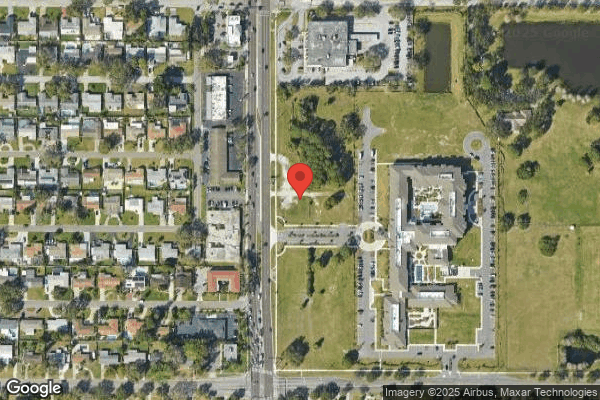
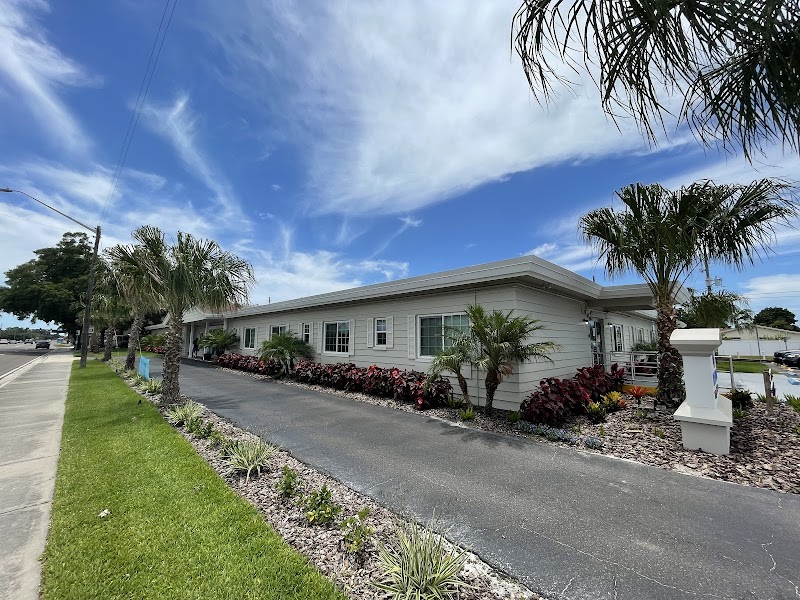
1100 66TH ST N, SAINT PETERSBURG, FL 33710 (727) 345-9331
For profit - Limited Liability company 59 Beds BLUE RIDGE HEALTHCARE Data: November 2025 2 Immediate Jeopardy citations
Trust Grade
0/100
#632 of 690 in FL
Last Inspection: August 2024

Within standard 12-15 month inspection cycle. Federal law requires annual inspections.

Overview

Eagle Lake Nursing and Rehab Care Center has received a Trust Grade of F, indicating significant concerns about the quality of care provided. Ranking #632 out of 690 nursing homes in Florida places it in the bottom half, and at #53 out of 64 in Pinellas County, it has limited local competition. The facility is worsening, with the number of reported issues increasing from 17 in 2023 to 20 in 2024. Staffing is a concern, with a below-average rating of 2 out of 5 stars and a high turnover rate of 84%, far exceeding the state average of 42%. Additionally, the facility has accrued $322,272 in fines, higher than 99% of Florida facilities, which raises red flags about compliance. Recent inspections revealed critical incidents, including a resident discharged to a condemned home without necessary medical care, and another resident with severe cognitive impairment being sent home alone in a taxi without proper support or means to access their home. While there are some strengths, such as having more RN coverage than 94% of facilities, the serious and alarming issues highlighted suggest potential risks for residents. Families should carefully consider these factors when researching care for their loved ones.

Trust Score
F
0/100
In Florida
#632/690
Bottom 9%
Safety Record
High Risk
Review needed
Inspections
Getting Worse
17 → 20 violations
Staff Stability
⚠ Watch
84% turnover. Very high, 36 points above average. Constant new faces learning your loved one's needs.
Penalties
✓ Good
$322,272 in fines. Lower than most Florida facilities. Relatively clean record.
Skilled Nurses
⚠ Watch
Each resident gets only 21 minutes of Registered Nurse (RN) attention daily — below average for Florida. Fewer RN minutes means fewer trained eyes watching for problems.
Violations
⚠ Watch
55 deficiencies on record. Higher than average. Multiple issues found across inspections.
★☆☆☆☆
1.0
Overall Rating
★★☆☆☆
2.0
Staff Levels
★☆☆☆☆
1.0
Care Quality
★☆☆☆☆
1.0
Inspection Score
Stable
2023: 17 issues
2024: 20 issues

The Good

  • Full Sprinkler Coverage · Fire safety systems throughout facility
  • No fines on record

Facility shows strength in fire safety.

The Bad

1-Star Overall Rating

Below Florida average (3.2)

Significant quality concerns identified by CMS

Staff Turnover: 84%

38pts above Florida avg (46%)

Frequent staff changes - ask about care continuity

Federal Fines: $322,272

Well above median ($33,413)

Significant penalties indicating serious issues

Chain: BLUE RIDGE HEALTHCARE

Part of a multi-facility chain

Ask about local staffing decisions and management

Staff turnover is very high (84%)

36 points above Florida average of 48%

The Ugly 55 deficiencies on record

2 life-threatening 4 actual harm
Sept 2024 3 deficiencies 2 Harm
SERIOUS (G) 📢 Someone Reported This

A family member, employee, or ombudsman was alarmed enough to file a formal complaint

Actual Harm - a resident was hurt due to facility failures

Transfer Requirements (Tag F0622)

A resident was harmed · This affected 1 resident

**NOTE- TERMS IN BRACKETS HAVE BEEN EDITED TO PROTECT CONFIDENTIALITY** Cross Reference F623 and F626 Based on interview and record review, the facility failed to document in the medical record the re...

Read full inspector narrative →
**NOTE- TERMS IN BRACKETS HAVE BEEN EDITED TO PROTECT CONFIDENTIALITY** Cross Reference F623 and F626 Based on interview and record review, the facility failed to document in the medical record the reasons why they could not meet the needs and readmit one (#1) of two residents reviewed for transfer and discharge rights. Findings included: Review of the Face Sheet revealed Resident #1 was originally admitted to the facility in June of 2023 with diagnoses to include multiple sclerosis (MS), dysphagia, autistic disorder, dysarthria, attention-deficit hyperactivity disorder (ADHD), irritability, bipolar disorder, anxiety, insomnia, and depression. The Face Sheet showed Resident #1 was discharged on 9/9/24 at 9:25 AM. Review of Resident #1's most recent Quarterly Minimum Data Set (MDS) assessment dated [DATE] showed a Brief Interview of Mental Status (BIMS) score of 10/15, indicating moderate cognitive impairment. Review of Resident #1's care plan for discharge with an original start date of 06/13/2023, and last reviewed/revised on 06/29/2024, revealed the resident's mother has chosen to have resident remain in this facility for long term care and has no plans for him to return to the community or other care setting at this time. Review of Psychiatry Provider Advanced Registered Nurse Practitioner (ARNP) note dated 08/14/2024 showed the following. Per staff, patient has been stable, is cooperative with care, does not have behavioral disturbances, anxiety nor agitation noted. Behavior has been stable; uneventful and medication compliance is good. No side effects are reported or evidenced .Will d/c [discontinue] PRN [as needed] Haldol and start Ativan 0.5 mg [milligram] BID [twice daily] for agitation and anxiety .Continue to monitor how patient tolerates changes and follow up in 1 week. Review of a nursing progress note on 08/17/2024 showed Resident #1 was being disruptive, attempting to exit the building, attempting to hit a staff member. Review of a nursing progress note on 08/19/2024 showed that an Emergency Discharge to the hospital was ordered. Review of a Certificate of Professional Initiating Involuntary Examination dated 08/19/2024 showed there was substantial likelihood that without care or treatment the individual will cause serious bodily harm to self or others. The patient presents with unstable mood, aggressive behaviors, combative with staff members, trying to attack and bite. These behaviors continue to worsen over the past several weeks. Psychopharmacological interventions have been ineffective. We are unable to stabilize the patient within the facility and he poses a danger to himself and others therefore he is requiring a higher level of care at this time. This document was signed by the Psychiatric Provider. Review of a nursing progress note dated 08/29/2024 showed the resident returned to the facility with several medication dosage changes and an additional medication order for a monthly injection was also added with the next dose due on 9/22/24. Review of a Certificate of Professional Initiating Involuntary Examination dated 09/01/2024 showed there was substantial likelihood that without care or treatment the individual will cause serious bodily harm to self. The supporting evidence showed the resident had opened a door of the facility after learning the security code, was making suicidal statements as he claimed his father passed away, was in clear danger to himself, and needed a higher level of care as the facility could not ensure his well-being at that time. This document was signed by the Psychiatric Provider. Review of the hospital's psychiatric initial consult note dated 9/2/24 revealed the patient presented from a long term care facility due to report of expressed suicidal ideation. Patient adamantly denying that he ever expressed suicide to anyone in the facility. He seems to be as well-documented baseline. He was discharged from another inpatient psychiatric unit less than 48 hours before being sent back to our emergency department. Patient has had chronic behavioral issues at the long term care facility and now they are refusing to take him back. Patient will not be held involuntarily. Further inpatient psychiatric hospitalization will not modify his chronic behavioral issues secondary to his developmental delay. An interview with the Social Services Director (SSD) was conducted on 09/18/2024 at 11:15 AM. The SSD stated Resident #1 did not have any discharge planning because he was a long term care resident and his plan was to remain at the facility. The SSD said Resident #1 did not have anywhere to go and his plans were never changed. An interview with the Nursing home Administrator (NHA) and Director of Nursing (DON) was conducted on 09/18/2024 at 12:41 PM. The NHA said, I got a call from the hospital after he had been there a couple days, they felt we should take him back. They felt that he had not been deemed incompetent. I tried to tell them he had said he wanted to die. My thoughts were that he needed a secured unit. They thought we should have put him on 1:1 supervision. I told them we could not take residents who are exit seeking. I told them I could not keep him safe. That was why we did not take him. The NHA stated Resident #1 was a long-term resident and his plan of care was to remain at the facility. She stated after the elopement incident she felt they could not keep him safe. The DON stated he had become aggressive and suicidal. She stated the documentation may not reflect what actually happened that evening. The NHA stated they should have documented better. A follow-up interview with the NHA and DON on 09/18/2024 at 2:45 PM confirmed Resident #1 did not have a discharge plan because they only do so if the resident was discharging home or to an ALF. The NHA said, He was [Emergency Discharge] because he had learnt the code [access code to open external doors], he left the building and waved at the camera, he knew what he was doing. The NHA stated the resident was not seen in person by the doctor who gave the order to send him to the hospital involuntarily. The physician was aware because we called her. I know there is nothing documented. We gave him the discharge notice. The NHA confirmed this was Resident #1's place of residence. He did not have plans to discharge anywhere else. The DON said, He had become aggressive. He wanted to kill himself. The DON stated we sent him to the hospital involuntarily to get him stabilized. The NHA stated there were other residents currently residing in the facility with a BIMS of 10 who could also learn the door code. The NHA stated they should have had the doctor assess Resident #1 in person to confirm he was not safe at this facility. The NHA and DON confirmed the resident's medical record did not clearly document the course of the events relating to Resident #1's transfer and rationale for not allowing the resident to return. Review of Resident #1's Nursing Home Transfer and Discharge Notice revealed the notice was given on 9/1/24 with an effective date of 10/1/24. The location to which the resident was transferred to was the name of the hospital, the hospital address, and the hospital phone number. The reason for the discharge or transfer was your needs cannot be met in this facility. The notice was signed and dated 9/1/24 by the DON as the NHA's designee. The DON documented that the resident's family member was notified by phone on 9/1/24. A phone interview was conducted with Resident #1's family member on 09/18/2024 at 3:28 PM. She stated she was notified by the facility when Resident #1 was taken to the hospital on [DATE]. She did not know Resident #1 was not allowed back to the facility until she was called by the hospital and told the facility refused to take Resident #1 back. Telephone interview was conducted with the hospital's Manager of Case Management (MCM) on 10/2/24 at 4:24 PM. The hospital's MCM stated Resident #1 was at the hospital in observation status from 9/1/24 to 9/6/24. She said orders for his discharge back to the nursing home where he had lived since June of 2023 were written by the physician on 9/2/24, but the nursing home refused to accept him back. The hospital MCM reported that it took four additional days to find him placement, and Resident #1 showed no behaviors during this timeframe. The hospital MCM stated it was not good for the patient, the facilty, or the hospital when a resident was not permitted to return, especially when the resident had lived at the facility for well over a year. Review of the undated facility Policy titled Transfer or Discharge, Facility-Initiated, revealed: If discharge is initiated by the facility after an emergency transfer to the hospital, the reason for discharge is based on the resident's status at the time the resident seeks return to the facility (not at the time the resident was transferred to acute care). If the facility determines that the resident cannot return to the facility, the medical record will indicate that the facility made efforts to: a. Determine if the resident still requires the services of the facility and is eligible for Medicare/Medicaid nursing services. b. Ascertain an accurate status of the resident's condition, which can be accomplished via communication between hospital and facility and/or through visits by facility staff to the hospital. c. Find out from the hospital the treatments, medications and services the facility would need to provide to meet the resident's needs upon returning to the facility. If the facility is unable to provide the treatments, medications and services needed the facility may not be able to meet the resident's needs. d. Work with the hospital to ensure the resident's condition and needs are within the facility's scope of care, based on its facility assessment, prior to hospital discharge.
SERIOUS (G) 📢 Someone Reported This

A family member, employee, or ombudsman was alarmed enough to file a formal complaint

Actual Harm - a resident was hurt due to facility failures

Safe Transfer (Tag F0626)

A resident was harmed · This affected 1 resident

**NOTE- TERMS IN BRACKETS HAVE BEEN EDITED TO PROTECT CONFIDENTIALITY** Cross Reference F622 and F623 Based on interview and record review, the facility failed to permit readmission from the hospital ...

Read full inspector narrative →
**NOTE- TERMS IN BRACKETS HAVE BEEN EDITED TO PROTECT CONFIDENTIALITY** Cross Reference F622 and F623 Based on interview and record review, the facility failed to permit readmission from the hospital for one (#1) of two residents reviewed for transfer and discharge rights. Findings included: Review of the undated facility Policy titled Transfer or Discharge, Facility-Initiated, revealed: When residents are sent emergently to an acute care setting, theses scenarios are considered facility-initiated transfers, NOT discharges, because the resident's return is generally expected. Residents who are sent emergently to an acute care setting such as a hospital, are permitted to return to the facility. If discharge is initiated by the facility after an emergency transfer to the hospital, the reason for discharge is based on the resident's status at the time the resident seeks return to the facility (not at the time the resident was transferred to acute care). If the facility determines that the resident cannot return to the facility, the medical record will indicate that the facility made efforts to: a. Determine if the resident still requires the services of the facility and is eligible for Medicare/Medicaid nursing services. b. Ascertain an accurate status of the resident's condition, which can be accomplished via communication between hospital and facility and/or through visits by facility staff to the hospital. c. Find out from the hospital the treatments, medications and services the facility would need to provide to meet the resident's needs upon returning to the facility. If the facility is unable to provide the treatments, medications and services needed the facility may not be able to meet the resident's needs. d. Work with the hospital to ensure the resident's condition and needs are within the facility's scope of care, based on its facility assessment, prior to hospital discharge. Review of the Face Sheet for Resident #1 revealed an original admission date in June of 2023. The Face Sheet showed Resident #1 was discharged from the facility on 9/9/24 at 9:25 AM. The diagnoses on the Face Sheet included multiple sclerosis (MS), dysphagia, autistic disorder, dysarthria, attention-deficit hyperactivity disorder (ADHD), irritability, bipolar disorder, anxiety, insomnia, and depression. Review of Resident #1's most recent Quarterly Minimum Data Set (MDS) assessment dated [DATE] showed a Brief Interview of Mental Status (BIMS) score of 10/15, indicating moderate cognitive impairment. Review of Resident #1's care plan for discharge with an original start date of 06/13/2023, and last reviewed/revised on 06/29/2024, revealed the resident's mother has chosen to have resident remain in this facility for long term care and has no plans for him to return to the community or other care setting at this time. Review of Psychiatry Provider Advanced Registered Nurse Practitioner (ARNP) note dated 08/14/2024 showed the following. Per staff, patient has been stable, is cooperative with care, does not have behavioral disturbances, anxiety nor agitation noted. Behavior has been stable; uneventful and medication compliance is good. No side effects are reported or evidenced .Will d/c [discontinue] PRN [as needed] Haldol and start Ativan 0.5 mg [milligram] BID [twice daily] for agitation and anxiety .Continue to monitor how patient tolerates changes and follow up in 1 week. Review of a nursing progress note on 08/17/2024 showed Resident #1 was being disruptive, attempting to exit the building, attempting to hit a staff member. Review of a nursing progress note on 08/19/2024 showed that an Emergency Discharge to the hospital was ordered. Review of a Certificate of Professional Initiating Involuntary Examination dated 08/19/2024 showed there was substantial likelihood that without care or treatment the individual will cause serious bodily harm to self or others. The patient presents with unstable mood, aggressive behaviors, combative with staff members, trying to attack and bite. These behaviors continue to worsen over the past several weeks. Psychopharmacological interventions have been ineffective. We are unable to stabilize the patient within the facility and he poses a danger to himself and others therefore he is requiring a higher level of care at this time. This document was signed by the Psychiatric Provider. Review of a nursing progress note dated 08/29/2024 showed the resident returned to the facility with several medication dosage changes and an additional medication order for a monthly injection was also added with the next dose due on 9/22/24. Review of a Certificate of Professional Initiating Involuntary Examination dated 09/01/2024 showed there was substantial likelihood that without care or treatment the individual will cause serious bodily harm to self. The supporting evidence showed the resident had opened a door of the facility after learning the security code, was making suicidal statements as he claimed his father passed away, was in clear danger to himself, and needed a higher level of care as the facility could not ensure his well-being at that time. This document was signed by the Psychiatric Provider. No progress notes, change in condition form, evaluations, or assessments were completed by staff from the facility relating to the 9/1/24 transfer to a higher level of care. Review of Resident #1's Nursing Home Transfer and Discharge Notice revealed the notice was given on 9/1/24 with an effective date of 10/1/24. The location to which the resident was transferred to was the name of the hospital, the hospital address, and the hospital phone number. The reason for the discharge or transfer was your needs cannot be met in this facility. The notice was signed and dated 9/1/24 by the DON as the NHA's designee. The DON documented that the resident's family member was notified by phone on 9/1/24. Review of the hospital's psychiatric initial consult note dated 9/2/24 revealed the patient presented from a long term care facility due to report of expressed suicidal ideation. Patient adamantly denying that he ever expressed suicide to anyone in the facility. He seems to be as well-documented baseline. He was discharged from another inpatient psychiatric unit less than 48 hours before being sent back to our emergency department. Patient has had chronic behavioral issues at the long term care facility and now they are refusing to take him back. Patient will not be held involuntarily. Further inpatient psychiatric hospitalization will not modify his chronic behavioral issues secondary to his developmental delay. A phone interview was conducted with Resident #1's family member on 09/18/2024 at 3:28 PM. She stated she was notified by the facility when Resident #1 was taken to the hospital on [DATE]. She did not know Resident #1 was not allowed back to the facility until she was called by the hospital and told the facility refused to take Resident #1 back. Telephone interview was conducted with the hospital's Manager of Case Management (MCM) on 10/2/24 at 4:24 PM. The hospital's MCM stated Resident #1 was at the hospital in observation status from 9/1/24 to 9/6/24. She said orders for his discharge back to the nursing home where he had lived since June of 2023 were written by the physician on 9/2/24, but the nursing home refused to accept him back. The hospital MCM reported that it took four additional days to find him placement, and Resident #1 showed no behaviors during this timeframe. The hospital MCM stated it was not good for the patient, the facilty, or the hospital when a resident was not permitted to return, especially when the resident had lived at the facility for well over a year. An interview with the facility's Social Services Director (SSD) was conducted on 09/18/2024 at 11:15 AM. The SSD stated Resident #1 did not have any discharge planning because he was a long term care resident and his plan was to remain at the facility. The SSD said Resident #1 did not have anywhere to go and his plans were never changed. An interview with the Nursing home Administrator (NHA) and Director of Nursing (DON) was conducted on 09/18/2024 at 12:41 PM. The NHA said, I got a call from the hospital after he had been there a couple days, they felt we should take him back. They felt that he had not been deemed incompetent. I tried to tell them he had said he wanted to die. My thoughts were that he needed a secured unit. They thought we should have put him on 1:1 supervision. I told them we could not take residents who are exit seeking. I told them I could not keep him safe. That was why we did not take him. The NHA stated Resident #1 was a long-term resident and his plan of care was to remain at the facility. She stated after the elopement incident she felt they could not keep him safe. The DON stated he had become aggressive and suicidal. She stated the documentation may not reflect what actually happened that evening. The NHA stated they should have documented better. A follow-up interview with the NHA and DON on 09/18/2024 at 2:45 PM confirmed Resident #1 did not have a discharge plan because they only do so if the resident was discharging home or to an ALF. The NHA said, He was [Emergency Discharge] because he had learnt the code [access code to open external doors], he left the building and waved at the camera, he knew what he was doing. The NHA stated the resident was not seen in person by the doctor who gave the order to send him to the hospital involuntarily. The physician was aware because we called her. I know there is nothing documented. We gave him the discharge notice. The NHA confirmed this was Resident #1's place of residence. He did not have plans to discharge anywhere else. The DON said, He had become aggressive. He wanted to kill himself. The DON stated we sent him to the hospital involuntarily to get him stabilized. The NHA stated there were other residents currently residing in the facility with a BIMS of 10 who could also learn the door code. The NHA stated they should have had the doctor assess Resident #1 in person to confirm he was not safe at this facility. The NHA and DON confirmed the resident's medical record did not clearly document the course of the events relating to Resident #1's transfer and rationale for not allowing the resident to return.
CONCERN (D) 📢 Someone Reported This

A family member, employee, or ombudsman was alarmed enough to file a formal complaint

Potential for Harm - no one hurt, but risky conditions existed

Transfer Notice (Tag F0623)

Could have caused harm · This affected 1 resident

**NOTE- TERMS IN BRACKETS HAVE BEEN EDITED TO PROTECT CONFIDENTIALITY** Cross Reference F622 and F626 Based on interview and record review, the facility failed to provide a written transfer and discha...

Read full inspector narrative →
**NOTE- TERMS IN BRACKETS HAVE BEEN EDITED TO PROTECT CONFIDENTIALITY** Cross Reference F622 and F626 Based on interview and record review, the facility failed to provide a written transfer and discharge notice to the resident representative, and a copy to the Office of the State Long-Term Care (LTC) Ombudsman for one (#1) of two residents reviewed for transfer and discharge rights. Findings included: Review of the Face Sheet revealed Resident #1 was originally admitted to the facility in June of 2023 with diagnoses to include multiple sclerosis (MS), dysphagia, autistic disorder, dysarthria, attention-deficit hyperactivity disorder (ADHD), irritability, bipolar disorder, anxiety, insomnia, and depression. Review of Resident #1's most recent Quarterly Minimum Data Set (MDS) assessment dated [DATE] showed a Brief Interview of Mental Status (BIMS) score of 10/15, indicating moderate cognitive impairment. Review of Resident #1's care plan for discharge with an original start date of 06/13/2023, and last reviewed/revised on 06/29/2024, revealed the resident's mother has chosen to have resident remain in this facility for long term care and has no plans for him to return to the community or other care setting at this time. Review of a Certificate of Professional Initiating Involuntary Examination dated 09/01/2024 showed there was substantial likelihood that without care or treatment the individual will cause serious bodily harm to self. The supporting evidence showed the resident had opened a door of the facility after learning the security code, was making suicidal statements as he claimed his father passed away, was in clear danger to himself, and needed a higher level of care as the facility could not ensure his well-being at that time. This document was signed by the Psychiatric Provider. Review of Resident #1's Nursing Home Transfer and Discharge Notice revealed the notice was given on 9/1/24 with an effective date of 10/1/24. The location to which the resident was transferred to was the name of the hospital, the hospital address, and the hospital phone number. The reason for the discharge or transfer was your needs cannot be met in this facility. The notice was signed and dated 9/1/24 by the DON as the NHA's designee. The DON documented that the resident's family member was notified by phone on 9/1/24. The area to complete to show that the notice as given to the resident, legal guardian or representative and the local long term care ombudman council was incomplete/blank. A phone interview was conducted with Resident #1's family member on 09/18/2024 at 3:28 PM. She stated she was notified by the facility when Resident #1 was taken to the hospital on [DATE]. She did not know Resident #1 was not allowed back to the facility until she was called by the hospital and told the facility refused to take Resident #1 back. The family member did not report receiving a written notice from the facility relating to his discharge from the facility. An interview with the Social Services Director (SSD) was conducted on 09/18/2024 at 11:15 AM. The SSD stated Resident #1 did not have any discharge planning because he was a long term care resident and his plan was to remain at the facility. The SSD said Resident #1 did not have anywhere to go and his plans were never changed. An interview with the Nursing home Administrator (NHA) and Director of Nursing (DON) was conducted on 09/18/2024 at 2:45 PM. The NHA stated they did not have a discharge plan for Resident #1 because they only do so if the resident was discharging home or to an ALF. The NHA said, We gave him the discharge notice. The NHA confirmed this was Resident #1's place of residence. He did not have plans to discharge anywhere else. NHA and DON confirmed the resident's medical record did not clearly document the course of the events relating to Resident #1's transfer/discharge from the facility. Review of the undated facility Policy titled Transfer or Discharge, Facility-Initiated, revealed: Under the following circumstances, the notice is given as soon as it is practicable but before the transfer or discharge: -The health and/or safety of individuals in the facility would be endangered due to the clinical or behavioral status of the resident. -An immediate transfer or discharge is required by the resident's urgent medical needs. Notice of Transfer is provided to the resident and representative as soon as practicable before the transfer and to the LTC ombudsman when practicable.
Aug 2024 17 deficiencies 2 Harm
SERIOUS (G)

Actual Harm - a resident was hurt due to facility failures

Deficiency F0760 (Tag F0760)

A resident was harmed · This affected 1 resident

**NOTE- TERMS IN BRACKETS HAVE BEEN EDITED TO PROTECT CONFIDENTIALITY** Based on observations, interviews, and record reviews the facility failed to prevent multiple significant medication errors for ...

Read full inspector narrative →
**NOTE- TERMS IN BRACKETS HAVE BEEN EDITED TO PROTECT CONFIDENTIALITY** Based on observations, interviews, and record reviews the facility failed to prevent multiple significant medication errors for 1 resident (#347) out of 4 residents reviewed. Resident #347 was admitted to the facility on [DATE] for intravenous antibiotic administration due to intracranial abscesses and with diagnosis of opioid abuse with withdrawals. She was transferred to the facility with orders to treat the opioid abuse with withdrawals with buprenorphine and naloxone 8-2 mg (Suboxone) sublingually three times a day. The facility failed to provide Resident #347's her Suboxone medication for two and a half days. Resident #347 arrived at the facility with hospital orders to take buprenorphine and naloxone (Suboxone) 8-2mg sublingually film three times a day. The medication was ordered as buprenorphine 2mg sublingually twice day. This failure resulted in Resident #347 being sent back to the hospital two times for opioid withdrawal symptoms and each time the resident returned with orders to administer buprenorphine and naloxone (Suboxone) 8-2mg sublingually three times a day. The facility continued to give Resident #347 buprenorphine 2mg despite the resident telling nurses on all shifts on different days and physicians she was not receiving the correct dose of her Suboxone. It was not until Resident #347's second readmission to the hospital for severe withdrawals did the hospital physician end up calling the facility's pharmacy on 8/26/24 to order the correct medication, Suboxone. The facility also failed to provide Resident #347 her with her antibiotic (vancomycin) per her discharge instruction from the hospital. The vancomycin was ordered on admission under the physician orders with a stop date of 8/26/24. Review of the hospital record revealed the stop date of the vancomycin was to be 9/21/24. This failure resulted in Resident #347 missing two of her vancomycin doses. Resident #347 was readmitted to the hospital for a third time for nausea, seeing halos, shortness of breath, chest pain, feeling hot, and skin was clammy. Findings included: 1. Review of Resident #347's Face Sheet revealed she was admitted to the facility on [DATE] at 2:23 PM with medical diagnoses, not limited to, intracranial abscess and granuloma, endocarditis, pain, opioid abuse with withdrawal, bipolar disorder current episode manic without psychotic features, and psychoactive substance abuse with unspecified psychoactive substance-induced disorder. An observation and interview were conducted on 8/26/24 at 10:46 AM with Resident #347. She was observed to be sitting on her bed eating her breakfast. She was observed to have an intravenous (IV) line in her upper right arm. She said she was receiving intravenous antibiotics for endocarditis. She said she is not getting the right dose of her Suboxone. She said she is only getting two milligrams (mg) three times a day and she is supposed to be getting eight milligrams three times a day. She said the dosing got screwed up when the hospital wrote their paperwork. I have been admitted here since Friday or Saturday and I have been back to the hospital for withdrawals, and the hospital gave me sixteen milligrams of Suboxone to make up for the missed dosing. I told the doctor this morning that I need eight milligrams and she said she was going to have to talk to someone above her because she said she couldn't prescribe the medication, that a substance abuse physician might have to prescribe it. Review of Resident #347's Census Records revealed she was admitted to the facility on [DATE] at 2:23 PM and had been readmitted to the hospital three times from 8/24/24 through 8/28/24. Review of Resident #347's hospital record dated 8/23/24 at 2:57 PM revealed Medication List TAKE these medications CONTINUE buprenorphine-nalOXone 8-2MG [milligram] SL [sublingual] film, Commonly known as: Suboxone, Place 1 Film under the tongue in the morning and 1 Film at noon and 1 Film before bedtime. Last time this was given: August 23, 2024 10:29 AM. There was a handwritten check mark next to the medication with morning, noon, and bedtime underlined. Review of Resident #347's physician orders revealed an order created by Staff C, RN Supervisor with a start date of 8/24/24 and an end date of 8/25/24 for Buprenorphine HCL (hydrochloric acid)-Schedule III tablet, sublingual; 2mg; Amount to Administer: 1 film; sublingual twice a day for psychoactive substance abuse with unspecified psychoactive substance-induced disorder. Review of the internet revealed, Suboxone Film .generic name: buprenorphine-naloxone. This medication contains 2 medicines: buprenorphine and naloxone. It is used to treat opioid use disorder. Buprenorphine belongs to a class of drugs called mixed opioid agonist-antagonists. Buprenorphine helps prevent withdrawal symptoms caused by stopping other opioids. Naloxone is an opioid antagonist that blocks the effect of opioids and can cause severe opioid withdrawal when injected. Withdrawal is less likely when naloxone is taken by mouth, dissolved under the tongue, or dissolved on the inside of the cheek. It is combined with buprenorphine to prevent abuse and misuse (injection) of this medication, according to https://www.webmd.com/drugs/2/drug-64741-1356/suboxone-sublingual/buprenorphine-naloxone-film-sublingual/details, viewed on 8/29/2024. Review of Resident #347's August medication administration record (MAR) revealed she was administered 2mg of buprenorphine twice a day on 8/24/24 at 9:00 p.m. and on 8/25/24 the 9:00 a.m. the dose documentation revealed the medication was charted late for a documented date and time of 8/25/24 at 12:44 p.m. Review of Resident #347's progress notes revealed the following notes: -Progress note dated 8/24/23 at 6:15 PM revealed Resident medications will be here with the early morning pharmacy run. Resident is displayings [sic] withdrawal symptoms awaiting the Buprenorphine 2 mg SL, film. Resident has Ativan 0.5 mg ordered and Staff D, LPN [Licensed Practical Nurse] obtained from the EDK [Emergency Drug Kit] box to administer to resident. Pharmacy called to request the Buprenorphine 2 mg SL, film to be sent STAT. [Staff G, Medical Doctor] notified re [regarding]: the need to order the Buprenorphine 2 mg SL, film electronically. -Progress note dated 8/24/24 at 6:42PM revealed Pharmacy called to check on STAT run for Buprenorphine 2 mg SL, film. Pharmacy informed RN Supervisor that STAT is with four hours. Pharmacy did let me know that the Buprenorphine 2 mg SL, film .will be enroute as soon as possible . -Progress note dated 8/24/24 at 8:47 PM revealed .C/o [complain of] pain scale of 6 @ [at] this time. Alert & oriented x 4. Very anxious, especially concerning meds [medications]. Resident c/o having withdrawals from not having Suboxone since leaving hospital in am [morning]. Visibly shaking. Staff C, RN Supervisor called On [sic] call MD [Medical Doctor] to get orders for all scripts. Called pharmacy, stated they will send Suboxone and Ativan via [Delivery Company] . -Progress note dated 8/25/24 at 9:32 AM revealed Resident became combative during the night due to medication administration not being to her liking regarding pills dosage and amount administered. The resident was sent out to the hospital via 911 around 1045p[sic] due to severe withdrawal symptoms. The resident was returned from the hospital around midnight and rested throughout the night . Review of Resident #347's Hospital record Admission/Registration dated 8/24/24 at 11:04 PM revealed Resident #347 had a Principle Admitting Diagnosis/ Reason for Visit of SUBOXONE WITHDRAWAL. Review of Resident #347's Patient Visit Information dated 8/24/24 revealed You were seen today for: Opiate withdrawal .Medication Dose and Instructions Buprenorphine/Naloxone (Suboxone 8-2mg SL) 8mg-2MG tab. SL 1 tab Sublingual THREE TIMES DAILY #12 TAB [tablet] REF[refill] 0 dated 8/24/24 11:49 pm Status: PRINTED Review of Resident #347's physician order, created by Staff C, RN Supervisor, with a start date of 8/25/24 and an end date of 8/26/24 revealed buprenorphine HCL-Schedule III tablet, sublingual; 2mg; Amount to Administer: 1 film; sublingual three times a day for psychoactive substance abuse with unspecified psychoactive substance-induced disorder. Review of Resident #347's August MAR revealed her order for 2 mg of Buprenorphine HCL three times a day was administered at 3:00 p.m. on 8/25/24. The 8/25/24 at 9:00 p.m. dose, the medication administration note revealed the medication had a charted date of 8/25/24 at 10:39 p.m. with a reason/comment of Late Administration: Charted late The medication was documented as administered on 8/26/24 at 9:00 a.m. and 3:00 p.m. Review of Resident #347's progress notes revealed the following: -A progress note dated 8/25/24 at 6:42 PM revealed .pt [patient] was upset throughout the day because she wants an increase to her Buprenorphine Dosage. Supervising RN went over orders with her to try and help her understand her current dosage. during [sic] the afternoon, resident was calm. around [sic] 2pm prn [as needed] ativan given for anxiety. Tolerated well. Around 5pm pt continued to c/o dosage of Buprenorphine and wanted it increased. She stated she wants to go to the ER to have them fix: her orders to increase medication. VSS [vital signs stable]. MD and supervisor aware. MD gave permission to send pt to ER [emergency room] if she still wanted to go. pt states she'll wait and see if she wants to go later, she states she is currently ok. no apparent distress noted. will continue to monitor resident. -Progress note dated 8/26/24 at 3:54 AM revealed Resident states she is not receiving [sic] the right dosage for her narcotic so she wants to go to the hospital so she can be given the right dose. This nurse verbalized understanding. Spoke with 911 operator @ 2210 [10:10 PM]. EMT [Emergency Medical Technician] staff arrived at 2215 [10:15 PM]. Updated them on resident. Proper paperwork sent with resident. Resident left facility awake, alert and oriented x3 @ 2230 [10:30 PM] via stretcher; accompanied by EMT staff. -Progress note dated 8/26/24 at 3:47 AM revealed Resident returned from hospital via stretcher; accompanied by EMT staff on 8/26/24 @ 0045 [12:45 AM], awake alert and oriented x3. Review of Resident #347's hospital record dated 8/25/24 at 10:57 a.m. revealed Patient Visit Information You were seen today for: Drug abuse. Review of Resident #347's hospital physicians prescription revealed an issue date of August 24, 2024 for Suboxone 8-2mg SL (8 MG-2 MG TAB. SL) Dispense 12 (twelve) TAB. SIG: 1 TAB SL TID [three time's a day] No refills. handwritten on the paper was Faxed 8/26/24 745am Review of Resident #347's progress note revealed a note dated 8/26/24 at 3:36 PM Resident complaining that Buprenorphine order in hospital was 8 mg TID [three times a day], says it was decreased to 2 mg TID upon admission to this facility without her prior knowledge. She is asking again if [Staff G, MD] will increase med. [Staff C, MD's Nurse Practitioner] in to assess her this am. Made resident aware that she cannot make changes to Buprenorphione [sic] order and would make [Staff G, MD] aware, who already stated he would not increase dose. Called [Staff G, MD]. Left message about resident wanting to increase Buprenorphine. Review of Resident #347's progress note dated 8/26/24 at 4:00 p.m. revealed [Staff G, MD] contacted. He stated [Staff H, MD] will be in tomorrow. He stated he will not make changes to Buprenorphine over the phone. N.o. [new order] Ibuprofen 200 mg PO Q 6 hours as needed for pain. Resident stated no hx [history] of GI bleed. N.o. Benadryl 25 mg PO 30 minutes prior to each dose of IV Vancomycin. Resident made aware. Sent controlled refill sheet for Buprenorphine this am. Made him aware. He stated to have [Pharmacy] call him. Called [Pharmacy] and asked Pharacist [sic] to call [Staff G, MD]. Called back to have med drop shipped for PM dose. Resident very anxious. PRN [as needed] Ativan given @ 08:15 [AM] and 14:10 [2:10 PM]. Gave Buprenorphine SL @ 15:40 [3:40PM]. Stating she will keep requesting to go to hospital if her Buprenorphine is not increased. No s/s [signs/ symptoms] of withdrawals noted. VS [vital signs] stable. Gave IV [intravenous] Vanco [vancomycin] @ 12:00, tolerated well. Review of Resident #347's progress note dated 8/26/24 at 4:49 PM revealed [Hospital] called into [Pharmacy] n.o. Buprenorphine 8/2 mg SL TIS [sic] x 4 days. Will f/u with [Staff H, MD] tomorrow. Review for the August MAR revealed a physician's order with a start date of 8/26/24 and an end date of 8/29/24 for buprenorphine-naloxone - Schedule III tablet, sublingual; 8-2 mg; Amount to Administer: 1 tab; sublingual Three times a day for Opioid abuse with withdrawal. Review of Resident #347's MAR documentation revealed the medication was administered on 8/26/24 at 9:00 PM. On 8/27/24 the documentation revealed she received the medication at 9:00 AM, 3:00 PM, 9:00 PM as ordered, and on 8/28/24 She received the medication at 9:00 AM. An observation and interview were conducted on 08/27/24 at 10:15 AM. Resident #347 was observed to be lying in bed with her hand on her head. She said she is not doing well today. She said she feels hot, has a terrible headache right where her brain abscesses are, and she said she is shaking. She said the nurse just gave her, her suboxone, Xanax, lacosamide, and ibprophen. She said the nurse took her vitals and her temperature was low. She said the suboxone was still dissolving under her tongue, but she said she wanted to go to the hospital. She said she had not told the nurse she wants to go to the hospital. An interview was conducted on 08/27/24 at 10:18 AM with Staff F, Agency, Licensed Practical Nurse (LPN) she said Resident #347 just received her medications and she obtained her vitals, and they were normal. She said the resident is on vancomycin and is expected not to feel well. An interview was conducted on 8/27/24 at 4:45 PM with Resident #347. She said she had not received her Vancomycin and was not sure why. She said she has been back to the hospital twice because the facility was not giving her the correct dose of Suboxone, and she was having withdrawal symptoms. She said the facility is currently using the suboxone prescription from the hospital but that is only for four days. She said she feels better than she did this morning. Review of Resident #347's physician orders revealed a discontinued order with a start date of 8/24/24 and an end date of 8/26/24 for Vancomycin in 0.9% sodium chloride solution 1gram/250ml; amount to administer 750mg intravenous every 8 hours (x7) at 8:00 PM, 4:00 AM, 12:00PM. Review of Resident #347's August MAR revealed Resident #347 only received one dose of vancomycin on 8/27/25 at 5:00 p.m. Review of Resident #347's hospital record dated 8/23/24 revealed Vancomycin 750mg in sodium chloride 0.9% 250ml IVPB [Intravenous piggy back]. Infuse 750mg into a venous catheter every 8 (eight) hours for 7 doses. hand written on the vancomycin order was stop date 9/21 see attached orders. Review of the attached orders revealed Vancomycin 750mg q. [every] 8 hours till 9/21 . Review of Resident #347's progress note dated 8/27/24 at 6:10 PM revealed [Staff H, MD] was in to see resident this morning. Informed that resident is a hospital contract resident that falls under the medical director . notified of Vancomycin medication administration time change, states will be in at 11 am tomorrow to see resident. An interview was conducted with Resident #347 on 08/28/24 at 09:14 AM she was observed to be in her wheelchair, self-propelling in the hallway. She said she was not feeling well and wanted to be sent out to the hospital. She said she couldn't explain what is wrong she just felt off and worse than she did when she was in the hospital. She said she did end up getting her vancomycin last night around 5:00 PM and again around 1:00 AM. but she had not gotten any Vancomycin during the day on 8/27/24. Review of Resident #347's progress note dated 8/28/24 at 10:34 AM Resident complaint of feeling nauseated, seeing halos, sob, and chest pain, vitals obtain BP 149/104, HR 82 regular, 99%RA unlabored, stated feels hot, skin is clammy, refused 9am Vanco infusion and other meds, stated she wanted to go to hospital instead. 911 operator called; EMS arrived within 5 minutes at 10:30 am . DON, MD, Admin [administration] aware, attempted both emergency contact #s on file and both are invalid numbers. Review of Resident #347's progress note dated 8/28/24 at 10:32 PM revealed Resident returned from hospital @ 1925. Ativan 0.5mg PO given @ 1930. Resident awake, alert and oriented x3. Sitting in wheelchair. No complaints voiced or distress noted at this time. Resident continues on IV Vanco. A phone interview was conducted on 08/27/24 at 06:00 PM with Staff G, MD he said he has not seen Resident #347 but he got a call yesterday (8/26/24) saying the resident was not getting the correct pain medication, and they also said oh by the way she says she wants her suboxone increased. I said I'm not going to increase suboxone when I have not seen the resident, but I am happy to reorder the dose the hospital recommended she have. He said he called the pharmacy on 8/26/24 to reorder the medications and the pharmacy said a [Hospital Physician] had sent in a script for suboxone 8-2mg and the pharmacy told him the doctor who sent in the script was the residents pain physician therefore Staff G, MD approved for pharmacy to fill the medication. Staff G, MD said his Physician Assistant (PA-C) saw Resident #347 on Monday (8/26/24) and Staff H, MD was supposed to see her today but he had not seen her because it turns out she under the care of the Medical Director because Resident #347 is under a hospital contract. He said Suboxone is a medication that is made up of 2 medications, buprenorphine and nalOXone. He said if the hospital admitted her with an order to receive buprenorphine-nalOXone 8-2mg three times a day then she should have been getting that dose from the beginning and that is not fair to Resident #347 if she did not receive it. He said if the hospital record said she needed 8-2mg of suboxone three times a day and the facility only ordered buprenorphine 2mg then the resident did not get the correct medication, and it sounds like there might have been a transcription error. He said hopefully the Medical Director comes to see the resident tomorrow (8/28/24), so the resident does not run out of the medication. A phone interview was conducted on 08/27/24 at 06:21 PM with Staff C, RN Supervisor. She said she started at the facility on 8/23/24 as a weekend supervisor. She said she had worked at the facility prior as an agency nurse. She said on 8/24/24 Resident #347 was admitted to the facility. She said she was still training on the day Resident #347 was admitted but she stayed late to learn how to do admissions. She said her and her trainer entered in the orders from hospital into the computer and sent the orders over to the pharmacy to be filled. She said she entered Suboxone 2mg three times a day into the computer She said the pharmacy called her and they needed a prescription for the Suboxone so she called Staff G, MD's, Physician Assistant but she was not on call so she called Staff G, MD and told him the order for Suboxone 2mg three times a day and he called the pharmacy and ordered it. Staff C, RN Supervisor said when the resident first arrived to the facility, Resident #347 said she was having withdrawal symptoms but then she went outside and smoked a cigarette and when she came back in she said she was still having withdrawal symptoms. Her medications had not shown up from the pharmacy so we gave her, her ordered Xanax from the emergency drug kit (EDK). Resident #347 was upset because she said we were not giving her the correct dose of suboxone, and everyone explained to her we were giving her the right dose because the order from the hospital said 8-2mg three times a day which is 2mg of suboxone three times a day. We even showed her the hospital paperwork and explained to her the hospital ordered her to have 2mg. She ended up going out to the hospital because she said we were not giving her the right dose and she returned the same night. Staff C, RN Supervisor said, when I came back the next day, the pharmacy had sent Suboxone 2mg in tablet form even though the ordered said film. Staff C, RN Supervisor said for new admissions the resident arrives, the hospital medications are entered into the computer, the pharmacy gets the orders that are in the computer, and they deliver the medications. For narcotics there has to be a paper prescription, or the doctor has to talk with the pharmacy to get the medication ordered. An interview was conducted on 8/28/24 at 8:36 AM with the Director of Nursing (DON). She said Resident #347 came into the facility over the weekend. She came in while the nurse supervisors were here. Staff C, RN Supervisor was the training nurse supervisor. The DON said Resident #347 is a hospital contract patient we are keeping her here to administer IV Vancomycin . The DON said it came to her attention yesterday morning (8/27/24) there was a transcription error related to her suboxone. She said she was not notified Resident #347 had gone out to the hospital. The DON said Resident #347 was complaining about withdrawal symptoms since she had not received her suboxone on 8/24/24 and the nurses were trying to get the suboxone delivered stat. On 8/24/24 at 6:00 PM she got 0.5mg of Ativan and she went out to the hospital around 10:45 p.m. for severe withdrawal symptoms. She returned from the hospital around midnight and rested through the night. The DON reviewed Resident #347's hospital records dated 8/24/24 and confirmed the hospital recommend the resident received suboxone 8-2mg sublingual three times a day. The DON said the resident should have received 8mg of buprenorphine and 2mg of naloxone three times a day. The DON confirmed Resident #347 should have gotten that order upon admission. The DON said then on 8/25/24 a new order was put in for buprenorphine 2mg three times a day and the resident received 4 doses. Then on 8/25/24 at about 10:30 PM the resident was sent back out to the hospital because resident stated she is not receiving the right dosage for her narcotic so she wants to go to the hospital so she can be given the right dose. Then she goes back to the hospital at 10:30 PM and returns on 8/26/24 at 12:45 AM with a paper script for suboxone 8-2mg three times a day and the script was faxed on 8/26/24 at 7:25 AM and she received her first dose of suboxone 8-2mg on 8/26/24 at 9:00 PM. The DON said she initially thought this was a transcription error until she spoke with Staff C, RN Supervisor and realized it was a miss understanding of what the hospital order was. She said normally with a new admission the nurses would input the orders from the hospital and if there was confusion on an order the nurse would ask the supervisor, and in this case the nurse was the supervisor, so she should have called me, the doctor, or sent the pharmacy the hospital order and had them explain what the order meant. The DON also said Staff C, RN Supervisor put in Resident #347's Vancomycin order and when she did, she put in a stop date that was not the correct stop date. It was put into stop on 8/26/24 and the stop date should have been 9/21/24. So, the DON said she called the doctor had it reordered to start at 5:00 PM on 8/27/24. The DON said yesterday (8/27/25) she had not seen Resident #347 in her room getting her vancomycin, so she asked the nurse when was Resident #347 ordered to get her vancomycin? The nurse told the DON she did not have vancomycin ordered. Then the DON reviewed the chart and noticed the vancomycin was not ordered because the order was put in wrong. A phone interview was conducted on 08/29/24 at 10:18 AM with the facility's Pharmacy and spoke to Staff R, Pharmacist, she said suboxone is prescribed for opioid dependency. Staff R, Pharmacist said Suboxone is a combination of buprenorphine and naloxone that helps to treat withdrawal symptoms and opioid dependence. The Naloxone portion of Suboxone aids to stopping the withdrawals symptoms and the buprenorphine portion of suboxone addresses the cravings of opioids. Suboxone is a stronger drug than just buprenorphine because the two medications that make up Suboxone work together to address the craving of opioids and the withdrawal symptoms of not taking opioids. The pharmacist reviewed Resident #347's pharmacy record and said initially the resident was ordered buprenorphine 2mg sublingual tablet and they delivered a three-day supply on 8/24/24. She said this order was received via telephone with [Staff G, MD] and our pharmacist. Staff R, Pharmacist said 2mg of buprenorphine was not suboxone. Staff R, Pharmacist said on 8/26/24 the pharmacy delivered a four-day supply of Suboxone 8-2mg sublingual. Staff R, Pharmacist said they received the suboxone order via fax from the facility. It looks like the patient went out to the hospital and the hospital physician ordered the suboxone prescription and we filled it off of that prescription. Review of the facility's policy Reconciliation of Medications on Admission, undated, revealed Purpose The Purpose of this procedure is to ensure medication safety by accurately accounting for the resident's medications, routes and dosages upon admission or readmission to the facility. Preparation: 1. Gather the information needed to reconcile the medication list: a. approved medication reconciliation form; b. Discharge summary from referring facility; c. admission order sheet; d. Most recent medication administration record (MAR), if this is a readmission. General Guidelines 1. Medication reconciliation is the process of comparing pre-discharge medications to post-discharge medications by creating an accurate list of both prescription and over the counter medications that includes the drug name, dosage, frequency, route, and indication for use for the purpose of preventing unintended changes or omissions at transition points in care. 2. Medication reconciliation reduces medication errors and enhances resident safety by ensuring that the medications the resident needs and has been taking continue to be administered without interruption, in the correct dosages and routes, during the admission/transfer process. 3. Medication reconciliation helps to ensure that all medications, routes, and dosages on the list are appropriate for the resident and his/her condition, and do not interact in a negative way with other medications/supplements on the list. 4. Medication reconciliation helps to ensure that medications, routes and dosages have been accurately communicated to the Attending Physician and care team. Steps in the Procedure 1. Using an approved medication reconciliation form or other record, list all medications from the medication history, the discharge summary, the previous MAR (if applicable), and the admitting orders (sources). 2. List the dose, route and frequency for all medications. 3. Review the list carefully to determine if there are discrepancies/conflicts. For example: a. The dosage on the discharge summary does not match the dosage from the resident's previous MAR; b. There is a potential medication interaction between a medication form the admitting orders and a supplement form the resident's medication history; or c. There is a medication listed on the discharge summary for which there is no diagnosis or condition to support the use of the medication. 4. if there is a discrepancy or conflict in medications, dose, route or frequency, determine the most appropriate action to resolve the discrepancy. For example: a. Contact the nurse from the referring facility; b. Contact the physician from the referring facility; c. Discuss with the resident or family; d. Contact the admitting and/or Attending Physician. 5. Notify the Director of Nursing or her Designee of any medication discrepancies. The Director of Nursing or her designee will provide guidance for documentation and resolution. 6. When a resident is transferred to another facility, or within the organization, the reconciled medication list will be sent to the receiving care provider and the communication will be documented.
SERIOUS (G) 📢 Someone Reported This

A family member, employee, or ombudsman was alarmed enough to file a formal complaint

Actual Harm - a resident was hurt due to facility failures

QAPI Program (Tag F0867)

A resident was harmed · This affected 1 resident

**NOTE- TERMS IN BRACKETS HAVE BEEN EDITED TO PROTECT CONFIDENTIALITY** Based on observation, record review, and interview the facility failed to ensure the Quality Assessment and Assurance (QAA) Comm...

Read full inspector narrative →
**NOTE- TERMS IN BRACKETS HAVE BEEN EDITED TO PROTECT CONFIDENTIALITY** Based on observation, record review, and interview the facility failed to ensure the Quality Assessment and Assurance (QAA) Committee developed and implemented action plans to correct deficient practices identified during an intervening complaint survey conducted on 9/18/24 and the recertification survey originally conducted on 8/26/24 to 8/29/24 as evidenced by: 1) failure to ensure discharge and readmission requirements were met and documentation in the medical record was completed (F622, F623 and F626) for two residents (#1 and #3) of two residents reviewed, 2) a safe, clean and homelike environment for two of two units (F584), 3) failure to ensure the accuracy of the Resident Minimum Data Set (MDS) Assessment for one (#3) of three residents reviewed (F641), 4) failure to develop and implement a comprehensive person-centered care plan for three of seven sampled residents (#53, #54, and #9) related to wound care and enhanced barrier precautions (F656), 5) failure to ensure oxygen was provided according to physician orders for one resident (#50) out of three sampled residents (F695), 6) failure to ensure the medication error rate was less than 5%. Twenty-four medication administration opportunities were observed, and two errors were identified for one resident (#50) out of three residents observed. These errors constituted an 8% medication error rate (F759), and 7) failure to maintain an infection prevention and surveillance program related to reviewing the infection control guidelines policy, hand hygiene, cleaning of medical equipment and ensuring enhanced barrier precautions (EBP) were in place for three residents with wounds (#9, #53, #54) out of 16 residents sampled (F880). Findings included: Review of the facility's policy titled, Quality Assurance and Performance Improvement (QAPI) Program, undated, showed: Implementation 2. The QAPI plan describes the process for identifying and correcting quality deficiencies. Key components of this process included: a. Tracking and measuring performance; establishing goals and thresholds for performance measurement; c. Identifying and prioritizing quality deficiencies; d. Systematically analyzing underlying causes of systemic quality deficiencies; e. Developing and implementing corrective action and performance improvement activities and; Monitoring and evaluating the effectiveness of corrective action/performance improvement activities and revising if needed. During an interview on 10/30/24 at 4:30 p.m. the Nursing Home Administrator (NHA) stated that she could not provide the QAPI (Quality Assurance Performance Improvement) attendance sign-in sheets for August of 2024 and October 2024. The NHA was able to provide the September 2024 QAPI attendance sign-in sheets for review. The NHA stated she would also provide a QAPI meeting agenda to be reviewed as the QAPI meeting agenda never changes. Review of the Quality Assurance Performance Improvement (QAPI) and Risk Management Attendance Sheet, dated 09/16/24, showed the staff who attended included the NHA, Business Office Manager (BOM), Unit Manager/RN (Registered Nurse), Certified Dietary Manager (CDM), Maintenance Director, Residential Services Director, and Staffing Coordinator. Review of the blank Facility QAPI & Risk Management Meeting Agenda showed a blank spreadsheet that directed the QAPI meeting to discuss the following topics: - Census - Staffing - Resident Council - Grievances - Advance Directives - Behavioral Health - Activities - Resident Rights - Ancillary Services - Resident Discharges - Hospital Admissions - Elopements - Abuse/Reporting - Business Office - MDS - Therapies - Catheters - Contractures - Restraints - Falls - Infection Control - Weight Loss - Weight Gain - Antipsychotics - Wounds - Tube Feedings - Special Services - Pain Needs - Pharmacy - Lab - X-Ray. During an interview on 10/30/24 at 6:00 p.m. the NHA confirmed the 09/16/2024 QAPI meeting was the only meeting the facility had regarding the deficient practices identified in previous surveys. The NHA stated the 09/16/24 QAPI meeting, we spent going over the 2567. The NHA stated the Director of Nursing (DON), who also was the facility's Infection Preventionist (IP), and the Medical Director were not present for the 09/16/24 QAPI meeting. The NHA stated the facility had not conducted another QAPI meeting in October yet, but then stated, October is not over yet, we will have a QAPI meeting tomorrow. The NHA stated the facility did not attempt to start correcting the deficient tags after the recertification survey (August 2024) because, we chose to wait to see what the 2567 said and correct from there. 1.Review of the approved plan of correction for the survey ending on 9/18/24 with a completion date of 9/29/24 revealed the following measures would be taken to correct the deficient practice which was identified at F622: The facility Interdisciplinary Team (IDT) has audited the census to determine if there were any other residents in the hospital who would not be returning based upon the facility not being able to safely care for them. The medical record of any resident identified on the audit has been reviewed to ensure that the reasons why the facility could not meet their needs is documented in the medical record by the Interdisciplinary Team. The Administrator/Designee has provided education to the facility IDT on the importance of documenting, in the medical record, the reasons why the facility cannot meet the needs of any resident identified as the facility not being able to safely meet their needs upon discharge to the hospital. The Administrator/Designee will review this documentation and document the review on the Discharge Unable to Safely Return Audit Tool as these decisions occur for the next 90 days. The Discharge Unable to Safely Return Audit Tool will be reviewed in QAPI monthly until substantial compliance is achieved. Review of the approved plan of correction for the survey ending on 9/18/24 with a completion date of 9/29/24 revealed the following measures would be taken to correct the deficient practice which was identified at F623: The Administrator/Designee reviewed the facility census of residents who were in the hospital to determine if there were any residents in the hospital, who would not be returning due to safety reasons, and ensured that the Discharge Notice was sent to the resident representative, if applicable, and the Ombudsman. The Administrator/Designee provided education to the facility Interdisciplinary Care Team regarding the need to send a copy of the Discharge Notice to the resident representative and to the Ombudsman for residents who cannot safely return to the facility following a hospital stay. The Interdisciplinary Team will document on the Discharge Notice Audit Tool the date that a copy of the Discharge Notice, for residents unable to return due to safety reasons, was sent to the resident representative and to the Ombudsman. The Administrator will review the Discharge Audit Tool weekly for 30 days to ensure compliance. The Discharge Notice Audit Tool will be reviewed in QAPI monthly until substantial compliance is achieved. Review of the approved plan of correction for the survey ending on 9/18/24 with a completion date of 9/29/24 revealed the following measures would be taken to correct the deficient practice which was identified at F626: The facility Transfer or Discharge, Facility Initiated, has been reviewed and revised as needed. The facility Administrator educated the facility Interdisciplinary Team on the facility Transfer and Discharge, Facility Initiated policy. The Transfer or Discharge, Facility Initiated, Policy was reviewed in the monthly QAPI meeting. During the revisit survey on 10/30/24, on-going concerns were identified related to transfer and discharge notices. The NHA was asked on 10/30/24 at 9:00 a.m. to provide the Plan of Correction (POC) binder or any other evidence to the State Agency (SA) Survey Team to review the facility's attempts to correct F622, F623, and F626. During an interview on 10/30/24 at 1:09 p.m. the NHA stated she could not provide the SA Survey Team the plan of correction book to be reviewed as she needed more time get the evidence together. The NHA stated everything was just a mess because we just had two hurricanes. The NHA stated she would work on getting the POC binder together in some sort of order and bring the binder to the SA Survey team to review. During an interview on 10/30/24 at 1:39 p.m. the NHA was informed the SA Survey Team could no longer wait for the POC binder and to please provide the SA Survey Team any evidence that was available at the time. Review of the facility's POC binder and additional evidence of corrective actions provided revealed no evidence was present to show substantial compliance for F622, F623, and F626. 2.Review of the facility's plan of correction for the survey ending 8/29/24 with a completion date of 9/29/24 revealed the following measures would be taken to correct the deficient practice which was identified at F584: Repairs were made to Rooms 12, 15, 8, 3A, 6B, 5B, 26A, 26B, 29B, 20B & 28 Repairs were made to the North Hall area. The Administrator/Designees made facility rounds to identify any other physical plant concerns related to homelike environment. The results of these rounds were documented on the Room Audit Checklist and entered into the electronic maintenance system for follow up. The Administrator/Designee provided education to the facility staff regarding Homelike Environment and identifying and/or reporting concerns. To identify needed improvements related to homelike environment, the Administrator/Designees will make Homelike Environment rounds 2 x week until substantial compliance is achieved. The facility will initiate a Physical Plant Improvement Plan, based upon the outcomes of the Homelike Environment Rounds, and the identified improvements will be prioritized and reviewed by the Administrator and Maintenance Director weekly to determine tasks for the week, as well as, tasks completed from prior week. Due to the resident population that we serve in this community, the Administrator/Designee will review the Physical Plant Improvement Plan in QAPI monthly ongoing On 10/30/24 a revisit survey was conducted to ensure compliance with F584. The revisit survey revealed on-going concerns and noncompliance with F584. On 10/30/24 at 5:40 p.m. an interview and review of the Plan of Corrections (POC) binder with the NHA revealed the Maintenance Director (MD) went around and made rounds to identify the issues that needed to be addressed. The NHA stated the MD used a form to document the work that needed to be completed. She said, He [the MD] knows they have more work to do. The NHA stated facility staff were educated on a homelike environment. She stated the department heads complete rounds of the facility. The NHA stated department heads make rounds twice a week. The NHA confirmed the MD, and the part-time maintenance assistant are responsible for repairs. She stated their first Quality Assurance (QA) meeting, post survey that ended on 8/29/24, was on 9/16/24. She stated during the Quality Assurance and Performance Improvement (QAPI) meeting, held on 9/16/24, is where the CMS-2567 form was reviewed. She stated the 2567 form was received on 9/13/24. The NHA stated they discussed the 2567 form during the regular QA meeting they had for that month. The NHA confirmed the Director of Nursing (DON), and the Medical Director were not present during the QA meeting held on 9/16/24. 3.Review of the facility's plan of correction for the survey ending 8/29/24 with a completion date of 9/29/24 revealed the following measures would be taken to correct the deficient practice which was identified at F641: The Interdisciplinary Team reviewed Section H of the most recent MDS and Care Plan for in house residents for accuracy related to the coding for the use of catheters. The outcome of the audit will be documented on the Section H MDS/Care Plan Audit Tool. The Interdisciplinary Team reviewed the Side Rail Observations, Section GG of the most recent MDS and Care Plan for in house residents for accuracy related to the coding of use of side rails. The outcome of the audit will be documented on the Side Rail Accuracy Audit Tool. The Regional MDS Nurse educated facility Interdisciplinary Team on the importance of the accuracy of assessment, coding and care planning of section H regarding the use of catheters. The DON/Designee will audit the completed MDS weekly for 30 days, or until substantial compliance is achieved, for accuracy. The results of the audit will be documented on the Section H MDS/Care Plan Audit Tool. The Regional MDS Nurse educated facility Interdisciplinary Team on the importance of the accuracy of assessment, coding and care planning of section GG regarding the use of side rails. The DON/Designee will audit the completed MDS weekly for 30 days, or until substantial compliance is achieved, for accuracy. The results of the audit will be documented on the Side [NAME] Accuracy Audit Tool. The Administrator/Designee will review the Section H MDS/Care Plan Audit Tool and the Side Rail Accuracy Audit Tool in QAPI monthly until substantial compliance is achieved. On 10/30/24 a revisit survey was conducted to ensure compliance with F641. The revisit survey revealed on-going concerns and noncompliance with F641. 4.Review of the facility's plan of correction for the survey ending 8/29/24 with a completion date of 9/29/24 revealed the following measures would be taken to correct the deficient practice which was identified at F656: The Interdisciplinary Care Team reviewed the Resident Roster to determine a listing of residents who, due to safety or medical reasons, needed to keep their bed in the lowest position. The Resident Services Director/Designee then interviewed these residents to determine their preference for the height of their bed and provided resident safety education. Residents identified as desiring to raise and lower the bed to their preferences, in spite of safety needs, had their care plans updated to reflect their preferences, and the education offered. The results of these interviews and education were documented on the Bed Height Preferences Audit Tool. The Administrator/Designee reviewed the roster of residents who smoke and audited the Smoking Observations and Care Plans to ensure that each resident had a Smoking Observation conducted in the last 60 days and a Smoking Care Plan. Any resident identified as not having a Smoking Observation in the last 60 days, had a Smoking Observation completed and a Care Plan initiated. The results of the audit were documented on the Smoking Observation & Care Plan Audit Tool. Smoking Observations will be completed upon admission for new residents and Smoking Care Plans initiated as appropriate. The Administrator educated the facility Interdisciplinary Care Team on the importance of ensuring that residents, who need their bed in the lowest position, are provided education and that if their preference is still to raise and lower the bed to their own preference that the education and preference is noted on the care plan. The Interdisciplinary Care Team will review the Facility Activity Report 5 x week for 3 weeks, 4 x week for 2 weeks and then 2 x week monthly until substantial compliance is achieved, to identify residents with these preferences and ensure that education is provided and the care plan updated. The results of these reviews will be documented on the Bed Height Preferences Audit Tool. The Administrator educated facility Resident Services Director on the importance of the Smoking Observations and Smoking Care Plans. The MDS Nurse/Designee will review the Smoking Observations and Care Plans monthly for 90 days, until substantial compliance is achieved, to ensure timely and correct completion. The results of this audit will be documented on the Smoking Observation & Care Plan Audit Tool. The Administrator/Designee will review the Bed Height Preferences Audit Tool and the Smoking Observation & Care Plan Audit Tool in QAPI monthly until substantial compliance is achieved. On 10/30/24 a revisit survey was conducted to ensure compliance with F656. The revisit survey revealed on-going concerns and noncompliance with F656. 5.Review of the facility's plan of correction for the survey ending 8/29/24 with a completion date of 9/29/24 revealed the following measures would be taken to correct the deficient practice which was identified at F695: The Director of Nursing (DON)/Designee reviewed the Oxygen orders for residents receiving Oxygen to ensure that orders were correct and appropriate. The results of these audits were documented on the Oxygen Therapy Order Audit Tool. The DON/Designee interviewed & observed other residents receiving Oxygen therapy to identify if there were any other petroleum jelly products in use. The results of these interviews and observations were documented on the Oxygen Therapy Rounding Tool The DON/Designee has provided education to nursing staff regarding the transcribing of Oxygen orders and the use of petroleum jelly products by Oxygen recipients. The DON/Designee will monitor the Facility Activity Report 5 x week for 3 weeks. 3 x week for 2 weeks and weekly for thirty days to ensure that new orders or changes in orders for Oxygen are correct and appropriate. The results of this audit will be documented on the Oxygen Therapy Order Audit Tool. The DON/Designee will round 3 x week for thirty days or until substantial compliance is achieved to monitor for the use of petroleum products by residents using Oxygen. The results of these rounds will be documented on the Oxygen Therapy Rounding Tool. The Administrator/Designee will review Oxygen Therapy Rounding Tool and the Oxygen Therapy Audit Tool in QAPI monthly until substantial compliance is achieved. On 10/30/24 a revisit survey was conducted to ensure compliance with F695. The revisit survey revealed on-going concerns and noncompliance with F695. On 10/30/24 at 5:40 p.m. an interview and review of the Plan of Corrections (POC) binder with the Nursing Home Administrator (NHA) revealed facility wide audits were conducted after 8/29/24. She stated the audits consisted of checking oxygen orders on residents who receive oxygen, to sure they were correct. The NHA stated the facility activity report was used to conduct the audit and is reviewed in the clinical meeting. She stated the Director of Nursing (DON) used the facility activity report to see new orders or changes to orders to follow-up on. The NHA stated the DON continues to use the facility activity report to make sure orders are correct. She stated the nursing staff should be checking orders as well. She stated the previous unit manager (UM) conducted in-services on transcription of orders, understanding reasoning, and ensuring accuracy. The NHA stated the education was provided to the facility's nurses. She stated the previous UM called agency nursing staff and provided education by phone. She stated she is not sure if new staff were educated. The NHA stated based on the education provided she expected nursing staff to look at orders, then look at the oxygen concentrator and see what number it is on. The NHA stated she expected the nursing staff to call the doctor if there was a change. The NHA provided the in-service education sheet regarding the transcription of oxygen orders, dated 9/22/24 - 9/25/24, that included Staff B, Licensed Practical Nurse (LPN) attended. 6.Review of the facility's plan of correction for the survey ending 8/29/24 with a completion date of 9/29/24 revealed the following measures would be taken to correct the deficient practice which was identified at F759: The DON/Designee conducted a medication inventory to identify any other medications that were not available. The results of the inventory were documented on the Medication Cart Inventory Audit Tool. The DON/Designee has provided education to nursing staff regarding the ordering/re-ordering of medications and the obtaining of over-the-counter medications. The DON/Designee has provided education to nursing staff on the measuring and administration of liquid medications. The DON/Designee will perform random observations of administration of liquid medications by nurses 2 x week for thirty days or until substantial compliance is achieved. The results of the audit will be documented on the Liquid Medication Measuring and Administration Audit Tool. The DON/Designee will perform a medication inventory 3 x week for 3 weeks, 2 x week for 2 weeks and 1 x week for thirty days or until substantial compliance is achieved. The results of these inventories will be documented on the Medication Cart Inventory Audit Tool. Any medication identified as not available on the medication cart will be reordered and the physician notified as appropriate. The DON/Designee has provided education to the nursing staff regarding timeliness of medication administration. The DON/Designee will perform a medication administration time management audit 3 x week for 3 weeks, 2 x week for 2 weeks and 1 x week for thirty days or until substantial compliance is achieved. The results of these audits will be documented on the Medication Administration Time Management Audit Tool. The Administrator/Designee will review Medication Cart Inventory Audit Tool, the Liquid Medication Measuring and Administration Audit Tool and the Medication Administration Time Management Audit Tool in QAPI monthly until substantial compliance is achieved. On 10/30/24 a revisit survey was conducted to ensure compliance with F759. The revisit survey revealed on-going concerns and noncompliance with F759. Review of the Inservice Education Sheet dated 09/22/24 to 09/25/24 showed timeliness of medication administration was educated and measuring and administration of liquid medications and ensuring that nurses understand how to order/reorder medications and how to obtain OTC meds. During an interview on 10/30/2024 at 5:38 p.m. the NHA stated the DON made an inventory audit for medications not available. She audited the medication carts make sure medications were available. The NHA stated they have been doing audits 3 x week to make sure medications are available. The educated the ensuing nurses to know how to order and reorder medications and how to obtain over the counter medications on 9/22/24 to 09/26/2024. The NHA stated the timeliness of giving medication was also covered in the education. 7.Review of the facility's plan of correction for the survey ending 8/29/24 with a completion date of 9/29/24 revealed the following measures would be taken to correct the deficient practice which was identified at F880: The DON received her Infection Preventionist Certification The DON and Administrator continued to search for documentation of the Infection Control Prevention and Surveillance Program without success. The DON/Designee monitored meal service and found no other non-compliance with hand washing during meal service. The DON/Designee rounded the facility and found no other non-compliance related to IV Antibiotics and Enhanced Barrier Precautions. The DON/Designee has provided education to nursing staff regarding hand hygiene during meal service. The DON/Designee has provided education to nursing staff regarding enhanced barrier precautions during IV site care and the placement of enhanced barrier precaution supplies. The Don/Designee will monitor meal service 3 x week for 3 weeks, 2 x week for 2 weeks and 1 x week for thirty days to ensure that hand hygiene is completed appropriately. The results of this monitoring will be documented on the Hand Hygiene Observation Tool The Don/Designee will round facility 3 x week for 3 weeks, 2 x week for 2 weeks and 1 x week for thirty days to ensure that supplies for enhanced barrier precautions are maintained outside of the appropriate room doors. The results of these rounds will be documented on the Enhanced Barrier Precaution Rounding Tool The Regional MDS Nurse/Designee will provide education to the facility staff on the Infection Prevention and Surveillance Program. The program/policy will be reviewed and approved upon the education and the review documented on the Policy Review Signature Form. The Policy Review will then be calendared for review on an annual basis. The Administrator/Designee will review the Hand Hygiene Observation Tool and the Enhanced Barrier Precaution Rounding Tool in QAPI monthly until substantial compliance is achieved. The DON/Designee will review the Infection Prevention and Surveillance data with the Administrator in QAPI monthly. On 10/30/24 a revisit survey was conducted to ensure compliance with F880. The revisit survey revealed on-going concerns and noncompliance with F880. During an interview on 10/30/2024 at 1:45 p.m. the DON stated she had been hired as the Unit Manager (UM). When the previous DON resigned five days later, she became the DON. She stated she had been employed at the facility since the end of July 2024. The DON stated she completed the Infection Control Course through the CDC (Centers for Disease Prevention and Control) on 09/06/2024. She stated she has no hands on training for Infection Preventionist. The DON stated she had no other external or internal education. The DON stated she had not been party to the QAPI meetings. She had not attended a QAPI Committee meeting since her hire dare. She had not presented anything regarding Infection Control at the QAPI Committee meetings. The DON stated the policy, and procedures have not been reviewed by the QA Committee. The DON stated her only infection control policy she had was, Implementation of the Personal Protective Equipment (PPE) Use in Nursing Homes to Prevent Spread of Multidrug-resistant Organisms (MDROs) (CDC policy). She reached up to a top shelf on a bookcase and brought down a notebook with the facility's Infection Control policies. She stated she used these (policies), and they had not gone to the QA Committee for review. She stated she monitors her staff, and their infection control related practices, to the best of my ability. She stated she was without a UM, and sometimes she was on a cart (medication). The DON stated they did education on hand washing and enhanced barriers. She stated the sign-in sheets for Infection Control education was in the Plan of Correction books, 100% of the staff was educated. The DON stated the last time the staff was educated on hand hygiene and donning and doffing of PPE was after the survey team left in September 2024. She stated she educated the housekeeping and dietary staff at the same time she educated her nursing staff. The DON stated they had a QAPI Committee meeting after the survey, which included only the department heads, the Medical Director was not there. At that meeting they put a plan into place for the Plan of Correction. The DON stated they had not had a surveillance plan since 2022. The DON stated they have not been using [NAME] or any evidence-based surveillance criteria to define infections. She stated they have only been gathering information at this point. They call the physician with the culture results, and he gives the orders for the antibiotics. She stated sometimes the physician puts the resident on antibiotics before the culture has returned. The DON stated, I looked for trends in September after plotting on the floor plan. I did not see a trend. She stated that our UTIs (urinary tract infections) are residents which are more non-mobile and have urinary catheters. She stated she did not see any trends for locations. She stated she did not see trends of room to room. She stated she did not have completed surveillance documentation, some were missing signs and symptoms, the diagnostic tool used and whether the criteria met, nosocomial or not, nor the organism identified. The DON stated she had no documentation for October 2024 at all, no listing was in the book. During an interview on 10/30/2024 at 5:38 p.m. the Nursing Home Administrator (NHA) stated education was provided to the nursing staff regarding infection control prevention and surveillance program, understanding the program and purpose, ability to demonstrate compliance, and report non-compliance, for 100% of the staff. The NHA stated the education was done by the former Unit Manager (UM) and the DON. The NHA stated the UM talked about hand washing, no gloves in hallway, barriers on the doors, blood spills. The NHA stated all the education was done between 09/22/24 and 09/26/24. The NHA stated there was not a policy or information attached to the sign in sheets giving information as what the specific education discussed. The NHA stated they only observed hand hygiene during the meal services due to the citation. The NHA stated they checked the EBP on the following days per the audits: 09/24, 09/25, 0926, 10/1,10/ 2, 10/4, 10/7, 10/14, 10/16, 10/17, 10/21, 10/23, 10/24, 10/28, 10/30. The NHA stated they focused in on meal services and not hand hygiene as a whole due to the specifics of the citation.
CONCERN (D) 📢 Someone Reported This

A family member, employee, or ombudsman was alarmed enough to file a formal complaint

Potential for Harm - no one hurt, but risky conditions existed

Deficiency F0554 (Tag F0554)

Could have caused harm · This affected 1 resident

**NOTE- TERMS IN BRACKETS HAVE BEEN EDITED TO PROTECT CONFIDENTIALITY** Based on observation, interview and record review the facility failed to assess with an Interdisciplinary Team approach, obtain ...

Read full inspector narrative →
**NOTE- TERMS IN BRACKETS HAVE BEEN EDITED TO PROTECT CONFIDENTIALITY** Based on observation, interview and record review the facility failed to assess with an Interdisciplinary Team approach, obtain physician orders and develop a Comprehensive Person-Centered Care Plan for two of two sampled residents (#50 and #51) related to administering their own medications. Findings included: 1. Resident #51 was admitted on [DATE]. Review of the Resident Face Sheet showed diagnoses including acute bronchitis, shortness of breath, and anxiety disorder. An observation was conducted on 10/30/2024 at 9:08 a.m. with Staff A, Licensed Practical Nurse (LPN) for Resident #51's medication administration. Resident #51 was sitting in his bed. A bottle of Normal Saline Nasal Spray was sitting on the bedside table as well as lotion. A second observation occurred on 10/30/2024 at 1:40 p.m. with the Director of Nursing (DON). The DON asked the resident where the nasal spray came from. He stated his family brought it in for him. She informed him they would need to get an order for the spray and place it in the medication cart. The resident stated he was not using it, and she could take it. During an interview after exiting the room, the DON stated the resident had not been evaluated for performing administration of his own medications. The DON stated the resident had to be evaluated, have the Interdisciplinary Team (IDT) meeting and discuss with the physician. They would also need a physician's order. The DON stated the care plan would also have to be updated. Review of the October 2024 physician's orders did not show an order for nasal spray. Review of the medical record did not reveal an evaluation for self-medicating. Review of the care plans did not show interventions to include self-medicating. 2. Resident #50 was admitted on [DATE]. Review of the Resident Face Sheet showed diagnoses including chronic pain due to trauma-facial pain, glaucoma, chronic obstructive pulmonary disease, and schizoaffective disorder. Review of the October 2024 physician orders showed: Visine tears 15 ml (milliliter) drop both eyes 4 x day, 12, 4 a.m. 8 a.m. 12 p.m., 4 p.m., 8 p.m. given late at 9:56 a.m. Review of the medical record did not reveal an evaluation for self-medicating. Review of the care plans did not show interventions to include self-medicating. An observation was conducted on 10/30/2024 at 9:34 a.m. with Staff B, LPN for Resident #50's medication administration. Resident #50 was lying in bed. Staff B, LPN entered the room with a cup of medications and eye drops in the labeled plastic bag. Staff B applied gloves and handed the resident his eye drops from the plastic bag. She laid the plastic bag on the overbed table (no barrier). The resident was observed administering his own eye drops. Staff B handed him a tissue. Staff B picked up the plastic bag from the table, she placed the eye dops under her left arm and then placed them into the plastic bag and removed her gloves. She then exited the room. During an interview on 10/31/2024 at 2:25 p.m. with the Director of Nursing (DON) she stated none of the current residents had been evaluated for self-medicating. The DON stated that Resident #50 was a new resident. The DON stated that he had not been evaluated to perform self- medication. The DON stated he should not be administering his own eye drops. Review of the facility's policy titled, Administering Medications, not dated, showed medication shall be administered in a safe and timely manner, and as prescribed. 24. Residents may self-administer their own medication only if the Attending Physician, in conjunction with the Interdisciplinary Care Planning Team, has determined that they have the decision-making capacity to do so safely. Review of the facility's policy titled, Self-Administering of Medications, showed the Purpose to outline the guidelines and procedures for residents who are capable of self-administering their medications safely. Scope 1. Eligibility Criteria: residents must be assessed by a qualified health care professional to determine their capability to self- administer medications. Consider factors such as cognitive function, physical ability, and understanding of medication purposes and schedules. 2. Assessment Process: Conduct a comprehensive assessment that includes: Review of medical history and current medications. Evaluation of cognitive and physical abilities. Interviews with the resident and family members, if applicable. 3. Education and Training: Residents who are eligible for self-administration must receive education on: The purpose and dosage of their medications. Proper storage and handling of medications. Recognizing side effects and when to seek help. Staff should provide ongoing support and periodic reevaluations. 4. Medication Management Plan: Develop an individualized medication plan that includes: A list of approved medications for self-administration. A schedule for medication administration. Instructions for missed doses. 5. Storage and Accessibility: Medications should be stored in a secure location, accessible to the patient. Ensure that medications are organized to prevent confusion. 6. Monitoring and Documentation: Staff must regularly monitor residents who self-administer medications for: Adherence to the medication management plan. Any adverse reactions or issues arising from self-administration. Document all observations and any changes in the residence condition.
CONCERN (D)

Potential for Harm - no one hurt, but risky conditions existed

MDS Data Transmission (Tag F0640)

Could have caused harm · This affected 1 resident

**NOTE- TERMS IN BRACKETS HAVE BEEN EDITED TO PROTECT CONFIDENTIALITY** Based on observation, record review and interviews the facility failed to ensure Minimum Data Set (MDS) Assessments were complet...

Read full inspector narrative →
**NOTE- TERMS IN BRACKETS HAVE BEEN EDITED TO PROTECT CONFIDENTIALITY** Based on observation, record review and interviews the facility failed to ensure Minimum Data Set (MDS) Assessments were completed in a timely manner for two (#20 and #33) residents out of 20 sampled residents. Findings included: 1. On 08/29/2024 it was observed the Quarterly MDS Assessment for Resident #33 was due to be completed on 07/15/2024, however the Quarterly MDS Assessment was not completed and transmitted until 08/20/2024. Review of the admission Record showed Resident #33 was admitted to the facility on [DATE]. Review of Resident #20 electronic medical record showed an admission to facility on 04/06/2022. Review of Minimum Data Set (MDS) dated [DATE] showed a status of finalized. Section Z assessment administration part Z0500 Verifying Assessment Completion was signed by Staff A and dated 08/20/2024. An interview was conducted on 08/28/24 at 4:05 p.m. with Staff A. She stated if an MDS assessment status showed finalized it had been completed, but has not been transmitted. She confirmed Residents #20 and Resident #33 quarterly MDS assessments scheduled on 07/15/24 both showed finalized status. She stated she did not know why they had not been transmitted within 14 days of the scheduled assessment date of 07/15/24, it was an oversight. An interview was conducted on 08/28/24 at 4:25 p.m. with Staff B. She stated Resident #20 and #33 assessments were missed. When she discovered the error, she scheduled their assessments and made sure they were completed. She confirmed Resident #20 and #33's assessments were not completed timely. She stated all assessment should be completed within 14 days of being scheduled. She stated the 07/15/24 quarterly MDS assessments for Resident #20 and #33 were completed on 08/20/24 past the 14 day expectation.
CONCERN (D)

Potential for Harm - no one hurt, but risky conditions existed

Assessment Accuracy (Tag F0641)

Could have caused harm · This affected 1 resident

**NOTE- TERMS IN BRACKETS HAVE BEEN EDITED TO PROTECT CONFIDENTIALITY** Based on record review and interviews the facility failed to ensure the accuracy of the Resident Assessment Minimum Data Set (MD...

Read full inspector narrative →
**NOTE- TERMS IN BRACKETS HAVE BEEN EDITED TO PROTECT CONFIDENTIALITY** Based on record review and interviews the facility failed to ensure the accuracy of the Resident Assessment Minimum Data Set (MDS) for two residents (#10, #9) of 20 residents reviewed. Findings included: 1. A review of Resident #10's admission Record revealed she was admitted to the facility on [DATE] with diagnoses to include but not limited to obstructive and reflux uropathy and diabetes mellitus due to underlying condition with diabetic nephropathy. A review of Resident #10's physician's order dated 10/28/2023 revealed foley/supra-pubic: change catheter PRN (as needed) leakage, blockage or dislodgement. A review of Resident #10's nursing progress note dated 10/30/2023 revealed: Alert and oriented resident able to make all needs known to staff. Tolerated all medications administered no adverse effects noted. Resident advised nurse during medication pass that she had broken her catheter. Upon examination nurse found catheter bulb out. Catheter remained out. Nursing notified physician and are awaiting further instructions to either put catheter back in or leave out. A review of the resident #10's MDS assessments revealed: admission MDS assessment dated [DATE], Section H - Bladder and Bowel A. was marked yes for indwelling catheter (including suprapubic catheter and nephrostomy tube). Quarterly MDS assessment dated [DATE], Section H - Bladder and Bowel A. was marked yes for indwelling catheter (including suprapubic catheter and nephrostomy tube). Quarterly MDS assessment dated [DATE], Section H - Bladder and Bowel A. was marked yes for indwelling catheter (including suprapubic catheter and nephrostomy tube). Quarterly MDS assessment dated [DATE], Section H - Bladder and Bowel A. was marked yes for indwelling catheter (including suprapubic catheter and nephrostomy tube). During an interview on 08/26/2024 at 3:00 PM, Staff E, Licensed Practical Nurse (LPN) stated he did not think Resident #10 had a catheter, but he is new and still in training. During an interview on 08/27/2024 at 10:10 AM, Staff F, LPN stated Resident #10 does not have a catheter. During an interview on 08/27/2024 at 10:15 AM, Staff O, Certified Nursing Assistant (CNA) stated she did not know anything about Resident #10 having a catheter. During an interview on 08/27/24 at 2:50 PM, Resident #10 stated she had a catheter a year ago when she came to the facility. It was removed right after she got to the facility, and she has not had anything since. A review of Resident #10's physician's order dated 08/27/2024 revealed foley/supra-pubic: change catheter PRN (as needed) leakage, blockage or dislodgement discontinued. Discontinue note, catheter not in place as of 10/30/2023. During a phone interview on 08/28/2024 at 2:00 PM, Staff B, Regional Director of Clinical Reimbursement (RDCR) stated she works remote, so she is on the prospective payment system (PPS) calls every day and she is also on the utilization review calls. She stated she uses source documentation to complete the MDS, so she is relying on nursing notes and doctor's orders. She stated the facility does have a part-time MDS person who goes into the facility and is a Registered Nurse (RN). This person does most of the actual physical assessments. Staff B, RDCR stated she reviewed Resident #10's MDS for 11/03/2024, 02/09/2024, 05/05/2024, and 08/07/2024, section H and all indicated the resident had a catheter. Staff B, RDCR stated, I don't have a reasonable explanation to give you. During an interview on 08/28/2024 at 4:03 PM, Staff A, RN/MDS Coordinator (RN/MDSC) stated Staff B, RDCR provides her with a list of residents who need to have an MDS completed. She stated she talks to the residents and completes the assessments. Staff A, RN/MDSC reviewed the MDS assessments for Resident #10, Section H and stated, I don't know what happened with that. 2. On 8/26/2024 at 2:39PM Resident #9's bed was observed to have bilateral enabler rails. Review of electronic medical record (EMR) for Resident #9 showed an admission to facility on 12/04/23 with diagnoses including lymphedema, unspecified convulsions, restless agitation, generalized anxiety, cellulitis of right lower limb, and Ichthyosis vulgaris. Review of the Minimum Data Set (MDS) dated [DATE] revealed, Section C Brief Interview for Mental Status (BIMS) score of 15 indicating no cognitive impairment, Section GG showed resident was independent with bed mobility, transfers, upper and lower body dressing, personal and toileting hygiene and Section P P0100, Physical Restraints showed Part A Bed rails marked not used. Review of Care plan dated 06/14/2024 revealed, a problem of Urinary Incontinence, with an approach Offer assistance with toileting and incontinence care needs frequently, a problem of Resident is not independent with upper and lower body dressing, with an approach Provide assistance with dressing. Provide assistance with putting on socks and shoes on and taking them off when needed. Resident may require extensive assistance at times if he is feeling fatigued or weakness. Review of Resident #9's side rail assessment completed on 06/14/24 revealed it was incomplete. It showed medical reason for side rail box filled in no side rail. Section Risks and Benefits part date the risks/benefits were explained and to who was blank. Sections Signatures part Informed consent and Nurse signature and date were blank. During an interview conducted on 08/28/24 at 9:17 a.m. with Resident #9 he stated he used the enablers all the time to help him roll in the bed and pull himself up in the bed when he slides down. He stated when he sits on the edge of bed for staff to put on my shoes he must hold on the rail to keep my balance. He stated sometimes he can do it by himself, but it takes a long time and needs the enabler for support, so I don't fall. Review of the undated Nursing Home Side Rail Policy revealed Section 5.1 Assessments showed A comprehensive assessment of each resident will be conducted to determine the need for side rails. Review of section P of MDS dated [DATE] Section GG shows Resident #9 is independent with dressing and hygiene.
CONCERN (D)

Potential for Harm - no one hurt, but risky conditions existed

Comprehensive Care Plan (Tag F0656)

Could have caused harm · This affected 1 resident

**NOTE- TERMS IN BRACKETS HAVE BEEN EDITED TO PROTECT CONFIDENTIALITY** Based on observation, record review and interviews the facility failed to develop and/or implement an effective care plan for tw...

Read full inspector narrative →
**NOTE- TERMS IN BRACKETS HAVE BEEN EDITED TO PROTECT CONFIDENTIALITY** Based on observation, record review and interviews the facility failed to develop and/or implement an effective care plan for two (#35 and #24) residents out of 20 sampled residents. Findings included: 1. On 08/26/2024, 08/27/2024, 08/28/2024 and 08/29/2024 at various times of the day Resident #35's bed was observed to be in the high position. Review of the admission Record showed Resident #35 was admitted to the facility on [DATE]. The record revealed diagnoses not limited to diffuse traumatic brain injury, nightmare disorder, depression, generalized anxiety disorder, postconcussional syndrome. Review of the Annual Minimum Data Set (MDS) Quarterly Assessment, dated 07/29/2024, Section C-Cognitive Patterns, showed Resident #35 had a Brief Interview for Mental Status (BIMS) score of 9, showing he has moderate cognitive impairment. Section GG-Functional Abilities and Goals, showed Resident #35 needs Partial/Moderate Assistance to come to a standing position from sitting in a chair, wheelchair, or on the side of the bed. Section GG also showed the Resident needs Partial/Moderate Assistance to transfer to and from a bed to his wheelchair. Review of the Care Plan for Resident #35 revealed the following: The Resident is at risk for falling related to traumatic brain injury (TBI) with impaired cognition with poor decision making, weakness, urinary incontinence, use of psychotropic medication daily. The Resident will remain free from injury. Keep bed in lowest position with the brakes locked. During an interview on 08/29/2024 at 9:54 a.m. with Staff L, Certified Nursing Assistant (CNA), she said Resident #35 always raises the bed on his own and he gets mad if it is lowered. Staff L said is was not aware of the Care Plan stating the bed should always be in the low position. During an interview on 08/29/2024 at 12:26 p.m. with the Director of Nursing (DON), she said she does not know why Resident #35's bed is in the high position. The DON also stated she was not aware of the Care Plan stating the bed should be in the low position or why the bed should be in the low position. 2. On 08/27/2024 at 2:22 p.m., Resident #24 was observed sitting outside smoking a cigarette without supervision. She showed no signs of distress. Resident was dressed and well-groomed with a latex glove on her right hand while smoking. She stated that she wears the latex glove because she has a staph infection all over her body, so she has to wear the glove on her right hand. Review of an admission Record dated 8/29/2024 showed Resident # 24 was admitted to the facility on [DATE] with diagnosis to include but not limited to bipolar disorder, unspecified, Depression, Unspecified, Suicidal Ideations, Generalized Anxiety. Review of a Minimum Data Set (MDS) dated [DATE] showed Resident # 24 had a Brief Interview for Mental Status (BIMS) score of 15, which indicated cognitively intact. Review of the observation for safe smoking evaluation dated 6/10/24 showed an incomplete smoking evaluation created by Staff U, the Social Services Director. On 08/29/2024 at 5: 30 pm., an interview was conducted with Staff U, the Social Services Director. He stated he completes all the smoking evaluation in the facility on all residents. He was told by the administrator that he did not have to complete the whole smoking evaluation just section 1 and the sensory section on the evaluation. After you interviewed me yesterday, I went back and completed the smoking observation. He stated he only does the smoking observations and not the care plans. On 08/29/24 at 11:05 am., an interview was conducted with Staff B, the Regional Director of Clinical Reimbursement. She stated typically nursing or the social worker would do the resident smoking observation to see if they are a safe smoker. The nursing or the social services director is responsible for creating the smoking care plan after the observation is complete. Social Service or the Minimum Data Set (MDS) nurse would create a smoking care plan on the resident. If there is not one in the system, then a care plan was not created. She reviewed the resident care plan and stated that she did not see a smoking care plan for Resident # 24. She should have had a smoking care plan completed. I don't know why the social worker would do the observations and not create a smoking care plan. I have to come to the facility and do some education with staff regarding care plans. Review of the facility policy, titled, Care Plans and Care Plan Meetings, date revised on 10/4/18 showed, It Is the responsibility of the Interdisciplinary Team to: Conduct an assessment of the resident's strengths and needs. Incorporate the resident's personal and cultural preferences in developing goals of care. Comprehensive Care Plan - A comprehensive care plan must be developed within seven days after the completion of the comprehensive assessment.
CONCERN (D)

Potential for Harm - no one hurt, but risky conditions existed

ADL Care (Tag F0677)

Could have caused harm · This affected 1 resident

**NOTE- TERMS IN BRACKETS HAVE BEEN EDITED TO PROTECT CONFIDENTIALITY** Based on observations, interviews, and record review the facility failed to ensure one resident (#7) out of one sampled resident...

Read full inspector narrative →
**NOTE- TERMS IN BRACKETS HAVE BEEN EDITED TO PROTECT CONFIDENTIALITY** Based on observations, interviews, and record review the facility failed to ensure one resident (#7) out of one sampled residents received assistance to maintain good grooming and personal hygiene. Findings included: Review of Resident #7's Face Sheet revealed he was admitted to the facility on [DATE] with medical diagnoses of cerebral palsy, lack of coordination, dysphagia, dementia, major depressive disorder, and abnormalities of gait and mobility. An observation and interview were conducted on 08/26/24 at 10:09 AM with Resident #7 he was observed to be lying in bed with his facial hair grown out and his fingernails on both hands grown out past his fingertips with black and brown substance under the majority of his nails on both hands. Resident #7 said he gets a bed bath, and they will shave him but he has not been shaved for about two weeks and he likes to be clean shaven. He looked at his nails on both of his hands and said he wanted his nails trimmed he does not like them long. An observation was conducted on 08/27/24 at 8:48 AM. Resident #7 was observed in bed, eyes closed, with his facial hair grown out and his nails extended past his fingertips with black and brown substances under his nails bilaterally. An observation was conducted on 08/29/24 at 8:55 AM. Resident #7 was observed to be in bed eyes closed, hair disheveled, facial hair was grown out, and nails were extended past his fingertips with brown and black substances under his nails. An interview was conducted on 08/29/24 at 9:00 AM with Staff K, Certified Nursing Assistant (CNA). She said she was taking care of Resident #7 today. She said she thinks he gets a shower on the 3:00 PM-11:00 PM shift because she had not given him a shower and she noticed yesterday his hair needed to be washed, and his nails were long and dirty. She said she doesn't like to clip nails because her eye sight is not good. She confirmed his facial hair was grown out. She said on the assignment board they put who gets a shower for each shift and they document on paper shower sheets and they put them in the shower book. She said they document when a resident is shaved in the computer but they had changed the documentation and it only asks how much assistance the resident needs for shaving and the documentation does not ask if shaving was performed. She exited the room and returned with several wash cloths in her hand and said to Staff D, Licensed Practical Nurse (LPN), there are no towels I only have hand towels, I could ask laundry or I could use a sheet to clean him up. She told Staff D, LPN I don't want to clip his nails because my eye sight is bad. Staff K, CNA then looked at Resident #7's roommate and asked the roommate if Resident #7 had an electric razor and the roommate said he did not know. An interview was conducted on 08/29/24 at 09:05 AM with Staff D, LPN. She observed Resident #7's nails and said his nails needed to be cleaned and trimmed. Review of Resident #7's Care plan with a start date of 7/18/2022 and a revised date of 5/30/24 revealed Problem: Resident has functional limitations and weakness r/t [related to] chronic health conditions and staff must assist to ensure care needs are met. The goal included Will continue to tolerate assistance with care without daily discomfort through the review date. The intervention revealed Approach: .Provide supervision to extensive assistance for care and report changes if any are noted. Review of the Shower Schedule revealed Resident #7 is scheduled to receive showers on the 3:00 PM-11:00 PM shift on Tuesdays and Fridays. Review of the point of care CNA documentation for August revealed Resident #7 was dependent or needed maximum assistance for How did the resident maintain personal hygiene, including combing hair, shaving, applying makeup, washing/drying face and hands (excludes baths, showers, and oral hygiene)? Review of Resident #7's August shower sheets revealed he refused a shower on 8/2/24 and 8/9/24. He received a shower on 8/6/24, 8/23/24, and 8/27/24. There was no documentation Resident #7 received a shower from 8/10/24 through 8/22/24 Review of Resident #7's medical record did not revealed documentation Resident #7's nails were trimmed or he was shaved for the month of August. An interview was conducted on 08/29/24 at 11:15 PM with the Director of Nursing (DON) she said Resident's should be receiving their showers on their scheduled days and if they want a shower in between they are to receive showers whenever they want one. She said residents should be clean, shaved, and nails trimmed and cleaned if they want them. She said staff should be documenting when showers are performed on the shower sheets and those are stored in the shower book and uploaded into the resident's medical record. Review of the facility's Bath, Shower/Tub policy, undated, revealed, Purpose, The purpose of this procedure are to promote cleanliness, provide comfort to the resident and to observe the condition of resident's skin .
CONCERN (D)

Potential for Harm - no one hurt, but risky conditions existed

Respiratory Care (Tag F0695)

Could have caused harm · This affected 1 resident

**NOTE- TERMS IN BRACKETS HAVE BEEN EDITED TO PROTECT CONFIDENTIALITY** 2. A Review of Resident #25's resident census report revealed Resident #25 was admitted to the facility on [DATE]. A review of R...

Read full inspector narrative →
**NOTE- TERMS IN BRACKETS HAVE BEEN EDITED TO PROTECT CONFIDENTIALITY** 2. A Review of Resident #25's resident census report revealed Resident #25 was admitted to the facility on [DATE]. A review of Resident #25's admission Record revealed diagnoses to include but not limited to Chronic respiratory failure with hypercapnia and chronic obstructive pulmonary disease. A Review of Resident #25's physician's order dated 07/03/2024 revealed oxygen at 4 liters per nasal cannula continuous. On 08/26/2024 at 9:49 AM Resident #25 was observed in bed. She was wearing a nasal cannula with an oxygen concentrator on the floor to the left of her bed. The concentrator was set at 4 liters. A container of petroleum jelly was on the bedside table next to the resident. Resident #25 stated she uses it like lotion because it works well. Photographic Evidence Obtained. On 08/27/2024 at 9:28 AM Resident #25 was observed in bed. She was wearing a nasal cannula, and the oxygen concentrator was set at 4 liters. The container of petroleum jelly was on the bedside table. On 08/28/2024 at 9:30 AM Resident #25 was observed in bed. She was wearing a nasal cannula, and the oxygen concentrator was set at 4 liters. The container of petroleum jelly was on the bedside table. During an interview on 08/28/2024 at 3:05 PM, Staff N, Licensed Practical Nurse (LPN) stated if a resident has an oxygen concentrator, they take it with them to activities then plug it in wherever they are. She stated there should be nothing flammable in the area where someone is using oxygen to include lighters and petroleum products. During an interview on 08/29/2024 at 10:49 AM, the Director of Nursing (DON) stated oxygen should be on the correct liters, the tubing should be changed every seven days, and it should be secured appropriately. She stated there should not be anything flammable in the area to include lighters and candles. She was shown the section of the oxygen policy pertaining to removing all potentially flammable items. She stated, I didn't know lotions were flammable. She was asked about petroleum products. She stated, I hadn't thought about that. The DON was informed Resident #25 had a petroleum product in her room. She stated, That's not good. During an interview on 08/29/2024 at 11:05 AM, the NHA stated she did not know how the staff were trained on the oxygen policy, and the nursing staff that takes care of training. A review of the facility's Oxygen Safety form found in the DON's employee file and signed by the DON on 07/09/2024 revealed: Oxygen can be dangerous if not used correctly. Oxygen makes things burn more easily and can even explode. While oxygen is in the room do not use: Oil-based face cream or lotion on the nose and face. Petroleum-based products such as [product name]. A review of the American Lung Associations website (https://action.lung.org/pf/OX3-Using_Oxygen_Safely/files/OX3-Using_Oxygen_Safely_Option2-2020-v2.pdf) revealed: Using oxygen safely: Don't Use Aerosols, Vapor Rubs or Oils, Avoid flammable creams and lotions such as vapor rubs, petroleum jelly or oil-based hand lotion. Use water-based products instead. A review of the facility's policy titled Oxygen Administration, undated, revealed: Purpose: The purpose of this procedure is to provide guidelines for safe oxygen administration. Preparation: 1. Verify that there is a physician's order for this procedure. Review the physician's orders or facility protocol for oxygen administration. General Guidelines: 1. Oxygen therapy is administered by way of an oxygen mask, nasal cannula, and/or nasal catheter. b. The nasal cannula is a tube that is placed approximately one-half inch into the resident's nose. It is held in place by an elastic band placed around the resident's head. Steps in the procedure: 4. Remove all potentially flammable items (e.g., lotions, oils, alcohol, smoking articles, etc.) from the immediate area where the oxygen is to be administered. Based on observations, interview, and record review 1. The facility failed to provide oxygen according to physician's orders for one resident (#7) out of 2 sampled residents, and 2. the facility failed to ensure flammable products (petroleum jelly) were not used during oxygen use for one resident (#25) out of 2 sampled residents. Findings included: 1. Review of Resident #7's Face Sheet revealed he was admitted to the facility on [DATE] with medical diagnoses of chronic obstructive pulmonary disease, (COPD), cerebral palsy, lack of coordination, dysphagia, oropharyngeal phase, and dementia. An observation and interview were conducted on 8/26/24 at 10:09 AM with Resident #7. He was observed to be lying in bed, with an oxygen concentrator on and set to 3.5 liters per minute (LPM). The nasal cannula was located behind his head and not in his nares. Resident #7 said he was breathing fine and was not sure why he had the oxygen, but he had been on it for a while, and he was not sure how much oxygen he was supposed to be receiving. (Photographic evidence obtained). An observation was conducted on 08/27/24 at 8:48 AM Resident #7 was observed in bed, eyes closed, with his nasal cannula in his nares. The oxygen concentrator was on and set to administer 3.5 LPM. An observation was conducted on 08/29/24 at 8:50 AM Resident #7 was observed to be in bed eyes closed. The nasal cannula was in his nose with the oxygen concentrator on and set to 3.5 LPM. Review of Resident #7's physician orders revealed an order with a start date of 5/19/24 and no end date for O2 [oxygen] via NC [nasal cannula] continuous up to 5 liters to maintain 02% 90 and above every shift. Further physician order review revealed an order with a start date of 3/25/24 and no end date for Oxygen 2 Liters PRN [as needed] special instructions: via nasal cannula sats [oxygen saturation level] below 92% as needed. An interview was conducted with Resident #7's nurse, Staff D, Licensed Practical Nurse (LPN) she reviewed Resident #7's medical record and said he was supposed to be on oxygen, 2 LPM as needed to maintain oxygen saturations above 93%. she entered into Resident #7's room, looked at the oxygen concentrator and said it looks like the resident is on 3LPM of oxygen. She turned the oxygen level down to 2LPM and checked his oxygen saturations and said he is at 93%. Review of Resident #7's treatment Administration record (TAR) revealed the physician's order 02 via NC continuous up to 5 liters to maintain 02% 90 and above every shift was documented every day as administered with documented oxygen saturations of 90% and above for the month of August. Review of the physician order Oxygen 2Liters PRN via nasal cannula sats below 92% revealed no documentation for the month of August. An interview was conducted with the Director of Nursing (DON) on 08/29/24 at 11:48 AM. The DON reviewed Resident #7's physician orders and confirmed he had a 5LPM oxygen order and an as needed 2L oxygen order. She said she did not know why he has two oxygen orders but said if his oxygen was set to 3.5 LPM that does not follow either of the physician's orders.
CONCERN (D)

Potential for Harm - no one hurt, but risky conditions existed

Unnecessary Medications (Tag F0759)

Could have caused harm · This affected 1 resident

Based on observations, interviews, and record review, the facility failed to ensure the medication error rate was less than 5.00%. Twenty-five medication administration opportunities were observed, an...

Read full inspector narrative →
Based on observations, interviews, and record review, the facility failed to ensure the medication error rate was less than 5.00%. Twenty-five medication administration opportunities were observed, and twelve errors were identified for two residents (#35, #25) out of three residents observed. These errors constituted a 48.00% medication error rate. Findings included: 1) On 08/28/2024 at 9:41 AM a medication administration observation was conducted with Staff M, LPN for Resident #35. Staff M, LPN dispensed the following medications: -Ativan (lorazepam) 1 mg (Milligram) 1 tablet -Famotidine 20 mg 1 tablet -Lactulose 20 gram/30 mL (milliliter) solution 25 mL -Sodium chloride 1 gram 1 tablet -Valproic Acid 250 mg 1 tablet Staff M, LPN stated she did not have the other ordered medications in her cart, and she would have to find them or order them. The missing medications included: -B complex vitamin C-folic acid 400 mcg (Microgram) 1 tablet -Potassium citrate 10 mEq (milliequivalent) extended release 1 tablet Staff M, LPN was observed administering the medications to Resident #35. When Staff M, LPN returned to her cart, she was asked about the Lactulose administration and the fact she had only administered 25 mL instead of the ordered 30 mL. Staff M, LPN responded that she was not aware she had administered the incorrect dosage. A review of Resident #35's physician orders revealed the following: Lactulose solution; 20 gram/30mL; amount 30 mL oral; twice a day 09:00 PM, 09:00 AM; ordered 07/01/2024 - open ended. Famotidine OTC (Over the Counter) tablet 20 mg; amount 1 tablet oral; special instructions: I tablet every 12 hours; twice a day 09:00 AM, 09:00 PM; ordered 04/21/2023 - open ended. B complex-vitamin C-folic acid tablet 400 mg; amount 1 tablet oral; once a day 09:00 AM; ordered 04/22/2023 - open ended. Valporic acid capsule 250 mg; amount 1 tablet oral; twice a day 09:00 AM, 09:00 PM; ordered 12/21/2023 - open ended. Ativan (lorazepam) - schedule IV 1 mg tablet; amount 1 tablet oral; twice a day 09:00 AM, 09:00 PM; ordered 01/24/2024 - open ended. Sodium chloride oral I gram tablet; amount 1 tablet; special instructions: for hyponatremia; once a day 09:00 AM; ordered 02/28/2024 - open ended. Potassium citrate tablet extended release 10 mEq (1,080 mg); amount 1 tablet oral; once a day 09:00 AM; ordered 07/23/2023 - open ended. A review of Resident #35's medication administration history report dated 08/01/2024 - 08/29/2024 revealed Staff M, LPN signed off on the Potassium citrate 10 mEq extended release 1 tablet on 08/28/2024 at 10:22 AM for Late administration: charted late, Comment: late chart administered on time. 2) On 8/28/2024 at 11:01 AM a medication administration observation was conducted with Staff M, LPN for Resident #25. Staff M, LPN dispensed the following medications: -Flecainide 100 mg 1 tablet -Aspirin 81 mg chewable 1 tablet -Ferrous Sulfate 325 mg 1 tablet -Furosemide 20 mg 2 tablets -Magnesium Oxide 400 mg 1 tablet -Metoprolol succinate extended release 50 mg 1 tablet -Multivitamin 1 tablet -Olanzapine 15 mg 1 tablet Staff M, LPN stated she did not have the other ordered medication in her cart, and she would have to find it or order it. The missing medication included: -Ascorbic Acid vitamin C 250 mg 1 tablet Staff M, LPN was observed entering Resident #25's room and taking Resident #25's blood pressure prior to administering the Metoprolol and the other medications. Staff M, LPN stated, I'm running late then exited the room. A review of Resident #25's physician orders revealed the following orders: Aspirin tablet chewable 81 mg; amount 81 mg oral; once a day 09:00 AM; ordered 07/02/2024 - open ended. Ferrous sulfate tablet 325 mg (65 mg iron); amount 1 tablet oral; once a day 09:00 AM; ordered 07/02/2024 -open ended. Flecainide tablet 100 mg; amount 1 tablet oral; twice a day 09:00 AM, 09:00 PM; ordered 07/02/2024 - open ended. Magnesium oxide OTC 1 tablet 400 mg (241.3 mg magnesium); amount 1 tablet oral; once a day 09:00 AM; ordered 07/02/2024. Metoprolol succinate 1 tablet extended release 24-hour 50 mg; amount 1 tablet oral; twice a day 09:00 AM, 09:00 PM; ordered 07/02/2024 - open ended. Multivitamin tablet; amount 1 tablet oral; once a day 09:00 AM; ordered 07/02/2024 - open ended. Olanzapine tablet 15 mg; amount 1 tablet oral; once a day 09:00 AM; ordered 07/02/2024 - open ended. Furosemide tablet 20 mg; amount 2 tablets oral; once a day 09:00 AM; ordered 07/31/2024 - open ended. A review of Resident #25's Medication Administration Record (MAR) revealed: Ascorbic acid (vitamin C) tablet 250 mg; amount to administer 250 mg oral; twice a day 09:00 AM, 09:00 PM; ordered 07/02/2024 discontinued 08/28/2024. During an interview on 08/29/24 at 9:03 AM, Staff D, LPN stated passing medications on the North unit is a very heavy medication pass and if anything goes wrong or she is needed for an emergency there is no way to complete the medication pass in time. During an interview on 08/29/2024 at 10:35 AM, the Director of Nursing (DON) was informed of the medication observations. She stated timeliness was already on her radar as she had noticed how long nurses were spending on the medication carts. She was then asked what her expectations were for medication administration. She stated her expectations are that medications are administered correctly and on time. She stated the nurses are having a hard time with their Electronic Medication Administration Record (EMAR) system and with getting medications completed in a timely manner. She stated the nurses are responsible for ordering resident medications. She requests that if the medications are in a five-day window, the nurses should order the medications. A review of the facility's policy titled, Administering Medications, undated, revealed a policy statement of: Medications shall be administered in a safe and timely manner, and as prescribed. Policy interpretation and implementation: 3. Medications must be administered in accordance with the orders, including any required time frame. 4. Medications must be administered within one (1) hour of their prescribed time, unless otherwise specified (for example, before and after meal orders).
CONCERN (D) 📢 Someone Reported This

A family member, employee, or ombudsman was alarmed enough to file a formal complaint

Potential for Harm - no one hurt, but risky conditions existed

Deficiency F0761 (Tag F0761)

Could have caused harm · This affected 1 resident

**NOTE- TERMS IN BRACKETS HAVE BEEN EDITED TO PROTECT CONFIDENTIALITY** Based on observations, record review, and interviews, the facility failed to ensure medications were stored in a secure and safe...

Read full inspector narrative →
**NOTE- TERMS IN BRACKETS HAVE BEEN EDITED TO PROTECT CONFIDENTIALITY** Based on observations, record review, and interviews, the facility failed to ensure medications were stored in a secure and safe manner for one resident (Resident #2) of one resident allowed to self-administer medications, and leaving medication unattended on one (North) of two medication carts . Findings included: 1. On 12/26/24 at 9:13 a.m., Resident #2 was observed lying in bed with an over-bed table hovering over the bed and a table next to the bed with a nebulizer machine sitting on it. A nebulizer pipe was connected to the machine. The observation revealed a foil container labeled Anoro Ellipta on top of a pharmacy bag and a vial of clear liquid under the bag sitting on the over-bed table. A vial of clear liquid was observed lying on top of the nebulizer machine. The resident stated the vial on the nebulizer machine was the 6:00 a.m. dose of Albuterol and they were able to self-administer medications, but hadn't woken up to take the 6 a.m. dose, and the vial on the over-bed table was the noon dose (of Albuterol). The resident was wearing a nasal cannula in the nares and the concentrator next to the bed was set at 4 liters per minute. An interview was conducted on 12/26/24 at 9:14 a.m. with Staff B, Licensed Practical Nurse (LPN). The staff member reported being done with med pass, reviewed Resident #2's physician orders, and stated the resident was able to self-administer Albuterol, but not the Anoro Ellipta. The staff member also stated the process for self-administration of medications was to make sure the resident received it, set it up for them, and stay with them during the administration. On 12/26/24 at 9:19 a.m. Resident #2 was observed with Staff B, LPN. The staff member reported leaving the Anoro in the room due to having to run to the bathroom, and she came in at 7 a.m. so the 6 a.m. dose of Albuterol (lying on the nebulizer) was before the staff member had arrived for her shift. Staff B, LPN reported not giving the noon dose of Albuterol (under the Anoro Ellipta) to the resident. On 12/26/24 at 1:22 p.m. an observation was made of two (2) vials containing a clear liquid in a clear plastic cup on Resident #2's over-bed table. Review of Resident #2's Face Sheet showed the resident was admitted on [DATE]. The Face Sheet revealed diagnoses not limited to chronic respiratory failure unspecified whether with hypoxia or hypercapnia, chronic obstructive pulmonary disease (chronic obstructive pulmonary disease) with (acute) exacerbation, and unspecified combined systolic (congestive) and diastolic (congestive) heart failure. Review of Resident #2's Self-Administration of Medication and/or Enteral Feeding evaluation dated 12/18/24 showed the Facility will set up meds for resident. Review of the facility policy titled Policy for Nursing Home Resident Self-Administration of Medications, undated, revealed medications should be stored in a secure location, accessible to the resident, if the resident desires to store the medication at bedside. Review of a letter sent by the Nursing Home Administrator (NHA) and signed by Resident #2, dated November 22, 2024, showed all over the counter and prescription medications required a physicians order and must be kept on the facility medication cart until time for administration. Neither an over the counter or any prescription medication may be kept at bedside. The letter was signed by the NHA and Resident #2. 2. On 12/26/24 at 10:20 a.m., Staff B, LPN was observed during the task of medication administration placing a bottle of glucose testing strips into a bag containing Resident #7's FIASP FlexTouch insulin pen. Resident #8 asked the Staff B, LPN for ice. Staff B, LPN placed the insulin bag on the medication cart and went into a room at the corner of the North Hall, returning shortly, and explaining to the resident there was no ice. During the time the staff member was inside the room retrieving ice for the resident, the bag containing the pen of insulin was out of the staff member's sight and unattended on the medication cart. Review of the undated policy titled Storage of Medications revealed the Policy Statement, the facility stores all drugs and biologicals in a safe, secure, in orderly manner. The policy also revealed the following under Policy Interpretation and Implementation: 1. Drugs and biologicals used in the facility are stored in lot compartments under proper temperature, light, and humidity controls. 2. Drugs and biologicals are stored in the packaging, containers or other dispensing systems in which they are received. Only the issuing pharmacy is authorized to transfer medications between containers. 3. The nursing staff is responsible for maintaining medication storage and preparation areas in a clean, safe, and sanitary manner.
CONCERN (D)

Potential for Harm - no one hurt, but risky conditions existed

Deficiency F0909 (Tag F0909)

Could have caused harm · This affected 1 resident

**NOTE- TERMS IN BRACKETS HAVE BEEN EDITED TO PROTECT CONFIDENTIALITY** Based on observation, record review and interview the facility failed to ensure bed rails were secure for 1 resident (#9) of 5 s...

Read full inspector narrative →
**NOTE- TERMS IN BRACKETS HAVE BEEN EDITED TO PROTECT CONFIDENTIALITY** Based on observation, record review and interview the facility failed to ensure bed rails were secure for 1 resident (#9) of 5 sampled. Findings included: On 8/26/24 at 2:39PM bilateral enabler rails were observed installed on Resident #9's bed. An interview and observation were conducted on 08/26/24 at 2:43p.m. with Resident #9. He stated his bed rail is loose as he physically shook the rail laterally. The right enabler rail was observed to be loose and could be moved out from the side of the bed and back easily. The resident stated he notified the NHA and maintenance multiple times, and nothing has been done to fix it. He stated he used the rail all the time to aid in his mobility but was fearful to use due to the rail not being secure. Review of electronic medical record (EMR) for Resident #9 showed an admission to facility on 12/04/23 with diagnoses including lymphedema, unspecified convulsions, restless agitation, and cellulitis of right lower limb. Review of the Minimum Data Set (MDS) dated [DATE] revealed, Section C Brief Interview for Mental Status (BIMS) score of 15 indicating no cognitive impairment. Review of a Work History Report for Beds & Mattresses: Inspect Bed Rails revealed the Maintenance Director (MD) signed off on 08/13/24, 07/30/24 and 06/27/24 that beds, mattresses and bed side rails had been checked during audit. Review of maintenance log for last three months showed no work order completed for Resident #9's bed rails. An interview was conducted on 08/29/24 at 11:12 am with the MD. He stated he performs bed, mattress and bed rail audits every month since he started last June. He stated he checks the bed rails to make sure they are functioning properly and safe for resident use. He stated he tightened Resident #9 bed rail when the surveyor brought it to the NHA's attention on 08/26/24. He stated it was not discovered during prior audits. Review of undated Nursing Home Side Rail Policy revealed: Section 5.4 titled Safety and Maintenance showed inspection of side rails must be inspected regularly to ensure they are functioning properly and safely. Any damaged or malfunctioning equipment should be reported immediately and repaired or replaced.
CONCERN (D)

Potential for Harm - no one hurt, but risky conditions existed

Deficiency F0919 (Tag F0919)

Could have caused harm · This affected 1 resident

**NOTE- TERMS IN BRACKETS HAVE BEEN EDITED TO PROTECT CONFIDENTIALITY** Based on observation, record review and interview the facility failed to ensure call lights were functioning properly in residen...

Read full inspector narrative →
**NOTE- TERMS IN BRACKETS HAVE BEEN EDITED TO PROTECT CONFIDENTIALITY** Based on observation, record review and interview the facility failed to ensure call lights were functioning properly in resident rooms and bathrooms for one resident (# 24) out of six residents sampled Findings include: On 08/26/2024 at 2:00 p.m., an observation was conducted in room [ROOM NUMBER] with Resident # 24. She was observed in her bathroom turning on the call light which did not turn on to alert staff to come to her room. During the observation Resident # 24 stated her call light has not worked for a long time. Every time she turns on her call light in her room or in her bathroom it turns on in the resident room next door. She stated sometimes she has to wait for an hour to get assistance due to her call light not working properly. Review of an admission Record dated 8/29/2024 showed Resident # 24 was admitted to the facility on [DATE]. On 08/26/2024 at 2:30 p.m., an interview was conducted with Staff S, the Receptionist. Staff S was observed knocking on Resident # 24's door. She stated she is a certified nursing assistant/administrative assistant. The facility had a new call light system installed in the beginning of the year which was not installed properly. Staff were told that the wiring in the call light system is crossed and that's why room [ROOM NUMBER]'s call light turns on in room [ROOM NUMBER]. Staff are aware that they must check on both residents' rooms whenever their call light comes on. On 08/29/2024 at 5:00 p.m., an interview was conducted with the Maintenance Director. He stated he was told the facility installed a new call light system in the beginning of the year. He was told some of the wires are crossed and that's why room [ROOM NUMBER] and 22 call lights are not functioning properly. He said he reached out to his corporate office today to try to contact the company that installed the system so they can come back out to fix the problem. He said he conducts call light audits monthly that's how he knows rooms [ROOM NUMBERS] are the only rooms with this problem. On 08/29/2024 at 5:30 p.m., an interview was conducted with the Nursing Home Administrator. She stated she is aware of the call light system wiring problem. The new maintenance director has corrected a lot of things around the facility and that's one of the things he will be adding to his list to fix. The facility did not have a call light policy to provide for this citation
CONCERN (D)

Potential for Harm - no one hurt, but risky conditions existed

Deficiency F0925 (Tag F0925)

Could have caused harm · This affected 1 resident

Based on observations, interviews, and record review the facility failed to maintain an effective pest control program to prevent flying insects in resident rooms and resident common areas for four of...

Read full inspector narrative →
Based on observations, interviews, and record review the facility failed to maintain an effective pest control program to prevent flying insects in resident rooms and resident common areas for four of four days. Findings included: An observation was conducted on 08/26/24 at 10:05 AM, Resident #22 was observed to be sitting on the side of his bed, dressed in day clothes. There were four flying insects observed flying around the resident and landing on his jacket. Resident #22 said the flying insects come and go and they have been that way for months. He said he does not see anyone coming to spray for pests. (Photographic evidence obtained) An observation was conducted on 08/26/24 at 11:56 AM of a bedframe in the resident hallway with 2 fly insects flying around and landing on the bedframe. An observation was conducted on 08/27/24 at 9:13 AM of Resident #22 in bed, eyes closed with two flying insects flying around the resident and landing on his arm and shirt. An observation and interview were conducted on 08/28/24 at 11:00 AM. A bedframe was outside Resident #11's room in the hallway. The resident said she wants the bedframe away from her room because flies are on it and the fly's come into her room and keep her up at night and fly around her food so she can't eat. An observation was conducted on 08/29/24 at 12:50 PM of Resident #22 walking the halls with his walker with flying insects around him and landing on his shirt. Staff D, Licensed Practical Nurse (LPN) was observed to swat the flies off Resident #22's shirt. An interview was conducted on 08/28/24 at 11:38 AM with the Maintence Director. He said the pest control company comes every month and as needed. He said he has been at the facility for about a month and a half, and he reviewed the pest log every week and will call the pest control if he needs to and they will come out and sign the pest control log. He said the last time the pest control company was here was on 8/23/24. Review of the facility's pest control log dated January 2024 through August 2024 revealed on 7/7/24 there were fly, fruit flys, mosquitos, gnats, roaches all over the facility. There was illegible documentation on the Pest control Person sign off portion of the document for 7/7/24. On 8/24/24 the documentation revealed Continue to have multiple flying bugs all over residents and resident food through out the facility. There was no documentation the facility had been treated for the flying bugs. Review of the pest control Completed Service documentation, dated 8/23/24 revealed Issues Targeted: Mice/Rats Locations Treated: Bait Station Technician Notes: Today I serviced (12 of bait boxes) rodent bait boxes. I filled each rodent bait box with new rodent bait. I marked the appropriate date on the service cards. In addition, I checked that the rodent bait boxes were securely anchored. Thank you for allowing me to service your rodent bait boxes today!
CONCERN (E) 📢 Someone Reported This

A family member, employee, or ombudsman was alarmed enough to file a formal complaint

Potential for Harm - no one hurt, but risky conditions existed

Safe Environment (Tag F0584)

Could have caused harm · This affected multiple residents

**NOTE- TERMS IN BRACKETS HAVE BEEN EDITED TO PROTECT CONFIDENTIALITY** On 08/26/2024 at 10:43 a.m. during an interview with Resident #4, a flying insect was observed on the resident's bed along with ...

Read full inspector narrative →
**NOTE- TERMS IN BRACKETS HAVE BEEN EDITED TO PROTECT CONFIDENTIALITY** On 08/26/2024 at 10:43 a.m. during an interview with Resident #4, a flying insect was observed on the resident's bed along with three other flies in the room. Also observed under the bed an area of broken floor tiles. (Photographic Evidence Obtained) Observations made on 08/26/2024, 08/27/2024, 08/28/2024 and 08/29/2024 of Resident #27's room. There were three missing vertical slats in the vertical blinds covering the sliding glass door in the room. The room faced a courtyard and Resident #27's bed could be seen from the courtyard through the missing vertical slats. On 08/26/2024 at 10:40 a.m. an observation was made of the North Exit Door, just outside of the room for Resident #1 and Resident #4, of trash on the floor, a bed in the hallway, and a dirty mattress leaning against the wall. (Photographic Evidence Obtained) On 08/26/2024 at 11:08 a.m. an observation was made in Resident #24's room of spilled, dried tube feeding on the pole of the tube feeding machine and on the floor around the pole. (Photographic Evidence Obtained) On 08/26/2024 at 11:03 a.m. an observation was made of the bathroom in room [ROOM NUMBER] of the shower floor tiles which showed dirt and mold on the tiles. (Photographic Evidence Obtained) An interview was conducted with the Maintenance Director on 08/29/2024 at 2:37 p.m. The MD said there was no maintenance person in the facility for quite a while before he started in June. He said he does not currently have an assistant and is doing everything by himself. He said he has quite a list of things to do. The MD said he needs to do room audits in every room to see what needs to be repaired. The Maintenance Director said he doesn't have an actual policy for his job and tasks he should be doing. He said he knows he is supposed to do some painting every week and he has the painting supplies in his office, but he has been too busy to complete any painting. He makes handwritten notes of tasks he needs to do and enters it into his work order system. He stated he does not keep the handwritten notes once he enters it into his work order system. A review of the undated facility policy titled, Homelike Environment, showed: Residents are provided with a safe, clean, comfortable and homelike environment and encouraged to use their personal belongings to the extent possible. The Policy Interpretation and Implementation portion of the policy included the following: 2. The facility staff and management maximizes, to the extent possible, the characteristics of the facility that reflect a personalized, homelike setting. The characteristics include: a. clean, sanitary and orderly environment; e. clean bed and bath linens that are in good condition; f. pleasant and neutral scents. A review of the undated policy titled, Environmental Housekeeping Policy for Nursing Home, showed: 1. Purpose: To maintain a clean, sanitary and safe environment for all residents, staff and visitors. To prevent the spread of infections and ensure the overall well-being of residents. 2. Scope: This policy applies to all areas within the nursing home, including resident rooms, common areas, bathrooms, dining areas and staff workspaces. 3. Responsibilities: Housekeeping Staff: Responsible for performing cleaning tasks as per the schedule and guidelines. Nursing and Medical Staff: Assist in maintaining cleanliness and reporting any issues. Management: Ensure the availability of necessary resources and oversee the implementation of the policy. 4. Cleaning Procedures: Daily Cleaning: Resident rooms-dust, vacuum and clean surfaces. Change bed linens and towels Common areas-clean floors, sanitize high-touch surfaces, and ensure restrooms are stocked and clean. Dining areas-clean and sanitize tables and chairs after each meal, and maintain a clean floor area. Weekly Cleaning: Deep clean carpets and upholstery. Wash windows and dust high surfaces. Monthly Cleaning: Clean vents, light fixtures, and other hard to reach areas. Perform detailed cleaning of other areas. 10. Resident Considerations: Ensure that cleaning practices to not disrupt the daily lives of residents. Accommodate residents' specific needs or preferences regarding cleanliness and comfort. Initial facility tour on 08/26/24 at 9:57a.m. Observed on North hallway a one by one foot section of stained ceiling with black circular substance and bubble paint/spackle patches. Floor tiles missing at end of hallway. Two end caps missing off hallway handrail exposing sharp handrail edges. (Photographic Evidence Obtained) On 08/26/22024 at 10:05 a.m. Observed in Resident #26 room a cable wire hanging from ceiling next to the resident's bed with exposed end, bathroom door with spackle patches x 2, and ensuite bathroom floor with multicolored paint and missing paint with red speckled substance on shower ro end. (Photographic Evidence Obtained) On 08/26/24 at 2:39 p.m. observed Resident #9 room with broken window sill tile with exposed sharp edges, red/brownish substance extending the base of the bed frame and bedside table, bedside chair with worn exposed patches of missing stain and loose bed enabler rail. (Photographic Evidence Obtained) An interview was conducted on 08/26/24 at 10:15 a.m. with Resident #31. He stated he shares his bathroom with the two guys next door (referencing Resident #9). He stated, take a look at the bathroom floor, it has been that way since I got here, and nothing has been done. He stated staff were aware and he has been told by facility management it would be painted for months and nothing has happened. On 08/29/24 at 2:40 p.m. a tour and interview was conducted with the Maintenance Director (MD) on north hallway. The MD was shown the exposed floor tiles, ceiling patch with black substance, missing handrail end caps, Resident #26's bathroom floor with missing paint, and hanging cable cord with exposed end and bathroom door. Resident #9's broken window sill tiles, discolored bed frame and bedside table, worn bedside chair with missing stain. The MD stated this was not acceptable and was aware all items shown need to be corrected immediately. Based on observation, record review and interview the facility failed to ensure a clean, sanitary homelike environment for two out of two units in the facility. Findings include: On 08/26/2024 at 11:00 a.m., an observation was made in room [ROOM NUMBER] revealing a hole in the wall next to the window and the wall border trim separated from the wall. The bathroom was dirty with paint chipped off the shower stall floor, rusted grab bars and yellow staining on the walls. room [ROOM NUMBER] were observed with broken, and missing blinds on the sliding doors and broken dressers in the resident's room. room [ROOM NUMBER] was observed with cable cords unattached from the wall, hanging down in the resident's room. On 08/29/2024 at 5:00 p.m., an interview was conducted with the Maintenance Director. He stated he conducts room audits once a month, but he has not done any room audits since he has started in the position. He knows he has to do some painting. Next week he will come up with a scheduled to repair the broken blinds in resident rooms. He stated he knows he has to fix the holes in the walls in resident rooms and fix other things in the facility but he lacks the time.
CONCERN (E)

Potential for Harm - no one hurt, but risky conditions existed

Deficiency F0645 (Tag F0645)

Could have caused harm · This affected multiple residents

**NOTE- TERMS IN BRACKETS HAVE BEEN EDITED TO PROTECT CONFIDENTIALITY** 5. A Review of Resident #25's resident census report revealed Resident #25 was admitted to the facility on [DATE]. A review of R...

Read full inspector narrative →
**NOTE- TERMS IN BRACKETS HAVE BEEN EDITED TO PROTECT CONFIDENTIALITY** 5. A Review of Resident #25's resident census report revealed Resident #25 was admitted to the facility on [DATE]. A review of Resident #25's admission Record revealed diagnoses to include but not limited to cognitive communication deficit, other psychoactive substance abuse, delusional disorders, auditory hallucinations, and schizoaffective disorder. A review of the resident #25's Electronic Medical Records revealed no PASRR documentation in the resident's records. A request for Resident #25's PASRR from the Nursing Home Administrator (NHA) revealed the resident did not have a completed PASRR. Based on record review and interviews, the facility failed to ensure the Level I Pre-admission Screening and Resident Review (PASRR) for residents with a mental disorder and individuals with intellectual disability following qualifying mental health diagnoses were accurate for nine residents (#25, #27, #24, #26, #7, #4, #35, #28, #39) out of 20 residents sampled. 1. Review of Resident #4's admission Record showed Resident #4 was originally admitted on [DATE] with a readmission date of 06/18/2024 after returning to the facility from a hospitalization. Resident #4's admission Record showed he was admitted to the facility with diagnoses to include Psychoactive Substance Dependence and Alcohol Dependence. Review of the Level I Preadmission Screening and Resident Review Process (PASRR) for Resident #4 dated 04/12/2024 revealed an incomplete PASRR with the qualifying diagnosis of Substance Abuse not checked in Section I: PASRR Screen Decision-Making. A 04/17/2024 psychiatric evaluation completed in the facility revealed the resident was diagnosed with major depressive disorder and generalized anxiety disorder. Record review of Resident #4's medical chart revealed an updated PASRR was not completed by the facility to include the new qualifying psychiatric diagnoses. 2. Review of Resident #27's admission Record showed Resident #27 was admitted to the facility on [DATE] with diagnoses to include Depression. Review of the Level I PASRR for Resident #27 dated 06/06/2024 revealed an incomplete PASRR with the qualifying diagnoses of depression not checked in Section I: PASRR Screen Decision-Making. 3. Review of Resident #39's admission Record showed Resident #39 was admitted to the facility on [DATE] with diagnoses to include anxiety disorder. Review of the Level I PASRR for Resident #39 dated 09/19/2023 revealed an incomplete PASRR with the qualifying diagnosis for anxiety disorder not checked in Section I: PASRR Screen Decision-Making. 4. Review of Resident #35's admission Record showed Resident #35 was admitted to the facility on [DATE] with diagnoses to include diffuse traumatic brain injury, depression, nightmare disorder and generalized anxiety disorder. Resident #35 was admitted during the 1135 Waiver Period, which ended on 05/11/2023. Providers must resume compliance with normal rules and regulations as soon as they are able to do so after the end of the waiver period. Review of Resident #35's medical record revealed no PASRR was completed for this resident after the 1135 Waiver Period concluded. An interview was conducted with the Social Services Director (SSD) on 08/29/2024 at 9:03 a.m. The SSD said he is not responsible for completing the PASRRs. He said there is currently no Admissions Director (AD) and the Nursing Home Administrator (NHA) has been responsible for ensuring the completion of the PASRRs. 9. Review of electronic medical record (EMR) for Resident #26 showed an admission to facility on 02/13/24 with diagnoses including mood disorder due to known physiological condition, depression, cognitive communication disorder, and unspecified dementia. Review of Resident #26's Minimum Data Set (MDS) dated [DATE] revealed, Section C Brief Interview for Mental Status (BIMS) score of 1 indicating severe cognitive impairment. Review of the care plan for Resident #26 dated 03/08/24 with last revised date of 08/16/24 revealed, a problem of Resident takes antipsychotic medication putting him/her at risk of complications. Dx {diagnosis] of Mood d/o [disorder], with a goal of Resident will not have any adverse side effects from antipsychotic medication through the review date, and a problem of Resident takes antidepressant medication putting him/her at risk of developing complications with a goal of Resident will not experience complications from use through the review date. Review of physician orders for Resident #26 revealed, Aricept tablet 10mg 1 tablet at bedtime, Depakote delayed release 125mg every 12 hours, Lexapro 10mg tablet once a day, Namenda 10mg tablet once a day. Review of the medical record showed no Preadmission Screening and Record Review (PASARR) uploaded. Request made for Resident #26 PASARR on 08/26/24, facility unable to provide by exit on 08/29/24. An interview conducted with the Nursing Home Administrator (NHA) on 08/27/24 at 10:04 a.m. She stated residents that were admitted to facility during time of COVID did not require a PASARR because they had the COVID waiver. She confirmed the COVID waiver ended on 05/11/2023. She stated the facility did not complete any PASARR's for residents that were admitted under the COVID waiver and remained in the facility. She stated, I didn't know we were supposed to. The NHA provided a list of three residents (Residents #25, #7, #36) that were admitted without PASRR's during COVID 1135 waiver that are current residents at facility. She stated she was still looking for Resident #26's PASARR. She confirmed Resident #26 was not admitted during the COVID waiver. An interview was conducted on 08/29/24 at 9:15 a.m. with NHA. She stated the admissions department typically completes PASRRS. She stated we do not currently have an admissions director. She stated she is covering until facility gets position filled. She stated she is ensuring PASRRs are completed prior to admission, until the new admission director is hired and trained. Review of facility undated PASRR Policy provided by NHA revealed the policy statement The Center will a [grammatical error] make sure that all admissions have the appropriate Patient Assessment and Resident Review (PASRR) completed. The NHA provided a copy of the COVID 1135 waiver that revealed: Level one assessments may be performed post-admission. On or before the 30th day of admission, new patients admitted to nursing homes with a mental illness (MI), or intellectual disability (ID) should be referred promptly by the nursing home to state PASARR program for Level two Resident Review. Updated 10/13/2022 7. Review of an admission Record dated 8/29/2024 showed Resident # 24 was admitted to the facility on [DATE] with diagnosis to include but not limited to bipolar disorder, unspecified, Depression, Unspecified, Suicidal Ideations, Generalized Anxiety. Review of a Minimum Data Set (MDS) dated [DATE] showed Resident # 24 had a Brief Interview for Mental Status (BIMS) score of 15, which indicated cognitively intact. Review of the Preadmission Screening and Resident Review (PASRR) Notice of the Need for Further Evaluation dated 5/27/2024 showed Resident # 24 had a level I PASRR screen completed, with evidence of a serious illness were found. Further review showed Resident # 24 required to have a Level II screen completed but the facility did not obtain the Level II screen. 8. Review of an admission Record dated 8/29/2024 showed Resident # 28 was admitted to the facility 12/01/2023 with diagnosis to included but not limited to Schizophrenia, unspecified, Unspecified lack of coordination, mood disorder due to known physiological condition, unspecified, anxiety disorder, unspecified, adjustment disorder with depressed mood. Review of a Minimum Data Set (MDS) dated [DATE] showed Resident # 28 had a Brief Interview for Mental Status (BIMS) score of 06, which indicated severely impaired. Review of the Electronic Medical Record (EMR) showed no evidence of a level I PASRR for Resident # 28. 6. Review of Resident #7's Face sheet revealed he was admitted to the facility on [DATE] with medical diagnoses of Schizophrenia, auditory hallucinations, major depressive disorder, dementia with psychotic disturbance, generalized anxiety disorder, and sedative, hypnotic or anxiolytic use, unspecified with sedative, hypnotic or anxiolytic-induced anxiety disorder. Review of Resident #7's medical record did not reveal a PASRR was completed. Review of Resident #7's Annual minimal data set (MDS), dated [DATE], section I, Active Diagnoses, revealed Psychiatric/Mood Disorder diagnoses of anxiety disorder, depression, and schizophrenia. Review of Resident #7's admission MDS, dated [DATE], section I, active diagnoses revealed psychiatric/mood disorder diagnoses of anxiety disorder and depression.
CONCERN (F)

Potential for Harm - no one hurt, but risky conditions existed

Infection Control (Tag F0880)

Could have caused harm · This affected most or all residents

**NOTE- TERMS IN BRACKETS HAVE BEEN EDITED TO PROTECT CONFIDENTIALITY** On 08/26/24 at 10:30 a.m. an Intravenous (IV) pole was observed with Resident #31 receiving an active treatment. There was no PP...

Read full inspector narrative →
**NOTE- TERMS IN BRACKETS HAVE BEEN EDITED TO PROTECT CONFIDENTIALITY** On 08/26/24 at 10:30 a.m. an Intravenous (IV) pole was observed with Resident #31 receiving an active treatment. There was no PPE supplies, other than surgical gloves in or around the resident's room. No enhance barrier precautions signage was displayed on door, door frame or outside of Resident #31's door. Review of electronic medical record (EMR) for Resident #31 showed an admission date of 12/12/22 with diagnoses including generalized anxiety, major depressive disorder, adjustment disorder with mixed anxiety and depressed mood, unspecified atrial fibrillation, spondylosis lumbar region. Review of physician orders revealed Daptomycin intravenous injection; 600mg; amt: 1; intravenous once a day at 9:00 a.m. Flush with normal saline prior and after administering medication, Rocephin injection 2g intravenous. Flush with normal saline prior to administering medication and after administering medication. Once a day at 12:00 p.m. and Provide standard/universal precautions. Review of the MDS dated [DATE] revealed Section C Brief Interview for Mental Status score of 15 indicating no cognitive impairment and Section O showed resident receiving IV antibiotic medication through a central line. Review of Resident #31's progress notes revealed the following: On 08/28/24 at 7:20 p.m. Resident currently on ABT [antibiotics] has had no adverse reactions PICC [peripherally inserted central catheter] line dressing intact and clean and functioning properly. On 08/28/24 at 3:15 a.m. IV ABX [antibiotics] continued. No s/s [signs or symptoms] of infection. Post-op [post-operative] sling in place. Safety precautions in place. On 08/27/24 at 7:47 p.m. Resident PICC line is intact dressing was changed yesterday and is functioning properly. Resident has had no adverse reactions to ABT therapy and is compliant with current plan of care. On 08/26/24 at 3:38 a.m. Right arm IV line dressing clean and intact. No s/s of infiltration, irritation, redness or edema. No complaints noted by the resident. Continue to monitor. An interview was conducted on 08/28/24 at 9:25 a.m. with Resident #31. He stated when the nurse comes to change his Intravenous (IV) dressing and/or start his IV antibiotics she always wears gloves. He stated she has never worn a gown or mask, just gloves. An interview was conducted on 08/29/24 at 11:49 with Staff P. She stated when she completes Resident #31's Intravenous (IV) treatment or IV dressing change her process is to perform hand hygiene, gather her medication and dressing supplies for performing the treatment, complete hand hygiene again, then dons her surgical gloves. She stated she the completes the treatment, removes gloves and disposes of them, then performs hand hygiene again. She stated she was not aware of enhance barrier precautions at facility. She stated she had not received any training or educational in-service regarding enhance barrier precautions. Review of facility infection control policy dated 2012 showed no reference or documentation regarding enhanced barrier precautions. Based on observation, interview, and record review the facility failed to 1. Maintain an infection prevention and surveillance program for 6 out of 6 months reviewed. 2. The facility also failed to ensure their infection control guidelines policy was reviewed yearly and was revised with current evidence-based practices. 3. The facility also failed to ensure hand hygiene was performed during lunch meal service for one out of three meal observations. 4. The facility also failed to ensure enhanced barrier precautions were in place for two residents with intravenous lines (#347 and #31) out of two residents sampled for intravenous lines. Findings included 1. An interview was conducted on 08/26/24 at 10:41 AM with the Nursing Home Administer (NHA). She said the facility does not have any staff who have completed or started the infection prevention training. She said the current Director of Nursing (DON) started her position the last week of July of 2024 or first week of August 2024 and there has not been any infection surveillance and the NHA was unsure when the last time any infection surveillance had been conducted. An interview was conducted on 08/29/24 at 11:10 AM with the Director of Nursing (DON) she said she started at the facility mid-July as the Unit Manager and became the interim DON two weeks after she started and two weeks ago, she said she would accept the DON position. She said she does not have any formal training in infection control, and she is not certified in infection prevention. She said no one else in the facility is certified. She said she is registered to take the certification, but she is not sure what course to take because there are so many options, so she has not started. She said she had not started gathering infection control documentation until after survey entry and the last infection control documentation she could find was from October of 2022. She said she tried to run antibiotics reports for July but with the electronic medical record system they have it seemed the antibiotic information was incomplete, so she tried to pull the antibiotic information from their pharmacy system and that also seemed incomplete. She said she told the NHA she was not sure what she even needed or what she was even looking for because she had never run an infection prevention program. Review of the facility's Surveillance for Infections policy, revised September 2017, revealed Policy Statement The Infection Preventionist will conduct ongoing surveillance for Healthcare-Associated Infections (HAIs) and other epidemiologically significant infections that have substantial impact on potential resident outcome and that may require transmission-based precautions and other preventative interventions. Policy Interpretation and Implementation 1.The purpose of the surveillance of infections is to identify both individual case and trends of epidemiologically significant organisms and Healthcare-Associated Infections, to guide appropriate interventions, and to prevent future infections. 2.The criteria for such infections are based on the current standard definitions of infections. 3. Infections that will be included in routine surveillance include those with: a. Evidence of transmissibility in a healthcare environment.; b. Available processes and procedures that prevent or reduce the spread of infection; c. Clinically significant morbidity or mortality associated with infection (e.g. pneumonia, UTIs, C. difficile); and d. Pathogens associated with serious outbreaks. (e.g. invasive Streptococcus Group A, acute viral hepatitis, norovirus, scabies, influenza) . Gathering Surveillance Data 1. The Infection Preventionist or designated infection control personnel is responsible for gathering and interpreting surveillance data. The Infection Control Committee and/or QAPI Committee may be involved in interpretation of the data . 2. An interview was conducted with the DON and NHA on 08/29/24 at 11:08 AM they both said they did not know when the last time the infection control policy was updated. The NHA said it may have been reviewed at a regional level but in the facility, it has not been reviewed for over a year. Review of the facility's Infection Control Guidelines for All Nursing Procedures policy, with a revision date of August 2012 revealed Purpose To provide guidelines for general infection control while caring for residents. Preparation 1. Prior to having direct-care responsibilities for residents, staff must have appropriate in-service training on general infection and exposure control issues, including: a. The facility protocols for isolation (standard and transmission-based) precautions; b. The location of all personal protective gear; . .3. Employees must wash their hands for ten (10) to fifteen (15) seconds using antimicrobial or non-antimicrobial soap and water under the following conditions: a. Before and after direct contact with residents . 3. A lunch meal administration was conduncted on the North unit on 8/26/24 from 12:03 PM to 12:27 PM. Staff L, Certified Nursing Assistant (CNA) was observed to provided 8 residents their meal trays in their rooms and did not sanitize her hands in between residents. An interview was conduncted with Staff L, CNA on 8/26/24 at 12:29 PM she said she is supposed to sanitize or wash her hands in between passing meal trays to the residents and she may not have. She said she tries to wash her hands in the resident's room but there's not always soap in there and she said there is hand sanitizer at the front of the facility. 4. Review of Resident #347's Face Sheet revealed she was admitted to the facility on [DATE] with medical diagnoses, not limited to, intracranial abscess and granuloma, endocarditis, pain, bipolar disorder current episode manic without psychotic features, and psychoactive substance abuse with unspecified psychoactive substance-induced disorder. An observation and interview were conducted on 08/26/24 at 10:46 AM with Resident #347. She was observed to be sitting on her bed eating her breakfast. She was observed to have an intravenous (IV) line in her upper right arm. She said she is receiving intravenous antibiotics for endocarditis, and she had a one-on-one staff member in the room, because she is an IV drug user and has an IV. An observation was conducted at the time of the interview and there were no precaution signs on her door and there were no Personal protective equipment (PPE) outside of her room or immediately available. Review of Resident #347's physician orders revealed an order with a start date of 8/27/24 and an end date of 9/21/24 for Vancomycin 750 milligrams (mg); intravenous special instructions: Infused Q8Hhrs [every 8 hours] via PICC [peripherally inserted central catheter] through 9/21/24 for a diagnosis of intracranial abscess and granuloma. An interview was conducted with the DON and NHA on 08/29/24 at 11:08 AM. The DON said the facility does use enhanced barrier precautions for residents who have candida aureus and methicillin resistant staphylococcus aureus (MRSA). The NHA said she will try and find an enhanced barrier policy. The policy was not provided. Review of the Centers for Disease Control and Prevention (CDC) Implementation of Personal Protective Equipment (PPE) Use in Nursing Homes to Prevent Spread of Multidrug-resistant Organisms (MDROs), dated 4/2/2024, revealed For Awareness Updates as of July 12, 2022 3. Multidrug-resistant organism (MDRO) transmission is common in skilled nursing facilities, contributing to substantial resident morbidity and mortality and increased healthcare costs. 4. Enhanced Barrier Precautions (EBP) are an infection control intervention designed to reduce transmission of resistant organisms that employs targeted gown and glove use during high contact resident care activities. 5. EBP may be indicated (when Contact Precautions do not otherwise apply) for residents with any of the following: 1. Wounds or indwelling medical devices, regardless of MDRO colonization status 2. Infection or colonization with an MDRO. 6. Effective implementation of EBP requires staff training on the proper use of personal protective equipment (PPE) and the availability of PPE and hand hygiene supplies at the point of care. 7. Standard Precautions, which are a group of infection prevention practices, continue to apply to the care of all residents, regardless of suspected or confirmed infection or colonization status. https://www.cdc.gov/long-term-care-facilities/hcp/prevent-mdro/PPE.html.
CONCERN (F)

Potential for Harm - no one hurt, but risky conditions existed

Deficiency F0882 (Tag F0882)

Could have caused harm · This affected most or all residents

Based on interview and record review the facility failed to have a qualified infection Preventionist who was qualified by education, training, experience or certification for one of one staff member a...

Read full inspector narrative →
Based on interview and record review the facility failed to have a qualified infection Preventionist who was qualified by education, training, experience or certification for one of one staff member acting as the infection Preventionist. Findings include: An interview was conducted on 08/26/24 at 10:41 AM with the Nursing Home Administer (NHA). She said the facility does not have any staff who have completed or started the infection prevention training. She said the current Director of Nursing (DON) started her position the last week of July of 2024 or first week of August 2024 and there has not been any infection surveillance and the NHA was unsure when the last time any infection surveillance had been conducted. An interview was conducted on 08/29/24 at 11:10 AM with the Director of Nursing (DON) she said she started at the facility mid-July as the Unit Manager and became the interim DON two weeks after she started and two weeks ago, she said she would accept the DON position. She said she does not have any formal training in infection control, and she is not certified in infection prevention. She said no one else in the facility is certified. She said she is registered to take the certification, but she is not sure what course to take because there are so many options, so she has not started. She said she had not started gathering infection control documentation until after survey entry and the last infection control documentation she could find was from October of 2022. She said she tried to run antibiotics reports for July but with the electronic medical record system they have it seemed the antibiotic information was incomplete, so she tried to pull the antibiotic information from their pharmacy system and that also seemed incomplete. She said she told the NHA she was not sure what she even needed or what she was even looking for because she had never run an infection prevention program. Review of the facility's infection prevention documentation did not reveal a completed infection prevention education, training, experience or certification for the Director of Nursing. Review of the facility's Surveillance for Infections policy, revised September 2017, revealed Policy Statement The Infection Preventionist will conduct ongoing surveillance for Healthcare-Associated Infections (HAIs) and other epidemiologically significant infections that have substantial impact on potential resident outcome and that may require transmission-based precautions and other preventative interventions. Policy Interpretation and Implementation 1.The purpose of the surveillance of infections is to identify both individual case and trends of epidemiologically significant organisms and Healthcare-Associated Infections, to guide appropriate interventions, and to prevent future infections .
Nov 2023 7 deficiencies 2 IJ (2 affecting multiple)
CRITICAL (K) 📢 Someone Reported This

A family member, employee, or ombudsman was alarmed enough to file a formal complaint

Immediate Jeopardy (IJ) - the most serious Medicare violation

Deficiency F0660 (Tag F0660)

Someone could have died · This affected multiple residents

**NOTE- TERMS IN BRACKETS HAVE BEEN EDITED TO PROTECT CONFIDENTIALITY** Based on observations, interviews and record reviews, the facility failed to develop and implement a safe and effective discharg...

Read full inspector narrative →
**NOTE- TERMS IN BRACKETS HAVE BEEN EDITED TO PROTECT CONFIDENTIALITY** Based on observations, interviews and record reviews, the facility failed to develop and implement a safe and effective discharge planning process for three (#8, #3, and #1) of five residents sampled for discharge. Resident #8, a dialysis dependent resident, was discharged to his condemned mobile home with no arrangements for dialysis or home health services. Resident #3 had severe cognitive impairment and was discharged in a taxi cab to live with a family member who was not present or prepared to care for the resident in the home. Resident #3 had no way to access the home upon his arrival and the taxi cab driver contacted law enforcement for assistance. Resident #1, who was dependent on oxygen, was discharged home without medical equipment to maintain her respiratory status. The facility's system failure placed Resident #8, Resident #3, and Resident #1 at serious risk of injury or death and resulted in the determination of Immediate Jeopardy on 09/23/2023. The findings of Immediate Jeopardy were determined to be removed on 11/02/2023 and the severity and scope was reduced to an E after verification of removal of immediacy of harm. Findings included: 1) Resident #8 was admitted to the facility on [DATE] with diagnoses to include unspecified sequelae of cerebral infarction, chronic pain, abnormalities of gait and mobility, muscle weakness, End Stage Renal Disease (ESRD) requiring dialysis, temporary catheter in upper right chest for dialysis, altered mental status and adult failure to thrive. A review of the MDS (Minimum Data Set) admission assessment dated [DATE] revealed the resident was able to make himself understood and he was able to understand others. The resident's BIMS (Brief Interview for Mental Status) score was 11, indicating moderately impaired cognition. In Section G: Functional Abilities, the resident was assessed as requiring extensive assistance with one staff for toileting, personal hygiene, and dressing; supervision with one staff for walking in his room or for short distances, with his balance described as unsteady. A review of the resident's care plan, dated 09/26/2023, revealed the following: Problem: discharge: Resident has D/C (discharge) plan, is uncertain at this time as he lost his home in the community. (start date 09/26/2023) Goal: Resident will receive assistance with discharge planning should preferences change through the review date. (Long term goal target date: 12/26/2023) Approaches included: Ask about returning to the community with each assessment. Re-evaluate preferences regarding discharge planning regularly and PRN (as necessary). (Start date: 09/26/2023) Problem: Nutritional Status: Resident is at nutritional risk r/t (related to ): ESRD, new dialysis, hx (history) CVA (Cerebral Vascular Accident). (Start date: 09/27/2023) Goal: Resident's weight will remain less than +/- 5% weight change within a 30 day time period through next review. (Long term goal target date: 12/27/2023) Approaches included: Monitor lab values per dialysis record Albumin >60 yr: 3.4 - 4.8 g/dl (grams per deciliter); plasma transferrin> 60 yr: 180-380 g/dl; HGB (hemoglobin) - Males: 14-17 g/dl - Females: 12 - 15 g/dl; HCT (hematocrit) - Males 41-53 - Females 36-46; Potassium: 3.5 5.0 mEq/L (milli-Equivalents/Liter); Magnesium: 1.3 - 2.0 mEq/L). Resident will attend dialysis as scheduled T, Th, Sat (Tuesday, Thursday, Saturday). Resident will receive a NAS (no added salt diet), avoid potatoes, tomatoes, bananas, oranges r/t high K (potassium) content. Weigh and monitor results upon admission daily times 3 days, weekly x 4 weeks, then monthly if stable. (Start Date: 09/27/2023). A review of the Transition of Care/Discharge summary, dated [DATE], revealed Resident #8 would be returning to his home. The document showed the resident was responsible for himself. The Discharge Summary did not include a contact phone number for either the resident or an emergency contact. The summary did not include the ESRD facility address and his schedule to receive dialysis. Under the heading of Care Plan Goals, as a discharge goal, the facility had documented, PT (Physical Therapy), OT (Occupational Therapy) , RN (Registered Nurse) Eval (Evaluation). There was no reference to the referral for a Home Health Agency or who would be conducting the evaluations. The summary did not contain a Post Discharge Plan of Care which would include: arrangements that have been made for follow up care and services; how the IDT (interdisciplinary team) will support the resident or representative in the transition to post-discharge care; what factors may make the resident vulnerable to preventable readmission; and how those factors will be addressed in accordance with the facility's undated policy titled Discharge Summary and Plan. Review of the Social Services Director (SSD) progress note dated 10/05/2023 revealed a referral had been made to a Home Health Agency. A telephone interview was conducted with the Home Health Agency on 10/19/2023 at 11:08 a.m. to ask about services ordered for Resident #8. The Referral Intake Associate at the Home Health Agency reported they did not have Resident #8 in their system to provide home health services following his discharge on [DATE]. The Referral Intake Associate confirmed they made no visits to Resident #8 after he was discharged from the facility on 10/06/2023 and no PT, OT, or RN services had been rendered. A review of the Therapy Discharge Summary for Physical Therapy services provided from 9/20/2023 - 10/05/2023 for Resident #8 revealed the patient was unable to make significant functional gains due to being dialysis dependent and fatigued post dialysis. The discharge instructions included the resident's need for assistance with all ADLs. A review of Resident #8's progress notes revealed: -admission note, dated 09/19/2023: The resident was alert, verbalizing appropriately, tearful at times and stated he was unsure of dialysis. -Social Services Director (SSD) note, dated 09/20/2023: The resident appeared alert and oriented x 3, with a plan of discharge to remain in the facility long term care for now. The note included the resident's statement of feeling depressed with the SSD noting she would refer the resident to the psychologist. -An IDT (Interdisciplinary team) note, on 09/26/2023, documented a continued need for a skilled level of care and continued work with therapy. The note indicated the discharge plan was uncertain at this time as he lost his home in the community. -10/02/2023 a note by the SSD indicated the plan for discharge was to go out of state to Indiana. -10/04/2023 the resident was presented with a Notice of Medicare Non-Coverage (NOMNC) showing the LCD (last covered day) of Medicare coverage to the facility was 10/05/23 and the resident chose not to appeal this decision. - SSD note, dated 10/05/2023: The resident would be going home to the address noted on his face sheet from admission and a name and address for the Home Health Agency was listed. -10/06/2023 a nurse's note confirmed the resident had been discharged to home by taxi. - Progress note, dated 10/09/2023 at 1:00 p.m., revealed the Administrator received a call from the Social Worker at the Dialysis center where Resident #8 had been receiving services. The Social Worker asked the Administrator why they discharged the resident to a condemned trailer and apprised the Administrator the resident had missed his last dialysis treatment, on 10/07/2023. The Administrator told the Dialysis Social Worker the facility was not aware the resident's home was condemned and didn't know he had skipped dialysis the day after he was discharged home. The Administrator explained to the Dialysis Social Worker, as documented in her progress note written on 10/09/2023, she had met with the resident with the facility SSD to explain to the resident he was welcome to remain at the facility during the Medicaid pending process. The Administrator documented the resident informing her and the SSD he wanted to return home and showed both of them he had his keys to his home to let himself back in. After the phone call, the Administrator and the facility SSD drove over to the resident's home and saw the home was a trailer that generally was in good repair, but had two windows broken out. The resident was sitting outside of the trailer and told the facility staff his neighbors were working on fixing up the trailer for him. After receiving permission, the SSD looked inside of Resident #8's trailer and documented garbage, filth, a horrible odor, and a piece of orange paper in the doorway. The orange paper was a condemned notice. When the facility staff told Resident #8, he could not remain living in a condemned trailer he became verbally abusive. The facility staff phoned 911 and the police officer who responded told the resident he could not remain in a condemned trailer and if he did, he was trespassing. When the officer offered the resident three choices --going to the hospital, jail, or returning with the facility staff to the facility, he chose to return to the facility. Upon returning to the facility the resident was evaluated by Psychiatric services who determined the resident was a danger to himself and he was involuntarily admitted to the hospital. An interview was conducted with the NHA (Nursing Home Administrator) and the SSD on 10/17/2023 at 5:00 p.m. The NHA reported they were not aware the trailer had been condemned and didn't know why the Home Health Agency hadn't called them to let them know the resident's trailer was condemned. The NHA said the resident told them his home was ok, he showed them his keys indicating he would be able to get into the trailer, and he could discharge to his home. The SSD reported she just hadn't revised the care plan to indicate he had a home in the community. They confirmed they had not investigated the home and the condition of the home. They confirmed they discharged the resident as he requested and had not followed up on the resident's statement that he lost his home in the community as documented in the 09/26/2023 care plan and IDT progress note. A call was placed to the Dialysis Social Worker on 11/02/2023 at 3:10 p.m. She confirmed the dialysis facility had not been notified of the resident's discharge from the nursing home to his mobile home. She stated she would have questioned that discharge as she was aware the mobile home had been condemned. She stated she knew about the trailer from his initial hospitalization paperwork, which led to his transfer into the nursing home. She reported the resident had been receiving dialysis at her facility for a year or two and agreed the address and schedule should have been on his discharge paperwork for him due to his fluctuating cognition. Resident #8 was re-admitted to the facility on [DATE] from the hospital. On 11/02/2023 at 9:00 a.m. an interview was conducted with Resident #8. He stated he was found at his mobile home by the lady in charge (NHA), was taken back to the hospital (for an involuntary admission), and then came here (back to the facility). He confirmed he received dialysis services and touched the dressing on his catheter located in his upper right chest, then held up his right arm to expose his new permanent vascular access for dialysis. He wasn't sure if he had gone to dialysis. He said he felt ok and didn't think he needed to go. When asked if he went to dialysis when he was discharged home on [DATE], he stated he hadn't been told the address or the schedule for his dialysis treatments when he was sent home so he had not gone. 2) Resident #3 was admitted to the facility on [DATE] for rehabilitation services after a hospitalization with diagnoses to include senile degeneration of brain, altered mental status, vascular dementia, severe with agitation, schizophrenia, and major depressive disorder. A review of the 08/01/2023 admission Minimum Data Set (MDS) Assessment, Section C: Cognitive Abilities, showed a Brief Interview for Mental Status (BIMS) score of 00, indicating severe cognitive impairment. The resident's mental status was described as inattentive with disorganized thinking. In Section G: Functional Abilities, the resident was assessed as needing extensive assistance with two staff for bed mobility, transferring, and toileting; extensive assistance with one staff for locomotion around the facility in a wheelchair, dressing, eating, and personal hygiene; and his gait was not steady. A review of the care plan, dated 08/18/2023, revealed the following: Problem: discharge: Resident has chosen to discharge home with family. Plan to return to community or other care setting at this time. (Start Date: 08/18/2023) Goal: Resident will receive assistance with discharge planning should his preferences change through the review date. (Long Term Goal Target Date: 11/14/2023) Approaches included: Resident preferences regarding his discharge planning regularly and PRN (as necessary). (Start Date: 08/18/2023) A review of progress notes for Resident #3 revealed the following: -Nurses admission note, dated 07/27/2023, revealed the resident required total assistance for his Activities of Daily Living (ADL), but he was able to feed himself after staff set up the meal and provided cueing during the meal. The resident was described as alert and oriented to himself and able to answer simple yes and no questions. -On 07/28/2023 at 1:52 p.m., the SSD documented she attempted to contact the resident's next of kin several times but got no answer, so she left a voice mail. -Nurses notes from 07/28/2023 through to 08/08/2023 continued to document the resident as alert and oriented x 2, able to understand and follow simple commands, without any signs or symptoms of distress. -A note labeled IDT (Interdisciplinary Team) documented on 07/31/2023 staff had tried to contact the family but was unable to make contact and left a message. -On 08/08/2023 at 1:23 p.m., an IDT note documented the resident under skilled level of care, receiving physical and occupation therapy, making minimal progress as his cognition was a barrier to progress. There was to be a new review date by the insurance company on 08/15/2023 and the D/C (discharge) plan was to d/c home with a family member. -On 08/11/2023 the IDT note documented an attempt to make contact with the resident's family member to provide an update on the resident but was unable to make contact with the family and a message was left. -On 08/13/2023 a nurse's note revealed the resident was alert with noted confusion, not able to make his needs known to staff but understood simple commands. -On 08/15/2023 the IDT weekly review described the resident as making slow progress toward therapy goals, he remained a fall risk as he frequently attempted to get up from the wheelchair unassisted and was difficult to redirect due to impaired cognition. He remained at moderate nutritional risk and was followed by the RD (Registered Dietitian). He remained appropriate for skilled level of care. -On 08/21/2023 a nurse documented the resident as alert and oriented x 3, with periods of confusion, but able to make his needs known. He required the assistance of one staff with ADLs, stand by assistance for transfers, and he was incontinent of bowel and bladder. -On 08/22/2023 the IDT documented the resident continued to require a skilled level of care and was receiving therapy. An insurance update had been sent with the outcome pending. His discharge plan remained to discharge home with family. -On 08/29/2023 the facility attempted to contact the family and left a voice mail with an update on the resident. -On 09/05/2023 an IDT note revealed the resident continued at a skilled level of care and was working with therapy. The note showed he was making progress toward his goals. His cognition remained a barrier to his safe discharge. His discharge plan was home with family when all of his goals were met. -On 09/12/2023, at the weekly IDT meeting, the note revealed the resident continued to require a skilled level of care with therapy. His impaired cognition remained a barrier to a higher level of safety. His discharge plan was to go home with family. A new review date for his insurance was 09/15/2023 with the insurance company asking the facility to prepare the resident and family for discharge. -On 09/12/2023 the SSD (Social Services Director) contacted the resident's family to inform them the resident would be discharged after 09/15/2023. She received no answer and left a voice mail. -On 09/14/2023 the SSD documented a note showing it was her third attempt to contact the resident's family about an insurance review and documented her desire to discuss a safe discharge with them. There was no answer, and she left a message, but received no response. -On 09/18/2023 the IDT documented the resident propelling up and down the hallways with attempts to transfer himself without assistance. The note documented the resident was not strong enough to do so and would remain at risk for falls. He continued to work with therapy services to increase his strength. -Later that day, on 09/18/2023, the nurse documented the patient remained severely confused to time and environment. He was not able to make his needs known. He was cooperative with taking medication. He continued to throw himself on the floor numerous times throughout the shift and was seen scooting across the floor several times during the shift. The physician had been made aware of the behaviors and Ativan (as needed) was given but not effective. -On 09/20/2023 the SSD documented the resident's Power of Attorney (POA) had been informed of the resident's NOMNC letter, but he refused to sign the letter. -On 09/20/2023 the SSD documented her visit, with the Maintenance Director to the resident's home to inform the family the resident's last covered day would be 09/22/2023 with a discharge home on [DATE]. Her note revealed several unsuccessful attempts at contacting the family by phone, therefore she felt an in-person visit was necessary. She documented the family had refused to sign the NOMNC letter so the resident would be discharged . -On 09/23/2023 at 8:20 a.m., the SSD documented the family had been informed of the resident's discharge and transported home by a cab service. In an interview with the Administrator and the SSD, on 10/17/2023 beginning at 3:30 p.m., the SSD stated due to the family member not responding to phone calls, she went to the home with the facility's Maintenance Director on 09/20/2023 to discuss the NOMNC document and the resident's potential discharge. She reported the family member answered the door and after the SSD explained the NOMNC and applying for Medicaid so Resident #3 could remain at the facility, the family member said no. The family member would not sign the NOMNC and was not interested in applying for Medicaid. The SSD reported during the visit, the family member opened the garage door to the home to show them that work was being done inside the garage to accommodate the resident upon his return. The family member said the work wasn't done yet so he wasn't ready for the resident to return to the home. The SSD reported that because she and the Maintenance Director had spoken with the family member on 09/20/2023 about the resident's plans to return home on [DATE], and the resident would have discharge documents for the family to reference upon his return, she sent the resident home alone in a taxi cab. The SSD reported the family member said they were expecting the resident back and they would provide the care. A telephone interview with Resident #3's family member on 11/07/2023 at 10:30 a.m. revealed he called the facility on 09/22/2023 around 3:00 p.m. and spoke with an unknown staff member to request for the resident to remain in the facility for another week. He said he told the staff member he would come in on Monday, 09/25/2023, to pay privately for the extra time. The family member stated they must not have received his message because they sent Resident #3 out the next day. The family member confirmed he did not sign the NOMNC because he wasn't going to appeal the decision. He was told the resident had to leave the facility or pay privately and that was what he was going to do. The family member confirmed he was not ready for the resident to return on 09/23/2023 because the construction was not completed. A review of the Transition of Care/Discharge Summary report, dated 09/23/2023, revealed the resident was not identified as being responsible for himself. Under the heading of Special Instructions, therapy had documented: Pt (patient) has been receiving skilled PT/OT since admission at this facility. Pt reached max (maximum) potential and is unsafe to ambulate by himself. Pt is WC (wheelchair) bound and is independent with WC mobility within the facility. Pt recommended continued use of WC upon DC (discharge) for safe mobility. The Home Health Agency company was to provide the wheelchair. The summary did not contain a Post Discharge Plan of Care which would include: arrangements that have been made for follow up care and services; how the IDT (interdisciplinary team) will support the resident or representative in the transition to post-discharge care; what factors may make the resident vulnerable to preventable readmission; and how those factors will be addressed in accordance with the facility's undated policy titled Discharge Summary and Plan. A review of the Therapy Discharge Summary for Physical and Occupational Therapy services provided from 7/26/2023 - 9/22/2023 showed: The Physical Therapist documented the resident's inability to make significant functional gain which was limited by poor cognition and the inability to learn new information. The resident was able to transfer and ambulate with minimal assistance. The Discharge recommendations from the Physical Therapist was for 24 hour care. The Occupational Therapist documented the resident's progress was hindered by cognitive deficits. The recommendation stated the family should assist with personal and domestic tasks. A review of a local law enforcement report, dated 09/23/2023, revealed the cab driver who took Resident #3 to his home from the facility notified the police of the resident's inability to enter his home. The police officer notified the facility the resident was sitting outside of his home without the ability to enter the home. The police officer had the resident taken to the local hospital where he was admitted . A review of the hospital records dated 09/23/23 at 1:31 p.m. described the resident as having a history of dementia and presenting to the emergency room due to homelessness. The resident's history was obtained from the paramedics as the resident presented with dementia. The note included the resident's recent stay at the facility where his insurance ran out. The facility, according to the hospital note, had tried to get in touch with the family but were unsuccessful and ultimately put the resident into a cab. The cab took the resident to an address listed on the resident's contact sheet. The note described the cab driver's reluctance to leave the resident at a home that did not appear to be lived in. Attempts by the hospital to contact the family were unsuccessful as well. Resident #3 remained at the hospital for a few days prior to being discharged to another long-term care facility. An interview was conducted with the Nursing Home Administrator (NHA) and the SSD on 10/17/23 at 3:30 p.m. The NHA stated the facility had not received return phone calls from the family about Resident #3's stay or his pending discharge. Neither facility staff could remember whether the family had ever visited the resident at the nursing home. They stated a family member had met with the Business Office staff (which is in a different building from the nursing home) to discuss the NOMNC and possibly apply for Medicare. The NHA stated she was not aware of the family member coming into the facility to visit with the resident after being at the Business Office. The Administrator and the SSD stated looking back, this was not a safe discharge. An interview was conducted with the Director of Rehabilitation (DOR) Services on 11/01/2023 beginning at 12:30 p.m. The DOR confirmed she had worked with Resident #3 for the two months that he had been in the facility. She reported that he had not done well in therapy and actually had regressed in his skills. She said it was due to his decline in mental capacity. She confirmed she attended the Interdisciplinary meetings and had expressed her concern with the discharge plan to live at home with the family. She said she told the team, the resident needed 24 hour care and should not be left alone. She said the IDT talked about how the family was aware of the resident's needs and how they agreed they would provide the care. She reported that the resident was incontinent, needed total care with personal hygiene, could only take a few steps, needed a wheelchair for mobility, would not be able to prepare food for himself, and needed supervision or cueing with meals. An interview was conducted with the Home Health Agency Resident #3 was referred to on 11/01/2023 at 11:50 a.m. The Home Health Agency referral staff reported Resident #3 was marked as no admit in her system. She reported the referral did not include a physician's signature, which they must have to provide the care. She said the referral was faxed back to the facility, and they called the facility but had to leave a voice mail with instructions, to sign the referral and fax it back. She said they never received the signed referral back, so they were not able to provide any home care for Resident #3. 3) Resident #1 was initially admitted to the facility on [DATE] for rehabilitation services after a hospitalization related to dizziness and deconditioning. Diagnoses listed on the face sheet included morbid obesity, diabetes, needs assistance with personal care, high blood pressure, muscle weakness, acute respiratory failure with hypoxia (the body is deprived of adequate oxygen supply), edema (swelling), Obstructive Sleep Apnea (OSA), pain, depression, and anxiety. A review of the admission MDS Assessment, dated 09/06/2023, Section C - Cognitive Patterns showed a Brief Interview for Mental Status (BIMS) score of 15 indicating intact cognition. A review of the resident's care plan revealed the following: Problem: Resident has impaired health status related to severe morbid obesity, acute respiratory failure with hypoxia, diabetes, and sleep apnea. (Start Date: 09/19/2023) Goal: To achieve stable health status through next review. (Long Term Goal Target Date: 12/19/2023) Approach: Continuous Positive Airway Pressure mask at night. (Start Date: 10/03/2023) Oxygen at 2 liters via nasal cannula continuous as tolerated. Promote head of bed to be elevated to facilitate stable respiratory status. (Start Date: 09/19/2023) Problem: Resident intends to discharge to home, ensure that discharge needs and goals are met (Start Date: 09/12/2023) Goal: Resident's discharge goals and preferences will be identified and met with staff assistance through the review date. (Long Term Goal Target Date: 12/12/2023) Approach: Define roles and expectations with the resident and caregiver as needed. Ensure that both the caregiver (if there is one) and the resident understand the discharge instructions and identify tasks that they will need additional help with, training for and provide contact information of a person who can serve as a resource and can answer questions that may develop. (Start Date: 09/12/2023) Encourage resident/resident representative participation and selection of provider of home health care if/as ordered. Assist with consultation\ interview if necessary and offer home health care providers contact information. (Start date: 09/12/2023). Provide the post discharge plan of care to include written discharge instructions, i.e. current health status, list of medications, follow up appointments, community resources, etc. (Start Date: 09/12/2023) Review of the physician orders, dated 09/19/2023 to 10/28/2023, revealed: Continuous oxygen at 4 liters (L) by nasal canula (NC). Review of Resident #1's progress notes revealed the following: -On 09/26/2023 at 4:32 p.m., Resident #1 requires continuous oxygen at 2 liters (L) by nasal canula (NC). -On 10/25/2023 at 10:45 a.m., SSD visited resident at bedside. Resident stated her last covered day will be 10/27/2023 that she is planning to discharge home on [DATE] with Durable Medical Equipment (DME) hospital bed bariatric. She has a bariatric wheelchair at home. Resident has her apartment key in her possession. -On 10/26/2023 at 7:35 a.m., Resident is morbidly obese. And constant complaints of shortness of breath when lying flat. Patient is using supplemental oxygen at all times. Physical Therapy recommended bariatric bed for comfort., Ease of breathing. Patient also needs bed rails to assist with repositioning in bed. -On 10/26/2023 facility staff gave Resident #1 instructions to call an ambulance transport company and arrange transportation to the resident's home. Resident #1 was not aware bariatric transport services should be requested. -On 10/27/2023 at 11:14 a.m., Resident #1 requires the head of bed (HOB) elevated 30 degrees, due to difficulty breathing when bed is lowered to provide care. -On 10/28/2023 at 8:25 a.m., Resident #1 will be discharged from the facility and transported on a stretcher by EMS (Emergency Medical Services) at 12 p.m. today. Family and resident have been informed. -On 10/28/2023 at approximately 2:00 p.m., the EMS transport service notified the facility Resident #1 could not be transported home because oxygen and oxygen equipment was not available in the home. -On 10/31/2023 at 1:57 p.m., Resident #1's oxygen (O2) was removed for 5 minutes to evaluate how the resident would tolerate room air saturation (percentage of oxygen in the blood). O2 Sat decreased to 89%. The normal O2 Sat range is 95%-100%. Interview was conducted with the SSD on 10/31/2023 at 3:18 p.m. The SSD said prior to discharge, Resident #1 told the facility staff a hospital bed and mechanical lift were the only items needed for a safe discharge as the Resident stated she had everything else. Interview was conducted with the NHA on 10/31/2023 at 3:29 p.m. The NHA said Resident #1 was her own person, but agreed the facility should have confirmed with the family whether oxygen and oxygen equipment was available at her new residence. A review of Resident #1's Transfer of Care/Discharge summary, dated [DATE], revealed the name of the medical equipment supplier without a corresponding phone number for the resident to contact the vendor if needed. A review of the Therapy Discharge Summary for Physical Therapy services provided from 8/31/2023 - 9/22/2023 signed by the Physical Therapist on 10/11/2023 showed the resident was unable to make significant functional gain due to medical complications including GI (gastro-intestinal) issues, diarrhea, and obesity. The discharge instructions read: 24 hour care, dependent assist with all ADLs. Discharge recommended location was same skilled nursing facility. A review of the Therapy Discharge Summary for Occupational Therapy services provided from 8/31/2023 - 9/24/2023 and signed by the Occupational Therapist on 09/27/2023 showed the patient's progress in therapy was hindered by medical issues, morbid obesity, decreased strength and endurance. The discharge recommendation was to continue therapy. Interview was conducted on 11/01/2023 at 10:15 a.m. with Resident #1. The resident was observed lying in bed with a nasal cannula delivering oxygen. When asked about the resident's discharge on [DATE], she stated facility staff did not ask her if she had oxygen at home prior to disch
CRITICAL (K) 📢 Someone Reported This

A family member, employee, or ombudsman was alarmed enough to file a formal complaint

Immediate Jeopardy (IJ) - the most serious Medicare violation

Deficiency F0745 (Tag F0745)

Someone could have died · This affected multiple residents

**NOTE- TERMS IN BRACKETS HAVE BEEN EDITED TO PROTECT CONFIDENTIALITY** Based on observations, interviews, and record reviews, the facility failed to advocate and provide medically related social serv...

Read full inspector narrative →
**NOTE- TERMS IN BRACKETS HAVE BEEN EDITED TO PROTECT CONFIDENTIALITY** Based on observations, interviews, and record reviews, the facility failed to advocate and provide medically related social services to ensure three (#8, #3, and #1) of five residents sampled for discharge had the community supports, services, and equipment to ensure a safe discharge to a safe and habitable location. Resident #8, a dialysis dependent resident, was discharged to his condemned mobile home with no arrangements for the continuation of life-saving dialysis treatment, home health services, or community support to ensure food availability and food preparation for special dietary needs. Resident #3, who suffered from severe cognitive impairment, was placed in a taxi cab by himself and sent home to live with family who was not present or prepared to care for the resident. Resident #3 had an invalid order for home health services and no way to access the home upon his arrival. The taxi cab driver contacted law enforcement and Resident #3 was transported to a higher level of care. Resident #1, who was dependent on oxygen, was discharged home without medical equipment to maintain her respiratory status. The facility's system failure to ensure social services advocated and arranged for home health services, dialysis services, medical equipment, and community support services/resources resulted in the need for law enforcement intervention for Resident #8 and #3 and Emergency Medical Services intervention for Resident #1. The facility's failure created situations likely to result in serious injury, harm and/or death to Resident #8, Resident #3, and Resident #1 and resulted in the determination of Immediate Jeopardy on 09/23/2023. The findings of Immediate Jeopardy were determined to be removed on 11/02/2023 and the severity and scope was reduced to an E after verification of removal of immediacy of harm. Findings included: Cross Reference F660 1) A review of the job description for the Resident Services Director (RSD), which was the official job title of the Social Services Director at the facility according to the Nursing Home Administrator on 11/02/2023 at approximately 11:00 a.m. revealed: Summary: Has administrative authority and accountability for the provision of psychosocial needs of the residents and patients. Acts as a resident advocate, provides an ongoing program. Of activities designed to meet. The interest and physical, mental, and psychosocial well-being of each patient. Essential Duties and Responsibilities include: -Completes assessments, MDS (Minimum Data Set) assessments, care plans to collect and assess data relevant to patients' psychosocial needs, risk factors for psychosocial deterioration and responses to interventions. -Records progress notes in the clinical record including subjective findings, objective symptoms, observations of behavior, interventions provided to patient and patient's response to activity interventions. Reviews staff's chart entries for completeness and accuracy. -Delivers ABN (Advance Beneficiary Notice)/NOMNC (Notice of Medicare Non-Coverage) notices and reviews with resident/responsible party for signature. -Participates in care plan meetings and assists residents in participating as well. -Implements social service interventions that achieve treatment goals, address resident needs, link social supports, physical care and physical environment to enhance quality of life. -Coordinates discharge planning. -Facilitates advance directive decision-making process. -Completes required forms and documents in advance with company policy and state and/or federal regulations. Other Requirements: -Monitors and ensures compliance with company policies, procedures, and state and federal law. Review of the undated facility policy titled Transfer or Discharge, Preparing a Resident for revealed: Policy Statement: Residents will be prepared in advance for discharge. Policy Interpretation and Implementation: A post-discharge plan is developed for each resident prior to his or her transfer or discharge. This plan will be reviewed with the resident, and /or his or her family, at least twenty four (24) hours before the resident's discharge or transfer from the facility. Review of the undated facility policy titled Discharge Summary and Plan revealed: Policy Statement: When a resident's discharge is anticipated, a discharge summary and post-discharge plan will be developed to assist the resident to adjust to his/her new living environment. Policy Interpretation and Implementation: -When the facility anticipates a resident's discharge to a private residence, another nursing care facility (i.e., skilled, intermediate care, ICF/IID, etc.) a discharge summary and a post - discharge plan will be developed which will assist the resident to adjust to his or her new living environment. -The discharge summary will include a recapitulation of the resident's stay at this facility and a final summary of the resident's status at the time of the discharge in accordance with established regulations governing release of resident information and as permitted by the resident. The discharge summary shall include a description of the resident's: -Special treatments or procedures (treatments and procedures that are not part of basic services provided); -Medication therapy (all prescription and over the counter medications taken by the resident including dosage, frequency of administration, and recognition of significant side effects that would be most likely to occur in the resident.) -Every resident will be evaluated for his or her discharge needs and will have an individualized post-discharge plan. -The post-discharge plan will be developed by the Care Planning/Interdisciplinary Team with the assistance of the resident and his or her family and will include: - Where the individual plans to reside; - Arrangements that have been made for follow up care and services; - What factors may make the resident vulnerable to preventable readmission; and - How those factors will be addressed. -The discharge plan will be re-evaluated based on changes in the resident's condition or needs prior to discharge. -The resident/representative will be involved in the post-discharge planning process and informed of the final post-discharge plan. -Residents will be asked about their interest in returning to the community. If the resident indicates an interest in returning to the community, he or she will be referred to local agencies and support services that can assist in accommodating the resident's post-discharge preferences. -If it is determined that returning to the community is not feasible, it will be documented why this is the case and who made the determination. 2) Resident #8 was admitted to the facility on [DATE] with diagnoses to include End Stage Renal Disease (ESRD) requiring dialysis, temporary catheter in upper right chest for dialysis, diabetes, altered mental status, adult failure to thrive, unspecified sequelae of cerebral infarction, chronic pain, abnormalities of gait and mobility, and muscle weakness. A review of the MDS (Minimum Data Set) admission assessment dated [DATE] revealed the resident was able to make himself understood and he was able to understand others. The resident's BIMS (Brief Interview for Mental Status) score was 11, indicating moderately impaired cognition. In Section G: Functional Abilities, the resident was assessed as requiring extensive assistance with one staff for toileting, personal hygiene, and dressing; supervision with one staff for walking in his room or for short distances, with his balance described as unsteady. The resident was occasionally incontinent of urine and frequently incontinent of bowel. A review of the resident's care plan, dated 09/26/2023, revealed the following: Problem: discharge: Resident's discharge plan is uncertain at this time as he lost his home in the community. (Start date 09/26/2023) Goal: Resident will receive assistance with discharge planning should preferences change through the review date. (Long term goal target date: 12/26/2023) Approaches included: Ask about returning to the community with each assessment; Re-evaluate preferences regarding discharge planning regularly and PRN (as necessary). (Start date: 09/26/2023) Problem: Nutritional Status: Resident is at nutritional risk r/t (related to ): ESRD, new dialysis, hx (history) CVA (Cerebral Vascular Accident). (Start date: 09/27/2023) Goal: Resident's weight will remain less than +/- 5% weight change within a 30 day time period through next review. (Long term goal target date: 12/27/2023) Approaches included: Resident will attend dialysis as scheduled Tuesday, Thursday, Saturday; Resident will receive a no added salt diet, avoid potatoes, tomatoes, bananas, oranges related to high K (potassium) content. Problem: Cognitive Loss/Dementia: Resident has impaired cognitive skills as evidenced by deficits in short and long term memory (Start Date: 10/02/2023) Long Term Goal: Resident will continue to stay safe in his/her environment. (Target Date: 01/02/2024) Approaches included: Provide cue and prompting if resident is unable to complete a task independently; Staff will anticipate and meet resident's needs. (Start Date: 10/02/2023) A review of the Therapy Discharge Summary for Physical Therapy services provided from 9/20/2023 - 10/05/2023 for Resident #8 revealed the patient was unable to make significant functional gains due to being dialysis dependent and fatigued post dialysis. The discharge instructions included the resident's need for assistance with all Activities of Daily Living (ADLs). A review of the Transition of Care/Discharge Summary revealed Resident #8 would be going back to his home address on 10/06/2023. The document showed the resident was responsible for himself with no resident representatives or community support/resources listed. Special instructions on the form recommended for the resident to continue to avoid foods high in potassium and eat 6 small meals a day to aid in controlling blood sugars. A phone number for the Certified Dietary Manager was included to help the resident with food items but no directions were included to indicate how the resident would obtain or prepare food. The form included no information in the area of special treatments and procedures or medical equipment. The form was obsolete of: arrangements for transportation to Dialysis Center, the name, address, and phone number for the Dialysis Center, the scheduled days for Dialysis treatment, any continued arrangements to receive nursing or therapy services to include the name and contact information for a home health agency. Review of the Social Services Director (SSD) progress note dated 10/05/2023 revealed a referral had been made to a Home Health Agency. A telephone interview was conducted with the Home Health Agency on 10/19/2023 at 11:08 a.m. The Referral Intake Associate reported they did not have Resident #8 in their system to provide home health services following his discharge on [DATE]. The Referral Intake Associate confirmed they made no visits to Resident #8 after he was discharged from the facility on 10/06/2023 and no Physical Therapy, Occupational Therapy, or Registered Nursing services had been rendered. A review of Resident #8's progress notes revealed: -admission note, dated 09/19/2023: The resident was alert, verbalizing appropriately, tearful at times and stated he was unsure of dialysis. -Social Services Director (SSD) note, dated 09/20/2023: The resident appeared alert and oriented x 3, with a plan of discharge to remain in the facility long term care for now. -An IDT (Interdisciplinary team) note, on 09/26/2023, documented a continued need for a skilled level of care and continued work with therapy. The note indicated the discharge plan was uncertain at this time as he lost his home in the community. -10/02/2023 a note by the SSD indicated the plan for discharge was to go out of state to Indiana. -10/04/2023 the resident was presented with a Notice of Medicare Non-Coverage (NOMNC) showing the LCD (last covered day) of Medicare coverage to the facility was 10/05/23 and the resident chose not to appeal this decision. - SSD note, dated 10/05/2023: The resident would be going home to the address noted on his face sheet from admission and a name and address for the Home Health Agency was listed. -10/06/2023 a nurse's note confirmed the resident had been discharged to home by taxi. - Progress note, dated 10/09/2023 at 1:00 p.m., revealed the Administrator received a call from the Social Worker at the Dialysis center where Resident #8 had been receiving services. The Social Worker asked the Administrator why they discharged the resident to a condemned trailer and also apprised the Administrator the resident had missed his last dialysis treatment, on 10/07/2023. The Administrator told the Dialysis Social Worker the facility was not aware the resident's home was condemned and didn't know he had skipped dialysis the day after he was discharged home. The Administrator explained to the Dialysis Social Worker, as documented in her progress note written on 10/09/2023, she had met with the resident with the facility SSD to explain to the resident he was welcome to remain at the facility during the Medicaid pending process. The Administrator documented the resident informing her and the SSD he wanted to return home and showed both of them he had his keys to his home to let himself back in. After the phone call, the Administrator and the facility SSD drove over to the resident's home and saw the home was a trailer that generally was in good repair, but had two windows broken out. The resident was sitting outside of the trailer and told the facility staff his neighbors were working on fixing up the trailer for him. After receiving permission, the SSD looked inside of Resident #8's trailer and documented garbage, filth, a horrible odor, and a piece of orange paper in the doorway. The orange paper was a condemned notice. When the facility staff told Resident #8, he could not remain living in a condemned trailer he became verbally abusive. The facility staff phoned 911 and the police officer who responded told the resident he could not remain in a condemned trailer and if he did, he was trespassing. When the officer offered the resident three choices --going to the hospital, jail, or returning with the facility staff to the facility, he chose to return to the facility. Upon returning to the facility the resident was evaluated by Psychiatric services who determined the resident was a danger to himself and he was involuntarily admitted to the hospital. An interview was conducted with the NHA (Nursing Home Administrator) and the SSD on 10/17/2023 at 5:00 p.m. The NHA reported they were not aware the trailer had been condemned and didn't know why the Home Health Agency hadn't called them to let them know the resident's trailer was condemned. The NHA said the resident told them his home was ok, he showed them his keys indicating he would be able to get into the trailer, and he could discharge to his home. The SSD reported she just hadn't revised the care plan to indicate he had a home in the community. They confirmed they had not investigated the home and the condition of the home. They confirmed they discharged the resident as he requested and had not followed up on the resident's statement that he lost his home in the community as documented in the 09/26/2023 care plan and IDT progress note. A call was placed to the Dialysis Social Worker on 11/02/2023 at 3:10 p.m. She confirmed the dialysis facility had not been notified of the resident's discharge from the nursing home to his mobile home. She stated she would have questioned that discharge as she was aware the mobile home had been condemned. She stated she knew about the trailer from his initial hospitalization paperwork, which led to his transfer into the nursing home. She reported the resident had been receiving dialysis at her facility for a year or two and agreed the address and schedule should have been on his discharge paperwork for him due to his fluctuating cognition. Resident #8 was re-admitted to the facility on [DATE] from the hospital. On 11/02/2023 at 9:00 a.m. an interview was conducted with Resident #8. He stated he was found at his mobile home by the lady in charge (NHA), was taken back to the hospital (for an involuntary admission), and then came here (back to the facility). He confirmed he received dialysis services and touched the dressing on his catheter located in his upper right chest, then held up his right arm to expose his new permanent vascular access for dialysis. When asked if he went to dialysis when he was discharged home on [DATE], he stated he hadn't been told the address or the schedule for his dialysis treatments when he was sent home so he had not gone. 2) Resident #3 was admitted to the facility on [DATE] for rehabilitation services after a hospitalization with diagnoses to include senile degeneration of brain, altered mental status, vascular dementia, severe with agitation, schizophrenia, and major depressive disorder. A review of the 08/01/2023 admission Minimum Data Set (MDS) Assessment, Section C: Cognitive Abilities, showed a Brief Interview for Mental Status (BIMS) score of 00, indicating severe cognitive impairment. The resident's mental status was described as inattentive with disorganized thinking. In Section G: Functional Abilities, the resident was assessed as needing extensive assistance with two staff for bed mobility, transferring, and toileting; extensive assistance with one staff for locomotion around the facility in a wheelchair, dressing, eating, and personal hygiene; and his gait was not steady. The resident was always incontinent of bowel and bladder. A review of the care plan, dated 08/18/2023, revealed the following: Problem: discharge: Resident has chosen to discharge home with family. Plan to return to community or other care setting at this time. (Start Date: 08/18/2023) Goal: Resident will receive assistance with discharge planning should his preferences change through the review date. (Long Term Goal Target Date: 11/14/2023) Approaches included: Resident preferences regarding his discharge planning regularly and PRN (as necessary). (Start Date: 08/18/2023) Problem: Cognitive Loss/Dementia: Resident has impaired cognitive skills as evidenced by deficits in short and long term memory with diagnosis of senile degeneration of brain, altered mental status, vascular dementia with severe agitation. (Start Date: 08/09/2023) Goal: Resident will continue to stay safe in environment. (Goal Target Date: 11/09/2023) Approaches: Staff will encourage resident to participate in cognitive stimulating activities and administer medications/monitoring for effectiveness. (Reviewed/Revised: 08/19/2023) Problem: ADL's Functional Status/Rehabilitation Potential: Resident is not independent with upper and lower body dressing. (Start date.: 08/14/2023) Approach: Provide assistance with dressing. Resident needs extensive assistance of 1 to two staff members for bathing, grooming, oral care, bed mobility, and transfers. Up in wheelchair or Geriatric chair per preference for out of bed activities. (Reviewed/Revised: 08/19/2023) Problem: Falls: Resident at risk for falling related to unsteady gait. (Start date: 08/09/2023) Approaches: Wheelchair with anti-tippers for mobility; Give resident verbal reminders not to ambulate/transfer without assistance; Place call light in reach at all times. (Reviewed/Revised: 09/19/2023) Problem: Behavioral symptoms: Resident slides self out of wheelchair onto floor. (Start Date: 09/19/2023) Approach: Assist with repositioning as resident will allow, and encourage resident to stay in well supervised area. (Start Date: 09/19/2023) Problem: Delirium: Resident presents some confusion at times. Requires reorientation, appears forgetful. (Start date: 08/18/2023) Approach: Staff will give simple directions. Allow sufficient time for resident to respond, communicate, and make decisions. (Start date: 08/18/2023) Problem: Communication: has difficulty understanding others related to cognitive loss and dementia. (Start date: 08/18/2023) Approach: Allow time for information to process when speaking to resident. (Start date: 08/18/2023) A review of the Therapy Discharge Summary for Physical and Occupational Therapy services provided from 7/26/2023 - 9/22/2023 showed: The Physical Therapist documented the resident's inability to make significant functional gain which was limited by poor cognition and the inability to learn new information. The resident was able to transfer and ambulate with minimal assistance. The Discharge recommendations from the Physical Therapist was for 24 hour home care with caregiver assistance and support of family and home health services. The Occupational Therapist documented the resident's progress was hindered by cognitive deficits. The recommendation stated the family should assist with personal and domestic tasks and home health services. A review of progress notes for Resident #3 revealed the following: -Nurses admission note, dated 07/27/2023, revealed the resident required total assistance for his Activities of Daily Living (ADL), but he was able to feed himself after staff set up the meal and provided cueing during the meal. The resident was described as alert and oriented to himself and able to answer simple yes and no questions. -On 07/28/2023 at 1:52 p.m., the SSD documented she attempted to contact the resident's next of kin several times but got no answer, so she left a voice mail. -Nurses notes from 07/28/2023 through to 08/08/2023 continued to document the resident as alert and oriented x 2, able to understand and follow simple commands, without any signs or symptoms of distress. -A note labeled IDT (Interdisciplinary Team) documented on 07/31/2023 staff had tried to contact the family but was unable to make contact and left a message. -On 08/08/2023 at 1:23 p.m., an IDT note documented the resident under skilled level of care, receiving physical and occupation therapy, making minimal progress as his cognition was a barrier to progress. There was to be a new review date by the insurance company on 08/15/2023 and the D/C (discharge) plan was to d/c home with a family member. -On 08/11/2023 the IDT note documented an attempt to contact the resident's family member to provide an update on the resident but was unable to contact the family and a message was left. -On 08/13/2023 a nurse's note revealed the resident was alert with noted confusion, not able to make his needs known to staff but understood simple commands. -On 08/15/2023 the IDT weekly review described the resident as making slow progress toward therapy goals, he remained a fall risk as he frequently attempted to get up from the wheelchair unassisted and was difficult to redirect due to impaired cognition. He remained at moderate nutritional risk and was followed by the RD (Registered Dietitian). He remained appropriate for skilled level of care. -On 08/21/2023 a nurse documented the resident as alert and oriented x 3, with periods of confusion, but able to make his needs known. He required the assistance of one staff member with ADLs, stand by assistance for transfers, and he was incontinent of bowel and bladder. -On 08/22/2023 the IDT documented the resident continued to require a skilled level of care and was receiving therapy. An insurance update had been sent with the outcome pending. His discharge plan remained to discharge home with family. -On 08/29/2023 the facility attempted to contact the family and left a voice mail with an update on the resident. -On 09/05/2023 an IDT note revealed the resident continued at a skilled level of care and was working with therapy. The note showed he was making progress toward his goals. His cognition remained a barrier to his safe discharge. His discharge plan was home with family when all of his goals were met. -On 09/12/2023, at the weekly IDT meeting, the note revealed the resident continued to require a skilled level of care with therapy. His impaired cognition remained a barrier to a higher level of safety. His discharge plan was to go home with family. A new review date for his insurance was 09/15/2023 with the insurance company asking the facility to prepare the resident and family for discharge. -On 09/12/2023 the SSD (Social Services Director) contacted the resident's family to inform them the resident would be discharged after 09/15/2023. She received no answer and left a voice mail. -On 09/14/2023 the SSD documented a note showing it was her third attempt to contact the resident's family about an insurance review and documented her desire to discuss a safe discharge with them. There was no answer, and she left a message, but received no response. -On 09/18/2023 the IDT documented the resident propelling up and down the hallways with attempts to transfer himself without assistance. The note documented the resident was not strong enough to do so and would remain at risk for falls. He continued to work with therapy services to increase his strength. -Later that day, on 09/18/2023, the nurse documented the patient remained severely confused to time and environment. He was not able to make his needs known. He was cooperative with taking medication. He continued to throw himself on the floor numerous times throughout the shift and was seen scooting across the floor several times during the shift. The physician had been made aware of the behaviors and Ativan (as needed) was given but not effective. -On 09/20/2023 the SSD documented the resident's Power of Attorney (POA) had been informed of the resident's NOMNC letter, but he refused to sign the letter. -On 09/20/2023 the SSD documented her visit, with the Maintenance Director to the resident's home to inform the family the resident's last covered day would be 09/22/2023 with a discharge home on [DATE]. Her note revealed several unsuccessful attempts at contacting the family by phone, therefore she felt an in-person visit was necessary. She documented the family had refused to sign the NOMNC letter so the resident would be discharged . -On 09/23/2023 at 8:20 a.m., the SSD documented the family had been informed of the resident's discharge and transported home by a cab service. A review of the Transition of Care/Discharge Summary report revealed the resident was not identified as being responsible for himself and was being discharged back to his home address on 09/23/2023. Under the heading of Special Instructions, therapy had documented: Pt (patient) has been receiving skilled PT/OT since admission at this facility. Pt reached max (maximum) potential and is unsafe to ambulate by himself. Pt is WC (wheelchair) bound and is independent with WC mobility within the facility. Pt recommended continued use of WC upon DC (discharge) for safe mobility. The Home Health Agency was to provide the wheelchair. A name and phone number for a home health agency was included on the form. The form was signed by the resident who was not responsible for himself and had cognitive deficits documented throughout his stay at the facility. An interview on 11/01/2023 at 11:50 a.m. was conducted with the referral staff for the home health agency listed on Resident #3's discharge paperwork dated 09/23/2023. The referral staff reported Resident #3 was marked as no admit in her system. She reported the referral did not include a physician's signature, which they must have to provide the care. She said the referral was faxed back to the facility, and they called the facility but had to leave a voice mail with instructions, to sign the referral and fax it back. She said they never received the signed referral back, so they were not able to provide any home care for Resident #3. A review of hospital records dated 09/23/23 at 1:31 p.m. described the resident as having a history of dementia and presenting to the emergency room due to homelessness. The resident's history was obtained from the paramedics as the resident presented with dementia. The note included the resident's recent stay at the facility where his insurance ran out. The facility, according to the hospital note, had tried to get in touch with the family but were unsuccessful and ultimately put the resident into a cab. The cab took the resident to an address listed on the resident's contact sheet. The note described the cab driver's reluctance to leave the resident at a home that did not appear to be lived in. Attempts by the hospital to contact the family were unsuccessful as well. Resident #3 remained at the hospital for a few days prior to being discharged to another long-term care facility. A review of a local law enforcement report, dated 09/23/2023, revealed the cab driver who took Resident #3 to his home from the facility notified the police of the resident's inability to enter his home. The police officer notified the facility the resident was sitting outside of his home without the ability to enter the home. The police officer had the resident taken to the local hospital where he was admitted . In an interview with the Administrator and the SSD, on 10/17/2023 beginning at 3:30 p.m., the SSD stated due to the family member not responding to phone calls, she went to the home with the facility's Maintenance Director on 09/20/2023 to discuss the NOMNC document and the resident's potential discharge. She reported the family member answered the door and after the SSD explained the NOMNC and applying for Medicaid so Resident #3 could remain at the facility, the family member said no. The family member would not sign the NOMNC and was not interested in applying for Medicaid. The SSD reported during the visit, the family member opened the garage door to the home to show them that work was being done inside the garage to accommodate the resident upon his return. The family member said the work wasn't done yet so he wasn't ready for the resident to return to the home. The SSD reported that because she and the Maintenance Director had spoken with the family member on 09/20/2023 about the resident's plans to return home on [DATE], and the resident would have discharge documents for the family to reference upon his return, she sent the resident home alone in a taxi cab. The SSD reported the family member said they were expecting the resident back and they would provide the care. A telephone interview with Resident #3's family member on 11/07/2023 at 10:30 a.m. revealed he called the facility on 09/22/2023 around 3:00 p.m. and spoke with an unknown staff member to request for the resident to remain in the facility for another week. He said he told the staff member he would come in on Monday, 09/25/2023, to pay privately for the extra time. The family member stated they must not have received his message because they sent Resident #3 out the next day. The family member confirmed he did not sign the NOMNC because he wasn't going to appeal the decision. He was told the resident had to leave the facility or pay privately and that was what he was going to do. The family member confirmed he was not ready for the resident to return on 09/23/2023 because the construction was not completed. An interview was conducted with the Nursing Home Administrator (NHA) and the SSD on 10/17/23 at 3:30 p.m. The NHA stated the facility had not received return phone calls from the family about Resident #3's stay or his pending discharge. Neither facility staff could remember whether the family had ever visited the resident at the nursing home. The Administrator and the SSD stated looking back, this was not a safe discharge. 3) Resident #1 was initially admitted to the facility on [DATE] for rehabilitation services after a hospitalization related to dizziness and deconditioning. Diagnoses listed on the face sheet included morbid obesity, diabetes, needs assi
CONCERN (D) 📢 Someone Reported This

A family member, employee, or ombudsman was alarmed enough to file a formal complaint

Potential for Harm - no one hurt, but risky conditions existed

Quality of Care (Tag F0684)

Could have caused harm · This affected 1 resident

**NOTE- TERMS IN BRACKETS HAVE BEEN EDITED TO PROTECT CONFIDENTIALITY** Based on interviews and record review the facility failed to monitor one diabetic resident (#5) out of three residents sampled f...

Read full inspector narrative →
**NOTE- TERMS IN BRACKETS HAVE BEEN EDITED TO PROTECT CONFIDENTIALITY** Based on interviews and record review the facility failed to monitor one diabetic resident (#5) out of three residents sampled for blood glucose levels as ordered. Findings included: Resident #5 was admitted to the facility on [DATE] with a diagnoses to include but not limited to osteomyelitis of vertebra, sacral, and sacrococcygeal region, adult failure to thrive, weakness, Pressure Ulcer Stage IV of the left hip, dysphagia, hypoglycemia, history of Bacteremia, Diabetes Mellitus, vascular dementia with other behavioral disturbance, and gastrostomy tube. A review of the quarterly Minimum Data Set (MDS), dated [DATE], showed in Section C: Cognitive Patterns, a Brief Interview for Mental Status (BIMS) score of 03, indicating severe cognitive impairment; in Section G: Functional Status, resident required extensive assistance of two for bed mobility, extensive assistance of one for toileting, and totally dependent regarding eating; in Section K: Nutritional Status, resident had a feeding tube, and had a mechanically altered therapeutic diet; in Section M: Skin, on admission the resident had two Stage III pressure ulcers, and two Stage IV pressure ulcers. A review of the Physician Order Report, dated 09/01/2023 to 10/17/2023, showed the following: --Diet: puree, controlled carbohydrate diet (CCHO). --Humalog Kwik Pen insulin (insulin Lispro) insulin pen; 100 units/ml (milliliter); per sliding scale as of 09/02/2023 If blood sugar is 1-149, give 0 units. If blood sugar is 150-199, give 1 units. If blood sugar is 200-249 give 2 units If blood sugar is 250-299, give 3 units. If blood sugar is 300-349, give 4 units. If blood sugar is 350-399, give 5 units. If blood sugar is greater than 400, call MD. Subcutaneous for Type 2 diabetes. Before meals, and at bedtime: 6:00 a.m., 11:30 a.m., 4:30 p.m. 10:00 p.m. --Novolog U-100 insulin Aspart solution 100 unit/ml per sliding scale as of 09/17/2023 If blood sugar is less than 60, call MD. If blood sugar is 150-199, give 2 units. If blood sugar is 200-249 give 4 units If blood sugar is 250-299, give 6 units. If blood sugar is 300-349, give 8 units. If blood sugar is 350-399, give 10 units. If blood sugar is greater than 400, call MD. Subcutaneous for type 2 diabetes. Before meals and at bedtime: 6:30 a.m., 11:30 a.m., 4:30 p.m. 9:00 p.m. A review of the Medication Administration Record (MAR) for September 2023 and the Vital Results for blood sugar results showed the following: -Diabetic Monitoring: hyperglycemia; increased thirst, blurred vision, frequent urination, increased hunger, and numbness or tingling in the feet. To be monitored on day shift and night shift. -Monitor every shift for progress with goal (s) .for resident to have increased ability to participate in feeding and oral intake and if concerns are noted, document and notify nursing / MD. -Novolog U-100 insulin Aspart solution 100 unit/ml per sliding scale as of 09/17/2023, before meals and at bedtime: 6:30 a.m., 11:30 a.m., 4:30 p.m. 9:00 p.m. There was no documentation a blood sugar was performed on the following dates and times: 09/24 at 6:30 a.m., 09/26 at 6:30 a.m., 09/27 at 11:30 p.m., 09/28 at 6:30 a.m. or 11:30 a.m., 09/29 at 6:30 a.m. -Novolog U-100 insulin Aspart solution 100 unit/ml per sliding scale as of 09/17/2023; If blood sugar is greater than 400, call MD; Before meals and at bedtime: 6:30 a.m., 11:30 a.m., 4:30 p.m. 9:00 p.m. There was no documentation the physician was notified of the blood sugars that were over 400 on the following dates and times: 09/22 at 11:30 a.m. the blood sugar was 554 mg/dl, given 10 units call MD. 09/25 at 9:00 p.m. it was 447 mg/dl (milligrams per deciliter or the concentration of a substance in a specific amount of fluid), 09/27 at 11:30 a.m. it was 400 mg/dl, 09/28 at 9:00 p.m. it was 408 mg/dl, 09/29 at 11:30 a.m. it was 531 mg/dl, given 10 units waiting for MD order. A review of the nursing progress notes revealed there was no documentation that the physician was notified regarding blood sugars over 400 mg/dl for 09/22/23, 09/25/23, 09/27/23, 09/28/23, and 09/29/23 (11:30 a.m.). A review of the Vitals Report dated 03/07/2023-10/17/2023, revealed between 09/01/23 and 09/29/23 staff documented the meal consumption for Resident #5 33 out of 86 times, only 38% of the time required. A review of the Comprehensive Care Plan, start date 09/10/2023, showed the following: Problem: Diabetes with insulin dependence. The long-term goal showed resident will have stable blood sugars through the next review of 12/10/2023. Interventions included but were not limited to: Administer sliding scale insulin per orders before meals and at bedtime. Problem: Nutritional Status-Resident is at nutritional risk related to: Impaired cognition with vascular dementia which potentially affects her desire to consume nutrition orally with a diagnosis of dysphagia, duodenal ulcer with hemorrhage, and anemia. Resident also has impaired ability to feed self and requires staff assistance to feed. Resident has a diagnosis of diabetes and insulin dependent with fluctuating blood sugars. Interventions included: Staff to offer to feed resident at meals puree, CCHO diet with thin liquids. During an interview on 10/17/2023 at 2:45 p.m. Staff A, Licensed Practical Nurse (LPN) stated, The resident was eating, but not well. An interview was conducted on 10/17/2023 at 3:46 p.m. with the Nursing Home Administer (NHA). The NHA verified the blood sugars were not documented as performed by nursing. She verified the elevated blood sugars (over 400) did not have documentation the physician was notified in the progress notes. She stated there were gaps in the documentation on the Vitals Report related to meal consumption. A review of the facility policy titled Diabetes-Clinical Protocol, undated, showed the following: Assessment and Recognition: 1. As part of the initial assessment, the physician will help identify individuals with elevated blood sugar, impaired glucose tolerance, or confirmed diabetes, as well as factors that may influence glucose tolerance; for example, medications including Prednisone, thiazide diuretics or some antipsychotic medications. 3. For Residents with confirmed diabetes, the nurse shall assess and document/report the following during the initial assessment: f. usual patterns of eating and drinking; g. approximate intake over last 24 hours; recent change in intake/thirst; Resident's blood sugar history over 48 hours; j. usual patterns of blood sugars over recent months. Treatment / Management: 1. Based on the preceding assessment, including causes and complications, the Physician will order appropriate interventions, which may include: c. Oral hypoglycemia agents; and/or d. Insulin. Monitoring and Follow-up: 2. As indicated, the Physician will order appropriate lab tests (for example periodic finger sticks) and adjust treatments based on these results and other parameters such as glycosuria, weight gain or loss, hypoglycemic episodes, etc. A. examples of blood glucose monitoring for various situations might include the following: (3) for the resident receiving insulin .monitor 3 to 4 times a day if on intensive insulin therapy or sliding -scale insulin. 4. The Physician will order desired parameters for monitoring and reporting information related to blood sugar management. A. the staff will incorporate such parameters into the Medication Administration Record and care plan. A review of the facility policy titled Obtaining a Fingerstick Glucose Level, undated, showed the following: Purpose: The purpose of this procedure is to obtain a blood sample to determine the resident's blood glucose level. Documentation: the person performing this procedure should record the following information in the resident's medical record: 6. Blood sugar results. follow facility policies and procedures for appropriate nursing interventions regarding blood sugar results (if resident is on sliding scale coverage, and / or physician intervention is needed to adjust insulin or oral medication dosages), etc. Reporting 1. report results promptly to the supervisor and the Attending Physician. 3. Report other information in accordance with facility policy and professional standards of practice. Review of the facility's policy, Care Plans, Comprehensive Person-Centered, not dated showed a comprehensive, person-centered care plan that includes measurable objectives and timetables to meet the resident's physical, psychosocial and functional needs is developed and implemented for each resident. Policy Interpretation and Implementation: 3. The care plan interventions are derived from a thorough analysis of the information gathered as part of the comprehensive assessment. 7. The comprehensive, person-centered care plan: a. includes measurable objectives and timeframes; b. describe the services that are to be furnished to attain or maintain the resident's highest practicable physical, mental, and psychosocial well-being.
CONCERN (D) 📢 Someone Reported This

A family member, employee, or ombudsman was alarmed enough to file a formal complaint

Potential for Harm - no one hurt, but risky conditions existed

Deficiency F0697 (Tag F0697)

Could have caused harm · This affected 1 resident

**NOTE- TERMS IN BRACKETS HAVE BEEN EDITED TO PROTECT CONFIDENTIALITY** Based on observations, interviews, and record review, the facility failed to provide pain management for one resident (#6) of th...

Read full inspector narrative →
**NOTE- TERMS IN BRACKETS HAVE BEEN EDITED TO PROTECT CONFIDENTIALITY** Based on observations, interviews, and record review, the facility failed to provide pain management for one resident (#6) of three residents sampled. Findings included: On 10/17/23 at 09:15 a.m. an observation and interview was conducted with Resident #6 who reported experiencing increased pain when the facility Ran out of his pain medicine. Resident #6 stated he was Always in pain pain intensity increases and decreases; currently his pain level is okay. Review of the resident face sheet showed Resident #6 latest return to the facility on 6/29/22, with diagnoses including Stage 4 sacral pressure ulcer, osteomyelitis (inflammation of the bone), paraplegia, chronic nephritis (inflammation of the kidney) and chronic pain. Review of Resident #6's Minimum Data Set (MDS), dated [DATE], Section C - Cognitive Patterns showed his Brief Interview for Mental Status (BIMS) score was 15, indicating he was cognitively intact. Review of Resident #6's Care Plan initiated on 6/21/2017, showed the following: Problem: Resident #6 is at risk of experiencing acute pain and has chronic pain associated with slow healing ulcer, chronic osteomyelitis of multiple sites and paraplegia. He is able to sense pain and will notify staff members when he requires medication. The long-term target goal, dated 11/16/23, Resident #6 will verbalize pain reduction or pain relief following interventions through next review. Interventions included the following: -Administer analgesic (pain) medications (Oxycodone, Naproxen, Lidocaine patch) as per MD (medical doctor) order -Evaluate effectiveness of pain management interventions -Assess effects of pain on the resident -Monitor, record and treat any non-verbal signs of pain Review of Resident #6's Physician Orders, start date 6/7/23, end date open-ended, showed Oxycodone 15 mg (milligram) tablet every 6 hours (12:00 a.m., 6:00 a.m., 12:00 p.m., and 6:00 p.m.) Review of Resident #6's Nursing progress notes revealed the following: -9/6/23 at 7:53 p.m.resident c/o (complains of) pain, writer called ARNP (Advanced Registered Nurse Practitioner) to get one time order for Oxycodone 5 mg (milligrams) time 3 from pharmacy until residents Oxycodone comes in. -9/26/23 at 4:41 p.m. revealed Resident a/o (alert and oriented) post oral surgery. -9/29/23 at 12:58 p.m. recorded as a late entry on 10/10/23 at 12:58 p.m. revealed Resident's pain needs are met with no issues at this time, signed by the NHA. -10/1/23 at 1:04 p.m. recorded as a late entry on 10/10/23 at 1:04 p.m. revealed Resident has no pain needs that are not being met, signed by the NHA. Review of Resident #6 Physician progress notes revealed the following: -9/6/23 Medication /Therapy Monthly Management -The patient is on chronic pain management. -The patient is currently on the lowest therapeutic dose (having a good effect on the body). We will refill Oxycodone 15 mg every 6 hours for the next 60 days. Review of Resident #6 Medication Administration Record (MAR), dated 9/17/23-10/17-23 regarding presence of pain, revealed the following: On 9/28/23 night shift Resident #6 reported a pain rating of 8 on a 1-10 scale. On 9/28/23 the MAR for Oxycodone 15 mg tablets revealed Resident #6 did not receive the scheduled 12:00 a.m. dose; the 06:00 a.m. dose was documented as charted late at 11:57 a.m.; and the 12:00 p.m. dose was documented as charted late at 1:01 p.m. On 9/29/23 day shift Resident #6 reported a pain rating of 5. On 9/30/23 day shift Resident #6 reported a pain rating of 7. On 9/30/23 the 12:00 a.m. dose was documented as charted late at 3:55 a.m. On 10/2/23 day shift Resident #6 reported a pain rating of 2. On 10/7/23 day shift Resident #6 reported a pain rating of 5. On 10/9/23 day shift Resident #6 reported a pain rating of 8. On 10/10/23 night shift Resident #6 reported a pain rating of 8. On 10/11/23 day shift Resident #6 reported a pain rating of 7. On 10/13/23 day shift Resident #6 reported a pain rating of 8. On 10/13/23 the 12:00 p.m. dose was documented as charted late at 2:21 p.m. On 10/14/23 day shift Resident #6 reported a pain rating of 5. Non-pharmacological interventions were documented only three times during the time period to help relieve pain for Resident #6. On 10/17/2023 at 10:00 a.m. an interview was conducted with Staff B, Licensed Practical Nurse (LPN). Staff B stated at the beginning and end of each shift nurses count the number and amount of narcotics in the medication cart then sign the controlled drug shift audit log. When narcotic medications are received from the pharmacy two nurses sign the pharmacy packaging slip, verifying the number of packages received and the number/amount of narcotic medications. When a resident needs a narcotic medication, they are signed out on the log and documented in the medical record as administered. On 10/17/2023 at 10:30 a.m. an interview was conducted with Staff A, LPN. Staff A stated she was caring for Resident #6. Staff A stated at the beginning and end of each shift nurses count the number and amount of narcotics available in the medication cart then sign the controlled drug shift audit log. When narcotic medications are received from the pharmacy two nurses sign the pharmacy packaging slip, verifying the number of packages received and the number/ amount of narcotic medications. When a resident needs a narcotic medication, it is signed out on the log and documented in the medical record as administered. A random check of medication monitoring control record for Resident #6, revealed the number of Oxycodone 15 mg tablets matched the number of tablets documented on the Medication Controlled Monitoring Record. An interview was conducted with the Nursing Home Administrator (NHA) on 10/17/23 at 3:00 p.m. The NHA stated on 09/28/23 she became aware Resident #6 was missing Oxycodone 15 mg pills and she contacted the facility's pharmacy to request a copy of the packing slip for receipt of the pills. The NHA stated on 9/28/23 Staff D, LPN, Unit Manager (UM) confirmed the missing pills were delivered on 9/7/23. The NHA stated on 9/28/23 at 12:00 p.m. a report was filed with the local police department related to the missing pills. A review of the facility policy titled Pain-Clinical Protocol, version 2.1, revealed the following: Assessment and Recognition: 1-The physician and staff will identify individuals who have pain or who are at risk for having pain. 2-The nursing staff will assess each individual for pain upon admission to the facility, at the quarterly review, whenever there is a significant change in condition, and when there is onset of new pain or worsening of existing pain. Treatment/Management: 1-With input from the resident to the extent possible, the physician and staff will establish goals of pain treatment; for example, freedom from pain with minimal medication side effects, less frequent headaches, or improved functioning, mood, and sleep. 2-The physician will order appropriate non-pharmacological and medication interventions to address the individual's pain. 3-Staff will provide the elements of a comforting environment and appropriate physical and complementary interventions; for example, local heat or ice, repositioning, massage, and the opportunity to talk about chronic pain. Monitoring: 4-a. The physician will adjust or discontinue medications, accordingly, based on effectiveness and side effects. Review of the facility policy titled Care Plans, Comprehensive Person-Centered, undated, version 2.0 revealed the following: Policy statement: A comprehensive, person-centered care plan that includes measurable objectives and timetables to meet the resident's physical, psychosocial and functional needs is developed and implemented for each resident. Policy Interpretation and Implementation: .3 The care plan interventions are derived from a thorough analysis of the information gathered as part of the comprehensive assessment. 4 Each resident's comprehensive person-centered care plan is consistent with the resident's rights to participate in the development and implementation of his or her plan of care, including the right to: f. participate in determining the type, amount, frequency, and duration of care; g. receive the services and /or items included in the plan of care; 7 The comprehensive, person-centered care plan: b. describes the services that are to be furnished to attain or maintain the resident's highest practicable physical, mental, and psychosocial well-being .
CONCERN (D) 📢 Someone Reported This

A family member, employee, or ombudsman was alarmed enough to file a formal complaint

Potential for Harm - no one hurt, but risky conditions existed

Deficiency F0727 (Tag F0727)

Could have caused harm · This affected 1 resident

Based on a interviews and record reviews the facility failed to ensure a Registered Nurse (RN) was available for 8 consecutive hours every day, seven days a week, for a two-week period from 10/01/23 t...

Read full inspector narrative →
Based on a interviews and record reviews the facility failed to ensure a Registered Nurse (RN) was available for 8 consecutive hours every day, seven days a week, for a two-week period from 10/01/23 to 10/14/23. Findings included: A review was conducted of the form entitled, Calculating State Minimum Nursing Staff for Long Term Care Facilities, for the two-week period from 10/01/2023 to 10/14/2023. The instructions read, Enter the number of RN and LPN (Licensed Practical Nurse) hours actually worked per day for the dates above. The document revealed on Sunday 10/01/23, Saturday 10/07/23, Sunday 10/08/23, and Saturday 10/14/23, there were no Registered Nurse (RN) hours recorded. An interview was conducted on 10/17/2023 at 11:50 a.m. with the Nursing Home Administrator. The Administrator confirmed there had not been an RN in the building on 10/01/23, 10/07/23, 10/08/23, and 10/14/23. The Administrator stated the facility was advertising for an RN but did not have a consistent ability to have an RN present on the weekends.
CONCERN (D) 📢 Someone Reported This

A family member, employee, or ombudsman was alarmed enough to file a formal complaint

Potential for Harm - no one hurt, but risky conditions existed

Pharmacy Services (Tag F0755)

Could have caused harm · This affected 1 resident

**NOTE- TERMS IN BRACKETS HAVE BEEN EDITED TO PROTECT CONFIDENTIALITY** Based on observations, interviews, and record review, the facility failed to 1) establish a system of receipt and disposition of...

Read full inspector narrative →
**NOTE- TERMS IN BRACKETS HAVE BEEN EDITED TO PROTECT CONFIDENTIALITY** Based on observations, interviews, and record review, the facility failed to 1) establish a system of receipt and disposition of all controlled substances in sufficient detail to enable an accurate reconciliation; and 2) determine that drug records are in order and an account of all controlled drugs is maintained and periodically reconciled for two residents (#4 and #6) of three residents sampled. Findings included: On 10/17/23 at 09:15 a.m. an observation and interview was conducted with Resident #6 who reported experiencing increased pain when the facility Ran out of his pain medicine. Resident #6 stated he was Always in pain pain intensity increases and decreases; currently his pain level is okay. Review of the face sheet showed Resident #6 latest return to the facility on 6/29/22, with diagnoses including Stage 4 sacral pressure ulcer, osteomyelitis (inflammation of the bone), paraplegia, chronic nephritis (inflammation of the kidney) and chronic pain. Review of Resident #6's Minimum Data Set (MDS), dated [DATE], Section C - Cognitive Patterns showed his Brief Interview for Mental Status (BIMS) score was 15, indicating he was cognitively intact. Review of Resident #6's Physician Orders, start date 6/7/23, end date open-ended, showed Oxycodone 15 mg (milligram) tablet every 6 hours (12:00 a.m., 6:00 a.m., 12:00 p.m., and 6:00 p.m.) On 10/17/2023 at 10:30 a.m. an observation and interview was conducted on the South Hall with Staff A, LPN. Staff A stated she was caring for Resident #6. Staff A said at the beginning and end of each shift nurses count the number and amount of narcotics available in the medication cart then sign the controlled drug shift audit log. She stated when narcotic medications are received from the pharmacy two nurses sign the pharmacy packaging slip, verifying the number of packages received and the number/amount of narcotic medications. On 10/17/23 at 09:30 a.m. Resident #4 was observed lying in bed and stated he has Oxycodone for his pain ordered and he requests it when he has pain. A review of the face sheet for Resident #4 revealed he was admitted to the facility on [DATE] with diagnoses including chronic kidney disease, acute kidney failure, anxiety, and chronic pain. A review of the MDS, dated [DATE], revealed in Section C: Cognitive Patterns a BIMS score of 15, indicating Resident #4 was cognitively intact. A review of the Physician orders for Resident #4 revealed a start date of 9/13/23 and an open-ended end date for Oxycodone 15 mg, 1 tablet every 6 hours as needed for chronic pain. On 10/17/23 at 10:00 a.m. an observation and interview was conducted on the North Hall with Staff B, Licensed Practical Nurse (LPN). Staff B stated at the beginning and end of each shift nurses count the number and amount of narcotics in the medication cart then sign the controlled drug shift audit log. She stated when narcotic medications are received from the pharmacy two nurses must sign the pharmacy packaging slip, verifying the number of packages received and the number/amount of narcotic medications. On 10/17/23 at 3:00 p.m. an interview was conducted with the Nursing Home Administrator (NHA). The NHA stated, Staff E, LPN told the Interim DON that when Resident #4 requested pain medication Oxycodone 15 mg tablets were not available. Staff E called the facility's pharmacy and requested additional pills. Staff E, LPN was informed by the pharmacy staff that 30 pills for Resident #4 were delivered on 9/20/23. The NHA stated on 9/22/2023 at 11:30 a.m. she became aware of the 30 missing Oxycodone 15 mg pills, she contacted the facility's pharmacy to request a copy of the packing slip. She stated the packing slip is proof the facility received Oxycodone 15 mg pills for Resident #4. The NHA stated after receiving the packing slip and photos of the medication packages from the pharmacy another search of the facility was conducted and the pills were not found. The NHA said on 9/22/23 at 11:30 a.m. a report was filed with the local police department. The NHA stated she believed the medication was diverted and identified an agency nurse had signed for the missing pills. The NHA stated on 09/28/23 she became aware Resident #6 was missing thirty Oxycodone 15 mg pills and contacted the facility's pharmacy to request a copy of the packing slip for receipt of the pills. The NHA stated on 9/28/23 she and Staff D, LPN, Unit Manager (UM) confirmed the missing pills were delivered on 9/7/23. The NHA stated she believed the medication was diverted and identified an agency nurse had signed for the missing pills. A formal statement was requested from both nurses working the shift and one nurse did not comply. The NHA said on 9/28/23 at 12:00 p.m. a report was filed with the local police department. The NHA said to prevent narcotic diversion the Interim Director of Nursing (DON) reviewed the facility's Accepting Delivery of Medication policy, with staff nurses and the facility's expectation for two nurses to sign the narcotic medication receipt packaging slips. She said agency staff nurses should know two signatures are required when narcotics are received. Review of the facility policy titled Accepting Delivery of Medications, undated, version 1.2. showed the following: Policy: All staff shall follow a consistent procedure in accepting medications. Policy Interpretation and Implementation: -A nurse shall personally accept each medication delivery -Before signing to accept the delivery, the nurse must reconcile the medications in the package with the delivery ticket/ order receipt -If an error is identified the nurse verifying the order shall: a. inform the delivery agent of any discrepancies and note them on the delivery ticket; c. if the number of a medication or packages of medications is incorrect, and the medication is not an emergency order, return the order to the pharmacy; and d. if the number of a medication or packages of medications is incorrect, and the medication is an emergency order, and write that information on the delivery ticket/ order receipt. 4. Two nurses shall sign the delivery ticket, indicating review and acceptance of the delivery, and shall keep a copy of the delivery ticket. Both the receiving nurse and the delivery agent must sign any notations about errors. Review of the facility policy titled Inservice Education Sheet, dated 9/21/23, revealed staff education was conducted by the Interim Director of Nursing. The education was titled, Checking Medication During Pharmacy Delivery, with the objective to check in and account for all medications appropriately when pharmacy delivers medication, revealed five of the facility's ten nurses' signatures. There were no signatures indicating agency staff nurses received the education or an education plan for agency nurses.
CONCERN (D) 📢 Someone Reported This

A family member, employee, or ombudsman was alarmed enough to file a formal complaint

Potential for Harm - no one hurt, but risky conditions existed

Medical Records (Tag F0842)

Could have caused harm · This affected 1 resident

**NOTE- TERMS IN BRACKETS HAVE BEEN EDITED TO PROTECT CONFIDENTIALITY** Based on interviews and record review the facility failed to ensure the medical record had complete and accurate documentation r...

Read full inspector narrative →
**NOTE- TERMS IN BRACKETS HAVE BEEN EDITED TO PROTECT CONFIDENTIALITY** Based on interviews and record review the facility failed to ensure the medical record had complete and accurate documentation related to meals and wounds for two residents (#2 and #5) out of nine residents sampled. Findings included: Resident #5 was admitted to the facility on [DATE] with a diagnoses to include but not limited to osteomyelitis of vertebra, sacral, and sacrococcygeal region, adult failure to thrive, weakness, Pressure Ulcer Stage IV of the left hip, dysphagia, hypoglycemia, history of Bacteremia, Diabetes Mellitus, vascular dementia with other behavioral disturbance, and gastrostomy tube. A review of the quarterly Minimum Data Set (MDS), dated [DATE], showed in Section C: Cognitive Patterns, a Brief Interview for Mental Status (BIMS) score of 03, indicating severe cognitive impairment; in Section G: Functional Status, resident required extensive assistance of two for bed mobility, extensive assistance of one for toileting, and totally dependent regarding eating; in Section K: Nutritional Status, resident had a feeding tube, and had a mechanically altered therapeutic diet; in Section M: Skin, on admission the resident had two Stage III pressure ulcers, and two Stage IV pressure ulcers. A review of the Physician Order Report, dated 09/01/2023 to 10/17/2023, showed the following: Diet: puree, controlled carbohydrate diet (CCHO). A review of the Vitals Report dated 03/07/2023-10/17/2023, revealed between 09/01/23 and 09/29/23 staff documented the meal consumption for Resident #5 33 out of 86 times, only 38% of the time required. During an interview on 10/17/2023 at 2:40 p.m. the Nursing Home Administer (NHA) stated they were getting the wound care notes for Resident #5 from the doctor's office because they were not present in the record. She stated she did not know why the notes were not in the medical record, They are supposed to be. Wound care notes dated 05/30/2023, 09/05/2023, 09/12/2023, 09/19/2023, and 09/26/2023 were provided for review after the facility received them from the physician's office. During an interview on 10/17/2023 at 2:45 p.m. Staff A, Licensed Practical Nurse (LPN) stated the Resident #5 had a sacral wound as well as heel wounds. She stated wound care was done by the floor nurses and the wound care Advanced Practice Registered Nurse (APRN). She stated the APRN saw the resident weekly and did the dressing changes, measured the wounds, and gave wound care orders. She stated, The resident was eating, but not well. A review of the Comprehensive Care Plan, start date 04/16/2023, revealed the following: Problem: Nutritional Status-Resident is at nutritional risk related to: Impaired cognition with vascular dementia which potentially affects her desire to consume nutrition orally with a diagnosis of dysphagia, duodenal ulcer with hemorrhage, and anemia. Resident has impaired ability to feed self and requires staff assistance to feed. Resident has a diagnosis of diabetes and insulin dependent with fluctuating blood sugars. Interventions included: Staff to offer to feed resident at meals puree, CCHO diet with thin liquids. Problem: Pressure Ulcer/Injury-Resident had a skin breakdown: pressure ulcers to sacrum, bilateral ankles related to poor nutrition and immobility with a diagnosis of macrocytic anemia, Diabetes (insulin dependent), obesity, and osteomyelitis of vertebrae, sacral and sacrococcygeal region. Long term goal with a target of 10/17/2023: Resident will not develop additional pressure ulcers. Interventions included: Assessing the pressure ulcer for stage, size, presence/absence of granulation tissue and epithelization, and condition of surrounding skin weekly. Resident #2 was admitted to the facility on [DATE] with a diagnosis including but not limited to, acute and chronic respiratory failure, tracheostomy weakness, dysphagia, cognitive communication disorder, Diabetes, gastrostomy, dyspnea, and hypoglycemia. A review of the Form 5000-3008 showed Resident #2 was on Vivonex 70 milliliter (ml) per hour, water flush 30 ml every 4 hours (per gastrostomy tube or tube feeding). A record review of the Physician orders revealed no tube feeding orders for Resident #2. An interview was conducted on 10/17/23 at 3:10 p.m. with Staff A, Licensed Practical Nurse (LPN). Staff A, LPN verified there were no tube feeding orders in the medical record for Resident #2. She stated, The order must have come in but was not put into the system yet. A review of the facility's policy titled Medication Orders, not dated, revealed the following: Purpose: Purpose of this procedure is to establish uniform guidelines in the receiving and recording of medication orders. Supervision by a Physician: 2. A current list of orders must be maintained in the clinical record of each resident. Recording orders: 4. Enteral orders-When recording orders for enteral tube feedings, specify the type of feeding, amount, frequency of feeding and rationale if prn (as needed). The order should always specify the amount of flush following the feeding. A review of the facility's policy titled Wound Care, not dated, revealed the following: Purpose: Purpose of this procedure is to provide guidelines for the care of wounds to promote healing. Documentation: The following information should be recorded in the resident's medical record: 1. The type of wound care given. 2. The date and time of the wound care was given. 3. The name and title of the individual performing the wound care. 5. Any change in the resident's condition. 6. All assessment data (i.e., wound bed color, size, drainage, etc.) obtained when inspecting the wound. 10. the signature and title of the person recording the data.
Aug 2023 4 deficiencies
CONCERN (D) 📢 Someone Reported This

A family member, employee, or ombudsman was alarmed enough to file a formal complaint

Potential for Harm - no one hurt, but risky conditions existed

Deficiency F0554 (Tag F0554)

Could have caused harm · This affected 1 resident

**NOTE- TERMS IN BRACKETS HAVE BEEN EDITED TO PROTECT CONFIDENTIALITY** Based on observations, interviews, and record review the facility failed to evaluate a resident by an Interdisciplinary team (ID...

Read full inspector narrative →
**NOTE- TERMS IN BRACKETS HAVE BEEN EDITED TO PROTECT CONFIDENTIALITY** Based on observations, interviews, and record review the facility failed to evaluate a resident by an Interdisciplinary team (IDT), including the physician, for self-administering of medications via a gastrostomy tube for one of two sampled residents (#1). Findings included: Resident #1 was admitted on [DATE]. Record showed diagnoses included but were not limited to nontraumatic subarachnoid hemorrhage, dysphagia after Cerebrovascular Accident (CVA), weakness, dysphasia, epilepsy, gastrostomy tube (g-tube), right below knee amputation, anxiety, hypertension, depression, and asthma. Record review of the 5-day, Minimum Data Set (MDS) dated [DATE] showed a Brief Interview of Mental Status (BIMS) score of 15 (cognitively intact). Section E, Behavior showed verbal behavioral symptoms directed toward others occurred 1 to 3 days. Section G, Functional Status showed he needed supervision with bed mobility, transfers, and toileting. Section N, Medications showed he was taking the following medications: antianxiety, antidepressants, diuretics, and opioids. Observed Resident #1 on 08/07/2023 at 9:25 a.m. sitting in his wheelchair in his doorway of his room. The resident appeared clean and dressed for the day. He stated he was waiting on the nurse to come and give him his medications. His g-tube was able to be observed. Record review of the physician orders showed the following: Diet clarification order for Puree texture and honey thick liquids as of 07/14/23 Clonazepam (Klonopin) 0.5 milligram (mg) via g-tube every 8 hours as needed for anxiety as of 06/13/23 to 06/23/23 Clonazepam (Klonopin) 0.5 mg via g-tube three times a day for anxiety as of 06/23/23 to 07/31/23 Clonazepam (Klonopin) 1 mg via g-tube three times a day for anxiety as of 07/31/23 Duloxetine (Cymbalta) delayed release 30 mg via g-tube, twice a day for depression from 06/13/23 to 07/27/23 Drizalma (Cymbalta) sprinkles delayed release 30 mg via g-tube twice a day for epilepsy as of 07/27/23 Gabapentin 600 mg via g-tube for polyneuropathy Lacosamide (Vimpat) 100 mg twice a day via g-tube for seizures Levetiracetam (Keppra) 500 mg/5 milliliter (ml) via g-tube for seizures as of 06/13/23 Lisinopril-hydrochlorothiazide 20-12.5 mg via g-tube for hypertension as of 06/13/23 Suboxone 8-2 mg sublingual three times a day for alcoholism and drug addiction Tizanidine 4 mg via g-tube for muscle spasms as of 06/13/23 Omeprazole delayed release 20 mg daily via g-tube for gastro-esophageal reflux May crush meds unless otherwise indicated Record review of the progress notes showed: Between 06/15 and 06/28 the documentation showed the resident tolerated medication without signs and symptoms (s/s) of adverse effects. On 06/29, the writer stated the resident came to the facility with the ability to administer his own tube feedings and water flushes. Nursing observed the resident performing self-feeding and verified that the resident knew how to tube-feed and hydrate himself. The resident preferred doing this procedure himself, while nursing observed to assure the resident was fed and hydrated. On 06/29, He does own g-tube flushes and care. Nurse gets medication ready and he self-administers via g tube. On 06/30, resident self-administered medications with nurse present. On 07/01, resident self-administers medications with nurse present. On 07/02, resident self-administers medications with nurse present. On 07/03, resident self-administers medications with nurse present. On 07/06, resident does own g-tube flushes hydration and administers medications. The nurse prepares the medications. On 07/09, resident self serves g-tube and does not allow staff to access. The nurse crushes and provides medications. On 07/10, resident self-administers hydration and nutrition via g tube. Medications pulled by staff and resident administers via g- tube. On 07/13, self-administers medications with nurse present. On 07/13, 4 p.m. Resident refused Gabapentin, it doesn't work for me and I don't want it I have the right to refuse. All medications via g-tube pulled by nurse. Will not allow nurses to administer. Resident was angry that nurse needed to watch him administer medications. Resident does own bolus and flushes. On 07/18-observations of self- administration evaluation by Staff A, Licensed Practical Nurse, Unit Manager (LPN, UM) performed On 07/19, resident self-administers medications with the nurse present. On 07/27, 5 a.m., Resident told the writer in the hallway while the writer was giving him his meds, that he could make the writer lose her license. Resident did not take Gabapentin and Lipitor, stated that they don't do anything. Informed the on-call doctor regarding refusal of medication. Duloxetine (Cymbalta) was changed to Drizalma (same medication just in different form) to go down resident's g-tube. On 07/27, at 3:33 p.m. All medications were crushed by nurse and given to the resident to administer through g-tube. Resident administered drugs in front of the nurse and the nurse stayed until all drugs were dispersed through the g-tube. The resident refused Cymbalta because he stated, according to google it is not a good drug. Writer educated resident on the benefits of Cymbalta, but resident stated that he trusted google more than any nurse. On 08/06, at 1:16 p.m. the resident refused all his medications except Lacosamide (Vimpat), Clonazepam (Klonopin) and Suboxone On 08/07 at 10:38 a.m. the resident refused all his medications except Lacosamide (Vimpat), Clonazepam (Klonopin), Levetiracetam (Keppra)in the a.m. Record review of the Observation Detail List Report on 07/18/2023, performed by Staff A, Licensed Practical Nurse (LPN), Unit Manager (UM) Does resident want to self-administer medications? Yes, all meds What is resident's daily decision-making ability? Independent Would the medication regimen be changed so frequently that resident may get confused? No Can resident name dosage, frequency, and reason for use of each medication? NA, facility will set up meds for resident Can resident tell time and state the time that each medication is due? N/A, facility will set up meds for resident Can resident read the prescription label and identify each medication? N/A, facility will set up meds for resident Can resident open each medication container (s) and pour pills out of bottle or punch out of card/package? No Can resident properly dispense eye drops, inhalers, nebulizers, and nasal sprays, etc.? No Can resident swallow medication without altering the dispensing form: No Is resident at risk or have history of choking, aspiration, or other swallowing difficulties? Yes Does resident have a history of non-compliance with medications or other treatments? Yes Based on the answers, is it appropriate for resident to self-administer any medications? Yes If yes, what medications could resident self-administer? All Where will self-administered medications be stored? Nursing Medication Cart Indicate Care Plan action taken. Initiate Plan of Care Record review of the Care plans showed self-administering of medications was not found. Review of the Mood State care plan showed the resident has become very demanding when medication time and approaches nursing. Resident also verbally abusive and threatening to nursing staff during medication pass. Approach on 06/20/23 showed nursing will explain to resident he would get all meds as ordered. Approaches dated 07/26/23 showed crush meds in front of resident, observe resident take meds, show meds to resident prior to crush. Review of statement written Staff A, LPN, UM, not date, showed he spoke with the Advanced Practice Registered Nurse (APRN) a day or two after Resident #1 admit, ability to self-administer his medications. He stated Because of his past history of self-administration before he came to the facility and his refusal to allow us to administer meds through his g-tube. It was agreed we could crush the meds and observe him self-administer through the g-tube. Reviewed In-Service Education sheet dated 07/26/23 conducted by the Director of Nursing (DON) showing the program title objectives were to: ensure that medications are not left at resident bedside, signed by 5 LPNs. Reviewed In-Service Education sheet dated 07/26/23 conducted by the Director of Nursing (DON) showing the program title objectives were to: resident in room [ROOM NUMBER]B prefers medications whole and shown to him prior to crushing, signed by 4 LPNs. During an interview on 08/07/2023 with Staff A, Licensed Practical Nurse (LPN), Unit Manager (UM), he stated that Resident #1 was very unhappy about everything. Speech Therapy (ST) evaluated the resident and concluded that he was not able to have a full diet. Staff A stated he had called the physician at some time, and it was okay for the resident to give his own medications. The resident was doing it on the streets before he got here. Staff A stated he had a conversation with the physician about the second day the resident came at the facility, he was unable to recall if he documented the conversation or not. Staff A, LPN reviewed the progress notes regarding self-administering medications and calling of the physician and was unable to locate any documentation. He stated the resident should have had a self-administering evaluation before 07/18/23, because he had been administering his medications from close to admission. He stated that he was unable to find a note that the Interdisciplinary Team (IDT), which should have included the Director of Nursing (DON), clinical nurse, and ST about the capability of self-administering his medications. He stated We would have discussed it in morning clinical meeting, but we do not document the clinical meetings. He stated that the ST did not write a note about his aspirations, and strong tendency to aspirate. He stated he was told during the clinical meeting that the self-administering of medications would be added to the care plan. He reviewed the care plans and verified the self-administering of medications was not in the care plans. Medication observation on 08/07/2023 at 9:25 a.m. with Staff C, LPN for Resident #1. She was located at the end of the hallway. She pushed her medication cart down the hallway to Resident #1's room. She removed Clonazepam (Klonopin) 1 mg via g-tube three times a day for anxiety; Lacosamide (Vimpat) 100 mg twice a day via g-tube for seizures; and Levetiracetam (Keppra) 500 mg/5 milliliter (ml) via g-tube for seizures. The resident refused all other medications. She handed the resident the crushed medications and he administered them via his g-tube in the hallway. During an interview on 08/07/2023 at 1:12 p.m. with the Nursing Home Administrator (NHA) stated the resident thinks he knows more than the staff and the physician. Continuing, she said He will not stop talking to get provided any education. He threatens the staff and the building. We had a chat the middle of last week about his behavior and he apologized. He was disruptive the next day. During an interview on 08/07/2023 at 3:48 p.m. with Staff C, LPN stated she had cared for the resident. He was a difficult resident. She gives him his medication and he puts them in the g-tube himself. Record review of the facility's policy, Self-Administration of Medications, revised February 2011 showed residents have the right to self-administer medications if the interdisciplinary team has determined that it is clinically appropriate and safe for the resident to do so. 1. As part of the evaluation comprehensive assessment, the interdisciplinary team (IDT) assesses each resident's cognitive and physical abilities to determine whether self-administering medications is safe and clinically appropriate for the resident. 2. The IDT considers the following factors when determining whether self-administration of medications is safe and appropriate for the resident: a. the medication is appropriate for self-administration; 3. If it deemed safe and appropriate for a resident to self-administer medications, this is documented in the medical record and the care plan. The decision that a resident can safely self-administer medications is re-assessed periodically based on changes in the resident's medical and / or decision making status. Record review of the facility's policy, Care Planning - Interdisciplinary Team, not dated showed the interdisciplinary team is responsible for the development of resident care plans. 2. Comprehensive, person-centered care plans are based on resident assessments and developed by and interdisciplinary team (IDT). 3. The IDT includes but is not limited to: a. the resident's attending physician; b. a registered nurse with responsibility for the resident; c. a nursing assistant with responsibility for the resident; d. a member of the food and nutrition services staff; to the extent practicable, the resident and / or the resident's representative; and f. other staff as appropriate or necessary to meet the needs of the resident, or as requested by the resident.
CONCERN (D) 📢 Someone Reported This

A family member, employee, or ombudsman was alarmed enough to file a formal complaint

Potential for Harm - no one hurt, but risky conditions existed

Investigate Abuse (Tag F0610)

Could have caused harm · This affected 1 resident

**NOTE- TERMS IN BRACKETS HAVE BEEN EDITED TO PROTECT CONFIDENTIALITY** Based on observations, interviews, and record review the facility failed to thoroughly investigate an allegation of neglect rela...

Read full inspector narrative →
**NOTE- TERMS IN BRACKETS HAVE BEEN EDITED TO PROTECT CONFIDENTIALITY** Based on observations, interviews, and record review the facility failed to thoroughly investigate an allegation of neglect related to administration of medications inappropriately for 1 of 3 sampled residents (#1). Findings included: Resident #1 was admitted on [DATE]. Record showed diagnoses included but were not limited to nontraumatic subarachnoid hemorrhage, dysphagia after Cerebrovascular Accident (CVA), weakness, dysphasia, epilepsy, gastrostomy tube (g-tube), right below knee amputation, anxiety, hypertension, depression, and asthma. Record review of the 5-day, Minimum Data Set (MDS) dated [DATE] showed a Brief Interview of Mental Status (BIMS) score of 15 (cognitively intact). Section E, Behavior showed verbal behavioral symptoms directed toward others occurred 1 to 3 days. Section G, Functional Status showed he needed supervision with bed mobility, transfers, and toileting. Section N, Medications showed he was taking the following medications: antianxiety, antidepressants, diuretics, and opioids. Observed Resident #1 on 08/07/2023 at 9:25 a.m. sitting in his wheelchair in his doorway of his room. The resident appeared clean and dressed for the day. He stated he was waiting on the nurse to come and give him medications. His g-tube was able to be observed. Record review of the physician orders showed the following: Diet clarification order for Puree texture and honey thick liquids as of 07/14/23 Clonazepam (Klonopin) 0.5 milligram (mg) via g-tube every 8 hours as needed for anxiety as of 06/13/23 to 06/23/23 Clonazepam (Klonopin) 0.5 mg via g-tube three times a day for anxiety as of 06/23/23 to 07/31/23 Clonazepam (Klonopin) 1 mg via g-tube three times a day for anxiety as of 07/31/23 Duloxetine (Cymbalta) delayed release 30 mg via g-tube, twice a day for depression from 06/13/23 to 07/27/23 Drizalma (Cymbalta) sprinkles delayed release 30 mg via g-tube twice a day for epilepsy as of 07/27/23 Gabapentin 600 mg via g-tube for polyneuropathy Lacosamide (Vimpat) 100 mg twice a day via g-tube for seizures Levetiracetam (Keppra) 500 mg/5 milliliter (ml) via g-tube for seizures as of 06/13/23 Suboxone 8-2 mg sublingual three times a day for alcoholism and drug addiction Tizanidine 4 mg via g-tube for muscle spasms as of 06/13/23 May crush meds unless otherwise indicated Record review of the investigation, on 07/26/23, regarding the accusation the nurse leaving the meds crushed at the bedside for him to self-administer. Review of the written statement from Staff B, Licensed Practical Nurse (LPN) dated 07/28/23 showed I, Staff B, spoke to the state agency. I was questioned about the care of Resident #1. I was questioned about the medication administration to which I answered to. The few times that I was on the South Cart and took care of Resident #1. I crushed the medication, followed him to his room where I observed him snorting medication. He became very belligerent and verbally abusive. After that I crushed and administered medication according to protocol and MD orders, even though he said he could do it himself, which is through g-tube and flush with H2O before and after medication. Review of Resident #1's written statement, dated 07/26/23 showed, I just wanted the nurses to watch me take my meds so that there would be no problem coming back to me, saying I was given them, taken back to my room and something happen to them. Do not want no one in trouble, just want things done right. So, nothing comes back on me. They are all good people. Review of the written statement from Staff A, LPN, dated 08/02/23, (event occurred after the allegation) which was included in the investigation showed the event occurred on 08/01/23. the document showed On the morning of August 1, I was doing the 6 a.m. medication pass on the South Hall when Resident #1 approached me and stated that he was ready for the 6 a.m. medications. I brought up his MAR and the only medication due was Suboxone, which I administered. Resident #1 began yelling that he wanted a Clonazepam. I double-checked the MAR (medication administration record) to ensure the due time, and it showed it was due at 9 a.m. I explained this to Resident #1, and he began yelling and cursing at me. He told me he was going to report me to state and that he would have them, take your f_____g license. Resident #1 kept yelling and ended up stating I won't be happy until I see that place shut down and all you f_____g nurses lose your licenses. I continued with my medication pass while Resident #1 placed a call on his cell phone. Reviewed In-Service Education sheet dated 07/26/23 conducted by the Director of Nursing (DON) showing the program title objectives were to: ensure that medications are not left at resident bedside, signed by 5 LPNs. Reviewed In-Service Education sheet dated 07/26/23 conducted by the Director of Nursing (DON) showing the program title objectives were to: resident in room [ROOM NUMBER]B prefers medications whole and shown to him prior to crushing, signed by 4 LPNs. During an interview on 08/07/2023 with Staff A, Licensed Practical Nurse (LPN), Unit Manager (UM), he stated that Resident #1 was very unhappy about everything. Staff A stated they had ordered the sprinkled Cymbalta for him, but he will not take it because he looked it up on google and did not like what it said about the medication. Staff A stated We just changed the Cymbalta to sprinkles a couple of weeks ago (July 27) per the MAR. Staff A agreed that the Cymbalta but was now in sprinkle form, and he was refusing it. During an interview on 08/07/2023 at 1:12 p.m. with the Nursing Home Administrator (NHA) stated the resident thinks he knows more than the staff and the physician. The NHA stated the state agency came in on 07/26/23, while she was not at the facility, and the resident had told the state agency worker he had been given his medications whole. She stated the DON told her (NHA) there were certain medications he did not want crushed but the NHA did not know the names of the medications. The NHA stated they were opening the Cymbalta capsule and she did not know if you were supposed to open the capsule or not, stating she was not a nurse. The NHA stated the DON interviewed Staff B, but nothing was in writing about that conversation with Staff B. The NHA reviewed Staff B's statement and agreed the statement was confusing or incomplete and the DON and / or Staff B should have described the medications Staff B was referring to. The NHA stated she and the DON interviewed the resident. She asked the resident to tell her what happened and his concerns. She had a written statement from the resident. After the written statement, the DON changed the medication orders to include an order to show him his medications before crushing them, and to watch him take them via g-tube. She stated the DON educated the nurses on this order. The NHA reviewed the in-service sheets. The NHA stated that was the completion of her investigation and she did not substantiate the allegation; because she was not sure what the resident was complaining about. Staff B will be in-serviced when she returns to work and will be observed regarding medication pass. The DON will check off weekly the nurse observations. The NHA stated she was not aware of medications being given whole and placed in pudding. The resident wrote he wanted the staff to come back to his room and watch him take the medications. She was not aware how Cymbalta was to be given. Record review of the facility's policy, Compliance with Reporting Allegations of Abuse/Neglect/Exploitation, dated 2023 showed it is the policy of this facility to report all allegations of abuse/neglect/exploitation or mistreatment, including injuries of unknown sources . The facility will develop and operationalize policies and procedures for screening and training employees, protection of residents and for the prevention, identification, investigation, and reporting of abuse, neglect, mistreatment, misappropriation of property. The purpose is to assure that the facility is doing all that is within its control to prevent occurrences. 3. An alleged violation: a situation or occurrence that is observed or reported by staff, resident, relative, visitor or others but has not yet been investigated and, if verified, could be noncompliance with the Federal requirements related to mistreatment, exploitation, neglect or abuse .6. Investigation: the facility will investigate all allegations and types of incidents as listed above in accordance to the facility procedure for reporting/responses as described below. Procedure for Response and Reporting Allegations of Abuse/Neglect/Exploitation: 2. The Administrator or designee will: f. within 5 days of the incident, report sufficient information to describe the results of the investigation, and indicates any corrective actions taken, if the allegation was verified.
CONCERN (D) 📢 Someone Reported This

A family member, employee, or ombudsman was alarmed enough to file a formal complaint

Potential for Harm - no one hurt, but risky conditions existed

Pharmacy Services (Tag F0755)

Could have caused harm · This affected 1 resident

**NOTE- TERMS IN BRACKETS HAVE BEEN EDITED TO PROTECT CONFIDENTIALITY** Based on observations, interviews, and record review the facility failed to provide pharmaceutical services including administra...

Read full inspector narrative →
**NOTE- TERMS IN BRACKETS HAVE BEEN EDITED TO PROTECT CONFIDENTIALITY** Based on observations, interviews, and record review the facility failed to provide pharmaceutical services including administration of all drugs accurately for 1 of 3 sampled residents (#1) related to crushing of Cymbalta before administering via gastrostomy tube and /or administering it whole. Findings included: Resident #1 was admitted on [DATE]. Record showed diagnoses included but were not limited to nontraumatic subarachnoid hemorrhage, dysphagia after Cerebrovascular Accident (CVA), weakness, dysphasia, epilepsy, gastrostomy tube (g-tube), right below knee amputation, anxiety, hypertension, depression, and asthma. Record review of the 5-day, Minimum Data Set (MDS) dated [DATE] showed a Brief Interview of Mental Status (BIMS) score of 15 (cognitively intact). Section E, Behavior showed verbal behavioral symptoms directed toward others occurred 1 to 3 days. Section G, Functional Status showed he needed supervision with bed mobility, transfers, and toileting. Section N, Medications showed he was taking the following medications: antianxiety, antidepressants, diuretics, and opioids. Observed Resident #1 on 08/07/2023 at 9:25 a.m. sitting in his wheelchair in his doorway of his room. The resident appeared clean and dressed for the day. He stated he was waiting on the nurse to come and give him medications. His g-tube was able to be observed. Record review of the physician orders showed the following: Diet clarification order for Puree texture and honey thick liquids as of 07/14/23 Clonazepam (Klonopin) 0.5 milligram (mg) via g-tube every 8 hours as needed for anxiety as of 06/13/23 to 06/23/23 Clonazepam (Klonopin) 0.5 mg via g-tube three times a day for anxiety as of 06/23/23 to 07/31/23 Clonazepam (Klonopin) 1 mg via g-tube three times a day for anxiety as of 07/31/23 Duloxetine (Cymbalta) delayed release 30 mg via g-tube, twice a day for depression from 06/13/23 to 07/27/23 Drizalma (Cymbalta) sprinkles delayed release 30 mg via g-tube twice a day for epilepsy as of 07/27/23 Gabapentin 600 mg via g-tube for polyneuropathy Lacosamide (Vimpat) 100 mg twice a day via g-tube for seizures Levetiracetam (Keppra) 500 mg/5 milliliter (ml) via g-tube for seizures as of 06/13/23 Lisinopril-hydrochlorothiazide 20-12.5 mg via g-tube for hypertension as of 06/13/23 Suboxone 8-2 mg sublingual three times a day for alcoholism and drug addiction Tizanidine 4 mg via g-tube for muscle spasms as of 06/13/23 Omeprazole delayed release 20 mg daily via g-tube for gastro-esophageal reflux May crush meds unless otherwise indicated Review of June 2023 Medication Administration Record (MAR) showed the following medication was given: Duloxetine / Cymbalta delayed release 30 mg twice a day for depression was given twice a day per documentation. Review of July 2023 MAR showed the following medication was given: Duloxetine / Cymbalta delayed release 30 mg twice a day for depression was given twice a day per documentation 1st through 22nd, 24th and 26th 2023 Record review of the progress notes showed: Between 06/15 and 06/28 the documentation showed the resident tolerated medication without signs and symptoms (s/s) of adverse effects. On 06/29, the writer stated the resident came to the facility with the ability to administer his own tube feedings and water flushes. Nursing observed the resident performing self-feeding and verified that the resident knew how to tube-feed and hydrate himself. The resident preferred doing this procedure himself, while nursing observed to assure the resident was fed and hydrated. On 07/06, resident does own g-tube flushes hydration and administers medications. The nurse prepares the medications. On 07/09, resident self serves g-tube and does not allow staff to access. The nurse crushes and provides medications. On 07/10, resident self-administers hydration and nutrition via g tube. Medications pulled by staff and resident administers via g- tube. On 07/27, 5 a.m., Resident told the writer in the hallway while the writer was giving him his meds, that he could make the writer lose her license. Resident did not take Gabapentin and Lipitor, stated that they don't do anything. Informed the on-call doctor regarding refusal of medication. Duloxetine (Cymbalta) was changed to Drizalma (same mediation just in different form) to go down resident's g-tube. On 07/27, at 3:33 p.m. All medications were crushed by nurse and given to the resident to administer through g-tube. Resident administered drugs in front of the nurse and the nurse stayed until all drugs were dispersed through the g-tube. The resident refused Cymbalta because he stated, according to google it is not a good drug. Writer educated resident on the benefits of Cymbalta, but resident stated that he trusted google more than any nurse. Review of the Mood State care plan showed the resident has become very demanding when medication time and approaches nursing. Resident also verbally abusive and threatening to nursing staff during medication pass.Approaches dated 07/26/23 showed crush meds in front of resident, observe resident take meds, show meds to resident prior to crush. Record review of the facility's investigation, on 07/26/23, showed an accusation of the nurse leaving the medications crushed at the bedside, including Cymbala and narcotics for the resident to self-administer. Review of the written statement from Staff B, Licensed Practical Nurse (LPN) dated 07/28/23 showed I, Staff B, spoke to the state agency. I was questioned about the care of Resident #1. I was questioned about the medication administration to which I answered to. The few times that I was on the South Cart and took care of Resident #1. I crushed the medication, followed him to his room where I observed him snorting medication. He became very belligerent and verbally abusive. After that I crushed and administered medication according to protocol and MD orders, even though he said he could do it himself, which is through g-tube and flush with H2O before and after medication. Review of Resident #1's written statement, dated 07/26/23 showed as is stated, I just wanted the nurses to watch me take my meds so that there would be no problem coming back to me, saying I was given them, taken back to my room and something happen to them. Do not want no one in trouble, just want things done right. So, nothing comes back on me. They are all good people. Reviewed In-Service Education sheet dated 07/26/23 conducted by the Director of Nursing (DON) showing the program title objectives were to: ensure that medications are not left at resident bedside, signed by 5 LPNs. Reviewed In-Service Education sheet dated 07/26/23 conducted by the Director of Nursing (DON) showing the program title objectives were to: resident in room [ROOM NUMBER]B prefers medications whole and shown to him prior to crushing, signed by 4 LPNs. During an interview on 08/07/2023 with Staff A, Licensed Practical Nurse (LPN), Unit Manager (UM), he stated that Resident #1 was very unhappy about everything. Staff A stated they had ordered the sprinkled Cymbalta for him, but he will not take it because he looked it up on google and did not like what it said about the medication. Staff A stated We just changed the Cymbalta to sprinkles a couple of weeks ago (July 27) per the MAR. Staff A agreed that the Cymbalta but was now in sprinkle form, and he was refusing it. During an interview on 08/07/2023 at 1:12 p.m. with the Nursing Home Administrator (NHA) stated the resident thinks he knows more than the staff and the physician. The NHA stated the state agency came in on 07/26/23, while she was not at the facility, and the resident had told the state agency worker he had been given his medications whole. She stated the DON told her (NHA) there were certain medications he did not want crushed but the NHA did not know the names of the medications. The NHA stated they were opening the Cymbalta capsule and she did not know if you were supposed to open the capsule or not, stating she was not a nurse. The NHA stated the DON interviewed Staff B, but nothing was in writing about that conversation with Staff B. The NHA reviewed Staff B's statement and agreed the statement was confusing or incomplete and the DON and / or Staff B should have described the medications Staff B was referring to. The NHA stated she and the DON interviewed the resident. She asked the resident to tell her what happened and his concerns. She had a written statement from the resident. After the written statement, the DON changed the medication orders to include an order to show him his medications before crushing them, and to watch him take them via g-tube. She stated the DON educated the nurses on this order. The NHA reviewed the in-service sheets. The NHA stated that was the completion of her investigation and she did not substantiate the allegation; because she was not sure what the resident was complaining about. Staff B will be in-serviced when she returns to work and will be observed regarding medication pass. The DON will check off weekly the nurse observations. The NHA stated she was not aware of medications being given whole and placed in pudding. The resident wrote he wanted the staff to come back to his room and watch him take the medications. She was not aware how Cymbalta was to be given. During an interview on 08/07/2023 at 3:34 p.m. with the consultant pharmacist he stated that the capsule for Cymbalta can be opened, but the medication should not be crushed. The medication can be given via g-tube, but not crushed. The capsule dissolves when it hits the stomach anyway but the medication inside is the extended-release part. During an interview on 08/07/2023 at 3:48 p.m. with Staff C, LPN stated she had cared for the resident. She stated he will pick and choose which medications he wants to take. He is only taking three medications currently. She stated that she took the Cymbalta capsule apart and put it in with the other medications and crushed them all together. She gives him his medication and he puts them in the g-tube himself. Record review of the facility's policy, Medication Administration, revised 05/30/2023 showed medications are administered by licensed nurses in a manner to prevent contamination or infection. 11. Compare medication source (bubble pack, vial, etc.) with MAR to verify resident name, medication name, form, dose, route, and time. A refer to drug reference material if unfamiliar with the medication, including the mechanism of action or common side effects. 14. Administer medication as ordered in accordance with manufacturer specifications. C. crush medication as ordered. Do not crush medications with do not crush instructions. 15. Observe resident consumption of medication. 16. Wash hands using facility protocol and product. Do not Crush Medications: slow release; enteric coated; crushed meds are not to be combined an given all at once, if via feeding tube.
CONCERN (D) 📢 Someone Reported This

A family member, employee, or ombudsman was alarmed enough to file a formal complaint

Potential for Harm - no one hurt, but risky conditions existed

Infection Control (Tag F0880)

Could have caused harm · This affected 1 resident

**NOTE- TERMS IN BRACKETS HAVE BEEN EDITED TO PROTECT CONFIDENTIALITY** Based on observations, interviews, and record review the facility failed to follow infection control protocols related to medica...

Read full inspector narrative →
**NOTE- TERMS IN BRACKETS HAVE BEEN EDITED TO PROTECT CONFIDENTIALITY** Based on observations, interviews, and record review the facility failed to follow infection control protocols related to medication administration and transmission based isolation protocol on one (08/07/2023) of one survey days. Findings included: Medication observation on 08/07/2023 at 9:25 a.m. with Staff C, Licensed Practical Nurse (LPN) for Resident #1. She was located at the end of the hallway. She pushed her medication cart down the hallway to Resident #1's room. She removed Clonazepam (Klonopin) 1 mg (milligrams) via g-tube three times a day for anxiety; Lacosamide (Vimpat) 100 mg twice a day via g-tube for seizures; and Levetiracetam (Keppra) 500 mg/5 milliliter (ml) via g-tube for seizures. The resident refused all other medications. She handed the resident the crushed medications in the same cup and he administered them himself via his g-tube in the hallway. She was then seen pouring up Resident #10's medications at 9:40 a.m., Amlodipine 10 mg daily and Duloxetine 60 mg daily and handing them to the resident. When asked about hand hygiene which she had not done before administering Resident #1s medications nor after and not after administration of Resident #10's medication. She stated that she washes her hands in the resident's rooms. Staff C, LPN (licensed practical nurse) was observed continuing to administer medications without hand hygiene. During an observation on 08/07/23 at 9:15 a.m. Staff D, Certified Nursing Assistant (CNA) exited room [ROOM NUMBER] which was an isolation room with her Personal Protective Equipment (PPE) on and crossed the hallway. She then re-entereed the isolation room and shut the door. After exiting the room, she was also observed walking the halls throughout the day with her mask off or under her nose. Staff D, CNA was standing outside room [ROOM NUMBER], isolation room, conversing with another staff member, when asked about her mask being off; she stated she was showing the other aide which mask to wear. Record review of the In-service Education Sheet dated 08/01/2023 showed it was presented by Staff A, LPN, Unit Manager (UM) and Staff E, the Kitchen Manager / Infection Preventionist related to infection control, including the glove policy, handwashing, COVID prevention, and testing on Wednesdays. Staff C, LPN attended the in-service on 08/07/23 and Staff D, CNA attended on 08/01/23. During an interview on 08/07/2023 at 2:14 p.m. with Staff E, Kitchen Manager / Infection Preventionist stated she had worked for the facility for just over a year. She stated she did the Infection Prevention course through the Centers for Disease Control, and said she divides the Infection Control responsibilities with the Director of Nursing (DON) and the Unit Manager (UM). She stated one resident was positive with COVID-19 on 07/24/23, 3 more positive on 07/30/23, 3 more on 08/02/23, 5 more on 08/03/23. She said resident retesting would occur on 08/08/23 and 08/09/23. Staff E said they have had 17 staff members test positive since 07/24/23. She confirmed COVID-19 residents are placed on airborne precautions, and staff was required to wear all the PPE (personal protective equipment) when going in the isolation rooms. She stated the staff member (D) should not have entered the isolation room and exited with her PPE on and reentered, stating That was unacceptable. She stated masks were to be worn at all times on the floor, and the staff are to perform hand hygiene before, between and after resident's medication administrations. She stated they had been providing education to both the residents and staff related to Infection Control, which consisted of hand washing, wearing masks, and donning and doffing of PPE. She was only able to provide one in-service education sheet which Staff D, CNA did attend. Record review of the facility's policy, Medication Administration, revised 05/30/2023 showed medications are administered by licensed nurses in a manner to prevent contamination or infection. 4. Wash hands prior to administering medication per facility protocol and product. 11. Compare medication source (bubble pack, vial, etc.) with MAR to verify resident name, medication name, form, dose, route, and time. A refer to drug reference material if unfamiliar with the medication, including the mechanism of action or common side effects. 14. Administer medication as ordered in accordance with manufacturer specifications. C. crush medication as ordered. Do not crush medications with do not crush instructions. 15. Observe resident consumption of medication. 16. Wash hands using facility protocol and product. Do not Crush Medications: slow release; enteric coated; crushed meds are not to be combined an given all at once, if via feeding tube. Record review of the facility's policy, Policies and Practices - Infection Control, dated 2001 showed the facility's infection control policies and procedures are intended to facilitate maintaining a safe, sanitary and comfortable environment and to help prevent and manage transmission of diseases and infections. 2. The objectives of our infection control policies and practices are to: a. prevent, detect, investigate, and control infections in the facility; b. maintain a safe, sanitary, and comfortable environment for personnel, residents, visitors, and the general public; c. establish guidelines for implementing Isolation Precautions, including Standard and Transmission-Based Precautions. 4. All personnel will be trained on our infection control policies and practices upon hire and periodically thereafter, Record review of the facility's policy, Infection Control Guidelines for all Nursing Procedures, dated 2012 showed 1. Standard Precautions will be used in the care of all residents in all situations regardless of suspected or confirmed presence of infectious diseases. Standard Precautions apply to blood, body fluids, secretions, and excretions regardless of whether or not they contain visible blood, non-intact skin, and / or mucous members. Transmission - Based Precautions will be used whenever measures more stringent than Standard Precautions are needed to prevent the spread of infection. In most situations, the preferred method of hand hygiene is with an alcohol-based hand rub. A. before and after direct contact with residents; d. before preparing and handling medications; 5. Wear personal protective equipment as necessary to prevent exposure to spills or splashes of blood or body fluids or other potentially infectious materials. Record review of the facility's policy, Monitoring Compliance with Infection Control, not dated showed routine monitoring and surveillance of the workplace are conducted to determine compliance with infection prevention and control policies and practices. 1. The infection preventionist or designee monitors the compliance and effectiveness of our infection prevention and control policies and practices. 2. Monitoring includes regular surveillance of adherence to hand hygiene practices and availability of hand hygiene supplies . Record review of the facility's policy, Handwashing/Hand Hygiene, dated 2001 showed this facility considers hand hygiene the primary means to prevent the spread of infection. 1. All personnel shall be trained and regularly in-serviced on the importance of hand hygiene in preventing the transmission of healthcare-associated infections. 2. All personnel shall follow the handwashing/hand hygiene procedures to help prevent the spread of infections to other personnel, residents and visitors. 7. Use an alcohol-based hand rub or alternatively soap and water for the following situations: c. before preparing or handling medications; n. before and after entering isolation precaution settings.
Feb 2023 6 deficiencies
CONCERN (D) 📢 Someone Reported This

A family member, employee, or ombudsman was alarmed enough to file a formal complaint

Potential for Harm - no one hurt, but risky conditions existed

Resident Rights (Tag F0550)

Could have caused harm · This affected 1 resident

Based on observations, record review, and interviews, the facility failed to protect and promote the rights of the resident to be treated and cared for with dignity for one (Resident #7) of fourteen s...

Read full inspector narrative →
Based on observations, record review, and interviews, the facility failed to protect and promote the rights of the resident to be treated and cared for with dignity for one (Resident #7) of fourteen sampled residents. Findings include: On 02/23/2023 at 9:49 a.m., an observation was conducted of Staff A, Certified Nursing Assistant (CNA), talking to Resident #7. Resident #7 was observed standing in the doorway of his room, he had a sweatshirt on, a hospital gown around his waist, and ½ up over the top of his sweatshirt. Staff A , CNA was observed to walk away from the resident after talking to him. At this time, Resident #7 was approached and interviewed. He stated, When I came here, I had a complete wardrobe. I have nothing left, just what I have on. When asked if staff were respectful, he stated, They just do not care. When asked if he had been abused, he said, No, unless you want to call this, and he looked down at what he was wearing. On 02/23/2023 at 12:55 p.m., an observation was conducted of Resident #7 independently walking from the main dining room. As he ambulated past the nurse station, the back of the resident was observed to be saturated through with wetness. An interview was conducted at this time with Staff C, CNA, who was stationed at the front desk, which was located near where Resident #7 walked down the hall. When asked why the resident was in a hospital gown on the lower half of his body, she said, I can go back to laundry and find him something to wear. Staff C was observed to proceed to the back of the building where the laundry room was located. She was then observed to search through two of the four large bins of clothing. She reported the bins of clothing were from donations. She found a couple pairs of pants/ shorts for Resident #7 to try on. At this time, the Laundry Supervisor was observed in the room, and she was interviewed. She reported no one had asked for clothing for Resident #7. When the laundry room was exited, at approximately 1:10 p.m., Staff A, CNA was interviewed. She confirmed she had spoken with Resident #7 in the morning about pant bottoms. Staff A said she told the Staffing Coordinator he needed pants. Staff A confirmed she was assigned to Resident #7 for her shift, 7:00 a.m.-3:00 p.m. At approximately 1:15 p.m., Staff C, and the surveyor went to Resident #7's room. Resident #7 was observed in bed, eyes closed, and a blanket pulled up and over his shoulder. A review of Resident #7's closet was conducted with Staff C. The closet was observed to contain one T-shirt. On 02/23/2023 at 1:45 p.m., an interview was conducted with the Staffing Coordinator. She stated she was a CNA. She reported Staff A, had asked her to get clothes for Resident #7. She got him shorts and pants, put them in a bag, and put the bag on his bed. The Staffing Coordinator said, Staff A did not ask her to assist the resident with changing his clothes, only to get the clothes. When asked why the resident was in the hospital gown at 1:00 p.m., she said, He should not have been, that is a dignity issue. I would have helped change him if she had asked. It is all of our responsibility. A review of Resident #7's clinical chart, the face sheet, documented an admission of 10/08/2022. His medical diagnosis included but not limited to: Alzheimer's disease, Hypotension, muscle weakness (generalized), and unspecified dementia. A review of Resident #7's Care Plan reflected the following: Problem area, start date of 10/28/2022: ADL Functional/ Rehabilitation Potential: Resident requires limited to extensive assist in ADLs related to Alzheimer's disease, generalized weakness, cerebral infarction, and age-related cognitive decline. The goal of the plan: Resident care needs will be met and maintain current function through next review period. Approaches listed: Bilateral half upper side rails up while in bed to aide in mobility, effective 10/28/2022. Follow PT/OT recommendations, effective 10/28/2022. Praise resident for efforts, effective 10/28/2022. PT/OT to screen as needed for any observed decline, effective 10/28/2022. Problem area, start date of 10/28/2022: Cognitive Loss/ Dementia, has impaired cognitive skills AEB (as evidenced by) deficits in short- and long-term memory. The goal of the plan: Resident will continue to stay safe in his/her environment. Approaches listed included: Provide cue and prompting if resident is unable to complete a task independently, effective 10/28/2022. Staff will anticipate and meet resident's needs., effective 10/28/2022. Staff will identify themselves and explain care before delivery, effective 10/28/2022. A review of Resident #7's MDS (Minimum Data Set), Section G, Functional Status for Activity of Daily Living (ADL) Assistance, dated 01/15/2023, reflected the following: Dressing was documented as 2 under Self Performance, which meant limited assistance-resident highly involved in activity; staff provide guided maneuvering of limbs or other non-weight bearing assistance. And for ADL Support Provided, the resident was coded a 2, which meant one-person physical assist. A review of the facility's admission and Financial Agreement sample, dated 11/26/2016, documented on page 4, Article 3, Resident Rights: Each resident of the Facility has certain rights under federal and state law which are set forth in detail on the Facility Information and Resident Guide. All residents have the right to be treated with courtesy, respect and full recognition of their dignity and individuality. The Facility's staff is available to assist each resident in exercising his/ her rights.
CONCERN (D) 📢 Someone Reported This

A family member, employee, or ombudsman was alarmed enough to file a formal complaint

Potential for Harm - no one hurt, but risky conditions existed

Grievances (Tag F0585)

Could have caused harm · This affected 1 resident

**NOTE- TERMS IN BRACKETS HAVE BEEN EDITED TO PROTECT CONFIDENTIALITY** Based on observation, record review, and interview, the facility failed to ensure the implementation of the Grievance program fo...

Read full inspector narrative →
**NOTE- TERMS IN BRACKETS HAVE BEEN EDITED TO PROTECT CONFIDENTIALITY** Based on observation, record review, and interview, the facility failed to ensure the implementation of the Grievance program for two (Resident #6 and Resident #10) of fourteen sampled residents. Findings include: 1. On 02/23/2023 at 9:35 a.m., Resident #6 was observed in his room, in his bed and agreed to be interviewed. He stated it was his second week at the facility. His plan was to get stronger and try to go home. He stated he had a pressure ulcer on his backside. He stated his only complaint was that his bed was uncomfortable. I have talked to them about it, they said they would look into it. I want a firmer mattress. I cannot turn in the bed. A review of Resident #6's clinical chart, the face sheet, documented an admission on [DATE]. Resident #6's diagnoses included, but not limited to: Acute and chronic respiratory failure with hypoxia; Pressure ulcer of unspecified buttock, stage 2; Pressure ulcer of left buttock, stage 2; and Morbid (severe) obesity. A review of Resident #6's weights reflected the following: 02/06/2023, 558 pounds/ Admission. 02/20/2023, 558 pounds/ Routine. Resident #6's clinical chart reflected he was six foot, 3 inches tall. On 02/24/2023 at 9:51 a.m., an interview was conducted with the Director of Nursing (DON). She stated, [Resident #6] has a bariatric bed with a bariatric mattress. He complained about it this week. She confirmed she had not written it down in the resident's clinical chart, nor had she written a grievance for the resident's concern. She said, I would have to look in my 'little book.' She was observed to leave the room and return with an approximate 8 x 5 spiral notebook, which she opened up and said, there was a meeting held on 02/21. She indicated the meeting was a clinical meeting where We discuss change in conditions, any complaints or concerns. It was communicated to me he had problems with the bed. I cannot tell what his problem was. When the DON was asked if she spoke with the resident, she said, Yes, probably that afternoon. She said, the problem was That it [the bed] was uncomfortable. He just did not like it, it was uncomfortable. I told him it was a standard bariatric mattress. When asked if she did anything else, she said, No. It is a bed we have through a rental contract. She indicated she would look for a copy of the rental contract. She further stated, Now, he is telling me it is 'shearing' [pressure and friction, injuring the skin at the same time] his skin when he attempts to reposition himself. The DON indicated she became aware of the latter information yesterday, 02/23/2023. I have not written it in the clinical chart or written a grievance. On 02/24/2023 at 12:45 p.m. an interview was conducted with the Nursing Home Administrator. She indicated the Maintenance Director was measuring the length, the width, and thickness of the mattress that Resident #6 was currently using. She stated, If the mattress cannot meet his needs, we can rent. For grievances, the NHA stated, I do not typically log grievances until the grievances are resolved. 2. On 02/24/2023 at 1:20 p.m., Resident #10, approached the surveyor room and requested to speak with the surveyors. He stated he wanted to know if there was anything the surveyors could do about the time of his wound dressing change. He stated, he was to receive a wound dressing change one time a day. He said, one nurse did not want to do the treatment until 6:00 p.m., the other nurses would do it between 11:00 and 2:00 p.m. I want them to do it before lunch time. He said, he would like to be able to have it done at this time, because he left the faciity on a regular basis, and would like the bandage to be fresh before he went out. He said he had told them repeatedly this week, the DON, the DON's assistant, and Staff H, Licensed Practical Nurse (LPN). Also, before COVID, he lived in room (stated room number). They moved me to room (present room) and they told me it was temporary. I would like to go back. I wake up and I am sweating, the room will get hot. Yes, I have a fan. But I would like the old room. I was comfortable in there. On 02/24/2023 at 1:30 p.m., an interview was conducted with the DON, regarding Resident #10. She stated, the resident had a wound on his sacrum. He went out to the [name of the local grocery store]. He could make his needs known. He had a wound treatment scheduled one time a day. The DON said, He told me he wanted it done at 10:30 a.m. about 3 weeks ago. The Nurse Practitioner told him the same nurse should be doing the wound treatment. The DON stated, [Staff E, LPN] normally does the wound treatment. She is here three days a week. The DON confirmed other nurses completed the wound treatment for Resident #10. The DON did not give an explanation for not attempting to follow through with Resident #10's voiced concern about the timing of his wound treatment. When asked if Resident #10 had voiced a concern about the temperature of his room, the DON said, Yes, it is part of his disease process. He is hot, he is cold. We got him a fan. [His prior room] is for skilled patients now. The DON confirmed that all of the 59 beds in the facility were dually certified, which meant, they could have either a Medicare or a Medicaid resident reside in them. During the interview with the DON, she confirmed the grievance log did not reflect the voiced concerns of Resident #10 for his wound treatment time or his concern about his room. A review of Resident #10's clinical chart, documented an admission of 11/15/2021, and a readmission of 06/29/2022. His medical diagnoses list included but not limited to: Pressure ulcer of sacral region, stage 4-sacrococcygeal and Paraplegia. A review of the facility policy and procedure for Filing Grievances/ Complaints, undated, documented the policy statement: Our facility will help residents, their representatives (sponsors), other interested family members, or resident advocates file grievances or complaints when such requests are made. Policy Interpretation and Implementation: 1. Any resident, his or her representative (sponsor), family member, or appointed advocate may file a grievance or complaint concerning treatment, medical care, behavior of other residents, staff members, theft of property, etc., without fear of threat or reprisal in any form. 2. Upon admission, residents are provided with written information on how to file a grievance or complaint. A copy of our grievance/complaint procedures is posted on the resident bulletin board, located next to the Activities Calendar. 3. Grievances and/or complaints may be submitted orally or in writing . 4. Receipt of a grievance and/or complaint. The appropriate departmental manager will investigate the allegations and submit a written report of such findings to the Administrator within five (5) working days of receiving the grievance and or complaint. 5. The Administrator will review the findings with the person investigating the complaint to determine what corrective actions, if any need to be taken. 6. The resident, or person filing the grievance and/or complaint on behalf of the resident will be informed of the findings of the investigation and the actions that will be taken to correct any identified problems. The Administrator, or his or her designee, will make such reports orally within 10 working days of the filing of the grievance or complaint with the facility. A written summary of the investigation will also be reviewed with the person filing the grievance, and a copy will be provided if requested and the original filed in the grievance book.
CONCERN (D) 📢 Someone Reported This

A family member, employee, or ombudsman was alarmed enough to file a formal complaint

Potential for Harm - no one hurt, but risky conditions existed

Abuse Prevention Policies (Tag F0607)

Could have caused harm · This affected 1 resident

Based on observation, record review, an interview, the facility failed to implement the facility Abuse Prevention Program for one (Staff A, Certified Nursing Assistant) of four direct care staff membe...

Read full inspector narrative →
Based on observation, record review, an interview, the facility failed to implement the facility Abuse Prevention Program for one (Staff A, Certified Nursing Assistant) of four direct care staff members reviewed. Findings include: A review of the facility Abuse Prevention Program, 2005 Med-Pass, Inc, revised April 2019, documented the policy statement: Our residents have the right to be free from abuse, neglect, misappropriation of resident property and exploitation. This includes but is not limited to freedom from corporal punishment, involuntary seclusion, verbal, mental, sexual or physical abuse, and physical or chemical restraint are not required to treat the resident symptoms. Definitions included: Abuse, is defined at 483.5 as the willful infliction of injury, deliberate act, unreasonable confinement, intimidation, or punishment with resulting physical harm, pain or mental anguish. Abuse also includes the deprivation by an individual, including a caretaker, of goods or services that are necessary to attain or maintain physical, mental, or psychosocial well-being. Instances of abuse of all residents, irrespective of any mental or physical condition, cause physical harm, pain or mental anguish. It includes verbal abuse, sexual abuse, physical abuse, and mental abuse including abuse facilitated or enabled thru the use of technology. Abusers can be staff, residents, or visitors. As part of the resident abuse prevention, the administration will: 1. Protect our residents from abuse by anyone including, but not necessarily limited to: facility staff, other residents, consultants . 2. . 3. Develop and implement policies and procedures to aid our facility in preventing abuse, neglect, or mistreatment of our residents. 4. Require staff training/ orientation programs that include such topics as abuse prevention, identification, and reporting of abuse, stress management, and handling verbally or physically aggressive resident behavior. On 02/23/2023 at 9:30 a.m., an interview was conducted with Staff A, CNA. She stated she had worked for the facility a couple of months, she said she was working this shift. She confirmed it was a 7:00 a.m. -3:00 p.m. shift. She stated her room assignments. When asked how many residents she had, she said she did not count them and offered nothing further. A review of Staff A, CNA's personnel file, reflected she had been hired on 12/27/2022. On 02/24/2023 at 11:10 a.m., the Nursing Home Administrator was asked to provide evidence of completion of orientation, Dementia training, abuse training, and resident rights training for Staff A, Certified Nursing Assistant (CNA). On 02/24/2023 at 1:45 p.m., the Director of Nursing (DON) provided five sheets of paper titled: Abuse and Neglect Communication with cognitively impaired residents/ patients Protecting Resident Rights Handling Aggressive Behavior The Elder Justice Act. Further review of each of the pages, reflected each of the pages to contain five questions each, and multiple-choice answers of which were hand circled to reflect answers. The pages had no name of the person completing the pages, no instructor, no material content as to what was taught with the exception of a title at the top of the page. On 02/24/2023 at 1:45 p.m., an interview was conducted with the DON, about the five pages that were provided. She reviewed the pages, and confirmed the pages did not contain any evidence that Staff A, CNA completed them. The DON said, The documents were sent over from Human Resources. A lot of the trainings are done online. No further evidence was provided by the facility that would indicate Staff A, CNA, had attended orientation, Dementia training, abuse training, and resident rights training.
CONCERN (D) 📢 Someone Reported This

A family member, employee, or ombudsman was alarmed enough to file a formal complaint

Potential for Harm - no one hurt, but risky conditions existed

Transfer Notice (Tag F0623)

Could have caused harm · This affected 1 resident

**NOTE- TERMS IN BRACKETS HAVE BEEN EDITED TO PROTECT CONFIDENTIALITY** Based on record review and interviews, the facility failed to 1. ensure it issued a Notice of Discharge at least 30 days before ...

Read full inspector narrative →
**NOTE- TERMS IN BRACKETS HAVE BEEN EDITED TO PROTECT CONFIDENTIALITY** Based on record review and interviews, the facility failed to 1. ensure it issued a Notice of Discharge at least 30 days before the resident was discharged for one (Resident #2) of three residents and 2. failed to ensure the contents of the 30-day notice included the location to which the resident would be discharged to and the signature of a physician for one (Resident #9) of three residents reviewed for the discharge process. Findings include: 1. A review of Resident #2's clinical record, the Face sheet, documented an admission of 11/26/2022, and readmission of 01/13/2023. The diagnoses list included: metabolic Encephalopathy; Anoxic brain damage; Aphasia following cerebral infarction; Cognitive communication deficit, difficulty in walking, cardiac arrest, cause unspecified. The face sheet documented an emergency contact, a spouse, with name, phone number, and address. A review of a Nursing Home Transfer and Discharge Notice, dated as given on 01/24/2023, with an effective date of 02/24/2023, indicated the resident was sent to a local hospital, the name was listed with no address or phone number. The form indicated the resident's representative was her spouse. The form documented the reason for transfer was: Your needs cannot be met in this facility. The brief explanation to support the action: Transferred to hospital. The notice was documented to be presented by Staff I, Licensed Practical Nurse, (LPN), on 01/24/2023. The area for the signature of the Nursing Home Administrator (NHA)/ Designee was blank. The area for the signature of the physician was blank. The notice had written, Resident unable to sign name. The area that would indicate the notice was given to: Resident , Legal Guardian or Representative, was dated 01/24/2023; the Local Long Term Care ombudsman Council, was blank; the Resident clinical record, was blank. The attachments for request for Ombudsman review and request for Fair Hearing, were unavailable for review. A review of Resident #2's progress notes reflected, 01/25/2023, 6:44 a.m.: Resident was sent to the hospital at 11:00 p.m. on Tuesday night (01/24). Resident pulse was 32 and hard to arouse. Resident went to (local Hospital). Resident's husband, DON, and Doctor notified. On 02/24/2023 at 12:45 p.m., the NHA was interviewed about discharges. She confirmed a 30-day notice was not provided to Resident #2 or the resident's family member after the resident's transfer to the hospital on [DATE]. 2. A review of Resident #9's clinical chart, the Face sheet, documented the resident was admitted to the facility on [DATE], with a readmission of 02/13/2023. Medical Diagnoses list included: schizoaffective disorder, bipolar and insomnia. No emergency contact was listed, per patient. A review of the Nursing Home transfer and Discharge Notice, dated as given on 02/16/2023, with an effective date of 03/18/2023, listed no location the resident would be transferred or discharged to, but was marked TBD (to be determined). The reason for discharge or Transfer, Your bill for services at this facility has not been paid after reasonable and appropriate notice to pay. A brief explanation: Refusal to pay monthly liability to the facility. The notice was signed by the NHA on 02/16/2023. The notice was signed by Resident #9 on 02/16/2023, with form indicating the notice was given to the Resident, Legal Guardian or Representative, 02/16/2023; the Local Long Term Care Ombudsman Council, 02/16/2023, and the Resident Clinical Record, 02/16/2023. The notice was not signed by a physician. On 02/24/2023 at 12:45 p.m, during an interview with the NHA, she confirmed the 30-day Notice of Discharge, did not have a location identified to where Resident #9 would be discharged to, and the physician did not sign the 30 day notice A review of the facility's Transfer or Discharge Notice policy and procedure, 2001 MED-PASS, Inc. (revised December 2016), documented the policy statement: Our facility shall provide a resident and/or the resident's representative (sponsor) with a thirty (30)-day written notice of an impending transfer or discharge. The policy interpretation and implementation: 1. A resident and/or his or her representative (sponsor), will be given a thirty (30) - day advance notice of an impending transfer or discharge from our facility. 2. . 3. The resident and/or representative (sponsor) will be notified in writing of the following information: a. The reason for the transfer or discharge. b. The effective date of the transfer or discharge. c. The location to which the resident is being transferred or discharged . d. A statement of the resident's rights to appeal the transfer or discharge, including: (1) The name, address, email, and telephone number to the entity which receives such requests. (2) Information about how to obtain, complete and submit an appeal form; and (3) How to get assistance completing the appeal process. e. . 4. A copy of the notice will be sent to the Office of the State Long Term Care Ombudsman. 5. The reasons for the transfer or discharge will be documented in the resident's medical record. 6. . 10. At the time of notification, the facility will provide each resident and responsible party with the following information: a. The plan for the transfer and adequate relocation of the resident. b. The date by which the transfer/ relocation will be completed. c. Assurances that the resident will be transferred to the most appropriate facility or setting to meet his or her needs in terms of quality, service, and location .
CONCERN (D) 📢 Someone Reported This

A family member, employee, or ombudsman was alarmed enough to file a formal complaint

Potential for Harm - no one hurt, but risky conditions existed

Safe Transfer (Tag F0626)

Could have caused harm · This affected 1 resident

Based on record review and interviews, the facility failed to permit a resident to return to the facility after she was hospitalized for one (Resident #2) of three residents sampled for discharge revi...

Read full inspector narrative →
Based on record review and interviews, the facility failed to permit a resident to return to the facility after she was hospitalized for one (Resident #2) of three residents sampled for discharge review. Findings include: A review of Resident #2's clinical record, the Face sheet, documented an admission of 11/26/2022, and readmission of 01/13/2023. The diagnoses list included: metabolic Encephalopathy; Anoxic brain damage; Aphasia following cerebral infarction; Cognitive communication deficit, difficulty in walking, cardiac arrest, cause unspecified. The face sheet documented an emergency contact, a spouse, with name, phone number, and address. A review of Resident #2's progress notes reflected, 01/25/2023, 6:44 a.m.: Resident was sent to the hospital at 11:00 p.m. on Tuesday night (01/24). Resident pulse was 32 and hard to arouse. Resident went to (local Hospital). Resident's husband, DON, and Doctor notified. On 02/24/2023 at 10:19 a.m., the Hospital Case Manager Supervisor, (HCMS) of the hospital Resident #2 was transferred to on 01/24/2023 was interviewed. She reported the first attempt to return Resident #2 to the facility was conducted on 01/27/2023. A case manager had made the initial call. She said, she followed it up with a second call and spoke with the Admissions Director. The HCMS stated she was told by the Admissions Director the resident could not return to the facility because the resident did not pay for a bed hold, the resident was private pay, and they owed a bill. The HCMS said, calls were made on 01/30, 01/31, and again during the first week of February to negotiate a return. Multiple calls were made with no response from the NHA. The HCMS said, the facility stated they had sent over discharge paperwork with the resident at the time of transfer, but no paperwork was seen by the hospital staff. The resident is currently at our hospital. On 02/24/2023 at 10:46 a.m. an interview was conducted with the Admissions Director. She confirmed an attempt was made by the hospital to return Resident #2 to the facility at the end of January. She stated, I was told she was not to be readmitted because the husband was non-compliant with payment. On 02/24/2023 at 12:45 p.m., the NHA was interview about discharges. She said, the hospital wanted [Resident #2] to come back. The husband would not cooperate. There was billing and then there was her disability. She was private pay, and he did not pay for the bed when she went to the hospital. The NHA confirmed she had refused to allow Resident #2 to return to the facility.
CONCERN (E) 📢 Someone Reported This

A family member, employee, or ombudsman was alarmed enough to file a formal complaint

Potential for Harm - no one hurt, but risky conditions existed

Quality of Care (Tag F0684)

Could have caused harm · This affected multiple residents

Based on observation, interview, and record review, the facility failed to ensure one (Resident #4) of three residents that received treatment and services for a diabetic wound as evidenced by not fol...

Read full inspector narrative →
Based on observation, interview, and record review, the facility failed to ensure one (Resident #4) of three residents that received treatment and services for a diabetic wound as evidenced by not following physician orders for wound vacuum therapy and by not providing an ordered antibiotic for infection. Findings Included: On 2/23/2023 at 9:45 a.m., Resident #4-bedroom door was closed and did not display any signage that indicated any type of contact precautions. He was observed sitting up in his bed and appeared comfortable when approached. His right foot dangled off the edge of the bed. Resident #4 said he had resided at the facility just over a week and was not happy with the care and services. He stated, it took over 20 hours for the facility to receive the wound vacuum and the needed supplies. Resident #4 said that he was informed at the hospital they would admit him to the facility without the supplies being present. He said that did not work. He said the facility knew he was coming and said everything was ready for him. He went on to say they were not giving him his antibiotics two times a day. Resident #4's right upper arm presented with a peripheral inserted central catheter and he denied any issues with it. An intravenous (IV) pole was positioned on the right side of the bed that hung two different completed IV bags. One of the bags contained a label that identified it as Vancomycin, it read to administered two times a day. And second bag read for Cefepime and to administer it three times a day. Further observation of his right foot revealed an adhesive film dressing in place that covered a black colored foam. Protruding from the adhesive dressing was a drainage tube that connected to the portable wound vac machine. The machine registered reading at 125mmhg (millimeters of mercury). https://www.hopkinsmedicine.org/health/treatment-tests-and-therapies/vacuumassisted-closure-of-a-wound. Vacuum-Assisted Closure of a Wound Vacuum-assisted closure of a wound is a type of therapy to help wounds heal. It's also known as wound VAC. During the treatment, a device decreases air pressure on the wound. This can help the wound heal more quickly. A review of Resident Face Sheet indicated Resident #4 was in his early fifties and was admitted for short term therapy. The diagnoses listed cellulitis of left lower limb ( primary admission), Type 2 diabetes with foot ulcer, Type 2 diabetes with diabetic polyneuropathy, Type 2 diabetes peripheral angiopathy without gangrene, and acquired absence of left below the knee. A review of Physician Progress note dated 02/15/2023. History and Present Illness: This is a medically complex morbidity [gender] with a long-standing history of known diabetes mellitus type 2 with neuropathy/PVD/Chronic diabetic wounds status post left BKA (Below Knee Amputation) and right fifth toe amputation. The patient has had a chronic nonhealing wound in the right lower extremity. Recently the paint[sic] has noticed a worsening wound on the right heel with associated swelling, redness, and discharge. The patient was admitted to the hospital with diabetic foot ulcer with osteomyelitis. The patient was aggressively treated with IV antibiotics. He went under excisional debridement with placement of a wound vac. Case Reviewed: The patient is notably upset as he had been here for 24 hours without the wound vac being placed as they have had a hard time having it delivered. I have assured the patient that we'll do a wet to dry dressing until the wound vac arrives is appropriate. Review of Hospital Admit orders dated on 02/14/2023 Sodium chloride 0.9% solution 100 ml with Cefepime 2 gram (g) reconstituted solution 2 g infuse 2 g at 33.3 ml/hour (hr) over 3 hours into venous catheter in the morning and 2 g at noon and 2 g before bedtime. Do all this for 72 doses, and Vancomycin 2,000 mg in sodium chloride 0.9% 500 ml intravenous piggy back (IVPB) add ease infuse 2,000 mg into a venous catheter every (twelve) hours for 53 doses. Review of medication administration (MAR) for Cefepime 2-gram antibiotic the 9:00 a.m. and 12:00 p.m. dose was omitted on 02/15/2023 Reason: Drug/Item unavailable. On 02/20/2023 the 3:00 p.m. dose was omitted Reason: Drug/Item unavailable, on 02/23/2023 at 9:00 p.m. omitted Comment: Vancomycin from 7:00 a.m. to 7:00 p.m. shift still running. Further review of the MAR for Vancomycin revealed the first dose was administered on 02/20/2023 at 9:00 p.m. and omitted on 02/23/2023 at 9:00 p.m. Not administered: other, Comment: Vancomycin from 7:00 a.m. to 7:00 p.m. shift still running. Which indicated an omission of 11 doses of Vancomycin. On 02/23/2023 at 12:04 p.m., an interview was conducted with the Unit Manager (UM), Licensed Practical Nurse (LPN) he said they had identified the order for the Vancomycin was not put into the MAR. He said the order was missed on his admission. He confirmed he does not look back at new admission orders until a few days later. When asked where notification would be located in the medical record of physician notification of the omitted medication he stated, the Director of Nursing (DON) took care of notifying the doctor. The UM did not know why there had been a delay on receiving the wound vac. He stated I don't know what time the resident was admitted but I think it came in the next morning. Further review of the medical record did not reflect the physician was notified of the 5-day delay in starting the ordered antibiotic Vancomycin. On 02/23/2023 at 1:45 p.m an interview was conducted with the Director of Nursing (DON). She said she was still trying to contact the Podiatrist about the IV, and the wound vac order to normal pressure. The DON said she had reached out to the Medical Director, and he said it was okay to use a wet to dry dressing until the wound vac arrived. She said the medical records/central supply person was asked to order the wound vac. She stated I did my thing it's a negative device. She confirmed a problem had occurred with receiving the wound vac timely. We ordered it and our supplier let us down. She said she did not look at Resident #4's admission orders until Monday (02/20/2023) confirming it was six days after he had been admitted . When asked why on Monday and not on admission she stated, because it is what I do. She then stated, we have short staffed, and I have been working night shift. Indicating no second check on admission orders. When asked about the observed wound vac running at 125 mmgh, orders stated at 150 mmgh. She said normally a wound vac is run at 125 mmgh his notes were separate in the referral pile indicating it from one of his consults. She confirmed she didn't notice the rate the machine was on. She said she would provide a copy of the admission orders. Review of the admission orders provide by the DON read Wound vac Dressing orders:1. Clean wound with normal saline. 2 Apply skin prep to peri wound skin. 3. Cut to fit black foam. Place within wound. 4. Create a seal with transparent dressing. 5. Comment: to suction at high intensity and 125mmhg. 6. To be change Tuesdays and Friday. Further review of admission orders reflected Isolation and Infection Instructions Current: Contact. Reasons or Isolation: MRSA. Review of TAR read irrigate wound on right heel with Dakin's solution. Pat dry. Apply wound vac to wound every Monday, Wednesday, and Friday. The TAR reflected the treatment was provided on 02/15 Wed, 02/17 Friday, 02/20 Monday, 02/22 Wednesday, and 02/24/2033 Friday. Indicating the treatment had been provided two additional times and did not reflect the order on admission. On 02/24/2023 at 2:00 p.m. the Director or Nursing confirmed medications should be ordered as given. The DON was asked where the notification to the Podiatrist would be in Resident #4's medical record. She opened a small note pad and pointed to phone calls she had made. She stated, I called him Monday, Tuesday, Wednesday with no response. She said she had not reached out to the Podiatrist since then. She stated, because you showed up on Wednesday and now your here again today. When asked about the dressing being changed to his wound vac three times a week, as the order states only two times a week. She did not respond. When informed that Resident #4's admission records revealed Methicillin-resistant Staphylococcus aureus (MRSA) to his foot, the DON walked away from the surveyor and did not respond. On 02/24/2023 at 2:52 p.m. a phone call was placed to Medical Director (MD) he confirmed he knew Resident #4 and had spoken to him about his wound vac. He said he was aware of the wound vac not arriving timely. He said the facility had reached out to him after not being able to contact the Podiatrist. He stated I talked with the Podiatrist about using wet to dry dressing. He was agreeable with using the wet to dry until the wound vac equipment was received. He said he spoke to the resident about it, and he was okay with it. The MD indicated he unaware the wound vac was ordered to run at 150 mmgh, and that the one utilized only ran at 125 mmgh. He additionally indicated he was unaware that the dressing changes were ordered for two times a week, but orders were transcribed to change the dressings three times a week. The MD said I did not know of the omitted Vancomycin for five days, and it revealed a total of ten does not provided due to a transcription error. He was informed that on 02/23/2023 the 9:00 p.m. ordered Vancomycin dose was not administered. As documentation in the TAR reflected it was still running. MD stated, I need to be notified if medications not being given as ordered. He said if the facility was not able to contact the Podiatrist, they could have informed him. He said he did not understand because they had contacted me before. He confirmed he needed to be notified if medications were not given. The MD stated, Yes, it is my expectation medications are given as ordered. On 02/24/2023 at 3:00 p.m., Resident #4's wound vac was observed running at 125 mmgh. The resident's bedroom door did not contain signage that reflected contact isolation. On 02/24/2023 at 3:10 p.m., an interview was conducted with the Unit Manager. He confirmed he was aware Resident #4's Admission, Transfer, and Discharge orders revealed a MRSA diagnosis and no current precautions were in place. (Methicillin-resistant Staphylococcus aureus (MRSA) is a cause of staph infection that is difficult to treat because of resistance to some antibiotics. Staph infections-including those caused by MRSA-can spread in hospitals, other healthcare facilities, and in the community where you live, work, and go to school. MRSA | CDChttps://www.cdc.gov > mrsa.
Sept 2022 6 deficiencies
CONCERN (D)

Potential for Harm - no one hurt, but risky conditions existed

Deficiency F0578 (Tag F0578)

Could have caused harm · This affected 1 resident

**NOTE- TERMS IN BRACKETS HAVE BEEN EDITED TO PROTECT CONFIDENTIALITY** Based on record review and interviews the facility failed to ensure code status (type of emergent treatment a person would or wo...

Read full inspector narrative →
**NOTE- TERMS IN BRACKETS HAVE BEEN EDITED TO PROTECT CONFIDENTIALITY** Based on record review and interviews the facility failed to ensure code status (type of emergent treatment a person would or would not want to receive if their heart or breathing were to stop) was identified and confirmed upon admission for two residents (#146, #144) out of four sampled residents. Findings included: Review of the medical record for Resident #144 was conducted on 09/06/22. The Resident Face Sheet revealed she was admitted to the facility on [DATE] at 2:27 p.m. There were no orders entered in the medical record for code status and no advance directive documentation was found identifying code status. An interview was conducted with Staff A, Licensed Practical Nurse (LPN) on 09/06/22 at 3:35 p.m. She confirmed she was the assigned nurse for Resident #144. She reviewed the resident's electronic medical record (EMR) and confirmed no code status had been identified and no orders for code status had been entered in the record. She confirmed there should be a physician order entered for code status when a resident was admitted and said typically there would be an order and it would populate to the banner at the top of the record view in the EMR. She said the process for determining code status for a resident in an emergency was to consult the DNR (do not resuscitate) book and if a resident wasn't in the book, they were considered a full code (full resuscitation). Staff A said the facility process was that the admitting nurse was supposed to ensure code status was entered and ordered. She revealed a history and physical document from the resident's hospital record prior to admission where full code was documented and stated based on that she would immediately make an entry and order for full code in Resident #144's medical record. Follow up on 09/06/22 revealed full code was ordered and entered in Resident #144's record by Staff A. An interview was conducted on 09/6/22 at 3:50 p.m. with the Director of Nursing (DON). Findings related to Resident #144 were brought to her attention. Regarding facility process for identifying code status she said, What happens is everyone is full code until we have specific documentation otherwise. She confirmed it was the expectation that orders for code status should be entered by the admitting nurse during a resident's admitting process and said, Tomorrow we're having a class with the nurses on putting in new residents, things like code status and allergies, everything that needs to be done on admission. The DON identified that typically the facility social worker was responsible for confirming advance directives with residents at admission but stated the facility had not had a social worker for about a month. She stated Staff D, Marketing Director had been assisting with the social worker role including confirming code status. On 09/06/22 at 5:00 p.m. the DON provided the audit results for all residents of the facility related to advance directives and code status. She provided a copy of the audit dated 9/6/22 at 4:20 p.m. The review identified Resident #146 as having No Directives. Review of Resident #146's medical record revealed he was admitted to the facility on [DATE] at 9:43 p.m. Active physician orders for September 2022 revealed a general order dated 8/7/22 for Code Status: FULL FYI (for your information) Only and a general order dated 09/06/22 for Code Status: Full. There were no other advance directive documents or documentation found in the record. An interview was conducted with Staff D, Marketing Director on 09/07/22 at 4:05 p.m. He confirmed he was the person in the facility responsible for confirming code status with residents when they were admitted . He revealed a consent form document titled Code Status and explained it was used with each resident and the process was for the resident to sign confirming their code status as either DNR (Do Not Resuscitate) or full code. He revealed a signed document for Resident #144 dated 09/07/22 and said the resident had admitted to the facility on a holiday weekend which is why it had not been completed when she was admitted . He said, I'm here Monday through Friday and said the form was completed with Resident #144 on 09/07/22 because it wasn't done. He said, I'm the only one right now that does this document. Staff D confirmed the document was not provided or completed for Resident #146 upon admission either and revealed he had completed, and resident had signed it that day (09/07/22). Staff D stated he had explained to Resident #146 the facility had missed doing it when he was admitted . Review of the consent forms for both residents revealed they had each signed the form and elected code status of full code. An interview was conducted on 09/07/22 at 1:29 p.m. with the Nursing Home Administrator (NHA), the DON, and the corporate Director of Clinical Reimbursement (DCR). Findings related to advance directives and code status were discussed. All agreed that a physician order for code status was required for every resident upon admission to the facility. The NHA stated the admissions staff completed an admission packet that included code status. Regarding facility process for ensuring code status and advance directives were not missed, the NHA stated there was a 72-hour post-admission meeting where the resident's care needs were reviewed and said, That 72-hour meeting is not happening. Review of facility policy titled, Advance Directives, revised December 2016 revealed: 1. Upon admission, the resident will be provided with written information concerning the right to refuse or accept medical or surgical treatment and to formulate an advance directive if he or she chooses to do so. 6. Prior to or upon admission of a resident, the Social Services Director or designee will inquire of the resident, his/her family members and/or his or her legal representative, about the existence of any written advance directives. 10. The plan of care for each resident will be consistent with his or her documented treatment preferences and/or advance directive. 20. The Director of Nursing Services or designee will notify the Attending Physician of advance directives so that appropriate orders can be documented in the resident's medical record and plan of care. 22. The Staff Development Coordinator will be responsible for scheduling advance directive training classes for newly hired staff members as well as scheduling annual Advance Directive In-Service Training Programs to ensure that our staff remains informed about the residents' rights to formulate advance directives and facility policy governing such rights.
CONCERN (D)

Potential for Harm - no one hurt, but risky conditions existed

Deficiency F0655 (Tag F0655)

Could have caused harm · This affected 1 resident

**NOTE- TERMS IN BRACKETS HAVE BEEN EDITED TO PROTECT CONFIDENTIALITY** Based on record review and interviews the facility failed to ensure baseline care plans with the instructions needed to provide ...

Read full inspector narrative →
**NOTE- TERMS IN BRACKETS HAVE BEEN EDITED TO PROTECT CONFIDENTIALITY** Based on record review and interviews the facility failed to ensure baseline care plans with the instructions needed to provide effective and person-centered care according to professional standards of quality care were developed for two newly admitted residents (#147 and #144) out of four sampled residents. Findings included: A review of the medical record conducted on 09/06/22 for Resident #144 revealed she was admitted to the facility on [DATE] at 2:27 p.m. There was no baseline care plan in her record. Review of the medical record for Resident #147 revealed he was admitted to the facility on [DATE] at 5:00 p.m. There was no baseline care plan in his record. An interview was conducted with the Director of Nursing (DON) on 09/06/22 at 3:50 p.m. She reviewed the medical record for Resident #144 and confirmed there was no baseline care plan. She said, What is supposed to happen there, is I do the observations and I do the 48-hour care plan .this one I am negligent on that, I'll admit that I did not get to it. An interview was conducted on 09/07/22 at 1:29 p.m. with the Nursing Home Administrator (NHA), the DON, and the corporate Director of Clinical Reimbursement (DCR). All parties confirmed it was a facility requirement that a baseline care plan be developed for all residents within 48 hours of admission to the facility. The medical record for Resident #147 was reviewed and all parties agreed there was no baseline care plan for the resident. The DON said it hadn't been done because it had been due while she was away on vacation. The DON said she was the primary responsible party in the facility for baseline care plan development and said, I'm doing 98.5 percent of them. Regarding any backup for the DON, attendees reported there was a unit manager, but they had been out sick, just returned recently, and weren't fully trained on how to do a care plan. Review of the facility policy titled, Care Plans and Care Plan Meetings, revised 10/4/18, revealed: Baseline Care Plan - A preliminary plan of care that includes the minimum healthcare information necessary and instructions will be started and the facility will enable the resident to be informed of and participate in the development and implementation of the care and treatment regimen which will provide effective and person-centered care to properly care for the resident that meets professional standards of quality care and meets the resident's immediate needs shall be developed for each resident. The baseline car plan summary must be provided to the resident and/or their representative (RR) between the 48th hour and completion of the comprehensive care plan, which can be no more that 21-days after admission. 1. The nursing staff will review the Attending Physician's orders (e.g., dietary needs, medications, and routine treatments, etc.) with the resident and representative, if applicable and collectively implement a care plan to meet the resident's immediate care needs. The nursing staff will ask that the resident sign the Baseline Care Plan to indicate that a summary of contents was shared with him/her and will share the collaborative plan with the Attending Physician. 2. The Baseline Care plan will be referred to and updated while the staff can conduct the comprehensive assessment and develop an interdisciplinary, comprehensive, resident-centered care plan.
CONCERN (D)

Potential for Harm - no one hurt, but risky conditions existed

Comprehensive Care Plan (Tag F0656)

Could have caused harm · This affected 1 resident

**NOTE- TERMS IN BRACKETS HAVE BEEN EDITED TO PROTECT CONFIDENTIALITY** Based on observations, interview, facility policy and record review the facility failed to ensure a resident centered care plan ...

Read full inspector narrative →
**NOTE- TERMS IN BRACKETS HAVE BEEN EDITED TO PROTECT CONFIDENTIALITY** Based on observations, interview, facility policy and record review the facility failed to ensure a resident centered care plan was developed and implemented related to behavior monitoring for use of a psychotropic medication for one (Resident #39) of five residents sampled. Findings included: On 09/6/2022 at 9:41a.m., an observation was conducted of Resident #39 lying in bed, with Staff E, Certified Nursing Assistant (CNA) sitting in a chair next to Resident #39's bed performing a one on one (1:1). Staff E, CNA was interviewed and she revealed Resident #39 did not have any behaviors at the time. A review of Resident #39's Face Sheet indicated he was originally admitted on [DATE] and re-admitted [DATE] with multiple diagnoses to include vascular dementia with behavioral disturbance, alcohol abuse, anxiety disorder and Wernicke's Encephalopathy (degenerative brain disorder). A review of the Physician Order Report, dated 7/01/2022 - 09/08/2022, indicated Seroquel (Quetiapine) Tablet 50 Milligram (MG), One tablet given twice a day for Vascular Dementia with behavioral disturbance, dated 05/08/2022, with no end date. Resident #39 did not have a physician order to have behavior monitored with the administration of the medication daily and on each shift. A continued record review revealed no documentation of behavioral monitoring for the medication Seroquel (Quetiapine) Tablet 50 Milligram (MG) twice daily 09:00 a.m. and 09:00 p.m., on the Medical Administration Record dated 09/01/2022 - 09/08/2022. The review of the Quarterly Minimum Data Set (MDS), dated [DATE], identified in Section C, Cognitive Patterns that Resident # 39's Brief Interview for Mental Status (BIMS) score was 00, indicating severe cognitive impairment, and Section N Medications indicated the resident was receiving antipsychotic therapy on a routine basis. A review of the care plan dated 06/30/2022, revealed the facility did not have a care plan focus area developed with goals an interventions related to psychotropic medication behaviors and side effectiveness monitoring for the medication Seroquel. On 09/08/2022 at 12:53 p.m., an interview was conducted with the Director of Nursing (DON). The DON confirmed Resident #39 was not care-planned for the psychotropic medication. The DON indicated the facility uses an interdisciplinary approach to creating and updating care plans. The DON further indicated a remote person does MDS. The DON stated the MDS tells us what we need to do, and put in the care plan, but we all have the job of keeping it updated. A review of facility policy titled, Care Plans and Care Plan Meetings, revised 10/4/18, read as follows under Policy Statement: It is the responsibility of the Interdisciplinary team (IDT) to ensure the rights of the resident and/or resident representative (RR) to participate in establishing the expected goals and outcomes of care, the type, amount, frequency, duration of care, and any other factors related to the effectiveness of the plan of care are honored. Subsequent Comprehensive Care Plan Meeting The Comprehensive Care Plan will be reviewed by the Interdisciplinary Team with the resident and if appropriate resident's representative including when there has been a significant change in the resident's condition, when the desired outcome is not met, when the resident has been readmitted to the facility from a hospital stay and at least quarterly throughout the stay. 11. Nursing Representative will inform the Attending Physician of any updates to the plan of care and obtain a signature on the care conference report (form Matrix Care) from the meeting to indicate that information was shared and add the signed report to the resident's medical record. Comprehensive Care Plan iii. Reviewed and revised by the interdisciplinary team after each assessment, including both the comprehensive and quarterly review assessments.
CONCERN (D)

Potential for Harm - no one hurt, but risky conditions existed

Deficiency F0657 (Tag F0657)

Could have caused harm · This affected 1 resident

**NOTE- TERMS IN BRACKETS HAVE BEEN EDITED TO PROTECT CONFIDENTIALITY** Based on record review and interviews the facility failed to ensure comprehensive care plans were developed by the interdiscipli...

Read full inspector narrative →
**NOTE- TERMS IN BRACKETS HAVE BEEN EDITED TO PROTECT CONFIDENTIALITY** Based on record review and interviews the facility failed to ensure comprehensive care plans were developed by the interdisciplinary team within required timeframes for two newly admitted residents (#145, #146) out of four residents sampled. Findings included: 1. Review of the medical record for Resident #145 revealed she was admitted to the facility on [DATE]. The resident face sheet revealed diagnoses upon admission included pneumonia due to SARS-associated coronavirus, COVID-19 acute respiratory disease, vascular dementia with behavioral disturbance, type 2 diabetes mellitus with diabetic chronic kidney disease, need for assistance with personal care, dysphagia following cerebral infarction, urinary tract infection, congestive heart failure, atrial fibrillation, hemiplegia and hemiparesis following cerebral infarction affecting right dominant side. Active physician orders for September 2022 revealed the resident was receiving the following treatments: physical, occupational, and speech therapy; a mechanical soft diet; oxygen as needed; blood sugar monitoring; blood thinner medication; psychotropic medications. The Brief Interview for Mental Status (BIMS) assessment completed on 8/17/22 revealed a score of 3 which meant the resident had severe cognitive impairment. The comprehensive care plan included only three care areas: nutrition related to swallowing problems (start date 08/24/22); infection related to COVID-19 infection (start date 08/17/22); participation in activities and leisure (start date 08/15/22). 2. Review of the medical record for Resident #146 revealed he was admitted to the facility on [DATE]. The resident face sheet revealed diagnoses upon admission included recent cardiac surgery, bacterial infection, repeated falls, presence of cardiac pacemaker, urinary tract infection, low blood pressure, major depressive disorder, seizures. Active physician orders for September 2022 revealed the resident was receiving the following treatments: physical and occupational therapy; indwelling catheter care; medication for low blood pressure; medication for depression; antibiotic therapy. The BIMS assessment completed on 08/12/22 revealed a score of 12 which meant the resident had moderate cognitive impairment. The comprehensive care plan included only two care areas: urinary incontinence and indwelling urinary catheter (start date 08/17/22); participation in activities and leisure (start date 08/08/22). An interview was conducted on 09/07/22 at 1:29 p.m. with the Nursing Home Administrator (NHA), the Director of Nursing (DON), and the corporate Director of Clinical Reimbursement (DCR). Regarding facility policy and expectation for comprehensive care plan development they all confirmed a comprehensive resident-centered care plan must be developed for every resident within 21 days of admission to the facility. The medical record for Resident #145 was reviewed with the group and the DCR confirmed the comprehensive care plan was not fully developed. She said based on Resident #145's admission date she would expect the comprehensive care plan would have been developed by 08/30/22. She reviewed the three care areas that were developed and said, That is not complete. The medical record for Resident #146 was reviewed with the group and they confirmed only two care areas present and the care plan was missing components and not completed within the required timeframe. All parties confirmed the care plan should be comprehensive with a focus area for all of a resident's care needs. The DCR stated that development of the comprehensive care plan was an interdisciplinary team function. All parties confirmed they agreed with findings that comprehensive care plans were not being developed for facility residents and reported it was a problem that had been identified and that there had been a Quality Assurance Process Improvement action plan in place related to the problem for 15 months. Regarding facility process for identifying care planning needs or gaps, the NHA stated, we have a 72-hour meeting where we go over what their (residents) needs are, it's a review of the baseline care plan with the resident & representative. The NHA said, That 72-hour meeting is not happening, and said, We're not where we need to be with the care plans but we're working on it. Review of facility policy tiled, Care Plans and Care Plan Meetings, revised 10/4/18 revealed: 72-Hour Care Plan Meeting - An Initial Care Plan Meeting shall be scheduled with the resident and representative, if applicable preferably within the first seventy-two (72) hours after admission, to discuss billing, insurance coverage, co-pays, care plan development, physician's orders, diagnoses, dietary needs and preferences, choices, goals and discharge planning since summary was presented. 1. The Social Services Director or the Administrator's designee, will serve as the Meeting Coordinator and will be in charge of initiating the Initial Care Plan meeting with the resident and an individual if he/she has identified an individual or role to be included in the planning process and the right to request meetings if applicable preferably within seventy-two (72) hours of admission. Facility staff required participation at the 72-Hour Care Plan Meeting: (A) The Attending Physician (B) A registered nurse with responsibility for the resident. (C) A nurse aide with responsibility for the resident. (D) A member of food and nutrition services staff. (E) To the extent practicable, the participation of the resident and the resident's representative(s). An explanation must be included in a resident's medical record if the participation of the resident and their resident representative is determined not practicable for the development of the resident's care plan. (F) Other appropriate staff or professionals in disciplines as determined by the resident's needs or as requested by the resident. Comprehensive Care Plan - A comprehensive care plan must be (i) Developed within seven (7)-days after completion of the comprehensive assessment.
CONCERN (D)

Potential for Harm - no one hurt, but risky conditions existed

Deficiency F0757 (Tag F0757)

Could have caused harm · This affected 1 resident

**NOTE- TERMS IN BRACKETS HAVE BEEN EDITED TO PROTECT CONFIDENTIALITY** Based on observation, record review, and interview, the facility failed to monitor behaviors related to a psychotropic drug regi...

Read full inspector narrative →
**NOTE- TERMS IN BRACKETS HAVE BEEN EDITED TO PROTECT CONFIDENTIALITY** Based on observation, record review, and interview, the facility failed to monitor behaviors related to a psychotropic drug regime for one resident (#39) of five sampled residents. Findings included: On 09/6/2022 at 9:41a.m., an observation was conducted of Resident #39 lying in bed, with Staff E, Certified Nursing Assistant (CNA) sitting in a chair next to Resident #39's bed performing a one on one (1:1). Staff E, CNA was interviewed and asked if the resident is having any behaviors. She revealed he did not have any behaviors, but her assignment is to watch the resident due to his aggressive behaviors in the hospital, and that he tried to elope from the hospital and leave. On 09/07/2022 at 3:17 p.m. Resident #39 was observed to be lying in bed, an unidentified CNA was in the room performing a 1:1. On 09/08/2022 at 9:41a.m. Resident #39 was observed to be walking with a CNA and a nurse by the nursing station. Resident #39 was observed to be dressed appropriately for the time of day, and pleasantly smiled at the staff member next to him. A review of Resident #39's Face Sheet indicated he was originally admitted on [DATE] and re-admitted [DATE] with multiple diagnoses to include vascular dementia with behavioral disturbance, alcohol abuse, anxiety disorder and Wernicke's Encephalopathy (degenerative brain disorder). A review of the Physician Order Report, dated 7/01/2022 - 09/08/2022, indicated Seroquel (Quetiapine) Tablet 50 Milligram (MG), One tablet given twice a day for Vascular Dementia with behavioral disturbance, dated 05/08/2022, with no end date. Resident #39 did not have a physician order to have behavior monitored with the administration of the medication daily and on each shift. A continued record review revealed no documentation of behavioral monitoring for the medication Seroquel (Quetiapine) Tablet 50 Milligram (MG) twice daily 09:00 a.m. and 09:00 p.m., on the Medical Administration Record dated 09/01/2022 - 09/08/2022. A review of the care plan dated 06/30/2022, revealed the facility did not have a care plan area developed with interventions related to psychotropic medication behaviors and side effectiveness monitoring. The review of the Quarterly Minimum Data Set (MDS), dated [DATE], identified in Section C, Cognitive Patterns that Resident # 39's Brief Interview for Mental Status (BIMS) score was 00, indicating severe cognitive impairment, and Section N Medications indicated the resident was receiving antipsychotic therapy on a routine basis. On 09/08/2022 at 12:53 p.m., an interview was conducted with the Director of Nursing (DON). The DON confirmed Resident #39 was not being monitored for a psychotropic medication. The DON further verified Resident #39 had not been monitored for the medication since he was originally admitted into the facility (05/04/2022). On 09/08/2022 at 1:04 p.m., an interview was conducted with the Pharmacy Consultant. The Pharmacy Consultant stated, Yes, they (facility) should be monitoring for behaviors for Seroquel. It has been a work in progress, I have been working on it, and possibly this resident slipped thru the process. A facility policy titled, Antipsychotic Medication Use, with a revision date of December 2016, read: Policy Interpretation and Implementation 2. The Attending Physician and other staff will gather and document information to clarify a resident's behavior, mood, function, medical condition, specific symptoms, and risks to the residents and others. 5. Residents who are admitted from the community or transferred from a hospital and who are already receiving antipsychotic medications will be evaluated for appropriateness and indications for use. The interdisciplinary team will: b. Re-evaluate the use of the antipsychotic medication at the time of admission and or within two weeks (at the initial MDS assessment) to consider whether the medication can be reduced, tapered or discontinued. 16. The staff will observe, document and report to the Attending Physician information regarding the effectiveness of any interventions, including antipsychotic medications.
CONCERN (E)

Potential for Harm - no one hurt, but risky conditions existed

QAPI Program (Tag F0867)

Could have caused harm · This affected multiple residents

**NOTE- TERMS IN BRACKETS HAVE BEEN EDITED TO PROTECT CONFIDENTIALITY** Based on interviews and record review the facility failed to ensure implementation of an effective performance improvement actio...

Read full inspector narrative →
**NOTE- TERMS IN BRACKETS HAVE BEEN EDITED TO PROTECT CONFIDENTIALITY** Based on interviews and record review the facility failed to ensure implementation of an effective performance improvement action plan ongoing for 15 months related to care plans. Failures included not ensuring consistent audit process and not analyzing and tracking data from audits that were conducted to implement correction. This resulted in five residents (#144, #147, #39, #145, and #146) out of five residents sampled not having comprehensive care plans developed by the interdisciplinary team and within required timeframes. Findings included: 1. A review of the medical record conducted on 09/06/22 for Resident #144 revealed she was admitted to the facility on [DATE] at 2:27 p.m. There was no baseline care plan in her record. 2. Review of the medical record for Resident #147 revealed he was admitted to the facility on [DATE] at 5:00 p.m. There was no baseline care plan in his record. 3. A record review for Resident #39 indicated he was originally admitted on [DATE] and re-admitted [DATE] from the hospital, with multiple diagnoses of Vascular Dementia with behavioral disturbance, Alcohol Abuse, Anxiety Disorder and Wernicke's Encephalopathy. A review of physician orders indicated Seroquel (Quetiapine) Tablet 50 Milligram (MG), One tablet given twice a day for Vascular Dementia with behavioral disturbance dated 05/08/2022, with no end date. Resident #39 did not have a physician order to have behavior monitoring performed daily and on each shift. A continued record review revealed no documentation of behavioral monitoring for medication Seroquel (Quetiapine) Tablet 50 Milligram (MG) twice daily 09:00 a.m. and 09:00 p.m., on the Medical Administration Record, (MAR). The review of the quarterly Minimum Data Set (MDS) dated [DATE], identified in Section C, that resident # 39's Brief Interview for Mental Status (BIMS) score was 00, (indicating severe cognitive impairment); and Section N indicated the resident was receiving antipsychotic therapy on a routine basis. A review of care plan dated 06/30/2022, Resident #39 did not have a care plan focus, goals area developed with interventions related to Psychotropic medication behaviors and side effectiveness monitoring for medication Seroquel. 4. Review of the medical record for Resident #145 revealed she was admitted to the facility on [DATE]. The resident face sheet revealed diagnoses upon admission included pneumonia due to SARS-associated coronavirus, COVID-19 acute respiratory disease, vascular dementia with behavioral disturbance, type 2 diabetes mellitus with diabetic chronic kidney disease, need for assistance with personal care, dysphagia following cerebral infarction, urinary tract infection, congestive heart failure, atrial fibrillation, hemiplegia and hemiparesis following cerebral infarction affecting right dominant side. Active physician orders for September 2022 revealed the resident was receiving the following treatments: physical, occupational, and speech therapy; a mechanical soft diet; oxygen as needed; blood sugar monitoring; blood thinner medication; psychotropic medications. The Brief Interview for Mental Status (BIMS) assessment completed on 8/17/22 revealed a score of 3 which meant the resident had severe cognitive impairment. The comprehensive care plan included only three care areas: nutrition related to swallowing problems (start date 08/24/22); infection related to COVID-19 infection (start date 08/17/22); participation in activities and leisure (start date 08/15/22). 5. Review of the medical record for Resident #146 revealed he was admitted to the facility on [DATE]. The resident face sheet revealed diagnoses upon admission included recent cardiac surgery, bacterial infection, repeated falls, presence of cardiac pacemaker, urinary tract infection, low blood pressure, major depressive disorder, seizures. Active physician orders for September 2022 revealed the resident was receiving the following treatments: physical and occupational therapy; indwelling catheter care; medication for low blood pressure; medication for depression; antibiotic therapy. The BIMS assessment completed on 08/12/22 revealed a score of 12 which meant the resident had moderate cognitive impairment. The comprehensive care plan included only two care areas: urinary incontinence and indwelling urinary catheter (start date 08/17/22); participation in activities and leisure (start date 08/08/22). An initial interview was conducted on 09/07/22 at 1:29 p.m. with the Nursing Home Administrator (NHA), the Director of Nursing (DON), and the corporate Director of Clinical Reimbursement (DCR) regarding findings. They confirmed findings and stated lack of care planning development and implementation was a problem that had been identified and there had been a Quality Assurance Process Improvement action plan in place for 15 months and was ongoing. The DCR stated the goal of the action plan was to ensure all facility residents had a comprehensive care plan developed. Regarding why after 15 months of an action plan the problem remained, the DCR stated turnover in staffing and staff being spread too thin was part of the problem. She said, We've tried a couple different things and they just haven't worked successfully . I know it's no excuse, staffing is crazy. The NHA confirmed the facility had been without a Social Worker since the end of July (2022). Regarding facility process for identifying care planning needs or gaps, the NHA stated, we have a 72-hour meeting where we go over what their (residents) needs are, it's a review of the baseline care plan with the resident and representative. The NHA said, That 72-hour meeting is not happening, and said, We're not where we need to be with the care plans but we're working on it. A follow up interview was conducted with the NHA, DON, and DCR on 09/08/22 at 12:55 p.m. The NHA confirmed the Quality Assurance and Performance Improvement (QAPI) Committee met every month. Regarding committee process for identifying problems she said, each leadership team has a section and they report on their area, we analyze any concern or problem areas to determine a need to investigate or establish a formal QA (quality assurance) or PIP (process improvement plan), we also look at common denominators/trends there, then we get to nursing which is the meat of it . catheters, falls, wound care, weights, care plans, etc. Regarding process for developing an action plan the NHA said, We first work to identify the cause and then figure out the next step, which is usually an audit, and then we go to education and follow up. Regarding evaluating effectiveness of an action plan the NHA stated the team reviewed the process and progress of any action plan at each monthly meeting and adjusted as needed. She stated determination of effectiveness of an action plan was variable depending on the focus area. The NHA reported the only current active PIP at the facility was related to care planning and had been started 15 months ago. The DCR stated the breakdown in care plans not being developed was not having an MDS (minimum data set assessor) person and not having the staff to do the care plans. She said, [DON] can't do it with all the other things she has to do. The NHA confirmed that auditing was supposed to be a part of the PIP and correction process and said, The audit process is not happening as we intended it to. Regarding whom was responsible for ensuring audits were conducted the NHA said the DCR did them. The DCR confirmed this but would not confirm an established frequency of auditing. She said, I looked at it in February and April . [MDS Coordinator] was trained yesterday on doing the audit. The DCR provided copies of a full-house audit completed on 09/07/22 following the initial interview. The audit revealed 44 residents had been audited and 29 had incomplete care plans. The NHA stated the goal was for the auditing to happen on an ongoing basis so that any new admission got added into the audit when they were admitted . No other documentation or information was provided related to the committee's PIP for care planning. Review of facility policy titled, Quality Assurance and Performance Improvement (QAPI) Committee, dated April 2014, revealed: The primary goals of the QAPI Committee are to: 1.Establish, maintain and oversee facility systems and processes to support the delivery of quality of care and services; 2. Promote the consistent use of facility systems and processes during provision of care and services; 3. Help identify actual and potential negative outcomes relative to resident care and resolve them appropriately; 4. Support the use of root cause analysis to help identify where patterns of negative outcomes point to underlying systematic problems; 5. Help departments, consultants and ancillary services implement systems to correct potential and actual issues in quality of care; 6. Coordinate the development, implementation, monitoring, and evaluation of performance improvement projects to achieve specific goals; and 7. Coordinate and facilitate communication regarding the delivery of quality resident care within and among departments and services, and between facility staff, residents, and family members. Committee Audit Process 1. The QAPI Committee will scrutinize all department reports and summarize the findings in the committee minutes. 2. The QAPI Committee shall help various departments/committees/disciplines/individuals develop and implement plans of correction and monitoring approaches. These plans and approaches should include specific time frames for implementation and follow-up. 3. The committee shall track the progress of any active plans of correction. 4. The committee shall advise the administration of the need for policy or procedural changes and, as appropriate, monitor to ensure that such changes are implemented.
Mar 2021 12 deficiencies
CONCERN (D)

Potential for Harm - no one hurt, but risky conditions existed

Safe Environment (Tag F0584)

Could have caused harm · This affected 1 resident

**NOTE- TERMS IN BRACKETS HAVE BEEN EDITED TO PROTECT CONFIDENTIALITY** Based on observations, staff interviews, and record review the facility failed to ensure that one (#20) of 21 sampled residents ...

Read full inspector narrative →
**NOTE- TERMS IN BRACKETS HAVE BEEN EDITED TO PROTECT CONFIDENTIALITY** Based on observations, staff interviews, and record review the facility failed to ensure that one (#20) of 21 sampled residents was provided with linens to cover a mattress. Findings included: On 03/15/21 at 10:58 AM, Resident#20 was observed to have four covers/blankets; however, the mattress was bare and had no sheet over it. The resident was alert but confused and unable to understand the surveyor's questions when asked about his missing linens. A review of Resident #20's clinical record revealed he had resided in the facility since 2018 and had a Brief Interview of Mental Status (BIMS) score of 10 (moderate cognitive impairment) according to the quarterly Minimum Data Set (MDS) assessment dated [DATE]. On 03/15/21 at 11:31 AM, a second observation was conducted. The resident was lying in bed with covers on but again, no linens were on the mattress. On 03/17/21 at 10:10 AM, an interview was conducted with the resident's Certified Nursing Assistant (CNA), Staff C, who was shaving the resident. She stated that Resident #20 had a specialized mattress and the air pressure would not allow for a fitted sheet to work. An interview was held with the Director of Nursing, DON, on 03/17/21 at 10:13 AM. The DON observed that Resident #20 was laying on a bare mattress. The DON reported that he should at least have a flat sheet on his bed. The DON stated I wasn't aware that sheets were not placed on his bed. I would expect at least a flat sheet on the mattress.
CONCERN (D)

Potential for Harm - no one hurt, but risky conditions existed

Grievances (Tag F0585)

Could have caused harm · This affected 1 resident

Based on interviews, policies and resident council minutes review, the facility failed to act upon resident's concerns and grievances as evidenced by: (1) same grievances reported and documented witho...

Read full inspector narrative →
Based on interviews, policies and resident council minutes review, the facility failed to act upon resident's concerns and grievances as evidenced by: (1) same grievances reported and documented without resolution for 6 out of 6 resident council meeting minutes. (2) Facility not having social services personnel available. (3) Nursing home administrator (NHA) failure to attend resident council meetings per the request of council participants. (4) NHA failure to respond to grievances and complaints. Findings included: A review of resident council meeting minutes was conducted with the following items marked as unresolved and action needed for the following dates: 2/10/21: 1/13/21: 11/18/20: 12/2/20: 10/4/20: 9/9/20. Grievances are not always being resolved satisfactorily and or resolution is not relayed to residents. Communication from NHA and Director of Nurses (DON) is not satisfactory to the residents. DON sends unit manager, NHA is very difficult to access. Residents concerned with use of agency staff stating that meds are not given correctly at times and treatments are not always completed. Dietary concerns related to snacks not being distributed, failure to follow meal tickets and dietary preferences, late meal tray deliveries. Staff not checking residents every 2 hours. Staff not knocking on resident's doors prior to entering. Maintenance work orders not completed in a timely fashion. In a resident council meeting held on 3/17/21 at 10:30 a.m., attended by council President and three other regular members, the residents confirmed the stated concerns adding that the facility has no leadership and the NHA won't attend meetings when requested. Residents stated that they have no one to talk to. When asked if the facility responds to their concerns, it was reiterated that the NHA does not attend meetings, does not to give feedback and is not accessible to residents. When asked if they had discussed this in Resident council meetings, council members stated that they had spoken to the Activities staff but, they have no power. A review of nursing home key staffing form revealed that the facility has no Social service director. The position is noted vacant. In an interview with the residents during resident council addressing the question of how the facility is handling grievances, it was reported that the Social worker used to file the grievances. Residents reported that they went without one for a long time. The facility hired one and then she quit. In an interview with NHA on 3/17/21 at 2.09 p.m., the NHA confirmed that they did not have a full-time social worker but, a part time social worker, Staff N who used to work here and just started. A review of an undated job description titled, Social Services Director under essential duties and responsibilities states that, the social services director coordinates grievance complaint process. A review of the facility grievance logs from December 2020 to March 2021 was conducted. The NHA stated the other records may be filed somewhere by the previous social worker. The December log showed one entry made on 12/1/20 with a follow- up dated 12/8/20. The January grievance log was marked no grievances received. The February log revealed a list of resident council concerns added on the same date 2/12/21, with all items marked as resolved satisfactorily, inconsistent with resident council meeting feedback. An interview was conducted with the NHA on 03/17/21 at 2.09 p.m. When asked how long it had been since the social worker position was vacated, the NHA stated that it has been since the first part of January and that they are still looking to fill the position. When asked who was filling in when Staff N was not in the building, the NHA answered, we are all pitching in. When asked how that was affecting the facility, the NHA stated she did not think the residents were affected. When asked how they are addressing grievances, the NHA stated that they have morning meetings where every department head reports if they are any grievances in their areas. The NHA was asked how she responds to the resident council concerns and if she meets with the residents. The NHA confirmed that she did not meet with the residents. The NHA explained that they have talked about that and are changing the process next month. When asked about the concern documented in resident council and discussed at the meeting about being inaccessible to residents, the NHA stated that she had an open-door policy but had a problem with some residents who just want to complain. A review of the resident handbook titled, Resident information and Reference guide, dated June 1, 2016, page 14 subject: Grievances and Complaints confirmed that the facility was not implementing their own policies and procedure. The policy states: it is the policy of the facility to support each resident's rights to voice grievances and to ensure that after a grievance has been received, the facility actively resolves the issue and communicates the resolution's progress to the resident and or resident's family in a timely manner. The administrator is ultimately responsible for the resolution of all grievances and /or complaints. Number #9 of the grievance section states that the resident council or family council are additional forums for voicing complaints and grievances and that these grievances will be acted upon in accordance with this policy. The facility's policy titled, Filing grievances/complaints revised August 2008 revealed that the NHA will review the (complaint) findings with the person filing the grievance and will make such reports orally within 10 working days of filing the grievance or complaint. The facility did not provide evidence of the review process or a written summary of the investigations as stated in their policy. A review of resident council meeting minutes, dated 12/2/20, under old business confirmed that the NHA did not follow through with a plan to meet with the residents monthly. Under old business, resolution to improve communication from NHA and DON states that; DON and NHA will meet with residents monthly on the third Thursday at 2:30 p.m. In a follow- up interview with the NHA on 03/17/121 at 2:09 p.m., the NHA stated that she tried to schedule a meeting with the residents and DON, but it did not work out. NHA said, it wasn't a positive experience.
CONCERN (D)

Potential for Harm - no one hurt, but risky conditions existed

Assessment Accuracy (Tag F0641)

Could have caused harm · This affected 1 resident

**NOTE- TERMS IN BRACKETS HAVE BEEN EDITED TO PROTECT CONFIDENTIALITY** 2. Resident #45 was admitted on [DATE]. The Face Sheet included diagnoses not limited to Brain stem stroke syndrome, flaccid hem...

Read full inspector narrative →
**NOTE- TERMS IN BRACKETS HAVE BEEN EDITED TO PROTECT CONFIDENTIALITY** 2. Resident #45 was admitted on [DATE]. The Face Sheet included diagnoses not limited to Brain stem stroke syndrome, flaccid hemiplegia affecting right dominant side, and subsequent encounter for unspecified open wound to right lower leg. A review of Resident #45's clinical record indicated that a weekly skin observation/assessment had not been completed since November 2020, four months prior to this visit, nor did the record include a Wound Management Note was completed from 12/30/20 to 3/13/20. The progress notes for the resident included the following documentation regarding the resident's trauma wound to his right lateral calf: - 3/15/21 at 10:34 p.m., wound care completed on calf via orders. - 2/19/21 at 5:57 p.m., wound care was completed to right calf, dressing clean and intact. - 2/18/21 at 9:49 p.m., refused leg treatments tonight, tried to redirect but unable to, will try again later for dressings. - 12/23/20 at 9:40 a.m., wound care of leg completed with wound nurse during rounds. No new orders received. - 12/11/20 at 7:39 p.m., (Resident #45) has a right lateral calf area of trauma. - 12/09/20 at 9:55 p.m., wound dressing (dsg) dry and intact, seen by wound nurse this am. - 12/06/20 at 7:00 p.m., Resident is skilled for (Wound Consultant) weekly wound care for area of trauma on right lateral calf. - 12/05/20 at 7:30 p.m., Resident is skilled for (Wound Consultant) weekly wound care for area of trauma on right lateral calf. - 12/03/21 at 4:58 p.m., Resident is skilled for (Wound Consultant) weekly wound care for area of trauma on right lateral calf. - 12/02/21 at 12:36 p.m., wound care during rounds. The review of the progress notes did not indicate any measurements or descriptions of the residents' right lateral calf wound. The latest Wound Care Consultant note, dated 12/30/20, indicated a Right lateral leg trauma wound measured 1.1 x 0.5 x 0.1 centimeters (cm). The area of the wound was 0.432 cm2 with moderate serosanguineous drainage, 90% granulation and 10% slough. The consultant described the progress of wound as stable and slightly smaller. A consultant's note, dated 12/23/20, indicated the residents wound #7 was a stage 2 sacral wound that was resolved. On 3/16/21 at 3:26 p.m., Staff B, Registered Nurse (RN), confirmed that Resident #45 had a wound to the right lower extremity that was scaly, crusty and dry. She stated she was trying to get him on the list to see wound care. The staff member stated that she always does do a skin assessment but does not document it unless it pops up (on computer) for her to do or if its prudent. Staff B had completed a wound management note, on 3/13/21, that indicated the right lateral calf wound measured 22 cm x 18 cm. At 5:14 p.m. on 3/16/21, the DON was asked if the resident had a Stage II pressure ulcer as indicated on the Facility Matrix. She stated she did not know unless she looked at the clinical record of Resident #45. When asked if the resident was seen by the Wound Care Consultant she stated she would have to check as the Unit Manager rounds with them but Staff G, RN had taken over that position last week and before that the floor nurses rounded with the consultant. The DON confirmed that the last consultant notes were from December 2020. She reviewed the wound management notes for Resident #45's lateral right leg wound and confirmed there was one from 12/16/20 that included measurements of 1.8 x 0.6 cm and one completed by Staff B, RN on 3/13/21 with measurements of 22 x 18 cm. The DON confirmed there were no weekly skin assessments or wound assessments for Resident #45. On 3/16/21 at 6:04 p.m., an observation of Resident #45's right leg wound care was conducted with Staff G and the DON. The observation revealed a large area lateral and posterior of the right leg covered with thick, grayish-brown crusty scabs from just below the knee to the ankle, with three open areas that were reddened, raw-looking, and without slough. The previous dressing, dated 3/15/21, did not appear to have any drainage on it. The Quarterly Minimum Data Set (MDS) dated [DATE] revealed Resident #45 had an open lesion other than ulcer, rash or cut and the activity of bed mobility only occurred once or twice, and the resident was assisted by two persons. The care plan for the resident included the problem of urinary incontinence and identified that he was at risk for infection, skin breakdown, loss of dignity due to total bowel and bladder (B&B) incontinence, had a diagnosis of neurogenic bladder and history of cerebrovascular accident (CVA), and as readmitted with a pressure area to the coccyx and area of trauma to the right calf. The approaches for this problem instructed nursing staff to report any signs of skin breakdown (sore, tender, red, or broken areas). The problem and all approaches of the residents' urinary incontinence was started on 12/6/2020, with a long-term goal target date of 2/18/2021. The care plan also identified that Resident #45 required extensive to total assistance of 1-2 staff for Activities of Daily Living (ADL's) other than eating, has decreased to Range of Motion (ROM) to affected right side, was non-ambulatory, and declined to spend any time out of bed, start date 12/6/2020. The approaches related to ADL care of the resident instructed nursing staff to provide extensive to total assistance for repositioning, transfers, bathing, and grooming as needed and to maintain body in functional alignment when at rest. The approaches started on 12/6/2020 and had the long-term goal target date of 2/18/2021. On 3/16/21 a request was made for copies of the Resident #45's Weekly Skin Assessments for December 2020, January, February, and March 2021 and for the Wound Management Note. The facility provided the Comprehensive Certified Nursing Assistant (CNA) Shower Reviews, dated 3/1, 3/11, and 3/15/21. The reviews dated 3/1 and 3/11/21 indicated a blister to the residents' anterior right lower extremity and an unidentified area on 3/15/21 to the anterior lower extremity. The shower reviews instructed the CNA to report any abnormal skin to the nurse immediately and forward any problems to the DON for review. The reviews did not indicate the nurse had assessed any noted areas or had signed the review. The facility did not provide the Wound Management Note. The policy titled, Wound and Skin Care Program Policy, and Procedure, revised May 2020, indicated that Residents with: history (hx) of current pressure sore(s), Hemiplegia, Quadriplegia, Peripheral vascular disease, desensitized skin, end stage diagnosis, Diabetes, or edema will be considered at high risk. The procedure indicated that on a weekly basis, all residents are to have a full body skin assessment completed, at bath/shower time, no less that one time per week, by the CNA and Nurse responsible for the resident that day. This is to be documented. If any new area(s) are found, appropriate orders are to be obtained for treatment of area(s). Based on observation, record review and interview, the facility failed to ensure it developed skin assessments for two residents (#5, and #45) of 21 sampled residents. Findings included: 1. Resident#5 was admitted to the facility on [DATE] with a readmission date of 11/23/2020 and multiple diagnosis that included respiratory failure, pressure ulcers unstageable, Seborrhea capitis and dysphagia. On 03/15/21 at11:44 AM Resident#5 was observed with a skin rash on his right elbow, and a size approximately 3x3inches. In a subsequent interview, Resident#5 stated that it wasn't being treated, and no medication or ointment was applied to his rash on his elbow. He further said it has not been looked at or treated. An interview with staff member B, Licensed Practical Nurse (LPN) was conducted on 03/16/21 at 3:27 PM. She stated the resident's rash that was noted yesterday on his right elbow. She confirmed that she had not documented any skin assessments/notes regarding the rash on his elbow. The medical record revealed an order dated 2/7/2021 for ketoconazole cream 2% topical twice a day, apply to scalp and elbows or other inflamed areas. The medical record review also revealed that a medication was ordered 3/11/21; clotrimazole-betamethasone (cream topical) apply twice a day-apply cream to scalp and rash areas for 10 days. Staff member B, LPN confirmed that she has not documented anything regarding his elbow skin rash. A review of Resident #5's care plan approaches dated 12/12/2020 indicated: Shower daily and/or at resident request skin check by nurse. Conduct a systematic skin inspection weekly. Pay close attention to bony prominences. Report any signs of skin breakdown (sore, tender, or broken areas) to nurse or doctor. A further review of Resident #5's last observation documented on 2/7/21 at 9:49 a.m. revealed: Weekly- weekly skin checks: Skin. There were no further skin assessments or documented evidence that his rash on his right elbow had been addressed. An interview was conducted with the Director of Nursing (DON) regarding documentation for skin issues/treatments. She stated that it was the nurse's responsibility to conduct skin assessments for the residents. She was asked if she could provide documentation from the medical record that Resident #5's elbow rash had been assessed or treated. She reported that there was no documentation and her expectation was that any skin issue would be documented.
CONCERN (D)

Potential for Harm - no one hurt, but risky conditions existed

Deficiency F0655 (Tag F0655)

Could have caused harm · This affected 1 resident

Based on observations, record reviews, and interviews the facility failed to develop and implement a baseline care plan for one (#99) of 21 residents sampled. Findings included: A review of the policy...

Read full inspector narrative →
Based on observations, record reviews, and interviews the facility failed to develop and implement a baseline care plan for one (#99) of 21 residents sampled. Findings included: A review of the policy titled Care Plans and Care Plan Meetings, dated 10/5/18, revealed: Baseline Care Plan- A preliminary plan of care that includes the minimum healthcare information necessary and instructions will be started and the facility will enable the resident to be informed of and participate in the development and implementation of the care and treatment regimen which will provide effective and person-centered care to properly care for the resident that meets professional standards of quality of care and meets the resident's immediate needs shall be developed for each resident. The baseline care plan summary must be provided to the resident and/or their representative between the 48th hour and completion of the comprehensive care plan . The policy identified that nursing staff will review the Attending Physician's orders (e.g. dietary needs, medications, and routine treatments, etc.) with the resident and representative, if applicable and collectively implement a care plan to meet the resident's immediate care needs. A review of Resident #99's Face Sheet revealed an admission date of 3/10/21. The Face Sheet included diagnoses of Acute Respiratory disease 2019-nCOV, unspecified Type 2 Diabetes Mellitus with diabetic neuropathy, unstageable pressure ulcer of sacral region, and acquired absence of left leg above knee. An observation of Resident #99 was made on the COVID-19 positive unit. The resident appeared to be frail and was laying in bed covered by a blanket. A review of the clinical record on 3/16/21 at 10:59 a.m. revealed the resident did not have a baseline care plan. Photo evidence was obtained. The physician orders for Resident #99 included the following: - dated 3/11/21: Resident under strict isolation precautions, services rendered in room. - dated 3/11/21: Clopidogrel 75 milligram (mg) orally once a day. (no diagnosis) Clopidogrel belongs to the medication class of blood thinners. - dated 3/11/21: Mirtazapine 7.5 mg orally at bedtime. (no diagnosis) Mirtazapine belongs to the medication class of antidepressant. - dated 3/11/21: Coccyx wound - cleanse with normal saline (ns), apply santyl and border/foam dressing daily. On 3/17/21 at 2:36 p.m., the Assistant Director of Nursing (ADON) was asked to assist with locating the baseline care plan. She stated that she did not know and would ask. On 3/17/21 at 2:37 p.m., the Director of Nursing (DON) stated that baseline care plans were located in the electronic medical record under the Observations tab. The DON proceeded to reviewed the Observations tab in Resident #99's electronic record. The DON verified that no baseline care plan had been developed.
CONCERN (D)

Potential for Harm - no one hurt, but risky conditions existed

Deficiency F0657 (Tag F0657)

Could have caused harm · This affected 1 resident

Based on interview and record review, the facility did not ensure that the resident and resident representative were involved in care planning for one (Resident #3) of nine residents reviewed for care...

Read full inspector narrative →
Based on interview and record review, the facility did not ensure that the resident and resident representative were involved in care planning for one (Resident #3) of nine residents reviewed for care planning. Findings included: In an interview with Resident #3's Power of Attorney (POA) on 03/15/21 at 4:22 p.m., the POA stated that she had not participated in a care plan meeting in a long time. The POA reported that the facility did not have a social worker and that care planning and care coordination was lacking. The POA stated that before COVID-19, they would send a letter inviting the Resident Representative to the meeting. When asked if during COVID-19 she had participated in a conference call or video conference call care plan meeting, Resident #3's POA answered, No. It's been at least a year. An interview was conducted with the Nursing Home Administrator (NHA) on 03/17/21 at 2:52 p.m. The NHA stated that they started care plan meetings recently. The NHA said that they just got a conference call number probably a week ago. The NHA reported that the social worker had facilitated care plan meetings in the past, but now it was being done by the Minimum Data Set (MDS) Nurse or the Director of Nursing (DON). The NHA stated that family should be involved, and the care plan should be marked reviewed. On 03/17/21 at 2:57 p.m., an interview was conducted with the DON. The DON confirmed that up until two weeks ago, families were not being involved in the care planning process for the last year. The DON stated that she had realized that they were not following up, and they have started to make calls. A review of the facility's Resident information and reference guide with an effective date of June 1, 2016 revealed the following information related to Care Planning Conferences: Paragraph (2): The facility holds care planning conferences or meetings approximately 2 weeks after admission and then every 90 days thereafter. Paragraph (3) we invite you to attend your care planning conference and we will send reminders of any upcoming conferences. Paragraph (4) unless instructed otherwise we will invite your representative or other family member to attend your care planning conference each quarter. Your family member will be notified by mail in advance of the care planning conference.
CONCERN (D)

Potential for Harm - no one hurt, but risky conditions existed

ADL Care (Tag F0677)

Could have caused harm · This affected 1 resident

**NOTE- TERMS IN BRACKETS HAVE BEEN EDITED TO PROTECT CONFIDENTIALITY** Based on observations, interviews, and record reviews, the facility did not ensure three (#3, #14, #20) of four residents review...

Read full inspector narrative →
**NOTE- TERMS IN BRACKETS HAVE BEEN EDITED TO PROTECT CONFIDENTIALITY** Based on observations, interviews, and record reviews, the facility did not ensure three (#3, #14, #20) of four residents reviewed for Activities of Daily Living (ADL) received assistance with showers and nail care. Findings included: 1. Observation on 3/15/21 at 11:30 a.m., 3/15/21 at 4:22 p.m., and 3/16/21 at 3.39 p.m. revealed Resident #3 was laying in bed with hair that appeared unkept. A review of Resident #3's quarterly minimum data set (MDS) assessment dated [DATE] revealed a brief interview for mental status (BIMS) score of 4, indicating severe cognitive impairment. Continued review of the MDS revealed Resident #3 required extensive physical assistance with one person physical assistance for personal hygiene and total dependence with bathing with one person physical assistance. An interview was conducted with Resident #3's Power of Attorney (POA) on 03/15/21 at 4.22 p.m. revealed that Resident #3 had not a shower. The POA reported that, they wash her up, and her hair has not been washed in months. An interview was conducted on 03/17/21 at 4:48 p.m. with Staff O, Certified Nursing Assistant (CNA). Staff O was asked if Resident #3 had received a shower or bath. Staff O confirmed that that they gave Resident #3 a bed bath but did not wash her hair. Staff O was not able to offer an explanation for why Resident #3's hair was not washed. Review of Resident #3's care plan last reviewed on 01/06/21 for ADL functional rehabilitation revealed Resident #3 has a deficit and requires extensive total assist from staff with ADL's and transfers, she was non-ambulatory due to Parkinson's disease and a history of non-surgical fracture of Right Femur. A goal was listed for Resident #3 to be appropriately groomed and dressed by staff daily. The approaches listed included nursing staff to provide all ADL care to ensure daily needs were met. On 03/17/21 at 1:25 p.m., Staff A, CNA was asked if she had given Resident #3 a shower or bath. Staff A stated that she had given Resident #3 a bed bath. Staff A reported that Resident #3 had not had a shower or had her hair washed recently. Staff A stated that it takes two staff get the resident up and sometimes they are short staffed. Staff A stated that she did not complete the shower review form as expected. A review of the shower log binder revealed no shower sheets were present for Resident #3. A statement on the binder noted: please put all shower sheets behind the assigned day. It also stated: each shower sheet is to be signed by the nurse, verifies shower, shave, nail care has been completed. If a resident refuses shower/hygiene, the nurse is to document on the 24-hour report in the nurse's notes. 2. During a facility tour on 03/15/21 at 11:30 a.m., Resident #17 reported not having had a shower in a month. Resident #17 stated that prior to that, it had been four months. When asked why she went that long without a shower, Resident #17 stated that they (facility) said it was because of COVID. Review of Resident #17's quarterly MDS dated [DATE] revealed a BIMS score of 15, indicating intact cognition. The MDS indicated that Resident #17 was dependent on staff for bathing and required one person physical assistance. An interview was conducted on 03/17/21 at 4.48 p.m. with Staff O, CNA. Staff O stated that she works full- time and assisted residents with showers in the evenings. Staff O stated that Resident #17 got a bed bath the day before (3/16/21). Staff O said that Resident #17 loves showers, but since coming from the hospital she had not had one. When asked how often Resident #17 was showered, Staff O stated every two days in the evenings. Staff O reported it had been awhile since Resident #17 was last showered. She stated that prior to the bed bath on 3/16/21, it had been more than a month. A review of Resident #17's Care plan revised on 2/17/21; with a problem start date of 07/20/17 was reviewed. Resident #17 needed staff assist with ADLS and transfers due to impaired functional mobility, incontinence of Bowel and Bladder, impaired insight, and judgement. A listed goal stated that Resident #17 will continue to participate in ADL care as able through the next review date. The approach was for staff to assist with bed mobility, transfer ambulation, locomotion, dressing, toilet use, personal hygiene, and bathing. On 03/17/21 at 9:30 a.m., an interview with Staff C, CNA was conducted. Staff C stated that showers were supposed to be completed as scheduled. Shower sheets were to be completed after showers. Staff C stated that shower logs should be in the book. Staff C stated that the charge nurse was supposed to sign off after each shower and then the DON reviews and signs off. Following a review of the shower binder with Staff C, no shower sheets were noted. Staff C stated that DON might have them in her office. An interview was conducted with the DON on 03/17/21 at 9:45 a.m. The DON stated that the residents are receiving showers as scheduled. The DON stated that residents receive a shower or bath two times a week. A review of the shower log binder revealed no shower logs for Resident # 3 and Resident # 17. The DON stated that she had the shower logs in her office. On 3/17/21 at 2:15 p.m., a follow-up interview was conducted with the DON related to shower documentation. The DON sated there is a bunch of them (referring to shower sheets) in my office. The DON was again requested to provide the documentation. The shower log paperwork was not produced by time of exit on 3/18/21. A review of the facility's undated policy titled, Bath, Shower / Tub revealed that the purpose of this procedure was to promote cleanliness, provide comfort to the resident and to observe the skin condition. Documentation was to be completed at the date and time of shower or bath to include individual who assisted resident, skin assessment, if resident refuses and the interventions taken. 3. A review of Resident #20's most recent quarterly MDS dated [DATE] revealed a BIMS score of 10 indicating moderately impaired cognition and total dependence on staff with the physical assistance of one person for personal hygiene and bathing. On 03/17/21 at 12:53 PM, the Director of Nursing (DON) provided forms for Resident #20 titled Skin Monitoring: Comprehensive CNA Shower Review dated 3/1, 3/4, 3/8, 3/11 and 3/15/2021 which indicated that the resident needed his toe nails cut. Record review revealed no documentation for a podiatrist consult or that nursing had provided this service. A review of Resident #20's Plan of Care dated 2/21/21 revealed that the resident required total assistance with personal care due to decreased strength/coordination . An intervention dated 7/21/19 revealed the resident was to receive assistance with set up of items needed and performing oral hygiene, trimming nails, hair and facial hair (including shaving if appropriate). Observations were conducted 3/16/2021 at 11:56 AM, 3/17/21 at 12:53 PM, and 3/17/21 at 1:19 PM: Resident #20's bilateral toenails were approximately 2 inches longer than the nail bed and appeared dark under the nail bed. An interview was conducted with Staff A, CNA, on 03/17/21 at 1:19 PM. She reported that she can cut toe nails, but did not cut Resident#20's toe nails because, We are short staffed and very busy. Sometimes it's too much and we miss things. She was asked if she informed the nurse that the resident needed his toe nails trimmed, and she did not answer. The medical record was reviewed and found no documentation that the resident had refused to having his toe nails trimmed.
CONCERN (D)

Potential for Harm - no one hurt, but risky conditions existed

Deficiency F0679 (Tag F0679)

Could have caused harm · This affected 1 resident

**NOTE- TERMS IN BRACKETS HAVE BEEN EDITED TO PROTECT CONFIDENTIALITY** Based on interviews, observations, and records review, the facility failed to provide an on-going activities program to support ...

Read full inspector narrative →
**NOTE- TERMS IN BRACKETS HAVE BEEN EDITED TO PROTECT CONFIDENTIALITY** Based on interviews, observations, and records review, the facility failed to provide an on-going activities program to support the comprehensive assessment and care planned choices and preferences for one (#3) of three residents sampled for activities. Findings included: Observations of Resident #3 were conducted on 03/15/21 at 11:23 a.m. and 12:21 p.m., 3/16/21 at 10:23 a.m., 11:30 a.m., and 3:31 p.m., and on 3/17/21 at 10:00 a.m. and 4:20 p.m. Resident #3 was observed sleeping or laying in her bed with her eyes closed. There was no evidence of either a radio, Television (TV) or mobile device being used or provided in Resident #3's room. Additionally, there were no observations of any one on one activities provided to Resident #3. Resident #3 was not noted to be assisted out of bed to attend any socially distanced group activities during the course of the survey conducted 03/15/21 to 03/18/21. On 03/16/21, 03/17/21 and 03/18/21, the Activities Director was observed sitting at the front desk screening incoming visitors and answering telephone calls. On 3/16/21 at 12:00 p.m., the Activities Director stated that she was helping at the front desk, covering some of the Social Services duties, and could not be on the floor all the time. The Activities Director stated that her Aide was doing rounds distributing snacks and offering residents coffee or tea. When asked who was providing group activities and 1:1 activities, the Activities Director stated that they were doing the best they can. A review of the Resident Face Sheet revealed that Resident #3 was admitted to the facility since 2017 and has a sister listed as her Power of Attorney (POA) and Responsible Party. In an interview with Resident #3's Power of Attorney (POA) on 03/15/21 at 4:22 p.m. it was revealed that Resident #3 used to like playing Bingo but because of COVID they're not doing it anymore. The POA added that the resident has a TV in her room, and she used to enjoy watching TV. Resident #3's POA stated, she just stares at the walls now because there is nothing to do. A review of Resident #3's MDS (minimum data set) quarterly assessment dated [DATE] revealed a BIMS (brief interview for mental status) score of 4, indicating severe cognitive impairment. Section G, functional status revealed that Resident #3 required extensive assistance for transfers requiring two + person physical assistance. A review of Resident #3's last annual MDS assessment dated [DATE] revealed the same BIMS score of 4 and indicated that the resident participated in the activity preferences interview. The resident indicated that it was very important to listen to music she liked, do things with groups of people, and do her favorite activities. The resident also indicated that is was somewhat important to go outside to get fresh air when the weather was good and to participate in religious services. On 03/17/21 at 4:.48 p.m., Staff O, Certified Nursing Assistant (CNA) was asked what activities Resident #3 liked to participate in. Staff O stated that Resident #3 liked to listen to music. She has her favorite music list, and she likes to watch TV. When asked what Resident #3 does in the evenings, Staff O stated that Resident #3 was typically watching TV and or listening to music. Staff O was asked if she had noticed Resident #3 watching TV or listening to music recently. Staff O answered, No. When asked if she was aware that there was no TV or radio in Resident #3's room, Staff O answered, No. On 03/16/21 at 4:51 p.m., a follow -up interview was conducted with Staff M, Activities Director. When asked what activities Resident #3 liked to do, Staff M stated that she loves music, country music, and Elvis [NAME]. Staff M stated that Resident #3 participated in small groups. Staff M explained that they do different things such as toss ball, YouTube games and dancing. Staff M confirmed that Resident # 3 engaged in these activities when offered, stating, She'll move to the dance. Staff M was asked when Resident #3 last participated in an activity. Staff M answered on 03/14/21 Sunday, she watched the sitcom MASH in her room using a tablet we have. We stay with her. When asked if Resident #3 was assisted out of bed for activities, Staff M stated that it was not every day and she had not been out of bed recently. Staff M stated that she did not notice that there was no TV or radio in the resident's room. When asked if she would expect a resident who enjoys music to have a TV or radio in her room, Staff M answered, Yes, I would expect she would have those. I did not notice. I try and stay on top of those kind of things. Staff M confirmed that the facility would usually provide a radio. A Review of the Activities participation log for February and March 2021 was conducted. Resident #3 was offered activities 6 times out of 28 days, and 3 times thus far from 3/1/21 to 3/17/21. A review of Resident #3's care plan last reviewed 2/18/21 for activities revealed a goal to engage in 1:1 activities of interest. The care plan noted a problem of resident requires encouragement to actively participate in activities of interest. The approaches on the care plan included: provide 1:1 visits and offer 1:1 activities of interest such as music, chair dancing, and funny movie / TV clips was documented. A review of a Job description titled Activity Manager, with an effective date, 01/01/18, revealed that the essential duties and responsibilities included: Provides patients who are confined or choose to remain in their rooms with in-room activities in keeping with life-long interests. Assists with escorting patients to and from activities.
CONCERN (D)

Potential for Harm - no one hurt, but risky conditions existed

Food Safety (Tag F0812)

Could have caused harm · This affected 1 resident

Based on observation, interviews and record review, the facility failed to maintain the reach in freezer at appropriate temperatures and ensure staff kept personal items separate from food storage on ...

Read full inspector narrative →
Based on observation, interviews and record review, the facility failed to maintain the reach in freezer at appropriate temperatures and ensure staff kept personal items separate from food storage on 2 of 2 days observed (3/15 and 3/17/21). Findings included: On 03/15/2021 at 9:39 AM, an initial kitchen tour was conducted with Staff P, Cook. The reach-in freezer at this time was found to be 2 degrees Fahrenheit. A review of the freezer's temperature log for the month of March revealed that the freezer was consistently above the 0 degree Fahrenheit threshold. Staff P was unaware of the freezers temperature. A review of the facility's temperature log revealed the logged temperature on the morning of 3/15/2021 was 4 degrees. On 03/17/2021 at 11:37 AM, during a tour with the Certified Dietary Manager (CDM), a staff member's personal jacket was found on a dry food storage shelf along with a staff member's N95 mask sealed in a plastic bag. The CDM stated that neither of those items were supposed to be there and that this was something that he had not seen before. In addition, a second observation of the reach-in freezer revealed the temperature gauge to be at 10 degrees Fahrenheit. The CDM stated that it was being open and closed a lot while preparing for lunch. On 03/18/2021 at 10:31 AM, the kitchen's policy for maintenance and personal property was requested from the CDM. The CDM stated that they do not have a written policy for either because these are covered in orientation. A written statement was provided and signed by the CDM regarding personal property, dated 3/18/2021. The statement read: It is the practice of [Facility Name] Dietary not to have personal items kept in the food production areas of the kitchen. Furthermore, a written statement was provided by the facility's Administrator regarding the facility's maintenance policy. The statement read: The practice of the building is that maintenance work orders be entered into the [Computerized] system. Photographic evidence was obtained.
CONCERN (D)

Potential for Harm - no one hurt, but risky conditions existed

Medical Records (Tag F0842)

Could have caused harm · This affected 1 resident

**NOTE- TERMS IN BRACKETS HAVE BEEN EDITED TO PROTECT CONFIDENTIALITY** Based on record review and interview the facility failed to ensure one (#18) of 21 sampled residents had an accurately documente...

Read full inspector narrative →
**NOTE- TERMS IN BRACKETS HAVE BEEN EDITED TO PROTECT CONFIDENTIALITY** Based on record review and interview the facility failed to ensure one (#18) of 21 sampled residents had an accurately documented code status in the medical record. Findings included: On [DATE] at 11:16 AM, a review of Resident #18's Electronic Medical Record (EMR) revealed the resident was identified as a full code. Further review revealed the resident had a signed Do Not Resuscitate (DNR) Order. A review of the facility's nurses' stations Full Code and DNR books revealed Resident #18 was identified by the facility as both a full code and Do Not Resuscitate (DNR), despite the documentation of the DNR order. An interview on [DATE] at 11:25 AM with Staff B, Registered Nurse (RN), revealed that to check a resident's code status she would look at the resident's EMR or the Full Code/DNR books. When asked to look for Resident #18's Advance Directive, Staff B referenced the resident's face sheet on the EMR and stated that she would perform CPR. On [DATE] at approximately 11:30 AM the Director of Nursing (DON) was informed of the conflicting information. The DON confirmed that Resident #18 should be a DNR and that they would perform a sweep on the entire facility's population for proper documentation of code status. A review of the quarterly ([DATE]) Minimal Data Set (MDS) revealed that the resident was unable to be evaluated for by a Brief Interview for Mental Stats (BIMS) indicating cognitive decline. A review of Resident #18's care plan dated [DATE] revealed the resident had the DNR status included in the care plan as the chosen advanced directive. A review of the facility's Do Not Resuscitate Order policy revealed, A Do Not Resuscitate (DNR) order form must be completed and signed by the Attending Physician and resident (or resident's legal surrogate, as permitted by State Law) and placed in the front of the resident's medical record. Resident #18 had a DNR form signed by the healthcare representative and physician.
CONCERN (E)

Potential for Harm - no one hurt, but risky conditions existed

Pharmacy Services (Tag F0755)

Could have caused harm · This affected multiple residents

**NOTE- TERMS IN BRACKETS HAVE BEEN EDITED TO PROTECT CONFIDENTIALITY** Based on interviews, observations and record reviews, the facility did not ensure that 1) medications were available for 2 resid...

Read full inspector narrative →
**NOTE- TERMS IN BRACKETS HAVE BEEN EDITED TO PROTECT CONFIDENTIALITY** Based on interviews, observations and record reviews, the facility did not ensure that 1) medications were available for 2 residents, (Resident #3 and Resident #17), and 2) did not ensure eye drops orders were clarified for 1 resident, (Resident # 2) of 21 sampled residents. Findings included: 1. An electronic medical record (EMR) review for Resident #3 on 03/18/21 revealed that Resident #3 missed a scheduled medication (Lorazepam 0.5 mg (milligram) schedule 1 tablet) from 3/1/21 to 3/6/21, missing 12 administration opportunities. A current prescription order revealed that Resident # 3 should receive the medication as follows: Lorazepam 0.5 mg; amount one tablet; oral; frequency twice a day at 06:00 a.m. and 06:00 p.m. Diagnosis: Generalized anxiety disorder. Resident #3 was admitted to the facility on [DATE], with a diagnosis to include; Parkinson's disease, neuroleptic parkinsonism, feeding difficulties, acute respiratory disease, muscle weakness, respiratory TB, Dysphagia, oral phase, insomnia unspecified, hyponatremia, hypokalemia, Edema, personal history of thrombosis and embolism, cough, major depressive disorder, chronic gastric ulcer, pain in right knee, paranoid schizophrenia, vascular dementia with behavioral disturbance, other epilepsy, congestive heart failure, hypothyroidism, chronic pulmonary disease. A review of Resident #3's quarterly minimum data set (MDS) dated [DATE], section C, cognitive status revealed a brief interview for mental status (BIMS) score of 4, indicating severe cognitive impact. On 03/18/21 12:11 PM, an interview was conducted with the Director of Nursing (DON). The DON was asked why Resident #3's Lorazepam was not administered from 3/1/21 to 3/6/21. The DON was not sure if the medication was a routine order or PRN (as needed) order. The DON reviewed the order and confirmed that the medication was a routine order that should be administered twice daily. When asked if she was aware of any concerns with reordering the medication, DON stated that she was not aware of any concerns. The DON stated that she did not know the resident went that long without the medication. During a facility tour on 03/16/21 at 03:40 p.m., Resident #17 reported that she had not received her pain medication (Tramadol). Resident #17 stated that she was in a lot of pain and had requested the medication at 12:30 p.m. An electronic medical record (EMR) review for Resident #17 revealed an active order, dated 03/13/21. Tramadol - Schedule IV tablet 50mg, amount administer one tablet every 6 hours Resident # 17 was admitted to the facility on [DATE] with a Diagnosis to include: non-displaced fracture, hemiplegia and hemiparesis, other specified disorders, muscle weakness, weakness, unspecified open wound, acute respiratory disease, hyperlipidemia, anxiety disorder, bipolar disorder, chronic bronchitis. A quarterly minimum data set (MDS) dated [DATE] revealed a brief interview for mental status (BIMS) of 15, indicating intact cognition. An interview was conducted with Staff B, RN (Registered Nurse) on 03/16/21 at 03:45 p.m. Staff B was asked why Resident #17 had not received her pain medication. Staff B confirmed that the medication was not administered because it was not available. Staff B was asked what the protocol for refilling medications was. Staff B stated that in a perfect condition nursing staff would be notifying the physician to obtain a new script. Staff B said that she had made two calls but had been busy administering medications and had not been able to follow-up. Staff B confirmed that she was notified when she came in that Resident #17 was out of Tramadol. When asked if there was a system in place to track medication inventory, Staff B stated there was no tracking, and that the nurses use word of mouth. Staff B stated that the nurse who notices a medication is low should refill it. On 03/16/21 at 04:50 p.m. Staff G, RN confirmed that Tramadol and Lorazepam were available in the facility's EDK (emergency drug kit). Staff G stated that the pharmacy had authorized to open the EDK and offer Resident #17 pain medicine (Tramadol) On 03/18/21 12:11 PM, an interview was conducted with the DON. When asked what the expectation would be related to refilling prescriptions, DON stated that the nurse should have called the doctor. The DON stated that if there were any concerns with reordering the medications she would expect to be notified. The DON also stated that she would have called the doctor for a script, at which the pharmacy would authorized obtaining the medication from the EDK. The DON stated that the medication is available in the facility's EDK storage, and confirmed that the residents should not be going without medications. On 03/18/21 at 1:11 p.m., an interview was conducted with the facility's pharmacist. The pharmacist was notified that Resident #3 went without Lorazepam 0.5 mg for 6 days and Resident # 17 went without tramadol 50mg, missing one dose. The Pharmacist stated that he was surprised that Resident #3 went that many days without a routine medication. The Pharmacist stated that these are not drugs that a pharmacy would be out of. The Pharmacist explained that all the pharmacy needed was a current order given these are controlled substances. The order would authorize the EDK access, allowing a resident to receive the medication. The Pharmacist stated that he did not personally receive a call from the facility, and he could not see any notes related to the two issues. A follow - up interview was conducted with the Nursing Home Administrator (NHA) on 03/18/21 at 12:45 p.m. When asked what the expectation would be when a resident runs out of medication, the NHA stated, the nurse should reorder the medication. When asked if she was aware that Resident #3 went without Lorazepam for 6 days and Resident #17 missed a Tramadol dose the NHA answered, 'No.' The NHA added that this was the first time she was hearing about it, and stated that this is not the facility's protocol. A review of the facility's policy titled, Medication ordering and receiving from pharmacy dated, April 2018, revealed (H) Controlled substances are reordered when a 5-7 supply remains to allow for transmittal of the required written prescription to the pharmacist. 2. A review of the record for Resident #2 revealed an admission date of 4/12/15, and diagnoses that included COPD (Chronic Obstructive Airway Disease), muscle weakness, gait abnormalities, anxiety, and dysphagia. Resident#2 is a full code and legally blind. It was noted that Resident #2 had the following order: Durezol .05% three times a day; amount to administer 1gtt; ophthalmic (eye). A telephone interview was conducted with the Pharmacist on 3/18/2021 at 1:08 p.m. who acknowledged that the prescription should clearly indicate to which eye the drops would be administered. An interview was conducted with the DON on 3/18/2021 at 1:30 p.m. and asked if she had a clarification order for the above order. She reported that she should have obtained a clarification order but had not.
CONCERN (E)

Potential for Harm - no one hurt, but risky conditions existed

Unnecessary Medications (Tag F0759)

Could have caused harm · This affected multiple residents

Based on observations, interviews, and record review, the facility failed to ensure that the medication error rate was less than 5.00%. Thirty-seven medication administration opportunities were observ...

Read full inspector narrative →
Based on observations, interviews, and record review, the facility failed to ensure that the medication error rate was less than 5.00%. Thirty-seven medication administration opportunities were observed, and twenty-four errors were identified for four (#16, #7, #19, and #13) of five residents observed. These errors constituted a 64.86% medication error rate. Findings included: 1. On 3/15/21 at 11:31 a.m., an observation of medication administration with Staff Member H, Licensed Practical Nurse (LPN), was conducted with Resident #16. The staff member reported the residents previous obtained blood glucose level of 347 and stated the resident was to receive 8 units of Novolog. She removed a Novolog Flexpen that was opened on 3/12/21 and dialed it to 8 units. Prior to entering the resident's room, when asked how she primed the Flexpen, she asked, you mean by 2 units?. She reported no I did not when asked if she had primed the Flexpen. The staff member entered Resident 16's room and interjected the Novolog insulin into administered 8 units into the resident's right arm, without priming the Flexpen. The manufacturer's Quick guide for each of the NovoLog FlexPen instructed users as follows: - Prime you pen - Turn the dose selector to select 2 units. Press and hold the dose button. Make sure a drop appears. - Select your dose - Turn the dose selector to select the number of units you need to inject. The pharmaceutical literature included instructions on how to prepare the Novolog Flexpen: - Giving the airshot before each injection. Before each injection small amounts of air may collect in the cartridge during normal use. To avoid injecting air and to ensure proper dosing: - E. Turn the dose selector to select 2 units. - F. Hold your NovoLog FlexPen with the needle pointing up. Tap the cartridge gently with your finger a few times to make any air bubbles collect at the top of the cartridge. - G. Keep the needle pointing upwards, press the push-button all the way in. The dose selector returns to 0. A drop of insulin should appear at the needle tip. If not, change the needle and repeat the procedure no more than 6 times. If you do not see a drop of insulin after 6 times, do not use the NovoLog FlexPen and contact Novo Nordisk. This information was obtained at https://www.novomedlink.com/content/dam/novonordisk/novomedlink/resources/generaldocuments/NovoLog%20FlexPen%20IFU%20PDF_LOCKED.pdf. The Consultant Pharmacist reported, at 1:11 p.m. on 3/18/21, that an insulin pen should be primed prior to use to extract air and to make sure the recipient received the correct dose of insulin. The policy titled, Insulin Administration identified the purpose of the policy was To provide guidelines for the safe administration of insulin to residents with diabetes. #5 of the preparation section of the policy indicated that The nursing staff will have access to specific instructions (from the manufacturer if appropriate) on all forms of insulin delivery system(s) prior to their use. 2. On 3/16/21 at 8:51 a.m., an observation of medication administration with Staff Member B, Registered Nurse (RN), was conducted with Resident #7. Staff B was observed administering the following medications: - Aspirin 81(milligram) mg chewable tablet orally - Bumetanide 1mg tab orally - Buspirone 5 mg tab orally - Docusate Sodium 100 mg softgel orally - Escitalopram 20 mg tab orally - Metoprolol Tartrate 25 mg tab orally - Risperidone 4 mg tab orally - Topiramate 50 mg tab orally - Ziprasidone 20 mg capsule orally - Fluticasone Propionate 50 microgram (mcg) nasal spray inhalation - Spiriva 18 mcg capsule inhalation Staff B stated the resident was to receive two medications, Amlodipine and Potassium, that was pending pharmacy delivery. When asked if the resident was a new admission, she identified that Resident #7 had been at the facility for a long time. The staff member stated she had ordered the medication (Amlodipine and Potassium) and would pass it on in report that the medication would need to be looked for. When asked why the medication was not available, she stated she did not want to point fingers, but some agency staff did a good job, but some came just for the paycheck. A review of the Medication Administration Record (MAR) for Resident #7 revealed the above medications were scheduled to be administered at 9:00 a.m. in addition to the above medications: - Amlodipine 5 milligram (mg) tablet orally daily; - Breo Ellipta (fluticasone furoate-vilanterol) blister with device 100-25 mcg/dose; 1 puff inhalation once a morning; - Potassium chloride extended release 20 milliequivalent (mEq) orally twice a day. Staff B documented on the MAR regarding the non-administration of Amlodipine and Potassium that each of the medication was pending pharm delivery and she documented that Breo-Ellipta had been administered. The policy titled Administering Medications indicated that Medications shall be administered in a safe and timely manner, and as prescribed. The Interpretation and Implementation of the policy identified that medications must be administered in accordance with the orders, including any required time frame. A review of Resident #7's progress notes, on 3/16/21 at 5:54 p.m., did not include documentation that the physician was notified that Amlodipine, Potassium, and Breo Ellipta was not administered as ordered. 3. On 3/17/21 at 10:54 a.m., an observation of medication administration with Staff Member B, Registered Nurse (RN), was conducted with Resident #19. Staff B was observed administering the following medications: - Aspirin 81 mg chewable orally (once a morning) - Lactulose solution 10 gram(g)/15 milliliter (mL) liquid - 45 mL orally (twice a day) - 4 capsules of Divaloproex 125 mg sprinkles (twice a day) - Benztropine 0.5 mg tablet (twice a day) - Ziprasidone 40 mg capsule (once a day) (Resident scheduled to be administered 80 mg at bedtime) - Levetiracetam 1000 mg tablet (twice a day) - Metformin 500 mg tablet (twice a day) A review of the Medication Administration Record (MAR) for Resident #76 revealed the above medications were scheduled to be administered at 9:00 a.m. The MAR for Resident #19 revealed the following unobserved medication was scheduled at 9:00 a.m. in addition to the above observed medications: - Namenda 10 mg tablet - twice a day. At 10:54 a.m., Staff B identified the reason Resident #19's and other resident's medications were late was that she had to call pharmacy and the physician. After the medication administration the staff member documented on 3/17/21 at 10:59 a.m. that the observed and unobserved medication was Late Administration: Charted Late, Comment: Charted Late. 4. On 3/17/21 at 11:25 a.m., an observation of medication administration with Staff Member B, Registered Nurse (RN), was conducted with Resident #13. Staff B was observed dispensing the following medications: - Docusate Sodium 100 mg capsule orally - Miralax 17g orally - MultiVitamin tablet orally - 2 Senna-Plus 50-8.6 mg tablets orally - Eliquis 2.5 mg orally - 2 Potassium 20 mEq caplets orally - 2 Depakote capsules 125 mg orally - Amlodipine 5 mg tablet orally - Hydralazine 10 mg tablet orally - Lisinopril 20 mg orally - Pantoprazole 40 mg orally - Carbamazepine tablet 200 mg orally At 11:29 a.m., when Staff B was paged overhead to pick up a physician telephone call, she placed the medication cup into the top drawer, then the Director of Nursing stated from other end of hallway that she would take the call. Staff B passed this writer another blister packed card containing of Lisinopril 20 mg tablets, when asked if resident was receiving 2 Lisinopril tablets, she took the medication cup holding the oral medications and dumped them onto a plastic clipboard that she had been using to document resident notes, without a barrier, and reviewed the tablets to confirm that she had already dispensed the dosage of Lisinopril. Since the oral tablets/capsules were contaminated Staff B begun redispensing the medications, at which time the staff member changed the Docusate Sodium capsule for a tablet that was crushable. The review of the Medication Administration Record (MAR) indicated the above medications were scheduled to be administered at 9:00 a.m. The review of Resident #13's physician orders included the following medication orders: - Colace (docusate sodium) 100 mg capsule orally twice a day - Miralax 17 grams orally, dilute in 4-6 ounces in water - MultiVitamin with minerals tablet orally once day - 2 Senokot-S 8.6-50 mg orally twice a day - Eliquis 2.5 mg orally twice a day - 2 Potassium chloride 20 mEq extended release tablets orally once a day - 2 Divalproex (Depakote) 125 mg delayed release sprinkle capsule orally twice a day - Amlodipine 5 mg tablet once a day - Hydralazine 10 mg tablet orally three times a day - Lisinopril 20 mg tablet orally once a day - Pantoprazole delayed release 40 mg orally once a day - Tegretol (Carbamazepine) 200 mg tablet orally twice a day The review revealed that in addition to Resident #13's 9:00 a.m. medications being administered at 12:22 p.m., Staff B administered a tablet of Colace instead of the ordered capsule and that the multivitamin did not contain minerals as ordered. The policy titled, Administering Medications, undated, identified that Medications shall be administered in a safe and timely manner, and as prescribed. The interpretation and implementation of the policy indicated Medications must be administered in accordance with the orders, including any required time frame. Medications must be administered within one (1) hour of their prescribed time, unless otherwise specified (for example, before and after meal orders). During an interview with the Consultant Pharmacist on 3/18/21 at 1:11 p.m. he stated it is standard procedure to contact the Physician when medications are administered late. He further said, 'its OK to go past a little.'
CONCERN (E)

Potential for Harm - no one hurt, but risky conditions existed

Deficiency F0882 (Tag F0882)

Could have caused harm · This affected multiple residents

Based on record review and interview the facility failed to designate a healthcare professional with specialized training as the Infection Control Preventionist (ICP) for the facility. Findings includ...

Read full inspector narrative →
Based on record review and interview the facility failed to designate a healthcare professional with specialized training as the Infection Control Preventionist (ICP) for the facility. Findings included: During an interview with the Director of Nursing (DON), on 3/18/21 at 2:11 p.m., she stated she does not have Infection Control Preventionist credentials. The DON further stated one of the nurses, Staff Member Q, Registered Nurse (RN) had a certificate, but 'was not technically the ICP.' The DON offered to obtain a copy of the certificate but was unable to provide it. When asked who did staff education related to infection control, she stated that the previous Assistant Director of Nursing (ADON) did but she left in December 2020 and the new ADON started at the facility one week ago. The DON stated she did spot-on education if she observed an issue. She further stated that the Nursing Home Administrator (NHA) was the Department of Health contact. During an interview, on 3/18/21 at 3:00 p.m., the NHA identified the facility's Infection Control Preventionist as the DON, stating I believe. The NHA also indicated that the COVID-19 line listings were completed by the Human Resources Director (HRD). At 3/18/21 at 1:49 p.m., during an interview with the HRD, she said she did the COVID-19 line listing for staff and the resident line listings were completed by the NHA. She stated she added positive staff to the line listing after the facility's morning meeting. During an interview on 3/18/21 at 3:56 p.m., with the facility Medical Director, he said he recognized the ADON as the facility's ICP. A review of a facility-provided job description titled 'Infection Preventionist' and undated revealed the IP was responsible for the facility's activities aimed at preventing healthcare-associated infections (HAIs) by ensuring that sources of infections are isolated to limit the spread of infectious organisms. The IP systematically collects, analyzes, and interprets health data in order to plan, implement, evaluate, and disseminate appropriate public health practices. The IP conducts educational and training activities for healthcare workers through instruction and dissemination of information on healthcare practices. The IP conducts rounds, discusses, and monitors infection prevention practices with staff members, collects infection data from departments, maintains records for each care of healthcare-associated infection, conducts outbreak investigation, trains staff members on implementation of infection prevention practices, investigates incidents of infections and reports such incidents to the appropriate person/department, and ensures availability of supplies required for infection prevention activities.
Understanding Severity Codes (click to expand)
Life-Threatening (Immediate Jeopardy)
J - Isolated K - Pattern L - Widespread
Actual Harm
G - Isolated H - Pattern I - Widespread
Potential for Harm
D - Isolated E - Pattern F - Widespread
No Harm (Minor)
A - Isolated B - Pattern C - Widespread

Questions to Ask on Your Visit

  • "What changes have you made since the serious inspection findings?"
  • "Why is there high staff turnover? How do you retain staff?"
  • "Can I speak with families of current residents?"
  • "What's your RN coverage like on weekends and overnight?"

Our Honest Assessment

Strengths
  • • Licensed and certified facility. Meets minimum state requirements.
Concerns
  • • Multiple safety concerns identified: 2 life-threatening violation(s), 4 harm violation(s), $322,272 in fines. Review inspection reports carefully.
  • • 55 deficiencies on record, including 2 critical (life-threatening) violations. These warrant careful review before choosing this facility.
  • • $322,272 in fines. Extremely high, among the most fined facilities in Florida. Major compliance failures.
  • • Grade F (0/100). Below average facility with significant concerns.
Bottom line: Trust Score of 0/100 indicates significant concerns. Thoroughly evaluate alternatives.

About This Facility

What is Eagle Lake Nursing And Rehab's CMS Rating?

CMS assigns EAGLE LAKE NURSING AND REHAB CARE CENTER an overall rating of 1 out of 5 stars, which is considered much below average nationally. Within Florida, this rating places the facility higher than 0% of the state's 100 nursing homes. A rating at this level reflects concerns identified through health inspections, staffing assessments, or quality measures that families should carefully consider.

How is Eagle Lake Nursing And Rehab Staffed?

CMS rates EAGLE LAKE NURSING AND REHAB CARE CENTER's staffing level at 2 out of 5 stars, which is below average compared to other nursing homes. Staff turnover is 84%, which is 38 percentage points above the Florida average of 46%. High turnover can affect care consistency as new staff learn residents' individual needs. RN turnover specifically is 100%, which is notably high. RNs provide skilled clinical oversight, so turnover in this role can affect medical care quality.

What Have Inspectors Found at Eagle Lake Nursing And Rehab?

State health inspectors documented 55 deficiencies at EAGLE LAKE NURSING AND REHAB CARE CENTER during 2021 to 2024. These included: 2 Immediate Jeopardy (the most serious level, indicating potential for serious harm or death), 4 that caused actual resident harm, and 49 with potential for harm. Immediate Jeopardy findings are rare and represent the most serious regulatory concerns. They require immediate corrective action.
Who Owns and Operates Eagle Lake Nursing And Rehab?

EAGLE LAKE NURSING AND REHAB CARE CENTER is owned by a for-profit company. For-profit facilities operate as businesses with obligations to shareholders or private owners. The facility is operated by BLUE RIDGE HEALTHCARE, a chain that manages multiple nursing homes. With 59 certified beds and approximately 36 residents (about 61% occupancy), it is a smaller facility located in SAINT PETERSBURG, Florida.
How Does Eagle Lake Nursing And Rehab Compare to Other Florida Nursing Homes?

Compared to the 100 nursing homes in Florida, EAGLE LAKE NURSING AND REHAB CARE CENTER's overall rating (1 stars) is below the state average of 3.2, staff turnover (84%) is significantly higher than the state average of 46%, and health inspection rating (1 stars) is much below the national benchmark.

What Should Families Ask When Visiting Eagle Lake Nursing And Rehab?

Based on this facility's data, families visiting should ask: "What changes have been made since the serious inspection findings, and how are you preventing similar issues?" "How do you ensure continuity of care given staff turnover, and what is your staff retention strategy?" "Can you walk me through typical staffing levels on day, evening, and night shifts?" "Can I visit during a mealtime to observe dining assistance and food quality?" These questions are particularly relevant given the facility's Immediate Jeopardy citations, the facility's high staff turnover rate, and the below-average staffing rating.

Is Eagle Lake Nursing And Rehab Safe?

Based on CMS inspection data, EAGLE LAKE NURSING AND REHAB CARE CENTER has documented safety concerns. Inspectors have issued 2 Immediate Jeopardy citations (the most serious violation level indicating risk of serious injury or death). The facility has a 1-star overall rating and ranks #100 of 100 nursing homes in Florida. Families considering this facility should ask detailed questions about what corrective actions have been taken since these incidents.

Do Nurses at Eagle Lake Nursing And Rehab Stick Around?

Staff turnover at EAGLE LAKE NURSING AND REHAB CARE CENTER is high. At 84%, the facility is 38 percentage points above the Florida average of 46%. Registered Nurse turnover is particularly concerning at 100%. RNs handle complex medical decisions and coordinate care — frequent RN changes can directly impact care quality. High turnover means new staff may not know residents' individual needs, medications, or preferences. It can also be disorienting for residents, especially those with dementia who rely on familiar faces. Families should ask: What is causing the turnover? What retention programs are in place? How do you ensure care continuity during staff transitions?

Was Eagle Lake Nursing And Rehab Ever Fined?

EAGLE LAKE NURSING AND REHAB CARE CENTER has been fined $322,272 across 4 penalty actions. This is 8.9x the Florida average of $36,302. Fines at this level are uncommon and typically indicate a pattern of serious deficiencies, repeated violations, or failure to correct problems promptly. CMS reserves penalties of this magnitude for facilities that pose significant, documented risk to resident health or safety. Families should request specific documentation of what issues led to these fines and what systemic changes have been implemented.

Is Eagle Lake Nursing And Rehab on Any Federal Watch List?

EAGLE LAKE NURSING AND REHAB CARE CENTER is not on any federal watch list. The most significant is the Special Focus Facility (SFF) program, which identifies the bottom 1% of nursing homes nationally based on persistent, serious quality problems. Not being on this list means the facility has avoided the pattern of deficiencies that triggers enhanced federal oversight. This is a positive indicator, though families should still review the facility's inspection history directly.