GOLFVIEW NURSING CENTER
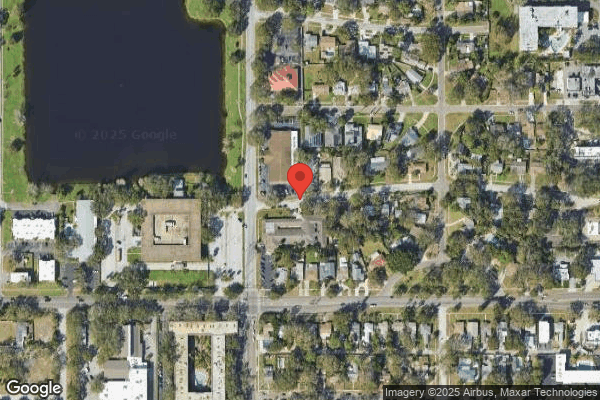
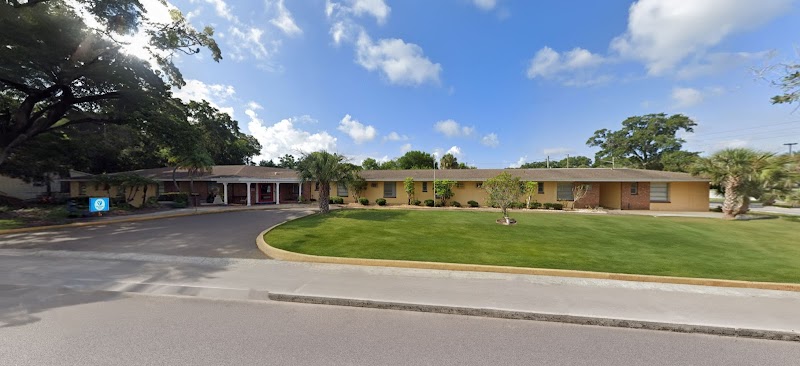
3636 10TH AVE N, SAINT PETERSBURG, FL 33713 (727) 323-3611
For profit - Limited Liability company 56 Beds BENJAMIN LANDA Data: November 2025
Trust Grade
40/100
#498 of 690 in FL
Last Inspection: May 2024

Within standard 12-15 month inspection cycle. Federal law requires annual inspections.

Overview

Golfview Nursing Center has a Trust Grade of D, which indicates below-average performance with some concerns about care quality. It ranks #498 out of 690 facilities in Florida, placing it in the bottom half, and #34 out of 64 in Pinellas County, meaning only a few local options are better. The facility's performance trend is stable, with 4 identified issues in both 2024 and 2025, including a serious incident where a resident was not permitted to return after a hospital stay. Staffing is a strength here, with a 4 out of 5 stars rating and a turnover rate of 42%, which suggests the staff is relatively stable and familiar with the residents. However, the facility has concerning fines totaling $72,370, indicating repeated compliance problems, and there were issues with food service safety and incomplete medical records, which could impact resident care.

Trust Score
D
40/100
In Florida
#498/690
Bottom 28%
Safety Record
Moderate
Needs review
Inspections
Holding Steady
4 → 4 violations
Staff Stability
○ Average
42% turnover. Near Florida's 48% average. Typical for the industry.
Penalties
✓ Good
$72,370 in fines. Lower than most Florida facilities. Relatively clean record.
Skilled Nurses
✓ Good
Each resident gets 52 minutes of Registered Nurse (RN) attention daily — more than average for Florida. RNs are trained to catch health problems early.
Violations
⚠ Watch
15 deficiencies on record. Higher than average. Multiple issues found across inspections.
★★☆☆☆
2.0
Overall Rating
★★★★☆
4.0
Staff Levels
★★☆☆☆
2.0
Care Quality
★★☆☆☆
2.0
Inspection Score
Stable
2024: 4 issues
2025: 4 issues

The Good

  • 4-Star Staffing Rating · Above-average nurse staffing levels
  • Full Sprinkler Coverage · Fire safety systems throughout facility
  • No fines on record
  • Staff turnover below average (42%)

    6 points below Florida average of 48%

Facility shows strength in staffing levels, fire safety.

The Bad

2-Star Overall Rating

Below Florida average (3.2)

Below average - review inspection findings carefully

Staff Turnover: 42%

Near Florida avg (46%)

Typical for the industry

Federal Fines: $72,370

Well above median ($33,413)

Moderate penalties - review what triggered them

Chain: BENJAMIN LANDA

Part of a multi-facility chain

Ask about local staffing decisions and management

The Ugly 15 deficiencies on record

1 actual harm
Jul 2025 1 deficiency 1 Harm
SERIOUS (G) 📢 Someone Reported This

A family member, employee, or ombudsman was alarmed enough to file a formal complaint

Actual Harm - a resident was hurt due to facility failures

Deficiency F0627 (Tag F0627)

A resident was harmed · This affected 1 resident

**NOTE- TERMS IN BRACKETS HAVE BEEN EDITED TO PROTECT CONFIDENTIALITY** Based on record review and interviews, the facility failed to permit a resident to return to the facility after a hospital stay ...

Read full inspector narrative →
**NOTE- TERMS IN BRACKETS HAVE BEEN EDITED TO PROTECT CONFIDENTIALITY** Based on record review and interviews, the facility failed to permit a resident to return to the facility after a hospital stay for one resident (#1) of three sampled residents reviewed for discharge process. Resident #1 was eligible for discharge from the hospital on [DATE] and as of 06/27/2025, the facility notified the hospital Resident #1 was not accepted back at the facility. Findings included:A review of Resident #1's admission Record revealed he was admitted to the facility on [DATE] and was discharged on 05/17/2025 to an acute care hospital. His medical diagnoses included, but not limited to schizoaffective disorder, bipolar type; unspecified diastolic (congestive) heart failure and atherosclerotic heart disease of native coronary artery with unspecified angina pectoris, and morbid obesity due to excessive calories.A review of a Brief Interview for Mental Status (BIMS), dated 03/26/2025, documented a score of 15, which meant the resident was cognitively intact.A review of Resident #1's care plan, initiated 04/20/2023, reflected a focus area: [Resident #1] wishes to Stay[sic] at this facility under long term care. The goal of the plan: The resident's discharge goals are LTC (Long Term Care). The interventions included: Encourage the resident to discuss feelings and concerns with impending discharge. Monitor for and address episodes of anxiety, fear, distress, initiated on 04/20/2023.A review of Resident #1's progress notes revealed the following: 05/17/2025 at 6:00 p.m.: Nurse reported to this writer that resident had a change in condition. This writer went to resident room. Resident noted to have vitals as followed . HR [heart rate] 117, O2 [oxygen] Sats [saturation] Fluctuating between 74-76% on 3 liters Via N/C [nasal cannula]. Temp [temperature] 99.4 Tympanic. Patient presented with altered mental status, noted to be confused and unable to follow simple commands due to concerning vitals and neurological presentation, 911 activated .05/17/2025 at 6:42 p.m.: hospitalized [DATE] at 6:51 p.m.: Call place to [Hospital], Admitting DX [diagnosis] Acute Hypoxic Respiratory Failure.Review of the facility's Midnight Census Report dated 7/1/25 and 7/2/25 revealed Resident #1 was not admitted back to the facility.Review of Resident #1's medical record did not reveal a 30-day notice of discharge was provided to Resident #1.An interview was conducted on 06/18/2025 at 11:26 a.m., with Staff E, Director of Nursing (DON). Regarding Resident #1, she stated the reason the resident was transferred to the hospital was respiratory distress. She confirmed the resident had been at the facility for three to four years. She confirmed the Nursing Home Transfer and Discharge Notice, dated 05/17/25, was the notice provided on 05/17/25 for the transfer to the hospital. She stated the resident had not come back. When asked if Resident #1 could come back, Staff E, DON said, Yes. When asked if there was any reason the facility would not take him back, Staff E, DON said, There was a discussion about safety due to his size. His weight is (### pounds). It took over an hour to complete his transfer to the hospital. It took three different transports to be able to transfer the resident due to his size and the type of equipment necessary. Staff E, DON stated, I just received paperwork today, (06/18/2025), the hospital is requesting the resident to come back. She stated this was the first paperwork from the hospital asking for a return. When asked if anyone had received any phone calls requesting the return of the resident, she stated she would have to talk to the Nursing Home Administrator (NHA). Most of the time, the case managers will talk with the NHA about a returning resident. An interview was conducted on 06/18/2025 at 1:44 p.m. with the NHA and Staff E, DON regarding Resident #1. The NHA stated the hospital had not called him, but the hospital had called Representative A, Hospital/Facility Liaison. The NHA stated he did not know when Representative A, Hospital/Facility admission Liaison was called or what the discussion was. The NHA stated, probably one week after the resident was admitted to the hospital, we had a discussion that the resident should come back. The NHA said he had not decided whether or not to take the resident back at the time. He said he did not know if Resident #1 was ready to come back. The NHA said, if the resident wanted to come back, he could come back. Staff E, DON stated she had received clinical paperwork that morning (06/18/2025).On 06/18/2025 at 10:12 a.m., Representative B, Local Hospital Supervising Care Coordinator, was interviewed by phone. He stated when an attempt to return Resident #1 back to the facility was made, the admissions coordinator flat out refused to take the resident back. Representative B, Local Hospital Supervising Care Coordinator stated Resident #1 was still in the hospital, he is alert and oriented. The hospital has been having a difficult time placing the resident. When asked if the facility had requested any additional information from the hospital about the resident's condition to make their determination on whether or not to take the resident back, he said no. The resident had no additional conditions.On 06/18/2025 at 2:10 p.m. Representative B, Local Hospital Supervising Care Coordinator, was interviewed again by phone. He stated Resident #1 was eligible for discharge on [DATE]. He stated one of his discharge planners had reached out to Representative A, Facility/Hospital admission Liaison, who had reportedly given the discharge planner a hard time. So Representative B, Local Hospital Supervising Care Coordinator called Representative A, Facility/Hospital admission Liaison and he told him No. When asked what the situation was, currently, for Resident #1, if the facility had agreed to take the resident back, he stated, we have a system where we can see if a referral has been accepted, no one has accepted the resident as of yet. He stated, it looks as if the facility reached out this morning for clinical paperwork, but no acceptance yet. A phone interview was conducted on 7/1/25 at 2:41p.m with Representative A, Facility/Hospital admission Liaison. He said he handles the admissions from the hospital to the nursing home. He said Resident #1 was hospitalized and quite a while ago the hospital was just keeping him abreast about Resident #1's status through their communication program. He said the hospital did request Resident #1 to be readmitted to the facility. He did not know when they made the request. Representative A, Facility/Hospital admission Liaison, said he told the hospital they would have to talk to the facility's administration because he does not handle readmissions. He said the facility's administration discusses readmissions and he is not involved in the discussion. Representative A, Facility/Hospital admission Liaison said he told the hospital last week sometime the facility would not be accepting Resident #1 back. He said he does not know why the facility didn't accept the resident back. He said he did not know where Resident #1 was at this time. A phone interview was conducted on 7/2/25 at 9:35AM with the NHA. He said Representative A, Facility/Hospital admission Liaison, is a third party contracted personnel who handles the admissions and the readmission back to the facility, the facility does not have an in-house admissions coordinator. The NHA said when a hospital requests a readmission the interdisciplinary team at the facility reviews the hospital documentation to see if the resident is safe for admission. He said Representative A, Facility/Hospital admission Liaison, is the person who informs the hospital of the decisions and the NHA said he includes Representative A, Facility/Hospital admission Liaison, as part of the interdisciplinary team who reviews the information provided. The NHA confirmed Resident #1 has not been re-admitted back to the facility because he has concerns about Resident #1's weight, although the resident has lost some weight while he's been in the hospital. The NHA said he has talked to the social worker at the hospital, and they said he still weighs over 600 pounds. The NHA said the facility still has not made the decision to accept Resident #1 back or not because of his weight. The NHA said he does not know if Resident #1 is ready for discharge from the hospital. The NHA said he started as the NHA on the day Resident #1 was sent out to the hospital, so he does not know how the facility was providing care to Resident #1 leading up to his discharge to the hospital.A phone interview was conducted on 7/2/25 at 12:11 p.m. with Resident #1. He said he was still at the hospital, but he is feeling better. Resident #1 was asked if he wanted to go back to the facility and he said, I can't go back to the facility because they won't take me back. He said he doesn't know why they won't take him back but it makes me feel bad. He said he never received a discharge notice from the facility. He said he has been ready for discharge for about a month now, but the hospital is having a problem finding a place for him because of his weight. He said the hospital is now looking for facilities outside of Florida. He said most of his family is in Florida. He said the staff at the facility were bringing him food from outside the facility, chicken, shrimp, oxtails, ice cream with caramel sauce. They were feeding my addiction, so I was getting bigger and bigger. Resident #1 said he has lost 65 pounds at the hospital because they put him on a concentrated carbohydrate diet. A phone interview was conducted on 7/2/25 at 12:25 PM with Representative C, Local Hospital's Case Manager. She said she was working on Resident #1's discharge back in May of 2025. She said she spoke to Representative A, Facility/Hospital admission Liaison. He was nasty to me. She said when she asked him if the facility was going to readmit Resident #1, he told me Yea well we're not. She asked what that meant and he told her No. She said her supervisor, Representative B, Local Hospital Supervising Care Coordinator, called Representative A, Facility/Hospital admission Liaison on 5/26/25 and wrote a note on 5/26/25 at 12:15 p.m. which said Consult to escalate. Patient is long term care of [Facility] since April of 2022. [Representative A, Facility/Hospital admission Liaison] is refusing, adamantly refusing, to accept the patient back. He said the patient was confused when he left the facility, so they called the POA [Power of Attorney] who refused to sign the bed hold so they do not have to take the patient back. [Representative A, Facility/Hospital admission Liaison] continues stating patient is bariatric, over 700 pounds, eats/orders whatever he wants, difficult to turn, has bed sores and no longer able to meet his needs. Since the POA refused to sign the bed hold he is under no obligation to take the patient back. [Representative A, Facility/Hospital admission Liaison] informed me no 30-day notice was provided but he is well within his right to refuse the patient because the bed hold was never signed. Representative C, Local Hospital's Case Manager said Resident #1 has lost a lot of weight since he has been at the hospital and as of today, he weighs 656 pounds and the day after he came into hospital, he was 709.5 pounds. She said Resident #1's discharge case has been escalated up to the complex discharge social worker at the hospital. A phone interview was conducted on 7/2/25 at 12:46PM with Representative D, Local Hospital Complex Discharge Social Worker. She said her job is to coordinate a discharge location for patients who are difficult to find a facility for. She said Representative B, Local Hospital Supervising Care Coordinator, reached out to Representative A, Facility/Hospital admission Liaison, on 5/26/25 to see if the facility was going to accept Resident #1 back and he said they were not going to accept Resident #1 back. She said within the last two weeks she had been talking to the NHA, and he said he has been fighting with the owner of the facility to readmit Resident #1. She said she followed up with the NHA daily and he kept saying he was working on it. Then, she was informed through the communication tab of the referral system on 6/27/25 the owner of the facility is not taking the patient back. Representative D, Local Hospital Complex Discharge Social Worker said since then she has not had communications with the facility. She requested 474 providers to review the referral to accept Resident #1 into their facility's, and they have all denied him. She said she is looking outside of the state of Florida now and she has not had any confirmations yet and Resident #1 is still at the hospital waiting for placement. A phone interview was conducted on 7/2/24 at 1:14 PM with Resident #1's Family. She said she does not have official Power of Attorney paperwork written up. She said she is just his next of kin for the facility. She said the facility called her when Resident #1 was being transferred out and they said he was having trouble breathing, and she asked how they were going to transfer him, and they said the fire department was handling it. She said the facility told her they would hold his bed for 24 hours and she could pay an additional fee to hold it longer, but she said she does not have access to Resident #1's funds so she told the facility she could not do that. She said she did not understand why he had not returned to the facility. An interview was conducted with Staff F, DON on 7/2/25 at 1:48p.m. She said she started working at the facility on Monday 6/30/25. She said she receives the admission request documentation, reviews the documents, and makes a determination whether or not the facility can meet the resident's needs. She said she has not been involved in a readmission request for Resident #1. She said she was just informed Resident #1 had not come back after he was transferred to the hospital. She said Resident #1 transferred to the hospital prior to her becoming the DON. She said she was made aware Resident #1 was a patient of the facility and from her understanding he remains their resident, and he should be brought back to the facility. She said for someone who is around 650 pounds, for a new patient, they would probably not accept that resident but since Resident #1 was their resident before they should accept him back into the facility and from what she had been told he gained weight while he was admitted at the facility. Staff F, DON said the facility can have a bed available for Resident #1 and they just need to come up with a plan to get the dietitian and physical therapy involved to help him lose weight and come up with a plan with the paramedic company if he needs transfer out. Review of the facility's policy Admission, Transfer & Discharge -Permitting Resident to Return to Facility, undated, revealed the following:Intent: It is the policy of the facility to permit the resident to return to facility [sic] according to state and federal regulations. PROCEDURE:1. A facility will establish and follow a written policy on permitting residents to return to the facility after they are hospitalized or placed on therapeutic leave. 2. The policy will provide for the following: a. A resident, whose hospitalization or therapeutic leave exceeds the bed-hold period under the State plan, returns to the facility to their previous room if available or immediately upon the first availability of a bed in a semi-private room if the resident: i. Requires the services provided by facility; and ii. Is eligible for Medicare skilled nursing facility services or Medicaid nursing facility services.b. If the facility that determines that a resident who was transferred with an expectation of returning to the facility, cannot return to the facility, the facility must comply with the requirement of paragraph (c) as they apply to discharges. When the facility to which a resident returns is a composite distinct part ., the resident must be permitted to return to an available bed in the particular location of the composite distinct part in which he or she resided previously. If a bed is not available in that location at the time of return, the resident must be given the option to return to that location upon the first availability of a bed there.
Mar 2025 3 deficiencies
CONCERN (D) 📢 Someone Reported This

A family member, employee, or ombudsman was alarmed enough to file a formal complaint

Potential for Harm - no one hurt, but risky conditions existed

Report Alleged Abuse (Tag F0609)

Could have caused harm · This affected 1 resident

**NOTE- TERMS IN BRACKETS HAVE BEEN EDITED TO PROTECT CONFIDENTIALITY** Based on record review and interview, the facility failed to ensure an allegation of abuse was reported within the two-hour time...

Read full inspector narrative →
**NOTE- TERMS IN BRACKETS HAVE BEEN EDITED TO PROTECT CONFIDENTIALITY** Based on record review and interview, the facility failed to ensure an allegation of abuse was reported within the two-hour time frame requirement, for one resident (#1) of three residents reviewed for abuse. Findings included: Review of a Psych note for Resident #1 dated 03/03/25 showed Resident #1 disclosed the CNA [Certified Nursing Assistant] grabbed my arm (pointing to her left hand) and wouldn't let go. [Resident #1] then points at the dressing on her skin tears on her left hand. There is a third on her left forearm, and when asked her if that was related to the incident, she first says no and then quickly said yes. Review of a Change of Condition dated 03/01/25 showed Situation: 1. Sustained x 3 skin tears (left hand x 2 and left forearm x 1)- combative with CNA - hitting and calling her names. This started on: 03/01/25. Under A 2. Resident/Patient Evaluation on Behavior Evaluation, 7. Physical aggression was check marked. An interview was conducted on 03/17/25 at 10:20 a.m. with Staff D, Certified Nursing Assistant (CNA). Staff D, CNA stated she recalled the incident between herself and Resident #1 which occurred on 03/01/25. Staff D, CNA stated Resident #1 had her call light on, so she stopped in Resident #1's room, during which she asked for her wheelchair to be moved away from in front of her television. Staff D, CNA said, I informed Resident #1 that I would be in to assist her with her morning ADL (activities of daily living) care next, after I finished assisting another resident whose care was already in progress. Staff D, CNA stated when she went back to Resident #1 and started to assist with her morning ADL, Resident #1 reached out and grabbed a handful of my shirt with the left hand and was hitting me with her right hand. Staff D, CNA stated that she immediately began screaming for help and asked her to stop hitting me. Staff D, CNA stated, she grabbed her arm to block her from hitting her, as she tried to pull herself from her grasp. Staff D, CNA stated Staff B, CNA, was the first person who came in to help, but by that time she had gotten away and moved herself away from the resident's reach. Staff D, CNA said, the second person who came in to help was Staff F, Registered Nurse (RN) and observed Resident #1 who was calling me a [racial expletive] and shaking her fist at me stating, I am going to kill them. Staff D, CNA stated she got suspended during the investigation. Staff D, CNA stated when there is an allegation of abuse staff are required to report it immediately. Review of the admission Record showed Resident #1 was admitted to the facility on [DATE] with diagnoses that included cerebral infarction due to occlusion or stenosis of small artery, cognitive communication deficit, dementia in other diseases classified elsewhere, adult failure to thrive and chronic pain syndrome. Review of Resident #1's care plan revised on 3/1/25, showed, Focus- The resident has self-neglect behaviors related to refusing care. Refusing ADL care. The goal showed, The resident will have no evidence of behavioral concerns (Racist Comments) by review date. Interventions included: Anticipate and meet the residents' needs, explain all procedures to the resident before starting and allow the resident (X minutes) to adjust to change, If reasonable, discuss the resident's behavior. Explain/reinforce why behavior is inappropriate and/or unacceptable to the resident. Review of the reportable log with the Nursing Home Administrator (NHA) dated 03/01/25 showed the facility reported an allegation of abuse between Resident #1 and Staff D, CNA on 03/01/25 at 4:30 p.m. The reportable showed the date and time the staff became aware of the allegation of abuse was on 03/01/25 at 10:30 a.m. An interview was attempted with Resident #1 on 03/17/25 at 10:30 a.m. Resident #1 stated she could not recall any incidents that occurred on 03/01/25. An interview was conducted on 03/17/25 at 10:42 a.m. with Resident #1's roommate who stated there was an incident that occurred between Resident #1 and Staff D, CNA, but she did not see anything because the curtain was pulled. This resident stated she was in the room at the time of the incident, and heard Staff D, CNA yelling for help and telling Resident #1, don't hit me. During an interview on 03/17/25 at 10:26 a.m. Staff B, CNA confirmed she was present during the day of the incident and heard Staff D, CNA screaming out for help. Staff B, CNA stated she ran down the hall to find where the yelling was coming from. She stated by the time she discovered where the yelling was coming from, she opened Resident #1's door and saw Staff D, CNA, standing at the foot of Resident #1's bed. During an interview on 03/17/25 at 3:02 p.m. Staff F, Registered Nurse (RN) stated on 03/01/25, Staff D, CNA came to her about 10:30 a.m. and stated Resident #1 was combative and had grabbed her and hit her. Staff F, RN stated she went directly to Resident #1 and completed assessments, notified the doctor and the family immediately. Staff F, RN stated she advised Staff D, CNA to write out a witness statement. Staff F, RN stated she notified the weekend nurse supervisor, Staff H, LPN about the incident. During an interview on 03/17/25 at 3:20 p.m. Staff H, License Practical Nurse (LPN)/Weekend Nursing Supervisor (WNS) stated she was notified by Staff F, RN Resident #1 had received a skin tear during care the morning of 03/01/25. Staff H, LPN stated sometimes skin tears do happen with care and didn't think anything of it. Staff H, LPN, stated later in the afternoon she interviewed Resident #1 and staff about how Resident #1 got the skin tears. Staff H, LPN, stated Resident #1 stated Staff D, CNA had grabbed my hands tightly during care and caused the skin tears. Staff H, LPN stated Resident #1 had two skin tears on her hand and then third skin tear on her forearm. Staff H, LPN stated once Resident #1 alleged abuse, she started the abuse reporting process. Staff H, LPN stated the abuse allegation was not reported immediately because she was not told details of the abuse allegation and had not investigated herself. During an interview on 03/17/25 at 3:30 p.m. the Director of Nursing (DON) stated she received a call on 03/01/25 around 2:30 p.m. and was informed Resident #1 had skin tears on her hand and arm. The DON stated she immediately called Staff H, LPN and told her to go interview Resident #1 and get witness statements. The DON stated that she would have been expected to have been notified about the incident when it occurred around 10:30 a.m. on 03/01/25 and not four hours later. An interview was conducted on 03/17/25 at 1:30 p.m. with the NHA. The NHA stated the DON reported the incident to her around 2:30 p.m. on 03/01/25, stating Resident #1 had skin tears and that a CNA had reported Resident #1 was combative with the staff. The NHA stated Staff H, LPN assessed the resident and found Resident #1 had skin tears on her hand. She stated Staff D, CNA was suspended pending investigation and the police and DCF (Department of Children and Services) were notified. The NHA stated Staff D, CNA's witness statement showed Resident #1 had grabbed the CNA and was hitting her. The NHA stated her findings did not find where Staff D, CNA intentionally set out to hurt Resident #1 as she was trying to get away from Resident #1 who was hitting her. The NHA stated the incident occurred on 03/01/25 at 10:30 a.m. and was not reported until 03/01/25 at 4:30 p.m. because she was not informed of the abuse allegation until a little after 2:00 p.m. The NHA stated Staff should have notified the DON and her earlier when the incident occurred. The NHA confirmed the allegation of abuse was reported 4 hours after the incident. Review of the facility's abuse education and in-service training showed the following in-service dated 02/13/25, Presenter: The Director of Nursing (DON) , Topic: Abuse, Neglect and Exploitation/Theft - It is the policy of the center that each resident has the right to be free from verbal, sexual, physical and mental abuse; corporal punishment; involuntary seclusion; mistreatment of any kind, exploitation and misappropriation of property. In addition, each resident will also be protected from those practices and omissions, which left unchecked, could lead to abuse. Further, each resident will be always treated with respect and dignity. The Center will foster an environment that recognizes the worth and uniqueness of all individuals with regards to person-centered care and to promote respect and set standards of care, Residents will not be subject to abuse by anyone, including but not limited to Center staff, other residents, consultants, volunteer staff, contract staff, family members, friends and others. 1: Definitions of abuse 2: Types of Abuse 3: If abuse witnessed or expressed report to abuse coordinator immediately. 4: Facility has a 2 our window to report the allegation 5: If abuse is reported all staff must complete a witness statement 6: Resident to Resident altercation also falls under guidelines 7: Ensure that the affected and all surroundings' residents are safe 8: Theft- definition 9: Misappropriation- definition 10: For any risk, please contact DON. Review of the facility's policy Prevention of Resident Abuse, Neglect, Mistreatment or Misappropriation of Property dated 08/22/22 showed Reporting/Documentation Requirements: If the event that causes the allegation involve abuse or results in serious bodily injury, the event must be reported immediately, but no later than 2 hours after the allegation is made. Upon suspecting abuse, neglect or exploitation of a resident, the following procedure is to be followed: 1. Immediately notify: a. Administrator b. Director of Nursing c. FL Only- Florida Abuse Hotline 1-800-96-ABUSE d. Center Risk Manager
CONCERN (D) 📢 Someone Reported This

A family member, employee, or ombudsman was alarmed enough to file a formal complaint

Potential for Harm - no one hurt, but risky conditions existed

Deficiency F0624 (Tag F0624)

Could have caused harm · This affected 1 resident

**NOTE- TERMS IN BRACKETS HAVE BEEN EDITED TO PROTECT CONFIDENTIALITY** Based on record review and interview, the facility failed to ensure a safe and orderly discharge from the facility for one resid...

Read full inspector narrative →
**NOTE- TERMS IN BRACKETS HAVE BEEN EDITED TO PROTECT CONFIDENTIALITY** Based on record review and interview, the facility failed to ensure a safe and orderly discharge from the facility for one resident (#2) of two residents reviewed for transfer and discharge rights. Findings included: Review of Resident #2's admission Care Plan dated 12/04/24 showed the following focus and intervention areas, Resident #2, wishes to return back into the community when medically cleared. The goal showed, The resident will be able to verbalize/communicate required assistance post-discharge and services required to meet the needs before discharge. Interventions included to establish a pre-discharge plan with the resident/resident's representative/caregivers and evaluate progress and revise the plan frequently, and to evaluate the resident's motivation to return to the community. Review of Resident #2's medical record revealed the resident's discharge plan was not evaluated and her wish to return to the community when medically cleared was not honored. Resident #2's involuntary hospital transfer was rescinded on 12/13/24 and the facility did not document any attempts to ensure a safe and orderly transfer. Resident #2 remained in the hospital awaiting an appropriate discharge location for an additional 17 days. Review of record showed Resident #2's bed hold agreement was not honored and there was no documentation related to the cause. Review of a social services progress note dated 12/10/2024 showed, Spoke with the patient's [family member] regarding discharge planning. The family member stated the patient will discharge home with [them]. The family member was also educated on safe discharges, all questions and concerns were answered. Review of Resident #2's admission Record showed an admission date of 12/04/2024 with diagnoses included but not limited to, Post Traumatic Stress Disorder (PTSD), Conversion disorder (a mental health condition where psychological distress manifests aa physical symptoms that cannot be explained by a medical condition) with seizures or convulsions, Depression, Schizophrenia, Anxiety, Bipolar disorder, Insomnia, Altered mental status unspecified, Contusion to left eyelid and periocular area and Encounter for general psychiatric examination requested by authority. Review of a Bed-Hold Agreement for Resident #2 dated 12/24/24 showed, I [family member name], the representative of [Resident #2] hereby request that the facility hold his/her bed space while he/she is absent from the facility. I understand that I will be responsible for payment of the basic per diem rate. I understand the basic per diem rate is $261 per day, for maximum number of 8 days. The agreement signed by Staff F, RN showed wants bed hold per [family member]. Further review of Resident #2's record did not show documentation rescinding the agreement. Review of the Nursing Home Transfer and Discharge Notice for Resident #2 dated 12/12/24 revealed an incomplete document without signatures from the resident, resident representative and physician. The only signature was for Staff F, RN, signing on behalf of the NHA/designee, revealing Your needs cannot be met at this facility. The brief explanation showed , [involuntary hospitalization]. Review of Resident #2's Preadmission Screening and Resident Review (PASRR) Level II Determination Summary Report dated 12/03/2024 initiated at a local hospital showed Resident #2 had a psychiatric evaluation completed on 11/14/2024 after status post an involuntary hospitalization for worsening agitation and behavioral outbursts. The review showed on 12/03/2024, Resident was deemed not necessary for the need for acute inpatient psychiatric care and recommendations were made for rehabilitative services of a lesser intensity than specialized services added to the patient's Comprehensive Person-Centered Nursing Care Plan to include: psychiatric medication management, individual therapy if cognition permits and supportive counseling. Review of Resident #2's physician order review report dated 3/17/25 showed orders for psychiatry and psychology services as needed, effective 12/06/24. Review of a minimum data set (MDS) for Resident #2 dated 12/12/24 showed the resident was unable to complete a Brief Interview for Mental Status (BIMS) assessment. The mental assessment revealed the resident had a memory problem and was moderately impaired - decisions poor, cues and supervision required. Review of an Occupational Therapy evaluation and plan of treatment note, certified period 12/6/24 -1/3/25 showed, transition/discharge plan was for patient to return to ALF (Assisted Living Facility). Under reason for therapy, the assessment summary showed a goal to, . facilitate independence with ADLs (activities of daily living) in order to facilitate ability to live in an environment with least amount of supervision and assistance, be able to return to prior level of living, facilitate follow- through with techniques and strategies and facilitate safe transition to next level of care. Under complexities, barriers likely to impact discharge to next level showed, None noted. Review of Resident #2's psychiatric evaluation note dated 12/10/2024 showed the following: Patient is a [AGE] year-old female with history of schizoaffective disorder bipolar type, anxiety, borderline personality disorder, and PTSD being seen by psychiatry for initial psychiatric evaluation. She was recently admitted to the hospital for altered mental status with change in behavior, throwing herself on the floor and banging her head with aggressive behavior. She was placed under an involuntary hospitalization. She was treated for acute psychosis and once stabilized was admitted to [name of facility] nursing center on 12/04/2024 for continuance of care. During evaluation, patient was pleasant and cooperative throughout the interview.She denies any current suicidal or homicidal ideation, plan, or intent . Patient's nurse reports that she has been compliant with her medications this morning thus far and staff has not observed her with any psychotic features including hallucinations, delusions, self-dialogue, and paranoia. Review of Resident #2's Medication Administration Record (MAR) for the month of December 2024 showed the resident was compliant with her medication with no entries for the resident refusing her medications. On 3/17/2025 at 2:05 p.m., a telephone interview was conducted with Staff L, Case Manager at the local hospital where Resident #2 was admitted . Staff L stated Resident #2 was admitted on [DATE] through the emergency department secondary to an involuntary hospitalization initiated by the facility. Staff L read from the resident's medical record and stated, the resident was seen by the emergency department physician and noted with no behaviors. Staff L stated the resident was seen by psychiatry services via telehealth on 12/13/2024 at 9:46 a.m. and deemed okay to return to the facility. Staff L stated the involuntary hospitalization was rescinded. Staff L stated while in the emergency department, the resident was noted with no behavior issues. Staff L stated, according to the resident's hospital medical record, a call was placed to the facility's administrator on 12/13/2024 at 10:00 a.m. informing her the involuntary hospitalization was rescinded, and the resident was good to discharge back to her facility. Staff L reading the medical records stated, the NHA stated the resident was not welcomed back after assaulting her nurse and throwing furniture. Staff L stated there were numerous attempts to contact the facility but return calls were never received. Staff L stated Resident #2 was eventually discharged to another local long term nursing home facility on 12/30/2024. On 3/17/2025 at 5:20 p.m., an interview was conducted with Staff E, RN. Staff E, RN stated she had a resident currently with aggressive behaviors and was assigned 1:1 supervision. Staff E, RN stated this other resident was aggressive towards staff and would wander into other residents' rooms. Staff E confirmed the facility had other residents with aggressive behaviors, including refusing Haldol injections and were not placed under involuntary hospitalizations. Staff E stated residents with such behaviors are placed on 1:1 supervision and are followed closely by psych. Review of Resident #2's psychiatric evaluation note dated 12/11/2024 showed the following, [Resident #2 said I feel sad and anxious, I do not know why. I want to get out of here and live with my [family member] Under patients strengths, the assessment showed, can benefit from structured care. Review of Resident #2's psychiatric evaluation note dated 12/11/2024 signed at 8:48 a.m. by the psychiatric provider showed a treatment plan with recommendations as follows: 5. Nursing staff is to monitor patient for changes in mood and behavior and contact psychiatry if patient begins to exhibit any signs of depression, anxiety, or behaviors. Nursing staff was advised to continue to document behaviors appropriately. 6. Case was discussed today with nursing staff who will assist with implementing the plan of care. 7. Goals of treatment include: remission of psychiatry symptoms and behavioral disturbances using lowest effective dose of medication, minimizing SE (side effects) and promptly detecting and addressing any psychotropic medication complications. 8. Gradual dose reduction is not recommended at this time as patient's baseline behavior is still being determined and she is noted with agitation and breakthrough symptoms. Gradual dose reduction is likely to cause a decompensation in patient's mental status. 9. Follow -up in 1 to 2 weeks or sooner if needed. On 3/17/2025 at 1:28 p.m., an interview was conducted with the Nursing Home Administrator (NHA). The NHA stated in general the AHCA (Agency for Health Care Administration) transfer form is provided to a resident or the family/POA (power of attorney). She stated if they are not present, they obtain consent via phone. She stated if they were to discharge a resident, a 30 - day discharge notice is issued. The NHA stated, we have all parties sign discharge paperwork usually for those that are getting discharged , including transfer to hospital. The NHA stated if a bed was available they would return to whatever bed is available. She stated they try to pack up their belongings and try to keep in touch with the hospital and hopefully the resident can go back to the same bed upon returning. Review of an undated facility policy and procedure titled, Admission, Transfer and Discharge - Notice requirements before Transfer/Discharge showed an intent statement: It is the policy of the facility to notify the resident and or their legal guardian of the transfer and or discharge before the transfer or discharge occurs in accordance with state and Federal regulations. The procedure showed: 2. The facility will provide sufficient preparation and orientation to residents to ensure safe and orderly transfer and or discharge from the facility. 3. If the information in the notice changes prior to effecting the transfer or discharge, the facility will update the recipients of the notice as soon as practicable once the updated information becomes available.
CONCERN (D) 📢 Someone Reported This

A family member, employee, or ombudsman was alarmed enough to file a formal complaint

Potential for Harm - no one hurt, but risky conditions existed

Safe Transfer (Tag F0626)

Could have caused harm · This affected 1 resident

**NOTE- TERMS IN BRACKETS HAVE BEEN EDITED TO PROTECT CONFIDENTIALITY** Based on interview and record review, the facility failed to permit readmission from the hospital for one resident (#2) of two r...

Read full inspector narrative →
**NOTE- TERMS IN BRACKETS HAVE BEEN EDITED TO PROTECT CONFIDENTIALITY** Based on interview and record review, the facility failed to permit readmission from the hospital for one resident (#2) of two residents reviewed for transfer and discharge rights. Findings included: Review of the facility's policy and procedure titled, Admission, Transfer and Discharge- Transfer and Discharge Requirements showed an intent statement: It is the policy of the facility to ensure residents are treated equally regarding transfer, discharge, and the provision of services, regardless of their payment source in accordance with state and federal regulations. On 3/17/2025 at 2:05 p.m., a telephone interview was conducted with Staff L, Case Manager at the local hospital where Resident #2 was admitted . Staff L stated Resident #2 was admitted on [DATE] through the emergency department secondary to an involuntary hospitalization initiated by the facility. Staff L read from the resident's medical record and stated, the resident was seen by the emergency department physician and noted with no behaviors. Staff L stated the resident was seen by psychiatry services via telehealth on 12/13/2024 at 9:46 a.m. and deemed okay to return to the facility. Staff L stated the involuntary hospitalization was rescinded. Staff L stated while in the emergency department, the resident was noted with no behavior issues. Staff L stated, according to the resident's hospital medical record, a call was placed to the facility's administrator on 12/13/2024 at 10:00 a.m. informing her the involuntary hospitalization was rescinded, and the resident was good to discharge back to her facility. Staff L reading the medical records stated, the NHA stated the resident was not welcomed back after assaulting her nurse and throwing furniture. Staff L stated there were numerous attempts to contact the facility but return calls were never received. Staff L stated Resident #2 was eventually discharged to another local long term nursing home facility on 12/30/2024. Review of Resident #2's admission Record showed an admission date of 12/04/2024 with diagnoses included but not limited to, Post Traumatic Stress Disorder (PTSD), Conversion disorder (a mental health condition where psychological distress manifests as physical symptoms that cannot be explained by a medical condition) with seizures or convulsions, Depression, Schizophrenia, Anxiety, Bipolar disorder, Insomnia, Altered mental status unspecified, Contusion to left eyelid and periocular area and Encounter for general psychiatric examination requested by authority. Review of Resident #2's Preadmission Screening and Resident Review (PASRR) Level II Determination Summary Report dated 12/03/2024 initiated at a local hospital showed Resident #2 had a psychiatric evaluation completed on 11/14/2024 after status post an involuntary hospitalization for worsening agitation and behavioral outbursts. The review showed on 12/03/2024, Resident was deemed not necessary for the need for acute inpatient psychiatric care and recommendations were made for rehabilitative services of a lesser intensity than specialized services added to the patient's Comprehensive Person-Centered Nursing Care Plan to include: psychiatric medication management, individual therapy if cognition permits and supportive counseling. Review of Resident #2's physician order review report dated 3/17/25 showed orders for psychiatry and psychology services as needed, effective 12/06/24. Review of a minimum data set (MDS) for Resident #2 dated 12/12/24 showed the resident was unable to complete a Brief Interview for Mental Status (BIMS) assessment. The mental assessment revealed the resident had a memory problem and was moderately impaired - decisions poor, cues and supervision required. Review of Resident #2's admission Care Plan dated 12/04/24 showed the following focus and intervention areas, Resident #2 is placed under an involuntary hospitalization. Interventions included allowing the resident to make decisions about treatment regime, to provide a sense of control, educate the resident to voice out feelings of harming self and others/suicidal ideation and encourage as much participation/interaction by the resident as possible during care activities. A second focus in the same care plan showed Resident #2, wishes to return back into the community when medically cleared. The goal showed, The resident will be able to verbalize/communicate required assistance post-discharge and services required to meet the needs before discharge. Interventions included to establish a pre-discharge plan with the resident/resident's representative/caregivers and evaluate progress and revise the plan frequently, and to evaluate the resident's motivation to return to the community. Review of Resident #2's psychiatric evaluation note dated 12/10/2024 showed the following: Patient is a [AGE] year-old female with history of schizoaffective disorder bipolar type, anxiety, borderline personality disorder, and PTSD being seen by psychiatry for initial psychiatric evaluation. She was recently admitted to the hospital for altered mental status with change in behavior, throwing herself on the floor and banging her head with aggressive behavior. She was placed under an involuntary hospitalization. She was treated for acute psychosis and once stabilized was admitted to [name of facility] nursing center on 12/04/2024 for continuance of care. During evaluation, patient was pleasant and cooperative throughout the interview.She denies any current suicidal or homicidal ideation, plan, or intent . Patient's nurse reports that she has been compliant with her medications this morning thus far and staff has not observed her with any psychotic features including hallucinations, delusions, self-dialogue, and paranoia. Review of Resident #2's Medication Administration Record (MAR) for the month of December 2024 showed the resident was compliant with her medication with no entries for the resident refusing her medications. Review of Resident #2's progress note dated 12/12/2024 at 12:47 p.m. by Staff F, Registered Nurse (RN) showed, Resident is physically aggressive towards nursing staff, hit nurse in the back despite giving as needed intramuscular Haldol, which was given at 11:45 a.m. due to resident yelling, I want to get out of here and being agitated and knocked over table on smoking patio, punching walls, and threw a remote control, was not redirectable and is likely to further injure staff and other residents. The involuntary hospitalization was initiated by the psychiatric provider after speaking with the resident on phone/video. Police and emergency medical transport were called, and the resident was taken to a local hospital. Family member agreed to hold bed. Review of the Nursing Home Transfer and Discharge Notice for Resident #2 dated 12/12/24 revealed an incomplete document without signatures from the resident, resident representative and physician. The only signature was for Staff F, RN, signing on behalf of the NHA/designee, revealing Your needs cannot be met in this facility. The brief expanation showed, [involuntary hospitalization]. Review of a Bed-Hold Agreement for Resident #2 dated 12/24/24 showed, I [family member name], the representative of [Resident #2] hereby request that the facility hold his/her bed space while he/she is absent from the facility. I understand that I will be responsible for payment of the basic per diem rate. I understand the basic per diem rate is $261 per day, for maximum number of 8 days. The agreement signed by Staff F, RN showed wants bed hold per [family member]. Further review of Resident #2's record did not show documentation rescinding the agreement. On 3/17/2025 at 5:20 p.m., an interview was conducted with Staff E, RN. Staff E, RN stated she had a resident currently with aggressive behaviors and was assigned 1:1 supervision. Staff E, RN stated this other resident was aggressive towards staff and would wander into other residents' rooms. Staff E confirmed the facility had other residents with aggressive behaviors, including refusing Haldol injections and were not placed under involuntary hospitalizations. Staff E stated residents with such behaviors are placed on 1:1 supervision and are followed closely by psych. On 3/17/2025 at 1:28 p.m., an interview was conducted with the Nursing Home Administrator (NHA). The NHA stated Resident #2 was placed under an involuntary hospitalization on 12/12/2024 for escalating behavior both physically and verbally towards the staff. The NHA stated she received a phone call on the morning of 12/13/2024 from the local hospital stating the resident's involuntary hospitalization had been rescinded and could return to their facility. The NHA stated she had tried to communicate her concern for the resident's short stay at the hospital and wondered how the resident could be better in less than twenty-four hours. The NHA stated she spoke to a case manager but could not recall who she spoke to but stated it was someone in the emergency department because the resident was still in the emergency department. The NHA stated she did not receive any further calls from the hospital, and she assumed Resident #2 went with her family member. The NHA stated she could not confirm if she had reached out to the resident's family member. The NHA stated she had asked the hospital for evidence to prove the resident was safe to return and as far as she could recall, the hospital never called her back.
Nov 2024 1 deficiency
CONCERN (D) 📢 Someone Reported This

A family member, employee, or ombudsman was alarmed enough to file a formal complaint

Potential for Harm - no one hurt, but risky conditions existed

Deficiency F0675 (Tag F0675)

Could have caused harm · This affected 1 resident

**NOTE- TERMS IN BRACKETS HAVE BEEN EDITED TO PROTECT CONFIDENTIALITY** Based on observations, interviews, and record reviews, the facility failed to preserve the quality of life related to therapy se...

Read full inspector narrative →
**NOTE- TERMS IN BRACKETS HAVE BEEN EDITED TO PROTECT CONFIDENTIALITY** Based on observations, interviews, and record reviews, the facility failed to preserve the quality of life related to therapy services for one (#6) out of 6 sampled residents. Findings included: Review of Resident #6's admission Record revealed she was admitted to the facility on [DATE] with medical diagnoses of adjustment disorder with anxiety, chronic pain, spinal stenosis, lower back pain, edema, chronic pain syndrome, obesity, and bed confinement status. The resident also had a diagnosis of patient's noncompliance with other medical treatment and regimen due to unspecified reason with an onset date of 9/1/24. An interview was conducted on 11/19/24 at 4:45 PM with Resident #6. She said she wanted to have therapy so she could gain strength to be able to sit on the side of her bed and in her wheelchair again. She said she used to be able to sit in her wheelchair but now she just laid in bed all day, every day. She said it had been over a year since she had therapy and the last time she had therapy she was provided with therapy three times a week. She said she was able to have a Certified Nursing Assistant (CNA) help her roll over and sit up on the side of the bed and transfer into her wheelchair and she could move around her room in her wheelchair. She said the CNAs were supposed to keep working with her, but they had not helped, and she could not get anyone to help her with therapy. She said she told the Director of Nursing (DON) she wanted occupational therapy, and she said she would let them know to come look at her, but therapy never came. She said she had asked many times to have therapy again and they would not give her therapy, and she did not know why. Review of Resident #6's quarterly Minimum Data Set (MDS) with an assessment reference date (ARD) of 9/13/24, Section C - Cognitive Patterns, revealed a brief interview for mental status (BIMS) score of 15 out of 15 which indicated she was cognitively intact. A phone interview was conducted on 11/19/24 at 4:50 PM with the Director of Therapy. She said they performed an occupational therapy screen on Resident #6 about a month ago and the resident wanted to have one person assist with perineal care, but she needed three-person maximum assistance for care. She said the resident would not use the full body mechanical lift machine because her back hurt her. The only way they could provide therapy services was if she used the full body mechanical lift to get into her wheelchair so they could assess her sitting tolerance in the wheelchair in the therapy gym. The Director of Therapy said since she would not use the full body lift, therapy could not work with her. She said Resident #6 was on therapy services about a year ago and she met her goals. She was discharged to the function maintenance program where the CNA's work on exercises to maintain her level of function. An interview was conducted with Resident #6 on 11/19/24 at 4:59 PM. She said all she wanted to do was exercise to get stronger so she could sit on the side of the bed and get into her wheelchair. She did confirm she could not use the full body mechanical lift because it hurt her back and the last time they used it on her she ended up at the hospital needing three shots of morphine. She said if she got therapy, the staff could assist in the transfer to the wheelchair without needing the full body mechanical lift. An interview was conducted with the Director of Nursing (DON and Staff A, Registered Nurse (RN) on 11/19/24 at 5:10 PM. Staff A, RN said she took care of Resident #6 and confirmed the resident had been asking for therapy services several times and she was not sure why she had not received therapy. The DON said she started working at the facility in August of 2024 and Resident #6 said she wanted to receive occupational therapy services, so she put in a therapy referral for them to screen the resident. The DON said when she gave therapy the screening consult the therapy department told the DON Resident #6 would not participate. The DON said she told the therapy department they still had to screen the resident because she could have a decline. The DON said she questioned therapy if they had screened the resident because the resident was still not on therapy services. The DON was told she was being argumentative about getting the resident therapy and the DON said she was just trying to help the resident. The DON also said the facility did not have a restorative program, it is called something else but the CNAs should be doing exercises with the resident when they go in to do care. An interview was conducted with the Nursing Home Administrator (NHA) on 11/19/24 at 5:51 PM. She said it looked like Resident #6 was screened several times but never picked up by therapy services because of lack of motivation. That's just what the therapist documented. The NHA said she was not sure how the resident was not motivated if she had not been picked up for therapy services. They said she has met her therapy potential. Review of Resident #6's physician orders revealed a physician order with a start date of 7/21/23 and an end date on 7/21/23 for Skilled PT (Physical Therapy) to evaluate and treat as indicated, a physician order with a start date of 7/21/23 and an end date of 11/24/23 for Skilled PT services POC [plan of care] to treat 12 times per 30 days with therapeutic exercises, therapeutic activity, gait training, and wheelchair management training, and a physician's order with a revision date of 8/17/23 and an end date of 11/24/23 for PT Clarification/recertification: To continue skilled PT services POC to treat 12 times per 30 days with therapeutic exercises, therapeutic activity, wheelchair management and gait training. Review of Resident #6's Physical Therapy PT Evaluation & Plan of Treatment dated 1/10/23 revealed the following under Patient Referral and History: Current Referral: Reason for Referral/Current Illness: pt.[patient] is a 74 yo [year old] female referred to skill PT secondary to recent hospitalization on 1/10/23 s/p [status post] hysterectomy and suspected decline in level of independence with functional mobility At PLOF [prior level of function], pt. required SBA [stand by assistance] for bed mobility and total assist/[sit to stand mechanical lift] for stand pivot transfers. Pt. reports she is in too much pain to participate with skilled PT at this time and does not wish to participate. Pt. will continue use of [sit to stand mechanical lift] with staff for transfers and use of manual w/c [wheelchair]. Prior Equipment: Equipment Prior to Onset: manual w/c, [sit to standing position mechanical lift] transfers. Prior Level(s) of Function: PLOF: Roll left and right = supervision or touching assistance; Sit to lying = supervision or touching assistance; Lying to sitting on side of bed = supervision or touching assistance; Sit to stand = dependent; Chair/bed to chair transfer = dependent; Toilet transfer = not applicable. Review of Resident #6's Physical Therapy PT Evaluation & Plan of Treatment also revealed the following under Functional Mobility Assessment: Bed mobility: Roll left and right = dependent; Sit to lying = dependent; Lying to sitting on side of bed = Dependent Transfers: Sit to stand = dependent; Chair/bed-to-chair transfer= Dependent Review of Resident #6's Physical Therapy Treatment Encounter Notes dated 1/10/23 revealed under the section Response to TX (Treatment), Response to Session interventions: unwilling to participate and requires total assist with functional mobility. Review of Resident #6's Occupational Therapy Evaluation & Plan of Treatment dated 10/15/24 revealed the following under Patient Referral and History: Current Referral: Reason for Referral/Current Illness: Patient is a [AGE] year-old female referred to Occupational Therapy Services from nursing secondary to noted motivation and improved rehab potential. At this time, patient demonstrates decreased motivation to perform consistency with OOB [out of bed] activities impacting rehab potential and progress with therapy services. Prior Level(s) of Functioning: PLOF: .Patient is Max x 2/Max A for functional mobility and uses [Full body mechanical lift] for functional transfers. Able to perform most UB [upper body] ADL [activities of daily living] tasks. Review of Resident #6's Occupational Therapy Evaluation & Plan of Treatment also revealed the following under Other System/Condition Assessment: Pain: Patient has pain that interferes/limits functional activity? = No. Review of Resident #6's Occupational Therapy Treatment Encounter Notes dated 10/15/24 revealed the following under Summary of Daily Skilled Services: Evaluation: Patient presents with impairments in balance, mobility and strength resulting in limitations and/or participation restrictions in the areas of self-care, mobility and general tasks and demands, however at this time, patient does not require OT services due to decreased motivation to perform OOB activities and maximize rehab potential. Review of Resident #6's care plan, undated, revealed The resident has limited physical mobility r/t [related to] Weakness. The goal revealed The resident will remain free of complications related to immobility, including contractures, thrombus formation, skin-breakdown, fall related injury through the next review date. The interventions revealed Locomotion: The resident is totally dependent on (x 1) staff for locomotion using (wheelchair with leg rest). For locomotion on/off the unit. Locomotion: the resident uses (assistive device: wheelchair) for locomotion. Monitor/document/report PRN [as needed] any s/sx [signs/symptoms] of immobility: contractures forming or worsening, thrombus formation, skin-breakdown, fall related injury. Provide supportive care, assistance with mobility as needed. Document assistance as needed. Review of the facility policy titled Quality of Care - Specialized Rehabilitative and Restorative Services, undated, revealed under Intent: It is the intent of the facility to provide Specialized Rehabilitative and Restorative Services in accordance with State and Federal regulations. The policy also revealed the following under Procedure: 1. The facility will provide specialized rehabilitative services such as, but not limited to physical therapy, speech language pathology, occupational therapy, respiratory therapy, and rehabilitative services for mental illness and intellectual disability or services of a lesser intensity ., are required in the resident's comprehensive plan of care. 2. The facility will: a. Provide the required services; or b. In accordance with 483.70(g), obtain the required services from an outside resource that is a provider of specialized rehabilitative services and is not excluded from participating in any federal or state health care programs pursuant to section 1128 and 1156 of the Act. 3. The facility will ensure that specialized rehabilitative services are provide under the written order of a physician by qualified personnel. 4. The facility will provide restorative services such as but not limited to walking, transfer training, bowel and or bladder training, bed mobility, Range of Motion (ROM), Splint and brace, eating and/or swallowing, amputation/prostheses care and communication. When necessary, as indicated by the assessment of the interdisciplinary team.
May 2024 3 deficiencies
CONCERN (D)

Potential for Harm - no one hurt, but risky conditions existed

Deficiency F0573 (Tag F0573)

Could have caused harm · This affected 1 resident

Based on interviews, record review, and facility policy review, the facility failed to obtain copies of a portion of a medical record requested for one (#98) of nineteen sampled residents. The findin...

Read full inspector narrative →
Based on interviews, record review, and facility policy review, the facility failed to obtain copies of a portion of a medical record requested for one (#98) of nineteen sampled residents. The findings included: Review of a subpoena dated 1/29/2024, addressed to the facility with the Administrator's name revealed the facility was to deliver copies of medical treatment records, billing statements, and Power of Attorney documentation for Resident #98 for the time period of 8/1/2022 to current by 2/28/2024. On 5/15/24 at 5:27 PM, the Medical Records Director (MRD) reported that the facility changed to a new electronic medical record system in April of 2023. The MRD reported that the facility responded to the subpoena but was unable to provide documents prior to 4/31/2023. The MRD stated the party requesting the records was not informed that records from 2022 to 4/31/23 were not present in the medical records that were provided. The MRD reported that the Nursing Home Administrator (NHA) who was working when the request was received had sent an email to the corporate office about the inability to access medical records prior to 4/31/2023. The MRD confirmed that the facility was still without access to any residents electronic medical records prior to 4/31/23. A review of documentation revealed the NHA sent an email to several parties within the nursing home corporation on 2/9/24. The NHA stated the facility had changed to a different electronic medical record system on 5/1/2023, but they could no longer access any records from the old system due to lack of payment. The NHA informed the parties on the email that the facility had a medical record request for Resident #98, which could not be fulfilled due to the inability to access these records. On 3/14/24, the NHA inquired about any updates to allow for access to the old medical record system. A party from the corporation responded stating they had requested a look up agreement. No additional documentation related to access to the previous medical record system was provided. A review of facility policy Administration-Record Retention undated, showed it was the facility's policy to maintain medical records for a period of 7 years from the date of discharge or a period outlined by payer contracts, whichever is longer. A review of facility policy Administration-Medical Records, undated, showed the facility will retain medical records in accordance with State and Federal regulations.
CONCERN (E)

Potential for Harm - no one hurt, but risky conditions existed

Food Safety (Tag F0812)

Could have caused harm · This affected multiple residents

Based on observation and interview, the facility failed to store, prepare, distribute and serve food in accordance with professional standards for food service safety that included: proper storage and...

Read full inspector narrative →
Based on observation and interview, the facility failed to store, prepare, distribute and serve food in accordance with professional standards for food service safety that included: proper storage and labeling in the upright freezer, proper cleanliness and temperature of the walk-in cooler, and proper cleanliness and labeling of one (Station #2) of two nourishment refrigerators. This had the potential to affect 47 residents receiving food service from the kitchen. The findings included: On 05/14/24 at approximately 09:00 AM, an initial tour of the kitchen revealed the upright freezer had several open bags of vegetables in the freezer door with no date. One of the bags was observed to be punctured. Additional bags of frozen food items were also undated on the shelves. Interview at the time of observation with the Dietary Manager revealed it was difficult to place dates on packages because the stickers come off and marker does not adhere to cold wet bags. Observation of the walk-in cooler revealed a liquid puddle was present on the floor next to a crate containing bags of onions. When the crate was moved, liquid and food debris were observed under the crate and storage shelves Interview at the time of observation with the Dietary Manager revealed she was unaware of the area prior to the observation. She stated she would clean it and have maintenance check for the source. Observation on 05/14/24 at 5:32 PM revealed the walk in cooler still contained liquid and debris on the floor where the crate was observed approximately 8 hours earlier. The Dietary Manager confirmed she had not cleaned the area observed during the initial tour. Observation of the thermometer in the walk-in cooler revealed the temperature was 52 degrees Fahrenheit. On 05/15/24 at 10:40 AM, the walk-in cooler was observed with a thermometer reading of 36 degrees Fahrenheit. Interview with the contracted Registered Dietitian present during the observation revealed all food was inspected and thrown away if there was a potential safety issue to include all eggs and dairy products. Observation of the contents of the walk in cooler revealed the bulk of items was fresh produce. The food debris from the previous day had been removed. 05/16/24 at 09:00 AM, observation of Station #2's nourishment refrigerator revealed a take-out container dated 5/12/24 with a resident's last name. A covered bowl of mashed potatoes and gravy with no date or name. The freezer contained frost and an open frozen bottle of soda. Food debris in both the refrigerator and freezer was observed. On 05/16/24 at 09:50 AM, the Dietary Manager reported the nurses were responsible for cleaning of nourishment room refrigerators, and the Director of Nursing reported this was dietary's responsibility. On 05/16/24 at 10:12 AM , a telephone interview with the contracted Registered Dietician revealed there was no facility policy specific to cleaning of nourishment refrigerators. The Registered Dietitian reported this would fall under the Dietary/Kitchen Policy for maintenance and cleaning of dietary equipment. She stated a separate policy was not needed and this task would be added to the cleaning schedule. Photographic evidence was obtained.
CONCERN (F)

Potential for Harm - no one hurt, but risky conditions existed

Medical Records (Tag F0842)

Could have caused harm · This affected most or all residents

Based on interview, record review, and facility policy review, the facility failed to maintain complete medical records for 24 current residents out of a total resident census of 47. The findings inc...

Read full inspector narrative →
Based on interview, record review, and facility policy review, the facility failed to maintain complete medical records for 24 current residents out of a total resident census of 47. The findings included: On 5/14/24 at 3:00 PM, a beneficiary notice was requested for Resident # 21. On 5/15/24 at 10:07 AM, the Interim Nursing Home Administrator (NHA) stated the facility could not provide Resident #21's beneficiary notice because the facility did not have access to the resident's full medical record. The Interim NHA stated the facility did not have access to the previous electronic medical record system used by the facility, which is where this document would be held. On 5/15/24 at 5:27 PM, the Medical Records Director (MRD) stated the facility began using a new electronic medical record system in May 2023. The MRD stated the facility did not have access to any residents' medical records prior to 4/31/2023. A review of the current census revealed 24 of 47 current residents were admitted to the facility prior to 4/31/2023. A review of the facility's undated policy titled Administration-Record Retention revealed medical records will be retained for a period of 7 years from the date of discharge or period outlined by payer contracts, whichever is longer. A review of the facility's undated policy titled Administration-Medical Records revealed the facility will retain medical records in accordance with State and Federal regulations.
Jul 2022 5 deficiencies
CONCERN (D)

Potential for Harm - no one hurt, but risky conditions existed

Transfer Notice (Tag F0623)

Could have caused harm · This affected 1 resident

**NOTE- TERMS IN BRACKETS HAVE BEEN EDITED TO PROTECT CONFIDENTIALITY** Based on record review and interviews, the facility failed to provide a nursing home transfer and discharge notice for a facilit...

Read full inspector narrative →
**NOTE- TERMS IN BRACKETS HAVE BEEN EDITED TO PROTECT CONFIDENTIALITY** Based on record review and interviews, the facility failed to provide a nursing home transfer and discharge notice for a facility-initiated emergency transfer to a hospital for one (#52) of two sampled residents. Findings included: Review of the closed medical record for Resident #52 revealed he was admitted to the facility on [DATE] and discharged to a hospital on 5/12/22. The resident did not return to the facility. There was no nursing home transfer and discharge notice found in the record. During an interview with the facility Director of Nursing (DON) and the Corporate Care Consultant (CCC) on 07/20/22 at 9:53 a.m., the CCC confirmed the notice was not in the closed record and stated she did not know where they were kept but would find out. An interview was conducted with the facility Social Services Director (SSD) on 07/20/22 at 10:27 a.m. She confirmed she had been working in her position at the facility since February 2022. She consulted the closed Electronic Medical Record (EMR) for Resident #52 and confirmed there was no discharge and transfer notice there. She confirmed she knew the notice was required to be provided for any discharge or transfer to a hospital and said, the form has to be done at that time, so nursing does it. She stated she would search for the notice for Resident #52. She confirmed Resident #52 had been his own responsible party. At 1:17 p.m. on 07/20/22, the CCC followed up and confirmed there was no transfer and discharge notice for Resident #52's transfer to a hospital on 5/12/22. She confirmed it had not been found and therefore had not been done. Regarding the facility process/expectation she said, when they go to hospital nurses should initiate those (the notice) and a copy should be sent to hospital .resident should sign if able but if not we speak with representative verbally and mail them a copy. She stated the facility process for ensuring transfer and discharge notices were provided for hospital transfers broke for whatever reason .the DON [former] thought it was being handled by Social Services and off of nursing's plate . I've got education scheduled for tomorrow on this with the nursing staff. Review of facility policy titled Transfer/Discharge Notice revised 09/05/18 revealed The appropriate notice will be provided if it is necessary to transfer or discharge a resident(s) from a facility .When a resident's urgent medical needs require more immediate transfer .the notice will be provided as soon as practicable before the discharge.
CONCERN (D)

Potential for Harm - no one hurt, but risky conditions existed

Deficiency F0625 (Tag F0625)

Could have caused harm · This affected 1 resident

**NOTE- TERMS IN BRACKETS HAVE BEEN EDITED TO PROTECT CONFIDENTIALITY** Based on record review and interviews the facility failed to provide a written bed hold notice for a facility-initiated emergenc...

Read full inspector narrative →
**NOTE- TERMS IN BRACKETS HAVE BEEN EDITED TO PROTECT CONFIDENTIALITY** Based on record review and interviews the facility failed to provide a written bed hold notice for a facility-initiated emergency transfer to a hospital for one (#52) of two sampled residents. Findings included: Review of the closed medical record for Resident #52 revealed he was admitted to the facility on [DATE] and discharged to a hospital on 5/12/22. The resident did not return to the facility. There was no written bed hold notice found in the record. During an interview with the facility Director of Nursing (DON) and the Corporate Care Consultant (CCC) on 07/20/22 at 9:53 a.m., The CCC confirmed the notice was not in the closed record and stated she did not know where they were kept but would find out. An interview was conducted with the facility Social Services Director (SSD) on 07/20/22 at 10:27 a.m. She confirmed she had been working in her position at the facility since February 2022. She consulted the closed Electronic Medical Record (EMR) Resident #52 and confirmed there was no written bed hold notice there. She confirmed she knew the notice was required to be provided for any discharge or transfer to a hospital and said, the form has to be done at that time, so nursing does it. She stated she would search for the notice for Resident #52. She confirmed Resident #52 had been his own responsible party. At 1:17 p.m. on 07/20/22 the CCC followed up and confirmed there was no written bed hold notice for Resident #52's transfer to a hospital on 5/12/22. She confirmed it had not been found and therefore had not been done. Regarding the facility process/expectation she said when a resident was transferred to a hospital, nursing is responsible to give a copy of bed hold form to resident & communicate that to family. She stated the facility process for ensuring notices were provided for hospital transfers broke for whatever reason .the DON [former] thought it was being handled by Social Services and off of nursing's plate . I've got education scheduled for tomorrow on this with the nursing staff. Review of facility policy titled, Facility Bedhold revised 11/12/18 revealed, The Facility will notify the resident/responsible party of the facility's bed hold and re-admission policies at admission and anytime a resident is transferred to the hospital .the facility will provide written notice of the bed hold and re-admission policies: . Before a resident's transfer to the hospital.
CONCERN (D)

Potential for Harm - no one hurt, but risky conditions existed

Respiratory Care (Tag F0695)

Could have caused harm · This affected 1 resident

**NOTE- TERMS IN BRACKETS HAVE BEEN EDITED TO PROTECT CONFIDENTIALITY** Based on observations, interviews, and record review, the facility failed to ensure respiratory care including oxygen therapy an...

Read full inspector narrative →
**NOTE- TERMS IN BRACKETS HAVE BEEN EDITED TO PROTECT CONFIDENTIALITY** Based on observations, interviews, and record review, the facility failed to ensure respiratory care including oxygen therapy and nebulizer treatment was provided in accordance with professional standards of practice including storage, dispensing, and maintaining infection control measures for three (Residents #2, #19, #43) of three sampled residents: 1. Resident #19 was receiving oxygen therapy at a setting not in accordance with physician order, 2. Resident #2 was receiving oxygen therapy without physician orders and her nebulizer delivery equipment was improperly stored, 3. Resident #43's nebulizer delivery equipment was improperly stored. Findings included: 1. Observation was conducted 07/18/22 at 8:20 a.m. in Resident #19's room. She was in bed and was connected by nasal cannula and tubing to an oxygen concentrator at the bedside. The concentrator was on and running and the setting was at 3 liters. Observation conducted on 7/18/22 at 11:45 a.m., revealed the resident was still connected to oxygen and the setting was at 3 liters. An observation was conducted on 7/19/22 at 7:50 a.m., Resident #19 was again observed receiving oxygen therapy via nasal cannula connected to a concentrator at the bedside and set at 3 liters. Photographic evidence obtained. Review of the physician orders in Resident #19's Electronic Medical Record (EMR) revealed a physician's order for Oxygen Therapy: Oxygen via NC (nasal cannula) @ (at) 2 Liters per minute Every Shift - PRN. An interview was conducted with Staff A, Licensed Practical Nurse (LPN) on 07/19/22 at 7:55 a.m. She stated she was employed PRN (as needed) by the facility and usually worked there 2 days per week. She said, I don't know people (residents) on this unit very well. She stated information about whether a resident was receiving oxygen therapy was shared in nurse to nurse reporting and said, usually when we do report they tell me who's on oxygen. Regarding Resident #19, Staff A stated she had not been given a report that the resident was receiving oxygen therapy and did not know what setting was ordered. Staff A observed the concentrator in Resident #19's room during the interview and confirmed that it was set at 3 liters. Afterwards she consulted the physician orders for Resident #19 in the Electronic Medical Record (EMR) and revealed orders were for 2 liters PRN. Regarding why the concentrator was set at 3 liters, Staff A said, I can't say what happened and I wasn't there. Staff A confirmed based on facility procedure and practice standards only a nurse could set or adjust settings for oxygen delivery. She confirmed practice standards were to consult physician orders and follow them. She stated she did not know if oxygen delivery was documented by nursing staff on the Medication Administration Record (MAR) or the Treatment Administration Record (TAR). Further review of Resident #19's medical record revealed the MAR for July 2022 had an entry template for oxygen administration but there was no documentation entered that oxygen therapy had been administered for any dates in July. The care plan for Resident #19 revealed a focus area for .requires oxygen due to SOB (shortness of breath) with history of pulmonary hypertension making her at risk for respiratory complications. Care plan interventions included Oxygen as ordered. An interview was conducted with the facility Director of Nursing (DON) and the Corporate Care Consultant (CCC) on 07/19/22 at 4:12 p.m. They consulted the EMR for Resident #19 and confirmed the physician orders revealed 2 liters PRN. The DON confirmed oxygen delivery settings should match what was ordered by the physician. They both confirmed only a nurse could manage and change settings and it was the nurse who was responsible for ensuring proper settings in accordance with physician orders. The CCC stated her expectation would be for a nurse to round on every patient at the start of shift and confirm oxygen delivery and settings were correct. 2. During an interview with Staff A on 07/19/22 at 8:02 a.m., she said Resident #2 was supposed to be receiving oxygen therapy. During the interview, Resident #2 was observed being wheeled out of her room and past the nurse's station by a staff member. She was not connected to any oxygen and there was no portable oxygen delivery tank present. Staff A stated Resident #2 was noncompliant with her oxygen and always wanted to go smoke and stated the reason she did not have portable oxygen was because she was on her way to go smoke. An observation was made in Resident #2's room on 07/19/22 at 8:05 a.m. The resident was not present in the room. An oxygen concentrator was observed at bedside, on and running, and set at 3 liters. The oxygen tubing and nasal cannula were on the floor. A nebulizer mask and tubing was observed on a bedside table. They were not stored in a bag and the mask was on the floor. Photographic evidence obtained. On 07/19/22 at 8:10 a.m., Staff A observed Resident #2's room and confirmed observations of the concentrator set at 3 liters, oxygen tubing and cannula on the floor, and nebulizer tubing and mask improperly stored. She stated the nebulizer mask and tubing should be stored in a bag and dated. She stated she would get a new mask and a new nasal cannula and tubing since both were on the floor. An observation and interview were conducted with Resident #2 in her room on 07/19/22 at 10:37 a.m. She was observed in bed wearing a nasal cannula that was attached to the oxygen concentrator at bedside. The concentrator was set at 3 liters. During the interview a staff member entered the room and the resident asked to be transferred to her wheelchair so she could go outside and smoke. The resident stated she did not wear oxygen when out of her room to go smoke and said, I can be off it for an hour. Regarding portable tank option for out of room activities other than smoking she said, I wish I had one. A review of Resident #2's medical record was conducted. The resident's face sheet revealed an admission diagnosis of chronic obstructive pulmonary disease (COPD) with acute exacerbation. The Minimum Data Set (MDS) assessment dated [DATE] revealed a Brief Interview of Mental Status (BIMS) score of 14 which meant the resident was not cognitively impaired. Section O of the MDS did not reveal any documentation that the resident was receiving respiratory treatments. There was no physician order for oxygen therapy. Review of the Care plan for Resident #19 revealed a focus area for .impaired oxygen gas exchange related to COPD and has a continuous oxygen requirement. Care plan interventions included Oxygen as ordered. An interview was conducted with the DON and CCC on 07/19/22 at 4:01 p.m. The DON consulted Resident #2's EMR and confirmed there was no physician order for oxygen. She said, she just came back last night [from hospital] and obviously it didn't get restarted. She said, the nurse told me she had missed some standing orders today .I thought she would have fixed it by now. Regarding portable oxygen delivery device for out of room activity other than smoking, both confirmed one should be provided due to the resident's need for continuous oxygen support. 3. An observation was conducted on 07/19/22 at 7:49 a.m. in Resident #43's room. The resident was in bed being assisted with breakfast by Staff B, Certified Nursing Assistant (CNA). A nebulizer mask and tubing were observed on a bedside table not stored in a bag. Photographic evidence obtained. Review of the MAR for Resident #43 revealed nebulizer treatment was ordered every 4 hours and was documented administered as ordered on 7/19/22 at 2:00 a.m. and 6:00 a.m. On 07/19/22 at 8:10 a.m. Staff A observed Resident #43's room and confirmed the nebulizer tubing and mask were not properly stored. She stated they should be dated and stored in a bag. An interview was conducted on 07/19/22 at 3:47 p.m. with the DON and CCC expectations for nebulizer tubing and mask storage. They confirmed both should be labeled and dated, changed weekly, and stored in a bag at the bedside when not in use. Review of facility policy titled Oxygen Administration - Nasal Cannula Clinical Practice Guideline reviewed 10/23/20 revealed: Oxygen therapy via nasal cannula is administered as ordered by a physician and includes correct flow rate, mode of delivery, and frequency. Check the resident's medical record to confirm the presence of a complete and appropriate physician's order. An interview was conducted with the CCC on 07/20/22 at 3:17 p.m. She confirmed the facility did not have a written policy for respiratory equipment storage at the bedside and said that labeling and storing equipment including tubing and masks in a bag was simply the facility's standard of practice.
CONCERN (D)

Potential for Harm - no one hurt, but risky conditions existed

QAPI Program (Tag F0867)

Could have caused harm · This affected 1 resident

Based on observation of Medication Administration, interview with facility staff, and review of the Plan of Correction, the facility failed to ensure the Plan of Correction provided an assessment of t...

Read full inspector narrative →
Based on observation of Medication Administration, interview with facility staff, and review of the Plan of Correction, the facility failed to ensure the Plan of Correction provided an assessment of the deficient practice related to not following the facility policy for Medication Administration, and failed to provide adequate training to nurses to ensure residents were correctly administered medications following physicians orders for four (#4, 12, 33, 60) residents of five residents observed during Medication Administration on 09/13/2022. Findings included: During a Survey to revisit the facility's correction of their deficient practice cited during the Recertification Survey (conducted from 07/17/2022 - 07/20/2022), Medication Administration was observed: -On 9/13/22 at 9:22 a.m. the medication administration task was conducted with Staff I, Licensed Practical Nurse (LPN.) She prepared to give the following medications for Resident #60. Buspirone HCL 10 mg (milligrams) 1 tab, Celecoxib cap 200 mg, Divalproex DR 500 mg 1 capsule (cap), Duloxetine HCL DR 60mg 1 cap, Eliquis 5mg tab, Entresto 24-26 mg 1 tab, Metformin 500mg 1 tab, Budesonide-Formoterol (Symbicort) 160-4.5 inhaler 2 puffs, and Tamsulosin cap 0.4mg 1 cap. The nurse was unable to find Eliquis in the medication cart. She stated, I know I can't share someone else's. She did not attempt to locate the residents Eliquis elsewhere. She proceed to administer the remaining medications. After the resident was given his Symbicort inhaler, the LPN did not have the resident rinse his mouth out as required. A medication reconciliation with current orders indicated the following order: -Eliquis 5mg 1 tablet twice a day at 9:00 a.m. and 5 p.m. The start date of the order was 8/30/22. A review of the electronic medication record did not reveal any progress notes to indicate a physician was contacted about Resident #60 not receiving the ordered dose of Eliquis. -On 9/13/22 at 10:05 a.m. Staff I, LPN prepared to give Resident #12 her ordered insulin. The Lantus insulin was administered to the resident at 10:10 a.m. A reconciliation of current physician orders indicated Lantus u-100 Insulin solution; 100 unit/milliliter(ml); 12 units subcutaneously was ordered to be administered at 9:00 a.m. -On 9/12/22 at 10:55 a.m. Staff I, LPN prepared the following medications for Resident #4: Keppra 100mg/ml (milliliters) 7.5ml, Pregabalin cap 50mg 1 cap, Magnesium Oxide 400mg 1 tab, Omeprazole DR 40mg 1 cap, Oxcarbazepine 150mg 1 tab, Paliperidone ER 3mg 1 tab, Senna plus 1 tab, Tramadol-acetaminophen 37.5-325mg 1 tab. The computer screen highlighted seven out of eight of the medications as late. Staff I was observed pouring the Keppra 7.5 ml into a medication cup. The LPN poured out too much medication. She then proceeded to pour the medication back into the original medication bottle. A medication reconciliation with current physician orders indicated the following orders: Keppra 100mg/ml 7.5ml twice a day at 9:00 a.m. and 9:00 p.m. Pregabalin 50mg three times a day at 9:00 a.m., 1:00 p.m., and 5:00 p.m. Magnesium Oxide 400 mg every 12 hours at 9:00 a.m. and 9:00 p.m. Omeprazole DR 40mg at 9:00 a.m. Oxcarbazepine 150mg every 12 hours at 9:00 a.m. and 9:00 p.m. Paliperidone Extended Release 24 hours 3 mg at 9:00 a.m. Senna 8.6 mg every 12 hours at 9:00 a.m. and 9:00 p.m. These seven medications were given 1 hour and 55 minutes past their ordered administration time. -At 12:27 p.m. Resident #4's electronic medical record was reviewed. The eMAR indicated the resident had already been administered their 1:00 p.m. does of Pregabalin. Therefore, the resident was given Pregabalin at 10:55 a.m. and prior to 12:27 p.m., less than 1 ½ hours separating the two doses instead of the ordered 4 hours. A review of progress notes did not indicate there had been any contact with the physician regarding the late medications. -On 9/13/22 at 10:55 a.m. Staff I, LPN properly prepared an insulin pen for administration to Resident #33. Staff I entered the resident's room, and the resident was sleeping. The LPN did not speak to the resident or attempt to wake her, she administered the insulin to the resident while she was sleeping. A medication reconciliation with current physician orders revealed an order for Levemir u-100 Insulin 100 unit/ml; 15 units once a day at 9:00 a.m. -An interview was conducted on 9/13/22 at 2:30 p.m. with Staff I, LPN. The LPN confirmed Resident #60 did not receive his 9:00 a.m. Eliquis. When asked if she could have gotten the medication somewhere else since it was not in the cart she stated, oh I guess I could have gotten from the E-kit. I didn't think of that (referring to the emergency drug kit.). Staff I confirmed medications are to be given up to one hour prior to the scheduled time or one hour after the scheduled time. She stated if the nurse is late, they should click administered late in the computer then depending on the medication the nurse should clarify with the doctor the timing of the next dose. She stated she did not call the doctor about the Eliquis or the late medications this morning. When discussing pouring out too much Keppra into the medication cup, she stated she should have gotten a new cup and disposed of the extra medication. She said she should never pour it back in the original bottle. Review of the Facility's Policy entitled Quality Assurance/Performance Improvement (QAPI) Program revealed a Purpose Statement: To provide a process that will enhance the care and experience for all residents, improve the work environment for stakeholders, and quality of all services provided by the facility. The Policy Statement read: It is the intent of this facility to conduct an on-going Quality Assurance/Performance Improvement (QAPI) program designed to systematically monitor, evaluate and improve the quality and appropriateness of resident care. Under the heading of Guidelines, point # 6 read: The facility will identify areas for QAPI monitoring and tools/resources to be utilized. These monitoring activities should focus on those processes that significantly affect resident outcomes. Point #7 read: The QAPI committee will review, and coordinate audits and assessments based on the QAPI calendar. Completion of additional audits and assessments will be determined by concerns identified through the QAPI committee. Criteria for selecting additional aspects of care for performance improvement are based on the following: c. High risk - residents are at risk of serious consequences or deprived of substantial benefits if the care is not provided correctly and in a timely fashion or on proper indication. A review of the facility's Plan of Correction for the deficient practice observed during the Recertification Survey and cited at F759, revealed the immediate correction of the wrong dosing of medications to the resident was documented with a medication error report and education to the nurse. To address the larger concern, all nurses were educated with observations conducted of the nurses during medication administration and review of the observations at the monthly QAPI meetings. A review of the QAPI meeting held on 08/24/2022 revealed the Plan of Correction was reviewed at the meeting with no status documented. The Quality Assurance interview was conducted with the Administrator, the Director of Nurses and the Regional Nurse on 09/13/2022 beginning at 4:25 p.m. during which the quality assurance review and monitoring of the corrections to the deficient practice cited was discussed. It was reported by the facility team that on 08/24/2022 a QAPI meeting was held and the correction plans for the Annual Survey were not altered and continued as planned. In an interview conducted with the Director of Nurses (DON) on 09/13/2022 beginning at 2:55 p.m., when apprised of the errors observed during the Medication Administration observation conducted beginning at 9:22a.m., the DON confirmed that she had noted the nurse was a new nurse that needed some additional training. The DON stated, I knew when I saw you with [Staff I] it could be a problem. During the QAPI meeting that began at 4:25 p.m., the DON confirmed that she had noted the nurse needed additional training but had not developed an action plan for the nurse or had paired her to work with another nurse to help improve her skills. The DON confirmed she had not observed the nurse during Medication Administration.
CONCERN (E)

Potential for Harm - no one hurt, but risky conditions existed

Unnecessary Medications (Tag F0759)

Could have caused harm · This affected multiple residents

Based on observation, interview, and record review, the facility did not ensure the medication error rate was below 5 % for one (# 23) of three sampled residents who were administered medications. Thi...

Read full inspector narrative →
Based on observation, interview, and record review, the facility did not ensure the medication error rate was below 5 % for one (# 23) of three sampled residents who were administered medications. This resulted in 5 errors from 26 medication administration opportunities for a medication error rate of 19.23%. Findings Included: On 07/18/22 at 8:58 a.m., the medication administration task was conducted alongside Staff A, Licensed Practical Nurse. She prepared and administered the following medications to Resident #23: Acetaminophen 500 mg one tablet, Amlodipine 10 mg two tablets, aspirin 81 mg delayed release one tablet, Vitamin D 25 mcg one tablet, Carvedilol 25 mg one tablet, Januvia 1000 mg one tablet, Rivastigmine 1.5 mg one tablet, Gabapentin 100 mg one capsule, Tiagabine 2 mg one tablet, Simbrinza eye drops were administered to both eyes. Staff A was observed as she prepared a Levemir U-100- insulin pen by wiping the top off with an alcohol wipe. A needle was attached to top of the pen, and the dosage selector was verified and set to 25 units. Medication reconciliation of current Physician orders revealed the following: Acetaminophen tablet; 500 mg; amount: 1000 mg every 12 hours dated 06/16/2021, Amlodipine tablet; 10 mg; oral once a day, dated 05/16/2021, Cholecalciferol (Vitamin D3) capsule; 125 mcg one a day dated 05/16/2021, and Simbrinza eye drops suspension amt: I drop to left eye dated 06/23/2022. On 7/18/2022 at 1:21 p.m., an interview was conducted with Staff A. She confirmed she had administered one Acetaminophen 500 mg tablet, when two were ordered. The physician order for Amlodipine 10 mg was for one tablet, not two. She confirmed after reviewing the physician order for the Vitamin D, she had not provided the correct dosage. She additionally confirmed the eye drops were administered to both of eyes. The order was for the left eye. Staff A stated the only time you prime an insulin pen is when its first opened. I was never taught to prime the pen with insulin every time. On 07/18/22 1:36 p.m., an interview was conducted with the facility's Corporate Nurse. She said medications were to be administered as ordered. She confirmed insulin pens should be prepped prior to selecting the dosage. Review of the facility policy titled Medication Administration Subcutaneous Insulin dated 05/16. Always perform the safety test before each injection. Performing the safety test ensures that you get an accurate dose by: removing air bubbles. D. hold the pen with the needle pointing upwards E. Tap the insulin reservoir so that any air bubbles rise up towards the needle. F. Press the injection bottom all the way in. Check if insulin comes out of the needle tip. Review of the Medication Administration General Guidelines dated 09/18. Policy Medications are administered as prescribed in accordance with specifications good nursing, good nursing principles and practices and only by persons legally authorized to do so. Personnel authorized to administer medications do so only after they have familiarized themselves with the medication. Medication Administration: 9. Verify medication is correct three (3) times before administering the medication. a. when pulling medication from the cart b. When dose is prepared c. Before dose is administered.
Mar 2021 2 deficiencies
CONCERN (D)

Potential for Harm - no one hurt, but risky conditions existed

Pharmacy Services (Tag F0755)

Could have caused harm · This affected 1 resident

Based on interview and record review, the facility failed to implement pharmaceutical procedures that assure the accurate administering of drugs to meet the needs of two (Resident #14 and Resident #33...

Read full inspector narrative →
Based on interview and record review, the facility failed to implement pharmaceutical procedures that assure the accurate administering of drugs to meet the needs of two (Resident #14 and Resident #33) out of five residents. Findings: 1. On 3/23/2021, the document Medication Admin Times was reviewed. The document indicated: -Early a.m. - 0400-0700 -upon rising - 0715-1100 -HS (at bedtime) - 1900 (5:00 p.m.) - 2300 (11:00 p.m.) -BID (twice a day) - 0700-1100, 1900 (5:00 p.m.) - 2300 (11:00 p.m.) -TID (three times a day) - 0700 - 1100, 1115 - 1500 (3:00 p.m.), 1900 (5:00 p.m.) - 2300 (11:00 p.m.) -QID (four times a day) - 0800, 1200, 1600 (4:00 p.m.), 2000 (10:00 p.m.) 2. On 3/25/2021 at 9:33 a.m., Resident #14's record was reviewed. Resident #14 was admitted in the facility on 3/16/2018. Resident #14's current physician's orders and medication administration record (MAR) indicated the following: - 3/16/2021 Levemir U-100 Insulin; 100 unit/mL; amt 20 units; subcutaneous .[DX (diagnosis): Type 2 diabetes mellitus with diabetic polyneuropathy] Twice a day. The administration schedule indicated 06:00-11:00, 16:00 - 23:00 - 3/16/2021 famotidine (an antacid) tablet; 20 mg; amt amount: 1 Tablet; oral .Twice a day The administration schedule indicated 07:00-15:00, 15:00 - 23:00 3. On 3/25/2021 at 9:40 a.m., Resident #33's record was reviewed. Resident #33 was admitted in the facility on 7/3/2019. Resident # 33's current physician's orders and MAR indicated 1/14/2021 Gabitril (tiagabine - an antiseizure medication) tablet; 2 mg; oral Three times a day. The administration schedule indicated 07:00-11:00, 11:15-15:00, 19:00-23:00 4. On 03/25/2021 at 10:30 a.m., the Assistant Director of Nursing (ADON) was interviewed. She stated with regular routine medications the exact time of administration did not get recorded. If the medication is administered within the scheduled time of administration, the MAR would only indicate that the medication was administered. The ADON stated if the medication was scheduled for 7:00 a.m.-11:00 a.m., the medication was administered within the four hour time window. 5. On 03/25/21 at 10:35 a.m., a telephone interview was conducted with the facility's Pharmacy Consultant. The consultant stated the administration schedules or the four hour window of administration time was a company wide policy. The consultant stated the four hour window of administration was Suppose to help medications from being given late. 6. On 03/25/2021 at 11:22 a.m., the facility policy and procedure, Medication Administration General Guidelines dated 9/18, was reviewed with the Director of Nursing (DON). Item #14 on the policy and procedure was discussed and clarified with the DON. Item #14 indicated, Medications are administered within 60 minutes of scheduled time, except before and after meal orders, which are administered based on meal times. Unless otherwise specified by the prescriber, routine medications are administered according to established medication administration schedule for the nursing care center . The DON stated the company policy was liberal med pass. The DON stated if the medication scheduled time is 7:00 to 11:00, per the policy, medications can be administered 60 minutes before 7 and 60 minutes after 11, which meant medications administered at 6:00 or 6:30 a.m. or 11:30 - 12:00 a.m. are acceptable if the scheduled administration time is 07:00-11:00. The policy extends the administration time to six hours. The DON stated there was no other company policy and procedure in effect at the time of the survey for medication administration 7. On 03/25/21 at 1:15 p.m., the attending physician for Resident #14 and Resident #33 was interviewed. The facility policy and procedure, Medication Administration General Guidelines dated 9/18, was reviewed with the physician. The physician's orders of Resident #14 and Resident #33 were also reviewed with him. He stated the medication administration time of four hours that is extended to six hours by the policy is Too long of a window. The MD stated, We need to look into that in QA (quality assurance). He stated, When I order twice a day, my expectation is morning and evening with at least 8-12 hours in between doses. The MD stated the administration times are now overlapping for the tiagabine three times a day for Resident #33. He stated, There is the potential for toxicity (because of the medication administration windows) especially with the residents here who have slower GFR (glomerular filtration rate - kidney filtration) and liver metabolism.
CONCERN (D)

Potential for Harm - no one hurt, but risky conditions existed

Deficiency F0760 (Tag F0760)

Could have caused harm · This affected 1 resident

Based on observation, interview, and record review the facility failed to ensure one (Resident #32), out of five sampled residents, was free from a significant medication error when glipizide (an anti...

Read full inspector narrative →
Based on observation, interview, and record review the facility failed to ensure one (Resident #32), out of five sampled residents, was free from a significant medication error when glipizide (an anti-diabetic medication) was administered after it had been discontinued by the physician. Findings: On 3/24/2021 at 9 a.m., a medication pass observation was conducted with Staff B, Registered Nurse (RN). Staff B was observed preparing and administering medications for Resident #32. Included in the medications prepared and administered by Staff B was a tablet of Glipizide 5 mg (milligrams) XL (extended release). On 3/24/2021 at 11 a.m., Resident # 32's physician's orders and medication administration record were reviewed. The records indicated: - glipizide tablet extended release 24 hr; 2.5 mg; Amount to Administer 2.5 mg oral. Start/End date 2/25/2021 - 3/10/2021 (DC Date). - glipizide tablet extended release 24 hr; 5 mg; Amount to Administer: 1 tab; oral. Start/End Date 11/10/2020 - 3/04/021 (DC Date) On 3/24/2021 at 11:17 a.m., Resident #32's records were reviewed with Staff B and the RN Consultant. Both stated glipizide should not have been administered because it had been discontinued. On 3/25/2021 at 10:53 a.m., a telephone interview was conducted with the facility's pharmacy consultant. The consultant stated, Glipizide, if was already discontinued and administered, is a significant medication error. Review of the facility policy and procedure, Medication Administration General Guidelines dated 09/18, indicated Medications are administered in accordance with written orders of the prescriber.
Understanding Severity Codes (click to expand)
Life-Threatening (Immediate Jeopardy)
J - Isolated K - Pattern L - Widespread
Actual Harm
G - Isolated H - Pattern I - Widespread
Potential for Harm
D - Isolated E - Pattern F - Widespread
No Harm (Minor)
A - Isolated B - Pattern C - Widespread

Questions to Ask on Your Visit

  • "Can I speak with families of current residents?"
  • "What's your RN coverage like on weekends and overnight?"

Our Honest Assessment

Strengths
  • • 42% turnover. Below Florida's 48% average. Good staff retention means consistent care.
Concerns
  • • 15 deficiencies on record, including 1 serious (caused harm) violation. Ask about corrective actions taken.
  • • $72,370 in fines. Extremely high, among the most fined facilities in Florida. Major compliance failures.
  • • Grade D (40/100). Below average facility with significant concerns.
Bottom line: Trust Score of 40/100 indicates significant concerns. Thoroughly evaluate alternatives.

About This Facility

What is Golfview Nursing Center's CMS Rating?

CMS assigns GOLFVIEW NURSING CENTER an overall rating of 2 out of 5 stars, which is considered below average nationally. Within Florida, this rating places the facility higher than 0% of the state's 100 nursing homes. A rating at this level reflects concerns identified through health inspections, staffing assessments, or quality measures that families should carefully consider.
How is Golfview Nursing Center Staffed?

CMS rates GOLFVIEW NURSING CENTER's staffing level at 4 out of 5 stars, which is above average compared to other nursing homes. Staff turnover is 42%, compared to the Florida average of 46%. This relatively stable workforce can support continuity of care.

What Have Inspectors Found at Golfview Nursing Center?

State health inspectors documented 15 deficiencies at GOLFVIEW NURSING CENTER during 2021 to 2025. These included: 1 that caused actual resident harm and 14 with potential for harm. Deficiencies causing actual harm indicate documented cases where residents experienced negative health consequences.

Who Owns and Operates Golfview Nursing Center?

GOLFVIEW NURSING CENTER is owned by a for-profit company. For-profit facilities operate as businesses with obligations to shareholders or private owners. The facility is operated by BENJAMIN LANDA, a chain that manages multiple nursing homes. With 56 certified beds and approximately 51 residents (about 91% occupancy), it is a smaller facility located in SAINT PETERSBURG, Florida.
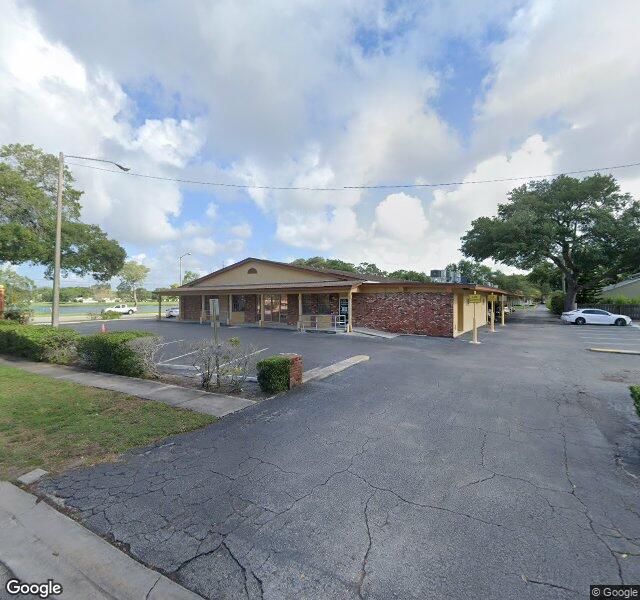
How Does Golfview Nursing Center Compare to Other Florida Nursing Homes?

Compared to the 100 nursing homes in Florida, GOLFVIEW NURSING CENTER's overall rating (2 stars) is below the state average of 3.2, staff turnover (42%) is near the state average of 46%, and health inspection rating (2 stars) is below the national benchmark.

What Should Families Ask When Visiting Golfview Nursing Center?

Based on this facility's data, families visiting should ask: "Can I visit during a mealtime to observe dining assistance and food quality?" "How do you handle medical emergencies, and what is your hospital transfer rate?" "Can I speak with family members of current residents about their experience?"

Is Golfview Nursing Center Safe?

Based on CMS inspection data, GOLFVIEW NURSING CENTER has a clean safety record: no substantiated abuse findings (meaning no confirmed cases of resident harm), no Immediate Jeopardy citations (the most serious violation level indicating risk of serious injury or death), and is not on the Special Focus Facility watch list (a federal program monitoring the lowest-performing 1% of nursing homes). The facility has a 2-star overall rating and ranks #100 of 100 nursing homes in Florida. While no facility is perfect, families should still ask about staff-to-resident ratios and recent inspection results during their visit.

Do Nurses at Golfview Nursing Center Stick Around?

GOLFVIEW NURSING CENTER has a staff turnover rate of 42%, which is about average for Florida nursing homes (state average: 46%). Moderate turnover is common in nursing homes, but families should still ask about staff tenure and how the facility maintains care continuity when employees leave.

Was Golfview Nursing Center Ever Fined?

GOLFVIEW NURSING CENTER has been fined $72,370 across 15 penalty actions. This is above the Florida average of $33,803. Fines in this range indicate compliance issues significant enough for CMS to impose meaningful financial consequences. Common causes include delayed correction of deficiencies, repeat violations, or care failures affecting resident safety. Families should ask facility leadership what changes have been made since these penalties.

Is Golfview Nursing Center on Any Federal Watch List?

GOLFVIEW NURSING CENTER is not on any federal watch list. The most significant is the Special Focus Facility (SFF) program, which identifies the bottom 1% of nursing homes nationally based on persistent, serious quality problems. Not being on this list means the facility has avoided the pattern of deficiencies that triggers enhanced federal oversight. This is a positive indicator, though families should still review the facility's inspection history directly.