NORTH HEALTHCARE AND REHABILITATION CENTER
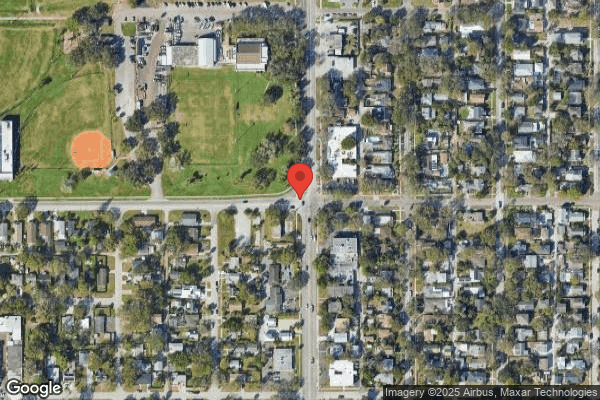

1301 16TH ST N, SAINT PETERSBURG, FL 33705 (727) 822-3171
For profit - Limited Liability company 45 Beds GOLD FL TRUST II Data: November 2025
Trust Grade
65/100
#387 of 690 in FL
Last Inspection: September 2025

Inspected within the last 6 months. Data reflects current conditions.

Overview

North Healthcare and Rehabilitation Center has a Trust Grade of C+, which indicates it is slightly above average but still has room for improvement. It ranks #387 out of 690 facilities in Florida, placing it in the bottom half, and #20 out of 64 in Pinellas County, meaning there are better options nearby. The facility's trend is worsening, with issues increasing from 4 in 2023 to 5 in 2025. Staffing is a concern, as it received a poor rating of 1 out of 5 stars, and despite having a 0% turnover rate, it has significantly less RN coverage than 99% of other Florida facilities. While there have been no fines, specific incidents such as unstaffed smoking areas and improper food storage practices raise concerns about resident safety and hygiene. Overall, the facility has strengths in staff retention but weaknesses in staffing levels and compliance with safety standards.

Trust Score
C+
65/100
In Florida
#387/690
Bottom 44%
Safety Record
Low Risk
No red flags
Inspections
Getting Worse
4 → 5 violations
Staff Stability
○ Average
Turnover data not reported for this facility.
Penalties
✓ Good
No fines on record. Clean compliance history, better than most Florida facilities.
Skilled Nurses
⚠ Watch
Each resident gets only 17 minutes of Registered Nurse (RN) attention daily — below average for Florida. Fewer RN minutes means fewer trained eyes watching for problems.
Violations
⚠ Watch
13 deficiencies on record. Higher than average. Multiple issues found across inspections.
★★★☆☆
3.0
Overall Rating
★☆☆☆☆
1.0
Staff Levels
★★★★★
5.0
Care Quality
★★★☆☆
3.0
Inspection Score
Stable
2023: 4 issues
2025: 5 issues

The Good

  • 5-Star Quality Measures · Strong clinical quality outcomes
  • Full Sprinkler Coverage · Fire safety systems throughout facility
  • No fines on record

Facility shows strength in quality measures, fire safety.

The Bad

3-Star Overall Rating

Near Florida average (3.2)

Meets federal standards, typical of most facilities

Chain: GOLD FL TRUST II

Part of a multi-facility chain

Ask about local staffing decisions and management

The Ugly 13 deficiencies on record

Sept 2025 4 deficiencies
CONCERN (D)

Potential for Harm - no one hurt, but risky conditions existed

Quality of Care (Tag F0684)

Could have caused harm · This affected 1 resident

**NOTE- TERMS IN BRACKETS HAVE BEEN EDITED TO PROTECT CONFIDENTIALITY** Based on observations, interviews, and record reviews the facility did not ensure one resident (#7) was assisted out of bed dail...

Read full inspector narrative →
**NOTE- TERMS IN BRACKETS HAVE BEEN EDITED TO PROTECT CONFIDENTIALITY** Based on observations, interviews, and record reviews the facility did not ensure one resident (#7) was assisted out of bed daily and splints were placed for one resident (#27) out of thirteen sampled residents.Findings included: An observation was conducted on 9/3/25 at 9:25 a.m. of Resident #7. The resident was observed to be lying in bed flat on his/her back with a neck support pillow. The resident remained in this position throughout the day. An observation was conducted on 9/4/25 at 10:09 a.m. and 12:00 p.m. of Resident #7 lying flat in the bed with a neck support pillow in place. Review of Resident #7’s “admission Record” showed Resident #7 was admitted on [DATE] with diagnoses of unspecified fall, dementia, cerebral infarction, muscle weakness, difficulty in walking, and need for assistance with personal care. Review of Resident #7’s quarterly Minimum Data Set (MDS), dated , 6/8/25, Section C, cognitive patterns, showed a score of 99, indicating the resident was unable to complete the interview. Review of Resident #7’s care plan, dated 8/21/24, showed a focus area of extensive assistance to total care for most activities of daily living (ADL) completion due to weakness, cognitive condition and poor safety awareness. Interventions included extensive assistance needed to get in and out of bed to a chair/wheelchair and returning to bed. An interview was conducted on 9/3/25 at 1:08 p.m. with Resident #7’s Resident Representative (RR). The RR said they don’t understand why the resident is never out of bed. The RR said Resident #7 is only out of bed when they request staff to get him/her up. The RR said they wanted the resident to have a good quality of life for what life he/she had left and did not want the resident to sit in bed all the time. The RR said they want Resident #7 up and in the common areas and being able to see other people. An interview was conducted on 9/4/25 at 1:25 p.m. with Staff A, Certified Nursing Assistant (CNA). Staff A said Resident #7 was typically out of bed on Tuesdays when the RR visited. Staff A said there was a staff member that got the resident up on Mondays. Staff A said he/she got the resident up on the weekends they worked. When asked about Resident #7 being out of bed the other days of the week, Staff A only responded by saying “I will probably get [Resident #7] up this weekend.” Staff A confirmed Resident #7 had not been out of bed on 9/3/25 or 9/4/25. An interview was conducted on 9/4/25 at 3:22 p.m. with Staff B, Licensed Practical Nurse (LPN). Staff B said Resident #7 used to be out of bed more and didn’t know why the resident didn’t get out of bed now. Staff A said maybe it was the family’s request, but they didn’t know. An interview was conducted on 9/4/25 at 4:51 p.m. with the Director of Nursing (DON). The DON said Resident #7 did get out of bed and they wanted him up at least three days a week. She did say that it is not written anywhere or documented. The DON said Resident #7’s RR had spoken to her not long ago about getting the resident out of bed more. The DON said she told the RR she would work on it but honestly hadn’t done much to make sure it happened and had not put anything in the medical record. The DON agreed it was not ok for Resident #7 to lay in bed all day and not be up. She said the resident even had a new wheelchair. Review of a facility policy titled “Activities of Daily Living (ADLs), Supporting, undated, showed: Policy Statement Residents will be provided with care, treatment and services as appropriate to maintain or improve their ability to carry out activities of daily living (ADLs). Residents who are unable to carry out activities of daily living independently will receive the services necessary to maintain good nutrition, grooming and personal and oral hygiene. Policy Interpretation and Implementation 2. Appropriate care and services will be provided for residents who are unable to carry out ADLs independently, with the consent of the resident and in accordance with the plan of care, including appropriate support and assistance with: b. mobility (transfer and ambulation, including walking) 2. An observation was conducted on 9/3/25 at 11:00 a.m. of Resident #27. The resident was observed lying in bed, and the resident’s right hand was visible. Resident #27’s right hand appeared contracted (fingers bent into the palm of the hand). Resident #27 stated he/she had a splint for the right hand, but staff don’t offer to put the splint on. The resident’s right hand remained in this position throughout the day without a splint on. During an interview on 9/4/25 at 9:49 a.m. Resident #27 stated the splint is dirty and needs to be cleaned, the staff do not offer to wash it. Resident #27 stated the staff did not offer to put the splint on today. Review of Resident #27’s admission Records showed Resident #27 was admitted on [DATE] with diagnoses of Parkinson’s Disease, epilepsy, cerebral infarction, and other co-morbidities. Review of Resident #27’s quarterly MDS dated [DATE], showed a Brief Interview for Mental Status (BIMS) score of 14 out of 15, indicating the resident was cognitively intact. The quarterly MDS also revealed Resident #27 had range of motion (ROM) impairment on one side of Resident #27’s upper and lower extremities. Review of Resident #27’s care plan with a revision date of 10/25/21 showed Resident #27 had a self-care deficit with dressing, grooming, bathing related to: generalized weakness and Parkinson’s Disease. The goal revealed Resident #27 will continue to improve toward previous baseline ADL functioning throughout this review period. The interventions showed: resting hand splint to right hand seven times week. Apply following a.m. care, remove prior to p.m. care. Monitor skin integrity when applying and removing. Review of Resident #27’s “Visual/Bedside Kardex [a care document showing a specific resident’s care needs]” dated as of 9/3/25 showed ADLs: put on palm pillow to right hand in a.m. (morning) up to 8 hours… to prevent further contractures. May remove for ADL care; put on palm pillow to right hand seven times week. Apply following a.m. care, remove prior to p.m. (evening) care. Monitor skin integrity when applying and removing; and resting hand splint to right hand seven times week. Apply following a.m. care, remove prior to p.m. care. Monitor skin integrity when applying and removing. Review of Resident #27’s physician order summary revealed an order dated 8/20/24 occupational therapy clarification: DON (put on) palm pillow to right hand in a.m. and doff (take off) in p.m. as tolerated. Remove every shift to ensure skin integrity. May remove PRN (as needed) for ADL care. During an interview on 9/4/25 at 10:06 a.m. Staff N, CNA stated the Kardex is how we know what each resident is cared for. Staff N, CNA stated being familiar with Resident #27 and not sure if Resident #27 needs hand splints. During an interview on 9/4/25 at 10:10 a.m. Staff B, LPN stated CNAs are responsible for putting on residents’ splints or other personal care items if residents have them. Staff B, LPN stated being responsible for Resident #27 and not being sure if hand splints are required. During an interview on 9/4/25 at 10:24 a.m. the Director of Nursing (DON) stated splints should be donned and doffed according to the physician orders. The CNAs usually don and doff the splints, although any member of the nursing or therapy team are able. The DON stated not being aware the staff have not been placing Resident #27’s hand splint on and off. Review of the facility’s policy and procedure titled Splints, not dated, revealed: Policy: When a patient is on rehab for contracture management and splinting, the Therapy Department will monitor the splints and the wearing schedule. In preparation for discharge from therapy, Nursing, and Nursing Assistants will be trained in proper donning/doffing of equipment and proper skin evaluation. Procedure: 1. The therapist will write a T.O. (telephone order) with the proper instructions. The therapist will implement tasks on Kardex and MDS will follow up with placing in Care plan. 2. The resident's splint will be placed in the dresser or in the closet. The splint will have the resident's name on it. 3. CNA/nursing will be responsible for the proper donning/doffing of splints at the appropriate times. 4. Therapy will conduct random audits to determine if the splints are being properly donned/doffed. 5. Upon removing a splint and prior to donning, the resident should receive proper range of motion as tolerated and the skin should be checked for any reddened areas. Skin should be clean, dry, but moisturized (not wet) upon donning a splint. 6. Splints may be removed for ADLS, and prn (as needed) per patient tolerance. 7. Any areas that are reddened indicate areas of pressure. Pale or blanched areas may indicate severe pressure. In both cases, nursing is to be notified immediately, and the splint shall be returned to the DON who will then communicate with therapy. 8. Splints should be returned to therapy for proper cleaning.
CONCERN (E)

Potential for Harm - no one hurt, but risky conditions existed

Accident Prevention (Tag F0689)

Could have caused harm · This affected multiple residents

**NOTE- TERMS IN BRACKETS HAVE BEEN EDITED TO PROTECT CONFIDENTIALITY** Based on observations, interviews, and record reviews the facility did not ensure chemicals were secured and the smoking policy ...

Read full inspector narrative →
**NOTE- TERMS IN BRACKETS HAVE BEEN EDITED TO PROTECT CONFIDENTIALITY** Based on observations, interviews, and record reviews the facility did not ensure chemicals were secured and the smoking policy was followed for two residents (#32 and #50) out of seven residents that smoke. Finding included: An observation was conducted on 9/3/25 at 9:29 a.m. of Residents #32 and #50. Both residents were on the smoking patio with no staff present or in sight of the residents and no smoking aprons on or available. It was also observed that a shed on the patio was unlocked. The shed had a CAUTION HAZARDOUS CHEMICALS. AUTHORIZED PERSONNEL ONLY sign on the door and inside the shed were multiple bottles of chemicals observed.An observation was conducted on 9/3/25 at 1:18 p.m. of Resident #32 on the smoking patio with no staff present or within sight and no smoking apron on or available. Resident #32 was sitting in his/her wheelchair slumped over asleep. The resident woke up when his/her name was called. Upon waking up it was observed Resident #32 had a lit cigarette in their right hand. The shed containing chemicals remained unlocked.An observation was conducted on 9/4/25 at 1:20 p.m. of Resident #32 along with three other residents on the smoking patio. Staff C, Certified nursing Assistant (CNA) was present. Resident #32 did not have a smoking apron in place. The shed containing chemicals remained unlocked. Review of admission Records showed Resident #32 was admitted on [DATE] with diagnoses including chronic obstructive pulmonary disease (COPD), polyneuropathy, muscle weakness, and tobacco use. Review of Resident #32's Brief Interview for Mental Status (BIMS), dated 7/28/25, showed a score of 15 out of 15, indicating intact cognition. Review of Resident #32's care plan, revised on 9/3/25, showed a focus area of a desire to smoke. Resident #32 has been assessed as able to smoke with a smoking apron. Interventions included, accompany resident to designated smoking area as needed and provide supervision while smoking in resident-designated smoking area, monitoring for signs of unsafe smoking practices, apply/remove smoking apron. Prior to the 9/3/25 smoking care plan revision Resident #32 was care planned from 4/25/24 through 9/3/25 to be assessed as able to smoke independently. Review of Resident #32's progress notes showed a nurse's note dated 8/31/25, Nursing attempted to give resident am [morning] medications. He is currently sitting on the patio asleep. He has burned a hole in his pants, and the cigarette is on the ground still lit with fire. Resident states he wasn't asleep.Review of Resident #32's Nursing Smoking Evaluation, dated 9/2/25 revealed Resident #32 does not remain alert during the course of smoking. The resident safely lights a cigarette, safely holds a cigarette, disposes ashes and butts properly, the resident is free of visible upper extremity tremors, is free from upper extremity contractures, is free from loss of mobility, reduced movement, weakness, or paralysis of the dominant upper extremity. And the resident is free from visual issues that impair their ability to smoke. the total score of the smoking assessment was a 1 if the total number is 1 or more, they are considered and unsafe smoker and must use a smoking apron until a screening is completed by occupational therapy. The resident/resident representative/resident family have been informed of the smoking policy/procedures. can plan has been reviewed and updated. On 9/3/25 the Occupation Therapist documented on the smoking assessment During observation by this therapist several time[sic] during the day, patient demonstrated good safety while lighting, holding, smoking and extinguishing cigarette. Patient shows good fine motor coordination and dexterity needed to smoke a cigarette. Review of Resident #50's admission Records showed Resident #50 was admitted on [DATE] with diagnoses of acute kidney failure, fall on same level, and tobacco use. Review of Resident #50's BIMS score, dated 8/29/25, showed a score of 14 out of 15, indicating intact cognition. Review of Resident #50's care plan, dated 9/4/25, showed a focus area of Resident desires to smoke. Resident has been assessed as able to smoke with supervision. Interventions included, accompany resident to designated smoking area as needed and provide supervision while smoking in resident-designated smoking are, monitor for signs of unsafe smoking practices, and accompany resident to designated smoking area to provide supervision. An observation and interview were conducted on 9/4/25 at 1:30 p.m. with the Nursing Home Administrator (NHA). The NHA was observed walking on to the smoking patio and going to the shed containing chemicals. The NHA confirmed the shed was unlocked and it contained chemicals from the housekeeping department. The NHA said the shed should always be locked and agreed it was a potential hazard to residents. The NHA confirmed residents are able to come and go from the courtyard. An interview was conducted on 9/4/25 at 2:48 p.m. with Staff C, CNA. Staff C confirmed he was the staff member on the smoking patio on 9/4/25 at 1:20 p.m. He said Resident #32 did not have a smoking apron on while smoking. A follow up interview was conducted on 9/4/25 at 2:35 p.m. with the NHA. The NHA said there is not a set staff member to be the smoking aid, it rotates. She said a staff member should be present in sight of the residents smoking on the patio during the smoking times. The NHA said she had spoken to Resident #32 about needing to wear an apron while smoking but did not think it had been put in place yet. The NHA was surprised to hear staff were not present while residents were smoking on the patio. Review of a facility policy titled Storage Areas, Environmental Services, revised December 2009, showed:Policy StatementHousekeeping and laundry department storage areas shall be maintained in a clean and safe manner. Review of a facility policy titled Hazardous Areas, Devices and Equipment, revised July 2017, showed:Policy StatementAll hazardous areas, devices and equipment in the facility will be identified and addressed appropriately to ensure resident safety and mitigate accident hazards to the extent possible.Policy Interpretation and Implementation1. As part of the facilities overall safety and accident prevention program, hazardous areas and objects in the resonant environment will be identified and addressed by the safety committee.Identification of Hazards1. A hazard is defined as anything in the environment that has the potential to cause injury of illness. Examples of environmental hazards include, but are not limited to the following:.d. Open areas or items that should be locked when not in use Review of a facility policy titled Smoking Policy, undated, showed:Purpose: Resident, employee and visitor safety.Smoking Area: Garden Patio4. Residents will be evaluated to ensure safe smoking.5. Residents evaluated as requiring supervision or assistance may only do so with assistance of staff or a responsible party as determined by the facility and may have specific smoking times assigned.
CONCERN (E)

Potential for Harm - no one hurt, but risky conditions existed

Infection Control (Tag F0880)

Could have caused harm · This affected multiple residents

**NOTE- TERMS IN BRACKETS HAVE BEEN EDITED TO PROTECT CONFIDENTIALITY** Based on observations and interviews, the facility did not ensure infection control practices were followed related to: 1) food ...

Read full inspector narrative →
**NOTE- TERMS IN BRACKETS HAVE BEEN EDITED TO PROTECT CONFIDENTIALITY** Based on observations and interviews, the facility did not ensure infection control practices were followed related to: 1) food handling; 2) a non-cleanable surface and storage of a respiratory mask in two out of two resident rooms. Findings included: 1. On 9/3/25 at 10:31 a.m., an observation of Resident #2 revealed he was sitting in the wheelchair using a yellow gait belt to maneuver between the bed and the window. He lifted up the mattress and revealed a flattened cardboard box on top of the bed frame. He said facility staff put the cardboard box there because the bar in the middle of the bed was hurting his back. Further observations of the top of the cardboard box revealed particles of food and other small debris. A review of Resident #2’s admission record revealed an initial admission date of 11/7/22 and a re-admission date of 3/29/23. Further review of the admission record revealed diagnoses to include hemiplegia and hemiparesis following cerebral infarction affecting left non-dominant side, muscle weakness (generalized), other muscle spasm, and other lower back pain. On 9/4/25 at 10:29 a.m., an interview was conducted with Staff D, Licensed Practical Nurse (LPN). She said Resident #2 has told her his mattress is not comfortable and the bar presses into his back. She said that is why the cardboard box is under the mattress. Staff D, LPN said the mattress had been switched a few times, but the resident continued to say it is not comfortable. On 9/4/25 at 4:32 p.m., an interview was conducted with the Housekeeping Supervisor. She said she was not aware Resident #2 had cardboard under the mattress and between the bed frame. The Housekeeping Supervisor said it could be nursing or maintenance staff who put it there. An observation of the flattened cardboard box with the Housekeeping Supervisor, and Resident #2 present, revealed it was put there to prevent the mattress from slipping. The Housekeeping Supervisor said the cardboard box is cleanable. She said it could be sprayed with chemicals and wiped down. Observations of the cardboard box revealed it had the same food particles and debris seen on 9/3/25. On 9/4/25 at 4:47 p.m., a follow-up interview was conducted with the Housekeeping Supervisor. She said the previous Director of Maintenance (DOM) put the cardboard box under Resident #2’s mattress because he expressed his back was hurting. She said this information was provided to her from the resident. On 9/4/25 at 4:49 p.m., an interview was conducted with the Nursing Home Administrator (NHA). She stated Resident #2’s, “Mattress has always been an issue.” She said the previous DOM put the cardboard box under the mattress. The NHA stated, “The resident asked for it because there’s a pole there.” She stated staff sprayed liquid on the cardboard and, “Sounds like they are letting the liquid sit.” The NHA said she didn’t consider that it was not a cleanable surface. 2. On 9/4/25 at 11:17 a.m., an observation of Staff E, dietary staff revealed he was handling food with gloved hands, walked away to cough, and came back to resume the task without changing gloves/performing hand hygiene. Staff E, dietary staff wiped his face on his sleeve multiple times during the observation with the same gloves and did not perform hand hygiene. He was observed touching his pants and shirt while wearing gloves and handling food. At 11:24 a.m., the Kitchen Manager removed the gloves he had on while completing tasks and put those gloves on a meal tray that was to be used by a resident. On 9/4/25 at 2:58 p.m., an interview was conducted with the Kitchen Manager. He said staff should be completing hand hygiene when they are in the middle of a task, then leave the area to complete another task, and come back. The Kitchen Manager stated when staff, “Move away from tasks,” they should wash their hands. He stated, “You should take your gloves off, wash your hands, put gloves on again, then do the next task.” The Kitchen Manager said if staff touched their clothes while handling food, they should take their gloves off and wash their hands. He said he's responsible for educating the dietary staff on hand hygiene. He said the last education the dietary staff received on hand hygiene was about two weeks ago. 3. An observation was conducted on 9/3/25 at 10:50 a.m. of a nebulizer mask sitting on the bedside table with stuffed animals, unbagged in room [ROOM NUMBER]. The nebulizer machine was sitting on a carboard box on the floor beside the table. An observation was made on 9/5/25 at 10:00 a.m. of the respiratory mask was again observed to be unbagged in room [ROOM NUMBER] and hanging off the side of the table behind a balloon. An interview was conducted on 9/5/25 at 10:10 a.m. with Staff D, Licensed Practical Nurse (LPN). Staff D said respiratory masks in resident rooms should be in a bag at the bedside. An interview was conducted on 9/5/25 10:45 a.m. with the facility’s Infection Preventionist (IP). The IP said carboard is not a cleanable surface. She said she was not aware of the carboard on the bed in room [ROOM NUMBER] until 9/4/25. The IP said the carboard should not have been on the bed and a new bed had been ordered for the room. As for infection control practices of the kitchen staff, she said the CDM would have educated them. The IP said the kitchen staff did participate in “all staff” trainings that are held and they did participate the skills fair in the spring that include infection control. The IP said she had not done infection control audits of kitchen staff but she would expect them to do hand hygiene after coughing and between touching other items such as clothes or hair then touching food items. Regarding respiratory masks, the IP said the masks in resident rooms should be in plastic bags at the bedside when they are not in use. The IP said she saw the respiratory mask in room [ROOM NUMBER] unbagged on 9/4/25 and she went and got a bag for it. She said the nebulizer must have been administered and then not put back in a bag. The IP said she also saw the nebulizer machine sitting on the cardboard box on the floor and staff had done that to keep the machine off the floor. The IP said the machine needs to be on the table. Review of a facility policy titled “Infection Prevention and Control Program,” revised October 2018, showed: Policy Statement: An infection prevention and control program (IPCP) is established and maintained to provide a safe, sanitary and comfortable environment and to help prevent the development and transmission of communicable diseases and infections. Review of a facility policy titled “Handwashing/Hand Hygiene,” revised August 2019, showed: Policy Statement: This facility considers hand hygiene the primary means to prevent the spread of infections. Policy Interpretation and Implementation: 2. All personnel shall follow the handwashing/hand hygiene procedures to help prevent the spread of infections to other personnel, residents, and visitors. The facility did not have a policy related to nebulizer mask storage.
CONCERN (F)

Potential for Harm - no one hurt, but risky conditions existed

Deficiency F0727 (Tag F0727)

Could have caused harm · This affected most or all residents

Based on record review and interviews, the facility failed to have eight consecutive Registered Nurse (RN) hours seven days a week for seventeen of ninety-one days in the third quarter of Fiscal Year ...

Read full inspector narrative →
Based on record review and interviews, the facility failed to have eight consecutive Registered Nurse (RN) hours seven days a week for seventeen of ninety-one days in the third quarter of Fiscal Year (FY) 2025.Findings included: Review of Payroll Based Journal (PBJ) Data (FY) Quarter 3 2025 (April 1-June 30) revealed no RN Hours were Triggered on 10/05/2024; 10/12/2024; 10/13/2024; 4/5/2025; 4/6/2025; 4/12/2025; 4/13/2025; 4/19/2025; 4/20/2025; 4/26/2025; 4/27/2025; 5/11/2025; 5/25/2025; 5/26/2025; 5/31/2025; 6/1/2025 and 6/21/2025.During an interview on 9/4/25 at 09:50 a.m., with Staff H, Staffing Coordinator, employed for one year, stated, It is my responsible to staff the building and when I staff the building, I make sure that I have enough Licensed Practical Nurses (LPN) and RNs to meet the needs of the residents. For instance, if I have 38 residents, .when it comes to nurses, I try to always have two to three RN's and LPN's, which we're required to have an RN on staff eight hours a day. If I do not have an RN working on the floor for med [medication] pass, I use the Assistant Director of Nursing [ADON] or the Director of Nursing [DON] as substitutes for RNs on the floor during med pass. The ADON or DON will fill in and no temp [contracted staff] services are used in the facility. Not having temps has not caused us an issue. We have not run into an instance where we weren't able to cover RN hours. Looking at the scheduling, it appears we didn't have RN's assigned during 10/05/2024; 10/12/2024; 10/13/2024; 4/5/2025; 4/6/2025; 4/12/2025; 4/13/2025; 4/19/2025; 4/20/2025; 4/26/2025; 4/27/2025; 5/11/2025; 5/25/2025; 5/26/2025; 5/31/2025; 6/1/2025 and 6/21/2025. My order for acquiring an RN for staff is to call the current staff, then go to the ADON, then the DON. The staff that is on call that weekend is given a company phone to answer to come to staff that weekend. While reviewing the dates with no RN hours reported, the Staffing Coordinator stated, The days you're referring to, we did not have RN's available to fill in per my schedule.During an interview on 9/4/25 at 10:39 with the NHA and DON. The DON stated, we generally always have a minimum of two LPN'S and RN'S on staff 24/7 [twenty-four hours a day, seven days a week]. Just to ensure if someone calls out an emergency to cover them, we use a master schedule if someone calls out, then we have a call in policy. We ensure there is coverage, either from the DON or the ADON makes the call and provides coverage. We have a work phone for the call down list to ensure that someone answers. The DON and ADON will be called in to staff if we can't get anyone else to staff the floor, specifically Registered Nurse's. We alternate weekends with the DON/ADON for on-call staff. The NHA said, the data was sent was miscoded by the contracted human resources department to the payroll-based journal reporting system. The companies that we used to report to payroll data and to the Centers for Medicaid Services (CMS) were contracted and unfortunately, based on past payroll policy we don't have data to show RN hours for the covered periods identified. Due to a policy with the old payroll and reporting company who reported the hours, I learned I miscoded the data and will get help with staffing and coding going forward to fix the reporting issue. Review of facility's staffing coordinator job description dated January 2015. The primary purpose of your position is to ensure adequate and appropriate staffing of the facility's nursing department to meet the needs of the residents based on budget, census and as may be directed by Facility administration.Delegation of AuthorityAs Staffing Coordinator you are delegated the administrative authority, responsibility, and accountability necessary for carrying out your assigned duties.Work with Human Resource Delegate and DON when scheduling modified work duty employees, in accordance with work restrictions and Facility policy.Complete monthly nursing schedule coordinating requests to ensure appropriate coverage of units.Consult with nursing department staff and supervisors concerning the staffing and scheduling needs: to assist in elimination and correction of problem areas, and/or improvement of services. Review of the facility's policy Staffing revised on October 2017 revealed, Our facility provides sufficient numbers of staff with the skills and competency necessary to provide care and services for all residents in accordance with resident care plans and the facility assessment.1. Licensed nurses and certified nursing assistants are available 24 hours a day to provide direct resident care and services.4. Direct care staffing information per day (including agency and contract staff) is submitted to the CMS payroll-based journal system on the schedule specified by CMS, but no less than once a quarter.
Feb 2025 1 deficiency
CONCERN (E) 📢 Someone Reported This

A family member, employee, or ombudsman was alarmed enough to file a formal complaint

Potential for Harm - no one hurt, but risky conditions existed

Deficiency F0573 (Tag F0573)

Could have caused harm · This affected multiple residents

Based on record review and interviews, the facility failed to honor the right of a resident or his/her legal representative to receive medical records timely, within two working days, for three (#1, #...

Read full inspector narrative →
Based on record review and interviews, the facility failed to honor the right of a resident or his/her legal representative to receive medical records timely, within two working days, for three (#1, #7, and #8) of three sampled residents reviewed for medical record request. Findings included: On 02/12/2025 at 9:55 a.m., a phone interview was conducted with Resident #1's representative. When asked if she was involved in the admission process for (Resident #1), she stated, yes. When asked if she signed a contract during the admission process, she stated, No contract, I just signed a consent to treat. When asked if she had requested medical records, she stated, I asked for a copy of the medical cost responsibilities. An interview conducted on 02/12/2025 at 2:09 p.m. with the Nursing Home Administrator, when asked if the resident/representative had requested medical records for Resident #1, she stated no, the only thing she asked for was a copy of the insurance conversion letter, which I supplied her with. No documentation was provided as to the date of the request or the fulfillment of the request. A review of the medical record request log for 12/2023 through the date of survey reflected no listing for medical record request for Resident #1. Further review of the log reflected the following entries for 12/2024 listed: Resident #8 requested medical records on 12/19/2024, by attorney office. Record fulfillment was documented to be 02/27/2024. Resident #7 requested medical records on 12/16/2024, by (representative). Record fulfillment was documented to be January 17, 2025. An interview was conducted on 02/12/2025 at 4:11 p.m. with the Medical Records Coordinator. For Resident #8, she said she had made an error on the fulfillment date, it should have been 01/27/2025. She stated the date received column was when she received the request, then she would forward the request to the facility's attorney and wait for a response. She stated she had 30 days to fulfill a medical records request. A review of the facility's policy and procedure for Access to Personal and Medical Records, revised 05/2017, documented the policy statement: Each resident has the right to access and/or obtain copies of his or her personal and medical records upon request. The policy interpretation and implementation included: A resident may submit his/her request either orally or in writing for access to personal or medical information pertaining to him/her. The resident may obtain a copy of his or her personal or medical record within two business days of an oral or written request. The resident, or his/her legal representative, may grant others the right to access the resident's records if such request is made in writing and identifies the information that is to be released and to whom the information is to be released.
Sept 2023 4 deficiencies
CONCERN (D)

Potential for Harm - no one hurt, but risky conditions existed

Deficiency F0578 (Tag F0578)

Could have caused harm · This affected 1 resident

**NOTE- TERMS IN BRACKETS HAVE BEEN EDITED TO PROTECT CONFIDENTIALITY** Based on observation, interview, and record review, the facility failed to ensure advanced care planning with a legal appointed ...

Read full inspector narrative →
**NOTE- TERMS IN BRACKETS HAVE BEEN EDITED TO PROTECT CONFIDENTIALITY** Based on observation, interview, and record review, the facility failed to ensure advanced care planning with a legal appointed designated health care proxy or power of attorney (POA) was completed for one (Resident #9) out of the sampled twenty-one residents. Findings included: On 09/05/23 at 12:12 p.m. Resident #9 was observed lying in bed. Resident #9 was not able to respond to questions in an attempted interview. A review of the admission Record for Resident #9 did not reflect the resident had a health care proxy or a POA. Resident #9 was admitted on [DATE] with diagnoses to include anxiety disorder and cognitive communication deficit. A review of the admission Minimum Data Set (MDS), dated [DATE], Section C- Cognitive Patterns revealed a Brief Interview for Mental Status (BIMS) score was not obtained and showed the resident was rarely/never understood. A review of Resident #9's annual MDS, dated [DATE], Section C - Cognitive Patterns revealed a BIMS score was not obtained and showed the resident was rarely/ never understood. The MDS also showed the resident had memory problems and cognitive skills were severely impaired. A review of the active care plan for Resident #9, initiated 08/23/22 and revised 08/08/23, revealed the resident had expressed wishes as Full Code with interventions to include: - discuss Advanced Directives with resident and/or appointed health care representative, - contact appointed health care representative for health care decisions. A review of Resident #9's active care plan, initiated 08/29/22 and revised 08/08/23, revealed alteration in communication due to primary language [not English]. A review of Resident #9's consents, revealed the following consents were signed by family members. - Authorization for treatment while residing at healthcare center, signed 08/22/22 by Family Member #1, - Psychotropic Medication Informed Consent, signed 08/22/22 by Family Member #1, -Informed Consent for Influenza Vaccine, signed 08/22/22 by Family Member #1, - Informed Consent for Pneumococcal Vaccine, signed 08/22/22 by Family Member #1, - Authorization for treatment while residing at healthcare center, signed 08/26/22 by Family Member #1, - Psychotropic Medication Informed Consent, signed 11/08/22 by Family Member #1, -Patient Consent Form, verbal consent 12/06/22 by Family Member #2, - Psychotropic Medication Informed Consent, signed 12/06/22 by Family Member #3. On 09/07/23 at 1:37 p.m., an interview was conducted with Staff B, Licensed Practical Nurse (LPN), who stated Resident #9 primarily used gestures to communicate and was unable to make decisions. Staff B contacted [Family Member #1] for healthcare decisions. On 09/05/23 at 3:08 p.m., a review of the medical record for Resident #9 revealed the record was silent of documentation of/for Advanced Directive and/or Healthcare Proxy documentation. On 09/06/23 at 12:57 p.m., Resident #9 was observed in her room repeating words [not English], gesturing to move her wheelchair away from bedside. She was not able to respond to questions in an attempted interview. On 09/06/23 at 1:11 p.m., an interview was conducted with the Social Services Director (SSD), who confirmed Advanced Directive and healthcare proxy documentation was not available for Resident #9. The SSD verified interventions related to advance care planning listed in Resident #9's care plan were not completed. The SSD confirmed [Family Member #1] signed consents for the resident. The SSD confirmed [Family Member #1] was not considered a legal representative. The SSD stated he has a notation to look at this (documentation of a healthcare proxy) but has not. He stated the next step was to get a health care proxy consent or complete a POA/ Advanced Directive from Resident #9's family member. On 09/07/23 at 2:20 p.m. in an interview, the Director of Nursing (DON) stated staff had responsibilities to ensure the legal health care proxy or POA was identified. Review of the facility's policy titled, Advance Directives, revised on 12/2016, showed: Policy Interpretation and Implementation -3. If the resident is incapacitated and unable to receive information about his or her right to formulate an advance directive, the information may be provided to the resident's representative. -6. Prior to admission of a resident, the Social Services Director or designee will inquire of his/her family members and /or his or her legal representative, about the existence of an advanced directive.
CONCERN (D)

Potential for Harm - no one hurt, but risky conditions existed

Notification of Changes (Tag F0580)

Could have caused harm · This affected 1 resident

**NOTE- TERMS IN BRACKETS HAVE BEEN EDITED TO PROTECT CONFIDENTIALITY** Based on observations, record review, and interview, the facility failed to ensure the physician was informed about refusal of m...

Read full inspector narrative →
**NOTE- TERMS IN BRACKETS HAVE BEEN EDITED TO PROTECT CONFIDENTIALITY** Based on observations, record review, and interview, the facility failed to ensure the physician was informed about refusal of medications and dialysis services for one (Resident #194) of six sampled residents. Findings Includes: On 9/5/2023 at 11:45 a.m., Resident #194 was observed in her room sitting up in her wheelchair with her call light within reach. The resident was well groomed. The room was clean and well lit. A review of the admission Record showed Resident # 194 was admitted to the facility on [DATE] with diagnoses to include but not limited to Epilepsy, Cognitive Communication, Conversion Disorder with Seizures or Convulsions, End Stage Renal Disease, and Dependence on Renal Dialysis. A review of admission Minimum Data Set, dated [DATE], Section C, Cognitive Patterns, C0600, Titled, Should the Staff Assessment for Mental Status be conducted, Code entered showed 0, indicating No. The resident was able to complete a Brief Interview for Mental Status. A review of the Order Summary Report dated 9/7/2023, showed an active verbal order to Send to emergency room for Evaluation, one time only for 1 day. Additional review of the order summary showed an active order dated 8/25/2023, for Hemodialysis M-W-F at [name of dialysis center]. Pick up 05:00 am Chair time 6:00 a.m. An active written order dated 8/24/2023, for Lacosamide Oral Table 200 MG, give 1 tablet by month two times a day for Conversion Disorder with Seizures or Convulsions. An active verbal order for LevEtiracetam Solution 100 MG/, give 10 mL by month two times a day for seizure. An active written order dated 8/24/2023 for NIDEdipine ER Oral Tablet Extended Release 24 Hour 60 MG (Nifedipine), give 1 tablet by month one time a day for Cardiac related to Hypotension, Unspecified. A review of the Electronic Medication Administration Record (eMAR) dated 9/4/2023 at 21:34 (9:34 p.m.) showed an incomplete progress note referencing the resident refused medication. The progress note did not show the resident's physician was notified about refusal. A review of daily skilled note dated 9/4/2023 at 16:54 (4:54 p.m.), showed Resident # 194 refused all medication this shift, stating I only take daytime medications. Additional review of the daily skilled note showed the resident's physician was not notified about the resident's refusal of medications. A review of the eMAR, dated 9/3/2023 at 20:59 (8:59 p.m.), showed Resident # 194 refused all medications. Additional review of the eMAR showed Resident #194 physician was not notified about the refusal of medication. A review of the eMAR dated 9/2/2023 at 20:39 (8:39 p.m.) showed Resident #194 refused medication again after repeated education. Additional review of the eMAR showed Resident #194's physician was not notified about the refusal of medication. A review of the eMAR, dated 8/31/2023 at 9:48 a.m., showed Resident #194 refused. Additional eMAR review showed the resident's physician was not notified. A review of the eMAR dated 8/30/2023 at 22:46 (10:46 p.m.), showed Resident #194 refused medication. Additional review of the eMAR showed Resident #194's physician was not notified about the refusal of medication. A review of narrative nurses note dated 8/30/2023 at 20:55 (10:55 p.m.), showed Resident #194 refused medications, it was noted the resident was explained the importance and adverse effects of not taking seizure, cholesterol, and blood pressure medications. Resident #194's, blood pressure was 180/72. The review showed resident stated, I Don't care. Additional review showed Resident #194's physician was not notified about the refusal of medications and blood pressure. During an interview on 9/6/2023 at 4:27 p.m. with the Medical Director, Resident #194's primary care physician, he said he was not notified about Resident #194's condition because he was on vacation when she was admitted to the facility and another provider covered for him during that time. The facility would have used his on-call service on the weekend if they needed to report to an physician. During an interview on 9/6/2023 at 4:48 p.m. with Staff I, the covering physician for Resident #194's primary physician, he said he was covering for Resident #194's primary physician on 8/24/2023 through 9/4/2023, however, he was never present at the facility during those times, and he was not made aware of the Resident #194's refusal to receive dialysis or her medicine. He stated, Maybe the facility notified the ARNP during those times when [Resident #194] refused her medication. During an interview on 9/6/2023 at 5:06 p.m. with the Advanced Registered Nurse Practitioner (ARNP), he said he was not notified when Resident #194 was sent out to the hospital, refused dialysis or her medications. The ARNP said he was on the phone with the Director of Nursing, and she never told him about Resident #194's refusals of medication or being sent out to the hospital. During an interview on 9/7/2023 at 11:31 a.m. with Staff G an On Call physician, she confirmed she was on call for the facility on Friday, 8/25/2023 from 5:00 p.m. to 7:00 p.m. and she did not remember receiving any calls from the facility about any residents at the facility. During an interview on 9/7/2023 at 11:46 a.m. with Staff H, a second On Call physician he said he worked on call from Sunday 8/27/2023, 7:00 p.m. to Monday 8/28/2023 7: 00 a.m. and he did not recall getting a call from the facility about Resident #194 refusing her medication or dialysis services. The on- call physician said if he received a call about the resident refusing dialysis or her medication, he would have instructed the facility to send the resident to the emergency room. During an interview on 9/7/2023 at 3:30 p.m. with Staff E, License Practical Nurse (LPN), she said she notified the ARNP on 9/5/2023 when Resident #194 was sent out to the hospital, but she did not notify the provider of the ARNP about the resident refusing dialysis or her medication. Staff E said when Resident #194 refused dialysis she notified a nurse at the dialysis center to let them know the resident refused dialysis. During an interview on 09/07/23 at 3:20 p.m. with the Director of Nursing, she said she was not made aware the resident was refusing. She stated, I was made aware [Resident #194] was refusing meds probably Tues, Wed (5th and the 6th). She was taking her meds on 7:00 p.m.-7:00 a.m. on 08/25/23. I was not made aware that the resident refused dialysis until after the fact. I don't see anywhere where the doctor was notified. They [the nurses] may document in the EMAR, or a progress note, they can document either place. I would expect them to document doctor notification after any missed medication. I looked everywhere in the EMAR and progress note and did not see any notification to the doctors. All entries under EMAR show blank with nothing about doctor being notified. I would expect my nurses to let me know when a resident stop taking meds. I would then ensure they contact the doctor. There are some meds that we asked to get liquid form but [Resident #194] not taking any meds were not brought to my attention and I would expect to see it care planned for refusal of medications. If it had been brought to my attention earlier that she had not taken her meds, I probably would have recommended that [mental health services] see her. The DON said the Resident was currently refusing all her medications at the hospital right now. She refused dialysis for the night nurse, and I got report. I talked to her, and she refused. The resident said she got a note from transportation stating that they weren't picking her up. The resident refused to go to dialysis they said it was too late to see her that day. I let the night nurse know she was refusing meds and dialysis. The resident was aware of the decision she was making and how serious it was. Her daughter would come visit her and I told her daughter about her refusing meds and she responded, 'I know how she is'. When the ARNP came in on Friday we made him aware when he was in the building. Review of the facility policy titled, Change in a Resident's Condition or Status, Revised date February 2021. Policy Statement: Our facility promptly notifies the resident, his or her attending physician, and the resident representative of changes in the resident's medical/mental condition and/ or status ( e.g., changes in level of care, billing/ payments, resident rights, etc. ) Policy Interpretation and Implementation 1. The nurse will notify the resident; s attending physician or physician on call when there has been a( an) d. : significant change in the resident's physical/ emotional/mental condition. F refusal of treatment or medications two (2) or more consecutive times);
CONCERN (E)

Potential for Harm - no one hurt, but risky conditions existed

Safe Environment (Tag F0584)

Could have caused harm · This affected multiple residents

**NOTE- TERMS IN BRACKETS HAVE BEEN EDITED TO PROTECT CONFIDENTIALITY** On 9/5/2023 at 12:20 p.m., Resident #11 was seen sitting upright in a [brand name] positioning chair, fully dressed, and well-gr...

Read full inspector narrative →
**NOTE- TERMS IN BRACKETS HAVE BEEN EDITED TO PROTECT CONFIDENTIALITY** On 9/5/2023 at 12:20 p.m., Resident #11 was seen sitting upright in a [brand name] positioning chair, fully dressed, and well-groomed. Resident #11's ankles were seen resting against the metal leg bars of the chair, which was damaged and missing the footrest cushion support. On 9/5/2023 at 3:00 pm., On 9/5/2023 at 3:00 pm, Resident #11 was seen sitting erect in a [brand name] positioning Chair with his feet resting against the footrest's outer edge of the chair. A review of Resident # 11 admission Record showed, he was admitted to the facility on [DATE], with diagnoses to include but not limited to Unspecified Dementia, Unspecified Severity, Without Behavioral Disturbance, Unspecified, Cognitive Communication Deficit, and Recurrent, Unspecified, Extrapyramidal and Movement Disorder. A review of the quarterly MDS dated [DATE], Section C, Cognitive Patterns, C0600, revealed Resident #11 was unable to complete the Brief Interview for Mental Status. Further review of the quarterly MDS, Section G, Functional Status, showed Resident #11 transferred with total staff dependence with two-person physical assistance. An interview was conducted with Resident #11 On 9/5/2023 at 3:00 pm., Resident # 11 said he had had the [brand name] positioning Chair for a year, and the chair had not had a cushion on the footrest. He said his ankle hurt sometimes when he was up in the chair. An interview was conducted with the Director of Nurses, DON, on 9/7/2023 at 6:47 pm. The DON said she was not aware of the broken footrest on Resident #11's [brand name] positioning chair. The DON said she expected staff to quickly report any damaged medical equipment so that a work order could be filed to get the chair fixed. On 9/5/2023 at 9:20 am., Resident # 26 was observed laying down in bed, fully dressed, well-groomed with his call light in reach with no signs of distress. Resident #26's bathroom was observed with a broken shower chair left in shower stall. On 9/5/2023 at 3:00 pm., Resident #26 was observed laying down in his bed with his call light within reach, with no signs of distress. The resident's bathroom was observed with a broken shower chair in the shower stall. Review of Resident #26 admission Record showed he was admitted to the facility on [DATE] with diagnoses to include but not limited to HB-SS Disease with Cerebral Vascular Involvement, and Recurrent, Unspecified, Lower Back Pain. Review of the annual Minimum Data Set, dated [DATE], showed Section C, Cognitive Patterns, Brief Interview for Mental Status, BIMS score of 15, which indicated Resident # 26 was cognitively intact. An interview was conducted on 9/5/2023 at 9:20 am., and at 3:00 pm., with Resident # 26. Resident #26 said he almost fell in the shower today because his shower chair was broken and it had been that way for about a week. He said he spoke with the Maintenance Director this morning about his chair and was told his chair would be fixed today. Another interview was conducted on 9/5/2023 at 3:00 pm., with Resident #26. Resident # 26 said no one had come to his room to fix his shower chair, so he would hold off taking a shower until his chair is fixed. An interview was conducted on 9/7/2023 at 5:40 pm., with the Nursing Home Administrator (NHA). The NHA said he expected when a resident reported a concern to a member of his staff, such as a broken shower, it should be resolved right away for the resident's safety. The NHA said he would take the shower chair out of Resident # 26's room for repair. Review of the facility policy titled, Cleaning and Disinfection of Environmental Surfaces, revised on August 2019, showed 10. Environmental surfaces will be disinfected (or cleaned) on a regular basis, when spills occur, and when surfaces are visible soiled. 11. walls, blinds, and windows curtains in resident areas will be cleaned when these surfaces are visibly contaminated or soiled. Review of the facility policy titled, Standard and Guidelines: Training - Floor care, dated 12- 2018 showed, Housekeeping in-service Floor Care, One of the ways infections is spread in a facility is through air-borne particles settle on the floors, Sanitizing the floors is the key to a good infection Control Program. Occasional care: The area ¼ along baseboards collect dust and debris left by the buffer and mop. it is necessary to scrub and scrape these areas to ensure a clean appearance. Daily care: All ceramic tile should be swept and mopped daily, this helps control odor and retains floor appearance. Further facility policy review showed the facility did not have a policy for broken equipment. Based on observation, interview, and record review, the facility failed to ensure a clean homelike environment on two out of two units and failed to ensure medical equipment was in good repair for two (Residents #11 and #26) of 21 sampled residents related to two out of six shower chairs and one out of two [brand name] positioning chairs not being in good condition. Findings included: An observation was made on 9/5/23 at 7:20 a.m. on the resident smoking patio of flower beds being overgrown with grass and weeds and trash around the area, including a medical glove in the middle of the patio on the ground. On 9/6/23 at 1:35 p.m. the patio remained in the same condition. An observation was made on 9/5/23 at 12:35 p.m. of the linen closet on a box on the floor that appeared to have a water stain on it. The box had yellow gowns spilling out on the floor with black marks on the sleeves. The linen closest also contained three pillows in a plastic bag stored on the floor. An observation was made on 9/5/23 at 12:37 p.m. of an approximate 4 by 2 area of a white dryed substance on the handrail in the hall outside of room [ROOM NUMBER]. This remained there throughout the survey on 9/6 and 9/7/23. An observation was made on 9/7/23 at 4:28 p.m. in room [ROOM NUMBER] of walls that were patched and not painted, wall board anchors in the wall where something used to hang, scratched up doors, and a dirty towel on the room floor. In the bathroom there were pieces of plastic pipe or pipe covers on the floor under the sink. There is also a missing tile in front of the toilet. An observation was made on 9/7/23 at 4:30 p.m. in room [ROOM NUMBER] of walls scratched down to the dry wall, dry wall anchors in the wall where something used to hang, dirty floor, and a used towel on the bathroom floor. An observation was made on 9/7/23 at 4:32 p.m. in room [ROOM NUMBER] of walls with what appeared to be dried liquid drips, walls that had been patched and not painted, and doors and wall scratched down to the wood. There was also a broken tile at the bathroom entrance. An observation was made on 9/7/23 at 4:36 p.m. in room [ROOM NUMBER] of two holes in the wall, baseboards peeling off, and a black stain on the ceiling. An observation was made on 9/7/23 at 5:08 p.m. in room [ROOM NUMBER] of dirty floors, chipped and scratched walls and doors. An observation was made on 9/7/23 at 5:10 p.m. in room [ROOM NUMBER] of dirty floors, paint peeling off the wall and the bathroom door scratched down to the wood. An observation was made on 9/7/23 at 5:12 p.m. in room [ROOM NUMBER] of a dirty towel on the floor behind the door. There was also a drywall patch on the wall that had not been sanded or painted and had a baseboard missing. The bathroom door and frame were observed to be scratched down to the wood. An observation was made on 9/7/23 at 5:13 p.m. in room [ROOM NUMBER] of marked up walls and dry wall anchors in the wall were items used to be hung. An observation was made on 9/7/23 at 5:15 p.m. in room [ROOM NUMBER] of the bedroom door chipped with missing paint. The door frame had gouges and black marks at the top. The floors in the room were also observed to be marked up and dirty. An observation was made on 9/7/23 at 5:16 p.m. in room [ROOM NUMBER] of drip stains on the wall under the window as well as marks along the wall. The floors in the room were also observed to be dirty. An observation was made on 9/7/23 at 5:18 p.m. of the bathroom door and bedroom door in room [ROOM NUMBER] being scratched up and missing paint. The floors were dirty. An observation was made on 9/7/23 at 5:20 p.m. of the wallpaper pealing and an unfinished patch on the wall above the double doors in the front hall near the nurses' station. An observation was made on 9/7/23 at 5:22 p.m. in room [ROOM NUMBER] of dirty floors and baseboards peeling off the wall. An observation was made on 9/7/23 at 6:56 p.m. of a used washcloth on the floor in room [ROOM NUMBER]. No staff were present, and no residents were moving around the room. An observation was made on 9/6 and 9/7/23 of the recreational room having boxes stacked in the corner and by the cabinets. This is an area residents use throughout the day. An observation was made on 9/7/23 at 4:38 p.m. in room [ROOM NUMBER] of paint chipping off the walls, walls having black marks on them, dry wall anchors in the wall where something use to be hung, walls had what appeared to be dried liquid drips, scratched up doors, and black marks on the floor in front of the cabinets. An interview was conducted on 9/7/23 at 7:01 p.m. with Staff J, Certified Nursing Assistant (CNA) Staff J, CNA said for maintenance items, he did not enter them in the computer tracking system, but let a nurse know so they could enter them. He said he regularly had residents complain to him about how long it took to get maintenance items done. He said one room had a broken sink and it took months to fix. Staff J, CNA also said a lot of residents did not have chairs in their rooms for residents or guests to sit. He said if a family member needed a chair, staff went to get one from the dining room. An interview was conducted on 9/7/23 at 4:05 p.m. with Staff B, Licensed Practical Nurse (LPN), She said for maintenance issues staff entered items into a computer tracking system. Staff B, LPN said there is a chance it will get fixed. She added the facility did have angel rounds, but maintenance did not check the rooms for issues. An interview was conducted on 9/7/23 at 5:25 p.m. with the Maintenance Director. He said the facility did angel rounds and all the managers were assigned rooms to check. He said he had rooms [ROOM NUMBERS]. He said he checked everything in the room and bathroom such as toilets, lights, call lights, remote controls, oxygen signs. The Maintenance Director said most of the staff used the computer tracing system for maintenance issues, but some were not educated on it. He said if staff put things in the system, it would allow him to prioritize work orders. He said when he walked down the hall, ten people would tell him things, so he insisted on using the computer tracking system. He said if a resident asked for something to be fixed, he tried to get his tools and do it right away. He said he was the only maintenance person in the building and must do everything from air conditioners to water temperatures. He said the building was reconditioned about 10 years ago and had not been maintained since. The Maintenance Director said he had been in the facility for about 4 months and was trying to catch up. He said he understood the doors were chipped and things needed to be painted, but he had life safety things that need to be prioritized, like air conditioning and hot water. He said the cosmetic things had to wait until after the structural. As far as floors being dirty, he said housekeeping did the floors, and he did recently fix their floor buffer. An interview was conducted on 9/7/23 at 5:38 p.m. with the Housekeeping Director. She said there was no floor tech in the facility. She said they tried to pick two to three rooms to buff everyday and 3-5 rooms a week to strip and wax. She said she was the one currently doing floors, but it had to be done consistently. As for cleaning resident rooms, she said housekeeping should be cleaning high to low and doing the entire room. She said the spot on the ceiling in room [ROOM NUMBER], they had attempted to clean, and it would not come off so she let maintenance know so they could fix it. She looked at the black marks on the floor in room [ROOM NUMBER] and said it would not come up. She said they had tried, but the tiles needed replacing. An interview was conducted on 9/7/23 at 6:24 p.m. with the Director of Nursing (DON.) The DON stated she had noticed the issues with maintenance. She said she as well as her staff enter maintenance items into the computer tracking system. Regarding used towels and washcloths being left in residents' rooms and bathrooms, she said that should not happen and she would address it. An interview was conducted on 9/7/23 at 5:48 p.m. with the Nursing Home Administrator (NHA.) The NHA said they do angel rounds in the facility where managers look for odors, cleanliness, rooms that have concerns, holes in the wall, curtains, paint, walls, etc. The NHA said managers are assigned to certain rooms and they bring their findings to him in stand down and they review it. He said he had been in the facility a little over a month and he bought paint supplies so they could have a paint party. Discussing the condition of resident rooms in relation to the dirty floor, scratched up doors and walls he said no I don't consider it satisfactory.
CONCERN (F)

Potential for Harm - no one hurt, but risky conditions existed

Food Safety (Tag F0812)

Could have caused harm · This affected most or all residents

Based on observation, record review, and staff interview, the facility failed to store food in accordance with professional standards for food service safety. The facility did not label, date and/or c...

Read full inspector narrative →
Based on observation, record review, and staff interview, the facility failed to store food in accordance with professional standards for food service safety. The facility did not label, date and/or cover food items stored in the refrigerator or freezer. Findings included: An observation, on 09/05/23 at 9:20 a.m., showed a reach-in refrigerator in the kitchen area that contained: - Three (3) sandwiches not labeled or dated. - A big bag of lettuce not labeled or dated. - 1 package of lunch meat smoked ham not dated. - An open package of orange square cheese slices with package ripped and left uncovered. (photographic evidence obtained) During an interview on 09/05/23 at 9:20 a.m., Staff A Dietary Manager (DM) stated food items stored in the refrigerator should be labeled and dated. Staff A stated the cheese should have been covered and stored appropriately. An observation, on 09/05/23 at 9:30 a.m., showed a reach-in freezer in the kitchen that contained: - Two whole frozen chicken breasts not labeled or dated. - Six frozen bags of broccoli (2 pounds and 8 ounces) each not labeled or dated. - Four frozen sugar peas (2 pound) bags each not labeled or dated. - One catalina blend (3 pound) bag not labeled or dated. - 12 bags of frozen peas/carrots mix (2 pound and 8 ounces) bags each not labeled or dated. (photographic evidence obtained) During an interview on 09/05/23 at 9:30 a.m., Dietary Manager (DM) stated that food in the freezer should be labeled and dated. DM stated the food truck came while he was not in the facility however, he would expect the dietary staff to label and date the food items before storing in the freezer. A review of the facility's policy titled, Food Receiving and Storage revised date October 2017. stated, All foods stored in the refrigerator or freezer will be covered, labeled and dated (use by date).
Oct 2021 4 deficiencies
CONCERN (D)

Potential for Harm - no one hurt, but risky conditions existed

Resident Rights (Tag F0550)

Could have caused harm · This affected 1 resident

**NOTE- TERMS IN BRACKETS HAVE BEEN EDITED TO PROTECT CONFIDENTIALITY** Based on observations, interviews, and record review, the facility did not ensure meals were served in a dignified manner relate...

Read full inspector narrative →
**NOTE- TERMS IN BRACKETS HAVE BEEN EDITED TO PROTECT CONFIDENTIALITY** Based on observations, interviews, and record review, the facility did not ensure meals were served in a dignified manner related to staff standing when assisting a resident with meals during two of two observations for Resident #33. Findings included: During a facility tour on 10/04/21 at 12:40 PM, an observation was made of Staff B, CNA (Certified Nursing Assistant) assisting Resident #33 with the lunch meal while standing. Staff B was observed standing to the left of Resident #33's bed, spooning food into her mouth. An interview was conducted with Resident #33 on 10/04/21 at 12:55 PM. Resident #33 stated that staff were always standing by her bed during mealtime. Resident #33 said, Every once in while a CNA will bring a chair, but not [Staff B]. On 10/05/21 at 12:51 PM, an observation was made of Staff C, CNA assisting Resident #33 with her meal while standing. A follow -up interview was conducted with Staff C on 10/05/21 at 1:03 PM. Staff C said, I stand when assisting residents. I don't sit. No one ever said anything to me. A resident information sheet revealed that Resident #33 was [AGE] years old and was admitted to the facility on [DATE]. Resident #33 was her own responsible party. Resident #33 was admitted with diagnoses to include but not limited to insomnia, major depressive disorder, essential hypertension, other nontraumatic subarachnoid hemorrhage, hemiplegia unspecified affecting right dominant side, and anoxic brain damage not elsewhere classified and Vitamin D deficiency. A quarterly MDS (Minimum Data Set) dated 08/31/21 revealed a Brief Interview for Mental Status (BIMS) score of 15, indicating intact cognition. Section G- functional abilities showed that Resident #33 required extensive assistance with one person assist for activities of daily living including eating. A Care plan dated 06/03/21, showed that Resident #33 was at risk for an alteration in nutrition and/or hydration related to receiving a therapeutic diet and a diagnosis of Vitamin D deficiency. The goal indicated that Resident #33 would tolerate the least restrictive diet without signs or symptoms of aspiration through the next review date. Interventions included to encourage meal intake, provide cues or encouragement during meals and to provide hands on assist with eating at meals and as needed. An interview was conducted on 10/05/21 at 1:06 PM with Staff D, CNA. Staff D stated that they [CNA's] have all been trained. Staff D said, We are supposed to sit at bed level and sit the resident at 45 degrees. An interview was conducted on 10/05/21 at 4:28 PM with the Regional Nurse (RN) and Assistant director of nursing (ADON). The RN stated that CNAs should be sitting when assisting residents with meals. The RN said, If there is no chair in the room, they should grab a folding chair. Staff should never stand over a resident during meal assistance. The ADON stated that she would start in-services. The ADON said, it is about dignity. The ADON provided in-service training material on dining and dignity indicating, Patient's who need assist with dining must have their dignity maintained at all times. Employees must sit while feeding residents and only feed one resident at a time. A follow-up interview was conducted on 10/06/21 11:15 AM with the DON. The DON stated that staff should be seated at bed level. The DON stated that they started education last night, 10/05/21, and have made foldable chairs available. Review of the facility's policy titled, assistance with meals Revised July 2017, statement showed, residents shall receive assistance with meals in a manner that meets the individual needs of each resident. #2 Facility staff will serve resident trays and will help residents who require assistance with eating. #3 Residents who cannot feed themselves will be fed with attention to safety, comfort, and dignity, for example: (a) Not standing over residents while assisting with meals. Review of the facility's policy titled, Dignity revised February 2021, states that each resident shall be cared for in a manner that promotes and enhances his or her sense of well-being, level of satisfaction with life, and feelings of self-worth and self-esteem. 1. Residents are treated with dignity and respect at all times. 5. When assisting with care, residents are supported in exercising their rights. For example, residents are: (e.) Provided with a dignified dining experience.
CONCERN (D)

Potential for Harm - no one hurt, but risky conditions existed

Deficiency F0558 (Tag F0558)

Could have caused harm · This affected 1 resident

**NOTE- TERMS IN BRACKETS HAVE BEEN EDITED TO PROTECT CONFIDENTIALITY** Based on observations, interviews, and record review, the facility did not honor a resident's preference to receive therapy serv...

Read full inspector narrative →
**NOTE- TERMS IN BRACKETS HAVE BEEN EDITED TO PROTECT CONFIDENTIALITY** Based on observations, interviews, and record review, the facility did not honor a resident's preference to receive therapy services for one (Resident #33) of twenty residents. Findings included: During a facility tour on 10/04/21 at 10: 45 AM, Resident #33 stated that she had been at this facility since June 2021 and had not received any therapy. Resident # 33 said, I have been asking for over 2 months. Resident #33 said, Please look into it. I want to be able to take care of myself. I need therapy. I don't want to be a dependent for the rest of my life. Resident #33 stated that she had spoken to the Social Services Director (SSD) and the Director of Rehabilitation (DOR) about receiving restorative services. A review of Resident #33's electronic medical record (EMR) showed a resident information sheet revealing that Resident #33 was [AGE] years old and was admitted to the facility on [DATE]. Resident #33 was her own responsible party and was admitted with diagnoses to include, but not limited to insomnia, major depressive disorder, essential hypertension, other nontraumatic subarachnoid hemorrhage, hemiplegia unspecified affecting right dominant side, anoxic brain damage not elsewhere classified, other seizures, pain unspecified, Chronic Obstructive Pulmonary Disease (COPD) and Vitamin D deficiency. A quarterly MDS (Minimum Data Set) dated 08/31/21 revealed a Brief Interview for Mental Status (BIMS) score of 15, indicating intact cognition. Section G- functional abilities showed that Resident #33 required extensive assistance with one person assist for activities of daily living (ADLs) including, bed mobility, dressing, eating, toilet use and personal hygiene. Resident #33 was totally dependent on 2 persons plus for transfers, locomotion on and off unit and bathing. A Care plan dated 06/03/21 showed that Resident #33 had a self-care deficit with dressing, grooming, bathing related to generalized weakness and chronic pain. Resident participated with ADLs with cues from staff. Interventions to include therapy to screen as indicated. A functional limitation screening conducted on 06/03/21, revealed that Resident #33 had severe range of motion (ROM) limitations on her upper and lower extremities. Resident #33 had 0 -25% functional ROM. The screening conducted by the director of rehab (DOR) indicated that an evaluation should be conducted. Review of the active physician orders for Resident #33 dated 10/06/21, showed no active orders for treatment or evaluation for OT (Occupational Therapy), PT (Physical Therapy), or ST Speech Therapy). The physician orders further revealed an order dated 06/03/21 stating may participate in restorative program as needed and as tolerated. Review of the restorative binder showed that Resident #33 was not receiving restorative services. An interview was conducted on 10/06/21 at 9: 04 AM with the SSD. She stated that Resident #33 came from a sister facility and was admitted for long term care. The SSD confirmed that Resident #33 had been asking for therapy or restorative services, most recent request was in the last three weeks. SSD stated that authorization paperwork for therapy services was sent to Resident #33's doctor upon admission in June, but her doctor had not responded. SSD stated that DOR sent the paperwork. On 10/06/21 at 09:08 AM, an interview was conducted with the DOR. She confirmed that Resident #33 had been asking for therapy since she moved in. The DOR stated that she had re-faxed the paperwork to request therapy about 2-3 weeks ago and had been waiting for the doctor to approve the script. When asked why Resident #33 had not be evaluated for therapy per her request, the DOR said, The initial screening was conducted on 06/14/21 when the resident was admitted , but I did not conduct further assessment because the doctor's office did not respond. The DOR explained that the initial fax was sent on 06/07/21 and a second request was faxed on 06/24/21. A third request was faxed on 09/15/21 following the resident's verbalized request for therapy. The DOR stated that she had not heard from the doctor's office. She stated that a resident who needed total staff assist and was using adaptive equipment should be evaluated. The DOR stated that the facility expectation was for all new residents to receive screening, evaluation, and a comprehensive care plan upon admission. An interview was conducted on 10/06/21 at 9:30 AM with the DOR, Director of Nursing (DON), Regional Clinical Nurse, and the Nursing Home Administrator (NHA). The DON stated that there was a problem getting in touch with the doctor because the medical director contracted services out. The DON stated that a new doctor started last Friday and had reviewed all residents. The DON said, I don't know if they have reviewed [Resident #33's] file. The Regional nurse said she would look at the facility policy to see if an in- house evaluation should have been initiated to determine resident's plan of care as they wait for the authorization. She said, Maybe we could have initiated restorative to help her maintain physical abilities. The DON stated that even though the resident had not been assessed, she had not lost her abilities. The DON agreed that a 4- month wait was not acceptable. The DON confirmed that Resident #33, who was fully dependent on staff, wore a splint, and used specialized feeding equipment, should have received some assessment to give staff direction on plan of care. Review of an undated facility assessment page 9 revealed that services are provided based on resident's need. The facility provides specific care or practices in transfers, ambulation, restorative nursing, contracture prevention / care, supporting resident independence in doing as much of these activities by himself / herself. The facility assessment stated that the facility provided PT, OT, ST. Review of the facility policy titled, dignity revised February 2021, #2 showed the facility culture supports dignity and respect by honoring resident goals, choices, preferences, values and beliefs. This begins with the initial admission and continues throughout the resident's facility stay.
CONCERN (D)

Potential for Harm - no one hurt, but risky conditions existed

Deficiency F0559 (Tag F0559)

Could have caused harm · This affected 1 resident

**NOTE- TERMS IN BRACKETS HAVE BEEN EDITED TO PROTECT CONFIDENTIALITY** Based on observation, interview, and policy review, the facility failed to ensure that one (Resident #21) of four residents revi...

Read full inspector narrative →
**NOTE- TERMS IN BRACKETS HAVE BEEN EDITED TO PROTECT CONFIDENTIALITY** Based on observation, interview, and policy review, the facility failed to ensure that one (Resident #21) of four residents reviewed was notified prior to a room change. Resident #21 was admitted to the facility on [DATE] with a primary diagnosis of HB-SS Disease (Sickle Cell Anemia) with cerebral vascular involvement. Resident # 21's most recent Minimum Data Set (MDS), dated [DATE],Section C: Cognitive patterns, revealed a Brief Interview for Mental Status (BIMS) score of 15, indicating intact cognition. On 10/04/21 at 2:45 p.m. an interview was conducted with Resident #21. He stated that he was moved from his prior room a few days ago. Resident #21 stated that he was not notified of the room change ahead of time. The staff did not give him a chance to get out of bed, while still in bed, he was rolled across the hall to the new room. On 10/06/21 11:15 a.m. an interview was conducted with the Social Services Director. She stated that she did not initiate room changes, the Business Office was responsible for doing so. The process was to notify the resident of the room change, if they were not their own person (responsible party), they, the business office, would notify the family. They show the resident or family member the room and introduce them to their potential roommate. The room that Resident #21 was moved from was used for isolation and was the only private room in the facility. They needed the room for another resident that was being readmitted to the facility. The Social Services Director checked the progress note to see if there was any documentation related to the room change and could not find any. She stated that she was not in the facility the day that the move occurred but was notified via email by the Business office. She believed that the Business Office Manager might have provided verbal notification to Resident #21. On 10/06/21 at 1:15 p.m. an interview with the Director of Nursing was conducted. She stated that the notification might not have been done. She would not make any excuses, if the resident stated he had not been notified than we must take his word for it. She received a text on the weekend notifying her of the room change for the resident. A review of the facility policy titled Room Change/Roommate Assignment, revised in March 2021 revealed, Policy Statement: changes in room or roommate assignment are made when the facility deems it necessary or when the resident requests the change. Policy Interpretation and Implementation: 1. Resident room or roommate assignments may change if the facility deems it necessary. Resident preferences are taken into account when such changes are considered. 4. Prior to changing a room or roommate assignment all parties involved in the change/assignment (e.g., residents and their representatives) are given at least a (space left blank) hour/day advance written notice of such change. A. Advance written notice of a roommate change includes why the change is being made and any information that will assist the roommate in becoming acquainted with his or her new roommate. B. If a resident's roommate passes away, the resident will be allowed time to adjust before another roommate is moved into the room. 7. Documentation of a room change is recorded in the resident's medical record.
CONCERN (E)

Potential for Harm - no one hurt, but risky conditions existed

Food Safety (Tag F0812)

Could have caused harm · This affected multiple residents

Based on observations, interviews, and record review, the facility failed to ensure the kitchen was maintained in a sanitary manner during two of two visits conducted on 10/04/21 at 9:37 a.m. and on 1...

Read full inspector narrative →
Based on observations, interviews, and record review, the facility failed to ensure the kitchen was maintained in a sanitary manner during two of two visits conducted on 10/04/21 at 9:37 a.m. and on 10/05/21 at 11:20 a.m., related to proper food storage, equipment and surface cleanliness, and storage of personal items in food prep and food storage areas. Findings included: An initial tour of the kitchen was conducted on 10/04/21 at 09:37 a.m. facilitated by the Certified Dietary Manager (CDM). An observation was made of Staff B, Dietary Aide standing in front of the food prep counter. Staff B was noted without a face mask. Staff B proceeded to grab her mask that was resting on the food prepping counter and held it on her right hand. A blue drinking cup with a straw and a cell phone were resting on the food prep counter. Next to the cell phone was a package of an opened snack and a small bag that was not opened. Also, on the counter were food service items including condiments in sachets and napkins. An interview was conducted on 10/04/21 at 9:38 a.m. with Staff B. Staff B stated that the items were her personal items. Staff B did not answer when asked if the items should be stored on the food prep counter. Staff B put on her face mask and walked away. The CDM stated that the items should not be on the food prep counter. On 10/04/21 at 9:38 a.m., an observation was made of dirt and a grimy substance on the floor by the dishwashing station. Food residue and papers were observed on the floor under the drying racks. On 10/04/21 at 9:38 a.m., a large piece of ham was noted thawing on the counter by the microwave. The CDM stated that he was just getting ready to cut it up for lunch. The CDM stated that he placed the meat on the counter when he arrived this morning. On 10/04/21 at 9:39 a.m., the stove was observed with oil and grease build up on the surface. The CDM stated that he usually cleaned the kitchen at the end of his shift. On 10/04/21 at 9:39 a.m. dirt, rust, and grimy matter was noted under the handwashing sink. Food substances were observed on the floor beside the ice machine. On 10/04/21 at 9:41 a.m., an observation was made of the ice machine noted with bio- growth on the inside of the door and inside the ice machine. The bio-growth was noted on surfaces touching the ice cubes. The CDM stated that he was not going to serve the ice to the residents. The CDM reported that he had stopped by the grocery store on his way to work and brought in some ice. The CDM said this was not the first time and that he bought the ice with his own money because he did not want to serve contaminated ice to the residents. The CDM stated that the administration did not know the ice machine had bio growth. The CDM said they were planning on cleaning the ice machine today, 10/04/21. The outside of the ice machine and the floor around it were noted with dark grimy substances, dirt, and debris. On 10/04/21 at 9:43 a.m., the bottom of the freezer was observed with a dried, frozen, red substance where the meat was resting. The freezer door was noted with icicles on the door frame and bio-growth and water dripping on food boxes. On 10/04/21 at 9:44 a.m., an unlabeled and undated disposable cup was observed on the shelf inside the freezer. The CDM stated that it was a shake that he had just made this morning. The CDM said, it should be dated and labeled. The floor of the second freezer was also noted with a red substance smeared on the bottom surface, next to a bag of french fries. On 10/04/21 at 9:47 a.m., a grocery store plastic bag was observed on the top shelf of the refrigerator next to yogurt cups. The bag was not labeled or dated. The CDM stated it was an employee's meal. The CDM stated that staff should not store their food in that refrigerator. On 10/04/21 at 9:48 a.m., a green filter in the beverage dispensing unit was noted blanketed with dirt and dust. The CDM stated that maintenance staff cleaned the beverage machine. The CDM could not remember the last time the filter was cleaned or changed. On 10/04/21 at 9:49 a.m., a blue drinking cup with a straw, a bag of opened snack, and a blue lunch bag were observed on the shelf below the food prep counter. These items were stored on food service items including tea bags, condiments, cup lids and exposed silverware and serving utensils. On 10/04/21 at 9:49 a.m., an interview was conducted with Staff B. Staff B stated that this was her cup and her personal items. Staff B stated she had removed them from the top of the prepping counter and stored them on the shelf below. Staff B said the items should not be stored on a food prep station. On 10/04/21 at 9:50 a.m., a green bucket was observed under the hand washing sink collecting water. The floors were noted with dirt and food remains. On 10/04/21 at 9:51 a.m., the floor underneath the stove was noted with dust, dirt, papers, and food stuff. An observation was made of two large flour containers stored on a lower shelf underneath the microwave counter, noted with dirt and grease. Dates and labels were not legible from wear and dust. On 10/04/21 at 9:56 a.m., a tour of the dry food storage area was conducted. An unlabeled and undated container with a yellow - flour looking substance was noted. Another undated, unlabeled container with a white - flour looking substance was noted below it. The CDM stated that this was fish fry mix. The CDM said, I know it should be labeled and dated. The floors in the dry good storage area were noted with papers, dirt, and dust. 10/04/21 10:00 a.m., an interview was conducted the CDM. The CDM stated they had a cleaning checklist and that they were just about to clean the kitchen after breakfast service. The CDM stated that the expectation was to keep the kitchen clean and sanitary. The CDM stated that employees' personal items should not be stored in the food prep areas and the resident's food storage units. On 10/05/21 at 11:20 a.m., a tour of the kitchen was conducted. The CDM stated that they had cleaned the ice -machine. A note was observed on the machine stating, Ice machine has been cleaned and sanitized. The CDM stated that they will make sure the ice machine was cleaned regularly to prevent bio-growth. On 10/05/21 at 11:21 a.m., an observation was made of bio growth on the freezer and refrigerator doors. Bio growth was observed on the corners of the freezer next to a bag of french fries. The CDM said, I missed that. On 10/05/21 at 11:25 a.m., a second observation of the dish washer drainage compartment was noted with dirty, murky water, and food residue. The CDM stated that he would clean it after lunch dishes. On 10/05/21 at 11:32 a.m., an observation was made of a shelf with clean baking trays noted with grimy dirt, food particles, and dust. The CDM stated that this shelf was for storing clean items. The kitchen floor corners and walls were noted with food stains and grimy black matter. (Photographic evidence was obtained.) In an interview conducted on 10/05/21 at 11:32 a.m., the CDM said, We cleaned a lot. The building is old. They need to replace the floors. An interview was conducted on 10/05/21 at 4:32 p.m. with the Nursing Home Administrator (NHA) and Director of Nursing (DON). They were notified of concerns in the kitchen related to housekeeping and unsanitary surfaces. The NHA stated he would make it his priority to address the concerns. The DON stated that they would follow-up. Review of a facility policy titled, Next level hospitality services with a heading, environment dated October 2019, states that it is the center policy that all food preparation areas, food service areas and dining areas will be maintained in a clean and sanitary condition. Action steps (1.) The dining service director will ensure that the physical plant is maintained in clean and sanitary manner, including floors, walls, ceilings, lighting, and ventilation. (4.) The dining service director will ensure that a routine cleaning schedule is in place for all cooking equipment, food storage areas and services. A policy titled, Equipment dated October 2019 states that it is the center policy that all food service equipment is clean, sanitary, and in proper working order.
Understanding Severity Codes (click to expand)
Life-Threatening (Immediate Jeopardy)
J - Isolated K - Pattern L - Widespread
Actual Harm
G - Isolated H - Pattern I - Widespread
Potential for Harm
D - Isolated E - Pattern F - Widespread
No Harm (Minor)
A - Isolated B - Pattern C - Widespread

Questions to Ask on Your Visit

  • "Can I speak with families of current residents?"
  • "What's your RN coverage like on weekends and overnight?"

Our Honest Assessment

Strengths
  • • No major safety red flags. No abuse findings, life-threatening violations, or SFF status.
  • • No fines on record. Clean compliance history, better than most Florida facilities.
Concerns
  • • 13 deficiencies on record. Higher than average. Multiple issues found across inspections.
Bottom line: Mixed indicators with Trust Score of 65/100. Visit in person and ask pointed questions.

About This Facility

What is North Healthcare And Rehabilitation Center's CMS Rating?

CMS assigns NORTH HEALTHCARE AND REHABILITATION CENTER an overall rating of 3 out of 5 stars, which is considered average nationally. Within Florida, this rating places the facility higher than 0% of the state's 100 nursing homes. This mid-range rating indicates the facility meets federal standards but may have areas for improvement.
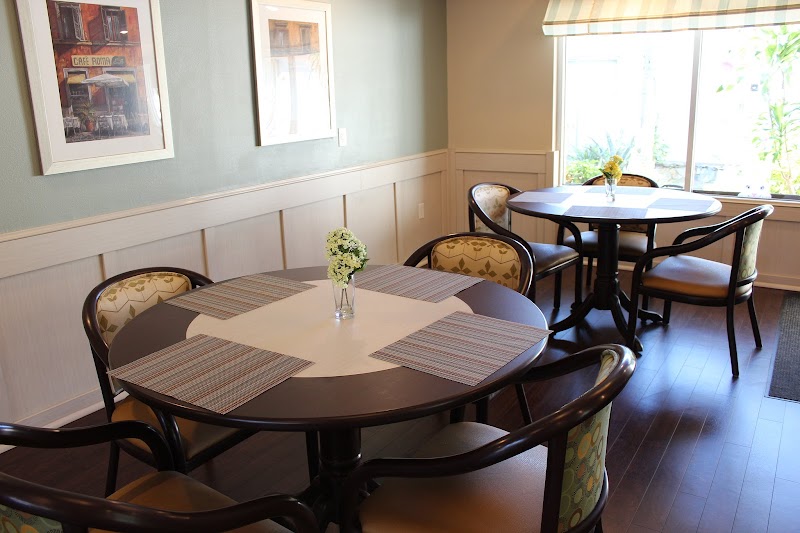
How is North Healthcare And Rehabilitation Center Staffed?

CMS rates NORTH HEALTHCARE AND REHABILITATION CENTER's staffing level at 1 out of 5 stars, which is much below average compared to other nursing homes.

What Have Inspectors Found at North Healthcare And Rehabilitation Center?

State health inspectors documented 13 deficiencies at NORTH HEALTHCARE AND REHABILITATION CENTER during 2021 to 2025. These included: 13 with potential for harm.
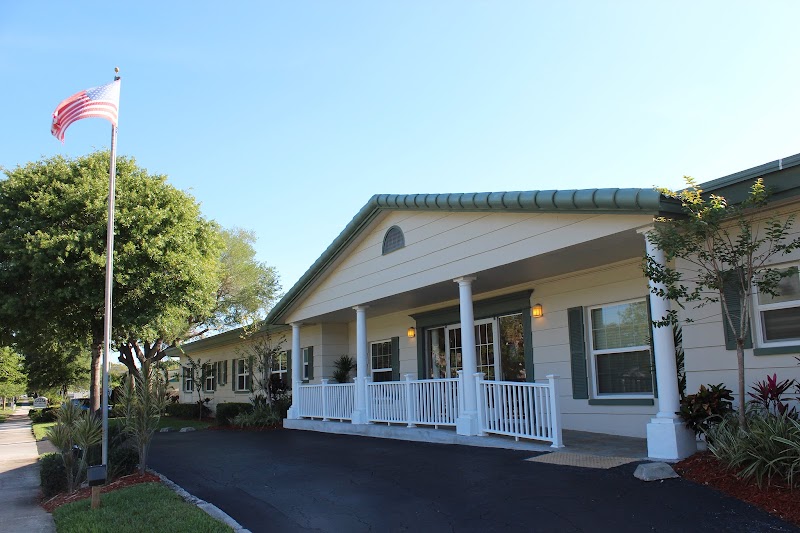
Who Owns and Operates North Healthcare And Rehabilitation Center?

NORTH HEALTHCARE AND REHABILITATION CENTER is owned by a for-profit company. For-profit facilities operate as businesses with obligations to shareholders or private owners. The facility is operated by GOLD FL TRUST II, a chain that manages multiple nursing homes. With 45 certified beds and approximately 41 residents (about 91% occupancy), it is a smaller facility located in SAINT PETERSBURG, Florida.
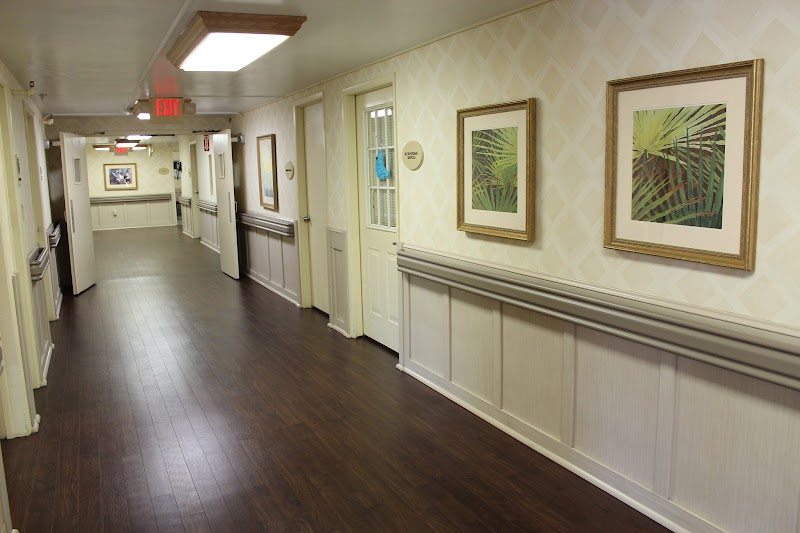
How Does North Healthcare And Rehabilitation Center Compare to Other Florida Nursing Homes?

Compared to the 100 nursing homes in Florida, NORTH HEALTHCARE AND REHABILITATION CENTER's overall rating (3 stars) is below the state average of 3.2 and health inspection rating (3 stars) is at the national benchmark.

What Should Families Ask When Visiting North Healthcare And Rehabilitation Center?

Based on this facility's data, families visiting should ask: "Can you walk me through typical staffing levels on day, evening, and night shifts?" "Can I visit during a mealtime to observe dining assistance and food quality?" "How do you handle medical emergencies, and what is your hospital transfer rate?" "Can I speak with family members of current residents about their experience?" These questions are particularly relevant given the below-average staffing rating.

Is North Healthcare And Rehabilitation Center Safe?

Based on CMS inspection data, NORTH HEALTHCARE AND REHABILITATION CENTER has a clean safety record: no substantiated abuse findings (meaning no confirmed cases of resident harm), no Immediate Jeopardy citations (the most serious violation level indicating risk of serious injury or death), and is not on the Special Focus Facility watch list (a federal program monitoring the lowest-performing 1% of nursing homes). The facility has a 3-star overall rating and ranks #100 of 100 nursing homes in Florida. While no facility is perfect, families should still ask about staff-to-resident ratios and recent inspection results during their visit.

Do Nurses at North Healthcare And Rehabilitation Center Stick Around?

NORTH HEALTHCARE AND REHABILITATION CENTER has not reported staff turnover data to CMS. Staff turnover matters because consistent caregivers learn residents' individual needs, medications, and preferences. When staff frequently change, this institutional knowledge is lost. Families should ask the facility directly about their staff retention rates and average employee tenure.

Was North Healthcare And Rehabilitation Center Ever Fined?

NORTH HEALTHCARE AND REHABILITATION CENTER has no federal fines on record. CMS issues fines when nursing homes fail to meet care standards or don't correct problems found during inspections. The absence of fines suggests the facility has either maintained compliance or corrected any issues before penalties were assessed. This is a positive indicator, though families should still review recent inspection reports for the full picture.

Is North Healthcare And Rehabilitation Center on Any Federal Watch List?

NORTH HEALTHCARE AND REHABILITATION CENTER is not on any federal watch list. The most significant is the Special Focus Facility (SFF) program, which identifies the bottom 1% of nursing homes nationally based on persistent, serious quality problems. Not being on this list means the facility has avoided the pattern of deficiencies that triggers enhanced federal oversight. This is a positive indicator, though families should still review the facility's inspection history directly.