WESTMINSTER SUNCOAST
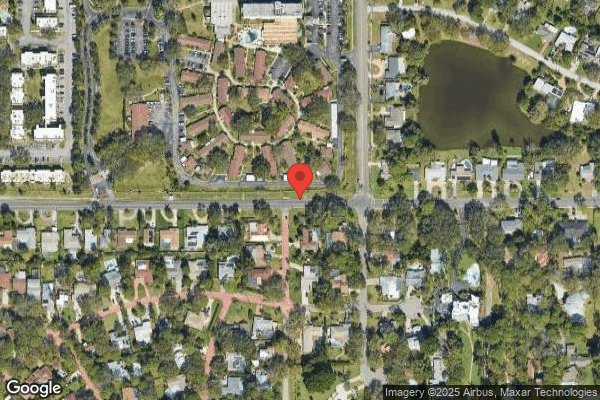

1095 PINELLAS POINT DR S, SAINT PETERSBURG, FL 33705 (727) 867-1131
Non profit - Corporation 120 Beds WESTMINSTER COMMUNITIES OF FLORIDA Data: November 2025
Trust Grade
65/100
#442 of 690 in FL
Last Inspection: April 2024

Within standard 12-15 month inspection cycle. Federal law requires annual inspections.

Overview

Westminster Suncoast has a Trust Grade of C+, which indicates it is slightly above average but still has room for improvement. It ranks #442 out of 690 nursing homes in Florida, placing it in the bottom half statewide, and #23 out of 64 in Pinellas County, meaning there are only a few local options that are better. Unfortunately, the facility is experiencing a worsening trend, with issues increasing from 5 in 2022 to 8 in 2024. Staffing is rated well at 4 out of 5 stars, with a turnover rate of 40%, which is below the state average and suggests that staff are relatively stable and familiar with the residents. While there have been no fines recorded, some concerning incidents include a high medication error rate of 66.67% during observations and reports of mistreatment of a resident by staff, highlighting areas that need urgent attention despite the overall decent rating.

Trust Score
C+
65/100
In Florida
#442/690
Bottom 36%
Safety Record
Low Risk
No red flags
Inspections
Getting Worse
5 → 8 violations
Staff Stability
○ Average
40% turnover. Near Florida's 48% average. Typical for the industry.
Penalties
✓ Good
No fines on record. Clean compliance history, better than most Florida facilities.
Skilled Nurses
✓ Good
Each resident gets 42 minutes of Registered Nurse (RN) attention daily — more than average for Florida. RNs are trained to catch health problems early.
Violations
⚠ Watch
16 deficiencies on record. Higher than average. Multiple issues found across inspections.
★★★☆☆
3.0
Overall Rating
★★★★☆
4.0
Staff Levels
★★★★☆
4.0
Care Quality
★★★☆☆
3.0
Inspection Score
Stable
2022: 5 issues
2024: 8 issues

The Good

  • 4-Star Staffing Rating · Above-average nurse staffing levels
  • 4-Star Quality Measures · Strong clinical quality outcomes
  • Full Sprinkler Coverage · Fire safety systems throughout facility
  • No fines on record
  • Staff turnover below average (40%)

    8 points below Florida average of 48%

Facility shows strength in staffing levels, quality measures, fire safety.

The Bad

3-Star Overall Rating

Near Florida average (3.2)

Meets federal standards, typical of most facilities

Staff Turnover: 40%

Near Florida avg (46%)

Typical for the industry

Chain: WESTMINSTER COMMUNITIES OF FLORIDA

Part of a multi-facility chain

Ask about local staffing decisions and management

The Ugly 16 deficiencies on record

Nov 2024 2 deficiencies
CONCERN (D) 📢 Someone Reported This

A family member, employee, or ombudsman was alarmed enough to file a formal complaint

Potential for Harm - no one hurt, but risky conditions existed

Free from Abuse/Neglect (Tag F0600)

Could have caused harm · This affected 1 resident

Based on observation, interview, and record review, the facility failed to protect the rights of one (#6) of one resident related to the physical abuse from a staff member. Findings included: On 9/23...

Read full inspector narrative →
Based on observation, interview, and record review, the facility failed to protect the rights of one (#6) of one resident related to the physical abuse from a staff member. Findings included: On 9/23/24 at 10:15 a.m., Resident #6 was observed sitting in a specialized wheelchair in her room. The resident reported mistreatment considering how she was treated and informed writer you're probably the worst one. The resident would not explain the statement related to mistreatment stating, it's over and done with hopefully. The resident reported being blind. Review of Resident #6's admission Record revealed the resident had diagnoses not limited to unspecified cerebral infarction, unspecified severity unspecified dementia without behavioral disturbance, psychotic disturbance, mood disturbance, and anxiety, recurrent moderate major depressive disorder, and adjustment disorder with other symptoms. Review of Resident #6's progress notes revealed the following: - Late Entry behavior note, dated 9/16/24 at 1:51 p.m. and effective 9/14/24 at 1:49 p.m., Resident sliding out of chair, staff members assisted back up into chair. Resident grabbed staff member by shirt and almost pulled her down. No signs/symptoms (s/s) of distress at this time. Will continue to monitor. - Behavior note, 9/14/24 at 10:14 p.m., Resisting care for transfer to bed and changing clothes and brief. Explained need to have brief changed. Cursing at staff and spitting and resisting care but finally stops resisting and care is completed. Tolerates well and is no longer speaking to staff. Review of an Incident Report statement from Staff A, Certified Nursing Assistant (CNA), dated 9/16/24 at 2:03 p.m., showed on 9/14/24 at approximately 8:00 p.m. the staff member was attending to Resident #6 who had been refusing care, exhibiting combative behaviors, and despite multiple follow-ups the resident remained uncooperative. The report showed at 10:00 p.m. (40 hours prior to the report) the resident had calmed somewhat and Staff B, Registered Nurse (RN) offered to assist with changing the resident's shirt. The report showed during the process, the resident spat at Staff B who in response, while standing over the resident spat back at the resident, the exchange occurred again when the resident spat at the nurse who repeated the action. The resident became no longer combative, the aide did not require any further assistance, and the nurse was excused from the room to de-escalate the situation. A telephone interview was conducted with Staff A on 9/24/24 at 12:29 p.m. Staff A reported she needed help with Resident #6 as the resident was a mechanical lift and was in the process of getting changed. Staff A reported witnessing the resident spit at Staff B and then witnessed Staff B spit at the resident might have been 2-3 times. Staff A stated after the incident everyone was calm, the resident allowed to be changed. Staff A said (the resident) was probably shocked too. Staff A reported witnessing Staff B hold the resident's wrists down and thought the resident was trying to hit earlier in the night but not at that time. Staff A reported to Staff D, Nursing Supervisor, that Staff B had spit at the resident, and the supervisor told Staff A to write a statement for the administrator. Staff A stated the statement was written on Monday (2 days after the event). A telephone interview was conducted on 9/24/24 at 2:17 p.m. with Staff D, Licensed Practical Nurse (LPN). The staff member confirmed working on the 11 p.m. - 7 a.m. shift, having the most seniority on shift so guessed that made her the Charge Nurse. Staff D reported walking up on the CNA, who had witnessed the incident on 9/14/24, speaking with someone else (unidentified) about the nurse spitting on the resident. Staff D reported advising the CNA if something had happened it would have to be reported. Staff D reported not saying anything to anyone else (regarding the incident) because she was not the supervisor on duty when it happened. Review on 9/24/24 at 1:32 p.m. of the facility's transcription from Staff B conducted via telephone, showed the Staff A had requested assistance from Staff B with putting Resident #6 into bed. Staff B reported assisting Staff A at approximately 10-10:30 p.m. with evening care for Resident #6. It was reported the resident was resistive to care, hitting, clawing and spit at Staff B. The statement showed the staff were able to put on a nightgown while the resident sat in the wheelchair and as Staff B was holding [the resident's hands] so CNA could put on gown. Staff B reported the resident did spit at her and I may have spit back during my aggressive speaking. The staff member continued to report making spitting noises and I was upset I just wanted to get her changed. The statement showed Staff B continued to state [resident] was an angry bitter person. The statement showed when the Regional Director of Health Care Services attempted to address how to handle a resident with cognitive impairment Staff B raised voice, asking What do you want me to do?Am I just supposed to leave her like that? During a previous interview the NHA reported the statement was conducted with Staff B over the phone, was written verbatim and attended by the Regional Director, Director of Nursing, and NHA. Review of the staff sign-in sheets for Saturday September 14th and Sunday September 15th, 2024 showed Staff B, Registered Nurse (RN) was assigned to Resident #6's hall. Review of September Medication Administration Record (MAR) for Resident #6 showed Staff B had administered medications and documented the resident's refusals on 9/14 and 9/15/24. On 9/14 and 9/15/24 during the evening shift, Staff B had documented the resident had not exhibited any behaviors related to the use of an antidepressant which included irritable. Review of Resident #6's Treatment Administration Record showed Staff B and applied both barrier cream to the resident's buttocks and peri-area and applied skin prep barrier to bilateral heels during the evening shift on both 9/14 and 9/15/24. During an interview on 9/24/24 at 12:14 p.m., Staff C, Certified Nursing Assistant (CNA) reported Resident #6 did get abusive and staff just walked away. When the resident refused care the aides would let the nurses know. Review of Resident #6's Behavioral Health note, dated 9/14/24 at 10:42 a.m. revealed the patient was referred to psychological evaluation and possible enrollment of behavioral health services with a history of moderate, major depressive disorder (MDD), adjustment disorder, and dementia. The patient had no history of signs/symptoms (s/s) of psychosis or mania, and no outbursts or behaviors had been reported. The note revealed the resident was dependent on staff for Activities of Daily Living (ADLs). The mental status examination showed the resident had poor insight, judgement, short- and long-term memory, and the fund of knowledge was insufficient and unreliable. The resident had a calm mood, congruent affect but did not respond or give short responses. The note showed the resident was likely not psychological appropriate due to level of memory impairment related to dementia. Review of the care plan for Resident #6 included the following focuses and related interventions: - Has self-care deficits and needs assistance completing activities of daily living (ADLs) due to (d/t) recent cerebral vascular accident (CVA), impaired visual function, stability, poor balance, and mobility. The interventions included instructions for staff to encourage and allow residents to do as much for themselves as safely able and to use of task segmentation in verbal cues as needed (PRN) to promote resident participation in completion of task. - Has a behavior problem as evidence of refusing medications and hitting the CNA with call light. A resident has episodes of yelling and cursing at the staff. Residents has episodes of displaying anger towards staff as evidence of stating get the hell out of here. Resident refused blood sugars. This focus was revised on 5/23/24. The interventions instructed staff to provide opportunity for positive interaction, attention. Stop and talk with him/ her as passing by. In addition to explain all procedures before starting and allowing to adjust to changes, if reasonable discuss behavior explain/ reinforce why behavior is inappropriate and/ or unacceptable. During an interview on 9/23/24 at 1:18 p.m. with the Nursing Home Administrator (NHA), Director of Nursing (DON), and the Regional Health Services Director (RHCD), the NHA reported at approximately 10:00 p.m. on 9/14/24 there was an incident of Resident #6 being combative with care while staff were trying to change her shirt. Staff A had asked Staff B to assist as the resident had refused care and was combative. The NHA reported despite multiple follow-ups (with resident), Staff A and B were assisting to change the resident's shirt and the resident spat at Staff B. The NHA reported Staff B spat back at the resident and held the resident's hands down during the care. Staff B was immediately suspended during the investigation. Staff B reported holding the resident's hands down as the resident was in the mechanical lift. Staff A reported Staff B spit back and the resident and Staff B spit again at each other. The NHA stated unfortunately Staff A did not report the incident right away. The NHA reported Staff B had become aggressive with the NHA, DON, and RHCD during the interview and refused to answer questions. The RHCD reported the allegation (of abuse) was verified as Staff B confirmed holding down the hands of the resident and spitting back at the resident. Review of the policy - Abuse, Neglect, and Exploitation, revised 7/23, showed it is the policy of this facility to provide protections for the health, welfare, and rights of each resident by developing and implementing written policies and procedures that prohibit and prevent abuse, neglect, exploitation, and misappropriation of resident property. The policy defined abuse as the willful infliction of injury, unreasonable confinement, intimidation, or punishment with resulting physical harm, pain, or mental anguish, which can include staff to resident abuse and certain resident to resident altercations. Abuse also includes the deprivation by an individual, including a caretaker, of goods or services that are necessary to attain or maintain physical, mental, and psychosocial well-being. Instances of abuse of all residents, irrespective of any mental or physical condition, cause physical harm, pain or mental anguish. It includes verbal abuse, sexual abuse, physical abuse, and mental abuse including abuse facilitated or enabled through the use of technology. The definition of willful per policy was the individual must have acted deliberately, not that the individual must have intended to inflict injury or harm. The compliance guidelines show the facility will develop and implement written policies and procedures that: A. Prohibit and prevent abuse, neglect, and exploitation of residents and misappropriation of resident property; B. established policies and procedures to investigate any such allegations; and C. include training for new and existing staff on activities that constitute abuse, neglect, exploitation, and misappropriate of resident property, reporting procedures, and dementia management and resident abuse prevention; and D. established coordination with the QAPI program. The facility will provide ongoing oversight and supervision of staff in order to assure that its policies are implemented as written. Facility will implement policies and procedures to prevent and prohibit all types of abuse, neglect, misappropriation of resident property, and exploitation that achieves: - h. Assigning responsibility for the supervision staff on all shifts for identifying inappropriate staff behaviors. The Protection of Resident guidelines reveal the following: The facility will make efforts to ensure all residents are protected from physical and psychosocial harm, as well as additional abuse, during and after the investigation. Examples include but are not limited to: A. Responding immediately to protect the alleged victim and integrity of the investigation; B. Examining the alleged victim for any sign of injury, including a physical examination or psychosocial assessment if needed; C. Increased supervision of the alleged victim in resident's; D. Room or staffing changes, if necessary, to protect the resident(s) from the alleged perpetrator; E. Protection from retaliation; F. Emotional support and counseling to the resident during and after the investigation, as needed; G. Revision of the residence care plan at the residence medical, nursing, physical, mental, or psychosocial needs or preferences change as a result of an incident of abuse.
CONCERN (D) 📢 Someone Reported This

A family member, employee, or ombudsman was alarmed enough to file a formal complaint

Potential for Harm - no one hurt, but risky conditions existed

Report Alleged Abuse (Tag F0609)

Could have caused harm · This affected 1 resident

Based on observation, interview, and record review, the facility failed to report an alleged violation involving abuse immediately or no later than 2 hours for one (#6) out of eight sampled allegation...

Read full inspector narrative →
Based on observation, interview, and record review, the facility failed to report an alleged violation involving abuse immediately or no later than 2 hours for one (#6) out of eight sampled allegations of abuse. . Findings included: On 9/23/24 at 10:15 a.m., Resident #6 was observed sitting in a specialized wheelchair in her room. The resident reported mistreatment considering how she was treated and informed writer you're probably the worst one. The resident would not explain the statement related to mistreatment stating, it's over and done with hopefully. The resident reported being blind. Review of Resident #6's admission Record revealed the resident had diagnoses not limited to unspecified cerebral infarction, unspecified severity unspecified dementia without behavioral disturbance, psychotic disturbance, mood disturbance, and anxiety, recurrent moderate major depressive disorder, and adjustment disorder with other symptoms. Review of Resident #6's progress notes revealed the following: - Late Entry behavior note, dated 9/16/24 at 1:51 p.m. and effective 9/14/24 at 1:49 p.m., Resident sliding out of chair, staff members assisted back up into chair. Resident grabbed staff member by shirt and almost pulled her down. No signs/symptoms (s/s) of distress at this time. Will continue to monitor. - Behavior note, 9/14/24 at 10:14 p.m., Resisting care for transfer to bed and changing clothes and brief. Explained need to have brief changed. Cursing at staff and spitting and resisting care but finally stops resisting and care is completed. Tolerates well and is no longer speaking to staff. An interview was conducted on 9/23/24 at 1:18 p.m. with the Nursing Home Administrator (NHA), Director of Nursing (DON), and the Regional Health Care Director (RHCD). The NHA reported an incident had occurred on 9/14/24 at approximately 10:00 p.m., between Resident #6 and Staff B, Registered Nurse (RN)) as witnessed by Staff A,Certified Nursing Assistant (CNA). The resident had refused and was combative with care while staff were trying to change her shirt and at 10:00 p.m. the resident calmed down. The staff had done multiple follow-ups with the resident and as Staff B, RN was assisting, the resident spat at the nurse. Staff A witnessed Staff B spitting back at the resident and held the resident's hands down during the care. The NHA reported Staff B admitted to holding the resident's hands down and spitting at the resident. The NHA reported, during an interview with Staff B she became aggressive towards the interviewers (NHA, DON, and RHCD) and refused to answer any questions. The NHA reported unfortunately Staff A did not report the incident until 1:29 p.m. on 9/16/24. A telephone interview was conducted with Staff A on 9/24/24 at 12:29 p.m. Staff A reported she needed help with Resident #6 as the resident was a mechanical lift and was in the process of getting changed. Staff A reported witnessing the resident spit at Staff B and then witnessed Staff B spit at the resident might have been 2-3 times. Staff A stated after the incident everyone was calm, the resident allowed to be changed. Staff A said (the resident) was probably shocked too. Staff A reported witnessing Staff B hold the resident's wrists down and thought the resident was trying to hit earlier in the night but not at that time. Staff A reported to Staff D, Nursing Supervisor, that Staff B had spit at the resident, and the supervisor told Staff A to write a statement for the administrator. Staff A stated the statement was written on Monday (2 days after the event). Review of an email from Staff A to the NHA on 9/16/24 at 2:03 p.m. an incident had occurred on 9/14/24 at 10:00 p.m. with Resident #6, Staff A, and Staff B. The description showed on 9/14/24 at approximately 8:00 p.m. [Staff A] was attending [Resident #6] who had been refusing care and exhibiting combative behavior. Despite multiple follow-ups, [Resident #6] remained uncooperative. At 10:00 p.m., [Resident #6] had calmed somewhat, and [Staff B] offered to assist with changing [the resident's] shirt. During the process, [Resident #6] spat at [Staff B]. In response, [Staff B] while standing over[the resident] spat back at her. This exchange occurred again when [the resident] spat at [Staff B] who repeated the action. At this point,[Resident #6] was no longer combative, and I did not require further assistance. [Staff B] was excused from the room. The actions taken showed the Staff B was excused from the room to de-escalate the situation. Review of the statement dated 9/16/24, from Staff B, provided by the NHA on 9/24/24 at 1:32 p.m. showed Staff B had reported assisting Staff A with putting Resident #6 into bed at approximately 10:00 p.m. - 11:00 p.m. (on 9/14/24). The resident was resistive to care, hitting, clawing and spitting at staff. Staff B reported holding the resident's hands so the CNA could put gown on. Staff B confirmed Resident #6 spat at her and she may have spit back during aggressive speaking and made spitting noises. The nurse reported Resident #6 was an angry bitter person. The NHA stated the statement from Staff B was done over the phone and was written verbatim with the NHA, DON, and RHCD. A telephone interview was conducted on 9/24/24 at 2:17 p.m. with Staff D, Licensed Practical Nurse (LPN). The staff member confirmed working on the 11 p.m. - 7 a.m. shift, having the most seniority on shift so guessed that made her the Charge Nurse. Staff D reported walking up on the CNA, who had witnessed the incident on 9/14/24, speaking with someone else (unidentified) about the nurse spitting on the resident. Staff D reported advising the CNA if something had happened it would have to be reported. Staff D reported not saying anything to anyone else (regarding the incident) because she was not the supervisor on duty when it happened. During an interview on 11/12/24 at 12:04 p.m. with the NHA, DON, and RHCD, the management team reported Staff A had not reported the incident for 2 days. The DON stated the staff member should have reported to the weekend supervisor who was in the facility until 11:00 p.m. and the supervisor would have notified the DON. The DON stated if another staff member was aware of the situation they should have reported it also. The DON stated she was unaware of any other staff member being aware of the incident. The NHA stated Staff A had texted him on 9/16/24 at approximately 1:00 p.m., prior to the email. The NHA and DON stated they did not interview any other staff regarding the incident. The RHCD stated Staff A was afraid of retaliation from Staff B due to issues in the past, not related to residents and Staff A did not report informing anyone else of the incident. Review of the timeline provided by the NHA related to an incident involving Resident #6 revealed on 9/14/24 at 10:00 p.m. Staff A, was attending the resident who had been refused care and exhibited combative behaviors. The report showed at 10:10 p.m. Staff B had been asked to assist the staff member in changing the resident's shirt and at 10:15 p.m. Resident #6 spat at Staff B who reciprocated the action back to the resident. The report showed on 9/14/24 at 10:25 p.m., Staff B held the resident's hands down and spit back at the resident a couple of times while trying to provide care then was excused from the situation at 10:30 p.m. The report showed on 9/16/24 at 1:42 p.m. (39 hours and 12 minutes after the incident) Staff A called the Nursing Home Administrator to report the incident between Resident #6 and Staff B. On 9/16/24 at 2:52 p.m., Resident #6's physician and family representative were informed of the incident and at 2:55 p.m., 40 hours after the incident, the facility reported the incident to the state agency and law enforcement. Review of the facility policy - Abuse, Neglect, and Exploitation, revised on 7/23, revealed it is the policy of this facility to provide protections for the health, welfare and rights of each resident by developing and implementing written policies and procedures that prohibit and prevent abuse, neglect, exploitation, and misappropriation of resident property. The policy defined abuse as the willful infliction of injury, unreasonable confinement, intimidation, or punishment with resulting physical harm, pain or mental anguish, which can include staff to resident abuse a certain resident to resident altercations. Abuse also includes the deprivation by an individual, including a caretaker, of goods or services that are necessary to attain or maintain physical, mental, and psychosocial well-being. Instances of abuse of our residents, irrespective of any mental or physical condition, caused physical harm, pain or mental anguish. It includes verbal abuse, sexual abuse, physical abuse, and mental abuse including the abuse facilitated or enabled through the use of technology. The definition of willful is described as the individual must have acted deliberately, not that the individual must have been intended to inflict injury or harm. Physical abuse includes, but is not limited to hitting, slapping, punching, fighting, and kicking. It also includes controlling behavior through corporal punishment. Alleged violation is defined as a situation or occurrence that is observed or reported by staff, resident, relative, visitor or others but has not yet been investigated and, if verified, could be indication of noncompliance with the Federal requirements related to mistreatment, exploitation, neglect, or abuse, including injuries of unknown source, and misappropriation of resident property. The Reporting/Response component of the policy showed: A. The facility we'll have written procedures that includes: 1. reporting all alleged violations to the administrator, state agency, adult Protective Services, into all other required agencies (e.g. Law enforcement when applicable) within specified time frames: a. Immediately, but not later than two hours after the allegation is made, if the events that caused the allegation involve abuse or result in serious bodily injury, or b. Not later than 24 hours if the events that caused the allegation do not involve abuse and do not result in serious bodily injury. 2. Assuring that reporters are free from retaliation or reprisal; 3. promoting a culture of safety and open communication in the work environment prohibiting retaliation against any employee who reports a suspicion of a crime. This facility will post a conspicuous notice of employee rights, including the right to file a complaint with the state survey agency if the employee believes the facility has retaliated against him/ her for reporting a suspected crime and how to file such a complaint. 4. Reporting to the state nurse aid registry or licensing authorities any knowledge it has of any actions by a court of law which would indicate an employee is unfit for service; 5. Taking all necessary actions as a result if the investigation, which may include, but are not limited to the following: a. analyzing the occurrence(s) to determine why abuse, neglect, misappropriation of resident property or exploitation occurred, and what changes are needed to prevent further occurrences; b. defining healthcare provision will be changed and/ or improved to protect residents receiving services; c. training of staff on changes made and demonstration of staff competency after training is implemented; d. identification of staff responsibility for implementation of corrective action; e. the expected date for implementation; and f. identification of staff responsible for monitoring the implementation of the plan.
Apr 2024 6 deficiencies
CONCERN (D)

Potential for Harm - no one hurt, but risky conditions existed

Deficiency F0657 (Tag F0657)

Could have caused harm · This affected 1 resident

**NOTE- TERMS IN BRACKETS HAVE BEEN EDITED TO PROTECT CONFIDENTIALITY** Based on interviews and record review, the facility failed to ensure an accurate care plan was in place related to Advanced Dire...

Read full inspector narrative →
**NOTE- TERMS IN BRACKETS HAVE BEEN EDITED TO PROTECT CONFIDENTIALITY** Based on interviews and record review, the facility failed to ensure an accurate care plan was in place related to Advanced Directives for one resident (#101) out of 40 sampled residents. Findings included: Review of Resident #101's admission Record revealed he was initially admitted to the facility on [DATE] and readmitted to the facility on [DATE] from an acute care hospital. His diagnoses included dysphagia following unspecified cerebrovascular disease, muscle weakness, abnormalities of gait and mobility, repeated falls, and speech/language deficits following a cerebrovascular disease. A review of Resident #101's physician orders revealed an order, dated 4/21/24, for Do Not Resuscitate (DNR). Review of Resident #101's medical record revealed a State of Florida's Do Not Resuscitate Order, dated 3/29/24, completed by Resident #101's Durable Power of Attorney (POA) and signed by the physician on 3/30/24. Review of Resident #101's care plan, dated 4/5/24, revealed the following: Residents Advanced Directives have been reviewed and include: Full Code. The goal revealed, Resident's wishes will be honored. The interventions revealed: Assist resident/family as needed for completion of Advanced Directive documents where applicable. Educate resident/family regarding Advanced Directives. Make resident's wishes known through care continuum. Notify physician if any change in condition. Review resident's advanced directives quarterly. An interview was conducted on 04/23/24 at 09:10 AM with Staff F, Assistant Social Worker. She said upon admission Advanced Directives are obtained by the social services department and after hours the nurses obtain the Advanced Directives, then the social services department follows up. She stated the social services department develops Advanced Directive care plans and the care plans should be accurate and reflective of the information obtained. An interview was conducted on 4/24/24 at 1:20 p.m. with the Director of Nursing (DON) and the Nursing Home Administrator (NHA). The DON and the NHA confirmed Advanced Directive care plans should be reflective of the physician order. The NHA said staff are to go to the physician order in the electronic medical record and in the hard chart to obtain the physician ordered code status. The care plan is not where the staff go to determine code status. Review of the facility's Comprehensive Care Plans policy, revised date 7/23, revealed the following: Policy: It is the policy of the facility to develop and implement a comprehensive person-centered care plan for each resident, consistent with resident rights, that includes measurable objectives and timeframes to meet a resident's medical, nursing, and mental and psychosocial needs that are identified in the resident's comprehensive assessment. .Policy Explanation and Compliance Guidelines: .3. The comprehensive care plan will describe, at a minimum, the following: a. The services that are to be furnished to attain or maintain the resident's highest practicable physical, mental, and psychosocial well-being. b. Any services that would otherwise be furnished, but are not provided due to the resident's exercise of his or her right to refuse treatment .
CONCERN (D)

Potential for Harm - no one hurt, but risky conditions existed

Pressure Ulcer Prevention (Tag F0686)

Could have caused harm · This affected 1 resident

**NOTE- TERMS IN BRACKETS HAVE BEEN EDITED TO PROTECT CONFIDENTIALITY** Based on observations, interviews, and record review, the facility failed to ensure pressure relieving boots were applied to pre...

Read full inspector narrative →
**NOTE- TERMS IN BRACKETS HAVE BEEN EDITED TO PROTECT CONFIDENTIALITY** Based on observations, interviews, and record review, the facility failed to ensure pressure relieving boots were applied to prevent the worsening of a pressure wound for one resident (#101) out of one resident sampled for pressure wounds. Findings included: Review of Resident #101's admission Record revealed he was initially admitted to the facility on [DATE] and readmitted to the facility on [DATE] from an acute care hospital. His diagnoses included dysphagia following unspecified cerebrovascular disease, muscle weakness, abnormalities of gait and mobility, repeated falls, speech and language deficits following a cerebrovascular disease. An observation was conducted on 04/22/24 at 10:16 AM. Resident #101 was observed to be in bed eyes closed, feet resting on the mattress, with his green air boots on the chair next to his bed, not in use. An observation was conducted on 4/23/24 at 10:41 AM. Resident #101 was observed to be lying on his right side, in bed, with the sides of both feet resting on the air mattress, with his eyes closed, with his green air boots in the chair next to his bed, not in use. Review of Resident #101's physician orders revealed a start date of 4/21/24 with no end date for Air boots to heels while in bed. every shift for Wound/Prevention. A physician's order with a start date of 3/20/24 and no end date to float heels while in bed every shift for Pprevention [sic]. Review of Resident #101's Treatment Administration Record (TAR) revealed on 4/22/24 the day, evening, and night shift nurses signed off as administered on Resident #101's physician order for Air boots to heels while in bed. every shift for Wound/Prevention. On 4/23/24 the day and evening documented the air boots were administered. Review of Resident #101's April Medication Administration Treatment (MAR) and TAR did not reveal documentation related to float heels while in bed every shift for Pprevention [sic]. Review of Resident #101's Wound Assessment Report, dated 4/22/24, revealed the following: Location: left lateral heel: measurements: Length:1.07cm width: 1.00 cm LxW: 1.07cm2 Depth: 0.00cm Etiology: Pressure stage/severity: unstageable acquired in house: No date wound acquired 3/30/24 wound status: stable .Periwound: Fragile, Denuded, Macerated Exudate Amount: Moderate Exudate Description: Serosanguineous Odor Post Cleansing: None Treatment Dressing Change Frequency: Daily, and PRN [as needed] Clean Wound With: Cleanse with normal saline Primary Treatment: Betadine Other Dressings: float heels, Bordered foam, LAL [low air loss]/Heel Boots . Review of Resident #101's care plan, revised on 4/5/24, revealed the following: [Resident #101] has Coccyx and left lateral heel pressure related areas requires assist with bed mobility & repositioning, nutritional risk continues, and he continues to be at risk for further breakdown. The goals included Will not have further breakdown on coccyx. Will not develop additional skin breakdown/pressure injuries. The interventions included: air boots to heels while in bed with a creation date of 4/22/24. apply house lotion to dry skin PRN assist resident as needed with bed mobility & repositioning on rounds during cares & PRN check Braden scale encourage good nutritional intake float heels while in bed OLO air loss alternating pressure air mattress observe resident's skin condition during routine care every shift and report any findings to nurse ooh cushion in wheelchair treatments as ordered weekly skin checks An interview was conducted on 4/24/24 at 1:18 p.m. with the Director of Nursing (DON) and the Nursing Home Administrator (NHA). The DON said the facility does not have a restorative nursing program. It is the responsibility of the staff to put on pressure-relieving boots. She said staff is either the nurse, Certified Nursing Assistant (CNA), or therapy. An interview was conducted on 4/24/24 at 1:45 p.m. with Staff G, CNA. She said the CNA's are responsible for putting on air boots and they are trained by therapy on how to do it. Review of the facility's Assistive Devices policy, revised on 7/23, revealed the following: Policy: The Purpose of this policy is to provide a reliable process for the proper and consistent use of assistive devices for those residents requiring equipment to maintain or improve function and/or dignity. Policy Explanation and Compliance Guidelines: .2. The use of assistive devices will be based on the resident's comprehensive assessment, in accordance with the resident's plan of care. 3. The facility will provide assistive devices for residents who need them. Nursing, dietary, social services, and therapy departments will work together to ensure availability of devices, such as for ordering and/or replacement. .5. Direct care staff will be trained on the use of the devices as needed to carry out there roles and responsibilities regarding the devices. Training will also include when to refer to other departments for changes in condition or problems with the device. 6. A nurse with responsibility for the resident will monitor for the consistent use of the device and safety in the use of the device. Refusals of use, or problems with the device, will be documented in the medical record. Modifications to the plan of care will be made as needed .
CONCERN (D)

Potential for Harm - no one hurt, but risky conditions existed

Respiratory Care (Tag F0695)

Could have caused harm · This affected 1 resident

**NOTE- TERMS IN BRACKETS HAVE BEEN EDITED TO PROTECT CONFIDENTIALITY** Based on observations, interviews, and record review the facility failed to ensure identification and monitoring of a BIPAP (Bip...

Read full inspector narrative →
**NOTE- TERMS IN BRACKETS HAVE BEEN EDITED TO PROTECT CONFIDENTIALITY** Based on observations, interviews, and record review the facility failed to ensure identification and monitoring of a BIPAP (Biphasic positive airway pressure) machine was in place for one resident (#6) out of one resident sampled. Findings included: A review of Resident #6's admission Record revealed he was initially admitted to the facility on [DATE] and readmitted from an acute care hospital on 4/18/24. His medical diagnoses included encounter for surgical aftercare following surgery on the digestive system, muscle weakness, abnormalities of gait and mobility, repeated falls, heart failure, and Type 2 Diabetes Mellitus without complications. An interview and observation was conducted on 04/22/24 at 10:10 AM. Resident #6 was observed to be lying in bed with his BIPAP mask on. He said he brought the BIPAP machine from home and he puts it on himself. He was observed to remove the BIPAP from his face and place it on his over bed table. Review of Resident #6's medical record on 4/22/24 at 11:15 p.m. did not reveal any orders related to a BIPAP machine. Review of Resident #6's care plan, with a revision date of 3/21/24, revealed the following: BIPAP therapy Obstructive Sleep Apnea. The goal included Resident Will Adhere to CPAP (Continuous Positive Airway Pressure) / BiPAP Regime. The interventions included BIPAP cleaning as scheduled and Encourage Resident's use of CPAP / BiPAP. An interview was conducted with the Director of Nursing (DON) on 4/24/24 at 12:58 PM. She said, We should have an order for the setting for the BIPAP and we would have the Respiratory Therapists come here weekly as well for the resident, and we should confirm the setting with home use or hospital use. Review of the facility's Noninvasive Ventilation (CPAP, BIPAP) policy, with a revision date of 7/23, revealed the following: Policy: It is the policy of this facility to provide noninvasive ventilation as per physician orders and current standards of practice. Definitions: .BiPAP, or bi-level positive airway pressure, is a similar respiratory therapy interventions that delivers an inhale pressure and an exhale pressure to provide a patent airway. It requires a machine that generates the separate pressures through a tube into a mask that fits over the nose or mouth. Policy Explanation and Compliance Guidelines: .2. The facility will obtain an order for the use of a CPAP, BiPAP, device and settings from the practitioner. 3. The CPAP, BiPAP, device must be set up and maintained by______________(specify). 4. Pay personal CPAP/BiPAP device may/may not be brought into the facility for the resident's use. If brought in, the nurse/respiratory therapist will verify the settings on the machine prior to use. 5. The facility will follow the manufacturer's instruction for use of the machine. .7. Document use of the machine, resident's tolerance, any skin, respiratory or other changes and response(s). 8. Follow manufacturer instructions for the frequency of cleaning/replacing filters and servicing the machine. Only the supplier may service the machine .
CONCERN (D)

Potential for Harm - no one hurt, but risky conditions existed

Deficiency F0698 (Tag F0698)

Could have caused harm · This affected 1 resident

Based on record review and interviews, the facility failed to ensure ongoing assessment and monitoring of the dialysis fistula (dialysis access port) before and after dialysis treatments for one resid...

Read full inspector narrative →
Based on record review and interviews, the facility failed to ensure ongoing assessment and monitoring of the dialysis fistula (dialysis access port) before and after dialysis treatments for one resident (#37) out of three residents sampled. Findings included: On 4/22/24 at 12:19 p.m., during an observation and interview, Resident #37 was sitting in a wheelchair in her room after her dialysis appointment. She said the dialysis access port was recently changed due to bleeding from the left thigh to the right thigh. Review of Resident #37's admission record revealed an admission date of 07/23/22 with diagnoses including End Stage Renal Disease and dependence on renal dialysis, and complication of surgical fistula (dialysis access port), onset date 3/27/24. Review of a physician orders, dated 4/19/24, revealed the following: -Resident #37 was scheduled for 1) dialysis services at a dialysis center on Mondays, Wednesdays, and Fridays; -Completion of the dialysis communication form before the resident leaves the facility for dialysis and on return to the facility after dialysis. A review of Resident #37's care plan, initiated on 7/25/22 and revised on 3/28/24, revealed the following: Focus: Hemodialysis due to renal failure. The goal: Will have immediate intervention should any signs or symptoms of complications from dialysis occur. The intervention listed include: 1) complete the dialysis communication form as ordered; 2) receives dialysis on Monday, Wednesday, and Friday; 3) monitor dialysis catheter site for signs and symptoms of infection; 4) monitor vital signs and notify the medical doctor of significant abnormalities; 5) monitor, document and report as needed any signs or symptoms of infection to access site for example, redness, swelling, warmth or drainage; 6) monitor, document and report as needed signs and symptoms of bleeding, hemorrhage, Bacteremia and septic shock. A review of the Dialysis Communication Inter-Change form dated, 4/3/24, revealed the thrill and bruit assessments, signs of bleeding and or infection, and the nurses' signature were not recorded before leaving the facility for dialysis. The thrill and bruit assessments and signs of bleeding and or infection were not recorded after returning to the facility from dialysis. A review of a physician note, dated 4/3/24, revealed intermittent swelling in the left leg and staff to notify the physician if symptoms become more pronounced. A review of the Dialysis Communication Inter-Change form dated, 4/5/24, revealed the thrill and bruit assessments, signs of bleeding and or infection and the nurses' signature were not recorded before leaving the facility. The thrill and bruit assessments and signs of bleeding and/ or infection was not recorded on return to the facility. A review of the progress note dated, 4/5/24, revealed the thrill and bruit assessments, signs of bleeding and or infection were not recorded. A review of the Dialysis Communication Inter-Change form dated, 4/8/24, revealed pre dialysis thrill and bruit assessments, signs of bleeding and/or infection and the nurses' signature were not recorded on the form for Resident #37 A review of a progress note, dated 4/8/24, revealed Resident #37 was admitted to the hospital from the dialysis center. A review of a hospital consultation report dated, 4/8/24 at 2:12 p.m., revealed a clot was removed from the left thigh dialysis fistula. A review of a progress note, dated 4/10/24 at 11:17 p.m., revealed Resident #37 arrived at the facility by ambulance. An assessment of the fistula was not recorded. A review of progress notes, dated 4/11/24 at 7:20 a.m., revealed Staff C, RN, ADON entered the residents room and observed copious amounts of frank red blood and clots from the left dialysis fistula. A review of the Medical Certification for Medicaid Long-term Care Services and Patient Transfer form, (3008), dated 4/19/24, revealed a primary diagnosis of hemorrhage of hemodialysis fistula of left thigh. A review of the Dialysis Communication form dated, 4/22/24, revealed pre dialysis vital signs, thrill and Bruit assessment, signs of bleeding and or infection and the nurses' signature were not recorded. The post dialysis thrill and bruit assessments, signs of bleeding and or infection and the nurses' signature were not recorded for Resident #37 A review of the progress notes, dated 4/22/24, revealed the dialysis fistula assessment was not recorded. A review of the Dialysis Communication form dated, 4/24/24, revealed pre dialysis vital signs, thrill and Bruit assessment, signs of bleeding/ infection, and nurses' signature were not recorded. The post dialysis, thrill (feel fistula vibrations) and bruit (listen to the fistula with a stethoscope) assessments and signs of bleeding and/ or infection were not recorded for Resident #37 A review of the progress notes, dated 4/24/24, revealed assessment of the dialysis fistula was not recorded for Resident #37. On 4/24/25 at 3:23 p.m. an interview was conducted with the DON and, Staff C, RN, ADON. Staff C, RN, ADON said the facility expects staff to complete fistula thrill and bruit assessments every shift and document in the progress notes. She stated the thrill and bruit assessments should be documented on the dialysis communication form before a resident leaves the facility for dialysis and after returning to the facility from the dialysis center. Staff C, RN, ADON said care plans, medication lists, and a completed dialysis communication form are sent with each dialysis center appointment. She said the nursing staff are expected to complete a dialysis communication form before and after each dialysis treatment. She stated all information should be documented on the form as follows: -Prior to leaving the facility: Resident's name, date and time, name of the dialysis facility, blood pressure, temperature and pulse, bruit and thrill assessment, signs of infection or bleeding, and the nurses' signature. -On return to the facility: time returned, blood pressure, temperature and pulse, bruit and thrill assessment, signs of infection or bleeding, and the nurses' signature. On 4/25/24 at 9:08 a.m. an interview was completed with the DON and Staff C, RN, ADON. The DON said after Resident #37 returned from the hospital on 4/10/24, a dialysis fistula assessment was not recorded before she was transported to the hospital by ambulance. On 4/25/24 10:04 a.m. an interview was conducted with Staff D, Certified Nursing Assistant (CNA). She said some dialysis education has been provided, not a lot. Staff D, CNA, said if bleeding was noted or the bandage was wet the nurse would be notified. On 4/25/24 at 10:07 a.m. an interview was conducted with Staff E, Staff E, LPN said the education the facility provides is primarily web based. She said the dialysis fistula should be monitored every shift and documented in the progress note. Staff E said on 4/11/24 shortly after her shift started, she heard Resident #37 call out help, help. When she entered the resident's room she observed blood around the fistula area. Staff E immediately called the Director of Nursing (DON) and Staff C, Registered Nurse (RN), Assistant Director of Nursing (ADON) to the bedside. EMS was called to transport Resident #37 to the hospital. On 4/25/24 at 2:00 p.m. during an interview Resident #37 said, On 4/11/24 she awoke, felt her left thigh and there was blood on her hand, and her bed sheet and cover were soaked with blood. Review of Nursing education, dated 2023, titled Dialysis revealed the following steps must be completed on dialysis days for every dialysis resident. -Dialysis communication filled out completely pre and post dialysis -Dialysis communication sheet sent with resident to dialysis -Pre and post vital signs taken and recorded in the Electronic Health Record (EHR) and dialysis communication sheet. -Pre and post weights taken and recorded in the EHR and dialysis communication sheet. -Document Pre and post Thrill and Bruit in the EHR and dialysis communication sheet. -Post dialysis ensure the communication sheet is filled out completely. If not, do so now. Call the dialysis center if needed. -Make sure a nurse's note is written when the resident leaves and returns. -Skin assessment completed pre and post dialysis transportation and documented in PCC. -Care Plan and dialysis order is up to date and includes: --Transportation, Center name, location, phone number; times and days of dialysis; fistula dressing is in place, clean and intact; check thrill and bruit; vital signs pre and post; dialysis emergency procedures if bleeding is present (apply pressure).
CONCERN (D)

Potential for Harm - no one hurt, but risky conditions existed

Deficiency F0699 (Tag F0699)

Could have caused harm · This affected 1 resident

**NOTE- TERMS IN BRACKETS HAVE BEEN EDITED TO PROTECT CONFIDENTIALITY** Based on observations, interviews, and record review, the facility failed to ensure one resident (#72)with Post Traumatic Stress...

Read full inspector narrative →
**NOTE- TERMS IN BRACKETS HAVE BEEN EDITED TO PROTECT CONFIDENTIALITY** Based on observations, interviews, and record review, the facility failed to ensure one resident (#72)with Post Traumatic Stress Disorder (PTSD) was assessed to identify triggers which may re-traumatize the resident out of 40 residents sampled. Findings Included: On 04/25/2024 at 2:00 and 3:00 p.m., Resident #72 was observed sitting with a group of residents attending an activity. Review of the admission Record for Resident #72 showed she was admitted to the facility on [DATE] and readmitted on [DATE] with diagnoses to include unspecified dementia, unspecified severity, without behavioral disturbance, psychotic disturbance, mood disturbance, and anxiety, Type 2 Diabetes Mellitus without complications, and post-traumatic stress disorder, unspecified. Review of a Minimum Data Set assessment, dated 03/1/2024, showed a Brief Interview for Mental Status (BIMS) score of 09 indicating Resident #72 was moderately cognitively impaired. Review of Resident #72's care plan showed the following: Focus: The resident has a history of Trauma related to a traumatic event as a child related to verbal and physical abuse, requires ongoing intervention to maintain psychosocial well-being. Resident # 72 is followed by Huntington Behavioral Services as needed. Dated initiated 02/13/2024, revised dated 02/13/2024. Interventions: Administer medications as ordered arrange for Licensed Mental Health Providers/ Psych services as indicated, encourage resident to expression of feelings and concerns in a safe space, encourage involvement in care planning decisions, encourage supportive relationships with family and friends, keep informed about changes to care, life at the facility, etc., observe for possible signs and symptoms of depression, anxiety, sleep disturbance substance abuse. Date initiated 02/13/2024. The care plan did not identify triggers specific for the resident which could potentially re-traumatize the resident. During an interview on 04/25/2024 at 3:30 p.m., with the Social Services Director, SSD, she stated Trauma Screening is part of the resident's admission assessment. She stated the resident or their representative are asked questions to determine if the resident has a history of trauma. Based on the assessment a Trauma care plan is created and then the resident is referred to psychiatric services. She stated they can identify what the resident triggers are when they ask the resident or their representatives to provide the resident trauma background information. She stated the resident triggers are then documented so staff would know how to properly assist the resident with their care needs. She stated Resident # 72 was verbally abused by a family member, but we did not ask her or her daughter if the resident had any triggers. The SSD stated she would have to reassess the resident to find out what triggers the resident. During an interview on 04/25/2024 at 3:45 p.m., with the Director of Nursing., she stated the Social Services Director reports to her, and she did not know much about Trauma Informed Care. She stated If we need any information about Trauma Informed Care, she would have to refer to her Social Services Director. She stated her expectations are residents with Post Trauma Stress Disorder triggers should be identified during their initial assessment so staff can be informed and provide better care for their residents. During an interview on 04/25/2024 at 3: 45 p.m., with the Nursing Home Administrator, he stated he will have the Social Services Director reassess all their residents who have Post Traumatic Stress Disorder, PTSD. He stated they will update the resident care plans and provide education to their staff related to trauma informed care. Review of facility policy titled, Trauma Informed Care, revised 6/2023, showed the following: Policy: It is the policy of this facility to provide care and services which, in addition to meeting professional standards, are delivered using approaches which are culturally competent, account for experiences and preferences, and address the needs of trauma survivors by minimizing triggers and /or re-traumatization. 6. The facility will identify triggers which may re-traumatize residents with a history of trauma. Triggers- specific interventions will identify ways to decrease the resident's exposure to triggers which re-traumatize the resident, as well as identity ways to mitigate or decrease the effort of the trigger on the resident and will be added to the resident care plan.
CONCERN (D)

Potential for Harm - no one hurt, but risky conditions existed

Deficiency F0726 (Tag F0726)

Could have caused harm · This affected 1 resident

**NOTE- TERMS IN BRACKETS HAVE BEEN EDITED TO PROTECT CONFIDENTIALITY** Based on observations, interviews, and record review, the facility failed to ensure a paid caregiver for one resident (#205) out...

Read full inspector narrative →
**NOTE- TERMS IN BRACKETS HAVE BEEN EDITED TO PROTECT CONFIDENTIALITY** Based on observations, interviews, and record review, the facility failed to ensure a paid caregiver for one resident (#205) out of 40 sampled residents had specific competencies and skill sets necessary to care for the resident's care needs. Finding included: Resident #205 was admitted to the facility on [DATE] with diagnoses of Hemiplegia and Hemiparesis following a cerebrovascular disease affecting the right dominant side, abnormalities of gait and mobility, and muscle weakness. An interview was conducted on 04/22/24 at 10:54 AM with Resident #205's private caregiver. The private caregiver was observed to have gloves on and said she had just taken the resident to the bathroom. She said the resident arrived at the facility last Thursday after having a stroke and went to the hospital. She said the resident had weakness on her right upper and lower extremities. The private caregiver said she had been transferring the resident to the bathroom, giving the resident showers, and helping get her dressed because when she put the call light on it would take 20-30 minutes for anyone to answer the light and when she would ask the staff if they can take the resident to the bathroom or give her a shower the staff told her the other private caregivers were doing the care so she could provide the care too. She asked the staff if they needed to see her transfer the resident and they said no they didn't need to see her do it. The private caregiver said she is a home health aide who works for a private agency and has not had any formal training as a Certified Nursing Assistant (CNA) or nurse. An interview/observation was conducted on 04/23/24 at 10:50 AM with Resident #205 and her private caregiver. The private caregiver was observed to have gloves on and said the resident was in the bathroom. The private caregiver said this morning when she arrived, she got the resident up, cleaned her up, dressed her and brought her to bathroom. The private caregiver said she arrives in the morning and leaves at 4:00 p.m. then the family comes. The private caregiver said yesterday (4/22/24) she provided all the activities of daily living (ADL) care the resident required without help from the staff until she left at 4:00 p.m. An interview was conducted on 04/23/24 at 10:50 AM with Staff H, CNA. He said this is his first time working with Resident #205. He said the resident has a private person in the room who comes after breakfast and gets the resident up, dressed, cleaned up and takes the resident to bathroom. He said he was not sure how many people the resident requires to transfer but he Would assume one person. An interview was conducted on 4/24/24 at 12:55 p.m. with the Director of Nursing (DON). She said our staff should be providing the residents care but the residents do have the opportunity to have a private caregiver. The DON said she was not aware Resident #205 had a private caregiver and she would have to follow up to find out if the private caregiver has had any training on how to perform care. An interview was conducted on 4/24/24 at 1:05 p.m. with the Nursing Home Administrator (NHA) who said he was aware Resident #205 had a private caregiver, but he did not know if the private caregiver had any formal training to provide ADL care. He said the facility staff should be performing ADL care. An interview was conducted on 4/24/24 at 1:45 p.m. with Staff G, CNA. She said Resident #205 has a private aide and the private aide provides the resident with all the ADL care, so she doesn't have to. A phone interview was conducted on 4/25/24 at 3:30 p.m. with Resident #205's family member. He said Resident #205 has had four strokes and the most recent one was a month ago which lead her to the facility after a hospital stay. He said since the stroke Resident #205 had become very weak and was unable to get up. He said he has a private caregiver come for seven hours during the day and four hours at night. He said the number one reason for the private caregivers is to provide hygiene to Resident #205. He said his only concern with the facility is the staff are supposed to provide the care to Resident #205, but the private aides are providing the ADL care when the facility staff do not provide the care. An interview was conducted on 4/25/24 at 3:33 p.m. with the NHA. He said he spoke to the private caregiver and asked if she had been pushing the call light, she said she had not been using the call light since the first day when it took a long time for the staff to come. He said he also found out she had been working out of her scope and our staff should be providing care. He said, so the private caregiver was educated that she is essentially a companion, and our staff should be providing all the care. The NHA interpreted the facility's policy titled Home health services CCRC's guidelines on limitations of service dated 02/05and said Resident #205 caregiver would be considered a Non-certified Personal Assistant (3) and her duties are limited to Provides domestic services such as: light housework, assistance with grooming, letter writing, companionship and assistance with transportation.
Feb 2022 5 deficiencies
CONCERN (D)

Potential for Harm - no one hurt, but risky conditions existed

Resident Rights (Tag F0550)

Could have caused harm · This affected 1 resident

Based on observation, record review, and interview, the facility failed to treat residents with respect and dignity related to one (Resident #230) of six residents with an indwelling catheter who did ...

Read full inspector narrative →
Based on observation, record review, and interview, the facility failed to treat residents with respect and dignity related to one (Resident #230) of six residents with an indwelling catheter who did not have a privacy cover on the urine drainage bag, on two (02/13/2022 and 02/15/2022) of four survey days. Findings included: On 02/13/2022 at 10:49 a.m., an observation of Resident #230 revealed the resident had an indwelling urine catheter, with the drainage bag not covered by a privacy cover, and the bag was visible from the room door and hallway. On 02/15/2022 at 9:49 a.m., an observation of Resident #230 revealed the resident had an indwelling urine catheter, with the drainage bag not covered by a privacy cover, and the bag was visible from the room door and hallway. During an interview on 02/15/2022 at 9:54 a.m. with Staff A, Certified Nursing Assistant (CNA), she confirmed the drainage bag did not have a privacy cover. In an interview with Staff B, Registered Nurse (RN) on 02/15/2022 at 10:05 a.m., he said it was the facility's policy to ensure a urine catheter drain bag was covered. Review of the clinical record for Resident #230 showed an admission date of 01/31/2022 and diagnoses that included, Urinary Tract Infection (UTI) and Benign Prostatic Hyperplasia (BPH) as per the admission face sheet. Review of the Care Plan, dated 01/31/2022, did not reveal an intervention related to the preservation of the resident's dignity and placement of a privacy cover on the catheter drain bag. On 02/15/2022 at 1:02 p.m. during an interview with the Director of Nursing (DON), she stated it was her expectation the indwelling catheter drain bag was covered with a vanity cover to preserve the resident's dignity. A facility-provided policy titled 'Catheter Care' and dated '7/20' was reviewed; it did not address the use of a privacy cover for the catheter drain bag. A facility-provided policy titled 'Resident Rights' and dated '7/20' was reviewed; it revealed, the resident has the right to be treated with respect and dignity. It did not address the use of a privacy cover for the catheter drain bag.
CONCERN (D)

Potential for Harm - no one hurt, but risky conditions existed

Deficiency F0578 (Tag F0578)

Could have caused harm · This affected 1 resident

**NOTE- TERMS IN BRACKETS HAVE BEEN EDITED TO PROTECT CONFIDENTIALITY** Based on record review, interviews, and policy review, the facility did not ensure the advance directive wishes were implemented...

Read full inspector narrative →
**NOTE- TERMS IN BRACKETS HAVE BEEN EDITED TO PROTECT CONFIDENTIALITY** Based on record review, interviews, and policy review, the facility did not ensure the advance directive wishes were implemented for one resident (#35) of eighty-three residents reviewed for advance directives. Findings included: A review of the face sheet in the admission record for Resident #35 revealed he was admitted with a diagnosis of hemiplegia following cerebral infarction affecting the left non dominant side. Review of the MDS (minimum data set) assessment dated [DATE] reflected a BIMS (brief interview for mental status) score of thirteen, indicating his cognition was relatively intact. A review of the physician's orders in the electronic medical record dated 1/25/21, revealed an advance directive of Full Code. Further review of the physician's orders reflected an order dated 2/8/22 indicating patient wishes to sign DNR (do not resuscitate) DC (discontinue) when done. Review of the medical record located at the nurses' station on the unit where Resident #35 resided on 2/14/22, revealed a laminated bright green paper in the front of the record with FULL CODE marked on it. On 2/14/22 at 10:11 a.m., an interview was conducted with Resident #35's nurse, Staff K, LPN (licensed practical nurse). Staff K, LPN said you could locate the residents' code status on the computer or in the chart. It says code status and it will tell you if they are a DNR or full code. Staff K, LPN checked Resident #35's electronic medical record and said he was a full code. Staff K also checked the paper record located at the nurses' station and presented the laminated bright green sheet of paper in the front of the chart indicating full code. During the interview the electronic medical record was reviewed with Staff K, LPN who confirmed there was an order dated 2/8/22, which read patient wishes to sign DNR. Staff K, LPN said on paper he is a full code. Technically he is a full code. She said she would do full resuscitation. On 2/14/22 at 10:26 a.m., an interview was conducted with Staff F, ADON (assistant director of nursing), unit manager. Staff F said he probably put the order in the computer. The nurse practitioner was in and ordered the DNR. She had the resident sign the form. She had a conversation with him and had him sign. The resident signed it on 2/8 and the doctor signed it on 2/11. Staff F presented the State of Florida Do Not Resuscitate Order form with Resident #34's signature on it, dated 2/8/22. Further review of the document reflected the physician had signed the form on 2/11/22. Staff F, ADON unit manager said until it was approved by the physician it was not in effect. We have to have the completed form. Staff F said he spoke to the nurse practitioner. She told him about it on 2/8. We have folders here for physician communication with anything the physician needs to sign. Staff F, ADON unit manager confirmed there was an order in the medical record located at the nurses' station that indicated patient wishes to sign DNR. The order was signed by a PA (physician's assistant). Staff F said the order should be followed pretty quick. It should be faxed to notify the physician it was here and that he needed to sign it. The order was the eighth, and the physician signed it on the eleventh. Staff F said he was not sure what the delay was. The order would have been faxed. He did not know if the physician got it on the eighth. He may have come in on the eleventh and signed it. On 2/14/22 at 10:30 a.m., an interview was conducted with Staff L, case manager RN (registered nurse). Staff L said if there was a result or anything the doctor needed to know, telephone orders, or anything that needed a physician signature, it went in their folder for a signature. The nurse notified them if there was an abnormal lab or X-ray finding. The nurse wrote on the result that the doctor was notified, with the date, time, and what the doctor said. The DNR's were faxed immediately if there was a need. At 10:45 a.m. on 2/14/22 an interview was conducted with the DON (director of nursing). She said, We should notify the doctor we have a resident that wishes to have a DNR so that they can also sign it, which I believe the ADON did. I think they faxed it to him. The resident's physician was the medical director. He signed the DNR on the eleventh when he was here. He might have wanted to have a discussion with the resident first before he signed it. I would hope that they would call him. The DON said she was not sure if the nurse practitioner for [Insurance Company Name] would have called his doctor. The resident's doctor was here every week. On 2/14/22 at 12:41 p.m., a telephone interview was conducted with Resident #35's attending physician. He explained that the process was to handle those requests the same day. He said he did not recall if the facility reached out to him. He assumed they did. He believed they faxed it to him. He said he should have signed it that day. He believed the policy was to sign it that same day. He heard about this this morning. He said he should have signed it. On 2/14/22 at 12:54 p.m. a follow up interview was conducted with the DON. The DON said she wrote down a note that Resident #35's physician was going to sign it on Thursday. That was 2/9. She said she always wrote notes on things to follow up on. Resident #35's physician usually came in on Thursdays. He did not come to sign it until Friday. The DON said she would assume the ADON would follow up on it. He sent the fax and he was the nurse manager. That DNR snuck in Friday, most likely after we left. A review of the policy, Residents' Rights Regarding Treatment and Advance Directives, dated 7/20, reflected the following: Policy It is the policy of this facility to support and facilitate a resident's right to request, refuse and/or discontinue medical or surgical treatment and to formulate an advance directive. Policy Explanation and Guidelines: 6. The facility will define and clarify medical issues and present them to the resident or legal representative as appropriate. 7. During the care planning process, the facility will identify, clarify, and review with the resident or legal representative whether they desire to make any changes related to advance directives. 8. Decisions regarding advance directives and treatment will be periodically reviewed as part of the comprehensive care planning process, the existing care instructions and whether the resident wishes to change or continue these instructions. 9. Any decision making regarding the resident's choices will be documented in the resident's medical record ands communicated to the interdisciplinary team and staff responsible for the resident's care. 11. Should the resident refuse treatment of any kind, the facility will document the following in the resident's chart: a. what the resident refused. b. The reason for the refusal. c. The advice given to the resident about the consequences of refusing. d. the offering of alternative treatments. e. The continuation of providing all other services.
CONCERN (D)

Potential for Harm - no one hurt, but risky conditions existed

Comprehensive Care Plan (Tag F0656)

Could have caused harm · This affected 1 resident

**NOTE- TERMS IN BRACKETS HAVE BEEN EDITED TO PROTECT CONFIDENTIALITY** Based observation, interview, and record review, the facility failed to implement the care plan for one (Resident #34) of two re...

Read full inspector narrative →
**NOTE- TERMS IN BRACKETS HAVE BEEN EDITED TO PROTECT CONFIDENTIALITY** Based observation, interview, and record review, the facility failed to implement the care plan for one (Resident #34) of two residents sampled for vision and hearing. The facility staff failed to offer Resident #34 their eyeglasses on three of three observed days. The failure of the staff to offer Resident #34 their eyeglasses per the care plan, resulted in a failure to identify Resident #34's eyeglasses were missing. Findings included: On 02/13/22 at 12:45 p.m., Resident #34 was observed lying in bed under the covers saying help . is someone going to help? Upon interviewing the resident, Resident #34 stated her stomach hurt and assistance was needed. The resident's call light was within reach, however, Resident #34 said I can't see [it] . The location of the call light for the resident was explained and the resident pressed the call light button for assistance from staff. Resident #34 said, I hate this thing [referring to the call light button], I can't hear it. Further observation of the resident revealed her without eyeglasses. An observation of the resident's direct vicinity revealed no eyeglasses within the resident's reach. A review of Resident #34's Facesheet revealed current medical diagnoses of glaucoma and cataracts. A review of Resident #34's minimum data set (MDS), dated [DATE], revealed the resident had a brief interview for mental status score of 8, indicating moderate cognitive impairment without behaviors of inattention or disorganized thinking. Resident #34 had moderately impaired vision and used corrective lenses. A review of Resident #34's Care Plan, revealed a problem onset date of 07/22/2020 with a goal and target date of 03/16/2022 for Decreased vision related to cataracts, glaucoma and vision loss to left eye. Approaches for this problem area included ensuring that eyeglasses are in place/being worn by the resident during waking hours and ensuring that eyeglasses are appropriate strength/type for resident's needs. A follow-up interview on 02/14/2022 at 10:13 a.m. with Resident #34 revealed she had eyeglasses but had not worn them in a while, stating that . things go missing for me a lot. Resident #34 stated she had notified someone a while ago that her eyeglasses were missing. An observation of Resident #34 on 02/15/2022 at 10:00 a.m. revealed the resident not wearing eyeglasses. An interview on 02/15/2022 at 10:26 a.m. with Staff C, Registered Nurse (RN) revealed the certified nursing assistants (CNAs) were responsible for offering and putting a resident's glasses on if they had them. An interview on 02/15/2022 at 10:44 a.m. with Staff D, CNA revealed she had worked with Resident #34 before but was unsure if the resident had glasses or not. Staff D, CNA stated if the resident did have glasses, they would be inside the nightstand drawers. Staff D, CNA looked inside the resident nightstand drawers and was unable to find eyeglasses. During this observation Resident #34 said, my glasses have been missing for a while. Staff D, CNA stated she was unsure where the eyeglasses would be. An interview on 02/15/2022 at 10:52 a.m. with Staff E, CNA revealed she had worked with Resident #34 for a while, and had not seen the resident wearing eyeglasses. An interview on 02/15/2022 at 1:15 p.m. with the Nursing Home Administer (NHA) and the Director of Nursing (DON) confirmed the plan of care should be implemented and followed. Both the NHA and DON stated they were unaware the resident was missing her eyeglasses. The NHA and DON confirmed that if the plan of care had been followed, facility staff would have identified the resident's eyeglasses were missing. A policy review of Hearing and Vision Services, dated 07/2020, revealed It is the policy of this facility to ensure that residents have access to and received proper treatment and assistive devices to maintain vision and hearing abilities . 1. the facility will utilize the comprehensive assessment process for identifying and assisting a resident's vision and hearing abilities in order to provide person-centered care. This process includes: resident's vision and hearing abilities in order to provide person-centered care. This process includes: a. Obtaining history from medical records, the family, and the resident regarding hearing and vision abilities; b. MDS and care assessments; c. Ongoing monitoring of sensor problems; d. Care plan development and implementation, and e. Evaluation . 5. Employees will assist the resident with the use of any devices or adaptive equipment needed to maintain vision or hearing. A policy review of Comprehensive Care Plans, revised 07/2020, revealed It is the policy of this facility to develop and implement a comprehensive person- centered care plan for each resident, consistent with resident rights, that includes measurable objectives and timeframes to meet a residence medical, nursing, and mental and psychosocial needs that are identified in the resident's comprehensive assessment . 1. The care planning process will include an assessment of the resident's strengths and needs, and will incorporate the resident's personal and cultural preferences in developing goals of care. Services provided or arranged by the facility, as outlined by the comprehensive care plan, shall be culturally- competent and trauma-informed . 3. The comprehensive care plan will describe, at a minimum, the following a. The services that are to be furnished to attain or maintain the resident's highest practicable physical, mental, and psychosocial well-being . 5. the comprehensive care plan will be reviewed and revised by the interdisciplinary team after each comprehensive and quarterly MDS assessment. 6. The comprehensive care plan will include measurable objectives and timeframes to meet the residents needs as identified in the resident's comprehensive assessment. The objectives will be utilized to monitor the resident's progress. Alternative interventions will be documented, as needed.
CONCERN (D)

Potential for Harm - no one hurt, but risky conditions existed

Laboratory Services (Tag F0770)

Could have caused harm · This affected 1 resident

**NOTE- TERMS IN BRACKETS HAVE BEEN EDITED TO PROTECT CONFIDENTIALITY** Based on observation, interview, and record review, the facility failed to obtain and verify laboratory results for a physician ...

Read full inspector narrative →
**NOTE- TERMS IN BRACKETS HAVE BEEN EDITED TO PROTECT CONFIDENTIALITY** Based on observation, interview, and record review, the facility failed to obtain and verify laboratory results for a physician ordered urinalysis (U/A) for one (Resident #6) of two residents sampled for urinary tract infections. Findings included: Resident #6's minimum data set (MDS), dated [DATE], revealed the resident was severely cognitively impaired, required extensive assistance for toilet use, and had occasional urinary incontinence. A review of Resident #6's Department Notes, dated 01/19/2022 at 12:36 p.m. revealed CNA [certified nursing assistant] reports resident weeps upon urination. ARNP [advanced registered nurse practitioner] visited and order received for UA, C&S [urinalysis culture and sensitivity]; straight cath [catheter] if needed. A review of Resident #6's electronic Medication Administration Record (e-MAR), dated January 2022, revealed under description, an order for UA C&S MAY STRAIGHT CATH IF NEEDED. Further review revealed on 01/19/2022 at 10:00 p.m. a check mark; which indicated the urinary sample was collected to complete the physician order. In an interview on 02/14/2022 at 11:07 a.m., with Staff C, Registered Nurse (RN), she stated once a laboratory (lab) service was ordered, and the results were received, it was uploaded into the online medical chart. If the lab result was not in the online medical chart, it could also be found in the resident's hard paper chart, the physician folder awaiting review, or in the online lab result file. A review of the online lab result system revealed the last lab result for Resident #6 was on 01/04/2022. Staff C, RN stated there were no other lab results available after 01/04/2022 for Resident #6 related to a urinalysis. On 02/14/2022 at 2:26 p.m., Staff F, Assistant Director of Nursing (ADON) stated during an interview that laboratory services were ordered by the physician, a nurse would input the order into the online system, and the laboratory sample was obtained and sent to a lab by a nurse. The results of the labs were reviewed by the physician for further guidance. The ADON reviewed Resident #6's online medical chart and hard paper chart. The ADON confirmed a lack of lab results related to Resident #6's physician ordered urinalysis. On 02/14/2022 at 2:55 p.m., an interview with both Staff F, ADON and Staff C, RN confirmed Resident #6's online medical chart indicated a urinalysis sample was collected on 01/19/2022, however, there was no indication within the resident's medical files that the lab was completed, nor the results obtained and reviewed. On 02/14/2022 at 2:56 p.m. the Director of Nursing (DON) confirmed the facility process for ordering, obtaining, and reviewing a physician ordered laboratory service. The DON stated even if a resident's lab result did not indicate abnormal findings, the results should still be confirmed and filed into the resident's medical chart. A follow-up interview on 02/14/2022 at 4:22 p.m. with the DON confirmed Resident #6's urinalysis lab was not completed. The facility was unable to verify if the urinalysis lab sample was . even collected and done. The DON spoke with the nurse who signed off on collecting the urinalysis lab sample and the nurse was unable to verify if the lab was collected. A policy review of Provision of Physician Ordered Services, dated 07/2020, revealed The purpose of this policy is to provide a reliable process for the proper and consistent provision of physician ordered services according to professional standards of quality . 1. Facility will maintain a schedule of diagnostic tests (laboratory and radiology) in accordance with the physician's orders. No diagnostic test or consultation request will be performed without specific physician, physician assistant, nurse practitioner or clinical nurse specialist's orders in accordance with state law, including scope of practice laws . 3. Qualified nursing personnel will receive and review the diagnostic test reports or consults and communicate the results to the ordering Physician, physician assistant, nurse practitioner or clinical nurse specialist within 24 hours of receipt unless they report fall outside of clinical reference ranges in accordance with facility policies and procedures for notification of a practitioner or per the ordering physician's orders. Ordering provider will be notified of results upon receipt if deemed critical and or require immediate attention. 4. Documentation of consultations, diagnostic tests, the results, and date/time of Physician notification will be maintained in the residence clinical record. A policy review of Laboratory Services and Reporting, dated 07/2020, revealed the facility must provide or obtain laboratory services when ordered by a physician, physician assistant, nurse practitioner, or clinical nurse specialists in accordance with state law . 1. The facility must provide or obtain laboratory services to meet the needs of its residents. 2. The facility is responsible for the timeliness of the services . 6. All laboratory reports will be dated and contain the name and address of the testing laboratory and will be filed in the resident's clinical record. 7. Promptly notify the ordering physician, physician assistant, nurse practitioner, or clinical nurse specialist of laboratory results that fall outside the clinical reference range.
CONCERN (E)

Potential for Harm - no one hurt, but risky conditions existed

Unnecessary Medications (Tag F0759)

Could have caused harm · This affected multiple residents

Based on observations, interviews and record review, the facility failed to ensure that the medication error rate was less than 5.00%. Twenty-seven medication administration opportunities were observe...

Read full inspector narrative →
Based on observations, interviews and record review, the facility failed to ensure that the medication error rate was less than 5.00%. Twenty-seven medication administration opportunities were observed and eighteen errors were identified for three residents (#130, #79, #131) observed. These errors constituted a 66.67% medication error rate. Findings included: 1. On 2/14/22 at 10:28 a.m., an observation of medication administration with Staff J, Registered Nurse (RN), was conducted with Resident #79. Staff J. was observed dispensing the following medications: -Loratadine 10 milligrams (MG) tablet orally -Fluticasone Prop 50 micrograms (MCG) Spray 1 spray each nostril -Lisinopril 20 mg. 1 tablet orally -Tumeric 1 capsule orally -Amlodipine Besylate 2.5 MG 1 tablet orally During the dispensing of the medications for Resident #79, Staff J said the Cyanocobalamin 1,000 microgram (MCG)/milliliter (ML) was not in the medication cart. Staff J confirmed the medication was not administered. She confirmed the medication pass was late and not within the 6-10 a.m. window. She stated, I am not sure of the policy. Review of Resident #79's February 2022 Medication Administration Record (MAR) indicated the following: -Cyanocobalamin 1,000 MCG/ML VL inject 1ML intramuscular (IM) Every 14 days marked 'N' indicating Not Given -Loratadine 10 MG tablet give 1 tablet by mouth for allergies AM -Lisinopril 20 MG tablet 1 tablet by mouth daily for Hypertension AM, -Amlodipine Besylate 2.5 MG Tab 1 Tablet by mouth Twice a Day for Hypertension -Fluticasone Prop 50 MCG Spray 1 Spray each nostril Twice Daily -Tumeric give 1 capsule by mouth daily for deficiency AM A review of Nurses Notes dated 2/14/22 at 1:09 p.m. entered by Staff J for Resident #79 identified the following, Resident medication were late this morning, MD [physician] and resident aware. 2. On 2/14/22 at 10:43 a.m., an observation of medication administration with Staff J (RN) was conducted with Resident #131. Staff J was observed dispensing the following medications: -Triamterene-HCTZ 37 5-25 MG 1 tablet orally -Probiotic 10 billion cell cap 1 capsule orally -Atenolol 50 MG tablet 1 tablet orally On 2/14/22 at 10:50 a.m., during an interview Staff Member J stated, Medications were late for 6-10 AM window for Resident #131. The medication pass is completed for hallway 300. A review of Resident #131 February Medication Administration Record indicated the following: -Triamterene-HCTZ 37.5-25 MG 1 tablet by mouth daily in AM for Hypertension -Probiotic 10 billion cell cap 1 capsule by mouth daily in AM for colon health -Atenolol 50 MG tablet 1 tablet by mouth every morning DX Hypertension AM 3. On 2/14/22 at 10:50 a.m. during an interview, Staff J requested to review and confirm medication administration for Resident #130. Staff J stated, I missed Resident #130 and did not see she did not receive her medications for 6:00 AM-10:00 AM. On 2/14/22 at 10:53 a.m., an observation of medication administration with Staff J (RN) was conducted with Resident #130. Staff J was observed dispensing the following medications: -Myrbetriq ER 50 MG 1 orally -Lisinopril 20 mg 1 tablet orally -Metoprolol Tartrate 50 MG tab 1&1/2 tablets (75mg) orally -Eliquis 2.5 MG tablet 1 tablet orally -Amiodarone HCL 200 mg 1 tablet orally -Acyclovir 400 MG tablet 1 tablet orally -Vitamin D3 400 unit tablet 1 tablet orally -Ocular Vitamin 1 tablet orally -Dorzolamide-Timolol 2%-0.5% instill 1 drop Right Eye On 2/14/22 at 11:00 a.m. following dispensing of medication to Resident #130, Staff J stated, Since I am new I do not know the policy for here. I should have shared with the residents they received the medication late today and I will need to check the policy to contact the Physician's for the residents. A review of Resident #130 February 2022 Medication Administration Record indicated the following: -Myrbetriq ER 50 MG tablet Give 1 tablet by mouth one daily AM -Acyclovir 400 MG tablet 1 tablet by mouth daily for infection AM -Amiodarone HCL 200 MG tablet 1 tablet by mouth daily for atrial fibrillation -Dorzolamide-Timolol 2%-0.5% Instill 1 drop in Right Eye twice daily for glaucoma AM, HS -Eliquis 2.5 MG tablet give 1 tablet by mouth twice daily for A Fib AM, HS -Lisinopril 20 MG tablet give 1 tablet by mouth twice daily for HTN -Calcium Carb 500 MG tab Chew 1 tablet by mouth twice a day for vitamin deficiency AM, HS -Vitamin D3 400 Unit Tablet 1 tablet (400 Units) by mouth twice a day for risk for malnutrition -Preservision Areds Tablet 1 tablet by mouth twice a day for risk for malnutrition AM, HS -Metoprolol Tartrate 50 MG tab 1 & ½ tablets (75 MG) by mouth twice a day for hypertension Review of a facility provided policy titled Medication Errors Policy and dated 7/20 identified: It is the policy of this facility to provide protections for the health, welfare and rights of each resident by ensuring residents receive care and services safely in an environment free of significant medication errors. 2. The facility must ensure that it is free of medication error rates of 5% or greater as well as significant medication error events. 5. Medication timing errors will be determined by utilizing the facility's policy relating to dosing schedules. Review of The Facility's Medication-time guidelines document, undated, indicated: #a. medication time for AM medication administration as 06h00-10h00 (6-10am), #d. identifying AM for BID30, (twice a day) medication times as 6AM-10AM for medication schedules. In an interview conducted on 2/14/22 at 3:28 p.m. with Staff J, she confirmed the medications were administered outside the facility's identified range for morning medications and would be considered administered late. An interview with the Director of Nursing (DON) was conducted on 2/15/22 at 1:10 p.m. She stated, Medication schedule for AM order at this facility is currently 6:00-10:00 AM window, if medications are administered outside that timeframe for AM medications they would be untimely. On 02/16/22 10:13 AM an interview was attempted with the facility's Consultant Pharmacist via phone. A voicemail was left; however, a return call was not received by completion of the survey.
Nov 2020 3 deficiencies
CONCERN (D)

Potential for Harm - no one hurt, but risky conditions existed

Unnecessary Medications (Tag F0759)

Could have caused harm · This affected 1 resident

Based on observations, record review, interviews, and policy review the facility did not ensure the medication error rate was below 5% regarding two residents (#55 and #175) of six sampled residents o...

Read full inspector narrative →
Based on observations, record review, interviews, and policy review the facility did not ensure the medication error rate was below 5% regarding two residents (#55 and #175) of six sampled residents observed during medication administration. This resulted in four errors from 25 opportunities and a medication error rate of 16%. Findings included: 1) On 11/17/20 at 4:26 p.m. an observation was conducted during medication administration with Staff E, RN. Staff E, RN poured medications for Resident #55 including Nuplazid 34 mg capsule, along with a cup of water. Staff E, RN brought the water and medications to Resident #55's room along with a pair of gloves. After to entering the room, Staff E, RN placed the medications, a thermometer, and a pulse oximeter along with the cup of water on a tissue on the bedside table. She put the gloves on. Then Staff E, RN checked Resident #55's temperature and pulse ox. Staff E, RN gave Resident #55 his medications with water. Then Staff E, RN removed the gloves and washed her hands in the sink. Staff E, RN gathered the supplies and exited the room where she placed a tissue on top of the medication cart. Staff E, RN set the supplies on top of the tissue. Then Staff E, RN removed an alcohol wipe, put on gloves, and cleaned the pulse oximeter. Staff E, RN used another wipe to clean the thermometer. Then Staff E, RN removed the gloves and performed hand hygiene. Resident #55 was admitted to the facility with a diagnosis of dementia, according to the face sheet in the medical record. A review of the physician's order in the medical record revealed an order dated 6/20/19 for Nuplazid 34 mg capsule give one cap by mouth every day at bedtime. Review of the Medication-time guidelines provided by the facility indicated c) HS (hour of sleep-bedtime) 6-10 pm. 2) On 11/18/20 at 9:44 a.m. an observation was conducted with Staff A, RN during medication administration. Staff A, RN poured medications for Resident #175, including a Treligy Ellipta inhaler, Spiriva inhaler, and Budesonide nebulizer treatment. Staff A, RN brought the medications to Resident #175's room. She placed the inhalers on the bedside table in front of Resident #175. Staff A, RN handed Resident #175 the Spiriva inhaler after preparing it for him. After Resident #175 took 2 puffs of the Spiriva, Staff A, RN handed Resident #175 the Treligy Ellipta inhaler she had prepared. Resident #175 took one puff of the Treligy Ellipta. Staff A, RN did not instruct Resident #175 to rinse his mouth or wait one minute between puffs of each of the inhalers. Next Staff A, RN opened a small volume nebulizer chamber with a mask on it. Staff A, RN poured the Budesonide solution into the chamber and reattached the mask. Then Staff A, RN handed Resident #175 the mask. Resident #175 put it on. Staff A, RN turned the nebulizer on and exited the room with the medications. Staff A, RN did not remain with Resident #175 during the nebulizer treatment. Staff A, RN performed hand hygiene and left the room. After waiting a period of time Staff A, RN returned to Resident #175's room and gave him his pills. The nebulizer was off and sitting on the bedside table. Staff A, RN removed the nebulizer mask from the small volume chamber. She took the pieces to the bathroom and rinsed them off in the sink while wearing gloves. Staff A, RN placed them on a paper towel to dry. Staff A, RN emptied a urinal in the room, and removed the gloves and washed her hands in the sink. Resident # 175 was admitted to the facility with a diagnosis of COPD (chronic obstructive pulmonary disease), according to the facesheet in the admission record. A review of Resident #175's physician's orders reflected the following: 11/9/20 Treligy Ellipta 100-62.5-25 inhale 1 puff daily in am for COPD 11/9/20 Spiriva Respimat 2.5 mcg inhaler inhale 2 puffs daily in am for COPD 11/9/20 Budesonide 0.25 mg/2 ml susp. inhale 2 ml via nebulizer twice a day for COPD On 11/18/20 at 3:20 p.m. an interview was conducted with Staff A, RN. Staff A, RN said Resident #175 is insistent on doing his own medications. He does them at home, and so we hand him the inhalers and the nebulizer. He rinses his mouth himself after the inhaler. She said she knows the policy now; stay with the resident during the nebulizer treatment. A review of the Self Administration of Medication dated 11/9/20 reflected under safety assessment: Desire: No desire to self administer medications. On 11/19/20 at 1:01 p.m. an interview was conducted with the consultant pharmacist. She said the MAR (medication administration record) says to rinse after use, so yes, they have to rinse after using an inhaled steroid. Yes, they could get thrush. If the order for Nuplazid says give at bedtime, that is when it should be given. The residents go to bed around seven or eight o'clock there. That is when it should be given. On 11/19/20 at 1:35 p.m. an interview was conducted with the Director of Nursing (DON). The DON said the bedtime medication should be given no earlier than an hour before bedtime. The nurse should encourage the resident to follow the manufacturer's label for the medications. Unless it is care planned or he has a self administration the nurse needs to stay for the nebulizer treatment. They do need an order to self administer medications. From the time the resident said he wanted to do his medications himself, the assessment should have been done. It is done on admission. A review of the policy, Medication Administration, dated 7/20, revealed the following: Policy: Medications are administered by licensed nurses, or other staff who are legally authorized to do so in this state, as ordered by the physician and in accordance with professional standards of practice, in a manner to prevent contamination or infection. Policy explanation and compliance guidelines: 14. Administer medication as ordered in accordance with manufacturers specifications. 15. Observe resident consumption of medication. Medication requiring a waiting period between inhalations or drops: Metered dose inhalers- follow manufacturers product information for administration instructions including acceptable wait times between inhalations. Medication timing (excludes insulin) HS 9 pm A review of the policy, Nebulizer Therapy, dated 6/20, reflected the following: Policy: It is the policy of this facility for nebulizer treatments, once ordered, to be administered by nursing staff as directed using proper technique and standard precautions. If the nebulizer will supply oxygen to the patient, refer to policy oxygen concentrator. Policy explanation and compliance guidelines: 1. Care of the resident n. Observe resident during the procedure for any change in condition. o. When medication delivery is complete, turn the machine off. Treatment may be considered complete with the onset of nebulizer sputtering. Review of the policy, Administration of Dry Powder Inhalers, dated 7/20, revealed the following: Policy: Medications are administered as prescribed, in accordance with current nursing principles and practices and only by persons legally authorized to do so. Policy explanation and compliance guidelines: 12. Allow 1 - 2 minutes between inhalations. 13. Allow resident to rinse mouth with water when required per manufacturers recommendations and spit out. The proceeding information was reviewed at https://gskpro.com/en-us/products/trelegy/: WARNINGS AND PRECAUTIONS · Oropharyngeal candidiasis has occurred in patients treated with orally inhaled drug products containing fluticasone furoate. Advise patients to rinse their mouths with water without swallowing after inhalation.
CONCERN (D)

Potential for Harm - no one hurt, but risky conditions existed

Safe Environment (Tag F0921)

Could have caused harm · This affected 1 resident

**NOTE- TERMS IN BRACKETS HAVE BEEN EDITED TO PROTECT CONFIDENTIALITY** Based on observations, interviews, and record review the facility did not ensure a clean and sanitary environment for one reside...

Read full inspector narrative →
**NOTE- TERMS IN BRACKETS HAVE BEEN EDITED TO PROTECT CONFIDENTIALITY** Based on observations, interviews, and record review the facility did not ensure a clean and sanitary environment for one resident room (216) on one of four units surveyed. Findings included: Multiple observations of room [ROOM NUMBER] on the D wing of the facility were made during the survey. On 11/17/20 at 10:05 a.m. the floor of the room was observed to have a visible film, was sticky underfoot in places, and had visible debris and crumbs around the resident's two lounge chairs. One of the chairs was upholstered with fabric and the other with leather. Both chairs had visible soiling and build-up of soil on the seats and arms and what appeared to be food particles on the cushions. One of the tray tables had visible areas where something appeared to have spilled and not been wiped down and the tray was dirty. The surfaces including the resident's dresser were cluttered and did not appear to have been wiped down. The room was observed in the same condition on 11/17/20 at 12:35 p.m., on 11/18/20 at 9:25 a.m., on 11/19/20 at 9:29 a.m., and on 11/19/20 at 3:11 p.m. when the floor appeared dirtier and the film, evidence of spill, and stickiness underfoot had spread to the area immediately inside the door. Nursing staff were observed frequently in the room assisting residents with care throughout the survey. There was no housekeeper observed on the unit during the observations. Photographic evidence obtained. On 11/19/20 at 9:29 a.m. Staff D, Certified Nursing Assistant (CNA) was observed in the room assisting one resident with breakfast. She did not have comment about the state of the room. Staff E, Registered Nurse (RN), Assistant Director of Nursing (ADON), Unit Manager (UM) was interviewed on 11/19/20 at 9:45 a.m. She stated that one of the residents in the room creates a lot of mess when he eats .spills things .he can be resistant and is particular about what he will let us do .if he accepts cleaning we go in and tidy up. She confirmed that the facility standard was that housekeeping clean every resident room every day. She stated that all CNAs and nurses were expected to tidy up and wipe down surfaces. On 11/19/20 at 3:11 p.m. room [ROOM NUMBER] on the D wing was toured with the facility Housekeeping Director. Immediately upon entering the room she confirmed that the floor had visible film and was sticky underfoot and said, I can feel it on my feet .this floor hasn't been mopped. She said the room was known as a problem room and was a hard room to keep clean including because it was hard to get the residents to leave the room in order to perform a deep clean. She said, we do the best we can .evidently they [housekeepers] have not been staying on that problem. She said her staff had been instructed to go to the nurse or to her if they were unable to clean the room and said, they have a binder with check-off sheet they turn into me. She revealed a blank check-off sheet for the D wing which had a place for the housekeeper to enter their name, the date, and check off that each resident room had been cleaned. Copies of the check-off sheets for cleaning room [ROOM NUMBER] were requested for the month of November along with facility policies. The Housekeeping Director confirmed that it was the facility expectation and her expectation that every resident room be cleaned daily. She confirmed that the daily cleaning included mopping the floors and wiping down all surfaces. She confirmed that room cleaning included cleaning of resident's personal furniture and if furniture reached an uncleanable state the family was contacted for replacement. She observed the condition of the room, visible furniture, and visible surfaces and confirmed that the status was unacceptable and said, by the looks of this room and floor it has not been cleaned today. On 11/19/20 at 3:30 pm room [ROOM NUMBER] on the D wing was toured with the facility Director of Nursing (DON). She confirmed the state of the room was unacceptable and stated there was no reason the room should be in that condition and that any staff member should have noted that and brought it up. On 11/19/20 at 4:32 p.m. the DON followed up and provided the requested facility policy and stated that the Housekeeping Director had reported back that there were no housekeeping check-off sheets for room [ROOM NUMBER] on the D wing, that they weren't done. Review of the facility policy titled Routine Cleaning and Disinfection revised 07/2020 revealed: It is the policy of this facility to ensure the provision of routine cleaning and disinfection in order to provide a safe, sanitary environment and to prevent the development and transmission of infections to the extent possible. The policy defined, Cleaning refers to the removal of visible soil from objects and surfaces and is normally accomplished manually or mechanically using water and detergents or enzymatic products. Within the guidelines section, the policy revealed: 3. Consistent surface cleaning and disinfection will be conducted with a detailed focus on high touch areas to include, but not limited to: .c. Tray tables .i. Resident chairs .11. Horizontal surfaces with infrequent hand contact (window sills and hard surface flooring) in routine resident-care areas should be cleaned: a. On a regular basis b. When soiling and spills occur.
CONCERN (E)

Potential for Harm - no one hurt, but risky conditions existed

Food Safety (Tag F0812)

Could have caused harm · This affected multiple residents

Based on observation, interview, and record review the facility failed to ensure that 1) temperatures of food held for meal service were taken and recorded in facility temperature logs before serving ...

Read full inspector narrative →
Based on observation, interview, and record review the facility failed to ensure that 1) temperatures of food held for meal service were taken and recorded in facility temperature logs before serving to residents for all resident units and 2) that clean dishware used for resident food service throughout the facility was stored under sanitary conditions in the kitchen. Findings included: 1. A tour of the facility kitchen was conducted on 11/16/20 at 12:22 p.m. with Staff G, Dietary Supervisor. She explained that the kitchen was not a full food production kitchen and that most of the food for resident meals was received already cooked for service from a production kitchen in a different building on the community campus. There was a walk-in refrigerator, reach in refrigerator, and reach in freezer that held items including salad items, beverages, tubs of prepared tuna and egg salad, desserts, and bread that were used to prepare some food items for residents. She explained that food for each meal was received in hot boxes and placed on steam tables in each of the facility's three dining rooms and from there the food was plated for service to the residents. The facility's Certified Dietary Manager (CDM) joined the tour and confirmed that already prepared food was delivered from an off-site production kitchen and generally arrives one hour before service. He confirmed the food was placed on the steam tables for holding and service. After the kitchen tour, a tour was conducted of the facility in order to locate each steam table service dining room: there was one located on the facility D wing, one located on the facility E wing, and one located on the facility RR (Rapid Recovery) wing. The service station in D wing served rooms 201-227, the service station in E wing served rooms 301-324 and rooms 401-411, and the service station in the RR wing served rooms 111-133. Each unit was observed to have a food prep pantry setup and steam table service area. A review of the document provided by the facility titled, Health Center Dining Times revealed that breakfast service for all units was from 8:00 a.m. to 10:00 a.m., lunch service for all units was from 12:00 p.m. to 1:30 p.m., and dinner service for all units was from 5:00 p.m. to 7:00 p.m. Due to precautions related to coronavirus disease 2019 (COVID-19) all residents in the facility were being served meals on trays in their rooms and the trays for each unit were prepped from the corresponding steam table service area. On 11/18/20 at 11:31 a.m. a tour of kitchen operations was conducted in order to observe kitchen staff taking temperatures of foods held for service for the lunch meal before serving. The tour and observations were conducted with Staff M, Dietary Supervisor. She stated that the prepared food for lunch service had already been delivered to each unit. The staff in the D wing service area reported they had already completed taking temperatures of the foods on their steam table. Staff M suggested going to the E wing service area. Staff H, Server was in the service area on E wing and confirmed she had not yet taken the temperatures of the foods on the line and steam table. Staff H and Staff K revealed a logbook which contained temperature logs pre-printed with the date and menu for each meal. Staff H and Staff M confirmed that facility procedure was that temperatures for food safety were taken and logged before the service of each meal. Staff H used a digital thermometer to take food temperatures and was observed performing sanitization and calibration of the thermometer prior to taking food temperatures. The cold food line was kept cooled with ice. The initial temperature reading taken by Staff H of the cottage cheese on the cold food line failed to go below 42 degrees Fahrenheit which was in the danger zone for cold-holding potentially hazardous foods. Staff M stated the process when an item failed to temp in appropriate range was to flash freeze the item to bring it to proper temperature. Staff M removed the cottage cheese from the cold food line and placed it into a freezer in the service area. When the cottage cheese was returned to the line Staff H took the temperature with a reading of 37.6 degrees Fahrenheit. The rest of the food items held on the cold and hot line were within safe ranges below 41 degrees Fahrenheit for cold foods and above 135 degrees Fahrenheit for hot foods. During a follow-up tour and interview with the CDM on 11/18/20 at 2:30 p.m., temperature logs from each food service area in the facility were requested for the week of 11/15/20-11/18/20. On 11/18/20 at 3:40 p.m. the CDM provided the requested temp logs and explained that there had been an ongoing problem with staff not completing the temp logs. He stated that because of this there was an ongoing audit process in place of the food temperature logs and audit was performed once a day by a dietary supervisor. He reported that if a log was found blank during the audit, the supervisor would draw a line through it with their initials so that a staff member could not fill it in later, and the staff member was provided with education and a disciplinary write-up. He reported that the log revealed that circumstance had occurred on 11/15/20 for breakfast and lunch. Review of the log revealed that on 11/15/20 temps were not recorded for breakfast and lunch and a line was drawn through each entry area with not completed handwritten along with the staff member's name and the supervisor's initials. A copy of the written counseling provided to the staff member for the 11/15/20 failure was requested along with temperature logs for each unit for the month of November 2020, and the most recent in-service to staff on food temperature process and food safety. On 11/18/20 at 4:50 p.m. the CDM provided the facility temperature logs for November 2020. He revealed that the logs had missing entries. Regarding the entry on 11/03/20 breakfast hot items on E wing that had line drawn diagonally through with initials and temps recorded, and blank log on 11/05/20 on RR unit log that had line drawn through and not completed, he stated he discovered those failures on those days and did a verbal counseling with the staff. He stated he thought the reason staff weren't completing the temperature logs was because they were cutting corners to get the trays out since COVID means all food is trayed for rooms. The CDM revealed the written counseling form related to the staff's failure on 11/15/20 and revealed in-service records dated 09/08/20 and 10/14/20 which included subjects of log books - TCS (temperature control for safety foods) foods - temps and log-books - taking temps. The CDM said, there hasn't really been a specific focus on holding temps .but staff are educated and know the danger zone. Further review of the temperature logs provided for 11/1/20 breakfast -11/17/20 lunch revealed the following for E wing: no entry for dinner salad bar on 11/07/20 and 11/09/20 and no evidence of audit documentation. Regarding potentially hazardous foods, there was an entry of 44 flashed freezed for seafood pasta salad on lunch salad bar 11/17/20 and 46 returned for seafood pasta salad on dinner salad bar 11/17/20. The logs revealed the following for D wing: no entries for breakfast and lunch on 11/14/20; blank lunch salad bar for 11/17/20 which included temperature fields scribbled out and there no evidence of audit documentation. Every log for every unit listed cottage cheese as an item for every lunch salad bar and every dinner salad bar. Inconsistencies were revealed on logs across units with temperatures for cottage cheese recorded some days and not others and including some units recording temperatures for cottage cheese and some not for the same dates/meals. An interview was conducted with the CDM on 11/19/20 at 11:45 a.m. regarding the findings from the November temperature log review. He did not have explanation for the missing entries and did not have an answer regarding the inconsistencies for cottage cheese temperature entries on the logs, stating he did not know if there was a system for knowing which items were stocked on the line each day in order to ensure the staff were temping all foods including potentially hazardous food items such as dairy products. He stated that the problem with uncompleted temperature logs was identified around September 2020 due to change-overs with the nursing home administration triggering review of the logs and noting the problems. Temperature logs for all facility units for October 2020 were requested. Review of the temperature logs for 10/04/20 - 10/31/20 revealed the following for E wing: no temperature entries for breakfast 10/08/20, dinner 10/05/20, dinner 10/06/20, and breakfast 10/17/20. Each blank log grid had line drawn diagonally through, some included initials and two included handwritten not completed with initials. Temperature logs for RR wing revealed: no temperature entries for breakfast salad bar 10/04/20, 10/07/20, 10/08/20; no temperature entries for breakfast hot food items 10/07/20, lunch salad bar 10/09/20, dinner salad bar 10/05/20, and breakfast salad bar and hot items 10/27/20. Each blank log grid had line drawn diagonally through, some included initials, and one included handwritten not completed. Temperature logs for D wing revealed: no temperature entries for breakfast hot food 10/06/10, 10/07/20, 10/08/20; no entries for lunch salad bar 10/08/20, 10/09/20, 10/10/20; no entry for lunch hot food 10/08/20; no entries for breakfast salad bar and breakfast hot items 10/15/20, 10/16/20; no entries for lunch salad bar and lunch hot items 10/16/20; no entries for breakfast salad bar 10/19/20; no entries for lunch salad bar and lunch hot items 10/25/20. Some blank log grids had line drawn diagonally through with initials and three were completely blank. 2. A tour of the small facility kitchen was conducted on 11/16/20 at 12:22 p.m. with Staff G. There was a dishwashing station that included a dish machine on the opposite wall of the kitchen from the main kitchen entrance door. On the same wall and immediately to the right of the dish washing machine was an exit/entry door to the D-wing dining room and food service station. The clean dish storage area was to the immediate right of that exit/entry door in a small corner and consisted of open shelves/racks with a ceiling vent above. The clean dish area was separated from the dish machine only by the width of the doorway, there was no barrier between the areas, and the dish storage was uncovered. The shelving was cluttered with no obvious organization and included rubber matting material that Staff G stated was meant to line shelves or trays but was observed crumpled here and there among shelves, trays, and items. Stacks of white coffee mugs were resting on a tray that also held a variety of other kitchen items and crumpled rubber liners. One of the mugs had visible drips of a brown substance down the outside. Staff G confirmed that this area was clean dish storage and that the mugs had been washed and stored there. Photographic evidence obtained. On 11/18/20 at 11:31 a.m. a kitchen tour was conducted with Staff M. She confirmed that all dishware items used for food service to the residents of the facility were washed between each meal service in that kitchen. There was a gray plastic uncovered utility cart on wheels between the clean dish storage area and the dirty dish area. Staff M confirmed the cart was being used for clean dish storage and that the dishware items and utensils on the cart were clean. There was a stack of small bowls on the cart that had visible brown food residue on the edge of two of the bowls. The surface of the cart where the dishes and the utensils had been placed was dirty: there were blobs of cottage cheese, a paper clip, crumbs, a jelly wrapper, and grime and food particles in the corners. The shelving in the clean dish storage corner had been tidied since the previous observation but remained uncovered. Photographic evidence obtained. During an interview and tour with the facility CDM on 11/18/20 at 2:30 p.m., observations made of unsanitary clean dish storage were shared. He confirmed the observations were of concern and stated he would get with maintenance to work on a solution for creating separation between the dirty and clean areas or secure covers for the clean dish storage. During a meeting with the facility Nursing Home Administrator (NHA) and the facility Director of Nursing (DON) on 11/18/20 at 2:15 p.m. for review of the facility Quality Assurance (QA) process they confirmed that the concerns identified with recording food temperatures and with sanitary dish storage had not been brought to their attention by the CDM during the survey. They confirmed there was no current active QA process or PIP (performance improvement) in those areas. They confirmed both findings were of concern and would be addressed. Review of facility policy titled Reheating of Foods dated 11/2008 revealed, If the food has been held prior to service, check food temp prior to serving. The facility policy titled Cleaning and Sanitizing preparation Areas revised 03/2009 revealed, .communities will make every attempt to maintain clean, sanitary and safe food preparation areas .Equipment should be arranged to facilitate food preparation in a safe and sanitary manner, with input from prep staff .Areas for cleaning dishes and utensils are to be located in separate areas from the food prep and service areas to maintain a sanitary environment and prevent cross contamination. According to the 2017 United States Food and Drug Administration (FDA) Food Code, Epidemiological outbreak data repeatedly identify five major risk factors related to employee behaviors and preparation practices in retail and food service establishments as contributing to foodborne illness [which includes] improper holding temperatures. According to the Food Code, the FDA believes that maintaining food at a temperature of 57°C (Celsius) (135°F (Fahrenheit)) or greater during hot holding is sufficient to prevent the growth of pathogens and is therefore an effective measure in the prevention of foodborne illness. Regarding cold food holding, the 2017 Food Code defined 41 degrees F as the standard for cold holding. https://www.fda.gov/media/110822/download, retrieved 11/20/20.
Understanding Severity Codes (click to expand)
Life-Threatening (Immediate Jeopardy)
J - Isolated K - Pattern L - Widespread
Actual Harm
G - Isolated H - Pattern I - Widespread
Potential for Harm
D - Isolated E - Pattern F - Widespread
No Harm (Minor)
A - Isolated B - Pattern C - Widespread

Questions to Ask on Your Visit

  • "Can I speak with families of current residents?"
  • "What's your RN coverage like on weekends and overnight?"

Our Honest Assessment

Strengths
  • • No major safety red flags. No abuse findings, life-threatening violations, or SFF status.
  • • No fines on record. Clean compliance history, better than most Florida facilities.
  • • 40% turnover. Below Florida's 48% average. Good staff retention means consistent care.
Concerns
  • • 16 deficiencies on record. Higher than average. Multiple issues found across inspections.
Bottom line: Mixed indicators with Trust Score of 65/100. Visit in person and ask pointed questions.

About This Facility

What is Westminster Suncoast's CMS Rating?

CMS assigns WESTMINSTER SUNCOAST an overall rating of 3 out of 5 stars, which is considered average nationally. Within Florida, this rating places the facility higher than 0% of the state's 100 nursing homes. This mid-range rating indicates the facility meets federal standards but may have areas for improvement.

How is Westminster Suncoast Staffed?

CMS rates WESTMINSTER SUNCOAST's staffing level at 4 out of 5 stars, which is above average compared to other nursing homes. Staff turnover is 40%, compared to the Florida average of 46%. This relatively stable workforce can support continuity of care. RN turnover specifically is 59%, which is notably high. RNs provide skilled clinical oversight, so turnover in this role can affect medical care quality.

What Have Inspectors Found at Westminster Suncoast?

State health inspectors documented 16 deficiencies at WESTMINSTER SUNCOAST during 2020 to 2024. These included: 16 with potential for harm.

Who Owns and Operates Westminster Suncoast?

WESTMINSTER SUNCOAST is owned by a non-profit organization. Non-profit facilities reinvest revenue into operations rather than distributing to shareholders. The facility is operated by WESTMINSTER COMMUNITIES OF FLORIDA, a chain that manages multiple nursing homes. With 120 certified beds and approximately 106 residents (about 88% occupancy), it is a mid-sized facility located in SAINT PETERSBURG, Florida.
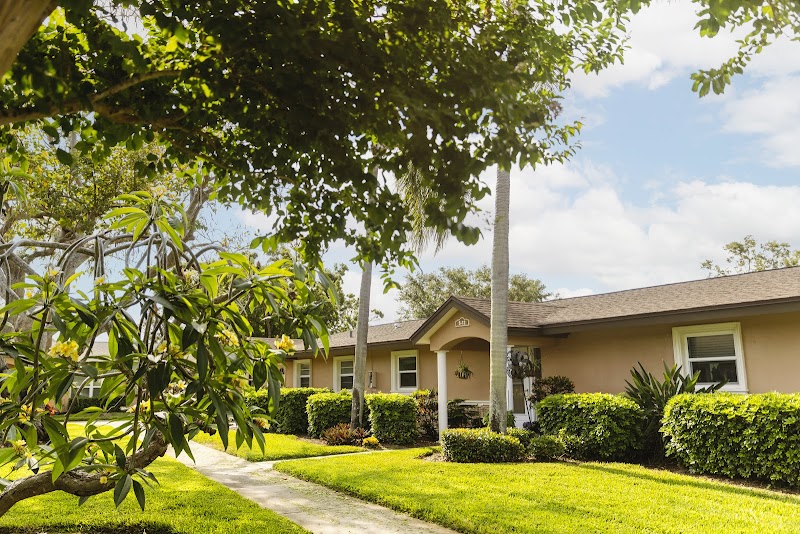
How Does Westminster Suncoast Compare to Other Florida Nursing Homes?

Compared to the 100 nursing homes in Florida, WESTMINSTER SUNCOAST's overall rating (3 stars) is below the state average of 3.2, staff turnover (40%) is near the state average of 46%, and health inspection rating (3 stars) is at the national benchmark.

What Should Families Ask When Visiting Westminster Suncoast?

Based on this facility's data, families visiting should ask: "Can I visit during a mealtime to observe dining assistance and food quality?" "How do you handle medical emergencies, and what is your hospital transfer rate?" "Can I speak with family members of current residents about their experience?"

Is Westminster Suncoast Safe?

Based on CMS inspection data, WESTMINSTER SUNCOAST has a clean safety record: no substantiated abuse findings (meaning no confirmed cases of resident harm), no Immediate Jeopardy citations (the most serious violation level indicating risk of serious injury or death), and is not on the Special Focus Facility watch list (a federal program monitoring the lowest-performing 1% of nursing homes). The facility has a 3-star overall rating and ranks #100 of 100 nursing homes in Florida. While no facility is perfect, families should still ask about staff-to-resident ratios and recent inspection results during their visit.

Do Nurses at Westminster Suncoast Stick Around?

WESTMINSTER SUNCOAST has a staff turnover rate of 40%, which is about average for Florida nursing homes (state average: 46%). Moderate turnover is common in nursing homes, but families should still ask about staff tenure and how the facility maintains care continuity when employees leave.

Was Westminster Suncoast Ever Fined?

WESTMINSTER SUNCOAST has no federal fines on record. CMS issues fines when nursing homes fail to meet care standards or don't correct problems found during inspections. The absence of fines suggests the facility has either maintained compliance or corrected any issues before penalties were assessed. This is a positive indicator, though families should still review recent inspection reports for the full picture.

Is Westminster Suncoast on Any Federal Watch List?

WESTMINSTER SUNCOAST is not on any federal watch list. The most significant is the Special Focus Facility (SFF) program, which identifies the bottom 1% of nursing homes nationally based on persistent, serious quality problems. Not being on this list means the facility has avoided the pattern of deficiencies that triggers enhanced federal oversight. This is a positive indicator, though families should still review the facility's inspection history directly.