HEALTHCARE AND REHAB OF SANFORD
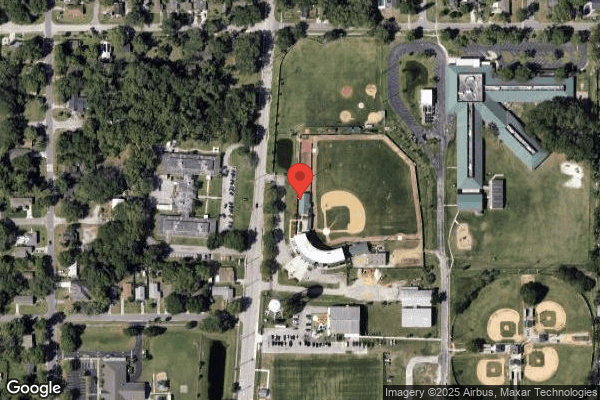
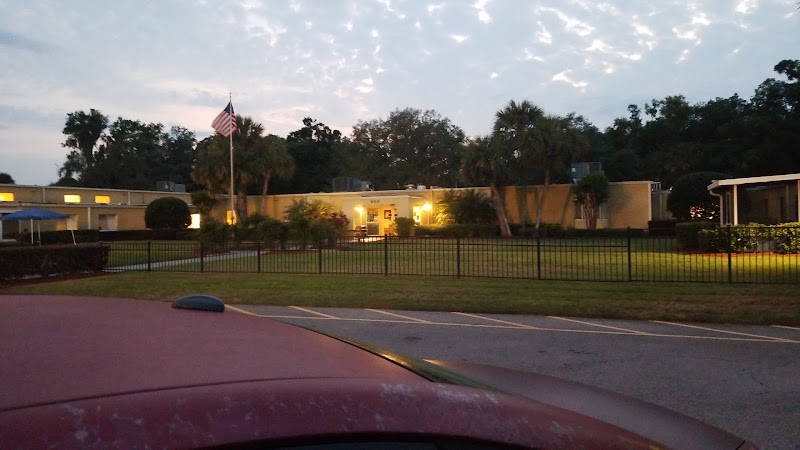
950 MELLONVILLE AVE, SANFORD, FL 32771 (407) 322-8566
Non profit - Other 114 Beds FLORIDA INSTITUTE FOR LONG-TERM CARE Data: November 2025 5 Immediate Jeopardy citations
Trust Grade
0/100
#507 of 690 in FL
Last Inspection: April 2025

Within standard 12-15 month inspection cycle. Federal law requires annual inspections.

Overview

Healthcare and Rehab of Sanford has received a Trust Grade of F, which indicates significant concerns and poor performance compared to other facilities. They rank #507 out of 690 in Florida, placing them in the bottom half of nursing homes in the state, and #7 out of 10 in Seminole County, meaning only two local options are worse. The facility's trend is improving, as they reduced their issues from 7 in 2023 to 1 in 2025, but they still face serious challenges. Staffing is average, with a 2/5 star rating and a turnover rate of 44%, which is around the state average. However, the facility has incurred fines totaling $224,524, which is concerning as it is higher than 95% of Florida facilities, indicating potential ongoing compliance problems. Specific incidents of concern include a failure to honor a resident's Do Not Resuscitate order, leading to unwanted resuscitation attempts that caused severe pain and distress. Another critical issue involved a lack of available tracheostomy care supplies, which could have led to life-threatening complications. While the facility has shown some improvement, these serious deficiencies highlight significant weaknesses that families should consider when researching care options.

Trust Score
F
0/100
In Florida
#507/690
Bottom 27%
Safety Record
High Risk
Review needed
Inspections
Getting Better
7 → 1 violations
Staff Stability
○ Average
44% turnover. Near Florida's 48% average. Typical for the industry.
Penalties
✓ Good
$224,524 in fines. Lower than most Florida facilities. Relatively clean record.
Skilled Nurses
○ Average
Each resident gets 30 minutes of Registered Nurse (RN) attention daily — about average for Florida. RNs are the most trained staff who monitor for health changes.
Violations
⚠ Watch
18 deficiencies on record. Higher than average. Multiple issues found across inspections.
★★☆☆☆
2.0
Overall Rating
★★☆☆☆
2.0
Staff Levels
★★☆☆☆
2.0
Care Quality
★★☆☆☆
2.0
Inspection Score
Stable
2023: 7 issues
2025: 1 issues

The Good

  • Full Sprinkler Coverage · Fire safety systems throughout facility
  • No fines on record
  • Staff turnover below average (44%)

    4 points below Florida average of 48%

Facility shows strength in fire safety.

The Bad

2-Star Overall Rating

Below Florida average (3.2)

Below average - review inspection findings carefully

Staff Turnover: 44%

Near Florida avg (46%)

Typical for the industry

Federal Fines: $224,524

Well above median ($33,413)

Significant penalties indicating serious issues

Chain: FLORIDA INSTITUTE FOR LONG-TERM CAR

Part of a multi-facility chain

Ask about local staffing decisions and management

The Ugly 18 deficiencies on record

5 life-threatening
Apr 2025 1 deficiency
CONCERN (D)

Potential for Harm - no one hurt, but risky conditions existed

Quality of Care (Tag F0684)

Could have caused harm · This affected 1 resident

**NOTE- TERMS IN BRACKETS HAVE BEEN EDITED TO PROTECT CONFIDENTIALITY** Based on observation, interview, and record review, the facility failed to provide splints for 1 of 3 residents reviewed for ran...

Read full inspector narrative →
**NOTE- TERMS IN BRACKETS HAVE BEEN EDITED TO PROTECT CONFIDENTIALITY** Based on observation, interview, and record review, the facility failed to provide splints for 1 of 3 residents reviewed for range of motion (ROM), of a total sample of 36 residents, (#75). Finding: Resident #75 was admitted to the facility on [DATE] with diagnoses of hemiplegia and hemiparesis following an intracranial hemorrhage affecting his left non-dominant side, atrophy and type 2 Diabetes Mellitus. Resdient #75 was able to express simple needs and answer questions appropriately. On 4/27/25 at 12:30 PM, resident #75 was observed in bed, his left arm and hand were contracted. The resident stated he had a stroke and was supposed to wear a splint everyday. He stated no one helped him with the splint, and added, I can't put them on myself. Review of the of the Occupational Therapist Discharge summary dated [DATE], noted resident #75 met the goal of wearing a left upper extremity elbow extension splint and a resting hand splint. The discharge instructions noted resident #75 would remain in the facility as a long term care resident with an updated splinting program in place. Review of the resident's current Activities of Daily Living (ADL) Care Plan noted, Apply left Elbow extension for Contracture Management or Maintenance up to 6 hours or as tolerated. Not to be worn at the same time with the left resting splint . On 4/28/25 at 1:02 PM, and 4/29/25 at 12:59 PM, the resdient was observed in bed eating lunch. The resident did not have the elbow extension or the resting hand splint on. On 4/29/25 at 3:45 PM, resident #75 was observed lying in bed, his left arm was bent at the elbow and his left hand was at his chest. The resident used his right hand to grasp his left hand, trying to move/extend the left arm. He stated he was not able to straighten out his left arm. He said a Certified Nursing Assistant (CNA) used to put the splints on him, but she no longer worked at the facility. He pointed to the chest of drawers at the end of his bed. He stated the splints were in the second drawer from the top. The resident gave permission to open the drawer and both the elbow extension and resting hand splint were in the drawer. The resident explained he had not worn the splints for the past 4 months. The 200 Wing Unit Manager (UM) entered the resident's room and was informed resident #75 had not been seen wearing splints for the past 3 days. The resident told her he wanted to wear the splints. On 4/29/25 at 4:02 PM, the UM explained the nurses and the CNAs were responsible for placing the splints on the residents. She stated there was a task section in the Electronic Health Record that indicated where staff would find the orders for the splints. The UM stated the nurses documented the splints were placed on the resident on 4/27/25, 4/28/25 and 4/29/25 at 9:09 AM, 9:20 AM and 9:04 AM respectively. The UM did not provide any other evidence that verified the resident had been wearing the splints. On 4/29/25 at 4:30 PM, the Rehab Director and the Occupation Therapist indicated the therapy department determined what type of splint the resident would need and how long it should be worn. They stated if the splints were not worn as ordered, the contracture could worsen.
Oct 2023 5 deficiencies
CONCERN (D)

Potential for Harm - no one hurt, but risky conditions existed

Safe Environment (Tag F0584)

Could have caused harm · This affected 1 resident

**NOTE- TERMS IN BRACKETS HAVE BEEN EDITED TO PROTECT CONFIDENTIALITY** Based on observation, interview, and record review, the facility failed to provide housekeeping and maintenance services necessa...

Read full inspector narrative →
**NOTE- TERMS IN BRACKETS HAVE BEEN EDITED TO PROTECT CONFIDENTIALITY** Based on observation, interview, and record review, the facility failed to provide housekeeping and maintenance services necessary to maintain a sanitary, orderly, and comfortable environment in 4 rooms on 1 of 2 units (Unit 2: rooms #226, #230, #232, and #238). Findings: On 10/09/23 at 10:29 AM, 10/10/23 at 10:29 AM, and 10/12/23 at 10:12 AM, one of the closet doors in room [ROOM NUMBER] was resting on the side of the closet closest to the exit door. On 10/09/23 at 10:58 AM, resident #32 stated she had shared her cleanliness concerns in room [ROOM NUMBER] to staff. She explained, in the past, she had requested housekeeping to clean the bathroom but they did not do it. She indicated housekeeping did not always clean the toilet or mopped the floor. Review of the Grievance Log revealed two grievances were filed by resident #32 on 4/13/23 and 6/2/23 with concerns regarding room [ROOM NUMBER]'s environment and cleanliness. On 10/09/23 at 4:16 PM, resident #55 in room [ROOM NUMBER] stated she requested a toilet paper dispenser or small table to be placed on the right side of the toilet bowl for easy access as she had difficulty using her left hand and the current toilet dispenser was located on the left side of the toilet. She indicated she was told this could not be done so she placed the toilet paper on the bathroom floor. She indicated the room was not always cleaned. On 10/10/23 at 10:34 AM and 10/12/23 at 10:16 AM, a roll of toilet paper was observed on the bathroom floor to the right of the toilet bowl. On 10/09/23 at 11:07 AM, resident #17 in room [ROOM NUMBER] stated her room was not cleaned every day. On 10/10/23 at 10:36 AM, and 10/12/23 at 10:25 AM, privacy curtains in room [ROOM NUMBER] were noted with multiple brown stains. On 10/09/23 at 4:29 PM, room [ROOM NUMBER] had 3 broken window blinds and dirt on the windowsill next to bed C. There was dirt on the floor and the bedside table next to bed C was not clean. On 10/10/23 at 10:48 AM, and 10/12/23 at 10:28 AM, the window blinds remained in disrepair and the dirt on the windowsill had not been cleaned. On 10/11/23 at 10:10 AM, Certified Nursing Assistant (CNA) A stated housekeeping was not on Unit 2 every day. She stated some days she noticed bathrooms or floors were dirty. She explained there were times she had swept, mopped, cleaned the bedside tables in her residents' rooms. She indicated she had received complaints from residents about the uncleanliness of their rooms, including the smell of urine. She said this was their homes, who wants to smell that? She stated she brought the concerns to the Unit Manager's (UM) and Social Services Director's (SSD) attention. On 10/11/23 at 11:22 AM, CNA D stated when she noticed a room that needed to cleaned, she did it herself as there were times the housekeeper did not clean the rooms. She explained when she noticed something did not work or needed repair in a resident's room, she notified the nurse. She indicated the nurse entered a work order ticket electronically to alert the Maintenance Director and he took care of the problem quick. She indicated she did not have access to enter work orders electronically. Later on 10/12/23 at 1:20 PM, CNA D stated she had noticed the closet door in room [ROOM NUMBER] resting on the side of the closet and she had told the Maintenance Director a long time ago. On 10/12/23 at 10:32 AM, the Housekeeping Manager stated she had been working at the facility less than a month and walked into a mess. She indicated her responsibilities included oversight of the housekeeping and laundry staff. She explained the housekeepers were expected to clean residents' rooms and bathrooms daily and notify her of any dirty or stained privacy curtains. She indicated the housekeeping staff were to notify her of any items in need of repairs and she, in turn, notified the Maintenance Director. She said they performed a deep cleaning of one room on each wing every day. She indicated they changed privacy curtains when rooms were deep cleaned. She noted the windows, windowsills and mini blinds were cleaned daily. She reported she did not have documentation of audits performed because she was just shown last week how to document the room audits. She said they now have a calendar for deep cleaning. She noted the former Housekeeping Manager did not have a deep cleaning calendar nor room audits. She indicated she did not address deep cleaning or performed any audits since she started because of low staff. She explained they had deep cleaned empty rooms. On 10/12/23 at 10:59 AM, the Maintenance Director stated his responsibilities included the maintenance of the entire building. He explained they used TELS, an electronic system to enter and track work orders for repairs. He indicated when repairs were needed in any resident's room, the staff member entered a work order in TELS. He indicated all clinical staff had access to TELS and were trained on how to use it. He explained he also received verbal notification of repair requests and at times, he did not create a work order because he handled it at the time. He indicated he closed all work orders when repairs were completed. He reviewed work orders since May 2023 for rooms #226 and #230. At 4:51 PM, the Maintenance Director indicated he found a work order for room [ROOM NUMBER] on 5/17/23 when the resident requested a toilet paper holder, but she then agreed to have loose toilet paper instead. He stated he did not find a work order for the closet door in room [ROOM NUMBER]. He explained he checked rooms weekly or monthly based on tasks assigned in TELS. On 10/12/23 at 11:17 AM, during tour of Wing 2 with the Maintenance Director, he validated the closet door in room [ROOM NUMBER] was off again and stated he did not know it needed repair this time. He indicated the nursing staff should have told him when it happened. He then explained he was aware of resident #55's concern but the resident asked for another toilet roll dispenser or to have her own toilet paper outside the dispenser, which they had provided for quite some time. He stated he did not know she was keeping the toilet paper on the bathroom floor for easy access. On 10/12/23 at 11:26 AM, during tour of Wing 2, the Housekeeping Manager acknowledged the privacy curtains in rooms 232, 234 and 238, had multiple stains and stated they needed be changed. She validated all 3 window mini blinds in room [ROOM NUMBER] were broken and stated the housekeeping staff should have let her know or informed the Maintenance Director to change them. She validated the windowsill in room [ROOM NUMBER] was dirty. She stated the housekeeper in this area was new and did not receive proper training because of low staff in her department. She stated this was the residents' home and they should have a clean and homelike environment. Review of the job description for the Director of Plants Operations signed on 8/17/23 read, The Director of Plants Operations ensures the facility, equipment, and utilities are maintained in good working order and facility grounds are properly maintained in accordance with facility policies and State and Federal regulations. Review of the Healthcare Services Group, Inc. Housekeeping In-Service form revealed a 5-step Daily Patient Room Cleaning which included horizontal surfaces and read, Table tops, headboards, window sills, chairs - should all be done. Review of the facility policy and procedure titled Facility Standards dated April 2017, read, The facility will monitor each facility's housekeeping program for operational efficiency, quality, effectiveness, and budget control. Provide a clean, safe, pleasant and a functional environment for residents, staff and visitors. Review of the facility policy and procedure titled Physical Environment dated January 1, 2020, read, A safe, clean, comfortable, and home-life environment is provided for each resident/patient .
CONCERN (D)

Potential for Harm - no one hurt, but risky conditions existed

Assessment Accuracy (Tag F0641)

Could have caused harm · This affected 1 resident

**NOTE- TERMS IN BRACKETS HAVE BEEN EDITED TO PROTECT CONFIDENTIALITY** 3. Resident #94 was admitted to the facility on [DATE] from an acute care hospital with diagnoses that included chronic kidney d...

Read full inspector narrative →
**NOTE- TERMS IN BRACKETS HAVE BEEN EDITED TO PROTECT CONFIDENTIALITY** 3. Resident #94 was admitted to the facility on [DATE] from an acute care hospital with diagnoses that included chronic kidney disease, hypertension and anxiety disorder. Review of the Agency for Healthcare Administration 5000-3008 Medical Certification for Medicaid Long-Term Care Services and Patient Transfer Form dated 8/22/23 revealed resident #94 was alert and oriented but had impaired sight and used hearing aids for his hearing. Review of the Admission/readmit: Data Collection and Baseline Care Plan dated 8/25/23 revealed under the Sensory section his ability to hear was not assessed, but left and right hearing aids were indicated for devices that were used or needed. The Minimum Data Set (MDS) admission assessment with assessment reference date 8/31/23 section B: Hearing, Speech and Vision indicated resident #64's ability to hear was adequate and did not indicate he used a hearing aid or other hearing appliance. On 10/12/23 at 6:45 PM, the MDS coordinator confirmed resident #94's admission MDS assessment dated [DATE], section B was inaccurate for hearing aids. She was unable to say why it was marked as no hearing aids used, as she said did not work at the facility at the time. Review of the Resident Assessment Instrument version 3.0 Manual revealed instructions for completing section B0300: Hearing Aid instructed the nurse to code 1, yes if the resident did use a hearing aid for the hearing assessment . The item rationale described problems with hearing can contribute to social isolation and mood and behavior disorders. Further, knowing if a hearing aid was used when determining hearing ability allows better identification of evaluation and management needs. 2. Review of the medical record revealed resident #74 was admitted to the facility on [DATE] with diagnoses that included hemiplegia and hemiparesis following other nontraumatic intracranial hemorrhage affecting left non-dominant side, muscle weakness unsteadiness of feet and acquired deformity of head. Review of the resident's medical record revealed two SBAR (Situation, Background, Appearance, Review) completed for falls dated 2/15/23 and 3/15/23. Resident #74's medical record revealed a nurses' progress note dated 3/04/23 which read, Resident had unwitnessed fall in room. No injuries noted. The note indicated resident fell on 3/03/23 at 8:00 PM. Another progress note dated 3/15/23 revealed resident #74 had an unwitnessed fall at 12:00 AM in his room. Review of the Incident by Incident Type log from 1/25/23 to 4/25/23 revealed resident #74 had two fall incidents on 2/15/23 and 3/3/23, and an unwitnessed fall on 3/15/23. Review of the quarterly MDS assessment with assessment reference date (ARD) 4/25/23 revealed Section: J 1800, Health Conditions, Any Falls Since Admission/Entry or Reentry or prior Assessment, resident #74 was assessed as No for falls. On 10/12/23 at 6:45 PM, the MDS Coordinator verified the MDS assessment dated [DATE] did not reflect resident #74's falls on 2/15/23, 3/3/23, and 3/15/23. She stated before submitting the assessment the clinician who completed it signed acknowledging it was accurate. The Centers for Medicare and Medicaid Services Resident Assessment Instrument guidance for J1800 read, Code 1, yes: if the resident has fallen since the last assessment. Continue to Number of Falls Since Admission/Entry or Reentry or Prior Assessment . item (J1900), whichever is more recent. Based on interview, and record review, the facility failed to ensure the Minimum Data Set (MDS) assessments accurately reflected health conditions regarding falls for 2 of 9 residents reviewed for accidents (#9, #74), and for a hearing device for 1 of 1 resident reviewed for hearing/vision (#94) and failed to accurately assess the prognosis for 1 of 1 resident reviewed for Hospice and end of life care (#3) of a total sample of 49 residents. Findings: 1. Resident #9 was admitted to the facility on [DATE] with diagnoses to include tibia fracture, type 2 diabetes, and anxiety. Review of the medical record noted the resident had an unwitnessed fall on 6/09/23 at 6:20 PM. A nursing progress note dated 6/10/23 at 2:00 AM, read resident #9's left ankle was swollen. An x-ray result indicated a fracture to the left distal tibia. Resident #9 was sent to the hospital for further evaluation and treatment. Review of the Quarterly MDS assessment dated [DATE], Section J indicated resident #9 had two or more falls with no injury since admission. On 10/12/23 at 6:45 PM, the MDS Coordinator acknowledged the MDS assessment dated [DATE] documented the resident had two or more falls with no injury. She stated she did not work here at the time the assessment was completed so she could not comment as to why it was not accurately assessed. She stated she gathered information to complete the assessments by reviewing the Risk Management section electronically, reviewing progress notes and Change in Condition forms, and by speaking to the residents and nurses. She stated the assessment must be accurate in order to gain a comprehensive picture of what the residents' needs are and create an accurate care plan. 4. Resident #3 was admitted to the facility from acute care hospital on [DATE] with diagnoses that included cerebral atherosclerosis, muscle wasting, dysphagia (difficulty swallowing), chronic obstructive pulmonary disease, dementia, and acute kidney failure. A review of the resident payer source showed hospice Medicaid in effect since 11/30/22 to present and the resident representative signed the Medicaid hospice benefit election form on 11/18/22. The hospice physician signed the Initial Certification of Terminal Illness form 12/10/22 attesting, It is my clinical judgment that the above-named patient is terminally ill and has limited life expectancy of six months or less if the terminal illness runs its normal course. The hospice physician had since signed the certification of terminal illness every 3 months as she remained under hospice care. On 10/12/23 at 9:38 AM, the MDS Coordinator acknowledged that section J of the MDS quarterly assessments dated 9/28/23 and 6/28/23 were not accurate regarding life expectancy and should have noted the resident's expectancy was less than 6 months. Review of the Resident Assessment Instrument version 3.0 Manual instructions for completing Section J 1400: Prognosis should be marked [yes] if the medical record includes physician documentation that resident is terminally ill or the resident is receiving hospice services .
CONCERN (D)

Potential for Harm - no one hurt, but risky conditions existed

Comprehensive Care Plan (Tag F0656)

Could have caused harm · This affected 1 resident

**NOTE- TERMS IN BRACKETS HAVE BEEN EDITED TO PROTECT CONFIDENTIALITY** Based on observation, interview, and record review, the facility failed to develop a plan of care for hearing aid devices for 1 ...

Read full inspector narrative →
**NOTE- TERMS IN BRACKETS HAVE BEEN EDITED TO PROTECT CONFIDENTIALITY** Based on observation, interview, and record review, the facility failed to develop a plan of care for hearing aid devices for 1 of 1 resident reviewed for hearing and vision of a total sample of 49 residents, (#94). Findings: Resident #94 was admitted to the facility on [DATE] from an acute care hospital with diagnoses that included chronic kidney disease, hypertension and anxiety disorder. Review of the Agency for Healthcare Administration 5000-3008 Medical Certification for Medicaid Long-Term Care Services and Patient Transfer Form dated 8/22/23 revealed resident #94 was alert and oriented but had impaired sight and used hearing aids. Review of the Admission/readmit: Data Collection and Baseline Care Plan dated 8/25/23 revealed under the Sensory section his ability to hear was not assessed, but left and right hearing aids were indicated for devices that were used or needed. Review of the admission Minimum Data Set (MDS) assessment Section B dated 8/31/23 revealed he had adequate hearing, but the assessment inaccurately showed resident #94 did not have or use hearing aids. On 10/09/23 at 12:03 PM, resident #94 was in bed with his eyes closed. On his bedside table was an empty case and on the wall above his bed were instructions directing staff to put the resident's hearing aids in his ears. On 10/09/23 at 4:53 PM, and on 10/12/23 at 8:50 AM, resident #94 was observed in his room wearing his left hearing aid and was able to hear and converse with the surveyor. In a telephone interview on 10/09/23 at 3:52 PM, resident #64's granddaughter stated she put the sign about the hearing aids on the wall so staff would remember to put his hearing aids in his ears so he could hear. She explained her grandfather had his right hand amputated in the past and he required help from the staff for much of his care. The granddaughter described her frustration as the hearing aids would sometimes be lost, not in his ears or not working because the batteries needed to be replaced and she would have to ask the staff to do it. On 10/11/23 at 1:55 PM, assigned Licensed Practical Nurse (LPN) A stated resident #94 was very hard of hearing if he wasn't wearing his hearing aids, and explained he currently only had one hearing aid since the other was lost. She described if a resident had hearing aids, the Certified Nursing Assistants (CNAs) or the nurses would apply the hearing aids or take them out. She said staff knew how to care for the hearing aids usually from a care plan, especially if they were unfamiliar with a resident or their needs. LPN A explained most hearing aids made a whistling type noise when the batteries were low, but they would not be changed on a regular basis. Review of resident #94's medical record on 10/11/23 revealed no care plan for hearing or use of hearing aids for resident #94. Further review of the medical record revealed no CNA documentation or task for application or removal of resident #94's hearing aids, or any other care of the hearing aids. On 10/12/23 at 9:10 AM, the 100 Unit Manager (UM) explained CNAs usually put in or took out resident's hearing aids and they utilized the Kardex to ascertain the care the resident needed. She described the CNA Kardex came directly from the care plan. She stated usually hearing aids would be part of a communication care plan that was initiated by the admitting nurse and reviewed again by the Inter-disciplinary (IDT) clinical team after admission. She explained, after the IDT review, the UMs would again review the chart and add care plans as needed. The 100 UM stated resident #94 had hearing aids at admission and after review of his medical record she confirmed he did not have a care plan for his hearing aids. She also confirmed the importance of resident #94's hearing aids because she said he did not hear well without them and it was important for resident's wellbeing to be able to hear. On 10/11/23 at 10:37 PM, the Director of Nursing (DON) explained that up until the past week or so the facility had a travel nurse in the role of Minimum Data Set (MDS) coordinator. She described the admitting nurse initiated the baseline care plan, then the IDT team reviewed the chart after admission, the next business day. She stated the IDT team looked at diagnosis codes and anything else that needed a care plan and put them in immediately. The DON indicated the care plans were also reviewed when any event was reviewed by the risk management team, and any interventions or care plans were entered there. On 10/12/23 at 6:45 PM, the MDS coordinator explained she was new to her role at the facility but explained assessment of the resident was important to know what the resident's accurate, comprehensive care needs were, to get the comprehensive picture to develop the plan of action. The Centers for Medicare and Medicaid Services (CMS) Resident Assessment Instrument (RAI) Version 3.0 manual helps facility staff to gather definitive information about resident's needs which must be addressed in an individualized care plan (retrieved from www.cms.gov on 10/13/2023). The CMS RAI Version 3.0 Manual Section B: Hearing, Speech and Vision describes the rationale for assessment of hearing aids being problems with hearing can contribute to social isolation and mood and behavior disorders. The document described resident care plans should include use and maintenance of the hearing aids.
CONCERN (D)

Potential for Harm - no one hurt, but risky conditions existed

Deficiency F0688 (Tag F0688)

Could have caused harm · This affected 1 resident

**NOTE- TERMS IN BRACKETS HAVE BEEN EDITED TO PROTECT CONFIDENTIALITY** Based on observation, interview and record review, the facility failed to provide appropriate care and services related to the u...

Read full inspector narrative →
**NOTE- TERMS IN BRACKETS HAVE BEEN EDITED TO PROTECT CONFIDENTIALITY** Based on observation, interview and record review, the facility failed to provide appropriate care and services related to the use of splints for 1 of 2 residents reviewed for position and mobility of a total sample of 49 residents, (#48). Findings: Review of resident #48's medical record revealed she was readmitted to the facility on [DATE]. Her diagnoses included lack of coordination, stroke, contractures of left hand, left elbow, right elbow and abnormal posture. Review of the Minimum Data Set (MDS) annual assessment with Assessment Reference Date of 9/20/23 revealed the Brief Interview for Mental Status was not conducted because resident #48 was rarely or never understood. The MDS assessment showed resident #48's cognitive skills for daily decision making were severely impaired. The assessment showed resident #48 was totally dependent on staff for bed mobility, transfers, dressing, eating, toilet use, and personal hygiene. The assessment noted no rejection of care necessary to obtain goals for her health and well-being. Observations on 10/09/23 at 11:36 AM, 10/10/23 at 11:04 AM and 10/12/23 at 1:24 PM, showed resident #48 lying in bed with her hands placed on her chest and contractures noted on her left hand and elbows. She was not wearing any splints. Review of the comprehensive care plan for resident #48 revealed a focus for activities of daily living (ADL) revised on 8/30/18 and read, cannot complete ADL tasks independently and requires individualized interventions to maintain because . risk of contracture. Interventions directed staff to apply bilateral hand splints and left upper elbow splint as resident allowed and tolerated. On 10/12/23 at 1:11 PM, Licensed Practical Nurse (LPN) E stated had seen resident #48 wearing splint on her left arm once in a while. She indicated she assumed the Certified Nursing Assistant (CNA) was responsible for putting them on and she had seen the therapists doing this sometimes. She explained this task was not included in the Treatment Administration Record where she would document it. She stated the splints were used to prevent or slow the progression of contractures. On 10/12/23 at 1:31 PM, CNA F stated resident #48 required total care and she had an arm splint which therapy or the CNA was responsible to apply. CNA F searched for the splints in resident #48's dresser drawer and her closet. She pulled various splints out of resident #48's closet, and stated these were splints for her elbow, arm and hand. She then placed the splints back in the resident's closet. CNA F confirmed she was regularly assigned to this resident and had worked with her on Monday, 10/9/23, Tuesday, 10/10/23 and today (Thursday, 10/12/23). She stated she did not remember placing the splints on any of these days because she was going to ask therapy what exactly she needed to wear as she had a whole bunch of them. She recalled therapy worked with resident #48 but it had been a while back. She recalled therapy notified and showed her when her assigned residents required splints to be applied. She stated she did not think CNAs should be responsible for this and said, I did not go to school to be a therapist. She indicated resident #48 needed to wear a splint because her arm was contracted but stated she was not sure what could happen if the resident did not wear it daily as indicated. CNA F stated she was familiar with how to access the resident's plan of care (POC). She reviewed resident #48's POC under the mobility section and read, Apply bilateral hand splint or left elbow when hand splint is not on as resident tolerates for up to 3 hours. She reflected she had not looked at the POC in a while. She stated she documented the splints inaccurately as she selected resident not available, but was not sure. She then reviewed the Resident Splint Binder 200 Unit in the nurses' station and acknowledged resident #48 was included in the Splint List Updated 10/2/23. She mentioned she was busy, and restated she had been very busy, and she did not know what she was supposed to do with the splints. On 10/12/23 at 1:58 PM, the 200-wing Unit Manager (UM) stated his responsibilities included the oversight of the safety and care of the residents, the timely execution of interventions and physicians' orders and ensured adequate staffing was in place to take care of each resident's needs. He stated he rounded residents' rooms approximately every 2 hours and observed for safety and comfort among other things. He stated he knew resident #48 was supposed to wear splints as tolerable but had not noticed she was not wearing the splints. He explained a therapist taught the CNA staff how to place splints correctly. He indicated resident's refusals were to be documented in the medical record. He stated wearing the splints was important to delay the worsening of contractures. On 10/12/23 at 2:36 PM, the Director of Rehab Services explained therapists provided functional maintenance recommendations to the nursing staff and trained floor staff on what tasks they expected them to complete. She indicated therapy documented the instructions and nursing entered a task for the CNA assigned to the resident. She stated the CNAs who received the education were expected to educate the rest. She stated the last episode of care for Occupation Therapy (OT) was 3/29-5/29/23. She explained resident #48 was to wear a left elbow splint and left-hand splint, but they were not to be worn at the same time, either one or the other. She showed evidence of training to CNA F with her signature and dated 5/18/23. She explained the purpose for resident #48 to wear the splints included the risk of further contractures and reduction of pain. Review of the OT - Therapist Progress & Discharge Summary form dated 5/29/23 revealed resident #48's goals according to the POC for contracture management / splinting program were met and the therapist provided caregiver education in splinting program with 75% carryover. Review of the Splinting Program Form for resident #48 read, Schedule wear time: 4-6 hours/day; as tolerated. Patient to wear left UE (upper extremity) elbow extension splint and LUE (left upper extremity) resting hand splint for up to 4-6 hours/day or as tolerated with no s/s (signs or symptoms) of skin breakdown, redness, or pain. Left UE elbow and hand splint not to be worn at the same time. The Splinting Program Form, an In-Service Training Record and Therapy Recommendations for Restorative/Functional Maintenance Program forms were signed by CNA F. Review of resident #48's Task report for October 2023 revealed CNA F signed off the splint task on 10/2, 10/3, 10/4, 10/5, 10/6, 10/10 and 10/12. On 10/12/23 at 3:14 PM, the Director of Nursing (DON) explained the floor maintenance program was not assigned to anyone and the nursing management team oversaw it. She indicated residents discharged from therapy services who required splints were listed in the binder located in the nurses' stations and it was the responsibility of the floor CNAs to carry it out. She indicated splint use was included in the POC and the CNAs documented it in the medical record. She indicated if the CNA was too busy, they needed to inform the nurse, the UM or her. The DON stated it was not a good thing if CNA F documented the task was completed when it was not. Review of the facility policy and procedure titled Restorative Nursing Program revised on October 2017 read, The facility provides Restorative Nursing Program that involve interventions to improve or maintain the optimal physical, mental, and psychological functioning. The programs include: Contracture Management and Prevention - . This program also involves splint/brace assistance to protect joint and skin integrity. The form revealed the programs were based on the person-centered goals of each resident and promoted the highest functional level of each resident as well as enhanced the restorative program.
CONCERN (E)

Potential for Harm - no one hurt, but risky conditions existed

QAPI Program (Tag F0867)

Could have caused harm · This affected multiple residents

Based on interview, and record review, the facility failed to implement and monitor the Performance Improvement Plan (PIP) developed by the Quality Assurance Performance Improvement (QAPI) committee t...

Read full inspector narrative →
Based on interview, and record review, the facility failed to implement and monitor the Performance Improvement Plan (PIP) developed by the Quality Assurance Performance Improvement (QAPI) committee to ensure continued accuracy with all resident Minimum Data Set (MDS) assessments and Development/Implementation of Comprehensive Resident Care Plans. Findings: Review of the facility's survey history revealed repeat deficiency concerns for MDS assessment accuracy over the past 2 surveys, and during the current survey. The survey history revealed the facility had inaccurate MDS assessments on 3/2020, and 12/15/21. This is the facility's third deficiency in 4 years for inaccurate MDS assessments. On 10/12/23 at 2:48 PM, an interview was conducted with the facility's Administrator, and Director of Nursing (DON) regarding the facility's QAPI program. The Administrator acknowledged the facility had a PIP for MDS from the last survey. He confirmed there were audits in place through September 2022. The Administrator acknowledged he could not locate current audits for this year for MDS inaccurate assessments. The facility could not show evidence of inaccurate MDS assessments being discussed in QAPI meetings this year or that they had an actual PIP currently in effect for MDS assessment omissions. The Administrator acknowledged the facility did not currently have a QAPI plan in place. The Administrator stated the biggest problem the facility had was MDS staff turnover. He stated the last MDS staff failed to review and assess residents, had inaccurate assessments, and late assessments. He stated the MDS staff was given an action plan to help correct the concerns but she quit a week later. We have had traveling MDS staff until a couple of weeks ago when we hired a new person. She is new and it will take some time to get her trained.
Jan 2023 2 deficiencies 2 IJ
CRITICAL (J) 📢 Someone Reported This

A family member, employee, or ombudsman was alarmed enough to file a formal complaint

Immediate Jeopardy (IJ) - the most serious Medicare violation

Deficiency F0578 (Tag F0578)

Someone could have died · This affected 1 resident

**NOTE- TERMS IN BRACKETS HAVE BEEN EDITED TO PROTECT CONFIDENTIALITY** Based on interview, and record review, the facility failed to honor advanced directives for a Do Not Resuscitate Order (DNRO) fo...

Read full inspector narrative →
**NOTE- TERMS IN BRACKETS HAVE BEEN EDITED TO PROTECT CONFIDENTIALITY** Based on interview, and record review, the facility failed to honor advanced directives for a Do Not Resuscitate Order (DNRO) for 1 of 7 residents reviewed for advanced directives, (#1). This failure contributed to resident #1 receiving cardiopulmonary resuscitation (CPR) despite her explicit wishes for a natural, dignified death and placed her at likelihood for serious injury / impairment / prolonged death. While resident #1 suffered resuscitation attempts including chest compressions, there was likelihood she experienced severe pain, broken bones, organ damage and a prolonged dying process. On [DATE] at approximately 8:30 AM, resident #1 was found unresponsive with no heart rate and no respirations. The nurse failed to identify the resident by name and instead identified her by the incorrect bed number to check the CPR status. Another resident's CPR status was reviewed in error and CPR was initiated for resident #1. Resident #1 had a signed Do Not Resuscitate Order (DNR)) in her medical record. The facility's failure to obtain the correct medical record to check CPR status and failure to honor the resident's DNRO resulted in the resident receiving CPR despite her explicit wishes for a natural, dignified death and placed her at risk for experiencing serious psychosocial harm by not honoring her wishes. Successful CPR may have resulted in major physical trauma including broken ribs, lung bruising, damage to her airway and internal organs, and internal bleeding. Along with physical trauma, residents who receive CPR may have to deal with serious long-term consequences such as possible brain damage from oxygen deprivation. The facility's failure to honor advanced directives placed all residents with advanced directives for DNR at risk and resulted in Immediate Jeopardy starting on [DATE]. The Immediate Jeopardy was removed on [DATE]. Findings: Cross Reference F726. Resident #1 was a [AGE] year-old, admitted to the facility on [DATE] with diagnoses of Parkinson's Disease, Arteriosclerotic Heart Disease (ASHD), Peripheral Vascular Disease (PVD), Dementia, and Atrial Fibrillation. The Minimum Data Set (MDS) discharge assessment dated [DATE] noted resident #1 died at the facility. Review of the care plan for Advanced Directives dated [DATE] noted the resident had requested her DNR wishes to be honored. The interventions included to discuss Advanced Directives with the resident and/or appointed healthcare representative, allow resident, if able to discuss her feelings regarding advance directives, and to notify the physician of resident's wishes regarding life prolonging procedures. Review of the resident's medical record revealed a physician's order dated [DATE] for DNR. A copy of the yellow DNR form was located inside the front cover of the chart. Review of a late entry nurses' progress notes dated [DATE] at 3:01 PM, by Licensed Practical Nurse (LPN) A documented resident #1 was observed lying in bed with the head of the bed elevated with oxygen at 2 liters per minute via nasal cannula for shortness of breath. The progress noted read LPN A called resident #1's name, rubbed her chest and then checked for a pulse. A Code Blue for cardiac arrest and 911 were called. There was no documentation regarding resident #1's medical record being obtained and reviewed for her CPR status and that CPR had been initiated. The next late entry in the progress note dated [DATE] at 3:03 PM documented resident #1's physician was notified that she had expired. On [DATE] at 1:30 PM, during a telephone interview, resident #1's son stated he received a telephone call from the facility on [DATE] notifying him that his mother had expired. He did not recall the name of the staff person. He said the staff person explained his mother had received CPR even though her advanced directives indicated she did not wish for any emergency interventions at the time of her death. Resident #1's son verbalized his mother made all her own decisions and she had decided not to be resuscitated. He explained his mother had been declining and she had verbalized numerous times that she wanted to die. He said, It was difficult to lose her especially at this time of the year but it is what she wanted. On [DATE] at 9:10 AM, Certified Nursing Assistant (CNA) E stated he was assigned to resident #1 on [DATE]. He recalled on [DATE] he had conducted rounds with the 11 PM-7 AM CNA, and resident #1 was fine. He said he delivered breakfast meal tray to resident #1 at approximately 8:30 AM in her room which was a four bed room. CNA E said, I set her tray down on the overbed table and noticed she did not look right. She was not responding. He said he immediately asked another CNA to get the nurse while he stayed with the resident. He remembered two nurses came into the room, LPN A and Registered Nurse (RN) B, the 200 Unit Manager (UM) and the Director of Nursing (DON) brought the crash cart to the room. He indicated LPN D brought the backboard and LPN A started CPR. CNA E said, I then heard someone tell the nurses to stop CPR, so LPN A stopped doing CPR. CNA E explained that in a 4-bed room, the A bed was always the first bed to the left as you entered the room. He said, I always identify a resident by their name and not by their room or bed number. On [DATE] at 2:27 PM, LPN A stated she had worked at the facility for 3 years and had completed the facility orientation program. LPN A was able to recall the timeline of events that occurred on [DATE] at approximately 8:30 AM. She stated she was assigned to resident #1 on [DATE] and one of the CNAs came to her and reported resident #1 did not look good. She said she immediately asked RN B, the 200 UM, to go to the room with her. She recalled when she entered the room, resident #1 was unresponsive. LPN A said, I called her name and shook her, but she did not respond. She explained she asked RN B UM to get resident #1's medical record as she needed to check her CPR status to see if CPR should be started. She recalled RN B UM returned to the room without the medical record and reported, She is a full code (meaning she should have CPR). She said she asked RN B 200 UM several times, Are you sure she is a full code? She said RN B again stated resident #1 was a full code so she started CPR. She stated while she performed CPR she heard someone yell out, the wrong chart, she is a DNR. She said she then stopped CPR. LPN A explained she was aware that CPR was not to be performed on a resident with a DNRO. She had no explanation as to why she did not insist on having residents #1's medical record brought to the room so she could have checked her CPR status. She said, I just started doing CPR because RN B 200 UM insisted she had reviewed the medical record and the order for resident #1 was a full code. On [DATE] at 3 PM, LPN D verbalized she worked on the 100 unit on [DATE] when she heard the Code Blue announcement over the paging system and responded to the 200 Unit to provide assistance. She said when she entered the resident's room, she heard a male voice saying, it was not the right resident. She said she ran to the nurses' station and brought resident #1's chart to the room. She recalled she located the CPR status order in front of the chart and called out, She is a DNR. LPN D indicated CPR was stopped when she called out the resident was a DNR. She explained a resident's identification had to be by name only and staff needed to have the correct medical chart in the room to be checked by 2 staff to ensure the correct code status order. She said, We had the wrong resident's medical chart. On [DATE] at 3:30 PM, LPN C recalled on [DATE] he worked on the 200 Unit when RN B UM asked him to pull resident in bed D's medical record. He said he retrieved the chart and placed it on the desk at the nurses' station. He said he and RN B UM reviewed resident in D bed's chart and saw a physician order for Full Code. He said, I then called 911 and proceeded to make copies of necessary paperwork required for the resident's transfer to the hospital. When I entered the room, I immediately identified the wrong resident had been identified. It was not the resident in the D bed, it was the resident in the A bed who was unresponsive. We had identified the CPR status for the resident in the D bed who was a full code and resident #1 was in the A bed and she had a DNRO. LPN C stated the problem was that RN B UM had identified the resident by room number and not by her name. LPN C verbalized that RN B UM had only worked at the facility for 3 to 4 weeks and she did not know the residents and the facility procedures. LPN C explained it was imperative to have the correct medical record in the room so 2 staff could ensure the right resident and correct CPR status order. On [DATE] at 9:35 AM, a review of the timeline was conducted with the Administrator and the Regional Nurse Consultant (RNC). The Administrator noted RN B UM was no longer employed at the facility. Telephone calls to RN B UM were not returned. The Administrator indicated on [DATE], RN B UM had incorrectly identified resident #1 as the resident in the D bed instead of the A bed. She directed LPN C to pull the medical record for the resident in bed D instead of requesting the medical record for the resident by name. The Administrator explained the resident in D bed had a Full Code order and resident #1 who was in bed A had a DNRO. He said RN B then communicated to LPN A that resident #1 was a Full Code and CPR was initiated, Immediately after LPN C entered the room, he identified that the wrong resident's medical record chart had been reviewed and yelled out, wrong resident. He noted LPN A immediately stopped chest compressions. The RNC stated the facility did not have a specific policy for resident identification, but it was standard practice that a nurse was required to identify a resident by name and not by room number since residents' rooms and bed location could change. Review of the Unit Manager's job description revealed the manager was responsible for nursing care and services on assigned unit and for ensuring implementation of physician orders based on individual resident needs and supervision of performance by licensed staff and CNAs . The job description included a Commitment to Honoring Advanced Directives/end of life wishes. Review of the Facility Assessment revealed the facility takes under consideration a residents decision related to death. On [DATE] at 1:50 PM, during a telephone interview with the facility's Medical Director, he stated he had been informed that resident #1 had received CPR although she had an order in place for a DNR. The Medical Director explained the facility was responsible to honor the Advanced Directive wishes of all residents. If a resident had a DNRO in place, CPR should not have been initiated. The Medical Director recalled he was informed the wrong resident's medical record had been pulled and this resident had an order for full code so CPR was started. Shortly after CPR had been started it was identified that the wrong medical record chart had been reviewed and resident #1's medical record identified she had a DNRO and CPR was stopped. The Medical Director stated he had been involved in several Ad Hoc Quality and Performance Improvement (QAPI) meetings and he suggested it was extremely important to continue staff education and the mock Code Blue drills to ensure this type of event does not happen again. Review of the facility's policy and procedure for CPR Code Status Orders and Response, effective February 2021 read, . The physician's order for full code or Do Not Resuscitate is based on the wishes of the resident/resident representative. Advanced Directives will be honored. Review of the immediate actions to remove the Immediate Jeopardy implemented by the facility revealed the following which were verified by the survey team: *On [DATE], confirmation of the facility's investigation was completed with the Administrator and Regional Nurse Consultant. The investigation included re-enactment, staff statements and Root Cause Analysis. The facility identified the nurse had not brought the correct resident's medical record chart into the room to verify code status prior to initiating CPR. *The 200 Unit Manager was reported to the Board of Nursing. *A 30-day look back on all resident code blue events had been conducted on [DATE]. Audit form revealed 90 residents were reviewed with no issues identified. *Review of the current licensed nurses audit for CPR certification, reference checks, Agency for Healthcare Administration (AHCA) Background checks, and license verification completed [DATE]- [DATE]. The form revealed 100% of nurses (19) had been completed with no concerns. *Review of the [DATE]- [DATE] education sign-in sheets revealed 100% of the licensed nurses (19) had been educated on CPR, Code Status (CPR) Orders and Response. The education included a post-test with 100% of the licensed nurses with a passing grade of 100. *Review of the [DATE]- [DATE] education sign-in sheets revealed 100% of the licensed nurses (19) had been educated on identification of resident via 2 identifiers (not room number). The education included a post-test with 100% of the licensed nurse (19) with a passing grade of 100. *Review of the [DATE]- [DATE] education sign-in sheets revealed 100% of the licensed nurses (19) had been educated on Abuse Prevention Program. The education included a post-test with 100% of the licensed nurse with a passing grade of 100. 89/89 facility staff were also educated with post-test and passing grade of 100. *Review of the facility's licensed nurse orientation program checklist included: Honoring Advanced Directives, CPR/Code Status Orders and Response, Abuse Prevention, Resident Identification, Participation in Code Blue Drill. The facility had not hired any licensed nurses as of [DATE]. *Review of the Commitment to Honoring Advanced Directives Attestation forms revealed 100% of licensed nurses (19) had completed with signature by [DATE]. *Review of the facility's CPR Code Status Orders and Response Policy updated on [DATE] revealed 15/19 licensed nurses had completed education by [DATE]. The policy was updated with the addition that the resident will be verified utilizing 2 identifiers such as electronic medical record photo, arm band or verification with another nursing care center personnel, if resident is a full code CPR will be initiated. Room number or physical location is not used as an identifier. One of the 3 remaining licensed nurses was currently out of the country as of [DATE]. *Observations of the 100-unit and 200-unit emergency carts conducted on [DATE] revealed the laminated cards STOP!! CHECK CODE STATUS BEFORE STARTING CPR were attached to both carts. *Review of the Code Blue Drills signature forms revealed the drills were daily starting on [DATE] - [DATE] and are currently on-going on a weekly basis. The forms documented the drill, staff signatures and a critique of the drill. No issues identified since [DATE]. *Review of the [DATE] Ad Hoc QAPI (Quality Assurance and Performance Improvement) meeting with the Medical Director in attendance documented CPR Event reviewed. *Review of the [DATE] Ad Hoc QAPI meeting with the Medical Director in attendance documented review of Abuse, Neglect, Tracheostomy and CPR Event were reviewed. *Review of the [DATE] QAPI meeting with the Medical Director in attendance documented Education, Pharmacy, Respiratory, Policy and Procedures, Infection Control, Tracheostomy, CPR and Clinical Indicators were reviewed. *The next scheduled QAPI meeting is scheduled for [DATE] with agenda to review CPR plan, audits, code blue drill critiques and recommendations to determine continued compliance. On [DATE] to [DATE], interviews conducted with 6 LPNs and 2 RNs revealed they were knowledgeable regarding Advanced Directives, identification of resident by name only, CPR Policy and Procedure, chart to be brought into the room, and two staff to confirm correct resident's chart and code status order.
CRITICAL (J) 📢 Someone Reported This

A family member, employee, or ombudsman was alarmed enough to file a formal complaint

Immediate Jeopardy (IJ) - the most serious Medicare violation

Deficiency F0726 (Tag F0726)

Someone could have died · This affected 1 resident

**NOTE- TERMS IN BRACKETS HAVE BEEN EDITED TO PROTECT CONFIDENTIALITY** Based on interview, and record review, the facility failed to ensure licensed nursing staff had the appropriate competency and s...

Read full inspector narrative →
**NOTE- TERMS IN BRACKETS HAVE BEEN EDITED TO PROTECT CONFIDENTIALITY** Based on interview, and record review, the facility failed to ensure licensed nursing staff had the appropriate competency and skill sets to correctly identify a resident's medical record to ensure a Do Not Resuscitate order (DNRO) was honored for 1 of 7 residents reviewed for advanced directives, (#1). On [DATE] at approximately 8:30 AM, resident #1 was found unresponsive with no heart rate and no respirations. The nurse failed to identify the resident by name and instead identified her by the incorrect bed number to check the code status. Another resident's code status was reviewed in error and Cardiopulmonary Resuscitation (CPR) was initiated for resident #1. Resident #1 had a signed Do Not Resuscitate Order (DNR)) order in her medical record. Licensed Practical nurse (LPN) A and Registered Nurse (RN) B failed to ensure the correct medical record was identified by resident name not room number, failed to ensure the medical record was brought to the resident's room, failed to ensure two staff confirmed the correct identity of the medical record and failed to confirm correct code status order for resident #1. As a result of these failures, CPR including chest compressions and ventilation were initiated on a resident whose wishes were for a natural and dignified death. The facility's failure to ensure licensed nursing staff were educated and competent with resident identification during a life-threatening emergency situation resulted in Immediate Jeopardy beginning on [DATE]. The Immediate Jeopardy was removed on [DATE]. Findings: Cross reference F578 According to Wikipedia, A do-not resuscitate order (DNR) . no code . or allow natural death, is a medical order, indicating that a person should not receive cardiopulmonary resuscitation (CPR) if that person's heart stops beating . Review of the facility's policy and procedure for CPR Code Status Orders and Response, effective February 2021 read, . The physician's order for full code or Do Not Resuscitate is based on the wishes of the resident/resident representative. Advanced Directives will be honored. Do Not Resuscitate (DNR) order: Cardiopulmonary resuscitation will not be initiated in the absence of pulse or respirations . Upon identification that a resident is unresponsive the person making the identification will check for pulse and respirations, and immediately call for help; loudly calling a Code Blue Room (#). 2. Staff will respond to room with the medical record and emergency cart. 3. Chart will be checked for code status . Review of the medical record revealed resident #1 was a [AGE] year-old admitted to the facility on [DATE] with diagnoses of Parkinson's Disease, Arteriosclerotic Heart Disease, Peripheral Vascular Disease, Dementia, and Atrial Fibrillation. A physician's order dated [DATE] noted DNR code status. A care plan for Advanced Directives dated [DATE] documented the resident had requested her DNR wishes to be honored. Review of a late entry nursing progress notes dated [DATE] at 3:01 PM, by Licensed Practical Nurse (LPN) A revealed that resident #1 was observed lying in bed with the head of the bed elevated with oxygen at 2 liters per minute via nasal cannula for shortness of breath. The progress noted read LPN A called resident #1's name, rubbed her chest and then checked for a pulse. A Code Blue for cardiac arrest and 911 were called. There was no documentation regarding resident #1's medical record being obtained and reviewed for her code status or that CPR had been initiated. The next late entry in the progress note dated [DATE] at 3:03 PM, documented resident #1's physician was notified that she had expired. On [DATE] at 2:27 PM, LPN A stated she had worked at the facility for 3 years and had completed the facility's orientation program. LPN A was able to recall the timeline of events that occurred on [DATE] at approximately 8:30 AM. She stated she was assigned to resident #1 on [DATE] and one of the Certified Nursing Assistants (CNAs) came to her and reported resident #1 did not look good. She said she immediately asked RN B the 200 Unit Manager (UM) to go to the room with her. She recalled when she entered the room, resident #1 was unresponsive. I called her name and shook her, but she did not respond. She explained she asked RN B UM to get resident #1's medical record as she needed to check her code status to see if CPR should be started. She recalled RN B UM returned to the room without the medical record and reported, She is a full code. She said she asked RN B UM several times, Are you sure she is a full code? She said RN B again stated resident #1 was a full code so she started CPR. She stated while she performed CPR, she heard someone yell out, The wrong chart, she is a DNR. She said she then stopped CPR. LPN A explained she was aware that CPR was not to be performed on a resident with a DNR order. She had no explanation as to why she did not insist on having residents #1's medical record brought to the room to verify her code status. I just started doing CPR because RN B UM insisted she had reviewed the medical record and the order for resident #1 was a full code. Review of RN B's statement dated [DATE] at 9:30 AM, revealed she was asked by LPN A to go to resident #1's room on [DATE] at approximately 8:30 AM. After entering the room, she was asked to call a Code Blue for the resident in bed D. She then returned to the nurses' station and the resident in bed D's medical record had been pulled and was laying on the desk. None of the staff had identified the resident by name. RN B reviewed the chart of the resident in bed D and confirmed a physician order for full code. RN B UM then communicated to the staff in the room that the resident was a full code. It was not until after CPR had been initiated that it was identified RN B UM had reviewed the wrong chart and the correct medical record chart for resident #1 had a physician order for DNR. An interview had been conducted with RN B on [DATE] at 10 AM, by the Administrator and the Risk Manager. It was identified that RN B had reviewed the resident in bed D's medical record that noted full code order instead of resident #1's chart who was in bed A that contained a physician order for DNR. This was not realized until LPN D had questioned RN B UM and she returned to the nurses' station to check the medical record chart again. LPN D obtained resident #1's medical record, brought the chart into the room and called out, She is a DNR, and CPR was stopped. RN B UM voiced she was not familiar with resident #1 but knew her name. RN B's explanation as to why the wrong chart was reviewed was that she had not identified the resident by name and she had not looked at the resident's name on the medical chart to ensure it was the correct resident's record. On [DATE] at 9:35 AM, an interview was conducted with the Administrator and the Regional Nurse Consultant (RNC). The Administrator noted RN B UM was no longer employed at the facility. Telephone calls to RN B UM were not returned. The Administrator indicated on [DATE], RN B UM had incorrectly identified resident #1 as the resident in the D bed instead of the A bed. She had directed LPN C to pull the medical record for the resident in bed D instead of requesting the medical record for the resident by name. The Administrator explained the resident in D bed had a Full Code order and resident #1 who was in bed A had a DNR order. He said RN B then communicated to LPN A that resident #1 was a Full Code and CPR was initiated. Immediately after LPN C entered the room, he identified that the wrong resident's medical record had been reviewed and yelled out, wrong resident. He noted LPN D ran to the nurses' station, pulled resident #1's chart and verified the correct resident's code status of DNR and CPR was immediately stopped. The RNC indicated RN B UM had worked at the facility for approximately 3 to 4 weeks and had completed both the facility mandatory orientation and the clinical nursing orientation. Review of the Clinical Nursing Orientation High Risk and Safety Checklist revealed no requirement for Code Blue training during the orientation program which indicated neither LPN A nor RN B had received any training for Code Blue emergencies during orientation. Review of the most recent In-Service Training dated [DATE], documented CPR - Code Status orders that included to follow physician orders, CNAs could bring the crash cart and the medical chart to the room. The in-service signature form contained LPN A's signature that indicated she had attended the in-service and was aware the resident's medical chart was to be brought to the room during a code blue event. The in-service had not included training to ensure the correct resident's medical chart was to be brought to the room, or that staff were required to confirm the correct chart had been obtained and reviewed for code status order by two nurses. Review of the [DATE] In-Service Training Record conducted by the Assistant Director of Nursing (ADON)/Staff Development Coordinator documented Code Blue Drill. The Objectives included physician orders must be followed, the yellow DNR form orders to be kept in front of the chart, and to bring the medical chart to the room. RN B's signature indicated she had attended the in-service and had knowledge that the resident's medical chart was to be brought to the resident's room at the time of a Code Blue. There were no competency testing to ensure staff grasped the training in order to apply the learning during actual emergencies. Review of the LPN Job Description revealed the position included maintaining professional standards of professional nursing; handles emergency situations in a prompt, precise, and professional manner; provides care for resident/patients according to division/unit specific competencies, policy and procedures; and Commitment to Honoring Advanced Directives/End of life wishes. Review of the facility's Unit Manager- RN Job Description revealed the position included: oversees resident care to promote highest level of physical, mental and psychosocial functioning possible and commitment to honoring Advanced Directive/End of life wishes. Review of the facility's policy and procedure for CPR Code Status Orders and Response, effective February 2021 read, . The physician's order for full code or Do Not Resuscitate is based on the wishes of the resident/resident representative. Advanced Directives will be honored. Review of the immediate actions to remove the Immediate Jeopardy implemented by the facility revealed the following which were verified by the survey team: *On [DATE] confirmation of the facility's investigation was completed with the Administrator and Regional Nurse Consultant. The investigation included re-enactment, staff statements and Root Cause Analysis. The facility identified the nurse had not brought the correct resident's medical record chart into the room to verify code status prior to initiating CPR. *The 200 Unit Manager was reported to the Board of Nursing. *A 30 day look back on all resident code blue events had been conducted on [DATE]. Audit form revealed 90 residents were reviewed with no issues identified. *Review of the current licensed nurses audit for CPR certification, reference checks, Agency for Healthcare Administration (AHCA) Background checks, and license verification completed [DATE]- [DATE]. The form revealed 100% of nurses (19) had been completed with no concerns. *Review of the [DATE]- [DATE] education sign-in sheets revealed 100% of the licensed nurses (19) had been educated on CPR, Code Status Orders and Response. The education included a post-test with 100% of the licensed nurses with a passing grade of 100. *Review of the [DATE]- [DATE] education sign-in sheets revealed 100% of the licensed nurses (19) had been educated on identification of resident via 2 identifiers (not room number). The education included a post-test with 100% of the licensed nurse (19) with a passing grade of 100. *Review of the [DATE]- [DATE] education sign-in sheets revealed 100% of the licensed nurses (19) had been educated on Abuse Prevention Program. The education included a post-test with 100% of the licensed nurse with a passing grade of 100. 89/89 facility staff were also educated with post-test and passing grade of 100. *Review of the facility's licensed nurse orientation program checklist included: Honoring Advanced Directives, CPR/Code Status Orders and Response, Abuse Prevention, Resident Identification, Participation in Code Blue Drill. The facility had not hired any licensed nurses as of [DATE]. *Review of the Commitment to Honoring Advanced Directives Attestation forms revealed 100% of licensed nurses (19) had completed with signature by [DATE]. *Review of the facility's CPR Code Status Orders and Response Policy updated on [DATE] revealed 15/19 licensed nurses had completed education by [DATE]. The policy was updated with the addition that the resident will be verified utilizing 2 identifiers such as electronic medical record photo, arm band or verification with another nursing care center personnel, if resident is a full code CPR will be initiated. Room number or physical location is not used as an identifier. One of the 3 remaining licensed nurses was currently out of the country as of [DATE]. *Observations of the 100-unit and 200-unit emergency carts conducted on [DATE] revealed the laminated cards STOP!! CHECK CODE STATUS BEFORE STARTING CPR were attached to both carts. *Review of the Code Blue Drills signature forms revealed the drills were daily starting on [DATE] - [DATE] and are currently on-going on a weekly basis. The forms documented the drill, staff signatures and a critique of the drill. No issues identified since [DATE]. *Review of the [DATE] Ad Hoc QAPI (Quality Assurance and Performance Improvement) meeting with the Medical Director in attendance documented CPR Event reviewed. *Review of the [DATE] Ad Hoc QAPI meeting with the Medical Director in attendance documented review of Abuse, Neglect, Tracheostomy and CPR Event were reviewed. *Review of the [DATE] QAPI meeting with the Medical Director in attendance documented Education, Pharmacy, Respiratory, Policy and Procedures, Infection Control, Tracheostomy, CPR and Clinical Indicators were reviewed. *The next scheduled QAPI meeting is scheduled for [DATE] with agenda to review CPR plan, audits, code blue drill critiques and recommendations to determine continued compliance. On [DATE] to [DATE], interviews conducted with 6 LPNs and 2 RNs revealed they were knowledgeable regarding Advanced Directives, identification of resident by name only, CPR Policy and Procedure, chart to be brought into the room, and two staff to confirm correct resident's chart and code status order.
Dec 2022 4 deficiencies 3 IJ
CRITICAL (J) 📢 Someone Reported This

A family member, employee, or ombudsman was alarmed enough to file a formal complaint

Immediate Jeopardy (IJ) - the most serious Medicare violation

Free from Abuse/Neglect (Tag F0600)

Someone could have died · This affected 1 resident

**NOTE- TERMS IN BRACKETS HAVE BEEN EDITED TO PROTECT CONFIDENTIALITY** Based on interviews, and record review, the facility neglected to ensure a replacement tracheostomy set was available at the bed...

Read full inspector narrative →
**NOTE- TERMS IN BRACKETS HAVE BEEN EDITED TO PROTECT CONFIDENTIALITY** Based on interviews, and record review, the facility neglected to ensure a replacement tracheostomy set was available at the bedside for resident care needs, neglected to locate a new replacement tracheostomy set for emergency tracheostomy tube reinsertion after dislodgement and failed to complete a thorough investigation for neglect for tracheostomy care and services for 1 of 2 residents reviewed for tracheostomy care, (#2). On 12/04/22 at approximately 5:30 PM, resident #2 removed his tracheostomy tube. The facility failed to keep a replacement tracheostomy set at his bedside and staff failed to obtain a new tracheostomy set from the supply room to reinsert the tracheostomy tube. The resident's assigned nurse washed the dislodged tracheostomy tube in the sink with the intention of reinsertion. If this non sterile tracheostomy tube had been reinserted into the resident, there was reasonable likelihood of respiratory infection, sepsis and/or death. While resident #2's tracheostomy tube was out, there was reasonable likelihood of respiratory compromise, respiratory failure, respiratory arrest and/or cardiac arrest. The facility's failure to obtain a replacement tracheostomy set for reinsertion resulted in transfer to the hospital, surgical intervention for insertion of a new tracheostomy, placement on mechanical ventilation and transfer to an Intensive Care Unit (ICU). The facility's failure to identify and conduct a complete and thorough investigation for neglect for tracheostomy care and services placed all residents with tracheostomy dislodgement at risk of respiratory compromise, respiratory failure, respiratory arrest and/or cardiac arrest. These failures resulted in Immediate Jeopardy starting on 12/04/22. The Immediate Jeopardy was removed on 12/20/22. Findings: Cross reference F695 and F726 According to www.Mayoclinic.org, A tracheostomy is a hole that surgeons make through the front of the neck and into the windpipe (trachea). A tracheostomy tube is placed into the hole to keep it open for breathing . A tracheostomy provides air passage to help you breathe when the usual route for breathing is somehow blocked or reduced . Resident #2 was a [AGE] year-old, cognitively impaired male, admitted to the facility on [DATE] with Cerebral Vascular Accident (CVA) paraplegia, Acute and Chronic Respiratory Failure, Pulmonary Nodule, Pneumonitis, Tracheostomy and Cognitive Communication Deficit. Resident #2's Medicare 5-day Minimum Data Set (MDS) assessment dated [DATE] documented he had short-term and long-term memory problems, severely impaired cognitive skills for decision making, unable to speak, totally dependent on staff with all activities of daily living (ADLs), an indwelling urinary catheter, feeding tube, tracheostomy and multiple pressure ulcers. Review of resident #2's tracheostomy care plan related to impaired breathing mechanics included interventions to provide tracheostomy care per physician order. Review of resident #2's December 2022 physician's orders noted tracheostomy size 8, change or replace as needed if displaced or dislodged, maintain a replacement tracheostomy of equal size and one size down at bedside and to check every shift. Review of the December 2022 Treatment Administration Record (TAR) documented replacement tracheostomy of equal size and one size down to be maintained at bedside and to check every shift. The TAR was initialed by the nurse on 12/03/22 night shift, 12/04/22 day shift, and on 12/04/22 evening shift indicating licensed nurses had checked that a replacement tracheostomy set was at bedside for emergency reinsertion. Review of Licensed Practical Nurse (LPN) A's nursing progress note dated 12/04/22 at 5:45 PM, documented that during rounds at approximately 5:30 PM, she observed resident #2 had pulled out his tracheostomy tube. The neck piece had been pulled off, the tracheostomy tube was sitting on his right upper chest/shoulder area and the nursing supervisor was called. The progress note contained no documentation that LPN A looked for a replacement tracheostomy set at his bedside or that she had attempted to obtain a replacement tracheostomy set located in the supply room on the unit. On 12/18/22 at 2 PM, during a telephone interview, LPN A recalled on 12/04/22 at approximately 5:30 PM, she entered resident #2's room and observed his tracheostomy tube was near his shoulder. She said at the time, she did not look for a replacement tracheostomy set at his bedside. She stated she began washing the existing tracheostomy tube to get the secretions off the tube so it could be reinserted back into the tracheostomy. She reported, You have to get the germs off the tube if you want to reinsert it. LPN A explained it was policy to have an extra replacement tracheostomy set at bedside and she could not remember if she looked for a replacement tracheostomy set. All I did was call for help. LPN A explained she had attended orientation and her education/clinical competency for tracheostomy care included only handouts to read. She said, I had no education on how to reinsert a tracheostomy tube if it became dislodged. Review of Registered Nurse (RN) B's (Nursing Supervisor) Initial Event Note for resident #2 dated 12/04/22 at 6 PM, documented tracheostomy was pulled out, resident was cognitively impaired and oxygen applied. The nurse (LPN A) had walked into the room and observed resident #2's tracheostomy tube laying on his chest with his hands up near his neck. Attempts were made to replace the existing tracheostomy tube which were unsuccessful because the stoma (opening) had shrunken in size. On 12/17/22 at 11:45 AM, RN B revealed she had responded to LPN A's call for assistance on 12/04/22 at approximately 5:30 PM. When she entered resident #2's room she observed LPN A washing the dislodged tracheostomy tube at the sink in the room. She stated, you never put a soiled dislodged tracheostomy back into a resident for infection control reasons, you use a new sterile tracheostomy tube. RN B explained she looked for a replacement tracheostomy set at his bedside but could not find one. There is supposed to be a second size smaller tracheostomy set at the resident's bedside at all times. I have been telling them to have a size smaller tracheostomy at the resident's bedside. She noted the tracheostomy opening was very small and even if she had a replacement tube, she did not think she would be able to reinsert a new tube. RN B gave no indication that she had attempted to obtain a new sterile tracheostomy set from the supply closet on the unit. She did not explain why a replacement tracheostomy set was not at his bedside as per physician orders. RN B explained she had attended orientation and had received education on tracheostomy care. On 12/19/22 at 3:15 PM, the Respiratory Therapist (RT) revealed if a tracheostomy is dislodged, the existing tracheostomy should never be washed under tap water and reinserted into the resident. A new sterile tracheostomy set was always obtained for reinsertion. She explained the tracheostomy set contained an obturator which was used to facilitate opening the existing stoma so a new tracheostomy tube could be placed. The RT explained she had provided respiratory services at the facility for approximately three years and there had been times she found replacement sets not available at the bedside. On 12/19/22 at 2:30 PM, an interview was conducted with the Administrator, Regional Nurse Consultant (RNC) and Risk Manager (RM) (by phone). The RM stated the Tracheostomy Care Policy had been reviewed as part of the investigation however the facility had not included interviews with licensed staff to determine if a replacement tracheostomy set was at resident #2's bedside at the time the incident occurred, on 12/04/22. LPN A's written statement was reviewed and revealed no documentation of attempting to obtain a replacement tracheostomy set. The Administrator was unable to produce a written statement from RN B for resident #2's 12/04/22 event. Review of resident #2's hospital records revealed on 12/04/22 he was seen in the Emergency Department (ED) for dislodged tracheostomy tube with significant granulation tissue, pinpoint hole with yellow mucus permeating from the hole and altered mental status. A chest X-showed atelectasis (partial or complete collapse of lung) and aspiration pneumonia. The History and Physical (H&P) dated 12/05/22 revealed the resident had multiple episodes of similar dislodgement and aspiration pneumonia in the past. The tracheostomy site had been completely closed with granulation tissue and required surgical exploration to effectively reinsert the tracheostomy and a Pulmonary Consultation was ordered. The Pulmonary Consultation dated 12/05/22 documented tracheostomy site is sealed shut. On 12/08/22 the resident developed chest wall retractions with decreased breath sounds and rhonchi. Review of the hospital staff Nurses Notes dated 12/07/22 at 11:32 PM, documented resident #2's oxygen saturations were 68-70 percent (%) on 3 Liters (L) via nasal cannula (nc), his oxygen was increased to 5 L nc and he was transferred to the Cardiovascular Intensive Care Unit (CVICU) where Bilevel Positive Airway Pressure (BIPAP) was initiated for airway management. On 12/12/22 resident #2 required surgical intervention for tracheostomy and he was placed on a ventilator for respiratory support. Review of the Tracheostomy Tube Emergency Care Policy and Procedure, dated 2013, read, If a tracheostomy tube becomes blocked or comes out, an Emergency Plan is needed. It's recommended to have two back up tracheostomy tubes at bedside. These backup tubes should be readily available at all times . On 12/19/22 at 10:30 AM, the Administrator explained the facility had only conducted an investigation for allegation of neglect for resident #2's tracheostomy being out for 12-24 hours. He stated as part of the investigation process, the Director of Nursing (DON) and 100 Unit Manager had verified the Tracheostomy Care Policy had been followed for having replacement tracheostomy supplies at the bedside. The Administrator confirmed he was present during the interview with RN B and that he had heard RN B say that there was not a replacement tracheostomy set at the bedside on 12/04/22. The Administrator acknowledged LPN A's statement had not documented if she had attempted to find the replacement tracheostomy set at his bedside and the investigation had not contained a written statement from RN B who responded and provided care and services to resident #2 on 12/04/22. Review of the Facility's Abuse Prevention Program Policy, dated August 2020, read, Neglect: Failure to provide goods and services necessary to avoid physical harm, mental anguish or mental illness . Investigation: . The Administrator or designee is notified and will initiate and conclude a complete and thorough investigation within a specific time frame. Investigation will include, but may not be limited to: . Employee statements/interviews . Document review i.e. chart reviews, policy review, education programs, appropriate resource review (such as medical literature) etc. Re-enactment of event when indicated . Reporting . Facility will be in compliance with Federal regulations . Review of the Facility Assessment, update 12/01/2022, documented the facility is able to provide care and services for residents with CVA, paraplegia and tracheostomy. Review of the immediate actions to remove the Immediate Jeopardy implemented by the facility revealed the following, which were verified the survey team: * An Ad Hoc Quality Assurance and Performance Improvement meeting was held on 12/20/22 with Medical Director review and approval of the facility's Performance Improvement Plan related to tracheostomy care and services. * Staff education on Abuse, Neglect, and Exploitation Policy was conducted 12/07/22 - 12/17/22 by the Administrator, Director of Nursing and Unit Managers. The education included a post-test to validate competency and 100% of staff were educated with 100% passing grade. Validation was confirmed by signatures on Attendance Record. * Licensed nurses will be educated by the (Contracted Respiratory Therapy Company) Respiratory Therapist and/or designee and demonstrate competency per Tracheostomy Policy and Procedure and Standards of Practice with an emphasis on emergency replacement of a dislodged tracheostomy. * Nine licensed nurses had completed education and competency conducted by the Respiratory Therapist on 12/20/22. The education included: Tracheostomy Care Policy, Tracheostomy Tube Emergency Care Policy, Manual Resuscitators Policy, Tracheostomy Tube Site Care Policy and Procedure, Tracheostomy Suctioning Policy and Procedure, Tracheostomy Tube Removal Policy and Procedure, Monitoring the Tube and Care and a Clinical Competency Evaluation with pass/fail grade. * Interview with the Respiratory Therapist on 12/20/22 at 3 PM revealed all nine staff had completed the education program which included policy and procedures and a return demonstration with tracheostomy tube insertion. All nine nurse had passed. Review of the Attendance Record confirmed nine licensed nurse signatures and review of the Clinical Competency Evaluation revealed all nurses had passed. Interviews conducted on 12/20/22 at 3:25 PM, to 12/20/22 at 3:33 PM, with 2 RNs and 3 LPNs confirmed they were knowledgeable regarding the Tracheostomy Policy for requiring a replacement tracheostomy set at bedside for all residents with tracheostomy and reinsertion of a new sterile tracheostomy. Licensed staff will not be permitted to work prior to completing the facility tracheostomy education and competency program. Newly hired licensed nurses will be educated and demonstrate competency with tracheostomy Policy and Procedure and standards of practice with emphasis on emergency replacement of a dislodged tracheostomy during orientation. Validation confirmed by review of the licensed nurse orientation checklist which now included tracheostomy reinsertion and oxygen. Observation of resident #3 with tracheostomy on 12/17/22 at 3:30 PM, and on 12/20/22 at 11:07 AM, confirmed multiple size 6 tracheostomy sets in the top drawer of his nightstand. On 12/18/22 at 2 PM, an interview was conducted by telephone with resident #3's daughter who stated she visited daily and had no concerns related to his tracheostomy care and services.
CRITICAL (J) 📢 Someone Reported This

A family member, employee, or ombudsman was alarmed enough to file a formal complaint

Immediate Jeopardy (IJ) - the most serious Medicare violation

Respiratory Care (Tag F0695)

Someone could have died · This affected 1 resident

**NOTE- TERMS IN BRACKETS HAVE BEEN EDITED TO PROTECT CONFIDENTIALITY** Based on interview, and record review, the facility failed to provide tracheostomy care and services per facility policy and acc...

Read full inspector narrative →
**NOTE- TERMS IN BRACKETS HAVE BEEN EDITED TO PROTECT CONFIDENTIALITY** Based on interview, and record review, the facility failed to provide tracheostomy care and services per facility policy and accepted standards of practice for 1 of 2 residents reviewed for tracheostomy care, (#2). On 12/04/22 at approximately 5:30 PM, resident #2 removed his tracheostomy tube. The facility failed to keep a replacement tracheostomy set at his bedside and staff failed to obtain a new tracheostomy set from the supply room to reinsert the tracheostomy tube. The resident's assigned nurse washed the dislodged tracheostomy tube in the sink with the intention of reinsertion. If this non sterile tracheostomy tube had been reinserted into the resident, there was reasonable likelihood of respiratory infection, sepsis and/or death. While resident #2's tracheostomy tube was out, there was reasonable likelihood of respiratory compromise, respiratory failure, respiratory arrest and/or cardiac arrest. The facility's failure to provide required tracheostomy care and services for a resident who had dislodged his tracheostomy by not ensuring a replacement tracheostomy set was at bedside, not following infection control policy for a dislodged tracheostomy tube, and failure to obtain and insert a new sterile tracheostomy tube resulted in the resident being transferred to the hospital requiring surgical intervention for insertion of a new tracheostomy. These failures resulted in Immediate Jeopardy starting on 12/04/22. The Immediate Jeopardy was removed on 12/20/22. Findings: Cross reference F600 and F726 According to www.Mayoclinic.org, A tracheostomy is a hole that surgeons make through the front of the neck and into the windpipe (trachea). A tracheostomy tube is placed into the hole to keep it open for breathing . A tracheostomy provides air passage to help you breathe when the usual route for breathing is somehow blocked or reduced . Resident #2 was a [AGE] year-old cognitively impaired male admitted to the facility on [DATE] with Cerebral Vascular Accident (CVA), paraplegia, Acute and Chronic Respiratory Failure, Pulmonary Nodule, Pneumonitis, Tracheostomy and Cognitive Communication Deficit. Review of the Medicare 5-day Minimum Data Set (MDS) assessment dated [DATE] documented he had short-term and long-term memory problems, severely impaired cognitive skills for decision making, unable to speak, totally dependent on staff with all activities of daily living (ADLs), an indwelling urinary catheter, feeding tube, tracheostomy and multiple pressure ulcers. Review of resident #2's tracheostomy care plan related to impaired breathing mechanics included interventions to provide tracheostomy care per physician order. Review of the December 2022 physician's orders documented tracheostomy size 8, change or replace as needed if displaced or dislodged, to maintain a replacement tracheostomy of equal size and one size down at bedside and to check every shift. Review of the December 2022 Treatment Administration Record (TAR) documented replacement tracheostomy of equal size and one size down to be maintained at bedside and to check every shift. The TAR was initialed by the nurse on 12/03/22 night shift, 12/04/22 day shift, and on 12/04/22 evening shift indicating the nurses had checked that a replacement tracheostomy set was at bedside for emergency reinsertion. Review of Licensed Practical Nurse (LPN) A's nursing progress note dated 12/04/22 at 5:45 PM, documented that during rounds at approximately 5:30 PM, she observed resident #2 had pulled out his tracheostomy tube. The neck piece had been pulled off, the tracheostomy tube was sitting on his right upper chest/shoulder area and the nursing supervisor was called. The progress note contained no documentation that LPN A looked for a replacement tracheostomy set at his bedside or that she had attempted to obtain a replacement tracheostomy set located in the supply room on the unit. On 12/18/22 at 2 PM, during a telephone interview, LPN A recalled on 12/04/22 at approximately 5:30 PM, she entered resident #2's room and observed his tracheostomy tube was near his shoulder. She said at the time, she did not look for a replacement tracheostomy set at his bedside. She stated she began washing the existing tracheostomy tube to get the secretions off the tube so it could be reinserted back into the tracheostomy. She reported, You have to get the germs off the tube if you want to reinsert it. LPN A explained it was policy to have an extra replacement tracheostomy set at bedside and she could not remember if she looked for a replacement tracheostomy set. All I did was call for help. LPN A explained she had attended orientation and her education/clinical competency for tracheostomy care included only handouts to read. She said, I had no education on how to reinsert a tracheostomy tube if it became dislodged. Review of the list of licensed staff assigned to resident #2 (provided by the facility) on 12/01/22 - 12/04/22 revealed LPN A was assigned and responsible for resident #2's care and services on 12/03/22 3 PM - 11 PM shift and on 12/04/22 on 3 PM - 11 PM shift. Review of Registered Nurse (RN) B's (Nursing Supervisor) Initial Event Note for resident #2 dated 12/04/22 at 6 PM, documented tracheostomy was pulled out, resident was cognitively impaired and oxygen applied. The nurse (LPN A) had walked into the room and observed resident #2's tracheostomy tube laying on his chest with his hands up near his neck. Attempts were made to replace the existing tracheostomy tube which were unsuccessful because the stoma (opening) had shrunken in size. On 12/17/22 at 11:45 AM, RN B revealed she had responded to LPN A's call for assistance on 12/04/22 at approximately 5:30 PM. When she entered resident #2's room she observed LPN A washing the dislodged tracheostomy tube at the sink in the room. She stated she told the LPN, you never put a soiled dislodged tracheostomy back into a resident for infection control reasons, you use a new sterile tracheostomy tube. RN B explained she looked for a replacement tracheostomy set at his bedside but could not find one. There is supposed to be a second size smaller tracheostomy set at the resident's bedside at all times. She said there was no replacement sets at the bedside and she acknowledged she did not look in the supply room so she could insert a replacement tracheostomy tube. She noted the tracheostomy opening was very small and even if she had a replacement tube, she did not think she would be able to reinsert a new tube. She did not explain why a replacement tracheostomy set was not at his bedside as per physician orders. RN B explained they called the physician to obtain an order to transfer the resident to the hospital. RN B indicated she had attended orientation and had received education on tracheostomy care. On 12/19/22 at 3:15 PM, the Respiratory Therapist (RT) revealed if a tracheostomy is dislodged, the existing tracheostomy should never be washed under tap water and reinserted into the resident. A new sterile tracheostomy set was always obtained for reinsertion. She explained the tracheostomy set contained an obturator which was used to facilitate opening the existing stoma so a new tracheostomy tube could be placed. The RT explained she had provided respiratory services at the facility for approximately three years and there had been times she found replacement sets not available at the bedside. On 12/19/22 at 2:30 PM, an interview was conducted with the Administrator, Regional Nurse Consultant (RNC) and Risk Manager (RM) (by phone). The RM stated the Tracheostomy Care Policy had been reviewed by the Director of Nursing and they felt they had followed their policy. They were informed that RN B had noted there was no replacement tracheostomy set at the bedside as required by policy. The Administrator stated, I guess we didn't follow our policy. They acknowledged they were not aware that a replacement tracheostomy set was not available at the bedside to immediately insert a new tracheostomy tube. Review of resident #2's hospital records revealed on 12/04/22 he was seen in the Emergency Department (ED) for dislodged tracheostomy tube with significant granulation tissue, pinpoint hole with yellow mucus permeating from the hole and altered mental status. A chest X-showed atelectasis (partial or complete collapse of lung) and aspiration pneumonia. The History and Physical (H&P) dated 12/05/22 revealed the resident had multiple episodes of similar dislodgement and aspiration pneumonia in the past. The tracheostomy site had been completely closed with granulation tissue and required surgical exploration to effectively reinsert the tracheostomy and a Pulmonary Consultation was ordered. The Pulmonary Consultation dated 12/05/22 documented tracheostomy site is sealed shut. On 12/08/22 the resident developed chest wall retractions with decreased breath sounds and rhonchi. Review of the hospital staff Nurses Notes dated 12/07/22 at 11:32 PM, documented resident #2's oxygen saturations were 68-70 percent (%) on 3 Liters (L) via nasal cannula (nc), his oxygen was increased to 5 L nc and he was transferred to the Cardiovascular Intensive Care Unit (CVICU) where Bilevel Positive Airway Pressure (BIPAP) was initiated for airway management. On 12/12/22 resident #2 required surgical intervention for tracheostomy and he was placed on a ventilator for respiratory support. Review of the (Contracted Respiratory Therapy Company Name) Tracheostomy Care Policy, not dated, read, c. Emergency tracheostomy tube replacement, the same size and 1 size smaller . e. Sterile normal saline or sterile water . 3) Follow relevant infection control procedures as appropriate . Review of the (Contracted Respiratory Therapy Company Name) Tracheostomy Tube Emergency Care Policy and Procedure, dated 2013, read, If a tracheostomy tube becomes blocked or comes out, an Emergency Plan is needed. It's recommended to have two back up tracheostomy tubes at bedside. These backup tubes should be readily available at all times . Review of the Facility Assessment, update 12/01/2022, documented the facility was able to provide care and services for residents with CVA, paraplegia and tracheostomy. Review of the immediate actions to remove the Immediate Jeopardy implemented by the facility revealed the following, which were verified the survey team: * An Ad Hoc Quality Assurance and Performance Improvement meeting was held on 12/20/22 with Medical Director review and approval of the facility's Performance Improvement Plan related to tracheostomy care and services. * Staff education on Abuse, Neglect, and Exploitation Policy was conducted 12/07/22 - 12/17/22 by the Administrator, Director of Nursing and Unit Managers. The education included a post-test to validate competency and 100% of staff were educated with 100% passing grade. Validation was confirmed by signatures on Attendance Record. * Licensed nurses will be educated by the (Contracted Respiratory Therapy Company) Respiratory Therapist and/or designee and demonstrate competency per Tracheostomy Policy and Procedure and Standards of Practice with an emphasis on emergency replacement of a dislodged tracheostomy. * Nine licensed nurses had completed education and competency conducted by the Respiratory Therapist on 12/20/22. The education included: Tracheostomy Care Policy, Tracheostomy Tube Emergency Care Policy, Manual Resuscitators Policy, Tracheostomy Tube Site Care Policy and Procedure, Tracheostomy Suctioning Policy and Procedure, Tracheostomy Tube Removal Policy and Procedure, Monitoring the Tube and Care and a Clinical Competency Evaluation with pass/fail grade. * Interview with the Respiratory Therapist on 12/20/22 at 3 PM revealed all nine staff had completed the education program which included policy and procedures and a return demonstration with tracheostomy tube insertion. All nine nurse had passed. Review of the Attendance Record confirmed nine licensed nurse signatures and review of the Clinical Competency Evaluation revealed all nurses had passed. Interviews conducted on 12/20/22 at 3:25 PM to 12/20/22 at 3:33 PM with 2 RN's and 3 LPN's confirmed they were knowledgeable regarding the Tracheostomy Policy for requiring a replacement tracheostomy set at bedside for all residents with tracheostomy and reinsertion of a new sterile tracheostomy. Licensed staff will not be permitted to work prior to completing the facility tracheostomy education and competency program. Newly hired licensed nurses will be educated and demonstrate competency with tracheostomy Policy and Procedure and standards of practice with emphasis on emergency replacement of a dislodged tracheostomy during orientation. Validation confirmed by review of the licensed nurse orientation checklist which now included tracheostomy reinsertion and oxygen. Observation of resident #3 with tracheostomy on 12/17/22 at 3:30 PM, and on 12/20/22 at 11:07 AM, confirmed multiple size 6 tracheostomy sets in the top drawer of his nightstand. On 12/18/22 at 2 PM, an interview was conducted by telephone with resident #3's daughter who stated she visited daily and had no concerns related to his tracheostomy care and services.
CRITICAL (J) 📢 Someone Reported This

A family member, employee, or ombudsman was alarmed enough to file a formal complaint

Immediate Jeopardy (IJ) - the most serious Medicare violation

Deficiency F0726 (Tag F0726)

Someone could have died · This affected 1 resident

**NOTE- TERMS IN BRACKETS HAVE BEEN EDITED TO PROTECT CONFIDENTIALITY** Based on interview, and record review, the facility failed to ensure licensed nurses caring for residents with tracheostomy were...

Read full inspector narrative →
**NOTE- TERMS IN BRACKETS HAVE BEEN EDITED TO PROTECT CONFIDENTIALITY** Based on interview, and record review, the facility failed to ensure licensed nurses caring for residents with tracheostomy were educated and demonstrated competency related to tracheostomy care for 1 of 2 residents with a tracheostomy, (#2). On 12/04/22 at approximately 5:30 PM, resident #2 removed his tracheostomy tube. The facility failed to keep a replacement tracheostomy set at his bedside and staff failed to obtain a new tracheostomy set from the supply room to reinsert the tracheostomy tube. The resident's assigned nurse washed the dislodged tracheostomy tube in the sink with the intention of reinsertion. If this non sterile tracheostomy tube had been reinserted into the resident, there was reasonable likelihood of respiratory infection, sepsis and/or death. While resident #2's tracheostomy tube was out, there was reasonable likelihood of respiratory compromise, respiratory failure, respiratory arrest and/or cardiac arrest. The facility's failure to ensure licensed nurses were educated and competent to care for residents with a tracheostomy resulted in his transfer to the hospital requiring surgical intervention for insertion of a new tracheostomy and placement on mechanical ventilation and transfer to the Intensive Care Unit (ICU). These failures resulted in Immediate Jeopardy starting on 12/04/22. The Immediate Jeopardy was removed on 12/20/22. Findings: Cross reference F600 and F695 According to www.Mayoclinic.org, A tracheostomy is a hole that surgeons make through the front of the neck and into the windpipe (trachea). A tracheostomy tube is placed into the hole to keep it open for breathing . A tracheostomy provides air passage to help you breathe when the usual route for breathing is somehow blocked or reduced . Resident #2 was a [AGE] year-old, cognitively impaired male, admitted to the facility on [DATE] with Cerebral Vascular Accident (CVA) paraplegia, Acute and Chronic Respiratory Failure, Pulmonary Nodule, Pneumonitis, Tracheostomy and Cognitive Communication Deficit. Resident #2's Medicare 5-day Minimum Data Set (MDS) assessment dated [DATE] documented he had short-term and long-term memory problems, severely impaired cognitive skills for decision making, unable to speak, totally dependent on staff with all activities of daily living (ADLs), an indwelling urinary catheter, feeding tube, tracheostomy and multiple pressure ulcers. Review of resident #2's tracheostomy care plan related to impaired breathing mechanics included interventions to provide tracheostomy care per physician order. Review of resident #2's December 2022 physician's orders noted tracheostomy size 8, change or replace as needed if displaced or dislodged, maintain a replacement tracheostomy of equal size and one size down at bedside and to check every shift. Review of the December 2022 Treatment Administration Record (TAR) documented replacement tracheostomy of equal size and one size down to be maintained at bedside and to check every shift. The TAR was initialed by the nurse on 12/03/22 night shift, 12/04/22 day shift, and on 12/04/22 evening shift indicating licensed nurses had checked that a replacement tracheostomy set was at bedside for emergency reinsertion. Review of Licensed Practical Nurse (LPN) A's nursing progress note dated 12/04/22 at 5:45 PM, documented that during rounds at approximately 5:30 PM, she observed resident #2 had pulled out his tracheostomy tube. The neck piece had been pulled off, the tracheostomy tube was sitting on his right upper chest/shoulder area and the nursing supervisor was called. The progress note contained no documentation the LPN had looked for a replacement tracheostomy set at his bedside or that she had attempted to obtain a sterile replacement tracheostomy set located in the storage room for a tracheostomy tube to be inserted. On 12/18/22 at 2 PM, during a telephone interview, LPN A recalled on 12/04/22 at approximately 5:30 PM, she entered resident #2's room and observed his tracheostomy tube was near his shoulder. She said at the time, she did not look for a replacement tracheostomy set at his bedside. She stated she began washing the existing tracheostomy tube to get the secretions off the tube so it could be reinserted back into the tracheostomy. She reported, You have to get the germs off the tube if you want to reinsert it. LPN A explained it was policy to have an extra replacement tracheostomy set at bedside and she could not remember if she looked for a replacement tracheostomy set. All I did was call for help. LPN A explained she had attended orientation and her education/clinical competency for tracheostomy care included only handouts to read. She said, I had no education on how to reinsert a tracheostomy tube if it became dislodged. Review of LPN A's Checklist New Employee Orientation, dated 08/19/22, revealed no clinical orientation or clinical competency for tracheostomy care and tracheostomy reinsertion. On 10/21/21, the LPN signed acknowledgement of education on protocols that included handwashing, proper use of Personal Protective Equipment (PPE), isolation and tracheostomy care . Review of the Respiratory Policy and Procedure Manual In-Service Training Record, dated 10/25/22, included Tracheostomy Care: emergency tracheostomy supplies at bedside, Oxygen Care: lung sounds competency, Tubing Changes Weekly and (as needed) PRN (bagged, dated and functioning), Tracheostomy/Oxygen Orders, Nebulizer Orders and Vital Signs Prior/During/After Treatment. The form did not include LPN A's signature indicating she had been trained. Review of Nursing Supervisor Registered Nurse (RN) B's Event Note for resident #2 dated 12/04/22 at 6 PM, documented tracheostomy was pulled out, resident is cognitively impaired and oxygen applied. The nurse (LPN A) had walked into the room and observed resident #2's tracheostomy tube laying on his chest with his hands up near his neck. Attempts were made to replace the existing tracheostomy tube which were unsuccessful because the stoma (opening) had shrunken in size. On 12/17/22 at 11:45 AM, RN B revealed she had responded to LPN A's call for assistance on 12/04/22 at approximately 5:30 PM. When she entered resident #2's room she observed LPN A washing the dislodged tracheostomy tube at the sink in the room. She stated, you never put a soiled dislodged tracheostomy back into a resident for infection control reasons, you use a new sterile tracheostomy tube. RN B explained she looked for a replacement tracheostomy set at his bedside but could not find one. There is supposed to be a second size smaller tracheostomy set at the resident's bedside at all times. She noted the tracheostomy opening was very small and even if she had a replacement tube, she did not think she would be able to reinsert a new tube. RN B however, gave no indication that she had attempted to obtain a new sterile tracheostomy set from the supply closet on the unit to attempt insertion of new tube. She did not explain why a replacement tracheostomy set was not at his bedside as per physician orders. She could not explain why nurses had signed there were replacement tracheostomy sets at the bedside in the TAR when there were none. RN B explained she had attended orientation and had received education on tracheostomy care. Review of RN B's Checklist New Employee Orientation, dated 05/10/22, revealed no clinical orientation or clinical competency for tracheostomy care and tracheostomy reinsertion. On 12/18/22 at 11:05 AM, an interview with LPN F revealed he had been assigned to care for a resident with a tracheostomy. I have attended tracheostomy education several times which included protocol for bag valve mask (ambu) bagging, suction, and having a replacement tracheostomy set at bedside. The education was only verbal and visual and included no practice with with how to reinsert a tracheostomy tube. Review of the list of licensed staff assigned to resident #2 (provided by the facility) on 12/01/22 - 12/04/22 revealed LPN F had been assigned and responsible for resident #2's care and services on three shifts: 12/02/22 on the 7 AM - 3 PM shift, on 12/03/22 on the 7 AM - 3 PM shift and on 12/04/22 on the 7 AM - 3 PM shift. On 12/20/22 at 10:53 AM, LPN C stated she had been assigned to care for a resident with a tracheostomy. She recalled she had attended tracheostomy inservice but the inservice was just reading information and verbal instruction. On 12/20/22 at 10:54 AM, LPN D stated she had been assigned to care for a resident with a tracheostomy. I attended a tracheostomy inservice about 3 years ago where I had only observed the presenter demonstrating how to reinsert a tracheostomy. On 12/20/22 at 11 AM, RN G stated she had cared for a resident with a tracheostomy. I attended tracheostomy inservice but was never educated on how to reinsert a tracheostomy. On 12/20/22 at 11:14 AM, LPN H stated she had been assigned to care for a resident with a tracheostomy on two occasions. I attended an inservice on tracheostomy's but was not specifically taught how to reinsert a tracheostomy. On 12/20/22 at 2:25 PM, the Regional Nurse Consultant (RNC) explained the Staff Development position is currently vacant and the Director of Nursing (DON) is tasked with oversight of licensed staff competency. If the DON is not here the RNC was responsible to oversee the process for competency. The Unit Managers do assist with the facility inservices and support for clinical education as needed. She said, I don't think the Unit Managers have been involved with clinical competencies. The RNC stated the facility nurses are capable to accept any assignment or type of resident the facility accepts. All nurses receive the same clinical education and training as needed. On 12/20/22 at 2:21 PM the 100 Unit Manager stated she had never conducted any new employee orientation or clinical skills checklist and she did not know who was responsible for staff competency requirements. The RNC would know who is covering for clinical competency and education. On 12/19/22 at 3:15 PM, and interview with the (Contracted Respiratory Therapy Company Name) Respiratory Therapist (RT) revealed she had been providing respiratory services at the facility for approximately 3 years and she was familiar with resident #2. She explained that she had provided tracheostomy education and clinical competency in the past. It has been a while and the facility was supposed to schedule a date for tracheostomy education/competency in August 2022. The RT said that she had spoken to the facility about conducting a tracheostomy class but was told the facility was waiting for a new staff educator. She recalled she had communicated with the facility that there was a need for tracheostomy education because the facility had a number of new licensed nurses and had two residents with tracheostomy's but she never heard back from management staff. The last time I communicated with the facility about the need for tracheostomy education was over the summer. The last time I completed tracheostomy education/competency with the nurses was in 2021. The RT stated she was in the facility every week when there was a resident with a tracheostomy. There have been times when I identified a resident did not have a replacement tracheostomy set at bedside. Review of the (Contracted Respiratory Therapy Company Name) Tracheostomy Tube Emergency Care Policy and Procedure, dated 2013, read, If a tracheostomy tube becomes blocked or comes out, an Emergency Plan is needed. It's recommended to have two back up tracheostomy tubes at bedside. These backup tubes should be readily available at all times . Review of the Registered Nurse (RN) Job Description, dated May 2014, read, . Summary of Position: The Registered Nurse (RN) Handles emergency situations in a prompt, precise, and professional manner . Modifies resident's/patient's treatment plans according to physician orders . Review of the Facility Assessment, update 12/01/2022, documented the facility is able to provide care and services for residents with CVA, paraplegia and tracheostomy. Review of the immediate actions to remove the Immediate Jeopardy implemented by the facility revealed the following, which were verified the survey team: * An Ad Hoc Quality Assurance and Performance Improvement meeting was held on 12/20/22 with Medical Director review and approval of the facility's Performance Improvement Plan related to tracheostomy care and services. * Staff education on Abuse, Neglect, and Exploitation Policy was conducted 12/07/22 - 12/17/22 by the Administrator, Director of Nursing and Unit Managers. The education included a post-test to validate competency and 100% of staff were educated with 100% passing grade. Validation was confirmed by signatures on Attendance Record. * Licensed nurses will be educated by the (Contracted Respiratory Therapy Company) Respiratory Therapist and/or designee and demonstrate competency per Tracheostomy Policy and Procedure and Standards of Practice with an emphasis on emergency replacement of a dislodged tracheostomy. * Nine licensed nurses had completed education and competency conducted by the Respiratory Therapist on 12/20/22. The education included: Tracheostomy Care Policy, Tracheostomy Tube Emergency Care Policy, Manual Resuscitators Policy, Tracheostomy Tube Site Care Policy and Procedure, Tracheostomy Suctioning Policy and Procedure, Tracheostomy Tube Removal Policy and Procedure, Monitoring the Tube and Care and a Clinical Competency Evaluation with pass/fail grade. * Interview with the Respiratory Therapist on 12/20/22 at 3 PM revealed all nine staff had completed the education program which included policy and procedures and a return demonstration with tracheostomy tube insertion. All nine nurse had passed. Review of the Attendance Record confirmed nine licensed nurse signatures and review of the Clinical Competency Evaluation revealed all nurses had passed. Interviews conducted on 12/20/22 at 3:25 PM to 12/20/22 at 3:33 PM with 2 RN's and 3 LPN's confirmed they were knowledgeable regarding the Tracheostomy Policy for requiring a replacement tracheostomy set at bedside for all residents with tracheostomy and reinsertion of a new sterile tracheostomy. Licensed staff will not be permitted to work prior to completing the facility tracheostomy education and competency program. Newly hired licensed nurses will be educated and demonstrate competency with tracheostomy Policy and Procedure and standards of practice with emphasis on emergency replacement of a dislodged tracheostomy during orientation. Validation confirmed by review of the licensed nurse orientation checklist which now included tracheostomy reinsertion and oxygen. Observation of resident #3 with tracheostomy on 12/17/22 at 3:30 PM, and on 12/20/22 at 11:07 AM, confirmed multiple size 6 tracheostomy sets in the top drawer of his nightstand. On 12/18/22 at 2 PM, an interview was conducted by telephone with resident #3's daughter who stated she visited daily and had no concerns related to his tracheostomy care and services.
CONCERN (D) 📢 Someone Reported This

A family member, employee, or ombudsman was alarmed enough to file a formal complaint

Potential for Harm - no one hurt, but risky conditions existed

Deficiency F0657 (Tag F0657)

Could have caused harm · This affected 1 resident

**NOTE- TERMS IN BRACKETS HAVE BEEN EDITED TO PROTECT CONFIDENTIALITY** Based on interview and record review, the facility failed to revise the comprehensive care plan for 1 of 2 residents reviewed fo...

Read full inspector narrative →
**NOTE- TERMS IN BRACKETS HAVE BEEN EDITED TO PROTECT CONFIDENTIALITY** Based on interview and record review, the facility failed to revise the comprehensive care plan for 1 of 2 residents reviewed for tracheostomy care, (#2) Findings: Review of resident #2's medical record revealed he was admitted to the facility on [DATE] with diagnoses of tracheostomy, acute and chronic respiratory failure with hypoxia, pulmonary nodule, and pneumonitis. Review of resident #2's minimum data set (MDS) 5-day assessment with an assessment reference date (ARD) of 11/30/22 indicated the resident was severely cognitively impaired, dependent on staff for mobility and activities of daily living (ADL), had functional range of motion limitations in both upper and lower extremities, bowel incontinence, required an indwelling urinary catheter, oxygen, suctioning, and tracheostomy care. Review of resident #2's plan of care revealed no care plan for behaviors. The tracheostomy care plan did not include documentation of his behaviors for pulling on his oxygen tubing and for pulling out his tracheostomy tube. On 12/17/22 at 2:00 PM, Licensed Practical Nurse (LPN) A stated resident #2 exhibited behaviors of pulling on his tracheostomy tube. On 12/19/22 at 10:45 AM, LPN C recalled resident #2 had behaviors with pulling on his tracheostomy. On 12/19/22 at 1:05 PM, LPN D stated resident #2 had a history of behaviors with frequently pulling on his tracheostomy, oxygen mask, and tracheostomy tube. On 12/19/22 at 3:15 PM, the Respiratory Therapist (RT) stated resident #2 had a history of behaviors by removing his tracheostomy, multiple times. On 12/18/22 at 11:15 AM, the Nursing Home Administrator (NHA) stated the facility's investigation identified three incidents when resident #2 had pulled out his tracheostomy tube and the resident demonstrated behaviors of pulling on his oxygen tubing. He noted resident #2's care plan had not been updated to include identified behaviors of pulling on his oxygen tubing and his tracheostomy tube. On 12/18/22 at 2:30 PM, the Regional Nurse Consultant (RNC) stated comprehensive care plans should accurately document the resident's status. She explained the facility had identified care plan inaccuracies beginning on 10/21/22.
Dec 2021 6 deficiencies
CONCERN (D)

Potential for Harm - no one hurt, but risky conditions existed

Safe Environment (Tag F0584)

Could have caused harm · This affected 1 resident

Based on observation, interview, and record review. the facility failed to identify and maintain 1 of 17 shared patient bathrooms on the 200 unit out of a total of 33 shared patient bathrooms (rooms 2...

Read full inspector narrative →
Based on observation, interview, and record review. the facility failed to identify and maintain 1 of 17 shared patient bathrooms on the 200 unit out of a total of 33 shared patient bathrooms (rooms 228-230). Findings: On 12/12/22 at 9:25 AM, 12/12/21 at 3:12 PM, 12/13/21 at 9:06 AM, and 12/14/21 at 9:57 AM, observations revealed approximately 12 inches of baseboard molding had separated from the wall in the shared bathroom for rooms 228-230. On 12/14/21 at 4:04 PM, the Maintenance Director stated he conducts resident room rounds daily to make observations of areas that need repair. He stated there is a book on each nursing unit for staff to document any issues they identify that need repair, and said, I check the book every morning and then complete the repairs. On 12/14/21 at 4:09 PM, an observation in the shared bathroom for rooms 228-230 was conducted with the Maintenance Director. The Maintenance Director explained he had just been in the bathroom earlier that morning and he had not seen the baseboard molding separating from the wall. He said, The molding should not be coming off the wall and it should have been fixed. Review of the facility's Physical Environment Policy and Procedure, dated January 1, 2020, read, A safe, clean, comfortable, and home-life environment is provided for each resident/patient.
CONCERN (D)

Potential for Harm - no one hurt, but risky conditions existed

Assessment Accuracy (Tag F0641)

Could have caused harm · This affected 1 resident

**NOTE- TERMS IN BRACKETS HAVE BEEN EDITED TO PROTECT CONFIDENTIALITY** 2. Resident #29 was re-admitted to the facility on [DATE], from an acute care hospital with diagnoses that included multiple scl...

Read full inspector narrative →
**NOTE- TERMS IN BRACKETS HAVE BEEN EDITED TO PROTECT CONFIDENTIALITY** 2. Resident #29 was re-admitted to the facility on [DATE], from an acute care hospital with diagnoses that included multiple sclerosis, diabetes, and kidney failure. Resident #29's Order Summary Report, dated 9/08/21, revealed a physician's order for dialysis every Tuesday and Saturday at 5:45 AM. The resident's medical record revealed Dialysis Consultation forms, dated 9/11/21 through 12/02/21. The documentation showed resident #29 had dialysis treatment in place, as ordered by the physician starting on 9/11/21. The MDS Significant Change Assessment, with assessment reference date of 9/21/21, showed resident #29 had an active diagnosis of renal insufficiency, but did not list dialysis as a special treatment, procedure or program performed in the past 14 days. On 12/15/21 at 11:24 AM, the MDS Coordinator stated the MDS Significant Change Assessment was performed for resident #29 because she started dialysis. She explained the O section of the MDS was where special treatments like dialysis were indicated. She confirmed that a mistake was made when she did not indicate resident #29's dialysis treatment in her MDS Significant Change Assessment. On 12/15/21 at 11:33 AM, the Director of Nursing said, The MDS is a reflection of what the level of function the resident is currently exhibiting. She explained the information flowed into the care plan and [NAME] for staff to provide the appropriate care, and therefore she expected it to be accurate. The Center for Medicare & Medicaid Service's (CMS) Resident Assessment Instrument Version 3.0 Manual, dated October 2019, revealed that Reevaluation of special treatments and procedures the resident received or performed . during the 14-day look back period is important to ensure the continued appropriateness of the treatments, procedures or programs. Based on observation, interview, and record review, the facility failed to ensure the accuracy of the Minimum Data Set (MDS) for oxygen use for 1 of 5 residents reviewed for respiratory care (#22), and for 1 of 1 resident reviewed for dialysis (#29) out of a sample of 44 residents reviewed. Findings 1. Review of resident #22's medical record documented she was admitted to the facility on [DATE] with diagnoses including Anxiety and Chronic Obstructive Pulmonary Disease (COPD). Observations conducted on 12/01/21 at 1:58 PM, 12/13/21 at 8:59 AM, 12/14/21 at 9:41 AM, 12/14/21 at 12:30 PM, and 12/15/21 at 9:50 AM revealed resident #22 had been on oxygen at 2 liters per minute via nasal cannula. On 12/12/21 at 1:58 PM, resident #22 stated she had a diagnosis of pulmonary fibrosis, was on oxygen, received breathing medications, and had seen a pulmonary physician for her lung problems. Review of resident #22's care plan for oxygen initiated on 05/06/2016 with revision on 06/20/20 reflected that the resident had oxygen therapy related to respiratory illness, and that the resident's oxygen saturations were within parameters, but the resident demands to continue to wear oxygen at all times. On 12/15/21 at 12:27 PM, the MDS Coordinator stated that all MDS assessments are required to be accurate and reflect the resident's medical care needs. She explained that to complete an accurate MDS assessment she needed to conduct an observation and interview with the resident, interviews with the nursing staff providing care to the resident, interview with the resident's family/responsible party, review of the nursing progress notes, physician orders and progress notes, hospital information and all consults completed. She confirmed that resident #22 had a care plan for her oxygen use which had been initiated in 2016 and then updated in 2020. She confirmed resident #22's 06/12/20 Quarterly MDS, the 09/12/21 Significant Change in Status MDS, the 12/13/2021 Quarterly MDS, the 03/15/21 Quarterly MDS, the 06/15/21 Quarterly MDS and the 09/11/21 Annual MDS had not been completed correctly for the resident's oxygen use. She explained that since resident #22 had been on oxygen therapy, there should have been a check in the Section O, Respiratory Treatments, C. Oxygen therapy While a resident box. On 12/15/21 at 1:20 PM, Licensed Practical Nurse (LPN) A stated that resident #22 used her oxygen at 2 liters via nasal cannula at all times.
CONCERN (D)

Potential for Harm - no one hurt, but risky conditions existed

Comprehensive Care Plan (Tag F0656)

Could have caused harm · This affected 1 resident

**NOTE- TERMS IN BRACKETS HAVE BEEN EDITED TO PROTECT CONFIDENTIALITY** Based on interview and record review, the facility failed to for 1 of 5 sampled residents reviewed for respiratory care (#92). F...

Read full inspector narrative →
**NOTE- TERMS IN BRACKETS HAVE BEEN EDITED TO PROTECT CONFIDENTIALITY** Based on interview and record review, the facility failed to for 1 of 5 sampled residents reviewed for respiratory care (#92). Findings: Resident #92's Medical Record reflected that she was admitted to the facility on [DATE] with diagnoses including bipolar disorder, major depressive disorder, anxiety disorder, dementia with behavioral disturbances, Arteriosclerotic Heart Disease, (ASHD), and Atrial Fibrillation. Observations conducted on 12/12/21 at 9:25 AM, 12/12/21 at 3:04 PM, and 12/13/21 at 9:04 AM, revealed resident #92 was on oxygen at 3 liters per minute via nasal cannula (nc). Review of the Quarterly Minimum Data Set (MDS) assessment, dated 11/17/21, documented she had received oxygen. On 12/14/21, resident #92's physician ordered oxygen 1 liter via nasal cannula for shortness of breath as needed (PRN) from 9 PM to 9 AM. The Physician's Progress Note, dated 11/10/21, reflected a diagnosis of Hypoxemia, that the resident was on continuous oxygen via nasal cannula, that a chest x-ray would be ordered, and that oxygen was to be decrease to 1 liter. On 12/14/21 at 12:53 PM, Certified Nursing Assistant (CNA) B stated, She [resident #92] does wear her oxygen, and sometimes she will take it off, so I have to help her put it back on. On 12/15/21 at 1:46 PM, Licensed Practical Nurse (LPN) A indicated that resident #92's oxygen was off during the day and was on during the night. She explained the resident had an order for oxygen at 2 liters per minute via nasal cannula, however, the order had changed on 12/14/21 to oxygen at 1 liter per minute via nasal cannula. Resident #92's plan of care did not reveal a care plan for oxygen use. On 12/14/21 at 3:39 PM, the MDS Coordinator said resident #92 had been receiving oxygen, but she did not have a care plan to address her medical needs, goals and interventions for her oxygen use. She stated, She should have had an oxygen care plan.
CONCERN (D)

Potential for Harm - no one hurt, but risky conditions existed

Respiratory Care (Tag F0695)

Could have caused harm · This affected 1 resident

**NOTE- TERMS IN BRACKETS HAVE BEEN EDITED TO PROTECT CONFIDENTIALITY** 3. Resident #36 was readmitted to the facility on [DATE] with diagnoses including pneumonia unspecified organism, unspecified di...

Read full inspector narrative →
**NOTE- TERMS IN BRACKETS HAVE BEEN EDITED TO PROTECT CONFIDENTIALITY** 3. Resident #36 was readmitted to the facility on [DATE] with diagnoses including pneumonia unspecified organism, unspecified diastolic (congestive) heart failure and hypoxemia. On 12/14/21 at 9:56 AM, resident #36 was lying in bed. The resident was not interviewable. She used oxygen via nasal cannula attached to an oxygen concentrator. The regulator was set at 2.5 liters per minute (LPM). On 12/14/21 at 10:08 AM, Licensed Practical Nurse (LPN) C acknowledged the regulator was set at 2.5 LPM. LPN C stated resident #36 had pneumonia and was using oxygen at that time. On 12/14/21 at 10:08 AM, LPN C checked the physician's orders and stated she could not find a physician's order for resident #36's oxygen. On 12/14/21 at 10:28 AM, the 100 Unit Manager (UM) checked the physician's orders. She acknowledged there were no current orders for oxygen for the resident. The UM stated that the resident's oxygen level should reflect the order. She stated, Any nurse who sees a resident with oxygen without an order should call the doctor and confirm that the resident should or should not be on oxygen and obtain orders. She said a physician's order is required to administer oxygen. She said oxygen was considered a medication. A review of physician's orders Summary Report from 9/21/2021 through 12/14/2021 did not indicate any orders for oxygen therapy for resident #36. The Medication Administration Record from 9/23/21 through 12/14/2021 did not reveal any orders for oxygen therapy for resident #36. A nurse's Admission/readmission note, dated 9/23/2021 at 7:15 AM, reflected that resident #36 resident used oxygen. Resident #36's quarterly Minimum Data Set (MDS) assessment, with assessment reference date of 10/01/2021, revealed that the resident was cognitively impaired and required assistance of 2 staff for activities of daily living. Review of the facility policy and procedure for Medication Administration read, . 3. Prior to Administration, review and confirm medication orders for each individual resident on the Medication Administration Record. Based on observation, interview, and record review, the facility failed to obtain a physician's order for the use of oxygen for 2 of 5 sampled residents reviewed for respiratory care (#22 & #36), and failed to ensure the oxygen concentrator's external filter was clean to promote proper flow of oxygen for 1 of 5 sampled residents reviewed for respiratory care (#92) of 11 residents receiving oxygen therapy. Findings: 1. Resident #22's medical record reflected she was admitted to the facility on [DATE] with diagnoses including Anxiety and Chronic Obstructive Pulmonary Disease (COPD). Observations conducted on 12/01/21 at 1:58 PM, 12/13/21 at 8:59 AM, 12/14/21 at 9:41 AM, 12/14/21 at 12:30 PM, and 12/15/21 at 9:50 AM revealed resident #22 had been on oxygen at 2 liters per minute via nasal cannula (nc). On 12/12/21 at 1:58 PM, resident #22 stated she had a diagnosis of pulmonary fibrosis, was on oxygen, received breathing medications, and had seen a pulmonary physician for her lung problems. Resident #22's care plan for oxygen, initiated on 05/06/2016 with revision on 06/20/20, reflected that the resident used oxygen therapy due to respiratory illness. The resident's oxygen saturations were within parameters, but the resident demanded to continue to use oxygen at all times. On 12/15/21 at 1:20 PM, Licensed Practical Nurse (LPN) A said that resident #22 uses oxygen at 2 liters nnasal cannula at all times. Resident #22's December 2021 physician's orders did not reveal any order for oxygen therapy. The facility's Oxygen Administration and Therapeutics Policy and Procedure, dated November 2013, read, Oxygen Administration Policy: The facility requires that a physician's order be obtained prior to the administration of oxygen . 2. Resident #92's medical record reflected that she was admitted to the facility on [DATE] with diagnoses including anxiety disorder, dementia with behavioral disturbances, Arteriosclerotic Heart Disease, (ASHD), and Atrial Fibrillation. Observations conducted on 12/12/21 at 9:25 AM, 12/12/21 at 3:04 PM, 12/13/21 at 9:04 AM, 12/14/21 at 9:49 AM, and 12/14/21 at 12:36 PM revealed an oxygen concentrator with the Hospice name. The oxygen concentrator's external filter was covered with a gray dust-type substance. On 12/04/21, resident #92's physician ordered oxygen at 1 liter via nasal cannula from 9 PM to 9 AM. On 12/14/21, the physician ordered oxygen at 1 liter via nasal cannula for shortness of breath as needed (PRN). The resident's Quarterly Minimum Data Set (MDS) assessment, dated 11/17/21, reflected that she had received oxygen. On 12/14/21 at 12:53 PM, Certified Nursing Assistant (CNA) B stated, She does wear her oxygen and sometimes she will take it off, so I have to help her put it back on. On 12/14/21 at 3:53 PM, the Director of Nursing (DON) indicated that the Maintenance Director is responsible for cleaning the external concentrator filters. The DON said, The external filters are kept clean to ensure the air entering the resident's lungs is free of dust, and the oxygen concentrator is working properly to administer the correct oxygen liter flow to the resident. The DON confirmed the external [NAME] was covered with gray dust-type substance. The DON then washed the filter with water and brown water was observed flowing from the filter. On 12/14/21 at 4:04 PM, the Maintenance Director stated he was responsible for cleaning the facility's oxygen concentrator's external filters. He explained that he checked the external filters once a month, and if the filter was dirty, he removed and changed the filter. The Maintenance Director revealed that if the oxygen concentrator belonged to Hospice, the hospice staff are responsible for cleaning the equipment. He said, Hospice does not want me performing maintenance on their equipment but if the staff inform me that the filter is dirty, I will clean the filter. On 12/15/21 at 1:46 PM, Licensed Practical Nurse (LPN) A said resident #92's oxygen was off during the day and on during the night. She explained the resident had an order for oxygen at 2 liters per minute via nasal cannula, but the order had changed on 12/14/21 to oxygen at 1 liter per minute via nasal cannula. Review of the facility's Oxygen Concentrator Policy and Procedure, not dated, read, Purpose: To provide oxygen for therapeutic use by utilizing a concentrator that converts ambient air to a higher concentration level of oxygen . Precautions and Hazards 1) DO NOT operate the oxygen concentrator without the filter or with a dirty filter . Procedure . 5) Check the inlet filter pad and ensure that it is in place and clean . Daily Maintenance . 3) Clean the air inlet filter as needed and weekly . Review of the facility's Competency Review for Nurses, completed during Nursing Skills Fair in September 2021, listed required competency for types of delivery equipment for oxygen which included concentrator. Review of the Facility Assessment, dated 11/19/2021, documented staff competency is required for residents with Congestive Heart Failure, COPD, Tracheostomy and Oxygen Concentrators.
CONCERN (E)

Potential for Harm - no one hurt, but risky conditions existed

Food Safety (Tag F0812)

Could have caused harm · This affected multiple residents

Based on observation, interview and record review, the facility failed to ensure 20 nutritional supplement cartons were discarded prior to the use by date listed on the container in 1 of 2 nourishment...

Read full inspector narrative →
Based on observation, interview and record review, the facility failed to ensure 20 nutritional supplement cartons were discarded prior to the use by date listed on the container in 1 of 2 nourishment rooms (200 Unit), and failed to ensure employee food items were not stored in 1 of 2 nourishment room (100 Unit). Findings 1. On 12/13/21 at 9:18 AM, an observation of the 200 Unit nourishment room revealed in the cabinet twenty 8 ounce cartons of Novasourse Renal 18% 2.0 calorie Nutritionally Complete formula with the use by date of June 2021. The 200 Unit Manager (UM) explained that the 11 PM -7 AM nurse was responsible to check the nourishment room every night to ensure any out dated items were discarded and not available for resident consumption. The 200 UM stated, The 20 cartons of Novasourse Renal had expired and should have been discarded. On 12/13/21 at 9:21 AM, the Registered Dietitian (RD) confirmed the 20 cartons of Novasourse Renal had expired in June 2021, and said, The cartons should have been discarded. 2. On 12/13/21 at 9:38 AM, an observation of the 100 unit nourishment room was conducted. The 100 UM confirmed two employee lunch bags containing food were on the nourishment room counter. She stated. Employees have a refrigerator in the employee break room to store their food. They should not be storing their lunch bags in the nourishment room which contains food provided to the residents. On 12/13/21 at 9:42 AM, the Director of Nursing (DON) stated, the expired Novasource Renal should have been discarded in June 2021 to ensure the residents do not receive expired products. She said, The employees have a refrigerator in the break room for their food so they should never be storing their personal items from home in the nourishment rooms. Review of the facility's Safe Handling, Storage, and Reheating of Food from Visitors or Outside Source Policy and Procedure, dated January 2021, read, . Storage . 3. Shelf stable items may be retained up to the listed expiration date .
CONCERN (F)

Potential for Harm - no one hurt, but risky conditions existed

QAPI Program (Tag F0867)

Could have caused harm · This affected most or all residents

Based on interview and record review, the facility failed to implement and monitor the Performance Improvement Plan (PIP) developed by the Quality Assurance & Assessment (QA&A) committee to ensure con...

Read full inspector narrative →
Based on interview and record review, the facility failed to implement and monitor the Performance Improvement Plan (PIP) developed by the Quality Assurance & Assessment (QA&A) committee to ensure continued accuracy with all resident Minimum Data Set (MDS) assessments and Development/Implementation of Comprehensive Resident Care Plans. Findings: On 12/15/21 at 12:27 PM, the MDS Coordinator stated that all MDS assessments are required to be accurate, reflect the resident's medical care needs and completed in a timely manner In order to complete an accurate MDS assessment, she needed to conduct an observation and interview the resident, interview the nursing staff providing care to the resident, interview the resident's family/responsible party, review the nursing progress notes, physician orders and progress notes, hospital information and all consultations completed. The MDS Coordinator confirmed that current resident MDSs were not correct for their oxygen use, a resident MDS had not correctly identified her dialysis treatments, a resident discharge MDS had not been completed in a timely manner (overdue 120 days), and two residents did not have a care plan for their oxygen use. The facility's Quality Assurance and Performance Improvement (QAPI) Plan did not contain data for analysis and planning, developing a plan, identifying teams to implement the plan, presentation from teams for activity/results to the QAPI Committee, summary plans with updates, changes, and completion/resolution. On 12/15/21 at 3:30 PM, an interview was conducted with the Administrator and the Director of Nursing (DON). The Administrator acknowledged the facility had previous non-compliance related to the accuracy with MDS assessments for Hospice and development/implementation of resident care plans. The Administrator stated the goal of the facility's QAPI Program was to identify issues, develop a plan, determine the root cause for the non-compliance, analyze interventions, and change the plan with the goal to be in compliance. The Administrator explained the QAPI Program addressed the non-compliance back in March 2020, and the facility determined compliance as of 04/13/20. Audits of the MDS specific to Hospice residents and Care Plans were conducted by the Regional MDS Consultant and then the audits were discontinued. The Administrator did not present a PIP for the identified issues related to the Development/Implementation of Comprehensive Care Plans. The Administrator stated that the Corporate MDS Coordinator had completed audits which were conducted remotely. On 12/15/21 at 4:44 PM, the Clinical Reimbursement Specialist stated that she had completed audits monthly and quarterly for only the Hospice and Hemodialysis residents.
Understanding Severity Codes (click to expand)
Life-Threatening (Immediate Jeopardy)
J - Isolated K - Pattern L - Widespread
Actual Harm
G - Isolated H - Pattern I - Widespread
Potential for Harm
D - Isolated E - Pattern F - Widespread
No Harm (Minor)
A - Isolated B - Pattern C - Widespread

Questions to Ask on Your Visit

  • "What changes have you made since the serious inspection findings?"
  • "Can I speak with families of current residents?"
  • "What's your RN coverage like on weekends and overnight?"

Our Honest Assessment

Strengths
  • • 44% turnover. Below Florida's 48% average. Good staff retention means consistent care.
Concerns
  • • Multiple safety concerns identified: 5 life-threatening violation(s), $224,524 in fines. Review inspection reports carefully.
  • • 18 deficiencies on record, including 5 critical (life-threatening) violations. These warrant careful review before choosing this facility.
  • • $224,524 in fines. Extremely high, among the most fined facilities in Florida. Major compliance failures.
  • • Grade F (0/100). Below average facility with significant concerns.
Bottom line: This facility has 5 Immediate Jeopardy findings. Serious concerns require careful evaluation.

About This Facility

What is Healthcare And Rehab Of Sanford's CMS Rating?

CMS assigns HEALTHCARE AND REHAB OF SANFORD an overall rating of 2 out of 5 stars, which is considered below average nationally. Within Florida, this rating places the facility higher than 0% of the state's 100 nursing homes. A rating at this level reflects concerns identified through health inspections, staffing assessments, or quality measures that families should carefully consider.
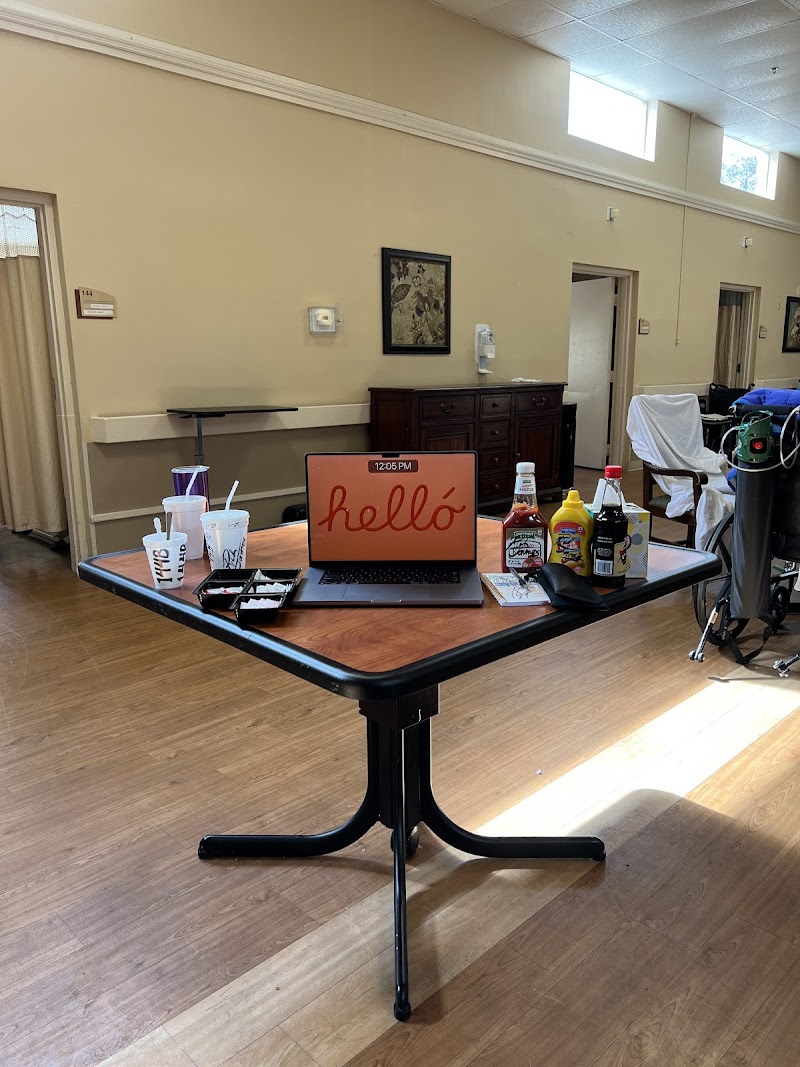
How is Healthcare And Rehab Of Sanford Staffed?

CMS rates HEALTHCARE AND REHAB OF SANFORD's staffing level at 2 out of 5 stars, which is below average compared to other nursing homes. Staff turnover is 44%, compared to the Florida average of 46%. This relatively stable workforce can support continuity of care.

What Have Inspectors Found at Healthcare And Rehab Of Sanford?

State health inspectors documented 18 deficiencies at HEALTHCARE AND REHAB OF SANFORD during 2021 to 2025. These included: 5 Immediate Jeopardy (the most serious level, indicating potential for serious harm or death) and 13 with potential for harm. Immediate Jeopardy findings are rare and represent the most serious regulatory concerns. They require immediate corrective action.
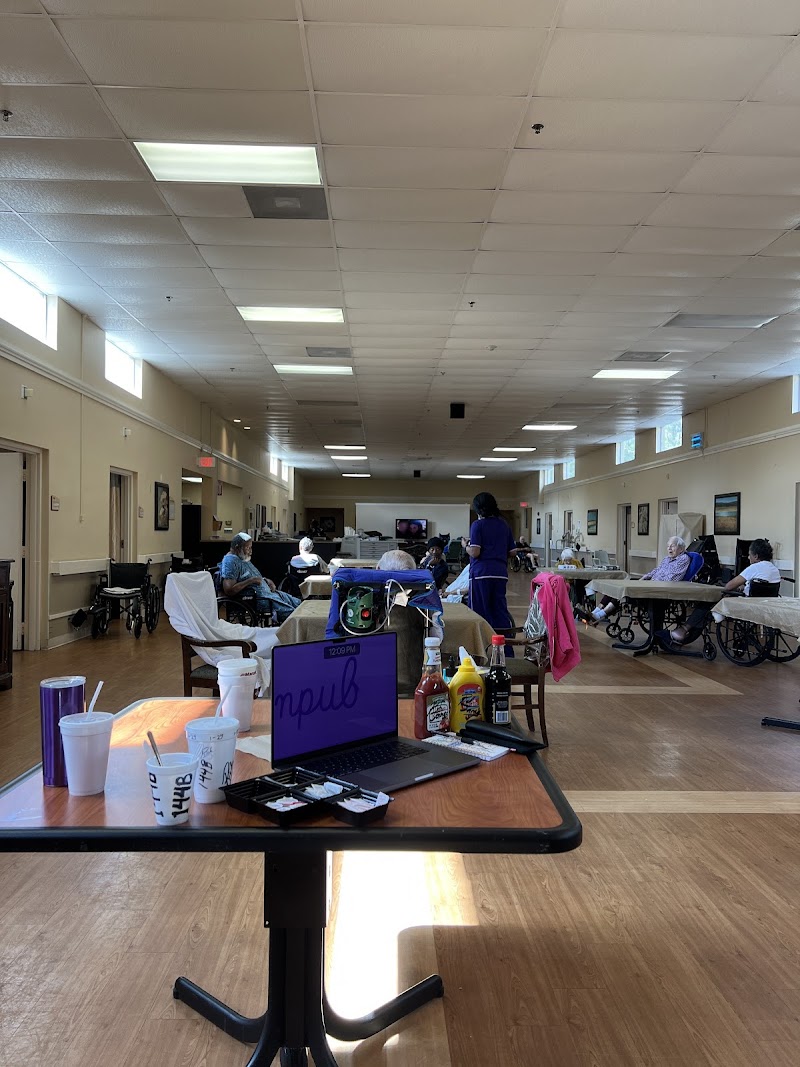
Who Owns and Operates Healthcare And Rehab Of Sanford?

HEALTHCARE AND REHAB OF SANFORD is owned by a non-profit organization. Non-profit facilities reinvest revenue into operations rather than distributing to shareholders. The facility is operated by FLORIDA INSTITUTE FOR LONG-TERM CARE, a chain that manages multiple nursing homes. With 114 certified beds and approximately 111 residents (about 97% occupancy), it is a mid-sized facility located in SANFORD, Florida.
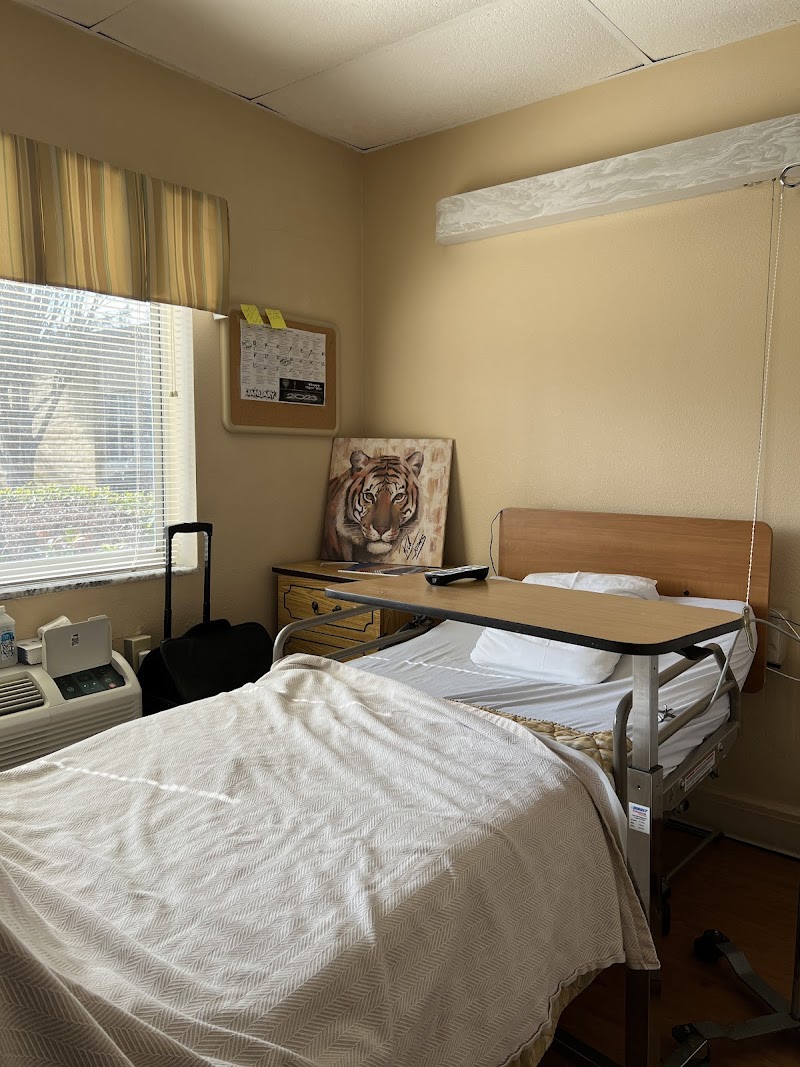
How Does Healthcare And Rehab Of Sanford Compare to Other Florida Nursing Homes?

Compared to the 100 nursing homes in Florida, HEALTHCARE AND REHAB OF SANFORD's overall rating (2 stars) is below the state average of 3.2, staff turnover (44%) is near the state average of 46%, and health inspection rating (2 stars) is below the national benchmark.

What Should Families Ask When Visiting Healthcare And Rehab Of Sanford?

Based on this facility's data, families visiting should ask: "What changes have been made since the serious inspection findings, and how are you preventing similar issues?" "Can you walk me through typical staffing levels on day, evening, and night shifts?" "Can I visit during a mealtime to observe dining assistance and food quality?" "How do you handle medical emergencies, and what is your hospital transfer rate?" These questions are particularly relevant given the facility's Immediate Jeopardy citations and the below-average staffing rating.

Is Healthcare And Rehab Of Sanford Safe?

Based on CMS inspection data, HEALTHCARE AND REHAB OF SANFORD has documented safety concerns. Inspectors have issued 5 Immediate Jeopardy citations (the most serious violation level indicating risk of serious injury or death). The facility has a 2-star overall rating and ranks #100 of 100 nursing homes in Florida. Families considering this facility should ask detailed questions about what corrective actions have been taken since these incidents.

Do Nurses at Healthcare And Rehab Of Sanford Stick Around?

HEALTHCARE AND REHAB OF SANFORD has a staff turnover rate of 44%, which is about average for Florida nursing homes (state average: 46%). Moderate turnover is common in nursing homes, but families should still ask about staff tenure and how the facility maintains care continuity when employees leave.

Was Healthcare And Rehab Of Sanford Ever Fined?

HEALTHCARE AND REHAB OF SANFORD has been fined $224,524 across 1 penalty action. This is 6.4x the Florida average of $35,324. Fines at this level are uncommon and typically indicate a pattern of serious deficiencies, repeated violations, or failure to correct problems promptly. CMS reserves penalties of this magnitude for facilities that pose significant, documented risk to resident health or safety. Families should request specific documentation of what issues led to these fines and what systemic changes have been implemented.

Is Healthcare And Rehab Of Sanford on Any Federal Watch List?

HEALTHCARE AND REHAB OF SANFORD is not on any federal watch list. The most significant is the Special Focus Facility (SFF) program, which identifies the bottom 1% of nursing homes nationally based on persistent, serious quality problems. Not being on this list means the facility has avoided the pattern of deficiencies that triggers enhanced federal oversight. This is a positive indicator, though families should still review the facility's inspection history directly.