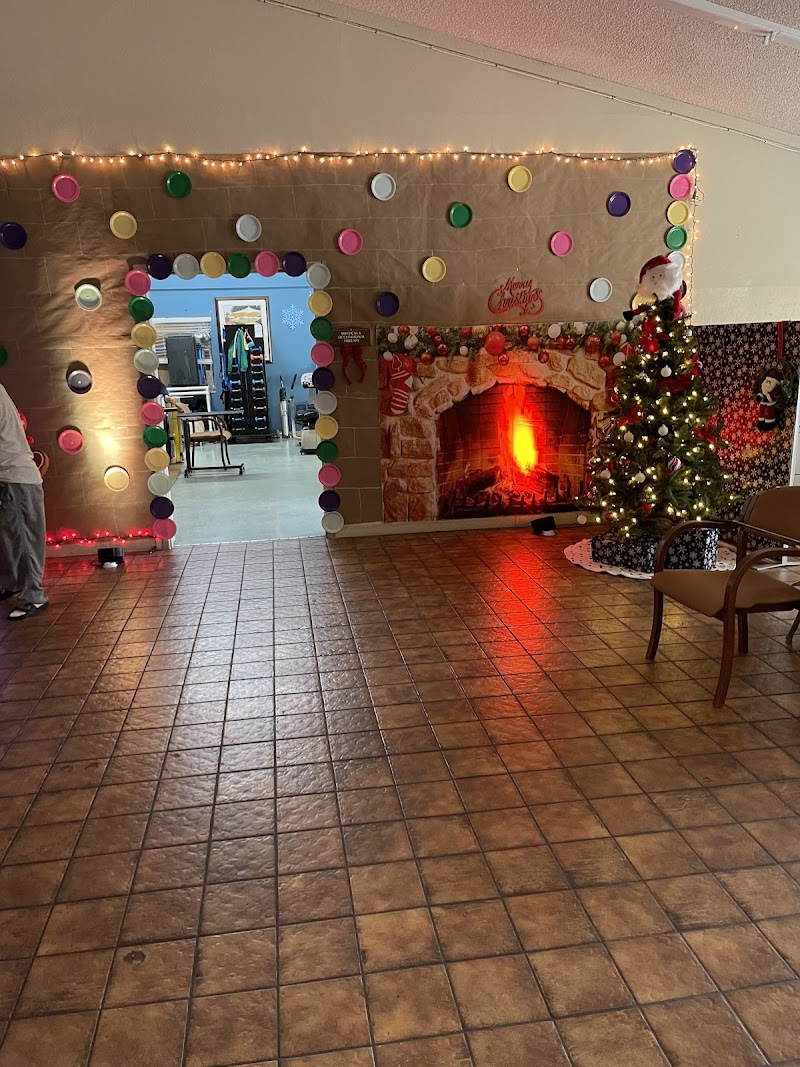
AVIATA AT BENEVA

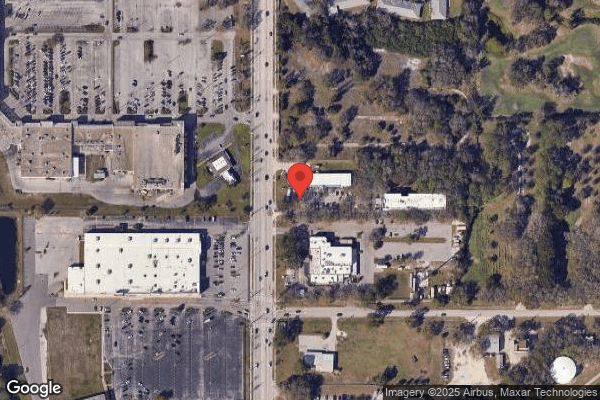
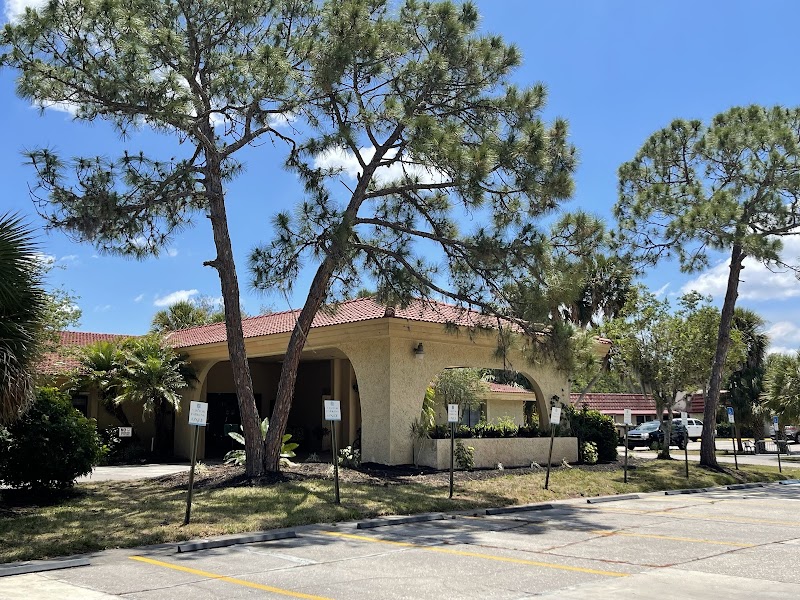
741 SOUTH BENEVA ROAD, SARASOTA, FL 34232 (941) 957-0310
For profit - Individual 120 Beds AVIATA HEALTH GROUP Data: November 2025 2 Immediate Jeopardy citations
Trust Grade
0/100
#600 of 690 in FL
Last Inspection: October 2023

Over 2 years since last inspection. Current conditions may differ from available data.

Overview

Aviata at Beneva has received a Trust Grade of F, indicating significant concerns and a poor overall standing. It ranks #600 out of 690 facilities in Florida, placing it in the bottom half, and #21 out of 30 in Sarasota County, suggesting limited options for better care nearby. The facility is showing improvement, as issues decreased from 11 in 2023 to 2 in 2025, but it still has a troubling history with 25 total deficiencies, including critical incidents of resident-to-resident sexual abuse and neglect regarding medication and skin care that could lead to serious health issues. Staffing is a relative strength with a rating of 4 out of 5 stars and a turnover rate of 37%, which is below the state average; however, the facility has incurred fines totaling $15,593, which is concerning but average compared to others in Florida. While the RN coverage is average, having more RN oversight could help catch problems that might go unnoticed by other staff.

Trust Score
F
0/100
In Florida
#600/690
Bottom 14%
Safety Record
High Risk
Review needed
Inspections
Getting Better
11 → 2 violations
Staff Stability
○ Average
37% turnover. Near Florida's 48% average. Typical for the industry.
Penalties
✓ Good
$15,593 in fines. Lower than most Florida facilities. Relatively clean record.
Skilled Nurses
○ Average
Each resident gets 32 minutes of Registered Nurse (RN) attention daily — about average for Florida. RNs are the most trained staff who monitor for health changes.
Violations
⚠ Watch
25 deficiencies on record. Higher than average. Multiple issues found across inspections.
★☆☆☆☆
1.0
Overall Rating
★★★★☆
4.0
Staff Levels
★★★★☆
4.0
Care Quality
★☆☆☆☆
1.0
Inspection Score
Stable
2023: 11 issues
2025: 2 issues

The Good

  • 4-Star Staffing Rating · Above-average nurse staffing levels
  • 4-Star Quality Measures · Strong clinical quality outcomes
  • Full Sprinkler Coverage · Fire safety systems throughout facility
  • No fines on record
  • Staff turnover below average (37%)

    11 points below Florida average of 48%

Facility shows strength in staffing levels, quality measures, fire safety.

The Bad

1-Star Overall Rating

Below Florida average (3.2)

Significant quality concerns identified by CMS

Staff Turnover: 37%

Near Florida avg (46%)

Typical for the industry

Federal Fines: $15,593

Below median ($33,413)

Minor penalties assessed

Chain: AVIATA HEALTH GROUP

Part of a multi-facility chain

Ask about local staffing decisions and management

The Ugly 25 deficiencies on record

2 life-threatening 2 actual harm
Aug 2025 2 deficiencies 2 Harm
SERIOUS (G) 📢 Someone Reported This

A family member, employee, or ombudsman was alarmed enough to file a formal complaint

Actual Harm - a resident was hurt due to facility failures

Free from Abuse/Neglect (Tag F0600)

A resident was harmed · This affected 1 resident

**NOTE- TERMS IN BRACKETS HAVE BEEN EDITED TO PROTECT CONFIDENTIALITY** Based on record review, review of facility's policies and procedures, staff and resident interviews, the facility failed to prot...

Read full inspector narrative →
**NOTE- TERMS IN BRACKETS HAVE BEEN EDITED TO PROTECT CONFIDENTIALITY** Based on record review, review of facility's policies and procedures, staff and resident interviews, the facility failed to protect residents' rights to be free from neglect by failing to follow physician medication orders for 2 (Resident #875 and #775) of 4 residents reviewed. The facility failed to perform and document weekly skin evaluations for 1 (Resident #99) of 3 sampled residents at risk for pressure ulcer to ensure timely identification and treatment of skin alterations. The findings included: Review of the facility policy N-1265 Abuse, Neglect, Exploitation and Misappropriation, documented It is inherent in the nature and dignity of each resident at the center that he or she be afforded basic human rights including the right to be free from abuse, and neglect, mistreatment. Employees of the center are charged with a continuing obligation to treat residents, so they are free from abuse, neglect, and mistreatment.The facility defines neglect as the failure of the center, its employees or service providers to provide goods and services to a resident that are necessary to avoid physical harm, pain, mental anguish or emotional distress. Examples include but are not limited to: Failure to take precautionary measures to protect the health and safety of the resident. Intentional lack of attention to physical needs. Failure to provide services that result in harm to the resident, such as not turning a bedfast resident or leaving a resident in a soiled bed. 1. Review of the clinical record revealed Resident #875 was an alert and oriented [AGE] year old female admitted to the facility on [DATE] at 4:30 p.m. Diagnoses included convulsions, neuropathy, peripheral vascular disease, type 2 diabetes mellitus, hypertension, discitis and osteomyelitis to lumbar spine.Review of Resident #875's physician orders revealed an order to administer Carbamazepine 200 milligrams, 3 tablets at bedtime for seizures.Review of the Medication Administration Record (MAR) lacked documentation the medication was administered on 6/12/25.Review of the facility's provided investigation for neglect revealed documentation that Resident #875 was admitted to the facility on [DATE] around 4:00 p.m. On 6/13/25 it was discovered that the assigned nurse, Licensed practical nurse (LPN) Staff D failed to activate the medication orders that were in the computer system. The failure to activate the medication orders resulted in the pharmacy not being aware of the new admission and the medication orders that needed to be filled and delivered. The nurses on the following shift were able to obtain some of the resident's medications from the facility emergency medication supply. Carbamazepine 200 milligrams give 3 tablets at bedtime for seizures was not available and was not administered on 6/12/25.Review of the Employee Corrective Action Form dated 6/17/25 for LPN Staff D documented On 6/12/25 employee did not activate the medication orders for a new admission. Employee did not obtain signatures for consent forms that are necessary to be able to treat patient. Employee failed to complete the nursing admissions assessments and due to the employee's negligence, the patient did not receive her medications timely. The employee was terminated.The facility did not substantiate the allegation of neglect.On 6/16/25, 3 days after admission, Resident #875 requested to be discharged . On 8/11/25 at 3:25 p.m., in a telephone interview, Resident #875 said, I did not get all of my medications when I arrived there. I did not get my Carbamazepine. I take 3 tablets at bedtime for seizures. I was tearful and afraid. It is so important that I get that. I don't know why they did not have my medicine when I got there. I was only there 3 days, and I was ready to leave day 1. I was upset, I was crying. I did throw a fit because I needed my seizure medication. I had just come from a long hospital stay and I did not want to go back. The facility never told me why they did not have my medication.On 8/12/25 at 8:25 a.m., in an interview the Regional Nurse Consultant (RNC) said Resident #875 did not get the Carbamazepine on 6/12/25 because the nurse did not complete the admission. She said, We did education and the nurse (LPN Staff D) was terminated. On 8/13/2025 at 2:10 p.m., in an interview the Director of Clinical Services (DCS) was asked about the facility's process for ordering medications to ensure new admissions received their ordered medications in a timely manner. The DCS said it should be done within 24 hours. When asked about the timeframe requirement for a nurse to complete the medication orders, he said, It depends on what it is going on throughout the day and how many medications the resident is on. When asked how the pharmacy receives the orders for medications, he said Once they are in the electronic system they are activated immediately. As soon as you put in the orders, it's activated and in. Pharmacy gets the notification at that time. When asked to clarify activation, he said, When orders are put in the system, they go into a queue. It shows up as red. The nurse reviews and verifies the orders then hits activate the order which goes to pharmacy. The DCS demonstrated the process of entering, queuing, and activating the orders in the system. The DCS said if the medications are put in by 5:00 p.m., they should be in by midnight. After 5:00 p.m., they pull medications from the facility's emergency medication system. If the medication is not available in the emergency medication system, they notify the physician. He said sometimes they can call it in as stat (immediately) but it still may take a few hours. The DCS said the medications for Resident #875 were entered into the system on 6/12/25 at 10:09 p.m., but they were not activated until 6/13/25 at 6:21 a.m. The Pharmacy can't view or send the medications until the nurse activates them. 2. On 8/11/25 at 9:55 a.m., Resident #775 was observed lying on her left side in bed in her room. The resident's left eye was observed with mild redness and swelling. In an interview, Resident #775 the pain to her eye was better and she could see out of it. The resident said she was now receiving her eye drops. On 8/11/25 at 11:38 a.m., in an interview related to Resident #775's swelling and pain to the left eye, Licensed Practical Nurse (LPN) Staff E said Resident #775 had eye surgery. The physician's ordered eye drops were not administered as ordered before or after the surgery. She said she failed to enter the orders in the system. She said after the surgery, I remember we were busy, and I did not put the orders in. I told the oncoming nurse and she did not do it. LPN Staff E said, We were monitoring her eye. Thank god we got it cleared and she did not lose her vision. On 8/11/25 at 12:22 p.m., in an interview the Registered Nurse Consultant (RNC) said LPN Staff E was a brand-new nurse. She could not figure out where the paperwork for the pre and post-surgical information and orders was.On 8/11/25 at 1:26 p.m., in an interview the DCS said, The first I found out about the whole thing was when the surgeon called and said her left eye was infected.Review of the clinical record for Resident #775 revealed and admission date of 6/23/22. Diagnoses included cerebral ischemia, major depressive disorder, paranoid schizophrenia and muscle wasting.Review of the Brief Interview for Mental Status dated 5/21/25 documented Resident #775 had a score of 12, indicating moderate cognitive impairment.Review of the facility provided incident investigation related to the facility's neglect to administer physician's ordered necessary eye drops before and after eye surgery revealed:On 7/1/25, Resident #775 went out of the facility to the eye doctor. The resident returned with pre-surgical eye drops for cataract surgery. LPN Staff E failed to put the orders into the electronic facility record system. On 7/14/25 the resident had cataract surgery on her left eye and returned to the facility with post-surgical instructions including the eye drops. LPN Staff E was the nurse assigned to the resident post-surgery and failed to place the physician orders into the system. Resident #775 received no pre-surgical or post-surgical care to the left eye. On 7/23/25 the resident had a follow-up appointment with the eye doctor who immediately sent the resident to a retina specialist for an eye infection. On 7/23/25 the eye doctor contacted the facility and spoke with the DCS informing him that the operative eye was inflamed and showed signs of infection. The DCS investigated the matter and discovered the eye drops ordered by the physician had not been transcribed and were not administered. The facility's investigation documented Resident #775 had pain and inflammation in the left eye.On 7/23/25 the facility completed their investigation and verified the allegation of neglect.Review of the physician's ordered eye drops schedule revealed:Week 1: Starting day of surgery:Moxifloxacin (antibiotic) every hour while awake until bedtimeKetorolac (non-steroidal anti-inflammatory) 3 times daily.Prednisolone (steroid) 4 times daily. Week 2:Prednisolone 3 times daily.Ketorolac 3 times daily.Week 3:Ketorolac 3 times daily.Prednisolone 2 times daily.Week 4:Ketorolac 3 times dailyPrednisolone 1 time daily.Review of the post cataract surgery instructions revealed to, Take it easy for one week. Avoid lifting heavy objects or anything more than 10 lbs. Avoid bending over with your head below the level of your waist. Avoid any exercise or sexual activities. Strenuous types of activities can cause elevated pressure in the eye, which might cause problems during the first week after the surgery. No dirt or water in your eye for one week. The only substance that should get in your operated eye are the prescribed eye drops, or eyewash included in your post-op kit.Review of the surgical physician progress note dated 7/23/25 revealed Resident #775 had, Severe inflammation vs (versus) endophthalmitis (infection) left eye. The physician referred Resident #775 to the retina specialist for follow up/potential injection for lack of response to treatment and ordered: Prednisolone 1% one drop every hour.Moxifloxacin 0.3% one drop 4 times a day.Review of the Retina specialist progress note dated 7/25/25 revealed to continue Moxifloxacin 4 times a day and decrease Prednisolone from every 1 hour to every 2 hours while awake.On 8/13/25 at 11:16 a.m., in a telephone interview the ophthalmic surgeon's Surgical Technician said on 7/23/25 when the resident was seen for her follow up they became aware she did not receive any pre-op- or post op eye drops. The surgical technician said, The outcome could have been blindness, she could have gone blind, not just have an eye infection.On 8/13/25 at 1:15 p.m., in a telephone interview the ophthalmic surgeon said, I gave very clear written and verbal instruction for both pre-op and post op for cataract surgery. They did not administer any eye drops to her. When I saw her at the post-op follow up on 7/23/25 her eye looked terrible. It was inflamed, red. I immediately sent her to the retina specialist, I was that concerned. The patient could have gone blind, that is the outcome that could have occurred. I have been doing cataract surgery since 2016 and generally 1/50,000 will lose the vision in the operative eye. In my career, I have had 2 and she would have been number 3. It is that serious that they receive the eye drops. We did everything. We sent the scripts electronically to the pharmacy. The eye drops should have started the morning of her surgery. The surgery was at 2:00 p.m., so they had all day to start the drops. The instructions were clear and easy to follow. It was important not to get the left eye wet, not to lift anything, not to rub the eye and to administer the eye drops as ordered.3. Review of the facility policy WC-100, Clinical Guideline Skin and Wound with an effective date of 4/1/17 revealed, to provide a system for identifying skin at risk, implementing individual interventions including evaluation and monitoring as indicated to promote skin health, healing and decrease worsening of or prevention of pressure injury. On admission or readmission, the resident skin will be evaluated for base line skin condition and documented in the resident record. Licensed nurse to document presence of skin impairment or new skin impairment when observed and weekly until resolved. Licensed Nurse to complete skin evaluation weekly and prior to transfer/discharge and document in the medical record. Licensed nurse to report changes in skin integrity to the physician or practitioner and resident or responsible party and documents in the medical record.On 8/11/25 at 10:12 a.m., Resident #99 was observed lying in bed on her left side. In an interview the resident said the nurse had just finished changing the dressings on her wounds. The resident said she was in pain from the wound care and had requested a pain pill. Resident #99 said she requires help to turn in bed.Review of the facility provided weekly wound reports for pressure injury revealed documentation on 2/21/25 Resident #99 had a facility acquired pressure ulcer to the sacrum that measured 3.5 centimeters (cm) in length by 3.5 cm in width.Review of the Wound Care Physician (WCP) progress note dated 2/27/25 revealed Resident #99 had an unstageable pressure ulcer to the sacrum measuring 3.5 centimeters (cm) length by 3.5 cm width. The WCP ordered to cleanse with normal saline, apply Santyl (debridement ointment) and cover with a dry dressing daily.Review of the facility provided incident investigation for Resident #99's facility acquired pressure ulcer revealed on 2/21/25 a nurse reported an open area over Resident #99's sacrum. The Director of Clinical Services (DCS) assessed the wound and it was deemed unstageable. The incident investigation documented the 2 Certified Nursing Assistants (CNAs) who took care of Resident #99 on 2/15/25 said the resident had redness over the area and on 2/17/25 the area opened a little. Tissue injury may have been present under the skin but was not noted until it opened. The investigation noted on 9/19/24 the wound care physician identified a deep tissue injury to Resident #99's sacral area that healed. At some point between 12/17/24 and 2/21/25 the deep tissue injury re-developed and later became a pressure ulcer. The resident has several co-morbidities and healing of any wound is compromised by her diagnoses of peripheral vascular disease, Raynaud's disease and CREST syndrome (autoimmune disease that causes the skin and connective tissues to harden and tighten).The facility's investigation noted that Resident #99 returned to the facility on [DATE]. The hospital form 3008 noted that the resident had no wound over the sacrum. There was no record of a facility admission skin assessment or subsequent skin assessments. These should have been done weekly per facility policy.The summary of relevant resident record review noted that review of the Treatment Administration Record revealed two nurses documented that they performed skin assessments when in fact they were not done.The facility verified the allegation of neglect and documented, The two nurses involved did not perform the weekly skin assessment and is dereliction of duty. Furthermore, they documented on the Treatment Administration Record that the skin assessment were done but they did not do them. There is no record of skin assessments.On 8/11/25, Review of the clinical record for Resident #99 revealed an admission date of 7/26/24. Diagnoses included peripheral vascular disease, protein calorie malnutrition, left below knee amputation, major depressive disorder and current cigarette smoker.Review of Minimum Data Set (MDS) assessments revealed on 12/17/24 Resident #99 had an unplanned discharge to an acute care hospital. Resident #99 returned to the facility on [DATE].Review of the Quarterly MDS assessment with a target date of 12/29/24 revealed Resident #99's cognitive skills for decision making were intact with a Brief Interview for Mental Status score of 15. The MDS noted the resident was at risk of developing pressure ulcers and had no unhealed pressure ulcer. Resident #99 was always incontinent of bladder or bowel.Review of the Treatment Administration Record (TAR) for January 2025 and February 2025 revealed Licensed Practical Nurse (LPN) Staff B documented she completed the weekly skin sweeps on 1/6/25, 1/12/25, 1/19/25, 1/28/25, 2/2/25 and 2/16/25.LPN Staff A documented she completed the weekly skin sweeps on 2/9/25 and 2/23/25.On 8/12/25 at 12:00 p.m., in an interview LPN Staff A confirmed on 2/2/25 and 2/16/25 she signed the Treatment Administration Record (TAR) verifying she completed the weekly skin evaluation but she did not do them. LPN Staff A said she could not remember why she did not do the skin evaluation on 2/2/25 and 2/16/25. She said she must have been busy.
SERIOUS (G) 📢 Someone Reported This

A family member, employee, or ombudsman was alarmed enough to file a formal complaint

Actual Harm - a resident was hurt due to facility failures

Pressure Ulcer Prevention (Tag F0686)

A resident was harmed · This affected 1 resident

**NOTE- TERMS IN BRACKETS HAVE BEEN EDITED TO PROTECT CONFIDENTIALITY** Based on observation, record review, review of facility's policies and procedures, staff and resident interviews, the facility f...

Read full inspector narrative →
**NOTE- TERMS IN BRACKETS HAVE BEEN EDITED TO PROTECT CONFIDENTIALITY** Based on observation, record review, review of facility's policies and procedures, staff and resident interviews, the facility failed to ensure staff consistently performed weekly skin evaluations for 1 (Resident #99) of 3 residents reviewed for early identification and treatment of pressure ulcers. The findings included:Review of the facility provided weekly wound reports for pressure injury revealed documentation on 2/21/25 Resident #99 had a facility acquired pressure ulcer to the sacrum that measured 3.5 centimeters (cm) in length by 3.5 cm in width.On 8/7/25 the weekly wound report noted Resident #99 had a facility acquired stage 4 pressure ulcer (full thickness tissue loss with exposed bone, tendon or muscle) on the sacrum measuring 2 cm x's 1.8 cm with 0.8 cm depth. A left hip facility acquired stage 4 pressure ulcer identified on 5/22/25 measured 2.5 cm x's 2.5 cm with 1.5 cm depth.Review of the facility provided incident investigation for Resident #99's facility acquired pressure ulcer revealed on 2/21/25 a nurse reported an open area over Resident #99's sacrum. The Director of Clinical Services (DCS) assessed the wound, and it was deemed unstageable. The incident investigation documented the 2 Certified Nursing Assistants (CNAs) who took care of Resident #99 on 2/15/25 said the resident had redness over the area and on 2/17/25 the area opened a little. Tissue injury may have been present under the skin but was not noted until it opened. The investigation noted on 9/19/24 the wound care physician identified a deep tissue injury to Resident #99's sacral area that healed. At some point between 12/17/24 and 2/21/25 the deep tissue injury re-developed and later became a pressure ulcer. The resident has several co-morbidities and healing of any wound is compromised by her diagnoses of peripheral vascular disease, Raynaud's disease and CREST syndrome (autoimmune disease that causes the skin and connective tissues to harden and tighten).The facility's investigation noted that Resident #99 returned to the facility on [DATE]. The hospital form 3008 noted that the resident had no wound over the sacrum. There was no record of a facility admission skin assessment or subsequent skin assessments. These should have been done weekly per facility policy.The summary of relevant resident record review noted that review of the Treatment Administration Record revealed two nurses documented that they performed skin assessments when in fact they were not done.The facility verified the allegation of neglect and documented, The two nurses involved did not perform the weekly skin assessment and is dereliction of duty. Furthermore, they documented on the Treatment Administration Record that the skin assessment was done but they did not do them. There is no record of skin assessments.On 8/11/25, Review of the clinical record for Resident #99 revealed an admission date of 7/26/24. Diagnoses included peripheral vascular disease, protein calorie malnutrition, left below knee amputation, major depressive disorder and current cigarette smoker.Review of Minimum Data Set (MDS) assessments revealed on 12/17/24 Resident #99 had an unplanned discharge to an acute care hospital. Resident #99 returned to the facility on [DATE].Review of the Quarterly MDS assessment with a target date of 12/29/24 revealed Resident #99's cognitive skills for decision making were intact with a Brief Interview for Mental Status score of 15. The MDS noted the resident was at risk of developing pressure ulcers and had no unhealed pressure ulcer. Resident #99 was always incontinent of bladder or bowel.Review of the Treatment Administration Record (TAR) for January 2025 and February 2025 revealed Licensed Practical Nurse (LPN) Staff B documented she completed the weekly skin sweeps on 1/6/25, 1/12/25, 1/19/25, 1/28/25, 2/2/25 and 2/16/25.LPN Staff A documented she completed the weekly skin sweeps on 2/9/25 and 2/23/25.Review of the Wound Care Physician (WCP) progress note dated 2/27/25 revealed Resident #99 had an unstageable pressure ulcer to the sacrum (Pressure ulcer's tissues are obscured such that the depth of soft tissue damage cannot be observed) measuring 3.5 centimeters (cm) length by 3.5 cm width. The WCP ordered to cleanse with normal saline, apply Santyl (ointment to remove dead tissue) and cover with a dry dressing daily.On 8/11/25 at 10:12 a.m., Resident #99 was observed lying in bed on her left side. In an interview the resident said the nurse had just finished changing the dressings on her wounds. The resident said she was in pain from the wound care and had requested a pain pill. The resident rated her pain a 9 out of 10 (severe pain). Resident #99 said she requires help to turn in bed.On 8/11/25 at 10:23 a.m., in an interview with Registered Nurse (RN) Staff H said she was doing the wound care today. She said she was not the wound care nurse but when there was an extra person on the assignment, someone does the wound care. The RN Staff H said Resident #99 had 3 wounds. The sacrum and the left hip were treated with Moist Dakins solution (broad spectrum antiseptic) and dry sterile dressing daily and as needed. The Left hip was infected, and the resident was receiving the antibiotic Bactrim. RN Staff H said the resident was not able to turn completely in bed, she requires 2 people to assist her.On 8/12/25 at 9:10 a.m., observation of wound care with Resident #99, with her consent. Unit Manager LPN Staff F provided wound care and CNA Director of Patient Services Staff G assisted with positioning the resident. The left hip wound was yellow with slough (dead tissue), and tan drainage, a moderate amount. The Sacral wound was approximately the size of a deck of cards, black with an open area at 6:00 O'clock. The treatment was Dakins soaked gauze and dry dressing for all the wounds. The Unit Manager said the wound care is completed daily but she often does not let the wound care physician look at the wounds and she refuses treatments at times. The Unit Manager said the resident likes to sit outside and smoke most of the day.On 8/12/25 at 10:16 a.m., in a telephone interview with the Wound Care Physician he said the resident refused care and is non-compliant. We recommended a low air loss mattress, and she refused it. She is non-compliant and a smoker. There is a low chance for the sacral wound to heal. I visit once a week it is on and off with her. She does not always allow me to see her, and she is alert and oriented. She is very stubborn, and she refused the air mattress and said it was too hard. She does not comply with turning and repositioning. The left hip is showing signs of infection, and she is on antibiotics for that.On 8/12/25 at 12:00 p.m., in an interview LPN Staff A confirmed on 2/2/25 and 2/16/25 she signed the Treatment Administration Record (TAR) verifying she completed the weekly skin evaluation but she did not do them. LPN Staff A said she could not remember why she did not do the skin evaluation on 2/2/25 and 2/16/25. She said she must have been busy.
Oct 2023 10 deficiencies
CONCERN (D)

Potential for Harm - no one hurt, but risky conditions existed

ADL Care (Tag F0677)

Could have caused harm · This affected 1 resident

**NOTE- TERMS IN BRACKETS HAVE BEEN EDITED TO PROTECT CONFIDENTIALITY** Based on observation, record review, staff and resident interview, the facility failed to provide the necessary care and service...

Read full inspector narrative →
**NOTE- TERMS IN BRACKETS HAVE BEEN EDITED TO PROTECT CONFIDENTIALITY** Based on observation, record review, staff and resident interview, the facility failed to provide the necessary care and services to maintain personal grooming and hygiene for 2 (Residents #32, and #74) of 2 residents reviewed who require assistance with activities of daily living. The findings included: The facility Policy titled showering and bathing with a revision date of 9/01/2017, stated Assistance with showering and bathing will be provided at least twice a week and PRN (as needed) to cleanse and refresh the resident. 1. Record review revealed Resident #32 was admitted to the facility on [DATE]. The diagnoses included Dementia, and Muscle Weakness. Resident #32's care plan initiated 12/13/22, included the intervention/task of bathing and showering: check nail length and trim and clean on bath day and as necessary. On 10/9/23 at 10:01 a.m., Resident #32 was observed in bed, wearing a hospital gown with facial hair growth of approximately seven days. The resident's fingernails extended approximately half inch from the nail beds and had an accumulation of brown substance underneath the fingernails. Resident #32 said, I need a shave and a haircut too. On 10/10/23 at 2:50 p.m., and 10/11/23 at 8:35 a.m., Resident #32 was observed in bed. He remains unshaved. His fingernails remained untrimmed with a black substance underneath the nails. On 10/10/23 at 3:55 p.m., Certified Nursing Assistant, (CNA) Staff X said, showers are done twice a week. We shower them, clean them up, get them dressed if they want. We do their hair and nails. On 10/11/23 at 11:30 a.m., Registered Nurse (RN) Staff D verified Resident #32's nails extended more than half an inch and were dirty. She said Resident #32 needed to be shaved daily. On 10/11/23 at 11:50 a.m., during a joint observation of Resident #32, the Regional Director of Clinical Services stated they expected everyone to receive Activities of Daily Living (ADL) care. If a resident refused care, it would be documented. Resident #32 said, It's been a couple of weeks since he has been shaved. On 10/11/23 at 3:06 p.m., CNA Staff C said she was assigned to Resident #32, and he did not refuse care. On 10/12/23 at 4:00 p.m., the Administrator said, I don't know what the policy is, I would like to think that shaving and nail care are part of daily grooming, and the resident would be asked if they would like to be shaved. 2. Record review revealed Resident #74 was admitted to the facility on [DATE]. The diagnoses included Cerebral infarction (Stroke), muscle weakness, unsteadiness on feet, repeated falls. Resident #74's care plan initiated on 7/5/23 indicated the resident required extensive assistance by one staff person for bathing, showering, dressing, personal hygiene, and oral care. On 10/10/23 at 10:07 a.m., Resident #74 was observed in bed eating breakfast. Resident #74's fingernails extended half an inch from the nail beds and had approximately seven days of facial hair growth. Resident #74 rubbed his face and said, I need a shave. When asked if he gets showered or bathed, Resident #74 said, occasionally. On 10/11/23 at 8:41 a.m., Resident #74 was observed in bed on back, wearing hospital gown, nails are long, beard is long. Resident #74 said, it's been some time since he's been shaved. On 10/11/23 at 11:10 a.m., Resident #74 was observed in bed lying with his head over one side of the bed and his legs over the other side of the bed. He was not wearing clothes or underwear. Registered Nurse (RN) staff D entered the room and verified the resident was not dressed or wearing underwear. RN, Staff D verified the resident's nails extended approximately half inch from the nail bed and had approximately seven days of facial hair growth. RN Staff D asked a CNA to shave the resident and trim his nails after lunch. RN Staff D did not offer clothes to the resident and did not instruct the CNA to assist the resident with underwear and clothes. On 10/11/23 at 1:45 p.m., The Regional Director of Clinical Services said, we will get him taken care of.
CONCERN (D)

Potential for Harm - no one hurt, but risky conditions existed

Accident Prevention (Tag F0689)

Could have caused harm · This affected 1 resident

**NOTE- TERMS IN BRACKETS HAVE BEEN EDITED TO PROTECT CONFIDENTIALITY** Review of the facility policy for Smoking - Supervised, revision dated 2/7/20, The Center will provide a safe, designated smokin...

Read full inspector narrative →
**NOTE- TERMS IN BRACKETS HAVE BEEN EDITED TO PROTECT CONFIDENTIALITY** Review of the facility policy for Smoking - Supervised, revision dated 2/7/20, The Center will provide a safe, designated smoking area for residents. For the safety of all residents, the designated smoking area will be monitored by a staff member during authorized smoking times. Smoking is only allowed in designated areas and during designated times. #4. During designated smoking times, staff will be assigned to assist or supervise residents. #5. The Center will retain and store matches, lighters, etc. for all residents. Review of the medical record for Resident #19 revealed an admission date of 3/19/21 with diagnoses including cerebral infarction, seizures, anxiety, major depressive disorder, and schizoaffective disorder, depressive type. Review of the Smoking Agreement signed by Resident #19 on 3/19/21 revealed Residents are not to smoke in the absence of smoking attendant. On 10/9/23 at 12:00 p.m., Resident #19 said she keeps her cigarettes and lighter. She said they are her personal property, and she has the right to keep them with her. She said she keeps the cigarettes and lighter in her purse and was going outside to smoke. On 10/9/23 at 12:10 p.m., observed Resident #19 sign herself out at the front desk, wheel herself out the front door, and onto a small grassy area to the left. Resident #19 took her cigarette and lighter out of her purse, lit the cigarette and began to smoke. Two additional residents were observed smoking in the area at the time. There was no staff outside with the residents at the time of the observation. On 10/11/23 at 9:06 a.m. Resident #71 said he was always allowed to keep his own cigarettes and lighter in his room. He said on Monday or Tuesday, they collected all the cigarettes and lighters from the residents. On 10/12/23 at 1:51 p.m., Resident #19 said the facility tried to take away her cigarettes and lighter, but she refused to give them up. On 10/12/23 at 2:33 p.m., Registered Nurse, Staff D confirmed he tried to collect the lighters from the residents on Monday. He said Resident #19 refused to give the lighter to him. He said he informed the Nursing Home Administrator (NHA). On 10/12/23 at 2:46 p.m., Certified Nursing Assistant Staff AA said Resident #19 refused to give her lighter to the facility and lights her own cigarettes. She said the facility needs to keep the cigarettes and lighters for all the residents, because if residents have their cigarettes they will smoke in their rooms. She said she could not remember dates or residents, but she is aware some residents have been caught smoking in their rooms. On 10/12/23 at 5:39 p.m., the Nursing Home Administrator said Resident #19 keeps her own cigarettes and lighter because she refuses to give them up. She said it is a problem. Based on record review, resident and staff interviews, and facility policy review the facility failed to ensure appropriate assessment, documentation, and monitoring after a fall incident for 1 (Resident #25) of 7 resident reviewed for accidents. The facility also failed to ensure safe smoking practices for 1 (Resident #19) of 7 residents reviewed for accident. The findings included: A review of a facility policy titled; Fall Management last revised on 7/29/19 specified: C. Post Fall Strategies 1. Resident will be evaluated, and post fall care provided 2. Initiate Neurological checks as per policy or directed by physician order 3. Notify the physician and resident representative 4. Re-evaluate fall risk utilizing the Post Fall Evaluation 5. Update Care Plan and Nurse Aide [NAME] with interventions 6. Initiate post fall documentation every shift for 72 hours 7. Interdisciplinary Team to review fall documentation and complete root cause analysis 8. Update plan of care with new interventions as appropriate 9. Review resident weekly x4 A review of a facility policy titled; Resident Incident/Accident Reports last revised on 8/24/17 specified: Procedure: Any happening not consistent with routine operations of the facility or care of a resident may warrant the completion of an incident report. Following nursing assessment, the physician will be notified of any noted or suspected injury and will implement appropriate interventions. The event, along with assessment, physician and other required notification will be documented in the clinical record. Resident's family or representative will be notified of event. Incidents will be noted on the 24-hour report. Incident reports shall be reviewed by the Director of Nursing for completion and follow-up. A review of an admission Record indicated Resident #25 was admitted on [DATE] with the following diagnosis: chronic obstructive pulmonary disease, depression, right and left shoulder pain, muscle weakness, lack of coordination, history of falls, dyspnea (shortness of breath), chronic pain, spinal stenosis in the thoracic region, overactive bladder, and Macular degeneration (poor eyesight). The quarterly Minimum Data Set (MDS) dated [DATE] revealed Resident #25 had a Brief Interview for Mental Status (BIMS) score of 14 which indicated the resident was cognitively intact. Resident is independent in bed mobility and transfers she can walk in her room with supervision of one person. The resident also needs supervision of one person when using the bathroom. Pain assessment revealed the resident had frequent pain on a scale of five (5) on a scale of 1-10. The resident was coded as having a history of falls. During an interview on 10/09/23 at 10:12 a.m., Resident #25 stated that she was having a lot of pain in her left and right shoulders, and she was waiting on her medication. Resident was alert and oriented sitting up in her wheelchair at bedside. On 10/10/23 at 9:57 a.m., Resident #25 was observed with a large egg-shaped purple bruise on her right lateral forearm and a half dollar size purple bruise on the lateral right upper arm. These bruises were not noted yesterday when resident was interviewed. During an interview on 10/10/23 at 9:59 a.m., Resident #25 stated she fell the night before. She had been placed in the bathroom. She wanted to go back to bed so she tried to go back by herself and fell. She said she could not make it all the way and fell to the floor next to the bed. The resident stated she yelled out for help for about one and a half hours before anybody came to help her. The resident said the bedroom door was open. She did not understand why the staff took so long to respond to her yelling for help. She said she was very cold and had to reach to her bed, pull down her blanket to cover herself and keep warm. They did not come to get her for a long time. She said she thinks she also hit the side of her head. Review of the nursing progress notes for 10/10/23 and 10/11/23 failed to document a fall for Resident #25. On 10/11/23 at 11:13 a.m., Resident #25 stated that she was on the floor so long. She said finally Licensed Practical Nurse (LPN) Staff Y lifted her off the floor, placed her in a chair and then into bed. He got her a pain pill and then she was comfortable. She said no one helped Staff Y, not even a Certified Nursing Assistant, and they did not use a lift to get her off the floor. During an interview on 10/11/23 at 11:47 a.m., LPN Staff Y stated he last worked on Monday into Tuesday morning. The nurse stated he works 12-hour shifts from 7:00 PM to 7:00 AM the next day. LPN staff Y stated nothing outstanding happened on his shift such as a resident fall or medical issues. The nurse stated he did not recall any resident yelling or calling out. LPN Staff Y said if a resident sustained an unwitnessed fall, he would be doing neurological checks and monitor the vital signs. When asked about Resident #25's fall, LPN Staff Y said when he came into the resident's room at approximately 5:00 a.m., she was sitting in her wheelchair at bed side. She told him she had been on the floor for hours. She got up by herself and could not remember if anyone helped her off the floor. The resident said she wanted to go back to bed so he picked her up to put her in bed. The bed was not locked and started to move, so he placed the resident on the floor, locked the bed, picked her up from the floor and put her in bed. He gave her a pain pill and she said she was fine. Staff Y said no one helped him put the resident back to bed. He did not document or report the incident to the oncoming shift since the resident said she was fine. When he did he last rounds, she was sleeping and was doing fine. On 10/11/23 at 12:21 p.m., the Director of Nursing (DON) said even if a resident is lowered to the floor, she considered that a fall, and it needs to be reported. The DON said the staff member should assess the resident for injuries, get assistance to get the resident off the floor, pass it on to the next shift. She said she would expect the nurse to obtain vital signs, do neurological checks. The DON said she was not aware of the incident involving Resident #25. She said Staff Y did not act appropriately and she would investigate the incident. Review of the Medication Administration Record (MAR) for October 10 failed to show documentation Resident #25 was medicated for pain as per Resident #25, and Staff Y's interview. Review of the declining inventory of the controlled substance sheets failed to reveal documentation Resident #25 received the ordered Hydrocodone and Tylenol on 10/10/23. There were no vital signs documented in the clinical record for 10/10/23 after the fall.
CONCERN (D)

Potential for Harm - no one hurt, but risky conditions existed

Deficiency F0698 (Tag F0698)

Could have caused harm · This affected 1 resident

**NOTE- TERMS IN BRACKETS HAVE BEEN EDITED TO PROTECT CONFIDENTIALITY** Based on staff interviews and record review the facility failed to provide care and services consistent with professional standa...

Read full inspector narrative →
**NOTE- TERMS IN BRACKETS HAVE BEEN EDITED TO PROTECT CONFIDENTIALITY** Based on staff interviews and record review the facility failed to provide care and services consistent with professional standards of practice by failing to ensure ongoing, and accurate assessment upon return from the dialysis center for 1 (Resident #29) of 2 dialysis residents reviewed. The findings included: The facility policy titled, Coordination of Hemodialysis Services N-1359, with an effective date of 11/30/2014 and a revision date of 7/2/2019, stated residents that required an outside ESRD (End Stage Renal Disease) facility would have services coordinated by the facility. The Dialysis Communication form would be initiated by the facility and sent to the ESRD center. The nurse would collect and complete the information regarding the resident to send to the ESRD center and upon the resident's return to the facility, the nurse would review the Dialysis Communication form and the information sent by the ESRD center and complete the post dialysis information on the Dialysis Communication form and file it in the resident's medical record. A review of the medical record revealed Resident #29 was admitted to the facility on [DATE] with a medical diagnosis of End Stage Renal Disease (ESRD). Resident #29 had a physician's order for hemodialysis (treatment to filter wastes and water from the blood) every Tuesday, Thursday and Saturday related to ESRD. The care plan for dialysis revised on 7/19/23 noted the resident was readmitted from the hospital with a central venous catheter dialysis access site to the right upper chest. The intervention dated 7/19/23 was not appropriate for the central venous catheter dialysis site and included to check the AV (Arteriovenous) shunt (connection of an artery to a vein) as ordered for bruit (Whooshing sound) and thrill (vibration caused by blood flowing). On 10/09/23 at 3:09 p.m., Resident #29 was observed in bed with a central catheter covered with a gauze dressing to the right side of his chest. Resident #29 said he received dialysis through the right chest catheter, but the facility staff do not routinely check it when he returns from the dialysis center on Tuesdays, Thursdays, and Saturdays. He said he used to take a communication notebook back and forth, but no one was writing in it. Resident #29 said the facility nurses do not check his blood pressure or the catheter access site upon return from the dialysis center. Review of the dialysis communication form utilized by the facility revealed a section to be completed by the facility nurse prior to dialysis and upon return from the dialysis center. Resident #29's communication forms were located in a binder at the nurse's station. The binder contained a total of eight forms from May 2023 through October 11, 2023. 15 forms were missing. The forms in the binder were incomplete and lacked documentation Resident #29's dialysis access site was assessed, or vital signs obtained upon return from the dialysis center on 5/23/23, 5/25/23, 6/1/23, 6/8/23, 8/15/23, 8/31/23, and 10/11/23. Review of the Treatment Administration Record (TAR) for September, and October 2023 showed documentation the facility assessed the hemodialysis site to the left upper arm for bruising/bleeding and symptoms of infection every shift when the access site was located to the resident's right upper chest. On 10/12/23 at 9:21 a.m., the Director of Nursing said the vital signs should be assessed pre and post visit and a form should be completed for each dialysis visit. She verified the resident's dialysis access site was located to the right upper chest and the documentation in the TAR was inaccurate. The Director of Nursing reviewed the clinical record and said she could not locate documentation Resident #29's vital signs were assessed upon return from the dialysis center on Tuesdays, Thursdays, and Saturdays. She could not locate documentation the facility assessed the dialysis access site to resident's right upper chest for symptoms of complications, including bleeding.
CONCERN (D)

Potential for Harm - no one hurt, but risky conditions existed

Deficiency F0730 (Tag F0730)

Could have caused harm · This affected 1 resident

Based on staff interviews and staff record reviews, the facility failed to ensure 3 (Staff G, J, and K) of 5 Certified Nursing Assistants records reviewed had a performance review completed at least o...

Read full inspector narrative →
Based on staff interviews and staff record reviews, the facility failed to ensure 3 (Staff G, J, and K) of 5 Certified Nursing Assistants records reviewed had a performance review completed at least once every 12 months as required. The findings included: On 10/12/23, a review of Certified Nursing Assistant (CNA) Staff G's employee file revealed a hire date of 11/28/18. There was no documentation Staff G had an employee performance/competency review in 2022 or 2023. On 10/12/23, a review of Certified Nursing Assistant (CNA) Staff J's employee file revealed a hire date of 10/28/21. There was no documentation Staff H had an employee performance/competency review in 2022 or 2023. On 10/12/23, a review of Certified Nursing Assistant (CNA) Staff K's employee file revealed a hire date of 10/7/20. There was no documentation Staff H had an employee performance/competency review in 2022 or 2023. On 10/12/23 at 11:57 a.m., the Human Resource Director Staff Z confirmed there was no documentation a performance review was completed for Staff G, Staff J, and Staff K. Staff Z said we were not aware the annual performance review was not completed as required but going forward we have a plan.
CONCERN (E)

Potential for Harm - no one hurt, but risky conditions existed

Deficiency F0565 (Tag F0565)

Could have caused harm · This affected multiple residents

Based on review of facility's policies and procedures, review of the Resident council meeting minutes, and staff interviews, the facility failed to respond to grievances and recommendation voiced by t...

Read full inspector narrative →
Based on review of facility's policies and procedures, review of the Resident council meeting minutes, and staff interviews, the facility failed to respond to grievances and recommendation voiced by the Resident Council for 5 (May, June, July, September, and October 2023) of 7 months of council minutes reviewed. The findings included: A review of facility policy titled, Resident Council Meeting dated 11/1/21 specified, Residents will be provided the opportunity to meet at least monthly in an organized group setting to discuss current issues/topics of their choice. These topics may include events, activities, resident rights, care, and service and concerns. In addition, a review of old business, problem resolution, and development of action plans may be discussed . Procedure: 4. Record minutes on the Resident Council Minutes form and copy to the Executive Director for review. 5. Utilize the Resident Council Minutes (section Department Overview/Develop Action Plan) for any issues requiring a follow up response. Resident Council will review this section at each meeting to determine if concern was resolved, not resolved, or partially resolved. Unresolved or partially resolved concerns are brought forward to the next set of minutes for Resident Council Review. A review of Facility policy titled, Complaint/Grievance revision date 10/24/22 specified, The Center will support each resident's right to voice a complaint/grievance without fear of discrimination or reprisal. The center will make prompt efforts to resolve the complaint/grievance and inform the resident of progress towards resolution . Procedure: 3. The grievance officer/designee shall act on the grievance and begin follow-up of the concern or submit it to the appropriate department director for follow-up. 4. The grievance follow-up should be completed in a reasonable time frame; this should not exceed 14 days. A review of a Resident Council Minutes form dated 5/1/2023 revealed 10 residents attended the meeting. The residents voiced concerns related to call light response on 3-11 and 11-7 shifts, and laundry issue related to returning items in a timely manner. There was no documentation that the facility addressed the concerns voiced by the resident council group. Review of a Resident Council Minutes form dated 6/5/23 revealed 14 residents attended the meeting and voiced concerns related to food, provide residents with alternative menu when requested. The form documented the issue was partially resolved. Missing laundry, return all items within 2-3 days - not resolved. Review of a Resident Council Meeting form dated 7/3/23 revealed 14 residents attended the meeting. The concerns included missing laundry. The residents would like laundry back in two to three days. This marked as partially resolved. Concerns related to dietary, providing residents with requested alternatives when requested was marked as not resolved. No Resident Council Meeting was held for the month of August 2023. Review of Resident Council Minutes form dated 9/11/23 revealed 9 residents attended the meeting and the following concerns were not resolved: Food and dietary, don't always get our selection. Confused residents going in and out of other rooms, residents want them to be kept out. Concerns for missing clothes. Review of Resident Council Minutes form dated 10/9/23 revealed 13 residents attended the meeting and the following concerns were not resolved: Food half cooked, meals cold when served, do not follow special orders that residents request, cereal served without milk, dietary staff do not give resident cream/sugar/salt and pepper when requested. Items that are posted on the menu are not what they receive. Housekeeping/Laundry, getting back clothes in a timely manner to resident and making sure every item is labeled with resident name. On 10/10/23 at 10:30 a.m., a meeting was held with nine Resident Council members, including Resident #5, #6, #12, #23, #33, #43, #64, #67, and #72. The meeting minutes of the last six months were discussed. The residents all said the issues brought up in resident council in the past six months had not been resolved, the issues continued. The residents stated the food and dietary issues, and the missing cloths from the laundry were a continuing problem that were either partially resolved or not resolved. On 10/11/23 at 3:15 p.m., the Activity Director said she started employment at the facility a couple of weeks ago and held her first Resident Council Meeting this month. She said she gives the minutes to the Administrator for her review. The Administrator distributes the concerns to the appropriate staff member to address. On 10/12/23 at 1:12 p.m., the Administrator said the Activities Director brings the meeting minutes to her. She directs the concerns to the appropriate department and gives them a certain amount of time to look into the concerns and resolve them. The resolutions should be brought back to the resident council to see if they have seen any improvement.
CONCERN (E)

Potential for Harm - no one hurt, but risky conditions existed

Safe Environment (Tag F0584)

Could have caused harm · This affected multiple residents

Based on record review and staff interview the facility failed to ensure a comfortable environment for 1 (Resident #59) of 2 residents sampled for missing property in that they failed to exercise reas...

Read full inspector narrative →
Based on record review and staff interview the facility failed to ensure a comfortable environment for 1 (Resident #59) of 2 residents sampled for missing property in that they failed to exercise reasonable to minimize the loss of personal property. The findings included: Review of the facility's document titled Personal Property Loss or Theft, dated 11/30/14 read, The center has processes to minimize the risk of loss or theft of residence personal property. At admission resident's belongings will be identified and recorded . An employee receiving a concern regarding lost or missing items from a resident or resident representative will initiate a Complaint /Grievance form or electronic equivalent .The center will track frequency and patterns of lost items and will initiate with the Executive Director contact with the Police Department where deemed appropriate . On 10/9/23 at 8:30 a.m., Resident #59 said her clothes are always missing. She reports it to the Housekeeping Supervisor all the time. A review of the facility's complaint, and grievance report revealed Resident #59 filed a complaint related to missing property on 3/4/23, 9/11/23 and 10/1/23. Review of the Nursing Progress Note dated 8/27/23 documented CNA (Certified Nursing Assistant) notified this writer the Resident stated she is missing 2 packages of cigarettes. On 10/10/23 at 8:21 a.m., Resident #59 said Resident #40 wanders around the facility and takes other people's things. She said, Yesterday she had my clothes on. On 10/10/23 at 8:25 a.m., Certified Nursing Assistant (CNA) Staff E said the day before, she observed Resident #40 wearing Resident #59's shirt and pants. Staff E said, It happens all the time. I don't know what laundry is doing. They are always delivering the wrong clothes to other residents' rooms. I try to look for things if my residents said they are missing something, I will go and check for myself. On 10/10/23 at 8:30 a.m., Resident #59 said Resident #40 goes into other residents' rooms. She said, It does not matter if you have your door closed, it doesn't stop her. She said the facility placed a lock on the drawers of the nightstand to keep Resident #40 out. She said, I have told the Director of Nursing, the Administrator and the nurse but nothing is done about her, she wanders all day long. On 10/10/23 at 1:38 p.m., Resident #59 was observed at the nursing station. Resident #59 was telling CNA Staff E Resident #40 was wearing her clothes again. CNA Staff E verified Resident #40 was wearing Resident #59's clothes. On 10/10/23 at 3:58 p.m., Unit Manager Staff D said he was not aware Resident #59 had reported missing items. Staff D said Resident #40 wanders and goes into other residents' rooms and takes things. Staff D said, We try to redirect Resident #40, she is confused with dementia, and there is nothing we can really do. On 10/12/23 at 8:30 a.m., the Director of Nursing (DON) said Resident #59 tells stories about missing items. She said she was not aware CNA Staff E had observed Resident #40 wearing Resident #59's clothes. On 10/12/23 at 12:44 p.m., further review of the Grievance Log failed to show facility representatives initiated a Complaint/Grievance to address Resident #59's concerns related to the missing clothing.
CONCERN (E)

Potential for Harm - no one hurt, but risky conditions existed

Quality of Care (Tag F0684)

Could have caused harm · This affected multiple residents

**NOTE- TERMS IN BRACKETS HAVE BEEN EDITED TO PROTECT CONFIDENTIALITY** 3. Review of the medical record revealed Resident #37 was admitted on [DATE] with diagnoses including aftercare following joint ...

Read full inspector narrative →
**NOTE- TERMS IN BRACKETS HAVE BEEN EDITED TO PROTECT CONFIDENTIALITY** 3. Review of the medical record revealed Resident #37 was admitted on [DATE] with diagnoses including aftercare following joint replacement surgery and presence of right artificial hip joint. Review of the Order Summary Report revealed an antibiotic order for Ceftriaxone Sodium Intravenous (IV) solution 2 grams, use intravenously from 9/26/23 until 11/1/23. Review of the Medication Administration Records (MARs) for September and October 2023 revealed the antibiotic was being administered through the IV each day at 1:00 p.m. starting on 9/26/23. On 10/10/23 at 11:52 a.m., observed Resident #37 in bed, left arm exposed. IV dressing to left inner arm had a hand-written date of 9/23/23. There was a brown substance under the transparent dressing where the catheter entered the resident's arm. Resident #37 said the IV dressing had not been changed since the hospital put it in. Photographic evidence obtained. Review of the MARs for September 2023 did not include orders to change the IV dressing. Review of the Order Summary Report revealed orders for IV catheter dressing change on 10/9/23: Change Dressing on admission or 24 hours after insertion and weekly there after and prn (as needed). Review of the MARs for October 2023 revealed the IV dressing change was completed on 10/10/23. On 10/11/23 at 10:15 a.m., observed Resident #37 in bed. The IV dressing had not been changed as the October MAR indicated, and the date was still 9/23/23. The brown substance was still under the transparent dressing and the dressing was peeling away from the skin in one corner. The Director of Nursing (DON) was in the room at the time and said the IV dressing was outdated and should have been changed. On 10/12/23 at 10:28 a.m., Registered Nurse Staff D said he was the certified Infection Preventionist for the facility. He said Resident #37 has a mid-line IV catheter, but he was not aware the dressing was outdated. He said the nurse should have checked with the doctor and included the IV dressing changes when the resident returned on 9/25/23. He said the midline IV needs to be changed when resident is admitted or within 24 hours and then each week or seven days thereafter. Based on observation, review of facility policies and procedures, record review, staff and resident interviews, the facility failed to demonstrate effective coordination to ensure 3 (Resident #37, #96 and #399) of 3 resident's reviewed received appropriate medical care and treatment. The findings included: The facility policy and procedures for Self-Administration of Medication at Bedside dated 11/30/14 noted, the resident may request to keep medications at bedside for self-administration in accordance with resident rights. Criteria must be met to determine if a resident is both mentally and physically capable of self-administering medications and to keep accurate documentation of these actions. Procedure: Verify physicians order in the residence chart for self-administration of specific medications under consideration. Complete a self-administration of medication evaluation. Complete the care plan for approved self-administrated drugs The MAR (medication administration record) must identify meds that are self-administered, and the medication nurse will need to follow up with the resident as to documentation and storage of medication during each med pass. If it is kept at bedside the medication must be kept in a locked drawer. 1. Review of the clinical record revealed Resident #399 was admitted on [DATE] with diagnosis including chronic obstructive pulmonary disease (COPD), chronic kidney disease, atrial fibrillation, and anxiety. On 10/9/23 at 10:47 a.m., Resident #399 said he was not receiving all of his medications and the nurse tells him it is because they are not able to reach the physician. He said he came from the assisted living facility (ALF) side of the facility to the hospital and was admitted to the skilled nursing facility. Resident #399 said he was not receiving the medications he needed to treat his COPD. Resident #399 had a nebulizer (a device that turns liquid medicine into a mist which is inhaled) on the nightstand next to his bed. Resident #399 said the nebulizer here works but no one takes care of it, and they were not giving him the medication he needed. The resident said, I have told every nurse who walks in this room, I need my nebulizer, I have COPD and asthma. I can't breathe right. I keep getting the same answer, the doctor has to order it. The resident said, How hard is it to call the man and get an order? I'm ready to check myself out of here and walk next door to the ALF and have my medication. Further review of the clinical record revealed there was no order for a nebulizer or medication for the nebulizer. On 10/10/23 at 9:09 a.m., Resident #399 said he still had not received the nebulizer treatment. He said he asked someone to go the ALF where he resides and bring the medication to him. He was self-administering the nebulizer treatment but only had one vial left. The resident said he used it four times a day. Resident #399 said he will have to have someone go to the ALF and get him more medication. He said I had a friend go there last week to my apartment and bring me the medication. I have reported it to the nurse every day and they tell me I can't get it because they have not reached the physician yet. I have been here for days, and you're telling me no one has looked at my record? Resident #399 showed a vial of nebulizer medication to the surveyor, placed the liquid medication into the nebulizer cup and turned the machine on. On 10/10/23 at 4:17 p.m., the Unit Manager Staff D said he knew Resident #399 had a nebulizer in his room but was not receiving any medication. The Unit Manager checked the residents electronic record and said he did not have an order for the nebulizer. He said Resident #399 had his previous roommate go to the ALF and get his backpack, I guess he had it in there. He has not received any medication in the nebulizer. The observation of Resident #399 self-administering a nebulizer treatment was shared with Staff D. Staff D said Resident #399 really did not require skilled nursing and would probably return to his room in the ALF tonight or tomorrow anyway. Staff D said he would let the physician know Resident #399 was requesting nebulizer medication. On 10/11/23 at 9:15 a.m., Resident #399 said he had COPD, allergies, was coughing and needed his nebulizer treatment. He said the physician ordered the medication last night, but he still has not received it. On 10/11/23 at 9:21 a.m., Unit Manager Staff D verified the physician ordered the medication last night and it arrived from the pharmacy. Staff D said he would make sure the resident gets the medication. On 10/11/23 at 1:10 p.m., a review of the MAR showed a physician order for Ipratropium-Albuterol solution 0.5-2.5 (3) mg/3ml via nebulizer every 6 hours as needed for shortness of breath. On 10/11/23 at 4:46 p.m., the Director of Nursing (DON) said she was unaware Resident #399 had a nebulizer and was self-administering the respiratory treatment in his room. The DON said the physician ordered the medication the day before. 2. On 10/10/23 at 9:45 a.m., during an interview with Resident #96, she said she was admitted to the facility on [DATE] after having hip surgery. She said when she was admitted to the facility, she had a wound vac to the surgical site which was stapled together. The wound-vac stopped working and the wound care nurse discontinued the wound-vac the next day and left the staples intact at the surgical site. After several days she said she asked the wound care nurse when he would remove the staples from the surgical site, and he told her the surgical site was red and the staples could not be removed at that time. Resident #96 said she kept asking the wound care nurse and the floor nurses when the staples would be removed, when was her follow-up appointment with the surgeon and when would her primary care physician (PCP) be coming to the facility to see her. She said the nursing staff told her they did not know when the staples would be removed, and they did not know when her follow-up appointment would be with the surgeon. She further said when she asked the wound care nurse last week when her follow-up appointment was with the surgeon, he told her she was responsible for calling the surgeon and making the follow-up appointment with the surgeon. She said she did not think the surgeon's office, the facility, and her PCP were communicating with each other to address the removal of the staples to the surgical wound site. A review of Resident #96's medical record revealed she was admitted to the facility on [DATE] after a joint replacement surgery to the left hip. A physician's order dated 9/21/23 stated to remove the left hip wound vac on 9/27/23 and call the surgeon's Nurse Practitioner (NP) to arrange for a follow-up visit with the surgeon. A review of a Weekly Skin Integrity Review form dated 10/1/23 stated the left thigh (rear) surgical site was red with drainage. The Weekly Skin Integrity Review form dated 10/5/23 stated the left trochanter post-surgical site measures 17 x 0.1 x 0.1 centimeters (cm) with 100% epithelial tissue. The Weekly Skin Integrity Review form dated 10/8/23 noted staples to the left hip but did not identify the number of staples in the incision. The Admission/readmission Data Collection form dated 9/21/23 stated Resident #96 had a left trochanter wound vac. A Surgical & Wound Care progress note dated 10/5/23 noted the wound care physician was asked to see Resident #96 for his opinion on how to manage the patient's wounds. The wound care physician wrote the left hip surgical site wound had erythema (redness) and edema (swelling). He recommended Doxycycline (antibiotic) 100 milligrams (mg) twice a day for 10 days; cleanse the wound with 0.125% Dakins Solution, apply betadine, and change the dressing every day and as needed. Further review of the wound care physician's progress note revealed no documentation of the staples to the left hip surgical site. A review of a nursing progress note dated 9/21/23 stated Resident #96's left hip wound vac was in place, clean, dry, and intact. A nursing progress note dated 10/5/23 stated the nurse attempted to call the surgeon's Nurse Practitioner (NP) for a follow-up appointment for when the wound vac was originally scheduled to be discontinued. The wound care nurse was made aware of the attempt to contact the surgeon's NP. The progress notes further stated Resident #96 was seen by the wound care physician at the bedside and Resident #96 was started on ABT (antibiotic therapy) prophylactically for the left hip surgical site. A review of the nursing progress notes dated 10/6/23, 10/7/23, and 10/8/23 stated the nurse called the surgeon's NP for a follow-up appointment when the wound vac was scheduled to come off, and that Resident #96 was being seen by the Wound Care Physician. A review of the Notification of Change in Condition policy and procedure #N-105 effective 11/30/14 and last revised 12/16/20, stated The Center to promptly notify the Patient/Resident, the attending physician, and the Resident Representative when there was a change in the status or condition .The nurse to notify the attending physician and Resident Representative when there is a (n) .a need to alter treatment significantly, new treatment, discontinuation of a current treatment due to but not limited to adverse consequences, acute condition, and exacerbation of chronic condition. On 10/12/23 at 11:21 a.m., in an interview with the Wound Care Physician, he reviewed his 10/5/23 progress note. He confirmed he was asked by the wound care nurse to evaluate Resident #96's left hip surgical site for his opinion on how to manage Resident #96's surgical wound. He confirmed he wrote the left hip, surgical site wound had erythema and edema, and he recommended Doxycycline 100 mg twice a day for 10 days and a treatment for the surgical site. The wound care physician said he did not believe Resident #96 had staples to the surgical site at the time of his assessment because he did not document the staples in his progress note. On 10/12/23 at 11:35 a.m., in a second interview with the Wound Care Physician said he was informed by the Wound Care Nurse, that Resident #96's left hip surgical wound staples were removed yesterday (10/11/23) by the surgeon. He said he was asked by the Wound Care Nurse to look at Resident #96's surgical site but did not know if the facility and/or the Wound Care Nurse had informed Resident #96's PCP and/or the surgeon the facility had requested his evaluation and treatment of Resident #96's surgical site. On 10/12/23 at 1:17 p.m., in an interview with the Wound Care Nurse, he confirmed Resident #96 was admitted to the facility on [DATE] with a wound vac to the left hip surgical site with staples. He said the wound vac stopped working on 9/22/23 so he discontinued the wound vac and tried to call the surgeon's NP several times but was unable to reach them.? He confirmed he asked the Wound Care Physician to evaluate Resident #96's surgical wound for possible treatment orders. He said he was unable to find documentation he and/or another facility staff had informed Resident #96's surgeon and/or Resident #96's PCP the wound vac had stopped working on 9/22/23 and the facility had asked the Wound Care physician on 10/5/23 to conduct an evaluation of Resident #96's surgical wound site. On 10/12/23 at 2:07 p.m., in an interview with the Director of Nursing (DON), she said the facility's policy stated the nurse was required to inform a resident's primary care physician for any change in resident status. She confirmed Resident #96 was admitted on [DATE] with a left hip surgical site with staples and a wound vac. She said Resident #96 had an order which stated when the wound vac was discontinued to call the surgeon to arrange for a follow-up visit. The DON said after reviewing all of Resident #96's medical records, the wound vac stopped working on 9/22/23 and there was no documentation the facility staff called the surgeon and/or Resident #96's PCP to inform them the wound vac had stopped working. She said she noted the nursing staff had called and left a message for the surgeon's NP on 10/5/23 which was 14 days after the wound vac had stopped working. She further said they had no documentation Resident #96's surgeon was informed the Wound Care physician was asked to evaluate the surgical site and an ABT was ordered for Resident #96's surgical wound. She said the facility staff did not follow their Notification of Change policy as required when they did not notify the surgeon and/or Resident #96's PCP on 9/22/23 when the wound vac was discontinued because it was not working and when they asked the Wound Care physician to evaluate and treat Resident #96's surgical wound care site due to the surgical wound site had erythema and edema for which the wound care physician prescribed a new treatment order and ABT for 10 days.
CONCERN (E)

Potential for Harm - no one hurt, but risky conditions existed

Deficiency F0700 (Tag F0700)

Could have caused harm · This affected multiple residents

**NOTE- TERMS IN BRACKETS HAVE BEEN EDITED TO PROTECT CONFIDENTIALITY** Based on observation, staff and resident interviews, review of facility policy and procedure, and record review, the facility fa...

Read full inspector narrative →
**NOTE- TERMS IN BRACKETS HAVE BEEN EDITED TO PROTECT CONFIDENTIALITY** Based on observation, staff and resident interviews, review of facility policy and procedure, and record review, the facility failed to ensure 3 (Residents #7, #32, and #41) of 24 residents reviewed for accidents were assessed for alternative interventions prior to the use of bed rails. The findings included: The facility policy, N-1282, Side Rail/Bed Rail, effective 4/19/2018 documented The center will attempt alternative interventions, and document in the medical record, prior to the use of side rail/bed rail. 1. Record review revealed Resident #7 was admitted to the facility on [DATE]. Diagnoses included Chronic pain, Hypertension, Dementia. The Care plan for Resident #7 was revised on 1/24/23 and included 1/4 bilateral side rails to promote independence in bed mobility. On 10/9/23 at 10:10 a.m., Resident #7 was observed in bed with ¼ side rails in the up position. On 10/10/23 at 10:16 a.m., Resident #7 was observed in bed with 1/4 side rails in the raised position on both sides of the bed. Resident #7 said she did not request the rails but did use them to move in bed. Review of Resident #7's clinical record showed a Consent for Use of Siderails dated 2/22/20 and signed by the resident. The record showed a side rail assessment dated [DATE], documented side rails or assist bar was recommended and alternatives to side rails were discussed with the resident. The form did not document the alternatives that were attempted or documentation of why the alternative interventions were not adequate to meet the resident's needs. 2. On 10/09/23 at 10:01 a.m.,10/10/23 at 2:50 p.m., and 10/11/23 at 8:34 a.m., Resident #32 was observed in bed with 1/4 side rails in the raised position on both sides of the bed. Record review revealed Resident #32 was admitted to the facility on [DATE]. Diagnoses included Dementia, and muscle weakness. A review of Resident #32's clinical record showed a Physician order dated 11/7/22 for ¼ Bilateral Side Rails while in bed. A Consent for use of Bed Rails was signed by the resident and dated 11/11/22. The record showed a side rail assessment dated [DATE], documented side rails or assist bar was recommended and alternatives to side rails were discussed with the resident. The form did not document the alternatives that were attempted or documentation of why the alternative interventions were not adequate to meet the resident's needs. On 10/12/23 at 9:39 a.m., the Director of Nursing (DON) stated prior to implementing any side rails, documentation of attempting interventions prior to side rail use must be documented. Once documentation of the intervention is done, the resident will be assessed after the side rails are placed to ensure they are effective for that resident. 3. Review of the clinical record showed Resident #41 had a readmission on [DATE] with diagnoses including muscle wasting, convulsions, tremors and altered mental status. The 5-day Minimum Data Set (MDS) (standardized assessment tool that measures health status in nursing home residents) with an assessment reference date of 9/29/23 documented Resident #41 required extensive assistance of two persons for bed mobility. Review of the clinical record showed a side rail evaluation dated 5/9/23 for Resident # 41 under alternate interventions listed trapeze, raised perimeter mattress, therapy referral for bed mobility, restorative for bed mobility, bed placement, assistive device at bedside (walker, w/c, etc.) additional pillows, body bolster, low bed and other. The only checked box was for therapy. The evaluation recommended side rails x's 2, before the therapy screen was completed. Random observations on 10/9/23 at 10:43 a.m., and 10/10/23 at 8:14 a.m., Resident #41 was observed in bed with 1/4 side rails in the raised position on both sides of the bed. The resident said he did not ask for the siderails but did use them from time to time. Resident #41 had multiple bruises on his arms and a dressing was wrapped around his left wrist. Resident #41 said he said he was on two blood thinners and had hit his arm on the siderail and got a skin tear. On 10/10/23 at 4:04 p.m., in an interview Unit Manager Staff D, said the process for the siderails was for therapy to do an evaluation to see if the resident can safely use them, and if they pass the test, then we notify maintenance and they put them on the bed. Staff D said Resident #41 has resided in the facility for several years and has had the side rails for as long as I can remember. On 10/11/23 at 11:00 a.m., in an interview the Director of Nursing (DON) said she completed the Side Rail Evaluation form on 5/9/23 for Resident #41. The only intervention checked on the form specified Therapy referral for bed mobility. The DON said I was told all we had to do is refer the resident to therapy and I did. I do not know what alternate interventions they had tried. On 10/11/23 at 1:21 p.m., in an interview, the Therapy Director said we do not do side rail screens per say as part of our therapy evaluations. If the facility requests a screen, we will do it but all we really have is a trapeze and most of the residents lack the upper body strength to use it. Our main focus with side rails is to see if the resident is able to use them to reposition, move, sit up or transfer. That is what we look at and if it helps the resident then we recommend the side rails. The Therapy Director said their role was to see if the siderail helps with mobility, we do not do alternate interventions, that is for nursing to do.
CONCERN (E)

Potential for Harm - no one hurt, but risky conditions existed

Deficiency F0806 (Tag F0806)

Could have caused harm · This affected multiple residents

Based on observation, review of the policies and procedures, resident and staff interview, the facility failed to obtain food preferences and provide meals according to resident's religious and person...

Read full inspector narrative →
Based on observation, review of the policies and procedures, resident and staff interview, the facility failed to obtain food preferences and provide meals according to resident's religious and personal choices for 8 (Resident #1, #2, #4, #7, #32, #57, #59, #67) of 20 resident who complained about not having food choices. The findings included: The facility policy Dining and Food Preferences dated 5/20/14 documented, Individual dining food and beverage preferences are identified for all residents/patients. The Dining Services Director or designee will interview the resident or resident representative to complete a food preference interview within 48 hours of admission. The purpose of identifying individual preferences for dining location, mealtimes, including times outside of the routine schedule food and beverage preferences. The food preference interview will be entered into the medical record. Food allergies, food intolerance, food dislikes and food and fluid preferences will be entered into the resident profile in the menu management software system. The individual tray assembly ticket will identify all food items appropriate for the resident based on diet order allergies and intolerance's and preferences. The dining and food preferences procedure stated, a food preference interview will be completed within 48 hours of admission The food preference interview will be entered into the medical record .The individual tray assembly ticket will identify all food items appropriate for the resident based on diet order, allergies & intolerances, and preferences. Upon meal service, any resident with expressed or observed refusal of food will be offered an alternate selection of comparable nutrition value. Resident council meeting minutes noted several food complaints consisting of residents not getting what they ask for. One resident stated she was on a special diet and was served things she should not eat. Another resident complained he has asked many times for quesadillas. listed on the always available menu and has never been able to get it. The food committee meeting minutes for 4/18/23, 5/16/23, 7/18/23, and 9/14/23 revealed resident concerns included running out of cold cereal, missing items on trays, gravy not available on mashed potatoes, alternatives which were not received, condiments not on tray, not getting the food they ask for and are told the kitchen has run out of an item. On 10/9/23 at 12:15 p.m., The dining room observation noted Resident #67 was missing mashed potatoes, (Photographic evidence obtained); Resident #67 said no one has asked him about his preferences. Resident #2 was missing corn bread, margarine identified on her tray ticket. Photographic evidence obtained. Resident #59 stated I asked for soup on the alternate menu, I can't eat any of the this. Resident #7 stated I live off Peanut Butter and Jelly, and boost that my brother sends me. The food is bad here. Too many pinto and lima beans, I'm sick of Swiss and Salisbury steak. No one has ever asked me about my preferences. On 10/10/23 the facility ran out of capri blend vegetables during tray line. On 10/11/23 at 12:23 p.m., Resident #1's meal ticket listed pureed peas, pureed dinner roll, pureed Carmel apple cake. There were no peas, the dinner roll and Carmel apple cake were regular consistency, not pureed. Photographic evidence obtained. On 10/11/23 at 3:28 p.m., the Registered Dietitian stated the Dietary Manager is supposed to meet with the resident to identify their preferences. She is new and is learning a lot, I'm trying to help with some of that. On 10/11/23 at 3:48 p.m., Staff A, Certified Nursing Assistant (CNA), said sometimes the kitchen staff say they don't have stuff. On 10/11/23 at 3:54 p.m., Staff P CNA stated if someone does not get the food they want or is missing items, which happens a lot, we go to the kitchen and ask if there are alternatives. On 10/12/23 at 9:36 a.m., the Director of Nursing stated the CNA will write on the clipboard posted by the menu what the resident wants to eat for meals for the day. She stated this should be done by each CNA for their residents. Photographic evidence obtained. On 10/12/23 at 10:04 a.m., CNA Staff R stated she has the 400 hall. Residents are not given choices for breakfast. Some of them I ask if they want what's on the menu or alternate. Most of the staff on the other side never ask the residents. On 10/12/23 at 10:05 a.m., Resident #4 said no one has asked or offered her any meal choices. On 10/12/23 at 10:07 a.m., Resident #32 stated no one has ever asked me what I want to eat. On 10/12/23 at 10:15 a.m., Resident #7 said no one has ever asked what I want to eat. On 10/12/23 at 11:24 a.m., the dietary manager stated The CNA is responsible for asking the resident what they want to eat and write it on the clipboard. The dietary manager stated she has been employed for 8 weeks and just started completing the dietary preference sheets today. On 10/12/23 at 11:27 a.m., the regional dietary manager stated the dietary preferences have not been documented and would be started today. On 10/12/23 at 12:41 p.m., the Regional Director of Clinical Services both verified there is not documentation of a preference assessment for the residents. On 10/9/23 at 9:28 a.m., in an interview Resident #57 said she was allergic to pork and the kitchen is still sending it. She said she was allergic to Styrofoam and had asked not to receive her meals in Styrofoam but they keep sending it. Resident #57 said, I tell them every day, but they keep sending pork. Today I had bacon with my eggs. Observation of the noon meal on 10/9/23 at 12:52 p.m., Resident #57 received the savory pork roast as indicated on the meal ticket and did not eat any portion of the meal. The resident said I keep telling them I don't eat pork. I told the certified nursing assistant (CNA) when he brought me the lunch tray, I don't eat pork. He said well then, it's chicken and walked out of the room. I know the difference between pork and chicken, I'm not stupid. Review of the lunch meal ticket identified allergies Shellfish allergy, Styrofoam allergy. The meals ticket listed savory pork roast, as the main entrée for the noon meal on 10/9/23. On 10/9/23 at 1:30 p.m., CNA Staff E was observed telling Resident #57 she went to the kitchen to tell the staff the resident did not eat pork and they are making her a burger. Resident #57 said that sounds wonderful. Review of the electronic record and the hard paper chart showed no dietary preference form was completed for Resident #57. On 10/10/23 at 9:10 a.m., Resident #57 said someone from dietary came today and spoke with her about what she liked and did not like. I told them I don't eat pork because of my religion, I'm Jewish and I don't eat pork. On 10/11/23 at 8:48 a.m., in an interview the Dietary Manager Staff F confirmed she was not able to locate the food preference form for Resident #57. Staff F said the process is upon admission a dietary member goes to meet the resident and obtain any allergies, likes/dislikes and they are entered into the electronic record. The meal tracker system prints the information on the residents meal ticket. I know Resident #57 does not eat pork, I found out on 10/9/23. The CNA came and told me the resident refused to eat the pork roast and I made her a burger. On 10/11/23 at 1:06 p.m., Staff F provided a food preference interview dated 9/20/23 and signed by the Regional Director and dated 10/11/23. The preferences did not list no pork in the dislike section. On 10/11/23 at 3:09 p.m., Staff F confirmed Resident #57's meal ticket was not updated with her food and religious preferences.
CONCERN (E)

Potential for Harm - no one hurt, but risky conditions existed

Food Safety (Tag F0812)

Could have caused harm · This affected multiple residents

Based on observation, and staff interview the facility failed to serve food in accordance with professional standards for food service safety. The failure to use beard coverings and perform hand hygie...

Read full inspector narrative →
Based on observation, and staff interview the facility failed to serve food in accordance with professional standards for food service safety. The failure to use beard coverings and perform hand hygiene could lead to cross contamination and cause food borne outbreaks. This had the potential to impact 93 residents consuming food at the community. The findings included: On 10/12/23 at 12:20 p.m., during a tour of the kitchen, dietary staff T and BB had beards and were not wearing beard coverings while assisting with tray line. Dietary Staff U was observed placing pizza slices and dinner rolls on lunch plates with his hands. Staff U was perspiring and wiped his forehead with his gloved hand, then wiped the gloved hand on his pants and continued to place pizza and rolls on the lunch plates without changing the gloves or completing hand hygiene. The Dietary Manager verified the observation and instructed staff U to discard the current plate. Staff U removed the roll from the plate he was instructed to discard, and put it on the next plate. Staff U did not change gloves or perform hand hygiene. On 10/12/23 at 12:27 p.m., the Dietary Manager and the Regional Food Service Director stated dietary staff T and BB should have been wearing beard coverings to prevent cross contamination into the food. The Dietary Manager stated staff U was educated on Tuesday and would be re-educated.
Aug 2023 1 deficiency
CONCERN (E) 📢 Someone Reported This

A family member, employee, or ombudsman was alarmed enough to file a formal complaint

Potential for Harm - no one hurt, but risky conditions existed

Safe Environment (Tag F0584)

Could have caused harm · This affected multiple residents

**NOTE- TERMS IN BRACKETS HAVE BEEN EDITED TO PROTECT CONFIDENTIALITY** Based on observation, record review and resident and staff interviews, the facility failed to maintain comfortable temperature l...

Read full inspector narrative →
**NOTE- TERMS IN BRACKETS HAVE BEEN EDITED TO PROTECT CONFIDENTIALITY** Based on observation, record review and resident and staff interviews, the facility failed to maintain comfortable temperature levels that were acceptable for 5 (Resident #800, #850, #899, #900 and #950) of 5 residents reviewed for a comfortable environment. The findings included: On 8/14/23 at 9:00 a.m., during an initial tour of the facility, the following temperatures were recorded using a hygrometer (instrument used to measure temperature and humidity): 9:20 a.m., at Nurse Station 2 the temperature was 87 degrees Fahrenheit (F). 9:25 a.m., in room [ROOM NUMBER] the temperature was 82.6 F. 9:35 a.m., in room [ROOM NUMBER] the temperature was 79.7 F. 9:40 a.m., in room [ROOM NUMBER] the temperature was 81.2 F. 9:50 a.m., in the back of the 200 hallway the temperature was 81.3 F. 9:55 a.m., in room [ROOM NUMBER] the temperature was 82.0 F. 10:00 a.m., in the front of the 200 hallway the temperature was 82.4 F. 10:10 a.m., in the Therapy room the temperature was 83.8 F. The thermostat in the therapy room displayed a temperature of 86.0 F. Photographic evidence obtained. In the therapy gym where residents receive treatment the thermostat reading was 81.0 F. There was a ceiling fan and spot cooler system in the room. One female resident was observed receiving therapy in the gym. Photographic evidence obtained. On 8/14/23 at 9:10 a.m., Licensed Practical Nurse (LPN) Staff D said, It has been warm here and in the afternoon it is worse. The Maintenance Director had been working on the cooling system. I think it has been out for a few weeks and the administration is aware of it and some of the residents have fans. The facility had not initiated new interventions for the residents to prevent dehydration, the staff pass ice water each shift and nourishments. On 8/14/23 at 9:25 a.m., the Resident Council President, Resident #950 said, Thank God you are here. It gets so hot here. They gave me a fan, but it doesn't help. The interim Administer that was here knew about the problem with the cooling system, we reported it all the time, but he didn't do anything to address it. I would say it has been malfunctioning for the last two months at least. It blows out hot air, not cold. We complain but it does not get addressed so most people have stopped reporting it. They bring ice and water but for the ones who can't ask or reach it, they don't get extra fluids. No one comes and offers us juice or anything, you get what you get on your meal tray. Once a shift they pass the ice and water. On 8/14/23 at 9:35 a.m., Resident #899 said, By noon it is so hot in here. My mother brought this fan for me, but it just blows the hot air. I have reported it to anyone who walks in this room, and they all say the facility is working on it. They know are aware, but they don't fix the problem. I have not been offered extra fluids, just the ice. I'm lucky my mother brings in drinks for me. On 8/14/23 at 9:45 a.m., Certified Nursing Assistant (CNA) Staff A said, It gets hot in here in the afternoon, right now it is not as bad because it is still early. The employee breakroom is very hot. The facility knows about it, you sweat your butt off in here. I don't know of anything special the facility initiated for the residents because of the heat. They don't send extra fluids or anything. I personally have not gotten sick from the heat here, but I know some of the staff have felt sick. On 8/14/23 at 10:15 a.m., CNA Staff B said, It is hot here during peak hours from 1:00 p.m., to 5:00 p.m., it gets really bad. I see them working on the cooling system, but it hasn't helped. Some residents have fans, and some have air cooling systems. The CNA said the facility had not initiated anything new for the residents as far as hydration, We pass ice water. Residents who can't reach the water or ask for fluids we try and go in and offer fluids and we offer them when we do care. On 8/14/23 at 10:30 a.m., the Speech Therapist said, The air conditioning had been off for several weeks and it is very hot in the therapy rooms. We usually see Residents in their rooms because it is cooler. The Rehab Director has reported it in the daily management meetings. On 8/14/23 at 10:45 a.m., the Maintenance Director said Three cooling systems are not functioning, including the nursing stations and the therapy rooms. The heat exchange is at its maximum and blowing hot air. The air-conditioning system was insufficient for the extreme temperatures. The Maintenance Director said he was using a laser surface thermometer (measures the surface temperature of an object) to obtain the room temperatures in the facility and was not aware it was the incorrect device to use. He said he had tried to correct the problem himself and the management team was aware of the problems with the cooling system. He said there was no cooling company at present that had been out to assess the problem. He confirmed the air-conditioning had been out for a couple of weeks and said, he gets complaints and is working on it. Review of the Maintenance Work Request revealed: On 7/16/23 rooms [ROOM NUMBERS] air-conditioning (a/c) was not working. On 7/17/23 room [ROOM NUMBER] the a/c was not getting cold On 7/18/23 room [ROOM NUMBER] the a/c is not cooling. On 7/21/23 room [ROOM NUMBER] the a/c was not working. On 7/26/23 room [ROOM NUMBER] the a/c is broken. On 8/1/23 room [ROOM NUMBER] the a/c is not cooling the room. On 8/3/23 Please check a/c in room [ROOM NUMBER], set at 70 and the room is 80 degrees. On 8/7/23 room [ROOM NUMBER], 101, 102, 400 and 402 a/c not working. 8/7/23 room [ROOM NUMBER] and 221 a/c blows but not keeping cool. 79 degrees now when set at 70 degrees. Please provide fan to (Resident #899), patient is very uncomfortable and has health issues affected by the heat. On 8/9/23 rooms [ROOM NUMBERS] a/c not blowing cold, rooms are hot. On 8/14/23 at 11:00 a.m., Resident #800's visitor said, I have reported how hot it is here every day. I tell the nurse and I tell the front desk when I am leaving. I can't stay as long as I would like, because I start to sweat so bad, and I have to leave. I know the a/c has been down for a while, it blows out hot air, not cold. It gets so hot here around 1:00 p.m., it is terrible. There is no fan in here. On 8/14/23 at 11:30 a.m., the Social Service Director said, It has been so hot here and the facility had not done anything to fix the a/c until today, now they want to jump to fix it. It was over 100 degrees here last week. A lot of the residents and staff are on medications, and most cannot tolerate the extreme heat here. I just came from two rooms and the thermostat reading was over 80 degrees. By noon it gets so hot in here. The residents have not filed a grievance, and no one has mentioned it in the Resident Council but let me tell you, they are reporting it and the facility knows about it. In morning standup meetings, it is discussed. I have worked the last seven days and I have gone out and purchased with my own funds ice cream, popsicles, whatever it takes that they will accept. I offer the residents water when I am with them. The facility has not initiated any interventions for the residents. If the resident can't get to the water or say something, they don't get anything. On 8/14/23 at 11:45 a.m., CNA Staff E said, It gets hot in here especially after 1:00 p.m. The CNA said, I have not been sick because of the heat but I know some of the other CNA's have felt sick. The heat just makes me really tired. I see the maintenance director always working on the units in the resident rooms, but it doesn't fix it. Some residents have reported it. We have not been told about any new hydration plan, we pass ice and water every shift and if the resident asks for more we get it. On 8/14/23 at 12:30 p.m., during a second tour of the facility, the following temperatures were recorded using a hygrometer: 12:30 p.m., the front lobby and hallway temperature was 90.1 degrees F. 12:45 p.m., in room [ROOM NUMBER] the temperature was 82 degrees F. 12:50 in room [ROOM NUMBER] the temperature was 77.8 F. 1:00 p.m., room [ROOM NUMBER] was 83.3 degrees F, and room [ROOM NUMBER] was 82.2 degrees F. 1:15 p.m., the therapy room thermostat was 86 degrees F, and the therapy gym was 82.5 degrees F. On 8/14/23 at 12:20 p.m., the Physical Therapy Assistant said, The therapy room has been hotter than it was in recent years. We notify the Therapy Director, and she brings it up in the morning stand up management meeting. The Maintenance Director has been in here multiple times, but he has not fixed the problem. On 8/14/23 at 12:40 p.m., Resident #850 showed the thermostat reading was 80 degrees F in his room. He said, This has been going on for weeks. It gets so hot in here it's terrible, you lay here and sweat. They didn't bring me a fan, that might help. The Maintenance Director has been here several times working on it, but it's not fixed yet. I don't know what is taking so long, it just blows hot air. Right now, it is raining so it has cooled off slightly. On 8/14/23 at 1:15 p.m., the Administrator confirmed there was no long-term plan for the malfunctioning air conditioning (a/c) units. She said the facility did not initiate a log to keep track of the temperature. She said, I have them starting a temperature log today to establish a baseline. The Administrator said the Maintenance Director used the wrong thermometer, a laser surface thermometer so inaccurate readings have been used for resident room and facility temperatures. She said the interventions initiated included keeping the curtains and the blinds closed. They have four more spot coolers coming today from other facilities. The Administrator confirmed the facility had no plan in place to address the malfunctioning cooling system before today. On 8/14/23 at 1:30 p.m., the Director of Nursing (DON) said the staff pass hydration two to three times a shift including with meals, but confirmed there was no plan in place to ensure the residents received adequate hydration as the temperatures inside the facility increased. The DON said today she has initiated a two-hour hydration plan and the staff do monitor the resident's vital signs each shift. The DON said not every resident was provided with a fan. She said residents have fans if they report their rooms were warm and we see the temperature in the room is 80 degrees or higher, then we get them a fan. The DON verified the facility did not keep a log of room temperatures to identify rooms where the temperature was above 81 degrees F. On 8/14/23 at 2:00 p.m., Resident #900 said, It is always warm in here and by 3:00 p.m., it is really hot. I have reported it to the nurse, and I'm told they are working on it, they are always working on it. It gets so hot here I can't take it, I don't want to move. The a/c is blowing but it is not cold, it blows hot air. What good is that? On 8/14/23 at 2:30 p.m., the Therapy Director said it was approximately two weeks since the temperatures started climbing in the therapy room and the facility. She said because of the heat in the therapy rooms, they work with the residents wherever they want, in the gym, the hallway or their rooms. No one has declined therapy because of the heat, and she could not say there had been a change in the residents who are receiving therapy. She has taken the concern to the daily management meeting, and was told there were waiting on parts for the a/c. The Therapy Director said, there are currently 32 residents on case load right now. This room is always warm, but it has been much warmer in the last two to three weeks. The thermostat reads 86 degrees F here right now. On 8/14/23 at 4:00 p.m., the Administrator said there was no documentation to show the facility air conditioning system was inspected by an air conditioning service company.
Dec 2022 2 deficiencies 2 IJ
CRITICAL (J) 📢 Someone Reported This

A family member, employee, or ombudsman was alarmed enough to file a formal complaint

Immediate Jeopardy (IJ) - the most serious Medicare violation

Free from Abuse/Neglect (Tag F0600)

Someone could have died · This affected 1 resident

**NOTE- TERMS IN BRACKETS HAVE BEEN EDITED TO PROTECT CONFIDENTIALITY** Based on record review, staff interviews, review of the facility's abuse and neglect policy and procedure, the facility failed t...

Read full inspector narrative →
**NOTE- TERMS IN BRACKETS HAVE BEEN EDITED TO PROTECT CONFIDENTIALITY** Based on record review, staff interviews, review of the facility's abuse and neglect policy and procedure, the facility failed to protect vulnerable residents' rights to be free from abuse for 1 (Resident #1) of 3 sampled residents. On 7/18/22, Resident #1 was observed with his mouth on Resident #2's penis. Resident #1 had severe cognitive impairment and could not consent to sexual activities. The facility failed to protect resident #1 from further potential abuse by allowing Resident #1 and Resident #2 to continue to share a room without adequate supervision after the incident. Sexual abuse can cause feelings of shame, terror, and guilt. Due to the trauma and negative emotions linked to sexual abuse, survivors are at risk for mental health conditions. There is a chance of passing sexually transmitted infections during unprotected sexual activities, which can lead to further health complications and death. The failure to protect residents' rights to be free from sexual abuse, and the failure to intervene appropriately to prevent further potential sexual abuse resulted in noncompliance at the Immediate Jeopardy level starting on 7/18/22. The Administrator was notified of the Immediate Jeopardy on 12/2/22 at 5:37 p.m. and provided the Immediate Jeopardy templates. After surveyor verification of the removal of immediacy on 7/19/22 and achievement of compliance on 9/20/22 the determination of past noncompliance was made. The findings included: Cross reference F610 The facility's policy and procedure for abuse, neglect, exploitation and misappropriation with a revision date of 11/28/2017 noted, It is inherent in the nature and dignity of each resident at the center that he/she be afforded basic human rights, including the right to be free from abuse . Sexual abuse is non-consensual sexual contact of any type with a resident.Generally, sexual contact is non-consentual if the resident either: appears to want the contact to occur, but lacks the cognitive ability to consent; or does not want the contact to occur. Review of the Resident Census records revealed on 7/18/22 Resident #1 and Resident #2 were roommates. Resident #1 was readmitted to the facility on [DATE] with diagnoses including Alzheimer's disease. Review of the clinical record revealed a certificate of incapacity signed and dated by the physician on 3/17/20, indicating the resident was unable to make health care decisions for himself or provide informed consent to medical treatment. The physician noted there was no reasonable probability that the resident will recover competency to make health care decisions. Review of the 5-day Minimum Data Set (MDS) assessment dated [DATE] revealed Resident #1 scored 4 on the Brief Interview for Mental Status, indicative of severe cognitive impairment. Review of the progress notes revealed a late entry dated 7/19/22 which noted Resident #1, was observed with his mouth on another male resident's penis (Resident #2). Residents were immediately separated . Review of the clinical record for Resident #2 revealed an admission date of 6/16/22 with diagnoses including psychosis, and schizophrenia. The Quarterly MDS dated [DATE] noted Resident #2 scored 14 on the BIMS, indicating intact cognition. Review of the progress notes revealed a late entry dated 7/19/22 which noted Resident #2, was observed with his penis in another male resident's mouth (Resident #1). Residents were immediately separated . On 7/18/22 Licensed Practical Nurse (LPN) Agency Nurse A wrote on a witness statement she put Resident #1 back to bed around 12:00 a.m. after he sat in the hallway following the incident. Supportive staff checked on the resident every two hours and she checked on the resident every hour throughout the entire shift. On 7/19/22 Certified Nursing Assistant (CNA) Staff B wrote on a witness statement at about 9:00 p.m., he saw Resident #1 in bed with Resident #2 with his mouth on Resident #2's penis. He immediately got the nurse. They separated the residents. Resident #2 got dressed and went to sit in the common area. Resident #2 was in and out of facility throughout the night for smoke breaks. Resident #1 sat in the twilight room until about midnight when he went to his bed for the night. The nurse and him (CNA Staff B) took turns checking on the residents every hour. At 7:00 a.m., the supervisor separated the residents and moved Resident #1 to another room. On 7/19/22 the Administrator documented she interviewed Resident #2 who gave a verbal statement and stated he asked Resident #1 for oral sex. Resident #2 stated he believed the act to be consensual. He stated he just wanted sex. The psychiatric Advanced Practice Registered Nurse (APRN) progress note dated 7/19/22 noted Resident #1 was seen due to incident reported by facility staff. Staff reported on 7/18/22 Resident #1 and his roommate were found involved in sexual act. Resident #1 was found giving fellatio (oral stimulation of a man's penis) to his roommate. After the incident Resident became more depressed, withdrawn and tearful. Resident #1 has been incapacitated on 3/17/20. Resident #1 did not want to talk about the incident and continued to report, I don't know, I don't know. He denies suicidal ideation but continues to report he feels embarrassed about the incident and kept stating he did not want to talk about this. Upon assessment, patient does present with emotional distress from incident, but more so because he is embarrassed and does not want others knowing about his sexual preferences. The practitioner wrote, . As per collected information and interview, it appears the patient is unstable. I feel the symptoms are occurring due to exacerbation of underlying depression and anxiety disorder. The symptoms are occurring daily and causing mod (moderate)/severe distress. The practitioner documented she decided to discontinue Cymbalta (antidepressant) and start Zoloft (antidepressant) 50 milligrams twice a day, keep the resident on one-to-one supervision. On 7/19/22 the Psychiatric APRN documented in a progress note, Patient (Resident #2) seen today due to incident reported by facility staff. Staff reports on 7/18 that patient was involved in incident of inappropriate behavior with roommate. Patient is currently on 1:1(one-to-one supervision). Patient is alert and oriented to person, place, time and situation and able to make his needs known. He is able to make his own decisions. He reports his roommate was the one who initiated the oral sex. He denies having had asked the roommate for sexual favor but states he was also embarrassed about incident. The patient does not present with emotional distress and appears stable. Patient to remain on 1:1 at this time for safety. On 11/30/22 at 12:05 p.m., the administrator said the sex act occurred on 7/18/22 during the 3:00 p.m. to 11:00 p.m. shift, and she found out about the incident on 7/19/22 at 7:30 a.m. She said staff did not tell her about the incident until the next day. The Administrator said they failed to separate the residents immediately, the LPN did not separate them. Residents #1 and #2 were roommates at the time and, that was the error in that the nurse did not separate them. On 11/30/22 at 1:43 p.m., the administrator said after the incident, Resident #2 stayed in the original room and Resident #1 moved to a private room close to the nurse's station. Both residents were placed on one-on-one supervision 24 hours a day, seven days a week. A CNA was assigned to each resident, each shift. They stayed on one-on-one supervision until they were discharged . On 11/30/22 at 1:51 p.m., CNA Staff B said he was at the facility on 7/18/22 working 7:00 p.m., to 7:00 a.m. shift the day of the sex incident and walked in on it. CNA Staff B said he closed the door and right away told Agency Nurse, LPN A about it. He and the nurse went back in the room and by that time, Residents #1 and #2 had stopped the act. He said that night, all nurses were from agencies. He did not know the protocol, so he told the nurse. He said Agency LPN A reported the incident the next morning to another nurse who told her what she should have done but did not. CNA Staff B said he thought the Administrator was aware of Resident #1's sexual preferences, so he did not feel the need to tell anyone. On 11/30/22 at 3:45 p.m., the Social Service Director (SSD) said Resident #2 had been at the facility for five years. She said Resident #2 was not incapacitated and never spoke about Resident #1. She said Resident #1 could hold a conversation; he had unspecified dementia. The SSD said Resident #1 was incapacitated and could not consent to oral sex. The SSD said Resident #2 could act willfully. On 11/30/22 at 5:15 p.m., the Assistant Director of Nursing said she's been the risk manager at the facility since April 2022. She said Resident #1 was confused and had an incapacity statement. She was not aware of any behavior prior to the incident. She said she interviewed Resident #2 who told her he asked Resident #1 for a blow job and Resident #1 did it. Resident #2 said the act would not matter if it occurred in prison. Review of the Nursing Home Federal Reporting website revealed on 7/25/22 at 2:52 p.m. the facility submitted a Federal Day 5 report to the Agency for Health Care Administration substantiating the allegation of abuse. The report noted, Residents visualized in a sexual act. Facility failed to immediately separate residents and place on 1:1. Abuse coordinator and Administrator were not notified, and facility failed to report in timely manner. The determination of past noncompliance was made after verification of immediate actions implemented by the facility according to the Immediate Jeopardy removal plan which included: As of 7/19/22, Resident #2 was placed on one-to-one observation and remains on one-to-one observation. As of 7/19/22, Resident #1 was placed on one-to-one observation and remained on one-to-one observation. As of 7/19/22 Resident #1 and Resident #2 were evaluated by a Registered Nurse and experienced no negative outcome. As of 7/19/22 skin assessment was completed on resident #1 and Resident #2 and experienced not negative outcome. As of 7/19/22 Resident #1 and Resident #2 were evaluated by psychological services and will continue to be monitored by psychological services. As of 7/19/22 Resident #1 and Resident #2's attending physician was contacted with new order for STD (Sexually Transmitted Diseases) panel. As of 7/20/22 Residents with a BIMS of 10 or greater interviews were conducted to ensure no other allegations of abuse were not reported and investigated. As of 7/19/22 residents with a BIMS of 9 or less skin evaluations were completed by a licensed nurse to ensue no other allegations of abuse were not reported and investigated. As of 7/20 through 7/22/22 psychological services evaluated residents identified with behaviors. As of 7/20/22 current residents identified that encountered resident were evaluated by a Registered Nurse and experienced no negative outcome. Beginning on 7/20 and 7/22/22, staff interviews will be conducted to identify residents' behaviors, such as; do they kick, bite, scream, resist care, yells out, crying, spitting, disrobing, paces, wandering, sexually inappropriate or who lies? If behaviors, what do you do to get them cared for or to prevent further reoccurrence of the behavior? Licensed Nurses received education beginning on 7/20/22 on reporting of resident behaviors, managing and monitoring resident behaviors. Licensed Nurses received education beginning on 7/20/22 on change in condition and monitoring for sexually transmitted diseases. As of 7/20/22, resident behaviors will be documented using the behavior monitoring sheets by the Licensed Nurses and will be reviewed by the clinical team during the morning clinical meeting. Resident behaviors will be monitored and managed through the care plan process with activities and psychosocial support. Whole house education beginning on 7/20/22 on the abuse policy to include preventing abuse, identification and protection, investigating and reporting inappropriate resident behaviors to the nurse. A post test was given to ensure competency of the information as presented in the in-service. Any staff member that did not receive education related to the above mentioned will be sent a certified letter as of 7/22/22 indicating they may not return to work until the education is received. Newly hired staff will receive education in orientation. Agency licensed nurses and certified nursing assistants will be educated prior to starting shift on floor. On 12/2/22 interviewed licensed nurses on duty, including one agency Licensed Practical nurse, three staff Licensed Practical Nurse, and three Certified Nursing Assistants. All nurses and Certified Nursing Assistants interviewed verified receipt of education on abuse, neglect, and exploitation. All were able to verbalize process to follow for any allegation of abuse. Verified documentation of staff education. Content included what constitutes abuse. Description of physical, sexual, psychological abuse, involuntary seclusion. Misappropriation (financial). Signs of abuse and neglect. Definition of neglect, exploitation. Preventing abuse, and reporting abuse. Hand out given to all staff included phone numbers of the Executive Director, Director of Nursing and Assistant Director of Nursing.
CRITICAL (J) 📢 Someone Reported This

A family member, employee, or ombudsman was alarmed enough to file a formal complaint

Immediate Jeopardy (IJ) - the most serious Medicare violation

Investigate Abuse (Tag F0610)

Someone could have died · This affected 1 resident

**NOTE- TERMS IN BRACKETS HAVE BEEN EDITED TO PROTECT CONFIDENTIALITY** Based on record review, review of facility's policies and procedures, and staff interview the facility failed to take immediate ...

Read full inspector narrative →
**NOTE- TERMS IN BRACKETS HAVE BEEN EDITED TO PROTECT CONFIDENTIALITY** Based on record review, review of facility's policies and procedures, and staff interview the facility failed to take immediate appropriate actions to prevent further potential abuse following observation of resident-to-resident sexual abuse for 1 (Resident #1) of 3 residents reviewed for abuse investigation. On 7/18/22, Resident #1 was observed with his mouth on Resident #2's penis. Resident #1 had severe cognitive impairment and could not consent to sexual activities. The facility staff failed to immediately report the observation of sexual abuse and failed to protect Resident #1 from further potential abuse by allowing Resident #2 unsupervised access to Resident #1 after the observed sexual abuse. Sexual abuse can cause feelings of shame, terror, and guilt. Due to the trauma and negative emotions linked to sexual abuse, survivors are at risk for mental health conditions. There is a chance of passing sexually transmitted infections during unprotected sexual activities, which can lead to further health complications and death. The facility failure to take appropriate measures and provide ongoing protection to Resident #1 to prevent further potential sexual abuse by Resident #2 resulted in noncompliance at the Immediate Jeopardy level starting on 7/18/22. On 12/2/22 at 5:37 p.m., the Administrator was notified of the Immediate Jeopardy and provided the Immediate Jeopardy templates. After surveyor verification of the removal of immediacy on 7/19/22 and achievement of compliance on 9/20/22 the determination of past noncompliance was made. The findings included: Cross reference to F600 The facility's policy and procedure for abuse, neglect, exploitation and misappropriation with a revision date of 11/28/2017 noted, It is inherent in the nature and dignity of each resident at the center that he/she be afforded basic human rights, including the right to be free from abuse. Sexual abuse is non-consensual sexual contact of any type with a resident.Generally, sexual contact is non-consentual if the resident either: appears to want the contact to occur, but lacks the cognitive ability to consent; or does not want the contact to occur. All employees have a duty to respect the rights of all residents, to treat them with dignity and to prevent others from violating their rights. Any employee, who witnesses or has knowledge of an act of abuse or an allegation of abuse. to a resident, is obligated to report such information immediately, but no later than 2 hours after the allegation is made, if the events that cause the allegation involve abuse.to the Administrator and to other officials in accordance with State law.Protection. Increased supervision of the victim. Room or staffing changes, if necessary, to protect the resident(s) from the alleged perpetrator. Review of the clinical record for Resident #2 revealed an admission date of 6/16/22 with diagnoses including psychosis, and schizophrenia. The Quarterly MDS dated [DATE] noted Resident #2 scored 14 on the BIMS, indicating intact cognition. Review of the progress notes revealed a late entry dated 7/19/22 which noted Resident #2, was observed with his penis in another male resident's mouth (Resident #1). Residents were immediately separated . Review of the clinical record for Resident #1 revealed a readmission date of 6/4/22 with diagnoses including Alzheimer's disease. The clinical record revealed a certificate of incapacity signed and dated by the physician on 3/17/20, indicating the resident was unable to make health care decisions for himself or provide informed consent to medical treatment. The physician noted there was no reasonable probability that the resident will recover competency to make health care decisions. Review of the 5-day Minimum Data Set (MDS) assessment dated [DATE] revealed Resident #1 scored 4 on the Brief Interview for Mental Status, indicative of severe cognitive impairment. Review of the progress notes revealed a late entry dated 7/19/22 which noted Resident #1, was observed with his mouth on another male resident's penis (Resident #2). Residents were immediately separated . On 7/19/22 Certified Nursing Assistant (CNA) Staff B wrote on a witness statement at about 9:00 p.m., he saw Resident #1 in bed with Resident #2 with his mouth on Resident #2's penis. He immediately got the nurse. They separated the residents. Resident #2 got dressed and went to sit in the common area. Resident #2 was in and out of facility throughout the night for smoke breaks. Resident #1 sat in the twilight room until about midnight when he went to his bed for the night. The nurse and him took turns checking on the residents every hour. At 7:00 a.m., the supervisor separated the residents and moved Resident #1 to another room. On 7/19/22 Licensed Practical Nurse (LPN) Agency Nurse A wrote in a witness statement she was told by Certified Nursing Assistant (CNA) Staff B he witnessed both patients (Resident #1 and Resident #2) in (room number) involved in sexual (oral) intercourse when passing ice. On 7/18/22 LPN Agency nurse A wrote on a witness statement she put Resident #1 back to bed around 12:00 a.m. after he sat in the hallway following the incident. Supportive staff checked on the resident every two hours and she checked on the resident every hour throughout the entire shift. On 7/19/22 the Administrator documented she interviewed Resident #2 who gave a verbal statement and stated he asked Resident #1 for oral sex. Resident #2 stated he believed the act to be consensual. He stated he just wanted sex. Review of the Nursing Home Federal Reporting website revealed on 7/25/22 at 2:52 p.m. the facility submitted a Federal Day 5 report to the Agency for Health Care Administration substantiating the allegation of abuse. The report noted, Residents visualized in a sexual act. Facility failed to immediately separate residents and place on 1:1. Abuse coordinator and Administrator were not notified, and facility failed to report in timely manner. Agency nurse who failed to report abuse put on do not return list . On 11/30/22 at 12:05 p.m., the administrator said the sex act occurred on 7/18/22 during the 3:00 p.m. to 11:00 p.m. shift, and she found out about the incident on 7/19/22 at 7:30 a.m. She said staff did not tell her about the incident until the next day. The Administrator said they failed to separate the residents immediately, the LPN did not separate them. Residents #1 and #2 were roommates at the time and, that was the error in that the nurse did not separate them. On 11/30/22 at 1:51 p.m., CNA Staff B said he was at the facility on 7/18/22 working 7:00 p.m., to 7:00 a.m. shift the day of the sex incident and walked in on it. CNA Staff B said he closed the door and right away told Agency Nurse, LPN A about it. He and the nurse went back in the room and by that time, Residents #1 and #2 had stopped the act. He said that night, all nurses were from agencies. He did not know the protocol, so he told the nurse. CNA Staff B said LPN Agency Nurse A did not ask him for the Administrator's phone number, but he did not have it anyway. He said Agency LPN A reported the incident the next morning to another nurse who told her what she should have done but did not. On 11/30/22 at 5:15 p.m., the Assistant Director of Nursing said she's been the risk manager at the facility since April 2022. She said Resident #1 was confused and had an incapacity statement. She said she interviewed Resident #2 who told her he asked Resident #1 for a blow job and Resident #1 did it. Resident #2 said the act would not matter if it occurred in prison. The determination of past noncompliance was made after verification of immediate actions implemented by the facility according to the Immediate Jeopardy removal plan which included: As of 7/19/22, Resident #2 was placed on one-to-one observation and remains on one-to-one observation. As of 7/19/22, Resident #1 was placed on one-to-one observation and remained on one-to-one observation. As of 7/19/22 Resident #1 and Resident #2 were evaluated by a Registered Nurse and experienced no negative outcome. As of 7/19/22 skin assessment was completed on resident #1 and Resident #2 and experienced not negative outcome. As of 7/19/22 Resident #1 and Resident #2 were evaluated by psychological services and will continue to be monitored by psychological services. As of 7/19/22 Resident #1 and Resident #2's attending physician was contacted with new order for STD (Sexually Transmitted Diseases) panel. As of 7/20/22 Residents with a BIMS of 10 or greater interviews were conducted to ensure no other allegations of abuse were not reported and investigated. As of 7/19/22 residents with a BIMS of 9 or less skin evaluations were completed by a licensed nurse to ensue no other allegations of abuse were not reported and investigated. As of 7/20 through 7/22/22 psychological services evaluated residents identified with behaviors. As of 7/20/22 current residents identified that encountered resident were evaluated by a Registered Nurse and experienced no negative outcome. Beginning on 7/20 and 7/22/22, staff interviews will be conducted to identify residents' behaviors, such as do they kick, bite, scream, resist care, yells out, crying, spitting, disrobing, paces, wandering, sexually inappropriate or who lies? If behaviors, what do you do to get them cared for or to prevent further reoccurrence of the behavior? Licensed Nurses received education beginning on 7/20/22 on reporting of resident behaviors, managing and monitoring resident behaviors. Licensed Nurses received education beginning on 7/20/22 on change in condition and monitoring for sexually transmitted diseases. As of 7/20/22, resident behaviors will be documented using the behavior monitoring sheets by the Licensed Nurses and will be reviewed by the clinical team during the morning clinical meeting. Resident behaviors will be monitored and managed through the care plan process with activities and psychosocial support. Whole house education beginning on 7/20/22 on the abuse policy to include preventing abuse, identification and protection, investigating and reporting inappropriate resident behaviors to the nurse. A posttest was given to ensure competency of the information as presented in the in-service. Any staff member that did not receive education related to the above mentioned will be sent a certified letter as of 7/22/22 indicating they may not return to work until the education is received. Newly hired staff will receive education in orientation. Agency licensed nurses and certified nursing assistants will be educated prior to starting shift on floor. On 12/2/22 interviewed licensed nurses on duty, including one agency Licensed Practical nurse, three staff Licensed Practical Nurse, and three Certified Nursing Assistants. All nurses and Certified Nursing Assistants interviewed verified receipt of education on abuse, neglect, and exploitation. All were able to verbalize process to follow for any allegation of abuse. Verified documentation of staff education. Content included what constitutes abuse. Description of physical, sexual, psychological abuse, involuntary seclusion. Misappropriation (financial). Signs of abuse and neglect. Definition of neglect, exploitation. Preventing abuse, and reporting abuse. Hand out given to all staff included phone numbers of the Executive Director, Director of Nursing and Assistant Director of Nursing.
Nov 2021 3 deficiencies
CONCERN (D)

Potential for Harm - no one hurt, but risky conditions existed

Deficiency F0578 (Tag F0578)

Could have caused harm · This affected 1 resident

**NOTE- TERMS IN BRACKETS HAVE BEEN EDITED TO PROTECT CONFIDENTIALITY** Based on record review and staff interview the facility failed to ensure 1 (Resident #197) of 22 residents reviewed, was informe...

Read full inspector narrative →
**NOTE- TERMS IN BRACKETS HAVE BEEN EDITED TO PROTECT CONFIDENTIALITY** Based on record review and staff interview the facility failed to ensure 1 (Resident #197) of 22 residents reviewed, was informed, and provided written information about advance directives. The failure to provide advance directives information to the resident and/or their representative could lead to them not knowing their rights to make choices concerning health care and treatments for life sustaining measures and to ensure their wishes were honored. The findings included: On 11/16/21 a review of Resident #197's medical record revealed she was admitted to the facility on [DATE]. Further review of the medical record revealed no documentation the facility had determined Resident #197's wishes related to her advance directive. Review of Resident #197's plan of care for advance directive dated 7/31/21 noted Resident #197 did not have an advance directive. Under the intervention section, the plan noted the facility would discuss advance directives with the resident and/or their representative. On 11/17/21 review of the facility's policy titled Advance Directive SS-124, effective 10/25/2018 stated upon admission, the Social Service Director (SSD) or the Business Development Coordinator would determine whether the resident had an advance directive, if not, determine whether the resident wished to establish an advance directive. On 11/17/21 at 4:16 p.m., in an interview, the Social Service Director (SSD) confirmed as part of the SSD job duties, they or a facility staff are required to interview each resident and/or their representative upon the resident admission to the facility about the resident's advance directives wishes. The SSD reviewed Resident #197's medical record and confirmed Resident #197 was admitted to the facility on [DATE]. The SSD said she was unable to find documentation a facility representative had interviewed Resident #197 and/or a representative related to Resident #197 wishes regarding advance directive as noted in the facility's Advance Directive policy and as documented in Resident #197's care plan for advance directive dated 7/31/21.
CONCERN (D)

Potential for Harm - no one hurt, but risky conditions existed

Dental Services (Tag F0791)

Could have caused harm · This affected 1 resident

Based on record review, and staff and resident interview, the facility failed to obtain dental services in a timely manner for 1 (Resident # 81) of 1 resident identified in need of dental services. Th...

Read full inspector narrative →
Based on record review, and staff and resident interview, the facility failed to obtain dental services in a timely manner for 1 (Resident # 81) of 1 resident identified in need of dental services. The findings included: On 11/18/21 at 10:00 a.m., in an interview, Resident #81 said the facility keeps giving him burnt grilled cheese sandwiches that are so hard, he has broken 4 teeth eating them. He said he had pain and difficulty eating some foods because of his broken teeth and has asked to see a dentist but has not seen one yet. On 11/18/21 at 2:00 p.m., record review of dental care plan for Resident #81 dated 11/26/20 revealed Resident #81 had dental discomfort. Interventions noted on the care plan included coordinating arrangements for dental care and transportation as needed. Further review of the clinical record revealed a physician's order dated 12/1/2020 for dental consult regarding severe dental impairment and pain. On 1/12/2021 there was another physician's order to please follow up with dental consult ordered on 12/1/2020 regarding severe impairment and pain. On 11/18/2021 at 3:15 p.m., The Regional Director of Nursing provided a progress note dated 2/2/21 that read, Resident refused to go to dentist appointment today d/t [due to] constipation. MOM (Milk of magnesia) administered with positive results. On 11/18/2021 at 3:15 p.m., in an interview, the Regional Director of Nursing verified she was unable to locate any further efforts made by the facility to assist Resident #81 to obtain dental care.
CONCERN (F)

Potential for Harm - no one hurt, but risky conditions existed

Food Safety (Tag F0812)

Could have caused harm · This affected most or all residents

Based on observation and staff interview, the facility failed to maintain the kitchen and equipment in a clean, safe, and sanitary manner and in good repair with regards to unclean cooking surfaces, e...

Read full inspector narrative →
Based on observation and staff interview, the facility failed to maintain the kitchen and equipment in a clean, safe, and sanitary manner and in good repair with regards to unclean cooking surfaces, equipment heavily soiled, unclean surfaces near food preparation equipment. These deficient practices had the potential of spreading harmful microorganism, which could cause food borne illness to residents consuming an oral diet. The findings included: On 11/15/21 at 9:30 a.m., during an initial kitchen tour, the following was observed: The floor throughout the kitchen was heavily soiled with debris, including food particles, and other items on floors under carts and tables. The Baker's oven #1 was heavily soiled with grime and debris. Photographic evidence obtained The exterior sides of the baker's oven #1 were soiled with food spillage and grime. Photographic evidence obtained The vents over baker's oven #1 were heavily soiled with debris, grime, and black bio growth. Dust was hanging over the food being prepped for lunch meal on the top of the oven. Photographic evidence obtained The walls behind the baker's oven were soiled with grime. Photographic evidence obtained The tilt skillet was heavily soiled with grime and debris. Photographic evidence obtained The rack in the toaster was heavily soiled with grime. The stacking rack with nesting domes was soiled with grime and debris. Photographic evidence obtained The entry wall to the dish washing area was heavily soiled. The floor cover base had chipped tiles. Photographic evidence obtained Utility service carts were heavily soiled with grime and debris. Photographic evidence obtained The shelves under the stove were heavily soiled with grime. The sink in the nourishment room at Nurses' station #1 was heavily soiled with grime and rust. Photographic evidence obtained The wall behind the sink in the nourishment room at Nurse's station #1 was soiled with grime and black bio growth. Photographic evidence obtained The microwave in nourishment room at nurses' station #1 was soiled with grime, and food spillage. Photographic evidence obtained On 11/16/21 at 9:11 a.m., during a tour of the kitchen the baker's oven #2 was observed heavily soiled with grime and debris. The vents over baker's oven #1 were still heavily soiled with debris, grime, and black bio growth. Dust was hanging over the food being prepped for lunch meal on the top of the oven. The walls behind the baker's oven were soiled with grime. On 11/16/21 at 9:20 a.m., in an interview Dietary manager staff J, confirmed the baker's ovens were heavily soiled with grime and debris, the vents were soiled with grime and debris with hanging dust over uncovered food being prepared to be served with the lunch meal. Staff J confirmed the ovens and the kitchen needed cleaning. Staff J stated, I guess I'll be cleaning them today. On 11/17/21 at 11:45 a.m., during tray line, observed kitchen staff preparing utility service carts with lunch meals being transported to the 400, 300 and 200 units for service to residents. The carts were soiled with debris, grime, and residue of food spillage. On 11/17/21 at 12:15 p.m., the juice machine dispensing pour spout was observed hanging and laying on the edge of a shelf with debris, in close proximity to the floor in an unsanitary manner. Photographic evidence obtained On 11/17/21 at 12:17 p.m., in an interview dietary manager Staff J and Staff K, confirmed utility service carts were dirty and needed to be cleaned. Staff K confirmed the juice dispenser spigot needed to be kept in the container on the counter and not hanging down near the floor as it is then contaminated. On 11/17/21 at 12:52 p.m., during observation of distribution of lunch on the 400-hall unit from the utility service carts, Certified Nursing Assistant (CNA) Staff I confirmed in an interview the service cart was dirty and stated, the cart is filthy dirty and needs to be cleaned. On 11/18/21 at 12:07 p.m., during a tour of nourishment room at nurses' station #1 with the Maintenance Director, he confirmed in an interview the sink was heavily soiled with grime and rust and the wall behind sink was soiled with grime and black bio growth. The Maintenance Director said it was the responsibility of housekeeping to clean the nourishment room. On 11/18/21 at 12: 10 p.m., during a tour of nourishment room at nurses' station #1, with Environmental Services Staff N, she confirmed the sink was heavily soiled with grime and rust and the wall behind the sink was soiled with grime and black bio growth. *Photographic evidence obtained*
Feb 2020 7 deficiencies
CONCERN (D)

Potential for Harm - no one hurt, but risky conditions existed

Comprehensive Care Plan (Tag F0656)

Could have caused harm · This affected 1 resident

Based on resident and staff interview and record review the facility failed to develop and implement a potential for Gastrointestinal (GI) problems care plan for 1 (Resident #30) of 6 residents review...

Read full inspector narrative →
Based on resident and staff interview and record review the facility failed to develop and implement a potential for Gastrointestinal (GI) problems care plan for 1 (Resident #30) of 6 residents reviewed for care plan. This has the potential for delay in recognizing signs and symptoms of GI problems and can lead to hospitalization. The findings included: On 2/3/20 at 8:36 a.m., in an interview Resident #30 said he was hospitalized two weeks ago because of gas and added Now they want me to have a bowel movement every day. On 2/4/20, record review of Resident #30 revealed he had been hospitalized three times in the past year for GI symptoms. The first admission was in May of 2019 and the second hospital admission was in August 2019. Hospital record review revealed the presenting problem was abdominal pain and/or distension (bloating and swelling in the belly area). Each hospitalization lasted several days and required decompression of the colon (treatment for an enlarged colon). Per the Mayo Clinic, symptoms of a compressed colon included crampy abdominal pain that came and went, loss of appetite, constipation, vomiting, inability to have a bowel movement or pass gas and swelling of the abdomen. On 2/6/20, record review of Resident #30 revealed no evidence of a care plan for potential GI symptoms, that would incorporate measurable goals and approaches to include observing for specific signs and symptoms of GI symptoms. On 2/6/20 at 11:27 a.m., Minimum Data Set Coordinator Staff A confirmed there was no care plan in place related to the potential for GI symptoms for Resident #30.
CONCERN (D)

Potential for Harm - no one hurt, but risky conditions existed

Deficiency F0676 (Tag F0676)

Could have caused harm · This affected 1 resident

**NOTE- TERMS IN BRACKETS HAVE BEEN EDITED TO PROTECT CONFIDENTIALITY** Based on observation, record review, policy and procedure review, resident and staff interview, the facility failed to provide a...

Read full inspector narrative →
**NOTE- TERMS IN BRACKETS HAVE BEEN EDITED TO PROTECT CONFIDENTIALITY** Based on observation, record review, policy and procedure review, resident and staff interview, the facility failed to provide a Restorative Nursing program as recommended by Rehabilitation Therapy to prevent decline in ambulation for 1 (Resident #56) of 2 residents reviewed. The findings included: The facility's Restorative Nursing Service policy RN-100, revised on 8/24/17; indicated a resident can be referred to restorative nursing by any staff member for evaluation/screening and therapy may refer a resident to restorative upon discharge from therapy services. On 2/3/20 at 2:43 p.m., Resident #56 was observed sitting in her wheelchair. Resident #56 said her rehabilitation stopped about a month ago and she had not been walking since. She was walking with therapy and then it just stopped. Resident #56 said she wanted to walk. Resident #56's clinical record indicated she was admitted on [DATE] after a fall with fracture. The resident received skilled Physical Therapy (PT) from 12/10/19 through 1/2/20. The resident was ambulating 400 feet using a rolling walker with supervision upon discharge from therapy. A Restorative Nursing program referral was recommended. The Activities of Daily Living (ADL) records for Resident #56 were reviewed from 1/7/20 through 2/4/20. Under the area of walking in room and walking in corridor, the Certified Nursing Assistants (CNA) indicated this activity did not occur, was not applicable, or Documented. There was no documentation of any restorative program listed on the CNA tasks or [NAME]. In an interview on 2/5/20 at 10:56 a.m., Restorative CNA Staff N said Resident #56 was not on any restorative program. In an interview on 2/5/20 at 11:03 a.m., the Director of Rehabilitation said Resident #56 met her ambulation goal and was walking 400 feet on 1/2/20. He confirmed PT Staff P recommended a restorative nursing program if the resident continued to stay in the facility. The Director of Rehab said Resident #56 must have been discharged from the facility as she was not on his list of residents on restorative programs. In an interview on 2/5/20 11:20 a.m., the Assistant Director of Nursing said she never received any referral from therapy for a restorative ambulation program for Resident #56. She reviewed the CNA ADL documentation but found no documentation for ambulation of Resident #56. On 2/5/20 at 12:01 p.m., Licensed Practical Nurse Staff C said Resident #56 didn't walk but could stand and maybe take a few steps for transfers. On 2/5/20 at 12:10 p.m., Resident #56's room was observed, and no walker was present. The resident said she did not have a walker to use and staff took her to the bathroom in the wheelchair. In an interview on 2/5/20 at 1:30 p.m., PT Staff P said he just finished an evaluation on Resident #56, and she did have a decline in her ambulation. He said the resident was nervous and shaky as she had not been walking. Staff P said Resident #56 was motivated and had good potential to return to her prior level of function.
CONCERN (D)

Potential for Harm - no one hurt, but risky conditions existed

Deficiency F0742 (Tag F0742)

Could have caused harm · This affected 1 resident

Based on observation, staff interview and record review the facility failed to formulate an individualized care plan that addressed the emotional and psychosocial needs related to suicidal ideation ex...

Read full inspector narrative →
Based on observation, staff interview and record review the facility failed to formulate an individualized care plan that addressed the emotional and psychosocial needs related to suicidal ideation expressed by 1 (Resident #66) of 1 resident reviewed. This has the potential for serious consequences to the resident. The findings included: On 2/5/20, record review revealed Resident #66 was [NAME] Acted (involuntarily psychologicial examination) and discharged return anticipated on 1/7/20 to a local hospital for evaluation and treatment after expressing suicidal ideation at the facility. Resident #66 was subsequently admitted to a local behavioral health facility and was then discharged back to the facility on 1/24/20. On 1/27/20, Resident #66 again began expressing suicidal ideation to different staff members. Psychiatry was contacted and medication change was ordered. On 1/27/20, the visiting Licensed Clinical Social Worker recommended a medication increase and 1:1 supervision. On 1/28/20, Resident #66 continued to verbalize suicidal ideation and was placed on 1:1 supervision. On 1/29/20, Resident #66 continued with suicidal ideations and facility staff called local behavioral health facilities but they were both full and not accepting new patients. On 1/31/20, resident reported to therapy she wanted to die, psychiatry was informed, and new medication was ordered. On 2/4/20 at 2:36 p.m., Certified Nursing Assistant Staff S, who had been put on 1:1 with Resident #66 throughout the day, said the resident had been talking all day about wanting to leave and wanting to die. No care plan with interventions to attempt was developed to assist Staff S to care for the emotional and psychologicial needs of the resident. Observation revealed Resident #66 was on 1:1 supervision throughout the survey from 2/3/20 to 2/6/20. On 2/4/20, record review revealed no documented evidence of a care plan in place to address the emotional and psychological needs related to the care and treatment of the suicidal ideation being expressed by Resident #66. On 2/4/20 at approximately 3:00 p.m., Minimum Data Set Coordinator Staff B confirmed there was no care plan in place to address the suicidal ideation for Resident #66.
CONCERN (D)

Potential for Harm - no one hurt, but risky conditions existed

Deficiency F0761 (Tag F0761)

Could have caused harm · This affected 1 resident

Based on observation and staff interview the facility failed to ensure proper storage/labelling of medications in 3 of 4 medication carts reviewed for proper storage and labeling of medications. This ...

Read full inspector narrative →
Based on observation and staff interview the facility failed to ensure proper storage/labelling of medications in 3 of 4 medication carts reviewed for proper storage and labeling of medications. This has the potential for expired medications to be administered to residents. The findings included: On 2/6/20 at 11:19 a.m., observation of the 300 hall medication cart revealed an open Levemir insulin flexpen for Resident #79. Further observation revealed no evidence of a date the flexpen was opened. At the time of the observation, Licensed Practical Nurse (LPN) Staff O confirmed there was no evidence of a documented date when the Levemir insulin flexpen for Resident #79 was opened and said she would discard it. Without a date opened, there was no ability to know when the medication had expired or would expire. On 2/6/20 at 11:29 a.m., observation of the 200 hall medication cart revealed an open Novolog insulin flexpen for Resident #21. Further observation revealed no evidence of a date the flexpen was opened. At the time of the observation, Registered Nurse Staff Q confirmed there was no evidence of a documented date when the Levemir insulin flexpen for Resident #79 was opened and said she would discard it. Without a date opened, there was no ability to know when the medication had expired or would expire. On 2/6/20 at 11:31 a.m., observation of the 100 hall medication cart revealed an expired Lispro insulin vial for Resident #75. The date opened was 12/19/19. There was a warning label on the vial indicating the facility was to discard the vial 28 days after opening. The Lispro insulin was still being used for administration 49 days after being opened. This was confirmed at the time of observation by LPN Staff R who said she would discard it and obtain a new vial from the pharmacy. ** Photographic evidence obtained **
CONCERN (D)

Potential for Harm - no one hurt, but risky conditions existed

Safe Environment (Tag F0921)

Could have caused harm · This affected 1 resident

**NOTE- TERMS IN BRACKETS HAVE BEEN EDITED TO PROTECT CONFIDENTIALITY** Based on observation interview and record review the facility failed to provide a clean and sanitary environment by failing to m...

Read full inspector narrative →
**NOTE- TERMS IN BRACKETS HAVE BEEN EDITED TO PROTECT CONFIDENTIALITY** Based on observation interview and record review the facility failed to provide a clean and sanitary environment by failing to maintain clean air vents, repair of wall in disrepair, and ensure a toilet seat was in good repair. The findings included: On 2/3/20 at 8:06 a.m., in the entry way of room [ROOM NUMBER], walking into the room, a ceiling tile was observed to have water damage and a potential roof leak. On 2/03/20 at 08:48 a.m. Resident #103 said maintenance had started to repair the drywall in the room over a month ago. They said they would be back to sand and paint the damaged area but as of this time no one had returned to finish the job. At that time an area of wall was observed, in room [ROOM NUMBER], in the front of the room to have had a partial drywall repair. The area was filled in and had not been sanded and/or painted. On 2/3/20 at 9:00 a.m., in room [ROOM NUMBER] it was observed that the wall had a large area of drywall damaged with exposed metal. On 2/3/20 at 12:13 p.m., the air conditioning vent in room [ROOM NUMBER] was observed with a build-up of dust and dirt. On 2/04/20 at 10:04 a.m., the air vent in front of nurse's station 2 had a black dirt substance on the vent and on the ceiling tile near the edge of the vent. On 2/04/20 at 10:24 a.m., the vent in room [ROOM NUMBER] was observed to have an accumulation of dirt and dust door. On 2/6/20 at 9:00 a.m., a black substance was observed on the air vent in front of the nurse's station 1. On 2/6/20 at 9:01 a.m., the air vent in room [ROOM NUMBER] had an accumulation of dust, On 2/6/20 at 9:02 a.m., a ceiling tile near the air vent in room [ROOM NUMBER] had water damage. The vent had a build-up of dust. On 2/6/20 at 9:03 a.m., the air vent in room [ROOM NUMBER] was observed with dust accumulation and water damage on the ceiling tile. On 2/6/20 at 9:04 a.m., a wall near the laundry room door was observed to be in disrepair. On 2/6/20 at 9:05 a.m., a vent in the recreational area in front of the laundry room was observed with a large accumulation of dust. A light panel near the same vent was observed with brown stans of an unknown substance. On 2/6/20 at 9:06 a.m., an air vent observed on 2/4/20 in front of station #2 had the same black stains observed at that time. On 2/6/20 at 9:07 a.m., two vents where observed in the television room in front of the station #2 nurse's station with an accumulation of dirt and dust. On 2/6/20 at 9:10 a.m., an air vent was observed in room [ROOM NUMBER] with an accumulation of an unknown black substance. On 2/06/20 10:40 a.m., The Director of Maintenance (DOM) said he thought housekeeping was responsible to clean the vents because when he was head of housekeeping, he would clean the air vents. The DOM said he was not aware of a set schedule to clean the vents. The DOM said at that time he would be the one to clean the vents because he had to get up on a ladder. The DOM said the water damage on the ceiling tiles was caused by condensation of the air conditioning lines, and he had to continually change the ceiling tiles. The DOM said he had had a helper to assist him with maintenance in the building, but he has not had assistance for a month and a half. The DOM said he fixed the damaged walls as he had time to fix them. On 2/6/20 at 11:06 a.m., a damaged toilet sink was observed in room [ROOM NUMBER]'s restroom. On 2/6/20 at 11:50 a.m., the Administrator verified he had been informed of the dirty air conditioning vents and the damaged walls. The Administrator said he was looking for staff to assist the DOM. A photo of the damaged toilet seat in 204 was shown to the administrator and he said he was going to inform the DOM of the issue. ***Photographic evidence obtained***
CONCERN (E)

Potential for Harm - no one hurt, but risky conditions existed

Deficiency F0700 (Tag F0700)

Could have caused harm · This affected multiple residents

**NOTE- TERMS IN BRACKETS HAVE BEEN EDITED TO PROTECT CONFIDENTIALITY** 6. On 2/3/20 at 8:26 a.m., Resident #105 was observed lying in bed with ¼ bed rails raised on both sides of the bed. On 2...

Read full inspector narrative →
**NOTE- TERMS IN BRACKETS HAVE BEEN EDITED TO PROTECT CONFIDENTIALITY** 6. On 2/3/20 at 8:26 a.m., Resident #105 was observed lying in bed with ¼ bed rails raised on both sides of the bed. On 2/4/20 at 10:33 a.m., Resident #105 was observed lying in bed with ¼ bed rails raised on both side of the bed. The resident was unable to verbalize the need for the rails due to his cognition. Review of Resident #105 clinical record revealed he was admitted on [DATE]. His admission assessment was done on 1/9/20 at 2:30 p.m., and his bedrail evaluation was done on 1/9/20 at 2:34 p.m. The record reveal that the bedrails were use the day of his admission and that no other alternatives were used prior to the use of the ¼ bedrails. On 2/5/20 at 12:29 p.m., in an interview the ADON stated on admission we tell them we have bedrails, and explain the risk, and we offer alternatives. There was no evidence Resident #105 tried the alternatives before the use of the bedrails. Based on observation, record review, staff, resident and/or representative interview, the facility failed to ensure 6 (Resident #56, #74, #75, #76, #312, and #105) of 10 sampled residents were assessed for the safe use of bed rails, alternatives interventions were attempted, and informed consent obtained prior to the use of bed rails. The findings included: The facility's Side Rail/Bed Rail policy N-1282; effective 4/19/18, The Center, will attempt alternative interventions, and document in the medical record, prior to the use of side rail/bed rail. Prior to installation of a side rail/bed rail, complete the side rail/bed rail evaluation to evaluate the resident for risk of entrapment. Review the risk and benefits with the resident and/or representative and obtain consent. Obtain physician order for side rail/bed rail. Update the care plan and [NAME]. Re-evaluate the use of side rail/bed rail, quarterly and with a change of condition or as needed. 1. On 2/3/20 at 2:43 p.m., Resident #56' bed was observed to have bed/side rails raised on both sides of the bed. Resident #56 said they were always up when she was in bed and had not seen them down. She said she had had the bed rails since she arrived and thought the bed came with them. She didn't remember anyone going over any risk about their use. An admission Data Collection form completed by Licensed Practical Nurse (LPN) Staff L, indicated Resident #56 was admitted to the facility on [DATE] at 2:45 p.m. Section N4 of the assessment indicated Yes, the resident was using side rails and to complete additional side Rails Evaluation. On 12/10/19 at 2:45 p.m., a physician's order was obtained for bilateral quarter bed rails while in bed and indicated the resident refused a trapeze and low bed (bed that is inches above the floor) as an alternative to the bed rails. An Informed Consent For The Use Of Bed Rails was signed by Resident #56 on 12/10/19. The bed rails were in use immediately upon the resident's admission to the facility. A Side Rail Evaluation form was initiated on 12/10/19 at 2:26 p.m., prior to the admission time on the Data Collection form, and indicated the resident requested side rails and were recommended for bed mobility and safety. The Side Rail Evaluation was signed by the Director of Nursing (DON) on 12/21/19. 2. On 2/4/20 at 9:51 a.m., Resident #74 was observed lying in bed with bed/side rails raised on both sides of the bed. The resident did not respond upon attempt to interview. An admission Data Collection form completed by LPN Staff G, indicated Resident #74 was admitted to the facility on [DATE] at 6:45 p.m. Section N4 of the assessment indicated Yes, the resident was using side rails. A Side Rail Evaluation form was initiated on 12/17/19 at 8:52 p.m., and indicated the resident's representative requested side rails and were recommended for repositioning. On 12/17/19 at 8:53 p.m., a physician's order was obtained for bilateral quarter bed rails while in bed. An Informed Consent For The Use Of Bed Rails was signed by LPN Staff G who indicated a verbal consent was obtained via telephone from Resident #56's representative on 12/17/19 and she refused trapeze. In a phone interview on 2/5/20 at 9:45 a.m., Resident #74's representative said she was not contacted about any bed rails and had no record of this conversation. 3. On 2/3/20 at 2:41 p.m., Resident #76 was observed lying in bed with bed/side rails raised on both sides of the bed. The resident was confused, not responding appropriately, and said the bed rails were for show. An admission Data Collection form completed by Registered Nurse (RN) Staff H, indicated Resident #76 was admitted to the facility on [DATE] at 6:30 p.m. Section N4 of the assessment indicated Yes, the resident was using side rails. RN Staff H noted the resident had cognitive impairment, and unable to retain safety education. An Informed Consent For The Use Of Bed Rails, dated 12/18/19, had an illegible mark next to I DO voluntarily consent to the use of bed rail(s) recommended above, and was blank under section for Resident Signature. Staff H noted a trapeze and low bed were offered and refused. On 12/18/19 at 7:06 p.m., a physician's order was obtained for bilateral quarter bed rails while in bed. On 12/19/19, a referral was made for psychological testing to assess for resident's capacity for medical decision making. On 12/20/19, the psychologist noted Resident #76 was unaware and incapable of making decisions regarding her choices and their consequences. A Side Rail Evaluation form had been initiated on 12/18/19 at 6:30 p.m., and indicated the resident requested side rails and were recommended to promote bed mobility. The Side Rail Evaluation was signed by the DON on 12/21/19. 4. On 2/3/20 at 12:11 p.m., Resident #312 was observed lying in bed with bed/side rails raised on both sides of the bed. The resident was confused and not responding appropriately to questions. An admission Data Collection form completed by LPN Staff L, indicated Resident #312 was admitted to the facility on [DATE] at 11:00 a.m. Section N4 of the assessment indicated completed evaluation of side rails as indicated. A Side Rail Evaluation form was initiated on 1/29/20 at 11:00 a.m., and indicated side rails were recommended and under alternative attempted listed trapeze offered and the resident's representative refused. An Informed Consent For The Use Of Bed Rails was signed by the resident's representative on 1/29/20. On 1/29/20 at 11:36 a.m., a physician's order was obtained for bilateral quarter bed rails while in bed. In an interview on 2/4/20 at 9:36 a.m., Resident #312's representative said when the nurse asked if she wanted bed rails she said yes, and he gave her a waiver to sign. When asked if alternative interventions were discussed, she said that was not how the conversation went. 5. On 2/4/20 at 4:03 p.m., Resident #75' bed was observed to have bed/side rails raised on both sides of the bed. Resident #75 said the bed rails were already on the bed and raised when she arrived and denied anyone talking to her about them. She did sign some consents but did not recall anyone going over risks associated with use of bed rails. An admission Data Collection form completed by LPN Staff L, indicated Resident #75 was admitted to the facility on [DATE] at 11:30 a.m. Section N4 of the assessment indicated Yes, the resident was using side rails. An Informed Consent For The Use Of Bed Rails was signed by Resident #75 on 12/18/19, and LPN Staff L noted he offered trapeze and a low bed and the resident refused. On 12/18/19 at 11:31 a.m., a physician's order was obtained for bilateral quarter bed rails while in bed. The bed rails were in use immediately upon the resident's admission to the facility. A Side Rail Evaluation form was initiated on 12/18/19 at 11:29 a.m., prior to the admission time on the Data Collection form, and indicated the resident requested side rails and declined a trapeze or low bed. The Side Rail Evaluation was signed by the DON on 12/21/19. In an interview on 2/4/20 at 4:15 p.m., LPN Staff L said the bed rail consent was part of the admission packet. When a resident came into the facility, he would ask them if they needed side rails. If they said yes, then he had them sign the consent. Staff L said if a resident did not want side rails, he offers them a trapeze but most of them like the side rails. If the resident had a history of falls, he encouraged them to use side rails for safety reasons. Staff L said most of the beds already had rails on them so it could be used immediately and not wait for maintenance to put them on. In an interview on 2/5/20 at 1:38 p.m., the Director of Maintenance said when a resident was discharged from the facility, he did not remove the bed rails and they were not locked/secured in the down position. He would remove them from the bed if nursing requests it. In an interview on 2/6/20 at 10:57 a.m., RN Staff M said bed rails was part of the admission Data Collection assessment along with the bed rail evaluation. When he talked to a resident he would ask or tell them bed rails were available and if they would like those or offer them a trapeze or low bed. Staff M said if the resident wants bed rails either they were on the bed already or he would notify maintenance to put them on. Staff M said some residents did request not to have the bed rails and that was their right to refuse them. In an interview with the DON on 2/6/20 at 11:52 a.m., reviewed the facility was not following its own policy or the regulation in regard to bed rails. The rails were already installed on the beds and were in use within minutes after admission according to facility documentation. Reviewed not every resident would be capable of using a trapeze device or want to have a low bed making it difficult to exit the bed comfortably. Reviewed there was no interval after admission where individualized appropriate alternatives could be determined/attempted. Reviewed Resident #76 was cognitively impaired and would not have been able to give informed consent. The DON said unless the resident had determined to be incapacitated, they had the right to have bed rails. If a resident refused the trapeze or low bed that was documented on the consent form. The DON confirmed the bed rail assessment and consent are part of the admission process.
CONCERN (F)

Potential for Harm - no one hurt, but risky conditions existed

Food Safety (Tag F0812)

Could have caused harm · This affected most or all residents

Based on observation, policy review, and staff interview the facility failed to maintain the kitchen and nourishment rooms in a clean, safe, and sanitary manner that is in good repair by not having cl...

Read full inspector narrative →
Based on observation, policy review, and staff interview the facility failed to maintain the kitchen and nourishment rooms in a clean, safe, and sanitary manner that is in good repair by not having clean surfaces in food storage areas, clean surfaces on food preparation equipment, outdated/unlabeled food items, and not maintaining the ice machines in a manner to prevent potential contamination. The findings included: 1. On 2/3/20 at 7:30 a.m., during the initial tour of the kitchen, the following was observed: Metal food prep tables had rusted/corroded/soiled legs; the wheels to several of the carts and tables were heavily corroded with rust and debris; the shelves in the pot storage room are heavily rusted/corroded; and metal shelves throughout the kitchen are heavily rusted creating uncleanable surfaces. The vents in front of the oven hood and over the back-exit door were heavily soiled with dust. A 6 inch by 3 inch hole was present in the ceiling over food on the steam table and a metal beam extending from the floor to the ceiling into the hole was heavily rusted/corroded; there was a 2 inch by 1 inch hole in the ceiling around the metal pipe over the steam table; insulation was visible around the duct in the ceiling over the steam table; a 1 inch hole into the ceiling next to a metal pipe that was heavily soiled with dust to the left of the steam table; and ceiling tiles were heavily soiled/stained throughout the kitchen. The ice machine was observed to be empty and has been out of service for over a month per the Certified Dietary Manager (CDM) Staff T who was present during the observation. The CDM said staff were getting ice from the nursing stations. 2. On 2/3/20 at 9:07 a.m., the nourishment room next to nursing station 1 was observed. The microwave was heavily corroded/rusted on the inside and outside of the appliance; the inside of the refrigerator is observed to be soiled with spillage; and an undated pitcher of juice and unlabeled food items are present. 3. On 2/3/20 at 9:15 a.m., the nourishment room behind nursing station 2 was observed. The front and sides of the ice machine are soiled/stained and a white powdered substance was present along the inside of the lid; the container for the ice scoop was observed to be heavily soiled with bio growth and debris; and there was a hole in ceiling around pipes above the ice machine. The microwave was heavily corroded/rusted inside and outside of the appliance; the inside of the refrigerator was observed to be soiled; undated and/or outdated food items were present; and unlabeled food items were on shelves and inside freezer. On 2/3/20 at 9:30 a.m., the ice machine behind nursing station 1 was observed. The front and sides of the ice machine were soiled/stained, a white powdered substance was present along the inside of the lid; and the container for the ice scoop was observed to be soiled. On 2/3/20 at 9:35 a.m., CDM Staff U observed the nourishment rooms on station 1 and 2 and confirmed the microwaves were rusted and ice machines soiled. Staff U acknowledged it was not safe to use an electrical appliance so heavily rusted. Staff U said nursing was responsible for cleaning of the ice machines, scoops, and microwaves on the units and dietary was responsible for the items being dated on the inside of the refrigerator. CDM Staff U removed the outdated and unlabeled food items. In an interview on 2/3/20 at 2:27 p.m., the Director of Nursing said staff brought the ice scoops to the kitchen to be cleaned on a regular basis and dietary should be cleaning the refrigerators, microwaves, and ice machines. The facility's contracted food service policy for Ice was reviewed and indicated the exterior of the ice machine was to be cleaned weekly. Ice bins would be cleaned monthly and as needed. Ice scoops would be cleaned and stored in a separate container. 4. On 2/5/20 at 4:21 p.m., the dry food storage with emergency supply was observed. Several ceiling tiles were missing leaving large openings into the ceiling. CDM Staff T was present and confirmed the finding. A second tour of the kitchen was conducted with CDM Staff T who confirmed the heavily rusted tables, displaced ceiling tiles, holes into the ceiling next to the steam table and rusted metal post. Staff T said she had tried to clean the rusted pole but really just needed to be replaced. Staff T confirmed the vent over the exit door was heavily soiled with dust but needs to be cleaned by maintenance. In regard to rusted racks for pan storage, she has requested new ones to be ordered. CDM Staff T said the ice machines on the units were to be cleaned by nursing. The ice machines were observed with CDM Staff T who confirmed the presence of powered debris on the inside and outside of the ice machine lids. Staff T acknowledged this had the potential to contaminate the ice. In an interview on 2/6/20 at 10:08 a.m., the Administrator said the rusted equipment in the kitchen had been identified on 12/9/19 and confirmed he had not ordered any new shelving to replace the rusted ones in use. ** Photographic evidence obtained **
Understanding Severity Codes (click to expand)
Life-Threatening (Immediate Jeopardy)
J - Isolated K - Pattern L - Widespread
Actual Harm
G - Isolated H - Pattern I - Widespread
Potential for Harm
D - Isolated E - Pattern F - Widespread
No Harm (Minor)
A - Isolated B - Pattern C - Widespread

Questions to Ask on Your Visit

  • "What changes have you made since the serious inspection findings?"
  • "What safeguards are in place to prevent abuse and neglect?"
  • "Can I speak with families of current residents?"
  • "What's your RN coverage like on weekends and overnight?"

Our Honest Assessment

Strengths
  • • 37% turnover. Below Florida's 48% average. Good staff retention means consistent care.
Concerns
  • • Multiple safety concerns identified: Federal abuse finding, 2 life-threatening violation(s), 2 harm violation(s). Review inspection reports carefully.
  • • 25 deficiencies on record, including 2 critical (life-threatening) violations. These warrant careful review before choosing this facility.
  • • $15,593 in fines. Above average for Florida. Some compliance problems on record.
  • • Grade F (0/100). Below average facility with significant concerns.
Bottom line: This facility has a substantiated abuse finding. Extreme caution advised. Explore alternatives.

About This Facility

What is Aviata At Beneva's CMS Rating?

CMS assigns AVIATA AT BENEVA an overall rating of 1 out of 5 stars, which is considered much below average nationally. Within Florida, this rating places the facility higher than 0% of the state's 100 nursing homes. A rating at this level reflects concerns identified through health inspections, staffing assessments, or quality measures that families should carefully consider.

How is Aviata At Beneva Staffed?

CMS rates AVIATA AT BENEVA's staffing level at 4 out of 5 stars, which is above average compared to other nursing homes. Staff turnover is 37%, compared to the Florida average of 46%. This relatively stable workforce can support continuity of care.

What Have Inspectors Found at Aviata At Beneva?

State health inspectors documented 25 deficiencies at AVIATA AT BENEVA during 2020 to 2025. These included: 2 Immediate Jeopardy (the most serious level, indicating potential for serious harm or death), 2 that caused actual resident harm, and 21 with potential for harm. Immediate Jeopardy findings are rare and represent the most serious regulatory concerns. They require immediate corrective action.

Who Owns and Operates Aviata At Beneva?

AVIATA AT BENEVA is owned by a for-profit company. For-profit facilities operate as businesses with obligations to shareholders or private owners. The facility is operated by AVIATA HEALTH GROUP, a chain that manages multiple nursing homes. With 120 certified beds and approximately 103 residents (about 86% occupancy), it is a mid-sized facility located in SARASOTA, Florida.

How Does Aviata At Beneva Compare to Other Florida Nursing Homes?

Compared to the 100 nursing homes in Florida, AVIATA AT BENEVA's overall rating (1 stars) is below the state average of 3.2, staff turnover (37%) is near the state average of 46%, and health inspection rating (1 stars) is much below the national benchmark.

What Should Families Ask When Visiting Aviata At Beneva?

Based on this facility's data, families visiting should ask: "What changes have been made since the serious inspection findings, and how are you preventing similar issues?" "What safeguards and monitoring systems are in place to protect residents from abuse or neglect?" "Can I visit during a mealtime to observe dining assistance and food quality?" "How do you handle medical emergencies, and what is your hospital transfer rate?" These questions are particularly relevant given the facility's Immediate Jeopardy citations and the substantiated abuse finding on record.

Is Aviata At Beneva Safe?

Based on CMS inspection data, AVIATA AT BENEVA has documented safety concerns. The facility has 1 substantiated abuse finding (meaning confirmed case of resident harm by staff or other residents). Inspectors have issued 2 Immediate Jeopardy citations (the most serious violation level indicating risk of serious injury or death). The facility has a 1-star overall rating and ranks #100 of 100 nursing homes in Florida. Families considering this facility should ask detailed questions about what corrective actions have been taken since these incidents.

Do Nurses at Aviata At Beneva Stick Around?

AVIATA AT BENEVA has a staff turnover rate of 37%, which is about average for Florida nursing homes (state average: 46%). Moderate turnover is common in nursing homes, but families should still ask about staff tenure and how the facility maintains care continuity when employees leave.

Was Aviata At Beneva Ever Fined?

AVIATA AT BENEVA has been fined $15,593 across 2 penalty actions. This is below the Florida average of $33,235. While any fine indicates a compliance issue, fines under $50,000 are relatively common and typically reflect isolated problems that were subsequently corrected. Families should ask what specific issues led to these fines and confirm they've been resolved.

Is Aviata At Beneva on Any Federal Watch List?

AVIATA AT BENEVA is not on any federal watch list. The most significant is the Special Focus Facility (SFF) program, which identifies the bottom 1% of nursing homes nationally based on persistent, serious quality problems. Not being on this list means the facility has avoided the pattern of deficiencies that triggers enhanced federal oversight. This is a positive indicator, though families should still review the facility's inspection history directly.