BAY VILLAGE OF SARASOTA
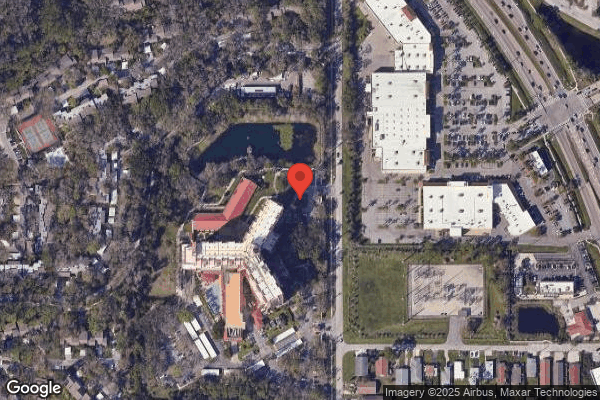

8400 VAMO ROAD, SARASOTA, FL 34231 (941) 966-5611
Non profit - Corporation 95 Beds Independent Data: November 2025
Trust Grade
65/100
#331 of 690 in FL
Last Inspection: April 2024

Within standard 12-15 month inspection cycle. Federal law requires annual inspections.

Overview

Bay Village of Sarasota has a Trust Grade of C+, which means it is slightly above average but not outstanding. It ranks #331 out of 690 facilities in Florida, placing it in the top half, and #10 out of 30 in Sarasota County, indicating only nine local options are better. However, the facility is currently worsening, with issues increasing from 4 in 2022 to 6 in 2024. Staffing is a relative strength, rated 4 out of 5 stars, but the turnover rate is concerning at 57%, which is higher than the state average. While the facility has no fines on record, which is a positive sign, there are several areas of concern, including food safety practices where food was not properly stored or labeled, and inadequate supervision that led to a resident being at risk for elopement. Additionally, residents reported dissatisfaction with the quality and temperature of meals served, raising concerns about their nutritional well-being. Overall, while there are some strengths, families should weigh these against the identified weaknesses carefully.

Trust Score
C+
65/100
In Florida
#331/690
Top 47%
Safety Record
Low Risk
No red flags
Inspections
Getting Worse
4 → 6 violations
Staff Stability
⚠ Watch
57% turnover. Above average. Higher turnover means staff may not know residents' routines.
Penalties
✓ Good
No fines on record. Clean compliance history, better than most Florida facilities.
Skilled Nurses
✓ Good
Each resident gets 47 minutes of Registered Nurse (RN) attention daily — more than average for Florida. RNs are trained to catch health problems early.
Violations
⚠ Watch
11 deficiencies on record. Higher than average. Multiple issues found across inspections.
★★★☆☆
3.0
Overall Rating
★★★★☆
4.0
Staff Levels
★★★☆☆
3.0
Care Quality
★★★☆☆
3.0
Inspection Score
Stable
2022: 4 issues
2024: 6 issues

The Good

  • 4-Star Staffing Rating · Above-average nurse staffing levels
  • Full Sprinkler Coverage · Fire safety systems throughout facility
  • No fines on record

Facility shows strength in staffing levels, fire safety.

The Bad

3-Star Overall Rating

Near Florida average (3.2)

Meets federal standards, typical of most facilities

Staff Turnover: 57%

11pts above Florida avg (46%)

Frequent staff changes - ask about care continuity

Staff turnover is elevated (57%)

9 points above Florida average of 48%

The Ugly 11 deficiencies on record

Apr 2024 6 deficiencies
CONCERN (D)

Potential for Harm - no one hurt, but risky conditions existed

Incontinence Care (Tag F0690)

Could have caused harm · This affected 1 resident

Based on observation, review of facility policy and procedures, record review and staff interviews, the facility failed to maintain a urinary catheter in a safe and sanitary manner for 1 (Resident #5)...

Read full inspector narrative →
Based on observation, review of facility policy and procedures, record review and staff interviews, the facility failed to maintain a urinary catheter in a safe and sanitary manner for 1 (Resident #5) of 1 resident reviewed with an indwelling urinary catheter. The findings included: The facility policy Catheter Care documented The purpose of this procedure is to prevent urinary catheter associated complications, including urinary tract infections. Use aseptic technique when handling or manipulating the drainage system. Be sure the catheter tubing and drainage bag are kept off the floor. Review of the clinical record documented Resident #5 had an admission date of 7/31/22 with diagnoses including schizophrenia, type 2 diabetes mellitus, hypertensive heart disease. The record revealed the resident was receiving hospice services. The record showed a physician order dated 4/13/24 instructing staff to insert an indwelling urinary catheter to promote wound healing of a pressure wound on the resident's coccyx. On 4/16/24 at 9:33 a.m., Resident #5 was observed in her room in bed and was noted to have an indwelling urinary catheter. The catheter drainage bag was attached to the bed frame and the bed was in the lowest position. The catheter drainage bag and tubing was in contact with the floor. Photographic evidence obtained. On 4/16/24 at 10:44 a.m., during a walking tour with the Assistant Director of Nursing (ADON) confirmed the drainage bag was on the floor and should be off the floor. The ADON attempted to readjust the drainage bag and tubing and placed a towel and under the catheter drainage bag to prevent contact with the floor.
CONCERN (D)

Potential for Harm - no one hurt, but risky conditions existed

Unnecessary Medications (Tag F0759)

Could have caused harm · This affected 1 resident

Based on observation, staff interviews, and record reviews, the facility failed to ensure its medication error rate remained below 5%. Five licensed nurses with 26 opportunities were observed. Two med...

Read full inspector narrative →
Based on observation, staff interviews, and record reviews, the facility failed to ensure its medication error rate remained below 5%. Five licensed nurses with 26 opportunities were observed. Two medication errors were identified resulting in a 7.69% error rate. The findings included: On 4/18/24 at 8:34 a.m., Licensed Practical Nurse (LPN) Staff Q was observed administering medications to Resident #261. LPN Staff Q administered 1 chewable 81 milligram (mg) aspirin to Resident #261. The physician's order was ordered for aspirin 81 mg delayed release. On 4/18/24 at 8:20 a.m., LPN Staff P was observed administering medications to Resident #23. LPN Staff P administered 1 tablet, vitamin D 25 micrograms (mcg,) for Resident #23. The physician's order was vitamin D3 25 mcg (1,000 unit) tablet, 6 tablets by mouth once daily for vitamin deficiency. An interview on 4/18/24 at 8:55 a.m., with LPN Staff Q, she confirmed she gave a chewable 81 mg aspirin to Resident #261 and the physician's order is aspirin 81 mg tablet, delayed release, 1 tablet by mouth once daily for cerebral infarction. An interview on 4/18/24 at 11:38 a.m. with LPN Staff P, she confirmed she gave 1 vitamin D 25 mcg tablet for Resident #23. LPN Staff P reviewed the order and confirmed the order is written to administer 6 tablets of vitamin D3, 25 mcg by mouth once daily.
CONCERN (D)

Potential for Harm - no one hurt, but risky conditions existed

Dental Services (Tag F0791)

Could have caused harm · This affected 1 resident

**NOTE- TERMS IN BRACKETS HAVE BEEN EDITED TO PROTECT CONFIDENTIALITY** Based on observation, record review, and resident and staff interviews, the facility failed to ensure 1 (Resident #19) of 3 resi...

Read full inspector narrative →
**NOTE- TERMS IN BRACKETS HAVE BEEN EDITED TO PROTECT CONFIDENTIALITY** Based on observation, record review, and resident and staff interviews, the facility failed to ensure 1 (Resident #19) of 3 residents reviewed for dental services received appropriate care and services for broken teeth. The findings included: On 4/15/24 at 12:43 p.m., Resident #19 revealed she had missing upper and lower teeth. The resident said she lost several of her teeth several months ago, and because of the missing teeth, her diet was changed to mechanical soft so she could eat her food. She said she would like to eat regular food, but due to her missing teeth, she is unable to eat a regular diet. A review of Resident #19's medical record revealed her original admission to the facility was on 11/16/17 and a readmission on [DATE]. The Nursing admission assessment dated [DATE] stated Resident #19 had no broken or loosely fitting full or partial dentures, natural teeth or tooth fragments, or chewing or swallowing difficulty. A dietary progress note dated 10/24/22, said Resident #19 had lost three front teeth, and due to this, her diet would be changed to a mechanical soft diet/food. A care plan meeting progress note, dated 10/25/22, stated the meeting was attended by the facility's interdisciplinary team (IDT) and Resident #19's daughter, said Resident #19 recently lost teeth. The daughter will have to arrange an appointment with the resident's dentist and let the nursing department know the date of the dental appointment. The daughter was told transportation to the dental appointment would be at her expense. A dietary progress note dated 10/25/22 said Resident #19's daughter attended the care plan meeting and was aware her mother's diet was changed to a mechanical soft diet due to the loss of the three front teeth. The daughter was aware Resident #19's teeth need to be fixed. The care plan meeting progress note, dated 1/31/23, stated the meeting was attended by the IDT and Resident #19's daughter. The IDT wrote that Resident #19 was stable overall. The Social Worker (SW) asked the daughter if she had arranged for a funeral home in the event of Resident #19's death. The daughter said the funeral homes wanted prepayment, and she didn't have the money set aside to pay for the funeral home. She wanted any money she had for her mother's teeth replacement. A review of the facility's Dental Services policy noted that it was not dated. The policy stated that routine and emergency dental services were available to meet the residents' oral health needs in accordance with the resident's assessment and plan of care. The policy said oral health services were available to meet the resident's needs, and routine and emergency dental services were provided to their resident through referral to the resident's personal dentist, community dentist, or other health care organization that provides dental services. A list of community dentists available to provide dental services would be provided to the residents and was available from Social Services. Social Services personnel were responsible for assisting the resident/family in making dental appointments and transportation arrangements as necessary. On 4/18/24 at 11:53 a.m., in an interview with the Social Service Director (SSD), she confirmed during the care plan meeting on 10/25/22 with the IDT and Resident #19's daughter, that Resident #19 had lost three front teeth, causing her diet to be changed to mechanical soft diet/food because of the missing teeth. She said Resident #19 was on Medicaid, and the IDT told Resident #19's daughter she was responsible for finding a dental service to fix Resident #19's broken teeth. The SSD said after reviewing Resident #19's medical record, she could not find documentation of the facility finding a dental service to fix Resident #19's broken teeth or documentation the facility had assisted Resident #19's daughter in finding dental services to fix Resident #19's broken teeth. The SSD said she would contact Resident #19's daughter to determine if Resident #19's daughter had found a dental service to fix Resident #19's broken teeth, as noted in the 10/25/22 care plan meeting. On 4/18/24 at 3:04 p.m., in an interview with the SSD, she said she had received an email from Resident #19's daughter stating this was a follow-up email to their previous conversation regarding Resident #19's dental care. Resident #19's daughter said she was unable to find a traveling dentist in the area, and due to her mother's physical condition, it would be a challenge to transport her to a dental office. She said the cost would be over $20,000 to fix her mother's broken teeth. Because neither her mother nor herself can afford the dental service, and because they do not have the money, her mother has to remain on a soft diet. The email ended with Resident #19's daughter asking the SSD if she is aware of any alternatives, and the daughter would be open to any suggestions. The SSD said she is unable to find any documentation that she and/or anyone in the facility had assisted Resident #19's daughter in finding dental service as required in their Dental Services policy and procedure to address Resident #19's broken teeth, which were identified and noted in the 10/25/22 care plan meeting.
CONCERN (E) 📢 Someone Reported This

A family member, employee, or ombudsman was alarmed enough to file a formal complaint

Potential for Harm - no one hurt, but risky conditions existed

Accident Prevention (Tag F0689)

Could have caused harm · This affected multiple residents

**NOTE- TERMS IN BRACKETS HAVE BEEN EDITED TO PROTECT CONFIDENTIALITY** Based observation on interview record review and policy the facility failed to provide supervision to prevent the elopement of o...

Read full inspector narrative →
**NOTE- TERMS IN BRACKETS HAVE BEEN EDITED TO PROTECT CONFIDENTIALITY** Based observation on interview record review and policy the facility failed to provide supervision to prevent the elopement of one resident (Resident #162) of one resident surveyed for elopement and failed to ensure four of four residents assessed as an elopement risk currently residing at the facility had appropriate interventions to prevent the potential for an elopement. Findings included: Resident #162 is a [AGE] year-old female who was admitted to the facility on [DATE] with a history of cognitive communication deficit, abnormal gait, lack of coordination, and hypertensive heart disease. Review of the Elopement/Wander Risk Screen dated 12/21/23 shows Resident #162 was assessed with being a risk for elopement. The intervention listed as being initiated on 12/21/23 was a wanderguard was put in place at that time. According to the timeline provided in the facility's investigation, on 12/24/23 at approximately 9:30 a.m., Resident #162 was last seen in her room by staff who were attempting to administer her morning medication. On 12/24/23 at 10:15 a.m, a facility camera captured Resident #162 eloping from the facility through the front guarded gate. According to the timeline, Resident #162 was not seen again by facility staff until 12:45 p.m. when the resident was brought back to the facility by Resident #162's daughter. Resident #162 had traveled to an area in shopping mall approximately 0.4 miles from the facility. Resident #162 had provided contact information to the police and the police had notified Resident #162's daughter that she had left the facility. On 12/24/23 at 1:33 p.m., the staff nurse assigned to the resident documented Resident #162 had cut the wanderguard off her walker and was able to exit the building though the 2nd floor elevator without the wanderguard system alarming. The analysis of the facility's investigation was Resident #162 had become confused due to a visit from an estranged family member and a potential urinary tract infection. The facility policy was changed to include a silver alert with the room number announced over radio communication. The Guard shack was to also be provided with an updated elopement book weekly. The facility investigation showed Resident #162 was able to remove the Wanderguard device and enter into the second floor elevator without the Wanderguard system alarming, and then exit the building and the guarded gate at the facility without staff being aware the resident had left the premises. On 4/17/24 at 8:15 a.m., the Security Guard at the front gate said he was not aware of an elopement book. He stated he would have to find out about the elopement book from his supervisor. On 4/17/24 at 10:15 a.m., the Assistant Director of Nursing provided an example of the Wandergaurd device, and the plastic bracelet currently being used on 4 residents assessed as being an elopement risk by the facility. The plastic bracelet provided was observed to be easily snapped in two pieces by applying very little force at both ends. On 4/17/24 at 11:20 a.m., Resident #52 was observed in her room with the Wanderguard device attached to her wrist with the same type of plastic bracelet observed to be easily broken with very little force. On 4/17/24 at 11:25 a.m., Resident #18 was observed sitting in a recliner in his room with a Wanderguard device attached to his left ankle with the same type of plastic bracelet. On 4/17/24 at 12:15 a.m., Resident #29 was observed in the dining room with the Wanderguard device attached to her wrist with the same type of plastic bracelet. On 4/17/24 at 12:30 p.m., Resident #17 was observed in her room with the plastic bracelet attaching the wandergaurd device to her ankle. On 4/17/24 at 1:15 p.m., the Director of Nursing (DON) said she had the bracelets which had come with wandergaurd device. She said she was in the process of applying the wandergaurd devices to the residents who were assessed by the facility to be an elopement risk. The bracelets the DON provided at this time were grey in color and were observed to be stronger. They could not be broken by applying force at both ends of the bracelet. The DON could not explain why the appropriate bracelets were not being used to attach the wandergard devices. She said that from now on they would be and she had ordered more of the grey bracelets to be used in the future. On 4/17/24 at 1;20 p.m., the DON said she had not implemented putting a elopement book at the guard shack. She felt the issue had to due with communication, and by implementing a policy for announcing a Silver Alert when a resident eloped it would be communicated to staff. On 4/17/24 at 3:04 p.m., the Receptionist on the first floor of the facility in the front of the doors leading in and out of the building said she was not aware of who the residents were on the second floor who were at risk to elope from the building. The Receptionist said she did not know the code (Silver Alert) that would be called over the walkie talkie if a resident eloped from the second floor. She said she had had an email about elopement a while ago, but she was not aware of what the email had addressed. On 4/17/24 at 3:09 p.m., the Guard at the guard shack at the front gate of the building said he was not aware of what residents were at risk for elopement on the second floor of the facility. He verified he was stationed at the only open gate that residents could go through to get off the facility grounds. He said there was one other closed gate that could be opened by pushing a button and it was not a guarded gate. On 4/17/24 at 3:15 p.m., the Receptionist at the station directly in front of the elevators on the second-floor skilled nursing unit said she did not know the code (Silver Alert) that would be called on the walkie talkie if a resident had eloped and could not be found. On 4/17/24 at 3:35 p.m., Certified Nursing Assistant, Staff G said she did not know the Code ([NAME] Alert) that would be called over the walkie talkie if a resident could not be found on the second floor. Staff G said they use the telephone to communicate if residents could not be found. On 4/17/24 at 2:59 p.m., The DON verified Resident #162 had exited the second floor by removing her wandergaurd device. She said staff were not aware the resident had left the premises for over 2 hours when the resident's daughter returned the resident to the facility. The DON verified how resident #162 was able to remove the wandergaurd and go off the premises through the guarded gate had not been addressed.
CONCERN (E)

Potential for Harm - no one hurt, but risky conditions existed

Deficiency F0804 (Tag F0804)

Could have caused harm · This affected multiple residents

Based on observation, staff interviews, resident interviews, and resident council meeting notes, the facility failed to serve food that was palatable and at the appropriate temperature for 4 (Resident...

Read full inspector narrative →
Based on observation, staff interviews, resident interviews, and resident council meeting notes, the facility failed to serve food that was palatable and at the appropriate temperature for 4 (Residents Resident #23, #26, #259, and #261) of 4 residents interviewed and Resident Council concerns reviewed from 1/2023 through 12/2023 for food palatability and appropriate temperature. This had the potential of decline in health due to poor nutrition. The findings included: On 4/16/24 at 12:25 p.m., Resident #26 was observed with a sandwich and pot roast stew. She said the sandwich is warm today, and the pot roast stew needs heated. Her meal ticket has a tossed salad listed and there was no salad on Resident #26's tray. During an interview on 4/15/24 at 2:18 p.m., Resident #26 said the food is not good. The grilled cheese is cold. The bread does not look like it is grilled, and the cheese is not melted. The bun was ice cold on a sandwich. The mac and cheese was served cold. During an interview on 4/15/24 at 9:30 a.m., Resident #259 stated the food is up and down. The list they gave to circle likes and dislikes are not followed. The transition has not been good. Resident #259 made a diet plan out 3 times and it was not right. His daughter went down to the kitchen and had to speak to someone to finally get it corrected. During an interview on 4/16/24 at 9:39 a.m., Resident #259 said requested a grilled cheese sandwich, and it was not cooked. The grilled cheese came with lima beans and roasted tomato. Resident #259 said the side choices served with grilled cheese was not an appetizing combination. During an interview on 4/16/24 at 12:33 p.m., Resident #259 said staff brought the wrong tray to him. The staff corrected the wrong tray. Resident #259 said the beef was pretty good today. During an interview on 4/15/24 at 12:36 p.m. Resident #261 said the fish for lunch stunk so bad she couldn't eat it. Last night was salmon and it was good. For breakfast she gets 2 pancakes and poached eggs. She only had toast today. She had to ask staff to get a correct breakfast. During an interview on 4/15/24 at 12:54 p.m., Resident #23 said she hates fish and has had fish served to her several times. It is on Resident #23's meal ticket that she dislikes fish. During an interview on 4/16/24 at 10:14 a.m., Resident #23 said when she gets fish, she had to ask for a different meal. Staff will bring Resident #23 a sandwich that is cold and hard. Staff was brought spaghetti with no sauce on the noodles. During an interview on 4/17/24 at 9:47 a.m., Resident #23 said she gets toast and 2 slices of bacon every morning. Resident #23 filled out a breakfast likes paper. There is no variety for breakfast meals. Breakfast is the same every day. During an interview on 4/17/24 at 12:17 p.m., with the Certified Dietary Manager (CDM), she said if a resident does not fill out breakfast likes and dislikes paper, they get scrambled eggs and pancakes every day. If they do fill out a food likes and dislikes paper, they will get their choices every day. If the resident only circles 2 items, they will get those 2 items for every breakfast. During an interview on 4/17/24 at 1:09 p.m. with Registered Nurse (RN) Staff R, she said the CDM comes up and talks to the residents and gives them the form to fill out for food likes and dislikes. The CDM would revisit the likes and dislikes quarterly for long term care residents. During an interview on 4/18/24 at 1:34 p.m. with the CDM, she said the food concerns are brought to her by staff or residents. Resident Council gives her food concerns. The CDM gets emails and has not been asked to attend resident council meetings. The CDM has only received 1 meal complaint from Resident council dated 2/2/24. The CDM said just found out Resident #23 does not like fish. Review of the resident council meeting minutes from 1/2023 through 12/2023 revealed the following food concerns: 1/19/23: Residents would like a better variety of food. Sometimes the food isn't hot like it should be. 2/8/23: Residents would like more of a selection of food and drinks. Residents would like more sauce for their side dish on the side. Residents are not happy with the food. Residents said by the time they get their food it is cold when it should be hot. Some of the food isn't always cooked all the way. The ice cream gets to them melted. 3/8/23: Residents would like more of a variety of food. They would like pizza on the menu. The residents would like the meats to be easier to cut. They would like to have more sauce on their foods that need sauce. Food seems difficult to keep warm. 4/11/23: Residents would like to have breakfast menus to fill out. The food sometimes isn't cooked all the way. The coffee is cold. 5/9/23: Residents are saying they fill out their menus, but they don't get what they have selected. 6/13/23: The residents would like more sauce to put on the foods that require sauce. They would like the hot food to be hot and the cold food to be cold. 7/11/23: the residents would like more vegetarian meals. The residents would like more sauce on their food. The food isn't hot enough for the residents. 8/3/23: Meat is tough. Tickets are not what they ordered. 10/5/23: Not satisfied with menus-several residents agree. November 2023: Residents said food was often overcooked and not seasoned very well. 11/2/23; Food not warm and overcooked. More sauce on spaghetti. 12/6/23; Food is not warm when it arrives. Want more variety, hot when it's served. Beef is cooked too long. 12/6/23: Residents stated the food is not warm when it arrives to them, and the beef is usually overcooked. Other than that, they said the food is pretty good usually.
CONCERN (F)

Potential for Harm - no one hurt, but risky conditions existed

Food Safety (Tag F0812)

Could have caused harm · This affected most or all residents

The facility failed to prepare, and store food in a sanitary manner by failing to cover and date food in 2 walk-in coolers and 1 refrigerator. The facility failed to ensure staff used the three compar...

Read full inspector narrative →
The facility failed to prepare, and store food in a sanitary manner by failing to cover and date food in 2 walk-in coolers and 1 refrigerator. The facility failed to ensure staff used the three compartment sink appropriately including use of the proper sanitizing agent. The facility failed to ensure staff wear hair restraints during preparation of food. The facililty failed to service and maintain ice machines in the main dining room and three of three nourishment rooms. The findings included: 1. The facility policy and procedure for Walking Cooler, documented to protect and ensure that food is free from foodborne illness, contamination, and hazards. All foods stored in coolers are labeled and dated. During an initial tour of the kitchen with the Certified Dietary Manager (CDM) and the Director of Dining (DOD) on 4/15/24 at 9:20 a.m., the following was observed: a.) In the line reach in refrigerator was a box of muffins without a date and sitting on top of the muffins was another box containing empty plastic cups. The observation was confirmed the CDM. Photographic evidence obtained. b.) In the walk-in cooler #1 there were two tray's with uncooked broccoli that were uncovered on pans with no date. There were 2 trays of uncovered and undated calzones on a cart. The findings were verified by the DOD. Photographic evidence obtained. c.) In the walk-in cooler #2 there was an uncovered tray of small pie shells and a tray of unknown food items that were uncooked and uncovered on trays. The tray of pie shells was resting on top of the unknown food item. There were 3 trays of an uncooked food item the DOD identified as chicken. The top tray of the chicken was sitting on top of the tray beneath it. The findings were verified by the DOD. Photographic evidence obtained. 2. The facility policy Dish Machine and 3 Compartment Sink Procedures documented Three compartment sink operator requirements: a. The three-compartment sink should be drained, cleaned and refilled with fresh water/solutions after each meal period or when water becomes dirty using the 3 compartment sink instructions on the wall chart. b. Sanitation solution levels should be logged before each meal period. This log should be kept on the log board or filed for reference. The wall chart for the 3-compartment sink located above the sink, specified Sanitizer Tips: Test sanitizer solution in sinks and trigger sprayers often to verify 200 parts per million (PPM). Do not test directly from the dispenser. Fill the sink to the proper level then test from the sink. Be sure to use only authorized test strips. Do not hold the test strip in the solution for more then 1 second. Use only 200 PPM solution sanitizer. On 4/16/24 at 1:00 p.m., during a second tour of the kitchen in the second sink dedicated for rinsing, the pots and pans were piled and stacked above the water line and not in contact with the rinsing solution. The CDM confirmed the cooking utensils should be fully submerged in the sink. Photographic evidence obtained. The CDM was asked to test the sanitizer in the third compartment of the sink. The CDM had a bottle of test strips, took one out and dipped it into the sanitizing sink. The test strip failed to turn the green color indicated on the bottle to assure 200 PPM of sanitizing agent. The test strip failed to turn any color indicating there was no sanitizing agent in the sink. The CDM tested the water in the sanitizing sink for a second time with the test strip in the water for 5 seconds. The test strip remained yellow indicating no sanitizing agent. The CDM confirmed there was no sanitizing agent in the sink. A review of the test strip container showed an expiration date of 1/22. The CDM said she was unaware the test strips had expired and said, we have more, I will get another bottle The CDM returned with several test strips in her hand, not in a test strip container. The CDM dipped several test strips in the sanitizing water, moving them back and forth for a few seconds. The test strips failed to identify any sanitizing agent in the sink. On 4/16/ 24 at 1:15 p.m., Dishwasher Staff O removed 2 sheet pans from the rinse sink and placed them into the sanitizing sink. The pans were only partially submerged in the sink. Staff O removed the trays and placed them on the clean rack to dry. The CDM said she would educate Staff O on the use of the 3 compartment sink and the need for the dishes and cooking utensils to be sanitized to prevent food borne illness. Surveyor informed the CDM the sheet pans would need to be removed from the drying rack and to be cleaned and sanitized. The CDM said the Executive Chef was responsible to provide education to the dietary staff on the use of the 3-compartment sink. The CDM said I do audits to make sure they are following instructions and I test the sanitizer solution level in the third sink. The CDM confirmed she did not keep any records of her audits of the 3-compartment sink and had no logs to indicate when the sanitizing sink was last tested. On 4/17/24 at 11:04 a.m., during a third tour of the kitchen the DOD said the dispensing line for the sanitizer in the 3-compartment sink had been clogged so no solution was being dispensed. The DOM said, we had the clogged line replaced yesterday and the sink and chemicals were all inspected. He said it was unknown when the sanitizing dispensing line had become clogged and was not dispensing the sanitizer. On 4/17/24 at 11:10 a.m., Dishwasher Staff M was observed washing cooking utensils and pots in the 3-compartment sink. The third sanitizing sink was noted to have pots and cooking utensils stacked above the water line and not submerged in the sanitizing agent. The DOD confirmed the observation. On at 4/18/24 12:07 p.m., in an interview with the DOD said the 3-compartment sink was operating before I left for vacation and when I returned it was not functioning. I went on vacation on the 4/4/24 so it has been a week or so but not longer then that. I was testing the sanitizing agent before I left. He confirmed there was no way to know when the sanitizing dispenser for the sanitation sink had stopped dispensing the sanitizer. He said the staff are to check the sanitizing level in the sink several times a day and the water is changed hourly so they are supposed to check the level then. He confirmed he had no documentation he or the dietary staff were checking the sanitizer levels to ensure the dishes were sanitized. 3. The facility Policy and Procedure for Hair Restraints and [NAME] Guards documented, To ensure that food is free from contamination, food service staff are required to wear protective gear. According to food safety guidelines any employee working in a food production establishment must wear a hair restraint that prevents hair from coming into contact with food products. Allowed hair restraints include hair nets, hats, beard and mustache nets and clothing that covers body hair. Food handlers with facial hair such as overgrown sideburns, mustaches and beards required protective gear. On 4/17/24 at 11:15 p.m., Chef N was observed preparing mashed potatoes and other foods. Staff N had a mustache and beard that were not covered when he was preparing the food. The DOD was present during the observation and did not instruct Staff N to cover his facial hair. There was a total of 4 male staff in the kitchen with some sort of facial hair and only 1 had a facial cover over his beard. 4. The manufacturers guideline for the facility ice machines, Cleaning and Sanitizing Instructions documented, The appliance must be cleaned and sanitized at least twice a year. More frequent cleaning and sanitizing may be required in some condition. On 4/16/24 at 8:30 a.m., an observation of the second-floor ice machines revealed the following: The main dining room ice machine revealed a layer of dust and grime on the front doors of the ice machine. On the left side of the machine there was a white substance. The lower front of the machine had brown splatters of unknown origin. The inside of the ice machine had grime around the edges of the door. On the left side was a brown unknown substance. Photographic evidence obtained. In the Citrus Unit nourishment room water/ice dispenser, in the catch tray on the bottom of the machine there was a white biofilm, dust and grime. The area surrounding the dispensing spout where the water and ice comes out had a rust-colored substance. The findings were verified by the Assisted Director of Nursing (DON). Photographic evidence obtained. In the Magnolia Unit nourishment room, the ice machine had a white film on the front of the machine and on the spout where the ice comes out. The tray had dust and grime on the right side. The surrounding pad where the ice machine was sitting was rusted and had debris and grime. The findings were verified by Registered Nurse Staff R. Photographic evidence obtained. In the Hibiscus Unit nourishment room the ice machine had a white substance on the front of the machine and on the overflow tray. The surrounding area of the spout where the ice is released had a black substance on it. There was rust colored and brown unknown substances on the machine. Photographic evidence obtained. On 4/16/24 at 8:59 a.m., on a walking tour with the ADON the condition of the ice machines was verified. The ADON said Housekeeping was to clean the machines but she was not certain. On 4/16/24 at 10:00 a.m., in an interview the Director of Nursing (DON) said she had put a work order in a week or so ago to have the machines looked at. She said she was aware of the condition of the machines and would find out when they were serviced last. On 4/16/24 at 11:36 a.m., in an interview the DON she said she was not able to locate any documentation of when the ice machines were serviced. She said the dietary staff was responsible for cleaning the ice machines. She said there was no service log of who was responsible to do the cleaning and when they were to be cleaned and serviced.
Jun 2022 4 deficiencies
CONCERN (D)

Potential for Harm - no one hurt, but risky conditions existed

Resident Rights (Tag F0550)

Could have caused harm · This affected 1 resident

Based on record review, observation, staff and resident interview, the facility failed to ensure timely response to call lights to meet the needs of 2 (Resident #94 and #96) of 2 residents reviewed. T...

Read full inspector narrative →
Based on record review, observation, staff and resident interview, the facility failed to ensure timely response to call lights to meet the needs of 2 (Resident #94 and #96) of 2 residents reviewed. The findings included: On 6/20/22 at 1:42 p.m., Resident #94 said staff did not respond to the call light at night in a timely manner. Resident #94 said it would take 10 to 15 minutes for staff to respond to his call light. He said it happened every night and it was worse on the weekends. On 6/21/22 at 9:01 a.m., the restroom call light for Resident #94 on the Magnolia hallway observed sounding and flashing rapidly from the nursing station. Registered Nurse Staff B was observed standing at a medication cart directly in front of the nursing station. At 9:06 a.m., Resident 94's restroom call light continued to flash and sound. Staff B continued to stand at the medication cart and did not respond to the call light. Licensed Practical Nurse Staff A was observed walking to the nursing station, converse, and wash her hands at a sink next to the nursing station. After several minutes Staff A walked to a room in the back of the magnolia nursing station as the call light continued to flash and sound. Another unknown staff member was heard down the Magnolia Hallway was knocking on doors and saying, Activities. On 6/21/22 at 9:16 a.m., Resident 94's room was observed. After knocking on the resident's door, and the resident responding, the resident was heard saying be careful. There was fecal material observed from the bed at the window of the room and leading into the restroom. Resident #94 was observed sitting of the bathroom toilet with the door open. The resident said, I have been waiting for someone to help me for about fifteen minutes. The resident continued to ask for assistance. No staff member was observed in the hallway near the resident at that time. There was an attempt to locate the Director of Nursing (DON). A staff member said the DON was in a morning meeting. At 9:18 a.m., the Administrator walked to the Magnolia hallway and the restroom call light was still flashing and sounding. Upon opening Resident #94's door a staff member was observed assisting the resident. The Administrator said the call light times were recorded, and she would be able to provide documentation of how long the light was initiated. Review of the Detailed Patient Activity Report provided by the DON showed the call light response time for Resident #94. The form shows Resident #94's call light was engaged on 6/21/22 at 8:55 a.m. and was completed and immediately reengaged on 16 minutes and 33 seconds later. The light was completed and reengaged 7 seconds later. After 19 minutes had passed the call light is completed and reengaged 2 seconds later. One second later the light is complete and reengaged one second later. The light is then completed the last time after 22 minutes and 29 seconds had elapsed. On 6/21/22 at 11:00 a.m., Resident #96 was observed with his spouse in his room. The resident's spouse complained the aides were shorthanded. Resident #96's spouse said there were times when the call light was not answered for 15 minutes or more. She said this usually occurred during mealtimes when staff are assisting residents with meals. She said the response time was worse on the weekend. Review the Patient Detailed Report for Resident #96's room showed on 6/20/22 Resident #94's call light was engaged at 6:15 p.m. and was not completed until 24 minutes and 45 seconds later. On 6/23/22 at approximately 11:00 a.m., the Director of Nursing (DON) said the light was going off and coming back on several times during the time Resident #94 was in the bathroom. The light was observed from 9:01 a. m., to 9:18 a.m., to continue to be engaged. The DON said Resident #94 was turning the call light on and off attempting to get assistance from staff. The DON said she had only been spot checking the call light response time. The DON said she was going to begin auditing the call light response time and initiate staff in-services to ensure all staff are aware the expectation of the facility is a call light response time of less than five minutes.
CONCERN (D)

Potential for Harm - no one hurt, but risky conditions existed

PASARR Coordination (Tag F0644)

Could have caused harm · This affected 1 resident

**NOTE- TERMS IN BRACKETS HAVE BEEN EDITED TO PROTECT CONFIDENTIALITY** Based on record review, and interview the facility failed to complete a level one Pre admission Screening and Resident Review (P...

Read full inspector narrative →
**NOTE- TERMS IN BRACKETS HAVE BEEN EDITED TO PROTECT CONFIDENTIALITY** Based on record review, and interview the facility failed to complete a level one Pre admission Screening and Resident Review (PASARR), and report significant mental illness changes to the appropriate state agencies (KEPRO) for 2 (Resident #10 and #25) of 3 residents reviewed with newly diagnosed psychiatric disorder. The findings included: Record review revealed Resident #10 was a [AGE] year-old female who was admitted to the facility on [DATE]. There was no diagnosis of psychotic disorder or schizophrenia noted at the time of admission. The Physician's order dated 12/17/21 showed Resident #10 had a new order for Risperidone 0.25 milligram (mg) twice daily for delirium, and psychotic agitation. Review of the quarterly Minimum Data Set (MDS) assessment dated [DATE] revealed Resident #10's cognition was moderately impaired. Resident #10 was taking an Antipsychotic medication six days a week. The active diagnoses listed included non Alzheimer's dementia, and anxiety disorder. On 2/23/22, the physician issued an order for Resident #10 for Risperidone one mg by mouth twice daily for Schizophrenia. The quarterly MDS dated [DATE] revealed Resident #10 had a diagnosis of anxiety disorder and Schizophrenia. On 6/22/22 at 11:22 a.m., in an interview, Resident #10's nephew said he was never told his aunt had been diagnosed with Schizophrenia. Resident #10's nephew said his aunt had had a history of anxiety, but she was never diagnosed with schizophrenia. The resident's nephew said the facility had informed him that his aunt had a new antipsychotic medication because she was yelling out a lot. On 6/22/22, record review revealed no evidence a Level 1 PASARR was completed for Resident #10 when she was diagnosed with schizophrenia. On 6/22/22 at 10:52 a.m., the DON said all the residents in the facility are long term care and they usually have the same staff members working with them to identify if they have a new mental illness diagnosis. The DON said the Risk Manager would decide if a resident with a significant change in mental status was reported to the appropriate state agencies. The DON verified the facility did not have a system to identify residents with significant changes to their mental status and report the changes to the appropriate state agency. On 6/22/22 at 11:54 a.m., the Social Service Director said she could not complete a level one PASSAR because she was not a Registered Nurse (RN). The Social Worker said the only staff member who completed the Level one PASARR's was the Staff Developer who is a RN. On 6/22/22 at 12:05 p.m., the Staff Developer said the Director of Nursing (DON) would be responsible to refer any resident with a new diagnosis of mental illness to the appropriate state agency. The Staff Developer said she had never completed a level one PASARR for and resident who had been diagnosed with a new mental illness while residing at the facility. On 6/23/22 at 9:47 a.m., in a telephone interview the Supervisor of Keystone Peer Review Organization Inc. (KEPRO), which is the state agency responsible for reviewing changes to resident's mental health status, said if while residing at a nursing home facility a resident receives a new diagnosis of mental illness, and is receiving treatment with medications such as antipsychotics, it would be the responsibility of the nursing home to file a level one PASARR for patient review and this would automatically trigger a level two PASARR screen of the resident with KEPRO. A Resident Review Evaluation form dated 6/23/22 revealed Resident #10 had previously never had a level two PASARR determination. The Resident Review Documented Resident #10 had an increase in behavioral, psychiatric, or mood-related symptoms. The documentation revealed Resident #25 has had Behavioral, psychiatric, or mood related symptoms that have not responded adequately to on-going treatment. On 6/23/22 at 10:54 a.m., the DON and the Social Worker verified the facility currently did not have a system in place to report changes in mental health to KEPRO for residents after they are admitted to the facility. 2. Review of The Annual MDS assessment dated [DATE] revealed Resident #25 was rarely understood and is moderately cognitively impaired. Section I of the MDS shows Resident #25 was diagnosed with Non-Alzheimer's Dementia, Depression and Bipolar Disorder. The MDS revealed Resident #25 was receiving an antipsychotic medication seven days a week. The Quarterly MDS assessment dated [DATE] revealed Resident #25 was rarely understood and moderately impaired mentally. Resident #25 was receiving an antipsychotic medication seven days a week. Resident #25 had a new diagnosis of Schizophrenia. A physician's order dated 1/10/22 read, Zyprexa [antipsychotic] 5 mg by mouth every evening for schizoaffective disorder. A physician's order dated 6/9/22 read, Zyprexa 10 mg by mouth daily for schizoaffective disorder. On 6/22/22, record review revealed no evidence a Level 1 PASARR was completed for Resident #25 when he was diagnosed with schizophrenia. On 6/23/22 at 10:54 a.m., the DON and the Social Worker verified the facility currently did not have a system in place to report changes in mental health to KEPRO for residents after they were admitted to the facility.
CONCERN (D)

Potential for Harm - no one hurt, but risky conditions existed

Medication Errors (Tag F0758)

Could have caused harm · This affected 1 resident

Based on record review and interview the facility failed to ensure a psychotropic (medication that affects brain activity) as needed medication (PRN) had a fixed duration of time for 1 (Resident #10) ...

Read full inspector narrative →
Based on record review and interview the facility failed to ensure a psychotropic (medication that affects brain activity) as needed medication (PRN) had a fixed duration of time for 1 (Resident #10) of 5 residents reviewed for unnecessary medications. The findings included: Review of the monthly pharmacy review for Resident #10 revealed a pharmacy recommendation printed on 4/12/22 to the physician that read, Lorazepam 1 mg [milligram] by mouth every 4 hours as needed for severe anxiety. (Since 3/22/22). The new Mega Rule guidelines require PRN psychoactive orders to have a duration of 14 days for the initial order. Then the resident should be seen by the prescriber who may reorder the medication for a fixed duration after fully documenting the need for the medication by the resident. There was no documentation in Resident #10's medical record the as needed Lorazepam was changed and no documentation from the physician of the benefit of the lorazepam or the set duration of the medication. The order for the PRN Ativan remained in place. The monthly pharmacy recommendation printed on 6/7/22 read, Lorazepam 1 mg [milligram] by mouth every 4 hours as needed for severe anxiety. (Since 3/22/22). The new Mega Rule guidelines require PRN psychoactive orders to have a duration of 14 days for the initial order. Then the resident should be seen by the prescriber who may reorder the medication for a fixed duration after fully documenting the need for the medication by the resident. The Practitioner documented on 6/16/2022 to continue the orders as the resident was under hospice care and continued to require the medication for anxiety. The prescriber's response did not document a set duration for the PRN medication. Another pharmacy recommendation for Resident #10 printed on 6/22/22 noted, Lorazepam 1 mg by mouth every 4 hours as needed for severe anxiety. (Since 3/22/22). The new Mega Rule guidelines require PRN psychoactive orders to have a duration of 14 days for the initial order. Then the resident should be seen by the prescriber who may reorder the medication for a fixed duration after fully documenting the need for the medication by the resident. On 6/22/22 at 2:30 p.m., the Consultant Pharmacist said he had been making monthly referrals to the physician to write an order for changing the as needed lorazepam order for Resident #10 since April of 2022. The Pharmacist verified there had been no change to the as needed lorazepam order since March of 2022.
CONCERN (E)

Potential for Harm - no one hurt, but risky conditions existed

Deficiency F0943 (Tag F0943)

Could have caused harm · This affected multiple residents

Based on staff interview and record review, the facility failed to ensure 5 (Staff C, D, E, F and G) of 10 staff reviewed had the required education and training in abuse, neglect, and exploitation. F...

Read full inspector narrative →
Based on staff interview and record review, the facility failed to ensure 5 (Staff C, D, E, F and G) of 10 staff reviewed had the required education and training in abuse, neglect, and exploitation. Failure to provide staff with abuse, neglect, and exploitation training prior to working with facility residents could lead to staff not knowing how to prevent and report abuse, neglect, and exploitation. The findings included: On 6/21/22, review of Administrator (ADM) Staff C's employee record revealed her start date was 7/15/19. Review of her employee training records revealed she did not receive education or training in abuse, neglect, and exploitation prior to working with the facility residents. On 6/21/22, review of Dietary Aid (DA) Staff D's employee record revealed her start date was 5/2/22. Review of her employee training records revealed she did not receive education or training in abuse, neglect, and exploitation prior to working with the facility residents. On 6/21/22, review of Security Guard (SG) Staff E's employee record revealed her start date was 2/21/22. Review of her employee training records revealed she did not receive education or training in abuse, neglect, and exploitation prior to working with the facility residents. On 6/21/22, review of Renovation Maintenance Supervisor (RMS) Staff F's employee record revealed her start date was 12/20/21. Review of her employee training records revealed she did not receive education or training in abuse, neglect, and exploitation prior to working with the facility residents. On 6/21/22, review of Certified Nursing Assistant (CNA) Staff G's employee record revealed her start date was 3/30/22. Review of her employee training records revealed she did not receive education or training in abuse, neglect, and exploitation prior to working with the facility residents. On 6/21/22 at 2:01 p.m., interview with Human Resources Director, confirmed Staff C, was a current employee and had resident contact. She confirmed Staff C's hire date and confirmed as of 6/21/22 she had not had onboarding required training in abuse and neglect and exploitation as required for new hires. On 6/23/22 at 9:30 a.m., interview with the Infection Preventionist/Staff Development Coordinator, confirmed Staff D, E, F, and G were current employees and had resident contact. She confirmed Staff D's, E's, F's, and G's hire dates and confirmed as of 6/23/22 they had not had the onboarding required training in abuse and neglect and exploitation as required for new hires.
Dec 2020 1 deficiency
CONCERN (D)

Potential for Harm - no one hurt, but risky conditions existed

Pressure Ulcer Prevention (Tag F0686)

Could have caused harm · This affected 1 resident

Based on record review, observation, and staff interview, the facility failed to follow physician orders, to promote healing of a pressure ulcer for 1 (Resident #30) of 3 residents reviewed for pressu...

Read full inspector narrative →
Based on record review, observation, and staff interview, the facility failed to follow physician orders, to promote healing of a pressure ulcer for 1 (Resident #30) of 3 residents reviewed for pressure ulcers. The findings included: Review of the facility's policy for Pressure Ulcers/Skin Breakdown (undated) read the physician . will order pertinent wound treatments, including pressure reduction surfaces . Review of the facility's policy and procedure on Skin Evaluations (effective date 6/10/19) read 3. Licensed wound care nurse, RN or ARNP will review to ensure necessary treatments are implemented. 5. Any resident with a prescribed positioning or medical device will have a CMS [Color, Movement, Sensation] tool initiated for further evaluation of skin to prevent potential impairment. Review of the Minimum Data Set (tool used to assess and plan care) dated 11/5/20 showed Resident #30 was at risk of pressure ulcers/injuries. Review of the clinical record showed on 11/19/20 Resident #30 developed a stage II pressure ulcer (ulcer that expands into deep layers of the skin). A physician order dated 11/19/20 included a gel overlay mattress (device applied to mattress to help in prevention of pressure ulcers) be put in place. On 12/14/20 review of Resident #30's treatment administration record from 11/19/20 through 11/30/20 and from 12/1/20 through 12/14/20 showed daily documentation the Specialty Mattress for Bed Gel Overlay was in place. Review of the skin evaluation form dated 12/14/20 revealed documentation Wound to left posterior thigh resurfaced with epithelial tissue, area closed, resolved, skin is dry, smal [sic] scab present. APRN (Advanced Practice Registered Nurse) informed . Will continue skin prep to area X 10 days preventative. On 12/14/20 at 10:02 a.m., Resident #30 was observed in his room, with no overlaying gel mattress on his bed. On 12/15/20 at 11:14 a.m., Resident #30 was observed in his room, with no overlaying gel mattress on his bed. On 12/15/20 at 11:19 a.m., during an interview Registered Nurse (RN) Staff K said Resident #30 was ordered a pressure relieving gel overlay. On 12/15/20 at 11:26 a.m., observed Resident #30's bed with RN Staff K. Staff K confirmed the gel overlay was not in place. On 12/15/20 at 11:36 a.m., during an interview RN Supervisor Staff L said Resident #30 was at risk for skin breakdown. RN Supervisor Staff L confirmed Resident #30 did not have the ordered gel overlay in place. On 12/15/20 at 1:30 p.m., observation of the resident's skin done with RN Staff K and RN Staff L revealed a dark red dime size spot with peri wound denuded.
Understanding Severity Codes (click to expand)
Life-Threatening (Immediate Jeopardy)
J - Isolated K - Pattern L - Widespread
Actual Harm
G - Isolated H - Pattern I - Widespread
Potential for Harm
D - Isolated E - Pattern F - Widespread
No Harm (Minor)
A - Isolated B - Pattern C - Widespread

Questions to Ask on Your Visit

  • "Why is there high staff turnover? How do you retain staff?"
  • "Can I speak with families of current residents?"
  • "What's your RN coverage like on weekends and overnight?"

Our Honest Assessment

Strengths
  • • No major safety red flags. No abuse findings, life-threatening violations, or SFF status.
  • • No fines on record. Clean compliance history, better than most Florida facilities.
Concerns
  • • 11 deficiencies on record. Higher than average. Multiple issues found across inspections.
  • • 57% turnover. Above average. Higher turnover means staff may not know residents' routines.
Bottom line: Mixed indicators with Trust Score of 65/100. Visit in person and ask pointed questions.

About This Facility

What is Bay Village Of Sarasota's CMS Rating?

CMS assigns BAY VILLAGE OF SARASOTA an overall rating of 3 out of 5 stars, which is considered average nationally. Within Florida, this rating places the facility higher than 0% of the state's 100 nursing homes. This mid-range rating indicates the facility meets federal standards but may have areas for improvement.
How is Bay Village Of Sarasota Staffed?

CMS rates BAY VILLAGE OF SARASOTA's staffing level at 4 out of 5 stars, which is above average compared to other nursing homes. Staff turnover is 57%, which is 11 percentage points above the Florida average of 46%. High turnover can affect care consistency as new staff learn residents' individual needs.

What Have Inspectors Found at Bay Village Of Sarasota?

State health inspectors documented 11 deficiencies at BAY VILLAGE OF SARASOTA during 2020 to 2024. These included: 11 with potential for harm.
Who Owns and Operates Bay Village Of Sarasota?

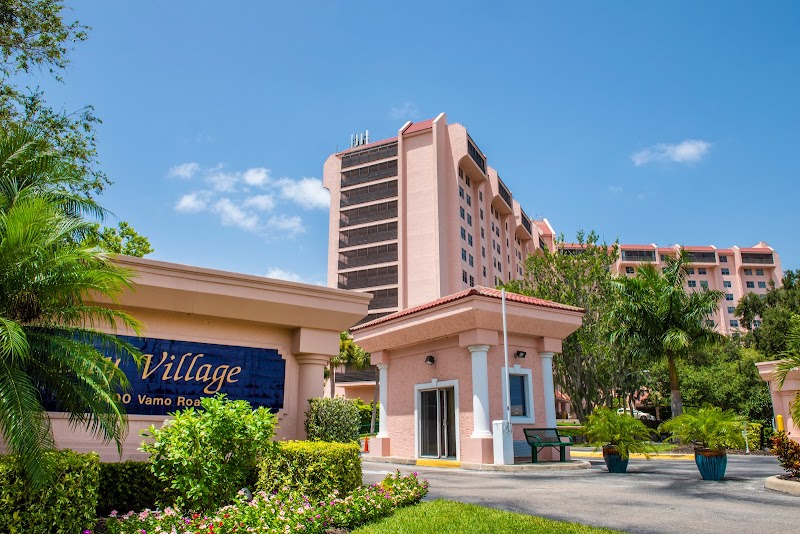
BAY VILLAGE OF SARASOTA is owned by a non-profit organization. Non-profit facilities reinvest revenue into operations rather than distributing to shareholders. The facility operates independently rather than as part of a larger chain. With 95 certified beds and approximately 54 residents (about 57% occupancy), it is a smaller facility located in SARASOTA, Florida.

How Does Bay Village Of Sarasota Compare to Other Florida Nursing Homes?

Compared to the 100 nursing homes in Florida, BAY VILLAGE OF SARASOTA's overall rating (3 stars) is below the state average of 3.2, staff turnover (57%) is significantly higher than the state average of 46%, and health inspection rating (3 stars) is at the national benchmark.

What Should Families Ask When Visiting Bay Village Of Sarasota?

Based on this facility's data, families visiting should ask: "How do you ensure continuity of care given staff turnover, and what is your staff retention strategy?" "Can I visit during a mealtime to observe dining assistance and food quality?" "How do you handle medical emergencies, and what is your hospital transfer rate?" "Can I speak with family members of current residents about their experience?" These questions are particularly relevant given the facility's high staff turnover rate.

Is Bay Village Of Sarasota Safe?

Based on CMS inspection data, BAY VILLAGE OF SARASOTA has a clean safety record: no substantiated abuse findings (meaning no confirmed cases of resident harm), no Immediate Jeopardy citations (the most serious violation level indicating risk of serious injury or death), and is not on the Special Focus Facility watch list (a federal program monitoring the lowest-performing 1% of nursing homes). The facility has a 3-star overall rating and ranks #100 of 100 nursing homes in Florida. While no facility is perfect, families should still ask about staff-to-resident ratios and recent inspection results during their visit.

Do Nurses at Bay Village Of Sarasota Stick Around?

Staff turnover at BAY VILLAGE OF SARASOTA is high. At 57%, the facility is 11 percentage points above the Florida average of 46%. High turnover means new staff may not know residents' individual needs, medications, or preferences. It can also be disorienting for residents, especially those with dementia who rely on familiar faces. Families should ask: What is causing the turnover? What retention programs are in place? How do you ensure care continuity during staff transitions?

Was Bay Village Of Sarasota Ever Fined?

BAY VILLAGE OF SARASOTA has no federal fines on record. CMS issues fines when nursing homes fail to meet care standards or don't correct problems found during inspections. The absence of fines suggests the facility has either maintained compliance or corrected any issues before penalties were assessed. This is a positive indicator, though families should still review recent inspection reports for the full picture.

Is Bay Village Of Sarasota on Any Federal Watch List?

BAY VILLAGE OF SARASOTA is not on any federal watch list. The most significant is the Special Focus Facility (SFF) program, which identifies the bottom 1% of nursing homes nationally based on persistent, serious quality problems. Not being on this list means the facility has avoided the pattern of deficiencies that triggers enhanced federal oversight. This is a positive indicator, though families should still review the facility's inspection history directly.