BENDERSON FAMILY SKILLED NURSING AND REHAB CENTER
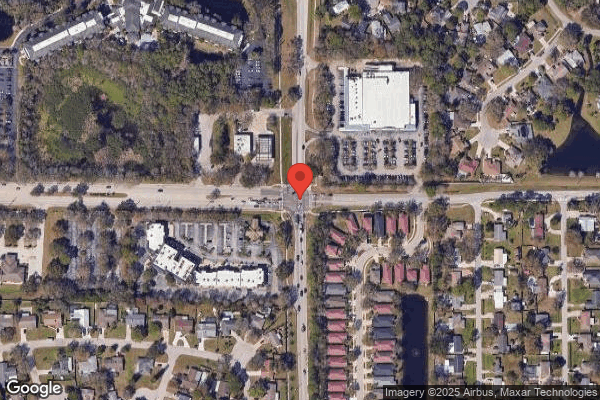
1959 N HONORE AVE, SARASOTA, FL 34235 (941) 379-3553
For profit - Corporation 45 Beds Independent Data: November 2025
Trust Grade
90/100
#8 of 690 in FL
Last Inspection: June 2025

Inspected within the last 6 months. Data reflects current conditions.

Overview

Benderson Family Skilled Nursing and Rehab Center holds an impressive Trust Grade of A, indicating excellent quality and highly recommended care. They rank #8 out of 690 facilities in Florida and #1 out of 30 in Sarasota County, placing them among the top options in the state. However, the facility is currently experiencing a worsening trend in care quality, with issues increasing from 1 in 2024 to 3 in 2025. Staffing is a strong point, earning a 5/5 star rating with a turnover rate of 40%, which is below the state average. On the downside, recent inspections revealed concerns, such as not following physician’s orders for residents and inadequate access to call lights, which could impact residents' safety and well-being. Despite these issues, there are no fines on record, which is a positive sign.

Trust Score
A
90/100
In Florida
#8/690
Top 1%
Safety Record
Low Risk
No red flags
Inspections
Getting Worse
1 → 3 violations
Staff Stability
○ Average
40% turnover. Near Florida's 48% average. Typical for the industry.
Penalties
✓ Good
No fines on record. Clean compliance history, better than most Florida facilities.
Skilled Nurses
✓ Good
Each resident gets 49 minutes of Registered Nurse (RN) attention daily — more than average for Florida. RNs are trained to catch health problems early.
Violations
○ Average
10 deficiencies on record. Average for a facility this size. Mostly minor or procedural issues.
★★★★★
5.0
Overall Rating
★★★★★
5.0
Staff Levels
★★★☆☆
3.0
Care Quality
★★★★☆
4.0
Inspection Score
Stable
2024: 1 issues
2025: 3 issues

The Good

  • 5-Star Staffing Rating · Excellent nurse staffing levels
  • Full Sprinkler Coverage · Fire safety systems throughout facility
  • No fines on record
  • Staff turnover below average (40%)

    8 points below Florida average of 48%

Facility shows strength in staffing levels, fire safety.

The Bad

Staff Turnover: 40%

Near Florida avg (46%)

Typical for the industry

The Ugly 10 deficiencies on record

Jun 2025 2 deficiencies
CONCERN (D)

Potential for Harm - no one hurt, but risky conditions existed

Quality of Care (Tag F0684)

Could have caused harm · This affected 1 resident

**NOTE- TERMS IN BRACKETS HAVE BEEN EDITED TO PROTECT CONFIDENTIALITY** Based on observation, interview and record review, the facility failed to ensure quality of care by not following physicians' or...

Read full inspector narrative →
**NOTE- TERMS IN BRACKETS HAVE BEEN EDITED TO PROTECT CONFIDENTIALITY** Based on observation, interview and record review, the facility failed to ensure quality of care by not following physicians' orders for 3 residents (#13, #133, and #29) of 3 residents reviewed for following physician's orders. The findings included: Review of the Policy for Physician Services dated 11/28/17 #8 revealed, All physician orders will be followed as prescribed and if not followed, the reason shall be recorded on the resident's medical record during that shift. 1. Review of the medical revealed Resident #13 was admitted on [DATE]. The Quarterly Minimum Data Set (MDS) with a target date of 5/12/25 revealed Resident #13's Brief Interview for Mental Status (BIMS) score was 11, indicating moderate cognitive impairment. The MDS revealed Resident #13 did not reject care and was dependent on staff for dressing of the lower body. The MDS included, but was not limited to, hyperlipidemia, dementia, and asthma. Review of the physician's orders revealed an active order dated 3/14/25 for Ted hose on during day, off at night. (TED hose, also known as thrombo-embolic deterrent hose, is an acronym that refers to a type of compression hosiery. They are specifically designed to help prevent blood clots, or thromboembolism, by applying pressure to the legs and feet.) Review of the Medication Administration Record for June 2025 revealed on 6/1/25, 6/2/25, 6/3/25, 6/4/25, 6/5/25, 6/6/25, 6/7/25, 6/8/25, 6/9/25, and 6/10/25 the nurses documented the [NAME] hose were applied to the resident's legs. Review of Resident #13's medical record did not reveal information that the resident refused the [NAME] hose. On 6/9/25 at 12:05 p.m., observed Resident #13 in the activity dining room area sitting in the wheelchair. Resident #13 was not wearing the [NAME] hose. On 6/9/25 at 2:49 p.m., Resident #13 was observed in the wheelchair being pushed down the hall by a friend. Resident #13 was not wearing the [NAME] hose. On 6/10/25 at 9:53 a.m., observed Resident #13 sitting in the wheelchair watching TV in the bedroom. The [NAME] hose were not applied to the legs. During an interview, the resident said she never wears [NAME] hose. She said she wore them years ago but does not wear them now and no one applies them. She said if someone told her to wear them, she would refuse. Resident #13's private duty aid was sitting in the chair near the resident. The private duty aid said she dressed the resident this morning and did not apply the [NAME] Hose. The private aid said no one ever told her to apply them. * On 6/10/25 at 2:58 p.m., during an interview Certified Nursing Assistant (CNA) Staff A said if the resident refuses to put on the [NAME] hose, you tell the nurse. She said the nurse, or the CNA can apply them. Staff A said Resident #13 has a private duty sitter that dresses her and puts on the compression hose. She said the nurse would tell her to put them on if she needed them. Staff A said no one told her to apply the [NAME] Hose. On 6/10/25 at 3:23 p.m., Registered Nurse (RN) Staff C said she documented in the MAR (Medication Administration Record) the [NAME] hose were applied to Resident #13, but she was not sure they were applied. She said she thought the private duty aid applied them. On 6/10/25 at 3:30 p.m., RN Staff C went to the room and saw Resident #13 was not wearing the [NAME] hose. On 6/10/25 at 4:04 p.m. the Director of Nursing (DON) said the RNs should not document any treatment that was not completed, including the [NAME] hose. If the resident refuses a treatment or the [NAME] hose, the nurse should document the refusal in the medical record and notify the physician. On 6/11/25 at 9:58 a.m., the DON said private duty sitters do not apply [NAME] hose for the residents. 2. Review of the medical revealed Resident #133 was admitted on [DATE]. Diagnoses included aftercare following joint replacement and left artificial knee joint with a history of atherosclerotic heart disease. Review of the physician's orders revealed an active order dated 6/6/25 at 7:00 p.m. for Knee high ted hose both legs every shift. Review of the MAR for June 2025 revealed the nurses documented the [NAME] hose were applied on 6/7/25, 6/8/25, 6/9/25, and 6/10/25. Review of Resident #113's medical record did not contain information that the resident refused the [NAME] hose. On 6/09/25 at 12:17 p.m., observed Resident #133 in the room wearing shorts. There were no [NAME] hose applied to the legs. The resident said he does not wear [NAME] Hose, and no one asked him to wear them. He said he came to the facility with an Ace Wrap for the left leg, but it was removed the next morning and there has been nothing else for the legs since then. The original surgical dressing was observed to the left leg. On 6/10/25 at 10:12 a.m., observed Resident #133 in the room wearing shorts. The resident was not wearing [NAME] Hose. * On 6/10/25 at 2:56 p.m., observed Resident #133 in the room wearing shorts. The resident was not wearing [NAME] Hose. * On 6/10/25 at 3:04 p.m., CNA Staff B said she has taken care of Resident #133. She said the nurse did not tell her to apply the [NAME] hose and she has not. On 6/10/25 at 3:36 p.m., observed Resident #133 in the room wearing shorts. The resident was not wearing [NAME] Hose. * On 6/10/25 at 3:34 p.m. RN Staff C confirmed she documented in the MAR Resident #133 was wearing the [NAME] hose, when the resident was not wearing them. Staff C said she had not put them on the resident, and she did not instruct the CNA to do it. Staff C looked for a pair of [NAME] hose in the room, but there were none. On 6/10/25 at 4:04 p.m., the DON said the nurses should not be documenting the hose were on if the hose were not. The DON said the medical record was inaccurate. 3. Review of the medical record revealed Resident #29 was admitted to the facility on [DATE]. Review of the record revealed an order dated 12/7/24 for Depakote Sprinkles 125 milligrams (mg) Give 250mg by mouth every 12 hours for mood disturbance. On 1/14/25 the physician ordered a Depakote blood level to be drawn in the morning. Review of the laboratory results, progress notes, and MARS revealed the facility had not obtained the Depakote blood level in the morning on 1/15/25. Review of the medical record revealed the nurse had not documented why the blood level was not obtained. Review of the laboratory results revealed a Depakote blood level was collected on 4/2/25. On 6/11/25 at 12:32 p.m., the DON said the facility had not obtained the Depakote blood level in the morning of 1/15/25 as the physician ordered. He said he expects the nurses to follow the orders and document in the medical record the reason if the nurse could not follow the physician's order. *Photographic evidence obtained
CONCERN (D)

Potential for Harm - no one hurt, but risky conditions existed

Medical Records (Tag F0842)

Could have caused harm · This affected 1 resident

**NOTE- TERMS IN BRACKETS HAVE BEEN EDITED TO PROTECT CONFIDENTIALITY** Based on observation, interview and record review, the facility failed to ensure accurate medical records for 2 residents (#13 a...

Read full inspector narrative →
**NOTE- TERMS IN BRACKETS HAVE BEEN EDITED TO PROTECT CONFIDENTIALITY** Based on observation, interview and record review, the facility failed to ensure accurate medical records for 2 residents (#13 and #133) of 3 residents reviewed for accuracy of medical records. The findings included: 1. Review of the medical revealed Resident #13 was admitted on [DATE]. The Quarterly Minimum Data Set (MDS) with a target date of 5/12/25 revealed Resident #13's Brief Interview for Mental Status (BIMS) score was 11, indicating moderate cognitive impairment. The MDS revealed Resident #13 did not reject care and was dependent on staff for dressing of the lower body. The MDS diagnoses included, but was not limited to, hyperlipidemia, dementia, and asthma. Review of the physician's orders revealed an active order dated 3/14/25 for Ted hose on during day, off at night. (TED hose, also known as thrombo-embolic deterrent hose, is an acronym that refers to a type of compression hosiery. They are specifically designed to help prevent blood clots, or thromboembolism, by applying pressure to the legs and feet.) Review of the Medication Administration Record for June 2025 revealed the nurses documented the [NAME] Hose were applied on 6/1/25, 6/2/25, 6/3/25, 6/4/25, 6/5/25, 6/6/25, 6/7/25, 6/8/25, 6/9/25. On 6/9/25 at 12:05 p.m., observed Resident #13 in the activity dining room area sitting in the wheelchair. Resident #13 was not wearing the [NAME] hose. On 6/9/25 at 2:49 p.m., Resident #13 was observed in the wheelchair being pushed down the hall by a friend. Resident #13 was not wearing the [NAME] hose. On 6/10/25 at 9:53 a.m., observed Resident #13 sitting in the wheelchair watching TV in the bedroom. The [NAME] hose were not applied to the legs. During an interview, the resident said she never wears [NAME] hose. She said she wore them years ago but does not wear them now and no one applies them. She said if someone told her to wear them, she would refuse. Resident #13's private duty aide was sitting in the chair near the resident. The private duty aide said she dressed the resident this morning and did not apply the [NAME] Hose. The private aide said no one ever told her to apply them. * On 6/10/25 at 2:58 p.m., during an interview with Certified Nursing Assistant (CNA) Staff A, she said if the resident refuses to put on the [NAME] hose, you tell the nurse. She said the nurse, or the CNA can apply them. Staff A said Resident #13 has a private duty sitter that dresses her and puts on the compression hose. She said the nurse would tell her to put them on if she needed them. Staff A said no one told her to apply the [NAME] Hose. On 6/10/25 at 3:23 p.m. Registered Nurse (RN) Staff C said she documented in the MAR (Medication Administration Record) that the [NAME] hose were applied to Resident #13. Staff C said the hose were not applied and the MAR is not accurate. On 6/10/25 at 3:30 p.m., RN Staff C went to the room and saw Resident #13 was not wearing the [NAME] hose. On 6/10/25 at 4:04 p.m. the Director of Nursing (DON) said the RNs should not document any treatment that was not completed, including the [NAME] hose. The DON said the MAR was not accurate. 2. Review of the medical revealed Resident #133 was admitted on [DATE]. Diagnoses included aftercare following joint replacement, left artificial knee joint, and history of atherosclerotic heart disease. Review of the physician's orders revealed an active order dated 6/6/25 at 7:00 p.m. for Knee high ted hose both legs every shift. Review of the MAR for June 2025 revealed the nurses documented the [NAME] Hose were applied on 6/7/25, 6/8/25, 6/9/25, and 6/10/25. On 6/09/25 at 12:17 p.m., observed Resident #133 in the room wearing shorts. The resident was not wearing the [NAME] Hose. The resident said he has not worn [NAME] Hose at the facility and does not have a pair. The resident said no one at the facility told him to wear them. He said he came to the facility with an Ace Wrap for the left leg, but it was removed the next morning, and he had not worn anything since. The original surgical dressing was observed to the left leg only. On 6/10/25 at 10:12 a.m., observed Resident #133 in the room wearing shorts. The resident was not wearing [NAME] Hose. * On 6/10/25 at 2:56 p.m., observed Resident #133 in the room wearing shorts. The resident was not wearing [NAME] Hose. * On 6/10/25 at 3:04 p.m., CNA Staff B said she has taken care of Resident #133. She said the nurse did not tell her to apply the [NAME] hose and she has not. On 6/10/25 at 3:36 p.m., observed Resident #133 in the room wearing shorts. The resident was not wearing [NAME] Hose. * On 6/10/25 at 3:34 p.m., RN Staff C confirmed she documented in the MAR Resident #133 was wearing the [NAME] Hose, but she had not confirmed the resident had them on. Staff C said they did not put them on the resident or ask the CNA to do it. Staff C looked for a pair of [NAME] Hose in the room, but there were none. On 6/10/25 at 4:04 p.m., the DON said the nurses should not be documenting the [NAME] Hose were applied to the resident if they were not. The DON said the medical record was inaccurate. *Photographic evidence obtained
Jan 2025 1 deficiency
CONCERN (D) 📢 Someone Reported This

A family member, employee, or ombudsman was alarmed enough to file a formal complaint

Potential for Harm - no one hurt, but risky conditions existed

Deficiency F0919 (Tag F0919)

Could have caused harm · This affected 1 resident

Based on staff interview, resident interview, observations and resident medical record review, it was determined that the facility failed to ensure the residents' right to call light access for two re...

Read full inspector narrative →
Based on staff interview, resident interview, observations and resident medical record review, it was determined that the facility failed to ensure the residents' right to call light access for two residents (Resident #3 and Resident #4) out of eight residents observed during the survey. The findings included: During an initial tour of the facility which commenced on 1/13/25 at 10:00 a.m., Resident #3 was observed sitting up in her wheelchair on the window side (left side) of her bed. There was no call light observed within her reach. In an interview with Resident #3 conducted on 1/13/25 at 10:05 a.m., she was asked how she would get the staff's attention if she needed anything. She stated I guess I'd push the button. Oh, wait this is the TV remote. I don't know where the button is. The call light was observed to be on the floor, on the opposite (right) side of her bed from where she was sitting, out of her reach. She was asked if she could reach her call light where it was. She smiled and said, No, how could I get there? She was asked if her call light was usually within her reach. She stated, Not always. I can't reach it now. Photographic evidence obtained. Employee A, a certified nurses' aide (CNA) entered the room at 10:17 a.m. He was asked if he was caring for Resident #3 today. He stated yes. He was asked if she had access to a call light. He looked around and stated, Oh, it's on the floor. He was asked to confirm the call light was out of the resident's reach. He stated, When I made her bed earlier, I forgot it. I usually only work the weekends, so she is usually in bed when I am working, and I usually attach her to her blankets. She got up today and I must have forgot it because I'm not used to her being up. A medical record review conducted for Resident #3 revealed: An MDS (Minimum Data Set) admission assessment conducted on 12/27/24 revealed a Brief Interview for Mental Status (BIMS) score of 10. A score of 8-10 suggests moderate cognitive impairment. Further record review for Resident #3 revealed a care plan which showed: Focus: (12/28/24): I have impaired balance and weakness. I have impaired cognition. Goal: I will have no falls with current interventions through the next review date. Interventions: Call light in reach when in bed and bedside chair. Focus: (12/28/24): I was admitted with occasional incontinence. Goal: I will have no complications related to incontinence with current interventions through the next review date. Interventions: Call light in reach when in bed and bedside chair, remind to call for assistance with urge to use the bathroom and answer promptly. On 1/13/25 at 10:23 a.m., Resident #4 was observed in her room, lying in bed, awake with the television on. Her call light was observed not within reach. It was observed clipped to back of the head of her mattress. Resident #4 presented as unable to interview. She was saying words but not answering simple questions correctly. Photographic evidence obtained. A medical record review conducted for Resident #4 revealed: An MDS (Minimum Data Set) admission assessment conducted on 12/7/24 revealed a Brief Interview for Mental Status (BIMS) score of 07. A score of 0-8 suggests severe cognitive impairment. Further record review for Resident #4 revealed a care plan which showed: Focus: (12/26/24) I was re-admitted with a decline in functional mobility related to increased weakness and decreased balance from recent hospitalization for UTI (urinary tract infection), gastroparesis (delayed gastric emptying), poor nutrition. I am under the care of Continuum Hospice. I do not want to get OOB (out of bed). Goals: My daily care needs will be anticipated and met by staff daily as evidenced by a clean, well-groomed, and odor free appearance through the next review date Interventions: Encourage the resident to use bell to call for assistance. A policy regarding call lights was requested at the entrance conference. In an interview with the Administrator on 1/13/25 at 10:44 a.m., she stated the facility does not have a policy. She stated this is covered during orientation. She stated they are able to monitor call light answer times with their system, which records each call light by room that is activated and how long in minutes it takes for the call light to be answered. In a second interview on 1/13/25 at 2:13 p.m., she was asked if the facility monitors call light placement to ensure the call lights remain within the resident's reach. She provided documentation for Resident #1 and stated they had kept track of this Resident's call light placement for approximately two weeks in response to a family member's complaint that they call light was found out of reach of three occasions. The record revealed this occurred April 22, 2024 through May 2, 2024. She was asked if there was any documentation of any other call light placement audits. She stated no.
Jan 2024 1 deficiency
CONCERN (D)

Potential for Harm - no one hurt, but risky conditions existed

Deficiency F0645 (Tag F0645)

Could have caused harm · This affected 1 resident

**NOTE- TERMS IN BRACKETS HAVE BEEN EDITED TO PROTECT CONFIDENTIALITY** Based on clinical record review, and staff interview, the facility failed to ensure 1 (Resident #30) of 1 sampled resident with ...

Read full inspector narrative →
**NOTE- TERMS IN BRACKETS HAVE BEEN EDITED TO PROTECT CONFIDENTIALITY** Based on clinical record review, and staff interview, the facility failed to ensure 1 (Resident #30) of 1 sampled resident with admitting diagnoses of serious mental illness had a complete and accurate Preadmission Screening and Resident Review (PASRR). The findings included: Clinical record review revealed Resident #30 was admitted to the facility on [DATE]. The admitting diagnoses included Major Depressive Disorder, single episode, moderate, Generalized anxiety disorder, and Psychosis. The admission Minimum Data Set (MDS) assessment with an assessment reference date of 11/29/23 listed diagnoses of anxiety disorder, Depression and Psychotic disorder. Review of the undated level 1 PASRR showed Resident #30 had a primary diagnosis of dementia, and was not a provisional admission. The form did not list the admitting diagnoses of Major Depressive Disorder or Psychosis, indicated no diagnosis or suspicion of serious mental illness and a level II PASRR evaluation was not required. On 1/4/24 at 11:45 a.m., in an interview the Director of Nursing (DON) said the level 1 PASRR was inaccurate and did not include the admitting diagnoses of Major Depressive Disorder or Psychosis.
Mar 2022 6 deficiencies
CONCERN (D)

Potential for Harm - no one hurt, but risky conditions existed

Deficiency F0578 (Tag F0578)

Could have caused harm · This affected 1 resident

**NOTE- TERMS IN BRACKETS HAVE BEEN EDITED TO PROTECT CONFIDENTIALITY** 2. On [DATE] medical record review revealed Resident #5 was admitted to the facility on [DATE] with a Brief Interview for Mental...

Read full inspector narrative →
**NOTE- TERMS IN BRACKETS HAVE BEEN EDITED TO PROTECT CONFIDENTIALITY** 2. On [DATE] medical record review revealed Resident #5 was admitted to the facility on [DATE] with a Brief Interview for Mental Status (BIMS) score of 14 indicating intact cognition. Further review of the record revealed a Social History Evaluation dated [DATE] which noted Resident #5 possessed a Health Care Power of Attorney and Living Will. On [DATE] record review revealed the facility had not obtained copies of advanced directives for Resident #5 including HCPOA, Living Will, or Do Not Resuscitate (DNR) form specifying end of life wishes. The Baseline Care Plan in the medical record for Resident #5 dated [DATE] revealed Resident #5's Goal for Advanced Directives was DNR (Do Not Resuscitate). The comprehensive Care plan initiated on [DATE] revealed Resident #5 was a Full Code (Administer cardiopulmonary resuscitation if the resident had no heartbeat and is not breathing). The interventions were Code status per resident. On [DATE] record review for Resident #5 revealed there was no record of code status selection for Resident #5. On [DATE] at 10:32 a.m., in an interview, Resident #5 said she has everything for advanced directives including a Healthcare Surrogate and living will. She said her daughter and son are her healthcare surrogates. On [DATE] at 11:06 a.m., the Social Services Director (SSD) said she met with Resident #5 but has not discussed advanced directives or code status with the Resident. The SSD confirmed there was no order for code status or any indication of code status in the electronic medical record. On [DATE] at 3:24 p.m., LPN Staff B said when a code is called for a resident, she looks at the code status in the electronic medical record and then double checks the hard chart medical record. She said the code status is always listed at the top under the picture in the electronic medical record. She said if nothing is in the electronic medical record hard chart medical record, the resident is a full code. On [DATE] at 5:07 p.m., Resident #5 said she understands the term Do Not Resuscitate (DNR) and she wishes to be a DNR. She said she does not remember anyone at the facility asking her preference. On [DATE] at 9:02 a.m., the SSD said on [DATE] she and the Minimum Data Set (MDS) Director audited Resident #5's medical record and discovered there was no order for code status in the medical record. She said at that time, the MDS Director created a Full Code order for Resident #5. The SSD said she talked with Resident #5 on [DATE] and her preference was Full Code. The SSD could not recall the time of the conversation and said she did not document the conversation. The SSD said the MDS Director was not present during the conversation. The SSD looked through the hard chart medical record and confirmed the Baseline Care Plan dated [DATE] indicated DNR selection for advanced directive. The SSD confirmed Resident #5 comprehensive care plan was Full Code. The SSD confirmed the baseline and comprehensive care plans contradicted each other. Review of the physician's orders revealed on [DATE] at 8:50 a.m., the MDS Director entered a physician's order specifying Resident #5 was a Full Code. Review of the SSD progress note dated [DATE] at 9:47 a.m., revealed the social worker, spoke to resident in regard to code status. This social worker educated the resident on full code and DNR. This resident confirmed she wants to be a DNR. This social worker will initiate DNR. 3. Review of the Minimum Data Set (MDS) assessment with an assessment reference date of [DATE] revealed Resident #13 scored 15 on the Brief Interview for Mental Status (BIMS), indicating intact cognition. Review of the Social History Evaluation form dated [DATE] showed Will bring copy was checked off for Advanced Directives. The clinical record lacked documentation of a physician's order specifying Resident #13's code status or a care plan addressing advanced directives and code status for Resident #13. A handwritten physician's order in the medical record dated [DATE] specified to Clarify code status. On [DATE] at 5:02 p.m., in an interview Resident #13 said if her heart stops beating, she does not want to be resuscitated. She said she is [AGE] years old and does not think it is good to do that. On [DATE] at 8:47 a.m., the Social Services Director (SSD) said Resident #13 was re-admitted to the facility on [DATE] for long term care. She confirmed the medical record contained no advanced directive or indication of code status for Resident #13. The SSD confirmed there was an order from the physician on [DATE] to clarify code status and the order was not carried out. The SSD said she had not interviewed Resident #13 for code status, and since there was no record of DNR, she is considered a full code. Based on medical record review, review of facility's policies and procedure, staff, and resident interviews the facility failed to ensure 3 (Residents #4, #5 and #13) of 16 residents reviewed for advance directive were informed and provided written information of advance directive rights and ensure their advance directive wishes were followed. The findings included: The facility's policy and procedure titled, Resident Right - Advanced Directive Tracking Program dated [DATE] noted, It is the facility policy to honor the advance directives of all residents and to make information available to the resident on how to prepare such directives, should the resident not have them in place or update their existing directives. Procedure: 1. During the admission process the Social Service Director (SSD) or designee will discuss with each resident and/or the person accompanying the resident the following: a. Whether they have an advance directive . b. Whether they have a Uniform Do Not Resuscitate (DNR) form. c. If so, is it printed on yellow (goldenrod) paper? d. If they have the forms with them? If so, secure copies . 4. Social Services or the appropriate designee will carefully review any and all advanced directive related documents to ensure the information is complete and that the requirements of the law are met. If there is a question it is the responsibility of the reviewer to seek clarification. 5. Social Services or the appropriate designee should visit the resident and discuss advance directives with them to ensure that he/she has executed the advance directives that he/she would want. 6. Social Services should also ensure that information was given to the resident on admission. Social Services will advise the resident that at any time he/she may amend, revoke or write a new advance directive and staff will assist . 8. The individual who visited the resident as described in #5, 6, and 7 should document this conversation in the resident's social services notes . 1. On [DATE], a review of Resident #4's medical record revealed an admission date of [DATE]. Resident #4's medical record revealed a plan of care dated [DATE] stating Resident #4 is a full code. Further review of Resident #4's medical record revealed no documentation the Social Service Director (SSD) or a facility representative discussed with Resident #4 and/or their representative Resident #4's advance directive wishes and placed a copy of the Resident's advance directive forms in the medical record as required by the facility's Resident Rights for Advance Directive policy. The medical record lacked a physician order for Resident #4's code status. On [DATE] at 10:55 a.m., in an interview Licensed Practical Nurse (LPN) Staff B, said she has been working at the facility for several years. She said the Social Service department is responsible to talk with the resident or their representative to determine the resident's advance directive wishes, get a physician order for a full code, DNR (Do Not Resuscitate) or the appropriate code status, and put a copy of the advance directive in the resident's medical record. At the time of the interview, LPN Staff B reviewed Resident #4's electronic and hard (paper) copy of the medical record and said she was unable to find a physician's order which stated Resident #4's code status and/or a copy of Resident #4's advance directive. She said because there is no documentation in the medical record of Resident #4's advance directive and code status wishes she would treat Resident #4 as a full code and perform cardiopulmonary resuscitation (CPR). On [DATE] at 11:02 a.m., during an interview with the Assistant Director of Nursing (ADON) and MDS (Minimum Data Set) Coordinator, they said when a resident is admitted to the facility the SSD is responsible to interview the resident or their representative about advance directive wishes, get a copy of the advance directive for the medical record, and obtain a physician's order for the resident's code status. They confirmed the nursing staff are required to look for a physician order to determine if the resident is a full code or an DNR. If the nurse is unable to find a physician's order which stated the resident's code status, they are then required to review the medical record to determine the resident code status. The MDS Coordinator reviewed Resident #4's medical record and confirmed the SSD created a plan of care dated [DATE] and noted Resident #4 was a full code. She said she was unable to find any documentation the SSD spoke with Resident #4 or their representative about their advance directive and code status wishes. She also stated the SSD did not obtain a physician's order for the full code status prior to creating an advance directive full code status care plan as required. On [DATE] at 11:29 a.m. during an interview the SSD said had been working at the facility for two weeks. She said as part of the admission process the SSD was required to meet with the resident and/or their representative to determine the resident's advance directive wishes, place a copy of the advance directive in the medical records, document the conversation in the medical record and get a physician's order for the resident's code status. The SSD reviewed Resident #4's medical records and verbally confirmed there was no documentation the previous SSD obtained a physician's order for the full code. There was also no documentation of the conversation the SSD had with Resident #4 about their advance directive wishes. The SSD confirmed there was no copy of Resident #4's advance directive in the medical record as required per their policy.
CONCERN (D)

Potential for Harm - no one hurt, but risky conditions existed

Comprehensive Care Plan (Tag F0656)

Could have caused harm · This affected 1 resident

**NOTE- TERMS IN BRACKETS HAVE BEEN EDITED TO PROTECT CONFIDENTIALITY** Based on interview and record review, the facility failed to develop a comprehensive care plan containing interventions to addre...

Read full inspector narrative →
**NOTE- TERMS IN BRACKETS HAVE BEEN EDITED TO PROTECT CONFIDENTIALITY** Based on interview and record review, the facility failed to develop a comprehensive care plan containing interventions to address the cardiac pacemaker for 1 (Resident #26) of 2 residents reviewed for cardiac pacemaker. The findings included: The Minimum Data Set (MDS) dated [DATE], reveals Resident #26 has an active diagnosis of Cardiac Pacemaker. According to the physician orders for Resident #26, there is no order for the cardiac pacemaker or an order addressing care or treatment of the Cardiac Pacemaker. On 3/15/22 at 10:04 a.m. during a telephone conversation, Resident #26's wife said she is not sure how the facility is treating the device. According to the Care Plans reviewed on 3/15/22 at 3:47 p.m., Resident #26 does not possess a care plan for Cardiac Pacemaker including interventions on how to care for the device. On 03/15/22 at 3:27 p.m., Registered Nurse (RN) Staff G said she's worked at the facility for a long time. She said there is no machine at the facility to check the cardiac pacemaker. She said she is not sure if Resident #26's cardiac pacemaker functions. On 3/15/22 at 3:38 p.m., the Director of Nursing (DON) confirmed Resident #26's medical record did not contain a care plan for the cardiac pacemaker or documentation about how the facility was addressing the cardiac pacemaker. The DON said there is no facility policy for cardiac pacemakers. On 03/16/22 at 1:00 p.m., Licensed Practical Nurse (LPN) Staff A said she does not care for the resident very often and does not know what is being done for the pacemaker. On 3/16/22 at 1:17 p.m., the Minimum Data Set (MDS) Director said she is responsible for creating care plans for residents at the facility. She said she did not create a care plan for Resident #26's cardiac pacemaker. She said she is not sure what is being done for the cardiac pacemaker.
CONCERN (D)

Potential for Harm - no one hurt, but risky conditions existed

ADL Care (Tag F0677)

Could have caused harm · This affected 1 resident

**NOTE- TERMS IN BRACKETS HAVE BEEN EDITED TO PROTECT CONFIDENTIALITY** Based on record review and resident and staff interview, the facility failed to provide the necessary services to maintain good ...

Read full inspector narrative →
**NOTE- TERMS IN BRACKETS HAVE BEEN EDITED TO PROTECT CONFIDENTIALITY** Based on record review and resident and staff interview, the facility failed to provide the necessary services to maintain good grooming and personal hygiene for 1 (Resident #5) of 1 reviewed for showers. The findings included: The facility policy, Activities of Daily Living (ADLs)/Maintain Abilities dated 11/28/17 stated: .care and services provided are person-centered and honor and support each resident's preferences, choices, values, and beliefs. On 3/14/22 at 10:35 a.m., Resident #5 (room [ROOM NUMBER]), said she has been at the facility since December 2021 and has had 3 showers since she's been at the facility. Resident #5 said it bothers her. She said the therapist told nursing staff Resident #5 should be getting showers Monday, Wednesday, and Friday. On 3/16/22 at 10:48 a.m., Certified Nursing Assistant (CNA) Staff D said the scheduler will put the shower on the CNA assignment sheet. She said when she gives a resident a shower, she fills out the shower and documents the care in the computer. She said if not given, she reports it to the nurse. According to record review of the shower schedule, Resident #5 was scheduled for showers on Monday, Wednesday, and Friday. According to the Documentation Survey Report V2, for December 2021, Resident #5 received 3 showers at the facility from 12/11/21 - 12/31/21 and should have received 9 showers. According to the Documentation Survey Report V2 for January 2022, Resident #5 received 6 showers at the facility from 1/1/22 - 1/31/22 and should have received 13 showers. According to the Documentation Survey Report V2 for February 2022, Resident #5 received 8 showers from 2/1/22 - 2/28/22 and should have received 12 showers. According to the Documentation Survey Report V2 for March 2022, Resident #5 received 2 showers from 3/1/22 - 3/14/22 and should have received 6 showers. On 03/16/22 at 10:50 a.m., Licensed Practical Nurse Staff A confirmed she receives shower sheets from the CNAs after they give a resident a shower. Staff A said she gives the shower sheets to the DON. On 3/17/22 at 10:35 a.m., the Director of Nursing (DON) confirmed Resident #5 did not receive showers 3 times per week. The DON confirmed Resident #5 had not received any showers from 2/27/22 - 3/11/22, a total of 13 days. He said there were no shower sheets for Resident #5. He said there were no progress notes explaining why Resident #5 did not receive the scheduled showers.
CONCERN (D)

Potential for Harm - no one hurt, but risky conditions existed

Medication Errors (Tag F0758)

Could have caused harm · This affected 1 resident

**NOTE- TERMS IN BRACKETS HAVE BEEN EDITED TO PROTECT CONFIDENTIALITY** Based on clinical record review and staff interviews, the facility failed to maintain documentation of rationale to justify an i...

Read full inspector narrative →
**NOTE- TERMS IN BRACKETS HAVE BEEN EDITED TO PROTECT CONFIDENTIALITY** Based on clinical record review and staff interviews, the facility failed to maintain documentation of rationale to justify an increase in psychotropic medication (medication that affects a person's mental state) for 1 (Resident #27) of 5 sampled residents reviewed for unnecessary medications. This has the potential to lead to the administration of unnecessary medications. The findings include: Based on clinical record review and staff interviews, the facility failed to maintain documentation of rationale to justify an increase in psychotropic medication (medication that affects a person's mental state) for 1 (Resident #27) of 5 sampled residents reviewed for unnecessary medications. This has the potential to lead to the administration of unnecessary medications. The findings include: Review of Resident #27's medical record revealed her last documented admission to the facility was on 11/09/2019. The medical record revealed a physician's order dated 11/28/21 for Lorazepam 0.5 mg PRN (as needed) for anxiety every 8 hours. Review of the medication administration record (MAR) revealed Resident #27 received the medication 2 times on 11/28/21 and 1/30/22. There was no Behavior/Intervention Monthly Flow Record created in November 2021 and no documentation in Resident #27's medical record noting why she received the Lorazepam on 11/28/21. Review of the Behavior/Intervention Monthly Flow Record for January 2022 revealed no behaviors noted on 1/30/22. There was no documentation noting why she received the Lorazepam on 1/30/22. Review of the consultant pharmacist medication regime for Resident #27's medications revealed he recommended on 12/4/21 for Resident #27's primary care physician to evaluate the use of the PRN Lorazepam 0.5 mg ordered on 11/28/21 and write a justification for the use of the Lorazepam .5 mg as required by federal regulations. The pharmacist also wrote on 12/4/21 on the consultant pharmacist medication regimen form: PRN psychotropic medication cannot exceed 14 days without the prescribing physician documenting the rationalization for use of the PRN psychotropic mediation and indicate the duration of use for the PRN psychotropic medication per federal regulations. On 1/6/22 Resident #27's primary care physician wrote on the consultant pharmacist medication regime form dated 12/4/21, to increase the use of the PRN Lorazepam for anxiety to 180 days. Further review of Resident #27's medical record, noted the required justification documentation by the primary care physician for why he ordered PRN Lorazepam 0.5 mg for anxiety and the justification for ordering the medication for 180 days, when federal regulations states PRN psychotropic medication cannot exceed 14 days without justification was not present in Resident #27's medical record. The psychiatric ARNP (Advance Registered Nurse Practitioner) documented on 11/3/21, he visited Resident #27 that day for follow-up therapy. He documented Resident #27 denied homicidal or suicidal thoughts and denied depression and anxiety at that time. The ARNP documented the resident denied anxiety, worry, irritability, racing thoughts or panic and that staff denied evidence of anxiety symptoms. Staff voiced no complaints about Resident #27. The psychiatric ARNP wrote he reviewed Resident #27's medication and would continue to monitor for changes in mood, appetite, or sleep. The psychiatric ARNP documented on 11/17/21 he visited Resident #27 that day for a follow-up for medication check. The ARNP documented Resident #27 said she did not feel any different since decreasing her Zoloft dosage and was in a good mood. In the ARNP notes, he documented the resident denied current depression, anxiety, trouble sleeping and had a good appetite. The ARNP documented the resident denied anxiety, worry, irritability, racing thoughts or panic and that staff denied evidence of anxiety symptoms. The staff voiced no complaints about Resident #27. The ARNP stated he reviewed Resident #27's medication and would continue to monitor for changes in mood, appetite, or sleep. The psychiatric ARNP documented on 12/1/21 he visited Resident #27 that day for an acute change in condition. The ARNP wrote Resident #27 had a urinary tract infection (UTI) and received 3 courses of antibiotics but had been verbally more sad aside from being tired. Resident #27 did not admit to any anxiety and was still eating well. The ARNP documented the resident denied anxiety, worry, irritability, racing thoughts or panic and that staff denied evidence of anxiety symptoms. The ARNP stated he reviewed Resident #27's medication and would continue to monitor for changes in mood, appetite, or sleep. Resident #27's primary care physician's progress note dated 12/2/21 stated he visited Resident #27 who had a chief complaint of UTI and confusion. Confusion etiology may be related to the UTI for a positive urinary analysis. The primary care physician's progress note documented Resident #27 was on multiple pain medications with possible confusion side effects. Medication included tramadol, Dilaudid and Lorazepam. He documented staff noted increase depression and reported Resident #27 had crying episodes. He noted a plan to increase Zoloft to 100 mg which could have taken a few weeks to reestablish stable levels. The physician noted Resident 27's confusion had exact etiology unknown and he would continue to follow. Further review of Resident #27's primary care physician progress notes dated 12/2/21, 12/9/21 and, 1/20/22 noted Resident #27 was cooperative with exam, cognitive function intact and no agitation. Review of Resident #27's Behavior/Intervention Monthly monitor form was not started until January 2022. From January 1, 2022, to March 15, 2022, the facility document 2 episodes of increased anxiety on 1/4/22 which was relieved with repositioning and changing of the temperature. Medication was not documented as given as a method to reduce the anxiety noted on 1/4/22 in 2 episodes. On 3/16/22 at 9:55 a.m. during an interview with Staff B, she said she had been working at the facility for several years. She said Resident #27 was pleasant and easy to work with. She said she had not observed and/or heard of Resident #27 having episodes of increased anxiety. On 3/16/22 at 1:29 p.m. during an interview with the Director of Nursing (DON), he stated Resident #27 was admitted to the facility on [DATE]. He confirmed Resident #27 was started on Lorazepam 0.5 mg on 11/28/21 for anxiety. He said the Lorazepam 0.5 mg order was renewed by the primary care physician on 1/09/22 for 180 days after the consulting pharmacist wrote on 12/4/21 a PRN psychotropic medication order cannot exceed 14 days without the prescriber documentation for the rationalization of use and must indicate the duration for the PRN order. The DON reviewed Resident #27's medical record and said he was unable to find documentation Resident #27 was having increased anxiety to justify why Lorazepam 0.5 mg PRN for anxiety was stared on 11/28/21. He said the facility did not start monitoring Resident #27 for increased anxiety until January 1, 2022. He said from January 1, 2022, to March 15, 2022, the facility documented 2 episodes of increased anxiety, both on 1/4/22. The DON stated the interventions which were effective to reduce the anxiety for Resident #27 on 1/4/22 did not include medications and staff was able to reduce her anxiety with non-pharmacological interventions as documented on the behavior monitoring sheets. The DON confirmed the consultant pharmacist wrote on 12/4/21 after reviewing Resident #27's medication regime that the primary care physician needed to document the justification for use of the PRN Lorazepam 0.5 mg for anxiety ordered on 11/28/21 and the duration of the medication. The consultant pharmacist wrote on the 12/4/21 medication regimen form, PRN psychotropic medication cannot exceed 14 days without the prescribing physician documenting the rationalization for use of the PRN psychotropic medication and should indicate the duration of use, not to exceed 14 days, for the PRN psychotropic medication without justification as per federal regulations. The DON confirmed Resident #27's primary care physician wrote on 1/6/22 on the consultant pharmacist medication regime form dated 12/4/21 to increase the duration of the PRN Lorazepam for anxiety to 180 days. The DON said he was unable to find the required justification documentation by the primary care physician why he ordered PRN Lorazepam 0.5 mg for anxiety. He also stated the primary care physician did not document the justification for ordering the medication for 180 days, when federal regulations states PRN psychotropic medication cannot exceed 14 days without justification by the ordering physician.
CONCERN (D)

Potential for Harm - no one hurt, but risky conditions existed

Deficiency F0761 (Tag F0761)

Could have caused harm · This affected 1 resident

Based on observation, staff and resident interviews, and medication record review, the facility failed to identify and monitor the safe and proper storage of medications for 2 (Resident #191 and Resid...

Read full inspector narrative →
Based on observation, staff and resident interviews, and medication record review, the facility failed to identify and monitor the safe and proper storage of medications for 2 (Resident #191 and Resident #13) of 2 residents reviewed for medication storage. The findings included: The review of the facility Medication Storage Policy, Section 4.3 Bedside Medication Storage Policy dated 09/2018 states bedside medication administration is permitted for residents who are able to self-administer medications, upon the written order of the prescriber and when it is deemed appropriate in the judgement of the nursing care center's interdisciplinary resident assessment team. Procedures included: The interdisciplinary team (IDT) will review and approve resident competencies and understanding prior to permission of bedside storage of medications as established in the nursing care centers policies and procedures . A written order for the bedside storage of medication is present in the resident's medical record . Bedside storage of medications is indicated on the resident medication administration record (MAR) for the appropriate medications . The following conditions are met for bedside storage to occur, a. The manner of storage prevents access by other residents. Lockable drawers or cabinets are required . All nurses and nursing aides are required to report to the charge nurse on duty any medications found at the bedside not authorized for bedside storage and to give unauthorized medications to the charge nurse . The nurse will oversee storage security and accountability of bedside medications. During an observation on 3/14/22 at 10:34 a.m. a prescription eye drop bottle for Resident #191 was seen on her nightstand. The bottle read Brimonidine Tartrate Ophthalmic Solution 0.2% for use in the eyes only. There were no identifying labels on the bottle. In an interview with the resident, she said that she had brought her own prescription eye drops from home and self-administers them daily. On 3/16/22 at 9:11 a.m. during review of Resident #191 Medication Administration Record (MAR), Brimonidine Tartrate Ophthalmic Solution 0.2% was documented as administered by the clinician and there was no mention of resident storing and administering her own medication. The medication Order for Brimonidine Tartrate Ophthalmic Solution 0.2% reads to instill 1 drop to both eyes two times a day for glaucoma and to be administered by clinician. There were no Physician orders for Resident #191 to store or administer her own medications. On 3/16/22 at 9:41 a.m. in an interview with Licensed Practical Nurse (LPN) Staff A who was assigned as Resident #191's nurse, she said the resident had her own bottle of Brimonidine Tartrate Ophthalmic Solution 0.2% that she had brought from home. The facility also stored the eye drops in the medication cart. She said most of the time the resident administered her own eye drops from her own bottle. On 03/16/22 at 1:05 p.m. in an interview with the Director of Nursing (DON), discussed the self-administration and storage of medications for Resident #191. The DON said LPN Staff A told him about Resident #191 having the Brimonidine Tartrate Ophthalmic Solution 0.2% at the bedside. The DON was aware of Resident #191 self-administering eye drops and the medication stored on bedside table in plain sight accessible to anyone who may enter the room. He admitted the medication should be kept safe and secure in locked drawer and he has already started the process of re-educating his staff on the proper procedures for securely storing medications at the resident's bedside. When asked about secured medication in the room the DON said the process was there but was not followed. On 3/16/22 at 09:33 a.m., Resident #13 was observed in her room lying in bed. A bottle of eye drops was sitting on Resident #13's bedside tray table which was located next to the bed. Resident #13 said she places an eye drop in each eye once a day. According to the physician's orders for Resident #13, there is no order for eye drops. On 3/17/22 at 10:53 a.m., the Director of Nursing (DON) confirmed the eye drops were on Resident #13's bedside tray table. The DON said Resident #13's medical record did not contain an order for eye drops. The DON confirmed Resident #13's medical record should contain an order for eye drops and they should be stored securely inside the medication cart.
CONCERN (D)

Potential for Harm - no one hurt, but risky conditions existed

Infection Control (Tag F0880)

Could have caused harm · This affected 1 resident

**NOTE- TERMS IN BRACKETS HAVE BEEN EDITED TO PROTECT CONFIDENTIALITY** Based on observation and interviews the facility failed to ensure infection control measures were maintained during medication a...

Read full inspector narrative →
**NOTE- TERMS IN BRACKETS HAVE BEEN EDITED TO PROTECT CONFIDENTIALITY** Based on observation and interviews the facility failed to ensure infection control measures were maintained during medication administration for 2 residents (Resident #13 and Resident #141) of 3 reviewed for medication administration and infection control. The findings included: On 3/16/22 at 8:41 a.m. Licensed Practical Nurse Staff A went into room [ROOM NUMBER] to administer Fluticasone Propionate nasal spray to Resident #141. During that time, Staff A took the nasal spray box into the room and placed it on the bedside tray table. Staff A did not place a barrier between the bedside tray table and the nasal spray box. When Staff A had completed the task, she took the nasal spray box out of the resident's room and placed it on the medication cart, without a barrier. Staff A then placed the nasal spray inside the medication cart. Staff A did not place the box inside of a clean plastic bag before placing it inside the medication cart. On 3/16/22 at 9:33 a.m., LPN Staff B went into room [ROOM NUMBER] to administer Voltaren Gel to Resident #13. During that time, Staff B took the gel box into the room and placed it on the nightstand. Staff B did not place a barrier between the nightstand and the gel box. When Staff B had completed the task, she took the gel box out of the resident's room and placed it inside of the facility treatment cart. On 3/16/22 at 11:36 a.m., LPN Staff A said each resident has their own glucometer, and Resident #141 has hers inside of a black case brought from home. Staff A took the black case from the medication cart and went into room [ROOM NUMBER] to assess blood glucose level for Resident #141. Staff A placed the black case onto the bedside tray table. Staff A did not place a barrier between the black case and the bedside tray table. After Staff A had completed the task, she exited the room and placed the black case back into the medication cart, again without a barrier. Staff A did not place the black case inside a clean plastic back before placing it inside the medication cart. On 3/17/22 at 10:53 a.m., the DON said the Voltaren Gel is house stock and the box should not have gone into the resident's room. He said the Fluticasone Propionate nasal spray box should not have gone into the room. The DON said staff should only take into the residents' room what they will be using to ensure infection control measures are maintained.
Understanding Severity Codes (click to expand)
Life-Threatening (Immediate Jeopardy)
J - Isolated K - Pattern L - Widespread
Actual Harm
G - Isolated H - Pattern I - Widespread
Potential for Harm
D - Isolated E - Pattern F - Widespread
No Harm (Minor)
A - Isolated B - Pattern C - Widespread

Questions to Ask on Your Visit

  • "Can I speak with families of current residents?"
  • "What's your RN coverage like on weekends and overnight?"

Our Honest Assessment

Strengths
  • • Grade A (90/100). Above average facility, better than most options in Florida.
  • • No major safety red flags. No abuse findings, life-threatening violations, or SFF status.
  • • No fines on record. Clean compliance history, better than most Florida facilities.
  • • 40% turnover. Below Florida's 48% average. Good staff retention means consistent care.
Concerns
  • • No significant concerns identified. This facility shows no red flags across CMS ratings, staff turnover, or federal penalties.
Bottom line: Generally positive indicators. Standard due diligence and a personal visit recommended.

About This Facility

What is Benderson Family Skilled Nursing And Rehab Center's CMS Rating?

CMS assigns BENDERSON FAMILY SKILLED NURSING AND REHAB CENTER an overall rating of 5 out of 5 stars, which is considered much above average nationally. Within Florida, this rating places the facility higher than 99% of the state's 100 nursing homes. This rating reflects solid performance across the metrics CMS uses to evaluate nursing home quality.

How is Benderson Family Skilled Nursing And Rehab Center Staffed?

CMS rates BENDERSON FAMILY SKILLED NURSING AND REHAB CENTER's staffing level at 5 out of 5 stars, which is much above average compared to other nursing homes. Staff turnover is 40%, compared to the Florida average of 46%. This relatively stable workforce can support continuity of care.

What Have Inspectors Found at Benderson Family Skilled Nursing And Rehab Center?

State health inspectors documented 10 deficiencies at BENDERSON FAMILY SKILLED NURSING AND REHAB CENTER during 2022 to 2025. These included: 10 with potential for harm.

Who Owns and Operates Benderson Family Skilled Nursing And Rehab Center?

BENDERSON FAMILY SKILLED NURSING AND REHAB CENTER is owned by a for-profit company. For-profit facilities operate as businesses with obligations to shareholders or private owners. The facility operates independently rather than as part of a larger chain. With 45 certified beds and approximately 37 residents (about 82% occupancy), it is a smaller facility located in SARASOTA, Florida.

How Does Benderson Family Skilled Nursing And Rehab Center Compare to Other Florida Nursing Homes?

Compared to the 100 nursing homes in Florida, BENDERSON FAMILY SKILLED NURSING AND REHAB CENTER's overall rating (5 stars) is above the state average of 3.2, staff turnover (40%) is near the state average of 46%, and health inspection rating (4 stars) is above the national benchmark.

What Should Families Ask When Visiting Benderson Family Skilled Nursing And Rehab Center?

Based on this facility's data, families visiting should ask: "Can I visit during a mealtime to observe dining assistance and food quality?" "How do you handle medical emergencies, and what is your hospital transfer rate?" "Can I speak with family members of current residents about their experience?"

Is Benderson Family Skilled Nursing And Rehab Center Safe?

Based on CMS inspection data, BENDERSON FAMILY SKILLED NURSING AND REHAB CENTER has a clean safety record: no substantiated abuse findings (meaning no confirmed cases of resident harm), no Immediate Jeopardy citations (the most serious violation level indicating risk of serious injury or death), and is not on the Special Focus Facility watch list (a federal program monitoring the lowest-performing 1% of nursing homes). The facility has a 5-star overall rating and ranks #1 of 100 nursing homes in Florida. While no facility is perfect, families should still ask about staff-to-resident ratios and recent inspection results during their visit.

Do Nurses at Benderson Family Skilled Nursing And Rehab Center Stick Around?

BENDERSON FAMILY SKILLED NURSING AND REHAB CENTER has a staff turnover rate of 40%, which is about average for Florida nursing homes (state average: 46%). Moderate turnover is common in nursing homes, but families should still ask about staff tenure and how the facility maintains care continuity when employees leave.

Was Benderson Family Skilled Nursing And Rehab Center Ever Fined?

BENDERSON FAMILY SKILLED NURSING AND REHAB CENTER has no federal fines on record. CMS issues fines when nursing homes fail to meet care standards or don't correct problems found during inspections. The absence of fines suggests the facility has either maintained compliance or corrected any issues before penalties were assessed. This is a positive indicator, though families should still review recent inspection reports for the full picture.

Is Benderson Family Skilled Nursing And Rehab Center on Any Federal Watch List?

BENDERSON FAMILY SKILLED NURSING AND REHAB CENTER is not on any federal watch list. The most significant is the Special Focus Facility (SFF) program, which identifies the bottom 1% of nursing homes nationally based on persistent, serious quality problems. Not being on this list means the facility has avoided the pattern of deficiencies that triggers enhanced federal oversight. This is a positive indicator, though families should still review the facility's inspection history directly.