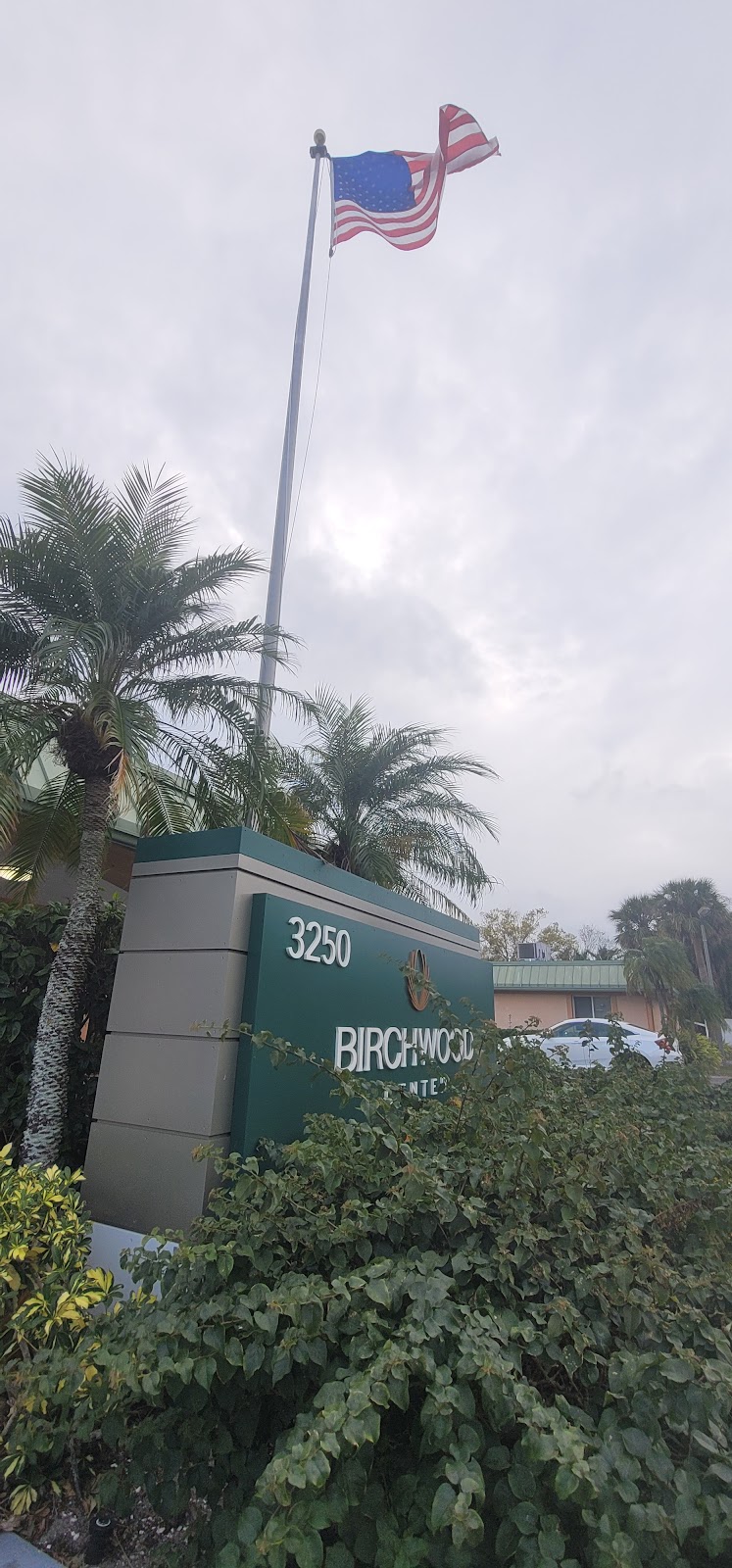
BIRCHWOOD HEALTH AND REHABILITATION CENTER
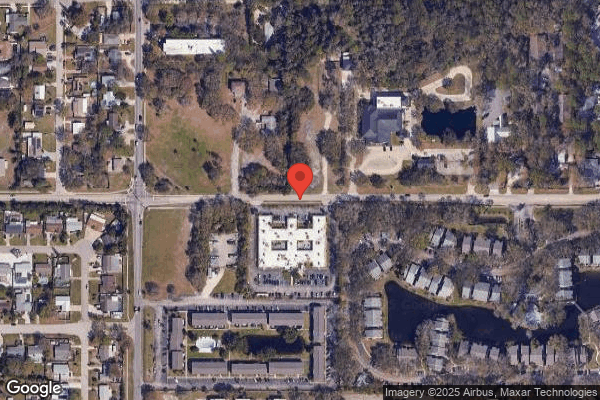
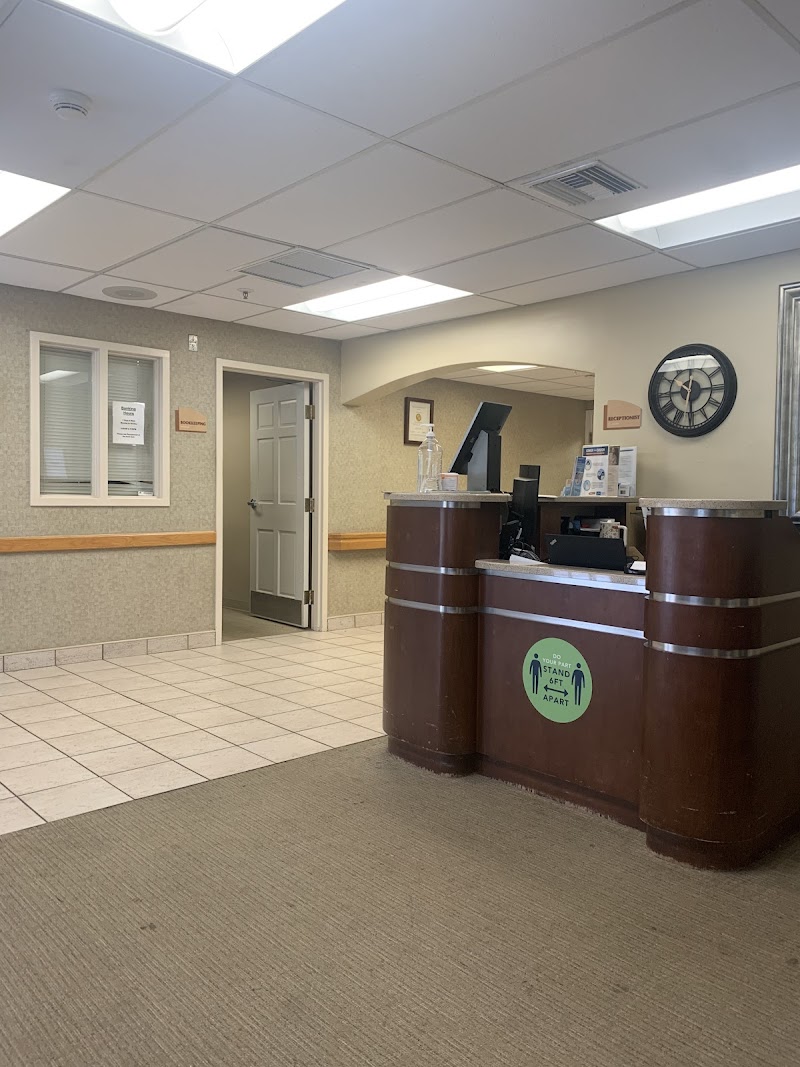
3250 12TH ST, SARASOTA, FL 34237 (941) 365-4185
For profit - Corporation 87 Beds Independent Data: November 2025
Trust Grade
45/100
#478 of 690 in FL
Last Inspection: August 2025

Inspected within the last 6 months. Data reflects current conditions.

Overview

Birchwood Health and Rehabilitation Center currently has a Trust Grade of D, indicating below-average performance with some concerns about care quality. Ranking #478 out of 690 facilities in Florida places it in the bottom half, and #16 out of 30 in Sarasota County means that only a few local options are better. While the facility shows an improving trend, reducing issues from 8 to 6 over two years, it still faces significant challenges, such as $49,680 in fines, which is higher than 85% of Florida facilities. Staffing is average with a 3/5 star rating and a turnover rate of 44%, similar to the state average. However, there have been serious concerns noted, including a failure to prevent the worsening of pressure ulcers for one resident and inadequate food storage practices that could lead to contamination.

Trust Score
D
45/100
In Florida
#478/690
Bottom 31%
Safety Record
Moderate
Needs review
Inspections
Getting Better
8 → 6 violations
Staff Stability
○ Average
44% turnover. Near Florida's 48% average. Typical for the industry.
Penalties
✓ Good
$49,680 in fines. Lower than most Florida facilities. Relatively clean record.
Skilled Nurses
✓ Good
Each resident gets 50 minutes of Registered Nurse (RN) attention daily — more than average for Florida. RNs are trained to catch health problems early.
Violations
⚠ Watch
15 deficiencies on record. Higher than average. Multiple issues found across inspections.
★★☆☆☆
2.0
Overall Rating
★★★☆☆
3.0
Staff Levels
★★★☆☆
3.0
Care Quality
★★☆☆☆
2.0
Inspection Score
Stable
2023: 8 issues
2025: 6 issues

The Good

  • Full Sprinkler Coverage · Fire safety systems throughout facility
  • No fines on record
  • Staff turnover below average (44%)

    4 points below Florida average of 48%

Facility shows strength in fire safety.

The Bad

2-Star Overall Rating

Below Florida average (3.2)

Below average - review inspection findings carefully

Staff Turnover: 44%

Near Florida avg (46%)

Typical for the industry

Federal Fines: $49,680

Above median ($33,413)

Moderate penalties - review what triggered them

The Ugly 15 deficiencies on record

1 actual harm
Aug 2025 4 deficiencies
CONCERN (D)

Potential for Harm - no one hurt, but risky conditions existed

Deficiency F0727 (Tag F0727)

Could have caused harm · This affected 1 resident

Based on record review and staff interviews the facility failed to ensure a Registered Nurse (RN) provided services for 8 consecutive hours for 2 of 14 days of staffing reviewed (7/20/25 and 7/27/25)....

Read full inspector narrative →
Based on record review and staff interviews the facility failed to ensure a Registered Nurse (RN) provided services for 8 consecutive hours for 2 of 14 days of staffing reviewed (7/20/25 and 7/27/25).The findings included:Review of the facility provided form Calculating state Minimum Nursing Staff for Long Term Care Facilities for 7/20/25 through 8/2/25 revealed on 7/20/25 and 7/27/25 the facility fell below the required 8 consecutive hours worked for Registered Nursed.The form noted:On 7/20/25, the number of Registered Nurse hours worked was 7.87 hours.On 7/27/25, the number of Registered Nurse hours worked was 5.42 hours.On 8/7/2025 at 12:58 p.m., in an interview Labor Coordinator Staff D said the facility has a Registered Nurse 8 hours a day and provided Registered Nurse Staff E's time sheet for 7/19/25, 7/20/25, and 7/27/25.Review of Registered Nurse Staff E's time sheets revealed on 7/19/25 RN Staff E clocked in at 2:47 p.m., and clocked out on 7/20/25 at 7:06 a.m. The total number of hours worked on 7/20/25 from 12:00 a.m. to 7:06 a.m. were 7 hours and 6 minutes.On 7/27/2025, RN Staff E clocked in at 5:35 p.m. and clocked out on 7/28/2025 at 7:37 a.m. The total number of RN hours worked on 7/27/2025 was 6 hours and 25 minutes.On 8/7/2025 at 1:56 p.m., in an interview Labor Coordinator Staff D said no other RN worked on 7/20/25 and 7/27/25. She confirmed there were no call offs for those days. She said it was a mistake.On 8/7/2025 at 3:50 p.m., in an interview the Nursing Home Administrator verified the number of RN hours worked on 7/20/25 and 7/27/25 fell below the required 8 consecutive hours. He said he needed to speak to the scheduler and come up with a plan. He said they needed to change the way they do scheduling to accommodate the rates to meet the resident's needs.
CONCERN (D)

Potential for Harm - no one hurt, but risky conditions existed

Pharmacy Services (Tag F0755)

Could have caused harm · This affected 1 resident

Based on observations, interviews and records review the facility failed to ensure expired medications were removed from 2 (Colonial 1 and Heritage) of 4 medication carts reviewed for medication stora...

Read full inspector narrative →
Based on observations, interviews and records review the facility failed to ensure expired medications were removed from 2 (Colonial 1 and Heritage) of 4 medication carts reviewed for medication storage.The findings included:Review of facility Standards and Guidelines: Medication Administration policy (last revised 1/2024) states the expiration/beyond use date on the medication label is checked prior to administering.On 8/5/2025 at 9:00 a.m., observation of the Colonial 1 medication cart revealed one bottle of Acetaminophen with an expiration date of 5/2025. Photographic evidence obtained.On 8/5/2025 at 9:28 a.m., observation of the Heritage medication cart revealed one bottle of Lorazepam topical gel 0.5 milligram per milliliter for Resident #4. The packaging specified, Do not use after 7/10/25. Photographic evidence obtained. On 8/5/25 in an interview the Director of Nursing said there should not be expired medications in the medication carts. She said they check the medication carts on Sundays and will have to work on following through with the medication carts checks.
CONCERN (D)

Potential for Harm - no one hurt, but risky conditions existed

Unnecessary Medications (Tag F0759)

Could have caused harm · This affected 1 resident

Based on observations, record review and interviews, the facility failed to ensure a medication error rate below 5%. The facility medication error rate was 8% out of 25 opportunities.Review of facilit...

Read full inspector narrative →
Based on observations, record review and interviews, the facility failed to ensure a medication error rate below 5%. The facility medication error rate was 8% out of 25 opportunities.Review of facility Standards and Guidelines: Medication Administration policy (last revised 1/2024) states medications are administered in accordance with prescriber orders, including any required time limit. The policy further states if a dosage is believed to be inappropriate or excessive for a resident, or a medication has been identified as having potential adverse consequences for the resident or is suspected of being associated with adverse consequences, the person preparing or administering the medication will contact the prescriber, the resident's Attending Physician or the facility's Medical Director to discuss the concerns.Review of facility Standards and Guidelines: Physician Orders policy (last revised 1/2024) states Physician orders should be followed as prescribed, and if not followed, this should be recorded in the resident's medical record during that shift. The physician should be notified and the responsible party if indicated.On 8/6/25 at 9:15 a.m., Licensed Practical Nurse (LPN) Staff A was observed administering 6 different medications to Resident #22, including:One tablet of Metoprolol Succinate ER (Extended release 24 Hour), 25 milligrams.One tablet of Klor-Con M20 (Potassium Chloride Extended Release).LPN Staff A crushed both extended release medications, mixed them in pudding and administered them to the resident.Review of the physician's orders revealed the following instructions, May crush or dilute medications as needed unless contraindicated.According to Drugs.com, extended-release tablet crushing is contraindicated and crushing may lead to the medicine being released too early.On 8/7/2025 at 10:02 a.m., the Consultant Pharmacist was asked about the may crush or dilute medications as needed unless contraindicated for the 2 medications. The Consultant Pharmacist said they are crushing them? Yes, they should not be doing that. The Consultant Pharmacist said that would be a contraindication.On 8/7/2025 at 10:24 a.m., the Director of Nursing said they are not allowed to crush extended-release tablets. When informed the Metoprolol and Potassium extended-release tablets were crushed, she said neither of the medications should be crushed. She said they should have got different orders. She said, sometimes we can get a capsule or liquid or a tablet we can give more often. She said those two medications should not have been crushed.
CONCERN (E)

Potential for Harm - no one hurt, but risky conditions existed

Deficiency F0688 (Tag F0688)

Could have caused harm · This affected multiple residents

Based on observation, record review and interview, the facility failed to provide appropriate treatment and services to prevent the decline in range of motion for 1 (Resident #31) of 2 residents revie...

Read full inspector narrative →
Based on observation, record review and interview, the facility failed to provide appropriate treatment and services to prevent the decline in range of motion for 1 (Resident #31) of 2 residents reviewed with limited range of motion.The findings included:Review of the facility's policy and procedure titled, Standards and Guidelines: ADL (Activities of Daily Living) Care and Services with a revised date of 01/2024 revealed, Appropriate care and services will be provided for residents who are unable to carry out ADLs independently, with the consent of the resident and in accordance with the plan of care, including appropriate support and assistance with . splint/brace.On 8/4/25 at 10:50 a.m., Resident #31 was observed with right hand/wrist contracture (Fingers permanently flexed towards the palm). Resident #31 was not able to answer interview questions. Review of the clinical record for Resident #31 revealed an admission date of 1/4/23. Diagnoses included hemiplegia (paralysis of one side of the body) and hemiparesis (weakness on one side of the body) following cerebral infarction (stroke) affecting right dominant side and age-related cognitive decline.Review of the Quarterly Minimum Data Set (MDS) assessment with a target date of 5/9/25 revealed Resident #31's cognitive skills for daily decision making were severely impaired. Resident #31 was rarely/never understood. Resident #31 had functional limitation in range of motion of the upper and lower extremities on one side and was dependent on staff for activities of daily living. The MDS noted Resident #31 did not receive passive/ active range of motion or splint or brace assistance for at least 15 minutes in the last 7 calendar days.The care plan initiated on 4/3/24 noted Resident #31 required assistance with ADL care related to multiple factors including weakness, decreased mobility, history of CVA (stroke) with right hemiparesis, aphasia (language disorder that affects a person's ability to communicate). The goal was for the resident to maintain and/or improve current level of function. The interventions initiated on 3/3/25 and revised on 5/27/25 included passive range of motion and splint/brace application. Encourage and assist resident to participate with donning and doffing of right wrist splint/brace. Apply splint in PM (afternoon) after PROM (passive range of motion) performed and remove in AM (morning) followed by PROM (passive range of motion) as tolerated. The care plan specified the resident may remove device per preference.Review of the physician's orders revealed an order dated 5/19/25 for, PROM and Splint/Brace application: Encourage and assist resident to participate with donning and doffing of right wrist splint/brace. Apply splint in PM after PROM performed and remove in AM followed by PROM as tolerated.Review of the Certified Nursing Assistant (CNA) Kardex (provides instructions for care) revealed, ADLs/Restorative Care. PROM and splint/brace application: Encourage and assist resident to participate with donning and doffing of right splint/brace. Apply splint/brace in PM after PROM performed and remove in AM followed by PROM as tolerated. Monitor skin surfaces under devise and notify physician of abnormal findings. The resident may remove device per preference.On 8/6/25 at 1:10 p.m., in an interview CNA Staff F said Resident #31's right hand and wrist were contracted. He said Resident #31 was receiving Rehabilitation Therapy about 3-4 months ago. CNA Staff F said he was trained on PROM and splint care for Resident #31. The CNA said Resident #31 did not have anything in place for the right wrist at this time. Staff F said Resident #31 has a lot of pain when he moves his hand.On 8/6/25 at 1:15 p.m., Licensed Practical Nurse (LPN) Staff A said she was not aware of any splinting device for Resident #31's contracted right hand.On 8/7/25 at 4:21 p.m., in an interview LPN Staff A said CNAs check the Kardex every day to find out about their residents. She said the nurses were responsible for making sure the CNAs are following the Kardex.On 8/7/25 at 4:25 p.m. in an interview LPN Staff G said PROM and splinting devices are reviewed at care plan meetings. LPN Staff G said the nurses are responsible for PROM and splint/brace application documentation on the Treatment Administration Record (TAR).Review of the TAR from 5/19/25 through 8/7/25 failed to reveal documentation of PROM or that the Splint was applied to Resident #31's right wrist as ordered. On 8/7/25 at 9:21 a.m., in an interview the Director of Nursing (DON) verified Resident #31 had an order dated 5/19/25 for passive range of motion and splint application to the right wrist. She verified the lack of documentation Resident #31 received the range of motion or the splint was applied to the resident's right wrist as ordered.
May 2025 1 deficiency
CONCERN (D) 📢 Someone Reported This

A family member, employee, or ombudsman was alarmed enough to file a formal complaint

Potential for Harm - no one hurt, but risky conditions existed

Accident Prevention (Tag F0689)

Could have caused harm · This affected 1 resident

Based on record review, review of facility's policies and procedures, and staff interviews, the facility failed to provide adequate supervision and assistance to prevent falls for 1 (Resident #850) 3 ...

Read full inspector narrative →
Based on record review, review of facility's policies and procedures, and staff interviews, the facility failed to provide adequate supervision and assistance to prevent falls for 1 (Resident #850) 3 residents reviewed with history of falls, including a fall with major injury requiring a transfer to a higher level of care. The findings included: The facility policy Standards and Guidelines: Falls- Managing, Preventing, and Documentation initiated 4/20 (revised 4/25) documented, Each resident will have an individualized plan of care that will be reviewed and modified as needed to include fall preventions most appropriate to their individual needs and diagnosis. The staff will implement a resident centered fall prevention plan to reduce the specific risk factor(s) of falls for each resident at risk or with a history of falls. Staff will identify and implement relevant interventions to try to minimize serious consequences of falling. The residents care plan should be updated timely and with new interventions determined by the interdisciplinary team. Review of the clinical record revealed Resident #850 had an admission date of 7/25/24 with diagnoses including dementia, legally blind, hard of hearing (HOH) and a history of falling. The Quarterly Minimum Data Set (MDS) (standardized assessment tool that measures health status in nursing home residents) dated 1/17/25 documented the resident was able to walk 10 ft with partial/moderate assistance and required substantial to maximum assistance with toileting. The MDS noted the residents' cognitive skills for daily decision making were severely impaired. Review of the care plan initiated 7/26/24 identified the resident was at risk for falls related to cognitive deficit, history of falling, impaired hearing and impaired vision. The goal for the resident was the potential for sustaining a fall related injury will be minimized by utilizing fall precautions/interventions. The care plan interventions included: Assist with toileting (as requested) or incontinence care upon rising, before and after meals, and prior to bedtime as tolerated. Encourage and assist resident to use bed in lowest position as tolerated. Encourage and remind resident to use call bell and to wait for staff assistance with transfers, ambulation, toileting, etc., as indicated. Obtained labs as ordered and notify physician. Encourage and assist the resident to wear appropriate footwear. The care plan noted the resident had behaviors including urinating in halls, wandering into other resident rooms and combative during care. The interventions instructed staff to acknowledge/commend the residents progress/improvement in behavior. Administer medications as ordered. Explain procedures to the resident before starting and allow the resident to adjust to changes as needed. Intervene and or redirect resident behavior as necessary. Approach/speak in a clam manner. Divert attention. Monitor behavior episodes and attempt to determine underlying cause. The nursing progress note dated 4/13/25 Late entry at 7:16 a.m., documented, When I arrived at work I made my morning rounds. When I got to the back hallway I heard yelling from the resident. I immediately went to his room and noted him on the floor in front of the bathroom door on his back with his head pointing towards the room entrance. I assessed the resident and noted left leg pain. The call light was not engaged. He was attempting to go to the bathroom unassisted. New order to transfer to ER for evaluation. The local emergency room identified Resident #850 sustained a fracture of the left femur requiring hospital admission and surgical repair. The resident returned to the facility on 4/18/25. On 5/6/25 at 3:45 p.m., in an interview Registered Nurse Staff D said I found him at 7 in the morning because I arrive early and I make a round every single day and I heard somebody screaming and I found him on the floor. He was very confused, and he walked by himself from the bed to the bathroom. He said, I'm in pain. He did not say how he fell. He just kept saying he had to go to the bathroom, and he had pain. He is not supposed to go the bathroom by himself, because he is blind. No one told me he was having issues with his bowels that day or that he was up wandering before I got to work. He did not have 1 to 1 supervision at the time. On 5/6/25 at 9:25 a.m., Resident #850 was observed in bed, he did not respond when spoken to. The room door was open slightly and the privacy curtain was pulled obscuring the resident from view from the doorway. The call light was not in reach, and was located on the floor behind an oxygen concentrator. On 5/6/25 at 1:09 p.m., in an interview the Director of Nursing (DON) said Resident #850 was legally blind and had no prior falls since his admission on e year ago. The DON said we had interventions in place, toileting times for him were in place. He was known to be incontinent. The DON said the new interventions after the fall were discussed with him in an Interdisciplinary Team meeting. She said after the fall we could not assist him to the toilet because of the left leg fracture, and so we initiated incontinent care. His room was at the end of the hall and now he is closer to the nursing station. After he returned, we had to notify the certified nursing assistants (CNA's) that he was no longer able to do that, we took away the toileting after the fall and it is just incontinent care now. We were keeping more frequent monitoring of him. I don't know if we have documentation of the frequency, there was no set times for someone to check on him. We moved him so everyone can keep him in view. He can physically use the call light, but he is confused and does not always have the cognition to use it. We did not have specific interventions added to the care plan when he returned, just better supervision and better surveillance as evidence by no further falls. We check on him as we go up and down the halls. We did education for fall prevention. He had a fall in another facility which is why the daughter brought him here. We don't have documentation of supervision or monitoring, there are no set times, everyone just looks in as they pass his room. Review of the Quality Assurance Performance Improvement Plan provided by the DON for March 2025 revealed 16 documented falls, this is the same number as the previous month. The DON said after the resident returned from the hospital we did education as part of Quality Assurance. Review of the education in-service dated 4/30/25 documented We have too many falls!!! Please see attached education for decreasing falls and keeping residents safe. 23 employees sign the in-service education record that they received the Fall Prevention Intervention List. On 5/6/26 at 1:50 p.m., in an interview the Administrator said the resident was now bedbound and not able to get up. He said the number of falls was decreasing in the facility and they have reviewed the care plan for the resident. He said there is nothing else they can put into place to prevent falls for him because he is non ambulatory since the fall. When informed of the observation of the residents' call light on the floor today and not within the resident's reach, the Administrator said he did not believe the resident could roll out of bed or get up due to the left femur fracture. He said we moved him closer to the nursing station, which is around the hall and ½ way down the hall, not in view the nurse's station. The Administrator agreed the roommate of Resident #850 likes the privacy curtain pulled and the room door closed making observation of Resident #850 difficult. The Administrator said you are right, I know the room mate wants the door closed and the curtain pulled. On 5/6/25 at 2:30 p.m., in an interview the DON said the root cause of Resident #850's fall was the resident had 2 bowel movements. One at 4:45 a.m., and a second one at 5:15 a.m., he was cleaned up and assisted to bed, and we believe he was trying to go to the bathroom. He had gastric issues, and we should have addressed it but we didn't. A review of the CNA documentation revealed on 4/12/25 the resident had no bowel movement. On 4/13/25 he was incontinent of bowel at 1:17 a.m. and received care. On 5/6/25 at 3:15 p.m., in an interview the Director of Rehab said Resident #850 was seen a year ago and was on services. She said at that time he was able to ambulate with supervision and guidance because he could not see. He needed minimum help going from lying to sitting on the side of bed. He was seen today, and he requires maximum assistance with everything. He is slow now due to pain. He can roll over in bed from side to side with minimal assistance and he can get up from bed with assistance. On 5/6/25 at 3:25 p.m., in an interview Licensed Practical Nurse Staff A said monitoring and supervision is every couple of hours. I peek in on Resident #850 when I walk by. He can get up and walk but he is not steady on his feet. On 5/6/25 at 3:35 in an interview CNA Staff C said increased monitoring depends on the individual. The CNA said Resident #850 used to walk, and can see shadows. She said when he needed to use the toilet he would walk out of his room because he did not know where the bathroom was. Review of Resident #850's care plan confirmed no new care plan interventions had been put into place to prevent further falls for Resident #850.
Mar 2025 1 deficiency
CONCERN (D) 📢 Someone Reported This

A family member, employee, or ombudsman was alarmed enough to file a formal complaint

Potential for Harm - no one hurt, but risky conditions existed

Safe Environment (Tag F0584)

Could have caused harm · This affected 1 resident

**NOTE- TERMS IN BRACKETS HAVE BEEN EDITED TO PROTECT CONFIDENTIALITY** Based on observation and interview, the facility failed to provide housekeeping and maintenance services to ensure a clean, sani...

Read full inspector narrative →
**NOTE- TERMS IN BRACKETS HAVE BEEN EDITED TO PROTECT CONFIDENTIALITY** Based on observation and interview, the facility failed to provide housekeeping and maintenance services to ensure a clean, sanitary and comfortable environment for 4 ( Rooms #210, #214, #115, #110) of 13 rooms observed, 1(200 hall) of 4 halls observed, and 1 (Resident #1) of 3 residents interviewed. The findings included: 1. During a tour of the facility on 3/6/25, multiple environmental issues were observed with wallpaper, flooring, cove base, and walls including: Floors in the activity room in the 200 hall were stained and cracked. photographic evidence obtained room [ROOM NUMBER] had cove base missing and peeling away from the walls. photographic evidence obtained Handrail in the 200 hall had a dried black substance on it. photographic evidence obtained Common hallways had peeling wallpaper with orange discoloration in spots. photographic evidence obtained room [ROOM NUMBER]'s wall was cracking, missing plaster and paint, cove based peeling from wall in which someone had placed a screw to hold it in. photographic evidence obtained rooms [ROOM NUMBERS] with dirty scuffed walls. photographic evidence obtained Corners and crevices where the floors meet the walls/cove base with caked in imbedded dirt. photographic evidence obtained 2. On 3/6/25 at 10:15 a.m., in an interview Resident #1 said his bed did not work properly and had been that way since he came to the facility a few months prior. He explained the control to move the head of the bed up and down did not work and he had to get of bed, get to his walker at the foot of the bed, where he could sit on his walker and adjust the bed with the buttons on the footboard of the bed. He said it was difficult for him. Resident #1 said he had told many staff and everyone knew about it. At this time, it was observed the remote to operate the bed was between the mattress and the foot board. The cord was wadded up and the control was hanging towards the floor at the foot of the bed. The control was not working and did not adjust the bed's position. Resident #1 said he had asked multiple people, including the Administrator to clean it . Everyone said they'd send someone right back, but it had never been cleaned. photographic evidence obtained On 3/6/25 at 10:17 a.m., Certified Nurse Assistant (CNA) Staff A was observed entering Resident #1's room. In an interview he said the bed control had been broken at least 2-3 days. He attempted to use the controller. He wiggled and moved the cord around, he was able to get the foot of the bed to move, but not the head. When asked if he had reported the issue, he said Maintenance said they replaced the bed. On 3/6/25 at 10:39 a.m., in an interview the Maintenance Director said he didn't know Resident #1's bed control was not working. The Maintenance Director went to Resident #1's room and used the bed control to raise the head of the bed. He was not able to lower the head of the bed with the control. The Maintenance Director removed the bed control and said he'll look into it. On 3/6/25 at 12:00 p.m., in an interview the Administrator verified the environmental concerns. He said he was not aware of the problem with Resident #1's bed. He thought staff had been entering work orders in their computerized work order program, but apparently the process hadn't been working.
Aug 2023 8 deficiencies 1 Harm
SERIOUS (G) 📢 Someone Reported This

A family member, employee, or ombudsman was alarmed enough to file a formal complaint

Actual Harm - a resident was hurt due to facility failures

Pressure Ulcer Prevention (Tag F0686)

A resident was harmed · This affected 1 resident

**NOTE- TERMS IN BRACKETS HAVE BEEN EDITED TO PROTECT CONFIDENTIALITY** Based on observation, record review, resident representative and staff interview, the facility failed to assess, and implement i...

Read full inspector narrative →
**NOTE- TERMS IN BRACKETS HAVE BEEN EDITED TO PROTECT CONFIDENTIALITY** Based on observation, record review, resident representative and staff interview, the facility failed to assess, and implement individualized, appropriate interventions to prevent the development and worsening of pressure ulcers for 1 (Resident #28) of 2 sampled residents with in-house acquired pressure ulcers. The findings included: The facility's policy and procedure for Prevention of skin impairments revised in April 2020 noted, The purpose of this procedure is to provide information regarding identification of skin impairments and interventions for specific risk factors . Risk assessment. Assess the resident on admission for existing skin impairments. Repeat the assessment weekly and upon any changes in condition . Nutrition . Conduct nutritional screenings for residents at risk. Conduct a comprehensive nutritional assessment for any resident at risk of pressure injury who is screened to be at risk for malnutrition; and for all adult residents with a pressure injury . The facility's policy and procedure for Pressure Ulcers/Skin Breakdown- Clinical Protocol revised April 2018 noted, Assessment and recognition. The nursing staff and practitioner will assess and document an individual's risk factors for developing pressure ulcers; for example, immobility, recent weight loss, and a history of pressure ulcer(s). In addition, the nurse should describe and document/report the following: full assessment of skin impairment including location, stage, length, width and depth, presence of exudates or necrotic tissue . Review of the clinical record revealed Resident #28 was a [AGE] year-old female admitted to the facility on [DATE]. The Significant Change in Status assessment dated [DATE] noted Resident #28 was receiving hospice care at the facility. On 11/29/22, a hospice revocation of benefit election form noted the resident's power of attorney revoked hospice services and, wants to pursue aggressive physical therapy and occupational therapy. The Quarterly Minimum Data Set (MDS) assessment with a target date of 3/8/23 noted the resident's cognition was severely impaired with a Brief Interview for Mental Status of 05. Resident #28 required extensive physical assistance of two persons for bed mobility (How resident moves to and from lying position, turns side to side, and positions body while in bed). Resident #28 was at risk of developing pressure ulcers but had no unhealed pressure ulcers. The care plan initiated on 9/28/21 with a revision date of 10/17/22 and a target date of 8/17/23 noted Resident #28 was at risk for alteration in skin integrity related to diabetes, impaired mobility, and incontinence. The goal was to decrease/minimize skin breakdown. The interventions included encouraging and assisting the resident to lay down after lunch as tolerated, encouraging to reposition as needed, use assistive devices as needed, use pillows/positioning devices to offload pressure areas. On 4/1/23, a nursing progress note documented the resident's daughter was concerned about the resident's knees locked up feels that it is a change and requested X-Rays. On 4/26/23, a skilled nursing progress note documented Resident #28 was noted with purple round shape discoloration to the left inner knee. The skin was intact with no evidence of pain to touch. The resident had a pillow between legs at all times, turned and repositioned side to side every two hours. The Advanced Practice Registered Nurse (APRN) was notified and ordered to place a foam dressing to the left knee pressure point and to continue to keep the pillow between the resident's legs. On 4/27/23 the Director of Nursing assessed the resident's left inner knee and documented a dark brown to light purple area measuring 2.0 centimeters (cm) by 3.0 cm, with red halo surrounding the discoloration. On 4/27/23 Physical Therapy documented in a progress note, Patient will be positioned in bed using a knee abductor pillow wedge placed between feet/ankles for 8 hours in order to reduce pressure and decrease risks of wounds, facilitate skin integrity, improve skin integrity and hygiene, achieve proper joint alignment, reduce redness, decrease pain, decrease discomfort and promote adequate hygiene. The clinical record lacked documentation of a physician' s order for a knee abductor pillow wedge. On 7/12/23 a physician's order was noted to have pillows between Resident #28 knees at all times as tolerated. Review of the physician's orders from 12/8/22 through 8/16/23 noted the following orders related to the resident's left inner knee: 4/26/23: Left medial aspect of knee: apply skin prep and foam dressing as needed. 5/1/23: Left medial aspect of knee preventive care: apply skin prep (protective barrier wipes to help preserve skin integrity) and foam dressing (provides cushioning effect) every evening shift every 3 days for preventive. Review of the Treatment Administration Record for 5/2023, and 6/2023 revealed the treatment to the left medial knee was done on 5/2/23, and 5/5/23. There was no treatment to the left knee documented from 5/6/23 until 6/4/23. The clinical record lacked documentation of physician or nursing assessment of the resident's impaired skin integrity to the left inner knee to assess the effectiveness of the treatment from 4/27/23 through 6/6/23. The clinical record lacked documentation of a comprehensive nutritional assessment to assess the resident's nutritional needs to aid in wound healing. The last nutritional assessment was completed on 12/09/22. On 6/7/23, a weekly wound evaluation noted Resident #23 had a skin tear to the front of the left lower leg. On 6/7/23, the physician issued an order to apply collagen powder (stimulate new tissue growth) to the wound bed (tissue within a wound) of the left medial aspect of the knee and cover with foam dressing. On 6/28/23 a wound care physician progress note documented an initial evaluation of Resident #28's wounds. The wound care physician documented a full thickness unstageable wound measuring 4.0 cm in length by 4.0 cm in width, with 76 to 100% eschar (dry dead skin) and 1 to 25% slough (dead tissue). On 7/12/23 the wound care physician documented he performed a surgical debridement (removal of dead tissue) of the resident's wound. The physician's orders for 7/12/23 included to cleanse the wound to the left lower extremity daily with Dakins ½ strength (broad spectrum antimicrobial cleanser), apply Santyl (debriding agent), medi honey (debriding agent) and cover with foam dressing. Review of the Treatment Administration Record for 8/2023 showed staff daily cleansing of the wound with Dakin's solution ½ strength as ordered. On 8/15/23 at 4:30 p.m., Licensed Practical Nurse (LPN) Staff E was observed changing the dressing to the resident's left inner knee. The wound was approximately the size of dime with 10% yellow slough in the wound bed. She cleansed the wound with Dakins solution ¼ strength, instead of Dakins ½ strength as per the physician's order. Staff E said ½ strength Dakin's solution was not available, so she used what was available (1/4 strength Dakins solution) without the benefit of a physician's order. On 8/16/23 at 10:00 a.m., the Director of Nursing said Resident #28 developed a pressure ulcer on the left inner aspect of her knee from staff turning the resident on her side when she was in the bed. He said on 8/11/23 he identified Resident #28 would pull the pillows out from between her legs. There was no documentation in the clinical record of Resident #28 pulling the pillows between her legs. There was no documentation of interventions to address the resident pulling the pillows between her legs to prevent additional pressure from the resident's knees pressed against each other. On 8/17/23 at 2:00 p.m., the MDS Coordinator said the resident's left inner knee was not documented as a pressure ulcer until the wound care physician assessed the wound on 6/28/23. On 8/17/23 at 2:30 p.m., a meeting was held with the Administrator, the Director of Nursing. The Administrator said in May 2023 staff was handwriting on the TAR when the electronic record was not working but could not find documentation of handwritten TARs for Resident #28. On 8/18/23 at 1:31 p.m., the observation of LPN Staff E not following the physician's order for the Dakin's solution to cleanse Resident #28's wound was shared with the DON. He said he would clarify the wound care orders today. A request was made to provide any additional documentation related to the prevention, development and worsening of pressure ulcers for Resident #28. On 8/18/23 at 2:29 p.m., the Medical Director who is also Resident #28's primary care physician said the facility notified him of the resident's pressure ulcer a month ago. The physician said the wound was probably unavoidable, but it should have never worsened to that stage.
CONCERN (D)

Potential for Harm - no one hurt, but risky conditions existed

Unnecessary Medications (Tag F0759)

Could have caused harm · This affected 1 resident

Based on observations, record reviews, interviews, and facility policy review, the facility failed to ensure the medication error rate was less than 5%. This was evidenced by three medication errors o...

Read full inspector narrative →
Based on observations, record reviews, interviews, and facility policy review, the facility failed to ensure the medication error rate was less than 5%. This was evidenced by three medication errors out of 27 opportunities, resulting in a medication error rate of 11.11%. The findings included: A review of facility policy titled, Administering Oral Medications, revised October 2010, indicated, verify that there is a physician's medication order for the procedure. Check the label on the medication and confirm the medication name and dose with the Medication administration record (MAR). Prepare the correct dose. 1. On 8/16/23 at 8:02 a.m., observation of Registered Nurse (RN) staff A preparing to give medications to Resident #69, including an injection of Depo-Medrol (steroid) 40 milligrams. The label specified the Physician Assistant to administer. The nurse informed the resident the injection was for pain. Resident #69 said she thought the doctor was supposed to come in and inject a steroid in the shoulder joint for pain. RN staff A asked the resident if she wanted the injection in her arm or hip. The surveyor intervened and asked RN staff A to read the directions on the label. On 8/16/23 at 8:12 a.m., RN Staff A acknowledged the directions specified the Physician Assistant (PA) to give the injection. On 8/16/23 at 8:23 a.m., the Director of Nursing (DON) reviewed the physician's order and said the order was written poorly and the nurse should not have given it. The DON stated the nurse should slow down and read the medication directions more carefully. 2. A review of Resident #28 Order Summary Report noted to administer Lasix 20 mg, one tablet once a day at 9:00 a.m., for Congestive Heart failure (CHF) and to instill Glycerin-Hypromellose-PEG 400 Ophthalmic solution 0.2-2-1% one drop in both eyes twice a day. On 8/16/23 at 8:32 a.m., Licensed Practical Nurse (LPN) staff B was observed preparing medications to administer to Resident #28. LPN staff B did not administer the Lasix 20 mg and did not instill the eye drops to the resident's eyes. On 8/16/23 at 10:05 a.m., LPN staff B verified she did not administer the Lasix and the eye drops as ordered. She said she thought she gave the Lasix, and acknowledged she did not give Resident #28 her eye drops. On 8/16/23 at 10:07 a.m., the DON said LPN staff B should slow down and make sure they she gives all the medication. The DON acknowledged that LPN staff B did not give the medication, and did not follow the physician's orders.
CONCERN (E)

Potential for Harm - no one hurt, but risky conditions existed

Deficiency F0561 (Tag F0561)

Could have caused harm · This affected multiple residents

**NOTE- TERMS IN BRACKETS HAVE BEEN EDITED TO PROTECT CONFIDENTIALITY** Based on observation, record review, review of policy and procedures, staff and residents interviews, the facility failed to hon...

Read full inspector narrative →
**NOTE- TERMS IN BRACKETS HAVE BEEN EDITED TO PROTECT CONFIDENTIALITY** Based on observation, record review, review of policy and procedures, staff and residents interviews, the facility failed to honor the right to choose preferred method and frequency of bathing for 3 (Residents #48, #39 and #28) of 4 sampled residents dependent on staff for activities of living. The findings included: The facility's Bathing/Showers policy and procedure revised February 2018 noted, The purposes of this procedure are to promote cleanliness, provide comfort and to observe the condition of the resident's skin . Procedure . Perform bath/shower per resident preference as tolerated . The shower sheets utilized by the facility noted, All Residents must be offered and provided a shower unless they request a bed bath . The form noted areas to place a check mark to indicate whether a shower, or bed bath was given, or the resident refused. The instructions included the nurse must verify refusal of shower, notify the responsible party and document in the electronic clinical record. 1. Review of the clinical record revealed Resident #48 was an [AGE] year-old male with a date of admission of 12/1/21. Diagnoses included Cerebral Vascular Accident CVA with right sided weakness. The Quarterly Minimum Data Set (MDS) assessment with a target date of 3/9/23 noted the resident's cognition was intact with a Brief Interview for Mental Status (BIMS) of 15. Resident #48 was totally dependent on one person physical assistance with bathing. On 8/14/23 at 8:50 a.m. Resident #48 said he would like to get out of bed and have a shower on Mondays, Wednesdays and Fridays, but he only gets a bed bath. The resident said he is not given the choice to get a shower, staff has told him they do not have enough staff to get him out of bed and showered. Review of the Certified Nursing Assistants (CNAs) documentation from 7/24/23 through 8/14/23 showed the last documented shower was 7/28/23. There was no documentation in the clinical record Resident #48 refused showers. On 8/17/23 at 10:30 a.m., the Director of Nursing said Resident #48 was scheduled to have at least two showers weekly. He said the resident should not have to ask for a shower on the days he was scheduled to receive one, and if they request a shower, they should receive one. 2. Review of the clinical record revealed Resident #39 was a [AGE] year-old male admitted to the facility on [DATE]. Diagnoses included impulse disorder, Morbid obesity, Psychosis and Bipolar Disorder. The Annual MDS with a target date of 4/12/23 noted the resident's cognition was intact with a BIMS score of 13. Resident #39 required total physical assistance of one person for bathing. On 8/14/23 at 9:45 a.m., Resident #39 said he would like to have a shower but had not had one in weeks. The resident said he did not know why he was not receiving his scheduled showers. On 8/17/23 at 10:00 a.m., Resident #39 was observed lying in bed in a hospital gown. The room had a strong urine odor. Resident #39 said he was waiting on staff to change his incontinent brief. Review of the shower sheets from 7/22/23 through 8/16/23 showed Resident #39's last documented shower was on 8/5/23. On 8/9/23 and 8/12/23, shower or bed bath were not checked, making it impossible to determine the bathing method for these days. Both forms were incomplete but signed by the nurse and the CNA. On 8/16/23 the shower sheet noted Resident #39 received a bed bath. There was no documentation the resident refused a shower. On 8/17/23 at 10:45 a.m., the DON verified Resident #39 should have at least two scheduled showers weekly without having to request one. 3. Review of the clinical record revealed Resident #28 was a [AGE] year-old female admitted to the facility on [DATE]. Diagnoses included encephalopathy, and anxiety disorder. The Quarterly MDS with a target date of 6/1/23 noted the resident's cognition was severely impaired with a BIMS of 03. Resident #28 was totally dependent on physical assistance of two persons for bathing. Review of the nine shower sheets from 7/21/23 through 8/15/23 revealed Resident #28 received two showers (8/2/23 and 8/7/23). A bed bath was documented for seven shower sheets. On 8/16/23 at 9:00 a.m., the resident's daughter said the facility did not have the staff available to shower her mother two times a week. On 8/17/23 at 10:45 a.m., the DON verified Resident #39 should have at least two scheduled showers each week without having to request one.
CONCERN (E)

Potential for Harm - no one hurt, but risky conditions existed

Deficiency F0638 (Tag F0638)

Could have caused harm · This affected multiple residents

Based on record review and staff interview, the facility failed to ensure completion of the Quarterly Minimum Data Set (MDS) within the required timeframe for 13 (Resident #1, #2, #8, #11, #25, #27, #...

Read full inspector narrative →
Based on record review and staff interview, the facility failed to ensure completion of the Quarterly Minimum Data Set (MDS) within the required timeframe for 13 (Resident #1, #2, #8, #11, #25, #27, #28, #36, #45, #46, #48, #52 and #54) of 15 residents sampled. This had the potential to delay assessment and revision of the plan of care. The findings included: On 8/17/23, record review for Resident #1 revealed the assessment reference date of the last completed Quarterly MDS was 3/14/23. As of 8/17/23, 133 days later, the required quarterly MDS was not completed. The quarterly MDS was completed and locked on day 134. On 8/17/23, record review for Resident #2 revealed the assessment reference date of the last completed quarterly MDS was 3/15/23. As of 8/17/23, 152 days later, the required quarterly MDS was not completed. The quarterly MDS was completed and locked on day 153. On 8/17/23, record review for Resident #8 revealed the assessment reference date of the last completed quarterly MDS was 3/6/23. As of 8/17/23, 160 days later, the required quarterly MDS was not completed. The quarterly MDS was completed and locked on day 161. On 8/17/23 record review for Resident #11 revealed the assessment reference date of the last completed comprehensive admission MDS was 2/27/23. As of 8/17/23, 164 days later, the required quarterly MDS was not completed. The quarterly MDS was completed and locked on day 165. On 8/17/23, record review for Resident #25 revealed the assessment reference date of the last completed annual MDS was 3/22/23. As of 8/17/23, 141 days later, the required quarterly MDS was not completed. The quarterly MDS was completed and locked on day 142. On 8/17/23, record review for Resident #27 revealed the assessment reference date of the last completed quarterly MDS was 2/23/23. As of 8/17/23, 168 days later, the required quarterly MDS was not completed. The quarterly MDS was completed and locked on day 169. On 8/17/23, record review for Resident #28 revealed the assessment reference date of the last completed quarterly MDS was 3/8/23. As of 8/17/23, 154 days later, the required quarterly MDS was not completed. The quarterly MDS was completed and locked on day 155. On 8/17/23, record review for Resident #36 revealed the assessment reference date of the last completed comprehensive admission MDS was 3/10/23. As of 8/17/23, 158 days later, the required quarterly MDS was not completed. The quarterly MDS was completed and locked on day 159. On 8/17/23, record review for Resident #45 revealed the assessment reference date of the last completed quarterly MDS was 2/22/23. As of 8/17/23, 169 days later, the required quarterly MDS was not completed. The quarterly MDS was completed and locked on day 170. On 8/17/23, record review for Resident #46 revealed the assessment reference date of the last completed quarterly MDS was 3/16/23. As of 8/17/23, 147 days later, the required quarterly MDS was not completed. The quarterly MDS was completed and locked on day 148. On 8/17/23, record review for Resident #48 revealed the assessment reference date of the last completed quarterly MDS was 3/9/23. As of 8/17/23, 154 days later, the required quarterly MDS was not completed. The quarterly MDS was completed and locked on day 155. On 8/17/23, record review for Resident #52 revealed the assessment reference date of the last completed Quarterly MDS was 3/13/23. As of 8/17/23, 150 days later, the required quarterly MDS was not completed. The quarterly MDS was completed and locked on day 151. On 8/17/23, record review for Resident #54 revealed the assessment reference date of the last completed quarterly MDS was 3/10/23. As of 8/17/23, 158 days later, the required quarterly MDS was not completed. The quarterly MDS was completed and locked on day 159. During an interview on 8/17/23 at 10:45 a.m., MDS Coordinator, confirmed the required Quarterly MDS assessments for Residents #1, #2, #8, #11, #25, #27, #28, #36, #45, #46, #48, #52 and #54 had not been completed within 92 days of the last assessment as required by regulation.
CONCERN (E)

Potential for Harm - no one hurt, but risky conditions existed

Deficiency F0688 (Tag F0688)

Could have caused harm · This affected multiple residents

**NOTE- TERMS IN BRACKETS HAVE BEEN EDITED TO PROTECT CONFIDENTIALITY** Based on observation interview and record review the facility failed to provide care and services to maintain and prevent avoida...

Read full inspector narrative →
**NOTE- TERMS IN BRACKETS HAVE BEEN EDITED TO PROTECT CONFIDENTIALITY** Based on observation interview and record review the facility failed to provide care and services to maintain and prevent avoidable decline in range of motion for 1 (Resident #48) of 2 sampled residents with limited range of motion. The findings included: Review of the clinical record revealed Resident #48 was an [AGE] year-old male admitted to the facility on [DATE]. Diagnoses included history of Cerebral Vascular Accident (CVA) with right sided weakness. The Quarterly Minimum Data Set (MDS) assessment with a target date of 3/9/23 noted the resident's cognition was intact with a Brief Interview for Mental Status (BIMS) score of 15. The MDS noted impaired functional limitation in range of motion on one side of the upper and lower extremities. The resident was totally dependent on the physical assistance of two people for transfers, and walking had not occurred during the assessment period. On 8/14/21 at 8:50 a.m., Resident #48 was observed in the bed. The resident's hand was flaccid, and the arm flexed at the elbow. Resident #48 said he was scheduled to get up on Mondays, Wednesdays, and Fridays, but he had not been out of bed for more than a month. Resident #48 said staff told him several times there was not enough staff to get him out of bed. Resident #48 said he did not have a splint for his hand and was not receiving any services to maintain the range of motion to the right hand. The resident said he used to have a ball to exercise the right hand but did not know what happened to it. He stated he had a leg brace, but he left it in California. He said the therapy department had not given him an exercise program for his right leg and arm. On 8/16/23 at 9:00 a.m., Certified Nursing Assistant Staff C said at one time, Resident #48 had an exercise ball at one time, but therapy may have the ball. On 8/16/23 at 10:43 a.m., the Director of Physical Therapy said Resident #48 was a long-term patient with a history of stroke and had not received any therapy for over 90 days. He said an Occupational Therapy screen was scheduled today for Resident #48. She said when therapy stops, Resident #48 refuses to get out of bed. The Physical Therapy Director said in February 2022, Resident #48 was ambulating with a walker, and a brace to his right leg. Resident #48 went home and came back without the brace and had not been able to walk since then. The Physical Therapy Director said the facility did not provide restorative services. She verified Resident #48 did not have a splint for his right hand and did not know if he had an exercise ball. On 8/17/23 at 2:30 p.m., the Director of Nursing said the facility was working on starting restorative services at the facility.
CONCERN (E) 📢 Someone Reported This

A family member, employee, or ombudsman was alarmed enough to file a formal complaint

Potential for Harm - no one hurt, but risky conditions existed

Deficiency F0725 (Tag F0725)

Could have caused harm · This affected multiple residents

**NOTE- TERMS IN BRACKETS HAVE BEEN EDITED TO PROTECT CONFIDENTIALITY** Based on observations, record review, resident, family and staff interviews, the facility failed to ensure the availability of s...

Read full inspector narrative →
**NOTE- TERMS IN BRACKETS HAVE BEEN EDITED TO PROTECT CONFIDENTIALITY** Based on observations, record review, resident, family and staff interviews, the facility failed to ensure the availability of sufficient nursing staffing to meet the needs of 4 (Residents #48, #39, #28, #119, and #7) of 22 sampled residents. The failure to ensure sufficient nursing staffing to provide timely care and services could prevent residents from attaining, or maintaining their highest practicable physical, mental, and psychosocial well-being. The findings included: The facility's assessment with a date reviewed by the Quality Assurance and Performance Improvement committee on June 21, 2023, noted, Staff Assignments . meets this requirement by considering census, individual and overall unit acuity, routine/consistent staffing assignments per unit for both licensed nurses and CNAs (Certified Nursing Assistants), and resident preferences for staff assignments . The facility assessment noted the monthly average of residents requiring assistance of 1-2 staff with activities of daily living was 60% (dressing), 75% (Bathing), 55% (Transfer), 15% (Eating), 55% (Toileting). 1. Resident #48 was an [AGE] year-old male admitted to the facility on [DATE]. Diagnoses included history of Cerebral Vascular Accident (CVA) with right sided weakness. The Quarterly Minimum Data Set (MDS) assessment with a target date of 3/9/23 noted the resident's cognition was intact with a Brief Interview for Mental Status (BIMS) score of 15. The MDS noted impaired functional limitation in range of motion on one side of the upper and lower extremities. The resident was totally dependent on the physical assistance of two people for transfers, and walking had not occurred during the assessment period. On 8/14/21 at 8:50 a.m., Resident #48 was observed in bed lying on his back. He said he had been waiting since 4:00 a.m. for assistance. He said, They give you excuses. His right hand was flaccid with the arm flexed at the elbow. Resident #48 said he did not have a splint for his hand and was not receiving any services to maintain the range of motion to the right hand. Resident #48 said he was scheduled to get up on Mondays, Wednesdays, and Fridays, and receive a shower but he had not been out of bed for more than a month. Resident #48 said staff told him several times there was not enough staff to get him out of bed or help him with a shower. Review of the Certified Nursing Assistants (CNAs) documentation from 7/24/23 through 8/14/23 showed the last documented shower was 7/28/23. There was no documentation in the clinical record Resident #48 refused showers. On 8/14/23 at 2:00 p.m., Resident #48 remained in bed, in the same position, on his back. On 8/16/23 at 10:43 a.m., the Director of Physical Therapy said the facility did not have a restorative nursing program. On 8/17/23 at 10:30 a.m., the Director of Nursing said Resident #48 was scheduled to have at least two showers weekly. He said the resident should not have to ask for a shower on the days he was scheduled to receive one, and if they request a shower, they should receive one. On 8/17/23 at 2:30 p.m., the Director of Nursing verified the facility did not have a restorative nursing program. 2. On 8/16/23 at 9:00 a.m., Resident #48 was observed in bed, on his back. The resident said he has been waiting since 7:30 a.m., for the Certified Nursing Assistant (CNA) to change his incontinent brief. He said he told the CNA at 7:30 a.m., when she brought him breakfast. Resident #48 said he would be happy if staff answered the call light within 30 minutes. Resident #48 said last night the night shift changed his brief and the sheets were wet. Staff just threw a blanket on the wet sheets instead of changing the bed. They told him the morning shift would have to change his sheets. On 8/16/23 at 9:02 a.m., the call light was activated. Resident #48 said, you might be waiting a while. On 8/16/23 at 9:12 a.m., CNA Staff C answered the call light. She verified Resident #48 asked her to change his incontinent brief at 7:30 a.m., when she brought him breakfast. She said she told Resident #48 she would be back because she was busy changing another resident. She said the nurse was right outside the door and she was not the only one responsible to answer call lights. 3. Review of the clinical record revealed Resident #39 was a [AGE] year-old male admitted to the facility on [DATE]. Diagnoses included impulse disorder, Morbid obesity, Psychosis and Bipolar Disorder. The Annual MDS with a target date of 4/12/23 noted the resident's cognition was intact with a BIMS score of 13. Resident #39 required total physical assistance of one person for bathing. On 8/14/23 at 9:45 a.m., Resident #39 said he would like to have a shower but had not had one in weeks. The resident said he did not know why he was not receiving his scheduled showers. On 8/17/23 at 10:00 a.m., Resident #39 was observed lying in bed in a hospital gown. The room had a strong urine odor. Resident #39 said he was waiting on staff to change his incontinent brief. Review of the shower sheets from 7/22/23 through 8/16/23 showed Resident #39's last documented shower was on 8/5/23. On 8/9/23 and 8/12/23, shower or bed bath were not checked, making it impossible to determine the bathing method for these days. Both forms were incomplete but signed by the nurse and the CNA. On 8/16/23 the shower sheet noted Resident #39 received a bed bath. There was no documentation that the resident refused a shower. On 8/17/23 at 10:45 a.m., the DON verified Resident #39 should have at least two scheduled showers weekly without having to request one. 4. On 8/17/23 at 10:00 a.m., Resident #39 was observed lying in the bed in a hospital gown. While interviewing Resident #39 a strong odor of urine was noted in the resident room. The resident verified he was incontinent and had been waiting on staff to change and assist him to get up so he could go and smoke at 10:00 a.m. The call light was pinned to the left side of the bed at the head of the bed out of the resident's reach. The resident verified he could not reach his call light to call for assistance. With the resident's permission the call light was activated. Five minutes after the call light was activated, CNA Staff C came in the room. She said she was not assigned to the resident and did not help him. She said she would let his assigned CNA know he needed to be changed. 10 minutes after CNA Staff C left the room, Licensed Practical Nurse Staff D came in and verified there was a strong odor of urine in the room. Resident #39 said yes when the nurse asked if this was the first time the CNA had come to his room. 5. Review of the clinical record revealed Resident #28 was a [AGE] year-old female admitted to the facility on [DATE]. Diagnoses included encephalopathy, and anxiety disorder. The Quarterly MDS with a target date of 6/1/23 noted Resident #28 was totally dependent on physical assistance of two persons for bathing. On 8/16/23 at 9:00 a.m., the resident's daughter said the facility did not have the staff available to shower her mother two times a week. Review of the nine shower sheets from 7/21/23 through 8/15/23 revealed Resident #28 received two showers (8/2/23 and 8/7/23). A bed bath was documented for seven shower sheets. On 8/17/23 at 10:45 a.m., the DON verified Resident #28 should have at least two scheduled showers each week without having to request one. 6. On 8/15/23 at 1:08 p.m., during a resident council meeting, Resident#119 said staff do not respond to call lights in a timely manner at night and weekends. He said it can take 20 to 30 minutes for staff to answer his call light. He said he has to wait for staff to assist him to the bathroom because he has a history of falls. 7. Resident #7 who attended the meeting said he has to wait for long periods of time for staff to answer his call light. He said eventually gets up and go to the rest room on his own. He said staff do not respond to his call light at night and especially on weekends. Residents #119 and #7 said they had complained about the call light response time at the last resident council meeting and had received no response from administration. Review of the Resident Council meeting minutes from 3/9/23 through 8/9/23 showed call light response was a concern on 3/9/23, 4/6/23, 6/1/23, and 6/16/23. On 8/3/23 the meeting minutes noted, Call light issue (Better). Review of the grievance log showed on 8/10/23 Resident #39 requested a snack around 9:00 to 9:30 p.m., and it took a long time for staff to answer the call light. The grievance form noted the facility resolved the grievance by giving Resident #39 snacks to keep at the bedside but did not address the timeliness of the call light response. 8/16/23 at 1:00 p.m., the Administrator said they had been auditing call lights, and provided documentation of call light audits for five rooms between 8/15/23 through 8/17/23.
CONCERN (E)

Potential for Harm - no one hurt, but risky conditions existed

Deficiency F0760 (Tag F0760)

Could have caused harm · This affected multiple residents

**NOTE- TERMS IN BRACKETS HAVE BEEN EDITED TO PROTECT CONFIDENTIALITY** Based on observations, record reviews, and interview, the facility failed to follow the physician's orders repeatedly and regula...

Read full inspector narrative →
**NOTE- TERMS IN BRACKETS HAVE BEEN EDITED TO PROTECT CONFIDENTIALITY** Based on observations, record reviews, and interview, the facility failed to follow the physician's orders repeatedly and regularly for 4 (Residents #902, #12, #905 and #906) of 4 residents reviewed for blood pressure medications with parameters. The findings included: 1. On 10/10/23 at 8:50 a.m., Licensed Practical Nurse (LPN) Staff B was observed preparing to administer medications to Resident #902, including Midodrine(a medication to increase blood pressure(bp). Staff B placed all of the medications in a medicine cup including the Midodrine. The Medication Administration record (MAR) order dated 9/13/23 read: Midodrine HCL Oral Tablet 5 mg (milligrams), give 1 tablet by mouth two times a day for low blood pressure for systolic (top number) bp below 110. Staff B entered Resident #902's room to administer the medication. When asked about the resident's blood pressure, Staff B said, Oh yeah, I have to check that. Staff B checked the blood pressure which was 140/68. Staff B handed the medication cup to the resident, including the Midodrine. Staff B was asked to check the physician's order before administering the Midodrine. Upon reading the physician's orders, Staff B removed the Midodrine from the medication cup. On 10/10/23 at 1:41 p.m., Staff B verified the physician's orders for the Midodrine specified to only administer if the systolic bp was less than 110. Review of the Medication Administration Record (MAR) from 9/18/23 through 10/9/23 revealed Resident #902 received Midodrine 5 mg twice a day at 9:00 a.m., and 5:00 p.m. The MAR did not list a blood pressure prior to each dose administered. On 10/11/23 at 9:37 a.m., Resident #902's physician said if there was a parameter on a medication it should be followed. The parameter means it should be checked. If a medication was given outside parameter, it could cause hypertension beyond baseline, could become hypertensive. For example, if Midodrine was given with a BP of 180 systolic, it could drive the systolic over 200 which would be of concern. 2. Clinical Record review for Resident #12's revealed a physician's order for Midodrine HCL 5 mg, give 1 tablet by mouth with meals for hypotension (low blood pressure). The order specified to hold the Midodrine for systolic blood pressure of 110 or higher. The medication was scheduled for 6:30 a.m., 12:00 p.m., and 5:00 p.m. Review of the MAR from September 18 through October 10, 2023, revealed on 10 different occasions, the resident was administered the Midodrine when the systolic blood pressure was higher than 110 as follows: 10/10/23 at 6:30 a.m.: BP of 131/70, 10/9/23 at 5:00 p.m.: BP of 138/74, 10/3/23 at 12:00 p.m.: BP of 112/70 10/1/23 at 5:00 p.m.: BP of 132/74 9/30/23 at 5:00 p.m.: BP of 116/62 9/29/23: BP of 118/59 (12:00 p.m.), BP of 142/64 (5:00 p.m.) 9/27/23: BP of 124/78 (124/78) 9/25/23: BP of 165/55 (165/55) 9/23/23: BP of 121/62 (6:30 a.m.) and BP of 124/58 (5:00 p.m.) 9/22/23: BP of 136/78 (6:30 a.m.) and BP of 122/58 (5:00 p.m.) 9/19/23: BP of 128/69 (6:30 a.m.) and BP of 128/69 (5:00 p.m.) 9/16/23 with a recorded BP of 115/62. On 10/11/23 at 11:02 p.m., the DON said he had been doing medication audits. He said he audited Resident #12's chart on 10/6/23 but he just did a spot check for that day. He said did a weekly random audit for just that day. He said he must not have noticed Resident #12's medication had been being given beyond parameters on the other days since he didn't put any correction. 3. Record review of Resident #906's chart revealed she was admitted [DATE] and was prescribed Labetalol HCL tablet 100 mg give 1 tablet by mouth two times a day for hypertension (high blood pressure). The order specified to hold the Labetalol if systolic blood pressure was below 110 or the heart rate (HR) was below 60. This order had a start date of 10/4/23 and a discontinuation date of 10/10/23 at 3:35 p.m. Review of Resident #906's MAR for October 2023 revealed the Labetalol had been given twice a day, every day from 10/4 at 5:00 p.m. through 10/10/23 at 9:00 a.m., with no recorded blood pressure or heart rate check prior to each dose administered. 4. Record review of Resident #905's chart revealed he was admitted [DATE] and prescribed Midodrine HCL oral tablet 10 mg, give 1 tablet by mouth one time a day every Monday, Wednesday, Friday on dialysis days (SBP less than 110). Review of the MAR revealed Resident #905 was administered the Midodrine on 10/9/23 without recorded blood pressure prior to administration. On 10/11/23 at 9:11 a.m., the Administrator said they had done in-servicing on medications after the last survey. She said she will have the DON pull all residents with medication orders with parameters and go through them to clarify. On 10/11/23 at 11:18 a.m., Regional Director of Clinical Services provided policy: 1.0 dispensing system as medication policy. When asked about policy mentioned in previous citation titled Administering Oral Medications she said what she gave me was the policy. Administrator was present at the time and said the company switches policies all the time. Under bullet Item I: policy stated: If necessary, obtain vital signs before medication administration.
CONCERN (F)

Potential for Harm - no one hurt, but risky conditions existed

Food Safety (Tag F0812)

Could have caused harm · This affected most or all residents

Based on observations, staff interviews, and facility policy and record review, the facility failed to store food in a manner to prevent possible contamination from dirty ceiling tiles and air vents a...

Read full inspector narrative →
Based on observations, staff interviews, and facility policy and record review, the facility failed to store food in a manner to prevent possible contamination from dirty ceiling tiles and air vents and to monitor refrigeration logs and three compartment sink sanitizer check logs. The findings included: The Kitchen Operations Sanitization Policy revised July 2023 provided by the facility states the food service area shall be maintained in a clean and sanitary manner. Number 16 of the policy state kitchen and dining room surfaces not in contact with food shall be cleaned on a regular schedule and frequently enough to prevent accumulation of grime . the Food Service Manager will be responsible for scheduling staff for regular cleaning of kitchen and dining areas. The Food Receiving and Storage Policy revised July 2023 states Foods shall be received and stored in a manner that complies with safe food handling practices. Functioning of the refrigeration and food temperatures will be monitored at designated intervals throughout the day be the food and nutrition services manager or designee and documented according to state-specific requirements. On 8/14/23 at 7:25 a.m., the initial tour of the kitchen was conducted. The 3 Compartments utility sink log and reach in refrigerator log were not up to date. The grease filter cleaning log for kitchen hood was last signed off on 5/11/2023. The air conditioning vents and intake vent over steam table were dirty with dust, grease, grime, and condensation build up. Photographic evidence obtained. The hood vents over the cooking surfaces were greasy and grimy. Photographic Evidence Obtained. On 8/14/23 at 8:45 a.m. in an interview with the Certified Dietary Manager, (CDM), she said she has only been employed at the facility for two weeks. The CDM said she was working on a cleaning schedule for the kitchen, but she had yet to complete it. She was unaware if a prior cleaning schedule existed. She verified the dirty air conditioning vents in the kitchen over the steam table, and said she was aware of the dirty vents and had shown them to the maintenance director to address. She said the Maintenance Director came in last Tuesday and said he would take care of it. On 8/16/2023 at 10:00 a.m., in a follow up tour of kitchen with the CDM and the Regional Dietitian, the Regional Dietitian provided a Performance Improvement Plan (PIP) addressing the refrigerator temperature logs initiated 8/9/2023 with a goal to ensure temperature logs for the refrigerator/freezer are logged and guidelines are being met. Also, ensure Daily temperature audits completed. On 8/16/2023 at 10:40 a.m., In an interview with the Maintenance Director, he has been employed at the facility for one week. He said there were no maintenance records for cleaning/addressing the air conditioning intakes and vents prior to his coming to the facility. The intake vent is now clean. He said he cleaned it yesterday. He said the air conditioning vents have to be taken down and cleaned, sanded, repainted and put back up. On 8/16/2023 at 11:20 a.m. tray line was observed. The Regional Dietitian was also present. She was shown a photograph of the air conditioning vent over the steam table which had dust and grime build-up and condensation dripping. She said it was being addressed now through a performance improvement plan. On 8/17/2023 at 3:45 p.m., the Administrator said she was aware of the issues in the kitchen. The Administrator reviewed the photographic evidence of the dirty air conditioning vents over the steam table and the dirty hood vents and said they were concerning and disturbing and would be taken care of this week.
Oct 2021 1 deficiency
CONCERN (D)

Potential for Harm - no one hurt, but risky conditions existed

Deficiency F0700 (Tag F0700)

Could have caused harm · This affected 1 resident

Based on observation, record review, policy review and resident and staff interviews, the facility failed to complete and document an assessment for entrapment, alternatives attempted, discuss risks v...

Read full inspector narrative →
Based on observation, record review, policy review and resident and staff interviews, the facility failed to complete and document an assessment for entrapment, alternatives attempted, discuss risks versus benefits and obtain informed consent prior to the installation of bed rails for 1 resident (Resident # 63) of 1 resident reviewed for use of bed rails. This has the potential to lead to serious negative consequences for the resident. The findings included: Review of the facility Bed Rail Guidelines Policy dated 4/2014 and updated 11/2016 and 3/2020 revealed Prior to the utilization of a bed rail, the interdisciplinary team completes . resident assessment for risk of entrapment The utilization of bed rails requires the interdisciplinary team to complete a patient evaluation of the risks versus benefits of the bed rail identification of previous interventions utilized the potential negative consequences of bed rail use are explained, and informed consent is obtained. On 10/18/21 10:30 a.m. Resident #63 was observed in bed with four bed rails noted in the up position. On 10/18/2021 at 3:15 p.m. In an interview with Resident #63 and residents' husband, they said the resident was admitted to the hospital from home for treatment of Pneumonia and a bed sore for 3 weeks prior to being admitted to this facility. They said their doctor ordered a specific wound bed to be used at facility before the resident left the hospital to keep resident from moving so her wounds could heal. The husband said the doctor only lets her sit on side of bed for 20 minutes a day so the new skin on her wound is not injured. On 10/19/2021 at 9:30 a.m., Resident #63 was observed awake and lying in bed. All four bed rails were noted in the up position. On 10/19/2021 at 2:00 p.m., record review of Resident #63 revealed there was no documentation of an assessment for possible entrapment, alternatives attempted, discussion of risks versus benefits or informed consent prior to installation of the bedrails. On 10/20/2021 at 9:35 a.m. Resident #63 was observed lying in bed. All four bed rails were noted in the up position. On 10/20/2021 at 10:15 a.m. in an interview with the Assistant Director of Nursing she confirmed there was no documented evidence of an assessment for entrapment, alternatives attempted, discussion of risks versus benefits or an informed consent for use of bed rails.
Understanding Severity Codes (click to expand)
Life-Threatening (Immediate Jeopardy)
J - Isolated K - Pattern L - Widespread
Actual Harm
G - Isolated H - Pattern I - Widespread
Potential for Harm
D - Isolated E - Pattern F - Widespread
No Harm (Minor)
A - Isolated B - Pattern C - Widespread

Questions to Ask on Your Visit

  • "Can I speak with families of current residents?"
  • "What's your RN coverage like on weekends and overnight?"

Our Honest Assessment

Strengths
  • • 44% turnover. Below Florida's 48% average. Good staff retention means consistent care.
Concerns
  • • 15 deficiencies on record, including 1 serious (caused harm) violation. Ask about corrective actions taken.
  • • $49,680 in fines. Higher than 94% of Florida facilities, suggesting repeated compliance issues.
  • • Grade D (45/100). Below average facility with significant concerns.
Bottom line: Trust Score of 45/100 indicates significant concerns. Thoroughly evaluate alternatives.

About This Facility

What is Birchwood Center's CMS Rating?

CMS assigns BIRCHWOOD HEALTH AND REHABILITATION CENTER an overall rating of 2 out of 5 stars, which is considered below average nationally. Within Florida, this rating places the facility higher than 0% of the state's 100 nursing homes. A rating at this level reflects concerns identified through health inspections, staffing assessments, or quality measures that families should carefully consider.
How is Birchwood Center Staffed?

CMS rates BIRCHWOOD HEALTH AND REHABILITATION CENTER's staffing level at 3 out of 5 stars, which is average compared to other nursing homes. Staff turnover is 44%, compared to the Florida average of 46%. This relatively stable workforce can support continuity of care. RN turnover specifically is 67%, which is notably high. RNs provide skilled clinical oversight, so turnover in this role can affect medical care quality.

What Have Inspectors Found at Birchwood Center?

State health inspectors documented 15 deficiencies at BIRCHWOOD HEALTH AND REHABILITATION CENTER during 2021 to 2025. These included: 1 that caused actual resident harm and 14 with potential for harm. Deficiencies causing actual harm indicate documented cases where residents experienced negative health consequences.
Who Owns and Operates Birchwood Center?

BIRCHWOOD HEALTH AND REHABILITATION CENTER is owned by a for-profit company. For-profit facilities operate as businesses with obligations to shareholders or private owners. The facility operates independently rather than as part of a larger chain. With 87 certified beds and approximately 68 residents (about 78% occupancy), it is a smaller facility located in SARASOTA, Florida.
How Does Birchwood Center Compare to Other Florida Nursing Homes?

Compared to the 100 nursing homes in Florida, BIRCHWOOD HEALTH AND REHABILITATION CENTER's overall rating (2 stars) is below the state average of 3.2, staff turnover (44%) is near the state average of 46%, and health inspection rating (2 stars) is below the national benchmark.

What Should Families Ask When Visiting Birchwood Center?

Based on this facility's data, families visiting should ask: "Can I visit during a mealtime to observe dining assistance and food quality?" "How do you handle medical emergencies, and what is your hospital transfer rate?" "Can I speak with family members of current residents about their experience?"

Is Birchwood Center Safe?

Based on CMS inspection data, BIRCHWOOD HEALTH AND REHABILITATION CENTER has a clean safety record: no substantiated abuse findings (meaning no confirmed cases of resident harm), no Immediate Jeopardy citations (the most serious violation level indicating risk of serious injury or death), and is not on the Special Focus Facility watch list (a federal program monitoring the lowest-performing 1% of nursing homes). The facility has a 2-star overall rating and ranks #100 of 100 nursing homes in Florida. While no facility is perfect, families should still ask about staff-to-resident ratios and recent inspection results during their visit.

Do Nurses at Birchwood Center Stick Around?

BIRCHWOOD HEALTH AND REHABILITATION CENTER has a staff turnover rate of 44%, which is about average for Florida nursing homes (state average: 46%). Moderate turnover is common in nursing homes, but families should still ask about staff tenure and how the facility maintains care continuity when employees leave.

Was Birchwood Center Ever Fined?

BIRCHWOOD HEALTH AND REHABILITATION CENTER has been fined $49,680 across 1 penalty action. The Florida average is $33,576. While any fine indicates a compliance issue, fines under $50,000 are relatively common and typically reflect isolated problems that were subsequently corrected. Families should ask what specific issues led to these fines and confirm they've been resolved.

Is Birchwood Center on Any Federal Watch List?

BIRCHWOOD HEALTH AND REHABILITATION CENTER is not on any federal watch list. The most significant is the Special Focus Facility (SFF) program, which identifies the bottom 1% of nursing homes nationally based on persistent, serious quality problems. Not being on this list means the facility has avoided the pattern of deficiencies that triggers enhanced federal oversight. This is a positive indicator, though families should still review the facility's inspection history directly.