BROOKDALE PALMER RANCH SNF
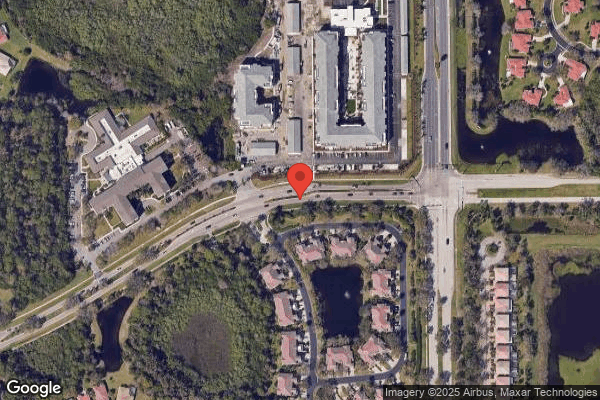
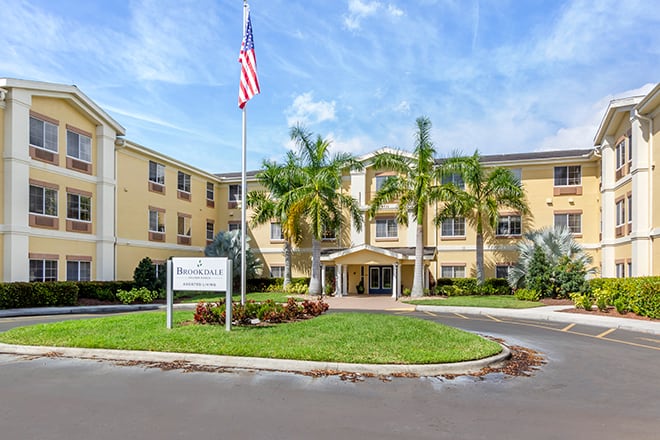
5111 PALMER RANCH PARKWAY, SARASOTA, FL 34238 (941) 926-7733
For profit - Limited Liability company 60 Beds BROOKDALE SENIOR LIVING Data: November 2025 4 Immediate Jeopardy citations
Trust Grade
0/100
#615 of 690 in FL
Last Inspection: August 2024

Within standard 12-15 month inspection cycle. Federal law requires annual inspections.

Overview

Brookdale Palmer Ranch SNF has received an F grade, indicating poor performance with significant concerns. It ranks #615 out of 690 facilities in Florida, placing it in the bottom half, and #22 out of 30 in Sarasota County, meaning there are only a few local options that are better. The facility's trend is stable, with 5 reported issues each year in 2024 and 2025. Staffing is a relative strength, rated 4 out of 5 stars, but with a concerning turnover rate of 55%, which is higher than the state average. However, the facility has faced serious issues, including critical incidents where cognitively impaired residents wandered off without staff knowledge, posing severe risks of injury or death. Additionally, the facility has incurred fines totaling $259,701, which is higher than 99% of Florida facilities, raising questions about ongoing compliance problems.

Trust Score
F
0/100
In Florida
#615/690
Bottom 11%
Safety Record
High Risk
Review needed
Inspections
Holding Steady
5 → 5 violations
Staff Stability
⚠ Watch
55% turnover. Above average. Higher turnover means staff may not know residents' routines.
Penalties
⚠ Watch
$259,701 in fines. Higher than 82% of Florida facilities, suggesting repeated compliance issues.
Skilled Nurses
✓ Good
Each resident gets 44 minutes of Registered Nurse (RN) attention daily — more than average for Florida. RNs are trained to catch health problems early.
Violations
⚠ Watch
24 deficiencies on record. Higher than average. Multiple issues found across inspections.
★☆☆☆☆
1.0
Overall Rating
★★★★☆
4.0
Staff Levels
★★★★☆
4.0
Care Quality
★☆☆☆☆
1.0
Inspection Score
Stable
2024: 5 issues
2025: 5 issues

The Good

  • 4-Star Staffing Rating · Above-average nurse staffing levels
  • 4-Star Quality Measures · Strong clinical quality outcomes
  • Full Sprinkler Coverage · Fire safety systems throughout facility
  • No fines on record

Facility shows strength in staffing levels, quality measures, fire safety.

The Bad

1-Star Overall Rating

Below Florida average (3.2)

Significant quality concerns identified by CMS

Staff Turnover: 55%

Near Florida avg (46%)

Higher turnover may affect care consistency

Federal Fines: $259,701

Well above median ($33,413)

Significant penalties indicating serious issues

Chain: BROOKDALE SENIOR LIVING

Part of a multi-facility chain

Ask about local staffing decisions and management

The Ugly 24 deficiencies on record

4 life-threatening 2 actual harm
Jul 2025 1 deficiency
CONCERN (E) 📢 Someone Reported This

A family member, employee, or ombudsman was alarmed enough to file a formal complaint

Potential for Harm - no one hurt, but risky conditions existed

Free from Abuse/Neglect (Tag F0600)

Could have caused harm · This affected multiple residents

Based on record review, review of facility's policies and procedures, staff and residents interviews, the facility failed to protect residents' right to be free from abuse by willfully administering u...

Read full inspector narrative →
Based on record review, review of facility's policies and procedures, staff and residents interviews, the facility failed to protect residents' right to be free from abuse by willfully administering unauthorized over the counter medications with known effect of drowsiness during the night shift to 2 (Residents #800, and #825) of 5 residents reviewed.The findings included:Review of the facility's policy and procedure titled, Abuse, Neglect and Exploitation with an effective date of 7/20/2016 and last revised date of 10/22 revealed the facility, is committed to maintaining a safe environment for residents . Residents have the right to be free from abuse . and any physical or chemical restraint imposed for the purposes of discipline or convenience and not required to treat the resident's medical symptoms .Review of the facility provided incidents investigations revealed on 7/10/25 the facility initiated an abuse investigation related to an allegation that a Licensed Nurse was administering everyone medications to make them sleep.The investigation noted:On 7/8/25 Licensed Practical Nurse (LPN) Staff C reported to the Director of Nursing (DON) that LPN Staff A was giving residents Melatonin to make them sleep.On 7/8/25, new bottles of Melatonin were placed in each medication cart.On 7/9/25, 54 Melatonin pills were unaccounted for from LPN Staff A's assigned medication cart. On 7/9/25 LPN Staff A denied giving residents sleep aid medications and said she had nothing to hide.On 7/9/25 LPN Staff A was suspended pending investigation.Resident #825:On 7/9/25 Receptionist Staff F provided a statement that Resident #825, has been significantly more confused. There are days he doesn't make sense and then other days he's his usual self.On 7/10/25 Receptionist Staff G provided a statement that, she has noticed a change in [Resident #825]. He is more confused that he had been. They often play cards and he seems more confused about what to do. Other days he is his usual self.On 7/14/25 LPN Staff A provided a statement that she gave [Resident #825] (brand name antihistamine) 1 time dose due to itching. She stated she had a provider order. In review of orders, [Resident #825] has not had (brand name antihistamine) ordered since 10/30/2024 (discontinue date).On 7/15/25 Certified Nursing Assistant (CNA) Staff H provided a statement that Resident #825, is more confused than usual at times. CNA Staff H worked the 2:00 p.m., to 10:00 p.m., shift.Resident #800:The investigation noted that on 7/14/25 LPN Staff A stated she administered Melatonin to Resident #800. Resident #800 does not have a current order for Melatonin.The incident investigation noted that the Social Services Director interviewed cognitively intact residents. Staff were also interviewed. Residents were reviewed for changes in routine and activities of daily living to determine potential other affected residents.Resident #999:Resident #999 provided a statement that she had her call light on and told the nurse (LPN Staff A) on Monday night that she couldn't sleep. LPN Staff A brought her a Tylenol and something to help her sleep. She said yes, it was melatonin when trying to pronounce an m-word. In review of [Resident #999]'s order summary, melatonin is not listed as an active order.Resident #900:On 7/9/25 Registered Nurse (RN) Staff E provided a statement that she was at the nursing station and overheard LPN Staff A saying she had given Benadryl and Melatonin to Resident #900.On 7/9/25 Receptionist Staff F provided a statement that some residents are more sleepy than usual. [Resident #900] and some others in the lobby that she couldn't immediately name.On 7/10/25 Certified Nursing Assistant (CNA) Staff D provided a statement to the DON that on 7/7/25 she was helping showering Resident #900 and she [Resident #900] was very off balance and they had to have her in a wheelchair that day. She was out of it the whole day. CNA Staff D worked from 8:00 a.m., to 4:00 p.m.On 7/14/25 CNA Staff I provided a statement that he just got back from vacation. He stated that Resident #900 will sleep through everything and has had to wake her up for lunch and dinner. Not every day.Resident #850:On 7/10/25 CNA Staff D provided a statement that on Tuesday 7/8/25 Resident #850, was acting weird. She went with him to the doctor and he was son angry and mean. He yelled at the doctor and was saying something is wrong with me. I can't put my finger on it.The conclusion of the investigation noted that the allegation was verified. Three nurses heard LPN Staff A talking about giving Melatonin and/or Benadryl to residents. There was observed changes in resident behaviors (aggression, excessive drowsiness, decrease in activity participation). It is important to note that these observed behaviors were not daily. The days of observed behaviors correlated to the nights [LPN Staff A] worked.On 7/21/25, review of the clinical record for Resident #800 revealed a readmission date of 9/15/24. Diagnoses included dementia, anxiety, panic disorder and Bipolar disorder. Review of the Quarterly Minimum Data Set (MDS) assessment with a target date of 5/10/25 noted the resident scored 14 on the Brief Interview for Mental Status, indicating intact cognition.On 7/21/25 at 12:01 p.m., in an interview Resident #800 said she remembers that a few weeks ago she received medications that she had not received before. She could not remember what the medications was or the name of the staff who administered the medication. She said someone from the facility told her she received medications that she was not supposed to get.On 7/21/25, review of the clinical record for Resident #825 revealed an admission date of 5/23/25. Diagnoses included dementia, anxiety and history of falling. On 7/21/25, review of the clinical record for Resident #900 revealed an admission date of 6/30/25. Diagnoses included dementia, insomnia, delusional disorder and anxiety. The clinical record noted Resident #900 had severe cognitive loss and was rarely/never understood.On 7/21/25 at 8:55 a.m., in a telephone interview CNA Staff D said around 7/7/25 and 7/8/25 she noticed Resident #900 was very sleepy and just not right. She usually was able to walk. She was just laying around, sleeping, and sleeping in activities. She could not walk. I put her in a wheelchair, she was drooling. I asked (LPN Staff A) about it. She said the resident had a long night.Review of the clinical record for Resident #850 had a readmission date of 7/4/25. Diagnoses included dementia, and urinary tract infection. The clinical record noted the resident had severe cognitive impairment for daily decision making. The Discharge MDS with a target date of 6/29/25 noted Resident #850 had some difficulty in new situations making decisions regarding tasks of daily living. Resident #850 exhibited behavioral symptoms not directed toward others.On 7/21/25 at 8:55 a.m., in a telephone interview CNA Staff D said, Resident #850 is usually a very nice man. Suddenly, he would not let anyone do anything for him. I went with him to a physician appointment on 7/8/25 and he was not himself. He kept trying to get up from the wheelchair and was just mean. The same night, I overheard (LPN Staff A) at the nurse's station talking to (LPN Staff B). LPN Staff A said she was going to give (Resident #850) something for his behavior. On 7/21/25, review of the clinical record for Resident #999 revealed an admission date of 5/30/25. Diagnoses included a history of falling, obesity and fracture of the left tibia. Resident #999 was alert and oriented.On 7/21/25 at 9:30 a.m., in an interview Resident #999 said she could only recall that LPN Staff A gave her something for sleep.Review of the clinical record failed to reveal a physician's order for Benadryl.On 7/21/25 at 12:16 p.m., in an interview the DON verified the facility substantiated the allegation of abuse based on information obtained during the investigation. She said that Benadryl and Melatonin were stock medications. She did not know the exact number of residents LPN Staff A administered Melatonin or Benadryl to without orders.On 7/21/25 at 1:15 p.m., an attempt was made to conduct a telephone interview with LPN Staff A. A voicemail was left with telephone number to return the call.
Mar 2025 4 deficiencies 2 Harm
SERIOUS (G) 📢 Someone Reported This

A family member, employee, or ombudsman was alarmed enough to file a formal complaint

Actual Harm - a resident was hurt due to facility failures

Free from Abuse/Neglect (Tag F0600)

A resident was harmed · This affected 1 resident

**NOTE- TERMS IN BRACKETS HAVE BEEN EDITED TO PROTECT CONFIDENTIALITY** Based on observation, staff interview and record review, the facility failed to prevent neglect through lack of adequate assessm...

Read full inspector narrative →
**NOTE- TERMS IN BRACKETS HAVE BEEN EDITED TO PROTECT CONFIDENTIALITY** Based on observation, staff interview and record review, the facility failed to prevent neglect through lack of adequate assessments and supervision for a confused resident to prevent elopement from the facility for 2 (Resident #5 and #6) of 3 residents reviewed. The lack of supervision contributed to the elopement of Resident #5 and the incorrect assessment of Resident #6 who was confused and mobile via wheelchair. The findings included: Facility policy provided by the DON (Director of Nursing) for Elopement Risk with effective date of 03/2008 and last revision date of 10/2022 was defined as a situation in which a resident leaves the premises or a safe area without the community's knowledge and supervision which may represent a risk to the resident's health and safety. Evaluating for elopement risk prior to admission. admission associate should identify potential risk for elopement and notify the Director of Clinical Services/designee of the following: The resident has a pertinent diagnosis of dementia, Alzheimer's/anxiety disorder, delusions and is the resident currently capable of independent mobility; A history of exit seeking, wandering away, or getting lost; A history of unmet needs, alcohol or drug abuse. Resident #5 was admitted to the facility on [DATE]. His diagnosis included Peripheral Vascular Disease, Hyperlipidemia, Chronic Obstructive Pulmonary Disease, Heart Disease, Congestive Heart Failure, Stroke, and Diabetes. His BIMS (Brief Interview for Mental Status) score was assessed as a 3 upon arrival which is indicative of severe cognitive impairment. His initial elopement assessment completed upon admission did not deem him an elopement risk. On 2/22/2025 Resident #5 was found outside in front of the facility in the grass after passerby's reported to the facility. He was confused and unable to verbalize why he was outside. The only injury was an abrasion to the left elbow, but the elopement had the potential for serious injury if Resident #5 had not been promptly located. The facility investigation included: Physical evaluation of resident #5; Notification of health care provider of the change of condition and obtained order for wanderguard; notification of Power of Attorney (POA); Notification of DCF (Department of children and families); staffing interviews completed; Visitor log reviewed; Reviewed all residents with BIMS 12 and under and could ambulate for elopement risk (no further residents were identified); Resident's medical record and care plan revised; Resident #5 was interviewed; care plan reviewed and updated; BIMS reevaluated on 2/23/25 with new score of 11 which indicated moderate cognitive impairment; a nicotine patch was added as it was determined resident was smoking cigarettes prior to the hospital admission; impromptu QAPI initiated on 2/24/25; door checks to verify functioning correctly; daily door checks by maintenance; elopement drills; re-education to all skilled nursing staff including elopement and reporting deviation of routines for cognitive impaired residents. In an interview with the facility Administrator, she said Resident #5 was excluded from being an elopement risk upon admission because he was very confused with a BIMS score of 3 and was unable to ambulate. She said he also had no signs of being a flight risk. She said his cognition and mobility improved quickly with therapy and by the time of his elopement he was ambulatory, and his BIMS had improved to 11 which indicated moderate cognitive impairment. Resident #6 was admitted on [DATE]. She had a BIMS score of 6 which indicated severe cognitive impairment. Her admitting diagnosis included Acute Kidney Failure, Pyelonephritis, Lumbar Compression Fracture, Dementia, Cognitive communication Deficit, Diabetes, Repeated Falls. Her Quarterly Assessment was completed on 3/7/2025 and was deemed an elopement risk by the ADON (Assistant Director of Nursing). As of 3/19/2025 no care plan identifying resident as an elopement risk had been updated; no Physician order for a wanderguard had been received; Resident #6 had not been equipped with a wanderguard; and the elopement books located at reception and the nurses' station had not been updated to include Resident #6. On 03/18/2025 at 12:00 p.m., the ADON said she believed she had received recent elopement training but could not provide a date. She said a resident is at risk for elopement if they have dementia or exit seeking behavior. When asked if a resident needs a wanderguard who is confused and can self-move around the facility in a wheelchair, she said they also need a diagnosis of dementia and exiting behavior. On 03/18/2025 at 1:54 p.m., Resident #6 observed not in their room. The resident's roommate said Resident #6 is never in their room and is always out and about. On 03/19/2025 at 1:51 p.m., Resident #6 was observed in the activities room with no wanderguard device on. On 3/18/2025 at 2:05 p.m., Staff F, Certified Nursing Assistant (CNA), who has worked at the facility for 6 months, was interviewed. She said Resident #6's son took her out to dinner. She said the resident communicates her needs well. She said she has never exhibited any wandering behavior to her knowledge. Staff F said Resident #6 wanders around and visits her friends in her wheelchair. On 03/19/2025 at 2:25 p.m., the Quality Improvement Nurse said elopement risk is completed on admission, quarterly and when there is a change in condition. When she was shown Resident #6 elopement risk assessment, she said she does not know why she would put that. When asked how long it should take to implement elopement prevention measures after someone is deemed an elopement risk, she said it should be done the same day. On 03/19/2025 at 3:04 p.m., the ADON said she made a clerical error when completing the elopement risk assessment for Resident #6. She said the alcohol section and elopement section were an error. When asked how it happened, she said I think I was just clicking fast. She said the form was never completed. When shown the completed form, she said she does not believe Resident #6 was an elopement risk and just put a new elopement risk assessment in the chart. When asked how Resident #6 was not deemed an elopement risk anymore she said she hadn't tried to leave and is not ambulatory. Facility elopement policy shown to ADON where it says, the resident has a pertinent diagnosis of dementia, Alzheimer's/anxiety disorder, delusions and is currently capable of independent mobility. When asked if the resident is capable of independent mobility, she said the resident can go short distances in her wheelchair. She said the resident shuffles her feet to move. She said it was a clerical error on her part. Resident #6 was never included in the elopement reassessments completed as part of investigation after the elopement of Resident #5.
SERIOUS (G) 📢 Someone Reported This

A family member, employee, or ombudsman was alarmed enough to file a formal complaint

Actual Harm - a resident was hurt due to facility failures

Pharmacy Services (Tag F0755)

A resident was harmed · This affected 1 resident

**NOTE- TERMS IN BRACKETS HAVE BEEN EDITED TO PROTECT CONFIDENTIALITY** Based on record review and interview the facility failed ensure to obtain physician ordered medications in a timely manner for n...

Read full inspector narrative →
**NOTE- TERMS IN BRACKETS HAVE BEEN EDITED TO PROTECT CONFIDENTIALITY** Based on record review and interview the facility failed ensure to obtain physician ordered medications in a timely manner for newly admitted residents for 2 (#1 and #2) of 3 residents reviewed. The findings included: Review of the policy titled admission Data Collection and Orders last revised on 10/24 stated that the Nursing department is responsible for recording specific clinical data in the medical record upon a resident's admission to the community . The charge nurse who admits the resident is responsible for completing the Nursing admission Data Collection, verifying orders are present for admission, additional corresponding data collection, and reviewing the information sent by the discharging community, hospital and/or attending physician . The charge nurse should contact the attending physician after the resident has been admitted to the community and resident data is collected including orders should be reviewed with the physician and verified. The designated pharmacy should be notified of the new admission and order confirmation of pharmacy supplied items. Resident #1 was admitted to the facility on [DATE] at 6:30 p.m. from an acute care hospital following joint replacement surgery. Resident #1 had right knee replacement surgery and admission diagnosis of Heart Failure, Cardiomyopathy and Type 2 diabetes. The discharging orders from the hospital included Tramadol 50 milligrams (mg) 1 tablet every 6 hours as needed for pain. Based on clinical records Resident #1 was transferred to the acute care hospital on 2/10/25 at 12:30 a.m., for uncontrolled pain. On 2/9/24 at 11:00 p.m., an order was initiated for Resident #1 for Pain Observation and Non-Pharmacological Interventions. The clinical record lacked documentation that showed the Resident's discharge order were reconciled with the attending physician, and the designated pharmacy was notified of the resident's new admission. Record review of Resident #1's Medication Administration Record (MAR) failed to show that the hospital discharge medications were transcribed at the facility including the Tramadol. Review of the transfer form revealed on 2/10/24 at 12:30 a.m. the nurse entered a pain score of 10/10 which indicates that the resident was in severe pain and the resident requested to go to the emergency room and refused provided medications. Review of the par level of the facility's emergency medication kit documented inclusion of 2 tablets of Tramadol. On 3/17/25 at 12:40 p.m., during an interview Staff #A, Licensed Practical Nurse (LPN), who works overnight shift, stated that she has never had access to the medication machine, and she has worked at the facility several times. She also stated, I don't know what the process is for calling the pharmacy, if the medication is not available. On 3/18/25 at 12:45 p.m., the Director of Nursing (DON) verified that there was no nursing assessment documented for Resident #1. On 3/18/25 at 12:50 p.m., Staff D stated that the facility expectation is that during off hours, or evening shifts, the admission orders are supposed to be placed in the Electronic Health Record (EHR) and verified, and then a re-verification is to be done the next morning. On 3/18 25 and 1:28 p.m., an interview with the Administrator who stated that off hour's shifts can order medications from the consulting pharmacist and have the medications placed into the medication dispensing machine. On 3/18/25 at 2:50 p.m., in concurrent interview, the Consulting Pharmacist said, If the hospital sends a script and, then the nurse would put the order in the EHR, I would see it. I don't see an order, so I am not seeing that they had a script for the nurse to pull the medication from the med machine. We need a hard script, and we need an electronic prior authorization (EPA) and then the nurse will get authorization to pull the first dose. On 3/18/25 at 2:50 p.m., the Regional Director of Clinical Services verified that based on review of the clinical record for Resident #1 the orders on the MAR did not include Tramadol. On 3/19/25 at 9:43 a.m., interview and record review with the Regional Nurse who verified that Tramadol for Resident #1 was not delivered to the facility until after the resident was discharged . On 3/19/25 at 1:35 p.m., an interview with Staff E who stated that medication order needs to be put in the EHR to reflect on the MAR. If it is not on the MAR then absolutely not, I wouldn't give it, it is not discretionary, especially narcotics. Resident #2 was admitted to the facility on [DATE] at 9:00 p.m. with a diagnosis of Chronic Obstructive Pulmonary Disease (COPD) with acute lower respiratory infection. The resident was discharged from the hospital with a prescription for Cefepime Injectable IV (intravenous antibiotic) 2 grams Intravenously every 6 hours. On 3/17/25 at 9:50 a.m., interview with Resident #2 who stated that upon admission, it was chaos, my medication went to the wrong place, but they straightened it out the next day. Record review of the order for Cefepime entered by the physician showed that Cefepime IV was ordered prior to arrival to the facility, and to be given at 6:00 a.m., 2:00 p.m. and 10:00 p.m. On 3/11/25 at 10:00 p.m. Cefepime dose is not verified by record review. On 3/12/25 at 6:00 a.m., record review showed the nurse entered progress note that said Med not available in Omnicell. MD made aware per report. On 3/18/25 at 11:25 a.m., an interview with Staff #D who stated that the resident received his first dose of antibiotics at 2:00 p.m. on 2/12/25 and that the facility expectation is to either obtain the medication from the Medication Administration Machine or contact the physician to obtain an order for an alternative. On 3/18/25 at 1:30 p.m., the DON verified that the Cefepime order was received on 3/12/25 at 12:41 a.m. and was delivered to the facility at 1:50 p.m. on 3/12/25. The DON would not comment on whether or not the resident should have received the 2 missing doses of the medication because she had not been employed at the time. On 3/19/25 at 2:00 p.m., record review of the facility's medication inventory list the facility does not stock Cefepime 2 grams in house. The Regional nurse verified that the resident would have had to wait for the shipment to be delivered in order to receive a dose.
CONCERN (D) 📢 Someone Reported This

A family member, employee, or ombudsman was alarmed enough to file a formal complaint

Potential for Harm - no one hurt, but risky conditions existed

Deficiency F0697 (Tag F0697)

Could have caused harm · This affected 1 resident

**NOTE- TERMS IN BRACKETS HAVE BEEN EDITED TO PROTECT CONFIDENTIALITY** Based on record review and interviews, the facility failed to ensure that the resident receives pain management services based o...

Read full inspector narrative →
**NOTE- TERMS IN BRACKETS HAVE BEEN EDITED TO PROTECT CONFIDENTIALITY** Based on record review and interviews, the facility failed to ensure that the resident receives pain management services based on the resident's goals and preferences for 1 resident (#1). The findings include: Review of the policy titled admission Data Collection and Orders last revised on 10/24 stated that the Nursing department is responsible for recording specific clinical data in the medical record upon a resident's admission to the community. The charge nurse should contact the attending physician after the resident has been admitted to the community and resident data is collected including orders should be reviewed with the physician and verified. The designated pharmacy should be notified of the new admission and order confirmation of pharmacy supplied items. Resident #1 was admitted to the facility on [DATE] at 6:30 p.m. from an acute care hospital following joint replacement surgery. Resident #1 had right knee replacement surgery and admission diagnosis of Heart Failure, Cardiomyopathy and Type 2 diabetes. The discharging orders from the hospital included Tramadol 50 milligrams (mg) 1 tablet every 6 hours as needed for pain. Based on clinical records Resident #1 was transferred to the acute care hospital on 2/10/25 at 12:30 a.m., for uncontrolled pain. The clinical record lacked documentation that showed the Resident's hospital discharge orders were reconciled with the attending physician, and that the designated pharmacy was notified of the resident's new admission. Record review of the resident's Medication Administration Record (MAR) failed to show that the hospital discharge medications were transcribed including the Tramadol. Review of the transfer form revealed on 2/10/24 at 12:30 a.m. the nurse entered a pain score of 10/10 which indicates that the resident was in severe pain and the resident requested to go to the emergency room and refused provided medications. Review of the par level of the facility's emergency medication kit included 2 tablets of Tramadol. On 3/17/25 at 12:40 p.m., during an interview Staff #A, Licensed Practical Nurse (LPN), who works overnight shift, stated that she has never had access to the medication machine, and she has worked at the facility several times. She also stated, I don't know what the process is for calling the pharmacy, if the medication is not available. On 3/18/25 at 12:45 p.m., an interview with the Director of Nursing (DON) who stated that she was unable to comment on what medication the nurse offered the resident during the time of admission based on the documentation she was reviewing but would guess it was the Tramadol. On 3/18 25 and 1:28 p.m., an interview with the Administrator who stated that off hour's shifts can order medications from the consulting pharmacist and have the medications placed into the medication dispensing machine. On 3/18/25 at 2:50 p.m., in concurrent interview, the Consulting Pharmacist said, If the hospital sends a script and, then the nurse would put the order in the EHR, I would see it. I don't see an order, so I am not seeing that they had a script for the nurse to pull the medication from the med machine. We need a hard script, and we need an electronic prior authorization (EPA) and then the nurse will get authorization to pull the first dose. On 3/19/25 at 1:35 p.m., an interview with Staff E who stated that medication order needs to be put in the EHR to reflect on the MAR. If it is not on the MAR then absolutely not, I wouldn't give it, it is not discretionary, especially narcotics.
CONCERN (D) 📢 Someone Reported This

A family member, employee, or ombudsman was alarmed enough to file a formal complaint

Potential for Harm - no one hurt, but risky conditions existed

Medical Records (Tag F0842)

Could have caused harm · This affected 1 resident

**NOTE- TERMS IN BRACKETS HAVE BEEN EDITED TO PROTECT CONFIDENTIALITY** Based on record review and interviews, the facility failed to maintain complete and accurate medical records for 2 of 3 (#1 and ...

Read full inspector narrative →
**NOTE- TERMS IN BRACKETS HAVE BEEN EDITED TO PROTECT CONFIDENTIALITY** Based on record review and interviews, the facility failed to maintain complete and accurate medical records for 2 of 3 (#1 and #2) residents reviewed. The findings included: The facility policy admission Data Collection and Orders dated 12/08 last revised 10/24 stated that the nursing department is responsible for recording specific clinical data in the medical record upon the residents admission to the community. The charge nurse who admits the resident is responsible for completing the nursing admission data collection, verifying orders are present for admission, additional data collection and reviewing information sent by the discharging community, hospital or attending physician. Resident #1 was admitted to the facility on [DATE] at 6:30 p.m. for aftercare following joint replacement surgery. The hospital discharge records include physician orders for pain medication, insulin, aftercare of incision instructions, proper positioning while in bed, weight baring status, activity orders, and equipment. Record review showed there was no nursing admission data collection filed, including admission details, cognition, communication preferences, skin issues, systems review, falls assessment, elopement risk assessment, and patient medication orders. Record review of Resident #1 showed that resident was discharged from the facility with uncontrolled pain measuring 10 out of 10 on 2/10/24 at 12:30 a.m. On 3/17/25 at 2:00 p.m., during an interview the Medical Records Director stated that the facility does not have a physical chart or paperwork on file for Resident #1, the only records of her being in the facility is what is in the Electronic Health Record (EHR). On 3/19/25 at 9:43 a.m., during an interview the Regional Nurse stated that she cannot attest to the care that the resident received while in the facility because there's nothing that I can see other than vitals and a pain score of 10 out of 10 entered at 12:00 a.m. on 2/10/24. Record review for Resident #1 shows there is no time of admission, admission assessment, physician communication note or medication verification. On 3/17/25 at 12:40 p.m., during an interview Staff A, Licensed Practical Nurse (LPN) stated that she has worked in the facility multiple times as agency staff and has had to rely on facility staff to help her with her assignment because the facility does not provide access to the medication machine. She was not aware of the process of contacting pharmacy for stat (emergent) medication orders. On 3/17/25 at 12:50 p.m., during an interview Staff C, LPN stated that he had not received an admission protocol, and he is limited to what he is able to document because he doesn't have access to the desktop computers at the facility to do a full admission and thank God I didn't get an admission today. On 3/18/25 at 9:15 a.m., the Director of Operations said in interview that all staff are given access to computers on the med cart, but separate access has to be given to the desktop computers. On 3/18/25 at 11:25 a.m., during an interview Staff #D stated if the resident is admitted off hours, it is still the facility's expectation that the admission checklist is complete, proper documentation is verified during morning meetings the following day or Monday after the weekend. On 3/18/25 at 2:30 p.m., during an interview the Director of Nursing (DON) stated that the facility expectation is for the nurse to perform an admission assessment but would not comment on whether the documentation for Resident #1 was sufficient because she was not working here at the time. Observation and record review of the admission checklist that is placed in the resident's physical chart. The checklist is a bullet point list that does not appear to be part of the permanent medical record and does not include any pertinent resident information. On 3/18/25 at 3:15 p.m., during an interview the Regional Nurse stated she would expect to see part of the admission report and communication to the Doctor in the EHR if the nurse reconciled the medication or verified the orders. Resident #2 was admitted to the facility on [DATE] with pneumonia due to pseudomonas, lung cancer, chronic obstructive pulmonary disease, acute respiratory failure with hypoxia. On 3/17/25 at 9:50 a.m., during an interview Resident #2 stated that he did not receive his intravenous (IV) antibiotics on the day of admission and that it took time for the facility to get them. The resident stated, that's why I am here with this IV catheter in my had. Clinical record review for Resident #2 showed that the 3/11/25 at 10:00 p.m. IV antibiotic dose is not able to be verified because the nurse did not document whether or not it was given. Clinical record review for Resident #2 also showed that the 3/12/25 at 6:00 a.m. the nurse entered a progress note that said, Med not available in Omnicell. MD made aware per report. The record review showed that the 3/13/25 at 2:00 p.m. IV antibiotic dose was unverified and there was no documentation that it was given or note documenting that it was not given. Record review showed that the 3/16/25 at 6:00 a.m. IV antibiotic dose was unverified and there was no documentation that it was given or note documenting that it was not given. Record review of Resident #2's medical record does not include an admission time. On 3/18/25 at 11:25 a.m., during an interview Staff D, Registered Nurse (RN) was unable to determine the time that resident #2 was admitted to the facility, she could not determine from the medical record whether the resident missed the 10:00 p.m. dose of IV Cefepime. On 3/18/25 at 12:07 p.m. during an interview the Admissions Director stated that the only documentation she can provide about the admission time is that the ambulance driver picked up Resident #2 for transport to the facility at 8:15 p.m. on 3/11/25. On 3/11/25 at 7:15 p.m. an order for Cefepime was entered into the Facility's Electronic Health Record by the physician to be given at 6:00 a.m. 2:00 p.m. and 10:00 p.m. with an intended starting dose for 3/11/25 at 10:00 p.m. Record review of progress notes by nurse on 3/11/25 at 11:15 p.m. stated that the nurse performed an admission assessment but does not describe notification of physician for medication verification. On 3/18/25 at 2:50 p.m., during an interview the consulting pharmacist stated that for Resident #2, the orders for IV Cefepime were received from the facility on 3/12/25 at 10:41a.m. and sent stat (rush) to the facility arriving 2 hours later.
May 2023 8 deficiencies
CONCERN (D) 📢 Someone Reported This

A family member, employee, or ombudsman was alarmed enough to file a formal complaint

Potential for Harm - no one hurt, but risky conditions existed

Comprehensive Care Plan (Tag F0656)

Could have caused harm · This affected 1 resident

**NOTE- TERMS IN BRACKETS HAVE BEEN EDITED TO PROTECT CONFIDENTIALITY** Based on interview and record review the facility failed to develop a comprehensive care plan for a newly inserted pacemaker for...

Read full inspector narrative →
**NOTE- TERMS IN BRACKETS HAVE BEEN EDITED TO PROTECT CONFIDENTIALITY** Based on interview and record review the facility failed to develop a comprehensive care plan for a newly inserted pacemaker for 1 (Resident #204) of 3 residents reviewed for pacemakers. The findings included: Review of Resident #204's clinical record revealed an admission date of 4/26/23. Diagnoses included cardiac dysrhythmia (abnormal heart activity). Review of the hospital documentation revealed on 4/6/23 Resident #204 underwent a surgical insertion of a cardiac pacemaker (Device to help control the heartbeat). On 5/10/23 at 3:45 p.m., Resident #204 said he recently had a pacemaker implanted in his chest. The resident said no one told him about any special precautions for the pacemaker. The admission Minimum Data Set (MDS) assessment dated [DATE] listed the code for the presence of a Pacemaker in the diagnoses. The physician's orders as of 5/10/23 did not include instructions on care of the cardiac pacemaker. The care plans initiated on 4/26/23 did not address the recently inserted pacemaker with appropriate interventions to meet the resident's identified needs related to the pacemaker. On 5/11/23 at 11:17 a.m., Licensed Practical Nurse (LPN) Staff F said there is a checklist in the front of the paper chart for areas to be completed and verified. Review of the Clinical admission Checklist located in front of Resident #204's paper chart revealed N/A (not applicable was entered for If pacemaker-order to include follow up care. On 5/11/23 at 11:22 a.m., the Minimum Data Set (MDS) Coordinator said she is responsible to ensure the care plan for each resident is accurate. She said all residents with pacemakers should have a pacemaker care plan. She verified Resident #204 did not have a care plan for the pacemaker.
CONCERN (D) 📢 Someone Reported This

A family member, employee, or ombudsman was alarmed enough to file a formal complaint

Potential for Harm - no one hurt, but risky conditions existed

Quality of Care (Tag F0684)

Could have caused harm · This affected 1 resident

**NOTE- TERMS IN BRACKETS HAVE BEEN EDITED TO PROTECT CONFIDENTIALITY** Based on observation, record review, review of facility's policies and procedures, staff and resident interviews the facility fa...

Read full inspector narrative →
**NOTE- TERMS IN BRACKETS HAVE BEEN EDITED TO PROTECT CONFIDENTIALITY** Based on observation, record review, review of facility's policies and procedures, staff and resident interviews the facility failed to provide care and services in accordance with professional standards of practice for 2 (Resident #37, and #38) of 26 sampled residents. The findings included: Facility policy PL.6-011, revised 12/2020, titled following physician orders stated, a physician order is required for, changes in plan of care, treatment changes and discontinuation of treatments. Facility Policy titled Referrals, Social Services, Revised December 2008 stated Social services personnel shall coordinate most resident referrals with outside agencies. Social Services will collaborate with the nursing staff or other pertinent disciplines to arrange for services that have been ordered by the physician. 1. Resident #38 was admitted on [DATE], with the diagnoses of Acute Disseminated Demyelination, Drug Induced Dyskinesia, (Tardive Dyskinesia), Dysphagia, Muscle Weakness, Peripheral Vascular Disease, Chronic Kidney Disease and Chronic Obstructive Pulmonary Disease. The Quarterly Minimum Data Set, dated [DATE] noted Resident #38's Brief Interview of Mental Status (BIMS) was 13 which indicated intact cognition. Clinical record review noted a physician's order dated 2/22/23 at 8:45 a.m., for Resident #38 to be seen by a Neurologist as soon as possible. On 5/9/23 at 3:29 p.m., the Assistant Director of Nursing (ADON) confirmed an order was written in February for a Neurology Evaluation. On 5/10/23 at 9:50 a.m., the ADON verified the Neurology appointment for Resident #38 had not been scheduled and offered no explanation for the delay. She said she would get it scheduled. On 5/11/23 at 11:21 a.m., Resident #38 said weeks ago he was supposed to see a neurologist for uncontrollable mouth and tongue movements but he had not heard anything about it. He said he's been taking prescribed medications three times a day for the uncontrollable movements but it has not helped at all. On 5/11/23 at 12:20 p.m., Registered Nurse (RN) Staff C stated on 2/22/23 at 9:22 a.m., she placed a check mark on the Medication Administration Record indicating a neurology appointment had been scheduled but was not able to find a corresponding progress note verifying the appointment was scheduled. 2. A review of the clinical record for Resident #37 revealed an admission date of 8/7/21. A quarterly Minimum Data Set assessment completed on 2/15/23 documented Resident #37's cognition was severely impaired. Resident #37 was rarely or never understood. The resident's diagnoses included dementia, and muscle weakness. The care plan initiated on 4/11/22 noted Resident #37 was, scratching at self. Skin sleeves/geri-sleeves (skin protective sleeves) to bilateral upper extremities. The Certified Nursing Assistants instructions for Resident care noted to apply the protective geri-sleeves to both upper extremities, Resident scratching at self. On 5/8/23 at 11:40 a.m., 12:20 p.m., and 3:22 p.m., Resident #37 was observed in bed. She was not wearing the geri-sleeves. On 5/9/23 at 9:48 a.m., and 3:40 p.m., Resident #37 was observed in a Broda chair. She was not wearing the protective geri-sleeves. On 5/9/23 at 3:43 p.m., Certified Nursing Assistant (CNA) staff C, stated she was familiar with Resident #37 and verified she was not wearing the protective sleeves on her arms. She said she had not seen the resident wear the sleeves recently. On 5/10/23 at 1:37 p.m., CNA Staff I confirmed resident was not wearing Geri-Sleeves today. He stated he has seen the sleeves but is not sure where they are, I've been so busy today, running around, I haven't had time to look for them. On 5/10/23 at 3:00 p.m., CNA Staff D stated Resident #38 should have the Geri-sleeves on. Review of the Treatment Administration Record for May 2023 showed on 5/8/23 and 5/9/23 the nurses placed a check mark verifying the Geri-sleeves were On in AM (morning), off at HS (bedtime) two times a day. On 5/10/23 at 5:00 p.m., the Director of Nursing (DON) said the task should not be documented on the Treatment Administration Record until it has been completed, and the documentation should not be charted as completed until the task is done.
CONCERN (D)

Potential for Harm - no one hurt, but risky conditions existed

Deficiency F0688 (Tag F0688)

Could have caused harm · This affected 1 resident

Based on observation, record review, and staff interview, the facility failed to provide appropriate services to maintain highest level of range of motion for 1 (Resident #37) of 3 residents reviewed ...

Read full inspector narrative →
Based on observation, record review, and staff interview, the facility failed to provide appropriate services to maintain highest level of range of motion for 1 (Resident #37) of 3 residents reviewed for limited range of motion and activities of daily living. The findings included: A review of the Clinical Services Policy, Support Activities of Daily living (ADL), effective 4/2022 stated residents should be provided with care, treatment, and services such that their activities of daily living do not diminish unless the circumstances of their clinical condition(s) demonstrate that diminishing ADLS are unavoidable. A review of the clinical record for Resident #37 revealed a Quarterly Minimum Data Set (MDS) assessment completed on 2/15/23 noted Resident #37 had functional limitation in Range of Motion (ROM) on one side of the upper extremities. The resident's cognition was severely impaired. The resident was rarely or never understood. Resident #37's diagnoses included Dementia, Contracture (deformity, rigidity of joint) of the right hand. The physician's orders dated 11/18/22 included the use of a Carrot (device to position the fingers away from the palm to protect from pressure, moisture and nail puncture) to the right hand every shift. Resident #37 care plan revised on 9/5/2021 noted a right hand contracture. The interventions included to use a carrot to the right hand at all times, as tolerated, off twice daily for hand hygiene. On 5/8/23 at 12:12 p.m., 3:22 p.m., and 5/9/23 at 9:48 a.m., Resident #37's right hand was observed tightly closed. The resident was not wearing a carrot or alternative device to prevent the fingernails from pressing into her palm. On 5/9/23 at 3:43 p.m., Certified Nursing Assistant (CNA) Staff E, confirmed the resident was not wearing the carrot to the right hand as ordered. She stated, I know how to do range of motion but there is not anything we do for her now. On 5/9/23 at 3:45 p.m., the Rehabilitation Director stated Resident #37 was not on a restorative program to maintain the current range of motion. The Director said not all residents were provided with restorative services, only those that tend to benefit and may continue to improve over time. On 5/10/23 at 1:37 p.m., CNA Staff I stated the Rehab Director brought a stuffed carrot to place in the resident's hand this morning. He stated he had never seen Resident #37 with a carrot before. On 5/10/23 at 2:53 p.m., the Rehab Director stated, I checked yesterday because I knew she was supposed to have one and realized she didn't have it. I got one for her this morning and gave it to the CNA. She should have it in her hand all the time except when they remove it for hygiene. Review of the documentation on the Treatment Administration Record for May 2023 showed the nurses placed a check mark each shift, including on 5/8/23, and 5/9/23 for, Carrot to right hand every shift. On 5/10/23 at 5:00 p.m., the Director of Nursing (DON) reviewed the documentation for carrot to right hand being charted from 5/1/23 through 5/10/23 confirming carrot was in place in the resident's hand. The DON confirmed the documentation should not be charted as completed until the task is done.
CONCERN (D) 📢 Someone Reported This

A family member, employee, or ombudsman was alarmed enough to file a formal complaint

Potential for Harm - no one hurt, but risky conditions existed

Incontinence Care (Tag F0690)

Could have caused harm · This affected 1 resident

**NOTE- TERMS IN BRACKETS HAVE BEEN EDITED TO PROTECT CONFIDENTIALITY** 2. Review of Resident #13's admission Minimum Data Set (MDS) dated [DATE] indicated the resident had an indwelling urinary cathe...

Read full inspector narrative →
**NOTE- TERMS IN BRACKETS HAVE BEEN EDITED TO PROTECT CONFIDENTIALITY** 2. Review of Resident #13's admission Minimum Data Set (MDS) dated [DATE] indicated the resident had an indwelling urinary catheter on admission. Resident #13 required extensive assistance of 1-2 staff to move in bed, transfer from bed to chair, wheelchair, standing, and walking. Resident #13's Brief Interview for Mental Status (BIMS) score on admission was 15, indicating intact cognition, and Resident #13 did not reject care. Review of Resident #13's Indwelling Urinary Catheter Care Plan, initiated on 3/29/23, revealed interventions including Catheter Care per policy. Review of the facility policy for Urinary Catheter Care last revised 10/2016, the purpose of this procedure is to prevent infection of the resident's urinary tract. Policy Detail: 9. Be sure the catheter tubing and drainage bag are kept off direct contact with the floor. Review of Resident #13's Certified Nursing Assistant (CNA) Visual/Bedside [NAME] Report as of 5/10/23 revealed special instructions for toileting including, The resident requires staff assistance to use toilet. There were no other instructions. On 5/8/23 at 12:41 p.m., observation of Resident #13's urinary catheter drainage bag, within a blue dignity bag lying on the floor. Resident #13 was in bed waiting for lunch. CNA Staff N walked into the resident's room with the lunch tray. Staff N approached the bed and the staff's foot bumped the urinary catheter collection bag that was on the floor. Staff N set down the lunch tray but left the urine drainage bag on the floor. Staff N walked out of the room. On 5/8/23 at 2:17 p.m., observed Resident #13 in bed, urinary catheter drainage bag lying on the floor. On several additional observations of Resident #13 in bed on 5/9/23 at 8:50 a.m., 5/9/23 at 1:24 p.m., 5/9/23 at 3:00 p.m., and 5/10/23 at 8:55 a.m., the urinary drainage bag was lying on the floor. On 5/10/23 at 9:29 a.m., CNA Staff M said Resident #13 cannot get out of bed by himself and needs staff to help him out of and back into bed. On 5/10/23 at 10:09 a.m., Physical Therapist (PT) Staff L confirmed Resident #13 needs staff to assist him out of and back into bed. 3. Review of Resident #203's admission MDS with an Assessment Reference Date (ARD) of 5/10/23 revealed resident did not reject care, had a BIMS score of 15, meaning cognitively intact, required to staff to move in bed, transfer to chair and wheelchair, and had not walked in his room. The MDS also revealed the presence of indwelling urinary catheter. Review of Resident #203's Care Plan for Indwelling Urinary Catheter initiated on 5/4/23 revealed interventions including Catheter Care per policy. Review of the CNA Visual/Bedside [NAME] Report as of 5/10/23 with special instructions for bladder and bowel revealed Resident #203's urinary catheter bag and tubing to be positioned below the level of the bladder. There were no other instructions. Review of Resident #203's Order Summery Report dated 5/10/23 did not reveal instructions for the urine drainage bag. On 5/08/23 at 9:20 a.m. and 5/9/23 at 9:00 a.m., Resident #203 observed in bed, urinary catheter drainage bag laying on the floor. On 5/10/23 at 9:11 a.m., the Interim Director of Nursing (DON) and the newly appointed DON were, and the Infection Preventionist, Licensed Practical Nurse (LPN) Staff F agreed it was not an acceptable standard of practice to store urinary catheter bags on the floor. On 5/11/23 at 1:15 p.m., CNA Staff N confirmed she cared for Residents #13 and #203 on 5/8/23 and 5/9/23. Staff N said she thought if the urine drainage bag was in a dignity bag it was okay to be on the floor. Based on observation, staff interviews and record review the facility failed to ensure 1 (Resident #1) of 5 residents reviewed with an indwelling foley catheter had a valid medical justification for continued use of an indwelling foley catheter (catheter placed in the bladder to drain urine). The facility failed to provide appropriate care and services to 2 (Resident #13 and #203) of 5 sampled residents with a urinary catheter to prevent urinary tract infections. The findings included: 1. On 5/8/23 at 10:18 a.m. Resident #1 was observed connected to an indwelling foley catheter. A review of Resident #1's medical record revealed Resident #1's initial admission was 5/3/22 with a readmission date of 4/27/23. Initial admission diagnoses were acute cystitis with hematuria, atherosclerotic heart disease, hyperlipidemia, anxiety disorder, syncope, and nonrheumatic aortic stenosis. The comprehensive nursing progress note dated 2/7/23 noted Resident #1 as continent of bowel and bladder. A hospital transfer form dated 4/21/22 stated Resident #1 was sent to the emergency room for an evaluation related to a fall. Resident #1 was alert, oriented, and able to follow commands. The functional status section noted Resident #1 did not have an indwelling foley catheter but needed assistance with toileting and Resident #1 was incontinent of the bladder only. The nursing comprehensive note dated 4/28/23 said Resident #1 was readmitted to the facility on [DATE] from the hospital after a fall resulting in a hematoma to her head. The progress note further said Resident #1 was alert and oriented times 3, vital signs were stable, and continent of bowel. The nursing comprehensive note dated 4/30/23 noted Resident #1 was alert and oriented, able to express her needs, and had a pleasant affect. Resident #1 had no complaints of pain and no signs and symptoms of distress. A Physician's order dated 4/28/23 for catheter care for indwelling catheter care every shift and monitoring for redness, irritation, swelling, and sign and symptoms of urinary tract infection was noted. A Physician's progress note dated 4/28/23 at 12:43 p.m. noted the chief complaint as transition of care encounter for readmission to the nursing home on 4/27/23. A review of the physician's progress note revealed no documentation of Resident #1's indwelling foley catheter or a justification for the continued use of the indwelling foley catheter. The Prevention of Catheter Associated Urinary Tract Infection Policy #CS-50-12, dated 1/2009 and last revised 7/2015, stated the purpose of these guidelines was to reduce the risk of urinary tract infection associated with the use of a catheter. Section A said the utilization of a urinary catheter when a resident's clinical condition demonstrated a need, the catheter would be left in place only as long as needed. A catheter could be used for residents with chronic urinary retention or bladder outlet obstruction, to assist in healing a stage 3 or 4 pressure ulcer in incontinent residents, or to improve comfort for end-of-life care if needed. On 5/10/23 at 12:22 p.m. during an interview with the Risk Manager, he said prior to Resident #1 going to the hospital after a fall at the facility Resident #1 was continent of bowel and bladder. He said Resident #1 was readmitted to the facility on [DATE] with an indwelling foley catheter. He confirmed the Prevention of Catheter Associated Urinary Tract Infection policy stated an indwelling foley catheter could be used when a resident has a clinical condition which demonstrated a need for an indwelling foley catheter and the foley catheter should only be left inserted as long as needed. The Risk Manager reviewed Resident #1's medical record, and he said he was unable to find a clinical justification for the continued use of the foley catheter. On 5/10/23 at 3:41 p.m. during an interview with the Interim Director of Nursing (DON), she confirmed their Prevention of Catheter Associated Urinary Tract Infection #CS-50-12 policy stated an indwelling foley catheter could be used when a resident had a clinical condition which demonstrated a need for an indwelling foley catheter and the foley catheter should only be left inserted as long as needed. The interim DON said after she reviewed Resident #1's medical record, she was unable to find documentation related to the clinical justification for the continued use of the foley catheter after Resident #1 was readmitted to the facility on [DATE]. She said they would call Resident #1's primary care physician to determine if Resident #1 needed the foley catheter. On 5/11/23 at 11:04 a.m. the Interim DON said Resident #1's primary care physician said Resident #1 did not need a foley catheter, so they discontinued Resident #1's foley catheter on 5/10/23.
CONCERN (D) 📢 Someone Reported This

A family member, employee, or ombudsman was alarmed enough to file a formal complaint

Potential for Harm - no one hurt, but risky conditions existed

Deficiency F0761 (Tag F0761)

Could have caused harm · This affected 1 resident

2. On 5/8/2023 at 1:30 p.m., observed a bottle of antacids on Resident #39's bedside table. Resident #39 said he takes them when he gets an upset stomach. There was also a white unlabeled bottle of pi...

Read full inspector narrative →
2. On 5/8/2023 at 1:30 p.m., observed a bottle of antacids on Resident #39's bedside table. Resident #39 said he takes them when he gets an upset stomach. There was also a white unlabeled bottle of pills with an orange lid with green gel pills stored on the bedside table. The resident said they were pills to help him sleep. On 5/9/2023 at 10:30 a.m., the administrator verified there should not be unsecured medications at residents' bedside and started a performance improvement plan to address unsecured medications at the bedside. Based on record review, observation and staff interview the facility failed to ensure all drugs and biologicals were labeled or stored in a locked compartment for 2 (Residents #32 and #39) of 2 residents reviewed for medication storage. The findings included: Facility Policy and Procedure for Resident Self-Administration of Medications-MED-4, revised on 3/19 states It is the policy of Brookdale that those residents who desire to self-administer medications may do so if the review determines the resident is capable: 1) If the resident desires to self-administer medications, the charge nurse will review the resident's mental and physical abilities in conjunction with a Self-Administration of Medication Data Collection; 2) This skills review is conducted as part of the care plan process including (but not limited to) the resident's: ability to read and understand medication labels, comprehension of the purpose and proper dosage and administration times of the medications, ability to remove medications from the package and, in case of nonsolid dosage forms such as an inhaler, to verbalize the steps in administration, ability to recognize risks and adverse reactions of the medications . 5) Obtain health care provider's order that the resident may self-administer . 7) Self-administered medications must be stored in a safe and secure place, which is not accessible to other residents. If safe storage is not possible in the resident's room, the medication will be stored in the medication cart and returned to resident upon request . 9) The charge nurse/Interdisciplinary team (IDT) should review the resident's capability quarterly, and as needed, for the appropriateness of continued participation in self-administration of medications, and update the care plan when indicated. 1. Review of the clinical record for Resident #32 revealed an admission date of 10/15/22. The Quarterly Minimum Data Set (MDS) assessment with a target date of 5/11/23 revealed Resident #39 scored a 14 on the Brief Interview for Mental Status, indicating cognitive intact. There was no self-administration assessment or a physician order to keep medications, including inhalers at bedside. On 5/8/23 at 9:56 a.m., Resident #32 was observed lying in bed. Resident #39 had an inhaler stored on his bedside table. Resident #32 said the inhaler medication belonged to him. On 5/9/23 at 11:00 a.m., Resident #32 was observed sleeping in bed. The inhaler remained stored on top of his bedside table. On 5/9/23 at 11:47 a.m., the Assistant Director of Nursing (ADON) and Infection Control Preventionist (ICP), verified the inhaler medication was stored unsecured on Resident #32's bedside table, and said it should be in a locked box. On 5/11/23 at 12:29 p.m., the Infection Control Preventionist (ICP) said Resident #32 did not have a self-administration assessment or an order to keep medication at bedside.
CONCERN (D) 📢 Someone Reported This

A family member, employee, or ombudsman was alarmed enough to file a formal complaint

Potential for Harm - no one hurt, but risky conditions existed

Dental Services (Tag F0791)

Could have caused harm · This affected 1 resident

Based on observation, interview, record review, staff and resident interview the facility failed to provide timely dental care services to meet the needs of 1 (Resident #38) of 1 resident reviewed for...

Read full inspector narrative →
Based on observation, interview, record review, staff and resident interview the facility failed to provide timely dental care services to meet the needs of 1 (Resident #38) of 1 resident reviewed for dental services. The findings included: The facility policy titled Oral Health Care and Dental Services-CS-110-2, revised 11/2017, stated Oral health care and dental services will be provided to each resident. The nursing associates will conduct oral health evaluations on admission and at least quarterly (through the MDS) process. The charge nurse or designee will request a consultation if needed. Social Services or designee will be responsible for making necessary dental appointments. Review of the clinical record for Resident #38 revealed an admission date of 7/21/22. The Quarterly Minimum Data Set with an ARD of 2/26/23 indicated the resident's cognition was intact. No oral concern were noted. Clinical record review noted resident #38 had an order for a dental consult for dentures related to eating/diet on 1/6/2023. On 5/8/23 at 3:27 p.m., Resident #38 was observed in his room. He stated he has no teeth, and it makes it hard for him to eat. He stated he does not have pain. He stated he has been waiting to see the dentist to get dentures, they made that appointment today. On 5/9/23 at 2:34 p.m., the Social Service Director (SSD) said she has been employed at the facility since August 30, 22. She said she became aware of the request to see the dentist in late March. Resident #38 was referred to the facility dentist on 3/27/23 but was not seen because of Resident #38's payor source. They had to refer to an outside dentist. On 5/8/23 a dentist appointment was obtained and scheduled for 5/22/23. She said nursing did not inform her of the request to see the dentist. On 5/9/23 at 3:29 p.m., the Assistant Director of Nursing verified the dental order was written on January 6,2023 for resident #38. She was unable to locate any documentation explaining the delay in arranging dental services for Resident #38. On 5/10/23 at 10:54 a.m., the Speech and Language Pathologist said teeth would be beneficial to be able to get to a regular diet and prevent the resident from food getting stuck in his cheeks and gums.
CONCERN (D) 📢 Someone Reported This

A family member, employee, or ombudsman was alarmed enough to file a formal complaint

Potential for Harm - no one hurt, but risky conditions existed

Deficiency F0801 (Tag F0801)

Could have caused harm · This affected 1 resident

Based on record review, and staff interviews the facility failed to ensure the Dietary Manager was qualified per the regulation. The failure could potentially lead to therapeutic menus not being follo...

Read full inspector narrative →
Based on record review, and staff interviews the facility failed to ensure the Dietary Manager was qualified per the regulation. The failure could potentially lead to therapeutic menus not being followed, portion sizes not being followed, and clinical indicators of nutritional deficits not being addressed in a timely manner. The findings included: The facility job description, POL 147; revised 9/12/2018 stated the primary responsibility was to organize and coordinate the Food and Nutrition Services Department's clinical program. The facility job description stated the Registered Diet Technician has completed a 2 year degree program and passed the exam. A minimum of 1 year of dietary management experience, preferably in a health care setting, is required. The Dietary Manager orientation guide dated 10/28/22 revealed section G was not completed. Section G included a review of local/state/federal regulations and the food code. On 5/9/23 at 3:01 p.m., the Registered Dietician (RD) stated she was contracted to work 18 hours per week. The RD was required to complete quarterly notes, consultations, new admission assessments, annual assessments, and reviews high risk residents. She said her role in the kitchen was to perform monthly and quarterly sanitation audits. The RD verified residents may choose multiple entrees to be served for each meal. On 5/10/23 at 12:10 p.m., the Dietary Manager stated he was hired 4/11/22 as a Certified Nursing Assistant (CNA). He stated his past employment experience has been as a CNA. He stated he has not had prior food service or dietary experience. He stated he was responsible for all dietary services of the nursing and assisted living facility. On 5/10/23 at 12:56 p.m., the Administrator verified the Dietary Manager did not have the requirements, and was not qualified to be a Dietary Manager. On 5/11/23 at 9:16 a.m., the Dietary Manager stated he was hired by the facility with the knowledge he was not certified and did not have prior experience in food services. He stated he was told it was acceptable if he enrolled in school. On 5/11/23 at 10:00 a.m., the RD stated the facility was aware of the regulation related to dietary management staff.
CONCERN (F) 📢 Someone Reported This

A family member, employee, or ombudsman was alarmed enough to file a formal complaint

Potential for Harm - no one hurt, but risky conditions existed

Food Safety (Tag F0812)

Could have caused harm · This affected most or all residents

Based on observation, record review, and interview, the facility failed to store and serve food in accordance with professional standards for food service and safety and ensure food was handled in a s...

Read full inspector narrative →
Based on observation, record review, and interview, the facility failed to store and serve food in accordance with professional standards for food service and safety and ensure food was handled in a sanitary manner that prevented cross contamination. The findings included: Cross-contamination means the transfer of harmful substances or disease-causing microorganisms to food by hands, food contact surfaces, sponges, cloth towels, or utensils which are not cleaned after touching raw food, and then touch ready-to-eat foods. Cross-contamination can also occur when raw food touches or drips onto cooked or ready-to-eat foods. This had the potential to affect all 55 residents who reside in the facility and receive food from the kitchen. Facility policy titled, Storage of Perishable Food-DS-04.014; effective 2005 stated: Perishable food must be refrigerated in a manner that optimizes food safety, nutrient retentions, and aesthetic quality. Perishable foods include fruits, vegetables, meats, daily etc. All pre-dished items must be covered, labeled, and dated to prevent off-flavors, drying, or cross-contamination while refrigerated. On 5/8/23 at 9:26 a.m., during an initial tour of the kitchen two trays of fish were observed uncovered and undated in the refrigerator. On a separate rack chicken was observed in marinade, not dated. Chopped green peppers were open, not dated and brown lettuce with a use by date of 5/7/23 was observed. The Executive Chef verified these items were not stored in a safe and sanitary manner and stated it would be corrected. On 5/9/23 at 8:58 a.m., during a follow up tour to the kitchen with the Dietary Manager, lima beans were found open, and desert was plated. Both were not dated and uncovered. The Dietary Manager stated he would ensure it was corrected. Observation of the facility refrigerator noted Pepsi and skittles. The Dietary Manager said they belonged to the staff. He removed them and stated they should not be stored there. On 5/9/23 at 11:39 a.m., during tray line observation with the Dietary Manager and Registered Dietician, staff N, facility cook was noted plating raw shrimp, lettuce and tomatoes, with gloved hands. On multiple occasions he was observed wiping his gloved hands on his apron, entering the refrigerator to restock salad items, and touching meal tickets without changing his gloves or washing his hands. The Dietary Manager and Dietician instructed him to use tongs to plate the cold food items. He proceeded to use the tongs to pick up the shrimp and tomatoes, placed them in his hand prior to placing them on the plate. The dietary manager and Registered Dietician stated they would begin education and in-service after lunch service was completed.
Feb 2023 5 deficiencies 4 IJ
CRITICAL (J) 📢 Someone Reported This

A family member, employee, or ombudsman was alarmed enough to file a formal complaint

Immediate Jeopardy (IJ) - the most serious Medicare violation

Free from Abuse/Neglect (Tag F0600)

Someone could have died · This affected 1 resident

**NOTE- TERMS IN BRACKETS HAVE BEEN EDITED TO PROTECT CONFIDENTIALITY** Based on record review and staff interview the facility failed to protect the residents' right to be free from neglect. The fac...

Read full inspector narrative →
**NOTE- TERMS IN BRACKETS HAVE BEEN EDITED TO PROTECT CONFIDENTIALITY** Based on record review and staff interview the facility failed to protect the residents' right to be free from neglect. The facility failed to revise the care plan and closely supervise 2 (Resident #1, and #2) of 6 sampled cognitively impaired residents with known exit seeking behavior and/or identified to be at risk for unsafe wandering and elopement. On 1/23/23 at approximately 6:25 p.m., Resident #1 who was cognitively impaired with previous elopement attempt walked out of the facility without staff knowledge. A visitor alerted the staff Resident #1 was walking away in the parking lot. On 2/8/23 at approximately 3:00 a.m., Resident #2 who was cognitively impaired with wandering behavior walked out of the facility without staff knowledge. Resident #2 was found 0.3 mile from the facility at an intersection of a busy four lane major road. Residents #1, and #2 had a likelihood for serious harm, injury, or death due to the risk for serious injury from a fall, getting lost or being hit by a car. The facility's failure to provide the necessary care and services to prevent neglect resulted in the determination of Immediate Jeopardy level as a scope and severity of isolated (J) starting on 1/23/23. On 2/17/23 at 12:47 p.m., the Administrator was informed of the determination of Immediate Jeopardy (IJ) and provided the IJ templates. The facility census was 58. The findings included: Cross reference to F689, F835 and F867 The facility's policy and procedure titled, Abuse, Neglect, Mistreatment and Exploitation Policy with a date revised of 10/2022 noted the facility is, committed to maintaining a safe environment for residents . Neglect is the failure of the facility, its employees or service providers to provide goods and services to a resident that are necessary to avoid physical harm, pain, mental anguish, or emotional distress . Prevention . Identification, correction and intervention in situations in which . neglect is more likely to occur (this should include analysis of the physical environment that might make . neglect more likely to occur . deployment of associates on each shift to meet the needs of the residents . assessment, care planning and monitoring of residents with needs and behaviors which might lead to . neglect). Protection of Resident . Upon learning of alleged . neglect, the Administrator or supervisor on duty should attempt to take necessary steps to verify residents are protected from subsequent episodes of . neglect. Review of the clinical record revealed Resident #1 was an [AGE] year-old male admitted to the facility on [DATE] with diagnoses including altered mental status, and dementia. On 1/16/23, the facility completed an elopement evaluation which noted the resident had a medical diagnosis of dementia, no history of exit seeking, wandering away or getting lost, and no history of unmet needs, alcohol, or drug use. The Registered Nurse completing the elopement evaluation determined Resident #1 was not at risk for elopement. Review of the case management note dated 1/17/23 showed Resident #1 had recently moved into the memory care unit (specialized unit providing safe, structured environment for people with Alzheimer's or dementia) of an Assisted Living Facility where he required 24 hours caregivers due to behaviors. On 1/19/23 at 3:38 p.m., the dietitian documented Resident #1 was now on one-to-one supervision due to elopement risk per social service. On 1/21/23 the nurse documented in a progress note at 6:28 p.m., the resident was oriented to self. Resident was found wandering outside of the skilled nursing facility door. The nurse brought the resident back. The Director of Nursing (DON) was notified about the placement of a wander alert bracelet (alerts staff of resident unsafe wandering). The resident was placed on hourly monitoring until wander alert placement. The clinical record lacked documentation of hourly monitoring for Resident #1. On 1/22/23 at 3:36 p.m., a nurse's notes written by Licensed Practical Nurse (LPN) Staff N, stated sits in wheelchair throughout the day but often gets up out of it and walks around. The 5-day Minimum Data Set (MDS) Version 1.17.1 assessment with a reference date of 1/22/23 noted Resident #1 required the supervision (oversight, encouragement, and cueing) to ambulate on the unit. The admission MDS noted the resident's cognition was severely impaired. The assessment noted Resident #1 was wandering, and the behavior of this type occurred one to three days. The care plan was not updated on 1/21/23 to address the resident's wandering behavior and attempt at elopement. The care plan did not document interventions, such as increased supervision to prevent unsafe wandering and elopement. Further review of the progress notes revealed on 1/23/23 at 7:33 p.m., the Registered Nurse documented in a change of condition note Resident #1 had increased confusion, personality change. Resident #1 was nowhere to be found. Staff on site started looking for him. A family member told staff Resident #1 was walking toward the parking lot. Two nurses went to get the resident and assisted him back to the facility. Resident #1 was placed on every 15 minutes monitoring. The facility submitted a Federal Day 1 and Five Day report to the Florida Agency for Healthcare Administration for an allegation of injury of unknown source after Resident #1 walked out of the facility without staff knowledge. The facility failed to identify neglect related to the lack of supervision of Resident #1 resulting in unsafe wandering and elopement. The corrective actions listed included: Resident #1 was placed on one-on-one supervision until discharge. An elopement drill was conducted. All residents were evaluated for elopement risk, and none were found to be at risk. On 2/13/23 at 3:40 p.m., Registered Nurse (RN) Staff G said she completed the paperwork when Resident #1 arrived at the facility on 1/16/23. He was very weak; therefore, she did not think he was an elopement risk. She said Resident #1 did not show signs of exit seeking. On 1/23/23 Resident #1 was sitting in the lobby near the front entrance of the facility. They keep an eye on every resident when they are sitting in the lobby. A resident's daughter who was coming in said to the staff, I don't think [Resident #1] is supposed to be out by the parking lot. That's when they ran out to look for him. He was found standing next to a car, around the building, in the shared parking lot of the Assisted Living Facility and the skilled nursing facility. She said she didn't know which door the resident eloped from, but he was closer to the front door of the skilled nursing facility. On 2/14/23 at 6:03 p.m., RN Staff L said Resident #1 usually sat by the nurse's station. On 1/23/23 at approximately 6:20 p.m., she did not see him sitting at the nurse's station next to the lobby and started looking for him. She said, A family member told us he was in the parking lot. We found him around the building in the parking lot. He was walking like he was going to leave. He was okay when we brought him back. We placed him on one-to-one supervision. The sunset time on 1/23/23 was 6:04 p.m., the weather was clear, and the high and low temperature between 6:00 p.m., and 12:00 a.m., was 57/54 degrees Fahrenheit (www.TimeandDate.com). On 2/14/23 at 2:13 p.m., in a telephone interview the Administrator said she was not aware Resident #1 had a prior attempt to leave the facility or exhibited exit seeking behavior. She said the interdisciplinary team discussed Resident #1's elopement, including how he and why he got out. She said her understanding was a reassessment for elopement risk was done for all the residents in the building, and in-services conducted on elopement prevention to make sure they are keeping an eye on the residents. The Administrator said she did not have documentation of systemic or process changes to monitor other residents with needs and behaviors which may lead to neglect, including adequate supervision to prevent subsequent episodes of unsafe wandering and elopement. 2. Review of the facility's incidents list revealed on 2/10/23 at 1:05 p.m., the facility submitted and substantiated neglect in a Federal Five Day report to the Agency For Health Care Administration. Review of the investigation revealed on 2/8/23 at approximately 3:20 a.m., staff noticed Resident #2 was not in her room and started to look for her. Resident #2 left the facility without staff knowledge and was found on 2/8/23 at approximately 3:30 a.m., at the corner of a busy four lanes road. The investigation noted Resident #2 was confused and stated she woke up and did not know where she was or what she was doing. The facility's investigation noted Resident #2, exited the community through ALF (Assisted Living Facility) front door. Review of the clinical record for Resident #2 revealed an admission date of 12/21/22 with diagnoses including encephalopathy (a broad term for any brain disease that alters brain function or structure). The elopement risk evaluation dated 12/21/22 noted Resident #2 did not have a diagnosis of Dementia, Alzheimer's disease, Anxiety disorder or Delusions and the resident was not currently capable of independent mobility. Staff completing the evaluation entered No to the question, Does the resident have a history of exit seeking, wandering away or getting lost? and Does the resident have a history of unmet needs, alcohol or drug abuse? The facility determined Resident #2 was not at risk for elopement. The clinical record lacked documentation Resident #2 was reassessed for risk for elopement after Resident #1's elopement on 1/23/23. The admission Minimum Data Set (MDS) assessment Version 1.17.1 with an assessment reference date of 12/27/22 noted Resident #2 required extensive physical assistance of one person for walking in room and off the unit. The resident was not steady for walking, and only able to stabilize with human assistance. Resident #2 used a walker for ambulation. The admission noted the resident's cognition was severely impaired. The care plan initiated on 1/3/23 noted Resident #2 had impaired cognitive function/Dementia or impaired thought processes. Review of the progress notes from 12/21/22 through 2/8/23 revealed several entries noting Resident #2 was confused. On 1/27/23 at 1:35 a.m., the nurse documented, tonight she is up out of bed walking r/t (related to) having problems sleeping. This has been for a couple of nights. On 1/28/23 at 10:30 p.m., the nurse documented the resident had been having difficulty sleeping at night. She would get up and walk around the facility with her walker, sit in the lobby and then go back to bed. On 2/13/23 at 3:20 p.m., CNA (Certified Nursing Assistant) Staff F said sometimes Resident #2 would get up at night, walk around and talk to the staff. On 2/13/23 at 3:40 p.m., RN Staff G said Resident #2 was pleasantly confused, and would walk around the facility. On 2/13/23 at 4:10 p.m., CNA Staff J said Resident #2 was pleasantly confused, and wandered around the halls. On 2/13/23 4:30 p.m., CNA Staff E said Resident #2 was confused, and walked around the hall with her walker. On 2/8/23 at 3:00 p.m., the Scheduler said everyone knew Resident #2 was confused and walked around. The care plan was not updated to increase supervision when Resident #2 was up at night walking around the unit. On 2/15/22 at 4:50 p.m., the Administrator said Resident #2 left through the double doors of the skilled nursing unit that leads into the Assisted Living Facility (ALF). She said the ALF door alarmed when the resident left but the ALF staff did not respond to the alarm. They only responded after the Skilled Unit Staff called and told them they were looking for Resident #2. She said she realizes now that although the resident did not have dementia or Alzheimer's, she was definitely at risk for elopement. She was ambulatory, cognitively impaired and a wanderer. She verified Resident #2 should have been identified to be at risk for elopement, although she did not show signs of exit seeking.
CRITICAL (J) 📢 Someone Reported This

A family member, employee, or ombudsman was alarmed enough to file a formal complaint

Immediate Jeopardy (IJ) - the most serious Medicare violation

Accident Prevention (Tag F0689)

Someone could have died · This affected 1 resident

**NOTE- TERMS IN BRACKETS HAVE BEEN EDITED TO PROTECT CONFIDENTIALITY** Based on observation, record review, and staff interviews, the facility failed to implement processes to ensure adequate supervi...

Read full inspector narrative →
**NOTE- TERMS IN BRACKETS HAVE BEEN EDITED TO PROTECT CONFIDENTIALITY** Based on observation, record review, and staff interviews, the facility failed to implement processes to ensure adequate supervision of 2 (Resident #1 and #2) of 6 sampled cognitively impaired resident at risk for elopement to prevent unsafe wandering and elopement. On 1/23/23 at approximately 6:25 p.m., Resident #1 who was a vulnerable cognitively impaired with previous elopement attempt walked out of the facility without staff knowledge. A visitor alerted the staff Resident #1 was walking away in the parking lot. On 2/8/23 at approximately 3:00 a.m., Resident #2 who was cognitively impaired with wandering behavior walked out of the facility without staff knowledge. Resident #2 was found approximately 0.3 mile from the facility at an intersection of a busy four lane major road. The failure to ensure adequate supervision to protect vulnerable residents from unsafe wandering and elopement resulted in a determination of Immediate Jeopardy (IJ) at a scope and severity of isolated (J) starting on 1/23/23 when Resident #1 walked out of the facility without staff knowledge. The Administrator was notified of the Immediate Jeopardy on 2/17/23 at 12:47 p.m. and provided the IJ templates. The Immediate Jeopardy was ongoing. The facility census was 58 with four residents at risk for elopement. The findings included: Cross reference to F600, F835 and F867. The Facility's Elopement Risk policy last revised on 10/2022 noted, Skilled Nursing Elopement: A situation in which a resident leaves the premises or a safe area without the community's knowledge and supervision which may represent a risk to the resident's health and safety . Residents accepted for admission should be assessed upon admission into the Community and appropriate interventions should be established to respond to the resident's potential exit/elopement seeking behavior . Residents should be assessed on admission and a minimum of quarterly or as condition change warrants . Note: Emergency fire exit doors should always be alarmed in the instant auditory alarm mode. Upon exit door alarm activation . The designated associates and available associates should immediately go to the site of the activation . 1. Review of the clinical record revealed Resident #1 was a vulnerable [AGE] year-old male admitted to the facility for short term rehabilitation on 1/16/23. Diagnoses included altered mental status, dementia, cognitive communication deficit. Review of the case management note dated 1/17/23 showed Resident #1 had recently moved into the memory care unit (specialized unit providing safe, structured environment for people with Alzheimer's or dementia) of an Assisted Living Facility where he required 24 hours caregivers due to behaviors. On 1/16/23, the facility completed an elopement evaluation which noted the resident had a medical diagnosis of dementia, no history of exit seeking, wandering away or getting lost, and no history of unmet needs, alcohol, or drug use. The Registered Nurse completing the elopement evaluation determined Resident #1 was not at risk for elopement. On 1/17/23 the nurse documented in a progress note at 3:49 a.m., the resident is alert to himself, with significant confusion. Resident was placed on one-to-one (supervision) due to wandering out of his room and out of his wheelchair without a walker or assistance. On 1/19/23 at 3:38 p.m., the Registered Dietitian documented Resident #1 was now on one-to-one supervision due to elopement risk per social service. The clinical record lacked documentation Resident #1 received one-to-one supervision. On 1/21/23 the nurse documented in a progress note at 6:28 p.m., the resident was oriented to self. Resident was found wandering outside of the skilled nursing facility door. The nurse brought the resident back. The Director of Nursing (DON) was notified about the placement of a wander alert bracelet (alerts staff of resident unsafe wandering). The resident was placed on hourly monitoring until wander alert placement. The clinical record lacked documentation of hourly monitoring for Resident #1. On 1/22/23 at 3:36 p.m., a nursing progress note documented Resident #1 was alert and oriented with confusion and ambulated independently. The 5-day Minimum Data Set (MDS) Version 1.17.1 assessment with a reference date of 1/22/23 noted Resident #1 required the supervision (oversight, encouragement, and cueing) to ambulate on the unit. The admission MDS noted the resident's cognition was severely impaired. The assessment noted Resident #1 was wandering, and the behavior of this type occurred one to three days. The care plan was not updated to address the resident's wandering behavior and attempt at elopement. The care plan did not document interventions to prevent unsafe wandering and elopement. Further review of the progress notes revealed on 1/23/23 at 7:33 p.m., the Registered Nurse documented in a change of condition note Resident #1 had increased confusion, and personality change. Resident #1 was nowhere to be found. Staff on site started looking for him. A family member told staff Resident #1 was walking toward the parking lot. Two nurses went to get the resident and assisted him back to the facility. Resident #1 was placed on every 15 minutes monitoring. The facility's investigation dated 1/23/23 noted Resident #1 was sitting in common area at the nursing station on 1/23/23 at around 6:20 p.m. At 6:25 p.m., the resident was not in the common area and the nurses started looking for the resident. A family member came in through the front door and stated there was a resident in the parking lot. The investigation findings noted Resident #1 walked out the door of the skilled nursing facility unsupervised. Resident was placed on one on one immediately and discharged the next day to a secured facility. The facility submitted a Day 1 and Five Day report to the Florida Agency for Healthcare Administration and substantiated an allegation of injury of unknown source for Resident #1. The facility failed to identify the lack of supervision despite known exit seeking behavior and attempt at elopement resulted in Resident #1's unsafe wandering and elopement. The corrective actions listed included: Resident #1 was placed on one-on-one supervision until discharge. An elopement drill was conducted. All residents were evaluated for elopement risk, and none were found to be at risk. On 2/14/23 at 2:13 p.m., in a telephone interview the Administrator said she was not aware Resident #1 had a prior attempt to leave the facility or exhibited exit seeking behavior. She said the interdisciplinary team discussed the elopement, including how and why he got out. She said her understanding was a reassessment for elopement risk was done for all the residents in the building, and in-services conducted on elopement prevention to make sure they are keeping an eye on the residents. The Administrator said she did not have documentation of the residents' reassessments or staff in-services conducted. On 2/13/23 at 3:40 p.m., Registered Nurse (RN) Staff G said she completed the paperwork when Resident #1 arrived at the facility on 1/16/23. He was very weak; therefore she did not think he was an elopement risk. She said Resident #1 did not show signs of exit seeking. They keep an eye on every resident when they are sitting in the lobby. On 1/23/23 Resident #1 was sitting in the lobby near the front entrance of the facility. A resident's daughter who was coming in said to staff, I don't think [Resident #1] is supposed to be out by the parking lot. That's when they ran out to look for him. He was found standing next to a car, around the building, in the shared parking lot of the Assisted Living Facility and the skilled nursing facility. She said she didn't know which door the resident eloped from, but he was closer to the front door of the skilled nursing facility. On 2/14/23 at 6:03 p.m., RN Staff L said Resident #1 usually sat by the nurse's station. On 1/23/23 at approximately 6:20 p.m., she did not see him sitting at the nurse's station next to the lobby and started looking for him. She said, A family member told us he was in the parking lot. We found him around the building in the parking lot. He was walking like he was going to leave. He was okay when we brought him back. We placed him on one-to-one supervision. The sunset time on 1/23/23 was 6:04 p.m., the weather was clear, and the high and low temperature between 6:00 p.m., and 12:00 a.m., was 57/54 degrees Fahrenheit (www.TimeandDate.com). On 2/15/23 at 4:50 p.m., the Administrator reviewed the elopement investigation for Resident #1 and verified the resident walked out the front door of the facility without staff knowledge. She verified since the elopement the facility had not implemented a process to prevent cognitively impaired residents at risk for elopement from leaving the facility without staff knowledge through the front door. She said the front door is equipped with a wander alert system that goes off if a resident with a wander alert bracelet approaches the door. She said residents who do not have a wander alert bracelet would be able to leave the facility unattended without any intervention from the receptionist. The facility provided a list of four cognitively impaired current residents identified to be at risk for elopement who did not have a wander alert bracelet. She said starting today (2/15/23) all four residents would be fitted with a wander alarm to prevent them from leaving the facility without staff knowledge. 2. Review of the clinical record revealed Resident #2 was a vulnerable [AGE] year-old female admitted to the facility on [DATE]. Diagnoses included encephalopathy (a broad term for any brain disease that alters brain function or structure). On 12/21/22, the facility completed an elopement evaluation which noted resident was not at risk for elopement. The clinical record lacked documentation Resident #2 was reassessed for risk for elopement after Resident #1's elopement on 1/23/23. The admission Minimum Data Set (MDS) Version 1.17.1 assessment with an assessment reference date of 12/27/22 noted Resident #2 required extensive physical assistance of one person for walking in room and off the unit. The resident was not steady for moving from seated to standing positions, walking, and only able to stabilize with human assistance. Resident #2 used a walker for ambulation. The admission noted the resident's cognition was severely impaired. Resident #2 did not display any behaviors. The care plan initiated on 1/3/23 noted Resident #2 had impaired cognitive function/Dementia or impaired thought processes. Review of the progress notes from 12/21/22 through 2/8/23 revealed several entries noting Resident #2 was confused. On 1/27/23 at 1:35 a.m., the nurse documented, tonight she is up out of bed walking r/t (related to) having problems sleeping. This has been for a couple of nights. On 1/28/23 at 10:30 p.m., the nurse documented the resident had been having difficulty sleeping at night. She would get up and walk around the facility with her walker, sit in the lobby and then go back to bed. The care plan was not updated to increase supervision when Resident #2 was up at night walking around the unit to prevent unsafe wandering and elopement. On 2/8/23 at 3:50 a.m., the Licensed Practical Nurse documented in a progress note Resident #2 went to the front door of the Assisted Living Facility and was found by the light at the corner of [NAME] Ranch Parkway and [NAME] Avenue (busy four lane road). Review of the facility's investigation revealed on 2/8/23 at around 3:20 a.m., Resident #2 could not be located. The nurses and Certified Nursing Assistants looked for the resident within the skilled nursing facility (SNF), the Assisted Living Facility connected to the SNF, and the outside perimeter of the community. Certified Nursing Assistant (CNA) Staff O said the laboratory guy told her he saw Resident #2 at the light. Registered Nurse Staff I got in her car to look for the resident. She located Resident #2 approximately 0.3 mile in the street between [NAME] Ranch Parkway and [NAME] Avenue. The weather on 1/23/23 was clear, and the high and low temperature between 12:00 a.m., and 6:00 a.m., were 64/59 degrees Fahrenheit (www.TimeandDate.com). The facility's investigation noted, Resident exited the community through the ALF (Assisted Living Facility) front door. The facility's investigation did not address the lack of adequate supervision to prevent the unsafe wandering and elopement. On 2/13/23 at 11:20 a.m., the Maintenance Director said the double door leading to the ALF was not functioning properly, and did not lock. The door alarm would only go off if a resident with a wander alarm approached the door, but it would not lock, and anyone could walk through the door and get to the ALF. On 2/13/23 at 3:40 p.m., RN Staff G said Resident #2 was pleasantly confused, and would walk around the facility. On 2/13/23 at 4:10 p.m., CNA Staff J said Resident #2 was pleasantly confused, and wandered around the halls. On 2/13/23 4:30 p.m., CNA Staff E said Resident #2 was confused, and walked around the hall with her walker. On 2/14/23 at 4:40 p.m., the Maintenance Director said after Resident #2 eloped on 2/8/23, he checked the door and realized the door was not functioning properly, and he ordered the part to fix the door. He said they were still waiting for the part they ordered from a contractor. He said he used to check the doors every Friday but now checks them twice a week. On 2/14/23 at 7:15 p.m., observation of route walked by Resident #2 from the facility to [NAME] Ranch Park way to [NAME] Avenue showed uneven and surfaces on the sidewalk walking towards [NAME] Avenue, no streets lights due to construction making for poor night visibility. The speed limit on [NAME] Avenue was 45 miles per hour. *Photographic Evidence Obtained* On 2/15/22 at 4:50 p.m., the Administrator verified Resident #2 eloped through the double doors connecting the skilled nursing facility to the Assisted Living Facility. She verified the double door was defective, did not lock and did not alarm when someone without a wander alert went through. She verified since Resident #2's elopement, the facility had not implemented increase supervision of cognitively impaired residents at risk for elopement to prevent unsafe wandering through the ALF, and out of the facility.
CRITICAL (J) 📢 Someone Reported This

A family member, employee, or ombudsman was alarmed enough to file a formal complaint

Immediate Jeopardy (IJ) - the most serious Medicare violation

Administration (Tag F0835)

Someone could have died · This affected 1 resident

**NOTE- TERMS IN BRACKETS HAVE BEEN EDITED TO PROTECT CONFIDENTIALITY** Based on observation, record review and staff interview the facility's Administration failed to utilize its resources effectivel...

Read full inspector narrative →
**NOTE- TERMS IN BRACKETS HAVE BEEN EDITED TO PROTECT CONFIDENTIALITY** Based on observation, record review and staff interview the facility's Administration failed to utilize its resources effectively to prevent neglect and ensure cognitively impaired residents at risk for elopement were free from unsafe wandering and elopement. On 1/23/23 at approximately 6:25 p.m., Resident #1 who was cognitively impaired with previous elopement attempt walked out of the facility without staff knowledge. A visitor alerted the staff Resident #1 was walking away in the parking lot. On 2/8/23 at approximately 3:00 a.m., Resident #2 who was cognitively impaired with wandering behavior walked out of the facility without staff knowledge. Resident #2 was found 0.3 mile from the facility at an intersection of a busy four lane major road. Residents #1, and #2 had a likelihood for serious harm, injury, or death due to the risk for serious injury from a fall, getting lost or being hit by a car. The failure of the facility's Administration to provide the necessary care and services to prevent neglect, unsafe wandering and elopement of cognitively impaired residents at risk for elopement resulted in the determination of Immediate Jeopardy level as a scope and severity of isolated (J) starting on 1/23/23. On 2/17/23 at 12:47 p.m., the Administrator was informed of the determination of Immediate Jeopardy (IJ) and provided the IJ templates. The facility census was 58. The findings included: Cross reference to F600, F689 and F867 The Administrator's job description signed on 10/4/22 stated, Under minimal supervision, directs the day-to-day health care functions of the community in accordance with current federal, state, and local standards, guidelines, and regulations that govern long-term care facilities to ensure the highest degree of quality care is provided to our residents at all times . The Director of Nursing's job description signed on 2/6/23 noted, Responsible and accountable for maintaining the highest degree of quality care at all times . Oversee the coordination of care plans for each resident; 3) works with other team members to monitor date to day care levels of residents for quality assurance . 1. Review of the facility's incident investigations and reports revealed Resident #1 was admitted to the facility on [DATE] with diagnoses including but not limited to altered mental status, Dementia, and cognitive communication deficit. Review of the case management note dated 1/17/23 showed Resident #1 previously resided in a memory care unit (specialized unit providing safe, structured environment for people with Alzheimer's or dementia) of an Assisted Living Facility (ALF) where he required 24 hours caregivers due to behaviors. On 1/6/23 the facility completed an elopement evaluation and determined Resident #1 was not at risk for elopement despite diagnoses of Dementia, and previously residing in a memory care unit at an ALF where he required 24 hours supervision. The progress note dated 1/21/23 at 6:28 p.m. documented Resident #1 was oriented to self. He was found wandering outside of the skilled nursing facility door. The nurse brought him back. The Director of Nursing was notified about the placement of a wander alert bracelet (alerts staff of resident unsafe wandering). The resident was placed on hourly monitoring until wander alert placement. There was no documentation Resident #1 was placed on hourly monitoring or fitted with a wander alert bracelet. On 1/23/23 at 7:33 p.m., in a progress note, the Registered Nurse documented Resident #1 had increased confusion, and personality change. Resident #1 was nowhere to be found. Staff on site started looking for him. A family member told staff Resident #1 was walking toward the parking lot. Two nurses went to get the resident and assisted him back to the facility. Resident #1 was discharged on 1/24/23 to the secured unit of the ALF where he previously resided. On 2/14/23 at 2:13 p.m., in a telephone interview the Administrator said she was not aware Resident #1 had a prior attempt to leave the facility or exhibited exit seeking behavior. She said the interdisciplinary team discussed the elopement, including how and why he got out. She said her understanding was a reassessment for elopement risk was done for all the residents in the building, and in-services conducted on elopement prevention to make sure they are keeping an eye on the residents. The Administrator did not have documentation of the residents' reassessments or staff in-service conducted. 2. Further review of the facility's incident investigations and reports revealed Resident #2 was a vulnerable cognitively impaired [AGE] year-old female admitted to the facility on [DATE] with diagnoses including encephalopathy (a broad term for any brain disease that alters brain function or structure). The elopement evaluation completed on 12/21/22 noted Resident #2 was not at risk for elopement even though she was confused, ambulatory and wandered on the unit. On 1/27/23 at 1:35 a.m., Resident #2 started wandering at night. The nurse documented, tonight she is up out of bed walking r/t (related to) having problems sleeping. This has been for a couple of nights. On 1/28/23 at 10:30 p.m., the nurse documented Resident #2 had been having difficulty sleeping at night. She would get up and walk around the facility with her walker, sit in the lobby and then go back to bed. The clinical record lacked documentation of increased supervision of the cognitively impaired resident with behavior of wandering at night to prevent unsafe wandering and elopement. On 2/8/23 at 3:50 a.m., the Licensed Practical Nurse documented in a progress note Resident #2 went to the front door of the Assisted Living Facility and was found at the corner of [NAME] Ranch Parkway and [NAME] Avenue (busy four lane road). On 2/15/23 at 10:30 a.m., the Director of Nursing said she had been employed at the facility since 2/6/23. She said for the three days she had been employed at the facility she had seen Resident #2 in the lobby area, she liked to be around people. On 2/15/23 at 4:50 p.m., the Administrator said she currently was the Risk Manager for the facility, and was not aware Resident #1 attempted to leave the facility without staff knowledge on 1/21/23. She said the process is to look at incidents as a team and investigate. She did not know why Resident #1's attempt at elopement was not reported to her. She said she could not speak to a process to ensure cognitively impaired residents at risk for elopement did not walk through the front door of the facility unsupervised from 8:00 a.m., to 6:00 p.m. when the receptionist leaves. She said two weeks ago, the receptionist started a new schedule and leaves at 4:30 p.m. The Administrator said the community includes and Assisted Living Facility which is connected to the skilled nursing facility by a set of double doors which are equipped with a wander alert system. She verified the door has not been functioning properly and did not lock. She said Resident #2 was able to walk through the doors unsupervised, and exited the building through the front door of the Assisted Living Facility. She said the facility did not increase supervision of cognitively impaired residents to prevent further incidents of unsafe wandering and elopement. On 2/13/23 the facility identified four residents who were at risk for elopement and did not have a wander alert bracelet and said they could have walked out of the facility without staff knowledge through the front door of the skilled nursing facility or through the Assisted Living Facility.
CRITICAL (J) 📢 Someone Reported This

A family member, employee, or ombudsman was alarmed enough to file a formal complaint

Immediate Jeopardy (IJ) - the most serious Medicare violation

QAPI Program (Tag F0867)

Someone could have died · This affected 1 resident

**NOTE- TERMS IN BRACKETS HAVE BEEN EDITED TO PROTECT CONFIDENTIALITY** Based on record review, review of the facility's policies and procedures, resident, and staff interviews the facility failed to ...

Read full inspector narrative →
**NOTE- TERMS IN BRACKETS HAVE BEEN EDITED TO PROTECT CONFIDENTIALITY** Based on record review, review of the facility's policies and procedures, resident, and staff interviews the facility failed to develop and implement appropriate corrective actions related to adequate supervision of cognitively impaired residents at risk for elopement and exit seeking behaviors. Resident #1 was a vulnerable [AGE] year-old male who was in the facility for short term rehabilitation needing increase supervision. On 1/23/23 at approximately 6:25 p.m., Resident #1 who was cognitively impaired with previous elopement attempt walked out of the facility without staff knowledge. A visitor alerted the staff Resident #1 was walking away in the parking lot. Resident #2 was vulnerable [AGE] year-old female who resides in the facility with wandering behaviors. On 2/8/23 at approximately 3:00 a.m., Resident #2 who was cognitively impaired with wandering behavior walked out of the facility without staff knowledge. Resident #2 was found 0.3 mile from the facility at an intersection of a busy four lane major road. The facility failure to develop and implement appropriate corrective actions related to adequate supervision of cognitively impaired residents at risk for elopement and exit seeking behaviors resulted in the determination of Immediate Jeopardy (IJ) at a scope and severity of isolated (J) beginning on 1/23/23. The Administrator was notified of the Immediate Jeopardy on 2/17/23 at 12:47 p.m. and provided the IJ templates. The Immediate Jeopardy was ongoing. The facility census was 58 with 4 other residents the facility identified at risk for elopement. The findings included: Cross reference to F600, F689 and F835. The facility's Quality Assurance & Performance Improvement (QAPI) Program Overview revised 1/23 stated: The QAPI plan provides guidance for the overall quality improvement program to enrich the lives of those we serve with compassion, respect, excellence and integrity . seeks to identify trends, patterns and opportunities to improve our excellence in quality of care, quality of life, resident choice, person-direct care, and resident transitions within the organization . identify trends . based on system analysis established thresholds and outcomes . Governance and Leadership Accountability and Responsibility: The Health Care Administrator (HCA) is responsible and accountable for verifying QAPI is implemented within community . Success Plan: Opportunities shall be identified, and a Success Plan developed to take a systematic approach to revise and improve care or services in areas identified .The completed Success Plan forms are to be utilized by the Community Team to present the success plan, progress, and resolution attained for unresolved opportunities during the monthly Quality Assurance Performance Improvement Meeting. The facility's Administrator job description signed on 10/4/22 stated Assumes the administrative authority, responsibility, and accountability of these . Serves on various committees of the facility (i.e., Infection Control, Quality Assurance & Assessment, etc.) . Assists in developing and implementing appropriate plans of action to correct identified quality deficiencies; Consults with department directors concerning operations to assist in eliminating/correcting problem areas, and/or improvement of services. 1. Review of the facility's incident investigations and reports revealed Resident #1 was admitted to the facility on [DATE] with diagnoses including but not limited to altered mental status, Dementia, and cognitive communication deficit. Review of the case management note dated 1/17/23 showed Resident #1 previously resided in a memory care unit (specialized unit providing safe, structured environment for people with Alzheimer's or dementia) of an Assisted Living Facility (ALF) where he required 24 hours caregivers due to behaviors. On 1/6/23 the facility completed an elopement evaluation and determined Resident #1 was not at risk for elopement despite diagnoses of Dementia, and previously residing in a memory care unit at an ALF where he required 24 hours supervision. The progress note dated 1/21/23 at 6:28 p.m. documented Resident #1 was oriented to self. He was found wandering outside of the skilled nursing facility door. The nurse brought him back. The Director of Nursing was notified about the placement of a wander alert bracelet (alerts staff of resident unsafe wandering). The resident was placed on hourly monitoring until wander alert placement. There was no documentation Resident #1 was placed on hourly monitoring or fitted with a wander alert bracelet. On 1/23/23 at 7:33 p.m., in a progress note, the Registered Nurse documented Resident #1 had increased confusion, and personality change. Resident #1 was nowhere to be found. Staff on site started looking for him. A family member told staff Resident #1 was walking toward the parking lot. Two nurses went to get the resident and assisted him back to the facility. Resident #1 was discharged on 1/24/23 to the secured unit of the ALF where he previously resided. On 2/14/23 at 2:13 p.m., in a telephone interview the Administrator said she was not aware Resident #1 had a prior attempt to leave the facility or exhibited exit seeking behavior. She said the interdisciplinary team discussed the elopement, including how and why he got out. She said her understanding was a reassessment for elopement risk was done for all the residents in the building, and in-services conducted on elopement prevention to make sure they are keeping an eye on the residents. The Administrator did not have documentation of the residents' reassessments or staff in-service conducted. 2. Resident #2 was a vulnerable cognitively impaired [AGE] year-old female admitted to the facility on [DATE] with diagnoses including encephalopathy (a broad term for any brain disease that alters brain function or structure). The elopement evaluation completed on 12/21/22 noted Resident #2 was not at risk for elopement even though she was confused, ambulatory and wandered on the unit. Review of the progress notes showed on 1/27/23 at 1:35 a.m., the nurse documented, tonight she [Resident #2] is up out of bed walking r/t (related to) having problems sleeping. This has been for a couple of nights. On 1/28/23 at 10:30 p.m., the nurse documented Resident #2 had been having difficulty sleeping at night. She would get up and walk around the facility with her walker, sit in the lobby and then go back to bed. The clinical record lacked documentation of increased supervision of the cognitively impaired resident with behavior of wandering at night to prevent unsafe wandering and elopement. On 2/8/23 at 3:50 a.m., the Licensed Practical Nurse documented in a progress note Resident #2 went to the front door of the Assisted Living Facility and was found at the corner of [NAME] Ranch Parkway and [NAME] Avenue (busy four lane road). On 2/15/23 at 10:30 a.m., the Administrator said she did not have documentation of a Quality Assurance and Performance Improvement meeting to discuss the recent elopements at the facility. She said the interdisciplinary team discussed the incidents in a clinical meeting the following day. They looked at other residents to see if anyone else was at risk for elopement. She said the previous Director of Nursing was responsible for the education and the audits. She said she recognized elopement was a major concern. The Administrator said, I don't think I would say there was not a problem. I think we recognized that there is an issue. The Administrator did not have documentation of systems altered to prevent further incidents of unsafe wandering and elopements of cognitively impaired residents identified to be at risk for elopement.
CONCERN (F) 📢 Someone Reported This

A family member, employee, or ombudsman was alarmed enough to file a formal complaint

Potential for Harm - no one hurt, but risky conditions existed

Deficiency F0843 (Tag F0843)

Could have caused harm · This affected most or all residents

Based on record review and staff interview, the facility failed to have a written transfer agreement in effect with one or more hospitals approved for participation under the Medicaid and Medicare pro...

Read full inspector narrative →
Based on record review and staff interview, the facility failed to have a written transfer agreement in effect with one or more hospitals approved for participation under the Medicaid and Medicare programs. The findings included: On 1/17/23, record review revealed no evidence of a written transfer agreement in effect with one or more hospitals approved for participation under the Medicaid and Medicare programs. On 1/17/23 at 4:30 p.m., Director of Nursing (DON) said they could not locate a written transfer agreement with one or more hospitals approved for participation in Medicare/Medicaid programs.
Sept 2021 6 deficiencies
CONCERN (D)

Potential for Harm - no one hurt, but risky conditions existed

Pressure Ulcer Prevention (Tag F0686)

Could have caused harm · This affected 1 resident

Based on observation, record review, review of facility policies, and staff and family interviews, the facility failed to implement ordered preventive measures and monitoring to prevent the developmen...

Read full inspector narrative →
Based on observation, record review, review of facility policies, and staff and family interviews, the facility failed to implement ordered preventive measures and monitoring to prevent the development of pressure ulcers for 1 (Resident #32) of 3 sampled residents at risk for developing pressure ulcers. The findings included: The facility policy CS-100-1 (revised 11/19) Skin Observation and Wound Prevention documented, Charge nurses will observe the condition of the resident's skin on admission and on a routine basis. This system also provides a communication process for the nursing assistant to report residents with skin changes to the Charge Nurse . Upon admission the Charge Nurse should complete physical observation, documenting findings within the admission Data Collection form. If a wound is present on admission the Charge Nurse will initiate and describe the wound on the Weekly Wound Data Collection Sheet .Weekly: The Charge Nurse should complete the Skin Integrity Review Form for all residents.Initiate treatment interventions per healthcare provider order for new or newly identified wounds. If a wound is present, the Charge Nurse will initiate or continue to describe the wound on the Weekly Wound Data Collection Sheet. The Director of Clinical Services or Designee should: .Review the Weekly Pressure Ulcer and Weekly Skin Reports to identify opportunity and implement interventions as indicated. Clinical record review for Resident #32 showed an admission date of 8/8/21 with a transfer to the hospital on 9/2/21. Resident #32 returned to the facility on 9/5/21. Diagnoses included peripheral vascular disease (a circulatory condition with reduced blood flow to the limbs). The Nursing admission data collection form dated 9/5/21 documented no skin issues. The care plan documented Resident #32 was at risk for skin impairment. The interventions included Prevalon boots at all times, except when in therapy and keep heels floated. The Physician's orders dated 8/25/21 included to apply skin prep (Protective film) to both heels each shift. A review of the treatment administration record (TAR) for August 2021 and September 2021, did not show documentation the skin prep was applied as ordered. The TAR for August 2021 documented the Prevalon boots were discontinued on 8/28/21. On 9/8/21 at 4:52 p.m., Resident #32 was observed with a nickel size, dark black area on the left heel. Resident #32 did not have on protective boots and the heels were not offloaded to decrease pressure. On 9/9/21 at 1:37 p.m., in an interview, the Director of Nursing confirmed the Weekly Skin Integrity Review forms had not been completed and said Resident #32 had no wounds. On 9/9/21 at 5:06 p.m., observed Resident #32's in bed with grip socks on both feet. The resident did not have on protective boots and his heels were not offloaded to decrease pressure. With the assistance of Certified Nursing Assistant (CNA) Staff C and Resident #32's permission the resident's heels were observed. The right heel was red, no open areas and the left outer heel remained with a dark black area. Resident #32 said his heels were sore when the CNA removed the socks. CNA Staff C said she was not aware the resident had protective boots. A review of the clinical record on 9/10/21 showed a Weekly Wound Data Collection Flow Sheet dated 9/9/21 at 5:54 p.m., documenting an in house acquired suspected deep tissue pressure injury (area of discolored skin due to damage of underlying soft tissue caused by pressure) on Resident #32's left heel measuring 1 centimeter (cm) in length and width. On 9/10/21 at 12:48 p.m., in an interview, Unit Coordinator Licensed Practical Nurse Staff A said, the nurses were to look at the weekly skin check assignment and complete the form in the electronic record. Staff A said it was her responsibility to ensure the skin assessments were completed. Staff A said once a concern is identified an SBAR (an assessment tool used to provide communication between healthcare providers) and a 3-day charting initiated for each shift. Staff A said she was not notified of the pressure wounds to Resident #32's heels until 9/10/21.
CONCERN (D)

Potential for Harm - no one hurt, but risky conditions existed

Deficiency F0700 (Tag F0700)

Could have caused harm · This affected 1 resident

Based on observation, staff interviews, and facility policy review the facility failed to review the risks and benefits of bed rails with the resident or resident representative and obtain informed co...

Read full inspector narrative →
Based on observation, staff interviews, and facility policy review the facility failed to review the risks and benefits of bed rails with the resident or resident representative and obtain informed consent prior to installation of bed rails for 2 (Resident #32 and #34) of 3 residents observed with bed rails. The findings included: The facility policy GEN-6, Bedside Mobility Aid (revised 3/2020) specified, Residents utilizing bedside mobility aids should have a Negotiated Risk Agreement (NRA) or other state required form completed, making sure risks are fully disclosed. A healthcare provider order for the use of bedside mobility aid should be obtained prior to its use. The health care provided must indicate that the bedside mobility aid is to be used for bed mobility and positioning. Specific instructions related to beside mobility aids and their use should be documented on the resident's care plan, reviewed by associates and updated regularly per existing standards of upon a residents change in condition .The use of bedside mobility aids should be reviewed at the time of the scheduled assessment/reassessment or upon a change in condition. 1. On 9/7/21 at 3:34 p.m., observed Resident #32 in bed with an assist bar in the up position. A review of the clinical record for Resident #32 failed to reveal documentation of a negotiated risk agreement making sure risks are fully disclosed, an informed consent for the assist bar, or alternatives attempted prior to use. On 9/9/21 at 5:06 p.m., in an interview Resident #32 said he had not requested the assist bar and said the bar was there, so I use it sometimes, but I didn't ask for it. 2. On 9/7/21 at 4:17 p.m., observed Resident #34 in bed with assist bars in the up position on both sides of the bed. Resident #34 said she did not ask for the assist bars, they were on the bed when she was admitted to the facility. Resident #34 said she really did not use the grab bar. A review of the clinical record for Resident #34 failed to reveal documentation of a negotiated risk agreement making sure risks are fully disclosed, an informed consent for the assist bar, or alternatives attempted prior to use. A review of the resident's care plan showed Resident #34 was at risk for falls. The care plan interventions did not document the use of assist bars. On 9/10/21 at 12:30 p.m., in an interview the Administrator confirmed there was no documentation of a negotiated risk agreement, no interventions attempted prior to use or informed consents for Resident #32 and #34 for the use of the assist bars.
CONCERN (D)

Potential for Harm - no one hurt, but risky conditions existed

Pharmacy Services (Tag F0755)

Could have caused harm · This affected 1 resident

Based on observation, staff interviews, and review of facility policy and procedures, the facility failed to implement a system to account for periodic reconciliation and disposition of all controlled...

Read full inspector narrative →
Based on observation, staff interviews, and review of facility policy and procedures, the facility failed to implement a system to account for periodic reconciliation and disposition of all controlled substances. The facility also failed to identify and dispose of expired medications to prevent use. The findings included: The facility policy MED-9 (revised 9/2017) Controlled Substances Policy, documented, Controlled drugs will be properly stored and accounted for as outlined by State and Federal regulations. All discontinued drugs need to be logged and stored in a designated area until drugs can be properly disposed of. The facility policy Storage and Expiration of medications, Biologicals, Syringes and Needles 5.3(revised 1/1/13) documented, .Facility should ensure that medications and biologicals have an expiration date on the label; have not been retained longer than recommended by the manufacturer or supplier guidelines . Once any medication or biological package is opened, facility should follow manufacturer/supplier guidelines with respect to expiration dates for opened medications. Facility should record the date opened on the medication container when the medication has a shortened expiration date once opened . Facility should ensure that medications and biologicals for expired or discharged residents are stored separately away from use, until destroyed or returned to the provider . On 9/7/21 at 9:45 a.m., during an observation of the Medication Room refrigerator locked box with Licensed Practical Nurse (LPN) Staff B, there was an open bottle of liquid Lorazepam (a medication used to treat anxiety) for Resident #22 with a date opened recorded of 1/14/21 and had instructions to discard the medication 90 days after opening. *Photographic Evidence Obtained* On 9/7/21 at 9:50 a.m., LPN Staff B confirmed the Lorazepam had expired. On 9/7/21 at 10:00 a.m., observation of the Renaissance medication cart with LPN Staff B revealed the following: 1. An open bottle of Nitroglycerin (a medication used to treat chest pain) 0.4 milligrams (mg) without a date opened, making it impossible to determine when the medication would expire. *Photographic Evidence Obtained* 2. An open bottle of Olopatadine (a medication used to treat eye redness and itchiness) HCL eye drops prescribed for Resident #34 with an opened date of 7/5/21. The label on the bottle instructed to discard the medication after 28 days after opening. *Photographic Evidence Obtained* 3. A plastic bag with label printed 8/26/21 for Proair (a medication used to treat asthma) Inhaler for Resident #190. The Proair Inhaler had an expiration date of 8/2020. *Photographic Evidence Obtained* On 9/7/21 at 10:20 a.m., Licensed Practical Nurse (LPN) Staff B confirmed the findings of expired medications. On 9/10/21 at 9:10 a.m., in an interview, the Director of Nursing (DON) said she made rounds weekly to collect expired narcotic medications and said the staff knew to bring discontinued medications to her. The DON said, the nurse and I sign the count sheet to ensure accuracy and I lock the medication in a secured file cabinet in my office. The DON said, once a month the Pharmacist comes, and we destroy them. The Pharmacist and I sign the destruction sheet. The safe is in my office and I am the only one with a key to the file cabinet. The DON said there were narcotics (controlled substances) in the safe waiting for destruction, but she did not keep a log of the controlled substance submitted. The DON confirmed she had no way to reconcile the controlled substances in the safe with what was submitted for destruction.
CONCERN (D)

Potential for Harm - no one hurt, but risky conditions existed

Unnecessary Medications (Tag F0759)

Could have caused harm · This affected 1 resident

Based on observation, clinical record review, and staff interviews, the facility failed to administer medication according to physician's orders and manufacturer's specification for 2 (Residents #190 ...

Read full inspector narrative →
Based on observation, clinical record review, and staff interviews, the facility failed to administer medication according to physician's orders and manufacturer's specification for 2 (Residents #190 and #191) of 9 residents observed for medication administration. Three licensed nurses on two different shifts with 26 opportunities were observed. Two medication errors were observed resulting in a 7.69% error rate. The findings included: On 9/9/21 at 8:25 a.m., Licensed Practical Nurse (LPN) Staff B was observed administering 7 different medications to Resident #190. Upon reconciliation with the physician's orders, it was revealed an order for Voltaren Gel 1% to be applied topically to the right hip two times a day for pain. LPN Staff B was not observed applying the Voltaren Gel to the resident's right hip but documented on the medication administration record the Voltaren Gel was administered at 9:00 a.m. On 9/9/21 2:44 p.m., in an interview, Resident #190 said the nurse did not apply the Voltaren gel to her hip. On 9/10/21 at 2:00 p.m., in an interview LPN Staff B confirmed she did not apply the Voltaren Gel as ordered on 9/9/21 at 9:00 a.m., during the medication administration. On 9/9/21 at 8:36 a.m., LPN Staff B was observed administering 6 different medications to Resident #191 including one tablet of Spironolactone (a medication used to treat edema) 50 milligrams (mg). Upon reconciliation with the physician's orders, it was revealed an order for Spironolactone 100 mg daily for edema (swelling) and HTN (High blood pressure). On 9/9/21 at 3:34 p.m., Staff B confirmed she administered Spironolactone 50 mg instead of Spironolactone 100 mg as ordered.
CONCERN (D)

Potential for Harm - no one hurt, but risky conditions existed

Infection Control (Tag F0880)

Could have caused harm · This affected 1 resident

Based on observation and interview, the facility failed to administer medications in a sanitary manner for 2 (Resident #190 and #191) of 9 residents observed for medication administration. The finding...

Read full inspector narrative →
Based on observation and interview, the facility failed to administer medications in a sanitary manner for 2 (Resident #190 and #191) of 9 residents observed for medication administration. The findings included: On 9/9/21 at 8:25 a.m., LPN Staff B was observed preparing to administer six oral medications to Resident #190. She punched one of the pills from a blister card into her ungloved hand, placed it in a medication cup and administered all medications to the resident. On 9/9/21 at 8:36 a.m., LPN Staff B was observed preparing to administer 5 oral medications to Resident #191. She punched out each pill from the blister cards into her ungloved hands and transferred them into a medication cup. She administered all the medications to the resident. On 9/9/21 at approximately 8:45 a.m., LPN Staff B verified she touched Resident #190 and #191's medications with ungloved hands and verified the breach of infection control.
CONCERN (D)

Potential for Harm - no one hurt, but risky conditions existed

Deficiency F0909 (Tag F0909)

Could have caused harm · This affected 1 resident

Based on record review, and staff interview, the facility failed to conduct regular inspection of all bed frames, mattresses, and side bed rails, as part of a regular maintenance program to identify a...

Read full inspector narrative →
Based on record review, and staff interview, the facility failed to conduct regular inspection of all bed frames, mattresses, and side bed rails, as part of a regular maintenance program to identify areas of possible entrapment. The findings included: The facility Bed Entrapment Guide documented, the threat of bed entrapment within bed rails, bed frames, or mattresses is serious and can result in debilitating chest, head, or neck injuries, sometimes even death. That is why it is important to take every step to reduce the risk of entrapment. On 9/10/21 at 10:24 a.m., in an interview the Maintenance Director said he was new in the position at the facility and was at the facility for two days. The Maintenance Director said he spoke with the Administrator and there was no record of maintenance completed for the assist bars used in the facility. He confirmed the facility had no documentation of assessment of a regular maintenance program that included the inspection of all bed frames, mattresses, and bed rails.
Understanding Severity Codes (click to expand)
Life-Threatening (Immediate Jeopardy)
J - Isolated K - Pattern L - Widespread
Actual Harm
G - Isolated H - Pattern I - Widespread
Potential for Harm
D - Isolated E - Pattern F - Widespread
No Harm (Minor)
A - Isolated B - Pattern C - Widespread

Questions to Ask on Your Visit

  • "What changes have you made since the serious inspection findings?"
  • "What safeguards are in place to prevent abuse and neglect?"
  • "Can I speak with families of current residents?"
  • "What's your RN coverage like on weekends and overnight?"

Our Honest Assessment

Strengths
  • • Licensed and certified facility. Meets minimum state requirements.
Concerns
  • • Multiple safety concerns identified: Federal abuse finding, 4 life-threatening violation(s), 2 harm violation(s), $259,701 in fines, Payment denial on record. Review inspection reports carefully.
  • • 24 deficiencies on record, including 4 critical (life-threatening) violations. These warrant careful review before choosing this facility.
  • • $259,701 in fines. Extremely high, among the most fined facilities in Florida. Major compliance failures.
  • • Grade F (0/100). Below average facility with significant concerns.
Bottom line: This facility has a substantiated abuse finding. Extreme caution advised. Explore alternatives.

About This Facility

What is Brookdale Palmer Ranch Snf's CMS Rating?

CMS assigns BROOKDALE PALMER RANCH SNF an overall rating of 1 out of 5 stars, which is considered much below average nationally. Within Florida, this rating places the facility higher than 0% of the state's 100 nursing homes. A rating at this level reflects concerns identified through health inspections, staffing assessments, or quality measures that families should carefully consider.

How is Brookdale Palmer Ranch Snf Staffed?

CMS rates BROOKDALE PALMER RANCH SNF's staffing level at 4 out of 5 stars, which is above average compared to other nursing homes. Staff turnover is 55%, compared to the Florida average of 46%.

What Have Inspectors Found at Brookdale Palmer Ranch Snf?

State health inspectors documented 24 deficiencies at BROOKDALE PALMER RANCH SNF during 2021 to 2025. These included: 4 Immediate Jeopardy (the most serious level, indicating potential for serious harm or death), 2 that caused actual resident harm, and 18 with potential for harm. Immediate Jeopardy findings are rare and represent the most serious regulatory concerns. They require immediate corrective action.

Who Owns and Operates Brookdale Palmer Ranch Snf?

BROOKDALE PALMER RANCH SNF is owned by a for-profit company. For-profit facilities operate as businesses with obligations to shareholders or private owners. The facility is operated by BROOKDALE SENIOR LIVING, a chain that manages multiple nursing homes. With 60 certified beds and approximately 50 residents (about 83% occupancy), it is a smaller facility located in SARASOTA, Florida.
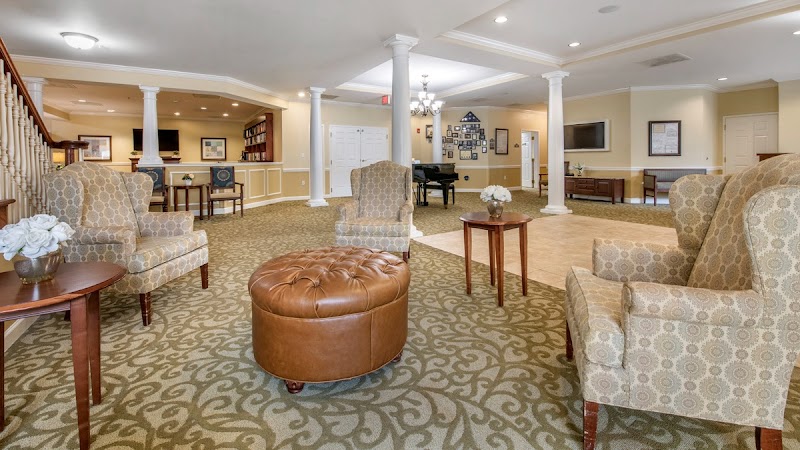
How Does Brookdale Palmer Ranch Snf Compare to Other Florida Nursing Homes?

Compared to the 100 nursing homes in Florida, BROOKDALE PALMER RANCH SNF's overall rating (1 stars) is below the state average of 3.2, staff turnover (55%) is near the state average of 46%, and health inspection rating (1 stars) is much below the national benchmark.

What Should Families Ask When Visiting Brookdale Palmer Ranch Snf?

Based on this facility's data, families visiting should ask: "What changes have been made since the serious inspection findings, and how are you preventing similar issues?" "What safeguards and monitoring systems are in place to protect residents from abuse or neglect?" "Can I visit during a mealtime to observe dining assistance and food quality?" "How do you handle medical emergencies, and what is your hospital transfer rate?" These questions are particularly relevant given the facility's Immediate Jeopardy citations and the substantiated abuse finding on record.

Is Brookdale Palmer Ranch Snf Safe?

Based on CMS inspection data, BROOKDALE PALMER RANCH SNF has documented safety concerns. The facility has 1 substantiated abuse finding (meaning confirmed case of resident harm by staff or other residents). Inspectors have issued 4 Immediate Jeopardy citations (the most serious violation level indicating risk of serious injury or death). The facility has a 1-star overall rating and ranks #100 of 100 nursing homes in Florida. Families considering this facility should ask detailed questions about what corrective actions have been taken since these incidents.

Do Nurses at Brookdale Palmer Ranch Snf Stick Around?

BROOKDALE PALMER RANCH SNF has a staff turnover rate of 55%, which is 9 percentage points above the Florida average of 46%. Moderate turnover is common in nursing homes, but families should still ask about staff tenure and how the facility maintains care continuity when employees leave.

Was Brookdale Palmer Ranch Snf Ever Fined?

BROOKDALE PALMER RANCH SNF has been fined $259,701 across 5 penalty actions. This is 7.3x the Florida average of $35,676. Fines at this level are uncommon and typically indicate a pattern of serious deficiencies, repeated violations, or failure to correct problems promptly. CMS reserves penalties of this magnitude for facilities that pose significant, documented risk to resident health or safety. Families should request specific documentation of what issues led to these fines and what systemic changes have been implemented.

Is Brookdale Palmer Ranch Snf on Any Federal Watch List?

BROOKDALE PALMER RANCH SNF is not on any federal watch list. The most significant is the Special Focus Facility (SFF) program, which identifies the bottom 1% of nursing homes nationally based on persistent, serious quality problems. Not being on this list means the facility has avoided the pattern of deficiencies that triggers enhanced federal oversight. This is a positive indicator, though families should still review the facility's inspection history directly.