CREEKSIDE HEALTH AND REHABILITATION CENTER
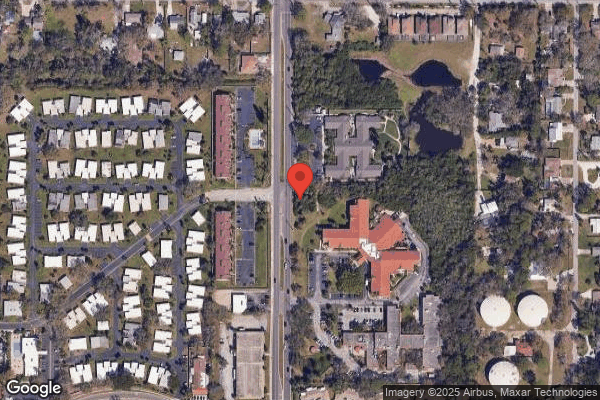
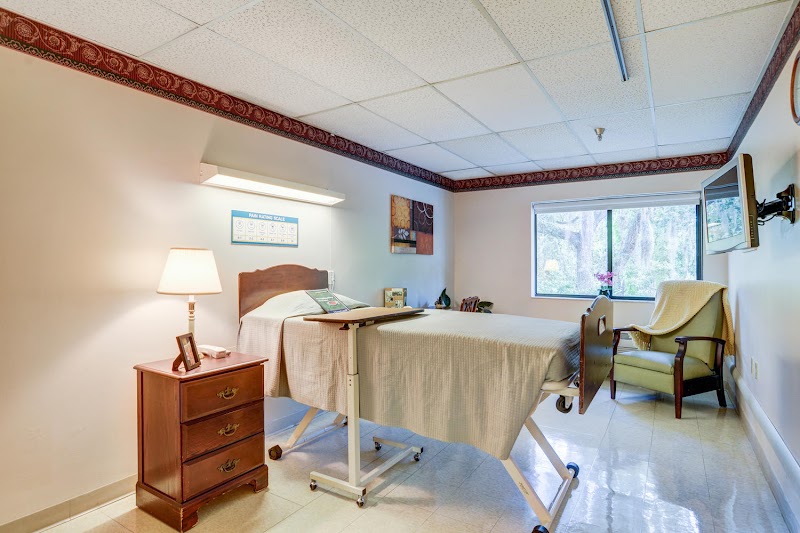
5511 SWIFT ROAD, SARASOTA, FL 34231 (941) 921-7462
For profit - Corporation 178 Beds Independent Data: November 2025
Trust Grade
55/100
#489 of 690 in FL
Last Inspection: February 2025

Within standard 12-15 month inspection cycle. Federal law requires annual inspections.

Overview

Creekside Health and Rehabilitation Center has a Trust Grade of C, which means it is average and falls in the middle of the pack among nursing homes. It ranks #489 out of 690 facilities in Florida, placing it in the bottom half of the state, and #17 out of 30 in Sarasota County, indicating that only a few local options are better. The facility's trend is worsening, with issues increasing from 1 in 2024 to 11 in 2025, raising concerns about its management. Staffing is a relative strength, rated at 4 out of 5 stars, but the turnover rate of 44% is around the state average, meaning staff retention could be improved. On the positive side, there have been no fines reported, which is encouraging. However, there are significant concerns regarding cleanliness, with incidents including the kitchen's failure to maintain proper sanitation and the presence of unclean food storage areas that could lead to foodborne illness. Additionally, there were failures in providing adequate personal hygiene care for residents, which is critical for their well-being. Overall, while there are strengths in staffing and compliance with fines, the facility must address its increasing health and safety concerns.

Trust Score
C
55/100
In Florida
#489/690
Bottom 30%
Safety Record
Low Risk
No red flags
Inspections
Getting Worse
1 → 11 violations
Staff Stability
○ Average
44% turnover. Near Florida's 48% average. Typical for the industry.
Penalties
✓ Good
No fines on record. Clean compliance history, better than most Florida facilities.
Skilled Nurses
○ Average
Each resident gets 41 minutes of Registered Nurse (RN) attention daily — about average for Florida. RNs are the most trained staff who monitor for health changes.
Violations
⚠ Watch
16 deficiencies on record. Higher than average. Multiple issues found across inspections.
★★☆☆☆
2.0
Overall Rating
★★★★☆
4.0
Staff Levels
★★★★☆
4.0
Care Quality
★★☆☆☆
2.0
Inspection Score
Stable
2024: 1 issues
2025: 11 issues

The Good

  • 4-Star Staffing Rating · Above-average nurse staffing levels
  • 4-Star Quality Measures · Strong clinical quality outcomes
  • Full Sprinkler Coverage · Fire safety systems throughout facility
  • No fines on record
  • Staff turnover below average (44%)

    4 points below Florida average of 48%

Facility shows strength in staffing levels, quality measures, fire safety.

The Bad

2-Star Overall Rating

Below Florida average (3.2)

Below average - review inspection findings carefully

Staff Turnover: 44%

Near Florida avg (46%)

Typical for the industry

The Ugly 16 deficiencies on record

Aug 2025 1 deficiency
CONCERN (E) 📢 Someone Reported This

A family member, employee, or ombudsman was alarmed enough to file a formal complaint

Potential for Harm - no one hurt, but risky conditions existed

ADL Care (Tag F0677)

Could have caused harm · This affected multiple residents

**NOTE- TERMS IN BRACKETS HAVE BEEN EDITED TO PROTECT CONFIDENTIALITY** Based on observation, record review, review of facility policy, resident and staff interviews, the facility failed to provide th...

Read full inspector narrative →
**NOTE- TERMS IN BRACKETS HAVE BEEN EDITED TO PROTECT CONFIDENTIALITY** Based on observation, record review, review of facility policy, resident and staff interviews, the facility failed to provide the necessary care and services for personal hygiene and incontinent care for 2 (Resident #100 and #2) of 3 residents reviewed for activities of daily living.The findings included:Review of the facility's policy, Standards and Guidelines: ADL Care and Services, initiated 4/2020 (revised 1/24) revealed, Residents who are unable to carry out activities of daily living (ADL's) independently will receive the services necessary to maintain good nutrition, grooming and personal and oral hygiene . Appropriate care and services will be provided for residents who are unable to carry out ADLs independently, with the consent of the resident and in accordance with the plan of care, including appropriate support and assistance with including but not limited to:Hygiene (bathing/showers, dressing, grooming and oral care).Elimination (toileting).The resident has the right to refuse any and all ADL care. The refusal of care will be documented in the resident's medical record with appropriate notification including the physician and resident representative. 1. Review of the clinical record revealed Resident #100 was readmitted on [DATE]. Diagnoses included chronic kidney disease, major depressive disorder, type 2 diabetes mellitus, severe morbid obesity, and anxiety disorder.Review of the Quarterly Minimum Data Set (MDS), standardized assessment tool used in nursing homes to evaluate a resident's health and functional abilities with a target date of 6/29/25 revealed Resident #100 was always incontinent of bowel and bladder and was dependent for bathing. The MDS indicated the resident's cognitive skills for daily decision making were intact.On 8/18/25 at 9:25 a.m., Resident #100 was observed in her room in bed. She had very foul breath and a strong, offensive body odor noted from three feet away.In an interview, Resident #100 said the staff do not brush her teeth because she has too many broken teeth. The resident said the dentist wanted to extract her teeth, but she did not want that. Resident #100 said she rinses her mouth every morning with mouth wash. Resident #100 said the staff do not give her showers because she can't walk. They say it is too much work. The resident said, I get bed baths. No, I don't like bed baths but what can I do? They say I like to complain a lot but if I don't, no one pays attention to me. I am wet all the time because they are not changing me.A review of the certified nursing assistant (CNA) documentation for June 2025, July 2025 and August 2025 revealed no documentation incontinent care was provided:On the 7:00 a.m., to 3:00 p.m. shift on 6/7/25, 6/10/25, 6/11/25, and 6/25/25. 7/3/25, 7/9/25, 7/11/25, 7/20/25, 7/23/25, 7/26/25, 7/30/35, 7/31/25, 8/3/25, 8/6/25, 8/7/25 and 8/16/25.On the 3:00 p.m., to 11:00 p.m. shift on 6/1/25, 6/15/25, 7/3/25, 7/18/25, 7/20/25, 8/10/25 and 8/16/25.On the 11:00 p.m., to 7:00 a.m. shift on 6/1/25, 6/6/25, 6/8/25, 6/17/25, 6/18/25, 6/23/25, 6/29/25, 6/30/25. 7/3/25, 7/7/25, 7/8/25, 7/11/25, 7/12/25, 7/13/25, 7/21/25, 7/29/25, 7/31/25, 8/1/25, 8/4/25, 8/5/25, 8/8/25, 8/9/25, 8/10/25, 8/14/25, and 8/16/25.A review of the shower schedule revealed Resident #100's scheduled showers were on Mondays, Wednesdays and Fridays during the 7:00 a.m., to 3:00 p.m. shift.Review of the CNA documentation for bathing for June 2025, July 2025 and August 2025 revealed Resident #100 received a bed bath on the scheduled shower days on Mondays ( 6/2/25, 6/9/25, 7/7/25, 7/14/25, 7/21/25, 8/4/25, 8/11/25), Wednesdays (6/4/25, 6/16/25, 6/30/25, 7/2/25, 7/16/25, 7/30/25, 8/13/25), Fridays (6/6/25, 6/18/25, 7/4/25, 7/18/25, 7/25/25, 8/1/25, 8/8/25, 8/15/25).There was no documentation of care provided on 6/11/25,6/25/25, 7/9/25, 7/11/25, 7/23/25, 7/30/25, and 8/6/25.On 8/18/25 at 2:00 p.m., in an interview CNA Staff D said, I work 7-3 and I have Resident #100 every day, 5 days a week, she is mine. Residents get changed twice a shift. Resident #100 can wash her face and feed herself, that is about it. She is dependent for everything else. She is not able to walk. I give her a full bed bath every day. Now I can't say anything about the other shifts because I don't know, I don't work them unless I do a double. I don't know why she does not get showers, sometimes we don't have 2 people to do it. You can't shower her by yourself.On 8/18/25 at 2:10 p.m., in an interview the Director of Nursing (DON) said, We don't have set times or schedules the residents are to be changed. Usually, it's every 3-4 hours. With Resident #100, because she is such a large woman she takes two people, and it is not always easy to find help right away. We usually change her when she gets up and when she gets back to bed.2. Review of the clinical record revealed Resident #2 had a date of admission of 8/13/24. Diagnoses included senile degeneration of the brain, type 2 diabetes mellitus, Alzheimer's disease, and dementia.Review of the Quarterly MDS dated [DATE] revealed the resident was always incontinent of bowel and bladder and dependent for all care. The MDS noted Resident #2 was rarely, never understood. Review of the CNA documentation for June 2025, July 2025, and August 2025 revealed no documentation of incontinent care provided for Resident #2:On the 7:00 a.m. to 3:00 p.m. shift on 6/7/25, 6/8/25, 6/10/25, 6/11/25, 6/25/25, 7/3/25, 7/9/25, 7/11/25, 7/20/25, 7/23/25, 7/26/25, 7/30/25, 7/31/25, 8/3/25, 8/6/25, 8/7/25, 8/16/25 and 8/17/25 .On the 3:00 p.m., to 11:00 p.m. shift on 6/1/25, 6/10/25, 6/15/25, 7/3/25, 7/20/25, 8/10/25, and 8/16/25.On the 11:00 p.m., to 7:00 a.m. shift on 6/1/25, 6/2/25, 6/6/25, 6/8/25, 6/15/25, 6/17/25, 6/18/25, 6/23/25, 6/29/25, 6/30/25, 7/3/25, 7/8/25, 7/11/25, 7/12/25, 7/13/25, 7/21/25, 7/25/25, 7/31/25, 8/1/25, 8/4/25, 8/5/25, 8/8/25, 8/9/25, 8/10/25, 8/11/25, 8/12/25, 8/14/25 and 8/16/25.Review of shower schedule revealed Resident #2's scheduled showers were on Mondays, Wednesdays and Fridays during the 3:00 p.m., to 11:00 p.m. shift.Review of the CNA documentation for June 2025, July 2025 and August 2025 revealed Resident #2 received a sponge bath on 6/2/25, 6/4/25, 6/6/25, 6/9/25, 6/11/25, 6/13/25, 6/16/25, 6/20/25, 6/23/25, 6/25/25, 7/2/25, 7/4/25, 7/7/25, 7/9/25, 7/11/25, 7/14/25, 7/16/25, 7/18/25, 7/21/25, 7/28/25, 7/30/25, 8/4/25, 8/6/25, 8/8/25, 8/13/25, 8/15/25 and 8/18/25.On 6/16/25, 6/30/25, 7/23/25, 8/11/25 N/A (not applicable) was documented.On 8/18/25 at 1:42 p.m., in an interview CNA Staff C said, I only work on 7-3 shift and we change everyone every 2-3 hours and we turn them at the same time because you have to roll them to change them.
Feb 2025 10 deficiencies
CONCERN (D) 📢 Someone Reported This

A family member, employee, or ombudsman was alarmed enough to file a formal complaint

Potential for Harm - no one hurt, but risky conditions existed

Deficiency F0552 (Tag F0552)

Could have caused harm · This affected 1 resident

**NOTE- TERMS IN BRACKETS HAVE BEEN EDITED TO PROTECT CONFIDENTIALITY** Based on record review, resident, resident representative and staff interviews, the facility failed to allow 1 (Resident #18) of...

Read full inspector narrative →
**NOTE- TERMS IN BRACKETS HAVE BEEN EDITED TO PROTECT CONFIDENTIALITY** Based on record review, resident, resident representative and staff interviews, the facility failed to allow 1 (Resident #18) of 2 residents reviewed the right to participate in their care by failing to inform the resident and representative in advance of the discontinuation of a medication. The findings included: Review of Resident #18's clinical record revealed an admission date of 12/26/24 from an acute care hospital. Review of the admission Minimum Data Set (MDS) assessment revealed the resident's cognition was intact with a Brief Interview for Mental Status score of 15. Diagnoses included seizure disorder or epilepsy. The clinical record revealed an amended letter of plenary guardianship dated 11/3/17, noting Resident #18 had a court appointed limited guardian of his person and property. Review of the hospital Discharge summary dated [DATE] revealed discharge diagnoses included Epilepsy without status epilepticus (seizure lasting more than 5 minutes or seizures very close together). The discharge medications included Epidiolex liquid (approved to treat seizures), 400 mg orally two times a day. On 2/17/25 at 11:00 a.m., in an interview Resident #18 said he was under the care of a neurologist and took Epidiolex to prevent seizures. The resident said the facility stopped giving him the Epidiolex on 12/29/24. He said the facility did not tell him why or when they stopped the medication. Resident #18 said on 12/31/24 he had two seizures. On 2/18/25 at 8:55 a.m., in an interview Resident #18's guardian said upon the resident's admission on [DATE] she provided the Epidiolex to the facility. She said on 12/30/24 she checked the medication list and found out the facility had stopped the medication. The guardian said no one at the facility notified her the medication was stopped. She went to the Administrator to find out when and why the medication was stopped. The Administrator told her the corporate office told them they could not give the Epidiolex. Resident #18's guardian said the facility accepted the resident knowing he needed the medication. Review of the physician's orders revealed on 12/29/24 the Assistant Director of Nursing (ADON) wrote a verbal order to discontinue the Epidiolex. The physician signed the order on 1/6/25. Review of the Medication Administration Record (MAR) for December 2024 revealed the Epidiolex was scheduled to be given twice a day, every day at 10:00 a.m., and 6:00 p.m. The last dose of Epidiolex was given on 12/29/24 at 10:00 a.m. The clinical record lacked documentation Resident #18 and the guardian were notified in advance of the discontinuation of the medication, and the reason for stopping the medication. On 2/19/25 at 11:56 a.m., in an interview the ADON said she was working from home on [DATE] when she wrote the verbal order to discontinue the Epidiolex. She verified she did not inform the resident or the guardian before discontinuing the medication. She said the guardian was made aware on 12/30/24, one day after the medication was discontinued. . .
CONCERN (D) 📢 Someone Reported This

A family member, employee, or ombudsman was alarmed enough to file a formal complaint

Potential for Harm - no one hurt, but risky conditions existed

Grievances (Tag F0585)

Could have caused harm · This affected 1 resident

Based on resident and staff interviews, the facility failed to support the resident's right to voice a grievance without fear of discrimination or reprisal for 1(Resident #103) of 2 residents reviewed...

Read full inspector narrative →
Based on resident and staff interviews, the facility failed to support the resident's right to voice a grievance without fear of discrimination or reprisal for 1(Resident #103) of 2 residents reviewed for grievances. The findings included: The facility policy Abuse, Neglect, Exploitation, Misappropriation, Mistreatment and Injury of Unknown Origin issued 8/2022, defined Mental abuse: the use of verbal or nonverbal conduct which causes or has the potential to cause the resident to experience humiliation, intimidation, fear, shame. Review of the clinical record revealed Resident #103 had a readmission date of 8/27/24 with diagnoses including multiple sclerosis, anxiety and major depressive disorder. Review of the Quarterly Minimum Data Set (MDS) with a target date of 2/2/25. The MDS noted the resident's cognitive skills for daily decision making were intact with a BIMS score of 15. Resident #103 had an indwelling urinary catheter and was always incontinent of stool. Resident #103 was dependent on staff for toileting and required substantial/maximal assistance to shower/bathe self. On 2/17/25 at 10:00 a.m., Resident #103 was observed in her room in bed. She said she was bedbound and not able to stand. The room had a strong, pungent odor of urine and feces. Resident #103 said she had not received incontinent care since last night. The resident said, I know I smell right now; I can smell myself. On 2/19/25 at 9:13 a.m., in an interview Resident #103 said she valued her privacy. Two staff members from the management team came to speak with her immediately after her interview with a member of the survey team on 2/17/25 at 10:00 a.m. They wanted to know what was discussed during the interview and made her feel guilty. Resident #103 said she felt insecure about it now. On 2/20/24 at 11:15 a.m., in an interview the Assistant Director of Nursing (ADON) verified she did ask Resident #103 about her interview with a member of the survey team but did not file a grievance for the resident.
CONCERN (D)

Potential for Harm - no one hurt, but risky conditions existed

Comprehensive Care Plan (Tag F0656)

Could have caused harm · This affected 1 resident

Based on interview and record review, the facility failed to develop a care plan to meet the needs of 1 (Resident #51) of 4 residents reviewed for comprehensive care plan. The findings included: Revi...

Read full inspector narrative →
Based on interview and record review, the facility failed to develop a care plan to meet the needs of 1 (Resident #51) of 4 residents reviewed for comprehensive care plan. The findings included: Review of the clinical record for Resident #51 revealed an admission date of 1/15/25. Diagnoses included Chronic Obstructive Pulmonary Disease. Review of the smoking evaluation dated 1/20/25 at 8:27 a.m., revealed Resident #51 was a smoker, used cigarettes and agreed to the smoking policy. Resident #51 also agreed to remove oxygen source before smoking. Review of the care plan failed to reveal a care plan for smoking with goals and interventions to meet the resident's needs. On 2/18/25 at 3:36 p.m., in an interview Resident #51 said she's been smoking for a long time. She said when her sister visits, she goes outside with her to smoke. On 2/18/25 at 4:06 p.m., in an interview Minimum Data Set (MDS) Licensed Practical Nurse (LPN) Staff R said there should be a smoking care plan if the resident was smoking while residing at the facility. On 2/20/25 at 12:11 p.m., in an interview Registered Nurse (RN) MDS Staff S said he was not sure why a care plan was not developed to address Resident #51's smoking.
CONCERN (D)

Potential for Harm - no one hurt, but risky conditions existed

Deficiency F0761 (Tag F0761)

Could have caused harm · This affected 1 resident

Based on observation, clinical record review, review of facility Standards and Guidelines, resident and staff interviews, the facility failed to ensure proper storage of medication for 2 (Residents #1...

Read full inspector narrative →
Based on observation, clinical record review, review of facility Standards and Guidelines, resident and staff interviews, the facility failed to ensure proper storage of medication for 2 (Residents #107 and #81) of 2 residents observed with unsecured over the counter medications at bedside and 1 (Unit 1A) of 3 units observed with medication left unsecured and unattended. The findings included: The facility Standards and Guidelines: Medication Storage and Labeling documented, The facility stores all drugs and biologicals in a safe, secure and orderly manner . Drugs used in the facility are stored in locked compartments . Only persons authorized to prepare and administer medications have access to locked medications . On 2/17/25 at 10:43 a.m., an unsecured bottle of acetaminophen 500 milligrams (mg) tablets was observed at Resident #107's bedside. In an interview, Resident #107 said he took the acetaminophen as needed for headaches. Photographic evidence obtained. Review of Resident #107's clinical record failed to show documentation that the Interdisciplinary Team (IDT) determined the resident was able to safely self-administer the medication and ensure the medication was stored safely and securely. On 2/17/25 at 1:57 p.m., in an interview Licensed Practical Nurse (LPN) Staff K confirmed the bottle of acetaminophen at the resident's bedside was not stored safely and securely. LPN Staff K reviewed Resident #107's clinical record and said there was no evaluation indicating the resident was able to keep the medication at the bedside and was able to ensure the acetaminophen was stored safely. 2. On 2/17/25 at 11:27 a.m., Resident #81 was observed in his room at his computer desk. A large, half full bottle of antacid tablets was observed on the desk and one full bottle of antacid tablets was observed on the floor next to his wheelchair. Resident #81 said the medications were his. Photographic evidence obtained. On 2/17/25 at 2:00 p.m., LPN Staff L confirmed Resident #81 had two unsecured bottles of antacids in his room. LPN Staff L reviewed Resident #81's clinical record and confirmed he had no physician order or assessment to self-administer the medication. 3. On 2/18/25 at 2:20 p.m., during an observation at the 1A unit nursing desk there was a box of Ipratropium Bromide (relaxes the airway) belonging to Resident #116, sitting on top of the desk. There were no staff present for several minutes. Residents and visitors were in the hallways. Photographic evidence obtained. On 2/18/25 at 2:40 p.m., in an interview the Director of Nursing (DON) said she was informed of the unsecured medication at the bedside of Residents #107 and #81. She said she was not aware of the unsecured medication left at the 1 A nursing station today.
CONCERN (E) 📢 Someone Reported This

A family member, employee, or ombudsman was alarmed enough to file a formal complaint

Potential for Harm - no one hurt, but risky conditions existed

Safe Environment (Tag F0584)

Could have caused harm · This affected multiple residents

**NOTE- TERMS IN BRACKETS HAVE BEEN EDITED TO PROTECT CONFIDENTIALITY** Based on observation, record review, residents and staff interviews, the facility failed to ensure a safe, clean, comfortable an...

Read full inspector narrative →
**NOTE- TERMS IN BRACKETS HAVE BEEN EDITED TO PROTECT CONFIDENTIALITY** Based on observation, record review, residents and staff interviews, the facility failed to ensure a safe, clean, comfortable and homelike environment for 9 (Rooms #238, #240, #243, Residents #75's room, #103's room, #109's room, and #81's room)of 22 residents' rooms observed, and 2 (Unit 2A and 2B) of 2 shower rooms observed. The findings included: On 2/17/25 at 9:46 a.m., during the initial tour the following observations were made: 1. room [ROOM NUMBER]: A shampoo bottle, and a spray bottle were stored on the floor next to bed B. 15 unrefrigerated yogurts and a carton of milk were stored on the air-conditioning unit and the windowsill. The shared bathroom had a pile of soiled towels on the floor. Unlabeled dishes and washbasins were stored on a shelf above the toilet. An unlabeled urine measuring container was stored on the toilet tank. Photographic evidence obtained. 2. Resident #108's room: Resident #108 was observed in bed. Her urinary catheter drainage bag was on the floor. 3. room [ROOM NUMBER] A: The mattress on the bed was frayed, torn and soiled covering 50% of the upper portion of the mattress. 4. Resident #75's room: Resident #75 was observed in bed. The urinary catheter drainage bag was on the floor. Garbage was scattered on the floor and the trashcan was not within the residents reach. Photographic evidence obtained. There was damage to one of the walls in the room. A ceiling tile was missing from the shared bathroom, exposing the ceiling pipes. An unlabeled wash basin was stored on top of the sharp container. An unlabeled wash basin was stored on the toilet seat. Photographic evidence obtained. Outside of room [ROOM NUMBER] there was a fire extinguisher holder with red scattered, unknown substance on the side of the holder. Photographic evidence obtained. 5. Resident #103's shared room and bathroom: Soiled gloves were observed on the floor, next to a pile of unbagged soiled linen. Uncovered and unlabeled wash basins were stored on top of the sharps container. Photographic evidence obtained. The room had a pungent smell of urine and feces. 6. room [ROOM NUMBER]'s shared bathroom: An unlabeled and uncovered wash basin was stored on the toilet tank. 7. Resident #109's room: Snacks foods, and bottles of lemon-aid stored were stored on the floor. A nebulizer (a small machine that turns liquid medication into a mist that is inhaled) was stored uncovered on the floor under the bed. In an interview, Resident #109 said she was using the nebulizer to treat her cough and shortness of breath. The resident said the showers on Unit 2 B and Unit 2 A were broken. There was only one shower that did not always work. Photographic evidence obtained. 8. Resident #107's room: Resident #107 was observed sitting in bed with books piled at end of bed. The resident's clothes were hanging from the privacy curtains, and from a broken television unit on the wall. A urinal 75% full of urine was on the bedside table. Two empty urinals were observed hanging inside of the trash can. In an interview during the observation, Resident #107 said the closet was too small and did not hold all of his clothing. In the shared bathroom: Resident #107's dentures and toothbrush were stored on the back of the toilet tank. The resident said he stored his items on the back of the toilet because there was no storage or shelving in the bathroom. He said he did not receive showers since the showers in the shower room on the unit were broken. Photographic evidence obtained. On 2/18/25 at 2:45 p.m., the Director of Nursing (DON) observed Resident #107's room and confirmed his clothing was hanging from the privacy curtain. She said the resident liked his things a certain way. She said the resident had too much stuff. The DON said the staff have been working with him to reduce the amount of items he has. The DON said the resident's clothing hanging from the wall where the television was once attached was not an issue or concern. She said the clothing hanging from the privacy curtain was not a safety issue and was ok to be there because the curtain was able to be opened and closed. The DON confirmed the resident's personal care items stored on the back of the toilet tank including dentures and toothbrush was not acceptable. She said they should be stored in a wash basin and placed in the nightstand. She confirmed there were three urinals in the trash can and they would have to come up with a plan for that. 9. On 2/17/25 at 11:00 a.m., Resident #74 was observed in the television room on unit seated in his wheelchair with a towel covering his laps. The resident's shirt was dirty, he had no pants, briefs or underwear on. His sides and back visible through wheelchair gaps. In an interview, Resident #74 said he was not able to find any of his pants. A female resident sat at a table in the room looking at a magazine. 10. On 2/17/25 at 11:27 a.m., Resident #81 was observed in his room. A urinal filled with approximately 25% with urine was sitting on the nightstand. There were dirty linen scattered on the floor. Photographic evidence obtained. 11. On 2/17/25 at 11:42 a.m., observation of the shower room on Unit 2 A revealed a broken and missing shower head in the first stall. Photographic evidence obtained. On 2/17/25 at 11:45 a.m., in an interview Licensed Practical Nurse (LPN) Staff K confirmed the showers on Unit 2 A were not functioning. Staff K said the showers had been broken for a long time. On 2/18/25 at 10:16 a.m., in an interview Certified Nursing Assistant (CNA) Staff O said the showers on Unit 2 A and 2 B have been broken for months. Observation of the shower room on Unit 2 B the 2 B revealed 2 functioning showers. The CNA said she did not know exactly how long the showers had not been working but said Maintenance knew about the problem. She said the facility had no maintenance person for several months, so things did not get repaired. On 2/18/25 at 2:45 p.m., in an interview the DON said she was aware the showers on Unit 2 A were not working and confirmed there were only two functioning showers on the 2nd floor. On 2/18/25 at 3:30 p.m., in an interview Resident #109, the Resident Council President said Today was my shower day and I was not offered a shower. Just a little longer and I will go outside and use a hose. The situation with the showers has been going on for a long time, for months. The staff get to go home, and they get to take a shower. This is our home, and we can't get a shower. They give a sponge bath and I'm sorry, but a sponge bath is not a shower. I need a shower, and the shower situation has got to be resolved. I can go into the bathroom and wash myself up, so they don't even offer me a sponge bath. No one here ever offered me a shower. I can tell you, We, as in the Resident Council and other residents who can express themselves feel like we are being ignored. This is our last stop in life for most of us and they need to treat us with respect. No one ever offers me a shower. It is not right. Review of the facility Maintenance Logs revealed on 12/4/24, both showers on unit 2 A are flooded and unable to use. On 1/8/25, Staff report the showers are not working on unit 2 A. On 1/8/25 a maintenance request documented, shower not working, or draining on the 2nd floor unit 2 B. The Maintenance Requests were still marked as open requests and not completed.
CONCERN (E) 📢 Someone Reported This

A family member, employee, or ombudsman was alarmed enough to file a formal complaint

Potential for Harm - no one hurt, but risky conditions existed

ADL Care (Tag F0677)

Could have caused harm · This affected multiple residents

**NOTE- TERMS IN BRACKETS HAVE BEEN EDITED TO PROTECT CONFIDENTIALITY** 5. Review of the clinical record for Resident #9 revealed an admission date of 10/5/20. Diagnoses included Osteomyelitis, Major ...

Read full inspector narrative →
**NOTE- TERMS IN BRACKETS HAVE BEEN EDITED TO PROTECT CONFIDENTIALITY** 5. Review of the clinical record for Resident #9 revealed an admission date of 10/5/20. Diagnoses included Osteomyelitis, Major Depressive Disorder, Arthritis and Anxiety Disorder. Review of the Quarterly Minimum Data Set (MDS) assessment with a target date of 12/9/24 revealed the resident's cognitive skills for daily decision making were intact with a BIMS score of 14. Resident #9 was dependent on staff for showering and did not reject care. Review of the care plan for activities of daily living initiated on 3/10/24 and revised on 9/13/24 revealed Resident #9 was dependent on staff for bathing needs, including transfer in and out of the shower. On 2/20/25 at 10:45 a.m., in an interview Resident #9 said she does not get a shower when she wants one. She said she would like to shower twice a week but it has been a while since she's had a shower. Review of Resident #9's Kardex showed no scheduled days for showers. On 2/20/25 at 12:30 p.m., in an interview the Director of Nursing (DON) said the Kardex is used to communicate the residents' needs to the CNAs and the shower schedule should be listed on the Kardex. A Shower Schedule list observed hanging behind the B Nursing Station showed Resident #9's showers were scheduled on Tuesdays and Fridays. On 2/20/25 at 1:15 p.m., in an interview Resident #9 said she did not know when she was scheduled to have a shower. Review of the electronic Shower/bathing Task schedule for January 2025 and February 2025 showed documentation of bathing or showers five times in the past 30 days. The most recent documentation of bathing was on 2/15/25. 6. Review of the clinical record for Resident #65 revealed an admission date of 10/3/19. Diagnoses included Diabetes, Epilepsy, Psychotic Disorder, Traumatic Brain Injury, and Depressive Disorder. Review of the Quarterly MDS with a target date of 12/30/24 revealed Resident #65's cognition for daily decision making was severely impaired with a BIMS score of 7. Resident #65 was dependent on staff for bathing and did not reject care. Review of the resident's care plan revised on 7/17/24 revealed Resident #65 had self-care deficit for activities of daily living and was dependent on staff to transfer him in and out of the shower. The care plan did not include a shower schedule. On 2/19/25 at 3:49 p.m., Resident #65 was observed in the dining room on the [NAME] unit watching television. The resident's hair was uncombed and greasy. Review of the shower schedule list hanging behind the nursing station on the [NAME] Unit showed Resident #65 was scheduled for showers on Tuesdays and Fridays. Review of the electronic Shower/Bathing checklist for January 2025 and February 2025 showed Resident #65 received a shower/bath three times in the last 30 days, on 2/7/25, 2/14/25 and 2/18/25. On 2/20/25 at 12:15 p.m., in an interview the Assistant Director of Nursing verified there was no documentation Resident #65 received his scheduled showers twice weekly. 7. Review of the clinical record for Resident #138 revealed an admission date of 10/25/24. Diagnoses included Hemiplegia (paralysis of one side of the body), Malnutrition, Cerebral Infarction, and Seizures. Review of the Quarterly MDS with a target date of 2/1/25 showed Resident #138's cognitive ability for daily decision making were moderately impaired with a BIMS score of 08. Resident #138 was dependent on staff for showering and did not refuse care. Review of the care plan for Activities of Daily Living initiated on 11/30/24 revealed the resident was dependent on staff for bathing needs, including to transfer in and out of the shower. Review of the electronic Kardex revealed no documentation of a shower schedule for Resident #138. Review of the unit's shower book revealed shower days were listed for each room. Resident #138's room was not included on the list. Review of the electronic Shower/Bathing checklist from 1/20/25 through 2/18/25 revealed Resident #138 received a bath/shower twice in the last 30 days, on 1/21/25 and 2/17/25. On 2/18/25 at 9:43 a.m., Resident #138 was observed in his room, in bed. The resident had a full beard. In an interview, Resident #138 was asked if he liked having a beard. The resident shook his head and said, No. On 2/19/25 at 12:30 p.m., in an interview Registered Nurse (RN) Staff D verified Resident #138 was not included in the book with the shower schedule. Staff D said he did not know why the resident was not included in the shower schedule. On 2/19/25 at 12:46 p.m., in an interview CNA Staff C said she did not know Resident #138's shower schedule. On 2/19/25 12:45 p.m., in an interview the ADON said Resident #138 had not been listed on the shower schedule since 3/8/24. She said she could only find documentation the resident received a shower twice in the last 30 days, on 1/21/25 and 2/17/25. 8. Review of the clinical record revealed Resident #196 had an admission date of 2/5/25 and resided in the memory care unit. Diagnoses included Hemiplegia (Weakness on one side of the body), Traumatic Brain Injury and Obesity. Review of the admission MDS with a target date of 2/8/25 revealed the resident's cognition was severely impaired with a BIMS score of 04. Resident #196 did not reject care. Resident #196 required substantial/maximum assistance to shower/ bathe self, and supervision for eating. On 2/18/25 at 11:14 a.m., Resident #196 was observed in bed, sleeping. The resident's hair was uncombed and greasy. The lunch tray in front of the resident was untouched. On 2/19/24 at 1:43 p.m., Resident #196 was observed bed sleeping. The resident's hair remained greasy. On 2/19/25 at 1:45 p.m., in an interview Licensed Practical Nurse (LPN) Staff N said Resident #196's showers were scheduled for the night shift (11:00 p.m., to 7:00 a.m.). Review of the electronic Shower/Bathing checklist revealed since admission of 2/5/25, Resident #196 received one shower on 2/18/25. On 2/20/25 at 12:15 p.m., in an interview the Assistant Director of Nursing verified there was no documentation Resident #196 received his scheduled showers twice a week as scheduled. Based on observation, interview, and record review, the facility failed to ensure 8 (Residents #109, #346, #196, #108, #138, #103, #9, and #65) of 9 residents dependent upon staff for care received the necessary care and assistance for activities of daily living. The findings included: 1. Review of the Clinical Record Review for Resident #109 revealed an Annual Minimum Data Set (MDS) assessment with a target date of 3/14/24. The assessment noted the resident felt it was very important to choose a shower, bed bath, tub bath or sponge bath. The Quarterly MDS with a target date of 1/2/25 revealed Resident #109's cognitive skills for daily decision making was intact with a Brief Interview for Mental Status (BIMS) score of 15. Resident #109 required set-up or clean-up assistance with showers or bathing and supervision or touching assistance to get in and out of a tub/shower. On 2/17/25 at 10:00 a.m., in an interview Resident #109 stated, Staff do not offer to shower me and no, I did not receive my shower yesterday. The resident said the showers on this side were broken. The shower that is working does not have a grab bar, so she can't use it. Resident #109 said, I'll just have to keep taking a sink bath until they get the showers fixed. On 2/18/25 at 3:15 p.m., in an interview Resident #109 said no one offered to shower her today. The resident said she was afraid to go in the shower because there was no ramp and no grab bar. The resident said she will continue to wash up in the sink, or they can help me find a hose outside until the 2A unit showers are repaired. Resident stated the showers on Unit 2A have been an issue for several months. The issue had been discussed in Resident Council meetings. She has gone months without a shower. Record review of the Certified Nursing Assistant (CNA) bathing documentation failed to reveal documentation Resident #109 received a shower in January 2025 and February 2025. The documentation showed Resident #109 received a sponge bath on 1/2/2025 1/4/2025, 1/6/2025, 1/9/2025, 1/16/2025, 1/20/2025,1/22/2025,1/23/2025, 1/24/2025, 1/29/2025, 1/30/2025, 2/1/2025, 2/6/2025, 2/8/2025, 2/12/2025, 2/13/2025, 2/14/2025, 2/15/2025, 2/17/2025. 2. Review of the clinical record for Resident #346 revealed an admission date of 7/22/1993. Diagnoses included Traumatic Brain Injury, Seizures, Spastic Hemiplegia affecting the left side and muscle weakness. The Annual Minimum Data Set (MDS) assessment with a target date of 1/30/25 revealed Resident #346 had no impairment in functional range of motion in bilateral upper and lower extremities and required supervision with meals and oral hygiene. The MDS noted the residents' cognitive skills for daily decision making were moderately impaired with a Brief Interview for Mental Status (BIMS) score of 06. Review of the Kardex (Provides instructions for safe care) for Resident #346 revealed to encourage, offer assist fluids at meals. Encourage and assist with all ADL tasks as indicated and as tolerated by resident, including meals. On 2/17/25 at 12:00 p.m., Dietary Aide Staff G was observed serving the noon meal to the residents in the dining room. In an interview, Dietary Aide Staff G said no one from the nursing department comes to assist the residents with dining. Staff G said someone from the kitchen or a dietary aid are in the dining room. In an emergency, he would run down the hallway to the nursing desk for assistance. He confirmed no other staff were in the dining room during the meal. On 2/17/25 at 12:30 p.m., Resident #346 was observed in the dining room. A family member was assisting the resident with his lunch. No staff were observed in the dining room to assist resident #346 with his meal. On 2/17/25 at 1:30 p.m., in an interview Resident #346's family member stated that the nursing staff were not providing ADL care or supervision during mealtime. She said, There is not enough staff. Things have changed with the new ownership. The family member said there was an increased use of agency nursing and the CNAs (Certified Nursing Assistants), They don't care the same way that the regular staff does and I feel the care has really declined here. They don't help him at mealtime and I am afraid that he could choke. I feel that he is declining. The family member said Resident #346 had not received a shower in five weeks. Any type of bathing the resident gets is if she provides it. On 2/18/25 at 9:35 a.m., CNA Staff H said Resident #346 was independent with meals and she did not feed him. On 2/18/25 continuous observation from 12:00 p.m., to 12:15 p.m., revealed Resident #346 in the dining area during the lunch meal. Resident #346's eyes were closed. He appeared to be sleeping. Resident #346 had no napkin or silverware. Resident #346 did not start eating until CNA Staff M held the resident's soup container and placed a glass of juice in the resident's hand and guided it towards his mouth. Resident #346 required Staff M's cueing and encouragement throughout the meal. On 2/18/25 at 3:10 p.m., in an interview the Director of Nursing (DON) said that the dining room on the first floor was intended for residents who are independent diners or need staff cueing. On 2/20/25 at 11:30 a.m., Resident #346 was observed sitting at a table in the dining area. Resident #346 was holding a fork but was not eating his meal. No staff was observed in the dining area assisting or cueing Resident #346. On 2/20/25 at 11:40 a.m., the Assistant Director of Nursing (ADON) arrived in the dining area. The ADON verified that there was no nursing staff in the dining room. She said the kitchen staff could go find a nurse down the hall if there was a need. She said if the facility policy states that a member of the nursing team is to be in the dining area during mealtime, then it was not ok not to have someone there. During the observation and interview, kitchen staff were observed walking through the dining room and back to the kitchen with little interaction with the residents. Review of the CNA documentation for January 2025 and February 2025 failed to reveal Resident #346 received assistance with meals during the 3:00 p.m., to 11:00 p.m. shift on 1/1/2025, 1/2/2025, 1/3/2025, 1/4/2025, 1/5/2025, 1/6/2025, 1/7/2025, 1/8/2025, 1/9/2025, 1/10/2025, 1/11/2025, 1/12/2025, 1/13/2025, 1/14/2025, 1/15/2025, 1/16/2025, 1/17/2025, 1/18/2025, 1/19/2025, 1/20/20225, 1/21/2025, 1/22/2025, 1/23/2025, 1/24/2025, 1/25/2025, 1/26/2025, 1/27/2025, 1/28/2025, 1/29/2025, 1/30/2025, 1/31/2025, 2/1/2025, 2/2/2025, or 2/3/2025. There was no documentation Resident #346 received a shower on 1/2/2025, 1/3/2025, 1/4/2025, 1/5/2025, 1/6/2026, 1/7/2025, 1/8/2025, 1/9/2025, 1/10/2025, 1/11/2025, 1/12/2025, 1/13/2025, 1/14/2025, 1/16/2025, 1/17/2025, 1/18/2025, 1/18/2025, 1/19/2025, 1/20/2025, 1/21/2025, 1/23/2025, 1/24/2025, 1/25/2025, 1/26/2025, 1/27/2025, 1/28/2025, 1/30/2025, 1/31/2025, 2/1/2025, 2/2/2025, 2/3/2025, or 2/4/2025. 3. Review of the clinical record for Resident #108 revealed a re-entry date of 12/29/24. Review of the Quarterly MDS with a target date of 12/11/24 revealed Resident #108's cognitive skills for daily decision making were intact with a BIMS score of 15. The resident was dependent on staff to get in and out of a tub/shower and to showers and bathe self. On 2/17/25 at 9:15 a.m., in an interview Resident #108 stated the showers have been broken for at least one month and she has not been able to get a shower. On 2/19/25 at 9:00 a.m., in an interview Resident #108 said her shower days were Tuesdays and Thursdays on the evening shift. She said no one offered her to shower the previous evening (Tuesday 2/18/25). Resident #108 said they do not offer her showers. She has to remember her shower days and track down an aide to ask for a shower. Review of Resident #108's Kardex revealed the resident was independent to supervision, able to transfer in and out of shower and complete the bathing task. Review of the CNA Activities of Daily Living documentation report failed to show Resident #108 received a shower on 1/2/2025, 1/4/2025, 1/7/2025, 1/9/2025, 1/11/2025, 1/14/2025, 1/16/2025, 1/18/2025, 1/21/2025, 1/23/2025, 1/28/2025, 2/1/2025, 2/4/2025, 2/6/2025, 2/11/2025, 2/13/2025, 2/15/2025 and 2/18/2025. The resident received a sponge bath on 2/8/25. 4. Review of the clinical record for Resident #103 revealed a Quarterly MDS with a target date of 2/2/25. The MDS noted the resident's cognitive skills for daily decision making were intact with a BIMS score of 15. Resident #103 had an indwelling urinary catheter and was always incontinent of stool. Resident #103 was dependent on staff for toileting and required substantial/maximal assistance to shower/bathe self. Review of Resident #103's Kardex revealed staff was to encourage and assist with all ADL as indicated and as tolerated by resident, including bathing, and toileting. On 2/17/25 at 9:15 a.m., Resident #103 was observed in bed. The room had a strong urine odor. The resident's hair was uncombed and greasy. In an interview during the observation, Resident #103 said no one changed her incontinent briefs since the previous night. Resident #103 stated, I can tell that I smell. I did not get changed last night. The CNA ADL documentation for January 2025 and February 2025 lacked documentation of bathing on 1/2/2025, 1/4/2025, 1/7/2025, 1/9/2025, 1/14/2025, 1/16/2025, 1/18/2025, 1/28/2025, 1/30/2025, 2/4/2025, 2/6/2025, 2/8/2025, and 2/11/2025. There was no documentation Resident #108 received personal hygiene care on 1/4/2025, 1/6/2025, 1/7/2025, 1/9/2025, 1/10/2025, 1/16/2025, 1/17/2025, 1/21/2025, 2/4/2025, and 2/8/2025.
CONCERN (E) 📢 Someone Reported This

A family member, employee, or ombudsman was alarmed enough to file a formal complaint

Potential for Harm - no one hurt, but risky conditions existed

Quality of Care (Tag F0684)

Could have caused harm · This affected multiple residents

Based on observation, record review and interviews, the facility failed to ensure 2 (Residents #6 and #123) of 3 sampled residents received care in accordance with the established plan of care. The f...

Read full inspector narrative →
Based on observation, record review and interviews, the facility failed to ensure 2 (Residents #6 and #123) of 3 sampled residents received care in accordance with the established plan of care. The findings included: 1. Review of Resident #6's clinical record revealed an admission date of 12/31/24. Diagnoses included chronic diastolic congestive heart failure, a condition in which the heart doesn't pump blood as well as it should. Review of the admission Minimum Data Set (MDS) assessment with a target date of 1/7/25 revealed Resident #6's cognition was intact with a Brief Interview for Mental Status score of 15. Review of the Treatment Administration Record (TAR) for February 2025 revealed a physician's order dated 1/30/25 for TED hose (compression stockings) on during the day and off at night to Bilateral Lower Extremities (BLE), every day and evening for BLE edema (swelling caused by excess fluid buildup in tissues) and orthostatic hypotension (sudden drop in blood pressure upon standing up). On 2/17/25 at 3:55 p.m., Resident #6 was observed sitting in a wheelchair. Observation of the resident's lower legs revealed she was wearing tennis shoes and socks rolled down to the ankle. The resident's lower legs were clearly visible. She was not wearing the compression stockings. On 2/18/25 at 11:00 a.m., Resident #6 was observed in the therapy gym. The resident's lower legs were clearly visible. She was not wearing the compression stockings. On 2/18/25 at 4:39 p.m., Resident #6 was observed sitting in a wheelchair. The resident's lower legs were visible. She was not wearing the compression stockings. In an interview, Resident #6 said she did not own a pair of compression stockings. She said the staff have not given her compression stockings and have never applied compression stockings to her legs. Resident #6 said, I wonder if I am being charged for them. On 2/18/25, review of the TAR for February 2025 revealed on 2/1/25 through 2/18/25, each day the nurses placed their initials on the TAR verifying Resident #6 had the compression stockings on during the day and the stockings were removed in the evening. On 2/6/25, the TAR showed the compression stockings were applied in the morning but lacked documentation the stockings were removed in the evening. On 2/18/25 at 4:45 p.m., in an interview Registered Nurse (RN) Staff P verified she documented the compression stockings were applied on 2/18/25 without verifying Resident #6 had them on. On 2/18/25 at 4:52 p.m., the DON was observed in Resident #6's room. In an interview she said she could not find compression stockings or any wraps in Resident #6's room. Resident #6 said she's never worn compression stockings since her admission to the facility, no one had offered or asked her to apply compression stockings. The DON said she would expect the nurses to verify the compression stockings were applied before documenting on the TAR. On 2/19/25 at 9:57 a.m., in an interview RN Staff D verified he signed on the TAR the compression stockings were applied on 2/1/25, 2/2/25, 2/3/25, 2/5/25, 2/6/25, 2/7/25, 2/10/25, 2/11/25, 2/12/25, 2/13/25, 2/15/25, 2/16/25 and 2/17/25. He said Resident #6 began refusing the compression stockings but he kept documenting on the TAR they were applied to the resident's legs. He said he never verified the resident was wearing the compression stockings when he signed the TAR. 2. Review of the clinical record for Resident #123 revealed an admission date of 12/15/24. Diagnoses included fracture of the lower end of the right femur (thigh bone). Review of the admission MDS with a target date of 12/21/24 revealed the resident's cognition was intact with a BIMS score of 14. Review of the MAR for February 2025 revealed an order dated 2/5/25 for a compression sock to the right leg, on in am (morning) and off at HS (hour of sleep/bedtime). On 2/17/25 at 10:30 a.m., Resident #123 was observed in her room sitting in a wheelchair. The resident's lower legs were clearly visible. She was not wearing a compression sock to the right leg. On 2/18/25 at 5:13 p.m., Resident #123 was observed sitting in a wheelchair in her room. Her lower legs were clearly visible. She was not wearing a compression sock to the right lower extremity as ordered. The DON was present during the observation and verified Resident #123 was not wearing the compression sock to the right lower leg. In an interview during the observation, Resident #123 said the compression sock was in her drawer but no one has asked her to wear the compression sock or applied it for her. On 2/18/25 at 5:15 p.m., the DON found a package of compression stocking in the drawer of the resident's bedside table. Review of the MAR for February 2025 revealed each day on 2/6/25 through 2/11/25 and 2/13/25 through 2/18/25 the licensed nurses signed the MAR verifying the compression sock was applied to the resident's right leg and removed in the evening. On 2/18/25 at 5:20 p.m., in an interview, Licensed Practical Nurse (LPN) Staff J verified she signed on the MAR the compression sock was applied to the resident's right leg on 2/6/25, 2/8/25, 2/9/25, 2/10/25, 2/11/25, 2/13/25, 2/14/25, and 2/18/25. LPN Staff J said she never applied the compression sock to Resident #123's right leg and did not verify the compression sock was applied before signing the TAR.
CONCERN (E)

Potential for Harm - no one hurt, but risky conditions existed

Infection Control (Tag F0880)

Could have caused harm · This affected multiple residents

Based on observations, record reviews and staff interviews, the facility failed to ensure licensed nurses followed infection prevention practices during blood glucose monitoring for 2 (Residents #447 ...

Read full inspector narrative →
Based on observations, record reviews and staff interviews, the facility failed to ensure licensed nurses followed infection prevention practices during blood glucose monitoring for 2 (Residents #447 and #131) of 2 residents observed. The facility failed to ensure urinary catheter drainage bags were stored in a safe and sanitary manner for 2 (Residents #103 and #75) of 2 residents observed with urinary catheter drainage bags stored on the floor. The findings included: 1. Review of the policy for Hand Hygiene and Infection Control last revised on 6/2023 revealed that the facility shall require facility personnel use accepted hand hygiene after each direct resident contact for which hand hygiene is indicated. Situations that require hand hygiene include but are not limited to: Before and after performing any invasive procedure (e.g. fingerstick blood sampling) and after removing gloves or aprons. On 2/19/25 at 11:30 a.m.,, Registered Nurse (RN) Staff D was observed doing a fingerstick to measure Resident #447's blood glucose. RN Staff D donned a pair of gloves that he removed from his pocket. Staff D did not perform hand hygiene before donning the gloves. RN Staff D removed a glucometer (machine to measure blood glucose) from a plastic container in the medication cart and placed it on the resident's bedside. RN Staff D did not clean/disinfect the glucometer before taking it to the resident's room. RN Staff D performed the fingerstick and measured the resident's blood glucose. RN Staff D removed the gloves and did not perform hand hygiene. He took the glucometer back to the medication cart at the nurse's station, accessed the computer and medication in the cart. RN Staff D did not perform hand hygiene, donned a pair of gloves and prepared insulin for the resident. RN Staff D returned to the resident's room and administered insulin to Resident #447. He removed the gloves and did not perform hand hygiene before leaving the resident's room and walking down the hallway. Staff D RN took a telephone call at the nurse's station and returned to the medication cart. RN Staff D did not perform hand hygiene and placed the cleaned glucometer and supplies back in the plastic container. 2. On 2/19/25 at 11:40 a.m., RN Staff D was observed preparing to monitor Resident #131's blood glucose. He did not perform hand hygiene and donned a pair of gloves. RN Staff D removed a glucometer from a plastic container in the medication cart and took it to the resident's room. RN Staff D did not clean or sanitize the glucometer before using it to monitor the resident's blood glucose. RN Staff D obtained a drop of blood via fingerstick and measured Resident #131's blood glucose. RN Staff D removed the gloves and did not perform hand hygiene before leaving the resident's room. RN Staff D removed and prepared insulin to administer to Resident #131. RN Staff D donned gloves and administered insulin subcutaneously to Resident #131. RN Staff D removed the gloves and did not perform hand hygiene before leaving the resident's room. RN Staff D sanitized the glucometer and placed it back in the plastic container. He did not perform hand hygiene and accessed the computer. On 2/19/25 at 2:00 p.m., in an interview RN Staff D said he was not aware that he needed to perform hand hygiene before donning gloves and after doffing gloves. He said he believed that using a sanitizing wipe for the glucometer was a sufficient form of hand sanitizing. He said he believed he may have picked up bad habits. On 2/20/25 at 9:00 a.m., the observation of lack of hand hygiene before donning gloved and after doffing gloves were shared with the Director of Nursing (DON). She said the facility provides handwashing training. 3. Review of the Catheter Care policy last revised on 1/2024 revealed that the facility will maintain infection control guidelines related to catheter use and catheter care to minimize catheter associated infections. 1. Ensure the retainage spigot (flow valve) is not touching the floor, the tubing is free of kinks and the catheter is kept at an appropriate level to promote urine flow. On 2/17/25 at 9:15 a.m., Resident #103 was observed in bed. The bed was in the low position. Resident #103 had an indwelling urinary catheter (catheter inserted in the bladder to drain urine). The urinary catheter drainage bag was touching the floor. On 2/17/25 at approximately 9:30 a.m., Resident #75 was observed in bed. The resident had an indwelling urinary catheter. The catheter drainage bag was not secured to the bed and was laying on the floor.
CONCERN (E)

Potential for Harm - no one hurt, but risky conditions existed

Deficiency F0887 (Tag F0887)

Could have caused harm · This affected multiple residents

Based on record review and interview, the facility failed to ensure that resident or resident representative had the opportunity to accept or refuse a COVID-19 vaccine and that the resident's medical ...

Read full inspector narrative →
Based on record review and interview, the facility failed to ensure that resident or resident representative had the opportunity to accept or refuse a COVID-19 vaccine and that the resident's medical record includes documentation that the resident or resident representative were provided education regarding the benefits and potential risks associated with COVID-19 vaccine, documentation of COVID-19 vaccine administered to the resident; or documentation the resident did not receive the COVID-19 vaccine due to medical contraindications or refusal for 5 (Residents #97, #67, #133, #104, #108 ) of 5 residents reviewed for vaccinations. The findings included: Facility policy for Infection Control COVID 19 Revised 6/24/24 indicated under section titled Vaccination 1. COVID 19 Vaccines are offered to residents and staff in accordance with CDC (Centers for Disease Control) guidance Stay Up to Date with COVID-19 Vaccines. CDC guidance Stay Up to Date with COVID-19 Vaccines indicates: It is especially important to get your 2024-2025 COVID-19 vaccine if you are ages 65 and older, are at high risk for severe COVID-19, or have never received a COVID-19 vaccine. Vaccine protection decreases over time, so it is important to get your 2024-2025 COVID-19 vaccine. *Getting the 2024-2025 COVID-19 vaccine is especially important if you: *Are ages 65 years and older *Are at high risk for severe COVID-19 *Are living in a long-term care facility On 2/20/25 at 10:00 a.m., the Regional Nurse provided documentation regarding COVID vaccination status for Residents #97, #67, #133, #104, and #108. This documentation indicated the following as status of vaccination: Resident #97 historical 4/29/21, historical 5/21/21, complete Left Deltoid 10/26/2 Resident #67 historical 5/24/21, historical 3/8/22 Resident #133 not eligible Resident #104 not eligible Resident #108 complete 10/26/21 On 2/20/25 at 10:40 a.m., the Director of Nursing (DON) said residents were asked if they've had the COVID vaccine before and if they wanted it again. She said the residents just tell them yes or no. The DON was unaware if there was any form or documentation for this. On 2/20/25 at 12:00 p.m., the Assistant Director of Nursing (ADON) acknowledged she was the Infection Preventionist for the facility. The ADON said if they have had the vaccination in the past, she enters it as historic, as opposed to a declination that they had it before. ADON agrees the way it is currently handled she cannot verify resident/representative education or acceptance/refusal was discussed. She said they had not been using consent forms for COVID vaccinations.
CONCERN (F)

Potential for Harm - no one hurt, but risky conditions existed

Food Safety (Tag F0812)

Could have caused harm · This affected most or all residents

**NOTE- TERMS IN BRACKETS HAVE BEEN EDITED TO PROTECT CONFIDENTIALITY** Based on observation, staff interviews, and record reviews, the facility failed to follow proper sanitation and cleaning practic...

Read full inspector narrative →
**NOTE- TERMS IN BRACKETS HAVE BEEN EDITED TO PROTECT CONFIDENTIALITY** Based on observation, staff interviews, and record reviews, the facility failed to follow proper sanitation and cleaning practices in the kitchen to prevent the outbreak of foodborne illness. The findings included: On 2/17/25 at 9:20 a.m., an initial tour of the kitchen was completed with the Certified Dietary Manager (CDM). The ice machine was observed first. It had a monthly maintenance check sheet attached to the front. The last month signed on the maintenance log for the ice machine was checked by maintenance was August of 2024. Photographic evidence obtained In an interview the CDM said to her knowledge no one had checked it since she had been she had been employed at the facility, approximately three months. Dietary Aide Staff E was observed using the 3-compartment sink. The third sink was empty. A metal bin with a sanitizing solution was observed in the third sink. Dietary Aide Staff E was observed washing and rinsing a pan. Staff E dunked the pan and left it floating on the sanitizing solution in the metal bin. Staff E did not ensure the pan was completely submerged in the solution. Photographic evidence obtained In an interview Dietary Aide Staff E said the dishes were supposed to be in the sanitizing solution for 10 seconds. Review of the instructions affixed to the wall for use of the sanitizer revealed the dishes had to stay submerged for 1-2 minutes in the sanitizing solution. Staff E said he was not aware the dishes had to be submerged for 1-3 minutes in the sanitizing solution. Staff E said the third compartment used for the sanitizer had been leaking for the past 4-5 days which is why he was using the metal bin. The CDM and Dietary Aide Staff E said they had notified the Maintenance Department that the third sink was leaking. In an interview the CDM said Dietary Aide Staff E was hired after she started employment at the facility three months ago. She could not provide documentation Dietary Aide Staff E was trained on the proper use of the 3 compartment sink. During the tour, a staff member was observed entering and walking through the kitchen without a hair restraint. When asked about hair restraint she said there were no hairnet at the entrance so she walked through the other entrance to get one. There were also multiple areas of black bio growth noted throughout the kitchen, on the ceiling and vents with dust/debris. Photographic evidence obtained. In an interview the CDM said that maintenance has not cleaned the air-conditioning vents or the ceiling since she started employment at the facility three months ago. On 2/18/25 at 9:15 a.m., in a follow up tour of the kitchen, the 3 compartment sink was observed. The 3rd sink containing the sanitizing solution was full of dishes. Not all the dishes were completely submerged in the sanitizing solution. The CDM was present during the observation. In an interview, when asked if this was proper use of the sanitizer sink, the CDM replied no. On 2/18/25 at 9:30 a.m., in an interview the Maintenance Director said he has been employed at the facility for only 3 weeks and has been putting out fires. He said he has taken care of a drainage issue for the steam table and affixed an appliance to the wall for the kitchen. On 2/18/25 The CDM Provided the Three Compartment Sink Operation Manual which stated, The ware is then immersed for 60 seconds in the third sink, which contains the sanitizing solution. It must stay immersed for 60 seconds to comply with the Environmental Protection Agency's (EPA) requirements. On 2/20/25 at 11:15 a.m., the Maintenance Director provided a TELS (Web-based building management platform) printout of closed work orders for July 1, 2024, to [DATE]. Included on this list was to clean bio growth off ceiling, paint falling from ceiling, ceiling vents dirty, ceiling needs repair and paint. None of the listed items had a completion date. On 2/20/2025 at 11:30 a.m., in an interview the Administrator said kitchen ceilings should be cleaned monthly. He also agreed that if there was a monthly sign-in sheet on an appliance, that would indicate it required a monthly servicing. He also said that no employee should enter the kitchen (other than the designated area at the main entrance) without wearing a hair net.
Sept 2024 1 deficiency
CONCERN (D) 📢 Someone Reported This

A family member, employee, or ombudsman was alarmed enough to file a formal complaint

Potential for Harm - no one hurt, but risky conditions existed

Safe Environment (Tag F0584)

Could have caused harm · This affected 1 resident

**NOTE- TERMS IN BRACKETS HAVE BEEN EDITED TO PROTECT CONFIDENTIALITY** Based on observation, and staff interview the facility failed to provide maintenance services to maintain a clean and comfortab...

Read full inspector narrative →
**NOTE- TERMS IN BRACKETS HAVE BEEN EDITED TO PROTECT CONFIDENTIALITY** Based on observation, and staff interview the facility failed to provide maintenance services to maintain a clean and comfortable environment in 1 (Memory Care) of 3 units observed. The findings included: On 9/17/24 at 9:10 a.m., and on 9/18/24 at 1:00 p.m., the following observations were made: Wallpaper peeling away from the wall above the floor, along wallpaper seams and along the ceiling in the Memory Care Hallway. rooms [ROOM NUMBER] were missing cove moldings. Sheetrocks were cracked with holes noted in the walls. Resident rooms 123, 125 and 129 were missing pull cords on the overbed lights. Observation of the Memory Care shower room window revealed a broken blind, and broken lights in the bathroom stall and shower stall. The shower room floor tile and stall tiles were covered with orange and brown film. On 9/18/24 at 1:00 p.m., the Administrator verified the wallpaper was peeling away from the wall above the floor, along the wallpaper seams and along the ceiling in the Memory Care Hallway. He also verified the missing cove moldings in rooms 123, 125 and 129. He observed and verified the broken blinds in the shower room, the broken lights in the bathroom and shower stall and the floor tile covered with orange and brown film.
Aug 2022 4 deficiencies
CONCERN (D)

Potential for Harm - no one hurt, but risky conditions existed

Deficiency F0679 (Tag F0679)

Could have caused harm · This affected 1 resident

Based on observation, record review and staff interview, the facility failed to ensure implementation of a person centered, meaningful activity program for 1 (Resident #72) of 7 residents reviewed for...

Read full inspector narrative →
Based on observation, record review and staff interview, the facility failed to ensure implementation of a person centered, meaningful activity program for 1 (Resident #72) of 7 residents reviewed for activities. The findings included: Review of the clinical record for Resident #72 revealed an admission date of 3/17/17. The Annual Minimum Data Set (MDS) assessment with a target date of 3/8/22 revealed Resident #72 scored a 9 on the Brief Interview for Mental Status, indicative of moderate cognitive impairment. The MDS noted it was somewhat important for Resident #72 to keep up with news, do things with groups of people, do his favorite activities, and participate in religious services or practices. Resident #72 was totally dependent on physical assistance of staff for transfer and locomotion on and off unit. Diagnoses listed on the order summary report included major depressive disorder, dementia, Parkinson's disease, and age-related cataract (opacity of the lens resulting in blurred vision). The activity care plan initiated on 5/25/2017 with a target date of 9/23/22 noted the resident reported little interest or pleasure in doing things. He preferred independent activities such as a variety of music, card games, television, current events, movies, the outdoors and more. The goal was for Resident #72 to actively participate in independent activities of choice daily to promote overall positive well-being. The interventions included to assist in planning and/or encourage to plan own leisure time activities; Encourage participation in group activities of interest; Provide 1:1 (one to one) activity visits for support and socialization; Provide supplies/materials for leisure activities as needed/requested. On 8/9/22 at 11:14 a.m., and 2:51 p.m., Resident #72 was observed in bed. The resident was not participating in any activity. The television wasn't turned on or any radio observed in the resident's room. On 8/10/22 at 3:00 p.m., Resident #72 was observed in bed, on his back. The resident was not observed in any activity. The television wasn't on or any radio on. Resident #72 was leaning to the right in bed and requested a drink. On 8/11/22 at 8:59 a.m., and 9:57 a.m., Resident #72 was observed in bed, on his back. No activity, television or music observed. On 8/10/22 at 3:35 p.m., Activity Assistant Staff H said the activity calendar includes friendly visits. She said friendly visits with the residents included passing out the daily chronicles, smiling and saying hello. The one-to-one visits last 10 to 15 minutes. She said as of August 1st, 2022, the activities are documented in the computer. Activity Assistant Staff H said she could not remember her password to the computer, therefore could not access any activity documentation. On 8/10/22 at 4:14 p.m., the Activity Director said one-to-one visits are documented on paper and include time spent with the resident and the activity conducted. She said the goal is once a week for the one-to-one visits. The Activity Director said she could not locate any activity documentation, including one-to-one visits for Resident #72 for August 2022. On 8/11/22 at 2:52 p.m., the Activity Director said the activity calendar for August 2022 did not include one to one visits. She said they were currently not doing any one-to-one visits with residents due to staffing shortage. She said those visits can only be done when there is down time.
CONCERN (D)

Potential for Harm - no one hurt, but risky conditions existed

Deficiency F0761 (Tag F0761)

Could have caused harm · This affected 1 resident

**NOTE- TERMS IN BRACKETS HAVE BEEN EDITED TO PROTECT CONFIDENTIALITY** Based on observation, review of facility policy and staff interviews, the facility failed to remove and discard expired medicati...

Read full inspector narrative →
**NOTE- TERMS IN BRACKETS HAVE BEEN EDITED TO PROTECT CONFIDENTIALITY** Based on observation, review of facility policy and staff interviews, the facility failed to remove and discard expired medications from 2 (Memory Care and 2B) of 4 medication carts, and 1 (medication storage room [ROOM NUMBER]A) of 2 medication storage rooms observed. This has the potential for expired medications to be administered to residents. The findings included: The policy titled Storage and Expiration Dating of Medications, Biologicals with a revision date of 7/21/22 noted, . Once any medication or biological package is opened, Facility should follow manufacturer/supplier guidelines with respect to expiration dates for opened medications . Facility should destroy or return all discontinued, outdated/expired, or deteriorated medications or biologicals in accordance with Pharmacy return/destruction guidelines and other Applicable law. The Insulin Storage Recommendations document dated April 2019 noted to store opened vials of Levemir (insulin) at room temperature for 42 days. 1. On 8/8/22 at 10:26 a.m., observation of the Memory Care Unit medication cart with Licensed Practical Nurse (LPN) Staff A revealed a vial of Levemir insulin belonging to Resident #28 with an opened date of 6/20/22. The label affixed to the vial specified to Discard 42 days after opening. LPN Staff A verified the Levemir insulin was opened on 6/20/22 and should have been discarded on 8/1/22 (42 days after opening). Photographic evidence obtained 2. On 8/8/22 at 11:12 a.m., observation of the refrigerator in Medication room [ROOM NUMBER]A with LPN Staff B showed one syringe of Aplisol (Tuberculin diluted) 0.1 milliliter with an expiration date of 8/3/22. LPN Staff B confirmed the tuberculin injection was expired and should have been discarded. Photographic evidence obtained 3. On 8/8/22 at 3:30 p.m., observation of Medication Cart #2B with LPN Staff C revealed one opened bottle of aspirin with an expiration date of 6/22/22. LPN staff C verified the bottle of aspirin in medication cart #2B was expired. Photographic evidence obtained. On 8/9/22 at 12:08 p.m., the Director of Nursing said she was aware of the expired Levemir insulin, bottle of aspirin and tuberculin syringe found in the medication carts and the medication room.
CONCERN (D)

Potential for Harm - no one hurt, but risky conditions existed

Deficiency F0882 (Tag F0882)

Could have caused harm · This affected 1 resident

Based on interview and record review the facility failed to have a designated qualified Infection Preventionist with the education, training, experience or certification. The findings included: The F...

Read full inspector narrative →
Based on interview and record review the facility failed to have a designated qualified Infection Preventionist with the education, training, experience or certification. The findings included: The Facility's Infection Infection Preventionist Orientation Plan and Skills Competency Checklist dated 10/2020 noted, Either produce validation of completion of CMS/CDC (Center for Medicare and Medicaid/ Center for Disease Control) online course on CDC Train or register for course within first week of appointment to position of infection Preventionist. The course is a 23 module/19-hour Free course. On 8/11/22 9:12 a.m., the Assistant Director of Nursing (ADON) said she has been the designated Infection Preventionist for the facility for six months. She said she started the CDC training 6 months ago but has not yet completed the training and was not certified. On 8/22/22 9:45 a.m., the Director of Nursing (DON) said she was not a certified Infection Preventionist and was under the impression her ADON was.
CONCERN (F)

Potential for Harm - no one hurt, but risky conditions existed

Food Safety (Tag F0812)

Could have caused harm · This affected most or all residents

**NOTE- TERMS IN BRACKETS HAVE BEEN EDITED TO PROTECT CONFIDENTIALITY** Based on observation, and staff interview, the facility failed to provide a clean, and sanitary environment in the kitchen by no...

Read full inspector narrative →
**NOTE- TERMS IN BRACKETS HAVE BEEN EDITED TO PROTECT CONFIDENTIALITY** Based on observation, and staff interview, the facility failed to provide a clean, and sanitary environment in the kitchen by not having clean walls, air conditioning vents, food appliances, food preparation, and storage areas. The facility also failed to properly store food, clean, and make necessary repairs in 2 (nourishment rooms 1B and 2B) of 2 nourishment rooms observed. This failure had the potential to cause food borne illness in residents receiving an oral diet. The findings included: On 8/8/2022 at 9:20 a.m., during the initial kitchen tour with the Food Service Director and the Regional Dietary Consultant, the following was observed: The oven, stove top, flat top cooker, and steam and hold table had caked on grease and grime. Photographic evidence obtained The reach-in refrigerators were dirty with spills, black bio-growth. Unlabeled food including a rotten tomato in a bin with lettuce was observed in the reach-in refrigerator. Photographic evidence obtained A snack cart with residents' snacks had dried spills down the side. Photographic evidence obtained Two air conditioner vents near the steam table and clean dish storage area had large accumulation of black substance, peeling paint around the vents. The vents were dripping. Photographic evidence obtained The ice machine was heavily stained with a dark brown substance. Photographic evidence obtained A kitchen wall had large amount of dried-up brown stains. Photographic evidence obtained The Food Service Director present during the tour said he did not have a cleaning schedule for the kitchen. He said he was the one who usually cleaned the kitchen and it had been at least two months since he had cleaned. On 8/9/2022 at 11:30 a.m., the food service lunch tray line was observed. The two air conditioner vents observed during initial tour remained with large accumulation of black substance and dripping clear fluid next to tray line and clean dish storage. Photographic evidence obtained. A light fixture over the tray line had large amount of black substance and was not working. Photographic evidence obtained On 8/10/2022 at 11:27 a.m., a tour of the nourishment rooms was conducted. In the nourishment room [ROOM NUMBER]B, there was an unlabeled, undated grilled cheese sandwich wrapped in cellophane stored at room temperature in the cabinet. Photographic evidence obtained Observation of the refrigerator in nourishment room [ROOM NUMBER]B revealed: A container of cream cheese labeled Use by [DATE] [July 9, 2022]. Photographic evidence obtained An unidentified object wrapped in foil was dripping a greenish liquid. Photographic evidence obtained The counter behind the sink and microwave was damaged and in need of repair. photographic evidence obtained. On 8/10/2022 at 1:00 p.m., the Assistant Director of Nursing said the refrigerator in the Nourishment room [ROOM NUMBER]B was now a staff refrigerator. She said the drawers and cabinets in the room still stored snacks for the residents. There was no sign on the refrigerator to identify it as a staff refrigerator. On 8/10/2022 at 3:00 p.m., in a joint interview, the Food Service Director and the Regional Dietary Consultant said they thought the refrigerators in the nourishment rooms were for residents. The Food Service Director and the Regional Dietary Consultant said they had not noticed the air conditioning vents in the kitchen were dripping. They said maintenance would know more about it. On 8/11/2022 at 11:10 a.m., the Administrator verified the refrigerator in the nourishment room in station 1B did not have a sign identifying it as staff only refrigerator. On 8/11/2022 at 11:15 a.m., the Maintenance Director said the air conditioning vents were cleaned last week and the reason they drip was from the thermostat set so low by the staff. He also verified the light in the kitchen needed to be cleaned and changed. The Maintenance Director also verified the damaged countertop in nourishment room [ROOM NUMBER]B.
Understanding Severity Codes (click to expand)
Life-Threatening (Immediate Jeopardy)
J - Isolated K - Pattern L - Widespread
Actual Harm
G - Isolated H - Pattern I - Widespread
Potential for Harm
D - Isolated E - Pattern F - Widespread
No Harm (Minor)
A - Isolated B - Pattern C - Widespread

Questions to Ask on Your Visit

  • "Can I speak with families of current residents?"
  • "What's your RN coverage like on weekends and overnight?"

Our Honest Assessment

Strengths
  • • No major safety red flags. No abuse findings, life-threatening violations, or SFF status.
  • • No fines on record. Clean compliance history, better than most Florida facilities.
  • • 44% turnover. Below Florida's 48% average. Good staff retention means consistent care.
Concerns
  • • 16 deficiencies on record. Higher than average. Multiple issues found across inspections.
  • • Grade C (55/100). Below average facility with significant concerns.
Bottom line: Mixed indicators with Trust Score of 55/100. Visit in person and ask pointed questions.

About This Facility

What is Creekside Center's CMS Rating?

CMS assigns CREEKSIDE HEALTH AND REHABILITATION CENTER an overall rating of 2 out of 5 stars, which is considered below average nationally. Within Florida, this rating places the facility higher than 0% of the state's 100 nursing homes. A rating at this level reflects concerns identified through health inspections, staffing assessments, or quality measures that families should carefully consider.
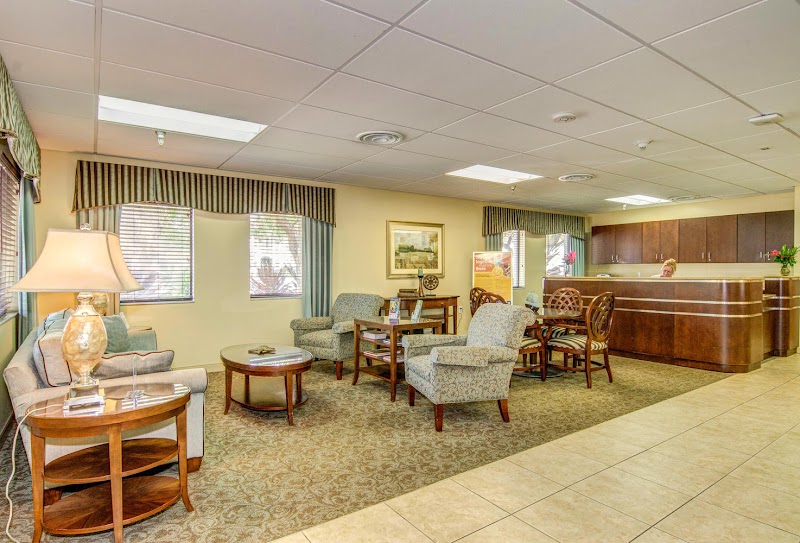
How is Creekside Center Staffed?

CMS rates CREEKSIDE HEALTH AND REHABILITATION CENTER's staffing level at 4 out of 5 stars, which is above average compared to other nursing homes. Staff turnover is 44%, compared to the Florida average of 46%. This relatively stable workforce can support continuity of care.

What Have Inspectors Found at Creekside Center?

State health inspectors documented 16 deficiencies at CREEKSIDE HEALTH AND REHABILITATION CENTER during 2022 to 2025. These included: 16 with potential for harm.
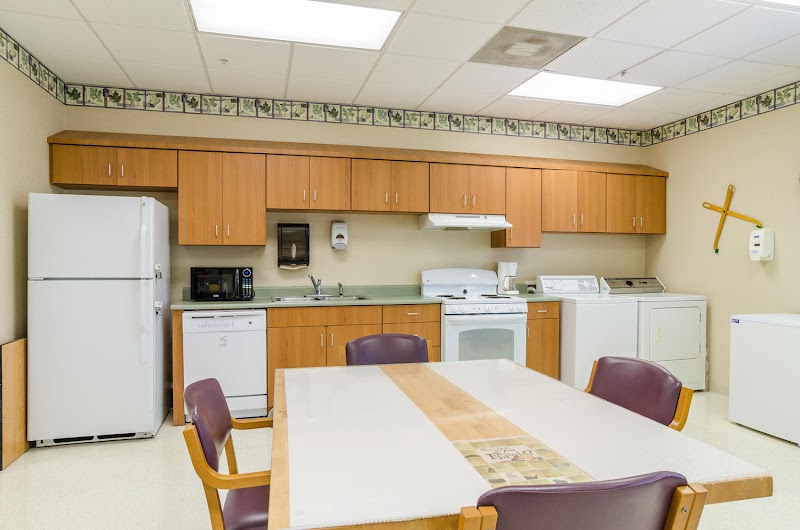
Who Owns and Operates Creekside Center?

CREEKSIDE HEALTH AND REHABILITATION CENTER is owned by a for-profit company. For-profit facilities operate as businesses with obligations to shareholders or private owners. The facility operates independently rather than as part of a larger chain. With 178 certified beds and approximately 130 residents (about 73% occupancy), it is a mid-sized facility located in SARASOTA, Florida.
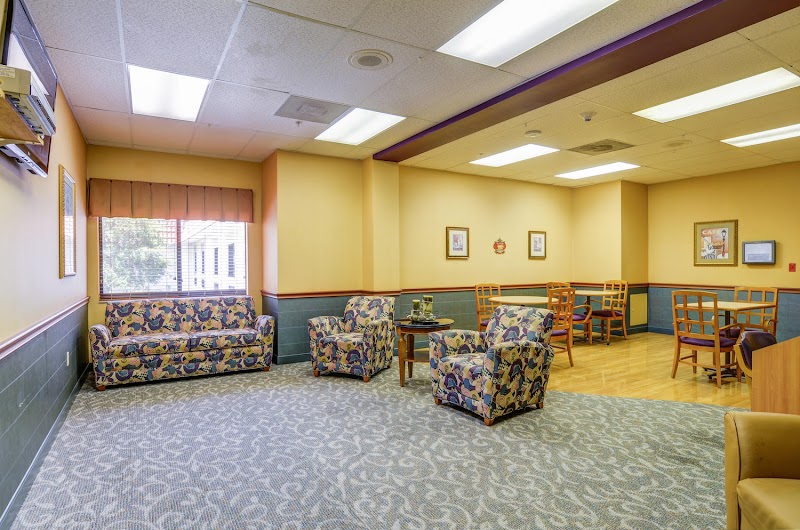
How Does Creekside Center Compare to Other Florida Nursing Homes?

Compared to the 100 nursing homes in Florida, CREEKSIDE HEALTH AND REHABILITATION CENTER's overall rating (2 stars) is below the state average of 3.2, staff turnover (44%) is near the state average of 46%, and health inspection rating (2 stars) is below the national benchmark.

What Should Families Ask When Visiting Creekside Center?

Based on this facility's data, families visiting should ask: "Can I visit during a mealtime to observe dining assistance and food quality?" "How do you handle medical emergencies, and what is your hospital transfer rate?" "Can I speak with family members of current residents about their experience?"

Is Creekside Center Safe?

Based on CMS inspection data, CREEKSIDE HEALTH AND REHABILITATION CENTER has a clean safety record: no substantiated abuse findings (meaning no confirmed cases of resident harm), no Immediate Jeopardy citations (the most serious violation level indicating risk of serious injury or death), and is not on the Special Focus Facility watch list (a federal program monitoring the lowest-performing 1% of nursing homes). The facility has a 2-star overall rating and ranks #100 of 100 nursing homes in Florida. While no facility is perfect, families should still ask about staff-to-resident ratios and recent inspection results during their visit.

Do Nurses at Creekside Center Stick Around?

CREEKSIDE HEALTH AND REHABILITATION CENTER has a staff turnover rate of 44%, which is about average for Florida nursing homes (state average: 46%). Moderate turnover is common in nursing homes, but families should still ask about staff tenure and how the facility maintains care continuity when employees leave.

Was Creekside Center Ever Fined?

CREEKSIDE HEALTH AND REHABILITATION CENTER has no federal fines on record. CMS issues fines when nursing homes fail to meet care standards or don't correct problems found during inspections. The absence of fines suggests the facility has either maintained compliance or corrected any issues before penalties were assessed. This is a positive indicator, though families should still review recent inspection reports for the full picture.

Is Creekside Center on Any Federal Watch List?

CREEKSIDE HEALTH AND REHABILITATION CENTER is not on any federal watch list. The most significant is the Special Focus Facility (SFF) program, which identifies the bottom 1% of nursing homes nationally based on persistent, serious quality problems. Not being on this list means the facility has avoided the pattern of deficiencies that triggers enhanced federal oversight. This is a positive indicator, though families should still review the facility's inspection history directly.