CRESCENT HEALTH AND REHABILITATION CENTER
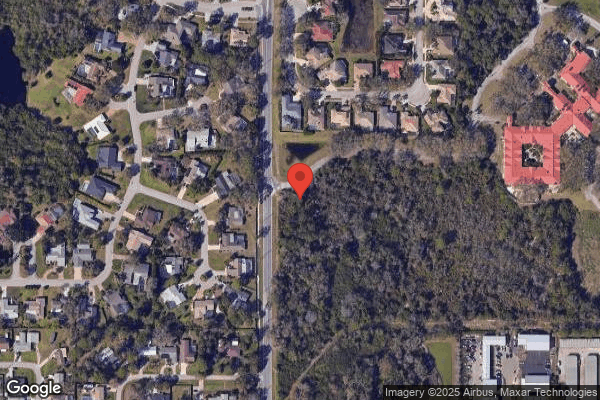

5401 SAWYER RD, SARASOTA, FL 34233 (941) 925-3427
For profit - Limited Liability company 140 Beds Independent Data: November 2025 2 Immediate Jeopardy citations
Trust Grade
6/100
#629 of 690 in FL
Last Inspection: September 2024

Within standard 12-15 month inspection cycle. Federal law requires annual inspections.

Overview

Crescent Health and Rehabilitation Center has received a Trust Grade of F, which indicates poor performance with significant concerns. Ranking #629 out of 690 facilities in Florida places it in the bottom half, and #24 out of 30 in Sarasota County means only six local options are worse. Although the facility is improving, having reduced issues from 10 in 2024 to 1 in 2025, it still faces substantial challenges, including a high staff turnover rate of 70%, which is concerning compared to the state average of 42%. While they have good RN coverage, providing more support than 79% of Florida facilities, there have been alarming incidents, such as licensed nurses using shared glucometers without proper disinfection between residents, risking exposure to blood-borne diseases for 17 residents. Additionally, there was a failure to maintain equipment used for resident care, raising further safety concerns. Families should weigh these strengths and weaknesses carefully when considering this facility for their loved ones.

Trust Score
F
6/100
In Florida
#629/690
Bottom 9%
Safety Record
High Risk
Review needed
Inspections
Getting Better
10 → 1 violations
Staff Stability
⚠ Watch
70% turnover. Very high, 22 points above average. Constant new faces learning your loved one's needs.
Penalties
○ Average
$26,534 in fines. Higher than 69% of Florida facilities. Some compliance issues.
Skilled Nurses
✓ Good
Each resident gets 53 minutes of Registered Nurse (RN) attention daily — more than average for Florida. RNs are trained to catch health problems early.
Violations
⚠ Watch
20 deficiencies on record. Higher than average. Multiple issues found across inspections.
★☆☆☆☆
1.0
Overall Rating
★★★☆☆
3.0
Staff Levels
★★★★☆
4.0
Care Quality
★☆☆☆☆
1.0
Inspection Score
Stable
2024: 10 issues
2025: 1 issues

The Good

  • 4-Star Quality Measures · Strong clinical quality outcomes
  • Full Sprinkler Coverage · Fire safety systems throughout facility
  • No fines on record

Facility shows strength in quality measures, fire safety.

The Bad

1-Star Overall Rating

Below Florida average (3.2)

Significant quality concerns identified by CMS

Staff Turnover: 70%

24pts above Florida avg (46%)

Frequent staff changes - ask about care continuity

Federal Fines: $26,534

Below median ($33,413)

Moderate penalties - review what triggered them

Staff turnover is very high (70%)

22 points above Florida average of 48%

The Ugly 20 deficiencies on record

2 life-threatening
Jan 2025 1 deficiency
CONCERN (D) 📢 Someone Reported This

A family member, employee, or ombudsman was alarmed enough to file a formal complaint

Potential for Harm - no one hurt, but risky conditions existed

Safe Environment (Tag F0584)

Could have caused harm · This affected 1 resident

Based on observations, interviews, and record review the facility failed to provide a safe, clean, homelike environment by failing to ensure an adequate amount of clean washcloths and towels to ensure...

Read full inspector narrative →
Based on observations, interviews, and record review the facility failed to provide a safe, clean, homelike environment by failing to ensure an adequate amount of clean washcloths and towels to ensure that they available for all residents in the facility throughout the day. The findings included: On 1/15/24 at 10:02 a.m., Certified Nursing Assistant (CNA), Staff A said during the 7 a.m. to 3 p.m. shift there was no clean linen, washcloths or towels available on the floor. She said they currently have no washcloths or towels available. On 1/15/24 at 10:20 a.m., the linen closet was observed on the same hall as the staff education room. There were no towels or washcloths available in the closet. On 1/15/25 at 10:30 a.m., Resident #4 said she always had to wait for towels and washcloths, there were never enough available. On 1/15/25 at 10:50 a.m., the Director of Housekeeping said she never did inventories of the amount of towels and washcloths available to staff. She said she was just about to deliver towels and washclothes to the floor. While touring the laundry area the cart the Director of housekeeping was delivering to the floors was observed to have 7 to 10 washcloths being delivered at that time. The Director of Housekeeping toured the linen closets and the carts on both of the east and west nursing floors and verified there were no washcloths or towels being stored in any of the linen closets or on either of the two linen carts on the east or west floors. On 1/15/25 at 10:56 a.m., Certified Nursing Assistant, Staff B was observed standing by the linen cart which was observed to have no towels or washcloths available. Staff B said the last two weeks she frequently did not have any towels or washcloths in the morning when she started her shift. On 1/15/25 at 11:00 a.m., the Director of Housekeeping said she usually had a person come in from 2:00 p.m. to 10:00 p.m. and complete the morning linen. She said it was only her right now and she came in at 6:00 a.m. and started the morning linen and that was why it took this long to get more linen out. She said there should be at least two towels and wash cloths available for each resident each day. On 1/15/24 11:22 a.m., The Administrator did not know did the numbers of linen, towels and wash cloths needed for the current census of residents. The Administrator said he thought there should be two towels and two was cloths per resident. He stated he would get a current inventory of the amount of towels and washcloths on hand. 1/15/25 at 11:30 a.m., Certified Nursing Assistant, Staff C was observed filling up the linen cart in the east wing linen closet after had housekeeping brought fresh towels and washcloths. Staff C said they have been running short of washcloths and towels every morning for the last two weeks. She states it usually takes until now to get them. On 1/15/25 at 1:00 p.m., Resident #7 said the facility runs out towels and washcloths all the time. Resident #7 has to continually has to ask for staff to change the linen on her bed because staff are short of linen. On 1/15/25 at 1:35 p.m., the Administrator said he had not yet gotten a count on the towels and wash clothes, he said he was trying to get an accurate count. On 1/15/25 at 2:19 p.m., the Administrator provided an inventory of the towels, hand towels and washcloths. There were only 81 towels inventoried being used for 108 residents. The Administrator said he was going to pull more towels for the emergency supply and order more towels. The administrator verified that the lack of linen this morning was related to both staffing and inventory of towels. The Administrator said the Director of Housekeeping was new to the job. He said she was moved from activities to Director of Housekeeping.
Sept 2024 6 deficiencies 2 IJ (2 affecting multiple)
CRITICAL (K)

Immediate Jeopardy (IJ) - the most serious Medicare violation

Deficiency F0726 (Tag F0726)

Someone could have died · This affected multiple residents

Based on observations, record review and staff interviews, the facility failed to ensure licensed nurses were knowledgeable, and competent in the disinfection of multi-residents shared glucometers in ...

Read full inspector narrative →
Based on observations, record review and staff interviews, the facility failed to ensure licensed nurses were knowledgeable, and competent in the disinfection of multi-residents shared glucometers in accordance with manufacturer's specifications. On 9/10/24 through 9/11/24, four licensed nurses on two different shifts and all three units of the facility were observed using multi-residents shared glucometers. The licensed nurses failed to disinfect the glucometers between each resident use. This failure placed 17 (Residents #82, #14, #11, #34, #4, #46, #21, #12, #49, #10, #59, #339, #27, #338, #41, #33, #54) of 17 residents requiring blood glucose testing at risk of exposure to blood-borne disease causing microorganisms which could result in serious illness or death of the residents. The facility failure to ensure licensed nurses maintained competency in disinfection of multi-residents shared glucometers to assure residents' safety resulted in the determination of Immediate Jeopardy starting on 9/10/24. The Immediate Jeopardy was removed on 9/12/24 before exit. The findings included: Cross reference F880. Review of the user guide for the blood glucose monitoring system used by the facility read, Healthcare professionals performing blood glucose tests with this system on multiple patients must always wear gloves and should follow infection control policies and procedures approved by the facility. When using this system, always follow the recognized procedures for handling objects that are potentially contaminated with human material. Practice the health and safety policy of your . institution . A drop of blood is required to perform a blood glucose test . All parts of the glucose monitoring system should be considered potentially infectious and are capable of transmitting blood-borne pathogens between patients and healthcare professionals . The meter should be disinfected after use on each patient. This blood glucose monitoring system may only be used for testing multiple patients when standard precautions and the manufacturer's disinfection procedures are followed . A new pair of clean gloves should be worn by the user before testing each patient . Glucose meters used in a clinical setting for testing multiple persons must be cleaned and disinfected between patients . Disinfection Instructions: The meter must be disinfected between each patient uses by wiping it with a [brand name] towelette or EPA (Environmental Protection Agency)-registered disinfecting wipe in between tests . The Disinfection process reduces the risk of transmitting infectious diseases if it performed properly . Allow the surface of the meter to remain wet for the contact time listed on the disinfecting wipe's instructions for use . 1. On 9/10/24 at 4:40 p.m., Registered Nurse (RN) Staff A was observed performing a fingerstick to measure blood glucose level for Resident #82. RN Staff A retrieved the glucometer from the top drawer of the medication cart. She placed the meter on the resident's over the bed table. RN Staff A did not disinfect the glucometer, she did not wash or sanitize her hands. Staff A did not wear gloves to perform the fingerstick. She obtained a drop of blood from the resident's finger and placed it on the test strip inserted in the glucometer. RN Staff A wiped the blood from the resident's finger with an alcohol wipe without gloves. Staff A left the room, placed the glucometer on the medication cart. She picked up the glucometer, quickly wiped it with an alcohol wipe. She placed the glucometer on the medication cart and said she'll let the meter dry here before using it on another resident. The glucometer was completely dry within six seconds. RN Staff A measured two units of Lispro insulin into a syringe. She went back in Resident #82's room and injected the insulin in the resident's right upper arm without using gloves, washing, or sanitizing her hands. RN Staff A left the room, sanitized her hands with hand sanitizer and said she was going to obtain the blood sugar for Resident #14. On 9/10/24 at 4:58 p.m., RN Staff A took the non-disinfected glucometer she used to check Resident #82's blood sugar to Resident #14's room. She did not wear gloves and got ready to use the glucometer to measure Resident #14's blood sugar. RN Staff A was asked to stop using the glucometer. On 9/10/24 at 5:00 p.m., in an interview RN Staff A verified she did not disinfect the glucometer between residents. She said the process was to wipe the glucometer with an alcohol wipe between use and let it dry completely before using it again for another resident. RN Staff A said she's used the shared glucometer for five residents (Residents #82, #14, #21, #54, and #33). On 9/10/24 at 5:04 p.m., the observation was shared with the Infection Preventionist (IP). RN Staff A was observed describing how she cleaned the glucometer by wiping it with an alcohol wipe to the IP. The IP instructed her to use the [Brand name] Germicidal Alcohol wipes. She instructed RN Staff A to wear gloves, wipe the front, the back and the sides of the glucometer once with the disinfecting wipe and let it dry for one minute. She said to be sure you can even let it dry two minutes. Review of the manufacturer's instruction for disinfecting for the (brand name) Germicidal Alcohol wipes used by the facility read, To disinfect hard, non-porous surfaces, use one or more wipes as necessary, to thoroughly wet the surface to be treated. Treated surface must remain visibly wet for one minute to achieve complete disinfection of all pathogens listed . Pathogens listed included HIV (Human Immunodeficiency Virus), HBV (Hepatitis B Virus), HCV (Hepatitis C Virus), Rhinovirus, Norovirus, Human coronavirus, Respiratory Syncytial Virus. RN Staff A donned clean gloves wiped the front, back and sides of the glucometer once and placed it on a paper towel on the cart to dry. RN Staff A did not observe the glucometer to ensure the meter remained wet for one minute to ensure disinfection. The glucometer progressively dried and was completely dry within 45 seconds. The IP watched RN Staff A improperly disinfect the glucometer. She said, It's better and walked away. The IP did not stop RN Staff A from continuing to use the improperly disinfected blood glucose meter. On 9/10/24 at 5:08 p.m., in an interview the IP said she never said it was perfect, she said it was better. On 9/10/24 at approximately 5:10 p.m., the observations and interviews with Staff A and the IP were shared with the Director of Nursing (DON). The DON said he would in-service RN Staff A right away. Review of the Nursing Home Infection Preventionist Training Course certificate for the facility's Infection Preventionist showed she completed the web-based training on 3/1/24. 2. On 9/10/24 at 5:28 p.m., RN Staff C was observed standing next to a medication cart. A glucometer, lancet and alcohol wipe were observed on top of the cart. Staff C said she was about to check Resident #10's evening blood sugar as per physician's order to determine if she needed to receive insulin coverage. Staff C sanitized her hands with alcohol, put on a pair of gloves and proceeded into Resident #10's room. She obtained Resident #10's permission to check the blood sugar. Staff C cleaned Resident #10's left middle finger with an alcohol wipe, proceeded to lance Resident #10's left middle finger. She obtained a drop of blood and used the glucometer to measure the resident's blood sugar. On 9/10/24 at 5:35 p.m., RN Staff C discarded the lancet and glucometer strip into the sharp container. She placed the glucometer on top of the medication cart, removed her gloves, and sanitized her hands with rubbing alcohol. On 9/10/24 at 5:38 p.m., in an interview RN Staff C said she had to check Resident #46's evening blood sugar. On 9/10/24 at 5:41 p.m., Staff C was observed gathering the materials needed to check Resident #46's blood sugar. Staff C was observed cleaning the glucometer with an alcohol pad for approximately 15 seconds. The glucometer was visually dry within five seconds after being wiped with the alcohol pad. The nurse gathered the remaining material and proceeded into Resident #46's room. Staff C was stopped from going into Resident #46's room. On 9/10/24 at 5:55 p.m., in an interview RN Staff C said the facility's policy stated they were required to wipe the glucometer for 20 seconds between each resident with an alcohol pad. 3. On 9/10/24 at 5:29 p.m., Licensed Practical Nurse (LPN) Staff B was observed preparing to measure Resident #11's blood sugar. LPN Staff B applied gloves, placed the glucometer, an alcohol wipe, and disposable lancet in a small cardboard box. She placed the box on the resident's over the bed table. She obtained a drop of blood from the resident's finger and used the glucometer to measure the resident's blood sugar. LPN Staff B administered insulin coverage to the resident's left lower abdomen. Staff B removed her gloves, placed the glucometer into the cardboard box. She did not disinfect the glucometer and stored it in the top drawer of the medication cart in the cardboard box. LPN Staff B said she was going to use the glucometer to measure Resident #34's blood sugar. On 9/10/24 at 5:39 p.m., LPN Staff B was observed preparing to measure Resident #34's blood sugar. She took the non-disinfected glucometer she used to measure Resident #11's blood sugar from the medication cart, a disposable lancet and alcohol wipe to Resident #34's room and prepared to do the fingerstick. LPN Staff B was stopped from using the glucometer. On 9/10/24 at 5:41 p.m., in an interview LPN Staff B said she was taught to wipe the multi-residents shared glucometer with an alcohol wipe at the beginning of each shift and again at the end of the shift. When asked about disinfecting the glucometer between each resident's use, she said, Oh yes we do that. She verified she did not disinfect the glucometer before attempting to use it on Resident #34. She said, It skipped my mind. She then wiped the non-disinfected glucometer and the box of testing strips with an alcohol wipe. Continuous observation of the meter showed it was completely dry in five seconds. LPN Staff B prepared to use the non-disinfected glucometer to measure Resident #34's blood sugar. LPN Staff B was asked again to stop using the non-disinfected glucometer. When asked to describe the process to disinfect the glucometers, LPN Staff B said, Basically check if the meter is working properly, clean after providing care to the resident, clean the meter with an alcohol wipe and document in the book. On 9/10/24 at 5:53 p.m., in a joint observation with the DON, LPN Staff B was observed wiping the glucometer with an alcohol wipe and said it was the step by step process. On 9/10/24 at approximately 5:55 p.m., the DON verified LPN Staff B did not properly disinfect the glucometer. He said he will in-service her right away. On 9/10/24 at 6:45 p.m., the DON said the nurses were recently educated on the proper disinfection of glucometers. The DON provided a Glucometer Competency checklist and a Blood Glucose/Glucometer Quiz/Competency form used by the facility. Item #17 on the Glucometer Competency checklist read, Cleans and understands proper maintenance of the glucometer per manufacturer. The Blood Glucose/Glucometer Quiz/Competency form consisted in 10 true or false questions. Question 6 read, The glucometer should be cleaned after each use. Question 7 read, It is acceptable to dry the glucometer after using the bleach wipe. The Glucometer Competency checklist and the Blood Glucose/Glucometer Quiz/Competency form did not describe the step by step process with a specified disinfecting wipe to ensure proper disinfection of the glucometers. RN Staff A signed the Blood Glucose/Glucometer Quiz/Competency form upon hire on 4/18/24. RN Staff C signed the Blood Glucose/Glucometer Quiz/Competency form on 5/9/24. 4. On 9/11/24 at 6:38 a.m., RN Staff D was observed doing a blood sugar check on Resident #46. Staff D took the glucometer, a lancet, an alcohol wipe in the resident's room. She donned gloves, did the fingerstick, obtained a drop of blood and used the glucometer to measure the resident's blood sugar. RN Staff D doffed the gloves, sanitized her hands and took the glucometer to the medication cart. RN Staff D donned gloves. She used two (brand name) germicidal alcohol wipes from a tub. She wiped the glucometer for 26 seconds with the disinfecting wipes. She placed the glucometer in a plastic cup and set it on the medication cart. Continuous observation from the time Staff D started using the disinfecting wipes showed the glucometer was completely dry at 45 seconds. RN Staff D verified the glucometer was dry at 45 seconds. She verified she did not ensure the glucometer remained wet for the contact time of one minute listed on the disinfecting wipe. Review of the glucometer competencies revealed RN Staff D signed the Glucometer Competency checklist on 7/14/24. On 9/11/24 at 11:45 a.m., in an interview the DON said he began employment at the facility approximately four months ago. He said they were doing training and getting ready for quarterly education. He said infection control and disinfection of the multi-residents shared glucometers were not an area of concern. He said he observed eight nurses properly disinfect the glucometers. On 9/11/24 at 1:30 p.m., the DON said the facility did not have a policy for disinfecting glucometers. He said he would contact a sister facility and ask for their policy. On 9/11/24 at 3:20 p.m., the DON provided a poster board with the Glucometer Competency checklist and Cleaning Glucometer instructions taped to it which he said the facility used in a skills fair completed in July 2024. The Cleaning Glucometer instructions read, Wash hands with soap and water. Put on single use gloves. Use an approved bleach germicidal wipe for cleaning the glucometer. Wipe all external areas of the meter including front and back surfaces until visibly clean. Allow the surface of the meter to remain WET at room temperature for the contact time listed on the wipe's directions for use. DO NOT DRY. ALLOW TO AIR DRY. Remove gloves and perform hang hygiene. Photographic evidence obtained. He said the skills fair consisted in multiple stations, including a station to demonstrate proper disinfection of glucometers. The DON said he personally watched the nurses demonstrating proper disinfection of the glucometers. The DON verified the Glucometer Competency skills checklist did not list a specific EPA (Environmental Protection Agency) product. He did not say which product he watched the nurses used during the skills fair to demonstrate competency in glucometer disinfection. On 9/11/24 at 4:00 p.m., the DON provided a Standards and Guidelines: Blood Glucose policy revised 01/2024 that read, Standard: The purpose of this procedure is to guide the safe handling of capillary-blood sampling devices to prevent transmission of bloodborne diseases to residents and employees . General Guidelines. Always ensure that blood glucose meters intended for reuse are cleaned and disinfected between resident uses . Steps in the Procedure: Follow manufacture [sic] instructions. On 9/12/24 the facility provided Glucometer Competency checklists showing LPN Staff B had a competency evaluation related to disinfecting the glucometers on 7/2/24 and 7/14/24. After verification of implementation of an acceptable Immediate Jeopardy removal plan, the Immediate Jeopardy was removed as of 9/12/24. The immediate actions implemented by the facility and verified by the survey team included: On 9/10/24 Residents #46, #34, and #82 were assessed by a licensed nurse to ensure no adverse effects were noted from the alleged deficient practice. No issues were identified at the time of the assessment. On 9/12/24 the survey team verified through observation of assessment done. On 9/10/24 RN Staff A, LPN Staff B, and RN Staff D were re-educated by the Director of Nursing/Designee on proper disinfecting of the glucometer machine and provided a return demonstration on proper disinfecting of glucometer machine. On 9/12/24 the survey team verified through review of the education and competency for the licensed nurses. Proof the glucometer disinfection competencies for the four licensed nurses (RN Staff A, LPN Staff B, RN Staff C and RN Staff D) On 9/11/24 the survey team verified documentation of competency evaluation for RN Staff A, RN Staff C and RN Staff D. On 9/11/24 the survey team was provided proof that all current licensed nurses had received prior education and completed return demonstration competencies on disinfection of glucometers during orientation or skills fair training. On 9/12/24 the facility provided Glucometer Competency checklists showing LPN Staff B had a competency evaluation related to disinfecting the glucometers on 7/2/24 and 7/14/24. On 9/12/24 the survey team verified through review of education and competency evaluations provided prior to 9/10/24. The facility provided documentation of training starting on 9/11/24 for 14 of 25 licensed nurses. On 9/11/24 current residents who received blood glucose monitoring were assessed by a licensed nurse to ensure no adverse effects were noted from the alleged deficient practice. No issues were identified at the time of the assessment. On 9/12/24 the survey team verified through review of the assessments. On 9/11/24 current licensed nurses were re-educated in person or via phone by the Assistant Director of Nursing/Designee on the process for glucometer disinfection and 100% completion was achieved on 9/12/24. On 9/12/24 the survey team verified through review of the training provided to the licensed nurses. On 9/11/24 the facility initiated training with current licensed nurses on disinfecting glucometers and have completed competencies with return demonstration, on disinfection of glucometer machines. As of 9/12/24 14 of 25 licensed nurses received the training and had the competency evaluation. Those licensed nurses who have not completed competency validation will not be allowed to work until completed. On 9/12/24 the survey team verified through review of the education and competency evaluations. On 9/12/24 all four nurses on duty were interviewed and were able to verbalize the process for disinfecting the glucometers using the selected EPA approved disinfecting wipes. On 9/12/24 the Infection Preventionist was re-educated on proper disinfection of glucometer machine by the Director of Nursing and provided return demonstration on proper disinfection of glucometer machines. On 9/12/24 the survey team verified through review of the education and return demonstration for the Infection Preventionist. On 9/11/24 the facility implemented a new process where each resident requiring blood glucose monitoring will be provided with their own individual glucometer machines which will be stored in plastic containers with lids and their names to identify individual glucometer machine. Process implemented for all current residents receiving blood glucose monitoring on 9/11/24. As of 9/11/24 all current medication carts are equipped with a plastic basket to hold EPA approved disinfection wipes, timers to ensure timeliness of disinfection, instructions on how to disinfect glucometer machines and contact time listed on the container of the disinfectant wipes. On 9/12/24 the survey team verified by observation of all six medication carts and interview with all four nurses on duty. Each resident requiring blood glucose monitoring had an individual glucometer stored in a plastic container with a lid. Each resident's name was labeled with the resident's name. Each cart had a timer to ensure the wet contact time per manufacturer's specification for the disinfecting wipes. Four of four licensed nurses on duty were interviewed and verified they had received training followed by competency evaluation for disinfecting glucometers using the facility's chosen EPA approved disinfecting wipes. All four nurses interviewed were able to describe the step by step process for disinfection of the glucometers and the required contact time for the disinfecting wipes. On 9/12/24 the Medical Director was contacted to review the recommendations for monitoring of the current residents potentially affected by the alleged deficient practice; new orders received for monitoring CBC (Complete Blood Count) with Diff (Differential) once in the morning and then again in 7 days; also monitor vital signs every day for duration of 7 days starting on 9/12/24. On 9/12/24 the survey team verified through review of documentation of Medical Director contact and orders for all 17 current residents requiring blood glucose monitoring. Newly hired nurses will be educated on proper disinfection of glucometers by the Assistant Director of Nursing/Designee and provide return demonstration as part of orientation. On 9/12/24 the survey team verified through review of the process for education of newly hired nurses on proper disinfection of glucometers. Currently the facility is not utilizing agency licensed nurses; in the event that the facility would need to utilize licensed agency staff, those licensed agency nurses would be educated on proper disinfection of glucometers and provide return demonstration. On 9/12/24 the survey team verified through documented process to educate agency licensed nurses on proper disinfection of glucometers. DON/Designee will conduct audits on five nurses, five times a week for four weeks then three times a week for four weeks then weekly for four weeks to ensure proper disinfection of blood glucose machines is maintained. Findings of the audits will be reviewed weekly in the Quality Assurance Meetings. On 9/12/24 the survey team verified through review of documented plan for audits, and interview with the DON.
CRITICAL (K)

Immediate Jeopardy (IJ) - the most serious Medicare violation

Infection Control (Tag F0880)

Someone could have died · This affected multiple residents

Based on observation, record review and staff interviews the facility failed to maintain an on-going infection prevention and control program by failing to ensure multi-residents shared glucometers (b...

Read full inspector narrative →
Based on observation, record review and staff interviews the facility failed to maintain an on-going infection prevention and control program by failing to ensure multi-residents shared glucometers (blood glucose meters) were properly disinfected between each resident use to prevent cross contamination and spread of infectious agents to 17 (Residents #82, #14, #11, #34, #4, #46, #21, #12, #49, #10, #59, #339, #27, #338, #41, #33, #54) of 17 residents requiring blood glucose testing. On 9/10/24 through 9/11/24 a total of four licensed nurses on different shifts and units were observed using multi-residents shared glucometers. The nurses failed to disinfect the glucometers between each resident use. The facility's failure to ensure proper disinfection of the glucometers in accordance with manufacturer's specifications placed 17 residents requiring blood glucose testing at risk of exposure to blood-borne disease causing microorganisms which could result in serious illness or death of the residents. This failure resulted in the determination of Immediate Jeopardy starting on 9/10/24. The Immediate Jeopardy was removed on 9/12/24 prior to exit. The findings included: Cross reference F726. Review of the Center for Disease Control Considerations for Blood Glucose Monitoring and Insulin Administration dated August 7, 2024, read, . Blood glucose meters. Whenever possible, assign blood glucose meters to a person and do not share them . If blood glucose meters must be shared, the device should be cleaned and disinfected after every use, per the manufacturer's instructions, to prevent the spread of blood and infectious agents . If healthcare providers use blood glucose testing or insulin administration devices on more than one patient, equipment and supplies may become contaminated. Unsafe practices during assisted monitoring of blood glucose and insulin administration contribute to the spread of hepatitis B virus, hepatitis C virus, Human Immunodeficiency Virus (HIV), and other infections. Unsafe practices include: . Using a blood glucose meter for more than one person without cleaning and disinfecting it in between uses . Failing to change gloves and perform hand hygiene between fingerstick procedures. https://www.cdc.gov/injection-safety/hcp/infection-control/?CDC_AAref_Val=https://www.cdc.gov/injectionsafety/blood-glucose-monitoring.html#cdc_infection_control_impleme-recommend-practices-in-healthcare-settings Review of the user guide for the blood glucose monitoring system used by the facility read, Healthcare professionals performing blood glucose tests with this system on multiple patients must always wear gloves and should follow infection control policies and procedures approved by the facility. When using this system, always follow the recognized procedures for handling objects that are potentially contaminated with human material. Practice the health and safety policy of your . institution . A drop of blood is required to perform a blood glucose test . All parts of the glucose monitoring system should be considered potentially infectious and are capable of transmitting blood-borne pathogens between patients and healthcare professionals . The meter should be disinfected after use on each patient. This blood glucose monitoring system may only be used for testing multiple patients when standard precautions and the manufacturer's disinfection procedures are followed . A new pair of clean gloves should be worn by the user before testing each patient . Glucose meters used in a clinical setting for testing multiple persons must be cleaned and disinfected between patients . Disinfection Instructions: The meter must be disinfected between each patient uses by wiping it with a [brand name] towelette or EPA (Environmental Protection Agency)-registered disinfecting wipe in between tests . The Disinfection process reduces the risk of transmitting infectious diseases if it is performed properly . allow the surface of the meter to remain wet for the contact time listed on the disinfecting wipe's instructions for use . 1. On 9/10/24 at 4:40 p.m., Registered Nurse (RN) Staff A was observed performing a fingerstick to measure blood glucose level for Resident #82. RN Staff A retrieved the glucometer from the top drawer of the medication cart. She placed the meter on the resident's over the bed table. RN Staff A did not disinfect the glucometer. She did not wash or sanitize her hands. RN Staff A did not follow infection prevention practice. She did not wear gloves to perform the fingerstick. She obtained a drop of blood from the resident's finger and placed it on the test strip inserted in the glucometer. RN Staff A wiped the blood from the resident's finger with an alcohol wipe without gloves. Staff A left the room, placed the glucometer on the medication cart. She picked up the glucometer, quickly wiped it with an alcohol wipe. She placed the glucometer on the medication cart and said she'll let the meter dry here before using it on another resident. The glucometer was completely dry within 6 seconds. RN Staff A measured two units of Lispro insulin into a syringe. She went back in Resident #82's room and injected the insulin in the resident's right upper arm without washing, sanitizing her hands or using gloves. RN Staff A left the room, sanitized her hands with hand sanitizer and said she was going to obtain the blood sugar for Resident #14. On 9/10/24 at 4:58 p.m., RN Staff A took the non-disinfected glucometer used to check Resident #82's blood sugar to Resident #14's room. She did not wear gloves and got ready to use the glucometer to measure Resident #14's blood sugar. RN Staff A was asked to stop using the glucometer. On 9/10/24 at 5:00 p.m., in an interview RN Staff A verified she did not disinfect the glucometer between residents. Staff A verified she did not follow standard precautions and did not wear gloves to wipe Resident #82's blood from the fingerstick. She said the process was to wipe the glucometer with an alcohol wipe between use and let it dry completely before using it again for another resident. RN Staff A said she's used the shared glucometer on five residents (Residents #82, #14, #21, #54, and #33). On 9/10/24 at 5:04 p.m., the observation was shared with the Infection Preventionist (IP). RN Staff A was observed describing how she cleaned the glucometer by wiping it with an alcohol wipe to the IP. The IP instructed her to use the [Brand name] Germicidal Alcohol wipes. She instructed RN Staff A to wear gloves, wipe the front, the back and the sides of the glucometer once with the disinfecting wipe and let it dry for one minute. She said to be sure you can even let it dry two minutes. Review of the manufacturer's instruction for disinfecting for the (brand name) Germicidal Alcohol wipes used by the facility read, To disinfect hard, non-porous surfaces, use one or more wipes as necessary, to thoroughly wet the surface to be treated. Treated surface must remain visibly wet for one minute to achieve complete disinfection of all pathogens listed . Pathogens listed included HIV (Human Immunodeficiency Virus), HBV (Hepatitis B Virus), HCV (Hepatitis C Virus), Rhinovirus, Norovirus, Human coronavirus, Respiratory Syncytial Virus. RN Staff A donned clean gloves wiped the front, back and sides of the glucometer once and placed it on a paper towel on the cart to dry. RN Staff A did not observe the glucometer to ensure the meter remained wet for one minute to ensure disinfection. The glucometer was observed to progressively dry. The glucometer was completely dry be within 45 seconds. The IP watched RN Staff A improperly disinfect the glucometer. She said, It's better and walked away. The IP did not stop RN Staff A from continuing to use the improperly disinfected blood glucose meter. On 9/10/24 at 5:08 p.m., in an interview the IP said she never said it was perfect, she said it was better. On 9/10/24 at approximately 5:10 p.m., the observations and interviews with Staff A and the IP were shared with the Director of Nursing (DON). The DON said he would in-service RN Staff A right away. Review of the Medication Administration Record (MAR) for September 2024 revealed Residents #82, #14, #21, #54 and #33's resided on the same hallway and on 9/10/24 at 11:30 a.m., RN Staff A monitored the blood glucose for all five residents. 2. On 9/10/24 at 5:28 p.m., RN Staff C was observed standing next to a medication cart. A glucometer, lancet and alcohol wipe were observed on top of the cart. Staff C said she was about to check Resident #10's evening blood sugar as per physician's order to determine if she needed to receive insulin coverage. Staff C sanitized her hands with alcohol, put on a pair of gloves and proceeded into Resident #10's room. She obtained Resident #10's permission to check the blood sugar. Staff C cleaned Resident #10's left middle finger with an alcohol wipe, proceeded to lance Resident #10's left middle finger. She obtained a drop of blood and used the glucometer to measure the resident's blood sugar. On 9/10/24 at 5:35 p.m., RN Staff C discarded the lancet and glucometer strip into the sharp container. She placed the glucometer on top of the medication cart, removed her gloves, and sanitized her hands with rubbing alcohol. On 9/10/24 at 5:38 p.m., in an interview RN Staff C said she had to check Resident #46's evening blood sugar. On 9/10/24 at 5:41 p.m., Staff C was observed gathering the materials needed to check Resident #46's blood sugar. Staff C was observed cleaning the glucometer with an alcohol pad for approximately 15 seconds. The glucometer was visually dry within five seconds after being wiped with the alcohol pad. The nurse gathered the remaining material and proceeded into Resident #46's room. Staff C was stopped from going into Resident #46's room. On 9/10/24 at 5:55 p.m., in an interview RN Staff C said the facility's policy stated they were required to wipe the glucometer for 20 seconds between each resident with an alcohol pad. 3. On 9/10/24 at 5:29 p.m., Licensed Practical Nurse (LPN) Staff B was observed preparing to measure Resident #11's blood sugar. LPN Staff B donned gloves, placed the glucometer, an alcohol wipe, and disposable lancet in a small cardboard box and placed the box on the resident's over the bed table. She obtained a drop of blood from the resident's finger and used the glucometer to measure the resident's blood sugar. LPN Staff B administered insulin coverage to the resident's left lower abdomen. Staff B removed her gloves, placed the glucometer into the cardboard box. She did not disinfect the glucometer and stored it in the top drawer of the medication cart. LPN Staff B said she was going to use the glucometer next to measure Resident #34's blood sugar. On 9/10/24 at 5:39 p.m., LPN Staff B was observed preparing to measure Resident #34's blood sugar. She took the non-disinfected glucometer used to measure Resident #11's blood sugar from the medication cart, a disposable lancet and alcohol wipe to Resident #34's room and prepared to do the fingerstick. LPN Staff B was stopped from using the glucometer. On 9/10/24 at 5:41 p.m., in an interview LPN Staff B said she was taught to wipe the multi-residents shared glucometer with an alcohol wipe at the beginning of each shift and again at the end of the shift. When asked about disinfecting the glucometer between each resident's use, she said, Oh yes we do that. She verified she did not disinfect the glucometer before attempting to use it on Resident #34. LPN Staff B said, It skipped my mind. She wiped the non-disinfected glucometer and the box of testing strips with an alcohol wipe. Continuous observation of the meter showed it was completely dry in five seconds. LPN Staff B walked back in Resident #34's room. LPN Staff B was asked again to stop using the non-disinfected glucometer. When asked to describe the process to disinfect the blood glucose meters, LPN Staff B said, Basically check if the meter is working properly, clean after providing care to the resident, clean the meter with an alcohol wipe and document in the book. On 9/10/24 at 5:53 p.m., in a joint observation with the DON, LPN Staff B was observed wiping the glucometer with an alcohol wipe and said it was the step by step process. On 9/10/24 at approximately 5:55 p.m., the DON verified LPN Staff B did not properly disinfect the glucometer. On 9/10/24 at 6:45 p.m., the DON said the nurses were recently educated on the proper disinfection of glucometers. The DON provided a list of 24 licensed nurses who he said were currently employed at the facility. The DON provided a glucometer competency checklist for 15 of the 24 Licensed Nurses. The facilitator listed on the competency checklist was the Director of Nursing. Seven of the 24 nurses had a competency in August 2024. The checklist included: Item 17, Cleans and understands proper maintenance of glucometer per manufacturer. Eight nurses had a Blood Glucose/ Quiz/Competency form which consisted of 10 true or false questions. Question 6 read, The glucometer should be cleaned after each use. On 9/10/24 at 7:00 p.m., the DON said he did not have a policy for disinfecting glucometers. He said he contacted the Regional Nurse and was awaiting. 4. On 9/11/24 at 6:38 a.m., RN Staff D was observed doing a blood sugar check on Resident #46. Staff D took the glucometer, a lancet, an alcohol wipe in the resident's room. She donned gloves, did the fingerstick, obtained a drop of blood and used the glucometer to measure the resident's blood sugar. RN Staff D doffed the gloves, sanitized her hands and took the glucometer to the medication cart. RN Staff D donned gloves. She used two (brand name) germicidal alcohol wipes from a tub. She wiped the glucometer for 26 seconds with the disinfecting wipes. She placed the glucometer in a plastic cup and set it on the medication cart. Continuous observation from the time Staff D started using the disinfecting wipes showed the glucometer was completely dry at 45 seconds. RN Staff D verified the glucometer was dry at 45 seconds. She verified she did not ensure the glucometer remained wet for the contact time of one minute listed on the disinfecting wipe. On 9/11/24 at 7:00 a.m.,10:30 a.m., and 12:15 p.m., the DON was asked but did not provide the facility's policy and procedure for disinfecting blood glucose meters. On 9/11/24 at 1:30 p.m., the DON said the facility did not have a policy for disinfecting glucometers. He said he would contact a sister facility and ask for their policy. On 9/11/24 at 3:34 p.m., in an interview the Medical Director said the use of 30 seconds to one minute contact time of cleaning the glucometer with alcohol 70% was acceptable and caused minimal risk to the patients. He said the real risk was for HIV and HBV (Hepatitis B Virus). He said if someone used the toothbrush of a person with gingivitis and infected with HBV even minimal amount of blood can transmit HBV. When asked about the nurse not using gloves to wipe blood from a resident's finger, the Medical Director said exposure to the nurse was dependent on the nurse catching blood on her hands. She wiped the blood with a damp alcohol pad so the blood got in the alcohol pad. He was not too worried about cross contamination. The Medical Director said they were now teaching the nurses the standards. On 9/11/24 at 4:00 p.m., the DON provided a Standards and Guidelines: Blood Glucose revised 01/2024 that read, Standard: The purpose of this procedure is to guide the safe handling of capillary-blood sampling devices to prevent transmission of bloodborne diseases to residents and employees . General Guidelines. Always ensure that blood glucose meters intended for reuse are cleaned and disinfected between resident uses . Steps in the Procedure: Follow manufacture [sic] instructions. After verification of implementation of an acceptable Immediate Jeopardy removal plan, the Immediate Jeopardy was removed as of 9/12/24. The immediate actions implemented by the facility and verified by the survey team included: On 9/10/24 Residents #46, #34, and #82 were assessed by a licensed nurse to ensure no adverse effects were noted from the alleged deficient practice. No issues were identified at the time of the assessment. On 9/12/24 the survey team verified through observation of assessment done. On 9/10/24 RN Staff A, LPN Staff B, and RN Staff D were re-educated by the Director of Nursing/Designee on proper disinfecting of the glucometer machine and provided a return demonstration on proper disinfecting of glucometer machine. On 9/12/24 the survey team verified through review of the education and competency for the licensed nurses. On 9/11/24 an Ad Hoc (unplanned) Quality Assurance Meeting was held with the facility Medical Director in attendance. The following team members were also in attendance: Facility Administrator, Regional Nurse Consultant, Director of Nursing, Unit Manager, Human Resources Director, AIT (Applied Information Technology), and Assistant Director of Nursing. The Ad Hoc QAPI (Quality Assurance and Performance Improvement) committee approved the recommendations. The Ad Hoc QA included a Performance Improvement Plan developed and initiated based upon Root Cause Analysis. On 9/11/24 the survey team was provided proof that all current licensed nurses had received prior education and completed return demonstration competencies on disinfection of glucometers during orientation or skills fair training. On 9/12/24 the facility provided the survey team with documentation of prior education and glucometer and competencies. On 9/11/24 current residents who received blood glucose monitoring were assessed by a licensed nurse to ensure no adverse effects were noted for the alleged deficient practice. No issues were identified at the time of assessment. On 9/12/24 the survey team verified through review of the assessment of the current residents receiving blood glucose monitoring. On 9/11/24 current licensed nurses were re-educated in person or via phone by the Assistant Director of Nursing/Designee on the process for glucometer disinfection and 100% completion was achieved on 9/12/24. On 9/12/24 the survey team verified through review of the education provided to all current licensed nurses employed at the facility. On 9/11/24 the facility initiated training with current licensed nurses on disinfecting glucometers and have completed competencies with return demonstration, on disinfection of glucometer machines. As of 9/12/24 14 of 25 licensed nurses completed the training and competencies on disinfecting glucometers. On 9/12/24 the survey team verified through review of the training provided to 14 licensed nurses. On 9/11/24 the facility implemented a new process where each resident requiring blood glucose monitoring will be provided with their own individual glucometer machines which will be stored in plastic containers with lids and their names to identify individual glucometer machine. Process implemented for all current residents receiving blood glucose monitoring on 9/11/24. On 9/11/24 the facility reviewed the new process changes of individualized glucometers and the implementation of baskets on the nurses med carts to hold the sanitizer, timer, instructions for disinfections and contact time marked on the disinfectant wipe; Medical Director was in agreement with the new process. On 9/12/24 the survey team verified by observation of all six medication carts and interview with all four nurses on duty. Each resident requiring blood glucose monitoring had an individual glucometer stored in a plastic container with a lid. Each resident's name was labeled with the resident's name. Each cart had a timer to ensure the wet contact time per manufacturer's specification for the disinfecting wipes. On 9/12/24 four of four licensed nurses on duty were interviewed. All four licensed nurses were able to verbalize the process for proper disinfection of glucometers and verified they had received training followed by competency evaluation for disinfecting glucometers using the facility's chosen EPA approved disinfecting wipes. All four nurses interviewed were able to describe the step by step process for disinfection of the glucometers and the required contact time for the disinfecting wipes. On 9/12/24 the Medical Director was contacted to review the recommendations for monitoring of the current residents potentially affected by the alleged deficient practice; new orders received for monitoring CBC (Complete Blood Count) with Diff (Differential) once in the morning and then again in 7 days; also monitor vital signs every day for duration of 7 days starting on 9/12/24. On 9/12/24 the survey team verified through review of documentation of Medical Director contact and orders for all 17 current residents requiring blood glucose monitoring. On 9/12/24 the Infection Preventionist was re-educated on proper disinfection of glucometer machine by the Director of Nursing and provided return demonstration on proper disinfection of glucometer machines. On 9/12/24 the survey team verified through review of the training and return demonstration documentation for the Infection Preventionist. Newly hired nurses will be educated on proper disinfection of glucometers by the Assistant Director of Nursing/Designee and provide return demonstration as part of orientation. On 9/12/24 the survey team verified through review of the process for education of newly hired nurses on proper disinfection of glucometers. Currently the facility is not utilizing agency licensed nurses; in the event that the facility would need to utilize licensed agency staff, those licensed agency nurses would be educated on proper disinfection of glucometers and provide return demonstration. On 9/12/24 the survey team verified through documented process to educate agency licensed nurses on proper disinfection of glucometers. DON/Designee will conduct audits on five nurses, five times a week for four weeks then three times a week for four weeks then weekly for four weeks to ensure proper disinfection of blood glucose machines is maintained. Findings of the audits will be reviewed weekly in the Quality Assurance Meetings. On 9/12/24 the survey team verified through review of documented plan for audits.
CONCERN (D)

Potential for Harm - no one hurt, but risky conditions existed

Accident Prevention (Tag F0689)

Could have caused harm · This affected 1 resident

**NOTE- TERMS IN BRACKETS HAVE BEEN EDITED TO PROTECT CONFIDENTIALITY** Based on observation, record review and staff interviews, the facility failed to ensure staff followed safety precautions to pre...

Read full inspector narrative →
**NOTE- TERMS IN BRACKETS HAVE BEEN EDITED TO PROTECT CONFIDENTIALITY** Based on observation, record review and staff interviews, the facility failed to ensure staff followed safety precautions to prevent avoidable falls and accidents for 1 (Resident #34) of 5 dependent residents observed during transfer with a full body mechanical lift. The findings included: Review of the clinical record for Resident #34 revealed an admission date of 8/9/24. Diagnoses included left Hemiplegia (paralysis of the left side of the body). The admission Minimum Data Set Assessment with a target date of 8/15/24 noted the resident was dependent on staff for chair to bed transfer (Helper does all of the effort. Resident does none of the effort to complete the activity). The care plan initiated on 8/12/24 noted the resident had an activity of daily living self-care deficit related to a history of cerebrovascular accident, left hemiplegia (paralysis of the left side of the body), impaired mobility and weakness. The interventions noted Resident #34 was totally dependent and required the assistance of two for transfers in and out of chair or bed. The care plan specified to use a (brand name) full body mechanical lift with two person assist. The Certified Nursing Assistant (CNA) [NAME] (Provides instructions for safe care) noted to use the (brand name) full body mechanical lift with two person assist. On 9/9/24 at 11:42 a.m., CNA Staff E was observed transferring Resident #34 from the wheelchair to the bed, in her room, using a full body mechanical lift. The CNA operated the lift alone, lifted the resident from the wheelchair, wheeled the resident approximately six feet to the bed, and lowered the resident in the bed. On 9/9/24 at 11:50 a.m., in an interview the CNA Staff E verified he used the full body mechanical lift alone to transfer the resident. He said for safety reasons there should always be two people when using the mechanical lift, in case the resident start to slip or something. He said the facility was short staffed and it would have taken too long, 10 minutes to get help to transfer Resident #34 with the mechanical lift. He said, I don't want to say I'm hardheaded but I'm hardheaded. Review of CNA Staff E's training showed a mechanical lift competency was done on 5/9/24 which specified two caregivers should operate the lift. On 9/10/24 at 3:56 p.m., in an interview Licensed Practical Nurse Staff B said she supervises the CNAs and helps as needed with transfers with mechanical lifts but does not keep documentation of the supervision. On 9/10/24 at 4:00 p.m., the Director of Nursing said he was aware CNA Staff E used the full body mechanical lift alone and started education on safe use of the full body mechanical lift using two staff members.
CONCERN (D)

Potential for Harm - no one hurt, but risky conditions existed

Unnecessary Medications (Tag F0759)

Could have caused harm · This affected 1 resident

Based on observations, record review, and staff interviews, the facility failed to ensure its medication error rate was below 5%. Five nurses, seven residents and 25 opportunities were observed. Three...

Read full inspector narrative →
Based on observations, record review, and staff interviews, the facility failed to ensure its medication error rate was below 5%. Five nurses, seven residents and 25 opportunities were observed. Three medication errors were identified resulting in a medication error rate of 12%. The findings included: 1. On 9/10/24 at 8:37 a.m., Licensed Practical Nurse (LPN) Staff F was observed preparing and administering medications to Resident #36, including 10 different oral medications. Reconciliation of the observation with the physician's orders revealed: MiraLax oral packet 17 grams (laxative), and Fexofenadine 180 milligrams (antihistamine) scheduled to be given at 9:00 a.m., daily were not administered. LPN Staff F placed her initials on the Medication Administration Record (MAR) for 9/10/24 indicating the medications were administered in accordance with the physician's orders. On 9/10/24 at 2:20 p.m., in an interview LPN Staff F verified she did not administer the MiraLax or the Fexofenadine to Resident #36 but signed on the MAR she administered both medications as ordered. 2. On 9/10/24 at 4:33 p.m., Registered Nurse (RN) Staff A was observed preparing to administer Fluticasone propionate/salmeterol diskus 500/50 aerosol powder breath activated inhaler to Resident #13 for chronic obstructive pulmonary disease. Staff A handed the inhaler to the resident. Resident #13 took one inhalation orally and gave the inhaler back to the nurse. RN Staff A left the resident's room and placed the inhaler back in the medication cart. Observation of the label on the medication box specified to rinse mouth thoroughly after each use. Photographic evidence obtained. RN Staff A did not instruct the resident to rinse her mouth and not swallow the water after the inhalation. On 9/10/24 at 4:39 p.m., in an interview RN Staff A verified she did not instruct the resident to rinse her mouth in accordance with the manufacturer's specification. RN Staff A said she forgot. Review of the manufacturer's insert for the Fluticasone propionate/salmeterol revealed to advise patients to rinse the mouth with water without swallowing after inhalation to help reduce the risk of thrush (fungal/yeast infection that can grow in the mouth, throat and other parts of the body). On 9/12/24 at 12:30 p.m., the medication errors observed were discussed with the Director of Nursing (DON). The DON was informed of the medication error rate of 12%.
CONCERN (E)

Potential for Harm - no one hurt, but risky conditions existed

Safe Environment (Tag F0584)

Could have caused harm · This affected multiple residents

**NOTE- TERMS IN BRACKETS HAVE BEEN EDITED TO PROTECT CONFIDENTIALITY** Based on observation and interview the Facility failed to ensure a clean and sanitary environment by failing to ensure the carpe...

Read full inspector narrative →
**NOTE- TERMS IN BRACKETS HAVE BEEN EDITED TO PROTECT CONFIDENTIALITY** Based on observation and interview the Facility failed to ensure a clean and sanitary environment by failing to ensure the carpets in the halls of the facility and several rooms in the facility (rooms 616, and 610) were clean and sanitized, failing to ensure the walls were free form streaks, gouges and pealing wallpaper (rooms 616, 614, 610, and 609) the privacy curtains in room [ROOM NUMBER] and 610 were free from stains, The roof was in good repair and the ceiling in room [ROOM NUMBER] was free from signs of leaking, also, the hand rails were free from worn areas, and the hand rails were free from dirt and debris throughout the facility. The findings included: On 9/11/24 at 10:30 a.m., stains were observed on the carpets throughout the 100, 200, and 300 hallways. On 9/11/24 at 11:20 a.m., stains were observed on the carpet in hallway in front of room [ROOM NUMBER]. On 9/11/24 at 11:22 a.m., a large dark brown stain was observed on the floor room in room [ROOM NUMBER]. On 9/11/23 at 11:25 a.m., a large brown stain was observed on the carpet in hallway in front of room [ROOM NUMBER]. On 9/11/24 at 11:27 a.m., dark streaks were observed on the walls and cabinets in room [ROOM NUMBER]. The wallpaper over the A bed was observed to be peeling. The wall near the bathroom door had the drywall scuffed and metal was observed. On 9/11/24 at 11:29 a.m., the drywall in room [ROOM NUMBER] was observed to have gouges and was in disrepair. The privacy curtain was observed to have brown stains. The wall paper was observed peeling off the wall behind the A bed. On 9/11/24 at 11:32 a.m., there was large brown stains observed on the privacy curtain in room [ROOM NUMBER]. The wall near the bathroom door hall gouges to the drywall and there was a large stain on the carpet neat the bathroom door. There were dark streaks observed on the walls. On 9/11/24 at 11:33 a.m., there was a gouge observed on the drywall near the B bed closet in room [ROOM NUMBER]. The ceiling showed signs of a roof leak on the ceiling over the A bed. On 9/11/24 at 11:35 a.m., the handrails throughout the 600 and 700 halls were observed to have scuffs to the wood and there was dirt and debris built up behind the handrails on the 600 and 700 hallways. On 9/11/24 at 12:01 p.m., the Maintenance Director verified there were stains on the carpet throughout the building. He stated they had been replacing squares on the carpet to get rid of some of the stains. The Maintenance Director stated a lot of the carpet would have to be replaced to get rid of all the stains. The Maintenance Director verified the walls were in disrepair in room [ROOM NUMBER], 614, 610, and 609. The Maintenance Director verified there had been a roof leak in some of rooms on the 600 hall. He verified room [ROOM NUMBER] had had a roof leak that had been patched. The Maintenance Director said there was an estimate for the roofing company to come back to the facility and repair the roof completely. The Maintenance Director verified the hand rails throughout the facility had been scuffed with the wood being exposed on the rails in some areas. On 9/12/24 at 2:28 p.m., the Director of Housekeeping verified the stains on the privacy curtains in rooms [ROOM NUMBERS]. She stated they have to clean room [ROOM NUMBER] more frequently because the resident stains the curtain frequently. The Housekeeping Director verified there was a build-up of debris behind the handrails throughout the facility. Photographic evidence obtained.'
CONCERN (E)

Potential for Harm - no one hurt, but risky conditions existed

Pressure Ulcer Prevention (Tag F0686)

Could have caused harm · This affected multiple residents

Based on observation, record review and staff interview, the facility failed to implement physician's ordered interventions to prevent the development of avoidable pressure ulcers for 1 (Resident #34)...

Read full inspector narrative →
Based on observation, record review and staff interview, the facility failed to implement physician's ordered interventions to prevent the development of avoidable pressure ulcers for 1 (Resident #34) of 5 sampled residents identified at risk for development of pressure ulcers. The findings included: Review of the clinical record for Resident #34 revealed an admission date of 8/9/24. Diagnoses included left hemiplegia (paralysis of the left side of the body). The admission Minimum Data Set (MDS) assessment with a target date of 8/15/24 noted Resident #34 was dependent on staff for mobility, including rolling left and right. At the time of the assessment, Resident #34 did not have a pressure ulcer but was at risk of developing pressure ulcers. Review of the Braden Scale for predicting Pressure Sore Risk (Standardized, evidence based assessment to predict the risk of developing pressure ulcers) for Resident #34 revealed on 8/31/24 the resident scored 8 on the assessment, indicating a very high risk for development of pressure ulcers. The physician's orders as of 8/21/24 included a low air loss mattress (mattress designed to prevent and treat pressure ulcers). Staff was to verify placement and function of the mattress. Review of the weekly skin checks revealed on 8/31/24, 9/4/24, and 9/8/24 Resident #34 had redness to the coccyx. Review of the nursing progress notes dated 9/1/24 noted, Reddened area with skin breakdown on coccyx area. The nurse noted cleaning with normal saline, applying zinc cream and covered the area with foam dressing. On 9/9/24 at 12:30 p.m., and 2:00 p.m., and on 9/10/24 at 3:40 p.m., Resident #34 was observed lying on her back in bed. A low air loss mattress was not observed on the bed. Review of the Treatment Administration (TAR) for September 2024 revealed the licensed nurses signed the low air loss mattress was in place and functioning: During the day shift on 9/1/24, 9/2/24, 9/4/24, 9/5/24 through 9/10/24. During the evening shift on 9/3/24 through 9/9/24. During the night shift on 9/1/24 through 9/9/24. On 9/10/24 at 3:40 p.m., in an interview the Director of Nursing said he became aware today the low air loss mattress was not on the bed as ordered and the nurses signed the TAR on all three shifts indicating the low air loss mattress was in place and functioning. On 9/10/24 at 3:45 p.m., observation of Resident #34's skin with the Director of Nursing revealed bright redness to the resident's coccyx with no open area. The DON said the nurse who documented the redness to the resident's coccyx did not report the skin issues to the physician. On 9/10/24 the physician issued an order to apply Nystatin-Triamcinolone (used to treat fungal skin infection) topically two times a day to the groin, coccyx, upper and lower back for 14 days.
Feb 2024 4 deficiencies
CONCERN (D) 📢 Someone Reported This

A family member, employee, or ombudsman was alarmed enough to file a formal complaint

Potential for Harm - no one hurt, but risky conditions existed

Deficiency F0725 (Tag F0725)

Could have caused harm · This affected 1 resident

Based on observation and interview, the facility failed to ensure sufficient qualified nursing staff to meet residents' needs in a timely manner for 2 (Residents #3, and #4) of 5 residents interviewed...

Read full inspector narrative →
Based on observation and interview, the facility failed to ensure sufficient qualified nursing staff to meet residents' needs in a timely manner for 2 (Residents #3, and #4) of 5 residents interviewed. The findings included: On 2/21/24 11:16 a.m., in an interview Resident #3 said the facility could definitely use more help. She said she didn't know what happened or if people call off, but it puts a lot of stress and strain on the Certified Nursing Assistants (CNA). She said the prior evening around 7:00 p.m., she waited around 45 minutes for someone to answer the call light. She finally rolled herself out into the hallway to find help. She said it has become continuously worse since she arrived. Resident #3 said she was incontinent and was trying to train her bladder and bowel. She said she would prefer to use the bathroom more often to assist with that. On 2/21/24 a call light was observed on in hallway at 11:00 a.m. in Resident #4's room. On 2/21/24 at 11:20 a.m., the light was still on and no one had responded to the call light. On 2/21/24 at 11:20 a.m., Resident #4 said someone had come in a while ago and said they would find the aide assigned to her to help. She said she had been told not to go to the bathroom by herself so she had to wait. On 2/21/24 at 11:25 a.m., CNA Staff A, and CNA Staff B were observed walking by Resident #4's room. They did not respond to the light. On 2/21/24 at 11:30 a.m., the Speech Therapist entered the room to work with Resident #4's roommate, and assisted her to the bathroom. On 2/21/24 at 12:36 p.m., Resident #4 said she usually has to wait 15 to 20 minutes for help. Resident #4 said she only needs one person to assist her in the bathroom and the first person who came in the room could have helped her. On 2/22/24 at 9:30 a.m., Resident #10 (Resident Council President ) said staffing had been discussed in Resident Council. She said there had been a period where they would hit the call bell and they would cut it off at the desk and not respond. She said a couple of residents told her that week that the issue was ongoing. On 2/22/24 at approximately 10:49 a.m., the Administrator said she was not aware of problems with call bells. She said staff should not walk by any room with a call bell on, they should enter and offer help or return timely with assistance.
CONCERN (D) 📢 Someone Reported This

A family member, employee, or ombudsman was alarmed enough to file a formal complaint

Potential for Harm - no one hurt, but risky conditions existed

Deficiency F0761 (Tag F0761)

Could have caused harm · This affected 1 resident

Based on observation, record review and interview, the facility failed to ensure medications were not left unattended and remained under the direct observation of the person administering the medicati...

Read full inspector narrative →
Based on observation, record review and interview, the facility failed to ensure medications were not left unattended and remained under the direct observation of the person administering the medications for 2 (Residents #2 and #3) of 2 residents with medications observed unsecured at bedside. The findings included: Facility policy titled Administering Oral Medications, revision date October 2010, indicated under bullet #21: Remain with the resident until all medications have been taken. 1. On 2/21/24 at 11:48 a.m., a pill was observed unattended in a medication cup on Resident #2's bedside table. There was no nursing staff in the room with the resident. On 2/21/24 at 12:03 p.m., the Assistant Director of Nursing (ADON) and Administrator came in room and observed the unsecured medication in the cup at bedside. Resident #2 explained the medication was Creon (assists with digestion of food) and has to be taken with his meal. Resident #2 said said if they didn't leave it for him, he didn't think he would get it on time. He said there was no set time when the meal will arrive as it differs each day and the nursing staff left the medication at his bedside everyday for all three meals. On 2/21/24 at 12:26 p.m., Registered Nurse (RN) Staff A said the therapist was bringing Resident #2 back to his room and Resident #2 asked for his Creon. Staff A said he handed the medication to the resident and left for lunch. Staff A verified he documented the medication as given, despite not actually observing the resident take the medication. Staff A said he was aware medications are not to be left at bedside. 2. On 2/21/24 at 1:34 p.m., two pills in a medication cup were observed on Resident #3's bedside table. No nursing staff was in the room with the resident observing the medication. Resident #3 said the medication was her Primidone (medication for tremors) and the nurse had come in and left it there. On 2/21/24 at 1:40 p.m., the ADON and Administrator observed and verified the medication was left unattended at the resident's bedside. On 2/21/24 at approximately 1:45 p.m., Staff A entered Resident #3's room and verified he left the medication unattended to get a cup of water. He said he was aware he should have taken the medications with him. Review of the Medication Administration Record (MAR) with the Administrator revealed the medication had been documented as given. On 2/21/24 at 12:03 p.m., the Administrator said medications are not to be left at bedside and should be documented as given only when given.
CONCERN (D) 📢 Someone Reported This

A family member, employee, or ombudsman was alarmed enough to file a formal complaint

Potential for Harm - no one hurt, but risky conditions existed

Medical Records (Tag F0842)

Could have caused harm · This affected 1 resident

Based on observation, record review and interview, the facility failed to ensure that the clinical record was accurately documented for 1 (Residents #2) of 2 residents observed with unsecured and unat...

Read full inspector narrative →
Based on observation, record review and interview, the facility failed to ensure that the clinical record was accurately documented for 1 (Residents #2) of 2 residents observed with unsecured and unattended medications at bedside. The findings included: Facility policy titled Administering Oral Medications, revision date October 2010, indicated under bullet #21: Remain with the resident until all medications have been taken. On 2/21/24 at 11:48 a.m., a medication cup was on Resident #2's bedside table with a pill in it. There was no nursing staff in the room with the resident observing the medication. At 12:03 p.m., the Assistant Director of Nursing (ADON) and Administrator came in room and observed the medication cup at bedside. Resident #2 explained the medication was Creon (assists with digestion of food) and it needed to be taken with his meal. Resident #2 said said if they didn't leave it for him, he didn't think he would get it on time. He said there was no set time when the meal will arrive as it differs each day and the nursing staff leave it for him everyday for all three meals. On 2/21/24 at 12:08 p.m., the Assistant Director of Nursing (ADON) removed, and discarded the medication. A review of the Medication Administration Record (MAR) with the ADON revealed the medication had been documented as given, despite being found on the bedside table. On 2/21/24 at 12:26 p.m., Registered Nurse (RN) Staff A said the therapist was bringing Resident #2 back to his room and he asked for his Creon. Staff A said he handed the Creon to him and left for lunch. Staff A verified he documented the medication as given, despite not observing the resident take the medication. Staff A said he was aware medications were not to be left unattended at bedside. On 2/21/24 at 12:03 p.m., the Administrator said medications are not to be left at bedside and should be documented as given only when given.
CONCERN (E) 📢 Someone Reported This

A family member, employee, or ombudsman was alarmed enough to file a formal complaint

Potential for Harm - no one hurt, but risky conditions existed

Deficiency F0809 (Tag F0809)

Could have caused harm · This affected multiple residents

Based on observation, record review and interview, the facility failed to ensure 7 (Residents #2, #1, #3, #5, #12, #8, and #10) of 7 residents interviewed were provided meals at regular times comparab...

Read full inspector narrative →
Based on observation, record review and interview, the facility failed to ensure 7 (Residents #2, #1, #3, #5, #12, #8, and #10) of 7 residents interviewed were provided meals at regular times comparable to normal mealtimes in the community. The findings included; On 2/21/24 the Administrator provided a schedule for meal delivery times. The schedule indicated breakfast was delivered to the various wings starting at 7:30 a.m. and last delivery would be 8:20 a.m. in the dining room,. Lunch was delivered to the various wings starting at 11:30 a.m., with the last delivery at 12:20 p.m. Dinner would begin being delivered at 5:30 p.m. with last delivery at 6:20 p.m. On 2/21/24 at 11:48 a.m., a medication cup was on Resident #2's bedside table with a pill in it. Resident #2 explained the medication was Creon (assists with digestion of food) and needed to be taken with his meal. In an interview, Resident #2 said said if they didn't leave it for him, he didn't think he would get it on time. He said there was no set time when the meal will arrive as it differed each day and the nursing staff left it for him everyday for all three meals. On 2/21/24 at 10:50 a.m., in an interview Resident #1 said as far as she knew there was no set time for meals and the day prior lunch was delivered at 2:00 p.m. She said the meals are not hot when they arrive, warm but not hot. She said she has her family bring her food. On 2/21/24 at 11:16 a.m., in an interview Resident #3 said she felt the food was terrible. She said it was not balanced and sometimes unappetizing to look at. Resident #3 said the meals do not always come on time and lately it had been bad. She said the day prior she didn't get breakfast until 10:00 a.m. and lunch was at 2:00 p.m. She said when the food arrived, it was not very warm. She said, They do have the little thing over it that's supposed to keep it warm, but sometimes it's sitting for a while before it gets to the patient and it will be cold or lukewarm. Resident #3 said she ordered food delivery a lot. On 2/21/23 at 11:33 a.m., Resident #5's significant other said there were concerns with the food quality, temperature and timing. He said the day prior breakfast came at 10:30 a.m., and this morning arrived around 9:30 a.m., to 10:00 a.m. He said the food was cold when it arrived. On 2/21/23 at 1:55 p.m., Resident #12 was observed not to have received a lunch tray yet. He said he couldn't tell when they were supposed to have lunch. He said it varied everyday, seemed to be getting later and later and it arrived cold. On 2/21/24 at 3:46 p.m., Resident #8 said the food didn't always come on time and was often cold. He said that day lunch arrived somewhere between 1:30 p.m., to 2:00 p.m. On 2/22/24 at 9:30 a.m., Resident #10 (Resident Council President ) said there has been big time complaints about the food. She said it was really bad and nothing nutritious. She said the meals were never on time and arrived sometimes warm, sometimes cold, just no consistency. She said they had breakfast one day this week at 10:00 a.m., and lunch was around 2:30 p.m., to 3:00 p.m. On 2/21/24 an observation was made of lunch delivery. At 1:00 p.m., there had been no lunch delivery on East wing. The residents seated in the Garden dining room were waiting for their meal and there had been no lunch delivery on [NAME] wing. On 2/21/24 at 1:20 p.m., the first cart was delivered to East wing 300 hall, the Garden dining room, and a cart had been delivered to the [NAME] wing. On 2/21/24 at 1:35 p.m., a second cart was delivered to the 100 hall on the East wing. On 2/21/24 at 1:50 p.m., a third cart was delivered to East wing 200 hall. The last tray was delivered to Resident #8 at 2:05 p.m. Resident #8 said the rice was ice cold, meat was lukewarm, the veggies were the hottest thing on the plate. On 2/22/24 at approximately 1:30 p.m., in an interview the Administrator said she was not aware of problems with meal delivery times. She said on 2/21/24 there had been a problem with the dishwashing machine. It had to be repaired causing the delay. She agreed the inconsistency in meal time can especially affect those residents requiring medications be taken at certain times based on meal intake.
Jul 2023 2 deficiencies
CONCERN (D) 📢 Someone Reported This

A family member, employee, or ombudsman was alarmed enough to file a formal complaint

Potential for Harm - no one hurt, but risky conditions existed

ADL Care (Tag F0677)

Could have caused harm · This affected 1 resident

Based on interview and record review, the facility failed to provide the necessary care and services for hygiene for 1 (Resident #1) of 3 residents reviewed. The findings included: On 7/26/23 at 2:04...

Read full inspector narrative →
Based on interview and record review, the facility failed to provide the necessary care and services for hygiene for 1 (Resident #1) of 3 residents reviewed. The findings included: On 7/26/23 at 2:04 p.m., Resident #1 said she has not been getting two showers a week like she is supposed to. She said her hair has not been washed either. She said one day last week she was taken to the shower, but there was no hot water, so it was just a quick rinse without a hair shampoo. She said this bothers her because her hair is thick and greasy. She said the lack of showers required her son to pay for shampoo at the salon and that was unacceptable. She said they offered the hair wash with a dry cap, but that does nothing for her hair. She said no one had offered her a bed bath or shower today. On 7/26/23 at approximately 2:10 p.m., in an interview, the Unit Manager, Licensed Practical Nurse Staff S said each resident gets two showers a week. The schedule is in the shower book. If the resident refuses, the nurse is notified, and it is documented. The resident's hair is washed during the shower, but they can also have their hair washed at the salon for a monetary charge. Record Review of the shower schedule for Resident #1 indicated showers were twice weekly on Mondays and Thursdays. Record review of the shower sheets for Resident #1 indicated in the month of July the resident was given a sponge bath on 7/24/23, bed bath on 7/18/23, and a bed bath on 7/10/23. Review of the Certified Nursing Assistant (CNA) Documentation Survey Report v2 for June 2023 for Bathing revealed Resident #1 was given a sponge bath on 6/3/23, 6/9/23, and 6/29/23. There was no indication Resident #1 received a shower with hair shampoo during the month of June 2023. Review of the CNA Documentation Survey Report v2 for July 2023 for Bathing revealed Resident #1 was given a sponge bath on 7/3/23, and a full bed bath on 7/10/23. There was no indication Resident #1 received a shower with hair shampoo during the month of July 2023. On 7/26/23 at 3:53 p.m., in an interview, the Regional Representative said she recognized there was an opportunity for staff improvement regarding bathing and showers at the facility. She said the Director of Nursing provided in-service education to the staff on 6/21/23.
CONCERN (E) 📢 Someone Reported This

A family member, employee, or ombudsman was alarmed enough to file a formal complaint

Potential for Harm - no one hurt, but risky conditions existed

Food Safety (Tag F0812)

Could have caused harm · This affected multiple residents

Based on observation, record review and staff interview, the facility failed to maintain the kitchen in a clean, safe, and sanitary manner that is in good repair by not having a dishwasher that effect...

Read full inspector narrative →
Based on observation, record review and staff interview, the facility failed to maintain the kitchen in a clean, safe, and sanitary manner that is in good repair by not having a dishwasher that effectively maintained the minimum wash and rinse temperatures to ensure effective sanitization. The findings included: Facility policy titled Dishwashing Machine Operation- High Temperature (04/07/06) indicated under Bullet #8: Check and record temperatures of wash and rinse water Wash temperatures are to be 150 degrees Fahrenheit for single tank machines and 160 degrees Fahrenheit for conveyor type machines. Rinse temperatures must be at least 180 degrees Fahrenheit. Temperatures should not exceed 170 degrees Fahrenheit for wash or 200 degrees Fahrenheit for rinse. Bullet #9 indicated: Record wash and rinse temperatures on the Dishwasher Temperature Log Form. On 7/26/23 at 11:25 a.m., during a tour of the kitchen dishwashing area, it was noted the facility had a conveyor type high temperature dishwashing machine. The Dishwasher Temperature/Chemical Record had no recorded temperatures for breakfast for 7/13/23-7/16/2023 and 7/26/23, and no recorded temperatures for breakfast, lunch, or dinner on 7/19/23-7/25/23. On 7/26/23 at 11:28 a.m., the high temp dishwasher cycle was observed. The wash cycle reached a temperature of 150 degrees Fahrenheit, and the rinse temperature did not move at all. On 7/26/23 at 11:36 a.m., a second dishwasher cycle was observed with the Regional Director of Maintenance. The wash cycle reached 158 degrees Fahrenheit, and the rinse cycle did move at all. The Regional Director of Maintenance said temperatures did not meet specifications and the rinse cycle did not seem to be cycling on. He said all dishes will have to be re-washed and paper will need to be used for now. On 7/26/23 at 12:19 p.m., the Administrator said the facility currently had no Certified Dietary Manager. She said the dietitian had been going in the kitchen but was unaware if she had been monitoring the dishwasher. The Administrator said it was not good that the temperature log for the dishwasher had not been monitored and documented. She said it was a concern that the dishes weren't sanitized properly. Class III
Nov 2022 2 deficiencies
CONCERN (D) 📢 Someone Reported This

A family member, employee, or ombudsman was alarmed enough to file a formal complaint

Potential for Harm - no one hurt, but risky conditions existed

Accident Prevention (Tag F0689)

Could have caused harm · This affected 1 resident

**NOTE- TERMS IN BRACKETS HAVE BEEN EDITED TO PROTECT CONFIDENTIALITY** Based on observation, clinical record review, and staff interviews the facility failed to ensure staff consistently implemented ...

Read full inspector narrative →
**NOTE- TERMS IN BRACKETS HAVE BEEN EDITED TO PROTECT CONFIDENTIALITY** Based on observation, clinical record review, and staff interviews the facility failed to ensure staff consistently implemented individualized interventions to meet the needs and prevent avoidable accidents for 1 (Resident #41) of 4 sampled residents reviewed for falls. The findings included: Review of the clinical record revealed Resident #41 was readmitted on [DATE] with diagnoses including diabetes and hypothyroidism. The Quarterly Minimum Data Set (MDS) assessment with a reference date of 8/22/22 noted the required extensive physical assistance of two persons for bed mobility and transfer. Review of the progress notes revealed on 8/26/22 at 6:15 a.m., the resident rolled out of bed during care and landed in supine position (face down) on the right side of the bed. The investigation report dated 8/26/22 noted the resident rolled onto the side facing away from the aide. The resident attempted to assist and rolled out of bed. The aide was changing the resident by herself. The Certified Nursing Assistants (CNAs) [NAME] (Document that provides a summary and overview of the resident's care) for the most recent admission of 9/15/22 specified in bold letters the resident required extensive assist of two for bed mobility. Review of the CNA documentation from 11/2/22 through 11/14/22 revealed 17 times Resident #41 was toileted with one-person physical assist. On 11/15/22 at 7:50 a.m., CNA Staff C was observed providing incontinent care and changing the resident's brief in the bed by herself. On 11/16/22 at 12:27 p.m., CNA Staff C said she knew there should be two persons to move him. She said she received the training but sometimes it is difficult to get some help. She also said she has asked another CNA or a Licensed Practical Nurse (LPN) for help. On 11/17/22 at 7:55 a.m., Licensed Practical Nurse (LPN) Staff F said, there should always be two persons assisting with a resident who required extensive assistance of two persons. The LPN said they received education on it.
CONCERN (D)

Potential for Harm - no one hurt, but risky conditions existed

Deficiency F0761 (Tag F0761)

Could have caused harm · This affected 1 resident

**NOTE- TERMS IN BRACKETS HAVE BEEN EDITED TO PROTECT CONFIDENTIALITY** Based on observation, facility policy review, resident and staff interviews, the facility failed to maintain proper medication s...

Read full inspector narrative →
**NOTE- TERMS IN BRACKETS HAVE BEEN EDITED TO PROTECT CONFIDENTIALITY** Based on observation, facility policy review, resident and staff interviews, the facility failed to maintain proper medication storage for 1 (Resident #82) of 1 resident observed with unsecured, unlabeled medication at the bedside. The facility failed to properly label opened medication in 1 ([NAME] medication cart) of 3 medication carts reviewed. The findings included: Review of facility policy titled, Storage and Expiration Dating of Drugs, Biological, syringes and Needles, revised 08/2018 which stated, The Nursing Center should ensure that drugs and biologicals are stored in an orderly manner in cabinets, drawers, carts, refrigerators/ freezers of sufficient size to prevent crowding .The Nursing Center should ensure that all drugs and biologicals, including treatment items, are securely stored in a locked cabinet/ cart or locked medication room, inaccessible by residents and visitors .Once any drug or biological package is opened the Nursing Center should follow manufacturer guidelines with respect to expiration dates for opened medications. Nursing staff should record the date opened on the medication container. Nursing Center personnel should inspect nursing station storage areas for proper storage compliance on a regularly scheduled basis. Review of facility policy titled, Medication and Treatment Administration Guidelines, revised 03/2018 which stated, Medications and biologicals are securely stored in a locked cabinet, cart or medication room, accessible to only licensed nursing staff and pharmacist or authorized pharmacy staff and maintained under a lock system when not actively utilized and attended to by nursing staff for medication administration, receipting or disposal. 1. Review of facility policy titled, General Dose Preparation and Medication Administration, revised 08/2018 which stated, Medication Administration .Observe the resident's consumption of the medication(s). On 11/14/22 at 9:30 a.m., observed Resident #82 with medicine cup containing seven pills at her bedside. Resident #82 said she needed ice water to take her pills. Resident #82 said the pills included medication for high blood pressure, baby aspirin, zinc and vitamin C. Photographic evidence obtained On 11/14/22 at 10:03 a.m., Registered Nurse (RN), Staff A verified he left the pills with Resident #82. He stated, I thought she took them while I was in there . That was my error. I was rushing and the therapist was helping her get back to bed. 2. On 11/16/22 at 10:13 a.m., reviewed [NAME] 500 hall medication cart with Licensed Practical Nurse (LPN), Staff B. An opened medication (Breztri aerosphere inhaler) for Resident #36 was observed in the cart. The medication was not labeled with the date opened. Photographic evidence obtained LPN, Staff B, stated, I will need to throw this away. It should be dated when opened. I don't know how long it has been opened. I will reorder it now. Review of the manufacturer's insert for Breztri aerosphere (a medication used to help treat lung disease) noted; Throw away Breztri aerosphere 3 months after you open the foil pouch (for the 120-inhalation canister), or 3 weeks after you open the foil pouch (for the 28 inhalation canister) or when the dose indicator reaches zero 0, whichever comes first. On 11/16/22 at 12:44 p.m., in an interview, the Director of Nursing (DON) said medications should not be left at the resident's bedside.
Apr 2021 5 deficiencies
CONCERN (D)

Potential for Harm - no one hurt, but risky conditions existed

Deficiency F0578 (Tag F0578)

Could have caused harm · This affected 1 resident

**NOTE- TERMS IN BRACKETS HAVE BEEN EDITED TO PROTECT CONFIDENTIALITY** Based on observation, interview, and record review, the facility failed to ensure appropriate documentation of advance directive...

Read full inspector narrative →
**NOTE- TERMS IN BRACKETS HAVE BEEN EDITED TO PROTECT CONFIDENTIALITY** Based on observation, interview, and record review, the facility failed to ensure appropriate documentation of advance directives for 1 (Resident #65) of 6 residents reviewed for advanced directives. The findings included: A review of the Advance Care Planning-Code Status Clinical insight FYI (For your information) #65 August 2019, provided by the facility revealed documentation Social Service should ensure code status has been established and is appropriately communicated within the medical and electronic record. Ultimately, it is important Social Service does a thorough screen regarding the patient's wishes. A review of the resident record for Resident #65 revealed the resident was admitted on [DATE] with diagnoses including Senile Degeneration of the Brain. A review of Resident #65's physician orders, dated 3/26/21, revealed Resident #65 was a full code. A review of the Social Services assessment dated [DATE] revealed, Resident #65 and the spouse provided the information. The advance care planning listed Durable Power of Attorney-Health Care (DPOA-HC). The form was signed by Social Services Coordinator Staff B. The admission Minimum Data Set (MDS) Assessment, dated 4/2/21, revealed Resident #65 had a BIMS score of 5 (severe cognitive impairment). On 4/27/21 at 12:24 p.m., during a telephone interview, Resident #65's spouse said she was the resident's Power of Attorney for Health Care (POA-HC) and Resident #65's code status was Do Not Resuscitate (DNR). On 4/28/21 at 9:04 a.m., in an interview, the Admissions Coordinator said if a resident's BIMS was 5, they would get a Certificate of Incapacity and the resident's POA would make all healthcare decisions, including DNR status. She said she did not ask Resident #65's spouse about the DNR. On 4/28/21 at 9:17 a.m., in an interview, the Social Services Coordinator Staff B said she met with Resident #65 and signed the Social Service Assessment, but did not conduct the interviews for the assessment. She said she does not think he (Resident #65) could tell if he was a DNR or not. She said the facility was going to the spouse and son for decision making. She said the resident's BIMS score of 5 should have triggered her and Social Services Staff C, who conducted the interviews for the Social Service Assessment, to get the incapacity letter for Resident #65. She said they should have obtained the incapacity letter from the doctor, then the DNR, and ensured the POA-HC was in the chart. She said there were definitely balls dropped in Resident #65's case.
CONCERN (D)

Potential for Harm - no one hurt, but risky conditions existed

Deficiency F0761 (Tag F0761)

Could have caused harm · This affected 1 resident

Based on observation, interview, and record review, the facility failed to properly store medications for 2 (Residents #47 and #78) of 5 residents reviewed for medication storage. The findings includ...

Read full inspector narrative →
Based on observation, interview, and record review, the facility failed to properly store medications for 2 (Residents #47 and #78) of 5 residents reviewed for medication storage. The findings included: A review of the facility policy, medication and treatment administration guidelines, medication storage and security, , 2018 HCR Healthcare, Limited Liability Company (LLC), Nursing Procedures - M, New Procedure: 12/2014, Updated: 03/2018, page 3 of 4, Medication storage and security: Medications and biologicals are securely stored in a locked cabinet, cart, or medication room, accessible to only licensed nursing staff and pharmacist or authorized pharmacy staff, and maintained under a lock system when not actively utilized and attended to by nursing staff for medication administration, receipting, or disposal Self-administered medications stored in a patient's room must be secured in a locked storage unit. On 4/26/21 at 12:11 p.m., observed Resident #47 in his room with prescription box for Lumigan (used to treat glaucoma) eye drops sat on his bedside table. Next to the box was a small bottle of Lumigan eye drops. Resident #47 confirmed they were his eye drops. He said he put them in his eyes at night. **Photographic Evidence Obtained** On 4/26/21 at 12:16 p.m., observed the shared bathroom for Resident's #47 and #78 to have a bottle of prescription 5-Fluorouracil 0.51% cream (used to treat scaly or crusted skin areas) on the counter next to the sink. Resident #78's name was on the bottle. **Photographic Evidence Obtained** On 4/26/21 at 3:48 p.m., observed Resident #47 sitting in his room. The prescription eye-drop box and eye drop bottle of Lumigan sat on the bedside table in front of the resident. **Photographic Evidence Obtained** On 4/27/21 at 9:12 a.m., observed Resident #47 sitting in his room. The prescription bottle of Lumigan eye drops and the box were on the bedside table in front of the resident. Resident #47 said he gave himself his eye drops, one in each eye at night. **Photographic Evidence Obtained** On 4/27/11 at 11:01 a.m., observed the prescription eye drops of Lumigan remained on the resident's bedside table. **Photographic Evidence Obtained** On 4/27/21 at 4:10 p.m., in an interview, Resident #47 said his eye drops were in his shirt pocket. He removed the bottle from his shirt pocket to display them. **Photographic Evidence Obtained** On 4/28/21 at 10:35 a.m., Unit Manager Staff E went into the shared room of Residents #47 and #78. She confirmed the prescription eye drops of Lumigan were on Resident #47's bedside table. Unit Manager Staff E went into the shared bathroom. She confirmed the prescription 5-Fluorouracil 0.51% cream was on the bathroom counter. She confirmed neither of the medications were secured in a locked storage unit.
CONCERN (D)

Potential for Harm - no one hurt, but risky conditions existed

Medical Records (Tag F0842)

Could have caused harm · This affected 1 resident

**NOTE- TERMS IN BRACKETS HAVE BEEN EDITED TO PROTECT CONFIDENTIALITY** Based on record review, and interview, the facility failed to maintain accurate meal consumption documentation for 1 (Resident #...

Read full inspector narrative →
**NOTE- TERMS IN BRACKETS HAVE BEEN EDITED TO PROTECT CONFIDENTIALITY** Based on record review, and interview, the facility failed to maintain accurate meal consumption documentation for 1 (Resident #45) of 3 ensure residents reviewed for nutritional intake. The findings included: A review of the facility's Documentation policy, dated 11/2013 and updated 07/2017 Revealed the Nursing Assistant documentation in the clinical record is expected to follow established practices as outlined in Documentation Guidelines for the Clinical Record. The policy directs the CNA to document meal consumption and nutritional supplement offering after each meal or supplement. The consumption is to be documented in the Electronic Health Record (EHR). A review of Resident #45's medical record revealed the resident was readmitted to the facility on [DATE], post hospitalization. On 3/1/21, the resident weighed 146.4 pounds (lbs.), on 4/16/21, the resident weighed 123.8 lbs. which was a -15.75% loss. A review of the Certified Nursing Assistant's (CNA) documentation, the Amount of Meal Taken form, for 30 days from 3/29/21 through 4/27/21, revealed on the following days: 3/29/21, 3/31/21, 4/2/21, 4/3/21, 4/4/21, 4/5/21, 4/6/21, 4/10/21, 4/11/21, 4/12/21, 4/18/21, 4/19/21, 4/20/21, 4/22/21 staff documented Resident #45 refused his meals. On 4/27/21 at 12:04 p.m., in an interview, the facility Dietitian said it was difficult to get a good calorie count with Resident #45. The resident's food consumption was not always available. The resident might not eat breakfast until 2:00 p.m., and might not eat lunch and dinner until night and all during the night. The Dietitian stated the CNAs were not used to documenting the food consumption. On 4/27/21 at 3:52 p.m., in an interview, the Director of Nursing (DON), said, There are days where the Resident's food consumption was not documented. The Resident eats outside of the normal times the Certified Nursing Assistants monitor the consumption time. It is known he eats late at night. She said The CNAs during the day, check the section noting he refused. I agree it looks like he did not eat the whole day. I have documentation noting his unusual eating times. No, his food consumption is not documented in another area. The DON confirmed by not having an accurate accounting of the resident's food intake it was difficult to do an accurate calorie count.
CONCERN (D)

Potential for Harm - no one hurt, but risky conditions existed

Safe Environment (Tag F0921)

Could have caused harm · This affected 1 resident

**NOTE- TERMS IN BRACKETS HAVE BEEN EDITED TO PROTECT CONFIDENTIALITY** Based on observation and interview, the facility failed to provide a sanitary environment for 2 residents (Resident #47 and Resi...

Read full inspector narrative →
**NOTE- TERMS IN BRACKETS HAVE BEEN EDITED TO PROTECT CONFIDENTIALITY** Based on observation and interview, the facility failed to provide a sanitary environment for 2 residents (Resident #47 and Resident #78) of 5 residents reviewed for sanitary environment. On 4/26/21 at 12:16 p.m., during a tour of the facility, an uncovered, unlabeled urinal was observed on the back of the toilet of room [ROOM NUMBER] which was a double occupancy room. Two uncovered, unlabeled toothbrushes, sitting in cups of water were also observed on the bathroom counter. The same observation was made on 4/27/21 at 9:12 a.m. and 4/27/21 at 11:01 a.m. On 4/28/21 at 10:14 a.m., observed the two toothbrushes remained uncovered and unlabeled on the counter of the double occupancy room [ROOM NUMBER]. On 4/28/21 at 10:44 a.m., Unit Manager Staff E went into room [ROOM NUMBER] and confirmed the items were not labeled or stored properly. On 4/29/21 at approximately 1:30 p.m., the Administrator said she could not locate a specific policy for the storage of the urinal and toothbrushes.
CONCERN (F)

Potential for Harm - no one hurt, but risky conditions existed

Room Equipment (Tag F0908)

Could have caused harm · This affected most or all residents

Based on interview and maintenance review, the facility failed to have documentation of maintenance of resident care equipment to ensure safe operating condition. The finding included: On 4/28/21 at ...

Read full inspector narrative →
Based on interview and maintenance review, the facility failed to have documentation of maintenance of resident care equipment to ensure safe operating condition. The finding included: On 4/28/21 at 3:00 p.m., a tour of the facility's laundry with the Housekeeper Supervisor was conducted. The laundry room had 2 washing machines and 3 dryers. The Housekeeping Supervisor stated the temperature of the machines were 160 degrees. The washing machines had three filters and had the following chemicals: sanitizer chlorine, detergent, softener, which were calibrated to run during the different washing cycles. On 4/28/21 at 3:15 p.m., in an interview, Housekeeper Supervisor stated, The service was once a month, not sure of the last service or the changing of the filters. It was monthly service, it changed last year due to COVID-19. When the chemical dispenser indicator light turns red, it tells me which chemical needs to be changed out. I can order the chemicals and I put on protection to change the containers. I can't find the service invoices. The housekeeper supervisor verified she did not have documentation the washing machines had been serviced for at least a year making it impossible to determine if the washing machines were in safe operating condition. The facility was unable to provide the washing machine services sheets, ECO Lab service contract, maintenance services, filter changes, chemical calibrations for the entire year of 2020 and to date in 2021.
Understanding Severity Codes (click to expand)
Life-Threatening (Immediate Jeopardy)
J - Isolated K - Pattern L - Widespread
Actual Harm
G - Isolated H - Pattern I - Widespread
Potential for Harm
D - Isolated E - Pattern F - Widespread
No Harm (Minor)
A - Isolated B - Pattern C - Widespread

Questions to Ask on Your Visit

  • "What changes have you made since the serious inspection findings?"
  • "Why is there high staff turnover? How do you retain staff?"
  • "Can I speak with families of current residents?"
  • "What's your RN coverage like on weekends and overnight?"

Our Honest Assessment

Strengths
  • • Licensed and certified facility. Meets minimum state requirements.
Concerns
  • • Multiple safety concerns identified: 2 life-threatening violation(s), $26,534 in fines. Review inspection reports carefully.
  • • 20 deficiencies on record, including 2 critical (life-threatening) violations. These warrant careful review before choosing this facility.
  • • $26,534 in fines. Higher than 94% of Florida facilities, suggesting repeated compliance issues.
  • • Grade F (6/100). Below average facility with significant concerns.
Bottom line: Trust Score of 6/100 indicates significant concerns. Thoroughly evaluate alternatives.

About This Facility

What is Crescent Center's CMS Rating?

CMS assigns CRESCENT HEALTH AND REHABILITATION CENTER an overall rating of 1 out of 5 stars, which is considered much below average nationally. Within Florida, this rating places the facility higher than 0% of the state's 100 nursing homes. A rating at this level reflects concerns identified through health inspections, staffing assessments, or quality measures that families should carefully consider.

How is Crescent Center Staffed?

CMS rates CRESCENT HEALTH AND REHABILITATION CENTER's staffing level at 3 out of 5 stars, which is average compared to other nursing homes. Staff turnover is 70%, which is 24 percentage points above the Florida average of 46%. High turnover can affect care consistency as new staff learn residents' individual needs. RN turnover specifically is 64%, which is notably high. RNs provide skilled clinical oversight, so turnover in this role can affect medical care quality.

What Have Inspectors Found at Crescent Center?

State health inspectors documented 20 deficiencies at CRESCENT HEALTH AND REHABILITATION CENTER during 2021 to 2025. These included: 2 Immediate Jeopardy (the most serious level, indicating potential for serious harm or death) and 18 with potential for harm. Immediate Jeopardy findings are rare and represent the most serious regulatory concerns. They require immediate corrective action.
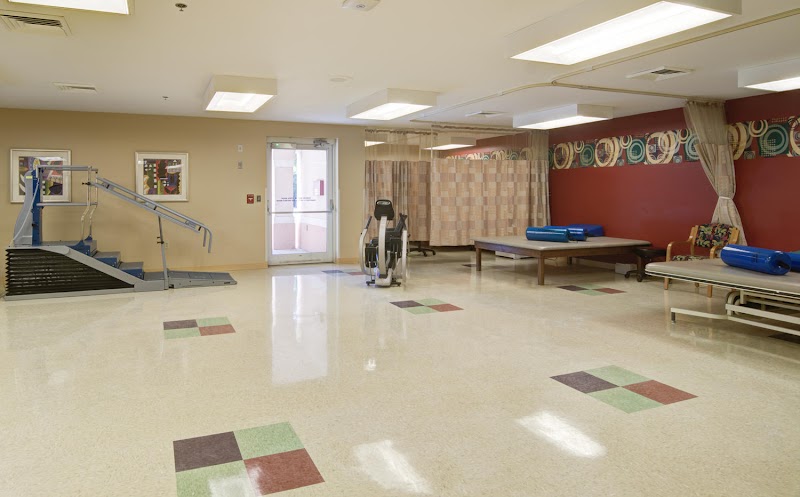
Who Owns and Operates Crescent Center?

CRESCENT HEALTH AND REHABILITATION CENTER is owned by a for-profit company. For-profit facilities operate as businesses with obligations to shareholders or private owners. The facility operates independently rather than as part of a larger chain. With 140 certified beds and approximately 93 residents (about 66% occupancy), it is a mid-sized facility located in SARASOTA, Florida.
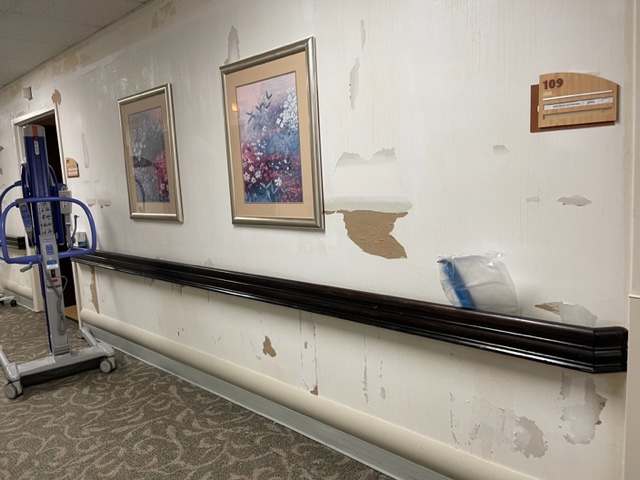
How Does Crescent Center Compare to Other Florida Nursing Homes?

Compared to the 100 nursing homes in Florida, CRESCENT HEALTH AND REHABILITATION CENTER's overall rating (1 stars) is below the state average of 3.2, staff turnover (70%) is significantly higher than the state average of 46%, and health inspection rating (1 stars) is much below the national benchmark.

What Should Families Ask When Visiting Crescent Center?

Based on this facility's data, families visiting should ask: "What changes have been made since the serious inspection findings, and how are you preventing similar issues?" "How do you ensure continuity of care given staff turnover, and what is your staff retention strategy?" "Can I visit during a mealtime to observe dining assistance and food quality?" "How do you handle medical emergencies, and what is your hospital transfer rate?" These questions are particularly relevant given the facility's Immediate Jeopardy citations and the facility's high staff turnover rate.

Is Crescent Center Safe?

Based on CMS inspection data, CRESCENT HEALTH AND REHABILITATION CENTER has documented safety concerns. Inspectors have issued 2 Immediate Jeopardy citations (the most serious violation level indicating risk of serious injury or death). The facility has a 1-star overall rating and ranks #100 of 100 nursing homes in Florida. Families considering this facility should ask detailed questions about what corrective actions have been taken since these incidents.

Do Nurses at Crescent Center Stick Around?

Staff turnover at CRESCENT HEALTH AND REHABILITATION CENTER is high. At 70%, the facility is 24 percentage points above the Florida average of 46%. Registered Nurse turnover is particularly concerning at 64%. RNs handle complex medical decisions and coordinate care — frequent RN changes can directly impact care quality. High turnover means new staff may not know residents' individual needs, medications, or preferences. It can also be disorienting for residents, especially those with dementia who rely on familiar faces. Families should ask: What is causing the turnover? What retention programs are in place? How do you ensure care continuity during staff transitions?

Was Crescent Center Ever Fined?

CRESCENT HEALTH AND REHABILITATION CENTER has been fined $26,534 across 1 penalty action. This is below the Florida average of $33,344. While any fine indicates a compliance issue, fines under $50,000 are relatively common and typically reflect isolated problems that were subsequently corrected. Families should ask what specific issues led to these fines and confirm they've been resolved.

Is Crescent Center on Any Federal Watch List?

CRESCENT HEALTH AND REHABILITATION CENTER is not on any federal watch list. The most significant is the Special Focus Facility (SFF) program, which identifies the bottom 1% of nursing homes nationally based on persistent, serious quality problems. Not being on this list means the facility has avoided the pattern of deficiencies that triggers enhanced federal oversight. This is a positive indicator, though families should still review the facility's inspection history directly.