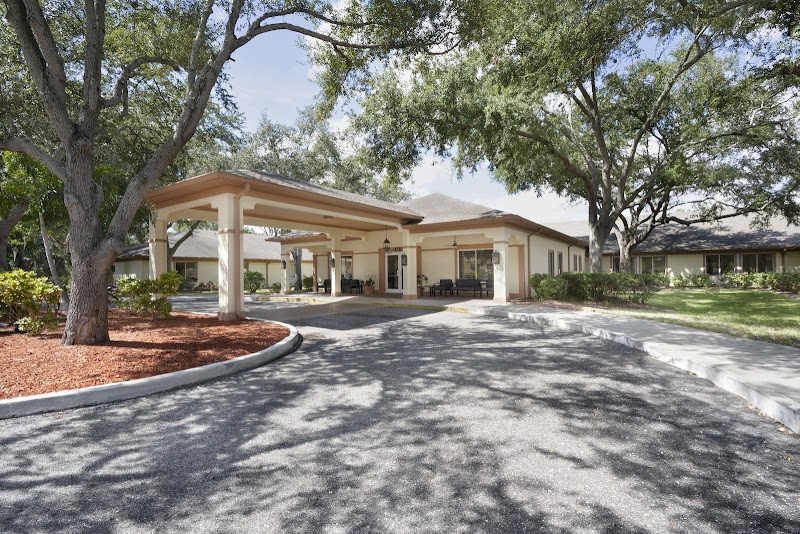
HARBORVIEW SARASOTA

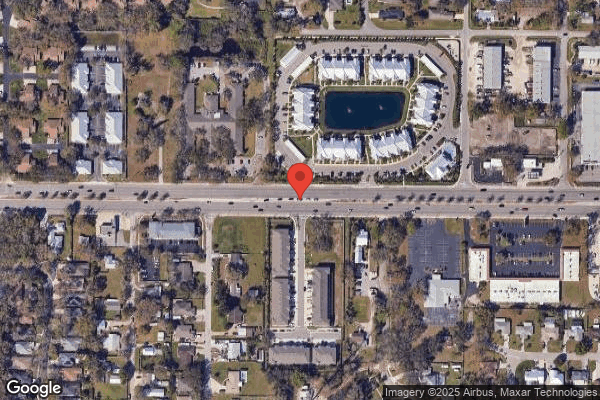
4783 FRUITVILLE ROAD, SARASOTA, FL 34232 (941) 378-8000
For profit - Limited Liability company 81 Beds BENJAMIN LANDA Data: November 2025
Trust Grade
20/100
#503 of 690 in FL
Last Inspection: February 2024

Within standard 12-15 month inspection cycle. Federal law requires annual inspections.

Overview

Harborview Sarasota has received a Trust Grade of F, indicating significant concerns about the quality of care provided. It ranks #503 out of 690 nursing homes in Florida, placing it in the bottom half, and #18 out of 30 in Sarasota County, meaning there are better options nearby. While the facility is showing improvement in some areas, with reported issues decreasing from five to two over the past year, it still has a high staffing turnover rate of 56%, which is concerning compared to the state average of 42%. The nursing home has faced fines totaling $67,445, which is higher than 88% of similar facilities in Florida, suggesting ongoing compliance problems. Specific incidents, such as a failure to protect residents from mental and verbal abuse and maintaining a sanitary environment, highlight areas where care is lacking, although it does have good quality measures in place.

Trust Score
F
20/100
In Florida
#503/690
Bottom 28%
Safety Record
High Risk
Review needed
Inspections
Getting Better
5 → 2 violations
Staff Stability
⚠ Watch
56% turnover. Above average. Higher turnover means staff may not know residents' routines.
Penalties
⚠ Watch
$67,445 in fines. Higher than 79% of Florida facilities, suggesting repeated compliance issues.
Skilled Nurses
○ Average
Each resident gets 30 minutes of Registered Nurse (RN) attention daily — about average for Florida. RNs are the most trained staff who monitor for health changes.
Violations
⚠ Watch
16 deficiencies on record. Higher than average. Multiple issues found across inspections.
★★☆☆☆
2.0
Overall Rating
★★☆☆☆
2.0
Staff Levels
★★★★☆
4.0
Care Quality
★★☆☆☆
2.0
Inspection Score
Stable
2024: 5 issues
2025: 2 issues

The Good

  • 4-Star Quality Measures · Strong clinical quality outcomes
  • Full Sprinkler Coverage · Fire safety systems throughout facility
  • No fines on record

Facility shows strength in quality measures, fire safety.

The Bad

2-Star Overall Rating

Below Florida average (3.2)

Below average - review inspection findings carefully

Staff Turnover: 56%

Near Florida avg (46%)

Frequent staff changes - ask about care continuity

Federal Fines: $67,445

Well above median ($33,413)

Moderate penalties - review what triggered them

Chain: BENJAMIN LANDA

Part of a multi-facility chain

Ask about local staffing decisions and management

Staff turnover is elevated (56%)

8 points above Florida average of 48%

The Ugly 16 deficiencies on record

1 actual harm
May 2025 2 deficiencies 1 Harm
SERIOUS (G) 📢 Someone Reported This

A family member, employee, or ombudsman was alarmed enough to file a formal complaint

Actual Harm - a resident was hurt due to facility failures

Free from Abuse/Neglect (Tag F0600)

A resident was harmed · This affected 1 resident

**NOTE- TERMS IN BRACKETS HAVE BEEN EDITED TO PROTECT CONFIDENTIALITY** Based on review of the clinical record, review of policy and procedures and resident and staff interviews, the facility failed t...

Read full inspector narrative →
**NOTE- TERMS IN BRACKETS HAVE BEEN EDITED TO PROTECT CONFIDENTIALITY** Based on review of the clinical record, review of policy and procedures and resident and staff interviews, the facility failed to protect vulnerable residents' rights to be free from abuse by failing to ensure residents were protected from mental and verbal abuse for 4 (Residents #699, # 700, #800 and #850) of 4 residents reviewed for allegations of abuse. The findings included: The facility policy Abuse, Neglect and Exploitation implemented 3/1/22 (revised 3/1/23) documented, It is the policy of this facility to provide protection for the health, welfare and rights of each resident by developing and implementing written policies and procedures that prohibit and prevent abuse, neglect, exploitation and misappropriation of resident property. Abuse means the willful infliction of injury, unreasonable confinement, intimidation or punishment with resulting physical harm, pain or mental anguish, which can include staff to resident abuse. Instances of abuse of all residents irrespective of any mental or physical condition, cause physical harm, pain or mental anguish. It includes verbal abuse and mental abuse. Mental abuse includes but is not limited to humiliation, harassment, threats of punishment or deprivation. Review of the facility investigation documented an allegation was made by Resident #699 and Resident #700 involving concerns about inappropriate verbal interactions and improper care practices by a certified nursing assistant (CNA) Staff A during evening care period the allegation includes potential and verbal threats and failure to follow proper hygiene procedures. The allegation occurred on 4/17/25 at 3:29 p.m. Review of the clinical record revealed Resident #699 a [AGE] year-old female (YOF) readmitted on [DATE] with diagnoses including chronic respiratory failure with hypoxia, heart failure and anxiety. The Quarterly Minimum Data Set (MDS) (standardized assessment tool that measures health status in nursing home residents) with an assessment reference date (ARD) of 2/27/25 documented Resident #699's cognitive skills for daily decision making were intact. On 5/7/25 at 9:00 a.m., in an interview Resident #699 said, Certified Nursing Assistant (CNA) Staff A, was nasty and she was big, and I was afraid of her. She would not listen to me when I tried to tell her about the steps for my shower. She said to me, Shut up or I will leave you in this chair and not come back. She did not use the lift like she should have to get me up. She just picked me up out of bed and was rough and put me in the wheelchair (w/c). I told her I needed to use the bathroom, that is how they always do it, but she was nasty. She did not hit me, but she was rough. I couldn't stand and she grabbed me and put me in the w/c. I was afraid she would leave me in the w/c. I had a bowel movement (BM) in my brief during the shower; and she did not take it off. The CNA washed me in the w/c with the dirty brief on. I tried to tell her how to do it to make it easier for her and she told me, I know what I'm doing, she did not listen to me. I was shaking and afraid she would do something to me. She did not want to put me in the shower chair, and she washed me with the BM diaper on and in my w/c. She ruined my w/c cushion and the w/c. There was BM all over it and it was wet. The CNA brought me back to the room full of BM and picked me up and put me in bed. She was mean and rough. She told me again if I said anything she would leave me in the w/c and not come back. She made me shut up. She was a big lady. I was afraid of her, and I did not want to see her again. Resident #699 said, About a week later the police came in and asked me about it and took my statement. He told me the CNA had been fired. I think the facility should have told me, because every time the door opened, I was afraid she was back, or she would retaliate against me or have someone else do it. That was my biggest fear that she would come back. It would have made me feel more comfortable if I knew the CNA was not here anymore. I was afraid she was going to come back, and they should have told me she was not here anymore. They left me feeling afraid for a week. I was very upset. Review of the clinical record revealed Resident #700 a 65 YOF admitted on [DATE] with diagnoses including chronic pain and major depressive disorder. The Quarterly MDS dated [DATE] documented the resident was independent with her care needs. The MDS noted Resident #700's cognitive skills for daily decision making were intact. On 5/7/25 at 8:30 a.m., in an interview Resident #700 said, I was very respectful and nice to CNA Staff A. I don't remember her name but for a week prior to the incident she would come in the room to bring ice and what not and did not really bother us but she was not friendly or nice. You could tell she was not happy with the job, but she never said anything. Resident #700 said, On 4/17/25 on 3 p.m., to 11 p.m., shift, I don't know the exact time, the CNA came into the room and my roommate Resident #699 had asked for a shower. The CNA got mad and said it was not her time. We explained to her that they changed our showers to 3-11 p.m. The CNA was thick, strong and built like a linebacker. She looked mean like she would hurt you. I tried to explain to her, and she looked right at me in the eyes like she wanted to hurt me and said, Shut up. I was a social worker and I'm mostly independent so I help my roommate out when I can. My roommate was telling her how she usually gets her shower, they bring the shower chair in, and they take her to the bathroom for a BM and then wheel her to the shower room. The CNA said, Don't tell me how to do my job, I know what I'm doing. I watched her pick my roommate up out of bed without the lift and she was rough and slammed her into the w/c. My roommate was shaking, and I could see she was afraid and getting anxious. She left the room without toileting her and returned a while later. My roommate had a BM in the brief because she did not toilet her. The CNA gave her a shower in the w/c in the soiled brief. It took her 45 minutes to get her back in bed and clean her up. I was watching her with my roommate, and she was rough and mean. She was moving her around in bed like a bag of wet cement. My roommate was saying stop but she kept up. There was BM everywhere on the cushion in the w/c and it stunk. I told my roommate we need to report it, but she was afraid of retaliation, so I called her daughter and told her. The next morning, I told the nurse. Then the Management Team came in and spoke to us about it. They had the police in about a week after that to get our statements and I told him everything. The facility did not tell us the CNA was no longer working here. My poor roommate was afraid, and they should have told us she was no longer employed here. I saw how she was handling my roommate, and I tried to tell her how to do it, but she was not listening to me and she turned and glared at me with a look that said she would hurt me. We have been roommates for years and we look out for each other, so I was watching how she got her in and out of the bed. She was very rough with her, and she was shaking, she was afraid. I think the facility did what they were supposed to do because that first week we had so many people here asking us about it and we told them just like we are telling you. The story did not change, and it will not change because it is the truth. On 5/7/25 at 9:45 a.m., in an interview with Licensed Practical Nurse (LPN) Staff C said, I was not here the night it happened with CNA Staff A. I work the 7 a.m., to 3 p.m., shift and this occurred on the 3-11 shift. Resident #700 told me what had happened, and I had her fill out a grievance form and I assisted Resident #699 to fill hers out. I went right to the Administrator and gave her the grievance forms and told her what they said had happened. That is all I know, really. Like I said, I was not here when it happened. Further review of the facility investigation documented The allegation was determined to be unsubstantiated based on the investigation findings; the CNA's behavior was found inconsistent with facility standards. The CNA was found to have violated the facilities Code of Conduct and Resident Rights policies through the use of inappropriate and unprofessional communication. The facility reported a second allegation of abuse to the State Agency involving Resident #800 and #850. The report documented on 4/25/25 at 5:00 a.m., two residents have raised concerns alleging a staff member, CNA Staff B, displayed aggressive behavior toward them in their shared room. In addition, Staff D reported witnessing concerning interactions involving CNA Staff B and the residents. The residents have voiced concerns regarding their comfort and feelings of safety within their room. Supportive measures have been initiated, including increased monitoring and emotional support. Review of the clinical record revealed Resident #850 was an 84 YOF with an admission date of 3/21/25. Diagnoses included a fracture of the right fibula, dementia and chronic pain syndrome. The admission MDS dated [DATE] indicated the resident required substantial to maximum assistance with toileting, showers, bed mobility and personal hygiene. The MDS noted Resident #850's cognitive skills for daily decision making were intact. On 5/8/25 at 8:30 a.m., in an interview Resident #850 said on 4/25/25 the CNA that night came in to change her and her roommate Resident #800. CNA Staff B pulled my covers back and moved my gown up, then said she would be right back. The CNA did not come back for 45 minutes. I was at that point covered in urine and cold. I had taken my wet gown off and thrown it in the corner. I was in a fetal position and so cold. The CNA began mumbling things in a different language and was rough when pulling the wet pad out from under me. She was mumbling something in a different language the whole time. She then sprayed me with cold water to clean me, and I said, please don't do that but she continued to do it. I felt abused, hurt and I don't think I was being taken care of. I was so scared to say something. If I had said something, who knows what she would have done the next night. Resident #850 said being left uncovered for 45 minutes felt demeaning and hurtful. She said she was never physically hit; the CNA was just rough when changing me and mumbling things. Resident #850 was observed tearful and emotional during the interview. Resident #850 said the same thing happened similarly the week before with this CNA, but she did not report it. Prior to that incident, the resident said the CNA came in and yelled, it's 12:00 a.m., turn the television off. Resident #850 said, She then pulled my curtain shut and put my remote out of reach so I couldn't turn it back on. Resident #800, an 83 YOF with an admission date of 3/13/25 and diagnoses including chronic kidney disease Stage 3, Hypertensive heart disease, Type 2 diabetes Mellitus, and major depressive disorder. The Medicare 5-day MDS dated [DATE] documented the resident's cognitive skills for daily decision making were moderately impaired. On 5/8/25 at 11:27 a.m., in interview with Resident #800, said she did not know about the incident on 4/25/25 with CNA Staff B. She said she was probably sleeping at the time and did not remember the incident. The resident said, I just felt uncomfortable when she was around me, she was not nice. On 5/8/25 at 9:30 a.m., in an interview, Central Supply Staff D, said, on 4/25/25 at around 5 a.m., I was doing rounds, and I was in Resident #800 and #850's room. I felt the CNA Staff B was verbally abusive, she was just very short with Resident #850. These folks are here in our care and if we don't care we shouldn't be here. CNA Staff B was very short the way she was talking with her and I saw her be rough with her. I saw her. She jerked Resident #850's arm when she was trying to get her arm in her sweater. She was rough and I had been told by Resident #850 that the CNA was mean to her all the time. About a week ago I was taking with Resident #850 on the way to a doctor's appointment because I also drive the facility van. The resident said I'm afraid of my night aid, she is very mean, and she said it was Staff B. CNA Staff B was very big and intimidating, she gave me a look when I said something to her about what I saw, but she did not say anything to me. Resident #850 said she was intimidated, she never said Staff B hit her. I reported it to the nurse on duty at the time because the Director of Nursing (DON) was not here. The DON did speak with me about what I saw. That is what I observed, I felt like the CNA treated Resident #850 worse when I was not in the room because I could call her on it and the resident could not. I visit the room most every day. Further review of the facility investigation documented, Due to a lack of definitive evidence to confirm or disprove the allegation, the findings are classified as inconclusive. However, based on administration concerns related to customer service, CNA Staff B's employment has been terminated. On 5/7/25 at 10:50 a.m., in an interview the Administrator said she had reposted her phone number and spoke with everyone about abuse, not really abuse but customer service. We reach out to family and residents to make sure they are ok. This company is all about customer service and right now it is not acceptable. We have a new leadership team, and we are not tolerating it. The Administrator confirmed there was no documentation of the increased monitoring after the allegations. The Administrator said, I spoke with the residents; skin sweeps were done and there were no injuries. I re-educated the staff on customer service. I think that is the problem, customer service is not where it needs to be. On 5/8/25 at 8:45 a.m., in an interview the Administrator said regarding the abuse/neglect allegations, I have done education, and the Regional Nurse Consultant is reviewing that now because it is on-going and we want to make sure everyone is on the list. I did education and we have online learning and there is a lot of things about customer service. I have told the staff to take care of themselves and not work a lot of overtime because that can lead to issues.
CONCERN (D) 📢 Someone Reported This

A family member, employee, or ombudsman was alarmed enough to file a formal complaint

Potential for Harm - no one hurt, but risky conditions existed

Pressure Ulcer Prevention (Tag F0686)

Could have caused harm · This affected 1 resident

**NOTE- TERMS IN BRACKETS HAVE BEEN EDITED TO PROTECT CONFIDENTIALITY** Based on review of policies and procedures, clinical record review, and staff interview, the facility failed to provide the nece...

Read full inspector narrative →
**NOTE- TERMS IN BRACKETS HAVE BEEN EDITED TO PROTECT CONFIDENTIALITY** Based on review of policies and procedures, clinical record review, and staff interview, the facility failed to provide the necessary interventions to prevent the development of avoidable pressure ulcers for 1(Resident #799) of 3 residents identified as at risk for developing pressure ulcers. The findings included: The facility policy Pressure Injury Prevention and Management initiated 3/1/22 (revised 3/1/23) documented, this facility is committed to the prevention of avoidable pressure injuries unless clinically unavoidable and to provide treatment and services to heal the pressure injury, prevent infection and the development of additional pressure injuries. Pressure ulcer injury refers to localized damage to the skin and or underlying soft tissue usually over a Bony prominence or related to a medical or other device. The facility shall establish and utilize a systematic approach for pressure injury prevention and management including prompt assessment and treatment intervening to stabilize reduce or remove underlying risk factors monitoring the impact of the interventions and modifying the interventions as appropriate. Review of the clinical record revealed Resident #799 was [AGE] years old and admitted to the facility on [DATE]. Diagnoses included: dementia, chronic kidney disease, muscle weakness and fracture of the left femur. The admission Minimum Data Set (MDS) (standardized assessment tool that measures health status in nursing home residents) with an assessment reference date of 12/27/24 documented Resident #799 was dependent for bed mobility, transfers, toileting and bathing. The MDS documented that the resident was not at risk for pressure injury and had no pressure injuries at admission. The MDS noted Resident #799's cognitive skills for daily decision making were moderately impaired. The care plan initiated 12/25/24 did not address the resident's skin condition including the potential/risk for pressure injury. Review of the admission Assessment completed on 12/25/24 documented a surgical wound to the left hip and no pressure injuries. The assessment documented that the resident was not at risk for pressure injury/ulcer. The clinical record showed no documentation of preventive measures to decrease the risk of skin breakdown for Resident #799. The weekly skin assessment dated [DATE] documented admission, no open areas. A Braden scale (used to determine a resident's risk for skin breakdown) was completed on 12/28/24 and documented a score of 14 indicating moderate risk for skin breakdown. On 1/4/25 at 6:10 p.m., a nursing progress note documented the resident was transferred to the local emergency department at the request of the family. The resident did not return to the facility. On 1/6/25 at 9:39 a.m., a Progress note written after transfer to the hospital documented, Darkened area to back of resident's left heel identified as deep tissue injury. POA (power of attorney) aware of identification and treatment plan consisting of the addition of podus boots while in bed and skin prep to heel q (every) shift. Review of the Treatment Administration Record did not show documentation the skin prep was ordered or applied to the left heel. A late entry progress note dated 1/7/25 at 2:43 p.m., documented: Late entry. Interdisciplinary Team (IDT) reviewed skin issue. Resident was sent to the hospital shortly after identification and is still at the hospital. New order for skin prep and a boot to the heel. When returns from the hospital we will assess the wound at that time and involve wound care physician and dietician if appropriate. On 5/7/25 at 9:38 a.m., in an interview the Administrator said, We have a new wound company and a new Director of Nursing (DON), we are all new and working together. We have weekly and daily meetings for wounds and the new wound company will start next week. On 5/7/25 at 10:50 a.m., in an interview the DON said she was hired 2 weeks ago as the Wound Care Nurse and on May 1, 2025, she took the position of the DON. The DON said, We are just starting this new process of weekly skin sweeps, and ensuring a skin assessment is completed at admission. With all new admissions the plan is for myself, the Assistant Director of Nursing (ADON) and the Unit Manager will follow up in 24 hours to assess the skin and complete another skin assessment. Review of the facility investigation dated 1/4/25 documented, Resident was noted to have developed a pressure injury during her stay, which was documented and treated. The pressure injury that developed during the residents stay was assessed and treated according to facility protocol.
Feb 2024 5 deficiencies
CONCERN (D)

Potential for Harm - no one hurt, but risky conditions existed

Deficiency F0578 (Tag F0578)

Could have caused harm · This affected 1 resident

**NOTE- TERMS IN BRACKETS HAVE BEEN EDITED TO PROTECT CONFIDENTIALITY** Based on record review, review of the facility's policies and procedures, staff and resident interview the facility failed to im...

Read full inspector narrative →
**NOTE- TERMS IN BRACKETS HAVE BEEN EDITED TO PROTECT CONFIDENTIALITY** Based on record review, review of the facility's policies and procedures, staff and resident interview the facility failed to implement their policies and procedures and demonstrate ongoing coordination to promote residents' rights and ensure 1 (Resident #45) of 25 residents reviewed for Advanced Directives accurately reflected their expressed wishes. The findings included: The facility policy Advanced Directives Policy (revised [DATE]) documented Each resident has the right to be informed and provided written information to all concerning the right to accept, refuse or discontinue medical treatment, to participate in or refuse to participate in experimental research and the right to formulate and advanced directive. The facility will provide a written description of the facilities policy to implement advanced and applicable state law, evaluate and document each residents advance care planning decision. The facility will evaluate the residents desired code status decision and ensure they are honored. The facility will document those decisions, and obtain the state required documentation as needed. Review of Resident #45's clinical record revealed an admission date of [DATE] with diagnoses including malignant neoplasm of the parotid gland, dementia, dysphagia, vertigo and dry mouth. Review of the electronic record revealed a physician order dated [DATE] for Do Not Resuscitate (DNR). Review of the paper chart showed Resident #45 had a yellow DNR order in the front of the chart. Under the Advanced Directive tab of the chart there was an Advanced Directives Discussion Document that had a checked box indicating the resident wanted Cardiopulmonary Resuscitation (CPR). Photographic evidence obtained. On [DATE] at 3:17 p.m., in an interview Resident #45 said she had wanted to be a full code but since her caner diagnosis she knows that if there can't be anything done for me then let me go. The resident said she knew the meaning of DNR and it was what she wanted. On [DATE] at 3:30 p.m., in an interview Unit Manager Staff A confirmed the residents chart contained both an advanced directive form signed [DATE] that documented the resident wanted to be a full code and the DNR form dated [DATE]. On [DATE] at 3:40 p.m., in an interview the Director of Nursing (DON) confirmed to avoid confusion the facility should have had Resident #45 complete a new Advanced Directives Discussion Document. The DON said, oh that was when she first came in she wanted to be a full code. The DNR was signed after, we would go by the DNR and not the other form. The nurses go by the yellow DNR. It isn't confusing, the nurses know to follow the yellow DNR. Review of the care plan initiated [DATE] (revised [DATE]), documented the resident has advanced directives. Full Code. Will have advanced directive followed. On [DATE] at 11:27 a.m., in an interview the DON reviewed Resident #45's care plan and confirmed the care plan documented the resident was a full code. The DON said once the conflicting documents were identified I had the Social Service Director do a full house audit to make sure everyone's advanced directives were correct. The DON said it would not have made a difference if anything had happened to the resident because the staff have been instructed to open the chart and look for the yellow DNR. They have to have the yellow DNR, that is what they would go by. On [DATE] at 8:49 a.m., in an interview the DON said the process for Advanced Directives was at a new admission the Social Service Director gets involved and speaks with the resident about their wishes. We have the sheet they sign that want CPR or they don't want CPR. Then we get an order for the yellow sheet DNR and it goes on the front of the Chart. We make sure everything is signed and put it in the care plan. Nurses go by the yellow sheet in the front of the chart and 2 nurses check that. They go by the yellow sheet of paper in the front of the chart. I understand there was the care plan and the advanced directive form stating a full code but the nurse is only to look for a yellow DNR. On [DATE] at 9:30 a.m., in an interview Licensed Practical Nurse Staff G said, if a resident coded you get the chart and you check the Advanced Directive tab to see if they want to be full code or not. Some charts have a yellow DNR in the front and you check the advanced directive section of the chart. You still check the Advanced directive form, if they don't have the yellow form, that is how you know what their wishes are.
CONCERN (D)

Potential for Harm - no one hurt, but risky conditions existed

Quality of Care (Tag F0684)

Could have caused harm · This affected 1 resident

**NOTE- TERMS IN BRACKETS HAVE BEEN EDITED TO PROTECT CONFIDENTIALITY** Based on observation, record review, staff, and resident interviews the facility failed to identify and promptly notify the phys...

Read full inspector narrative →
**NOTE- TERMS IN BRACKETS HAVE BEEN EDITED TO PROTECT CONFIDENTIALITY** Based on observation, record review, staff, and resident interviews the facility failed to identify and promptly notify the physician of a rapid significant weight gain for 1 (Resident #67) of 1 with a diagnosis of congestive heart failure and observed with swelling of the abdomen, legs, and feet. The findings included: Review of a facility policy titled, Weight Management dated 5/22/23 noted, It is the policy of the facility to provide care and services related to weight management in accordance to state and federal regulations . Dietary will evaluate all weights by the seventh of each month. A re-weight will be obtained for any weight change of +/- (plus or minus) (3) lbs. from the previous weight unless other parameters have been ordered by the physician .The physician and the resident or resident representative will be notified by the resident's nurse of any significant unexpected and or unplanned weight changes. The nurse will document the notification in the resident electronic medical record by completing the Event Report. Review of the clinical record revealed Resident #67 was admitted to the facility on [DATE]. Diagnoses included Atrial Fibrillation (type of abnormal heart rhythm), Chronic Kidney Disease, and Chronic Congestive Heart Failure (chronic condition in which the heart doesn't pump blood as well as it should). The Quarterly Minimum Data Set (MDS) with a target date of 1/5/24 noted Resident #67 had a Brief Interview for Mental Status score of 14, indicating intact cognition. Resident #67 was dependent on staff for toileting, bathing, dressing and personal hygiene. The MDS noted the resident's weight was 220 pounds (lbs.) at the time of the assessment. The care plan initiated on 10/13/23 noted the resident had altered cardiovascular status related to Congestive Heart Failure (CHF), and Atrial Fibrillation. The goal was for the resident to be free from complications of cardiac problems. The interventions included to monitor, document and report as needed any signs and symptoms of coronary artery disease, including shortness of breath, dependent edema (swelling due to excess fluid collection into body tissues). Review of the Physicians Encounter note dated 1/30/24 revealed the resident was positive for chronic leg swelling, positive for cough and shortness of breath. The resident had 2+ edema (three to four millimeters of depression when pressure is applied) to the lower extremity. The resident had a wet cough, moderate rales (rattling sound) in the lung bases bilaterally but no wheezing or respiratory distress. Resident #67's medications as of 1/20/24 included Bumex 2 milligrams (diuretic used to remove excess water from the body), 1.5 tablet daily related to Chronic Congestive Heart Failure. On 2/12/24 at 12:04 p.m., Resident #67 was observed laying in his bed with the head of bed elevated approximately 30 degrees. Resident #67 was wearing a hospital gown and was covered from the waist down. Resident #67's abdomen appeared distended. The resident's face and hands looked puffy. was dressed in a hospital gown and was covered to his waist with sheet and blanket. Resident was observed to be a large man with a large, distended abdomen. Resident face and hands appeared to be puffy. On 2/12/24 at 12:59 p.m., in an interview Resident #67 said his legs and feet were very swollen and felt it was an issue. Resident #67 also said he'd like to get up but staff did not get him out of bed very often. He said he was not able to keep his strength. On 2/14/24 at 10:40 a.m., two staff members were observed providing extensive assistance to turn Resident #67 from side to side in bed. Resident #67's legs and feet looked extremely swollen. Resident #67 was apologizing to the staff for not being able to help more. A review of Resident #67's weight from 12/25/23 through 2/14/24 showed: 12/25/23: 217 lbs. via mechanical lift. 1/4/24: 220 lbs. via mechanical lift. (Gain of 3 lbs. in 10 days) 2/2/24: 230 lbs. via mechanical lift (Gain of 10 lbs. in 29 days) 2/14/24: 244.4 lbs. via mechanical lift (Gain of 14.4 lbs. in 12 days). Resident #67 had a 27.4 lbs. weight gain from 12/25/23 to 2/14/24. On 2/14/24 at 2:52 p.m., in an interview Licensed Practical Nurse (LPN) Staff I said Resident #67 had significant edema in his legs, feet, and abdomen. On 2/14/24 at 3:20 p.m., in an interview LPN Staff B stated Resident #67's weight has been fluctuating. She verified Resident #67 experienced a three lbs. weight gain between December and January and an additional 10 lbs. weight gain between 1/4/24 and 2/2/24. LPN Staff B said she was aware of the weight gain and stated, I am going to be totally honest with you I did not get a reweigh on him after the 10 pounds weight gain. I did not notify the dietitian and I did not call the doctor. LPN staff B verified she did not follow the facility's weight management policy. On 2/15/24 at 10:37 a.m., in an interview LPN Staff G said the Restorative Certified Nursing Assistant (CNA) Staff H obtains the weight and reports it to the Restorative Nurse and the Registered Dietitian. On 2/15/24 at 10:53 a.m., in an interview CNA Staff H said she does the weekly and monthly weights and documents them on paper. She said she can see the previous weight. CNA Staff H said, I knew Resident #67 weight was up so I re-did the weight again right there and it was correct. CNA Staff H said she gives the weights to LPN Staff B, the restorative nurse who puts them into the electronic clinical record. CNA Staff H said she was not responsible to report the weights to the Dietitian or the nurse on the cart. She was just supposed to report the weights to the Restorative Nurse. On 2/15/24 at 11:14 a.m., in an interview Resident #67's physician said Resident #67 had cardiorenal syndrome (acute or chronic problem in the heart and kidneys that could result in acute or chronic problem of the other) and was delicate. He said he encourages staff to get him out of bed. He should be getting up at least twice a day. The physician said the facility did not inform him of the weight gain. He said the facility should have notified him of the 10 lbs. weight gain on February 2nd. He would have addressed it right away. The physician said he expected the facility to follow their weight management policy, and report and weight changes of three lbs. On 2/15/24 at 12:08 p.m., in a telephone interview, the Registered Dietitian said, I do not have anything to do with the weight gain if I know the person is a person with water weight gain. I do not address weight gain or make a note if the weight gain is due to water weight gain. I cannot make notes on every resident that gains weight due to water weight and not from over amount of food intake.
CONCERN (D)

Potential for Harm - no one hurt, but risky conditions existed

Respiratory Care (Tag F0695)

Could have caused harm · This affected 1 resident

**NOTE- TERMS IN BRACKETS HAVE BEEN EDITED TO PROTECT CONFIDENTIALITY** Based on observation, review of facility's policies and procedures, resident and staff interviews, the facility failed to mainta...

Read full inspector narrative →
**NOTE- TERMS IN BRACKETS HAVE BEEN EDITED TO PROTECT CONFIDENTIALITY** Based on observation, review of facility's policies and procedures, resident and staff interviews, the facility failed to maintain respiratory care equipment in accordance with manufacturer's specification for 1 (Resident #59) of 16 residents reviewed with oxygen therapy. The findings included: Review of the facility's policy titled, Physical Environment-Safe Environment dated 10/1/2023 showed documentation, The facility will maintain all essential mechanical electrical and patient care equipment in safe operating condition. Review of the clinical record revealed Resident #59 was admitted to the facility on [DATE]. On 2/12/24 at 10:00 a.m., Resident #59 was observed receiving oxygen through a nasal cannula attached to an oxygen concentrator (medical device that gives extra oxygen). In an interview, Resident #59 said she has not seen anyone changing the concentrator's filter. On 2/13/24 at 4:09 p.m., in an interview the Director of Nursing (DON) said the maintenance department was responsible for the maintenance of the oxygen concentrators' filters. Review of the Oxygen Concentrator User Manual provided by the facility noted, Between-Patient Maintenance: The concentrator must be serviced and reconditioned between patients as follows: . Replace the cabinet filter and Air In-Take Filter . Weekly caregiver/Patient Maintenance: . Clean the cabinet filter . Wash the filter with water and mild detergent . Set the filter aside to air dry . Be sure the filter is completely dry before re-installing . On 2/13/24 at 4:19 p.m., in an interview the Maintenance Director said the housekeeping department was responsible to clean the filters. On 2/13/24 at 4:21 p.m., in an interview the Director of Nursing (DON) said the facility owned the concentrators. The DON then told the Maintenance Director his department was responsible to clean the oxygen concentrators' filters. The DON turned to the Administrator and said they needed to write up something for that. On 2/15/24 at 11:22 a.m., in an interview the Housekeeping Supervisor said the housekeeping department only did the terminal cleaning of the oxygen concentrators between residents but they do not replace the filters. She said they use a multipurpose peroxide cleaner on the outside, remove the filters and wash them with soap and water. She said once the filter is dry, they put it back on the concentrator and bag the machine for the next resident's use. The Housekeeping Supervisor said they did not have replacement filters for the concentrators and did not know who would order them. On 2/15/24 at 11:26 a.m., in an interview the administrator said she did not know the concentrators needed a new filter between residents and will be ordering the filters.
CONCERN (D) 📢 Someone Reported This

A family member, employee, or ombudsman was alarmed enough to file a formal complaint

Potential for Harm - no one hurt, but risky conditions existed

Deficiency F0745 (Tag F0745)

Could have caused harm · This affected 1 resident

**NOTE- TERMS IN BRACKETS HAVE BEEN EDITED TO PROTECT CONFIDENTIALITY** Based on record review, staff and resident interview, the facility interview and record review the facility failed to implement ...

Read full inspector narrative →
**NOTE- TERMS IN BRACKETS HAVE BEEN EDITED TO PROTECT CONFIDENTIALITY** Based on record review, staff and resident interview, the facility interview and record review the facility failed to implement policies and procedure and assist 1 (Resident #130) of three sampled residents with transportation arrangement to scheduled medical practitioner's appointments. The findings included: Review of the clinical record revealed Resident #130 was admitted to the facility on [DATE]. Diagnoses included pubic (one of the three bones that make up the pelvis) fracture. On 2/13/24 at 4:11 p.m., in a telephone interview Resident #130 said during his stay at the facility, his scheduled follow up Orthopedic Surgeon appointment had to be rescheduled twice since the facility had problems with their transportation bus. The resident said he offered to get his own transportation but staff told him he could not arrange his own transportation. On 2/14/24 at 12:51 p.m., in an interview the Social Service Director said he contacted the Orthopedic surgeon and verified Resident #130 missed the scheduled 8/9/23 appointment. The Social Service Director verified staff did not document in the clinical record the reason for the missed appointment. On 2/14/24 at 2:59 p.m., in an interview the Director of Nursing (DON) said the facility had no current policy or procedure to ensure staff documented information in the resident's medical record regarding assistance with transportation to outside medical appointments. The DON said whoever makes the appointment for transportation fills out a form and the appointment is usually scheduled by the medical supply person for transport.
CONCERN (D)

Potential for Harm - no one hurt, but risky conditions existed

Deficiency F0761 (Tag F0761)

Could have caused harm · This affected 1 resident

Based on observation, review of facility's policy and procedure, and staff interview the facility failed to safely store medications to prevent unauthorized access. The findings included: A Review of ...

Read full inspector narrative →
Based on observation, review of facility's policy and procedure, and staff interview the facility failed to safely store medications to prevent unauthorized access. The findings included: A Review of a facility policy titled, Storage of Medications (no dated) specified, Policy - Drugs and biologicals should be stored in a safe, secure, and orderly manner. Policy Interpretation and Implementation 6. drugs and biologicals are locked when not in use and items are not left unattended. 7. Drugs are stored in an orderly manner in cabinets, drawers, or carts. On 2/13/23 at 8:15 a.m., a large package was observed on a credenza in the front lobby of the facility approximately five feet from the door. The package was labeled, Pharmacy Returns. The package was next to the outgoing mailbox located approximately 10-15 feet from the front desk where the receptionist sat. On 2/13/24 at 8:17 a.m., Receptionist Staff J did not answer when asked about the content, and who was watching the bag labeled, Pharmacy returns. On 2/13/24 at 8:18 a.m., in an interview the Administrator stated the medications should be secured and removed the bag. On 2/13/24 at 8:20 a.m., the Director of Nursing (DON) verified the unsecured bag labeled Pharmacy returns contained medications to be returned to the pharmacy. Observation of the content of the bag with the DON revealed the following medications: Pravastatin 40 milligrams, 25 tablets (Medication for high cholesterol). Sertraline 50 milligrams, 11 pills (Medication for depression). Farxiga 5 milligrams, 14 pills (Medication for chronic kidney disease, heart failure and type 2 diabetes). Carvedilol 25 milligrams, 30 pills (Medication for high blood pressure). Carvedilol 25 milligrams, 6 pills (Medication for high blood pressure). Potassium Chloride 10 milligrams, 27 pills (medication to treat hypokalemia). Diltiazem 120 milligrams, 21 pills (Medication to treat high blood pressure). Albuterol inhaler (Medication to treat breathing problems). Omeprazole 20 milligrams, 27 pills (Medication to treat heartburn, stomach ulcers and reflux disease). Dicyclomine 20 milligrams, 24 pills (medication to treat gut spasms for irritable bowel syndrome). The DON verified the medications on the front lobby credenza were left unsecured and unattended and will change the process for returning medications to the pharmacy.
May 2023 1 deficiency
CONCERN (D) 📢 Someone Reported This

A family member, employee, or ombudsman was alarmed enough to file a formal complaint

Potential for Harm - no one hurt, but risky conditions existed

Accident Prevention (Tag F0689)

Could have caused harm · This affected 1 resident

**NOTE- TERMS IN BRACKETS HAVE BEEN EDITED TO PROTECT CONFIDENTIALITY** Based on review of the clinical record and staff interviews, the facility failed to have processes in place to ensure an accurat...

Read full inspector narrative →
**NOTE- TERMS IN BRACKETS HAVE BEEN EDITED TO PROTECT CONFIDENTIALITY** Based on review of the clinical record and staff interviews, the facility failed to have processes in place to ensure an accurate evaluation of cognitively impaired residents upon admission to accurately reflect smoking status and implement adequate interventions to prevent avoidable accidents related to smoking for 1(Resident #999) of 4 newly admitted residents. The findings included: A review of Resident #999's clinical record documented an initial admission to the facility on 3/4/23. Diagnoses included chronic obstructive pulmonary disease, major depressive disorder, alcohol abuse and schizoaffective disorder. The smoking evaluation completed on 3/4/23 noted the resident was not able to light the cigarette safely, smoke safely, or utilize ashtray safely and properly. The resident was not able to extinguish the cigarette safely and completely. The evaluation documented in comments, Resident chooses not to smoke at this time due to respiratory condition and use of oxygen. Declines patch at this time. The rest of the evaluation was not completed since the resident chose not to smoke at this time. Resident #999 was discharged from the facility on 3/27/23, return not anticipated. The hospital history and physical dated 4/5/23 noted Resident #999 was admitted to the hospital on [DATE], and noted the resident had a 50-year smoking history and almost daily alcohol however unknown amount. Reports he is still smoking. The facility record showed the resident was admitted to the facility on [DATE] from the acute care hospital. The clinical record revealed an admission Data Collection signed on 4/14/23 at 9:56 p.m. The nurse completing the admission data collection noted the resident's level of consciousness as lethargic. The resident was oriented to person and place. The data collection form also noted the Resident was on continuous use of 4 Liters(L) of oxygen via nasal cannula. In the hot liquid risk indicators section, the nurse checked Yes noting the resident had severe cognitive impairment or no safety awareness or Brief Interview for Mental Status score of less than 8. In the elopement risk evaluation section of the form, the nurse checked Yes to the following questions: 1. Is the resident cognitively impaired? 2. Does the resident have poor decision-making skills? In the safety section of the form, the nurse entered No to the question: 1. Does the resident smoke (including electronic cigarettes)? The clinical record contained a copy of the facility policy/procedure, Resident Smoking dated and signed by Resident #999 on 4/14/23. The progress note dated 4/15/23 at 8:41 p.m., documented Education not provided. Resident is sleeping and does not interact . Oxygen is used via nasal cannula 4L (liters). The progress note dated 4/15/23 at 11:36 p.m., noted the resident was lethargic but pleasant and cooperative early in the shift, but became increasingly angry when they administered his intravenous antibiotic at 10:00 p.m. On 4/16/23 at 4:42 p.m., the nurse documented, Resident #999 was observed in his room by his Certified Nursing Assistant standing by the bathroom door with a lit cigarette in his mouth. The resident was using oxygen via nasal cannula. The cigarette and lighter were taken from the resident and he was advised that smoking was not allowed in the room. A review of the incident note dated 4/17/23 at 7:45 a.m., documented the nurse and the Administrator in Training spoke to Resident #999 regarding the incident on 4/16/23 and his noncompliance following the facility's smoking policy. Verbal consent was obtained from the resident to search his room/person and belongings for any smoking material, and none was found. They specifically discussed safety issues related to smoking in the facility and the immediate danger it poses to himself other residents and staff especially with the use of oxygen. The smoking policy was resigned by the resident and a new smoking evaluation completed. On 5/15/23 at 9:50 a.m., the Director of Nursing (DON) said Resident #999 was a smoker who used oxygen but was forgetful and did not understand the smoking rules. The DON said we had the resident sign the smoking policy at admission and he signed another one on 4/17/23. On 5/15/23 at 11:05 a.m., the DON said, when Resident #999 was admitted the nurse asked if he was a smoker and he said no. He came from the hospital, and they did not search the resident or his belongings. They did not know he had cigarettes on him. The DON was not able to locate an inventory of the resident's possessions at the time of admission which could have identified the smoking materials. On 5/15/23 at 2:00 p.m., the DON said the facility's process for identifying smokers was to ask the resident or family upon admission. She said the nurse was responsible for reviewing all the information from the hospital if available when the resident is admitted . The DON confirmed the facility had no policy for completion and accuracy of the admission assessment when a resident is cognitively impaired and said the admitting nurse should have read the hospital's record and use the information in the admission evaluation. The DON said Resident #999 denied smoking at admission on [DATE] but the admitting nurse failed to read the hospital history and physical identifying the Resident was still smoking.
Jun 2022 6 deficiencies
CONCERN (D)

Potential for Harm - no one hurt, but risky conditions existed

Deficiency F0679 (Tag F0679)

Could have caused harm · This affected 1 resident

Based on observations, review of the clinical records, review of facility policies and procedures, and staff interviews, the facility failed to implement meaningful resident centered activities to mee...

Read full inspector narrative →
Based on observations, review of the clinical records, review of facility policies and procedures, and staff interviews, the facility failed to implement meaningful resident centered activities to meet the interest and wellbeing of one (Resident #15) of one resident reviewed for activities. The lack of an individualized activity program has the potential to cause social isolation, boredom, agitation, and frustration. The findings included: The facility policy Activities Programs, (revised 2/2012) documented, To encourage self-care, resumption of normal activities and maintenance of an optimal level of psychosocial functioning, this facility provides for an activities program. These programs take into consideration the needs and former interests of the resident and are designed to promote opportunities for engaging in normal pursuits, including religious activities of their choice, if any .The activities are designed to promote the physical, social and mental well-being of the residents. Review of Resident #15's clinical record showed a readmission date of 2/8/22. Resident #15's diagnoses included traumatic brain injury, major depressive disorder, and seizures. The Quarterly Minimum Data Set (MDS), (a comprehensive assessment of a resident's functional capabilities and health needs) dated 6/4/22, documented Resident #15 required extensive assistance of 2 people for bed mobility. The MDS documented resident #15's cognition was severely impaired, and her communication was rarely/never understood. A care plan initiated on 1/31/19 (revised 3/9/22), documented Resident #15 was dependent on staff for meeting emotional, intellectual, physical, and social needs. The care plan documented Resident #15 prefers to watch TV in her room or sit in her doorway and watch passerby's. Enjoys pet and family visits. The care plan interventions instructed staff to converse with resident when providing care, provide a program of activities that is of interest and empowers the resident by allowing choice and self-expression, provide with activities calendar, invite the resident to scheduled activities, encourage on going family involvement. During random observations on 6/6/22 and 6/7/22, Resident #15 was observed in bed, her eyes were open, and her head was positioned toward the right side facing the door to her room. Resident #15 was not able to communicate but made eye contact when spoken to. Resident #15 was in a shared room in bed A, with her bed located near the doorway of the room. Bed B was located near the window. There was a wall mounted television located between the 2 beds that was shared by Resident #15 and her roommate. The privacy curtain was pulled from the head of the bed extending 12 inches from the foot of the 2 beds and partially blocked the view of the television from bed A. The television was not on and there was no radio in the room. On 6/6/22 at 12:21 p.m., in an interview Certified Nursing Assistant (CNA) Staff K, said Resident #15 did not speak much, only a word or two at times. CNA Staff K said the resident did not get out of bed because she doesn't want to, she will scream no, or she screams. On 6/8/22 at 10:54 a.m., in an interview Licensed Practical Nurse Staff B said, Resident #15 does not get out of bed frequently, but her family visits often. We talk with her during care for socialization, but she is rarely verbal. When I'm with her for care, I talk to her and once in a while, she responds. There is really not much more we can do for her. On 6/9/22 at 8:45 a.m., in an interview the Activity Director said Resident #15 does not like to get out of bed and will yell no and said Resident #15 rarely responded to her. The Activity Director said she would do video communication calls once a week with Resident #15 and her family, but the video communication system was not functioning for a couple of weeks. The Activity Director said Resident #15 liked to watch television and said sometimes I give her a snack. I do rounds every morning to pass out the menus and I make contact with the residents and greet them. The Activity Director confirmed she did not have documentation of the activity programs provided to Resident #15 and confirmed she did not have an individualized activity program to meet the needs for Resident #15.
CONCERN (D)

Potential for Harm - no one hurt, but risky conditions existed

Deficiency F0761 (Tag F0761)

Could have caused harm · This affected 1 resident

Based on observations, facility policy review, and staff interviews, the facility failed to secure medication by leaving two loose pills on top of an unlocked, unattended medication cart and secure a ...

Read full inspector narrative →
Based on observations, facility policy review, and staff interviews, the facility failed to secure medication by leaving two loose pills on top of an unlocked, unattended medication cart and secure a computer screen from view on the 400-hallway for 1 of 2 medication carts observed. The findings included: Review of medication storage Section 5: Delivery, Receipt, Storage, and inventory of medications/product reads With the exception of Emergency Drug Kits, all medications will be stored in a locked cabinet, cart or medication room that is accessible only to authorized personnel, as defined by facility policy. On 6/6/22 at 04:23 p.m., Medication cart # 400 hall was observed unlocked and unattended. A medication cup with two loose pills, typed written report sheet with resident' name, diagnosis and other personal information and nurse personal item, an opened water bottle were observed on the cart. (photographic evidence obtained). On 6/6/22 at 4:28 p.m., Licensed Practical Nurse (LPN), Staff A came back to her cart and said, Oops I am sorry. LPN Unit Supervisor, Staff B, was asked policy about unlocked cart, unsecured medication, and personal items on cart. Staff B said the cart must be locked if not in nurse line of vision and no personal items should be on the cart. On 6/2/22 at 4:41 p.m., during medication observation, LPN Staff A went into a room and left computer screen unlocked with resident's demographics and medical information clearly visible. The Director of Nursing (DON) was present at this time and confirmed findings. The DON locked the computer screen while nurse was in the room and said, Computer screen must be locked and reiterated that no personal items should be on the cart and the medication cart should be locked when unattended.
CONCERN (E)

Potential for Harm - no one hurt, but risky conditions existed

Accident Prevention (Tag F0689)

Could have caused harm · This affected multiple residents

On 6/8/22 at 12:00 p.m., in an interview Resident #53 said she keeps her cigarettes and lighter with her. Resident #53 cigarettes were observed in the basket of her walker. On 6/8/22 at 12:05 p.m., d...

Read full inspector narrative →
On 6/8/22 at 12:00 p.m., in an interview Resident #53 said she keeps her cigarettes and lighter with her. Resident #53 cigarettes were observed in the basket of her walker. On 6/8/22 at 12:05 p.m., during an interview Resident #39 said she gives the nurses the cigarette carton her family brings in. Resident #39 confirmed she keeps her cigarettes and lighter with her in her room. Based on observations, staff and resident interviews and record review the facility failed to ensure they stored smoking materials and obtained a signed agreement, from each resident, attesting they will abide by the facility smoking policies and procedures for 4 Residents (#18, #53, #39 and #47) of 4 residents reviewed who smoke at the facility. The findings included: On 6/06/22 at 10:30 a.m., during an interview with Resident #18, in her room, a cigarette pack was observed in her purse. Resident #18 said she smokes several times a day and the facility let her always keep her cigarettes and lighter with her. On 6/06/22 at 2:23 p.m., the Activity Director was observed monitoring Resident #18 and 3 other residents smoking in the designated smoking area. The Activity Director said, the residents who smoke would get their cigarettes and lighter from the nursing station and when the resident(s) were done smoking, they are required to return their cigarettes and lighter back to the nursing station. On 6/06/22 at 3:13 p.m., during an interview with Resident #18, she was observed to have had her cigarettes and lighter. Resident #18 said the facility staff did not ask her to return her cigarettes and lighter after she was done smoking and she didn't remember ever signing a smoking agreement stating she would abide by the facility smoking policies. On 6/07/22 at 3:30 p.m., Resident #47 said she was a smoker, and the facility staff allowed her to keep her cigarettes and lighter sometimes. She further said she didn't always have to return them to the nursing station after she was done smoking. Resident #47 said she didn't remember signing a smoking agreement stating she would abide by the facility's smoking policies when she was admitted to the facility. On 6/08/22 review of the facility's Smoking policy and procedure, revised on 2/07/20 stated the facility would retain and store matches, lighters, etc. for all residents and all residents who wished to smoke would sign an agreement they would abide by the facility's smoking policy and procedures. On 6/08/22 at 1:10 p.m., the Administrator confirmed the facility's Smoking policy and procedure revised on 2/07/20, which stated the facility would retain and store matches, lighters, etc. for all residents and all residents who wish to smoke would sign an agreement they would abide by the facility's smoking policy and procedures. He said when a resident was done smoking, they were required to return all smoking items as noted in their smoking policy to the nursing station for safe keeping. He further said it was the facility's policy to inform all residents who wish to smoke about their smoking policy and have them sign an agreement they would follow the facility's smoking policy and procedures. On 6/09/22 at 11:02 a.m., the Director of Nursing (DON) said when a resident was admitted to the facility and they wished to smoke, the admission office would have the resident sign the smoking agreement policy and the nurse would assess the resident to ensure they were a safe smoker. On 6/09/22 at 2:45 p.m., the DON said she was able to find documentation nursing had completed the smoking evaluation as required for the residents who smoke at the facility, but they were unable to find documentation the residents who smoke had signed the facility's smoking agreement as required and noted in their Smoking policy and procedures acknowledging all smoking materials would be returned after each smoking session.
CONCERN (E)

Potential for Harm - no one hurt, but risky conditions existed

Deficiency F0730 (Tag F0730)

Could have caused harm · This affected multiple residents

Based on staff interviews and staff record reviews, the facility failed to ensure 4 (Staff E, H, I, and J) of 4 Certified Nursing Assistant (CNA)'s employee records reviewed had a performance review c...

Read full inspector narrative →
Based on staff interviews and staff record reviews, the facility failed to ensure 4 (Staff E, H, I, and J) of 4 Certified Nursing Assistant (CNA)'s employee records reviewed had a performance review completed at least once every 12 months. The facility failed to ensure staff had in-service education based on the outcome of their performance reviews by not having annual competency evaluations. The findings included: On 6/08/22, a review of Employee Guidebook revealed on page 25, section Performance Evaluation, it stated employee performance is reviewed on a continuous and ongoing basis, periodically and employees will receive a formal written appraisal from their supervisor. The performance evaluation provides an opportunity to discuss the employee's past performance as well as future goals. All performance evaluations become a permanent part of their employee record. The performance evaluation should be completed 90 days after hire and annually on the employee anniversary date of hire per facility policy. On 6/08/22, a review of Certified Nursing Assistant (CNA) Staff E's employee file revealed a hire date of 8/06/2008. There was no documentation an employee performance evaluation review was completed for Staff E in 2021. On 6/08/22, a review of CNA Staff H's employee file revealed a hire date of 11/08/2016. There was no documentation an employee performance evaluation review was completed for Staff H in 2021. On 6/08/22, a review of CNA Staff I's employee file revealed a hire date of 3/13/2019. There was no documentation an employee performance evaluation review was completed for Staff I in 2021. On 6/08/22, a review of CNA Staff J's employee file revealed a hire date of 10/02/2020. There was no documentation an employee performance evaluation review was completed for Staff J in 2021. On 6/08/22 at 10:25 a.m., the Human Resources Director (HRD) said the corporate office told her last year not to do the employee performance evaluations because they were not giving their employees a pay raise. The HRD reviewed the Employee Guidebook and confirmed the facility is required to conduct a written Performance Evaluation on all their employees 90 days after hire and yearly on each employee's hire date. The HRD reviewed Staff E, Staff H, Staff I, and Staff J employee records and confirmed there was no documentation they had completed their required yearly performance evaluation. The HRD said they did not do any employee performance evaluation last year as per the corporate office directive. On 6/09/22 at 11:00 a.m., the Director of Nursing (DON) said throughout the year the HRD would generate an employee performance evaluation annually prior to the employee's hire date to be completed by the director of each department. She said she gives the employee performance evaluation to the unit managers. The unit managers will give her the completed employee performance evaluation which she reviews to determine and ensure each employee is performing as required and conduct staff education as determined by their employee performance evaluation. The DON said HRD did not generate any employee performance evaluation in 2021 and she does not remember herself and/or the unit managers conducting any nursing staff performance evaluation in 2021 as written in the Employee Guidebook. On 6/09/22 at 2:03 p.m., the DON said she talked with the unit managers, and they were unable to find documentation they had completed the required annual employee performance evaluation for Staff E, Staff H, Staff I, and Staff J as required.
CONCERN (E)

Potential for Harm - no one hurt, but risky conditions existed

Deficiency F0849 (Tag F0849)

Could have caused harm · This affected multiple residents

Based on review of the facility records and staff interviews the facility failed to provide documentation of an updated, written agreement for the provision of hospice services to reflect current owne...

Read full inspector narrative →
Based on review of the facility records and staff interviews the facility failed to provide documentation of an updated, written agreement for the provision of hospice services to reflect current ownership for 3 (Resident #16, #46, and #60) of 3 residents reviewed for hospice services. The findings included: On 6/6/22, upon request of the facility agreement with the hospice provider, the Administrator provided a hospice agreement signed 4/1/14 between the hospice and the previous owner of the facility. On 6/8/22 at 12:02 p.m., in an interview the Director of Nursing (DON) confirmed the facility had changed ownership. The DON confirmed the current hospice agreement provided by the facility was not valid with the new corporation and the facility needed to obtain a new contract. On 6/8/22 at 3:30 p.m., the DON confirmed the facility currently had 3 residents receiving hospice services.
CONCERN (E)

Potential for Harm - no one hurt, but risky conditions existed

Deficiency F0943 (Tag F0943)

Could have caused harm · This affected multiple residents

Based on staff interview and record review, the facility failed to ensure 5 (Staff L, M, N, O and P) of 10 staff reviewed had the required education and training in abuse, neglect, and exploitation. F...

Read full inspector narrative →
Based on staff interview and record review, the facility failed to ensure 5 (Staff L, M, N, O and P) of 10 staff reviewed had the required education and training in abuse, neglect, and exploitation. Failure to provide staff with abuse, neglect, and exploitation training prior to working with facility residents could lead to staff not knowing how to prevent and report abuse, neglect, and exploitation. The findings included: On 6/8/22, review of Physical Therapy Assistant (PTA) Staff L's employee record revealed her start date was 1/7/20. Review of her employee training records revealed she did not receive education or training in abuse, neglect, and exploitation prior to working with the facility residents. On 6/8/22, review of Register Nurse (RN) Staff M's employee record revealed her start date was 2/22/22. Review of her employee training records revealed she did not receive education or training in abuse, neglect, and exploitation prior to working with the facility residents. On 6/8/22, review of Certified Nursing Assistant (CNA) Staff N's employee record revealed her start date was 12/7/21. Review of her employee training records revealed she did not receive education or training in abuse, neglect, and exploitation prior to working with the facility residents. On 6/8/22, review of Certified Nursing Assistant (CNA) Staff O's employee record revealed her start date was 1/24/22. Review of her employee training records revealed she did not receive education or training in abuse, neglect, and exploitation prior to working with the facility residents. On 6/8/22, review of Occupational Therapist (OT) Staff P's employee record revealed her start date was 11/16/21. Review of her employee training records revealed she did not receive education or training in abuse, neglect, and exploitation prior to working with the facility residents. On 6/8/22 at 1:01 p.m., in an interview with the Human Resource Director (HRD), she confirmed Staff L, M, N, O and P were current employees and had resident contact. She confirmed Staff L's, M's, N's, O's and P's hire dates and confirmed as of 6/8/22 they had not had the onboarding required training in abuse and neglect and exploitation as required for new hires.
Dec 2020 2 deficiencies
CONCERN (D)

Potential for Harm - no one hurt, but risky conditions existed

Deficiency F0700 (Tag F0700)

Could have caused harm · This affected 1 resident

Based on observation, record review, and staff and resident interview, the facility failed to ensure 2 (Resident #49 and #165) of 2 residents reviewed for accident hazards were assessed for the need a...

Read full inspector narrative →
Based on observation, record review, and staff and resident interview, the facility failed to ensure 2 (Resident #49 and #165) of 2 residents reviewed for accident hazards were assessed for the need and safe use of bedrails, obtained an informed consent prior to the use of the bed rails, and ensured evaluation for potential entrapment zones. Failure to ensure bed rails were appropriate and safe placed the residents at risk. The findings included: The facility's Policies and Procedure, Subject: Side Rail/Bed rail (effective 4/19/18) listed: 1. Prior to installation of a side rail/bed rail complete the side rail/bed rail evaluation to evaluate the resident for risk of entrapment. 2. Review the risk and benefits with the resident and/or resident representative. 3. Obtain consent from the resident and/or resident representative. The Hospital Bed System Dimensional and Assessment Guidance to Reduce Entrapment for Industry and Food and Drug Administration (FDA) staff, issued on March 2006, identified the area between the bed rails and mattress; and between the head or foot board and mattress as a risk for head entrapment. Recommendations included caution should be taken when using these products to ensure a tight fit of the mattress to the bed system. (source: https://www.fda.gov/downloads/MedicalDevices/DeviceRegulationandGuidance/GuidanceDocuments/UCM072729.pdf) 1. On 11/30/20 at 9:57 a.m., Resident #49 was observed sitting in her room in a wheelchair. There were two bedrails observed at the head of the bed. The head of bed was slightly elevated, and a large gap was noted between headboard and mattress. Resident #49 stated she was unaware the rails were there and was unsure what they could be used for. Resident #49 said she had not consented to their placement. On 11/30/20 at 12:41 p.m., Resident #49 stated the bed rails were present on the bed upon her arrival. Review of Resident #49's clinical record revealed no assessment for the safe use of bed rails to include potential entrapment zones. 2. On 11/30/20 at 9:45 a.m., Resident #165 was observed sitting in his room in a wheelchair. There were two bed rails observed at the head of the bed. Resident #165 stated he was not informed of them and did not consent to their use. He said the bed rails were present upon his admission, and he assumed it was normal for a hospital bed. On 12/1/20 at 3:19 p.m., Resident #165 was observed lying in bed with the right bed rail in the raised position. Review of the admission Data Collection dated 11/14/20 indicated an evaluation for side rails was completed. There was no evidence of a bed rail evaluation having been done in the clinical record. There was no informed consent in Resident #165's chart for the use of bed rails. On 12/2/20 at 10:12 a.m., during an interview with the Assistant Director of Nursing (ADON), she stated an evaluation was to be done for all bed rails and the nurses are to review the risk and benefit of bed rails to obtain informed consent. The ADON said ideally bed rails would not be on beds at the time of admission. The ADON said she kept a list of residents using side rails. She said she was not aware that Resident #49 had side rails. The ADON reviewed Resident #49 and #165's records and confirmed there was no assessment for the safe use of bed rails to include any informed consent for their use. The ADON said she was unsure of who would officially evaluate beds, bed rail fitting, mattresses and entrapment zones. The ADON said maintenance did periodic inspections. On 12/2/20 at 10:32 a.m., Resident #165's bed was observed with the ADON and she acknowledged two side rails at head of bed. On 12/2/20 10:34 a.m., Resident #49's bed was observed with the ADON and she acknowledged two bed rails at head of bed. The ADON placed the bed to flat position and confirmed a gap between head of bed and mattress. On 12/2/20 at 10:42 a.m., the Administrator measured Resident #49's bed from headboard to footboard as 86.75 inches and mattress as 78 inches, creating a possible 8.75-inch gap. He measured the width of mattress as 35 inches, mattress to rail as 3.25 inches, and verified this was an entrapment zone. He said he would get it adjusted. On 12/03/20 11:04 a.m., the Administrator brought the operation and maintenance manuals for Resident #49's and Resident #165's beds. Review of owner's manual for the two beds used in facility both referenced the FDA bed safety guidelines as outlined in https://www.fda.gov/downloads/MedicalDevices/DeviceRegulationandGuidance/GuidanceDocuments/UCM072729.pdf).
CONCERN (F)

Potential for Harm - no one hurt, but risky conditions existed

Safe Environment (Tag F0921)

Could have caused harm · This affected most or all residents

**NOTE- TERMS IN BRACKETS HAVE BEEN EDITED TO PROTECT CONFIDENTIALITY** Based on observation and staff interview, the facility failed to maintain a safe, sanitary and comfortable environment free from...

Read full inspector narrative →
**NOTE- TERMS IN BRACKETS HAVE BEEN EDITED TO PROTECT CONFIDENTIALITY** Based on observation and staff interview, the facility failed to maintain a safe, sanitary and comfortable environment free from bio growth for residents, staff and the public by not having clean surfaces; storing and preparing resident medications in a sanitary environment; and not repairing damaged walls in resident rooms and bathrooms. Not maintaining a sanitary environment has the potential for cross contamination and promotes bio growth. The findings included: 1. On 12/1/20 at 12:30 p.m., review of the facility report date 11/16/20 from ECO Mold Testing, who came onsite to assess 3 areas of concern, revealed the 3 areas identified had high concentrations of Aspergillus, Penicillium, Cladosporium, and Hyphal Fragment Fungi. These tests were achieved by air sampling and tape or swab testing. The areas focused were the Employee Break Room, the Weight Room, and the SSU Nurses Station. All 3 of the locations were observed during the 2:00 p.m., to 4:30 p.m., life safety tour. All 3 areas had signs such as bio growth appearances. Additionally, and not included in the report, the life safety tour revealed similar signs of bio growth in the shower by resident room [ROOM NUMBER], Central Supply, Medical Records, Medical Records Storage, Storage Room next to Medical Records Storage, SSU Nourishment, SSU Medication Room, Dietary Managers Office, and Dry Food Storage. These were mostly located on the ceiling surrounding the air conditioning diffusers and some extruded lighting. Photographic evidence obtained On 12/1/20 at 3:00 p.m., during an interview with the regional life safety coordinator, revealed the facility had not put any interim measures in place from 11/16/20 through 12/1/20 to protect the residents until a remediation company can mitigate all the issues. After surveyor intervention some of the rooms were enclosed with Plastic Sheeting and duct tape to prevent mold spores from migrating out of the affected rooms. The presence of mold in especially high concentrations, can exacerbate immune suppression, respiratory compromise, and allergies in residents, staff and other building occupants, with these conditions. 2. On 11/30/20, 12/1/20, and 12/3/20, during a tour of the facility, the following was observed: room [ROOM NUMBER] - the wall was in disrepair behind the resident's bed. room [ROOM NUMBER] - the resident's wheelchair was heavily soiled with dust and debris; the shared dresser was gouged, viably soiled /heavily stained and missing a handle on one of the drawers; the floor was heavily marred and stained; and a large accumulation of dust was present along the inside vent of the air conditioner (AC) wall unit. room [ROOM NUMBER] 3- the wall was gouged next to the resident's bed; the shared dresser was gouged, viably soiled/heavily stained and missing a handle on one of the drawers; and dust was accumulated along the top of the vents of the AC unit. room [ROOM NUMBER] - the wall behind the toilet was soiled with detached section of drywall; the metal bar behind the toilet was stained; cobwebs were present along the top of the walls and in the corner behind the door; the shared dresser was gouged, viably soiled /heavily stained and the handle was partially detached on one of the drawers; and bio growth was present around the detector in the ceiling. room [ROOM NUMBER] - the shared dresser was gouged, viably soiled /heavily stained with exposed wood near base; there was a large patch of drywall plaster on the wall across from the residents' beds; gouged wall next to resident's bed; a large accumulation of dust was present along the inside vent of the AC unit; the metal bar behind the toilet was stained; and the base of the toilet was heavily stained with black/brown areas. room [ROOM NUMBER] - detached cover with cable hanging loose from hole in upper wall; and gouged walls around room and next to resident's bed. room [ROOM NUMBER] - the wall was gouged behind the resident's bed; the door to the bathroom was gouged; the gout was stained in the shower floor; the light fixture in the shower had a large accumulation of insects inside globe; and the metal bar behind the toilet was stained. The staff bathroom at the SSU unit nursing was in disrepair with stained and peeling walls; heavily soiled/stained floor; heavy accumulation of black debris along cove base; dust and rust present on pipes under hand sink with hole present in wall; wall behind sink had signs of water damage; with brown staining along wall; and heavy corrosion on faucets in sink. On 12/1/20 at 10:48 a.m., the GNR unit medication room was observed along with the GNR Unit Manager. The air vent was heavily coated with bio growth; the refrigerator had several areas of rust present on the side; the hand sink was heavily soiled/stained; the cabinets were soiled/stained with a section of exposed wood near bottom; several of the drawers and doors were stuck and had to be pried open; and the wall cover light switch was partially detached. On 12/1/20 at 11:10 a.m., the SSU medication room was observed along with the Assistant Director of Nursing. The air vent was heavily coated in rust and bio growth was present along the edges; the ceiling was stained brown next to the vent; and there was no soap dispenser or paper towels present by the hand sink. On 12/1/20 at 1:11 p.m., the employee break room was observed. The ceiling was heavily damaged with cracks and detached areas of plaster; and the metal air vents had bio growth present. On 12/3/20 at 9:10 a.m., a tour was conducted with the Administrator and Housekeeping Supervisor. The above room issues were again observed. The Administrator acknowledged the areas of concern and said the dressers were beyond repair and needed to be replaced. The Administrator confirmed he was aware of the areas of bio growth in the facility. *Photographic evidence obtained*
Understanding Severity Codes (click to expand)
Life-Threatening (Immediate Jeopardy)
J - Isolated K - Pattern L - Widespread
Actual Harm
G - Isolated H - Pattern I - Widespread
Potential for Harm
D - Isolated E - Pattern F - Widespread
No Harm (Minor)
A - Isolated B - Pattern C - Widespread

Questions to Ask on Your Visit

  • "What safeguards are in place to prevent abuse and neglect?"
  • "Why is there high staff turnover? How do you retain staff?"
  • "Can I speak with families of current residents?"
  • "What's your RN coverage like on weekends and overnight?"

Our Honest Assessment

Strengths
  • • Licensed and certified facility. Meets minimum state requirements.
Concerns
  • • Multiple safety concerns identified: Federal abuse finding, 1 harm violation(s), $67,445 in fines. Review inspection reports carefully.
  • • 16 deficiencies on record, including 1 serious (caused harm) violation. Ask about corrective actions taken.
  • • $67,445 in fines. Extremely high, among the most fined facilities in Florida. Major compliance failures.
  • • Grade F (20/100). Below average facility with significant concerns.
Bottom line: This facility has a substantiated abuse finding. Extreme caution advised. Explore alternatives.

About This Facility

What is Harborview Sarasota's CMS Rating?

CMS assigns HARBORVIEW SARASOTA an overall rating of 2 out of 5 stars, which is considered below average nationally. Within Florida, this rating places the facility higher than 0% of the state's 100 nursing homes. A rating at this level reflects concerns identified through health inspections, staffing assessments, or quality measures that families should carefully consider.

How is Harborview Sarasota Staffed?

CMS rates HARBORVIEW SARASOTA's staffing level at 2 out of 5 stars, which is below average compared to other nursing homes. Staff turnover is 56%, which is 10 percentage points above the Florida average of 46%. High turnover can affect care consistency as new staff learn residents' individual needs.

What Have Inspectors Found at Harborview Sarasota?

State health inspectors documented 16 deficiencies at HARBORVIEW SARASOTA during 2020 to 2025. These included: 1 that caused actual resident harm and 15 with potential for harm. Deficiencies causing actual harm indicate documented cases where residents experienced negative health consequences.

Who Owns and Operates Harborview Sarasota?

HARBORVIEW SARASOTA is owned by a for-profit company. For-profit facilities operate as businesses with obligations to shareholders or private owners. The facility is operated by BENJAMIN LANDA, a chain that manages multiple nursing homes. With 81 certified beds and approximately 76 residents (about 94% occupancy), it is a smaller facility located in SARASOTA, Florida.

How Does Harborview Sarasota Compare to Other Florida Nursing Homes?

Compared to the 100 nursing homes in Florida, HARBORVIEW SARASOTA's overall rating (2 stars) is below the state average of 3.2, staff turnover (56%) is near the state average of 46%, and health inspection rating (2 stars) is below the national benchmark.

What Should Families Ask When Visiting Harborview Sarasota?

Based on this facility's data, families visiting should ask: "What safeguards and monitoring systems are in place to protect residents from abuse or neglect?" "How do you ensure continuity of care given staff turnover, and what is your staff retention strategy?" "Can you walk me through typical staffing levels on day, evening, and night shifts?" "Can I visit during a mealtime to observe dining assistance and food quality?" These questions are particularly relevant given the substantiated abuse finding on record, the facility's high staff turnover rate, and the below-average staffing rating.

Is Harborview Sarasota Safe?

Based on CMS inspection data, HARBORVIEW SARASOTA has documented safety concerns. The facility has 1 substantiated abuse finding (meaning confirmed case of resident harm by staff or other residents). The facility has a 2-star overall rating and ranks #100 of 100 nursing homes in Florida. Families considering this facility should ask detailed questions about what corrective actions have been taken since these incidents.

Do Nurses at Harborview Sarasota Stick Around?

Staff turnover at HARBORVIEW SARASOTA is high. At 56%, the facility is 10 percentage points above the Florida average of 46%. High turnover means new staff may not know residents' individual needs, medications, or preferences. It can also be disorienting for residents, especially those with dementia who rely on familiar faces. Families should ask: What is causing the turnover? What retention programs are in place? How do you ensure care continuity during staff transitions?

Was Harborview Sarasota Ever Fined?

HARBORVIEW SARASOTA has been fined $67,445 across 1 penalty action. This is above the Florida average of $33,753. Fines in this range indicate compliance issues significant enough for CMS to impose meaningful financial consequences. Common causes include delayed correction of deficiencies, repeat violations, or care failures affecting resident safety. Families should ask facility leadership what changes have been made since these penalties.

Is Harborview Sarasota on Any Federal Watch List?

HARBORVIEW SARASOTA is not on any federal watch list. The most significant is the Special Focus Facility (SFF) program, which identifies the bottom 1% of nursing homes nationally based on persistent, serious quality problems. Not being on this list means the facility has avoided the pattern of deficiencies that triggers enhanced federal oversight. This is a positive indicator, though families should still review the facility's inspection history directly.