HAWTHORNE CENTER FOR REHAB & HEALING OF SARASOTA
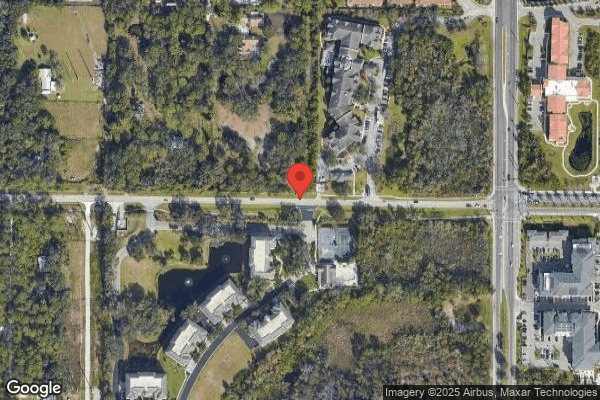
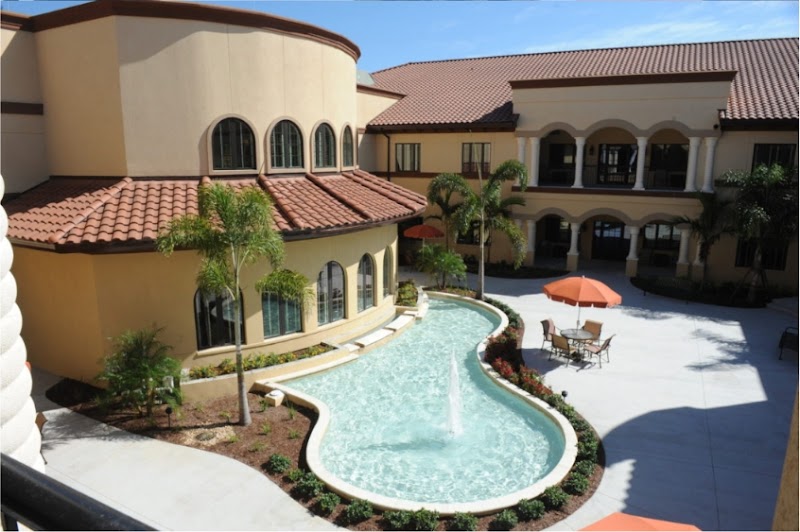
5381 DESOTO ROAD, SARASOTA, FL 34235 (941) 355-6111
For profit - Individual 120 Beds INFINITE CARE Data: November 2025
Trust Grade
63/100
#358 of 690 in FL
Last Inspection: March 2024

Within standard 12-15 month inspection cycle. Federal law requires annual inspections.

Overview

Hawthorne Center for Rehab & Healing of Sarasota has a Trust Grade of C+, indicating it is slightly above average, but still in the middle of the pack. It ranks #358 out of 690 facilities in Florida, placing it in the bottom half, and #11 out of 30 in Sarasota County, meaning only ten local options are better. The facility's trend is stable, with the number of issues remaining consistent from 2023 to 2024. Staffing is a notable strength, earning a 4 out of 5 stars and maintaining a turnover rate of 24%, significantly lower than the state average, which suggests staff are familiar with the residents. However, there are concerns, including a serious incident where a resident experienced a major fall and another case in which medications were not adequately assessed or provided for three residents. Additionally, the facility had an average fine of $8,512, indicating some compliance issues that families should consider.

Trust Score
C+
63/100
In Florida
#358/690
Bottom 49%
Safety Record
Moderate
Needs review
Inspections
Holding Steady
1 → 1 violations
Staff Stability
✓ Good
24% annual turnover. Excellent stability, 24 points below Florida's 48% average. Staff who stay learn residents' needs.
Penalties
⚠ Watch
$8,512 in fines. Higher than 92% of Florida facilities. Major compliance failures.
Skilled Nurses
○ Average
Each resident gets 41 minutes of Registered Nurse (RN) attention daily — about average for Florida. RNs are the most trained staff who monitor for health changes.
Violations
⚠ Watch
14 deficiencies on record. Higher than average. Multiple issues found across inspections.
★★★☆☆
3.0
Overall Rating
★★★★☆
4.0
Staff Levels
★★★★☆
4.0
Care Quality
★★★☆☆
3.0
Inspection Score
Stable
2023: 1 issues
2024: 1 issues

The Good

  • 4-Star Staffing Rating · Above-average nurse staffing levels
  • 4-Star Quality Measures · Strong clinical quality outcomes
  • Low Staff Turnover (24%) · Staff stability means consistent care
  • Full Sprinkler Coverage · Fire safety systems throughout facility
  • No fines on record
  • Staff turnover is low (24%)

    24 points below Florida average of 48%

Facility shows strength in staffing levels, quality measures, staff retention, fire safety.

The Bad

3-Star Overall Rating

Near Florida average (3.2)

Meets federal standards, typical of most facilities

Federal Fines: $8,512

Below median ($33,413)

Minor penalties assessed

Chain: INFINITE CARE

Part of a multi-facility chain

Ask about local staffing decisions and management

The Ugly 14 deficiencies on record

1 actual harm
Mar 2024 1 deficiency 1 Harm
SERIOUS (G)

Actual Harm - a resident was hurt due to facility failures

Accident Prevention (Tag F0689)

A resident was harmed · This affected 1 resident

**NOTE- TERMS IN BRACKETS HAVE BEEN EDITED TO PROTECT CONFIDENTIALITY** Based on resident and staff interview and facility policy and medical record review the facility failed to implement adequate in...

Read full inspector narrative →
**NOTE- TERMS IN BRACKETS HAVE BEEN EDITED TO PROTECT CONFIDENTIALITY** Based on resident and staff interview and facility policy and medical record review the facility failed to implement adequate individualized interventions to prevent falls, including fall with major injury for 1 (Resident #43) of 4 residents reviewed for falls. The findings included: Review of the facility Policy titled Incident Management (no initiation date) stated, An incident is any occurrence which is not consistent with the routine operation of the facility or the routine care of a particular resident. It may involve an injury or damage to property. Incidents/accidents to be recorded, using the incident report form, and reported according to the Reporting Guidelines include but not limited to falls/found on floor. Review of the facility Policy titled Risk Management - Post Incident Evaluation, Root Cause Analysis and Plan (no initiation date) stated, The facility will use a consistent approach for post incident evaluations which will include a thorough investigation to determine how and why the incident occurred. Root Cause Analysis is a process for identifying the basic or contributing causal factors that are responsible for incidents. Root causes will guide changes in systems or processes to reduce the risk of the event recurring. Post Incident Evaluation includes Immediately following any incident - actions to support resident safety will be the priority. For falls, the Fall Risk Reduction Program will be followed to include post fall intervention and care; Incidents will be recorded according to policy; Incidents will be reported according to the reporting guideline. The Risk Manager or designee will be notified per the reporting guidelines and will be responsible for investigating and reporting any allegations of abuse, neglect, exploitation, injuries of unknown origin and or any adverse incidents as defined by State or Federal Regulation according to facility policy. Review of the clinical record for Resident #43 revealed a date of admission of 9/28/2023. Diagnoses included Cerebral Infarction (stroke), Aphasia (language disorder), Dysphagia (swallowing disorder), and Osteoarthritis. Resident #43 shared a room with his wife (Resident #37). Review of the significant change in status Minimum Data Set assessment dated [DATE] noted Resident #43 was cognitively impaired and unable to answer questions with a Brief Interview for Mental Status (BIMS) score of 99. The assessment noted Resident #43 had short term and long term memory problems. A check mark on the assessment noted Resident #43's cognitive skills for daily decision making were moderately impaired-decisions poor, cues/supervision required. The fall risk evaluations completed on 9/28/23, 11/16/23, 11/24/23, 1/2/24 and 1/19/24 noted Resident #43 was at moderate risk for falls. On 1/23/24, 2/17/24 and 3/13/24 the fall risk evaluations noted Resident #43 was at high risk for falls. The care plan created on 9/29/23 noted Resident #43 was at risk for falls due to having decreased mobility with weakness secondary to a CVA. The goal was for the resident not to sustain serious injury. The interventions dated 9/29/23 included: Anticipate and meet the resident's needs. Be sure the resident's call light is within reach and encourage the resident to use it for assistance as needed. The resident needs prompt response to all requests for assistance. Ensure that the resident is wearing appropriate footwear when ambulating or mobilizing in wheelchair. Review of Resident #43's care plan initiated on 10/10/23 noted the resident had impaired cognitive function/dementia or impaired thought process related to disease process, CVA (cerebrovascular accident). Review of Fall Investigations and Incident Log revealed Resident #43 sustained a fall on 11/16/23, 11/24/23, 1/19/24, 2/17/24 and 3/13/24. Review of the nursing progress note dated 11/16/23 noted Resident #43 complained of right side back pain. During assessment Resident #43 was observed to have a big bruise to the right side of the back and the back side of the right upper arm. The resident was nonverbal and not able to explain what happened. The resident's wife said on 11/13/23 Resident #43 was trying to get out of bed by himself and fell from the bed. He hit his back with the bed edge but did not hit his head. She did not call for assistance, she helped him off the floor and did not report the fall to anyone. The fall care plan updated on 11/17/23 noted Resident #43 had a fall on 11/13/23. The interventions listed were laboratory work and therapy to screen. Educate wife to inform if resident has falls and/or injury. Bruise to his back. The care plan did not include the result of the therapy screen or measures to prevent further falls. On 11/24/23 at 12:46 p.m., a nursing progress note documented Resident #43 was sent to the hospital after an unwitnessed fall in his room. The resident's wife said he hit his head. Blood was coming out, from the inside of his right ear. On 11/24/23 at 5:16 p.m., a nursing progress note documented Resident #43 came back from the hospital at approximately 3:00 p.m. with sutures. On 11/25/23 at 11:04 a.m., a nursing progress note documented the resident's right ear continued to bleed, blood-saturated gauze changed to right ear . The fall care plan was updated on 11/27/23 noting Resident #43 had a fall on 11/24/23. The new intervention was to post environmental cues call don't fall in Spanish. Therapy to screen. Resident #43 was sent to the emergency room due to a laceration to his right ear. On 1/19/24 at 7:23 a.m., a nursing progress note documented at 6:20 a.m., the nurse was called to Resident #43's room. The resident was lying on the floor in front of the clothes closet over the right side of his body, right arm, and right shoulder. The resident denied any pain, was able to move all extremities, no deformity of hip, legs, arm even shoulder. Per the wife Resident #43 got out of bed walking to the door without his walker, shoes and non sole sock. Small laceration was noted to the left eyebrow. The resident was assisted back to bed. On 1/19/24 at 9:08 a.m., a nursing progress note documented the nurse was called to Resident #43's room. The resident was sitting on the toilet, complained of pain to the left hip with the left hip bone protruding. Resident #43 was sent to the emergency room for evaluation and treatment. Review of the hospital progress note dated 1/20/24 revealed Resident #43 was diagnosed with a nondisplaced Acetabular (hip socket) fracture, left shoulder dislocation, and multiple pubic rami (bones that make up the pelvis) fractures. Review of the root cause analysis worksheet for the incident noted the root cause of the fall was the resident did not use his walker, not fully aware of his physical limitations and need for walker, and impaired cognition. On 1/22/24 the fall care plan was updated and noted Resident #43 was readmitted with the multiple fractures and left shoulder dislocation. The goal was for the resident to remain free from complications related to the fracture. The new interventions included floor mats when in bed, modify environment as needed to meet current needs: Non-slip surface for bath/shower, bed in lowest position with wheels locked, floors that are even and free from spills, clutter, adequate glare-free light. On 2/17/24 at 1:37 a.m., a nursing progress note documented Resident #43 was observed lying face down on the floor with his head nearer to the lower quarter of the bed. The resident was barefoot. The outer aspect of right eye sclera (white of the eye) was red. On 2/19/24 the care plan was updated with interventions to obtain a left hip X-ray, toilet the resident upon rising, before or after meals, at bedtime and as needed. On 3/13/24 at 3:36 p.m., a nursing progress note documented per Resident #43's wife, the resident was sitting in a wheelchair close to the bed without his walker. The resident walked to the door of the room and returned. When trying to go back to bed, lost his balance, slid out of the bed over his knee with half of his body over the bed. On 3/14/24 the care plan was updated to obtain laboratory work and neurological checks were initiated. On 3/25/24 at 11:10 a.m., observed Resident #43 sitting in wheelchair in the common area with other residents monitored by staff. On 3/27/24 at 11:30 a.m., Resident #43 and his wife were observed sitting in their room located down the hall from the nursing station with the call light on. On 3/27/24 at 11:45 a.m., in an interview Licensed Practical Nurse (LPN) Staff B said Resident #43 has had multiple falls, including a fall with injury. She said she frequently took care of Resident #43 since he only spoke Spanish and she spoke Spanish. She said Resident #43 shares a room with his wife who is wheelchair bound and requires assistance with activities of daily living. She tries to take care of him and help him instead of calling for help. On 3/27/2024 at 3:00 p.m., in an interview the Risk Manager said Resident #43 fell and was a stubborn man. She said the fall was investigated the day of the fall (1/19/24), his wife witnessed the fall. She said the wife told the nurse that the resident got up and walked without his walker with no shoes on. The resident was placed back in bed by two staff members, no pain or sign of injury were noted. She said three hours later the resident was found sitting on the toilet by the CNA (Certified Nursing Assistant) who noticed his left hip protruding. She did not know if the injury was from the original fall or if the resident fell again. The fall investigation did not have documentation of any timed or signed interviews. She said after the facility investigation the IDT (Interdisciplinary Team) met the next morning and decided the accident, was not preventable, was not considered neglect or abuse so was not a reportable incident. She said the resident had his wife (Resident #37) in his room to help look after him. She said the wife was not employed by the facility and was not responsible for his safety. Review of Resident #37's clinical record revealed a Quarterly Minimum Data Set assessment dated [DATE] which noted the resident's cognition was moderately impaired with a BIMS score of 09. On 3/28/2024 at 4:00 p.m., in an interview the Administrator said he did not see falls as abuse or neglect because it was not an injury of unknown origin. When asked if the investigation was thorough, since it was based on the statement from another resident with a BIMS score of 9, he said it could have been better.
Apr 2023 1 deficiency
CONCERN (E) 📢 Someone Reported This

A family member, employee, or ombudsman was alarmed enough to file a formal complaint

Potential for Harm - no one hurt, but risky conditions existed

Quality of Care (Tag F0684)

Could have caused harm · This affected multiple residents

**NOTE- TERMS IN BRACKETS HAVE BEEN EDITED TO PROTECT CONFIDENTIALITY** Based on record review and staff and resident interview, the facility failed to continue to assess after a change in condition a...

Read full inspector narrative →
**NOTE- TERMS IN BRACKETS HAVE BEEN EDITED TO PROTECT CONFIDENTIALITY** Based on record review and staff and resident interview, the facility failed to continue to assess after a change in condition and failed to ensure prescribed medications were available for administration for 3 (Resident #1, #3 and #6) of 5 residents reviewed. The findings included: 1. Resident #1 was admitted to the facility on [DATE] with diagnoses not limited to personal history of transient ischemic attack (mini stroke) and cerebral infarction (stroke) with no residual effects. Record review revealed on 4/4/23 at approximately 5 p.m., Resident #1 complained of numbness to the bottom lip and unintentional biting her inner cheek to Licensed Practical Nurse (LPN) Staff C. LPN Staff C noted there was no facial droop, smile even and speech clear. Physicians Assistant notified of issue. On 4/10/23 at 12:02 p.m., in a phone interview, LPN Staff C said on 4//4/23, Resident #1 had complained of mouth pain and involuntarily biting of her inner cheek. She said she had the usual smile, normal vital signs, no slurred speech and seemed the same as always. She said she texted the Physician's Assistant (PA)to notify her but never heard back from the PA. Further record review revealed no evidence of ongoing assessment of Resident #1 until seen by the PA on 4/5/23 at approximately 1p.m. There was no evidence another attempt to contact the PA was made until 10:37 a.m. on 4/5/23. On 4/11/23 at 2:40 p.m., in an interview, the facility Director of Nursing said there was no evidence of assessment of Resident #1 after the initial assessment at 5 p.m. on 4/4/23 until approximately 1 p.m. on 4/5/23 and there was no evidence of an attempt to contact the PA after the initial attempt at approximately 5 p.m. on 4/4/23 until approximately 10:37 a.m. on 4/5/23. 2. Facility policy 1.0 Medication Shortages/Unavailable Medications, no policy number or effective date, noted: A. If a medication shortage is noted at the time of medication administration (Med Pass), the licensed nurse or certified medication assistant must immediately initiate action to obtain the medication and not wait until the med pass is completed. B. If a medication shortage is noted during normal pharmacy hours: 1. A licensed nurse notifies the pharmacy and speaks to a registered pharmacist to determine the status of the order. C. If a medication shortage is noted after normal pharmacy hours: 1. A licensed nurse obtains the ordered medication from the emergency stock supply. If the ordered medication is unavailable in the emergency stock supply, a licensed nurse calls the pharmacy's emergency answering service and request to speak with the registered pharmacist on call to determine the plan of action Resident #3 was admitted to the facility on [DATE] with diagnoses not limited to history of leukemia (blood cancer). On 4/10/23 at approximately 11:45 a.m., in an interview, Resident #3 said she had not been receiving her Imbruvica (medication used to treat Leukemia) medication. She said the medication is used to Help keep my white blood cells down. She said she thought she came to the facility with two doses and has not received anything after the 2 doses. She said her daughter has been looking into why she is not getting it. Review of the record for Resident #3 revealed an admission order for Imbruvica Oral tablet 420 milligrams (mg) one time a day. Review of the Medication Administration Record (MAR) for Resident #3 for March 2023 revealed the medication Imbruvica was not administered on 3/29, 3/30 and 3/31 and coded with a number 9 for each date. The number 9 code corresponded with Other/See Nurses Notes. Review of the nurses notes for 3/29/23 noted Not available was entered. Review of the nurses notes for 3/30/23 and 3/31/23 noted On order was noted. There was no evidence the pharmacy had been contacted by the nurse on any of the dates noted. Review of the MAR for Resident #3 for April 2023 revealed the medication Imbruvica was not administered on 4/2, 4/4, 4/5, 4/6,4/7, 4/8, 4/9, and 4/10. The entries for 4/2, 4/4, 4/5, 4/7,4/8 and 4/9 were coded with the number 5 which corresponded with Hold/See Nurses Notes. Review of the nurses notes for 4/2/23 noted not available was entered. Review of the nurses notes for 4/4, 4/5, 4/6, 4/7, 4/8 and 4/9 revealed no explanation as to why the medication was not administered. There was no evidence the pharmacy had been contacted by the nurse on any of the days noted. Review of the nurses notes for 4/10/23 noted med not on hand, pharmacy contacted. On 4/11/23 at 9:43 a.m. the Director of Nursing confirmed Resident #3 did not receive the medication Imbruvica 420 mg daily as ordered on 3/29, 3/30, 3/31, 4/2, 4/4, 4/5, 4/6, 4/7, 4/8, 4/9 and 4/10/23. She also confirmed the pharmacy was not contacted about the medication shortage by any of the nurses on the days noted until 4/10/23. She said none of the nurses informed her Resident #6 was not getting the medication. 3. Resident #6 was admitted to the facility on [DATE]. Review of the record for Resident #6 revealed an admission order for Tylenol PM Extra Strength 500-25 milligrams by mouth at bedtime. Review of the MAR for Resident #6 for April 2023 revealed the Tylenol PM Extra Strength 500-25 mg was not administered on 4/3, 4/4, 4/5 and 4/9/23. There was no evidence the pharmacy had been contacted by the nurse on any of the days noted. On 4/11/23 at approximately 12:05 p.m. the Director of Nursing confirmed Resident #6 did not receive the medication Tylenol PM Extra Strength 500-25 mg at bedtime as ordered on 4/3, 4/4, 4/5 and 4/9/23. She also confirmed the pharmacy was not contacted about the medication shortage by any of the nurses on the days noted. She said she was not aware Resident #6 was not getting the medication as ordered.
May 2022 7 deficiencies
CONCERN (D)

Potential for Harm - no one hurt, but risky conditions existed

ADL Care (Tag F0677)

Could have caused harm · This affected 1 resident

Based on observation, review of the clinical record, family and staff interviews, the facility failed to provide the necessary care and services to maintain hygiene for 1 (Resident #4) of 4 sampled re...

Read full inspector narrative →
Based on observation, review of the clinical record, family and staff interviews, the facility failed to provide the necessary care and services to maintain hygiene for 1 (Resident #4) of 4 sampled residents who required assistance with activities of daily living (ADLs). The findings included: Clinical record review revealed a Quarterly Minimum Data Set (MDS) assessment with a target date of 2/9/22 which documented Resident #4's diagnoses included Parkinson's disease and had upper extremity impairment on one side. Resident #4 required extensive physical assistance of one staff for hygiene, and limited physical assistance of one staff for bathing. The assessment documented Resident #4 scored an 8 on the Brief Interview for Mental Status, indicative of moderate cognitive impairment. The care plan initiated on 5/24/21 noted Resident #4 required assistance with ADLs, including assistance of one staff for bathing. Interventions included showers, check nail length, clean and trim on bath days as necessary. On 5/10/22 at 10:23 a.m., during a phone interview Resident #4's family member, said he reported care concerns to the facility staff. The family member said Resident #4 was not receiving scheduled showers, staff were not trimming her fingernails and cleaning her left hand. He said the residents' nails were long and dirty, especially the left hand which had a contracture (tightening of the muscles and tendons that cause the joints to become stiff). He said he filed two grievances with the facility regarding the same concerns and had verbally reported his concerns to the Director of Nursing (DON). A review of the facility Grievance/Complaint Report showed a grievance dated 2/16/22 in which Resident #4's family member stated the resident's contracted hand needed to be cleaned better and her nails needed to be cut on an ongoing basis. The grievance form documented the family complained they have made this request before and have not seen an improvement. A grievance dated 4/7/22 for Resident #4 documented the family had strong concerns about care when visiting this week. They observed that resident's fingernails were filthy, hands smelled, nails were very long with crud under them, teeth looked like they hadn't been brushed in a long time, body odor . On 5/10/22 at 1:39 p.m., Resident #4's fingernails were observed extending approximately ½ inch from the tip of the finger with a brown substance under the nail beds. Resident #4 was not able to answer any question. On 5/10/22 at 1:44 p.m., Registered Nurse Manager, Staff M confirmed Resident #4's fingernails were long with a black /brown substance under some of the fingernails on both hands. Staff M said she would clean and trim Resident #4's fingernails. Review of the Certified Nursing Assistant (CNA) daily charting for February, March and April 2022 showed Resident #4 was scheduled to receive showers every Wednesdays and Saturdays. There was no documentation Resident #4 received her scheduled showers on 2/2/22, 2/9/22, 2/16/22, 2/23/22, 2/26/22, 3/2/22. 3/9/22, 3/16/22, 3/19/22, 3/23/22, 3/26/22, 3/30/22, 4/2/22, 4/6/22, 4/13/22, 4/20/22, 4/27/22. The CNA documentation showed Resident #4 received two bed baths in February, one bed bath in March, and three bed baths in April. The CNA's daily charting for February, March and April lacked documentation Resident #4 received assistance with personal hygiene 41 of 84 scheduled shifts in February 2022, 64 of 93 scheduled shifts in March 2022, and 55 of 90 scheduled shifts in April 2022. On 5/11/22 at 8:45 a.m., in an interview CNA Staff N said she provided care for Resident #4 on 5/10/22 but did not cut or trim her fingernails. She said only the nurse can do that. CNA Staff N confirmed she did not clean Resident #4 fingernails. On 5/11/22 at 9:49 a.m., in an interview Licensed Practical Nurse Staff O said looking at the CNA documentation for February and April 2022, she was not able to verify if Resident #4 received showers or personal hygiene on the days that were not documented by the CNA.
CONCERN (D)

Potential for Harm - no one hurt, but risky conditions existed

Incontinence Care (Tag F0690)

Could have caused harm · This affected 1 resident

**NOTE- TERMS IN BRACKETS HAVE BEEN EDITED TO PROTECT CONFIDENTIALITY** Based on observation, clinical record review, review of facility policies and procedure, resident and staff interviews, the faci...

Read full inspector narrative →
**NOTE- TERMS IN BRACKETS HAVE BEEN EDITED TO PROTECT CONFIDENTIALITY** Based on observation, clinical record review, review of facility policies and procedure, resident and staff interviews, the facility failed to provide the necessary care and services to maintain continence for 2 (Resident #16 and #75) of 2 residents reviewed for incontinence. The findings included: The facility policy titled Restorative Nursing - Bowel and Bladder Program (undated) specified residents who have had any episodes of incontinence will be assessed for the need of a bowel and bladder program upon admission, quarterly, upon removal of an indwelling catheter, or with a significant change. The procedure noted, To begin the evaluation of the resident's bowel and bladder function. The Restorative Nurse/designee will: Complete the first 3 sections of the Bowel and Bladder Evaluation. If the resident is to proceed to the 3-Day Bowel & [and] Bladder Patterning Diary, instruct the CNAs that a 3-Day bowel and bladder patterning diary has been implemented. Instruct the CNAs to cue and assist the resident to toilet and to check the resident for episodes of incontinence and mark the diary as indicated. On day 4 when the diary is completed, the Restorative nurse or designee will review the 3-day patterning. The nurse will check for patterns of continence and incontinence to determine if a resident is eligible for retraining, prompted voiding, scheduled toileting, or placed in the incontinent care (check and change program). 1. A review of Resident #16's clinical record showed an admission Minimum Data Set (MDS) assessment dated [DATE] and a Quarterly MDS assessment dated [DATE], which documented Resident #16 required limited physical assistance of one for transfers, ambulation, toileting, and personal hygiene. The MDS documented Resident #16 was frequently incontinent of bowel and occasionally incontinent of bladder. The assessment documented a toileting program was not currently being used to manage the resident's bowel continence. The clinical record lacked documentation of a bowel and bladder patterning and evaluation to address the specific incontinence needs of Resident #16. The care plan initiated on 9/3/21 and revised on 10/6/21 noted Resident #16 required assistance of one person for transfer and toilet use, had functional incontinence (Incontinence occurs when an individual has difficulty getting to the toilet on time) due to having decreased mobility with weakness. The goal was for the resident to remain free from skin breakdown due to incontinence and brief use. The interventions included to offer and assist with toileting. Check for incontinence, wash, rinse, and dry perineum. Clean peri-area with each incontinence episode. On 5/9/22 at 2:24 p.m., Resident #16 said she was not able to get up on her own and required assistance to go to the bathroom. Resident #16 said sometimes she is incontinent because the staff do not come when she needs to be toileted, and she has to wait for staff to assist her on the toilet. Review of the Certified Nursing Assistant (CNA) documentation for March and April 2022 failed to show Resident #16 received assistance with toileting on the night shift (10:00 p.m. to 6:00 a.m.) on 3/3/33 through 3/6/22, 3/9/22 through 3/12/22, 3/14/22, 3/16/22, 3/17/22, 3/19/22, 3/23/22, 3/26/22, 3/29/22 through 3/31/22, 4/1/22 through 4/7/22, 4/9/22 through 4/13/22, 4/15/22 through 4/21/22, 4/23/22, 4/24/22, 4/26/22 through 4/28/22 and 4/30/22. There was no documentation Resident #16 received assistance with toileting during the day shift (6:00 a.m. to 2:00 p.m.) on 3/24/22, 3/30/22, 4/7/22, 4/14/22, 4/17/22, 4/24/22 and 4/29/22. There was no documentation Resident #16 received assistance with toileting during the evening shift on 3/5/22, 3/6/22, 3/17/22, 4/7/22, 4/14/22, 4/17/22, 4/24/22 and 4/29/22. On 5/11/22 at 3:00 p.m., in an interview Registered Nurse (RN) Staff M confirmed Resident #16 was not on a bowel and bladder program. On 5/12/22 at 9:41 a.m., CNA Staff K said she was assigned to Resident #16 and knew her care needs. CNA Staff K said Resident #16 used a walker and sometimes needed help since she was incontinent of loose stool. 2. A review of Resident #75's clinical record showed an admission date of 4/18/22. The admission MDS assessment dated [DATE] documented Resident #75 was frequently incontinent of bladder and always incontinent of bowel. Resident #75 required extensive assist of one for bed mobility, toileting, and dressing. The MDS assessment also noted Resident #75 was not on a bowel and bladder program to maintain or restore continence. On 5/9/22 at 11:39 a.m., Resident #75 said when she needs to be toileted no one comes and if she wets herself, she will wait for someone to change her. Resident #75 said the prior week she had to call her spouse in the middle of the night to come to the facility and change her because no one would answer the call light. On 5/10/22 at 8:51 a.m., Resident #75 said when she puts her call light on for toileting assistance the staff tell her, It's not my job or I can't help you because it will hurt my back. On 5/10/22 at 2:03 p.m., Resident #75's spouse said his wife had called him in the middle of the night to come and help her because she had her light on and no one would answer it. The resident's spouse said, I have her on speaker phone and as I'm driving there, I can hear the call light on for 20 minutes and I hear someone in the room with her arguing with her and telling her we can't hurt our backs with you, you are not wet. He said by the time he got there the staff were leaving the room and had changed her. A review of the CNA documentation from 4/18/22 through 4/30/22 showed no documentation staff assistance for personal hygiene was provided to Resident #75 for 25 CNA scheduled shifts. The CNA documentation showed no documentation Resident #75 was assisted to use the toilet on 23 CNA scheduled shifts. On 5/11/22 at 10:33 a.m., Registered Nurse (RN) Staff P said Resident #75 required the assistance of two persons with incontinent care and toileting. RN Staff P said the CNAs get information on the care needs of the resident from the CNA [NAME] (form used to communicate resident's care needs) and documents in the CNA electronic records. On 5/11/22 at 2:57 p.m., RN Staff M reviewed Resident #75's CNA documentation for April and confirmed there was missing documentation of care. RN Staff M said she would not be able to say if Resident #75 received toileting and hygiene assistance since it was not documented. RN Staff M said, I believe she received the care because she would not be able to go for an extended period without toileting or receiving incontinent care. On 5/11/22 at 3:26 p.m., the Director of Nursing confirmed a lack of CNA documentation for Resident #75's toileting and personal hygiene and said without the documentation there was no way to know if Resident #75 had received the toileting and personal hygiene care. On 5/12/22 at 10:45 a.m., CNA Staff Q said Resident #75 required physical assistance of two with incontinent care and toileting.
CONCERN (D)

Potential for Harm - no one hurt, but risky conditions existed

Deficiency F0726 (Tag F0726)

Could have caused harm · This affected 1 resident

Based on personnel file review, resident medical record and staff interview, the facility failed to ensure 2 (Licensed Practical Nurses (LPN) E, and F) of 7 Licensed Practical Nurses, who are assigned...

Read full inspector narrative →
Based on personnel file review, resident medical record and staff interview, the facility failed to ensure 2 (Licensed Practical Nurses (LPN) E, and F) of 7 Licensed Practical Nurses, who are assigned to the medication carts, had the required Certification to administer Intravenous Medication. The findings included: Record review of the Medication Administration Record (MAR) for May 2022 for Resident #437 revealed LPN Staff E administered the antibiotics Vancomycin and Rocephin on 5/7/22 and 5/8/22 via the intravenous route. Record review of the MAR for May 2022 for Resident #62 revealed LPN Staff F administered the antibiotic Cefazoline on 5/1/22, 5/5/22 and 5/6/22 via the intravenous route. On 5/10/22 review of the personnel files revealed an annual task competency completed respectively on 2/6/21 and 2/12/21 for Staff E and F, including infusing IV (intravenous) medications. The files lacked documentation Staff E and Staff F had completed the required Intravenous certification for LPNs. On 5/10/22 at 4:25 p.m., in an interview, the facility Regional Clinical Consultant confirmed the lack of Intravenous certification for LPN Staff E and Staff F.
CONCERN (D)

Potential for Harm - no one hurt, but risky conditions existed

Deficiency F0760 (Tag F0760)

Could have caused harm · This affected 1 resident

Based on record review and staff interview, the facility failed to ensure 1 resident (resident #83) of 5 sampled residents for drug regimen review was free from a significant medication error. The fin...

Read full inspector narrative →
Based on record review and staff interview, the facility failed to ensure 1 resident (resident #83) of 5 sampled residents for drug regimen review was free from a significant medication error. The findings included: The Policy for Medication Dispensing System provided by the Director of Nursing states: Verify that the Medication Administration Record reflects the most recent medication order . Follow appropriate medication administration guidelines . Document necessary medication administration/treatment information (e.g., medications are administered, medication injection site, refused medications and reason, prn medication, etc.) on appropriate forms. Record review of Resident #83's clinical record revealed a physician's order to administer Metoprolol Tartrate (Blood pressure medication) 25 milligrams via feeding tube twice a day. The order specified to hold the Metoprolol if the systolic (top number) blood pressure was below 110. Review of the Medication Administration Record for May 2022 showed on 5/11/22 at 8:00 a.m., the nurse documented administering the Metoprolol. The systolic blood pressure documented was 97. On 5/11/22 at 2:16 p.m., Licensed Practical Nurse (LPN) Staff O verified she administered the Metoprolol as documented on the Medication Administration Record despite the documented systolic blood pressure of 97. On 5/12/22 at 10:03 a.m., the Director of Nursing said if a medication like Metoprolol is administered outside of the physician's specified parameters, they would notify the physician, monitor the blood pressure for signs and symptoms of adverse effects of the medication, and it would be a medication error.
CONCERN (E)

Potential for Harm - no one hurt, but risky conditions existed

Deficiency F0688 (Tag F0688)

Could have caused harm · This affected multiple residents

**NOTE- TERMS IN BRACKETS HAVE BEEN EDITED TO PROTECT CONFIDENTIALITY** Based on review of the clinical record, resident and staff interviews, the facility failed to provide the necessary care and ser...

Read full inspector narrative →
**NOTE- TERMS IN BRACKETS HAVE BEEN EDITED TO PROTECT CONFIDENTIALITY** Based on review of the clinical record, resident and staff interviews, the facility failed to provide the necessary care and services to maintain ambulation status for 1(Resident #16) of 1 resident reviewed with a restorative ambulation program. Review of Resident #16's clinical record showed an admission date of 9/4/21. The Quarterly Minimum Data Set (MDS) assessment dated [DATE] documented Resident #16 required limited physical assistance of one person for transfers, walking in room and corridor. The Certified Nursing Assistant [NAME] (form used to communicate resident's care needs) documented Resident #16 required assistance with ambulation. A fall risk evaluation dated 3/8/22 documented Resident #16 scored an 11 indicating a high risk for falls. On 5/9/22 at 2:41 p.m., Resident #16 said she was supposed to receive restorative nursing (program to promote improvement in function and minimize deterioration) but said I only get it one day a week if someone is here. The aides and nurses say they can't ambulate me with the four wheeled seated walker. Resident #16 reported generalized weakness. The resident said, I'm not supposed to walk by myself outside of the room, but they don't have the time to walk me, I understand they are busy. I am trying to get stronger. I am a former Registered Nurse and I know therapy is important. Once you reach your goal you want to maintain and not slip back. Resident #16 said, I would like to have someone ambulate me more frequently, at least from my room to the dining area, but they say it is better if I use the wheelchair. A review of the Restorative Nursing Program referral for Resident #16 dated 12/8/21 and signed by the therapist, and the restorative aide on 2/16/22 documented Resident #16 was referred to the program for ambulation with a goal to maintain/improve current level of function. The referral documented, Pt [Patient] is at risk for decline and increased level of care. The listed interventions were for gait as tolerated or 50 feet using a four-wheel walker and wheelchair to follow with three liters of oxygen. Rest as needed, assist with the oxygen tubing. The frequency of the ambulation program was three times a week. Review of the Certified Nursing Assistant (CNA) documentation for March 2022, and April 2022 failed to show documentation Resident #16 received the restorative ambulation on scheduled days, nine times in March, and seven times in April. On 3/2/22, 3/4/22, 3/7/22, 3/11/22, 3/16/22, 3/21/22, 3/23/22, 3/25/22, 4/6/22, 4/13/22, and 4/20/22 NA [Not applicable] was entered. On 3/18/22, 4/8/22, 4/11/22, 4/15/22 and 4/29/22, the form was left blank, making it impossible to determine if the resident received the restorative program. On 3/28/22, 3/30/22, 4/4/22 and 4/18/22 the form noted Resident #16 refused to participate in the restorative program. On 5/11/22 at 8:37 a.m., the Director of Rehab (DOR) said the facility had one restorative aide, and she was often pulled to work on the floor providing patient care. The DOR said no one was available to do the restorative programs when the Restorative CNA was pulled from her assignment. On 5/11/22 at 9:32 a.m., the Assistant Director of Nursing (ADON) said she was responsible for the Restorative program. She said the facility was experiencing staffing issues and often has to pull the restorative CNA to the floor to help. On 5/11/22 at 11:56 a.m., the Restorative CNA said she was the only restorative aide for the facility. The CNA said Resident #16 was on a restorative ambulation program to be done three times a week. The CNA said she was often pulled to work the floor to provide resident care and then no one was available to do the restorative program.
CONCERN (E)

Potential for Harm - no one hurt, but risky conditions existed

Deficiency F0761 (Tag F0761)

Could have caused harm · This affected multiple residents

**NOTE- TERMS IN BRACKETS HAVE BEEN EDITED TO PROTECT CONFIDENTIALITY** On 5/9/22 at 12:15 p.m., a bottle each of Super B complex vitamins, Vitamin D3, Tylenol 650 milligrams (mg), calcium 600 mg with...

Read full inspector narrative →
**NOTE- TERMS IN BRACKETS HAVE BEEN EDITED TO PROTECT CONFIDENTIALITY** On 5/9/22 at 12:15 p.m., a bottle each of Super B complex vitamins, Vitamin D3, Tylenol 650 milligrams (mg), calcium 600 mg with Vitamin D and mega-reg (omega-3 [NAME] oil) were observed in an opened drawer of the night table of Resident #24. The resident said she has had the medications since her admission to the facility on 3/5/22 and took them daily. On 5/9/22 at 12:23 p.m., Registered Nurse (RN), Staff I said she had no idea Resident #24 kept medications at the bedside. On 5/9/22 at 12:35 p.m., Certified Nursing Assistant (CNA) Staff H said the medications have been in Resident #24's unlocked drawer for a while now. On 5/11/22 at 9:01 a.m., CNA Staff J said she knew residents were not to keep medications, ointments in their rooms since this unit was the dementia unit. She said other residents may wander and have access to those medications. On 5/11/22 at 12:55 p.m., the Director of Nursing confirmed the medications should be secured and kept with a nurse. Based on observation, record review and staff interview, the facility failed to ensure medications remained locked and inaccessible to unauthorized personnel when out of sight on 3 (Independence Place, Liberty Lane, Bounce Back Lane) of 4 units. The facility failed to discard expired medication in 1 (Bounce Back Lane) of 4 medication carts reviewed, and failed to ensure safe storage of medications at the bedside for 2 (Resident #24 and #44) of 2 residents observed with unsecured medications at the bedside. The findings included: The facility's Medication Storage Policy provided by the Director of Nursing (DON) noted Medications will be stored in a manner that maintains the integrity of the product and ensures the safety of the residents and is in accordance with Florida Department of Health guidelines. With the exception of Emergency Drug Kits, all medications will be stored in a locked cabinet, cart or medication room that is accessible only to authorized personnel, as defined by the facility's policy. Expired, discontinued and/or contaminated medications will be removed from the medication storage areas and disposed of in accordance with the facility policy. The Medication Dispensing System Policy provided by the Director of Nursing (DON) Medications, biologicals, or chemicals of any kind are never to be left unattended on top of medication cart. The Policy also noted Medication carts are always to be locked when out of sight or unattended. On 5/10/22 at 9:30 a.m., a Medication Cart at the nurse's station on Independence Place on the second floor was observed unlocked, unattended, and unsecured. Licensed Practical Nurse (LPN) Staff O approached the cart, retrieved some medications and walked into Resident #44's room, and closed the resident's door. The medication cart remained unlocked. LPN Staff O returned shortly to the cart without any medications. On 5/10/22 at approximately 9:35 a.m., a cup of pills was observed on Resident #44's bed. The Resident said the nurse had just handed her the cup of pills and left the room. Resident #44 said she had to wait and take the medications with food at lunch time. She said she usually took the medications with breakfast, but the nurse was late administering her medications. On 5/10/22 at 9:40 a.m., LPN Staff O said it was her first day working at the facility and she had the whole floor. She verified she left the cup of medications with Resident #44 because the resident was with it and could administer her own medications. She said they were just vitamins anyway. LPN Staff O said she did not know if Resident #44 was assessed to safely self-administer medications. She said, That's just the way we do it here. On 5/10/22 at 10:10 a.m., a review of Resident #44's Medication Administration Record showed the following medications were signed off as administered on 5/10/22 at 9:40 a.m.: Acetaminophen, Aspirin, Calcium Carbonate - Vitamin D3, Poly Iron, Vitamin C, Zinc, and Risperidone. On 5/11/22 at 8:45 a.m., a Medication Cart on Independence Place on the second floor, was observed unlocked, and unsupervised. The cart was not within direct observation of authorized staff. No staff was observed in the vicinity of the cart. On 5/11/22 at 2:06 p.m., LPN Staff O said she was aware she left the medication cart unlocked and unattended. She said she was busy. On 5/11/22 at 9:07 a.m., a medication cart on Liberty Lane on the second floor was observed unattended in the dining room area. A clear plastic medicine cup with a mixture of crushed pills in applesauce was on the medication cart. LPN Staff B was observed approaching the cart. She verified the unattended medicine cup on the cart contained crushed medications mixed in apple sauce. LPN Staff B verified medications should not be left unattended and said she forgot to discard the medications. On 5/11/22 at 1:48 p.m., a Treatment Cart in Bounce Back Lane on the first floor was observed unlocked, and unattended. LPN Staff B emerged from a patient's room, moved the cart, and locked it. On 5/11/22 at 1:50 p.m., observation of the medication cart on Bounce Back Lane on the first floor with LPN Staff B showed a Humalog Kwik Pen (insulin pen) with a date opened of 4/7/22. LPN Staff B said once opened the Humalog's expiration date was either 28 or 30 days. LPN Staff B removed the Humalog pen from the cart. Review of the manufacturer's specification for Humalog kwik pen showed the pen must be used within 28 days or discarded, even if it still contains Humalog. On 5/12/22 at 10:03 a.m., the Director of Nursing said no medication should ever be left unattended on top of the medication cart, the medication carts should always be locked and never left unattended. The Director of Nursing said insulin should be disposed of after 28 to 30 days after the date opened.
CONCERN (E)

Potential for Harm - no one hurt, but risky conditions existed

Room Equipment (Tag F0908)

Could have caused harm · This affected multiple residents

Based on record review and interviews, the facility failed to ensure nebulizer machines used for residents are maintained under safe operating conditions according with the manufacturer's recommendati...

Read full inspector narrative →
Based on record review and interviews, the facility failed to ensure nebulizer machines used for residents are maintained under safe operating conditions according with the manufacturer's recommendations. The findings included: The compressor nebulizer (Machines that create a mist out of liquid medication for easier absorption into the lungs) manufacturer's manual for the nebulizers used at the facility noted, Filter change: . Do not wash or clean the filter. Only use filters supplied by your distributor. And do not operate without a filter. Change the filter every 30 days or when the filter turns gray . On 5/10/22 at 10:37 a. m., the housekeeping supervisor said the housekeepers were responsible to clean nebulizers The housekeeper assigned to the soiled utility room sprays the soiled nebulizer with a disinfecting solution, ensuring it stays wet for 10 minutes. The housekeeper takes the filter out and washes it. The housekeeping supervisor said they did not change the filters, they just washed it. She said the facility did not have a policy or a process for disinfecting nebulizers. The Director of Nursing and the Maintenance supervisor were present during the interview. On 5/10/22, at 12:20 p.m., the Director of Nursing said the facility had a total of 25 Nebulizers, 15 were in storage, and 10 were currently being used by residents. He said he heard about the housekeepers washing the nebulizer filters.
Oct 2020 5 deficiencies
CONCERN (D)

Potential for Harm - no one hurt, but risky conditions existed

Deficiency F0637 (Tag F0637)

Could have caused harm · This affected 1 resident

**NOTE- TERMS IN BRACKETS HAVE BEEN EDITED TO PROTECT CONFIDENTIALITY** Based on record review and interview, the facility failed to complete a significant change Minimum Data Set (MDS) assessment as ...

Read full inspector narrative →
**NOTE- TERMS IN BRACKETS HAVE BEEN EDITED TO PROTECT CONFIDENTIALITY** Based on record review and interview, the facility failed to complete a significant change Minimum Data Set (MDS) assessment as required by regulation for 2 (Residents #22 and #24) of 6 sampled residents reviewed for hospitalization and falls. This had the potential to delay revision of the resident's plan of care and services. The findings included: According to the Resident Assessment Manual, a significant change was a major decline in a resident's status, determined by a completed assessment of the resident. If the facility deemed the resident had met the guidelines for a major decline, the facility was required to complete a significant change MDS within 14 days of the identification of the major decline. 1. Record review of the resident's hospitalizations revealed Resident #22 had five hospital admissions with returns to the facility between 2/14/20 and 7/24/20. Record review of Resident #22's MDS admission and quarterly assessments between 3/4/20 and 9/2/20, revealed Resident #22 had multiple physical declines that required an increase in staff assistance and services. On 10/29/20 at 12:00 p.m., facility MDS Coordinator Licensed Practical Nurse (LPN) Staff E acknowledged there should have been a significant change MDS done for Resident #22. 2. Resident #24 was an [AGE] year-old female resident who was admitted to the facility on [DATE] with a fracture to her left femur and left radius after a fall. On 8/23/20 the resident was assessed with the John Hopkins Fall Risk Assessment Tool and received a score of 20. The tool rated a person who scored greater than a score of 13 as a high fall risk. Resident #24 was care planed for falls related to the resident recent fall with fracture, status post hospitalization, history of Dementia with forgetfulness, and new environment. The only documented interventions for falls on 8/23/20 was to instruct the resident to call for assistance when getting out of bed and transferring, to encourage the resident to stand slowly, orient the resident to the room, surrounding areas, and use of call light. On 8/31/20, the intervention of being aware of the residents Dementia and forgetfulness when providing reminders and support was added to the fall prevention interventions. The MDS dated [DATE] showed Resident #24 needed extensive assistance with bed mobility and transfers and was not ambulating. Resident #24 needed extensive assistance with toileting and was frequently incontinent of both bowel and bladder. On 10/1/20 Resident #24 had an unwitnessed fall at the facility and was hospitalized with a second fracture to her left hip. The MDS assessment completed on 10/1/20 showed Resident #24 needed limited assistance with bed mobility, limited assistance with toileting, and had occasionally urinary incontinence prior to her fall at the facility. Resident #24 was admitted to the hospital on [DATE] with a fractured left hip. The resident was readmitted to the facility on [DATE] after having surgical repair to her left hip. On 10/29/20 the Director of Nursing (DON) was asked to provide the facility's fall prevention policy. A form titled ACCIDENT/INCIDENT PREVENTION was provided by DON as the facility policy for fall prevention. The form had no dates of review by the facility. The form consisted of 21 interventions that could be initiated for residents assessed as a high fall risk. One of the interventions on the list was to ensure that residents wear proper fitting shoes/slippers with non-skid surfaces. On 10/29/20 at 9:15 a.m., Resident #24 was observed lying in the bed. The bed was observed to be elevated from the floor and not in the lowest position to prevent injury to the resident should she attempted to get out of bed or fell out of the bed. On 10/29/20 at 9:25 a.m., in an interview Licensed Practical Nurse (LPN) Staff I verified the bed was not in the lowest position while the resident was in the bed. She stated she was not aware if the bed being in the lowest position was a current fall intervention for Resident #24. Staff I said she did feel the bed should be in the lowest position while the resident was in bed due to her high fall risk. On 10/29/20 keep bed in lowest position at all times was added as an intervention to Resident #24's fall care plan. On 10/29/20 at 10:51 a.m., in an interview the Director of Physical Therapy (DOPT) said after the resident was admitted to the facility, she had improved to stand by assist of one staff prior to her falling on 10/1/20. The DOPT said after the resident was readmitted on [DATE] she lost her ability for mobility and needed two staff members to assist her with transferring and toileting. The DOPT said Resident #24 currently was a two person assist with both transferring and toileting. On 10/29/20 at approximately 11:30 a.m., the MDS Coordinator LPN, Staff E said she should have completed a significant change on Resident #24, but she was waiting to see if she had any improvement with rehabilitation. Staff E verified Resident #24 was a high fall risk and that her current fall interventions needed to be updated due to her recent fall. Staff E said the certified nursing assistant staff were informed verbally by nursing when residents were a high fall risk. After reviewing the form that was provided as the facility's fall policy, Staff E said the facility currently did not have a fall program in place to identify those residents at high risk for falls. On 10/29/20 at 12:30 p.m., Resident #24 was observed sitting in a chair beside her bed. She was observed to be sitting forward in the chair as though she had been attempting to get out of the chair on her own. The resident had one green non-skid sock on her right foot and her left foot was barefoot. There was no other sock observed on the floor near the resident. The resident said staff had not been able to find her other sock and they were looking for it. When asked if she would call for assistance if she needed to get anything she said no. The resident was asked to find her call light. The call light was attached to her wheelchair arm on the left side. The resident was not able to locate the call light at that time. On 10/29/20 at 12:45 p.m., LPN Staff I found a second non-skid green sock in the resident's top dresser drawer. She said she could not explain why Resident #24 did not have a non-skid sock on her left foot. When asked about the resident's tennis shoes observed near the resident, Staff I said the shoes had caused a sore on the resident's left foot. A foam bandage was observed at that time to the resident's left foot. On 10/29/20 at 1:57 p.m., Certified Nursing Assistant (CNA), Staff J said she was assigned to Resident #24 and had worked with her several times. She said if residents were a high fall risk the nurse told the aides in a report. CNA Staff J said staff nursing had not informed her that Resident #24 was a high fall risk. CNA Staff J said Resident #24 would use her call light very infrequently. She said Resident #24 would scoot forward in her chair and attempt to get up on her own. She said she thought the nurse just added an order for Resident #24 to be on fall precautions. On 10/29/20 at 2:20 p.m., the DON verified Resident #24 had had a change in condition on 10/1/20 when she fell and fractured her hip at the facility. The DON said they had investigated Resident #24's fall on 10/1/20 and had found the resident thought she had heard her phone ringing and was attempting to reach for her phone. On being readmitted to the facility on [DATE] the intervention to ensure her belongings were within reach was added to her care plan. The DON would not answer why the intervention had not been in place prior to 10/1/20 due to her high risk for falls.
CONCERN (D)

Potential for Harm - no one hurt, but risky conditions existed

Deficiency F0676 (Tag F0676)

Could have caused harm · This affected 1 resident

**NOTE- TERMS IN BRACKETS HAVE BEEN EDITED TO PROTECT CONFIDENTIALITY** Based on record review, policy and procedure review, interview, the facility failed to provide a Restorative Nursing program as ...

Read full inspector narrative →
**NOTE- TERMS IN BRACKETS HAVE BEEN EDITED TO PROTECT CONFIDENTIALITY** Based on record review, policy and procedure review, interview, the facility failed to provide a Restorative Nursing program as ordered by the physician to prevent decline in ambulation for 1 (Resident #29) of 1 resident reviewed for Activities of Daily Living. The findings included: The facility's Restorative Nursing/Nursing Rehabilitation program's primary focus was Nursing interventions to promote the resident's ability to attain or maintain his or her maximum functional potential. On 10/27/20 at 9:05 a.m., Resident #29 was observed sitting in her wheelchair, propelling herself with her feet. Resident #29 said she fell a long time ago and tried to walk but it hurts her legs and knees. Resident #29's clinical record indicated she had a fall on 8/11/20, went to the hospital and was re-admitted to the facility on [DATE]. The resident received skilled Physical Therapy (PT) from 8/17/20 through 9/18/20. The resident was ambulating 50 feet using an assistive device with stand by assistance (SBA) upon discharge from therapy. There was no referral for a Restorative Nursing program. The clinical record also included a physician's order for Restorative Nursing Program; active range of motion exercise in sitting/standing all planes; Gait training as tolerated using the wheelchair to push with SBA and cues; 3 times a week for 90 days as of 6/29/20 and 10/14/20. The Activities of Daily Living (ADL) Restorative nursing records for Resident #29 were reviewed from 6/29/20 through 10/27/20. Under the area of how many feet did the resident walk on 10/19/20 the resident walked 15 feet and on 10/23/20 walked 12 feet. There was no other documentation of the resident walking as per the Restorative Nursing program. On 10/27/20 at 1:54 p.m., in an interview Certified Nursing Assistant (CNA) Staff F said Resident #29 was walking about 30 feet with stand by assist pushing her wheelchair before she broke her hip. Since then she was not able to walk. CNA Staff F said the resident was no on any restorative program. In 10/27/20 at 2:21 p.m., in an interview Licensed Practical Nurse (LPN) Staff G said before Resident #29 broke her hip, she was able to get up and walk a short distance. LPN Staff G said the resident has been up walking in her room but was not aware of any ambulation program. LPN Staff G checked the restorative book and said there was no restorative program for Resident #29. On 10/27/20 at 2:53 p.m., in an interview Restorative CNA Staff H said Resident #29 was on an active range of motion program to her upper and lower extremities but no ambulation or gait training program. Restorative CNA Staff H said the resident was walking about 20 to 30 feet before the last fall where she broke her hip. On 10/27/20 at 3:09 p.m., in an interview the Director of Rehabilitation said when Resident #29 was discharged from skilled therapy, she was walking 50 feet. He said the resident had been on case load previously and was discharged to nursing restorative on 6/29/20. The Director of Rehabilitation confirmed he did not make any new referral to restorative when the resident was discharged on 9/19/20. On 10/28/20 at 12:52 p.m., in an interview Registered Nurse (RN) Staff D said she never received any referral from therapy for a restorative ambulation program for Resident #29. She confirmed there was a physician's order to ambulate the resident 3 time as week and there was no documentation of it being done as ordered. RN Staff D said she sent a request for therapy to determine her current level of ambulation to see if she was still able to walk 50 feet.
CONCERN (D)

Potential for Harm - no one hurt, but risky conditions existed

Deficiency F0679 (Tag F0679)

Could have caused harm · This affected 1 resident

**NOTE- TERMS IN BRACKETS HAVE BEEN EDITED TO PROTECT CONFIDENTIALITY** 3. 10/26/20 at 9:24 a.m., in interview Resident #19 said she feels that it has been too long with being made to stay in the room...

Read full inspector narrative →
**NOTE- TERMS IN BRACKETS HAVE BEEN EDITED TO PROTECT CONFIDENTIALITY** 3. 10/26/20 at 9:24 a.m., in interview Resident #19 said she feels that it has been too long with being made to stay in the rooms. she said that it has been over 8 months. It seems like a person can go crazy in the room. She said, I use to go out on to the patio and just enjoy the sunshine and fresh air, now they will not let us go out. She said she did not feel that it should be a problem with us going out there. there are not many things to help life be interesting we have to stay in our rooms for so many months. She said she lays in bed all day, eats in her room and there are very few things to make life interesting anymore. On 10/27/20 at 10:38 a.m., observed Resident #19 laying in her bed appeared to be sleeping. Dressed appropriate for the day. On 10/27/20 at 1:49 p.m., in interview Certified Nursing Assistant (CNA) Staff N she said the managers say the residents must stay in their rooms. On 10/27/20 at 2:17 p.m., in an interview RN Staff M, said that the residents were encouraged to stay in their room and were not allowed out on the porch or outside. She said they pretty much did not have any activities and they just stay in their rooms and watch television, read, or sleep. On 10/28/20 at 2:24 p.m., observed Resident #19 in her room laying in her bed in her room. Review of Resident #19's activity care plan dated 3/17/20, documented the resident would have a current focus of programming including independent activities due to temporary group activity being prohibited related to COVID-19 virus. Approaches: 1. resident will keep in touch with family. 2. provide resident with independent activity supplies. 3. provide room visits and socialization. Based on observation, interview, and record review, the facility failed to provide an activities program to meet the residents choices and encourage both group and independent activities by failing to assess the residents activity choices and care planning and structured group and individual activities for 3 (Resident #24, #127, and #19) of 4 residents sampled resulting in decreased physical and psychosocial stimulants for the residents which a potential to cause a decline in both physical and mental abilities of the residents. The findings included: Review of the facility Policy NO: 10.01 for activities showed the policy was adopted 1/81, and was revised on 2/20/18, and, 10/23/19. The policy stated The facility will provide an ongoing program to support residents in their choices of activities, both group and independent, designed to meet the interests of, and support the physical, mental, and psychosocial wellbeing of each resident, encouraging both independence and interaction. Under the Procedure heading the policy lists the following interventions: 1. Residents shall be assessed at the time of admission for individual activity interests, hobbies and cultural preferences, which will be incorporated into the resident's plan of care. 2. An activity calendar shall be developed to create opportunities for each resident to enhance his/her sense of wellbeing . 1. Resident #24 was an [AGE] year-old resident who was admitted to the facility on [DATE] with a fractured left wrist and radius. She was assessed by the facility to have a brief interview for mental status score (BIMS) of 12 which idicates resident has good cognition. On 10/27/20 at 9:02 a.m., in an interview when Resident #24 was asked about her activities at the facility, she stated, All I do is watch TV and wiggle my toes. She said she never left her room and staff did not bring her any activities. The resident said she liked puzzle books. She said staff would come in and talk with her for about five minutes, but they had never brought her books or puzzle books. On 10/27/20 at 3:15 p.m., in an interview the Activities Director (AD) said he would have to locate Resident #24's activity visits documentation. The AD said residents have been encouraged to stay in their rooms since March of 2020. He said he had two activity staff members who made visits with the residents daily. They documented when they visited each resident. The AD said he would assess the resident for their activity's preferences 5 to 7 days after they were admitted because he liked to wait for the social services assessment to be completed prior to doing his assessment so he could compare their findings with his. On 10/27/20 at 3:45 p.m., in an interview Activities Assistant Staff K said the AD did not provide an activities program for each resident. She said she would go in and ask the resident what they liked to do and spent 5 to 10 minutes with each resident talking or playing music. She said they had a cart with books and activities that they brought around to residents on some days and they sometimes brought a snack cart around to the residents. Staff K said a confused resident like Resident #24 would be asked to fold towels. She said Resident #24 would fold one or two towels before stopping. On 10/27/20 at 4:00 p.m., in an interview the AD verified he could not find documentation of the initial activities observation he had completed for Resident #24. Review of the Activity Charting-Restricted Activities showed documentation of daily room visits. Activities documented provided for Resident #24 were resting, watching tv, snack cart, and folding towels. On 10/28/20 at approximately 11:00 a.m., in an interview the Director of Nursing and Administrator verified they were not aware of the Memorandum provided by Centers for Medicare and Medicaid dated 9/17/20 that allowed for communal activities of residents with social distancing, hand washing and face coverings. The Administrator said she had just started working at the facility and had not yet had time to review the activities program. On 10/29/20 at 12:30 p.m., in an interview Resident #24 said they still had not brought her any puzzle books. She said she did not read because of her eye site. She said she had some reading glasses but was not able to locate them at that time. On 10/29/20 at 2:30 p.m., in and interview the AD verified there were no structured activities for Resident #24. He said he was working on putting together group activities for the residents at this time. 2. Resident #127 was an [AGE] year-old male who was admitted to the facility on [DATE]. Review of Resident #127's BIMS from his 5-day assessment shows his score as 00. This would show him to be severely confused. On 10/26/20 at 8:40 a.m., Resident #127 was observed sleeping in a recliner next to his bed. On 10/28/20 at 10:40 a.m., Resident #127 was observed in a recliner next to his bed. He was alert but unable to answer yes and no questions due to confusion. On 10/28/20 at 1:00 p.m., in an interview the AD verified he could not find documentation that he had completed an observation of activities for Resident #127. On 10/28/20 at 2:00 p.m., in an interview the AD said he had completed the activities observation on 10/28/20 by asking Resident #127 his likes and dislikes. He verified at that time resident #127 had a BIMS of 00. On 10/28/20 at 2:28 p.m., in an interview Activities Assistant, Staff L said she visited the resident daily for 5 to 10 minutes and he colored with crayons, listened to music, and did puzzles. Staff L verified she had not documented these activities with Resident #127. Review of Resident #127's care plans showed no care plan for activities. On 10/29/20 at 2:00 p.m., in an interview the AD verified Resident #127 did not have a care plan for activities.
CONCERN (D)

Potential for Harm - no one hurt, but risky conditions existed

Incontinence Care (Tag F0690)

Could have caused harm · This affected 1 resident

**NOTE- TERMS IN BRACKETS HAVE BEEN EDITED TO PROTECT CONFIDENTIALITY** Based on record review and interview, the facility failed to assess, evaluate, and plan care to provide individualized approache...

Read full inspector narrative →
**NOTE- TERMS IN BRACKETS HAVE BEEN EDITED TO PROTECT CONFIDENTIALITY** Based on record review and interview, the facility failed to assess, evaluate, and plan care to provide individualized approaches to restore as much normal elimination function as possible for 1 (Resident #29) of 1 resident with the identified problem of a decline in bladder incontinence. The findings included: The facility's policy Incontinence (Bowel and Bladder) revised on 7/2005; indicated residents were to be evaluated for continence on admission and a monitoring record in place to assess elimination patterns. Each resident on the monitoring program would have individual plans and goals established by the care plan team to assist the resident in acquiring lost functions or to maintain present function. All incontinent residents would be further re-assessed on a quarterly basis using the Incontinence Re-assessment form. Licensed staff would review the last full incontinence assessment at that time. If there were no changes and current bladder plan of care was effective, continued current plan. If there were changes that did affect resident's plan of care, a new 3-day tracking and incontinence assessment would be completed. Then individualized plans and goals would be developed. Resident #29's clinical record revealed a diagnosis of Dementia, Depression, osteoporosis, and history falls with fracture. An Annual Minimum Data Set 3.0 (MDS) assessment dated [DATE], indicated the resident was always continent of bladder and required staff assistance with toileting. A Quarterly MDS dated [DATE], indicated the resident was occasionally incontinent of bladder. On 8/21/20 a quarterly MDS was completed and indicated the resident was now always incontinent of bladder and required extensive assist from staff with toileting. An Incontinence Assessment was completed on 6/3/20 and 8/16/20. The assessments indicated Resident #29 was continent at least once a day and no interventions to promote continence were in place (prompted voiding, scheduled voiding, adaptive equipment, habit training, etc.). The certified nursing assistant documentation for bladder function was reviewed from 7/26/20 through 10/27/20 and there was no evidence of any tracking being done to establish a pattern of continence/incontinence to include time of episode, and how many times the resident was continent or incontinent during the shift. On 10/27/20 at 9:05 a.m., in an interview Resident #29 said regarding toileting she didn't drink anymore so she didn't have to go to the bathroom. On 10/27/20 at 1:54 p.m., in an interview Certified Nursing Assistant (CNA) Staff F said Resident #29 was usually incontinent of bladder since she broke her hip a couple months ago. Staff F thought the resident was aware of the need to urinate, but when Staff F found her in the bathroom already, she had been incontinent. Staff F said the resident used to love coffee but no longer drinks it. The resident was not on any toileting program but tried to take her after meals. On 10/27/20 at 2:21 p.m., in an interview Licensed Practical Nurse Staff G said since Resident #29 was incontinent at times, had some control of bladder but was not on any toileting program that he knew of. On 10/28/20, Resident #29's care plan was reviewed. Under the problem Urinary Incontinence, dated 8/17/20, the goal was to keep the resident clean and dry to prevent skin damage. The approaches were to check frequently and provide care after each incontinent episode. No care plan had been developed to include a measurable goal and approaches to help the resident maintain her highest level of continence and to prevent decline. There were no interventions in place for CNA staff to use to assist the resident in being continent to include a scheduled or prompted toileting plan based on the resident's voiding pattern. On 10/28/20 at 12:52 p.m., in an interview Registered Nurse Staff D confirmed there had been no care plan developed to address Resident #29's decline in continence to include a specific goal and individualized approaches to improve or maintain the resident's urinary function.
CONCERN (F)

Potential for Harm - no one hurt, but risky conditions existed

Food Safety (Tag F0812)

Could have caused harm · This affected most or all residents

Based on observation and interview, the facility failed to store and serve food in a sanitary manner to prevent potential contamination. This failure had the potential to cause food borne illness in r...

Read full inspector narrative →
Based on observation and interview, the facility failed to store and serve food in a sanitary manner to prevent potential contamination. This failure had the potential to cause food borne illness in residents receiving an oral diet. The findings included: 1. On 10/26/20 at 7:15 a.m., during an initial tour of the kitchen, the door to the walk-in freezer was noted to be slightly ajar. There was a large area of semi-solid ice was noted along the edge of the door frame to the walk-in freezer and extended out about an inch away from the frame on each side and along the top. The plastic protective curtain strips were coated with partially frozen condensation; the floor to the left of the entrance around the wheel of the food storage cart had a large pile of snow-like condensation; and there was a large area of frozen condensation extending along the top of the ceiling in front of the fans with large droplets hanging down. On 10/26/20 at 7:30 a.m., in an interview Dietary Staff A said the condensation in the walk-in freezer had been like that for many months. On 10/29/20 at 9:46 a.m., a second tour of the walk-in freezer was conducted along with the Food Services Supervisor (FSS). The condensation was still present with more accumulation present on the floor and walls just inside the entrance. The frozen condensation droplets along the ceiling were still present. Discussed condensation on ceiling of freezer had potential to contaminate food with door being left open or so heavily coated with frost cannot close properly. This potentially could cause food to partially thaw with warming of freezer and then refreeze. The FSS acknowledged the concern and confirmed this problem had been going on for months. On 10/29/20 at 10:45 a.m., in an interview the Director of Maintenance said he had someone out to install a new door closer on 6/15/20 for this and fix a threshold screw on 10/9/20. He said there was nothing wrong with the seals of the door and condensation was from staff not closing the door properly and leaving it ajar. 2. On 10/26/20 at 7:15 a.m., during an initial tour of the kitchen, the following observations were made: the front of the stove was heavily coated with a large area of grease drippage going into a metal pan on the floor; the metal vent grates over the stove were heavily soiled with a brown grease like substance; the front, ides, and top of the dish machine was heavily coated with dried residue from water creating a thick crust along the top and edges; and all 3 hand sinks were soiled/stained with rust and drippage along the inside and outside of the metal frames. On 10/26/20 at 7:50 a.m., a tour of the kitchenettes on Independence Place revealed the inside glass door of the microwave was damaged and the interior was stained brown along the top and sides. On 10/26/20 at 8:15 a.m., a tour of the Bounce Back Lane kitchenette revealed a corroded and heavily stained microwave; and the ceiling above the drink and ice machines were heavily stained brown. On 10/29/20 at 9:46 a.m., a second tour of the kitchen was conducted along with the FSS. The areas previously identified were still present. The FSS said the grease drippage on the front of the stove had been like that for about a year and was probably a broken trap. The grates over the stove were cleaned by Maintenance and she acknowledged they appeared to be soiled with grease. The FSS confirmed the hand sink in the dish room had rusted areas and the dish machine was heavily soiled with crusted white residue creating uncleanable surfaces. **photographic evidence obtained**
Understanding Severity Codes (click to expand)
Life-Threatening (Immediate Jeopardy)
J - Isolated K - Pattern L - Widespread
Actual Harm
G - Isolated H - Pattern I - Widespread
Potential for Harm
D - Isolated E - Pattern F - Widespread
No Harm (Minor)
A - Isolated B - Pattern C - Widespread

Questions to Ask on Your Visit

  • "Can I speak with families of current residents?"
  • "What's your RN coverage like on weekends and overnight?"

Our Honest Assessment

Strengths
  • • 24% annual turnover. Excellent stability, 24 points below Florida's 48% average. Staff who stay learn residents' needs.
Concerns
  • • 14 deficiencies on record, including 1 serious (caused harm) violation. Ask about corrective actions taken.
Bottom line: Mixed indicators with Trust Score of 63/100. Visit in person and ask pointed questions.

About This Facility

What is Hawthorne Center For Rehab & Healing Of Sarasota's CMS Rating?

CMS assigns HAWTHORNE CENTER FOR REHAB & HEALING OF SARASOTA an overall rating of 3 out of 5 stars, which is considered average nationally. Within Florida, this rating places the facility higher than 0% of the state's 100 nursing homes. This mid-range rating indicates the facility meets federal standards but may have areas for improvement.
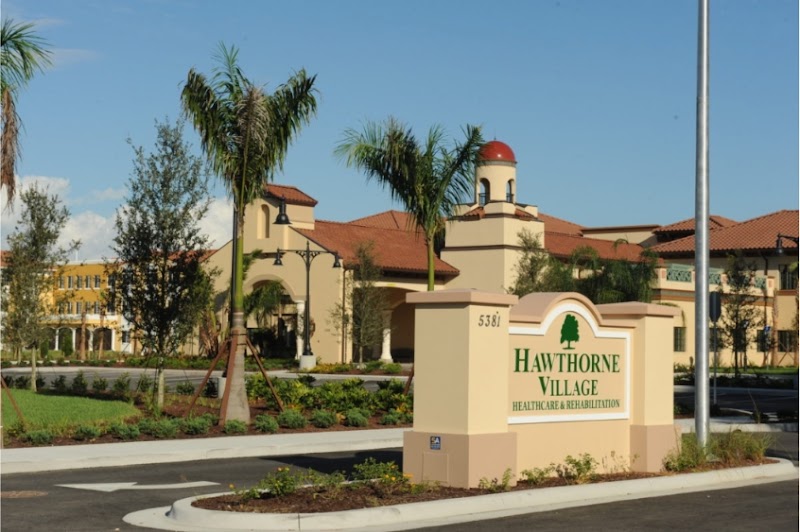
How is Hawthorne Center For Rehab & Healing Of Sarasota Staffed?

CMS rates HAWTHORNE CENTER FOR REHAB & HEALING OF SARASOTA's staffing level at 4 out of 5 stars, which is above average compared to other nursing homes. Staff turnover is 24%, compared to the Florida average of 46%. This relatively stable workforce can support continuity of care.

What Have Inspectors Found at Hawthorne Center For Rehab & Healing Of Sarasota?

State health inspectors documented 14 deficiencies at HAWTHORNE CENTER FOR REHAB & HEALING OF SARASOTA during 2020 to 2024. These included: 1 that caused actual resident harm and 13 with potential for harm. Deficiencies causing actual harm indicate documented cases where residents experienced negative health consequences.
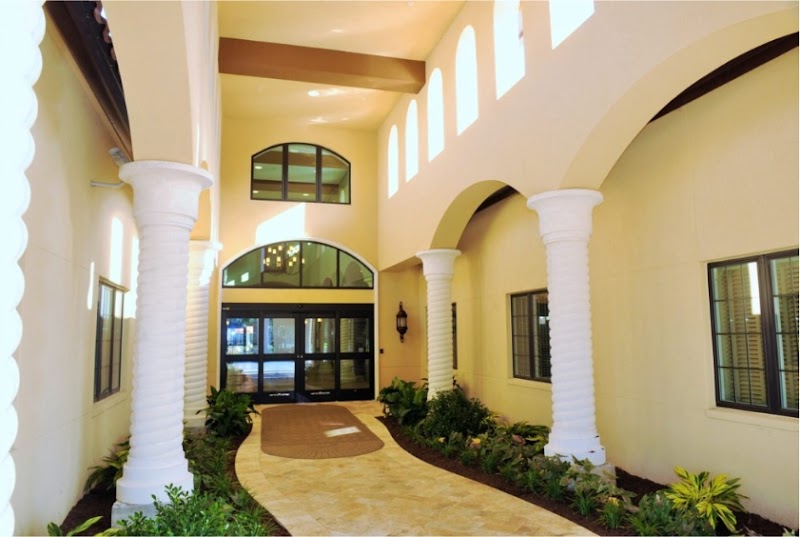
Who Owns and Operates Hawthorne Center For Rehab & Healing Of Sarasota?

HAWTHORNE CENTER FOR REHAB & HEALING OF SARASOTA is owned by a for-profit company. For-profit facilities operate as businesses with obligations to shareholders or private owners. The facility is operated by INFINITE CARE, a chain that manages multiple nursing homes. With 120 certified beds and approximately 111 residents (about 92% occupancy), it is a mid-sized facility located in SARASOTA, Florida.
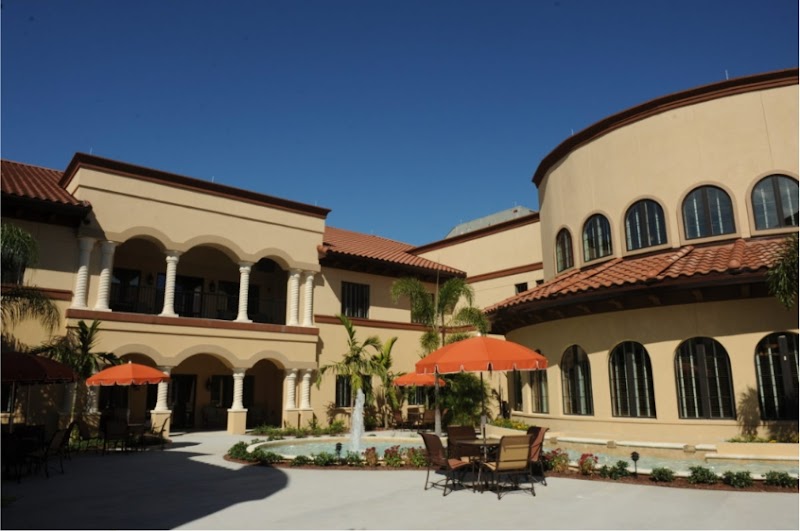
How Does Hawthorne Center For Rehab & Healing Of Sarasota Compare to Other Florida Nursing Homes?

Compared to the 100 nursing homes in Florida, HAWTHORNE CENTER FOR REHAB & HEALING OF SARASOTA's overall rating (3 stars) is below the state average of 3.2, staff turnover (24%) is significantly lower than the state average of 46%, and health inspection rating (3 stars) is at the national benchmark.

What Should Families Ask When Visiting Hawthorne Center For Rehab & Healing Of Sarasota?

Based on this facility's data, families visiting should ask: "Can I visit during a mealtime to observe dining assistance and food quality?" "How do you handle medical emergencies, and what is your hospital transfer rate?" "Can I speak with family members of current residents about their experience?"

Is Hawthorne Center For Rehab & Healing Of Sarasota Safe?

Based on CMS inspection data, HAWTHORNE CENTER FOR REHAB & HEALING OF SARASOTA has a clean safety record: no substantiated abuse findings (meaning no confirmed cases of resident harm), no Immediate Jeopardy citations (the most serious violation level indicating risk of serious injury or death), and is not on the Special Focus Facility watch list (a federal program monitoring the lowest-performing 1% of nursing homes). The facility has a 3-star overall rating and ranks #100 of 100 nursing homes in Florida. While no facility is perfect, families should still ask about staff-to-resident ratios and recent inspection results during their visit.

Do Nurses at Hawthorne Center For Rehab & Healing Of Sarasota Stick Around?

Staff at HAWTHORNE CENTER FOR REHAB & HEALING OF SARASOTA tend to stick around. With a turnover rate of 24%, the facility is 22 percentage points below the Florida average of 46%. Low turnover is a positive sign. It means caregivers have time to learn each resident's needs, medications, and personal preferences. Consistent staff also notice subtle changes in a resident's condition more quickly. Registered Nurse turnover is also low at 18%, meaning experienced RNs are available to handle complex medical needs.

Was Hawthorne Center For Rehab & Healing Of Sarasota Ever Fined?

HAWTHORNE CENTER FOR REHAB & HEALING OF SARASOTA has been fined $8,512 across 1 penalty action. This is below the Florida average of $33,164. While any fine indicates a compliance issue, fines under $50,000 are relatively common and typically reflect isolated problems that were subsequently corrected. Families should ask what specific issues led to these fines and confirm they've been resolved.

Is Hawthorne Center For Rehab & Healing Of Sarasota on Any Federal Watch List?

HAWTHORNE CENTER FOR REHAB & HEALING OF SARASOTA is not on any federal watch list. The most significant is the Special Focus Facility (SFF) program, which identifies the bottom 1% of nursing homes nationally based on persistent, serious quality problems. Not being on this list means the facility has avoided the pattern of deficiencies that triggers enhanced federal oversight. This is a positive indicator, though families should still review the facility's inspection history directly.