INDIAN BEACH NURSING AND REHAB CENTER
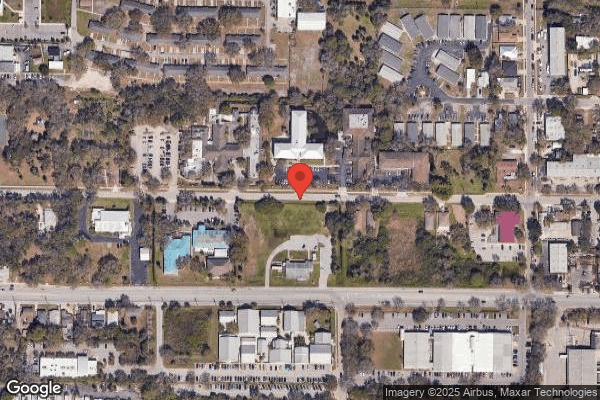
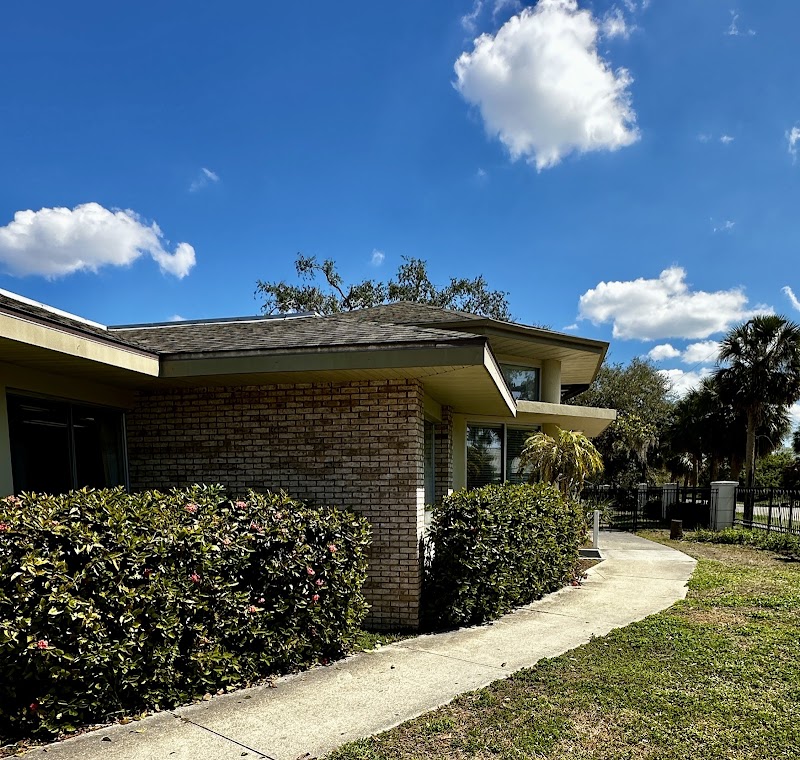
1755 18TH ST, SARASOTA, FL 34230 (941) 955-4915
Non profit - Other 101 Beds ELIYAHU MIRLIS Data: November 2025 3 Immediate Jeopardy citations
Trust Grade
0/100
#641 of 690 in FL
Last Inspection: January 2025

Within standard 12-15 month inspection cycle. Federal law requires annual inspections.

Overview

Indian Beach Nursing and Rehab Center has received a Trust Grade of F, indicating significant concerns about the quality of care provided. With a state rank of #641 out of 690, they are in the bottom half of facilities in Florida, and #25 out of 30 in Sarasota County, suggesting limited local options for better care. The facility is worsening, having increased from three issues in 2024 to five in 2025, and has a concerning total of 19 issues found during inspections, three of which were critical. On a positive note, staffing has a good rating of 4 out of 5 stars, with turnover at 47%, which is average for the state, indicating that staff members tend to stay longer and may know the residents well. However, the facility has faced $14,800 in fines, which is concerning, and recent inspections revealed critical issues, such as failure to maintain comfortable temperatures in resident rooms, raising concerns about resident comfort and safety.

Trust Score
F
0/100
In Florida
#641/690
Bottom 8%
Safety Record
High Risk
Review needed
Inspections
Getting Worse
3 → 5 violations
Staff Stability
⚠ Watch
47% turnover. Above average. Higher turnover means staff may not know residents' routines.
Penalties
○ Average
$14,800 in fines. Higher than 63% of Florida facilities. Some compliance issues.
Skilled Nurses
✓ Good
Each resident gets 44 minutes of Registered Nurse (RN) attention daily — more than average for Florida. RNs are trained to catch health problems early.
Violations
⚠ Watch
19 deficiencies on record. Higher than average. Multiple issues found across inspections.
★☆☆☆☆
1.0
Overall Rating
★★★★☆
4.0
Staff Levels
☆☆☆☆☆
0.0
Care Quality
★☆☆☆☆
1.0
Inspection Score
Stable
2024: 3 issues
2025: 5 issues

The Good

  • 4-Star Staffing Rating · Above-average nurse staffing levels
  • Full Sprinkler Coverage · Fire safety systems throughout facility
  • No fines on record

Facility shows strength in staffing levels, fire safety.

The Bad

1-Star Overall Rating

Below Florida average (3.2)

Significant quality concerns identified by CMS

Staff Turnover: 47%

Near Florida avg (46%)

Higher turnover may affect care consistency

Federal Fines: $14,800

Below median ($33,413)

Minor penalties assessed

Chain: ELIYAHU MIRLIS

Part of a multi-facility chain

Ask about local staffing decisions and management

The Ugly 19 deficiencies on record

3 life-threatening
Aug 2025 1 deficiency
CONCERN (D) 📢 Someone Reported This

A family member, employee, or ombudsman was alarmed enough to file a formal complaint

Potential for Harm - no one hurt, but risky conditions existed

Deficiency F0583 (Tag F0583)

Could have caused harm · This affected 1 resident

Based on record review and facility staff interview, the facility failed to protect residents' rights to personal privacy for 2 (Residents #16 and #7) of 2 residents observed in unauthorized videos po...

Read full inspector narrative →
Based on record review and facility staff interview, the facility failed to protect residents' rights to personal privacy for 2 (Residents #16 and #7) of 2 residents observed in unauthorized videos posted on staff personal social media account accessible to the public.The findings included:Review of the Employee Handbook, section E, Resident Confidentiality Policy, it stated In accordance with the Health Insurance Portability and Accountability Act (HIPAA) and the Patient [NAME] of Rights, employees must respect the resident confidentiality and may not divulge any information contained in a resident's record to any unauthorized persons, including co-workers. In addition, employees must refrain from discussing any protected health information (PHI) of a resident, which an unauthorized person may overhear, both on and off the worksite. Page 36 of the employee handbook stated .Disclosing information about residents, unless authorized to do so, can be very harmful .Everyone, particularly our residents, has a right to privacy. The employee handbook stated in the section titled, Social Media Activities .a) The personal use of social media is not allowed while employees are on working time or in working areas, regardless of the equipment used (e.g. either using personal or Company telephones or computers). b) Employees who use social media shall not post any proprietary Company data documents or photographs or any information which would violate any privacy laws applicable to the Company, regardless of whether the posting is done during working or non-working time.On 8/12/25 at 1:30 p.m., observation of Certified Nursing Assistant (CNA) Staff A's public social media account postings revealed an undated video where a facility resident could be seen singing in a microphone. Another resident could be seen self-propelling in his wheelchair. Both residents' faces were clearly visible. On 8/12/25 at 2:00 p.m., in an interview the Director of Nursing (DON) said upon admission to the facility, as part of the admission process the resident or their legal representative are asked if they would sign a Social Media Release Form to consent for the facility to use the picture and name in publications to include electronic publications, audio/visual presentations, promotional literature, advertising and media. She said the resident or their legal representative has the right to revoke the Social Media Release Form at any time and the facility would not be able to use the resident's picture and/or name from that point on. She said upon hire, as part of the onboarding education/in-services, facility staff are in-serviced that they are not allowed to take pictures and/or videos of residents without facility and/or resident permission and are not allowed to post a resident's picture and/or video on any social media website without prior permission from the resident and/or their legal representative. On 8/12/25 at 2:15 p.m., the DON reviewed CNA Staff A's public social media account postings. She identified the resident singing in the microphone as Resident #16 and the resident self-propelling in the wheelchair as Resident #7. The DON said the videos were from March 2024 during a facility activity in the dining room. She said Resident #16 passed away in November 2024. Due to cognitive impairment Resident #16 would not have been able to give CNA Staff A permission to post a video of himself on her personal social media account. After reviewing the videos, the DON said she was not aware that CNA Staff A had posted a video of Resident #16 singing on her personal social media account and the facility would not have given CNA Staff A permission to post a video of Resident #16 on her personal social media account. She said that CNA Staff A was hired on 12/2/23 and had received the education and the Employee Handbook specifying that facility staff were not allowed to disclose information including pictures and/or video of residents, unless authorized to do so by the facility, and by the resident or their legal representative. On 8/12/25 at 4:15 p.m., in an interview, the Administrator and DON said they reviewed CNA Staff A's social media account page and the confirmed the video where Resident #7 could be seen self-propelling in his wheelchair and the video where Resident #16 could be seen singing in a microphone were from March 2024. They said they did not find pictures or videos of any other resident on the staff's social media account. They said they reviewed Resident #16's medical record. A Social Media Release Form for Resident #16 was signed on 6/18/24, giving the facility permission to use a picture/video and/or name in facility publications. The Administrator and DON said they did not find documentation that Resident #16 or his legal representative had given CNA Staff A permission to post the video of Resident #16 singing during a facility event on her personal social media account.On 8/12/25 at 4:30 p.m. in an interview CNA Staff A confirmed she posted a video of Resident #16 during a facility karaoke activity event in March 2024 on her personal social media page. She verified Resident #7 also appeared in the videos and was easily identifiable. She verified she was in-serviced about residents' right to privacy and HIPAA (Health Insurance Portability and Accountability). She verified Resident #16 or his legal guardian did not give her permission to post the video of Resident #16 singing on her personal social media page.On 8/12/25 at 5:00 p.m., in an interview Human Resources Staff B said CNA Staff A was hired on 12/2/23. The CNA received education on HIPAA and Resident' Rights upon hire, on 2/15/24, 9/17/24 and 1/9/25 as part of the facility's reeducation to remind all staff that they were required to protect the residents' rights at all time, including not divulging the residents' personal health information and posting the resident's name, picture and/or video on non-facility approved publication.
May 2025 3 deficiencies 3 IJ (3 affecting multiple)
CRITICAL (K) 📢 Someone Reported This

A family member, employee, or ombudsman was alarmed enough to file a formal complaint

Immediate Jeopardy (IJ) - the most serious Medicare violation

Safe Environment (Tag F0584)

Someone could have died · This affected multiple residents

**NOTE- TERMS IN BRACKETS HAVE BEEN EDITED TO PROTECT CONFIDENTIALITY** The immediate actions implemented by the facility and verified by the survey team on 5/24/25 included: On 5/24/25 verified throu...

Read full inspector narrative →
**NOTE- TERMS IN BRACKETS HAVE BEEN EDITED TO PROTECT CONFIDENTIALITY** The immediate actions implemented by the facility and verified by the survey team on 5/24/25 included: On 5/24/25 verified through observation that the facility placed portable air conditioners and chillers throughout the facility to maintain temperatures between 71 and 81 degrees. On 5/24/25, verified through resident interviews that the residents feel the temperature is now comfortable throughout the facility including in the resident rooms. On 5/24/25 at 10:30 a.m., temperatures were taken throughout the facility and verified to be within the temperature range of between 71 and 81 degrees. On 5/24/25 at 1:00 p.m., temperatures were taken throughout the facility and verified to be within the temperature range of between 71 and 81 degrees. On 5/24/25 at 5:00 p.m., temperatures were taken throughout the facility and verified to be within the temperature range of between 71 and 81 degrees. On 5/24/25, verified the maintenance staff were educated on maintaining the facility temperatures between 71 degrees and 81 degrees. Air conditioners will be maintained in working condition. If an air conditioner unit fails, maintenance staff along with administration will activate the emergency plan to maintain facility temperatures between 71 and 81 degrees. On 5/24/25 at 5:00 p.m., clinical staff education on abuse/neglect related to assessment and care of residents when the temperatures are above 81 degrees verified by posttest results and interview. Based on observation, record review, residents and staff interviews, the facility failed to take appropriate actions to maintain a safe and comfortable air temperature range for all residents of the facility when the central air conditioning unit of the 500 hall, the 400 hall, and the common area of 700 hall broke. On 4/28/25 the central air conditioning unit for the 500 hall broke. The facility installed window air conditioning units in residents' rooms in the 500 hall but failed to monitor the rooms' temperature to ensure it remained at a safe and comfortable range. On 5/19/25 the central air conditioning unit for the 400 hall broke. The facility failed to implement immediate and appropriate actions to maintain a safe and comfortable temperature range in residents' rooms and common areas. On 5/20/25 at multiple times throughout the day, the temperature in random residents rooms in the 400 hall, 500 hall (with window air conditioning units), room [ROOM NUMBER] and the common area of the 700 hall measured between 81.3 degrees to 84.3 degrees Fahrenheit (F). The failure to maintain a safe temperature range created a likelihood of serious harm or death of residents from prolonged heat exposure which can result in heatstroke, dehydration, heat exhaustion, and resulted in the determination of Immediate Jeopardy. On 5/23/25 at 9:30 a.m., the Administrator was notified of the determination of Immediate Jeopardy and provided the Immediate Jeopardy (IJ) templates. The findings included: Cross reference F600 and F835. On 5/20/25 at approximately 9:30 a.m., during an initial tour of the facility, the hallways felt excessively warm. A hygrometer (measures temperature and humidity) was used to take the temperature in residents' rooms and common areas several times throughout the day. On 5/20/25 at 10:14 a.m., room [ROOM NUMBER]'s temperature was 82.0 F. On 5/20/25 at 10:25 a.m., in an interview, the Administrator said the central air conditioning unit in the 500 hallway has been down since early April. He said they installed air conditioning window units to the residents' rooms to keep the temperature between 76.0 degrees F and 77.0 degrees F. He said the central air conditioning unit of the 400 hallway went down early this morning. He said both units needed either a new compressor or needed to be replaced. The Administrator said they were putting a big fan in the 400 hallway right now to bring the cool air in. The Administrator said they took temperatures twice a month and provided a temperature monitoring log for January 2025, February 2025, March 2025, April 2025 and May 1, 2025. Review of the temperature monitoring logs for January 2025 through May 2025 revealed each log included a column for temperature in the morning and a column for temperature in the evening. the temperature was documented twice a day (morning and afternoon), two times a month in the following areas: The 300, 400, 600, 700, and 800 hallways. The Main Dining Room, the Therapy gym, the Activities room, the East, and [NAME] Nurses Stations, East and [NAME] Day Rooms. For January 2025 the log noted, Date: Jan-2025 1-10. [DATE]-24 was written above the temperature obtained in the morning from 8:00 a.m. to 8:50 a.m. The temperature ranged from 72.0 F to 80.0 F. [DATE]-31 was written above the temperature obtained in the afternoon from 5:00 p.m. to 5:20 p.m. The temperature ranged from 72.0 F to 80.0 F. For February 2025 the log noted, Date: 2-3-2025. 2-3-25 2-14 was written above the the column for the temperature documented for 8:00 a.m. The temperature ranged from 71.0 F to 80.0 F. 2-17 2-28-25 was written above the column for the temperature documented for 8:00 p.m. The temperature ranged from 71.0 F to 80.0 F. For March 2025 the log noted, Date: 3/1/2025. 3-2- 3/14/25 was written above the column for the temperature documented at 8:00 a.m. The temperature ranged from 72.0 F to 80.0 F. 3-16-3-30 was written above the column for the temperature documented for 8:00 p.m. The temperature ranged from 73.0 F to 80.0 F. For April 2025 the log noted, Date: 4/1/2025. 4-1-12 was written above the column for the temperature documented for 8:00 a.m. The temperature ranged from 73.0 F to 80.0 F. 4-13-30 was written above the column for the temperature documented for 8:00 p.m. The temperature ranged from 71.0 F to 80.0 F. For May 2025, the log noted, Date: 5-1-2025. 5-1-2025 was written above the column for the temperature documented for 8:00 a.m. the temperature ranged from 74.0 F to 80.0 F. No date range or time was documented above the second column for the temperature range of 74.0 F to 80.0 F. The log did not include the temperature in residents' rooms. On 5/20/25 at 11:10 a.m., room [ROOM NUMBER]'s temperature was 82.9 F. On 5/20/25 at 11:15 a.m., Resident #2 was observed in her room on the 400 hallway. In an interview, Resident #2 said her room was a bit hot. Resident #2 said, Last night was terrible, I was cooking (indication of body heat), it felt like I showered. It's been hot like this for a few days. The room temperature obtained during the interview was 82.2 F. On 5/20/25 at 11:34 a.m., Resident #3 was observed in his room on the 400 hallway. In an interview, Resident #3 said, It's hot, it's hot, I am sweating. I had to come in the hallway to cool off. I stayed by the fan, not moving around. I thought the hallway would be cooler but it's not. It was hot yesterday, I sweated my ass off all day and all night. Resident #3's room felt warm. The temperature obtained during the interview was 82.4 F. On 5/20/25 at 11:37 a.m., the temperature in the 400 Hallway was 82.2 F. On 5/20/25 at 11:40 a.m., Resident #4's room temperature was 82.0 F. On 5/20/25 at 11:42 a.m., room [ROOM NUMBER]'s temperature (with a window air conditioning unit) was 81.6 F. On 5/20/25 at 3:09 p.m., Resident #4 was observed in his room. In an interview, Resident #4 complained about the heat. He said, It's too hot. It's been hot for about two weeks. At night it's bad, it's hard to sleep. The resident's room temperature obtained during the interview was 83.5 F. On 5/20/25 at 3:14 p.m., Resident #2's room temperature was 84.0 F. On 5/20/25 at 3:16 p.m., room [ROOM NUMBER]'s temperature was 84.3 F. On 5/20/25 at 3:18 p.m., the temperature was 83.4 F in the activity area of the Memory Care Unit. On 5/20/25 at 3:21 p.m., in an interview, the Administrator stated that teh new Maintenance Director had experience with repairing air-conditioning. They said tried to refurbish the air conditioning units instead of replacing them. He said they did routine maintenance of the air conditioning units. When they catch an issue, they address it. On 5/20/25, the temperature in random residents' rooms revealed: On 5/20/25 at 3:24 p.m., room [ROOM NUMBER]'s temperature was 84.0 F. On 5/20/25 at 3:25 p.m., room [ROOM NUMBER]'s temperature was 84.3 F. On 5/20/25 at 3:28 p.m., Resident #3's room temperature was 83.4 F. On 5/20/25 at 3:32 p.m., Resident #1's room temperature was 81.3 F. The room had an air conditioning window unit. Resident #1's roommate was observed in bed and was not able to answer interview questions. On 5/20/25 at 3:34 p.m., room [ROOM NUMBER]'s temperature was 82.2 F. On 5/20/25 at 3:37 p.m., the temperature was 82.7 F in television room of the 500 hallway. On 5/20/25 at approximately 3:45 p.m., in an interview, the Director of Nursing (DON) discussed measures implemented to ensure residents' comfort and minimize the risk of complications from prolonged heat exposure. The DON said she just implemented a safety plan today at 3:30 p.m. as the temperatures were never as high as they have been today. The DON said she did not have documentation verifying that the temperatures in the residents' rooms have not been as high as they have been today. She verified the interventions listed in the facility's Safety Plan Elevated Temperatures-Heat were not implemented until 5/20/25 at 3:30 p.m. The DON provided a document titled, Safety Plan Elevated Temperatures-Heat which noted: 1. Dedicated staff member to pass ice/water/cool cloths throughout the day/night. Please be sure staff are staying hydrated as well. 2. Offer popsicles, ice cream etc. 3. Nursing: Please take VS (Vital Signs) to include temperature every four hours. 4. Any resident who shows any change in condition or s/s (signs and symptoms) of being overheated send to the hospital. 5. Record ambient temperatures in various areas of the bld. (building), and resident rooms. Be sure to keep a record. If resident rooms are above 81 degrees, please move to a cool zone or cooler area of the facility. 6. Keep blinds closed to help keep the area as cool as possible. On 5/20/25 at 5:05 p.m., in an interview, Resident #5 said she has been the Resident Council President for the past six months and the temperature has been an issue for the past six months. She said, A gamut of issues was raised in the meetings. The temperature was always a concern. She said, If it wasn't too hot, it was too cold. It was never tempered, never. Resident #5 said, Who can sleep when all you want to do is strip naked and get in ice. The temperature has never been regulated here, ever. It's been coming up every month in the meetings. They don't really do anything, it's never comfortable. Resident #5's room temperature was 81.6 F. Resident #5 said the room always feels warm. She said it was not a comfortable temperature for her, It's hot for a very small space, with the bathroom door closed, the hallway door opened and the blinds closed at all times. She said, If I open the blinds, it would be worse than a sauna. Review of the Resident Council Minutes from January 2025 through April 2025 revealed: On 1/23/25, Temperature [sic] in [NAME] wing need replacing was documented under Old business. Heat and temps are not 71 or higher and being addressed today . On 2/20/25, Heat and temps being addressed was documented under old business, and AC unit being fixed under New Business. On 3/20/25, there was no update documented about the AC unit being fixed under old business. 500 hall needs AC compressor but hallway is comfortable temps. Was documented under New business. On 4/17/25, Temps: Regulation temps 71-81 degrees. Working on AC units on 500 and [NAME] halls. On 5/21/25 at 4:20 p.m., in an interview, the Administrator said on 4/10/25 they noticed the air conditioning unit of the 500 hallway was not working. The Maintenance Director was able to repair it and it worked for about 2.5 weeks. On 4/28/25, the air conditioning unit of the 500 and 700 hallway went down. The Maintenance Director was not able to repair either unit. On 4/28/25, they installed window air conditioning units in the residents' rooms on the 500 hallway. He said the residents' rooms in the 700 hallway stayed cool since they were on a separate air conditioning unit. He said on 5/20/25 the central air conditioning unit of the 400 hallway stopped working. The Maintenance Director was not able to fix it and they installed window air conditioning units in the residents' rooms. He said they have a quote from an outside vendor to replace and or repair the broken central units with an anticipated start date of 6/2/25.
CRITICAL (K) 📢 Someone Reported This

A family member, employee, or ombudsman was alarmed enough to file a formal complaint

Immediate Jeopardy (IJ) - the most serious Medicare violation

Free from Abuse/Neglect (Tag F0600)

Someone could have died · This affected multiple residents

**NOTE- TERMS IN BRACKETS HAVE BEEN EDITED TO PROTECT CONFIDENTIALITY** The immediate actions implemented by the facility and verified by the survey team on 5/24/25 included: On 5/24/25 verified throu...

Read full inspector narrative →
**NOTE- TERMS IN BRACKETS HAVE BEEN EDITED TO PROTECT CONFIDENTIALITY** The immediate actions implemented by the facility and verified by the survey team on 5/24/25 included: On 5/24/25 verified through observation that the facility placed portable air conditioners and chillers throughout the facility to maintain temperatures between 71 and 81 degrees. On 5/24/25, verified through resident interviews that the residents feel the temperature is now comfortable throughout the facility including in the resident rooms. On 5/24/25 at 10:30 a.m., temperatures were taken throughout the facility and verified to be within the temperature range of between 71 and 81 degrees. On 5/24/25 at 1:00 p.m., temperatures were taken throughout the facility and verified to be within the temperature range of between 71 and 81 degrees. On 5/24/25 at 5:00 p.m., temperatures were taken throughout the facility and verified to be within the temperature range of between 71 and 81 degrees. The facility is and will continue to maintain hourly temperature logs until all air conditioner units are repaired. On 5/24/25, facility wide staff abuse/neglect education verified through staff interview and record review of post-test results. All staff interviewed were able to explain the education. No staff will be permitted to work until they are reeducated on Abuse and Neglect policies. The education included not immediately reporting to the Administrator when a resident's room is at or above 81 degrees is considered Neglect. Education included a written competency test to include who and when to notify when a resident room is at or above 81 degrees. It also included information on where the cool zones are located, and failure to report is considered neglect. Based on observation, record review, residents and staff interviews, the facility failed to protect residents' right to be free from neglect by failing to take immediate and appropriate actions to maintain comfortable and safe temperature levels throughout the facility when the central air conditioning units of the 400 hall, the 500 hall and the 700 hall common area broke. The facility neglected to implement their Emergency Preparedness Plan by failing to initiate appropriate measures to ensure residents' comfort and minimize the risk for hyperthermia (abnormally high body temperature). On 4/28/25 the central air conditioning unit for the 500 hall broke. The facility installed window air conditioning units in residents' rooms in the 500 hall but failed to monitor the rooms' temperature to ensure it remained at a safe and comfortable range. On 5/19/25 the central air conditioning unit for the 400 hall broke. The facility failed to implement immediate and appropriate actions to maintain a safe and comfortable temperature range in residents' rooms and common areas. On 5/20/25 at multiple times throughout the day, the temperature in random residents' rooms in the 400 hall, 500 hall (with window air conditioning units), room [ROOM NUMBER] and the common area of the 700 hall measured between 81.3 degrees to 84.3 degrees Fahrenheit (F). On 5/20/25 during interviews, Residents #2, #3, #4, and #5 complained the temperature has been excessively hot and uncomfortable for at least a few days. The facility neglect to maintain safe and comfortable temperature levels for residents created a likelihood of serious harm or death of residents from prolonged heat exposure which can result in heatstroke, dehydration, heat exhaustion, and resulted in the determination of Immediate Jeopardy. On 5/23/25 at 9:30 a.m., the Administrator was notified of the Immediate Jeopardy (IJ) concerns and was provided the IJ templates. The findings included: Cross reference F584 and F835. Review of the facility's policy and procedure titled, Abuse, Neglect, Exploitation and Misappropriation with a revision date of 11/28/2017 revealed, Neglect is the failure of the center, its employees or service providers to provide goods and services to a resident that are necessary to avoid physical harm, pain, mental anguish or emotional distress. Examples include but are not limited to . Failure to take precautionary measures to protect the health and safety of the resident .Prevention. The center is committed to the prevention of . neglect . The following systems have been implemented: Resident Council . Review of the Resident Council Minutes from January 2025 through April 2025 revealed: On 1/23/25, Old business.Temperature [sic] in [NAME] wing need replacing was documented. Heat and temps are not 71 or higher and being addressed today . On 2/20/25, Old business. Heat and temps being addressed and New Business . AC (Air Conditioning) unit being fixed. On 3/20/25, there was no update documented about the AC unit being fixed under old business. New business. 500 hall needs AC compressor but hallway is comfortable temps. On 4/17/25, Temps: Regulation temps 71-81 degrees. Working on AC units on 500 and [NAME] halls. On 5/20/25 at approximately 9:30 a.m., during an initial tour of the facility, the hallways felt excessively warm. A hygrometer (measures temperature and humidity) was used to take the temperature in residents' rooms and common areas several times throughout the day. On 5/20/25 at 10:14 a.m., room [ROOM NUMBER]'s temperature was 82.0 Fahrenheit (F). On 5/20/25 at 10:25 a.m., in an interview, the Administrator said the central air conditioning unit in the 500 hallway has been down since early April. He said they installed air conditioning window units to the residents' rooms to keep the temperature between 76.0 degrees F and 77.0 degrees F. He said the central air conditioning unit of the 400 hallway went down early this morning. He said both units needed either a new compressor or needed to be replaced. The Administrator said they took temperatures twice a month and provided a temperature monitoring log for January 2025, February 2025, March 2025, April 2025 and May 1, 2025. Review of the temperature monitoring logs for January 2025 through May 2025 revealed each log included a column for temperature in the morning and a column for temperature in the evening. the temperature was documented twice a day (morning and afternoon), two times a month in the following areas: The 300, 400, 600, 700, and 800 hallways. The Main Dining Room, the Therapy gym, the Activities room, the East, and [NAME] Nurses Stations, East and [NAME] Day Rooms. For January 2025 the log noted, Date: Jan-2025 1-10. [DATE]-24 was written above the temperature obtained in the morning from 8:00 a.m. to 8:50 a.m. The temperature ranged from 72.0 F to 80.0 F. [DATE]-31 was written above the temperature obtained in the afternoon from 5:00 p.m. to 5:20 p.m. The temperature ranged from 72.0 F to 80.0 F. For February 2025 the log noted, Date: 2-3-2025. 2-3-25 2-14 was written above the the column for the temperature documented for 8:00 a.m. The temperature ranged from 71.0 F to 80.0 F. 2-17 2-28-25 was written above the column for the temperature documented for 8:00 p.m. The temperature ranged from 71.0 F to 80.0 F. For March 2025 the log noted, Date: 3/1/2025. 3-2- 3/14/25 was written above the column for the temperature documented at 8:00 a.m. The temperature ranged from 72.0 F to 80.0 F. 3-16-3-30 was written above the column for the temperature documented for 8:00 p.m. The temperature ranged from 73.0 F to 80.0 F. For April 2025 the log noted, Date: 4/1/2025. 4-1-12 was written above the column for the temperature documented for 8:00 a.m. The temperature ranged from 73.0 F to 80.0 F. 4-13-30 was written above the column for the temperature documented for 8:00 p.m. The temperature ranged from 71.0 F to 80.0 F. For May 2025, the log noted, Date: 5-1-2025. 5-1-2025 was written above the column for the temperature documented for 8:00 a.m. the temperature ranged from 74.0 F to 80.0 F. No date range or time was documented above the second column for the temperature range of 74.0 F to 80.0 F. The log did not include the temperature in residents' rooms. On 5/20/25 at 11:15 a.m., Resident #2 was observed in her room on the 400 hallway. In an interview, Resident #2 said her room was a bit hot. Resident #2 said, Last night was terrible, I was cooking (indication of body heat) , it felt like I showered. It's been hot like this for a few days. The room temperature obtained during the interview was 82.2 F. On 5/20/25 at 11:34 a.m., Resident #3 was observed in his room on the 400 hallway. In an interview, Resident #3 said, It's hot, it's hot, I am sweating. I had to come in the hallway to cool off. I stayed by the fan, not moving around. I thought the hallway would be cooler but it's not. It was hot yesterday, I sweated my ass off all day and all night. The temperature obtained during the interview was 82.4 F. On 5/20/25 at 11:40 a.m., Resident #4's room temperature was 82.0 F. On 5/20/25 at 11:42 a.m., room [ROOM NUMBER]'s temperature (with a window air conditioning unit) was 81.6 F. On 5/20/25 at 1:01 p.m., in an interview, the Administrator said it was an old building with 20 different central units that were all aged, except one that was installed last fall. He said monitoring temperature levels has been ongoing. He said they had complaints regarding issues with the air conditioning in the 500 hall. They rectified it right away with window units so room temperatures were comfortable. On 5/20/25 at 3:09 p.m., Resident #4 was observed in his room (with a window air conditioning unit). The room temperature was 83.5 F. Resident #4 complained about the heat. He said, It's too hot. It's been hot for about two weeks. At night it's bad, it's hard to sleep. On 5/20/25 at 3:18 p.m., the temperature was 83.4 F in the activity area of the Memory Care Unit. On 5/20/25 at 3:21 p.m., in an interview, the Administrator said the new Maintenance Director knows air conditioning. They try to refurbish the air conditioning units instead of replacing them. He said they did routine maintenance of the air conditioning units and when they catch an issue, they address it. Review of the Work Order Tracking Log revealed on 4/28/25 the central Air Conditioning of the 500 central unit and the 700 Main Hall were Down. Unable to repair was written under repair date. The log noted on 4/28/25 window units were placed in each resident's room. The facility had no documentation the residents' room temperature levels were monitored to ensure the window air conditioning units maintained a safe temperature level between 71.0 F to 81.0 F. The Administrator provided estimates from an outside heating and cooling company dated April 28, 2025, and May 16, 2025, to remove and replace the 700 hall compressor and replace the 500 hall unit. On May 16, 2025, the estimate noted the project was approved with an anticipated start date of 6/2/25. Random temperatures obtained on 5/20/25 after 3:00 p.m., revealed: On 5/20/25 at 3:24 p.m., room [ROOM NUMBER]'s temperature was 84.0 F. On 5/20/25 at 3:25 p.m., room [ROOM NUMBER]'s temperature was 84.3 F. On 5/20/25 at 3:28 p.m., Resident #3's room temperature was 83.4 F. On 5/20/25 at 3:32 p.m., Resident #1's room temperature was 81.3 F. The room had an air conditioning window unit. Resident #1's roommate was observed in bed and was not able to answer to interview questions. On 5/20/25 at 3:34 p.m., room [ROOM NUMBER]'s temperature was 82.2 F. On 5/20/25 at 3:37 p.m., the temperature was 82.7 F in the television room of the 500 hallway. On 5/20/25 at approximately 3:45 p.m., in an interview, the Director of Nursing (DON) discussed measures implemented to prevent the neglect of residents, ensure each resident's comfort and minimize the risk of complications from prolonged heat exposure. The DON said she just implemented the safety plan, today at 3:30 p.m. as the temperatures were never as high as they have been today. The DON said she did not have documentation the residents' rooms temperature levels were monitored and had not been as high as they have been today. She verified the interventions listed in the facility's Safety Plan Elevated Temperatures-Heat were not implemented until 5/20/25 at 3:30 p.m. The DON provided a document titled, Safety Plan Elevated Temperatures-Heat. Review of the Safety Plan Elevated Temperatures-Heat documents revealed: 1. Dedicated staff member to pass ice/water/cool cloths throughout the day/night. Please be sure staff are staying hydrated as well. 2. Offer popsicles, ice cream etc. 3. Nursing: Please take VS (Vital Signs) to include temperature every four hours. 4. Any resident who shows any change in condition or s/s (signs and symptoms) of being overheated send to the hospital. 5. Record ambient temperatures in various areas of the bld. (building), and resident rooms. Be sure to keep a record. If resident rooms are above 81 degrees, please move to a cool zone or cooler area of the facility. 6. Keep blinds closed to help keep the area as cool as possible. On 5/20/25 at 5:05 p.m., in an interview, Resident #5 said she has been the Resident Council President for the past six months and the temperature has been an issue for the past six months. She said, A gamut of issues was raised in the meetings. The temperature was always a concern. She said, If it wasn't too hot, it was too cold. It was never tempered, never. Resident #5 said, Who can sleep when all you want to do is strip naked and get in ice. The temperature has never been regulated here, ever. It's been coming up every month in the meetings. They don't really do anything, it's never comfortable. During the interview, Resident #5's room temperature was 81.6 F. The room felt warm. Resident #5 said the room always feels warm. She said it was not a comfortable temperature for her, It's hot for a very small space, with the bathroom door closed, the hallway door opened and the blinds closed at all times. She said, If I open the blinds, it would be worse than a sauna. On 5/21/25, the Administrator provided a document titled, Indian Beach Center A/C (Air Conditioning) Timeline that included: 4/28/2025: Both 500 Central AC unit and 700 Day room Central AC unit stopped working. 4/28/2025: (Outside company) called for service. They were unable to repair either unit. Their recommendation was to replace the 500 Central AC unit and replace the compressor for the 700 unit. 4/28/2025: Room air temps on the 700 unit are in range in the mid-70s F. Appropriate Temperatures for the unit maintained as the residents' rooms units are working and keeping the whole unit cool. Day room temperatures are In the Mid 70' F range. Resident Rooms 501, 502, 503, 504 and 505 require window Acs. Each room has a window AC placed in the window. Proper room temperatures are maintained. 4/28/2025: The center received a quote and approval from (outside AC company) for new Central AC unit for 500 unit and New Compressor for 700 unit. Estimated start Date for project is contingent on delivery of the Units. 5/16/2025: (Outside AC company) sent confirmation the project for 500 Unit and 700 unit will begin on/or about 6/2/2025. 5/20/2025: 400 Central Unit stopped working. Center staff was unable to resolve. The issue appears to be the compressor will require replacement. The Affected rooms are rooms 401, 402, 403, 404, 406, and 408. The center purchased and placed window ACs in residents' rooms 401, 402, 403, 404, 406 and 408. The center also rented two large Portable AC units. One was placed in the 400 Hallway. The second was placed in the 700 Unit Hallway. 5/20/25: The center implemented the emergency weather Plan. The center initiated hourly Temperature checks throughout the center. On 5/22/25 at 11:55 a.m., in an interview, the Administrator said he thought they were doing temperature logs twice a week. He said the routine schedule for the temperatures was supposed to be Mondays and Thursdays. When asked about taking residents' rooms temperature to ensure they were at a safe and comfortable level, the Administrator said, If there is a high temperature out in the hallway, then they know to go check in the residents rooms.
CRITICAL (K) 📢 Someone Reported This

A family member, employee, or ombudsman was alarmed enough to file a formal complaint

Immediate Jeopardy (IJ) - the most serious Medicare violation

Administration (Tag F0835)

Someone could have died · This affected multiple residents

**NOTE- TERMS IN BRACKETS HAVE BEEN EDITED TO PROTECT CONFIDENTIALITY** The immediate actions implemented by the facility and verified by the survey team on 5/24/25 included: On 5/24/25 verified throu...

Read full inspector narrative →
**NOTE- TERMS IN BRACKETS HAVE BEEN EDITED TO PROTECT CONFIDENTIALITY** The immediate actions implemented by the facility and verified by the survey team on 5/24/25 included: On 5/24/25 verified through observation that the facility placed portable air conditioners and chillers throughout the facility to maintain temperatures between 71 and 81 degrees. On 5/24/25, verified through resident interviews that the residents feel the temperature is now comfortable throughout the facility including in the resident rooms. On 5/24/25 at 10:30 a.m., temperatures were taken throughout the facility and verified to be within the temperature range of between 71 and 81 degrees. On 5/24/25 at 1:00 p.m., temperatures were taken throughout the facility and verified to be within the temperature range of between 71 and 81 degrees. On 5/24/25 at 5:00 p.m., temperatures were taken throughout the facility and verified to be within the temperature range of between 71 and 81 degrees. The facility is and will continue to maintain hourly temperature logs until all air conditioner units are repaired. On 5/24/25, verified that on 5/20/2025 education was completed with the Administrator and Director of Nursing (DON) by the [NAME] President of Clinical Operations. The education included their responsibility to implement the facility excessive heat emergency plan r/t broken air conditioning units. The education also included the monitoring process and notification procedure to the Chief Executive Officer/Chief Nursing Officer and to ensure residents are provided with a clean, comfortable environment. The Chief Nursing officer educated the Administrator and DON on their job descriptions 5/20/2025. The Administrator and DON understand they are responsible to ensure proper temperatures in the center are maintained and residents reside in a safe, comfortable environment. On 5/24/25, reviewed the agenda and staff sign in page for the Quality Assurance and Performance Improvement (QAPI) meeting held 5/23/25. The agenda included a review of the effected regulations and implementation of the facilities Excessive Heat Emergency Plan. Based on observation, record review, residents and staff interview, the facility Administration failed to utilize its resources effectively and efficiently to protect the residents' right to be free from neglect by failing to take immediate and appropriate actions to maintain a safe and comfortable temperature level throughout the facility and in residents' rooms when the central air conditioning units of the 400 hall, the 500 hall and the 700 hall common area broke. Review of the resident council meeting minutes from January through April 2025 noted concerns with the temperature and the air conditioning units not working. Each month the meeting minutes noted the concerns were being addressed. On 4/28/25 the facility administration was aware the central air conditioning unit for the 500 hall broke and the common area of the 700 hall broke. On 5/19/25 the facility administration was aware the central air conditioning of the 400 hall broke. The facility administration contracted with an outside company to make the necessary repairs but failed to implement immediate and effective measures to maintain a safe and comfortable temperature until the air conditioning units could be repaired or replaced on June 2, 2025. On 5/20/25 at multiple times throughout the day, the temperature in random residents' rooms in the 400 hall, 500 hall (with window air conditioning units), room [ROOM NUMBER] and the common area of the 700 hall measured between 81.3 degrees to 84.3 degrees Fahrenheit (F). On 5/20/25 during interviews, Residents #2, #3, #4, and #5 complained the excessive heat has been ongoing for weeks and the facility has not addressed their concerns. The facility administration failure to address residents' concerns and the failure to utilize resources effectively to ensure a safe and comfortable temperature for all residents created a likelihood of serious harm, or death of residents due to prolonged exposure to excessive heat and resulted in the determination of Immediate Jeopardy. On 5/23/25 at 9:30 a.m., the Administrator was notified of the Immediate Jeopardy (IJ). The findings included: Cross reference F584 and F600. Review of the Administrator's job description signed and dated 9/1/23 revealed, The primary purpose of the Executive Director (Administrator) is to direct the day-to-day functions of the facility in accordance with current federal, state, and local standards, guidelines and regulations that govern nursing facilities to ensure that the highest degree of quality care can be provided to our residents at all times .Duties and Responsibilities . Ensure a safe, clean and comfortable environment for residents . Resident Rights . Review resident complaints and grievances and make written reports of action taken. Discuss such actions with residents and family as appropriate . Review of the Director of Nursing's job description signed and dated 9/28/23 revealed, As the company Director of Nursing, you are entrusted with the responsibility of caring for our residents . The primary purpose of your job position is to plan, organize, develop and direct the overall operation of our Nursing Service Department in accordance with current federal, state, and local standards, guidelines, and regulations that govern our facility, and as may be directed by the Executive Director to ensure that the highest degree of quality care is maintained at all times . Job functions . You will assume the primary role in ensuring the delivery of high quality, efficient nursing care . Review of the Resident Council Minutes from January 2025 through April 2025 revealed: On 1/23/25, Temperature [sic] in [NAME] wing need replacing was documented under Old business. Heat and temps are not 71 or higher and being addressed today . On 2/20/25, Heat and temps being addressed was documented under old business, and AC unit being fixed under New Business. On 3/20/25, there was no update documented about the AC unit being fixed under old business. Under New business, 500 hall needs AC compressor but hallway is comfortable temps was documented. On 4/17/25, Temps: Regulation temps 71-81 degrees. Working on AC units on 500 and [NAME] halls. On 5/20/25 at approximately 9:30 a.m., during an initial tour of the facility, the hallways felt excessively warm. On 5/20/25 at 10:14 a.m., room [ROOM NUMBER]'s temperature was 82.0 Fahrenheit (F). On 5/20/25 at 10:25 a.m., in an interview, the Administrator said the central air conditioning unit in the 500 hallway has been down since early April. He said they installed air conditioning window units to the residents' rooms to keep the temperature between 76.0 degrees F and 77.0 degrees F. He said the central air conditioning unit of the 400 hallway went down early this morning. He said both units needed either a new compressor or needed to be replaced. On 5/20/25 at 11:15 a.m., Resident #2 was observed in her room on the 400 hallway. In an interview, Resident #2 said her room was a bit hot. Resident #2 said, Last night was terrible, I was cooking (indication of body heat), it felt like I showered. It's been hot like this for a few days. The room temperature obtained during the interview was 82.2 F. On 5/20/25 at 11:34 a.m., Resident #3 was observed in his room on the 400 hallway. In an interview, Resident #3 said, It's hot, it's hot, I am sweating. I had to come in the hallway to cool off. I stayed by the fan, not moving around. I thought the hallway would be cooler but it's not. It was hot yesterday, I sweated my ass off all day and all night. Resident #3's room felt warm. The temperature obtained during the interview was 82.4 F. On 5/20/25 at 11:40 a.m., Resident #4's room temperature was 82.0 F. On 5/20/25 at 11:42 a.m., room [ROOM NUMBER]'s temperature (with a window air conditioning unit) was 81.6 F. On 5/20/25 at 1:59 p.m., in an interview, the Food Service Director said he helps in the maintenance department with translation. He said 9 window units were purchased and will be installed in residents' rooms on the 400 hallway in the afternoon. He said, Long term we have 3 new units approved by the corporate office. They are ordered, waiting to be delivered, I don't know the exact day. On 5/20/25 at 3:09 p.m., Resident #4 was observed in his room (with a window air conditioning unit). In an interview, Resident #4 complained about the heat. He said, It's too hot. It's been hot for about two weeks. At night it's bad, it's hard to sleep. The resident's room temperature obtained during the interview was 83.5 F. On 5/20/25 at 3:18 p.m., the temperature was 83.4 F in the activity area of the Memory Care Unit. Random temperatures obtained on 5/20/25 after 3:00 p.m., revealed: On 5/20/25 at 3:24 p.m., room [ROOM NUMBER]'s temperature was 84.0 F. On 5/20/25 at 3:25 p.m., room [ROOM NUMBER]'s temperature was 84.3 F. On 5/20/25 at 3:28 p.m., Resident #3's room temperature was 83.4 F. On 5/20/25 at 3:32 p.m., Resident #1's room temperature was 81.3 F. The room had an air conditioning window unit. Resident #1's roommate was observed in bed and was not able to answer to interview questions. On 5/20/25 at 3:34 p.m., room [ROOM NUMBER]'s temperature was 82.2 F. On 5/20/25 at 3:37 p.m., the temperature was 82.7 F in the television room of the 500 hallway. On 5/20/25 at approximately 3:45 p.m., in an interview, the Director of Nursing (DON) discussed measures implemented to ensure each resident's comfort and minimize the risk of complications from prolonged heat exposure. The DON said she just implemented a safety plan, today at 3:30 p.m. as the temperatures were never as high as they have been today. Review of the document titled, Safety Plan Elevated Temperatures-Heat provided by the DON revealed, 1. Dedicated staff member to pass ice/water/cool cloths throughout the day/night. Please be sure staff are staying hydrated as well. 2. Offer popsicles, ice cream etc. 3. Nursing: Please take VS (Vital Signs) to include temperature every four hours. 4. Any resident who shows any change in condition or s/s (signs and symptoms) of being overheated send to the hospital. 5. Record ambient temperatures in various areas of the bld. (building), and resident rooms. Be sure to keep a record. If resident rooms are above 81 degrees, please move to a cool zone or cooler area of the facility. 6. Keep blinds closed to help keep the area as cool as possible. The DON said she did not have documentation verifying that the temperatures in the residents' rooms have not been as high as they have been today. She verified the interventions listed in the facility's Safety Plan Elevated Temperatures-Heat were not implemented until 5/20/25 at 3:30 p.m. On 5/20/25 at 5:05 p.m., in an interview, Resident #5 said she has been the Resident Council President for the past six months and the temperature has been an issue for the past six months. She said, A gamut of issues was raised in the meetings. The temperature was always a concern. She said, If it wasn't too hot, it was too cold. It was never tempered, never. Resident #5 said, Who can sleep when all you want to do is strip naked and get in ice. The temperature has never been regulated here, ever. It's been coming up every month in the meetings. They don't really do anything, it's never comfortable. Resident #5's room temperature was 81.6 F. The room felt warm. Resident #5 said the room always feels warm. She said it was not a comfortable temperature for her, It's hot for a very small space, with the bathroom door closed, the hallway door opened and the blinds closed at all times. She said, If I open the blinds, it would be worse than a sauna. On 5/21/25 at 4:20 p.m., the Administrator provided a document titled, Indian Beach Center A/C (Air Conditioning) Timeline. In an interview the Administrator said they noticed the 500 AC unit was not working on 4/10/25. Facility maintenance was able to repair it at that time and it worked for about 2.5 weeks. On 4/28/25 both the 500 unit and 700 unit went down. Maintenance was unable to repair either of those units. On 4/28 window units were placed in the 500 hall rooms. In the 700 hall each of the residents' rooms was on a separate unit so the rooms stayed cool. On 5/20/25 the 400 hall central unit stopped working and maintenance was unable to fix. Window units were installed in the rooms. He said they had received a quote from an outside vendor to repair/replace with an anticipated start date of 6/2/25. Review of the document titled, Indian Beach Center A/C (Air Conditioning) Timeline revealed, 4/28/2025: Both 500 Central AC unit and 700 Day room Central AC unit stopped working. 4/28/2025: (Outside company) called for service. They were unable to repair either unit. Their recommendation was to replace the 500 Central AC unit and replace the compressor for the 700 unit. 4/28/2025: Room air temps on the 700 unit are in range in the mid-70s F. Appropriate Temperatures for the unit maintained as the residents' rooms units are working and keeping the whole unit cool. Day room temperatures are In the Mid 70' F range. Resident Rooms 501, 502, 503, 504 and 505 require window Acs. Each room has a window AC placed in the window. Proper room temperatures are maintained. 4/28/2025: The center received a quote and approval from (outside AC company) for new Central AC unit for 500 unit and New Compressor for 700 unit. Estimated start Date for project is contingent on delivery of the Units. 5/16/2025: (Outside AC company) sent confirmation the project for 500 Unit and 700 unit will begin on/or about 6/2/2025. 5/20/2025: 400 Central Unit stopped working. Center staff was unable to resolve. The issue appears to be the compressor will require replacement. The Affected rooms are rooms 401, 402, 403, 404, 406, and 408. The center purchased and placed window ACs in residents' rooms 401, 402, 403, 404, 406 and 408. The center also rented two large Portable AC units. One was placed in the 400 Hallway. The second was placed in the 700 Unit Hallway. Review of the temperature monitoring logs for January 2025 through May 2025 revealed the temperature was documented twice a day (morning and afternoon), two times a month in the following areas: The 300, 400, 600, 700, and 800 hallways. The Main Dining Room, the Therapy gym, the Activities room, the East, and [NAME] Nurses Stations, East and [NAME] Day Rooms. The temperature range was 71.0 F to 80.0 F. The most recent temperatures were on May 1, 2025, and ranged from 74.0 F to 80.0 F. The log did not include temperature in residents' rooms. On 5/22/25 at 11:55 a.m., in an interview, the Administrator said he thought they were doing temperature logs twice a week. He said the routine schedule for the temperatures was supposed to be Mondays and Thursdays. When asked about taking residents' rooms temperature to ensure they were at a safe and comfortable level, the Administrator said, If there is a high temperature out in the hallway, then they know to go check in the residents rooms. The Administrator said he attends Resident Council meetings with an agenda and talks to the residents about the maintenance issues they are working on. The Administrator said, I know my residents extremely well, none of those meetings I've been to have the residents brought up the temperature.
Jan 2025 1 deficiency
CONCERN (D)

Potential for Harm - no one hurt, but risky conditions existed

Deficiency F0637 (Tag F0637)

Could have caused harm · This affected 1 resident

Based on record review and interview, the facility failed to complete a significant change in status assessment for 1 (Resident #17) of 1 sampled resident with a 9.41% weight loss over a six month per...

Read full inspector narrative →
Based on record review and interview, the facility failed to complete a significant change in status assessment for 1 (Resident #17) of 1 sampled resident with a 9.41% weight loss over a six month period and developed an unstageable pressure ulcer. The findings included: Clinical record review for Resident #17 revealed an admission date of 9/1/23. Diagnoses included COPD (Chronic Obstructive Pulmonary Disease), Hypertension, Dysphagia (swallowing difficulties), Depression, Anxiety, and Bipolar Disorder (mood swings ranging from depressive lows to manic highs). The Quarterly Minimum Data Set (MDS) assessment with a target date of 11/14/24 noted Resident #17's cognition was moderately impaired with a Brief Interview for Mental Status score of 09. Resident #17 used a wheelchair for mobility and required substantial assistance from staff to roll from left to right, transfer, and going from a lying to sitting position. The assessment noted Resident #17 was not on a physician-prescribed weight-loss regimen and had a weight loss of 5% or more in the last month or 10% or more in the last six months. The assessment noted the resident was at risk for pressure ulcers but did not have one or more unhealed pressure ulcers. Review of the weight record showed Resident #17 lost 9.5 lbs. from 6/20/24 (101 lbs.) to 12/19/24 (91.5 lbs.). Review of the progress notes revealed documentation on 12/16/24 Resident #17 had a left buttock wound. On 12/18/24, the Wound Care Specialist documented Resident #17 had an unstageable pressure wound to left Ischium (back of hip bone) measuring 1.0 centimeter (cm) by 1.5 cm by 0.3 cm. Review of the care plan with a revision date of 11/20/24 revealed documentation Resident #17 has the potential for pressure ulcer development related to malnutrition, fragile skin, decreased mobility, bladder and bowel incontinence. On 1/7/25 at 1:42 p.m., in an interview the MDS coordinator verified Resident #17 had a significant weight loss from 6/20/24 to 12/19/24 and had developed an unstageable pressure ulcer on 12/18/24. She said a significant change in status MDS assessment should have been done.
Sept 2024 3 deficiencies
CONCERN (E) 📢 Someone Reported This

A family member, employee, or ombudsman was alarmed enough to file a formal complaint

Potential for Harm - no one hurt, but risky conditions existed

Safe Environment (Tag F0584)

Could have caused harm · This affected multiple residents

**NOTE- TERMS IN BRACKETS HAVE BEEN EDITED TO PROTECT CONFIDENTIALITY** Based on observation, record review, residents and staff interviews, the facility failed to ensure timely repairs to maintain a ...

Read full inspector narrative →
**NOTE- TERMS IN BRACKETS HAVE BEEN EDITED TO PROTECT CONFIDENTIALITY** Based on observation, record review, residents and staff interviews, the facility failed to ensure timely repairs to maintain a safe and comfortable environment for 8 (Residents #1, #2, #6, #19, #20, #21, #22, and #23) of 15 residents of the [NAME] wing (300 hall). The findings included: On 9/25/24 at 6:15 a.m., during a tour the temperature in the 300 hallway felt warmer than the rest of the facility. The thermostat in the hallway next to room [ROOM NUMBER] did not display a temperature. Photographic evidence obtained. On 9/25/24 at 6:29 a.m., a hygrometer was used to measure the temperature in the room shared by four Residents, (Residents #1, #2, #19 and #20). The temperature was 82.4 degrees Fahrenheit (F). On 9/25/24 at 6:30 a.m., Resident #1 was observed in bed, uncovered, wearing a brief. In an interview, Resident #1 said, It's hot. A large fan was observed blowing warm air into the room. Certified Nursing Assistant (CNA) Staff A was observed in Resident #1's room. She said the room was hot. Staff A said when she came on duty the fan was already in the room and did not know who placed it there. On 9/25/24 at 6:31 a.m., Resident #2 was observed getting out of bed. The resident was visibly upset and complained about the temperature. In an interview Resident #2 said it was impossible to do anything here or even sleep as it was so hot. The resident said the air conditioning has not been working for a year in his room and it's been very hot. Resident #2 wiped visible sweat from his forehead and showed the sweat he wiped from his forehead on his hand. He walked away while complaining about the facility not making efforts to fix the air conditioning. The Director of Nursing (DON) was present during the interview and observation. On 9/25/24 at 6:35 a.m., the Director of Nursing verified the thermostat controlling the temperature in the rooms in the 300 hallway was not working. On 9/25/24 at 6:38 a.m., in an interview Housekeeper Staff B said he has been employed at the facility for approximately 10 years. He said the air conditioning has not been working in the 300 hallway for at least two weeks. On 9/25/24 at 6:41 a.m., the temperature of the back hallway where the activity room is located was 82.4 degrees F. The thermostat was set at 75.0 degrees F. The temperature displayed on the thermostat screen was 82.0 degrees F. Photographic evidence obtained. On 9/25/24 at approximately 6:45 a.m., in an interview Maintenance Assistance Staff C said he has been employed at the facility for six months. He said the Air Conditioning (A/C) has not been working in the 300 hallway for at least 20 days. Staff C said the Administrator knew about the A/C not working. He said he was told to install a window A/C unit in rooms 302, 304, 306 and 308 which he did. He verified rooms [ROOM NUMBERS] did not have a window A/C unit. When asked about the reason a window A/C unit was not provided to the eight residents in rooms [ROOM NUMBERS], Staff C said he did as he was told. He was not told to install an A/C unit in rooms [ROOM NUMBERS]. On 9/25/24 at 6:50 a.m., in an interview Resident #3 said it's been very hot until they installed a small window A/C unit the week before. On 9/25/24 at 6:51 a.m., in an interview Resident #4 said it's been very hot. She said they gave them a fan that was just blowing hot air. They installed a small A/C unit the week before. On 9/25/24 at 6:53 a.m., in an interview Resident #5 said it has been very hot in her room until they installed a small window A/C unit two months ago. On 9/25/24 at 6:55 a.m., the temperature in the room shared by four Residents (Residents #6, #21, #22 and #23) was 83.4 degrees F. Resident #6 was observed lying in bed uncovered. On 9/25/24 at 7:00 a.m., the DON provided a temperature monitoring log for 9/23/24 and 9/24/24. The log did not include temperatures in residents' rooms. In an interview the DON said she started taking temperatures since the A/C was not working. She said she knew the temperature must remain between 71.0 F and 81.0 F but she did not measure the temperature in the residents' rooms to ensure it remained within the specified range of 71.0 F to 81.0 F. On 9/25/24 at 7:45 a.m., in an interview Staff D said he's been helping with the maintenance of the facility since the Maintenance Director resigned in August 2024. He said he's been spot checking the temperatures but has not kept a log showing the temperature remained within the range of 71.0 F to 81.0 F. Staff D provided estimates from an outside company dated 4/21/24 and 9/17/24 with the repairs needed to the A/C system. Staff D verified the repairs had not been made. On 9/25/24 at 8:39 a.m., Resident #6 was observed in his room in the 300 hallway. At the time of the observation, the temperature was 83.4 F. In an interview Resident #6 said it's been very hot in his room, the A/C has not been working for a while. He said maybe the facility was trying to save energy or money by turning off the A/C. Resident #6 said, This morning it got so warm here. He said the facility's administration was aware of the issue with the temperature but, nothing has been done. On 9/25/24 at 8:40 a.m., in an interview Licensed Practical Nurse (LPN) Staff E said she has been employed at the facility for eight months. She said at times it gets very hot in the 300 hallway and the residents sometimes complain about the heat. She said when the residents complain, she reports it to the administration. She said the A/C company came out. On 9/25/24 at 12:30 p.m., in an interview the DON verified the facility did not install a window air conditioning unit to keep the temperature within the specified range for Residents #1, #2, #6, #19, #20, #21, #22, and #23 who reside in the 300 hall where the air conditioning has not been functioning.
CONCERN (E) 📢 Someone Reported This

A family member, employee, or ombudsman was alarmed enough to file a formal complaint

Potential for Harm - no one hurt, but risky conditions existed

Grievances (Tag F0585)

Could have caused harm · This affected multiple residents

**NOTE- TERMS IN BRACKETS HAVE BEEN EDITED TO PROTECT CONFIDENTIALITY** Based on observation, record review, review of facility's policies and procedures, residents and staff interviews, the facility ...

Read full inspector narrative →
**NOTE- TERMS IN BRACKETS HAVE BEEN EDITED TO PROTECT CONFIDENTIALITY** Based on observation, record review, review of facility's policies and procedures, residents and staff interviews, the facility failed to demonstrate prompt efforts to address and resolve grievances related to comfortable temperature, pest control and staff treatment of residents for 10 (Residents #1, #2, #7, #6, #5, #8, #9, #10, #11 and #13) of 10 sampled residents who complained about unresolved grievances. The findings included: The facility's policy for Complaint/Grievance with an effective date of 9/7/23 noted, The Center will support each resident's right to voice a complaint/grievance without fear of discrimination or reprisal. The center will make prompt efforts to resolve the complaint/grievance and inform the resident of progress towards resolution . The resident should have reasonable expectations of care and services and the center should address those expectation in a timely, reasonable, and consistent manner . An employee receiving a complaint/grievance from a resident, family member and/or visitor will initiate a Complaint/Grievance Form . The Grievance Officer/designee shall act on the grievance and begin follow-up of the concern or submit it to the appropriate department director for follow-up . The grievance follow up should be completed in a reasonable time frame; this should not exceed 14 days. The findings of the grievance shall be recorded on the Complaint/Grievance Form . The Grievance Official will log complaints/grievances on a Monthly Grievance log. The individual voicing the grievance will receive follow up communication with the resolution, a copy of the grievance resolution will be provided to the resident upon request. On 9/25/24 at 6:29 a.m., the temperature in the room shared by Residents #1, #2, #19 and #20 was 82.4 degrees Fahrenheit (F). On 9/25/24 at 6:30 a.m., in an interview Resident #1 complained the room was hot. He said the air conditioning (A/C) has not been working. They have complained about it and it was still not fixed. On 9/25/24 at 6:31 a.m., Resident #2 was observed visibly upset and complaining about the temperature in the room. In an interview Resident #2 said he's complained to staff about the temperature in the room. He said the air conditioning has not been working for a year and it's been very hot. Resident #2 said nothing was done to address his complaint related to the temperature. On 9/25/24 at 6:45 a.m., in an interview Maintenance Assistant Staff C said he's been employed at the facility for six months. He said the A/C has not been working for at least 20 days in the 300 hallway (Rooms 301, 302, 303, 304, 306 and 308). He said the Administration knew the A/C was not working. He did as he was told and installed a small window A/C unit in rooms 302, 304, 306 and 308. He was not instructed to install a window A/C unit in rooms [ROOM NUMBERS]. On 9/25/24 at 6:55 a.m., the temperature in the room shared by Residents #6, #21, #22, and #23 in the 300 hallway was 83.4 F. On 9/25/24 at 7:00 a.m., the Director of Nursing (DON) said she was aware of the residents' complaints related to the temperature and said she knew the temperature had to be maintained between 71.0 F and 81.0 F. The DON said she did not measure the temperature in the residents' rooms to address and resolve their complaints related to comfortable temperature. On 9/25/24 at 8:39 a.m., Resident #6 was observed in his room. The temperature was 83.4 F. In an interview Resident #6 said it's been very hot in his room. He said maybe the facility was trying to save energy or money by turning off the AC. Resident #6 said, This morning it got so warm here. He said the administrative team was aware of the complaints related to the temperature but, nothing has been done. On 9/25/24 at 8:40 a.m., in an interview Licensed Practical Nurse (LPN) Staff E said she's been employed at the facility for eight months. She said at times it gets very hot in the 300 hallway and the residents sometimes complain about the heat. She said when the residents complain about the temperature, she reports it to the administration. On 9/25/24 at 8:45 a.m., in an interview Resident #7 said the facility had roaches. The resident said despite the multiple complaints about the roaches, they're still there and it's not any better. Resident #7 said he also complained to the Director of Nursing a month ago how difficult it was to obtain assistance when certain staff were on duty, and how staff make him feel like he's an inconvenience to them. He said at times the air conditioning does not work and it gets hot. When he complains, they keep saying they'll get a new air conditioner, it doesn't work. Period! On 9/25/24 at 10:21 a.m., in an interview the DON said she was aware of the complaints related to the ongoing issue related to pest control. The facility was trying to secure a contract with a new pest control company. On 9/25/24 at 11:50 a.m., a tour of the facility and residents interviews were conducted with the Director of Nursing. On 9/25/24 at 11:53 a.m., Resident #5 said she complained about roaches in her room. She said they sprayed the room, but the roaches come back. On 9/25/24 at 11:56 a.m., in an interview Resident #8 said there are quite a few roaches in his room. He said he's killed quite a few roaches. Resident #8 said he's complained about the roaches, but nothing has improved. Resident #8 also said he's complained to the DON about a specific staff member as she does not clean him when he is incontinent of stool. He said his grievance was not addressed as the Certified Nursing Assistant (CNA) was assigned to work with him this past weekend. The DON present during the interview verified she was aware of Resident #8's grievances related to pest control and care issues. On 9/25/24 at 12:00 p.m., in an interview Resident #9 said he's complained about staff taking too long to answer call lights. He said it takes 45 minutes to one hour. He said it happens all the time, on all shifts but mainly the night shift. He's seen no improvement. On 9/25/24 at 12:04 p.m., in an interview Resident #10 said he sees water bugs in his room fairly often. He said they spray the room routinely once a month with no improvement. He said he's also complained about staff slow response to the call lights to request assistance. He said it took hours to answer to the call lights. He's seen no improvement since he complained. Resident #10 added, it's a waste of time to use the call light, they don't answer. He said he's complained to the nurses many times over the 13 years he's lived at the facility but there has been no improvement. On 9/25/24 at 12:07 p.m., in an interview Resident #11 said she sees roaches all the time in her bathroom. On 9/25/24 at 12:15 p.m., in an interview Resident #13 said she was very upset and tells the DON all the time about the CNAs not answering the call lights. She said, The aides are terrible. They do not answer the call lights. Resident #13 said she's also complained about roaches in her room all the time. Review of the grievance/complaint log for July 2024, August 2024 and September 2024 showed one documented grievance related to pests on 7/24/24, no grievances related to the room temperatures and no grievances related to call lights and staff treatment. Review of the Resident council meeting minutes with the resident council president's permission revealed: On 5/23/24 old business included, Call light. Under new business, Pest control log book, A/C unit being serviced and call light response improving were noted. Five residents attended the meeting and did not include Residents #1, #2, #7, #6, #5, #8, #9, #10, #11 and #13. On 6/30/24, 14 residents attended the resident council meeting. The minutes noted new business included A/C unit maintenance, check and fixing. Temperature needs to be between 71.0 F and 81.0 F. Pest control log west wing, weekly service continues. Report all pest sightings. The residents' rights to verbalize complaints and the right to file grievances were discussed. Residents #1, #2, #7, #6, #5, #8, #9, #10, #11 and #13 did not attend the meeting. On 7/26/24 new business discussed during the resident council meeting included A/C units being fixed in 500 and 300 halls, temperature regulations between 71.0 F and 81.0 F, pest control program: Spray in attic and throughout the building, report sightings to nurses and CNAs and document in pest control book. Residents #1, #2, #7, #6, #5, #8, #9, #10, #11 and #13 did not attend the meeting. On 8/22/24 new business discussed during the resident council meeting included air conditioning 300 hall partial, 700 hall are being serviced. Maintenance and A/C specialist needs new air handler and compressor. Residents #1, #2, #7, #6, #5, #8, #9, #10, #11 did not attend the meeting. Resident #13 attended the meeting. The topics discussed did not include Resident #13's grievance related to staff not answering the call lights and pest control. On 9/12/24 new business discussed in resident council meeting included AC units: 300 hall being serviced. Missing handler and condenser. Residents #1, #2, #7, #6, #5, #8, #9, #10, #11 and #13 did not attend the meeting. The DON provided an inservice/education record done on 9/18/24. The summary of content was, Be present at all times. Answer call bells in a timely manner and provide assist. [sic] requested. Not more than one staff member off unit at a time. Cover each other's breaks. Sixteen CNAs and eight licensed nurses attended the inservice. On 9/25/24 at 12:30 p.m., in an interview the DON verified she did not have documentation of the grievances voiced by Residents #1, #2, #7, #6, #5, #8, #9, #10, #11 and #13. She verified she did not follow up with the residents with steps taken to address their complaint and ensure the grievances were resolved to the residents' satisfaction.
CONCERN (E) 📢 Someone Reported This

A family member, employee, or ombudsman was alarmed enough to file a formal complaint

Potential for Harm - no one hurt, but risky conditions existed

Deficiency F0925 (Tag F0925)

Could have caused harm · This affected multiple residents

**NOTE- TERMS IN BRACKETS HAVE BEEN EDITED TO PROTECT CONFIDENTIALITY** Based on observation, record review, resident and staff interviews, the facility failed to implement effective pest control meas...

Read full inspector narrative →
**NOTE- TERMS IN BRACKETS HAVE BEEN EDITED TO PROTECT CONFIDENTIALITY** Based on observation, record review, resident and staff interviews, the facility failed to implement effective pest control measures to address ongoing sightings of roaches. The findings included: On 9/25/24 at 5:45 a.m., Licensed Practical Nurse (LPN) Staff E was observed swiping a live brown crawling insect from the top of the medication cart of the secured unit. LPN Staff E said it was a small roach. The live insect was observed crawling away on the floor. Staff E did not attempt to kill the insect. On 9/25/24 at 8:45 a.m., in an interview Resident #7 said the facility had roaches. The resident said despite the multiple complaints about the roaches, they're still there and it's not any better. On 9/25/24 at 10:05 a.m., LPN Staff F said she sees roaches at the facility but mostly when it rains. She was not sure on how often they spray for roaches. On 9/25/24 at 10:21 a.m., in an interview the DON said she was aware of the complaints related to the ongoing issue related to pest control. The facility was trying to secure a contract with a new pest control company. On 9/25/24 at 10:30 a.m., a live brown insect was observed crawling out of a dresser in room [ROOM NUMBER]. A review of the pest sighting log from November 2023 to present showed in addition to roaches observed in other areas of the facility, recurrent sighting of roaches documented included: 12/26/23: Roaches in rooms 801, 802, 803, 804, 805, 806, 807, 808, 809, 810, 811, 812, nurses station. 1/06/24: Roaches in all 300, 400, and 500 rooms. 1/22/24: Roaches in room [ROOM NUMBER]. 2/01/24: Roaches in rooms 802, 804, 806, 808, and oxygen room. 2/20/24: Roaches in rooms 809, 807, 812, and private dining. 2/28/24: Roaches in room [ROOM NUMBER], and east nurse station. 3/01/24: Roaches rooms 809, 811, 807, 805, 803 and 801. 5/06/24: Roaches in rooms and bathrooms of 802, 804, 806, 808, 810, and 812. 5/20/24: Roaches in rooms 802, 804, 806, 808, 810, 812, 800, and supplies room. 5/23/24: Roaches in rooms 801, 803, 805, 807, 809, and 811. 6/07/24: Roaches in rooms 802, 804, 808, 806, 801, and 812. 6/18/24: Roaches in rooms 801, 803, 805, 807, and 809. 6/29/24: Roaches [NAME] in every room. 6/29/24: Roaches split side in every room. 7/05/24: Roaches in rooms 802, 804, 806, 808, 810, 812, 801, 803, 809, 807, 809, and 811. 7/10/24: Large cockroach in rooms 802, 804, 806, 808, 810, and 812. 7/24/24: Roaches in rooms 801, 803, 805, 807, 809, 811, and drain in east wing shower. 7/25/24: Roaches in rooms 802, and 804. 8/13/24: Roaches in rooms 802, 804, 806, 808, 810, and 812. 8/13/24: Roaches in East Wing nourishment room, mattress room, medical records storage, rooms 301, 302, 303, 304, 306, 308, housekeeping closet, west wing soiled linen room, laundry and vending room. 8/15/24: Roaches west wing, nurses station, sink across station, and west wing med room 8/28/24: Winged bugs west nurse's station. 9/9/24: Roaches in rooms 801, 802, 803, 804, 805, 806, 807, 808, 809, 810, 811, 812, and 400 hall especially around sink. 9/19/24: Roaches in the kitchen dish room. On 9/25/24 at 10:35 a.m., in a telephone interview the technician of the pest control company said he used to be assigned to this facility but had not been there for over a year. He said he made one visit to the facility on 9/13/24 to cover for the current technician. He said the facility's problem is American cockroaches. Last year he recommended the facility seal all the entry points for the roaches. He was surprised on 9/13/24 to find out they still had not done that. The technician said it did not matter what they sprayed or how often they sprayed for roaches. It was useless unless they sealed all the entry points. He said the problem was the doors of the 800 hallway. The outside was clearly visible between the doors and that was where the roaches came in. Review of the service inspection reports from the pest control company provided by the DON showed the most recent pest control company visits were on: 7/11/24, 7/18/24, 7/25/24, 8/1/24, 8/8/24, 8/19/24, 9/6/24, and 9/13/24. Each report noted, Weekly callback service for covered pest, (Resident Rooms per request/logbook) Monthly Service for common areas, Kitchen/Dining areas, Housekeeping/Laundry, Activity/Therapy rooms, Dry food Storage, courtyard, Dumpster Area, EXT (exterior) perimeter. Previous pest control service inspection reports provided by the DON showed on 5/30/23, general comments/instructions noted, Having roach issues . Conditions: Cracks & crevices-unsealed. Action: Seal opening. The report noted the observation was reported on 5/11/22, and reviewed 5/30/23. The same recommendation was noted on the service inspection report for 6/7/23. On 9/25/24 at 11:50 a.m., a tour of the facility and resident interviews were conducted with the Director of Nursing. On 9/25/24 at 11:53 a.m., Resident #5 said she complained about roaches in her room. She said they sprayed the room but the roaches come back. On 9/25/24 at 11:56 a.m., in an interview Resident #8 said there are quite a few roaches in his room. He said he's killed quite a few roaches. Resident #8 said he's complained about the roaches but nothing has improved. On 9/25/24 at 12:00 p.m., Resident #9 from time to time there are quite a few roaches in his room. The resident said he thought it was normal to see roaches, it's Florida. On 9/25/24 at 12:04 p.m., in an interview Resident #10 said he sees water bugs in his room fairly often. He said they spray the room routinely once a month with no improvement. The DON who was present for each interview asked Resident #10 what water bugs were. Resident #10 said, large roaches. On 9/25/24 at 12:07 p.m., in an interview Resident #11 said she sees roaches all the time in her bathroom. On 9/25/24 at 12:15 p.m., in an interview Resident #13 said she's complained about roaches in her room all the time. On 9/25/24 at 12:18 p.m., observation of the doors of the 800 hallway with the DON showed they did not seal properly. The outside was clearly visible between the two doors. The DON verified the doors did not seal properly, leaving gaps where insects could easily crawl in the facility. Photographic evidence obtained.
Sept 2022 4 deficiencies
CONCERN (D)

Potential for Harm - no one hurt, but risky conditions existed

Deficiency F0557 (Tag F0557)

Could have caused harm · This affected 1 resident

**NOTE- TERMS IN BRACKETS HAVE BEEN EDITED TO PROTECT CONFIDENTIALITY** Based on observation, resident, staff interviews, and records review, the facility failed to ensure 1 (Resident #16) of 1 reside...

Read full inspector narrative →
**NOTE- TERMS IN BRACKETS HAVE BEEN EDITED TO PROTECT CONFIDENTIALITY** Based on observation, resident, staff interviews, and records review, the facility failed to ensure 1 (Resident #16) of 1 resident reviewed had clothing in good condition. The findings included: On 9/6/22 at 9:50 a.m., Resident #16 said she had asked the nursing staff multiple times over the past several months if she could get new pajamas because the ones she had were torn and had holes in them. Resident #16 said she didn't have any clothing to wear except one extra pair of pajamas which were torn. Resident #16 said because she had no clothing, she has had to wear the same pajamas every day for months. On 9/6/22 at 10:15 a.m., observation revealed Resident #16 had one pink set of pajamas top and bottom which had a large tear, one purple pajama with a large tear, and one blue jacket in her closet. No other clothing was noted in Resident #16's room. On 9/8/22 at 8:00 a.m., via observation noted Resident #16 wearing the same worn and torn pajamas she wore on 9/6/22. Resident #16 still had one pink set of pajamas, top, and bottom which had a large tear, one purple pajama bottom with a large tear, and one blue jacket in her closet. No other clothing was noted in Resident #16's room. Photographic evidence obtained On 9/8/22 review of Resident # 16's medical record revealed she was admitted to the facility on [DATE] with a readmission on [DATE]. The Inventory of Personal Effects (IPE) dated 5/27/2020 noted she had one gold belt and two rings. On 9/27/21, the Social Service Director (SSD) added one black t-shirt, red/blue striped sock, and diary. On 9/08/22 at 11:13 a.m., Certified Nursing Assistant (CNA) Staff J said Resident #16 liked to stay in her room and wear her pajamas all day. She further said she thought Resident #16 had plenty of clothing in her room. She said the nursing staff and the SSD monitor the residents to ensure their clothes are in good condition and if they are torn and/or worn will arrange to assist the resident in getting new clothing as needed. Staff J reviewed Resident #16's medical record and confirmed the Inventory of Personal Effects form stated Resident #16 had a gold belt, a black t-shirt, and a red/blue sock. Staff J confirmed after searching Resident #16's room she was wearing one worn and torn pajama had one pink set of pajamas top and bottom which had a large tear, one purple pajama bottom with a large tear, and one blue jacket in her closet. She confirmed no other clothing was in Resident #16's room. On 9/8/22 at 11:30 a.m., the SSD and Administrator (AD), said the SSD is responsible to fill out each Resident's Inventory of Personal Effects form upon admission and when they receive new clothing items or personal items and updating the form for each resident when new clothing and/or personal items were given and/or taken from the resident. They said it is a team effort and everyone is responsible to ensure all residents' clothing are kept in good condition and informing the SSD when a resident needed clothing. The SSD and AD reviewed Resident #16's Inventory of Personal Effects form and confirmed the IPE form dated 5/27/2020 stated Resident #16 had a gold belt and two rings, and on 9/27/21 the SSD added one black t-shirt, a red/blue striped sock, and a diary to the form. The SSD and AD spoke with Resident #16, who told them she had been wearing the same worn and torn pajamas for the past several months. The SSD and AD confirmed after searching Resident #16's room she had one pink set of pajama top and bottom with a large tear in both, one purple pajama bottom with a large tear, and a blue jacket in her closet. They both confirmed Resident #16 had no other clothing. The SSD said he became aware two to three weeks ago Resident #16 needed new clothing. He said he tried to tell Resident #16's spouse she needed new clothing but was unable to reach him. The SSD, after reviewing Resident #16's medical record, was unable to find documentation he had tried to contact Resident #16's husband and/or documentation the facility had attempted to assist Resident #16 in getting new clothing.
CONCERN (D)

Potential for Harm - no one hurt, but risky conditions existed

Grievances (Tag F0585)

Could have caused harm · This affected 1 resident

**NOTE- TERMS IN BRACKETS HAVE BEEN EDITED TO PROTECT CONFIDENTIALITY** Based on record review, resident interview, and staff interviews, the facility failed to implement their policy and have documen...

Read full inspector narrative →
**NOTE- TERMS IN BRACKETS HAVE BEEN EDITED TO PROTECT CONFIDENTIALITY** Based on record review, resident interview, and staff interviews, the facility failed to implement their policy and have documentation of prompt efforts to resolve a grievance for 1 (Resident #45) of 2 residents reviewed for unresolved grievances. The findings included: The facility's Filing Grievances/Complaints policy (Revised [DATE]) indicated, . Grievances and/or complaints may be submitted orally or in writing. Written complaints or grievances must be signed by the resident or the person filing the grievance or complaint on behalf of the resident. Upon receipt of a grievance and/or complaint [blank space] will investigate the allegations and submit a written report of such findings to the Administrator within five (5) working days of receiving the grievance and/or complaint. The resident, or person filing the grievance and/or complaint on behalf of the resident, will be informed of the findings of the investigation and the actions that will be taken to correct any identified problems. A written summary of the investigation will be also provided to the resident, and a copy will be filed in the business office. Clinical record review revealed Resident #45 was admitted on [DATE] with the following diagnoses: chronic pain, bipolar disorder, major depression, and bereavement for recent death of his wife On [DATE] at 11:26 a.m., Review of the 5 day scheduled Minimum Data Set (MDS) assessment with a target date of [DATE] showed Resident #45 scored 15 on the Brief Interview for Mental Status, indicative of intact cognition. On [DATE] at 11:26 a.m., Resident #45 said about two months ago he was diagnosed with COVID-19 and was transferred to a different room. He said he left his deceased wife's ashes on his bed. He returned to his room approximately 10 days later and the ashes were missing. Resident #45 said he reported it to the Social Service Director, a couple of nurses, and the Administrator. Resident #45 said no one has followed up with him since he voiced the grievance. On [DATE] at 1:58 p.m., Licensed Practical Nurse (LPN) Staff I, said about a month ago Resident #45 complained to her about the loss of his deceased wife's ashes. She said Resident #45 reported it to the former Administrator and the Social Service Director. She added, I don't know what happened and what is going to be done about it. On [DATE] at 10:35 a.m., review of the facility grievance log did not show evidence Resident#45's grievance was documented. On [DATE] at 1:15 p.m., Registered Nurse (RN) Staff F, said Resident#45 told her, They had lost his wife's ashes and was crushed. On [DATE] at 4:29 p.m. RN, staff E, said a while back she heard about the missing ashes in morning meeting. She did not remember who brought it up, but the plan was to search for them everywhere. At that time the goal was to find the missing ashes. She said Resident #45 also told her personally of the missing ashes. On [DATE] at 8:45 a.m., the Social Services Director said around [DATE] Resident #45 was relocated to a different room for COVID-19 isolation. He said he was made aware of the missing ashes when Resident #45 returned to his previous room at the end of the isolation period and could not find his deceased wife's ashes. The Social Service Director verified he did not document a grievance form and the steps taken towards resolving Resident #45's grievance. He said If it is not on the log, I did not do it. I don't know why I did not do that. On [DATE] at 10:02 a.m., the Administrator said a grievance was not filled out for Resident #45's complaint of the missing ashes.
CONCERN (D)

Potential for Harm - no one hurt, but risky conditions existed

Deficiency F0657 (Tag F0657)

Could have caused harm · This affected 1 resident

**NOTE- TERMS IN BRACKETS HAVE BEEN EDITED TO PROTECT CONFIDENTIALITY** Based on observation, staff interview and record review the facility failed to revise and/or update the plan of care for 1 Resid...

Read full inspector narrative →
**NOTE- TERMS IN BRACKETS HAVE BEEN EDITED TO PROTECT CONFIDENTIALITY** Based on observation, staff interview and record review the facility failed to revise and/or update the plan of care for 1 Resident (#24) of 1 resident with exit-seeking behaviors. The findings included: On 9/6/22 review of Resident #24's medical record revealed he currently resided in the facility's locked and secured memory care unit. Resident #24 was admitted to the facility on [DATE] with a diagnosis of Alzheimer's disease, old myocardial infarction, major depressive disorder, mood disorder, anxiety disorder, and adjustment disorder. A nursing progress note dated 7/7/22 at 6:00 a.m., noted Resident #24 used his window to exit his room on the secure memory unit and was found outside the facility. They brought Resident #24 back inside the facility. An untimed nursing progress note dated 8/10/22, stated while the nurse was doing her rounds in the memory care unit, she observed Resident #24 outside the building in the courtyard. The nurse wrote that she brought Resident #24 into the building and Resident #24 had exited the building through the window in room [ROOM NUMBER]. The nurse also wrote she notified administration and the Assistant Director of Nursing (ADON) of Resident #24 being found outside of the facility. A review of Resident #24's plan of care revealed an Exit Seeking/Elopement plan of care created on 4/28/22, with a stated goal that the facility would keep Resident #24 safe at all times, with interventions which included redirecting Resident #24 away from exits, encouraging attendance at group activities, placing resident picture and information in the Elopement Book, ensuring all staff were aware of exit seeking behaviors and placing Resident #24 in the secure nursing unit. Further review revealed no documentation Resident #24's Exit Seeking/Elopement plan of care had been reviewed and updated and/or revised with new exit-seeking interventions after Resident #24 was observed outside of the facility on 7/7/22 and 8/10/22. On 9/9/22 at 11:01 a.m., an interview with the Administrator (AD) and ADON confirmed Resident #24 was admitted to the facility on [DATE] and was placed in the memory care unit due to his exit-seeking behaviors. They confirmed after reviewing Resident #24's medical record, Resident #24 exited the secured memory care unit via a window in rooms [ROOM NUMBERS] on 7/7/22 and 8/10/22 and was found outside the facility. They said they did not have documentation of interviewing facility staff related to Resident #24 having exited the secure memory care unit and the interdisciplinary team (IDT) had reviewed Resident #24's Exiting Seeking/Elopement care plan after Resident #24 was found outside the facility on 7/7/22 and 8/10/22 to determine if exit seeing care plan needed to be revised and/or updated to ensure Resident #24 did not exit the facility without supervision. On 9/9/22 at 11:54 a.m., the Minimum Data Set (MDS) Coordinator and Care Plan Coordinator confirmed Resident #24 was admitted to the facility on [DATE]. She confirmed he was admitted to the secure memory care unit and an Exit Seeking/Elopement plan of care was created on 4/28/22 with interventions to ensure Resident #24 did not exit the facility without supervision. She said the IDT had a care plan conference on 7/28/22 but she was unable to find documentation the IDT had discussed Resident #24 being found outside of the secure memory care unit on 7/7/22. The MDS Coordinator said the facility did not have documentation Resident #24's Exit Seeking/Elopement plan of care created on 4/28/22 was reviewed by the IDT and the care plan was updated and/or revised with new interventions when Resident #24 was found outside the facility on 7/7/22 and 8/10/22.
CONCERN (D)

Potential for Harm - no one hurt, but risky conditions existed

Pharmacy Services (Tag F0755)

Could have caused harm · This affected 1 resident

Based on interview and record review, the facility failed to ensure controlled drugs (narcotic) count records where complete for 2 (Split Hall and [NAME] Hall) of 2 controlled drugs records reviewed. ...

Read full inspector narrative →
Based on interview and record review, the facility failed to ensure controlled drugs (narcotic) count records where complete for 2 (Split Hall and [NAME] Hall) of 2 controlled drugs records reviewed. The findings included: On 9/7/22 at 11:00 a.m., a review of the Controlled Drugs-Count Record for the [NAME] Hall and Split Hall provided by the Assistant Director of Nursing (ADON) showed, Signing below acknowledges that you have counted the controlled drugs on hand and have found that the quantity of each medication counted is in agreement with the quantity stated on the controlled Drug Administration Record. 1. The Controlled Drugs-Count Record for the Split Hall for August 2022 and September 2022 lacked the signature of the oncoming nursing staff for the first shift on 8/1/22, 8/2/22, 8/3/22, 8/4/22, 8/5/22, 8/10/22, 8/11/22, 8/12/22, 8/13/22, 8/14/22, 8/16/22, 8/17/22, 8/18/22, 8/21/22, 8/22/22, 8/23/22, 8/28/22, 8/30/22, 8/31/22, 9/2/22, 9/5/22, 9/6/22, and 9/7/22. For the 2nd shift on 8/2/22, 8/4/22, 8/5/22, 8/7/22, 8/8/22, 8/9/22, 8/11/22, 8/12/22, 8/13/22, 8/14/22, 8/15/22, 8/16/22, 8/18/22, 8/23/22, 8/24/22, 8/26/22, 8/28/22, 8/30/22, 8/31/22, 9/2/22, 9/3/22, and 9/5/22. For the 3rd shift on 8/1/22, 8/3/22, 8/8/22, 8/11/22, 8/13/22, 8/16/22, 8/18/22, 8/23/22, 8/24/22, 8/27/22, 8/28/22, 8/29/22, 8/30/22, and 8/31/22.9/2/22, 9/3/22, 9/4/22, and 9/5/22. The Controlled Drugs-Count Record for the Split Hall for August 2022 and September 2022 lacked the signature of the outgoing nursing staff for the first shift on 8/4/22, 8/5/22, 8/6/22, 8/7/22, 8/8/22, 8/9/22, 8/11/22, 8/12/22, 8/13/22, 8/14/22, 8/16/22, 8/18/22, 8/23/22, 8/28/22, 8/29/22, 8/30/22, 8/31/22, 9/2/22, 9/3/22, and 9/5/22. For the second shift on 8/2/22, 8/3/22, 8/8/22, 8/9/22, 8/11/22, 8/13/22, 8/16/22, 8/18/22, 8/23/22, 8/24/22, 8/26/22, 8/27/22, 8/28/22, 8/30/22, 8/31/22, 9/2/22, 9/3/22, 9/4/22, and 9/5/22. For the third shift on 8/1/22, 8/2/22, 8/3/22, 8/4/22, 8/9/22, 8/10/22, 8/11/22, 8/13/22, 8/16/22, 8/20/22, 8/21/22, 8/22/22, 8/23/22, 8/27/22, 8/29/22, 8/31/22, 9/1/22, 9/4/22, 9/5/22, and 9/6/22. Split Hall total number of items present: The record lacked a total on 8/6/22, and 8/14/22. 2. The Controlled Drugs-Count Record for the [NAME] Hall for July 2022 and August 2022 lacked the signature of the oncoming nursing staff for the first shift on 7/1/22, 7/2/22, 7/6/22, 7/13/22, 7/14/22, 7/15/22, 7/16/22, 7/17/22, 7/18/22, 7/25/22, 7/27/22, 7/28/22, 7/30/22, 7/31/22, 8/1/22, 8/3/22, 8/7/22, 8/8/22, and 8/18/22. For second shift on 7/1/22, 7/13/22, 7/14/22, 7/16/22, 7/17/22, 7/18/22, 7/20/22, 7/31/22, 8/2/22, 8/5/22, 8/7/22, 8/15/22, 8/16/22, 8/17/22, 8/19/22, 8/21/22, 8/22/22, 8/27/22 and 8/31/22. For the third shift on 7/5/22, 7/9/22, 7/10/22, 7/12/22, 7/15/22, 7/17/22, 7/23/22, 7/27/22, 7/31/22, 8/2/22, 8/6/22, 8/10/22, 8/17/22, 8/23/22, and 8/25/22. The Controlled Drugs-Count Record for the [NAME] Hall for July 2022 and August 2022 lacked the signature of the outgoing nursing staff for the first shift on 7/1/22, 7/13/22, 7/16/22, 7/17/22, 7/18/22, 7/20/22, 8/5/22, 8/6/22, 8/7/22, 8/15/22, 8/17/22, 8/19/22, 8/21/22, 8/22/22, 8/27/22, and 8/31/22. For the second shift on 7/5/22, 7/9/22, 7/10/22, 7/15/22, 7/17/22, 7/23/22, 7/27/22, 7/28/22, 7/31/22, 8/10/22, 8/17/22, 8/23/22, 8/25/22, and 8/26/22. For the third shift on 7/1/22, 7/5/22, 7/11/22, 7/12/22, 7/15/22, 7/16/22, 7/17/22, 7/27/22, 7/31/22, 8/2/22, 8/7/22, 8/8/22, 8/10/22, and 8/17/22. West Hall total number of items present: the record lacked a total on 8/2/22, 8/7/22, 8/12/22, 8/15/22, and 8/29/22. On 7/5/22, 7/11/22, 7/18/22, 7/23/22, 7/29/22, and 7/31/22. On 9/7/22 at 11:00 a.m., the Assistant Director of Nursing (ADON) said nursing staff should sign the narcotic (controlled drugs) count sheet before and after their shifts. The ADON verified signatures were missing on the split hall narcotic count sheet for the months of August and September. On 9/7/22 at 11:13 a.m., Licensed Practical Nurse Staff K, said nurses are supposed to sign in on their shift and sign off after reconciling with oncoming shift. Staff K verified signatures were missing for the [NAME] Cart controlled Drugs-Count record for the months of July and August. On 9/9/22 at 9:35 a.m., the ADON said the facility had an issue with drug diversion back in February. On 9/9/22 at 2:45 p.m., the Administrator, said he was informed about missing signatures on the Controlled Drugs-Count Record. He said, We dropped the ball on that. He said they did not have a Policy and Procedure for Controlled Drugs-Count Records.
Mar 2021 7 deficiencies
CONCERN (D)

Potential for Harm - no one hurt, but risky conditions existed

Report Alleged Abuse (Tag F0609)

Could have caused harm · This affected 1 resident

**NOTE- TERMS IN BRACKETS HAVE BEEN EDITED TO PROTECT CONFIDENTIALITY** Based on record review, facility policy review, and staff interview, the facility failed to report resident-to-resident abuse to...

Read full inspector narrative →
**NOTE- TERMS IN BRACKETS HAVE BEEN EDITED TO PROTECT CONFIDENTIALITY** Based on record review, facility policy review, and staff interview, the facility failed to report resident-to-resident abuse to the appropriate state agency for 2 of 2 reports reviewed. Failure to report had a potential for further incidents of abuse to occur to vulnerable residents. The findings included: On 3/17/21, review of the facility's Abuse Prevention Policy specified, 1. Breeze Care Center is committed to protecting our resident form abuse by anyone including, but not limited to: facility staff, other residents, family members, legal guardians, surrogates, sponsors, friends, visitors, or any other individual. This Center will thoroughly investigate all reports of suspected abuse (mental, physical, sexual, or verbal) or neglect or exploitation regardless of the source of the information (staff member, family member, visitor, Adult Protective Services (APS), resident, etc.). Report it to the Administration/designee and/or the Director of Nursing immediately. Regardless of who the suspected abuser is (staff, other resident, visitor, etc.) the Center will develop a plan of correction regarding the incident. This may include identifying residents who have a history rendering them at risk for abusing other residents; and develop and assessment and strategies to prevent occurrences. 2. All reports of suspected abuse must be reported to the Abuse Hotline, the resident's representative; the physician; and appropriate State agencies. On 3/17/21 at 3:30 p.m., a review of the facility incident log showed a resident-to-resident incident occurred and Resident #67 suffered a fractured nose. The facility event data collection worksheet completed by Staff T Licensed Practical Nurse noted that on 1/22/21 at 6:00 a.m., the Night Aide notified her that Resident #67 had been struck by Resident #74. They went into the unit and immediately separated the two residents and notified the Director of Nursing and families of the residents. Further review showed a statement worksheet from Staff U Certified Nursing Assistant, noted around 6:15 a.m., that she was doing patient care in another room when she heard a commotion in room [ROOM NUMBER]. She went into the room and found Resident #67 on the floor and he said Resident #74 hit him. She separated them both and informed the nurse. An ice pack was applied to the nose of Resident #67 to try to stop the bleeding. An X-Ray of the nose was ordered on 1/22/21 showed there was a fracture of the distal nasal bone. The incident was called into the abuse hotline on 1/22/21 and was not accepted. There was no evidence the incident was reported to the state agency as required by regulation. On 3/17/21 at 4:00 p.m., a review of the facility progress notes showed on 1/15/21 at 8:30 a.m., a resident- to-resident incident occurred where Resident #74 was struck by Resident #130 while asleep. The record noted Resident #74 left the room to avoid the altercation but Resident #130 continued to pursue Resident #74. Staff members immediately separated the residents and placed both on 1:1 observation. Resident #130 was removed from the unit. Resident #74 denied pain and sustained no injuries. A skin check of Resident #74 was done with no bruising or other injuries noted at the time. Adult Protective Services was notified on 1/15/21 and did not take the referral. There was no evidence the incident was reported to the state agency as required by regulation. On 3/17/21 at 4.30 p.m., in an interview with the Director of Nursing, he acknowledged the allegations of resident- to-resident abuse were not reported to the state agency as required. He said they reported the incidents to the Department of Children and Families (DCF), and they did not accept the cases. He added he felt since they did not take the cases, they did not need to be reported to the state agency as required by regulation.
CONCERN (D)

Potential for Harm - no one hurt, but risky conditions existed

Deficiency F0657 (Tag F0657)

Could have caused harm · This affected 1 resident

Based on record review and staff interview, the facility failed to revise a resident's care plan to address the identified problem of physical aggression resulting in injury towards another resident. ...

Read full inspector narrative →
Based on record review and staff interview, the facility failed to revise a resident's care plan to address the identified problem of physical aggression resulting in injury towards another resident. The facility did not identify triggers, plan care, and provide individualized interventions to prevent and minimize agitation towards others for 1 (Resident #75) of 5 residents reviewed for behaviors. The findings included: The facility's policy Care Plans-Comprehensive, revised October 2010, states An individualized comprehensive care plan that includes measurable objectives and timetables to meet the resident's medical, nursing, and psychosocial needs is developed for each resident. When possible, interventions address the underlying source(s) of the problem area(s), rather than addressing only symptoms or triggers. Assessments of residents are ongoing and care plans are revised as information about the resident and the residents change. On 3/15/21 at 10:17 a.m., Resident #75 was observed walking in the hallway of the 700 unit. The resident was confused and not responding appropriately on attempt to interview. Review of Resident #75's clinical record revealed a nursing progress note indicating the resident had a physical altercation with another resident. On 1/22/21 at 6:00 a.m., staff heard a commotion in the resident's room and when staff entered the room, Resident #75's roommate was on the floor with visible injury to his nose. When asked what happened, Resident #75 said I hit him. The residents were separated; one to one supervision commenced; the resident's physician was made aware; and changes were made in the resident's medications. On 3/18/21 at 10:00 a.m., in an interview Certified Nursing Assistant (CNA) Staff P said Resident #75 would push him away when he tried to give care, especially showers. Staff P said the resident did this frequently and usually 2 CNAs went in together. He tried to calm the resident by telling him to sit down, relax, gave him a glass of water, and sometimes bringing him outside to the garden helped. An activity such as ball toss also helped take out his aggression. On 3/17/21, Resident #75's comprehensive care plan, dated 7/6/20, was reviewed. Under the problem of behavior issues, the care plan had not been revised and updated to address the resident's physical aggression which resulted in injury to another resident on 1/22/21. The plan did not include possible triggers which staff would need to be alerted to, or specific interventions such as increased monitoring, specific activities, or other identified interventions to help minimize these behaviors. On 3/18/21 at 10:36 a.m., and 12:57 p.m., in an interview Licensed Practical Nurse Staff J said the CNAs get their information on how to care for residents from the nurse and also the care plans were available at the nursing stations. Staff J confirmed Resident #75's care plan had not been revised to address the resident's altercation with his roommate that resulted in injury.
CONCERN (D)

Potential for Harm - no one hurt, but risky conditions existed

Deficiency F0679 (Tag F0679)

Could have caused harm · This affected 1 resident

Based on observation, resident and staff interview, and record review, the facility failed to provide activities to meet the interests of 3 (Resident #7, #14, and #67) of 4 residents reviewed for acti...

Read full inspector narrative →
Based on observation, resident and staff interview, and record review, the facility failed to provide activities to meet the interests of 3 (Resident #7, #14, and #67) of 4 residents reviewed for activities. The lack of an ongoing activity program and lack of contact and interaction with the community could lead to a decline in residents' mental and psychosocial well-being. The findings included: 1. On 3/15/21 at 11:00 a.m., Resident #7 was observed in bed with the television (TV) on. Resident #7 was nonverbal but could understand when you ask him a question. No one on one activity noted for resident #7. On 03/16/21 at 10:28 a.m., Resident #7 was observed just lying in bed, there was no TV or radio on in the room. No one on one activity noted for Resident #7. On 3/16/21 4:00 p.m., Resident#7 was observed in bed watching TV no one noted in his room. No one on one activity noted for Resident #7. On 3/17/21 at 10:05 a.m., Resident #7 was just changed and cleaned, was able to tell me with eye movement he wanted the channel on his TV changed. No one on one activity noted for Resident #7. Review of Resident # 7's clinical record Activity Care Plan, indicated: Resident prefers to stay in room r/t no interest in groups. Risk/Challenges: Enjoys listening to work. The activity care plan goals were: Resident will be active in bedside activities of choice through next review date. The activity care plan interventions were: Provide activities of choice at bedside. Visit with resident in room, provide conversation, other family/friends visit. **Check quotations. 2. On 3/15/21 at 10:55 a.m., Resident # 14 was observed sitting in his wheelchair in the hallway of Unit 500. Resident # 14 was not involved in an activity. On 3/16/21 at 4:30 p.m., Resident #14 was observed sitting in his wheelchair quietly in the hallway of Unit 500. Resident #14 was not involved in an activity. On 3/17/21 at 4:30 p.m., Resident # 14 was observed scooting himself back and forth in the hallway of Unit 500. No one on one activity noted for Resident #14. Review of resident # 14's clinical record Activity Care Plan, indicated: Resident is at risk for decreased activity level. The activity care plan goals were: Resident will have the opportunity to participate in activities of choice with adaptation made to compensate for impaired cognition. The activity care plan interventions were: Provide activities of choice at bedside-reading material, radio, audio books, etc. Visit the resident in room provide conversation. Encourage and assist with activities of choice. Remove from activity if being disruptive. 3. On 03/15/21 at 10:55 a.m., Resident #67 was observed in bed sleeping in his room. No one on one activity noted for Resident #67. On 3/16/21 at 2:59 p.m., Resident #67 was observed in bed sleeping in his room. No one on one activity noted for Resident #67. On 3/17/21 at 4:20 p.m., Resident #67 was observed lying awake in bed. No one on one activity noted for Resident #67. Review of resident # 67's clinical record Activity Care Plan, indicated Resident needs to meet others and become involved in facility life. Related to New resident Memory B. Risk/Challenges were: Dementia with behavioral disturbances, Cognitive Communication Deficit. The activity care plan goals were: Resident will spend 10 minutes per day out of room in social area. The activity care plan interventions were: Provide schedule of activities. Introduce to other residents with similar interests. Others: Encourage participation in activities of choice. On 3/17/21 at 11:44 a.m., in an interview the Activity Director (AD), stated We are doing room activities, we do music, puzzles, magazine, tape books. We do this every other day. The AD stated Resident #7's, mother dictates the time of the activities she wants him to have, she calls the staff every day, and tells us what to do. We lotion his hands, play music and he like to watch TV. Resident #14, likes music, watching TV. Resident # 67 has a spouse, he doesn't remember her, likes his room dark that is his preference, his cognition varies, we try to get him in the morning, he used to work as an electrician so we get magazines, we will do throw the ball, and he also likes to sleep. The AD stated they have a new Activity Assistant who did the room visits and kept a book that he charted in. The activity book was reviewed and only had sheets dated 3/2021 some had signatures on what their likes were. Sheet for Resident #14 was in the book with no signature, no sheet for Resident #7 or Resident #67 was found in the book. On 3/17/21 at 4:39 p.m., in an interview Staff S Activity Assistant, stated I just started, I use the book when I do the one on one, I did not do a one on one with Resident #7, #14 or #67. When I do the one on one, I sign the sheet. So, if they are not signed, they have not been done. Staff S confirmed he had not done one on one activity with Resident #7, #14, and #67.
CONCERN (D)

Potential for Harm - no one hurt, but risky conditions existed

Quality of Care (Tag F0684)

Could have caused harm · This affected 1 resident

**NOTE- TERMS IN BRACKETS HAVE BEEN EDITED TO PROTECT CONFIDENTIALITY** Based on observation, staff and resident interview, and record review, the facility failed to administer prescribed and availabl...

Read full inspector narrative →
**NOTE- TERMS IN BRACKETS HAVE BEEN EDITED TO PROTECT CONFIDENTIALITY** Based on observation, staff and resident interview, and record review, the facility failed to administer prescribed and available medication to prevent 1 (Resident #76) of 1 resident reviewed from itching his skin causing multiple areas scratched to have broken and bleeding skin on his forearms, legs, and trunk. Resident did not receive his ordered medication for 8 days after it arrived, even though staff knew about the resident's skin condition. The findings included: On 3/15/21 at 9:36 a.m., Resident #76 was observed laying in his bed with his arm exposed on top his sheets. Resident bilateral arms had multiple scratch marks and what appeared to be scrapes. One area on resident's left forearm was approximately 6 inches long and 1inch wide and appeared to have dried blood on it. The resident's right forearm had multiple quarter size areas of scratched skin that also appeared to have dried blood. Resident's fingernails were also noted to have dried red substance under each nail. On 3/15/21 at 9:36 a.m., in interview with Resident #76 he said his skin was inching very much and he had to itch it. He said he could not help it because it was itching so much. On 3/15/21 at 11:45 a.m., in interview Licensed Practical Nurse/Wound Care Nurse (LPN/WCN) Staff I said that she would clean the scratched area on Resident #76's arm and would put a dressing on it after surveyor had asked about the resident's scratched areas on his arms. Staff I was the facility wound care nurse. Record review of the nurse progress notes documented that Resident #76 was admitted on [DATE] with dry skin and scratched areas on his abdomen and bilateral upper and lower extremities. No further documentation was written about the resident's dry itching skin and areas of broken skin from scratching until 3/11/21. Staff H LPN, documented that the resident had scratches observed on abdomen, arms, and hands from scratching. On 3/17/21 at 10:50 a.m., in interview LPN Staff H said that the resident had the rash on his abdomen and sides on admission and she was aware of the scratching to the point of breaking his skin to bleeding. She said that on 3/8/21 the wound care nurse had contacted the resident's doctor, and ordered the medication Atarax 25 milligrams (anti-itch medication) that could be given twice a day as needed for the itching. Staff H said she thought wound care nurse, Staff I Licensed Practical Nurse/Wound Care Nurse, sent pictures of resident's rash to doctor. LPN Staff H said that she did not see the medication in the med cart until yesterday (3/16/17), when she gave it for the first time. She said that the resident was itching less now that he had gotten the medication. On 3/17/21 at 11:30 a.m., in interview Licensed Practical Nurse/Wound Care Nurse Staff I said that she was aware of the resident scratching his skin in the areas on his bilateral arms, legs and abdomen. She said that she was the one who had texted the pictures to the resident's doctor on 3/8/21 letting him know about the resident's condition with his skin. She said the doctor texted back and ordered the Atarax 25 mg. She said that she had told another nurse what the doctor had told her, and the nurse wrote the order for the medication. She said she did not chart or document the assessment of the areas of itching and scratching wound, or her communication with the doctor. Staff L said that she should have made a note about the resident's skin, that she had texted the doctor for orders, and that she had sent him pictures. Staff L said that she should have also wrote the order herself after receiving the text from doctor about the Atarax. On 3/17/21 at 11:50 a.m., in interview with Director of Nursing (DON) he said that Staff L should have documented her assessment of a resident wounds and any communication she had with the doctor about the wounds. He said that the nurse should also write any orders that the doctor gave her and not tell another nurse to write it. The DON said it was not acceptable that Staff L texted and sent pictures over her private cell phone to the doctor. The DON said all communication should be done over the regular facility phone and documented. Record review of pharmacy delivery slip show that the anti-itch medication was sent to the facility on 3/8/21 and signed in by a night nurse on 3/9/21. The medication was available for the resident to control his itching on 3/9/21. Review of the Medication Administration Record (MAR) for March 2021 showed Resident #76 had an order written on the MAR on 3/8/21 for Atarax 25 mg by mouth twice a day as needed for itching. The record showed that as of the start of the survey and at the time of the resident observation on 3/15/21 at 9:36 a.m., the resident had not received one dose of Atarax. The records showed that the resident did not receive his anti-itching medication for 8 days after it was delivered to the facility, causing a delay in care to prevent resident wound from scratching and now was in need of wound care of upper arms.
CONCERN (D)

Potential for Harm - no one hurt, but risky conditions existed

Pharmacy Services (Tag F0755)

Could have caused harm · This affected 1 resident

**NOTE- TERMS IN BRACKETS HAVE BEEN EDITED TO PROTECT CONFIDENTIALITY** 2. On 3/15/21 at 9:36 a.m., Resident #76 was observed laying in his bed with his arm exposed on top his sheets. Resident bilater...

Read full inspector narrative →
**NOTE- TERMS IN BRACKETS HAVE BEEN EDITED TO PROTECT CONFIDENTIALITY** 2. On 3/15/21 at 9:36 a.m., Resident #76 was observed laying in his bed with his arm exposed on top his sheets. Resident bilateral arms had multiple scratch marks and what appeared to be scrapes. One area on resident's left forearm was approximately 6 inches long and 1inch wide and appeared to have dried blood on it. The resident's right forearm had multiple quarter size areas of scratched skin that also appeared to have dried blood. Resident's fingernails were also noted to have dried red substance under each nail. On 3/15/21 at 9:36 a.m., in interview with Resident #76 he said his skin was inching very much and he had to itch it. He said he could not help it because it was itching so much. Record review of the nurse progress notes documented that Resident #76 was admitted on [DATE] with dry skin and scratched areas on his abdomen and bilateral upper and lower extremities. On 3/17/21 at 10:50 a.m., in interview Staff H LPN said that the resident had the rash on his abdomen and sides on admission and she was aware of the scratching to the point of breaking his skin to bleeding. She said that on 3/8/21 the wound care nurse had contacted the resident's doctor, and ordered the medication Atarax 25 milligrams (anti-itch medication) that could be given twice a day as needed for the itching. Staff H said she thought wound care nurse, Staff I Licensed Practical Nurse/Wound Care Nurse, sent pictures of resident's rash to doctor. Staff H LPN said that she did not see the medication in the medication cart until yesterday (3/16/17), when she gave it for the first time. She said that the resident was itching less now that he had gotten the medication. On 3/17/21 at 11:30 a.m., in interview Staff I Licensed Practical Nurse/Wound Care Nurse said that she was aware of the resident scratching his skin in the areas on his bilateral arms, legs and abdomen. She said that she was the one who had texted the pictures to the resident's doctor on 3/8/21 letting him know about the resident's condition with his skin. She said the doctor texted back and ordered the Atarax 25 mg. She said that she had told another nurse what the doctor had told her, and the nurse wrote the order for the medication. She said she did not chart or document the assessment of the areas of itching and scratching wound, or her communication with the doctor. Staff L said that she should have made a note about the resident's skin, that she had texted the doctor for orders, and that she had sent him pictures. Staff L said that she should have also wrote the order herself after receiving the text from doctor about the Atarax. Record review of pharmacy delivery slip show that the anti-itch medication was sent to the facility on 3/8/21 and signed in by a night nurse on 3/9/21. The medication was available for the resident to control his itching on 3/9/21. Review of the Medication Administration Record (MAR) for March 2021 showed Resident #76 had an order written on the MAR on 3/8/21 for Atarax 25 mg by mouth twice a day as needed for itching. The record showed that as of the start of the survey and at the time of the resident observation on 3/15/21 at 9:36 a.m., the resident had not received one dose of Atarax. The records showed that the resident did not receive his anti-itching medication for 8 days after it was delivered to the facility, causing a delay in care to prevent resident wound from scratching and now was in need of wound care of upper arms. Based on record review, staff and pharmacist interview, the facility failed to ensure timely administration of physician-ordered medications received from the pharmacy and/or available in the facility's emergency drug kit (EDK) to meet the needs of 2 (Residents #75 and #76) of 7 reviewed for medications. This resulted in Resident #76 not receiving ordered medications, causing to resident to scratch and itch to the point of breaking his skin and causing bleeding in several areas of forearms. The findings included: The facility's policy 1A1: Provider Pharmacy Requirements, dated April 2017, stated Providing routine and timely pharmacy service as contracted, and emergency pharmacy service 24 hours per day, seven days per week. emergency or stat medications are available for administration no more than 4 hours after the order is received by the pharmacy. All other new medication orders are received and available for administration as soon as possible on the next routine delivery, unless indicated otherwise by facility staff. Medications will be delivered by the primary pharmacy or back-up pharmacy, or are available from the emergency medication kit. 1. Resident #75's clinical record contained a nursing progress note indicating the resident was readmitted to the facility from the hospital on [DATE] at 5:00 p.m. Physician orders dated for 12/8/20 through 12/31/20 indicated the resident was to receive Imdur 120 mg (milligrams) daily for angina; Quetiapine 25mg daily for a diagnosis of schizophrenia; Atrovastin 40 mg 1 daily for hyperlipidemia; Citalopram 20 mg daily for depression; Coreg 3.125mg twice a day for high blood pressure; Lasix 20 mg daily for edema; and Gabapentin 300 mg twice a day for neuropathy. The December 2020 Medication Administration Record (MAR) was reviewed and the medication Quetiapine was not given on 12/9, 12/10, 12/11, 12/12, 12/13, and 12/14. On the back of the MAR the nurse noted for 12/11 and 12/13 the medication was not available. On 12/10, 12/11, and 12/12, the medication Lasix was not given, and reason given on the back of the MAR for 12/11 was not available and Pharmacy aware. On 12/10 and 12/11 the Imdur was not given and reason noted on 12/11 was not available. On 12/9/20 the following medications were left blank and no indication if administered; Atrovastin, Citalopram, and 5:00 p.m. doses of Coreg and Gabapentin. No reason was noted. On 1/15/21, the resident's physician ordered the antibiotic Rocephin 1 gram Intramuscularly (IM) 1 dose be given for a urinary tract infection. The January 2021 MAR was reviewed and the Rocephin injection to treat the resident's infection was not given until 1/19/21, 4 days later. The reason noted on the back of the MAR dated 1/16 at 2:00 p.m., was not available. On 2/22/21, the resident was readmitted to the facility with a physician order for the antibiotic medication Ceftriaxone 500 mg every 8 hours for an infection in his right second finger. The February 2021 MAR indicated the antibiotic was not given as ordered on 2/23 for 2 doses and the reason given on back of the MAR was not available in EDK pharmacy notified. The MAR was blank on 2/27 for the 2:00 p.m. dose with no explanation as to why the medication was not given. On 3/18/21 at 11:07a.m., the facility's EDK was observed along with Staff L Licensed Practical Nurse. The medication list indicated the following were available: Quetiapine 25mg 8 doses; Lasix 20 mg 5 doses; Rocephin 1 gram for IM 2 doses; and Ceftriaxone 250 mg 10 doses (2 caps to equal 500 mg). Staff L LPN reviewed the EDK removal slips for the last 3 months and there were no slips for the Rocephin and Ceftriaxone as being removed. Staff L said if a medication was not available, she would contact the pharmacy and they could send it immediately or on next run. On 3/18/21 at 1:27 p.m., in an interview reviewed with the Director of Nursing (DON) the medications not given in a timely manner and being noted as not available from the pharmacy. The DON acknowledged several of the medications were listed as being available in the EDK. In addition, reviewed with DON the missing documentation surrounding medications with no explanation as to why not given or evidence the physician was notified of the delay in treatment. On 3/18/21 at 2:10 p.m., in an interview the facility's pharmacy provider representative said regarding the Rocephin ordered for Resident #75 on 1/15/21, the medication was sent out on 1/16/21 and received by the nurse after 1:00 p.m. The medication was also in the EDK and a new kit was sent on 1/14/21, therefore both doses should have been available to give right away. The representative stated the Quetiapine order was not received until 12/11/20 along with several other medications and not on 12/9/20 (resident's readmission from hospital). She said that medication was also in EDK. She said all medications ordered on 12/11/20 were sent on 12/12/20 and signed as received by the nurse on duty.
CONCERN (D)

Potential for Harm - no one hurt, but risky conditions existed

Medical Records (Tag F0842)

Could have caused harm · This affected 1 resident

4. On 3/15/21 at 9:36 a.m., Resident #76 was observed laying in his bed with his arm exposed on top his sheets. Resident bilateral arms had multiple scratch marks and what appeared to be scrapes. One ...

Read full inspector narrative →
4. On 3/15/21 at 9:36 a.m., Resident #76 was observed laying in his bed with his arm exposed on top his sheets. Resident bilateral arms had multiple scratch marks and what appeared to be scrapes. One area on resident's left forearm was approximately 6 inches long and 1inch wide and appeared to have dried blood on it. The resident's right forearm had multiple quarter size areas of scratched skin that also appeared to have dried blood. Resident's fingernails were also noted to have dried red substance under each nail. On 3/15/21 at 9:36 a.m., in interview with Resident #76 he said his skin was inching very much and he had to itch it. He said he could not help it because it was itching so much. On 3/17/21 at 11:30 a.m., in interview Staff I Licensed Practical Nurse/Wound Care Nurse she said that she was aware of the resident scratching his skin in the areas on his bilateral arms, legs and abdomen. She said that she was the one who had texted the pictures to the resident's doctor on 3/8/21 letting him know about the resident's condition with his skin. She said the doctor texted back and ordered the Atarax 25 mg. She said that she had told another nurse what the doctor had told her, and the nurse wrote the order for the medication. She said she did not chart or document the assessment of the areas of itching and scratching wound, or her communication with the doctor. Staff L said that she should have made a note about the resident's skin, that she had texted the doctor for orders, and that she had sent him pictures. Staff L said that she should have also wrote the order herself after receiving the text from doctor about the Atarax. On 3/17/21 at 11:50 a.m., in interview with Director of Nursing (DON) he said that Staff L should have documented her assessment of a resident wounds and any communication she had with the doctor about the wounds. He said that the nurse should also write any orders that the doctor gave her and not tell another nurse to write it. The DON said it was not acceptable that Staff L texted and sent pictures over her private cell phone to the doctor. The DON said all communication should be done over the regular facility phone and documented. Based on record review, observation, and staff interview, the facility failed to maintain complete and accurate records in the areas of Activities of Daily Living (ADL), resident weights, and wound and treatments for 4 (Residents #15, #28, #65, and #76) of 18 residents reviewed. Accurate and complete records were necessary to document the course of a resident's care provided by the facility. The findings included: 1. On 3/15/21 at 11:00 a.m., reviewed Resident #15's clinical record. Diagnosis included right sided cerebral vascular accident (CVA) with left sided paralysis, hypertension (HTN), gastro-esophageal reflux disease (GERD), hyperlipidemia, Depression, Diabetes Mellitus (DM) and schizophrenia disorder. Comprehensive care plan reviewed included focused areas of concern on activities of daily living needs, incontinence concerns and documenting Resident #15 at risk for decline in nutritional status. Documentation in Resident #15's care plan showed Resident needs assistance with ADL's, extensive assist, limited assist both checked on care plan. Resident #15 Mini Nutritional Assessment (MNA), dated 8/26/20, documented a score of 8 which classified the resident as at risk for malnutrition. On 3/15/21 at 2:30 p.m., reviewed documentation for Resident #15. Certified Nursing Assistant Activities for Daily Living Flow Sheet showed no documented interventions for 11 of 15 days starting 3/4/21 to 3/15/21. Areas missing documentation included: bed mobility, transferring, toileting, eating and drinking, percentage of meal intake, number of times resident offered fluids, bedtime snack, bowel/bladder control for shift. No signatures or initials were documented in the signature and initial legend. Reviewed monthly weight record for Resident #15. Last weight documented of 184 pounds on 1/10/21. 2. On 3/15/21 at 12:10 p.m., reviewed Resident #65's clinical record. Diagnosis included Gastro-Intestinal (GI) bleed, rectal mass, hypertension (HTN), dementia, depression, hyperlipidemia, dementia, behavioral disturbance, Diabetes Mellitus (DM), constipation, anemia, and chronic kidney disease. Comprehensive care plan reviewed, included focused areas of concern on ADL, incontinence, and pressure ulcers. Resident was documented as total assist for ADL care plan. Reviewed Certified Nursing Assistant Activities for Daily Living Flowsheet for Resident #65. Areas missing documentation included: bed mobility (16 of 45 charting opportunities) transferring (16 of 45 charting opportunities), toileting (17 of 45 charting opportunities), eating and drinking (24 of 60 charting opportunities), percentage of meal intake (24 of 45 charting opportunities), number of times resident offered fluids (10 of 45 charting opportunities), bedtime snack (9 of 15 charting opportunities), bowel/bladder control for shift (16 of 45 charting opportunities). One signature was documented in the signature and initial legend. 3. On 3/15/21 at 1:15 p.m., reviewed Resident #28's clinical record. Diagnosis include Chronic Obstructive Pulmonary Disease (COPD), Hypertension (HTN), Dementia, Anxiety, Major Depression, Post Traumatic Stress Disorder (PTSD), Schizophrenia, Gastro-Esophageal Reflux Disease (GERD), Hyperlipidemia, Borderline Personality Disorder, Respiratory Failure with acute hypoxic due to COPD exchange. Comprehensive care plan reviewed, included focused areas of concern for swallowing difficulties, diuretic medications, congestive heart failure/ Pulmonary edema, and activities of daily living. Resident was listed as limited assist for ADL care plan. Monthly weight record showed last recorded weight as 163 pounds on 1/10/21. On 3/18/21 at 8:30 a.m., received copy of policy Charting and Documentation from Director of Nursing (DON). Policy showed, Policy Interpretation and Implementation. 1.All observations, medications, administered, services performed, etc. must be documented in the resident's clinical record. On 3/18/21 at 9:00 a.m., in an interviewed Registered Dietician (RD) stated all residents receive weekly weights for 4 weeks on admission then monthly unless there is a concern. Monthly weights are due to the dietician by the 10th of the month so decisions / recommendations can be made. Obtained facility Weight and Height policy which showed .4. admission and monthly weights are recorded in the medical record on the resident wight sheet. 7. Monthly weights are to be completed no later than the 10th of the month. On 3/18/2 at 11:28 a.m., in an interview the DON confirmed that Resident #15 had incomplete documentation for 11 of 15 days (3/4/21 to 3/15/21) for ADLs including bed mobility, transferring, toileting, eating and drinking, percentage of meal intake, number of times resident offered fluids, bedtime snack, bowel/bladder control for shift. The DON also confirmed no staff signature was in the signature and initial legend of the Certified Nursing Assistant Activities of Daily Living Flowsheet -revised April 2009. The DON confirmed Resident #15 and Resident #28 had inaccurate/incomplete monthly weight documentation for the months of February 2021 and March 2021. The DON confirmed knowledge regarding facility policy received for Weight and Height policy which showed .4. admission and monthly weights are recorded in the medical record on the resident wight sheet. 7. Monthly weights are to be completed no later than the 10th of the month.
CONCERN (E)

Potential for Harm - no one hurt, but risky conditions existed

Safe Environment (Tag F0584)

Could have caused harm · This affected multiple residents

**NOTE- TERMS IN BRACKETS HAVE BEEN EDITED TO PROTECT CONFIDENTIALITY** Based on observation and staff interview, the facility failed to maintain a safe, sanitary, comfortable and home like environmen...

Read full inspector narrative →
**NOTE- TERMS IN BRACKETS HAVE BEEN EDITED TO PROTECT CONFIDENTIALITY** Based on observation and staff interview, the facility failed to maintain a safe, sanitary, comfortable and home like environment for residents by not having clean surfaces; resident room furniture and common areas in disrepair; not repairing damaged walls in resident rooms and bathrooms; and having thread bare/torn linens in resident rooms. Not maintaining a sanitary environment had the potential to cause infections and cross contamination and bio growth. The findings included: On 3/15/21 and 3/17/21, during a tour of the facility, the following was observed: On 3/15/21 at 10:20 a.m , observation of room [ROOM NUMBER] was not homelike with bare walls and furniture in disrepair. room [ROOM NUMBER] - missing sections of blinds in the lower left corner of the window. room [ROOM NUMBER] - dresser was peeling, raised and pitted Formica with exposed wood and window blinds were in disrepair. room [ROOM NUMBER] - window blinds broken in lower left corner, drop ceiling grid rusted. The restroom door frame was rusted and heavily soiled with debris, restroom call cord string was soiled, privacy curtain track was visibly soiled. room [ROOM NUMBER] & 708 - shared restroom had a universal tank cover that was not the appropriate size. room [ROOM NUMBER] - fall mat next to bed-A peeling. Window was heavily soiled which obstructed view. Resident headboard was stained/soiled, walls bare and not homelike. The day room - observed stain ceiling tiles and support grid, door to courtyard had a large gap between frame and door both sides and bottom, large gap between frame on top and side, creating a portal for possible vectors entry. There was peeling wallpaper below handrails. East wing nurses' station - stained ceiling tiles and grid. The wallpaper around the water fountain across from the nurses' station is peeling & heavily stained. East wing atrium - the double doors leading to the courtyard had a large gap between them to the outside, creating a portal for possible vector entry. The keypad to enter 700-hall was extensively rusted. Cafeteria hall - double door exit to courtyard had a large gap between doors. room [ROOM NUMBER] - had threadbare fitted sheets on beds, furniture was chipped. Dresser had gouged and chipped/exposed wood and Formica. Bed-C grab-bar was rusted and chipped. room [ROOM NUMBER] - Restroom vent dusty. Male restroom [ROOM NUMBER]-hallway - had damage Formica, stall door was damaged with sharp edges and rusted hinges. Rooms 500 & 504 - had threadbare fitted sheets on 2 of the beds. 500-hallway - had damaged wallpaper under hand sanitizer 500-hall television room - had 2 broken and hanging electrical outlet plates. room [ROOM NUMBER] - had 2 electrical plates detached from the wall and knobs on dresser hanging. room [ROOM NUMBER] - bed-C's bedside stand visibly soiled/damaged. room [ROOM NUMBER] - room was not homelike, dresser lower drawer was boarded over, and top drawer was broken. The linens on the bed where threadbare and torn. On 3/17/21 at 12:00 p.m., a facility tour was conducted with Regional Maintenance Director, District Maintenance Director, Housekeeping Supervisor, and the Administrator. All participants acknowledge the above findings. In an interview on 3/18/21 at 1:27 p.m., reviewed the lack of personalization of resident rooms with the Director of Nursing. He acknowledged the concern and stated he had started to ask family members and friends to bring in items to help personalize the rooms such as bedspreads. **Photographic evidence obtained**
Understanding Severity Codes (click to expand)
Life-Threatening (Immediate Jeopardy)
J - Isolated K - Pattern L - Widespread
Actual Harm
G - Isolated H - Pattern I - Widespread
Potential for Harm
D - Isolated E - Pattern F - Widespread
No Harm (Minor)
A - Isolated B - Pattern C - Widespread

Questions to Ask on Your Visit

  • "What changes have you made since the serious inspection findings?"
  • "What safeguards are in place to prevent abuse and neglect?"
  • "Can I speak with families of current residents?"
  • "What's your RN coverage like on weekends and overnight?"

Our Honest Assessment

Strengths
  • • Licensed and certified facility. Meets minimum state requirements.
Concerns
  • • Multiple safety concerns identified: Federal abuse finding, 3 life-threatening violation(s). Review inspection reports carefully.
  • • 19 deficiencies on record, including 3 critical (life-threatening) violations. These warrant careful review before choosing this facility.
  • • $14,800 in fines. Above average for Florida. Some compliance problems on record.
  • • Grade F (0/100). Below average facility with significant concerns.
Bottom line: This facility has a substantiated abuse finding. Extreme caution advised. Explore alternatives.

About This Facility

What is Indian Beach Nursing And Rehab Center's CMS Rating?

CMS assigns INDIAN BEACH NURSING AND REHAB CENTER an overall rating of 1 out of 5 stars, which is considered much below average nationally. Within Florida, this rating places the facility higher than 0% of the state's 100 nursing homes. A rating at this level reflects concerns identified through health inspections, staffing assessments, or quality measures that families should carefully consider.
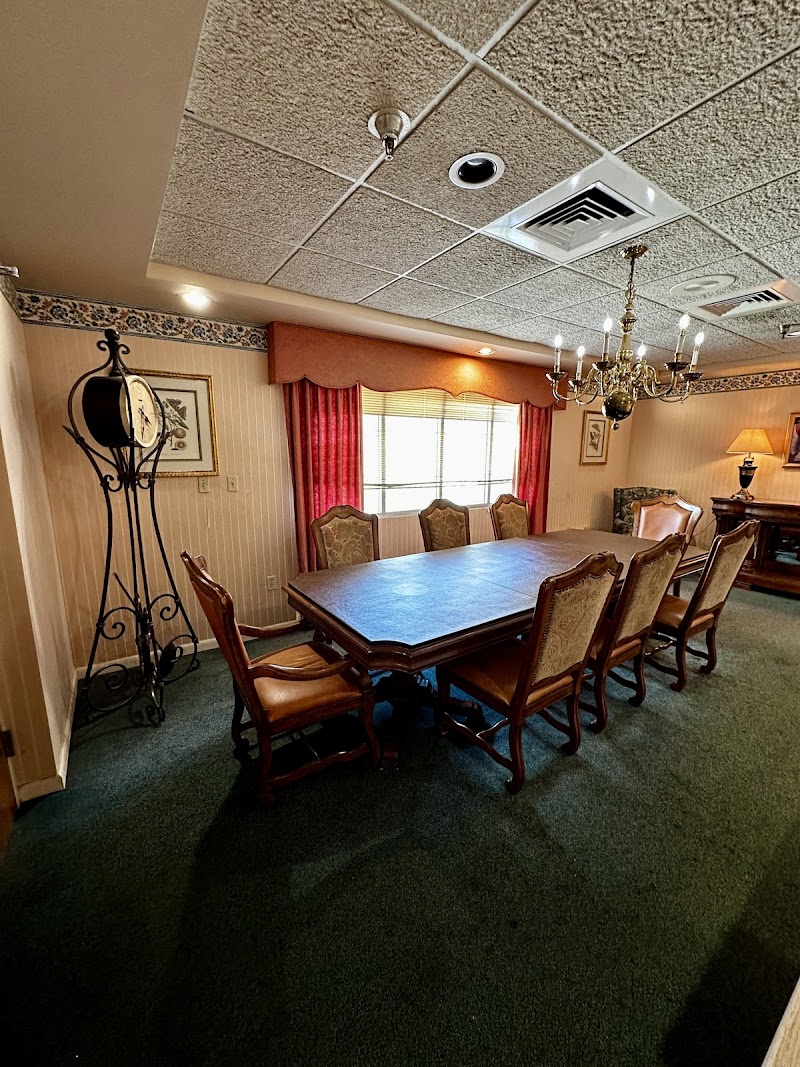
How is Indian Beach Nursing And Rehab Center Staffed?

CMS rates INDIAN BEACH NURSING AND REHAB CENTER's staffing level at 4 out of 5 stars, which is above average compared to other nursing homes. Staff turnover is 47%, compared to the Florida average of 46%.

What Have Inspectors Found at Indian Beach Nursing And Rehab Center?

State health inspectors documented 19 deficiencies at INDIAN BEACH NURSING AND REHAB CENTER during 2021 to 2025. These included: 3 Immediate Jeopardy (the most serious level, indicating potential for serious harm or death) and 16 with potential for harm. Immediate Jeopardy findings are rare and represent the most serious regulatory concerns. They require immediate corrective action.
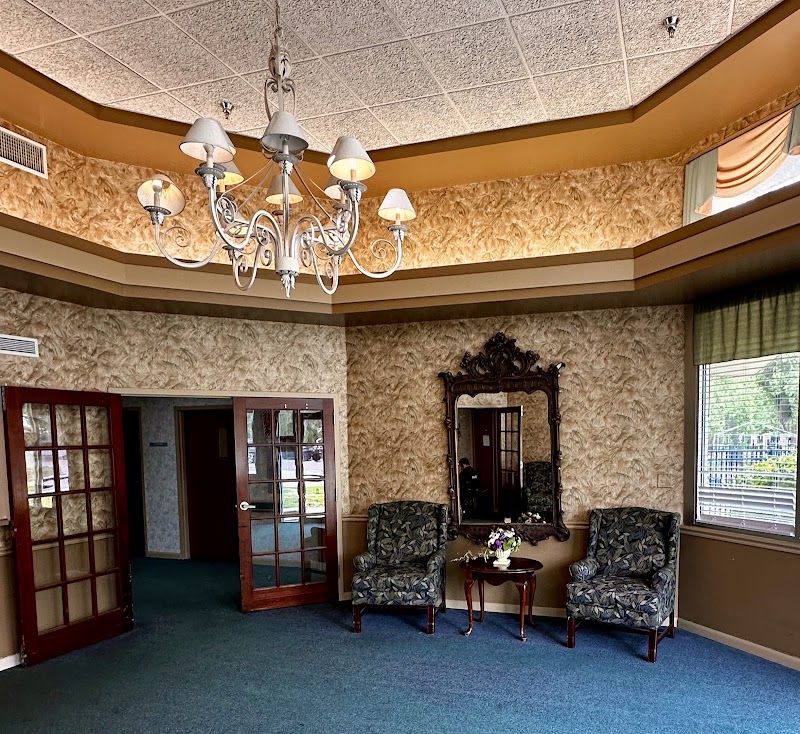
Who Owns and Operates Indian Beach Nursing And Rehab Center?

INDIAN BEACH NURSING AND REHAB CENTER is owned by a non-profit organization. Non-profit facilities reinvest revenue into operations rather than distributing to shareholders. The facility is operated by ELIYAHU MIRLIS, a chain that manages multiple nursing homes. With 101 certified beds and approximately 98 residents (about 97% occupancy), it is a mid-sized facility located in SARASOTA, Florida.
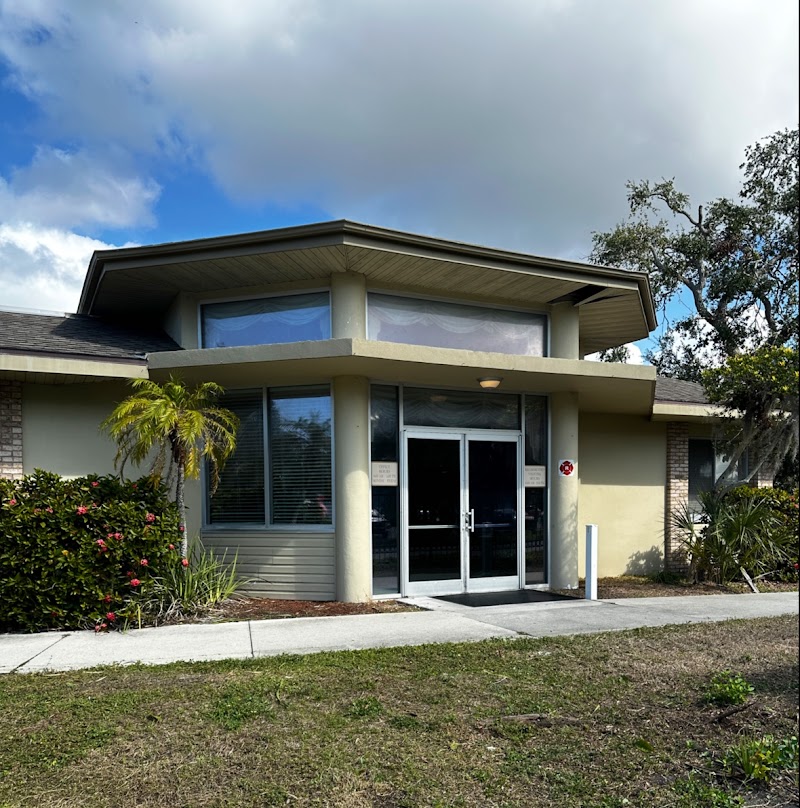
How Does Indian Beach Nursing And Rehab Center Compare to Other Florida Nursing Homes?

Compared to the 100 nursing homes in Florida, INDIAN BEACH NURSING AND REHAB CENTER's overall rating (1 stars) is below the state average of 3.2, staff turnover (47%) is near the state average of 46%, and health inspection rating (1 stars) is much below the national benchmark.

What Should Families Ask When Visiting Indian Beach Nursing And Rehab Center?

Based on this facility's data, families visiting should ask: "What changes have been made since the serious inspection findings, and how are you preventing similar issues?" "What safeguards and monitoring systems are in place to protect residents from abuse or neglect?" "Can I visit during a mealtime to observe dining assistance and food quality?" "How do you handle medical emergencies, and what is your hospital transfer rate?" These questions are particularly relevant given the facility's Immediate Jeopardy citations and the substantiated abuse finding on record.

Is Indian Beach Nursing And Rehab Center Safe?

Based on CMS inspection data, INDIAN BEACH NURSING AND REHAB CENTER has documented safety concerns. The facility has 1 substantiated abuse finding (meaning confirmed case of resident harm by staff or other residents). Inspectors have issued 3 Immediate Jeopardy citations (the most serious violation level indicating risk of serious injury or death). The facility has a 1-star overall rating and ranks #100 of 100 nursing homes in Florida. Families considering this facility should ask detailed questions about what corrective actions have been taken since these incidents.

Do Nurses at Indian Beach Nursing And Rehab Center Stick Around?

INDIAN BEACH NURSING AND REHAB CENTER has a staff turnover rate of 47%, which is about average for Florida nursing homes (state average: 46%). Moderate turnover is common in nursing homes, but families should still ask about staff tenure and how the facility maintains care continuity when employees leave.

Was Indian Beach Nursing And Rehab Center Ever Fined?

INDIAN BEACH NURSING AND REHAB CENTER has been fined $14,800 across 1 penalty action. This is below the Florida average of $33,227. While any fine indicates a compliance issue, fines under $50,000 are relatively common and typically reflect isolated problems that were subsequently corrected. Families should ask what specific issues led to these fines and confirm they've been resolved.

Is Indian Beach Nursing And Rehab Center on Any Federal Watch List?

INDIAN BEACH NURSING AND REHAB CENTER is not on any federal watch list. The most significant is the Special Focus Facility (SFF) program, which identifies the bottom 1% of nursing homes nationally based on persistent, serious quality problems. Not being on this list means the facility has avoided the pattern of deficiencies that triggers enhanced federal oversight. This is a positive indicator, though families should still review the facility's inspection history directly.