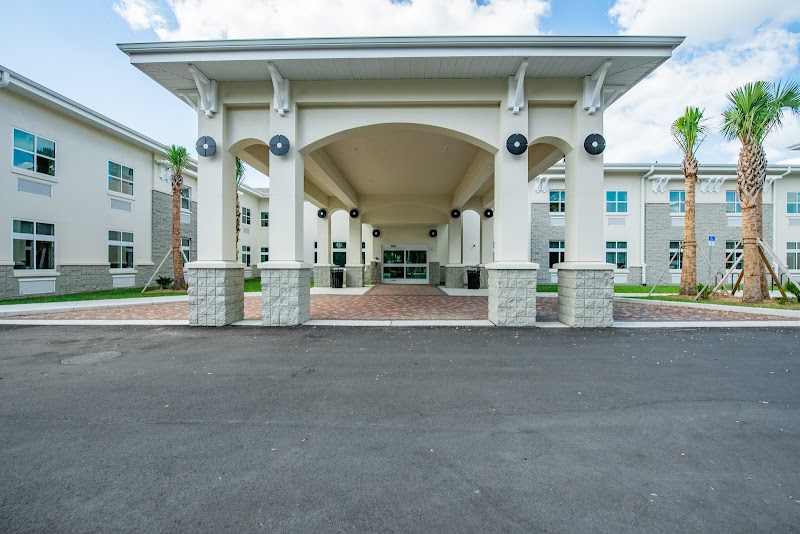

PINES OF SARASOTA

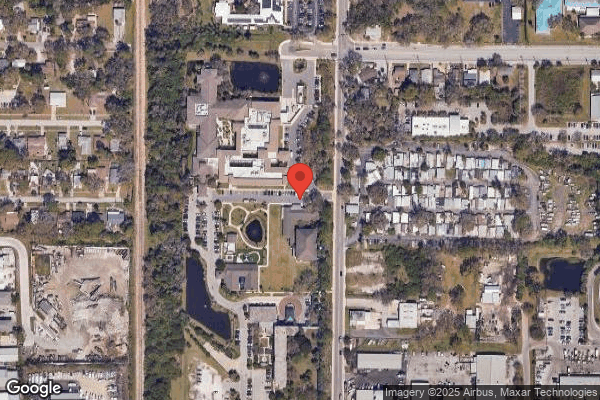
1501 N ORANGE AVE, SARASOTA, FL 34236 (941) 365-0250
Non profit - Corporation 171 Beds Independent Data: November 2025
Trust Grade
90/100
#90 of 690 in FL
Last Inspection: May 2024

Within standard 12-15 month inspection cycle. Federal law requires annual inspections.

Overview

Pines of Sarasota has an excellent Trust Grade of A, indicating that it is highly recommended and performs well compared to other facilities. It ranks #90 out of 690 nursing homes in Florida, placing it in the top half, and #3 out of 30 in Sarasota County, suggesting that there are only two better local options. The facility is improving, with a decrease in issues from four in 2023 to two in 2024. Staffing is rated 4 out of 5 stars, with a turnover rate of 43%, slightly above the state average but still manageable. While there are no fines reported, which is a positive sign, there are concerns about RN coverage, as it is lower than 75% of Florida facilities. Specific incidents noted include failures in food safety standards, such as dirty kitchen equipment, a resident's medication not being securely stored, and inadequate training resulting in a resident suffering a burn from overheated food. Overall, Pines of Sarasota has strengths in its ratings and absence of fines, but families should be aware of the identified concerns and recent incidents.

Trust Score
A
90/100
In Florida
#90/690
Top 13%
Safety Record
Low Risk
No red flags
Inspections
Getting Better
4 → 2 violations
Staff Stability
○ Average
43% turnover. Near Florida's 48% average. Typical for the industry.
Penalties
✓ Good
No fines on record. Clean compliance history, better than most Florida facilities.
Skilled Nurses
○ Average
Each resident gets 35 minutes of Registered Nurse (RN) attention daily — about average for Florida. RNs are the most trained staff who monitor for health changes.
Violations
○ Average
8 deficiencies on record. Average for a facility this size. Mostly minor or procedural issues.
★★★★★
5.0
Overall Rating
★★★★☆
4.0
Staff Levels
★★★★★
5.0
Care Quality
★★★★★
5.0
Inspection Score
Stable
2023: 4 issues
2024: 2 issues

The Good

  • 4-Star Staffing Rating · Above-average nurse staffing levels
  • 5-Star Quality Measures · Strong clinical quality outcomes
  • Full Sprinkler Coverage · Fire safety systems throughout facility
  • No fines on record
  • Staff turnover below average (43%)

    5 points below Florida average of 48%

Facility shows strength in staffing levels, quality measures, fire safety.

The Bad

Staff Turnover: 43%

Near Florida avg (46%)

Typical for the industry

The Ugly 8 deficiencies on record

May 2024 2 deficiencies
CONCERN (D)

Potential for Harm - no one hurt, but risky conditions existed

Deficiency F0761 (Tag F0761)

Could have caused harm · This affected 1 resident

Based on observations, interviews, and facility document review, the facility failed to assure that medications were secure and inaccessible to unauthorized staff and residents for 2 (Residents #42 an...

Read full inspector narrative →
Based on observations, interviews, and facility document review, the facility failed to assure that medications were secure and inaccessible to unauthorized staff and residents for 2 (Residents #42 and #75) of 2 residents reviewed for medication storage. The findings included: Review of the facility policy titled Medication Storage in the Facility with an effective date of March 2019, showed Medications and biologicals are stored safely, securely, and properly, following manufacturer's recommendations or those of the supplier. The medication supply is accessible only to licensed nursing personnel, pharmacy personnel, or staff members lawfully authorized to administer medications. 1. On 4/30/2024 at 9:40 a.m., Resident #75 was observed with 1 small circular white pill on the nightstand and 9 pills in a medication cup on his bedside tray table. Resident #75 said the small circular white pill is his diuretic pill. Resident #75 said he waits to take his diuretic pill after his physical therapy. Resident #75 said his doctor told him he could take it later so he will not have to use the bathroom during therapy. On 4/30/24 at 10:03 a.m., an interview with Agency Registered Nurse (RN) Staff E said she could not recall if she observed Resident #75 take his medications. RN Staff E confirmed the small circular white pill was on the nightstand of Resident #75. On 4/30/2024 at 10:10 a.m., Assistant Director of Nursing, Infection Control Preventionist, Risk Manager (ADON, ICP, RM) reviewed the Medication Administration Record (MAR) and confirmed RN Staff E signed off that 10 pills to Resident #75 were administered. The ADON said the nurse should stay with a resident to ensure all pills are taken at the time of administration. The ADON confirmed there was a small circular white pill on the nightstand. 2. On 5/01/24 at 9:50 a.m., an observation with the ADON was made of artificial tears medication sitting on the caddy bin in the hallway outside of Resident #42's room. * On 5/1/24 at 9:54 a.m., ADON said medications should not be left in the hallway. *Photographic Evidence Obtained
CONCERN (D) 📢 Someone Reported This

A family member, employee, or ombudsman was alarmed enough to file a formal complaint

Potential for Harm - no one hurt, but risky conditions existed

Deficiency F0943 (Tag F0943)

Could have caused harm · This affected 1 resident

Based on record review and interview, the facility failed to ensure training was appropriate and effective as determined by staff need, following an incident resulting in 1 (Resident #19) sustaining a...

Read full inspector narrative →
Based on record review and interview, the facility failed to ensure training was appropriate and effective as determined by staff need, following an incident resulting in 1 (Resident #19) sustaining a burn from over-heated food. The findings included: Facility policy titled Re-Heating Resident Food and Beverages effective 4/22/24 indicated: 4. Staff will set microwave to 30 seconds on initial and the 15 seconds on any additional, stirring with clean utensil to ensure even heating throughout and check temperature. 5. When the temperature of 165 degrees F (Fahrenheit) is reached, allow to sit covered for 2 minutes prior to serving. Item not to be greater than 140 degrees F at the time of service. On 04/29/24 at 12:31 p.m., Resident #19 picked up his shirt and pointed at a dressing on his abdomen. Resident #19 said it was from spilling hot soup on himself. He said he didn't like that. He said the dressing was changed daily. Record review of Resident #19's chart found a progress note dated 4/21/24 that indicated Resident #19 was found with burns on the lower right abdomen which had raised into vesicles. The Doctor and family were notified, dressing order was obtained, and wound care consult was ordered. On 5/1/24 at 3:29 p.m., Staff D Licensed Practical Nurse Unit Manager (LPN) said Resident #19 was discovered with a burn on his abdomen and said it was from soup his family had brought in. He said a Certified Nurse Assistant (CNA) had heated the soup in the microwave and when he went to eat it, he spilled it on himself. She said Resident #19 did not need to be sent out to the hospital and the wound was being treated in-house. On 5/2/24 at 10:10 a.m., the Director of Nursing (DON) said the incident had occurred because the CNA had not followed procedure and had not checked the temperature of the soup before serving it to Resident #19. The DON said the Assistant Director of Nursing Risk Manager (ADONRM) had provided training for the staff on re-heating food and the ADON was conducting audits to ensure policy is followed. The DON said Agency staff were trained by going through an orientation book and were included in in-services. The DON said the policy was also posted at the nurses' stations, break rooms and nutrition rooms. On 5/2/24 at 10:11 a.m., the ADON said she had been conducting audits by watching staff if they rewarm residents' food. She said she checks to ensure they temp after reheating and clean the thermometer. On 5/2/24 at 9:35 a.m., Staff A (CNA) said he wouldn't reheat food but if he had to, he would make sure it fits their diet. He said he wouldn't do over 30 seconds. He said he had training, but it was about a year ago. He said there was a thermometer in the nourishment room and when asked how hot food should temp, he said nothing over 100 degrees F. On 5/2/24 at 9:50 a.m., Staff B (Agency CNA) said she thought dietary would reheat food. She said she did not know if she could reheat food. Said she did some computerized training but doesn't remember anything about reheating food. On 5/2/24 at 9:54 a.m., Staff C (Agency CNA) said she had not had to heat up food and asked can she heat it up? She said she knows she is not allowed to take food out of the room once it's in there. She said if they ask to heat up the food, she honestly did not know what to do. She said she was not aware of any training on reheating food. On entry to nourishment room, the policy was posted on the cabinet and Staff C said no one had ever gone over that with her. On 5/2/24 at 10:15 a.m., the Director of Nursing (DON) was informed 3 CNAs were unable to explain the procedure for reheating food safely. The DON said they will have to begin retraining again.
Jan 2023 4 deficiencies
CONCERN (D)

Potential for Harm - no one hurt, but risky conditions existed

Incontinence Care (Tag F0690)

Could have caused harm · This affected 1 resident

Based on observation, and staff interviews, the facility failed to store a urinary catheter drainage bag in a sanitary manner to prevent infection for 1 (Resident #117) of 3 residents sampled with ind...

Read full inspector narrative →
Based on observation, and staff interviews, the facility failed to store a urinary catheter drainage bag in a sanitary manner to prevent infection for 1 (Resident #117) of 3 residents sampled with indwelling catheters. The findings included: On 1/9/23 at 10:09 a.m., a urinary catheter drainage bag was observed hanging from the handrail in Resident #117's bathroom. The drainage bag's tubing was wrapped around the handrail. The tip of the tubing was not capped and rested against the wall. Photographic evidence obtained. On 1/11/23 at 9:51 a.m., Certified Nursing Assistant (CNA) Staff A said the urinary catheter drainage bag belongs to Resident #117. She said CNA's were responsible to clean the tubing with soap and water, rinse the drainage bag, and store the bag, and the tubing in a plastic bag in the bathroom. On 1/11/23 at 10:04 a.m., Licensed Practical Nurse (LPN) Staff B said the CNAs do routine catheter care with soap and water. When they change the catheter bag to a leg bag, they are to rinse the bags, store them in a plastic bag, and hang them from the bathroom hand rails.
CONCERN (D) 📢 Someone Reported This

A family member, employee, or ombudsman was alarmed enough to file a formal complaint

Potential for Harm - no one hurt, but risky conditions existed

Respiratory Care (Tag F0695)

Could have caused harm · This affected 1 resident

Based on observation, record review, and interviews, the facility failed to provide oxygen therapy as ordered to meet the needs of 1 (Resident #82) of 2 residents reviewed for oxygen administration. ...

Read full inspector narrative →
Based on observation, record review, and interviews, the facility failed to provide oxygen therapy as ordered to meet the needs of 1 (Resident #82) of 2 residents reviewed for oxygen administration. The findings included: Record review of the Quarterly Minimum Data Set (MDS) assessment with a target date of 11/11/22 revealed Resident #82's cognition was intact. Diagnoses included heart failure. Resident #82 required extensive physical assistance of two persons for bed mobility. The physician's orders dated 12/27/22 included to administer Oxygen at 2 liters via nasal cannula as needed to keep saturation above 91% for shortness of breath. On 1/9/23 at 9:45 a.m., Resident #82 was observed on his back in bed, receiving Oxygen at four liters via nasal cannula. Resident #82 said he should be receiving oxygen at two liters, and was not able to reach the flow meter. On 1/10/23 at 8:56 a.m., Resident #82 was observed in bed receiving oxygen at four liters via nasal cannula. The flow meter was not within reach of the resident. On 1/11/23 at 7:54 a.m., resident #82 was observed in bed sleeping with oxygen on at four liters via nasal cannula. On 1/11/23 at 9:15 a.m., Registered Nurse (RN) Staff W verified Resident #82's oxygen was set at four liters. She confirmed the physician's order specified to administer oxygen at 2 liters via nasal cannula.
CONCERN (D) 📢 Someone Reported This

A family member, employee, or ombudsman was alarmed enough to file a formal complaint

Potential for Harm - no one hurt, but risky conditions existed

Deficiency F0700 (Tag F0700)

Could have caused harm · This affected 1 resident

4. On 1/11/2023 at 10:50 a.m., the Maintenance Director stated the beds are checked for zones of entrapment once a year, and are not resident specific. The Maintenance Director said the facility did n...

Read full inspector narrative →
4. On 1/11/2023 at 10:50 a.m., the Maintenance Director stated the beds are checked for zones of entrapment once a year, and are not resident specific. The Maintenance Director said the facility did not keep documentation of the inspection and maintenance of the bed rails. Based on observation, record review, policy review, staff and resident interviews, the facility failed to ensure 2 (Resident #58, and #141) of 6 residents observed with siderails were assessed for alternative interventions prior to the use of the siderails and informed consent explaining the risks and benefits was obtained prior to installation of the bedrails. The facility failed to have documentation of routine maintenance of the bed rails to ensure they remained safe for residents' use. The findings included: The facility policy Bedrails, (revised 9/19) specified: 1. The facility will attempt to use appropriate alternatives prior to installing a side or bed rail. 2. If a bed or side rail is used, the facility will ensure correct installation, use and maintenance of bed rails, including but not limited to the following elements. a. Assess the resident for risk of entrapment from bed rails prior to installation. B. Review the risks and benefits of bed rails with the resident or resident representative and obtain informed consent. ac. Ensure that the beds dimensions are appropriate for the resident's size and weight. d. Follow the manufacturers recommendations and specifications for installing and maintaining bed rails. 1. Review of the clinical record revealed Resident #58 had an admission date of 2/2/22 with diagnoses including dementia and Alzheimer's disease. On 1/9/23 at 1:43 p.m., Resident #58 was observed in bed with grab bar/side rails on both sides in the raised position. Resident #58 said she did not know what the side rails were. Further review of the clinical record showed no documentation of a signed consent or alternatives attempted prior to the use of the grab bars. On 1/11/23 at 10:49 a.m., the Director of Nursing verified the lack of documentation of alternatives attempted and informed consent prior to the use of the side rails for Resident #58. 2. Review of the clinical record revealed Resident #141 an admission date of 10/7/21 with diagnoses including dementia, delirium and wandering. Resident #141 resided in the secured unit of the facility. The Annual Minimum Data Set (MDS) assessment with a target date of 10/12/22 noted the resident scored a 5 on the Brief Interview for Mental Status, indicative of severe cognitive impairment. On 1/9/23 at 1:22 p.m., and 1/10/23 at 8:27 a.m., Resident #141 was observed in bed with grab bars on both sides of the bed in the raised position. Resident #141 was not able to answer questions. Further review of the clinical record showed no documentation of alternatives attempted or an informed consent was obtained prior to the use of the side rails. On 1/11/23 at 10:49 a.m., the DON verified the lack of documentation of alternatives attempted and informed consent prior to the installation of the side rails. The DON provided a siderail evaluation and consent form obtained and dated 1/11/23 for Resident #58 and #141. The form did not list alternatives attempted prior to the installation of the siderails for the residents. 3. On 1/11/23 at 10:50 a.m., the Maintenance Director said he had no documentation of periodic maintenance for the grab bars or siderails. He confirmed he did not check to see if the grab bars were loose, needed repair or were safe.
CONCERN (D) 📢 Someone Reported This

A family member, employee, or ombudsman was alarmed enough to file a formal complaint

Potential for Harm - no one hurt, but risky conditions existed

Deficiency F0761 (Tag F0761)

Could have caused harm · This affected 1 resident

Based on Observation and interviews the facility failed to ensure the medication cart remained secured when not in direct view of the nurse for 1 (5100 hall Medication cart) of 9 medication carts. Th...

Read full inspector narrative →
Based on Observation and interviews the facility failed to ensure the medication cart remained secured when not in direct view of the nurse for 1 (5100 hall Medication cart) of 9 medication carts. The findings included: On 1/9/23, at 3:50 p.m., observed an unlocked, unattended medication cart in the 5100 hall with the top drawer opened. The screen of the computer mounted on the medication cart was opened displaying residents' private information. Registered Nurse Staff Q was observed in a resident's room administering medication. The medication cart was not within eyesight of the nurse. The Nurse was completely in the resident's room administering medication. Photographic evidence obtained On 1/9/22, at 3:55 p.m., Registered Nurse Staff Q verified the medication cart was unlocked and unattended and the medications in the cart were easily accessible to unauthorized staff, visitors or residents. The nurse also verified the computer screen was left opened displaying residents' private health information. Staff Q said the medication cart should be locked when unattended.
May 2021 2 deficiencies
CONCERN (D)

Potential for Harm - no one hurt, but risky conditions existed

Deficiency F0761 (Tag F0761)

Could have caused harm · This affected 1 resident

Based on observation and interview, the facility failed to ensure medications were secured, locked and inaccessible to unauthorized staff, residents, and visitors, or under direct observation of autho...

Read full inspector narrative →
Based on observation and interview, the facility failed to ensure medications were secured, locked and inaccessible to unauthorized staff, residents, and visitors, or under direct observation of authorized staff by 1 (LPN Staff A) of 4 staff observed administering medications. The facility also failed to remove expired medications from active supply for 1 (Memory care) of 3 medication carts observed and failed to document the opened date of a multi-dose vial of medication for 1 (Second floor medication room) of 2 medication storage rooms observed. The findings included: Facility policy titled, Medication Administration, revised 11/03, 11/06, 7/18 indicated: The nurse is to '' take the medication cart to the vicinity of the resident's room. The cart should be visible to the nurse administering medication. it may remain unlocked only when it is in the direct line of sight of the nurse . Facility Policy titled, Medication Storage in the facility, effective date January 2017 indicated: All expired medications will be removed from the active supply and destroyed in the facility, regardless of the amount remaining . when the original seal of a manufacturer's container or vial is initially broken, the container or vial will be dated. The nurse shall place a date opened sticker on the medication and enter the date opened and the new date of expiration. The expiration date of the vial or container will be 30 days unless the manufacturer recommends another date. 1. On 5/25/21 at 9:16 a.m., Licensed Practical Nurse (LPN) Staff A was observed preparing medications for Resident #369. LPN Staff A placed several medications in a medication cup, placed some of the medications back in the cart, locked the cart, and left a blister pack of Tramadol (narcotic pain medication) on top of the med cart containing 11 pills of Tramadol. LPN Staff A entered Resident #369's room and was out of direct line of sight of the medication cart and the blister pack of Tramadol. Upon return to the cart at 9:26 a.m., LPN Staff A said she had left the Tramadol on top of the cart because she was nervous. 2. On 5/26/21 at 12:14 p.m., a random audit was made of the medication cart in the Memory Care unit with LPN Staff B. Expired medications were found for Resident #95 including: 2 blister packs of Carvedilol (for high blood pressure) expired 4/17/21, 1 blister pack of Lasix (diuretic) expired 4/17/21, 1 blister pack of Potassium (supplement) expired 4/17/21, and 1 blister pack of Pramipexole (treats Parkinson's/restless leg) expired 4/17/21. ** Photographic evidence on file** The cart also contained a blister pack of Hydrocodone (pain medication) for Resident #25 that had expired on 3/12/21. LPN Staff B said all nurses on all shifts should monitor the medication carts for expired medications. 3. On 5/26/21 at 12:45 p.m., a random audit was made of the second-floor medication refrigerator with LPN Staff C. An opened vial of insulin was found in the refrigerator for Resident #83. The vial had a sticker attached that said, discard after 42 days, with a place to write the expiration date. No one had dated when the vial had been opened or when the vial expired. LPN Staff C said the process was to date the bottle when it was opened. ** Photographic evidence on file** On 5/27/21 at 11:56 a.m., in an interview the Director of Nursing (DON) said medications should always be put away and locked in the cart if it was out of the line of sight. DON said night shift nurses were supposed to check the medication carts for expired medications every day and the unit manager was supposed to check for compliance and that all insulin vials should be dated with the date opened and the expiration date based on the date opened.
CONCERN (F)

Potential for Harm - no one hurt, but risky conditions existed

Food Safety (Tag F0812)

Could have caused harm · This affected most or all residents

Based on observation and staff interview, the facility failed to maintain food preparation equipment in a clean and sanitary manner; failed to ensure food is maintained at a safe internal temperature;...

Read full inspector narrative →
Based on observation and staff interview, the facility failed to maintain food preparation equipment in a clean and sanitary manner; failed to ensure food is maintained at a safe internal temperature; failed to maintain a minimum wash temperature in the dishwasher to ensure effective sanitization of dinnerware. The findings included: On 5/24/21 at 9:30 a.m., during the initial kitchen tour with the Director of Dietary Services the following was observed: The floor in the kitchen, dry storage room, and both walk-in refrigerators were heavily soiled with grime and debris. The walk-in freezer door contained heavy condensation on the bottom exterior of the door. The tilt skillet was broken, heavily soiled, and in disrepair. The kitchen ovens were all heavily soiled with grime and debris, with 2 of the kitchen ovens broken, and in disrepair. The 2 top kitchen ovens that were being used to prepare food for the facility were heavily soiled with grime and debris, on the interior and exterior. The kitchen stove was heavily soiled with grime and debris. An uncovered container of vegetables was on the top of the stove. A box containing plastic wrap was placed on the top of the uncovered vegetables. The clean dish area and floor were observed to be heavily soiled with grime and debris. The hand washing area dispenser contained no soap, and a container of food was sitting on the top of the paper towel dispenser. The dishwasher area and floor were observed to be heavily soiled with grime and debris. The wall surrounding the dishwasher was soiled with black, bio growth and heavily soiled. A dietary aide was observed operating the high temperature dishwasher. The wash temperature rose to 140 F which is below the minimum of 160 F and the rinse temperature rose to 90 F which is below the required minimum of 180 F. The sink in the cooking area was observed to be leaking onto the kitchen floor. Observation of trash compactor area revealed that the area around the trash compactor was littered with trash (soiled gloves, rags, paper, plastic, and food debris). On 5/24/21 at 10:00 a.m., in an interview, the Director of Dietary Services confirmed the equipment was soiled, broken, and in disrepair. She stated they would be moving into the new kitchen next door when construction was completed, and it would have all new equipment then. On 5/25/21 at 9:15 a.m., in an interview with the Director of Dietary Services, she stated the technician came to fix the dishwasher previously, but the machine was not maintaining consistent water temperature for sanitizing when in use. On 5/26/21 at 9:16 a.m., in an interview, the technician from the service/repair company reported the dishwasher jets where clogged. He stated all the dishwasher machine jets needed to be replaced. On 5/26/21 at 11: 25 a.m., during tray-line observations, the Director of Dietary Services measured the food temperature. The Dijon chicken temperature was 196 degrees F. The bowtie pasta noodles temperature was 172 degrees F. The chicken noodle soup temperature was 175 degrees F. The tomato soup temperature was less than 173 degrees F. On 5/26/21 at 11:50 a.m., 25 minutes into the tray-line, the Director of Dietary Services measured the temperature of the food on the steam table and found the following: The Dijon Chicken temperature was 122 degrees F. The bowtie pasta noodles temperature was 131 degrees F. The chicken noodle soup temperature was 120 degrees F. The tomato soup temperature was 110 degrees F. On 5/26/21 at 11:55 a.m., the Director of Dietary Services confirmed the food temperature had decreased. The Director of Dietary Services verified the steam table was not working properly and did not maintain the food at safe temperature. On 5/26/21 at 3:30 p.m., in an interview, the Director of Dietary Services stated the problem with the steam table occurred when it was reset after cleaning. The knobs were replaced incorrectly and even though they were turned to the on position it was not actually heating.
Understanding Severity Codes (click to expand)
Life-Threatening (Immediate Jeopardy)
J - Isolated K - Pattern L - Widespread
Actual Harm
G - Isolated H - Pattern I - Widespread
Potential for Harm
D - Isolated E - Pattern F - Widespread
No Harm (Minor)
A - Isolated B - Pattern C - Widespread

Questions to Ask on Your Visit

  • "Can I speak with families of current residents?"
  • "What's your RN coverage like on weekends and overnight?"

Our Honest Assessment

Strengths
  • • Grade A (90/100). Above average facility, better than most options in Florida.
  • • No major safety red flags. No abuse findings, life-threatening violations, or SFF status.
  • • No fines on record. Clean compliance history, better than most Florida facilities.
  • • 43% turnover. Below Florida's 48% average. Good staff retention means consistent care.
Concerns
  • • No significant concerns identified. This facility shows no red flags across CMS ratings, staff turnover, or federal penalties.
Bottom line: Generally positive indicators. Standard due diligence and a personal visit recommended.

About This Facility

What is Pines Of Sarasota's CMS Rating?

CMS assigns PINES OF SARASOTA an overall rating of 5 out of 5 stars, which is considered much above average nationally. Within Florida, this rating places the facility higher than 99% of the state's 100 nursing homes. This rating reflects solid performance across the metrics CMS uses to evaluate nursing home quality.

How is Pines Of Sarasota Staffed?

CMS rates PINES OF SARASOTA's staffing level at 4 out of 5 stars, which is above average compared to other nursing homes. Staff turnover is 43%, compared to the Florida average of 46%. This relatively stable workforce can support continuity of care.

What Have Inspectors Found at Pines Of Sarasota?

State health inspectors documented 8 deficiencies at PINES OF SARASOTA during 2021 to 2024. These included: 8 with potential for harm.

Who Owns and Operates Pines Of Sarasota?

PINES OF SARASOTA is owned by a non-profit organization. Non-profit facilities reinvest revenue into operations rather than distributing to shareholders. The facility operates independently rather than as part of a larger chain. With 171 certified beds and approximately 190 residents (about 111% occupancy), it is a mid-sized facility located in SARASOTA, Florida.

How Does Pines Of Sarasota Compare to Other Florida Nursing Homes?

Compared to the 100 nursing homes in Florida, PINES OF SARASOTA's overall rating (5 stars) is above the state average of 3.2, staff turnover (43%) is near the state average of 46%, and health inspection rating (5 stars) is much above the national benchmark.

What Should Families Ask When Visiting Pines Of Sarasota?

Based on this facility's data, families visiting should ask: "Can I visit during a mealtime to observe dining assistance and food quality?" "How do you handle medical emergencies, and what is your hospital transfer rate?" "Can I speak with family members of current residents about their experience?"

Is Pines Of Sarasota Safe?

Based on CMS inspection data, PINES OF SARASOTA has a clean safety record: no substantiated abuse findings (meaning no confirmed cases of resident harm), no Immediate Jeopardy citations (the most serious violation level indicating risk of serious injury or death), and is not on the Special Focus Facility watch list (a federal program monitoring the lowest-performing 1% of nursing homes). The facility has a 5-star overall rating and ranks #1 of 100 nursing homes in Florida. While no facility is perfect, families should still ask about staff-to-resident ratios and recent inspection results during their visit.

Do Nurses at Pines Of Sarasota Stick Around?

PINES OF SARASOTA has a staff turnover rate of 43%, which is about average for Florida nursing homes (state average: 46%). Moderate turnover is common in nursing homes, but families should still ask about staff tenure and how the facility maintains care continuity when employees leave.

Was Pines Of Sarasota Ever Fined?

PINES OF SARASOTA has no federal fines on record. CMS issues fines when nursing homes fail to meet care standards or don't correct problems found during inspections. The absence of fines suggests the facility has either maintained compliance or corrected any issues before penalties were assessed. This is a positive indicator, though families should still review recent inspection reports for the full picture.

Is Pines Of Sarasota on Any Federal Watch List?

PINES OF SARASOTA is not on any federal watch list. The most significant is the Special Focus Facility (SFF) program, which identifies the bottom 1% of nursing homes nationally based on persistent, serious quality problems. Not being on this list means the facility has avoided the pattern of deficiencies that triggers enhanced federal oversight. This is a positive indicator, though families should still review the facility's inspection history directly.